
“I’ve got two kids so I need something practical, but I haven’t given up on life. It’s down to a BMW X3 M or a Mercedes-AMG GLC 63 S. I’m coming out of a 2015 Audi S5 Sportback and this is my first SUV. Will I be disappointed?” -Jason M
LET’S GET ONE thing clear straight off the bat. Neither of these SUVs is going to feel slow after getting out of your 245kW Audi.
Yes, they carry a couple of hundred extra kilos up the road, but consider this. You’ve been used to a power-to-weight ratio of 140kW/tonne. The BMW fronts up with 190kW/tonne and the Mercedes-AMG 194kW/tonne, so that will feel like almost 40 per cent more grunt.
I’ve performance tested the X3 M Competition’s hunchback sibling, the mechanically identical X4 M Competition and seen 100km/h in 3.7 seconds, so it’s ferociously rapid.
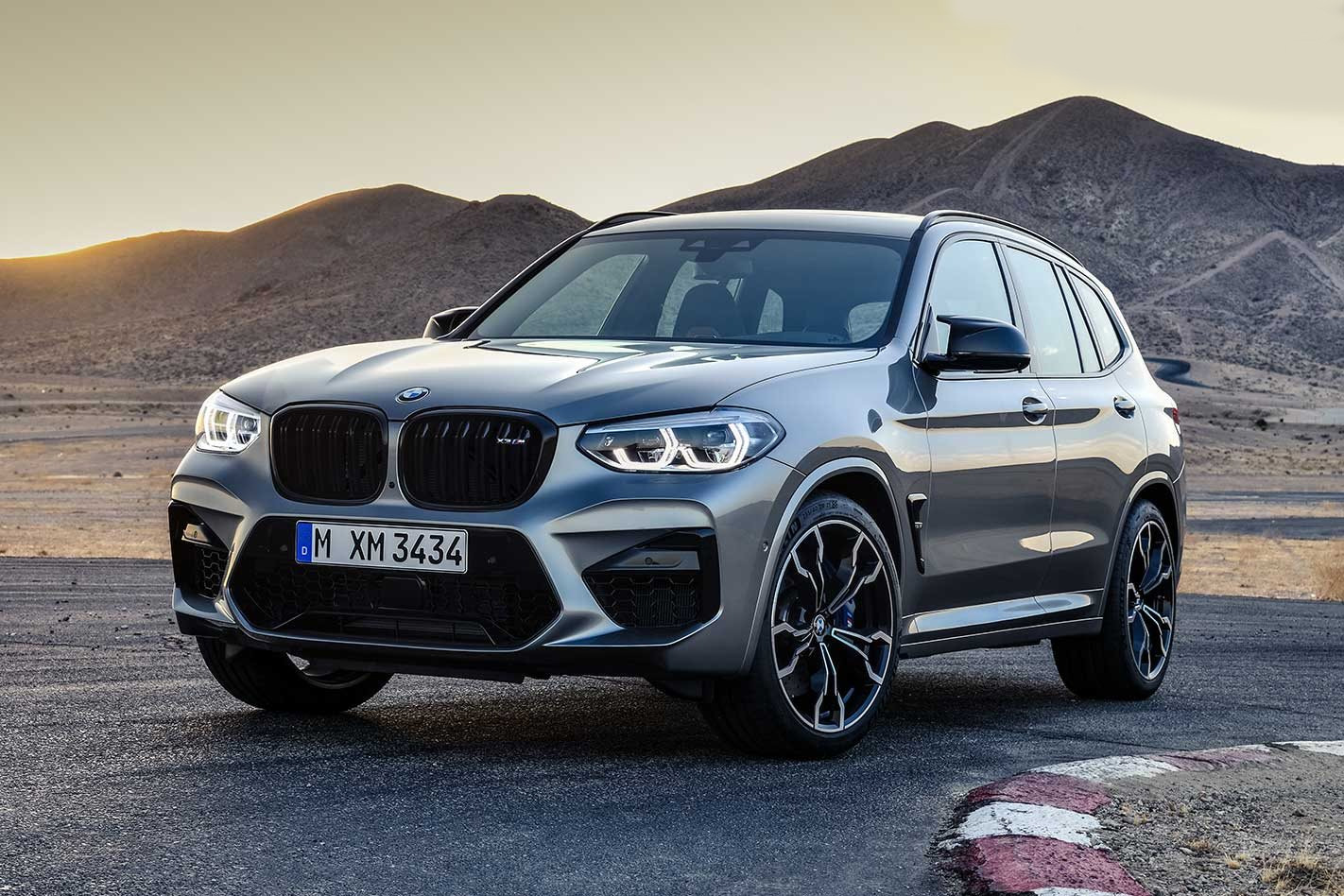
As a vehicle to take apart a challenging country route, I’d unhesitatingly pick the BMW. It just feels more nimble and more alert. Thing is, that tends not to be what we use performance SUVs for and, for most other duties, the Mercedes-AMG GLC 63 S will probably be a better bet.
The engine is more charismatic, the interior feels more special, the exterior styling has a bit more attitude to it and the overall driving experience is sprinkled with that feel-good fairy dust that Affalterbach does so well.
It’s not as if it’s a dynamic duffer when the road starts getting serious, but there’s no getting away from the fact that the GLC starts to labour, working its tyres and stability control system hard when driven at a pace where the M product shines.
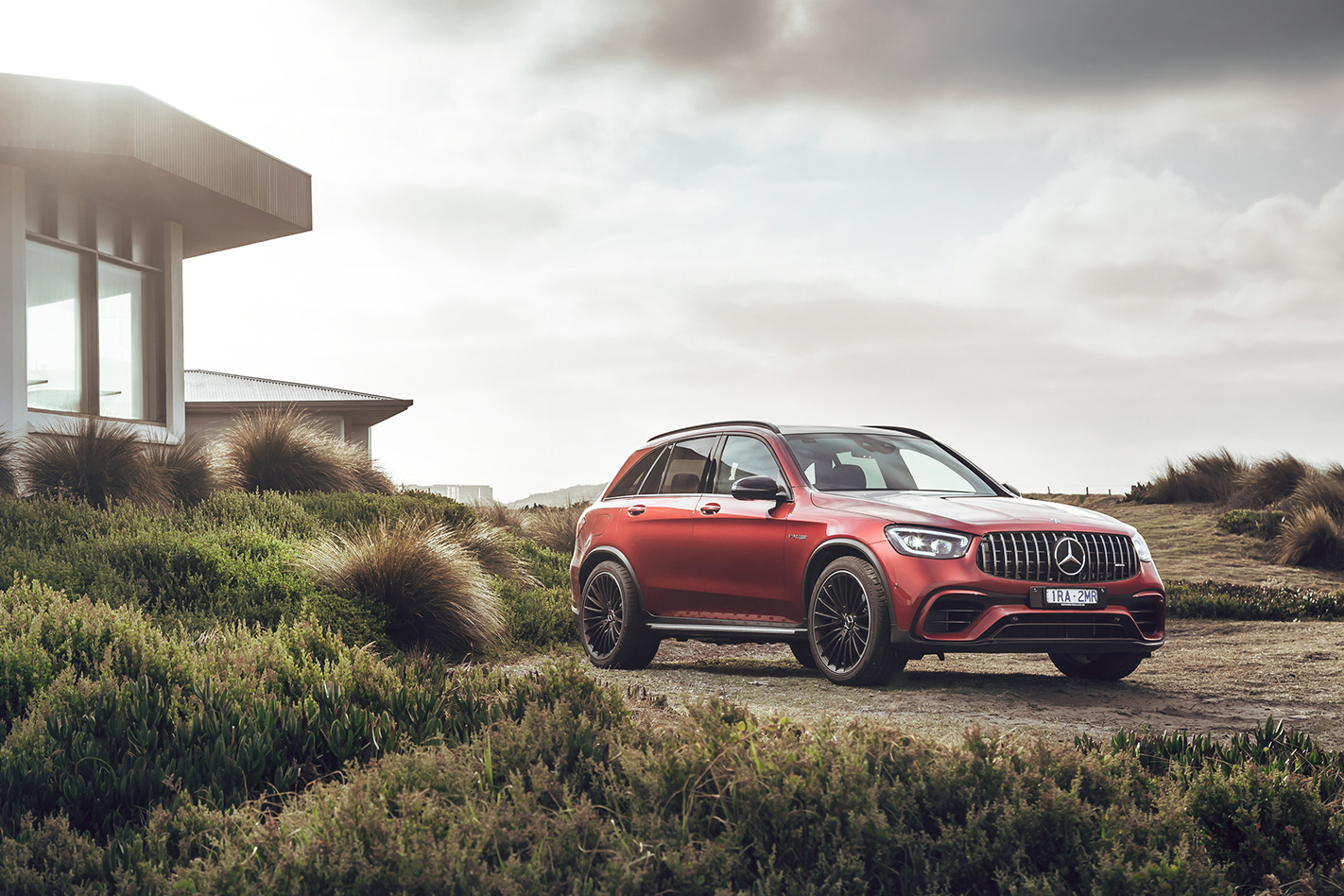
Both of these are great choices. For most people the AMG will be the more satisfying option, but if you really want to be amazed by the dynamic capabilities of a modern SUV, you owe it to yourself to at least try the X3 M Competition. – AE
2021 Mercedes-AMG GLC 63 S v 2021 BMW X3 M Competition Specs
Engine: 3982cc, V8, DOHC, 32v, twin-turbo | 2993cc, straight-six, DOHC, 24v, twin-turbo Power: 375kW @ 5500-6250rpm | 375kW @ 6250rpm Torque: 700Nm @ 1750-4500rpm | 600Nm @ 2600-5950rpm Weight: 1935kg | 1970kg 0-100km/h: 3.8sec | 4.11sec (tested) Price: $168,000 | $157,900
The 2021 Toyota Mirai second-generation hydrogen vehicle has launched in Australia through an extended demonstration program that will see just 20 cars leased by environmentally conscious organisations and businesses.
The new Mirai is being offered on a 36 month/60,000km lease contract costing $1750 per month for three years, which includes fuel. Service costs will be covered by a one-off $2693 payment.
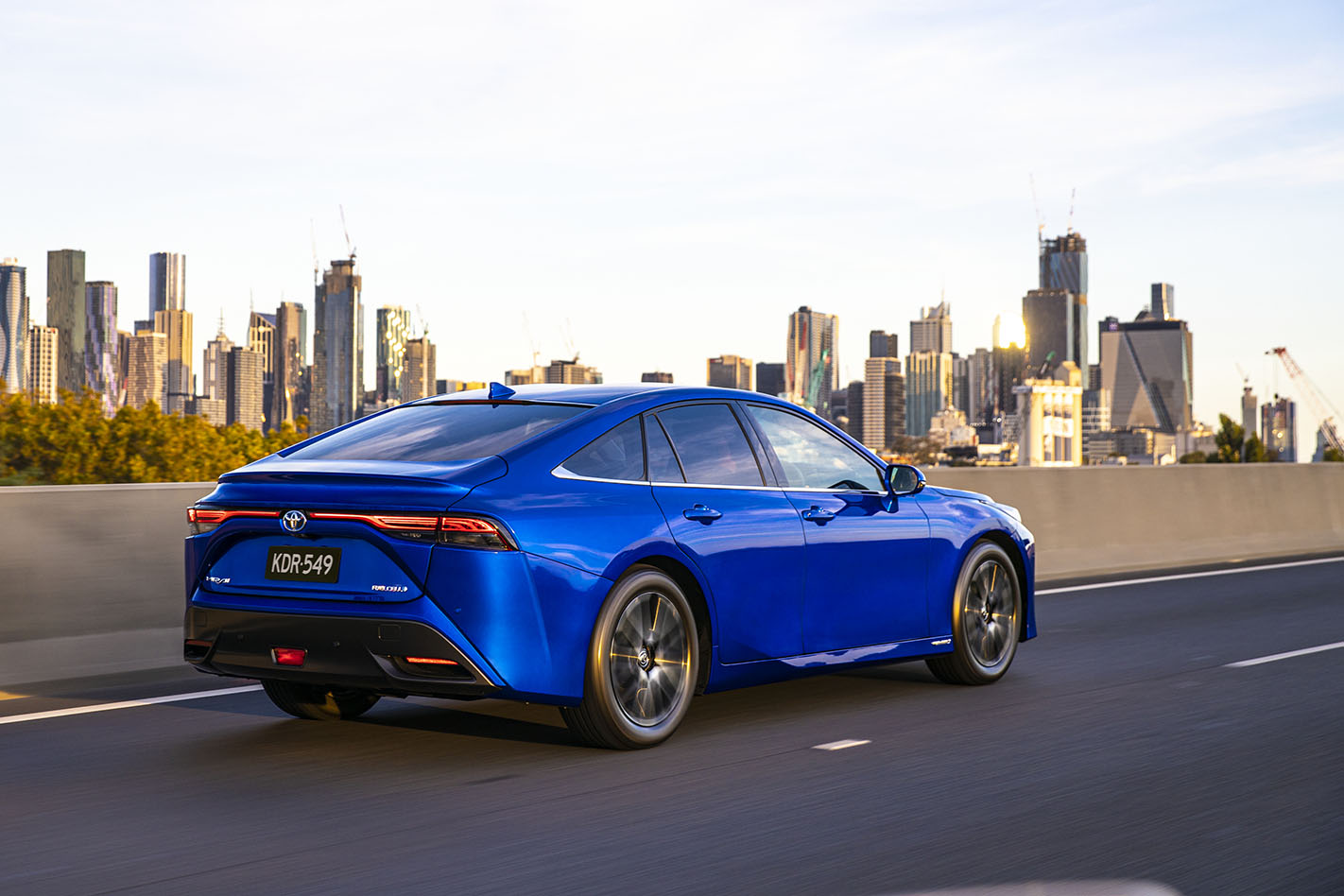
The launch of the new model follows a small-scale trial program that was initiated in 2018 with 10 examples of the first generation Mirai.
Those trials were conducted in collaboration with local Melbourne councils and utility companies, with the cars topped up from a mobile hydrogen refueller.
The new Mirai can now be refuelled at Victoria’s first commercial-grade hydrogen production, storage and refuelling facility at Toyota’s former manufacturing site in Altona in Melbourne’s west.
As well as the ability to produce hydrogen gas, the Toyota Hydrogen Centre features an education centre and the second publicly accessible hydrogen refuelling station in Australia; the first of which opened in Canberra last month.
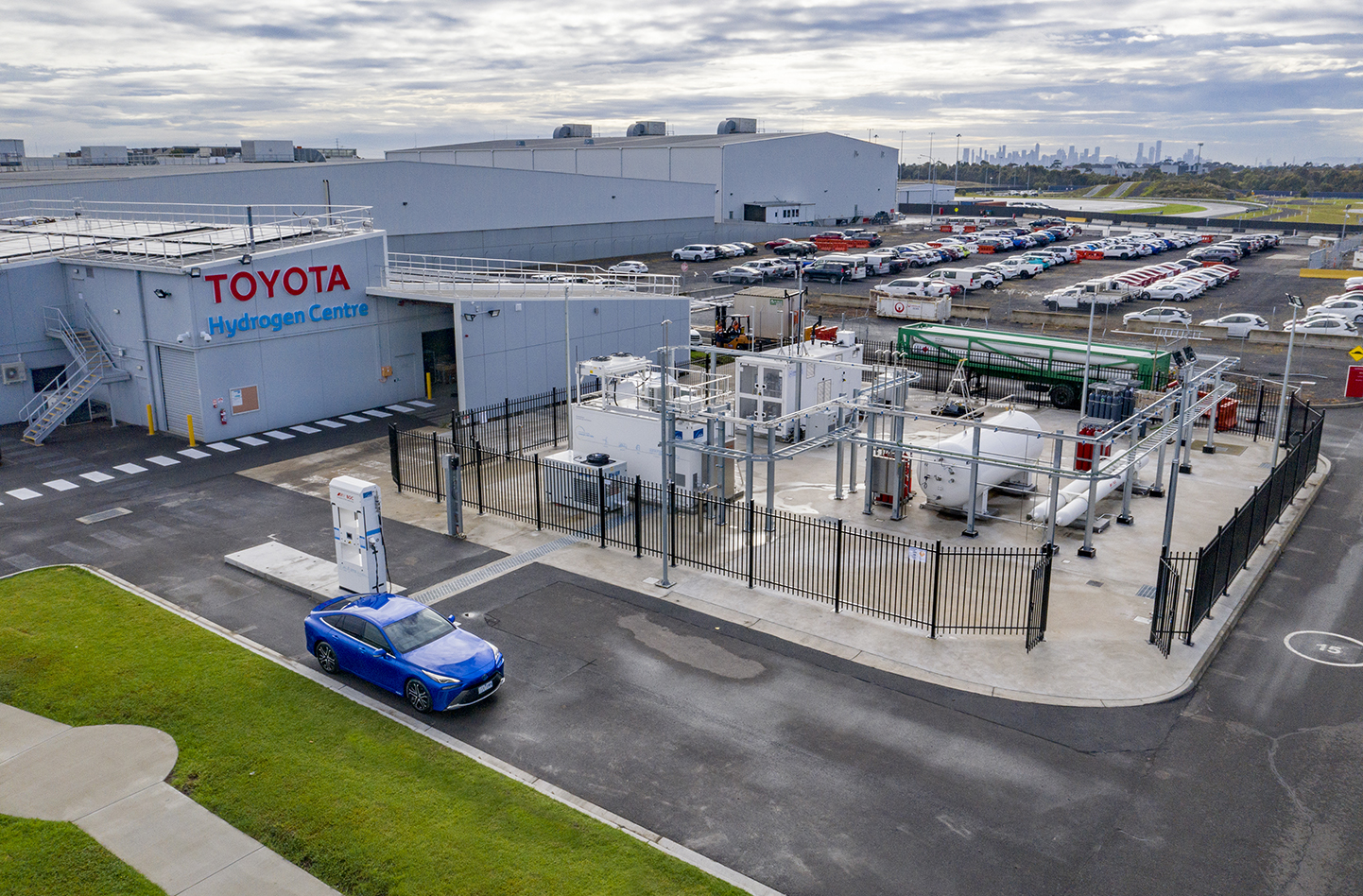
The Altona facility will be able to produce up to 80kg of hydrogen per day through a 200kW electrolyser that uses electricity to split water into hydrogen and oxygen components.
Power for the electrolyser is drawn from a combination of an 87kW solar array and a 100kW storage battery, or mains grid – depending on what’s available at the time.
The hydrogen is then stored in a bank of medium and high-pressure storage tubes to be able to refuel fuel-cell forklifts that Toyota uses in other parts of the Altona complex and hydrogen fuel cell electric vehicles (FCEVs).
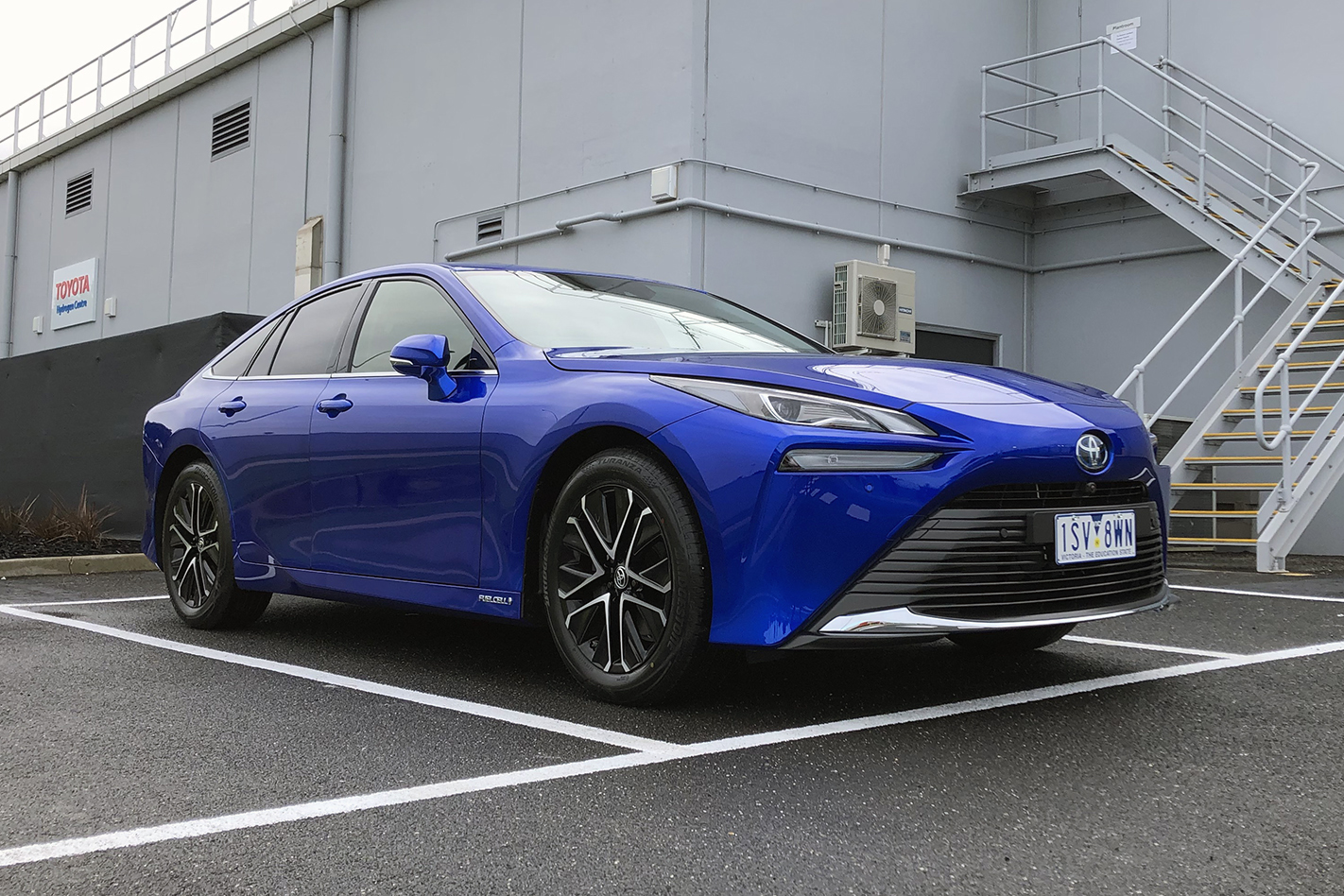
Vehicles like the new Mirai, and the Hyundai Nexo FCEV, whose operators will also be welcome to use the Toyota facility, will take up to about six kilograms of hydrogen in their carbon-fibre tanks (in about five minutes), giving each vehicle a range of more than 650km, according to their official WLTP rating.
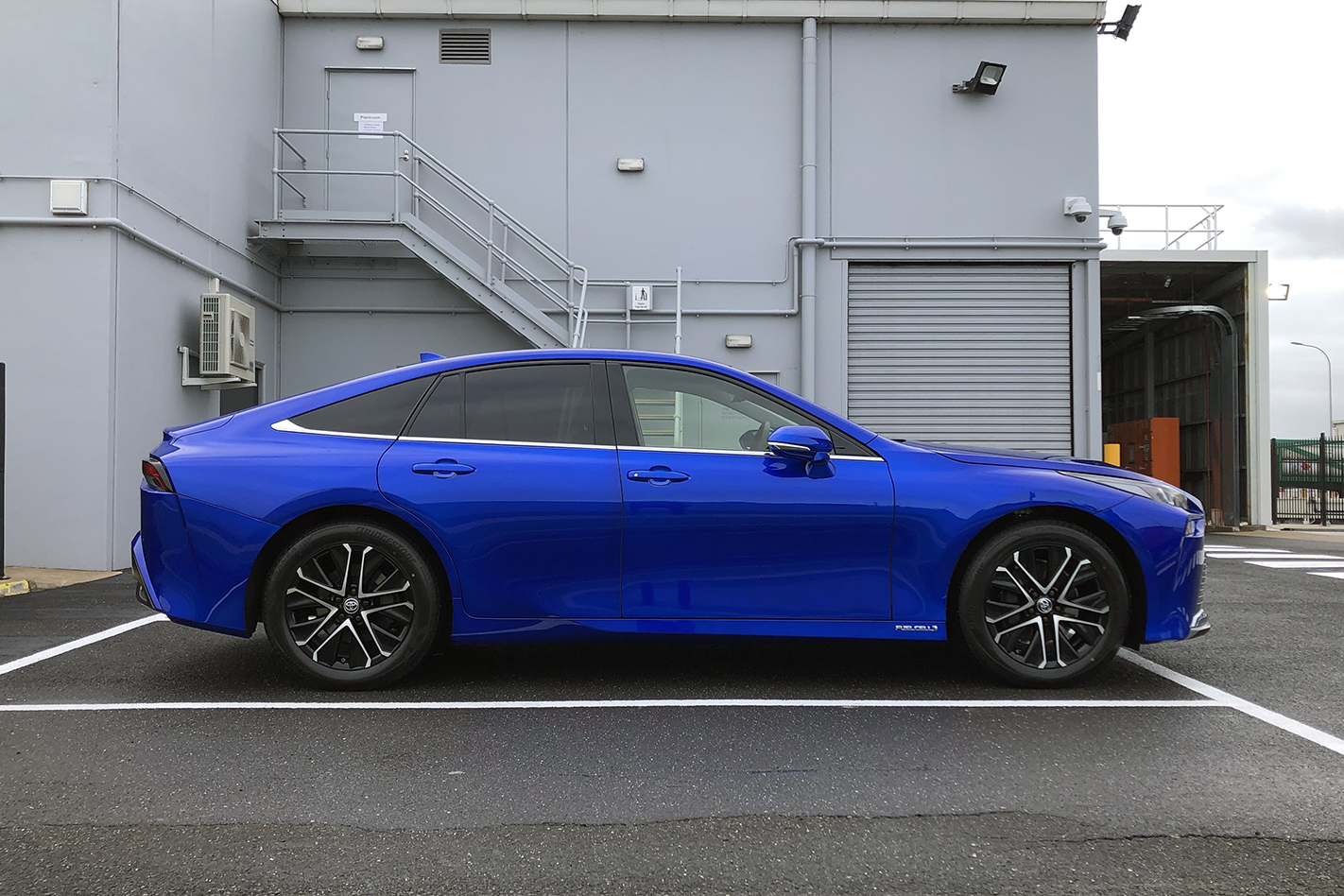
Unfortunately, this will be just shy of the distance between Altona and Canberra, which means you’re unlikely to see a new Mirai outside Victoria or possibly Canberra for a while.
It is still early days for hydrogen in Australia, with Toyota Australia President and CEO Matthew Callachor (below) explaining the Toyota Hydrogen Centre will have an important role in showcasing the benefits of fuel cell technology to governments, industry and the public.
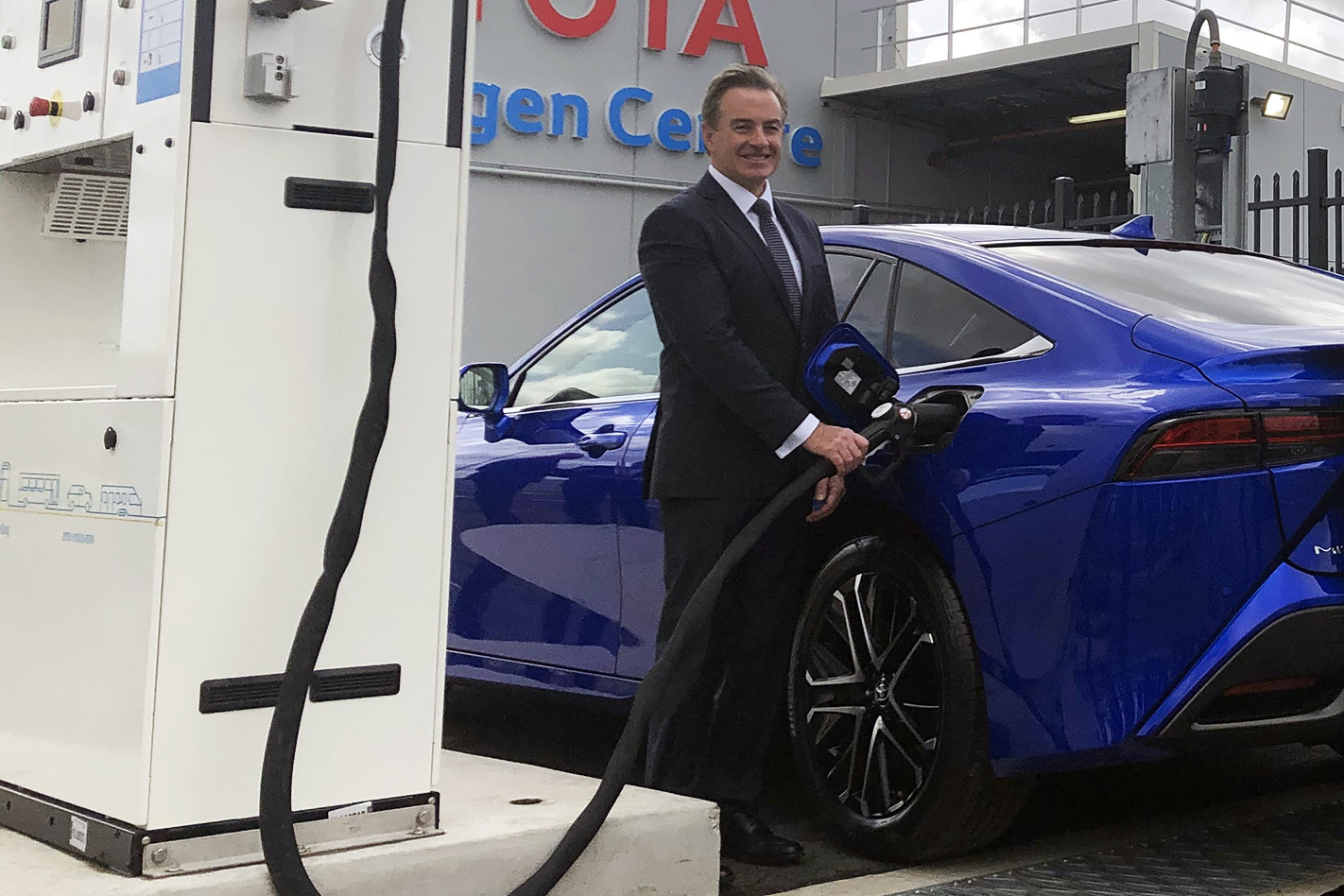
“That’s the reason for building the Centre right here, and also to demystify to the public what hydrogen is. Many people don’t understand what is the difference between a battery-electric and a hydrogen vehicle…we want to actually explain the entire process and also the safety considerations around it, which are extremely rigid.”
The Mini Minor moniker is rumoured to be in the pipeline for an all-electric revival, according to BMW insiders.
As first reported by Autocar, a heavily camouflaged Mini has recently been spied doing the rounds at winter testing sites across Europe, and it may well be the next incarnation of the long-dormant Minor.
The celebrated appellation’s newest iteration could be one of the first EV-only production cars built by BMW and Great Wall, as part of the two automakers’ ‘Spotlight’ agreement.

The 50:50 joint venture between the German and Chinese firms was solidified back in July of 2018, and the partnership will allow Mini electric vehicles to be manufactured in China’s Jiangsu province, where a circa-$1 billion ‘Spotlight’ factory is being built.
The Minor will sit on an all-new electric platform being jointly developed by BMW and Great Wall engineers.
The skateboard-style EV architecture will see batteries line the floor of the chassis, and the new hatch will be powered by a completely novel drivetrain being created by BMW.

The modular power unit, which has been coined ‘Heat’, will incorporate a water-cooled electric motor, single-speed transmission, and power electronics, and has been engineered to be roughly the same size as a conventional internal combustion engine.
Power is rumoured to be rated at around 100kW, while the Minor could have an effective driving range of roughly 270 kilometres.
According to Autocar, the BMW insider says owners looking to use the new EV Minor as a city car and travel around 35 kilometres a day will be able to go a week without having to charge up the battery.

It’s not known when the new Mini Minor will be globally unveiled, and a spokesperson for Mini Australia told WhichCar they could not comment on these new reports.
However, given BMW has previously stated that the ‘Spotlight’ project won’t spawn any models until 2023, we’ll probably have to wait until 2022 before anything more concrete can be confirmed.
Whatever the case, this news, combined with recent reports that Mini is also working on an all-electric crossover nicknamed ‘Rocketman’, show the British marque is serious about its commitment to being a pure electric vehicle manufacturer by 2030.
MORE: All Mini stories
Victorian motorists will soon be under surveillance from fixed cameras that can detect whether a driver is using their mobile phone while behind the wheel.
The innovative safety cameras will be mounted from fixed positions such as bridges and poles, and will operate as separate devices from Victoria’s already vast speed camera network.
Victoria has been trialling the new cameras since August 2020, following the lead of neighbouring New South Wales, which first tested the detection technology in December 2019, before implementing it state-wide in May 2020.
According to the Victorian Government, out of 679,438 images that were taken under the three-month safety camera trial in 2020, one in 42 motorists were caught using their phones.
That may not sound like a lot, but the State Government believes these numbers will rise substantially, given last year’s testing was conducted while Victoria suffered through lockdowns brought on by the COVID-19 pandemic.
The cameras will also be able to detect motorists engaging in other dangerous behaviour such as not wearing a seatbelt and driving without having hands on the steering wheel.
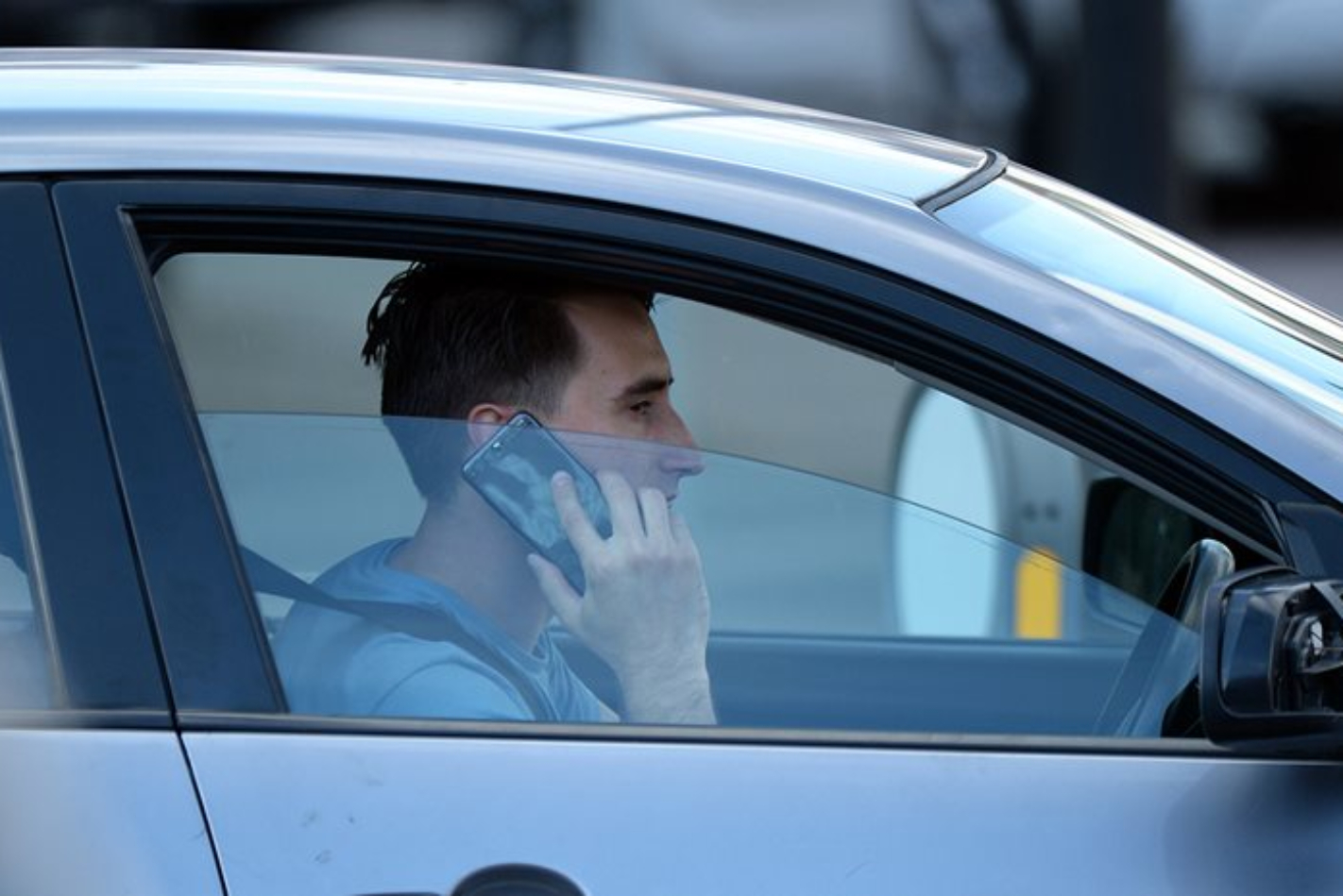
The cameras will take photos of every single motorist that drives by them, and from there artificial intelligence software will detect and filter images with potential offences occurring. Following that, an official will assess the photos and issue fines accordingly.
Captured photos which show no offence will be deleted within one hour of assessment, according to the State Government.
Victorian taxpayers will fork out $33.7 million for the safety initiative, which will be fully rolled out by 2023.
Queensland is thought to be the next state that will adopt mobile phone detection cameras, while other states across Australia continue to assess the technology.
The infringement of a driver using their phone while operating a vehicle is a serious one, and as such, those caught in Victoria will be hit with a substantial $496 fine and four demerit points.
However, that is by no means the most severe penalty in the country – Western Australia and Queensland will fine a motorist caught using their phone a whopping $1000 and four demerit points.
Mini has just unveiled its new app for Apple and Android devices in Australia, promising a better user experience for owners.
The app, which will replace the car company’s ‘Mini Connected’ app from July 2021, features a new design and interface that the British marque claims is more user-friendly and provides owners with intuitive ways to interact with their car via their smart device.
Developed fully in-house by the BMW Group, the app acts as a new universal interface with the car, lets owners know when it’s time for a service and allows them to contact their Mini Service Partner directly.
It also enables more remote functionality, such as; vehicle locating, locking/unlocking the doors, and destination addresses can be sent from a smartphone directly to the vehicle’s navigation system.
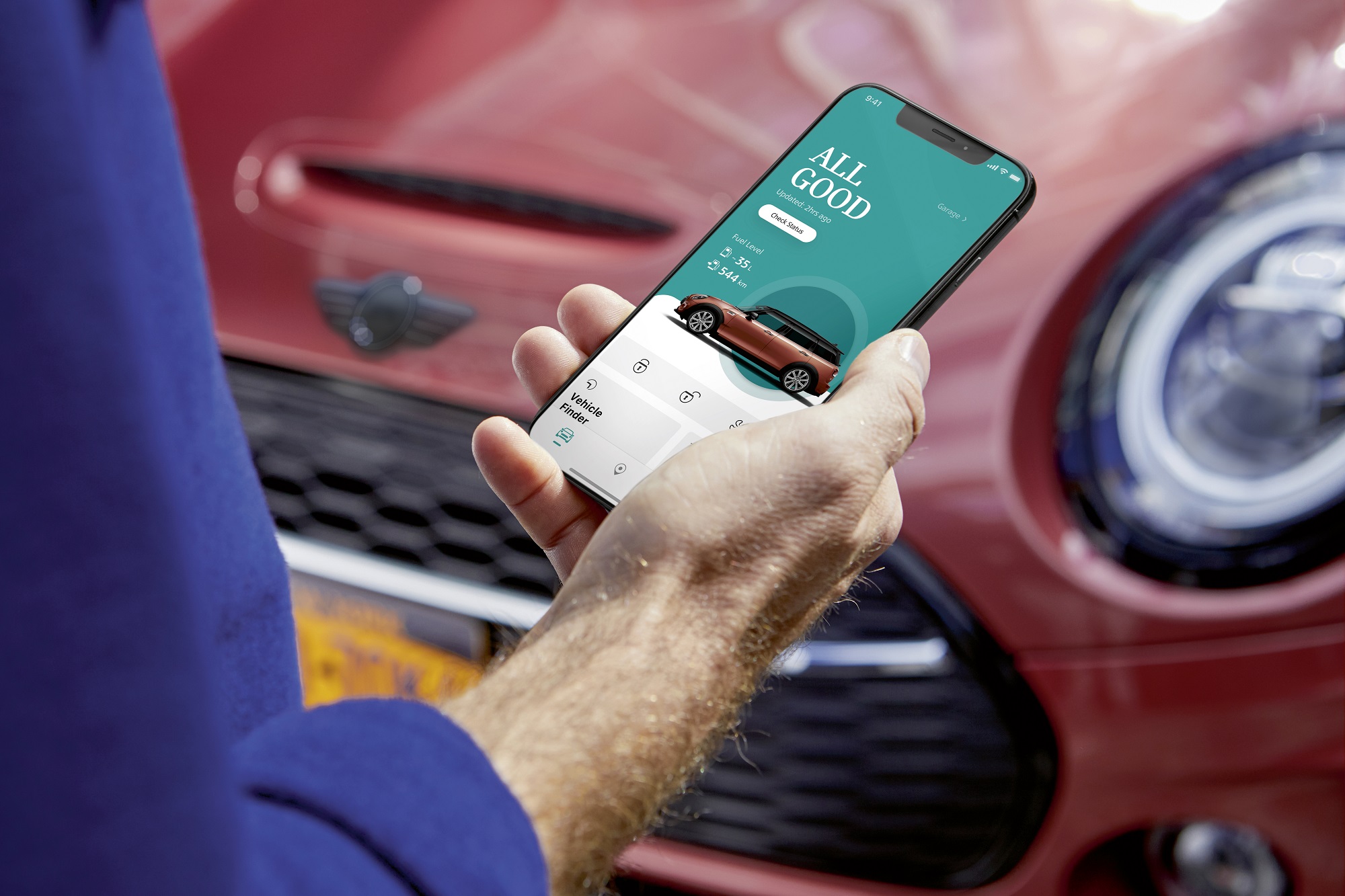
And for owners with mini battery electric vehicles or plug-in hybrid electric vehicles, the app will also show unique data about the vehicles’ batteries.
A charging history feature will even let owners know when and where their vehicles were last charged and how long the charge took, as well as if there were any energy tariffs incurred juicing up the batteries.
The app’s charge timing and climate control timing functions also allow the charging process to be optimised by setting particular time slots and departure times.
The Mini App can be downloaded free of charge from the Apple App Store or Google Play Store.
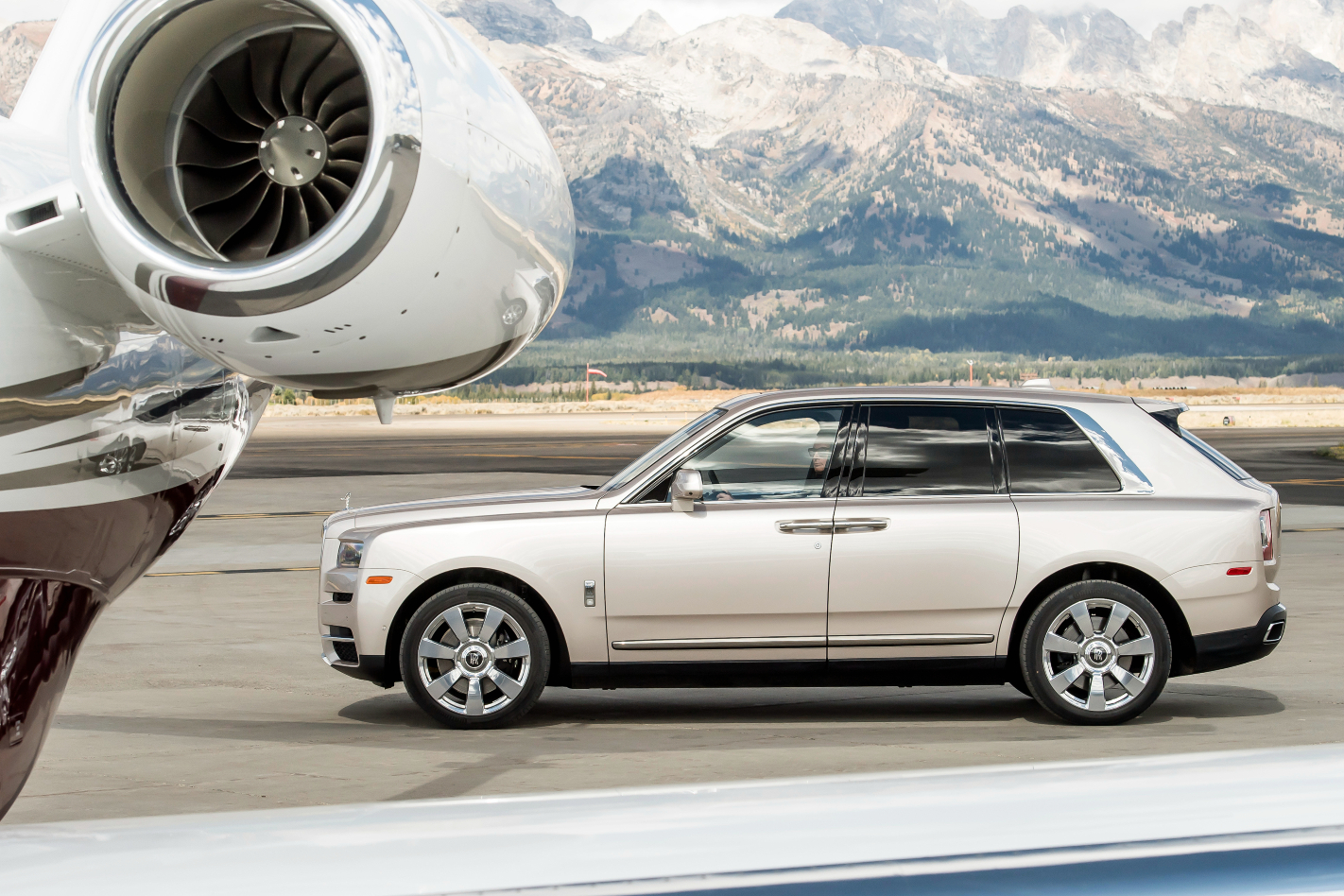
BMW Group Australia has reported an 11.7 per cent sales growth in the first quarter of 2021 for BMW and Mini combined.
It’s a trend that’s seen the entire automotive industry garner a significant upswing in sales of late, and the positive results point to a brighter future for the Australian car market.
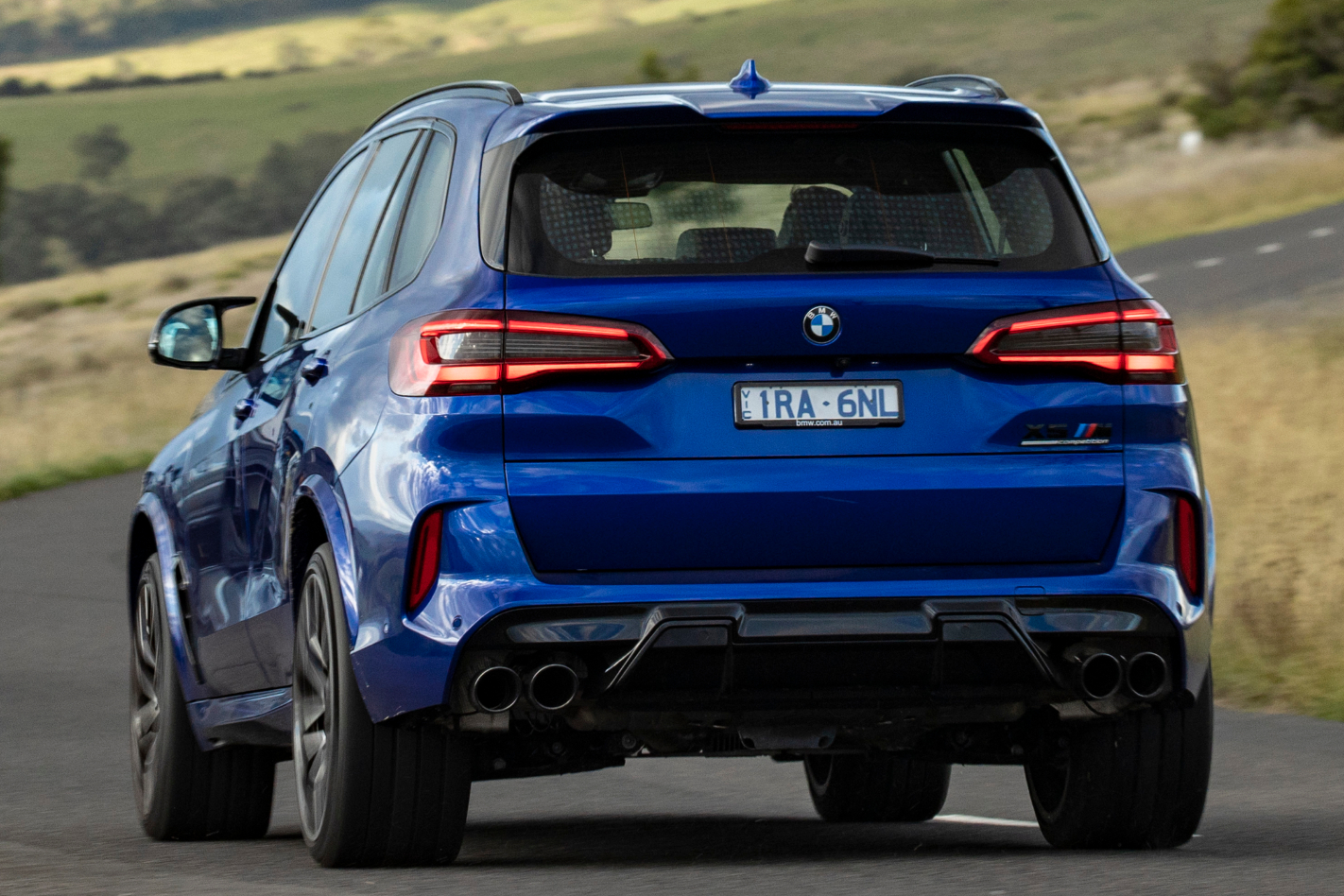
In March alone, BMW saw new vehicle registrations jump by 57.3 per cent, and Mini witnessed 17 per cent growth compared to quarter one of 2020.
Mini also gained a sizeable 85.6 per cent sales increase for the month of March compared to 2020.
Unsurprisingly, BMW’s X model SUVs took up more than half the brand’s new vehicle registrations in the first quarter of 2021, accounting for 55.8 per cent in total, and proving once again that Australia’s appetite for models like the X3 and X5 remains strong.
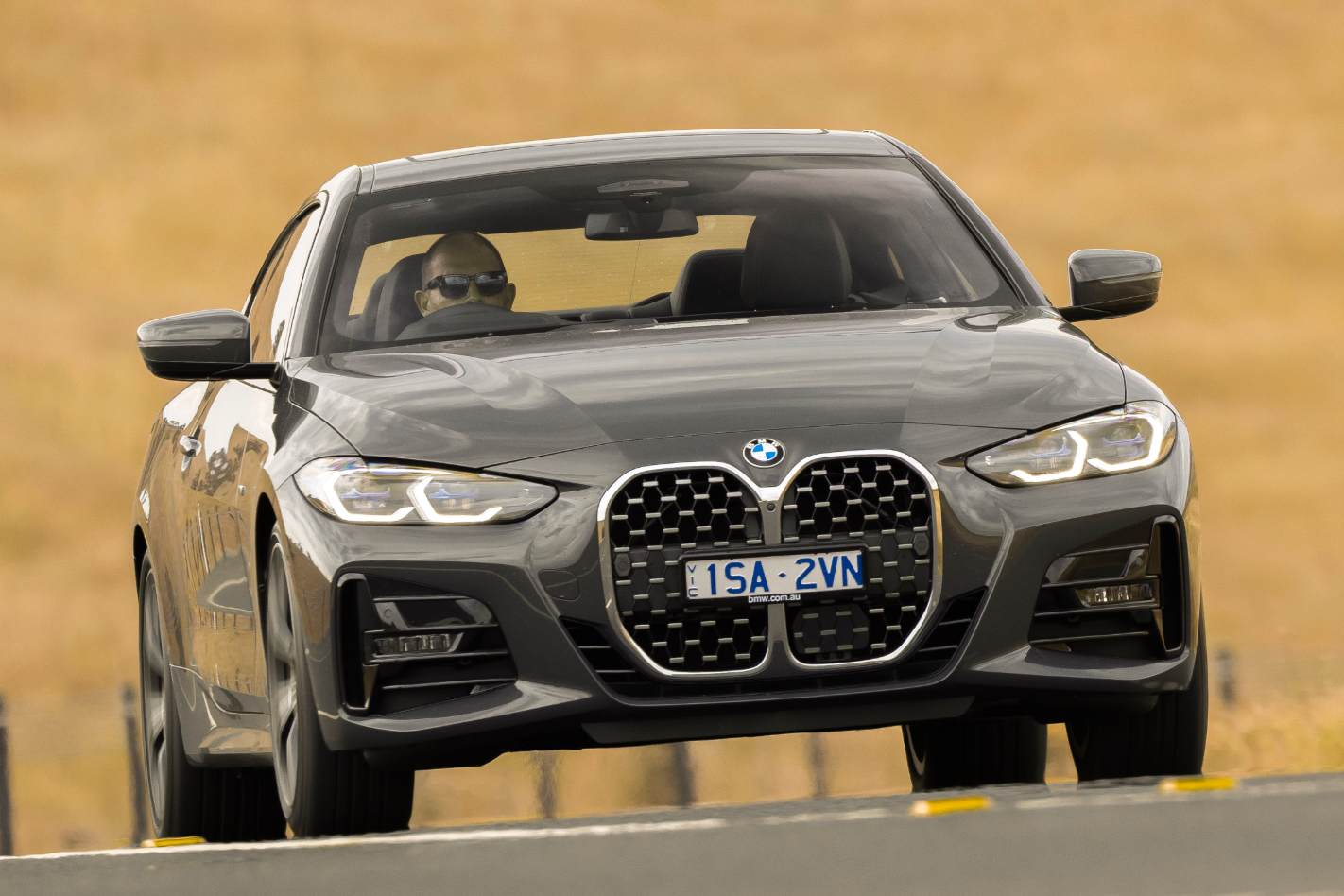
Even polarising models like the 2 Series Gran Coupé and 4 Series coupe saw triple-figure rises in quarter one, with the 2 series recording a 155 per cent increase and the 4 Series seeing a massive 206 per cent spike.
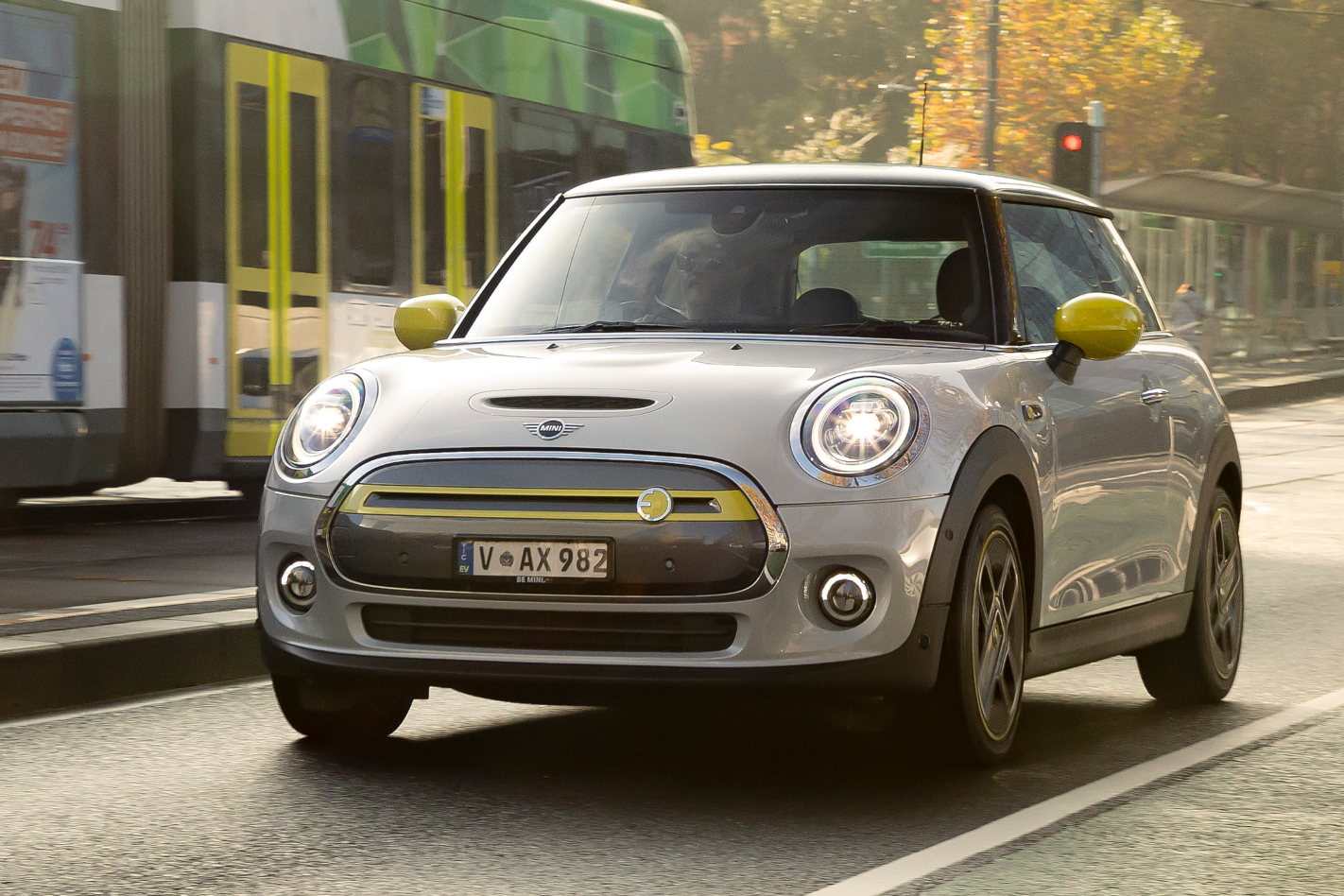
Mini’s first fully electric vehicle, the Electric Hatch, had strong results in the first quarter too, with more than 60 orders being placed and 15 vehicles delivered before the end of March.
These positive local results represent a microcosm of what BMW Group has experienced across the globe in the first quarter of 2021, with a total of 636,606 BMW, Mini, and Rolls-Royce vehicles being delivered to customers, which is a 33.5 jump and an all-time high for the automaker in the first part of the year.
The Munich outfit’s push for electrification has also been bolstered by these new figures, with 70,207 plug-in hybrid electric vehicles (PHEV) and battery electric vehicles (BEV) being delivered to customers around the world, which translates to 129.8 per cent growth for BMW Group EVs.
MORE: All BMW stories
The iconic Renault 4 could be set to make a comeback – after a new badge in the same style as that of the 2023 EV Renault 5 retro reboot was discovered.
The trademark application, discovered by Auto Express, hints at a reprisal for the historic car with plenty of stylistic inspiration taken from its predecessor – which was one of the company’s greatest sales successes, being produced from 1961 to 1994.
A new Renault 4 would join its sibling, the Renault 5 prototype – due in 2023 as an affordable electric supermini – as part of the French marque’s vehicle electrification drive by 2025.

2021 marks the 60th anniversary of the Renault 4, and although the carmaker has not confirmed any details about a reimagined Renault 4, it has teased that there will be a “surprise” coming in November, based on the 4L van.
This teaser means it’s looking likely we could see the 4 return as a cheap electric commercial vehicle as well as the five-door passenger version.
It’s thought the 4 would be larger than the original, making it closer to an SUV or crossover than its forebear.
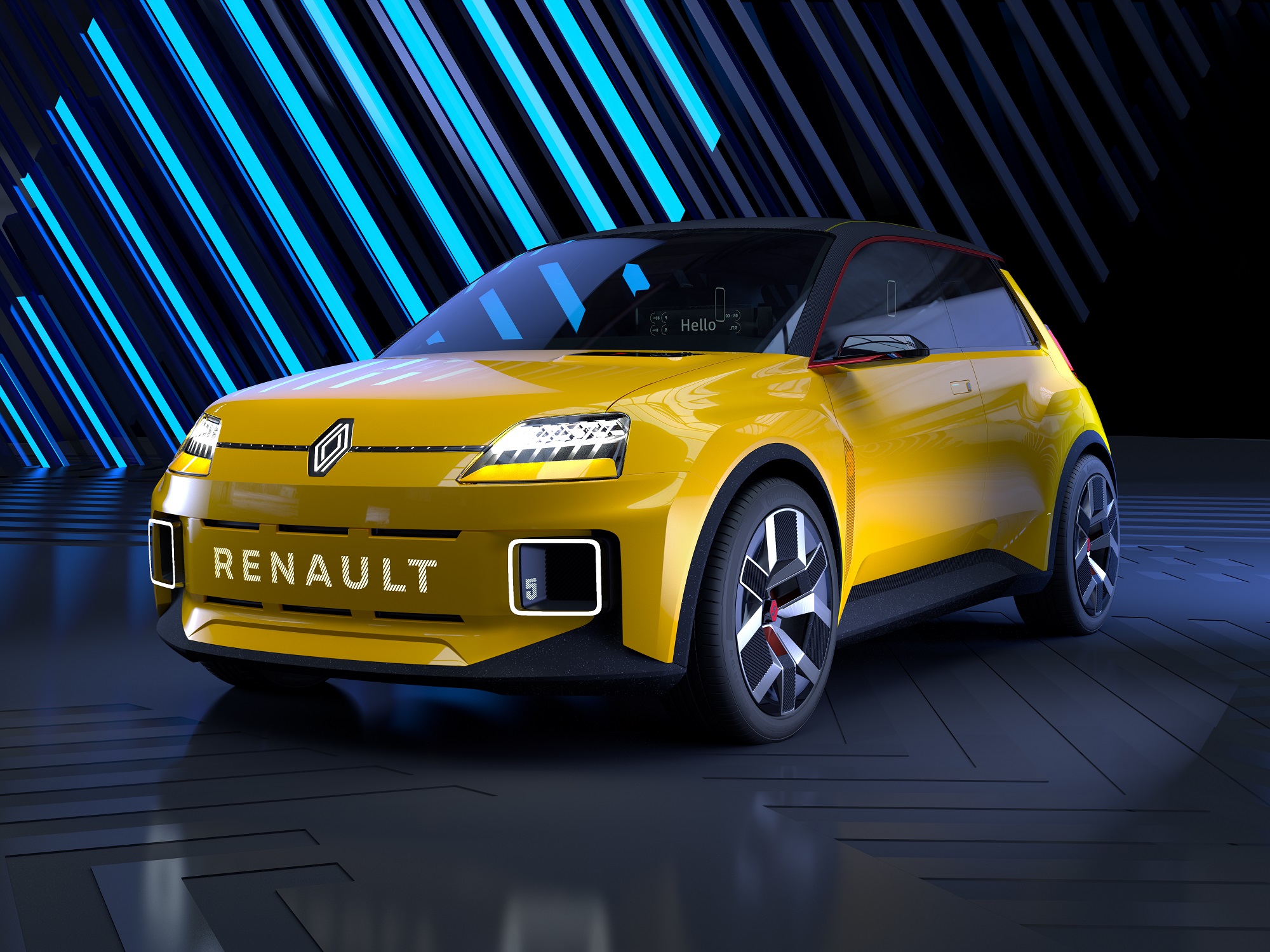
Underneath, the Renault 4 will sit on the same CMF-B platform as the new 5 and share its electric powertrains.
Over the 33 years the 4 was produced, it was built in 17 factories worldwide, including in Renault’s Heidelberg factory in Victoria between 1962 and 1966.
MORE: All Renault 5 news coverage MORE: Renault news and reviews
Jordan 191. Porsche 917K. Ferrari P3/4. Jaguar XJ13. Do you sense a theme?
What about if I add the McLaren MP4/4, Eagle T1G, or Mercedes-Benz 300SLR. Cluing on now? For those that haven’t spotted the trend yet, these are all invariable inclusions in any list of the most beautiful race cars ever built.
Debate will continue ad nauseam about what is prettier, or the definition of true racing beauty, with the same selection of cars up for nomination. But it’s time for the spotlight to shine in a different direction, to an area where aesthetics are left to wither and wilt. Yep, lets talk about motorsport mingers.
Think the Caterham CT05 and its phallic aerodynamics, or the uniquely styled Panoz GTR-1. Another consideration is the Dallara DW12, which was introduced to IndyCar in 2012 with bulbous rear bodywork that prompted a chorus of disdain. The car would then sprout ungainly aerodynamic additions in 2014, which only intensified the ridicule.
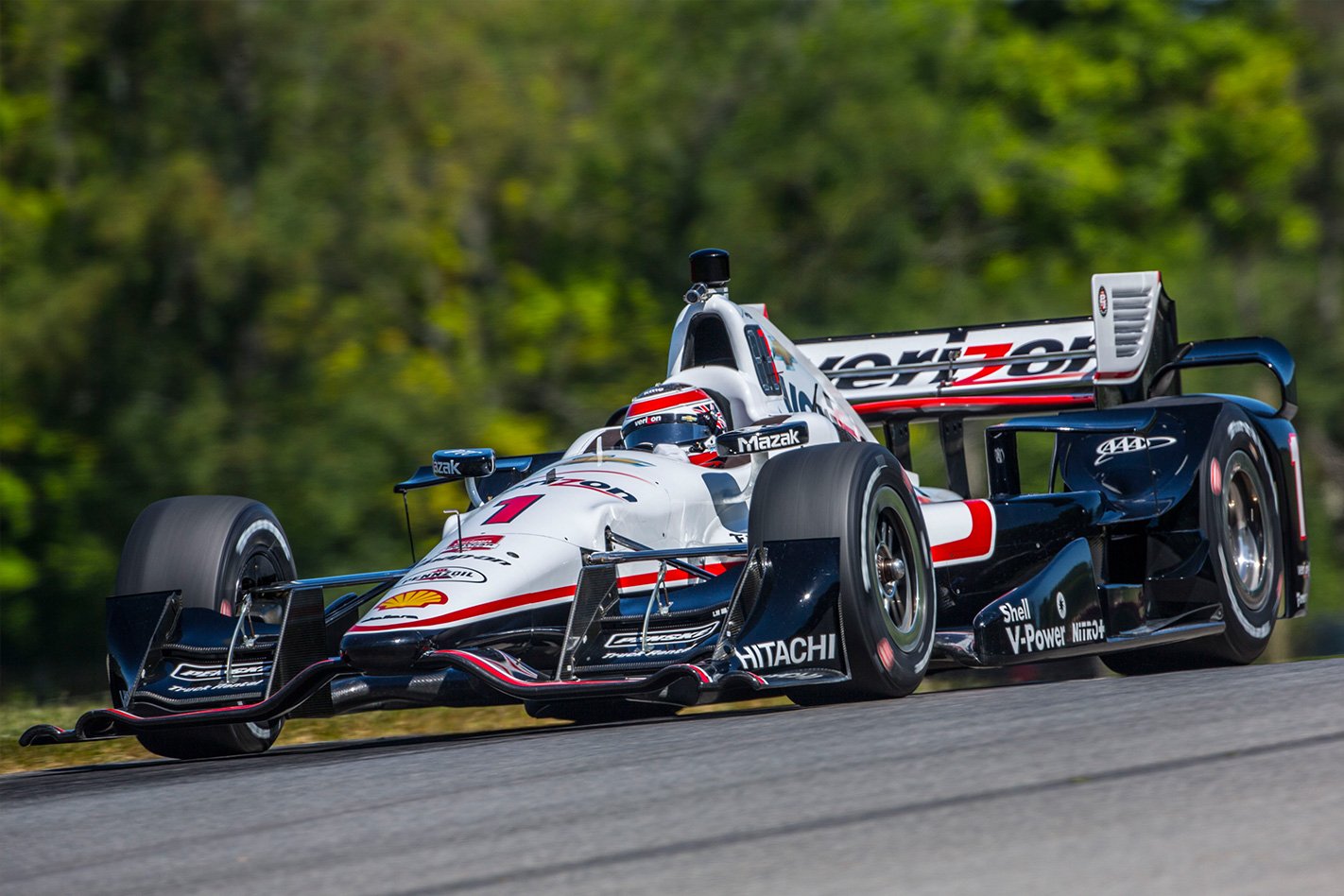
That mocking tone becomes less palatable when you remember the bumper-like additions behind the rear wheels were introduced to prevent fatal crashes from occurring on ovals – one of which resulted in Dan Wheldon’s death two days before the car was revealed. The DW in the chassis code is actually a nod of respect to Wheldon, who helped test and develop the car.
Reactions to the odd bumpers of the Dallara DW12 were tame in comparison to what happened when Formula 1 decided it would make the halo mandatory in 2018. There was anguish and gnashing of teeth aplenty from racing traditionalists that claimed adding the thong-like structure above the cockpit would mean the magic and beauty of open-wheel racing would be lost forever.
But then Romain Grosjean pierced an Armco barrier at over 200km/h at the most recent Bahrain Grand Prix, in a crash eerily similar to that which claimed the life of François Cevert in 1973. The silence from halo detractors was as deafening as the fireball that erupted into the night sky.
The halo had already proven its worth on multiple occasions since it was introduced in 2018, but Grosjean’s desert fireball was an undeniable end note to F1’s aesthetics vs safety debate.
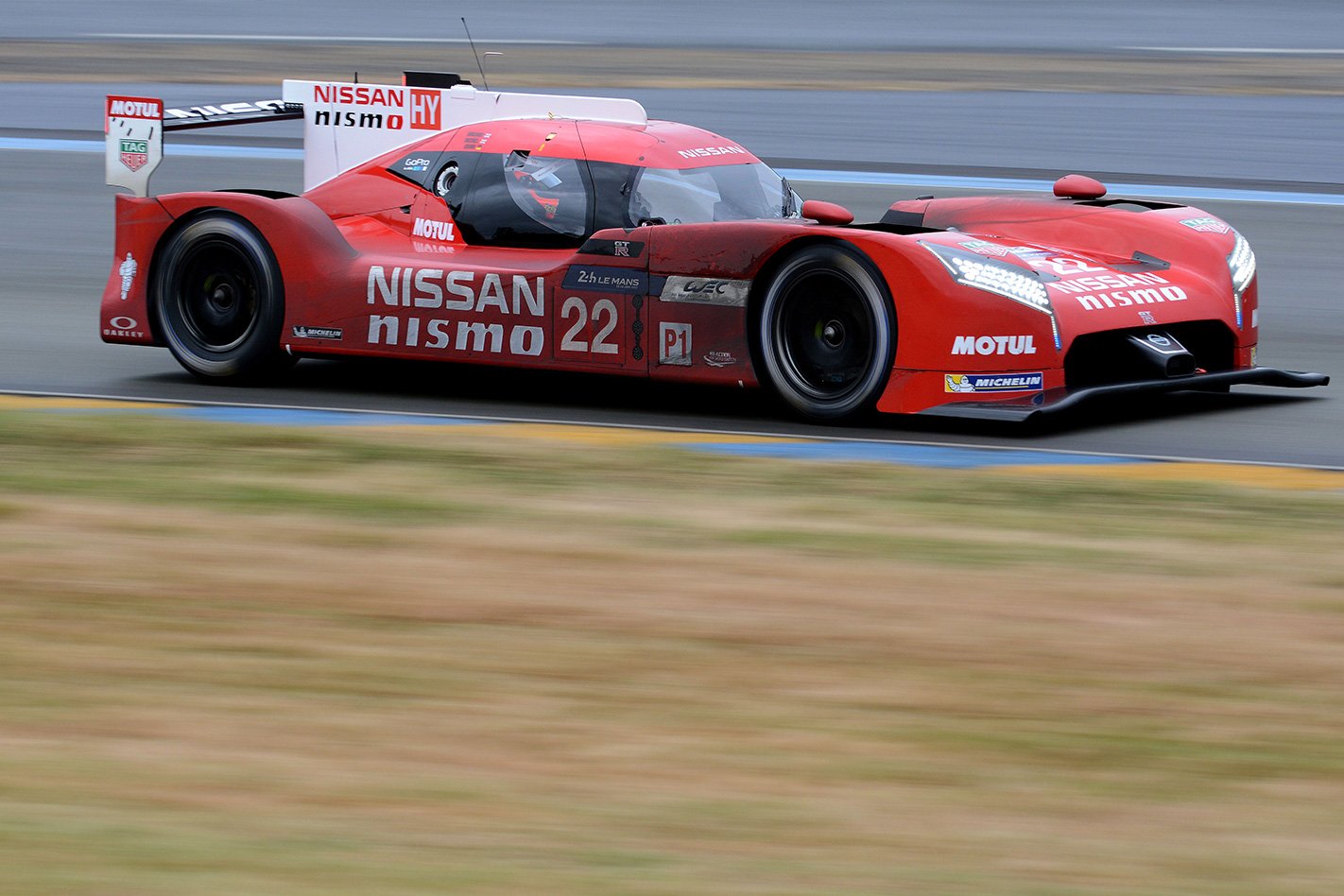
It’s not just safety features that get maligned though. All-too often genuine technical innovations are shoved into a corner to be laughed at. The Nissan GT-R LM has become a bit of a joke in racing for its weird proportions and technical failure during the 2015 24 Hours of Le Mans. However, its front-drive design was a piece of genuine innovation in a world of all-too-stagnant regulations. It was also seriously quick in a straight line, and I remain disappointed to this day that the project was canned after a single event.
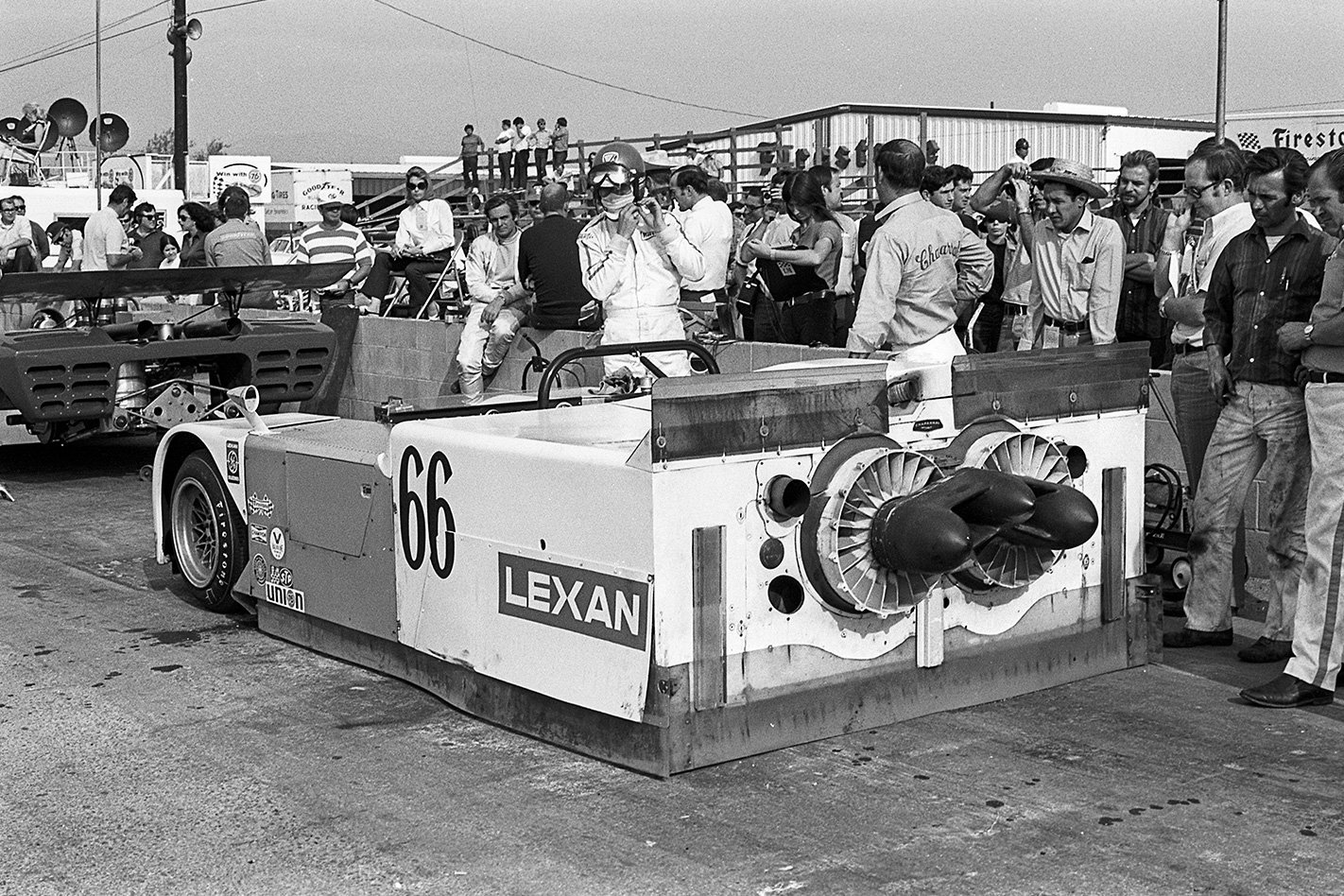
Back in 1970 Dan Gurney certainly wasn’t laughing at the Chaparral 2J – which looks like a doorstop mated with an air-conditioning unit – when it was outqualifying his dominant (and beautiful) McLaren M8D by at least two seconds during that year’s Can-Am series.
The 2J’s proportions were more akin to a cardboard box than the flowing lines of its rivals, allowing it to use ground effect to devastating advantage. Persistent reliability issues tarnished the 2J’s race record, and with other competitors fearful of being crushed should Chaparral get its car working properly for ’71, the car was outlawed at season’s end.
It’s time that motorsport fans started revering the more aesthetically challenged racers. Whether it be for a new approach to a problem or ruleset, or simply breaking away from the norm. Just because a race car doesn’t conform to established aesthetic norms doesn’t mean it’s unworthy of admiration. And as Ford proudly proclaimed when it unleashed the awkward Ford Mustang Supercar onto the world, “There are not ugly cars in Victory Lane”. It’s hard to argue with that one.
And now comes my shameful confession. I once penned an article degrading ‘Motorsport’s top six ugly ducklings’. Many of the cars mentioned in this very column were derided and mocked. In the intervening years, my opinions have matured, and I now bow humbly at the altar of Gods of Speed to pay penance. Let the record show there is no such thing as an ugly race car.
Australian pricing and features for the new 2021 Haval Jolion have been announced, with the new model – a successor to the small H2 – now arriving on Australian shores.
According to the Chinese manufacturer, the Jolion Launch Edition (LE) will initially be available with just two variants – the mid-grade Lux and range-topping Ultra – and limited, for now, to only 300 units on sale in Australia.
The new 2021 Haval Jolion LE will be priced from $27,990 driveaway for the mid-spec Lux variant, with the range-topping Jolion Ultra LE coming in at $30,990 driveaway.
UPDATE, July 2: We now have a review of the Jolion, click here to check it out.
Completely new from the ground up, and like its larger sibling the new H6, the Jolion sits on the company’s new global light-weight modular platform which aims to provide a more refined and enjoyable driving experience.
On the outside, the mid-spec Lux sports 17-inch alloy wheels, LED headlights, day-time running lights and foglamps, as well as roof rails on top.
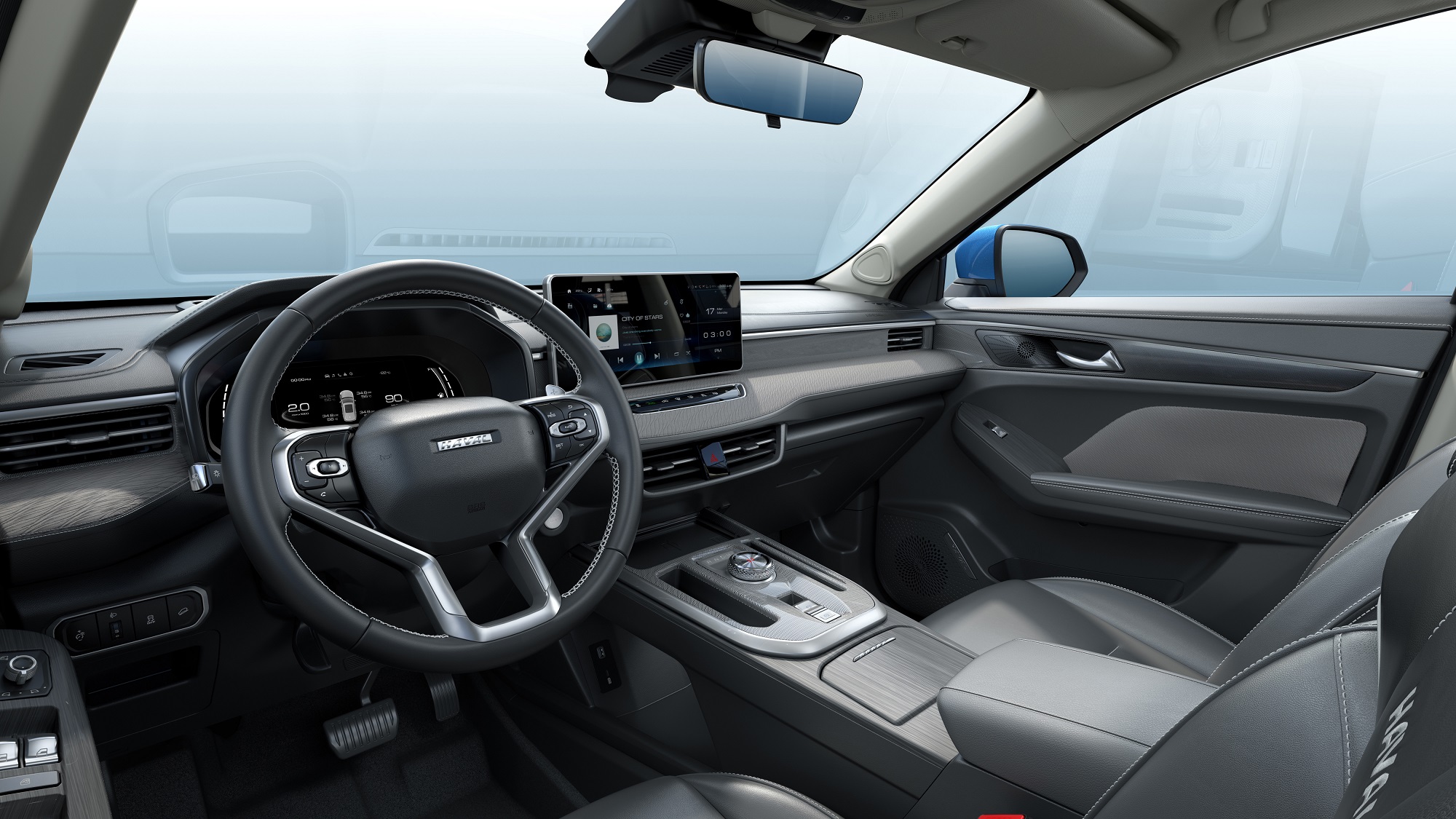
Moving to the interior, the tech inside the new Jolion includes; a 10.25-inch touchscreen display, Apple CarPlay, a 360 degree camera and an electronic anti-glare rear-view mirror.
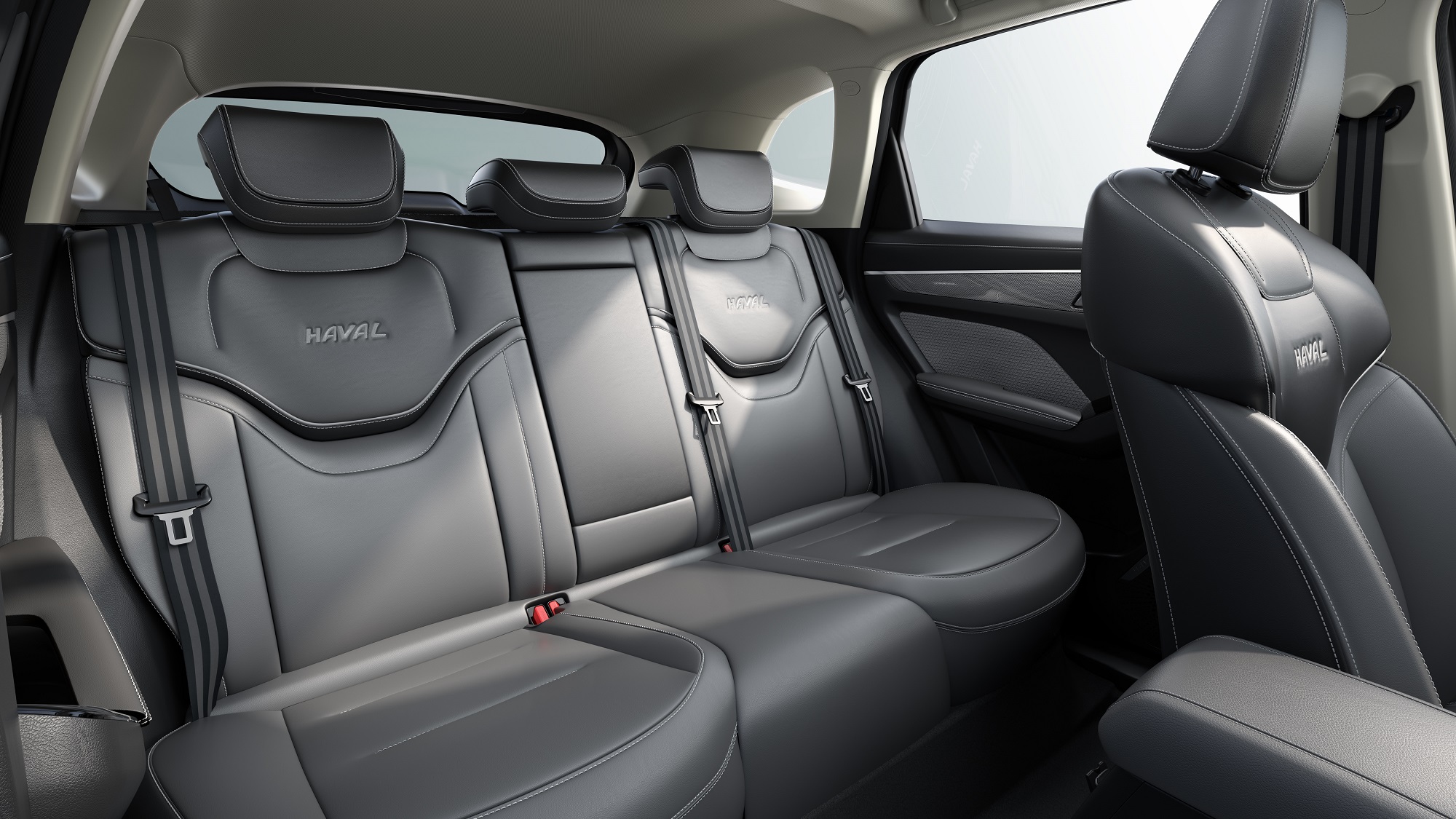
For comfort, the LE also comes with Comfort Tek seats, a six-way adjustable driver’s seat, heated front seats and dual zone climate control.
With a wheelbase of 2700mm, length of 4472mm and width of 1841mm (making it 140mm longer wheelbase, 137mm longer overall, and 27mm wider than the outgoing H2), Haval hopes the Jolion will stand out in a competitive market by offering a large SUV for the cost of a small one and make a significant contribution to growing the GWM brand Down Under.
Power is delivered to the front wheels by a reworked 1.5 litre turbo petrol engine producing 110kW and 210Nm mated to a seven-speed dual clutch transmission.
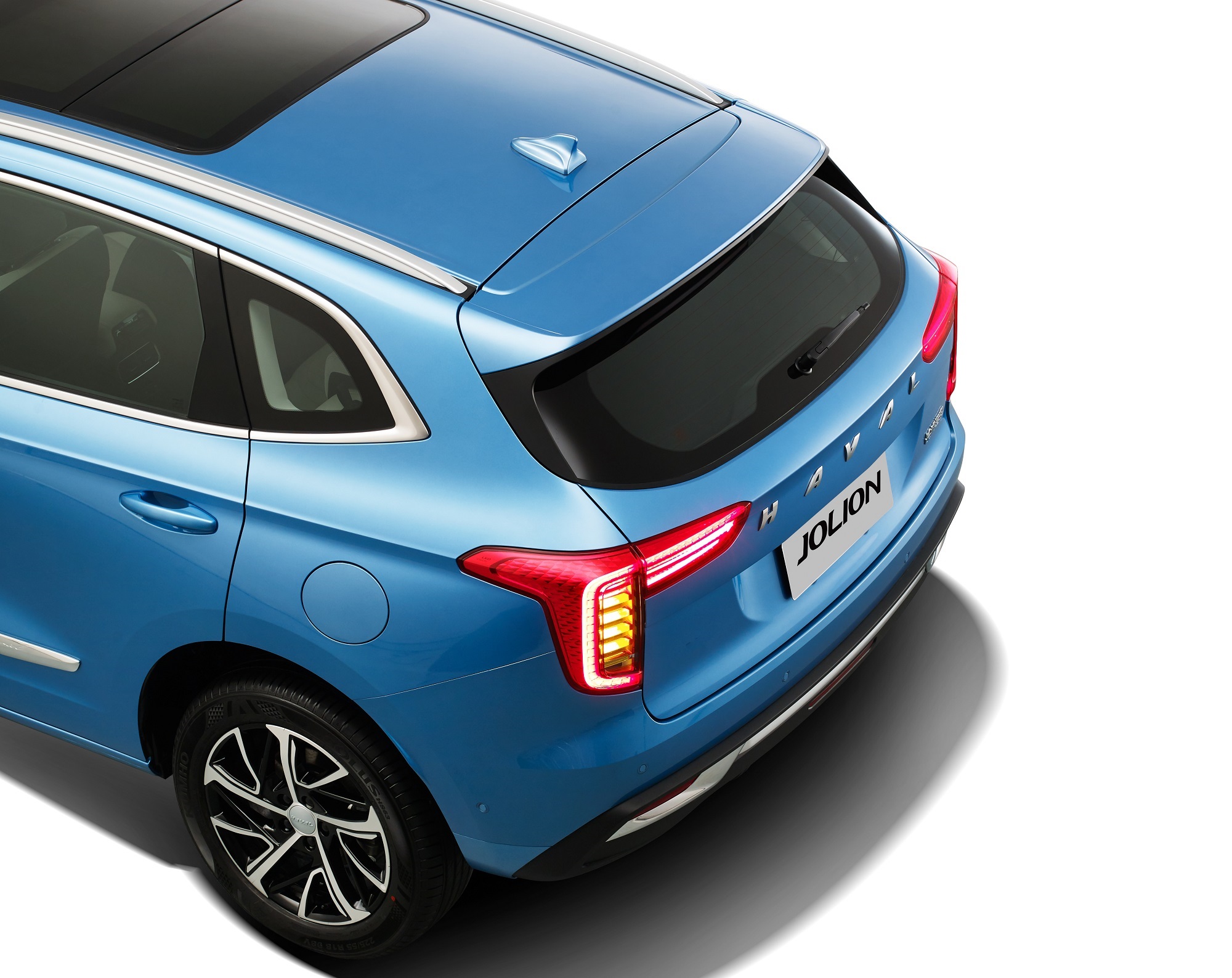
The new model also offers four different drive modes – standard, eco, sport and snow. Cosmetically it features a chrome grille finish with horizontal accents to create a bold, premium impression which the company hopes will differentiate it visually from future models.
While both variants feature camera-based fatigue monitoring and a seven-inch colour LED instrument cluster as standard, only the top-of-the-range Ultra scores wireless charging, a head-up display, and a 12.3-inch touchscreen display.
In addition the Ultra wears 18-inch alloy wheels and features a panoramic sunroof.
The Haval Jolion LE also comes with a suite of safety systems as standard across the range which includes autonomous emergency braking, lane departure warning, lane keep assist, blind-spot monitoring, adaptive cruise control, traffic sign recognition and rear cross traffic alert.
Produced in GWM’s new state-of-the-art production facility in Taizhou, near Shanghai, the Jolion is an important strategic model in realising the company’s international growth ambitions.
GWM Australia Head of Marketing & Communications, Steve Maciver, said: “There’s certainly a lot happening at GWM at the moment. To now confirm the arrival of the all-new Haval Jolion, hot on the heels of the all-new H6, is indicative of the progress that our brand is making. With two brand new SUV options that are loaded with technology, safety and value, there has never been a better time for buyers to consider Haval.”
With contemporary styling both inside and out, the all-new Haval Jolion is the second of the new Haval SUV line-up to be conceived by world-renowned designer Phil Simmons.
All models come with a seven-year, unlimited km warranty and five years roadside assist.
First deliveries of demonstrator models are now making their way to dealer showrooms around the country.
UPDATE, July 2: We now have a review of the Jolion, click here to check it out.
UPDATE, April 12: The 2022 Hyundai Santa Cruz pick-up truck has been teased further by the Korean automaker, appearing in a short 46-second video that explores the vehicle’s design language.
Brad Arnold, Hyundai’s design manager for North America, said the ethos of the pick-up from its outset was to be a unique lifestyle utility vehicle.
“We started designing the Santa Cruz with the premise that this is not a traditional truck – it’s something new,” Arnold said.
“It’s meant to thrive in dense urban environments, and the open outdoors. Small in size but big in adventure, it supports your work and play activities with both open and closed storage.”
Arnold also explained that the design philosophy of “constructed by contrast” was employed throughout the Santa Cruz’s creation.
“Constructed by contrast became our guiding principle throughout the design process,” Arnold said.
“Everything, from its proportions to its lighting conveys that it’s not a truck – it’s a Santa Cruz.”
Sadly, the avant-garde pick-up won’t be coming Down Under, as it is being made in left-hand drive only.
The 2022 Hyundai Santa Cruz will be unveiled on April 15.
The story to here
April 1: The upcoming Hyundai Santa Cruz small ute, first revealed as a concept at the Detroit motor show way back in 2015, is nearly upon us.
Well, not ‘us’ down here in Australia – but rather the US. The Santa Cruz is confirmed only for left-hand-drive production, with a sales program that focuses on the North American market.
Speaking with WhichCar today, a Hyundai Australia spokesperson confirmed the bad news.
“Santa Cruz will launch globally in left-hand-drive only, so it will not be available for the Australian market.“We expressed interest in Santa Cruz, and believe it could carve out a niche in the Australian market, but with production coming from our Alabama plant the business case for development of right-hand-drive wasn’t practicable.”
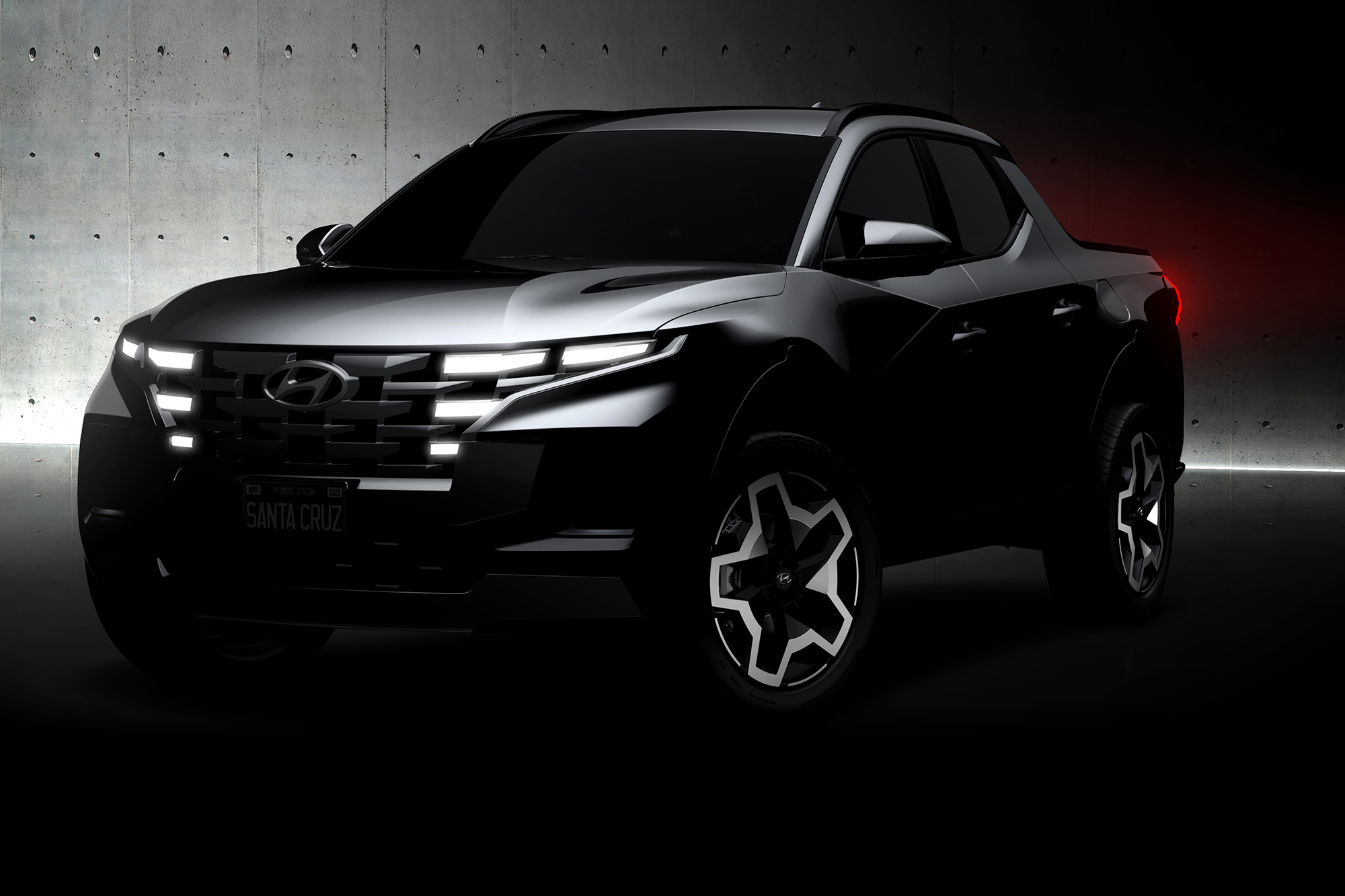
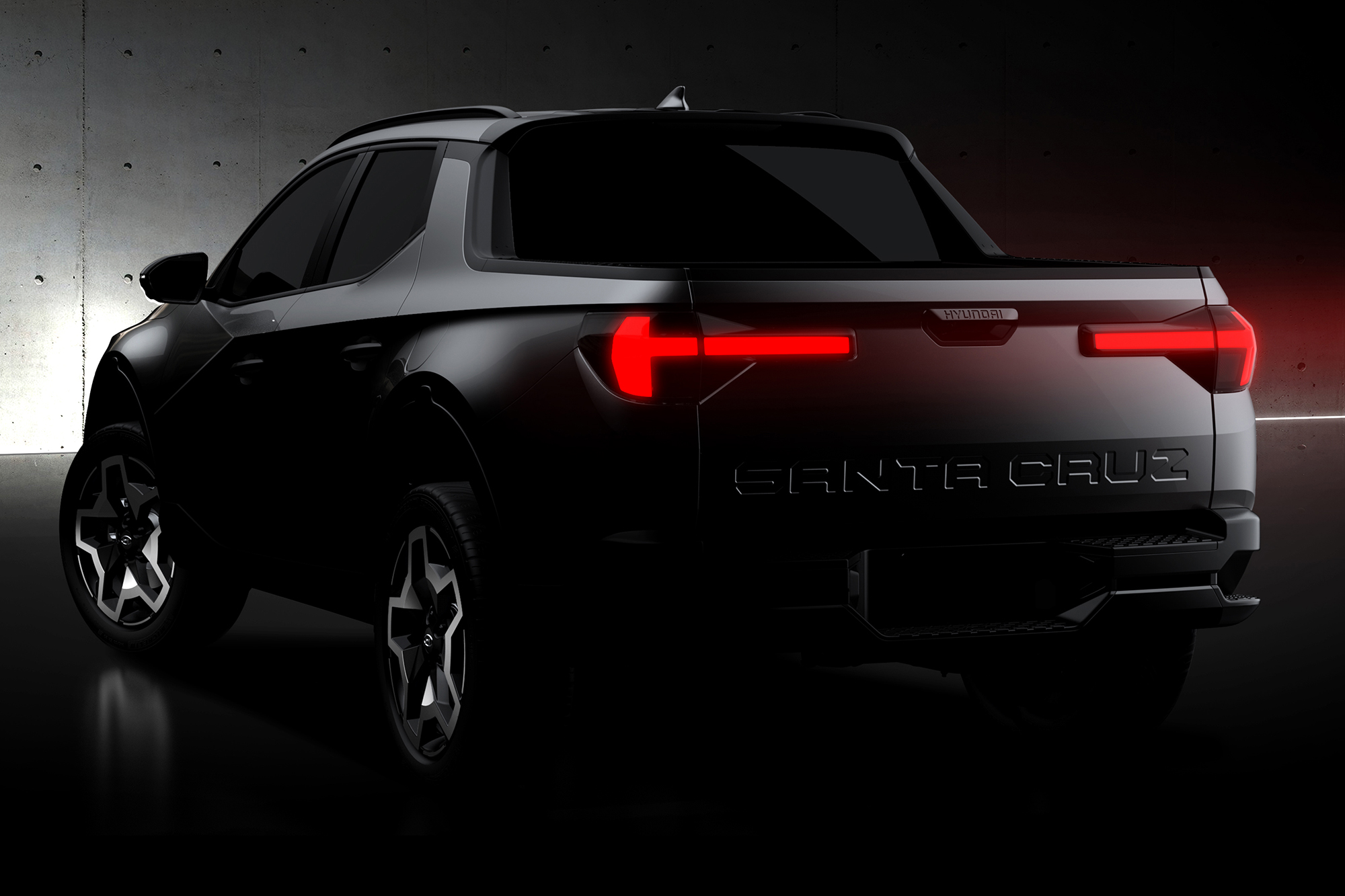
These new teaser images show an evolution of the earlier Santa Cruz concept, with the same car-like unibody idea lending the car more of a Holden Ute look rather than the familiar ladder-frame design used by conventional pickup utes.
Still, with models like the El Camino and Subaru Brat (known here as the Brumby) now long absent from markets, the Santa Cruz will be a unique offering in the US – at least until Ford’s small new Maverick ute appears to combat it. Honda’s Ridgeline could also be considered a rival.

The Santa Cruz is expected to share its platform with the Santa Fe SUV, which underscores its sporting, car-like purpose.
Key among the design changes, apart from a Tucson-like sharpening of the Santa Cruz’s character lines, is the change from a ‘suicide door’ layout to a conventional four-door design. That change has led to a longer rear door, which likely hints at better leg room for rear passengers.
Tell us: what do you think of the new look, compared to the svelte lines of the original concept?
Is Australia forever ruled out for Santa Cruz?
Probably, but a proper big Hyundai ute of some sort is surely in the works, with design boss SangYup Lee telling WhichCar in 2020 that the Australian market’s almost freaky passion for utes – and the sales potential for such an offering – has moved the brand to stop short of outright denying us.
“When the car (Santa Cruz) comes out and you guys write an article saying we want this in the Australian market big-time, nothing’s actually concrete and everything’s open, so we’ll see what happens,” he said.
That’s a somewhat vague quote, however, and it’s just as likely that what we’ll get is a bigger and more capable Ranger-sized Hyundai ute – the likes of which, Hyundai Australia’s management is surely frothing at the mouth to get its hands on.
“I visualise the ute as having the front part as a monocoque versus a frame part at the back,” SangYup Lee added.
“I love Australian car culture – it’s very diverse, it’s very unique, there’s V8s, and I keep it in my mind that the design also will work in Australia.”
Comments from the Australian operations boss of Hyundai’s sibling Kia, Damien Meredith, suggest a proper ute is “logical” – particularly as he has been more forthcoming about plans on the Kia side of the fence.
“Work has begun,” Meredith told WhichCar last year.
“We’re talking about a pick-up, dual-cab and single-cab. What we’ve requested [for Australia] is the full gambit of a ute: double-cab, dual-cab, diesel and petrol.”
There’s very little chance that a Kia ute will not be joined here by another with an oval-wrapped H badge.
MORE: Santa Cruz news coverage MORE: All Hyundai stories
