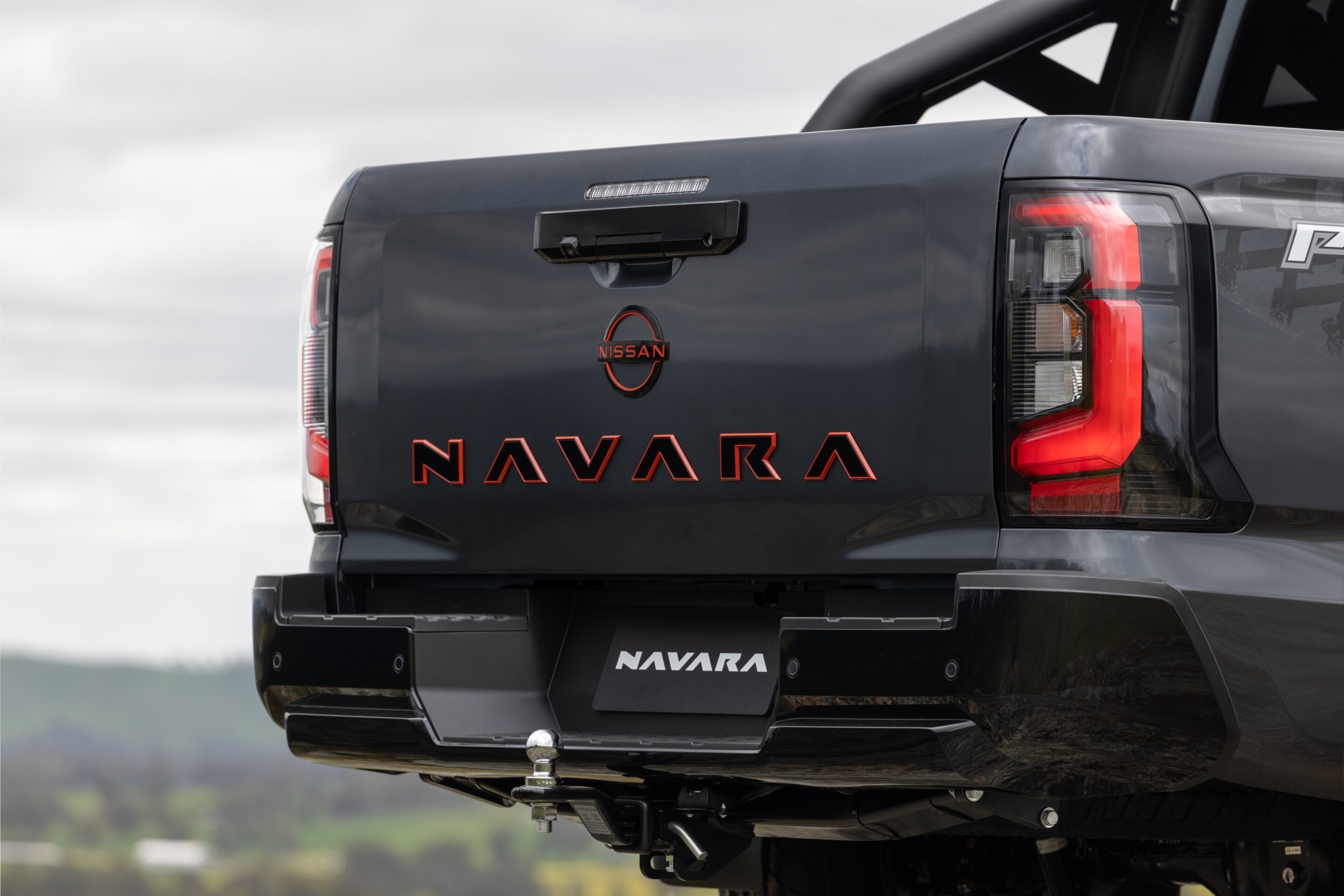
The Ford Ranger is undoubtedly Ford Australia’s biggest success story over recent years. In 2024 alone, more than 62,000 of them were sold Down Under and it was the best-selling vehicle in the country. Its stablemate, the Everest, has also been a volume seller in these parts.
But in Ford’s home market in the USA, another vehicle using the Ranger’s platform is the star: the Ford Bronco. The Bronco uses the same ‘T6’ platform as the Ranger and Everest, but instead of a ute or seven-seat large SUV, it’s a two- or four-door SUV in a similar fashion to the Jeep Wrangler. In 2024, Ford USA sold almost 140,000 Broncos versus just under 52,000 Rangers (but also 733,000 F-150s), and even in 2025, a big waiting list still exists. There’s also some Australian in the Bronco: it was partly developed by Ford Australia’s engineers.
Pricing for the Ford Bronco in the USA starts at around US$40,000 (A$62,000 at current exchange rates) for the entry-level two-door version, extending all the way to around US$83,000 (plus options) for the high performance Raptor, which is quite similar in mission to the Ranger Raptor. It even uses the same twin-turbocharged 3.0-litre petrol V6 engine and 10-speed automatic transmission but produces even more grunt at 311kW/597Nm.
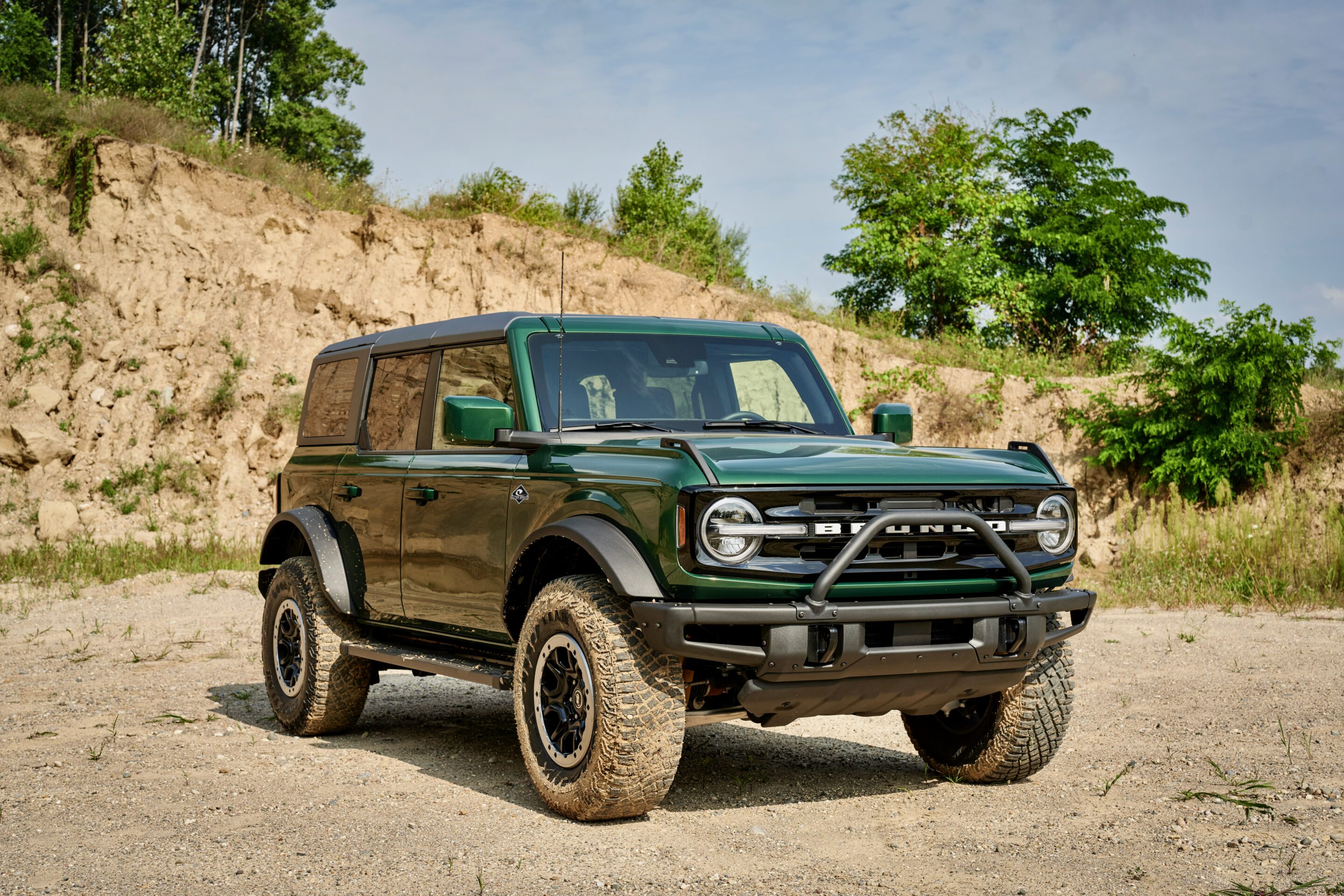
Lesser Ford Bronco variants use a 224kW/441Nm 2.3-litre turbo-four or a 246kW/563Nm 2.7-litre turbo-V6 (both of which are available in the US-spec Ranger), with a 10-speed auto on both or – enthusiasts rejoice! – a seven-speed manual also available for the four banger.
Equipment on the base model includes LED headlights, cruise control, an 8.0-inch infotainment system with Ford’s ‘Sync 4’ software, wireless Apple CarPlay and Android Auto smartphone mirroring, and a set of 16-inch steel wheels with all-season tyres. There are a variety of packages, optional extras and accessories to add to the Bronco to truly make it yours, and the price climbs rapidly as a result.
Models above the base Bronco include the Big Bend, Outer Banks, Badlands, Heritage Edition, Stroppe Edition and finally, the Raptor, and all of them feature unique trims, colours and options.

In bad news for Australia, the Bronco’s insane popularity in the markets in which its sold mean that Ford is not even thinking about right-hand drive production yet because the current left-hand drive production slots just don’t exist. But again, using the same platform as the Ranger and Everest surely means that it can be factory converted to right-hand drive easily enough when the timing is correct.
Alas, for now, the Ford Bronco isn’t coming to Australian shores – not officially anyway – but we know there’s demand there for it. Just how much – especially with NVES likely pushing the prices up thanks to the lack of hybrid or electric drivetrain in US models – is not yet known.
Prices are also not yet known – in Australia, the Bronco would likely not be cheap. But seeing how many Ranger Wildtraks are around (and they’re comfortably asking above $80,000) there would likely be demand. Until then, we’ll just have to keep ooh-ing and aah-ing at the Bronco… that Raptor sure does look like good fun!
Toyota is just days from unveiling a new V8-powered supercar, a flagship intended to sit in the lineage of the 2000GT and Lexus LFA. This next halo model isn’t aimed only at weekend drives, either: a GT3 race car has been developed in parallel, signalling a serious motorsport mission. With the covers set to come off on December 4, here’s a clear picture of what has surfaced so far.
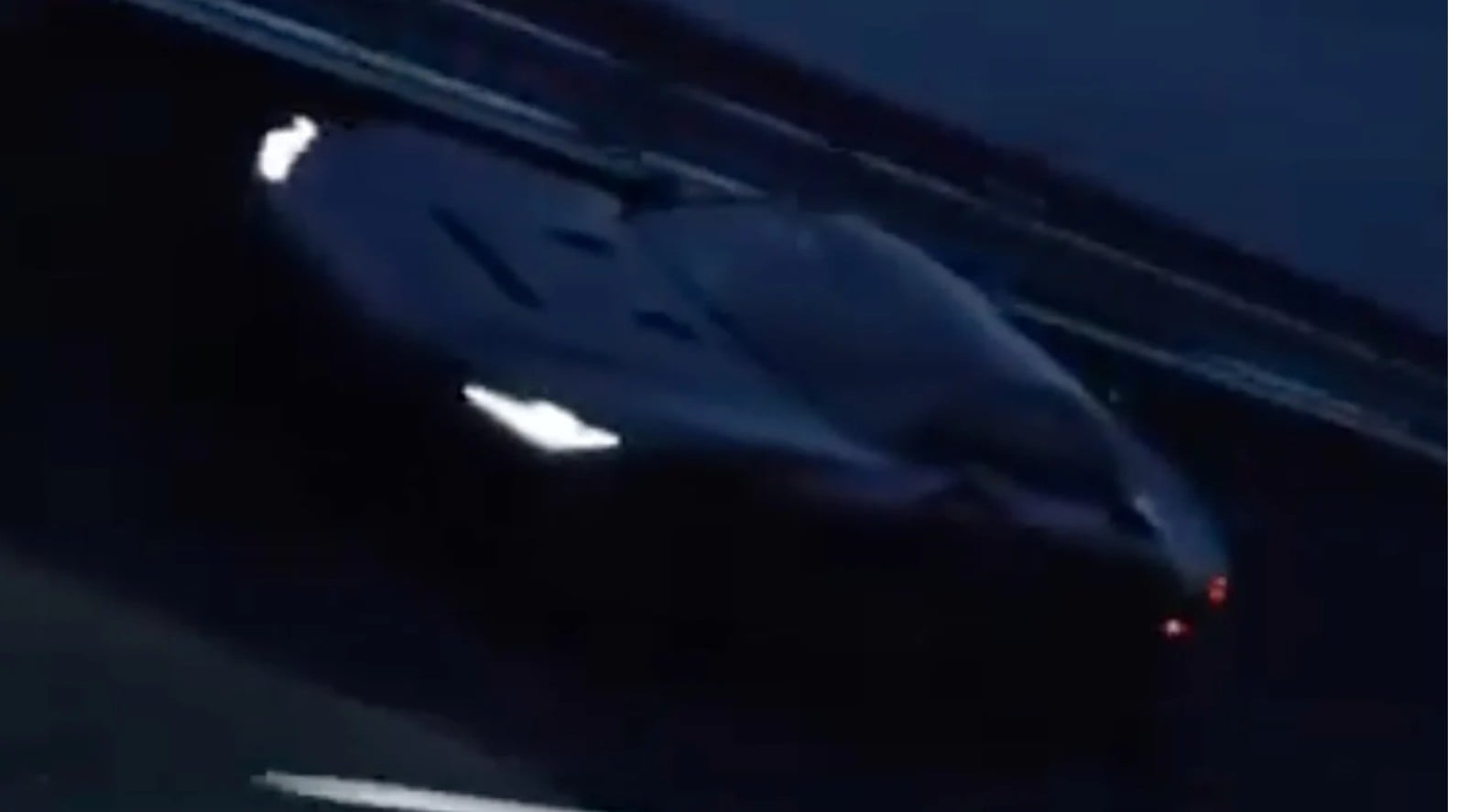
In Toyota’s latest teaser, the mystery coupe – widely tipped to be called the Toyota GR GT – shows a long bonnet, a tight rear overhang and a wide, planted stance. It lines up with what we’ve already seen from camouflaged prototypes running at the Goodwood Festival of Speed, and confirms a dramatic, aggressive shape. The silhouette feels closer to something like a Mercedes-AMG SLS Gullwing than any recent road-going Toyota, which is exactly the point of a halo car.
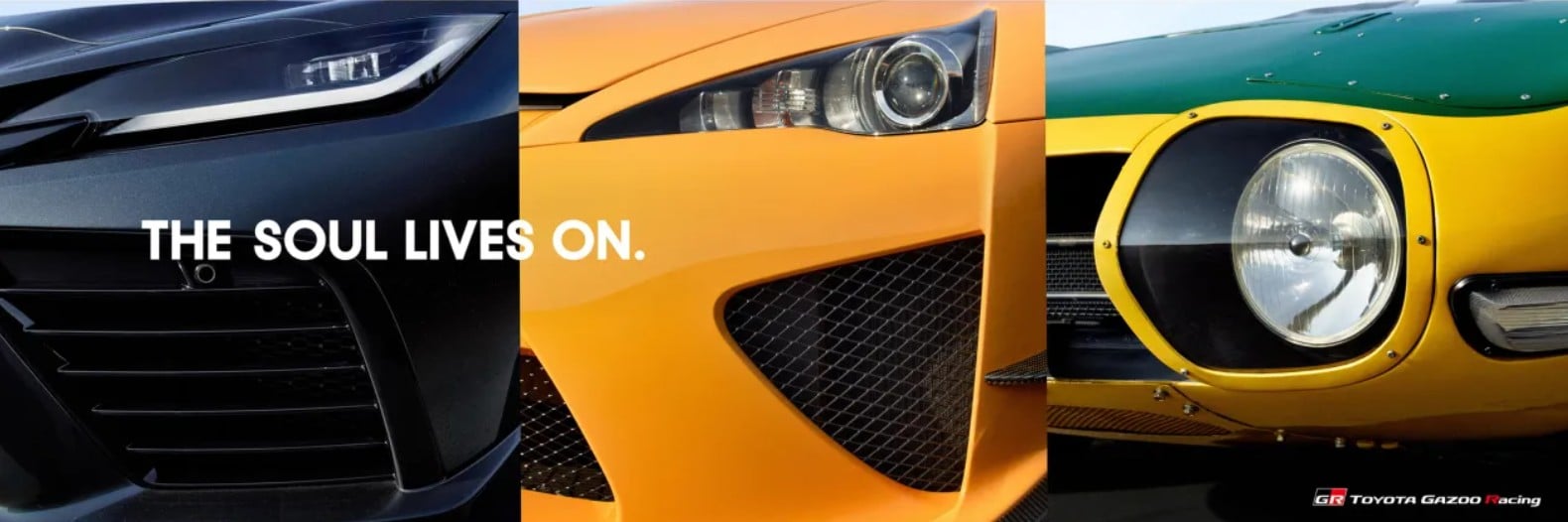
That teaser follows an official image released around last month’s Japan Mobility Show in Tokyo, revealing a partial front quarter. Even from that narrow view, the car wears slim LED headlights and a deep lower intake suggesting serious cooling and aero needs. A second, wider photo of the same car appeared on trackside signage at Fuji Speedway, giving a better sense of its low, stretched proportions.
Crucially, that Fuji shot shows a GR (Gazoo Racing) badge in the lower grille. Whether the finished product sits under Toyota or Lexus branding, the GR badge confirms the project is being led by Toyota’s competition arm rather than a purely road-car design studio.
Toyota has stayed quiet on hard technical details, but the breadcrumbs are meaningful. After the Goodwood hillclimb run, the company released audio clips of the engine note as part of its Japan Mobility Show build-up. The sound is unmistakably V8, and most signs point to a turbocharged unit. A hybrid boost for the road car is also on the cards, given the direction of modern performance flagships.
Output figures remain guesswork, but today’s rivals operate comfortably in the 520kW-plus bracket, and Toyota is unlikely to launch a halo model without playing in that same league. Expect a headline number that puts it squarely among the world’s quickest GT-style supercars.
The car’s layout also seems increasingly clear. Its proportions indicate the engine sits ahead of the cabin but behind the front axle, creating a front-mid-engine balance similar to the previous Mercedes-AMG GT. That configuration suits both a road car chasing agility and a GT3 machine chasing lap time.
Transmission details are still unknown, but the prototypes suggest power will be sent rearward via a transaxle, likely housing a limited-slip differential and a fast-shifting self-shifter. Whether Toyota opts for a traditional automatic, a dual-clutch, or something more bespoke remains to be seen.
Rumours also point to a carbon-fibre-intensive structure. If true, it would mirror the Lexus LFA approach, where Toyota’s luxury arm pioneered carbon construction within the group to cut weight and increase rigidity.
The road car’s purpose goes beyond showroom theatre. Toyota intends to homologate a GT3 racing version alongside it, echoing how the GR Yaris was built to support Toyota’s World Rally Championship program. GT3 is one of the toughest, most prestigious global classes, with Ferrari, Porsche, McLaren, BMW, Lamborghini and Aston Martin all represented — and Toyota is clearly aiming to join that fight with factory backing.
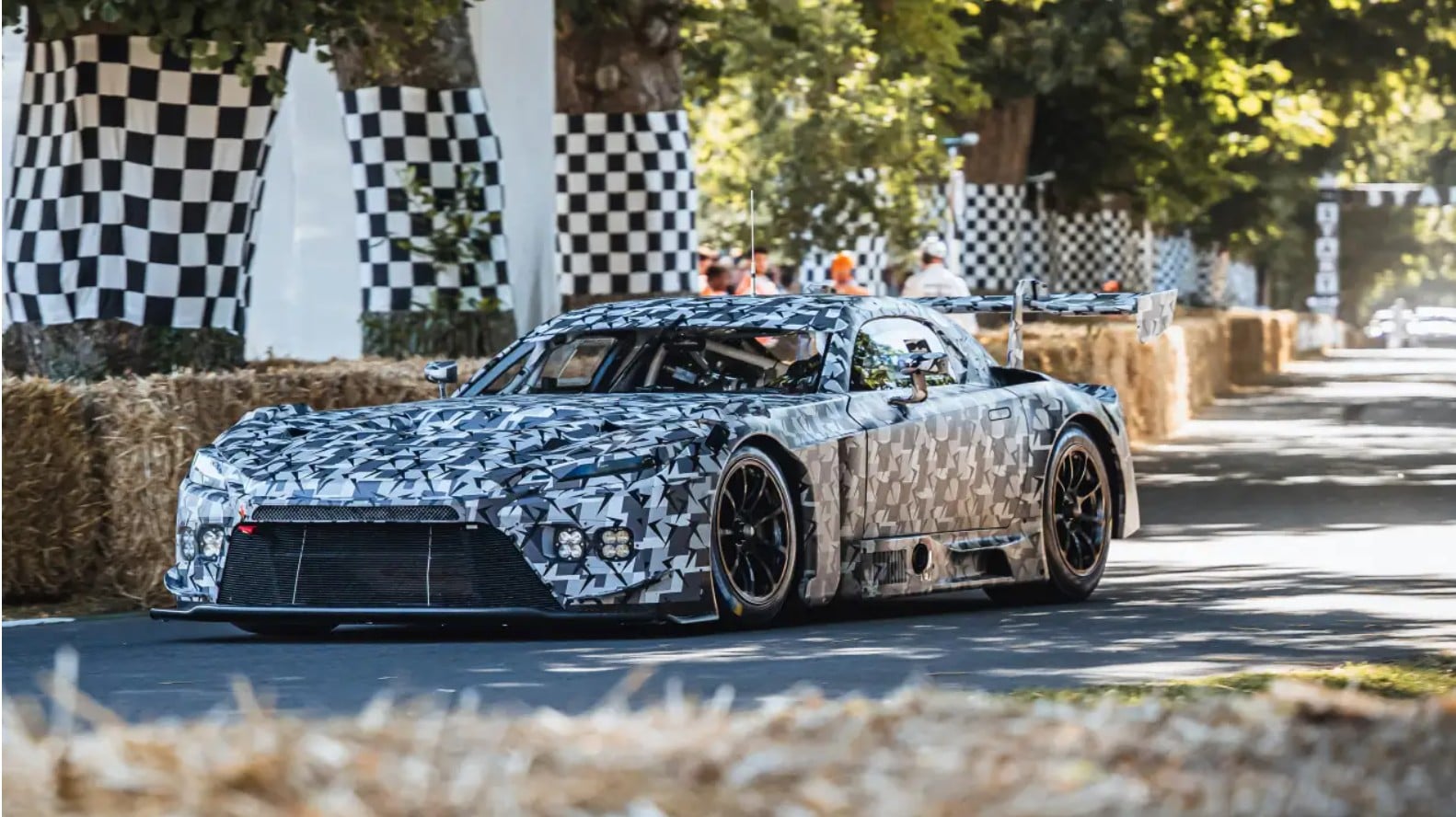
As for the badge on the nose, the momentum now leans strongly toward Toyota branding. Lexus appears to be concentrating on upcoming electric models, including a possible performance coupe inspired by the Sport Concept shown at Monterey Car Week and again in Tokyo. That shift also strengthens the view that Gazoo Racing will be the named team taking the car into WEC GT3 competition.
Either way, the wait is almost over. Toyota’s December 4 reveal should finally confirm the GR GT’s name, specs and full road-and-race intent — and whether this V8 halo car becomes the most ambitious Toyota performance statement of the modern era.
Buying a new car is an exciting time, but there needs to be a lot of research to make sure the one you end up with suits your needs and your budget requirements. A car can be fantastic but if one element to its existence is not to your expectations, that can sour it for you and give you ‘the ick’. Servicing your new car at least once per year is incredibly important, but how long will a new car service take?
In this article, we’re focusing on servicing within a warranty period. How long a new car logbook service can take to complete depends on the brand, the type of car, whether it uses petrol, diesel, hybrid or electric power and if anything else is needed during the service like a wheel alignment or a recall fix.
How long will my logbook car service take?
Obviously, this depends on a number of factors mentioned above, but as a general guide, a minor logbook service should only take a few hours at most.
A major service, however, can take most of the working day or longer, depending on the car and if any other work is needed. We advise asking the dealership or workshop chosen to perform the servicing as to how long it’ll take.
Can I book my car’s logbook service at short notice?
Absolutely not. While some dealerships and service centres may have cancelled bookings that you can take advantage of, book your car in at least a few weeks before it’s due.
Service centres need to budget for the parts required, staff needed and a whole number of other factors that work on sufficient booking notice from customers.
Plus, the further out you book, the more chance there is in getting a loan car to use while your car is being serviced.

What does a minor logbook car service include?
The biggest item during a minor logbook service is replacing the engine oil and the oil filter, as well as testing the 12V battery to ensure that it’s still holding charge.
Checking the brakes and topping up brake fluid and inspecting and maybe rotating the tyres is performed as well, while also testing the car’s major functions: the lights, steering, suspension, wipers and heating and ventilation system.
More checks are performed under the bonnet, including the air, fuel and pollen filters, the leads and spark plugs, belts, hoses and exhaust. Finally, topping up or changing fluids such as engine coolant, transmission fluid and windscreen washing fluids as required is also part of a minor service.
The above is for a standard petrol car and more may be needed, depending on the car being serviced. For example, if it’s a hybrid or EV, it may need a battery and electric motor checking, as well as checking the high voltage system and charging ability.
What does a major logbook car service include?
In addition to what’s performed in a minor service, a major service then adds a number of items such as fully changing the fluids and oils and checking performance.
A wheel alignment and suspension check is necessary. Depending on age, replacing certain parts such as timing belts, filters, hoses, spark plugs and brakes can be undertaken too.
How much does logbook servicing cost?
This depends on what type of car is being serviced, as well as what type of propulsion it uses, how often it needs servicing and how many km it’s travelled.
As a general guide for mainstream brands, a five year service cost up to around 80,000km can range from under $1000 for a new Honda to almost $4000 for brands like Volkswagen.
Some brands offer a service plan that can be purchased with the car or before its first service to lessen the cost of ownership and/or help budget running costs by building servicing into car repayments.
How often should I service my new car?
Generally, most new cars require being serviced annually or every 15,000km (whichever comes first). But there are many exceptions to that rule, including some cars in the Toyota range that require servicing every six months, but many electric vehicles don’t need to see a dealership for two years.
As always, confirm a vehicle’s specific requirements with the car’s service manual, manufacturer or the dealership.
Below you’ll find a list of the 10 most popular vehicles of all time and we bet there are a few surprises. However, what’s really interesting is how the list will look in another five or 10 years as a couple of cars are no longer in production and others have definitely fallen out of favour.
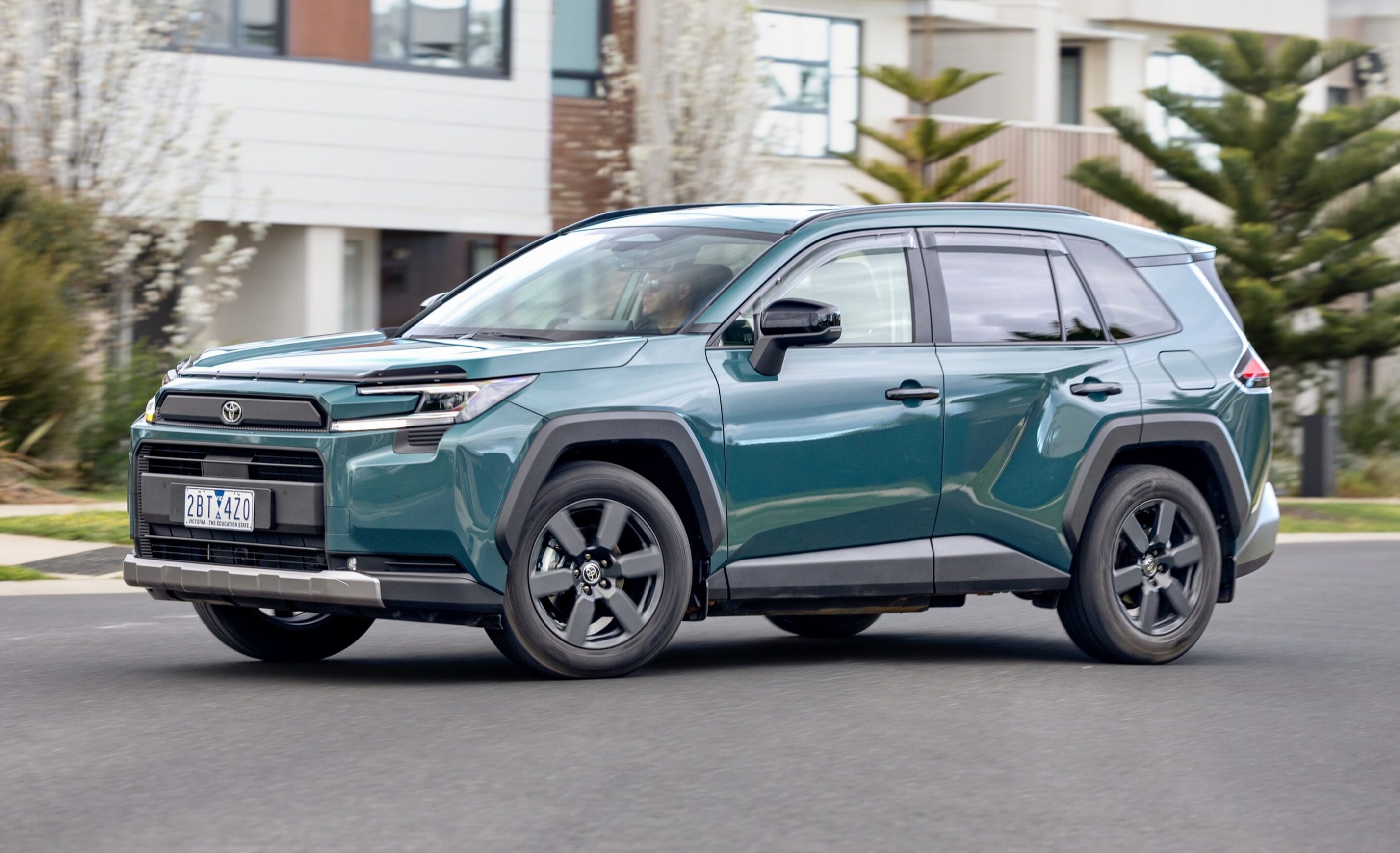
For example, the Toyota RAV4 isn’t on the list, but as 2024’s most-popular car globally with 1.18 million units sold, it won’t be long before it starts climbing the lower reaches of this all-time ladder.
Precise production figures are difficult to ascertain (and obviously a moving target given some cars sell almost 100,000 examples a month), but we’ve done our best to collate an accurate list using several sources. So, without further ado.
10. Honda Accord – 19,500,000 approx.
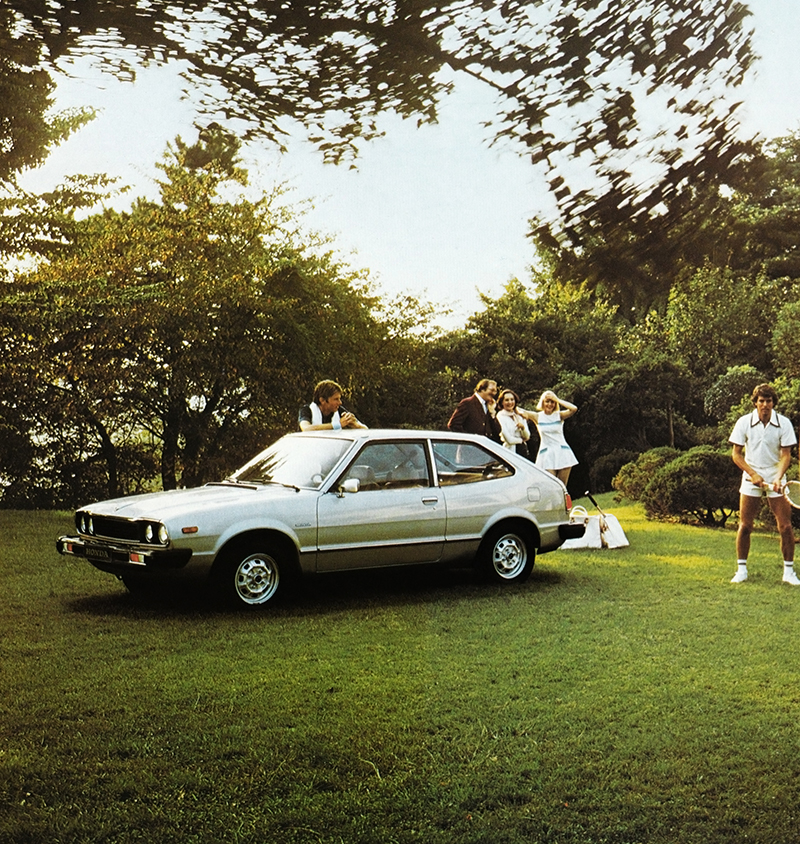
How many of you had the Honda Accord in the top 10? Liars. First introduced in 1976, Honda’s large sedan is now in its 11th generation, though its popularity is a fraction of what it once was, even being removed from sale in its native Japan due to a lack of demand.
The US accounts for most of these sales (more than 13 million), but the Accord is a hugely important part of Honda’s history and was often a perfect example of the brand’s engineering excellence, as evidenced by its pair of Wheels’ Car of the Year wins in 1977 and 2008.
9. Ford Escort – 20,000,000 approx.

Helping the Ford Escort’s position on this list is the fact that it’s a nameplate that has taken many forms over the decades. There’s the European-style Escort most will be familiar with, plenty of which were made in Australia, that existed from 1968-2004 before being replaced by the Focus.
Then there’s the US-spec Escort that proved very successful in the 1980s and ’90s and the Chinese Escort that revived the nameplate from 2015-2023. All in all, more than 20 million examples were produced along with some of the most iconic cars of all time, including the RS1600 and RS Cosworth.
8. Toyota HiLux – 21,000,000 approx.
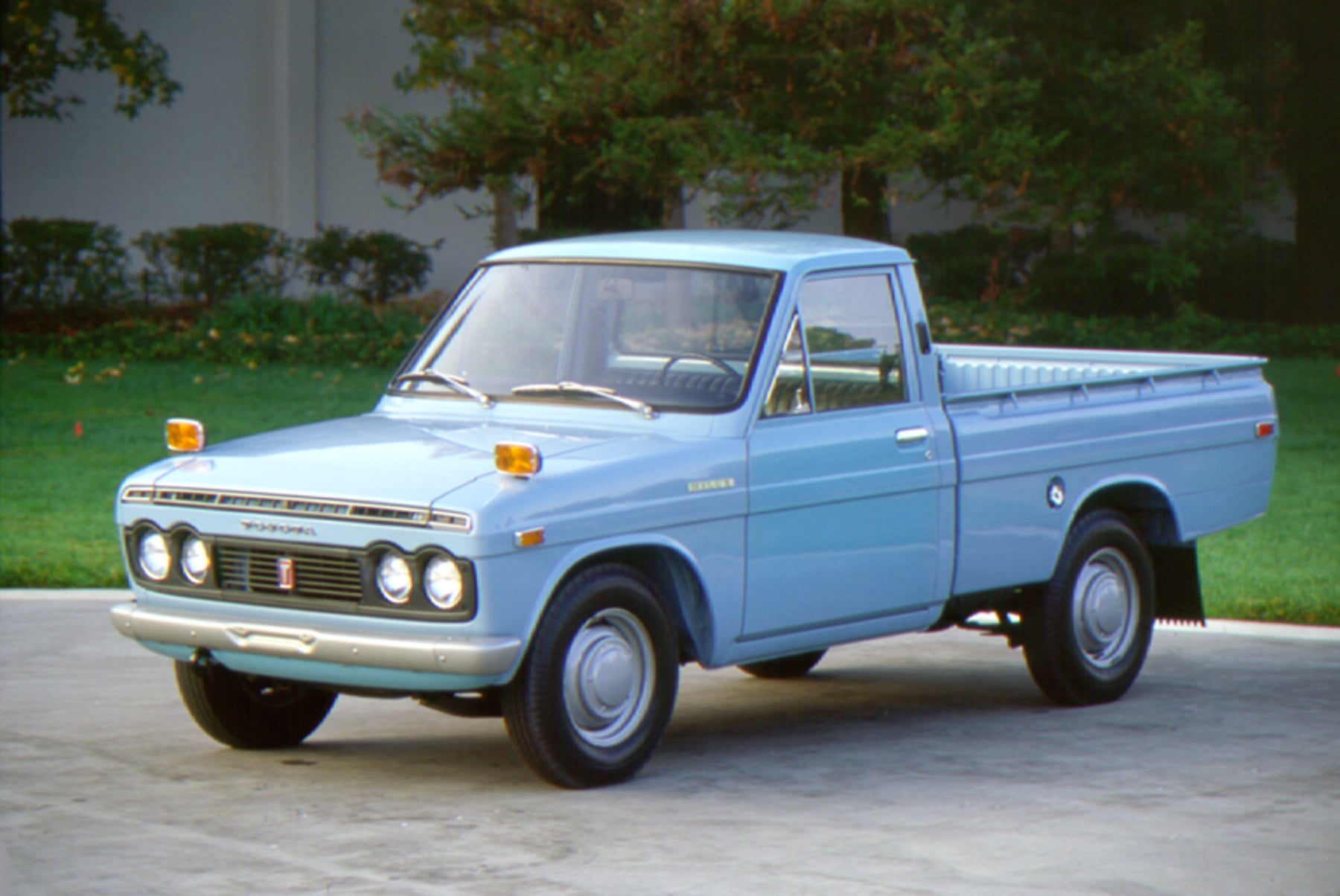
Having passed 18 million sales in 2018, we calculate that global HiLux sales are now somewhere north of 21 million, with plenty more to come thanks to the recent reveal of the ninth generation.
First appearing in 1968, its reputation for rugged reliability has seen it prosper in some of the world’s harshest climates, including Africa, the Middle East and, of course, here in Australia.
7. Toyota Camry – 22,000,000 approx.

Just as bread and milk aren’t the most exciting items on most people’s shopping list, but that doesn’t stop them being popular, so the Toyota Camry has garnered more than 22 million customers since 1982.
Ironically, though its popularity is now waning – even being discontinued in Japan – today’s Camry is one of the best ever, with plenty of space, an exceptionally frugal hybrid drivetrain and the sort of polished driving manners that haven’t always been present across its 10 generations.
6. Volkswagen Beetle – 23,000,000 approx.
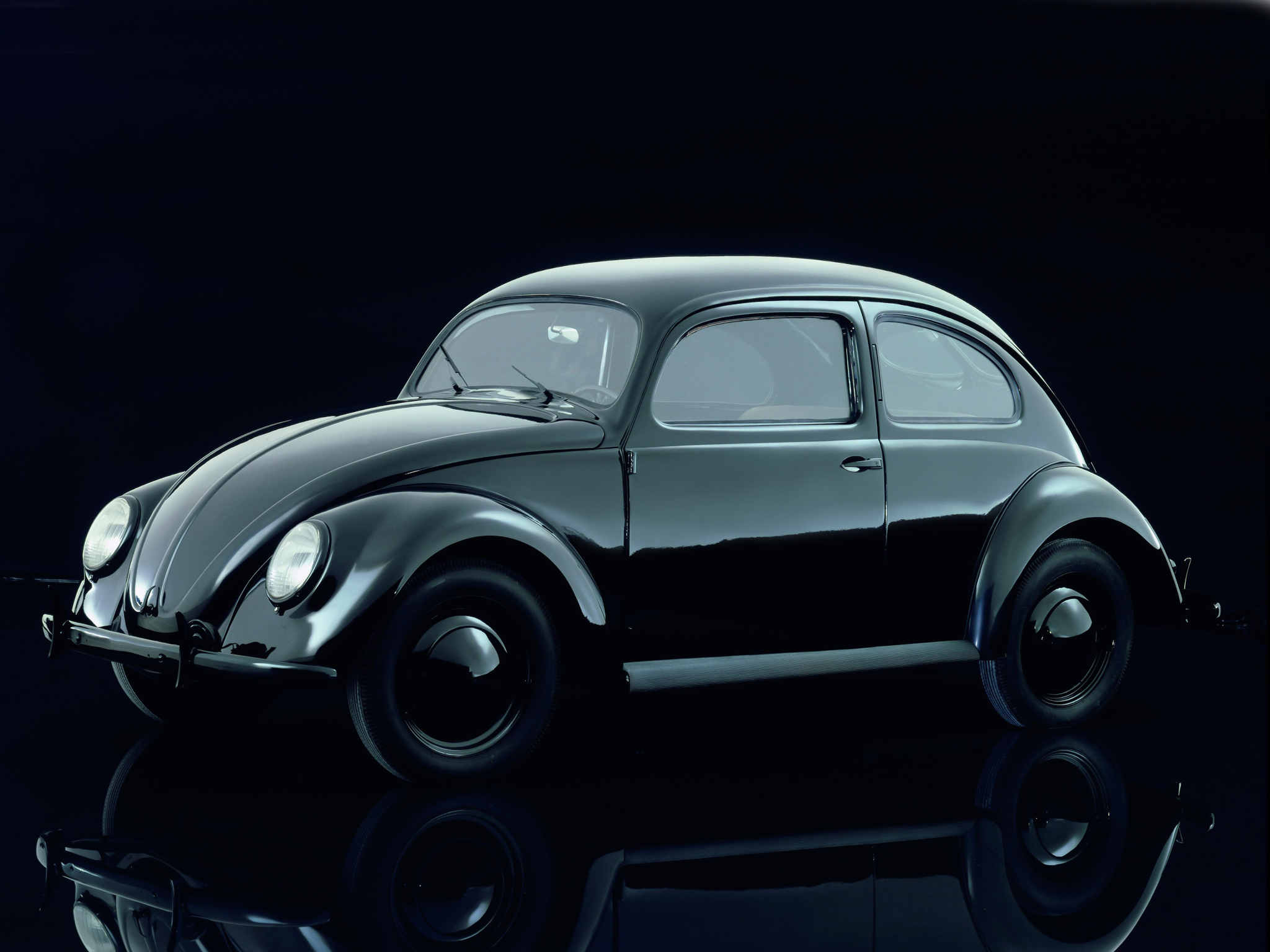
If you want to sell a lot of a car, keeping it in production for 65 years is a good start, the first-generation Beetle finally ceasing production in Mexico in 2003 having first been introduced in 1938, though serious production didn’t start until 1945 for, ahem, reasons.
While the iconic original accounts for most of the total figure, the New Beetle, introduced in 1998, adds another 1.2 million and the oft-forgotten third generation another 500,000-odd between 2011-2019.
5. Honda Civic – 28,000,000 approx.
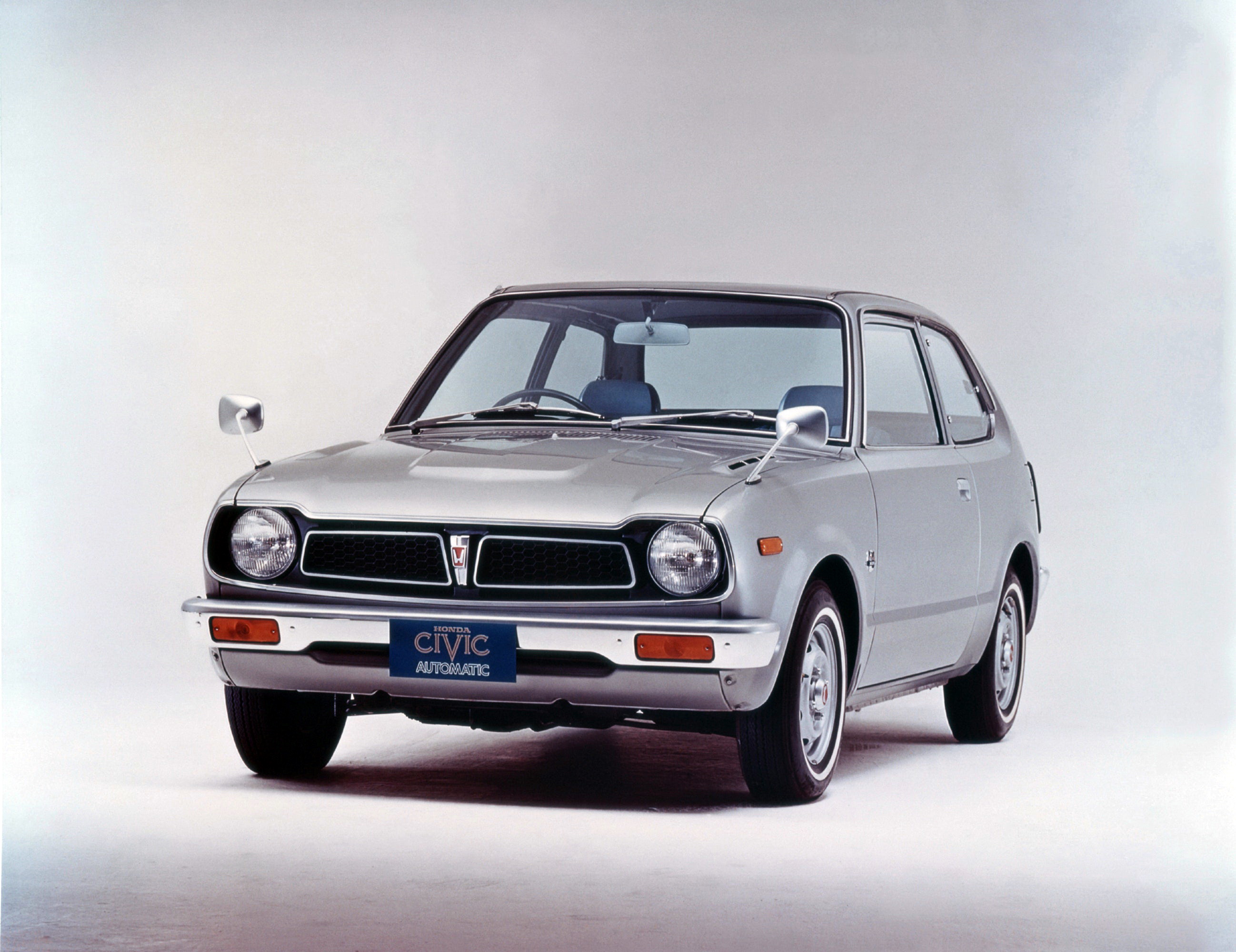
Having passed 27 million units sold in 2021, we’re confident the global sales total for the Honda Civic now sits well north of 28 million, a testament to its combination of quality, fuel efficiency and reliability in a small package.
Today’s standard Civic is a return to form, its elevated price tag justified by a premium interior, excellent dynamics and hybrid power, while the Type R is one of the most thrilling and capable front-wheel drives ever produced.
4. Volkswagen Passat – 34,000,000 approx.
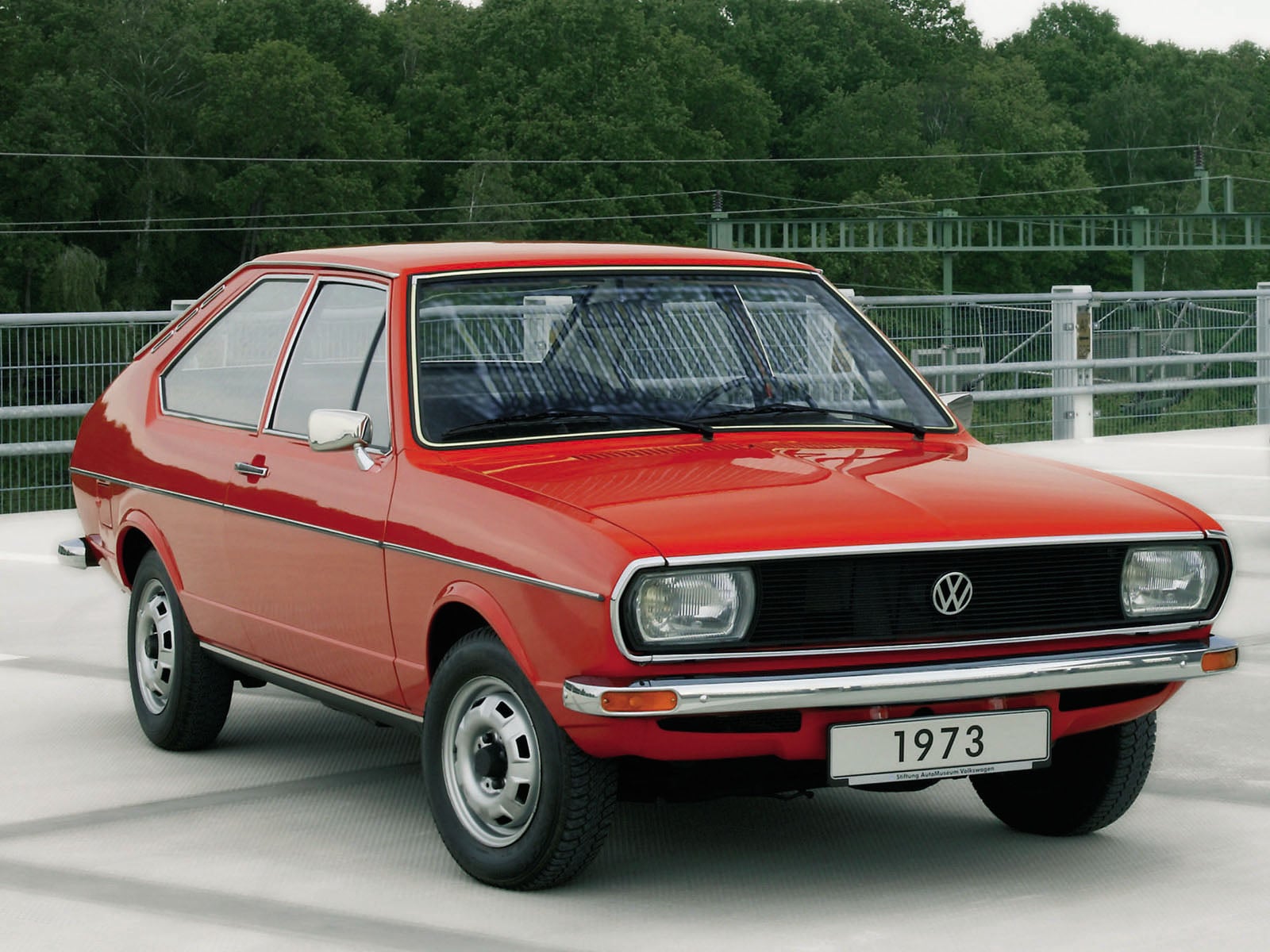
Success in its European homeland was one thing, but the best example of the impact the first Volkswagen Passat made was its 1974 Wheels’ Car of the Year win in rugged, big car-loving Australia.
Across nine generations it’s consistently offered clean-cut, conservative styling – though the Giugiaro-designed original is lovely – and a premium experience for the everyman. Not the sort of car many dream about, but one that fulfils the needs of many.
3. Volkswagen Golf – 37,000,000 approx.
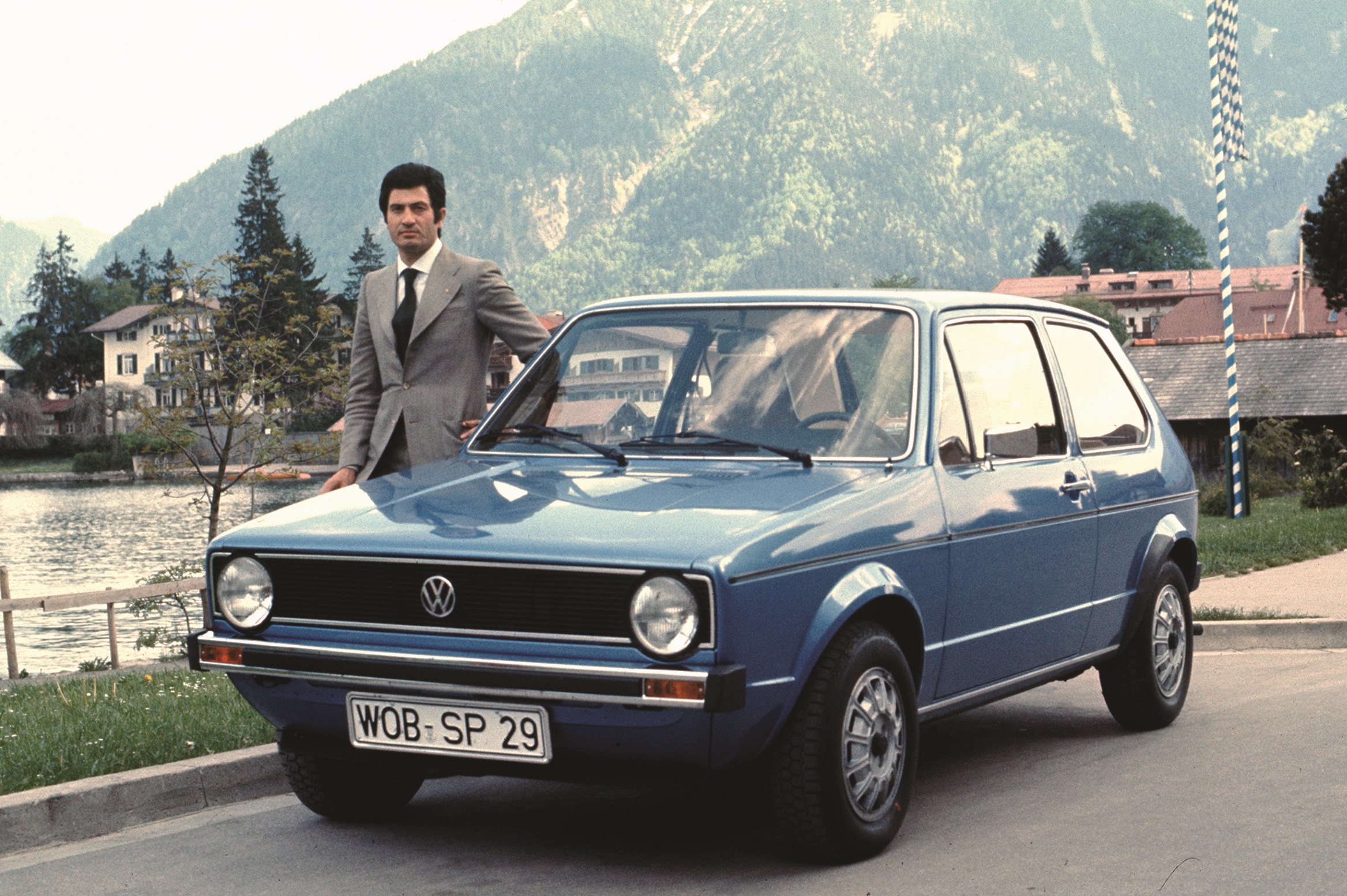
The Volkswagen Golf cemented the direction established by the Passat. A switch from rear- to front-drive, sharp Giugiaro-penned styling and a premium presentation that made it as comfortable in Melbourne as it was in Monaco or Mogadishu.
These traits have carried across five decades and eight generations to make this humble hatchback one of the most popular cars of all time. Car of the Year trophies aren’t everything, but the fact the Golf has three (1976, 2009 and 2013) speaks volumes.
2. Ford F-Series – 43,000,000 approx.
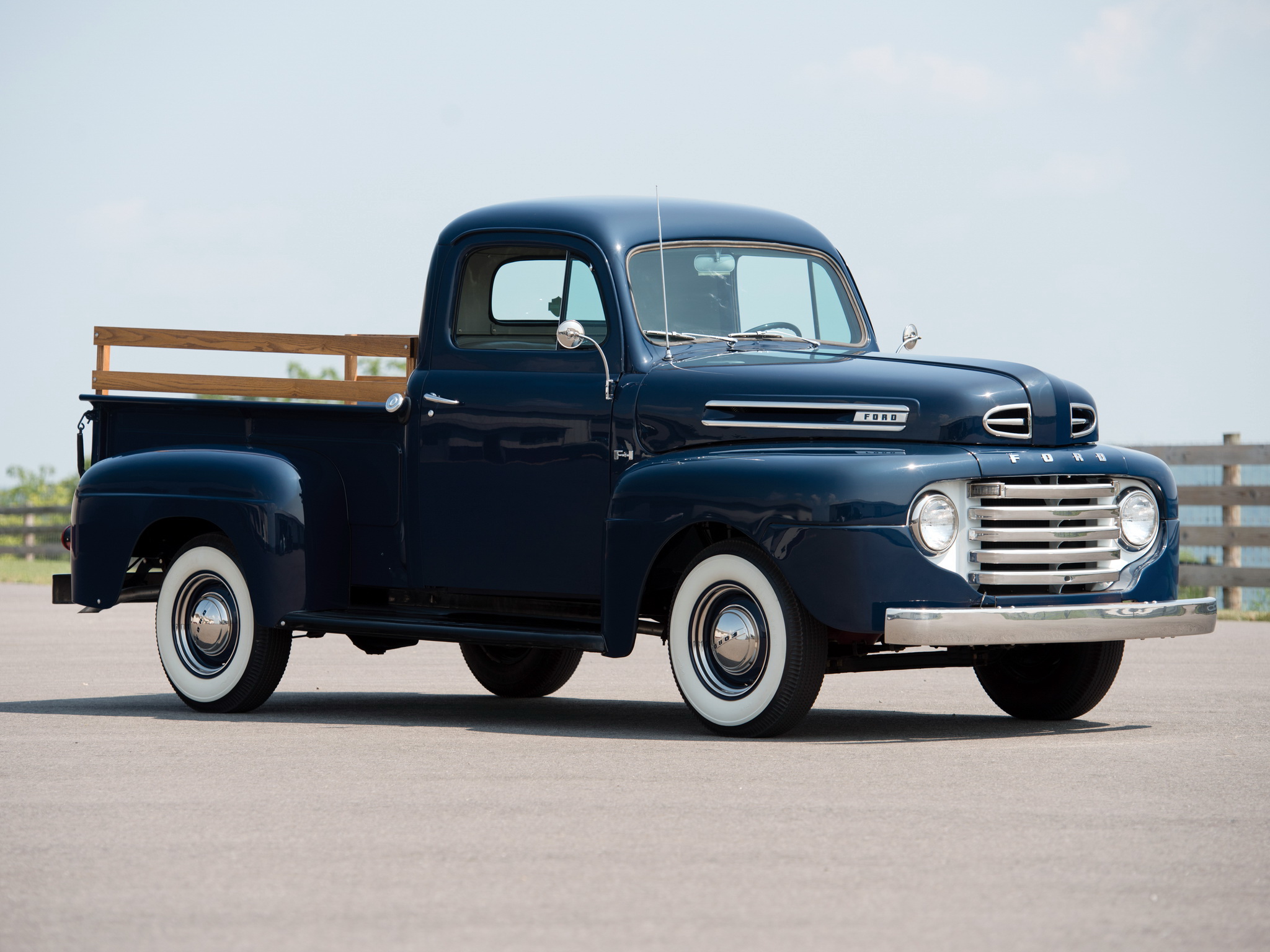
The Ford F-Series is a sensation. It’s a sales sensation, passing 40 million units in January 2022, a profit sensation, its huge margins the pillar on which Ford’s financials are built, and it achieves all this without really venturing beyond its local shores.
Introduced in 1948 and now in its 14th generation, unlike other vehicles on this list, the F-Series shows no sign of slowing down, having sold 620,580 examples in the first three quarters of 2025 alone, up 13 per cent on the previous year.
1. Toyota Corolla – 53,000,000 approx.

Even so, it’s going to take Ford’s monster truck a long time to catch the humble Toyota Corolla as the most popular car in history. Despite changing tastes meaning the affordable hatch/sedan no longer fights for the annual top spot, it continues to sell more than half-a-million examples each year.
It passed the 50 million sales mark in August 2021, an astonishing achievement, and next year the release of the 13th generation will coincide with the model’s 60th anniversary.
While it would take more than a decade for the F-Series to overtake the Corolla even if production stopped tomorrow, perhaps it will remain around long enough for small cars to become in vogue once again. Here’s to the next 50 million.
Skoda has revealed its new 100 concept car, which traces its heritage back to the original Skoda 100 sedan first produced in 1969. Over one million units of that car were built during its eight-year life, and it remains one of Skoda’s most iconic models to date because of its affordable “people’s car” status. The new Skoda 100 sedan concept features a sharp, angular design that brings a futuristic twist to a shape from the 1960s.
According to Paclt, the key motivation for choosing the Skoda 100 was the model’s popularity, which he remembers from his childhood. “I wanted to work with a car that people know well—and that many once owned themselves. The Skoda 100 appealed to me with its clean, timeless lines, which resonate strongly with the current Modern Solid design direction,” he says.
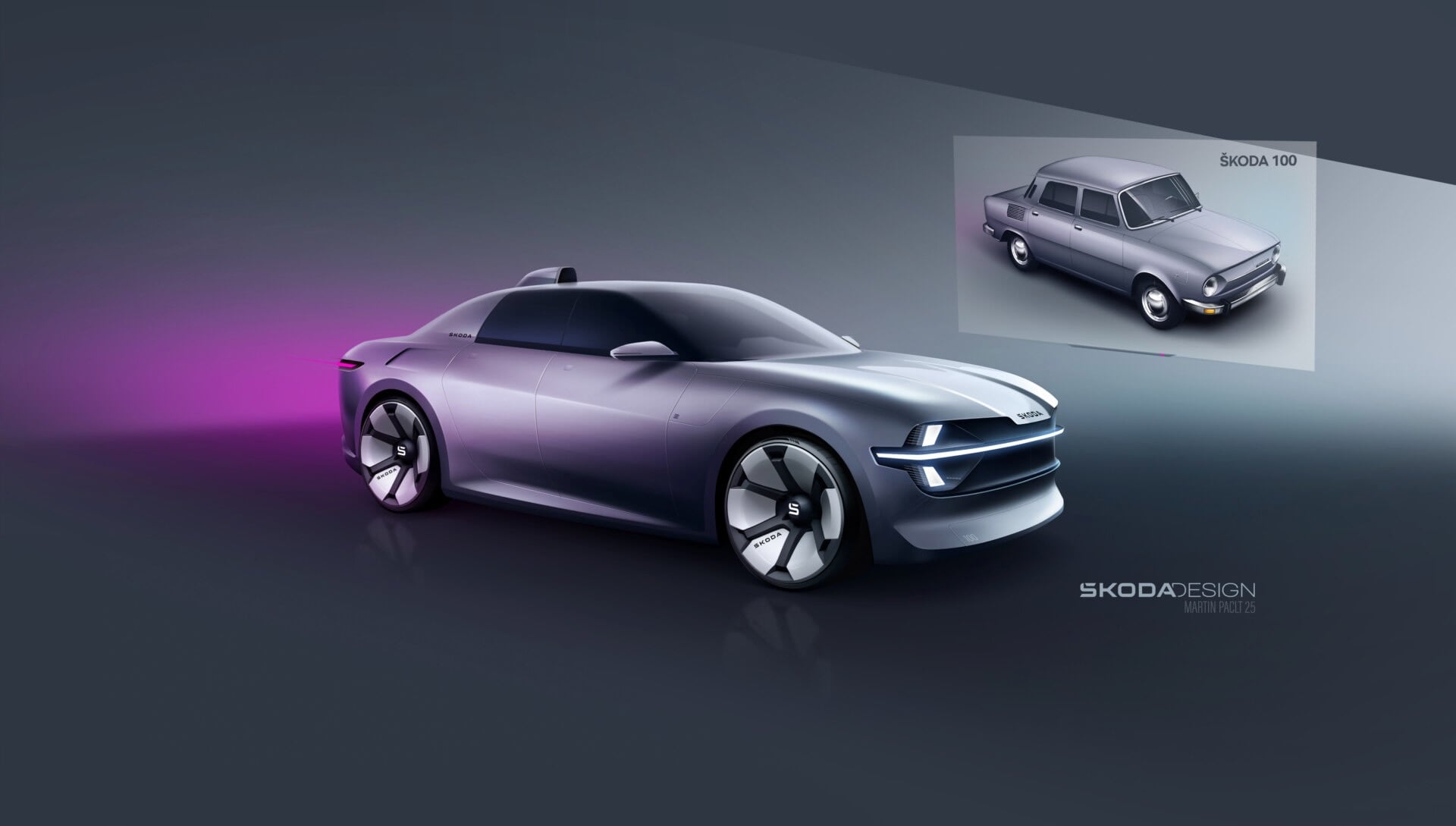
Skoda has been looking to its classic cars for inspiration recently with several concepts as part of its ‘Icons Get a Makeover’ series. So far we’ve seen a two-door coupe, a 21st century interpretation of the Favorit and the cool 110R Concept.
The new 100 concept follows this trend, but there’s some influence from Skoda’s current models too. “I drew from the proportions of the Superb, and the resulting concept turned out slightly larger,” said Paclt.
The stand-out part of the concept’s design comes towards the back. The original Skoda 100 was rear-engined and Paclt wanted the concept’s rear-drive layout to have an impact on its looks. “I wanted to create a concept with a certain degree of realism,” said Paclt.

That can be seen in the cooling: there’s a roof-mounted intake in the place of a back window and to the side there’s more air intakes, similar in positioning to the original car’s. Around the rear the full-width slats mimic the cooling required for the original Skoda 100’s 1.0-litre four-cylinder engine.
As with the other creations within the Icons Get a Makeover series, the 100 sedan concept isn’t destined to make production. However, with Paclt previously involved in the design of the Kodiaq, Karoq and many other production Skodas, we’ll wait and see what influence he and the 100 sedan concept will have on future models.
Remember the Tesla Model Y? Of course you do, it’s the best-selling electric car ever made and has sold well over 50,000 units in Australia alone. And even with the controversy the brand’s head has created in recent times, the Tesla Model Y has enjoyed big sales globally.
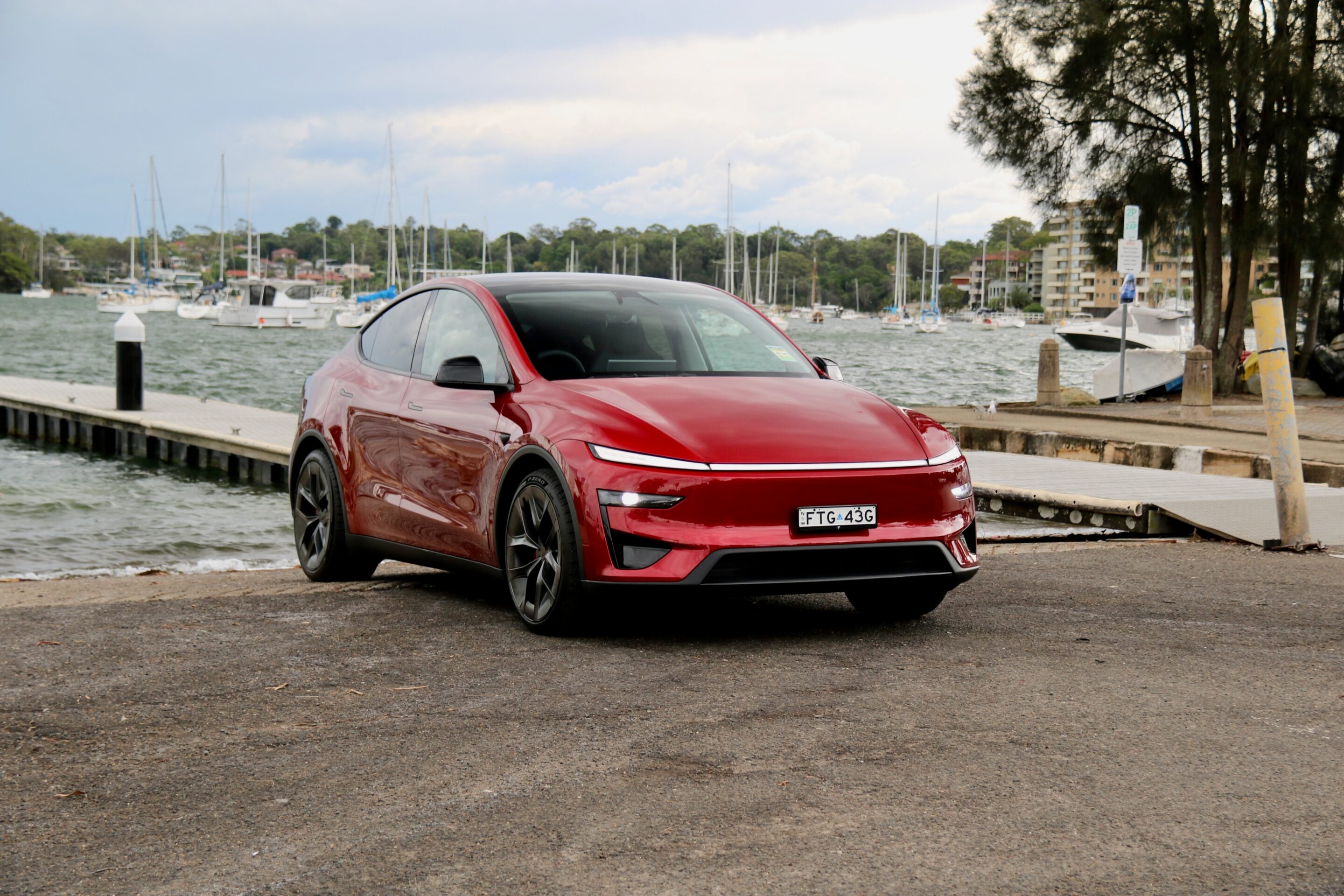
Following on from the big ‘Juniper’ mid-life update to the Model Y that lobbed earlier this year, Tesla has turned up the styling wick on the Performance mid-size SUV variant to make it stand out more than before.
Immediately noticeable are the huge 21-inch alloy wheels – the design is called ‘Arachnid’ if you were wondering – wrapped in serious 255/35 front and 275/35 rear Pirelli P Zero tyres. There’s a subtle bodykit to stand apart from lesser Ys, complete with a surprisingly real carbon-fibre rear lip spoiler. All in all, it looks far more sporting than the previous Model Y Performance.
What’s the interior like?
The cabin of the Model Y Performance hasn’t seen as many changes as the exterior but it’s still a very practical space now filled with numerous small changes that combine to make a large difference. The extra layers of material finishing compared with the pre-updated Model Y are noticeable: the plastics used are softer, there’s suede in places prone to rattles – like the wireless charger area – and even the seat controls look and feel more expensive.
Racier details, such as the new carbon dashboard trim and selectable ambient lighting, also add a classier feel inside. The new sports front seats are also successful in conveying the Y Performance’s sportier vibe. Plus, they’re more adjustable than before with seat cushion extension adjustment, and feature the cool hyperspace logo of the Tesla Performance models below the headrest. The seats are also – finally! – ventilated so that the inevitable heat from the glass roof won’t hit quite so hard.
The Performance uses a slightly larger touchscreen than lesser Model Y models. At 16-inches, it still dominates the dashboard and it uses the same software as other Tesla models, but now it’s even larger than before. As before, it’s absolutely packed with features from inbuilt navigation to apps like Spotify and Netflix – though no Apple CarPlay or Android Auto – and as before, the layout is fairly easy to use but it may take a lot of familiarisation at first.
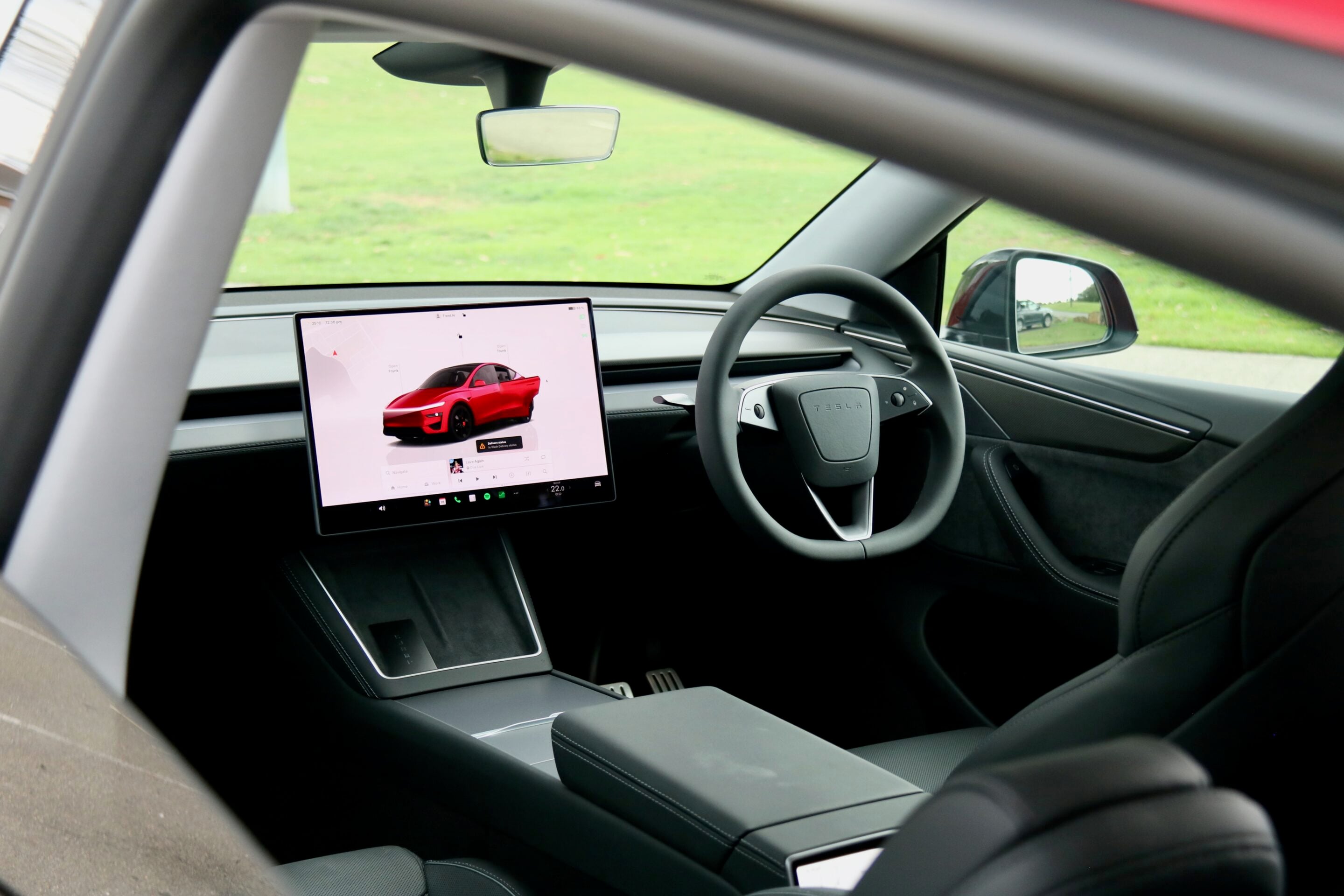
Like the pre-updated Model Y, there’s no speedometer in front of the driver or head-up display. That’s a big no-no in a speed-focused country like Australia, and indeed in such a quick vehicle, it could take you up to licence-losing speeds in seconds. Sure, the speedometer is located on the driver’s side of the screen, but you have to look downwards off the road to see it.
The rear seat base is marginally longer now for extra comfort and two taller adults will be very comfortable, with a third fitting at a pinch. It’s a roomy space, but spaciousness is further enhanced by the flat floor and ample foot room, even for those with big feet. The new 8.0-inch rear touchscreen that controls the rear temperature and features apps such as YouTube will also likely be a godsend for parents on road trips. Tesla knows its market very well there.
Boot and storage
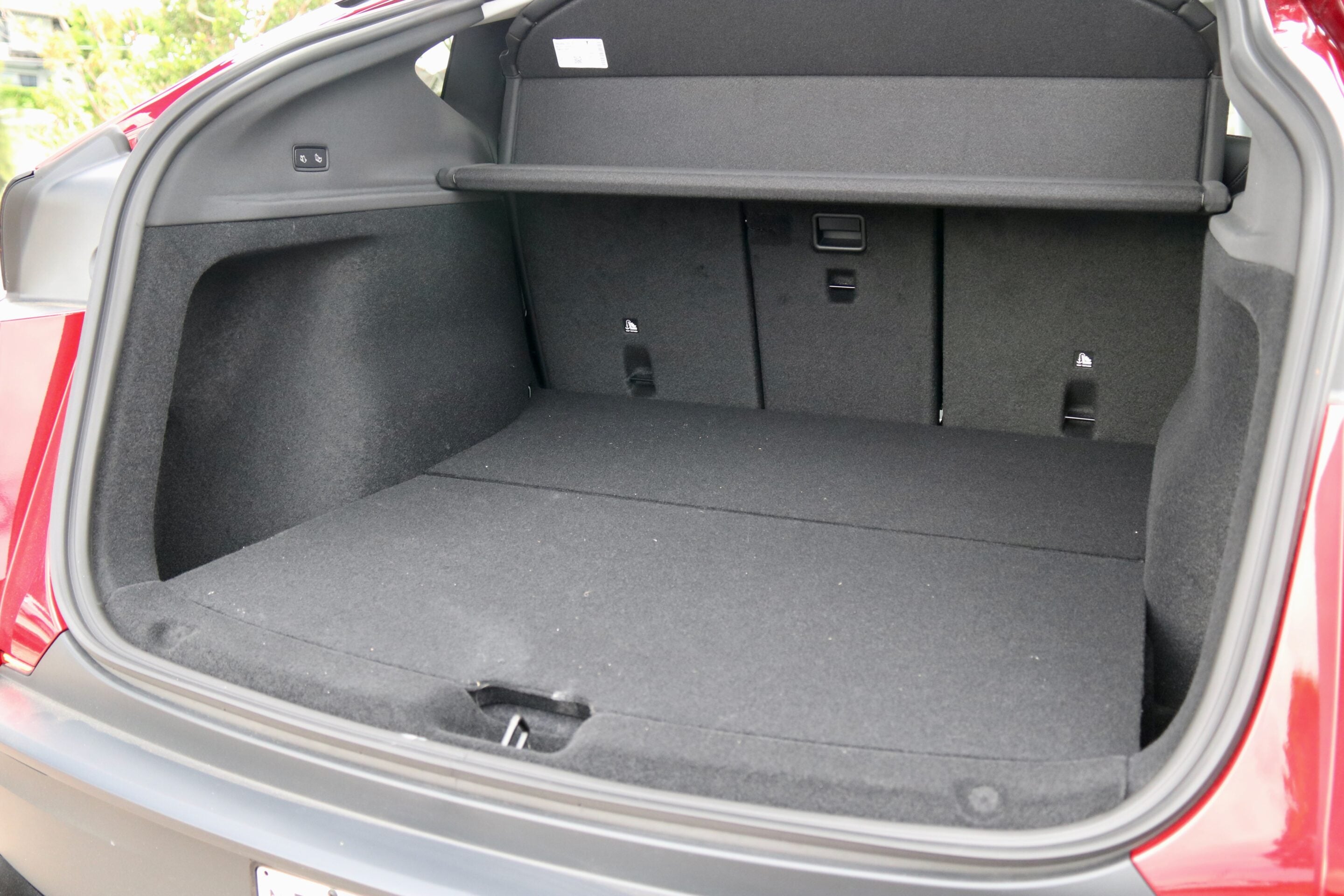
As before, the Model Y’s boot is quite large at 938 litres with the seats up (including a huge under floor section) that opens up to 2022 litres with the rear seats folded. Handily, the rear seats fold and raise electrically for extra convenience. The front boot adds another 117 litres of space, and it now features drainage for those wanting to use their Model Y for tailgate parties or in case the milk from your weekly groceries leaks from how fast you’re driving.
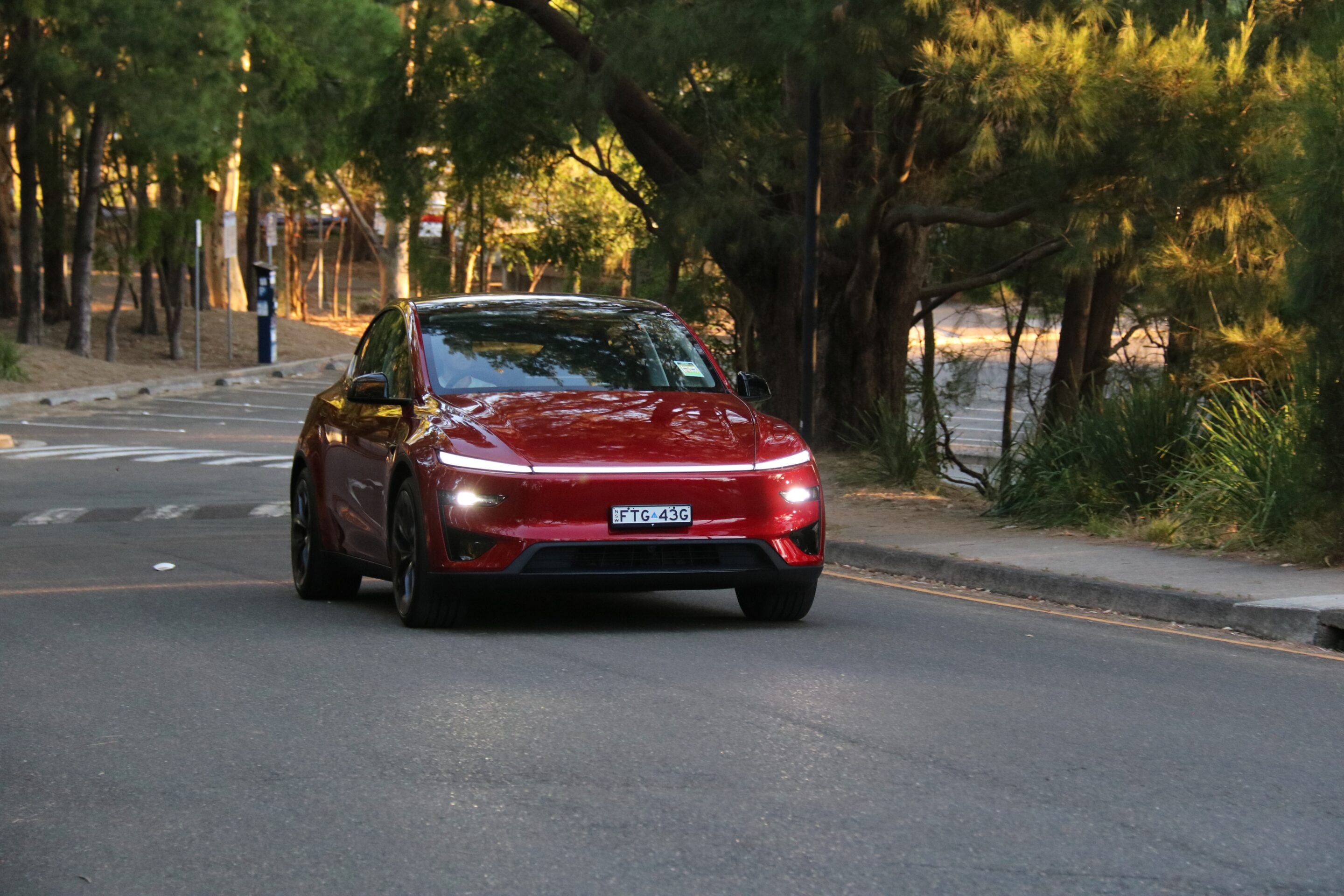
The changes that you can see to the Tesla Model Y Performance add up to a big difference compared with the old model. The styling is more modern and more sporting, and it gets more attention from those around you, but how about the changes underneath?
How does the Model Y Performance drive?
Firstly, there’s more power. It certainly didn’t need it, but Tesla has gifted it anyway. Some sources claim it makes the same 343kW as the Model 3 Performance, while others say up to a massive 461kW. From the driver’s seat, it feels like the latter. This car is quick.
Whatever the case, it launches to 100km/h in just 3.5 seconds, 0.2 seconds faster than the older model, and it hits a top whack of 250km/h. As you’d expect, in its fastest ‘insane’ driving mode, the Model Y Performance feels searingly and sick-inducingly quick. Yet it’s also quite efficient: we returned a 17.4kWh/100km result in our time with it. It charges at up to 250kW as well, and Tesla’s ‘Supercharger’ charging network is impressive, too.
The dynamic package has also been overhauled with new adaptive dampers the stars of the show. The previous Model Y Performance was criticised for its too-firm and non-forgiving suspension, and on that front, the new model is far better. The ride is more supple, forgiving and comfortable in standard mode, a touch firmer and a bit brittle at times in the firmer setting, but still entirely liveable. The brakes are reportedly no larger than a standard Model Y, but still perform well and pedal feel is good. It’s also been made even quieter inside and road noise is only really heard on coarse chip surfaces.
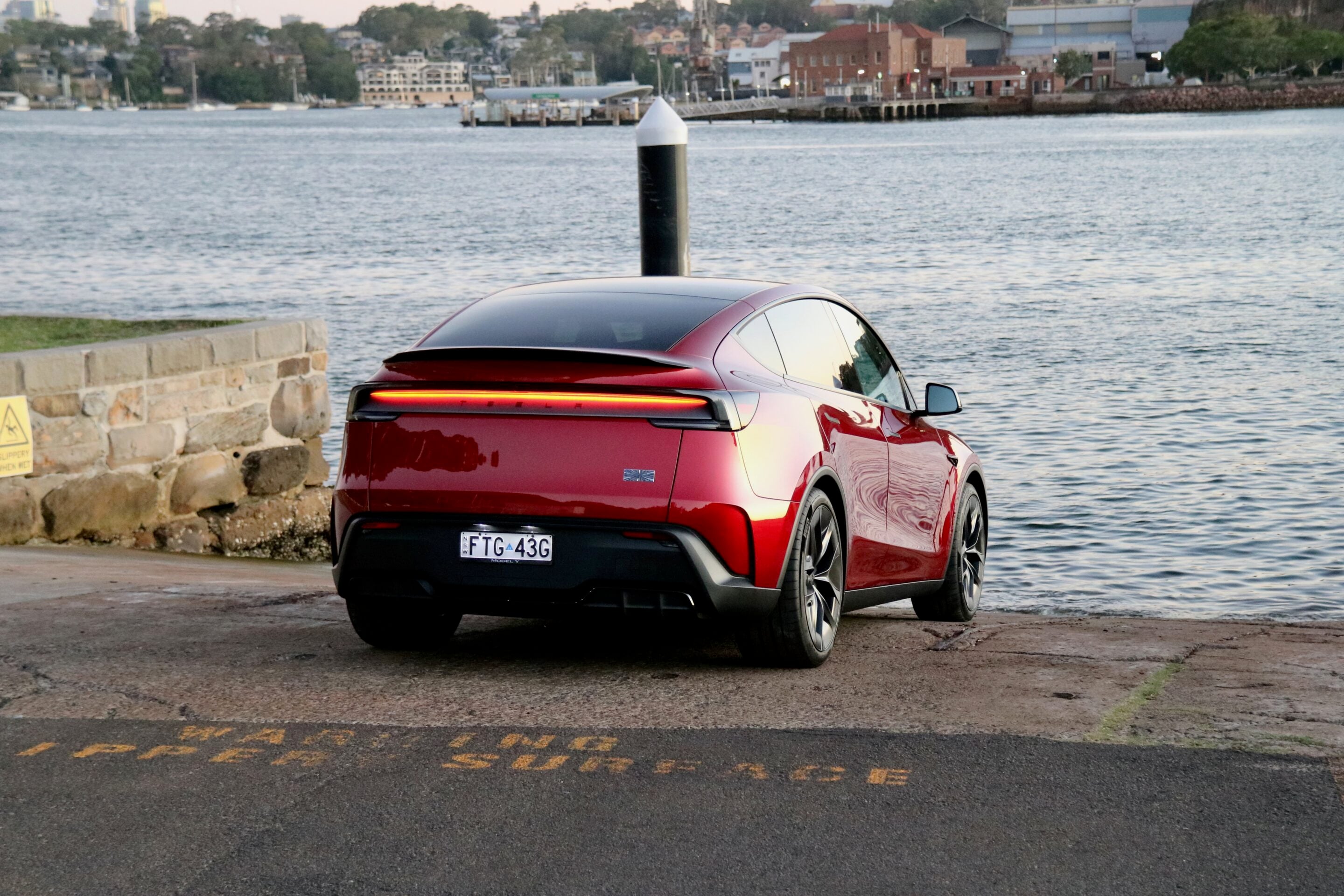
The power delivery feels as though it’s changed slightly with the update, with what feels like more front bias than before. While it’s still a heavy beast that relies heavily on its front wheels in the corners, it’s still capable of scary speeds through the twisties. While a Hyundai Ioniq 5 N still bests the Model Y Performance for involvement, the Tesla is still reasonably fun to drive.
So that’s the Tesla Model Y Performance: a searingly fast, hugely capable and nicely improved performance version of one of the world’s best-selling cars. It’s still wonderfully practical, loaded with plenty of wow factor features and has access to the best charging network out there currently. It’s the default choice for those wanting a performance electric SUV, and while the Juniper update has made it much more talented than before, there are now more rivals to consider like the Zeekr 7X.
There are still jarring factors about the Model Y that some rivals do better, like its comparatively short warranty, glass roof with no cover that makes the cabin quite hot, lack of speedometer in front of the driver and that 99.9 per cent of features are controlled through the touchscreen. But all things considered, and just how well it drives now, there’s no doubt that the Model Y Performance is still one of the best of its type and it’s now even better.
Tesla Model Y Performance specifications:
| Model | Tesla Model Y Performance |
|---|---|
| Price | $89,400 plus on-road costs |
| Motor | Dual, all-wheel drive |
| Transmission | Single-speed |
| Peak power | 461kW (est.) |
| Peak torque | 741Nm (est.) |
| 0-100km/h | 3.5 seconds (claimed) |
| Top speed | 250km/h |
| Battery | 82kWh (est.) NMC |
| Peak charging speed | 250kW |
| WLTP range | 580km |
| Energy consumption (on test) | 17.4kWh/100km |
| L/W/H/WB | 4796/1982/1611/2980mm |
| Boot | 938 litres (seats up)/2139 litres (seats folded + frunk) |
| Tare mass | 2033kg |
| Warranty | 4-year/80,000km (vehicle), 8-year/192,000km (drive battery) |
| On sale | Now |
Tesla Model Y Performance standard features:
- 21-inch alloy wheels
- Adaptive dampers with two settings
- Chill, standard and insane driving modes
- Dusk/rain-activated automatic all-LED lighting
- LED front and rear daytime running lights
- Rain-sensing automatic wipers
- Smartphone/key card access and start
- Heated/auto-folding/auto-dimming exterior mirrors that drop in reverse
- Auto-dimming rear mirrors
- Panoramic glass roof
- Electric tailgate
- Tri-zone automatic climate control
- 14-way electric front seats with memory
- Electric steering column adjustment
- Heated and ventilated front seats
- Heated leather steering wheel
- Heated rear seats
- Synthetic leather upholstery
- Carbon fibre and suede interior trims
- 16-inch touchscreen with live services
- Over-the-air software updates
- Bluetooth calling/audio streaming
- Inbuilt apps such as Spotify, Apple Music and YouTube Music
- Inbuilt games
- Tesla smartphone app for climate, location and other settings
- 16-speaker sound system
- Colour-selectable interior ambient lighting
- Twin wireless phone chargers
- 4x USB-C charging ports
- 8.0-inch rear seat entertainment/climate screen
Model Y Performance safety features:
- 7x airbags
- Autonomous emergency braking
- Adaptive cruise control with ‘autopilot’ highway self-driving capability
- Lane keeping assistance with lane departure warning
- Blind-spot monitoring (through the screen)
- Blind-spot view cameras
- Traffic sign recognition
- Driver attention monitoring
- Adaptive high beam
- Front and rear parking sensors
- Front, side and rear cameras
- Automatic rear braking
- Tyre pressure monitoring
The Model Y range achieved a five-star ANCAP safety rating earlier in 2025 with impressive scores of 91 per cent for adult occupancy protection, 95 per cent for child occupancy protection, 86 per cent for vulnerable road user protection and 92 per cent for safety assistance.
Model Y Performance options:
- Black and white interior: $1500
- Full self-driving (supervised): $10,100
While most of the attention in the new car market goes towards SUVs of various sizes, if you’re searching for a practical, efficient and good value-for-money runabout, a small sedan is still a viable option.
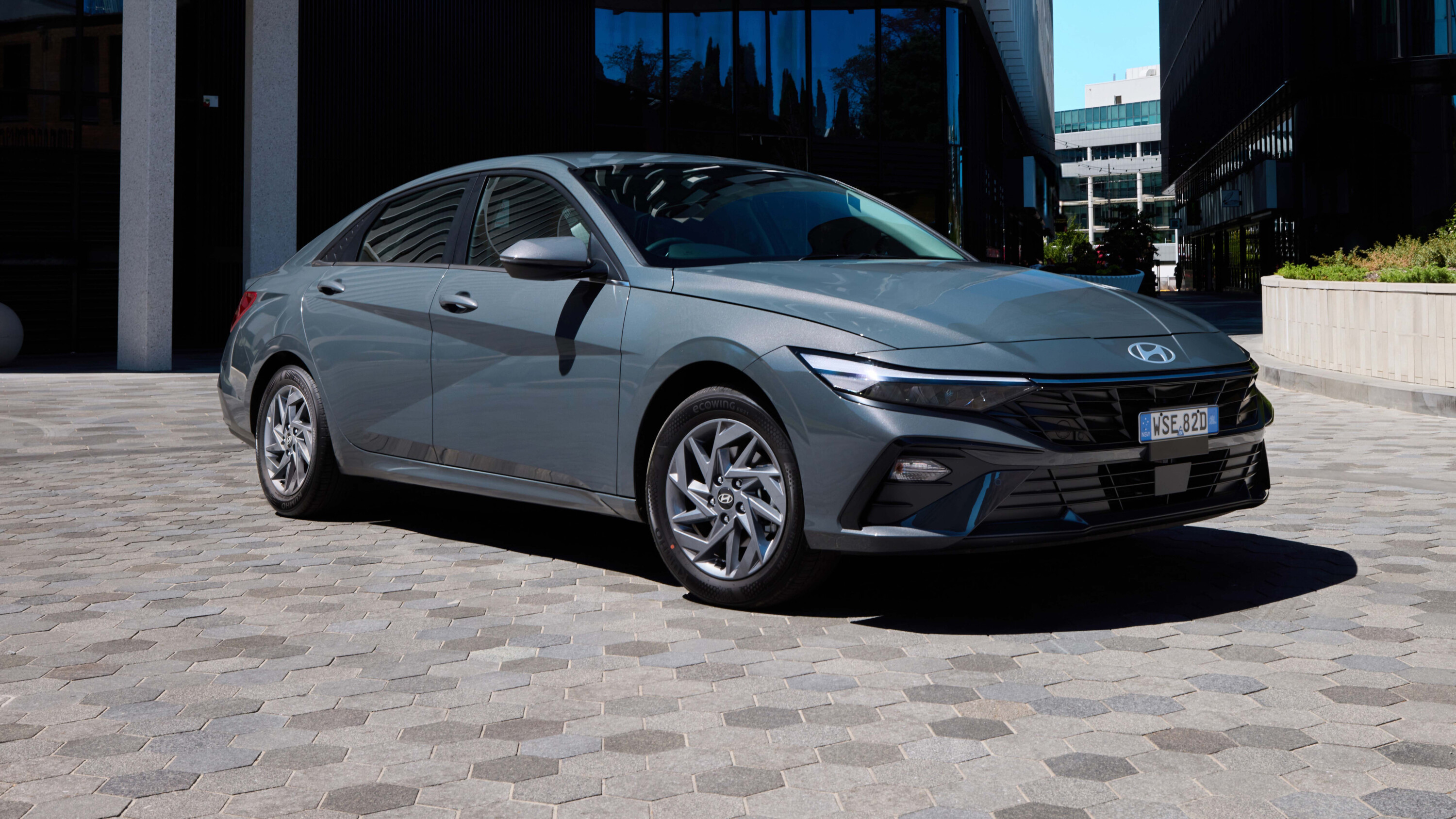
The pluses? They’re good to drive, easy to park, spacious and – if you choose one of the hybrid models here – cost efficient to run. So which small sedan is best to buy: the Toyota Corolla Ascent Sport sedan hybrid or the Hyundai i30 Sedan hybrid?
Pricing
The Corolla Ascent Sport hybrid sedan gets off to an immediately good start because its $32,585 plus on-road costs starting price is $665 less than the entry-level i30 Sedan hybrid ($33,250 +ORC). Premium paint is $20 cheaper for the Corolla at $575, while both Toyota and Hyundai offer a five-year/unlimited km that can be extended with dealer servicing through the warranty period (Toyota gifts you an extra two years of mechanical warranty if done so, while Hyundai gives you another two years of full vehicle warranty).
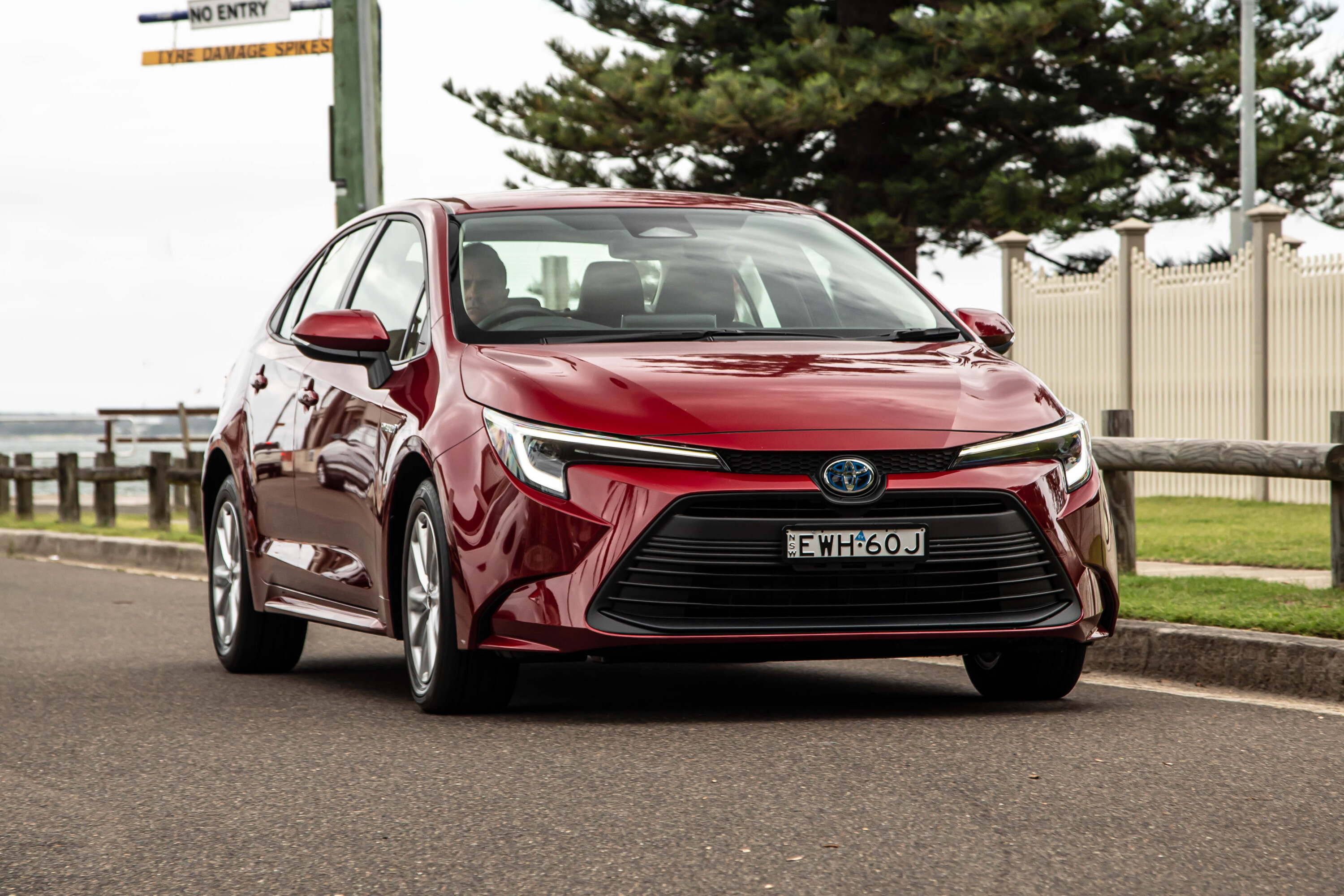
Both the Corolla and i30 Sedan feature annual/15,000km service intervals, but the Corolla’s servicing is almost half the price of the i30 Sedan’s at just $1250 for five years. The i30 Sedan features 12 months of roadside assistance as standard that’s extended by another 12 months with each dealer service, whereas Toyota disappointingly gives you none at all – buyers must pay a minimum of $99 annually if they want it.
| Toyota Corolla Ascent Sport sedan hybrid | Hyundai i30 Sedan hybrid | |
|---|---|---|
| Starting price | $32,585 plus on-road costs | $33,250 plus on-road costs |
| Premium paint | + $575 | + $595 |
| Warranty | Five-year/unlimited km (+ two extra years of mechanical warranty if serviced at a Toyota dealer) | Five-year/unlimited km (+ two extra years if serviced at Hyundai) |
| Service intervals | Annually/every 15,000km | Annual/every 15,000km |
| Five-year service cost | $1250 ($250 per year) | $2426 ($485 per year) |
| Roadside assistance | None ($99+ per year) | 12 months, extended another 12 months with each dealer service |
Dimensions
In a tale quite common with pretty much all modern cars, both small sedan offerings are much larger than their predecessors and are even larger than most medium cars were in the early 2000s. That means that both the Corolla and i30 Sedan are practical, but the Hyundai’s extra 80mm of length affords it a genuinely roomy rear cabin that even taller folks will be comfortable sitting in.
For boot space, it’s a very close call with the Toyota trailing the Hyundai by just four litres. Both boots are really just big boxes with little in the way of extra storage or hooks to hang bags off. Both cars also feature 60:40-split folding rear seats if more space is needed.
| Toyota Corolla Ascent Sport sedan hybrid | Hyundai i30 Sedan hybrid | |
|---|---|---|
| Length | 4630mm | 4710mm |
| Width | 1780mm | 1825mm |
| Height | 1435mm | 1420mm |
| Wheelbase | 2700mm | 2720mm |
| Weight | 1430kg | 1360kg |
| Luggage space | 470 litres | 474 litres |
Standard features
Despite both the Corolla Ascent Sport and i30 Sedan being entry level models in their respective line-ups, they are well featured for the money. Shared features include 16-inch alloy wheels, automatic LED headlights, heated mirrors, automatic climate control, 8.0-inch touchscreens, wireless smartphone mirroring and six-speaker sound systems.
Over the i30 Sedan, the Corolla adds cloud-based sat-nav, DAB+ digital radio reception, keyless entry with push button start and a 12.3-inch digital driver’s display. But the i30 adds rain-sensing automatic wipers, parking sensors, a leather-wrapped steering wheel, an extra zone of climate control, rear air vents, a wireless phone charger and two USB-C charging ports for the rear seat.
| Toyota Corolla Ascent Sport sedan hybrid | Hyundai i30 Sedan hybrid | |
|---|---|---|
| Wheels | 16-inch alloy | 16-inch alloy |
| Headlights | LED projector | LED reflector |
| Wipers | Manual | Rain-sensing automatic |
| Seat adjustment | Six-way manual driver, four-way manual passenger | Six-way manual driver, four-way manual passenger |
| Upholstery | Cloth | Cloth |
| Steering wheel | Urethane | Leather |
| Push button start | Yes | No |
| Climate control | Single-zone automatic | Dual-zone automatic with rear vents |
| Stereo | Six-speaker | Six-speaker |
| In-car charging | 1 x USB-C (front) | 1 x USB-C (front), wireless charger (front), 2 x USB-C (rear) |
Performance and fuel economy
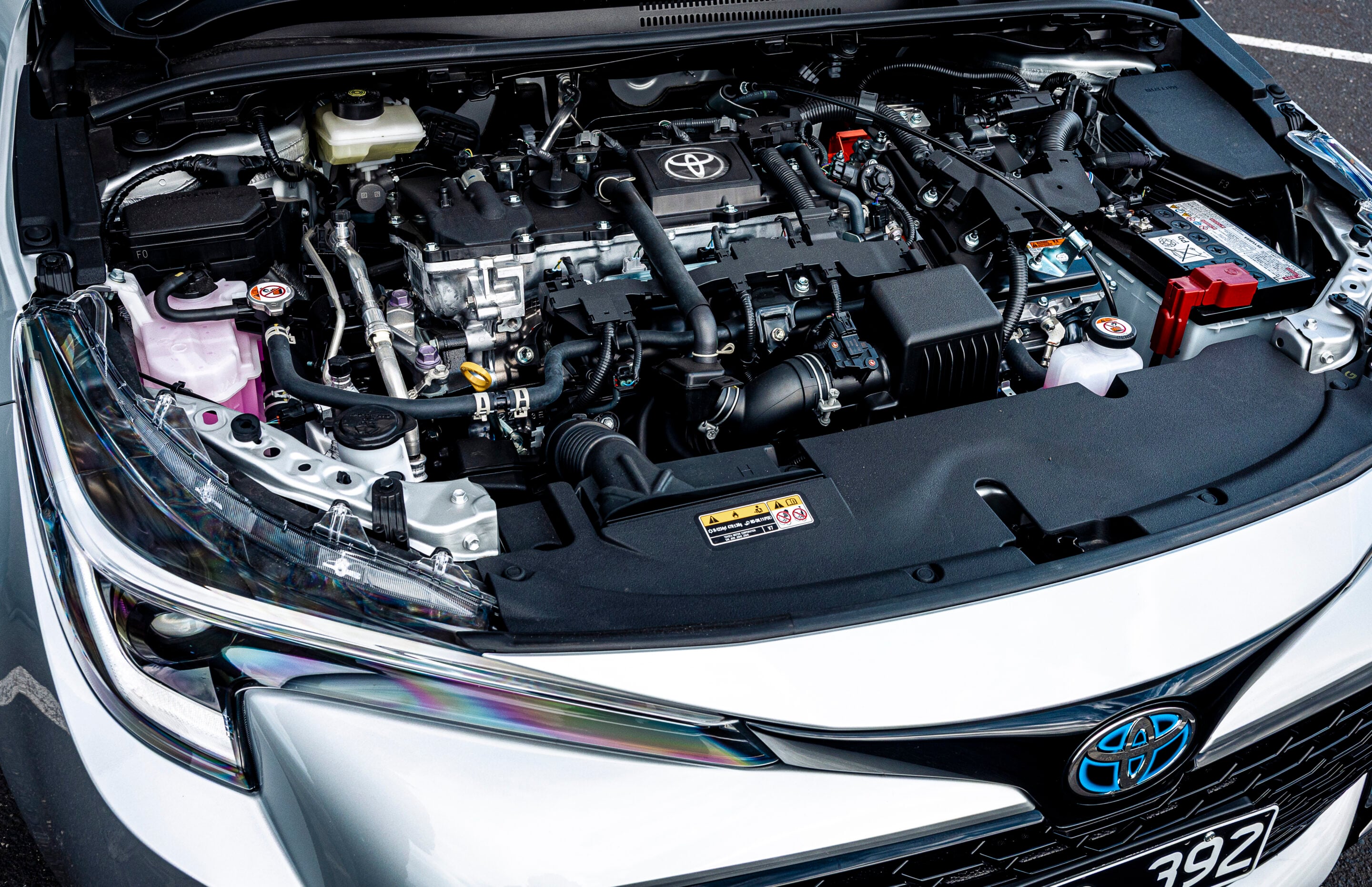
Both the Corolla Ascent Sport hybrid and i30 Sedan hybrid use four-cylinder petrol engines combined with electric motors and small batteries to provide low emissions driving. The Corolla’s 1.8-litre engine is 200cc larger than the Hyundai’s, but remarkably, they both achieve 3.9L/100km on the combined cycle for fuel consumption.
The i30 Sedan produces 1kW more power than the Corolla (104kW versus 103kW), and it also uses a six-speed dual-clutch transmission that feels more normal to drive than the Corolla’s eCVT. Based on their combined fuel consumption, Corolla drivers will eke slightly more out of a tank of fuel – the i30 Sedan hybrid’s is one litre smaller – though that will depend on what sort of driving they’re doing.
| Toyota Corolla Ascent Sport sedan hybrid | Hyundai i30 Sedan hybrid | |
|---|---|---|
| Engine | 1.8-litre four-cylinder hybrid | 1.6-litre four-cylinder hybrid |
| Peak power | 103kW | 104kW |
| Combined fuel consumption | 3.9L/100km | 3.9L/100km |
| Transmission | eCVT | Six-speed dual-clutch |
| Claimed emissions | 90g/km | 92g/km |
| Fuel type/tank size | 43 litres/91RON regular unleaded | 42 litres/91RON regular unleaded |
Safety
These small sedan rivals will be bought by a whole range of customers, so safety is an important issue to consider. The i30 Sedan was tested by Australia’s safety authority ANCAP and received a three-star rating, but the Corolla is actually currently unrated by ANCAP because it was tested so long ago (it received a five-star rating in 2018). Therefore, it’s difficult to know how they compare in crash testing, but they are both well equipped when it comes to safety.
Shared safety features between the two include autonomous emergency braking, adaptive cruise control, lane keeping assistance, driver attention monitoring and a reversing camera. However, neither feature blind-spot monitoring with rear cross-traffic alert as standard – they are available as part of a $1000 Convenience Package on the Corolla, but i30 Sedan buyers must step up to the upper-spec Elite to get them. The Corolla has seven airbags to the i30 Sedan’s six, but the i30 Sedan features front and rear parking sensors.
| Safety | Toyota Corolla Ascent Sport sedan hybrid | Hyundai i30 Sedan hybrid |
|---|---|---|
| Airbags | Seven | Six |
| Adaptive cruise control | Yes (all speed) | Yes (with stop and go) |
| Autonomous emergency braking | Yes (with pedestrian and daytime cyclist assistance) | Yes (with pedestrian, cyclist, motorcycle and intersection assistance) |
| Lane-keep assist | Yes (with adaptive lane guidance) | Yes (with adaptive lane guidance) |
| Blind-spot monitoring | No (available as part of $1000 Convenience Package) | No |
| Rear cross-traffic alert | No (available as part of $1000 Convenience Package) | No |
| Driver attention monitoring | Yes | Yes |
| Parking sensors | No | Front and rear |
| Reversing camera | Yes | Yes |
| ISOFIX | Outboard rear seats | Outboard rear seats |
Technology
Thanks to its most recent updates, the Corolla edges out the i30 Sedan on the tech front thanks to its impressive 12.3-inch digital driver’s display and 8.0-inch touchscreen with live services, including cloud-based sat-nav with live traffic. The i30 Sedan also features an 8.0-inch touchscreen, but with no live services in the entry-level model. Both feature wireless smartphone mirroring, while the Corolla only features one USB port – the i30 Sedan has three and a wireless phone charger too.
| Toyota Corolla Ascent Sport sedan hybrid | Hyundai i30 Sedan hybrid | |
|---|---|---|
| Driver’s display | 12.3-inch digital | 4.2-inch with analogue gauges |
| Touchscreen | 8.0-inches | 8.0-inches |
| Satellite navigation | Yes (cloud based with live traffic) | No |
| Radio | AM/FM/DAB+ | AM/FM |
| Smartphone mirroring | Wireless and wired Apple CarPlay and Android Auto | Wireless and wired Apple CarPlay and Android Auto |
Conclusion: Corolla or i30 hybrid?
Those wanting something smaller and more fuel efficient than an SUV will be a winner with either of our small sedan battlers: the Toyota Corolla Ascent Sport hybrid sedan or Hyundai i30 Sedan hybrid. They’re not only more practical than vehicles like their Kona and Corolla Cross siblings, but better to drive, better value for money, more efficient and better looking.
The Corolla is priced less than the i30, and offers some equipment advantages like a fully digital driver’s display, keyless entry with push button start and inbuilt sat-nav. But the i30 Sedan is better equipped overall, including more family/ride share-friendly features like rear air vents and charging ports. It’s also more spacious than the Corolla and better to drive because of its proper transmission. There’s no wrong choice here, but our small sedan money would be going to the i30 Sedan hybrid.
Subaru Australia has announced local pricing and specifications for the 2026 Subaru Outback, which is due to join the range soon. Now in its seventh generation, the Outback has grown slightly, including 50mm more height than before, while Subaru says it is more spacious and more practical than ever.
For the first time, Subaru’s Wilderness off-road sub-brand will also be joining the local range as part of the Outback line-up. Pricing for the new Outback starts at $48,990 plus on-road costs, or $4800 more than the previous model.
As we discovered when it was revealed in April 2025, the seventh-generation Subaru Outback is slightly larger than before and less wagon-like in appearance. The interior has gained a new dashboard layout with a new 12.1-inch touchscreen, with the former portrait-style screen shelved for the new model. The interior appears to have been elevated and modernised.

The new Outback measures 4880mm long, 1880mm wide, 1715-1735mm tall and uses a 2745mm long wheelbase, making it 10mm longer, 5mm wider, minimum 50mm taller and the same distance between the wheels as the previous model. Its bootspace with the rear seats up is now 530 litres, an increase of eight litres, and its kerb weight is now 90kg heavier from 1705kg thanks to the larger sizing and new standard features.
For the first time in Australia, Subaru is also launching its Wilderness sub-brand, which adds more off-road chops to the Outback (and both Crosstrek and Forester in overseas markets, but they’re yet to be confirmed for Australia), including a raised ride height, new suspension tuning with electronic dampers, off-road themed exterior styling, more standard features and Wilderness badging.
Two familiar – but upgraded – drivetrains will be available in the Australian-spec Outback: a 137kW/254Nm 2.5-litre petrol or 194kW/382Nm 2.4-litre turbo-petrol engines for Wilderness models, with both using updated CVT automatic transmissions and Subaru’s symmetrical all-wheel drive system.
The 2.5-litre engine is rated at 8.2L/100km on the combined fuel consumption cycle (up from 7.3L/100km), and the 2.4-litre turbo is rated at 9.7L/100km (+ 0.7L/100km). The claimed CO2 emissions for the 2.5L are 183g/km (+ 15g/km) and 228g/km (+ 24g/km) for the 2.4T. Both engines can use 91RON regular unleaded fuel and all Outbacks use a 63-litre fuel tank.

The 2.5-litre hybrid drivetrain in the new Forester doesn’t feature as part of the launch line-up, but is rumoured to join the Outback range at some stage.
The new Outback’s colour options include ‘Crystal White Pearl’, ‘Crystal Black Silica’, ‘Ice Silver Metallic’, ‘Magnetite Grey Metallic’, ‘Deep Emerald Pearl’, ‘River Rock Pearl’, ‘Crimson Red Pearl’, ‘Brilliant Bronze Metallic’, ‘Sapphire Blue Pearl’ and ‘Geyser Blue’. All but the white and black hues attract a $660 upcharge, which itself is also new to the Outback.
The Outback is covered by a five-year/unlimited km warranty with 12 months of roadside assistance. Five years/75,000km of capped price servicing costs $2251.21 ($450 per year) for the 2.5-litre engine and $2347.31 for the 2.4-litre turbo ($469 per year).
2026 Subaru Outback pricing (plus on-road costs):
| Outback 2.5 AWD | $48,990 |
|---|---|
| Outback Premium 2.5 AWD | $53,490 |
| Outback Touring 2.5 AWD | $56,990 |
| Outback Wilderness 2.4T AWD | $59,690 |
| Outback Wilderness Apex 2.4T AWD | $62,690 |
2026 Subaru Outback equipment:
- 18-inch alloy wheels
- Dusk-sensing automatic LED headlights
- Rain-sensing automatic wipers
- Roof rails
- Keyless entry with push button start
- Heated and electric-folding mirrors
- Dual-zone automatic climate control with rear air vents
- Synthetic leather upholstery
- Leather steering wheel
- 10-way electric driver seat adjustment
- Heated front seats
- 12.3-inch digital driver’s display
- 12.1-inch touchscreen with wireless Apple CarPlay and Android Auto
- Six-speaker sound system
- 4x USB charging ports
- Electric tailgate
- X-Mode off-road driving modes
2026 Subaru Outback safety features:
- 9x airbags
- Autonomous emergency braking
- Adaptive cruise control
- Adaptive lane guidance
- Lane keeping assistance
- Driver attention monitoring
- Blind-spot monitoring
- Rear cross-traffic alert
- Front and rear parking sensors
- Reverse automatic braking
- Reversing camera
- Emergency assist

Outback Premium model adds:
- Satellite navigation
- 360-degree camera
- 12-speaker Harman Kardon sound system
- Sunroof
- Heated steering wheel
- 8-way front passenger electric seat adjustment
Outback Touring model adds:
- Nappa leather upholstery (available in black or tan)
- Ventilated front seats
- Heated outboard rear seats
- Wireless phone charger
- Auto-folding mirrors with passenger side dropping in reverse
- Driver monitoring for automatic seat and mirror adjustment
- Gloss finish for the 18-inch alloy wheels
- Active lane change assistance
Outback Wilderness adds (to Outback 2.5 AWD):
- Unique exterior styling
- Turbocharged 2.4-litre petrol engine
- Water-repellent synthetic leather seat trim with Wilderness logo
- Raised suspension with 240mm ground clearance
- Electronic dampers
- Two-mode X-Mode off-road driving modes
- Auto-dimming rear mirror
- Heated steering wheel
- Wireless phone charger
Outback Wilderness Apex adds (to Wilderness):
- Satellite navigation
- 360-degree camera
- 12-speaker Harman Kardon sound system
- Sunroof
The 2026 Subaru Outback is available to order now ahead of the first local deliveries commencing soon.
ANCAP (the Australasian New Car Assessment Program has announced that it will refresh its vehicle safety rating criteria for 2026 in a move designed to strengthen how it evaluates the safety of new cars.
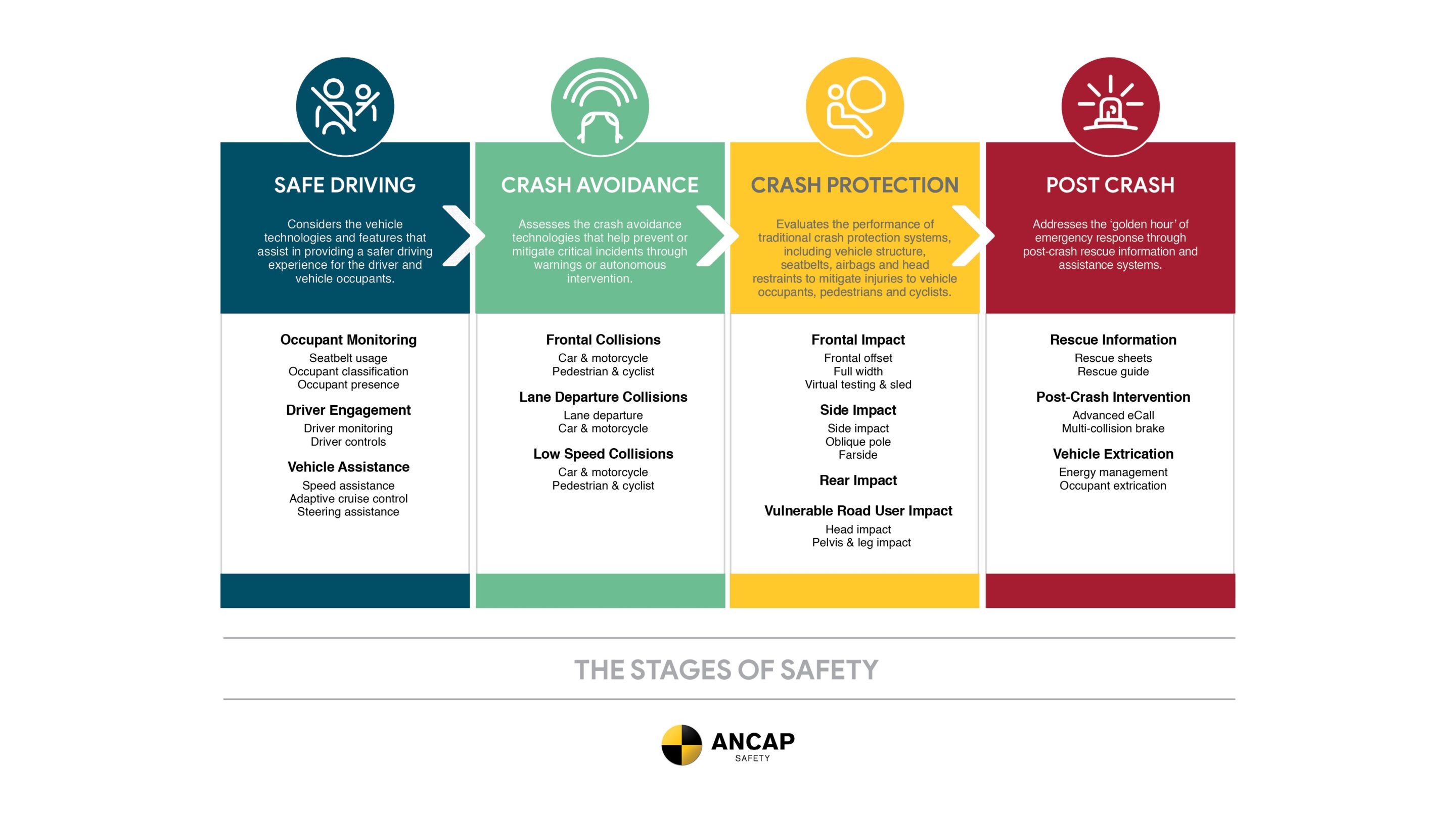
Instead of the current adult protection, child protection, vulnerable road user protection and safety assist ratings, ANCAP will now assess across its new ‘Stages of Safety’: safe driving, crash avoidance, crash protection and post-crash.
ANCAP re-examines the star rating criteria every three years with a “sole focus on reducing vehicle-related deaths and serious injuries.” The 2026-2028 protocols “further strengthen the rigour and relevance of the tests, rewarding vehicles that perform well across all stages of safety – before, during and after a crash.”
“You’ve spoken and we have listened. The ‘Stages of Safety’ approach will allow ANCAP to incorporate useful feedback, enhance existing tests and incorporate new areas of focus,” ANCAP Chief Executive, Carla Hoorweg said. “This new approach also provides a structure that can adapt to the technological developments that will shape the automated driving future.”
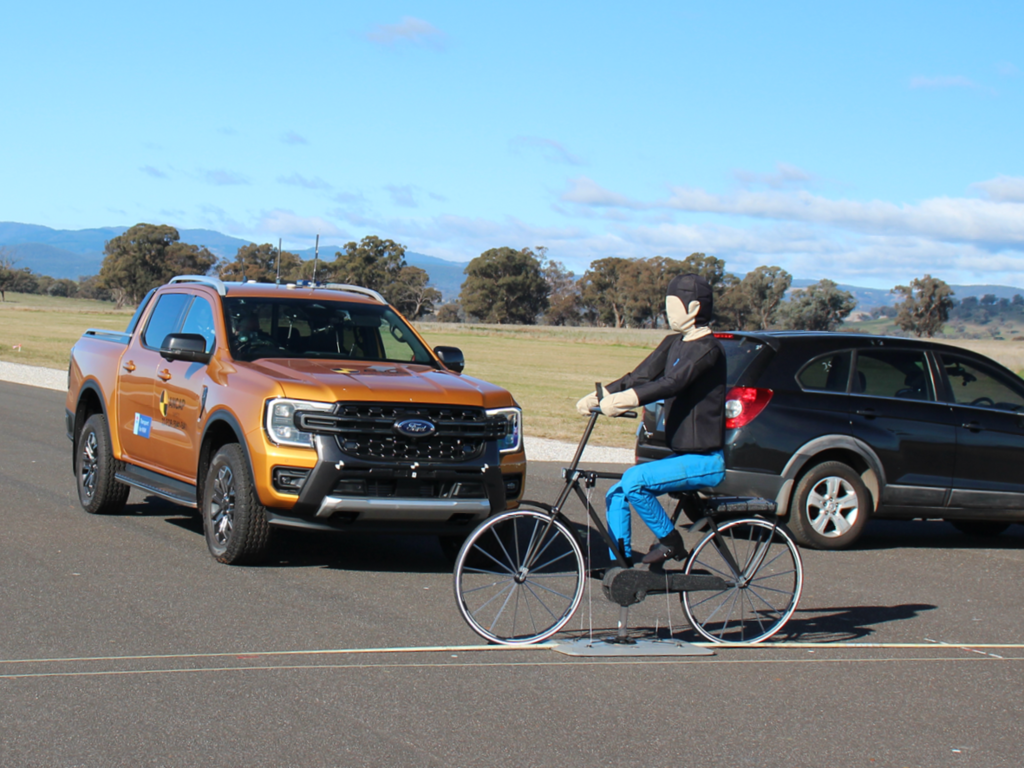
Several changes have been made to ANCAP’s safety testing specifically in response to consumer feedback. Active driver assistance systems – often criticised for their abrupt or irritating interventions – will be rewarded for smooth, intuitive operation, as well as technical performance.
Part of its testing will focus on electrically-operated door handles that sit flush with bodywork when not in use should remain operable after any crash, electric cars that isolate their high-voltage battery after a serious crash and vehicles that can notify first responders of the crash.
As part of the new testing regime, ANCAP will place greater emphasis on the availability and performance of eCall systems. More than 40 per cent of all new vehicles sold in Australia in 2024 featured technology capable of automatically connecting with emergency services following a crash, known as ‘eCall’. But in neighbouring New Zealand – a market with broadly similar new car offerings – it’s less than 10 per cent.
ANCAP will also perform more real-world road testing of vehicles to examine how well a vehicle’s technology reads and responds to road conditions, and will give ANCAP more detailed insights into a driver’s experience beyond the test track.
ANCAP 2026 stages of safety:
The four assessment areas evaluated from 2026, known as the ‘Stages of Safety’, are:
- Safe driving: Considers the vehicle technologies and features that assist in providing a safer driving experience for the driver and vehicle occupants.
- Crash avoidance: Assesses the crash avoidance systems that help prevent or mitigate critical incidents through warnings or autonomous intervention.
- Crash protection: Evaluates the performance of traditional crash protection elements, including vehicle structure, seatbelts, airbags and head restraints to mitigate injuries to vehicle occupants, pedestrians and cyclists.
- Post crash: Addresses the ‘golden hour’ of emergency response through post-crash rescue information and assistance systems.
Each of the four stages will be scored out of 100 points and – as is currently the case – expressed as a percentage for consumers apparently seeking that next level of information beyond the simple star rating, according to ANCAP. Minimum thresholds will also continue to apply for each stage and that will determine the car’s overall star rating.
The first results from ANCAP’s new testing regime will be released sometime in 2026.
The dual-cab ute market around the world is looking more like a swinger’s club than an automotive segment right now. Sure, the concept of model-sharing is hardly new, but for a market sector to have embraced the concept of not just partner-sharing, but actual bed-hopping, seems pretty radical in the context of what are otherwise pretty conservative companies. Then again, globalisation can’t be ignored, nor can the corporate-survival instincts behind design, development and engineering cost-sharing be underestimated.
Of course, it’s not just the concept of keys-in-the-bowl that’s raising eyebrows, it’s also the potential for disaster that lurks around every model-sharing corner. Everybody can recall an example of where this process has led a car maker completely up the wrong path, in the process tearing up money at every step along the way. Mercedes-Benz X-Class, anyone?
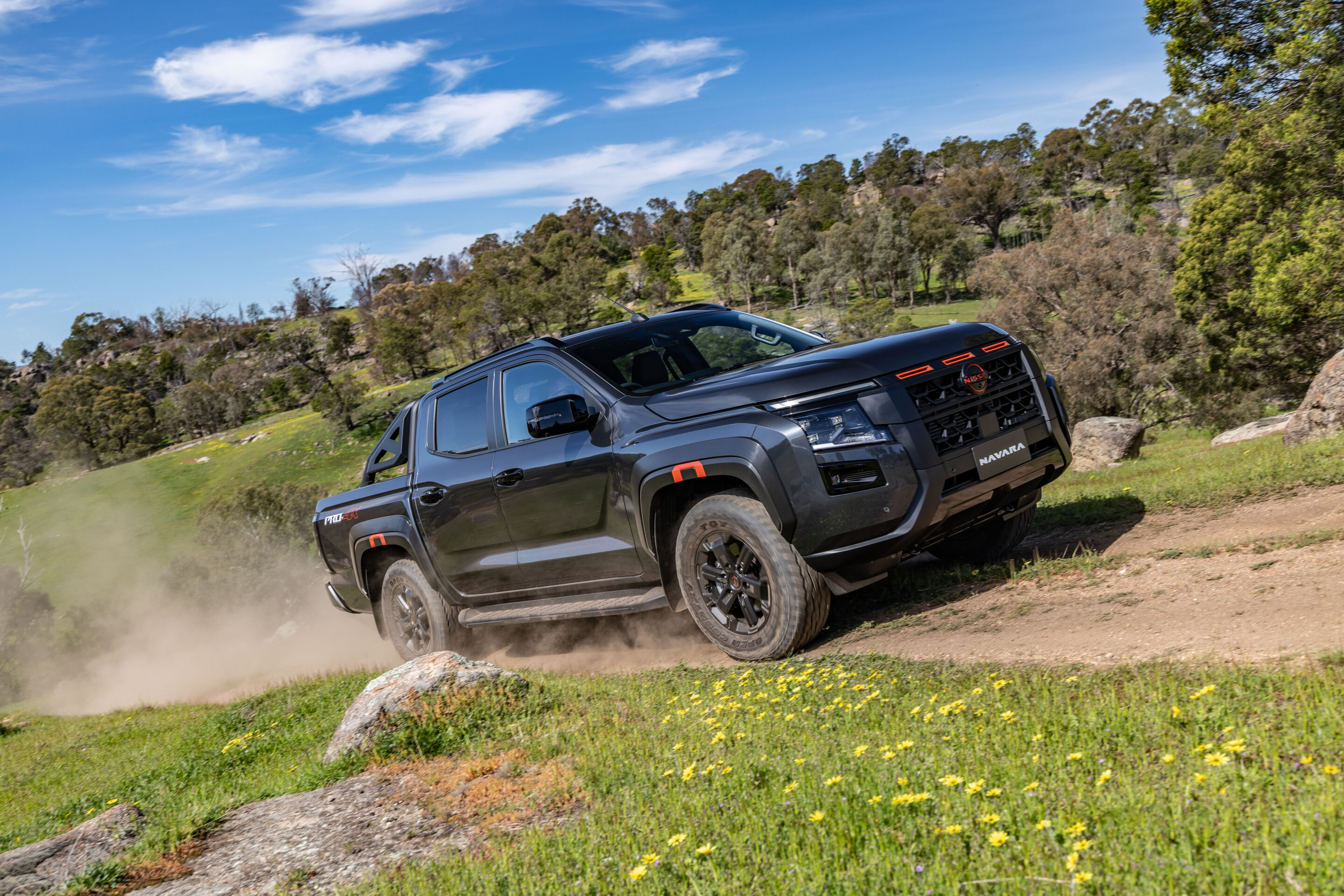
All of which suggests that Nissan – as the willing engineering provider of the doomed X-Class experiment – should understand better than most the perils of a free-love arrangement. And yet here we are, apparently full circle, but with the boot on the other foot as Nissan and Mitsubishi sneak off to the garden shed to return with flushed faces and a brand-new Navara dual-cab made from the genetic material of the current, but still very new, Mitsubishi Triton.
Okay, so sharing development costs makes great sense, but so does protecting your fan-base. In this case, the Navara has sold more than 500,000 units across four generations since the mid-80s in Oceania (Australia and New Zealand). Not to mention the buyers of dual-cab utes tend to be a bit rusted on in terms of their brand allegiances. The question being; exactly what will those half-million think of a Navara largely designed and engineered by Mitsubishi, built in a Mitsubishi factory (Thailand) and sharing every exterior sheet-metal panel with the Triton.
The big “Yeah. But” comes in the form of local engineering input into the Navara’s suspension. Carried out by Melbourne-based Premcar, which also has its fingerprints on a couple of the best off-road Nissans ever made (the Patrol an Navara Warrior franchise), the aim has been to retune the basics for a Navara-based flavour and continue to offer the faithful something on which to hang their flags of loyalty (even if the Navara’s purity ring is lost in the long grass behind that garden shed).
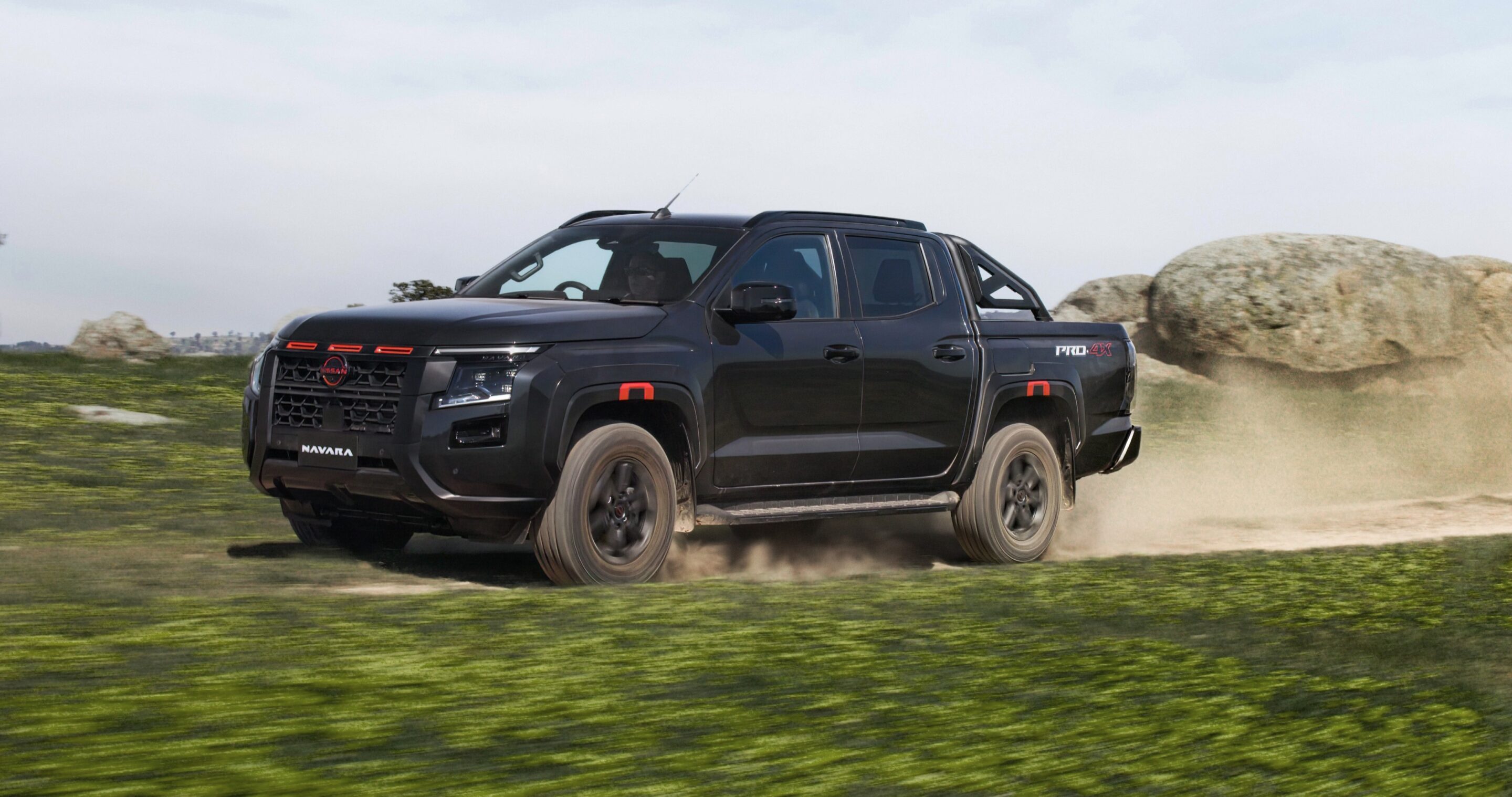
Premcar’s engineering boss, Bernie Quinn, told us that the basic Triton chassis (Nissan calls it an `Alliance platform’) was actually pretty good to start with, so changes could be restricted to dampers. That included a switch to twin-tube units (single-tubes tend to get hammered to death in rocky country, says Bernie) and a damper tune that was the result of 18,000km of outback testing, 137 individual damper codes and 550 different internal shims. Springs, bump-stops and bushes remain as per the Triton original, and there’s three distinct tunes for those depending on model and tyre fitment.
What I can’t tell you with any authority is what specific forms the Navara will take when it lobs into local showrooms sometime in the first quarter of next year. Nissan was very tight-lipped about the nitty-gritty, but the smart money says there will be at least an entry-level model, an ST-X and Pro-4X specification and, of course, a Premcar-brewed Warrior version. Prices? Anybody’s guess. But what you won’t see is a two-wheel-drive, single-cab or cab-chassis variant. It’s four-wheel-drive, dual-cab, styleside or nothing at this stage, which is what 90 per cent of Navaras now are and is, therefore, simply a matter of Nissan following the money. As companies looking to stay in business will do.
Mechanically, it’s all Triton, really, so bank on a 2.4-litre bi-turbo-diesel producing 150kW and 470Nm which is not only identical to the Triton, but right about the middle of what the average dual-cab is serving up. A six-speed automatic transmission is standard, while a rear diff-lock will be optional. And, thankfully, you can count on Mitsubishi’s celebrated Super-Select 4WD system that incorporates a switchable centre diff-lock and the ability to run on bitumen in four-wheel-drive. Not all (many) dual-cabs offer this, and for towing a three- tonne excavator on a wet road, 4-Auto is worth its weight in Big-M.
The cabin is a big improvement, which is handy, because both the previous Triton and the Navara needed an interior upgrade. That goes for the tech with a nine-inch central info screen and a seven-inch dashboard unit, wireless charging, full wireless connectivity, a 360-degree camera system, digital radio and plenty of USB charge ports.
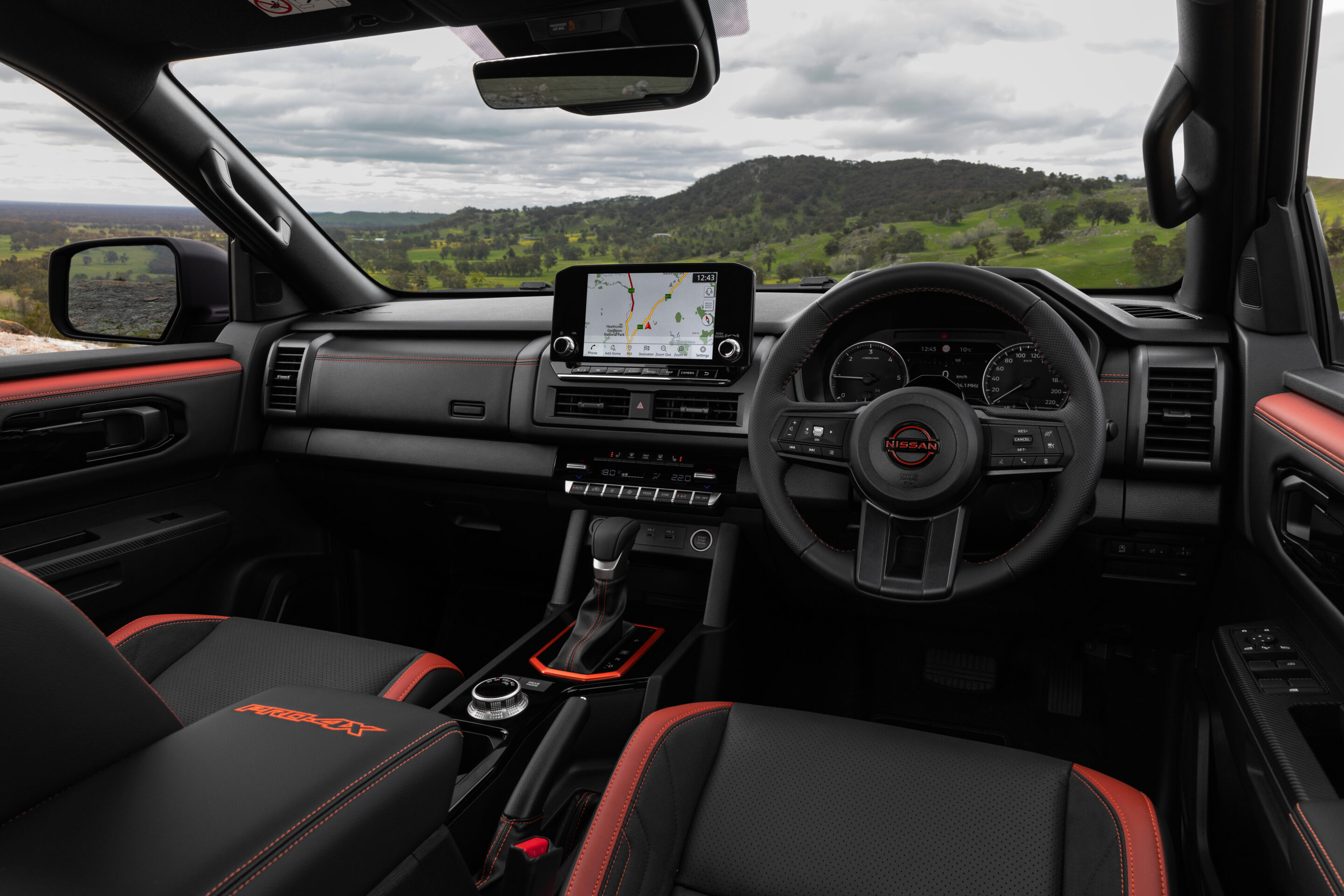
But crucially, the cabin is wider than ever which, if you sit in the current Navara, you’ll know represents a big improvement. The front seats are actually very good and even the rear seat has a decent cushion, although a bit of adjustment for the rear backrest might have been a nice idea. Overall, of course, if you’ve spent much time in the current Triton, the Navara is going to be a familiar place, right down to the twin gloveboxes (nobody wants gloves strewn everywhere).
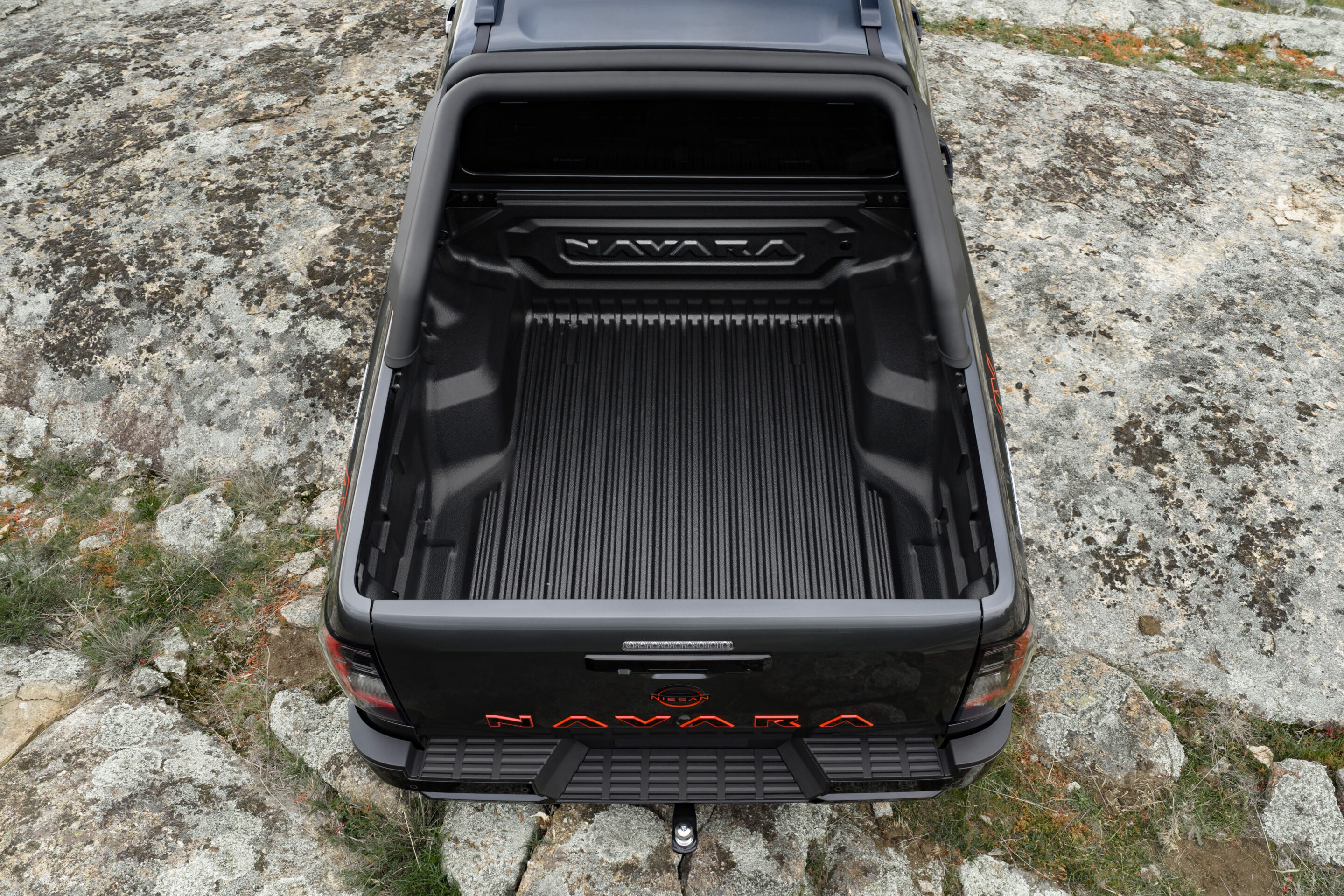
Overall, the Navara is a bigger vehicle in every direction apart from overall height, and it’s now a useful 46mm longer in the tray. It’ll legally haul the industry-standard 3500kg and depending on model and specification (whatever those turn out to be) the payload will be between 950 and 1047kg.
But doesn’t it look just like a Triton? Actually, not as much as you’d imagine. Sure, the doors, bonnet, tailgate, tray sides and glasshouse pressings are carried straight over from Mitsubishi, but just to prove that it’s a car’s face that we remember, the Navara is distinguished by a very Nissan visage. That starts with the Nissan corporate V-shaped grille bars and continues with the Navara-signature three slots in the leading edge of the bonnet. Okay, okay, the slots are actually in the grille, not the metal hood, but you get the idea.
We’ll need a back-to-back drive to really pick the dynamic differences, and our test drive at the global unveiling consisted of about 15 minutes on dry, well-formed tracks with a few steep hills and drop-offs. To be honest, the most dangerous part of the drive was area itself which – apparently – is home to about 70 per cent of South Australia’s snakes. So the story goes, but the thought was enough to prevent anybody venturing off those tracks.
Despite the low-speed nature of our drive, it was immediately obvious that the Navara is likely to boast a pretty good secondary (small bump) ride. It was never skittish or intrusive, and even amping up the pace to the maximum you’d ever use on such terrain, it stayed composed and refused to induce any nasty feedback, and not a single thump made it through to the cabin. Exactly what that means for towing, highway speeds or hand-to-hand urban work remains a complete mystery; one that won’t be solved until early next year.
We’ll know a lot more then, of course, including little details like model line-ups, specifications and prices. But even then, the one thing we won’t know is whether a Triton badged as a Nissan will delight or trigger the Navara faithful. Either way, that’s #swingerlife for you.
Specs
| Model | Nissan Navara |
|---|---|
| Price | Yet to be released |
| Peak power | 150kW |
| Peak torque | 470Nm |
| Transmission | Six-speed automatic |
| Fuel tank | 75 litres |
| Fuel consumption (combined) | 7.7 litre per 00km |
| Dimensions (l/w/h/wb) | 5320mm/11865-930mm/1795mm/3130mm |
| Kerb weight | 2120-2140kg |
| Tub dimensions | 1555mm long X 1545mm wide |
| Warranty | 5 years/unlimited km |
| On sale | Q1, 2026 |