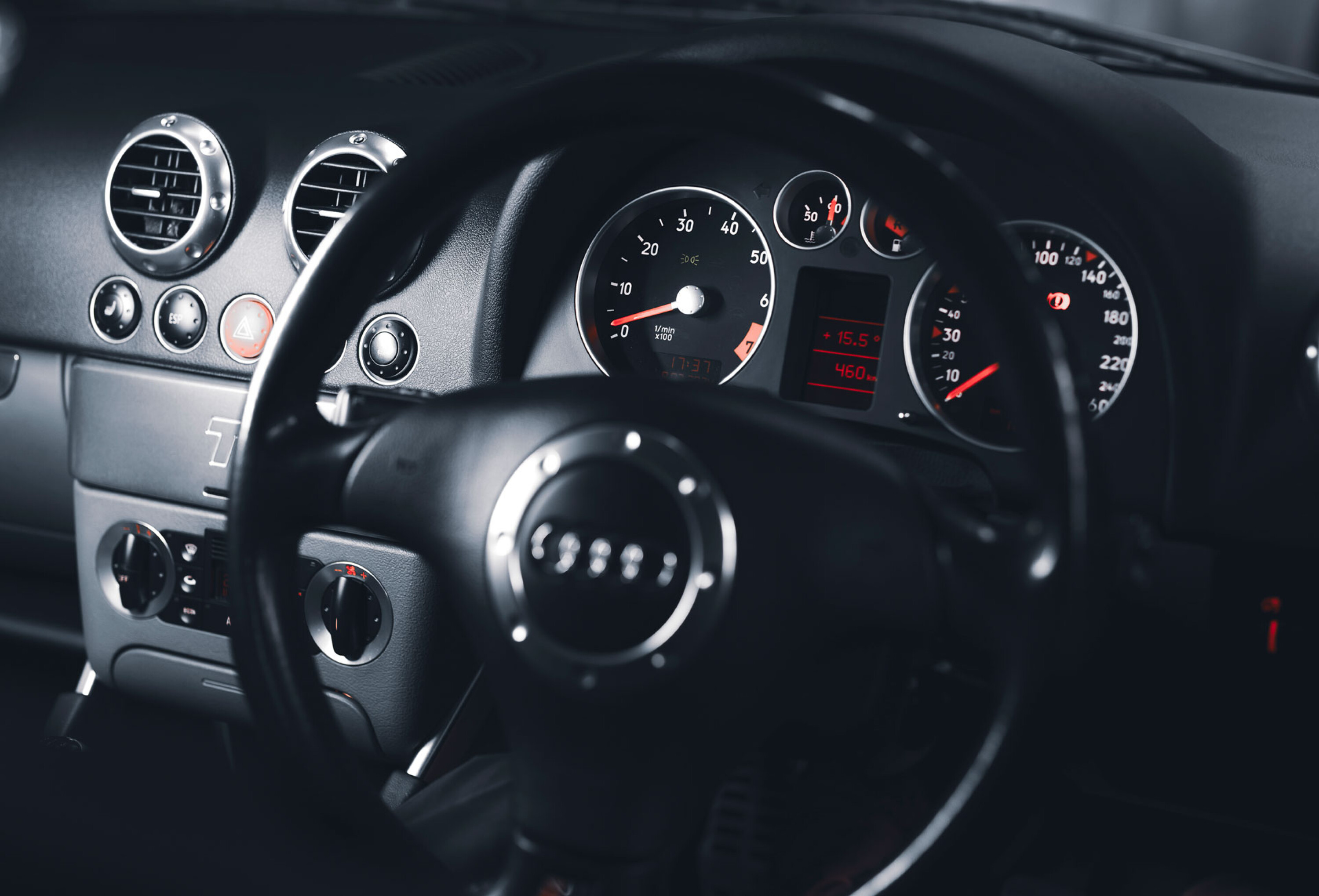
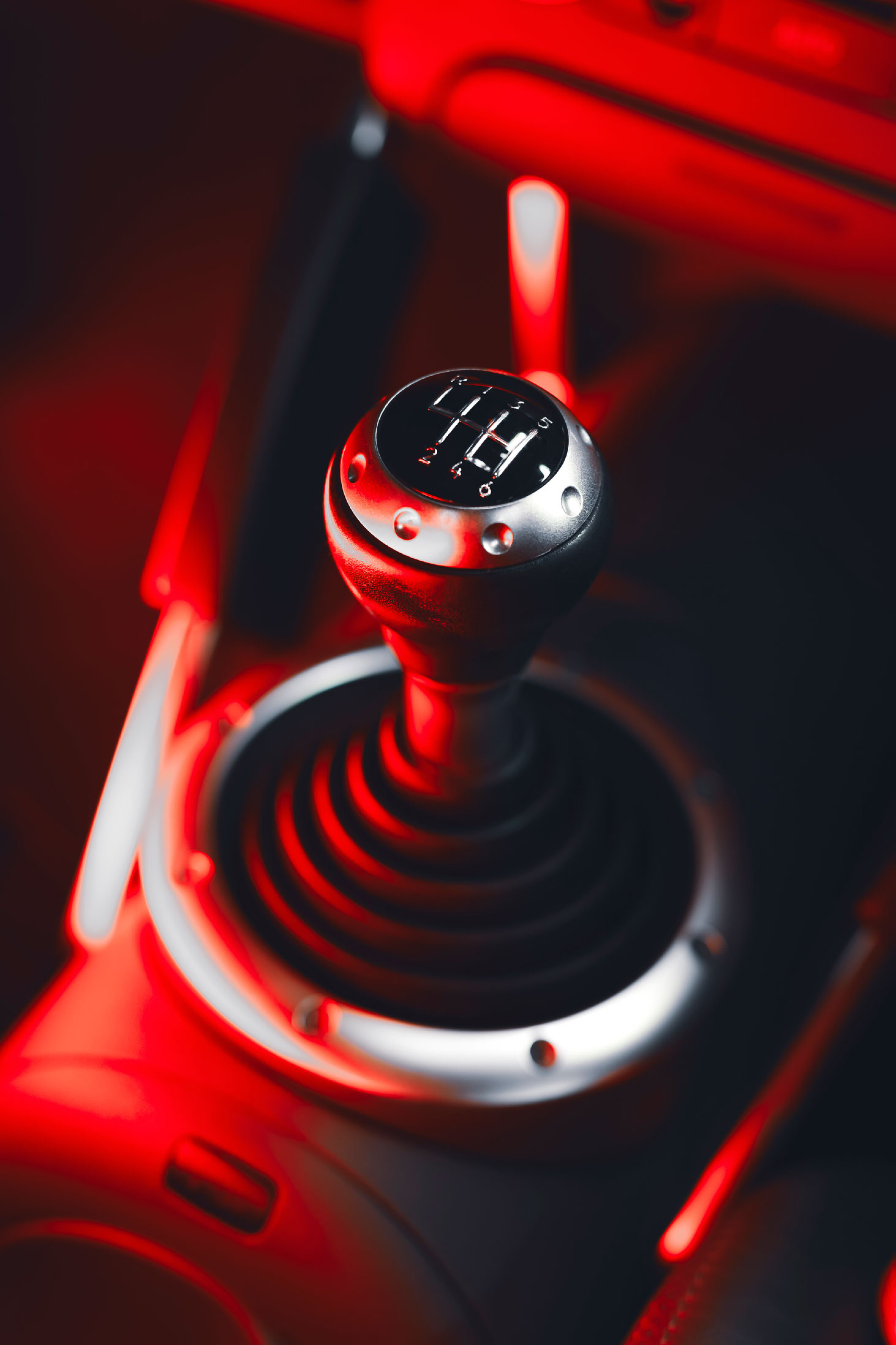
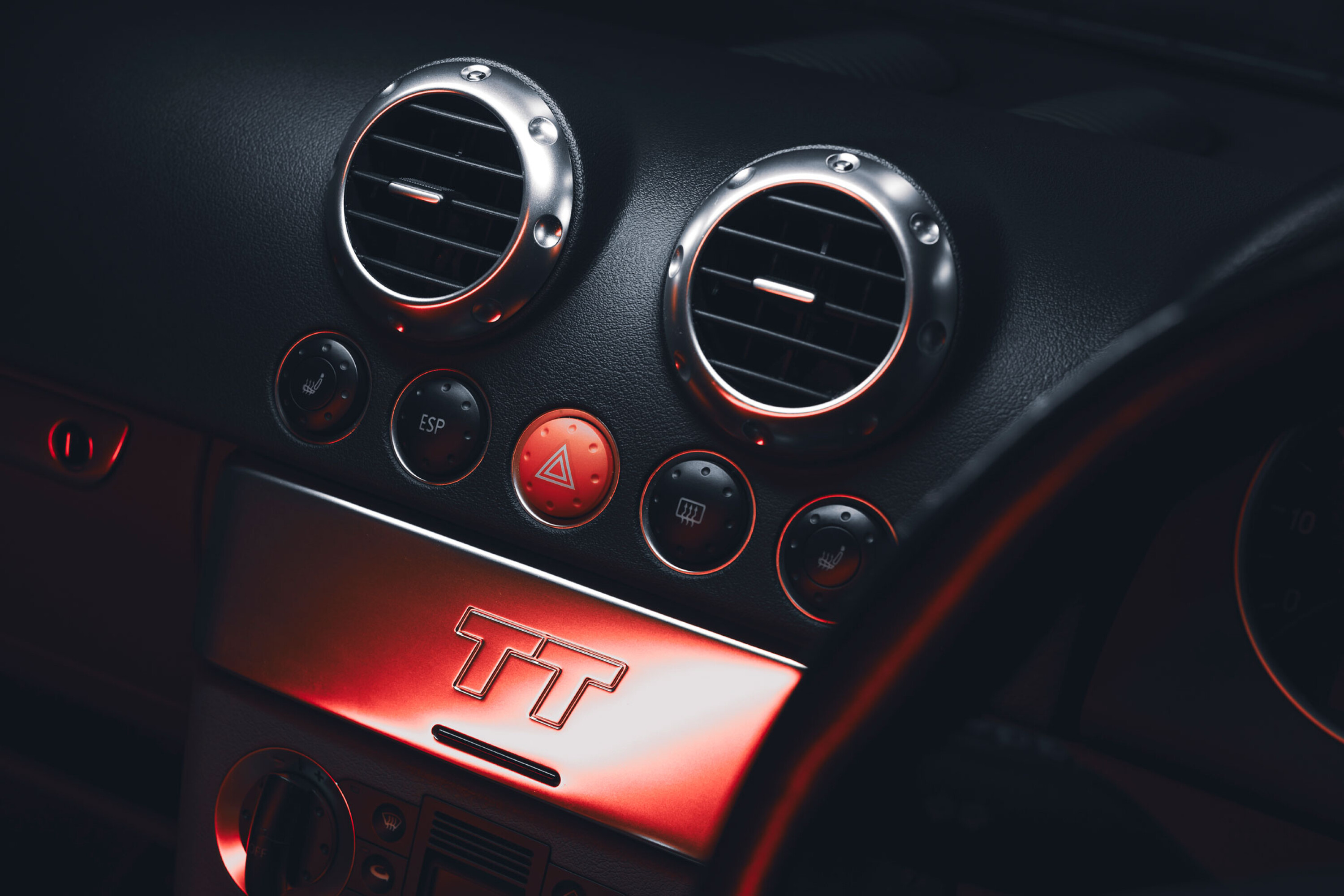
If you were pressed to name the automotive design icon of the 1990s, there wouldn’t be a glut of standout contenders. Compared to the two decades that bookended it, the Nineties was a time of transition, many manufacturers struggling to establish an aesthetic marker. If there was a theme for the vast majority of 1990s designs, it would probably be ‘bloat’. Cars generally became bigger, heavier and more complex. This was the era of twin-turbos, four-wheel steering, fledgling active aero and the dawn of the SUV. Meeting the forthcoming EuroNCAP crash regulations also added weight to vehicles with features such as airbags, extended deformable structures, side impact protection and pillar reinforcement. Body styling became heavier-handed as a result.
This gradual drift towards obesity only highlighted in starker relief those manufacturers striving to develop simple, clean designs that would stand the test of time in a fast-changing automotive landscape. The Audi TT stands as possibly the deftest, most original piece of styling of that generation. In an era awash with shamelessly retro throwbacks, the TT was something different. It paid tributes to Audi’s heritage without ever lapsing into pastiche.
1
The TT came from the fecund imagination of Freeman Thomas. The alumnus of the Art Center College of Design in Pasadena had enjoyed the largesse of Ford to fund his education, but upon graduating, Thomas turned his back on a position with Ford and hopped the Atlantic to take up a position with Porsche instead. After three years with Porsche, Thomas found himself back in the US, freelancing for J Mays – the chief designer at the Volkswagen Design Center in Simi Valley, California – on the Concept One, the car that would become the New Beetle.
Thomas joined Audi in 1991, initially under Peter Schreyer, with Mays becoming Audi’s global design director in 1993. Back in 1991, Mays and Martin Smith had styled the striking Audi Avus quattro concept car that was to act as the centrepiece of the show stand at the Tokyo Motor Show. Many of the styling influences of that concept would find their way into the TT project. The clean arc of the roofline, the shape of the headlamps, the wheelarch treatment, the grille concept; even the unashamed hero treatment of shut lines and sills can be traced through a certain evolutionary arc. The engine, a mock-up made of wood, was thankfully not carried over.
The Avus wasn’t the only Audi concept revealed that year. There was also the clean shape of the Quattro Spyder, designed by Erwin Himmel, which found no favour with Louisa Piech, the largest shareholder of Porsche. “Don’t build that car,” she told her son, then-Audi boss Ferdinand Piech, realising that it was too close to Porsche’s Boxster in philosophy and was set to be steamrollered as a result. Ferdinand, a man who advice usually bounced off like airgun pellets off a Panzer, wisely listened to mum’s word.
1
Perhaps an asymmetric attack was the way to go. While on a business trip with Mays in 1994, Thomas created a series of sketches riffing on the Avus. They depicted a bluff , foursquare coupe with marked shoulders and an almost breathtaking geometric boldness of line. When Mays saw the thumbnails, he asked if he could borrow what Thomas casually dismissed as a “little doodle” and took them straight to Franz-Josef Paefgen, Audi’s then head of development who realised that here was a coupe that could break the aesthetic legacy of the ur-quattro – a design language with a very long shadow within the halls at Ingolstadt.
Thus began the skunkworks genesis of the Audi TT. Thomas worked in the evenings, refining the shape of the coupe, as an adjunct to his day job. Eventually he cajoled Mays to squeak out the resources for some clay modellers to build a quarter-scale buck. Throughout the process, Thomas understood that the key to getting the TT project green-lit for production was not just the impact of its shape, but also the ease that it could be productionised which, at the time, meant that it had to almost seamlessly sit onto the chassis of the VW Group A4 platform, the underpinnings of the Mk4 Golf as well as the original Audi A3.
Paefgen was canny enough to realise that by basing the TT on such proletarian roots, it would appear no threat to Porsche. When Piech was shown the concept, he was delighted. This was exactly the sort of thing he loved: a design statement but one with an engineering story that made sense, and a pragmatic sharing of componentry.
1
“Everybody will have roadsters at the Frankfurt Show,” said Piech, knowing that the Mercedes-Benz SLK and the BMW Z3 would appear at the 1995 Frankfurt Show. “I want a coupe; this coupe,” he reiterated. The soft-top version of the TT would be held over until the Tokyo Show.
“We used the quarter-scale model to solve production problems; to give us answers,” said Thomas. “If you like, to learn the rules before we broke them. Each detail had a rationale, not just economic but also emotional.”
“It’s the evolution of an idea I’ve had for a long time. I think there are others like me who will enjoy the car. I really believe in the maturity and intellect of the TT. There haven’t been any research clinics. This isn’t a marketing car like the Z3.”
Romanian-born Romulus Rost was put in charge of the cabin. “I wanted to make an interior for a basic sports car,” he claimed. “No gimmicks, only the things you really need from a sports car. I didn’t want to play with lots of forms. It was important that the interior be part of the car – simple, clean and not just a detail.”
1
The TT Concept that appeared on the Frankfurt Show stand was close to the production car, the key difference being the massaging away of the bulky C-pillars in favour of a more elegant glasshouse with rear side windows that didn’t distract so much from the roof line. Torsten Wenzel was part of the exterior design team, noting that: “the greatest satisfaction was when the trade press noticed that from the prototype to the final model, the styling had remained virtually unchanged, even though, of course, we had to adapt many of the details to the technical specifications of the final version, including the proportions.”
It would take fully four years before the keys to a production Audi TT arrived here at Wheels. John Carey was the man responsible for the drive feature in a 132kW front-wheel-drive coupe, priced at $73K. It’s often said that the TT gets the rough end of the stick from many enthusiast publications because, after all, it’s just a Golf GTI in a prettier body. But when the Golf GTI in question is the unremarkable Mk4, it’s perhaps understandable why Carey was lukewarm in his dynamic assessment. While he loved the car’s aesthetics, the TT’s steering, power delivery, traction and ride quality all came under his withering gaze. There was one line, almost a throwaway near the tail end of the piece, that foreshadowed what was to come, noting “a decline in directional stability.”
At much the same time, I was driving an early production TT in south London. To this day it’s probably the new car that has attracted the most public attention, and that includes any number of exotica. It looked like nothing else on the road and people loved it. This was the 165kW quattro variant and it delivered enough straight-line speed and excitement to mask a few of its dynamic shortcomings.
1
Those issues came to light in a series of high-speed accidents, mainly in Germany, with cars travelling at over 180km/h. Abrupt manoeuvres would often send the vehicles into unrecoverable spins, and Audi issued a recall in late 1999 in order to effect some remedial changes to the front control arms and bushings, to fit a rear spoiler that helped quell lift, and to install an electronic stability control system as standard.
You might well have suspected as much, but the original front control arms are now in serious demand from a certain cohort of TT enthusiasts who prefer the handling bias of the car without quite so much understeer built into it. Indeed there are some companies who can now retrofit a replica of the original front suspension, should you wish to own a TT that’s a little more immersive in its handling. I didn’t find anything too terrifying about the original, but then I didn’t spend too much time perambulating about above 180km/h in it. I attended the launch of the TT Roadster at the Goodwood hillclimb, only to watch three cars drive into the trees at the first corner. But that was probably more attributable to the ineptitude of overexcited motoring journalists than any significant shortcoming with the car.
The closest Audi got to building a true enthusiast TT Mk1 was not the 3.2-litre VR6 version, the first Audi to feature a dual-clutch transmission, but instead the stripped-out 1.8T quattro Sport model (dubbed Club Sport in mainland European markets), launched in 2005. This was a true gem, but unfortunately it never made its way down under.
1
Some 1165 examples were built, with fully 800 in right-hand drive. Built by quattro GmbH, it packed 177kW and 320Nm which, coupled with a 75kg weight reduction, meant that the sprint to 100km/h dipped below six seconds. Out went the spare wheel, the rear bench seat, a rear harmonic damper and the rear parcel shelf. Air conditioning slid onto the options list. The 12-volt battery was relocated to the rear of the car for superior weight distribution, it featured stiffer suspension and was treated to a rear strut brace, an Alcantara-trimmed steering wheel and a set of optional Recaro Pole Positions. No, it was never quite Cayman-sharp, but it was still a very enjoyable and special-feeling coupe.
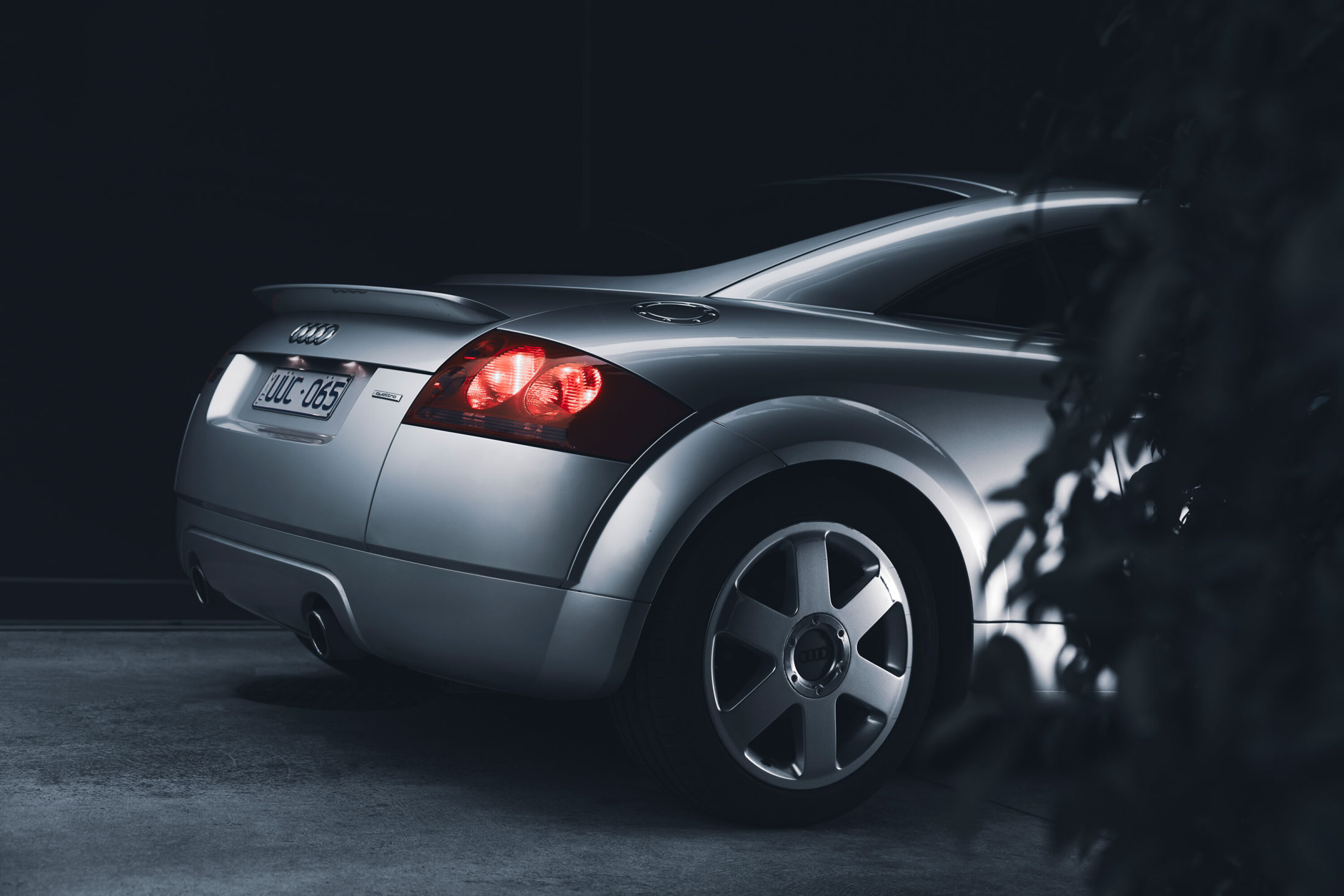
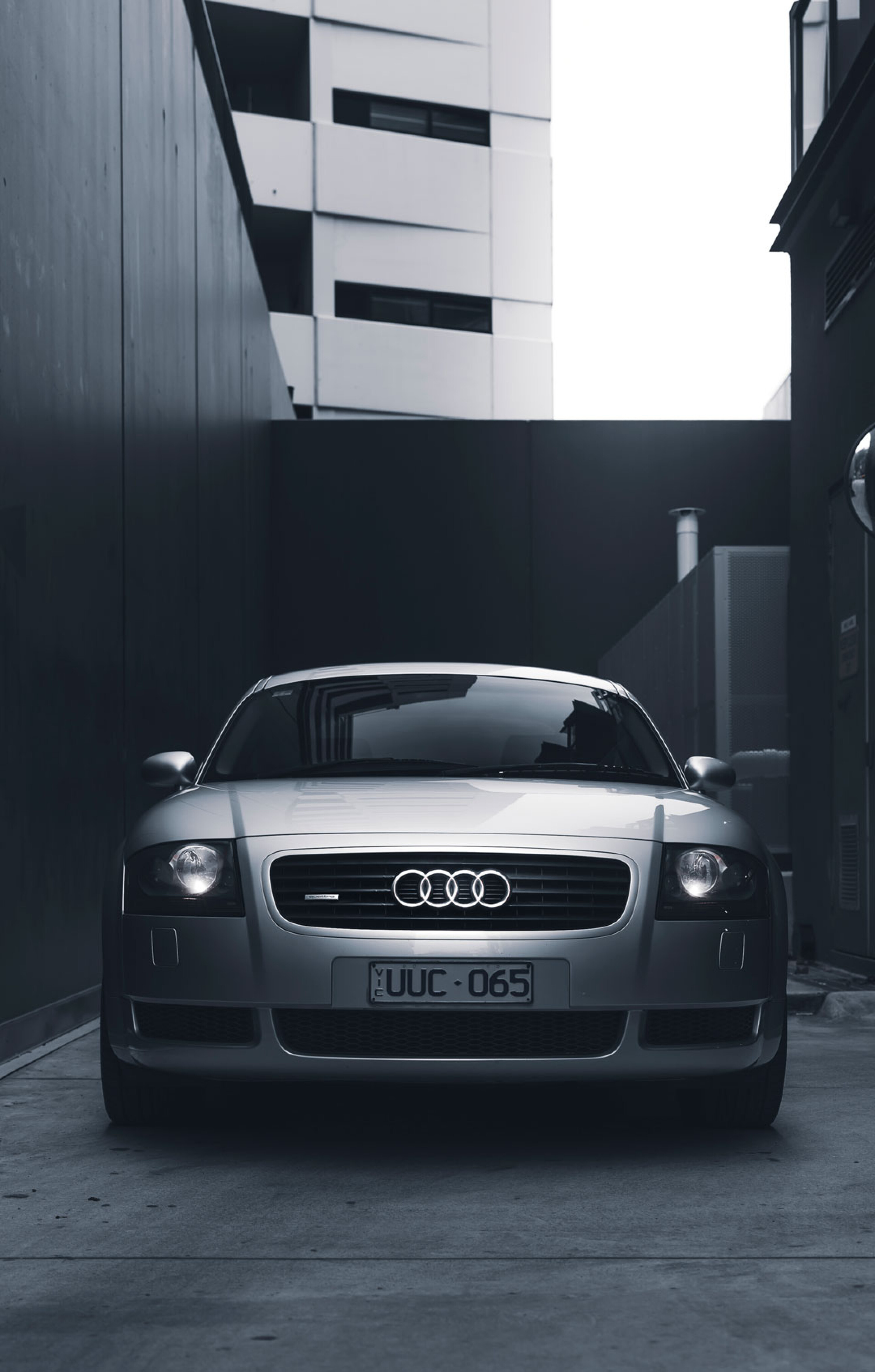
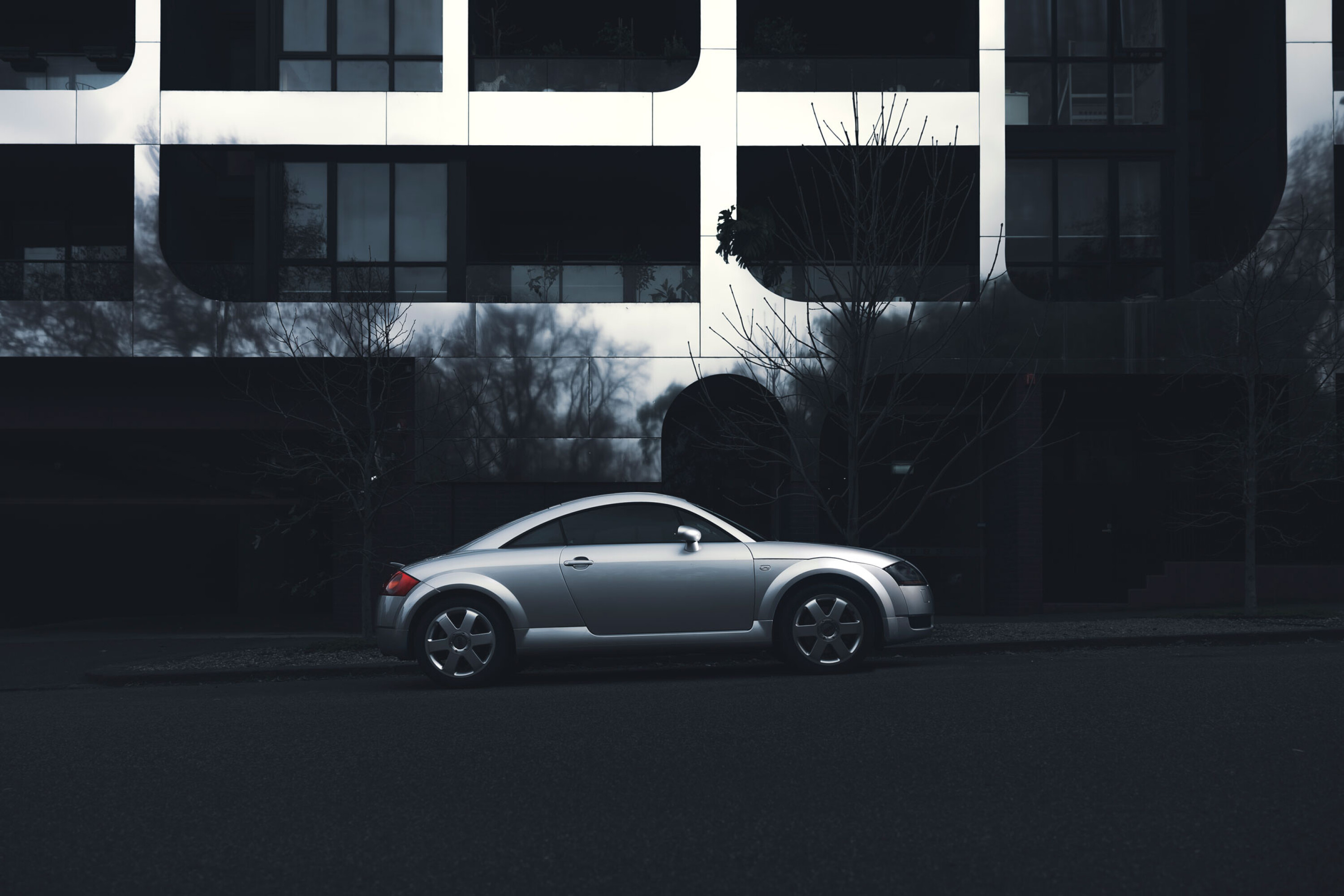
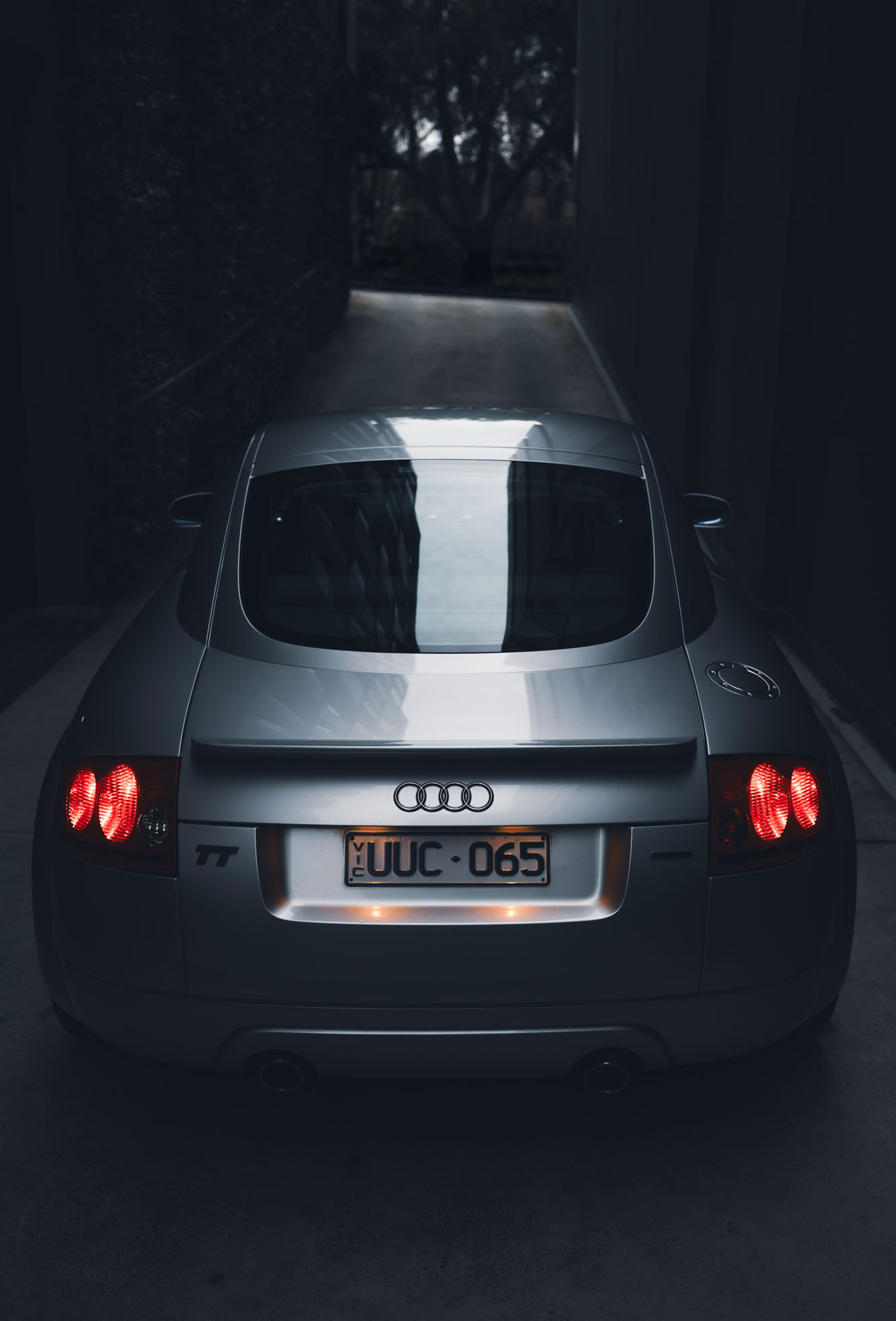
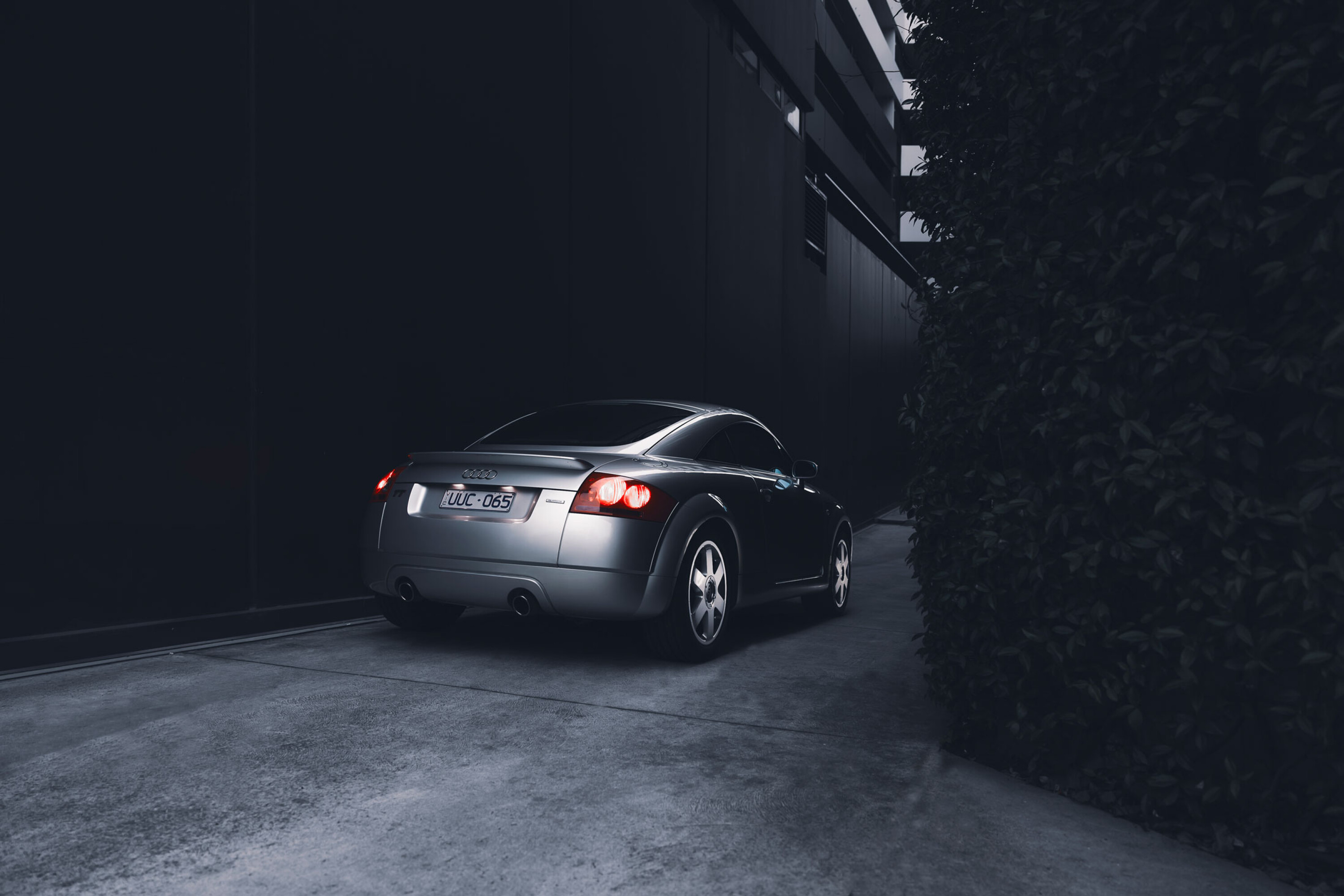
But then a simple 8N TT quattro coupe in silver, much like the car we photographed here, feels more like the definitive item. This is the car that everyone thinks of when they envision the TT, the car that came to life from Freeman Thomas’s sketchpad.
By today’s standards, it’s pared-back simple. The 1.8-litre turbo four drives the Haldex all-wheel-drive system. Its underpinnings pre-dated the Golf V and its all-new, Ford Focus-inspired multi-link rear suspension, meaning front-drive Mk1s get a rudimentary torsion beam, while the quattro features a relatively simple independent rear end with trailing arms and a pair of lateral links on either side.
While the TT undoubtedly became a better driver’s car as it progressed from the initial 8N version (1998-2006) through the 8J (2006-2014) and on to its final FV/8S guise (2014-2023), neither of the latter iterations ever came close to the impact of the original. Was it a game changer? Probably not. It never propelled Audi into a new sphere of desirability the way the ur-quattro did. But it remains a design icon and one of the most instantly recognisable cars of the Nineties. These cars will one day be worth strong money. Get hold of one before everybody catches onto that fact.
1
Audi TT Quattro 8N Specs
Engine
1781cc 4cyl, dohc, 20v, turbo
Max Power
165kW @ 5900rpm
Max Torque
280Nm @ 2200-5500rpm
Transmission
6-speed manual
Weight
1395kg
0-100km/h
7.1sec (tested)
Price
from $10,000
THE ULTIMATE 8N TT?
To celebrate the company’s 30th anniversary, Quattro GmbH developed a TT that packed a 2.7-litre biturbo V6 lifted from the B5 Audi RS4. The snappily titled 2.7 Quattro GmbH Concept was good for a healthy 280kW and 440Nm. The engine wasn’t the only thing from the RS4. This concept TT also received its manual gearbox, axles, brakes, and wheels. It also used the RS4’s superior Torsen all-wheel-drive system rather than the front-biased Haldex set-up of the standard TT. It was even finished in the RS4’s Imola Yellow paint. Able to rocket to 100km/h in 4.8sec (a pretty serious time for 2001), it never made production and now resides at the Audi Forum in Neckarsulm.
1
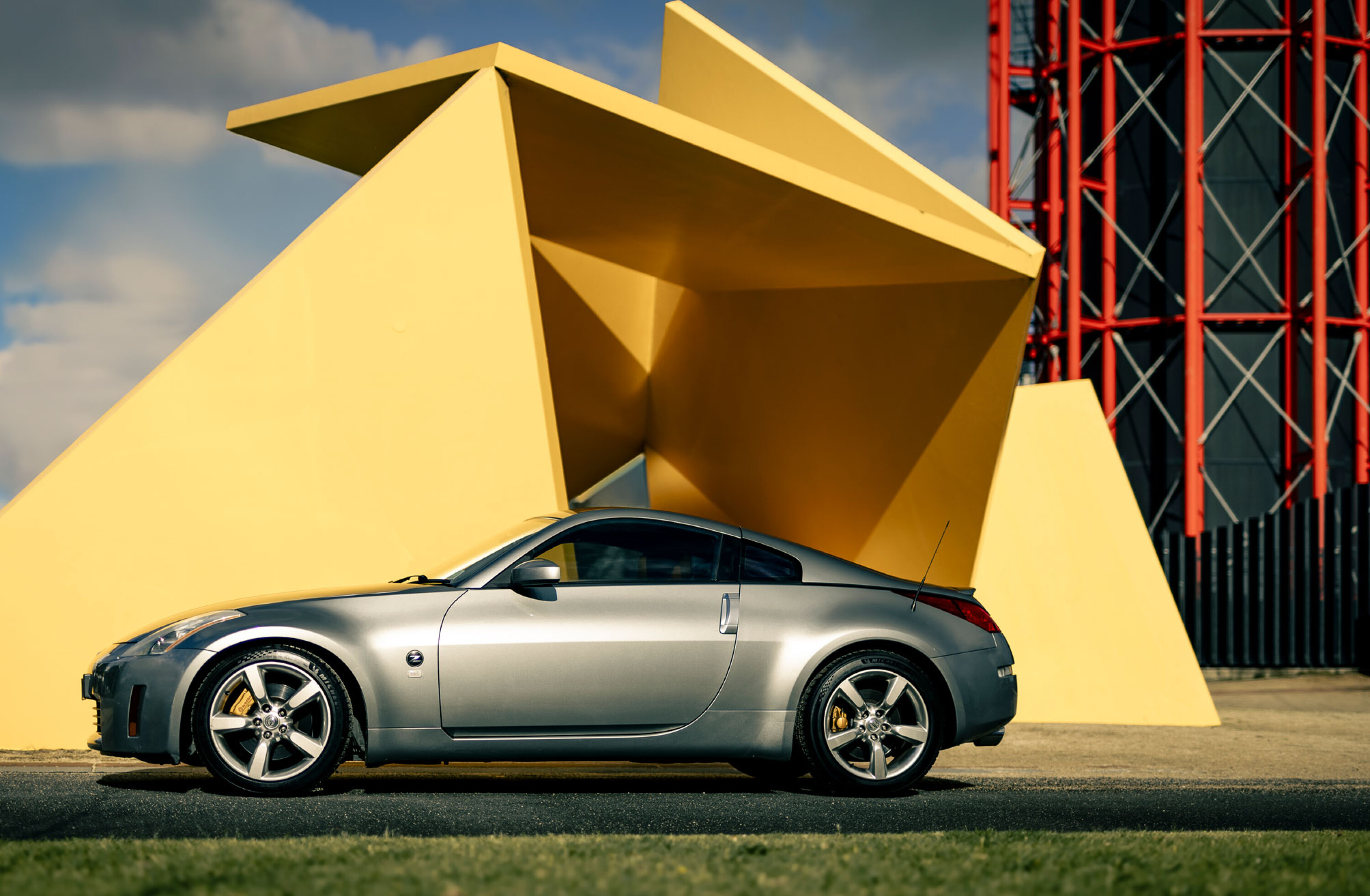
As far as hackneyed sales slogans go, ‘now is the time to buy’ has to be right up there. But just as a broken watch is correct twice a day, once in a while, now is indeed the right time to put your hand in your pocket for something. When that something is a Nissan 350Z, it’s worth examining that claim in a little more detail.
Most mainstream enthusiast cars follow a typical value curve. They start bullishly when they’re the fashion item du jour, before falling sharply. After around seven years, the curve levels off. They’ve fallen from favour, they’re long out of warranty, and their images have been tarnished as a result of falling into the hands of the wrong sort of owners who can afford the asking price but not the cost of upkeep. It’s all very familiar.
1
From there, though, interesting and often unpredictable things can happen. Many cars trundle along in the bargain basement, falling into the category of rare but nobody cares: Ford Probe, Hyundai Coupe, Chrysler Crossfire. Then there are the shooting stars that everybody regrets missing out on when they were languishing in the bargain basement: cars like the BMW E30 M3, Mazda FD RX-7 and Toyota Supra RZ.
Between these two extremes are the more interesting vehicles where there’s every reason to expect prices to pick up but, for one reason or another, that’s yet to happen. Among these cars you could nominate the Alfa GTV, the original Audi TT, the Honda Prelude VTEC and the car we’re running the rule over here, the Nissan 350Z.
First introduced to the Australian market in 2003, the Z back catalogue is well known. From the 1970 Datsun 240Z, through the US-mandated 260Z, the flabby 280ZX and the blousy Z31 300ZX, the formline only came good again with the 350Z’s immediate predecessor, the sleek Z32 300ZX of 1990. Frustratingly, those iterations of the Z line we held to be the least competent were the biggest money spinners for Nissan thanks to an American market that put little premium on agility and design refinement.
1
The irony that the 350Z was an American project isn’t hard to appreciate. By 1996, Nissan had no Z car in the US, the Z32 300ZX twin-turbo having become a victim of the yen-to-dollar exchange rates, effectively pricing it out of existence. This rankled with Jerry Hirshberg, the studio president of Nissan Design America (NDA), based in San Diego, California.
Hirshberg reasoned that although the company was focused on what would likely prove solid income-earners like the Maxima, the Sentra and the Xterra, a halo car was needed to remind the company what it stood for.
“To our way of thinking, we had killed off a part of our soul, a part that defined who we were,” said Hirshberg. Letting the Z nameplate lay dormant “was a bad idea, even though it could be justified economically.” In other words, the business case to revive the car seemed based on emotion, rather than dollars and cents. As a result, the first sketches of the new Z car were a strictly internal NDA skunkworks affair. There was zero budget.
1
Enter Jason Vines, Nissan’s newly minted head of public relations. You might know him from a rather famous book – ‘What Did Jesus Drive?’ – where he tells the story of his experiences in automotive crisis PR. Vines’ antennae were always hyper-alert for any opportunity, and after visiting NDA, he asked Hirshberg about his ideas for the Z. The latter tapped his head, indicating that they were all internalised and Vines wanted to know what it would take to get them out into the real world.
Using his experience from Chrysler, where the company had shown long-lead concepts more often as a way of energising the morale of its own staff than the general public, Vines realised that Nissan could use a dose of this exact pick-me-up. He pestered Nissan’s division head Mike Seergy and secured nearly enough funding for the Z to be built up as a full-sized clay model by Metalcrafters, a vehicle fabricator based in Fountain Valley. They rendered three-quarters of the car as a finished model, with the remaining quarter what Vines opportunistically dubbed ‘works in progress’.
In the summer of 1998, the car was shown at Nissan’s internal roadshows in New York, at Smyrna, Tennessee and in Los Angeles. Although the car was a mixed bag stylistically, the Z genie was out of the bottle. Nissan’s management found themselves somewhat backed into a corner, feeling obliged to move with the Z project. Just not that particular design.
1
By 1999, a refinement of that shape had appeared and was displayed in public at the Detroit Show as the Z Concept. Hirshberg was sanguine about its chances, explaining later that what they were selling was the idea of building a new Z rather than that car in particular.
A howling blizzard had shut down the Detroit metro and kept half of the world’s media out. That was no bad thing as the car was a disappointment. Nissan’s top brass were aghast at this bulbous and unexciting concept car. The designer of the 240Z, Yosihiko Matsuo, described it as dull and recommended that it “should not be regarded as a suitable replacement for the current model.” The evening before the show, Vines had received a furious phone call from Nissan’s top brass, claiming that Nissan’s chairman, Yoshikazu Hanawa, had not green-lit the Z program and wasn’t willing to do so. After threatening to go on hunger strike, Vines managed to talk Hanawa round.
Further jeopardising the venture was Nissan’s parlous financial state. Just 10 days after the roadshow, a merger with Renault was announced, with Carlos Ghosn appointed as COO. Ghosn visited NDA as part of his global tour within the new conglomerate. Hirshberg knew that Ghosn was a fan of sports coupes and a Z32 300ZX owner. He outlined his vision to resurrect the Z car for a new generation.
1
The mercurial Ghosn knitted his hands, frowned and paused for a long time before looking up and uttering one word: “Done.” The sole proviso was that it had to come to market for less than USD $30,000. All of the expensive componentry that had gone into the Z32 would need to be stripped away. No turbochargers, no four-wheel steering, no ritzy BBS wheels – this was to be a throwback, a blue-collar hero car that shared its mechanicals with other products within the business.
Having created a nakedly retro-looking concept, Hirshberg performed a stunning volte face, perhaps cued by a few words of encouragement from Ghosn. “Retro lost its edge when we crossed the millennial threshold,” he said. “Now we run the danger of cars becoming costumes on wheels.”
In fairness, he’d seen how the late ’90s retro designs such as Volkswagen’s New Beetle, the Toyota Classic and the Plymouth Prowler initially delivered strong sales, but, once the novelty had worn off , orders fell off a cliff . Given the required time in market of a Z car, that just could not be allowed to happen. The styling had to reflect Noughties design values and Nissan instigated a competition between NDA and its Japanese and European studios.
The European proposal was by far the most radical, with the Japanese preferring more conservative, cab-forward organic shapes. As a result, the European studio was dropped from the race and, on 5 January 2000, the number of proposals were trimmed to six: two from NDA and four from Japan. The most striking design of the bunch was from NDA: the work of 30-year-old Ajay Panchal.
1
In 1996, the Leicester-born designer had won the Transportation Design Category at a competition held at the Royal College of Arts, and the prize was to a design centre of his choosing. He wound up at NDA in San Diego and was so enamoured of the place that he’d secured an interview and started work the same day.
Panchal’s proposal featured striking rear wheelarches giving the car a powerful, rear-drive stance. The jutting vertical exterior door handles, vertical headlights and bold geometric forms were anything but retro.
The two remaining proposals were evolved into full-sized models. Carlos Ghosn and Nissan’s design chief Shiro Nakamura oversaw the voting process, with 14 managers casting their ballots. All but one preferred NDA’s design. The Z car was about to become a production reality. Jerry Hirshberg decided that his work was done and retired in June 2000.
1
Productionising the Z was the next challenge. Prior Z cars had sported hatchbacks, but Ghosn was a stickler for chassis torsional rigidity and suggested that a car with a boot would be preferable. A compromise came via the fitment of a large strut brace across the rear end, allowing a hatch – albeit one that was compromised in terms of practicality.
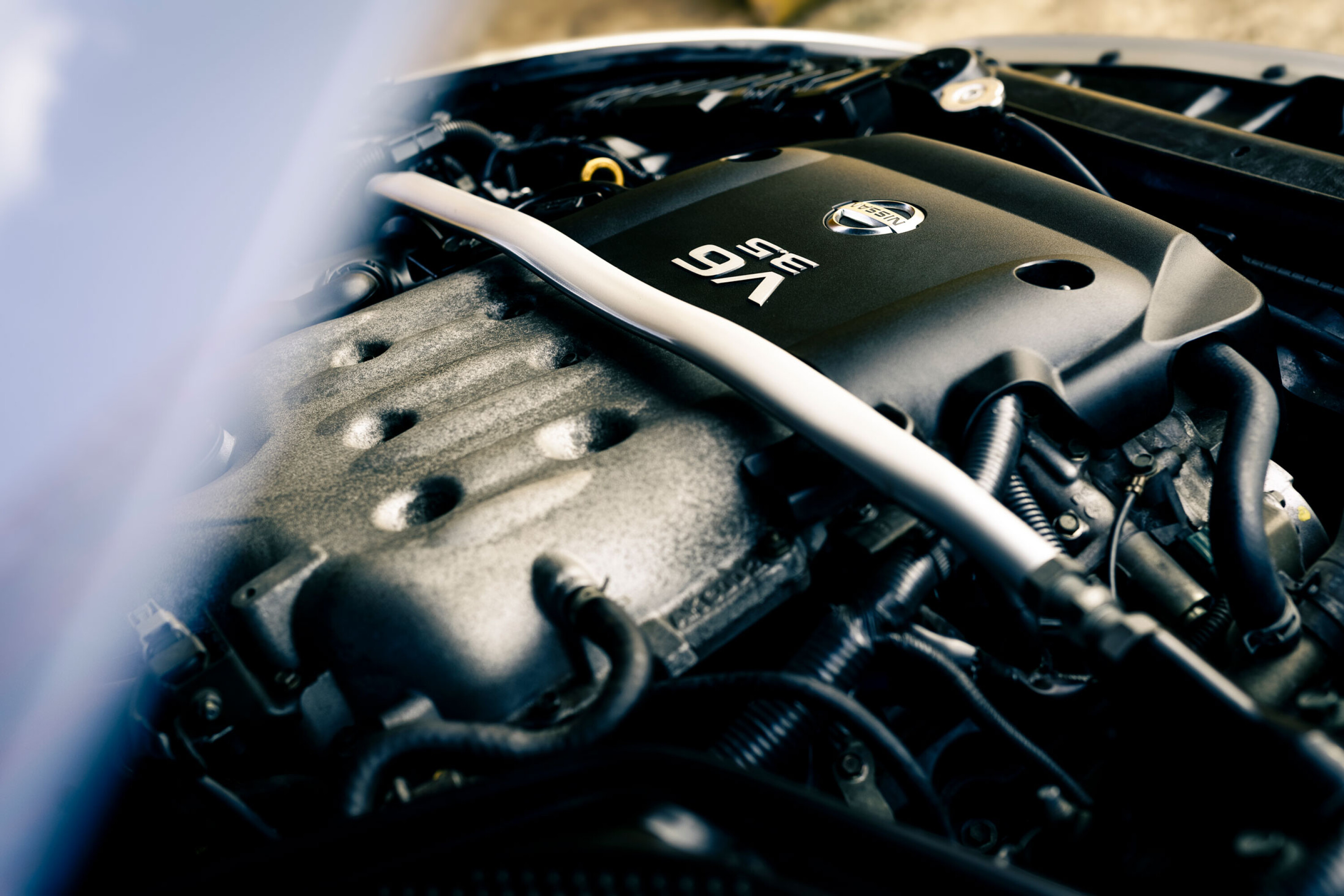
Cost-saving measures included sharing the FM chassis with the Nissan V35 Skyline and a host of Infiniti products. Likewise, Ghosn, dubbed ‘Le Cost Killer’, insisted that the Z would share an engine, too, and the 3.5-litre normally-aspirated VQ35DE V6 powerplant, built in both Iwaki, Japan and Decherd, Tennessee, found its way into vehicles as diverse as the Renault Espace, the Nissan Elgrand and even the Dallara race cars used in the Formula Renault 3.5 Series from 2005 to 2011.
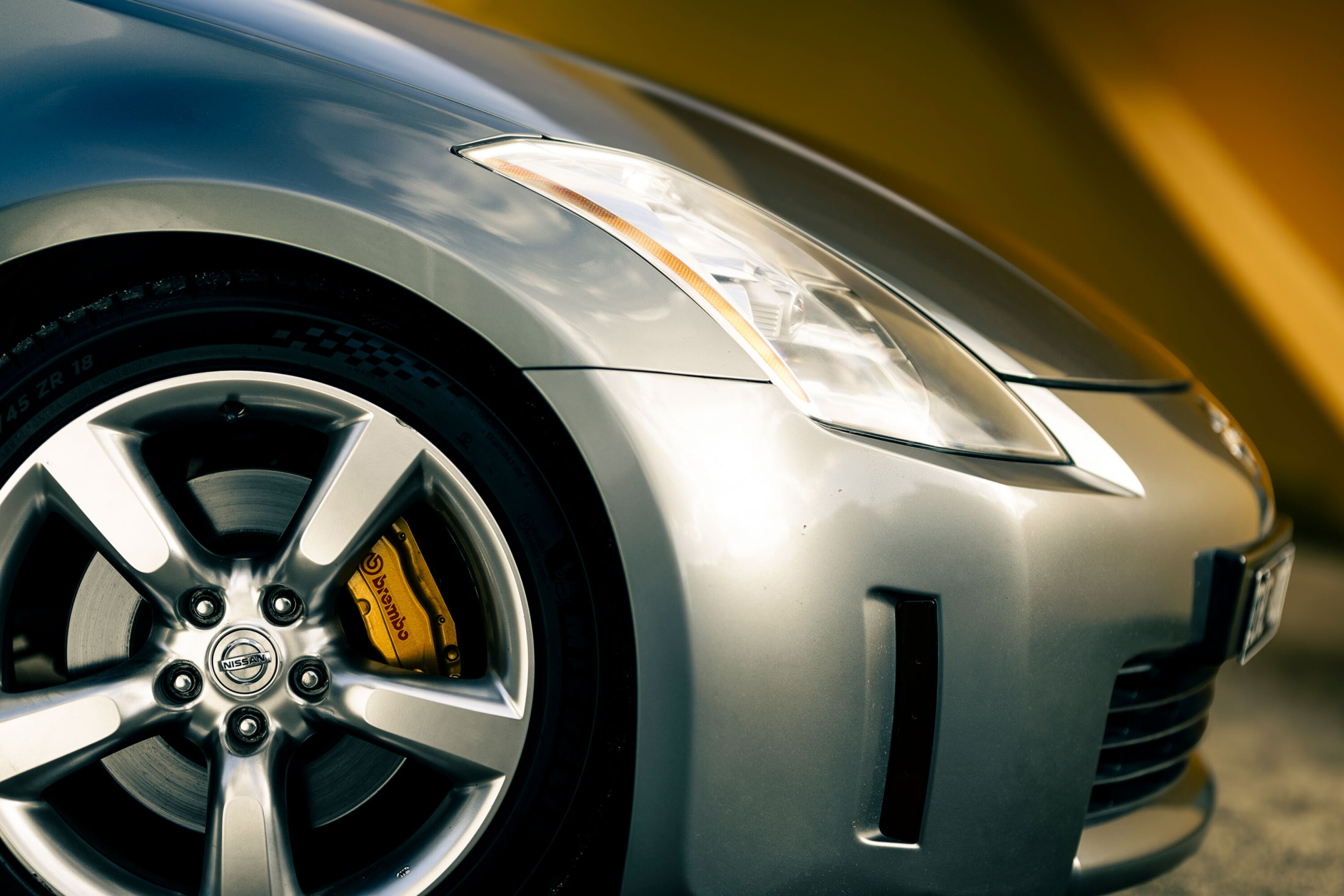
The ‘350Z Concept’ was first shown at the 2001 Detroit Auto Show and it received a strongly favourable reaction. Road cars were trickled to the press in 2002 and Nissan had hit its price targets head on. The base car opened at $26,269 in the US while the flagship Track model listed for $34,079. That $8000 premium bought you a set of spoilers, 18-inch rubber, forged aluminium wheels, Brembo brakes and some clever underbody aero.
Nissan took 6200 orders in the first week that order books were opened and over 30,000 sales were registered in 2003. What’s more, the creation of the Z spawned the Infiniti G models – at the time the biggest money spinners for Nissan’s luxury arm.
1
Wheels sourced an early review by Tony Swan from the US launch event and he was impressed by the Z’s execution, but complained of persistent understeer, likely a built-in safety-first handling bias. Perhaps Nissan had learnt from Audi’s travails with the first, somewhat oversteery TT coupes.
Our first opportunity to put the 350Z up against some local rivals came in March 2003, when it comfortably saw off the challenge of the Audi TT quattro and Subaru Impreza WRX STi.
It found COTY 2004 a hurdle too far, however – testers slating the kickback in its steering, the coarse engine note and the underwhelming quality of some of its cabin materials. In June 2004 we engaged in a spot of dynamiting fish in a barrel by putting the 350Z up against the Chrysler Crossfire 3.2 and Alfa Romeo GTV V6, both of which it steamrollered.
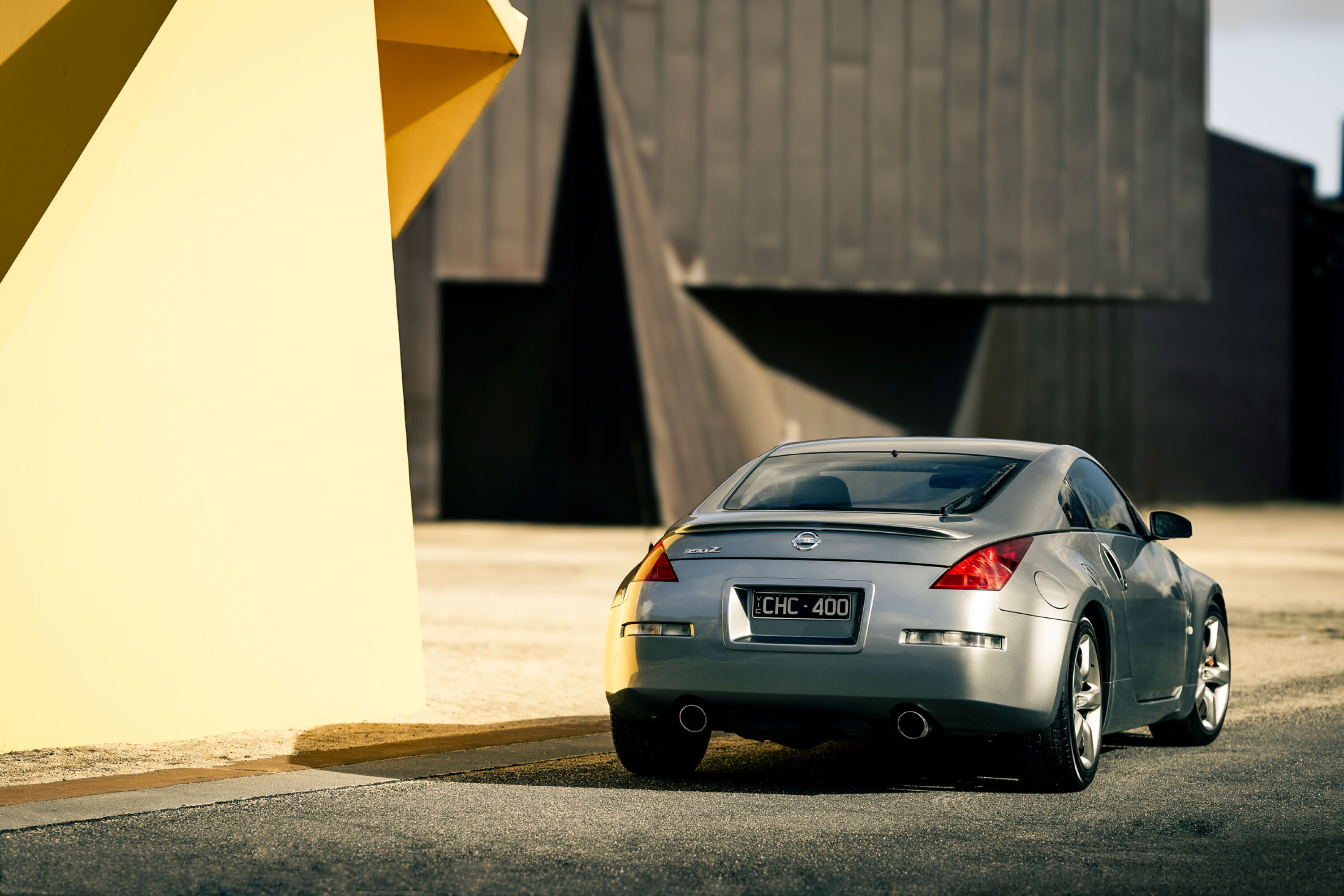
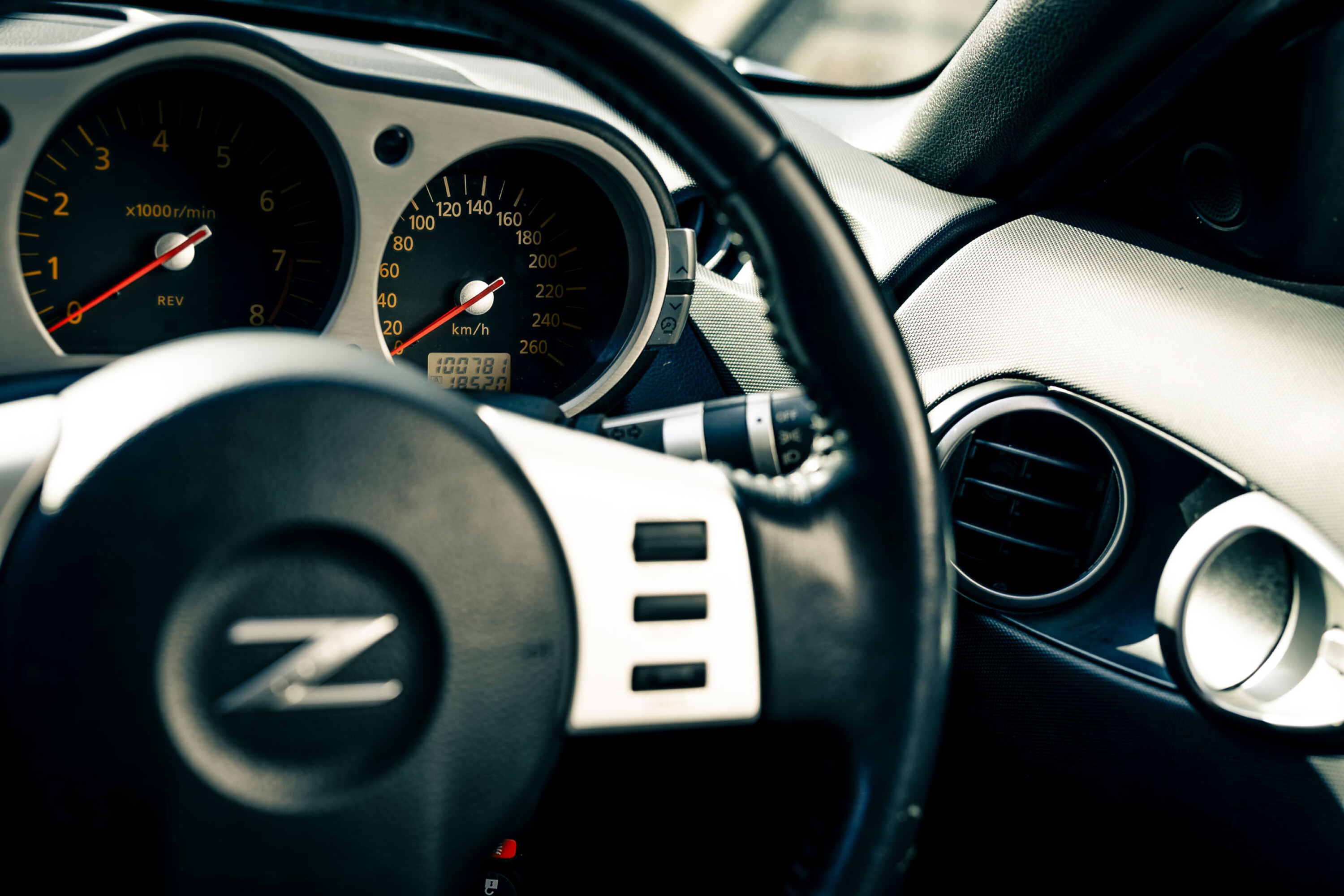
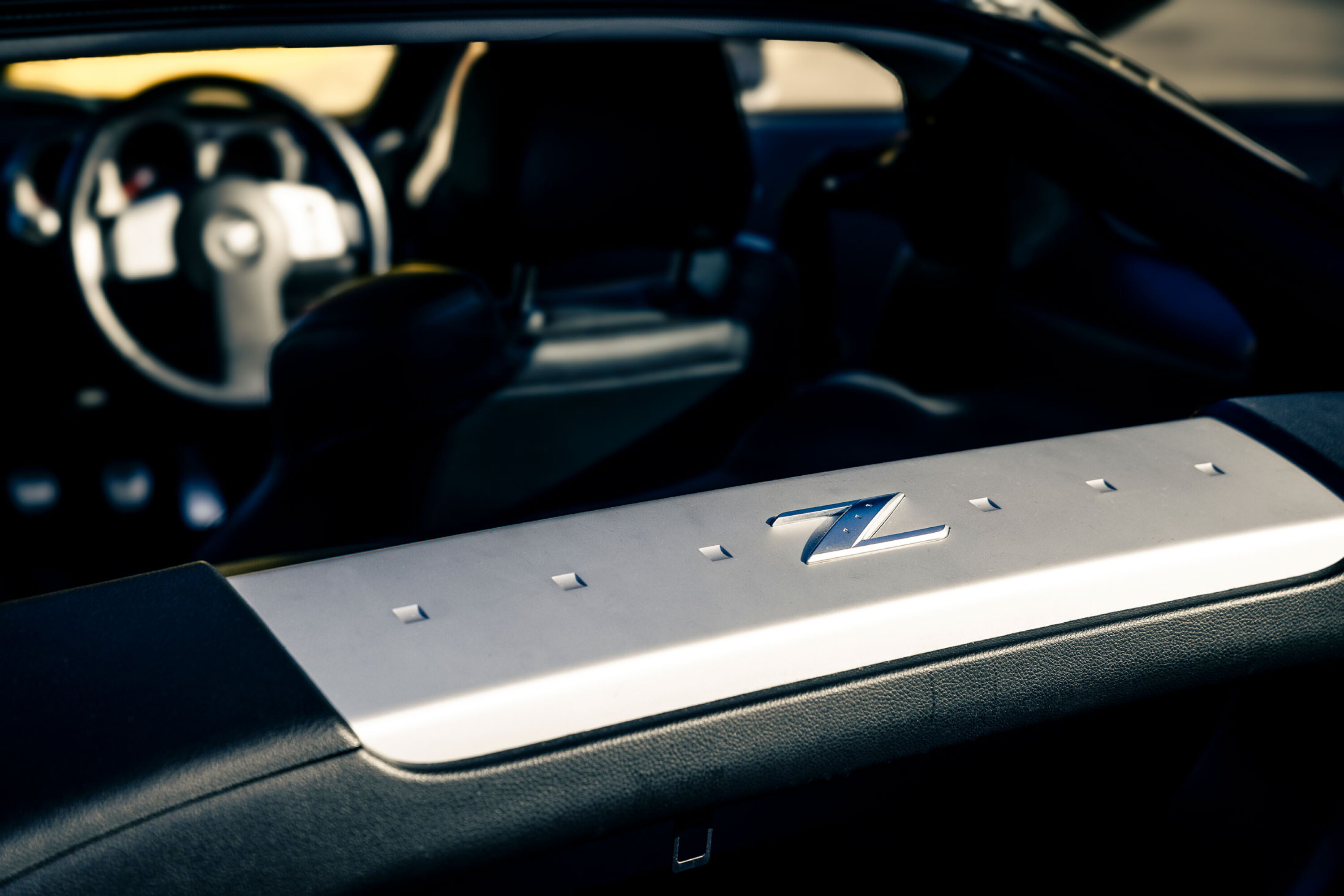
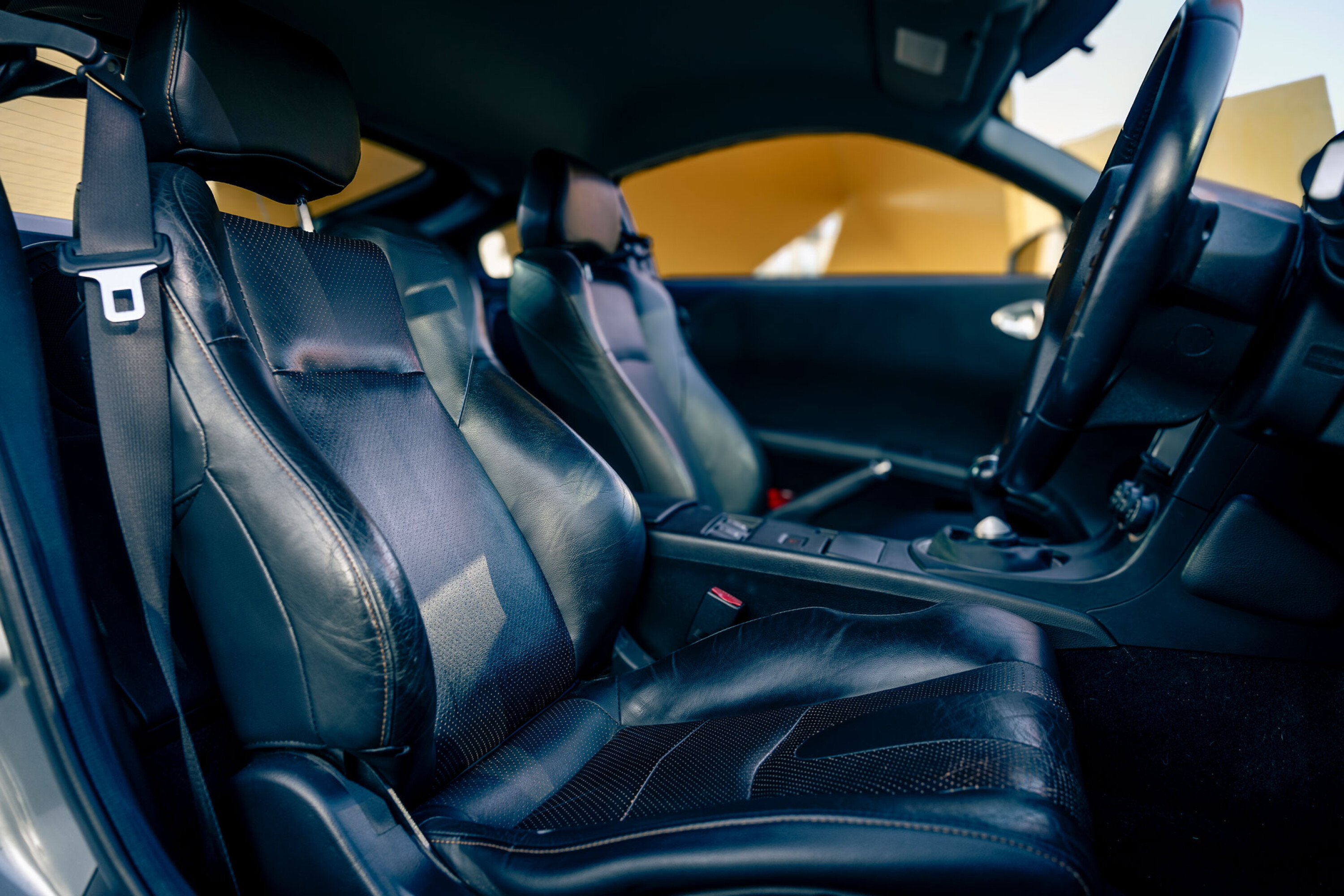
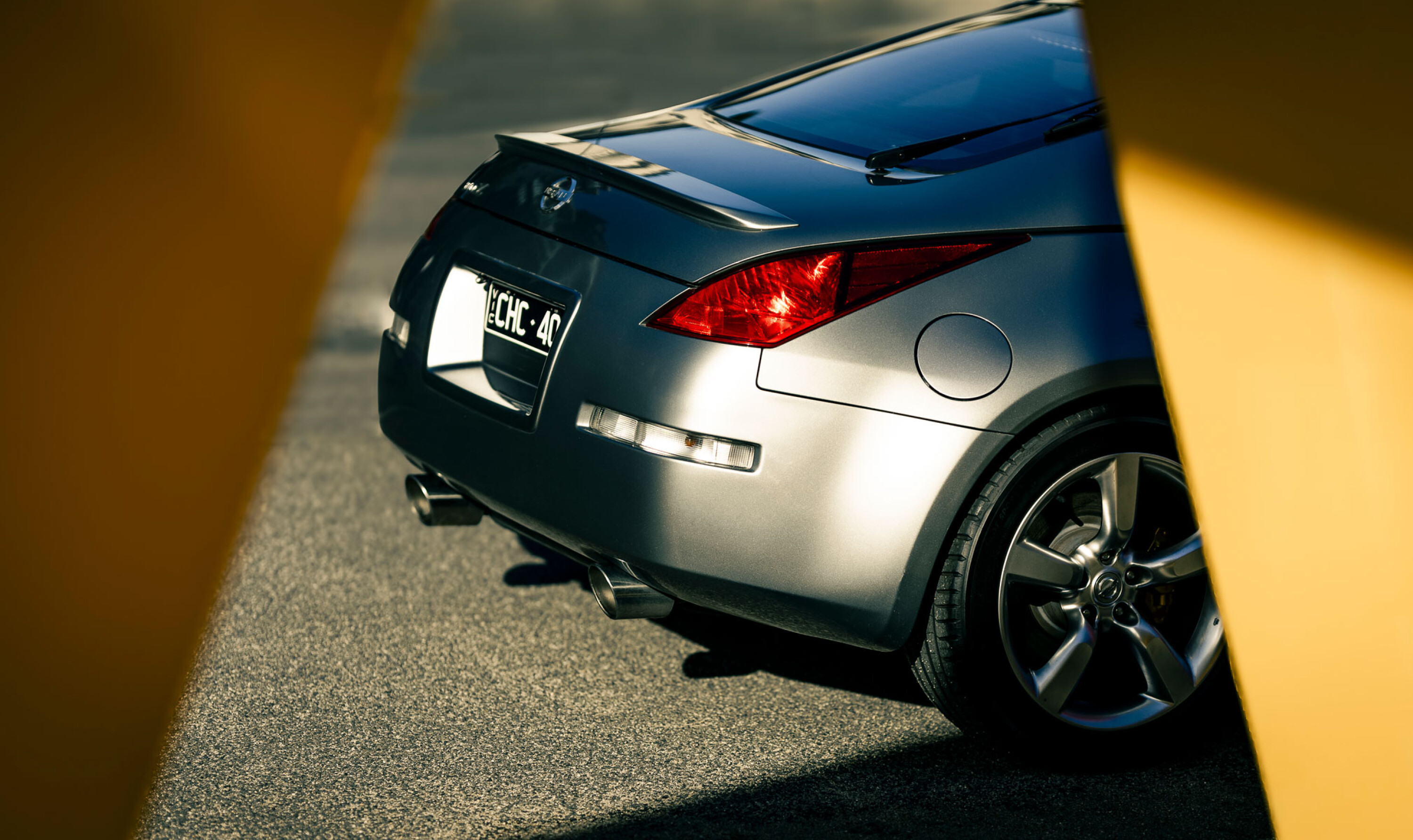
Nissan made some changes the following year, when it launched the car you see here. The manual-only 35th Anniversary version was introduced to celebrate 35 years since the introduction of the 240Z and it was a gem. It saw power step up from 206 to a chubby 221kW, thanks to higher-lift cams, revised pistons and a clever cam-phasing system. The cabin got some attention, too, with aluminium interior inlays, heated mirrors and better materials. The throw of the transmission was also shortened and the Anniversary rode on a set of unique alloys.
1
So when can we expect the long-awaited uptick in 350Z values? The answer to that question is when they get rare enough. We’re already starting to see prices of clean, unmolested manual coupes tickle upwards and it’s only a matter of time before cars like this 35th Anniversary become a distinctly uncommon sight on Aussie roads. Only then will many realise what they could have picked up for relative peanuts and it’ll be too late. So there’s never been a better time to buy. No, really.
Nissan 350Z 35th Anniversary Specs
Engine: 3498cc V6, dohc, 24v
Max Power: 221kW @ 6400rpm
Max Torque: 353Nm @ 4800rpm
Transmission: 6-speed manual
Weight: 1545kg
0-100km/h: 5.8sec (tested)
Price: from $40,000
THE CASE OF THE DISAPPEARING DESIGNER?<\/em><\/strong>
Having cut his teeth on the Nissan 350Z, it would be natural for star designer Ajay Panchal to then develop an entire portfolio of production-car entries on his resume but that doesn’t appear to be the case. In fact, it’s hard to find much trace of him after his work on the 350Z. Panchal stayed on at NDA until 2007 and then spent a two-year tenure as senior designer at Nissan Design Europe. Since 2010, he’s worked for himself as a solo designer – first in London and, for the last decade, he’s been design director at B.L.U.E. in California. No, we couldn’t find any online trace of that business either.
Now that Christmas has passed its time to relax: For the value-for-money price of $249.95 (including postage and handling), snap up our festive season bundle of a 24-month subscription to Wheels magazine and a copy of our collectible book, WheelsModern Classics.
How good is this deal? It’s a 50% saving on the cover price PLUS a 24-month digital subscription (access to over 800 editions of Wheels going back to 1953) PLUS the $49.99 value of this beautifully produced book.
Over 220 stunning pages, Wheels Modern Classics relives 20 of the fastest, sexiest, most advanced and most cherished vehicles ever to impact the performance car world, including the Ur-Quattro, NSX, RX-7, R32 GT-R, 205 GTi, 996 911 GT3 and the VE Commodore SS.
This beautiful hardcover entertains with deep dives on each car, matched to our own stunning studio photography by Wheels photographers Ellen Dewar, Alastair Brook and Nathan Jacobs.
From the screaming atmo V12 Lamborghini Diablo to the hairy-chested V8 Holden SS Commodore and Subaru’s fearsome turbocharged 4-cylinder WRX, we deep-dive on their engineering and design, unearthing facts and secrets you didn’t know.
1
Wheels Magazine – 71 Years Strong
Passion. Credibility. Heritage. And a vision for the future.
These are just a few of the defining features of Wheels, a brand launched in 1953, and one which has evolved into one of Australia’s best-known motoring mastheads.
Much more than a magazine, Wheels offers world-class new car reviews, news and stories.
Wheels Magazine is the only general-interest motoring magazine in Australia and takes its readers behind the scenes in the automotive industry. Plus, with instant digital access to any subscription you can access over 72 years of Wheels where every you are
1
The Offer
24 month subscription to Wheels plus the Wheels Modern Classics book for $249.95 including postage & handling.
Total value of the bundle (including postage & handling) = $385.74
Prices shown are in AUD$ and available for Australia delivery only. Discounts represent the percentage saving on cover price. Book valued at $49.99.
Offer valid for new subscriptions and renewals of existing subscriptions.
If you have a current print subscription, you are entitled to digital access. Please email [email protected] or phone our support team to request a login and password.
1
Offer valid until January 31st 2024 or while stock lasts.
Prices shown are in AUD$ and available for Australia delivery only. Discounts represent the percentage saving on cover price. Book valued at $49.99.
Offer valid for new subscriptions and renewals of existing subscriptions.
If you have a current print subscription, you are entitled to digital access. Please email [email protected] or phone our support team to request a login and password.
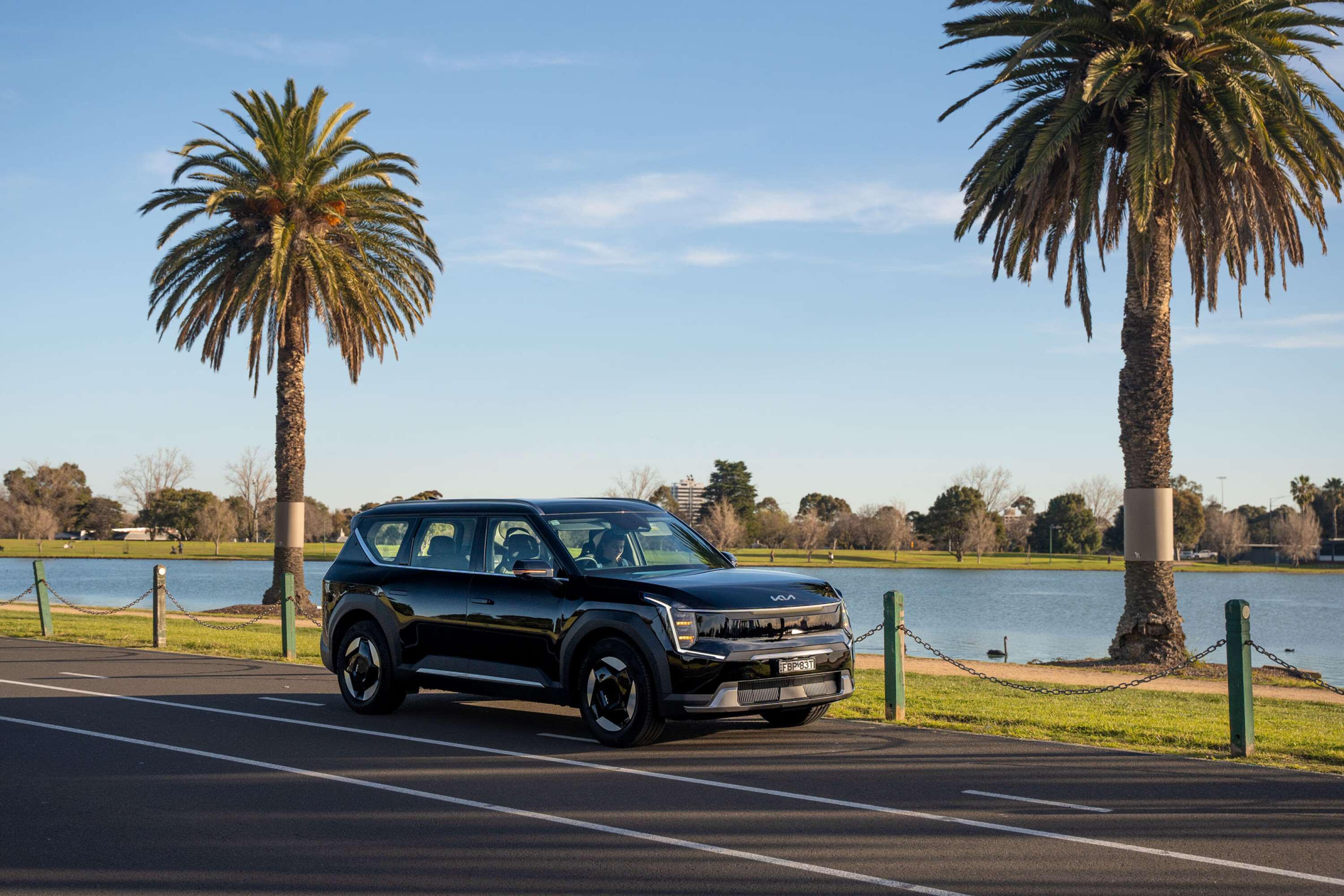
What on earth is that?” comes the call from a neighbour across the street. I’ve just parked up the Kia EV9 in the evening gloom and after glancing back over my shoulder, I can see what he means. With its black paint reflecting the last of the day’s sun and its bold, geometric LED lighting signature cutting through the fading light, the EV9 looks so otherworldly that it’s more like a prop from Blade Runner than a large family SUV.
Price as tested: $97,000
This month: 1046km @ 18.5kWh/100km
Overall: 1046km @ 18.5kWh/100km
Observation one, then: the Kia EV9 makes a hell of a first impression. Itu2019s also a brilliant conversation starter. Iu2019ve only had Kiau2019s flagship EV for a few weeks but already every neighbour has dropped by to ask about it. Most are surprised to learn itu2019s a Kia, although not quite as surprised as when they discover how much it costs. After an appraising gaze at the eye-catching exterior and a peek inside the vast cabin, most people peg the EV9u2019s value at u201cprobably $70K? Maybe $80K?u201d.
1
You, though, already know this is a six-figure car. The Kia EV9 has been a regular in the pages of Wheels and its last appearance saw it finish runner up (to the Ioniq 5 N) for ‘best EV of 2024’. That’s how impressed we are with its ability to combine desirable good looks with tidy dynamics and a roomy, well-crafted cabin.
This test, however, is a little different. Both because it’s a chance for us to get into the nitty-gritty of living with an EV9 day-to-day, but also because this is our first chance to spend some proper time with the entry version, the $97,000 EV9 Air.
First impressions couldn’t be more positive. Okay, black isn’t its best colour – one neighbour remarked “it looks a bit like a hearse” and now I can’t unsee it – but there are six other exterior hues to choose from and beyond riding on smaller 19-inch wheels, there’s little to visually distinguish the Air from more expensive versions.
1
Even better is the fact that those smaller wheels, rolling on balloon-like 255/60R19 Nexen tyres, lend the Air a gentler ride. There’s still plenty of performance, too. Unlike the AWD variants, the Air only has one e-motor and its battery pack is smaller, dropping from 100kWh in other versions down to 76kWh. Outputs are still healthy at 160kW/350Nm and while the Air’s 0-100km/h dash of 8.2sec sounds pedestrian on paper, in reality the instant response of the e-motor means it still feels remarkably brisk and muscular.
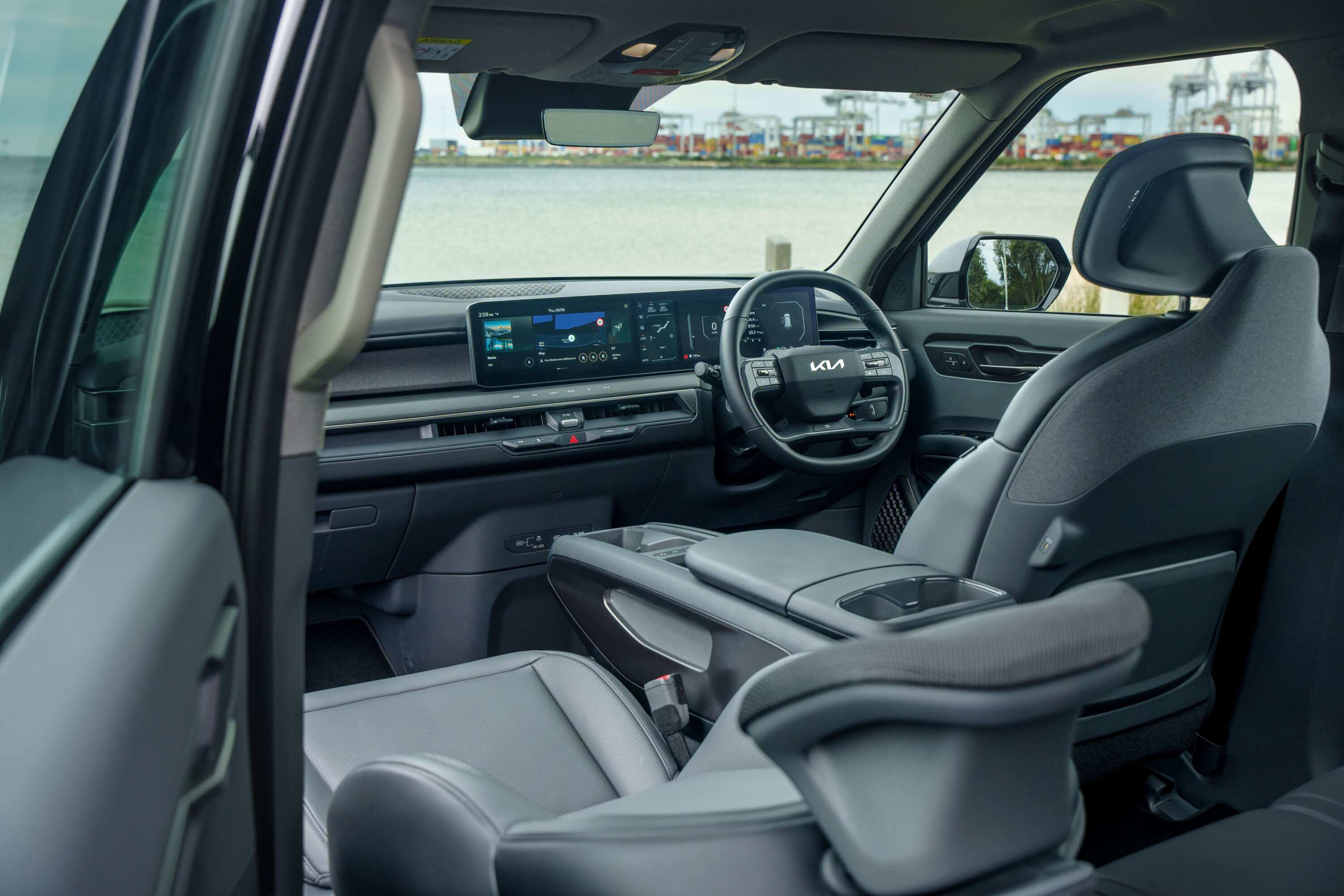
And it’s positively enormous inside. Okay, the cabin is another place that could benefit from a pop of colour – there’s a lot of grey going on in here – but there’s no faulting the cabin’s design or the sheer amount of technology on offer. Just like more expensive versions, the Air scores a panoramic digital dash and there’s loads of standard gear: heated and cooled seats, a heated steering wheel, Kia’s full active safety suite, tri-zone climate, and enough storage to make a cargo ship blush. Special mention has to go to the headrests which are so soft they feel as though they’ve been nicked from a Range Rover.
There are a few niggles, however. Unlike other versions, the Air doesn’t come with a front-facing camera or a 360-degree monitor and it’s such a vast thing – at 5m long and almost 2m wide, it has a bigger footprint than a LandCruiser 300 – that nosing it into car parks can be stressful.
1
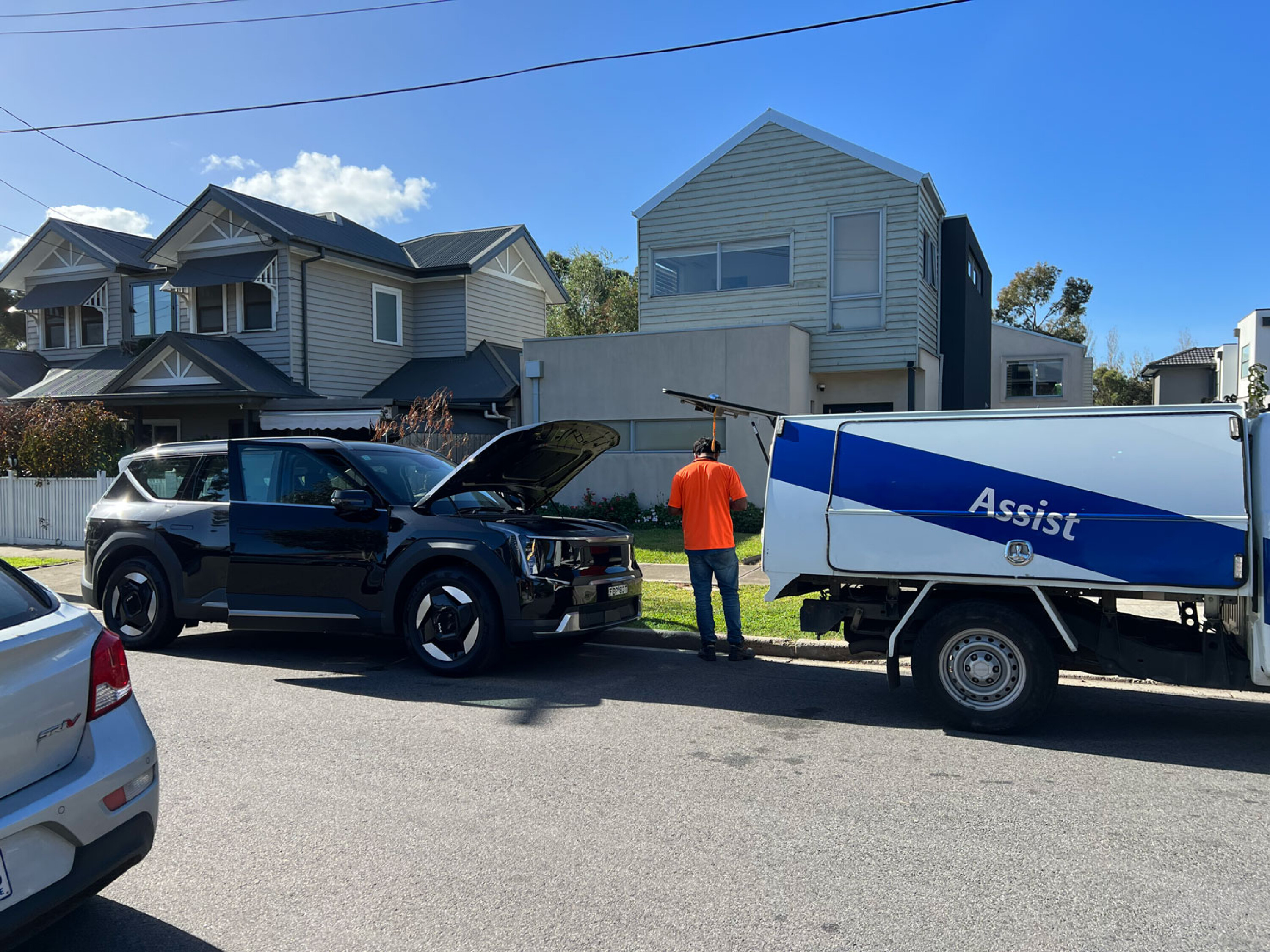
And then, after about a week of custodianship, the battery decided to go flat. I’d learn later this was a common issue caused by the control logic for the headlights drawing charge from the 12V battery when the vehicle was parked, but at the time it was a real head-scratcher. The EV9 was so unresponsive, I couldn’t even pop out the concealed door handles to get inside to give it a jump start. Luckily we were at home so it was only a minor inconvenience to call Kia’s roadside assist. Two hours later, I was back on the road, and Kia quickly resolved the issue with an over-the-air update, so no dealer visit required.
Minor blips aside, it’s been a strong showing from the ‘cheapest’ EV9 so far. We have some longer trips planned next month, so I’m keen to see how it fares on the open road.
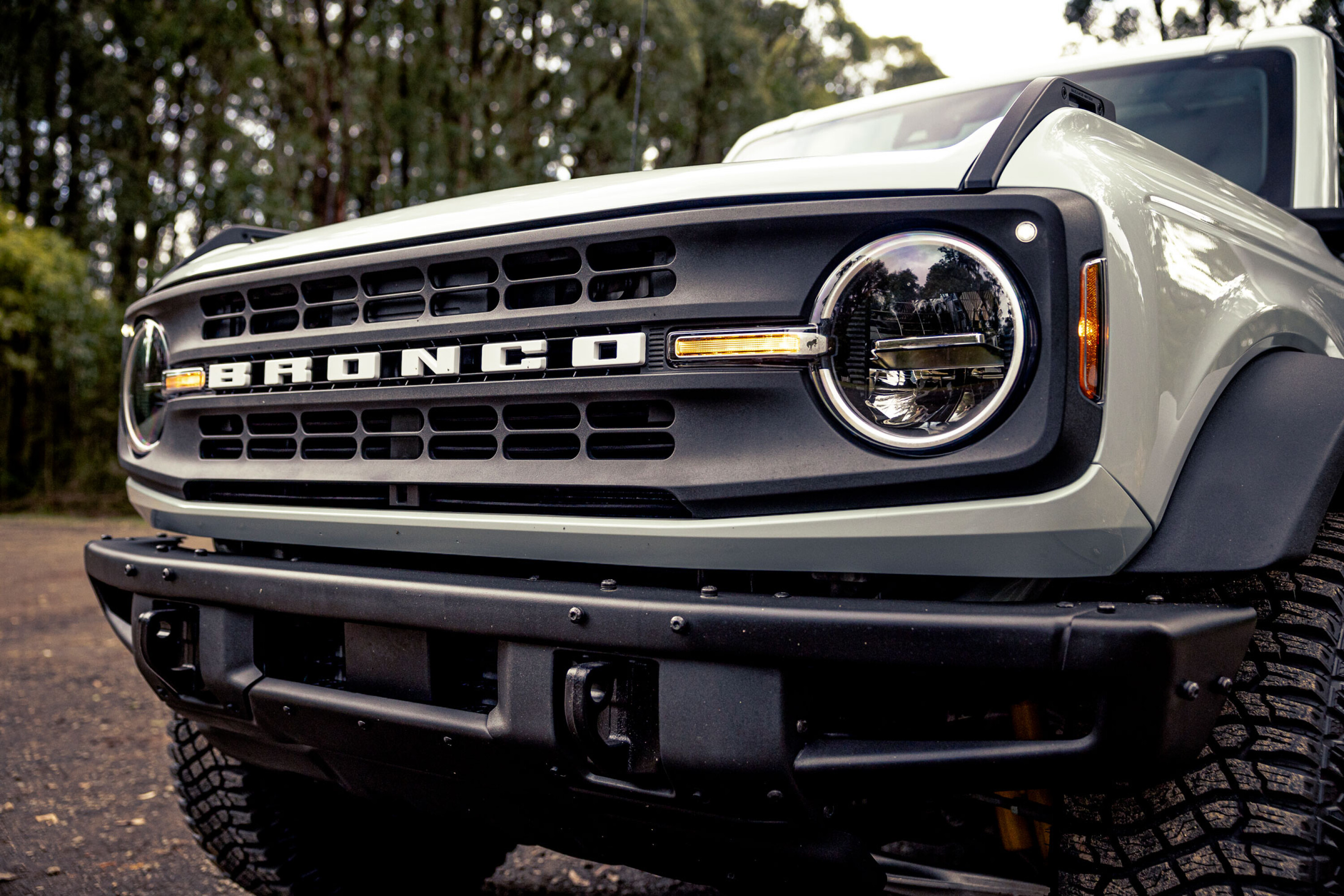
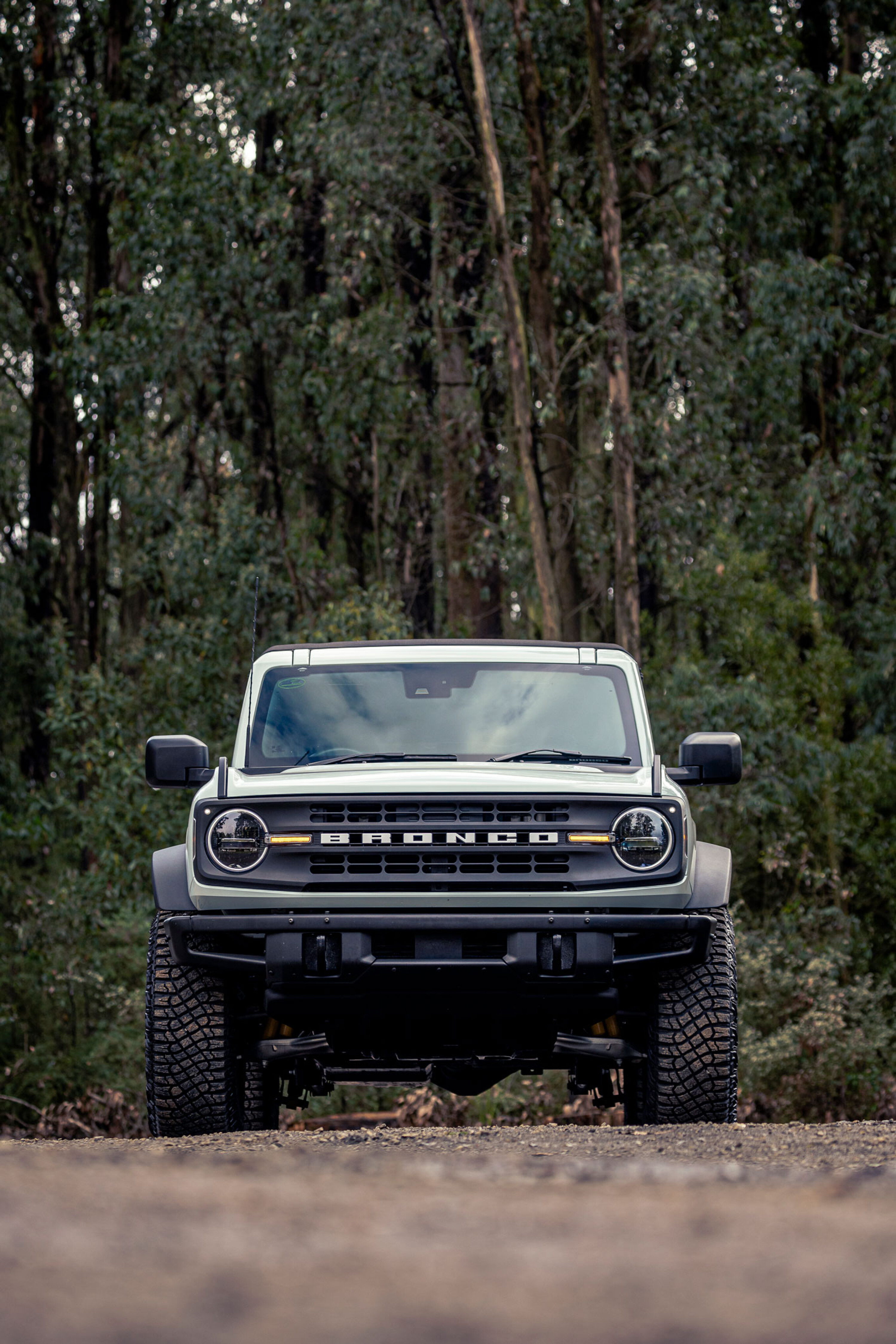
I know exactly what the Ford Bronco is going to drive like. Sitting on the same T6.2 platform and virtually identical in size and weight, the Bronco will drive just like an Everest. But you know what they say about assumptions – this is a very different beast.
This feature isn’t some amazing scoop announcing that the US Bronco is suddenly available in local dealerships. This car is one of two that have been privately imported and converted by Melbourne’s Crossover Car Conversions. At the time of writing, you can buy this one tomorrow or order your very own, though the entry price – which we’ll get to – is unsurprisingly steep. The purpose of this exercise is to discover if the Bronco would be a worthwhile addition to Ford Australia’s range, either as a factory-produced vehicle or converted locally like the F-150. Being based on the same platform as the Ranger and Everest, there’s nothing except economics preventing Ford from offering it in right-hand drive – doing so at an acceptable price is the sticking point.
1
Speaking of price, the well-optioned Ford Bronco Black Diamond you see here is $199,990. A huge amount of money, obviously, but when you consider it cost about AUD$90,000 in the States, then had to be shipped here, converted, and engineering certification completed, that’s the cost of doing business. With a couple under its belt, Crossover Car Conversions can offer a base Bronco for about AUD$150,000, all the way up to the Bronco Raptor at about $250,000 with a dizzying array of choices in between.
Ordering your Bronco is like dining at a Chinese restaurant where the menu runs to 10 pages and hundreds of items. To begin with, there are nine evocatively named variants: Big Bend, Black Diamond, Outer Banks, Heritage Edition, Badlands, Everglades, Wildtrak, Heritage Limited Edition and Raptor. Let’s forget the last one for a moment as, like the Ranger version, it’s very much its own thing.
All bar the Outer Banks and Everglades are available in two- or four-door guises. All the four-doors can be had as a soft or hard top (both removable) and all bar the Wildtrak come with a 2.3-litre turbo four-cylinder as standard. Big Bend, Black Diamond and Badlands models come standard with a seven-speed manual, though there’s also a 10-speed auto and selecting the 2.7-litre twin-turbo V6 automatically equips this.
1
From there you can select from Mid, High, Lux or Sasquatch (yes, really) equipment packages, though as you might expect as you climb the range, more and more of this becomes standard, and only certain packages are available on certain variants.
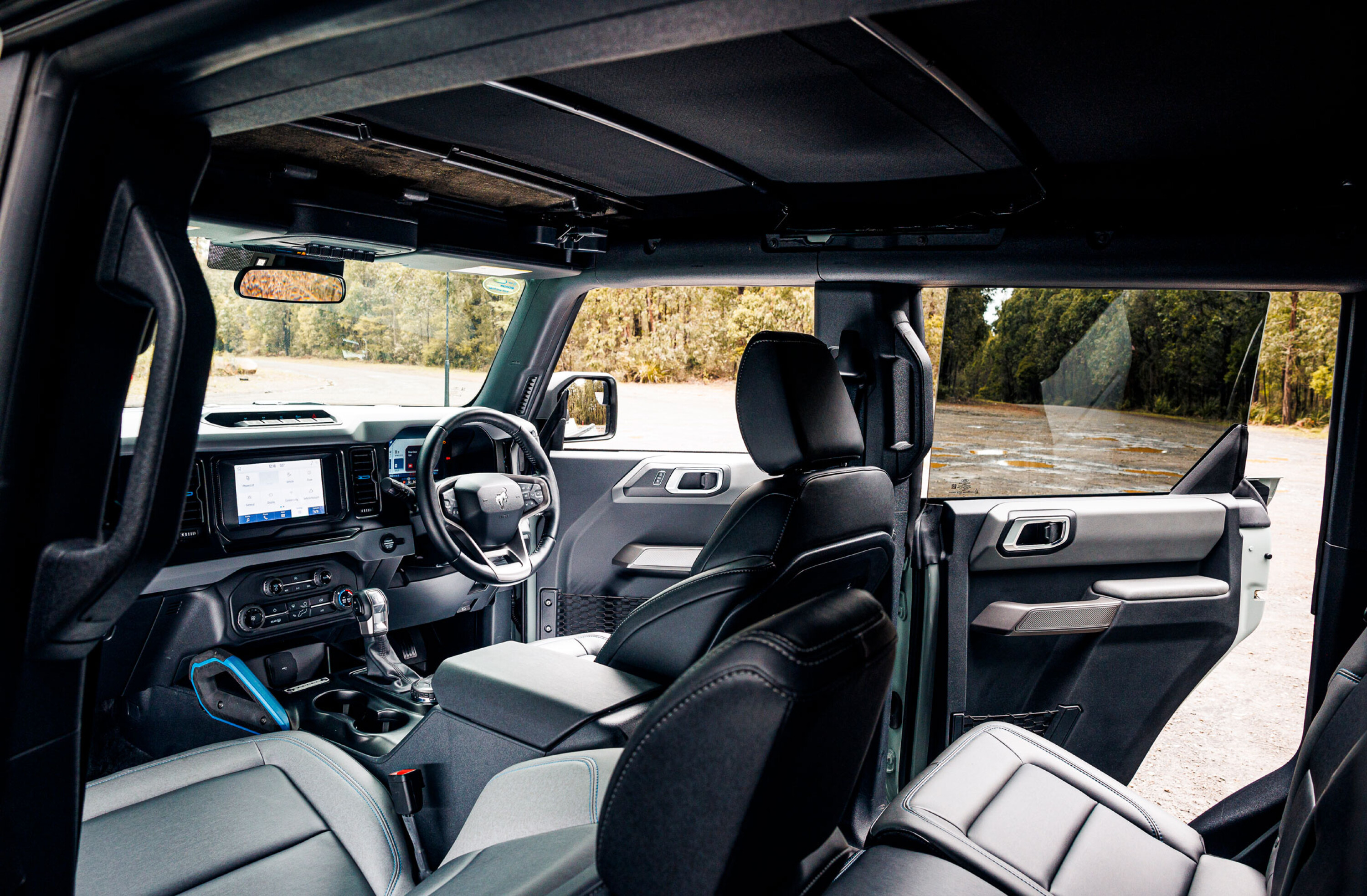
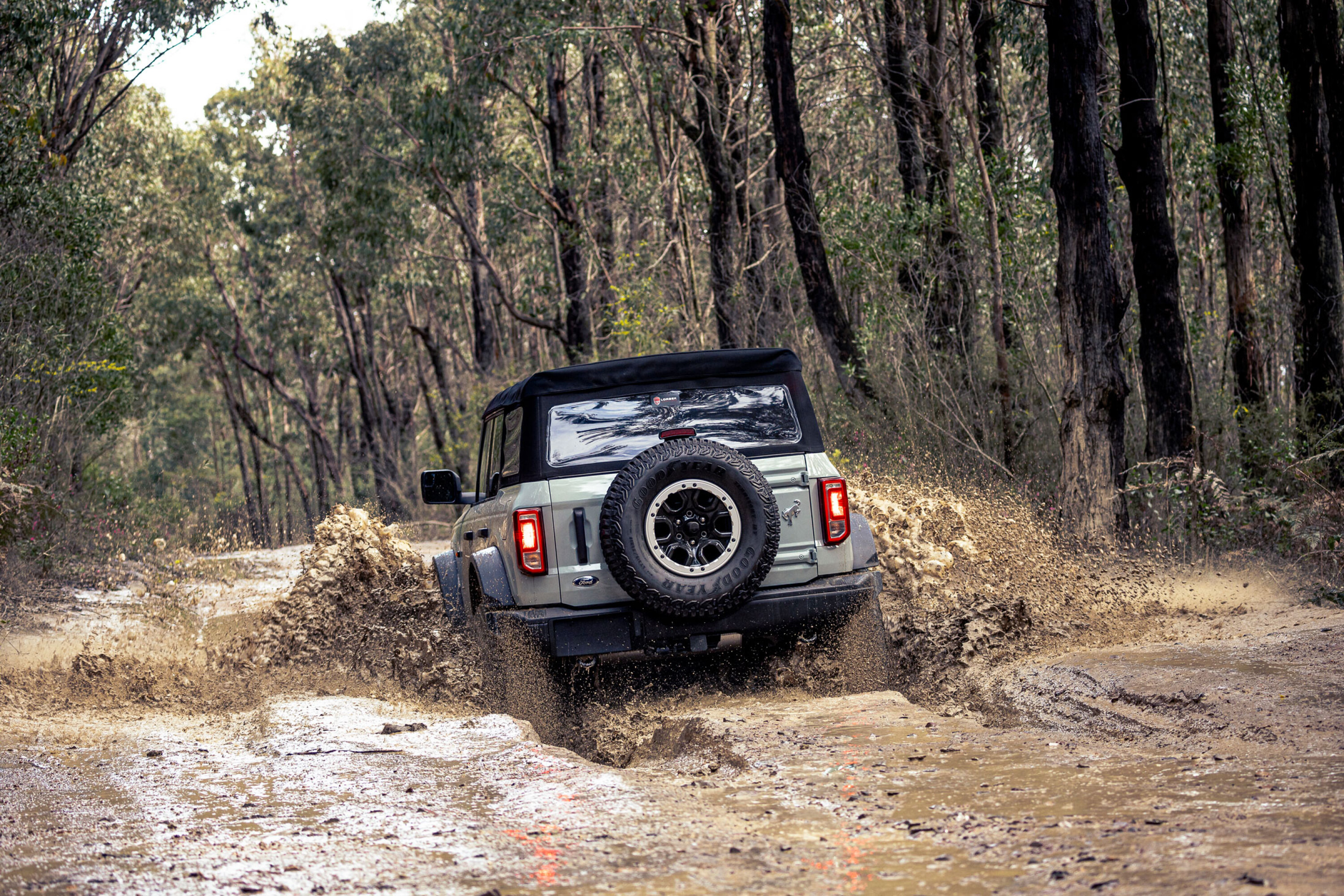
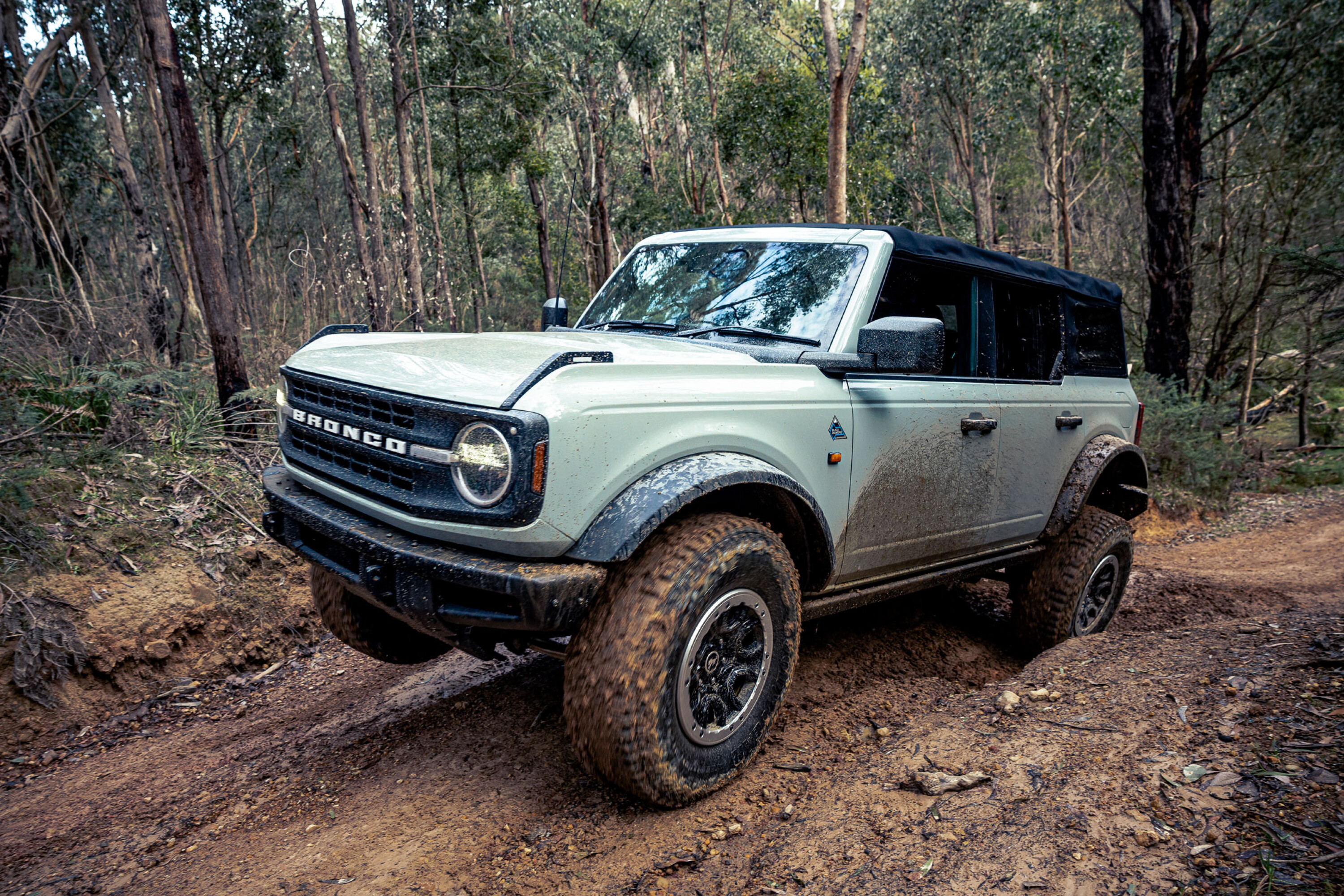
Our test car is a four-door, soft-top Black Diamond optioned with the V6 and the Sasquatch Package. So equipped, it’s the ultimate off-road beast, with marine-grade vinyl seats, drain plugs in the rubberized floor to hose out the interior and heavy-duty bash plates almost the full length of the car.
The Sasquatch Package takes this to the extreme with enormous 315/70 mud terrain tyres (Bigfoot, geddit?), beadlock-capable wheels, the Advanced 4×4 system, shorter 4.7:1 diff ratio, a locking front diff to join the one at the rear, high-clearance suspension and Bilstein position-sensitive dampers. Most buyers would want to also select the Mid package as it adds keyless entry, dual-zone climate control, heated front seats, reverse sensors, auto headlights, blind-spot monitoring, lane-keep assist and more. Dimensionally, the comparison with the Everest is apt. The Bronco measures 4811mm in length, 1928mm in width and 1854mm in height, with a 2949mm wheelbase, while an Everest Trend is 4914/1923/1841/2900mm. Hauling capabilities are modest, with a payload of 534kg and 1563kg braked towing compared to the Everest’s 704kg and 3500kg respectively.
1
But if you want a workhorse, buy a Ranger. The Bronco is more of a lifestyle machine. It’s why the roof and all the doors come off, though this is no doubt of greater appeal in Arizona or California than in a Melbourne winter. Personally, I’d spec my Bronco with the removable hard top, as driving the soft top at highway speeds is like being caught in a cyclone.
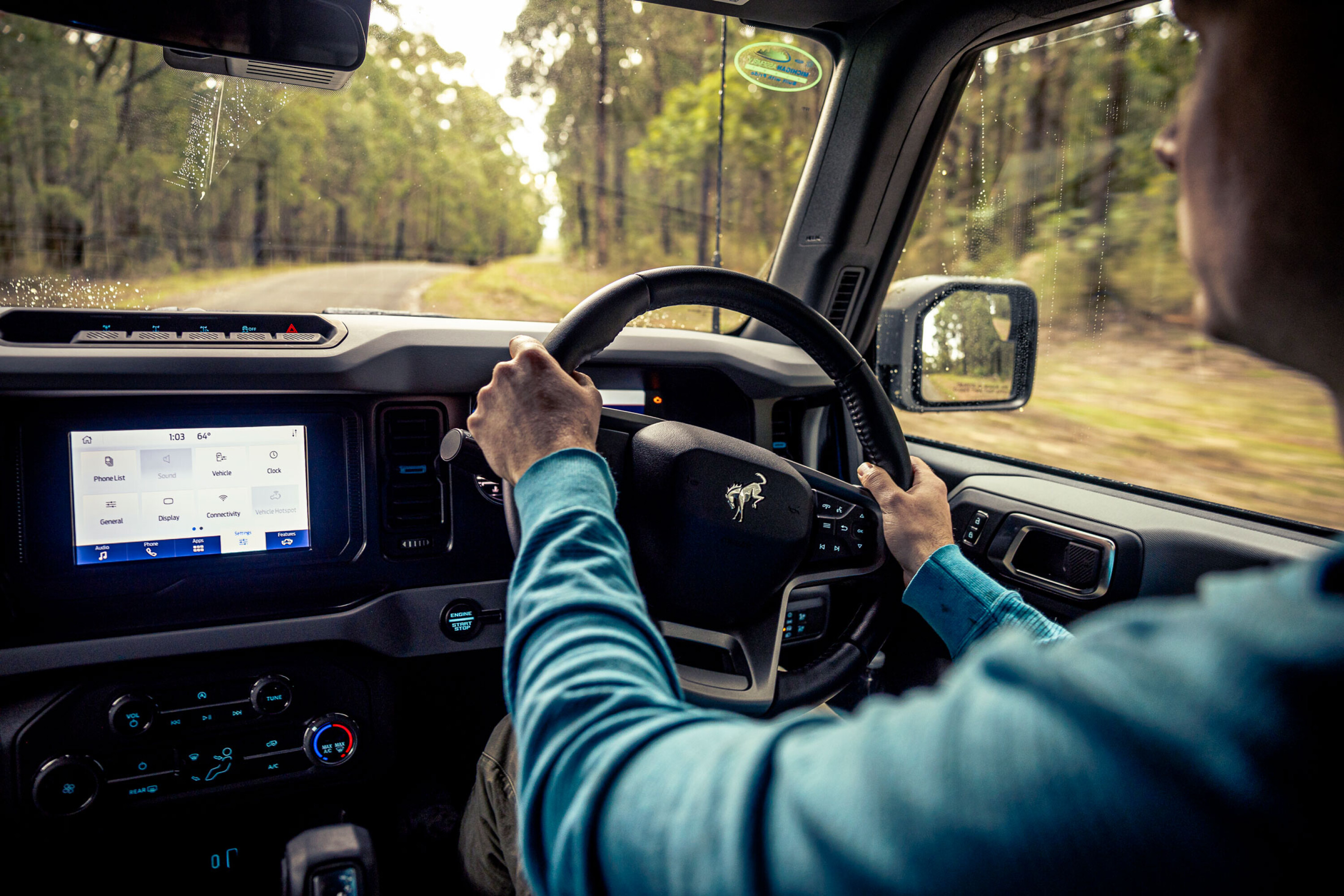
Higher-spec versions like the Wildtrak score leather-trimmed seats and a 12.0-inch infotainment touchscreen, but the Black Diamond makes do with plastic, vinyl, rubber and a functional – there’s wired smartphone mirroring but little else – 8.0-inch screen.
Rear accommodation is ample, though there’s only two seats, and the rear row folds virtually flat to expand the boot to mountain-bike-carrying levels of capacity. Another benefit of the removable hardtop is the flip-up rear window gives it a split-tailgate arrangement.
The Bronco’s optional engine is strong. Perfectly square with an 83mm bore and stroke, the 2694cc V6 is fed by twin mono-scroll turbos and produces 235kW at 5500rpm and 556Nm at 3250rpm on low-octane fuel, or another 11kW and 6Nm on premium juice. Even saddled with 2230kg it provides ample performance, and it wouldn’t be difficult to see this engine proving popular with Aussie Ranger buyers should it be offered like it is in the States (though it does like a drink, especially when turning 35-inch tyres).
1
On the road the Bronco behaves in the manner you’d expect of a ladder-frame SUV with a live rear axle. The Bilstein dampers soak up big bumps without fuss – what speed hump? – but poor surfaces with small-amplitude corrugations can have it shimmying and shuddering.
Where Bronco differs substantially to its T6.2 siblings is its steering. It’s very quick by SUV standards and quite weighty – an unusual choice for a lumbering off-roader. Weirdly, both the small steering wheel and the weight and response of the steering itself remind me of an FK8 Honda Civic Type R.
Of course, where the Bronco – and this one in particular – really shines is off road. It’s not a stretch to say this is as capable as standard vehicles come. But it’s not infallible, grinding to a halt in 4H crossing a rut, the traction control completely flummoxed as to what to do with the unladen wheel – a situation most dual-cabs would’ve quickly sorted out.
However, the tougher the challenge, the more the Black Diamond shines.
All three diffs locked, the combination of those tyres, incredible approach and departure angles – compare Bronco’s 43.2/37-degree figures to the Everest’s 30.4/25.3 degrees, for instance – and 292mm of ground clearance make it borderline unstoppable.
1
It also has some neat tricks. The Sasquatch Package brings Advanced 4×4 and G.O.A.T (Goes Over Any Terrain) modes such as mud/ruts, sand and rock crawl, which set the car up automatically at the press of a button. In addition, there’s trail turn assist, trail control (off-road cruise control) and the clever trail one-pedal drive, which means that when you back off the throttle it will quickly bring itself to a stop as if it has strong regenerative braking.
Those who privately import a Bronco will likely do so for its rarity and the awesome retro looks rather than its capability, but it’s clear there’s definitely a place for Ford’s off-road icon in Australia – IF the price is right. There’s no doubt buyers would line up around the block for a Bronco, but how many of them would be willing to stump up the required funds? That’s the likely $100,000 question.
1
Ford Bronco Black Diamond Specifications
Engine
2694cc V6, dohc, 24v, twin-turbo
Power
246kW @ 5250rpm
Torque
562Nm @ 3100rpm
Transmission
10-speed automatic
L/W/H/W-B
4811/1928/1854/2949mm
Weight
2230kg
0-100km/h
7.0sec
Price
$199,990
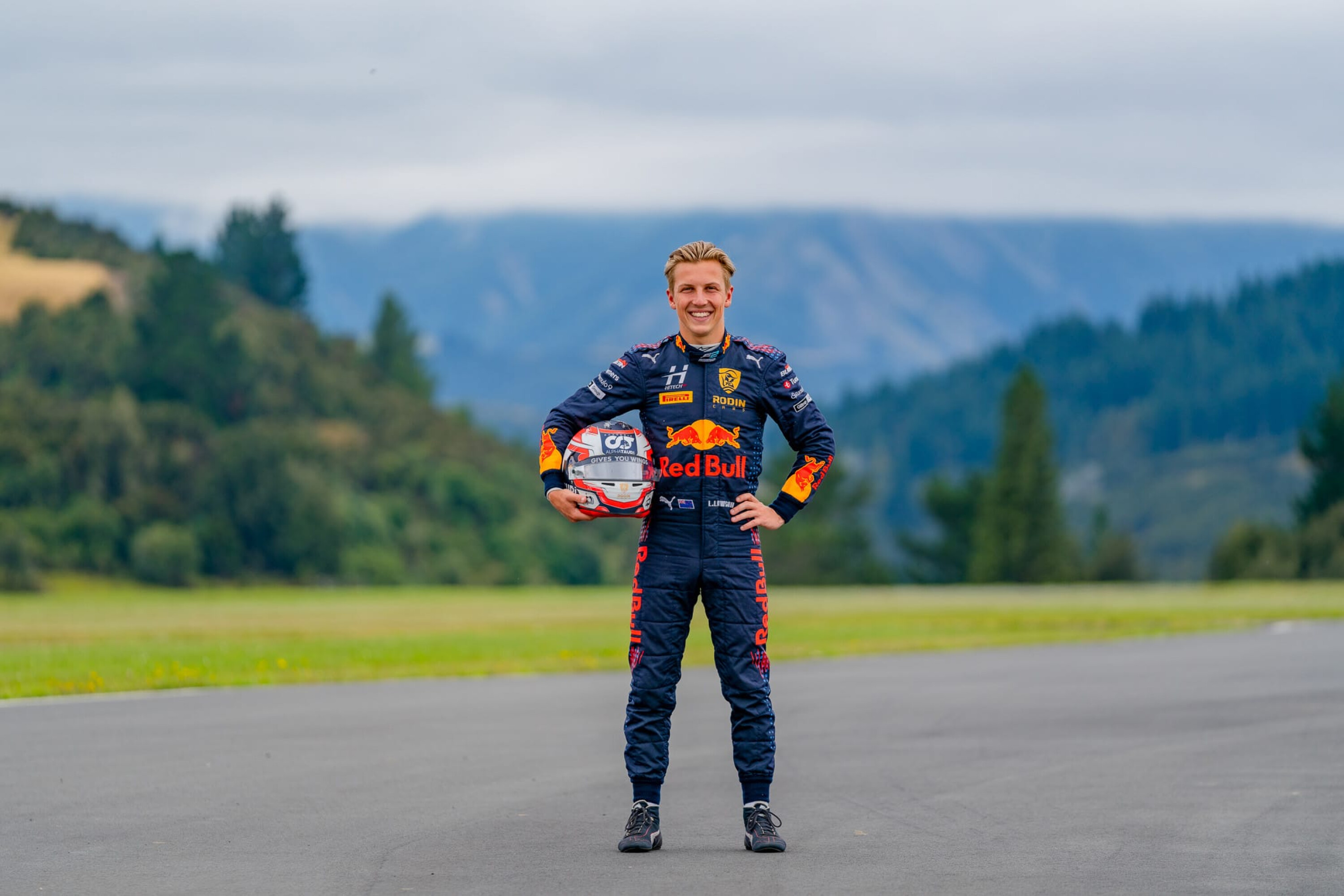
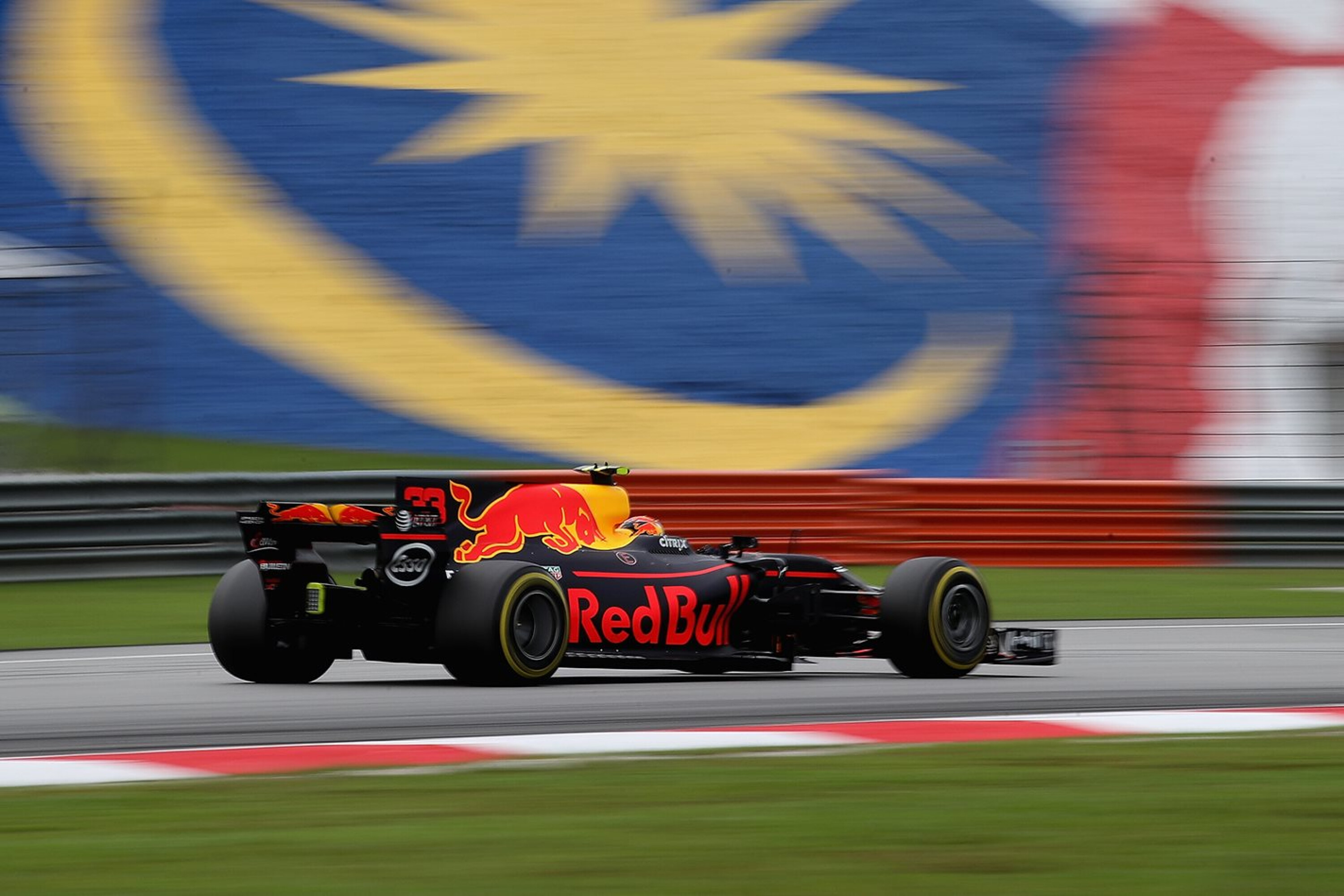
New Zealander Liam Lawson will fulfil a lifelong dream when he partners Formula 1 world champion Max Verstappen at Red Bull in 2025.
Lawson, 22, will replace Sergio Perez after a string of disappointing results from the Mexican in this year’s championship.
The Kiwi joins the top F1 team after time spent with Racing Bulls, Red Bull’s sister team, and its junior program.
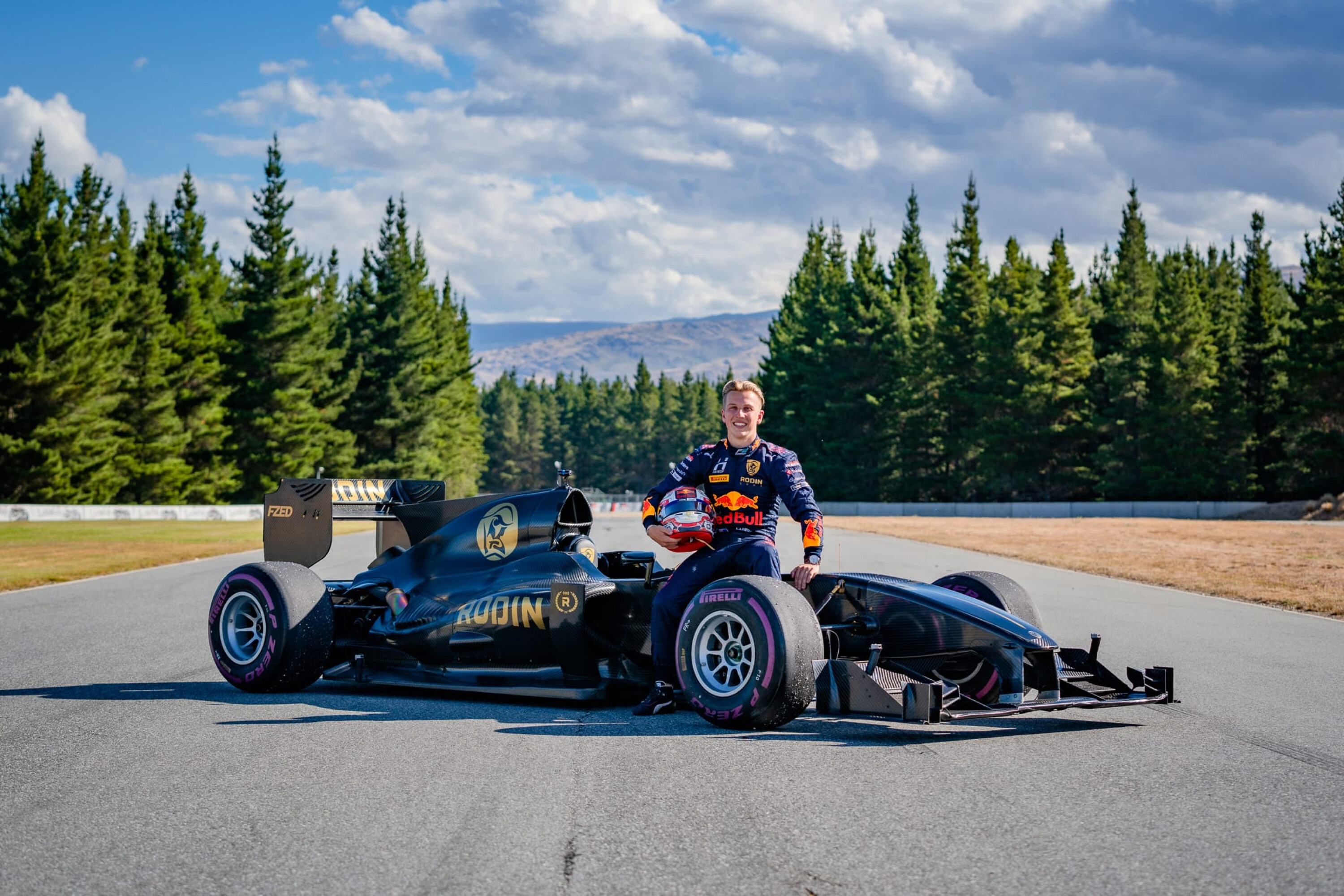
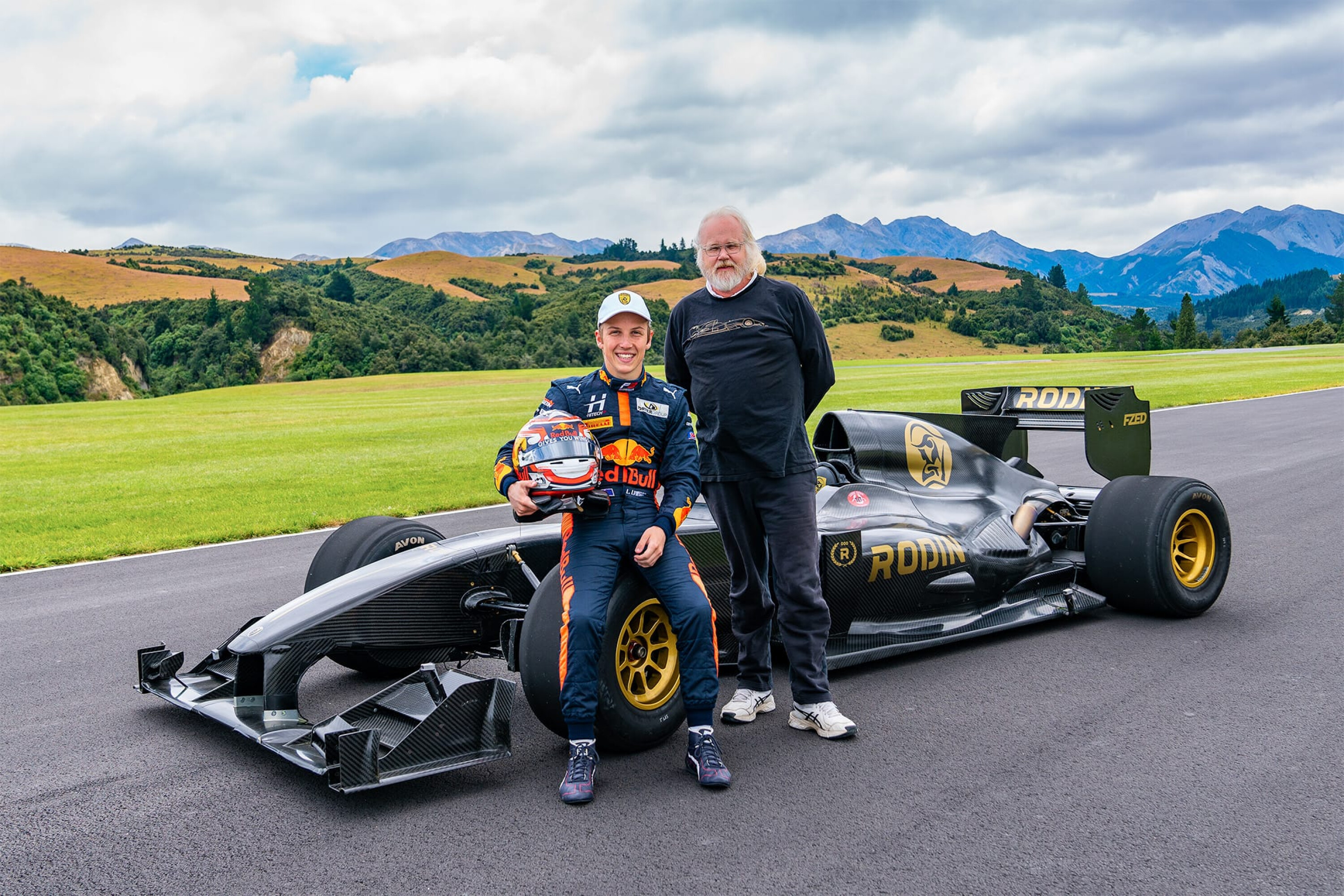
Lawson’s ascension fulfils the promise seen in him six years ago by Rodin Cars founder David Dicker, who has supported his climb through the Red Bull Junior ranks to reach Formula 1.
1
“Liam first came to Rodin Cars in February 2018 before he started racing in Europe and drove an old Formula 3 car on our test track,” recalls Dicker.
“Back then I could see his natural speed and ability so I kept an eye on his progress in Formula 4 and we met up again at the end of that season.
“Soon after we became involved in financially supporting his journey which ultimately became a partnership with Red Bull and Rodin in Formula 2.”
Dicker also contributed over a million dollars to keep Lawson’s second F2 season alive and help the young Kiwi star continue his progress through the ranks.
1
“We were able to assist with the financial burdens Liam faced on his rise through motorsport and to reach a point where Liam is now in a championship winning Formula 1 team,” Dicker said.
“It’s very rewarding for us and a testament to Liam’s unwavering commitment and hard work to reach the pinnacle of international motorsport.”
Dicker is well aware of the financial hurdles facing up-and-coming race drivers as they progress through the open-wheel racing categories, with Rodin running cars for the locally based GB Formula 4 and 3 championships, as well as the FIA Formula 3 and Formula 2 categories that support Formula 1.
After the announcement Lawson said it was a “lifelong dream” to be racing with Red Bull.
1
“This is something I’ve wanted and worked toward since I was 8 years old,” he said. “It’s been an incredible journey so far.”
“There’s no doubt that racing alongside Max, a four-time champion and undoubtedly one of the greatest drivers ever seen in F1, is a daunting task,” Red Bull team principal Christian Horner said, “but I’m sure Liam can rise to that challenge and deliver some outstanding results for us next year.”
Lawson may not be the only Rodin-backed Kiwi to rise to the top. Dicker’s organisation has also invested heavily in fellow Kiwi driver Louis Sharp who recently became the first driver since the late Ayrton Senna to win back-to-back UK motor racing titles. This year Sharp won the GB3 championship to go along with his GB4 title won the previous year.
1
Sharp will make his FIA Formula 3 debut at the Australian Grand Prix in March 2025, at the same meeting where Lawson will also make his Albert Park racing debut – for the first time in Oracle Red Bull Racing colours.
Additionally, Rodin Cars has joined with Motorsport New Zealand to promote a pathway called Formula Ford to Formula 1, powered by Rodin Cars.
The Albanese Government has announced a $150 million program to make electric vehicles (EVs) more accessible for Australians earning under $100,000 annually and for essential workers.
Loans target new and used EVs up to $55,000, with interest rates up to 5% below standard rates
FCAI highlights EVs made up just 7.4% of new car sales in 2024, well below forecasts
Industry seeks extended FBT concessions for PHEVs and tariff removal for light commercial EVs
Delivered through the Clean Energy Finance Corporation (CEFC) and in partnership with the Commonwealth Bank, the program provides discounted loans for new and used EVs priced up to $55K, as well as financing for home EV charging equipment.
The loans offer interest rates up to 5 percentage points lower than standard rates, potentially saving borrowers over $8000 on a $40,000 loan over a seven-year term.
Eligible applicants include those earning less than $100,000 annually and workers in key roles such as healthcare, education, policing, firefighting, and other emergency services.
Minister for Climate Change and Energy Chris Bowen said: “Discounted loans help remove barriers to ownership, helping more Australians drive cars that can save them thousands of dollars a year.”
This initiative follows other government moves, including:
The removal of the 5% import tariff on EVs
Fringe Benefits Tax (FBT) exemptions for leased EVs under the Electric Car Discount scheme
Investments to triple the number of fast-charging locations across Australia since 2022
FCAI acknowledges government action but calls for broader measures
The Federal Chamber of Automotive Industries (FCAI) welcomed the initiative but emphasised ongoing challenges in the EV market.
FCAI head Tony Weber said that battery EVs accounted for only 7.4% of new vehicle sales in 2024, significantly below the forecasted 11.1%, or approximately 135,000 units.
“Less than 84,000 battery electric vehicles have been sold in Australia this year. Frankly, this is a disappointing result and well below our forecast,” Weber said.
Excludes Tesla and Polestar
Readers should note that FCAI figures no longer include sales for Tesla and Polestar (both brands having left the FCAI earlier this year (Tesla, Polestar)).
In November 2024, combined EVC and FCAI figures show 6585 battery electric vehicles were sold, accounting for 6.5% of total new vehicle sales.
This represents a slight increase from October’s 6.4% share but a decrease from the 8646 units sold in November 2023.
Total EV says year-to-date, combining EVC-supplied figures for Polestar and Tesla, come out to 101,707.
This also includes plug-in hybrid vehicles. Strip those from the numbers and sales stand at 82,690 vehicles. That’s still 2.8% up on last year in a market that overall grew by a mere 1.7%.
Weber attributed the results to several factors, including higher purchase prices, limited charging infrastructure, and a lack of models catering to work and recreational needs.
He added that international markets are facing similar challenges as government incentives are scaled back.
The FCAI called on the government to:
Extend the FBT concession for plug-in hybrid vehicles (PHEVs), which is set to end on 1 April 2025
Remove the 5% import tariff on light commercial EVs to support businesses transitioning to cleaner vehicles
“It is significant that the Government has recognised the need to do more to support sales of EVs in order to get anywhere near the challenge of achieving its extremely ambitious emissions reduction targets under the New Vehicle Efficiency Standard,” Mr Weber said.
“Increasing consumer demand for plug-in hybrid and hybrid vehicles shows that consumers are prepared to move to low-emission technologies. The opportunity exists for the Government to consider further policy settings that support the shift to a lower emissions economy.”
Are PHEVs the right path?
Interest in PHEV models has grown among Australian buyers, seen by many as an ideal solution to range anxiety in a land with a massive road network and an impression of there being too few reliable EV chargers outside of city areas.
However, plug-in hybrid electric vehicles (PHEVs) face criticism for prolonging fossil fuel dependency while offering limited environmental benefits or ownership cost savings when compared to fully electric vehicles (BEVs).
With a vast road network and sparse population density outside major cities, proponents of BEVs argue that investment in charging infrastructure should focus on solutions that support long-term decarbonisation, rather than transitional technologies like PHEVs.
Critics highlight that PHEVs often fall short in reducing emissions, as users in remote or regional areas may rely heavily on petrol due to limited charging opportunities, effectively turning PHEVs into conventional hybrids.
Critics insist however that Australia’s unique challenges, including the need for extensive infrastructure to service remote regions, make the case for prioritising BEVs stronger.
Most PHEVs also charge far slower than the latest BEVs, which means those on roadtrips can often be found occupying valuable public charging resources for slow and relatively small battery recharges, potentially hindering BEV users who rely entirely on these networks for mobility.
While PHEVs may provide a temporary option for bridging the gap in low-infrastructure areas, critics argue that doubling down on BEV infrastructure would better serve Australia’s long-term sustainability goals and align with emissions reduction targets, particularly as more long-range BEVs become available to meet the demands of rural and remote driving.
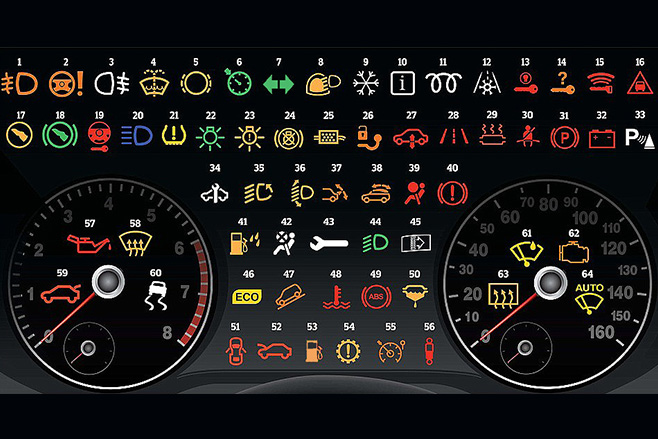
When your dashboard lights up like a Christmas tree, it’s tempting to ignore it—or worse, cover it with tape.
These warning lights exist for a reason, of course, and understanding them can save you from costly repairs or potential breakdowns.
Modern cars have between 25 and 40 dashboard icons, depending on their complexity. From routine alerts to critical warnings, these lights provide essential feedback about your vehicle’s health. Here’s your guide to decoding what they mean.
What do the colours of my dashboard lights mean?
Think of it like traffic lights, where red means stop, orange is caution, and green is go.
1
? Red lights: Immediate action required
Don’t ignore red lights: These are often critical and should be addressed immediately to avoid damage or unsafe driving conditions.
Consult your owner’s manual: It provides detailed information about every dashboard icon in your specific vehicle.
Get regular maintenance: Preventative care can help you avoid many of the issues indicated by warning lights.
Icon
Meaning
Action
ud83dudfe5 Low oil pressure
Insufficient oil pressure in the engine
Stop the car immediately and check oil levels. Call for assistance if the light persists.
ud83dudfe5 Brake system warning
Fault with the braking system
Stop driving immediately and have the brakes inspected by a professional.
ud83dudfe5 Battery warning
Charging system malfunction
Stop the car and check the alternator or battery connections.
ud83dudfe5 Door open
A door is not fully closed
Safely pull over and close the door.
1
? Orange lights: Monitor or take action soon
An orange light usually signifies something that requires monitoring, such as low fuel or tyre pressure.
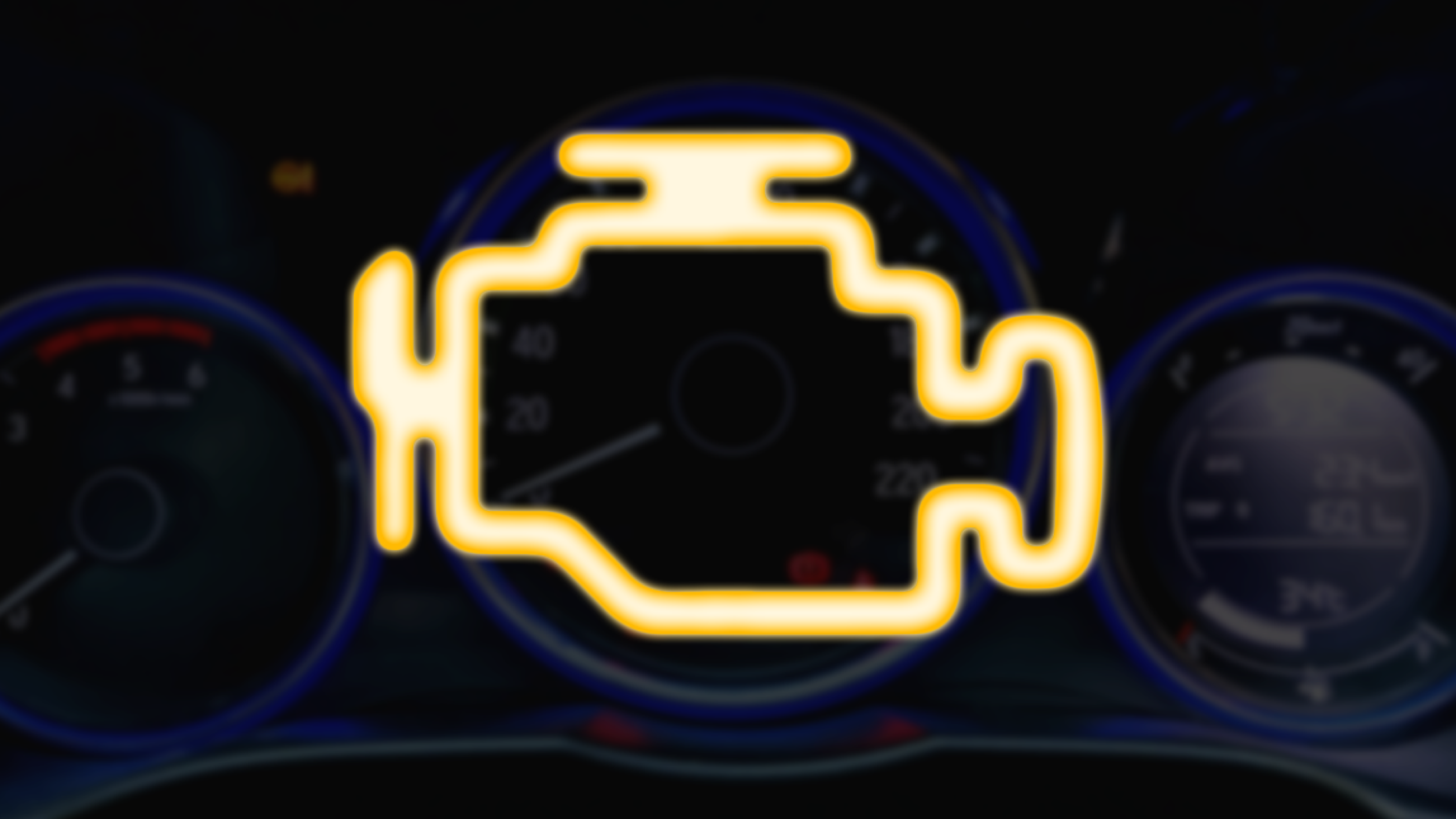
The terrifying ‘check engine’ light may also appear orange or red, depending on the severity of the problem detected, but it will often be accompanied by a more specific light for extra context.
Icon
Meaning
Action
ud83dudfe7 Check engine
Engine malfunction detected
Have the engine inspected as soon as possible.
ud83dudfe7 Tyre pressure warning
Low tyre pressure
Check and inflate tyres to the recommended PSI.
ud83dudfe7 Traction control
Traction control system engaged or malfunction
Monitor driving conditions; inspect the system if the light remains on.
ud83dudfe7 Low fuel
Fuel level is low
Refuel as soon as possible to avoid running out.
1
? ? ⬜ Green, blue, and white lights: Active features
These aren’t warnings so much as simple alerts to let you know that a particular feature is active, such as lights (driving, high-beam and fog), turning indicators, park brake, cruise control and driver-assist features like lane-keep assistant and active distance control.
Icon
Meaning
Action
ud83dudfe9 Turn indicators
Turn signals are active
No action required.
ud83dudfe6 High beam
High beam headlights are on
Ensure you deactivate high beams when driving around other vehicles.
ud83dudfe9 Cruise control active
Cruise control system engaged
No action required.
u2b1c Lane-keep assist
Lane-keeping assistance is active
Monitor road conditions and stay alert to surroundings.
The full rundown
Here’s an extensive list of dashboard symbols, to go with the terrifying key below
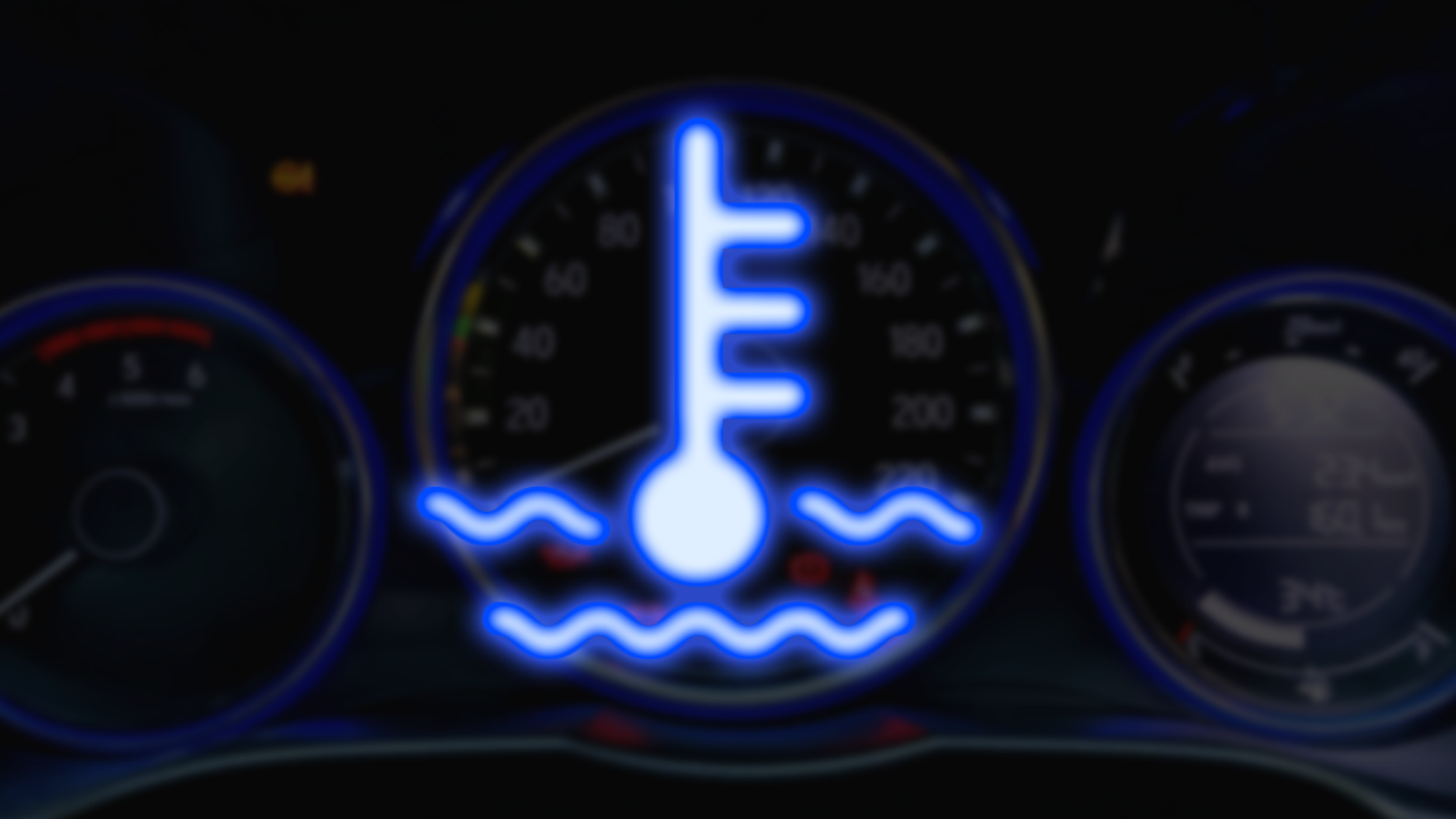
It indicates that the engine is overheating. You should pull over immediately and call for help, to avoid serious damage to your car’s engine – and potentially the entire car, if a fire results.
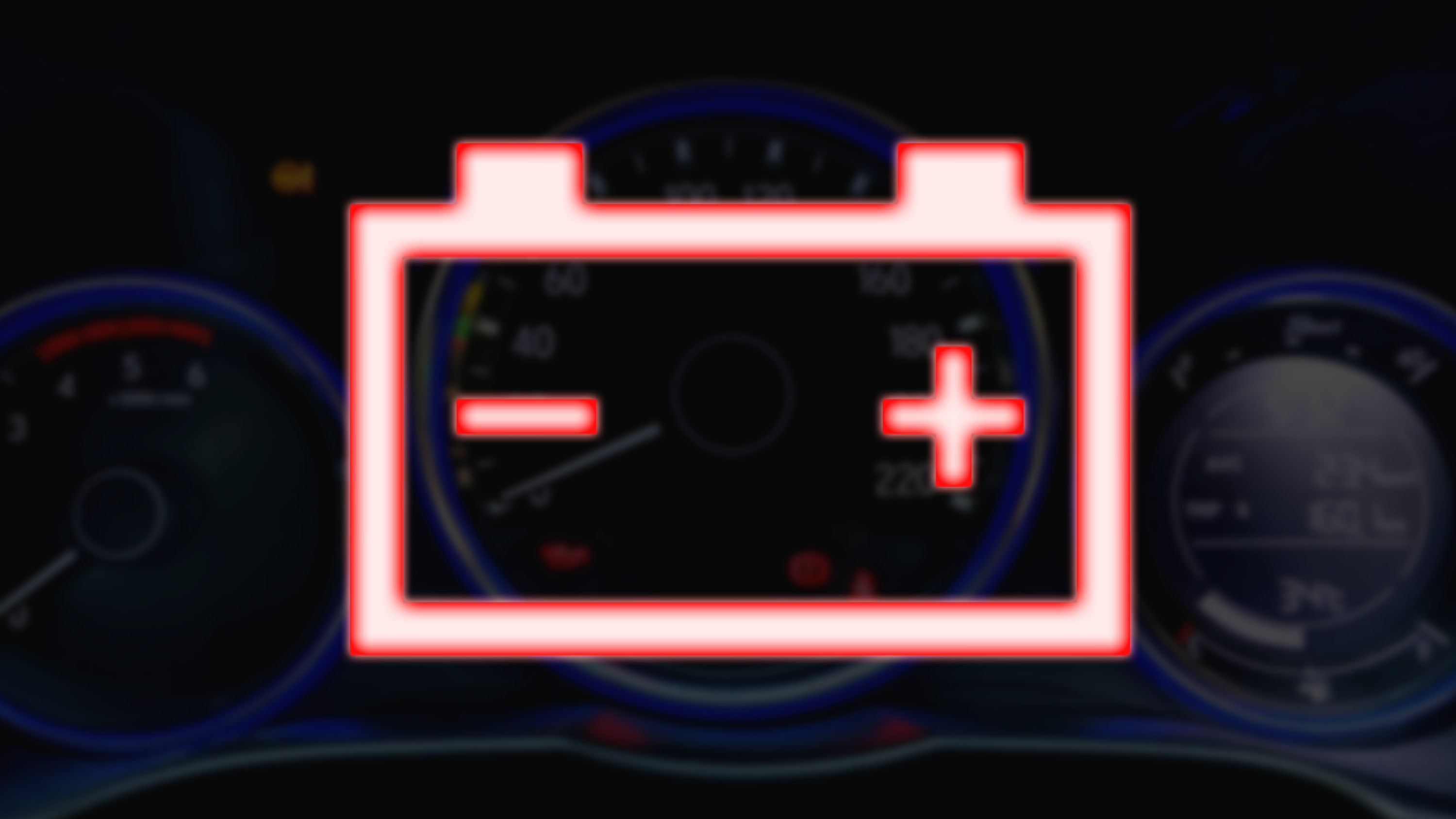
This light indicates a problem with the vehicle’s electrical system, which should be addressed as soon as possible, if not immediately – as it could result in systems failing, which may lead to a road accident or a fire.
It indicates a general warning not covered by a more specific light, such as a problem with the brake system or a fault with the vehicle’s stability control system. However, modern cars will often show a more specific alert in their digital display, to ensure there is no confusion.
This light indicates a problem with the vehicle’s traction control system, which could lead to an otherwise avoidable accident in hazardous road conditions or while taking defensive action.
Dashboard warning lights are more than just colourful distractions — they’re critical tools for keeping you informed about your car’s health.
Understanding what they mean can help you act quickly and avoid costly repairs.
If in doubt, always consult your car’s owner manual or seek assistance from a professional. Keeping on top of maintenance and addressing issues promptly will ensure your car stays safe and reliable.
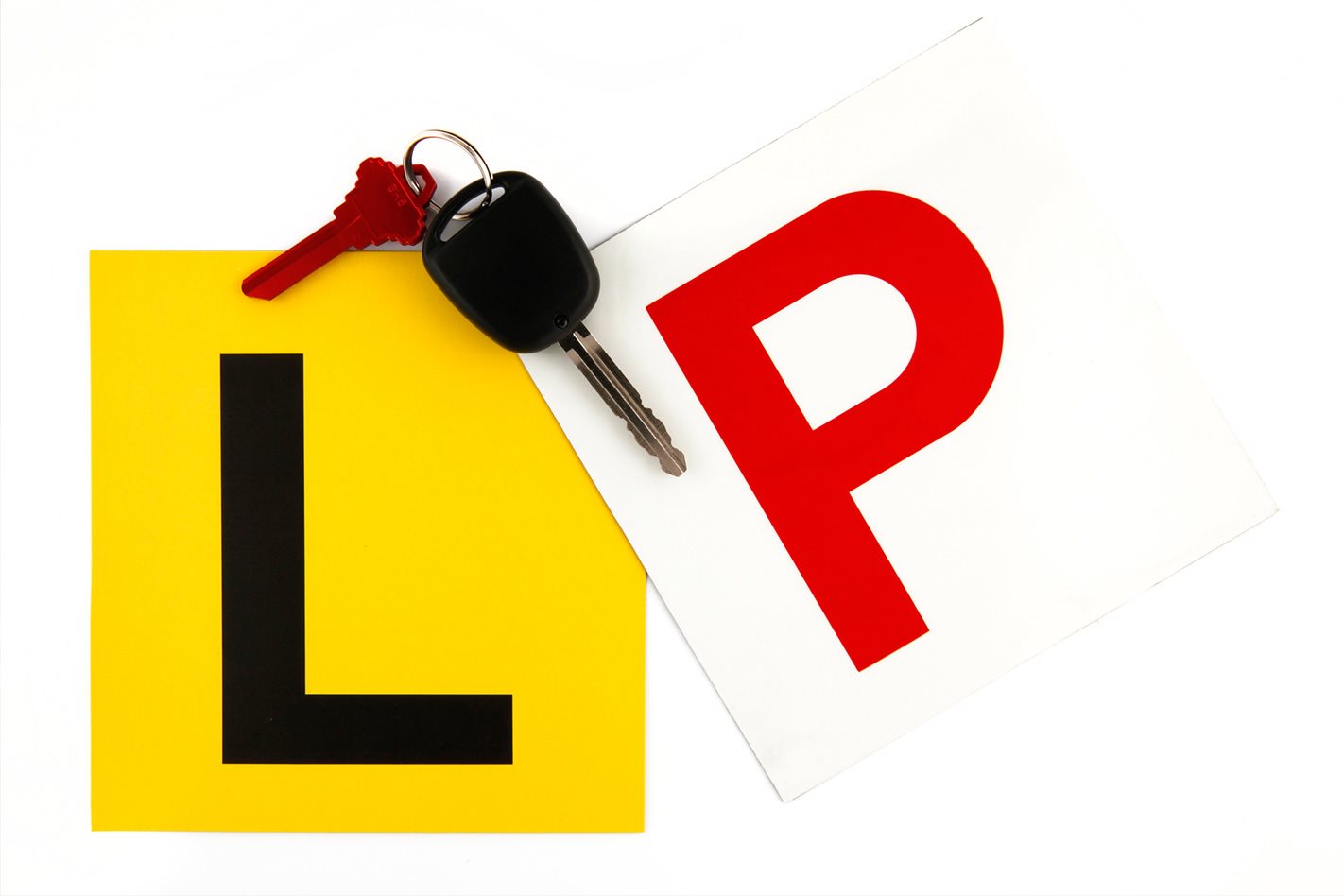
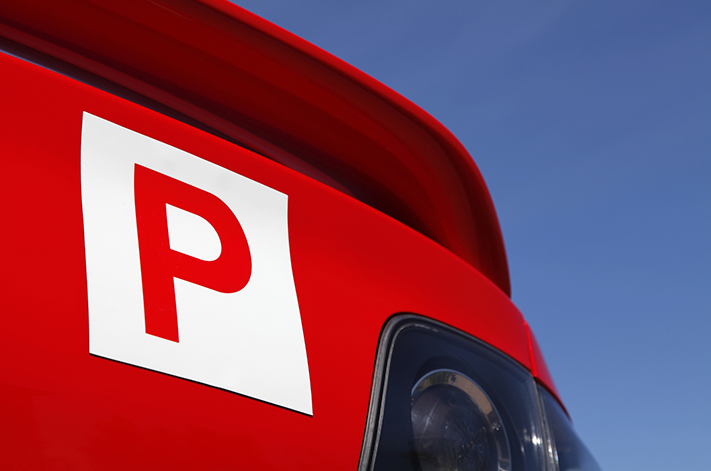
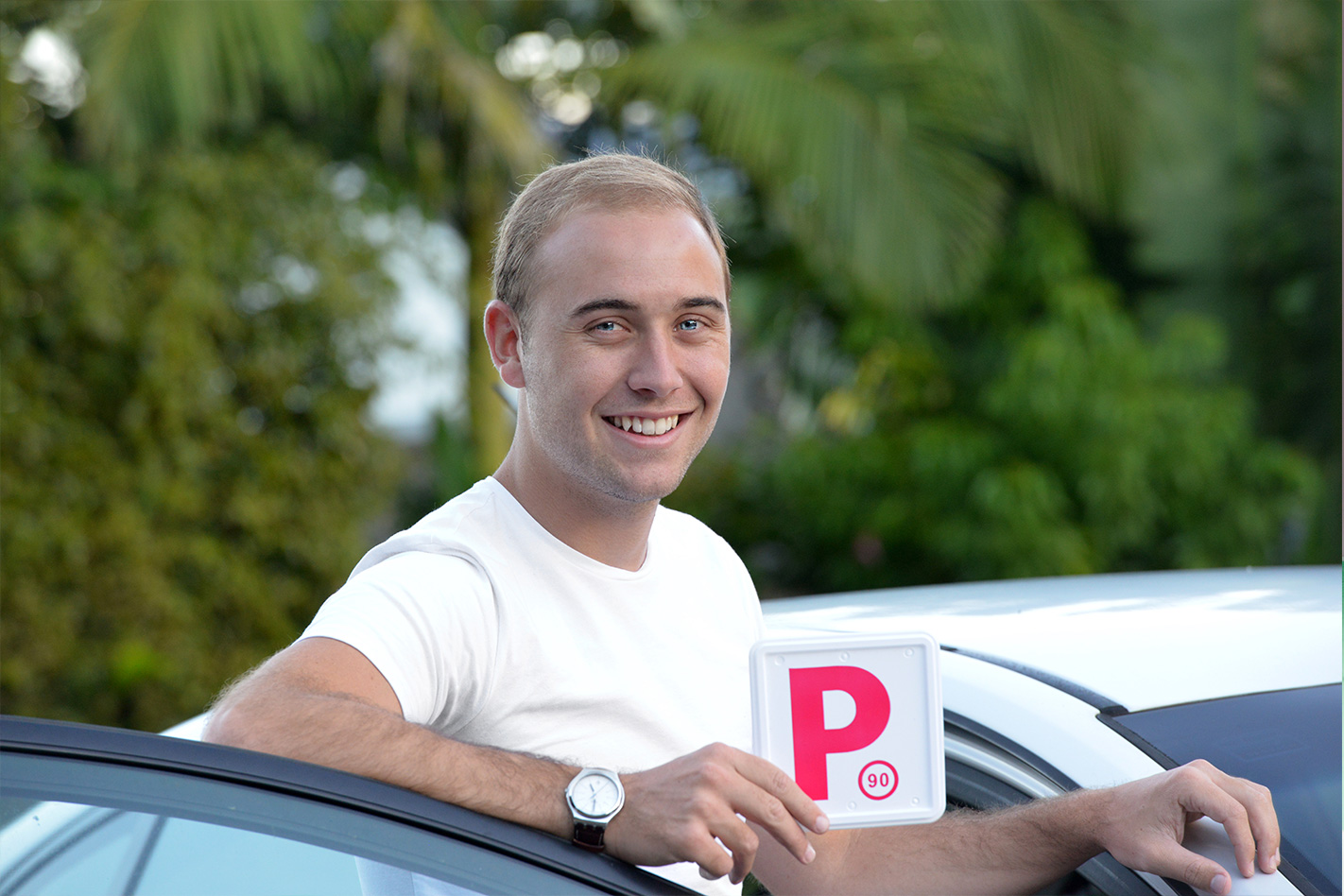
What you need to know about getting your L and P plates in Australia
The opportunity to earn your learner or probationary licence is an exciting time for many new drivers and their families, but they must follow significant restrictions.
As the road rules in Australia are enforced at a state level, there are slight variations on what restrictions are applied to new drivers depending on their place of residence.
While there are differences in rules, each state and territory has a strict zero-tolerance policy for alcohol and drugs for both L- and P-plate drivers.
Here is a run-through of critical rules and regulations facing learner and probationary drivers on the road across Australia’s different states and territories.
1
The important numbers up front
You’ll find more detail if you continue reading, but here’s the important numbers side-by-side.
This guide outlines the restrictions for learner (L) and provisional (P) drivers in each state and territory of Australia. Rules vary depending on where you live, but all states enforce a strict zero-tolerance policy for alcohol and drugs.
Important: Always confirm with your local transport authority for up-to-date road rules and licensing requirements.
Australian Capital Territory (ACT): Learner and provisional licence rules
What age do I have to be to get a licence in the ACT?
Minimum age for a learner licence: 15 years, 9 months
Minimum age for a provisional licence: 17 years (requires 12 months on a learner licence with logged hours)
How many passengers can I carry in the ACT?
P1 drivers: Only one passenger allowed between 11pm and 5am, unless they are a family member or the travel is for work or education.
Learner and P2 drivers: May carry passengers up to the vehicle’s legal seating capacity.
Can I tow a trailer in the ACT?
Learner and P1 drivers: Restricted to trailers with a combined weight (trailer + load) of no more than 750kg GVM.
How fast can I drive in the ACT?
Learners and P-plate drivers: Allowed to drive at the posted speed limit for the road.
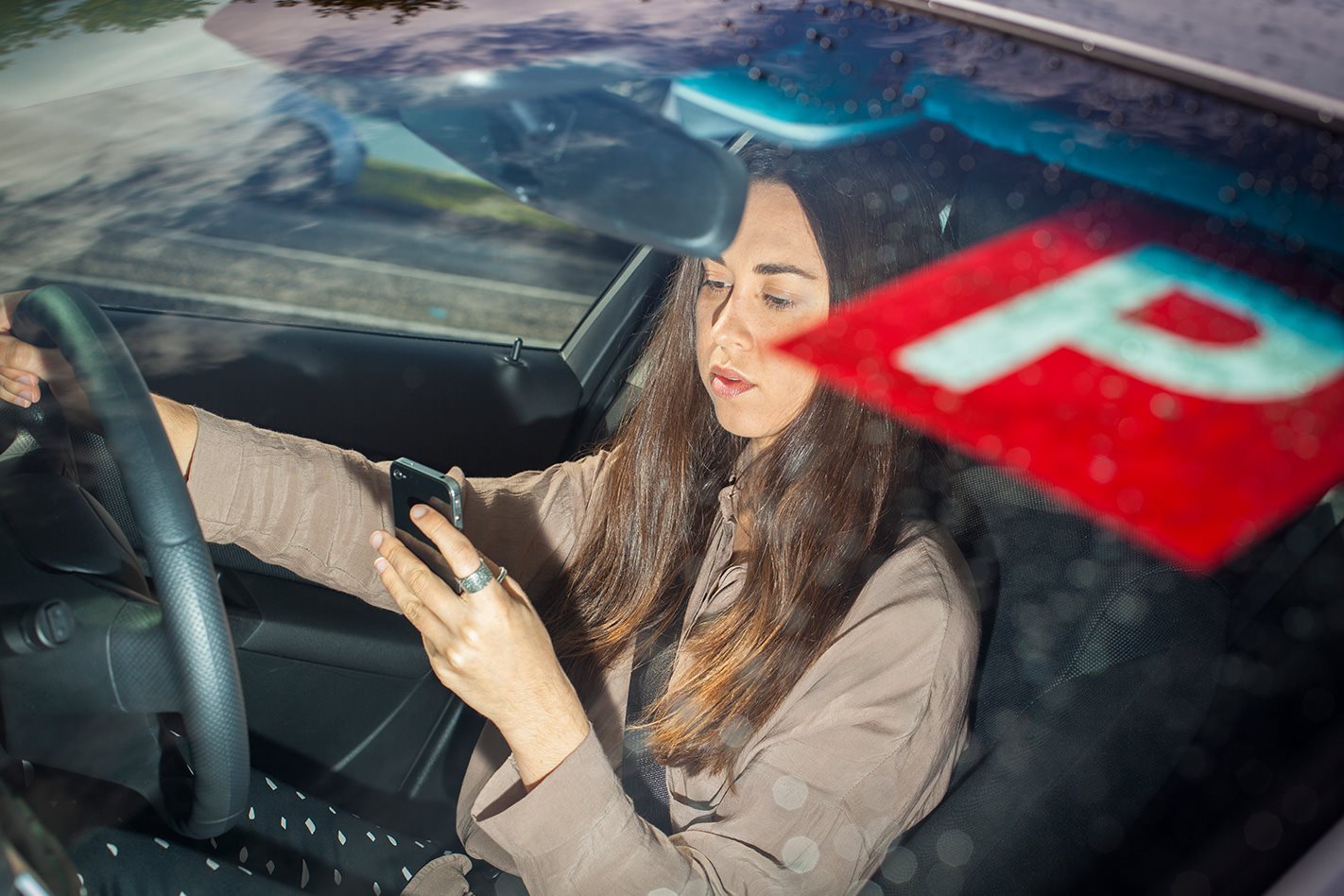
Can I use my phone whilst driving in the ACT?
Learner and provisional drivers are prohibited from using mobile devices while driving.
This includes hands-free or Bluetooth-enabled features. Mobile phones may only be used for GPS, music, or podcasts if set before driving and not touched during the trip.
What vehicles are prohibited in the ACT?
There are no vehicle restrictions for provisional drivers in the Australian Capital Territory.
1
New South Wales
What age do I have to be to get a licence in NSW?
Minimum age for a learner licence in New South Wales: 16 years
Minimum age for a provisional P1 licence: 17 years (requires 12 months on a learner licence and logbook hours if under 25).
How many passengers can I carry in NSW?
P1 drivers under 25: Limited to one passenger under 21 years between 11pm and 5am.
P1/P2 drivers returning from suspension: Limited to one passenger for 12 months.
Can I tow a trailer in NSW?
Learners: Cannot tow trailers or other vehicles.
P1 drivers: Limited to trailers with an unladen mass of no more than 250kg (loaded weight may exceed this).
How fast can I drive in NSW?
Learners and P1 drivers: Maximum 90km/h
P2 drivers: Maximum 100km/h
Can I use my phone whilst driving in NSW?
All learner and provisional drivers are prohibited from using mobile phones in any mode, including hands-free.
What vehicles are prohibited in NSW?
P1 and P2 drivers cannot drive vehicles with a power-to-weight ratio above 130kW/tonne or those classified as high-performance.
Exemptions may apply for work-related purposes or exceptional circumstances.
Drivers should note that other u2018high-performanceu2019 classifications may apply.
For example, a Subaru WRX is considered a ‘high-performance’ vehicle and banned for provisional drivers in New South Wales, despite several variants falling below the maximum power-to-weight ratio of 130kW per tonne.
According to Transport for NSW, a provisional licence holder is permitted to drive a prohibited vehicle if it needs to be driven for “genuine work purposes” or if “exceptional circumstances apply”.
What age do I have to be to get a licence in the NT?
Minimum age for a learner licence: 16 years
Minimum age for a provisional licence: 16 years, 6 months (requires six months on a learner licence).
How many passengers can I carry in the NT?
No passenger restrictions for learners or provisional drivers.
Can I tow a trailer in the NT?
Learners and provisional drivers may tow vehicles or trailers. L- and P-plates must be displayed on both the vehicle and the trailer.
How fast can I drive in the NT?
Learners: Maximum 80km/h
Provisional drivers: Maximum 100km/h
Can I use my phone whilst driving in the NT?
Prohibited for learner and provisional drivers, including hands-free usage.
What vehicles are prohibited in the NT?
None for provisional drivers.
1
Queensland
Note: Queensland is currently reviewing its learner driver licence process, including the supervised driving hour requirements. While no changes have been implemented yet, this review may lead to adjustments in the future.
What age do I have to be to get a licence in Queensland?
Minimum age for a learner licence: 16 years
Minimum age for a provisional P1 licence: 17 years (requires 12 months on a learner licence with logbook hours if under 25).
How many passengers can I carry in Queensland?
P1 drivers under 25: Limited to one passenger under 21 years between 11pm and 5am, unless they are immediate family.
Can I tow a trailer in Queensland?
Learner and provisional drivers may tow vehicles or trailers with L- or P-plates displayed.
How fast can I drive in Queensland?
No specific speed restrictions; L- and P-plate drivers must adhere to the posted speed limits.
Can I use my phone whilst driving in Queensland?
Learners and P1 drivers under 25: Prohibited from using mobile phones in any capacity, including hands-free. Passengers cannot use loudspeaker functions while driving.
What vehicles are prohibited in Queensland?
P1 and P2 drivers are restricted from operating vehicles with a power-to-weight ratio above 130kW/tonne or modified for performance.
A provisional licence holder with an automatic-only condition can drive a prohibited vehicle with a manual transmission to learn, but only when a fully-licenced driver sits beside them and provides supervision.
What age do I have to be to get a licence in Tasmania?
Minimum age for a learner licence: 15 years, 11 months
Minimum age for a provisional licence: 17 years
How many passengers can I carry in Tasmania?
P1 drivers (first 12 months): Limited to one passenger aged 16-21, excluding immediate family.
This restriction applies 24/7, although exemptions apply for employment, education or training, medical purposes, undue hardship, emergency services, or travelling with a fully-licenced driver beside you.
Learner drivers and P2 drivers can carry up to the passenger capacity of the vehicle they are driving.
Can I tow a trailer in Tasmania?
Learners cannot tow vehicles or trailers.
P1 and P2 drivers may tow vehicles or trailers.
How fast can I drive in Tasmania?
Learners: Maximum 90km/h
P1 drivers: Maximum 100km/h
Can I use my phone whilst driving in Tasmania?
Learners and P1 drivers cannot use mobile phones, including hands-free, but maps and audio media can be used if settings are applied before driving.
P2 licence holders are allowed to use a mobile phone hands-free in Tasmania.
What vehicles are prohibited in Tasmania?
No restrictions for P1 or P2 drivers.
1
Victoria
What age do I have to be to get a licence in Victoria?
Minimum age for a learner permit: 16 years
Minimum age for a probationary licence: 18 years – and you must have held a learner permit for at least 12 months with the required driving hours if aged under 21.
For additional information, refer to the VicRoads website’s u2018How to get your Psu2019 [u2197] guide.
How many passengers can I carry in Victoria?
P1 licence holders in Victoria cannot carry more than one peer passenger aged 16 to less than 22 years of age, excluding a spouse/domestic partner or siblings/step-siblings. This rule applies 24/7.
Learner and P2 licence holders can carry up to the passenger capacity of their vehicle.
Can I tow a trailer in Victoria?
Learners and P1 drivers cannot tow vehicles or trailers unless supervised for employment purposes:
A P1 licence holder can tow another motor vehicle or trailer if it is in the course of employment and requested by an employer, or if a fully-licenced driver is sitting beside the probationary driver.
P2 licence holders can tow another motor vehicle or trailer.
How fast can I drive in Victoria?
No specific speed restrictions; drivers follow posted limits.
Can I use my phone or other devices whilst driving in Victoria?
Prohibited for learners and probationary drivers, including hands-free and built-in systems.
Mobile phone and seatbelt detection cameras were introduced in the state on March 31, 2023.
P1 and P2 drivers cannot operate vehicles with a power-to-weight ratio above 130kW/tonne or modified for performance.
According to VicRoads, a probationary licence holder can drive a prohibited vehicle if a fully-licenced driver sits beside them and provides supervision.
Minimum age for a provisional P1 licence: 17 years
When is driving banned in WA?
P1 provisional licence holders are not permitted to drive between midnight and 5am for the first six months they hold a driver’s licence in Western Australia (with some exemptions).
How many passengers can I carry in WA?
There are no passenger capacity restrictions for learner and provisional drivers in Western Australia.
Can I tow a trailer in WA?
No towing restrictions for L- or P-plate drivers.
How fast can I drive in WA?
No specific restrictions; drivers follow posted limits.
Can I use my phone whilst driving in WA?
Limited hands-free use is permitted, but touching the phone is prohibited.
What vehicles are prohibited in WA?
No restrictions for provisional drivers.
1
Other frequently asked questions
What is the blood alcohol limit for L- and P-plate drivers?
All L- and P-plate drivers must have a zero blood alcohol concentration nationwide.
Is food delivery such as Uber Eats allowed for P-plate drivers?
There are no mandated conditions for these services, although they do apply their own restrictions.
Uber Eats, Menulog: P-platers are not allowed.
DoorDash: Permitted with appropriate insurance.
All independent drivers in Australia seeking to deliver items should have third-party insurance as a minimum u2013 and this is often a requirement for most delivery services.
Can P-platers rent cars?
Rental policies vary: Most companies require drivers to be over 21 with a full licence.
Car rental requirements by brand
Avis
Must be aged over 21 nationwide; must have held a full driveru2019s licence for 12 months. Young driver surcharge may apply
Budget
Must be aged over 21 nationwide; must have held a full driveru2019s licence for 12 months. Young driver surcharge may apply
Europcar
Must be aged over 21 nationwide; must have a full driveru2019s licence. Young driver fee applies if aged between 21 and 25
Hertz
Must be aged over 21 nationwide; must have full driveru2019s licence in Tasmania
Thrifty
Must be aged over 21 nationwide but can drive on P-plates if held for 12 months.
Navigating the licensing rules for learner and provisional drivers in Australia can feel complex, given the variations across states and territories.
Thankfully, most drivers will only need to think about just one state.
It’s essential, of course, to consult the official transport authority in your state or territory to ensure compliance with the latest regulations.
Drive safe!
Here’s some more reading
Snapshot
First-ever All-Electric JCW and All-Electric JCW Aceman set to be introduced to Australia in first quarter of 2025
Both variants will include styling and performance enhancements
All-Electric JCW capable of up to 371km of driving range and JCW Aceman 355km (WLTP)
Priced at $63,990* for All-Electric JCW and $65,990* for All-Electric JCW Aceman
MINI Australia has announced all-electric versions of its high-performance John Cooper Works models will arrive in Australia in the first quarter of 2025.
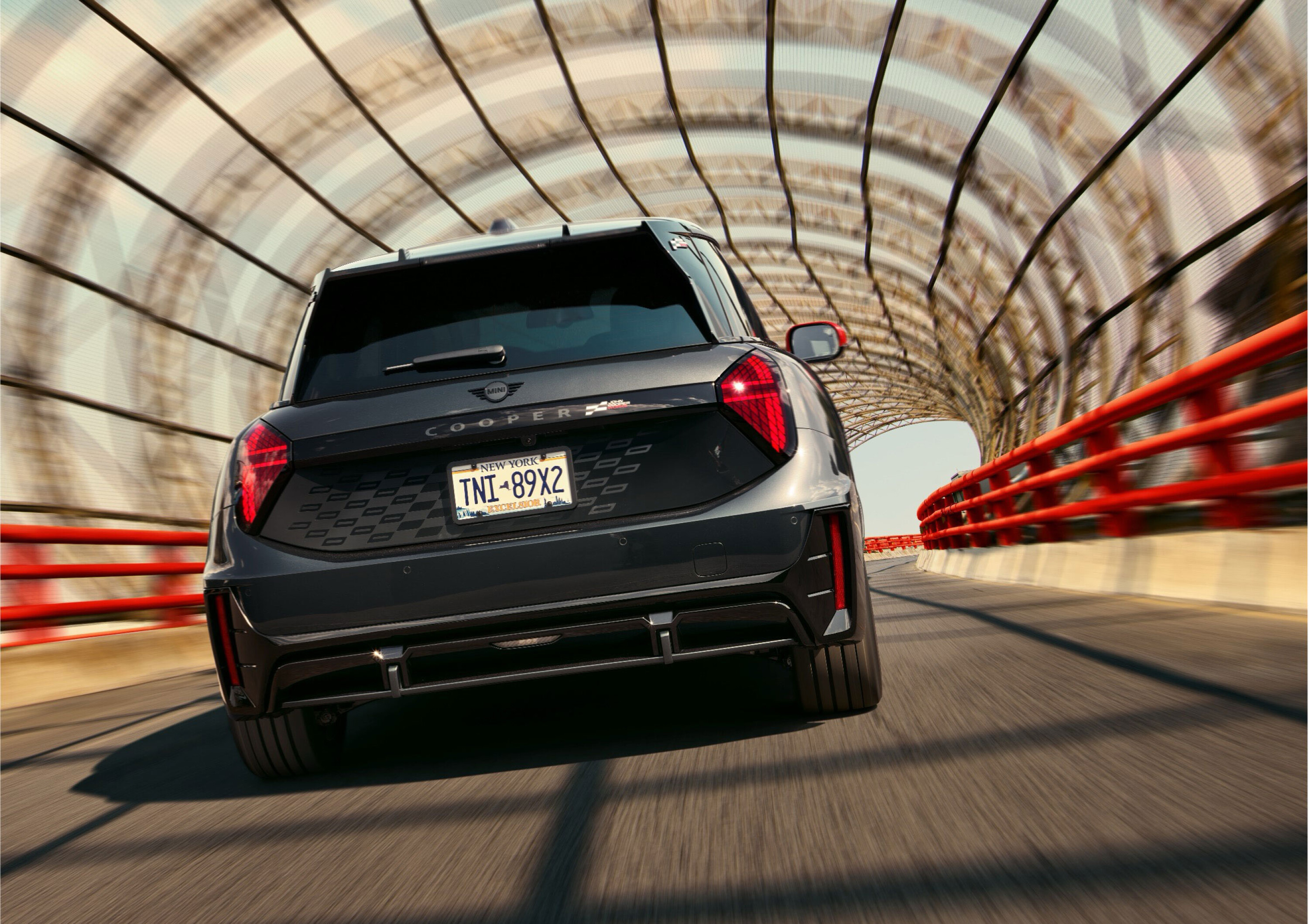
The All-Electric John Cooper Works and All-Electric JCW Aceman variants, which debuted at the 2024 Paris Motor Show earlier in 2024, each feature a more aerodynamic design to match output from the electric motor.
Each front-wheel-drive vehicle achieves a maximum output of 190kW and 350Nm, the Works three-door covering 0 to 100km/h in 5.9 seconds, while the Works Aceman notches 6.4 seconds. Both models have a top speed of 200km/h. Driving range is cited at a WLTP-rated 371km for the Works variant and up to 355km for the JCW Aceman.
1
The back story to these small but powerful Minis goes back more than six decades when John Cooper set about developing a sportier version of the classic Mini. His cars went onto claim rally and race victories before being realised as a commercial option for consumers.
The new fully electric models call on an additional 20kW of electric power when activating ‘go-kart mode’ via a steering wheel paddle to boost acceleration. Suspension and braking systems are optimised to enhance the agile, road-gripping go-kart experience. Aerodynamically optimised wheel designs are available exclusively for the all-electric MINI John Cooper Works in 18-inch and in 19-inch size for the MINI John Cooper Works Aceman.
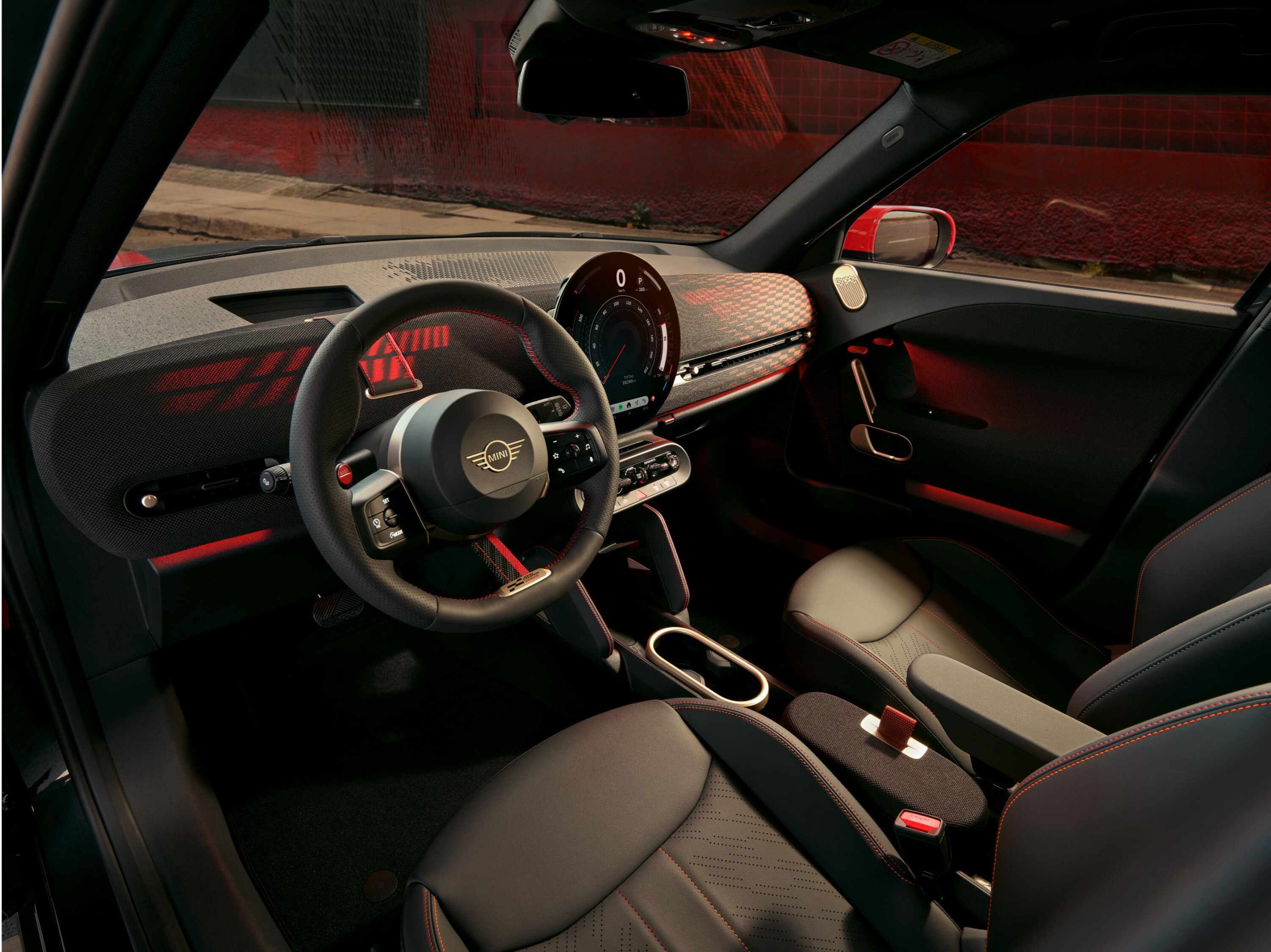
The design language of both variants is suitably racy, the red, white and black John Cooper Works logo reminiscent of a chequered flag, while a black and red pattern adorns the knitted surface of the dashboard.
1
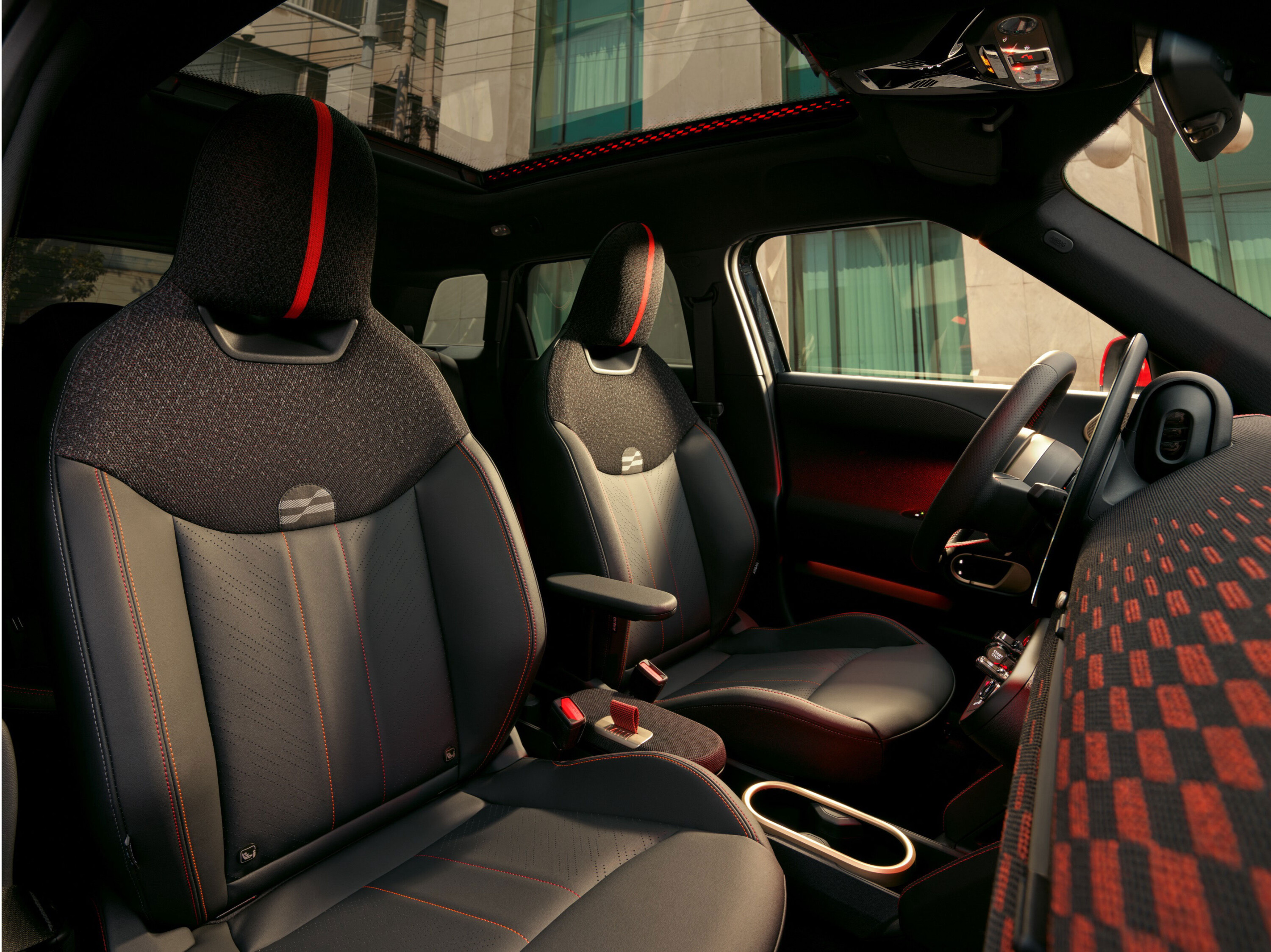
The JCW driver and front passenger seats are upholstered in black vegan leather with multicoloured knitted fabric at the shoulders and red accent stitching.
Tech upgrades include a high-resolution OLED display where driver and front passenger can access air conditioning, media, phone and navigation settings. Drive assistance tech includes automatic speed and distance control for more convenient city driving.
“We are thrilled to introduce these new additions to our line-up, bringing together the renowned road feel and engagement of John Cooper Works MINI models with the instantaneous power delivery and response of our fully electric offerings for maximum driving fun,” said Alexander Brockhoff, General Manager, MINI Australia & New Zealand.