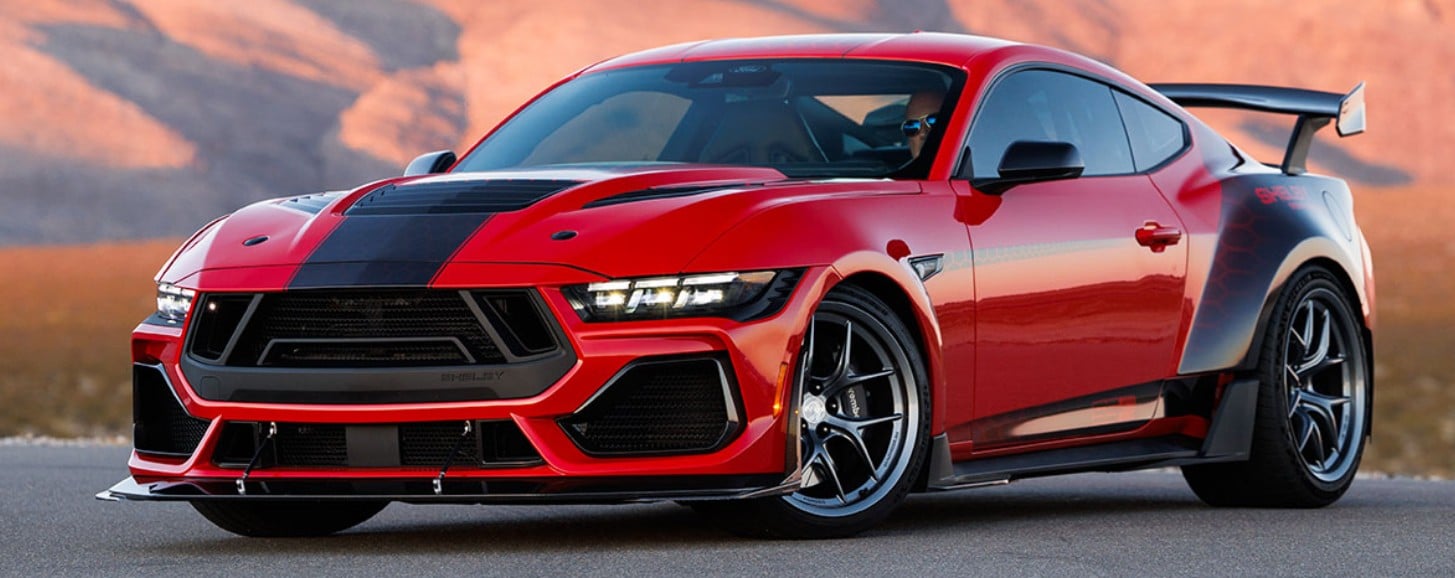
A nest of vipers is about to be unleashed on Australian roads as the latest Shelby GT 350 Mustang arrives down under.
More than a dozen 2025-model GT 350s are set for customers with the promise of 357 kiloWatts of V8 muscle and a range of Shelby performance upgrades. The GT 350s follow the Shelby Super Snake, the current headliner from the US performance company, complete with 600 kiloWatts of supercharged power.
Further down the road, likely before the end of the year, there will also be the first Super Snake R (below). Shelby cars for Australia are built using a package of upgrade parts shipped from Shelby American in Las Vegas, through the local agent, Mustang Motorsport in Melbourne. The differences between the GT 350 and Super Snake are obvious, including the number of cars and the bottom line.
“We’re going to be building our first GT 350s next month. It’s $45,000 on top of the cost of the donor car,” the co-owner of Mustang Motorsport in Ferntree Gully, James Johnson, tells Wheels. “But most people will add the supercharger on top, which is $70,000. It’s Shelby’s 810-horsepower (604kW) package.”
The flagship takes a big step up.
“The Super Snake package here is $170,000 on top of the car. We call it the hamburger with the lot,” says Johnson. “It’s drive-in, drive-out We do second stage manufacturing engineering work, so it’s all road legal in Australia.”
But that’s not the end of the Shelby story, or even the beginning.
“We have our first order for a Super Snake R. That’s a wide-body car that can only be built on a Mustang Dark Horse. That’s the top tier car. It’s four inches wider in the rear, wider in the front, and runs on 12.5-inch rear wheels. I’m still getting the final sign-off, but I have one pre-order and he has the donor car and his cheque book.”
According to Johnson, there is strong demand for the Shelby cars based on their performance and the history of the brand with the Cobra badge.
“We were the first Shelby mod shop outside America. It was in ’07 or 08,” he says. “We’ve been doing more business now we had the (factory) right-hand drive vehicles. It’s a continuous flow.
“Shelby brings out a new model every couple of years. And we build them if people want them. It’s a small-volume niche model.”
Johnson says the production total for the Super Snake is growing quickly.
“We’ve been allocated 20 cars a year. In America they are limited to 200 a year. By the end of this year we will have finished cars. It’s a big package. It’s got magnesium wheels and runs a carbon fibre front end. New bonnet, carbon fibre wings. It’s a fully body upgrade, with leather on the interior trim. And 305 tyres all around.”
He says the difference for the GT 350 is less reliance on power.
“It’s more about handling and styling. It’s a new bonnet, suspension, wheels, spoiler and body design. It can be done without a supercharger. But every angle is covered.”
Johnson says there has been a slight delay in the arrival of GT 350 packages, after a sell-out in the USA, but local deliveries will ramp-up in 2026.
Car modifications are a hot topic among Australian motorists – and social media is adding fuel to the fire. From lifted suspensions to tinted windows, thousands of TikTok videos debate what’s legal and what could get you fined.
But according to Astor Legal lawyer Avinash Singh, many drivers don’t realise how strict the laws around vehicle alterations actually are. Singh warns that “any modification of a vehicle which is not approved by the relevant state’s transport authority is considered illegal.”
1
“Drivers should be especially cautious about changes that affect the body, engine, suspension, brakes or chassis,” Singh says. “Even common tweaks like wheel spacers, under-glow lighting, or overly dark window tinting can be unlawful if not approved.”
According to 4wheelHouse, other prohibited modifications may include removing mud guards or altering safety features that were part of the original vehicle design.
Each Australian state and territory has its own vehicle modification rules — and the fines vary significantly.
New South Wales: Under Regulation 84 of the Road Transport (Vehicle Registration) Regulation 2017, it’s illegal to use or permit use of an unlawfully modified vehicle. The maximum fine is $2200.
Victoria: Regulation 257 of the Road Safety (Vehicles) Regulation 2009 carries a penalty of just over $1000 for driving a non-compliant vehicle.
Tasmania: Regulation 138 of the Vehicle and Traffic (Driver Licensing and Vehicle Registration) Regulations 2021 sets fines at around $2000.
Queensland: Under Regulation 19 of the Transport Operations (Road Use Management—Vehicle Standards and Safety) Regulation 2021, owners who allow illegal modifications face fines of up to $10,000 — the highest in the country.
Western Australia: Regulation 235 of the Road Traffic (Vehicles) Regulations 2014 prohibits unapproved alterations from manufacturer specifications, with fines up to $800.
South Australia: The Road Traffic (Light Vehicle Standards) Rules 2018 impose penalties of around $1000, depending on the modification.
Singh notes that “there are exemptions for vehicles that are not driven on public roads or road-related areas,” and that owners can apply for approval through their state’s road transport authority.
Drivers wishing to challenge a fine or defect notice will need expert evidence, Singh says – such as a mechanic’s report comparing the car’s specifications to legal standards.
“Ultimately,” he adds, “knowing the law before you modify your car can save you a great deal of money and trouble.”
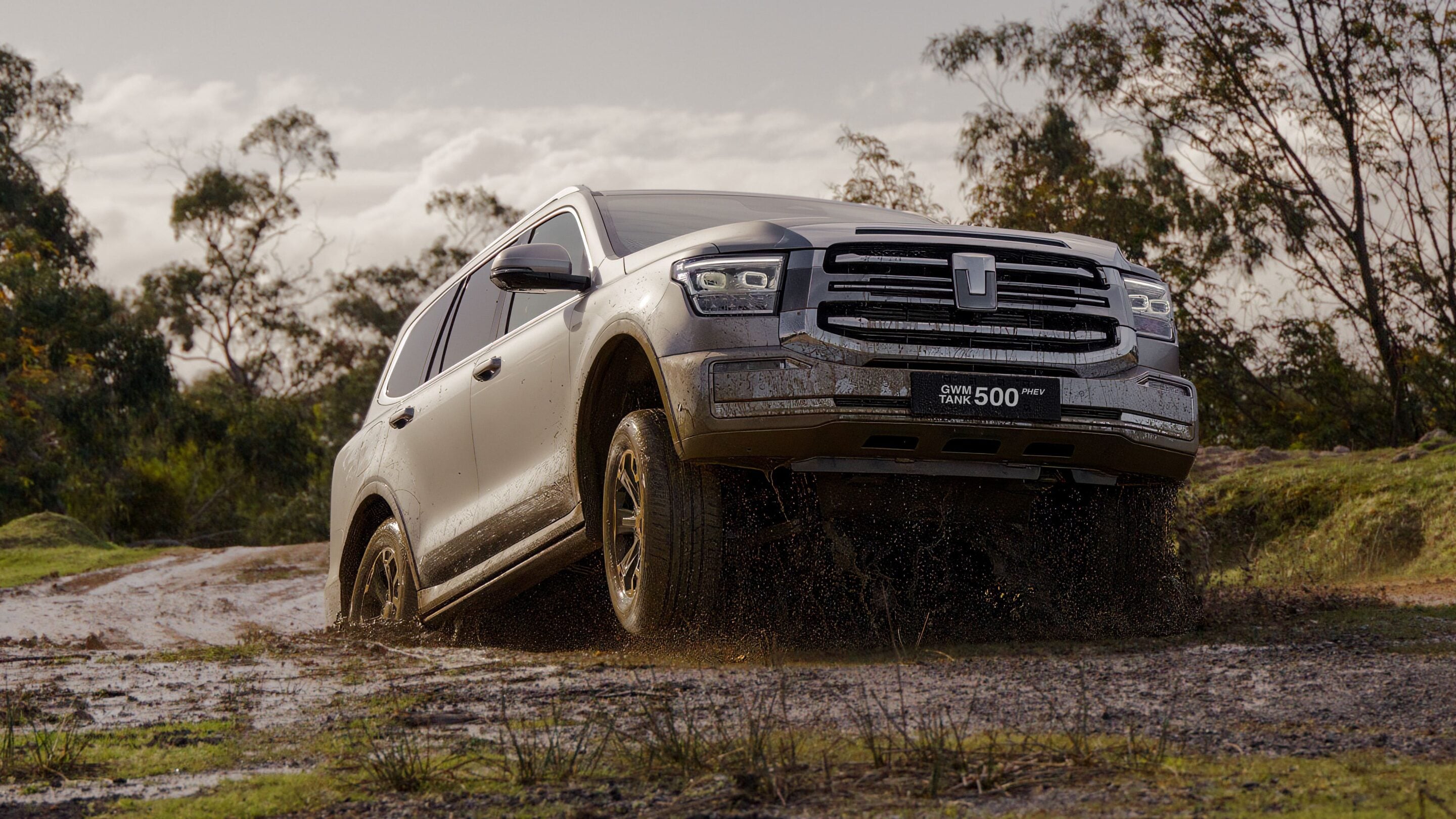
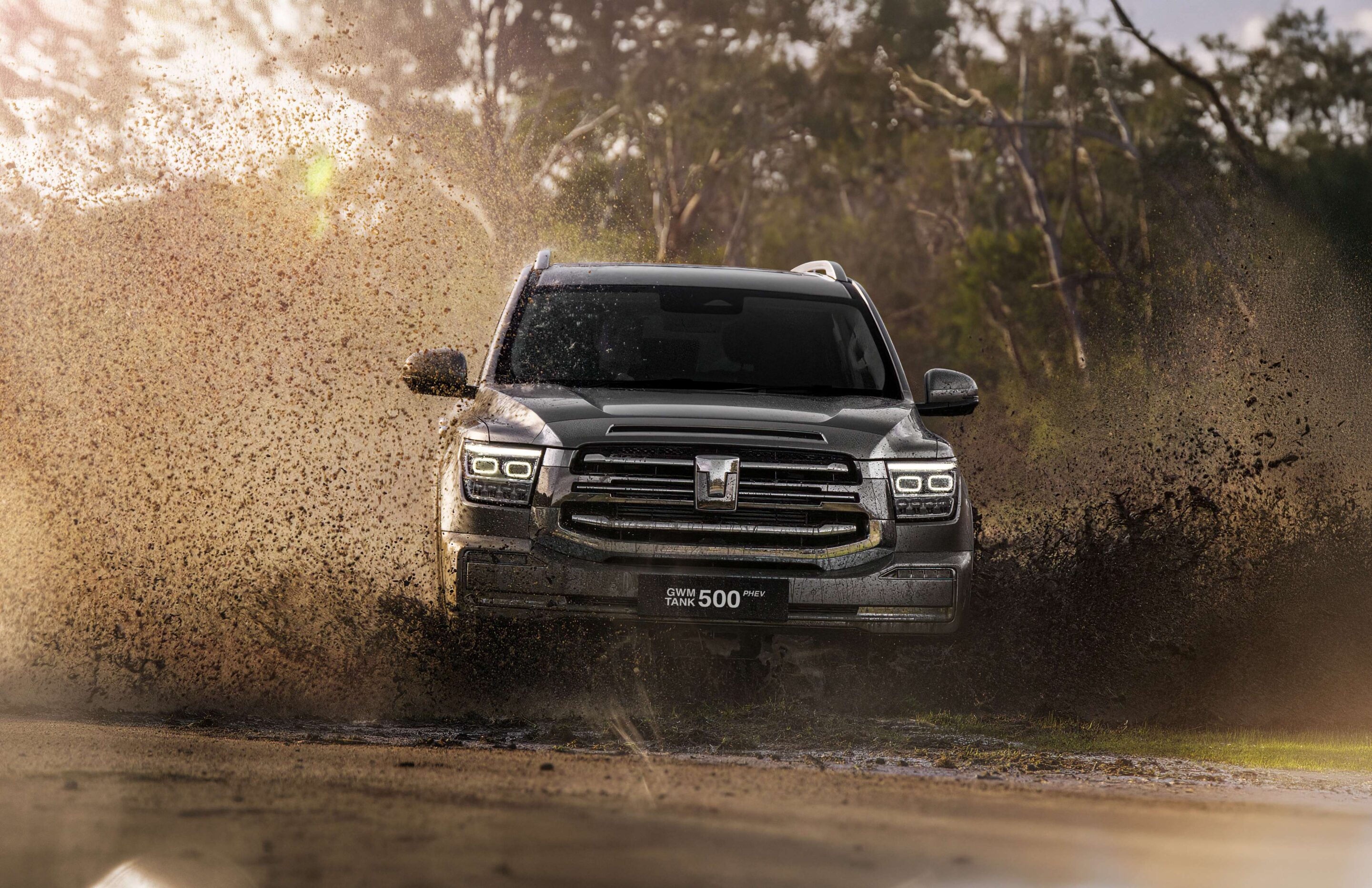
GWM has marked a major milestone in its Australian journey with the launch of the new Tank 500 Hi4-T Plug-in Hybrid, unveiled shortly before the brand detailed an ambitious growth strategy at the company’s recent 2025 Tech Day event.
The Tank 500 Hi4-T arrives as GWM’s most powerful and luxurious SUV yet — priced from $79,990 driveaway, or $77,990 with an early-bird launch offer. It is the brand’s fourth plug-in hybrid this year and the second to feature GWM’s innovative Hi4-T hybrid technology, combining dual electric motors with a 2.0-litre turbo petrol engine and mechanical four-wheel drive. The result is a formidable 300kW and 750Nm, a 6.9-second 0–100km/h sprint, and fuel consumption of just 2.1L/100km.
2
Built to deliver luxury as well as off-road muscle, the Tank 500 Hi4-T boasts locking front, centre and rear differentials, 800mm wading depth, and 3-tonne towing capacity, keeping faith with the Tank brand’s rugged roots. Inside, premium features include Nappa leather-accented seats with heating, cooling and massage, a 14.6-inch infotainment screen, and Infinity premium audio. A 37.1kWh battery supports Vehicle-to-Load (V2L) functionality, providing 6kW of off-grid power for adventurous owners.
At Tech Day 2025, GWM also confirmed the Haval H6 AWD PHEV (Hi4) as another new addition to its expanding hybrid portfolio, underscoring its vision of high-performance, low-emission mobility for both urban and off-road drivers. Over three days, the brand showcased its Hi4 and Hi4-T hybrid systems, alongside new technologies and its Australian-Tuned Driving Dynamics (AT-1) program, led by local expert Rob Trubiani. The AT-1 program’s refined suspension and steering calibrations for Australian conditions will enter production in November 2025.
GWM’s Chief Technology Officer Nicole Wu also announced that Australia will be the global debut market for a new 3.0-litre diesel engine, due mid-2026, broadening the brand’s powertrain options.
2
Looking ahead, GWM plans to expand its national dealer network to 125 and is targeting 75,000 annual sales and a Top 5 market position by 2025. The company also revealed plans to launch its premium WEY brand locally, previewed with the WEY G9 SUV.
Head of Marketing and Communications Steve Maciver said the “Be More Tank” campaign for the new Tank 500 symbolises GWM’s refreshed brand identity — one built on attitude, aspiration and relevance for the Australian market.
Tank 500 Hi4-T Plug-in Hybrid Specs
HYBRID
Hi4-T PHEV
Engine Size
1998
1998
Gearbox
9-Speed Hybrid Automatic Transmission(9HAT)
9-Speed Hybrid Automatic Transmission(9HAT)
Combined kW
255
300
Combined Nm
648
750
Engine kW
180Kw @ 5,500-6,000
180Kw 5,500-6,000
Engine Nm
380Nm @ 1,700-4,000
380Nm @ 1,700-4,000
Motor kW
78kW
120kW
Motor Nm
268Nm
400Nm
0-100 kmph (seconds)
8.5
6.9
Combine range (L/100km) (NEDC)
8.5L/100
2.1L/100
Combine range (km) (NEDC)
–
950
Co2 g/km
199
47
EV range kms (NEDC)
–
120
Battery capacity
1.76 kWh
37.11kWh
Battery chemistry
–
Nickel Manganese Cobalt
Fuel (RON)
91
91
Fuel Tank
80
70
3
Wheels was in Maranello to test the new 296 Speciale and take a close look at the architecture that will underpin Ferrari’s first fully-electric vehicle, and the following day at the manufacturer’s presentation and investor update, the share price took a significant hit – down 15 per cent.
That hit came despite Ferrari continuing to sell strongly in key markets around the world, the brand lifting annual guidance and laying out even more ambitious long-term revenue and profit targets. Interestingly, it would appear that investors have reacted negatively to Ferrari’s revised expectations for the transition to electric production, where it has cut its 2030 target from 40 per cent down to 20 per cent.
1
The share price hit came hot on the heels of the global first drive of the 2026 Ferrari 296 Speciale, with its hybrid powertrain, that the brand used as the opportunity to tell global media it would continue to focus on internal combustion combined with hybrid technology.
As part of that strategy, Ferrari has halved its fully-electric model mix.
Ferrari is just one of the brands caught in the crosshairs of government demands that vehicles should be electric, customers who don’t want electric electric vehicles in the numbers that governments want, and development and production costs, which remain prohibitive. In an investment market where some investors are heavily and aggressively EV-focused, the move by Ferrari might be seen as sitting on the fence.
Ferrari CEO Benedetto Vigna, who had presented the first electric Ferrari to the world’s media the day before, effectively admitted that Ferrari is caught between a rock and a hard place, stating that Ferrari customers still largely wanted the emotional connection provided by an internal combustion engine.
1
“There are still many opportunities to make internal combustion engines more efficient,” Vigna said. “We are investing in all technologies that can bring more emotion and more performance. This is not a revolution for Ferrari. It is the next chapter of the same story and we have always been driven by innovation, but we never forget where we came from.”
The fascinating part of the next period for Ferrari, is that it enters the next phase in a stronger position financially than it ever has before. Profit per vehicle sold is at a record high, money spent by customers on the personalisation element of the business is at record levels, and demand for wildly expensive one-off models is also high. And yet, investors remain sceptical of where the brand sits in regard to the transition to electric.
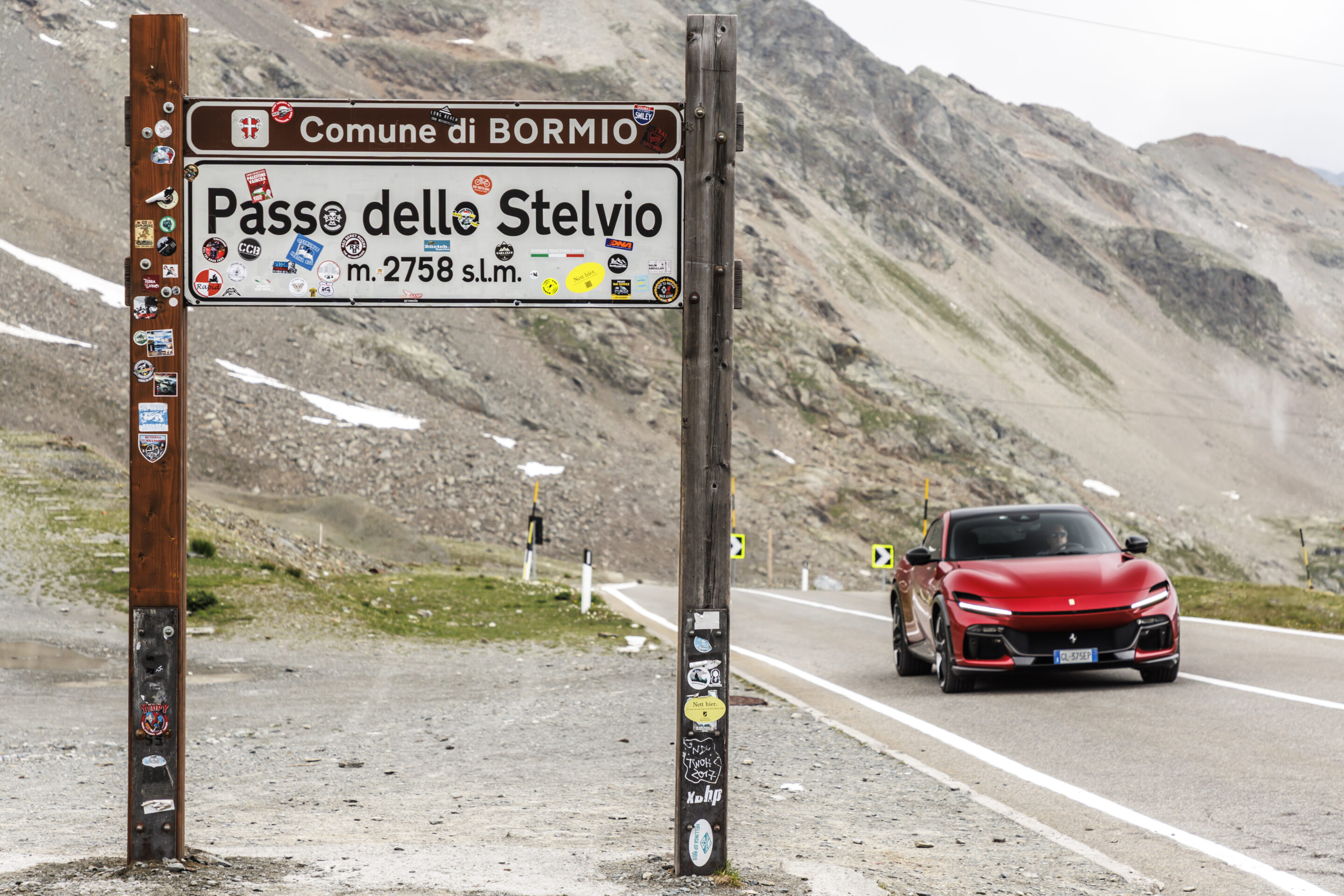
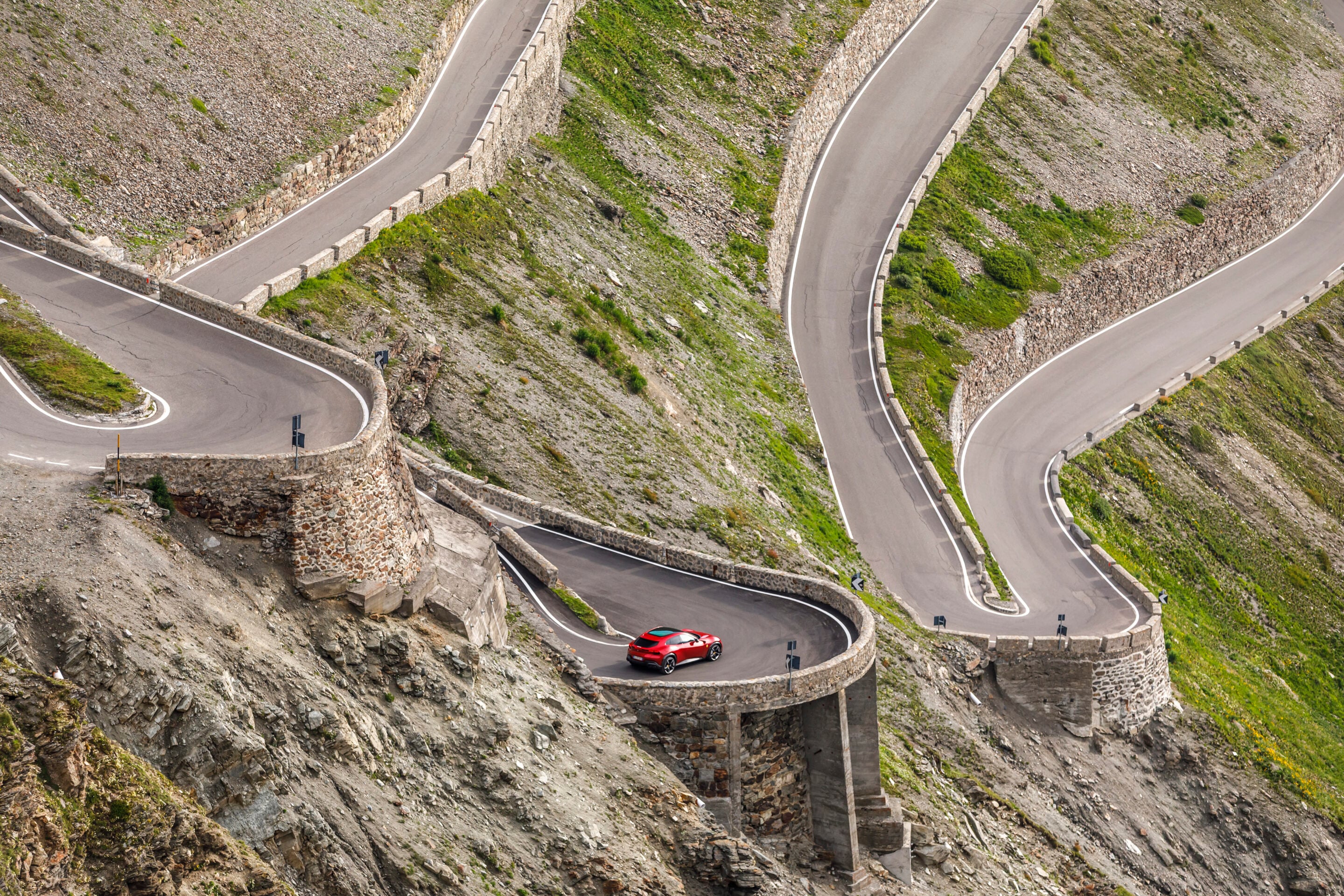
Two days before a planned trip up and over the Stelvio Pass we learn that we’d managed to pick the exact weekend of the 200th anniversary celebrations for the famous road, Italy’s highest and the third highest in Europe.
That news had ‘recipe for disaster’ written all over it, and commonsense should have told us to change our plans and create another route – but the Stelvio Pass is something special. It’s universally known by even those not even interested in cars as one of the most spectacular roads to drive on earth. As such, we don’t even bother coming up with a Plan B. Traffic jams, 200th anniversary celebrations or not – the famous pass has too much pull.
Our chosen steer for the occasions? Well, we pick a SUV. Ahh yes, SUVs and the Wheels reader, what do I even say here – there’s some love, some hate and thankfully a fair dose of commonsense.
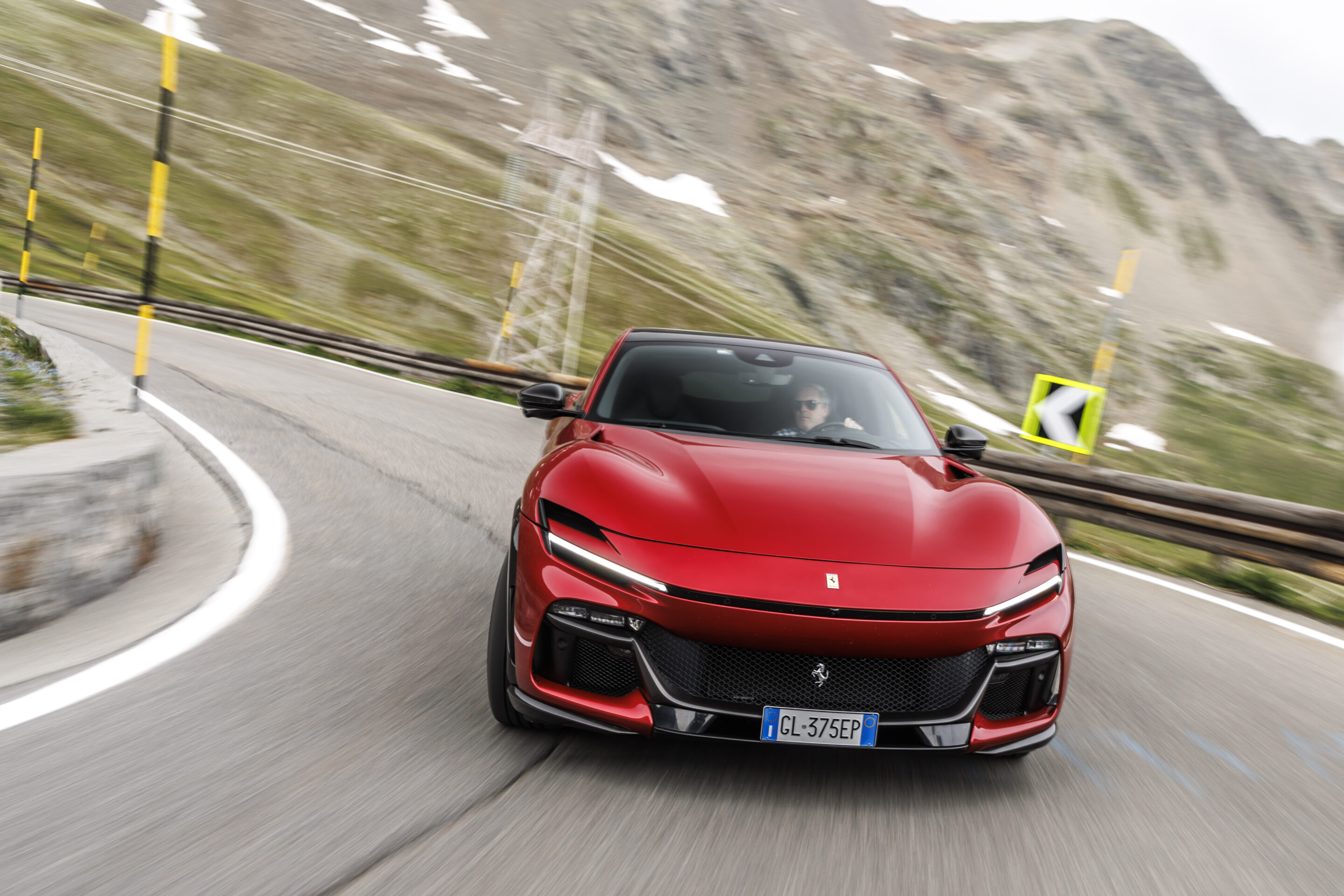
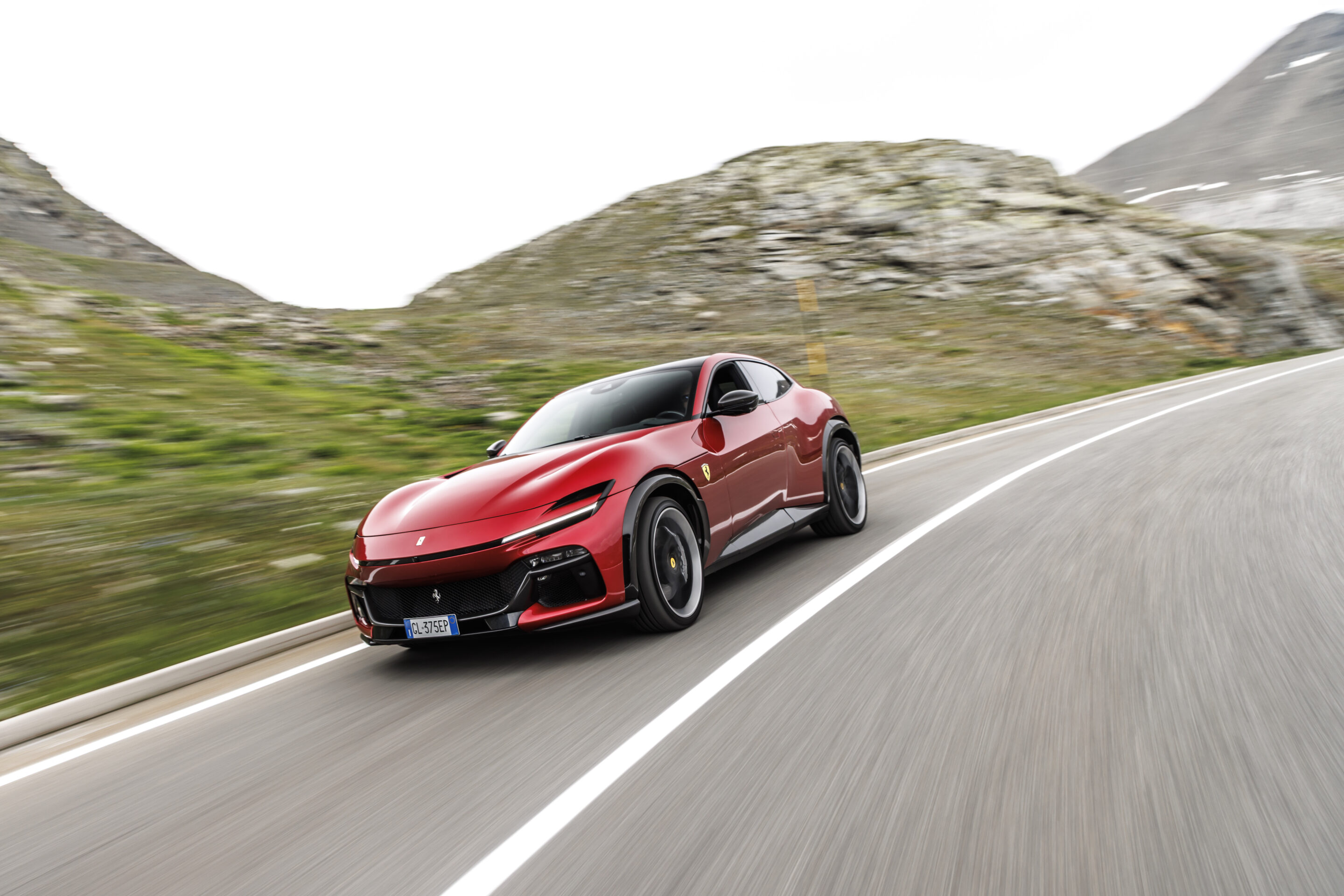
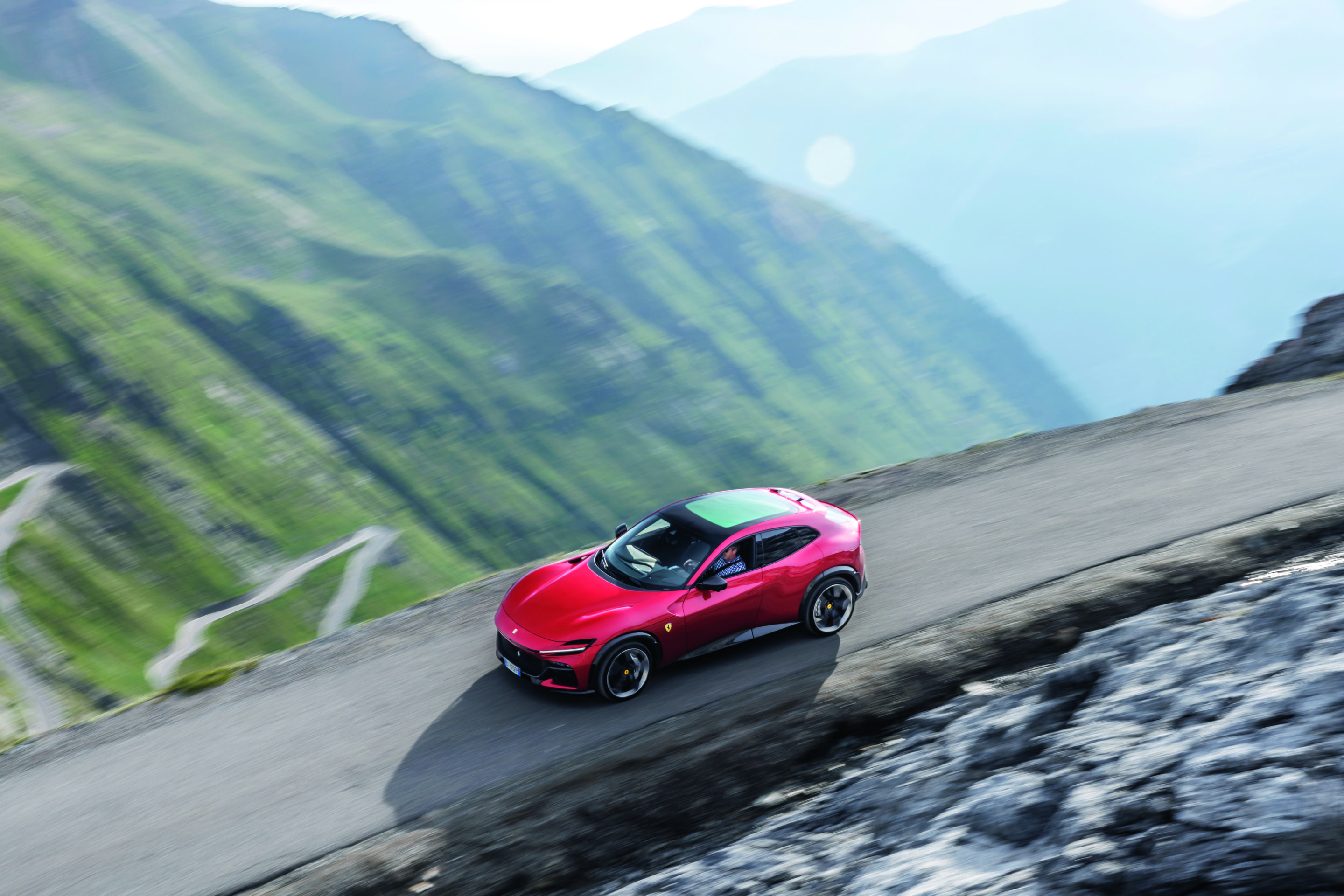
Then again, this isn’t any normal SUV. Sitting somewhere between performance four-seater sedan and, well, an SUV, is the Ferrari Purosangue. Yes, it’s a significant departure from what we know a Ferrari to be. It’s by no means Ferrari’s first production AWD vehicle (that was the FF of 2011) but it is their first play at producing something so high sitting on the road. Not that the brand refers to the Purosangue as an SUV. Ferrari insists that it’s a four-door, four-seater sports car. With a 6.5-litre naturally aspirated V12 producing 533kW, you could say they have a point.
1
The proportions are generous, but the footprint isn’t overly excessive. Compared with rivals, it measures 130mm less in length than Lamborghini’s Urus and sits more than 30mm shorter than Aston Martin’s DBX. Its width, however, surpasses both, giving the car a planted, muscular look that’s reinforced by compact overhangs. Standing 1589mm tall, it rides nearly 100mm lower than those competitors. In fact, it looks more Porsche Macan-sized to my eyes – which is no bad thing.
For a four-door, four-seat machine, the figures are staggering: 533kW is delivered at 7750rpm, with 80 per cent of its 716Nm torque (573Nm) available from just 2100rpm, while peak torque is achieved at 6250rpm. The V12 sits in a front-mid position within the wheelbase, paired with an eight-speed dual-clutch transmission mounted at the rear axle, which channels power rearward and also works with a revised PTU (borrowed from the AWD GTC4 Lusso) that drives the front wheels.
The gearbox shares its seven lower ratios with the SF90 Stradale and 296 GTB, while the final eighth gear is tuned for cruising. Although there’s no hybridisation in the system, the engine and transmission can disengage to allow the car to coast.
This engineering layout achieves a 49:51 front-to-rear weight balance. The performance claims are equally aggressive: 0-100km/h in 3.3 seconds and a top speed beyond 310km/h. Kerb weight is 2180kg.
Beneath the skin lies a fresh aluminium structure offering 30 per cent greater torsional rigidity and 25 per cent more beam stiffness than the GTC4’s platform, all while shedding weight. Each wheel is managed by an advanced suspension set-up developed in partnership with Multimatic, the same engineering firm that collaborated with Ferrari on the SF90 Assetto Fiorano, the 296 GTB Assetto Fiorano, and the GT3 racer derived from the latter.
2
The system combines a conventional spring with an adaptive damper that incorporates Multimatic’s innovative ‘True Active Spool Valve’. By integrating a 48-volt electric motor into the hydraulic damper’s spool valve, significantly higher levels of force and frequency response are achievable than with standard adaptive or semi-active solutions. As a result, roll stiffness can be varied seamlessly, allowing the body to drop by 10mm under load, and eliminating the need for traditional anti-roll bars altogether.
Ferrari has also refined its all-wheel-drive architecture, evolving the system used in the GTC4 Lusso with new control software derived from the SF90. Complementing this is the independent four-wheel steering innovation first seen on the 812 Competizione.
So, to recap, this is no ordinary SUV…
To complete our crossing we also have something a little more traditionally Ferrari in tow in the form of a 12 Cilindri – a car Andy Enright drove back in March. Between the two of us we have 24 cylinders and 1143 kW and 1434 Nm of torque. Plenty enough to be noticed. To add to the fun, the day before departure we discover that the roads would be closed at 9am sharp. Anyone who has experienced European bureaucracy knows 9am sharp could also mean 7am. So we set our alarms early and depart our hotel at 6am.
The Stelvio Pass starts almost as a non-descript turn-off just outside of the northern Italian alpine town of Bormio. In fact, there’s next to nothing to indicate that by turning onto it you are about to be treated to one of the most – if not the most – picturesque roads known to man. I’ve been lucky enough to have been here a few times before, yet every time is just as impressive as the time before – it certainly doesn’t lose any of its capacity to awe, in fact it gets better. Just like your favourite driving road, you begin to know what to expect as each corner approaches. Sadly, if you pick the wrong day (say perhaps the upcoming 200th anniversary of its opening), you could find yourself in a 20-kilometre long traffic jam behind Dutch caravans and large guys on Vespas. Regardless of the state of the traffic, it’s certainly not the fastest way to get from Italy to Germany, but it’s hands down the most spectacular.
From my perched position in the Purosangue I’m looking down at the 12 Cilindri with envy. Am I wishing I was guiding it via rear wheels instead of my all four? Well, at first, yes. But once we hit a bunch of hairpin turns not even wide enough for a Abarth 695 I’m more than happy to be where I am, because our added height gives the advantage to the Purosangue.
Unfortunately as we start our climb we discover the local police are just ahead of us, meaning the fun appears to be over before it even starts… however this is Italy, so while they don’t pull us over with a warning to behave, they appear to encourage us to go for it by pulling over and letting us pass. Only in Italy.
1
Full of confidence from what we take to be a Carabinieri ‘green light’, we simply floor it. Wow. Besides a few rather blind one-lane tunnels, this is the definition of a driver’s road. Used regularly for Giro d’Italias, it’s definitely been resurfaced since I was last here. Does that matter to the all-wheel drive Purosangue? Not at all, it’s made to absorb all that is aimed at it – the fresh road surface just heightens the impression of the genuine four-seater as more performance sports car than SUV.
The Purosangue leans into corners reserved for the likes of an ultra-light Lotus 7 with such surefooted commitment it really shouldn’t make sense. It just holds the road.
And the noise. Dear Lord, does it sounds good, and that occurs long before any of the change-up lights start to appear on the top of the steering wheel. The fact it grabs gears as hard as any top tier sports bike at full flight defies belief – push it hard and it punches you back into the seat on every upshift… and it just keeps surging forward. If you find a road long enough, it will top out at 311 km/h. The Purosangue feels like it’s designed to lift off from the end of a runway.
Even though we aren’t getting airborne today, we still manage to cover the 21 kilometres and 1632-metre elevation from Bormio to the top of the pass scarcely 25 minutes after leaving our hotel garage in Bormio. I have a chuckle to myself when I realise that I was still fast asleep in bed less than 45 minutes ago. We all get to the top and look at each other a little speechless. We find ourselves, in fact, on the literal and emotional top of the automotive world… and to our surprise the place is empty. The gamble has more than paid off.
From here we can see far into the distance, taking in the incredible peaks of Switzerland, Austria and Italy all at once. But there’s precious little time to take in nature – at least, no time to take it in while sitting still. An empty Stelvio Pass never happens so we quickly make the decision to take advantage of the empty pass by doing what comes naturally – driving.
1
Now for a reality check. While they make for some incredible images, those famous 48 hairpin turns you see in these pictures are actually a bit of an anticlimax to drive. In fact, they can be downright stressful as the vast majority need to be taken blind. The southern side of the pass is the pick for rapid driving. It’s just as tight in places, but a clear line of sight is with you (minus those tunnels) pretty much the whole way up. All of the car-to-car tracking images you see here are on that side of the pass. By accident, however, we discover a trick to the ‘famous’ hairpin side of the pass.
While taking the images you see here, I had Ferrari Australia’s PR head Ryan Lewis on the phone, acting as both guide and translator for our photographer. From his position 500 metres above Ryan, he became my ‘spotter’ (just like the blokes in NASCAR have) advising if there was any traffic approaching from the opposite direction. Now we’re talking. Hard through the gears, the Purosangue comes into its own on the short straights between each of the 48 hairpins, only this time I can commit to using the full width of the road to carry speed into, and thus out of, each one. The Purosangue just holds the road – period.
Childish comments like ‘it corners on rails’ don’t belong here – because it doesn’t need them. With its massive Michelins superglued to the road, this Ferrari redefines what a performance SUV – and a performance four-seater – is all about.
When I reach the bottom I sadly have no choice but to turn around and climb the pass all over again. The noise bounces back and forth through the valley, potentially setting off an avalanche in some distant part of Austria. I can hear Ryan, a good kilometre and a half away and above, laughing at the spectacle.
It’s tempting to stay here longer – for a clear Stevio Pass is something I’ll never likely experience again, but our deadline approaches to get off the pass before it’s closed on us and we are stuck up here for the rest of the day. If we don’t get over, we have to go back the way we came, missing some incredible roads ahead.
We get through the closing of the pass with three minutes to spare, and only then because our photographer Lorenzo waves his arms around in true Italian style to make the official at the pass move a barricade erected ahead of schedule.
1
As we leave I just want to take the Purosangue on a cross continent blast, and am secretly hoping we receive an emergency call from Ferrari HQ saying both cars are required at the Silverstone GP and need to make the Channel train in eight hours. No such call comes. It’s time to head back to Maranello the long way.
Money no object, would I have a Purosangue in the garage? You betcha, I would. I’ll go one further. If I were only allowed one car (or let’s live large and say I happened to live in Monaco, did a lot of cross-continent driving and only had a single parking spot), the Purosangue would be the only car I’d have in the garage. Period.
One criticism – and I’m being seriously picky here almost for the sake of it – the steering wheel has a bit of an annoying scrolling function required by your right thumb for the menu that’s void of feel and never seems to achieve the same result twice. Let’s be honest though, all cars have a quirk like that and if I lived with the car longer than the 48 hours it was ‘mine’, I would have mastered it.
Recently becoming a father has changed my view on pretty much everything in the world. So much so that the only thing that would make the experience of driving a Purosangue over the Stelvio Pass that touch more complete would be looking in the rear view mirror to see my daughter, already a little rev head, in a baby seat looking back at me.
It’s easily the most accomplished car of any configuration – rear, front, four wheel or upside down drive – that I’ve ever driven. Ferrari has thrown everything at the Purosangue. Sure, it’s a departure from what a Ferrari ‘should be’, but they have managed to show everyone else how to play their own game on an entirely different level.
Pick-up and drop-off
In theory, a fully fuelled Ferrari Purosangue could get you the 277 kilometres from Sydney Airport to Canberra Airport in 54 minutes. Adding some reality to an unrealistic scenario, you could (also in theory) drop someone off at check-in and be at the arrivals gate at the other end before they have even left the tarmac. Yes, there are plenty of cars on sale now that can do that, but none will do it with three other passengers and their luggage in tow like a Purosangue.
Front-wheel drive has been in the news recently, thanks to the acerbic comments of a certain four-time F1 world champion who may or may not be called Max Verstappen.
Verstappen labelled front-wheel as “the worst thing ever”, “really boring” and “like anti-driving”. With respect to one of the greatest drivers who has ever lived, that’s rubbish.
To prove our point, here are 10 front-wheel drive machines that are guaranteed to put a massive smile on your face, presented in chronological order.
And once again we’re sticking to one car per manufacturer to give a bit of variety (and prove there are plenty of options out there!).
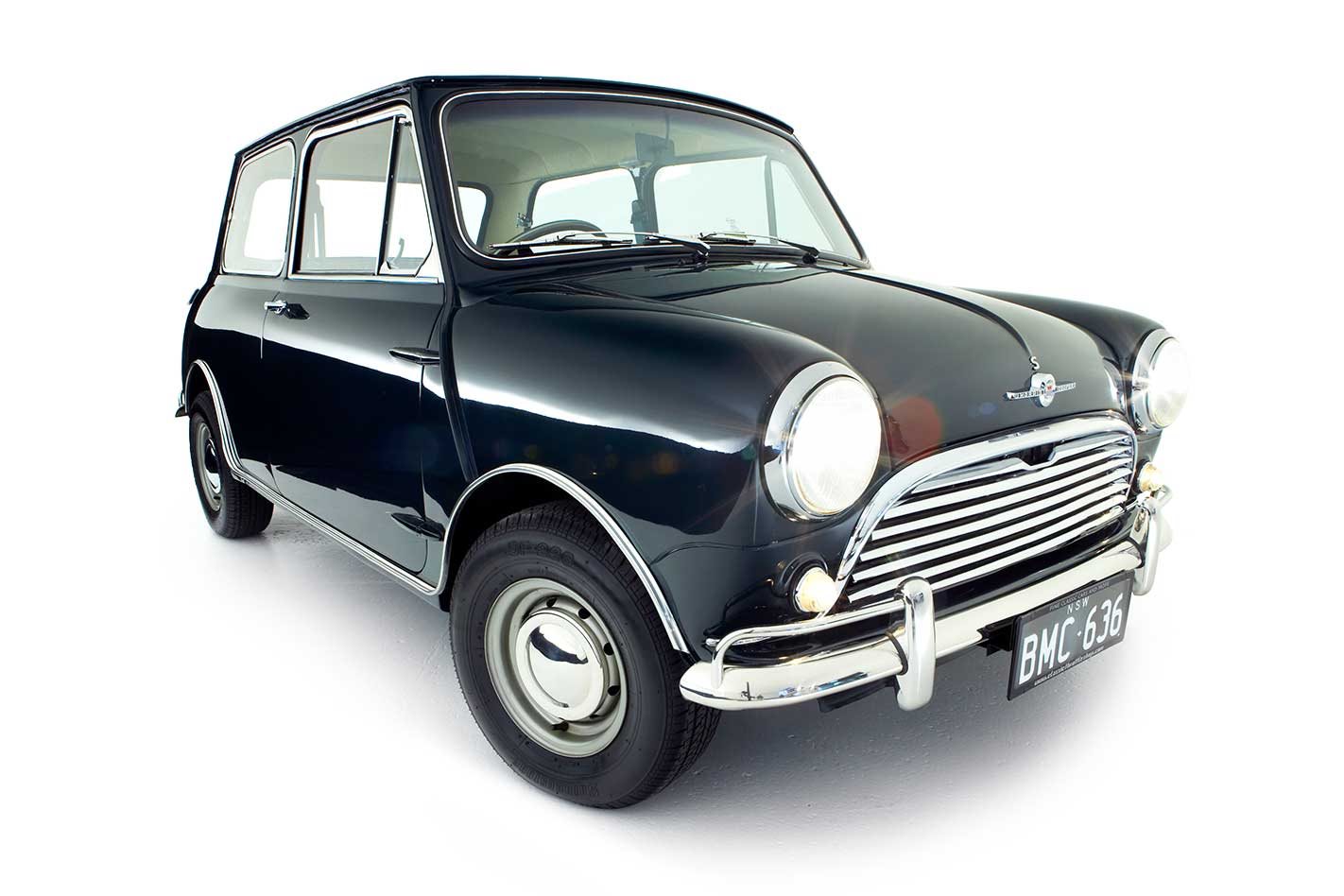
1966 Mini Cooper S
There’s some disagreement about which car was the first hot hatch, but can we just all agree it was the Mini Cooper S?
It might have mustered just 56kW/107Nm from its 1275cc four-cylinder engine, but there were just 635kg to shift for a healthy power-to-weight ratio of 88kW/tonne.
It was sufficient to make it a star in rallying and circuit racing, but drive one and you’ll realise it’s the only car that can realistically claim to offer go kart handling. It’s a joy.
1
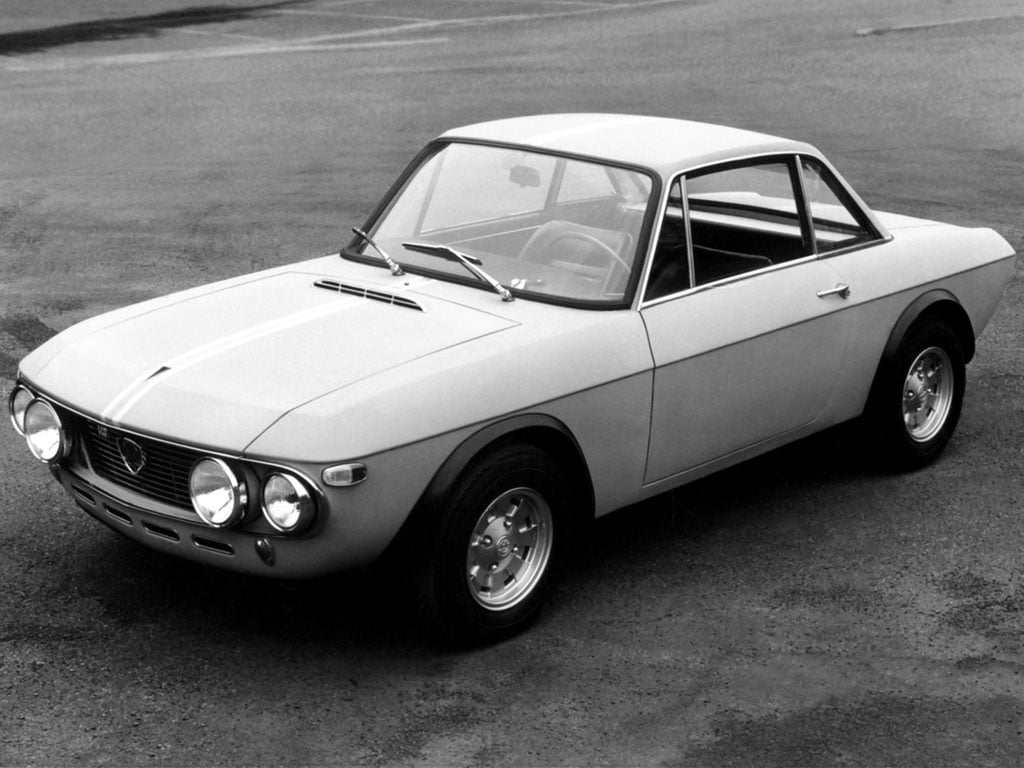
1969 Lancia Fulvia Rallye HF
A sensible four-sedan in standard guise, the coupe version of the Lancia Fulvia not only added plenty of style but injected a healthy dose of performance into the equation, too.
Continually updated from its introduction in 1965, it reached its zenith in the Rallye 1.6 HF, the new 1.6-litre engine producing 85kW (though the works rally cars managed up to 97kW) along with a close-ratio five-speed gearbox and revised suspension geometry.
Thus configured, it became an outstanding rally car, winning the 1970 RAC Rally and the 1972 Monte Carlo Rally, Rallye du Maroc and Rallye Sanremo.
1
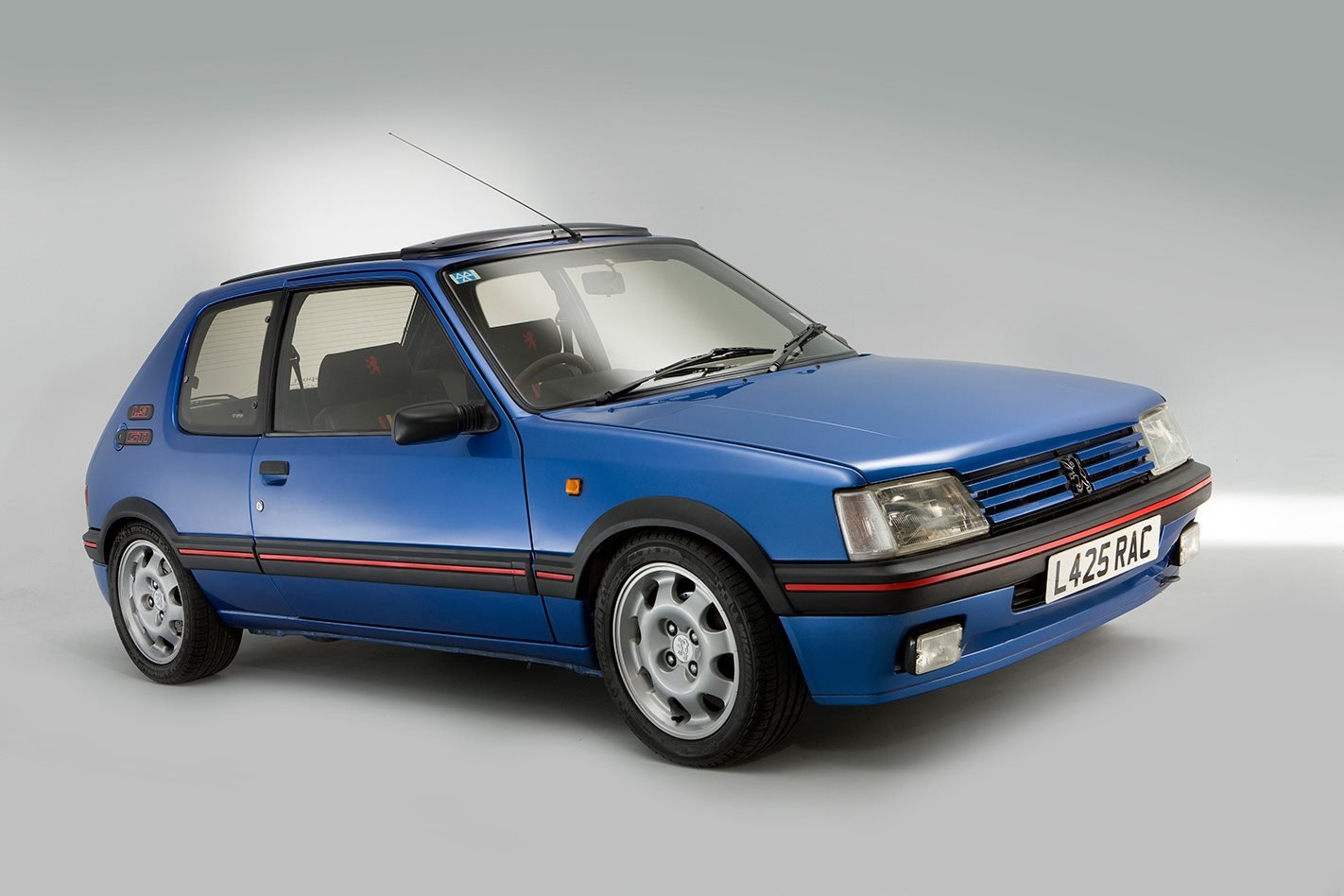
1984 Peugeot 205 GTI
There are plenty of Peugeots that warrant inclusion on a fun front-driver list, but no countdown would be complete without the car that, even 40 years on, is widely regarded as the benchmark for hot hatch dynamics, the 205 GTI.
Of course, that’s on the understanding you have more than a passing familiarity with lift-off oversteer, as 205 GTIs were notorious for disappearing off the road backwards in inexpert hands.
When mastered, however, its light weight and adjustability made it the perfect tool for carving back roads. Let’s not get into the 1.6 vs 1.9 debate, though.
1
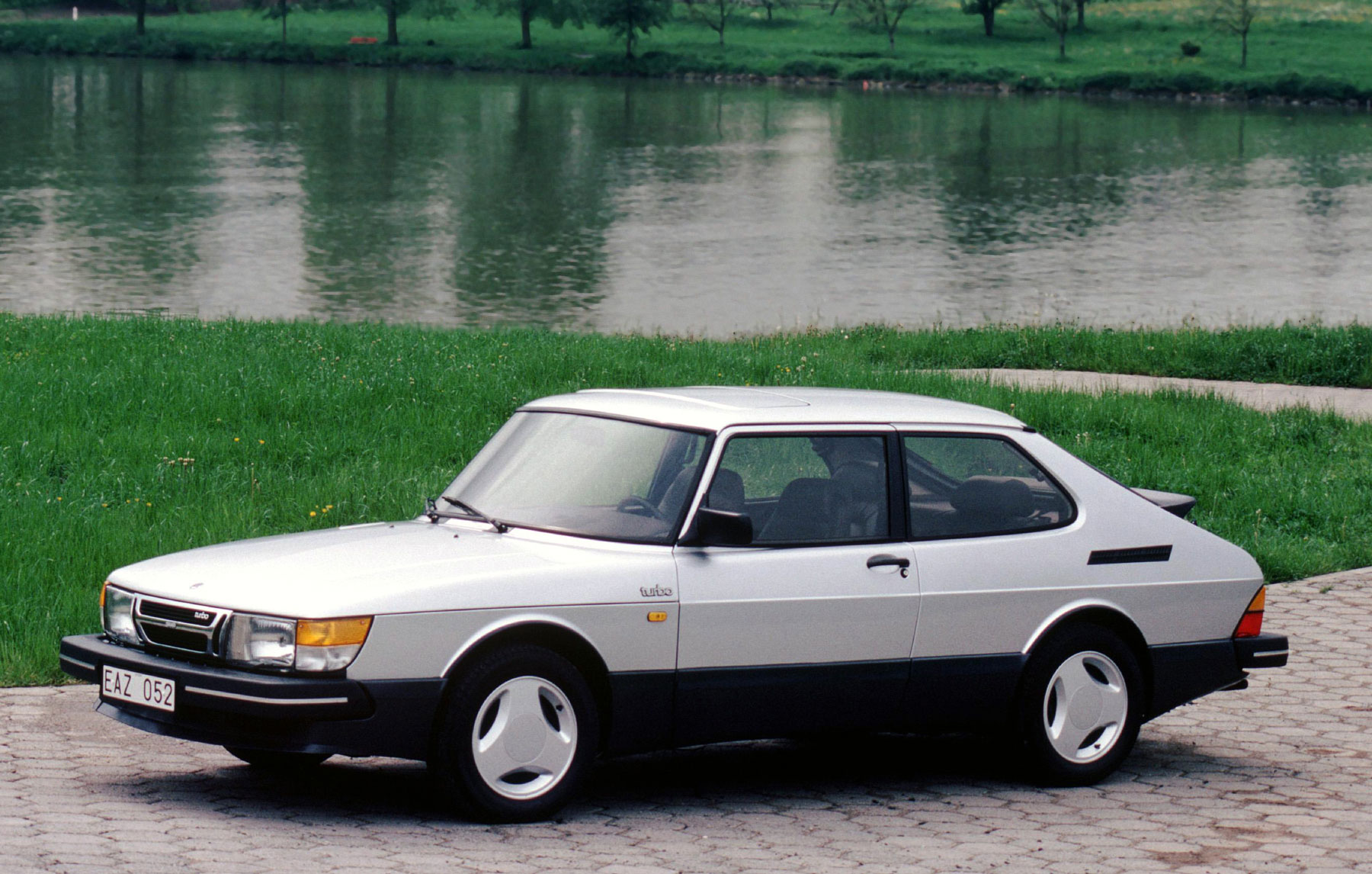
1984 Saab 900 Turbo 16 S
Fun doesn’t have to mean cornering on your doorhandles. Saab was certainly successful in motorsport, winning the 1977 and ’79 Swedish Rallies thanks to Stig Blomqvist, but the 900 Turbo road car offered a more relaxed definition of performance.
The pre-catalyst 2.0-litre 16-valve turbocharged engine offered 129kW/255Nm, good enough for 0-100km/h in 8.5sec and a 217km/h top speed – heady stuff for the mid-1980s and perfect for dispatching long distances at speed and in comfort.
1
1995 Honda Integra Type R
Too often these lists are focused on hot hatches, which leaves the Integra Type R out in the cold. A bona-fide sports car from an era when Honda was synonymous with engineering integrity, it was as honed and focused in its own way as anything from Porsche’s GT department.
A reinforced body shell, thinner glass, a screaming 8600rpm 1.8-litre engine producing 147kW (though slightly less for export markets) through a close-ratio five-speed ’box and a helical-type limited-slip differential.
Light and agile, it was a very different approach to performance than the turbocharged, all-wheel drive WRX STis and Lancer Evos that were starting to proliferate but no less effective.
1
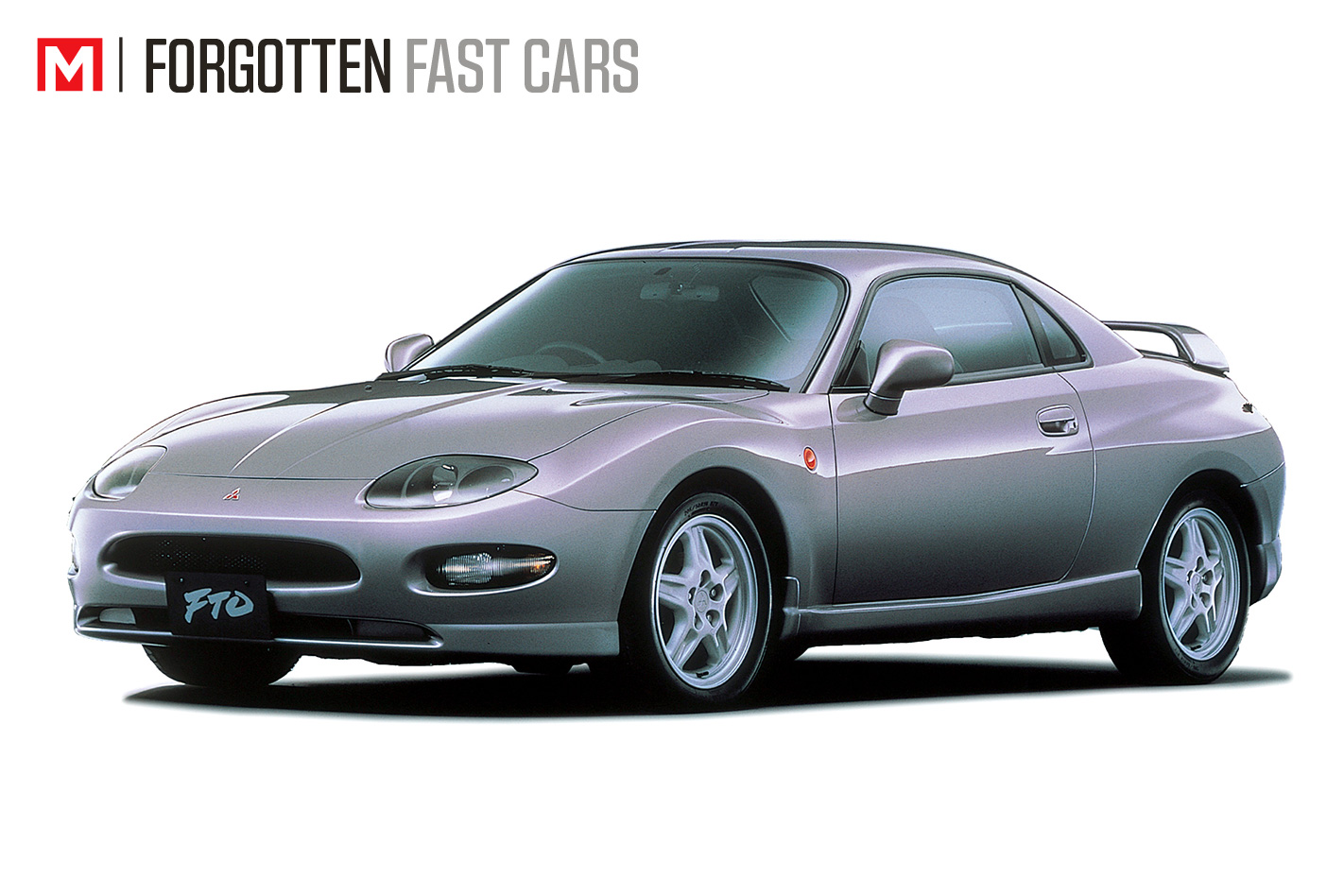
1997 Mitsubishi FTO GP Version R
It’s very possible that the only time you’ve seen a Mitsubishi FTO is rotating slowly on a Gran Turismo menu screen. With only 36,805 built in total from 1994-2000 it’s a relatively rare car to begin with, but only 9859 of those were manual.
By the time you get to the GP Version R, with its rev-happy 147kW (at 7500rpm!) 2.0-litre V6, Torsen limited-slip diff, thicker anti-roll bars and revised aero kit, you’re down to a choice of 240 cars, making for a rare and engaging alternative to the more commonly feted Integra.
1
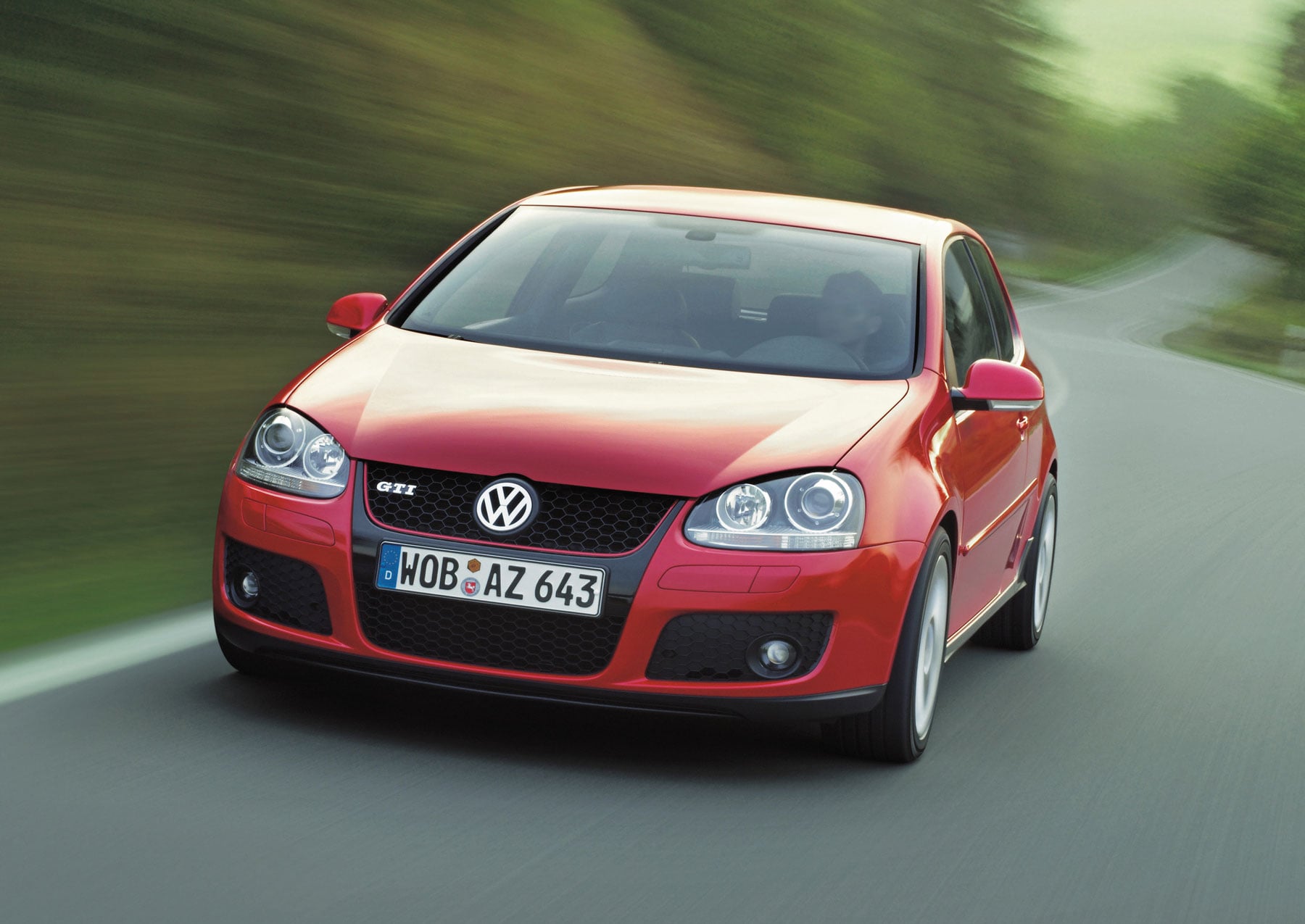
2005 Volkswagen Golf GTI
There’s a strong case for the ground-breaking original Golf GTI to be on this list, but that sort of machine is represented by cars you’ve already read about. Instead, we’re going with the MK V, which reversed the GTI’s seemingly inexorable descent into mediocrity.
Following the well-built but performance-absent Mk IV, the MK V was a revelation and vaulted back to the top of the hot hatch class, teaming its predecessor’s quality with much more lively dynamics and a strong 2.0-litre turbo engine.
1
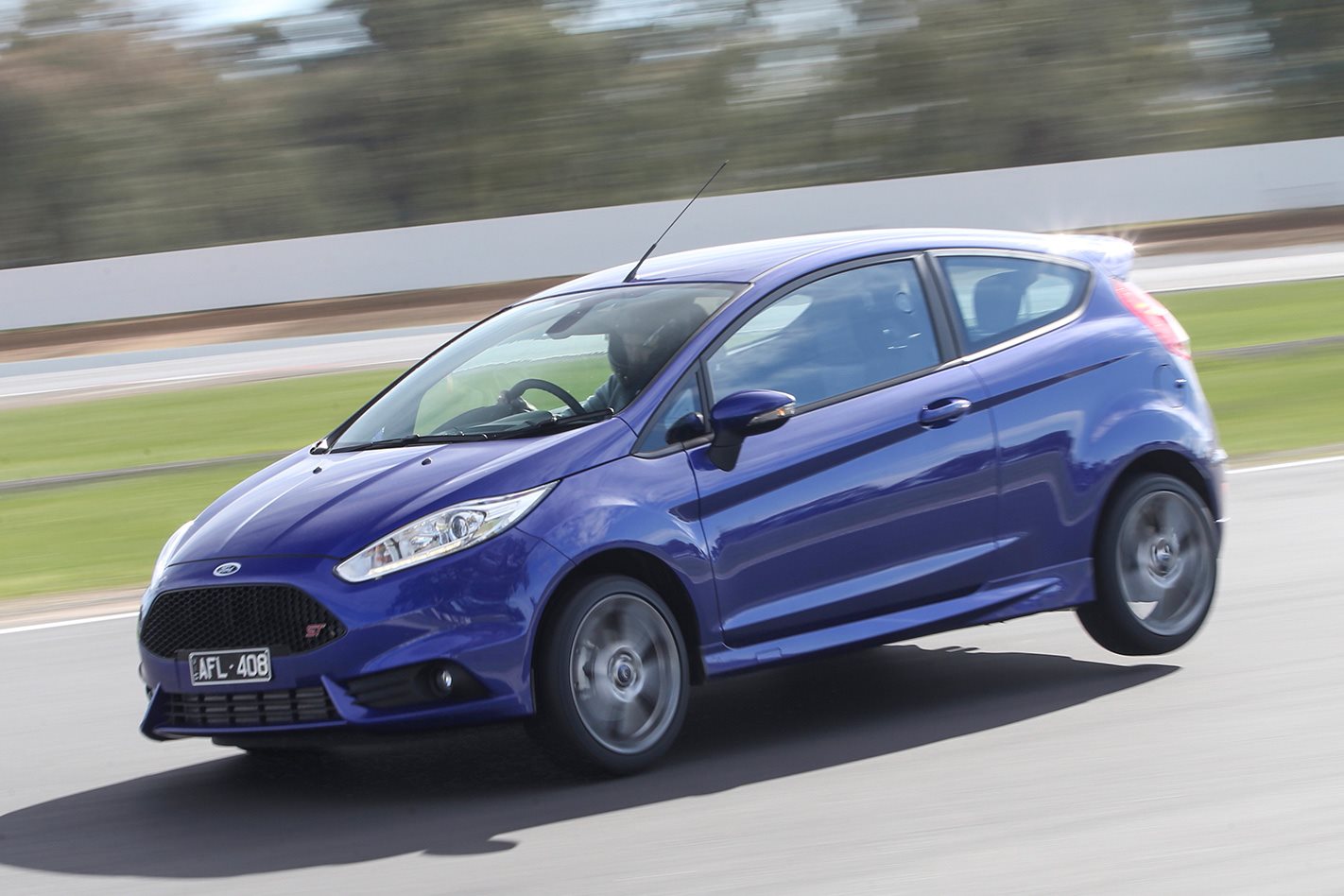
2013 Ford Fiesta ST
When it comes to pure driving fun, the Ford WZ Fiesta ST is almost in a class of its own. It was as playful and exuberant as an excited puppy, keen to wag its tail at the slightest provocation.
It wasn’t a perfect car by any means and its more grown-up predecessor rectified some of the flaws, but when you remember it wore a $25,990 price tag any complaints fade into irrelevance. On road or track, few cars would put a bigger smile on your face, regardless of price.
1
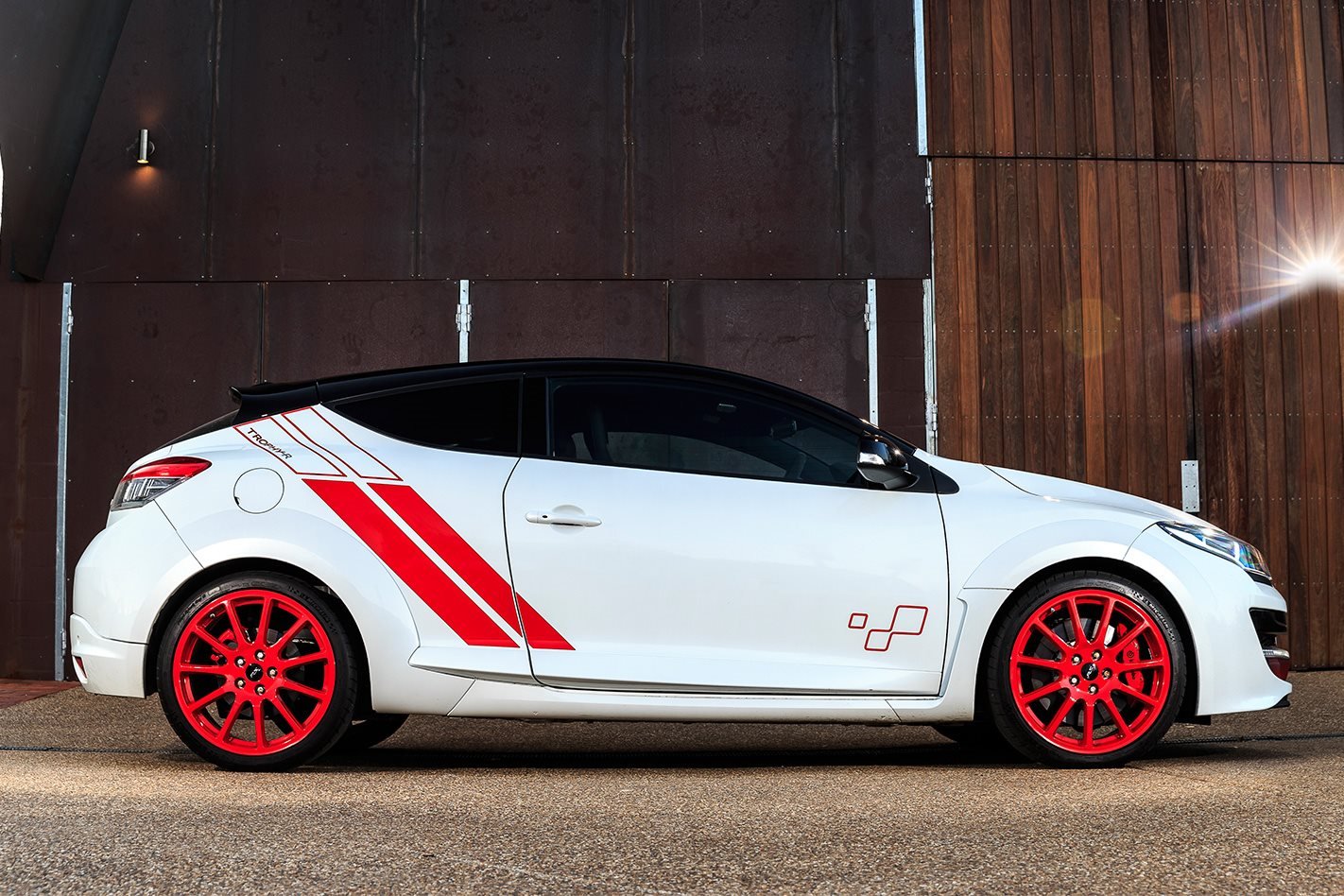
2015 Renault Megane RS275 Trophy-R
Picking the best front-wheel drive Renault is like choosing the best ice cream flavour, there are so many to choose from. From the 8 Gordini to the 5 GT Turbo to half a dozen hot Clios, all stake a strong claim, but the Megane RS deserves the limelight and the RS275 Trophy-R was the pinnacle.
To be honest, the regular RS275 Trophy was at least 95 per cent of the car with less cost and compromise, but on the right road, with temperature in the semi-slick tyres, the Trophy-R delivered an unadulterated hit of driving adrenaline that no other front-driver at the time – and few since – could match.
1
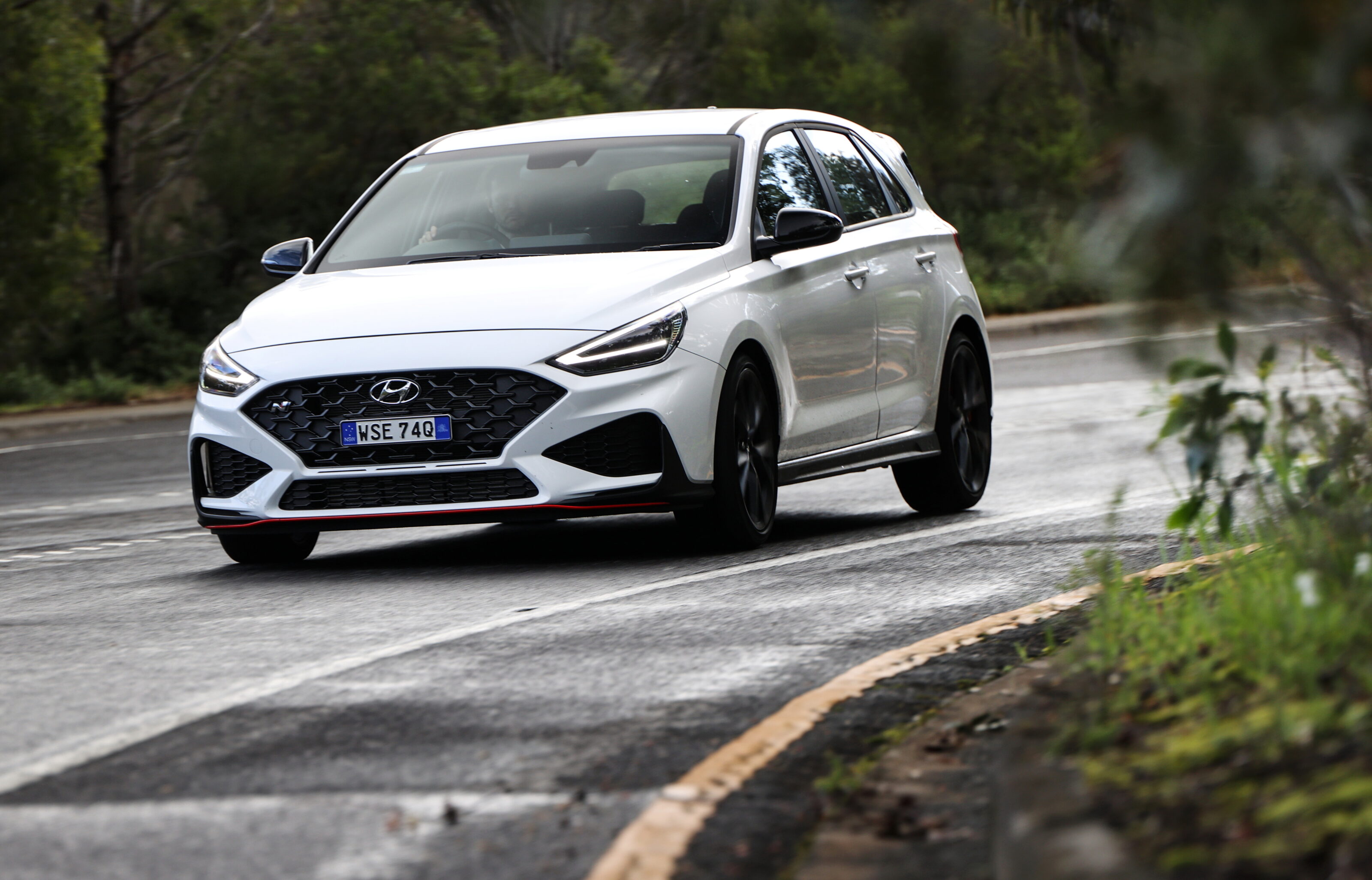
2021 Hyundai i30 N
Hyundai was late to the hot hatch scene, but with the establishment of the N Division it pushed all its chips in, recruiting former M Division boss (was the name really about its Namyang base?) Albert Biermann to spearhead its performance push.
The original i30 N was a cracker, putting a South Korean cat amongst the established hot hatch pigeons. Despite starting from such a high base, the facelift was even better, with the introduction of an excellent dual-clutch option, a slicker manual and stronger engine. It’s a modern performance hero.
1
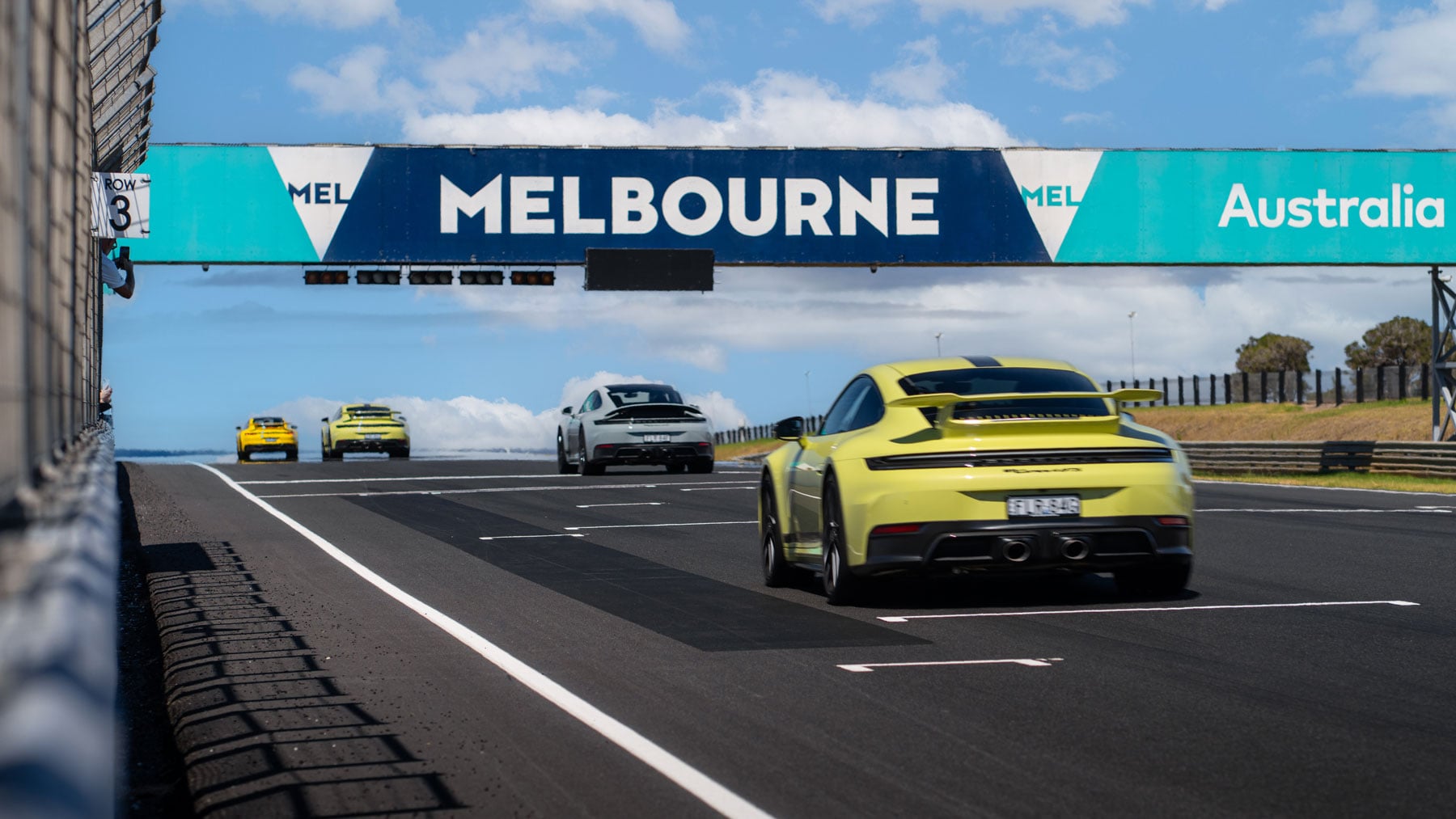
THIS IS DISORIENTATING. Eleven years ago, almost to the day, Porsche Australia launched the 991 generation of its mighty 911 Turbo at Victoria’s Phillip Island circuit.
Never a car designed for the race track, the 383kW twin-turbocharged bullet nevertheless redefined our whole concept of a 911’s capability. Launch control starts on the main straight yielded times hovering around three seconds flat. The reviews were suitably breathless.
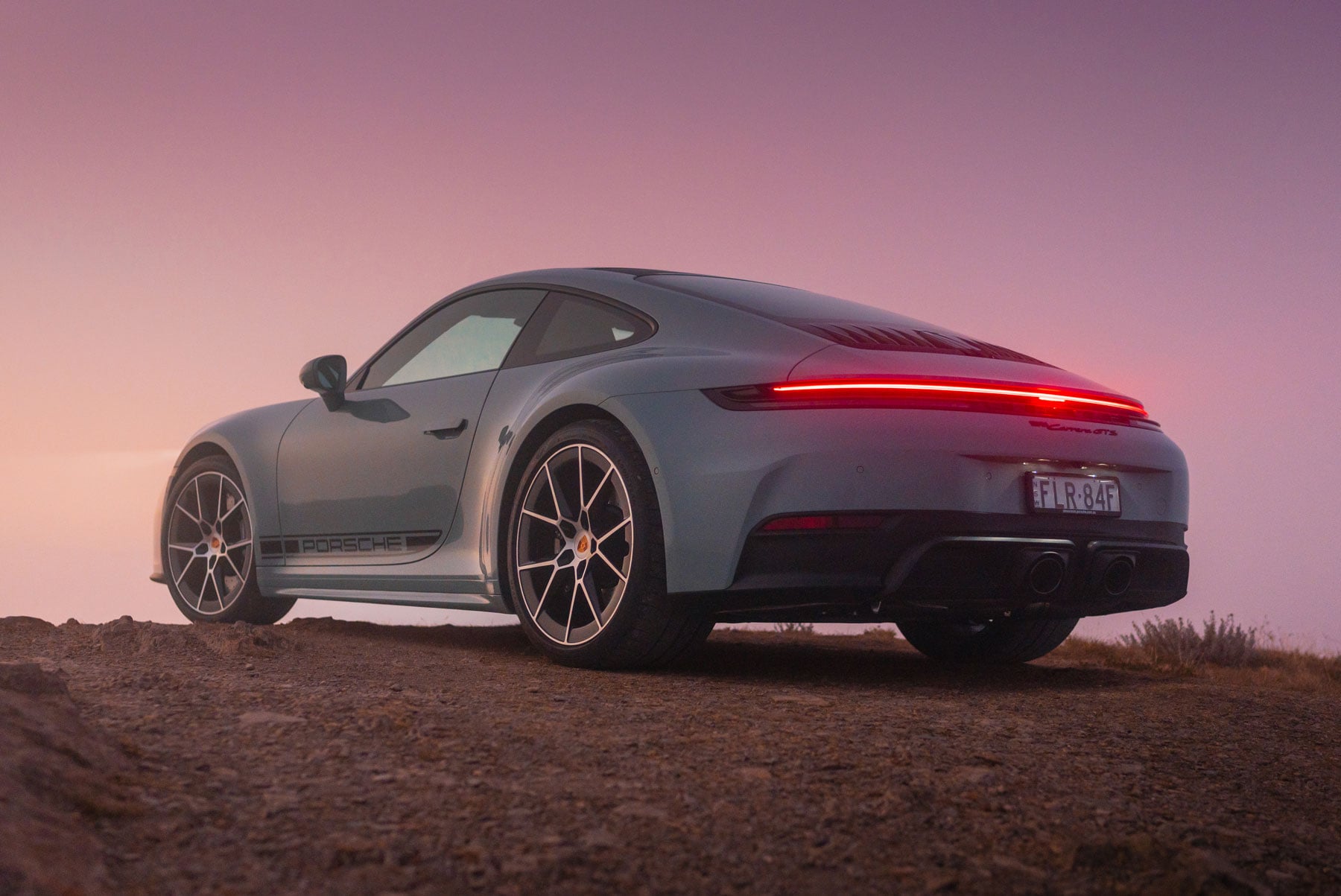
Now I’m back at Phillip Island, this time round in the new 911 Carrera GTS. Porsche calls this facelift the 992.2, in other words the mid-life update of the 992 generation. Somewhat amazingly, this car is faster and more powerful than that Turbo. We’ve come a long way.
These 911 facelifts are usually pretty subtle affairs. We didn’t even bother reporting when Porsche updated the GT3 to 992.2 specification, so underwhelming were the changes. But the GTS is different. It has changed beyond all measure.
EVOLUTION OF THE SPECIES
Some context first. The Carrera GTS badge first appeared on the 911 with the much-loved 997.2 generation in 2011, and while the goods were definitely good, it’s hard to escape the notion that it was a slightly cynical rummage through many existing parts bins, designed to prolong interest in a model that was soon to be replaced by the bigger, slicker 991.
1
The 911 aside, the GTS badge was probably best known for adorning the rear end of the final edition of the 928 coupe in 1995. In the 997, it denoted, in effect, a Carrera S with even more equipment and a welcome dose of attitude.
Buyers got the wide body, rear-wheel drive, and the Powerkit version of the Carrera S engine. Throw in adaptive damping, a sports exhaust, an aggressive front splitter, centrelock alloys and a generous slathering of Alcantara, and that was pretty much your lot. Gear such as an LSD, carbon ceramic brakes and uprated suspension remained tick boxes on the options list. For that little lot, Porsche demanded an additional $18,000 over the asking price of a Carrera S.
The company’s PR flacks also engaged in one of the most deviously effective pieces of press manipulation I’ve ever witnessed, deliberately seeding the phrase ‘sweet spot’ into all of their Carrera GTS press materials. Those words created an almost Pavlovian response from journalists such that even today, it’s a fun game to mention the 911 GTS and see how long it takes for them to claim it’s the sweet spot of the range.
1
Thing is, I’m not so sure it was true back then, and I don’t think it is right now. How can it be when the asking price starts at $381,200 for the Carrera GTS coupe or $401,300 if you prefer the Carrera 4 GTS. It’s unashamedly premium.
The GTS is also offered in progressively more expensive Cabriolet and Targa variants, if you prefer giving your thatch a good workout. Compared to the entry-level Carrera coupe, that’s nearly a 36 per cent increase. The sweet spot of the 911 range has always been the base Carrera, and that hasn’t changed with this latest generation.
The most technically intriguing car in the line up? The GTS absolutely aces that one. It might also be the most all-round capable, as long as you’re willing to pay the premium. It’s been on sale overseas for nearly eight months now, so it probably won’t come as much in the way of news to you that it has three very specific features that set it apart from the rest of the range.
The first is a new, stroked 3.6-litre petrol engine plumbed into its posterior, compared to a mere 3.0 litres for the more proletarian Carrera models. The other two novelties are integral to the T-Hybrid system, so not only is the engine hybridised, but the electric motor is located in the PDK transmission and directly mounted to the crankshaft.
Manual gearboxes don’t work with this setup, but the single, huge turbocharger is also electrified, too. GTS owners in effect get a double hit of voltage for an instant response.
1
Of course, a vast legion of 911 buyers groaned when they saw that Porsche was about to hybridise the 911. They complained about added weight in particular, envisaging a car that was at the same time teched-up yet dumbed-down. Porsche insists that’s anything but the case, and with good reason.
“For us, a sports car is still defined by its weight. And one of the biggest challenges was to keep the weight below 1600 kg,” said Frank Moser, Vice President Product Line 911/718. Because of that you’ll find no plug-in capability on this vehicle. That solution would have required a far larger battery, breaking the self-imposed weight limit.
As a result, you can never drive this 911 GTS on electric power alone. The motor itself is compact at just 155mm long and with a diameter of 283mm, and can generate 150Nm and around 30kW to support the combustion engine.
The turbocharger is equally intriguing. Sitting between the compressor and the turbine, it can spin up to 125,000rpm and has no wastegate, the motor itself acting as the bleed-off mechanism, recuperating up to 11kW when required. It needs it, too. The Borg- Warner turbocharger is so large that without this electrical assistance, lag would likely be catastrophic.
ON THE ROAD
As it stands, response is incredibly sharp. I’m in the rear-drive GTS coupe for the road drive section, and it’s a delightfully rounded thing. There’s so little which is intimidating, despite packing a massive 398kW/610Nm system output. Power delivery is cultured, the eight-speed dual clutch transmission slurs through gears more softly than some torque-converter autos and visibility out of the car is great. If you can drive a Camry with any basic level of competence, you’d find no great issue with the 911 GTS.
1
The moment you start digging deeper into the throttle, you’ll be shocked by the car’s pace. This is a car with comfortably more power and torque than a current 911 GT3 and before you start considering power to weight ratio, the fact that the GTS makes its power and torque so low in the rev range means that it’s instantly and decisively quicker in the real world.
It’s considerably more comfortable too. Yes, you can specify some optional bucket seats to make it feel a bit racier, but the GTS feels happiest with a comfy a set of chairs up front.
Ride quality is unusual. I don’t think I’ve driven a car with a greater gulf between its primary and secondary ride qualities. The body seems to float along with serenity over low frequency undulations, so for 90 per cent of the time you’ll be amazed at the pillowy rode quality. Place a wheel onto a cat’s eye or on a lateral imperfection in the hotmix and it’ll thump percussively through the car’s superstructure.
1
General road noise is also fairly extreme, taking the edge off the GTS’ appeal as a long distance gran turismo option. Our test car was running on Goodyear Eagle F1 Supersport R tyres which are known to be noisier than the Michelin Pilot Sport option. That’s a shame, as there’s a reasonable degree of luggage space, although the 63-litre fuel tank doesn’t give the GTS the longest range.
Nevertheless, if you owned the GTS among a stable of performance cars, it’s more than civilised enough to use as a daily driver. That rugged utility has long been a 911 asset and it continues with this, the most technically advanced example of the line.
That said, there were a couple of teething issues on the press launch. A couple of cars flashed up messages to take the cars to a Porsche service centre, one suffered from an intermittently recalcitrant centre screen and another had a minor dummy spit after repeated launch control initiations. Porsche owners pay a premium not to suffer these sorts of issues, so perhaps there are one or two bugs that have yet to be fully ironed out with the 992.2 generation.
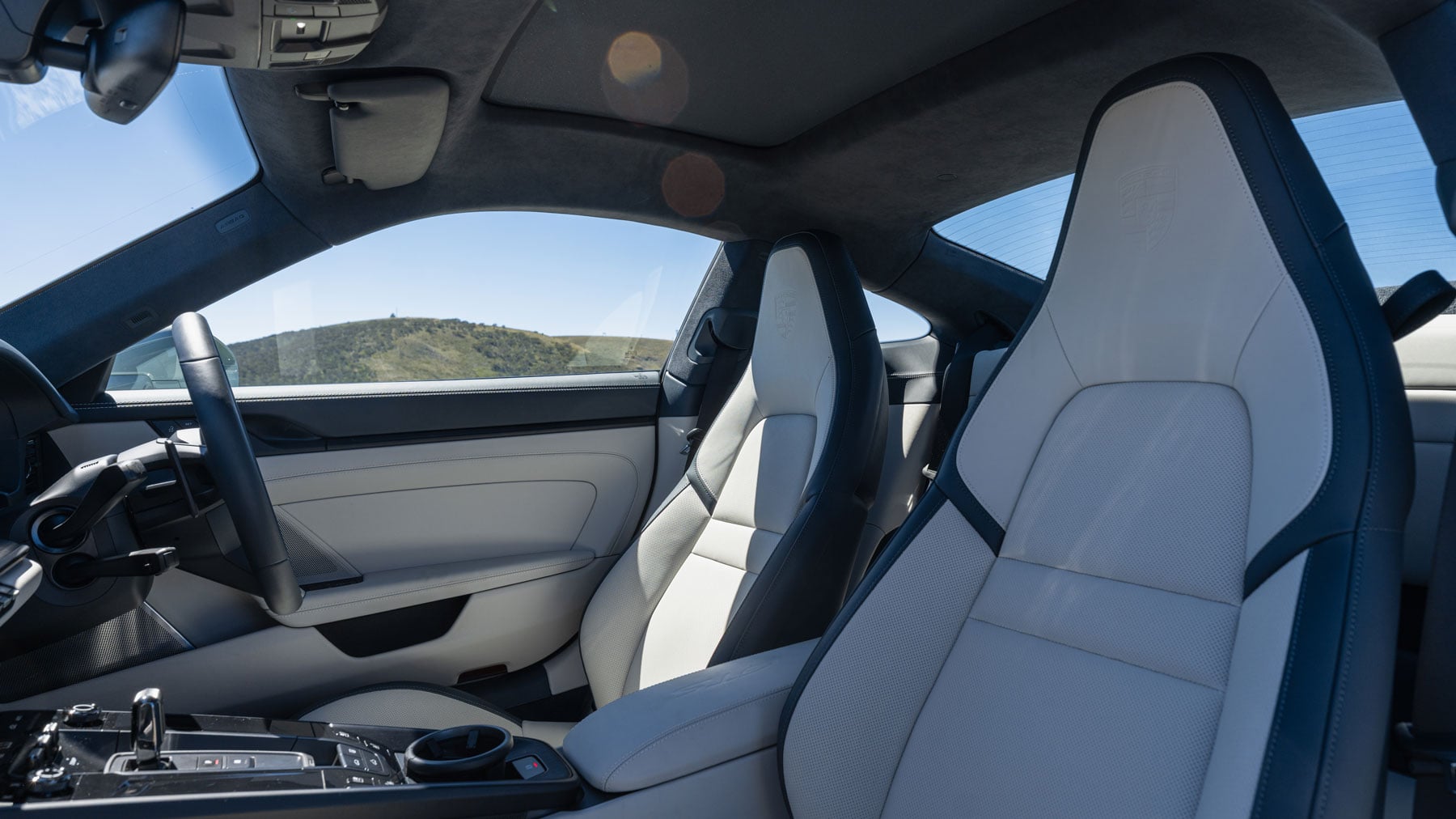
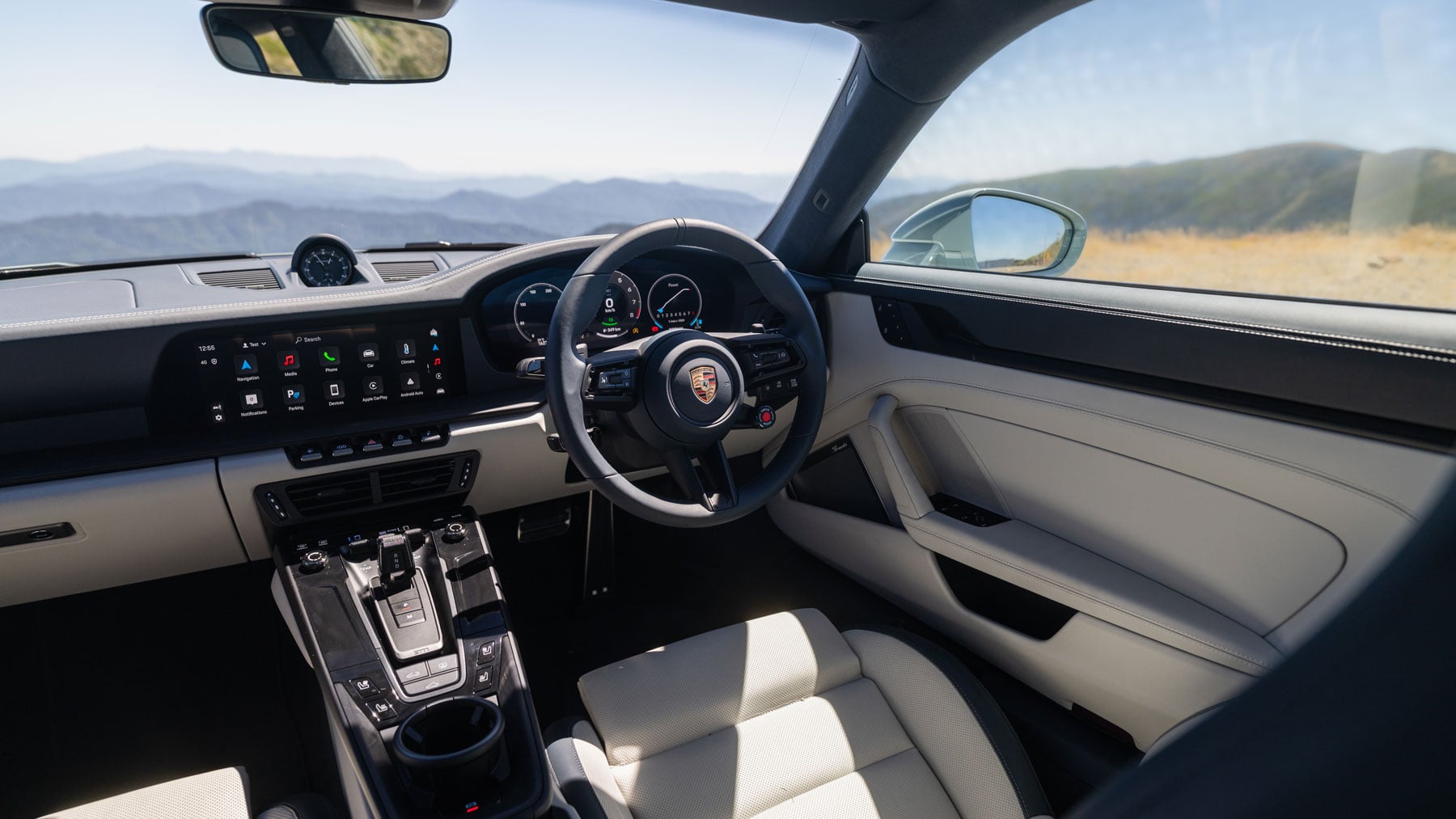
The cabin has come in for a subtle makeover in this 992.2 car. There’s now a full width digital display, the ersatz twist ‘key’ to start the car has been replaced by a less characterful button, wireless Apple CarPlay and Android Auto are now standard and there’s a decent Bose stereo system that’s standard in Australia, but optional in most other world markets.
If you want even crisper stereo fidelity, fork out $6700 for the Burmester stereo. Options you’d be well advised to tick? We’d put our hands in our pockets for the front lift at $4950 and the Porsche Dynamic Chassis Control (PDCC) at $9250 as non-negotiables. A palette of 11 non-cost colours are also offered.
1
TRACK PERFORMANCE
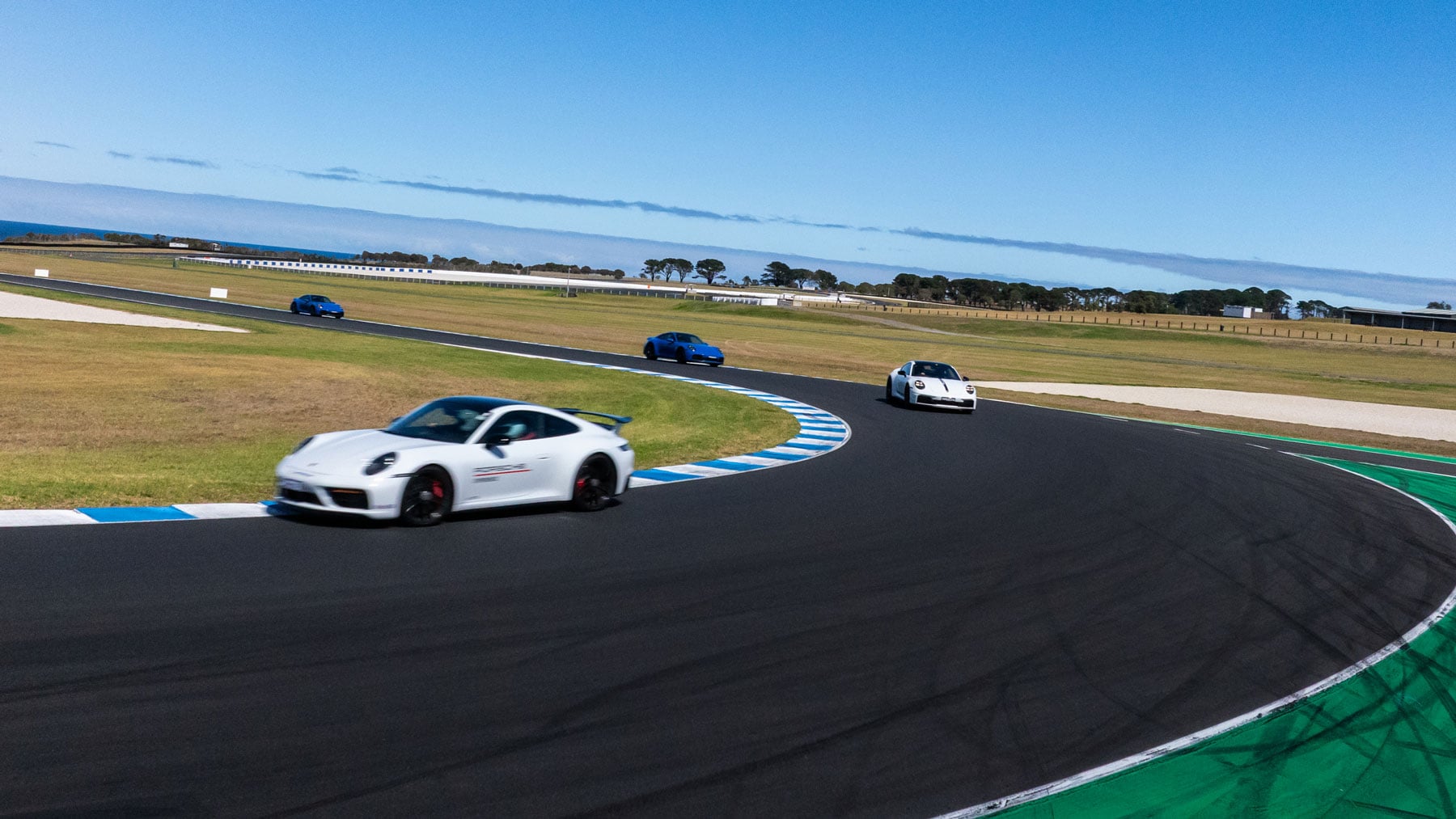
The drive program at Phillip Island was brutal for a road car. As well as repeated lapping of the fastest circuit in Australia, Porsche also set up a drag race with the new GTS versus the outgoing 992.1 generation. That was instructive. The figures show a 0-100km/h time of 3.4 seconds for the old car and 3.0 for the new one, whether you choose the rear-drive or the allwheel drive version. Using launch control helps dial out some variables at the start, but the gulf between the two cars feels wider than four-tenths.
If anything, the old car steps off the line with more instant savagery, which could well be down to a slightly more aggressive tyre, but within 100 metres, it’s decisively overhauled by the modern hybrid which keeps pulling out distance, inexorably marching away. That’s 353kW versus 398kW for you and it’s as articulate a statement of the new car’s hybrid muscle as you could ever expect to witness.
On track, the GTS is equally impressive. Can you feel the 47kg weight impost over its predecessor? Not really. It’s less than three percent of the kerb weight of the vehicle, and the quicker responses and greater thrust of the new GTS helps cancel out any feeling of additional weight. It sounds impressive at full gas too, although the Porsche boffins were uncharacteristically coy when it came to answering where the sound comes from.
To me, that means some of the cabin sound is coming from speakers rather than anything overtly mechanical in origin. It’s not breathy like an atmo flat-six motor, but it’s a more harmonic and purposeful sound than the thrashing mess that is the aural signature of many turbocharged 911s. Porsche claim that the Sport setting is optimised, whereas in the default mode it isn’t.
1
The sound builds without any great crescendo, so you won’t constantly be chasing the redline (set at 7500rpm), as you would in a GT3. In Sport or Sport Plus modes, the PDK transmission does a great job of taking care of the gear changing such that you won’t have much recourse to the beautifully engineered wheel-mounted metal shift paddles.
The driving position is exemplary. As with all great sports cars, you feel seated in the 911 GTS rather than on it. That’s helped by the fact that the 1.9kWh battery pack isn’t under the floor but instead located up front where the 12v battery was before. This has moved to a position behind the rear seats and it’s now tiny.
With the brakes taking such a significant role in regenerating power for the hybrid system, it was clear that finessing the handover from re-gen to friction braking was absolutely key, and the GTS handles that task extremely well. Consistency of control weights is an absolute Porsche 911 touchstone, so the engineers poured plenty of resource into getting this right, learning lessons from the development of the Taycan and Macan.
We also got to drive the base 992.2 Carrera and Carrera T variants alongside the GTS and the difference was instructive. I’m of the belief that both are more suitable road cars than the GTS, if only because you have to work them that bit harder to go quickly. The GTS gathers and carries speed effortlessly.
Objectively, it’s a better car, there’s no doubt about that, but it makes you question whether you’re having more fun on the road and whether that additional expenditure to buy a car with more power than a Ferrari F50 is money well spent.
1
Nevertheless, the new 911 GTS is fairly easy to make a convincing case for. It can do pretty much everything you ask of a sports car. It can cover ground well, won’t feel out of place on a high-end track day, it’s agreeably discreet, it still has enough raw edge to excite, it’s well finished inside and its hybrid technology is a definite ability multiplier. If you’re not particularly price sensitive, it could well be argued that it’s the best car Porsche currently makes.
Downsides? It’s probably a little noisier than it needs to be, the price has crept up significantly, the front gills and sensor combination aren’t the most handsome piece of styling and certain options, such as the $4950 front lift kit, should undoubtedly be standard fit at the prices being asked.
Unless seriously adverse weather is in your future, I’d avoid the 911 Carrera 4 GTS too. The $20k premium buys you a car that’s no quicker off the mark, is heavier and more complex, with less purity to its steering.
The Porsche 911 Carrera GTS marks a new frontier for the company’s most iconic model and on virtually every objective measure, it’s a triumph, delivering a step change in powertrain capability. So convincing is the technology that it’s inconceivable that the next-gen 911 won’t have this T-Hybrid technology as standard from base model to flagship.
That will almost certainly sound the death knell for the manual transmission in the 911, so if you’re absolutely sold on the notion of a 911 with three pedals, now’s the time to buy a Carrera T or a GT3. For everybody else, the march of progress at Porsche comes with little in the way of caveats.
1
FAST FACTS: GTS – Where it started
The GTS badge has featured on many Porsche models but its first appearance came on the lithe and beautiful 904 GTS coupe in 1964. Boasting a drag coefficient of just 0.34, the mid-engined 904 GTS introduced many firsts for the marque. It was the first to use a separate steel sheet chassis and fibreglass body, the first to get four-wheel disc brakes and the first to ride on coil spring suspension. It came at a transition point in the company’s history as Porsche moved from Formula 1 competition to focus on homologated sports car racing. Some 106 units were built with the complex 132kW 2.0-litre flat-four. Ferry Porsche’s eldest son Butzi was the father of the project and said of the 904 GTS, “It was my favourite because I did it alone.”
Ferrari’s first EV was always going to be something of an engineering masterpiece, and the initial specification detail revealed at its new electric headquarters in Maranello indicate just that. Named ‘Elettrica’ which is – somewhat unsurprisingly – Italian for ‘Electric’, the technical details and performance figures point to a car that will deliver the crucial touchpoints demanded by a Ferrari buyer.
Electric vehicles lack the soul and soundtrack of an internal combustion-engined vehicle, and for brands like Ferrari, the transition to full EV was always going to be fraught with danger. However, with a commitment to ongoing availability of internal combustion engines and hybrid powertrains, the Italian manufacturer believes it can add an EV to the fleet without compromising its core values.
1
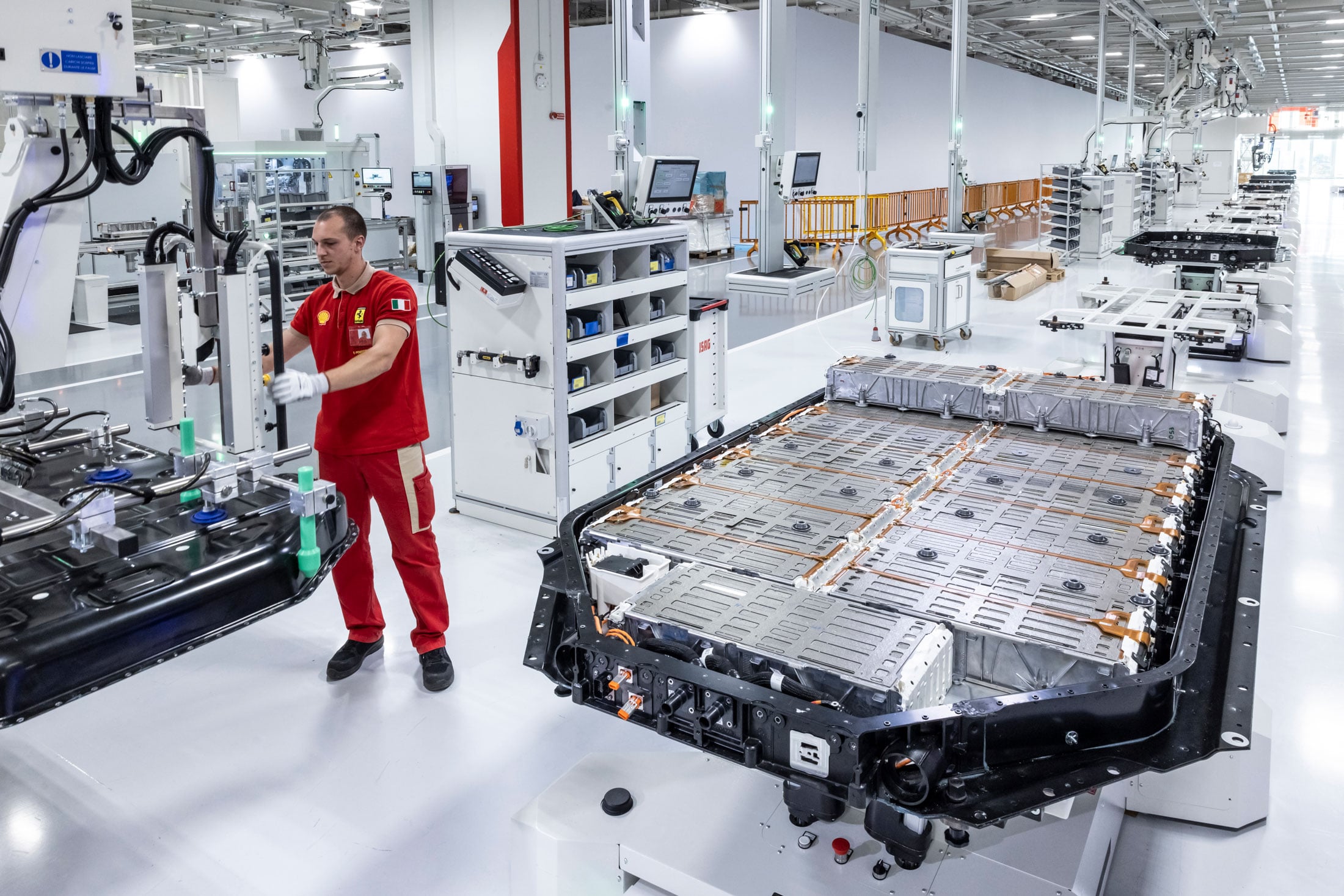
Revealed to the world press today in Maranello, the initial specification information is underpinned by nearly all development being undertaken by Ferrari itself, at the factory, in Italy. According to Gianmaria Fulgenzi, Chief Product Development Officer, keeping as much development in-house as possible was crucial.
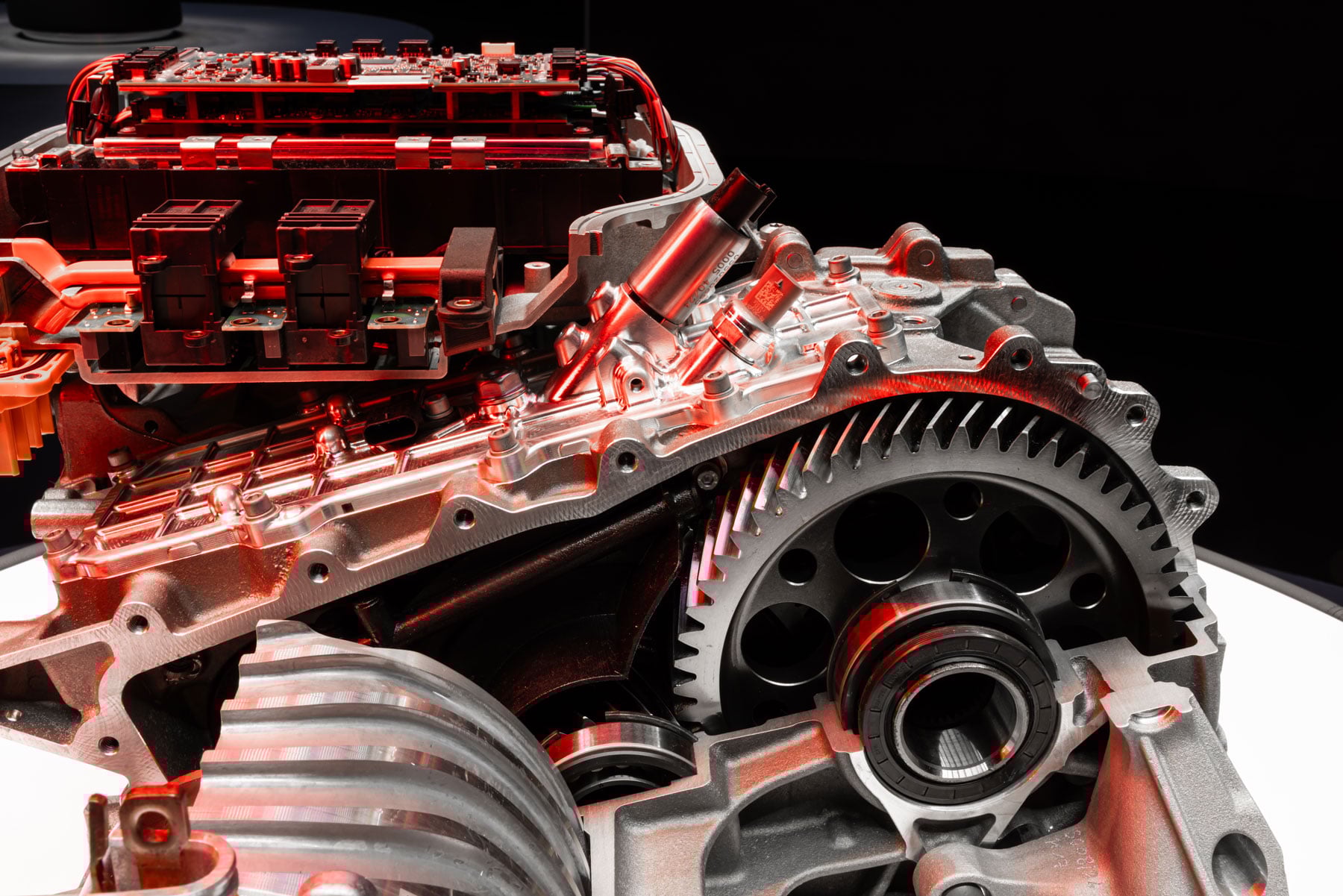
“Keeping the manufacturing in house, allows us to control development and scale as needed,” Fulgenzi said. “Even the inverter is designed in-house.”
Ferrari’s new ‘E Building’, which was completed six months ahead of schedule is a pointer to the future of its vehicle manufacturing, despite the huge legacy and history that exists in every corner of the Ferrari factory. “We do what we say we will do,” Benedetto Vigna, CEO of Ferrari, told the world’s motoring press. “What we do in this company is unique, and we are learning the electric vehicle space, but we will deliver something unique.”
While Ferrari’s transition to the release of a full EV has been slower than some, the level of development that has gone into ensuring it’s the right car at the right time is impressive. “A true leader has the ability to harness any technology, so that the client can enjoy maximum driving enjoyment,” Vigna said.
1
Ferrari’s electrification journey started back in 2009 in Formula 1, then transitioned through the 2013 LaFerrari, the 2019 SF90 and 296, the 2024 F80, and culminates in the fully-electric Ferrari Elettrica. Elements crucial to motorsport – weight, packaging, cooling and efficiency – have all played a direct role in the development of the components for the first road going Ferrari EV.
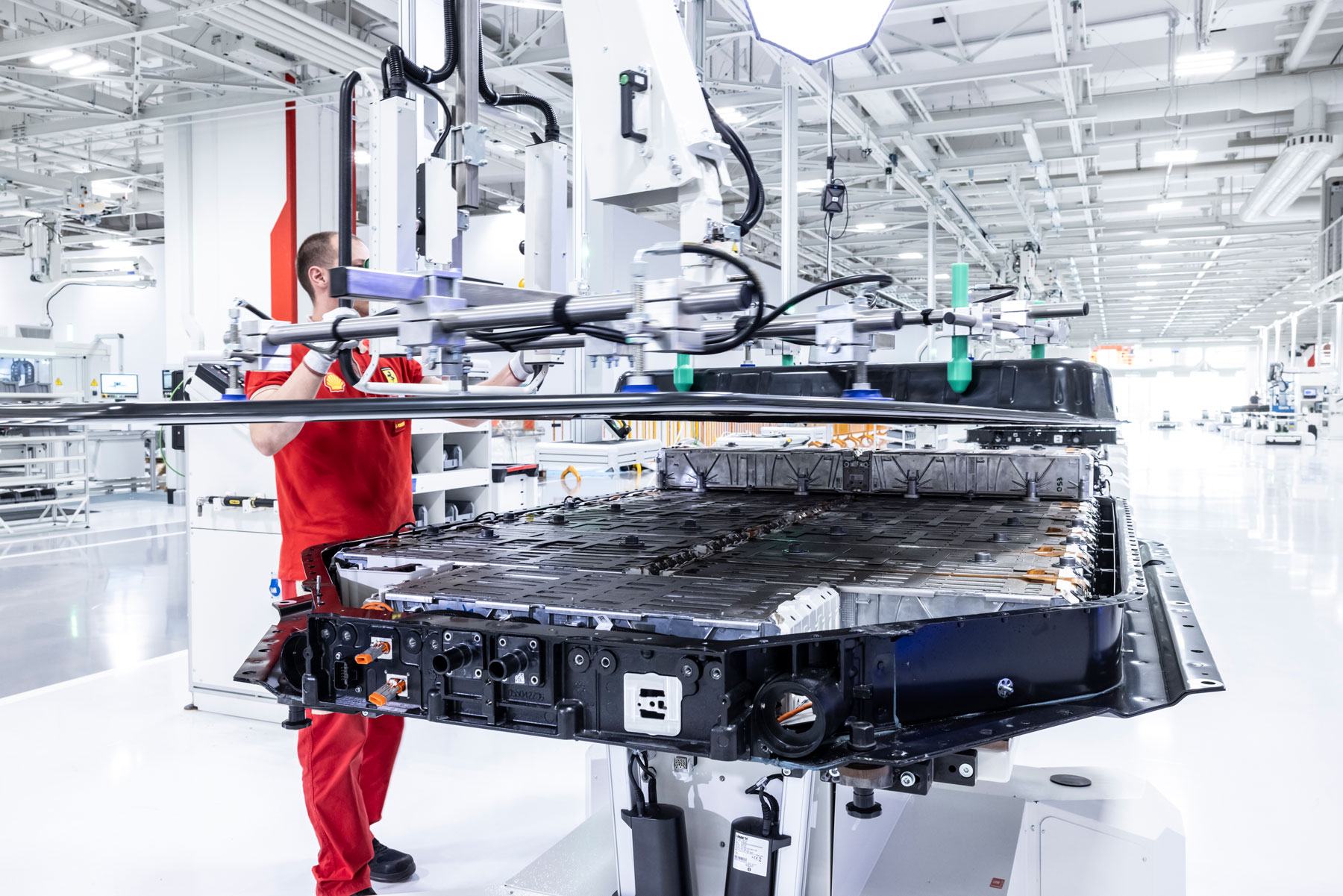
Battery cells are imported and then assembled into the complete battery pack in-house inside the E Building. The electric motors, inverter, chassis and suspension components are all made by Ferrari, leaning heavily on its racing nous as well as knowledge gained from previous hybrid systems in road going cars.
Vigna explained that driving thrills – for a Ferrari customer – are based on five key principles. Longitudinal acceleration, lateral acceleration, sound, braking and gear change. It was non-negotiable, then, that the Elettrica deliver on all five and while we don’t know exactly what the finished car will look like, speculation and spy shots indicate it will be more SUV than performance car. That would make sense, given the demands of the Ferrari sportscar buyer.
Crucially, there will be no synthesised, fake engine sound, designed to mimic a classic Ferrari petrol engine. Rather, the sound generated by the electric motors will be harnessed and amplified. What that sound is exactly, we don’t know yet, but Ferrari assured us the sound will be commensurate with the performance and emotion of the Elettrica.
1
The technical details are impressive. A combined power figure around the 750kW mark (in boost mode), with independent figures of 620kW at the rear axle and 210kW at the front axle, along with 355Nm at the rear axle and 140Nm at the front axle, while the front engine can spin to 30,000rpm and the rear at 25,000rpm, an 800-volt battery, third-generation 48V suspension architecture, and a much higher regenerative braking capacity than Ferrari hybrid models, indicates that the Elettrica will be as efficient as it is fast.
85 percent of the battery is below the floorpan, ensuring a low centre of gravity, with Ferrari claiming range up to 530km/h and charging up to 350kW. 210 cells are made up of 15 modules with 14 cells each, mounted in a way that they can be replaced when needed, without difficulty. Ferrari engineers were adamant that serviceability and repair must be as easy as possible. Wheels will have more details on the Elettrica as they are revealed.
IT’S LONG AFTER 10PM in downtown Chennai and the traffic is as choked and chaotic as anything you would battle on the Friday of a long-weekend getaway in Sydney or Melbourne.
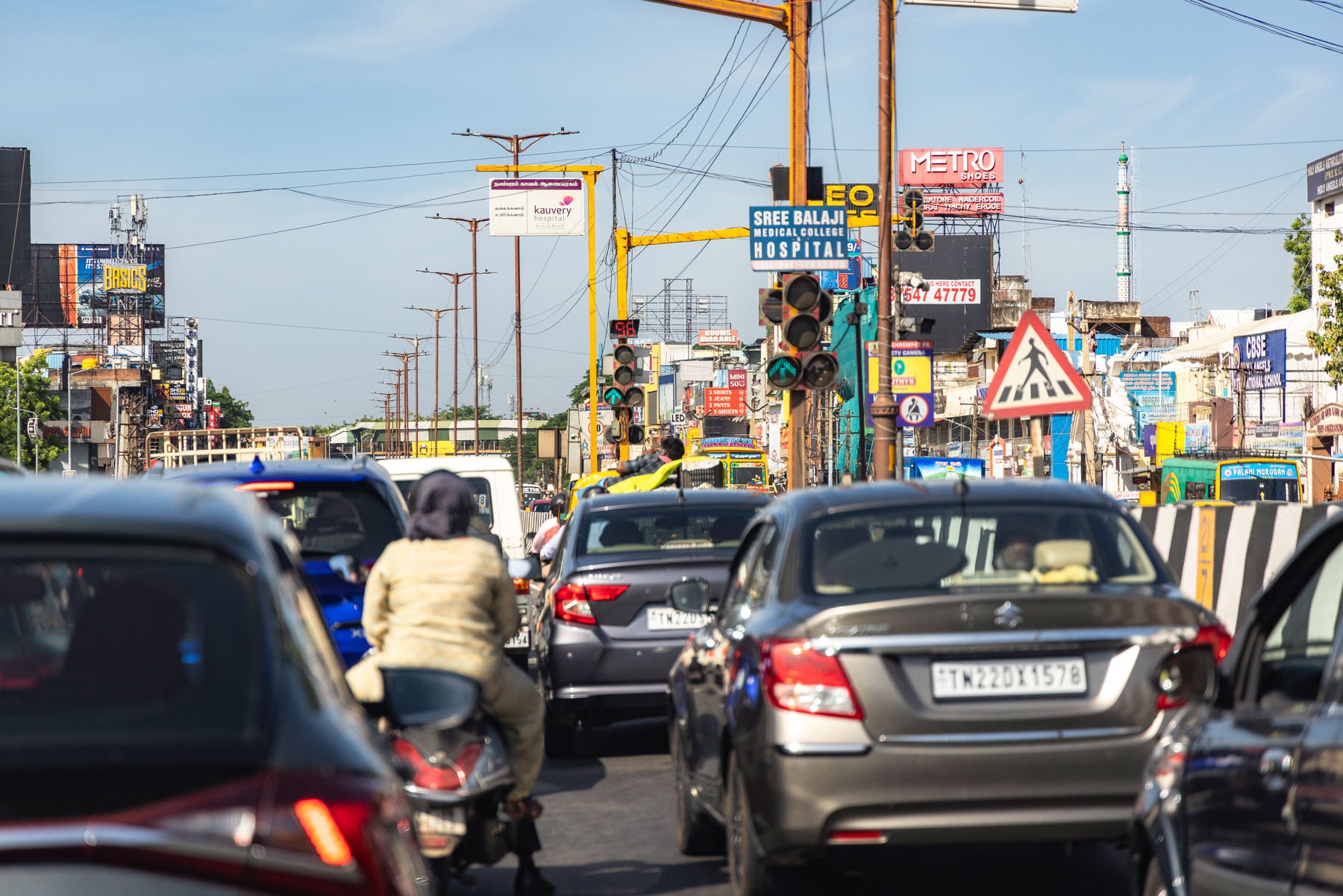
No, that’s wrong. It is far, far worse and ridiculously intimidating. I’m sitting in the front passenger seat of a Mahindra XUV 700 and seriously re-considering my decision to visit India.
The traffic is one thing, but – as a non-fan of spicy food – I’m still wondering about what I’ll be eating for the next two days. There is a box of muesli bars tucked into my luggage, just in case…
When Mahindra first got in touch about a two-day deep dive into India I was intrigued. At a time when more than a dozen Chinese newbie brands are attempting to steamroller to success in Australia, what would the Indian brand have to say?
It’s been operating in Australia for just on 20 years without achieving any greatness, with sales of just 4185 vehicles in the latest Indian reporting year, which finished on March 31.
1
Globally, the numbers are far more impressive, as Mahindra has a workforce of more than 260,000 employees and its total output of SUVs, light-commercial vehicles and tractors last year was more than 1.2 million vehicles.
The tractor number, 424,000, makes it the world’s number one, topping familiar brands including John Deere. But Mahindra is nothing like the other tractor maker that transitioned into cars, Lamborghini, whose founder famously launched a supercar company after a tiff with Enzo Ferrari.
Never having been to India, my thoughts first shifted to some common preconceptions about India – cows sitting alongside freeways, aggressive monkeys in the marketplace, haphazard building standards, etc.
Then the plane landed and we were greeted by a smiling and helpful driver who loaded our luggage before we turned out of the airport into the bustling milieu.
It was as big a shock as if I’d been dropped into a giant ocean of ice-cold water. There was a tremble of excitement, then surprise, then fear. How would we survive? How could anyone survive?
1
Cars everywhere, tiny three-wheeler taxis ducking and diving, trucks and buses muscling for space, and scooters filling any gaps – even approaching head-on – without any fear of potential consequences.
Most people have some idea about India, thanks to movies including The Best Exotic Marigold Hotel, Slumdog Millionaire and Eat Pray Love. But Hollywood and Bollywood cannot convey the level of heat and humidity that grabbed me the next morning like a bearhug from a wrestler, the smells, the overcrowding, the history…
While India clearly has a British veneer, it’s a country with an ancient and very different culture. Chennai was once the trading port of Madras under the British and it retains those economic roots, although everything is slightly chaotic and nothing looks to have been planned or finished to a standard for Australian inspectors.
Mahindra? By contrast, it is welcoming, focused and organised. The view from the top comes from Velusamy Ramasamy, the president of Mahindra Group.
“We significantly moved from where we were – with rugged and reliable [product] – to sophistication,” he tells our small group of Aussie visitors. “We brought a lot of technology.”
1
“In every angle we are making a move. I think the Australian market, consumers like that. Are we quite there? Yes, there are gaps. [With] every product, we learn.
“We are significantly different from who we were eight, nine years ago. We are moving away from rugged and reliable to a sophisticated tech brand. We are making all efforts to be closer to the advanced countries in the next 3-4 years.”
Ramasamy is talking to us in the modern, high-tech boardroom at Mahindra HQ, and some of his own senior executives in attendance seem just as interested in his answers. He does not look remotely like a motor industry power player from the western world, with a designer suit and carefully chosen tie. He is calm, quiet and considered.
In fact, he looks more like one of the Mahindra workers than their leader – a bloke who rolls his sleeves up to get things done, leaving the blah-blah and marketing spin to a youthful team which has credentials including the Harvard Business School.
Ramasamy also surprises with one declaration, which sets the background for the entire visit: “I don’t see a big difference between India and Australia,” he tells us.
INTO THE MAELSTROM
Day One begins at early-o’clock with a small fleet of XUV700s parked outside the huge and hugely impressive ITC Grand Chola Hotel. But time in India moves more slowly and so it’s 30 minutes after our scheduled take-off when the traditionally-dressed doorman – he looks like an 18th century British sergeant-major – comes smartly to attention and our small fleet fl oats out into the maelstrom.
The Mahindra XUV700 is a modest, medium-sized SUV but easily handles bundles of luggage with three people in each car in addition to the driver.
Space and comfort is good, the air-conditioning is excellent, and the size is just right for the local roads. Any smaller and you would feel intimidated, any bigger and it would be tough to find gaps in the traffic.
That’s important, because the roads and traffic in Chennai are vastly different to Australia. It’s more like a fast-flowing mountain stream, tumbling over rocks, ducking and diving around eddies and wakes, but always moving forwards.
The first 30 minutes are scary but the calmly composed driver never shows signs of panic or fear, so things eventually settle into a predictably unpredictable flow.
1
A smartly dressed lady sitting side-saddle on the back of a scooter? Of course. A family of five on another scooter? Naturally. Tiny taxis ducking and diving? Everywhere. Seven lines of traffic on a road marked for three? Why not.
Always there is the sound of horns. But it’s not the angry and aggressive blast you hear from impatient Aussies. This is more like a constant parking assist system, with people letting you know where they are, what’s happening and helping you through the flow.
Along the way, I notice there is nothing on the road from a European brand, although there was a lone Ferrari outside the hotel last night. The vast majority of cars are compact hatchbacks, no surprise, with Maruti Suzuki a dominant force. Some cars look familiar, with familiar badges, like the Ford Figo that was developed at Broadmeadows for India.
There is no sign of a Tata Nano, the $1000 car promised to put India properly into the automotive age.
Alongside the roads, where white lane markings are just for entertainment and not discipline, nothing looks to be properly finished. It obviously works but not in the way we’re familiar with. We pass the crumbling walls around an old Ford factory, then the much newer base for assembly of Nissan cars.
1
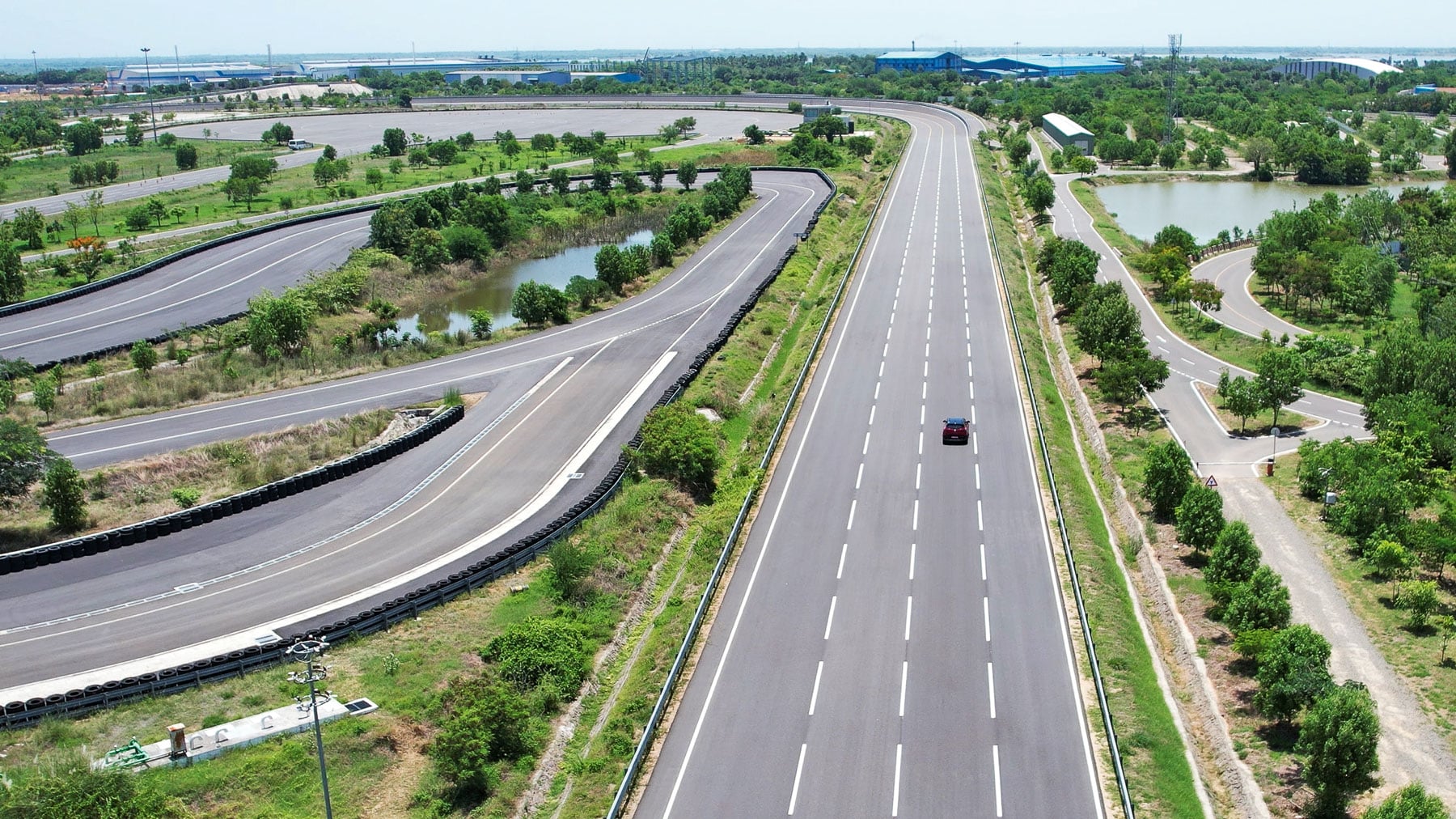
Our target is the Mahindra SUV Proving Track (MSPT) and it takes more than two hours, along roads which get increasingly narrow and rural, to get there. As we turn into the massive technology complex, it’s like passing from the 18th century into modern times. Everything is new and shiny, as you would expect at any major automotive maker.
The MSPT opened in 2021 on a site of more than 40 hectares, after an investment of around $90 million and consulting work by foreign firms to get the high-banked oval just right and the latest technology into the buildings around the facility. There has been plenty of extra spending since then to add new facilities and laboratories.
PROVING ITS WORTH
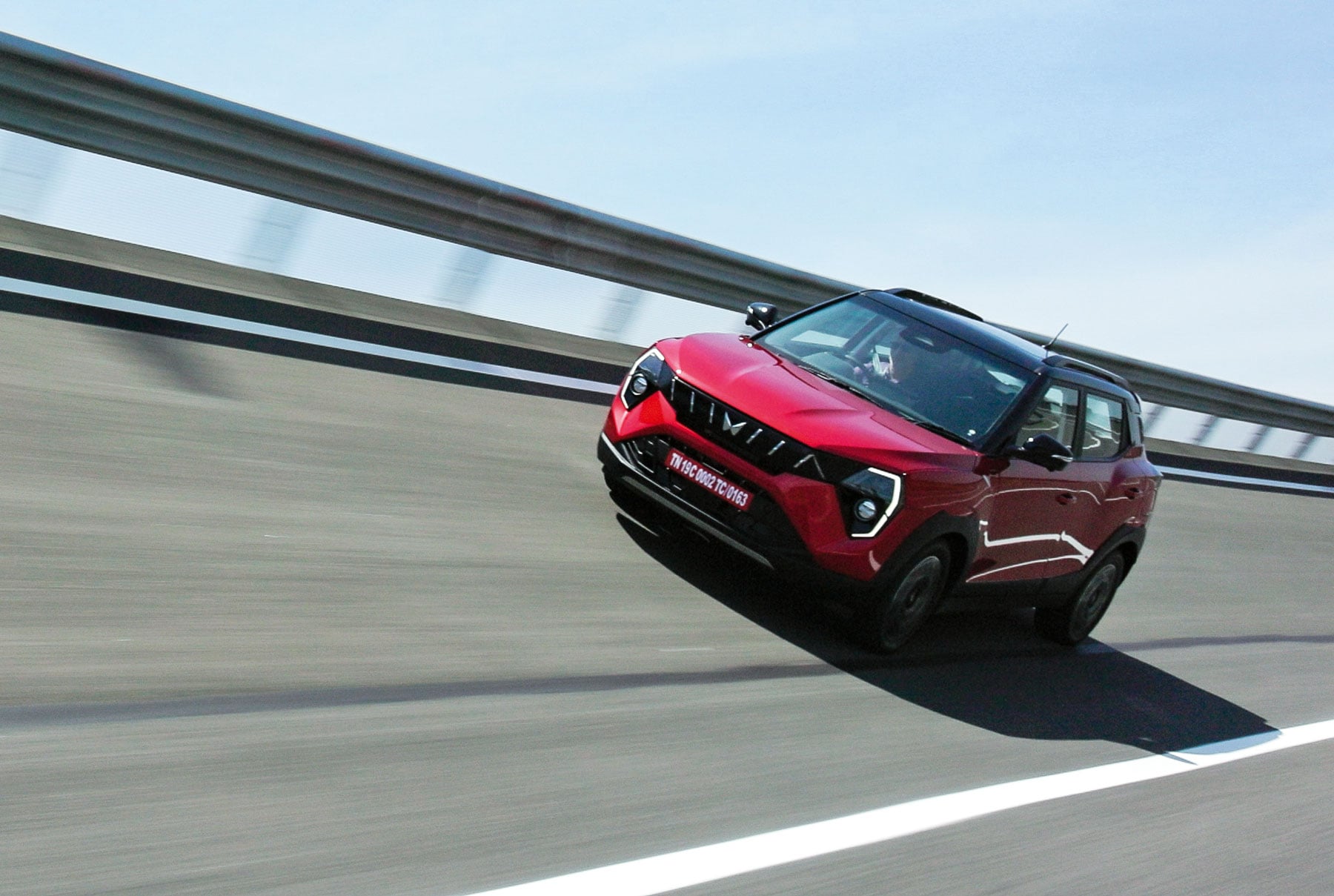
We’re here to see and drive the upcoming Mahindra XUV3XO, a compact SUV with a target on-road price of $25,000 in Australia. It’s the car Mahindra believes will give it some cut-through and a point of difference against the Chinese.
There are presentations on design and engineering, time on the high-speed oval track and a manoeuvring course. Then – to really cap the day – a live-action crash test, just for us.
The 3XO looks sharp, is well finished, accessibly priced and drives fine. It’s actually a total make-over of the older Ssangyong Tivoli, not that it’s hugely important for Australia.
1
Mahindra has gone all-in on specification, from the 1.2-litre three-cylinder engine and six-speed automatic gearbox to keyless entry, fake leather trim, wireless smart phone connectivity and even a surround-view camera on the base model. There is a spare tyre, too.
Cars should never be judged on proving ground impressions, but the 3XO immediately makes a move forward from the 700 shuttle cars. The performance is adequate, not outstanding, and the steering feels overly sensitive at first – perhaps with settings to suit lane-assistance.
It winds out to an indicated 170km/h on the speed bowl and the suspension feels both firm and controlled. But – and it could be a big but in the scheme of things – it will not be a 5-Star ANCAP car in Australia.
1
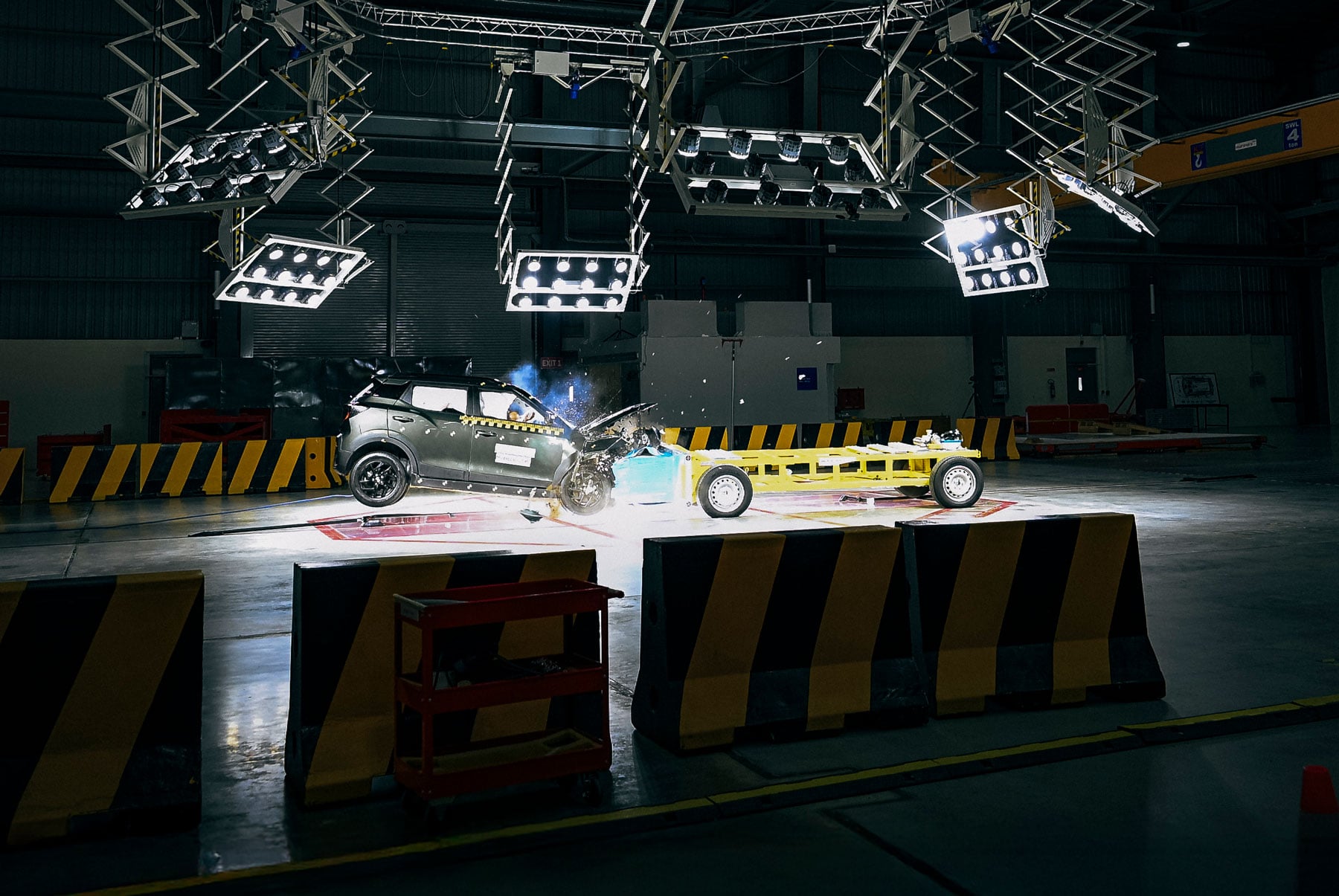
This is something Mahindra addresses several times, but never more than when it runs a thunderclap crash test – an XUV3XO against a moving barrier, both at 50km/h – to prove its commitment to safety. Every L-plater in Australia should watch something like this to see the consequences of poor driving, but for Mahindra it’s about making its cars better every time.
DOWN IN THE VALLEY
That’s the topic the following morning as – after another two-hour tumble through the traffic – we arrive at the impressive Mahindra Research Valley, the company’s main R&D facility housing 35 laboratories with 4000 engineers and 7000 staff in total.
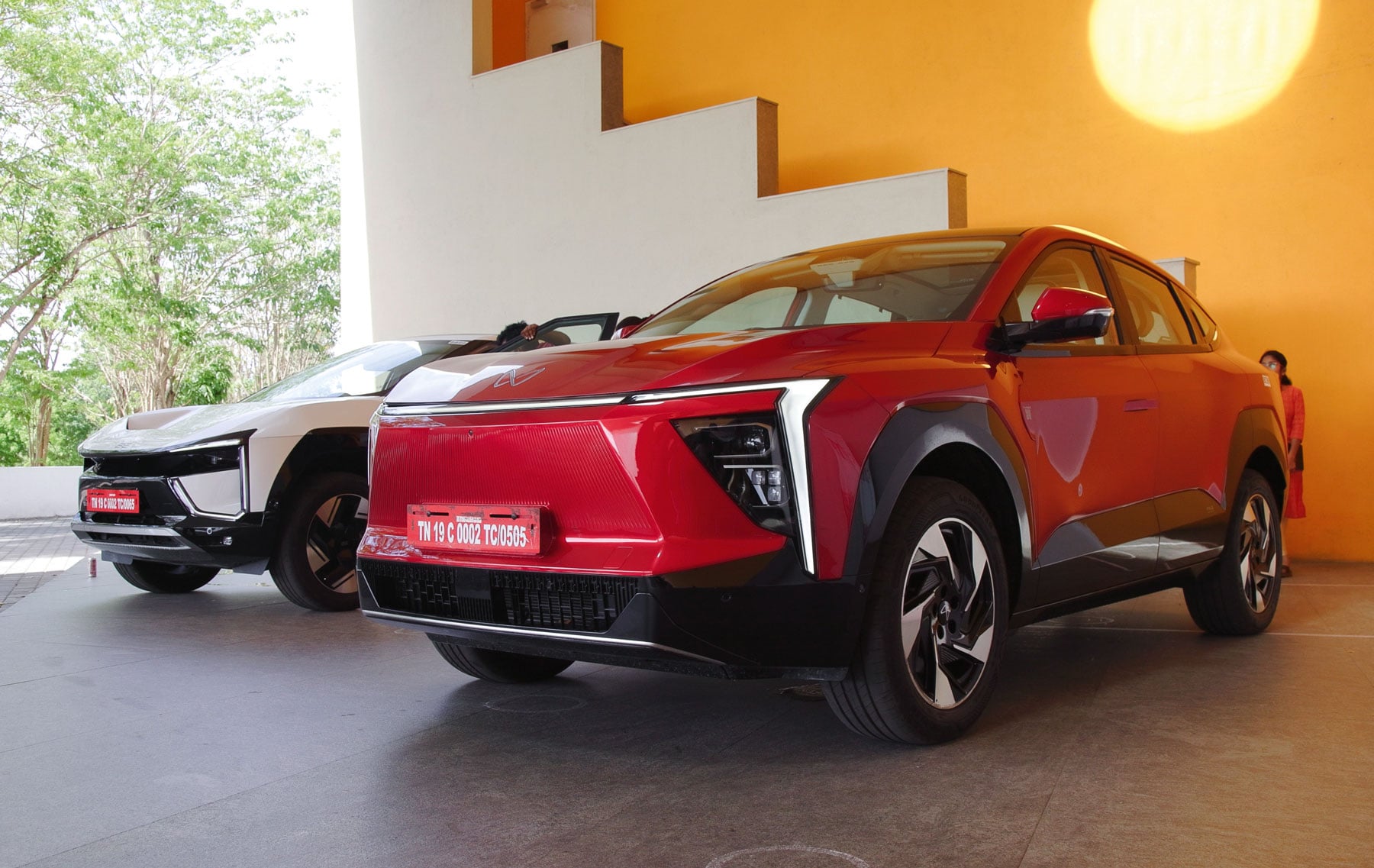
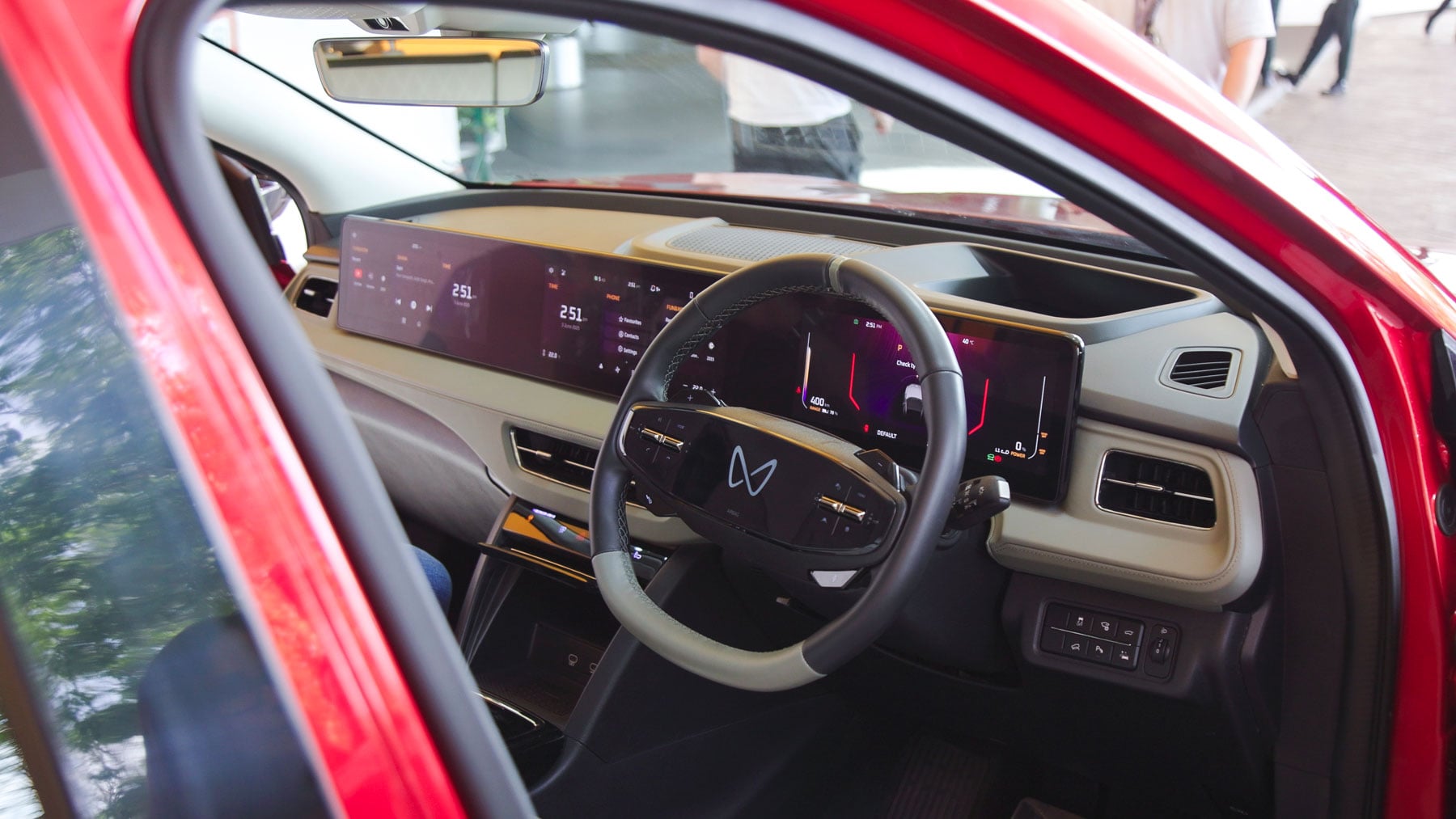
It’s a world away from the roots of Mahindra, which are found in the classic American fighting Jeep from World War II. Topics range from future models and four sub-brands to hybrids and even electrification – the BE 6 and XEV 9e are both discussed and displayed with promises that: ‘Many of the technologies are first time in India and some are first in the world’.
1
The brand is aiming for a top 15 slot in Australia and top five results in the segments where it competes.
“Mahindra is unique in the sense of not having a full portfolio of products. It has identified its niche areas – SUVs and utes. We are turning it out to be a strength for us,” says Mahindra’s head of international operations, Sachin Arolkar.
“Mahindra has been in Australia for 20 years. The customer knows this is not a fly-by night operator. That is not what Mahindra is about.
1
“Can you offer the content of a Chinese car – they offer the maximum content – with the engineering, the durability, the reliability that Mahindra has? How do we build up a brand to be ensuring that people who don’t look upon (it) only as for the professional use but also for personal use. That’s the kind of range we are talking about.
“In the segments where we are competing, we want to be really in the top brands.”
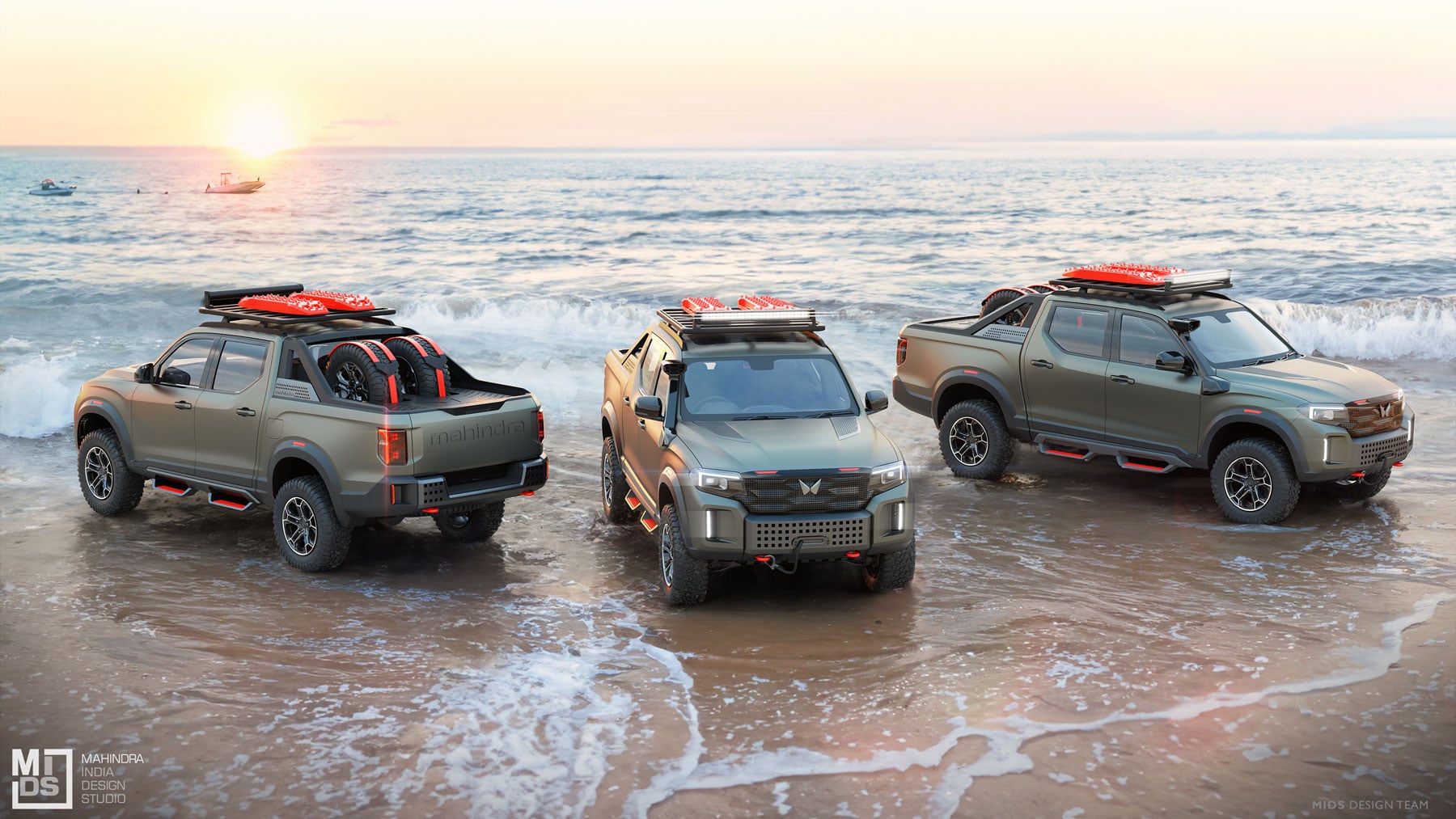
There is confirmation of a new, vastly improved Pik Up after the unveiling of a concept car in 2023, with production (and perhaps a diesel hybrid) set for 2026.
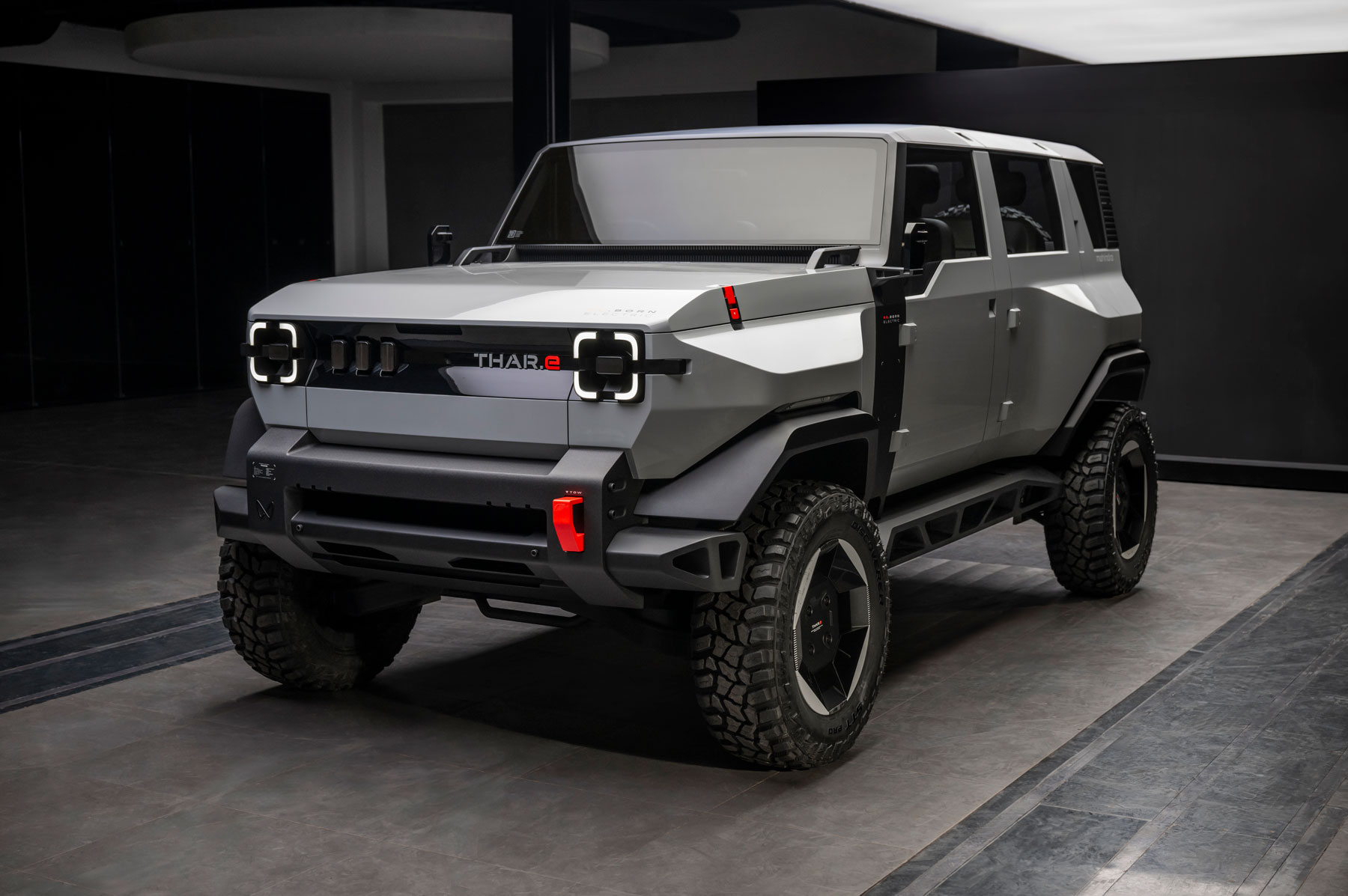
There is no chance of the rugged Thar – a Mahindra version of a Jeep – coming to Australia but there is good news for something special for Mahindra. It’s the production version of the Vision Thar.e concept, originally unveiled in South Africa in 2023 as an all electric off-roader.
1
“The name can be different, but what you saw in South Africa, you will get in Australia,” says Ramasamy.
Once the talking is done, it’s back to the craziness on the road to the airport. This time, at around 7pm, the traffic is even more manic as flashing headlights join the toot-toot-toot warnings and general hubbub.
Finally, perhaps partly from the fatigue of so much information overload, I can genuinely relax and enjoy the passing parade. It’s been more of a trip through India than a trip into India. It was seeing, but not doing, and a level of insulation provided by the Mahindra bubble. My muesli bars are still safely wrapped in my luggage.
As for Mahindra, things are better than I expected and there is a workable, ambitious plan to grow and improve in Australia.
CABO DA ROCA is where the European mainland runs out of resolve. The westernmost point of the continent is assailed by over 5500km of North Atlantic fetch, great grey-green rollers lining up in perfect sets to beat upon the Portuguese granite. Keep heading due east and the next landfall would be a scruffy beach in Delaware, USA.
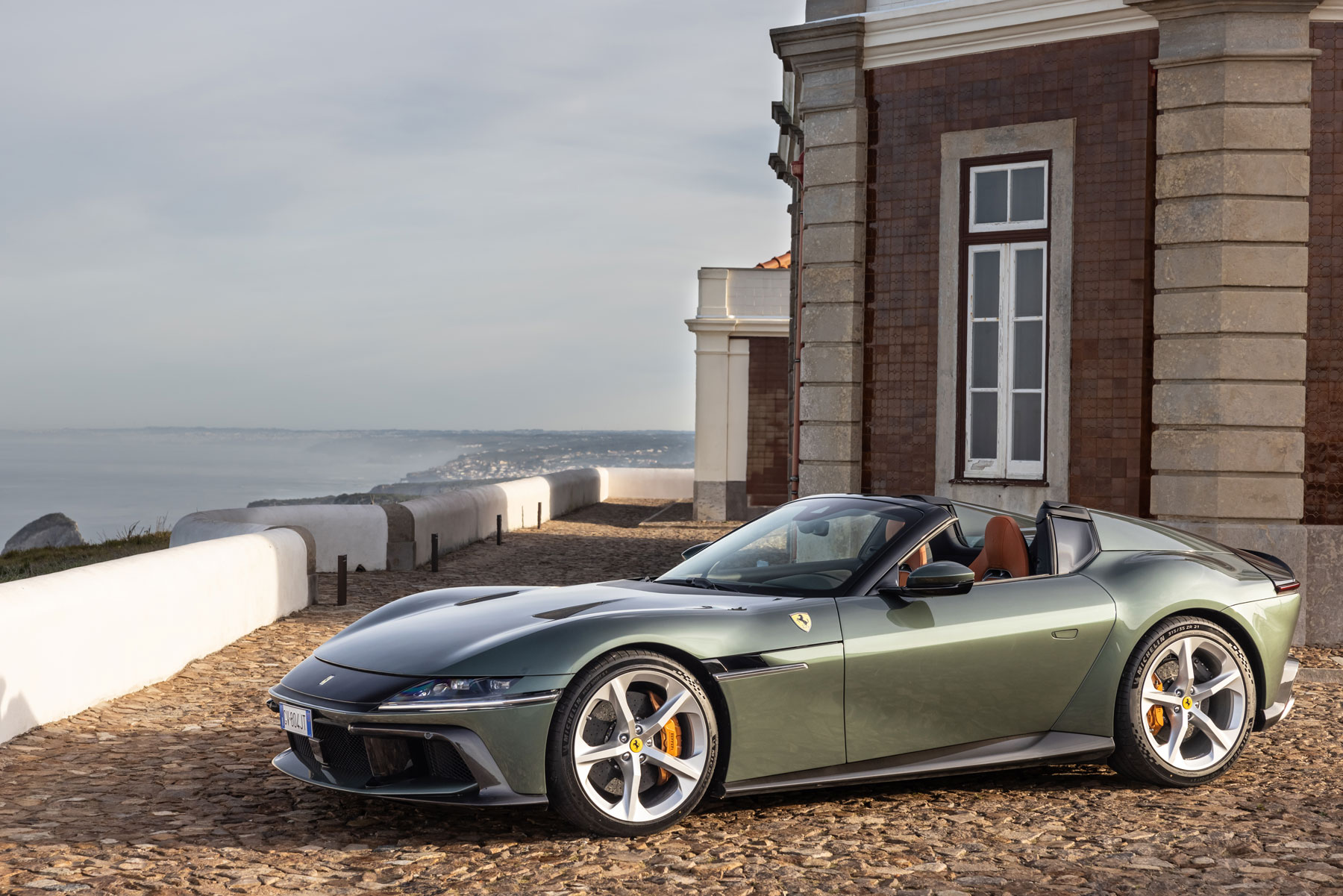
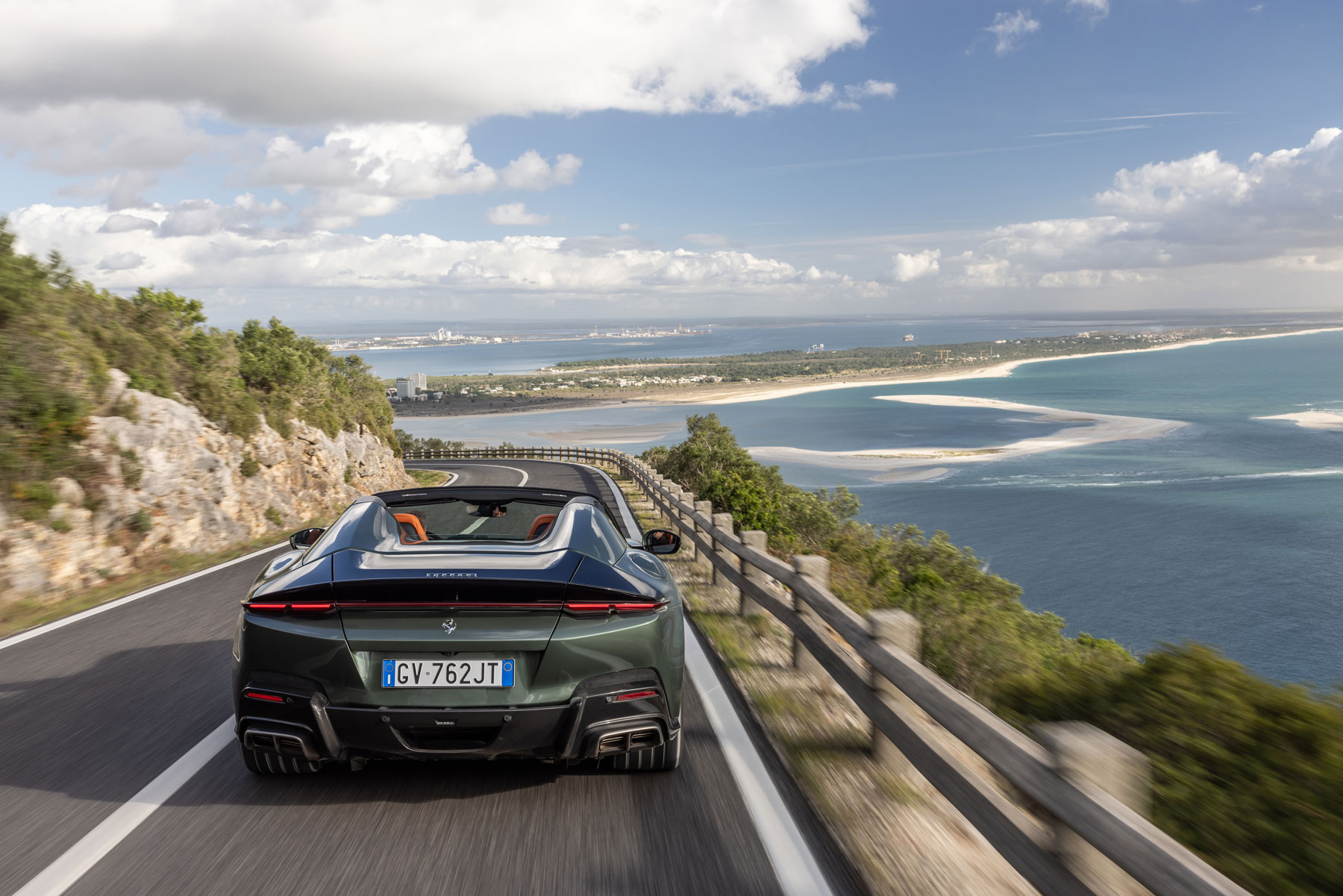
Today feels very Atlantic. It’s blustery and the wind is whistling through the flagpoles that stand by the lighthouse, the lanyards balefully clanging against the poles. It’s not really convertible weather, but if you have a box-fresh Ferrari 12Cilindri Spider at your disposal, you’re going to want to let a bit of that fresh salt tang in.
1
I’ve driven up from the fishing village of Cascais this afternoon, attempting to follow the coast north in order to get a feel for Ferrari’s 6.5-litre V12 GT. I’m not really sure quite what to make of it just yet. Its predecessor, the 812 GTS, could fox you like that. The classical front-engined form factor suggested GT car, but the driving experience was as hardcore as any mid-engined supercar. I still haven’t figured out quite what this car is trying to be. Time to point the nose north and put some miles under its belt.
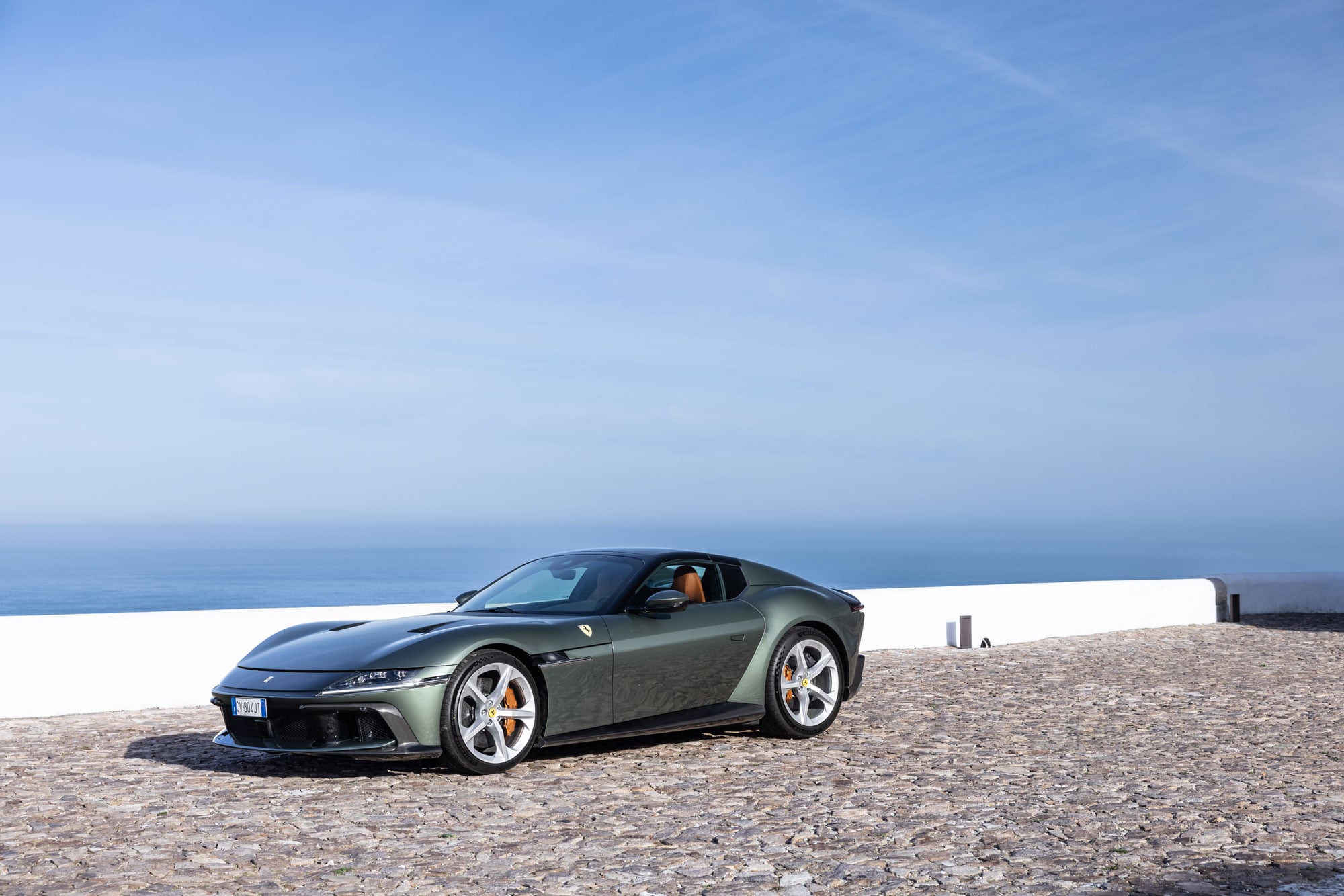
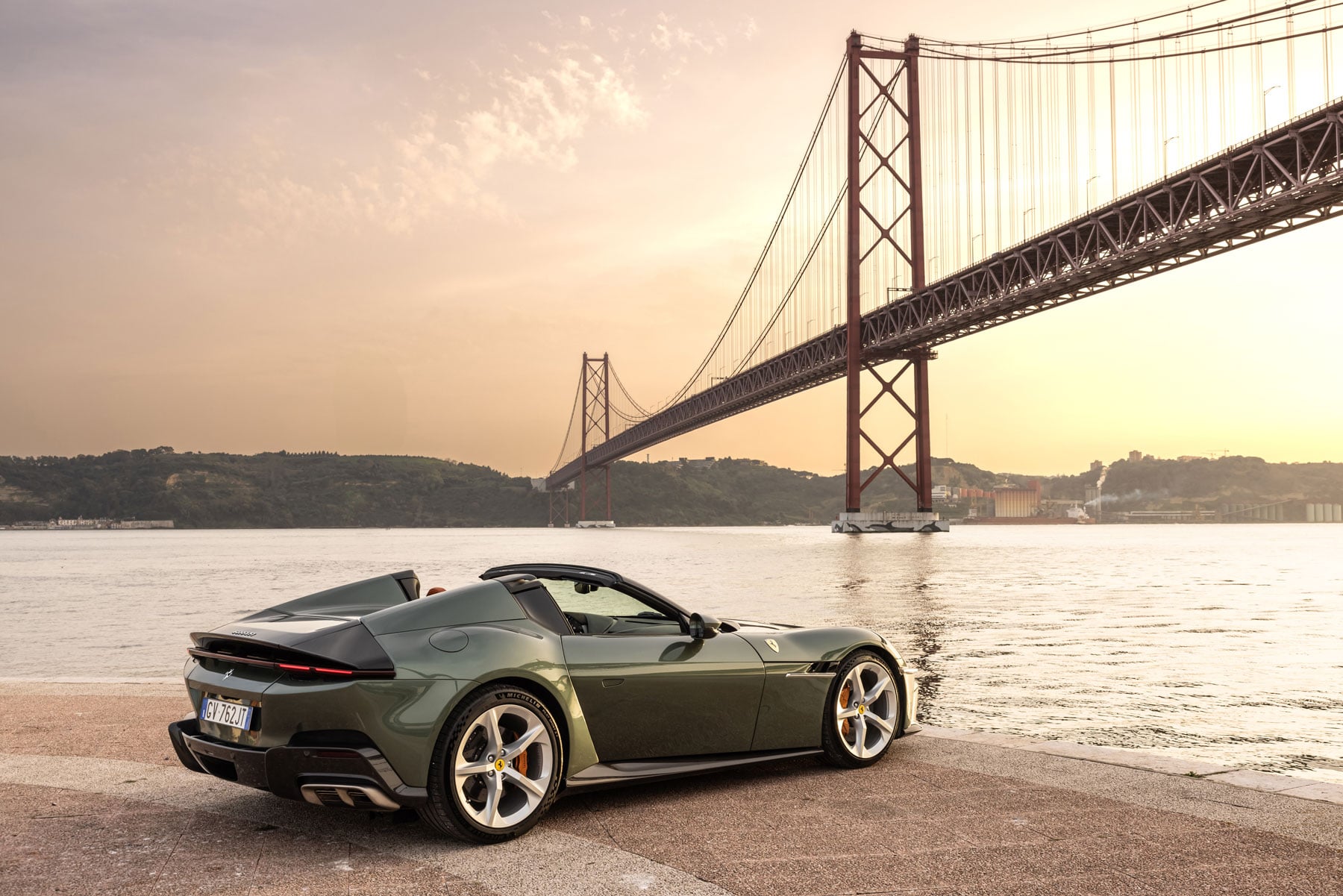
It feels big. Part of that comes from the sensation that you’re sitting right on the rear axle, with stacks of Verde Toscana bonnet reaching out ahead of you before diving down to that Daft Punk meets Daytona visor at the front. It’s wide too, and while that’s not a problem on the open coastal stretches, the road climbs inland over bluffs and palisades, throwing in enough tight and damp hairpins to keep things interesting.
The Spider adds another 60kg to the 1560kg kerb weight of the berlinetta version, which doesn’t seem excessive for a well insulated, four-hydraulic cylinder, rigid hard top assembly. In actual fact, the roof and its aluminium alloy structural roll bar totals 40kg, with the other 20kg being accounted for by additional structural reinforcements.
1
The design of this roof has had to walk a bit of a tightrope because Ferrari didn’t want to compromise on the 200-litre boot capacity and was also keen to retain the functionality of the active aero ‘winglets’ at each rear corner, the motorised tonneau cover’s aero design having to work hand-in-hand with these signature elements.
In creating the Spider and berlinetta at the same time, Flavio Manzoni’s team at Centro Stile has been able to overcome these issues in a cohesive way. Early orders here in Australia seem to back up the company’s claim that the sales split is almost a perfect 50:50 between the coupe and the convertible.
This is a very good convertible too. The local roads aren’t the smoothest, but there’s little in the way of obvious scuttle shake, something that has afflicted metal-chassised Ferrari drop-tops in the past. The company claims a torsional stiffness increase of eight percent over its predecessor but won’t quote hard numbers. The roof itself motors up or down in just 14 seconds and can be operated at speeds of up to 45km/h.
There’s little in the way of scuttle shake, something that has afflicted metal-chassised Ferrari drop-tops in the past
Despite the tasteful green over tan finish, I’m still feeling a little self-conscious in a car that costs over €625,000 (over $1m Aussie) in a country that’s being pummelled by a savage cost of living crisis. In Australia, we have to hand over $886,800 for one, an $83,300 premium over its fixed-head sibling.
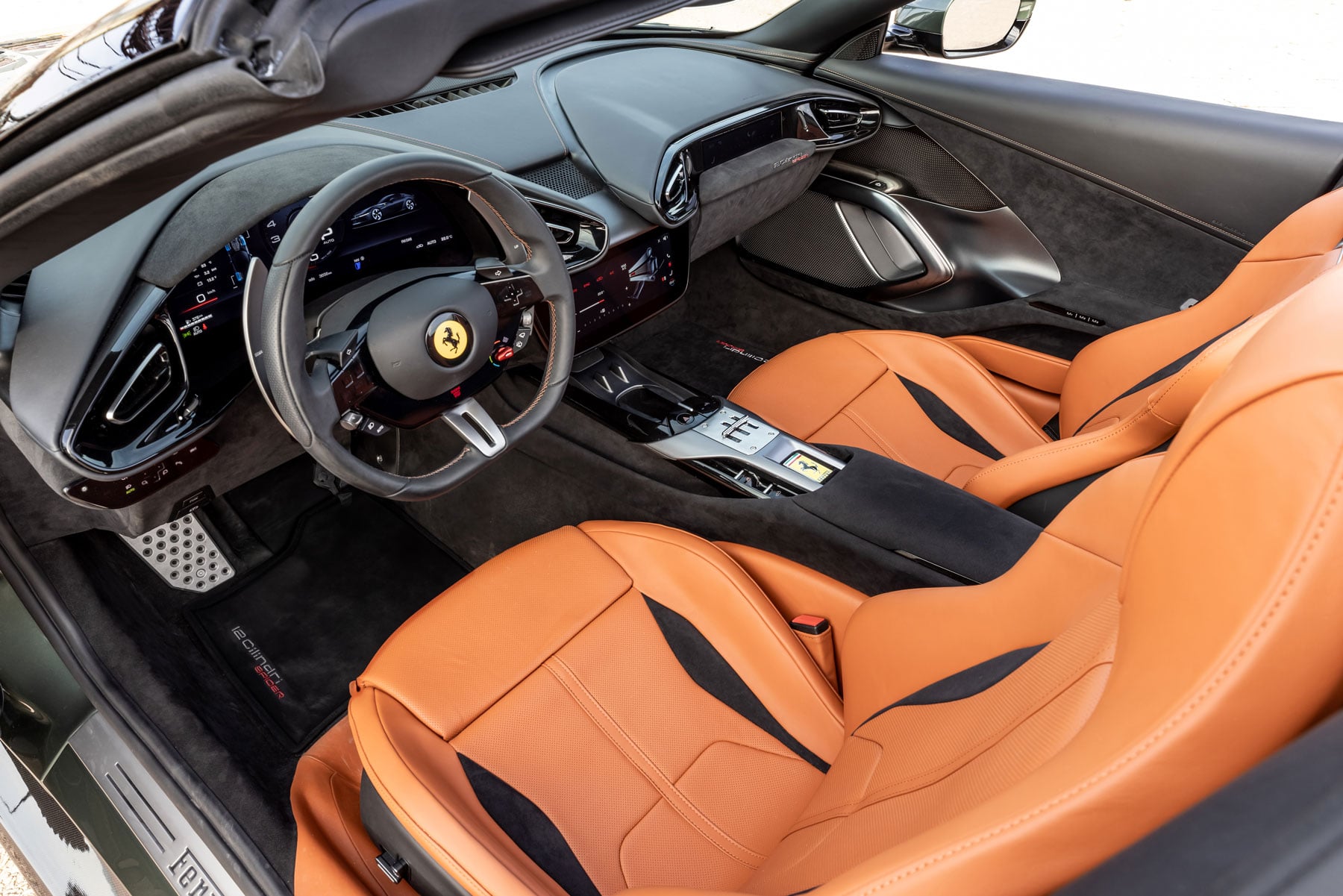
Like all modern Ferraris, the user interface takes some time to gel with. The car’s supplied with a nose lift, required to inch over many of the precipitous speed humps that act as village ramparts around here, but it’s a tab on the central touch screen. I’d prefer if it were a hard-keyed function on a physical button.
1
The steering wheel is festooned with touch sensitive controls, but Maranello has clearly listened to feedback on this, as these controls go dark and dead after a few seconds so that you’re less likely to activate them during a frantic bit of wheel-twirling. Not that there’s too much of that required with fourwheel steering making the ratio very quick at low speeds, working in concert with the e-diff.
The cabin’s a bit of an odd fit. I expected that it’d be pinched for headroom for tall blokes like me, but it’s really well provisioned on that particular axis. Where it’s not quite so generously cut is in length, which means that you’ll tend to motor the seat quite close to the wheel to get adequate rake on the driver’s squab.
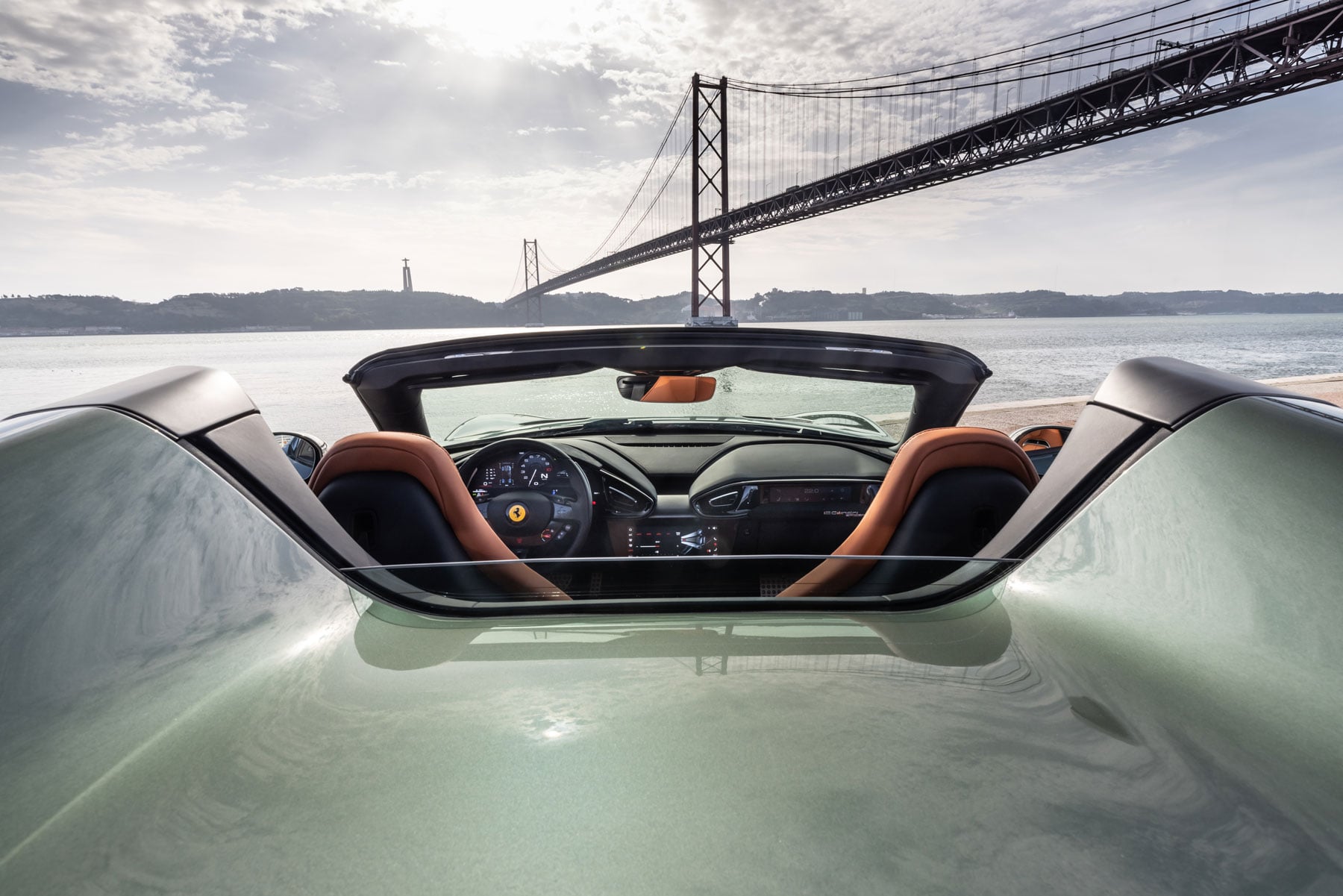
To operate the roof you pull at a toggle set a long way aft on the centre console. Like the 296 GTS, you can also just drop the vertical rear window if required, but it doesn’t serve to plug you into the aural theatrics as it does in the mid-engined car.
There’s a wheel-mounted ADAS button that allows you to toggle all the absolutely nonessentials off fairly easily. Ferrari claimed that it attempted to make the ADAS functionality as unobtrusive as possible and that stands up in practice. The HELE button on the panel outboard of the steering wheel cuts the idle stop, which can feel binary and incongruous in a car with such an overt engine.
Ah yes, the sound. You want to know what a normally aspirated V12 that now has to pass a stack of drive-by noise regulations sounds like. From the outside, it’s quite mannered. Inside the car, Ferrari has positioned resonators ahead of the throttle body inlet that pipe sound into the cockpit. If you found the Purosangue somewhat mute, you’ll be happier with the 12Cilindri. It’s vocal but never seriously shouty.
1
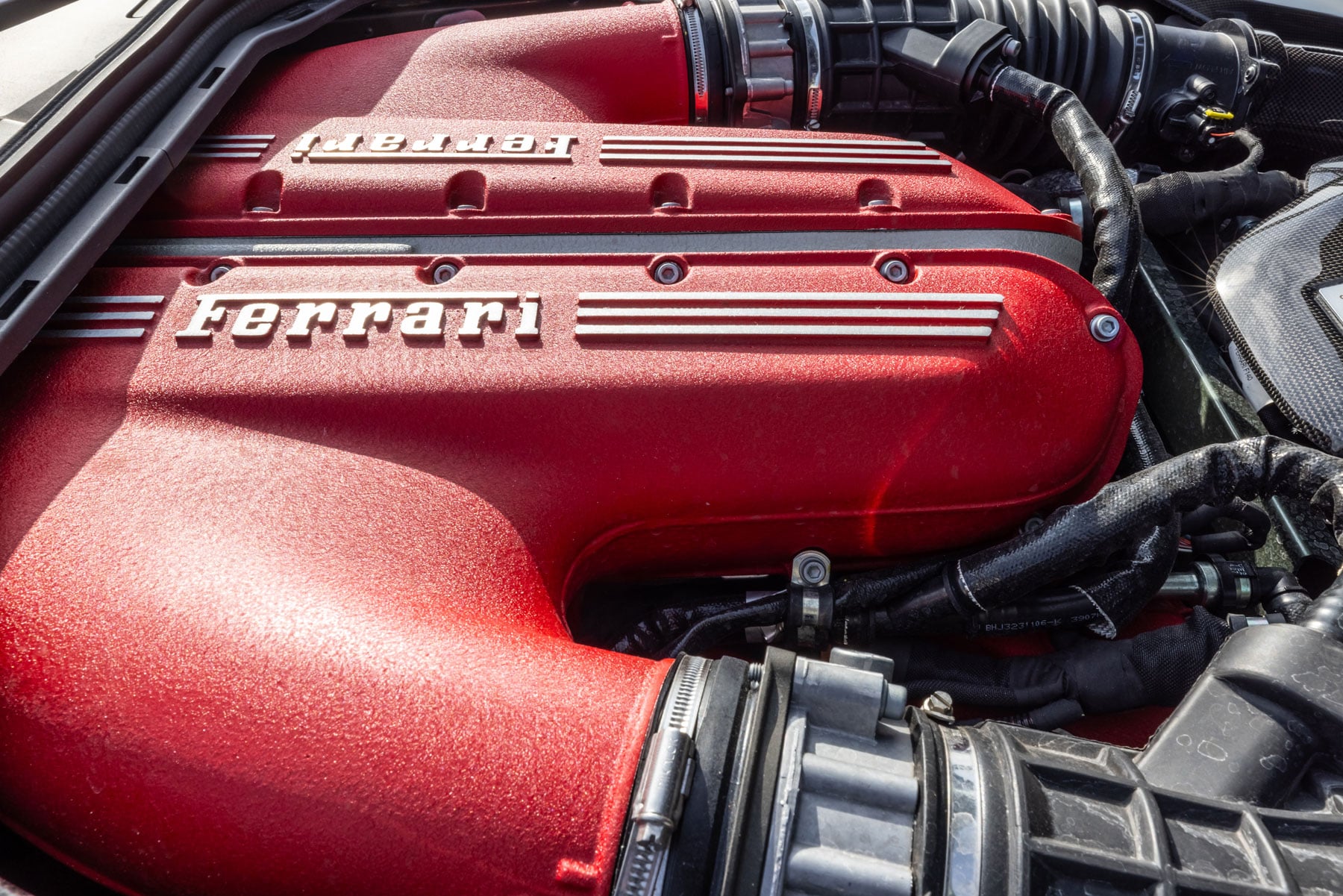
The exhaust system features two six-into-one manifolds with equal length ducts, designed to generate the complex baritone high-end howl that V12 fans demand. Go chasing it and you’ll realise that in order to develop its full complement of 610kW, you’ll need to rev it to 9250rpm, just 250 shy of the redline. The way the needle races around to that peak means you’d never be able to eke out every last rev with a manual ’box, as evocative as it’d be to see a gated H-pattern in this car.
If you found the Purosangue somewhat mute, you’ll be happier with the 12Cilindri Spider
Instead there’s an eight-speed DCT gearbox, that features a five percent shorter final drive than you’d find in the rest of the Ferrari range, giving real accelerative punch in lower gears. It seems counterintuitive to lower the gearing in a car that needs to not only pass stringent noise and emissions tests but which also has been positioned as a less extreme option in the Ferrari line up.
When asked, an engineer shrugged and claimed that they did it because it wasn’t easy but seemed like the right thing to do for the character of the car. Not that I’m complaining. I hate cars that feel blunt due to ridiculously long gearing. The long eighth gear is great for motorway cruising and it’s here that the 12Cilindri affords far better efficiency than its predecessor.
If you’ve managed to keep the 12Cilindri Spider pointing in the right direction after a full bore blast through first and second, keep it pinned (on a closed course, etc) and you’ll discover Aspirated Torque Shaping. A version of this system has featured on turbocharged Ferraris since the California T back in 2016, but this is the first time it’s been utilised on an atmo engine. By managing the way the engine introduces torque through third and fourth gears, the ones that Ferrari deems the most important for everyday road driving, the feel is of linear acceleration and a vivid impression that the powerplant is in no way tailing off in its delivery.
While it’s more subtle with a naturally-aspirated engine, it certainly works. The engine dominates proceedings and you need to be disciplined in how and when you accelerate out of slower corners. Despite the lower final drive, you’ll find that the top of second is somewhere you’ll find yourself on any twisty section of road, and I’d advise that you combine flight to the boards throttle demand with any sort of steering angle very judiciously. This is still a car with 22kW more power and 20mm less wheelbase than the feral 812 Superfast.
1
Key to controlling cars is the now-familiar lozengeshaped manettino dial on the steering wheel. This can be clicked through Wet, Sport, Race, CT off and ESC Off modes, and each of these five settings has its own specific map for stability control, braking control, suspension control and Passo Corto Virtuale (in effect, the combined functions of the e-diff and the four-wheel steer). With the condition of the roads and traffic today, I limit the adventure primarily to Sport mode with the odd dip into Race on the better sighted sections.
Wheel control is good when the Bumpy Road mode is employed. The 12Cilindri rides on 21-inch alloy wheels, which have increased unsprung weight. Our car has the heavier fivespoke cast rims, but there’s also a fussier forged option with a machined throwing-star look. There’s an option of either Michelin Pilot Sport 5S or Goodyear Eagle F1 Supersport rubber, with the latter also offered as a run-flat option in Europe. I can’t say that I was going hard enough to feel any real benefit from the active aero, which offers a modest 50kg of downforce at 250km/h. Time and a place.
Whether it’s the Passo Corto Virtuale, the new brake-by-wire system or the fiendishly complex Side Slip Control 8.0, there’s a massive data integration task going on behind the scenes. For the most part, it works, but there are moments when the 12Cilindri Spider reminds you that for all its classic base formula, that veneer is one of artful software control. Much of this work started in 2018, and along the way things have iteratively improved, and fast.
1
I think it’s this, as much as anything, that gives the 12Cilindri Spider its slightly opaque personality. It feels like a car whose basic philosophy has been somewhat sacrificed at the altar of tech creep, discrete teams within the walls at Maranello doing things because they can. As I head back towards Cascais, I’m hugely impressed by this intriguing, elegant and capable car. If this is the last naturally aspirated V12 that Ferrari builds, it’ll be a worthy recipient.
It feels churlish to question whether Ferrari, a company that has realised record profits in the last financial year, fully understands its V12 customers. Yet it appears that the philosophy behind this car has been to extend its capability. I’d rather effort was devoted to extending the physical involvement and sensation of the 12Cilindri. I wouldn’t mind losing some trick chassis functionality for a pared back cabin and a more predictable feedback loop of input and output. I’d forgo the active aero frippery for that resource to be spent on making it sound more evocative.
Any of that would be arrant nonsense on something like a 296GTB, but these things matter to V12 GT buyers. Perhaps Ferrari needed to be braver and do less. Such a volte face would likely be philosophically unpalatable to Ferrari’s techie CEO Benedetto Vigna, but the profit margins would be greater, and that’s significant for this production-capped company.
It’s getting cool as the lights of Cascais appear over the sands of Praia do Guincho. I flip the roof up and crank the heater. The evening strollers nod appreciatively as the big coupe burbles along the coast road. It’s a lovely thing this Spider, and it seems a more rounded proposition than the coupe. Just sometimes, though, you wonder whether less is more.
1
“Aerodynamics are for people who can’t build engines”
EVEN ENZO FERRARI HAD A BAD TAKE ONCE IN A WHILE
The roof mechanism of the 12Cilindri Spider owes a lot to extensive wind tunnel and CFD work. The windscreen header rail has been sculpted such that the flow detachment point eliminates overpressure behind the occupants’ heads. Meanwhile, the front of the two flying buttresses features a trim that directs air inboard, recompressing the separation bubble atop the tonneau cover. This prevents air recirculating back to the cabin, while another element directs higher speed, lower pressure airfl ow outboard to the active rear winglets.