Classic Wheels

Gallery 1
First published in the August 1981 issue of Wheels magazine, Australia’s best car mag since 1953. Subscribe here and gain access to 12 issues for $109 plus online access to every Wheels issue since 1953.
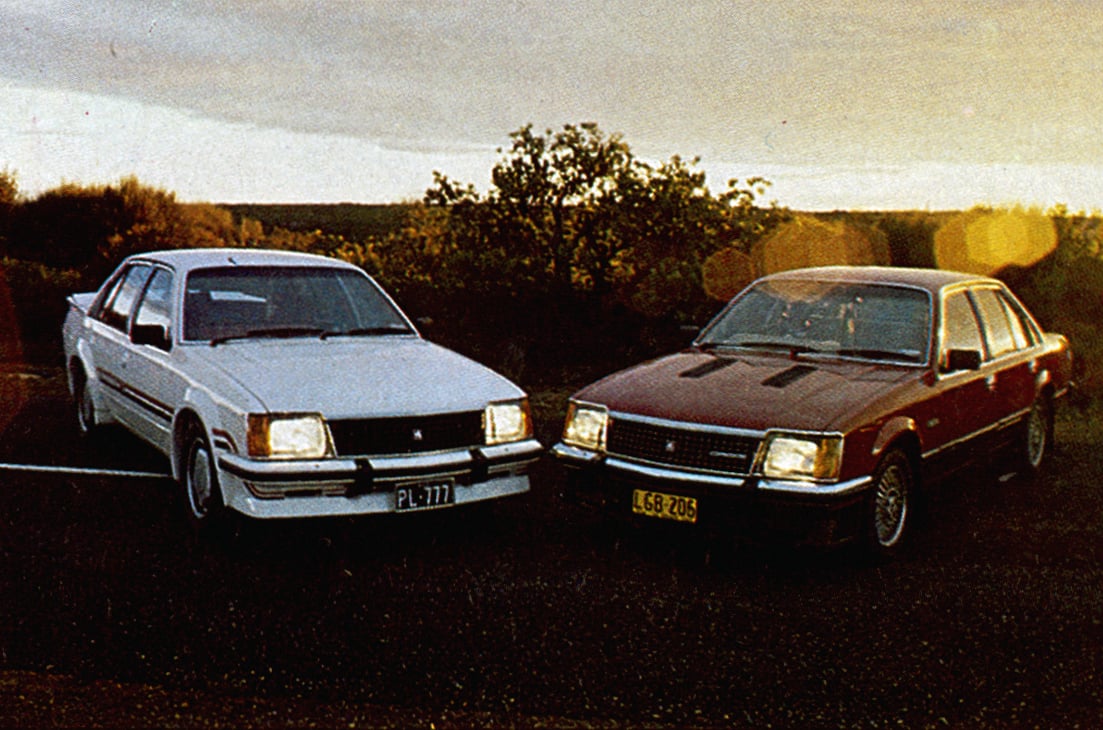
We had half expected it but it still came as a surprise. We repeated the exercise just to make sure. There was no mistake: the fastest Australian sedan is the fastest no longer, pipped at the post by a car with the magic letters T … U … R … B … O across its rear end.
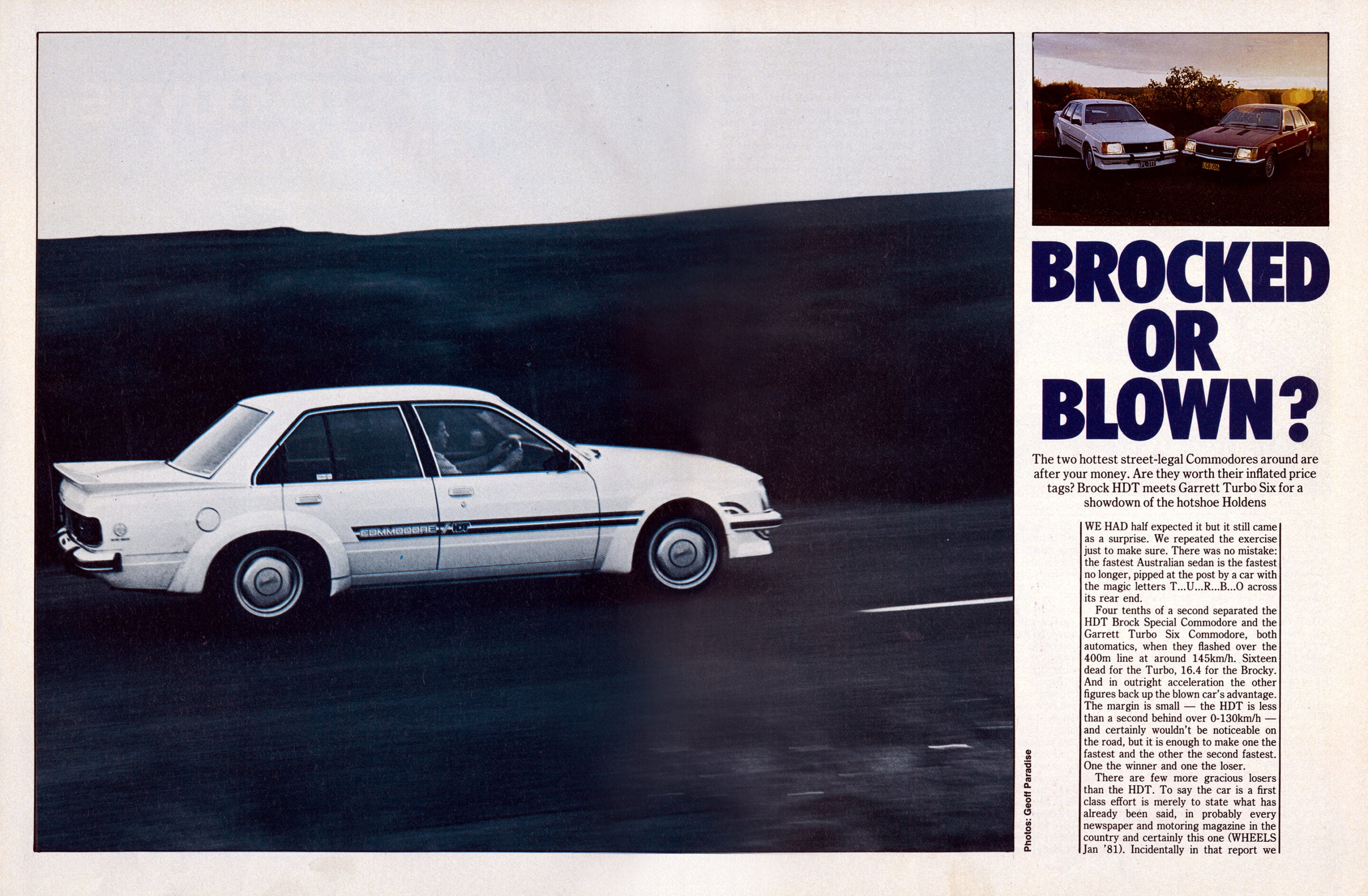
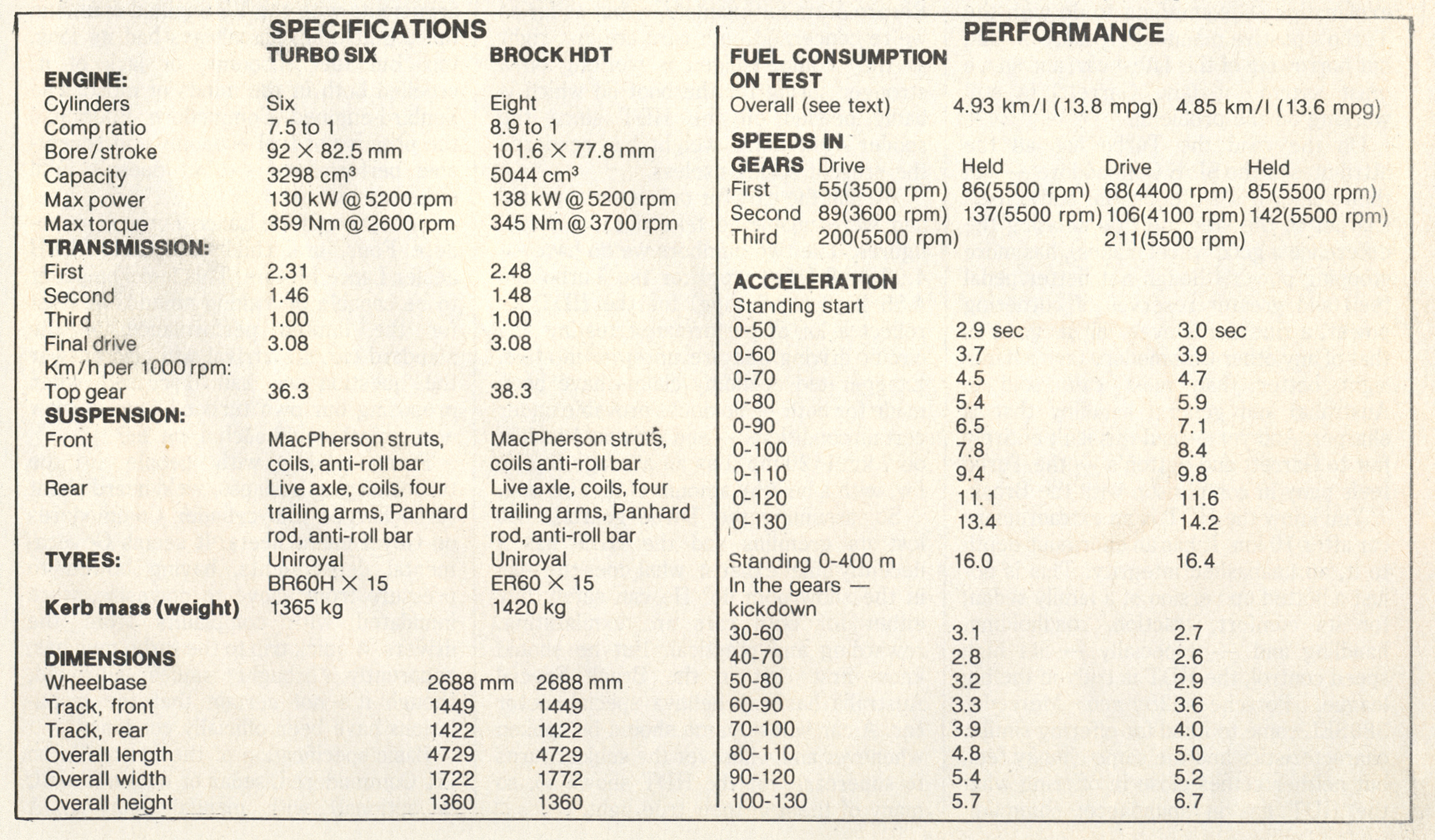
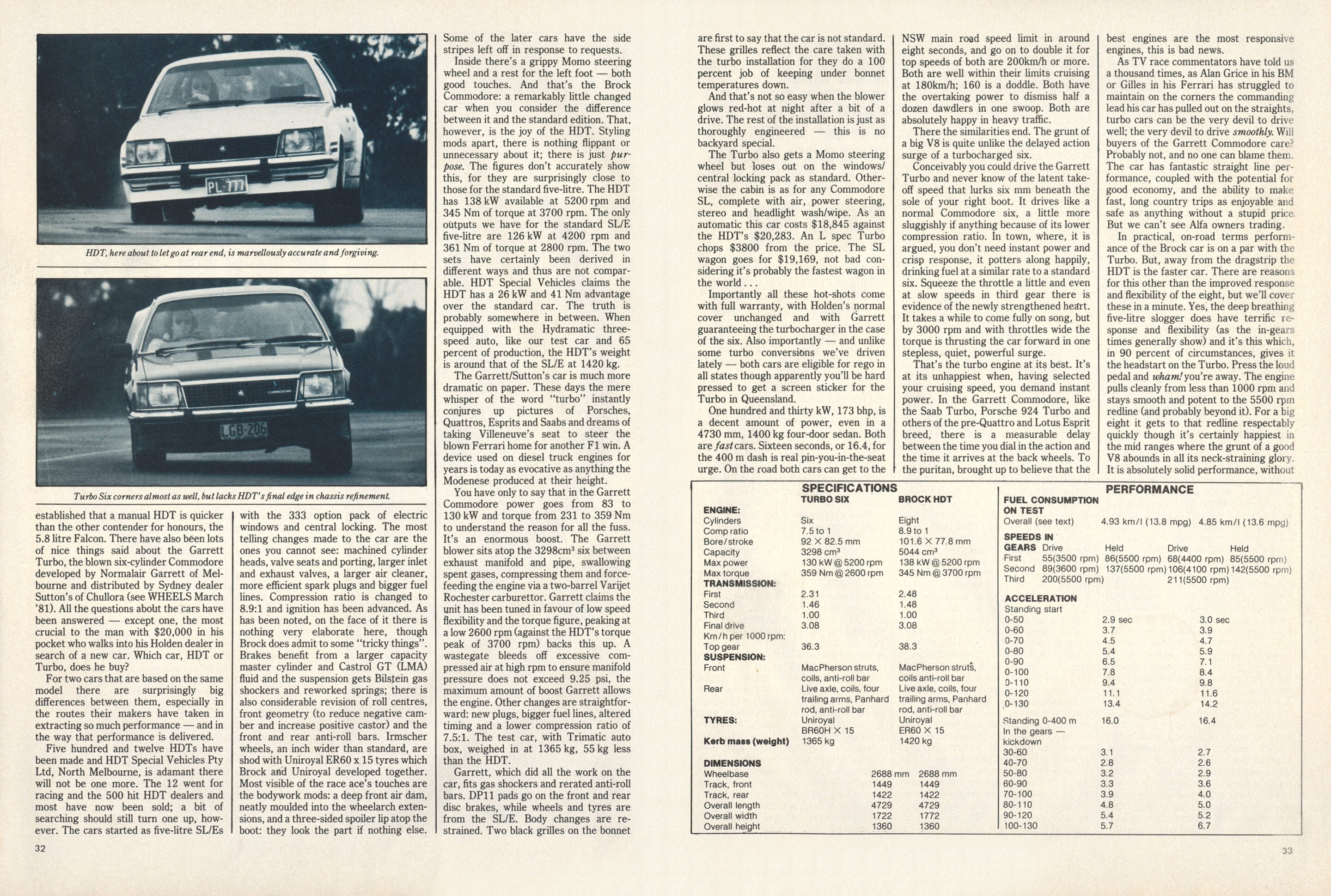
Four tenths of a second separated the HDT Brock Special Commodore and the Garrett Turbo Six Commodore, both automatics, when they flashed over the 400m line at around 145km/h. Sixteen dead for the Turbo, 16.4 for the Brocky. And in outright acceleration the other figures back up the blown car’s advantage.
The margin is small – the HDT is less than a second behind over 0-130km/h – and certainly wouldn’t be noticeable on the road, but it is enough to make one the fastest and the other the second fastest. One the winner and one the loser.
1
There are few more gracious losers than the HDT. To say the car is a first class effort is merely to state what has already been said, in probably every newspaper and motoring magazine in the country and certainly this one (Wheels Jan ’81). Incidentally in that report we established that a manual HDT is quicker than the other contender for honours, the 5.8 litre Falcon. There have also been lots of nice things said about the Garrett Turbo, the blown six-cylinder Commodore developed by Normalair Garrett of Melbourne and distributed by Sydney dealer Sutton’s of Chullora (see Wheels March ’81). All the questions about the cars have been answered – except one, the most crucial to the man with $20,000 in his pocket who walks into his Holden dealer in search of a new car. Which car, HDT or Turbo, does he buy?
For two cars that are based on the same model there are surprisingly big differences between them, especially in the routes their makers have taken in extracting so much performance – and in the way that performance is delivered.
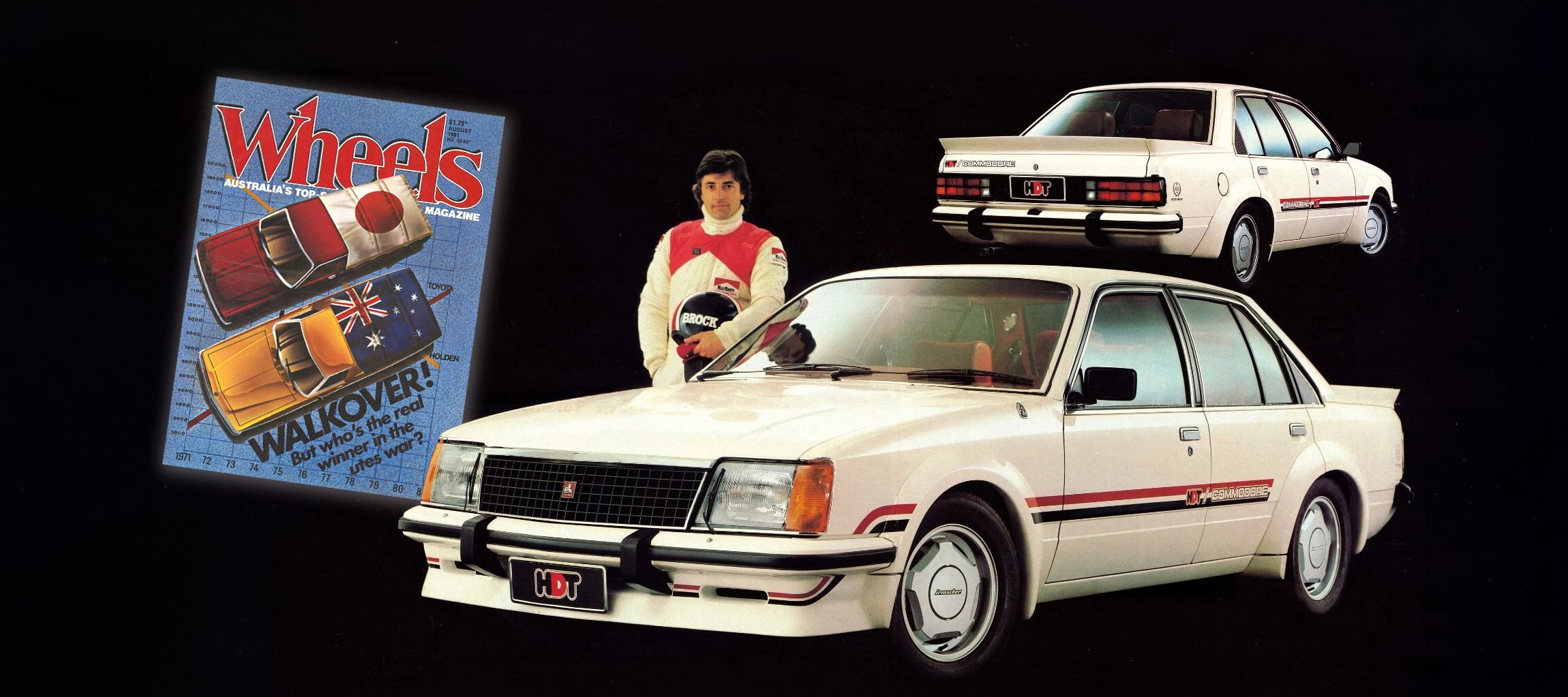
Five hundred and twelve HDTs have been made and HDT Special Vehicles Pty Ltd, North Melbourne, is adamant there will not be one more. The 12 went for racing and the 500 hit HDT dealers and most have now been sold; a bit of searching should still turn one up, however.
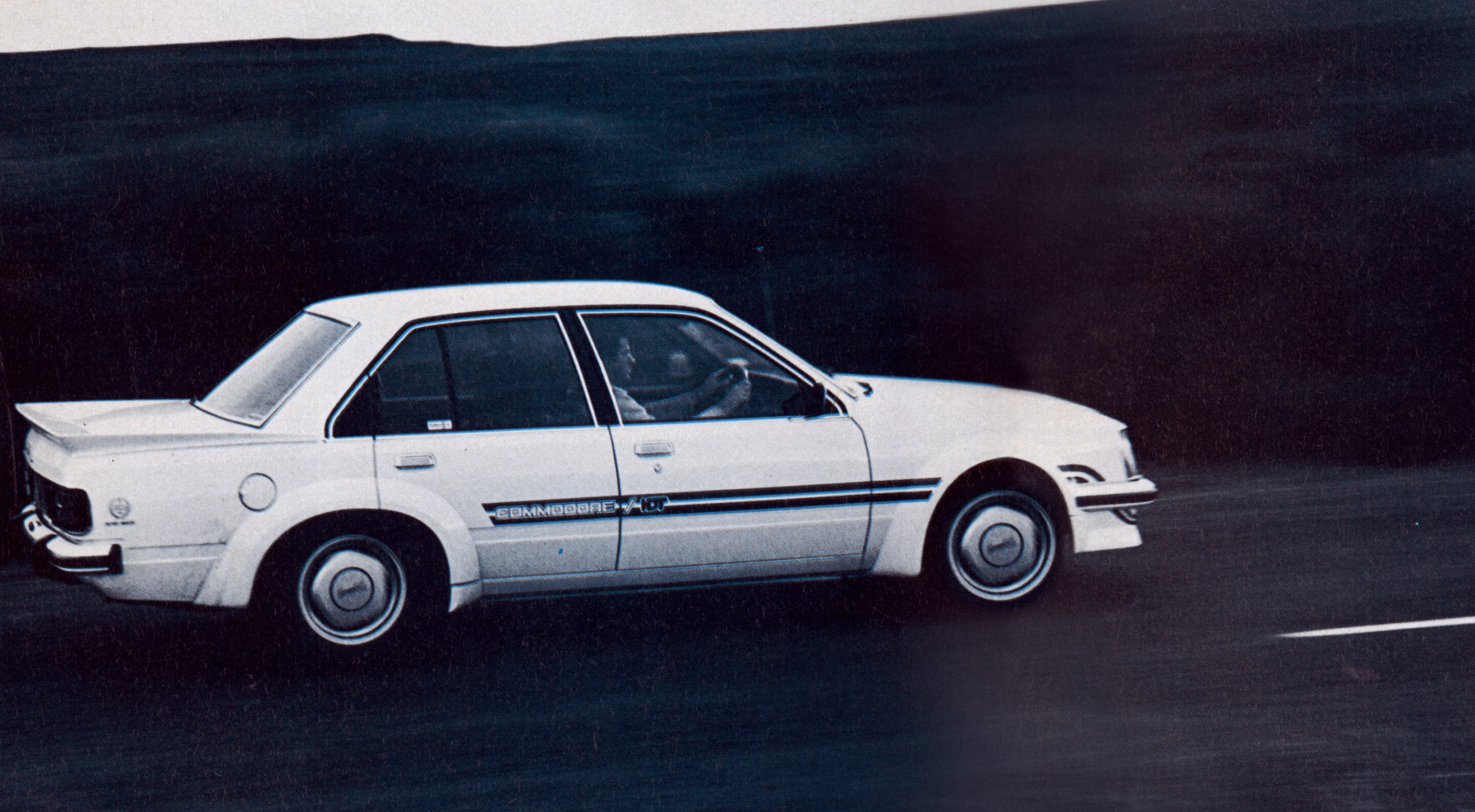
The cars started as five-litre SL/Es with the 333 option pack of electric windows and central locking. The most telling changes made to the car are the ones you cannot see: machined cylinder heads, valve seats and porting, larger inlet and exhaust valves, a larger air cleaner, more efficient spark plugs and bigger fuel lines. Compression ratio is changed to 8.9:1 and ignition has been advanced. As has been noted, on the face of it there is nothing very elaborate here, though Brock does admit to some “tricky things”.
1
Brakes benefit from a larger capacity master cylinder and Castro! GT (LMA) fluid and the suspension gets Bilstein gas shockers and reworked springs; there is also considerable revision of roll centres, front geometry (to reduce negative camber and increase positive castor) and the front and rear anti-roll bars. Irmscher wheels, an inch wider than standard, are shod with Uniroyal ER60 x 15 tyres which Brock and Uniroyal developed together.
Most visible of the race ace’s touches are the bodywork mods: a deep front air dam, neatly moulded into the wheelarch extensions, and a three-sided spoiler lip atop the boot: they look the part if nothing else. Some of the later cars have the side stripes left off in response to requests.
Inside there’s a grippy Momo steering wheel and a rest for the left foot – both good touches. And that’s the Brock Commodore: a remarkably little changed car when you consider the difference between it and the standard edition. That, however, is the joy of the HDT. Styling mods apart, there is nothing flippant or unnecessary about it; there is just purpose.
The figures don’t accurately show this, for they are surprisingly close to those for the standard five-litre. The HDT has 138kW available at 5200rpm and 345Nm of torque at 3700rpm. The only outputs we have for the standard SL/E five-litre are 126kW at 4200 rpm and 361Nm of torque at 2800rpm. The two sets have certainly been derived in different ways and thus are not comparable.
1
HDT Special Vehicles claims the HDT has a 26kW and 41Nm advantage over the standard car. The truth is probably somewhere in between. When equipped with the Hydramatic three-speed auto, like our test car and 65 per cent of production, the HDT’s weight is around that of the SL/E at 1420kg.
The Garrett/Sutton’s car is much more dramatic on paper. These days the mere whisper of the word “turbo” instantly conjures up pictures of Porsches, Quattros, Esprits and Saabs and dreams of taking Villeneuve’s seat to steer the blown Ferrari home for another F1 win. A device used on diesel truck engines for years is today as evocative as anything the Modenese produced at their height.
You have only to say that in the Garrett Commodore power goes from 83 to 130kW and torque from 231 to 359Nm to understand the reason for all the fuss. It’s an enormous boost.
The Garrett blower sits atop the 3298cm3 six between exhaust manifold and pipe, swallowing spent gases, compressing them and forcefeeding the engine via a two-barrel Varijet Rochester carburettor. Garrett claims the unit has been tuned in favour of low speed flexibility and the torque figure, peaking at a low 2600rpm (against the HDT’s torque peak of 3700rpm) backs this up. A wastegate bleeds off excessive compressed air at high rpm to ensure manifold pressure does not exceed 9.25psi, the maximum amount of boost Garrett allows the engine. Other changes are straightforward: new plugs, bigger fuel lines, altered timing and a lower compression ratio of 7.5:1. The test car, with Trimatic auto box, weighed in at 1365kg, 55kg less than the HDT.
1
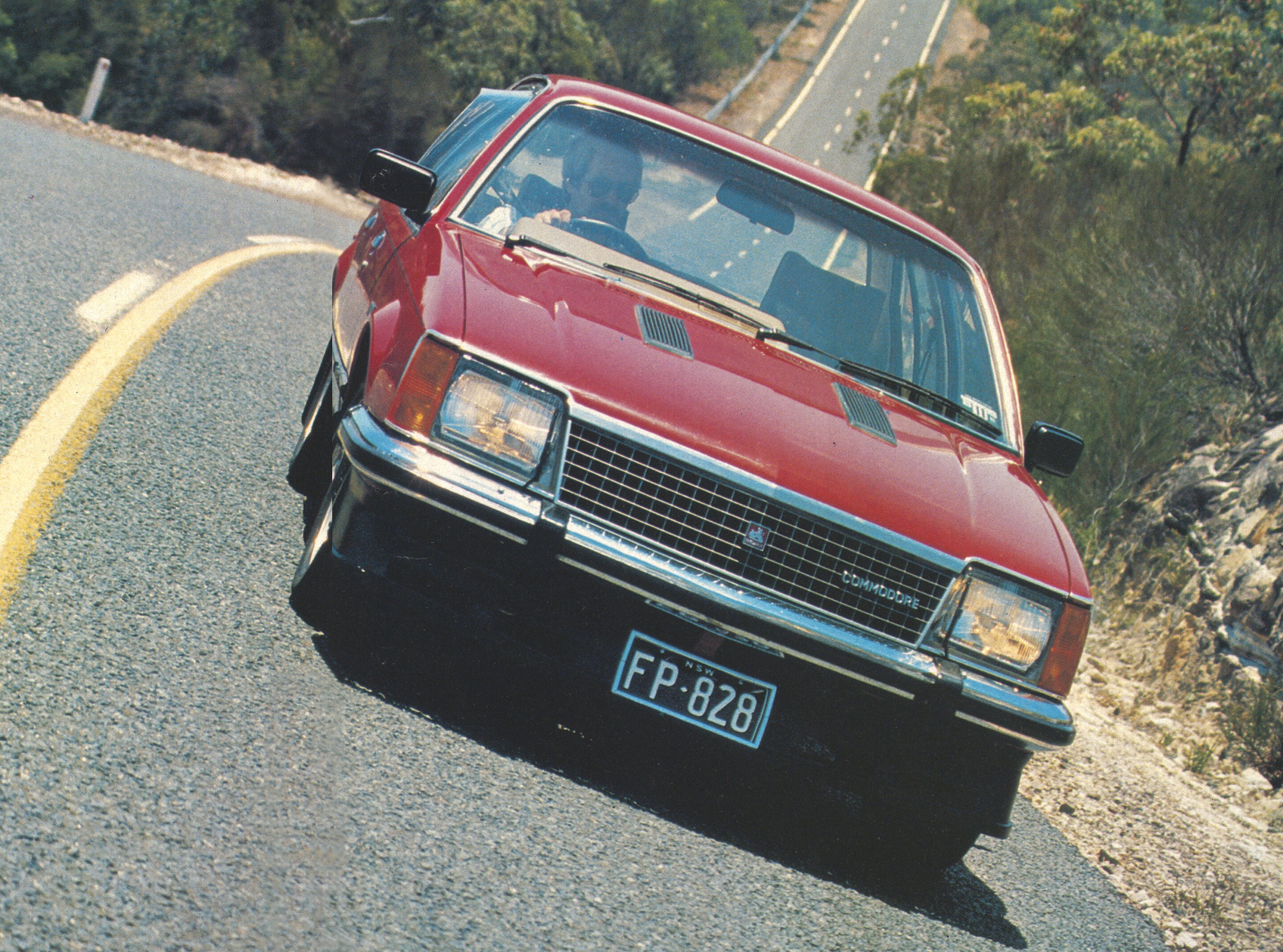
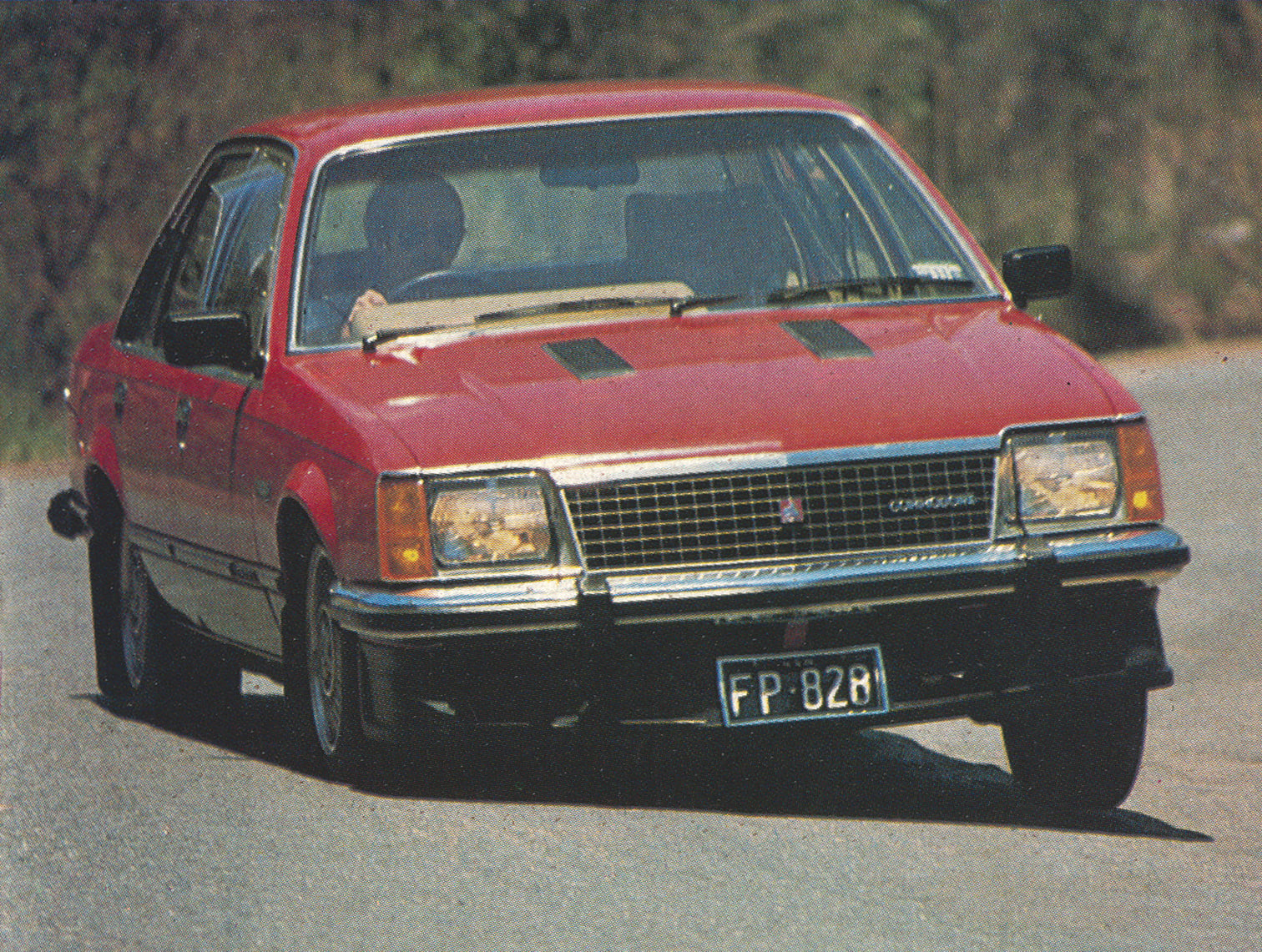
Garrett, which did all the work on the car, fits gas shockers and rerated anti-roll bars. DPll pads go on the front and rear disc brakes, while wheels and tyres are from the SL/E. Body changes are restrained. Two black grilles on the bonnet are first to say that the car is not standard. These grilles reflect the care taken with the turbo installation for they do a 100 per cent job of keeping under bonnet temperatures down. And that’s not so easy when the blower glows red-hot at night after a bit of a drive. The rest of the installation is just as thoroughly engineered – this is no backyard special.
The Turbo also gets a Momo steering wheel but loses out on the windows/ central locking pack as standard. Otherwise the cabin is as for any Commodore SL, complete with air, power steering, stereo and headlight wash/wipe. As an automatic this car costs $18,845 against the HDT’s $20,283. An L spec Turbo chops $3800 from the price. The SL wagon goes for $19,169, not bad considering it’s probably the fastest wagon in the world…
Importantly all these hot-shots come with full warranty, with Holden’s normal cover unchanged and with Garrett guaranteeing the turbocharger in the case of the six. Also importantly – and unlike some turbo conversions we’ve driven lately – both cars are eligible for rego in all states though apparently you’ll be hard pressed to get a screen sticker for the Turbo in Queensland.
1
One hundred and thirty kW, 173bhp, is a decent amount of power, even in a 4730mm, 1400kg four-door sedan. Both are fast cars. Sixteen seconds, or 16.4, for the 400m dash is real pin-you-in-the-seat urge. On the road both cars can get to the NSW main road speed limit in around eight seconds, and go on to double it for top speeds of both are 200km/h or more. Both are well within their limits cruising at 180km/h; 160 is a doddle. Both have the overtaking power to dismiss half a dozen dawdlers in one swoop. Both are absolutely happy in heavy traffic.
There the similarities end. The grunt of a big V8 is quite unlike the delayed action surge of a turbocharged six. Conceivably you could drive the Garrett Turbo and never know of the latent takeoff speed that lurks six mm beneath the sole of your right boot. It drives like a normal Commodore six, a little more sluggishly if anything because of its lower compression ratio. In town, where, it is argued, you don’t need instant power and crisp response, it potters along happily, drinking fuel at a similar rate to a standard six. Squeeze the throttle a little and even at slow speeds in third gear there is evidence of the newly strengthened heart. It takes a while to come fully on song, but by 3000rpm and with throttles wide the torque is thrusting the car forward in one stepless, quiet, powerful surge.
1
That’s the turbo engine at its best. It’s at its unhappiest when, having selected your cruising speed, you demand instant power. In the Garrett Commodore, like the Saab Turbo, Porsche 924 Turbo and others of the pre-Quattro and Lotus Esprit breed, there is a measurable delay between the time you dial in the action and the time it arrives at the back wheels. To the puritan, brought up to believe that the best engines are the most responsive engines, this is bad news.
As TV race commentators have told us a thousand times, as Alan Grice in his BM or Gilles in his Ferrari has struggled to maintain on the corners the commanding lead his car has pulled out on the straights, turbo cars can be the very devil to drive well; the very devil to drive smoothly. Will buyers of the Garrett Commodore care? Probably not, and no one can blame them. The car has fantastic straight line performance, coupled with the potential for good economy, and the ability to make fast, long country trips as enjoyable and safe as anything without a stupid price. But we can’t see Alfa owners trading.
1
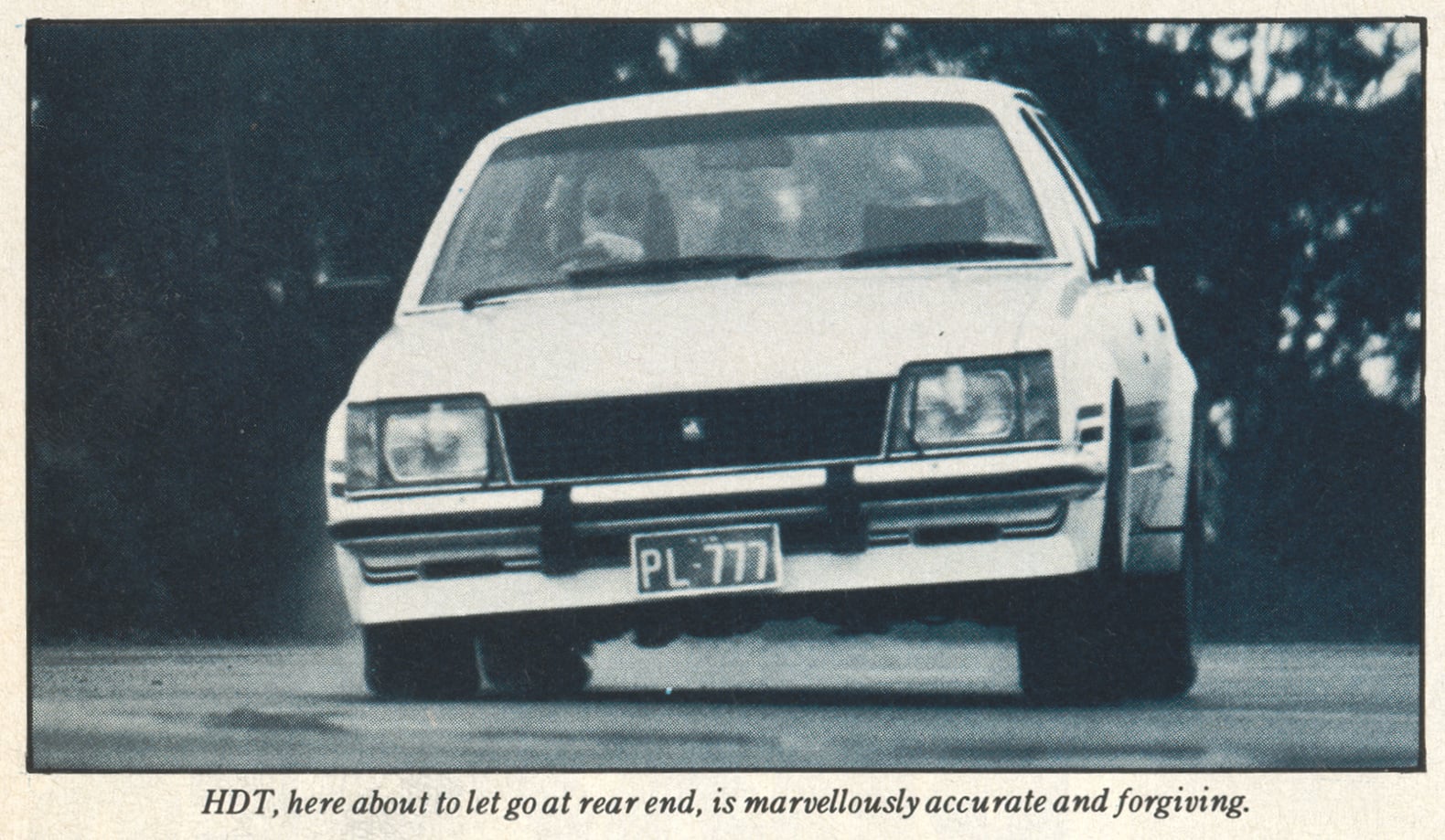
In practical, on-road terms performance of the Brock car is on a par with the Turbo. But, away from the dragstrip the HDT is the faster car. There are reasons for this other than the improved response and flexibility of the eight, but we’ll cover these in a minute. Yes, the deep breathing five-litre slogger does have terrific response and flexibility (as the in-gears times generally show) and it’s this which, in 90 per cent of circumstances, gives it the headstart on the Turbo. Press the loud pedal and wham/you’re away. The engine pulls cleanly from less than 1000rpm and stays smooth and potent to the 5500rpm redline (and probably beyond it). For a big eight it gets to that redline respectably quickly though it’s certainly happiest in the mid ranges where the grunt of a good V8 abounds in all its neck-straining glory. It is absolutely solid performance, without quirks or conditions: it is just there, and you know it, and you use it.
Whereas the Turbo’s performance is curiously detached from the rest of the car, largely thanks to the delayed reactions and lack of mechanical noise, the HDT’s is an integral part of the whole, but unfortunately it displays it in one area where it shouldn’t: noise. Office consensus has it that the HDT is not excessively loud – though certainly louder than the Turbo – but our test car was unacceptable in this respect. Sutton’s fits a slightly larger, stainless steel exhaust system to its cars, and apart from allegedly boosting performance slightly it seems to add a new muffler to the system: the cabin . The boom is worst at around 2000rpm, exactly where you don’t want it. After this it subsides but the HDT thus equipped is never a quiet car. We are sending Sutton’s the bill for the headache pills …
1
Unless you’re a real Peter Brock clone you’ll find the Hydramatic auto box in the HDT detracts not one iota from the pleasure to be had in driving the thing. It copes with the extra power well, has sensible run out speeds and a kickdown facility that’s on your side when you want to extract the maximum from the engine.
The same cannot be said of the Trimatic box in the Turbo. As we have noted before, it has difficulty keeping up with the engine. The little man inside it gets confused about which cog to call up next and when he does he either tries all of ’em or goes out on strike. There have now been four months since Sutton’s explanation – something to do with the Turbo’s postive manifold pressure – and our borrowing of this latest car, and so we must assume it (and Garrett) is still working on the problem.
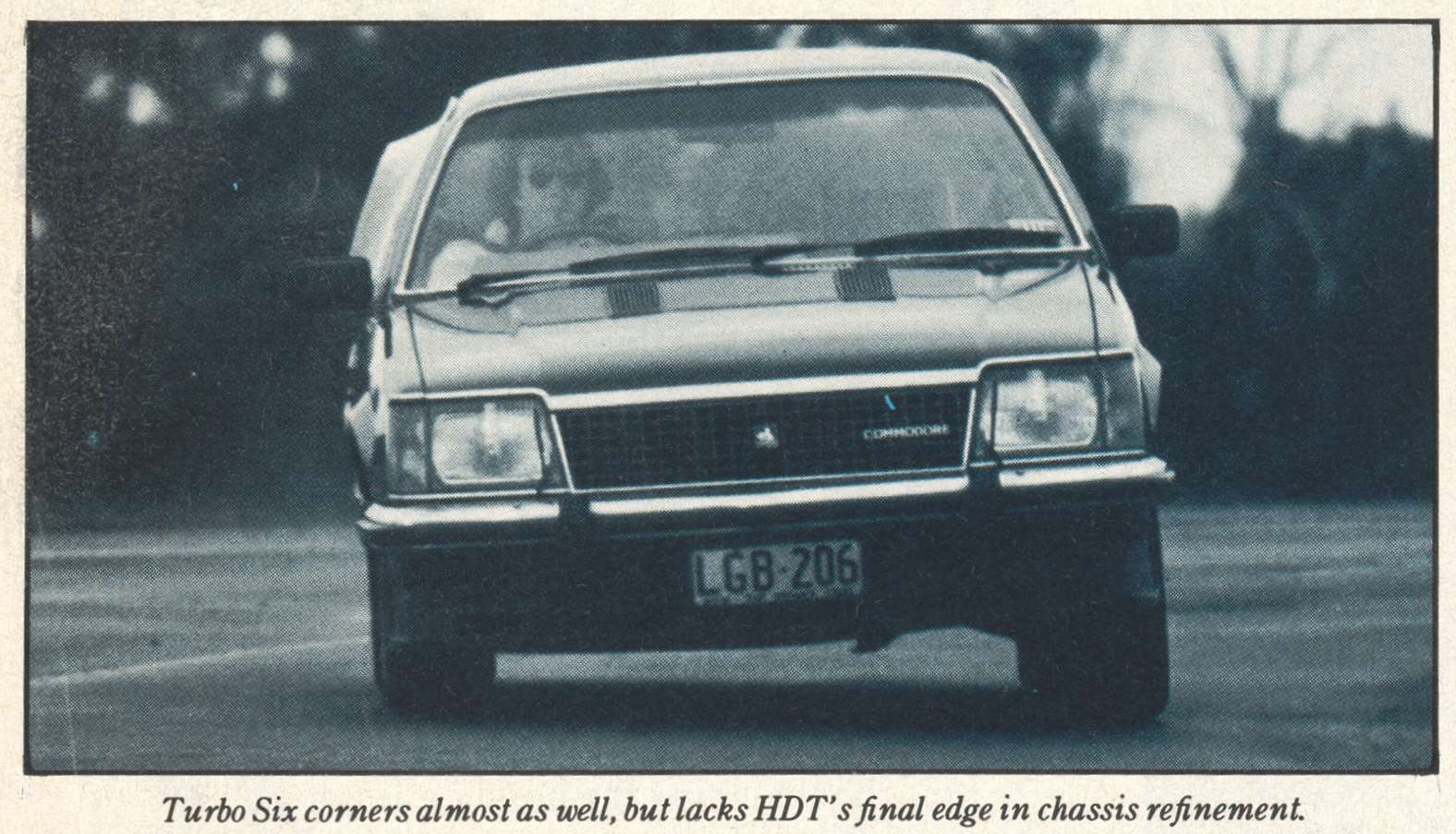
On the road the Turbo has all the attributes of the SL/E Commodore – and then some. It’s stiffer in the body, feels sharper in the steering (it’s amazing the difference a good wheel makes), has more stopping power (though not better pedal feel) and greater reserves of cornering power, a ride that’s every bit as good as that of any other Commodore (and a damn sight better than most cars sold in Australia) and general handling that is sharper. And yet – and this isn’t entirely fair to Garrett and Sutton’s – the Turbo feels puny in comparison with the Brock.
1
You know the HDT is an extraordinary car after 10km. It has an enormous depth to it, an unabashed integrity. This is not just a hotted up version of a family sedan; for its comfort, traction, roadholding, handling and – especially – its high speed control, the HDT is truly in the big league. Porsche 928 and Mercedes 380SEL come to mind for offering similar characteristics and the same chunky feel, but neither comes close in offering what the HDT has in abundance: communication to the driver, and the most faithful, forgiving chassis you’ll find.
The car has stability, accuracy and grip and a ride that is never less than comfortable. Even over really rough, coarse surfaced roads those special Uniroyals, which, we suspect must take a lot of the credit for the car, remain quiet and firmly in touch, rarely thumping despite their size and rarely letting harshness penetrate the defences. The tyres certainly give the handling and roadholding edge to the HDT. When they slide (in both cars you have the choice, understeer or oversteer though rarely in the dry) they do so progressively and gently, returning to line with the same progressive, gentle input from the driver through steering and throttle.
The HDT’s steering, like the same setup in the Turbo, is well weighted and precise. Though the Turbo has on paper the better brake spec its pedal is disappointingly mushy in contrast to the firm but progressive control in the HDT. There’s real feel in it. But the best messages come from the suspension … a subtle flow of information constantly reminding the driver what the car is doing, and about to do next. Despite the fine suspension control these messages are not masked and filtered the way they are in the Turbo.
The cars are put into perspective by the fact that both are based on the well packaged Commodore, with its complete specification and fine seats and room for five adults. Options are available – Recaro seats for example – but as far as we’re concerned both cars are just right as they come. Holden is working on a stronger spring for the boot lid which is badly needed on the HDT since the spoiler’s additional weight has rendered the present spring useless.
1
We had the cars for only a short period and were unable to take our usual fuel figures. The two numbers we do have – 4.93km/I (13.8 mpg) for the Turbo and 4.85km/I (13.6mpg) for the HDT – reflect a lot of performance testing and circuit driving and are unrepresentative. Exaggerated economy claims have been made for both – no doubt provable under certain conditions – and we would reckon on 7km/l (20mpg) as an average to aim for, with a healthy amount of fast driving.
So, assuming the Turbo gearbox has lost its gremlins and the HDT has a decently quiet exhaust, what does the man in the showroom do? He can safely buy either for both cars are exhilarating, rewarding and practical. But he should know first that in the Brock Special, Australia has one helluva special motor car. A car whose name should be spoken whenever and wherever the subject turns to supercars, for the HDT shows so, so many of them in their true light.
Follow WhichCar/Wheels on Google
Click the button below to make WhichCar by Wheels a preferred source for your news.

We recommend
-
 Features
From the Wheels archives: We find the fastest Australian car
In September 1977, Wheels settled the argument about what is the fastest Australian car once and for all.
-
 Classic Wheels
From the Wheels Archive: ‘Total blind terror’ – What it was like to drive Peter Brock’s Bathurst-winning Torana A9X in anger
In 1980 Bill Tuckey got a rare opportunity to drive Peter Brock's Bathurst-winning A9X MHDT Torana for Wheels at one of its last appearances on an Australian racetrack... and boy, was it memorable.
-
 Classic Wheels
From the Wheels Archive: Peter Brock’s hi-po Ford Falcon vs HSV’s ClubSport. Which was better?
When Peter Brock turned his attention to building hot Falcons it seemed only natural we'd pit it against HSV's latest, but which came out on top?