
Classic Wheels

Gallery 1
First published in the December 1971 issue of Wheels magazine, Australia’s best car mag since 1953. Subscribe here and gain access to 12 issues for $109 plus online access to every Wheels issue since 1953.
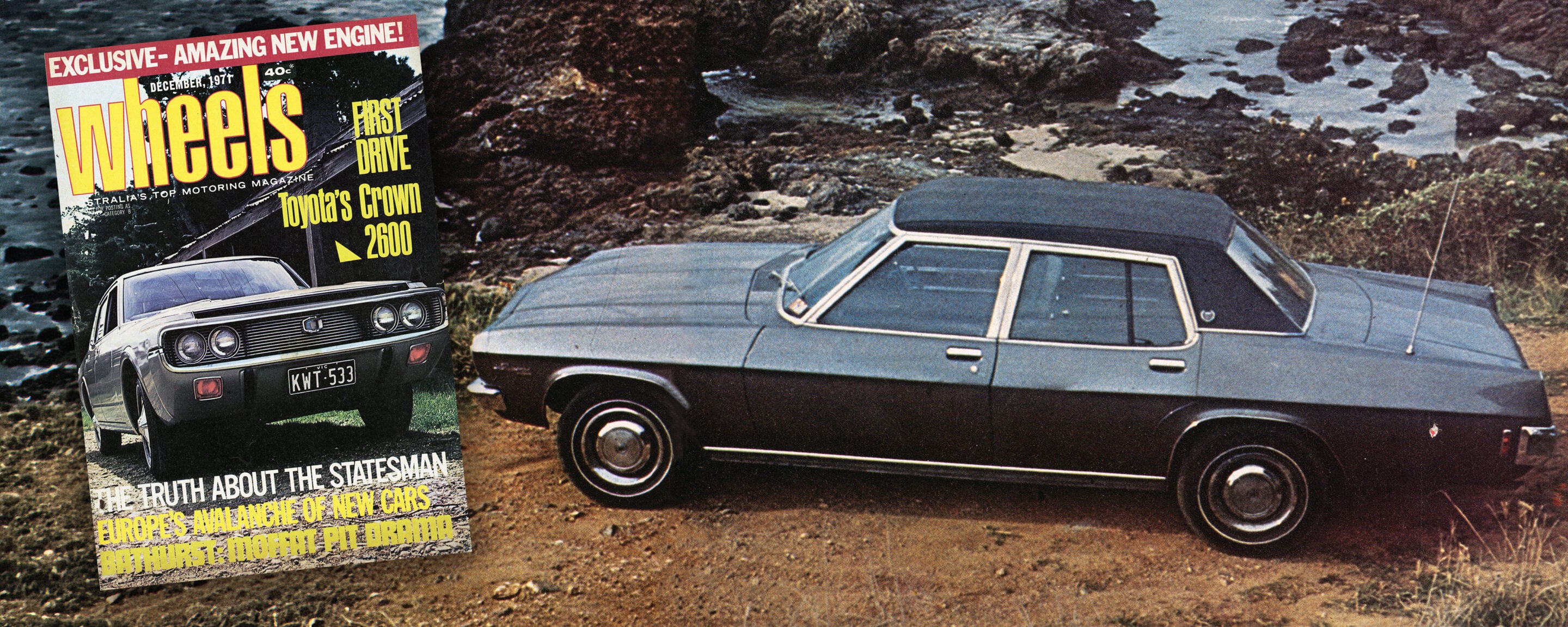
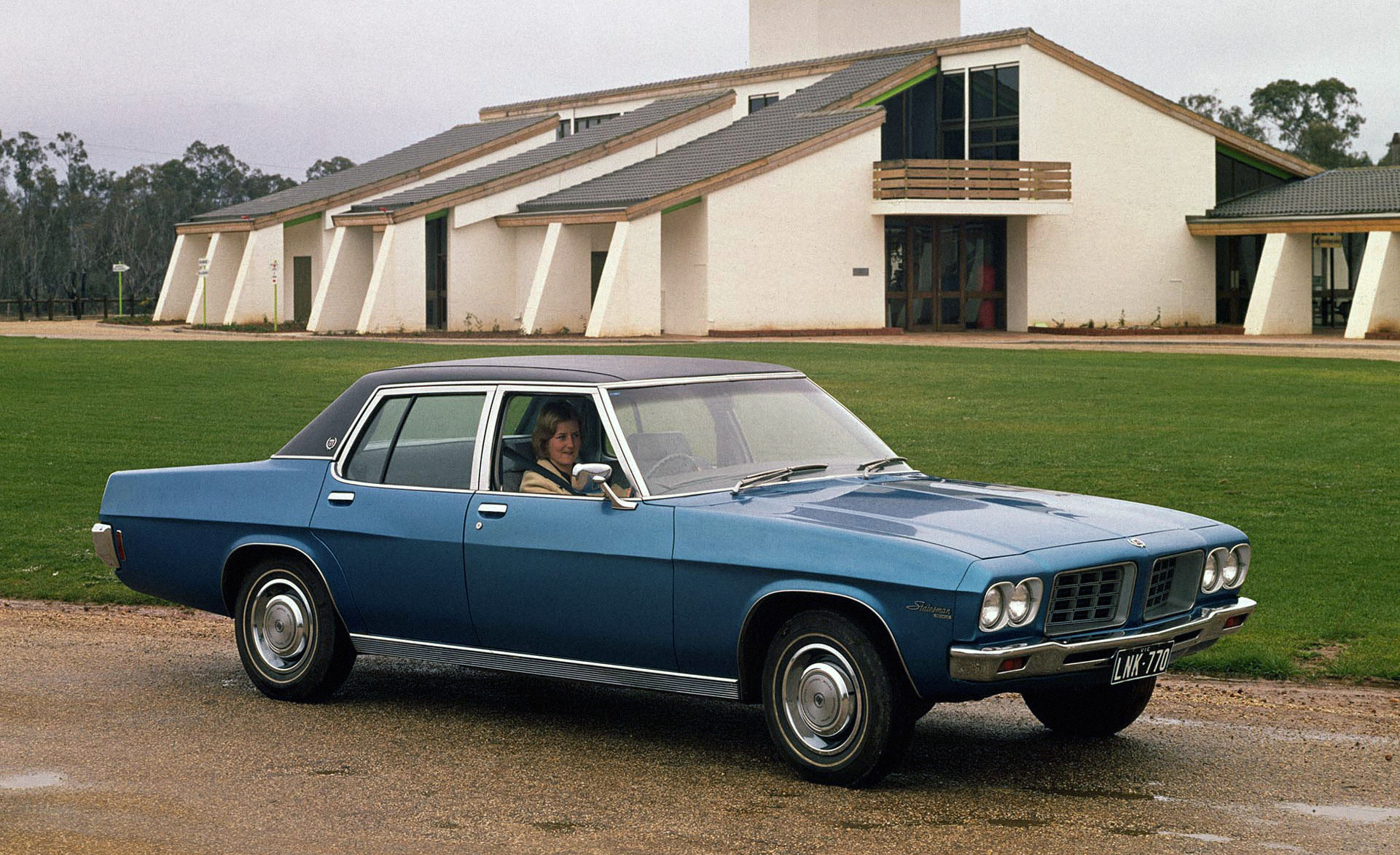
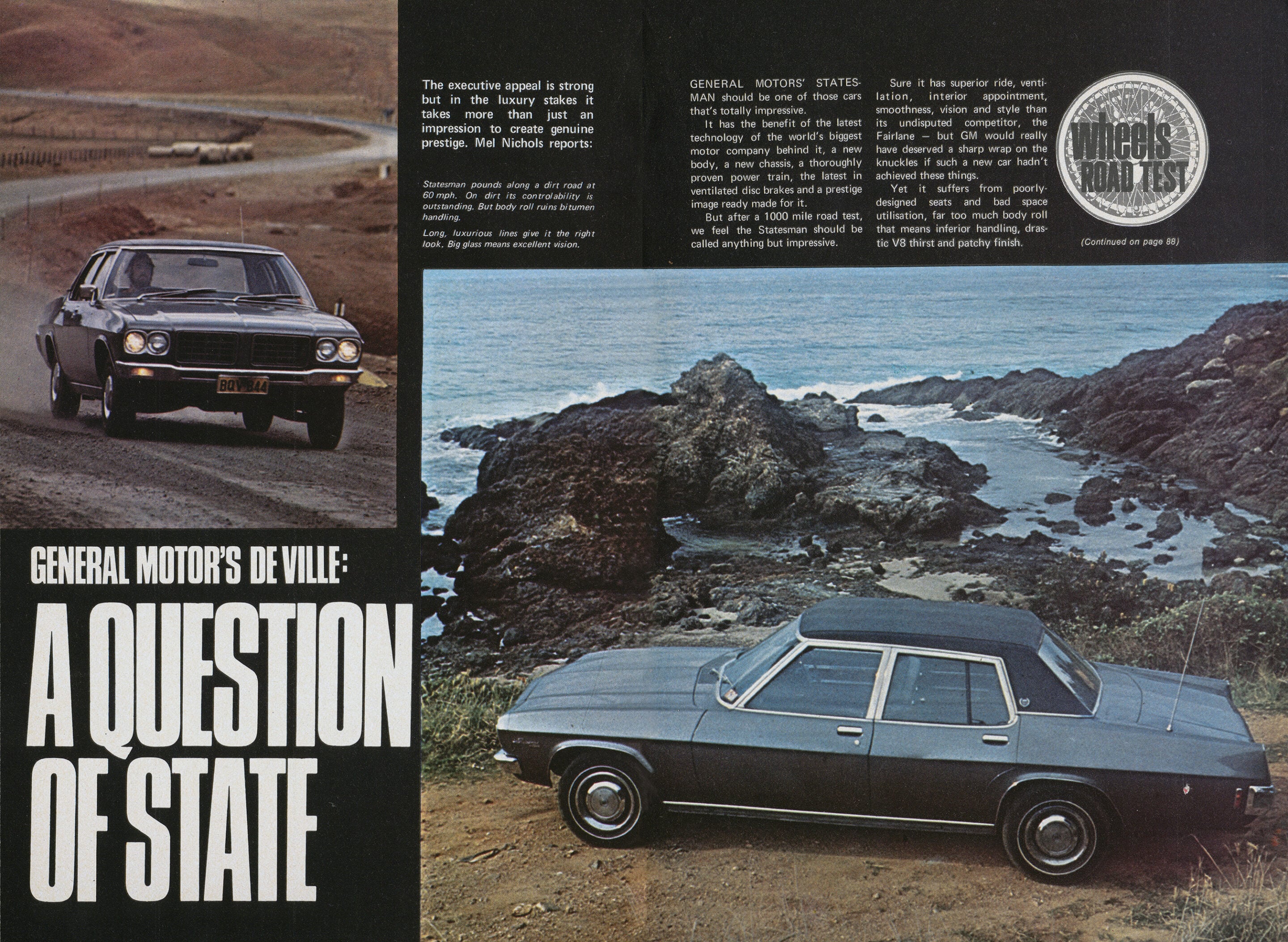
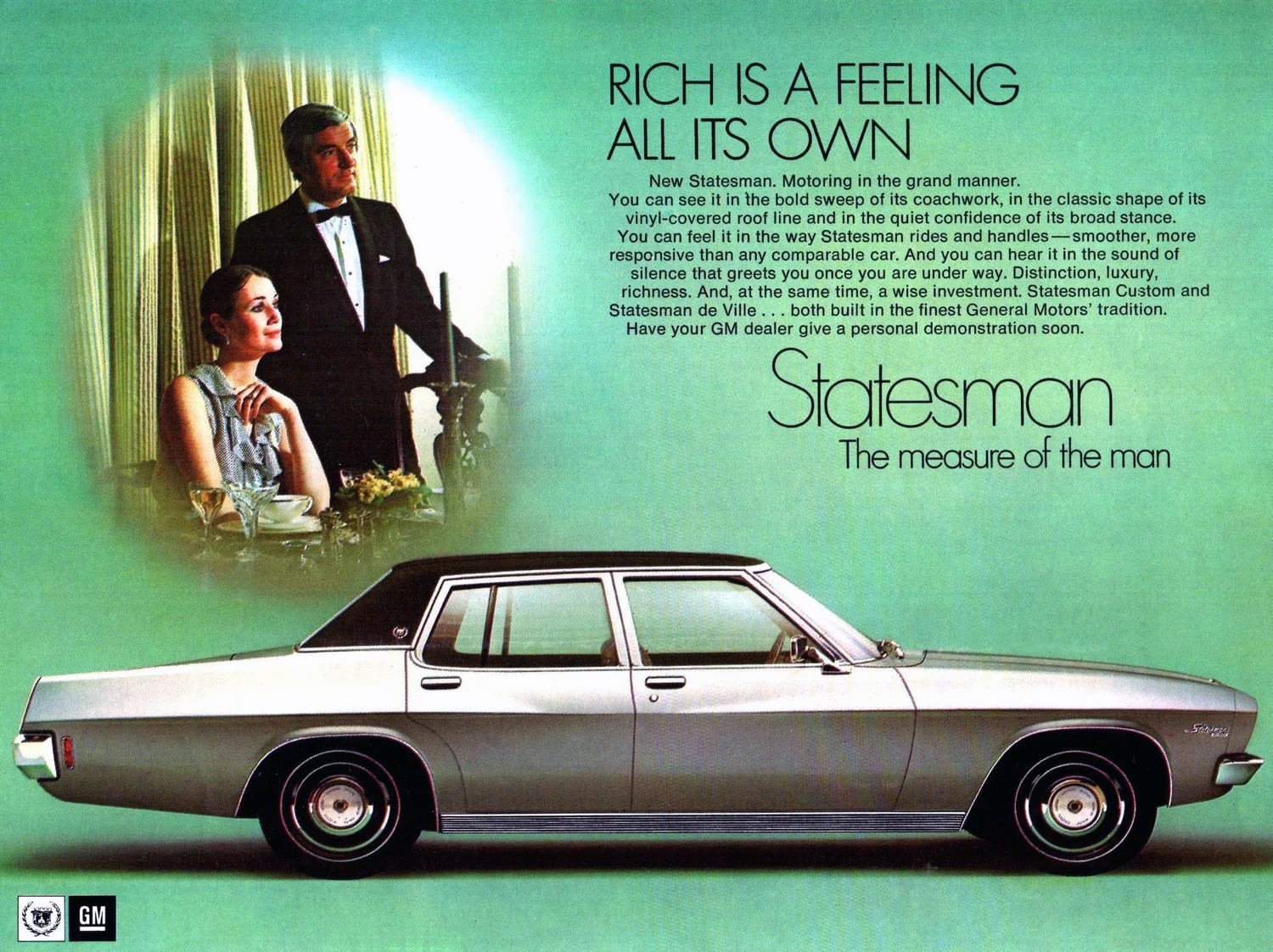
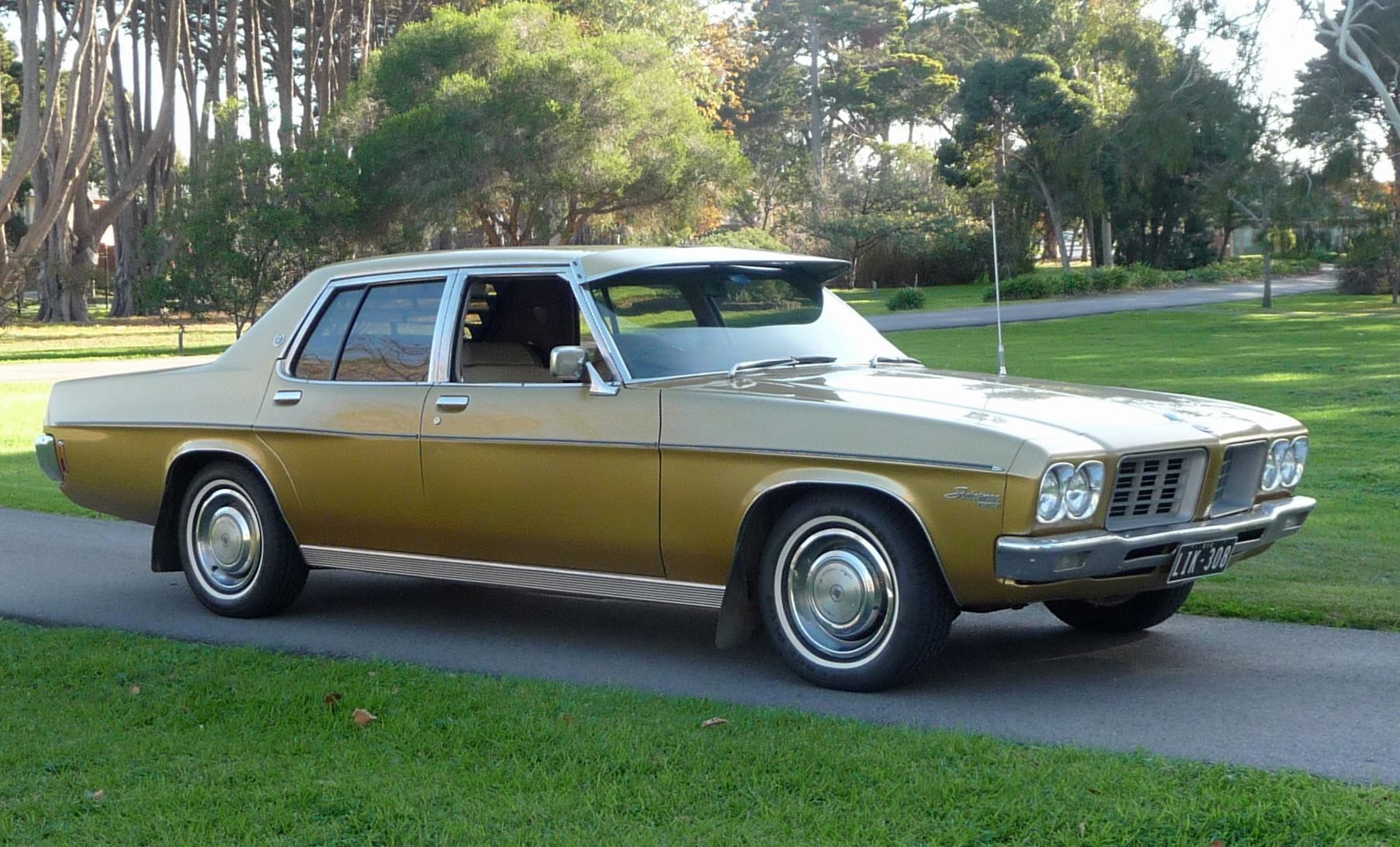
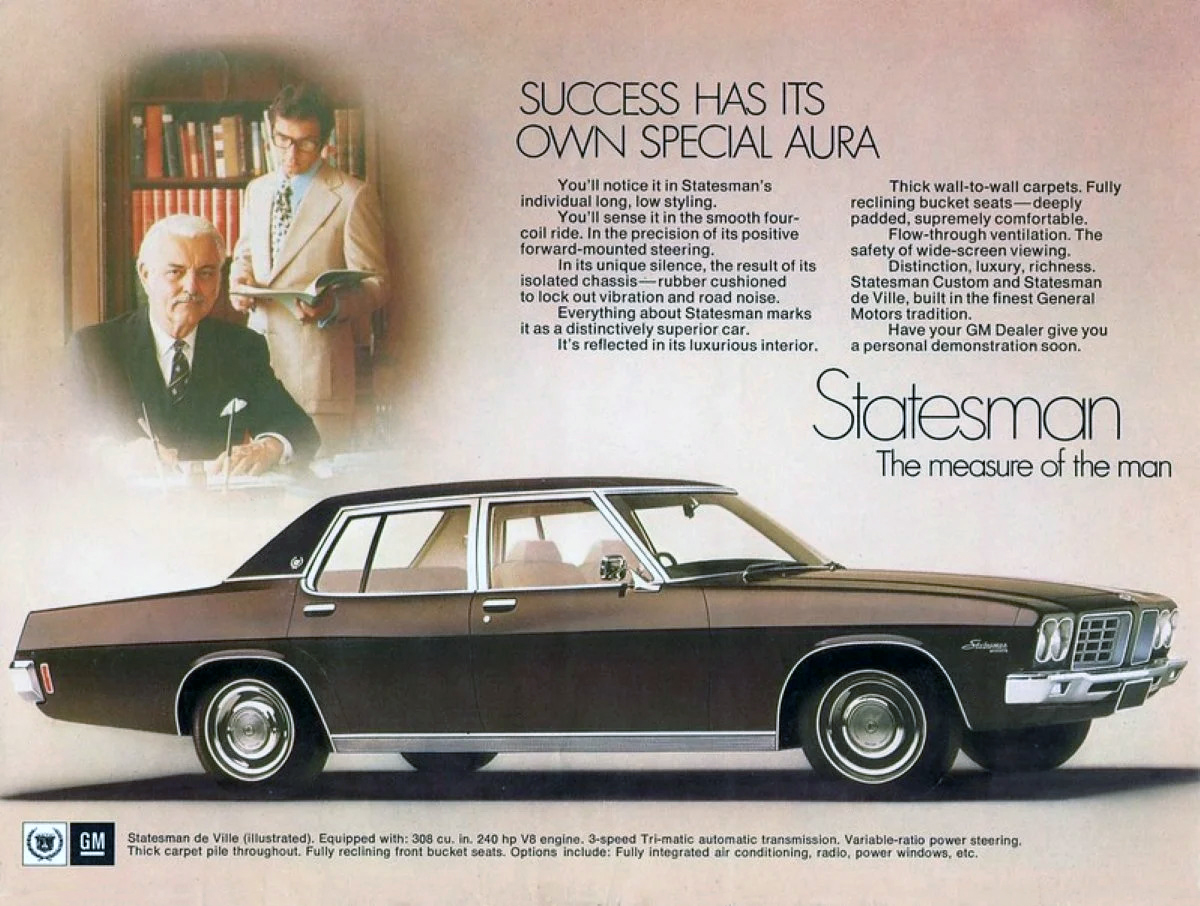
General Motors’ Statesman should be one of those cars that’s totally impressive. It has the benefit of the latest technology of the world’s biggest motor company behind it, a new body, a new chassis, a thoroughly proven power train, the latest in ventilated disc brakes and a prestige image ready made for it.
But after a 1000 mile road test, we feel the Statesman should be called anything but impressive. Sure it has superior ride, ventilation, interior appointment, smoothness, vision and style than its undisputed competitor, the Fairlane, but GM would really have deserved a sharp wrap on the knuckles if such a new car hadn’t achieved these things.
Yet it suffers from poorly-designed seats and bad space utilisation, far too much body roll that means inferior handling, drastic V8 thirst and patchy finish.
1
The Statesman we tested was a top-of-the-line deVille. Besides the 308 V8 engine, Trimatic transmission and variable ratio power steering that comes standard in the de Ville price of $4660 ($163 more than a Fairlane 500), it was heavily optioned with air conditioning, radio, power windows, power aerial, radio speaker and cloth trim. Inclusion of a bench front seat instead of the standard buckets knocked $70 off the price, but the bill still came to $5295.
We find it hard to understand why GMH dropped the bucket seats in favour of the bench on our test car like the rest of the HQ benches, uncomfortable, annoying and never allows a driver to find a good driving position. The springing in the bench is soft and pleasant, but the seat is shapeless, soon producing squirming and sliding both driver and passenger about in bends. The seat also lacks support under the legs, and our passengers rode only a few miles in the front before piling over into the back.
Poor as the rear seat is, at least it’s better than the front. We think GMH slipped badly in design and implementation of the Statesman’s entire seating. In terms of comfort even for ’round town travelling, the seats effectively negate the advantages the car’s phenomenal interior room could offer. You get the impression cloth-upholstered slabs have merely been slipped into the car and because they look pretty impressive, they’re going to be comfortable.
They’re not. The rear seat squab rises high, well up past shoulder level for people of average height. But the lap sash seatbelts (and remember, it’s law to wear them now in many States) pull the passenger out to the side of the car into a position that becomes unbearably uncomfortable after a few miles. For the first time ever in a road test car I broke our religious rule and undid the belt when I was riding in the back. Even then on a long trip I couldn’t get comfortable. The squab wasn’t giving enough support in the small of my back, and that tough rail on the front seat bottom ruined foot comfort and room.
Another point about the rear seat is that the transmission tunnel makes it far too hard in the centre for a fifth passenger to ride happily there. All this in a $5300 car.
1
Certainly, the comfort for the front occupants at least is improved considerably with the standard bucket seats, but in a big, luxury-image car the back seat is all important, so there is little else to say but that the Statesman is a major disappointment in this comfort area, particularly when with proper orthopaedic design so much advantage could have been taken of the cabin’s fabulous space. With the buckets there is still the problem of the low, hard bottom edges that prevent the rear man’s feet getting enough space.
It is unfortunate, too, that the interior comfort doesn’t match the good ride – the other important facet of a car like this – and its quietness.
The combination of the long 114-inch wheelbase (Holden sedan is three inches shorter at 111) and ultra-soft spring rates both in the front upper and lower A-arm system and the new four-link coil set-up at the rear combine to give an excellent ride.
It is soft and quiet in its bump-soaking operation. A quick indication of these qualities is a run at speed over joining strips in the road or a bridge. The Statesman barely notices them, with only a hint of tyre thump coming through to the cabin.
The ride doesn’t deteriorate with changing surfaces. The long suspension travel smooths out bumps, letting the 3308 Ib car cover them in a sort of floating motion. But pocked surfaces will test the damping to the extent minor rattle and thumping filters through to the occupants. Nevertheless, it’s the softest ride yet from an Australian manufacturer.
1
However, this ride was achieved in sad, typical American fashion by softening the spring rates, and that means the car is a strong body roller with consequent effect on the handling.
The roadholding is, in fact, quite good, and surprisingly the handling characteristic is not strong understeer as you might have expected. Rather, there is very mild understeer in slow, lazy driving that changes to body roll-induced oversteer when the car is pushed along. While control remains good – the tail is very easy to catch and a driver who likes throwing a car around can have quite an enjoyable time, the effect on passengers is rather drastic. They are slung from side to side and are likely to reach for the sea-sick pills.
Yet while all this is happening with the impression that the car is really belting through the bends, a quick glance at the speedo shows a speed 15 mph below what many, many other cars at the Statesman’s price would be doing in the same bend with none of this drama at all.
The car can, if the driver is prepared to forget his passengers’ welfare and sling it along hard, setting up a precise entry line, booting it through on full-power kickdown and getting an oversteer exit, put down reasonably brisk point to point times. But this is tiring even for the most enthusiastic pedaller – and it hardly fits the purpose of the people who would buy a Statesman. So it becomes quite a slow long-tripper. You’d be quicker and happier in a Premier with the same engine.
1
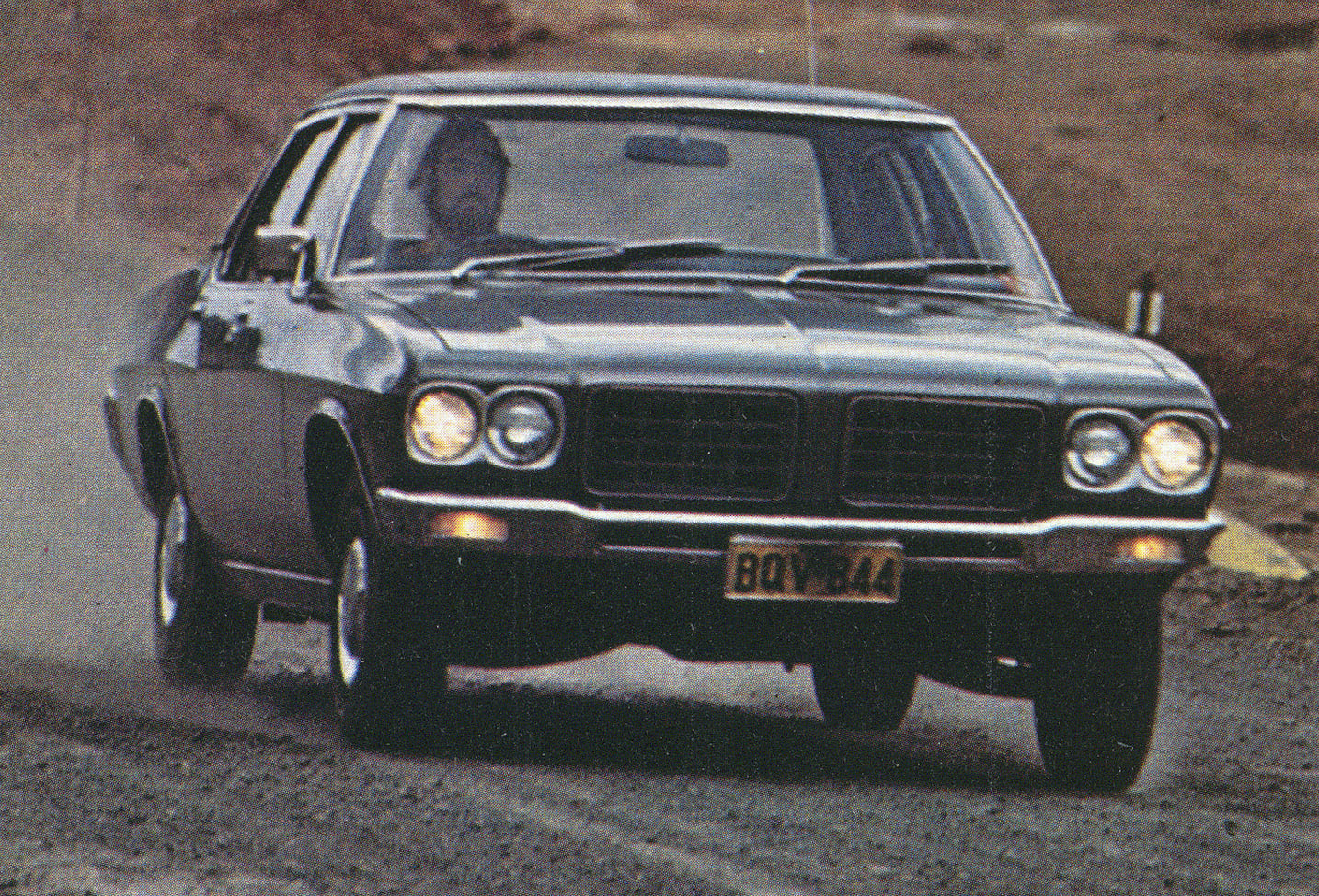
But a dirt road soon reveals another side of the Statesman’s handling character. It is remarkably pleasant and controllable in the gravel, but once again – from a handling point of view – in a way that doesn’t really fit in with its intended buyers. You can push it into a bend, let the tail fly out and catch it with delightful pleasure.
In relation to this dirt road ability, the new variable ratio power steering is one of the prime reasons for the excellent controllability. For power, it’s precise and the mere 2.6 turns lock to lock mean the driver can wrap the wheel over on to opposite lock very quickly and to just the right degree. It makes driving the big car much easier than with a normal system in all conditions – particularly city parking.
The variable ratio set-up means the further the wheel is turned from the straight ahead position, the faster the ratio becomes. At the straight ahead the ratio is 17.5 to one. As the wheel is swung, it varies down to 11 to one, thus reducing the number of turns lock to lock to 2.6 from what would be 3.6 on a constant ratio system.
While some of these new variable ratio systems we’ve tried on HQs have been smoother than others, it is generally very good – certainly the best on a local car. It’s a change to sit in an American-inspired car and only have to turn the wheel quarter to half a turn to get round most bends. But watch it from cold starts – until the oil circulates, the steering is almost impossibly heavy.
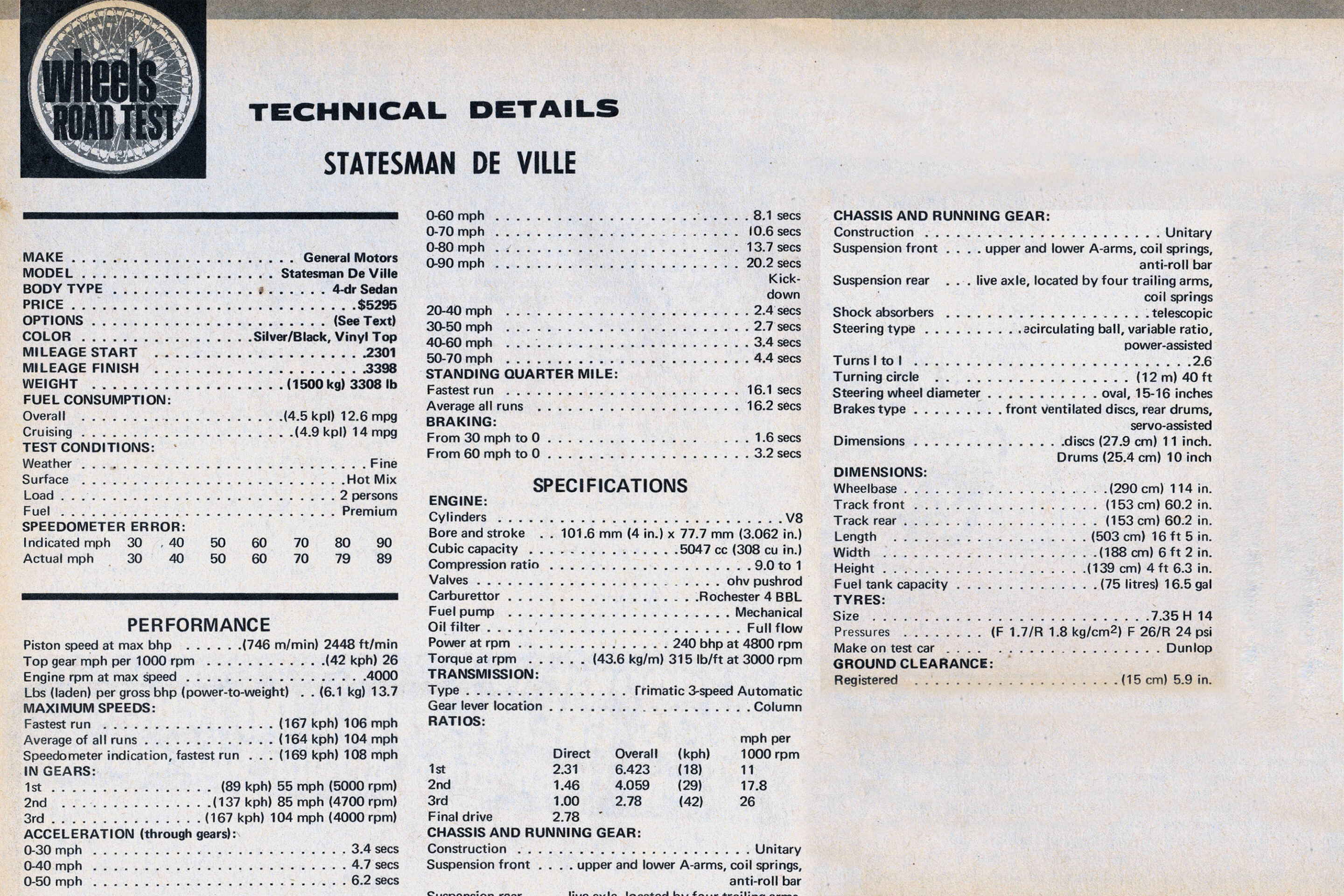
Linked to the Trimatic transmission, the 308 V8 engine in the De Ville gives smooth, strong quiet and very fast performance. Running up through the range with just a whisper and slight jerk as the changes come at 52 mph and 84 mph, it puts down scintillating 16.2 second quarter miles.
1
And while the low-down passing times, using the kickdown, are excellent (20-40 mph 2.4 seconds; 50-70 mph 4.4 seconds) the engine runs out of breath once second is finished so that for fast open road work the car is hard pressed to operate much above 80. You have to allow plenty of space if you want to pass another car moving that rapidly, and then you’re quite likely to find you can’t do it.
Worse, the engine is frightfully thirsty. On a 100-mile run up through hilly country using kickdown into second frequently we got 10.2 mpg – and it wasn’t a particularly fast trip (the body roll saw to that). Later, on a 50-70 mph run on expressway conditions we clocked 12.6 mpg. The average for city driving was 14-16 and you’d be hard pressed to get anything better.
The power-assisted disc and drum brakes worked well, pulling the car up in a full crash stop from 60 mph in a very good 3.1 seconds. One back wheel would lock, sending the rear skating sideways, but it was nowhere as bad as some other HQ models we’ve driven. Although the pedal got spongy and travel increased, after a number of crash stops fade resistance was good.
1
Control layout in the Statesman is pleasant and functional, except for the power window switches. They’re located so far forward on the driver’s armrest a man of average height can’t reach them without straining forward painfully on his seat belt.
The integrated air conditioning controls are very good. One sliding lever allows selection of air conditioning. It slides through “off”, “maximum”, and “normal” positions before reaching the heat stage with its “car” and “demist” positions. Another slide beneath it controls temperature from cold to hot. Leaving both levers lined up in the normal position gives a pleasant, constant temperature that’s comfortable for most weather. For full-bore cooling in the summer, a fan boots the air out hard.
Instrumentation (set into an imitation wood panel) is good with oil, fuel, 120 mph speedo, temperature gauge and clock.
The presence of air conditioning, power steering, power windows and aerial was apparently too much for the Statesman’s electrical system. Unless the motor was turning at very high revs the alternator warning light constantly glowed red, and the lights weren’t working at their full strength. Once, when the car was stopped while we picked up some people to whom power windows were a novelty, and they scooted them up and down a few times, the battery had barely enough charge left to restart the engine.
1
While the Statesman’s boot is very big, its usable space is spoilt by the spare wheel location and intrusion of the fuel filler pipe. Fitting the image, it is black carpeted, but on our car the carpet was peeling away from its glue and hanging down in three places.
The poor trim standard was noticeable inside the de Ville, too. The vinyl imitation wood strip across the back of the bench seat had split badly in three spots. One of the cheap-looking metal caps hiding the messy end of the grab straps on the back of the bench also fell off. A close look at the carpet cut and fit in the front and foot well showed it to be inferior to what you’d expect.
The seatbelts are also a disgrace in a car like this. Unlike Chrysler and Ford (with Cortina) GM has made no attempt to integrate its belts. They are still everyday belts you might buy across a speed shop counter fitted to unsightly locating brackets. The buckles are the normal strap type, not anchored clasps like the Valiant Regal’s, the Cortina’s, Mini Clubman’s or the Volkswagen Beetle’s.
They are hard to adjust, uncomfortable to wear and because there’s no recoil mechanism (normally found in expensive cars) they can flop in the mud when you’re getting in and out.
1
Businessmen won’t like the car’s ashtrays either. There are two in the front – one in either door armrest – but they’re much too small and fiddly. The single tray in the rear is located low down in the centre of the bench back and it’s hard to reach. At least there are twin map pockets on the back of the bench.
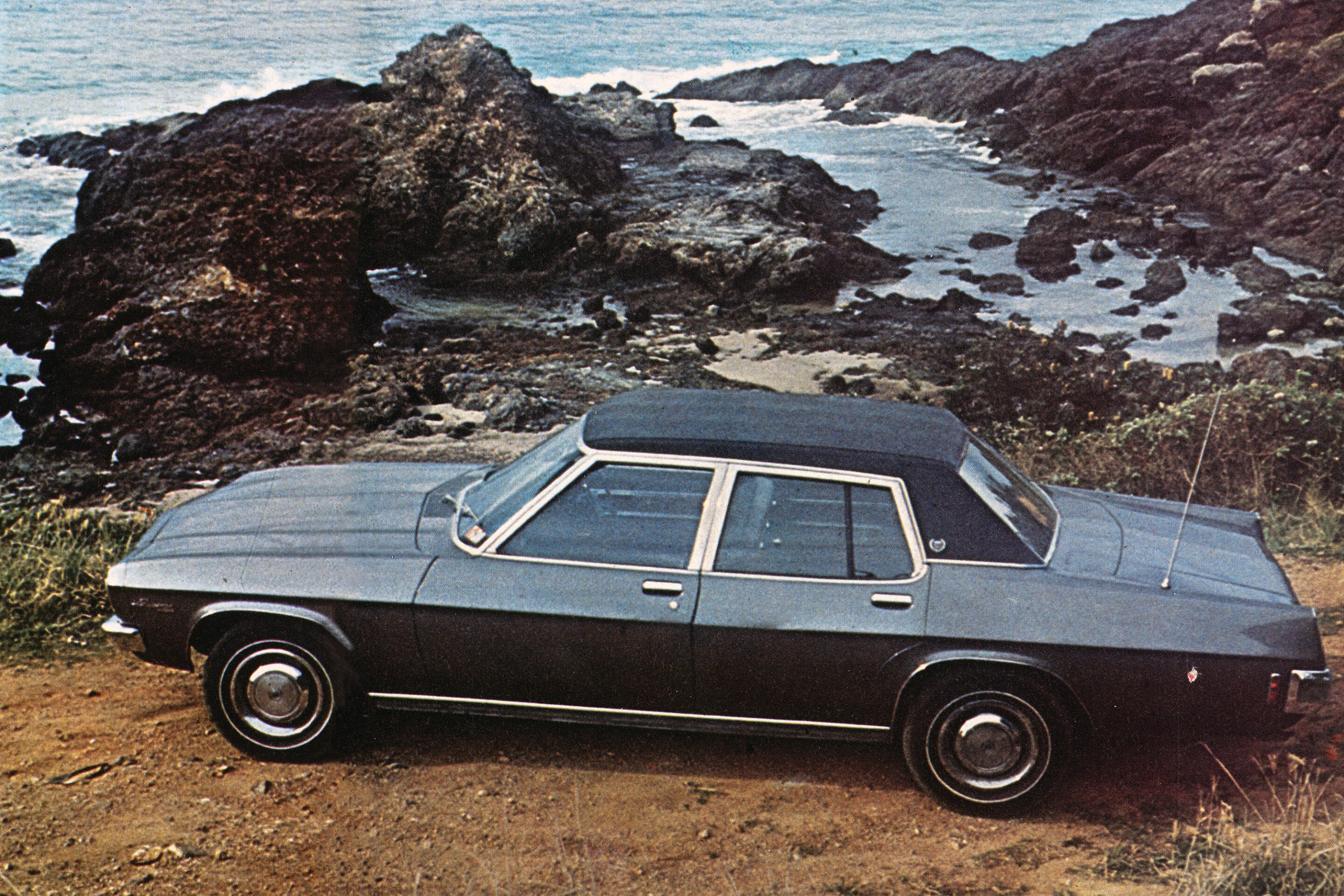
From the outside, this Statesman de Ville may achieve its design purpose and impress the populace as a big, expensive luxury car – a real status symbol. But to drive and travel in it over any reasonable distance is another story.
The body design and the concept is good, and the car is quiet and smooth and feels modern. But it is let down by poor space utilisation, inadequate seating, poor trim quality and the fact that GM’s engineers seem to have taken the easy way out by softening the spring rates to get a soft ride.
If, as GM says in its brochure, the Statesman de Ville is “The measure of the man” well…
Follow WhichCar/Wheels on Google
Click the button below to make WhichCar by Wheels a preferred source for your news.

We recommend
-
 Classic Wheels
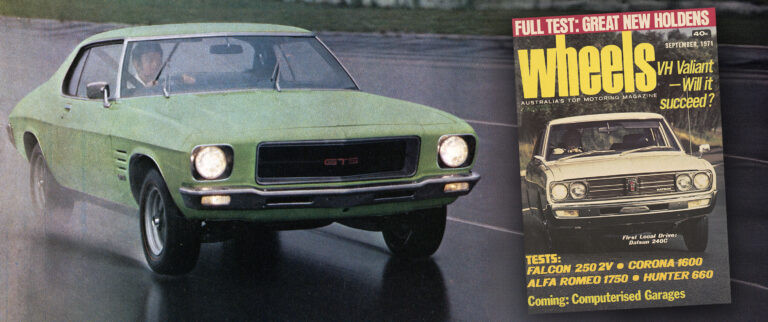
From the Wheels archive: The best Holden ever!
Wheels gushed over the all-new HQ Holden in September 1971, declaring it 'far and away the best Holden ever'.
-
 Classic Wheels
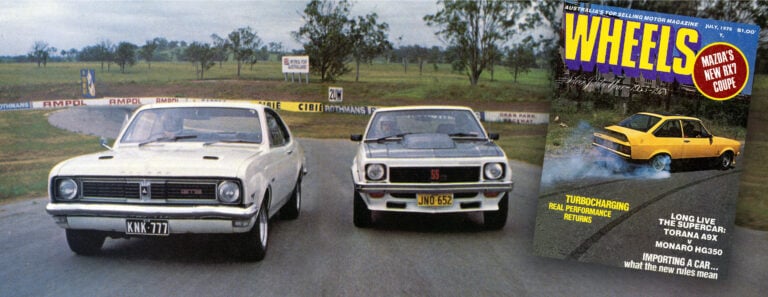
From the Wheels archive: Torana A9X vs Monaro 350 in a battle for the ages
Wheels' July 1978 issue saw Bill Tuckey pit the legendary Holden Monaro 350 GTS against The General's newest road warrior, the Torana A9X.
-
 Classic Wheels
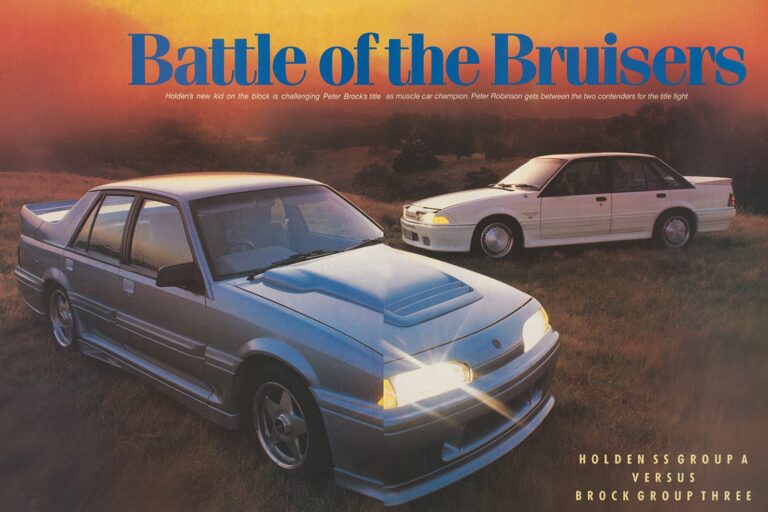
From the Wheels archives: Holden SS Group A vs HDT Brock Group Three comparison review
From the March 1998 issue of Wheels, Peter Robinson gets between the two contenders for the title fight as Holden’s new kid on the block challenged Peter Brock’s title as muscle car champion.
