Features


Gallery 1
Here’s a handful of lesser-known bits of Great Race trivia to help you be the smartest cookie at the pub on race day…
Only two men have won the race driving solo
1
As an endurance race the Bathurst 1000 is traditionally run with a pair of drivers sharing duties behind the wheel. However, there have been a number of drivers who have attempted ‘ironman’ races, where they complete the entire race on their own.
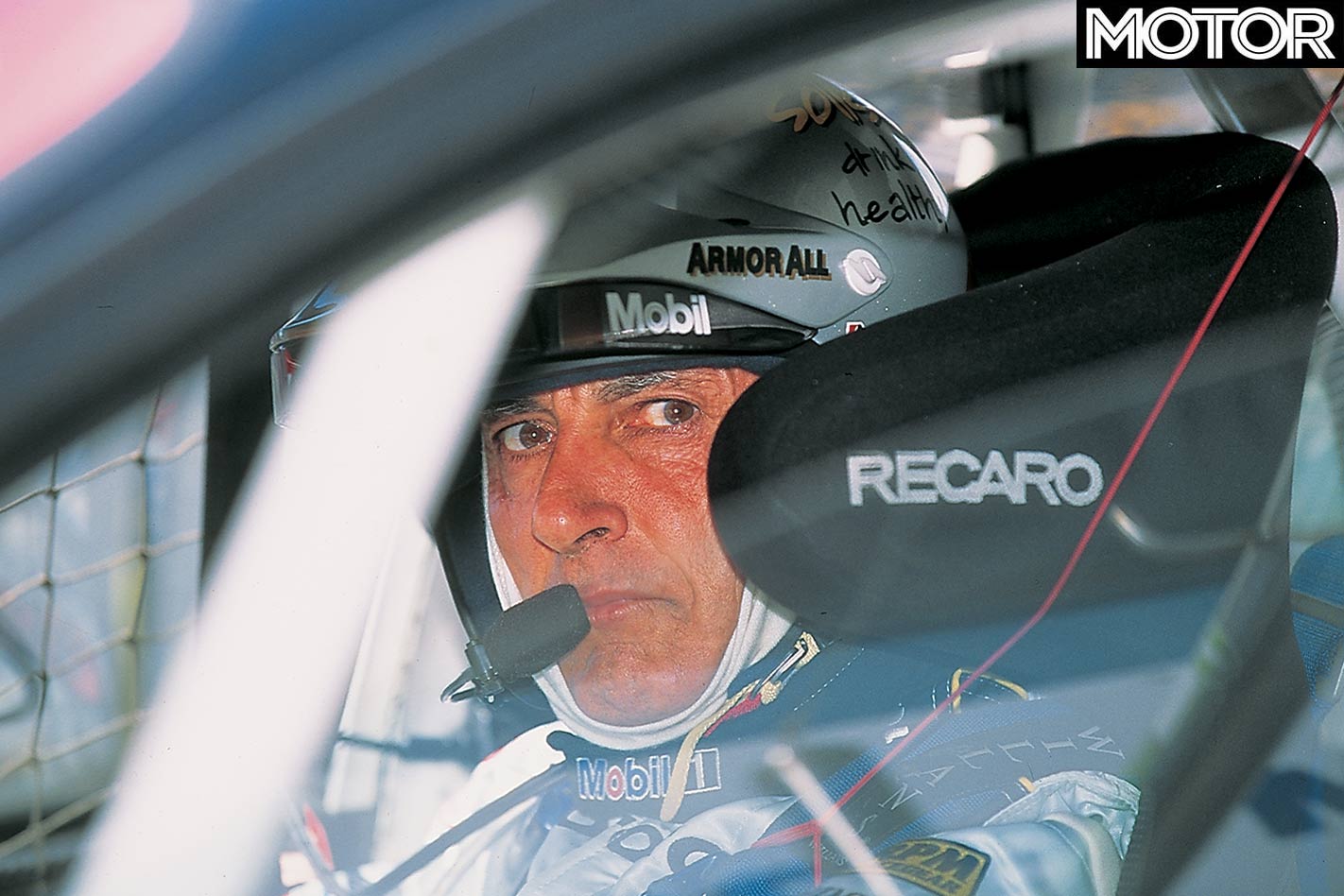
Only two drivers have won the race driving by themselves, and they are none other than Bathurst legends Allan Moffat and Peter Brock.
Moffat did so twice in 1970 and ’71, the latter behind the wheel of the iconic Ford XY Falcon GT-HO Phase III. Brock won on his lonesome in ’72, with a Holden LF Torana GTR XU-1.
Both men took their victories when the event was run over a slightly shorter 500 mile (804 kilometre) race distance, or 130 laps.
No Bathurst 1000 has been shorter than five hours
For most fans, Bathurst is an all-day affair, with the race sometimes stretching to seven hours in length. Even the quickest Bathurst 1000, in 2024, stretched to five hours, 58 minutes and 3.04 seconds
That contest was won by Brodie Kostecki and Todd Hazelwood in their Erebus Motorsport Chevy Camaro, coming in just 1.3 seconds ahead of Jamie Whincup and Broc Feeney for Triple Eight. The pair’s average speed during the event was a stunning 167.4km/h.
Chaz Mostert won the race, before qualifying
1
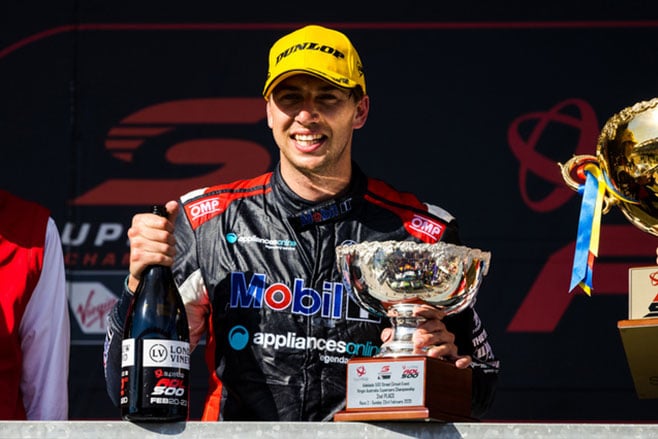
Chaz Mostert has a unique record at Bathurst, having won The Great Race two years before having ever properly qualified for the event. It wasn’t until 2016 that Mostert was able to complete a qualifying lap at Mount Panorama, despite having already won a Bathurst 1000 in 2014.
In his debut in 2013, Mostert crashed his FG Falcon in practice. The damage was so severe it wasn’t repaired in time for qualifying, but he was still able to take part in the race.
In 2014, Mostert was excluded from qualifying for passing under red flag conditions. It didn’t hold him back from winning that particular race.
A year later, and he suffered an almighty crash before being able to complete qualifying, which ended up breaking his leg and destroying his car.
Finally, in 2016 Mostert officially qualified for the Bathurst 1000 for the first time. Who says you need to a good qualifying result to be successful at The Mountain?
Keeping it in the family
1
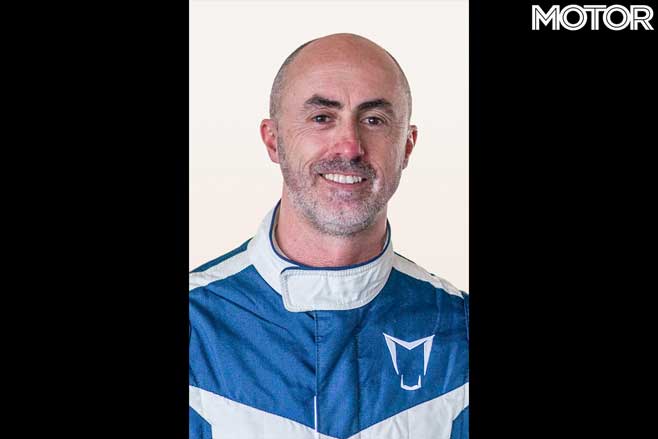
In 1997 two brothers claimed outright victory at the Bathurst 1000. Geoff and David Brabham (the latter is pictured above), the sons of Australia’s first F1 champion Jack Brabham, won the ’97 event in a BMW 320i Super Tourer. It is the first and only time siblings have won the Bathurst 1000.
There were actually two Bathurst 1000 events that year, as part of the controversial split between race promotors the ARDC and V8 Supercars. Larry Perkins and Russell Ingall won two weeks earlier in the V8 Supercar sanctioned event.
Brothers Will and Alex Davison will be hoping to emulate the Brabhams this weekend as they share the #230 FG X Falcon.
Brock’s two-car shuffle
1
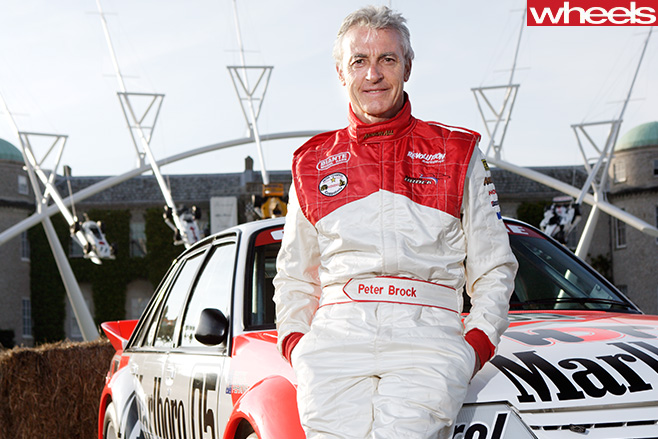
Two of Peter Brock’s race victories (‘83 and ’87) occurred when the King of the Mountain raced two different cars in the same race.
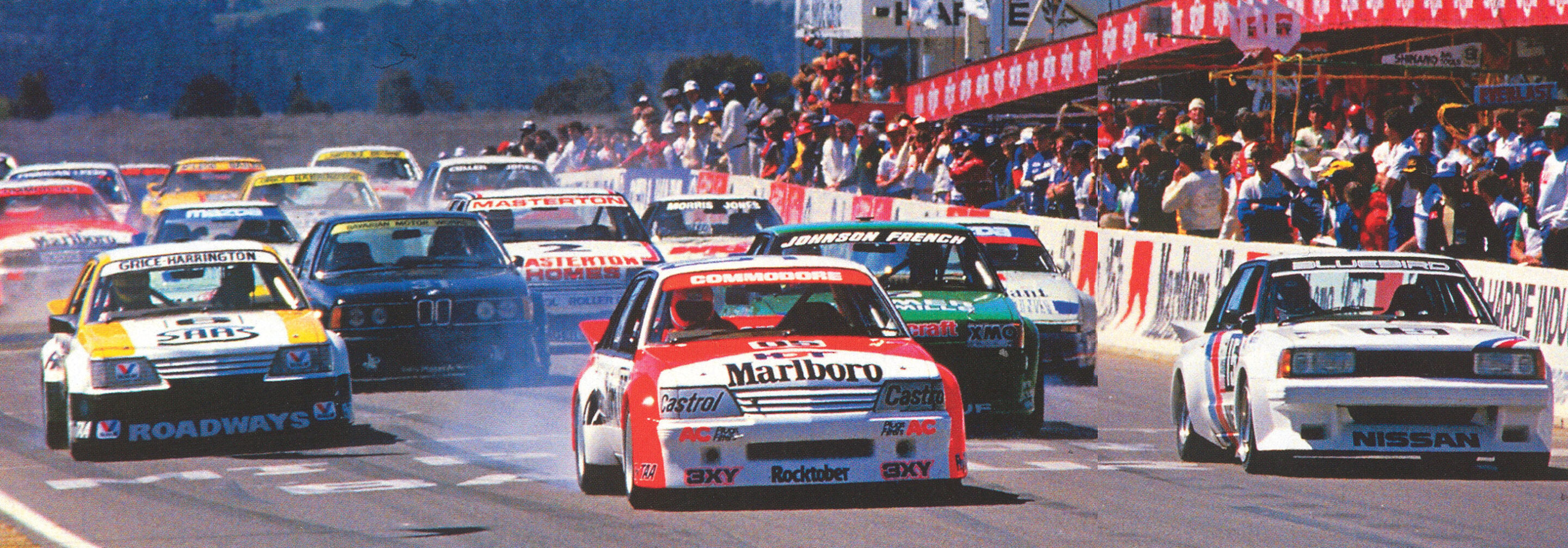
In 1983, Brock’s teammates John Harvey and Phil Brock had qualified the winning car, but Peter Brock’s #05 VH Commodore’s engine blew on lap 8, prompting himself and co-driver Larry Perkins to be transferred into the sister entry, which they drove to victory.
Interestingly, the car Brock, Perkins, and Harvey won in was the same chassis which took victory a year prior, updated to the current regulations. The back-to-back victories make it the only chassis to win the Bathurst 1000 twice.
A similar situation occurred in ’87, when Brock took his ninth and final Bathurst 1000 victory. Originally driving alongside David Parsons, the pair’s HDT Racing Commodore gave up the ghost on lap 34. Brock and Parsons then shifted into the sister car being raced by Peter McLeod and Jon Crooke, crossing the line in third place.
It wasn’t until well into 1988 that Brock was officially declared the winner, with the Eggenberger Ford Sierras which finished in first and second on the day eventually disqualified for illegal wheel arches.
Monotreme alert!
1
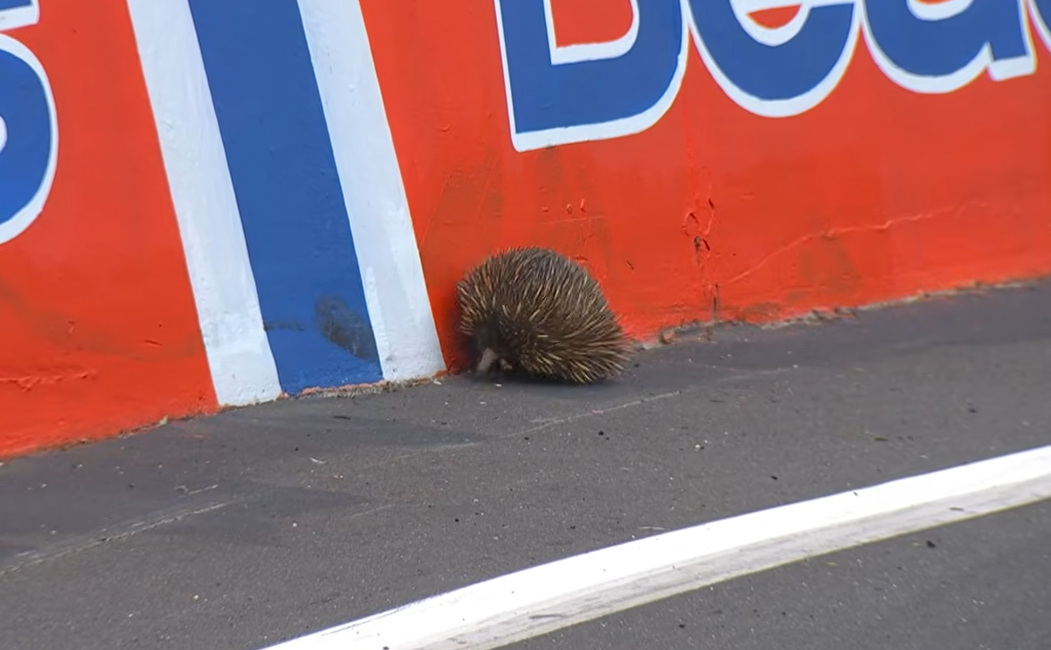
The danger posed by kangaroos at the Mountain is well known. Echidnas, not so much. But one of the spiky little monotremes actually forced the safety car onto the track during the 2021 Bathurst 1000 in what could be a first for motorsport anywhere in the world.
The echidna first appeared in the middle of the track at the Cutting on lap 106 of the race, with Macauley Jones and Kurt Kostecki among drivers who almost got into trouble when they swerved to avoid it. TV footage showed the tiny critter hugging the wall, looking for all the world like it wished it could climb over and get away from all the noise.
“What an Australian reason for a safety car!” Neil Crompton said in commentary. “There’s an echidna on the edge of the racetrack, which we’ve got to look after. We’ve seen kangaroos, horses, trees and water … never seen an echidna … the poor little thing can’t find its way out.”
Miraculously, the echidna did find a gap in the concrete barriers on the outside of the corner and got away without further damage. “Thrillseeker out there without a helmet,” was the perfect call from Crompton.
Plenty of women have excelled at the Mountain

1
According to the Australian Motor Heritage Foundation, no fewer than 32 women have competed in the Great Race at the Mountain, dating back to the first year it was run at Bathurst in 1963. Lorraine Hill steered a Morris Major to 35th overall and 16th in her class.
In 1967, an all-female crew tackled the Mountain with their Morris 1100S, finishing fourth in their class. Christine Cole came fifth in class in 1968, paired with Midge Whiteman. You might’ve heard of the man Cole went on to marry, a fella by the name of Fred Gibson. She kept racing through to the 1980s, finishing sixth alongside Joe Moore in 1981, and once partnered with Glenn Seton at Bathurst.
The list goes on. Frenchwoman Marie-Claude Beaumont was sensational in 1975, finishing sixth outright and first in her class in an Alfa Romeo 2000 GTV. Renee Gracie (pictured) starred in 2014 and 2015, and Simona de Silvestro has had six starts at Panorama, the most recent coming in 2023, leaving her just behind Cole/Gibson with a record eight.
Better late than never
Covid had a huge impact on the Great Race – and not just in 2020, when the pandemic was raging and the 1000 had its equal-smallest field ever at just 25 cars, when fields of more than 50 were often the go in the 1980s.
In 2021, a Covid outbreak in Sydney led to the postponement of Aussie motorsport’s peak contest until December 5, the latest it has ever been held. News of the huge delay broke in late July that year, with the schedule originally shifted to November 4 to 7 before being shunted back again. Once again, the field was limited to just 25.
A cap of 4000 fans was placed on the 2020 Bathurst 1000, and camping was banned, with the spectator areas at the top of the Mountain off-limits to fans. To give you an idea of how badly that impacted all the local businesses that count on the race to swell their coffers, crowds of more than 200,000 have been common.
The 270km/h squeegee incident
1
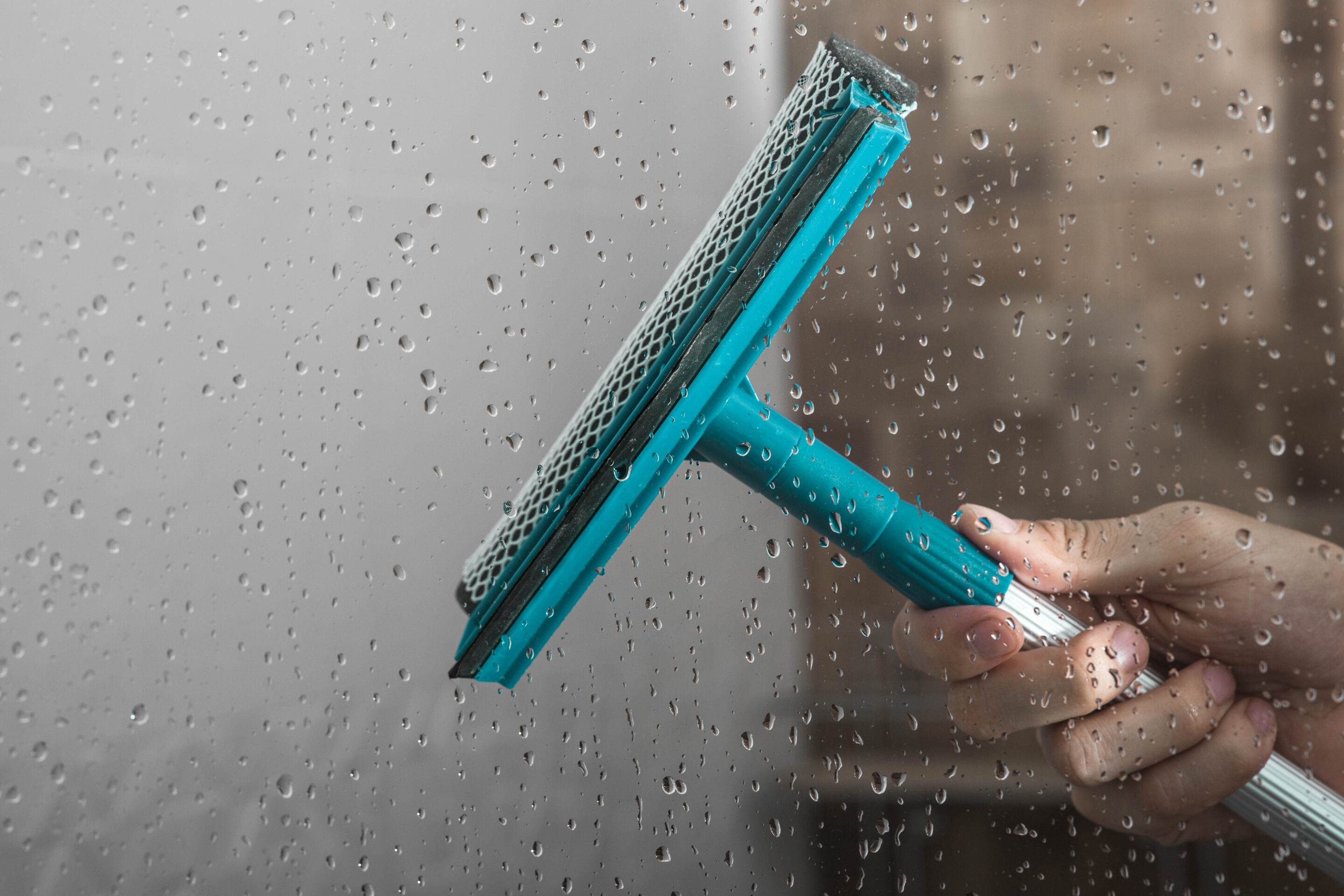
Spare a thought for Paul Dumbrell, who was forced to use a homemade squeegee on the inside of his windscreen when it fogged up during the rain-hit 2017 race. Unnerving vision showed the Triple Eight driver wiping the moisture away as he flew down Conrod Straight at 270 clicks or more, before he and co-driver Jamie Whincup finished 20th.
As if that wasn’t bad enough, Mobil 1 HSV racing alleged that the squeegees broke Rule C6.7.2, which stated “any other components or accessories, regardless of weight, which are mounted within the cockpit, must also be designed to ensure safe containment”. That was dismissed because the cleaning devices were fixed to the roll cage with magnets.
Triple Eight team manager Mark Dutton later said, “It’s funny when you see it because it seems like a clever get out of jail free card, but the fact we were using it is actually quite disappointing.”
“Driving in a hot water bottle”
That’s how Tim Slade described his experience in 2017, when he had to be taken to the medical centre and put on a drip after his cooling suit malfunctioned in the worst way possible. And windscreen fogging once again played a role.
“Basically there was no cooling because they [the pit crew] were trying to do everything they could to keep the windscreen from fogging,” Slade explained. “I don’t think they topped up the dry ice box and I plugged [the cool suit] in and couldn’t feel anything. Then the helmet fan wasn’t working … from midway through the stint, I was cooking.
“When you’re that cooked, it’s a massively uncomfortable feeling. It’s like getting to that point in a sauna where you want to get out but there’s still 50 laps to go.”
Follow WhichCar/Wheels on Google
Click the button below to make WhichCar by Wheels a preferred source for your news.