
Features

Gallery 1
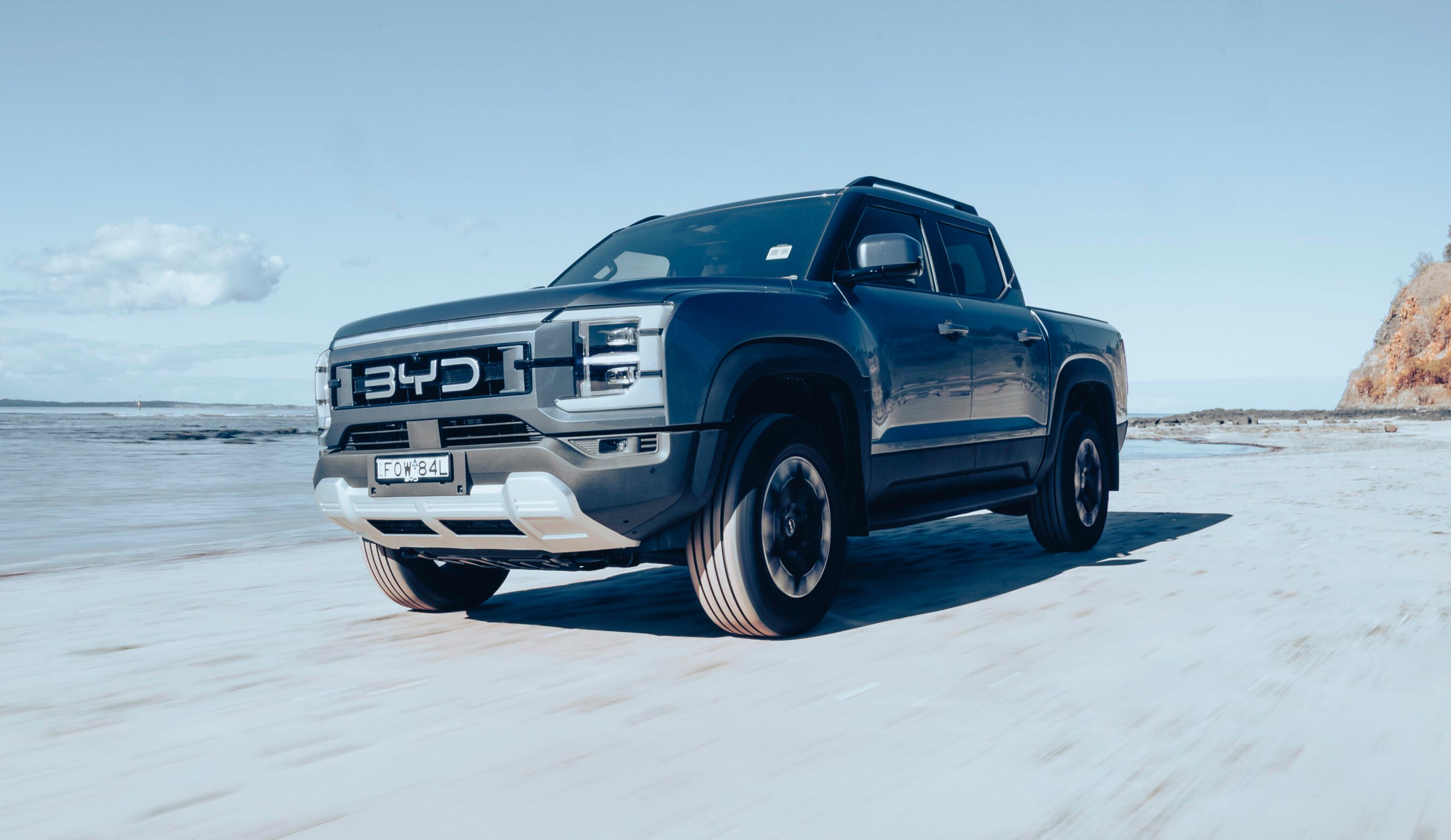
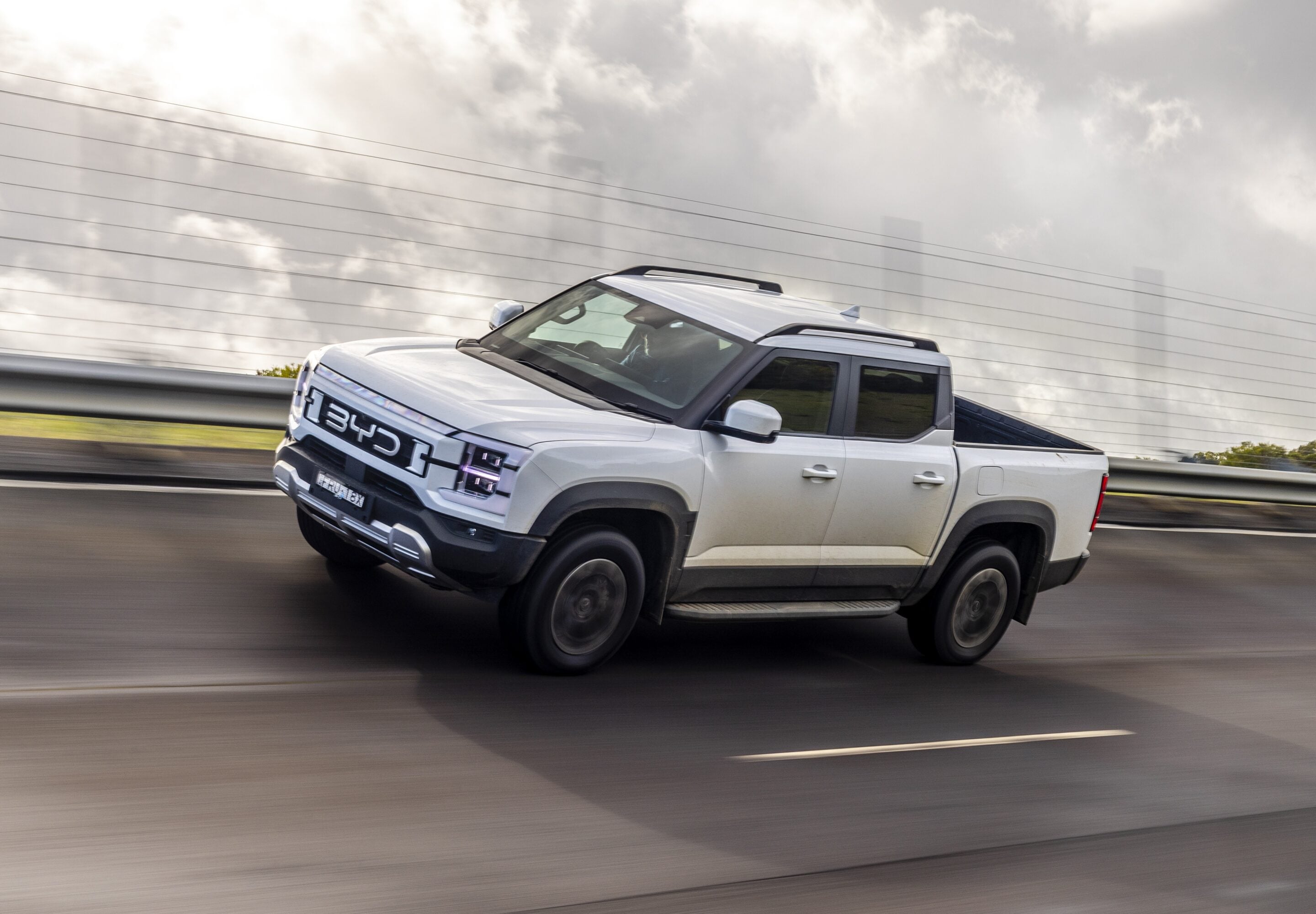
Reigning Wheels UOTY winner, the BYD Shark 6, has become a common sight on Australian roads – and with good reason. As the UOTY judges discovered, when assessed in the way that Australian buyers use their dual cabs, the PHEV Shark 6 makes a hell of a lot of sense in the real world.
At the moment, though, only three PHEV dual cabs are available in Australia. More manufacturers should be offering a PHEV option in the range, especially given the popularity of the two Chinese-built entrants.
Here are the three options:
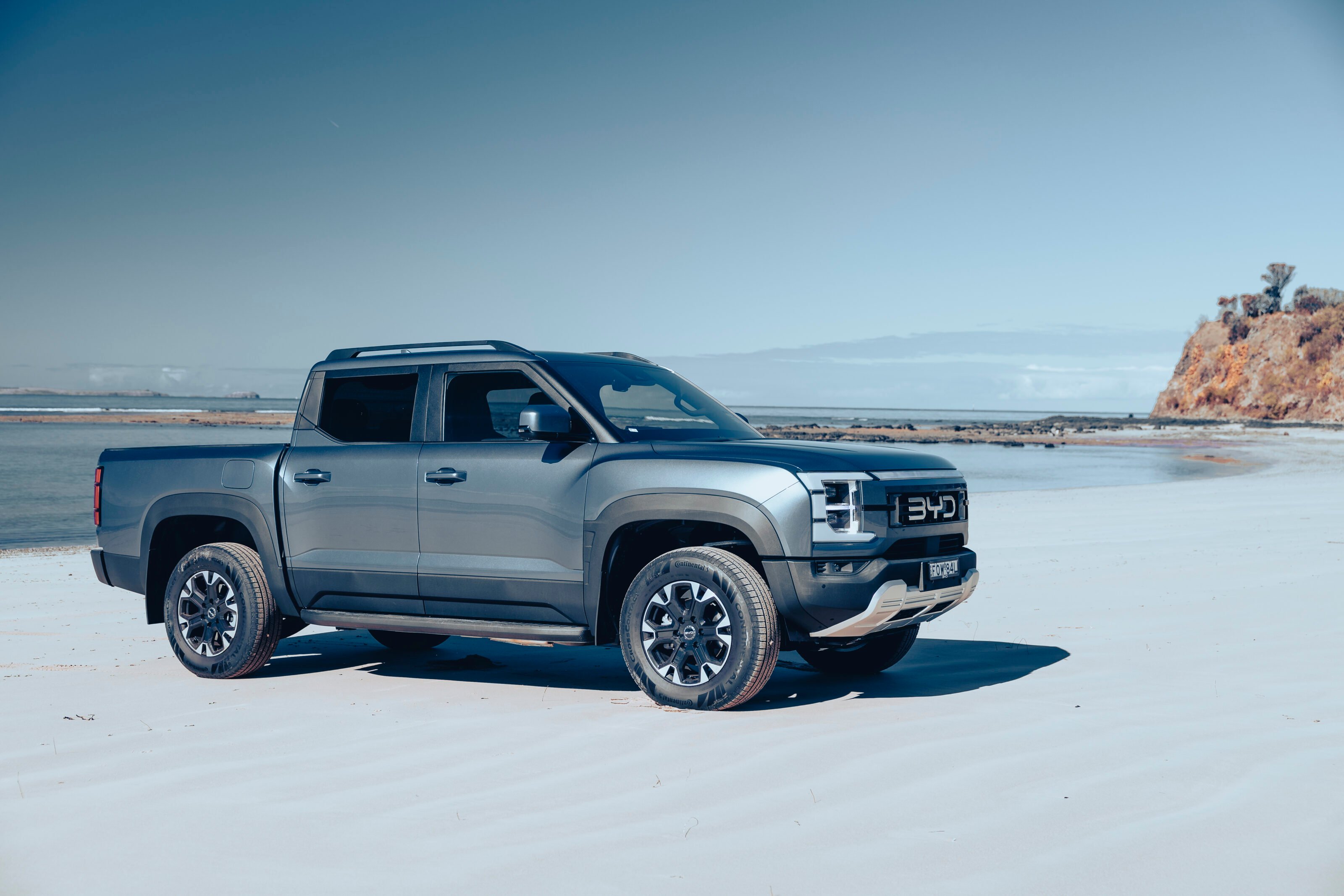
BYD Shark 6
1
Price: From $57,900 plus ORC
Drivetrain: 1.5L turbo petrol four-cylinder engine, dual electric motors
Power: 321kW
Torque: 650Nm
EV range: 80km
Battery capacity: 29.6kWh
Fuel consumption: 7.9L/100km (low battery)
Tow capacity: 2.5-tonne braked
The inaugural winner of the Wheels Ute of the Year award was named so because it does a lot of things well – it’s quiet, refined, laden with technology that works, will complete more than the average Aussie commute on pure electricity alone, has a spacious cabin, and drives in a way that makes it enjoyable to use day-to-day in traffic.
There’s a refinement and premium feel to the Shark 6’s driving behaviour that no diesel dual-cab can match. The cabin is quiet, the ride is excellent, even unladen, the steering and braking feel more like a large SUV than they do a truck, and there’s an effortless nature to the way in which it settles into a relaxed cruise.
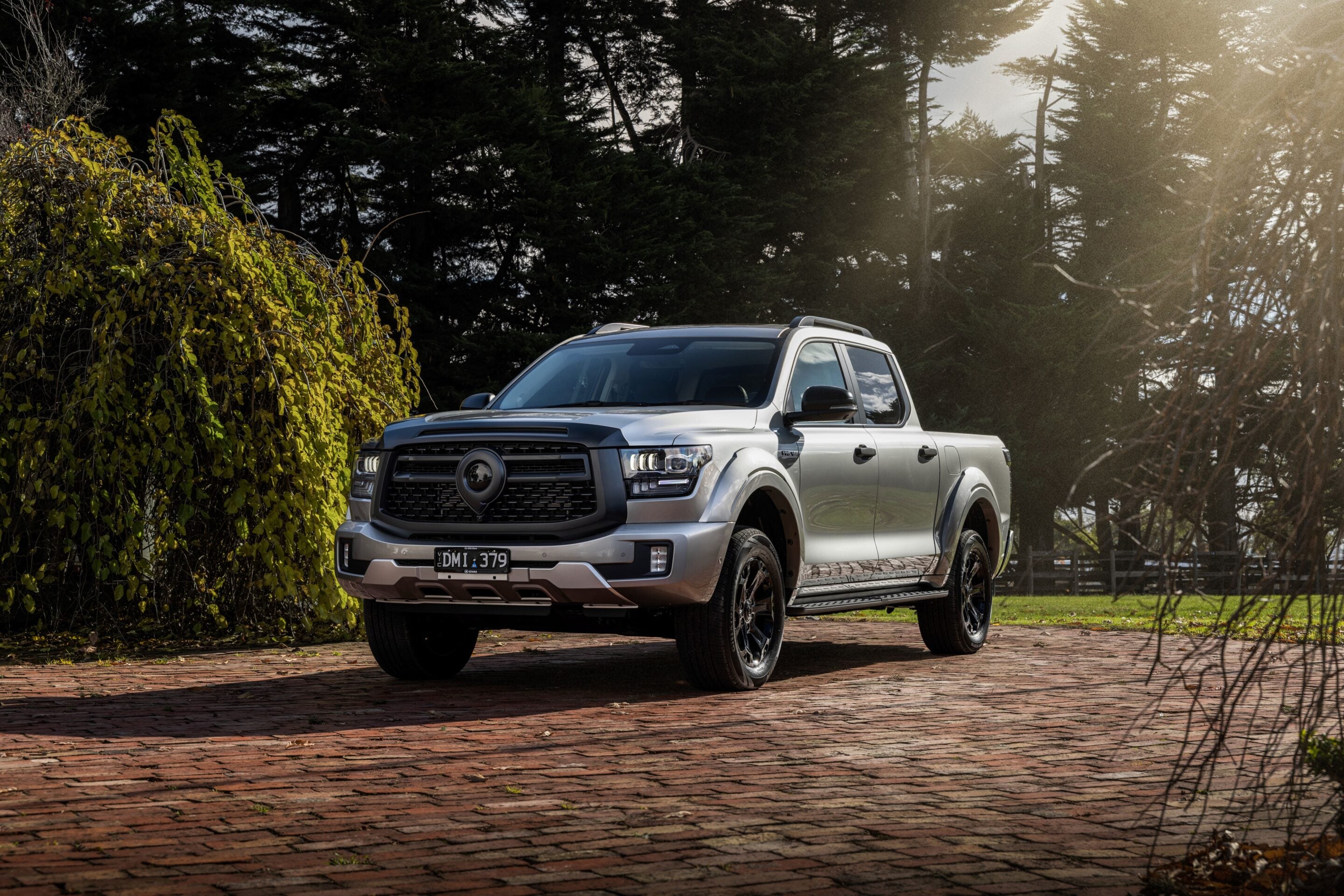
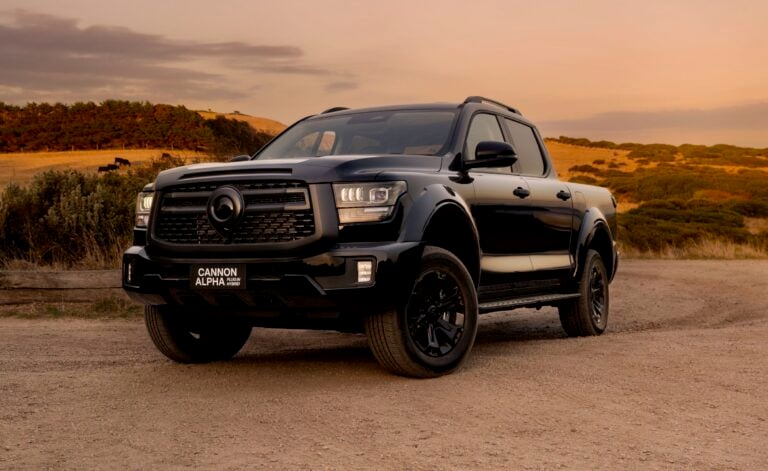
GWM Cannon Alpha PHEV
4
Price: From $57,490 drive away
Drivetrain: 2.0L turbo petrol four-cylinder engine, single electric motor
Power: 300kW
Torque: 750Nm
EV Range: 110km
Battery capacity: 37.1kWh
Fuel consumption: 7.9L/100km (low battery)
Tow capacity: 3.5-tonne braked
Made its way into the Australian new car market late in 2025 as the second plug-in hybrid dual-cab available behind the Shark 6.
Buyers can choose between two specification grades of the Alpha PHEV – Lux and Ultra. Even at Lux specification, there are plenty of standard equipment highlights including a 12.3-inch infotainment screen, 360-degree camera, digital driver’s clusters LED headlights, LED tail lights, dual-zone AC, selectable 4WD, a locking rear diff and electrically adjustable ‘leather look’ seat trim.
In regard to electric driving, GWM claims 115km – based on the NEDC testing regime – but expect to see closer to 100km electric range in the real world. What that means, for most of you, is that you could easily commute to and from work each day without using any fuel, and then charge back up overnight with a regular wall socket at home.
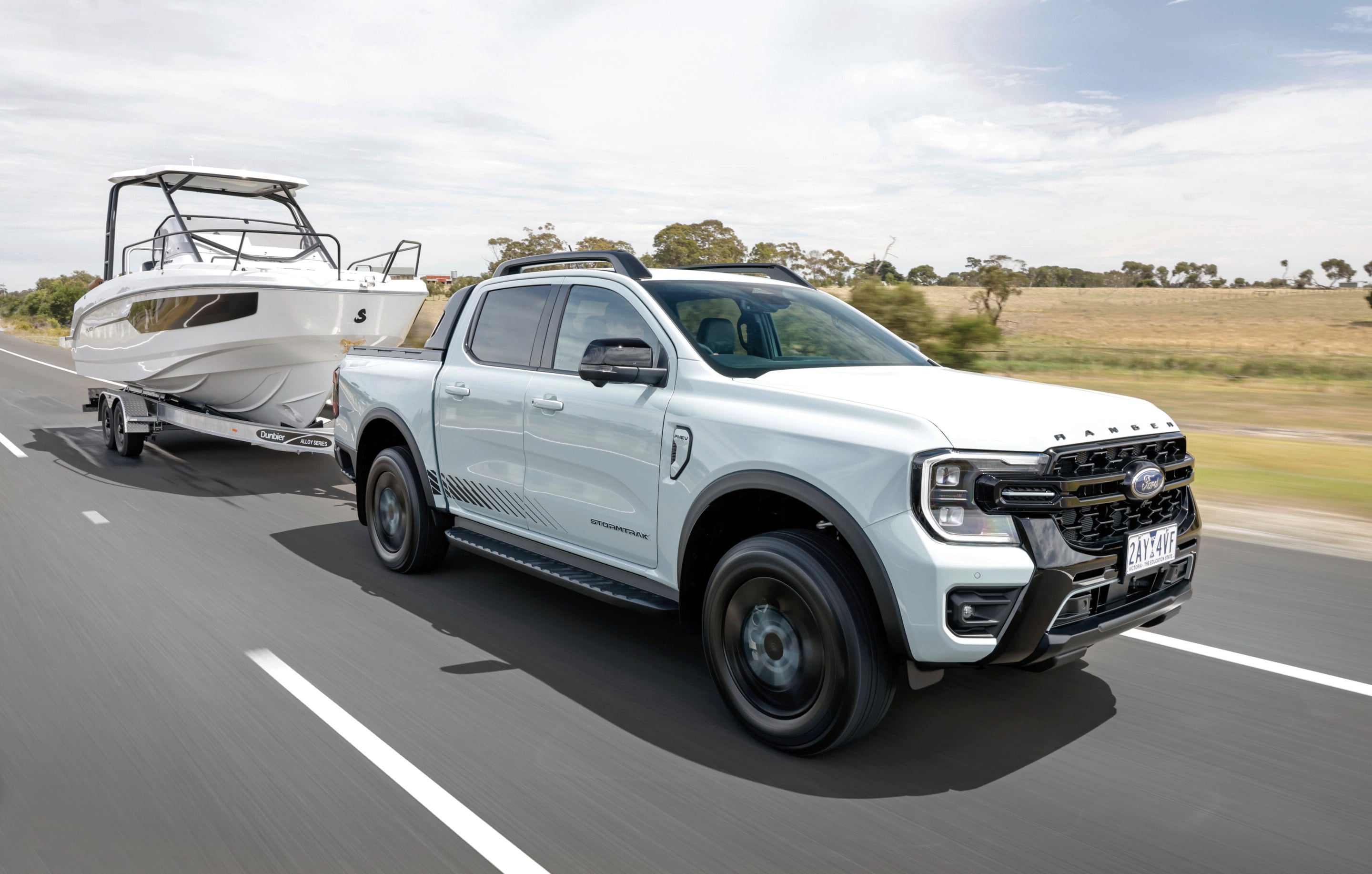
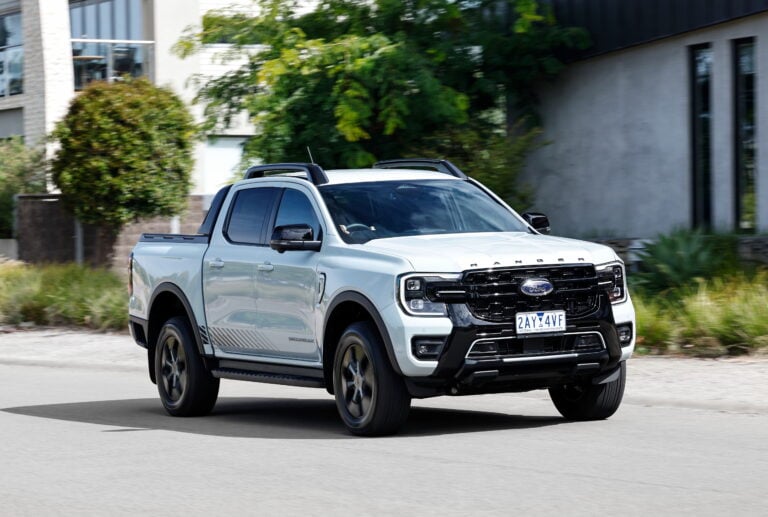
Ford Ranger PHEV
7
Price: From $62,000 drive away
Drivetrain: 2.3L turbo petrol four-cylinder engine, single electric motor
Power: 207kW
Torque: 697Nm
EV Range: 49km
Battery capacity: 11/8kWh
Fuel consumption: 7.8L/100km (low battery)
Tow capacity: 3.5-tonne braked
Arriving in the Australian market in the middle of 2025, the Ford Ranger PHEV is equipped with an 11.8kWh (useable) battery to complement its 138kW/411Nm 2.3-litre Ecoboost petrol engine. Together they develop a healthy-looking system output of 207kW/697Nm. But make no mistake, that battery is tiny. It’s just over half the size of the 20kWh cell pack you’d get in a Mitsubishi Outlander PHEV and a long way shy of the 29.58kWh blade battery you get in a BYD Shark 6.
Four variants are offered, from the fleet-targeted XLT, followed by the more consumer-focused Sport, Wildtrak and flagship Stormtrak models. Leaving aside the purely cosmetic trim parts, key highlights of the Sport (over XLT) include LED lights, 18-inch alloys, a power-adjustable driver’s seat, traffic sign recognition heated front seats and leather-accented seating trim.
In the details
All three come at the PHEV concept from slightly different angles. Firstly, charging every night at home should be par for the course to best access the efficiency that these dual-cabs offer. In the case of the Ranger, its paltry 49km electric-only range claim can’t match the other two, but will still get the average Aussie motorist to work and back under EV power alone. In testing, the Shark 6 has achieved 80km in pure EV mode, while the Cannon ran up to 95km in EV mode. Those figures indicate that keeping your PHEV battery topped up, is absolutely the smart way to use one, once you’ve bought it.
All three ‘feel’ like an EV when the batteries are fully charged, offering the swift, silent response and acceleration you’d expect of an EV, with effortless punch at any speed.
There’s also a level of refinement that comes with the system (underpinned by petrol engines, of course) that the regular diesel dual-cab brigade can’t match. Even when the petrol engines are working, all three are more refined than a regular diesel dual-cab.
1
The Shark 6 can’t match the other two in regard to tow ratings or off-road capability, but if you don’t engage in either of those pursuits, the Shark was the pick in UOTY judging and remains the case now. There’s a level of cabin refinement, technology integration and driving smarts that set the BYD Shark 6 apart.
What’s most interesting, though, is the immediate success of what at the moment is a mini-segment, certainly in the case of the Shark 6, which hit the ground running with serious sales figures and has continued on its merry way. For a segment that was weighed down by diesel tradition, where anything other than a decently-sized turbo diesel was laughed at, Aussie buyers have rushed to buy what is still new technology for this segment. Showing that what’s ‘required’ in theory, doesn’t necessarily translate to sales figures.
What’s next?
This segment should expand significantly – and it should do so quickly if other manufacturers want in on the sales spoils. Chinese manufacturer JAC is bringing a Hunter PHEV to the market in mid 2026 with a petrol engine and electric motor at the rear.
1
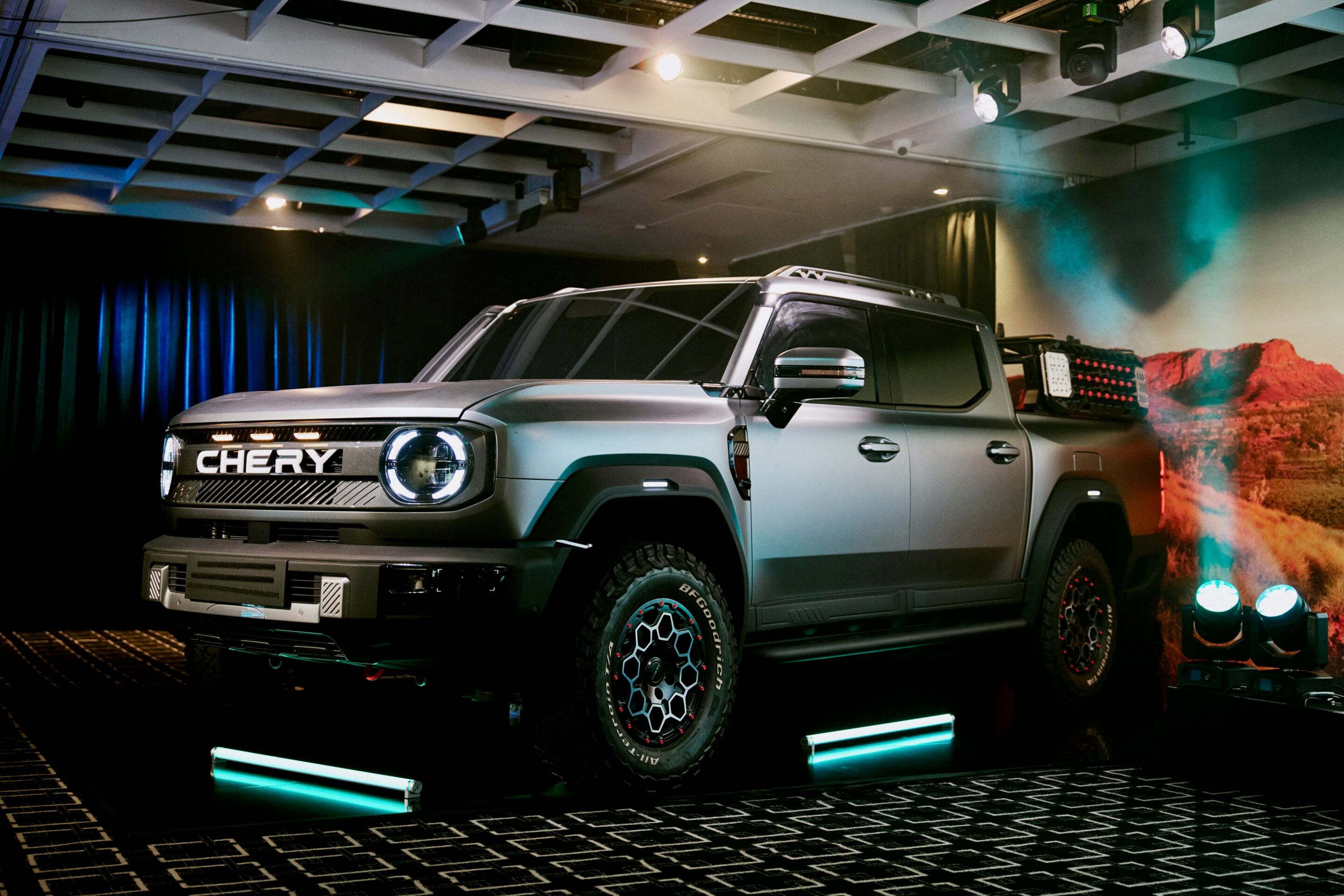
Chery will launch a PHEV (the brand’s KP31 concept model pictured above) – with a diesel engine – in late 2026, which looks to be the most traditional take on the concept. A diesel engine is a first for the segment, and Chery reckons capability and real world usage are both key for its dual-cab PHEV.
A new entrant is likely to arrive some time in 2027 in the form of the Jetour F700, also likely with a diesel engine, and also focusing on capability. Lastly, LDV is working on PHEV variants of its next-generation T70, T60 and Terron 9 dual cabs, some if not all of which, are likely to head down under.
Follow WhichCar/Wheels on Google
Click the button below to make WhichCar by Wheels a preferred source for your news.

We recommend
-
 News
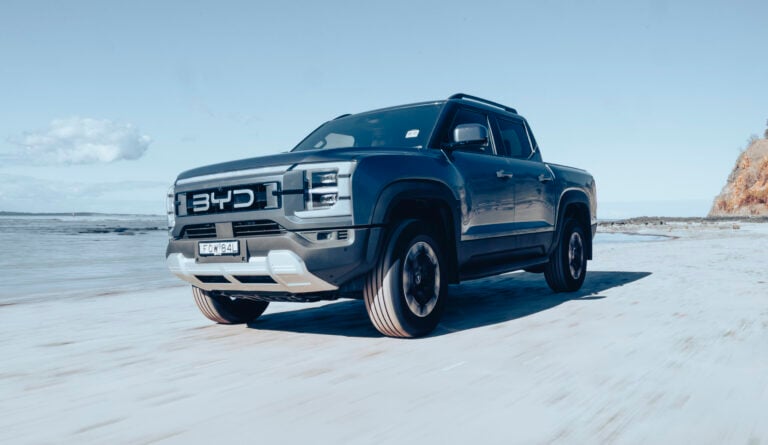
NewsNext BYD Shark 6 gets bigger engine, more power and uprated towing capacity
A bigger 2.0 litre turbo petrol and increased towing capacity of 3500kg are the headline acts in Australian Government vehicle approval documents.
-
 Reviews
2025 Ford Ranger PHEV: Lots of hype, but what's the reality of the new hybrid?
Ford electrifies the Ranger but could it have done with turning up the juice a bit?
-
 Reviews
2025 GWM Cannon Alpha PHEV review: New contender arrives in the best value-for-money dual-cab showdown
GWM has counter punched the BYD Shark with its own take on the modern dual-cab in the shape of the Cannon Alpha PHEV... plus its sharp pricing promises to appeal to buyers.
