
Features

Gallery 1
Each year dozens of concept cars are revealed at motor shows the world over in many different forms. Some are futuristic flights of fancy, others preview an upcoming design language and then there are those that look production ready.
Every now and then a manufacturer will reveal a car that looks a set of number plates away from the showroom, which only makes it all the more galling when the situation doesn’t eventuate.
This is our list of the top 10 cars that coulda-woulda-shoulda made production only to slip through our grasp, presented in alphabetical order.
Audi Quattro
2
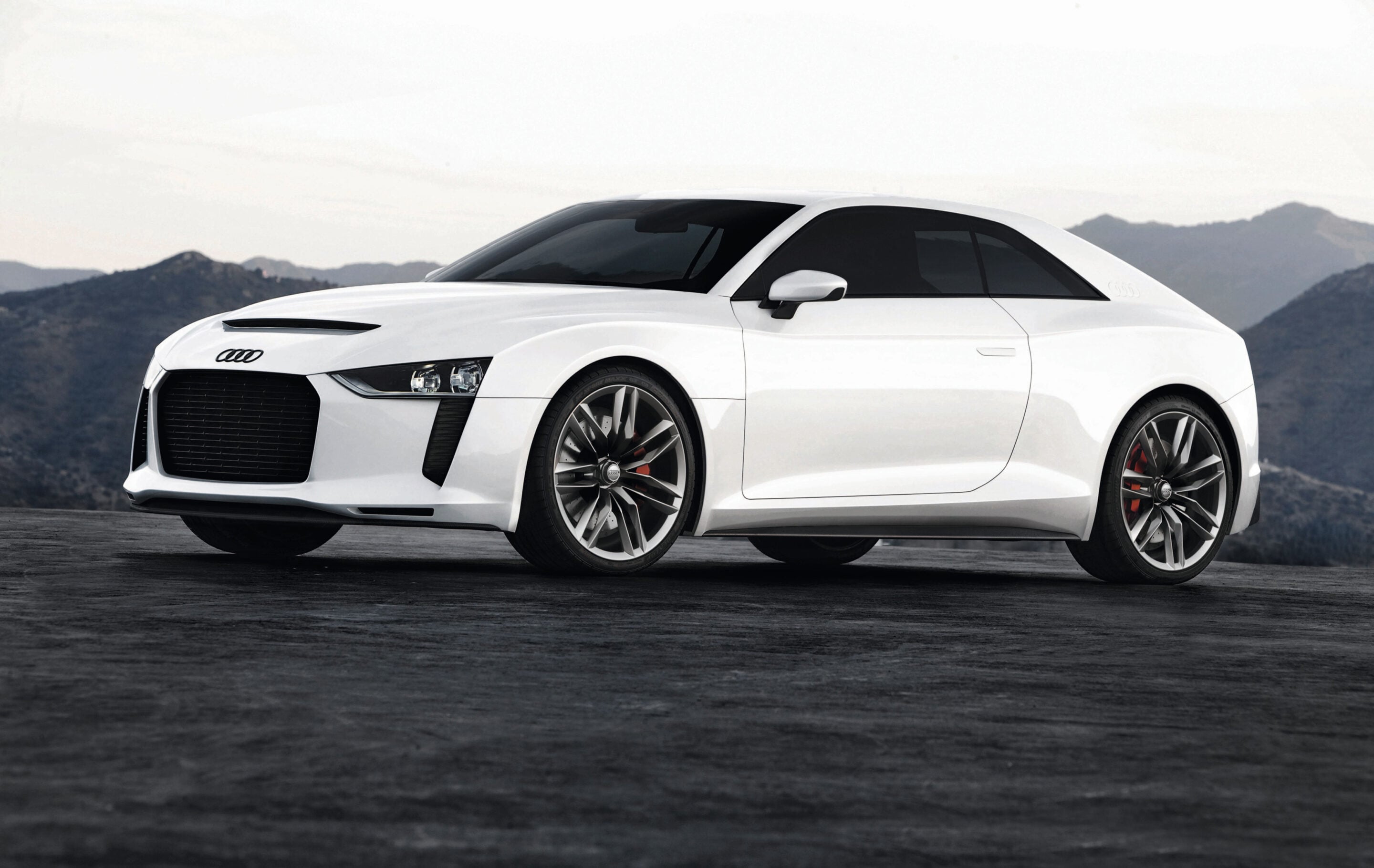
Reviving the most iconic nameplate in your brand’s history is always fraught with danger, but the Audi quattro concept, revealed at the 2010 Paris Motor Show, walked the walk.
The RS5 donated its platform, albeit with 150mm cut out of the wheelbase in a nod to the original Sport Quattro, and composite panels helped keep weight to just 1300kg.
A 2.5-litre turbocharged five-cylinder sent 300kW to all four wheels via a six-speed manual (though no doubt a seven-speed dual-clutch would’ve been a necessity for production) for a 0-100km/h claim of around 4.0sec, but sadly it was ditched in favour of more SUVs.
BMW Vision M Next
2
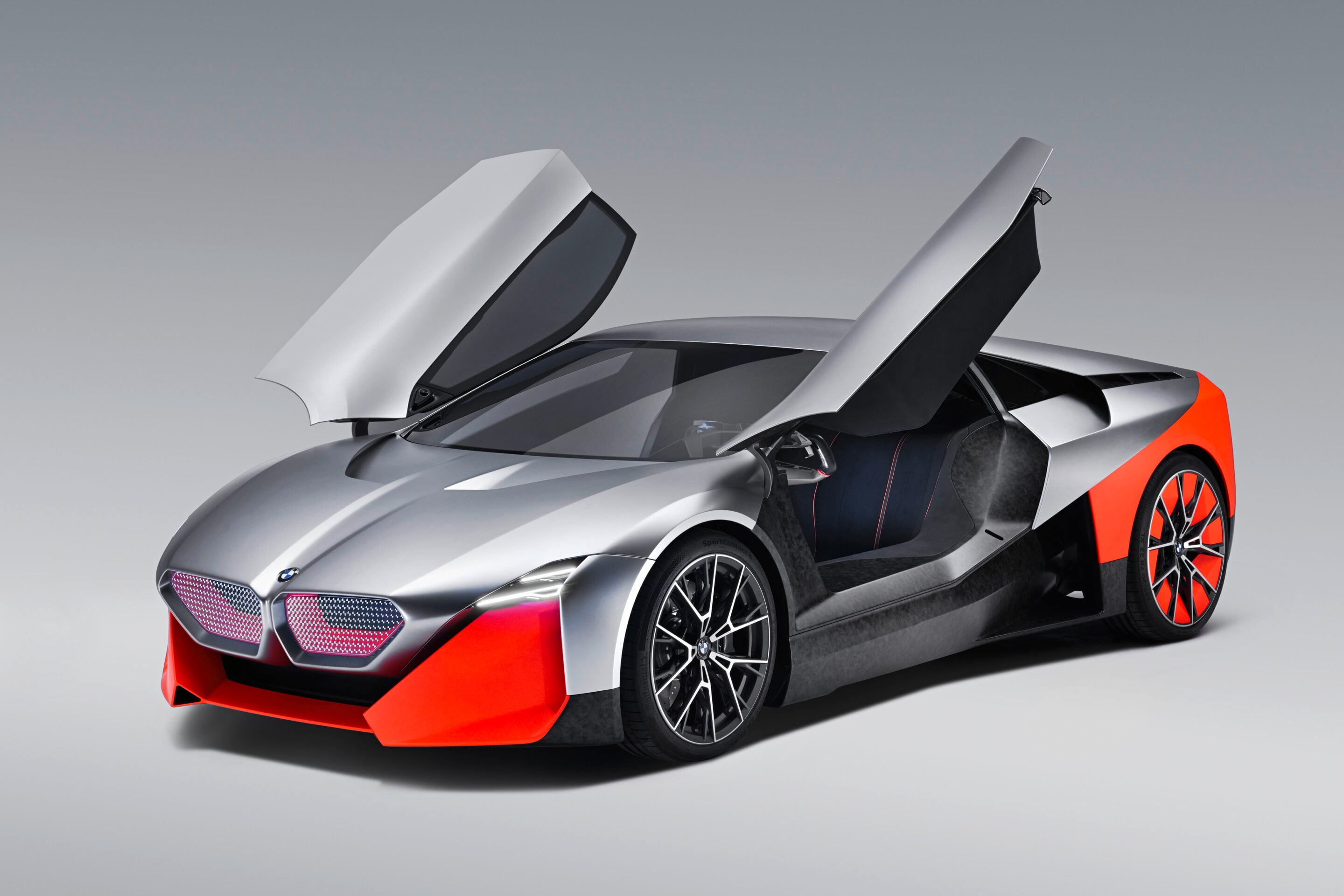
The BMW i8 broke new ground in the supercar segment and the Vision M Next would’ve been the perfect successor, taking the carbon-bodied, plug-in hybrid concept and taking it to the next level.
A mid-mounted turbocharged four-cylinder engine and a pair of electric motors combined to send 441kW to all four wheels through an eight-speed automatic gearbox for a 0-100km/h sprint of 3.0sec and a top speed of 300km/h.
On the other side of the ledger was a pure EV range of 100km making the Vision M Next the perfect supercar for the modern age, but sadly BMW decided to dedicate all its resources to the coming electrification revolution instead.
Cadillac Ciel
2
Cadillac was once synonymous with absolute luxury, an American Rolls-Royce that could stake a claim as making the best cars in the world. However, like an automotive Elvis, it eventually became a bloated pastiche of its glory years.
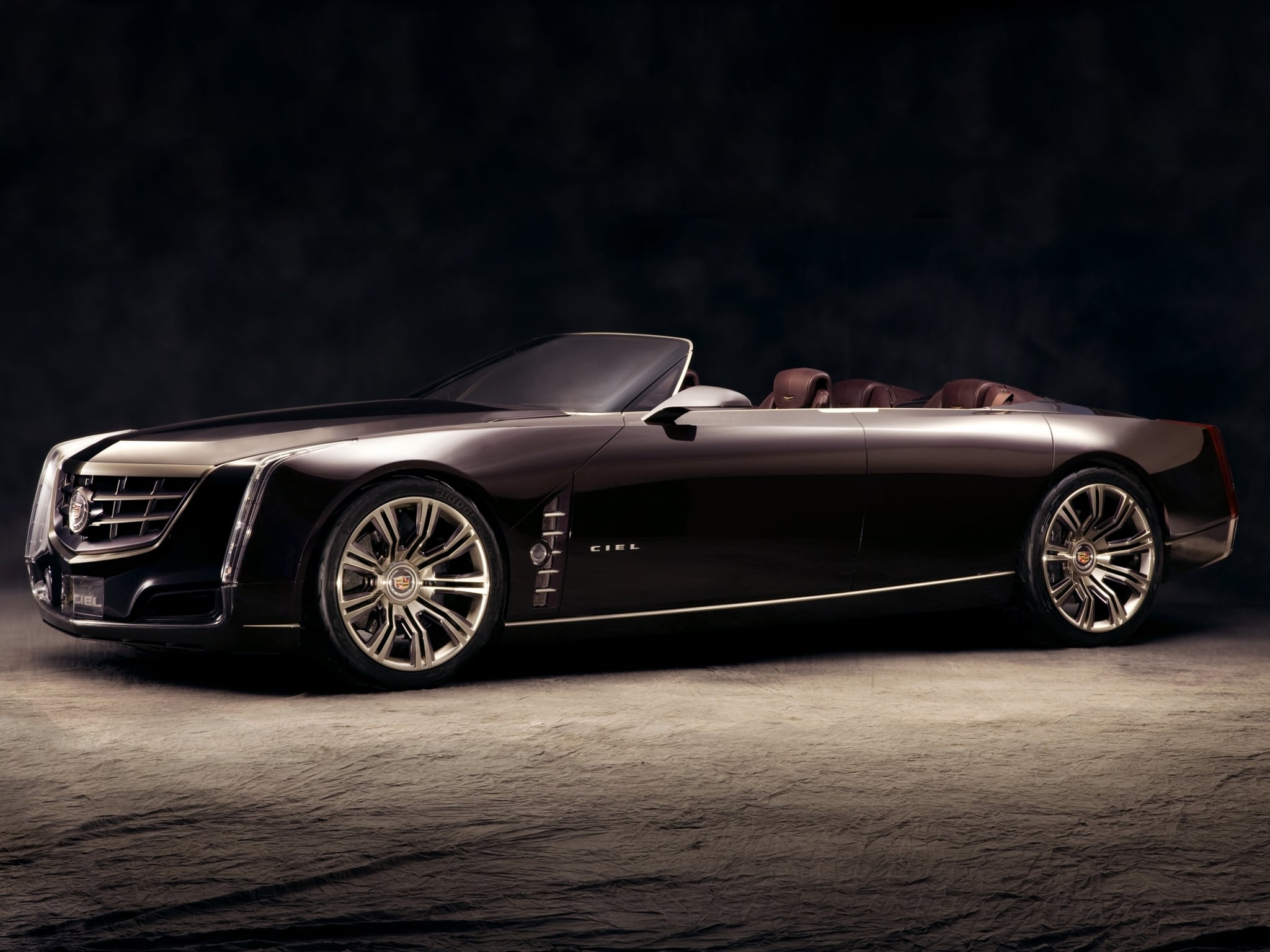
The tides began to turn in the early-2000s with cars like the CTS and at the 2011 Pebble Beach Concours d’Elegance Cadillac unveiled the stunning Ciel, an ultra-luxury four-seat convertible powered by a 317kW 3.6-litre twin-turbo hybrid V6.
It followed this up with the Elmiraj in 2013, a coupe version with a 373kW/678Nm 4.5-litre twin-turbo V8 and both would’ve been the perfect flagships for a resurgent premium brand.
Sadly, neither reached production, but the idea behind them lives on in the US$340,000 battery electric Celestiq.
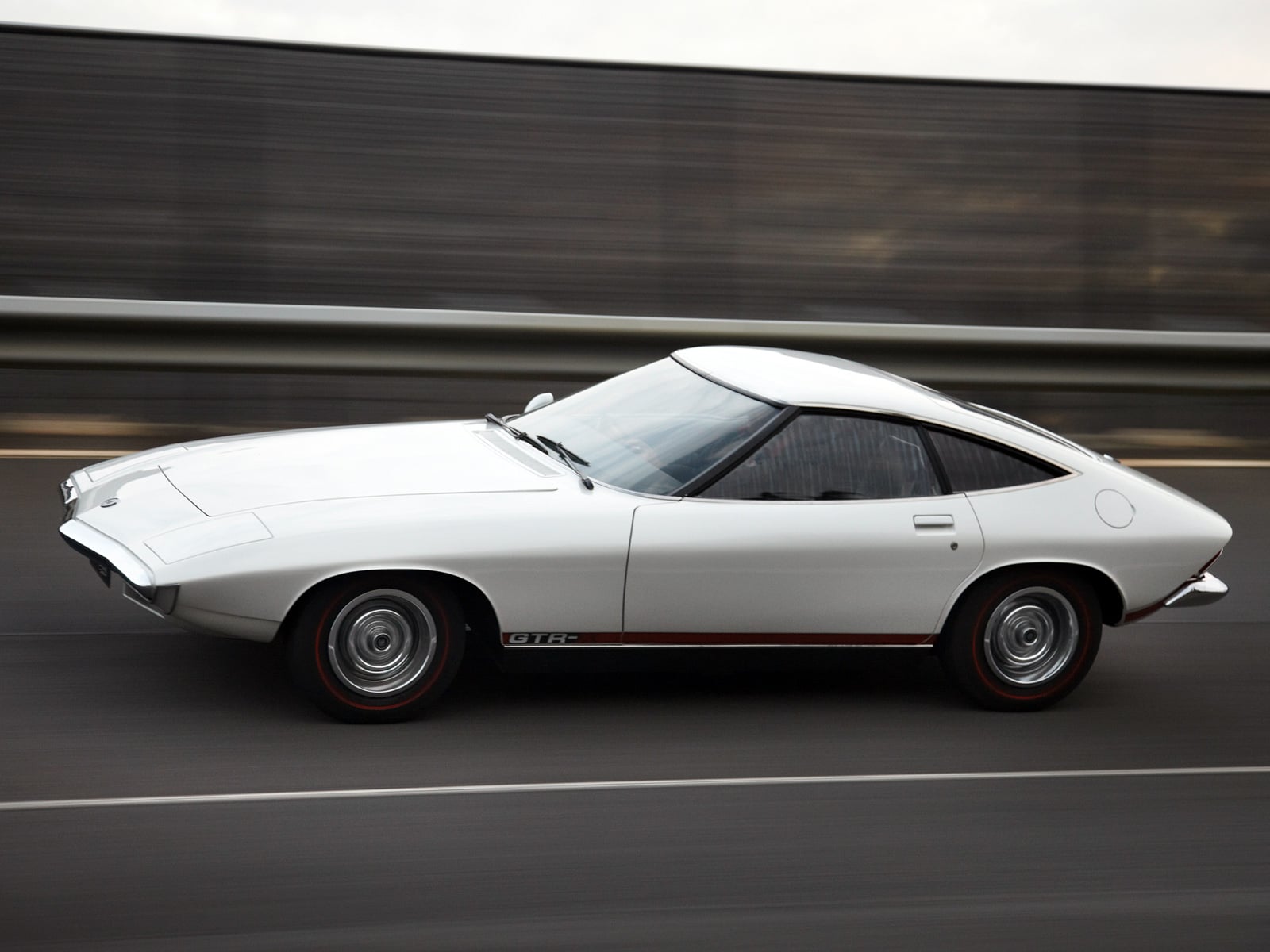
Holden Torana GTR-X
1
Australia’s answer to the Datsun 240Z had all the ingredients to be an all-time great. Fantastic, futuristic looks, a classy interior and a potent inline-six powering the rear wheels – all the ingredients bar a business case.
Holden came very close to producing the GTR-X with prototypes undergoing testing at Lang Lang but, in the end, it’s believed the newly released 240Z’s price was too sharp to compete with and the project was shut down with just one running vehicle surviving.
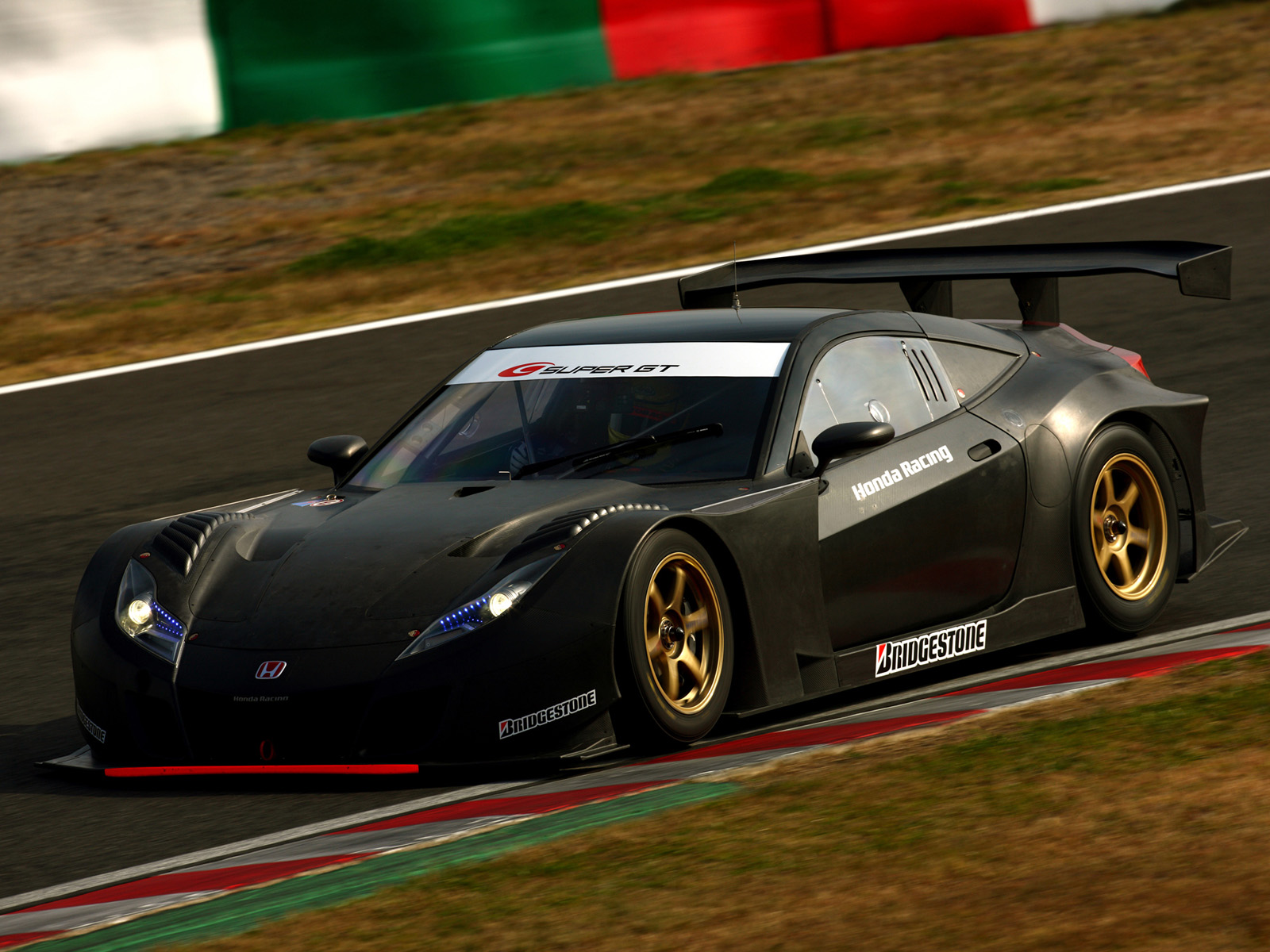
Honda NSX V10
1
The idea of a front-engined Honda NSX might be difficult to get your head around, but we’ll forgive almost anything for a screaming 5.5-litre V10. The new NSX was already pounding around the Nurburgring, its soundtrack revealing a dual-clutch gearbox, though all-wheel drive was also rumoured.
Then the Global Financial Crisis hit, Honda’s profits plunged and not only did the NSX V10 die but Honda’s F1 program went with it. The spirit of the car lived on, however, as the HSV-010 which competed in the Japanese Super GT championship with a 3.4-litre V8, winning the championship in its debut season.
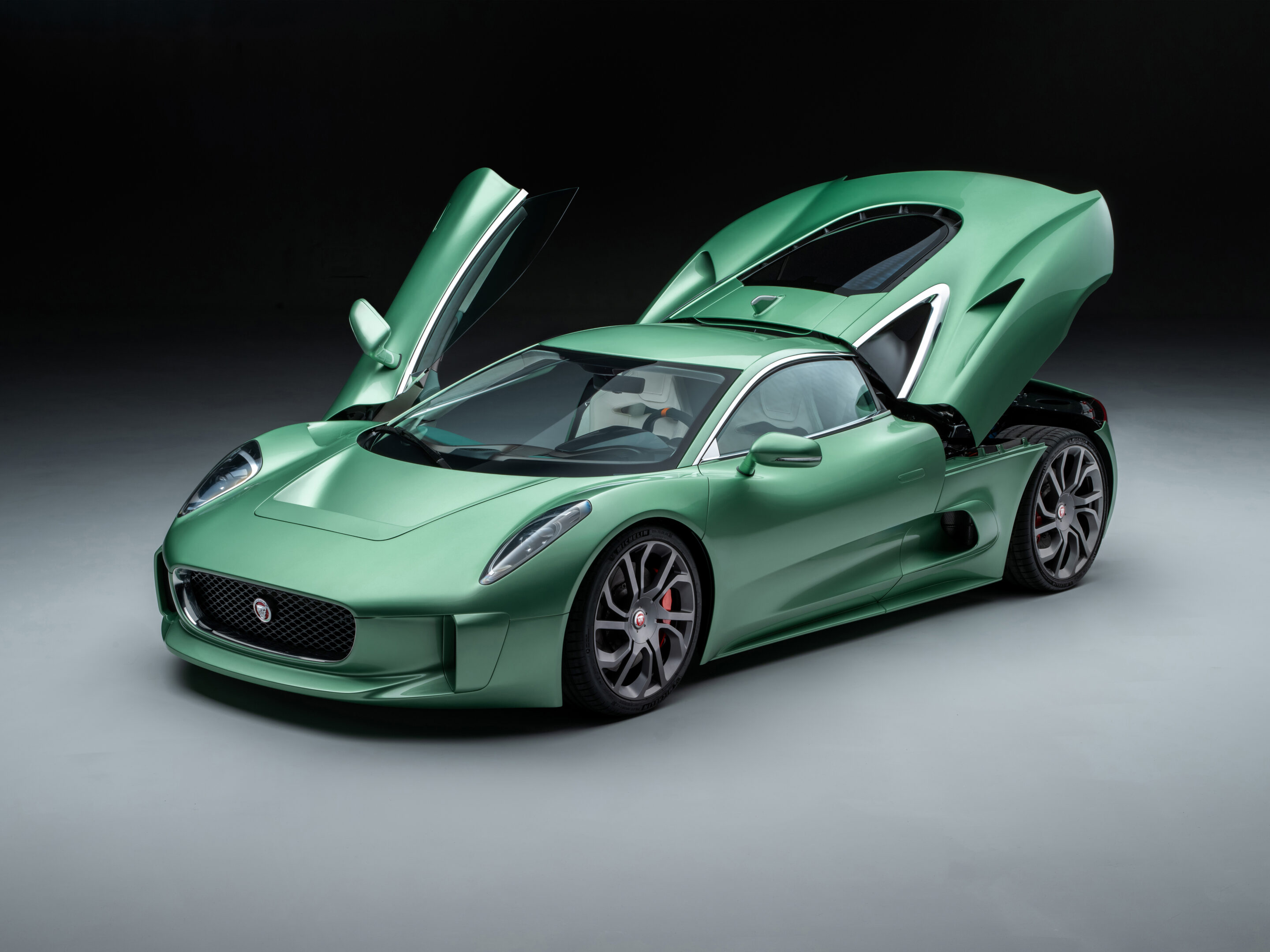
Jaguar C-X75
2
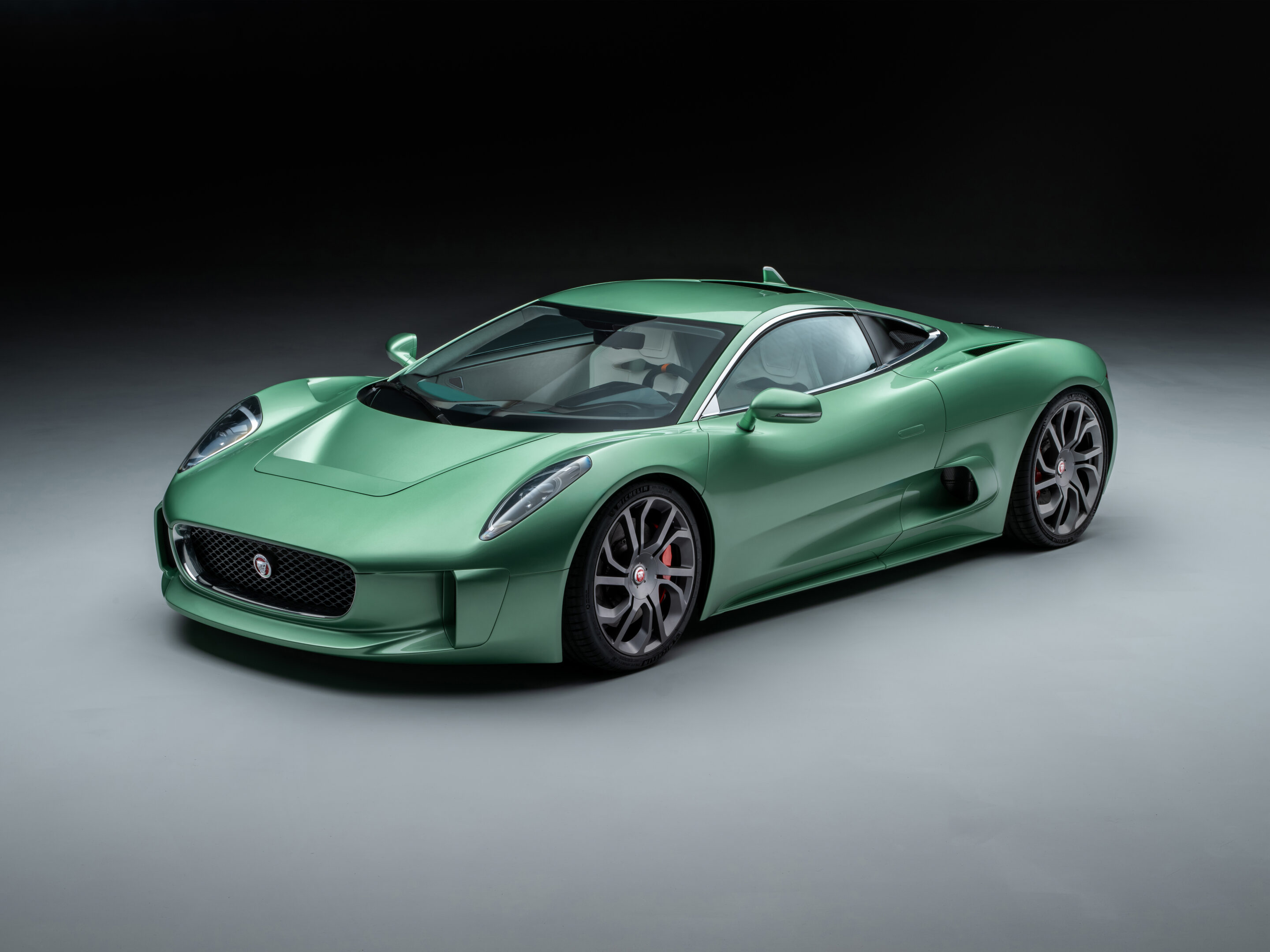
Here is one that did make production. Sort of. The C-X75 concept was radical, its four electric motors recharged by two diesel-fed gas turbines, which became a pair of electric motors fed by a 1.6-litre twin-charged engine for the mooted production car.
With 634kW and all-wheel drive, the expected figures were 0-100km/h in less than three seconds, a 322km/h+ top speed and CO2 emissions of less than 99g/km but Jaguar was unwilling to release a million-dollar supercar into an economically uncertain market.
Several stunt cars were provided for the James Bond film Spectre powered by Jag’s 5.0-litre supercharged V8 and designer Ian Callum, through his firm Callum Designs, engineered one for road use before creating a one-off production example for another customer.
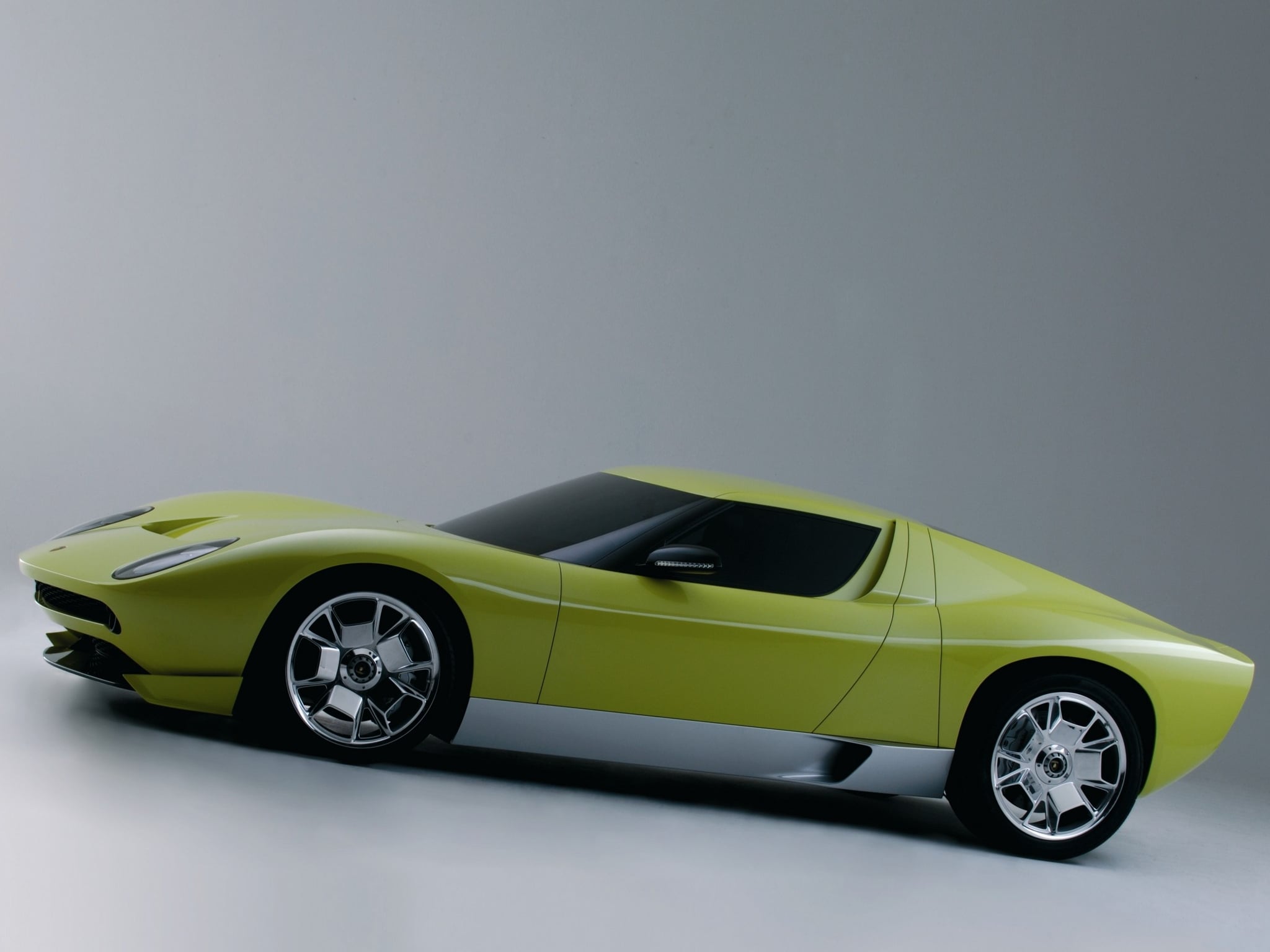
Lamborghini Miura
1
When the Miura concept was revealed in 2006 to commemorate the 40th anniversary of what is commonly held to be the world’s first supercar, manufacturers were only just beginning to plunder their back catalogues with cars like the New Beetle and New Mini.
Lamborghini never intended it to reach production, CEO Stefan Winkelmann (yes, the current F1 boss) saying “Lamborghini is about the future. Retro design is not what we are here for.”
Of course, the world is now a very different place almost 20 years on and given the current appetite for back-to-basics hypercars and resto mods, a new Miura with a six-speed manual and the Revuelto’s 6.5-litre V12 could command a pretty penny.
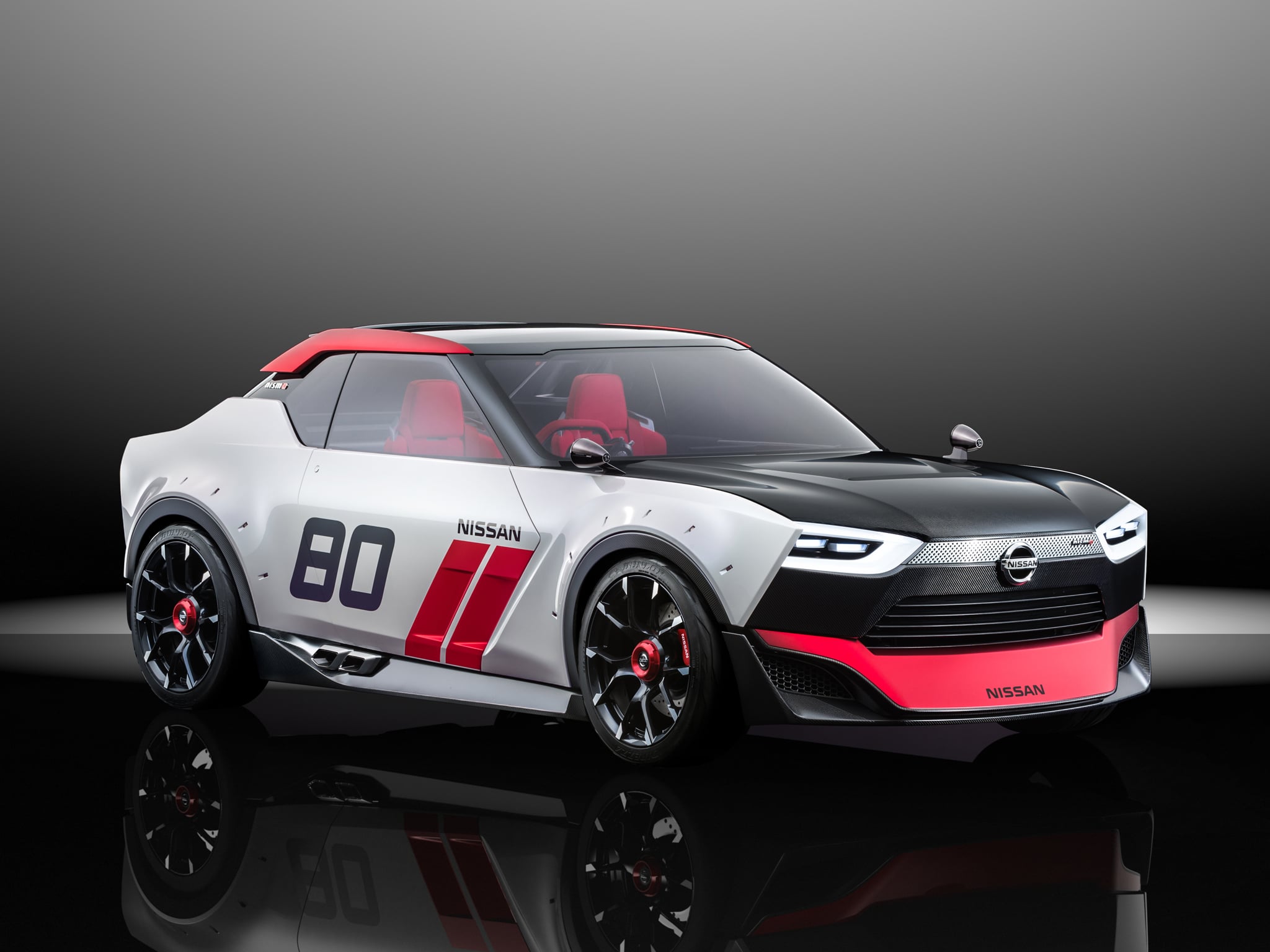
Nissan IDx Nismo
1
This one hurts. Nissan had the perfect opportunity to create a new hero car and a competitor to the Mazda MX-5 and Toyota 86/Subaru BRZ, only to get cold feet in the face of overwhelming enthusiast support.
Of course, positive sentiment doesn’t necessarily equate to profits, but the IDx – especially in sporty Nismo guise – would’ve been a halo car at an affordable price point.
Up to 170kW was mooted from the 1.6-litre turbocharged four-cylinder engine, driving the rear wheels and limited-slip diff would’ve been a must have. Alas, one of motoring’s great ‘what ifs?’.
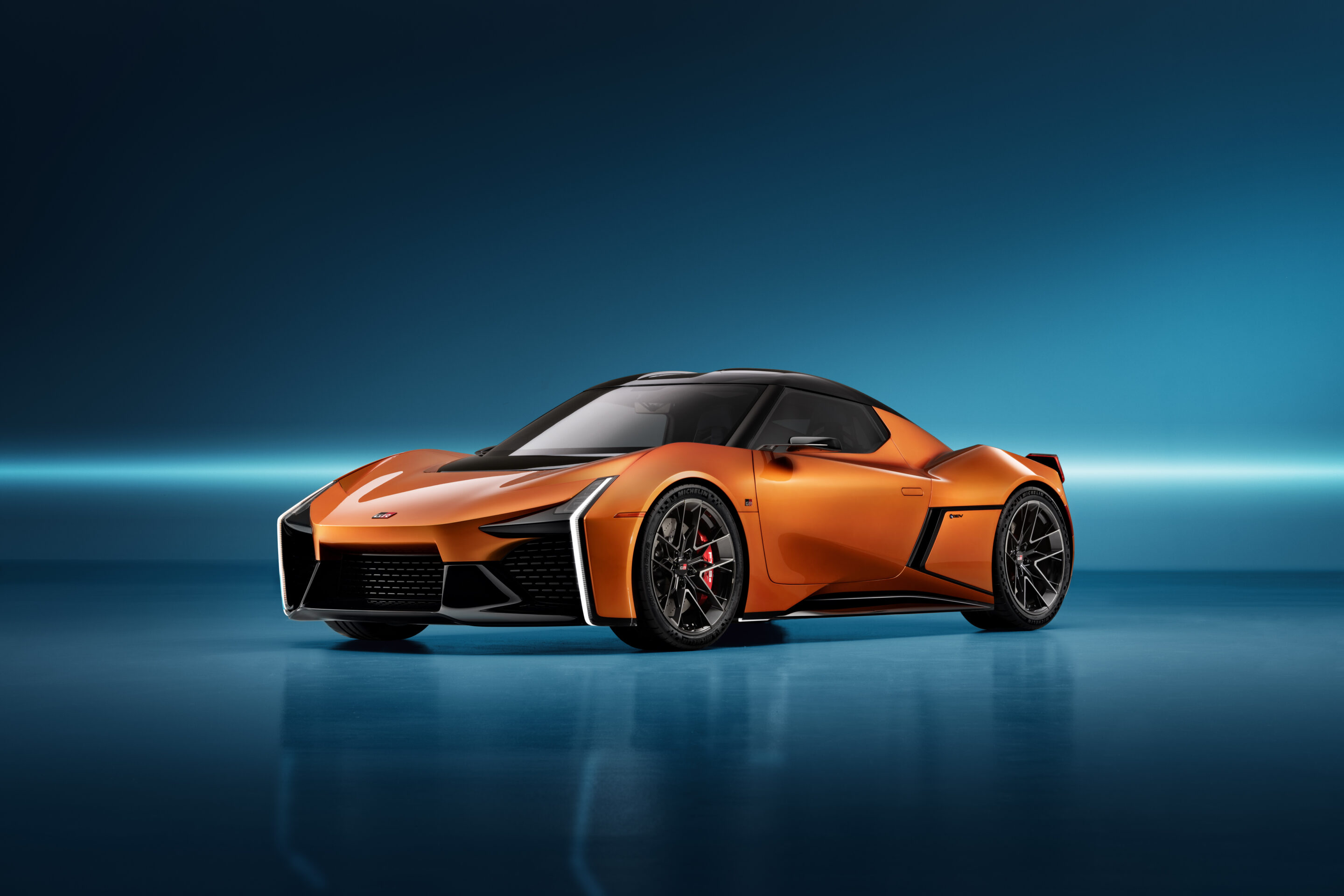
Toyota FT-Se
2
There’s still time. With Toyota committing to both performance cars and internal combustion for as long as possible, could the FT-Se make production as a new-generation MR2, following in the footsteps of the 86 and Supra?
The concept, revealed at the 2023 Tokyo Motor Show, was electrically powered and could well be produced in that form, but we’d prefer either Toyota’s amazing 1.6-litre three-cylinder found in the GR Yaris and Corolla or its forthcoming new-generation 2.0-litre four-cylinder to be nestled in the middle. Fingers crossed.
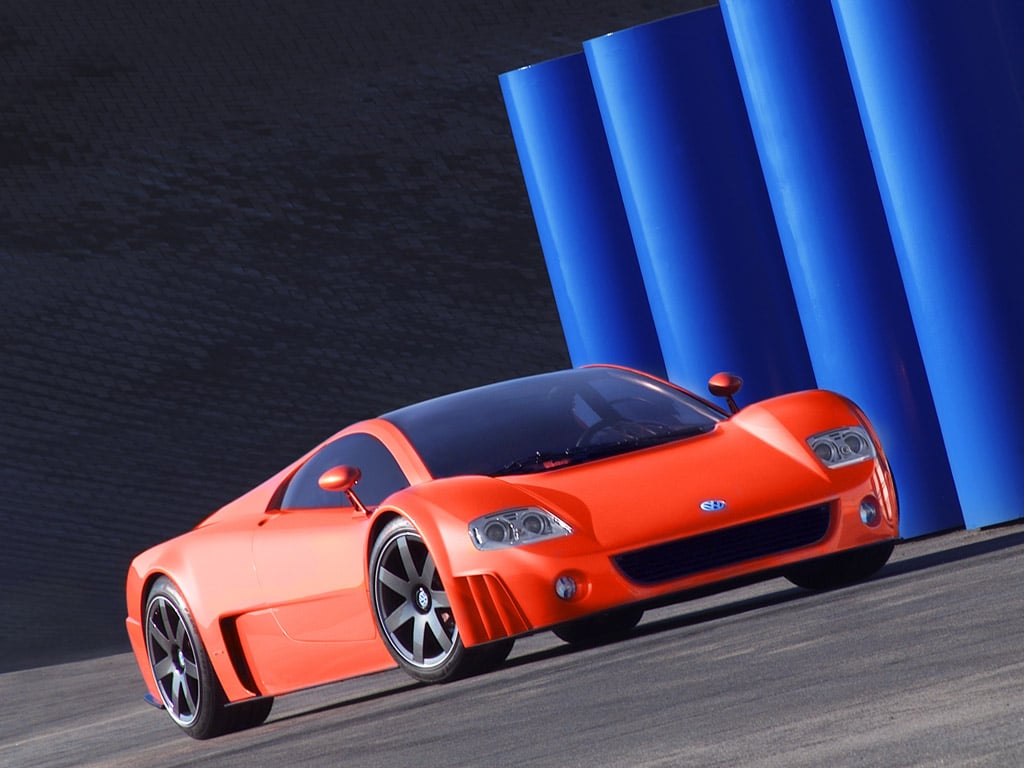
Volkswagen W12 Nardo
3
While most vehicles on this list never ventured further than a motor show stand, the Volkswagen W12 worked so well that in early 2002 it set all manner of speed and endurance records, covering 7740km at an average speed of more than 322km/h.
A number of concepts appeared over the years, including a Roadster, but in its ultimate form the 6.0-litre W12 engine produced 441kW/621Nm and powered the rear-wheels, though the original concept was all-wheel drive.
Though it never made production, the focus turning to the Bugatti Veyron instead, the W12 did live on in a number of Audi, Bentley and VW models.
Follow WhichCar/Wheels on Google
Click the button below to make WhichCar by Wheels a preferred source for your news.

We recommend
-
 Features
Which are the 10 best-selling dual-cab utes in Australia?
It's a segment of the market with lots of interest and lots of new competitors – but which dual-cab ute brands are making the biggest inroads as of late 2025?
-
 Features
Top 10 forgotten Australian performance cars
A tribute to some unsung heroes of the Australian performance scene, as well as some perhaps best left in the mists of time.
-
 Features
Australia’s 10 Greatest Cars
While it's still sad Australia no longer creates cars from concept to roadgoing, we can at least remember how good they once were. Here's the 10 we think were Australia's greatest ever homegrown cars...
