
Geely founder Li Shufu – better known internationally as Eric Li – is stepping down as chairman of the Chinese company’s flagship automotive business as part of a significant leadership change at the rapidly expanding carmaker.
Li, 63, will relinquish the chairmanship of Hong Kong-listed Geely Automobile, with the change taking effect this week. He is not, however, leaving the Geely empire he has spent four decades building.
Li will remain chairman of parent company Zhejiang Geely Holding Group and retains control of Geely Automobile as its controlling shareholder.
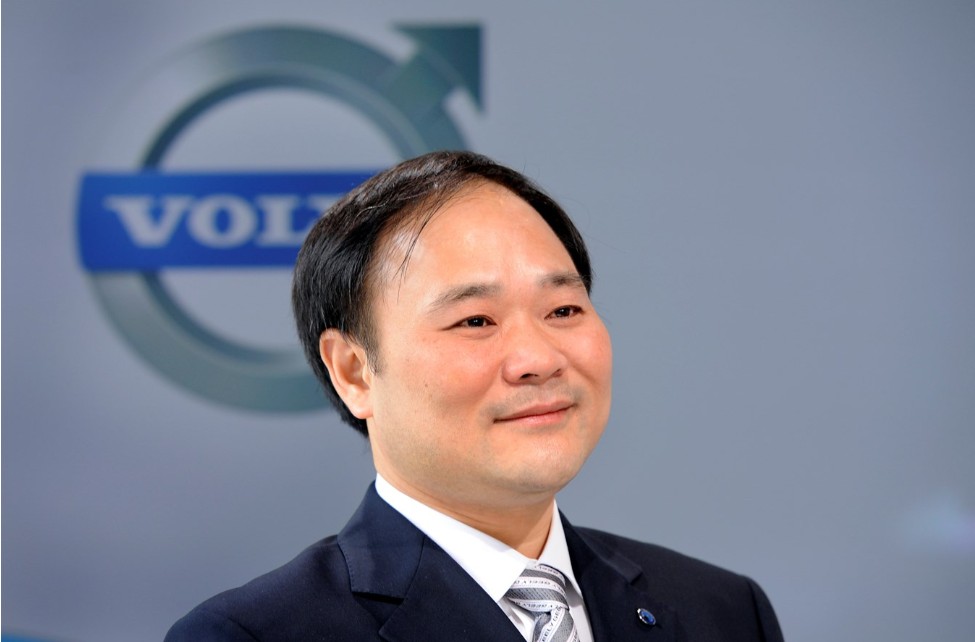
He will be replaced as Geely Automobile chairman by long-serving executive An Conghui, also known as Andy An. An has been with Geely since 1996 and has held numerous senior engineering and management positions across the group. He was appointed an executive director of Geely Automobile in June this year.
The change comes as Geely continues to simplify a sprawling corporate structure that has expanded dramatically through acquisitions, investments and the creation of new brands.
Geely Holding acquired Volvo Cars from Ford in 2010 and has interests in Lotus and Malaysia’s Proton. Li also owns a 9.69 per cent stake in Mercedes-Benz through an investment company.
More recently, Geely has been consolidating its electric-car operations under a “One Geely” strategy. Luxury EV brand Zeekr was taken private and became a wholly owned subsidiary of Geely Automobile in December 2025, while the group has also moved to integrate operations including Lynk & Co.
The leadership change comes during a period of rapid international expansion.
Geely is now China’s second-largest electric-vehicle manufacturer behind BYD, while overseas deliveries more than doubled to 474,228 vehicles during the first half of 2026. Monthly exports passed 100,000 vehicles for the first time in June. Overall first-half sales increased one per cent to 1.42 million vehicles despite weaker domestic demand.
New-energy vehicles – encompassing battery-electric and plug-in hybrid models – accounted for more than half of Geely’s deliveries over the period.
The company is also pushing further into Europe, including a recently announced manufacturing partnership with Ford that will see two Geely electric SUVs produced at Ford’s Spanish factory and the companies collaborate on another model.
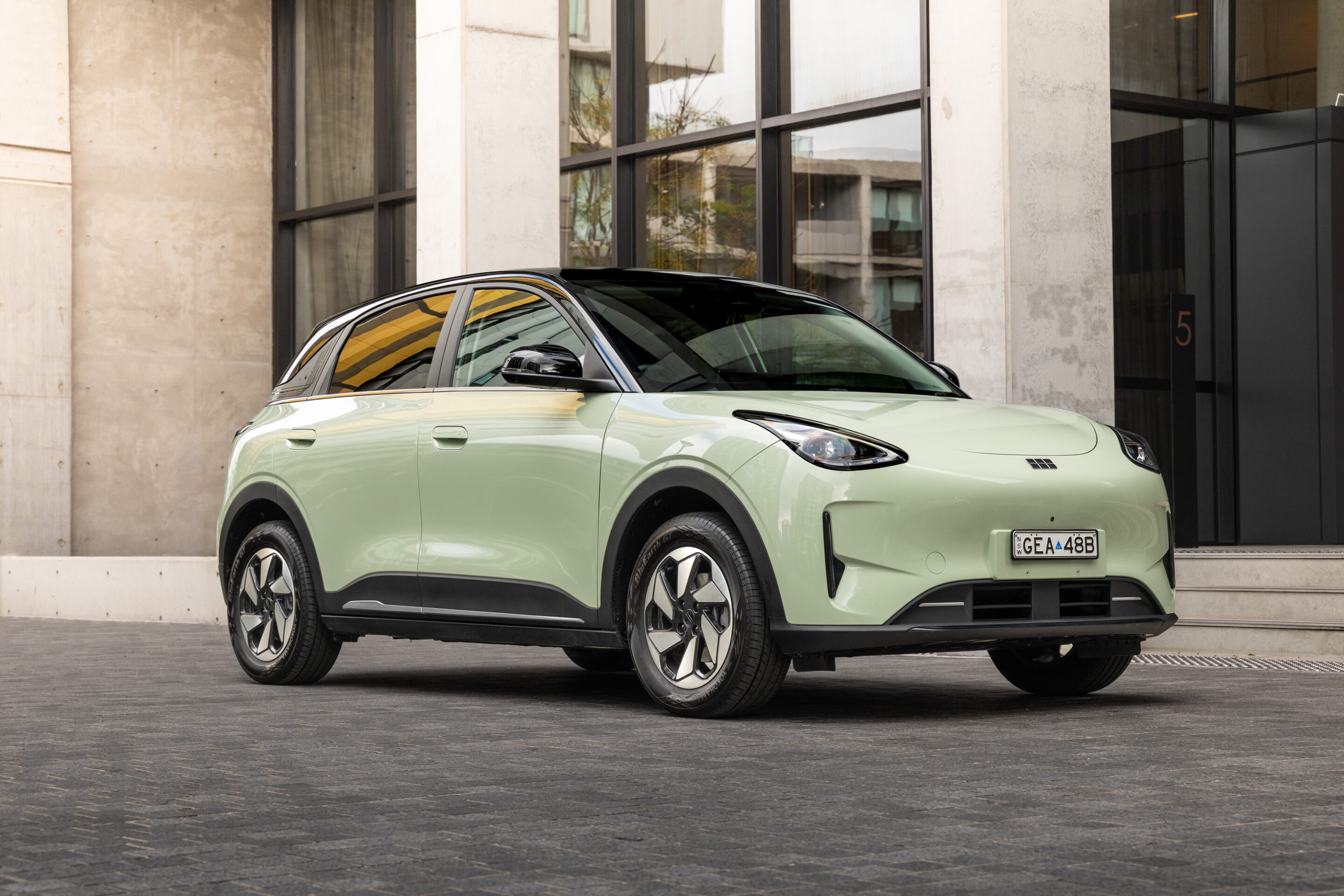
Geely’s international expansion has also accelerated in Australia, where the company recently launched the EX2 electric hatchback (above) as its new entry-level model. Priced from $26,490 before on-road costs for the Complete and $30,990 for the Inspire, the EX2 significantly broadens Geely’s local reach at the affordable end of the EV market.
The small hatch joins the EX5 electric SUV and Starray EM-i plug-in hybrid as Geely builds its Australian range, with further models expected as part of the brand’s rapid global expansion.
University students who were challenged by BMW to build an energy-positive vehicle have claimed they’ve answered the call with a solar-powered coupe that recovers more power than it uses during a typical urban commute.
The Deep Orange 17 was revealed earlier this month by a crew from Clemson University who have been working on the project since the German marque threw down the gauntlet in late 2024. Yes, it’s ugly enough to make an EA Ford Falcon look like a Lamborghini Miura, but its ultra-boxy appearance is a big part of its scientific success.
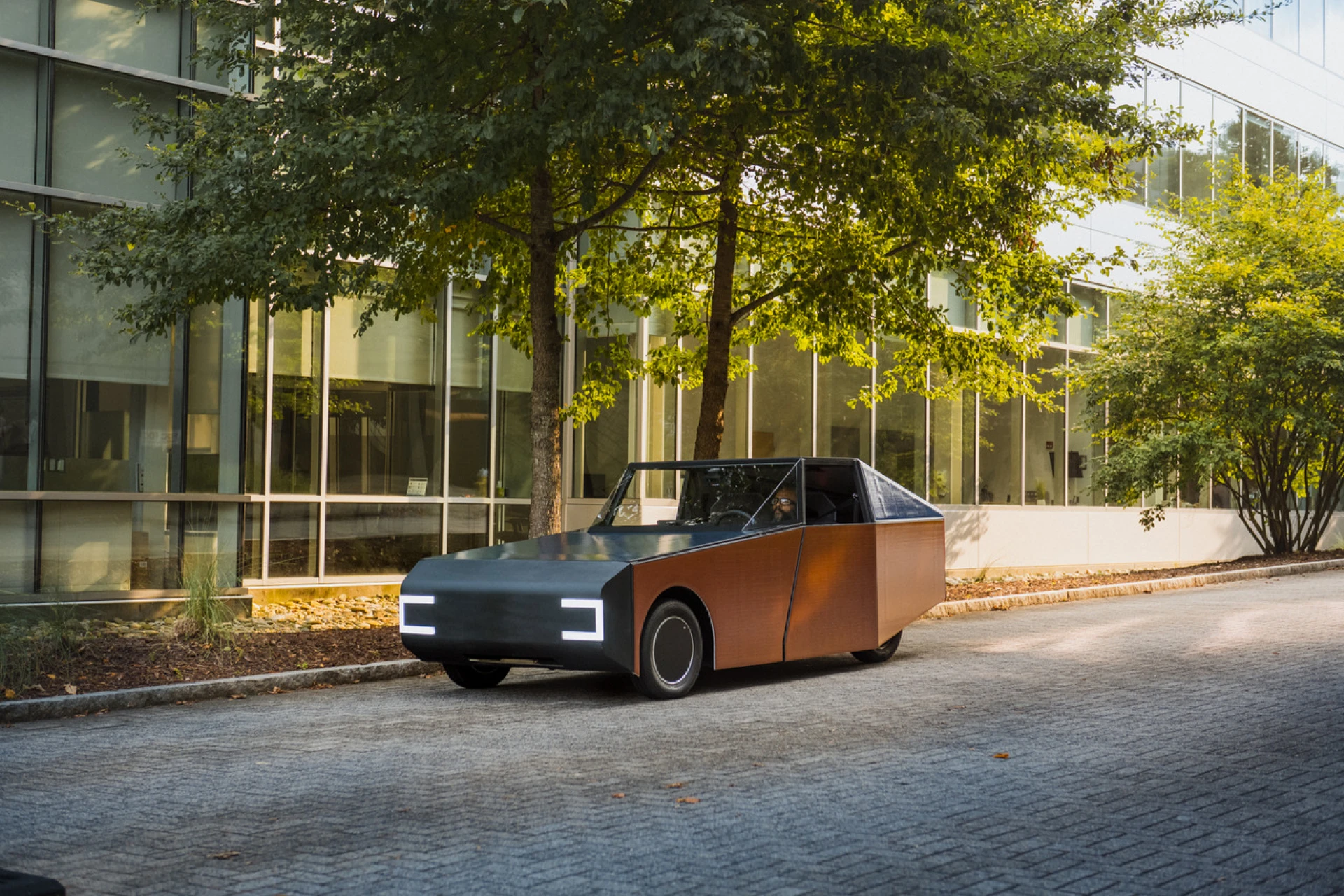
Deep Orange was designed with real-world EV use in mind. The team from the university’s automotive engineering department reasoned that the long periods that cars spend parked present a perfect opportunity for harvesting solar energy. To that end, they loaded the bodywork with more than 1700 photovoltaic cells that can generate power even when parts of the body panels are shaded.
The 16 graduate students modelled conditions in South Carolina, Germany, Spain and India to evaluate the car’s performance. They found that a daily commute of 20km resulted in the vehicle generating enough surplus solar energy to provide an average of 50km in additional range in all four locations.
The vehicle weighs just 550kg thanks to the heavy emphasis on lightweight construction using structural steel for passenger safety, aluminium components, carbon fibre structural members and 3D-printed metal joints.
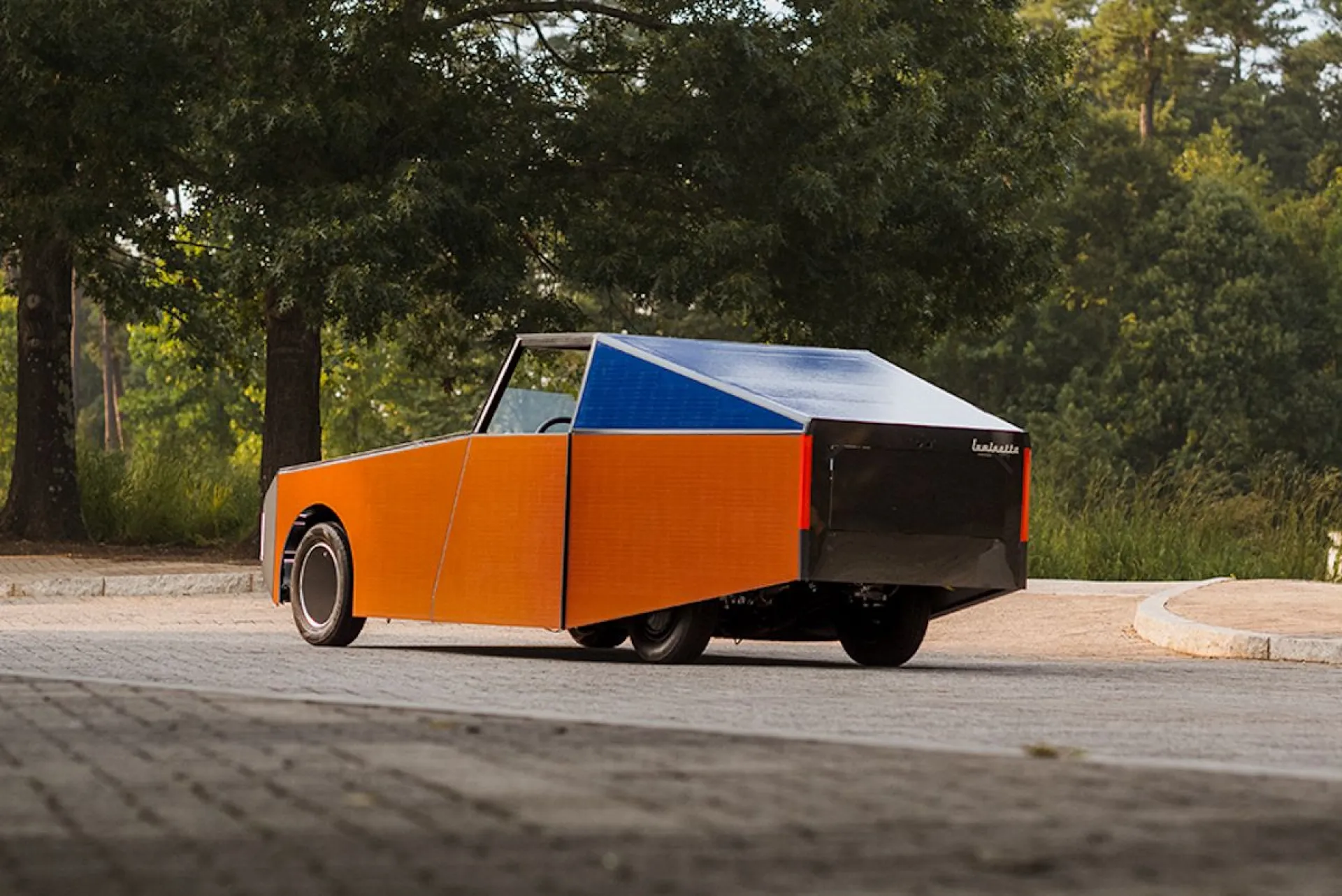
You’d never guess it from looking at the almost complete lack of curves, but the Deep Orange 17 was also designed with aerodynamics in mind. According to the Clemson team, it draws inspiration from the characteristics of the boxfish, which has a body that reduces drag while maintaining interior volume. They also say the look was inspired by “BMW’s design heritage”, although heaven knows what the bigwigs at the marque’s Munich headquarters think of that.
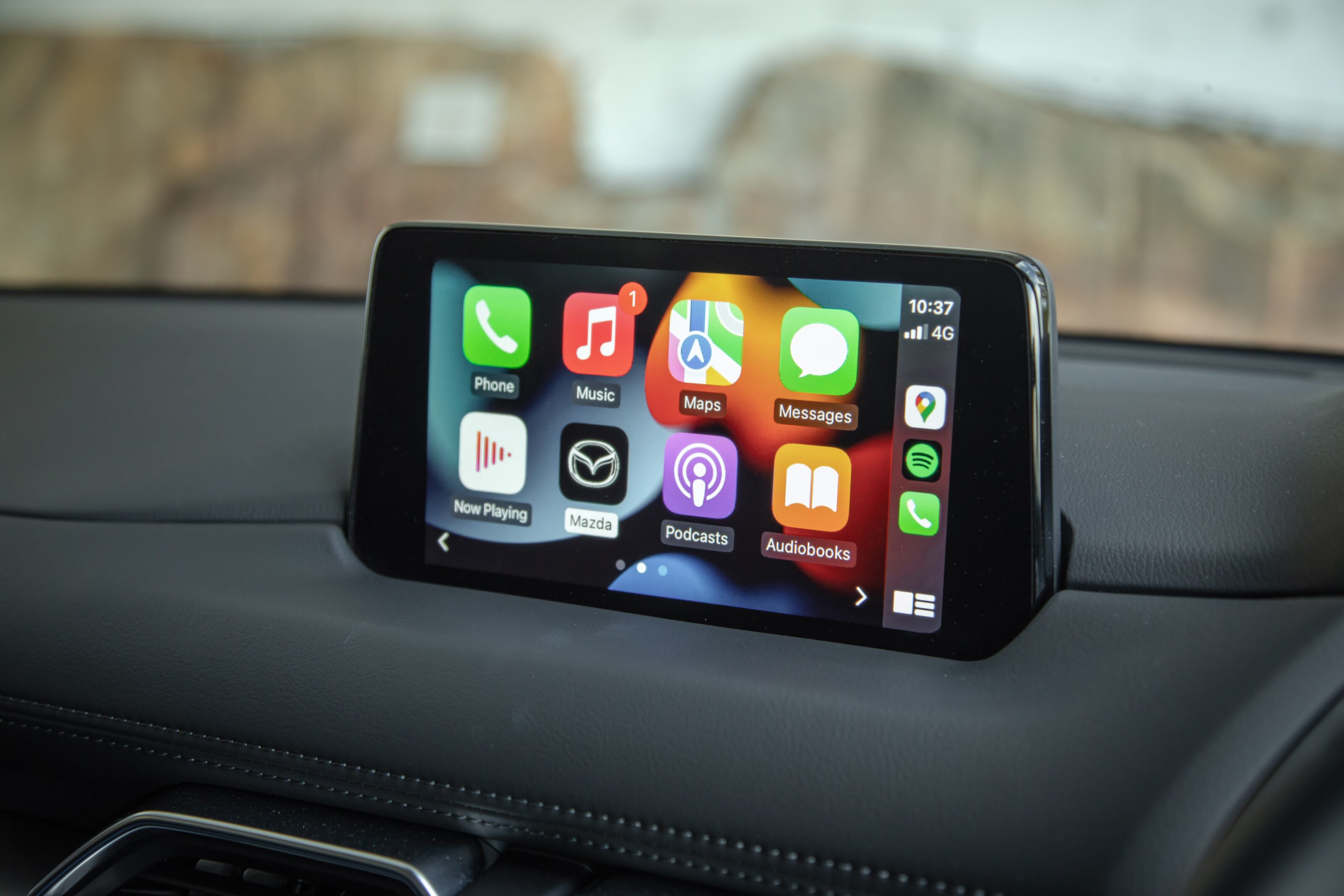
The solar set-up gets help from regenerative braking, intelligent torque distribution and optimised drivetrain controls to meet the energy target. In keeping with its aim to meet real-world drivers’ needs, the experimental coupe also gets Apple CarPlay and Android Auto.
BMW and Clemson’s partnership is more than two decades old. The manufacturer was a founding partner of the university’s International Center for Automotive Research in 2007, and has been the primary sponsor for five projects, including a next-generation SUV design. The Deep Orange 17 is due to appear at next year’s Consumer Electronics Show in Las Vegas.
CUPRA is making two exclusive additions to its range with the Terramar VZ Tribe Edition in Black and Green. The update to the plug-in hybrid SUV brings eye-catching changes to the exterior and interior with a big nod to sustainability.
Just 35 of the Black editions will be made available in Australia, featuring a Midnight Black exterior, exclusive 20-inch alloy wheels in – you guessed it – black, dark chrome exterior badging, and a panoramic sunroof only available as an option on the existing Terramar.
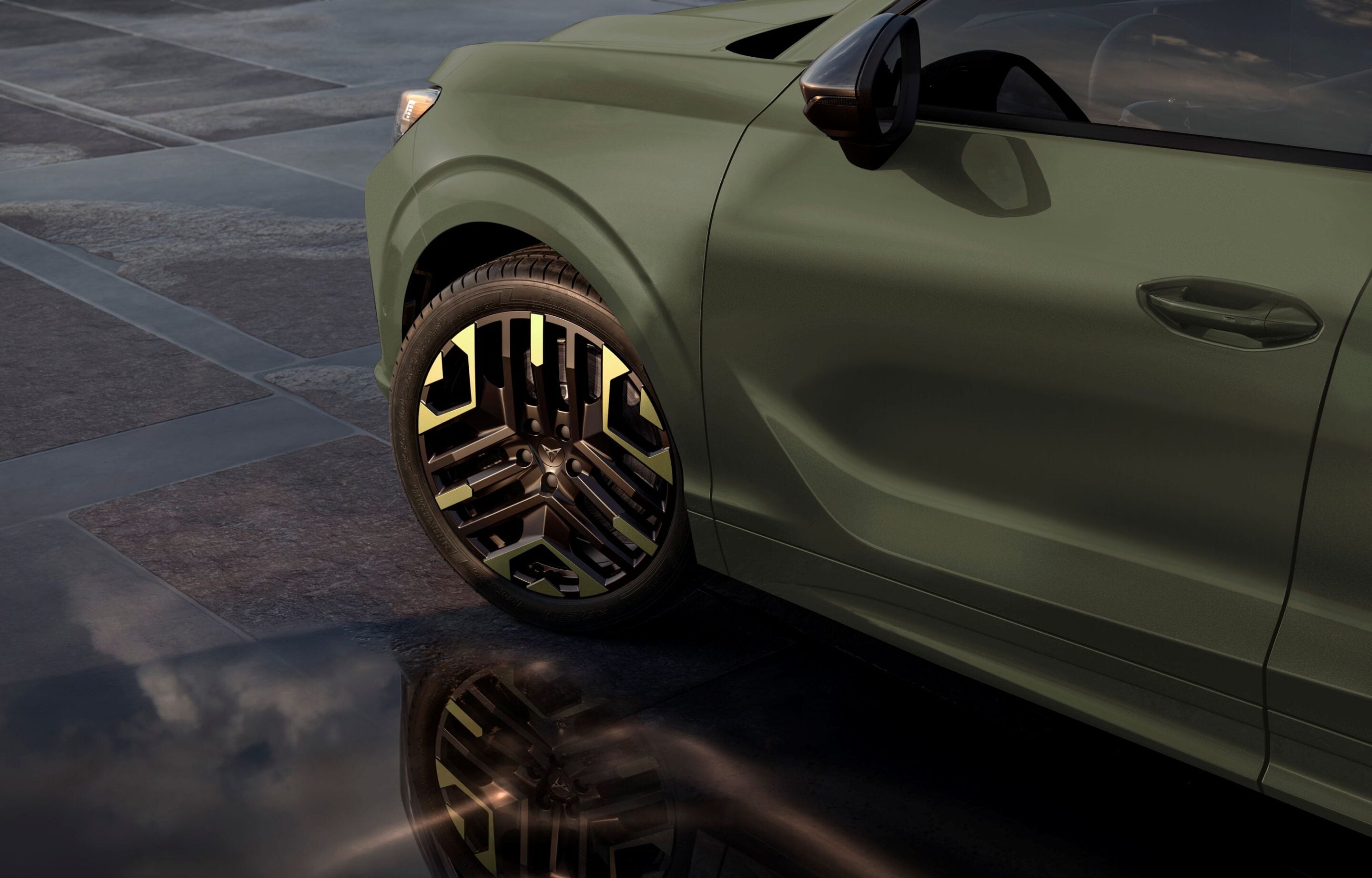
The Green gets an exclusive Manganese Matte exterior finish, 20-inch rims with sulfur green highlights, the panoramic sunroof and the dark chrome badging. Only 10 units will go on sale down under.
Both versions get enhanced standard equipment. On top of the sunroof, there are exclusive wheel finishes and “bespoke design accents” that set them apart from the standard Terramar VZ. The nationwide drive-away prices are $75,490 for the Black and $78,390 for the Green, compared with $73,490 for the existing VZ.
The two “carefully curated design themes” make extensive use of repurposed materials. Computerised 3D knitting has been used to produce the unique seat upholstery, 30 per cent of the plastics in the interior incorporate recycled material, and the Sulfur Green paint is bio-based. That theme even extends to the new alloy wheels, which incorporate up to 20 per cent recycled material.
The Green and Black both get the VZ’s 195kW, 400Nm 2.0-litre turbo petrol engine, which feeds power to all four wheels via a seven-speed DSG transmission. The claimed fuel efficiency comes in at 8.2L/100km, boot volume is a respectable 508L with the seats up and 1415L with the pews folded, and there’s also a 12-speaker Sennheiser sound system.
A Harvard University study has found that fatal car accidents can increase by as much as 15 per cent on days when big-name music albums are released due to drivers becoming distracted by the work of top-selling artists like Taylor Swift.
The research examined 233,809 traffic fatalities in the USA from 2017 to 2022 and found that the number of deaths was “significantly higher on major music album release days than on the 10 days before and after”. The authors found that the fatalities shot up by 15.1 per cent while daily online music streaming increased by approximately 43 per cent due to the release of smash hits.
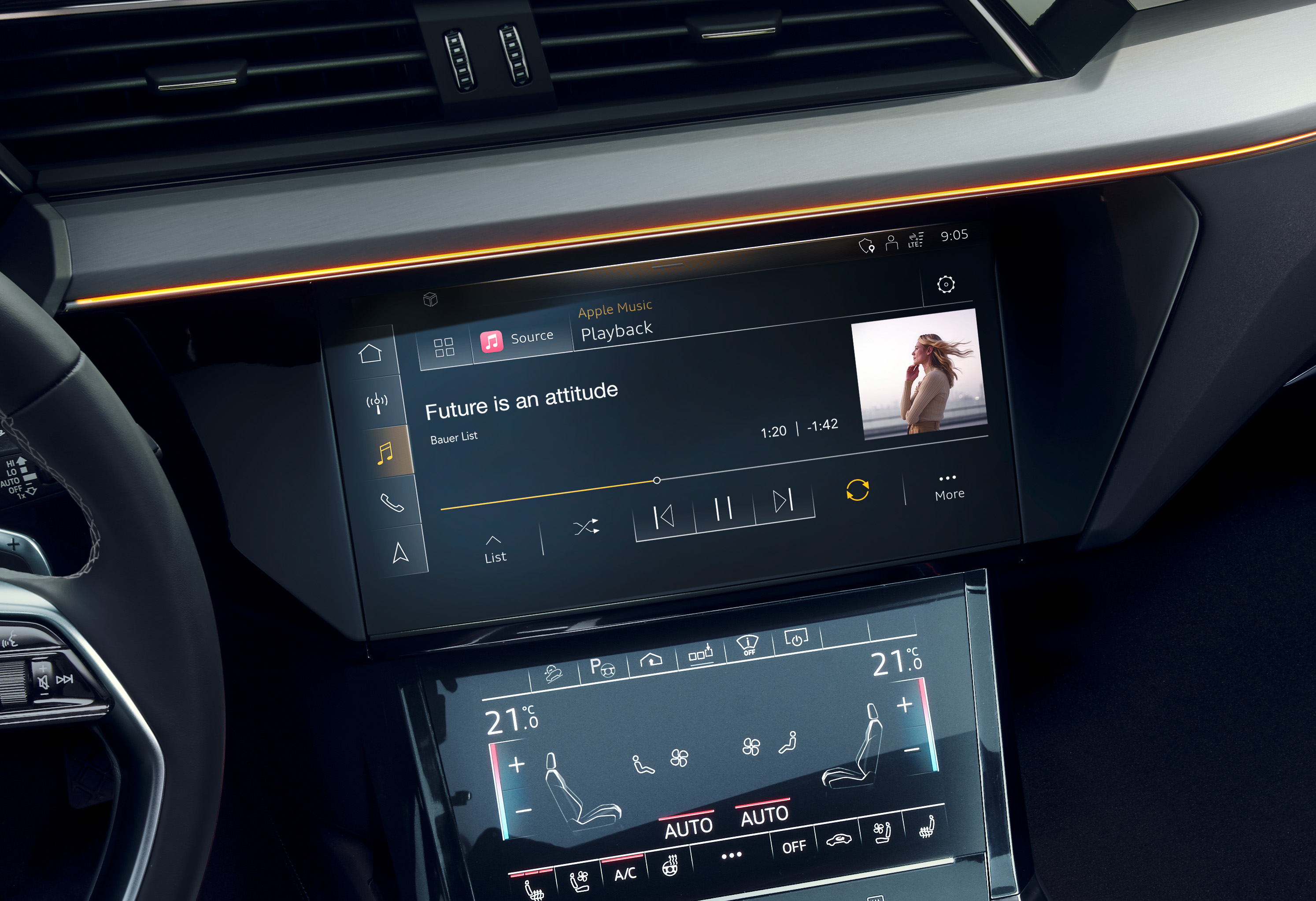
Harvard’s team says the study reveals the potentially deadly effects of drivers becoming too wrapped up in streaming music when they’re behind the wheel. They studied the impact of 10 highly successful albums that were chosen because they had the highest number of Spotify streams in a single day.
“You can’t randomise people into using their phones, and drivers rarely volunteer what they were doing in the seconds before a crash. Album releases give you something closer to an experiment – a day when smartphone use jumps nationally for reasons that have nothing to do with road conditions, weather or who happens to be driving,” said study author Vishal Patel of Harvard’s medical school.
The albums examined included Swift’s Midnights from October 2022, Drake’s Scorpion, and Harry Styles’s Harry’s House. Researchers took into account the day of the week the music was released on, federal holidays and the time of year, and the rise in fatalities was greater among groups like younger drivers, male drivers, and those driving cars with a built-in infotainment system.
“What it establishes is that these days are genuinely different in terms of national engagement with music, which is the premise the whole study rests on,” Patel said. “This is equivalent to approximately 182 fatalities in the US attributable to the release days of the 10 included albums.”
Patel also pointed out that the set-up of many modern, digitised cars contributes to driver distraction because they have to search for the music instead of playing it with the push of a button. “You unlock the phone, open the app, find the release, read down a tracklist, tap the right song. That’s several seconds of looking at a screen,” he said, adding that the increase was seen “almost entirely among drivers who were alone” and couldn’t get a passenger to take over the process.
A driver has posted a detailed look at how he paid just $713.47 in charging costs while travelling 40,000km in his Tesla Model Y over the last three years. Mahmudur Rahman said the key to the incredible frugality was smart use of solar-generated electricity and home power, with only some fast charging thrown in.
Rahman, who says he has a PhD in environmental modelling and more than a decade of experience in data science, aimed to find out “the actual reality for an average family” when it comes to the cost of running an EV, with his average energy consumption coming in at 15.0kWh/100km despite several long highway journeys.
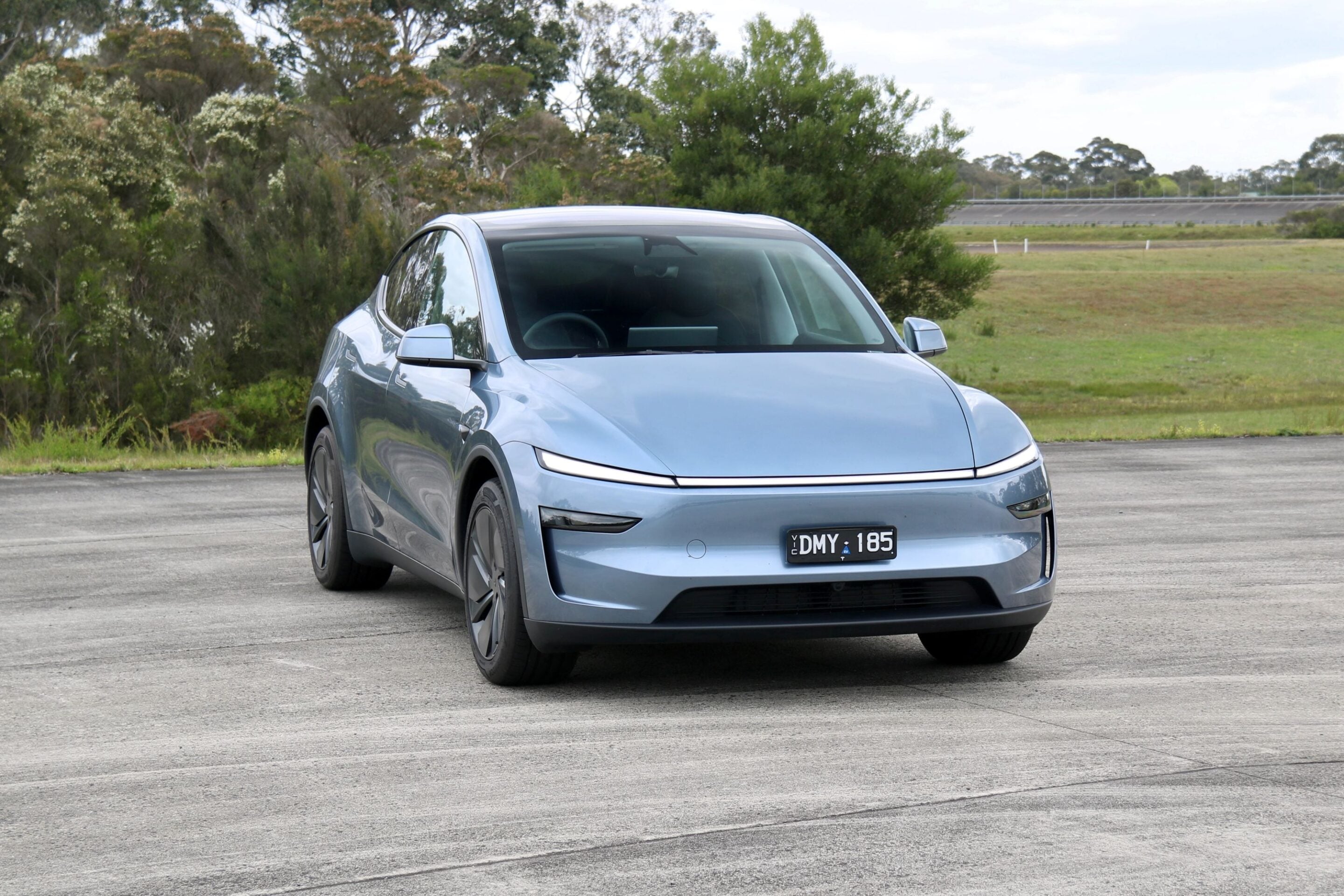
“Picture the typical Australian family lifestyle: you use your primary car for daily city commuting work (work runs, school drop-offs, weekend groceries), and you take 1 to 2 family interstate road trips per year during school holidays along major highway corridors,” Rahman wrote for Techwheel.co, a “community-powered data resource” that aims to cut through misinformation about EVs, solar and battery power.
He revealed that he needed to use a DC fast charger 41 times – always at a Tesla Supercharger station – which averaged out at approximately one session per month “heavily clustered around annual family road trips” during school holidays and long weekends. That amounted to 7469km of the total distance covered, with urban trips accounting for 32,351km.
Rahman also broke down the gap in efficiency between highway and city driving, with the former coming in at 17.0kWh/100km, the latter at 14.54kWh/100km. His primary charging source during commuting in the city was a home charger using rooftop solar, which provided 4730kWh of electricity. The DC fast charging chipped in with 1269kWh.
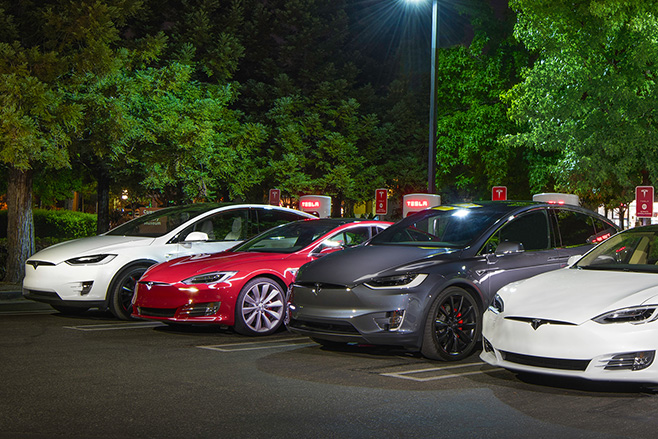
A table that breaks down the costs contains several vehicle charging scenarios. The $713.47 figure comes under “free solar home” power. Rahman has calculated that using the method saved him $4746.53 compared with filling a petrol SUV at $1.95 a litre, with a fuel efficiency of 7L/100km. Filling up on a 7c/kWh home plan would cost $1044.59, while only using the Tesla Supercharging system at 60c/kWh would have set him back $3600.
Rahman also pointed out that his average time spent at a Supercharging station was 20.6 minutes which “matches restroom and coffee breaks perfectly” on long highway trips. The average cost of those DC refills was $17.40 for 30.97kWh of power, or about 182km of highway range.
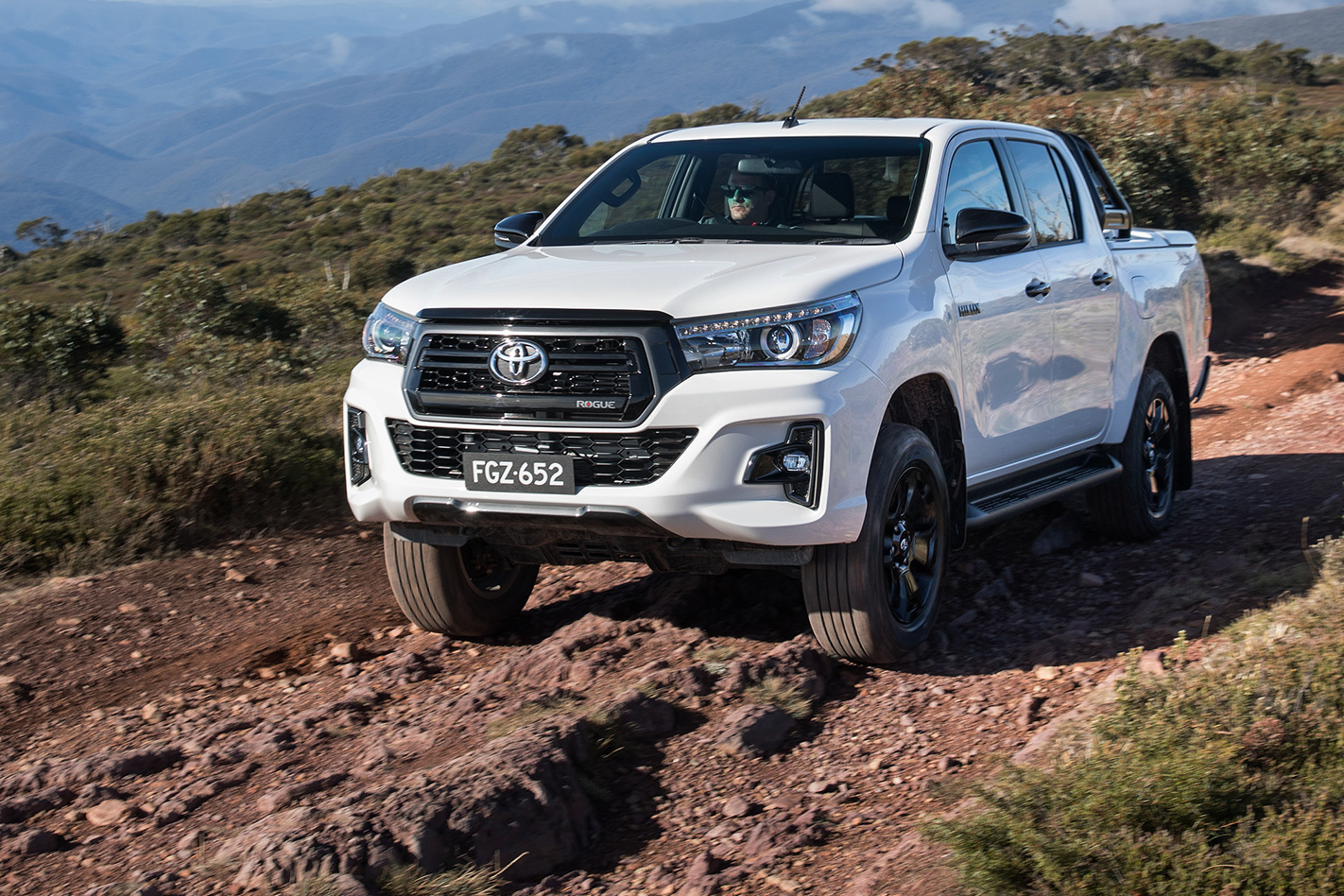
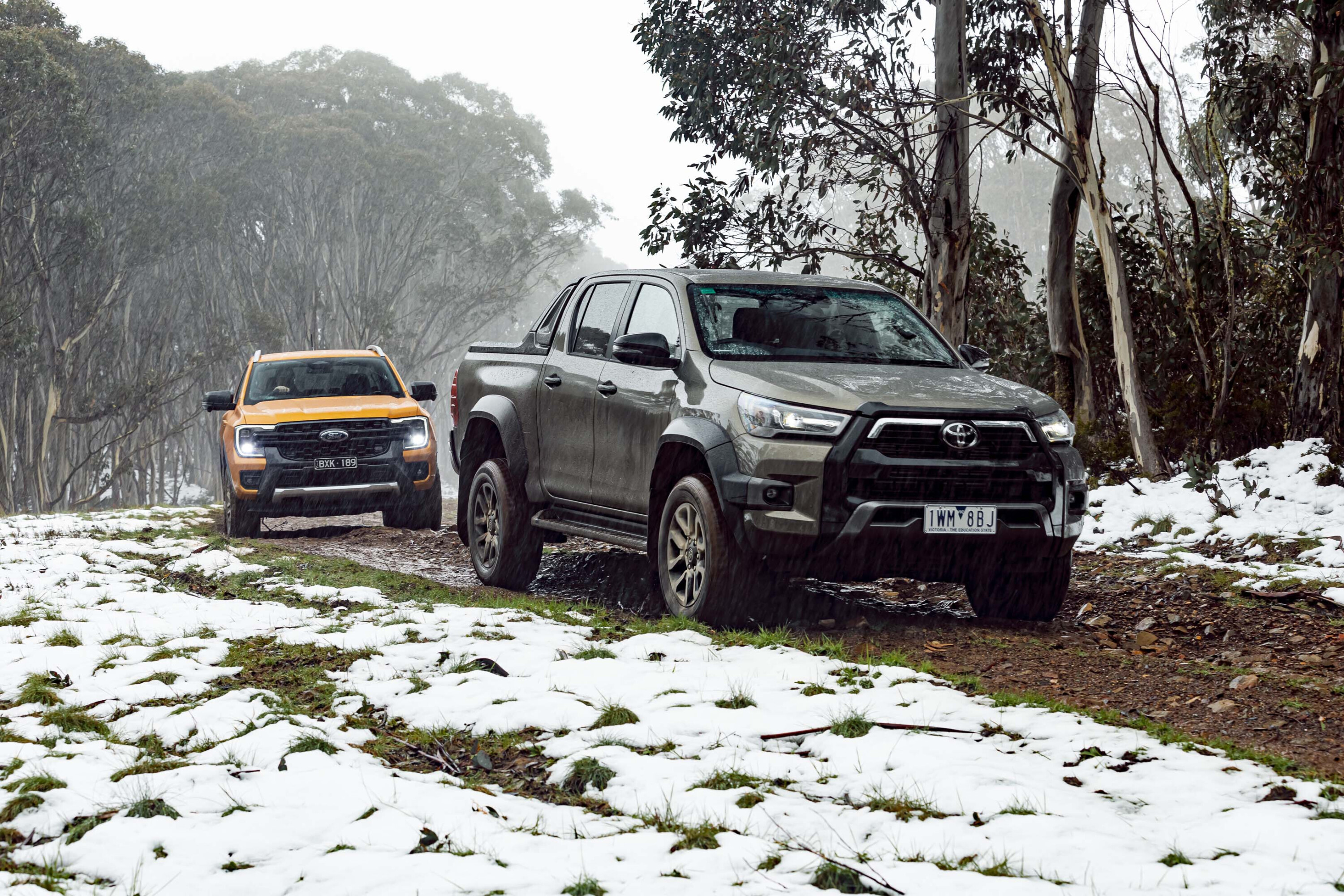
Toyota Australia has launched a Customer Service Exercise covering almost 17,000 HiLux Rogue utes after identifying a potential problem with their power-operated roller covers.
The campaign involves approximately 16,995 HiLux Rogue vehicles produced between May 29, 2020 and April 8, 2024.
According to Toyota, the electrically operated roller cover fitted over the HiLux Rogue’s tub can become jammed or fail to open or close. If this happens, the electric motor operating the cover may continue running and potentially overheat.
There is no advance warning that the problem is developing, with owners likely to discover it only when attempting to operate the roller cover. However, Toyota says a burning smell or smoke may be noticed if the motor overheats.
Owners who experience either symptom have been advised to stop operating the roller cover and contact a Toyota dealer to arrange repairs.
Toyota says affected vehicles remain safe to drive, and the campaign relates only to the roller-cover system rather than the HiLux’s drivetrain or other vehicle systems.
Dealers will inspect the roller-cover motor for evidence of overheating and replace it where necessary. Technicians will also inspect and adjust the width of the roller-cover tracks, update the system’s ECU software and install metal drive-pin connectors where required.
The revised software changes the system’s limit-switch logic and is designed to reduce the possibility of the motor overheating.
It also introduces additional functionality, allowing owners to open and close the roller cover using either the vehicle’s key fob or the lock and unlock switches on the driver’s door.
Toyota estimates the complete inspection and repair process could take approximately 3.5 hours, although vehicles may need to remain at dealerships for longer depending on workshop schedules.
The company says the latest campaign represents a further countermeasure for the issue, meaning some owners who have previously had a Customer Service Exercise completed may be contacted again.
Toyota Australia will contact registered owners directly. Anyone who believes their HiLux Rogue falls within the affected production period can also contact a Toyota dealer to check its status.
Owners can alternatively call the Toyota Campaign Helpline on 1800 987 366, quoting the vehicle’s 17-digit VIN.
A stunning series of videos has shown the Voyah Passion S EV completing a 360-degree loop in a tunnel after an earlier attempt ended in one of the cars flipping and crashing back down to the road during filming.
The promotion for Dongfeng’s luxury brand re-created the famous Mercedes stunt that saw Michael Schumacher appear to drive an SLS AMG upside down through a mountain tunnel in 2010. But while Merc’s promotion was claimed to have been digitally altered to make it look perfect – and to make it look like Schumi was doing the driving – Voyah’s featured at least one mishap before they nailed the final shot (pictured in the gallery below).
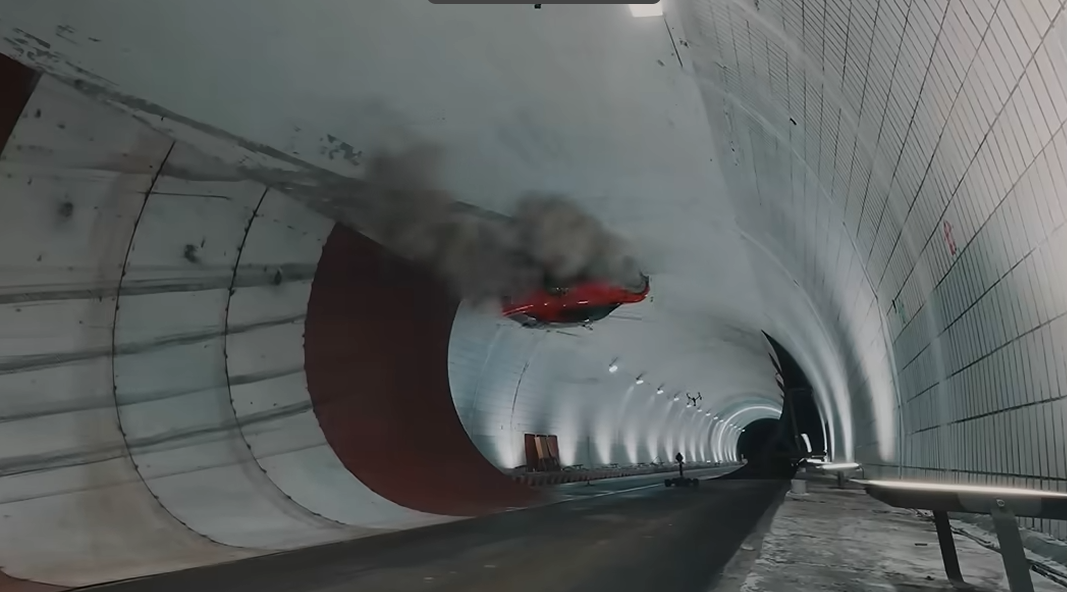
Footage that has surfaced online shows a Passion S clad in camouflage using custom-made launch and landing ramps as it attempts to perform a corkscrew-like loop in what appears to be a rehearsal for the finished product.
The sedan approaches at high speed and shoots up the entry ramp, but doesn’t have enough oomph or the correct angle of approach to make it onto the roof of the tunnel. It falls almost the entire height of the tunnel, but its momentum flips it back onto its wheels as it lands and the car is able to continue down the road.
The successful run saw a red Passion S complete the loop in fine style, hitting the entry ramp in centimetre-perfect style and making what look like clouds of dust and debris as it powers across the roof before making it back down safely, with footage showing it was travelling at just over 130km/h during the stunt.
Voyah released a few clips of the loop, with a ‘one-take’ version showing footage from a drone following the Passion S, as well as the view from inside the cabin and video from a camera that looks up from the road surface while the EV shoots by overhead.
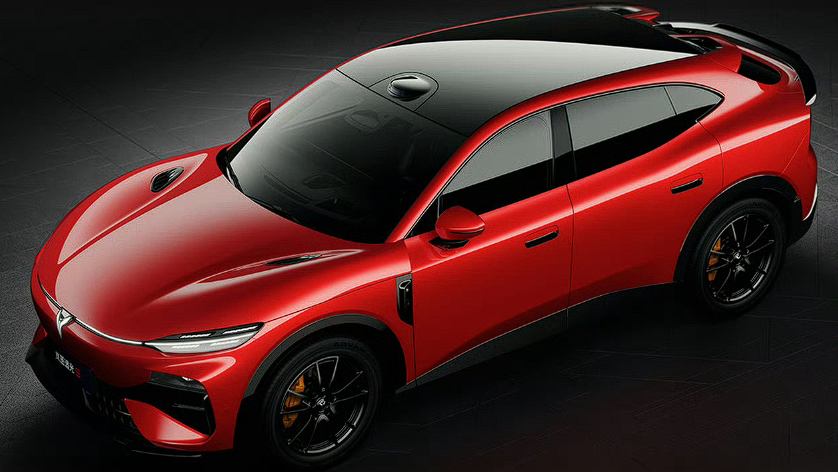
Another clip shows some of the preparation that went into the incredible shoot. “On the wall, one wheel runs on air. The suspension holds or it’s over. There is no margin for error. One degree off, there is no way down,” an engineer says in a voiceover.
Voyah calculated that the Passion had to hit the launch ramp at a precise 16-degree angle while doing approximately 130km/h in order for the centrifugal force to keep it on the roof. A close examination reveals what looks like tyre marks from the earlier attempts, which followed plenty of simulation work.
The Passion S comes with two powertrains: a RWD version with a single rear motor making a peak of 300kW, and an AWD with motors front and rear with a combined peak of 475kW. The juice comes from a 5C fast-charging battery in 81kWh or 98kWh form, with a claimed CLTC range of up to 740km.
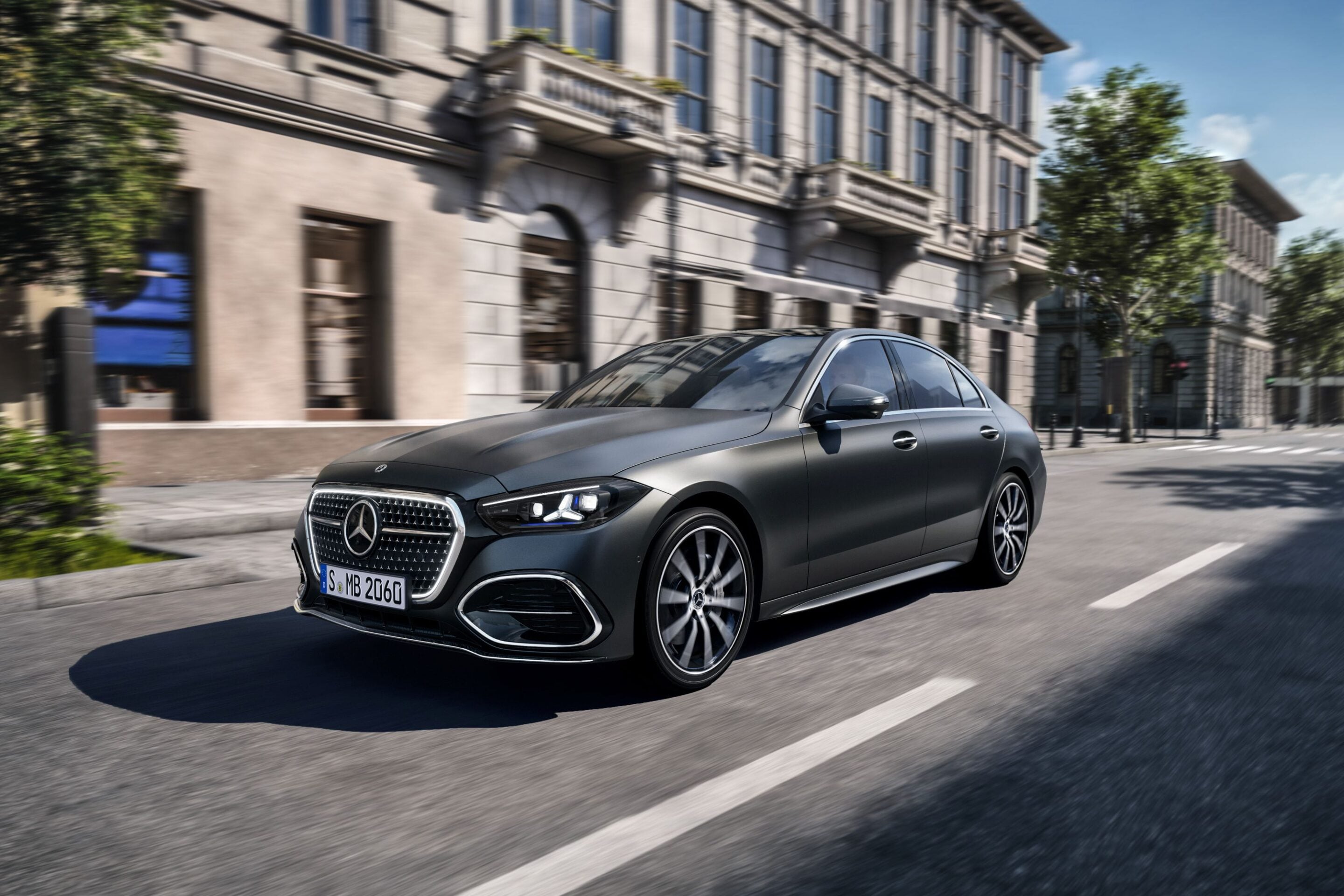
Mercedes-Benz has given its C-Class sedan a substantial mid-life overhaul, introducing new engines, upgraded chassis technology and a heavily revised digital package ahead of an expected Australian arrival in 2027.
Mercedes describes the changes as the most comprehensive technical update in the C-Class’s history. European orders open this month, although Australian pricing, specifications and the exact launch timing are yet to be announced.
The facelift will arrive during a particularly busy period for the C-Class. An entirely separate battery-electric C-Class is already confirmed for Australia in early 2027, initially as the 360kW C400 4Matic, giving Mercedes both combustion-engined and electric contenders against BMW’s next-generation 3 Series and i3.
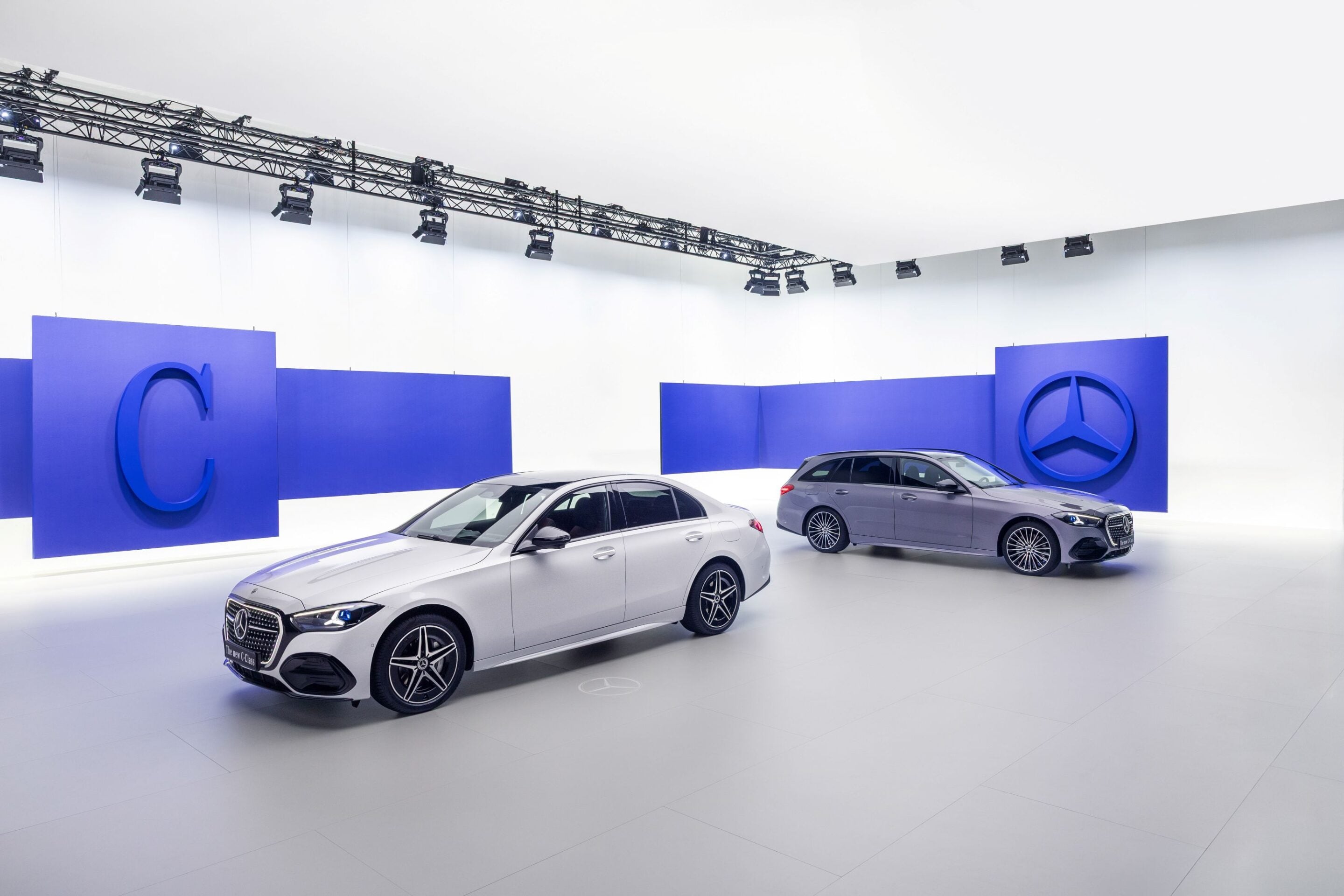
Visually, the combustion C-Class remains familiar but receives a new, more upright grille with an illuminated surround, redesigned bumpers and new headlights featuring Mercedes’ star motif. New wheel designs and paint colours are also available.
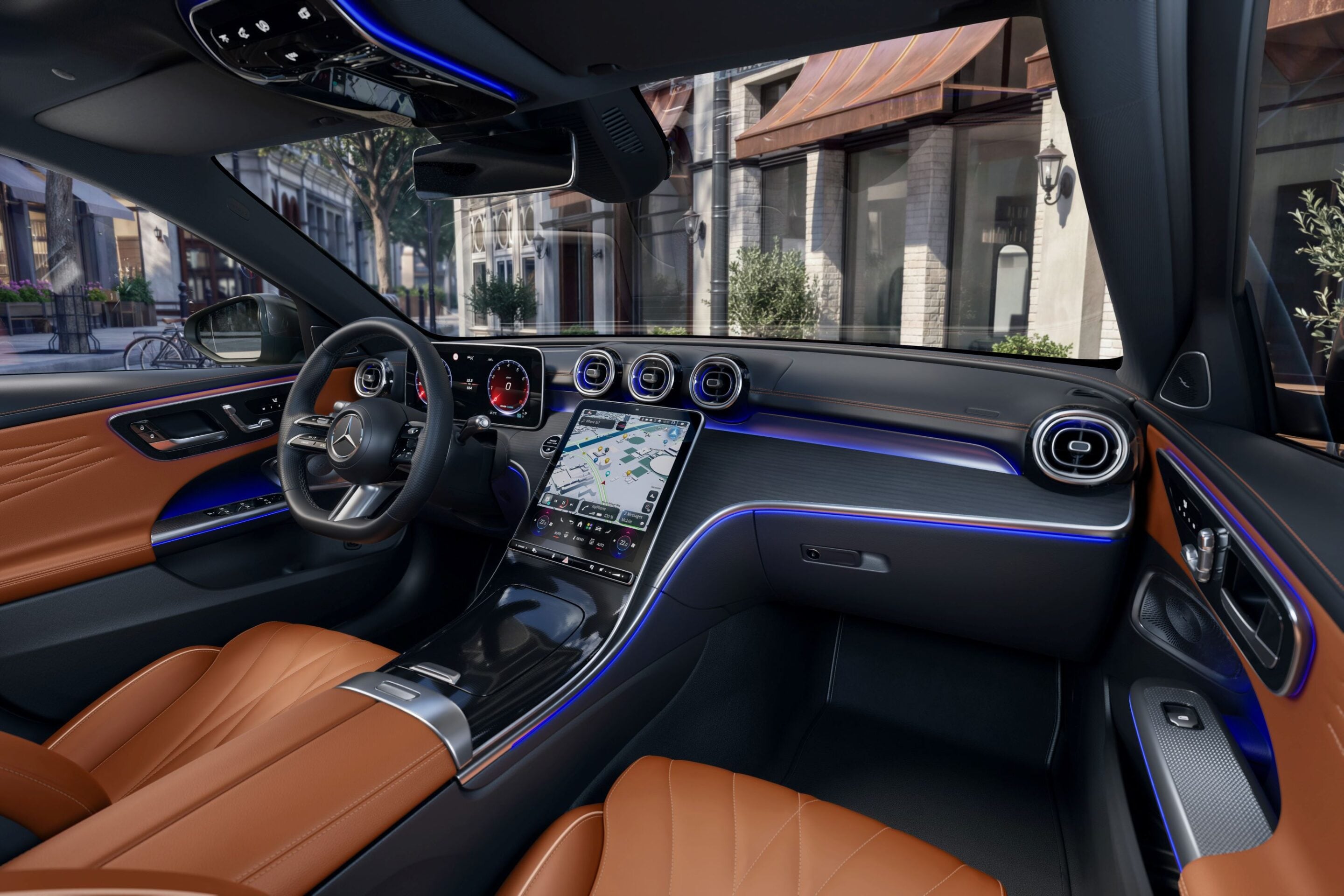
Bigger changes have been made inside. The existing 12.3-inch instrument display and 11.9-inch portrait touchscreen remain, but they now run the latest MBUX system on Mercedes’ MB.OS software architecture. The voice assistant incorporates AI technology from ChatGPT, Microsoft Bing and Google Gemini, while Google Maps underpins navigation. Over-the-air software updates are also supported.
Other cabin upgrades include new upholstery colours and trim choices, plus an available 15-speaker, 710-watt Burmester 3D surround-sound system. Its sound distribution can automatically adjust according to which seats are occupied.
Petrol models use an updated 2.0-litre turbo four-cylinder with 48-volt mild-hybrid assistance. Outputs range from 130kW in the C200 through 160kW for the C250 to 190kW in the C300, with the integrated starter-generator capable of briefly contributing another 17kW and 205Nm.
Plug-in hybrid versions combine a four-cylinder petrol engine with an electric motor. The C400 e 4Matic produces up to 290kW and 650Nm, while its 19.53kWh usable battery provides up to 100km of WLTP electric range. Charging reaches 11kW AC or 55kW DC.
Mercedes has also retuned the suspension, while optional rear-wheel steering can turn the rear wheels by up to 2.5 degrees, cutting the turning circle to 10.64 metres. Below 100km/h the rear wheels turn opposite to the fronts for manoeuvrability, and above that speed turn in the same direction to improve stability.
Noise suppression has also been addressed through revised exterior mirrors, additional windscreen sealing, improved insulation and changes to the exhaust mounting. Mercedes quotes a drag coefficient from 0.24 for the sedan.
Driver-assistance hardware can include up to 10 cameras, five radar sensors and 12 ultrasonic sensors, with available functions including assisted lane changes, automated parking and a system capable of retracing part of a previously driven route in reverse.
The optional Digital Light system also moves to micro-LED technology, expanding its high-resolution illumination field by around 40 per cent while Mercedes claims energy consumption has been cut by up to 50 per cent.
Which engines and technologies reach Australian C-Class showrooms remain to be confirmed.
Honda’s new Super-One makes an unlikely case for the return of the genuinely small car. Derived from Japan’s N-One kei car, the electric hatch is tiny by modern standards, yet manages to combine useful interior space with a surprisingly mature driving experience.
The Super-One has been stretched and widened beyond Japanese kei-car regulations, while its petrol engine has been replaced by an electric drivetrain. In its most powerful Boost setting, the motor produces 70kW and takes the 1097kg hatch from 0-100km/h in around 10 seconds.
Despite its dimensions, it’s no two-seat runabout. Two adults can squeeze into the rear for shorter journeys, while Honda’s familiar ‘Magic Seats’ provide additional flexibility for carrying tall items. With the rear seats folded, luggage capacity approaches 1000 litres when loaded to the roof.
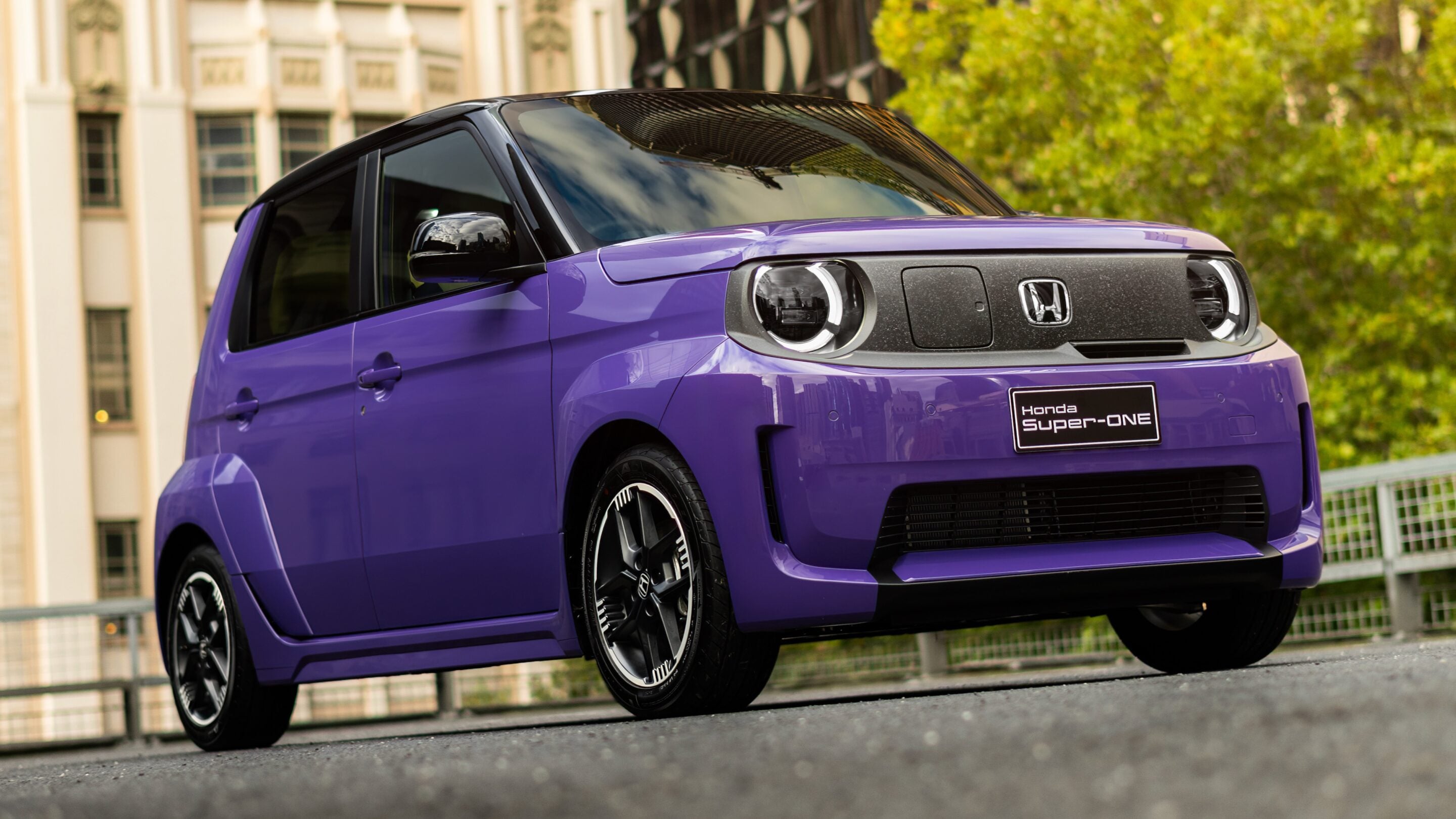
The cabin follows Honda’s contemporary layout, with a compact digital instrument display and central touchscreen incorporating wireless Apple CarPlay and Android Auto. Some plastics reveal the Super-One’s budget positioning, although major touchpoints feel more substantial.
Standard equipment includes 15-inch wheels, LED lighting, climate control, reversing camera and an eight-speaker Bose audio system. There’s also a suite of driver-assistance technology including forward-collision warning and traffic-sign recognition.
It’s on the road where the Super-One reveals more personality. Ride quality is impressively composed for such a short-wheelbase car, while well-weighted steering, limited body roll and strong grip make it entertaining around town.
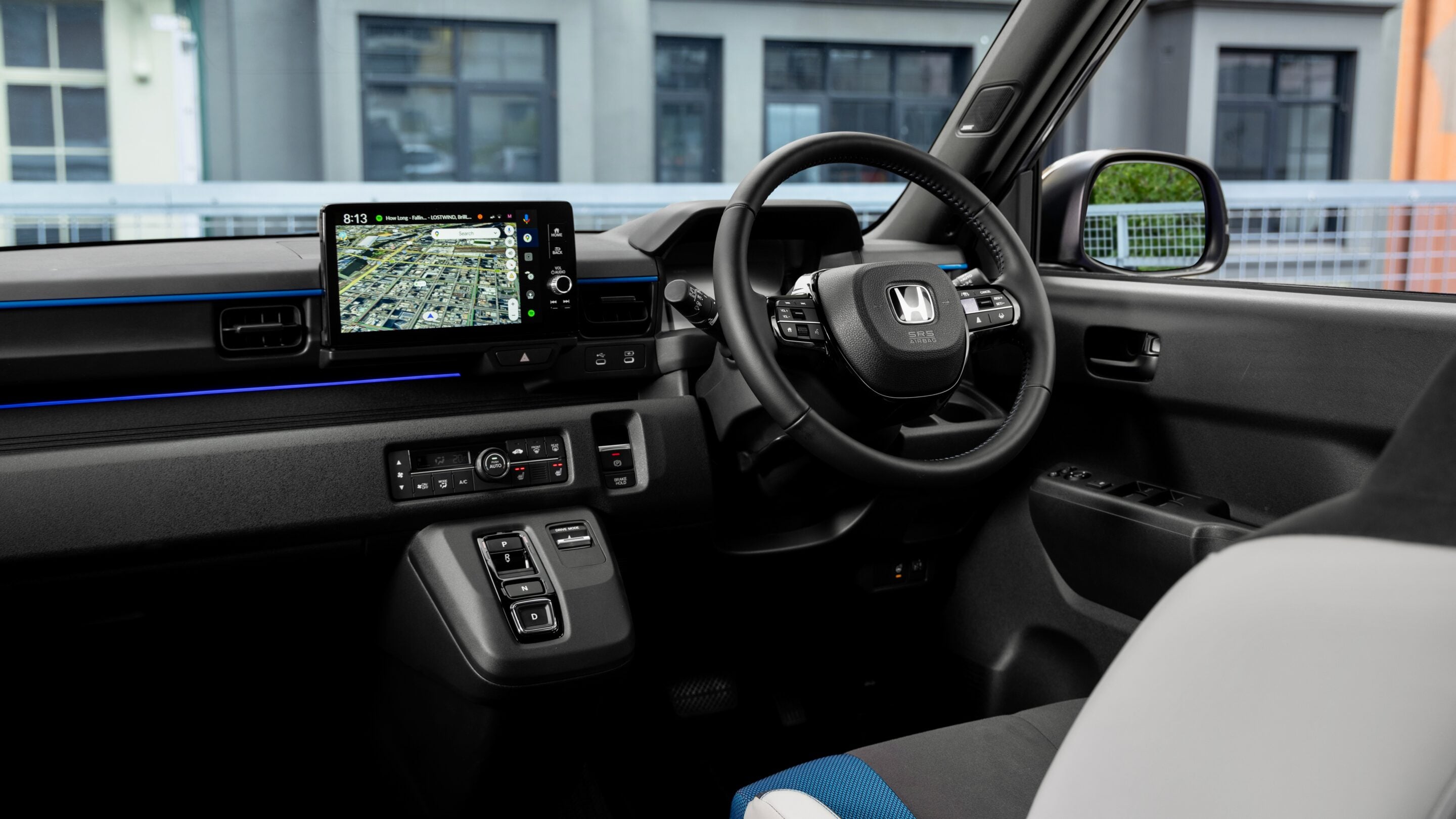
Boost mode adds another layer. Activated via a purple steering-wheel button, it unlocks the full 70kW and introduces a simulated seven-speed transmission controlled through steering-wheel paddles. Hold a virtual gear too long and the electronics even mimic hitting a rev limiter.
A synthesised soundtrack, inspired by Honda’s City Turbo II and DC2 Integra Type R, accompanies the experience through the Bose speakers.
The Super-One is less convincing at sustained higher speeds, where tyre noise becomes noticeable, but efficiency appears to be a strength.
Honda quotes a WLTP range of approximately 206km, although careful urban driving could potentially stretch that considerably further. DC charging peaks at 50kW, allowing a 10-80 per cent recharge in around 30 minutes, while a 7kW home charger can replenish the small battery in under five hours.
The numbers may look modest, but the Super-One’s appeal lies elsewhere: it’s compact, practical and unusually playful for an affordable electric city car.
Honda Australia’s Corporate Communications Manager, Mark Flintoft, tells WhichCar by Wheels: “During our Expressions of Interest phase, Honda Super-ONE attached almost 7,000 sign-ups – more than both Civic Type R and Prelude.”
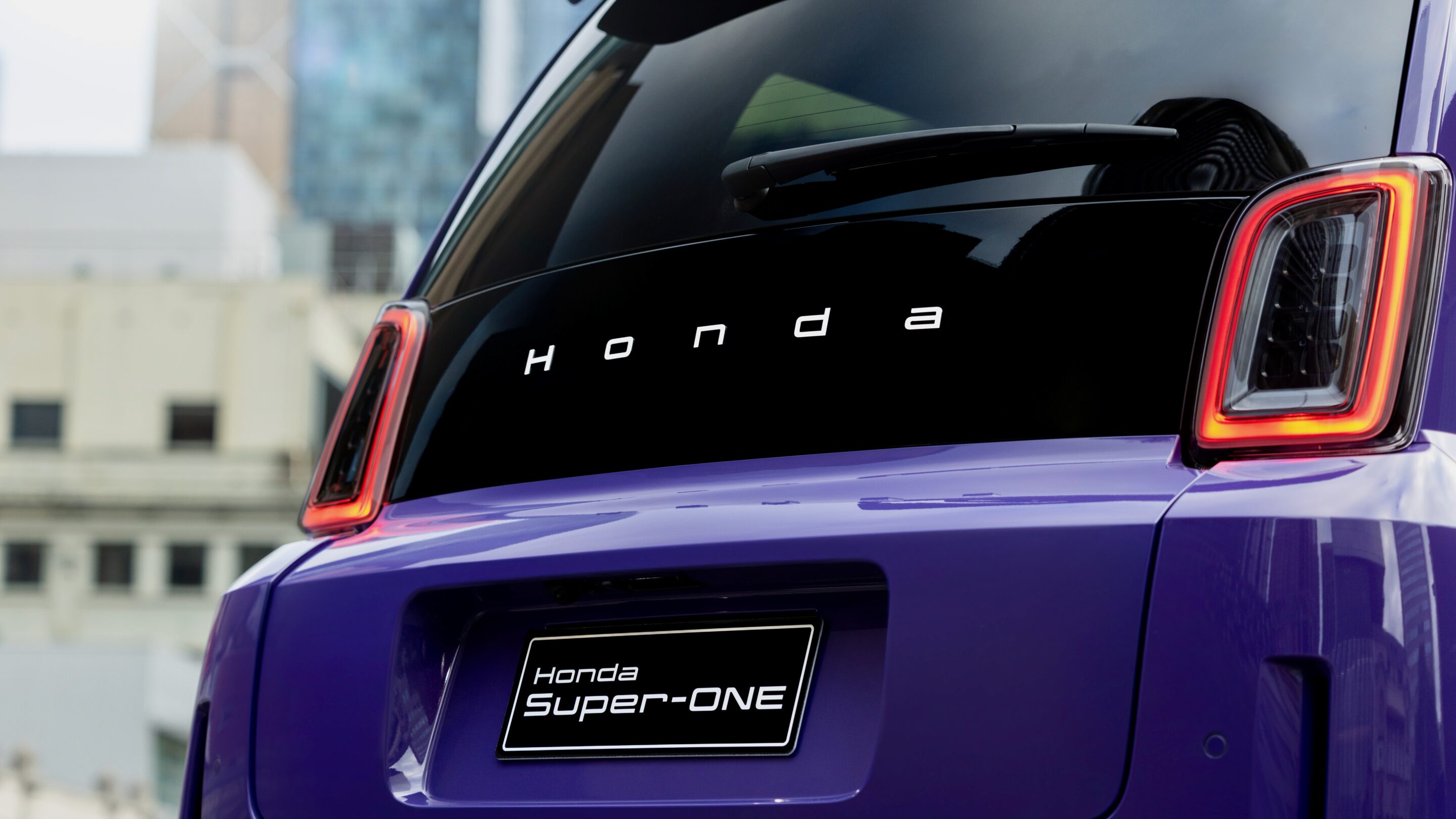
Specs
| Price | $36,900 driveaway |
|---|---|
| Powertrain | 29.6kWh battery, single electric motor |
| Power/torque | 70kW / 162Nm |
| Transmission | Single-speed automatic, front-wheel drive |
| 0–100km/h | 10.0 seconds |
| Top speed | 134km/h |
| Range | 253km |
| Max charging | 50kW DC (10 – 80% in 30 mins) |
| Size (l/w/h) | 3599 / 1626 / 1608mm |
GWM has confirmed pricing for its new 3.0-litre turbo-diesel Cannon Alpha ute and Tank 500 SUV, with both models due in Australian showrooms from mid-September.
The diesel models form part of the aggressive new-model program GWM hopes will eventually propel it into the top three brands in the Australian market.
Unlike many newer Chinese manufacturers concentrating heavily on hybrids, plug-in hybrids and electric vehicles, GWM believes there remains significant Australian demand for diesel, particularly among buyers who tow or travel off-road.
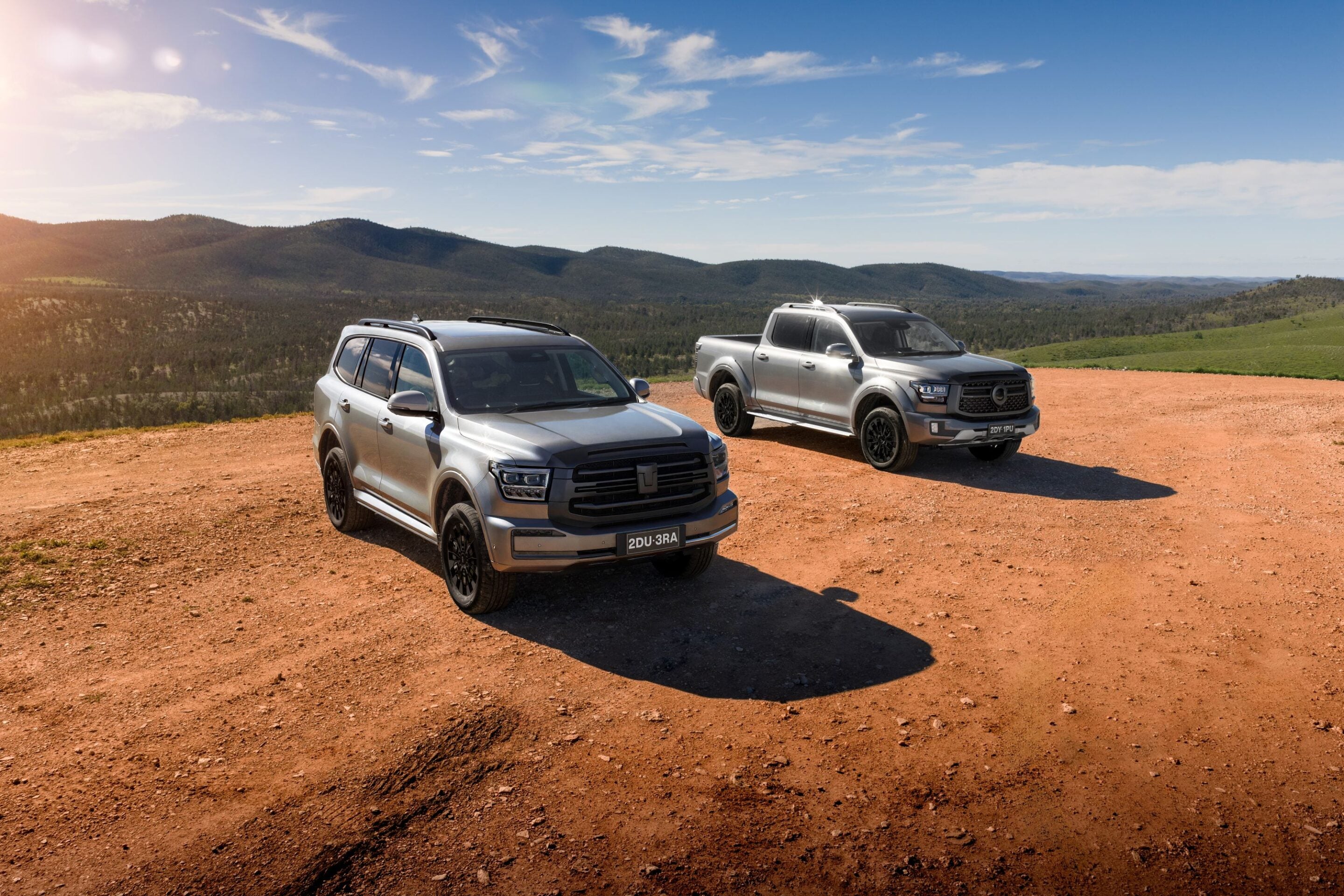
Its new four-cylinder 3.0-litre turbo-diesel produces 170kW and 620Nm, with peak torque available between 1400 and 2400rpm. It is paired with GWM’s nine-speed automatic transmission and four-wheel drive.
Claimed combined fuel consumption is 7.3L/100km for the Cannon Alpha and 7.1L/100km for the Tank 500. Neither requires AdBlue.
Both can tow up to 3500kg braked, representing no change for the Cannon Alpha but a 500kg increase for the diesel Tank 500. GWM says the towing package incorporates brake-controller functionality and transmission calibration for heavy loads.
Local development has played a significant role. GWM says Australian and Chinese engineering teams spent more than six months working on the vehicles, covering ride and handling, engine and transmission calibration, towing and software. Development vehicles accumulated more than 35,000km across locations including the Flinders Ranges, Victorian High Country and Big Desert.
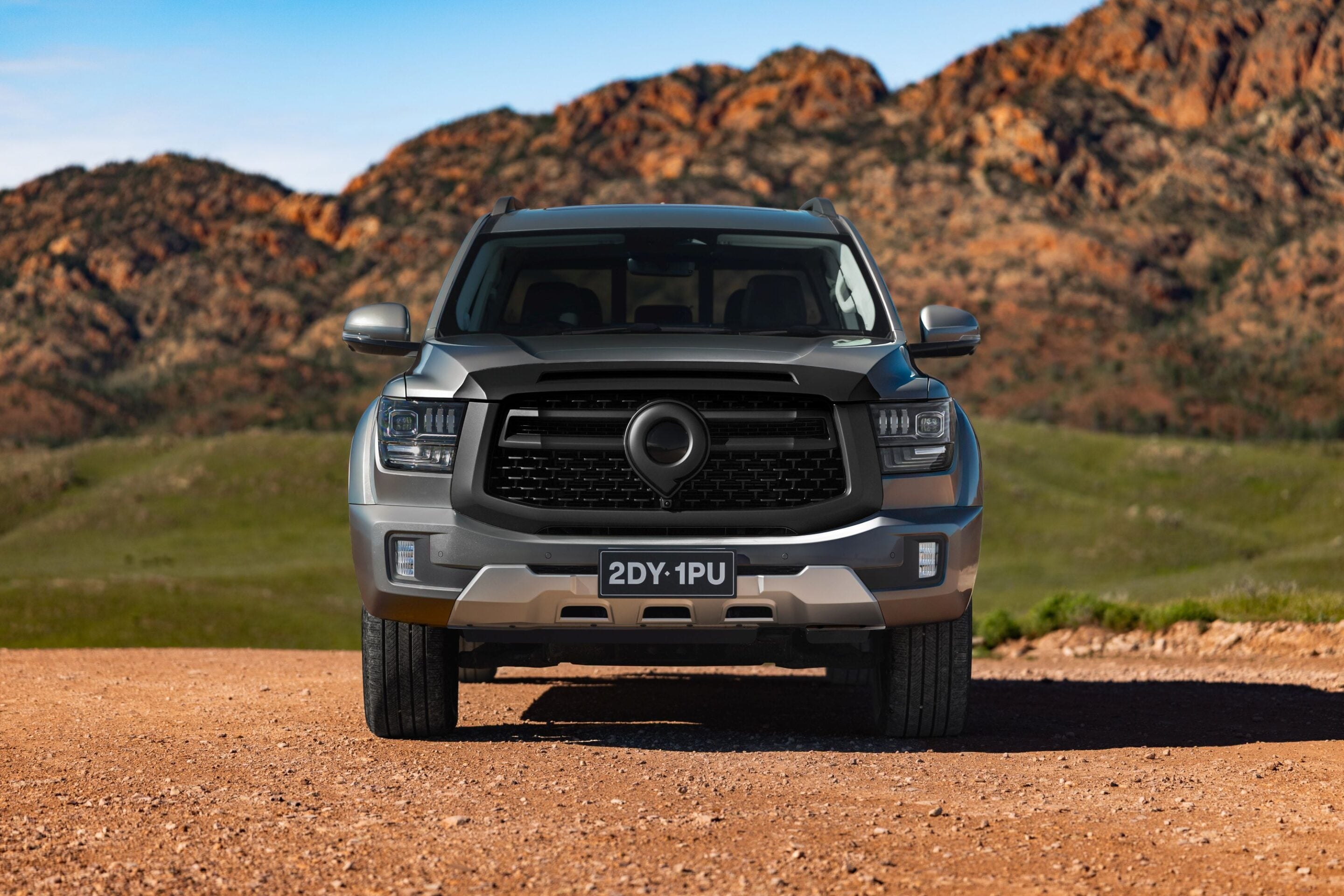
There are Lux and Vanta grades for both models. The Cannon Alpha Lux is priced at $58,990 drive-away and the Vanta at $63,990, while the Tank 500 Lux costs $65,990 drive-away and Vanta $71,990.
The Vanta versions receive black exterior detailing and 19-inch wheels, while the Tank 500 Vanta also gets a substantially enlarged 131-litre fuel tank, up from 78 litres.
Both models also introduce GWM’s Coffee OS infotainment system, displayed through a new 14.6-inch central touchscreen and incorporating wireless Apple CarPlay and Android Auto, over-the-air software updates and remote vehicle functions through GWM’s smartphone app.
Pre-orders are open, with GWM claiming more than 1000 expressions of interest ahead of the September arrivals.
Specs
GWM Cannon Alpha Lux
Mechanical / Drive
- 3.0L turbo-diesel
- 170kW / 620Nm
- Part-time 4WD
- Fuel consumption: 7.3L/100kms
- Centre & rear differential lock
- Front & rear ventilated discs
- Front suspension: double wishbone independent coil sprung
- Rear suspension: Leaf spring live axle
- Electric power steering
- 9-speed automatic transmission
- Low range transfer case
- All-Terrain mode selection
- Towing drive mode
Exterior
- 18” two-tone chrome alloy wheels
- Side steps
- Roof rails
- Chassis guard board (2 piece)
- Auto LED headlights with DRL + electric levelling
- LED taillights
- Sequential LED indicators
- Front grille – chrome
- Power fold exterior mirrors
- Shark fin antenna
- Smart keyless entry
- Rear privacy glass
- One piece tailgate
- Rear privacy glass
- Spray on tub liner
- Full-size spare steel
Interior
- Faux leather seats
- Driver seat: 6-way power drive adjustable seat
- Front passenger seats: 4-way power adjustable
- Dual zone climate control
- Power windows – auto windows + anti pinch (all)
- Sunvisor with vanity mirror
- Manual dimming rear view mirror
- Rear seats: manual rear sliding & reclining
- Sunvisor with vanity mirror
Infotainment
- 14.6” 2K multi-touch high-resolution infotainment screen
- GWM Coffee OS
- Bluetooth® with wireless Apple CarPlay® and Android Auto™
- 6 speaker premium audio with DAB+ digital radio
- Front & rear USB outlets (USB-A / USB-C)
- USB port for dash cam
- Connected car telematics
Driver
- 12.3” full colour digital instrument cluster with brightness adjustment
- Manual adjustable steering wheel (tilt/reach)
- Electronic park brake with auto hold
- Paddle shift
- Multi-function steering wheel
- Push-button start
- Cruise control, Adaptive Cruise Control (ACC) and Intelligent Cruise Control (ICC)
Safety
- 7 airbags: 2x front, 2x side, 2x curtain, 1x centre
- Reversing camera
- Rear parking sensors
- Tyre pressure monitoring system (TPMS)
- Follow me home lighting
- ISOFIX child restraints
- Hill ascent/descent control
- Blind spot monitor
- Collision mitigation (ESC, AEB, LKA, LDW, LCK, ELK, LCA)
- Front Collision Warning (FCW)
- Door open/vehicle approach warning (DOW)
- Traffic sign recognition
- Traffic jam assist
- Intelligent turning
- Rear collision warning
- Rear cross traffic alert with brake
- Emergency signal system (indicators)
- Driver fatigue monitoring system
- Integrated trailer brake controller
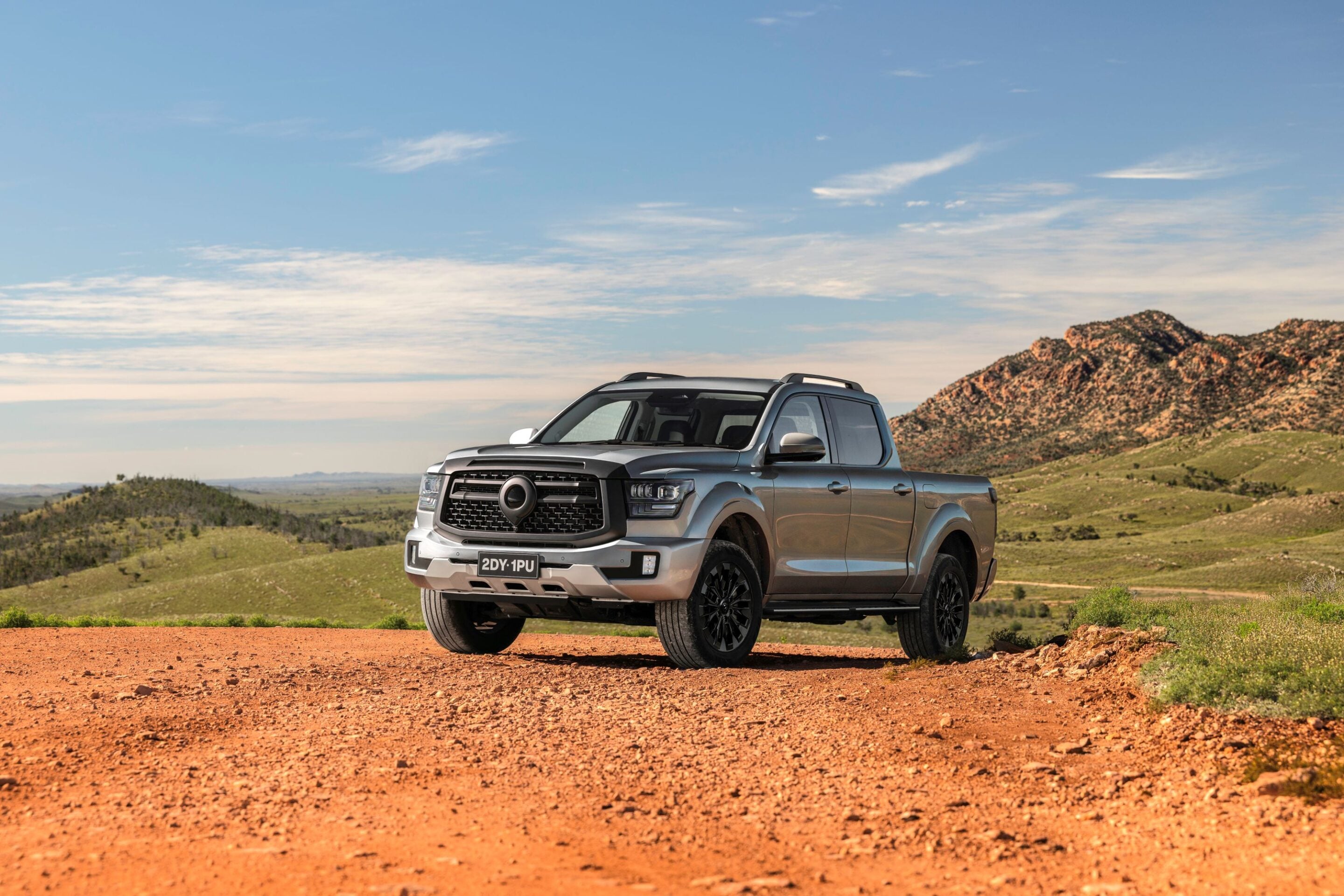
GWM Cannon Alpha Vanta (in addition to Lux)
Mechanical / Drive
- Front differential lock (electric)
Exterior
- Black grille
- Black roof rails
- Black door handles
- Black side mirrors
- Black side steps
- Black 19” alloy wheels
- Full-size spare alloy
- Tailgate 60/40 split
- LED fog light steering
- Panoramic sunroof
- Rear electric sliding window
Interior
- Nappa leather accented seats
- Driver seat: 8-way electric adjustment + lumber support + memory + welcome function
- Front passenger seat: 6-Way Electric Adjustment
- Sunvisor with illuminated vanity mirror
- Side roof lamps
- Heated and cooled front seats
- Massage seats front seats
- 50w wireless charger
Driver
- Auto-dimming rear-view mirror
- Heads Up Display (HUD)
Infotainment
- 10 speaker premium audio
GWM Tank 500 Lux
Mechanical / Drive
- 3.0L turbo-diesel
- 170kW / 620Nm
- Part-time 4WD
- Fuel consumption: 7.1L/100kms
- Front & rear differential lock
- Front & rear ventilated discs
- Front suspension: double wishbone independent coil sprung
- Rear suspension: Multi-link live axle
- Electric power steering
- 9-speed automatic transmission
- Low range transfer case
- All-Terrain mode selection
- Towing drive mode
- Tank turn assist & crawl control
Exterior
- 18” two-tone chrome alloy wheels
- Side Steps
- Roof Rails
- Electric Sunroof
- Chassis Guard Board (2 piece)
- Auto LED headlights with DRL + electric levelling
- Turning Assist lamps
- LED taillights
- Sequential LED indicators
- Front grille – machine grey
- Power fold exterior mirrors
- Shark fin antenna
- Manual Tailgate
- Smart keyless entry
- Rear privacy glass
- Full-size alloy steel
Interior
- Faux leather seats
- Driver seat: 8-way electric adjustment + lumber support + memory + welcome function
- Front passenger seats: 4-way power adjustable
- Heated front seats
- 60:40 rear seats with centre armrest
- 2nd row seat: manual 2-way adjustable with easy entry
- 3rd row seats: manual folding
- Power windows – auto windows + anti pinch (all)
- Dual zone climate control first and second row
- Wireless phone charger
- Front 12v accessory power
- Sunvisor with illuminated vanity mirror
- Ambient lighting – 7-colour
Infotainment
- 14.6” 2K multi-touch high-resolution infotainment screen
- GWM Coffee OS
- Bluetooth® with wireless Apple CarPlay® and Android Auto™
- 8 speaker premium audio with DAB+ digital radio
- Front & rear USB outlets (USB-A / USB-C)
- USB port for dash cam
- Connected car telematics
Driver
- 12.3” full colour digital instrument cluster with brightness adjustment
- Steering mode adjustment (Light / Comfort / Sport)
- Electric 4-way steering column adjustment
- Electronic park brake with auto hold
- Paddle shift
- Multi-function steering wheel
- Push-button start
- Cruise control, Adaptive Cruise Control (ACC) and Intelligent Cruise Control (ICC)
Safety
- 7 airbags: 2x front, 2x side, 2x curtain, 1x centre
- Reversing camera
- Rear parking sensors
- Tyre pressure monitoring system (TPMS)
- Follow me home lighting
- ISOFIX child restraints
- Hill ascent/descent control
- Blind spot monitor
- Collision mitigation (ESC, AEB, LKA, LDW, LCK, ELK, LCA)
- Front Collision Warning (FCW)
- Door open/vehicle approach warning (DOW)
- Traffic sign recognition
- Traffic jam assist
- Intelligent turning
- Rear collision warning
- Rear cross traffic alert with brake
- Emergency signal system (indicators)
- Driver fatigue monitoring system
- Integrated trailer brake controller
GWM Tank 500 Vanta (in addition to Lux)
Exterior
- Black 19” alloy wheels
- Black grille
- Black roof rails
- Soft close tailgate
- Panoramic sunroof
- Electronic retractable side steps
Driver
- Auto-dimming rear-view mirror
- Heads Up Display (HUD)
Interior
- Nappa leather accented seats
- Front Seats Massage and Seat Memory Function
- Front Seat Manual 4-way adjustable headrest
- Heated & ventilated front seats
- Heated steering wheel
- Ventilated 2nd row seats
- 2nd row manual window shades
- Electric folding 3rd row seats
- Ambient Lighting – 64 Colour
- 50w wireless charger
Infotainment
- 12-speaker premium audio
- Active Noise Cancelling (ANC)
