News


Gallery 1
The first six months of 2017 are in the rear-view mirror, and the numbers show that though the market overall is shaping up for a bumper year, not everyone is winning in the new-car sales race.
Here are the segments, models and marques that haven’t fared so well thus far.
Almost everything that isn’t an SUV or a ute
The public’s desire to trade their ordinary hatch and sedan for the ruggedness and go-anywhere promise of an SUV or high-riding ute isn’t slowing down, and it’s causing issues for the cars traditionally thought of as mainstream choices. Light-car sales are over 6500 units down compared to 2016, medium-car sales have dipped by nearly 2000 units and almost 4000 fewer large cars have been sold year-to-date.

Small SUVs
Even though the SUV segment as a whole continues to grow its market share, it’s not all sunshine and green grass in SUV land. It appears that demand for small SUVs is cooling, despite a recent explosion in the variety of product available for buyers to choose from.


Sports cars, except for the Mustang, Veloster and C-Class Coupe
The days of Toyota’s 86 dominating the sports car sales charts is over – the new king of the fast-car segment is undoubtedly the Mustang with 5048 sales, with plenty of daylight between it and the second place-getter, the box-fresh Mercedes-Benz C-Class Coupe.

Even the fan-favourite Mazda MX-5 is starting to see its sales taper off, while the 2 Series Coupe/Convertible, Audi TT and the Porsche Boxster/Cayman also suffered slightly as well. Is nobody interested in quick fun anymore?
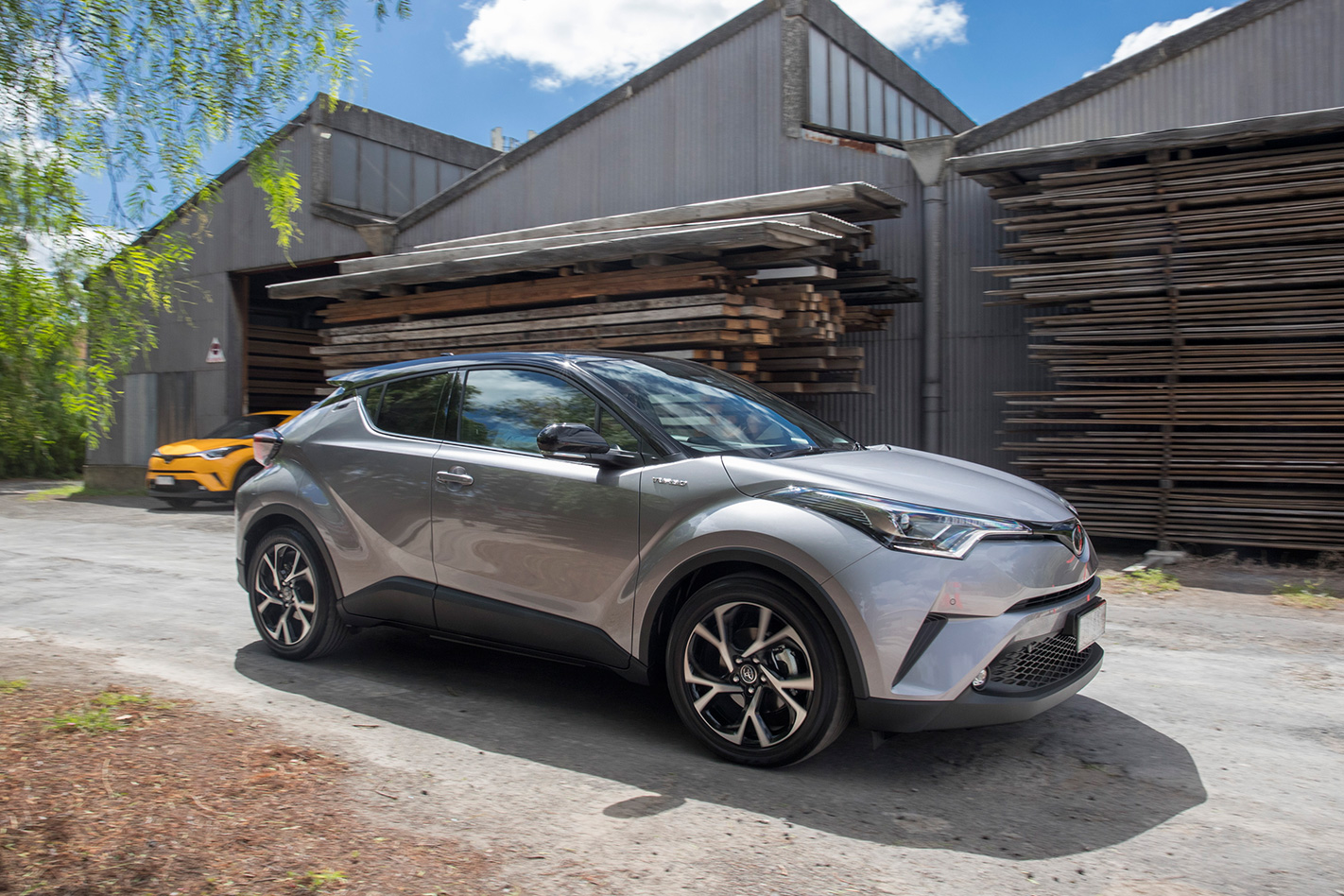
Toyota C-HR
With eye-catching design, CX-3 beating space, appealing value-for-money and decent dynamics, you’d expect the Toyota C-HR would have been kicking major goals since its local launch in February. However, to date, Toyota Australia has only moved 2215 cars while Mazda has sold over 9000 CX-3s.
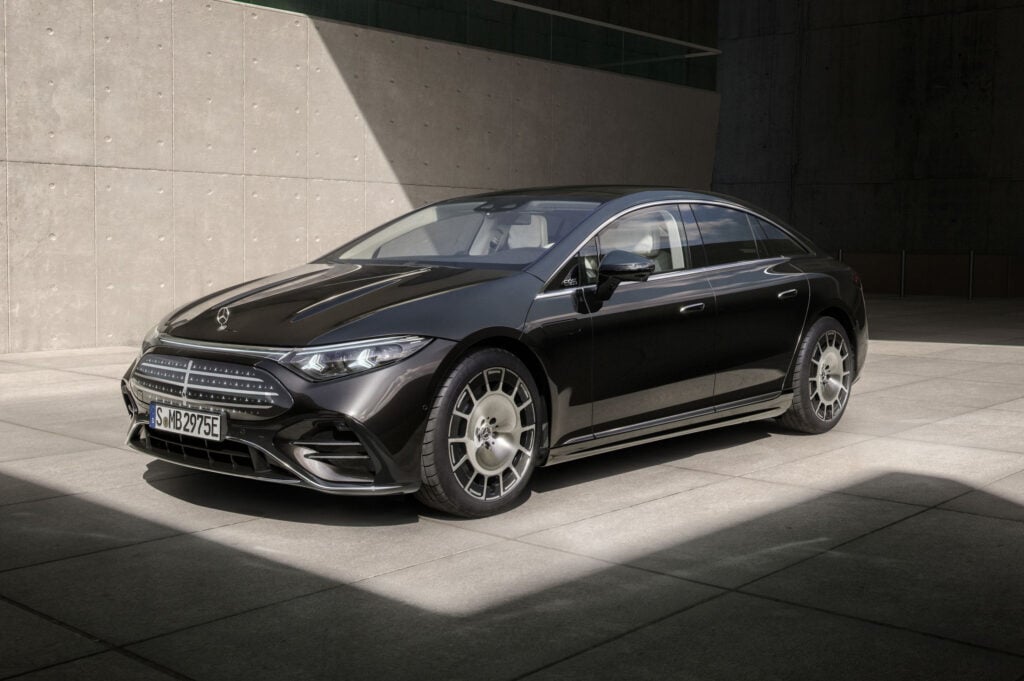
BMW
After a reasonably strong showing around this time in 2016, the Bavarian automaker has gone back to 2015 levels of sales during the first half of this year – a year-to-date reduction of 18.5 percent.
However, BMW Australia isn’t too concerned by the dip, with a spokesperson saying it’s not necessarily indicative of a longer-lasting trend and is largely a result of the company’s product renewal cycle.
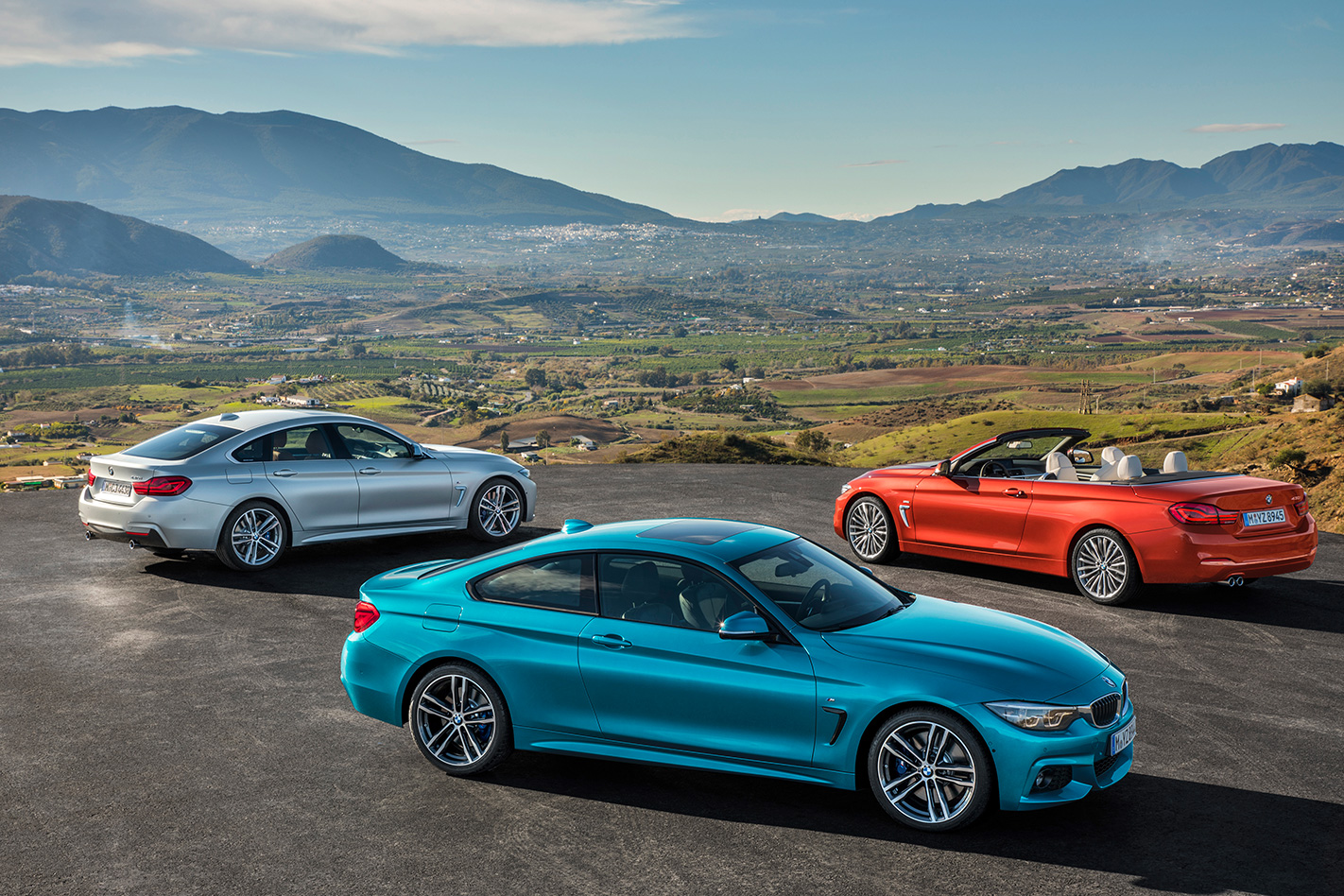
The X3 won’t be doing all of the heavy lifting either: expect strong showroom performance from the X2 compact and the supersized X7. Until the new breed of mainstay SUVs arrive, though, the Bavarian brand is hurting.

Jeep’s fortunes dwindled in the first half, with Grand Cherokee sales slipping by nearly 25 percent over the past six months relative to 2016 figures. As Jeep’s core model – and the only one to have sold in four-digit numbers so far this year – that’s bad news. Right now, it’s a middle-of-the-pack contender in the large SUV market.
The mid-size Cherokee, Jeep’s second most popular model, is also suffering. Jeep sold over 4000 in the first half of 2015, but that fell to a sub-1k figure in 2016 and so far this year only 718 Cherokees have rolled out of Jeep dealerships.
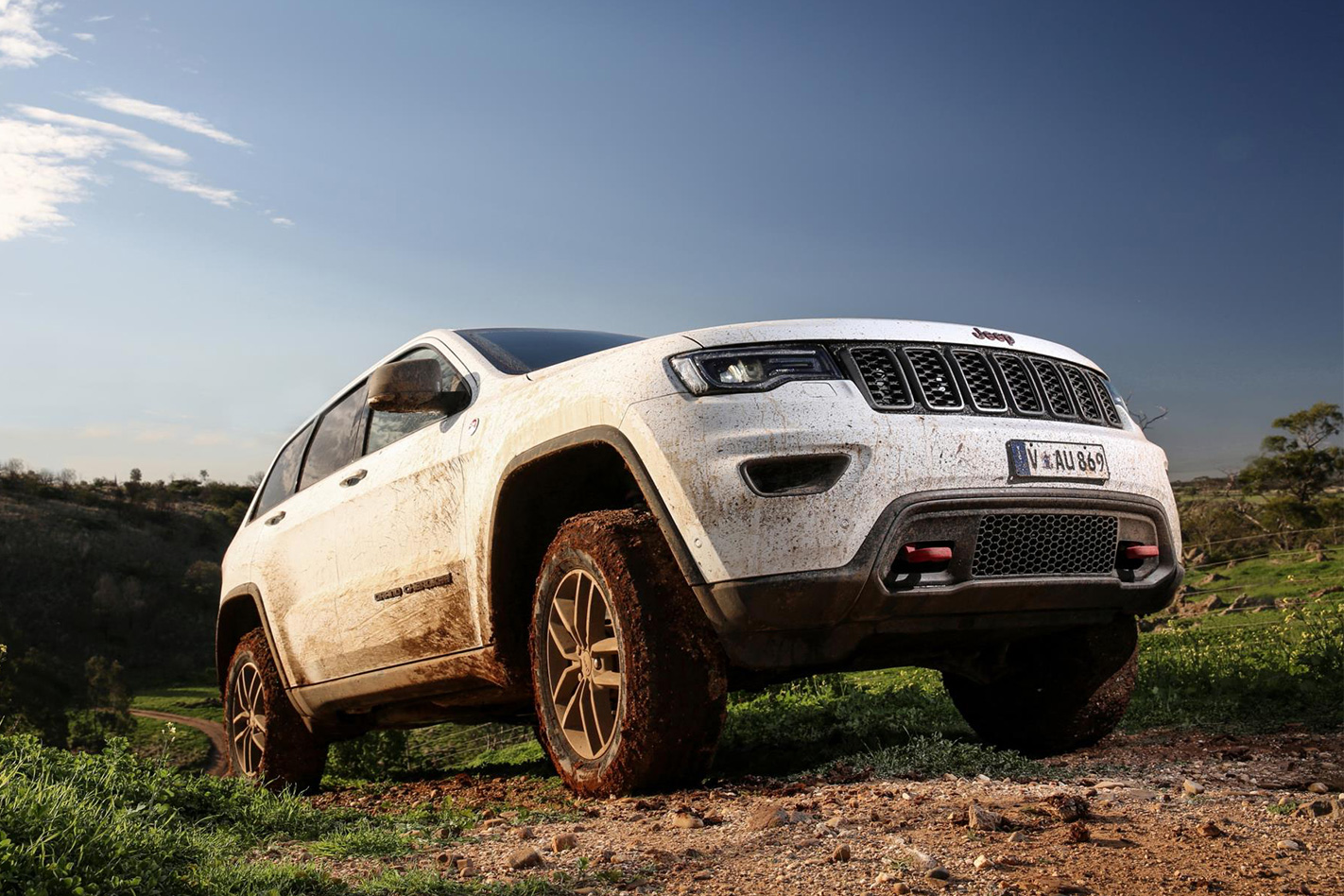
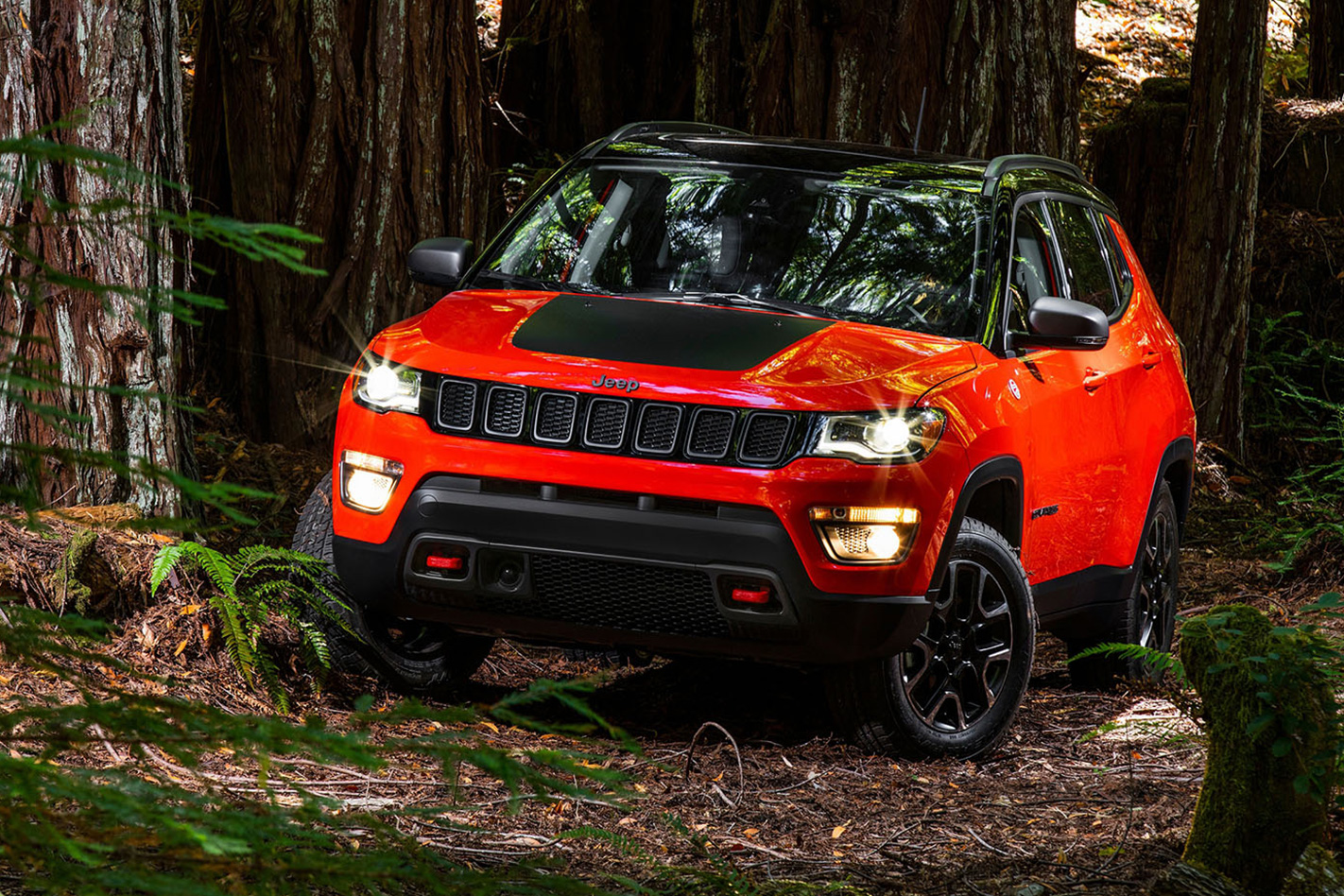
Jeep’s position is also compounded by the absence of a small SUV offering from its showrooms. The Patriot and Compass twins departed this year and an all-new replacement has yet to take their place. Naturally, as an off-roader specialist Jeep doesn’t have a passenger car range to lean on either – nor does it have a workhorse-grade ute to capitalise on demand in that segment.
“Australia’s Jeep results in June proved to be solid with sales up 5% year on year,” said Fiat-Chrysler Australia’s head of PR Lucy McLellan.
“Impressively, the Grand Cherokee was up 21 percent year-on-year.
“Overall, given we’re without our C-SUV – the all new Jeep Compass – until the end of the year, the performance was pleasing.”
Holden
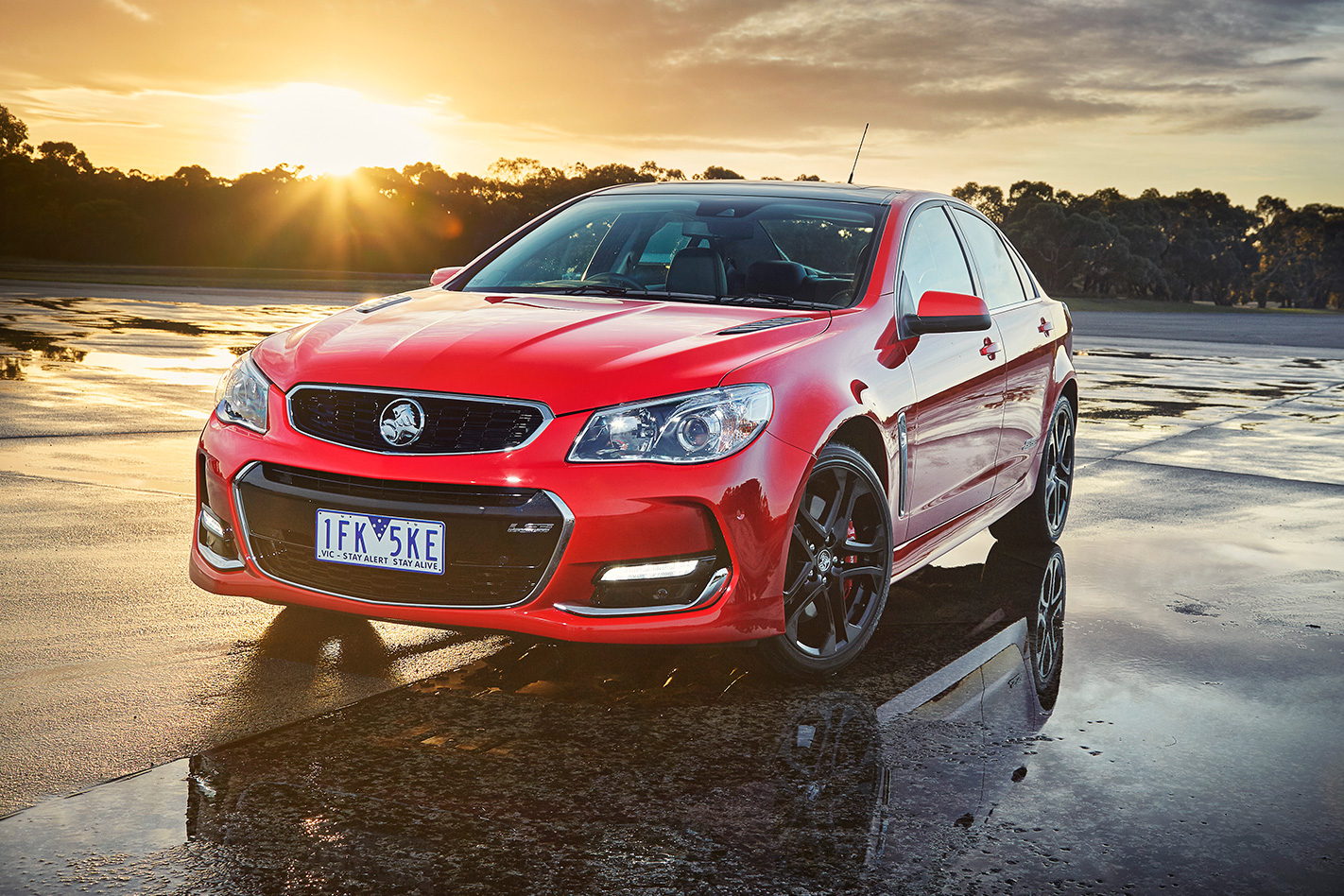
While rival Ford has slightly improved its position relative to its 2016 performance, Holden has slid backwards. With 42,113 sales year-to-date it’s nearly 6000 sales behind where it was this time last year – and if trends continue, Ford could overtake its long-time nemesis by year’s end.
In fact, Holden has suffered the biggest reduction in sales volume of any brand so far this year, though its 12.3 percent drop is far from the largest if we’re talking percentages. Nevertheless, the company admits 2017 was bound to be a challenging year as it makes the transition from manufacturer to a full-volume importer.
“Do we need to improve our market performance? Absolutely. But it’s hardly a surprise to anyone that during the most fundamental period of change our company has ever seen we’ve got a few speed humps to get over.”
And instrumental to Holden’s recovery plan is its promise to launch 24 new models by 2020, among them the Europe-sourced NG Commodore and the Captiva-replacing Acadia and Equinox SUVs.

“We need to fish where the fish are.”
The Astra range has also been fleshed out thanks to the recent arrival of a sedan bodystyle to complement the hatch that launched late last year, and will be bolstered even further by the addition of a wagon later this year. So far, Astra is doing a reasonably good job of taking over from the Cruze as a core model for the brand.

“We’re tracking towards 90,000 total sales this year, which will mean almost 1 in 10 new cars sold this year will wear a Holden badge.”
If Holden achieves that target, Ford may have to wait a little longer before it can one-up its rival.
Hyundai
After achieving an all-time half-year sales record last June with a 54,350-strong tally, Hyundai has failed to build on that number this year. For the first six months of 2017, the Korean auto giant moved 49,819 cars – 4531 fewer than it did this time last year and 280 behind what it achieved in the first half of 2015. An 8.3 percent drop, in year-to-date terms.
And that’s despite stronger performance from its SUV range, right now comprised of the Tucson and Santa Fe. No, the big reason behind Hyundai’s backwards movement is the absence of ultra-keen driveaway deals on the volume-selling i30. The new-gen i30 is selling in healthy numbers right now (third in its segment, in fact), but last year it was moving in massive volume thanks to heavy discounting that saw entry models priced below $20k drive away.
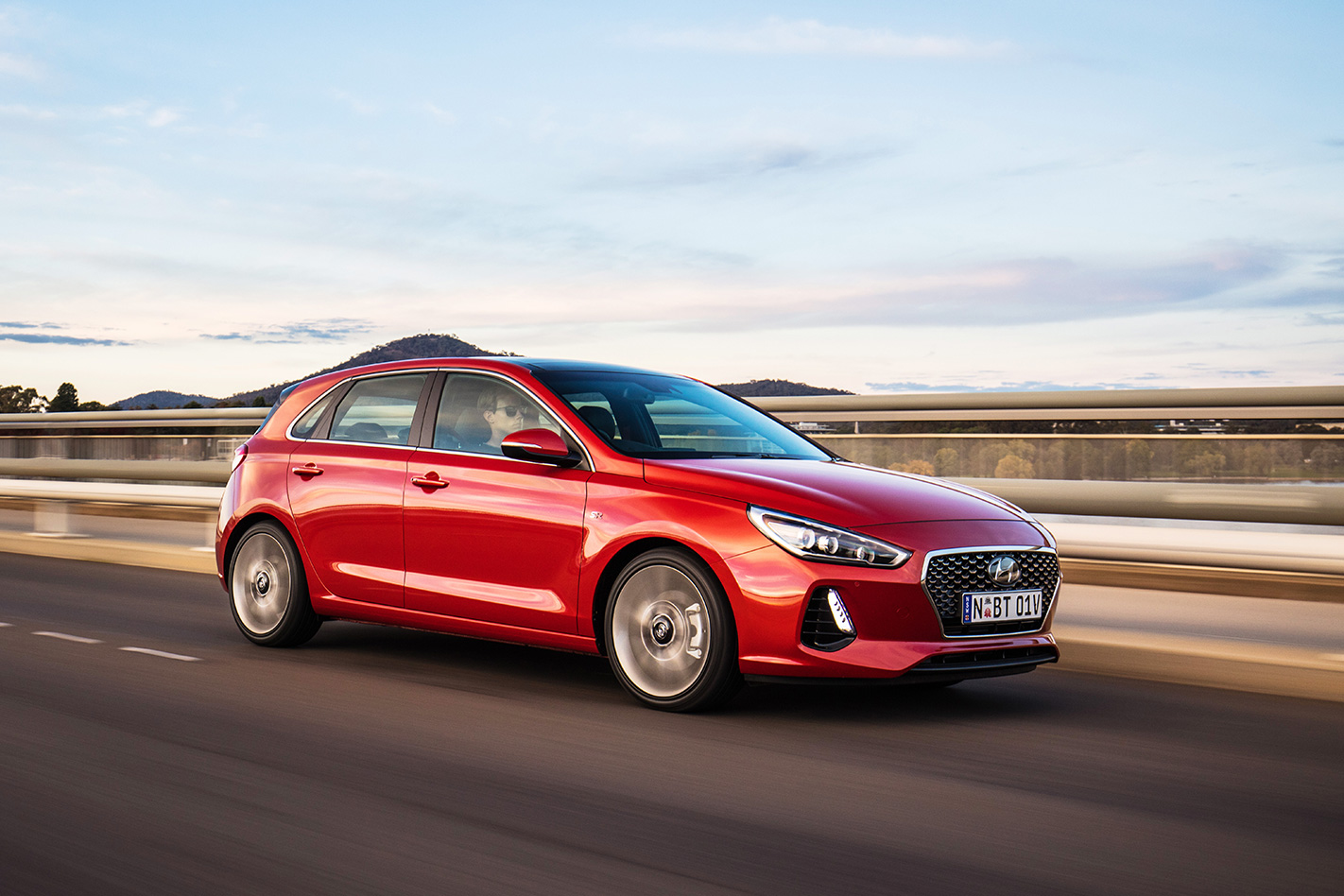
So does Hyundai have a problem? Hardly, if you look at its across-the-board sales growth. Indeed, even though fewer i30s are being sold right now, the profit margins on each car are doubtlessly greater than they were this time last year. Plus, with the Kona compact SUV just around the corner, Hyundai would seem set to head towards December with the wind in its sail.
Follow WhichCar/Wheels on Google
Click the button below to make WhichCar by Wheels a preferred source for your news.