News

Gallery 1
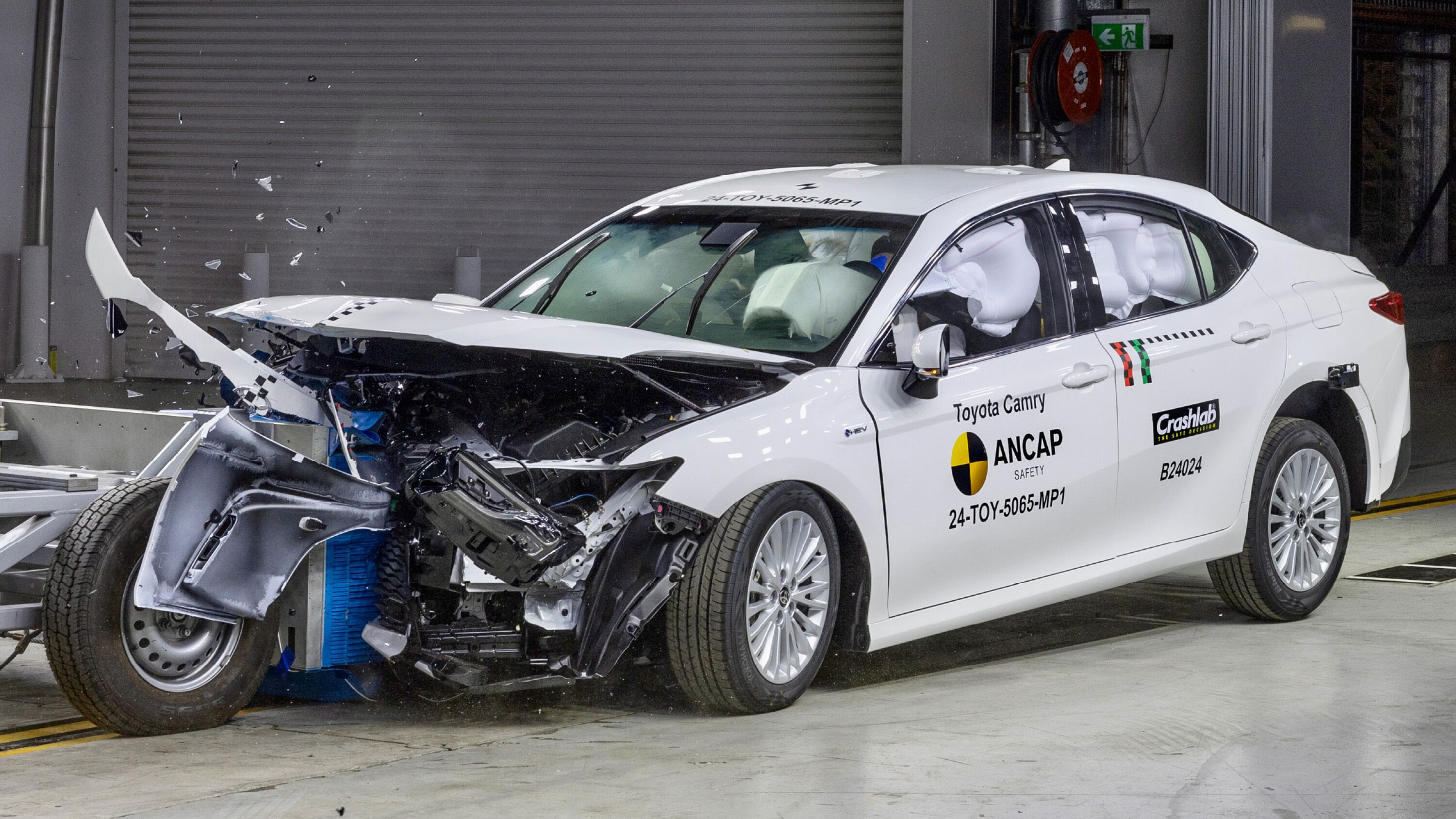
ANCAP (the Australasian New Car Assessment Program has announced that it will refresh its vehicle safety rating criteria for 2026 in a move designed to strengthen how it evaluates the safety of new cars.
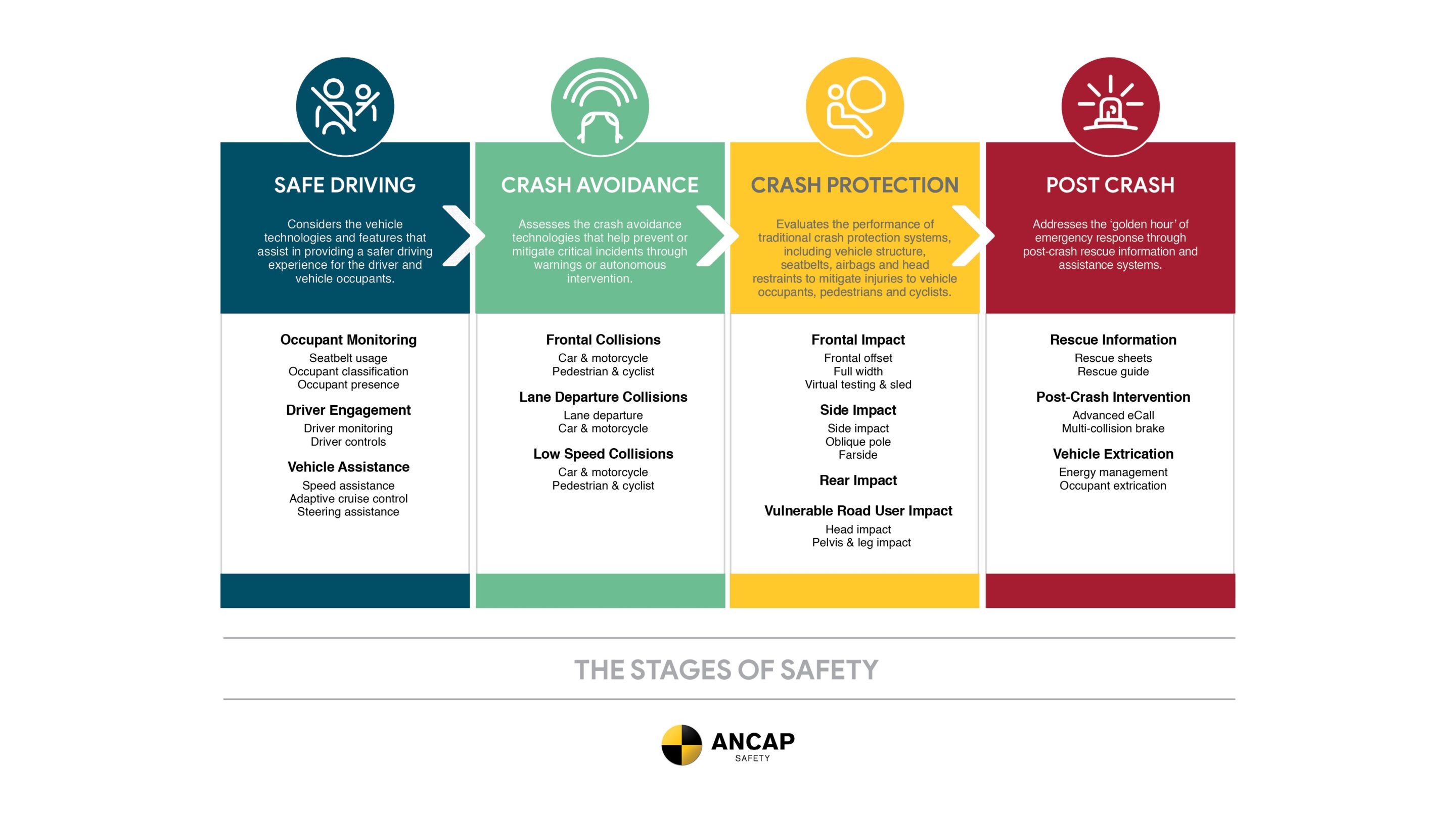
Instead of the current adult protection, child protection, vulnerable road user protection and safety assist ratings, ANCAP will now assess across its new ‘Stages of Safety’: safe driving, crash avoidance, crash protection and post-crash.
ANCAP re-examines the star rating criteria every three years with a “sole focus on reducing vehicle-related deaths and serious injuries.” The 2026-2028 protocols “further strengthen the rigour and relevance of the tests, rewarding vehicles that perform well across all stages of safety – before, during and after a crash.”
“You’ve spoken and we have listened. The ‘Stages of Safety’ approach will allow ANCAP to incorporate useful feedback, enhance existing tests and incorporate new areas of focus,” ANCAP Chief Executive, Carla Hoorweg said. “This new approach also provides a structure that can adapt to the technological developments that will shape the automated driving future.”
3
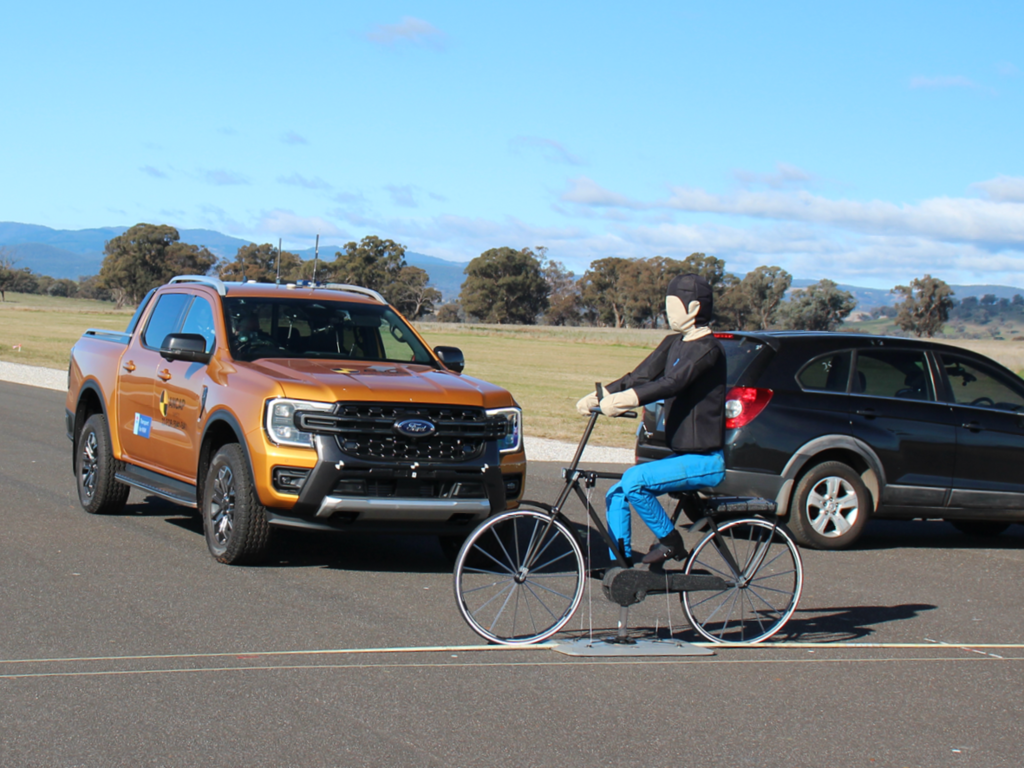
Several changes have been made to ANCAP’s safety testing specifically in response to consumer feedback. Active driver assistance systems – often criticised for their abrupt or irritating interventions – will be rewarded for smooth, intuitive operation, as well as technical performance.
Part of its testing will focus on electrically-operated door handles that sit flush with bodywork when not in use should remain operable after any crash, electric cars that isolate their high-voltage battery after a serious crash and vehicles that can notify first responders of the crash.
As part of the new testing regime, ANCAP will place greater emphasis on the availability and performance of eCall systems. More than 40 per cent of all new vehicles sold in Australia in 2024 featured technology capable of automatically connecting with emergency services following a crash, known as ‘eCall’. But in neighbouring New Zealand – a market with broadly similar new car offerings – it’s less than 10 per cent.
4
ANCAP will also perform more real-world road testing of vehicles to examine how well a vehicle’s technology reads and responds to road conditions, and will give ANCAP more detailed insights into a driver’s experience beyond the test track.
ANCAP 2026 stages of safety:
The four assessment areas evaluated from 2026, known as the ‘Stages of Safety’, are:
- Safe driving: Considers the vehicle technologies and features that assist in providing a safer driving experience for the driver and vehicle occupants.
- Crash avoidance: Assesses the crash avoidance systems that help prevent or mitigate critical incidents through warnings or autonomous intervention.
- Crash protection: Evaluates the performance of traditional crash protection elements, including vehicle structure, seatbelts, airbags and head restraints to mitigate injuries to vehicle occupants, pedestrians and cyclists.
- Post crash: Addresses the ‘golden hour’ of emergency response through post-crash rescue information and assistance systems.
Each of the four stages will be scored out of 100 points and – as is currently the case – expressed as a percentage for consumers apparently seeking that next level of information beyond the simple star rating, according to ANCAP. Minimum thresholds will also continue to apply for each stage and that will determine the car’s overall star rating.
The first results from ANCAP’s new testing regime will be released sometime in 2026.
Follow WhichCar/Wheels on Google
Click the button below to make WhichCar by Wheels a preferred source for your news.

We recommend
-
 News
NewsANCAP delivers safety verdicts on MG’s IM5, IM6 and Renault Duster
ANCAP has released some impressive new safety scores as part of its latest round of testing of MG's premium IM models and the new Renault Duster.
-
 Opinion
Opinion: Should we be asking more questions about the ANCAP safety ratings?
Wheels columnist Paul Gover reckons It’s time to ask some questions about the cherished ANCAP 5-star safety rating.
-
 News
NewsKia K4 receives split ANCAP safety ratings
Five-star score for most variants, but base model without Safety Pack drops to four stars.