News

Gallery 1
Artificial intelligence is showing surprising competence when it comes to diagnosing vehicle problems and advising on repairs, according to a new study by the UK’s largest vehicle-recycling company, Scrap Car Comparison (SCC).
The investigation tested three of the most widely used AI systems – OpenAI’s ChatGPT, Google AI Overview, and Microsoft Copilot – by asking each a range of realistic questions about common car faults and maintenance issues. The results were reviewed by Tim Singer, a workshop manager at BMS Cars, one of SCC’s partner garages.
Each chatbot’s responses were graded on four criteria: safety, legality, accuracy, and usefulness. Singer admitted he was “very surprised” by how capable the AI systems were at offering balanced, responsible advice.
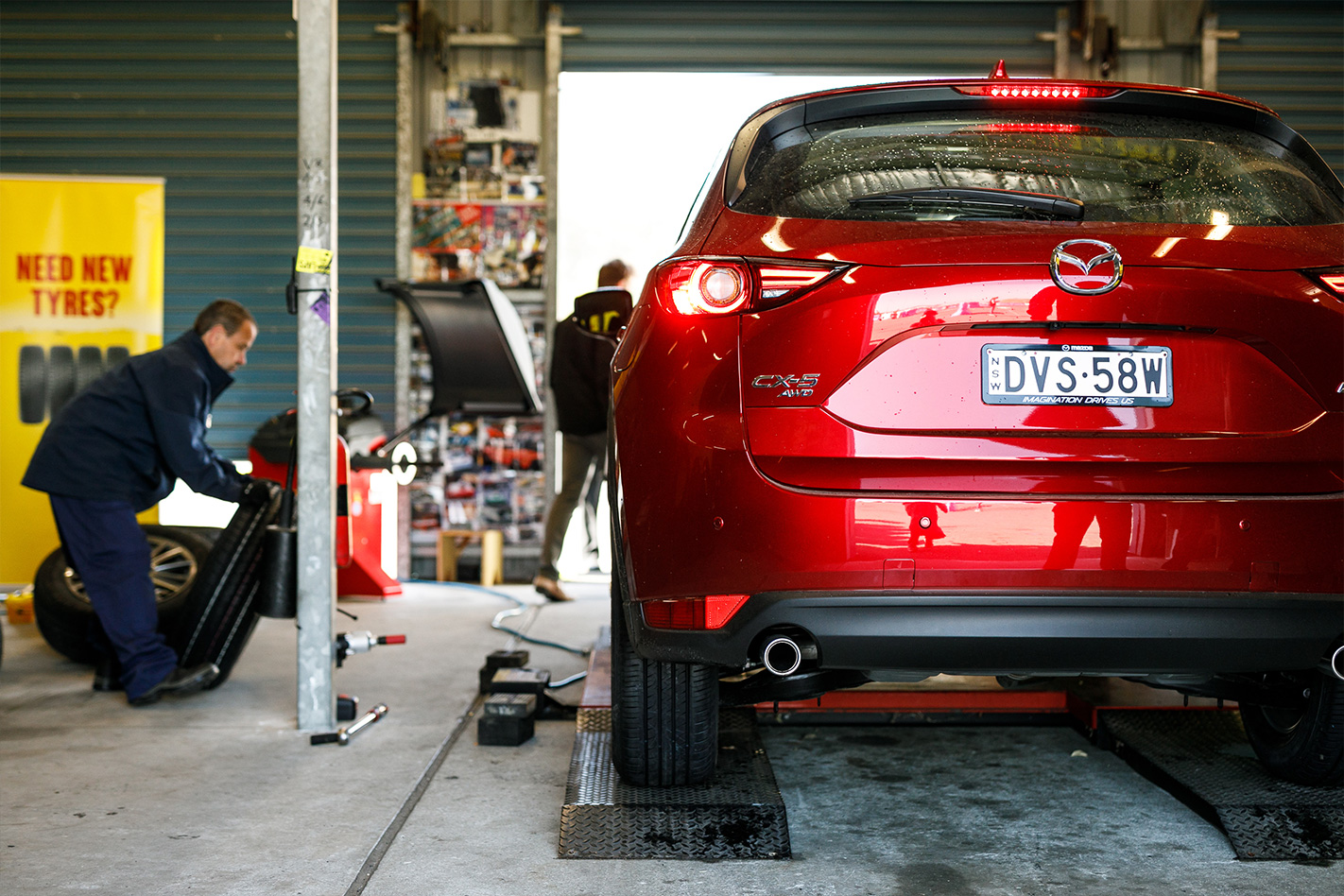
“They were much better than I expected,” he said. “There was nothing in the answers that would put a motorist in danger. I think AI could genuinely change how people seek help with car issues.”
One test question involved a worn-out 2010 Renault Clio with a slipping clutch, broken air-conditioning, and a failed safety inspection – a scenario similar to an ageing hatchback in Australia needing a roadworthy certificate. Other questions asked whether it was worth checking an engine warning light or simply scrapping the vehicle.
Among the three platforms tested, ChatGPT produced the most thorough responses, offering “lots of context to help make a more informed decision,” according to Singer. Google AI Overview provided shorter, factual answers, while Microsoft Copilot’s replies were described as more conversational and less precise.
Despite the overall quality of the responses, SCC cautioned that AI advice should not replace professional expertise. Some chatbots suggested do-it-yourself repairs, which could pose risks if users lack technical knowledge or proper equipment.
Singer echoed that concern, warning that AI could give motorists “a false sense of confidence” about fixing their cars. “If people start relying too heavily on AI without checking with a qualified mechanic,” he said, “they could make expensive or unsafe mistakes.”
The findings suggest that while AI can be a useful first step for drivers seeking guidance, professional inspection remains essential – especially when safety or major mechanical faults are involved.
Follow WhichCar/Wheels on Google
Click the button below to make WhichCar by Wheels a preferred source for your news.


We recommend
-
 News
NewsAussie drivers warned about 'precision' of AI traffic cameras for even minor infringements
Minor lapses in concentration such as fiddling with a GPS are being detected and enforced by AI camera technology, warns a traffic lawyer.
-
 News
NewsGM to dump Apple CarPlay and Android Auto support as it pushes its own AI-driven infotainment
General Motors plans to drop Apple CarPlay and Android Auto by 2028, replacing them with its own Google-based infotainment and next-generation AI assistant platform.