Advice

Gallery 1
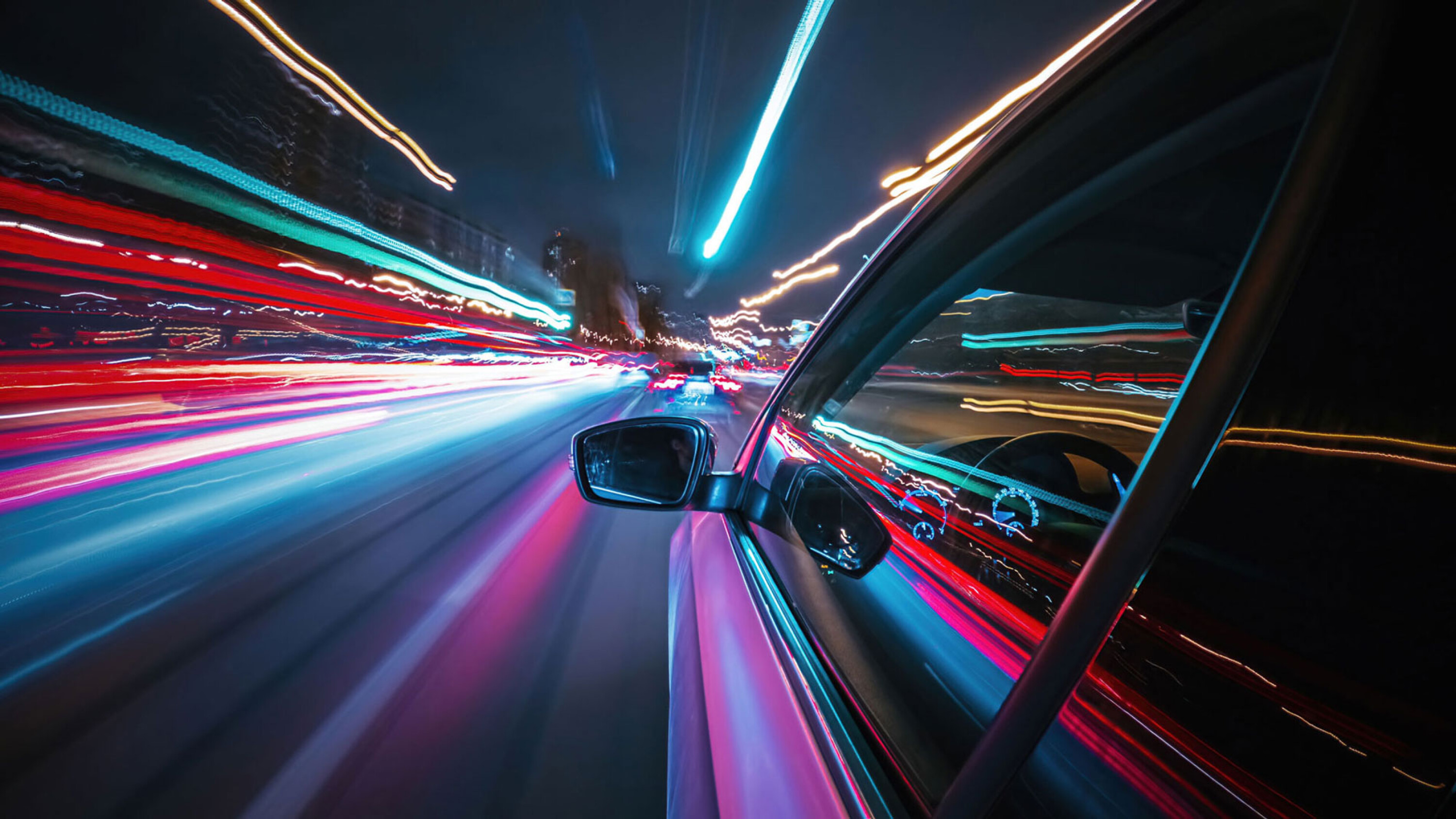
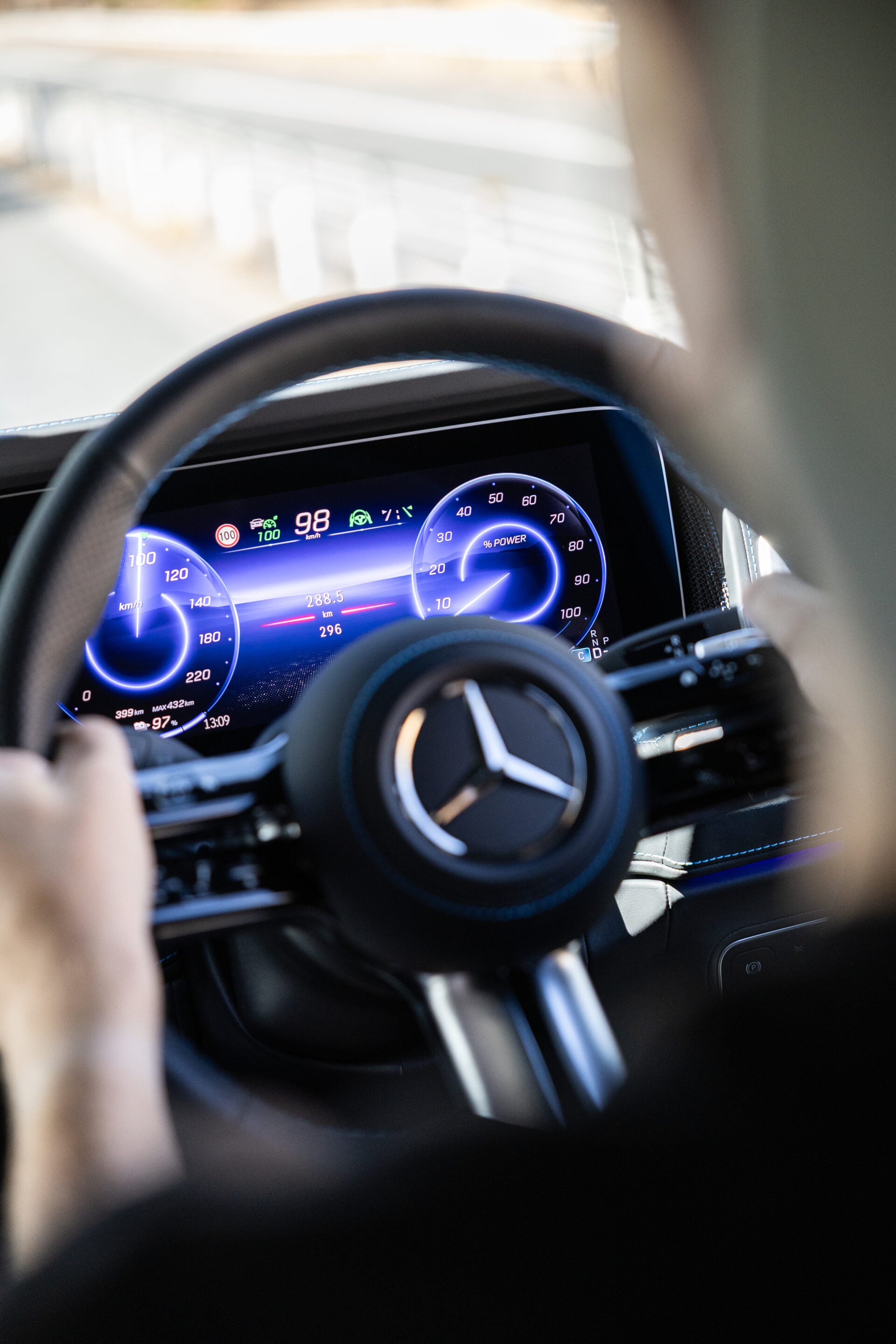
On Saturday April 5, daylight saving time will end with the clocks being wound back by an hour for many states, including New South Wales and Victoria. With that important change, many drivers will find themselves driving more often in darker light, including during commuting. Because of that, insurance comparison service iSelect has provided their expert tips on how to get your vehicle ready for more night time driving.
Australians do just 25 per cent of their driving at night, yet 40 per cent of all road fatalities occur after dark, according to a 2022 study by Monash University. This raises concerns for drivers who will spend more time driving in the dark during this period.
“The end of daylight saving for many of us will re-introduce driving in darker conditions. Driving in the dark is more dangerous because depth perception, colour recognition and peripheral vision can be compromised, and the glare of headlights from an oncoming vehicle can temporarily impact drivers’ sight,” says Adrian Bennett, General Manager at General Insurance.
3
“Driving in the dark comes with extra risks, mainly because you simply can’t see as far ahead as you can during daylight. The safest approach while driving is to slow down and leave more space between you and the car in front so you have more time to react if something unexpected happens.
“If oncoming headlights feel blinding, try focusing on the left side of the road rather than looking straight at them. It’s also important to stay alert for pedestrians, cyclists and animals, especially on rural or poorly lit roads where hazards can appear suddenly.”
Tips to get your vehicle ready for night driving:
- Keep the windscreen, windows, mirrors, and headlights clean to reduce glare. Use a microfiber cloth and a streak-free glass cleaner, and wipe mirrors and windows inside and out for maximum visibility.
- Ensure that your headlights, taillights and brake lights are fully functional and correctly aligned. Check them at least once a month or before long trips. If alignment seems off, have them professionally adjusted.
- Make sure your headlights are actually switched on at night. Most cars feature an automatic mode for their headlights, but many also feature a fully off mode and lit instrument panels give the impression that headlights are switched on. Therefore, check that your headlights are in automatic mode or the low beam setting to ensure maximum visibility and so other motorists are able to see you. Regardless of if your car features automatic headlights or not, switch them on in rainy conditions.
- Use high beams on dark, rural roads, but switch to low beams when within 200m of other vehicles.
- Dim the dashboard lights to help your eyes adjust to the dark. Most cars have a small knob or dial near the instrument panel labelled with a light icon or it might be part of the touchscreen settings.
Find out more about iSelect by clicking here.
Follow WhichCar/Wheels on Google
Click the button below to make WhichCar by Wheels a preferred source for your news.

We recommend
-
 News
NewsOne in four Aussies admit to stockpiling fuel as fear of shortage continues
A new Money survey finds a surprising group leading those Australians stockpiling fuel as the Middle East conflict continues and fuel prices rise further.
-
 Features
Which plug-in hybrids offer the longest electric driving range?
A plug-in hybrid can offer the best of both worlds for some, so which ones offer the longest electric driving range? The answer may surprise you.
-
 Features
After a medium SUV with a pulse? Here are five of the best
Most medium SUV models are largely a snooze from behind the wheel, but thankfully, there are options for those of us who like a more engaging driving experience.