
News
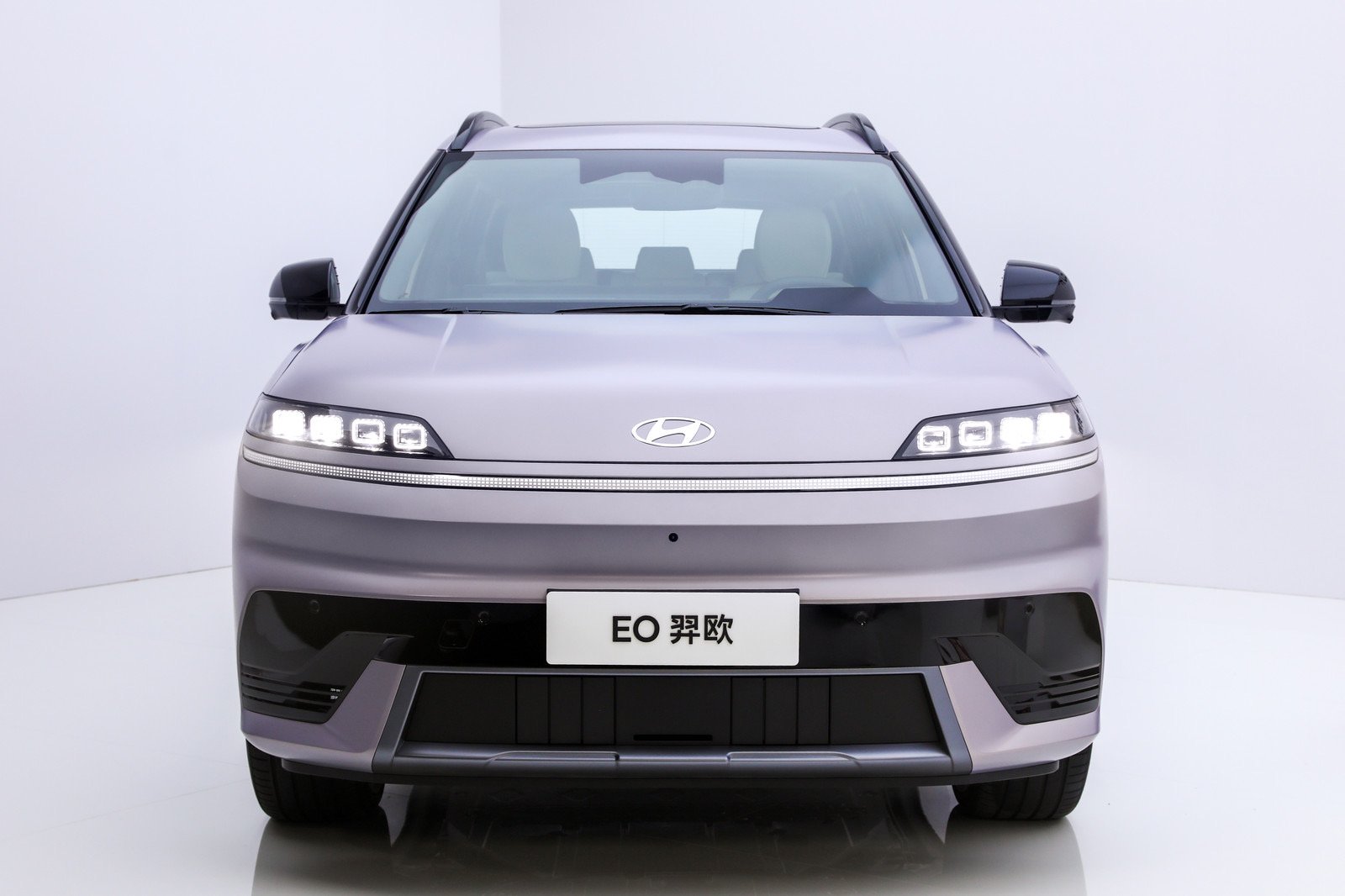
Gallery 1
Hyundai Motor Company, together with its joint venture Beijing Hyundai, has revealed its latest electric vehicle strategy for China alongside the debut of an all-new SUV, the Hyundai ELEXIO. The model will serve as a cornerstone for Hyundai’s regional electrification plans and will arrive in Australia in early 2026.
Built on Hyundai’s Electric Global Modular Platform (E-GMP) – the same foundation used by the Ioniq 5 and Ioniq 6 – the ELEXIO combines global EV technology with locally developed systems tailored to the Chinese market. Hyundai describes the model as its first dedicated EV created under the brand’s regional mantra: “In China, For China, To Global.”
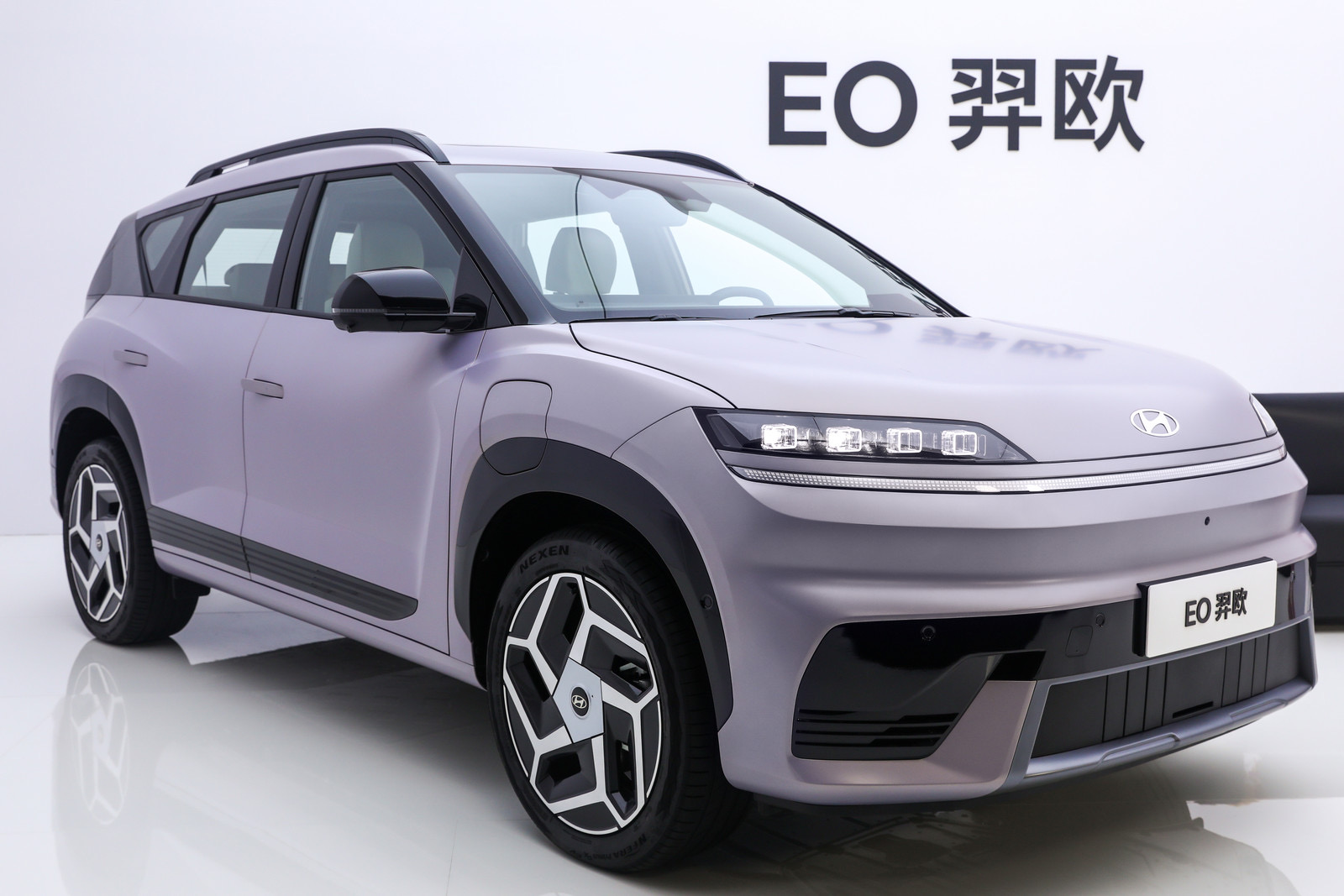
The ELEXIO’s design features clean, upright proportions, crystal-style LED headlights, and a durable, high-strength body intended to balance comfort with structural rigidity. Measuring as a mid-size SUV, it targets both urban and long-distance drivers seeking a premium yet practical electric vehicle.
Inside, the ELEXIO adopts a 27-inch 4K ultra-wide digital display powered by a Qualcomm Snapdragon 8295 chip, supporting AI-assisted features and multi-screen functionality. A “Cyber Eye” heads-up display projects driving data with high clarity, while Dolby Atmos audio and BOSE eight-speaker sound systems enhance cabin ambience.
The SUV offers 506 litres of boot space, expandable to 1,540 litres, and includes 46 storage compartments. Safety equipment includes a nine-airbag system, extended curtain airbags, and a high-strength steel body structure comprising over 77 per cent of the frame.
Underneath, the ELEXIO houses an 88.1 kWh battery pack capable of an estimated 722 km range (China Light-Duty Vehicle Test Cycle) – equivalent to over 500 km on WLTP standards. Using DC fast charging, the battery can be replenished from 30 to 80 per cent in roughly 27 minutes.
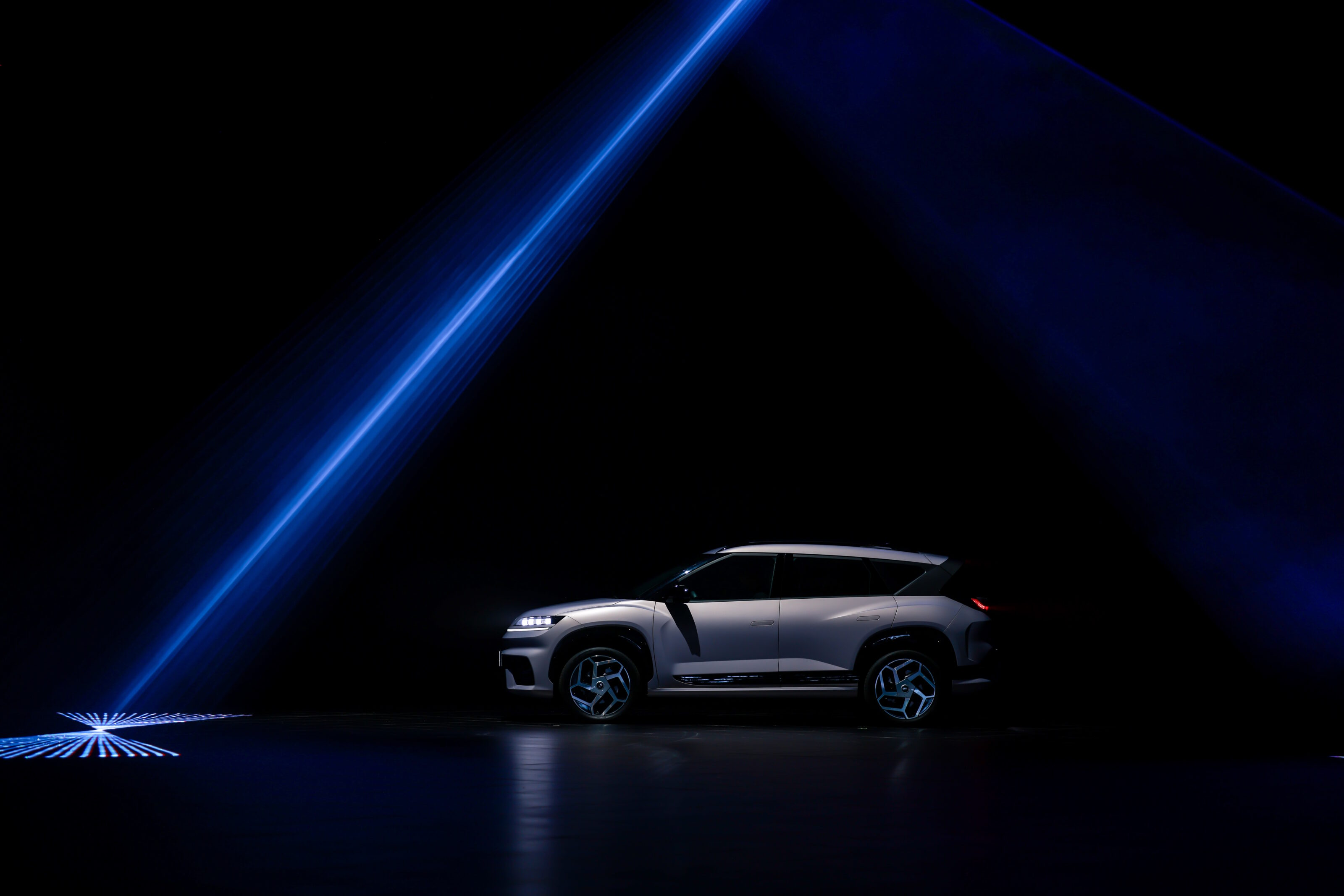
The ELEXIO is the first of several models in Hyundai’s expanded New Energy Vehicle (NEV) lineup for China, which will grow to include additional sedans and SUVs by 2030.
Full Australian pricing and specifications will be announced closer to launch, with local deliveries expected to begin in the first quarter of 2026.
Follow WhichCar/Wheels on Google
Click the button below to make WhichCar by Wheels a preferred source for your news.

We recommend
-
 Best Medium SUVs
Best Medium SUV 2025: Overall winner, Hyundai Tucson
Hyundai’s fourth-generation Tucson takes out Wheels’ Best Medium SUV 2025, combining hybrid-focused efficiency, family-friendly comfort, advanced tech and strong value to secure its place among Australia’s top-selling SUVs.
-
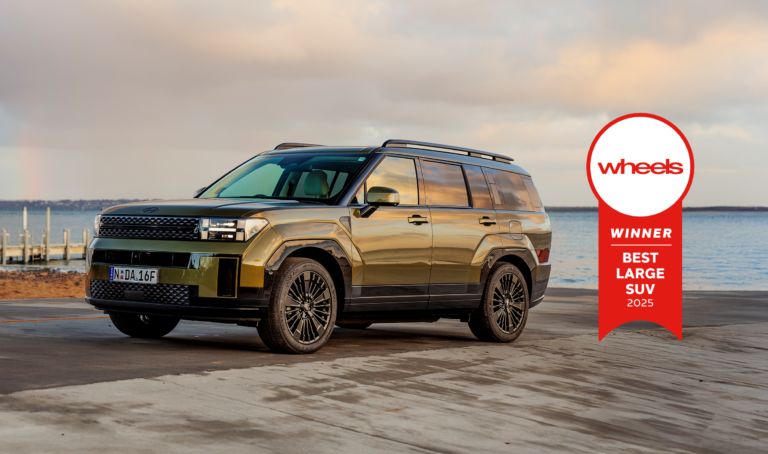 Best Large SUVs
Best Large SUVs 2025: Winner – Hyundai Santa Fe
The Hyundai Santa Fe is Wheels Best Large SUV 2025 – standout styling, versatile practicality, strong fuel efficiency and impressive value for money make it hard to beat.
