News
Gallery 1
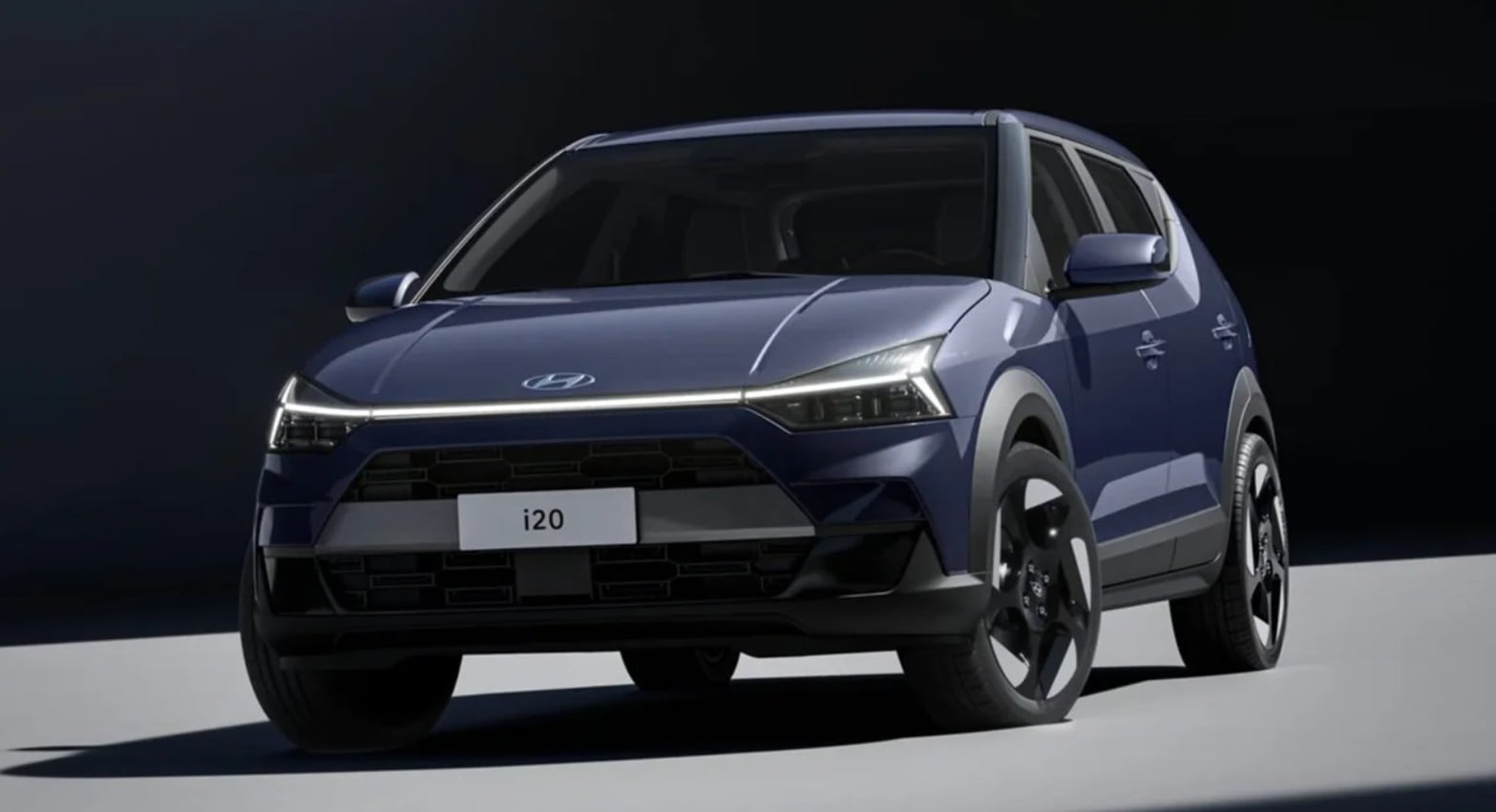
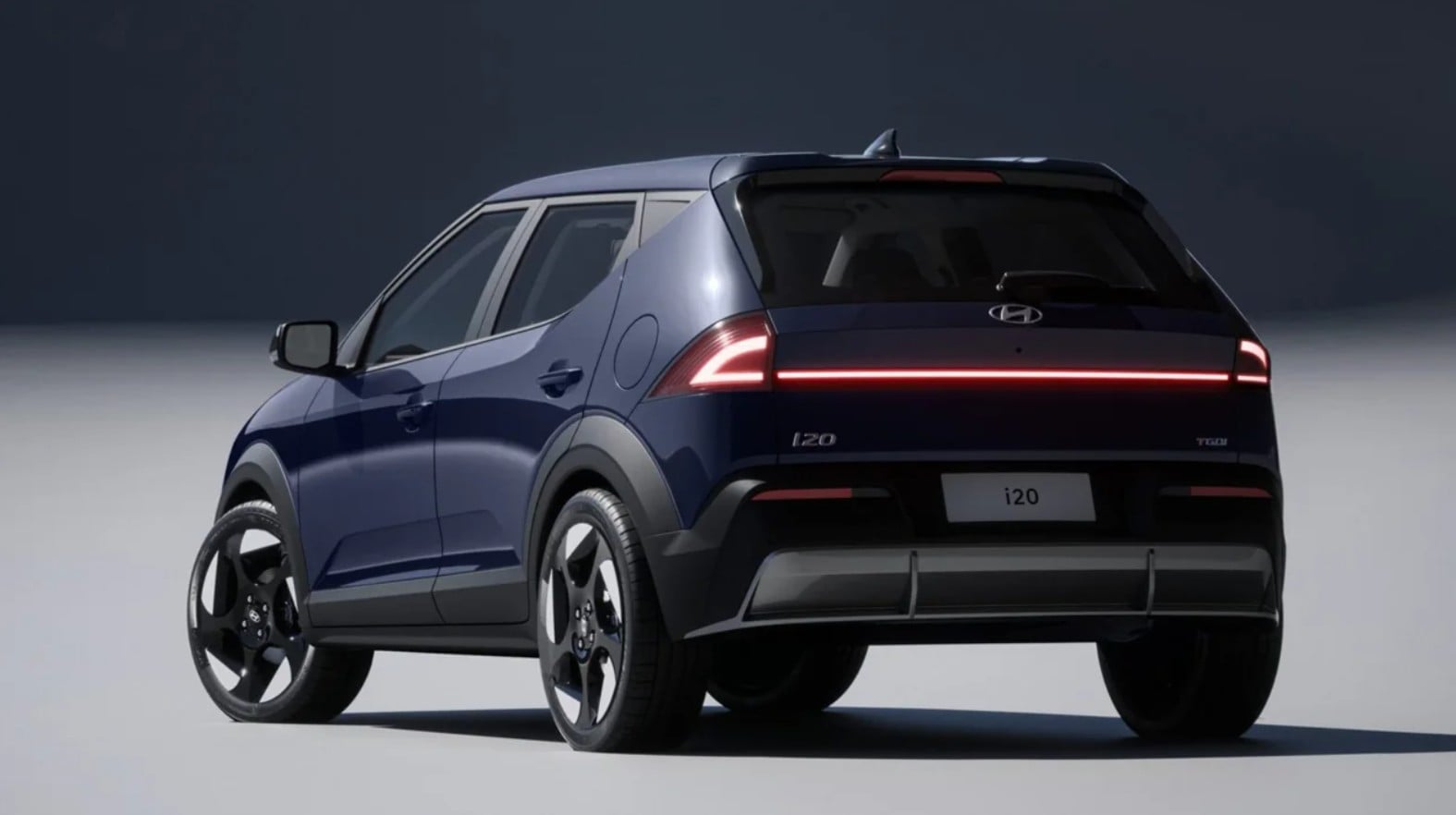
Hyundai has revealed a dramatically redesigned i20, with the next-generation light hatch adopting a more rugged, SUV-inspired look as buyers continue to favour crossovers over traditional small cars.
While still wearing the i20 badge, the newcomer has grown significantly in size and now sits much closer to compact SUVs such as the Toyota Yaris Cross and Volkswagen T-Cross than the hatchback it replaces.
The redesign reflects a broader shift in the market, where manufacturers are increasingly blending hatchback practicality with SUV styling cues to attract buyers seeking a more versatile-looking vehicle without the bulk of a larger SUV.
1
Measuring 4130mm long, 1780mm wide and 1495mm tall, the new i20 is only marginally smaller than Hyundai’s existing Bayon small SUV. It also rides on a 2580mm wheelbase, helping free up additional cabin space.
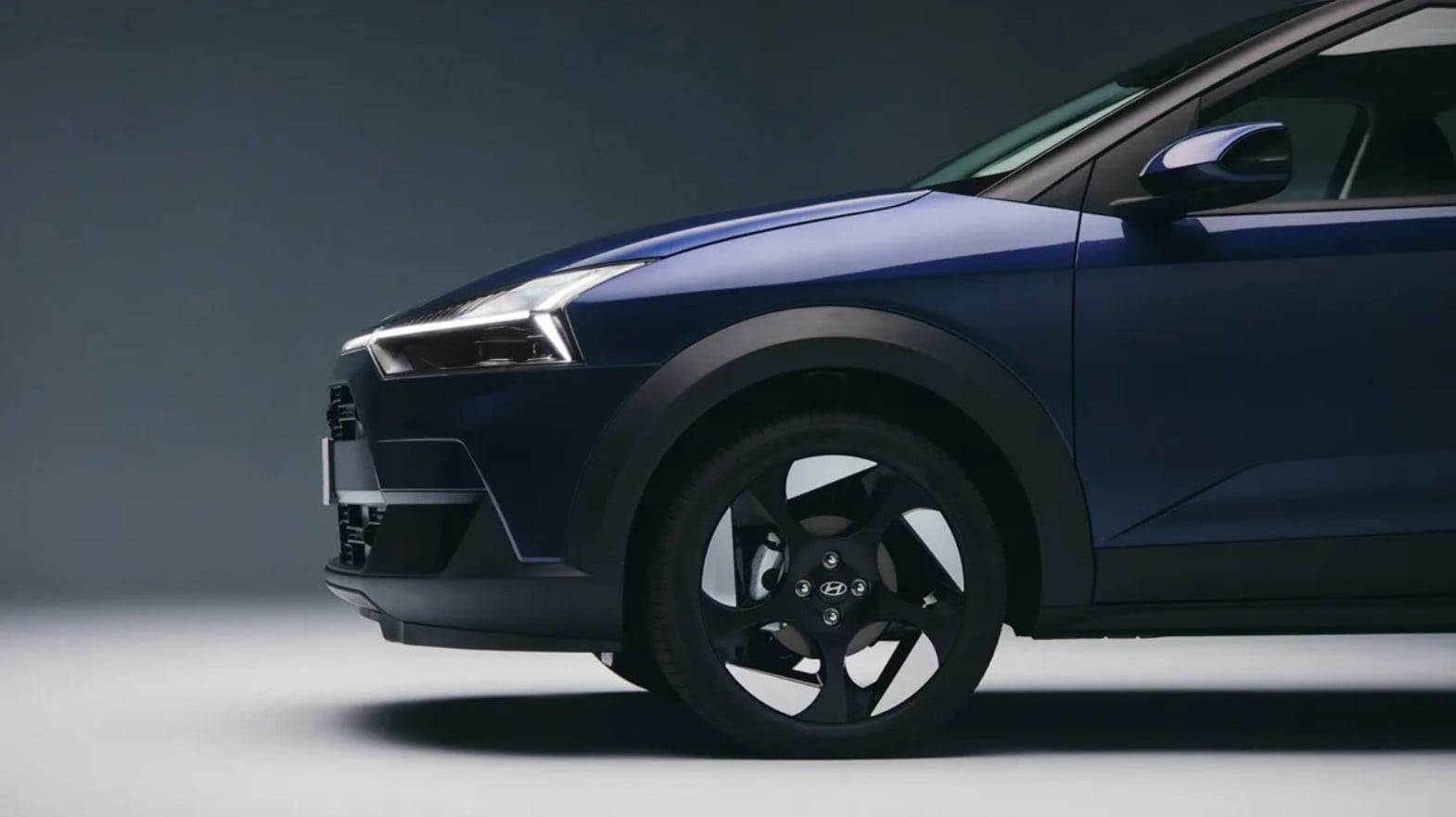
The exterior follows Hyundai’s latest “Art of Steel” design philosophy, featuring sharp creases, squared-off surfaces and extensive body cladding. Slim LED lighting, a full-width front light bar and a sloping roofline help distinguish the i20 from more conventional small hatchbacks.
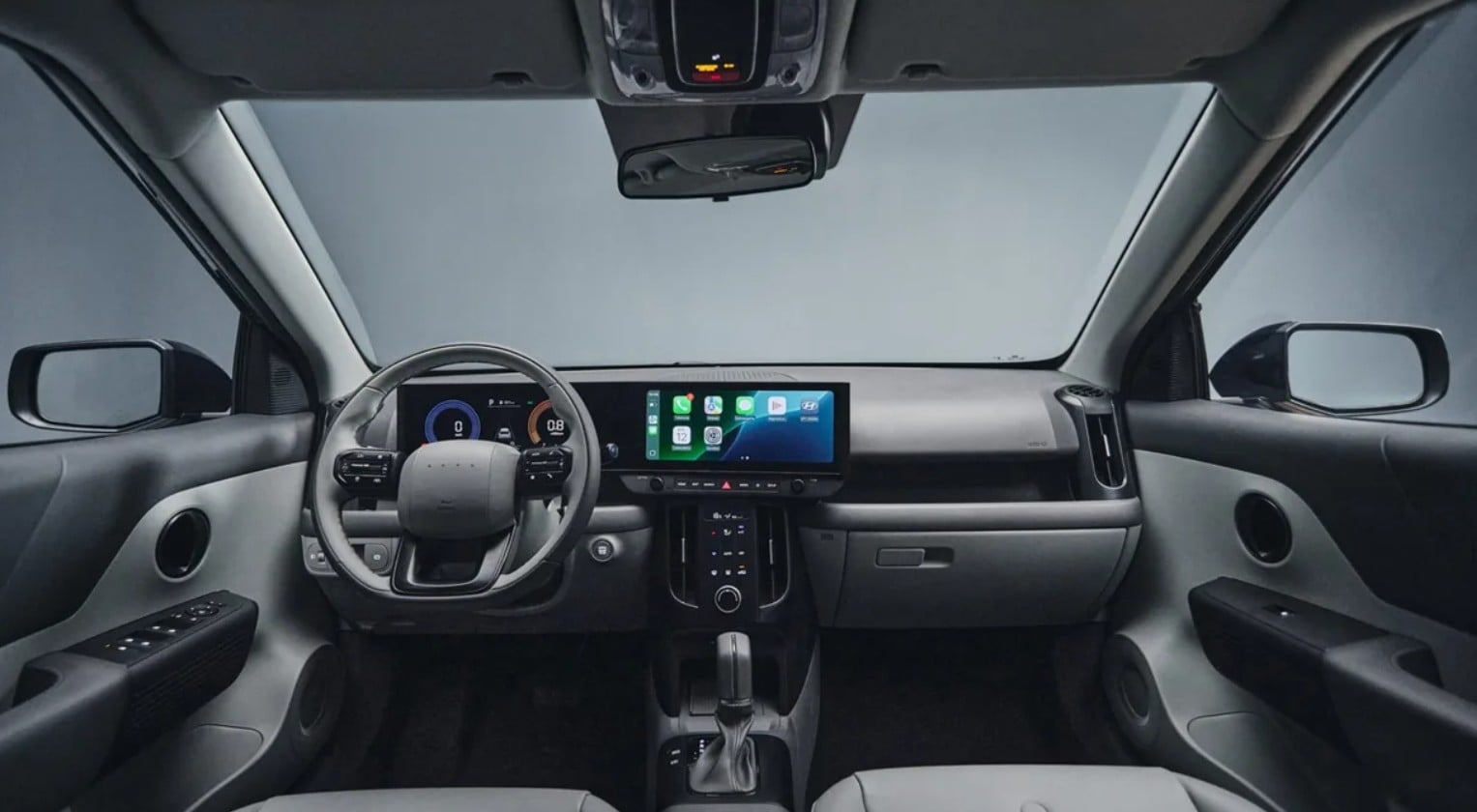
Inside, Hyundai has moved towards a cleaner, more minimalist cabin layout. Twin 12.3-inch displays dominate the dashboard, serving as both the digital instrument cluster and infotainment touchscreen. Wireless Apple CarPlay and Android Auto will be standard, while over-the-air software updates will allow owners to receive new features and system improvements without visiting a dealership.
3
The Korean manufacturer also claims rear-seat accommodation will be among the best in the segment. Boot space is rated at 346 litres, expanding to 1152 litres with the rear seats folded.
Underneath, the i20 moves to Hyundai’s newer K3 platform, which also underpins models such as the Hyundai Kona, Kia Seltos and Kia Niro. The architecture opens the door for a broader range of powertrains, including petrol and hybrid options.
In Brazil, where the model was first unveiled, the i20 is offered with mild-hybrid 1.0-litre three-cylinder engines producing either 55kW or 84kW. Australian specifications have yet to be confirmed.
3
The new i20 is expected to reach international markets within the next 12 months, with local launch timing still under consideration.
Follow WhichCar/Wheels on Google
Click the button below to make WhichCar by Wheels a preferred source for your news.

We recommend
-
 Reviews
Hyundai Santa Fe Calligraphy Hybrid review: Large SUV option divides on style, wins on features
Almost two years since its Australian release, the fifth-generation Hyundai Santa Fe is selling well locally, so how does it fare against newer competition?
-
 Features
Most fuel efficient petrol/diesel powered cars on the market: top 10
Searching for a new car but don’t want a hybrid or EV? We’ve got you covered with the 10 most fuel efficient non-electrified cars available.
-
 Features
Which are the longest range medium hybrid SUVs on sale in Australia?
Fuel prices are a lot lower than what we saw a few months ago but efficiency is still key for many buyers. So which are the longest-range hybrid medium SUVs?