News
Gallery 1
Australian drivers are increasingly encountering road markings designed to influence behaviour without relying on traditional signs or enforcement. From zig-zag lines near pedestrian crossings to optical illusions that make lanes appear narrower, modern roads are filled with visual and tactile cues intended to slow vehicles and sharpen driver attention – often subconsciously.
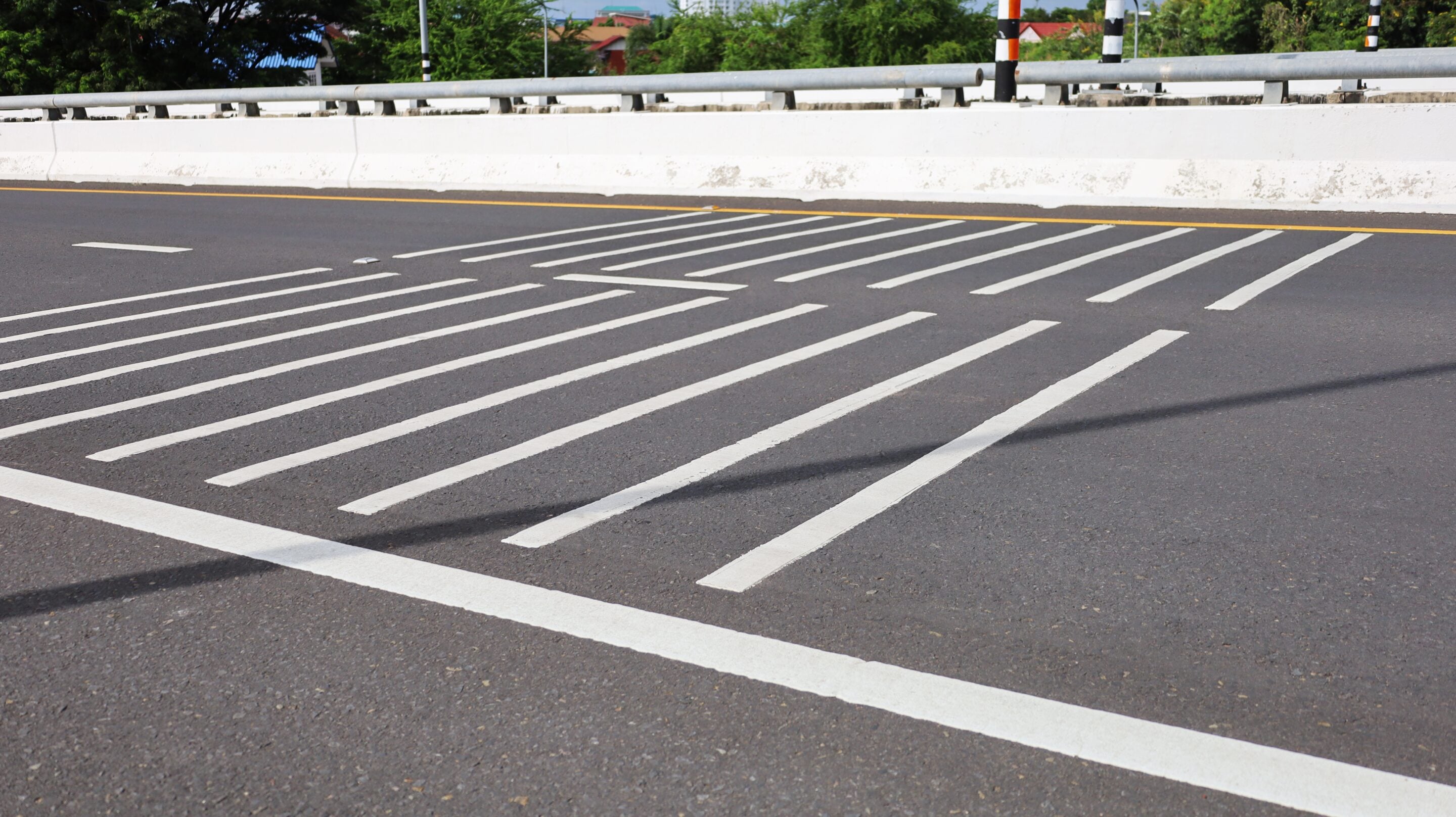
The latest example is now appearing across parts of Tuggeranong in the ACT, where authorities have begun installing rumble strips on the approaches to major roundabouts. According to reporting by Canberra’s Region, the markings are being introduced to improve safety at busy intersections where traffic can move quickly before suddenly stopping.
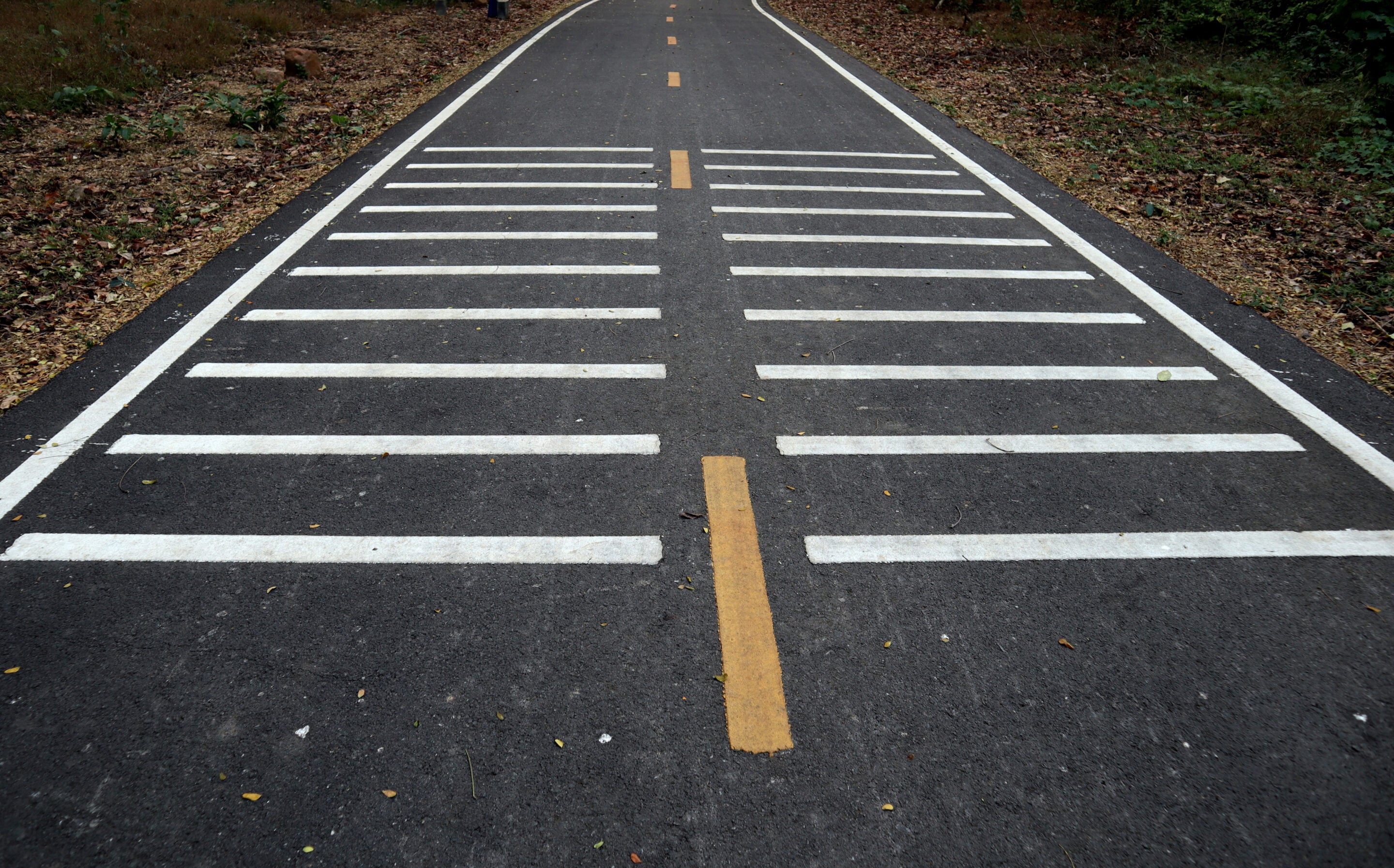
Despite their name, rumble strips are not speed bumps and don’t physically jolt a vehicle. Instead, they are designed to create a mild vibration and audible feedback as tyres pass over them, subtly alerting drivers that conditions ahead are changing.
1
The National Transport Research Organisation (NTRO), which has advised governments and industry for decades, says the effectiveness of rumble strips lies more in psychology than force. NTRO chief executive Michael Caltabiano explains that the strips are made from thermoplastic road paint mixed with materials such as sand or glass, giving them a slight raised profile.
As a vehicle approaches an intersection, the markings are laid out in a deliberate pattern. The spacing between strips gradually narrows, increasing the frequency of vibration and noise. This progression is intended to heighten awareness and prompt drivers to ease off the accelerator without consciously thinking about it.
Unlike road signs, which rely on drivers reading and processing information, rumble strips work at a more instinctive level. The changing sensation through the steering wheel creates a sense that something ahead requires attention, encouraging a natural adjustment in speed and focus.
Research suggests this perception shift can translate into measurable safety benefits. A study tracking hundreds of vehicles found drivers approaching intersections with rumble strips tended to slow earlier and more consistently. Average speed reductions of between 3km/h and 8km/h were recorded, with the greatest impact seen among drivers who typically travel faster than the limit.
Caltabiano says this makes rumble strips particularly well suited to roundabouts, where traffic flow can feel uninterrupted until the last moment. They are relatively inexpensive to install and can deliver safety gains without major infrastructure changes.
In December the NSW Government announced it had committed $46 million over the next three years to install rumble strips and enhance line markings on key regional routes. More than 2700km of rumble strips – the equivalent of driving from Sydney to Adelaide and back again – will be installed along regional NSW highways to combat driver fatigue and save lives on country roads. The strips already exist on many highways across the state.
One drawback of the technology, however, is durability. Over time the raised markings wear down and need to be reapplied, creating ongoing maintenance costs. Even so, as traffic volumes increase in growing suburbs like Tuggeranong, authorities appear to see rumble strips as a simple way to encourage safer driving behaviour without adding clutter to the roadside.
Follow WhichCar/Wheels on Google
Click the button below to make WhichCar by Wheels a preferred source for your news.

We recommend
-
 News
NewsOne in five Aussie motorists turning driver safety systems off
The 2025 AAMI Crash Index has discovered ADAS systems in contemporary cars are too annoying for one in five drivers.
-
 News
NewsMajor study launched to discover why driver-assist tech is not reducing our road toll
Real-world testing aims to understand how Australians use – or more commonly, ignore – ADAS technology.