News

Gallery 1
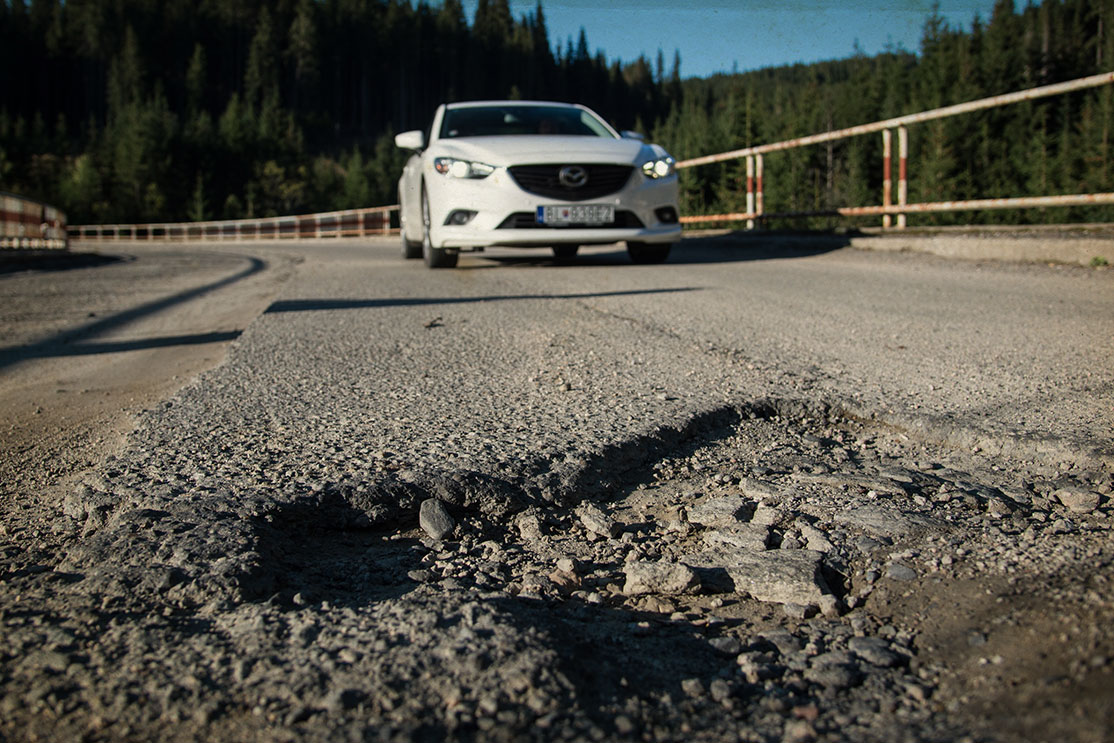
Potholes and deteriorating road surfaces may one day be identified in real time by everyday drivers, thanks to new research from Monash University engineers who have developed a way to monitor road conditions using smartphones.
The system, created by a team led by Dr Yihai Fang at the ARC Smart Pavements Australia Research Collaboration (SPARC) Hub, uses data collected from mobile phone sensors to build a live map of road health. Drivers’ smartphones feed footage and motion data into an app, which applies deep-learning models to detect roughness and bumps.
The approach offers a cheaper and quicker alternative to traditional road surveys, which currently rely on laser-equipped survey trucks. While these vehicles provide highly accurate results, they are expensive to run and are typically only deployed once or twice a year.

“With climate change and extreme weather putting additional strain on our road networks, there’s a clear need for more frequent monitoring,” Dr Fang said. “By using cars that are already on the road, we can make monitoring more responsive and spot problems earlier, before they turn into costly repairs.”
In an initial trial, around 25 vehicles were fitted with smartphones and driven across Melbourne roads for two months. Different types of cars and phone positions were used to replicate real-world conditions. The study showed that phone sensors, when supported by machine learning, could reliably capture road roughness data across varying environments.
The team has also tested crowdsourcing, with 22 student drivers sharing smartphone data to demonstrate how multiple contributors can strengthen the system. Dr Fang said expanding the project with road authorities could eventually deliver a city-wide road condition map.

“The more data we get from different vehicles, phones and road conditions, the stronger the system becomes,” Dr Fang said. “This could one day help create a city-wide road health map powered by everyday drivers.”
Australia spends about $15.8 billion annually on roads, with roughly half dedicated to maintenance and renewal. Monash researchers say affordable smartphone tools could complement official surveys, providing valuable data between inspections and helping governments direct spending more efficiently.
Follow WhichCar/Wheels on Google
Click the button below to make WhichCar by Wheels a preferred source for your news.