News

Gallery 1
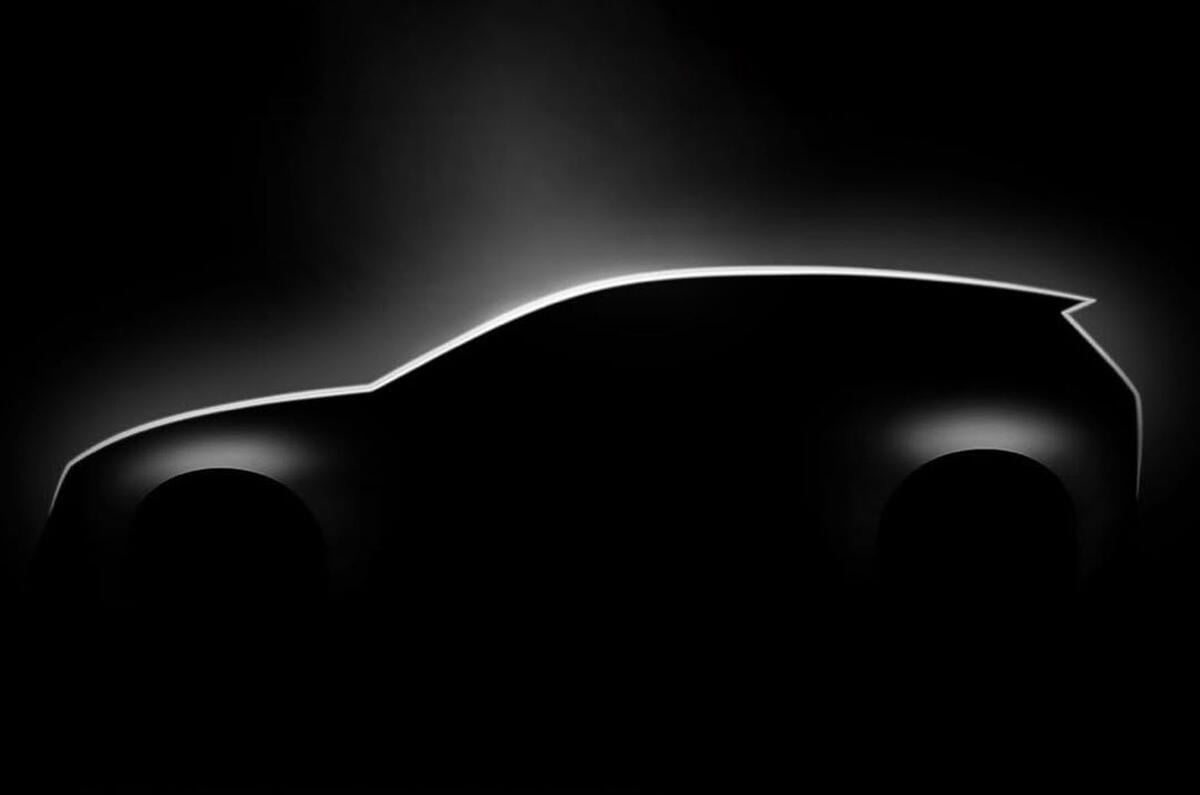
A teasing silhouette image of the next Volkswagen Golf was released by German trade union IG Metall at a meeting with Volkswagen workers on Wednesday, at the same time as the manufacturing giant reaffirmed its commitment to the Wolfsburg factory where the Golf is built.
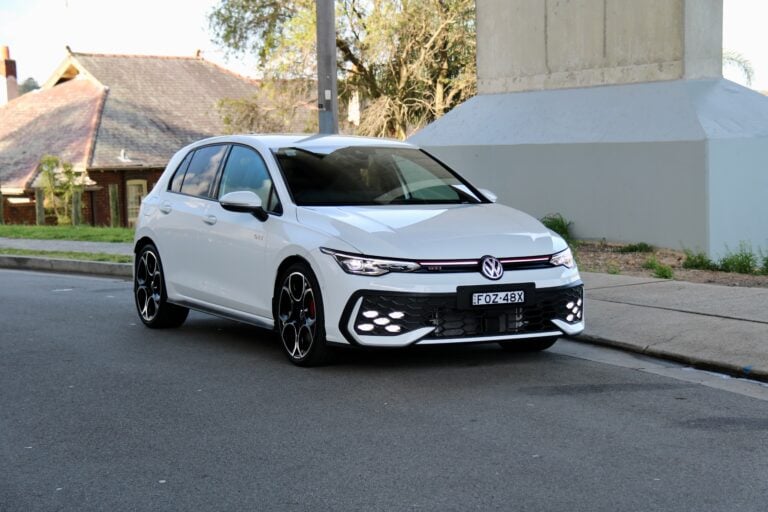
The new Golf, when it arrives, will be based on VW’s SSP architecture, and while the dark silhouette image is light on detail, new Golf looks to be, as expected, a subtle evolution of the model currently on sale.
Design inspiration has seemingly been taken from the ID. GTI concept with Autoblog reporting that the image file includes the words ‘ID. Golf’ in the title. This would appear to confirm that Volkswagen is moving away from alphanumeric naming convention for its electric vehicles. For example, ID.4 has been rumoured to be moving to ID. Tiguan in it’s naming convention, much easier for potential buyers and owners to remember.
1
WhichCar by Wheels understands that the next generation Golf is also likely – for the first time – to see an electric variant sit alongside the petrol-powered variant when it goes on sale, and will be available some time in 2028.
While the silhouette image is light on specific detail, it does show a sharper, more visible rear spoiler, and a subtle change to the rear end lines. Previous reports have suggested a distinct focus on aerodynamics – vital to the efficiency of any electric vehicle.
Volkswagen Group head of design Andreas Mindt has previously referenced the Mark 7 Golf as a seminal moment for the now legendary hatch in terms of design. “The Mark 7 is kind of a masterpiece, because it resembles all the best elements from history, but it’s still a fresh design,” he said.
Having listened to the feedback from testers and owners, he also said at the time that all future Volkswagen product would retain physical dials, controls, switches or buttons for high-use features like HVAC control and entertainment volume.
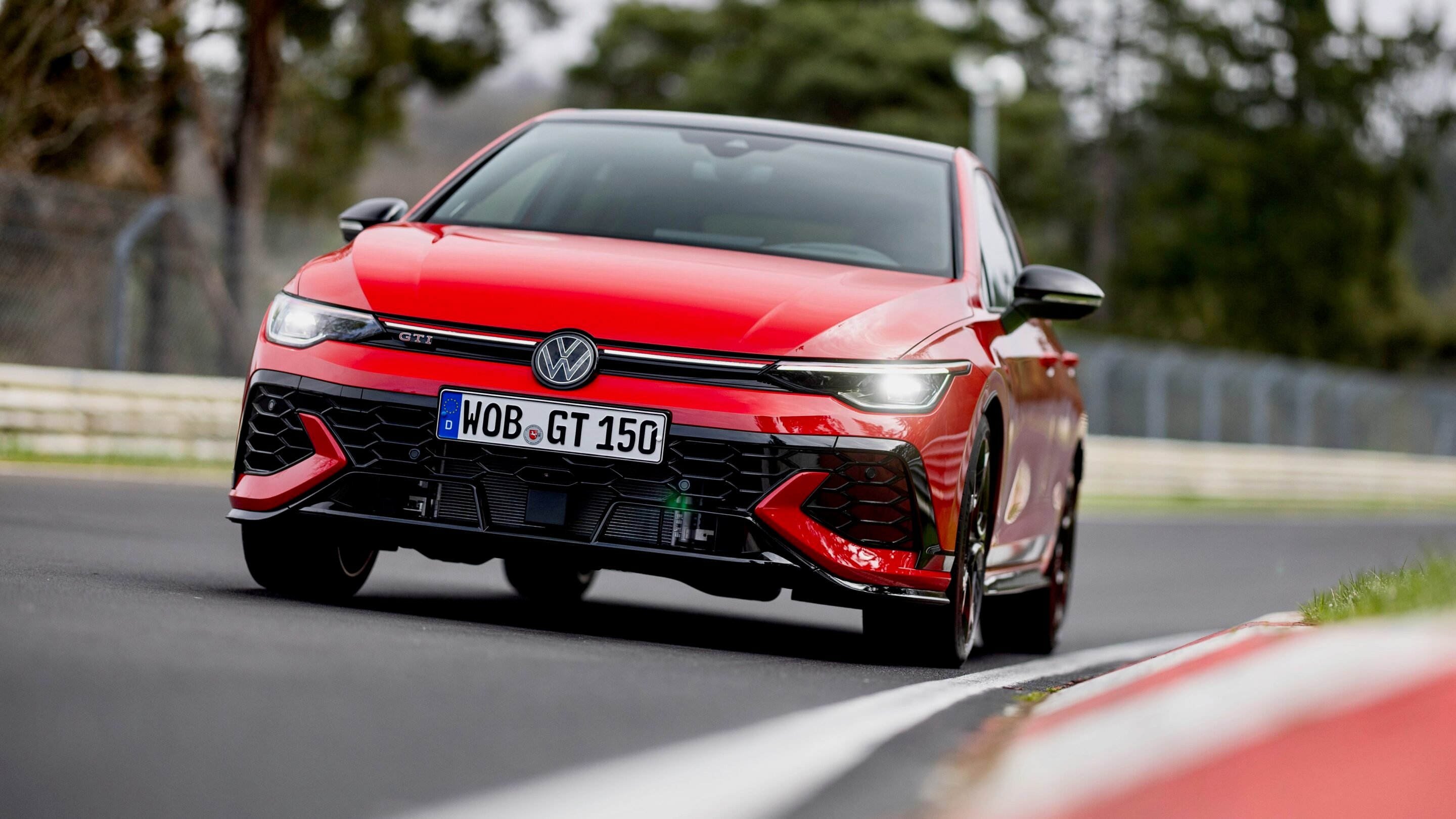
In an admission of the popularity of the existing Golf, Volkswagen has stated that the new electric Golf will sit alongside a petrol version, likely to use a range of different engine variants, with hybrid technology also included. Rather than an all-new petrol Golf, though, the ninth generation, in petrol form, is likely to be a heavily updated version of the current model.
Follow WhichCar/Wheels on Google
Click the button below to make WhichCar by Wheels a preferred source for your news.