Opinion

Gallery 1
Australia’s independent safety test body recently announced it would turn its testing sights on the full-size US trucks and other heavy vehicles that have become increasingly popular on Australian roads.
“We didn’t really know what the safety pedigree is like on these big utes,” ANCAP chief executive Carla Hoorweg told news.com.au. “They’re pretty new into the market.”
Hoorweg was referring to the revised testing protocols – to come into play in 2029 – which will test more closely the aspect of blind spots and what safety experts refer to as ‘direct vision’. That specifically looks at what the driver can see physically through the windows rather than what cameras and digital mirrors project.
The new rules will be developed in concert with Euro NCAP’s revised testing protocols, no surprise given the work ANCAP and Euro NCAP already do together, with the two bodies agreeing that improved visibility around a vehicle is key in reducing the likelihood of a serious crash.
1
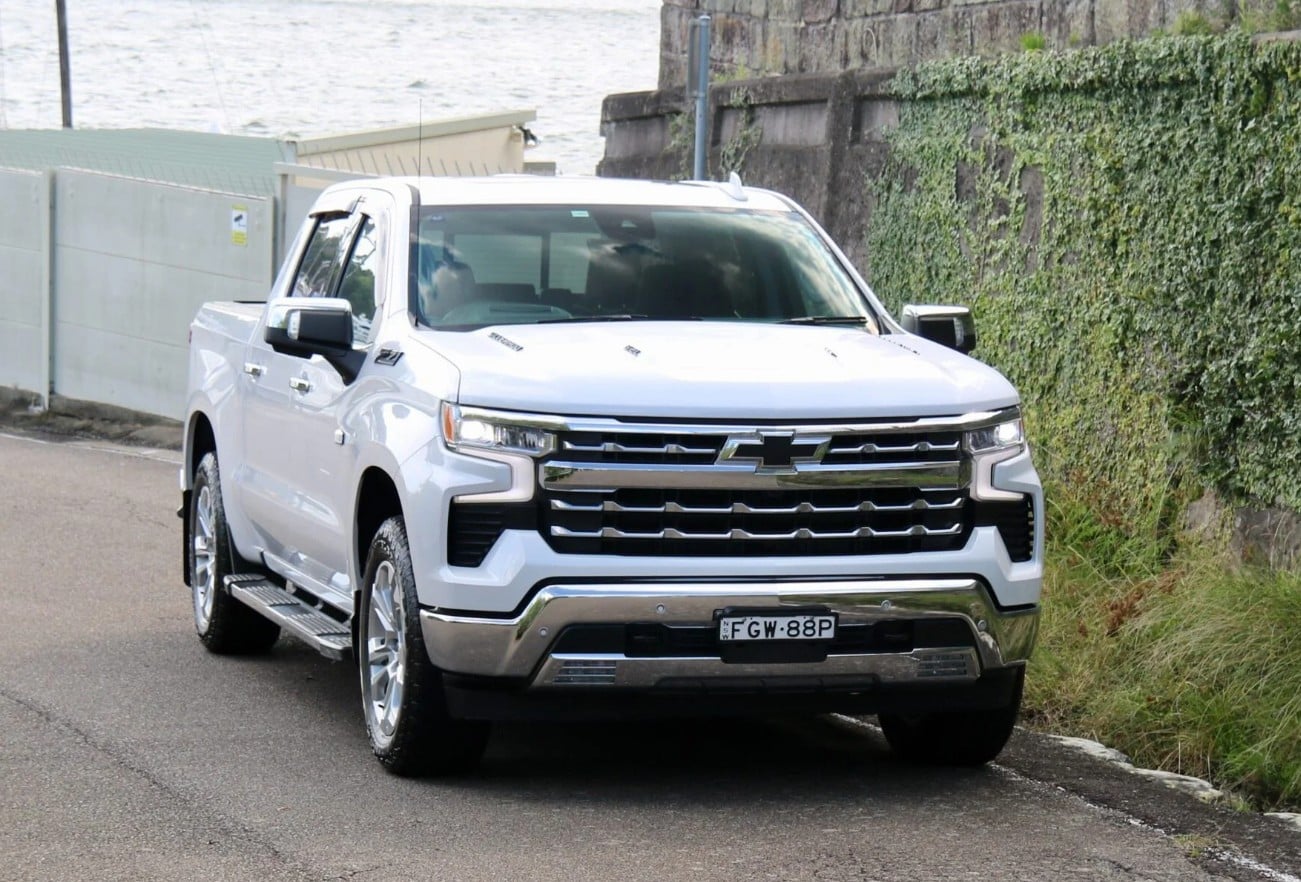
Where the new testing gets interesting is that factors like thick A pillars, massive rear-view mirrors mounted up into the top of the windscreen or thick B and C pillars will also be penalised – something that isn’t just the malaise of full-size trucks. Plenty of smaller, compact vehicles, in all popular segments could do with improved visibility.
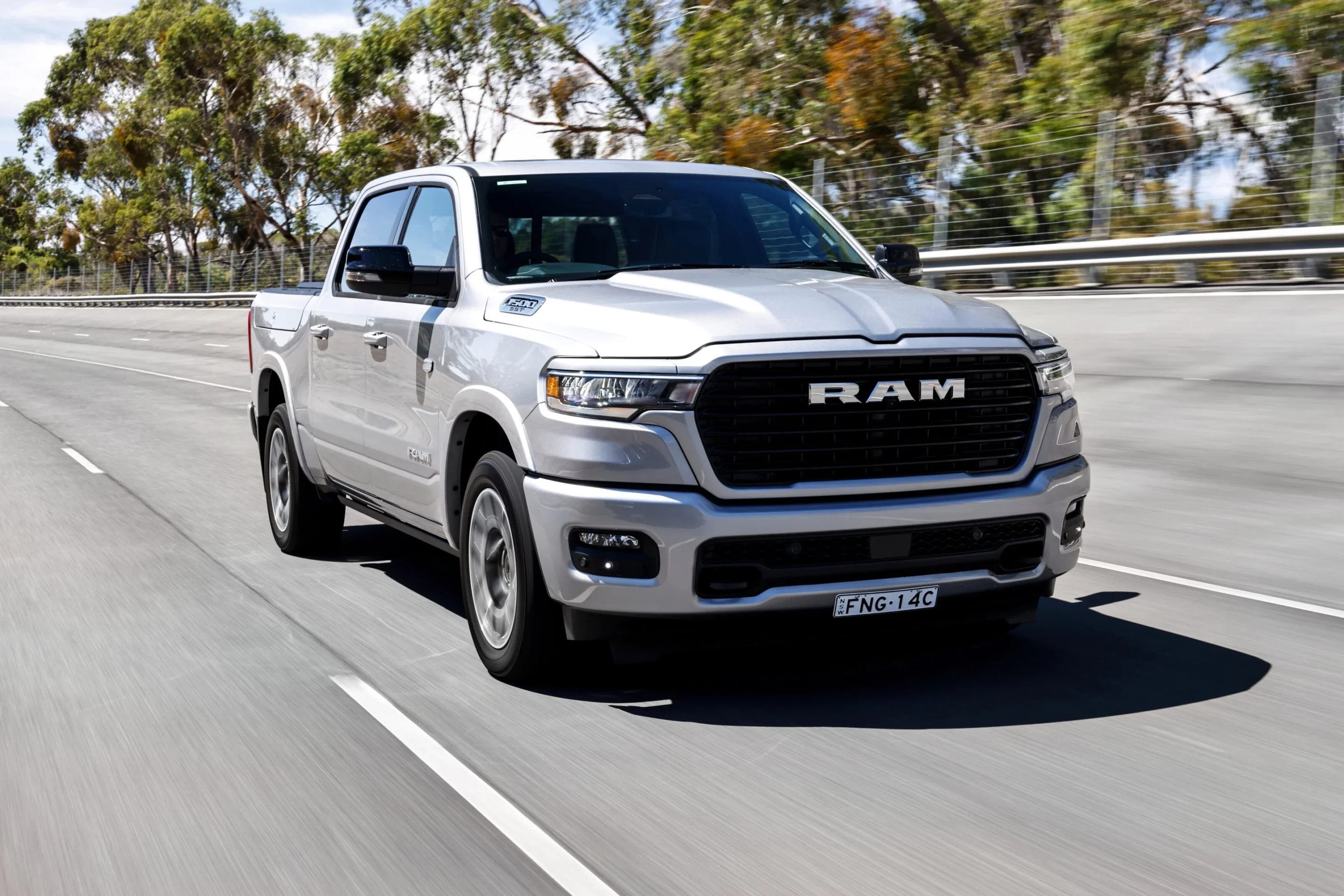
On one hand, the continued popularity of full-size trucks ensured that ANCAP would take a closer look at them and their standard features. It’s now a legitimate segment comprising RAM 1500, Chevrolet Silverado 1500, Ford F150 and Toyota Tundra, with RAM and Chevrolet also offering 2500 heavy-duty variants.
On the other hand, trucks of this size are an easy target and the narrative that they are ‘monster sized’ or ‘taking over the streets’ is patently untrue. RAM ticked past 30,000 sales in July 2025, a decade after it created the remanufactured to RHD segment in Australia, and even when you factor in the new entrants, and our 1.1 million or so vehicles sold every year over the past decade, the percentage of that total that are US trucks is small.
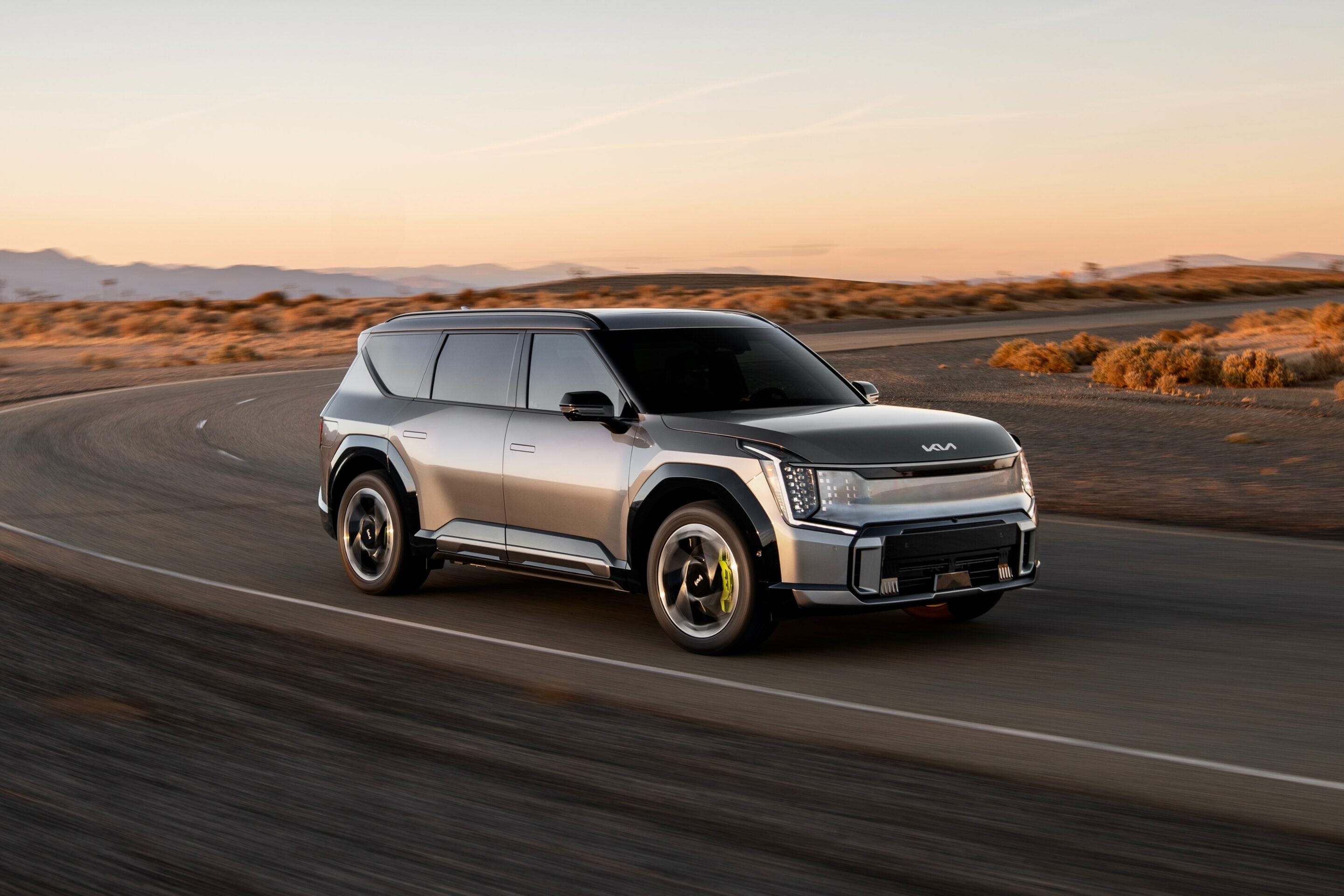
The ‘monster-sized’ argument overlooks the bloating of just about every other segment in the new-car market, of course, with electric vehicles like the Kia EV9 (below) weighing almost as much as a Ford F150. Would a pedestrian fare better being hit by a 1990 model small hatch? Or a 2026 model of the same segment?
1
Cars are obviously significantly safer now than they were, but it’s worth remembering the anti-US sentiment revolves around pedestrian safety. Further, the primary job of any new car is to keep the occupants within it safe, first and foremost.
Further, what passes as a ‘regular’ dual cab is now significantly larger than it was a decade ago,
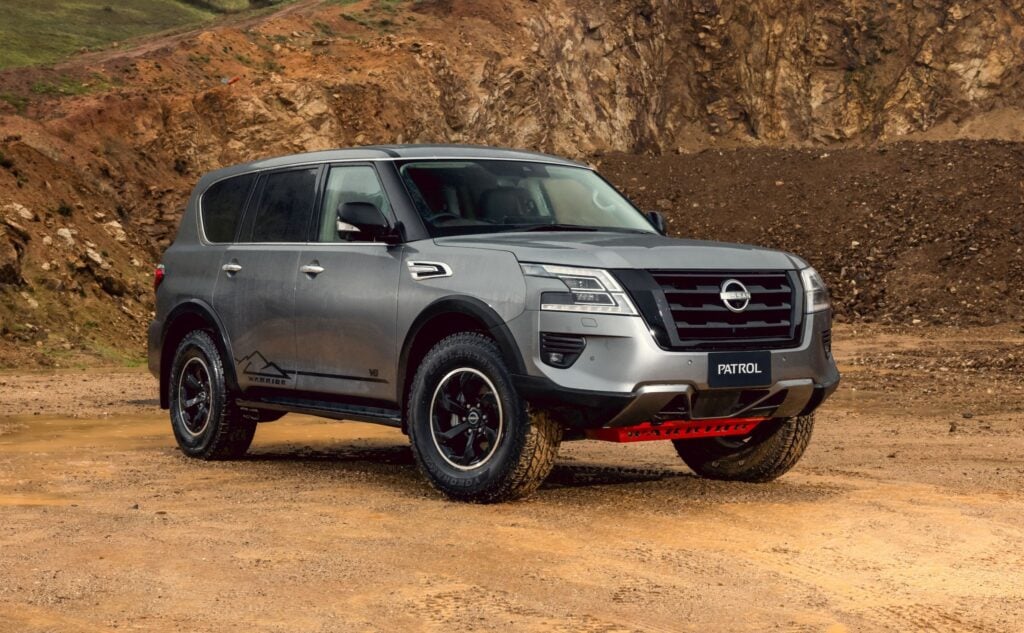
and the likes of Nissan Patrol, Land Rover Defender, Range Rover, Toyota LandCruiser 300
Series, and even newcomers like the Denza B8 take up some serious real estate on the road.
Just because they are more visible, doesn’t necessarily justify the hysteria that’s often directed at
them. There’s little doubt we all want safer cars, but more safer features doesn’t always mean
safer either, which is why it’s incumbent upon the testing bodies to ensure the systems work, rather
than just being present.
Like their smaller dual-cab siblings, US truck popularity shows little sign of slowing down in this
market, but let’s park the hysteria and deal in the facts. It will be interesting to see how ANCAP’s
revised testing pans out in a few years.
Follow WhichCar/Wheels on Google
Click the button below to make WhichCar by Wheels a preferred source for your news.

We recommend
-
 Best Utes
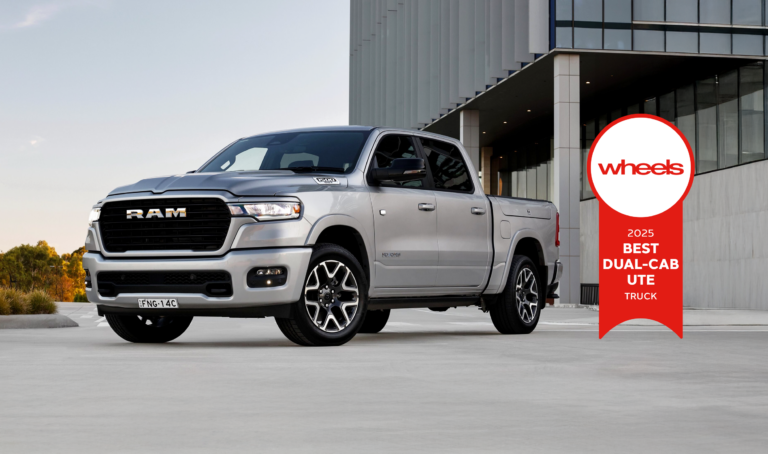
Best Dual-Cab Utes 2025: Truck
They may be polarising but for some, the sheer size and grunt of the truck-sized ute is not only desired, but essential.
-
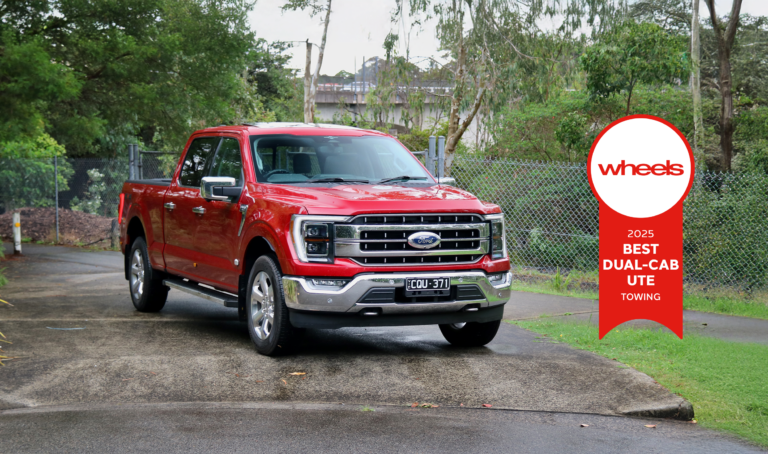 Best Utes
Best Dual-Cab Utes 2025: Towing
When considering a ute purchase, the clincher is towing capacity for many buyers. Here's our pick of the best on the market including the winner of Best Dual-Cab Ute 2025: Towing.
-
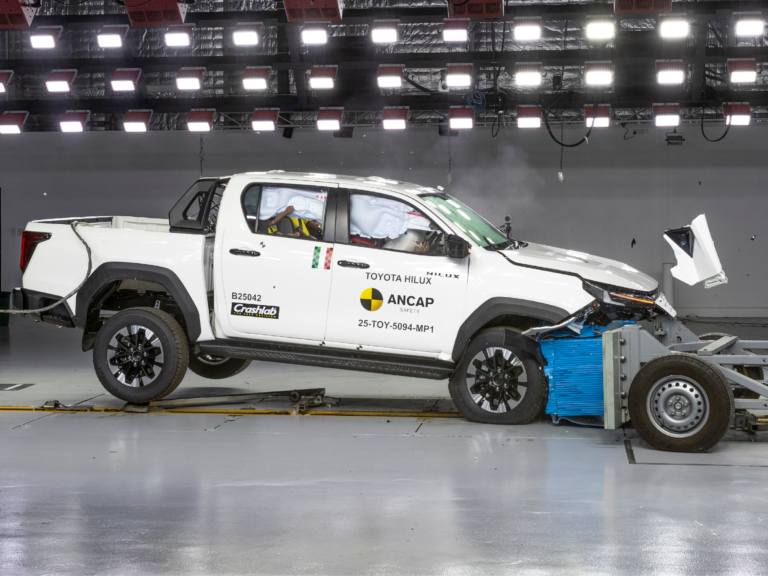 News
NewsANCAP reveals top safety performers of 2025
ANCAP reveals its top performers over the course of its 2025 safety testing, with a few surprises in store.