Opinion

Gallery 1
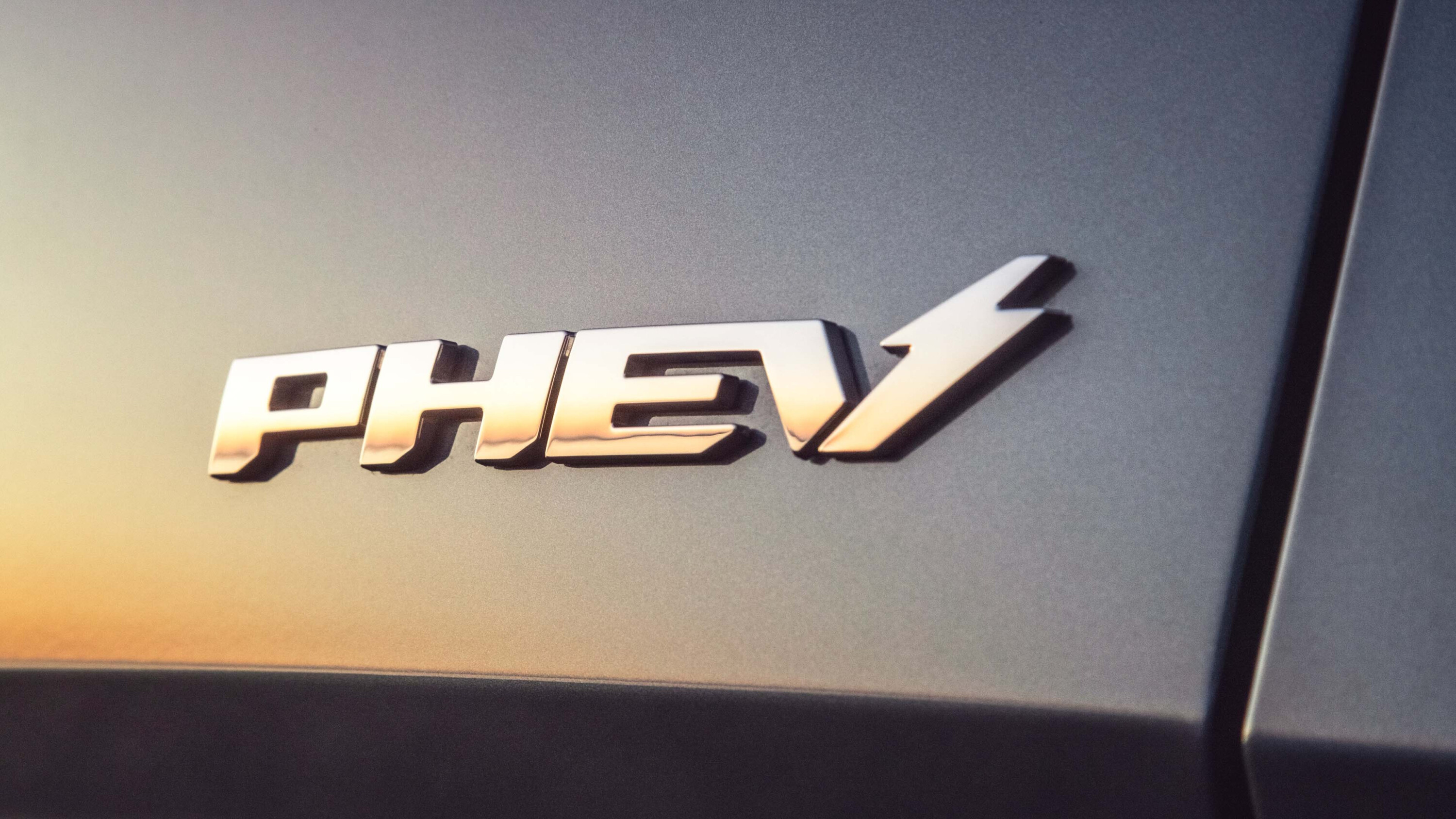
Those of you reading this who are bang up to date with the technical workings of your PHEV might find this hard to believe, but WhichCar by Wheels is still regularly asked how the different hybrid systems work, what they actually mean, and whether a PHEV is, in fact, an electric vehicle at all. If you own a PHEV and you charge it every day, you’re already well aware of the benefits, but if you have just bought a PHEV – or are considering buying one – understanding how they work is important.
Firstly, PHEVs have shifted subtly and it’s something that was always going to happen as the
technology was refined. The first iterations had very short electric driving ranges, sometimes as low as 30km, and once the battery was drained, that’s it, you were driving and ICE vehicle once more. Your vehicle reverted to regular petrol power, often using more than an equivalent non-PHEV version.

1
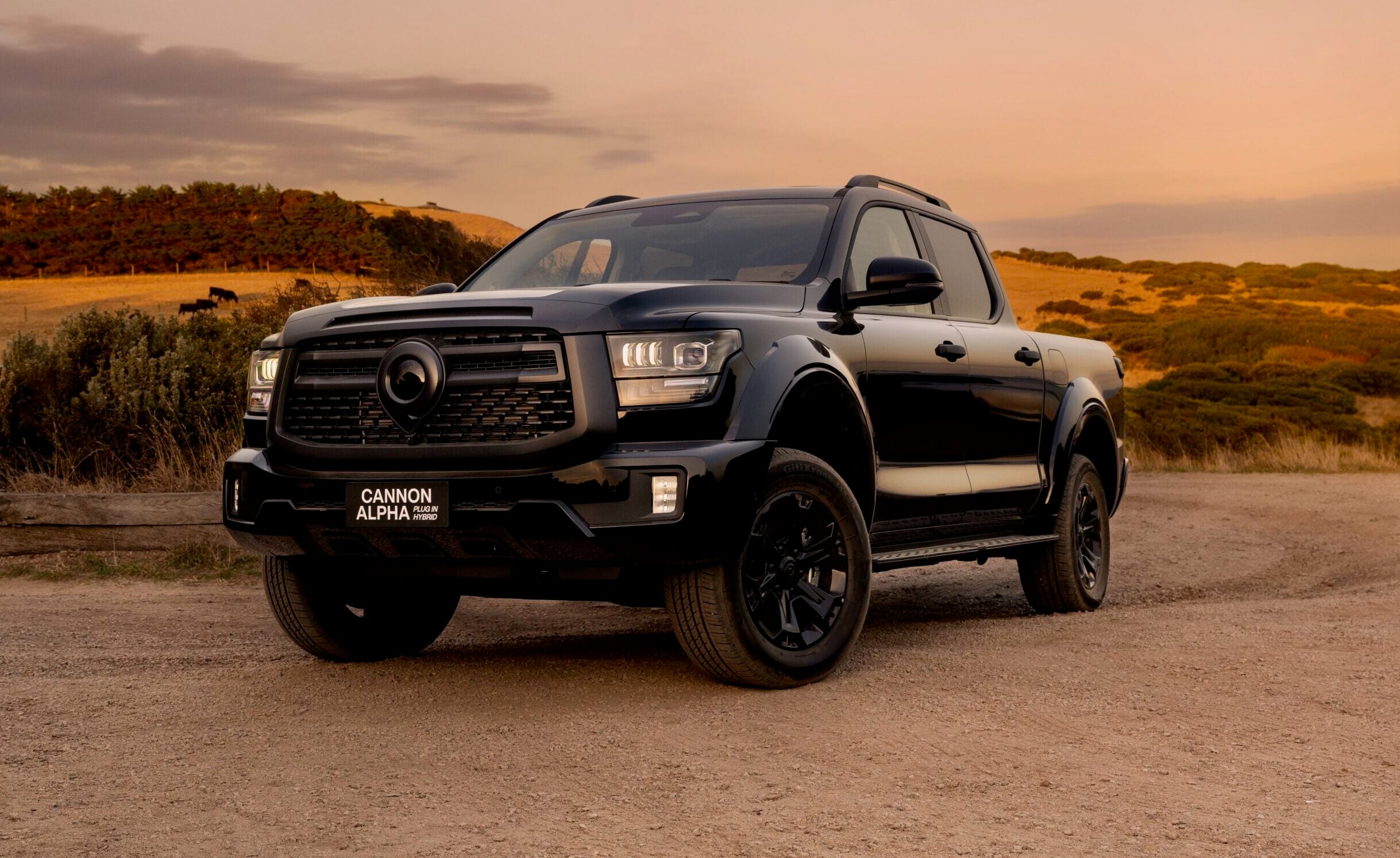
However, two things have changed with the advancement of technology. One is the distance you can travel on electric power, and the other is what the system does when the battery starts to discharge. In the case of the wildly popular dual-cab segment, the BYD Shark 6 and GWM Cannon Alpha PHEV claim 100km and 120km pure electric range respectively. In the real world, that equates to 85km-90km for the Shark 6 and 100km-110km for the Cannon Alpha.
The second big change we’ve seen from the likes of Chery is what the system does with the battery. Rather than run it dead and then revert to petrol power, Chery’s Super Hybrid system will run the battery down to 25 per cent and then keep that in reserve, with the petrol engine acting as a generator and the powertrain still delivering the benefits of an electric vehicle.
Combine those two factors, and there’s no surprise as to why PHEVs are now as popular as they are. Data still claims that the average Aussie covers comfortably less than 50km each day commuting, meaning you’ll have more than enough charge on board to get to and from work without using a drop of petrol.
But charging remains the key. And the October 2025 study by the ABC is as alarming as it is surprising. Because if you own a PHEV and you’re not charging it whenever you can, you’re simply not making the most of it. Thanks to the smaller battery pack, compared to a full-EV, you don’t even need any expensive charging infrastructure, either. A PHEV can be charged overnight at home via a regular wall socket.
1
The exclusive data given to the ABC (out of Europe) showed just how low charging rates are for PHEVs, with employees driving company-provided PHEVs the least likely to recharge. Many of them use EV-mode as little as 20 percent of the time. Sure, they aren’t paying for the fuel, but I’d still be wanting to use as little as I could, if I had the option.
The EV Council of Australia told the ABC that Australians are, in the main, more likely to charge their PHEV more often than their European counterparts. “Australians predominantly drive their PHEVs in EV mode and charge them regularly,” EV Council CEO Julie Delvecchio told the ABC.
The EV Council’s online survey of 625 private PHEV owners found most plugged in every night, and on average, drove in EV-mode for about 65 per cent of the trip.
BYD told the ABC, though, that odometer data obtained through servicing showed that PHEVs were driven in EV mode about 50 percent of the time. Australians – broadly speaking – have better and easier access to charging at home than those in Europe, which could go part of the way to explaining why we charge more often. The counter though, is significantly more extensive public charging infrastructure in Europe.
A close mate of mine owns a GWM Cannon Alpha PHEV and does a lot of long-distance work in it. Thankfully, he’s also pretty good at keeping records. Since he bought his PHEV, he’s just ticked past 21,000km, with 4500km in electric mode. Given the amount of long distance driving he does into off-road areas, that’s not a bad return. But – and this is the kicker – he charges it whenever he can, wherever he can.
The message, then, is clear. If you own a PHEV, you already own an EV. And, you don’t need expensive fast chargers or public charging infrastructure to top it up. So, make sure you plug it in at home overnight, and if you cover the type of distance most of us do, you’ll breeze through any petrol shortage.
Follow WhichCar/Wheels on Google
Click the button below to make WhichCar by Wheels a preferred source for your news.

We recommend
-
 Features
Keen to save fuel? Here are the 10 cheapest hybrid models in Australia
While they still use fuel in some capacity, hybrid cars can also drastically reduce your overall consumption in energy-challenged times. So which are the 10 cheapest hybrids in Australia?
-
 Features
Top 10 cheapest EVs in Australia right now
Over the uncertainty around petrol prices and supply? If you're considering making the jump to an electric vehicle, here are the 10 cheapest EV models on the market...
-
 News
NewsCan Australia’s EV charging network possibly hope to replace the humble petrol station?
With sales of EVs expected to surge thanks to the conflict in the Middle East, is Australia's charging infrastructure ready to meet increased demand?