Reviews
Gallery 1
Toyota’s best-selling mid-size SUV gets new styling, smarter tech and a serious PHEV option, but even the GR Sport struggles to fully break free from its conservative roots.
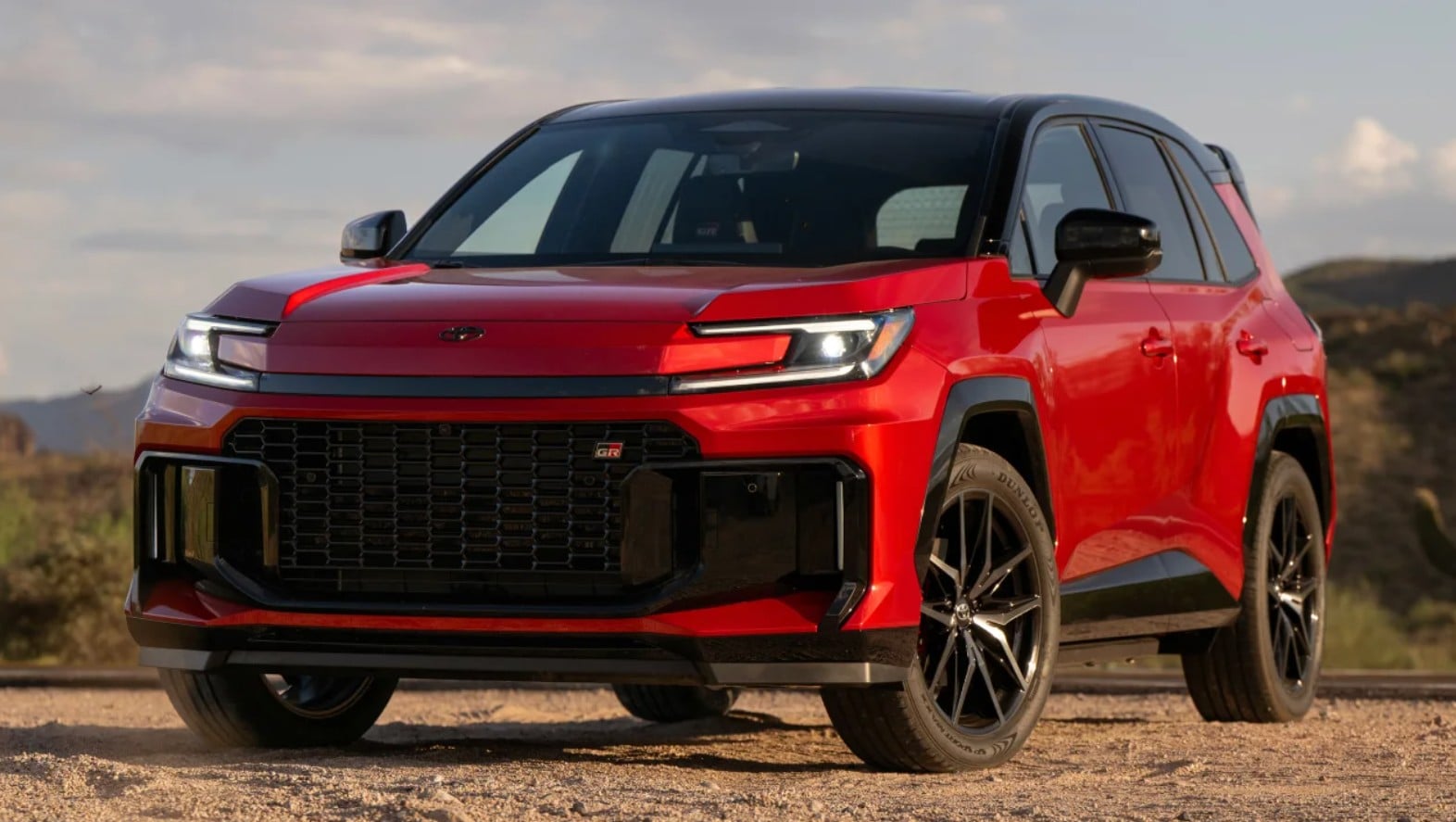
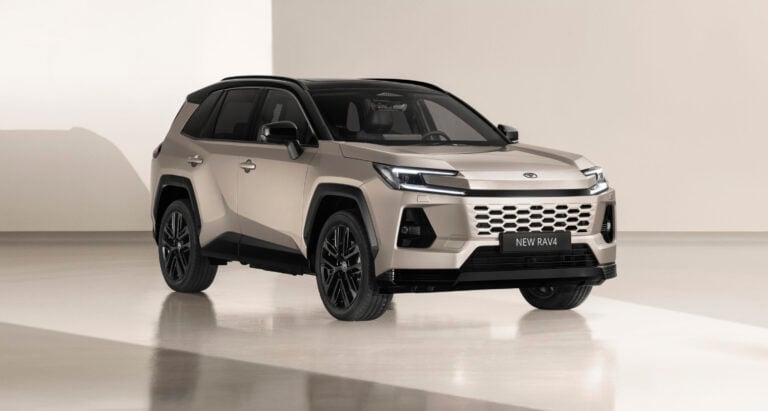
Toyota’s new-look 2026 RAV4 arrives as a significant update to one of the world’s most popular SUVs, bringing cleaner design, more advanced technology and a fresh generation of hybrid and plug-in hybrid powertrains. Yet beneath the bold surface lies a familiar core – the same TNGA-K platform that has underpinned the RAV4 since 2018.
That’s not necessarily a bad thing. Toyota has reinforced the structure and revised the suspension, giving the car a more composed feel on the road, while overall dimensions remain virtually unchanged. It’s a reminder that Toyota is refining, not reinventing, its family SUV formula.
3
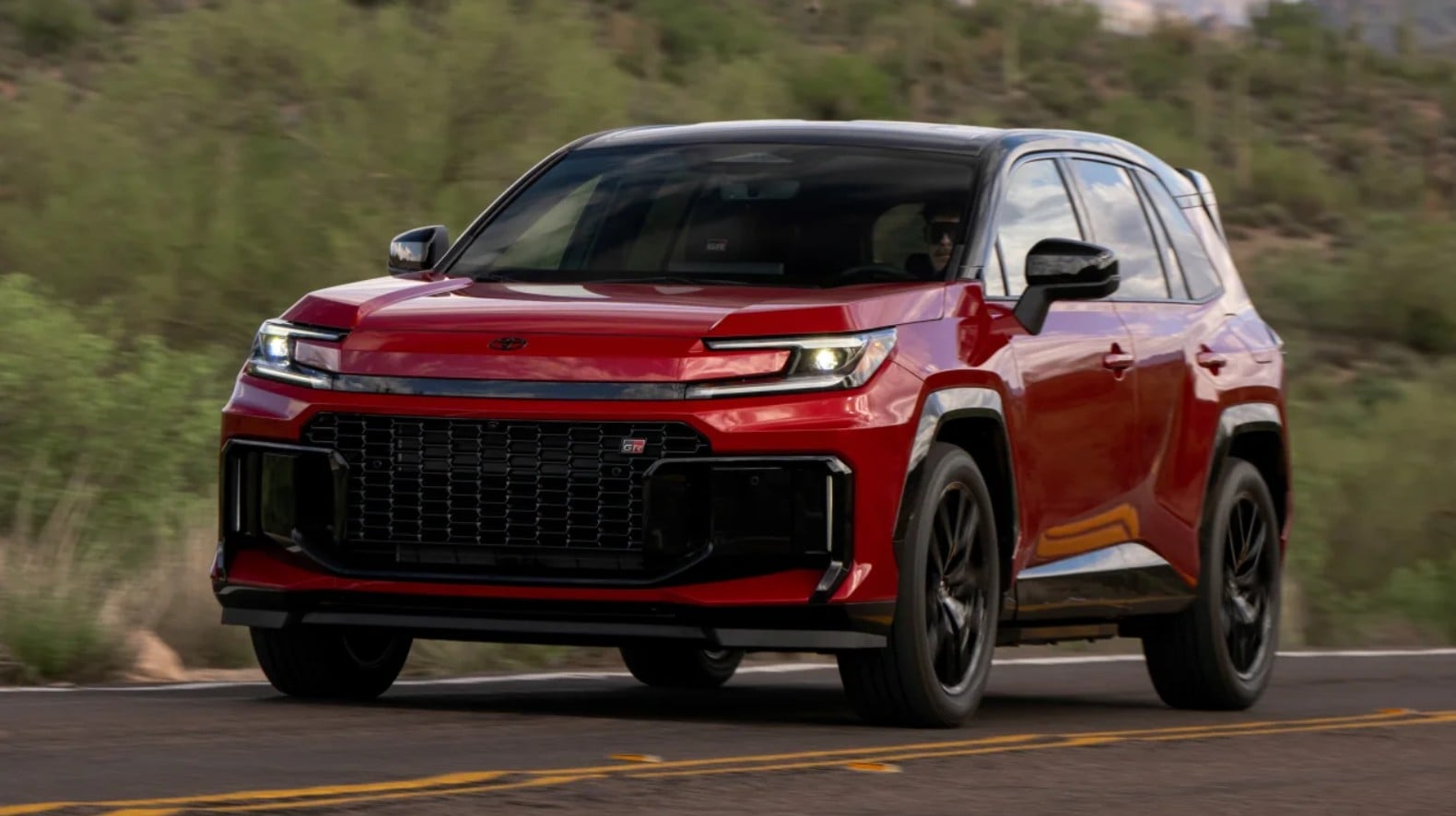
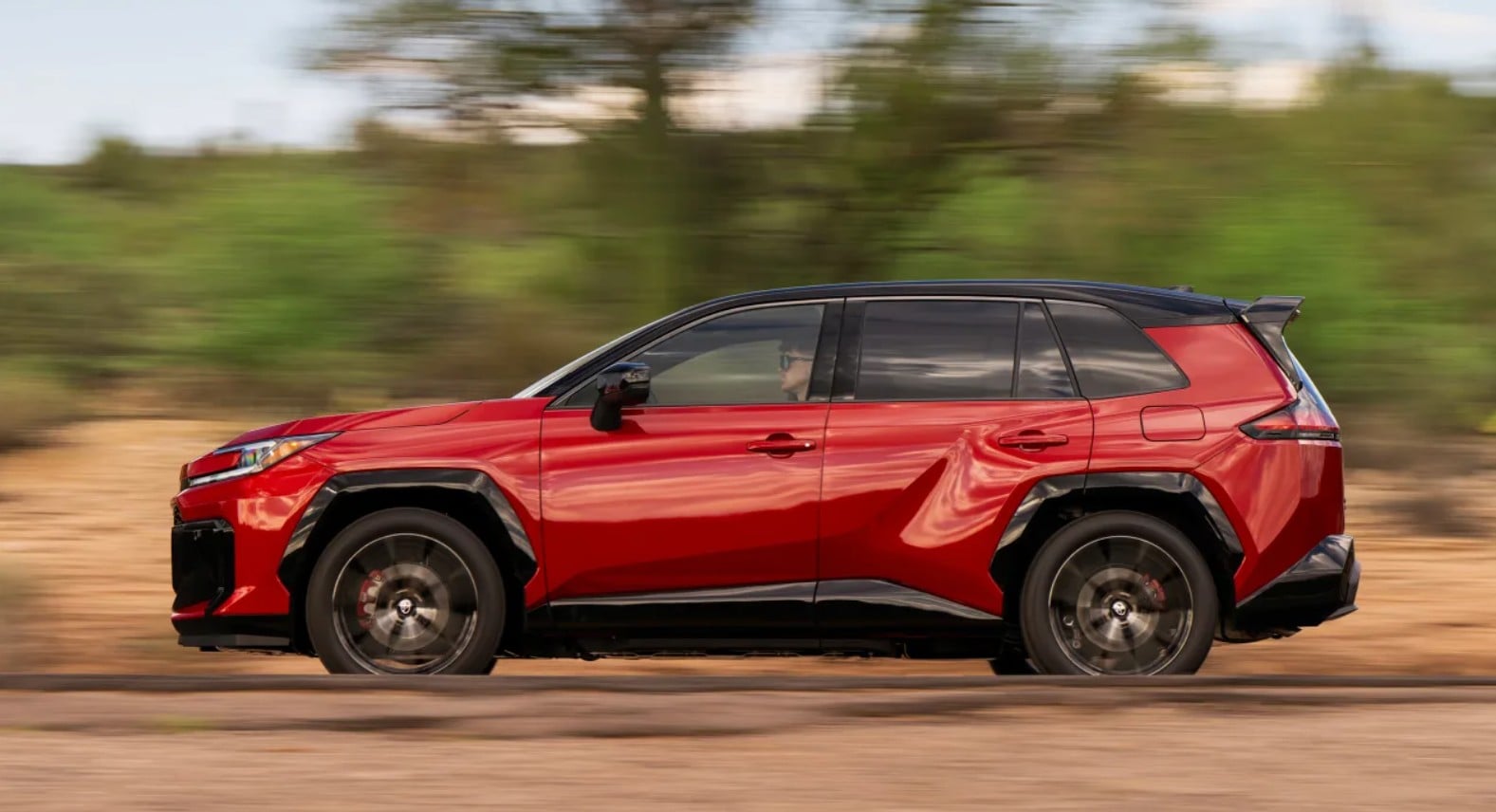
The styling refresh is welcome: slimmer LED lighting, a stronger shoulder line and new proportions that make the RAV4 look lower, wider and more athletic. It’s still unmistakably RAV4, just crisper and more mature. The GR Sport variant in particular – developed in collaboration with Toyota’s Gazoo Racing arm – finally lives up to its badge. It gets firmer suspension, reworked steering, strengthened components and sits 15 mm lower on wider 20-inch wheels. The result is a more precise, engaging drive that keeps body movements well in check without wrecking the ride.
Under the skin, Toyota has rolled out its next-generation plug-in hybrid system. A new 22.7kWh lithium-ion battery boosts electric-only range to around 95 kilometres on the WLTP cycle – a solid improvement over the outgoing model. The PHEV can now be paired with front-wheel drive (offering roughly 197kW) or all-wheel drive (224kW), with Toyota quoting a brisk 0–100 km/h time of 5.8 seconds. It’s not quite hot-hatch quick, but it’s close enough for an SUV of this size.
3
The regular ‘self-charging’ hybrid models also benefit from tweaks to their petrol-electric systems. They’re smoother and punchier than before, but still rely heavily on the petrol engine under load – something the plug-in avoids by leaning more on its electric motors, even after the battery’s usable charge is depleted.
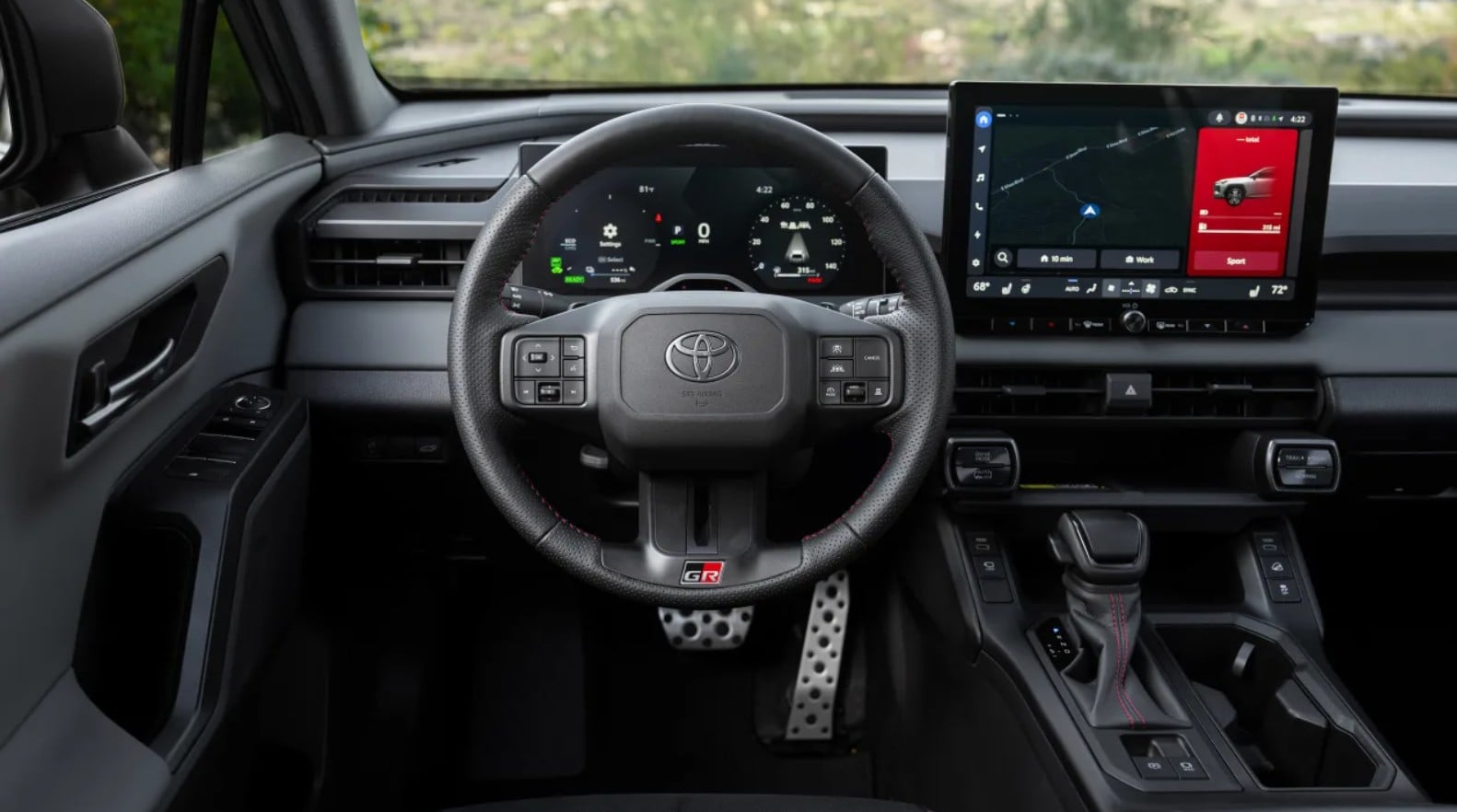
Inside, Toyota has overhauled the tech, introducing its next-generation infotainment system with a crisp 12.9-inch touchscreen. The interface is cleaner, faster and finally customisable, while a 12.3-inch digital driver display is now standard across the range. The new software supports better voice control, over-the-air updates and more advanced driver-assist functions.
The cabin itself feels solid, but not luxurious. Toyota’s pragmatic materials – lots of hard black plastics – clash with the high-tech screens. Even the GR Sport’s red stitching can’t completely disguise the utilitarian vibe. Rear-seat space is adequate, and while boot capacity has grown slightly, the floor isn’t entirely flat. The saving grace is a full-size spare wheel – a rarity among plug-in SUVs.
5
On the move, the 2026 RAV4 feels more settled and responsive, particularly in GR Sport form, but the rest of the range remains more competent than exciting. Toyota’s improvements bring welcome sophistication and refinement, yet the conservative approach means it doesn’t leap ahead of rivals like the Kia Sportage Hybrid or Hyundai Tucson PHEV.
In short, the RAV4’s mid-life reboot makes it smarter, sharper and more enjoyable – especially as a plug-in – but Toyota’s best-seller remains faithful to its safe, sensible personality. It’s progress, just not revolution.
2
Follow WhichCar/Wheels on Google
Click the button below to make WhichCar by Wheels a preferred source for your news.

We recommend
-
 News
News2026 Toyota RAV4: Why its new Arene software platform is considered a game-changer
The reveal of the 2026 Toyota RAV4 included news it would employ a significant advance in vehicle software by the automaker.
-
News
2026 Toyota RAV4: Aussie model line-up for much anticipated SUV confirmed
Sixth-generation SUV to add GR Sport flagship, PHEV powertrain and upgraded safety technology.