Reviews
Gallery 1
BYD’s luxury offshoot Denza is gearing up to enter the Australian market with two large hybrid SUVs designed to rival established off-roaders such as the Land Rover Defender and Toyota Prado. The move marks another step in the Chinese carmaker’s rapid global expansion, as it pushes into the premium end of the electrified SUV market.
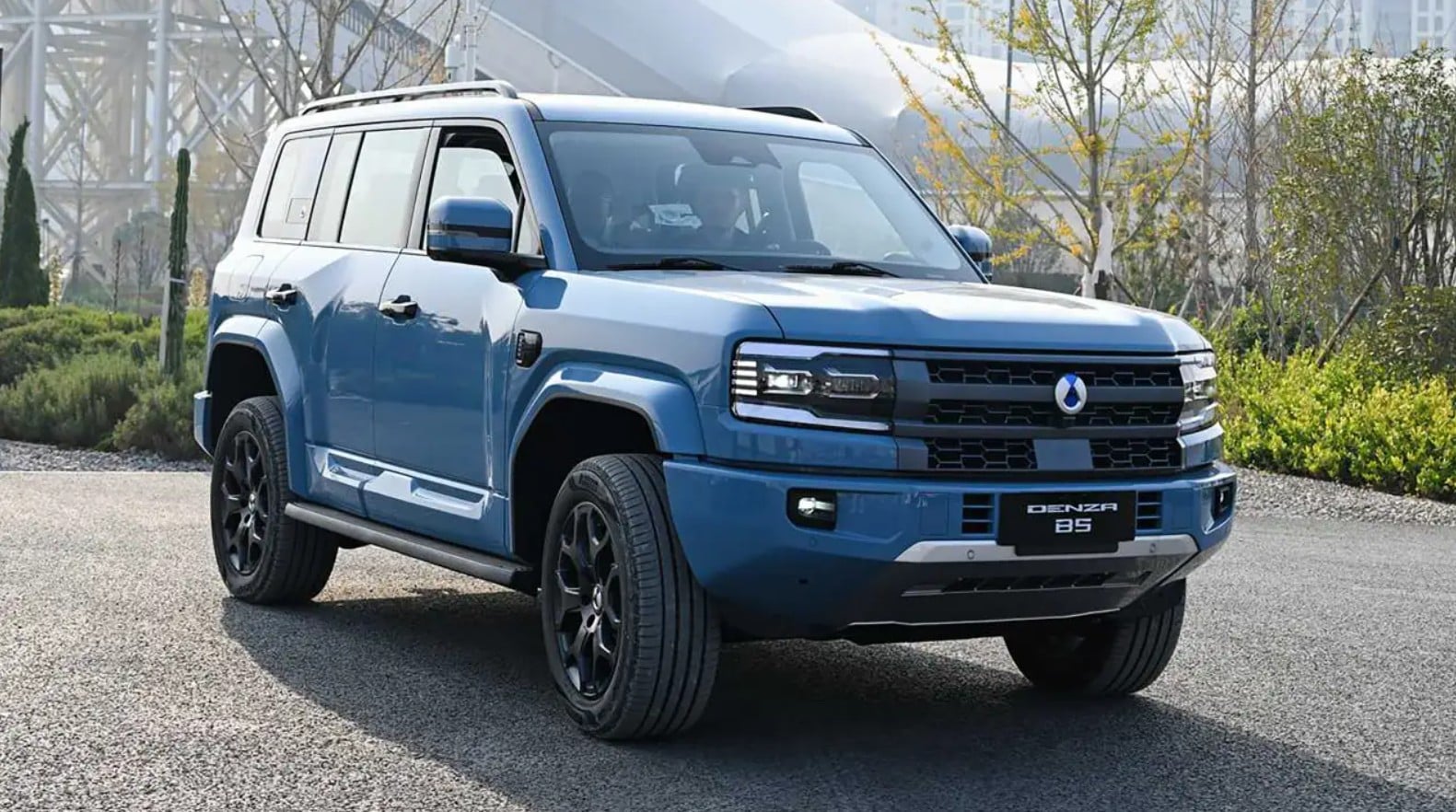
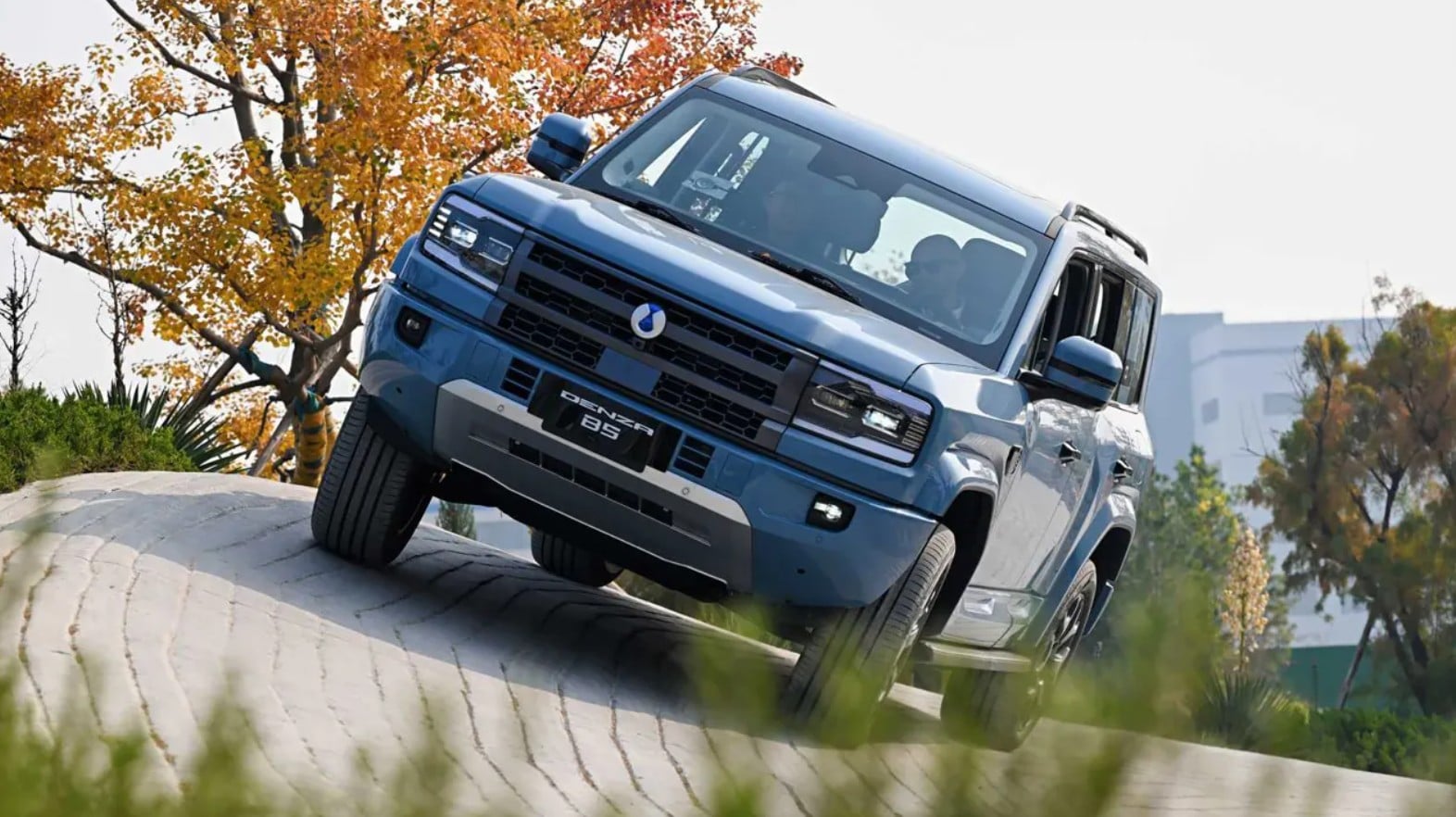
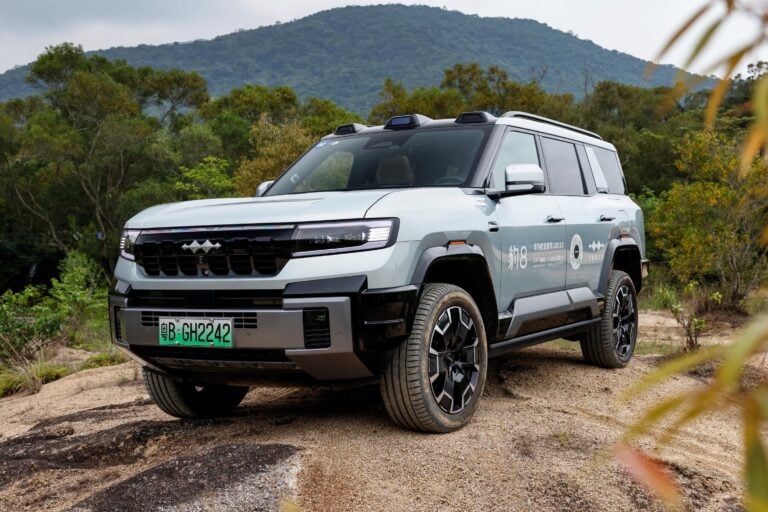
The first model, the Denza B5, is a plug-in hybrid that combines a 1.5-litre turbocharged petrol engine with a 31.8kWh battery and dual electric motors. The combined system produces 505kW and 761Nm, good for a claimed 0–100km/h time of 4.8 seconds. Electric-only range is expected to be around 100 kilometres, based on Chinese test figures.
2
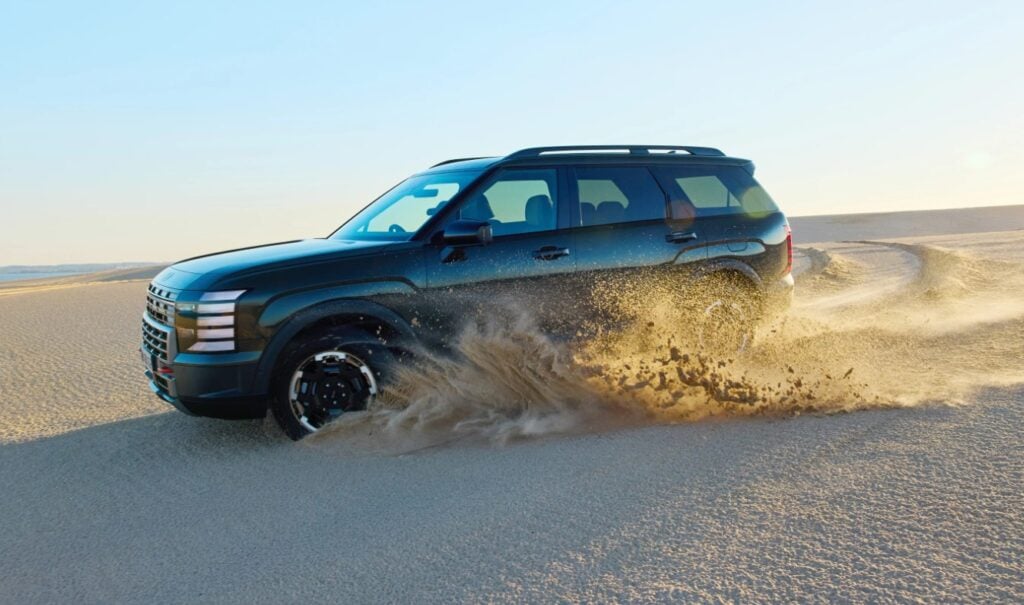
Denza’s engineers have clearly studied what makes a capable off-roader. During early testing at BYD’s new proving ground in Zhengzhou, China, the B5 tackled steep grades, mixed surfaces and water crossings with impressive composure. The track included tight turns, simulated sand dunes and a metal seesaw obstacle – designed to demonstrate suspension articulation and traction control.
On the move, the B5 felt sturdy and well-calibrated, with ample torque for off-road conditions. The ride was comfortable, and the interior showcased the kind of technology and refinement Denza hopes will appeal to Australian buyers accustomed to European brands. A 15.6-inch central touchscreen dominates the dash, backed by high-quality materials, generous cabin space and thoughtful storage.
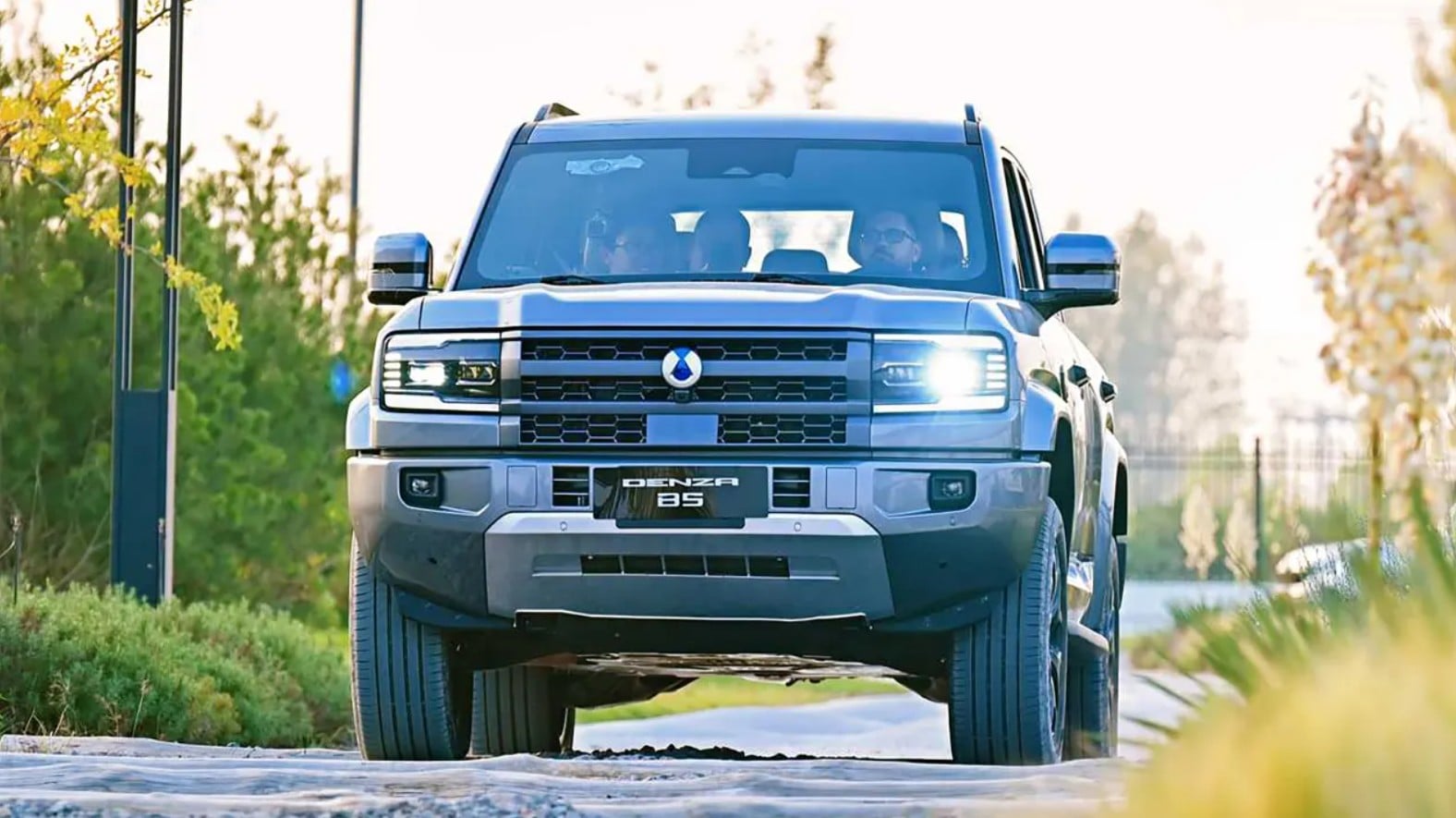
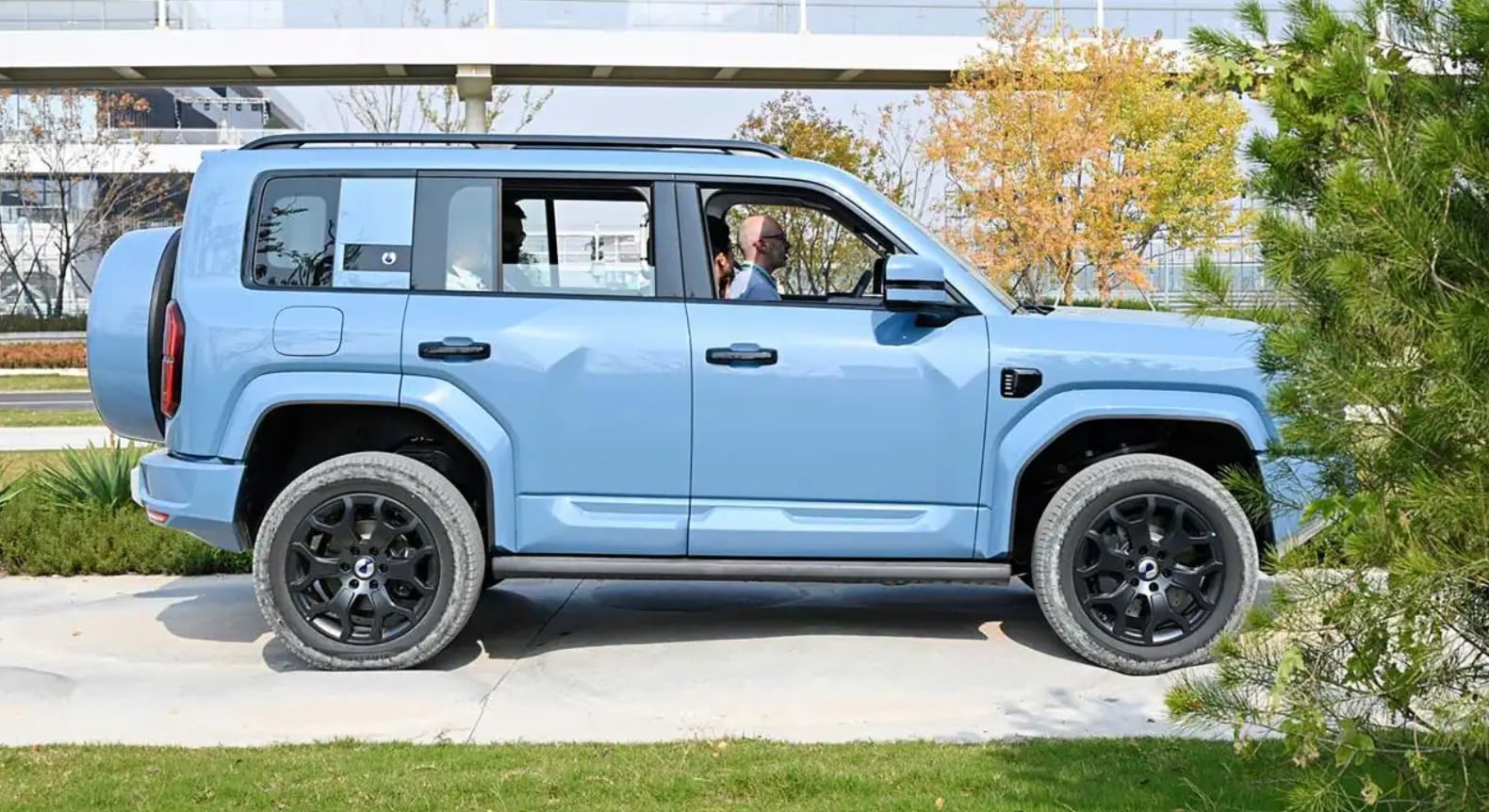
Visually, the B5 blends influences from both American SUVs and European off-roaders. At nearly 4.9 metres long and two metres wide, it has strong road presence, with bold lighting and muscular proportions.
2
Sitting above it, the Denza B8 will act as the flagship model. Offered in six- and seven-seat configurations, it features the same hybrid setup with 450kW, 760Nm of torque, and a 120kW DC fast-charging system. A 91-litre fuel tank and up to 3,500kg towing capacity enhance its touring credentials, while hydraulic suspension and front and rear differential locks boost off-road performance.
An advanced traction management system coordinates the petrol engine and electric motors to send torque instantly to the wheels with most grip, while hill-descent control and gradient braking made steep declines drama-free. Even when the track shifted to loose gravel and uneven rocks, the B5’s hybrid drivetrain responded quickly, distributing power seamlessly between front and rear axles.
The suspension, featuring adaptive dampers and a multi-link rear setup, soaked up most impacts well, though it occasionally transmitted jolts through the cabin over large ruts. Still, the vehicle’s solid chassis and responsive electric drive provided reassurance that it could handle more than the average soft-roader.
2
Inside, the B8 leans toward luxury, with heated, ventilated and massaging seats, soft-close doors, an 18-speaker Devialet audio system, and even a built-in cooler/hotbox for long trips.
Expressions of interest for Denza’s Australian range are open now, with orders expected by December and deliveries planned for 2025.
The brand’s arrival will add further pressure on established SUV makers, as Chinese automakers continue their push into Australia’s increasingly competitive electrified off-road segment.
Follow WhichCar/Wheels on Google
Click the button below to make WhichCar by Wheels a preferred source for your news.

We recommend
-
 News
NewsNew car calendar 2026: All the new cars coming to Australia
Here’s the WhichCar by Wheels guide to all the new cars that will launch in Australia in 2026. Check back in regularly for updates...
-
 News
NewsDenza launching in Australia: BYD’s premium sub-brand due in November
BYD's premium sub-brand Denza has been confirmed for an Australian release and is due in November 2025 with two plug-in hybrid SUVs.