Reviews
Gallery 1
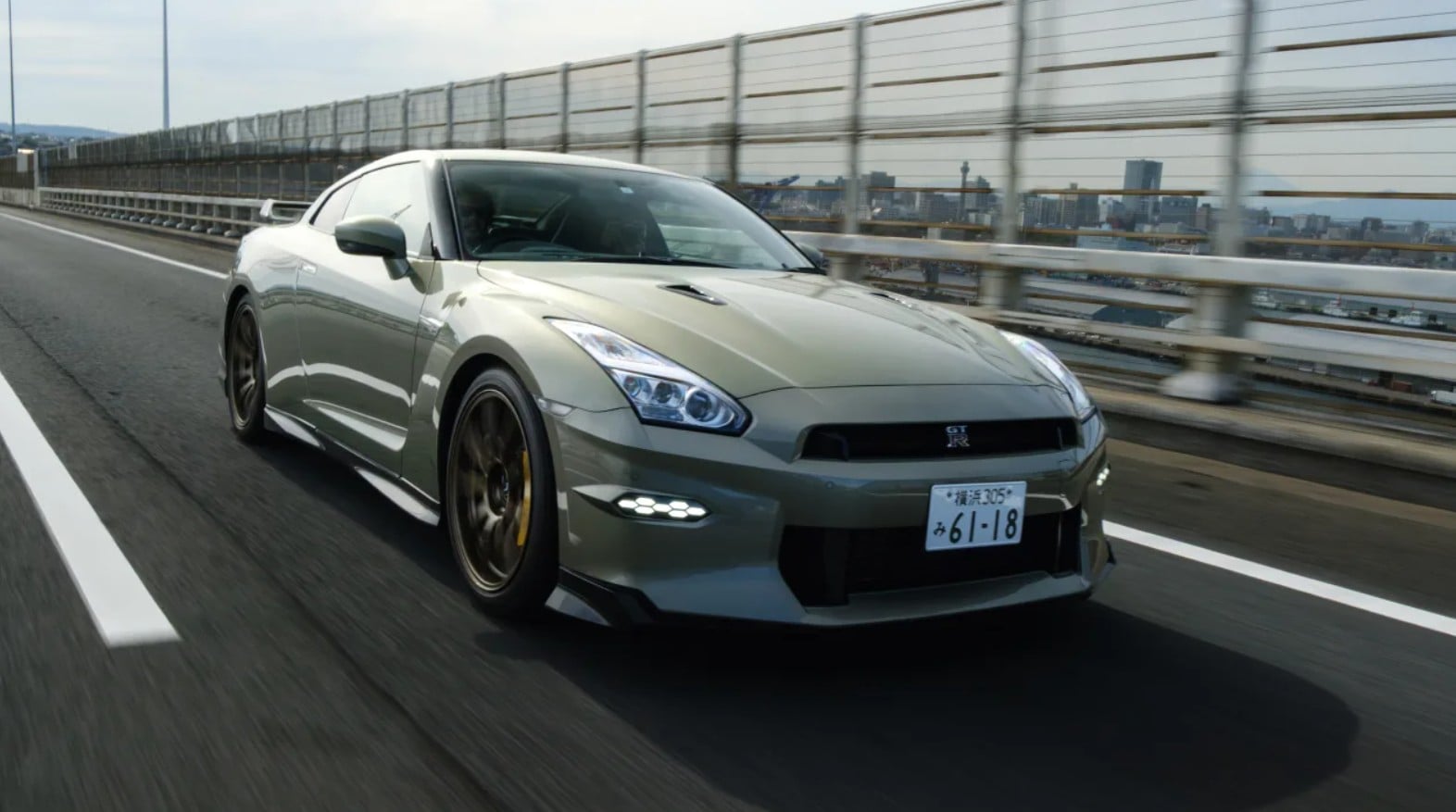
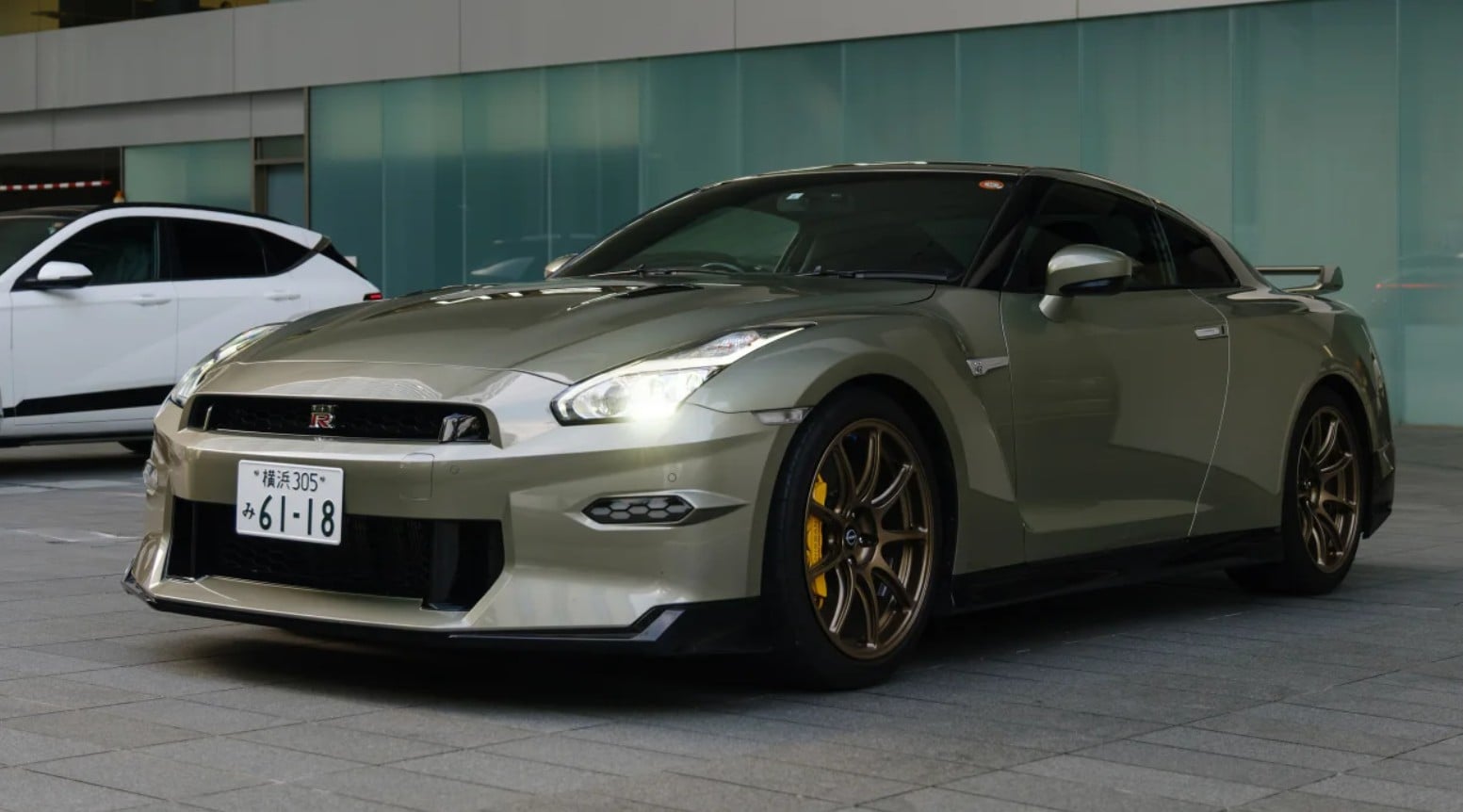
Driving the MY25 Nissan GT-R T-Spec in Japan feels like closing the final chapter of an automotive legend. It is, quite simply, the best-balanced R35 GT-R we’ve experienced – though it’s worth stating upfront that any GT-R remains a jaw-dropping machine.
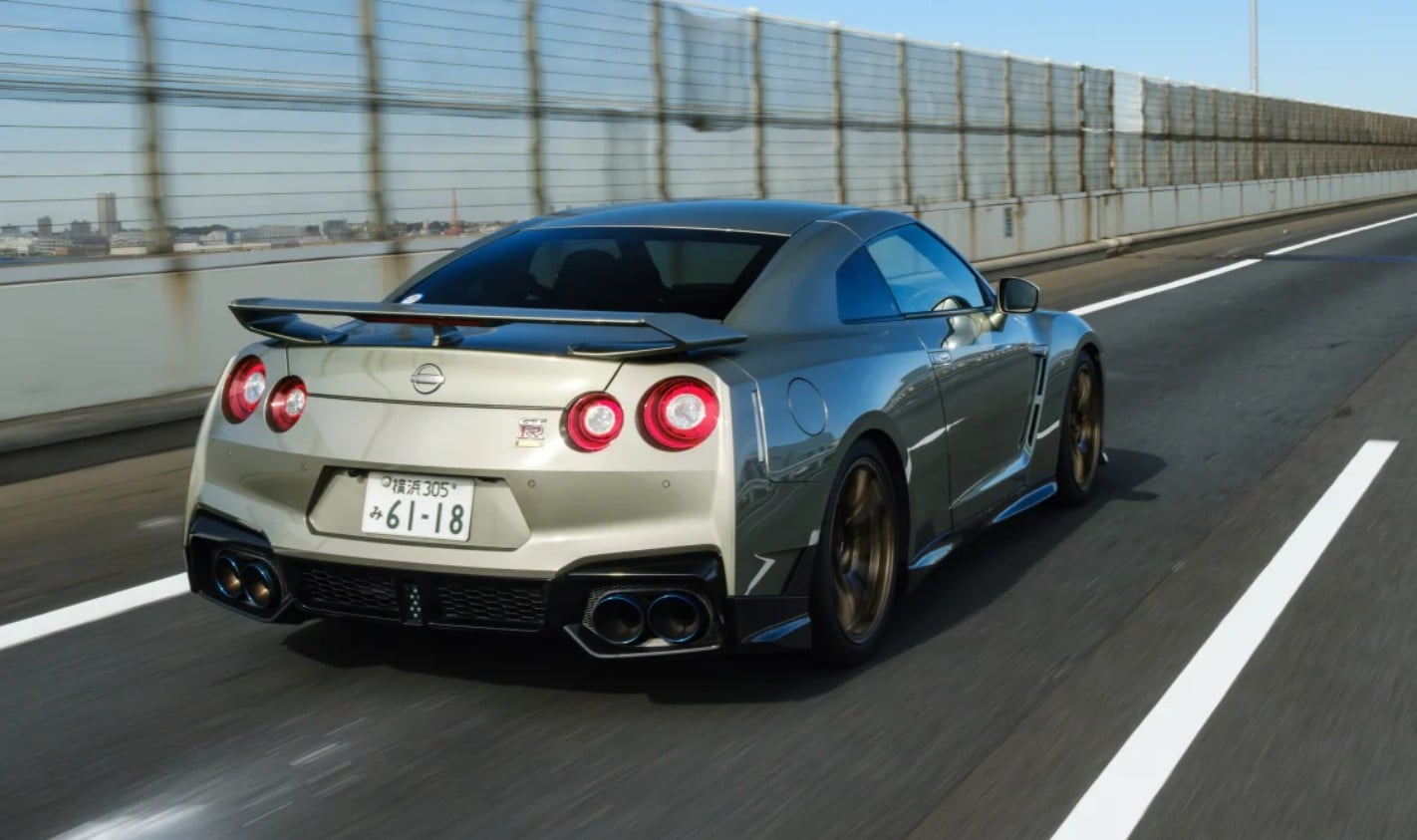
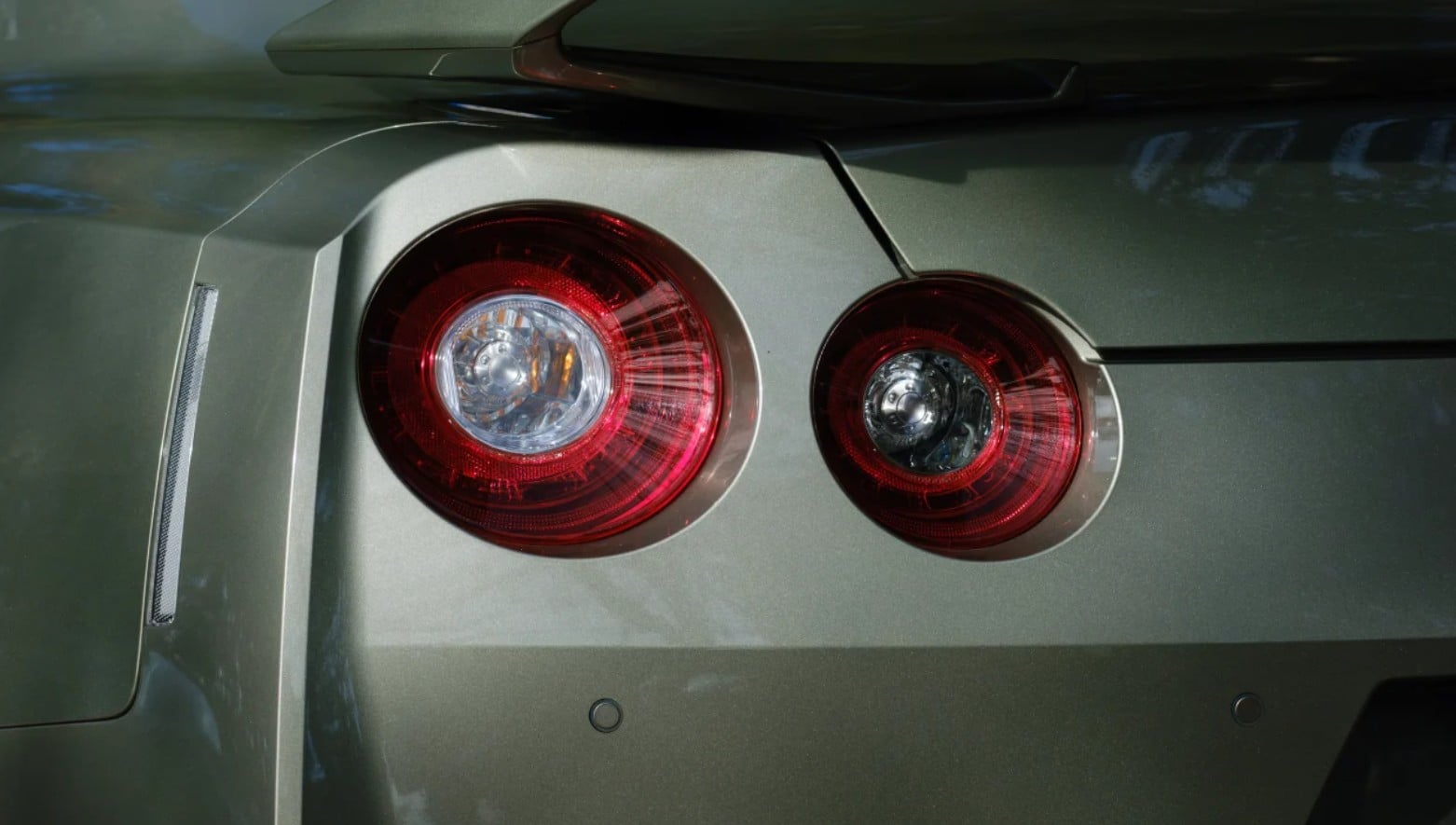
While the GT-R officially left the UK market in 2023 and Australia in 2021 (because of ADR 85), it continued on elsewhere, culminating in this final MY25 T-Spec. Finished in the iconic Millennium Jade with gold magnesium wheels, carbon-ceramic brakes and subtle 2025 visual tweaks, it’s a collector-grade send-off. More importantly, it represents the most rounded execution of Nissan’s super-sports icon.
2
The GT-R story stretches back to the late 1960s as a high-performance offshoot of the Skyline, but its modern mythology was forged in 1989 with the R32. Built during Japan’s “gentleman’s agreement” era, its twin-turbo straight-six officially claimed around 206kW, though reality suggested much more. With all-wheel drive, space for four and supercar-slaying pace, it earned the name “Godzilla” and rattled Europe’s performance elite.
When the R35 arrived in 2007, Nissan tore up the rulebook. The Skyline link was severed, and the GT-R became a bespoke machine from the ground up. Its front-mounted twin-turbo V6 – initially producing around 353kW – fed an astonishingly complex all-wheel-drive system via a rear-mounted dual-clutch transaxle. Active differentials and a second driveshaft completed a drivetrain that looked absurd on paper but devastating on road and track.
3
Over an 18-year lifespan, the R35 evolved through countless updates, Track Pack editions and hardcore Nismo variants pushing as much as 441kW. The MY25 T-Spec sits just below that summit, combining key Nismo hardware with a more forgiving setup. Output is rated at around 419kW, with kerb weight at 1760kg.
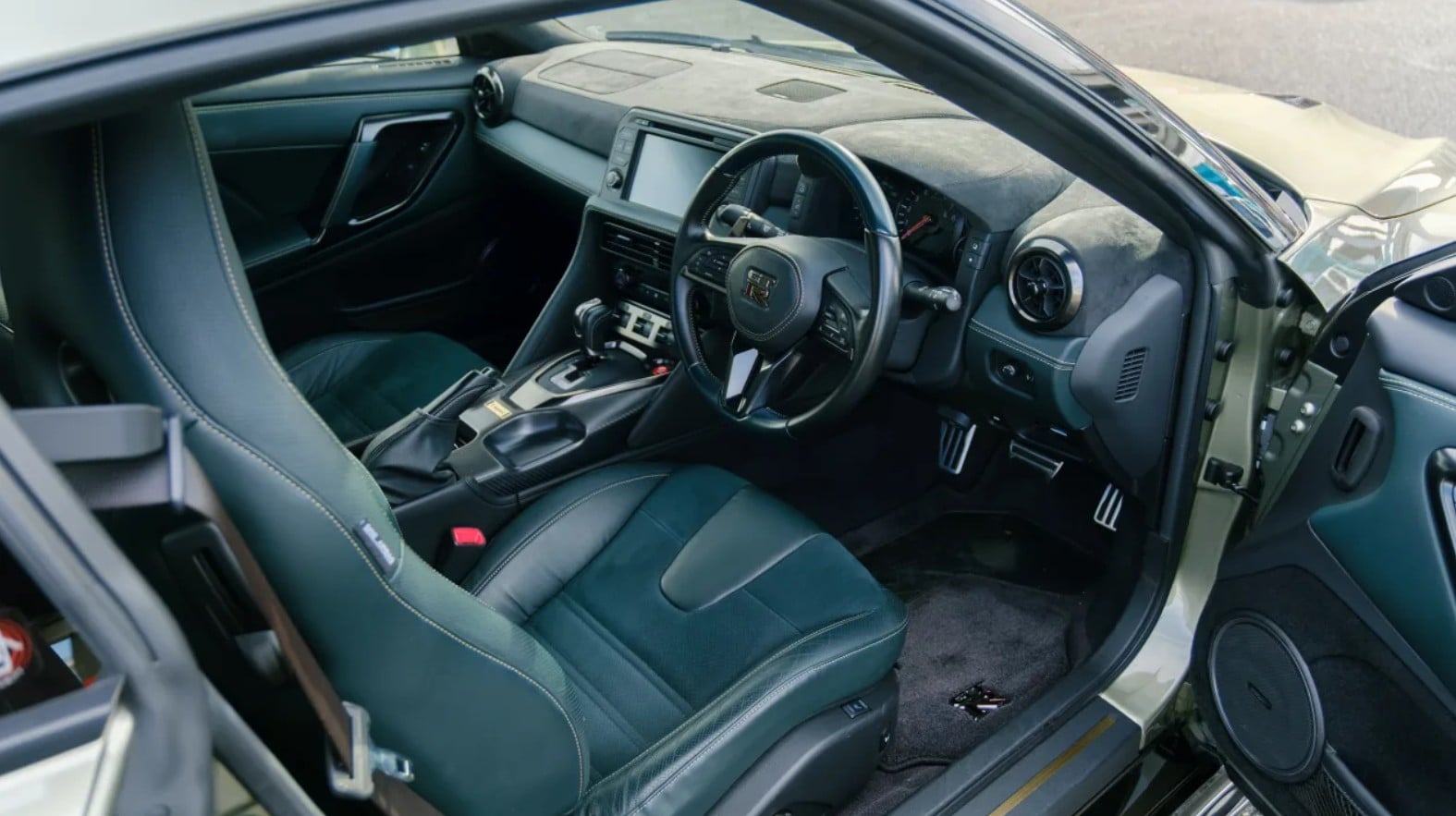
Inside, the GT-R is instantly familiar: the towering central rev counter, physical handbrake, mechanical gear selector and trio of drivetrain switches are reminders of its late-2000s origins. Yet that analogue feel is part of its charm. This is no softly polished modern performance car.
On the move, it’s anything but sanitised. From Nissan’s Yokohama HQ to the mountain roads near Nagoya and Osaka, the GT-R feels alive, demanding commitment. Turbo lag exists, but once boost arrives the acceleration is immense and deeply physical. The steering, slightly heavy at low speeds, comes alive at pace, communicating grip levels that feel almost limitless on warm Toyo rubber.
3
Rain later revealed the T-Spec’s true brilliance. With a few extra throttle liberties, the rear-biased all-wheel drive allows controlled oversteer, delivering excitement without intimidation. Crucially, the suspension tuning is the revelation here. Gone is the brittle edge of earlier R35s; in its place is a fluid, controlled ride that remains composed even on rougher roads. It’s still ferociously capable, but now genuinely usable.
As Nissan looks toward an uncertain electrified future, the GT-R’s absence looms large. A successor remains undefined, yet driving this final R35 is a reminder of why the name matters – not just to enthusiasts, but to Nissan itself. The GT-R is legacy made metal. Let’s hope Nissan remembers that.
3
Follow WhichCar/Wheels on Google
Click the button below to make WhichCar by Wheels a preferred source for your news.

We recommend
-
 News
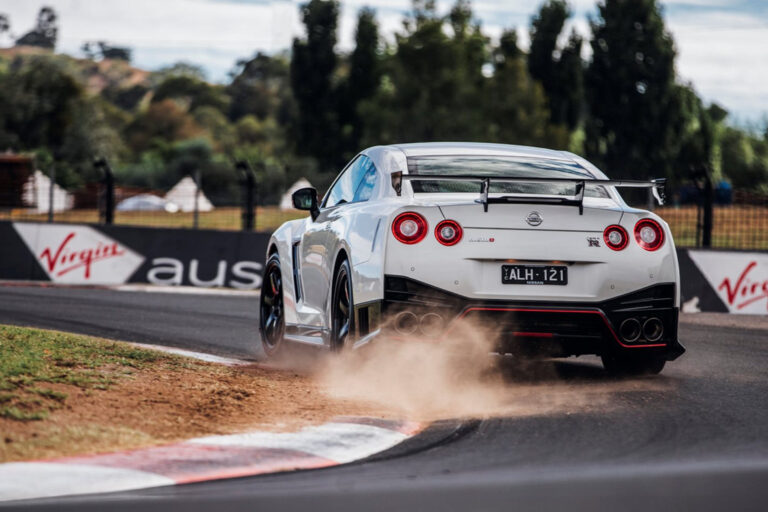
NewsNoooo! Nissan calls time on its classic R35 GT-R
It’s the end of Godzilla as we know it with the R35 Nissan GT-R due to end production shortly with no successor in sight for at least a few years.
-
 News
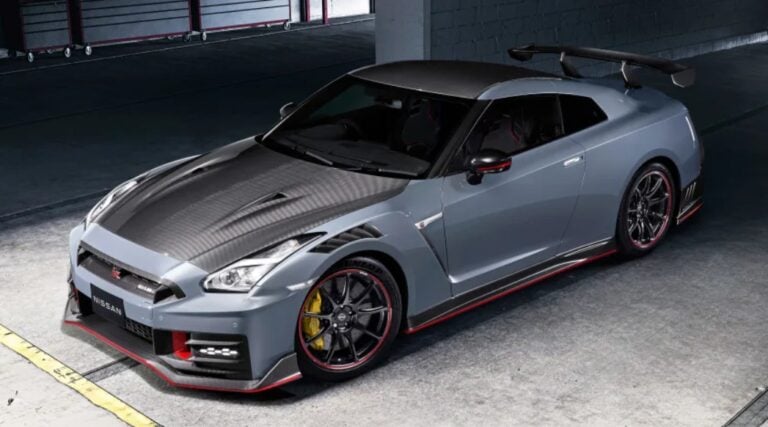
NewsNissan plots an electric future for the next GT-R
Iconic performance model could embrace solid-state battery technology as Nissan reinvents its halo sports car for the EV era.