UOTY

Gallery 1
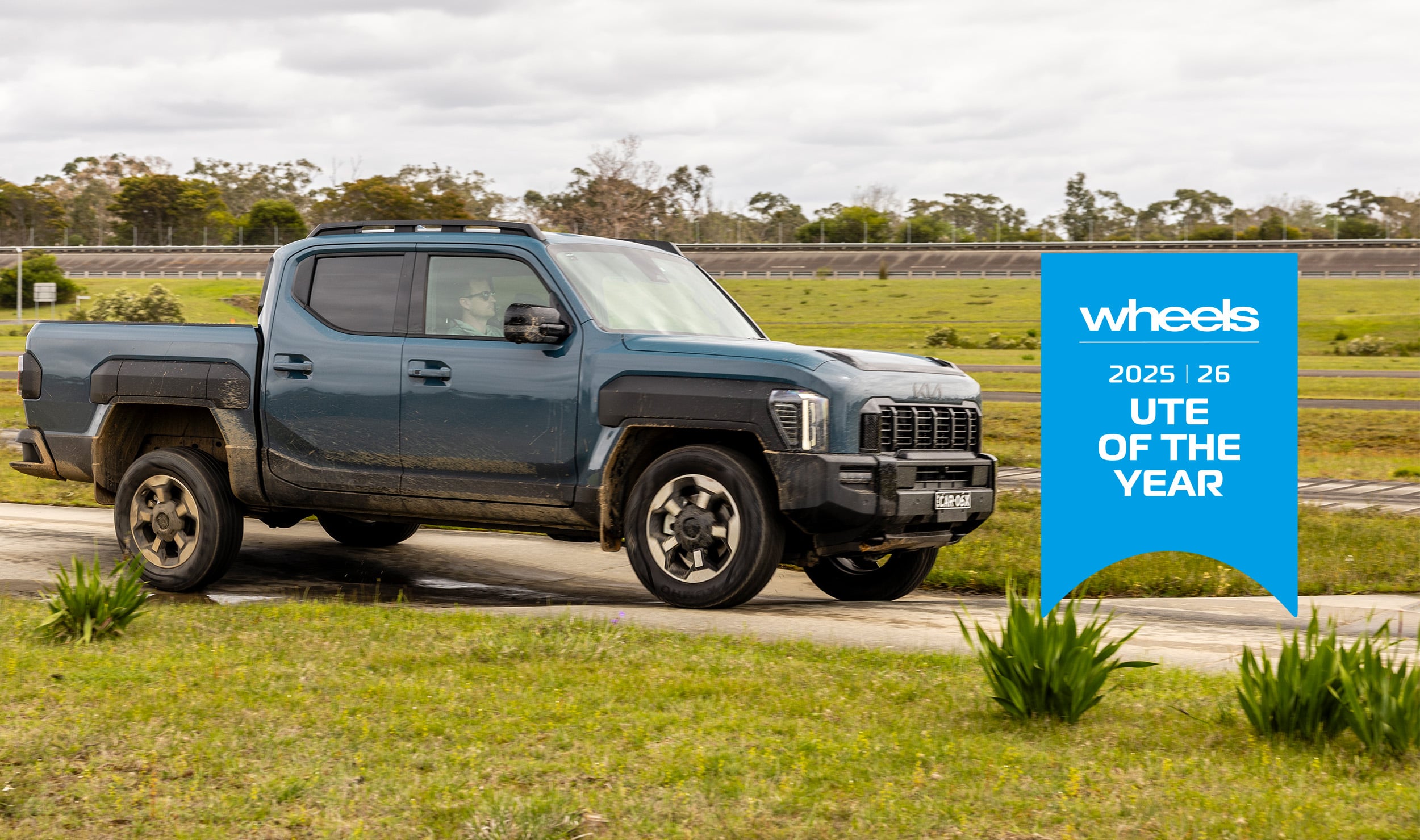
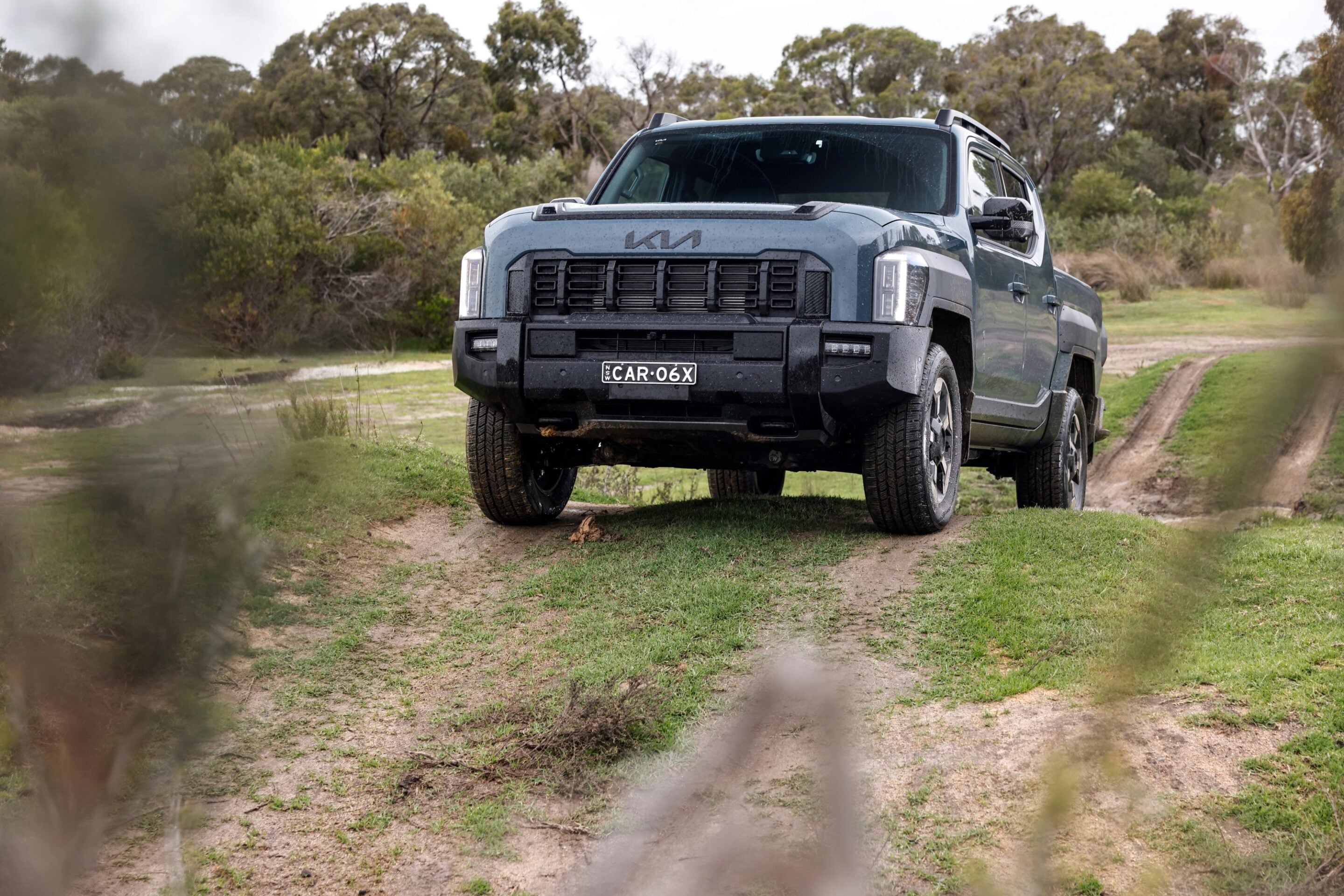
The groundswell of contempt for – and rejection of – the online trolls who bully, harass and ruin the lives of others has clearly skipped the dual-cab ute segment. You only need to Google up a four-wheel-drive forum or other electronic cesspit to know that the cyber bullies are alive, well, and feeling as emboldened as ever when it comes to trashing the Kia Tasman for nothing more than its looks.
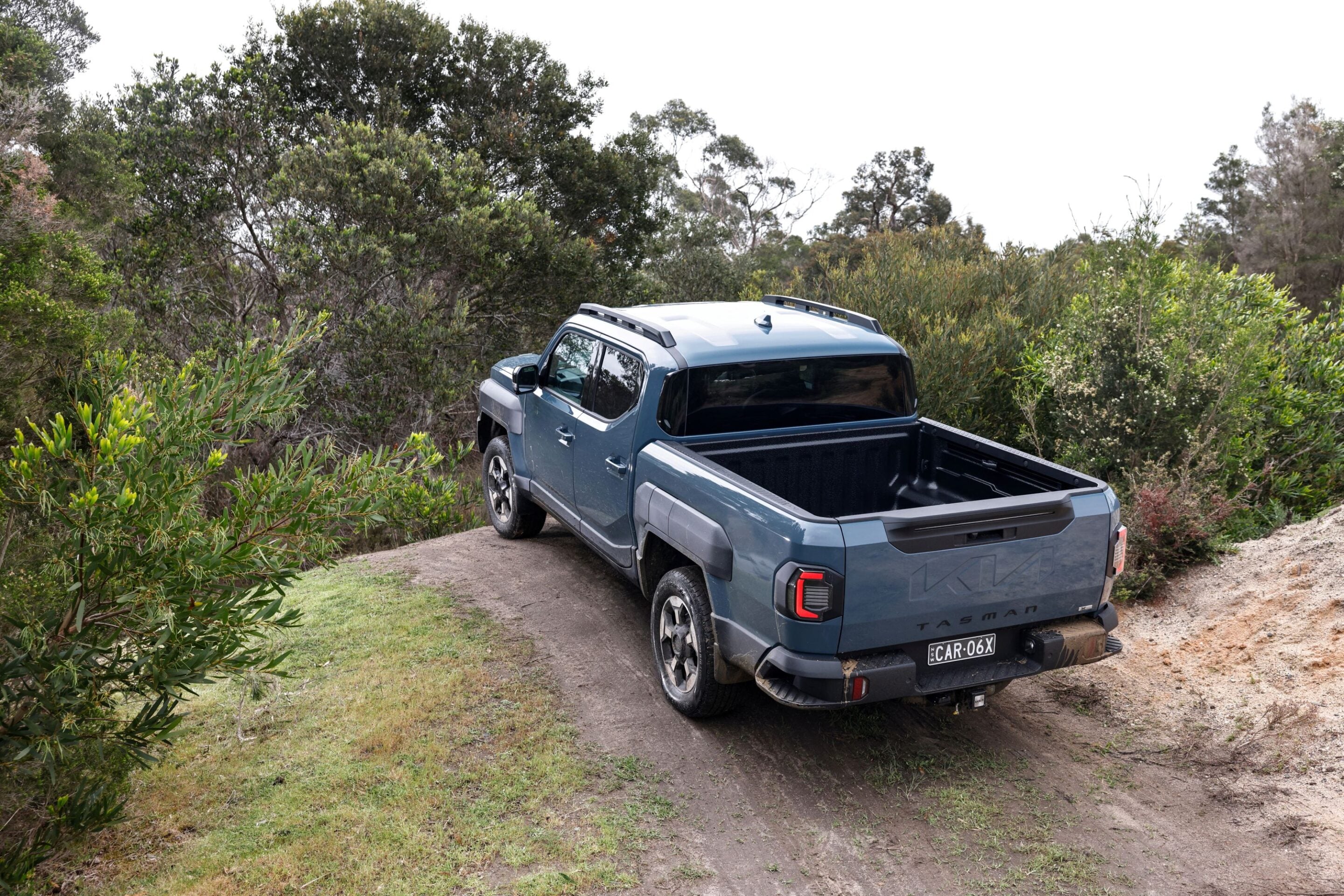
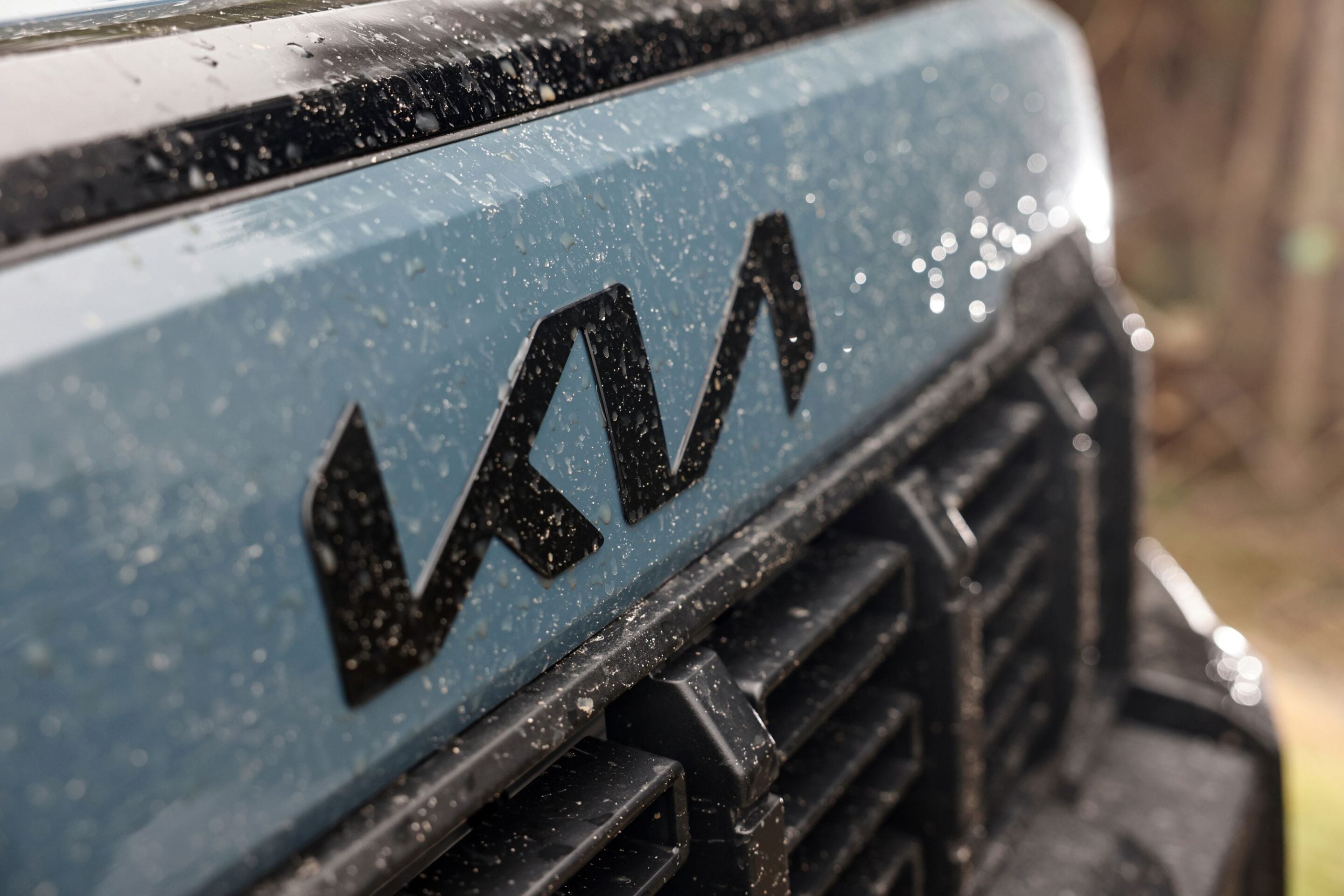
And, okay, the Tasman is not the prettiest dual-cab out there. From head-on, it looks like somebody forgot to paint eyes on it, and in profile, there’s more than a hint of HumVee going on. But in a market segment dominated by vehicles that also look like the work of a seven-year-old (who then ate the crayons) does an unconventional visage deserve such a panning? Probably not, we say.
We could also suggest that it’s a damn fine effort for Kia’s first attempt at such a thing, but that would be either condescending at best, or damning with faint praise at worst, and the Tasman doesn’t deserve that, either.
2
Despite it being perceived as a novelty (mainly because it’s a Kia and not a Toyota) the Tasman sticks to a pretty well-trodden path in terms of its layout and construction. That includes a body-on-chassis design,
a front suspension consisting of double wishbones and coil springs and a live rear axle with leaf springs. The X-Line model we have here uses a mechanical locking rear differential, and there’s no locking front diff.
The driveline consists of a 2.4-litre turbo-diesel four-cylinder with 154kW of power and 440Nm of torque, the former being weight-for-age and the latter perhaps a tad off the pace relative to the competition, many of which boast closer to 470 or even 500Nm.
But the eight-speed automatic is a beauty and is coupled to a two-speed transfer-case with one important advantage over the majority of the vehicles it sells against. And that is a setting that allows for driving in four-wheel-drive on even a high-grip surface like dry bitumen. In this case, the centre differential remains open, allowing for this. And while this ability is brilliant for towing, it also has huge primary safety implications for a simple journey on a wet road. Big bonus points, and something all utes should have, but most don’t.
2
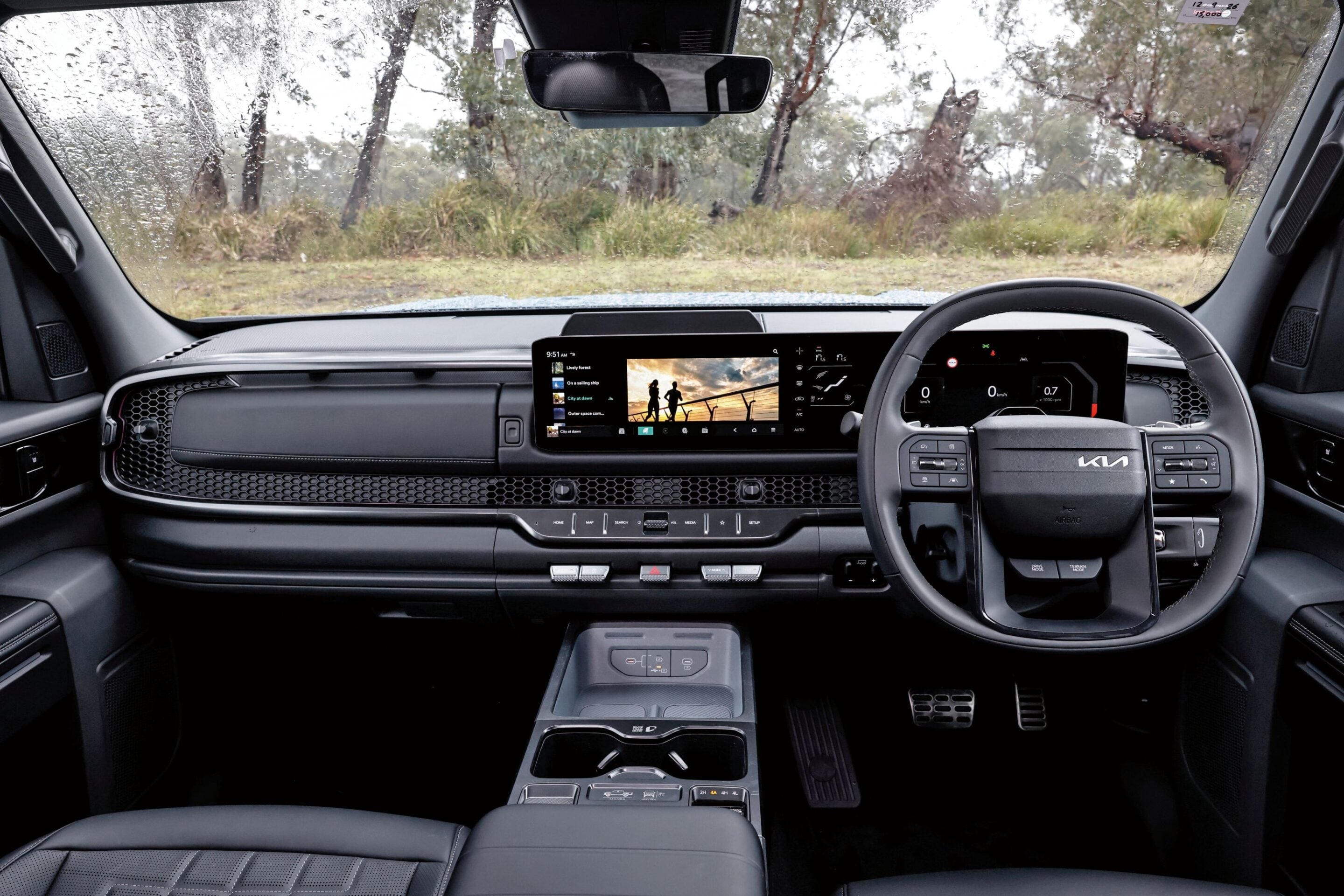
Inside, the Kia has been proudly praised for its feel and layout, but I’m one of the few that isn’t completely won over. While I can appreciate the modern layout of the large screens, and I’m all for the hard-switches versus pull-down menus and touch-screens, the slightly square steering wheel always felt odd. And it can look as smooth and modern as it likes, but the ergonomically-impure placement of the seat-heater switches and the starter-button that is hidden by the tiller tell me marketing has trumped engineering at some point.
The actual driving experience reveals a willing engine that is also impressively smooth for a diesel. The eight-speed auto is a ripper and hides the relative lack of torque well. That said, when you’re really making the Tasman work, you’ll sometimes get a niggling feeling that a few extra Newton-metres would be nice.
Ride quality is okay, but only okay. True, that’s nothing new in this market segment, but when the driveline is so refined, you kind of subconsciously expect a little more in terms of ride plushness. Still, it’s hardly the most agricultural vehicle here… not by a long chalk. Part of the ride compromise is clearly to preserve payload and towing abilities, but could also be something to do with the portly 2200-or-so-kg kerb mass. Again, the Tasman is hardly on its own here, but that’s an awfully large kilo-count to rely on leaf springs to tame and control.
3
Trent Nikolic urged potential buyers to look beyond the Tasman’s unconventional styling and dig deeper to discover its true beating heart. “Beneath the controversial skin, lies a well executed 4WD, with clever cabin design and ergonomics, and technology that works,” he noted.
All things considered, the Tasman stacks up pretty well. Its refinement is a plus and it steers nicely and won’t throw you any curve-balls mid-corner. Within our family-transport terms of reference, it makes a good fist of things, and it definitely benefits from our unconventional criteria. Notably, thanks to the fact that we’ve ignored towing here. And that’s because, while the Kia is, on paper, rated to tow the industry-standard 3500kg, in practice, it’s a different story.
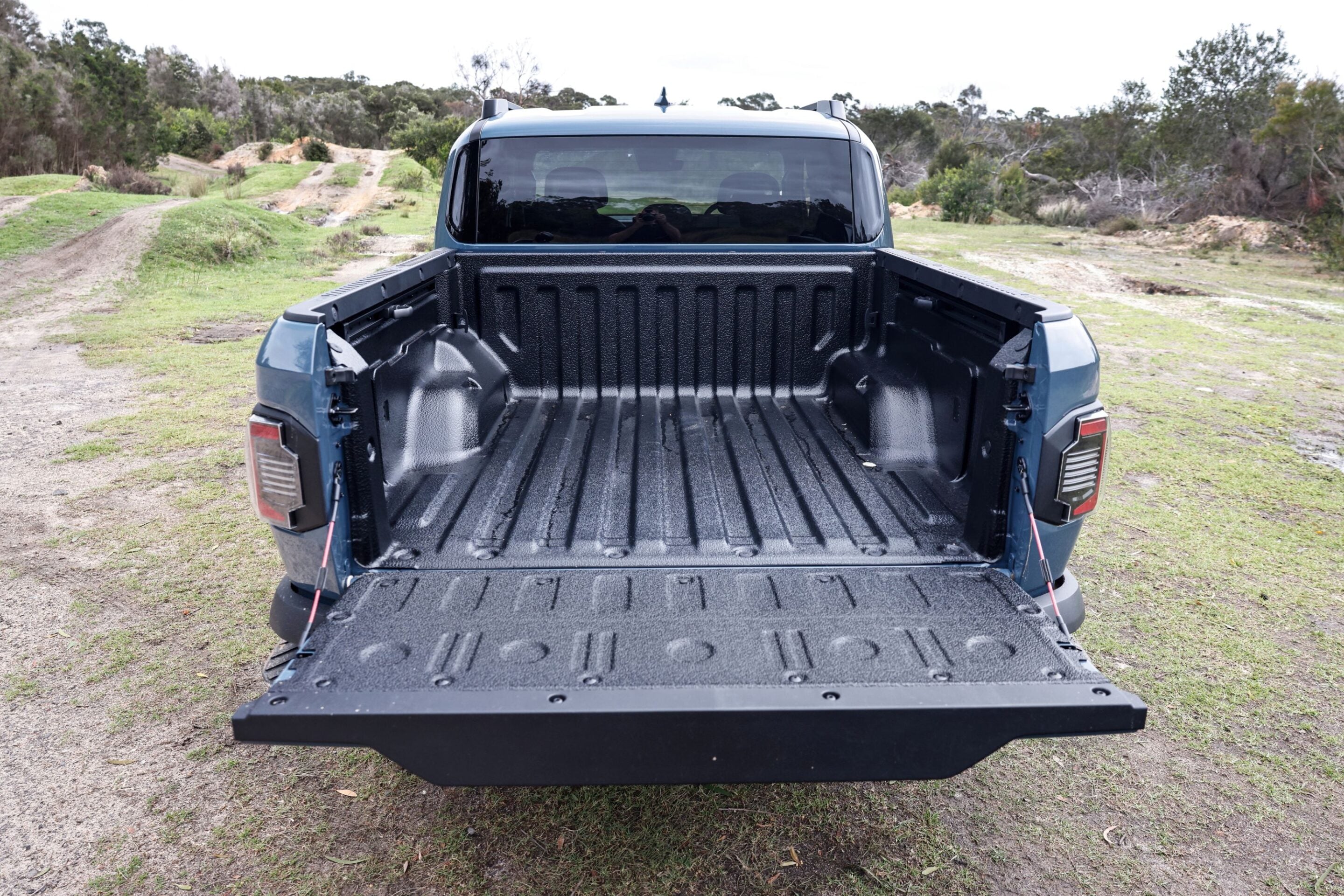
Using a typical loading scenario where a nominal one-tenth of the 3500kg maximum towed load is likely to bear directly down on the tow-ball, and the Tasman’s rear leaf springs kind of give up the ghost. At this point, the springs will be compressed farther than a lot of its opposition, and the vehicle will effectively be riding on the bump-stops. In other words, it’s just not up to it.
2
But in other dual-cab four-wheel-drive pursuits, the Tasman is a happier place to be. Its off-road chops are very good and it’s likely to have more ability than the average owner will have brave pills. Worth remembering in case you’re one of the tiny percentage of buyers who will actually tackle Cape York or The Simpson.
Meantime, it’s another one of those cars that will sell better as Kia gets more punters behind the wheel. And not just because it’s the one place where you can’t see how odd it looks.
2
Specs
| Price | $67,990 (MSRP) / $70,990 (DA) |
|---|---|
| Body | Dual-cab, five-seat ute |
| Drive | Dual-range 4×4 |
| Drivetrain | 2.2-litre four-cylinder turbo diesel |
| Power | 154kW @ 3800rpm |
| Torque | 440Nm @ 1750-2750rpm |
| Transmission | 8-speed automatic |
| Consumption | 7.8L/100km |
| Kerb weight | 2223kg |
| 0-100km/h | NA |
| L/W/H/W-B | 5410/1930/1890/3270mm |
| Payload | 1027kg |
| Warranty | 7yr/unlimited km |
| Safety rating | 5 star ANCAP (2025) |
2025-26 Wheels Ute of the Year
Follow WhichCar/Wheels on Google
Click the button below to make WhichCar by Wheels a preferred source for your news.

We recommend
-
 UOTY
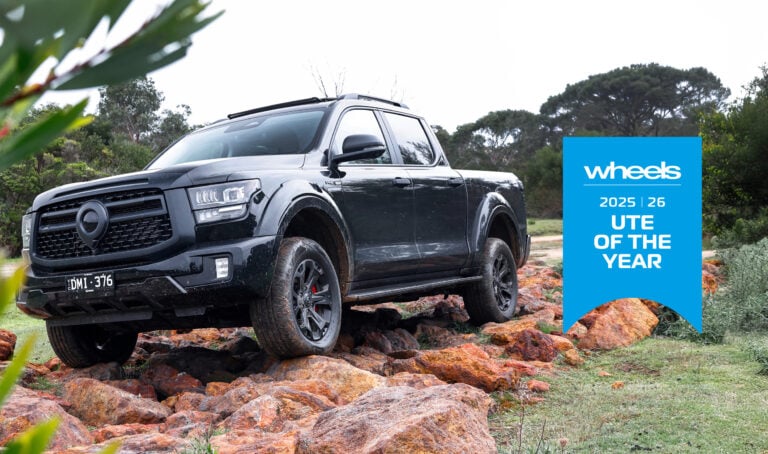
UOTY2025-26 Wheels Ute of the Year, 2nd: GWM Cannon Alpha PHEV
The GWM Cannon Alpha PHEV is disrupting the dual-cab universe with larger overall dimensions and its fuel-sipping plug-in hybrid drivetrain.
-
 UOTY
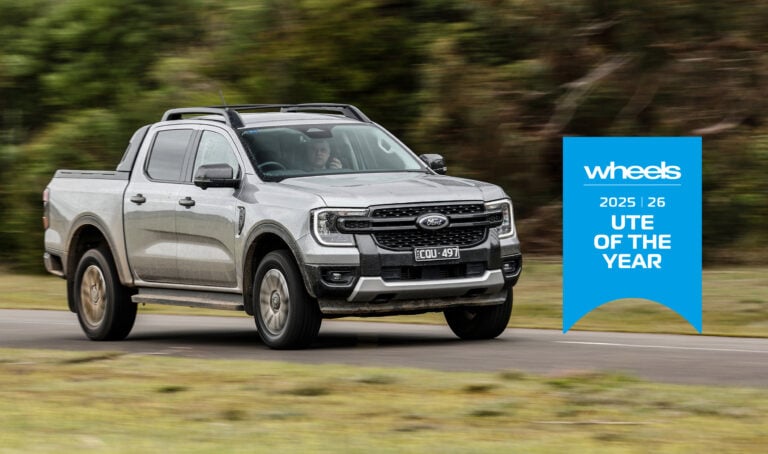
UOTY2025-26 Wheels Ute of the Year, 3rd: Ford Ranger V6 Sport
The Ford Ranger redefined the segment when the latest-gen launched in 2022, establishing itself as the best-selling vehicle of any kind over the last two years.