
News
Gallery 1
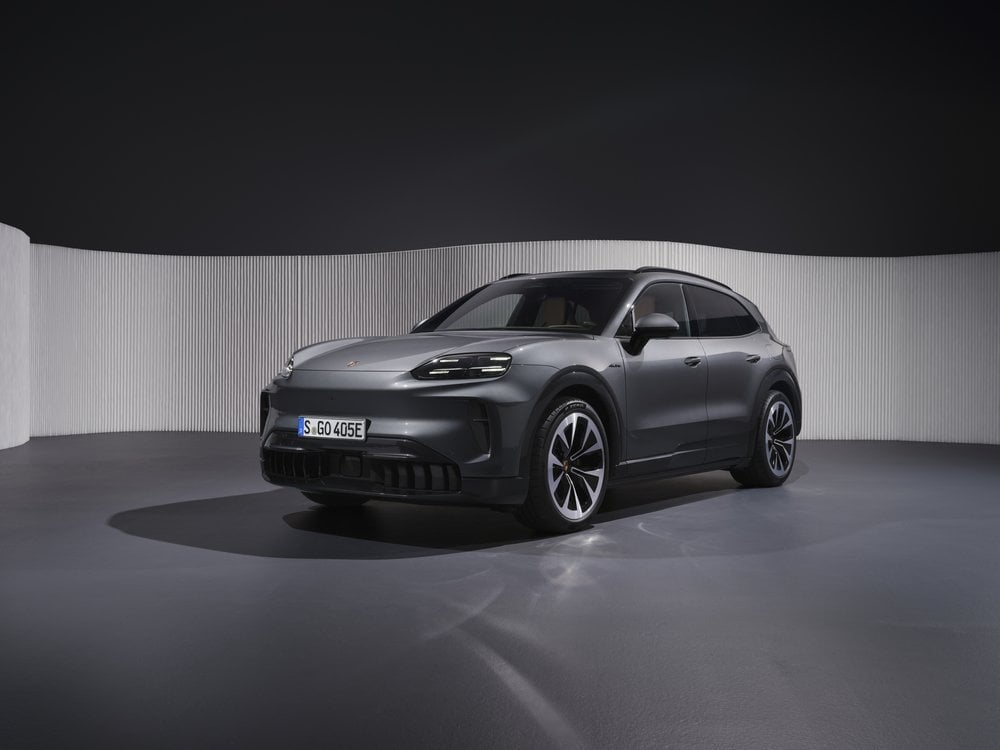
Porsche has revealed its first fully electric Cayenne, a model the company says marks a significant turning point for its long-running luxury SUV range and its broader transition toward electrification.
Arriving more than two decades after the original Cayenne reshaped the brand’s global fortunes, the new battery-powered version will sit alongside existing petrol and plug-in hybrid variants rather than replace them outright.
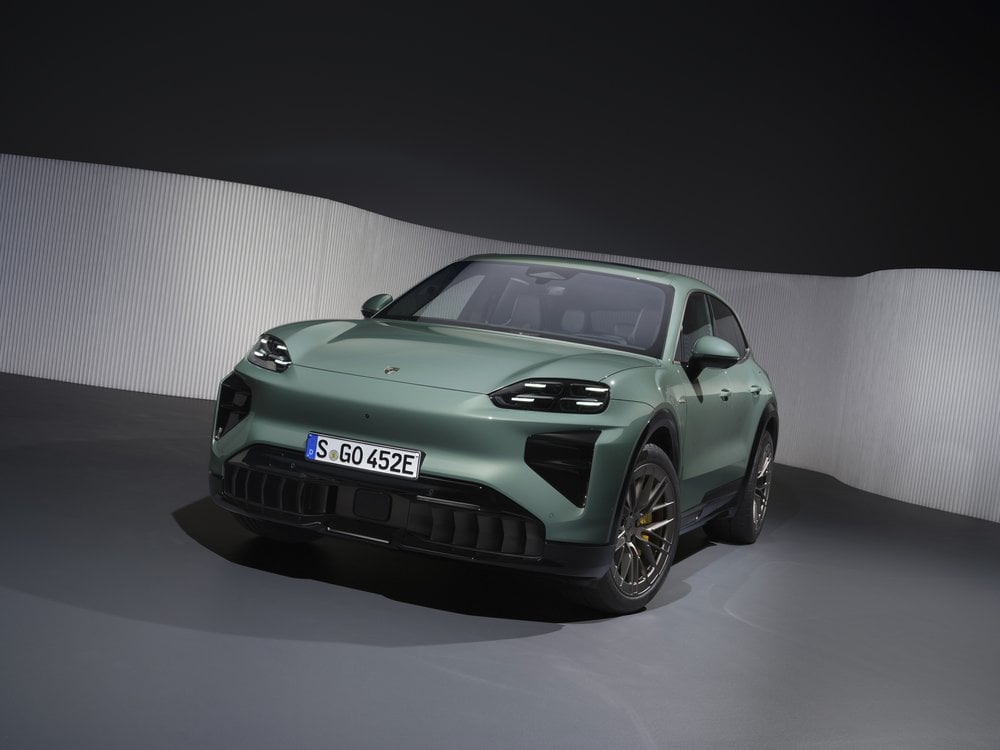
The new line-up consists of two versions at launch: the Cayenne Electric (below) and the more powerful Cayenne Turbo Electric. Both use all-wheel drive, new drive motors and a high-voltage 113kWh battery. In its most aggressive settings, the Turbo variant can deliver extraordinary outputs, with peak power hitting 850kW when launch and temporary boost systems are engaged. Porsche claims 0–100km/h in 2.5 seconds and a top speed of 260km/h, placing it among the fastest SUVs on sale.
2
Energy recovery tech borrowed from Formula E racing allows the Cayenne Electric to recuperate up to 600kW under braking, meaning most deceleration is handled by the motors rather than conventional brakes. Adaptive air suspension is standard across the range, while the Turbo also offers torque-vectoring, rear-axle steering and a new active suspension system designed to counter body movement during cornering or off-road driving.
Porsche says the long-distance ability of the electric Cayenne was a priority. Under European testing, the regular model can travel up to 642 kilometres per charge, while the Turbo is rated slightly lower. With 800-volt architecture, DC charging speeds peak at 390kW and, in controlled test conditions, have reached 400kW. The company reports that charging from 10 to 80 per cent can take under 16 minutes. Porsche will also offer inductive wireless charging as an option, allowing owners to recharge by parking over a ground plate.
4
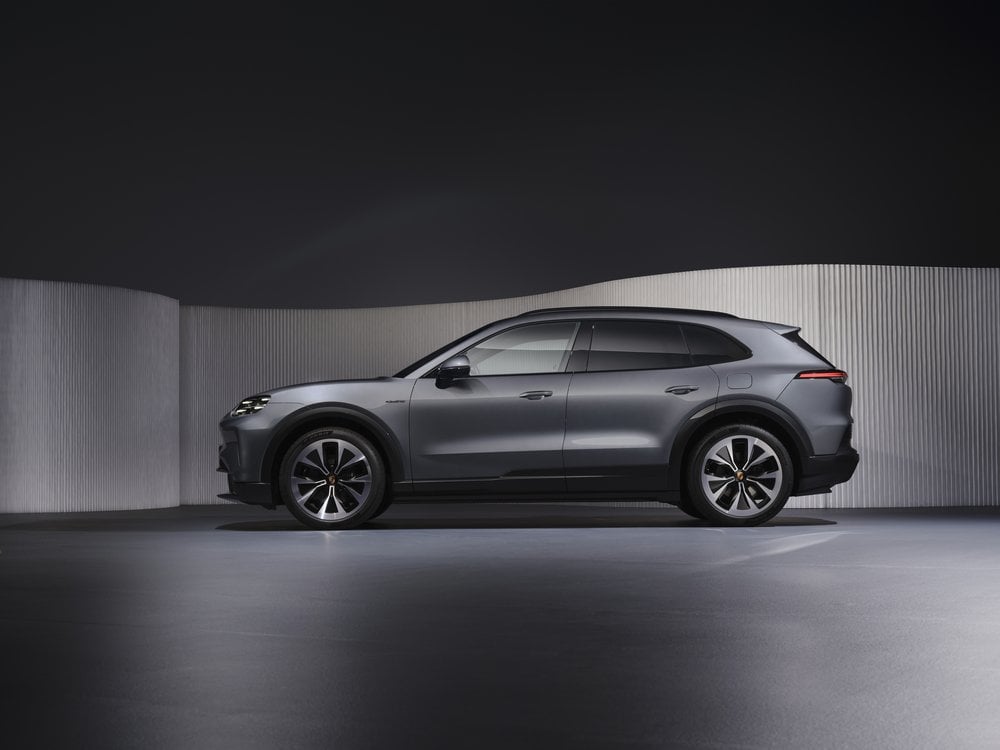
The new model sits on a slightly larger footprint than the petrol Cayenne, with an extended wheelbase delivering more rear-seat space. Boot capacity ranges from 781 to 1588 litres, with an additional 90-litre front compartment. Towing capability remains strong, with a maximum rating of 3.5 tonnes depending on configuration.
Exterior styling takes cues from existing Cayenne models but pushes further toward aerodynamic efficiency, with new lighting units, smooth body surfaces and active aero elements including movable cooling flaps, an adaptive roof spoiler and rear aero blades on the Turbo. The drag coefficient is listed at 0.25, placing it among the most streamlined SUVs in its class.
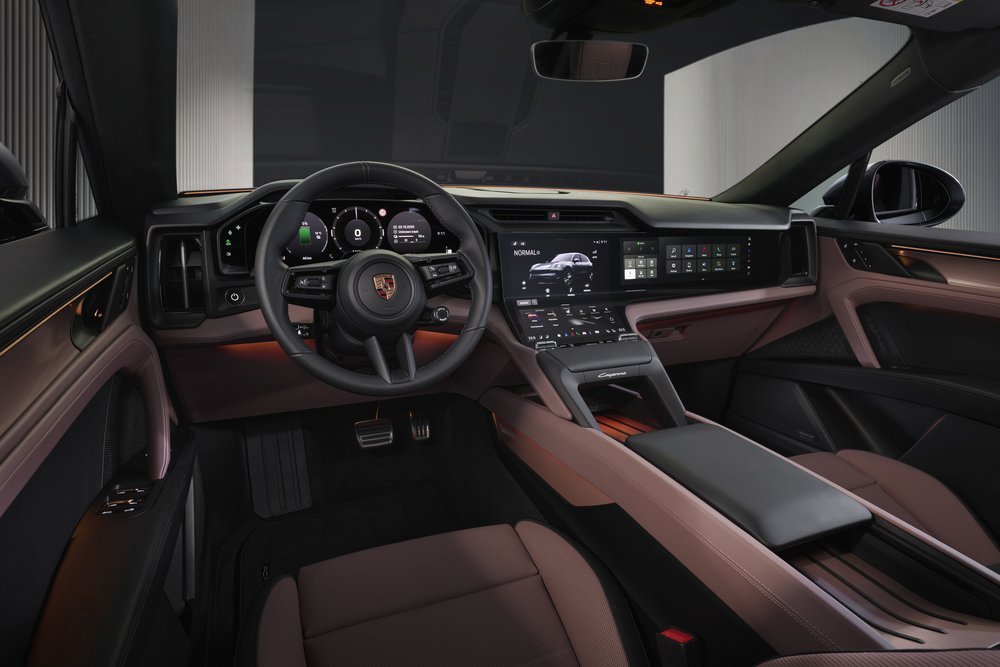
Inside, Porsche has introduced its largest digital display setup to date. A curved OLED “Flow Display” spans the centre console, paired with a digital instrument cluster and an optional passenger screen. A new voice-control system uses AI to interpret more complex requests, while the cabin itself can be customised extensively through various design packages and Porsche’s special-order programs.
7
Australian-market cars will add several features as standard, including a tyre repair kit, privacy glass, upgraded parking assistance, digital radio and a wider range of no-cost paint options.
Australian deliveries are expected to begin in the third quarter of 2026. Local pricing starts at $167,800 for the Cayenne Electric and climbs to $259,900 for the Turbo Electric.
Follow WhichCar/Wheels on Google
Click the button below to make WhichCar by Wheels a preferred source for your news.

We recommend
-
 News
NewsPorsche Cayenne Electric: Brand’s largest ever display revealed
The interior of the Porsche Cayenne Electric has been unveiled with new features, comfort and personalisation than before.
-
 News
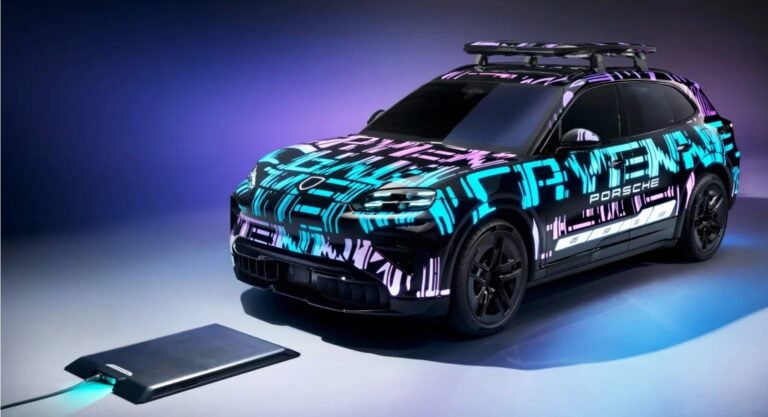
NewsPorsche Cayenne EV to debut with ground-breaking wireless battery charging
Flagship electric SUV set for Munich reveal, introducing inductive charging alongside new styling and performance options.
