Features

Gallery 1
Trent Nikolic, Wheels Managing Editor
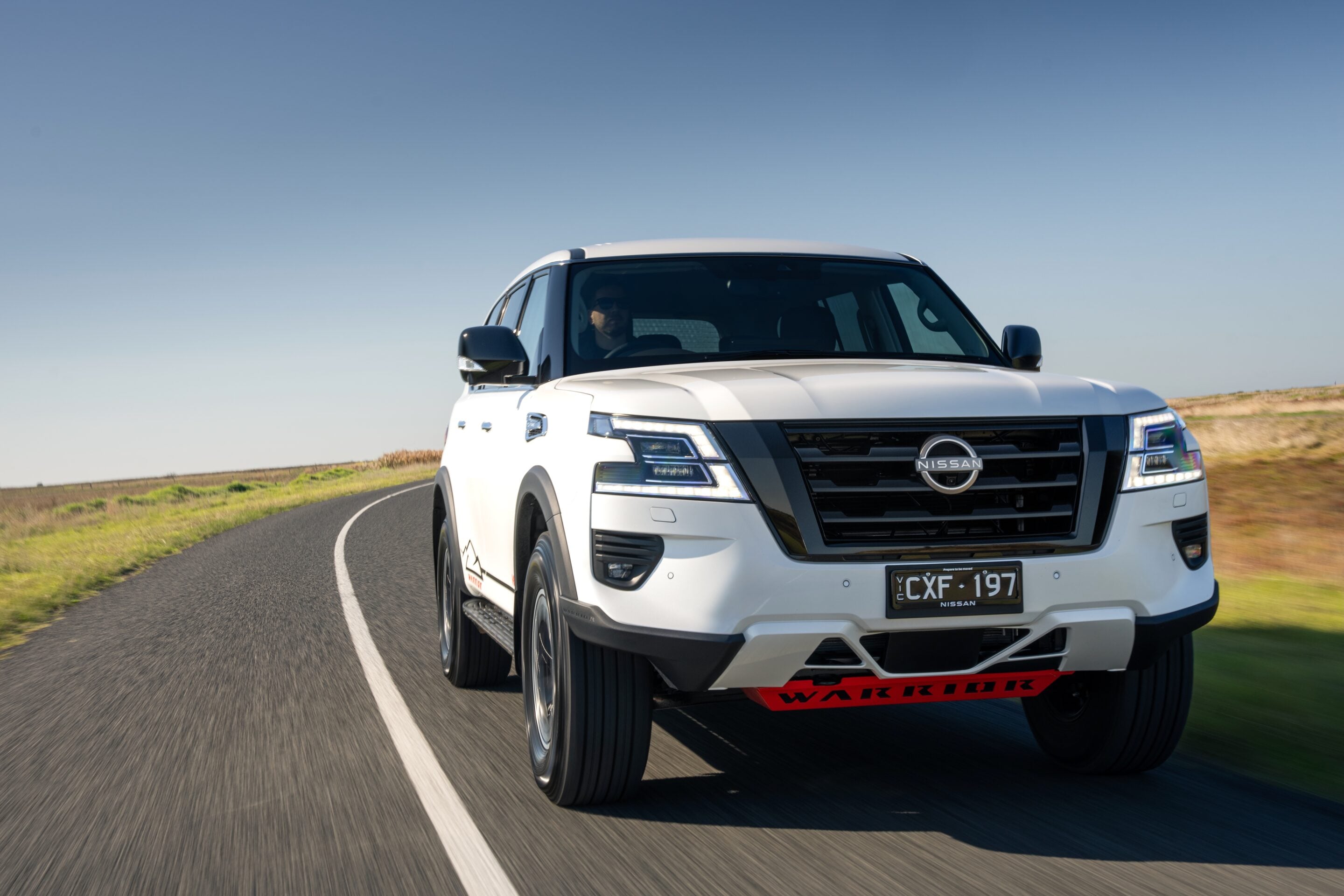
Nissan Patrol Warrior
8
A fitting farewell to a sensational V8 engine, the Patrol Warrior will leave a legacy to the mechanical simplicity of one of Australia’s off-road icons. The added bonus of PremCar’s excellent Warrior modifications, is full factory warranty support for those of you not wanting to make the modifications yourself.
Patrol Warrior is an exceptionally comfortable, spacious, luxurious and effortless large 4WD, that has found favour with buyers in the city – hardly surprising – despite it’s almost single-minded off-road ability. And now, more than ever, the concept of long-haul touring with a petrol engine is more acceptable than it ever was.
Toyota’s LandCruiser gets most of the press, but the Nissan Patrol – in Y62 form – has always been a legitimate contender whether you live in town, in the country, whether you tow or tour, and especially for family buyers with active lifestyles. Farewelling the legendary 5.6-litre petrol V8, is another case of rejoicing in such engines while we had them.
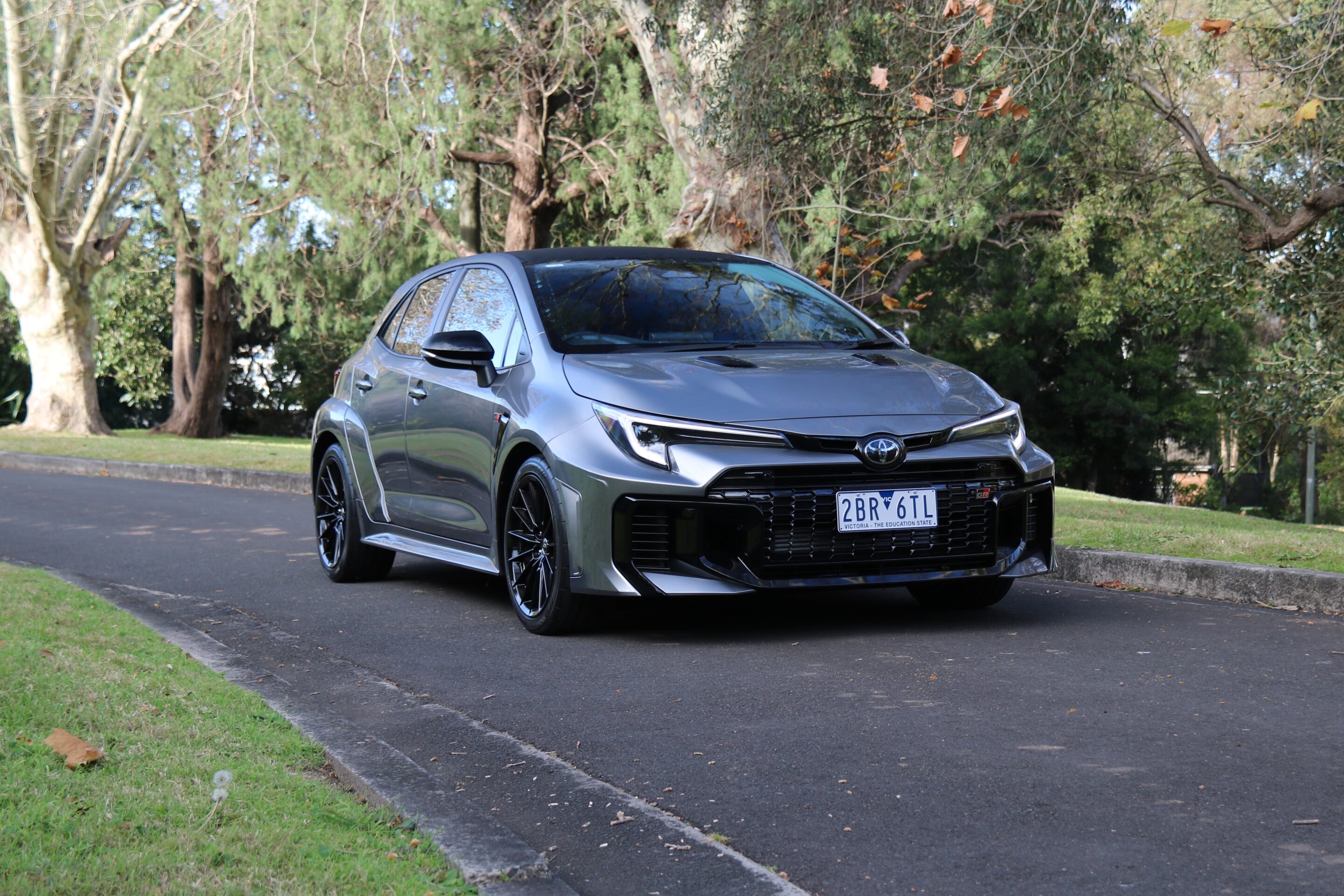
Toyota GR Corolla Auto
8
On one hand, it’s unsurprising that the GR Corolla would be an absolute hoot to drive, but on the other hand, you could be forgiven for thinking the manual was the only one to have. An excellent, conventional automatic, has however, strengthened the GR Corolla’s daily driving credentials.
The concept of the GR Corolla is genius. It’s a Corolla, so it means you get everything that’s great about a Corolla – reliability, dealer/service access, practicality, four-doors and a space-efficient exterior. Add the special blend of GR spices though, and the result is a grin-inducing lunatic of a hot hatch, up there with the best of them.
On the right road – regardless of surface – the GR Corolla is devastatingly fast. And, it’s an easy car to drive fast, too, such is the quality of the chassis, the driveline and the grip. Few cars can be driven with such abandon. However, around town, in traffic, especially with the auto transmission, it’s as practical and as effortless as any other Corolla.
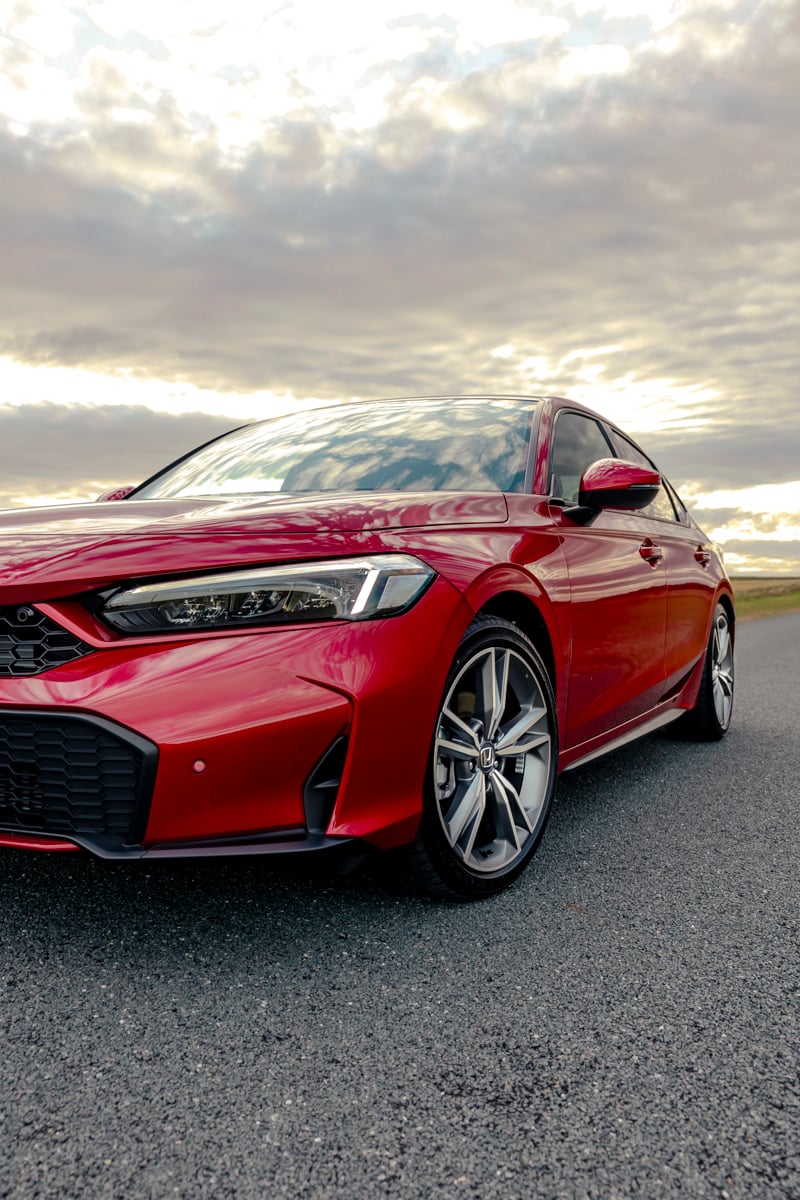
Honda Civic
8
Wheels COTY testing, as it has a tendency to do, threw up numerous surprises over the week spent at Lang Lang, and our winner deserves special mention here. The new Civic is a return to form for Honda, and how.
The GFC hit Honda’s R&D department hard, and a brand that had once been aspirational in our market, fell into a decline. Its vehicles were still good, but not great as they once had been. In the 1980s and ’90s, if you knew someone who had a Honda, it was as good as any Euro badge.
Well, the new Civic is a shot across the bows that Honda is back. It’s a great car to drive, it’s genuinely efficient in the real world, it feels premium, built to a high standard, is comfortable and has plenty of space. Oh, and it’s not an SUV either, proving you don’t have to buy one just because everyone else is.
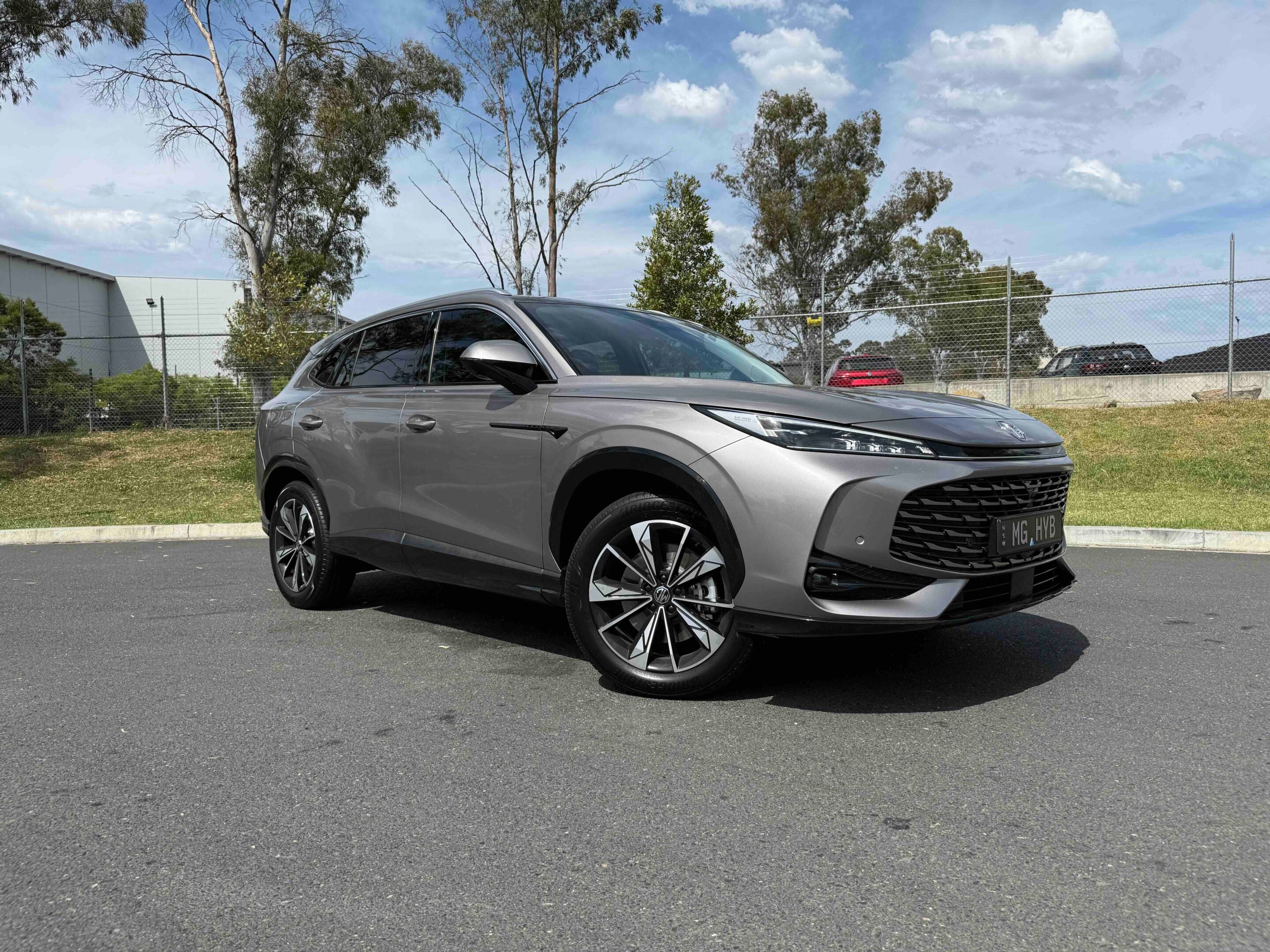
MG HS Hybrid
9
Another surprise – that was noted by all the judges at COTY – was the new MG HS Hybrid. This is quite simply, the standard setter for what we as testers now expect from MG. Each new vehicle is a significant step forward for a brand continuing to rise.
The HS Hybrid delivers everything that Aussie buyers love about the crucial medium SUV segment, but with a hybrid system that delivers impressive fuel efficiency no matter how you’re driving, and with a quality, comfortable cabin experience.
A deserving place getter in a competitive field, driving the MG HS was enjoyable regardless of the road, and when you factor in the list of standard equipment, and starting price, it’s a compelling medium SUV in an ever-crowded segment. To underestimate the desire for MG to succeed in our market, is to make a serious error of judgement, and the new HS Hybrid is the best example of that.
Ferrari 296 Speciale
5
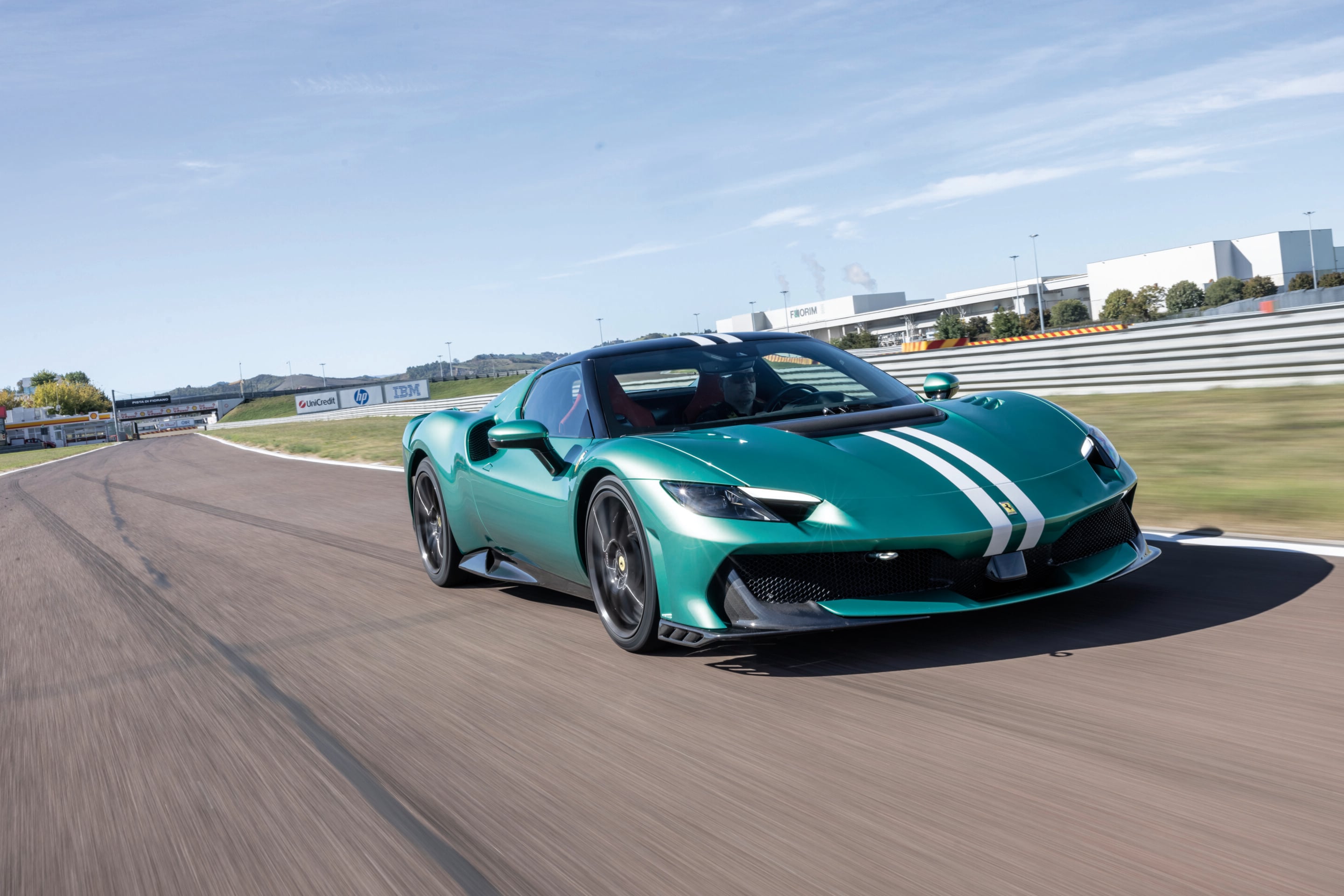
It’s stating the bleedingly obvious to list a Ferrari as one of the best cars you’ve driven in any given year, but the 296 Speciale is, literally, quite special. The 296 was already a stunningly fast car in regular form, but the Speciale badge, and everything it brings, winds the wick up to ridiculous levels.
So fast is the 296 Speciale, you’ll need a few out laps to reprogram your brain and reflexes, but the key is how safely, and easily it can be used at warp speed. The level of grip, sharpness of input and response, and staggering capability of the aerodynamic genius, means you can push harder than you ever thought possible.
Cars of this type have been getting ‘too fast’ for a while now, so the outright speed is nothing new. But the 296 Speciale is a sensational car, that does everything with a sense of flair only the Italians can inject. If 2025 had a single highlight for me, it would have been exiting the pits at Maranello for the first time in my career, behind the wheel of this mindblowing car from the Scuderia.
Rob Margeit, Wheels Features & Road Test editor
Hyundai Santa Fe Hybrid
1
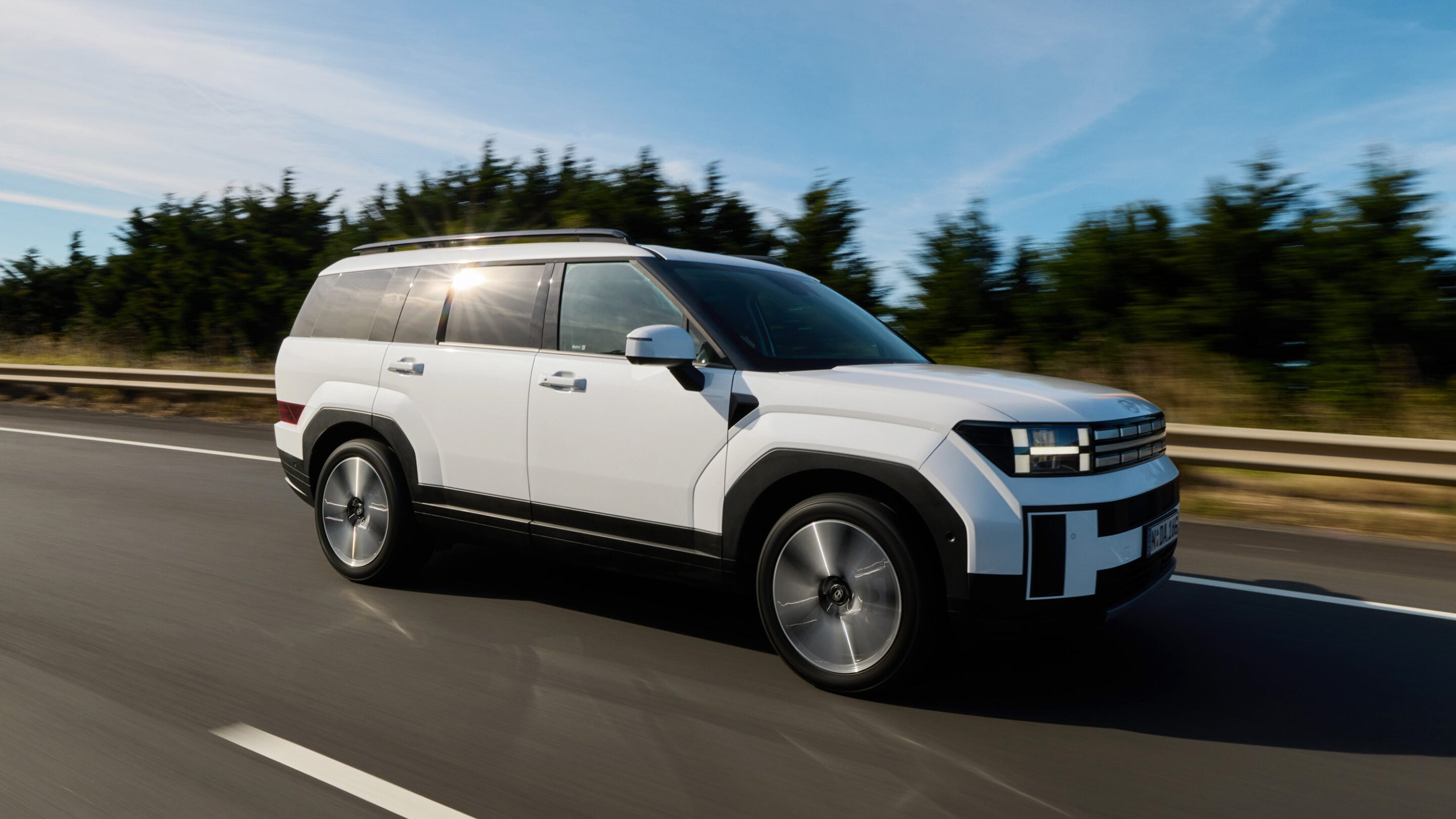
Bold. Daring. Polarising. Call it what you will, but there’s no denying Hyundai looked at the large SUV rulebook when coming up with its new-generation Santa Fe. And then ignored it.
And that’s a good thing, because I reckon our roads are over-populated with homogenous design, especially in the world of SUVs.
But the Hyundai Santa Fe thumbed its not inconsiderable nose at that homogeneity, with a boxy profile and blunt but foreboding front-end treatment that enlivened the otherwise austere large, family SUV segment.
But more than just its cutting-edge and contemporary looks, the Santa Fe backed up its fashion sense with serious substance, the showpiece a refined and frugal 1.6-litre turbo-four petrol-hybrid engine that returned genuine savings at the pump. How frugal? Try 5.6L/100 over a week of real-world testing.
Inside, the Santa Fe in base hybrid trim, matched its avantgarde exterior styling with a spacious cabin – even in the third row – and, just to be different, funky tartan-covered cloth seats.
That it actually drove beautifully with composed road manners and a reasonably potent petrol-hybrid drivetrain underscored its abilities emphatically.
The Hyundai Santa Fe hybrid, more Punk Rock than K-Pop. And that’s no bad thing.
Volkswagen Touareg 210TDI Elegance
1
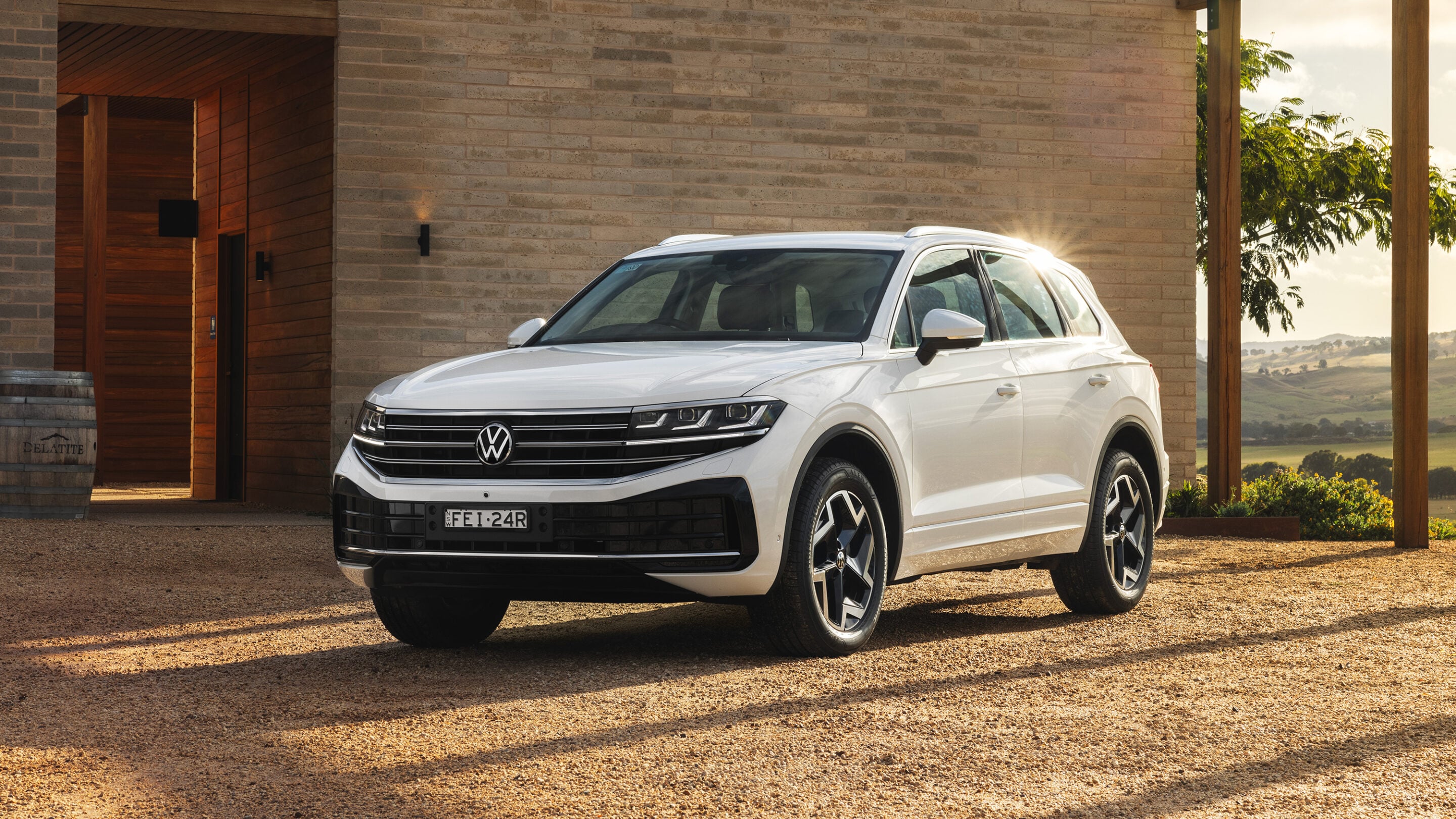
Volkswagen might not be at the top of your list of luxury German car brands, but Mein Gott in Himmel did the Touareg make a decent fist of proving otherwise.
The erstwhile Volkswagen flagship was, to put it simply, impressive. From its handsome design, beautifully crafted cabin, to the effortless torque-laden 3.0-litre V6 turbo-diesel under the bonnet, the Touareg blurred the line between its mainstream reality and premium aspiration.
Certainly, it didn’t – and doesn’t – look out of place in a carpark full of Audis, BMWs and Mercs.
Inside, Varenna leather (the real stuff, not vinyl masquerading as ‘artificial leather’) sets off a spacious and well-appointed cabin that looks every bit the part of a luxury SUV from Germany. Sure, it missed out on third-row seating, but honestly, how often does anyone use pews six and seven in an SUV?
But its triumphal march came under the skin, a lusty diesel V6, mated to an eight-speed automatic sending drive to all four wheels.
‘Effortless’ is a word thrown around too easily when it comes to performance, but here, in the Touareg, it’s entirely apt. Few, if any, luxury SUVs I sampled throughout the year offered as much refinement and performance as VW’s flag bearer.
Whisper quiet around town, and lazily powerful out on the open road, the Touareg cossetted those fortunate enough to be along for the ride in serene comfort.
But as much I loved the Touareg’s style and sophistication, the buying public didn’t, leaving VW no choice but to confirm the end of its production. Sad.
Porsche 911 GTS T-Hybrid
1
How to enrage a Porsche fan, part one. Tell them the next generation 911 will be a hybrid.
How to enrage a Porsche fan, part two. Reveal that the new hybrid 911 is actually better, by almost every measure, than the old non-hybrid model.
I remember reading comments from the Porsche keyboard warriors (or maybe worriers?) that a 911 hybrid would be ‘the beginning of the end’ for the talisman of the brand.
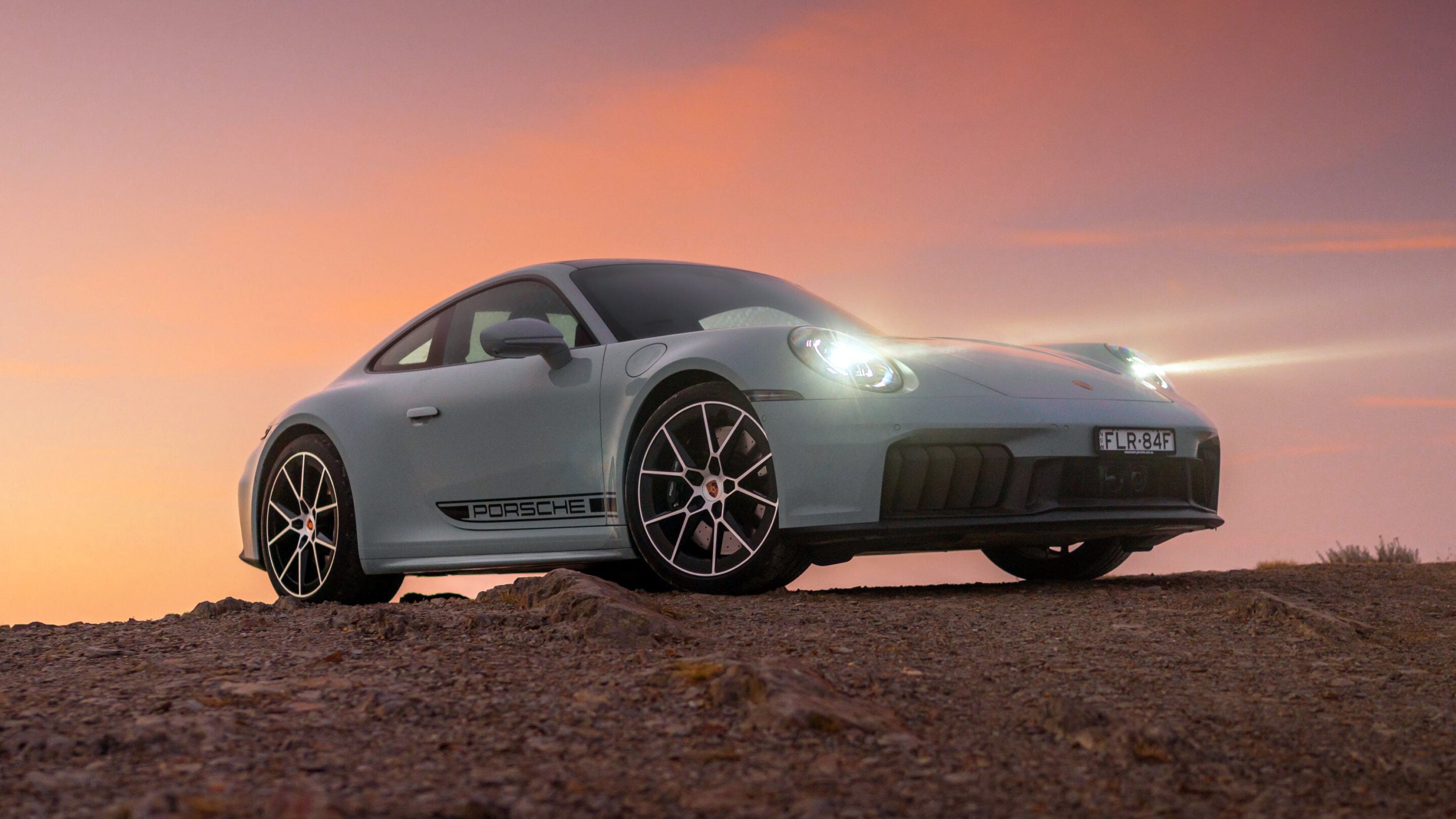
The reality couldn’t be further from that ill-founded concern because what Porsche has done by adding ‘hybrid’ to the 911 is nothing short of remarkable.
Forget the tree-hugging feels usually associated with hybrids. The T-Hybrid – as Porsche calls it – is not about eking out fuel consumption and reducing emissions. Instead, it exists only to boost performance. Two electric motors, one between the engine and transmission, the other nestled inside the 911’s turbocharger, combine with the 3.6-litre flat-six to propel the GTS from 0-100km/h in a stupid-fast three seconds flat.
But far from just a headline act, the 911 GTS is a remarkable car, one that blends everyday driveability with the scintillating performance the 911 is revered for, only better.
The ‘beginning of the end’?. Naah, just the start of a new chapter.
Mahindra XUV 3XO AX7L
1
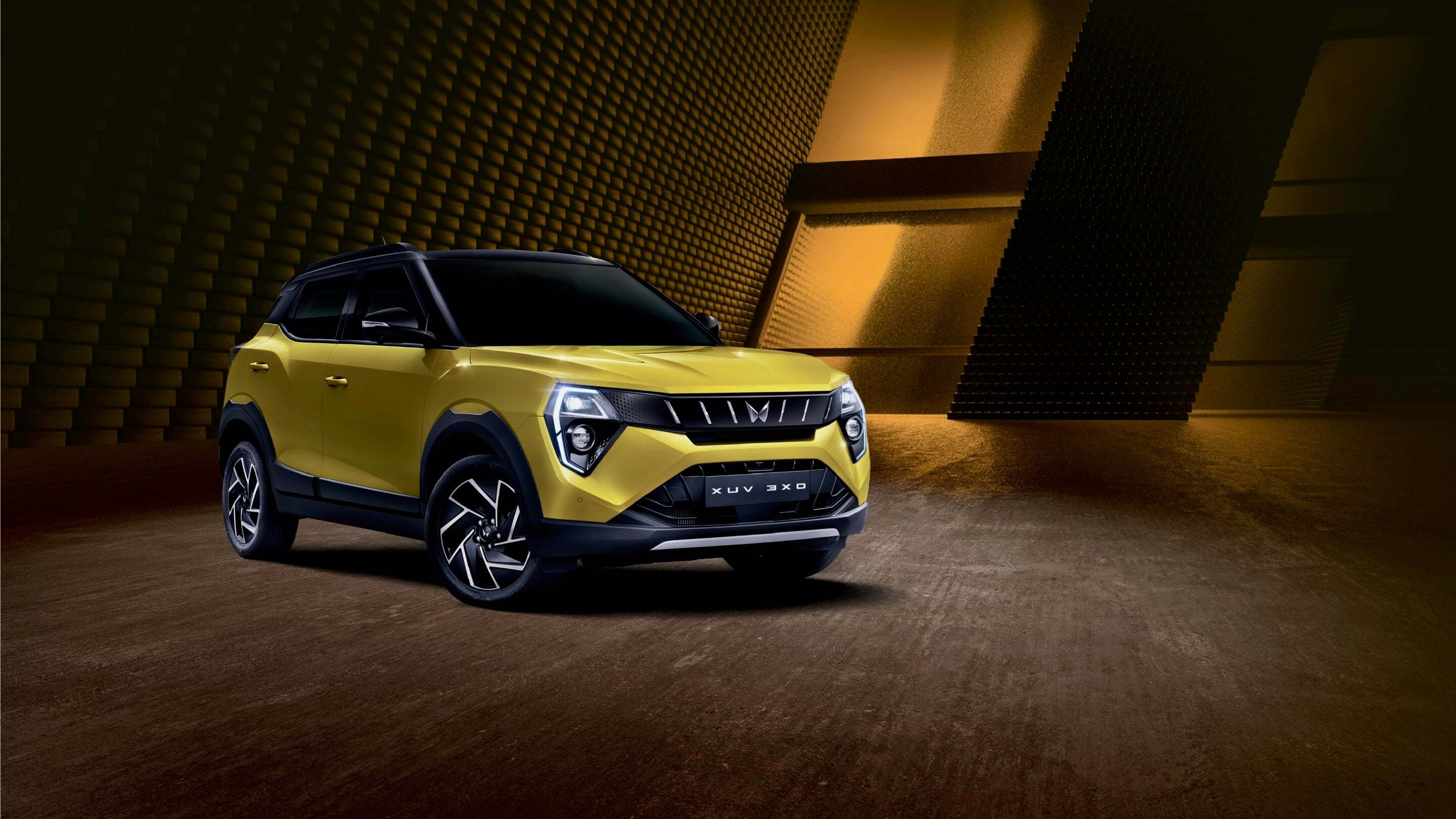
I’ll admit to being a tad sceptical when tossed the keys to the XUV 3XO from Mahindra. After all, I’d previously spent time in various SUVs from the Indian carmaker and while they proved perfectly adequate, left me feeling just a little bit whelmed.
So I expected more of the same from Mahindra’s smallest SUV, the city-sized XUV 3XO. I was wrong.
From the outset, the little urban brawler charmed with its thrummy 82kW/200Nm three-cylinder engine and slick six-speed auto as well as its nicely sorted suspension setup. That translated to a surprisingly competent drive experience, with excellent road manners and an unexpected nimbleness.
But perhaps its best selling point and why I reckon the XUV 3XO is such a little winner, is its $26,990 drive-away price. For that spend buyers score a nicely-designed cabin, with enough switches, dials and buttons to not leave you frustrated, all the tech modern owners expect and the cherry on top of a bonza Harman Kardon sound system.
For me, the Mahindra XUV 3XO is definitely 2025’s surprise packet.
Hyundai Inster Extended Range
1
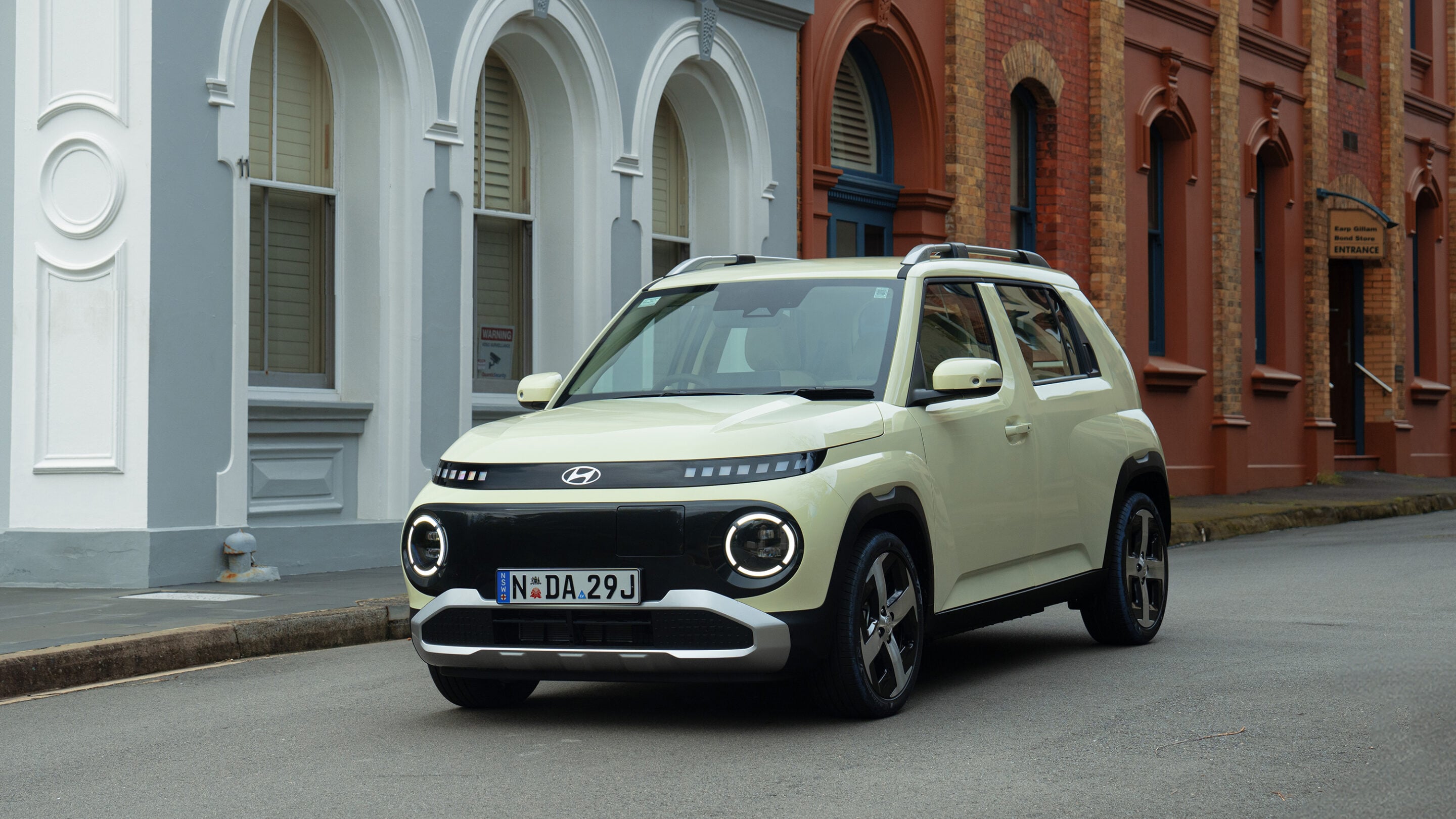
I’m a sucker for a cute city car and in 2025, I reckon none came cuter than the Hyundai Inster. This compact electric car from the Korean giant – the answer to a tsunami of ever more affordable small EVs from China – hit an awful lot of the right notes, especially for inner urban dwellers.
Wrapped inside its quirky styling and choice of bold colours, the diminutive Inster defied expectations with an incredible amount of space inside. Even the second row, so often an afterthought at this end size spectrum, brims with leg, knee and head room, thanks to its clever rear bench.
That funky exterior styling carried on inside where houndstooth cloth seats threatened to depose the original Golf GTI’s plaid trim as the chicest interior ever, even without the dimpled gear lever of the VW.
But perhaps the biggest surprise came out on the road, where the Inster proved a hoot to drive, its nicely-balanced chassis and decent damping offering plenty of thrills, even if its on-paper acceleration claim of 10.5s suggested otherwise.
The biggest drawback, of course, came at the cash register, the Inster starting from $$39,000 for the base-model and $42,500, for the extended range model. This at a time where small EVs from China are priced well under the $40k bracket and, with the arrival of the Atto 1 in recent weeks, under $25,000.
Still, if I had to nominate one car I would buy from this year’s alumni, it’s the Hyundai Inster. If only it was ten grand cheaper.
Jake Williams, Wheels staff journalist
Aston Martin Vantage
4
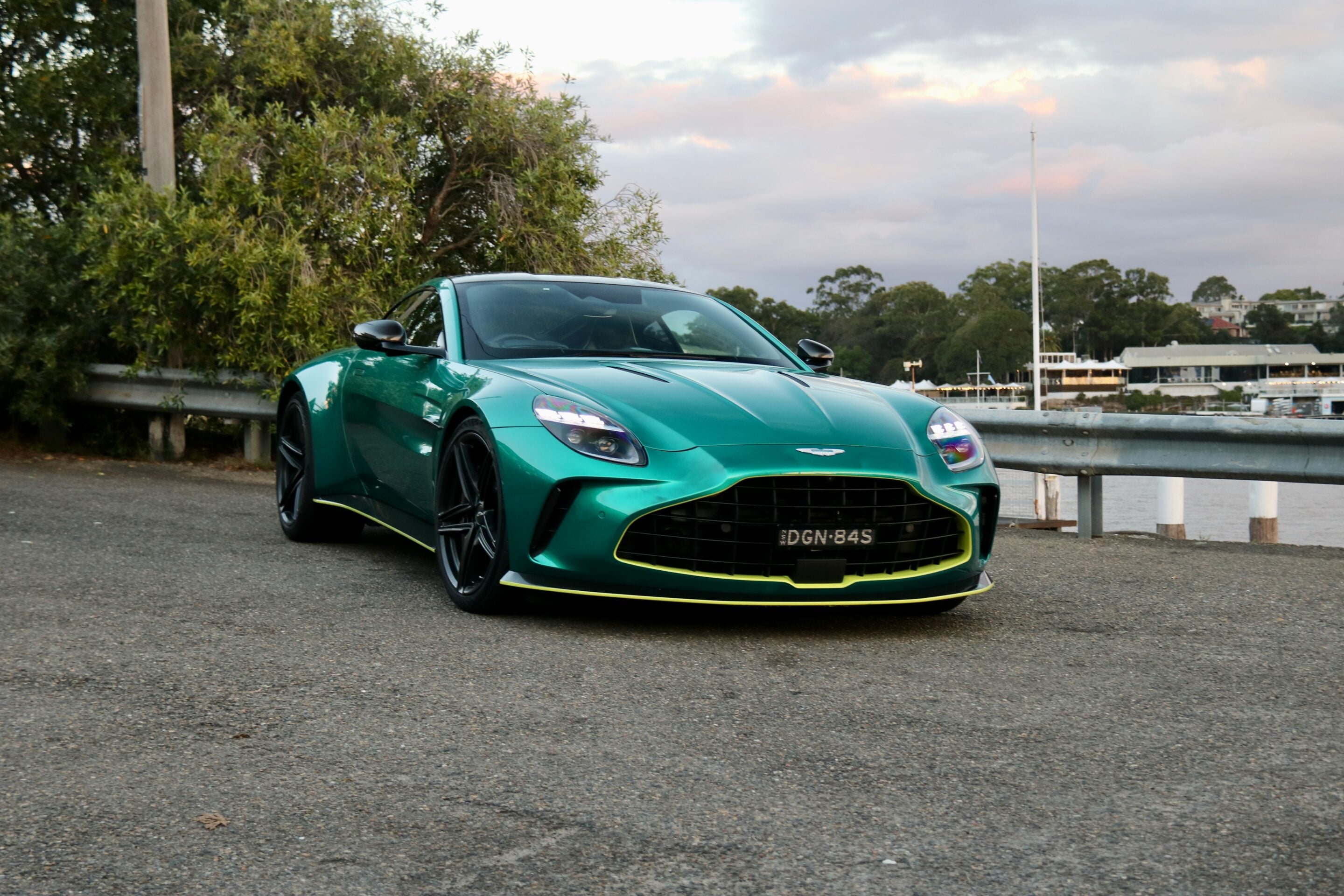
I had a big treat in my first few months at Wheels in 2025 with the launch of the new Aston Martin Vantage. Not quite an all-new car, the Vantage’s facelift is about as close as car makers get with a facelift – the front-end and cabin were completely redesigned and are far more modern than before.
But the real change with the Vantage is the uprated 4.0-litre twin-turbo V8 engine under the bonnet, which now makes a massive 489kW of power and 800Nm of torque. That makes it fast… really fast, its claimed 0-100km/h time of 3.5 seconds feeling almost pedestrian given how hard it accelerates. The top end claim is 320km/h, not that you’d see it in speed camera-obsessed Australia, but it feels entirely believable by the seat of your pants.
Its suspension set-up has also been upgraded to feel even sportier, while its 30mm-wider track, new Bilstein dampers and new multi-stage traction control system ensure that you stay on the road, even at hyperspeed. But it’s still a brute, and likes to be handled that way on track. Overall, it’s difficult not to recommend the Vantage if you’re lucky enough to have the funds for one.
Skoda Octavia RS
8
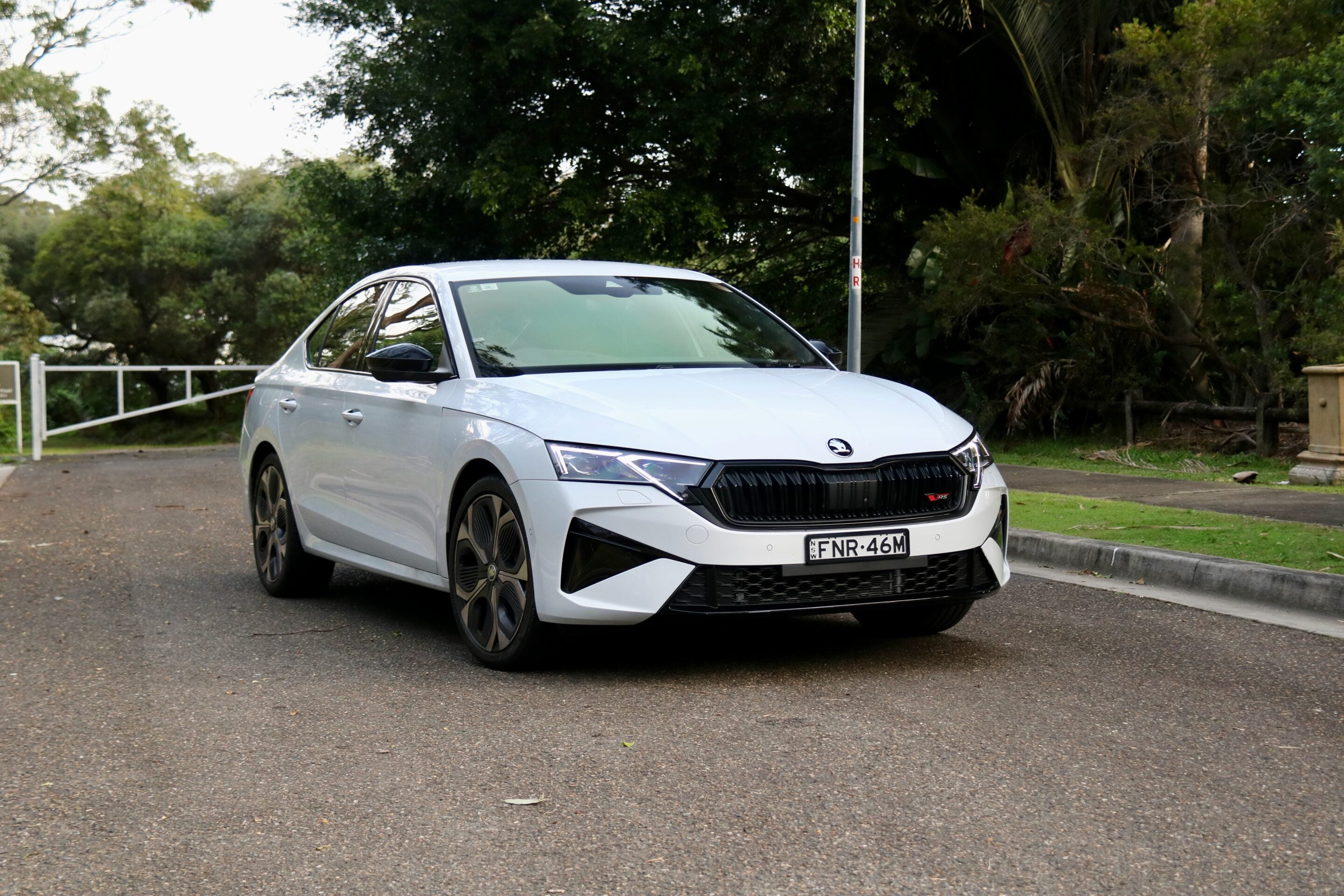
Back in the real world, I struggle to think of a more well-rounded sub-$70k car than the Skoda Octavia RS. True, it used to be less expensive and its manual option is sadly no longer available, but there really isn’t anything that the keen driving family person would want that the Octavia RS cannot do.
It takes usual Octavia goodness like fabulous practicality, great quality and refined driving manners and pairs it to the Golf GTI’s 195kW 2.0-litre turbo-petrol engine, lighting-fast dual-clutch gearbox and mechanical limited-slip diff for a great time on a windy road. Sure, it’s not quite as nimble as its German cousin, but can a Golf hatchback fit a family of five and all their junk for a road trip too? I think not.
The Octavia RS is not cheap, but it is loaded with standard features, including Matrix LED headlights, adaptive dampers, 19-inch alloy wheels, leather and suede upholstery, heated and electric front seats, a huge infotainment screen, head-up display and warm Canton audio. Don’t forget Skoda’s seven-year/unlimited km warranty in Australia too. Really, if you like driving and need a practical car, don’t even consider an SUV: the Octavia RS is the solution.
Hyundai Palisade
9
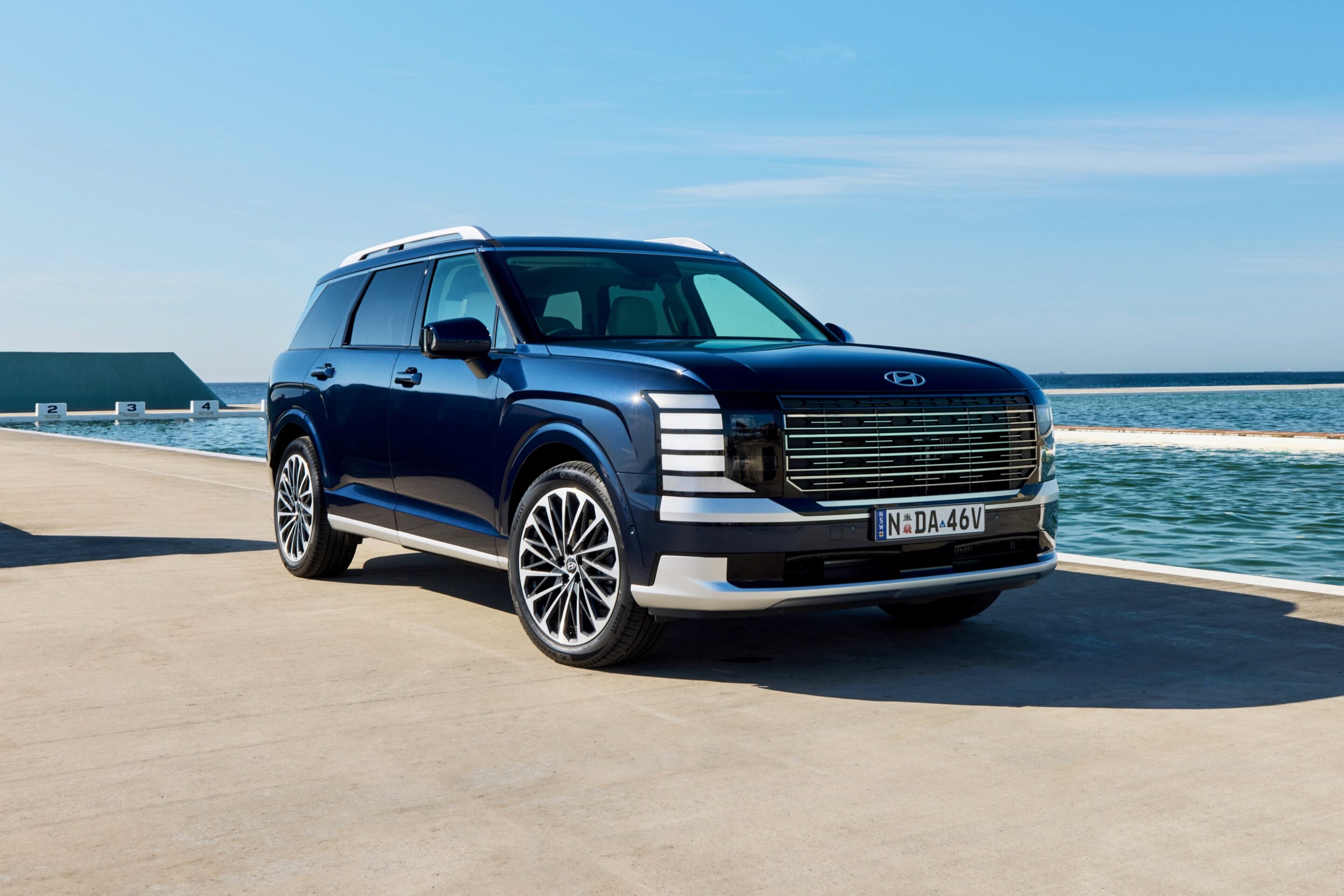
Hyundai has been on a huge product roll for the past decade and the Palisade is the latest in line for a glow up. Generation two is bigger and more expensive than generation one, but it’s also a massive step up in comparison. Take, for example, the interior. It’s now properly luxurious and shocks you with its quality and general feel throughout. Even in the third row, the materials and ambience are high-end, so much so that you have to wonder why Genesis exists.
Gone are the previous 2.2-litre turbo-diesel and 3.8-litre petrol V6 powertrains and in their place is a new hybrid system. The 2.5-litre turbo hybrid drivetrain makes impressive 245kW/460Nm outputs but is also reasonable for thirst at a claimed 6.8L/100km on the combined cycle. It’s a strong drivetrain, and is more than punchy enough to safely propel its eight passengers.
The new Palisade drives well too, with successful local tuning for the suspension and keen handling for such a big vehicle. Add in the very practical cabin with room for even tall adults in the third row and I reckon that Hyundai has got a winner on its hands.
Hyundai i20 N
10
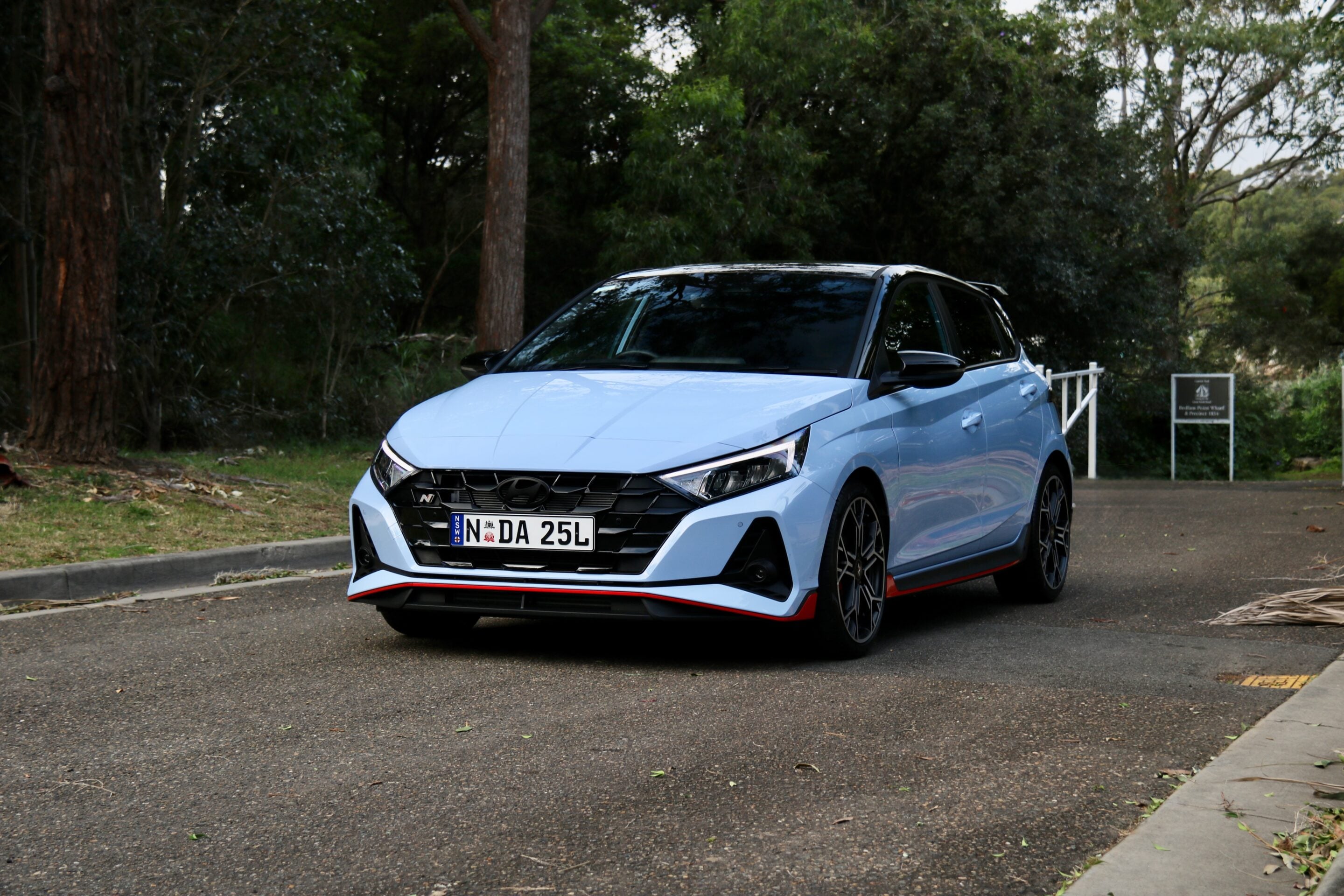
Here’s a fun fact: did you know that Hyundai only makes the i20 N for two countries globally? That’s right, despite being built in Turkey, it’s no longer sold in Europe, nor any Asian market. Yep, the i20 N is only sold in Australia and New Zealand. That’s no surprise given how much our market loves performance cars, but of all the countries in the world, it’s made for just us (and NZ)? We should be honoured.
It’s not long for this world in its current generation, but the i20 N is one of the hot hatch greats of this century. The combination of a grunty 1.6-litre turbo-petrol engine, sweet six-speed manual, mechanical limited-slip differential and rorty exhaust sound like a winner, but add in the i20 N’s keen value equation, practical cabin and long list of features, and it’s a big shame that Hyundai hasn’t been able to make more for our market.
On the road, the i20 N is quite firm, but it’s an absolute riot moving swiftly from bend to bend with meaty controls and most of the aural drama you’d expect from Hyundai’s N division. Unfortunately, 2026 will see a new generation of i20 N, one that’s likely to be hybridised and fitted with an automatic transmission as standard. Because of that, I implore you to buy one if you’re in a position to because it’s a great ‘lil nugget as it is currently.
BMW X3 M50
8
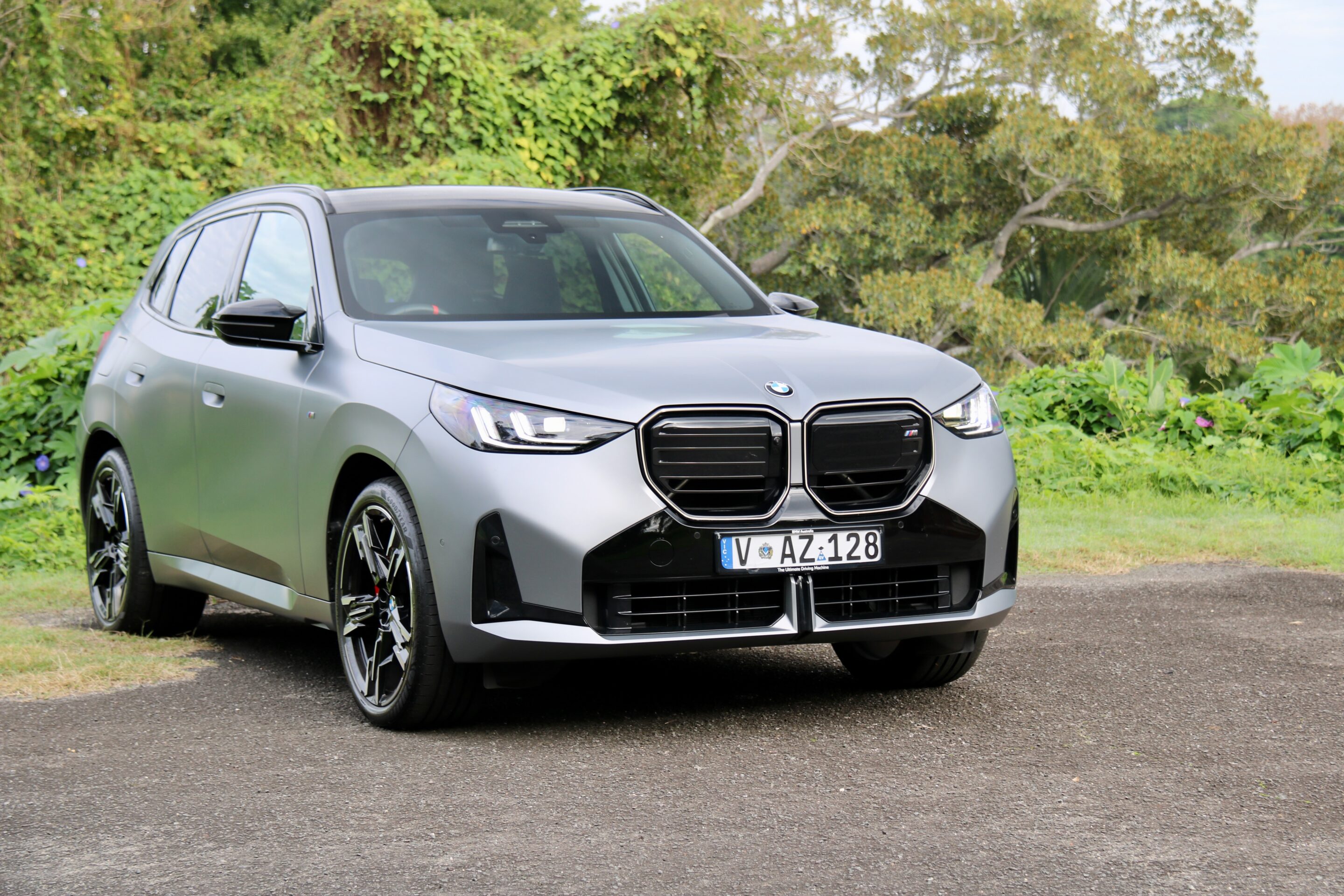
An M340i wagon makes a lot more sense to me than an X3 M50, but you can’t buy a new one locally so if you’re in need of more space but don’t want something too big, the X3 is your likely solution. Priced from $128,900 plus on-road costs, it’s not cheap, but it is very well equipped.
Then there’s its party piece: the iconic B58 3.0-litre turbo-six engine and ZF eight-speed automatic transmission pairing. Very quick (just 4.6 seconds to 100km/h), great to listen to and yet, somewhat efficient if you’re careful with it, the X3 M50 is a joy to drive. It handles excellently, as you’d expect for a BMW, but it’s also comfortable enough for our appalling roads.
The cabin of the new X3 is certainly more minimalist than the previous model, with masses of synthetic leather trim on the dashboard and a few ungainly plastics on the doors (like the handles). But it still all works well, and feels as solid as a BMW should. If you’re after a sporty mid-size luxury SUV, the BMW X3 M50 is one of the best at the moment – I’m still thinking about the M340i Touring though…
Follow WhichCar/Wheels on Google
Click the button below to make WhichCar by Wheels a preferred source for your news.

We recommend
-
 COTY
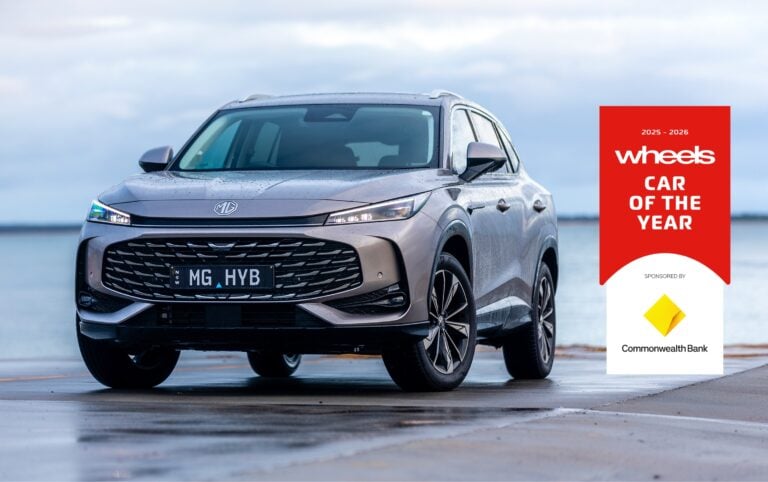
COTY2025-26 Wheels Car of the Year finalists, 2ND: MG HS Hybrid+ Essence
MG’s new HS Hybrid delivers unexpected polish, combining refined handling, smooth hybrid performance and impressive value to stand out in Australia’s crowded mid-size SUV field.
-
 COTY
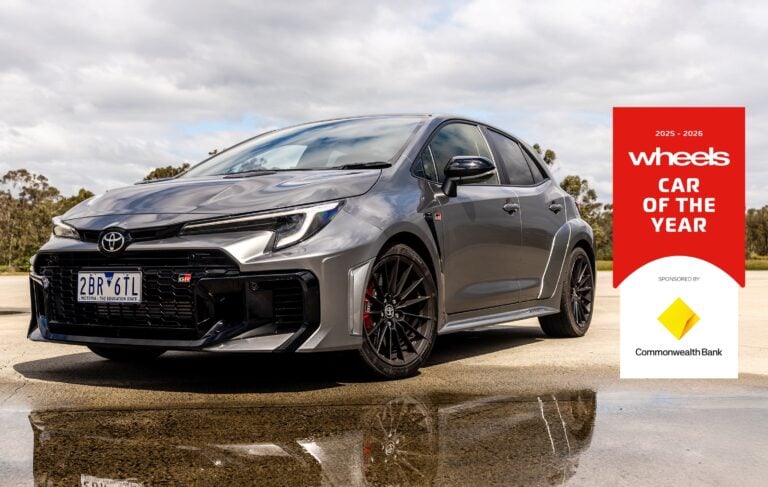
COTY2025-26 Wheels Car of the Year finalists, 3RD: Toyota GR Corolla
Toyota’s GR Corolla hogged both keys and tyres at COTY, blending rally-bred pace with daily-driver polish, proving Gazoo Racing’s magic lives on in 2025.