News
Gallery 1
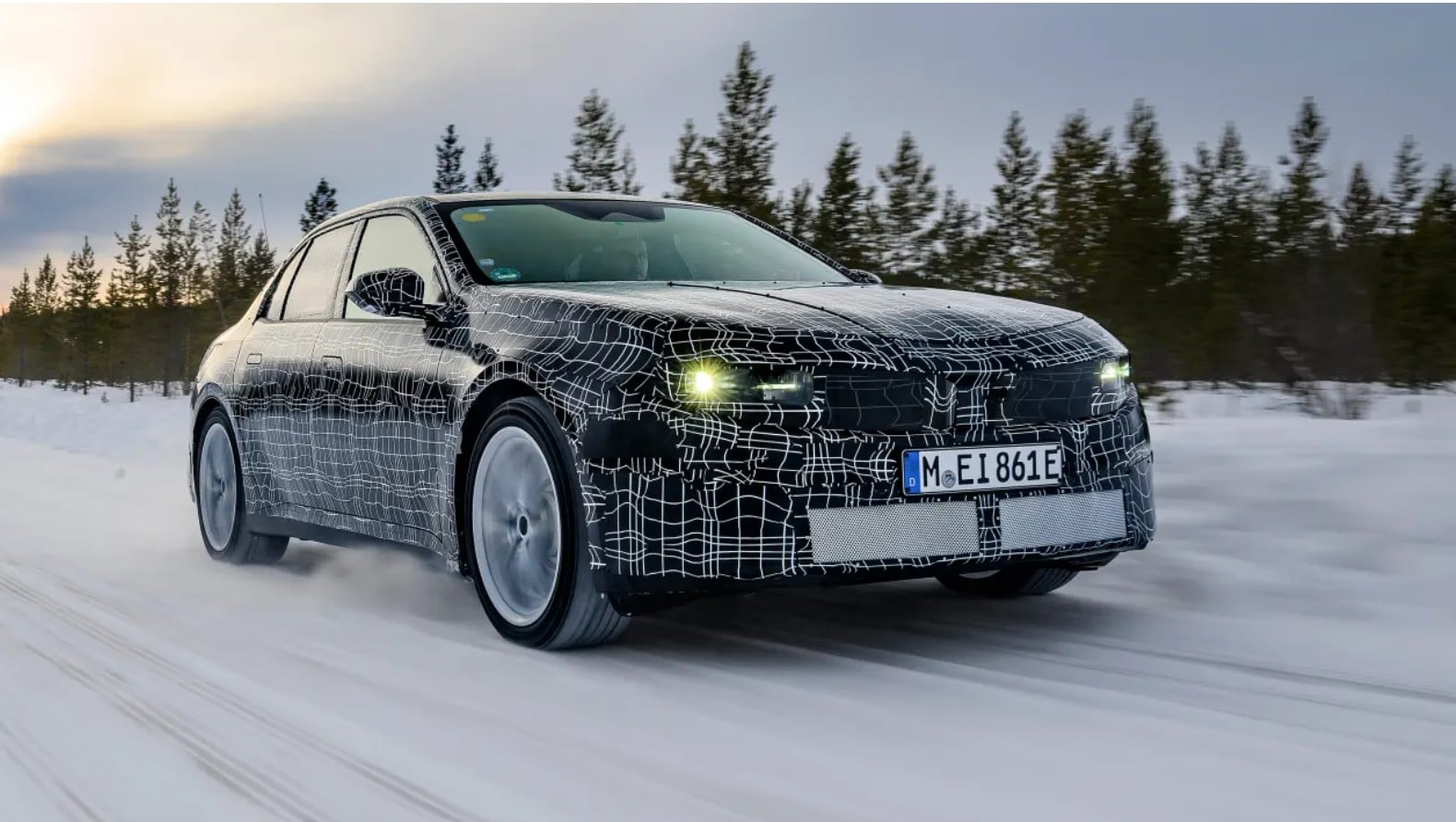
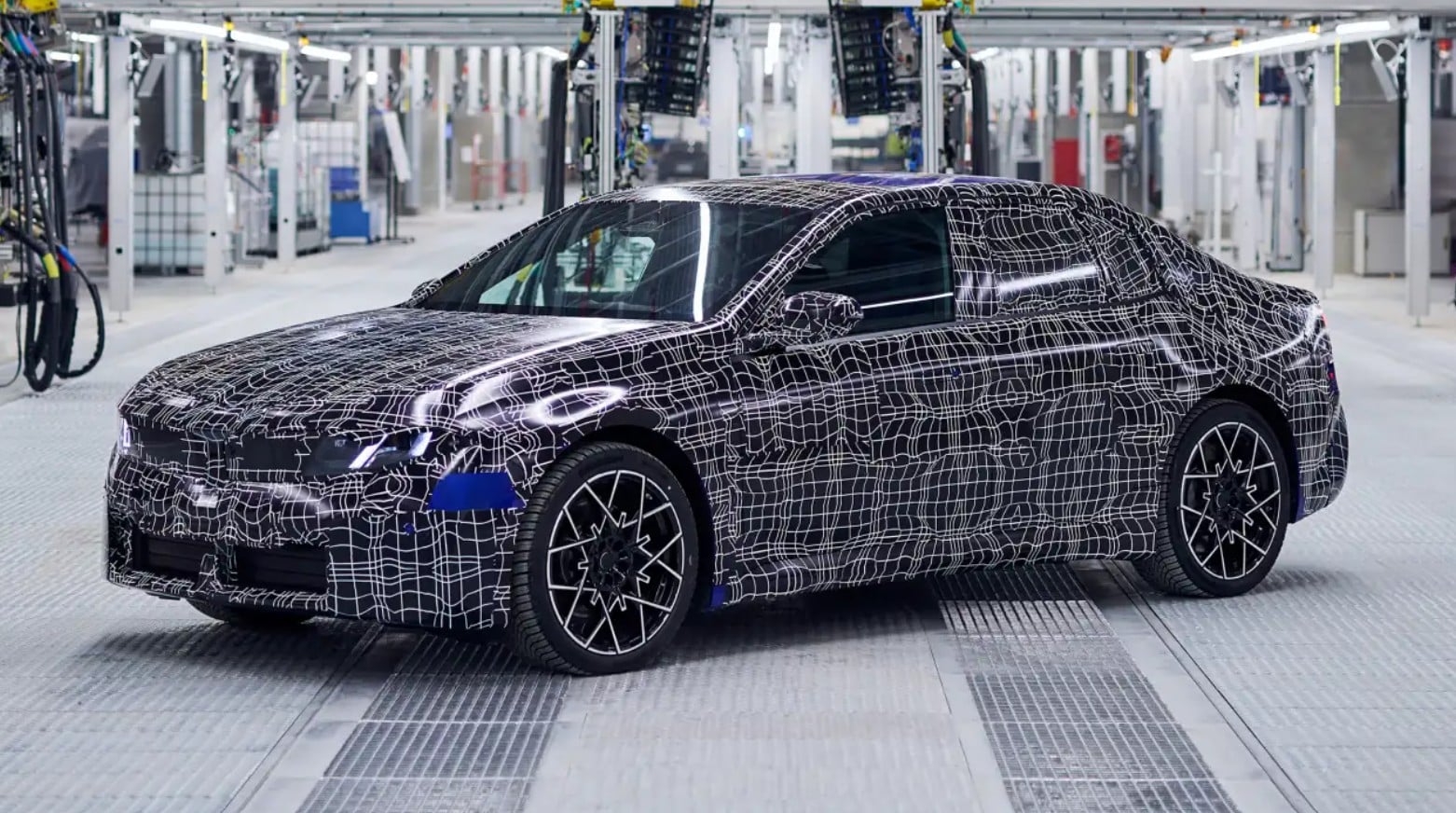
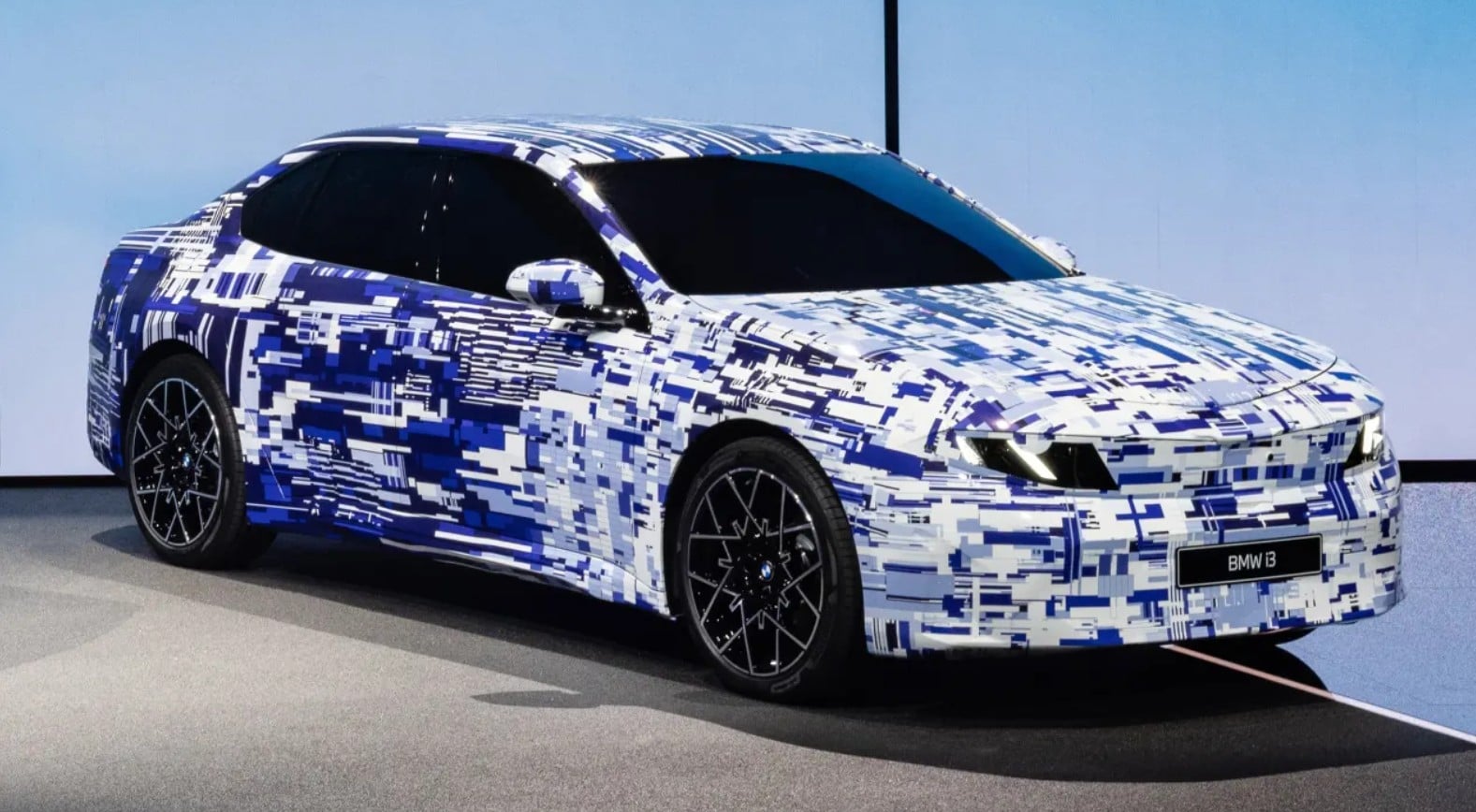
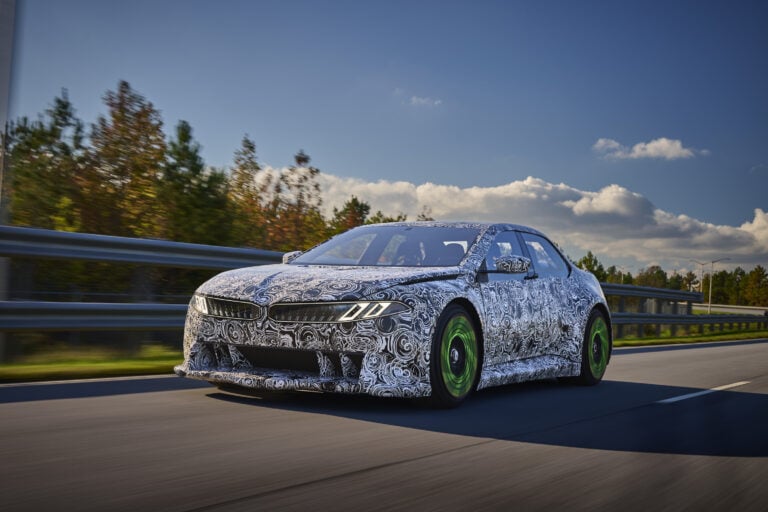
BMW appears to be closing in on the reveal of the next-generation 3 Series, with near-production versions of the all-electric BMW i3 now rolling off the assembly line in Munich. The camouflaged vehicles mark the first tangible glimpse of the electric sedan that will spearhead BMW’s Neue Klasse era and signal a significant technological reset for the brand’s most important model.
Despite the familiar name, this new i3 bears little resemblance to BMW’s earlier city-focused EV. Instead, it will serve as the electric counterpart to the next 3 Series sedan, sharing design language and core technology with the upcoming iX3 electric SUV. Both models form part of BMW’s broader plan to introduce around 40 new or updated vehicles globally by 2027.
3
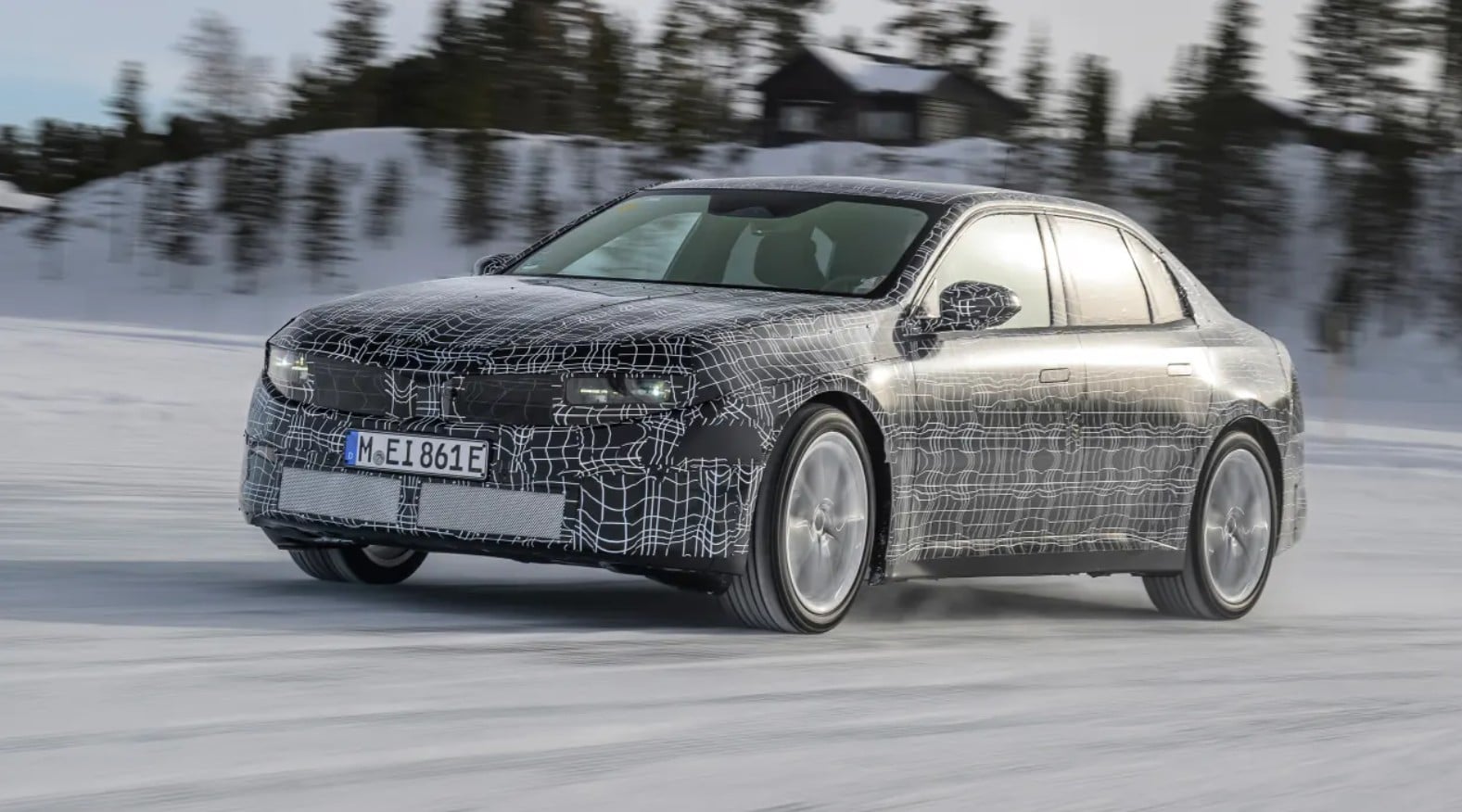
According to BMW executives, the i3 is intended to restore the dynamic character that made earlier generations of the 3 Series a benchmark. The new platform has been engineered specifically for electric drivetrains, with a focus on agility, steering feel and driver engagement – qualities BMW believes have been diluted in some modern EVs.
Importantly, BMW is not abandoning combustion power. Petrol-powered versions of the next 3 Series are also in development, including a future M340 variant using a six-cylinder turbocharged engine. A Touring wagon will follow, along with a flagship M3 due in 2027 that will, for the first time, be offered with both petrol and electric power. The electric M3 – known internally as the iM3 – is expected to use four electric motors and deliver outputs approaching 750kW.
1
Visually, electric and petrol versions of the 3 Series will look closely related. Both will adopt BMW’s new Neue Klasse styling, previewed by a 2023 concept, featuring a slimmer and wider interpretation of the kidney grille that integrates driver-assistance sensors. Subtle proportion changes will distinguish the EV, including a shorter bonnet and more pronounced wheelarches, while combustion models retain a longer front end.
BMW is taking an unusual approach under the skin. The electric i3 will sit on a dedicated EV platform, while petrol models will continue on an evolved version of the current architecture. Despite the different foundations, interior design and technology will be shared across the range, including BMW’s new Panoramic iDrive system. This setup projects key information along the base of the windscreen, supported by a centrally mounted touchscreen positioned to reduce driver distraction.
6
The i3 will benefit from BMW’s latest sixth-generation eDrive technology, using an 800-volt electrical system for ultra-fast charging. BMW claims vehicles using this hardware can add more than 400 kilometres of driving range in just 10 minutes under ideal conditions. Battery sizes have not been confirmed, but BMW is targeting a driving range comfortably beyond 800 kilometres if larger packs are fitted.
With the next Mercedes-Benz C-Class also set to go electric, the battle for the premium mid-size sedan segment is about to intensify – and BMW is clearly positioning the i3 to lead from the front.
Follow WhichCar/Wheels on Google
Click the button below to make WhichCar by Wheels a preferred source for your news.

We recommend
-
 News
NewsTake a peek at the future of the BMW M3
BMW rolls out a test vehicle that’s packed with tech. Wheels pull on a few of the threads.
-
 News
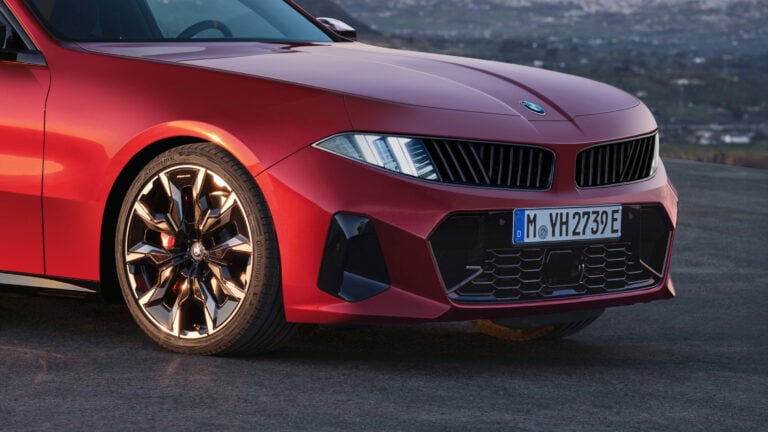
NewsIs this the new 2026 BMW 3 Series?
Could the next-gen BMW 3 Series, the G50, share some key styling cues with the anticipated i3 electric sedan?
-
 News
NewsBMW 3 Series marks 50 years as backbone of a global production network
From a single plant in Munich to factories across four continents, the 3 Series has shaped how BMW builds cars worldwide.