Advice

Gallery 1
Australian fuel prices have risen by at least 50 cents per litre over the past eight weeks, surging from around $1.57 per litre for 91 RON regular unleaded petrol to around $2.35 per litre, or not far off $1 per litre more. That’s especially alarming given many of us were already dealing with a cost of living crisis.
We’ve previously offered some suggestions on the best electric and hybrid options for those seeking a new car, but what if a new car isn’t an option? Thankfully, there are many easy ways to save fuel and therefore money, hopefully making the current situation less stressful. Here’s the WhichCar by Wheels guide to the best ways to save fuel:
Plan trips and only drive when necessary
1
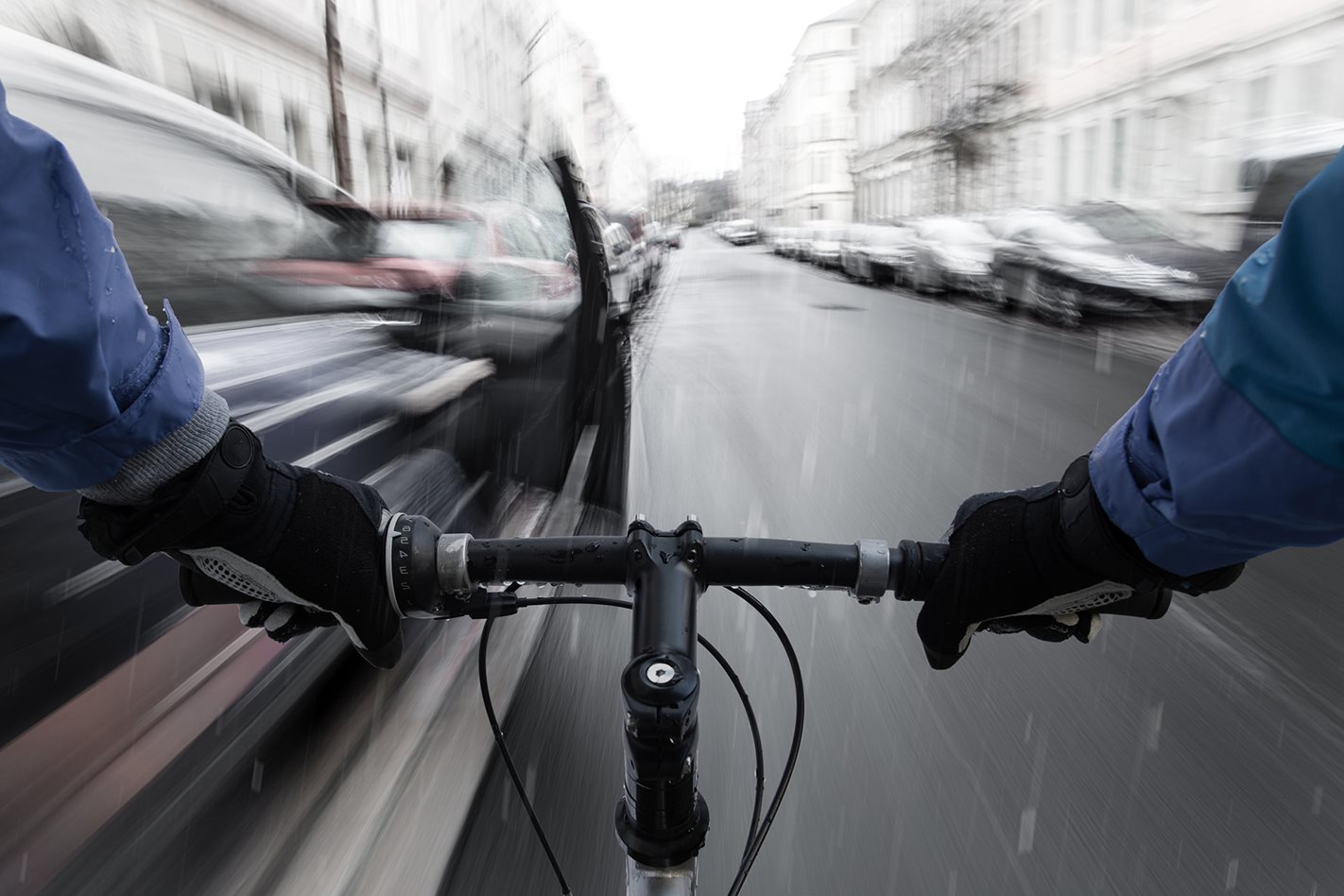
Obviously the biggest way you can save fuel is… not drive at all. Using public transport, riding a bike, organising car pooling and working from home as much as possible can all reduce your fuel consumption.
Reduce short trips in the car – which end up being much worse for overall fuel consumption – as much as possible.
Of course, not driving at all isn’t realistic for everybody, especially for those living in rural and remote areas, so another way to save on fuel is to plan your trips accordingly. Got a day of errands to run in the car? Do them all in one trip, instead of going out more than once. Don’t drive in the hours when traffic is likely to be worse. Check navigation apps like Google Maps and Waze before leaving in case there’s traffic, or to discover the most economical route to your destination.
Change your driving style
1
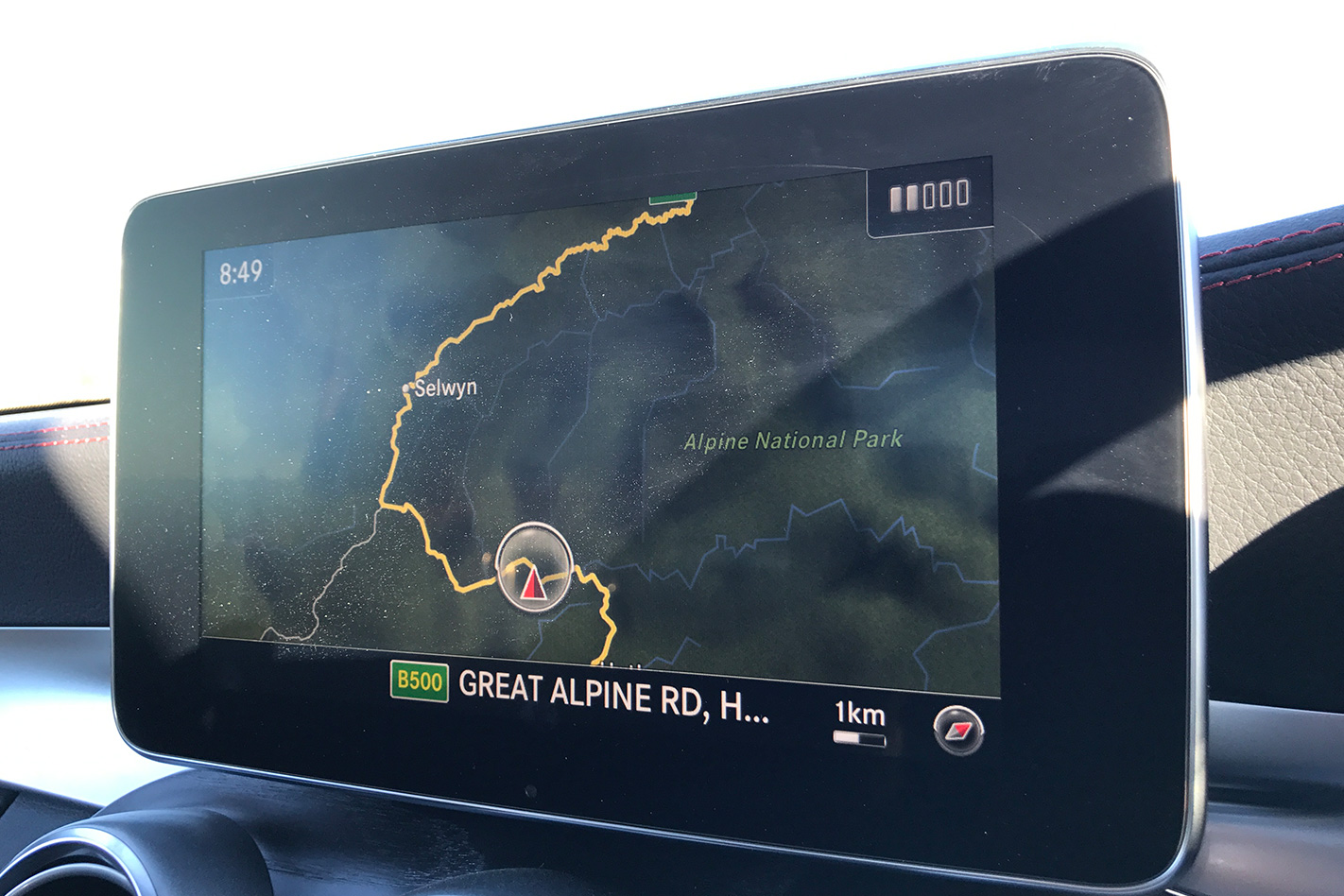
In addition to reducing the amount of driving you do, the biggest change you can make to save fuel is to adjust your driving style. It’s proven that drivers who are more aggressive are more heavy footed, using more fuel, and more relaxed drivers use less fuel. Potentially plan your route for less hilly terrain so that your vehicle doesn’t have to work as hard. Be smooth in your inputs, don’t push the pedals hard and plan ahead, like watching the road for a red light and coasting towards it, instead of accelerating and braking at the last second.
Does your car have an eco mode? If so, that’s been designed by the manufacturer to likely dull the throttle response and lower the performance in an attempt to use less fuel, so why not use it? In our experience, eco mode can help reduce fuel usage somewhat and help save money.
Keep your car maintained to manufacturer requirements
1
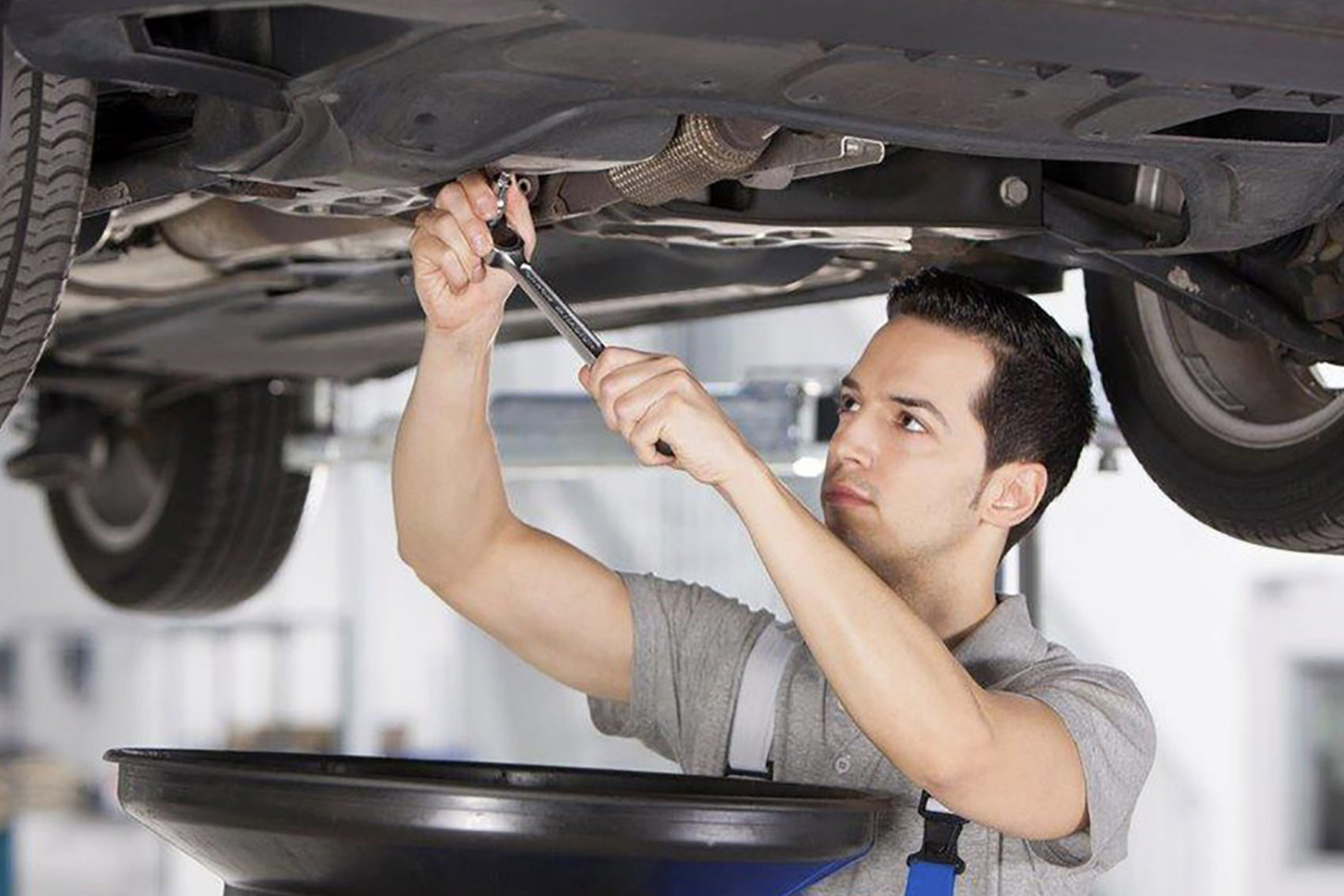
Oil degrades, filters get clogged, wheels can get knocked out of alignment and tyres wear out. Make sure to keep your vehicle’s servicing up to date, as well as its tyres pumped and aligned to manufacturer requirements, to make sure that it’s running at its optimum. If it’s not, your fuel consumption can jump considerably.
Even running a vehicle with lower-than-required tyre pressures can add significantly to fuel use as more of the tyre surface is connected to the road than necessary, so make sure you check your pressure levels at least once every few weeks.
Check fuel prices before you fill up
1
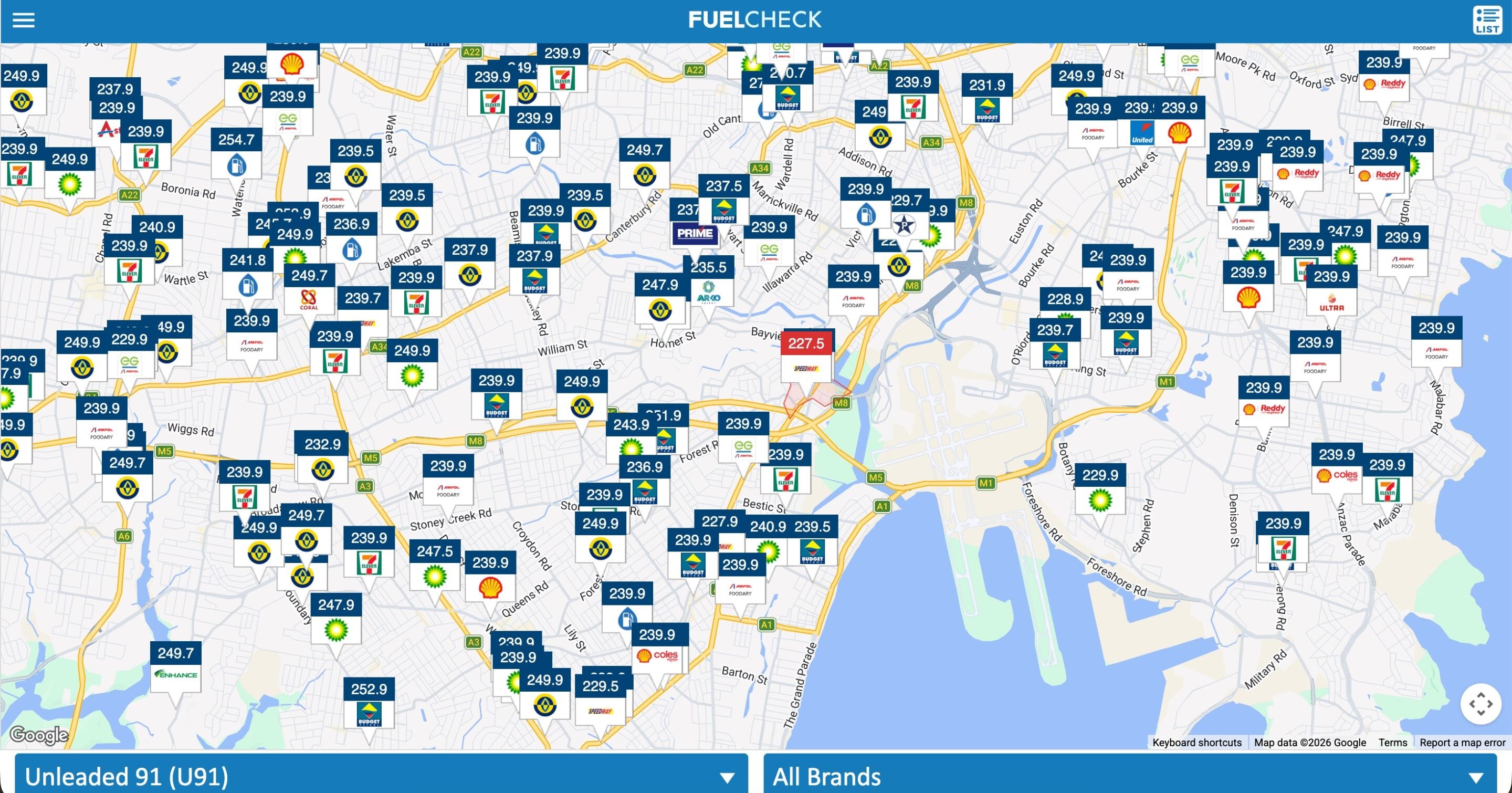
Thanks to the ridiculous fuel cycle that many of our capital cities see these days, fuel prices vary massively from area to area and even from one fuel station to the next. Therefore, do your research before filling up. Don’t just go to the closest service station and pay whatever they’re asking for fuel, download a fuel app like the NSW Fuel Check app and see how much the required fuel for your vehicle costs around your whole area.
For example, at the time of writing, checking NSW Fuel Check shows a massive variance in how much fuel stations are asking for the same fuels. Looking at an area around Sydney Airport shows a station in Wolli Creek offering 91 RON regular unleaded for $2.27.5 per litre, but just a few kilometres away in Bexley North, the same fuel is $2.49.9 per litre. Using that difference in cost, filling a small car like a Toyota Corolla hybrid costs an extra $10 depending on where it’s filled up. Multiplying that over a year, filling up once per week is a minimum $520 saving – and that’s just for a small car, let alone bigger ones. Imagine the same difference in cost for a large SUV or ute.
Check the fuel you’re using
1
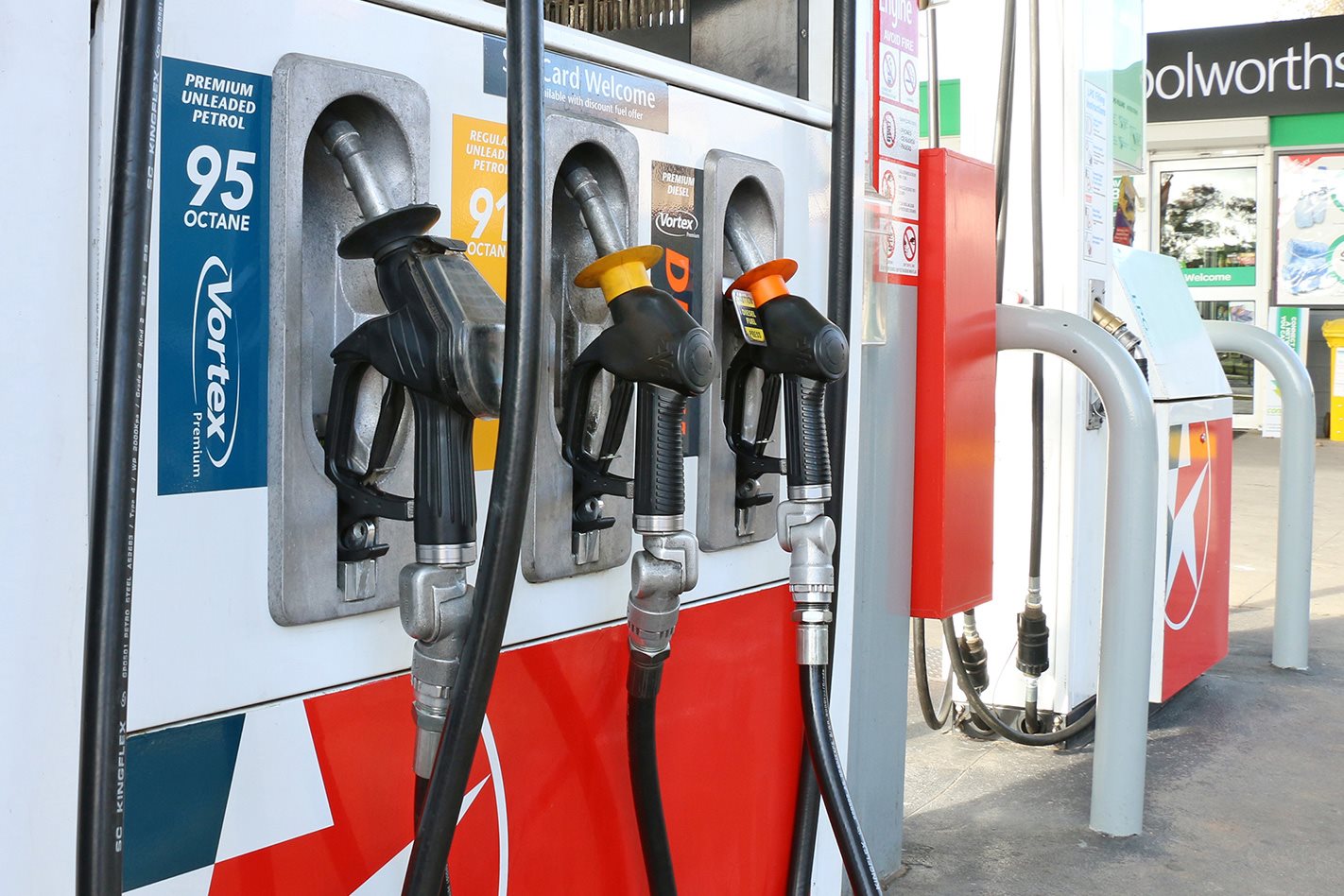
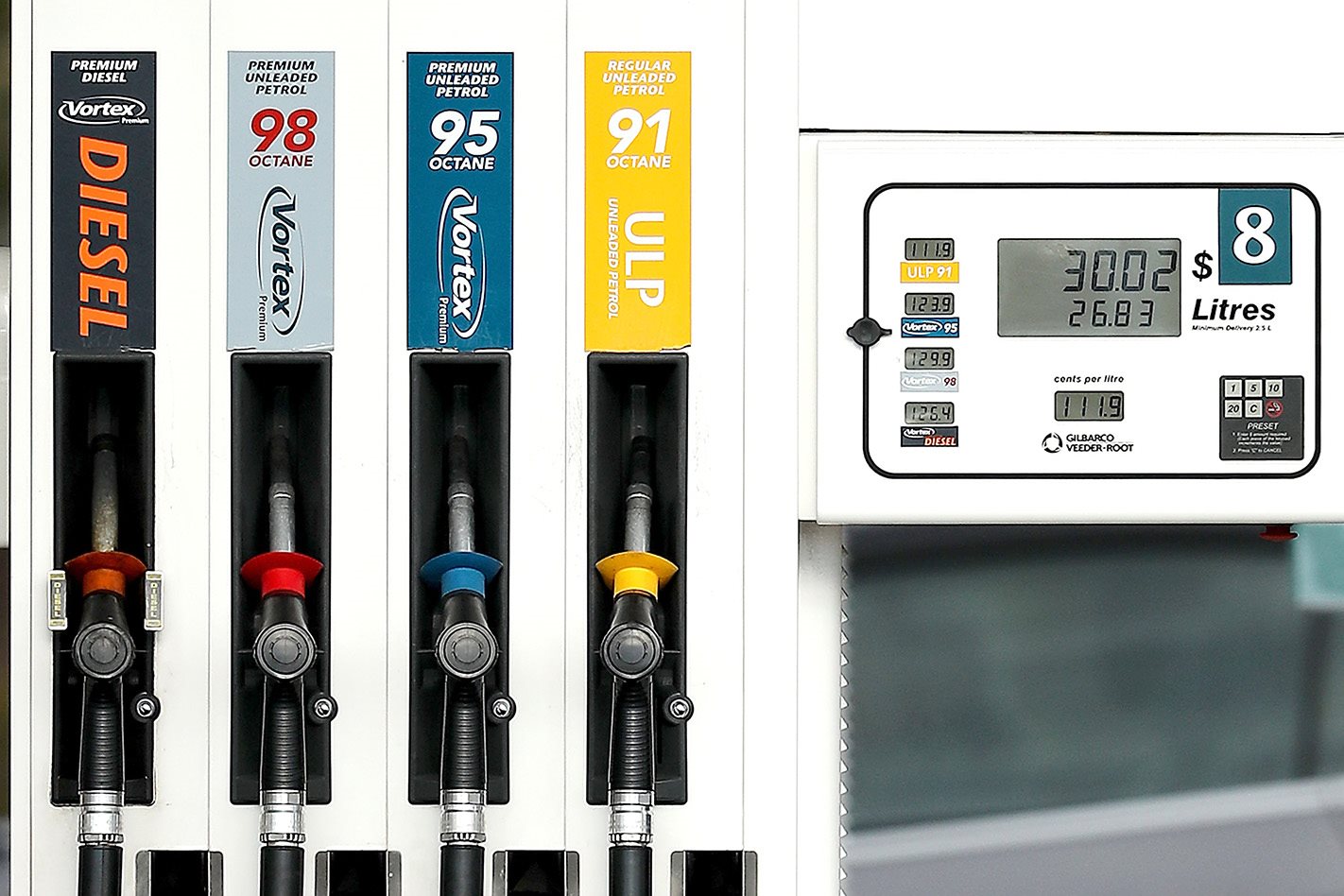
Which fuels cars use has long been the subject of debate and if you do your research, changing the fuel you use could benefit you. For example, does a higher octane fuel like 95 RON premium benefit regular cars like the aforementioned Corolla hybrid?
The science generally says no, but there is benefit in using 91 RON regular unleaded instead of E10, which contains a 10 per cent ethanol mix that has been scientifically proven makes cars thirstier. Paying an extra 2c per litre could be see a big benefit in how far you’re able to travel on a tank.
Lessen your energy usage
1
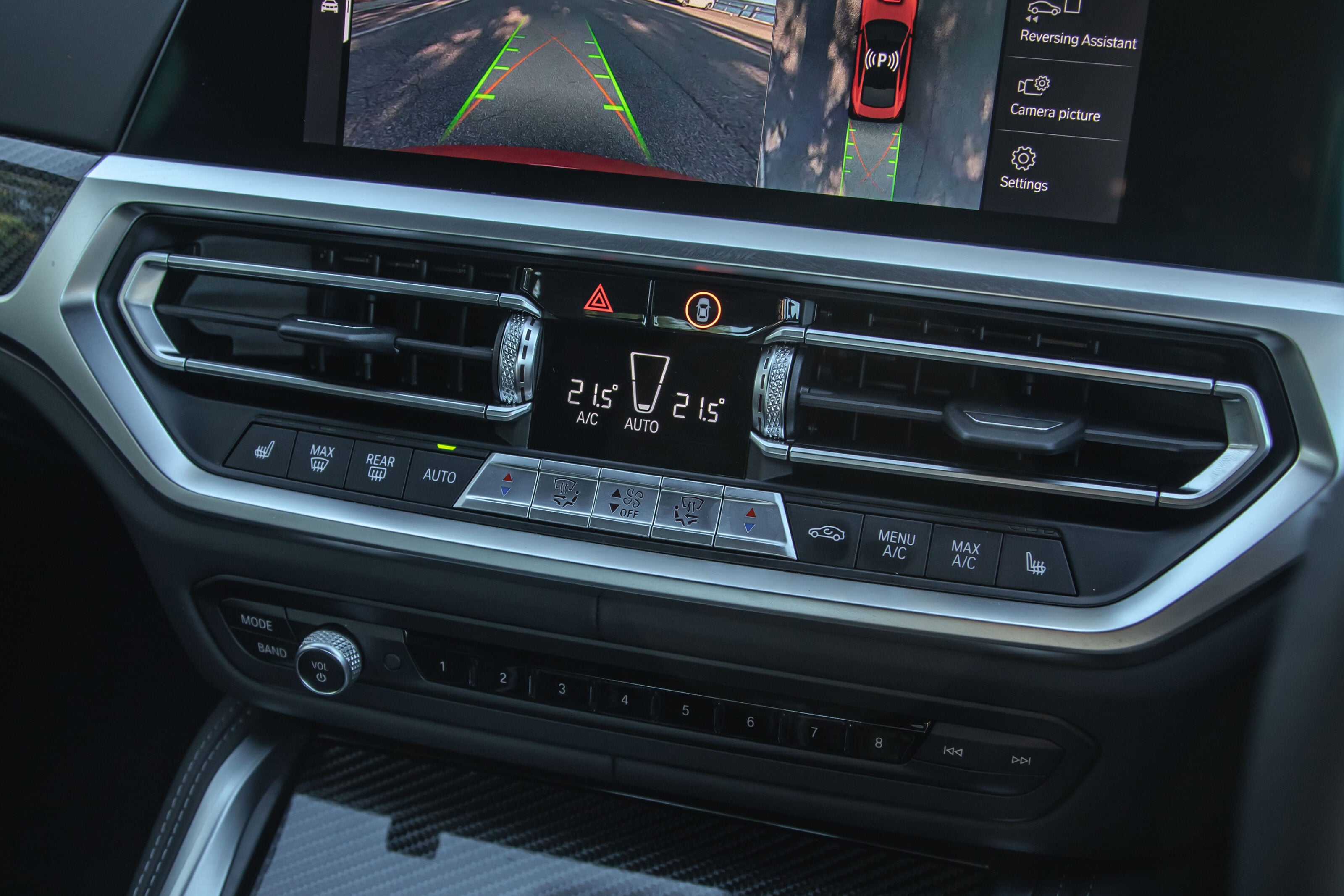
It’s well known that using your car’s air-conditioning can increase its fuel use because it requires more power to operate. Therefore, opening your windows instead of using the AC while driving at lower speeds could be beneficial for fuel consumption, though the aerodynamic disturbance at higher speeds is enough for science to say roll your windows up and use the AC instead.
In addition to the AC, turn your music down, turn off window and mirror heating, don’t use your heated seats, infotainment screens, etc. Do you need to use all of your car’s features? Probably not, and that could save you fuel.
Clean your vehicle

1
Operating a dirty vehicle can add significantly to its drag co-efficiency, therefore making it use more fuel – as much as 10 per cent, according to some sources. Clean your vehicle at least once every few weeks to make sure that it’s as slippery as possible pushing through the air. Remove stodgy marks like bird dirt as soon as they happen – both your car’s paint and your wallet will thank you.
Remove unnecessary weight

1
Much like making sure your car is clean, removing unnecessary weight is a great way to ensure your vehicle uses as little fuel as possible. Those roof racks from your camping trip six months ago that are still attached? They’re adding both weight and drag to your vehicle, which is adding to its fuel usage and running costs.
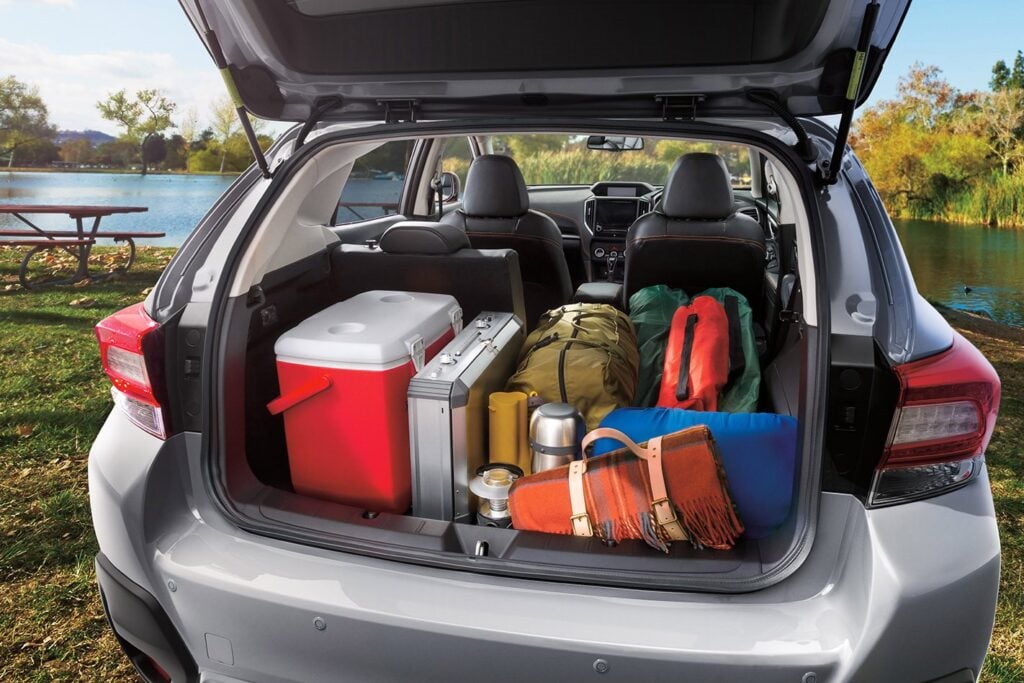
Same for all the junk in your boot. Does it really need to be in your car? Likely not, so remove it and enjoy lesser weight and therefore reduced fuel use and running costs.
Follow WhichCar/Wheels on Google
Click the button below to make WhichCar by Wheels a preferred source for your news.

We recommend
-
 Features
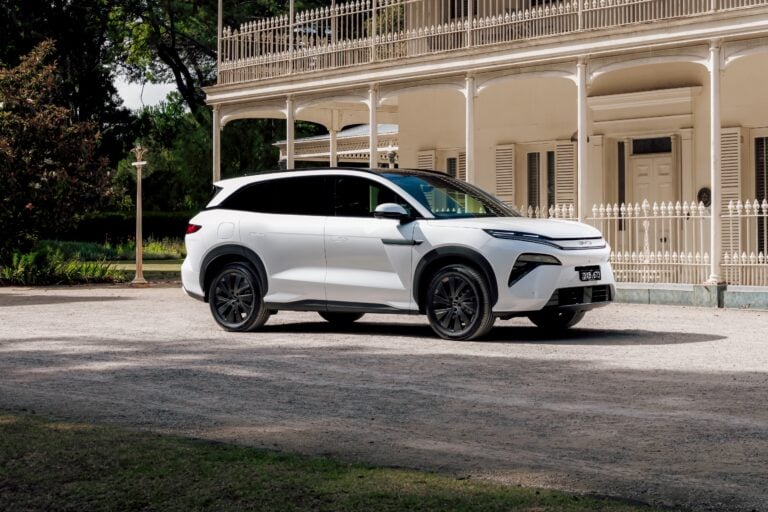
Hybrid vehicles can reduce fuel use during record high prices – so which are the best options?
The latest conflict in the Middle East has seen fuel prices spike and the possibility of further rises to come, so what are the best hybrid vehicles to lessen your spend on filling your car?
-
 News
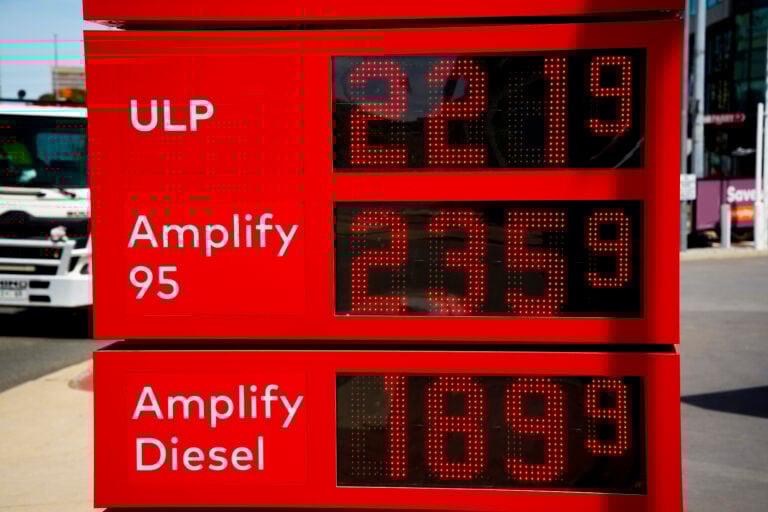
NewsACCC warns fuel retailers as petrol prices surge
Consumer watchdog meets major suppliers amid rising prices and supply concerns, vowing action against any signs of price gouging.
-
 Features
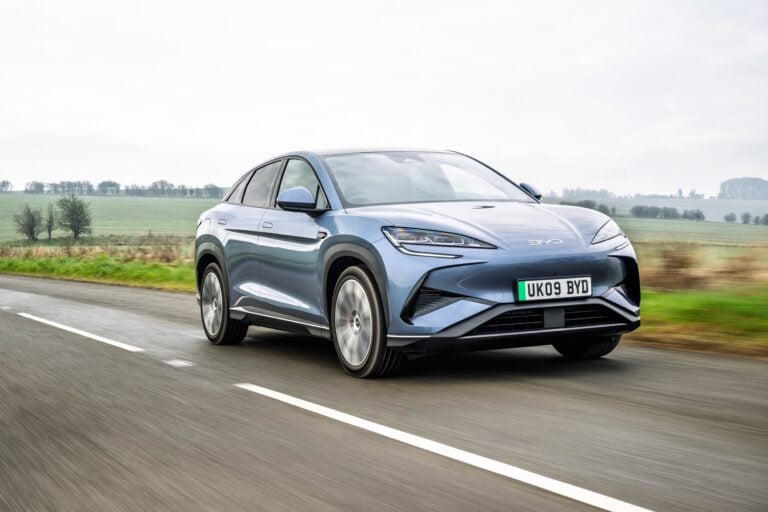
Petrol prices could yet go higher... so which EV should you look at?
Fuel could still go higher in price as a result of the conflict in the Middle East. For many potential car buyers it looks a good time to ditch fossil fuel-powered vehicles altogether and buy an EV, so which should you be looking at?