News

Gallery 1
The ongoing Middle East conflict has seen demand for electric vehicles surge as new car buyers look to immunise themselves against escalating fuel prices and supply issues.
But that demand has seen wait times blow out by as much as three months, according to some automakers who are reporting unprecedented interest in EVs and plug-in hybrids while at least one auction house is reporting a 100 per cent clearance rate for its stock of second-hand electric vehicles.
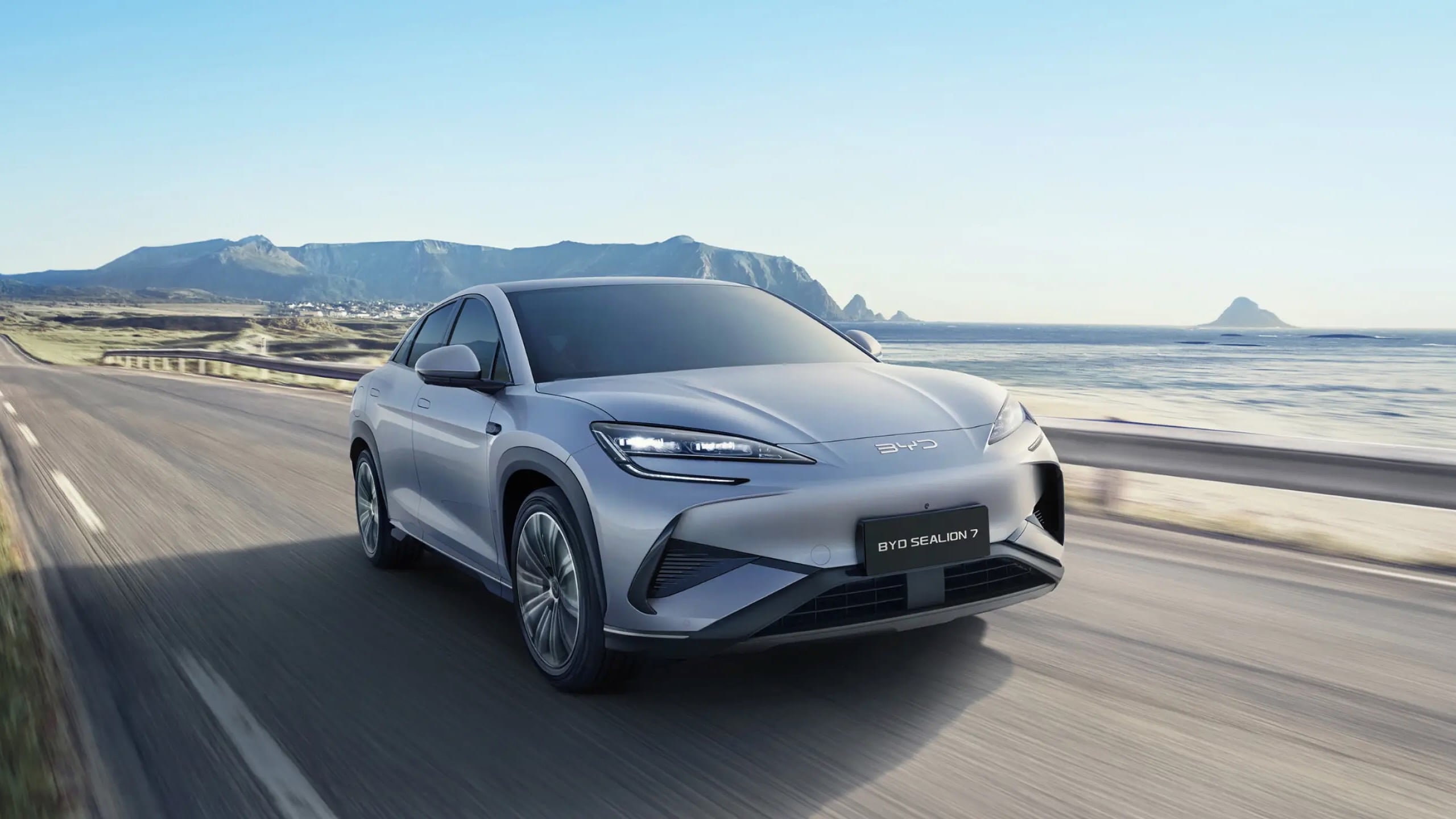
Chinese auto giant BYD, the world’s largest manufacturer of electric vehicles, is reporting a 50 per cent increase in enquiries since the onset of the conflict, resulting in wait times stretching out to two to three months for some popular models.
1
“Normally, we’re are able to fulfil customer order within two to three weeks, but that’s been pushed out to two to three months on some models,” a BYD Australia spokesperson told WhichCar by Wheels.
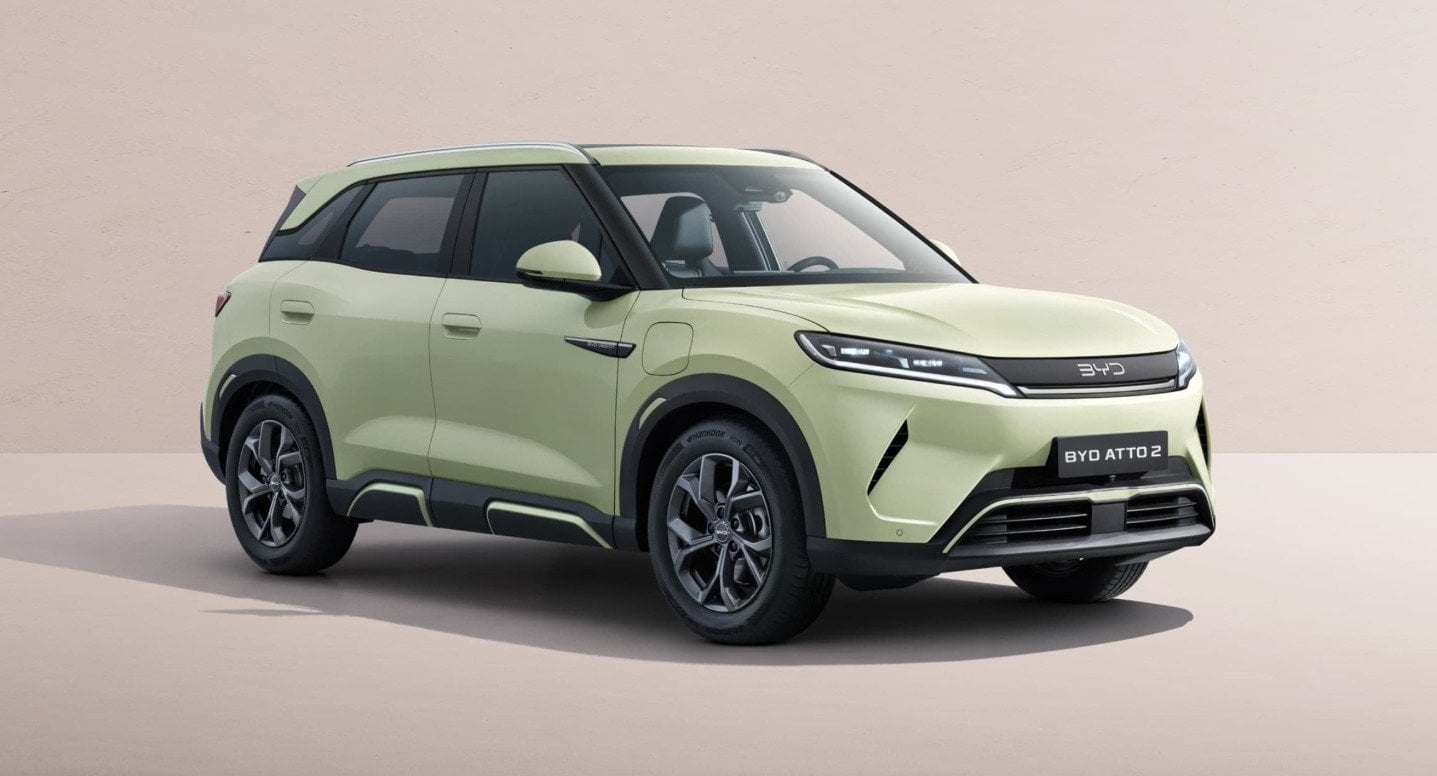
The affected models are the brand’s two best-sellers in Australia – the Atto 2 small SUV and Sealion 7 medium SUV. However, BYD Australia has been able to secure extra allocations of those EVs, the company’s spokesperson stating that, “we can respond very quickly and we’ve been able to rejig production (in China)… to secure extra allocation [for Australia]. It’s going to be a pretty busy three months but we will be able to fulfil our orders.”
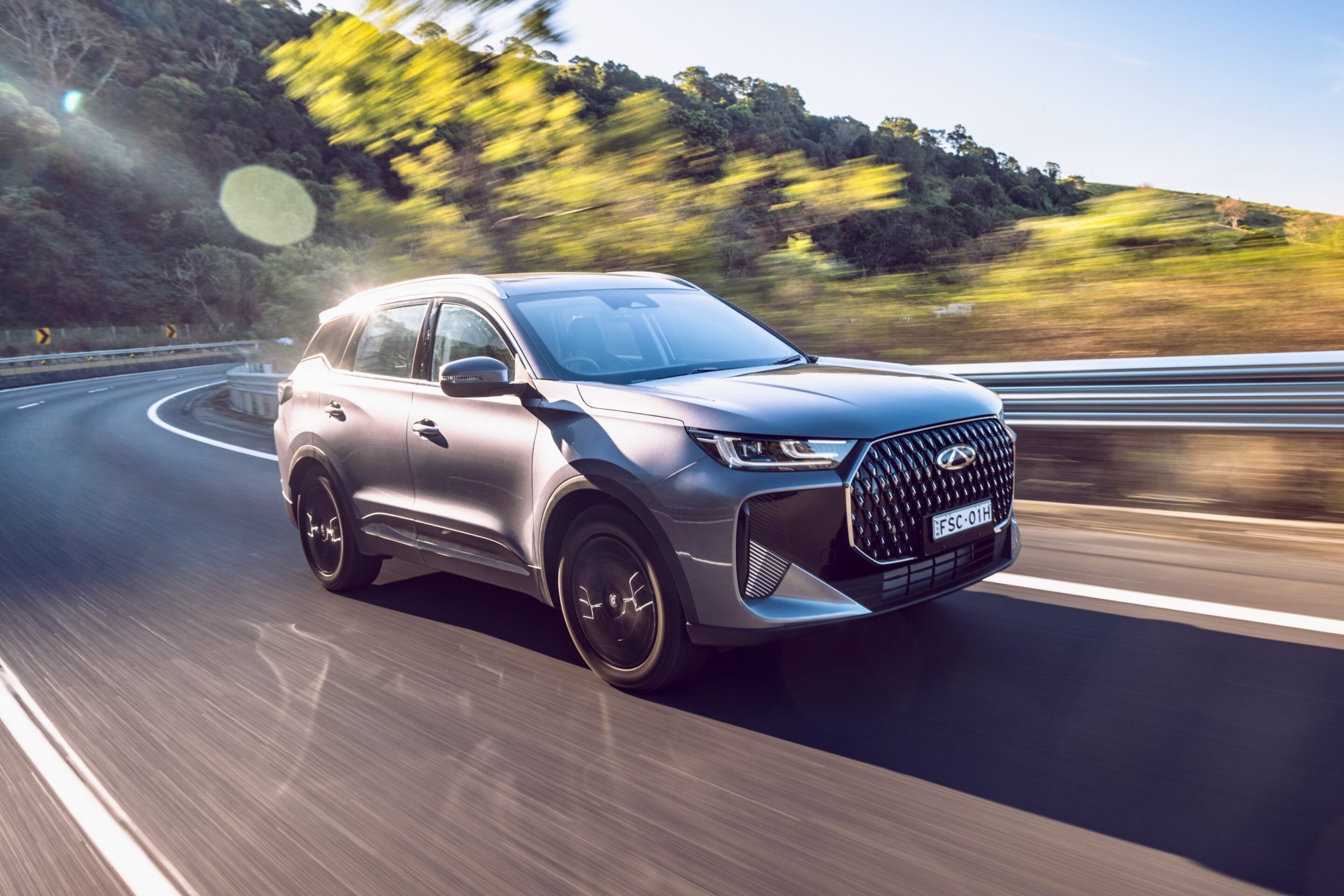
Fellow Chinese brand, Chery, is reporting demand for plug-in hybrids and EVs has increased dramatically since the start of the conflict in February.
“New energy vehicles (PHEV/EV) now make up 65 per cent of orders taken, which has increased from 30 per cent last month,” a spokesperson for Chery Australia told WhichCar by Wheels.
1
But while demand has increased for vehicles such as the Chery Tiggo 7 Super Hybrid (PHEV) medium SUV, the brand maintains it has enough stock on hand to provide “good coverage across all model lines”.
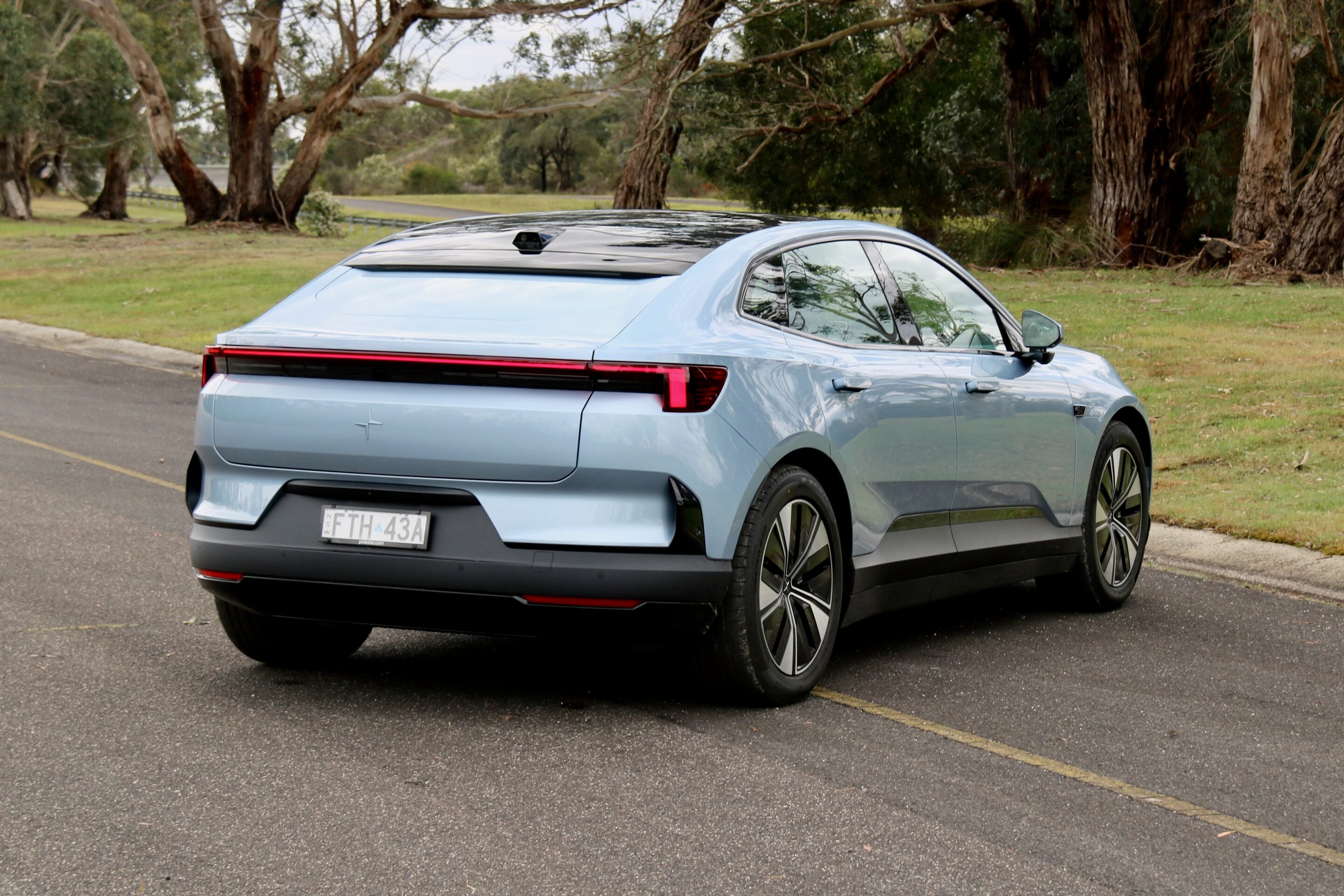
Similarly, Sino-Swedish brand Polestar, which exclusively sells electric vehicles, is reporting a tripling of enquiries since the Middle East conflict began in late February.
“Interest in the Polestar brand is surging in Australia,” Polestar Australia’s managing director, Scott Maynard, told WhichCar by Wheels. “Test drive bookings have tripled in the last fortnight, and traffic to our showrooms is what we’d expect to see during a sale event.”
Maynard added that there was “a clear sense of urgency from customers, which is driving strong order volumes”.
1
Maynard said demand was strongest for its Polestar 4 medium SUV and that the brand had good stock on hand while there remained “limited stock” of Polestar 2 available for “fast delivery”, adding that lead times for “built-to-order vehicles hasn’t changed, and currently sits at around three months”.
Buyers are also flocking to the second-hand market for electric vehicles, with search queries on some classified and online auction sites increasing by over 100 per cent in March. As reported by the Australian Financial Review, online car auction site, Pickles, is claiming a 100 per cent clearance rate for second-hand EVs advertised on its site, with the time taken to sell a used EV has halved to under 10 days.
The surge in demand is backed up by lender’s data with the Commonwealth Bank reporting that “since 1 March, new loans for battery electric vehicle (BEVs) were up 161.5 per cent compared to the weekly average volume recorded in February, before the conflict in Iran began.”
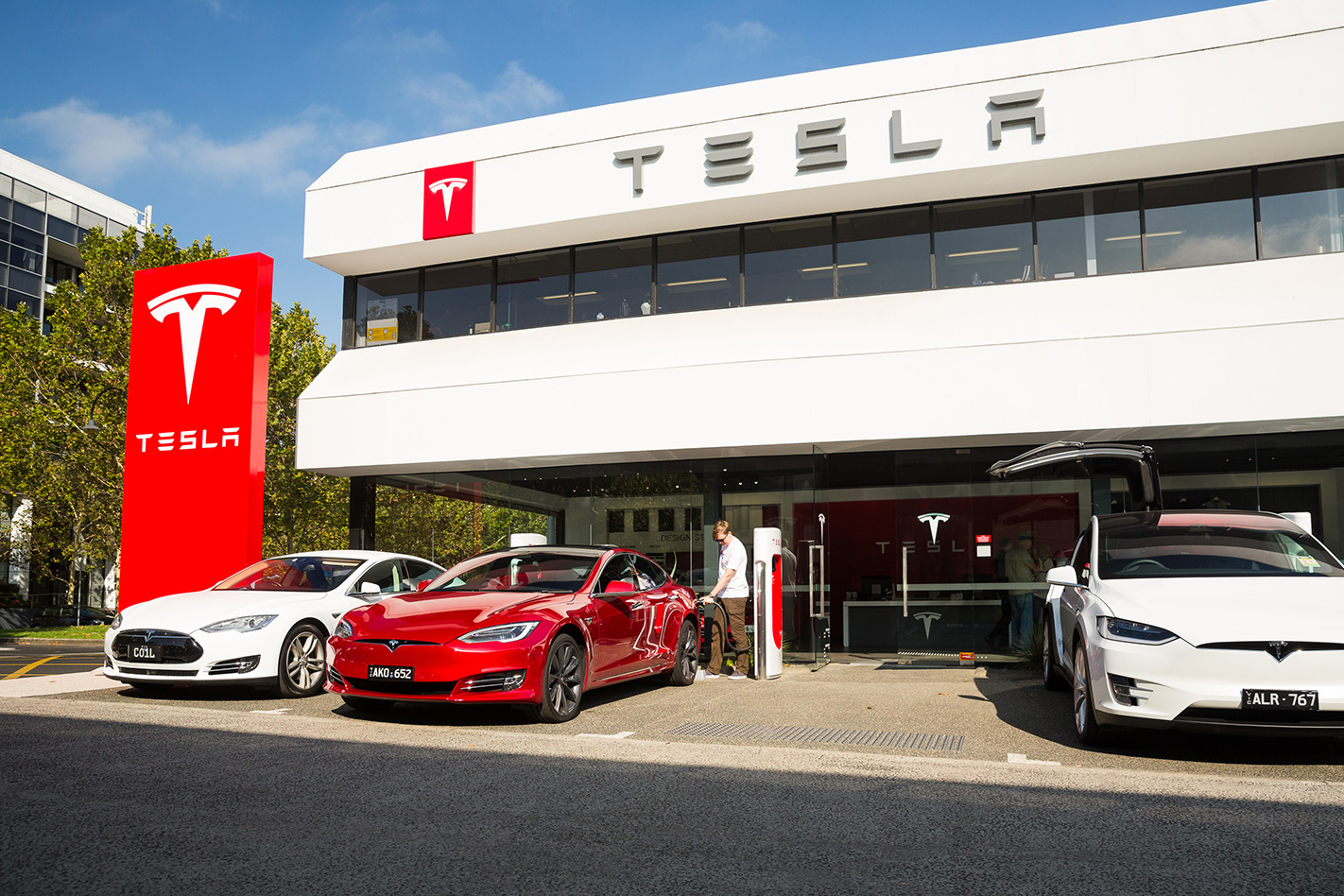
And it’s not just private buyers who are looking to immunise themselves against fuel price shocks. According to Commonwealth Bank, finance applications from commercial customers have increased significantly as businesses look to reduce fleet operating costs in the face of fuel price volatility.
1
“Business loan applications for Tesla vehicles alone are up 268 per cent to date in March compared with the same time last year,” the bank said in a statement. “The bank expects demand to continue under current macro conditions, a sign that fleet operators and small businesses are also reassessing running costs at a time when fuel volatility has become a live issue.”
The Australian government is also helping to smooth the path to EV ownership, committing a further $100 million to subsidise low-interest loans for new and used EVs through Volkswagen’s financing division.
The government’s Clean Energy Finance Corporation had already committed $60 million in a similar partnership with Hyundai Capital Australia to offer discounted loans on eligible Hyundai and Kia electric vehicles.
Expanding the initiative to include Volkswagen Financial Services Australia opens up a broader portfolio of brands to buyers including Volkswagen, Audi, Cupra and Skoda.
Follow WhichCar/Wheels on Google
Click the button below to make WhichCar by Wheels a preferred source for your news.

We recommend
-
 Reviews
Chery Tiggo 9 review: Plug-in hybrid seven-seater aims to take market share from established rivals
Chery’s bargain seven-seater Tiggo 9 looks highly capable on paper with stats like a claimed 146km electric range and 315kW, but how does it fare against its main rivals?
-
 Features
Cars that will significantly reduce your fuel bill NOW
Our rundown of the best new car options to reduce fuel use significantly as Aussies endure record high petrol prices.
-
 Features
Keen to save fuel? Here are the 10 cheapest hybrid models in Australia
While they still use fuel in some capacity, hybrid cars can also drastically reduce your overall consumption in energy-challenged times. So which are the 10 cheapest hybrids in Australia?