Features
Gallery 1
Luxury has a fairly flexible definition when it comes to new cars. There are classifications like ‘prestige’ for brands like Audi, BMW, and Lexus, and then there’s ‘luxury’ higher up for the likes of Bentley and Rolls-Royce.
Luxury, or at least the appearance of luxury, has long been held in high regard by mainstream brands. Known as the halo effect, a quality, high-tech, high-featured product can cast a warm glow over the entire brand when executed properly.
Not every car marketed as luxurious or prestigious has landed where it was aimed. No matter how good the intentions of its manufacturer, here are 10 cars from mainstream manufacturers that tried hard to escape their working-class roots.
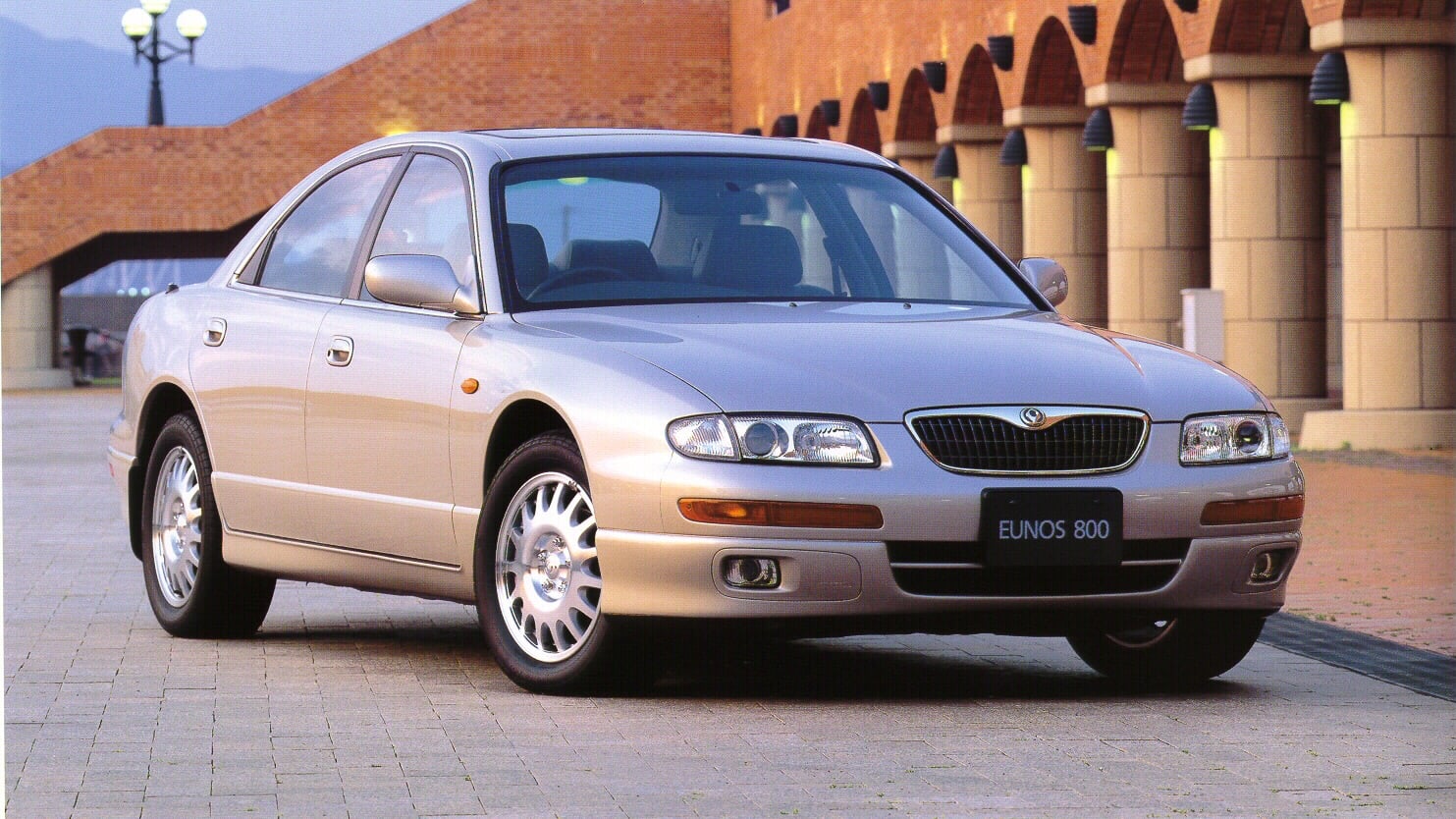
Eunos 800
1
Mazda’s current push to position current models like the CX-90 upmarket has a familiar ring to it. In the early ‘90s, buoyed with confidence, Mazda launched the Eunos brand in Australia, attempting its own Lexus-style luxury division.
The 800 was the flagship model, positioned as a rival to the Lexus ES300, but with Mazda’s affinity for unusual engineering – including a supercharged Miller cycle 2.3-litre V6 powering the front wheels.
Mazda Motorsport Australia even released a limited edition SP version with Antera alloy wheels and tweaked suspension in limited numbers. The Eunos 800 went on to become the Mazda Millenia, before reaching the end of the line in 2000.
Behind the scenes, Mazda had intended for the Eunos 800 to be called the Amati 500, from an even more upmarket division that never saw the light of day. Eunos eventually joined Mazda’s crazily ambitious multi-brand luxury strategy – that would have seen three upmarket spin-off brands across markets – as a short-lived exercise.
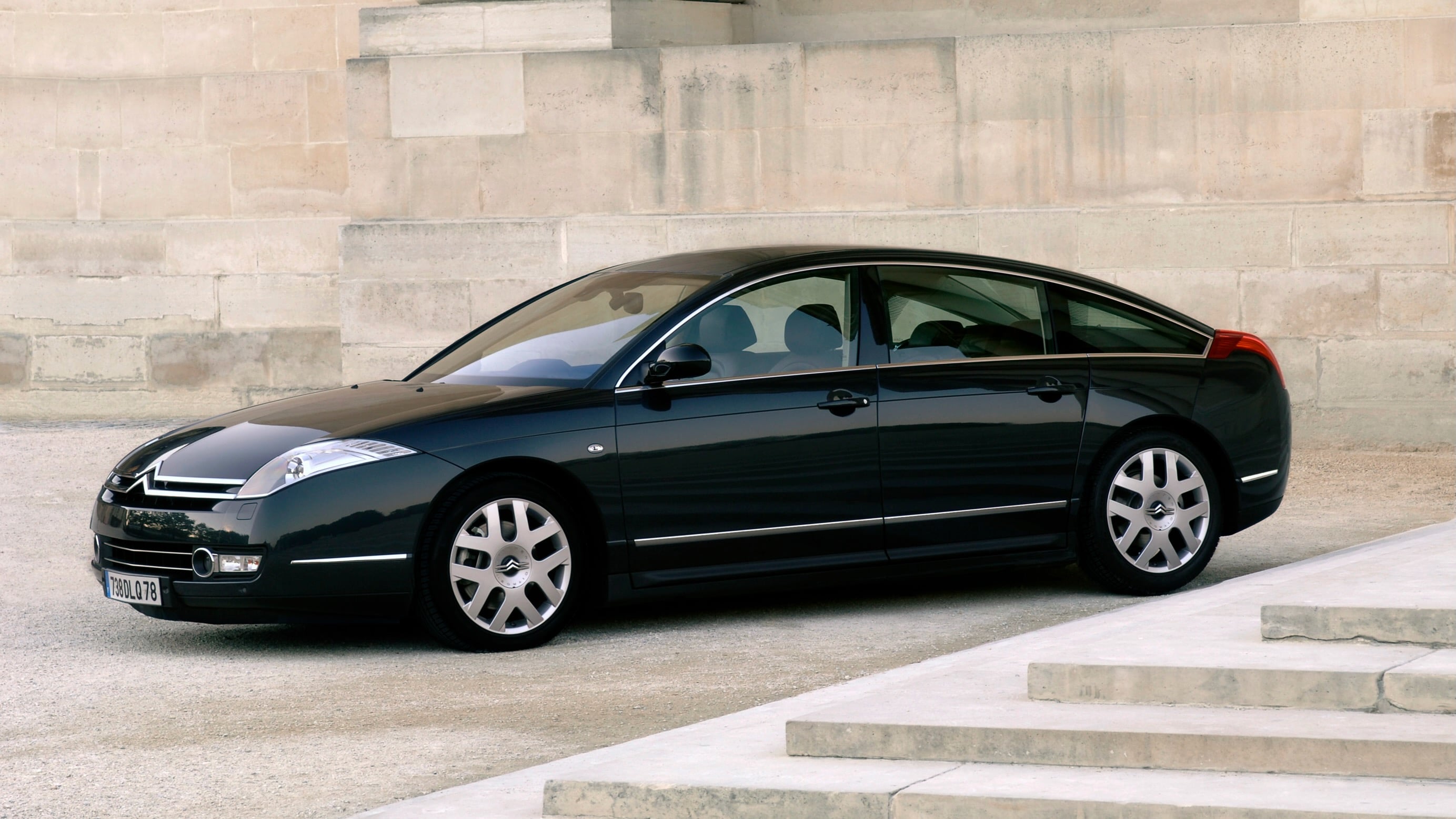
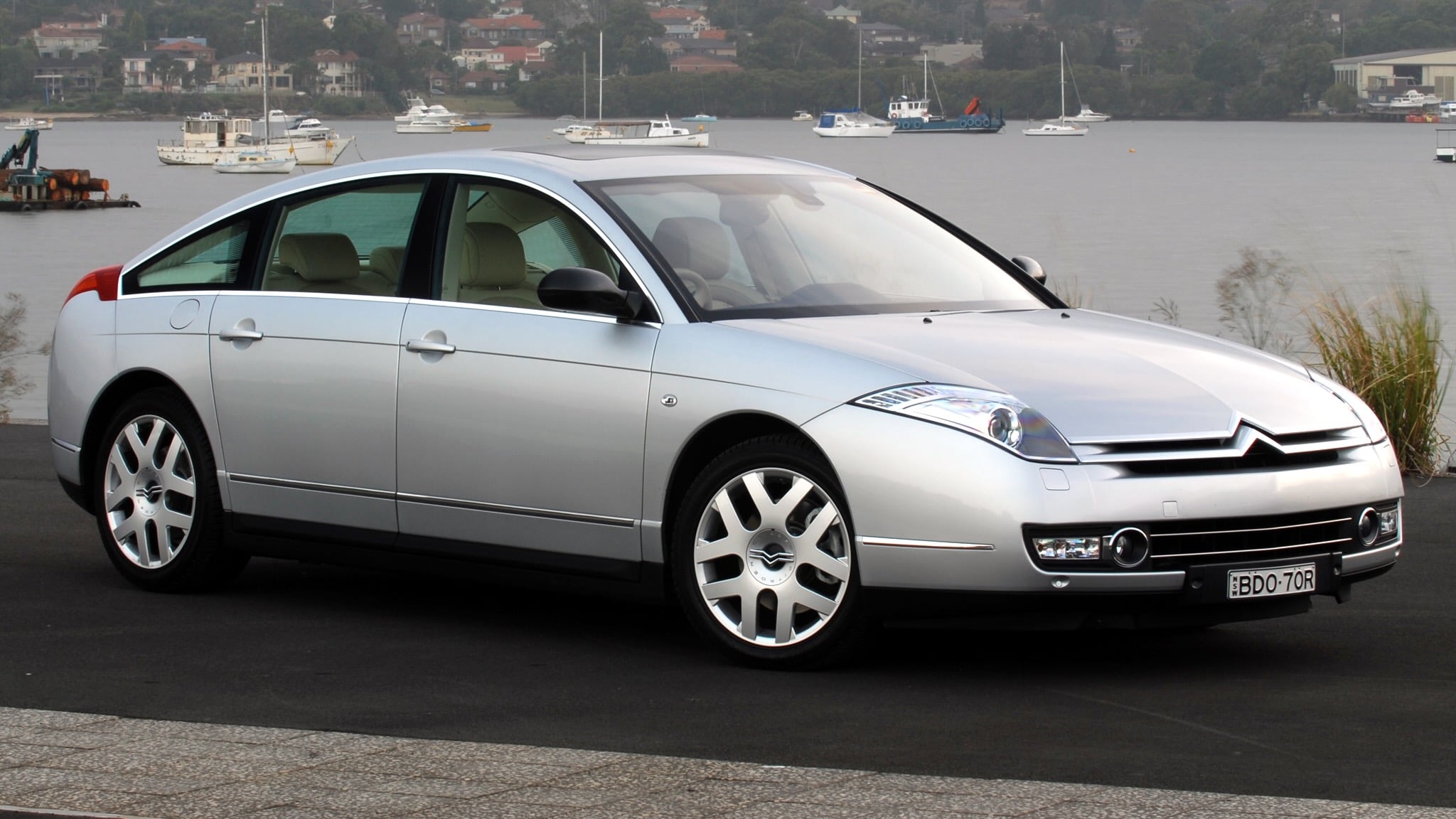
Citroen C6
1
Citroen has a proud heritage of large luxury cars, starting with the iconic DS and encompassing models like the CX and XM, each slightly less impactful than its predecessor until, finally, the C6 became a last-grasp at the executive car market.
Offered in Australia from 2006 until 2012, but living on in markets like China as late as 2023, the C6 specialised in relaxed luxury. The Hydractive 3 electronically controlled version of Citroen’s hydropneumatic suspension put ride comfort at the fore at a time when brands like BMW and Mercedes-Benz had switched to more connected handling. Six-figure pricing when new proved a considerable roadblock, however Citroen still managed to find a niche of discerning buyers.
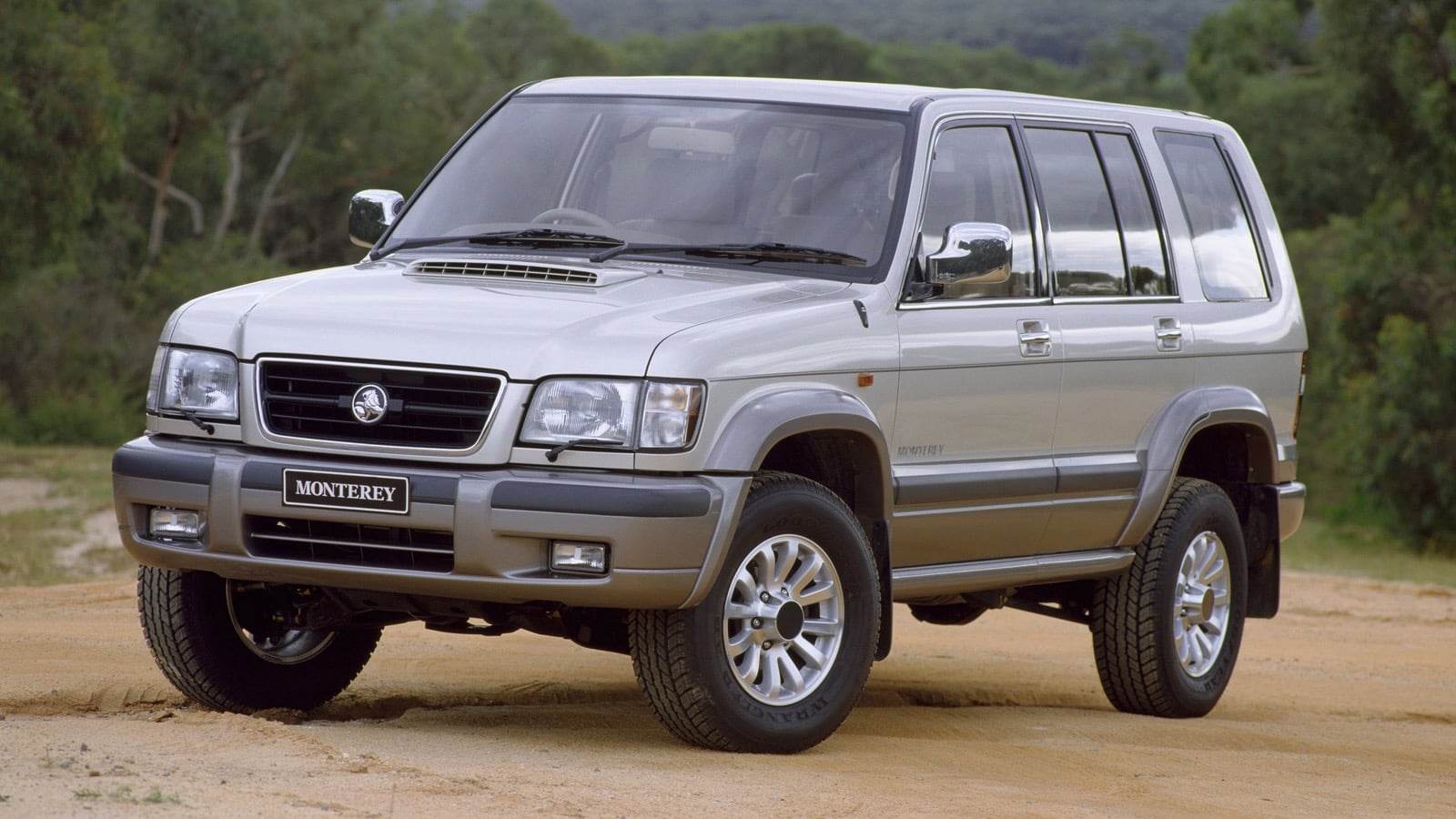
Holden Monterey
1
Like the relationship between a Commodore and Calais, the Monterey was Holden’s luxury version of the Jackaroo 4×4. Even the name, taken from an upscale Californian county, tried to distance itself as much as possible from the more ocker Jackaroo.
The experiment proved successful. Holden ran the Monterey alongside the Jackaroo from 1994 until 2003, when Jackaroo production came to an end. The Monterey even went toe-to-toe with the Calais in some areas, with equipment like leather trim, powered front seats, a CD stacker, climate control, and woodgrain interior highlights.
Visual upgrades were subtle. You could look for different alloy wheel designs, and darker body cladding, a hard spare wheel cover, or extra splashes of chrome depending on the model year.
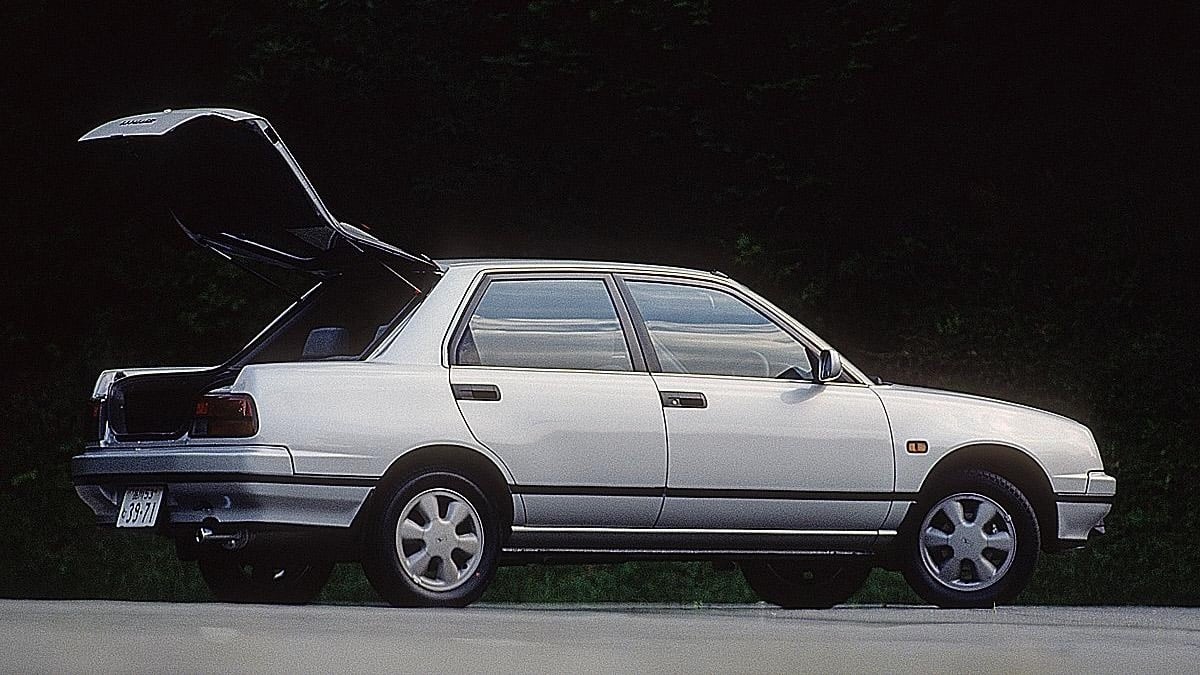
Daihatsu Applause
1
A crowded small car market and a lot of competitive pressure meant Daihatsu had to reach for the stars to give the Applause a point of difference. The Toyota Corolla-sized Applause started out conventionally, but as it aged, Daihatsu pitched it as an upmarket alternative.
In reality, Daihatsu wanted older, less tech-hungry (and less critical) buyers to find comfort in the Applause’s velour seat trim. Chrome was added outside, and woodgrain-look trim on the inside to make it feel more stately.
The Applause actually hid a somewhat innovative tailgate that looked like a sedan, but raised the rear window and bootlid in one piece. Utility fell short of rival hatchbacks, and as the Applause aged through the 1990s, newer rivals managed to pack in more equipment without the faux-luxury veneer.
Hyundai Grandeur
1
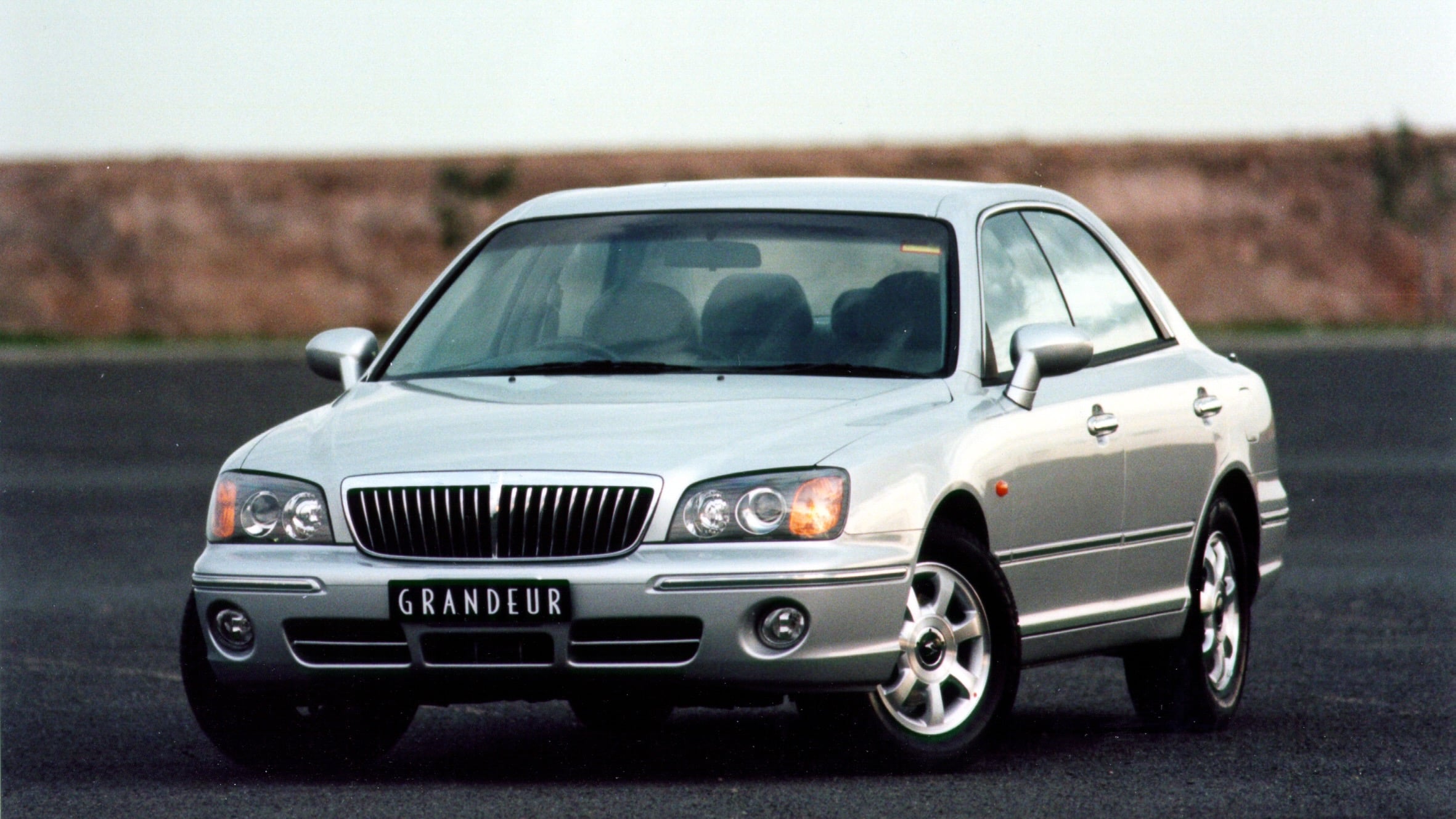
Hyundai told you everything you needed to know with the name of its first large car in Australia. This was a car designed to impart a sense of extravagance and luxury.
By the standard of a still-emerging Korean domestic market, sure. For Australians with easy access to genuinely upmarket European models, perhaps not so much. Handling wallowed and interiors, especially in first-gen cars, were still too plasticky to be considered fancy.
Hyundai tried hard with decent V6 powertrains and high levels of standard equipment, but couldn’t get Aussie buyers onboard. Today, the Grandeur is a consistent top-seller in Korea, having evolved into a model more befitting of its name.
Proton Waja
1
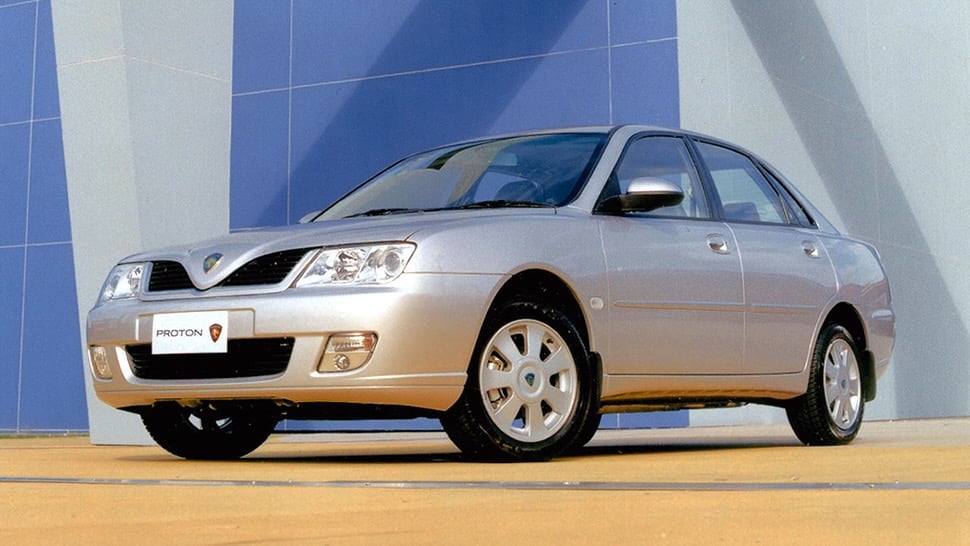
No, that’s not a mistake. Malaysian budget-car brand Proton considered the Waja sedan to be a fitting rival to European brands when it launched in 2000. In some ways, the argument held water – it was distantly related to the first-generation Volvo S40 via its Mitsubishi-derived platform.
Proton’s ownership of Lotus also meant driving dynamics were a surprising highlight, but everything else was a predictable lowlight. Proton launched the Waja confidently from $27,990 in Australia – more than a Golf – and quickly trimmed almost $5k from the price as showroom momentum failed to build.
Proton wanted the Wira to be considered in the same league as a BMW 3 Series, but offered less interior space than a Volkswagen Golf, underwhelming performance, and quality control issues that revealed the emerging brand was still a long way off prestige levels of quality.
Honda Legend
1
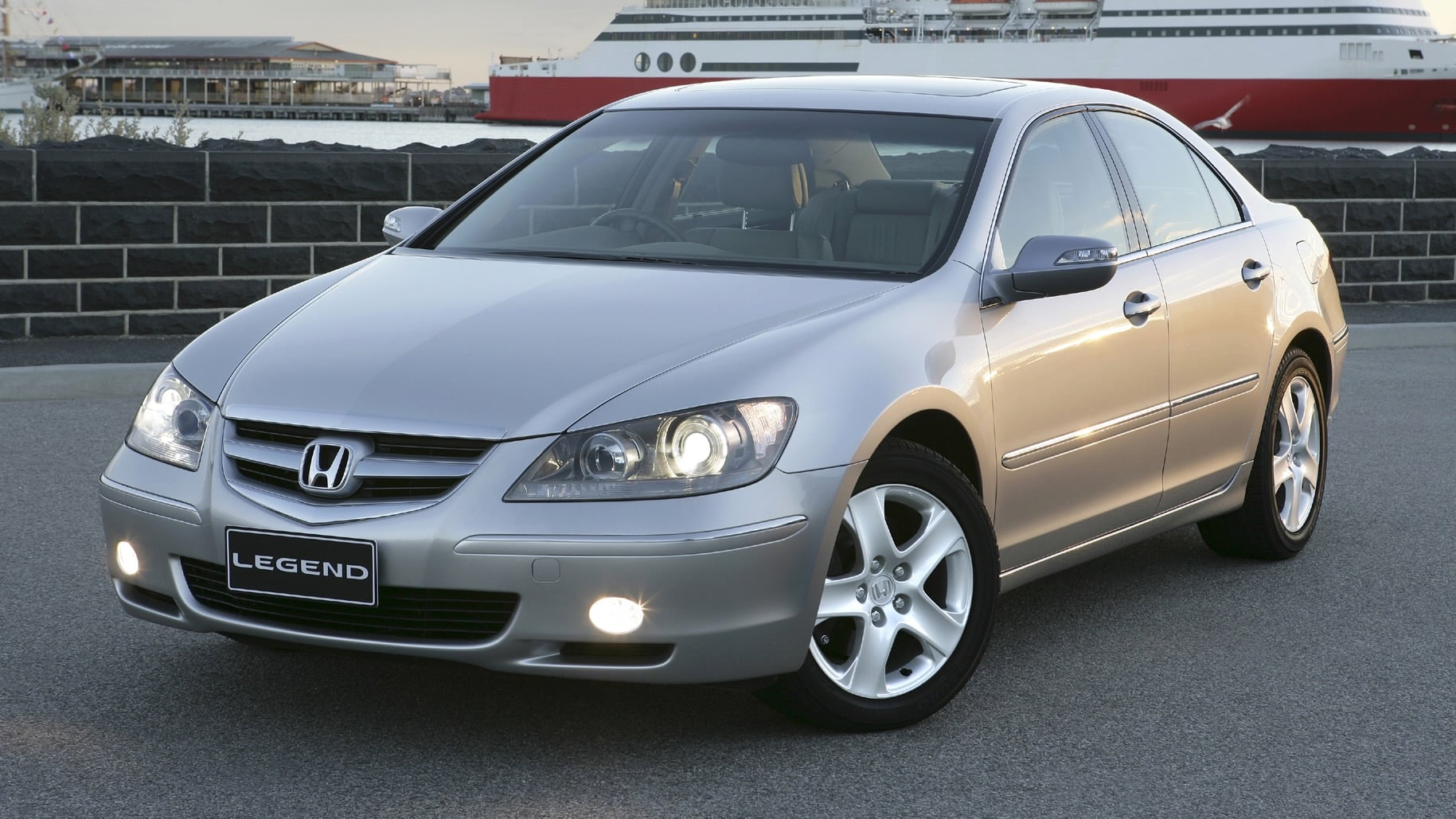
The Honda Legend spent most of its existence being forgettable. It was subtle, almost invisible on Australian roads, but it deserved better. High build quality, excellent refinement, and reliability European luxury sedans could only imagine, made the Legend a quiet menace among luxury cars.
The Legend was so good, in fact, that it launched Honda’s luxury arm, Acura, in North America. A move that prompted Toyota to follow suit with its own luxury arm, Lexus, and an even more carefully-honed LS400 flagship.
Honda painted itself into a corner as rivals offered V8 engines and rear-wheel drive handling that the Japanese firm refused to go toe-to-toe with. Instead, Honda added all-wheel drive and doubled down on refinement, but discontinued the Legend in Australia by 2013, achieving only double-digit sales figures from 2010 to 2012.
Alfa Romeo 166
1
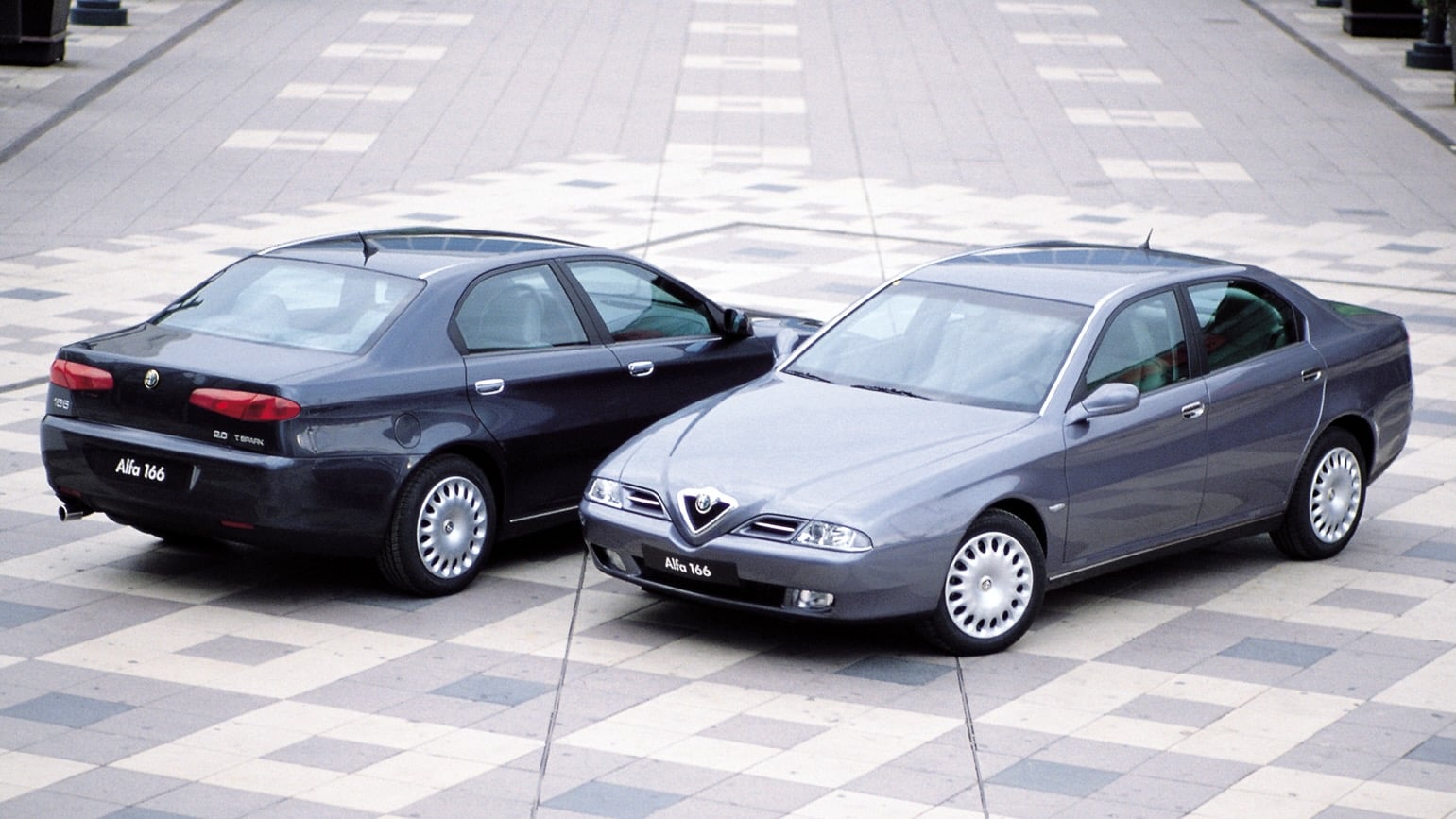
Alfa Romeo’s final attempt to crack the large luxury car market held so much promise. It looked unconventional, lithe and athletic, and featured one of the world’s most praiseworthy V6 engines under its bonnet.
But… That wonderful Busso V6 was hampered by a four-speed automatic, and the stunning styling inside and out revealed a cabin that was not the equal of its rivals when it came to dimensions.
Handling didn’t match the connected feel of the smaller 156, and ride quality fell short of the expectations of the executive segment. Alfa was experiencing a positive revival in this era, and the 166 seemed to go out of its way to avoid being a success, resulting in no successor when it was finally put out to pasture in late 2007.
Fiat 130
1
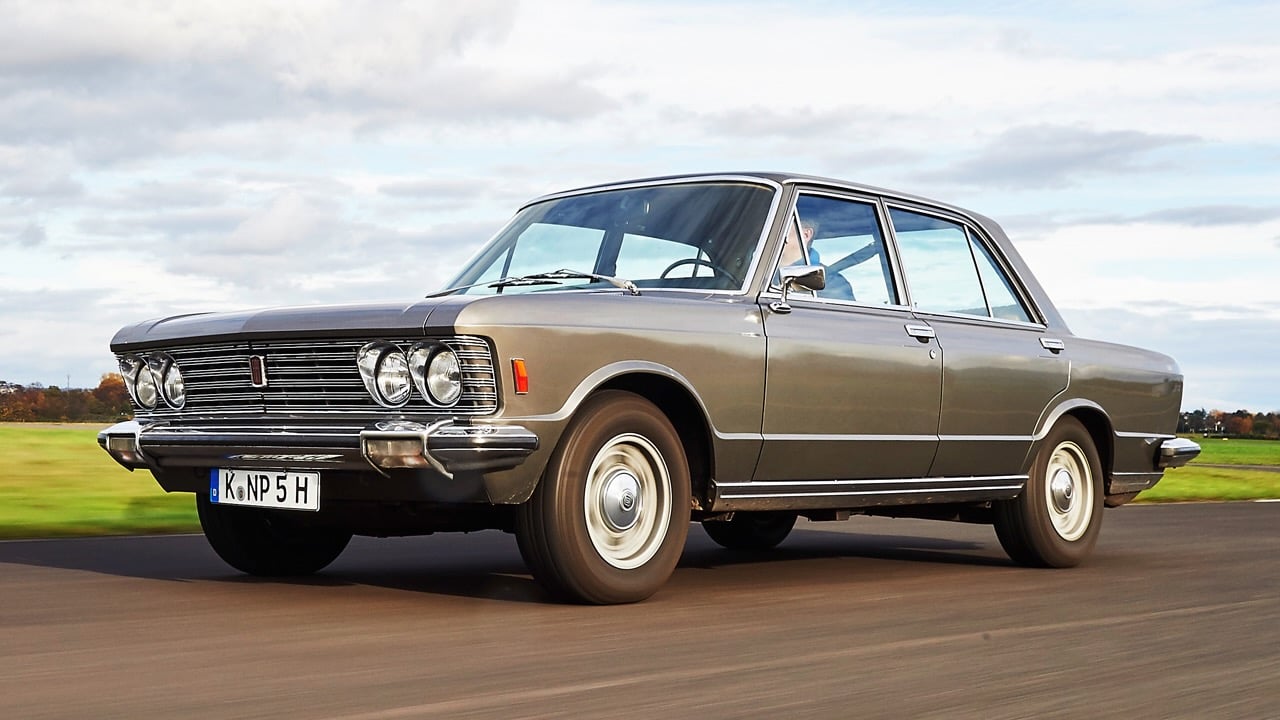
Italian motoring aficionados hold the 130 in high esteem, but the general public likely has little-to-no recollection of Fiat’s break from the mass market. The 130 was intended to demonstrate that Fiat could match the likes of Mercedes-Benz in the executive class.
Early 130s received a lacklustre reception overseas, but an updated model aimed to correct some of the interior quality issues and was the version Australians had access to. Pricing went toe-to-toe with Mercedes-Benz, and with Fiat better known for compact, efficient runabouts, the 130 proved an uphill battle.
Beyond the staid four-door sedan, a Pininfarina-designed coupe arrived, looking thoroughly modern and reinforcing the 130’s positioning as an aspirational model. The 130’s tepid response made it something of a one-off, with the Argenta that followed downsized and based on the smaller 132.
SsangYong Chairman
1
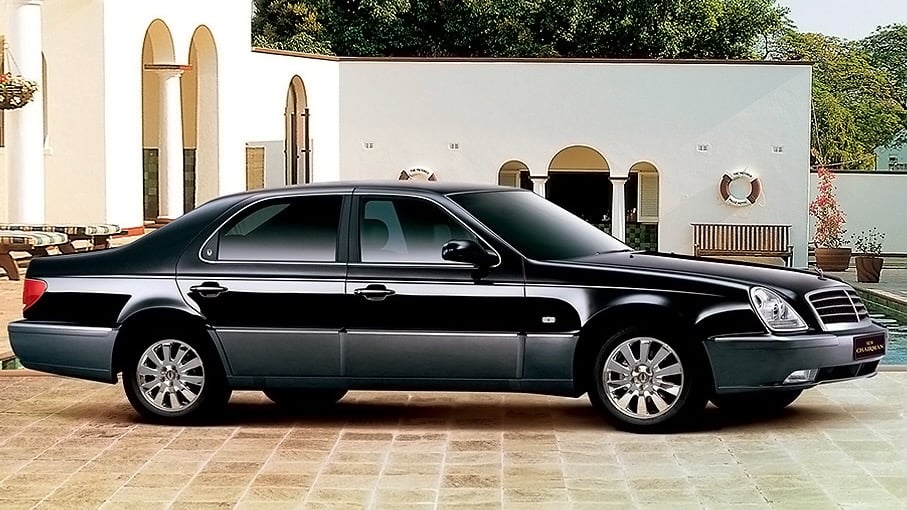
South Korean brands all offered a large luxury sedan at home, but only Ssangyong dared try theirs in the Australian market in the 2000s. The Mercedes-Benz E-Class-based Chairman was a two-generation-old platform, with already-dated styling, entering into a fiercely territorial market.
That didn’t stop Ssangyong from having a tilt, touting the licensed Benz lineage as a selling point, and positioning the Chairman to compete with local luxury cars like the Ford Fairlane and Holden Statesman.
The Chairman was slow, thirsty, and, because of Ssangyong’s relatively unknown status at the time, suffered appalling resale. Equipment was generous, but few buyers could logically see the benefit in a Chairman over its home-grown competitors.
Follow WhichCar/Wheels on Google
Click the button below to make WhichCar by Wheels a preferred source for your news.

We recommend
-
 News
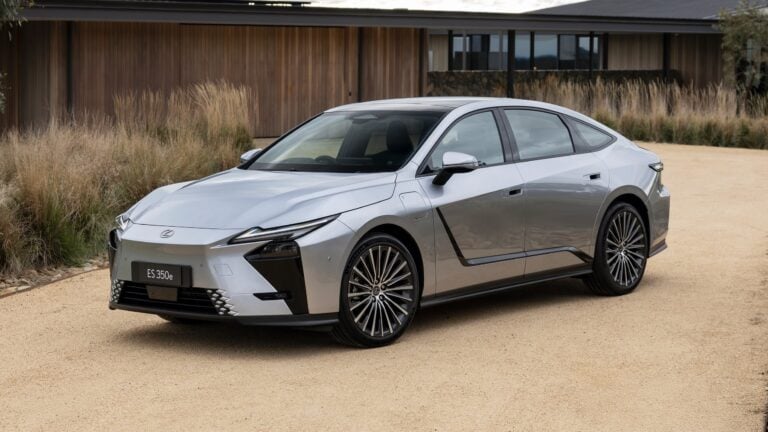
NewsLexus launches ES in Australia with both hybrid and electric drivetrains for the first time
The eighth-generation Lexus ES luxury sedan brings hybrid and electric power for the first time, and combine increased size and technology in a luxury package.
-
 News
NewsBentley teases its first electric car, reveals Torcal name
Ahead of its late September reveal, Bentley's new electric SUV will be called Torcal, and a teaser image showing the rear end has been released.
-
 News
NewsPeugeot’s Australian future unclear as current importer ends distribution agreement
After almost 10 years as Peugeot’s official Australian importer, Inchcape has announced it will cease distribution of the French brand in Australia.