
One of Volkswagen’s German car factories is set to be transformed into a defence manufacturing hub, potentially producing components for air-defence systems developed by the Israeli company behind Iron Dome.
Volkswagen has agreed key terms for the sale of its Osnabrück operation in north-west Germany to Israeli investment company Aurelius Capital and the German state of Lower Saxony, which is itself a major Volkswagen shareholder.
Aurelius would become the majority owner, with plans to progressively convert the 125-year-old site from automotive manufacturing into what Volkswagen describes as a competence centre for security and defence technology.
The first major project is expected to involve Rafael Advanced Defense Systems, the Israeli state-owned defence company best known as one of the developers of the Iron Dome missile-defence system.
Under the proposal, the Osnabrück factory could manufacture air-defence systems and components for Germany and other European countries, with further defence projects potentially following.
The deal remains subject to final agreements, corporate approvals and regulatory clearance. Financial terms have not been disclosed.
Volkswagen had already decided in 2024 to end vehicle production at Osnabrück by mid-2027 as part of its efforts to reduce costs and manufacturing capacity. The factory currently employs around 1800 people, with Volkswagen’s works council saying the new arrangement should secure more than 1200 positions.
The move comes as Europe’s largest carmaker undertakes an extensive restructuring in response to high manufacturing costs, weak demand and growing competition from Chinese manufacturers.
Volkswagen recently agreed to eliminate another 50,000 positions across the group, taking planned workforce reductions to around 100,000, while the future of four additional German factories is being examined.
At the same time, Germany is dramatically increasing defence spending, creating opportunities to repurpose underused automotive manufacturing capacity.
The Osnabrück project could therefore provide a blueprint for other struggling car plants. Defence company Rheinmetall has already moved to convert automotive component facilities to military production, while other German automotive businesses are looking increasingly towards the defence sector.
For Osnabrück, however, the transformation will be particularly striking: a factory with more than a century of automotive history preparing to swap cars for military technology.
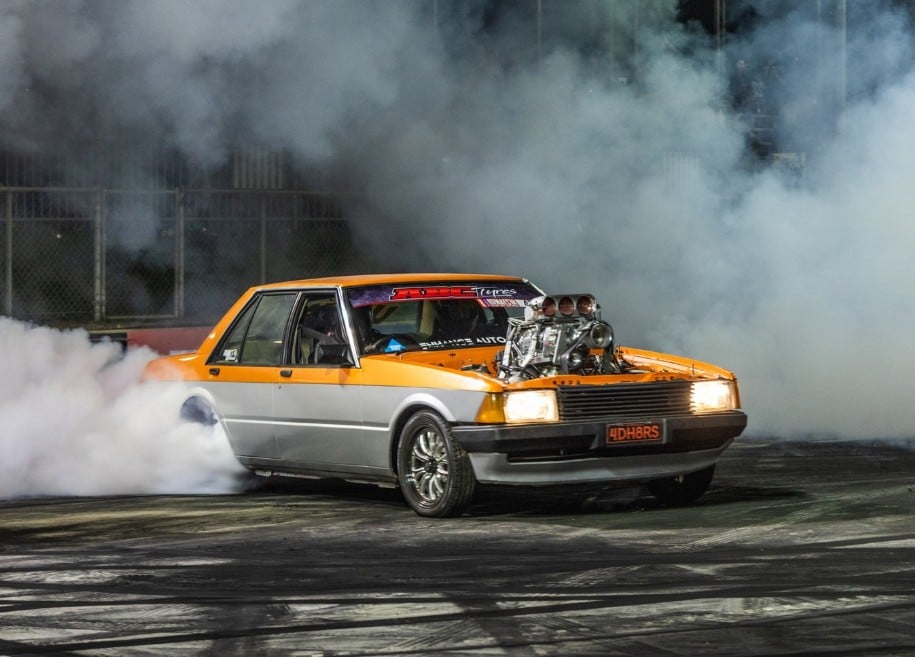
A Ford Falcon has been seized by Northern Territory Police for alleged hooning during a weekend when hundreds of modified cars descended on Alice Springs for the Red CentreNATS motoring festival.
The brightly coloured orange Falcon was confiscated after police allege its driver performed a burnout on the Stuart Highway – outside the controlled environments where similar displays form part of the annual event.
Northern Territory Police confirmed officers from Southern Traffic Operations were patrolling the Stuart Highway at Braitling when they spotted the Falcon leaving Power Street and turning right onto the highway.
Police allege the driver cut in front of another vehicle before accelerating heavily and breaking traction, potentially placing other road users at risk.
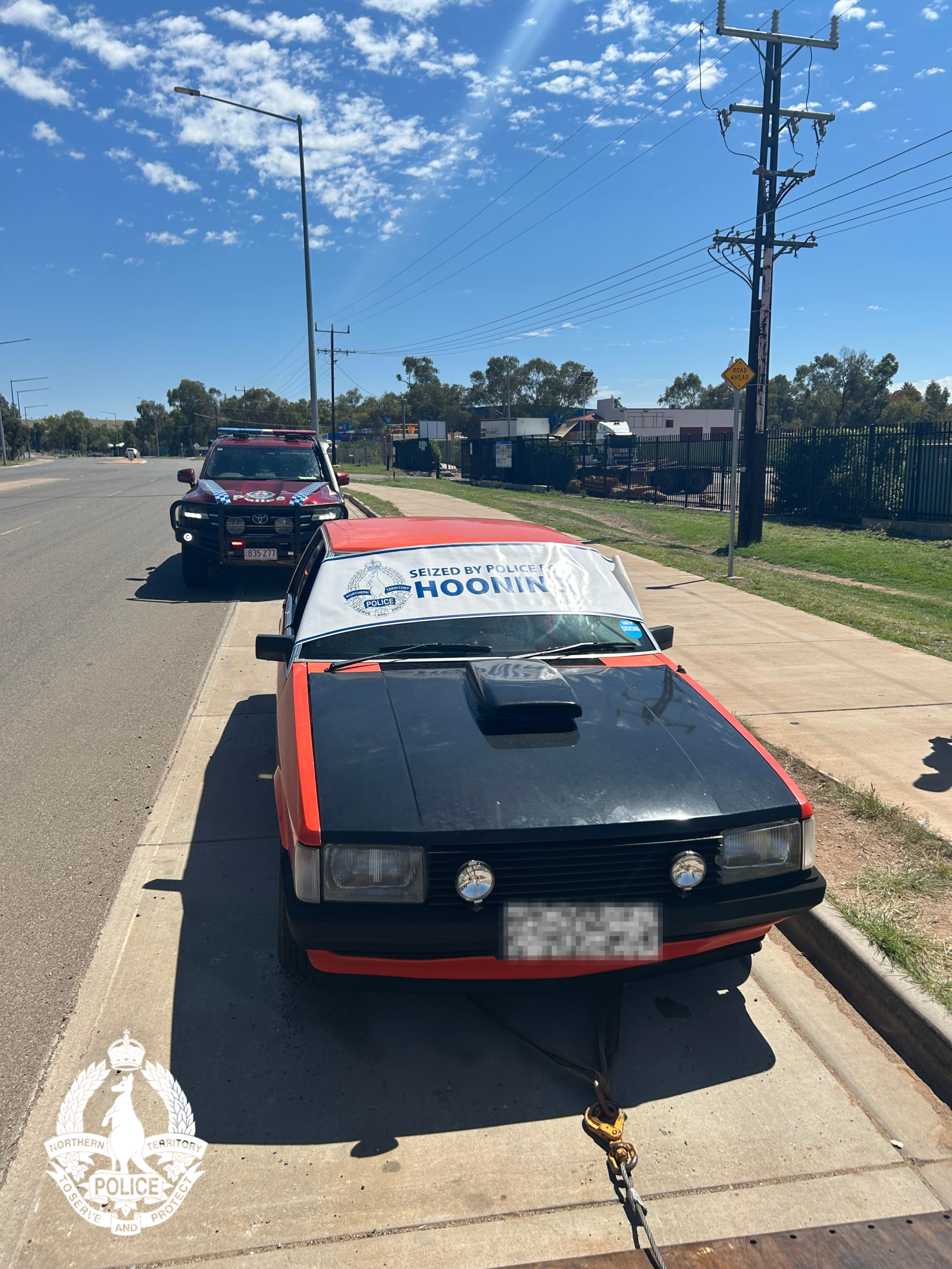
Officers subsequently stopped the Falcon and seized it under the Territory’s anti-hooning laws. Images of the car showed a large “SEIZED BY POLICE – HOONING” sticker placed prominently across its windscreen.
The incident came during Red CentreNATS, an annual celebration of modified and performance vehicles that includes drag racing, burnouts, cruising, show cars and other activities in controlled venues around Alice Springs.
That made the alleged offence somewhat ironic, with drivers attending the event provided with dedicated locations where they can legally demonstrate their cars’ performance rather than doing so on public roads.
Senior Sergeant Dev Kanyilmaz said police had been pleased with the behaviour of the overwhelming majority of motorists and spectators during the event.
However, he warned enthusiasts that Red CentreNATS did not provide a licence to take the festival’s more spectacular driving activities onto surrounding streets.
“There are controlled environments where people can enjoy their vehicles and everything that comes with an event like Red CentreNATS. Public roads are not one of them,” Kanyilmaz said.
Police said even a brief piece of reckless driving could result in a serious collision and warned motorists that alleged hooning offences could result in their vehicles being immediately confiscated.
The Falcon incident demonstrates just how quickly that penalty can be applied: from apparently lighting up the rear tyres to losing the entire car to police custody in a matter of minutes.
A prototype Bugatti Tourbillon is probably currently undergoing surgery to have bits of Volkswagen Polo removed from its panelwork after being rear-ended in Spain, with a video of the incident going viral.
The camouflaged Bugatti was being driven along a partially closed road in Spain’s Sierra Nevada region near the southern city of Granada when the eye-watering collision occurred. The clip shows the Tourbillon rounding a bend on a section of tarmac that has had one lane cordoned off, then slowing down as the traffic in front of it bunches up.
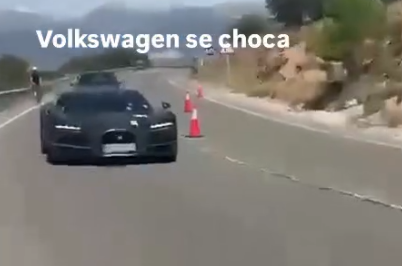
Disaster strikes when the driver of the grey Polo appears to fail to realise the Bugatti has braked until it’s too late. The VW jams on the anchors, locks up and tries to swerve to the left to avoid the hypercar, but slams into the left rear with a sickening thud and crunch.
Bystanders can be heard exclaiming “oh no!” in the video, which has been liked almost 90,000 times on Instagram, with a repost on X clocking up almost 10 million views. Many of the thousands of commenters joked about the VW driver bankrupting their insurance company with the bingle.
While the clip doesn’t reveal the extent of the damage to the Bugatti, the level of impact suggests it would be a cheap fix in a regular car such as the Volkswagen. However, the Tourbillon is anything but a run-of-the-mill vehicle.
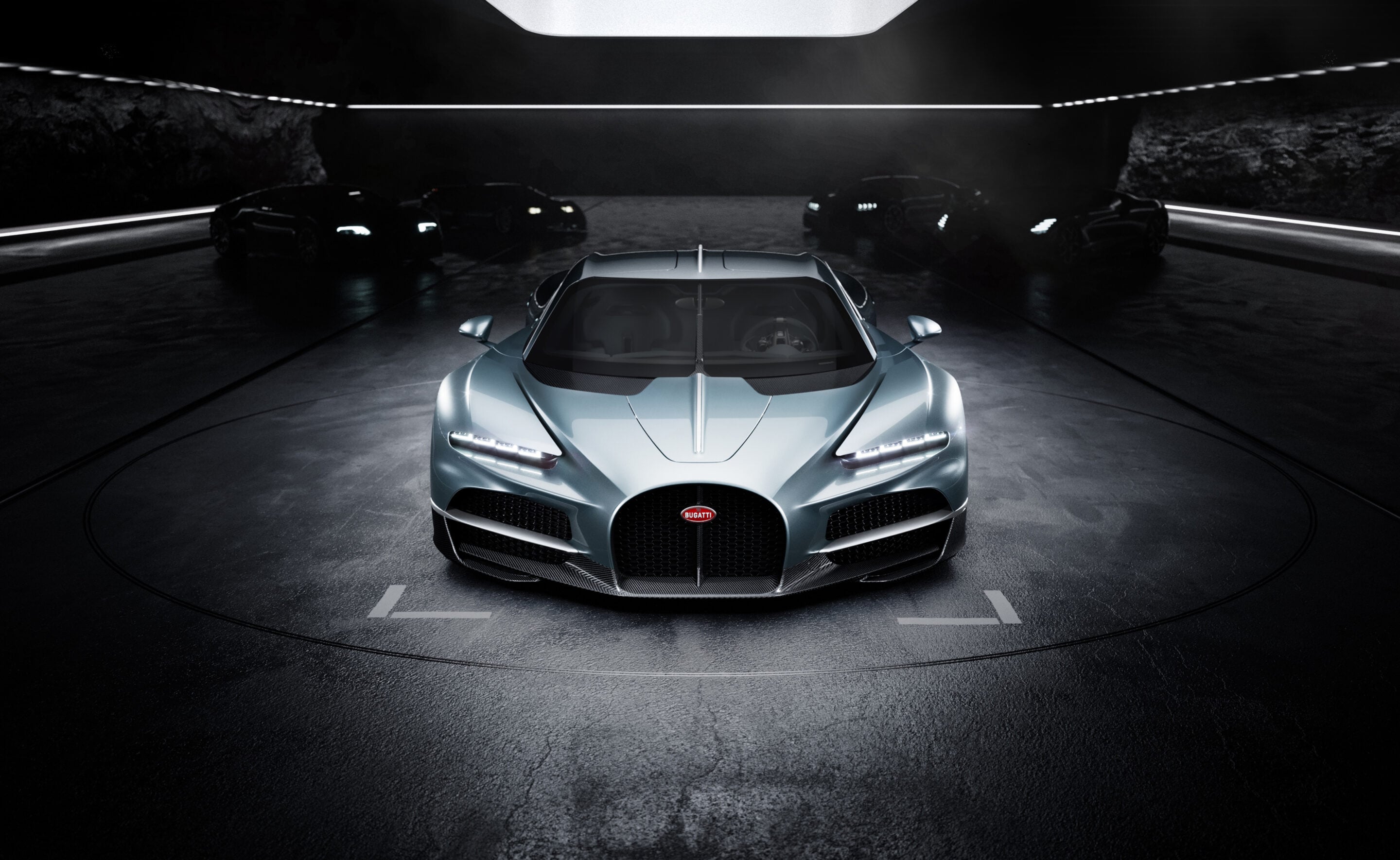
Bugatti’s V16-powered hybrid rocket is still being developed, and the camouflage on the example in the clip stamps it as a prototype. So while the Tourbillon will cost approximately $6 million when its run of 250 units rolls off the production line, this particular example could be worth even more to hardcore, cashed-up collectors.
The replacement for the Chiron is all-new from the ground up and features a carbon-composite monocoque chassis. It’s predicted to become the quickest road car on the planet, with that 8.3-litre engine and three electric motors propelling it from 0-100km/h in two seconds flat, with a 0-200km/h time of just five seconds.
Hyundai Australia says it hasn’t “missed the boat” when it comes to plug-in hybrids, despite the previously stagnant electrified tech now enjoying a surge in popularity.
Speaking to Whichcar by Wheels exclusively, Hyundai Australia’s General manager of Product Planning, Jonathan Lam said that “we are always looking at what’s available to us globally. Certainly, with NVES (New Vehicle Emission Standard) in our market, we’d be looking at all sorts of hybridisation, whether it’s hybrid, plug-in hybrids or EVs.”
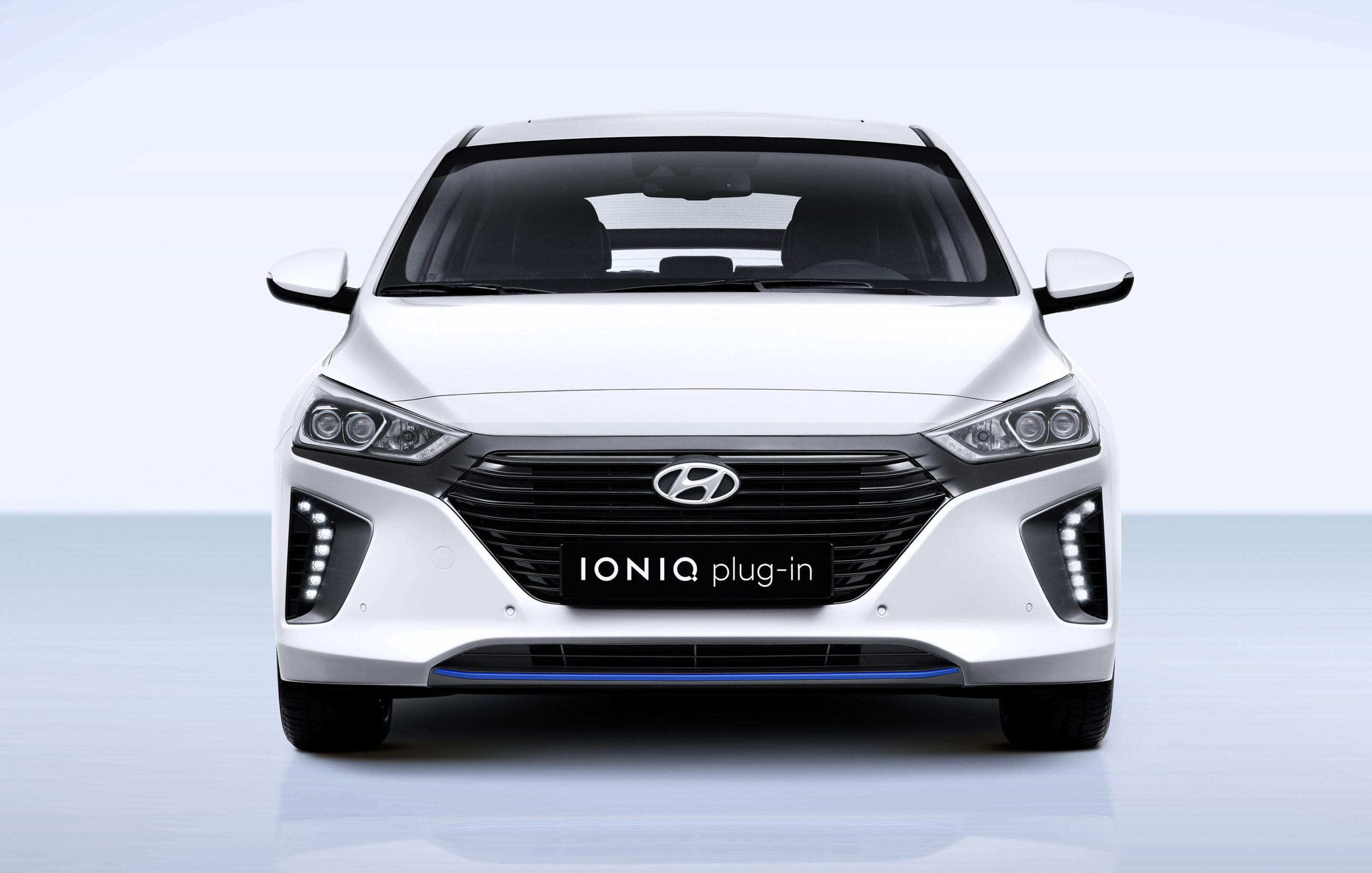
Hyundai Australia doesn’t currently offer a plug-in hybrid across its line-up. The lone PHEV to make its way to Australia was the Ioniq (pictured, below) back in 2018 but slow sales saw it axed in 2022, despite the Korean automaker offering PHEV variants of some of its more popular models – the Tucson and Sante Fe – across Europe and North America.
Both are powered by the 1.6-litre turbo-four paired with an electric motor for outputs of 185kW and 350Nm. A 14.kWh lithium-ion battery offers a claimed 68km of EV-only range based on the more lenient NEDC testing cycle.
It’s the same plug-in powertrain available in Australia in the Kia Sorento PHEV, flying a lone flag for plug-in hybrids for the Korean giant locally.
But when asked if he believed Hyundai had ‘missed the plug-in hybrid’ boat, Lam said, “I wouldn’t call it missing the boat.
“I think it’s one of those things where we can see there’s been an explosion with plug-in hybrids, but we also need to consider the price points at which some of these cars are priced at.”
Lam didn’t explicitly state it, but he was clearly referencing the recent influx of plug-in hybrids from a range of Chinese manufacturers, with models that are priced well below similar offerings from more established brands.
But when pressed on whether Hyundai would find it difficult to compete on price in what is a rapidly expanding market for PHEVs, Lam countered with, “The other way to look at it is, we still feel like we’ve got a compelling product at different sort of price points. It’s just a matter of what the consumer prefers.”
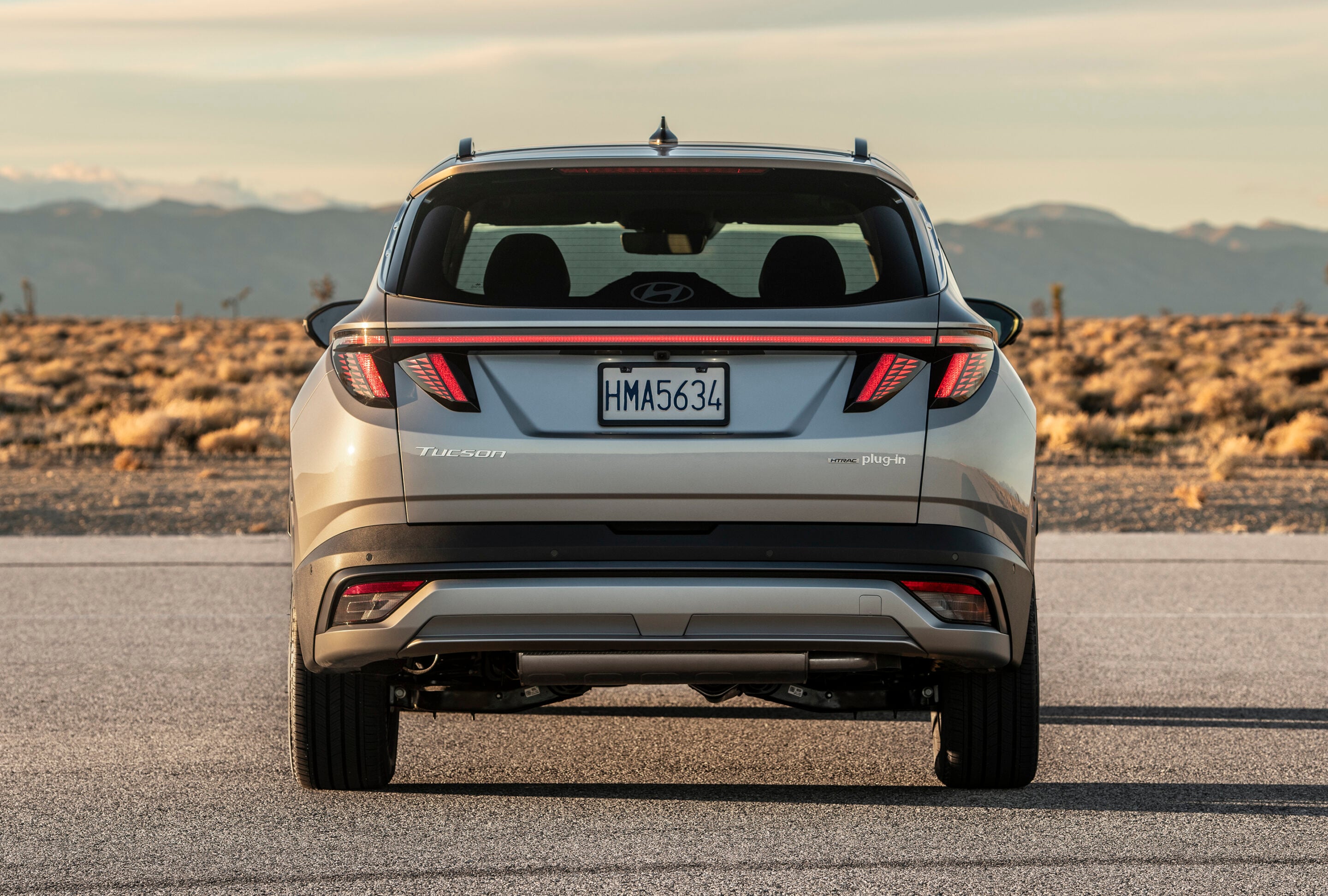
Sales of plug-in hybrids in Australia have more than doubled this year, reaching 75,206 to the end of August, according to the Federal Chamber of Automotive Industries. This time last year, PHEVs accounted for 33,500 new car sales.
Regular hybrids are also enjoying growth, up 10.3 per cent year-on-year, with the FCAI reporting 142,210 hybrids sold so far in 2026. Twelve months ago, that number was 128,896. Both forms of hybrid are being outsold by full battery-electric, with total sales to the end of August running to 152,823. This time last year, EVs had amassed 62,736 sales.
Brisbane drivers are risking jail time by covering their number plates to avoid getting parking fines from a new automatic camera system. Many motorists are obscuring their car’s plates with plastic sheets, camping chairs and even dishcloths so that the new cameras cannot see their registration number.
The new automatic parking enforcement camera system, as well as mobile enforcement vehicles and officers working on foot, have handed out almost $35 million in parking fines so far this year from more than 176,494 infringement notices, according to the ABC.

But some drivers are trying to keep a step ahead of the new technology in order to not get fined in a move that could land them in jail, according to a legal expert.
Avinash Singh, principal lawyer at Astor Legal, has explained when covering a number plate becomes illegal, the penalties drivers could face, and why claiming ignorance is unlikely to be a defence.
“The exact requirements vary between states, but in most jurisdictions, number plates must remain clearly visible and legible from up to 20 metres away, including the states of New South Wales, Victoria and Queensland,” Singh said.
In Queensland, a driver could face an on-the-spot fine of $341 for using a towel, cardboard, camping chair or other household item to obscure their number plate. But according to Singh, the consequences for obscuring your number plate can extend well beyond a standard traffic infringement.
“If police can prove a driver deliberately modified their number plate to avoid detection by speed cameras or toll roads, they could potentially face the criminal offence of perverting the course of justice. That offence carries a maximum penalty of 14 years’ imprisonment,” Singh said.
According to the ABC, the new cameras were first rolled out in four of Brisbane’s busiest areas in early 2025 before expanding to more than 40 locations in November. Just two of those sites – Graham Street in South Brisbane and Park Road in Milton – accounted for more than 3000 infringement notices alone.
The other three locations in the top five for infringement notices, according to Brisbane City Council, are Latrobe Terrace in Paddington, McLachlan Street in the Fortitude Valley and Green Square Close, also in the Fortitude Valley.
While the new cameras are already handing out many infringement notices, it’s the council’s mobile enforcement vehicles that have delivered the most so far in 2026 with over 100,000 lodged since January 1st.
Jaguar Land Rover will cut around 4000 jobs worldwide over the next two years, making it the latest established car manufacturer to embark on a major downsizing program as the global automotive industry confronts weaker demand, rising costs and growing Chinese competition.
The British manufacturer, owned by India’s Tata Motors, confirmed the cuts as part of plans to strip £1.7 billion ($A3.5 billion) from its cost base and lower the number of vehicles it needs to sell to break even. Most of the affected positions are expected to be salaried and management roles in the UK rather than factory-floor jobs.
JLR employs about 34,000 people in Britain and approximately 43,000 globally. A voluntary redundancy program has been opened, although compulsory job losses could follow if insufficient employees accept the offer.
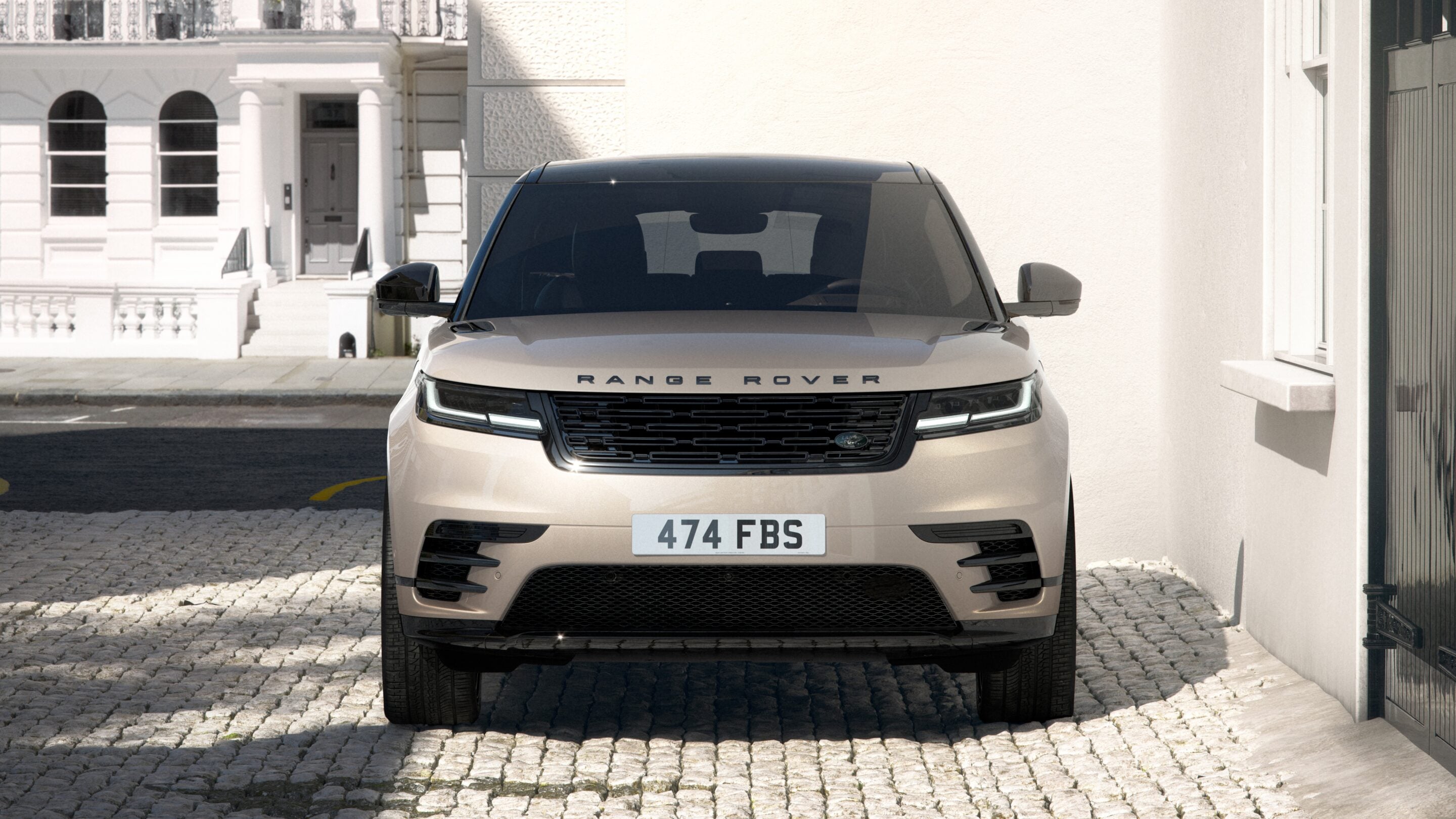
Chief executive PB Balaji said JLR wants to lower its annual break-even volume from about 380,000 vehicles towards 300,000, allowing it to remain profitable at substantially lower production levels.
The cuts come after a difficult period for JLR. Revenue dropped almost 10 per cent in the April-June quarter compared with a year earlier, while the company has also been dealing with US import tariffs, weaker Chinese demand and the lingering financial impact of last year’s cyberattack, which halted production for several weeks.
North America remains particularly important to JLR, which previously identified the region as its biggest market and an important source of future growth. Its lack of US manufacturing makes it more exposed to tariffs than some rivals.
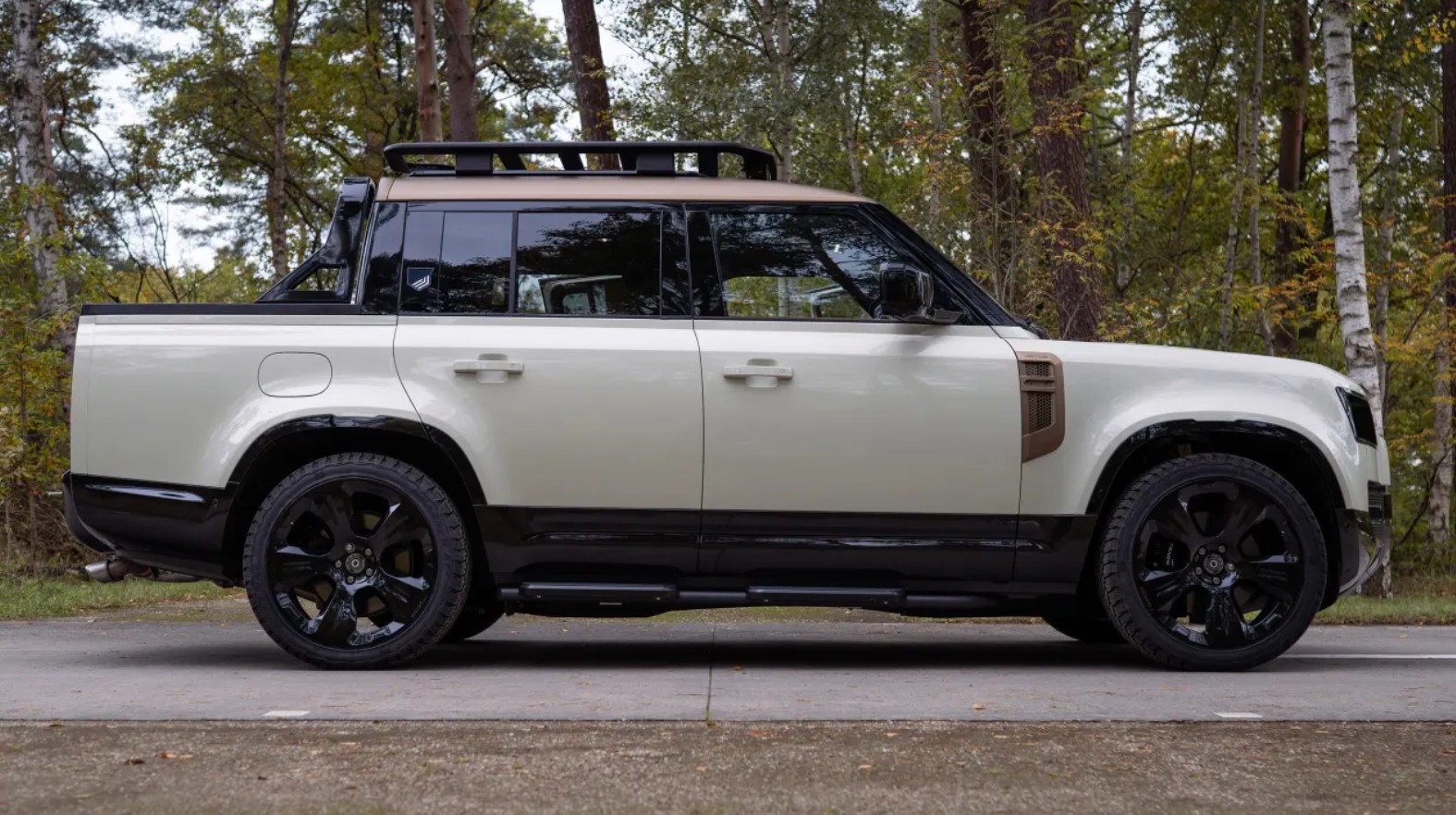
Despite the cost cutting, JLR plans to invest between £15 billion and £18 billion ($A31-37bn) during the next five years in electrification, digital technology and advanced manufacturing. Five new products are also planned over the next 12 months.
JLR is far from alone. Volkswagen is undertaking its own sweeping restructuring and workforce reduction as Europe’s traditional manufacturers respond to high costs, slower-than-anticipated EV demand and increasingly formidable competition from Chinese brands.
For JLR, the challenge is particularly acute as it simultaneously prepares an electric-led reinvention of Jaguar while funding new-generation Range Rover, Defender and Discovery products.
Australia’s efforts to expand its charging network to keep up with the EV ownership tsunami have taken a hit with the news that a new program meant to put a rocket under the rollout has bogged down badly.
Electricity companies are being encouraged to build charging stations connected to existing power poles under the plan, which gave firms in Victoria six months to identify 100 suitable locations for the installations. Problem is, they only picked 33 sites, according to a report in the Australian Financial Review.
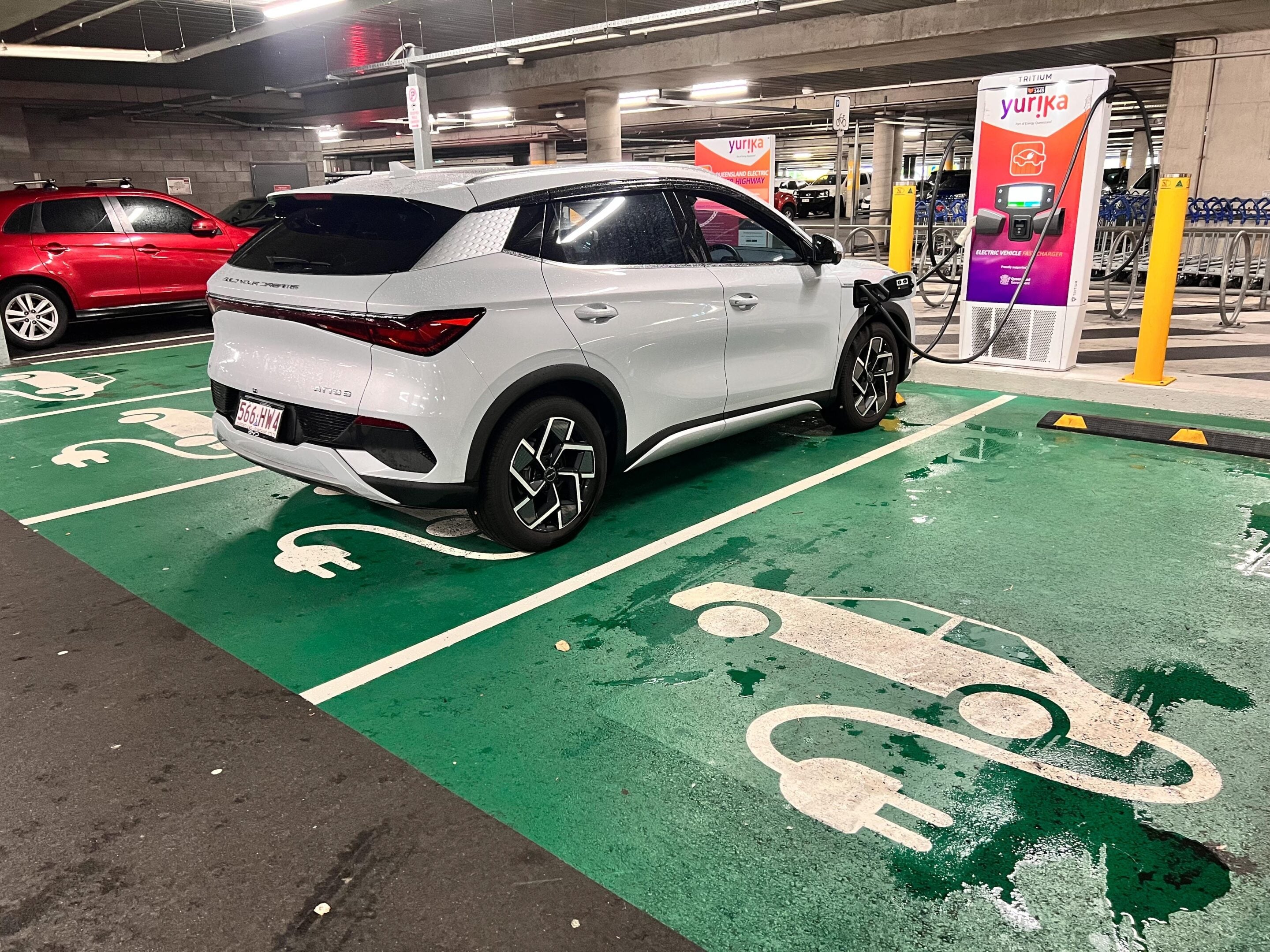
The Australian Energy Regulator (AER) has now agreed to a six-month extension of the program, which has been controversial due to worries that the power companies could pay for the new infrastructure by charging all households a fee, regardless of whether or not they own an EV.
While the program has the potential to quickly grow the number of public charging stations, news of the huge shortfall has led to accusations that the companies – Citipower, Powercor and United Energy, known collectively as CPU – are living in a fantasy land when it comes to the infrastructure changes needed as the country switches away from petrol and diesel.
“The sales data shows Australians are already embracing EVs. And now we learn that CPU can’t even install chargers when they are allowed to and require extra time to add just 100 to their own network,” National Electrical and Communications Association director for NSW and ACT Mark Stedfut told the AFR.
“The networks’ self-serving fantasy is that there is a chicken-and-egg problem and that EVs won’t be bought until they are allowed to install thousands of chargers wherever they please is being shattered.”
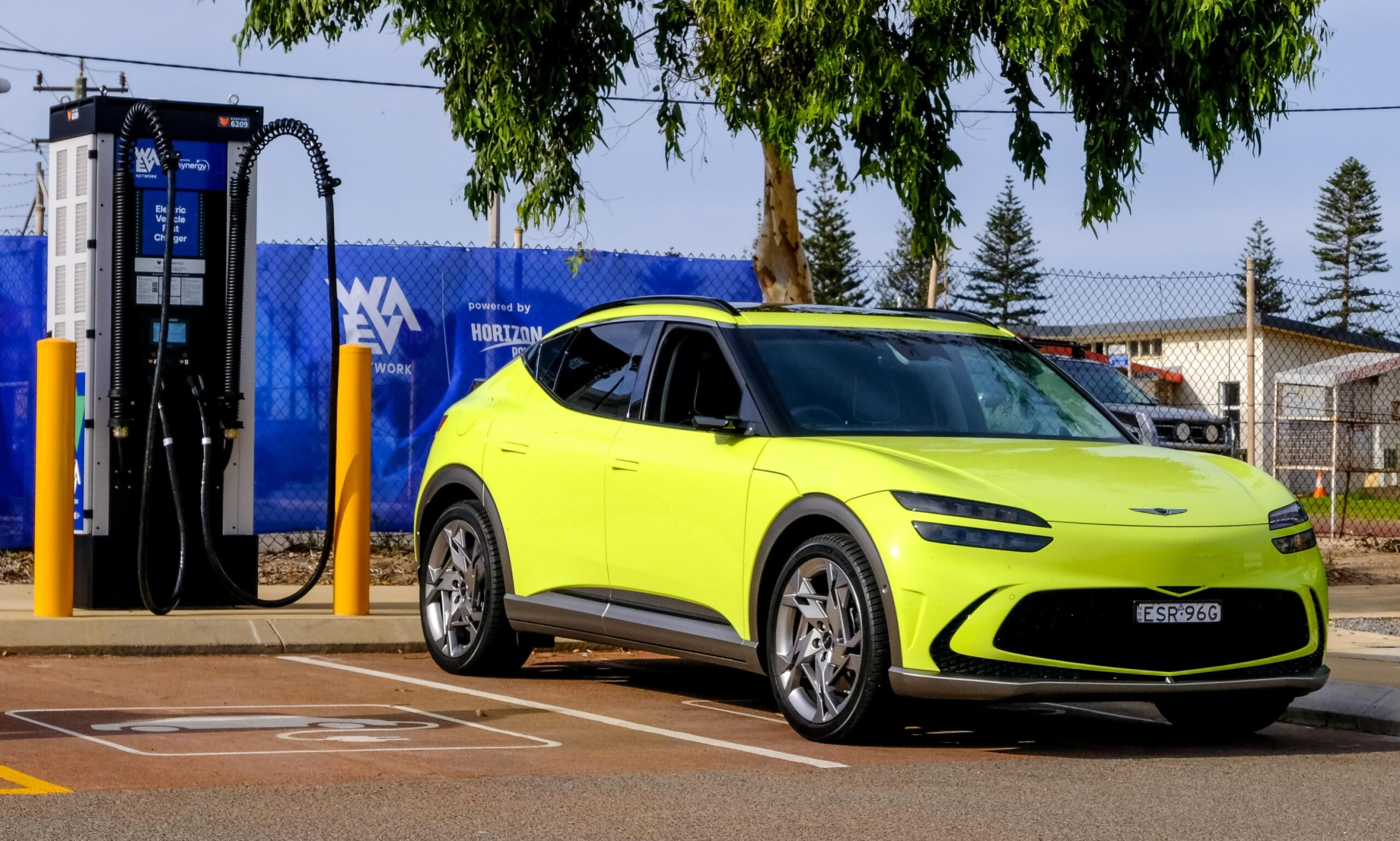
Stedfut went on to accuse the power firms of a “thinly veiled attempt” to use the demand for more charging infrastructure as an excuse to add to their profit margins. The AER said CPU faced delays in confirming locations with local councils.
CPU said support from councils has been overwhelming, and said its charging model has been a success and offers the cheapest public service in Victoria.
“Our model is working successfully, with EV drivers using our chargers at very high rates,” said Dan Bye, CPU head of customer connections and requests. “We’ve been overwhelmed by the support of councils and the interest in our trial across metropolitan, regional and rural Victoria. We will soon announce new locations, including in many regional areas and tourist destinations.”
Australia currently has around 8000 public EV charging points spread across thousands of locations, including more than 4000 high-power DC charging plugs. VFACTS figures for August showed that EVs outsold petrol, diesel and hybrid cars for the first time.
Polestar has taken the wraps off a dramatic concept car that will usher in a new design era for the brand, with its looks set to influence the design of the next-generation Polestar 2 and upcoming Polestar 7 SUV. Dubbed Formula 2030, the concept will be fully unveiled in October and provide the clearest indication yet of the direction being taken by Polestar design boss Philipp Römers.
The single teaser image already reveals a substantial rethink of the company’s familiar front-end treatment, and the new styling philosophy isn’t expected to remain a motor-show fantasy.
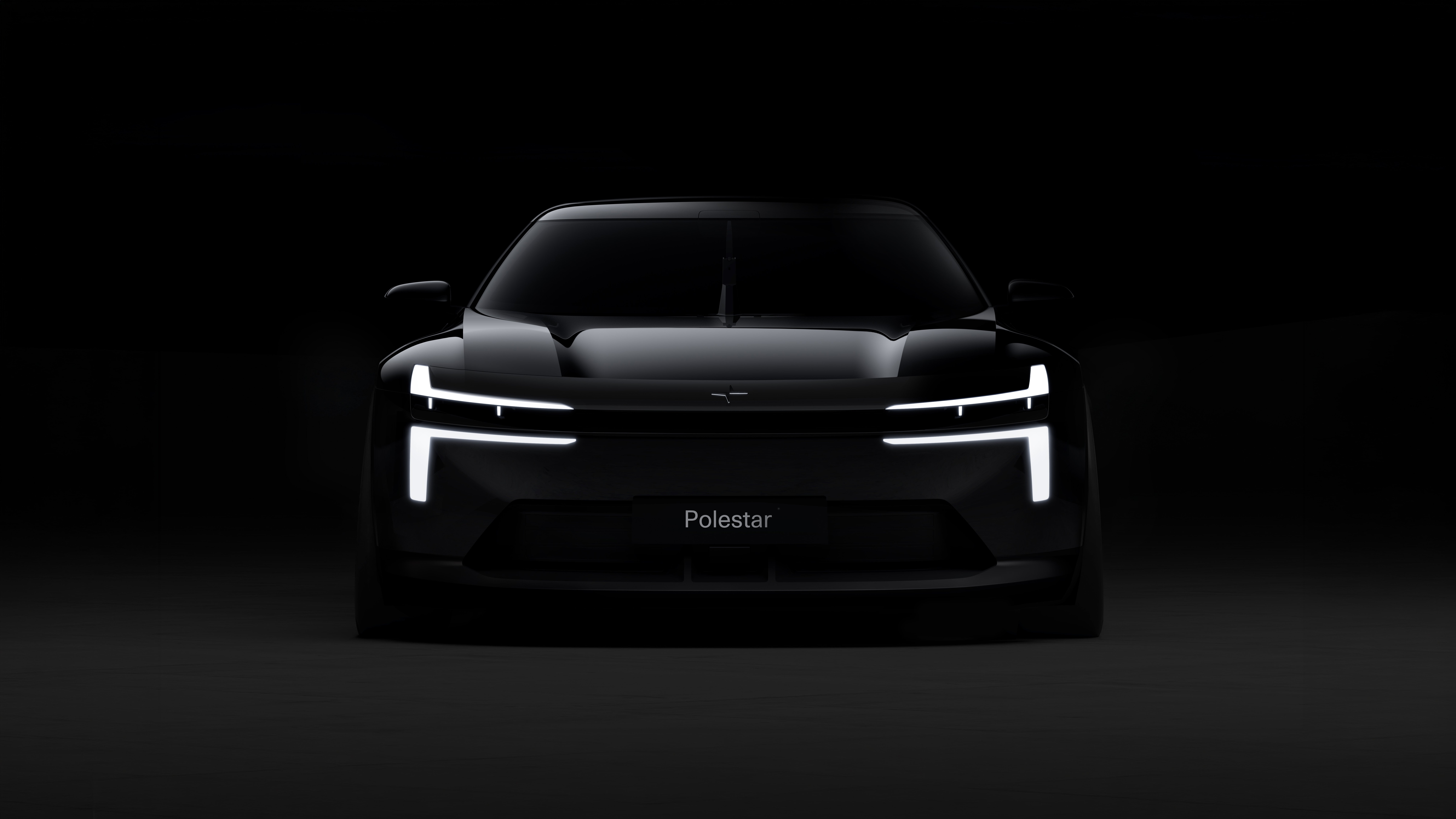
Polestar’s interpretation of Volvo’s Thor’s Hammer headlight signature has become much more of a focal point, and an aerodynamic opening similar to the aero blades used on the Polestar 3 also forms part of the new nose, helping manage airflow around the vehicle.
There appears to be an S-duct that will redirect air to suck the car’s nose down onto the tarmac, and the overall effect is sportier as the Formula 3000 adopts a low-set, wide stance with cambered front wheels.
The treatment is expected to form the basis of a new family face across future Polestars, while the company’s traditionally restrained surfaces could give way to more curvaceous and expressive bodywork.
Römers describes the Formula 2030 as an evolution rather than a wholesale reinvention of Polestar’s identity, as it retains recognisable features such as its Dual Blade headlights while debuting a more curvy and expressive look.
Other established Polestar signatures aren’t necessarily safe from change. Features including full-width rear lighting and the windowless tail used by some of its current models could be reinterpreted as the company establishes its next-generation design language.

The overhaul won’t stop with the exterior. The Formula 2030 is also expected to preview Polestar’s future approach to cabin design, including new materials and user-interface technology.
The concept arrives at an important point in the company’s development. Despite expanding its range into several major premium-vehicle segments, the Swedish-based, Chinese-owned manufacturer continues to face significant financial and commercial challenges. Losses have remained substantial, while restrictions preventing it from selling vehicles in the US have added another obstacle to its global expansion plans.
That puts plenty of pressure on the next wave of Polestars to deliver. Formula 2030 will provide the first indication of how the company intends to use distinctive design and new technology to give those models a stronger identity when it is revealed in full next month.
Peter Brock was a chameleon.
He was also a mirror who reflected what people wanted to see from him, shape shifting between a motorsport hero to the humble mate at the pub in seconds.
Today, 20 years after his death while competing in a road rally in Western Australia, Brock is still the biggest name in Australian motorsport. What made him so unique was the rare gift of making anyone feel special, using just a handful of words or a look and a smile.
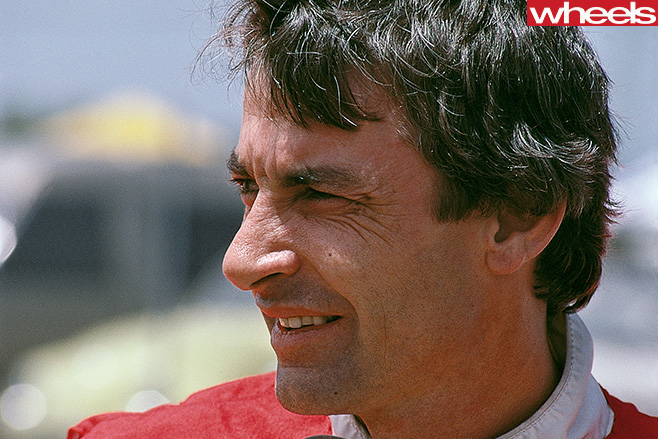
He could give anyone what they craved, from a humble race fan in the pits to a high-powered corporate CEO in a company boardroom It was this ability to morph in response to any surroundings or audience that made him easily the most popular racing driver in Australian history and a hero to thousands of people – including the many families who saluted him with a son called Brock.
But which one of all the Peter Brocks was the genuine article? Was it ‘Brocky’ the racer, or Pete the mate, or PB the corporate spokesman? Or perhaps just the plain old Peter who spent rare private time with his friends and family?
The answer, in reality, is that Brock was each and all of those things. And more. He could easily become what someone – anyone – needed from him. Brock knew what he had and used his luminous appeal to create an image and a career which took him to the top of life.
So, which one was the real Brock? A few months before his death, sitting together watching the rare finches flying through the orchard on his farm outside Melbourne and just chatting about nothing special, I asked him exactly that.
There was a long pause before he replied. “Sometimes I don’t even know myself,” Brock said.
Lewis was the third of the four Brock boys – Neil, Peter, Lewis and Phil – and the closest to Brocky during his later years, including working at the Holden Dealer Team.
“My introduction to high school was the time when Peter emerged as my protector, a role he assumed for all of my life. I was embarrassed, but deep-down very glad for the safety Peter provided. I trusted him.
“The Brock boys had it all with a recipe for conflict, thrills, loud noises and risky experiments. Advanced communication comprised tin cans connected to strings passing under Main Road in Hurstbridge, trail-blazed through drains by the faithful dog Binky.
“For five quid (about $10) Dad bought an Austin 7 with Peter and that became a brilliant source of engineering education for all. Peter drove this program relentlessly as his driving skills developed to overcome huge mechanical deficiencies. Phil and I were pulled along in his wake as Peter plumbed the depths of this mysterious Pommy creation.
“His will seemed indomitable as he graduated to 48-Series Holdens and the inevitable breakdowns. He kept one Holden on the road at all times – though a few skeletons remained.
“My favourite story does not involve cars, even though Peter was completing his second year of National Service at Kapooka, near Wagga, in 1966 and his future A30 race car consisted of a chook shed of bits waiting to be assembled from HD Holden, Triumph Herald and Austin parts. Each weekend leave, Peter would drag stuff into our Wattle Glen shed and start cutting, welding, etc with his mate Kenny.
“We were at the Templestowe Football Ground playing in the Diamond Valley Footy League, which was a pretty good standard, with Peter as key forward and me as the rover.
“We have a good system where, basically, Peter would get hold of the ball through strong marking and pass it off to me to kick. Peter was an unreliable kick for goal but a brilliant mark, with extremely strong hands. What great fun. He gave me an armchair ride as we accumulated goals.
“He could have had a future in the AFL if he had chosen, but the lure of engineering, design and high-performance engine development in motor racing won the day, with results for all to see.”
Dick Johnson fought a historic Ford-versus-Holden, red-against-blue battle with Brock for a full generation.
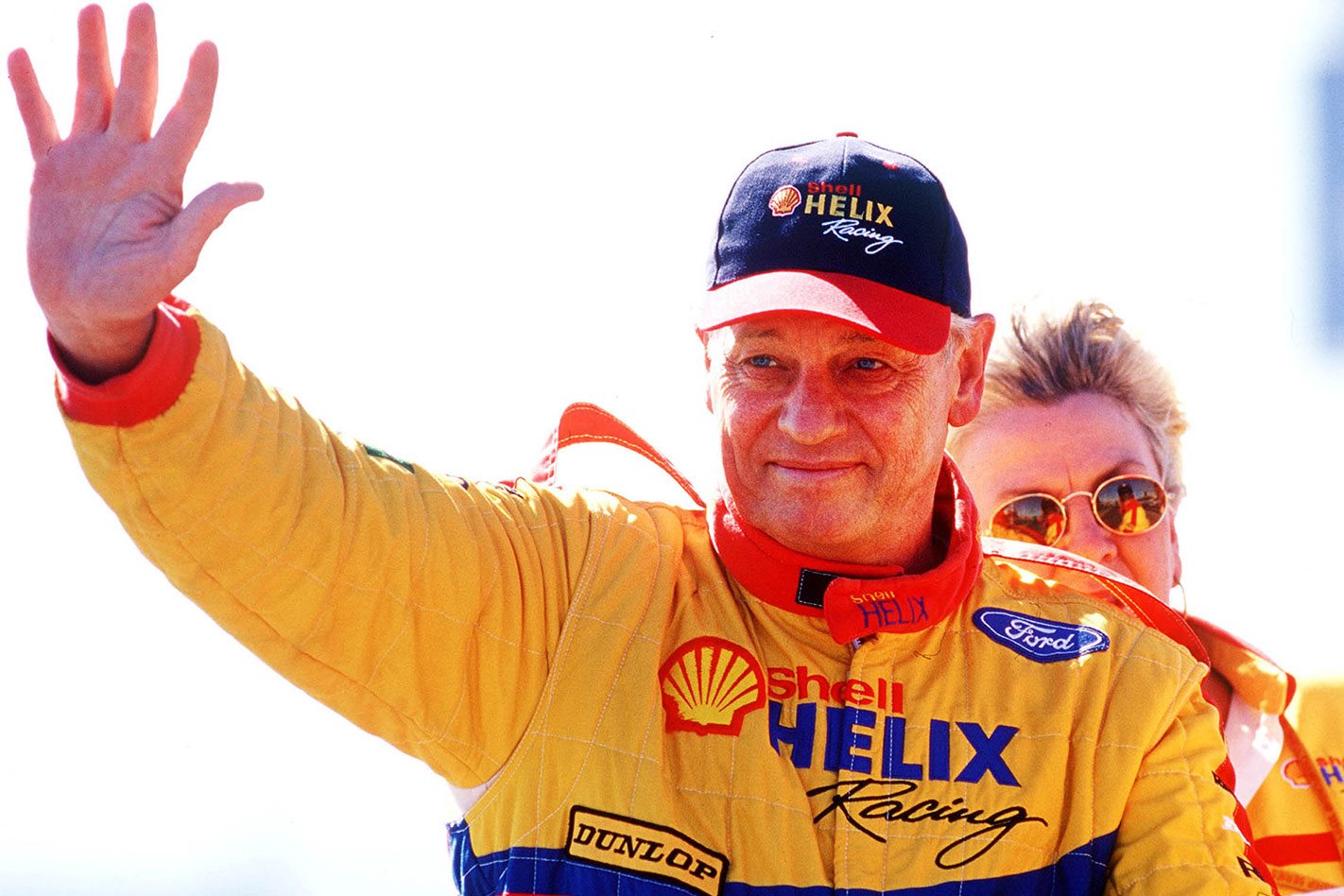
The pair were millimetres apart on the track but kilometres apart in everyday life, where Johnson was the laconic Brisbane working-class-hero and Brock was the slick Melbourne businessman.
The pair first met at the Lakeside racetrack north of Brisbane although, ironically, they were just a couple of barracks apart during their time in the army for national service. It was only years later that they discovered their shared experience.
“I didn’t fall over him like a long-lost brother. Even at that time I didn’t realise that he had been in the army. He was only a couple of huts away from me, but I didn’t know he was there because he was in a different platoon.
“Favourite story? Brock’s mechanical ability was less than zero, to be quite honest. Except he always knew when something was going to blow up …
“So he had a unit at Port Douglas. We were in Cairns for a go-kart thing with (Dick’s son) Steven, who won it.
“Brock has this rubber ducky (boat) and it was pretty quick. He wanted to have a steering wheel, so he hooked it all up to take Steven for a run. He fired it up, gave it full noise and turned the steering wheel full right – and it turned left. Absolutely no idea. No idea at all. All the gear and no idea.”
Alan Gow is an ultra-successful motorsport entrepreneur and boss of the British Touring Car Championship but met Brock through Peter Janson in 1974, when his business was swimming pools. Gow arranged for a pool for Brock and his then-wife, former Miss Australia Michelle Downes, “but the pool was never actually installed, as the marriage hit the rocks not long after…”
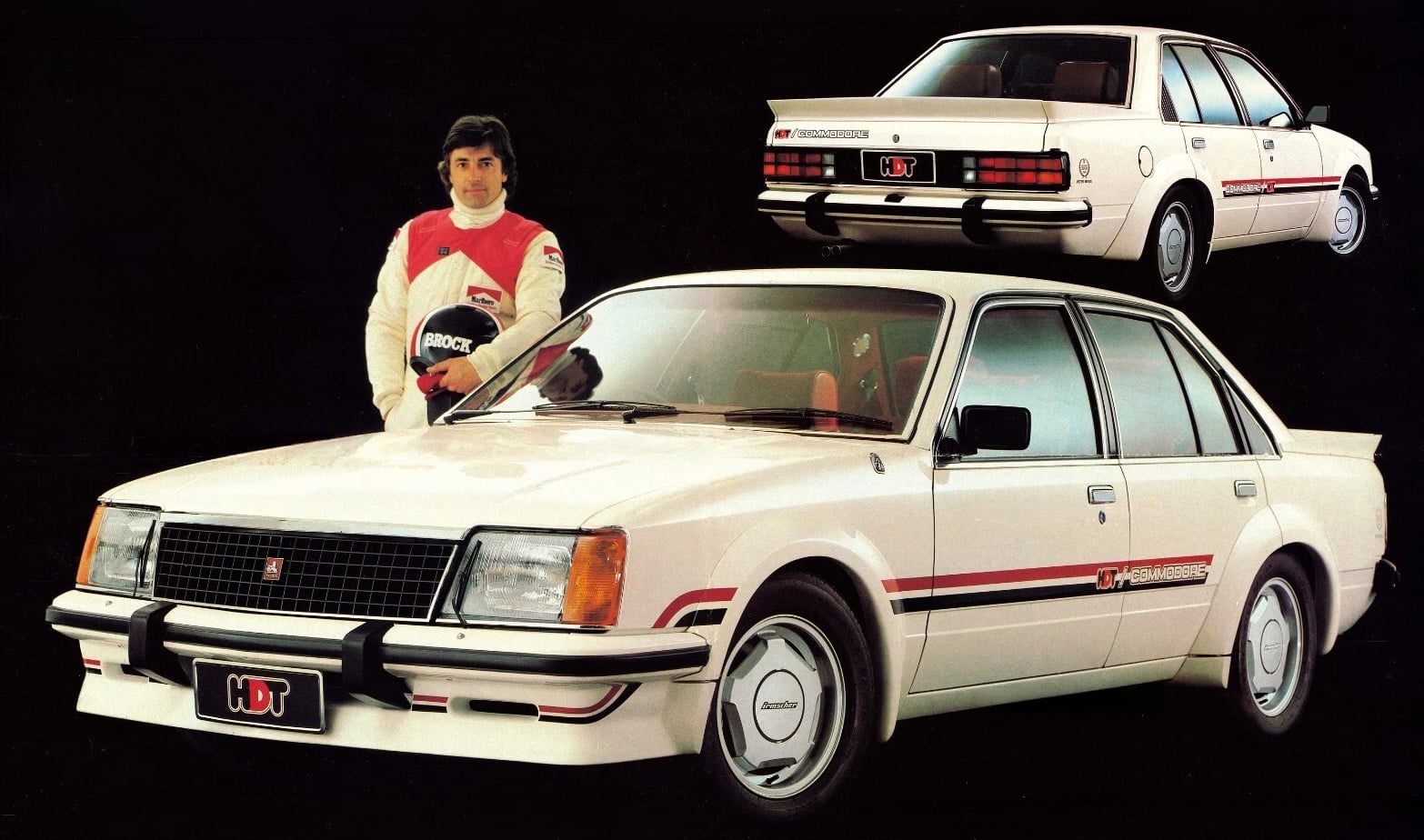
“The ‘real Brock’ I knew was a guy that was forever looking forward, despite the absolutely enormous adversities he faced immediately following the collapse of his Holden/HDT relationship. He was always positive. We actually had some great, fun times when most others would have plunged themselves into the depths of depression.
“To come back from getting the biggest kicking and public humiliation in your professional career and win Bathurst in that same year shows just who the real Peter Brock was.”
His favourite Brock story?
“The Brock Lada. We managed to get out of the huge, expensive commitment on the HDT facility in Bertie Street, Port Melbourne through Peter agreeing to put his name to a run of ‘Brock Lada’ cars for the importer (who agreed to take over the facility). It took a fair bit of convincing, but Peter was pragmatic enough to realise that if he didn’t do it, he would be personally sued for a lot of money that he didn’t have and would probably have gone bankrupt.
“The car was known as the Lada Samara Deluxe by Brock. But Peter privately called it the ‘Doreen Deluxe’ because, without that car, he would have lost his beloved property situated near Doreen (well actually Nutfield, but the ‘Nutfield Deluxe’ didn’t have the same ring to it).
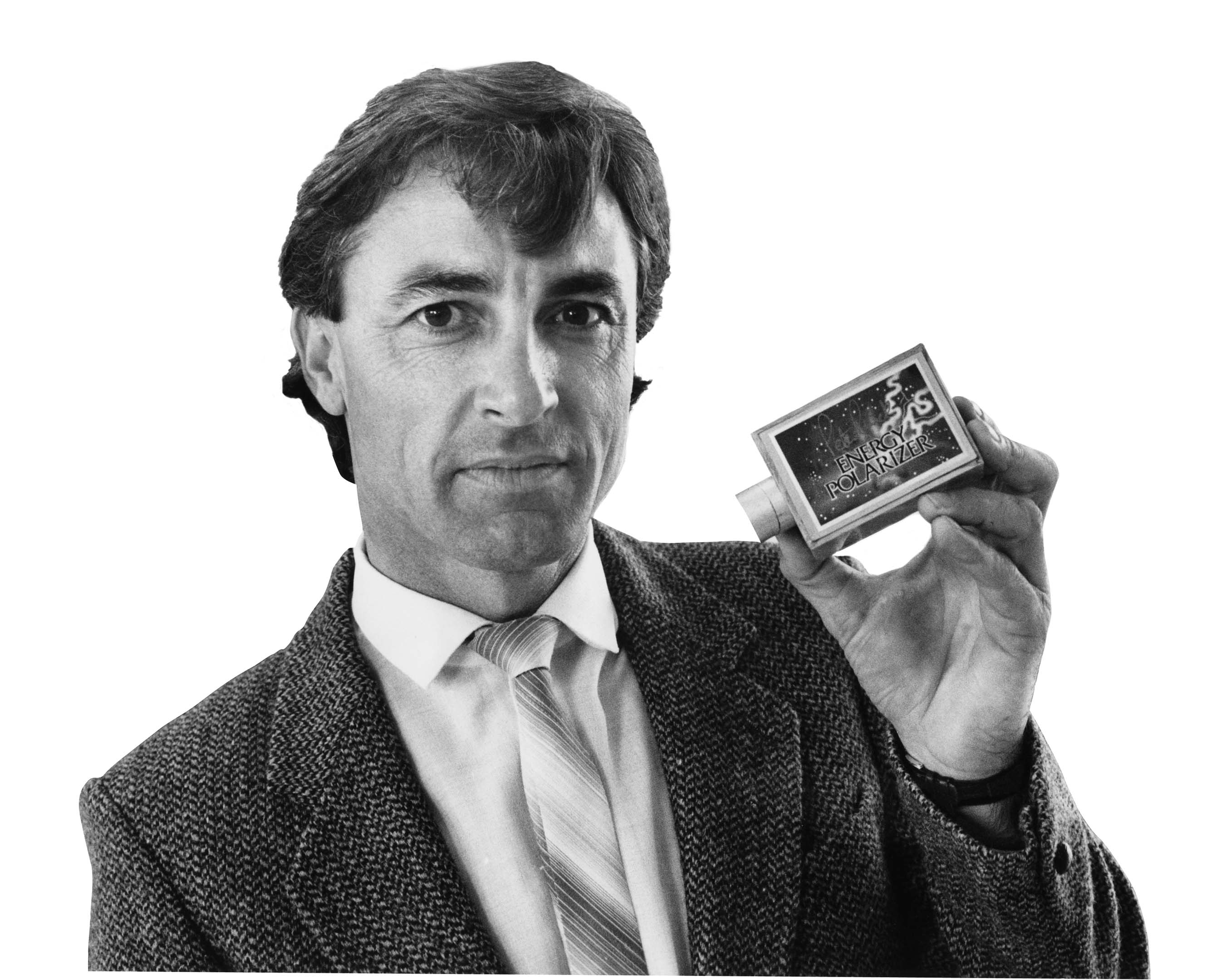
Phil Scott was the leading motoring journalist of his generation, both at Wheels and Fairfax newspapers. He had the best BS detector in the business and was the first to write an accurate and impartial report about Brock’s controversial Energy Polarizer.
“It was part of Brock’s M.O. to befriend and flatter media and sponsors, and he did it so well — until he believed you’d crossed him. Then he would blow-up deluxe.
“The bloke had extraordinary ability to drive a touring car fast and an otherworldly connection with Mount Panorama, but at the end of the day he was an athlete – a roads scholar not a Rhodes scholar – and the pedestal he was put on, the fawning and hero worship, went to his head.
“The Polariser saga was evidence of that hubris. As his son said in the 2018 feature film directed by Kriv Stenders: ‘Who the f**k that does that?!’”
Robert Brock is the second of the Brock children, between Jamie – who did well as a racer after arriving with Bev when she joined forces with Peter – and Alexandra.
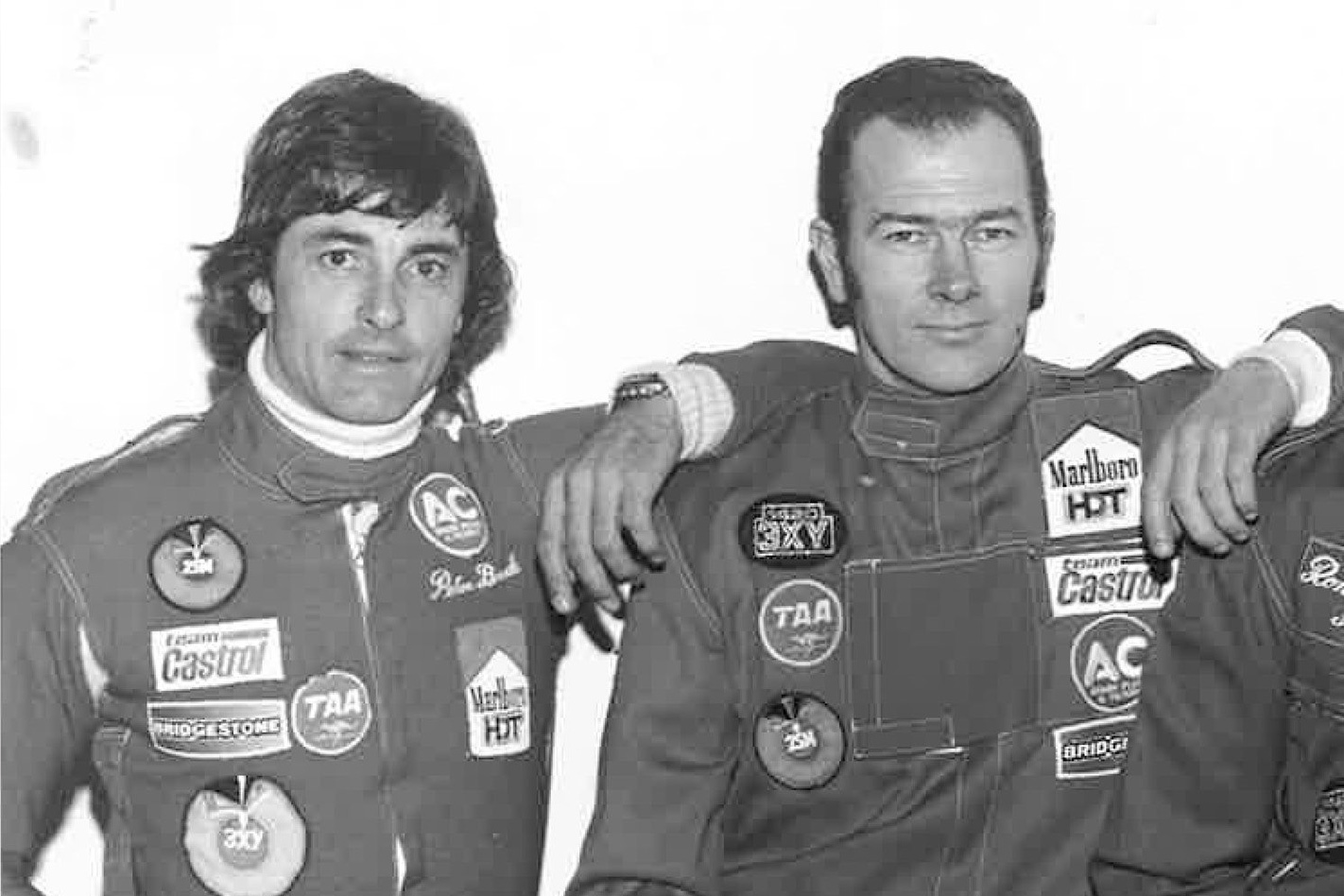
Now 46, he is working as a service advisor at a Ford dealer in Broken Hill, after several years living on Conrod Straight at Bathurst. He recalls his own near-miss with motorsport: “Dad encouraged the idea of me racing, but I talked myself out of it. That was a personal choice.
“I was always afraid of living in Dad’s shadow. It wasn’t until after few years after he passed that I realised I was looking at it the wrong way. It was like I was making my own name. He said life was always interesting and an adventure.”
Robert’s school friends never believed he was the son of ’that’ Peter Brock, until they met his dad. “It was like two different lives,” he recalled.
“Favourite memory? It’s more like favourite memories. People don’t realise how much of a goofball and nerd Dad was. For all his skills, he could not handle chopsticks. He could draw and paint and sculpt and do some beautiful watercolours, but he could not use chopsticks.”
Legendary Holden powerhouse John Crennan interacted with Peter Brock in four phases, starting in 1978 in motorsport merchandising at GM-Holden, then as national marketing manager, then at the Holden Racing Team and finally with Team Brock in touring cars.
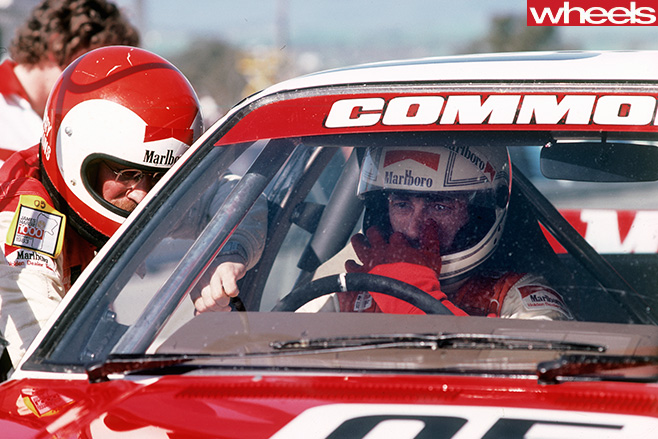
“There is not the slightest doubt in my mind that Peter was – and remains – the most profoundly valuable marketing asset in GM/GM-H’s history from the time of their incorporation in 1926.
“The Peter Brock I worked with in these four cycles embracing nearly a quarter of a century went something like this in terms of ratings. He gets an A+ rating as a racing car driver, as a celebrity with film-star appeal to his fan base, as the celebrity with sponsor appeal all the way from the bottom to the top of the corporate ladder, and as the idol of approximately 18,000 Holden employees and every staff member of all 500 Holden dealerships.
“Peter passed all the very demanding criteria of the Aussie pub test despite his superstar status and successes throughout his entire career – so I give him an A as a magnet for the interest and attention of all the media on everything from car magazines to Women’s Weekly. As a businessman? He gets a C.
“Behind the scenes on awkward/delicate business matters seeking to have his management company handle any problem issues, he gets a B–.
“Beyond the adulation generated by Peter’s winning ways on the racetrack, he had many other natural talents that captured maximum impact with his fans as a pin-up boy and heart-throb and hero for all Holden devotees. However, his one action which always struck me as his most powerful weapon was the 20-second experience he would create for each and every one his fans who patiently stood in the vast queues for his autograph.
“Peter would ask their name, have something positive to say and always look them directly in the eye and thereby always ensure in that 20-second engagement he’d never fail to generate an overwhelming level of personal delight for the recipient of his autograph.”
Mick Hone was one of Brock’s closest mates through the final years of his life. He was also his co-driver in the catastrophic Targa West rally.
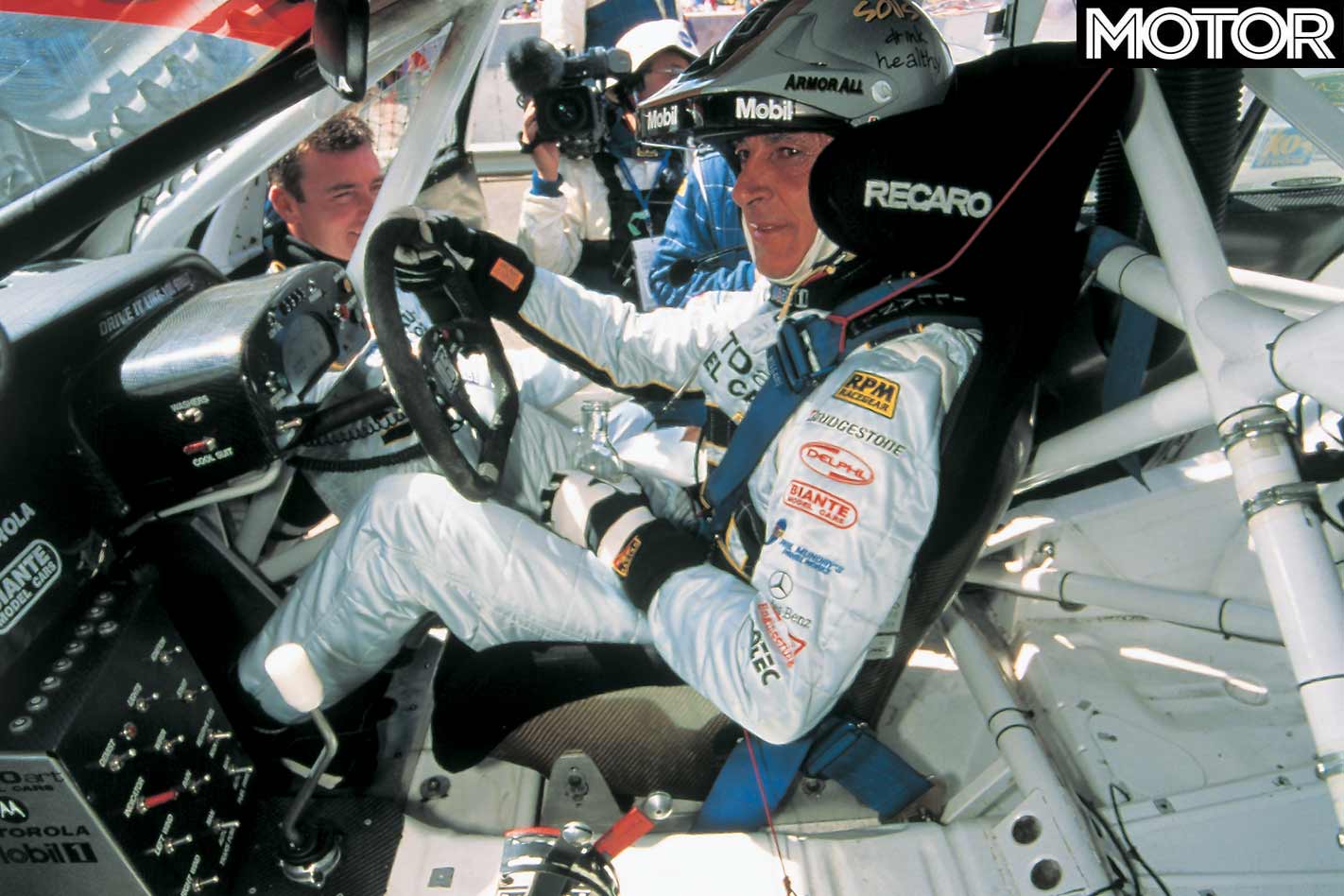
The pair met through their shared friendship with John “’”Slug”’” Harvey, who was Brock’s sidekick at the Holden Dealer Team and his racing teammate. Hone owned a motorcycle dealership and a race team, and they would spend time at the track before sharing regular cuppa sessions at the shop in later years.
“I never knew the real PB. Nobody ever did,” Hone said. “He was a different cat. An icon. He was very generous with his time and advice. He was very kind to me. I was lucky to know him, and I could boggle at all the things he could do that I couldn’t – like driving fast.
“There were lots of things he was great at, and it probably took me a long time to realise he was human. I know he abhorred ‘Perfect Pete’, and certainly he was not.”
Hone’s memories have not dulled over the past 20 years and he still gets very emotional while talking about the crash.
“When I was lying in the ambulance … I was pretty f**ked. Shaken, dusty, whatever you want to call it. Discombobulated. I was laying there thinking about all the things I’d done with Brock, and they all just flooded around. It was amazing.
“I have spoken about it, and it’s 20 years. But I don’t dwell on it. I beat myself up a lot thinking about it. About what I could have done. But I got through the journey. I had to decide how to deal with it. It happened. I can’t do anything about it. I can’t turn the clock back. I’ve had plenty of time to churn and think and reflect. I still don’t understand it.”
“I could see the gravy train from that day 20 years ago went off the rails. I probably learned some more life lessons about all the people who lived on his gravy train. And when it derailed…
“Without doubt, the thing that has stayed with me the most was the respect he showed to everyone. He would be there in the dark if there were people who were there and wanted to sit and have a chat and get something signed. That respect is something I’ve tried to emulate. I’ve matured and realised everyone has a story.
“After a while you see stories, and see how things work, and you can be nicer and cut people a bit of slack. Don’t just take everybody as you see them. Respect was the big thing for me.”
Craig Lowndes is Brock’s successor in motorsport and Australian sport, a three-time touring car champion and seven-time winner of the Bathurst 1000.
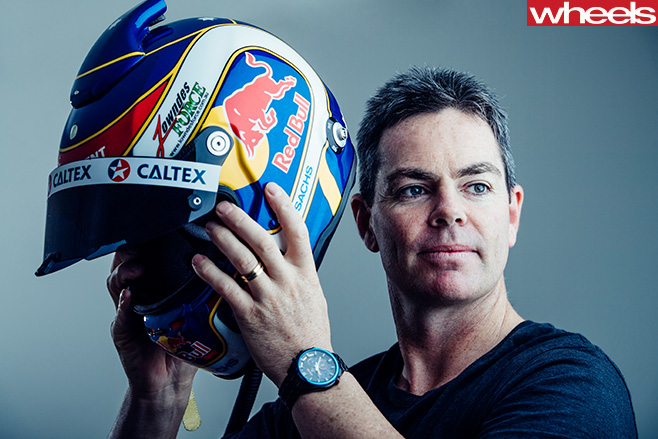
He was nicknamed ’The Kid’ when he was recruited by the Holden Racing Team, partly because he quickly became Brock’s young sidekick. He learned about racing and winning, but also about the importance of life with the fans.
The pair grew up in the same area in northern Melbourne, even played for the same football team, and had a common background working with tools and motorsport from an early age…
“I first met him when I was 10 or 12, and my dad Frank was working at the Holden Dealer Team with Harry Firth. He was always relatable. He was a person I could approach and annoy in some ways.
“My favourite memory was when he sat me down in 1994 and described a lap of Bathurst. From that point onwards my whole, not career, but my performance completely changed.
“He opened up the knowledge of what it takes to drive a lap of Bathurst. Without me having to find it. It was fun, but it was very serious in a way.
“He even described going down Conrod Straight, to look to look to the west to see what weather was coming.”
Graeme ‘Mort’ Brown was a long-term member of Team Brock from being on spanners in the workshop, then as team manager, and then as a tyre guru with Bridgestone.
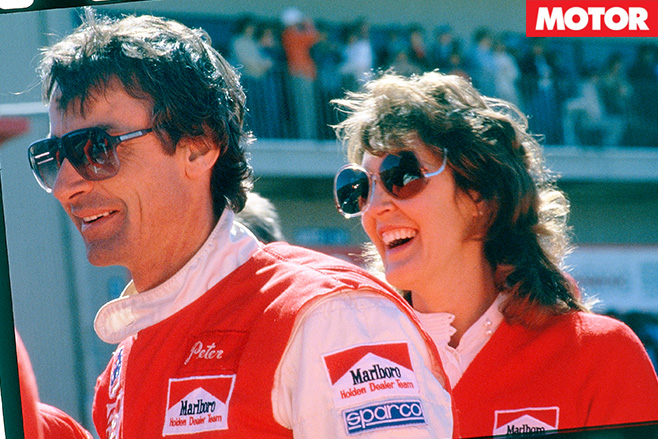
“I met him the week after the 1979 Round Australia rally. I was employed by John Sheppard on the race team. He came back to earth to driving touring cars again.
“I was one of the dickheads on the mountain (Panorama) watching it all. It was a bit of Hollywood, but that soon changed. There are so many stories that can’t be printed …
“I think it was in 1980, when Brock still drank and smoked – he gave it all up in ’84 – and we went up the mountain. We got a car full of mechanics, he’d put on a plain jacket with a hat pulled down, and there was a big Ford camp and a big Holden camp. In the Ford camp they said ‘Dickie [Johnson] is a good bloke, Brock can’t drive’. Brock was in a corner, looking like a hobo. Then they got talking.
“The next day we sent up some Holden HDT flags and they were flying them on their Ford bus. And Brock waved to them when he went past in the race.”
Julie Bamford was Brock’s partner through the final months of his life.
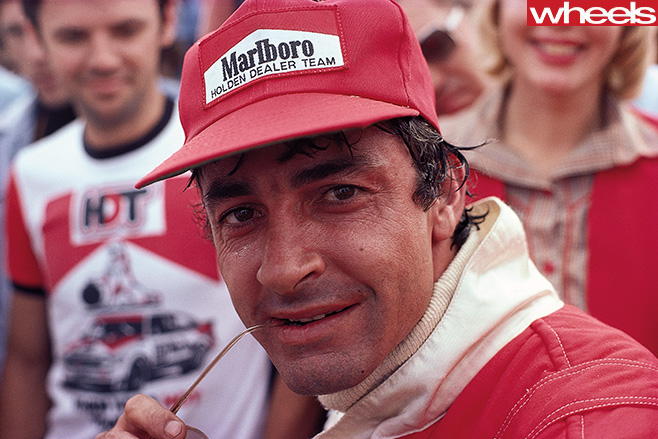
During that time, Brock looked like a teenager with his first real crush. That’s the effect he and Bamford had on each other.
“I fell for the guy who was not the racing car driver. The real Peter. My heart has always been on my sleeve,” Bamford said. “I did meet Peter in 1984. And there was an instant something. But the whole Polarizer thing was going on.
“It was an immediate thing, as we both said, but we fought it off for a long time.”
The pair were in the same orbit but never acted on their early attraction.
“He’d ring up and say ‘I’m thinking about retirement’. And I was privy to a lot of stuff going on. He said ‘You’re the only one who cares about me so much’.
“It took until 2005 for him to say ‘I’m out of here’ and to come around my place. It was a fairytale for just over 12 months. There was lots of fun along the way.
“I never knew anyone who did so much or moved so fast. It was sensational. I had an awe about that. Things are meant to happen. It was 20 years of knowing him. It was almost like a completion of something.
“And then I went along for the ride.”
She also learned about Brock’s effect on other people.
“Someone at my local supermarket said ‘I’m such a fan’. You were the only person in the room when he was talking to you.
“I gained a lot of sense of myself from him. We did share the depth of the spiritual side, and the curiosity of what we are doing here.
“Once he put his arms around me at the kitchen sink and said, ‘I don’t know what I’d do without you.’ I think he knew something with his higher self.”
Bamford prefers to talk about their happy times, but the tragedy and heartbreak of Brock’s death still looms large.
“If I hadn’t gone to the morgue I would still think something was wrong. I needed the reality of that,” she said. “I met Peter when I was 32. And I’m 72 now. Now I think, ‘How lucky was I?’
“Let me tell you, there is no-one else. It’s a hard act to follow. There was so much to him. I went on the joyride and I still don’t believe it.
“Would I do that all again? Yes, of course I would.”
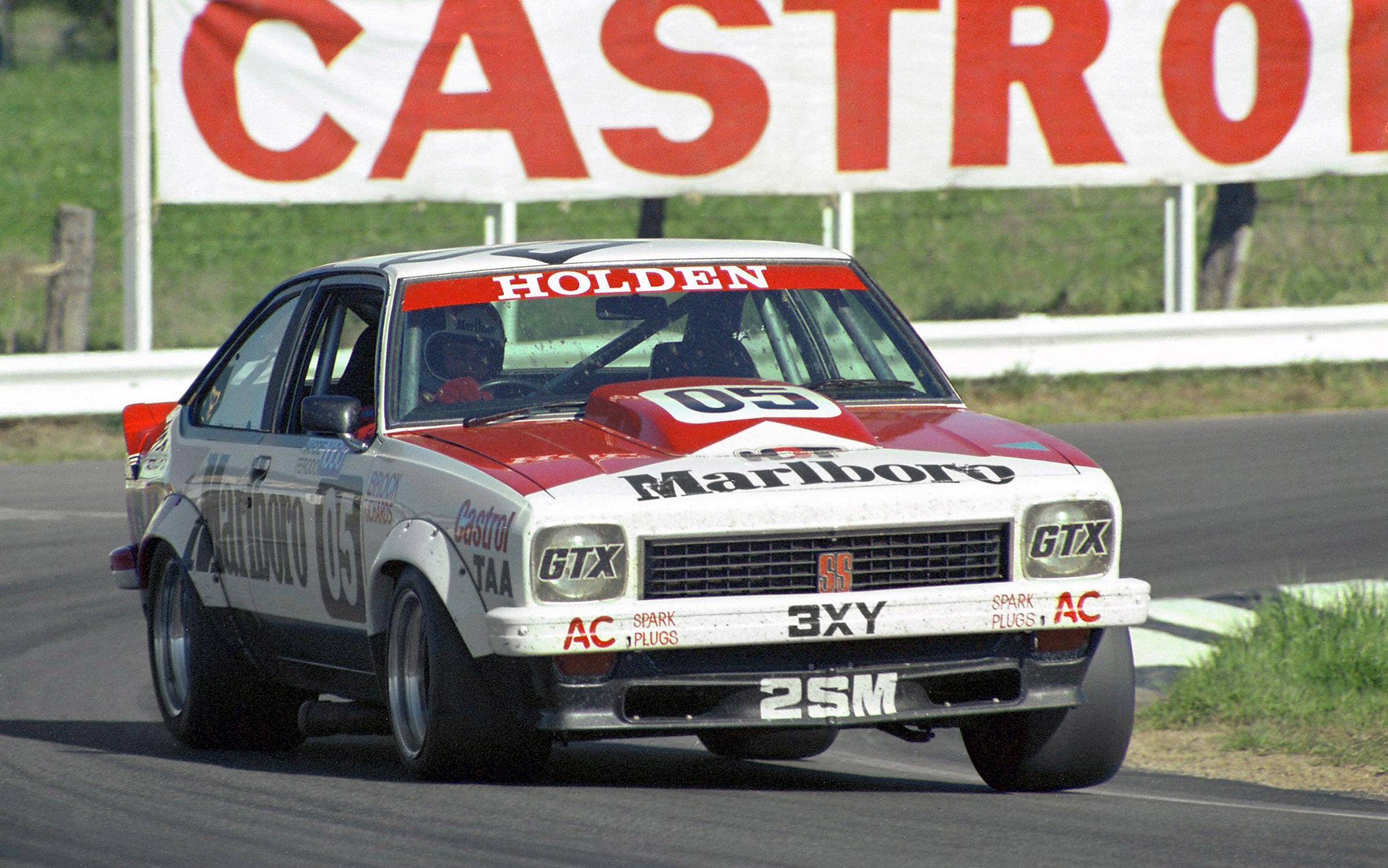
A Torana A9X that Peter Brock drove as he contested the 1978 Australian Touring Car Championship will be joined by several more of the most iconic cars in Aussie motorsport history when a special exhibition is unveiled just after the 20th anniversary of the King of the Mountain’s tragic death.
The Touring Car Icons exhibition will feature $12 million worth of machinery when it opens at Shell V-Power Motorsport Park at Tailem Bend in South Australia on Wednesday night, just over two decades after Brock passed away in an accident during the Targa West rally near Perth.
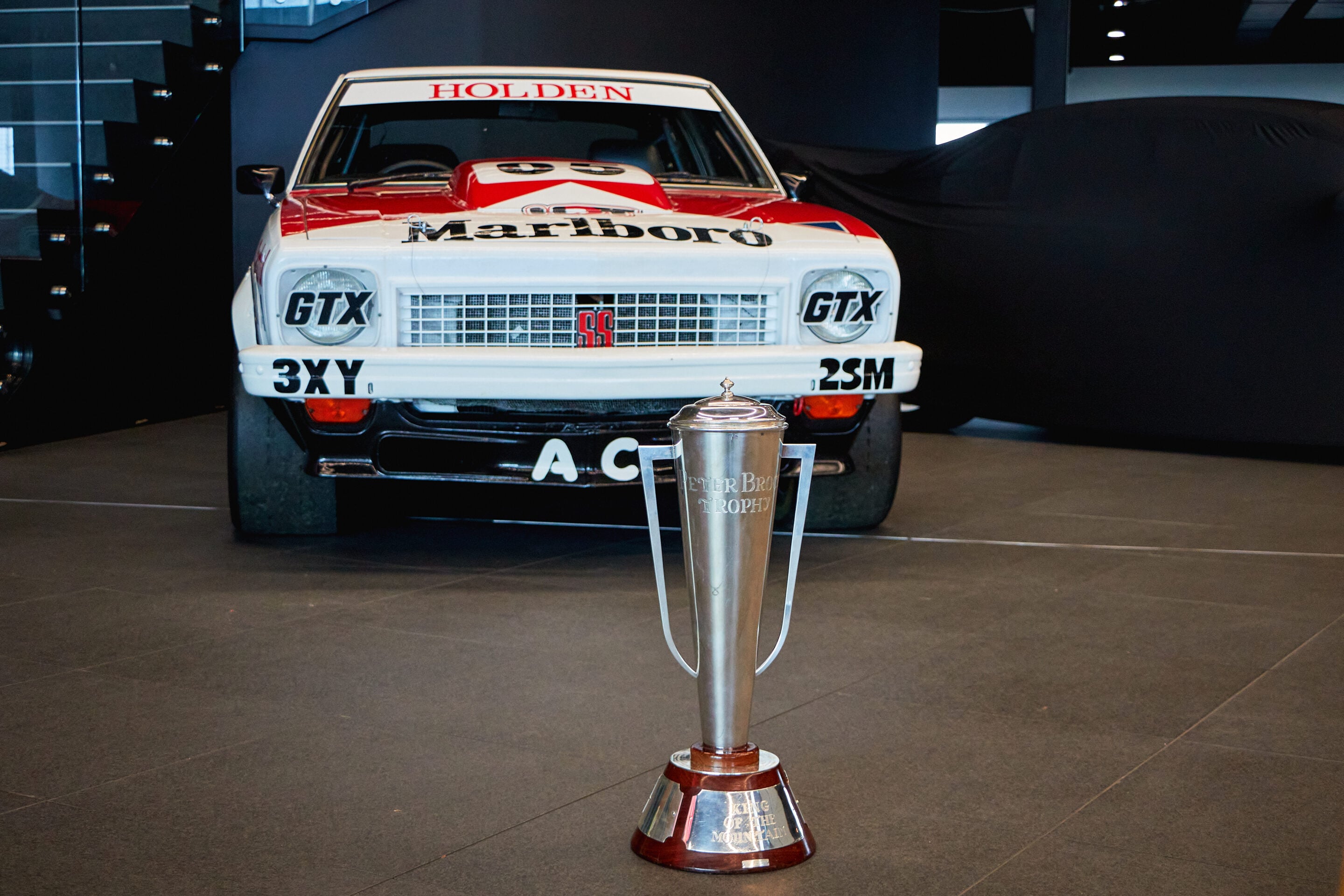
Eleven cars will be on display together for the first time, and they’ve been paired together to tell six stories that live large in every Aussie motorsport fanatic’s memory. Brock’s A9X (pictured above) is joined by the VK Commodore he campaigned in the 1986 Australian Touring Car Championship against Dick Johnson’s Ford Mustang. The Torana is paired with the VT Commodore Craig Lowndes (pictured above with Brock in a photo by Ray Berghouse of Chevron Publishing) drove in 1998, with the Holdens taking both men to their second Australian Touring Car championship titles.
The hero cars just keep on coming. There’s the GIO Nissan Skyline GT-R that obliterated the opposition at the 1991 Sandown 500, and the the ANZ Ford Sierra RS500 that set a new lap record in the Top 10 Shootout at the Mountain in 1990. The infamous ‘Shriek at the Creek’ incident that saw Mark Skaife lose his mind with Russell Ingall at Eastern Creek in 2003 is represented, with their respective Commodore and Caltex Falcon sharing the big stage.
It’s not all about decades-old machinery, either. Joining the 2013 Ford Falcon that gave Chaz Mostert his first V8 Supercars win is the Mustang he drove to his first title at the Adelaide Grand Final last year. The latter comes complete with all the battle scars it picked up in that race, as it hasn’t been so much as washed since.
Three hundred-plus lucky fans who won a lottery-style ballot will be there to watch the exhibition unfold, and curator Adam Brook cannot wait to see all the hard work he and his team have put in finally come to fruition.
“Pulling these cars together from private collections all around the country has taken months of work … we hope fans agree this is a love letter to everyone who grew up with these memories.”
This article has been amended to correct inaccurate information about Brock’s A9X. WhichCar by Wheels apologises for the error.
