Advice
Gallery 1
How much driving range do you really need?
Snapshot
- Most EVs already provide more than enough range for typical daily needs today
- Real-world driving range depends on a variety of factors
- Longer range mainly provides more confidence
Range anxiety is often cited as a key concern when considering a switch to a pure-electric vehicle, but the situation has evolved very rapidly.
While those regularly travelling long highway distances may find range – and the relative lack of public fast-charging infrastructure – an issue, the reality is that most new electric vehicles will have plenty enough range for a week’s worth of commuting for most Australians.
How is electric driving range calculated?
Just as fuel is measured in litres, battery size is measured in kiloWatt-hours. Therefore, just as fuel use is expressed in litres per 100km, energy consumption is typically expressed in kiloWatt hours per 100km.
However, how those numbers are calculated is a little more complicated. The figure you need to look for is the World Harmonised Light Vehicle Test Procedure, usually written as WLTP for short.
This is a tougher test that will be more indicative of real-world use compared to the New European Driving Cycle (NEDC) or China Light-Duty Vehicle Test Cycle (CLTC), which are sometimes quoted because they can give a substantially higher number.
Real world figures can vary dramatically depending on your use case, but remember that EVs are typically the opposite of internal combustion vehicles. Whereas they tend to be more efficient at constant speeds, even at 100km/h, EVs do their best work in town, so in urban traffic you may well exceed your vehicle’s combined claim.
Cold weather also does batteries no favours, with some vehicles losing 20-30 per cent of their range in single-digit temperatures, while some manufacturers’ recommendation to only charge the battery to a maximum of 80 per cent on a regular basis obviously also has a large impact on range.
Top 10 longest range EVs in Australia
These are currently the 10 electric vehicles with the longest ranges on sale in Australia, albeit with a couple of caveats. There are a few cars that technically belong on this list, such as the BMW i7 xDrive 60 and Mercedes-Maybach EQS 580 SUV, which have been excluded as they are hugely expensive and sell in tiny numbers.
It’s also worth noting that this list will change rapidly, with the likes of the forthcoming BMW iX3 and Mercedes-Benz CLA promising more than 800km of WLTP range.
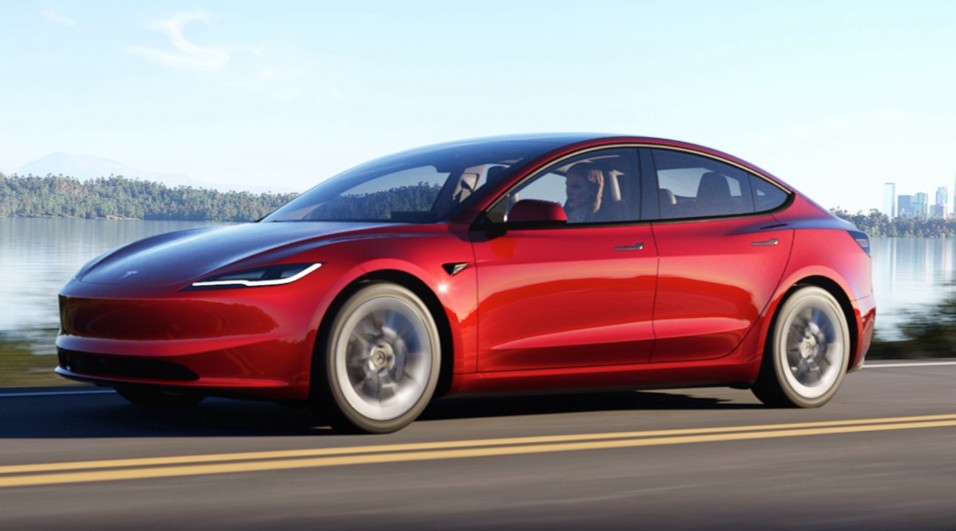
1. Tesla Model 3 RWD Long Range – 750km
1
2. Polestar 3 Long Range Single Motor – 706km

1
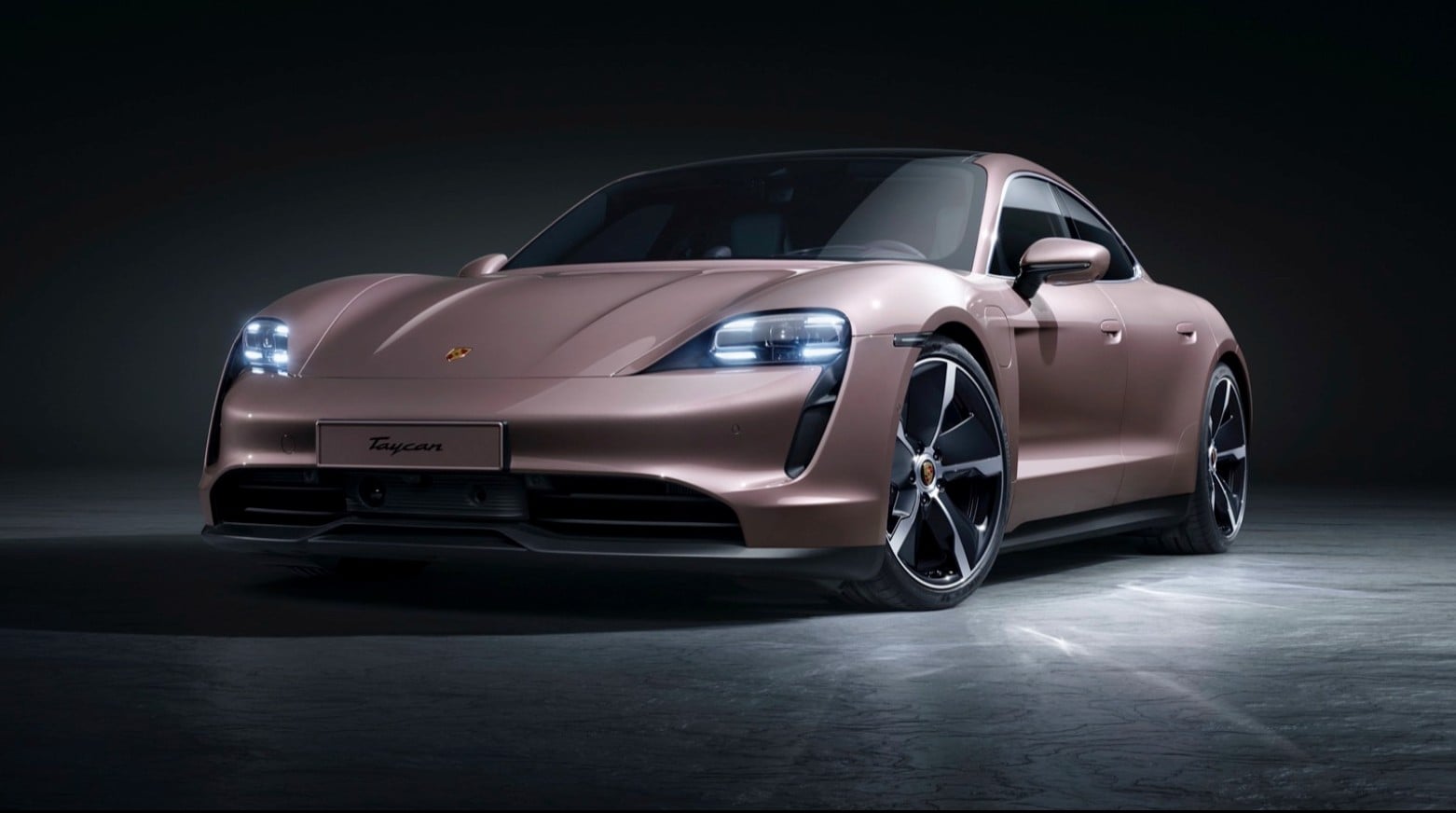
3. Porsche Taycan (w/Performance Battery Plus) – 678km
1
4. Polestar 2 Long Range Single Motor – 659km

1
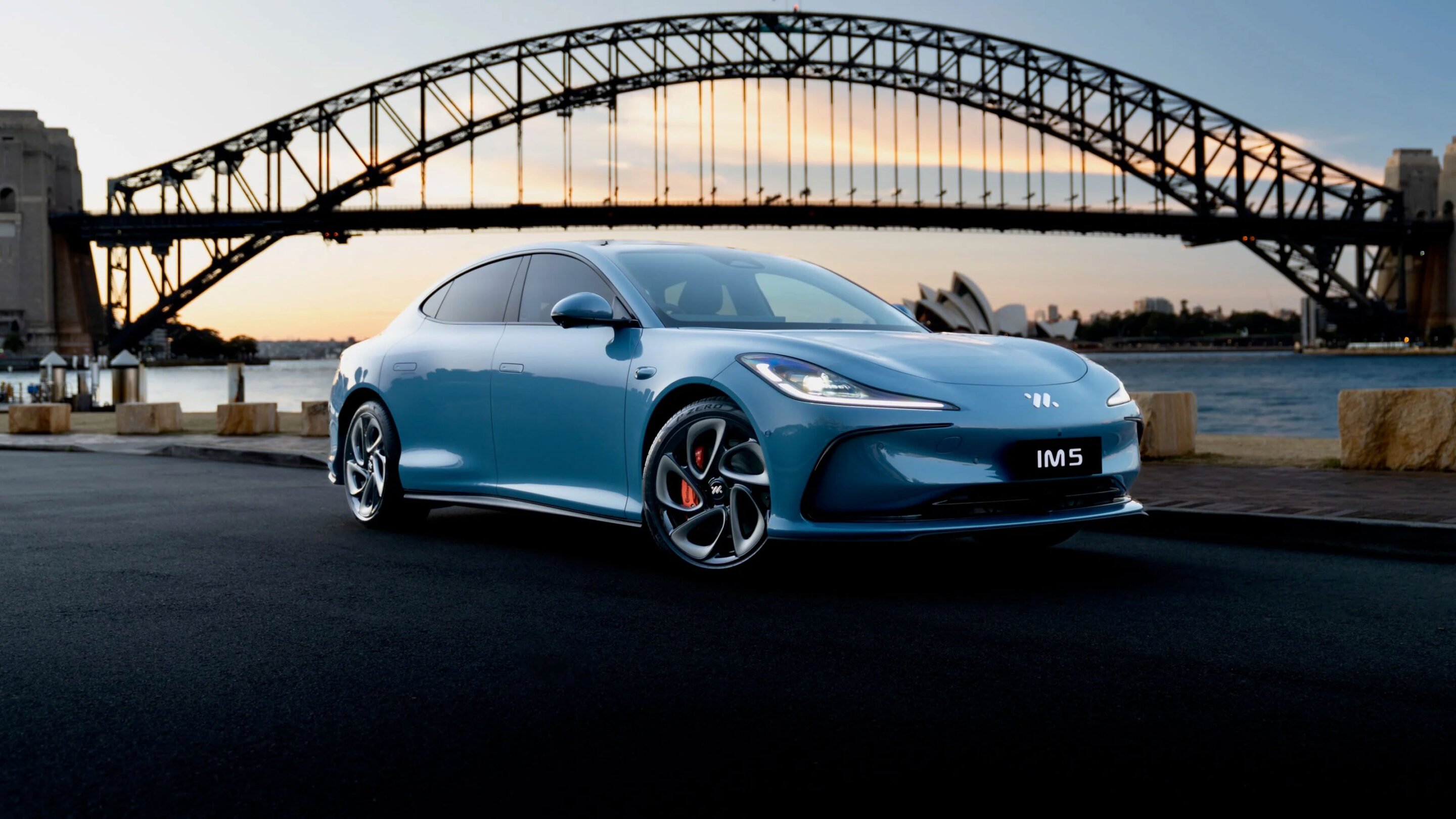
5. IM Presented by MG IM5 Platinum – 655km
1
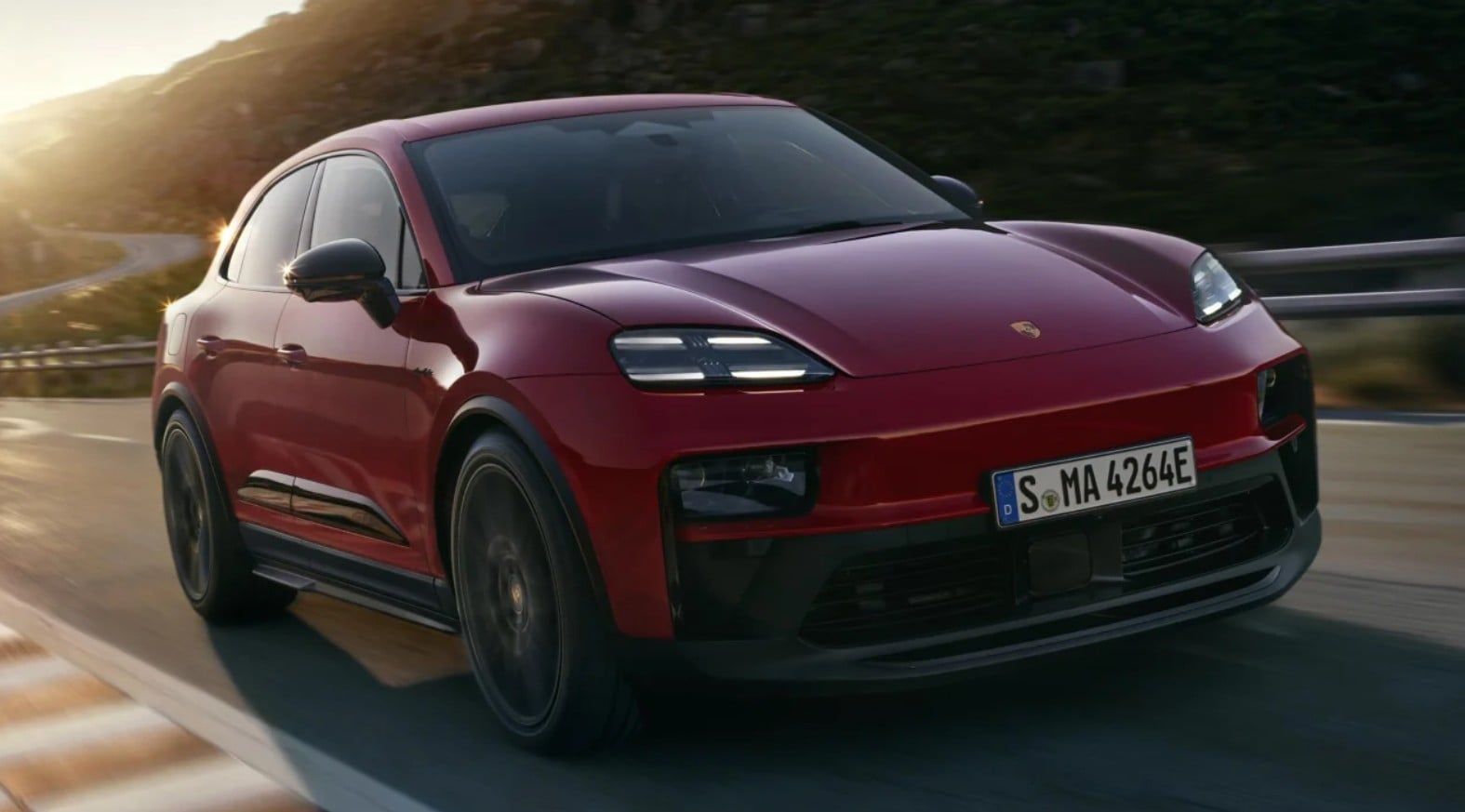
6. Porsche Macan – 640km
1
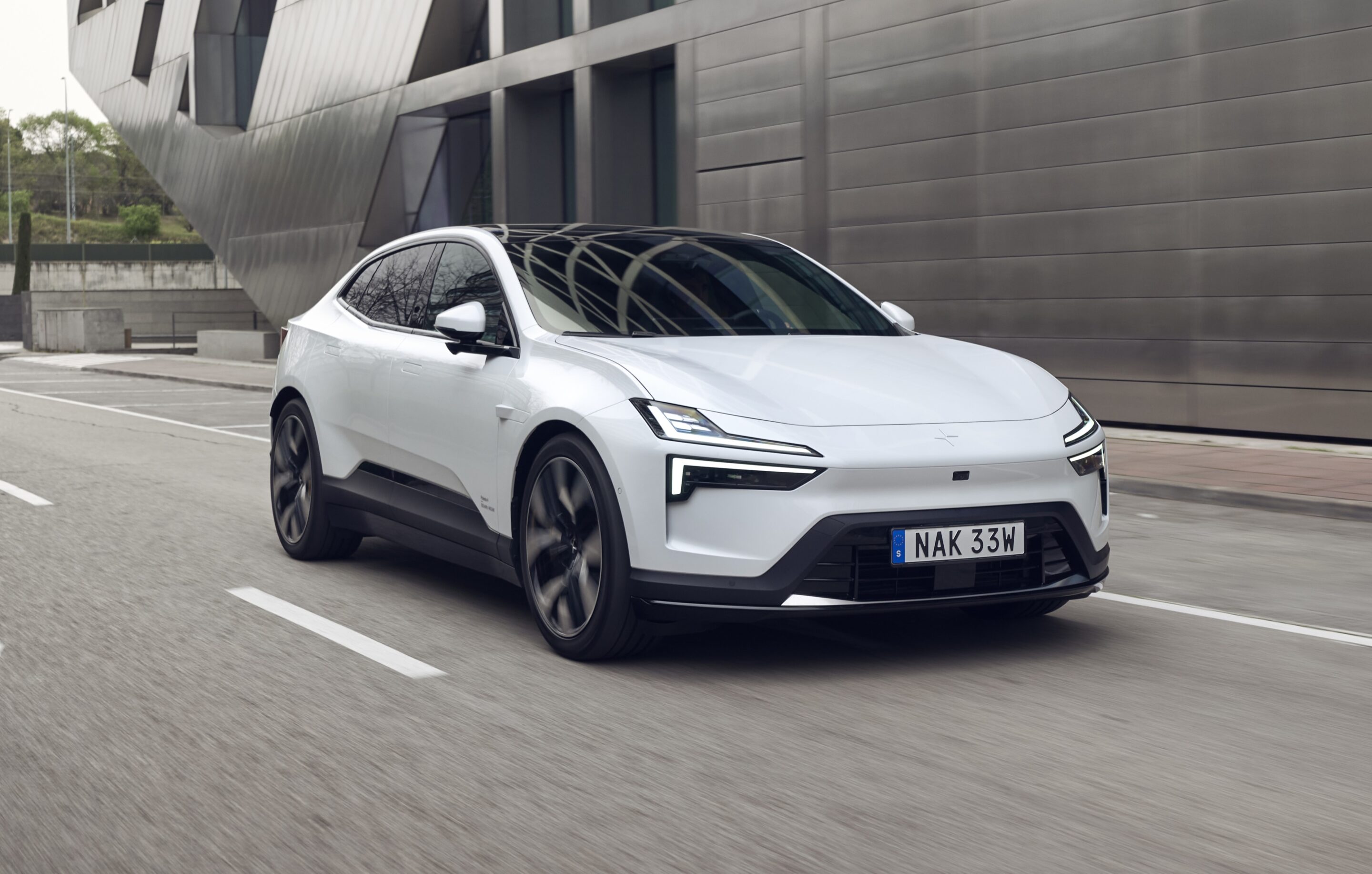
7. Polestar 4 Long Range Single Motor – 620km
1
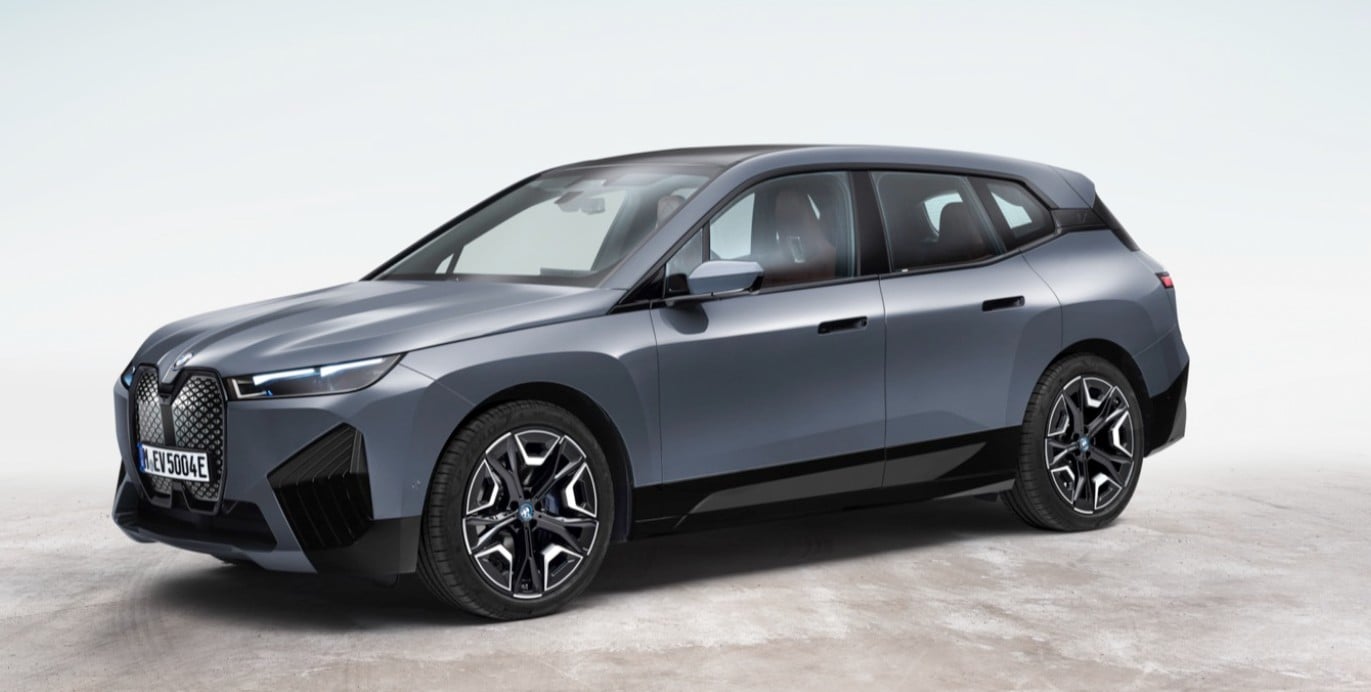
8. BMW iX xDrive50 – 616km
1
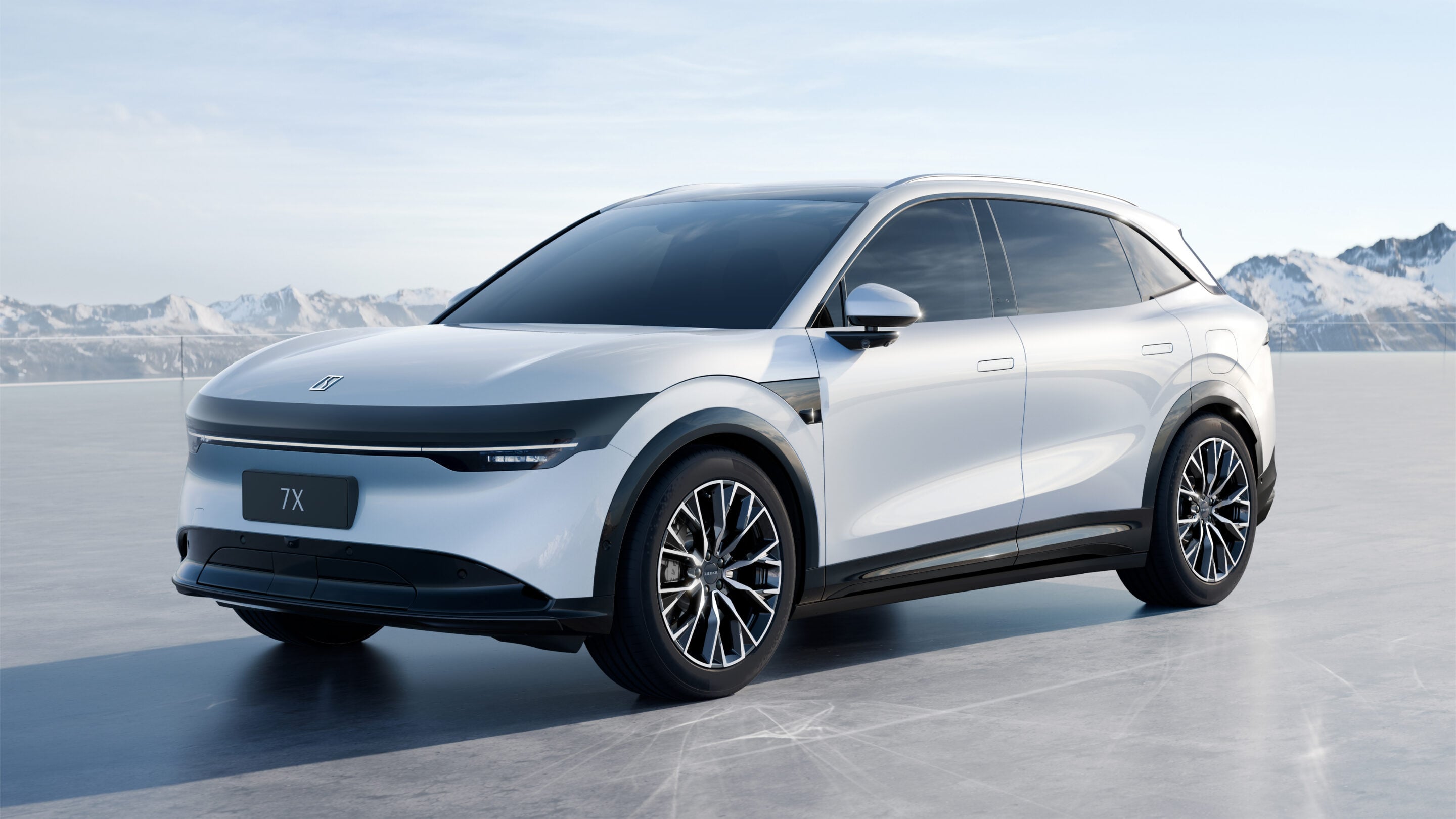
9. Zeekr 7X Long Range RWD – 615km
1
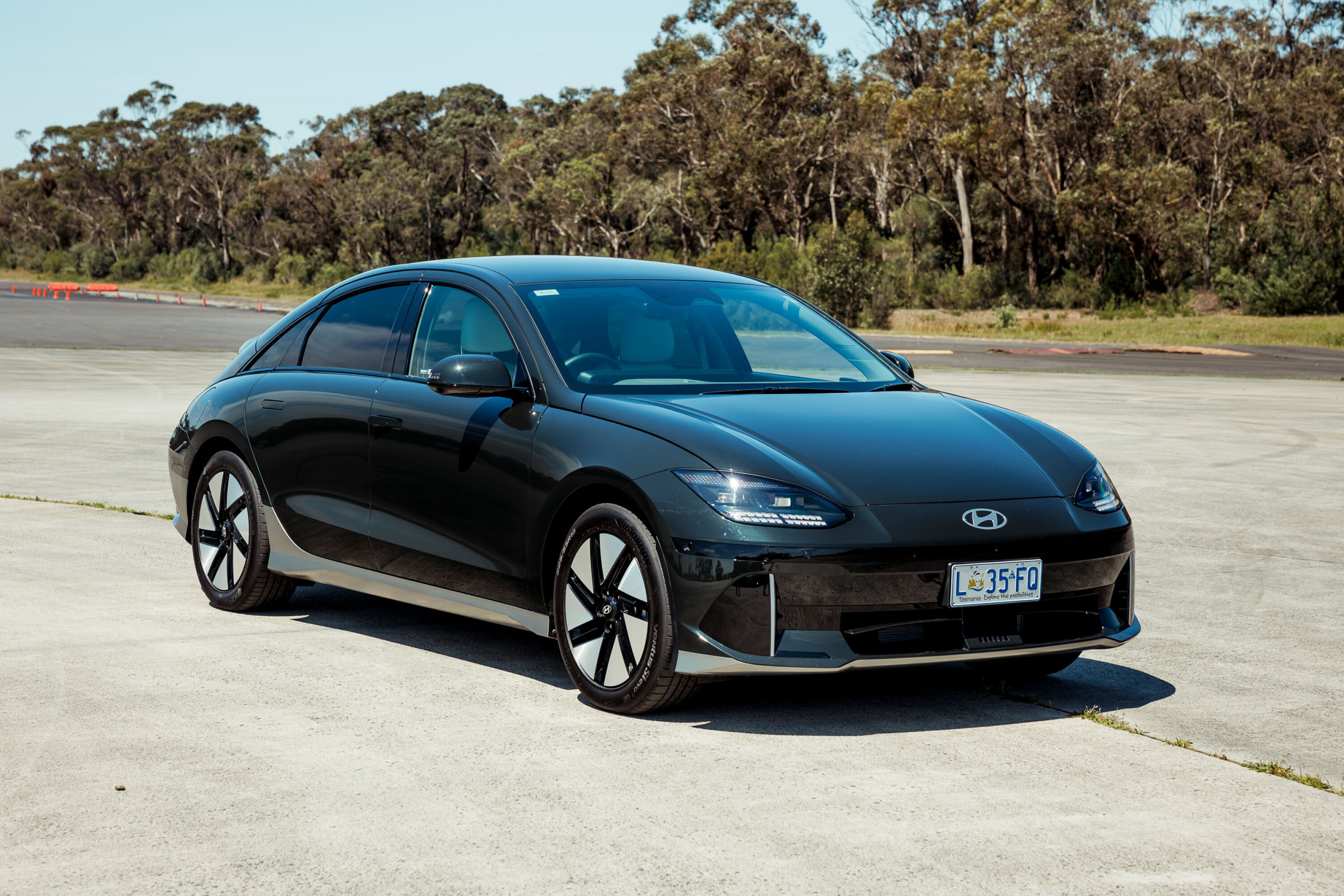
10. Hyundai IONIQ6 RWD Dynamiq Extended Range – 614km
1
What determines driving range?
There are two factors that determine driving range, the net (or usable) capacity of the battery and the energy consumption. Note that the list above is determined by outright range, not efficiency.
Many of the cars on the list are long range variants or have optional larger batteries, but while smaller or cheaper cars may not have the outright ranges due to their smaller batteries (helping keep the cost down), they may be more efficient.
For example, Polestar 3 Long Range Single Motor in second place manages 706km from an 111kWh (gross) battery, the Kia EV3 Air – which just missed the cut – extracts 604km from an 81.4kWh (gross) battery.
Is it time to buy an electric car?
Whether an electric car is suitable for you is a deeply personal question, but the rapid evolution of the technology means that range anxiety is increasingly a non-issue, especially for those that can charge at home.
The other good news is that as battery efficiency improves, cars will be able to use smaller batteries, making them cheaper, lighter and even more efficient.
Follow WhichCar/Wheels on Google
Click the button below to make WhichCar by Wheels a preferred source for your news.

We recommend
-
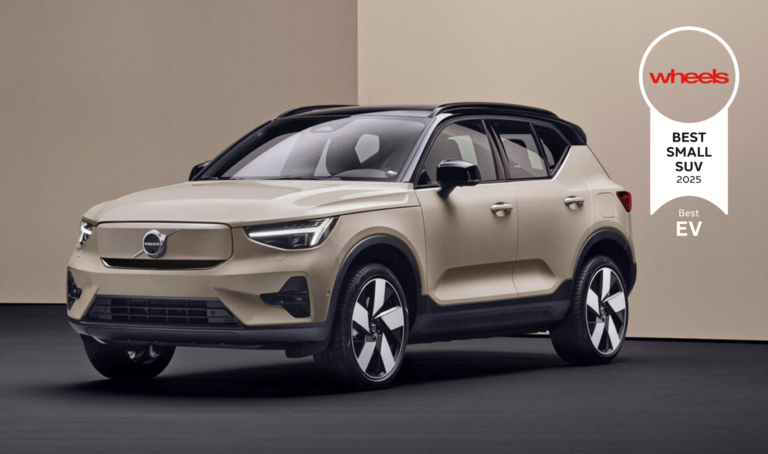 Best Small SUVs
Best Small SUVs 2025: Electric
Ratings and reviews of the Best Small SUVs with an all-electric powertrain on the Australian market... plus our category winner.
-
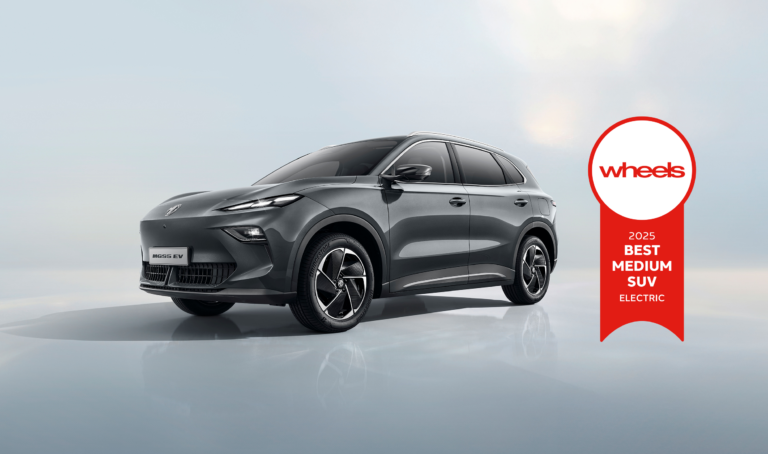 Best Medium SUVs
Best Medium SUVs 2025: Electric
Combining zero-emissions driving with family-friendly practicality, these electric medium SUVs showcase the latest in efficiency, technology and performance.