
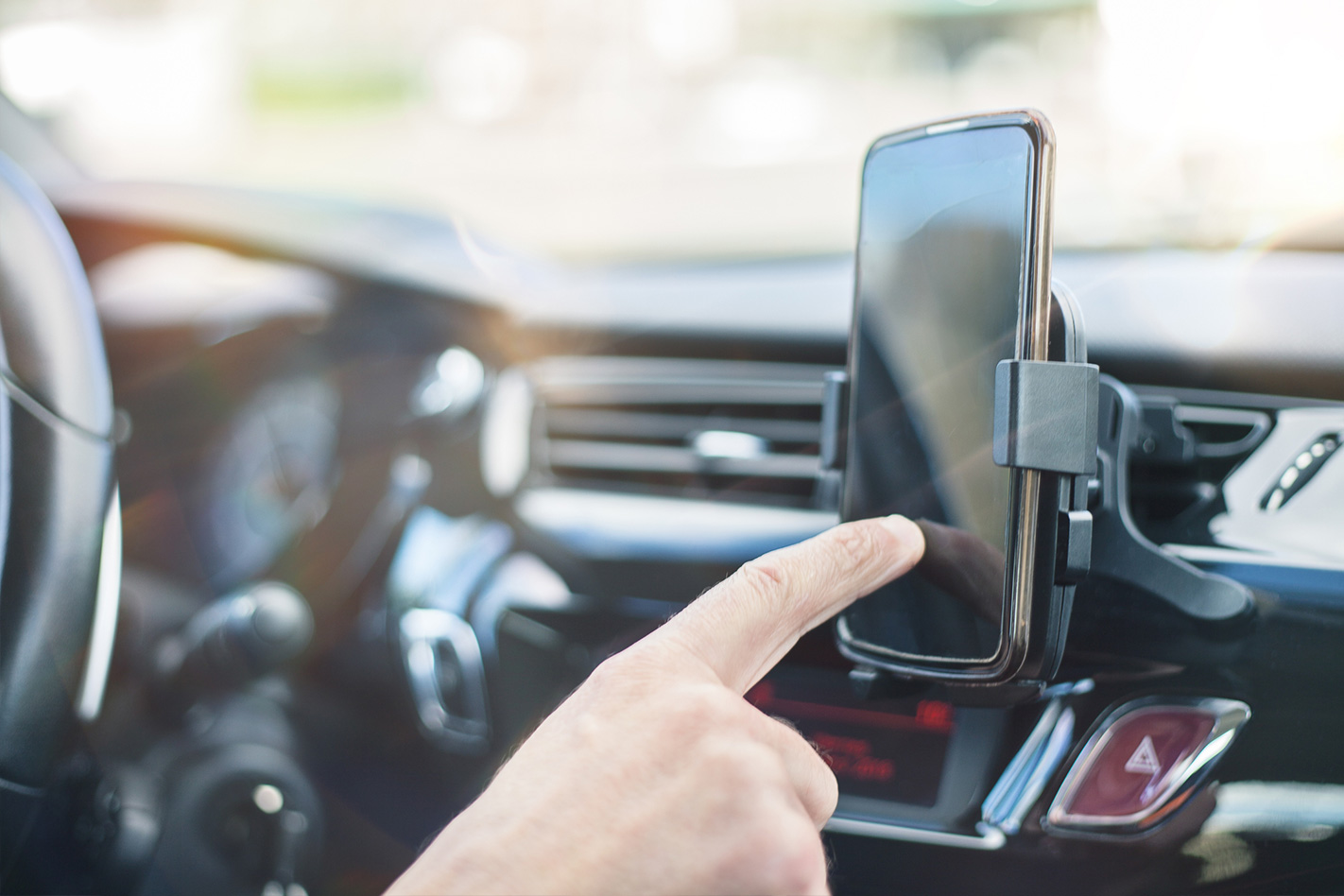
Mobile phone use is being detected in one out of every eight car trips in Australia on Good Fridays, according to new data analysing more than 72 million kilometres of driving – raising concerns ahead of the busy Easter holiday period.
The findings point to distraction as a persistent issue on Australian roads, particularly during peak travel times when traffic volumes increase and conditions become more demanding.
The data, collected through the Safe ‘n Save program driving behaviour monitoring program run by insurer ROLLiN, tracks actions such as speeding, harsh braking and mobile phone use. Phone interaction is recorded when a driver unlocks their device or opens apps while the vehicle is in motion.
With many Australians expected to travel over Easter, authorities and road safety experts are warning that even brief lapses in attention can significantly increase risk.
Periods of higher danger tend to follow predictable patterns, with Friday afternoons and early Saturday afternoons flagged as key times when congestion, fatigue and impatience combine. These conditions can amplify the dangers of distraction, particularly on unfamiliar regional roads.
At 50km/h, taking your eyes off the road for just one second means travelling close to 14 metres without awareness of what’s ahead. Over the course of a typical 10km trip, repeated phone use can result in hundreds of metres driven without full attention.
The data also highlights variation between states, with Victoria recording the highest rate of phone use at one in seven trips. New South Wales follows at one in eight, while Queensland, South Australia and Western Australia all sit at around one in nine. The ACT recorded the lowest rate among surveyed regions.
While enforcement measures such as mobile phone detection cameras have increased in recent years, the figures suggest behavioural change remains a challenge.
The analysis also indicates that safer driving habits can have measurable benefits, with many drivers achieving consistently high safety scores through smoother, more attentive driving.
As traffic builds over the long weekend, the message remains straightforward: staying focused behind the wheel is critical. With heavier traffic, longer journeys and unfamiliar routes, even a momentary distraction can have serious consequences.
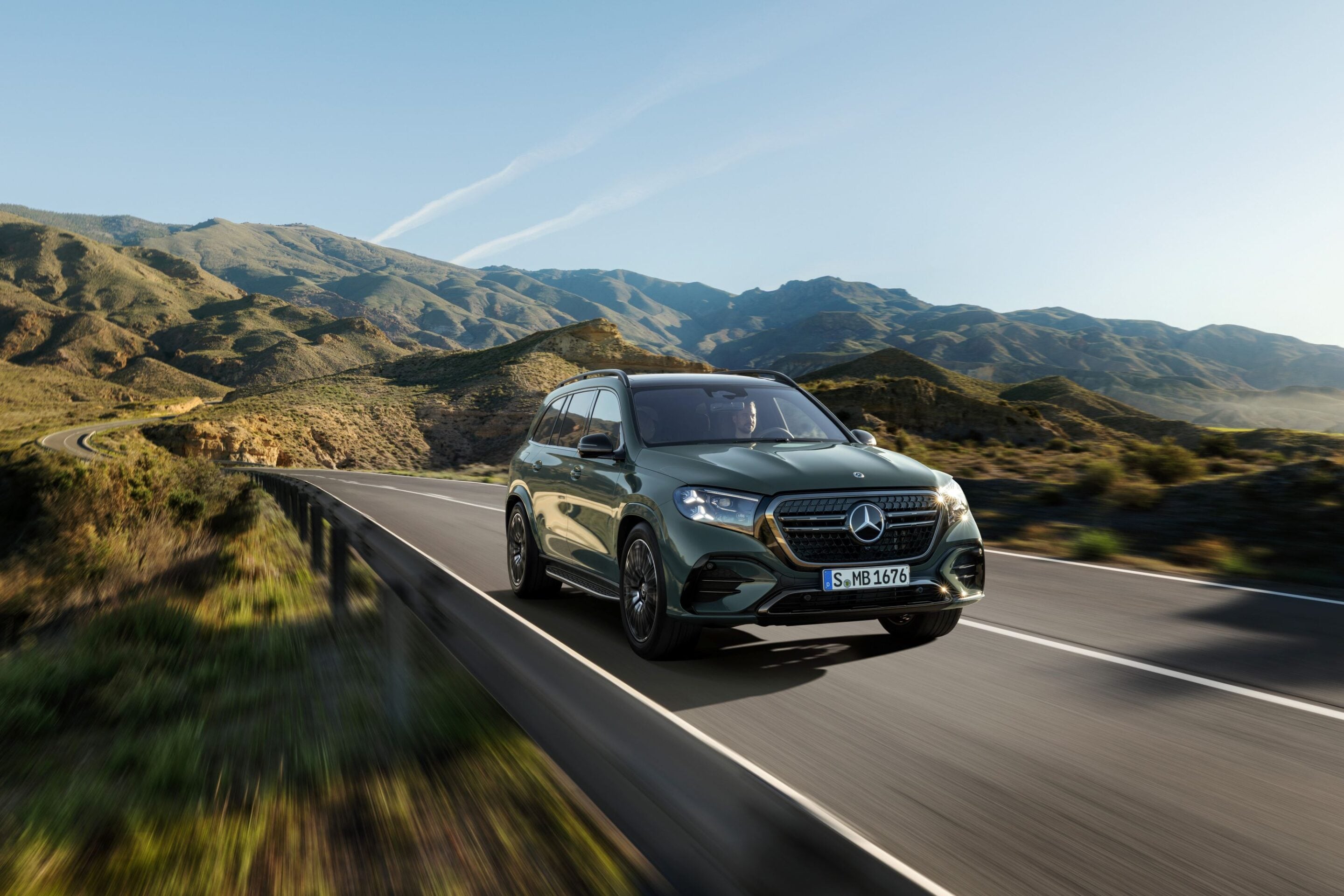
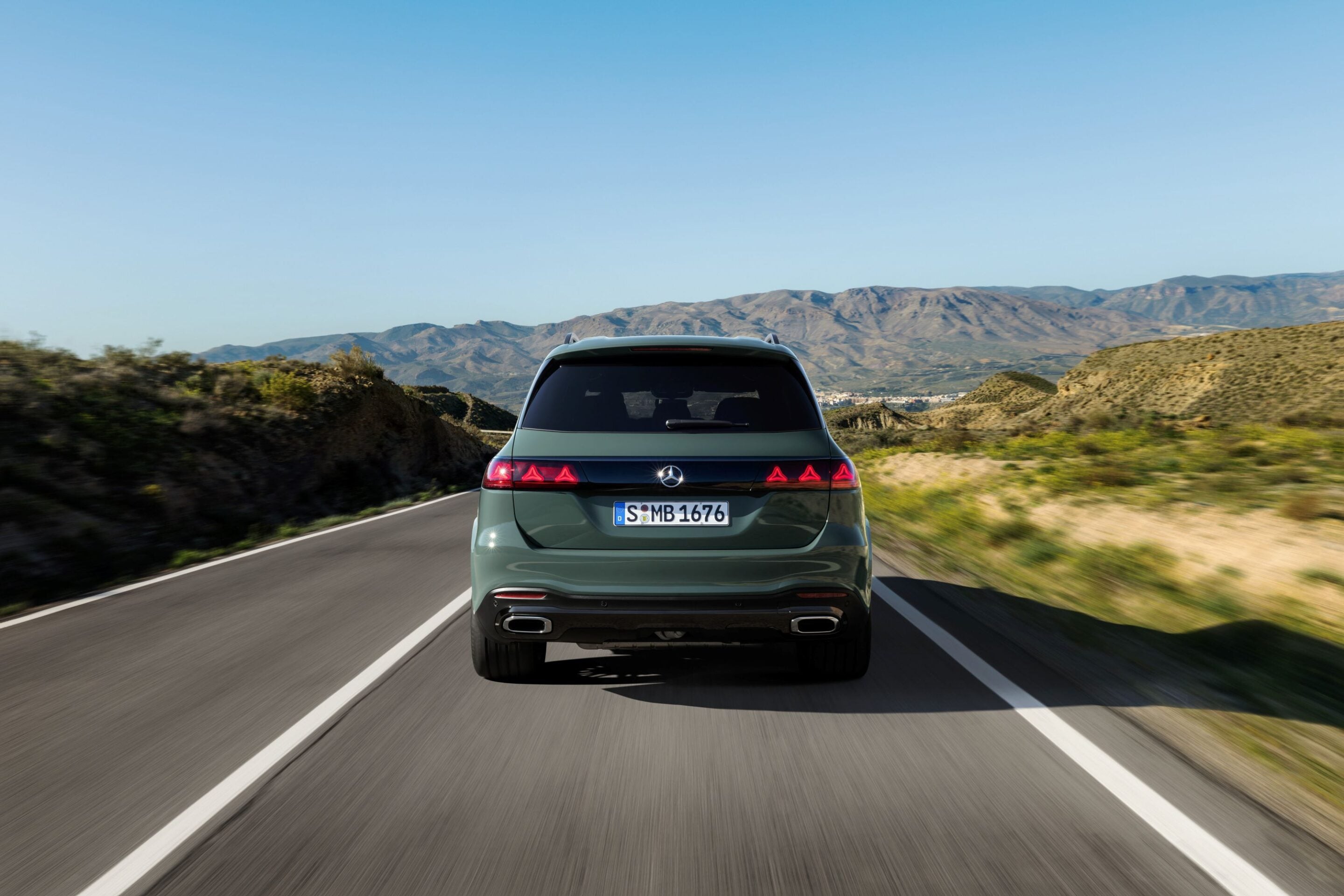
Mercedes-Benz has revealed an updated version of its flagship GLS SUV, introducing revisions to its engine range, digital systems and interior while retaining its focus on space and comfort.
The seven-seat SUV, often positioned as the brand’s largest and most luxurious offering, receives a series of incremental updates rather than a full redesign. Key changes include revised petrol and diesel engines, updated suspension technology and an expanded suite of driver assistance systems.
At the top of the range, the GLS 580 4MATIC V8 sees a modest power increase to 395kW, with torque now sitting at 750Nm. Mercedes-Benz says the engine has been reworked to improve responsiveness and efficiency, with changes to the turbocharger, intake and emissions systems. A switch to a flat-plane crankshaft also forms part of updates aimed at meeting future emissions standards.
Six-cylinder variants have also been revised. The GLS 450 petrol model gains improved torque delivery, now rated at 560Nm, while diesel versions introduce updates aimed at improving efficiency and reducing emissions, including an electrically heated catalyst system.
All engines are paired with a 48-volt electrical system and integrated starter generator, allowing for functions such as coasting, energy recuperation and brief power boosts under acceleration.
Underneath, the GLS continues with air suspension as standard, while higher-spec models offer an advanced active suspension system that can adjust each wheel individually. The system uses multiple sensors and control units to adapt to road conditions in real time, aiming to balance ride comfort with improved handling.
Inside, the most noticeable change is the introduction of a new digital interface. A wide glass panel houses three screens across the dashboard, running the latest version of Mercedes-Benz’s operating system. The system supports over-the-air updates and integrates a range of connected services, including navigation based on Google Maps.
Rear-seat passengers also benefit from upgrades, with dual 11.6-inch screens available for entertainment and additional controls. The GLS retains its focus on practicality, offering three rows of seating with space for up to seven occupants and up to 2400 litres of cargo capacity with the rear seats folded.
Design changes are relatively subtle, including a revised grille, updated lighting signatures and new wheel designs. Additional customisation options have also been introduced, with new exterior colours and interior trims available.
The updated GLS continues to target buyers seeking a large luxury SUV with a strong emphasis on space, technology and long-distance comfort.
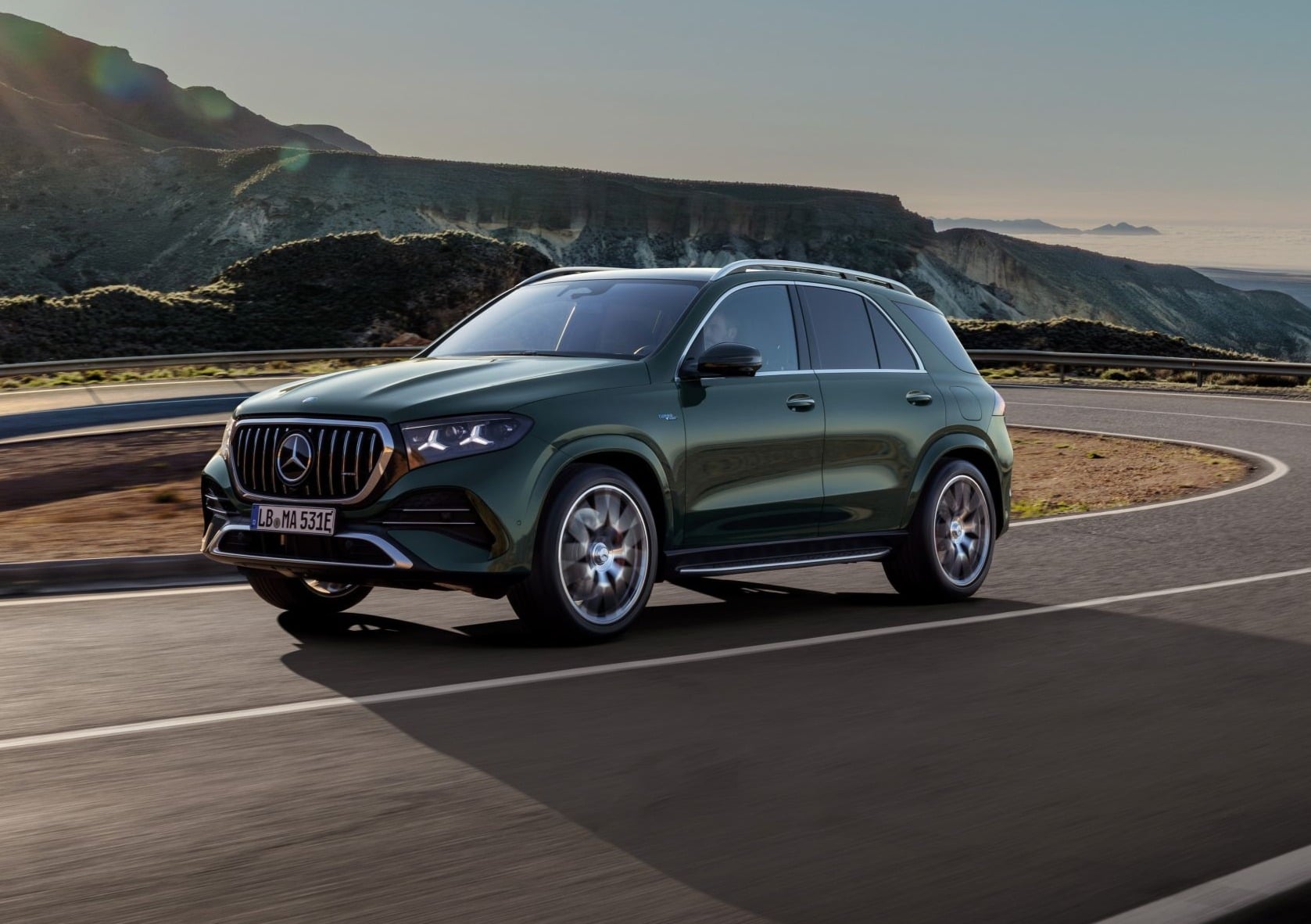
Mercedes-AMG has updated its GLE 53 line-up, introducing revised powertrains, updated chassis systems and subtle design changes across both SUV and coupe variants.
At the centre of the update is a reworked 3.0-litre turbocharged inline six-cylinder petrol engine. Outputs remain strong at 330kW, with torque figures of up to 600Nm – or 640Nm temporarily available via overboost in the 48-volt version. AMG says the revised engine delivers a broader torque band and sharper response, helped by changes including a new cylinder head, intake system and turbocharger tuning.
The 48-volt mild-hybrid system also plays a larger role, with the integrated starter-generator providing an additional 17kW and 205Nm under acceleration. Combined with an upgraded electric compressor, throttle response is said to be more immediate. In this form, the GLE 53 can complete the 0–100km/h sprint in 4.8 seconds.
Alongside it sits a more powerful plug-in hybrid variant, pairing the same six-cylinder engine with a 135kW electric motor. Total system output rises to 430kW and 750Nm, cutting the 0–100km/h time to 4.5 seconds. The hybrid can also drive on electric power alone at speeds up to 140km/h, with a claimed electric-only range of around 90 kilometres under WLTP testing.
Charging is supported by an 11kW onboard AC charger, with an optional DC fast-charging capability allowing a 10 to 80 per cent recharge in roughly 20 minutes.
Underneath, AMG has revised its air suspension and optional active roll stabilisation system. The setup aims to balance ride comfort with sharper handling, while updated software calibration is intended to improve body control and steering response. A revised stability control system and fully variable all-wheel drive system are also part of the update.
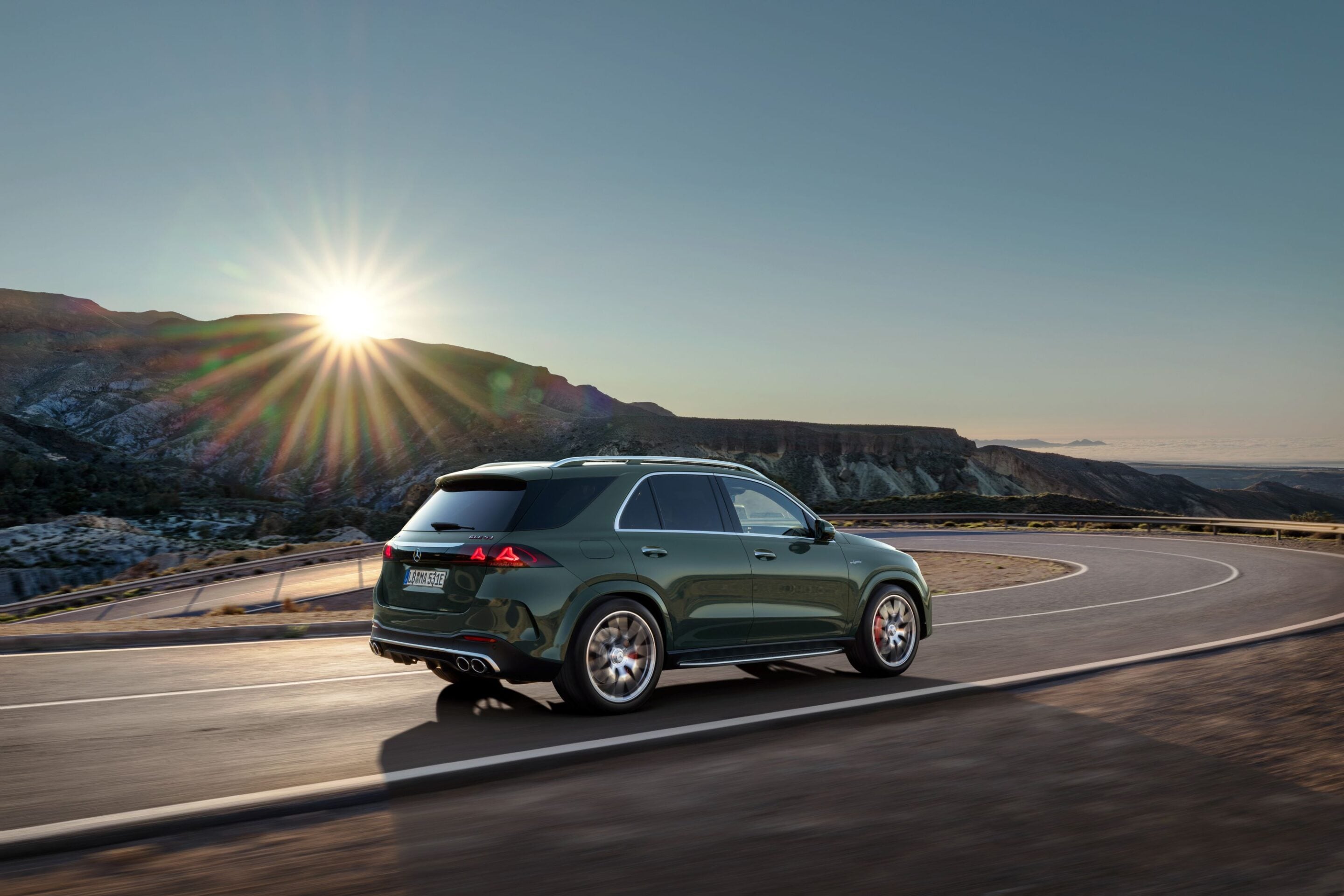
Driver assistance systems have also been expanded, offering semi-automated functions such as adaptive cruise control, lane keeping and speed adjustment.
Visually, changes are relatively modest, with updates to the grille, lighting signatures and rear design. Inside, the cabin receives updated materials and trim options, along with the latest version of Mercedes-Benz’s digital operating system and AMG-specific displays.
The updated GLE 53 range continues to offer a wide degree of customisation, with various interior finishes, wheel designs and exterior colours available.
Toyota Australia has revealed local pricing and specifications for its first electric ute: the HiLux BEV. Revealed alongside the latest-generation ‘Lux in late 2025, the BEV variant is only the third all-electric ute to go on sale in Australia and will offer up to 315km of range (NEDC) from its 59.2kWh battery. Pricing starts at $74,990 plus on-road costs for the entry-level SR, which is $3000 more expensive than the top-spec diesel variants that used to sit atop the local HiLux range.
Using a dual-motor all-wheel drive powertrain, the Toyota HiLux BEV makes total outputs of 144kW of power and 468Nm of torque – only 6kW and 32Nm less than the automatic turbo-diesel HiLux already on sale, and 48Nm torquier than the six-speed manual variants.
Using an aforementioned 59.2kWh lithium-ion battery, the HiLux BEV can be DC fast-charged at up to 150kW for a 10 to 80 per cent charge in as little as 30 minutes, according to Toyota. Plus 10kW AC charging can take the battery from 10 to 100 per cent in approximately 6.5 hours. As for range, pick-up variants can travel up to 315km on a charge, with the SR cab-chassis is rated at 245km.
To accommodate the battery-electric drivetrain, the HiLux received its own suspension system with frame reinforcements, “beefed-up” MacPherson strut front suspension and a new De-dion leaf spring rear set up that can fit the rear electric motor but keep the HiLux’s live axle. The HiLux’s Multi-Terrain Select six-mode traction control system is retained, but the low-range transfer case and locking differentials of the diesel models are no longer featured.
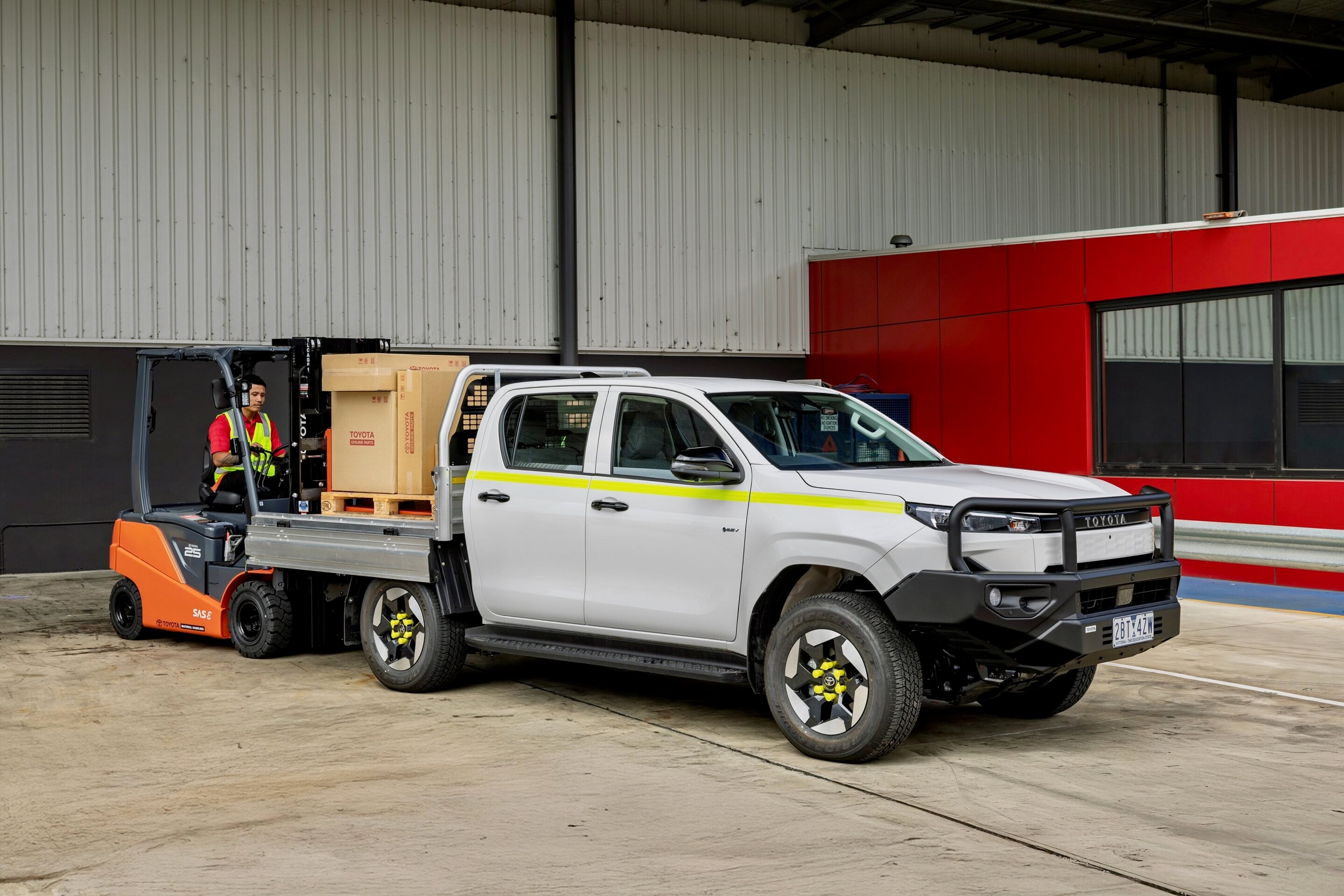
Ventilated disc brakes with energy regeneration are standard, and the HiLux BEV can tow a 2000kg braked trailer – 1500kg less than diesel variants. Payload details are yet to be shared.
Externally, the HiLux BEV is identified by a closed-off upper front grille and “aerodynamically enhanced” 17-inch alloy wheels. Just three colours will be offered: ‘Glacier White’, ‘Frosted White’ and ‘Ash Slate’.
Available in either SR or SR5 trims for now, standard features of the HiLux BEV largely mirror the diesel models, though there are differences: the BEV SR adds a 12.3-inch digital driver’s display, body-coloured mirrors and door handles and dual-zone automatic climate control over the diesel SR, though loses four speakers, a wireless phone charger, a leather-look steering wheel and front fog lights.
The Toyota HiLux BEV will arrive in Australian showrooms in the second quarter of 2026.
2026 Toyota HiLux BEV pricing (excluding on-road costs):
| SR double cab-chassis | $74,990 |
|---|---|
| SR double cab pick-up | $76,490 |
| SR5 double cab pick-up | $82,990 |
HiLux BEV SR standard features:
- 17-inch alloy wheels
- Dusk-sensing automatic LED headlights
- Side steps
- Keyless entry with push button start
- Cloth upholstery
- Dual-zone automatic climate control
- 12.3-inch digital driver’s display
- 12.3-inch touchscreen
- Satellite navigation
- Wireless Apple CarPlay and Android Auto
- AM/FM/DAB+ digital radio
- Four-speaker sound system
- 4x USB-C charging ports
- 1500W inverter (located in the centre console)
- 8x airbags
- Autonomous emergency braking
- Adaptive cruise control
- Lane keeping assistance with adaptive lane guidance
- Blind-spot monitoring and rear cross-traffic alert
- Traffic sign recognition
- Driver attention monitoring
- Auto high beam
- Automatic rear braking (pick-up only)
- Front and rear parking sensors (pick-up only)
- 360-degree camera
- Tyre pressure monitoring
HiLux BEV SR5 model adds:
- ‘High-grade’ LED headlights with auto levelling, LED fog lights and LED tailights
- Rear privacy glass
- Heated/auto-folding mirrors
- Leather upholstery
- Heated front seats and steering wheel
- Electric driver seat adjustment
- Auto-dimming rear mirror
- Wireless phone charger
- Carpet flooring
- Eight-speaker sound system
The Toyota RAV4 is set to continue as Australia’s most fuel efficient plugless medium SUV after early fuel consumption data was published by the Australian Government’s Green Vehicle Guide. Toyota Australia is yet to confirm data such as the new RAV4’s fuel consumption and emissions, but according to the government information, it will use as little as 4.5L/100km on the combined cycle for the two-wheel drive models – a 0.2L/100km improvement on the previous generation.
When equipped with all-wheel drive – which, like the previous model, is an electric set-up with no mechanical link between the front and rear wheels – the RAV4’s combined consumption rises to a combined 4.6L/100km, which is also a 0.2L/100km improvement on the previous RAV4.
The new RAV4 sees the biggest improvement in urban cycle driving and is now rated at 4.2L/100km in front-drive form in those conditions, which is an improvement from 4.8L/100km on the previous model.
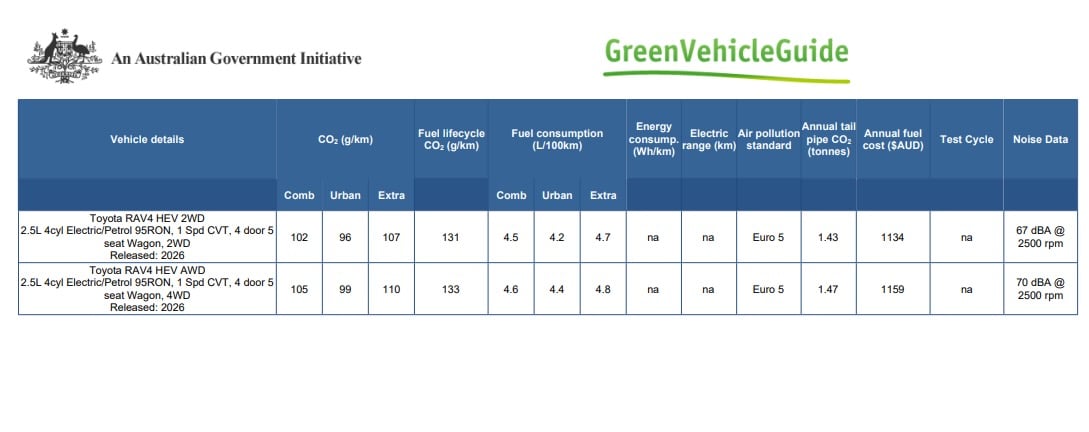
Also revealed were the new RAV4’s CO2 emissions, which have – again – improved compared to the last model at 102g/km versus the old model’s 107g/km. For all-wheel drive cars, it’s rated at 105g/km versus the old model’s 109g/km.
The improved efficiency comes from the brand’s fifth-generation hybrid system with a 2.5-litre four-cylinder engine and electric motor and small battery. Now rated for Euro 6 emissions standards, the new RAV4’s hybrid system makes 143kW, which is a 17kW decrease compared to the previous model, and it now must use 95 RON premium unleaded fuel.
Data for the RAV4 plug-in hybrid is yet to be announced, though it’s expected to be even more efficient on the combined cycle when it arrives in the third quarter of 2026 thanks to its electric-only range, of which Toyota Australia is targeting 100km for.
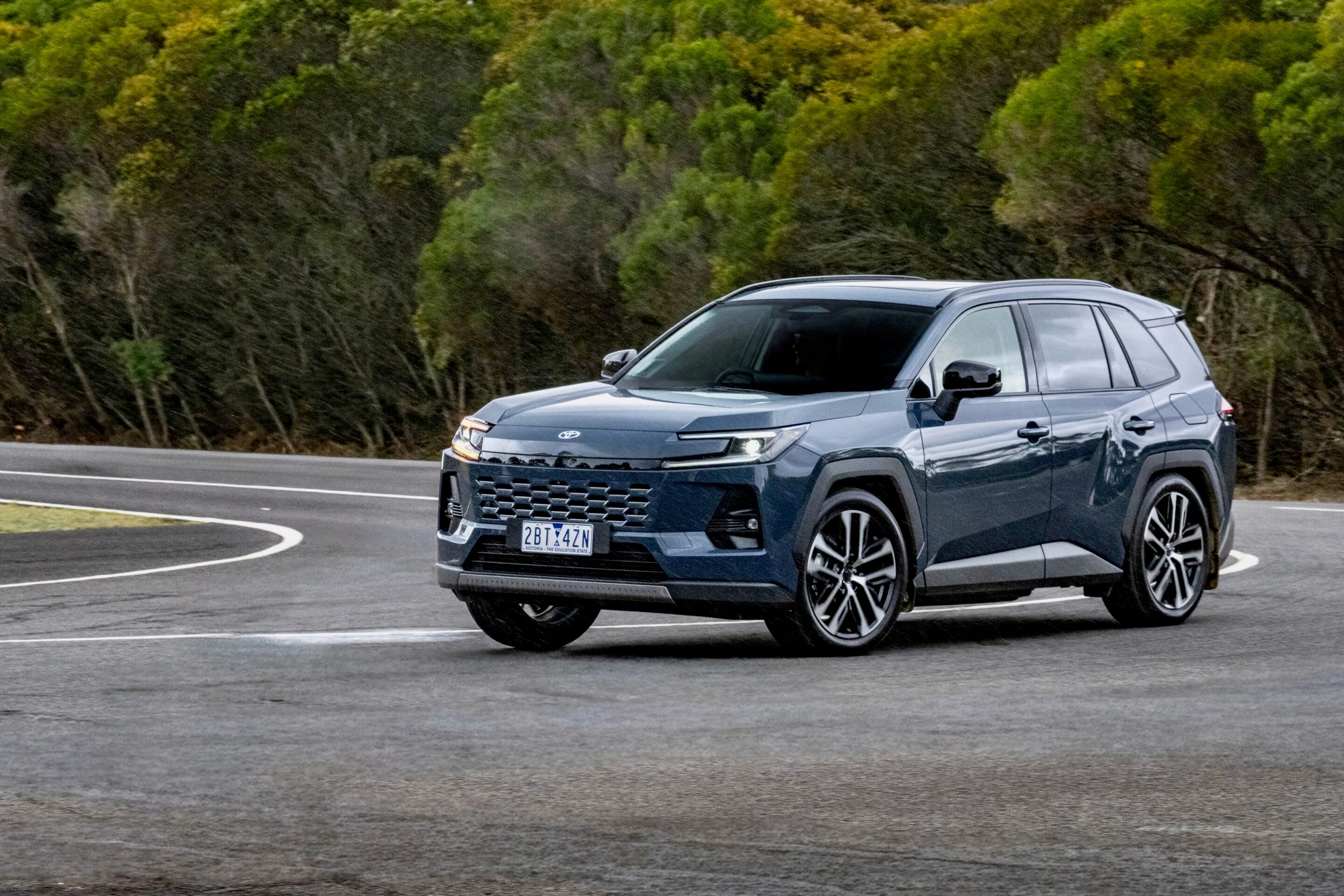
The data for the new RAV4 means that it has continued its run as Australia’s most fuel efficient plugless medium SUV, with hybrid competition such as the Hyundai Tucson, Kia Sportage and Peugeot 3008 using 4.9L/100km, the Haval H6 hybrid and MG HS Hybrid+ rated at 5.2L/100km, the Honda CR-V e:HEV rated at 5.5L/100km and the Nissan X-Trail e-Power at 6.1L/100km.
The 2026 Toyota RAV4 is due to go on sale from next month, with prices starting at $45,990 plus on-road costs for the entry-level GX hybrid.
Before the shortlist of potential names is announced Chery has revealed that it’s received 20,000 entrants to help name its new ute. First announced in early March, the competition invited the public to submit a name for the all-new ‘KP31’ (its model name) ute ahead of its Australian launch in the fourth quarter of 2026.
Generating “strong” engagement, Chery’s naming competition has reportedly far exceeded expectations as Australians embraced having a stake in the new vehicle even before its arrival.
“We knew Aussies would have a strong view on what makes a great ute, and the response to this competition has absolutely reflected that,” said Lucas Harris, Chief Operating Officer, Chery Australia.
“To receive this many entries is a tremendous result, but just as importantly, entrants took the brief seriously and explained why their name belonged on the ute, making the shortlisting process both exciting and difficult.”
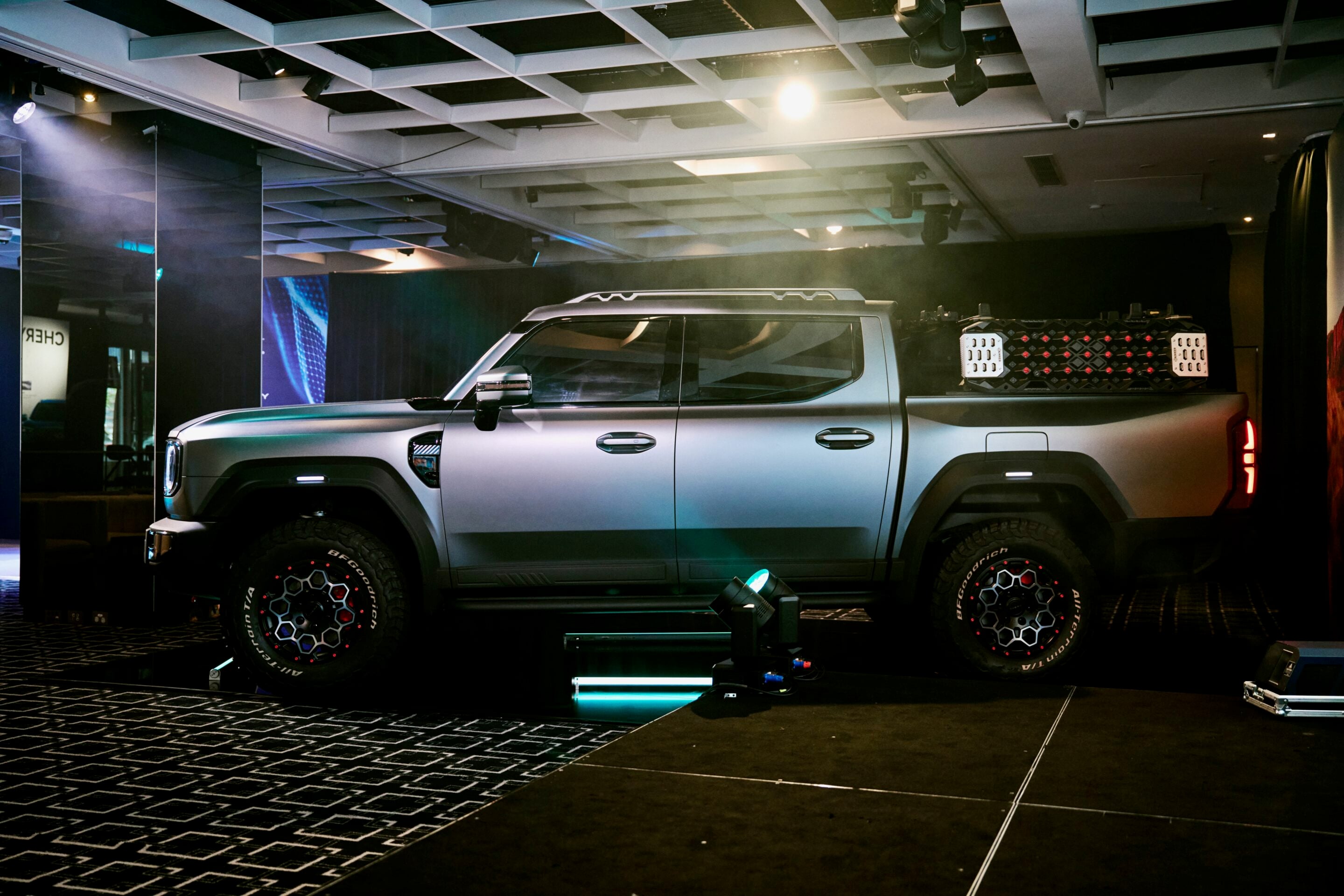
While full specifications and data are yet to be revealed, the new Chery ute will be the first diesel plug-in hybrid ute in the world. It will use a 2.5-litre turbo-diesel plug-in hybrid drivetrain capable of towing 3.5 tonnes and carrying a 1000kg payload. Importantly too, the brand is targeting 47 per cent thermal efficiency, 10 per cent greater fuel efficiency, a 10 per cent lighter weight and a 30 per cent reduction in noise compared with other utes.
A petrol plug-in hybrid system – like the Ford Ranger, BYD Shark and GWM Cannon Alpha – will also be offered in the new Chery ute sometime after its late 2026 Australian launch.
The Chery ute will go on sale in Australia in late 2026, with more details such as the drivetrain figures, pricing and name yet to be revealed.
Visitors to next month’s Melbourne Motor Show will be the first to lay eyes on the Geely EX2 small-sized electric hatchback.
The EX2 was the best-selling car in China last year across all segments, with total sales of 465,775 across the calendar year, its first full year on sale.
The Chinese brand has already confirmed the EX2 will be sold in Australia with deliveries expected to begin in the third quarter (July-September) of this year.
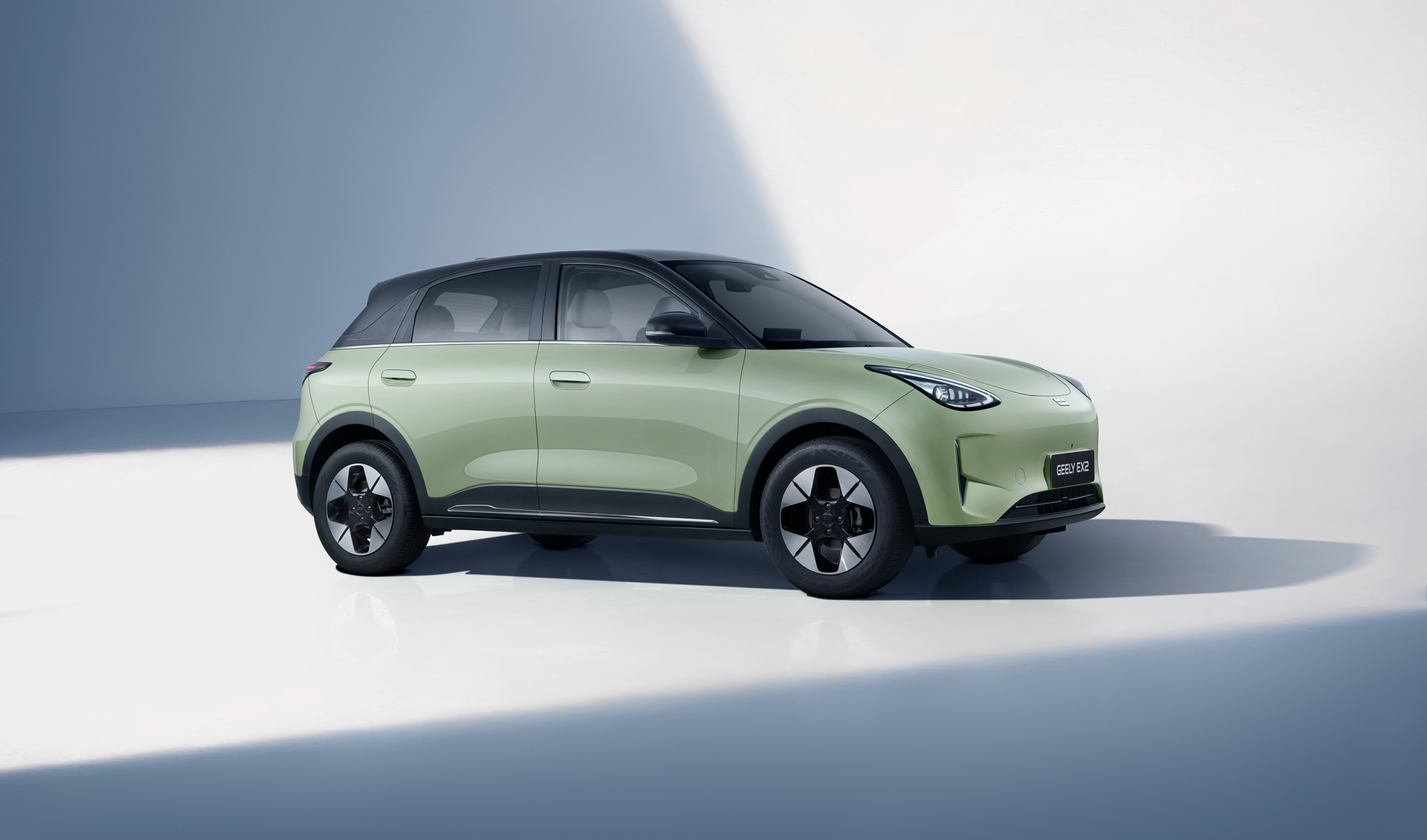
As previously reported by Whichcar by Wheels, pricing and specification for Australian models has yet to be locked in. However, with a starting price in its home market of ¥68,800 (AU$14,300) it should comfortably slot into the $20,000-$30,000 range where it would go head-to-head with rivals like the BYD Dolphin.
In China, the entry-level EX2 is fitted with a 58kW/130NM electric motor driving the rear wheels. A 30.12kWh lithium ion phosphate battery delivers a claimed 310km of range, based on more lenient CLTC testing protocols. Higher grade models receive a larger 40.16kWh battery with 410km (CLTC) of range along with a more powerful 85kW/150Nm electric motor.
The Melbourne Motor Show, running from April 10-12, will be the first time Australians will be able to see the EX2 in person. Geely will also reveal a sedan and SUV currently not available in Australia to gauge public reaction and both of which, according to the brand, are “being considered as additions to the local model range”.
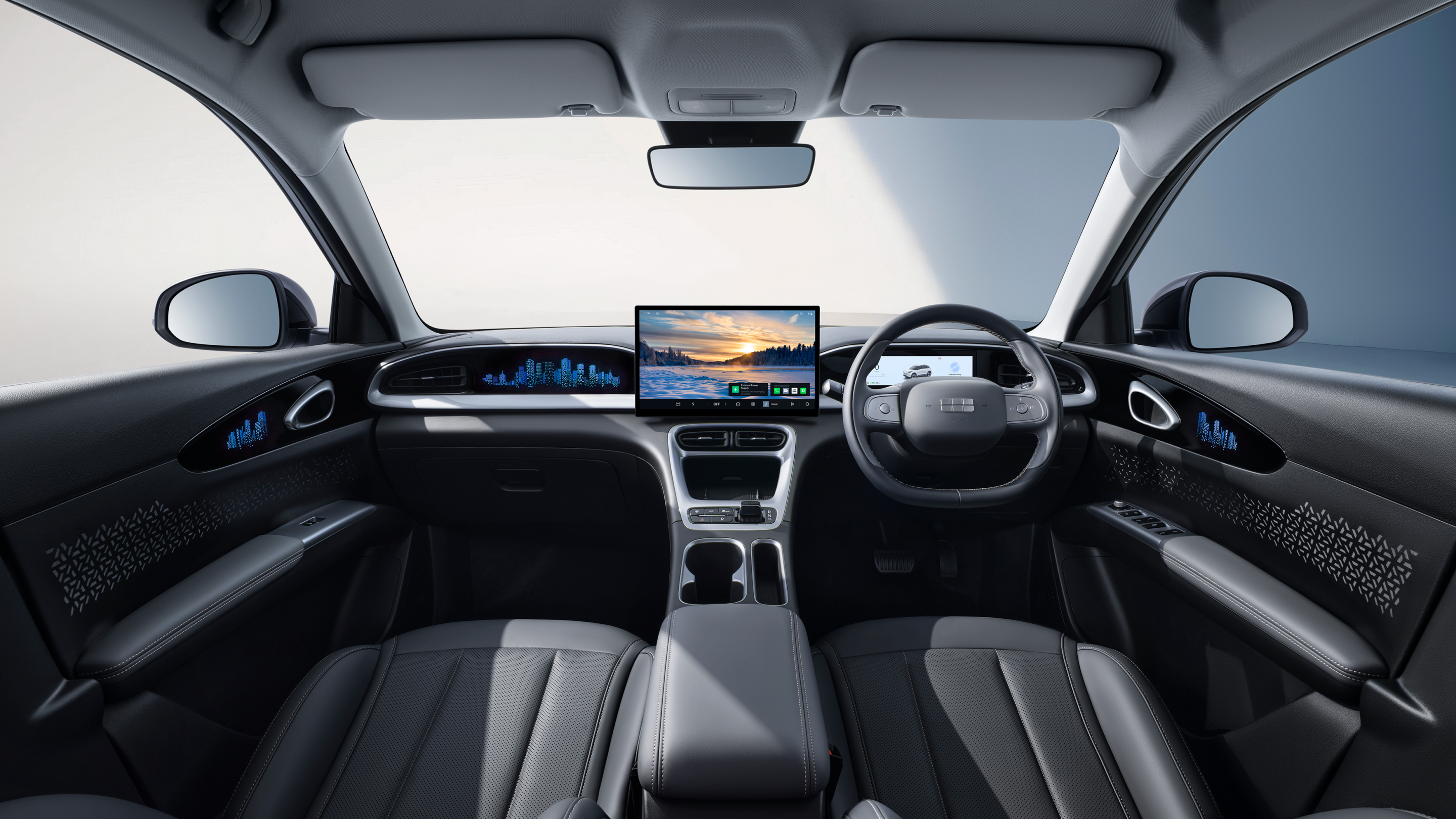
Geely currently sells just two vehicles in Australia, the EX5 battery-electric medium SUV and the Starray EM-I plug-in hybrid mid-size SUV.
Last year, Geely reported sales of 5010 across its two models, placing sixth amongst the challenger brands from China.
BMW Australia has revised pricing for its iX1 and iX2 electric SUVs, lowering the cost of entry for both models while introducing minor technical updates.
The iX1 xDrive30 is now priced from $77,900 before on-road costs, while the coupe-styled iX2 xDrive30 starts from $79,900. BMW will also offer a new iX1 Sport Collection variant, which bundles additional equipment and is priced at $79,900 driveaway nationally.
Both models share the same dual-motor all-wheel-drive setup, producing 230kW and 494Nm. Performance figures remain unchanged, but the addition of silicon carbide (SiC) inverter technology is expected to improve efficiency and potentially extend driving range, although final figures are yet to be confirmed.
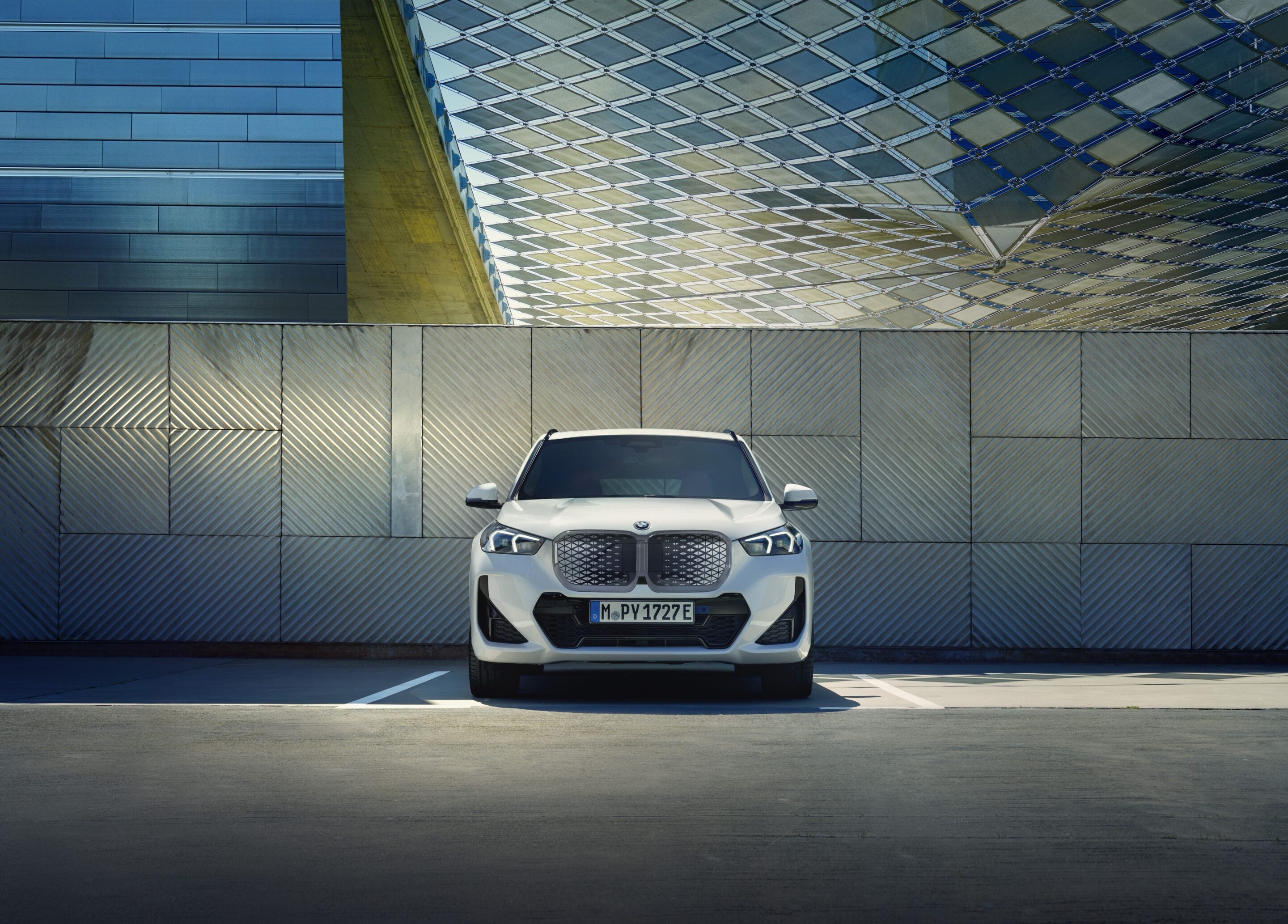
The pricing shift comes as competition in the electric SUV segment intensifies, particularly in the small and medium categories where the iX1 and iX2 compete. BMW appears to be positioning both models more aggressively against rivals by improving value rather than making major mechanical changes.
Since arriving in Australia in 2023, the iX1 has been BMW’s strongest-selling electric vehicle locally, while the iX2 – launched more recently – has also found steady demand within the brand’s EV line-up.
The new Sport Collection version of the iX1 adds a number of features typically found in higher-spec variants. These include the M Sport package, adaptive suspension, a head-up display, surround-view cameras and BMW’s Driving Assistant Professional suite. The model also rides on 19-inch alloy wheels and features synthetic Veganza upholstery with heated front seats.
Aside from these additions, the core package remains largely unchanged, with both vehicles continuing to offer compact SUV practicality combined with fully electric drivetrains.
While BMW has not announced further specification changes, the inclusion of updated inverter technology signals an ongoing focus on efficiency improvements as the brand continues to expand its electric range.
With revised pricing now in place, the iX1 and iX2 are likely to become more competitive options for buyers considering a premium electric SUV, particularly as more models enter the Australian market.
Mazda Australia knows a thing or two about SUVs – its comprehensive range shapes Australia as the only market that currently takes every SUV on offer from the Japanese manufacturer. That means buyers can choose from a CX-3, CX-30, CX-5, CX-60, CX-70, CX-80 or CX-90. Now, the fully-electric CX-6e will join the range.
Originally unconfirmed by Mazda Australia, WhichCar by Wheels can now reveal the preliminary specifications for the electric SUV, a vehicle that Mazda Australia is confident will make inroads into a competitive segment.
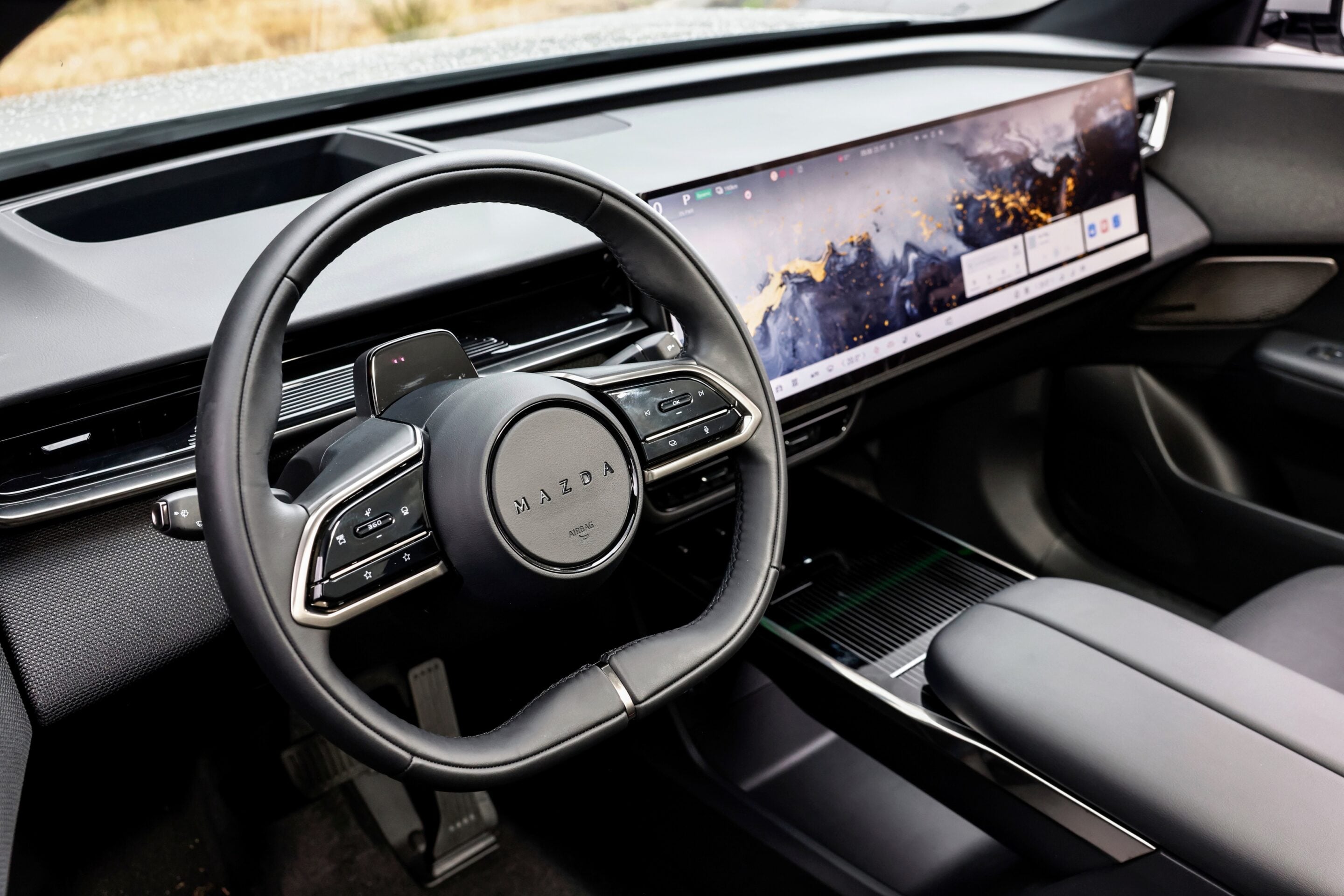
The Australian-specification CX-6e will be powered by a 78kWh lithium iron phosphate (LFP) battery, capable of charging from 30-80 per cent in a claimed 15 minutes at its fastest. Mazda Australia also lists a WLTP-verified driving range of more than 450km, while a single electric motor is mounted on the rear axle, for RWD-only. Initial claims out of Europe hinted at a driving range up to 483km – something we’ll know closer to launch.
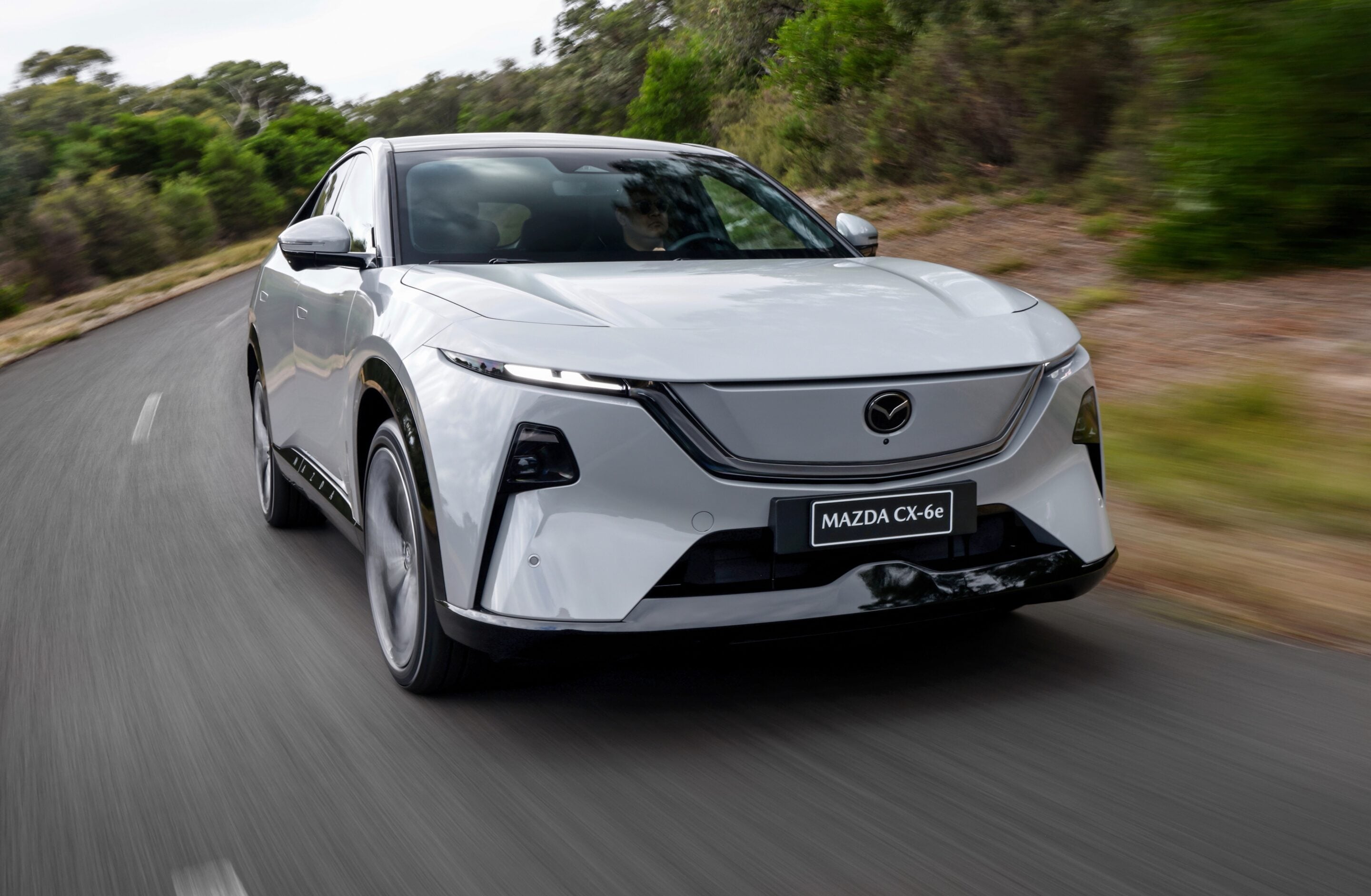
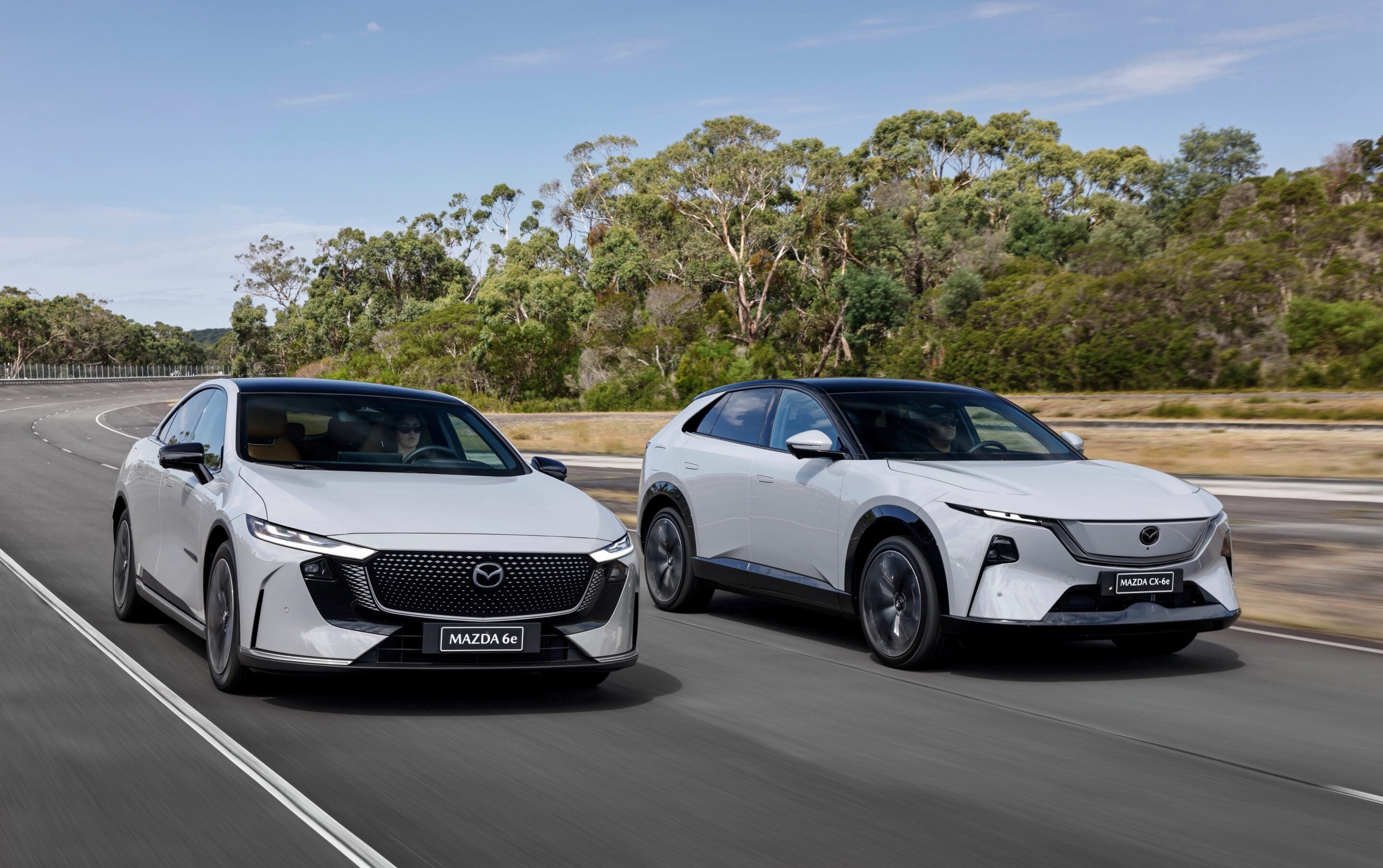
Sized slightly larger than the popular Tesla Model Y, Mazda Australia boss Vinesh Bhindi told WhichCar by Wheels that the focus for CX-6e will mirror that of the 6e sedan. “This will be a value focused package,” Bhindi said. “We’ll share pricing with you closer to launch, but the focus will be very much on a value package.”
Initial interest in the new electric SUV looks to be strong, according to Mazda dealer feedback. Around 300 pre-orders were quickly scooped up for the 6e sedan, and Mazda Australia’s Director of Sales and Marketing, Jarrod Gieschen, is confident the CX-6e will be just as popular, if not more popular.
“We obviously haven’t announced pricing yet, but the dealers are saying, we’ve sold these 300 cars and we’ve actually got more interest in the SUV, waiting for pricing,” Gieschen told WhichCar by Wheels.
“If you look at the industry, it’s about a one to four ratio for sedans to SUVs, so it probably makes sense that this vehicle has a lot more volume potential. It’s pretty exciting.”
When asked what Mazda can offer that challenger brands in the EV space can’t, Gieschen told WhichCar by Wheels Mazda’s foundation in Australia is a critical part of the buying process. “We want to offer our customers choice,” he said. “But we believe there is security in buyers knowing they are backed by more than 100 years of experience, and more than 140 trusted dealers around the country, something only a few manufacturers can claim.”
Mazda is keeping its sales targets under wraps for now, but with the 6e sedan now officially sharply priced (starting from $49,990 before on-road costs), the manufacturer has already indicated how aggressively it intends to enter a market growing in affordable EV options. 6e undercuts the segment-sharing Tesla Model 3 by around $5000, and if the same approach is taken with the CX-6e, pricing could sit in the mid $50,000 mark, ensuring it too, will undercut the Tesla Model Y.
More detailed CX-6e specification and pricing, will be announced closer to launch.
As millions of Australians prepare to travel over the Easter long weekend, authorities are urging motorists to take extra care, with stricter penalties in place across several states.
The annual holiday period is one of the busiest times on the roads, with families heading away for camping trips, caravanning holidays or to visit relatives. But with the increase in traffic comes an increased enforcement presence – and in some regions, the return of double demerit points.
NSW & ACT
For drivers in New South Wales and the ACT, double demerits will apply for five days, running from Thursday through to midnight on Easter Monday. During this period, offences such as speeding, illegal mobile phone use, failing to wear a seatbelt correctly and riding without a helmet will attract double the usual demerit points.
While fines remain unchanged, the increased demerit penalties can quickly add up. For example, using a mobile phone illegally while driving in NSW typically incurs five demerit points, but during the Easter period, that jumps to 10 – enough to put many drivers at risk of licence suspension.
Motorists are also being reminded that school zones remain active on the Thursday before the long weekend, with additional penalties applying for offences committed in these areas.
Western Australia
Western Australia will also enforce double demerits across the same period, but with a broader range of offences covered. In addition to speeding and mobile phone use, penalties will apply to drink and drug driving, running red lights, failing to properly use seatbelts and attempting to evade speed detection.
Police are expected to increase patrols and enforcement measures nationwide, using a combination of visible roadside presence and covert tools such as speed cameras and mobile phone detection technology.
Queensland
Elsewhere, Queensland takes a different approach, with double demerits applied to repeat offenders who commit the same offences within a 12-month period, rather than during specific holiday windows.
Victoria, South Australia, Tasmania and the Northern Territory do not operate double demerit schemes, but authorities in those regions are still urging caution.
The message is clear: a moment’s lapse behind the wheel could have lasting consequences – turning a holiday getaway into an expensive and inconvenient experience.
