
XPeng launched into Australia In late 2024, one of a plethora of Chinese brands seeking a piece of the pie in the Australian car market. But in many ways they’re the least known of the new crop so it’s worthwhile taking a look at the Xpeng back story…
Founded in 2014 by a group of automotive and tech company executives, Xpeng is an electric vehicle manufacturer headquartered in Guangzhou in the Guangdong province of China. Today, the company also has offices in California and Germany.
XPeng’s first car product, the G3 SUV, was launched in China in 2018 and its P7 large sedan arrived in April 2019 before going on sale in 2020. Later, the G9 large SUV and P5 small sedan were also launched, with the GP5 notable for its impressive tech inclusions such as dual LiDAR, radar and ultrasonic sensors that formed part of the brand’s ‘XPilot3.5’ ADAS system.
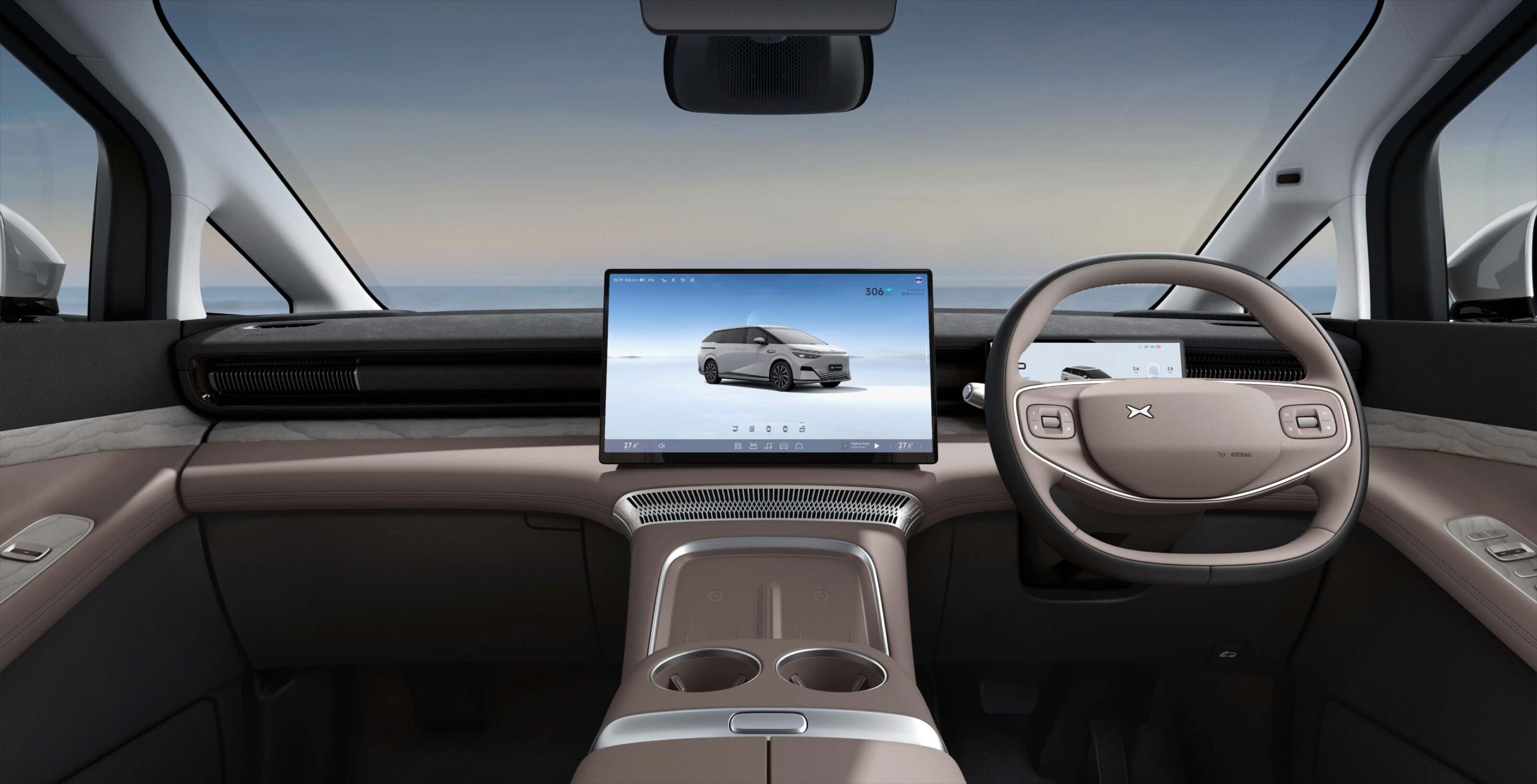
XPeng is notable for being an entirely privately owned business that is not only focused on EVs, but the application of AI to mobility. While it has a range of cars globally, it also develops tech, including the first AI-integrated operating systems for cars called ‘AI Tianji System XOS 5.1.0’.
The brand also developed the first comprehensive models for intelligent driving with AI (‘XNet’, ‘XPlanner’ and ‘XBrain’), the world’s first 40-core chip for AI-defined cars, robots and flying vehicles (‘Xpeng Turing’) and the AI perception sensor ‘Hawkeye Vision’. Plus, it also launched an AI humanoid robot called Iron in 2024 at its AI Day.
In 2021, XPeng launched into Norway – its first global market outside China – with the P7. So began a dramatic market expansion after the Scandinavian foray was deemed a success. XPeng is now sold in most European markets, as well as Middle Eastern states like Qatar and the UAE.
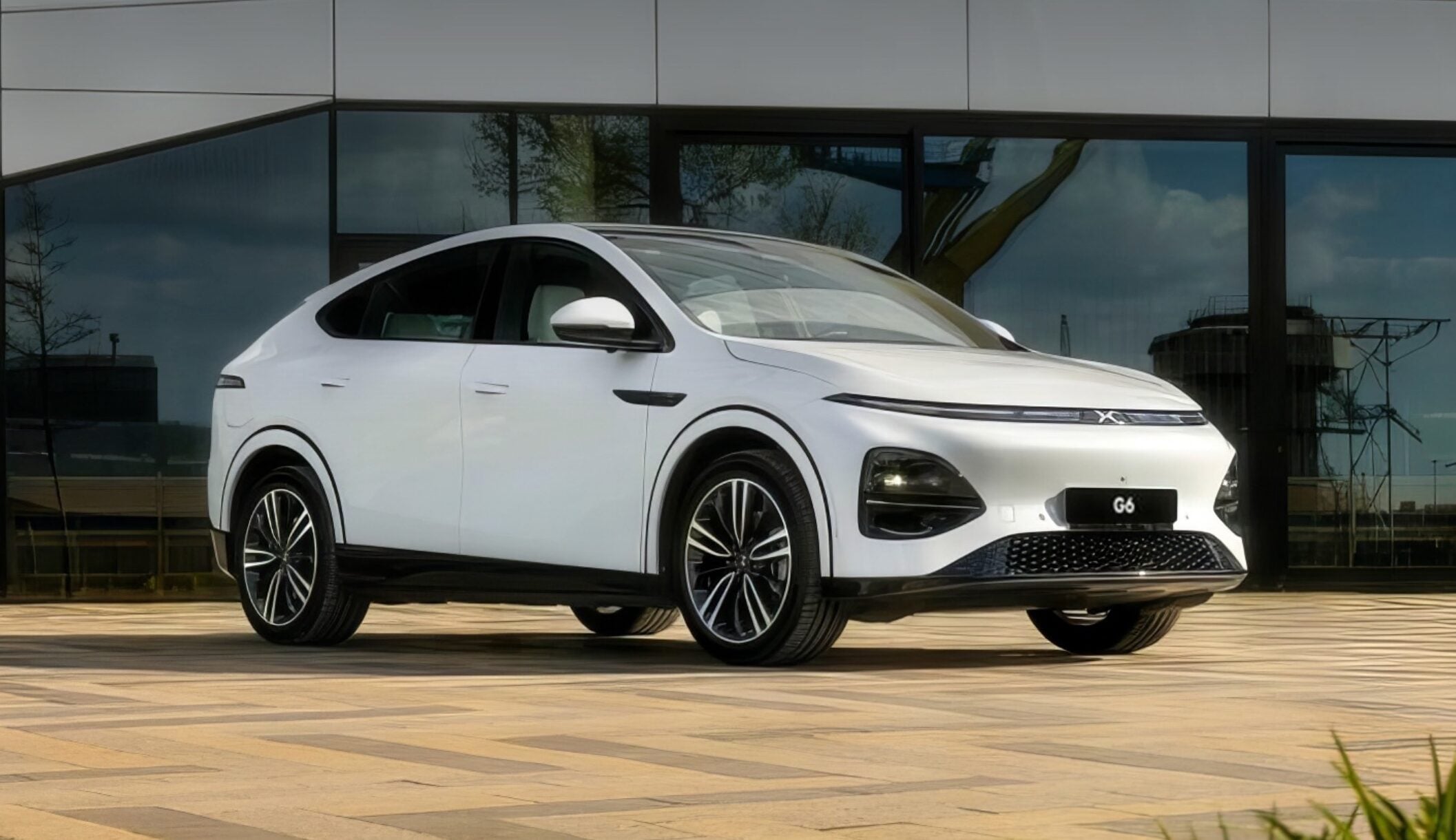
XPeng brought its new G6 mid-sized SUV in 2023 alongside a $700 million investment from the Volkswagen Group in return for a 4.99 per cent stake and collaboration on future VW EVs for the Chinese market.
Soon afterwards, XPeng acquired the autonomous driving division of Beijing-based company DiDi in exchange for US$744 million worth of shares. Part of the purchase included the aforementioned Pilot system, but also the Mona M03 five-door liftback that was developed by DiDi but became an XPeng-badged product.
XPeng also has a vast network of charging infrastructure in China, much like Tesla does, and it offers free charging to its customers. As of earlier this year, it has 772 branded super fast DC stations and 1870 free chargers.
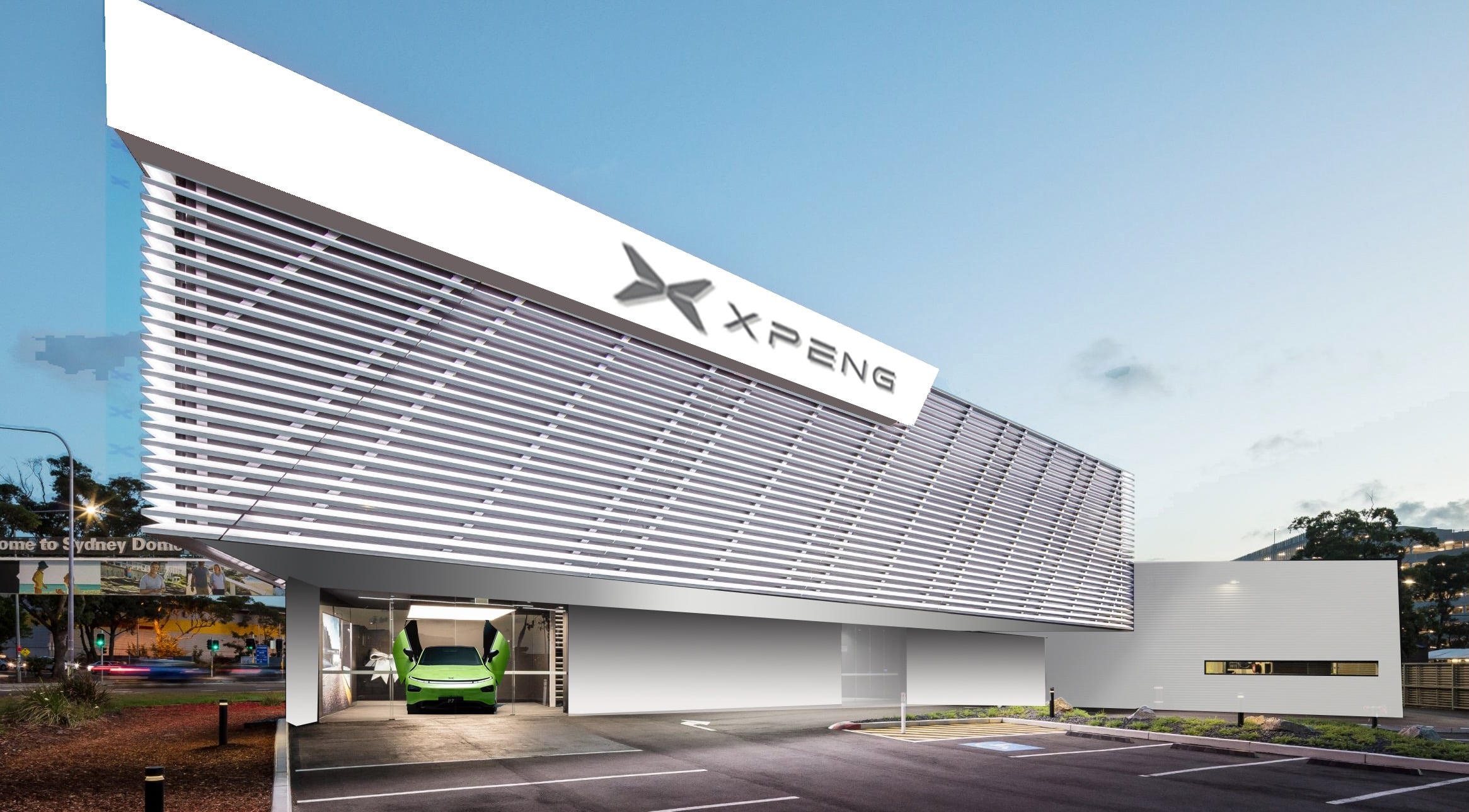
XPeng launched in Australia in late 2024 through new distributor TrueEV, and while it’s yet to disclose local sales figures, the brand has plans for more than 20 Australian dealerships by the end of 2025.
Currently, there’s only one XPeng product sold locally: the G6 mid-sized electric SUV, which competes with the Tesla Model Y and Kia EV5. The G6 is priced from $54,800 plus on-road costs and is available with either 66kWh LFP or 87.5kWh NMC batteries for up to 570km of range on the WLTP cycle.
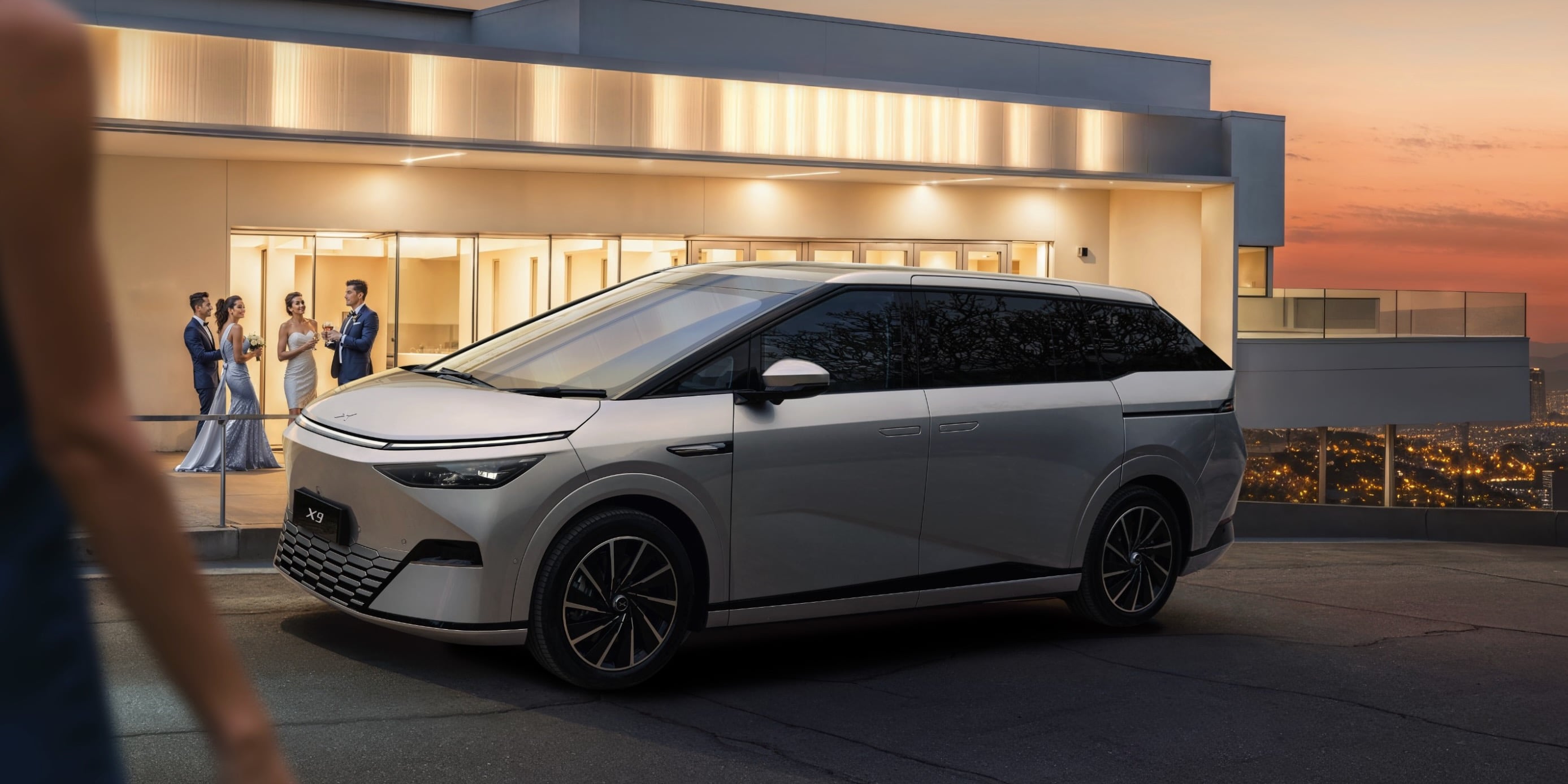
But there are more products for Australia on the horizon, including the G9 large SUV and X9 people mover. The new P7+ is also set for an Australian debut at the Melbourne EV Show in late June.
In just 10 years, XPeng has gone from nothing to selling over 190,000 cars in China alone in 2024, selling its products in multiple global markets and developing a significant amount of in-car technology. What comes next is anybody’s guess, but its future looks bright.
The future of Mercedes-AMG has been previewed with the unveiling of the new GT XX concept car. Packing intimidating figures such as a 1000kW power output and a 360km/h top speed, the GT XX also debuts a number of new drivetrain technologies for Mercedes, such as 850kW DC fast charging and new axial flux electric motors.
Underneath the GT XX is a new electric vehicle platform dubbed ‘AMG.EA’, which will underpin the next generation of electric Mercedes-AMG products. The first of which will be a new four-door coupe like the GT XX, which is expected to be revealed soon, and afterwards an equivalent SUV will also join the lineup.
It’s this new platform that delivers some impressive new technologies for the brand, including a new high-performance battery developed by AMG’s Formula 1 powertrain division that can manage extreme and long-lasting power delivery.
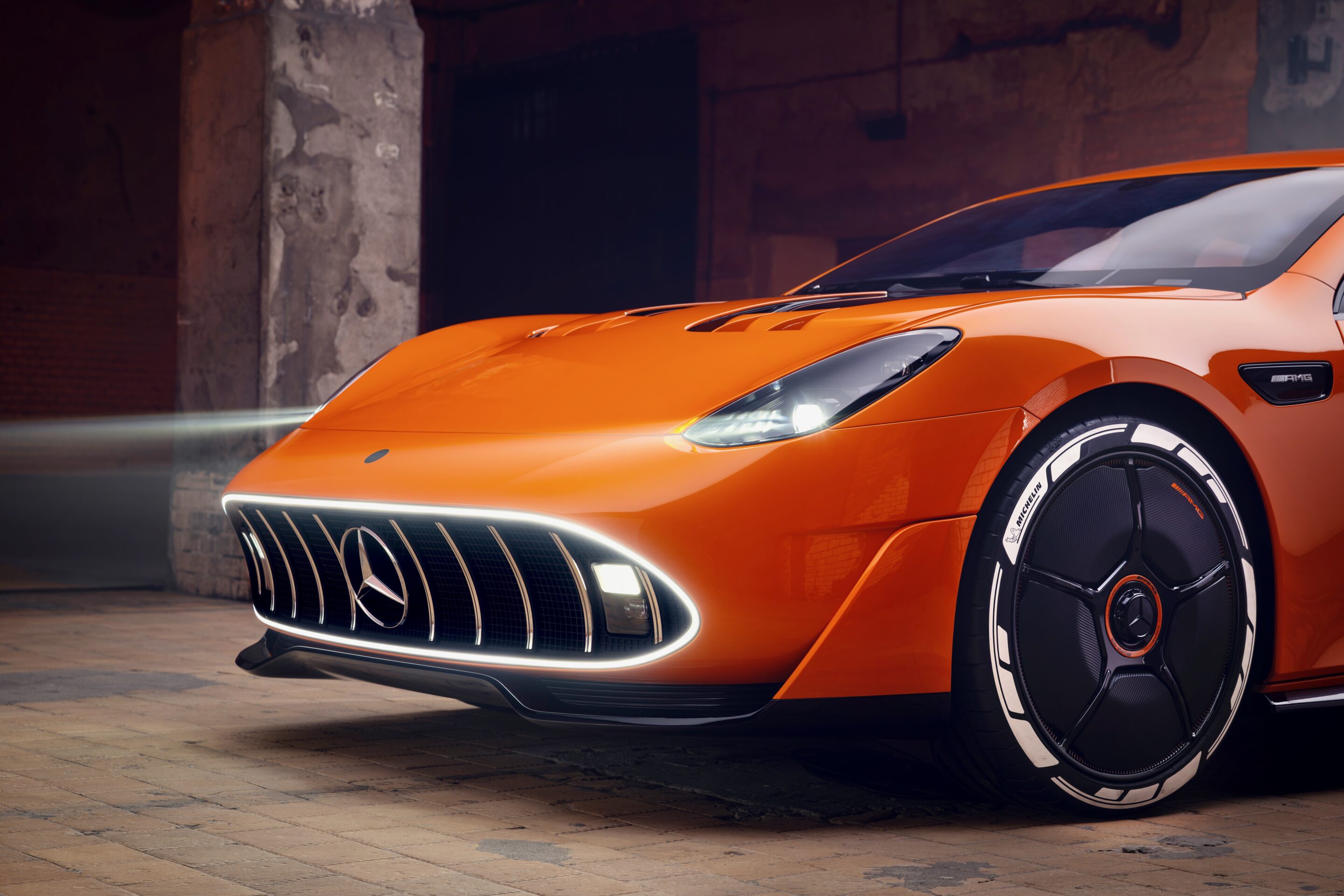
The battery capacity is 114kWh with 3000 cells that combine a nickel cobalt manganese aluminium (NCMA) cathode with a silicon content anode, while the AMG GT XX also features a new electrical system that runs at over 800V to allow charging speeds of up to 850kW. That’s far beyond even the most advanced EV chargers in Australia and according to AMG, it can add 400km of range in just five minutes.
The GT XX has also debuted a new new tri-motor drivetrain, with two axial-flux motors at the rear with a third on the front axle that can decouple under light loads to reduce mechanical drag. The combined power output is 1000kW, which is sent to all four wheels through a variable all-wheel drive system.
The exterior of the AMG GT XX shows a lot of cues from the experimental Mercedes C111, as well as more recent concepts such as the Vision AMG from 2022. Its shape is extremely sleek with a drag-co efficiency of just 0.198Cd, thanks to details such as frameless doors with flush handles, compact aero mirrors and 21-inch wheels that feature active blade sections that open to aid brake cooling and close to reduce drag.
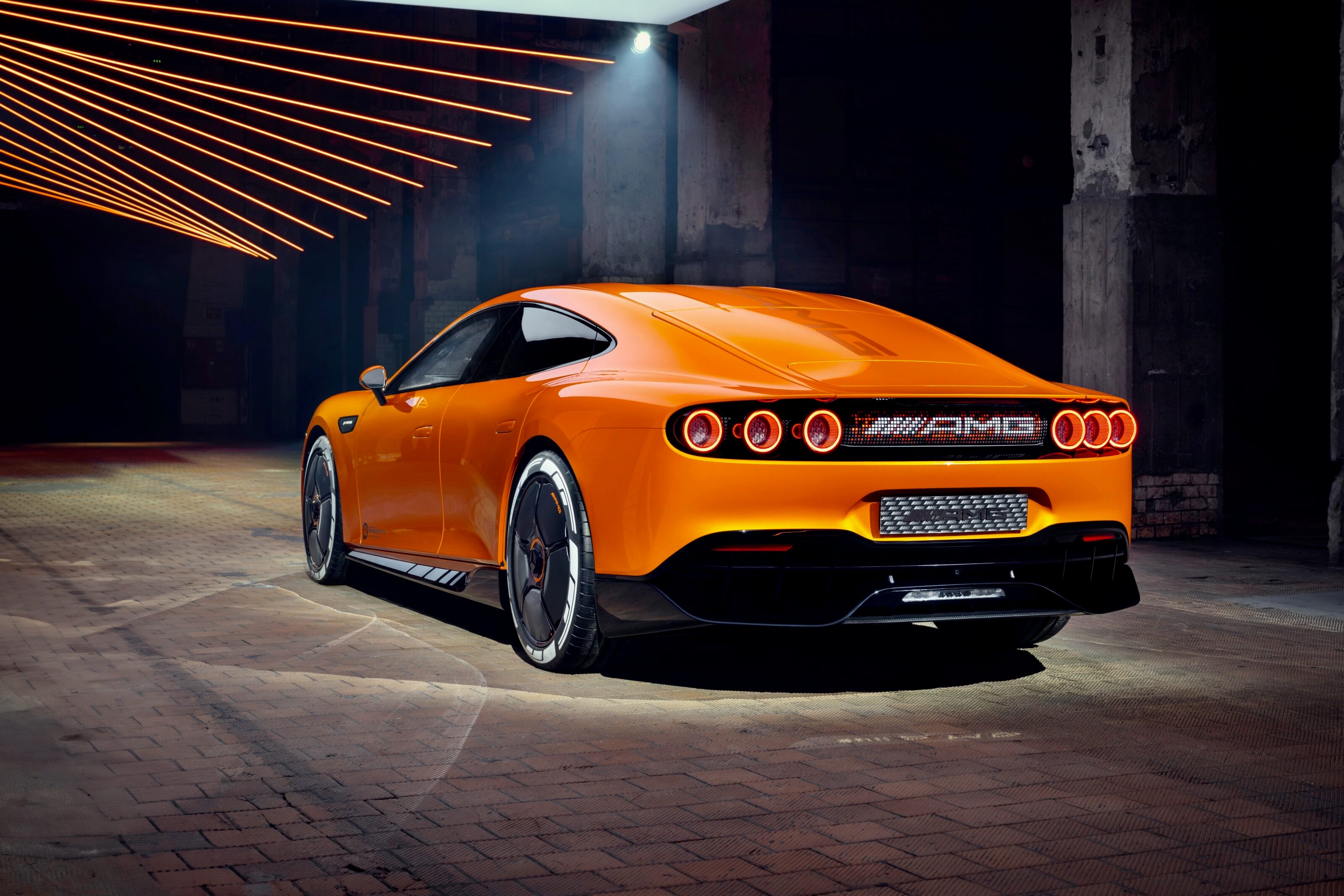
At the rear, the AMG GT XX lacks a rear window – like the Polestar 4. Beneath are six round tail-lights joined by a 730-LED light panel that can display an array of messages. An airbrake spoiler deploys under heavy braking or at high speed, and works in tandem with the carbon fibre lower diffuser.
Inside the GT XX is a minimalist and tech-heavy cabin filled with experimental materials such as biotech leather made from recycled GT3 tyres and bio-silk door pulls. It uses a similar yoke-style steering wheel to the AMG One supercar, while the 11.25- and 14-inch displays use the brand’s MBUX software.
Trying further to win over V8 fans, the GT XX reportedly mimics AMG V8 engine noises through an eight-speaker exterior sound system mounted in the headlight housings.
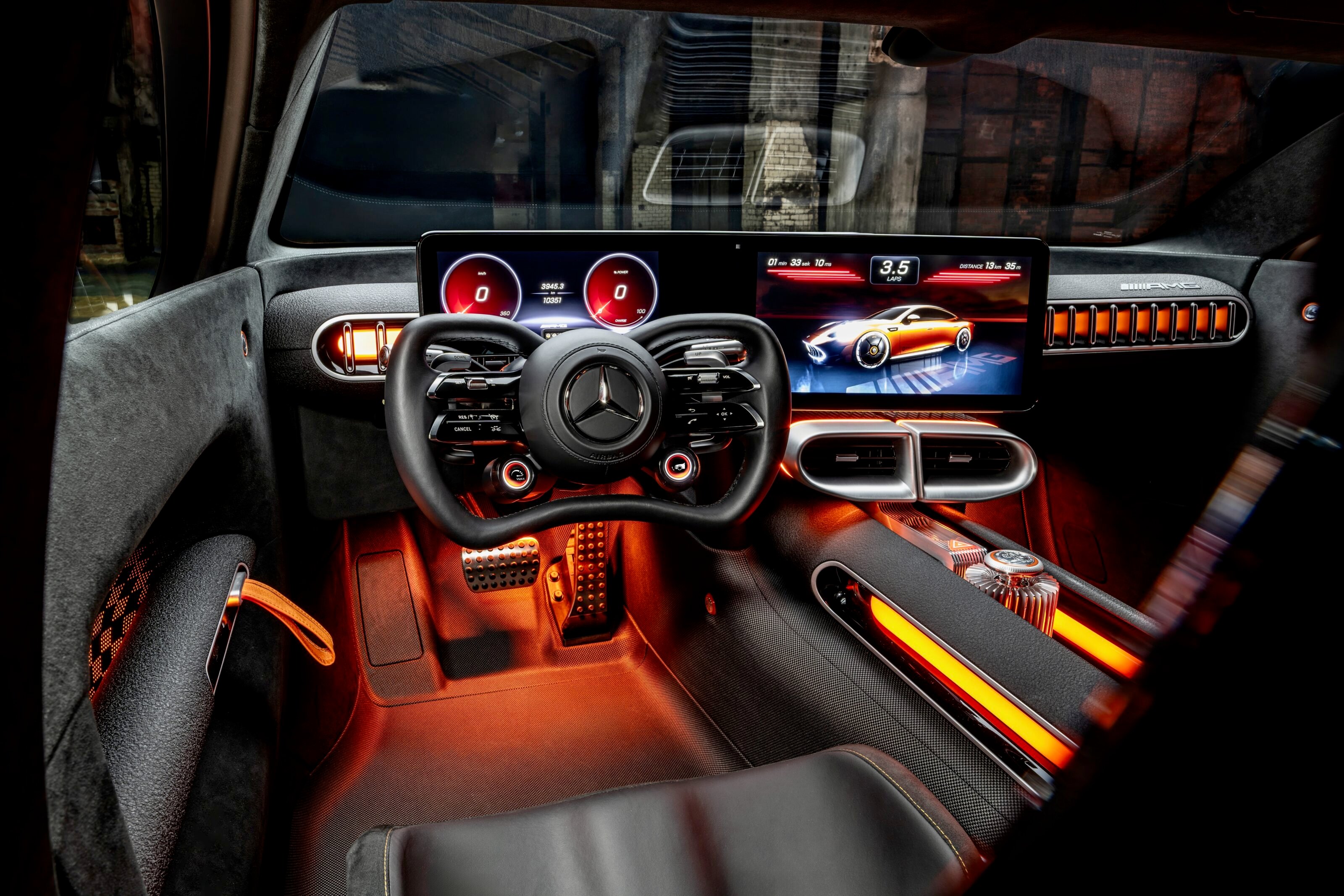
Measuring 5204mm long, 2130mm wide and 1317mm tall, the GT XX is 150mm longer than the existing AMG GT four-door coupe that debuted in 2018.
The Mercedes-AMG GT XX previews a new AMG flagship sedan that will reportedly debut in the next few years. Watch this space.
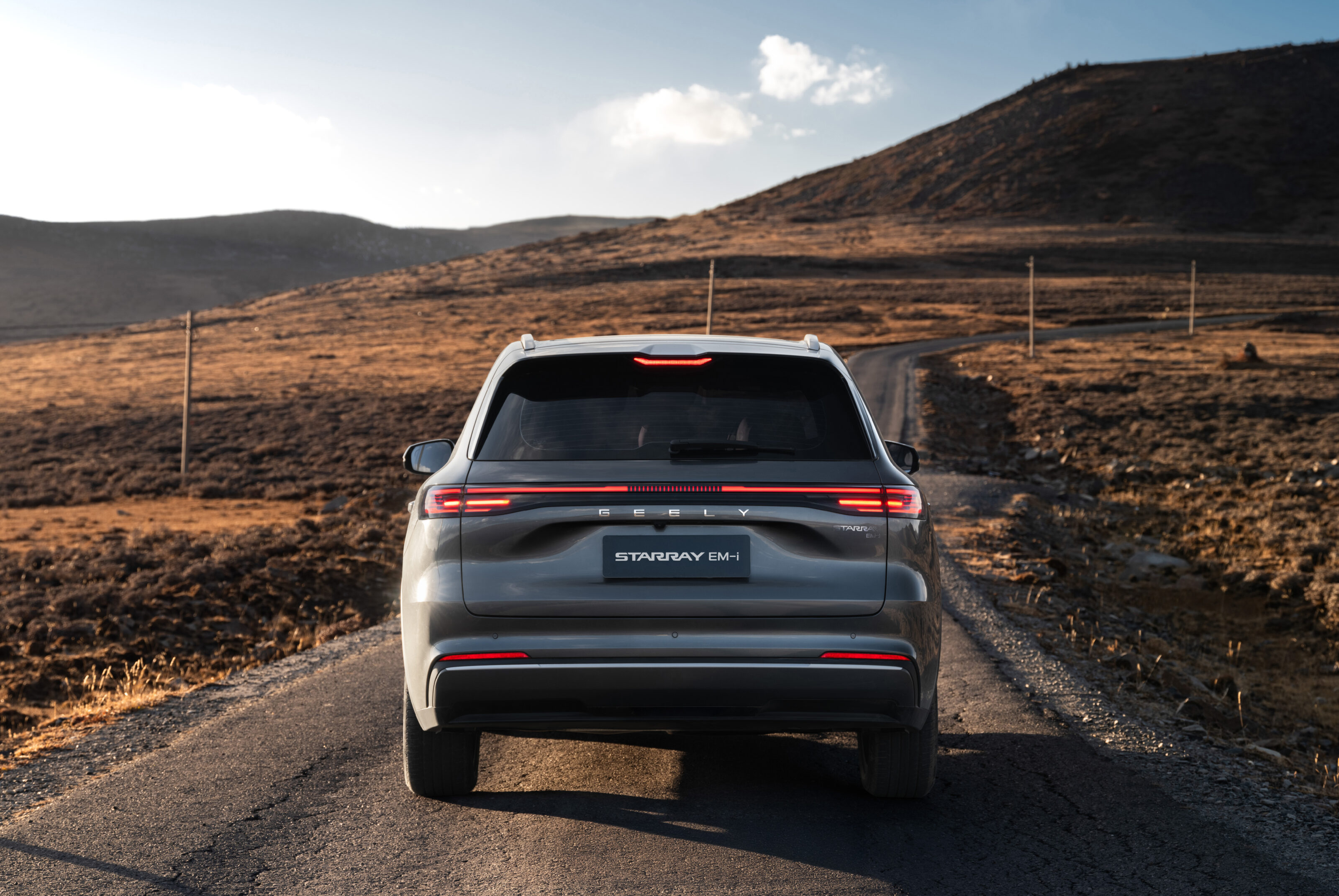
Geely Auto Australia has announced the upcoming launch of its second model for the Australian market – the Starray EM-i, a tech-rich mid-size hybrid SUV. Following the successful debut of the all-electric Geely EX5 earlier this year, the Starray EM-i marks the brand’s latest step in expanding its new energy vehicle portfolio in Australia.
Slated to arrive in the fourth quarter of 2025, the Starray EM-i – known in China as the Galaxy Starship 7 – has already made waves in its domestic market with over 80,000 units sold since its late 2024 debut.
Built on Geely’s Global Intelligent New Energy Architecture (GEA), the SUV introduces EM-i Super Hybrid technology to Australian customers for the first time.
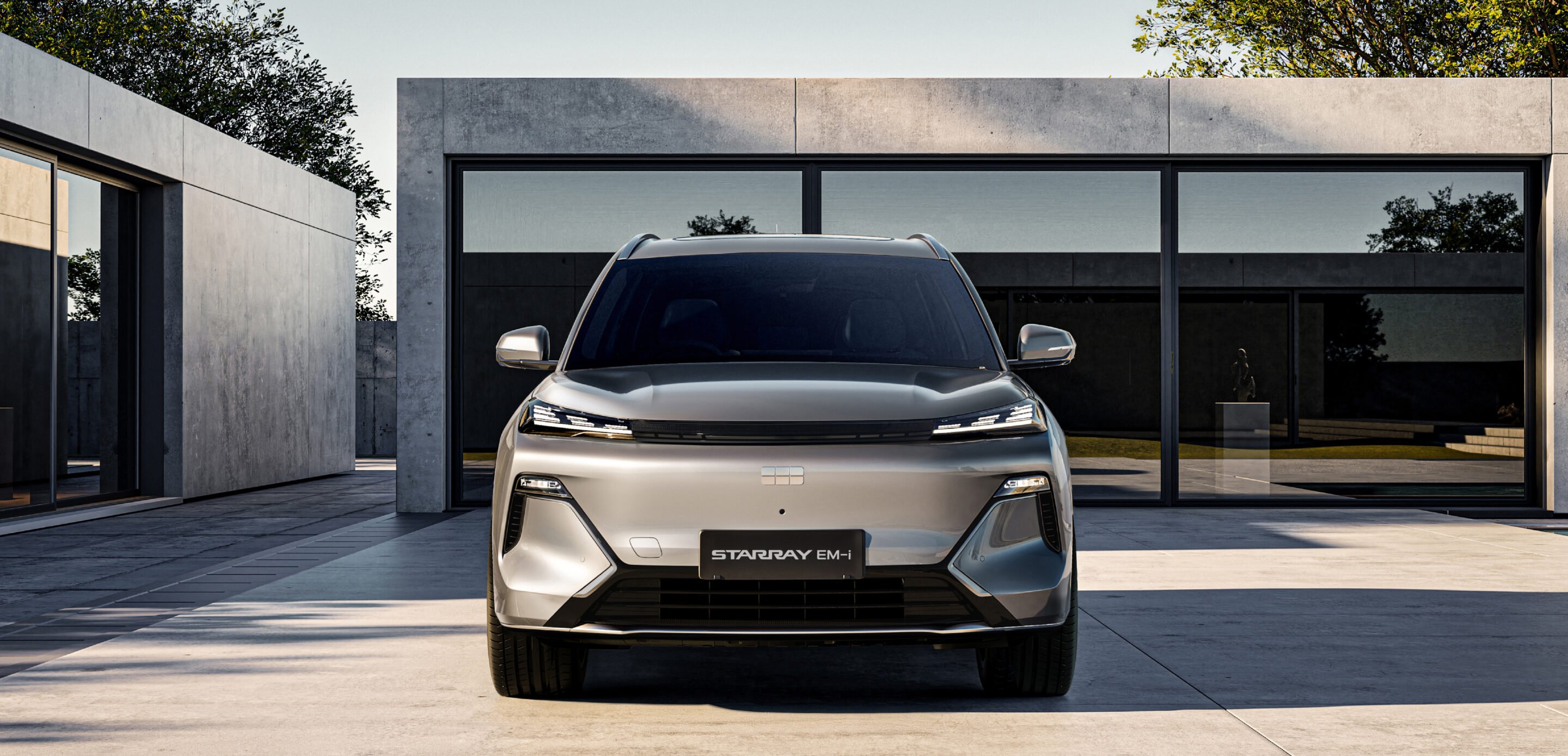
Combining a 1.5-litre petrol engine (73kW/125Nm) with a powerful electric motor (160kW/262Nm), the Starray EM-i delivers a total system output of 193kW sent exclusively to the front wheels. It also features an 18.4kWh Lithium-Iron Phosphate battery, enabling pure electric driving for daily commutes and a Vehicle-to-Load (V2L) function supporting up to 3.3kW output — ideal for outdoor or emergency power use.
Geely Auto Australia CEO Mr Lei Li said of the new the model: “The Starray EM-i is a worthy follow-up to the Geely EX5, continuing the accessible quality, innovation, and value that customers have come to expect from Geely.”
The EM-i hybrid system supports three intelligent drive modes: Pure (EV only), Hybrid (for optimal fuel economy), and Power (combining electric and petrol power for peak performance). With a focus on electric-first operation, the EM-i offers smooth take-off, instant torque, and consistent performance regardless of battery charge, aided by advanced silicon carbide temperature management.
The GEA platform also places strong emphasis on safety, with battery units rigorously tested against extreme conditions such as saltwater immersion, subzero exposure, impact, and fire.
Further details on the Starray EM-i’s pricing and local specification are expected closer to its late-2025 launch.
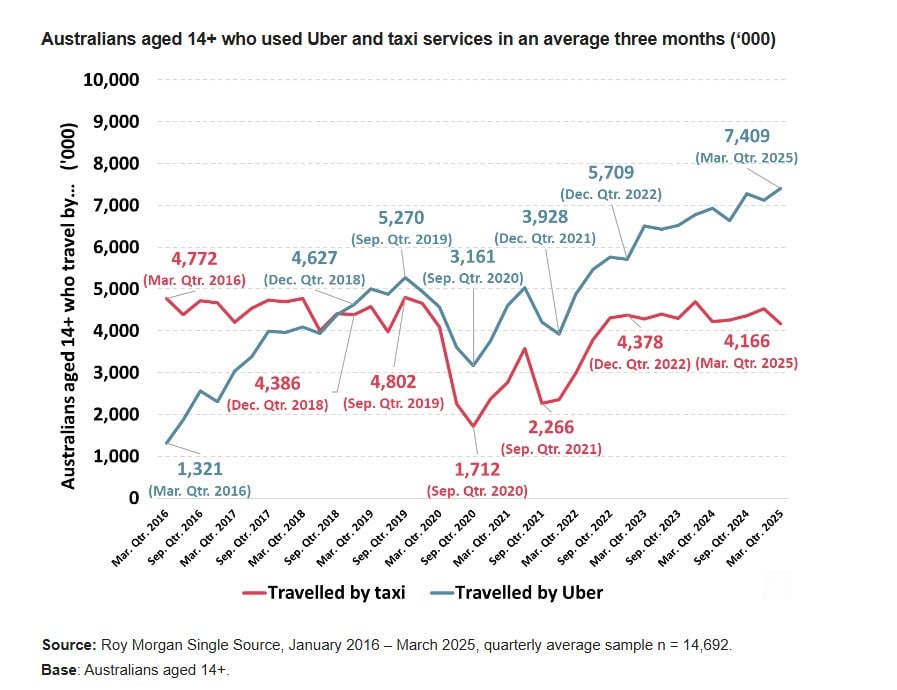
Uber has cemented its dominance over traditional taxi services in Australia, with new data from Roy Morgan revealing that more than 7.4 million Australians aged 14 and over (32.3%) used the ride-sharing service during the March Quarter of 2025. In contrast, only around 4.2 million (18.1%) opted for taxis over the same period – marking a record gap of over 3 million in favour of Uber.
The data highlights a continued upward trajectory for Uber, whose usage has surged by 1.7 million people – or nearly 30 per cent – since pandemic restrictions were lifted at the end of 2022. Meanwhile, taxi usage has experienced a modest decline, dropping by 212,000 users (4.8 per cent) over the same period.
Compared to pre-pandemic figures in September 2019, Uber’s user base has ballooned by more than 2.1 million Australians, an increase of 40.6 per cent. Taxi usage, however, has fallen by 630,000 (13.3 per cent). Uber first overtook taxis as the country’s preferred paid passenger vehicle service in 2018–19 and has steadily widened the gap ever since.
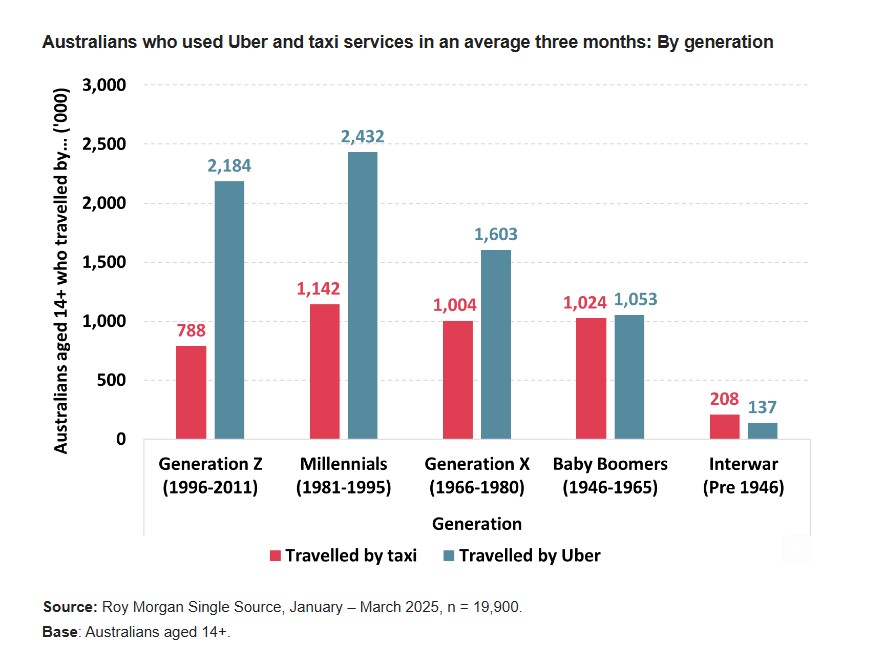
Generational differences in preference are stark. Uber enjoys overwhelming popularity among Australians under 60, especially Generation Z (born 1996–2011) and Millennials (born 1981–1995). Among Gen Z, 2.18 million (39.7 per cent) use Uber compared to just 788,000 (14.3 per cent) who use taxis. Millennials remain the largest group of Uber users, with 2.43 million (40.5 per cent) preferring the service, more than double the 1.14 million (19 per cent) who choose taxis.
Generation X (born 1966–1980) also favours Uber, with 1.6 million users (33 per cent) compared to 1 million (20.7 per cent) taxi users. Baby Boomers are split almost evenly, while only the Interwar generation (born pre-1946) continues to prefer taxis, with 208,000 users (19 per cent) compared to Uber’s 137,000 (12.5 per cent).
The findings come from Roy Morgan’s Single Source survey, one of the country’s most comprehensive consumer studies, based on over 65,000 interviews annually. The growing divide between Uber and taxis reflects shifting consumer behaviour and evolving transportation preferences across generational lines – with convenience, app-based booking, and pricing playing key roles in the evolution of Australia’s ride service landscape.
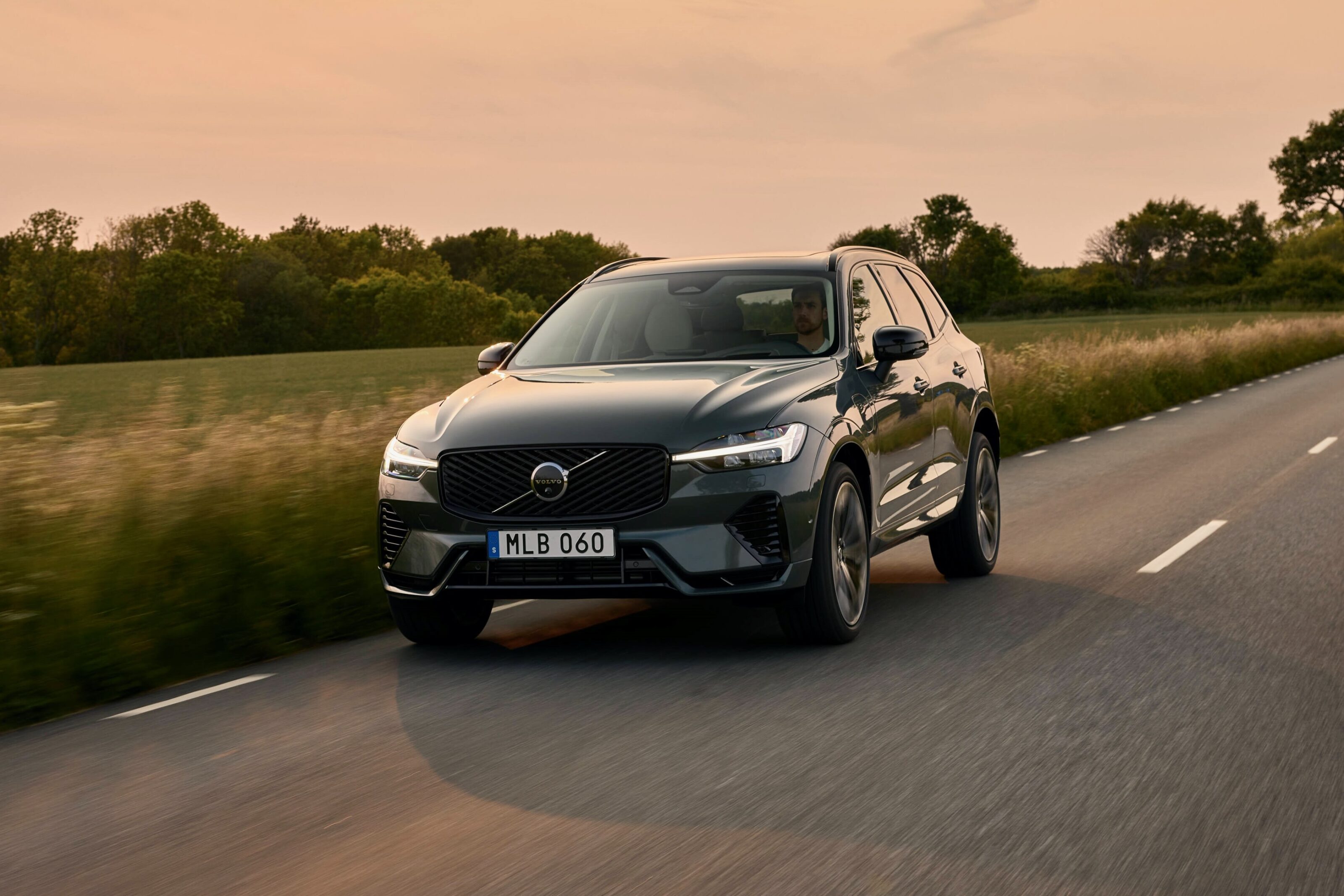
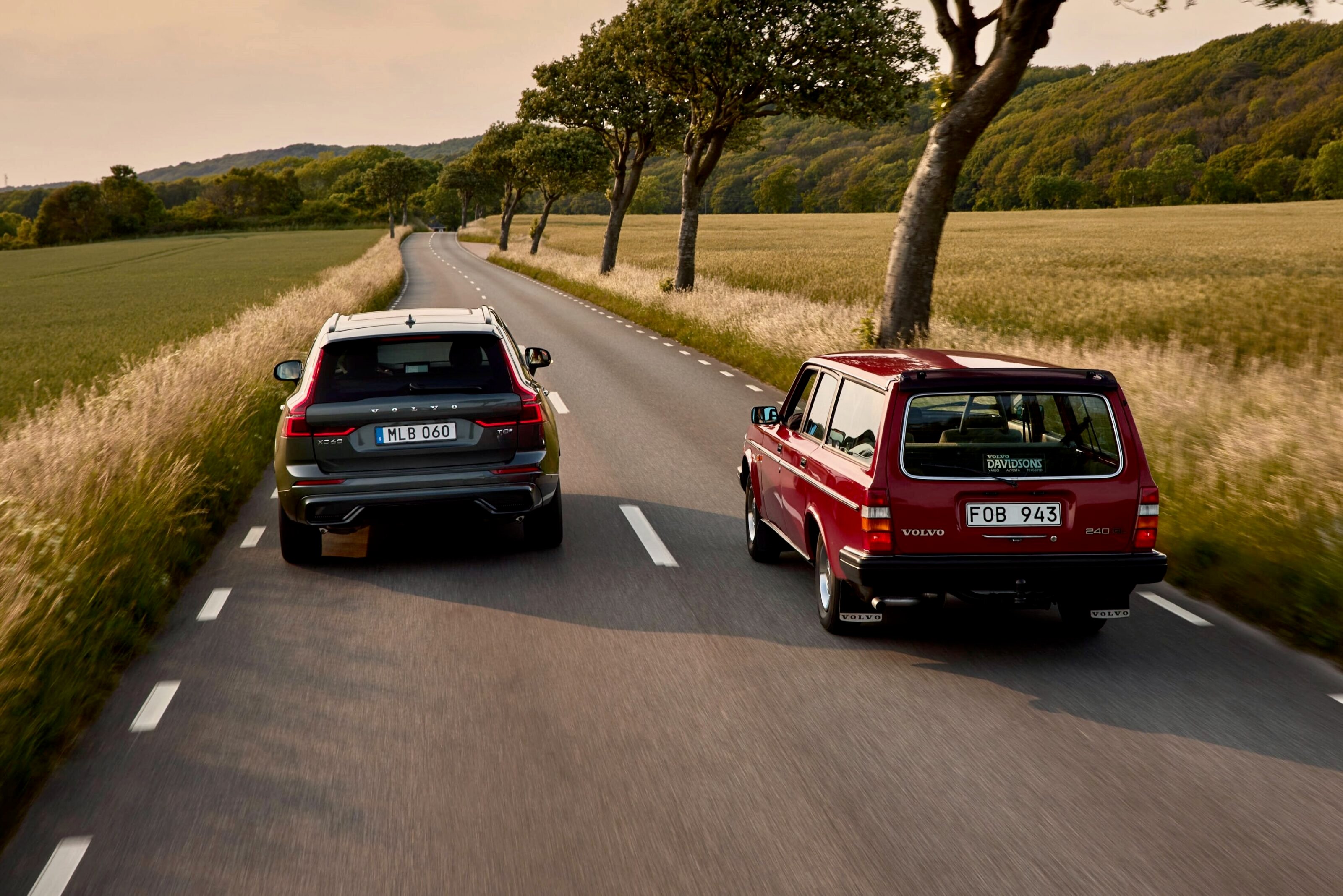
Volvo has announced that its XC60 mid-size SUV is now its most best-selling product of all time, with 2.7 million produced and counting, overtaking the iconic 240 sedan and wagon that ceased production in 1993.
“Growing up in Sweden in the 1980s, the Volvo 240 was the iconic family car – you could spot one in almost every driveway,” says Susanne Hägglund, head of Global Offer at Volvo Cars. “Today the XC60 has taken over that position in two ways. Not only as the family favourite, but also becoming our all-time top-seller, which in itself is the ultimate proof point of a successful car.”
Produced from 1974 to 1993, 2,685,171 240s were built in total. Upon its introduction, the 240 was one of the safest cars ever made at the time. Front and rear crumple zones, as well as a reinforced passenger compartment, were central to its safety-first approach.
It was also one of the first cars to incorporate enhanced side-impact protection, which later evolved into Volvo’s Side-Impact Protection System (SIPS). In 1978, the 240 also introduced the integrated child booster seat, a feature that modern Volvo products still use.
According to Volvo, the XC60 continues the 240’s safety-first heritage. It was the first car to feature a low-speed automatic braking system in 2008, while in 2017, it introduced Oncoming Lane Mitigation to steer the car back into its lane to avoid drifting into oncoming traffic. Just as the 240 was at the time, the XC60 is one of the safest cars in the world.
Volvo Cars Australia has just announced local pricing and specifications for the refreshed XC60, which is priced from $74,990 plus on-road costs. It uses a new larger infotainment system, as well as trim and light design updates, to keep it fresh in the ever popular mid-size SUV segment.
The updated Volvo XC60 is now available from local Volvo dealerships.
New Suzuki hybrid and electric small SUVs have been confirmed for an Australian release with the new-to-Australia Fronx, updated Vitara and new electric e Vitara set to launch locally.
While the Fronx is expected this coming September, and the Vitara and e Vitara early in 2026, the brand’s new models will introduce new hybrid and electric drivetrains to Australian Suzukis for the first time.
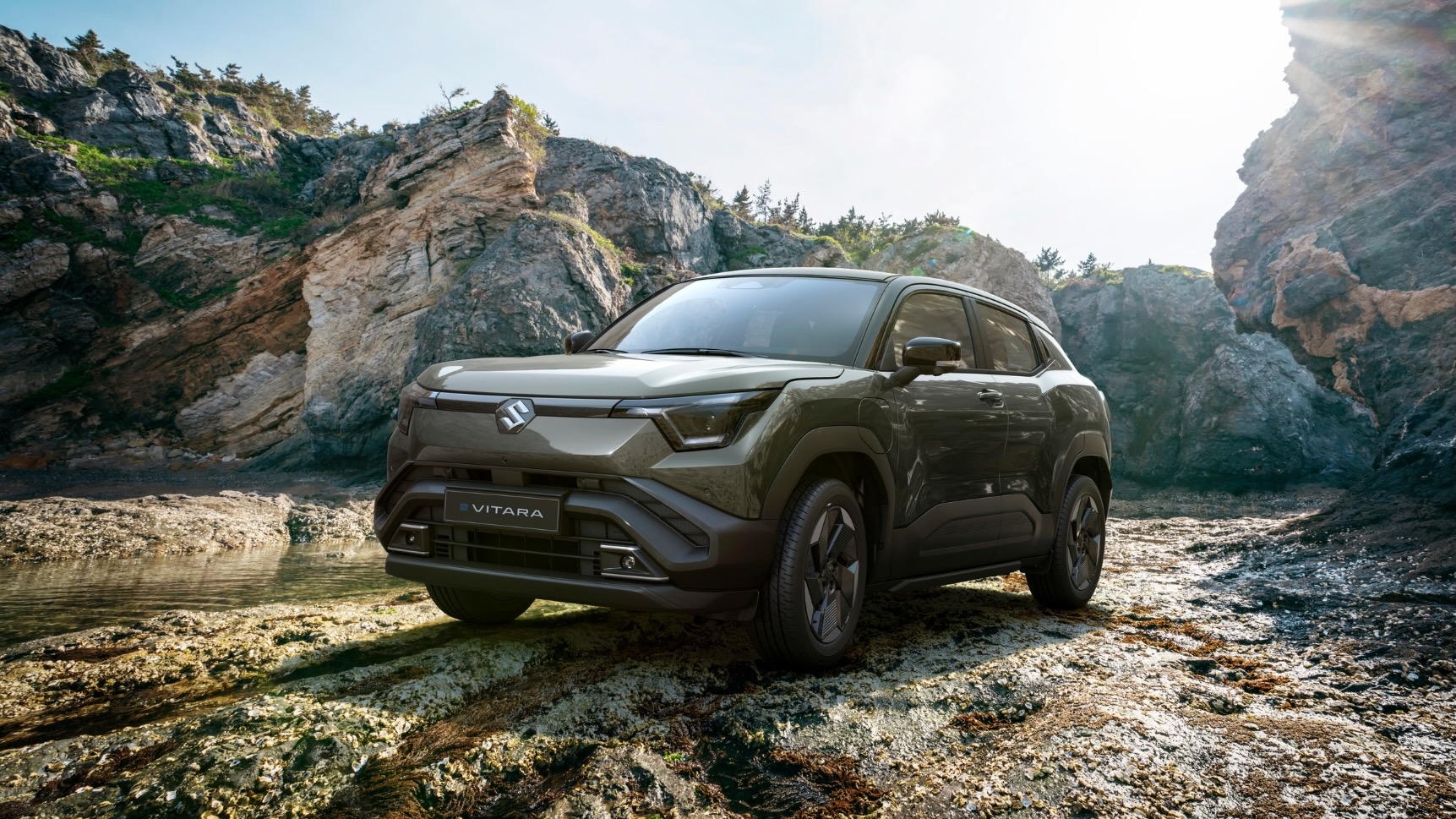
e Vitara
The brand’s first electric vehicle (EV) will go on sale in the first quarter of 2026, with the new e Vitara featuring the new ‘Heartect-e’ platform developed with Toyota and Daihatsu, designed specifically for EVs. Globally, the e Vitara is available with two LFP battery options: a 49kWh unit with 344km of WLTP range and a larger 61kWh version for 400km of range.
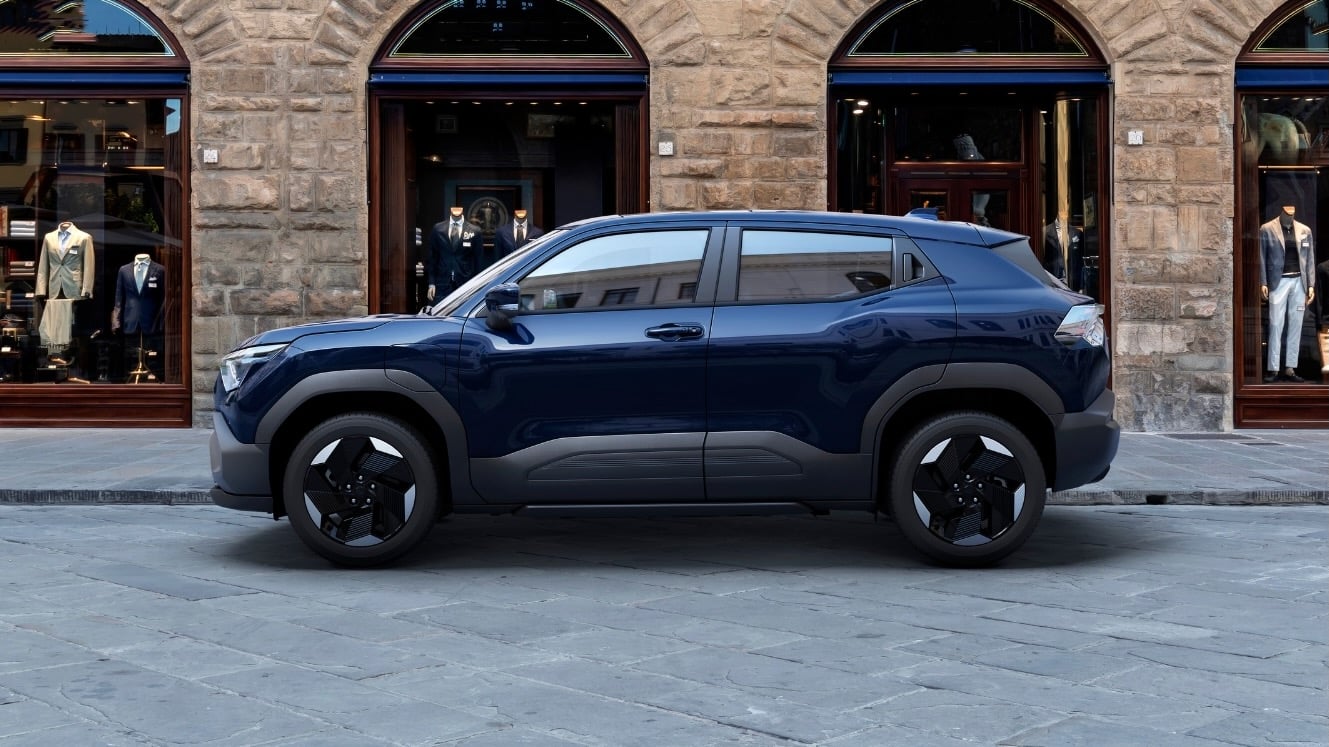
Unlike a lot of electric small SUVs, the e Vitara offers both front-wheel drive and all-wheel drive drivetrain options, with the front-drive model making 106kW of power and the all-wheel drive model upping that to 135kW.
The e Vitara measures 4275mm long, 1800mm wide, 1635mm tall and rides on a 2700mm-long wheelbase, making it identical in length to a Mazda CX-3, though 20mm narrower, 100mm taller and using a 130mm longer wheelbase.
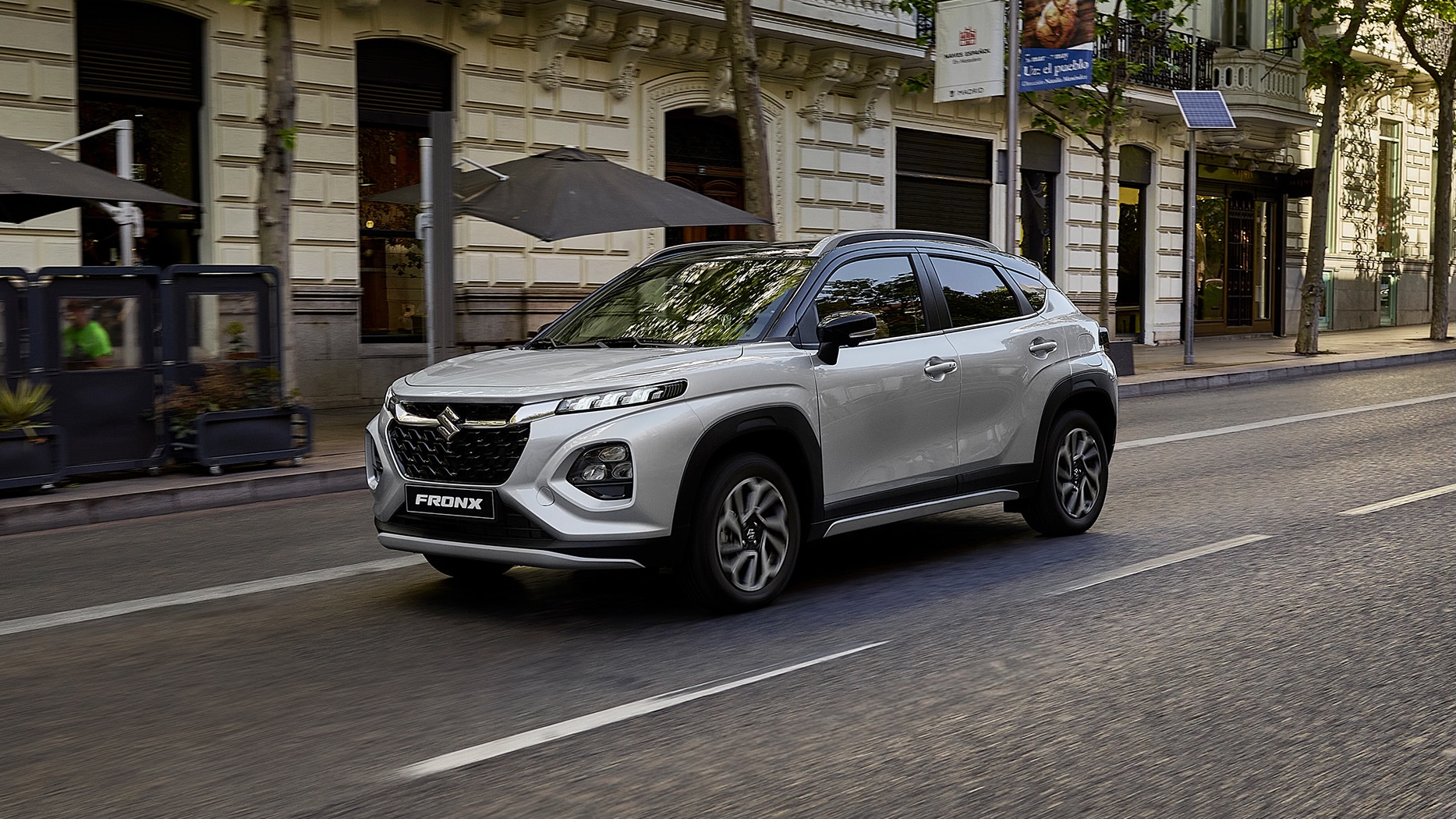
Fronx
Set to launch locally on September 1st, the Fronx is a new small SUV to Australia that’s been in production in India since 2023. The Fronx name is derived from “Frontier Crossover”, and its exterior styling is decidedly coupe-like with its sloping roofline.
Using the same platform as the Baleno small car that’s no longer sold locally, the Fronx will be available in Australia with a 74kW/135Nm 1.5-litre four-cylinder petrol engine with mild-hybrid assistance and a six-speed automatic transmission.
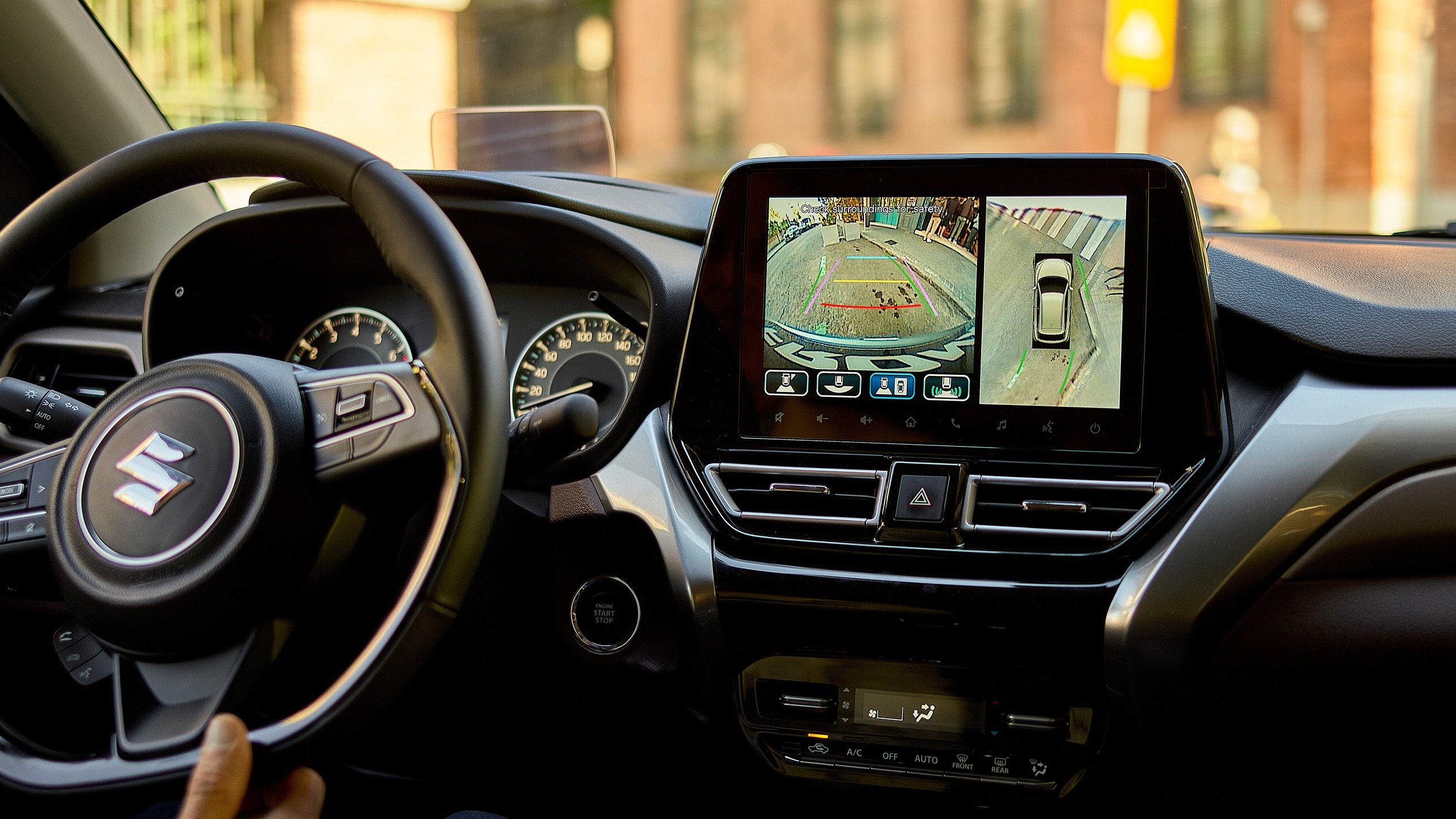
Available features on the Fronx globally include LED exterior lighting, a head-up display, leather-like upholstery, a 9.0-inch touchscreen with wireless smartphone mirroring, a wireless phone charger, heated front seats, rear USB ports and a dual-level boot floor.
The Japanese-spec Fronx is also fitted with safety features such as six airbags, autonomous emergency braking, adaptive cruise control, blind-spot monitoring with rear cross-traffic alert, lane keeping assistance, auto high beam, speed sign recognition, a 360-degree and low-speed front and rear braking.
Vitara Hybrid
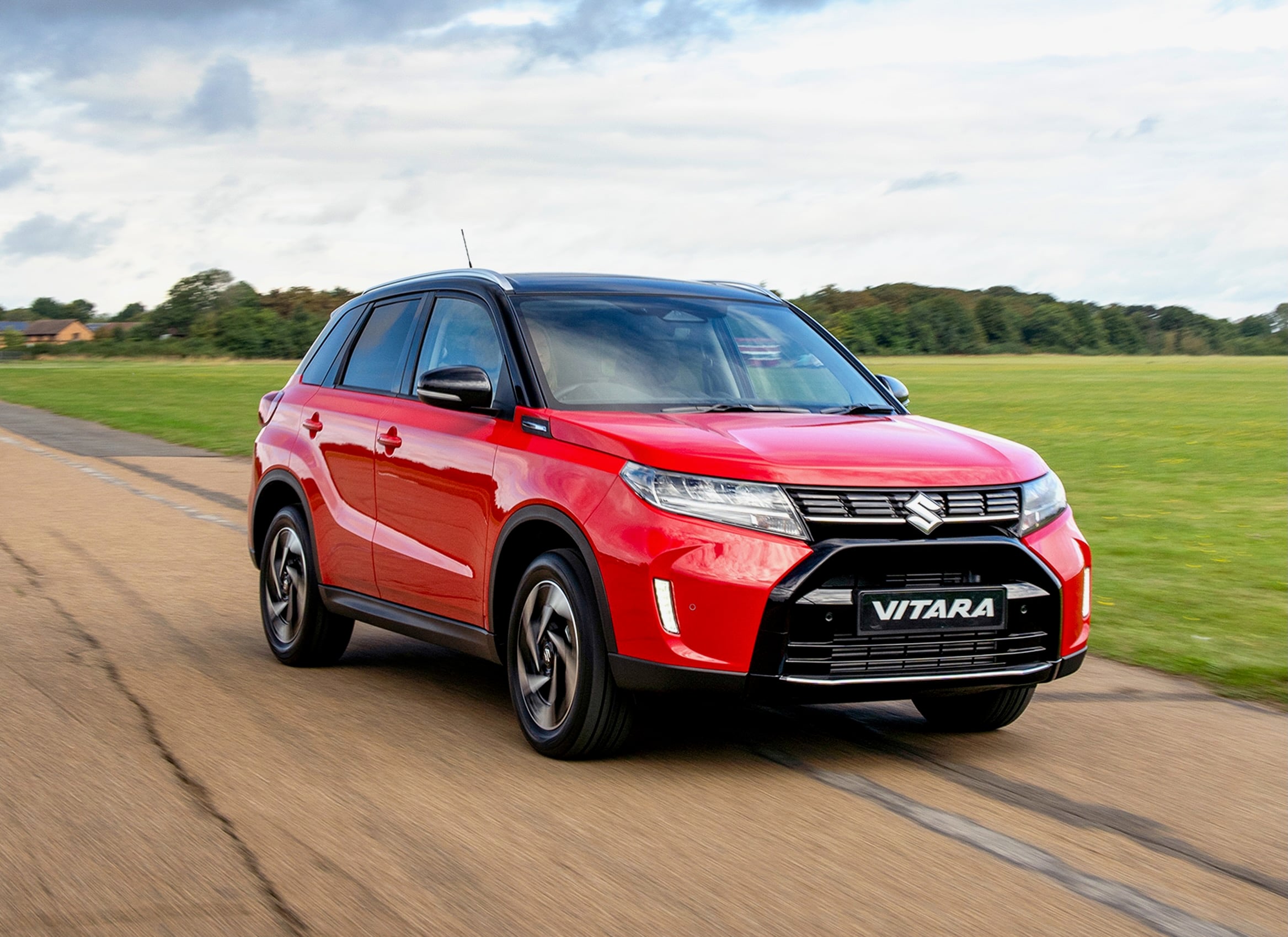
Launching in the first quarter of 2026, the updated Vitara Hybrid small SUV will introduce hybrid power to the Vitara nameplate for the first time in Australia. It’s not yet known which drivetrains the Vitara will offer locally, but in Europe, two are available: a mild-hybrid version of the Vitara’s current 1.4-litre turbo-petrol engine and a new 1.5-litre full-hybrid system, both optionally available with all-wheel drive.
In the UK, the 1.5-litre engine makes 75kW/138Nm, with the electric motor contributing another 25kW/60Nm. A six-speed automated manual transmission is standard and for combined fuel consumption, it’s rated at 5L/100km on the WLTP cycle.
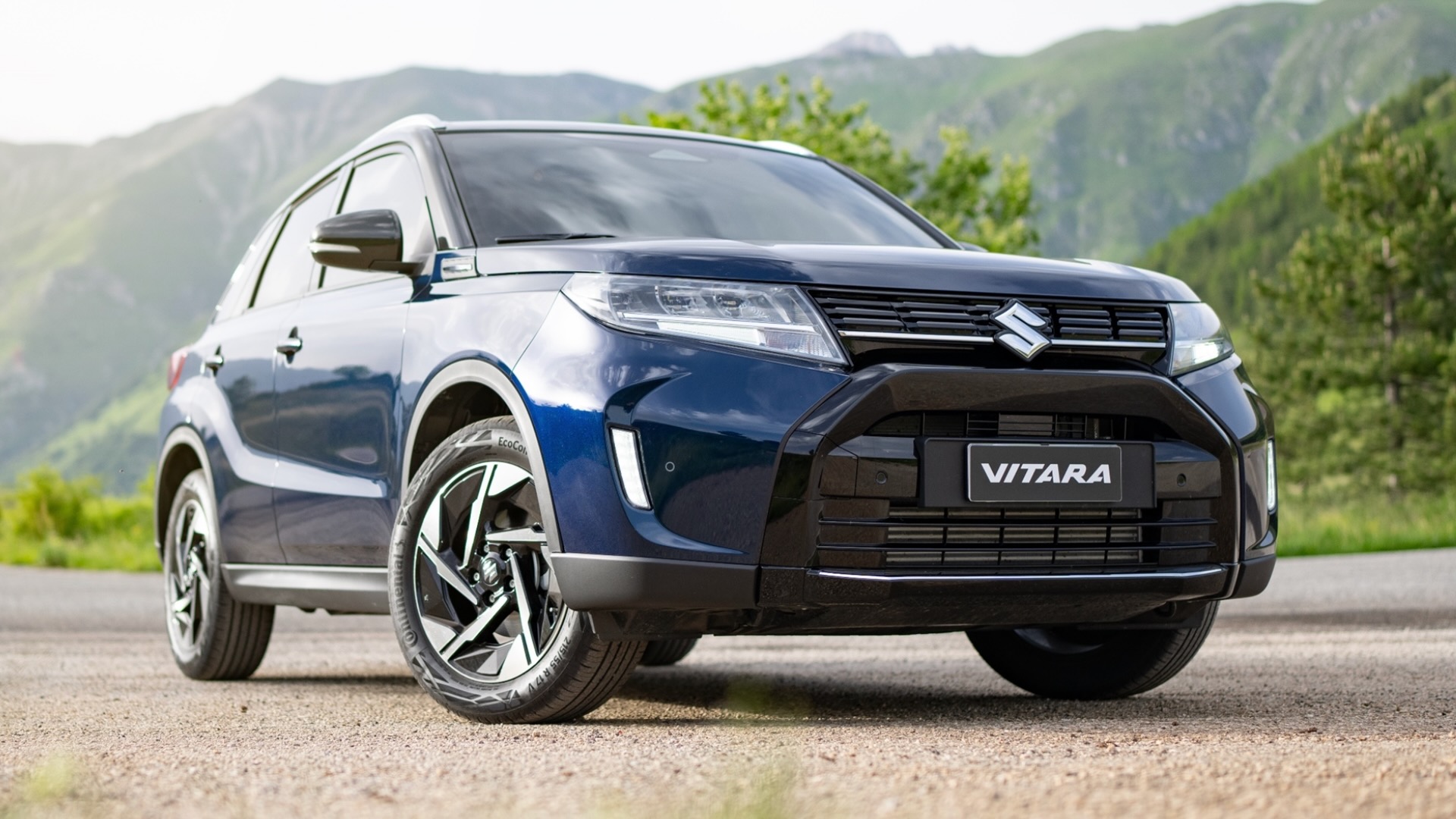
Meanwhile, the mild-hybrid 1.4L turbo makes 96kW of power and uses 5.3L/100km on the WLTP cycle – down 7kW and 0.6L/100km on the Australian-spec Vitara Turbo, though local specifications are yet to be announced.
The Suzuki hybrid and electric models will go on sale in Australia gradually from the third quarter of 2025, with the Fronx launching on September 1 and the updated Vitara and e Vitara due first quarter of 2026.
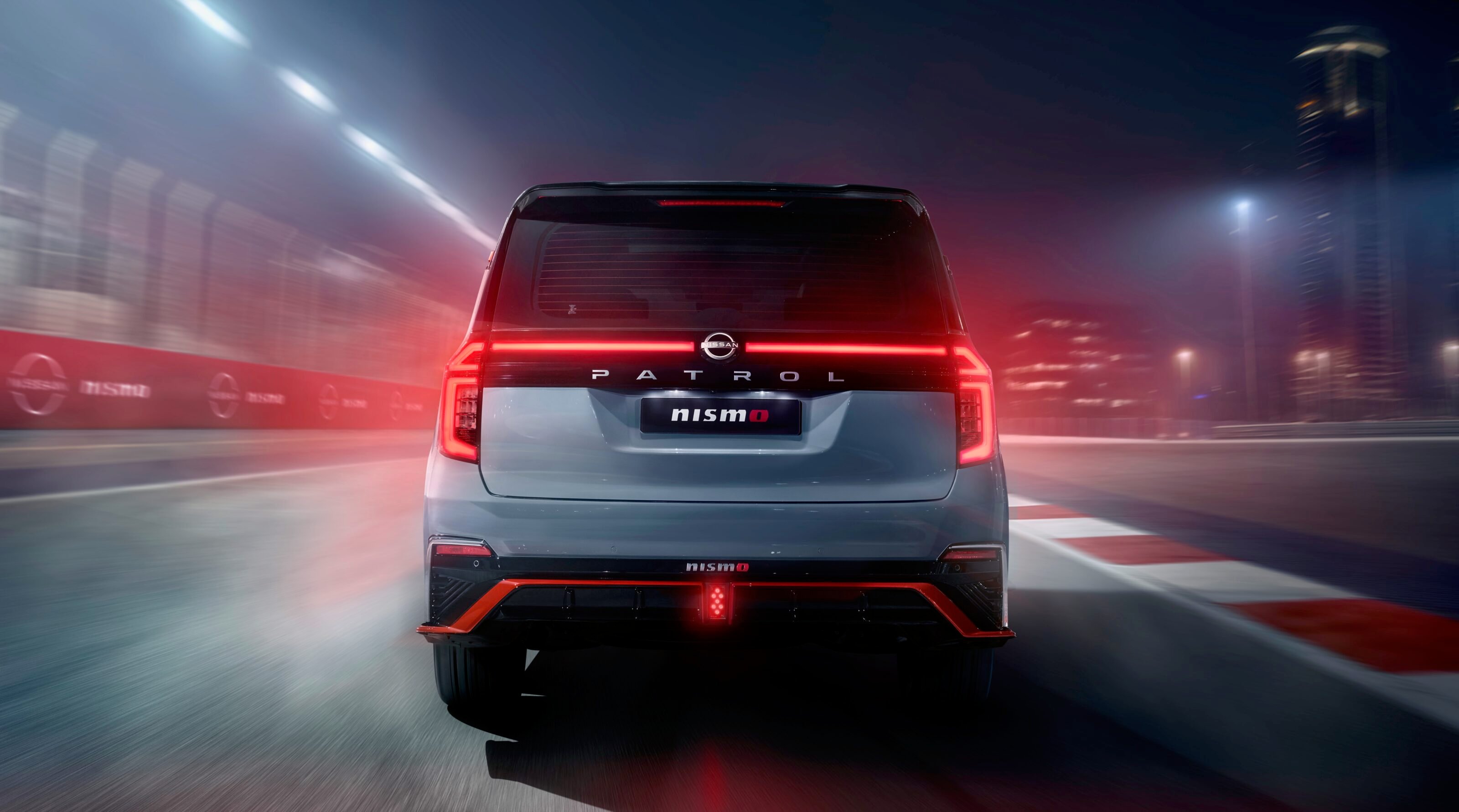
Nissan has revealed the Patrol Nismo, the high-performance version of its new large SUV that’s due in Australia in late 2026. Featuring an uprated twin-turbo V6 engine, a louder exhaust, re-tuned adaptive air suspension and a whole host of sporty details, Nissan says the Patrol Nismo takes its “muscular and capable full-size SUV to a new level”.
Revealed in Dubai overnight (and in the USA in Armada identical twin form), the Nissan Patrol Nismo will go on sale in those markets later in 2026. An Australian arrival is yet to be confirmed, but the regular Patrol will debut locally in early 2027.
Centre of the Patrol Nismo’s enhancements is an uprated version of its 3.5-litre twin-turbocharged petrol V6 engine, in this tune making 369kW of power – or 52kW more than the regular Patrol – and an unchanged 700Nm of torque. The Patrol’s nine-speed automatic transmission has been recalibrated for more performance as well.
Accompanying the higher-performance tune of the engine is a louder and sportier exhaust note with enhancement from the active sound inside the cabin.
The ride and handling balance has also been modified, with a 49mm-lower ride height, retuned vehicle dynamics control and suspension tuning and a quicker steering rack. New 22-inch wheels are reportedly 23 per cent lighter than standard Patrol wheels as well, and use high-performance tyres.
Naturally for a sporty model, the Patrol Nismo’s exterior and interior have received a sporty makeover. The exterior features new front and rear bumpers with aerodynamic diffusers and splitters, a new ‘Stealth Grey’ colour and a lot of Nismo badges.
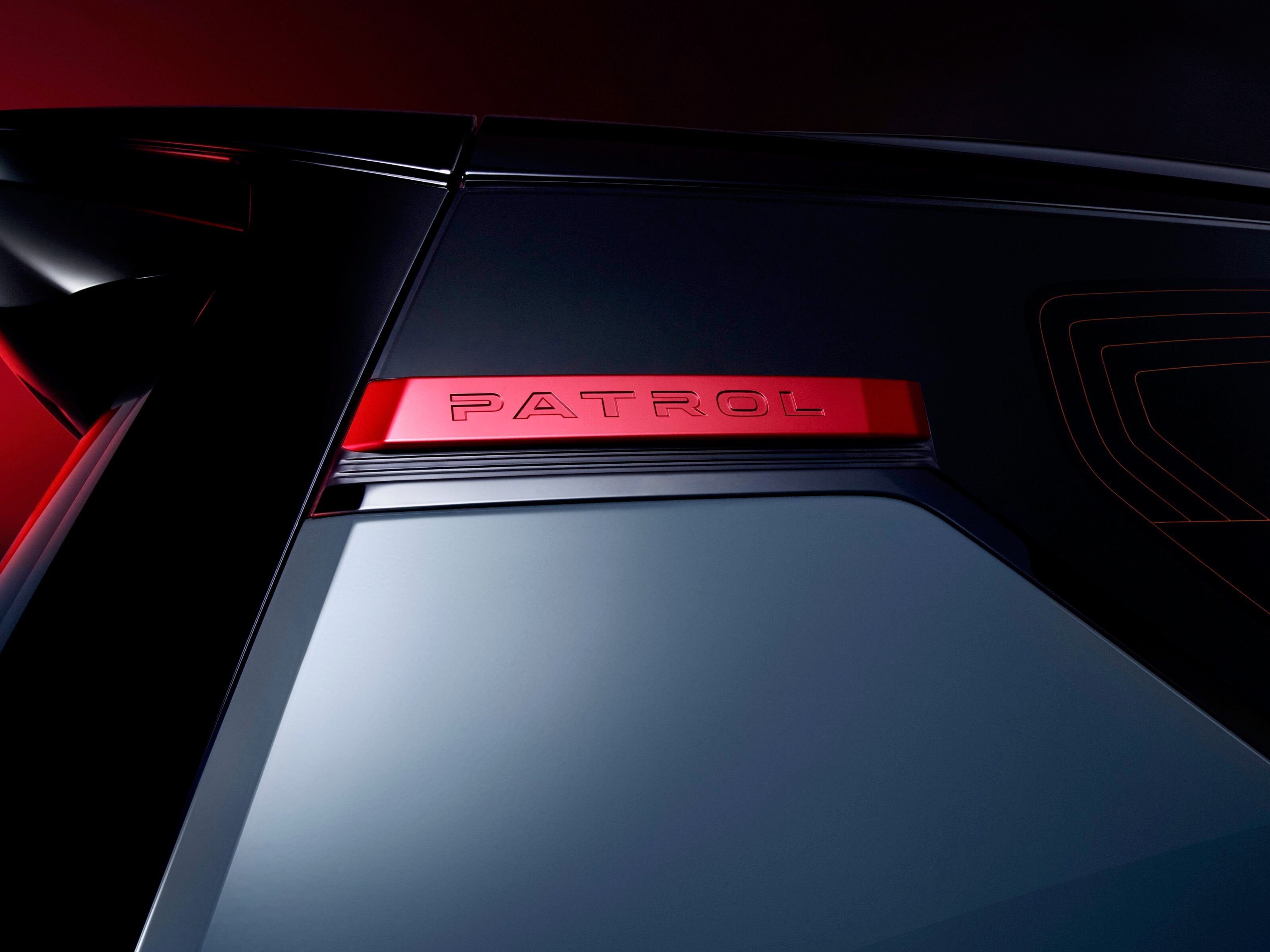
Because of the new bumpers, the Patrol Nismo is actually 90mm longer than the regular Patrol, while it’s also 40mm wider.
Inside, the Patrol Nismo adds a lot of red and black detailing, including leather and suede upholstery, contrast stitching and carbon fibre trimmings. The start stop button is also red, while more Nismo logos also feature.
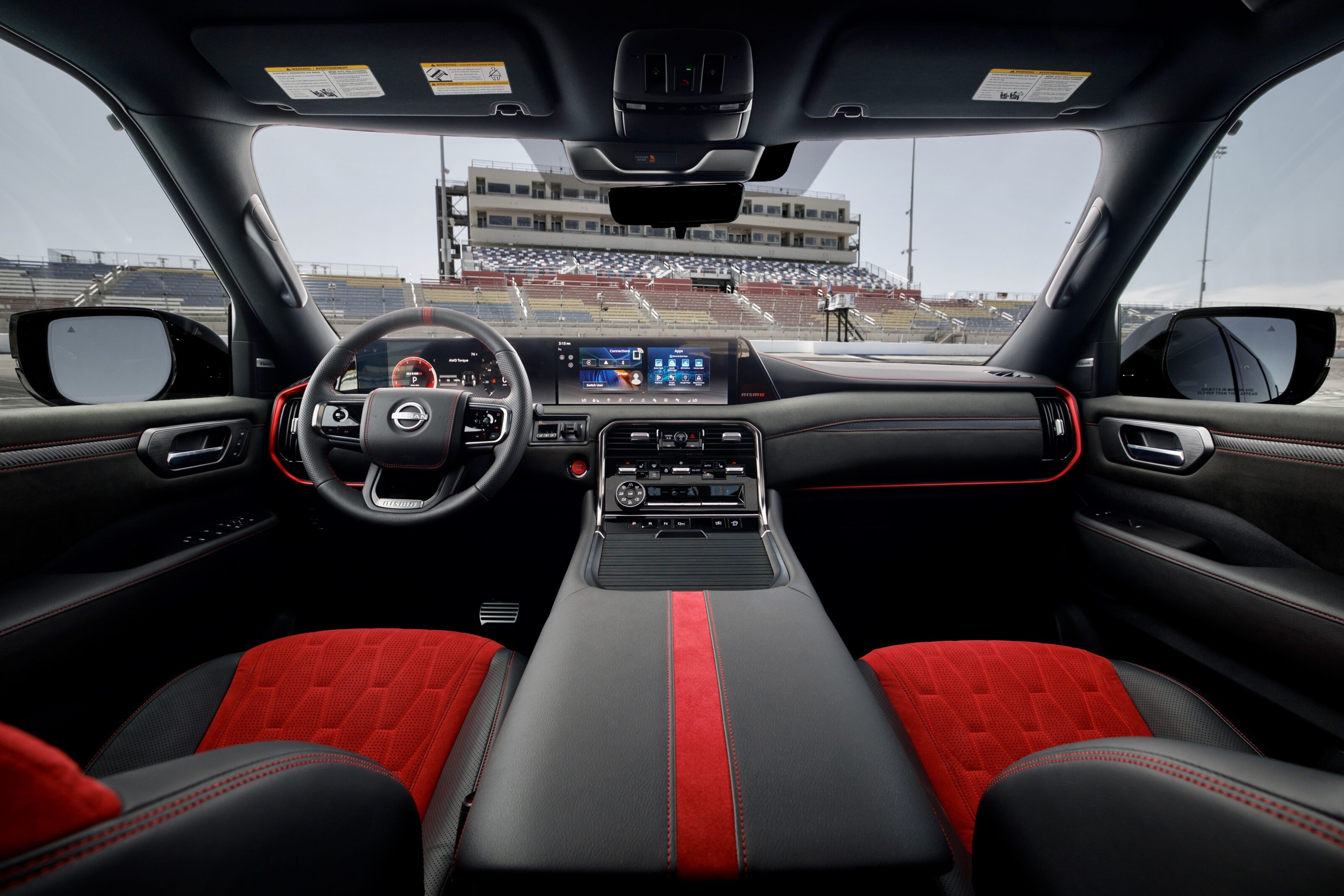
While the Y63 Nissan Patrol (and North American Armada identical twin) is already on sale, an Australian debut is scheduled for early 2027.
All Australian families know transport is a significant financial burden on the family budget, especially during today’s cost-of-living crisis. With everyday essentials rising in price, the high costs of owning and running a vehicle – fuel, insurance, maintenance and loan repayments – are putting households under even greater financial pressure.
At the same time, the pressing need to reduce carbon emissions butts up against Australians’ appetite for larger, more expensive and less fuel-efficient vehicles like SUVs, escalating both household costs and environmental impact.
With those concerns in mind, what are the 10 most fuel efficient non-PHEV/EV SUVs on sale in Australia? Here’s the WhichCar guide:
Toyota Yaris Cross 2WD and Lexus LBX: 3.8L/100km
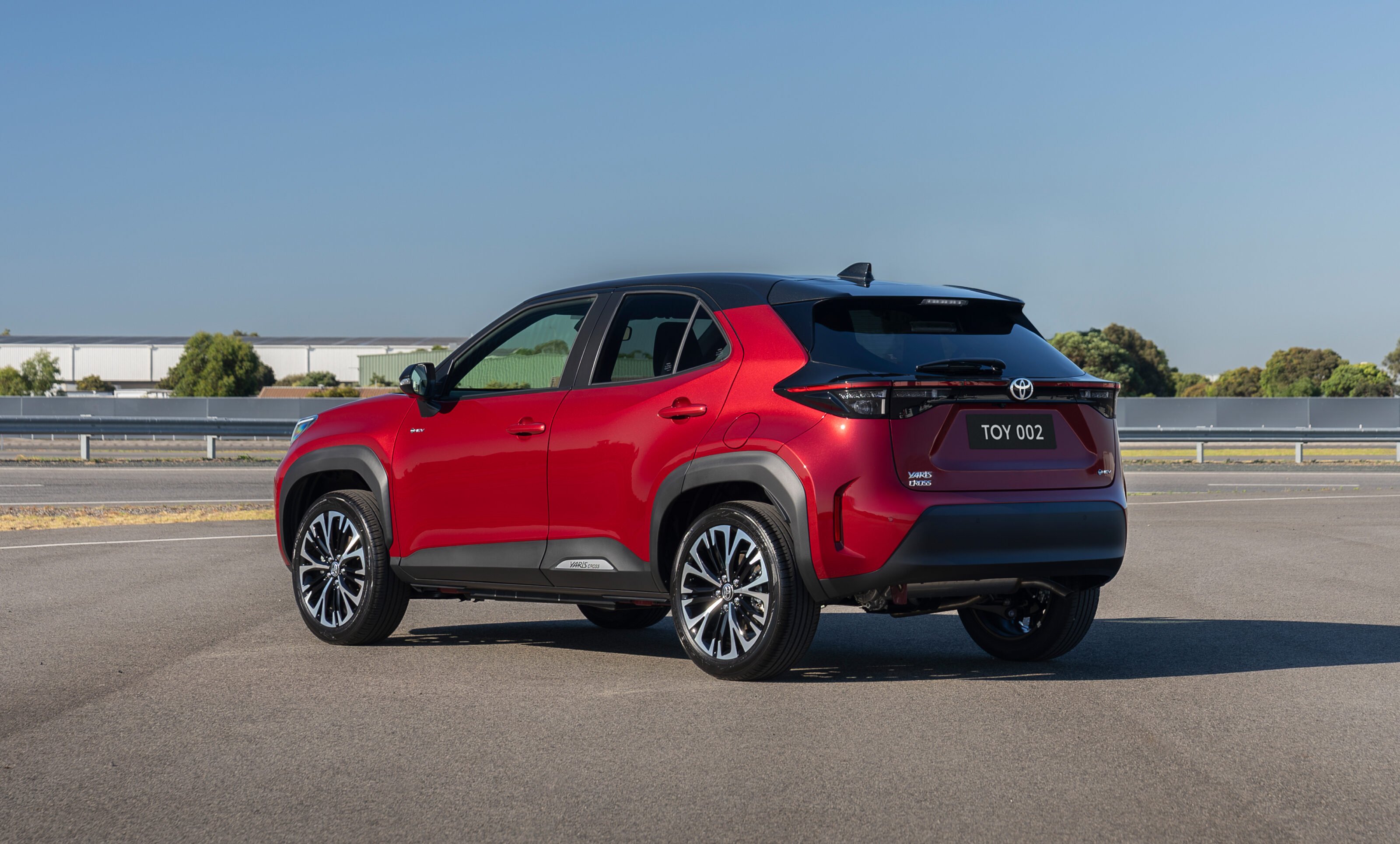
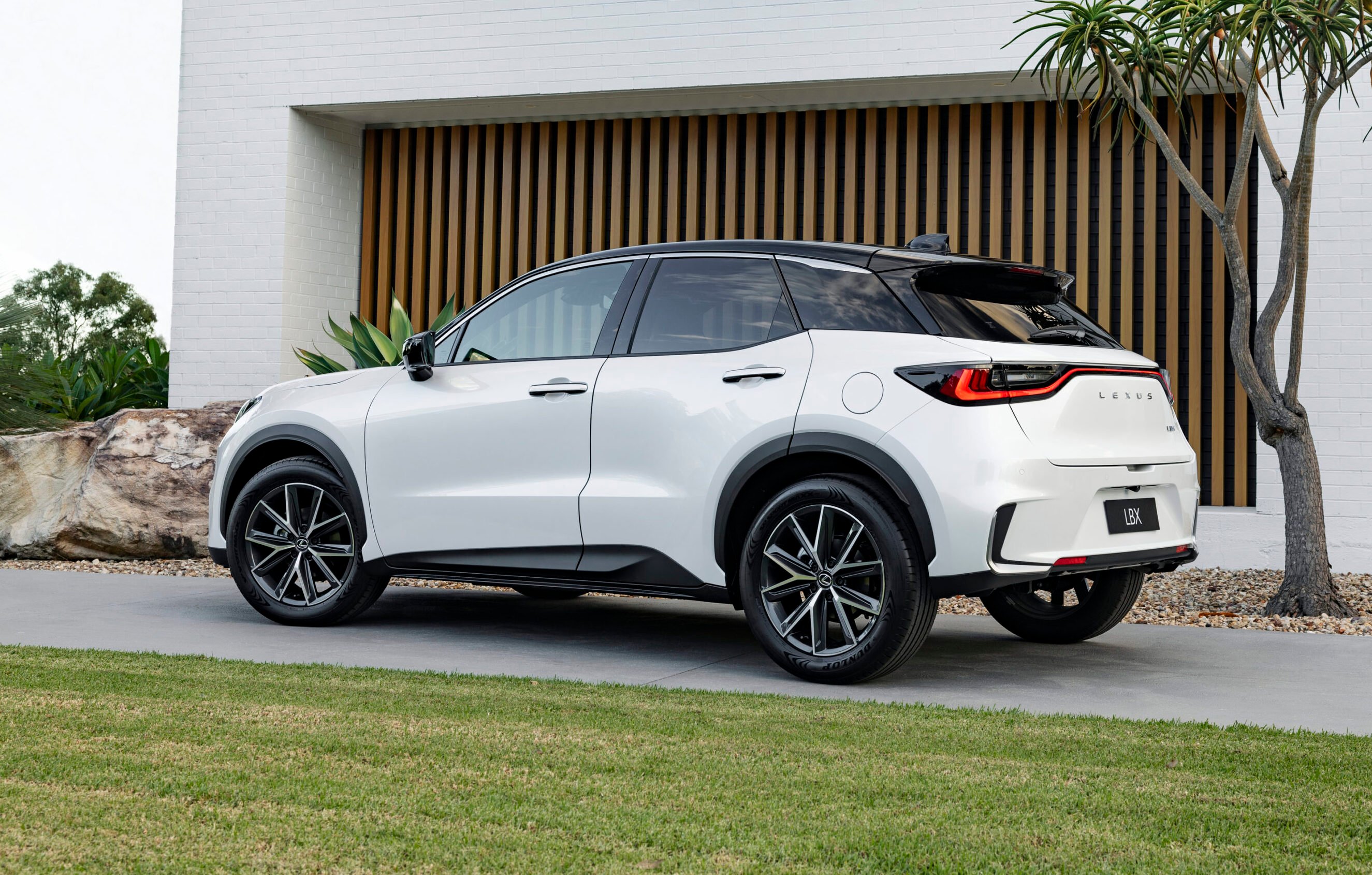
Flexing Toyota’s muscle in hybrid vehicle efficiency, the Yaris Cross small SUV and its Lexus LBX luxury cousin, are the most fuel efficient SUVs in Australia with a claimed combined fuel consumption rating of just 3.8L/100km. Both also have very low CO2 emissions: 86g/km for the Yaris Cross and 85g/km for the LBX.
Both use a 1.5-litre three-cylinder petrol hybrid drivetrain making 85kW of total power in the Yaris Cross and 100kW in the LBX. The Yaris Cross is priced from $31,790 plus on-road costs and the LBX $47,550 +ORC, though both have more expensive and better equipped grades for buyers to choose. Using the same platform, both the Yaris Cross and LBX drive well and they’re practical for their size as well.
Hyundai Kona Hybrid: 3.9L/100km
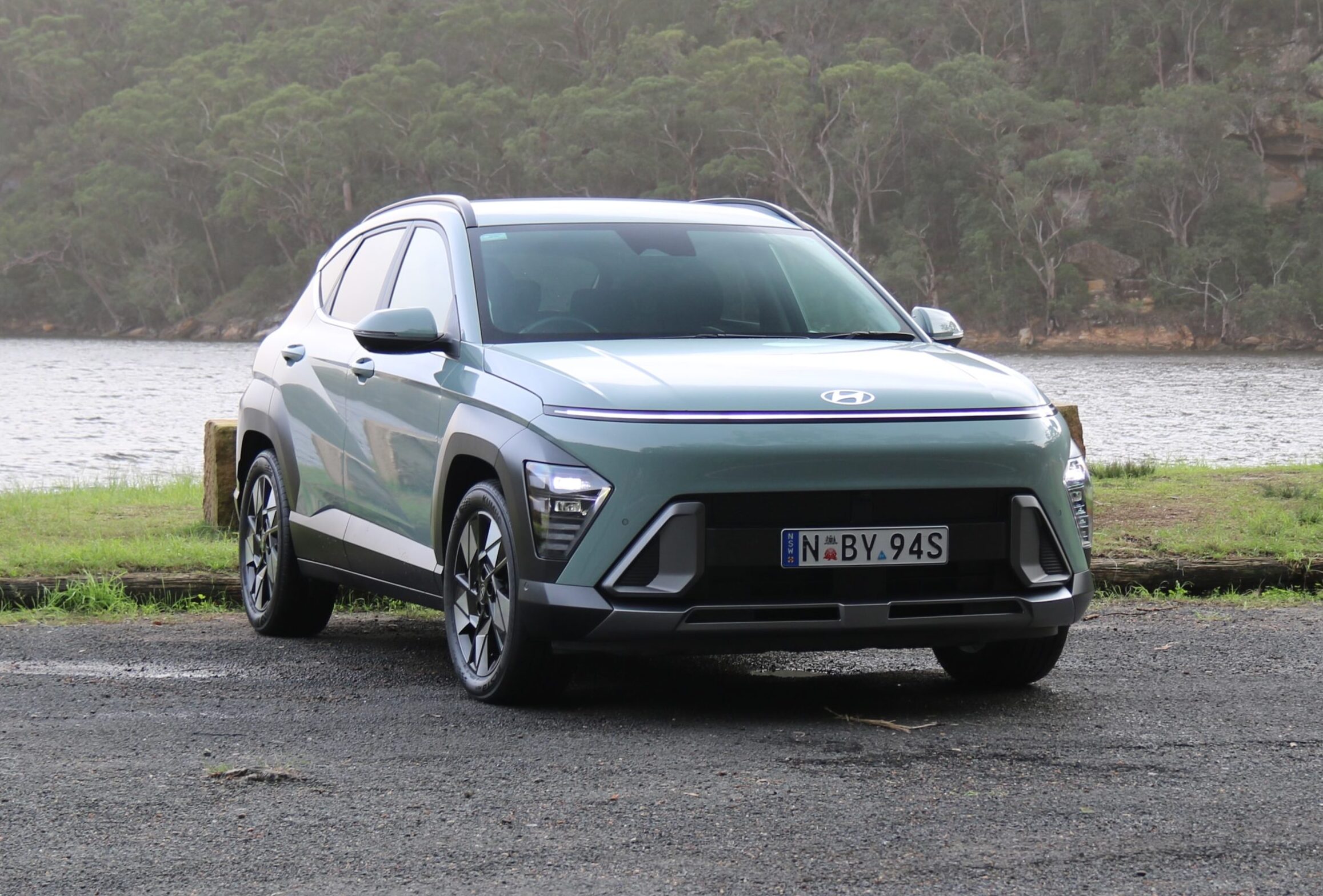
Coming in just behind the Yaris Cross and LBX is the Hyundai Kona Hybrid, which uses a 1.6-litre four-cylinder hybrid drivetrain for a claimed combined fuel consumption rating of just 3.9L/100km and combined CO2 emissions of 88g/km.
The Kona Hybrid is priced from $36,500 +ORC and is also available in sportier-looking N Line and more luxurious Premium forms for buyers wanting more features. Unlike the Toyota hybrids, the Kona uses a six-speed dual-clutch automatic transmission for a refined and natural driving feel, and the Kona is also quite well equipped across the range.
Toyota Yaris Cross AWD, Toyota C-HR and Kia Niro Hybrid: 4.0L/100km
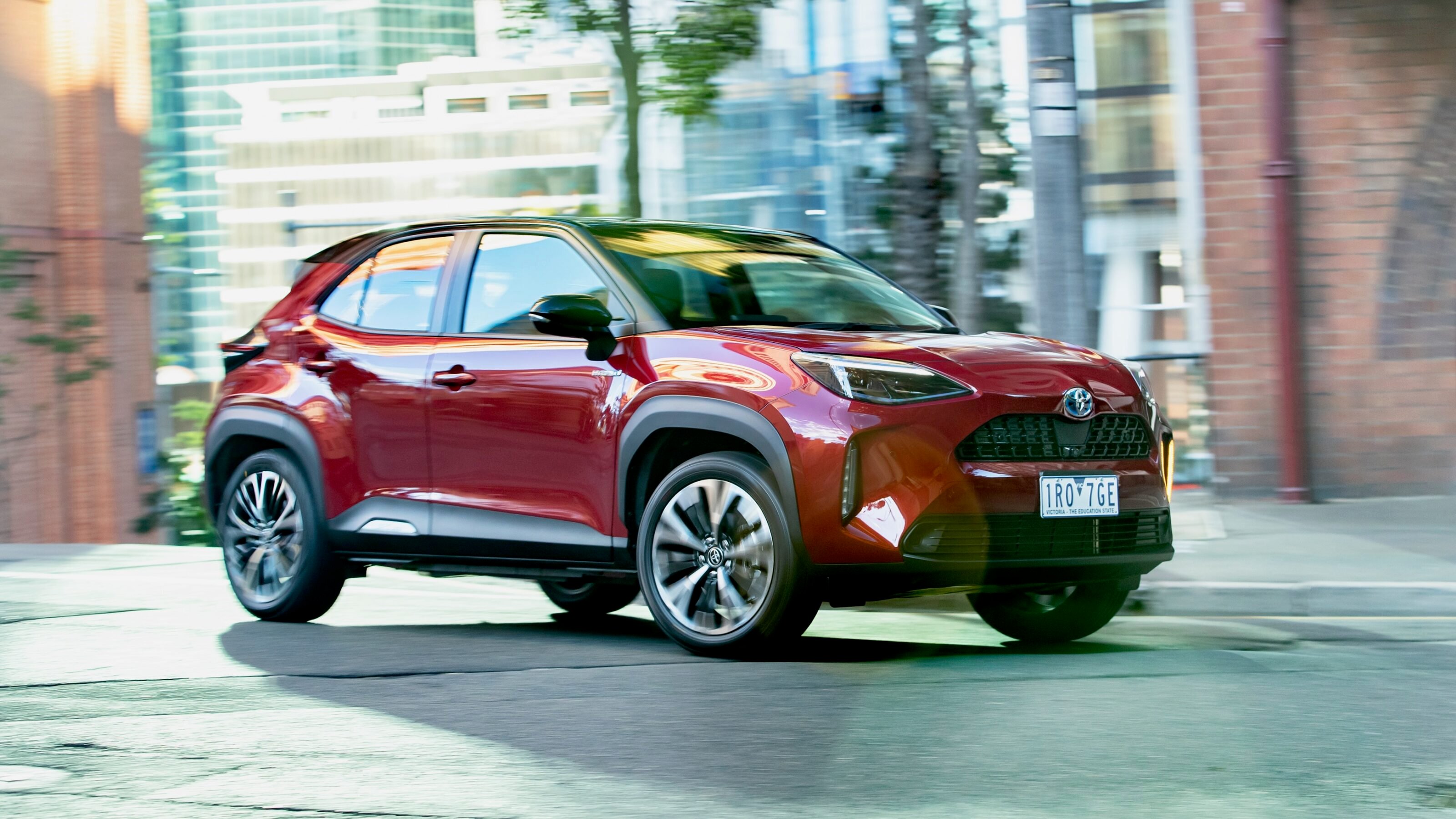
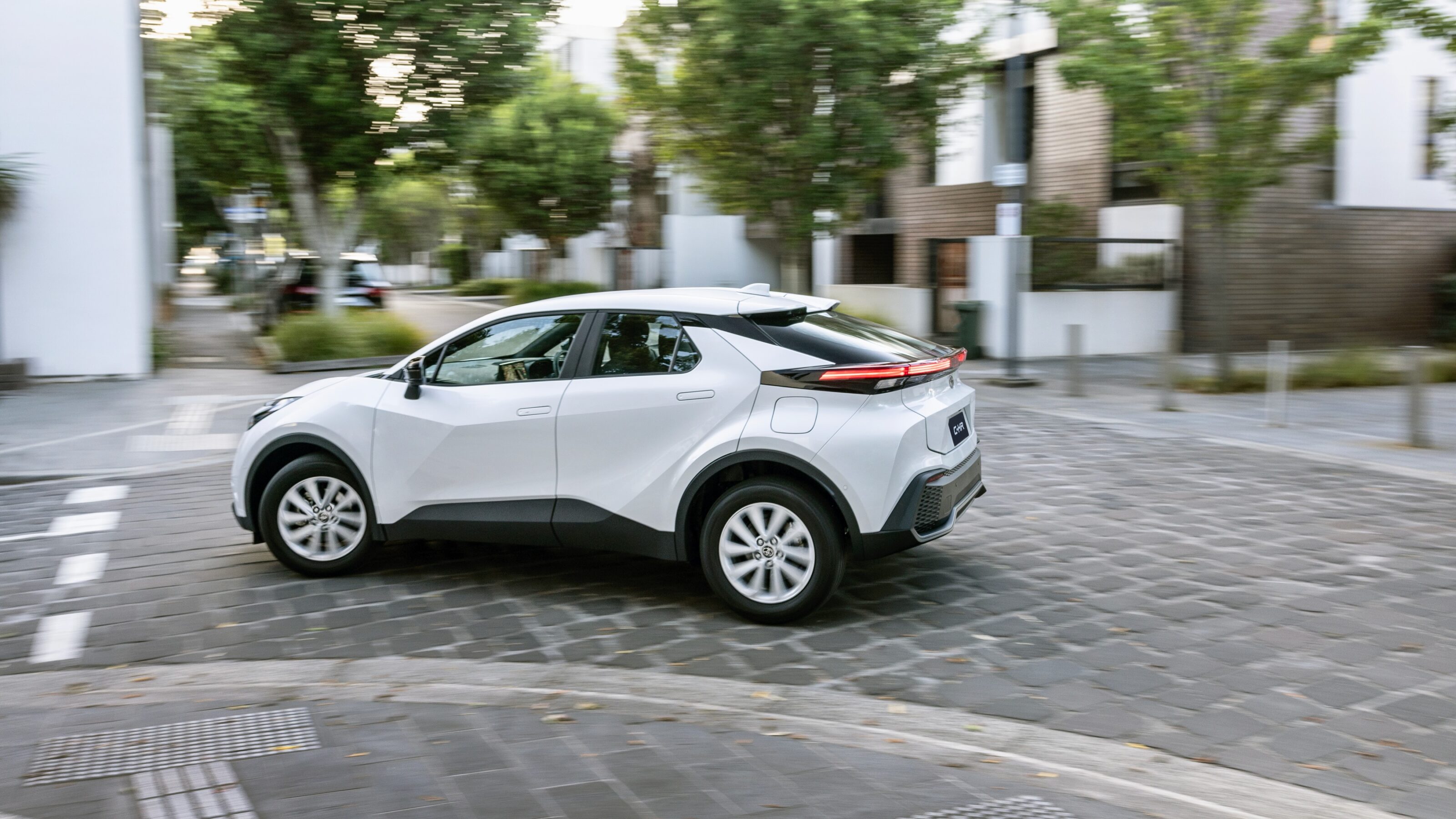
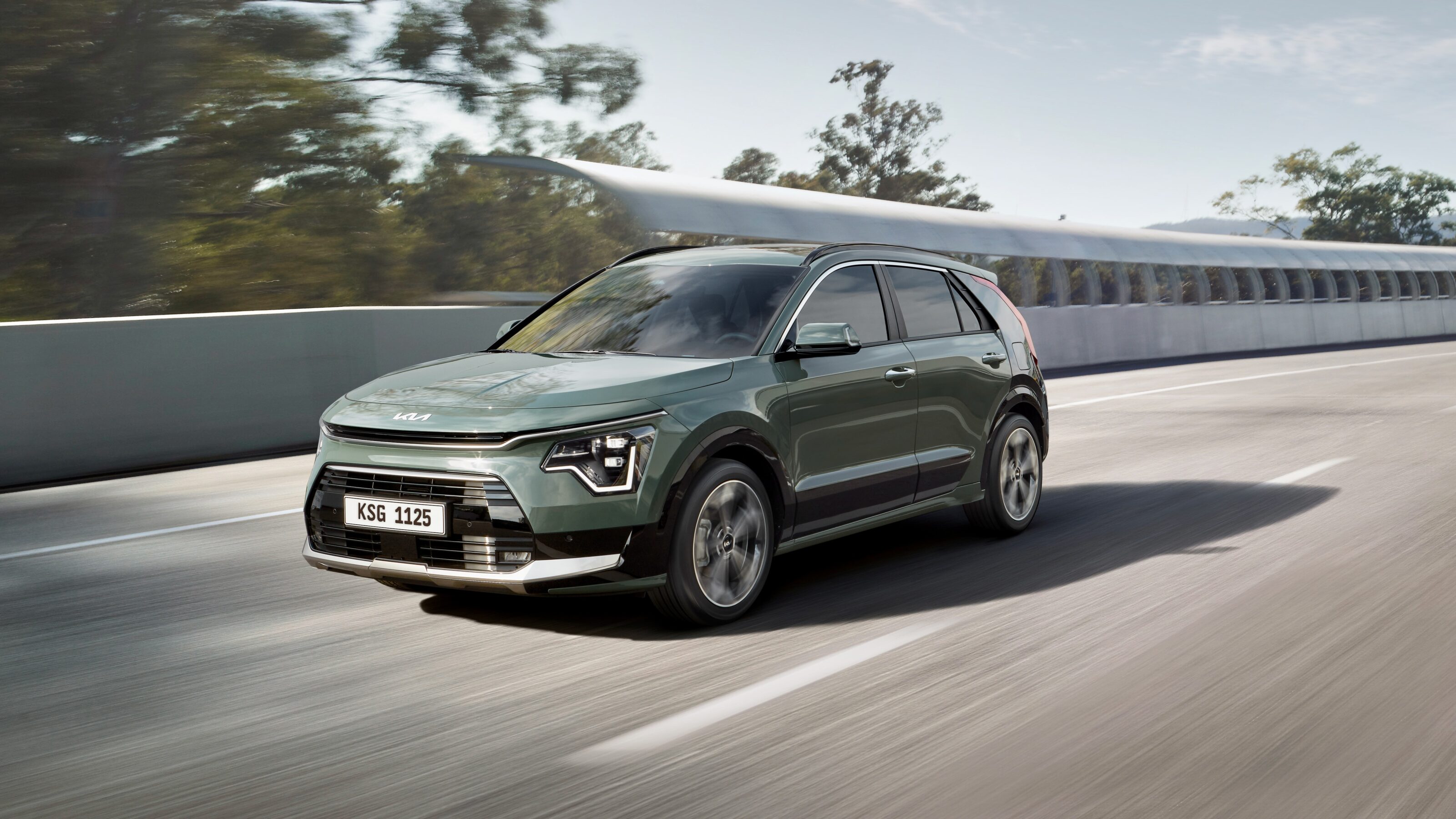
Rounding out the top three are the all-wheel drive version of the Yaris Cross, the slightly larger Toyota C-HR and the Kona’s Kia Niro cousin. Unlike most all-wheel drive cars on the market, the Yaris Cross employs an electric motor on the rear axle so that there’s no mechanical link between the front and rear wheels. As a result, its rating is just 0.2L/100km above the front-drive version and for keener drivers, the AWD replaces the 2WD model’s torsion beam with an independent set up for better ride and handling – though, also, a smaller boot.
The larger C-HR (priced from $42,990 +ORC) uses a 103kW 1.8-litre hybrid drivetrain, yet gets the same 4.0L/100km rating as the Yaris Cross. And priced from $45,000 +ORC is the Kia Niro Hybrid, which uses a 104kW 1.6-litre hybrid drivetrain with a six-speed dual-clutch automatic transmission. Importantly, all three drive quite well – especially the Kia with its locally tuned suspension and geared transmission making it feel more natural to drive than Toyota’s e-CVT.
Toyota C-HR GR Sport: 4.1L/100km
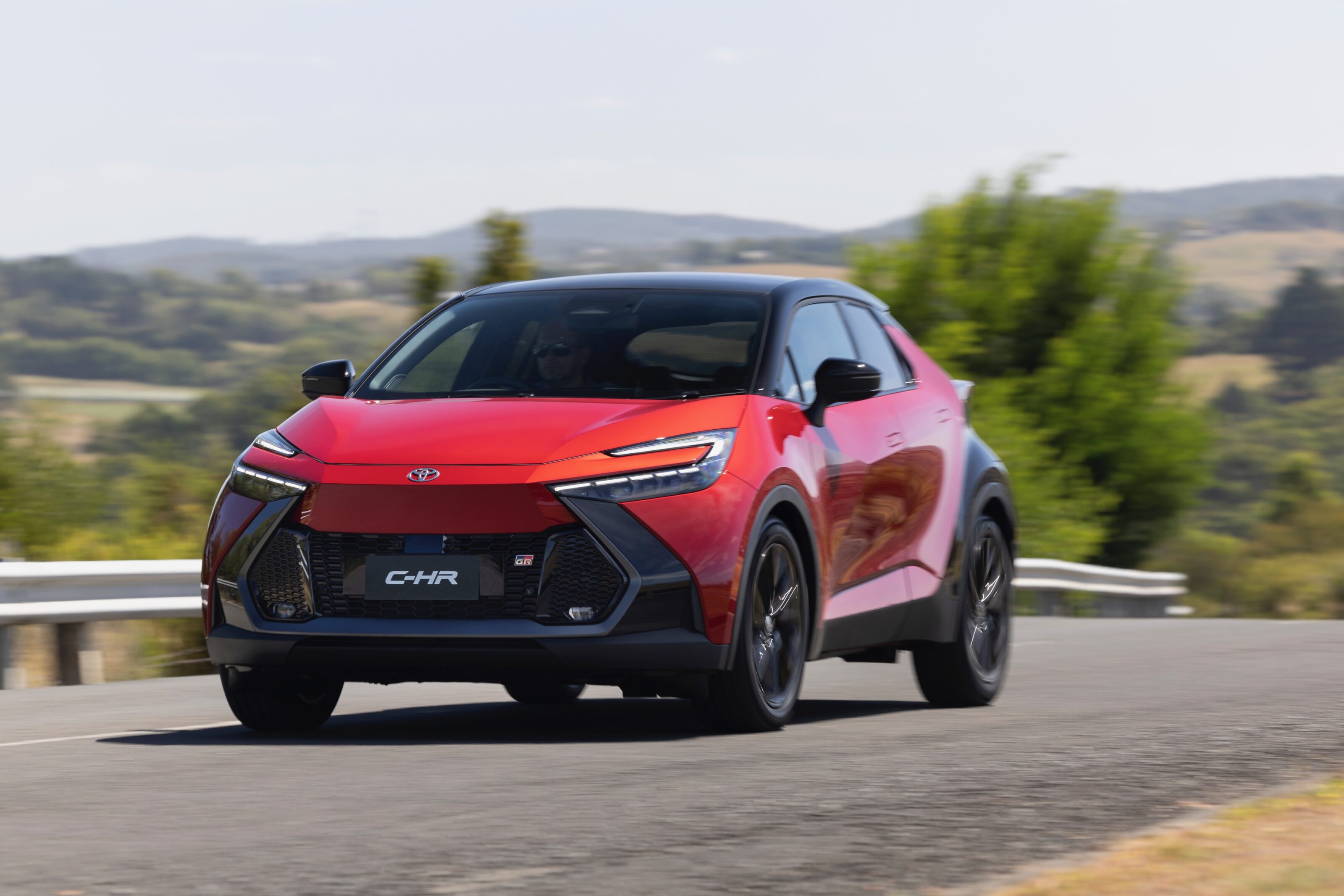
Despite the extra 43kW that the larger 2.0-litre hybrid drivetrain in the C-HR GR Sport produces versus the smaller 1.8-litre hybrid system in lesser C-HR models – 146kW versus 103kW – it officially only uses 0.1L/100km more of fuel at just 4.1L/100km. The C-HR GR Sport is rated at 94g/km for CO2 emissions as well.
The 2.0-litre C-HR is also a lot quicker than the 1.8L and because of the added performance, it’s also more enjoyable to drive, proving that you can have your cake and eat it too. Priced from $54,990 +ORC, the C-HR GR Sport is not cheap, but it is quite fuel efficient.
Lexus UX300h: 4.2L/100km
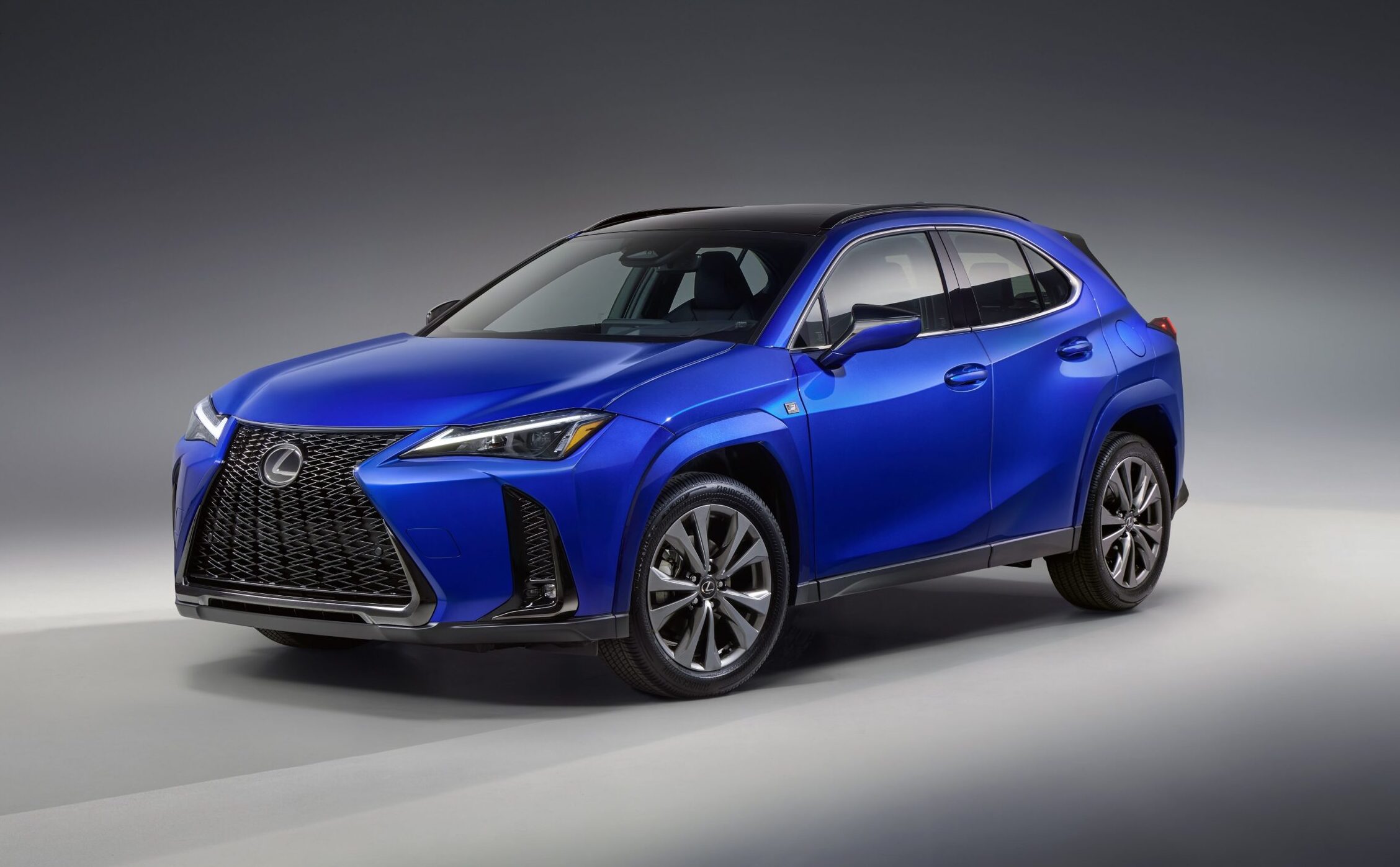
Using the same 2.0-litre hybrid drivetrain as the C-HR GR Sport, the Lexus UX300h – formerly UX250h – is rated at just 4.2L/100km and 99g/km for CO2 emissions.
Pricing for the UX300h starts at $55,370 +ORC for the entry-level Luxury – just $380 more than the C-HR GR Sport – and extends to $73,210 +ORC for the top-spec F Sport.
Toyota Corolla Cross 2WD, MG3 Hybrid+, Honda HR-V Hybrid: 4.3L/100km
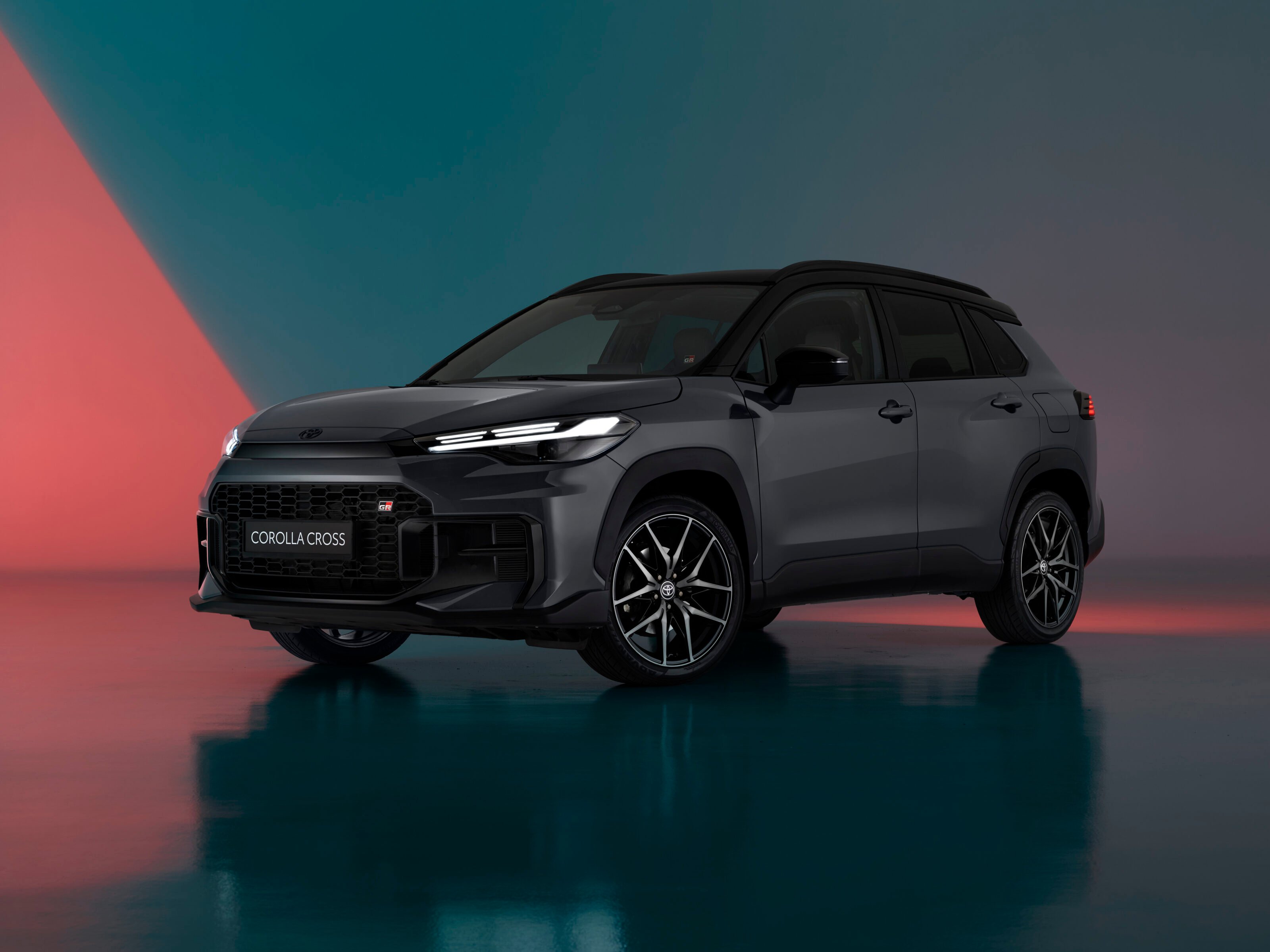
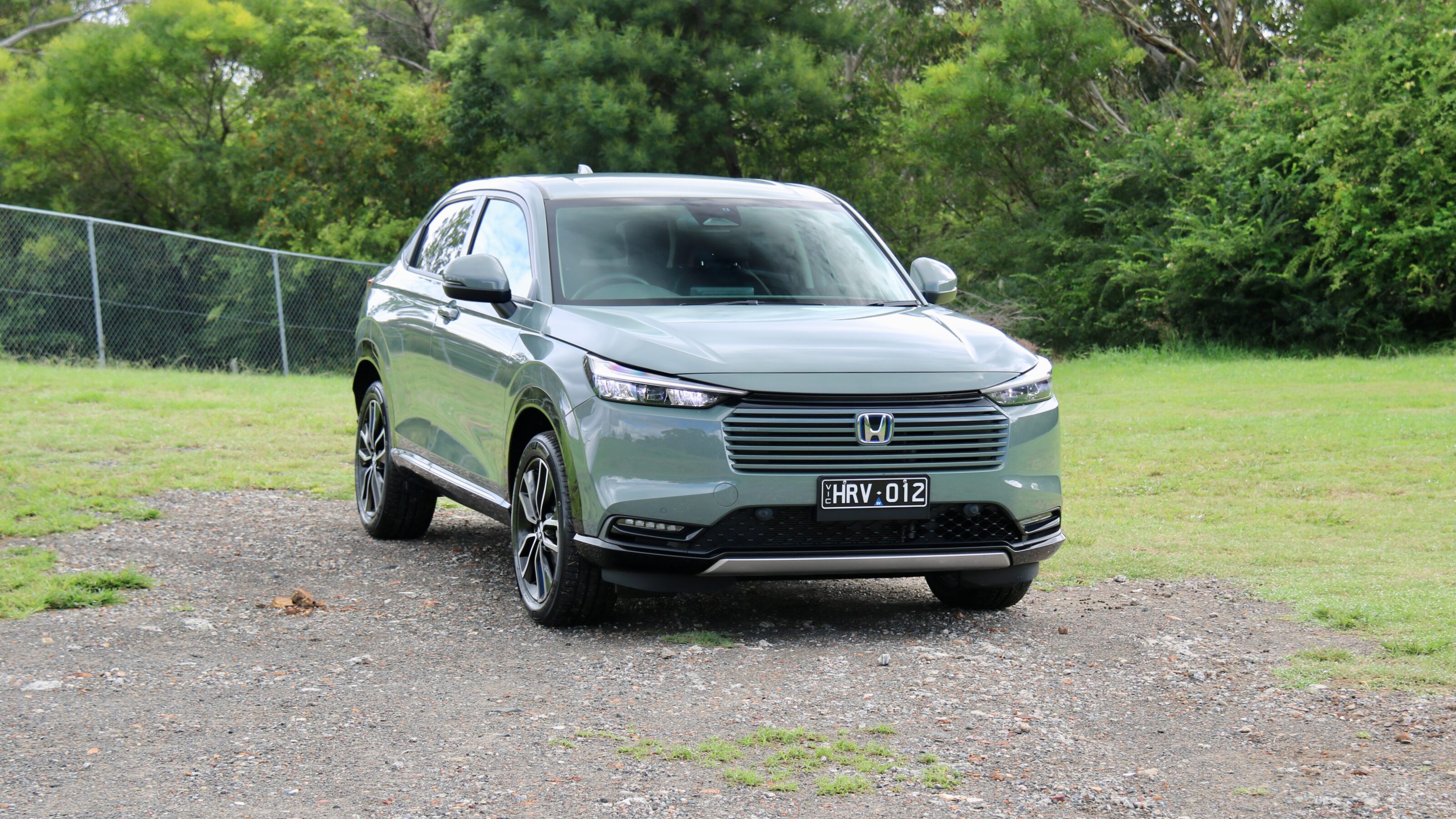
The Corolla Cross ’ 2.0-litre hybrid system is both powerful and frugal, though its larger body makes it thirstier than the C-HR with the same drivetrain.
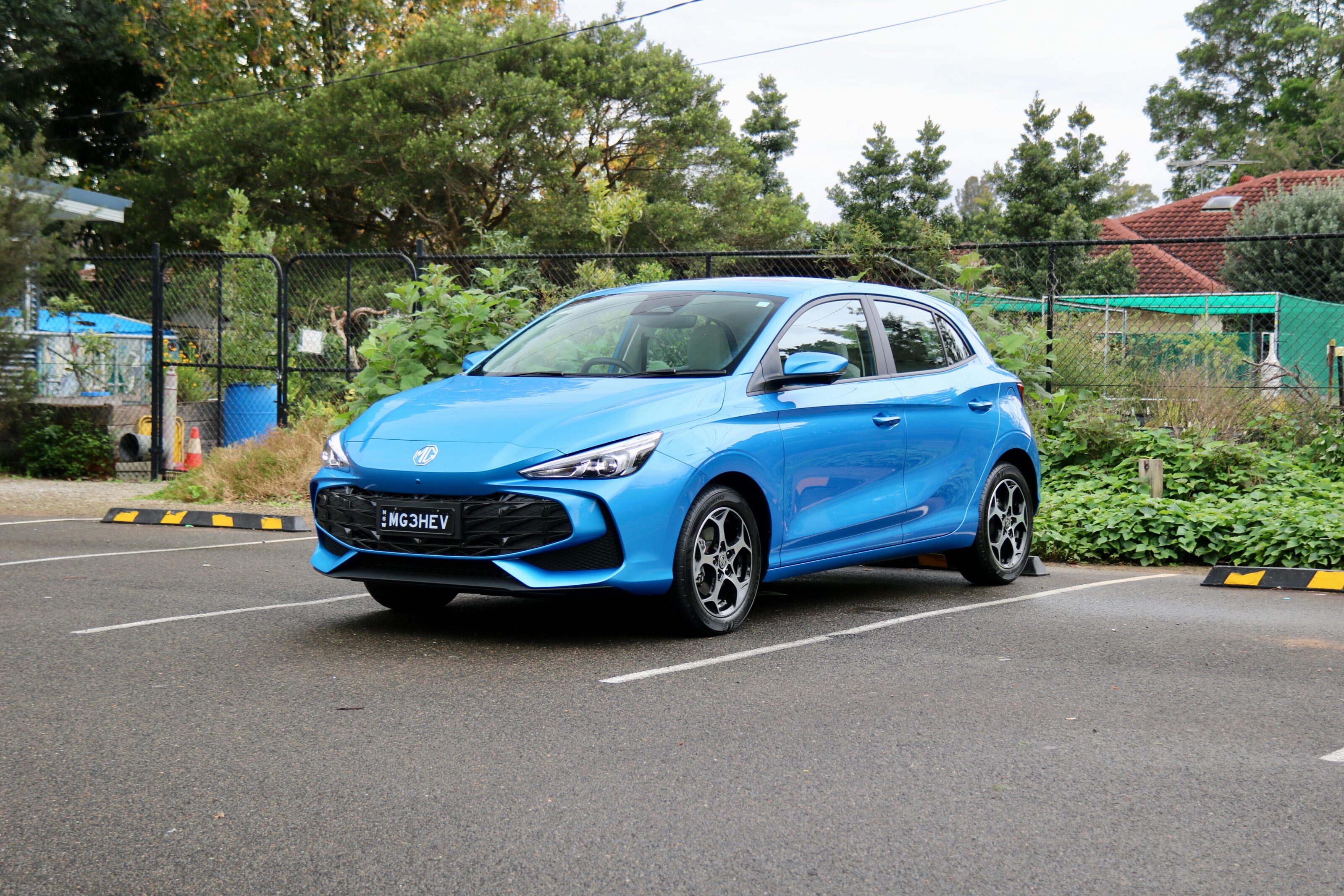
MG’s hybrid small hatch puts it on the list for the first time, with its new hybrid system making a healthy 150kW of power – yet officially using just 4.3L/100km.
Honda makes it to this list with the HR-V Hybrid small SUV, which uses a 1.5-litre hybrid drivetrain making 96kW of power and an insanely practical body.
Toyota Corolla Cross AWD and Peugeot 2008 Hybrid: 4.4L/100km
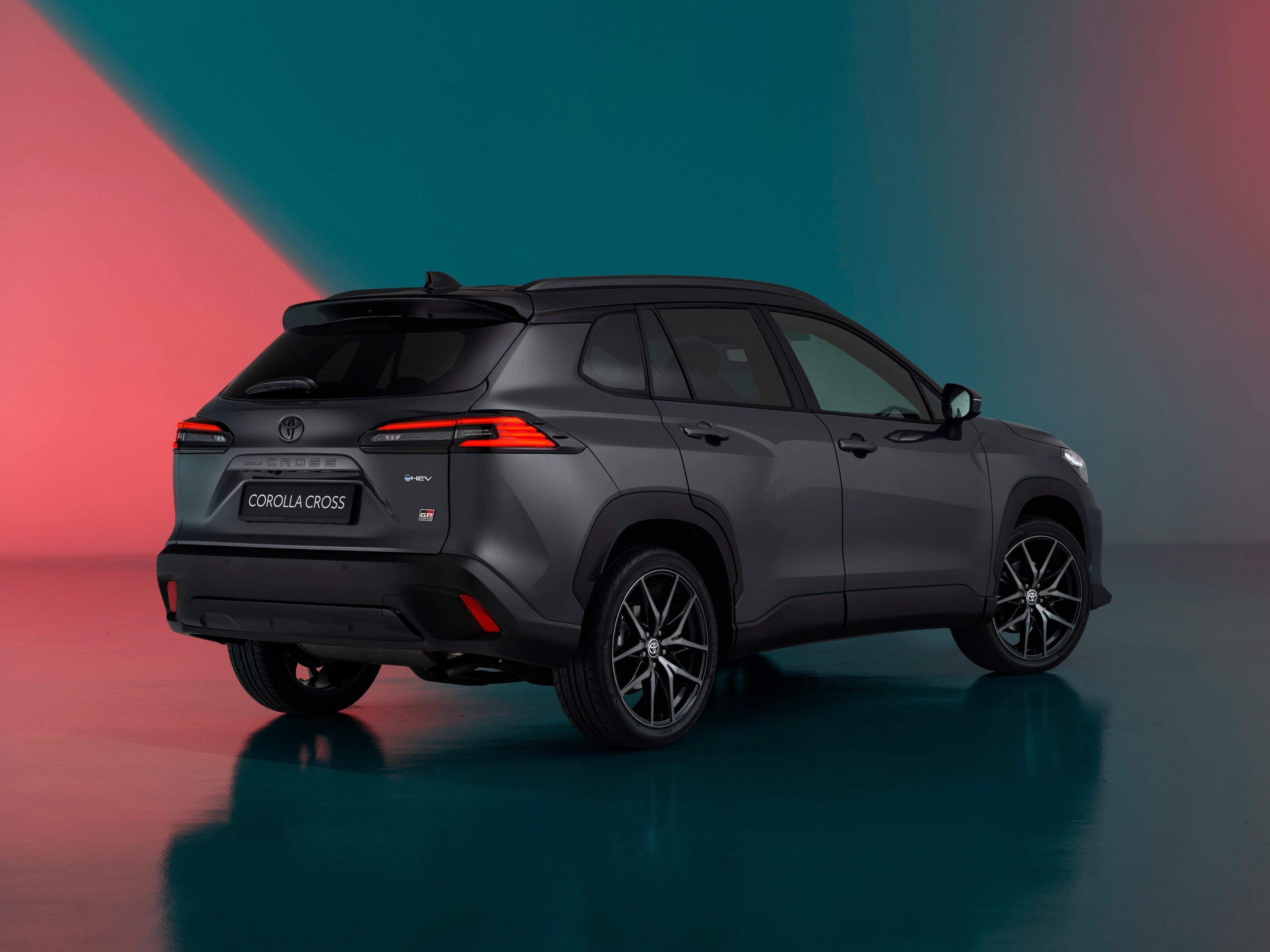
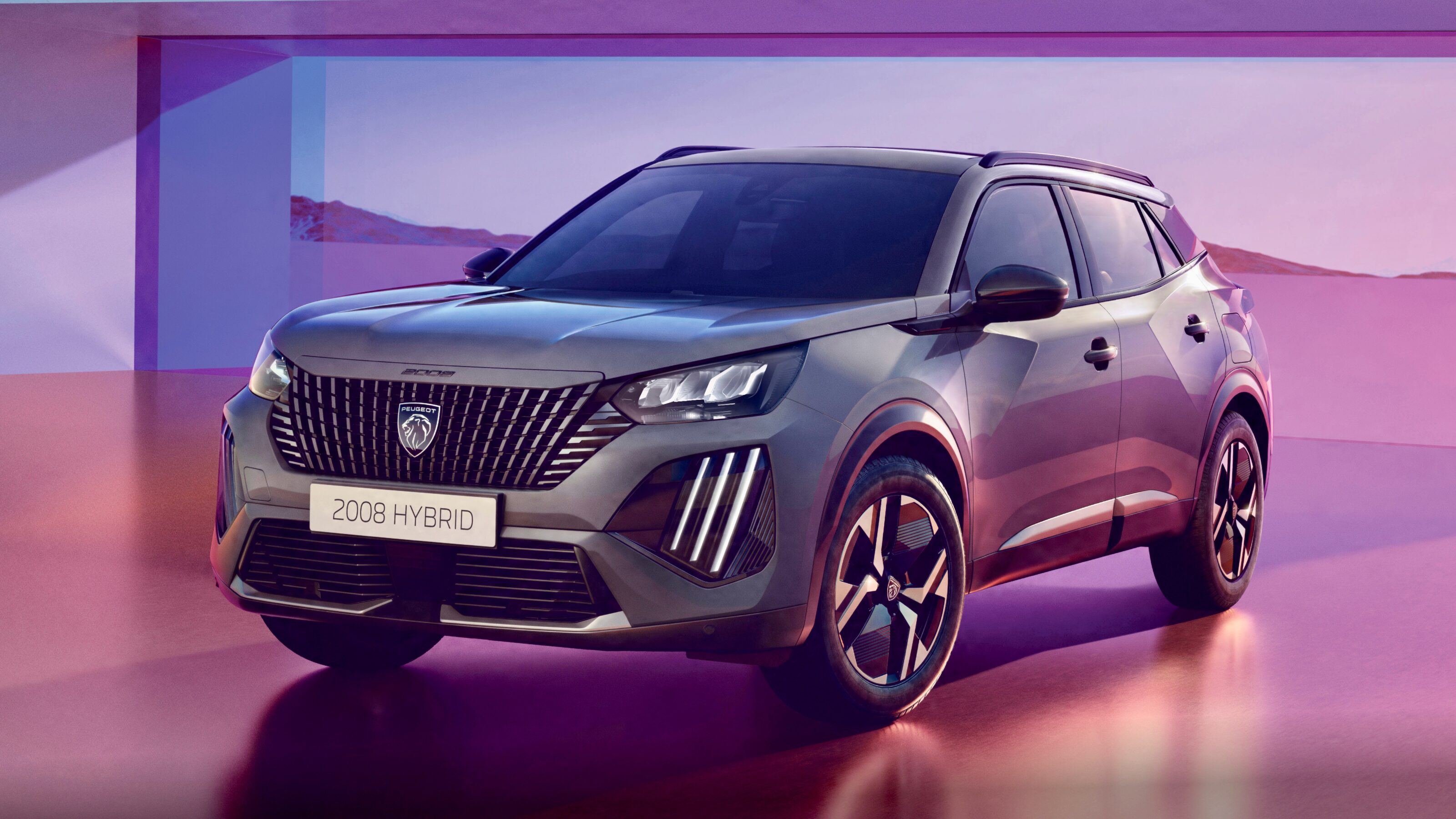
The all-wheel drive Corolla Cross is slightly less frugal than the two-wheel drive model – not enough to likely notice in the real world, however – and it’s the same story with the 2008, which is 0.2L/100km off its lower 308 sibling.
While the Corolla Cross uses a naturally aspirated 2.0-litre engine, the 2008 uses a turbocharged 1.2-litre hybrid drivetrain mated to a six-speed dual-clutch drivetrain for the same 4.4L/100km rating. Helping running costs for the Corolla Cross is that it runs on 91RON regular unleaded – but the 2008 must be filled with minimum 95RON premium unleaded.
Toyota RAV4 2WD, MG ZS Hybrid+ and Peugeot 408 Hybrid: 4.7L/100km
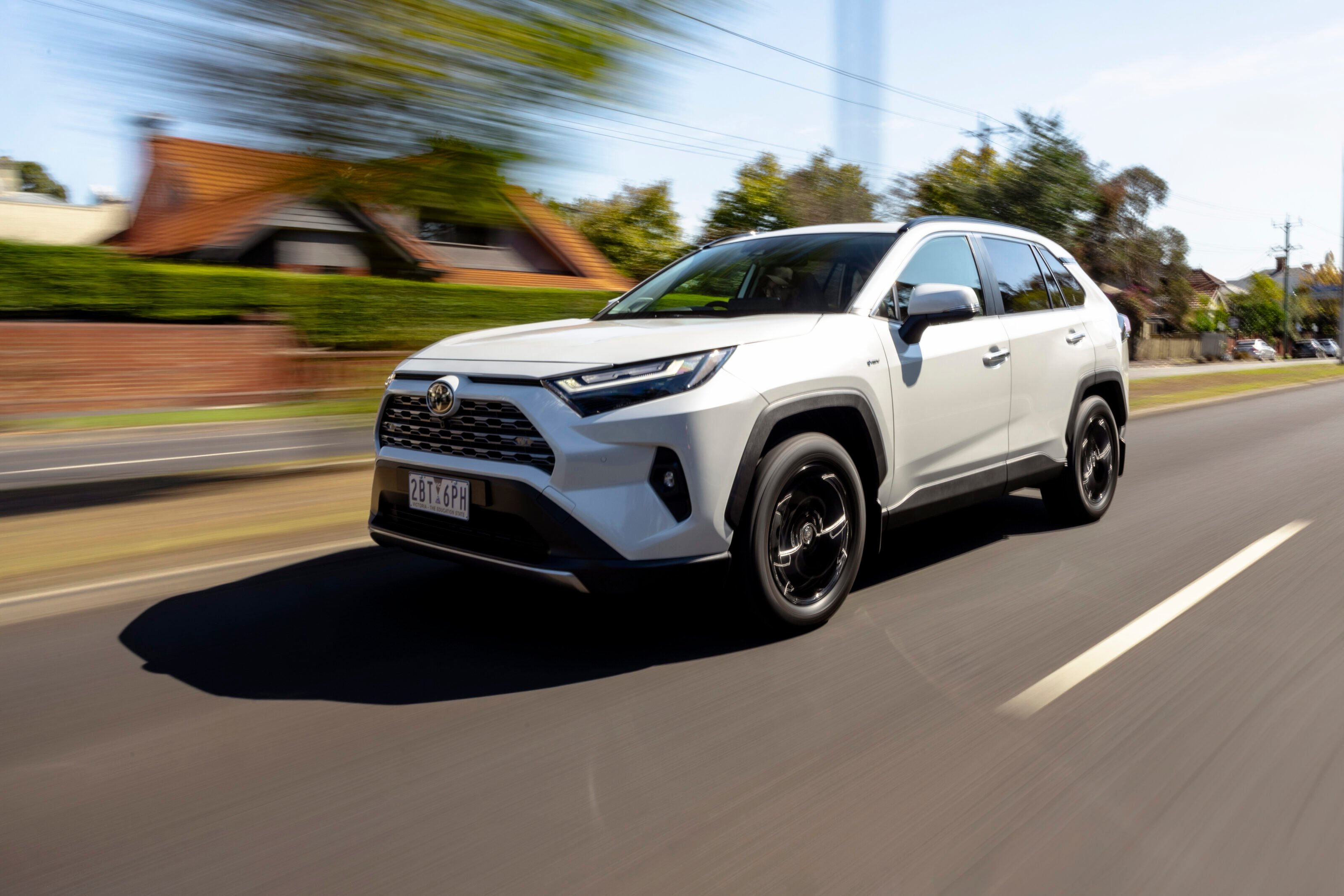
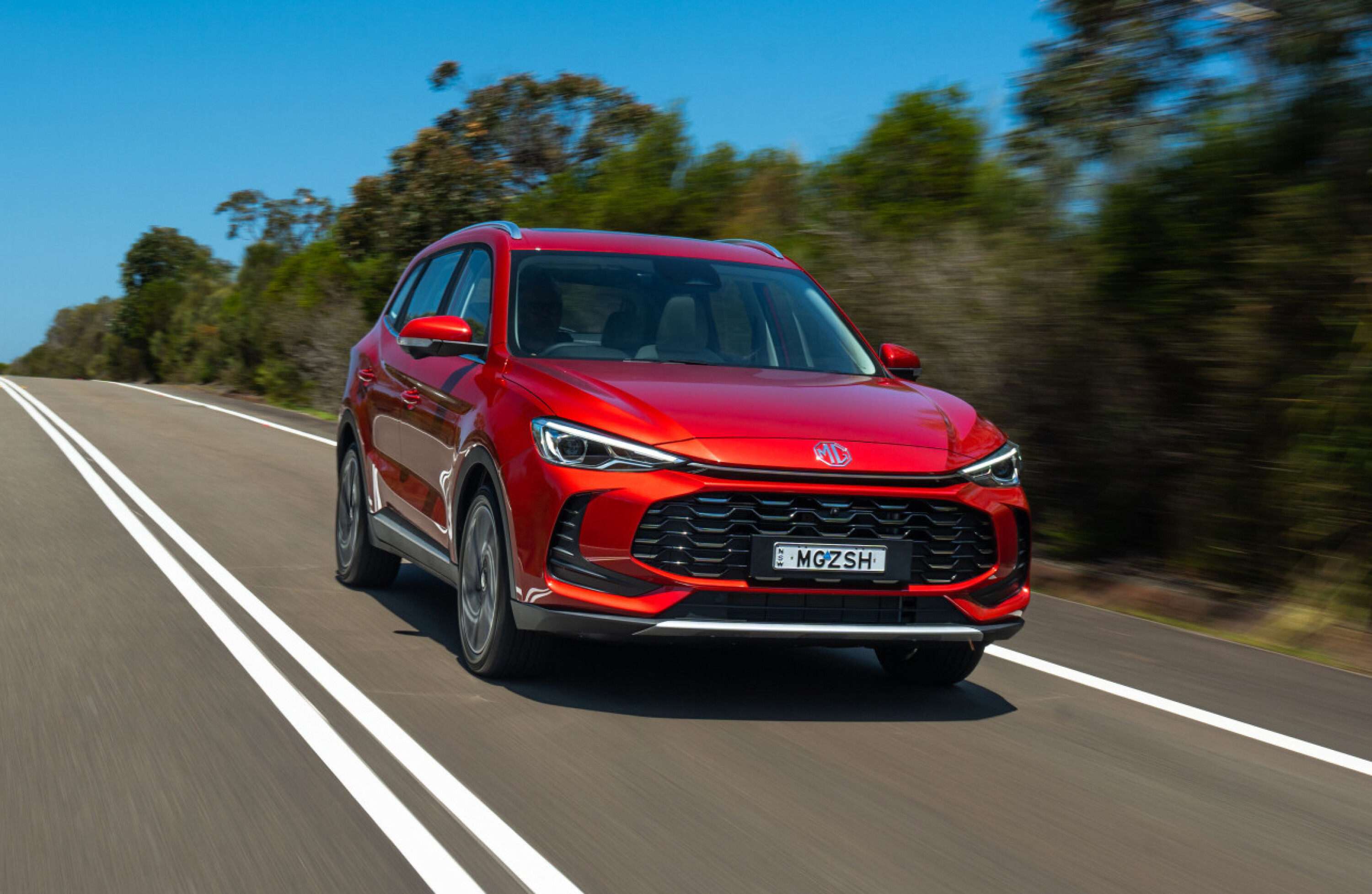
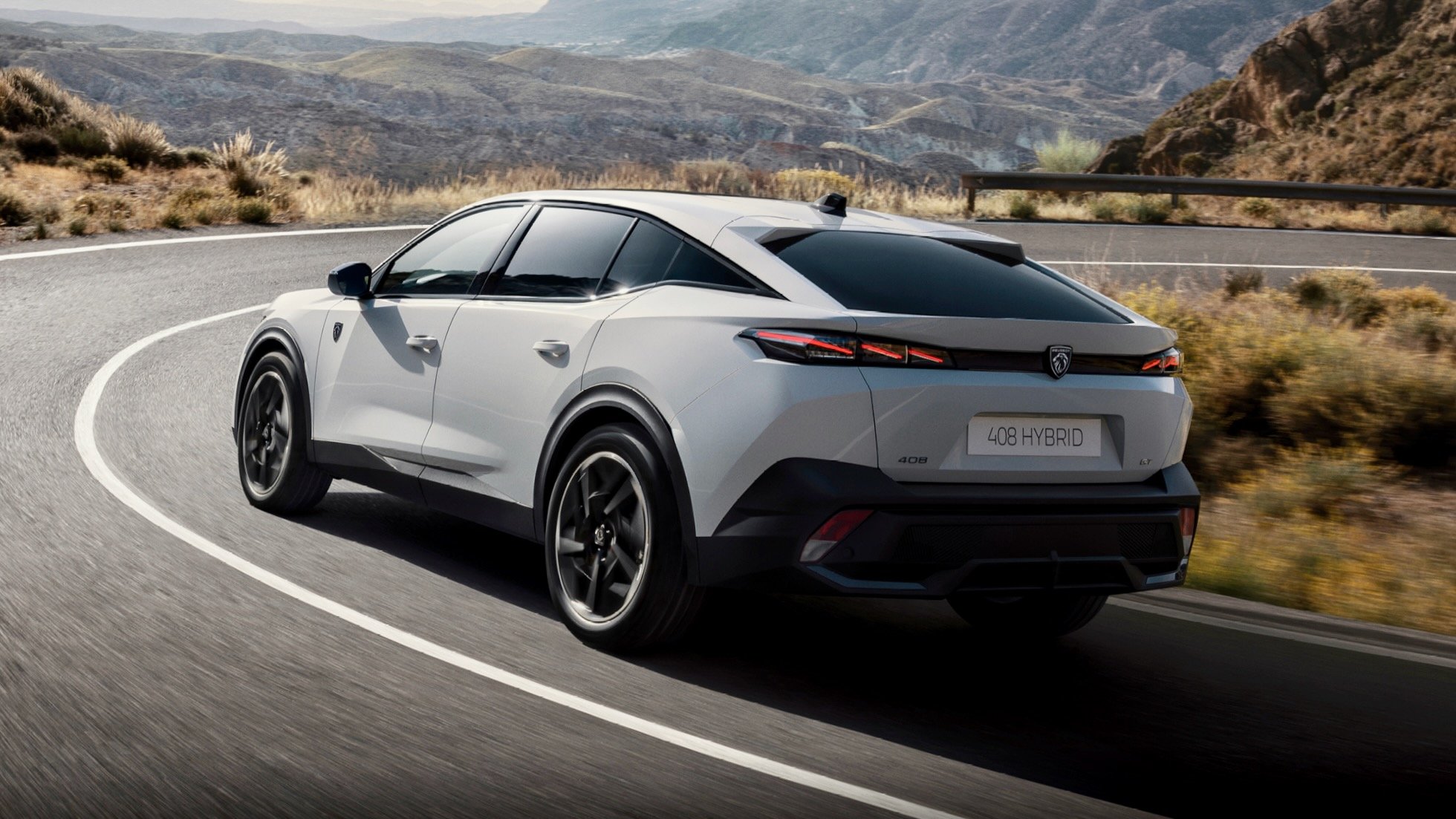
Toyota’s best-selling product globally and in Australia – the RAV4 – makes it on to this list for the first time with impressive efficiency that is undoubtedly one of the reasons as to why it’s so popular. It also runs on regular unleaded fuel, helping running costs, and pricing starts at $42,260 +ORC.
The new MG ZS Hybrid – from $33,990 drive away – is also impressively frugal, using the MG3’s hybrid system but only rated at 0.4L/100km more, and yet another Peugeot makes it on to the list: the $57,990 +ORC 408 coupe SUV with its new 1.2-litre turbo-petrol hybrid system, which has just launched in Australia.
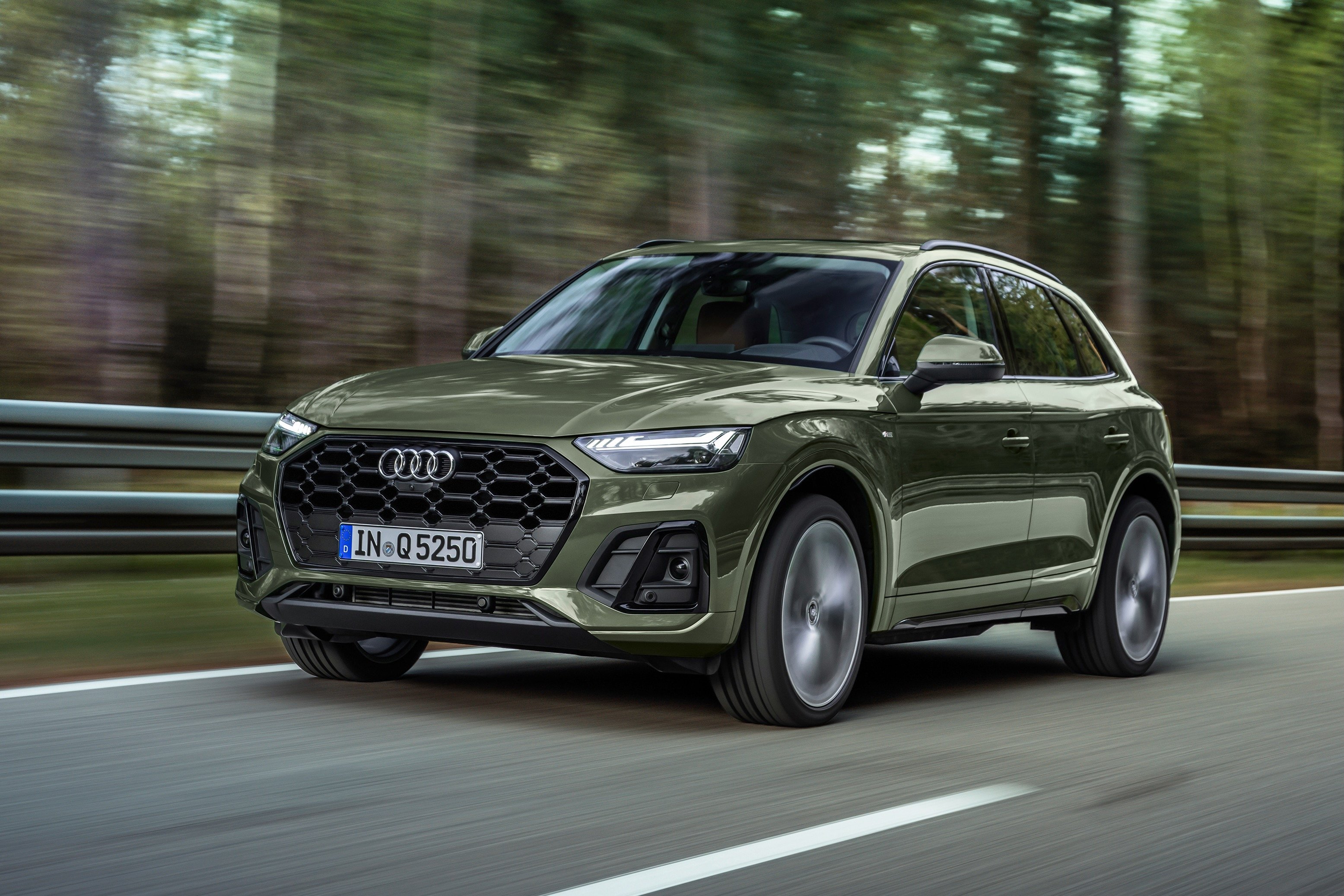
Toyota RAV4 AWD and Audi Q5 35 TDI: 4.8L/100km
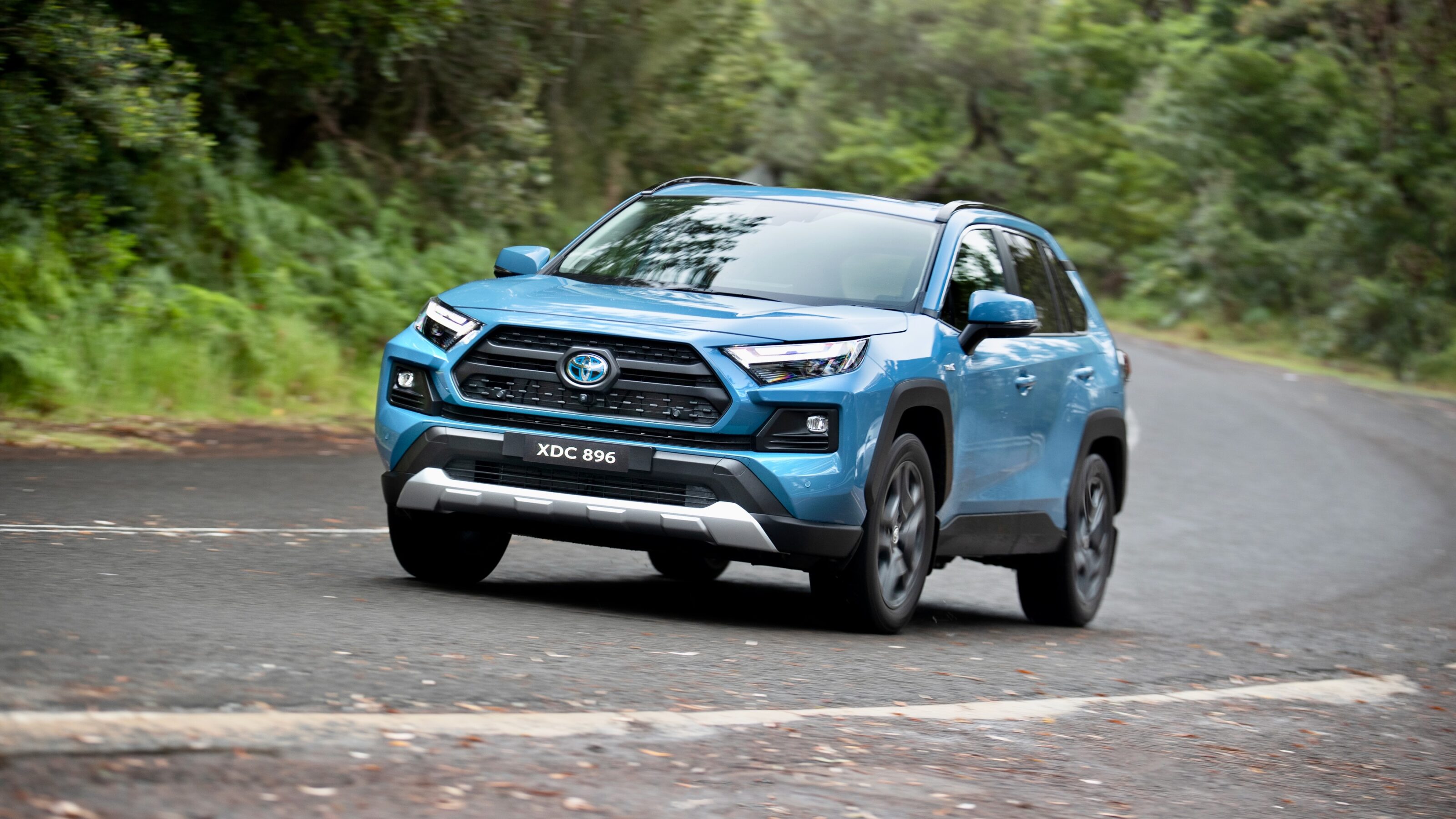
The all-wheel drive RAV4 is a touch thirstier than the front-wheel drive model at 4.8L/100km because of its extra weight, but still impressively frugal. Like other all-wheel drive hybrid Toyota models, the RAV4’s rear axle motor is electric, saving both weight and fuel compared to mechanical set ups.
The only German car on this list is the entry-level front-wheel drive Audi Q5 35 TDI , which proves that you don’t need a hybrid system to be ultra efficient. It uses a 120kW 2.0-litre turbo-diesel and thanks to its 65-litre fuel tank, is capable of travelling more than 1300km on a tank of fuel.
Kia Sportage Hybrid 2WD and Peugeot 3008 Hybrid: 4.9L/100km
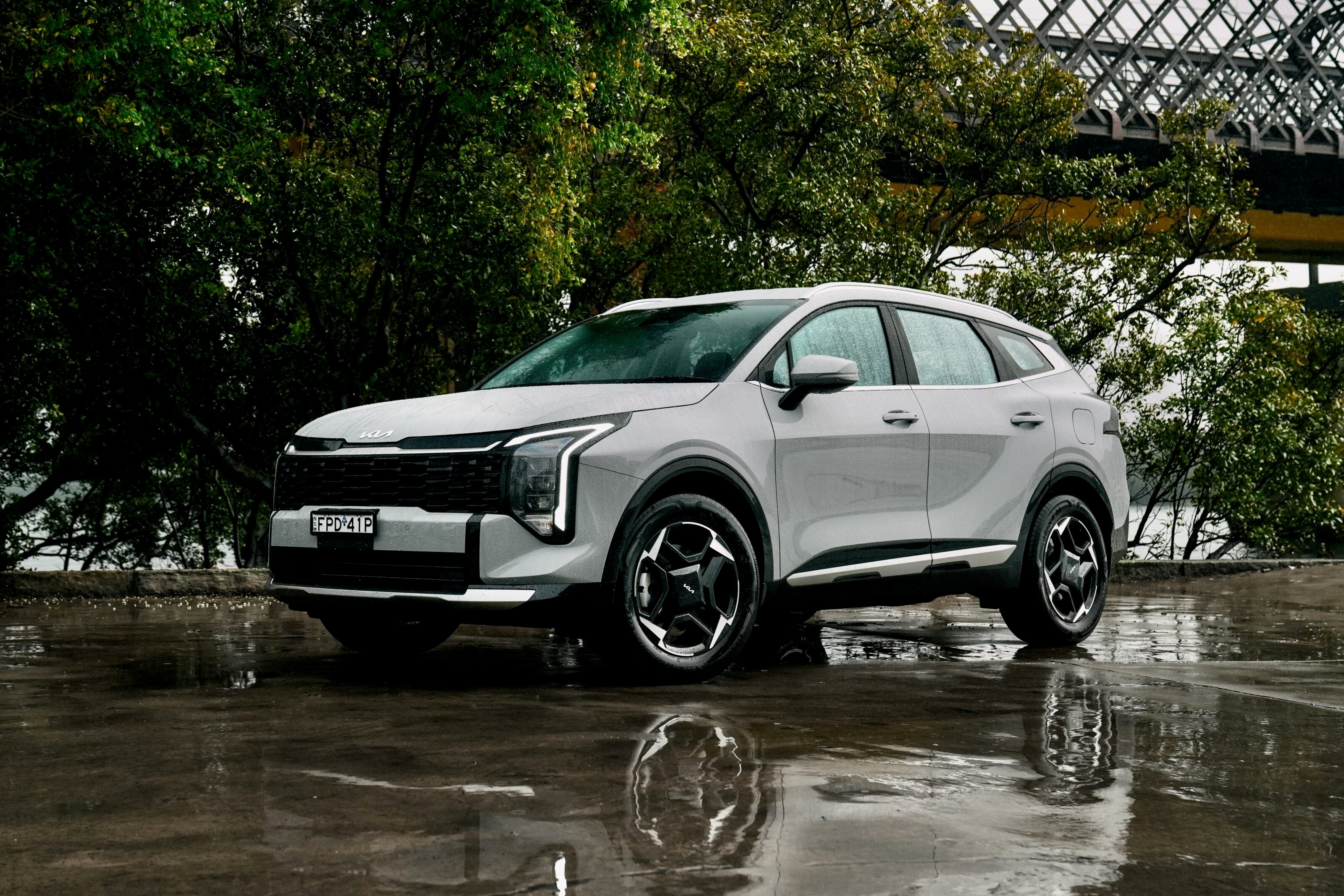
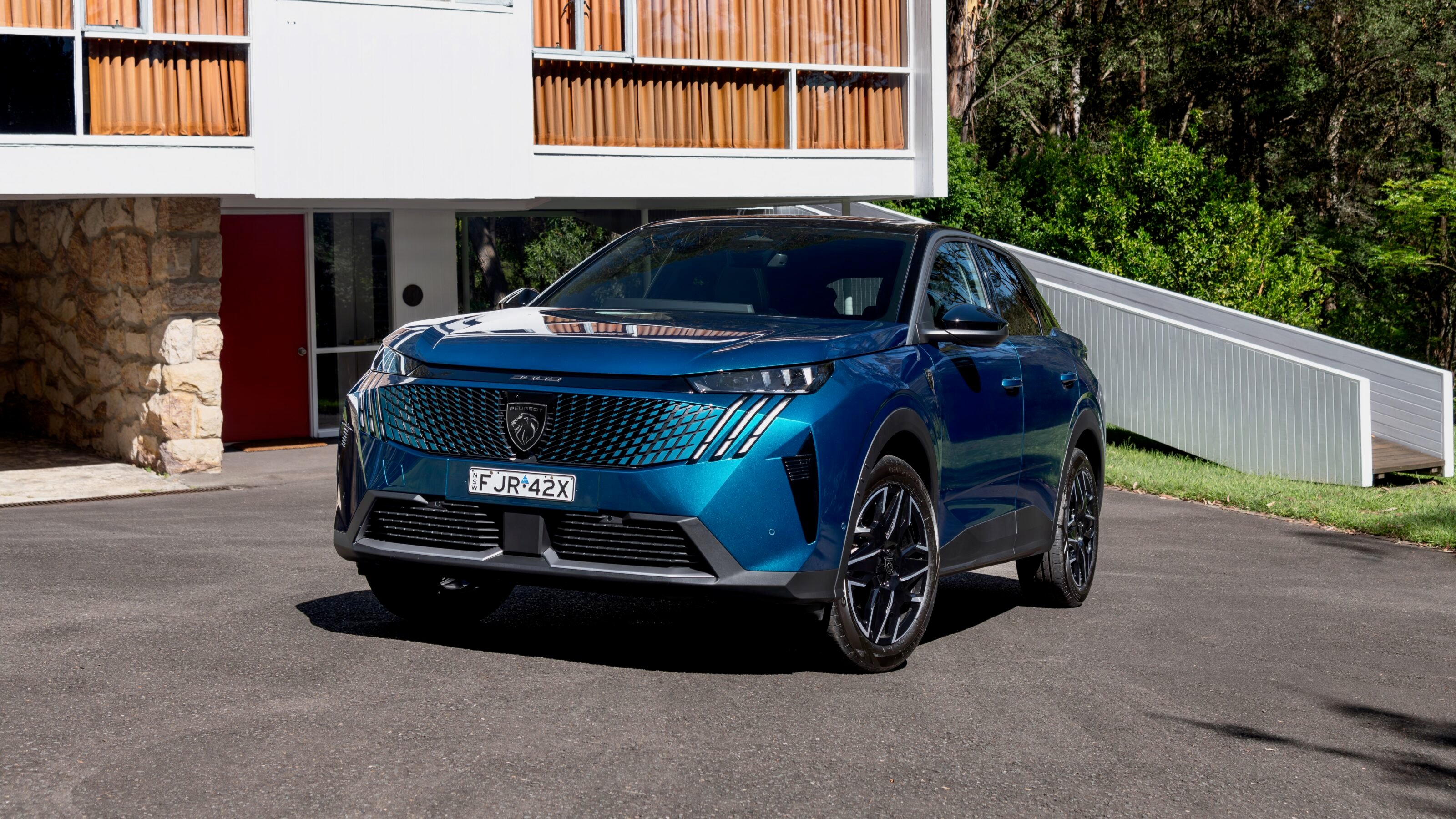
Finally, we have three more hybrids rounding up the list of most fuel efficient SUVs in Australia: the Kia Sportage and Peugeot 3008, both of which are rated at 4.9L/100km. The Sportage, priced from $46,450 +ORC, uses a turbocharged 1.6-litre four-cylinder hybrid drivetrain paired with a six-speed automatic transmission and just 4.9L/100km on a combined cycle.
The Peugeot 3008, on the other hand, uses a smaller turbocharged 1.2-litre three-cylinder petrol engine tied to a mild-hybrid system and six-speed dual-clutch transmission. It’s priced from $52,990 +ORC and uses the same 4.9L/100km of fuel with claimed CO2 emissions of just 113g/km – 2g/km more than the Sportage Hybrid.
While regular cars can be more fuel efficient, there still a large number of very efficient SUVs of different sizes, mostly thanks to hybrid drivetrains, proving that if you’re after a cost-effective and planet-friendly SUV, there’s a lot of choice.
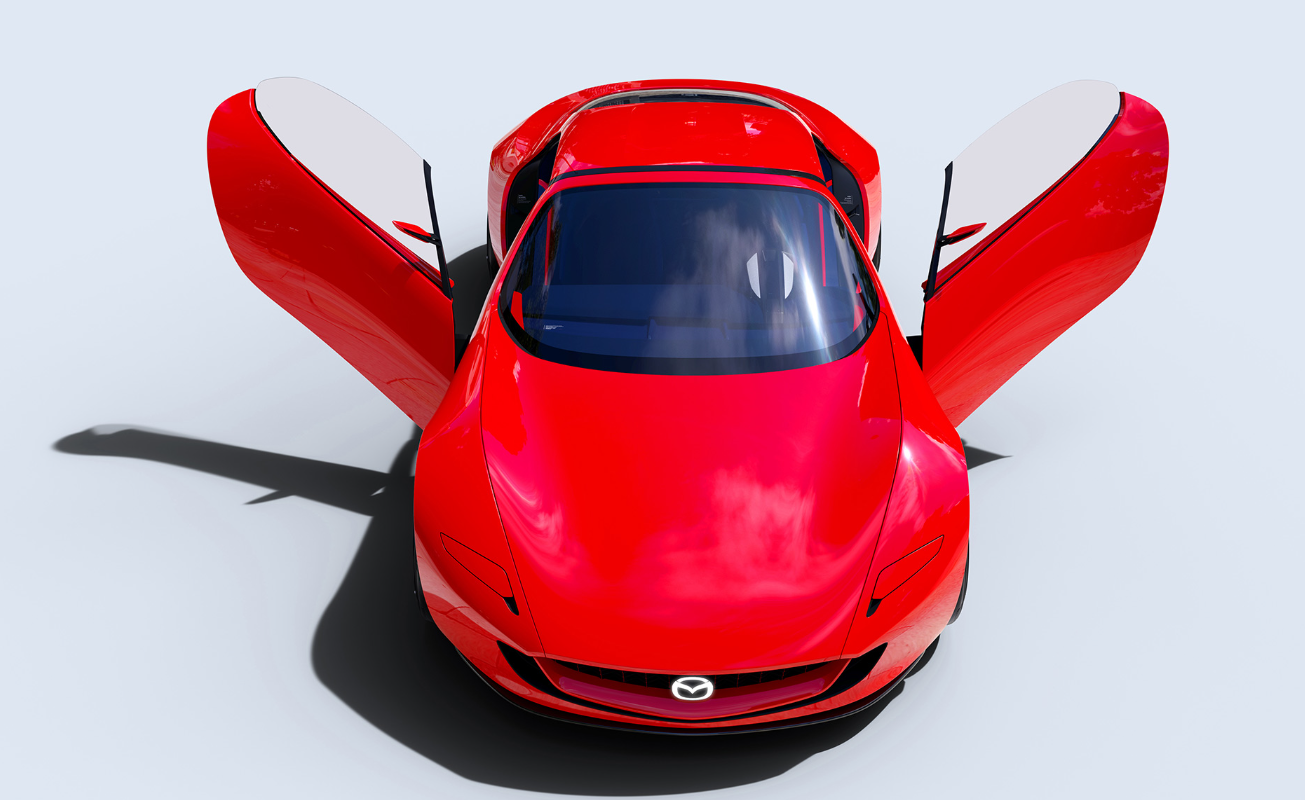
Mazda’s ambition to revive its rotary-powered sports car heritage is gaining traction, with the striking Iconic SP concept providing a clear vision for what could become a modern-day RX-7 successor.
First unveiled at the 2023 Japan Mobility Show, the Viola Red coupe garnered widespread attention for its classic long-nose silhouette, flared haunches, and 2+2 layout. Design chief Masashi Nakayama described it as a “pure sports car,” evoking the spirit of the iconic RX-7 – but the company insists it won’t replace the smaller, beloved MX-5.
Instead, the Iconic SP is poised to complement the MX-5, offering enthusiasts a larger, more powerful alternative. Mazda CTO Ryuichi Umeshita has told Motor Trend the car is “a good successor to RX-7,” featuring a range-extender hybrid powertrain that pairs a dual-rotor rotary engine with an electric motor, expected to produce around 365 horsepower. A second variant, with the rotary engine as the main drive source, is also under consideration.
Mazda’s rotary engine development team, made up of veterans from the RX-7 and RX-8 eras, has engineered a new generation of the unique powertrain that meets modern emissions standards. The engine made its comeback in the MX-30, but Umeshita confirmed this new version offers greater efficiency and power. While a pure EV version of the SP isn’t on the cards yet, Mazda hasn’t ruled it out.
Though no firm production timeline has been set, Umeshita says the technology will be ready soon – but not within 2025. Launch timing remains tied to finalising a business case in a challenging economic environment.
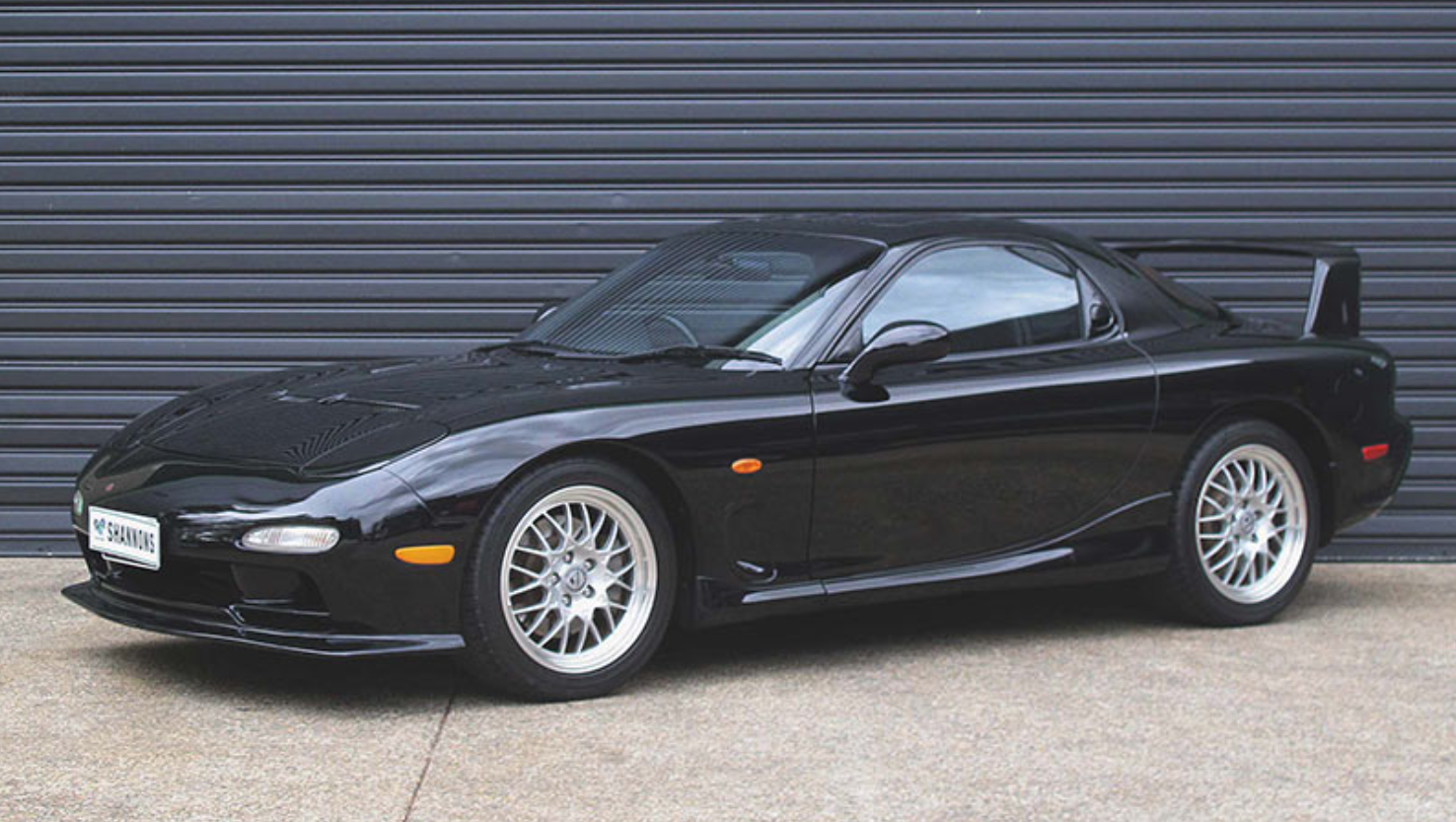
As for the nameplate? Speculation ranges from RX-9 to a new moniker entirely, though Umeshita rules out a return to “Cosmo.” Mazda President Masahiro Moro has expressed his enthusiasm for an RX-7 revival, underscoring the car’s importance to the brand.
Looking ahead, Mazda’s first in-house electric vehicle will debut in 2027, on a modular platform compatible with multiple powertrains. The brand’s EV approach, backed by a partnership with Panasonic, will prioritize flexibility and long-term sustainability – staying true to Mazda’s “intentional follower” philosophy.
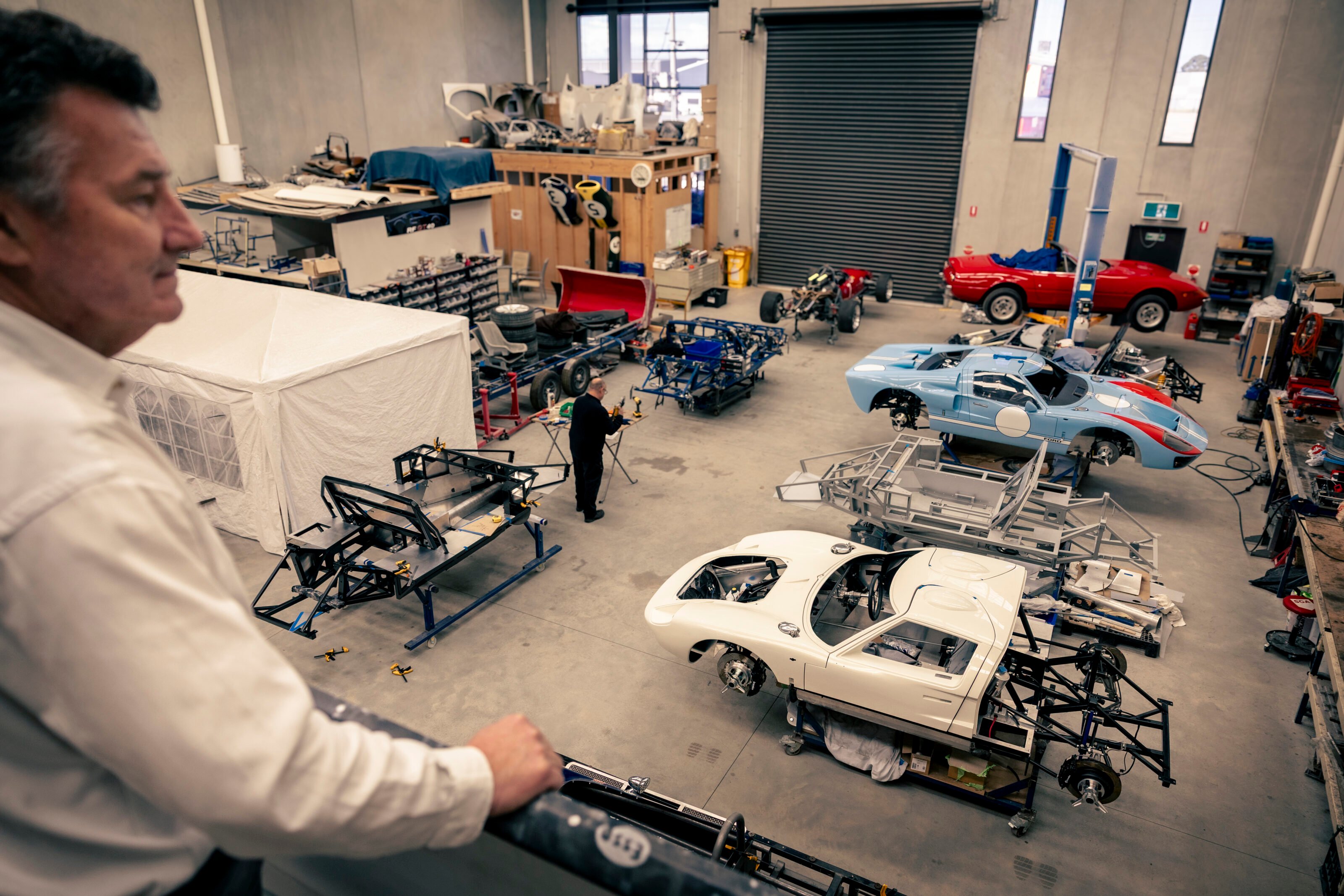
At a nondescript workshop on the outskirts of Melbourne, it looks like a movie crew is setting up to film the sequel to the big-screen epic, Ford versus Ferrari.
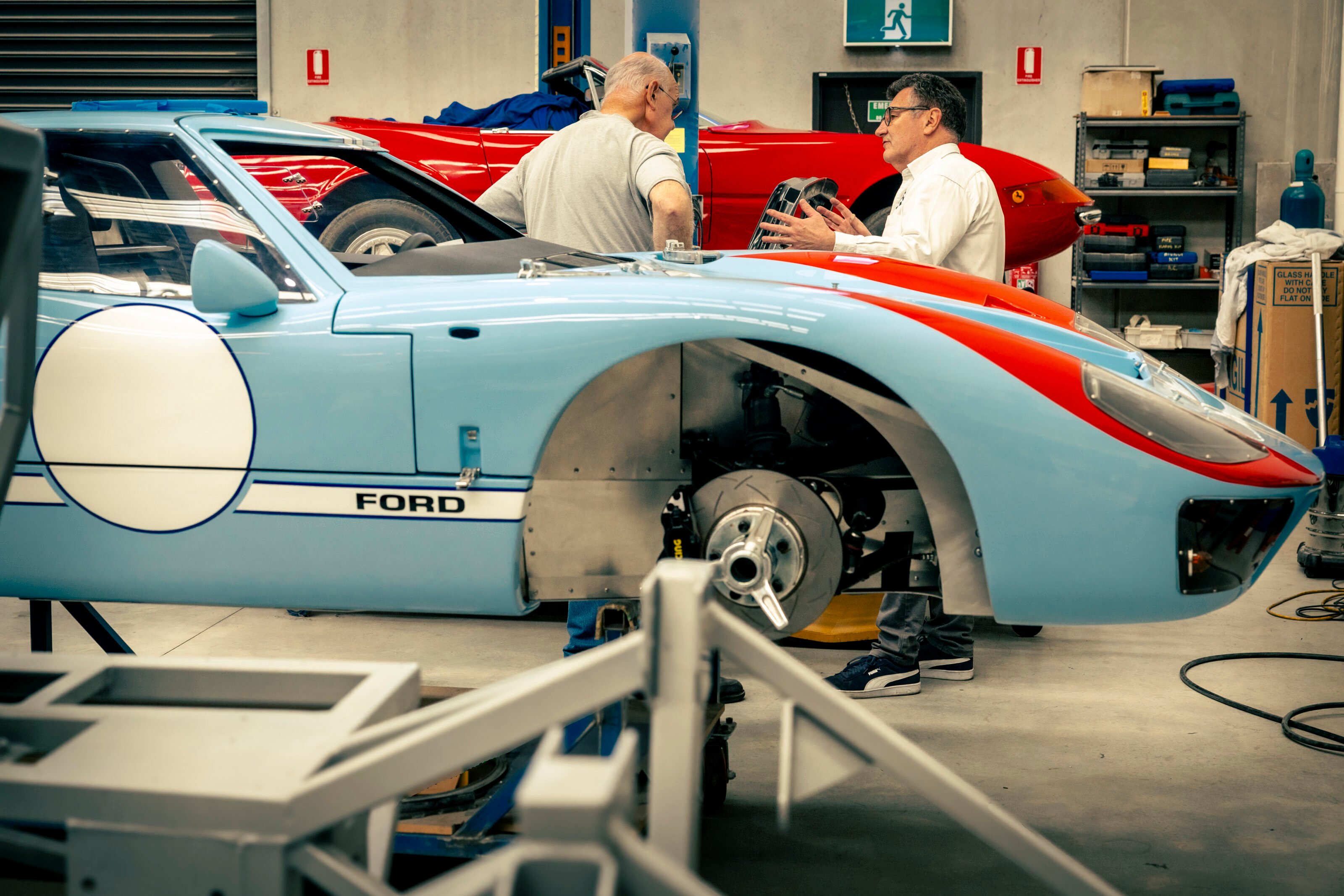
There are immaculate GT40s parked around the workshop in a scene which could easily be taken from the movie, with all the necessary items to bring them to life. But there is more. A lookalike recreation of a 1960s grand prix car is resting in a corner and there is also a born-again Alfa Romeo T33 which looks as if it could also be leaving soon for Le Mans.
It’s all the handiwork of a one-time technician in the British Navy who eventually fled from Ireland to Australia and has since made GT40s into his life and business – while also doing everything from self-building a home to fighting major battles on the health front. Robert Logan is an unstoppable force of nature and a genuine dream merchant. Ask him a question and you’ll get answers for five. All delivered in storybook style in his Irish lilt.
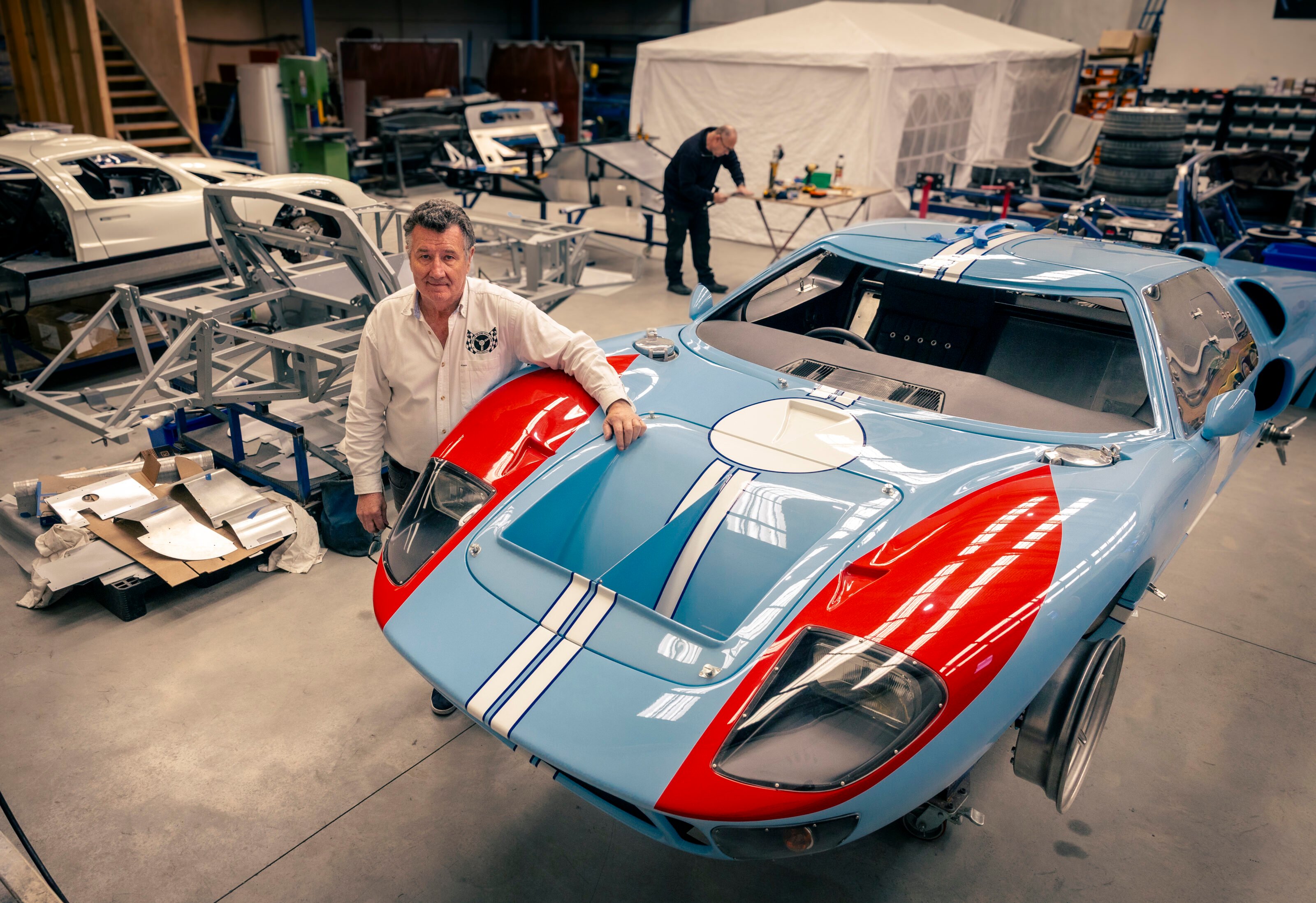
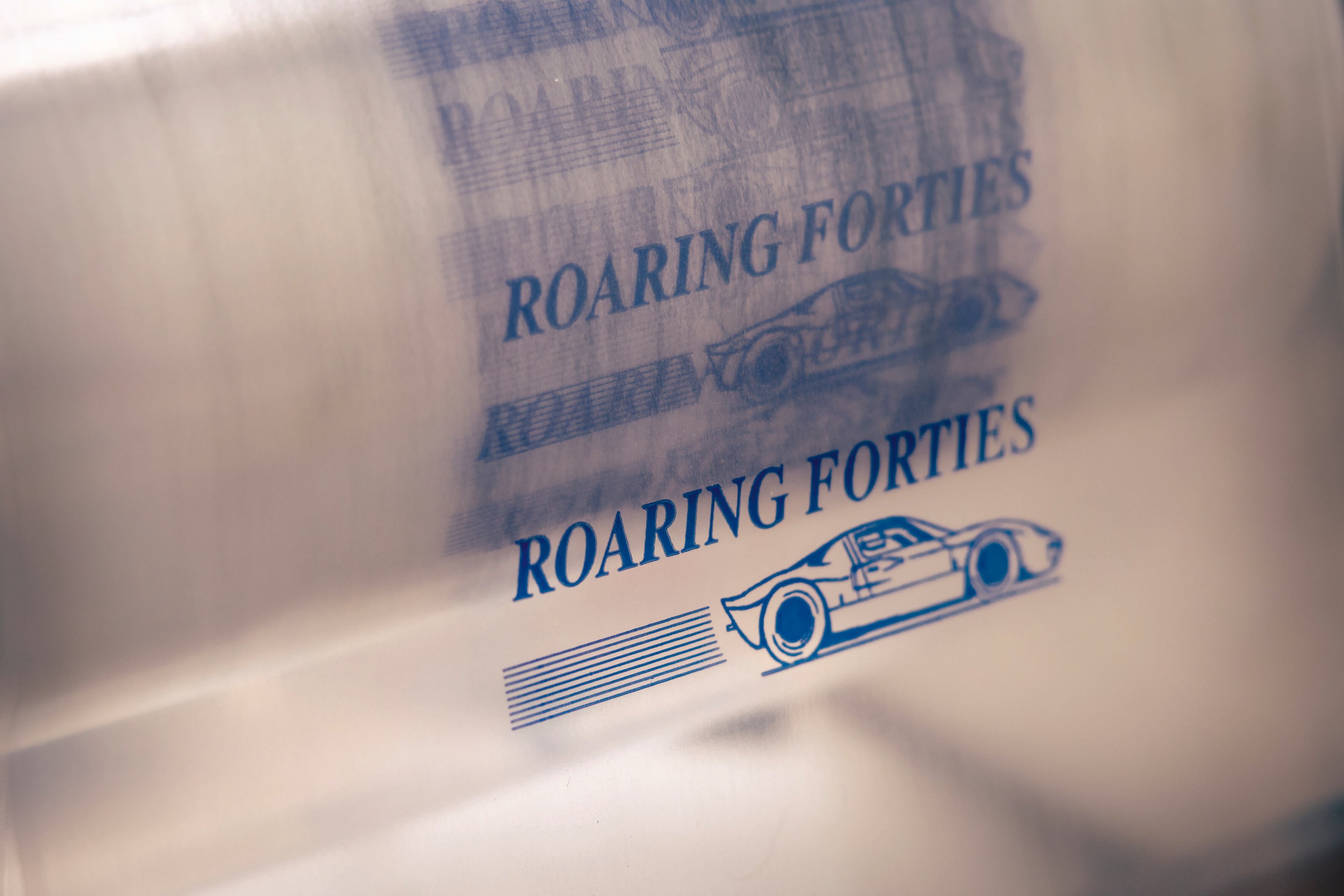
He leads a company called Roaring Forties and, as the name says, he builds thundering V8-powered replicas of the Ford GT40s that were unbeatable for a time at Le Mans and have since inspired passionate fans – and a range of replica makers – around the world.
“All cars should roar,” Logan begins. “When I was searching for the hugely important company name, I remember liking names that had wind links, or weather links, like Hurricane and Mistral.
“With my nautical background the ‘Roaring Forties’ kept coming up as an early favourite and I just could not resist it. It’s the name for the strong westerly winds that circle the Southern Hemisphere and comes from the old sailing days. I think it is so right as all my Forties should Roar.”
Logan is directly responsible for the creation of nearly 200 GT40 recreations, from kits of bits to turn-key cars, while Roaring Forties built about another 100 cars while it was operating in the hands of other owners.
As for the F1 racer, he has just sold a pair and been granted permission to race the car – powered by a 5-litre Ford Windsor V8 – in Australia by the AASA sanctioning body. If the car creation seems too much, there is also the house Logan is having restored in Ireland. And an idea for commercialising the one-off Alfa replica. And a potential sale of Roaring Forties to give him more free time in his seventies. Ask why he runs at such a rapid pace and the answer is easy, even with his 60th birthday receding into the rear-vision mirror.
“I take everything on at 100 per cent,” Logan tells Wheels. “I don’t think you need to be hugely talented in life – I just think you need to have application. My greatest strength is that I understand my weaknesses. You should aways hire people who are better than you and then let them get on with it. I’m not a great engineer, but I’ve got people like Ross Holder, who is a racing engineer I met through Fred Gibson, to do the work on the GT40. I always say that the reason my cars are as good as they are is because of the people that have touched the car. But I choose who touches the car.
“Everyone involved has contributed in their own way and have all improved her. It’s synergistic work, where the combined work is greater than the sum of the individual’s work. And the heart of Roaring Forties is, without doubt, my wife Susan. She gives 100 per cent to support and sacrifice for what I do.”
His own road car is a Mercedes-Benz ML, but he also has the black BMW 325i cabriolet that was his original daily driver in Australia, as well as a wicked Kawasaki from the 1980s with a three-cylinder two-stroke engine.
“They called it the ‘widow maker’,” Logan laughs.
He bought it after tipping a boot into motorcycle racing, including one event where he was up against the legendary Joey Dunlop, who made his reputation with fearless wins on the Isle of Man TT course.
“I was eighth in my first race. The last person not to be lapped by Joey.”
He describes himself as “a gentleman” on the road, but there is an edge. And he makes sure he drives every GT40 to leave the workshop.
“I would say that I’m reasonably quick. Or I used to be. I’m quick in comparison to your average punter, but I’m not quick compared to a proper racing driver. I have driven many RF GT40s in all situations and most tracks in Australia, and even at Le Mans, but as I have got older, I drive them less and less.”
Logan’s love for the GT40, not surprisingly, tracks back to his childhood.
“My father got me a slot car set when I was about 10. My twin Mervyn and myself would race all the time. It was left set-up all the time, on the top floor of our home in Belfast,” he recalls. “My hero cars are the GT40 and McLaren F1 GTR, but I also love the Ferrari Daytona, Lamborghini Miura and the Series 1 Jaguar E-Type. It’s all about the lines.”
It was the design of the GT40 which drew him to Ford’s legendary Le Mans winner.
“Just purely the look, initially, but shortly after that the history at Le Mans. So much so that I have made the trip from Australia to Le Mans 12 times.”
Those trips were well in the future when Logan was growing up in Belfast. In a country known for ‘The Troubles’, the religious warring between Catholics and Protestants, he had troubles of his own.
“I was dyslexic and had ADHD, but it wasn’t diagnosed until I was in my forties. I had trouble reading and doing numbers.”
But it didn’t stop the super-smart lad, either when he worked for a computer company after school or when he joined the British Navy as an artificer (a type of skilled mechanic) and raced through training. Logan set a Navy record when he was promoted to Chief Petty Officer after just “six years, six months and one day”. He moved on quickly to become a commissioned officer. As a Lieutenant as he studied for an advanced diploma, followed by a Graduate Certificate in Education at London University and finally a Bachelor’s Degree in Pure Maths and Computer Programming.
He eventually had 140 Navy staff as he cycled through a series of senior postings before being head-hunted by the Australian Navy, where he lectured in undergraduate and post-graduate engineering subjects as well as working closely with the Australian Maritime College in Tasmania.
“I came to Australia on August 3 in 1990 with my family, based at HMAS Cerberus in Victoria. My ex-wife was Australian and she wanted to come home to raise our children in Australia and I completely understand why because it’s a beautiful country.
“She also wanted me to get a real job after the Navy. But I’d already had a real job so I dreamed up this idea to make cars.”
Logan clearly recalls the date and place that Roaring Forties was born. “I was thinking about it in 1995 or 1997, but I did the first drawing in September, 1997. I was at McMasters Beach, on the NSW coast.”
Two years of hard work followed, designing and engineering everything from the tube-frame chassis and then sourcing a set of body moulds taken from an original GT40 that was a museum piece with Ford in the UK.
“I’m very good with numbers, so I think the first car cost us just shy of $500,000 to build. I had four staff and we worked for 18 months and the wages came out of my back pocket. I had sold two houses in the UK before we came to Australia, so I had some spare cash.
“Ross Holder, who was the Nissan GT-R race engineer and Mark Skaife’s engineer for 16 years, opened all the doors. He helped me with the technical side, helped get the right staff, and also helped to get Richard Bendell and MoTec on board. Our first car was test driven by Ross and when he was satisfied it was correct it was given to Jim Richards for a test day at Calder. There was a magazine story and we sold 10 cars within a month and never caught up with the demand. My team produced a body-chassis kit at least every three weeks and produced 22 kits in one year. I had up to 14 staff working in our workshop.”
He expanded into the USA, where his cars were winners at a number of shows, and then South Africa. But the idea of cutting labour costs in South Africa went sour and he put the company into administration. After two later owners he was asked to help and took his baby back in 2021. It became a giant job, including setting up in a factory at Pakenham outside Melbourne.
“Why the second time? Because I’m a glutton for punishment,” Logan says. “I have returned the car to its roots, back to the Ford Windsor 302 V8. The company had not had any R&D or even company maintenance for numerous years before I took it back and many parts were no longer available. I had to re-design, resource and – worse – I needed to complete all engineering for registration.
“This has taken almost two years of work, but we now can confirm that our GT40s can be fully registered in all Australian states and territories.”
The latest cars have a chassis predominantly made from 40×40 RHS steel tubing, with bespoke suspension and uprights, a Ford 302 Windsor V8 behind the cabin, an Audi O1E 6-speed gearbox made by Getrag, and either AP Racing or Brembo brakes.
But, once again, Logan could not stop himself. He had an idea for a single-seater in the style of a 1960s grand prix racer, and could not resist when someone asked him to build a replica of the Alfa T33 using a modern V6 midships engine.
“I love the lines of the 1967 F1 cars and, in particular, the Gurney Eagle and the 312 Ferrari and the Lotus 43,” he says.
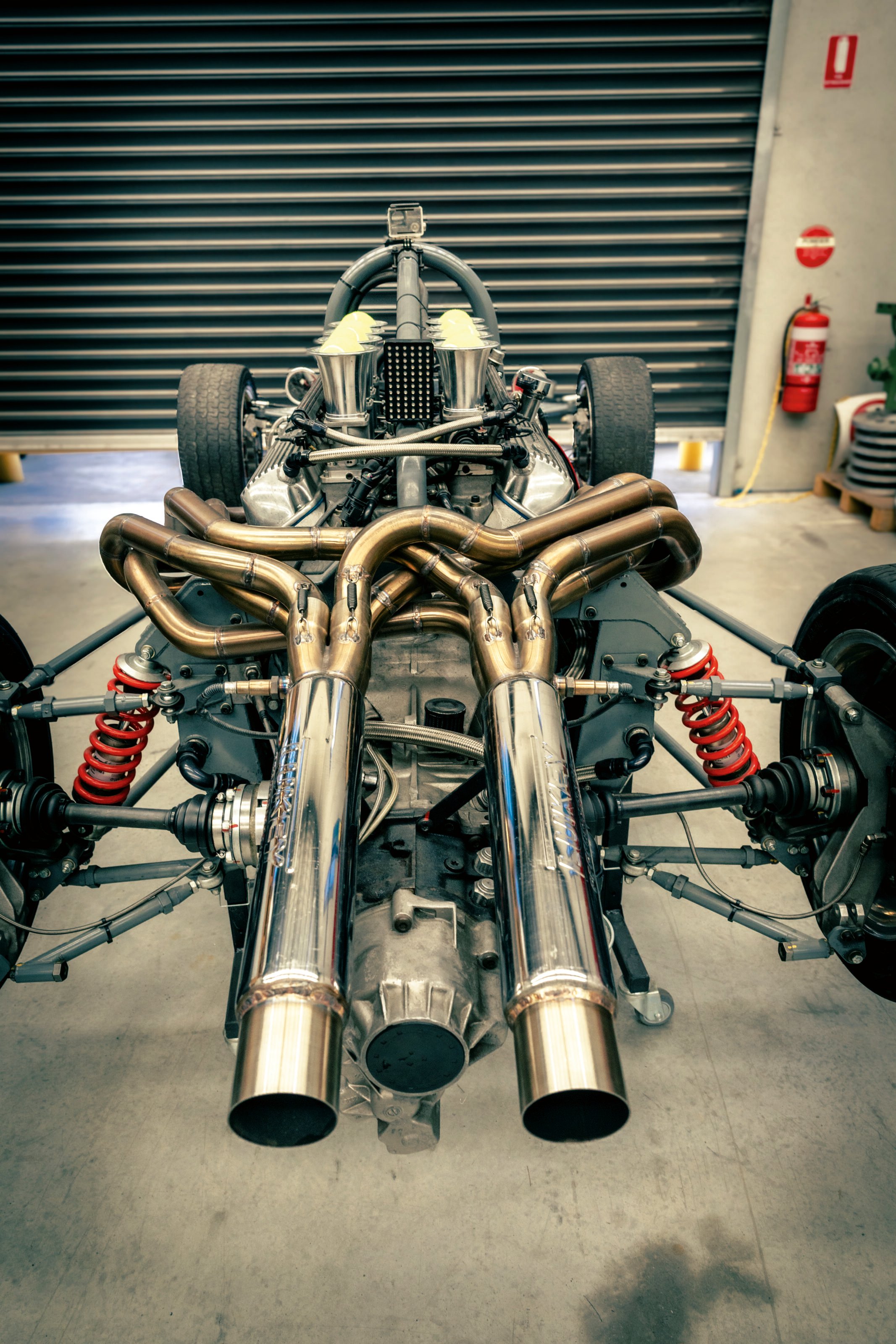
Before Covid, he built a car and sent it to the USA for demonstration runs, looking for an export program. But his agent had other priorities, so the original prototype with its gorgeous snaking chromed exhaust – and a choice of slide-on bodywork – is back for more work and a competition future in Australia.
“Our target is to build 15-18 cars. I want full grids of people enjoying themselves. We are also working with our engineers to comply with Motorsport Australia and this would allow us to race the cars all over the world.”
There have been a series of track trials and Logan says his Retro F1 car can undercut the lap times of a current Supercars racer at the Winton circuit in Victoria.
Looking at his Roaring Forties cars, in various liveries and engine configurations, Logan says it is hard to choose a favourite. Although he is still smitten with one car in Gulf Racing colours from Le Mans, as well as the black car he took to Le Mans when he was introduced to Jacky Ickx, who drove the winning GT40 in 1969.
“It’s a very difficult question. I love them all like my babies. I love to see the connection they have with their owners,” says Logan. “I always say to my owners ‘I am here to help you build your dream car, not mine’, and I truly believe that. I advise them, sometimes even condemn them for their choices, but always step back to allow them to build their dream.”
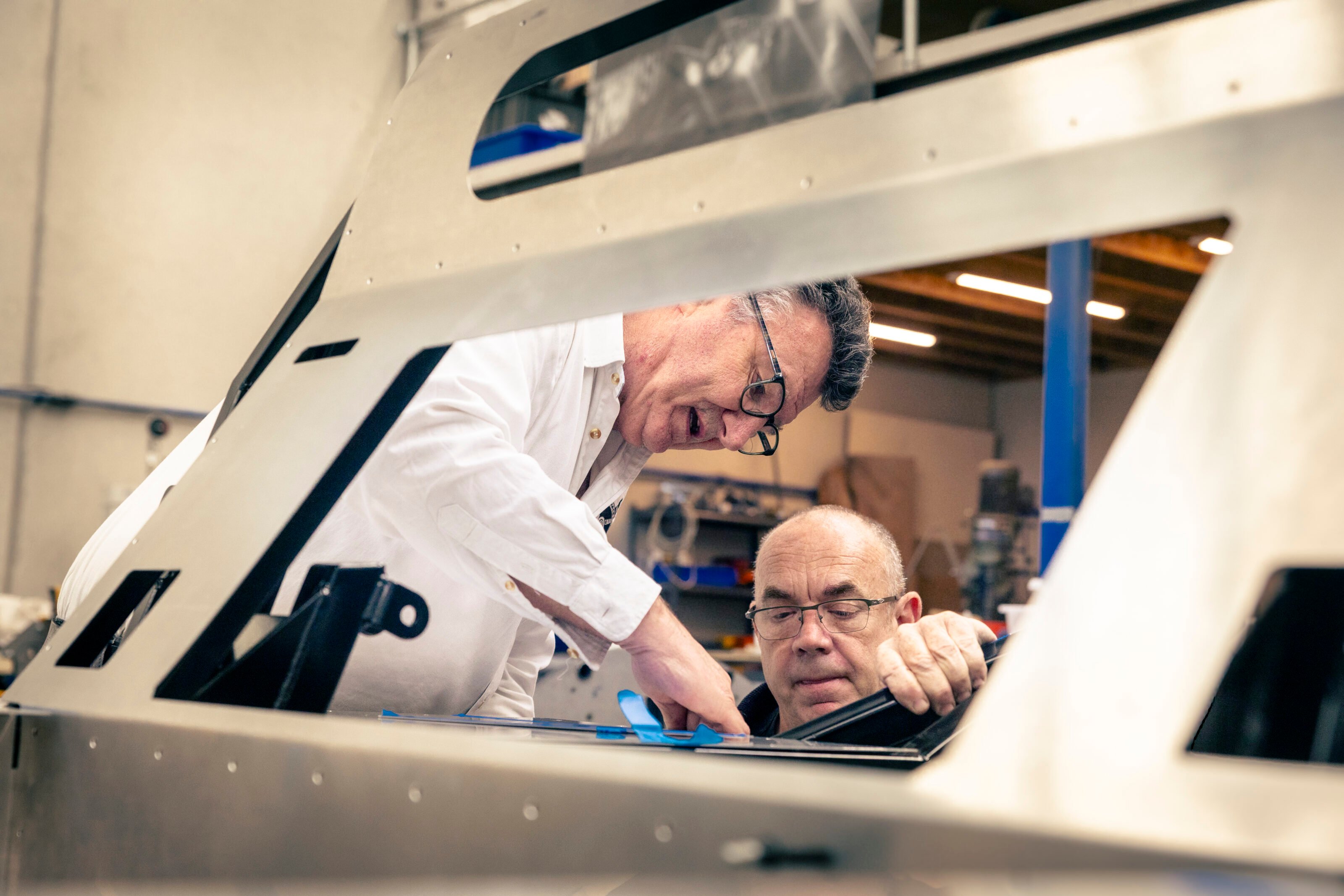
He is still working hard on the Alfa replica, and admits he would like to build a batch, but his other priority is the house in Ireland.
“My plan is to retire to Ireland and rebuild my manor house,” Logan finally admits. “I will have to pass on the gauntlet to the next generation. Become a gentleman racer in Ireland with my Retro F1. Slow down. My problem is I wish I was 20 years younger.”
This article originally appeared in the June 2025 issue of Wheels magazine. Subscribe here.
