
The Toyota RAV4 is set to continue as Australia’s most fuel efficient plugless medium SUV after early fuel consumption data was published by the Australian Government’s Green Vehicle Guide. Toyota Australia is yet to confirm data such as the new RAV4’s fuel consumption and emissions, but according to the government information, it will use as little as 4.5L/100km on the combined cycle for the two-wheel drive models – a 0.2L/100km improvement on the previous generation.
When equipped with all-wheel drive – which, like the previous model, is an electric set-up with no mechanical link between the front and rear wheels – the RAV4’s combined consumption rises to a combined 4.6L/100km, which is also a 0.2L/100km improvement on the previous RAV4.
The new RAV4 sees the biggest improvement in urban cycle driving and is now rated at 4.2L/100km in front-drive form in those conditions, which is an improvement from 4.8L/100km on the previous model.
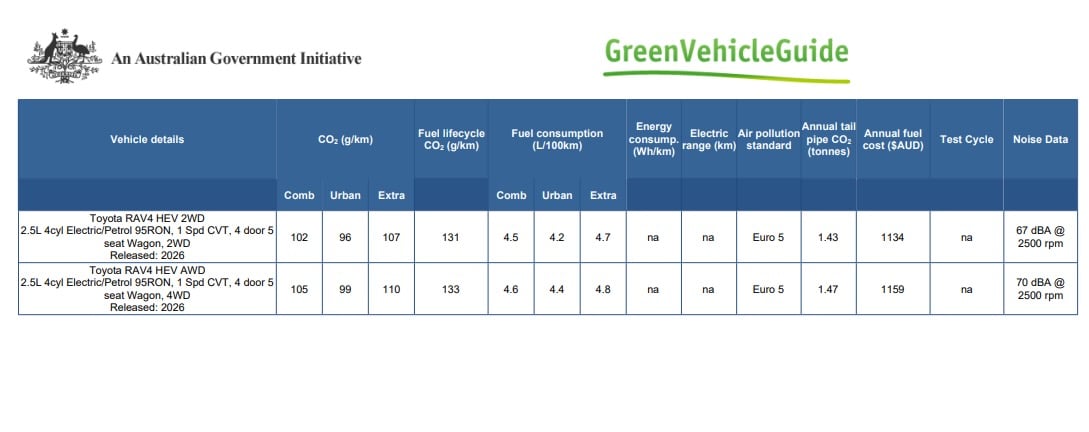
Also revealed were the new RAV4’s CO2 emissions, which have – again – improved compared to the last model at 102g/km versus the old model’s 107g/km. For all-wheel drive cars, it’s rated at 105g/km versus the old model’s 109g/km.
The improved efficiency comes from the brand’s fifth-generation hybrid system with a 2.5-litre four-cylinder engine and electric motor and small battery. Now rated for Euro 6 emissions standards, the new RAV4’s hybrid system makes 143kW, which is a 17kW decrease compared to the previous model, and it now must use 95 RON premium unleaded fuel.
Data for the RAV4 plug-in hybrid is yet to be announced, though it’s expected to be even more efficient on the combined cycle when it arrives in the third quarter of 2026 thanks to its electric-only range, of which Toyota Australia is targeting 100km for.
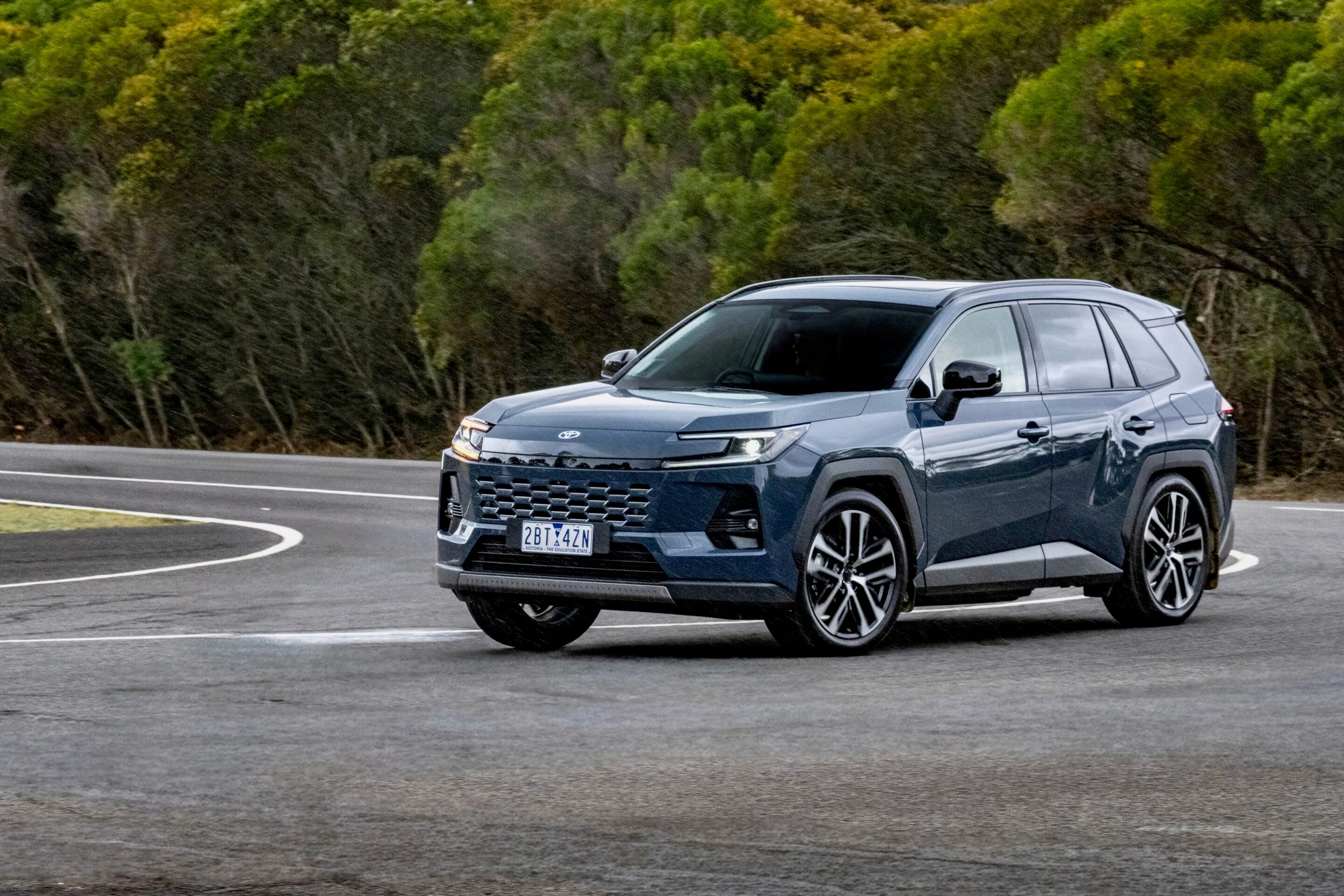
The data for the new RAV4 means that it has continued its run as Australia’s most fuel efficient plugless medium SUV, with hybrid competition such as the Hyundai Tucson, Kia Sportage and Peugeot 3008 using 4.9L/100km, the Haval H6 hybrid and MG HS Hybrid+ rated at 5.2L/100km, the Honda CR-V e:HEV rated at 5.5L/100km and the Nissan X-Trail e-Power at 6.1L/100km.
The 2026 Toyota RAV4 is due to go on sale from next month, with prices starting at $45,990 plus on-road costs for the entry-level GX hybrid.
Before the shortlist of potential names is announced Chery has revealed that it’s received 20,000 entrants to help name its new ute. First announced in early March, the competition invited the public to submit a name for the all-new ‘KP31’ (its model name) ute ahead of its Australian launch in the fourth quarter of 2026.
Generating “strong” engagement, Chery’s naming competition has reportedly far exceeded expectations as Australians embraced having a stake in the new vehicle even before its arrival.
“We knew Aussies would have a strong view on what makes a great ute, and the response to this competition has absolutely reflected that,” said Lucas Harris, Chief Operating Officer, Chery Australia.
“To receive this many entries is a tremendous result, but just as importantly, entrants took the brief seriously and explained why their name belonged on the ute, making the shortlisting process both exciting and difficult.”
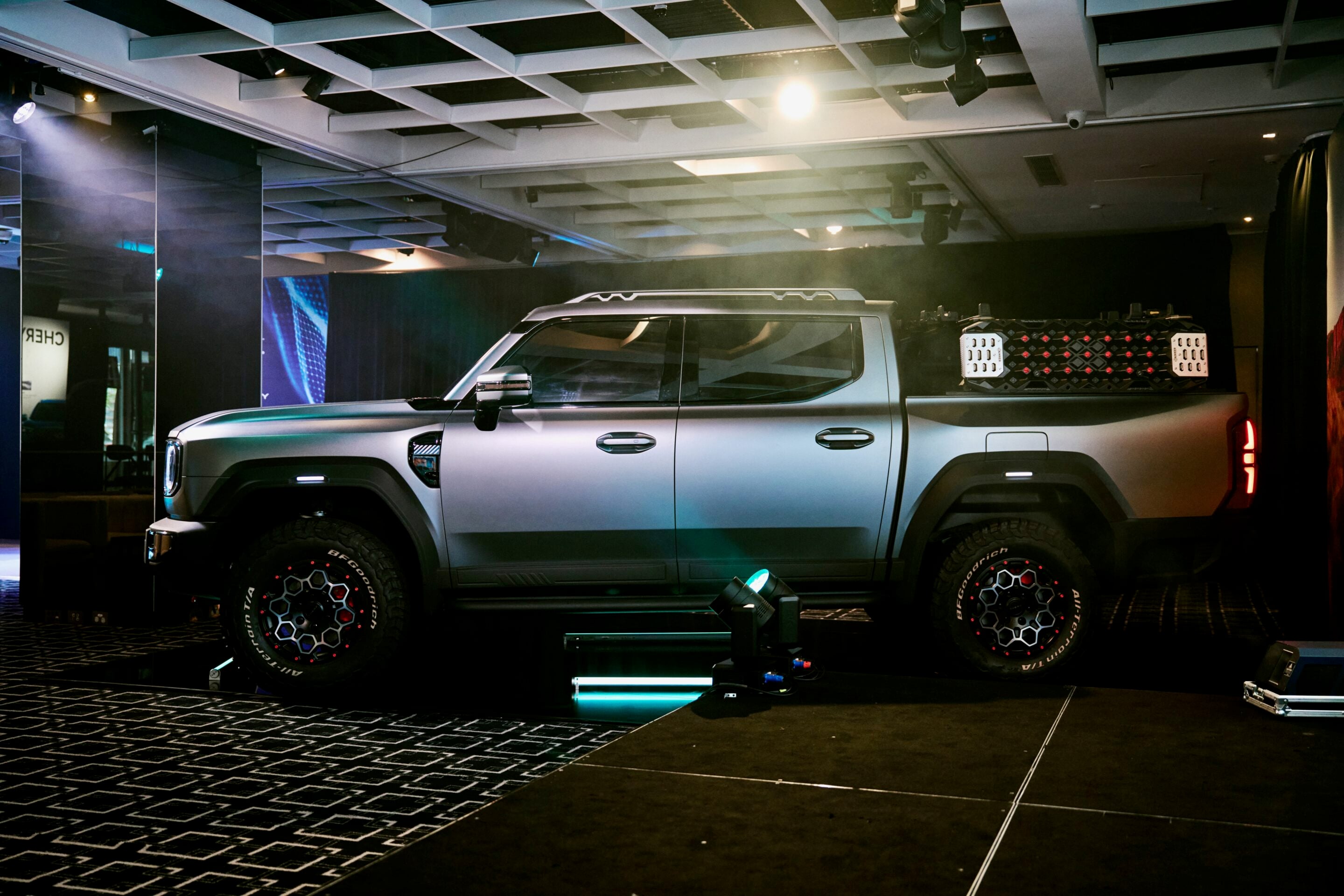
While full specifications and data are yet to be revealed, the new Chery ute will be the first diesel plug-in hybrid ute in the world. It will use a 2.5-litre turbo-diesel plug-in hybrid drivetrain capable of towing 3.5 tonnes and carrying a 1000kg payload. Importantly too, the brand is targeting 47 per cent thermal efficiency, 10 per cent greater fuel efficiency, a 10 per cent lighter weight and a 30 per cent reduction in noise compared with other utes.
A petrol plug-in hybrid system – like the Ford Ranger, BYD Shark and GWM Cannon Alpha – will also be offered in the new Chery ute sometime after its late 2026 Australian launch.
The Chery ute will go on sale in Australia in late 2026, with more details such as the drivetrain figures, pricing and name yet to be revealed.
Visitors to next month’s Melbourne Motor Show will be the first to lay eyes on the Geely EX2 small-sized electric hatchback.
The EX2 was the best-selling car in China last year across all segments, with total sales of 465,775 across the calendar year, its first full year on sale.
The Chinese brand has already confirmed the EX2 will be sold in Australia with deliveries expected to begin in the third quarter (July-September) of this year.
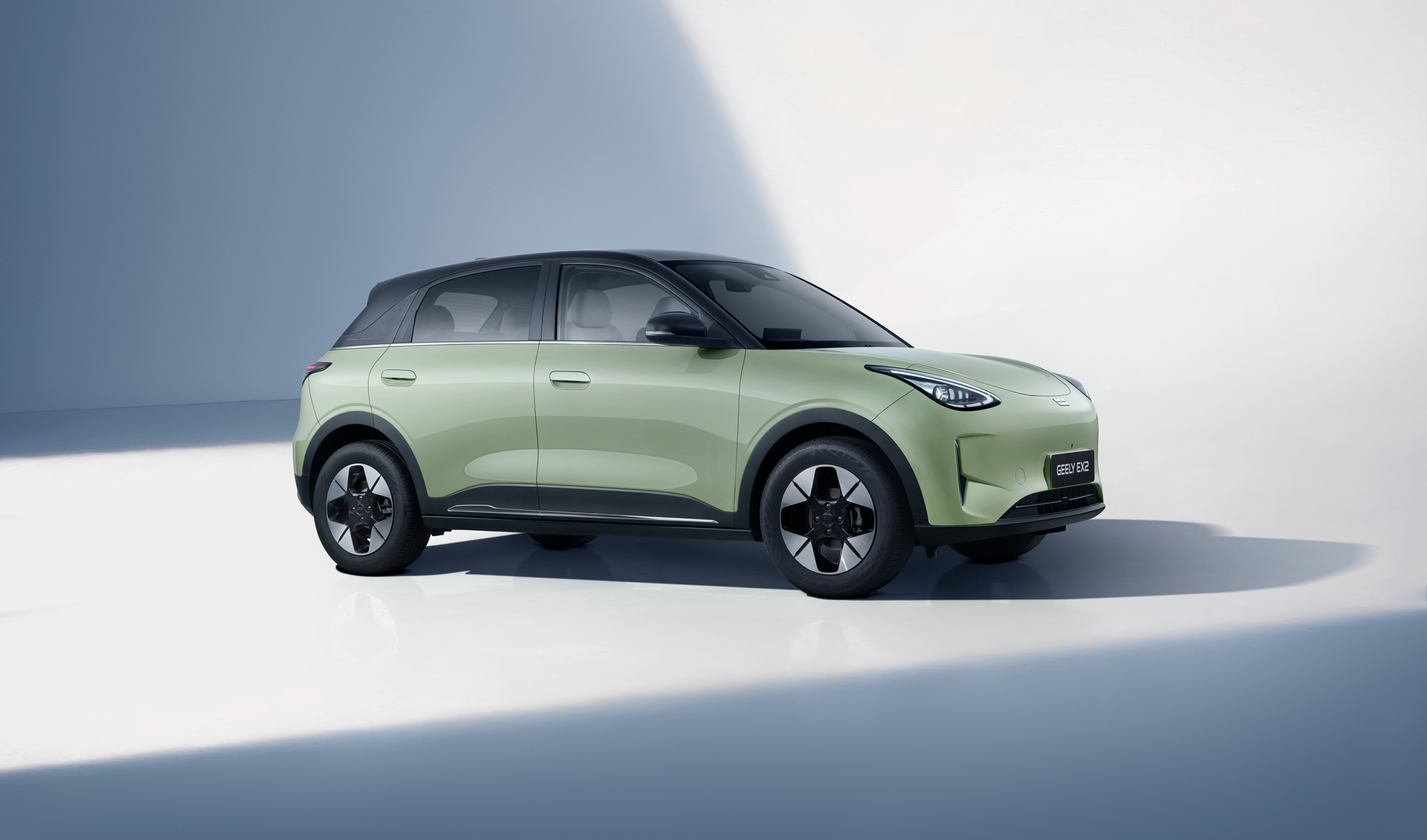
As previously reported by Whichcar by Wheels, pricing and specification for Australian models has yet to be locked in. However, with a starting price in its home market of ¥68,800 (AU$14,300) it should comfortably slot into the $20,000-$30,000 range where it would go head-to-head with rivals like the BYD Dolphin.
In China, the entry-level EX2 is fitted with a 58kW/130NM electric motor driving the rear wheels. A 30.12kWh lithium ion phosphate battery delivers a claimed 310km of range, based on more lenient CLTC testing protocols. Higher grade models receive a larger 40.16kWh battery with 410km (CLTC) of range along with a more powerful 85kW/150Nm electric motor.
The Melbourne Motor Show, running from April 10-12, will be the first time Australians will be able to see the EX2 in person. Geely will also reveal a sedan and SUV currently not available in Australia to gauge public reaction and both of which, according to the brand, are “being considered as additions to the local model range”.
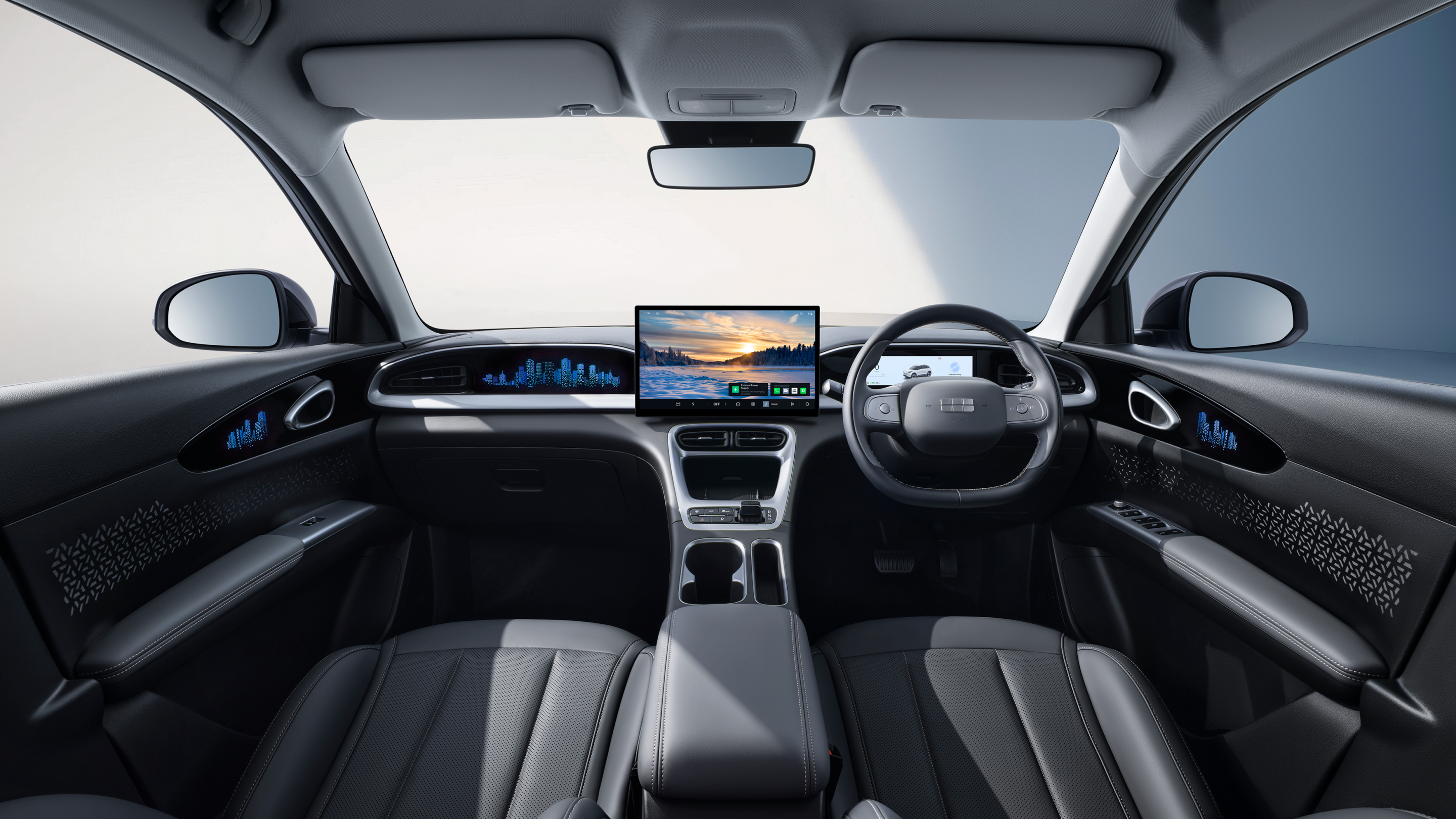
Geely currently sells just two vehicles in Australia, the EX5 battery-electric medium SUV and the Starray EM-I plug-in hybrid mid-size SUV.
Last year, Geely reported sales of 5010 across its two models, placing sixth amongst the challenger brands from China.
BMW Australia has revised pricing for its iX1 and iX2 electric SUVs, lowering the cost of entry for both models while introducing minor technical updates.
The iX1 xDrive30 is now priced from $77,900 before on-road costs, while the coupe-styled iX2 xDrive30 starts from $79,900. BMW will also offer a new iX1 Sport Collection variant, which bundles additional equipment and is priced at $79,900 driveaway nationally.
Both models share the same dual-motor all-wheel-drive setup, producing 230kW and 494Nm. Performance figures remain unchanged, but the addition of silicon carbide (SiC) inverter technology is expected to improve efficiency and potentially extend driving range, although final figures are yet to be confirmed.
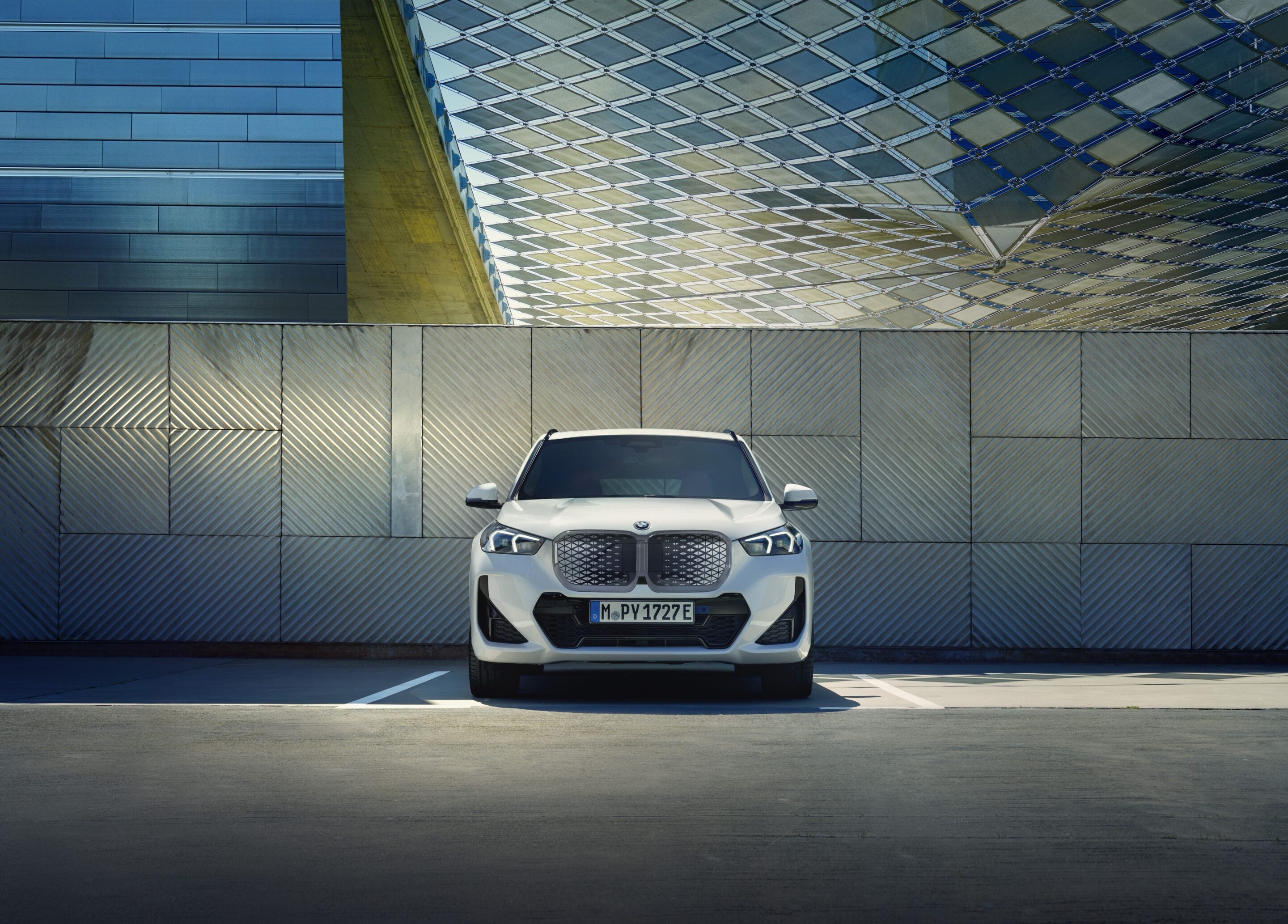
The pricing shift comes as competition in the electric SUV segment intensifies, particularly in the small and medium categories where the iX1 and iX2 compete. BMW appears to be positioning both models more aggressively against rivals by improving value rather than making major mechanical changes.
Since arriving in Australia in 2023, the iX1 has been BMW’s strongest-selling electric vehicle locally, while the iX2 – launched more recently – has also found steady demand within the brand’s EV line-up.
The new Sport Collection version of the iX1 adds a number of features typically found in higher-spec variants. These include the M Sport package, adaptive suspension, a head-up display, surround-view cameras and BMW’s Driving Assistant Professional suite. The model also rides on 19-inch alloy wheels and features synthetic Veganza upholstery with heated front seats.
Aside from these additions, the core package remains largely unchanged, with both vehicles continuing to offer compact SUV practicality combined with fully electric drivetrains.
While BMW has not announced further specification changes, the inclusion of updated inverter technology signals an ongoing focus on efficiency improvements as the brand continues to expand its electric range.
With revised pricing now in place, the iX1 and iX2 are likely to become more competitive options for buyers considering a premium electric SUV, particularly as more models enter the Australian market.
Mazda Australia knows a thing or two about SUVs – its comprehensive range shapes Australia as the only market that currently takes every SUV on offer from the Japanese manufacturer. That means buyers can choose from a CX-3, CX-30, CX-5, CX-60, CX-70, CX-80 or CX-90. Now, the fully-electric CX-6e will join the range.
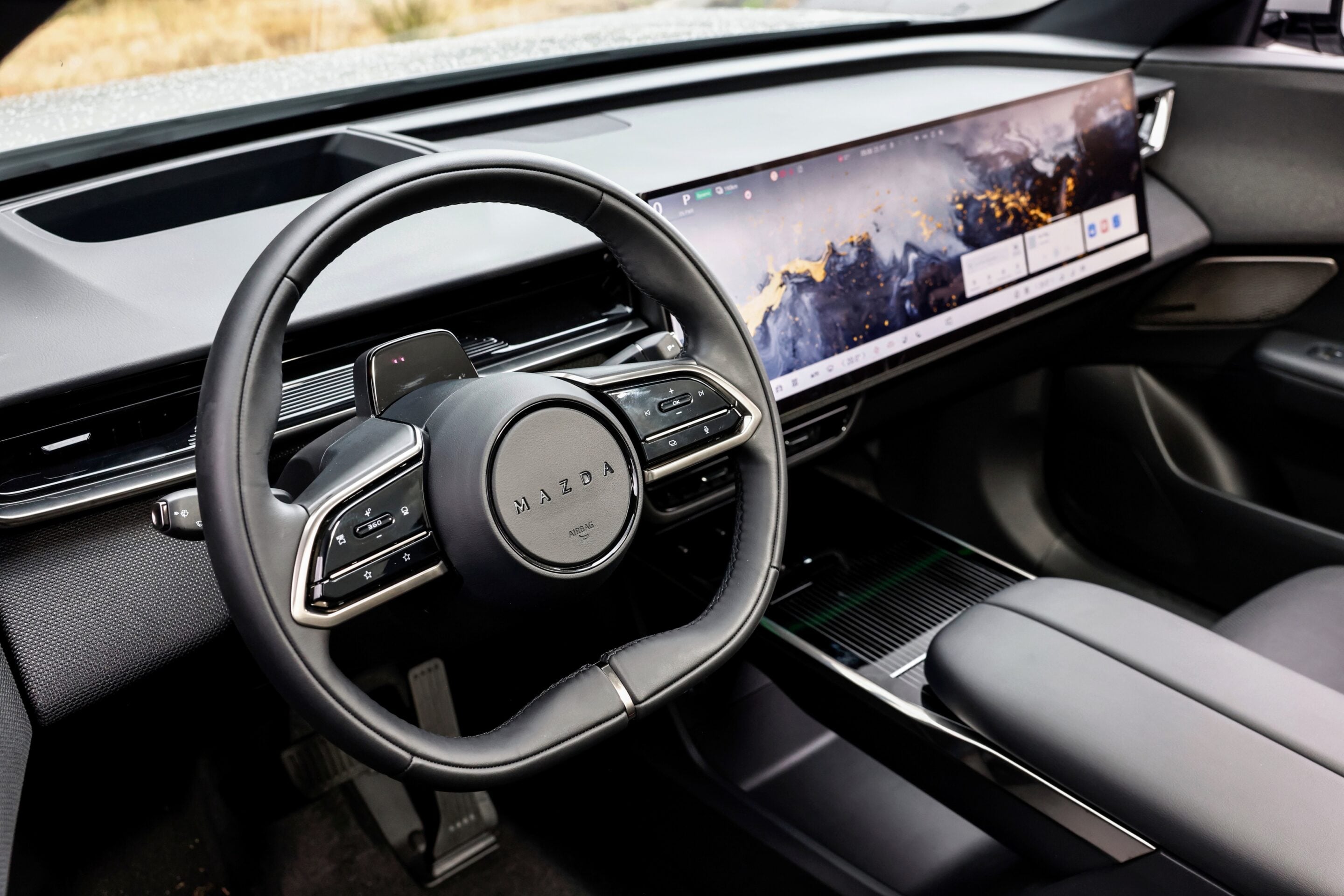
Originally unconfirmed by Mazda Australia, WhichCar by Wheels can now reveal the preliminary specifications for the electric SUV, a vehicle that Mazda Australia is confident will make inroads into a competitive segment.
The Australian-specification CX-6e will be powered by a 78kWh lithium iron phosphate (LFP) battery, capable of charging from 30-80 per cent in a claimed 15 minutes at its fastest. Mazda Australia also lists a WLTP-verified driving range of more than 450km, while a single electric motor is mounted on the rear axle, for RWD-only. Initial claims out of Europe hinted at a driving range up to 483km – something we’ll know closer to launch.
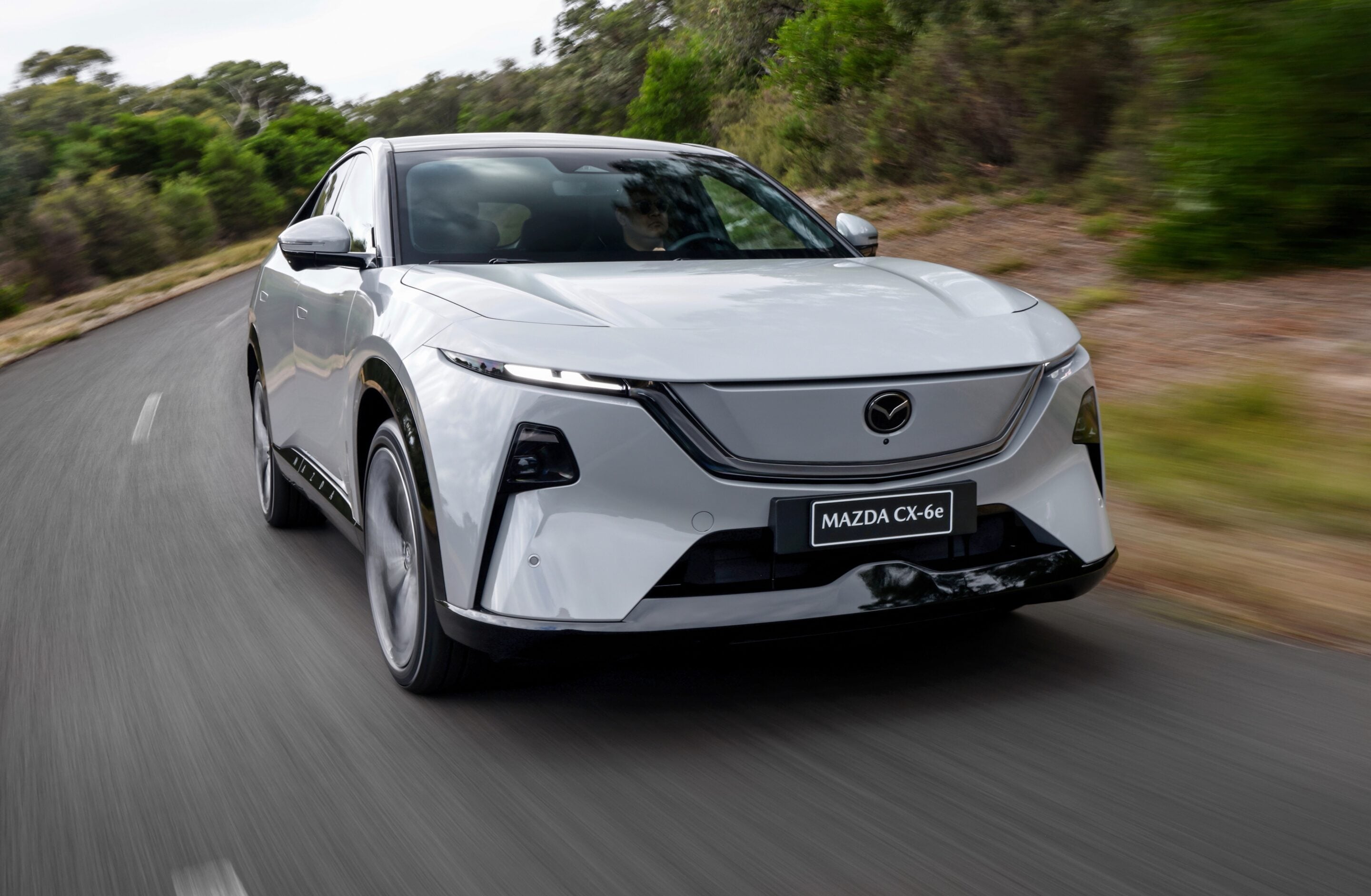
Sized slightly larger than the popular Tesla Model Y, Mazda Australia boss Vinesh Bhindi told WhichCar by Wheels that the focus for CX-6e will mirror that of the 6e sedan. “This will be a value focused package,” Bhindi said. “We’ll share pricing with you closer to launch, but the focus will be very much on a value package.”
Initial interest in the new electric SUV looks to be strong, according to Mazda dealer feedback. Around 300 pre-orders were quickly scooped up for the 6e sedan, and Mazda Australia’s Director of Sales and Marketing, Jarrod Gieschen, is confident the CX-6e will be just as popular, if not more popular.
“We obviously haven’t announced pricing yet, but the dealers are saying, we’ve sold these 300 cars and we’ve actually got more interest in the SUV, waiting for pricing,” Gieschen told WhichCar by Wheels.
“If you look at the industry, it’s about a one to four ratio for sedans to SUVs, so it probably makes sense that this vehicle has a lot more volume potential. It’s pretty exciting.”
When asked what Mazda can offer that challenger brands in the EV space can’t, Gieschen told WhichCar by Wheels Mazda’s foundation in Australia is a critical part of the buying process. “We want to offer our customers choice,” he said. “But we believe there is security in buyers knowing they are backed by more than 100 years of experience, and more than 140 trusted dealers around the country, something only a few manufacturers can claim.”
Mazda is keeping its sales targets under wraps for now, but with the 6e sedan now officially sharply priced (starting from $49,990 before on-road costs), the manufacturer has already indicated how aggressively it intends to enter a market growing in affordable EV options. 6e undercuts the segment-sharing Tesla Model 3 by around $5000, and if the same approach is taken with the CX-6e, pricing could sit in the mid $50,000 mark, ensuring it too, will undercut the Tesla Model Y.
More detailed CX-6e specification and pricing, will be announced closer to launch.
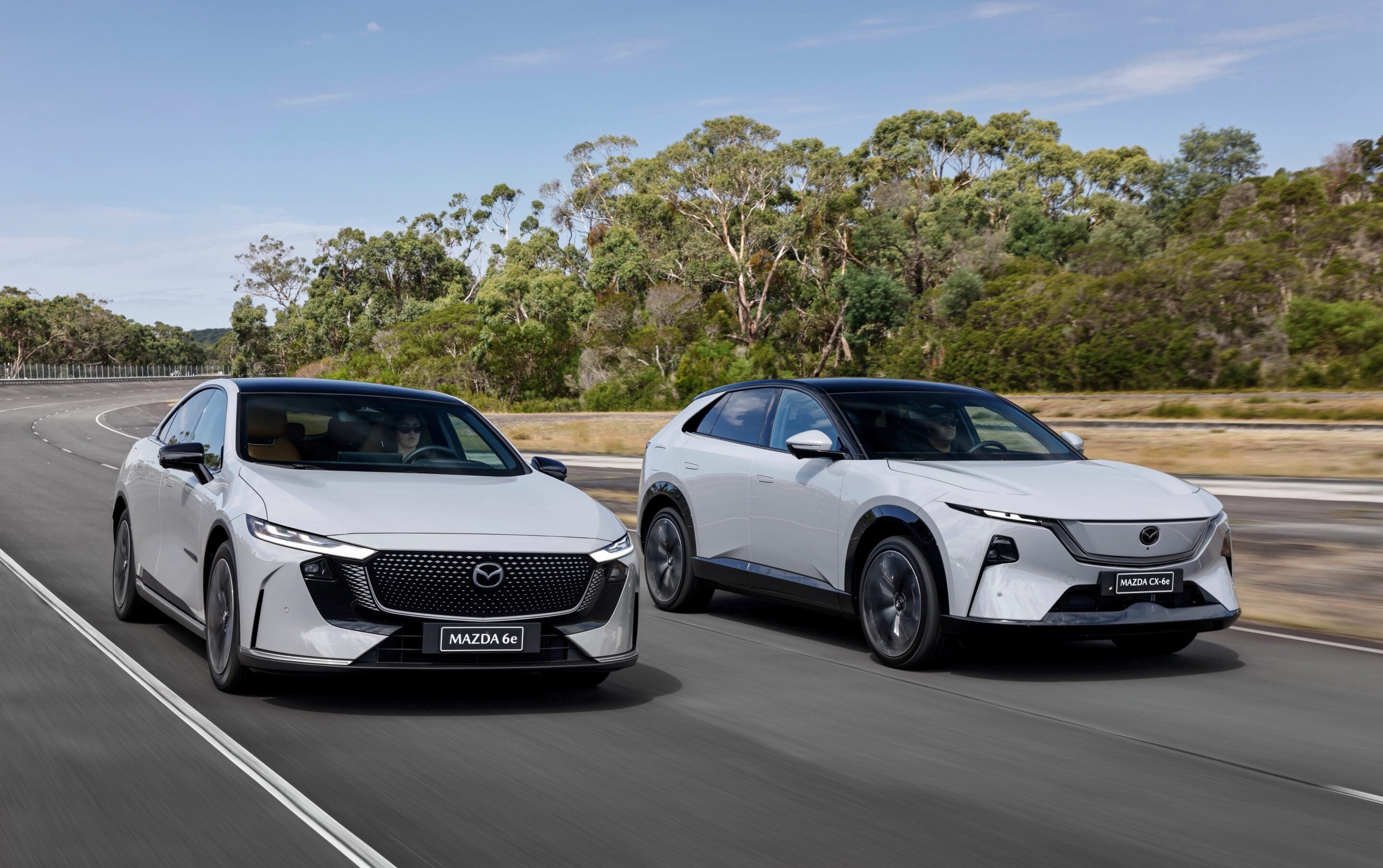
As millions of Australians prepare to travel over the Easter long weekend, authorities are urging motorists to take extra care, with stricter penalties in place across several states.
The annual holiday period is one of the busiest times on the roads, with families heading away for camping trips, caravanning holidays or to visit relatives. But with the increase in traffic comes an increased enforcement presence – and in some regions, the return of double demerit points.
NSW & ACT
For drivers in New South Wales and the ACT, double demerits will apply for five days, running from Thursday through to midnight on Easter Monday. During this period, offences such as speeding, illegal mobile phone use, failing to wear a seatbelt correctly and riding without a helmet will attract double the usual demerit points.
While fines remain unchanged, the increased demerit penalties can quickly add up. For example, using a mobile phone illegally while driving in NSW typically incurs five demerit points, but during the Easter period, that jumps to 10 – enough to put many drivers at risk of licence suspension.
Motorists are also being reminded that school zones remain active on the Thursday before the long weekend, with additional penalties applying for offences committed in these areas.
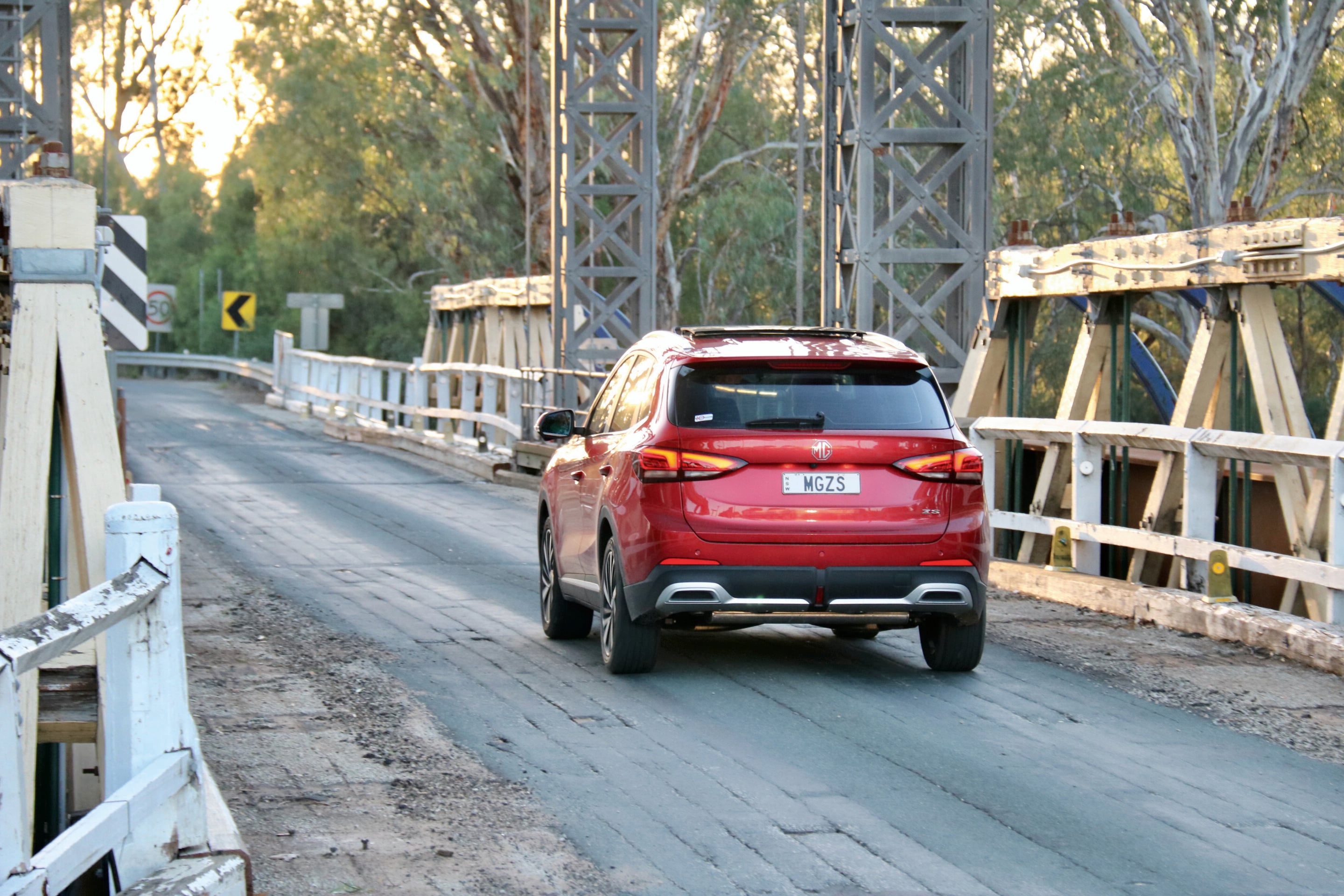
Western Australia
Western Australia will also enforce double demerits across the same period, but with a broader range of offences covered. In addition to speeding and mobile phone use, penalties will apply to drink and drug driving, running red lights, failing to properly use seatbelts and attempting to evade speed detection.
Police are expected to increase patrols and enforcement measures nationwide, using a combination of visible roadside presence and covert tools such as speed cameras and mobile phone detection technology.
Queensland
Elsewhere, Queensland takes a different approach, with double demerits applied to repeat offenders who commit the same offences within a 12-month period, rather than during specific holiday windows.
Victoria, South Australia, Tasmania and the Northern Territory do not operate double demerit schemes, but authorities in those regions are still urging caution.
The message is clear: a moment’s lapse behind the wheel could have lasting consequences – turning a holiday getaway into an expensive and inconvenient experience.
The Nio Firefly, a cute as punch city-sized hatchback, has been approved for sale in Australia.
The compact four-door hatchback is the the latest in a long line of EV brands from China and while there has been no announcement on when it will land in local showrooms, it has received the all-important Australian Design Rules approvals to allow it to go on sale here in Australia.
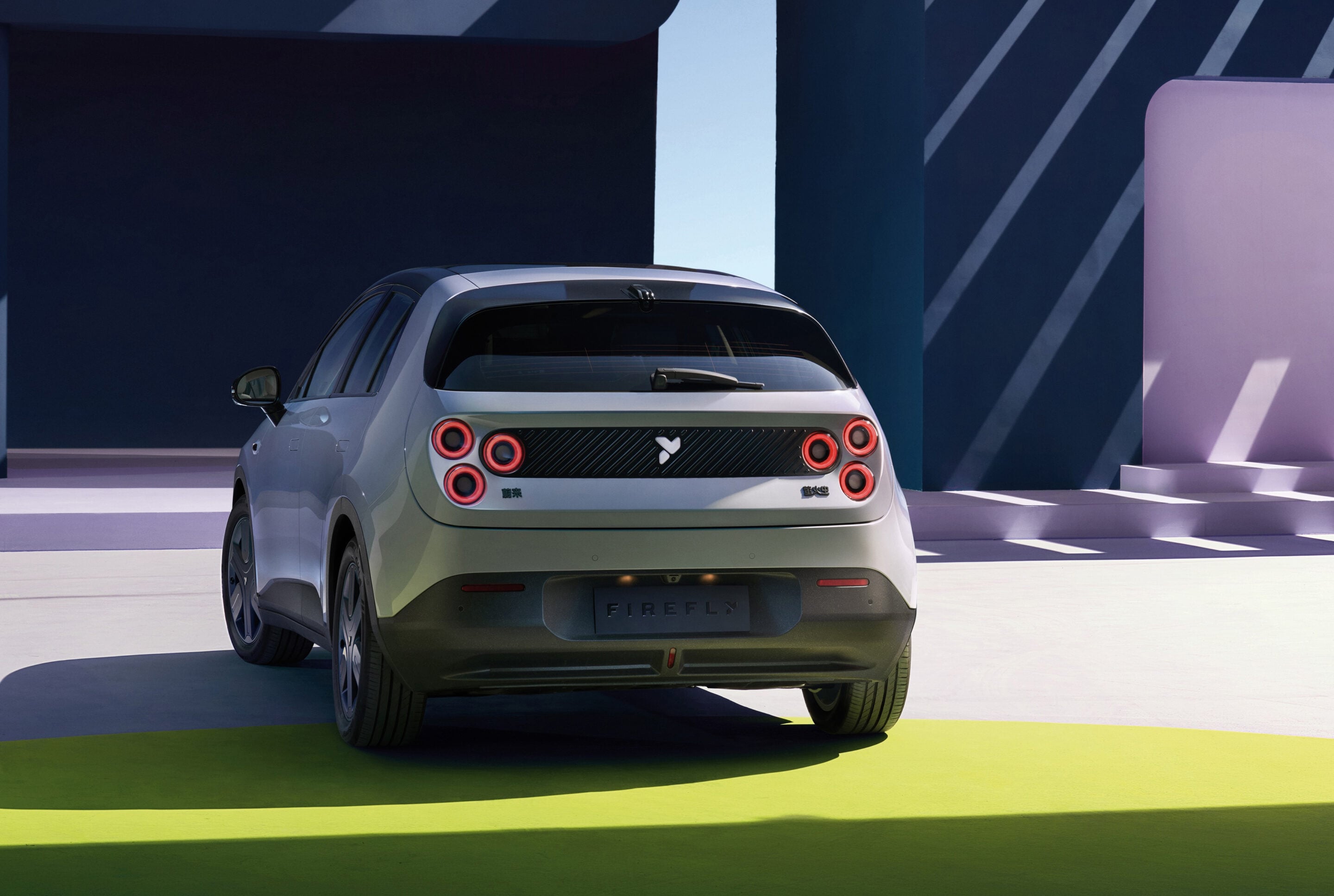
Australian government-issued documents reveal a single electric motor, with outputs of 105kW and 200Nm driving the rear wheels. In Europe, where the Firefly has already gone on sale, a 41.2kWh battery pack provides a WLTP-tested 330km of driving range. DC charging is capped at a maximum rate of 100kW, replenishing the battery from 10-80 per cent in a claimed 29 minutes.
Pitched as a premium offering in Europe, the Firefly is priced from €29,900 translating to around AU$50,000. That would make it extremely uncompetitive in a market where similar offerings such as the BYD Atto 1 starts from $23,990. It’s worth noting, however, that Chinese cars have been heavily taxed in Europe in a bid to ensure European car makers remain competitive.
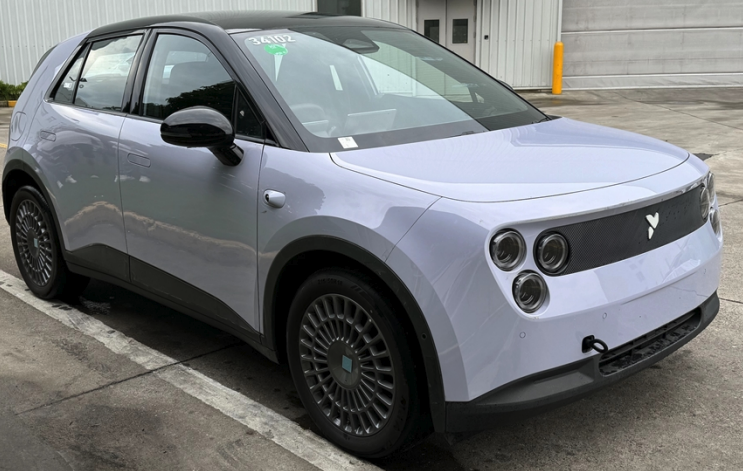
In its home market of China, the Nio Firefly is priced at around ¥120,000 or around AU$25,000.
Its compact dimensions – 4003mm long, 1781mm wide and 1557mm tall, sitting on a 2615mm wheelbase – place it firmly in the light, or city, car category where it would go up against the likes of the battery-electric BYD Atto 1 hatchback (from $23,990) and a smattering of petrol-hybrid cars including the MG3 (from $27,888 for the entry-level hybrid Excite), and Toyota Yaris (from $28,990).
Equipment levels for Chinese market cars include a 13.2-inch infotainment touchscreen, 6.0-inch digital instrument display, a panoramic glass roof, seat heating and a comprehensive suite of active safety systems that contributed to a five-star Euro NCAP safety score issued in 2025.
Nio began making the Firefly for right-hand drive markets late last year, with Singapore the first RHD market to receive the compact hatchback in January 2026 with the UK set to follow later this year.
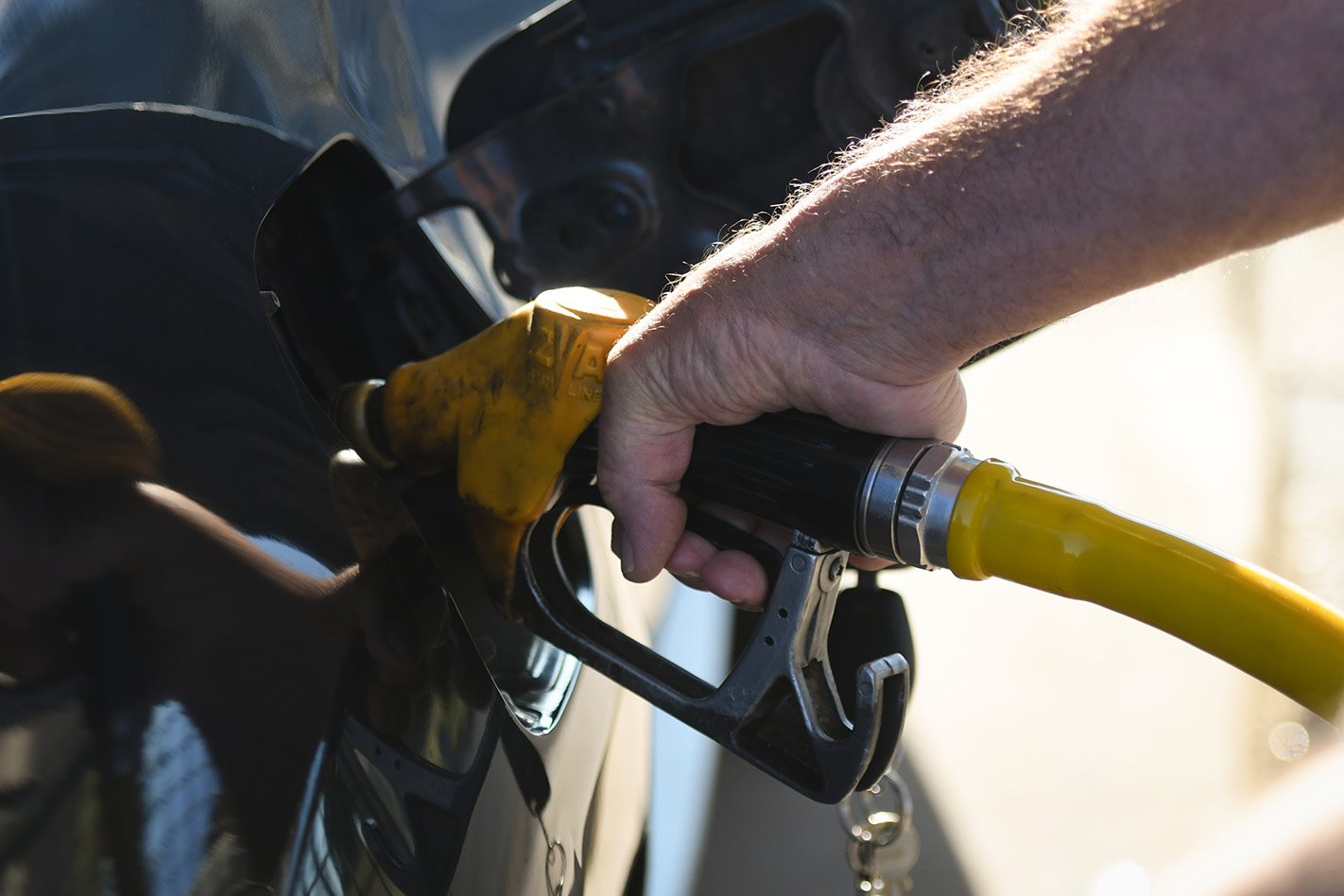
Australians will see immediate relief at the bowser following today’s National Cabinet meeting, with Prime Minister Anthony Albanese announcing a series of measures aimed at tackling rising fuel costs and strengthening supply.
Front and centre is a temporary cut to the fuel excise, which will be halved for the next three months. The move is expected to reduce fuel prices by 26.3 cents per litre, offering some respite for households and businesses grappling with escalating living costs.
The fuel excise — currently set at 52.6 cents per litre — is a federal tax applied to petrol and diesel, traditionally used to fund transport infrastructure such as roads and highways. By reducing it, the government hopes to deliver immediate cost-of-living relief while broader supply challenges persist.
Alongside the tax cut, the government also announced the creation of a national fuel security plan. The plan, which will be adopted by all states and territories, is designed to strengthen Australia’s fuel supply chain and ensure greater resilience during periods of global uncertainty.
While details are still to be finalised, the initiative reflects growing concern about the country’s reliance on international fuel markets and the impact of global disruptions on local availability and pricing.
In a further move aimed at supporting key industries, the government will also suspend the heavy vehicle road user charge for three months. The charge, typically applied to trucks using Australia’s road network, will be reduced to zero for the duration of the relief period.
Prime Minister Albanese said the decision was made to support the freight sector and help keep essential goods moving across the country.
“It’s about helping truckies continue their vital work for our nation,” he said.
The combination of measures is designed to ease immediate financial pressure while maintaining supply chains and economic stability. However, with the changes set to last three months, questions remain about what happens once the temporary relief ends.
For now, though, motorists and businesses alike are likely to welcome any reduction in fuel costs as global pressures continue to weigh heavily on Australia’s economy.
Wheels has received multiple inquiries from readers over the past six months asking about plug-in hybrid (PHEV) technology, how it works, whether it’s as efficient as the manufacturers’ claims, and whether it’s technology buyers should consider before signing on the dotted line.
In particular, the litres per 100km figure that is often quoted, doesn’t always make sense, certainly not in the traditional way that we’ve read those claims. It’s worth remembering fuel consumption tests exist only to compare one vehicle to another under the exact same laboratory conditions. It’s why cars very rarely come close to matching the claim in the real world.
Chery’s Super Hybrid system is one we’ve been asked about more than once, specifically, with impressive range claims attracting people to technology they might not have otherwise considered.
Right off the bat, I can tell you this. Last year, I got behind the wheel of a Jaecoo J7 (a Chery brand) in Cape Town, South Africa, and driving to normal traffic conditions, at the posted speed limit, on roads very similar to ours here in Australia, covered 1170km.
The tank was sealed, it wasn’t plugged in to charge at any point over the drive, and after we arrived at the airport in Port Elizabeth, the J7 had to travel another 50km back to the transport base, cracking the 1200km range, thus delivering on the claim.
Over the 1200km that equated to a 5.2L/100km real-world consumption, over and above the fact that your daily commute would be covered by the 90km electric-only claim.
And with most PHEVs now offering 90km or more in pure-EV range, Aussies are starting to see the value in technology that was previously maligned.
The J7 is very similar in proportion to a RAV4, with medium SUVs one of the sweet-spot segments in the Australian new car market. And we know that a RAV4 will average mid 5L/100km figures around town every day of the week.
As we’ve seen with other advancements in pure-electric technology, China’s manufacturers are leading the charge with PHEV technology as well. The sheer volume available to them, and the depth of engineering investment, means manufacturers in China can bring technology to market faster, and in ways other automakers can’t match.
Wheels recently spoke to Chery’s Executive Director of Engineering, Peter Matkin, to find out why the carmaker has taken the path it has.
Early PHEV systems were significantly less nuanced than the Chery system we’re looking at here. A fully-charged battery drove the vehicle for however long it could, then when it was depleted, the petrol engine kicked in, and had to drag a largely-ineffective electric powertrain around that wasn’t doing anything. It meant that real-world fuel consumption figures were significantly higher than a more conventional closed-loop hybrid that was efficient all the time. Further, it was easy to deride a system that claimed 50km – or less – of pure-EV range as nothing more than a sideshow.
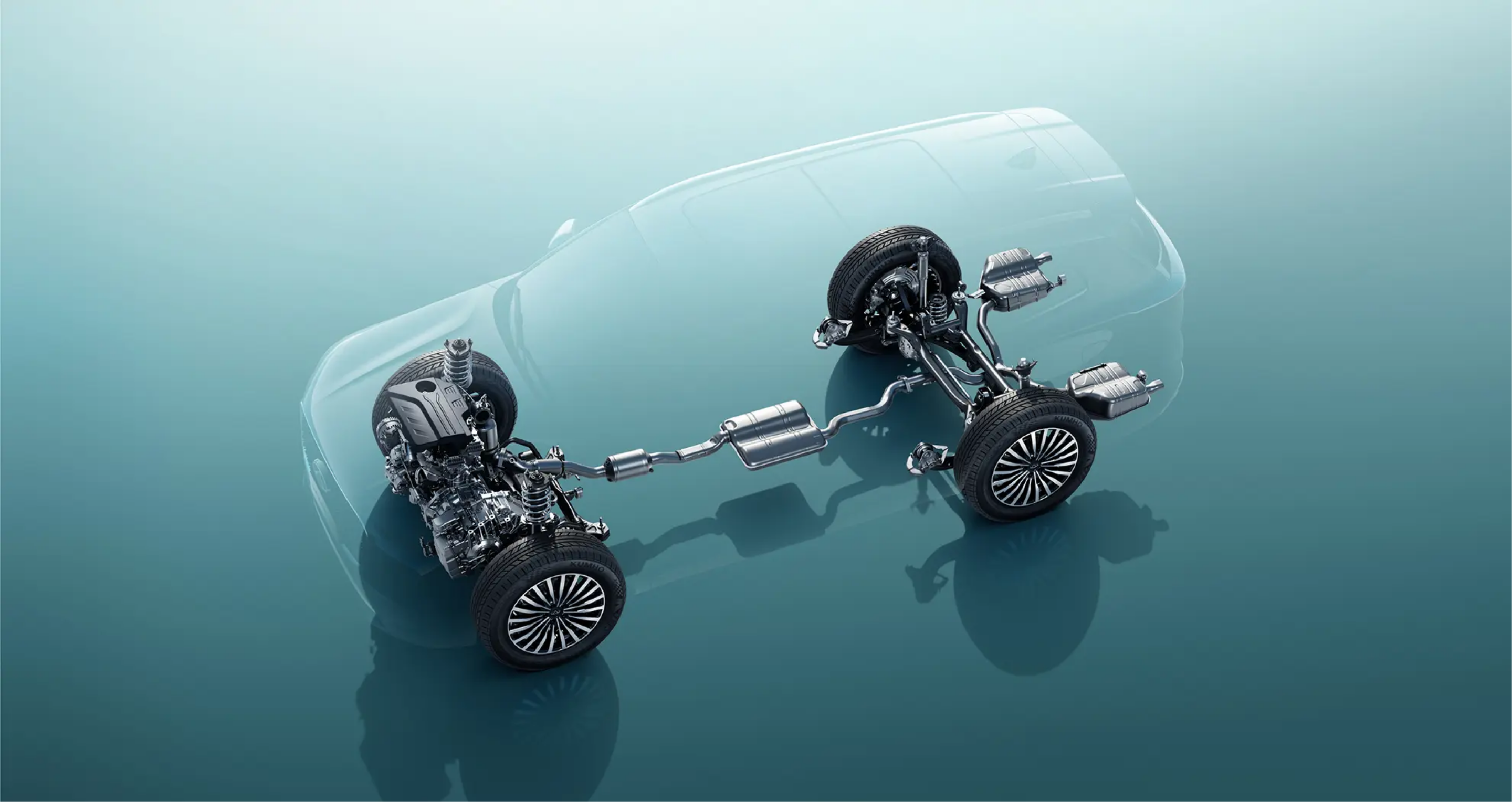
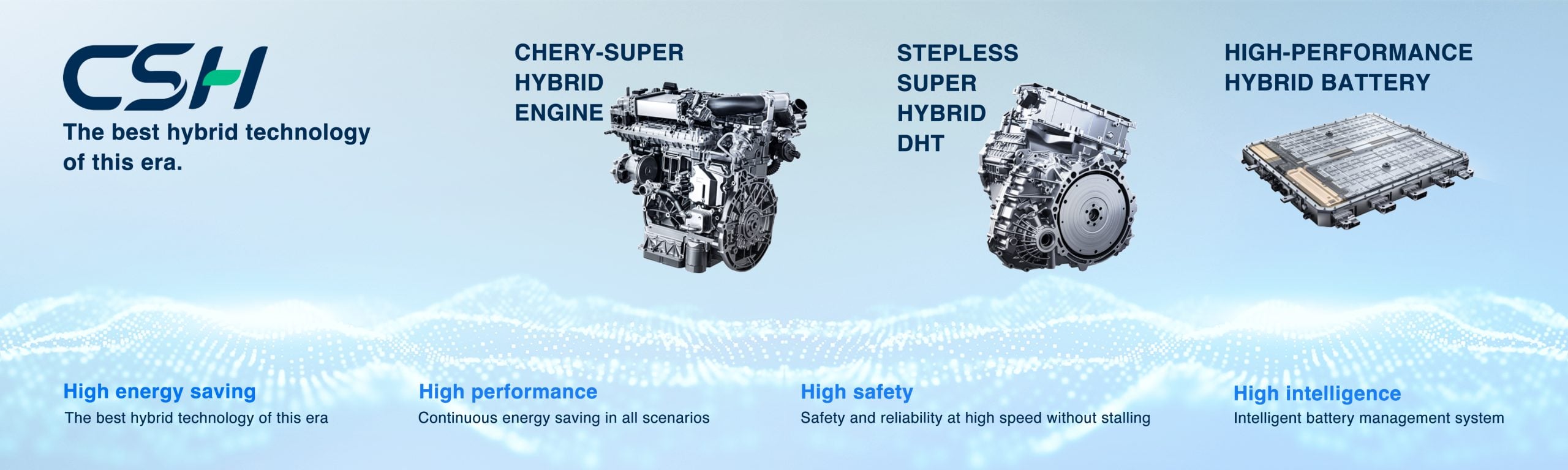
In designing not only its own engine and electrical system, but also a dedicated transmission, Chery is honing in not just on driveability, but also efficiency, whether you have a fully charged battery pack or not. According to Matkin, in-house development is the key.
Chery has designed its own hybrid-specific transmission, rather than look to an external supplier, and Matkin says that is one of the keys to achieving the end result the brand is looking for.
“The way we’ve engineered the transmission, and the way we’ve built the brain to control it, gives us the freedom to get exactly what we want out of it, rather than be told, ‘this is what you’re getting’,” says Matkin.
“There are some components and technologies where if you’re an expert, we will hire you to come in-house, but critical systems like the engine and transmission, we do in-house ourselves. Because when you’re trying to integrate these critical systems,
it’s not so easy when you’re working with a third party.
“As long as you have the volume, it’s easier to do yourself and I think if we had gone to a company and asked for the transmission to work the way we’ve got it working, they would have said, ‘no, we don’t do it like that’.”
Where a conventional PHEV relies on regular charging up to 100 per cent to deliver its best performance, Chery’s take on the fuel-saving technology via its Super Hybrid system will keep a minimum level of battery charge at all times.
That means the drivetrain can deliver consistent performance across varied driving conditions. Crucially, even if you never plug in Chery’s PHEV, as some owners confess they don’t, the system still operates efficiently.
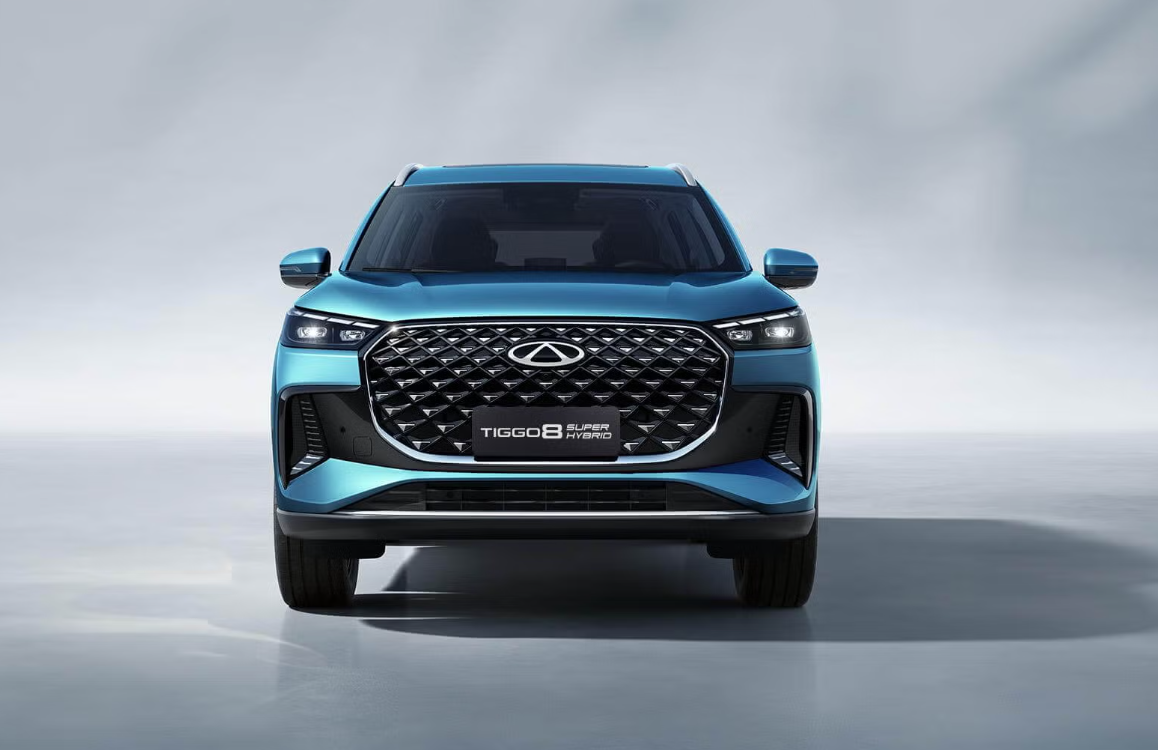
Using the Tiggo 8 Super Hybrid as an example, Chery claims up to 90km electric range, thanks to its 18.4kW/h battery pack, which feeds power into a 150kW/310Nm electric motor. Then there’s a 1.5-litre, four-cylinder, direct injection petrol engine, with class-leading thermal efficiency and an electronically-controlled turbocharger.
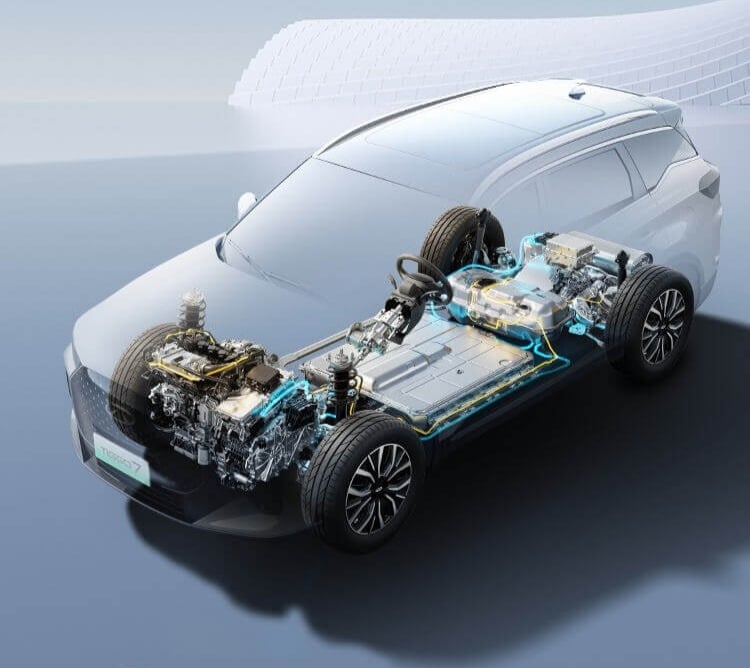
Matkin says ensuring the engine can breathe to its optimum, maximising the combustion value, and squeezing every last bit of energy out of every drop of fuel is key.
Crucially, the engine has been designed – and the clever control system tailored – to work with a PHEV powertrain from the outset. The control unit ensures the battery never dips below 20 per cent state of charge, meaning there’s always electric power in reserve. The concept of engine as generator isn’t new of course, but Chery has refined the way the system works to deliver significantly better all-road efficiency in real-world driving.
“The way we’ve engineered this hybrid system, you still get the benefits of electricity because you’re still charging the battery while you’re driving and the powertrain has the option to either drive the wheels or charge the battery,” Matkin tells Wheels. “It’s not like some of the early hybrid systems where you used all your electric power and once it’s gone, it’s gone.
“Then you’re just lugging this battery around, that is doing nothing.”
Subtlety was always going to come to the workings of a PHEV system, but the changes have been swift, with Chery adamant that all-round efficiency is as important – if not more important – than the initial electric-only range.
“This system is absolutely a little different to what a lot of other established OEMs have done,” says Matkin. “We’ve kept this capability to have some electrical support, and you’ve also got the Atkinson cycle combustion engine support. Battery management is quite critical, and the brains of how you control the system, how to protect it from heat, the cell technology of the battery, for example. So it is a little bit of everything, but the efficiency of the internal combustion engine is the heart of it.”
With a long history in automotive and much of it spent at companies like Jaguar/Land Rover, Matkin is well-placed to dissect the inertia that comes with ‘we do it this way’ engineering. And after more than a decade working in China, his message is clear. The might of manufacturing and the will to succeed with a new way of thinking is a reality.
Thermal efficiency is one example, with Chery approaching 50 per cent efficiency, something previously the domain of F1 level technology.
“Well, there’s still 50 per cent to go,” Matkin says. “From an engineering point of view, we’re already thinking, what can we do to make this work better? Can we get there or not? I don’t know. But we’re going to aim for it.”
This story first appeared in the March 2026 issue of Wheels magazine, now on sale. Subscribe here and gain access to 12 issues for $109 plus online access to every Wheels issue since 1953.
On Saturday April 5, daylight saving time will end with the clocks being wound back by an hour for many states, including New South Wales and Victoria. With that important change, many drivers will find themselves driving more often in darker light, including during commuting. Because of that, insurance comparison service iSelect has provided their expert tips on how to get your vehicle ready for more night time driving.
Australians do just 25 per cent of their driving at night, yet 40 per cent of all road fatalities occur after dark, according to a 2022 study by Monash University. This raises concerns for drivers who will spend more time driving in the dark during this period.
“The end of daylight saving for many of us will re-introduce driving in darker conditions. Driving in the dark is more dangerous because depth perception, colour recognition and peripheral vision can be compromised, and the glare of headlights from an oncoming vehicle can temporarily impact drivers’ sight,” says Adrian Bennett, General Manager at General Insurance.
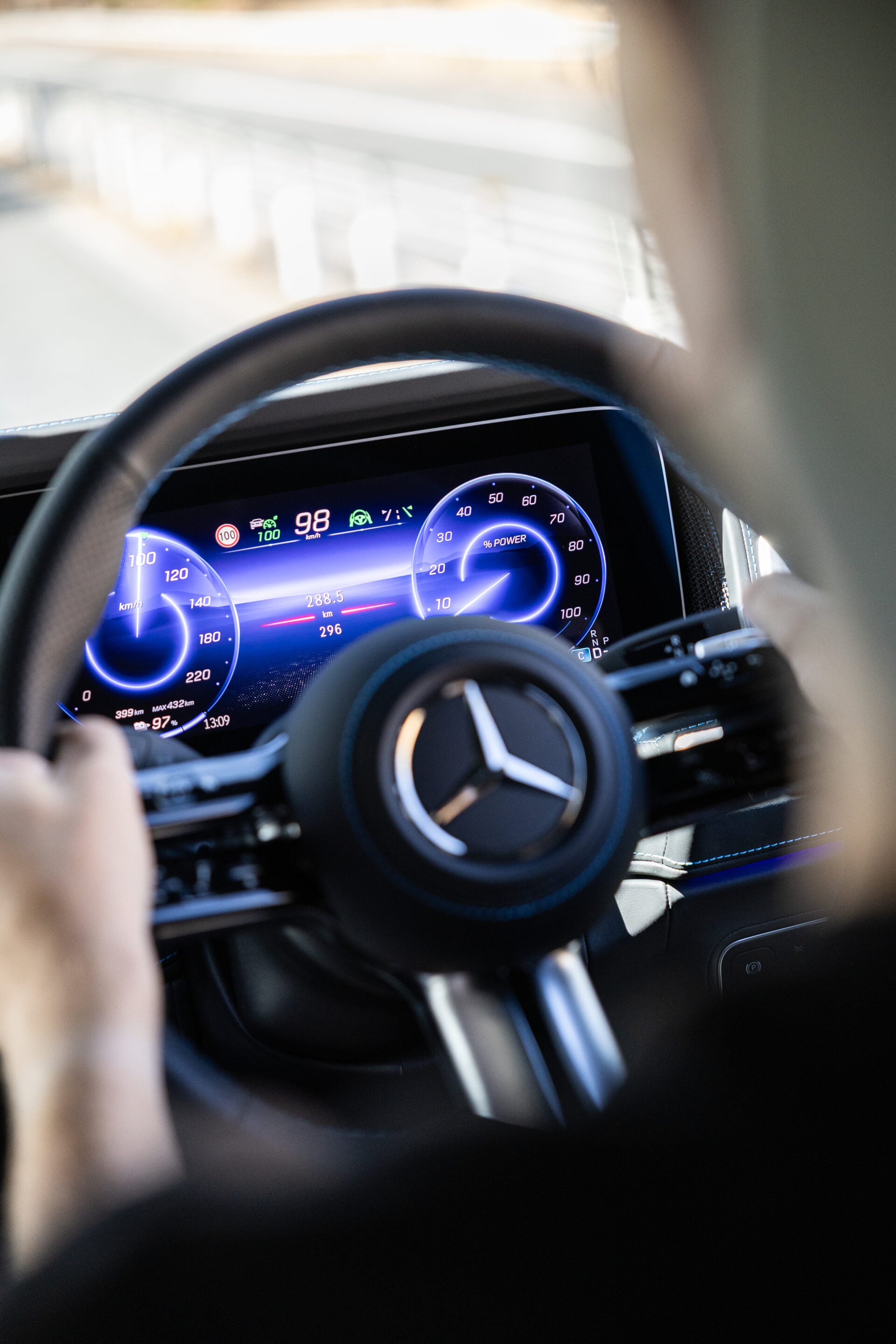
“Driving in the dark comes with extra risks, mainly because you simply can’t see as far ahead as you can during daylight. The safest approach while driving is to slow down and leave more space between you and the car in front so you have more time to react if something unexpected happens.
“If oncoming headlights feel blinding, try focusing on the left side of the road rather than looking straight at them. It’s also important to stay alert for pedestrians, cyclists and animals, especially on rural or poorly lit roads where hazards can appear suddenly.”
Tips to get your vehicle ready for night driving:
- Keep the windscreen, windows, mirrors, and headlights clean to reduce glare. Use a microfiber cloth and a streak-free glass cleaner, and wipe mirrors and windows inside and out for maximum visibility.
- Ensure that your headlights, taillights and brake lights are fully functional and correctly aligned. Check them at least once a month or before long trips. If alignment seems off, have them professionally adjusted.
- Make sure your headlights are actually switched on at night. Most cars feature an automatic mode for their headlights, but many also feature a fully off mode and lit instrument panels give the impression that headlights are switched on. Therefore, check that your headlights are in automatic mode or the low beam setting to ensure maximum visibility and so other motorists are able to see you. Regardless of if your car features automatic headlights or not, switch them on in rainy conditions.
- Use high beams on dark, rural roads, but switch to low beams when within 200m of other vehicles.
- Dim the dashboard lights to help your eyes adjust to the dark. Most cars have a small knob or dial near the instrument panel labelled with a light icon or it might be part of the touchscreen settings.
Find out more about iSelect by clicking here.
