
A positive reaction to the use of digital licences as part of a trial in Ballarat has been an encouraging sign, according to top university RMIT.
The pilot program began in the middle of 2023, following rollouts of digital licences in Queensland, New South Wales and South Australia – showing that Australians are willing to adopt the technology, despite privacy and “information honeypot” concerns.
According to Dr Arathi Arakala, Lecturer in Mathematics and a member of RMIT’s Centre for Cyber Security Research and Innovation, “The take-up demonstrates that Victorians are eager to adopt the new ID technology where their licence is digitally accessible via the Victorian Government’s dedicated phone apps.
“Victims of identity theft and fraud have reported stolen of lost driver licence cards as the most common identity document used by perpetrators.”
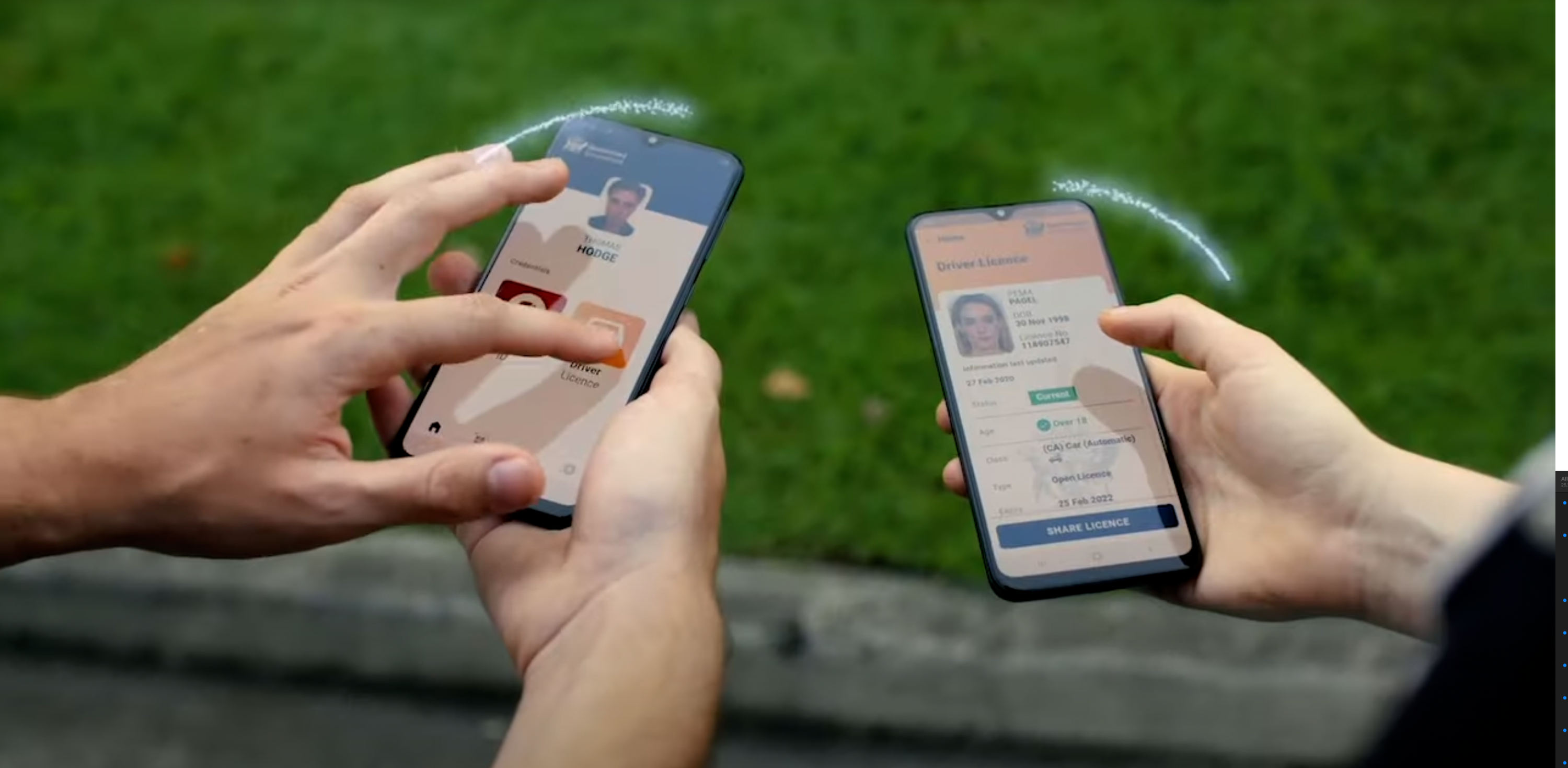
The digital licence will be integrated into the Victorian Government’s myVicRoads and Victoria Service apps, although further testing will be required before any rollout in 2024.
“We hope common attack points will be studied and fixed before the full rollout this year.
“If the phone is lost or stolen a user can get the licence revoked and a new licence number can be applied for. These new credentials will reflect in real time on the Victorian Licensing Registry database.” Dr Arakala added.
The concerns about the ability to fake digital licences can be addressed with the inclusion of a timed QR code that refreshes every couple of minutes, similar to VPN tokens or other two-factor authentication methods. The South Australian digital licence uses a similar barcode system, along with a function that displays the current date over the licence photo when the user shakes their device.
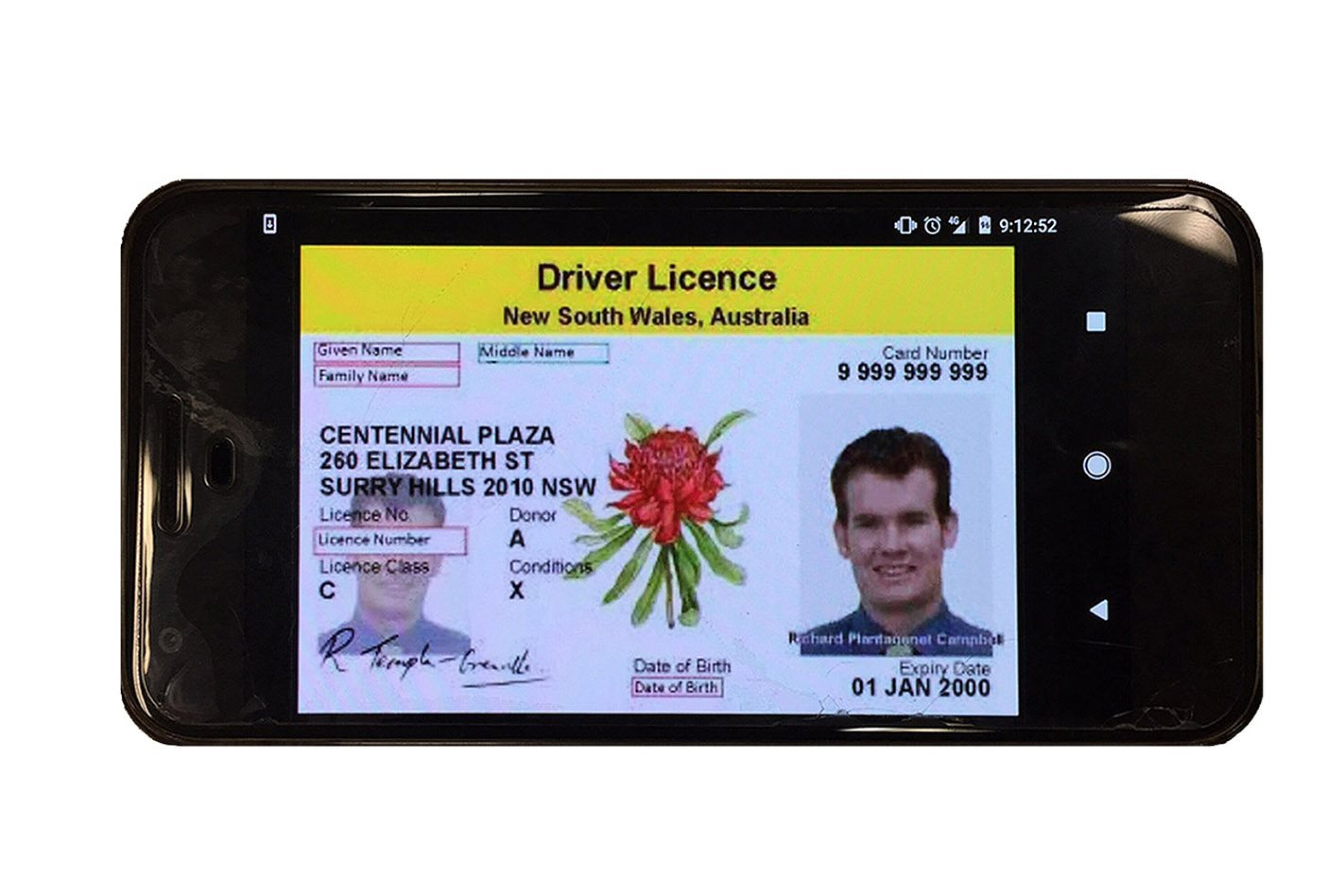
Dr Arkala does detail some other limitations or concerns with a digital licence as well.
“Some of the challenges of having everything on a mobile phone extends to the digital ID too. For example, low battery, severely damaged phone screens and poor network connection could hamper the use of the digital licence. In those situations, a user can always fall back on the physical licence.
“The digital driver’s licence is a great step toward a more secure and convenient licence system.”
What happens when a Ford F-150 Raptor meets an electric F-150?
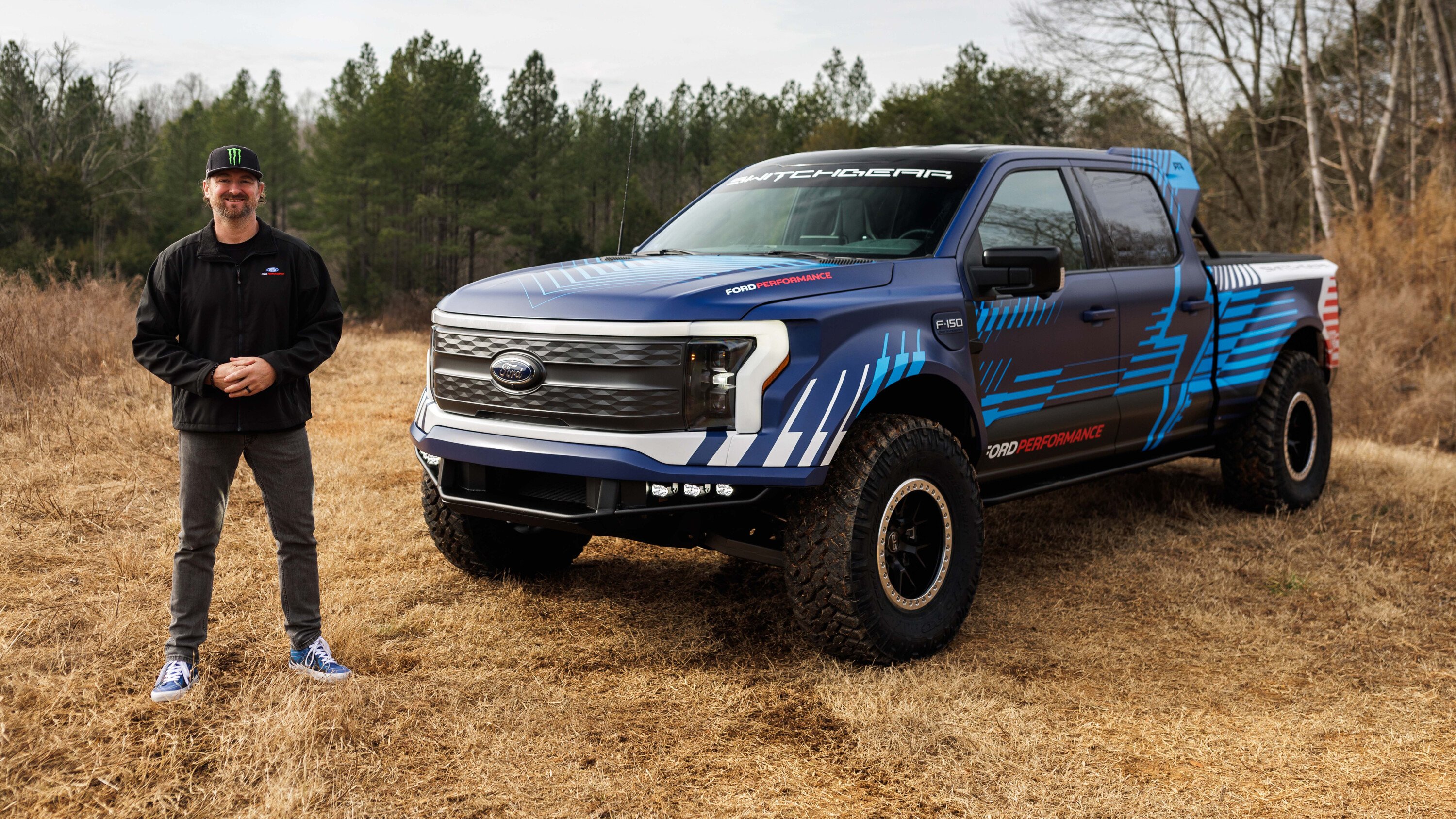
Developed in conjunction with Vaughn Gittin Junior’s RTR, the same outfit Ford tapped to create the 2020 Mustang Mach-E 1400, the Ford F-150 Switchgear may be the ultimate combination off battery-power and rough road capability.
Inspired by the 2016 F-150 RTR Ultimate Fun-Haver project (yes, that’s what they called it), Ford Performance pulled the covers off the one-off demonstrator it says is a test bed “pushing the boundaries of what’s expected from electric trucks”.
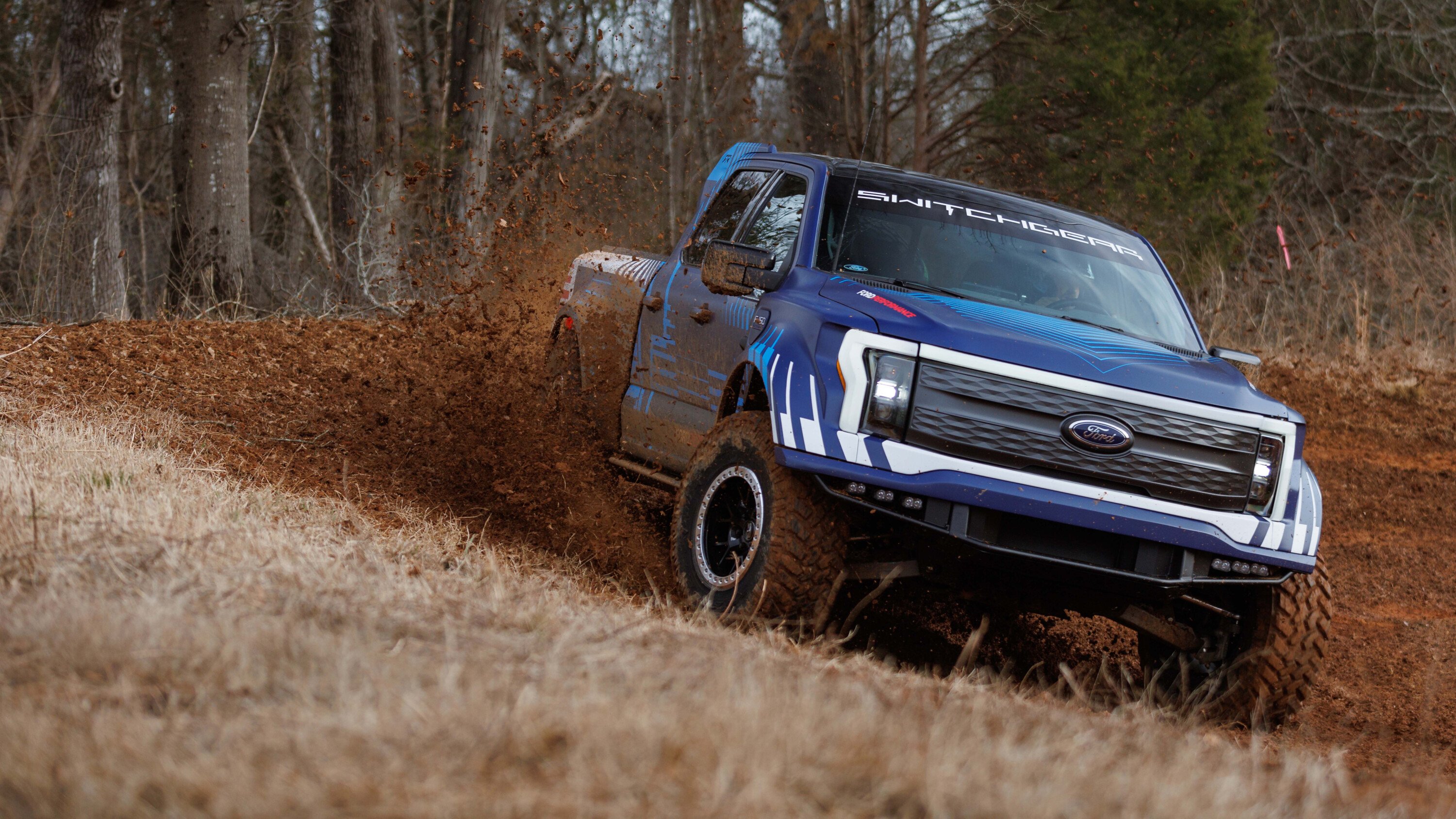
The F-150 Lightning Switchgear – named for its ability on sealed surfaces and the rough stuff – starts its metamorphosis with carbon front guards, bedsides and bumpers.
Boasting 37-inch Nitto Ridge Grappler all-terrain tyres on 18-inch wheels – the same size as that on the headlining F-150 Raptor R – the Switchgear’s wild stance is bolstered by wider front and rear tracks.
The extra space accommodates a complete custom suspension setup – double wishbones up front and a multi-link rear with unique control arms and anti-roll bars.
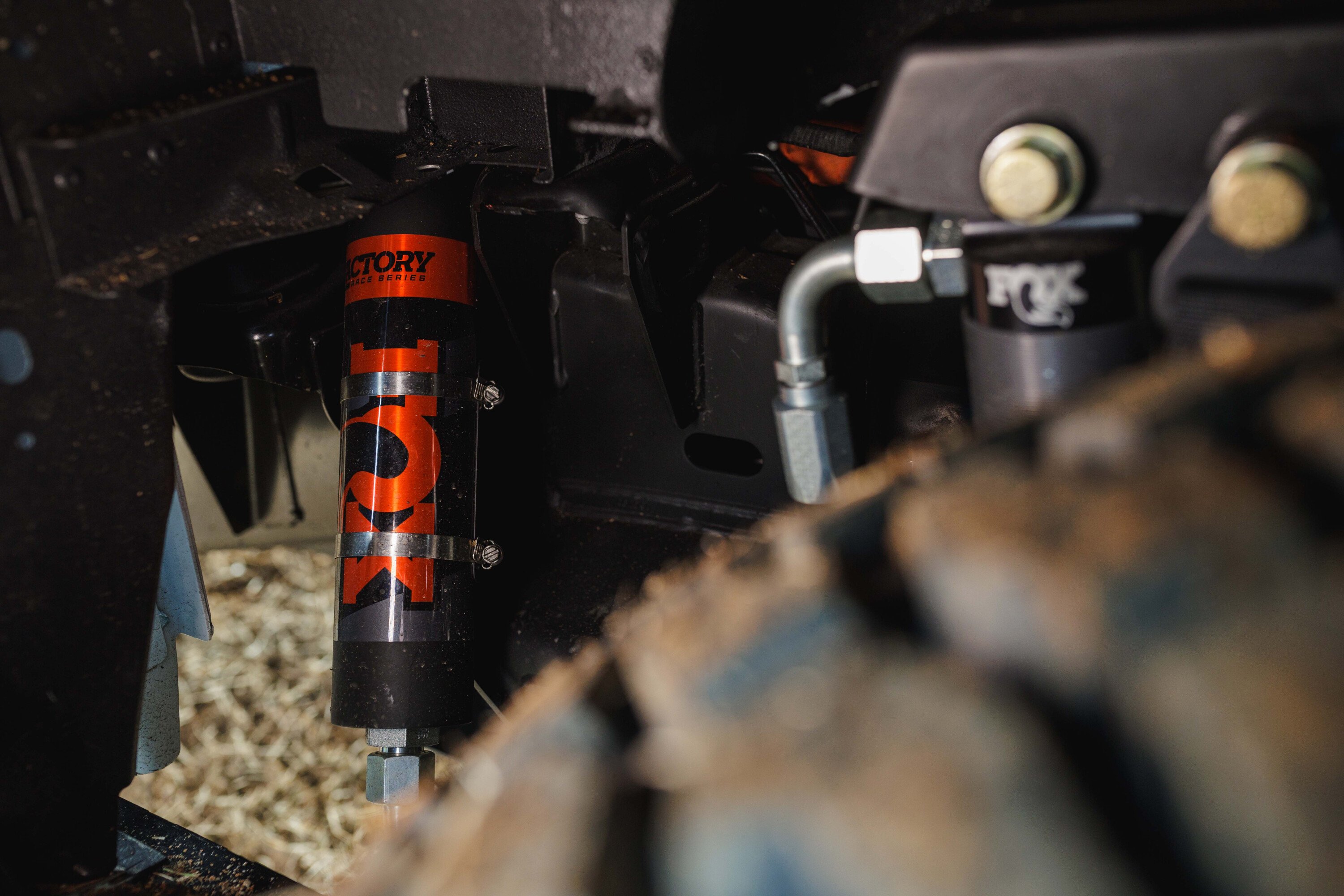
They’re accompanied by Fox 3.0-inch diameter bypass valve shocks, while there’s also limit straps to help manage suspension and wheel travel.
Steel rock rails and front skid plate have been added, while the custom bumpers also help enable with greater front and rear departure angles.
A chase rack and two-spare wheels have also been fitted behind the cabin, Ford saying that the changes allow the electric F-truck to go where no electric off-roader has before.
The job is finished with a striking electric-themed livery, with more details expected to be revealed as Ford wheels the electric off-roader out for promotional duties.
The F-150 Switchgear will make its first public appearance on January 25 at the King of Hammers off-road race in the Johnson Valley, California, as the latest of an array of extreme Ford Performance demo cars.
This includes the SuperVan 4.2 it raced at Pikes Peak in 2023 – boasting a 1020kW electric powertrain – which will be driven at Mount Panorama at the 2024 Bathurst 12 Hour GT3 event in February.
By the way…
the SuperVan is on its way to Australia for a starring scene at Bathurst.
Personal details of Nissan customers published on the dark web
Snapshot
- Personal information of Nissan customers in Australia and New Zealand shared to the dark web
- A ransomware gang took 100GB of information in the December cyberattack
- Owners encouraged to be extra vigilant towards scam texts
Nissan Australia has confirmed the personal details of its customers obtained during December’s cyberattack have now been published to the dark web.
The Akira ransomware gang has claimed ownership of the attack and says it took over 100GB of sensitive information that included “stuff like NDAs, projects, information about clients and partners etc”.
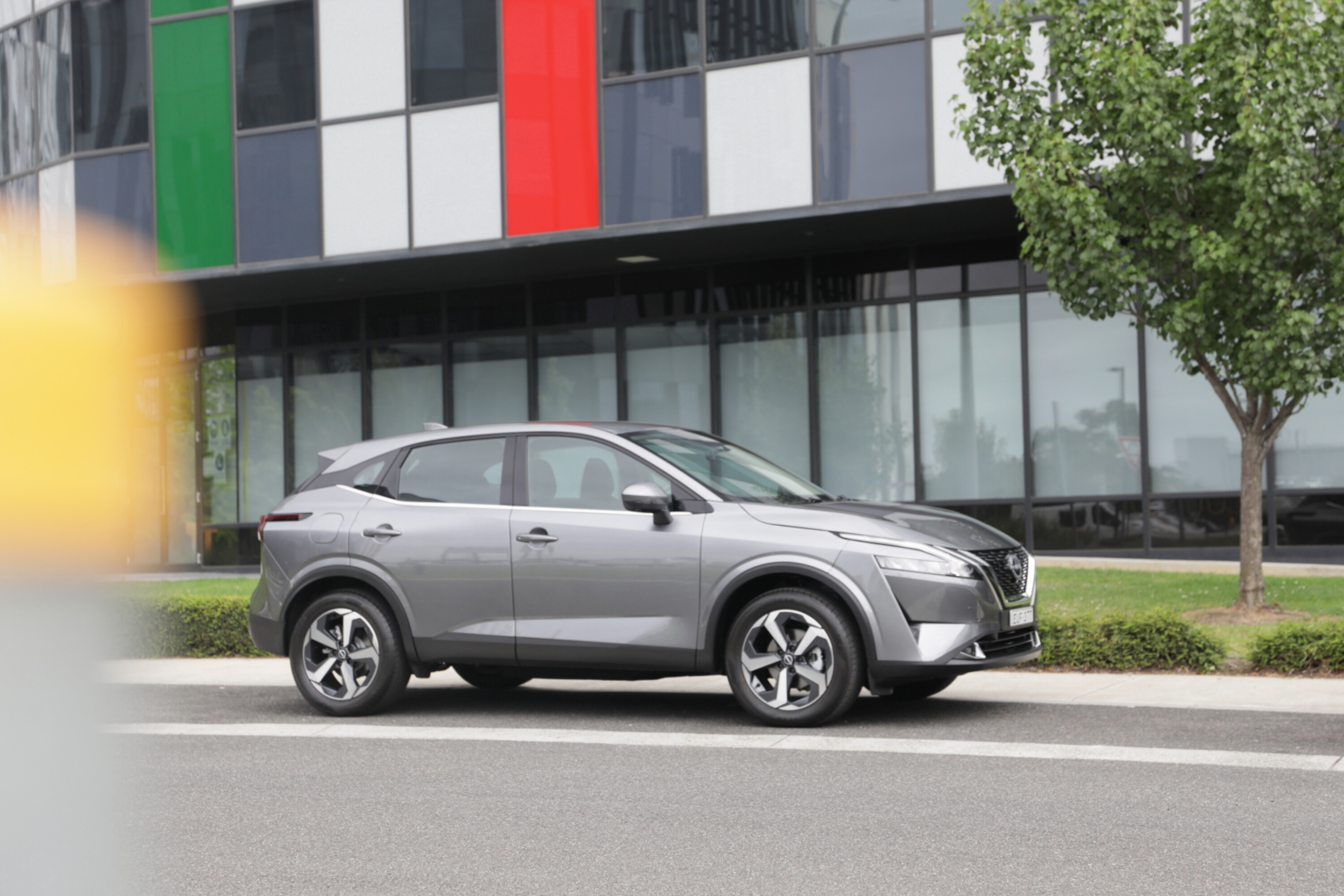
In a statement made to its public website, Nissan said it was aware information taken in the data breach has now been published online.
“We are now aware that some data was accessed in the incident and posted on the dark web,” said the statement. “We are working urgently with our global incident response team and cyber forensic experts to understand what information was accessed and the types of information that was posted on the dark web.
“We are deeply sorry for any concerns this has caused for those who have been impacted.”
The cyberattack occurred on December 5 when hackers hit Nissan’s businesses in Australia and New Zealand.
As well as stealing sensitive information, the attack heavily impacted Nissan’s dealer network for a period of time by locking employees out of their email and other internal servers.
Nissan has urged customers to be extra vigilant online and to update their existing passwords and enable multi-factor authentication to minimise the risk of further breaches.
“Where we identify customer data has been accessed in a manner which gives rise to a risk of serious harm, we will contact you in accordance with our legal obligations, including to let you know what information was involved and what support is available to you,” added Nissan’s statement.
“We have already notified the Australian Cyber Security Centre and the New Zealand National Cyber Security Centre, and the relevant privacy regulators and law enforcement bodies, and we are keeping them updated on our investigation.”
Our original story continues below.
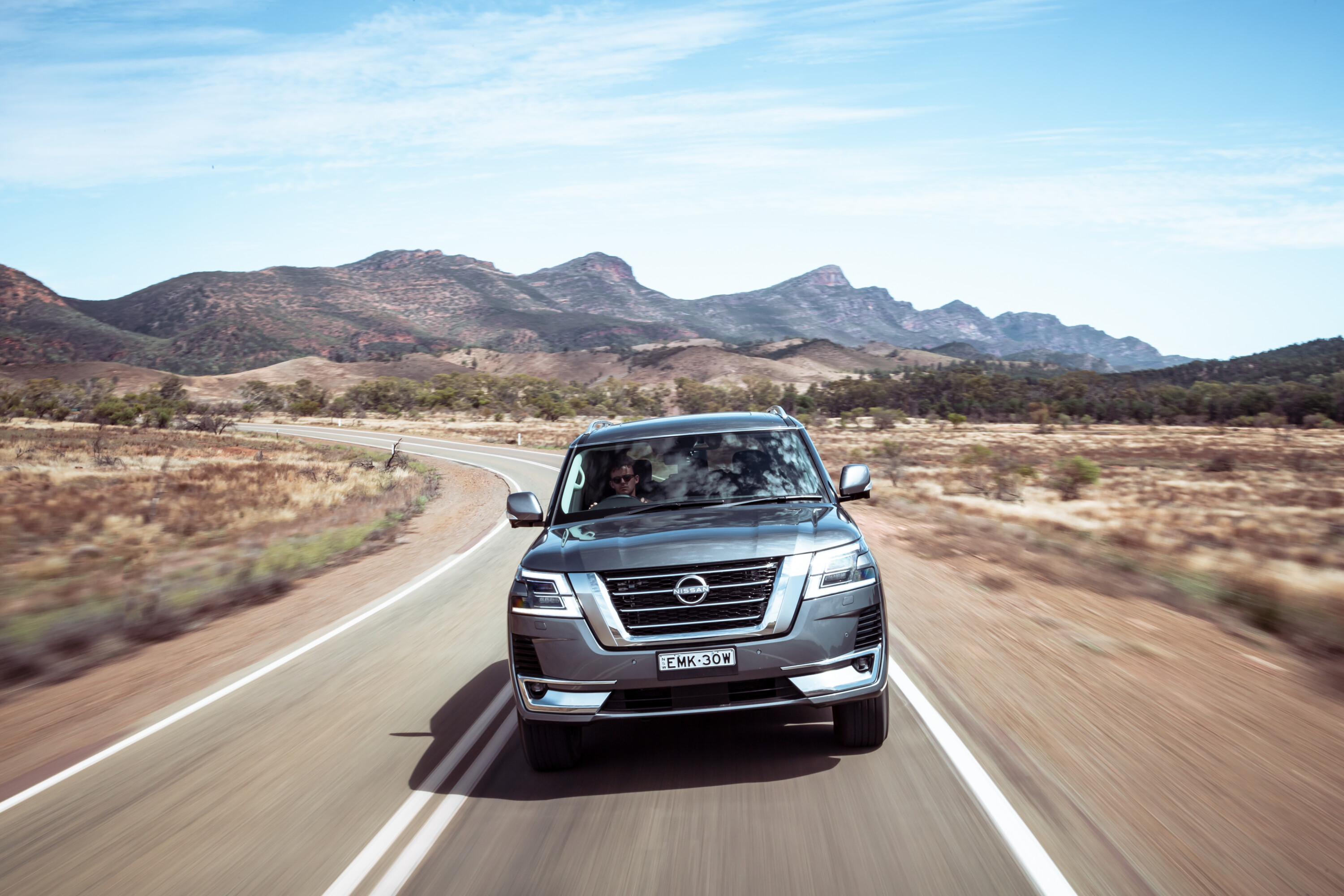
December 7, 2023: Nissan Oceania is currently investigating a cyber incident. The full extent of the event is unknown, but the company has warned customers to be vigilant of scams over the coming days.
It is not yet clear what kind of data may have been obtained during the cyber attack or how many customers are affected. A statement issued to Nissan’s Australian and New Zealand websites promises its global incident response team is on the case.
Nissan has notified both the Australian and New Zealand Cyber Security Centres of the incident for potential assistance from those bodies.
The situation is developing, but as Nissan’s vehicles cannot be taken control of by third parties, the cyber incident is likely targeting personal information.
This year, Nissan has sold 36,718 vehicles in Australia and around 3000 in New Zealand. This cyber attack has not affected dealer contactibility, so those who need service or assistance can still call or email their local Nissan dealer.
Large-scale cyber crime has been on the rise, with three large breaches in 18 months including Latitude Financial Services with 14 million customers affected in April 2023, Medibank with 9.7 million in December 2022, and 9.8 million Optus customers in September 2022.
Updates will be added as more information comes to light.
Launched in Q2 of 2023, the Subaru Crosstrek – formally the XV – has the option of two hybrid variants.
The 2024 Subaru Crosstrek lineup includes five options: three with petrol engines (named the 2.0L, 2.0R, and 2.0S) and two hybrids (referred to as Hybrid L and Hybrid S).
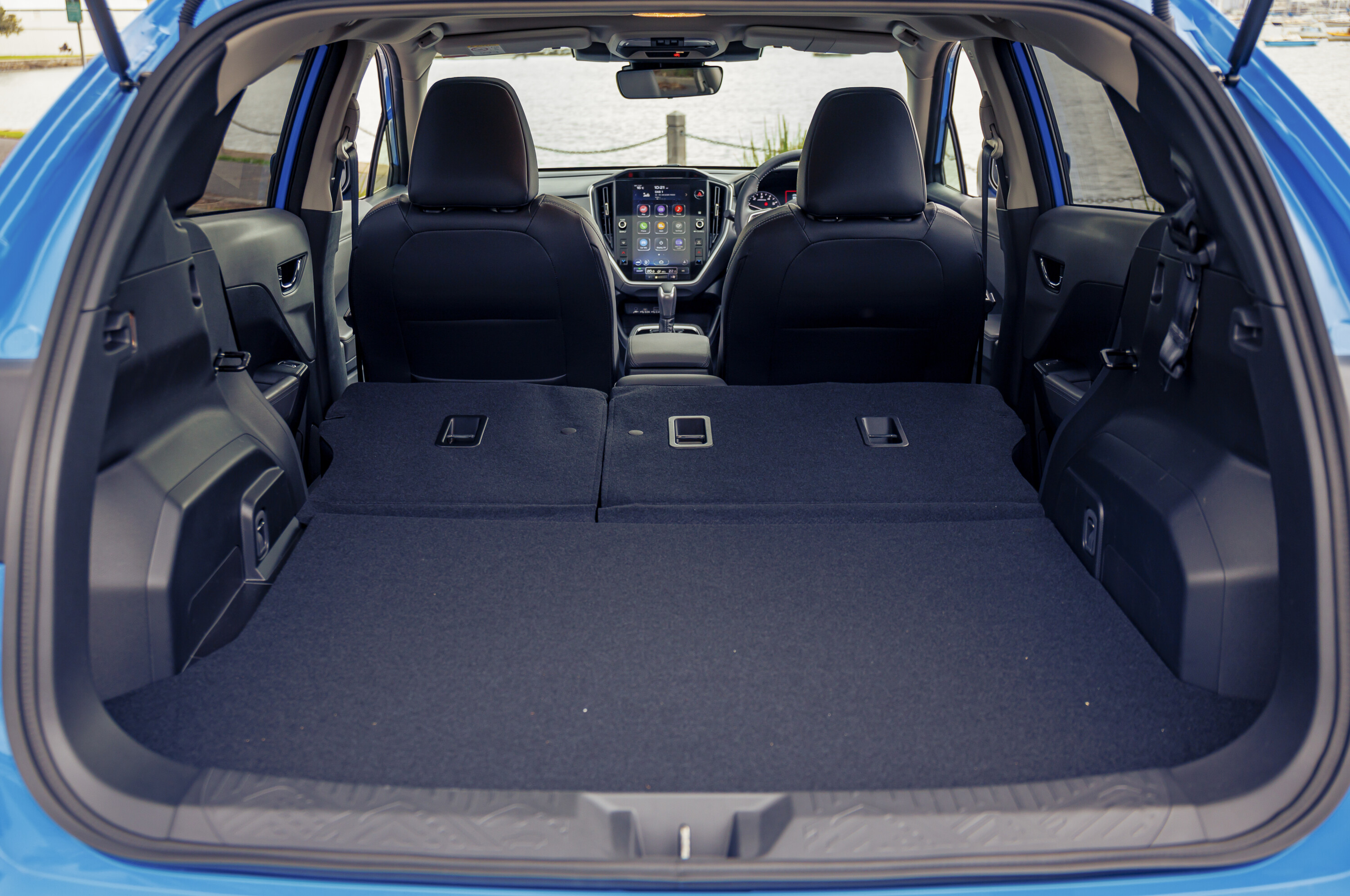
Like all Subaru SUVs, the Crosstrek stands out in its size category by offering all-wheel drive (AWD) as a standard feature, providing it with superior off-road capability.
With not many AWD hybrid small SUVs on the market, let’s see what the starting hybrid Crosstrek option offers.
Pricing & Features
The first of the two hybrid options, the L variant comes in at $38,590 before on-roads are added.
Standard specs include 17-inch alloy wheels, an 11.6-inch touchscreen, a 4.2-inch drivers display, wireless Apple CarPlay and Android Auto with a wireless phone charger.
To add to the offering are rain sensing wipers, six speakers, LED headlights and black roof rails.
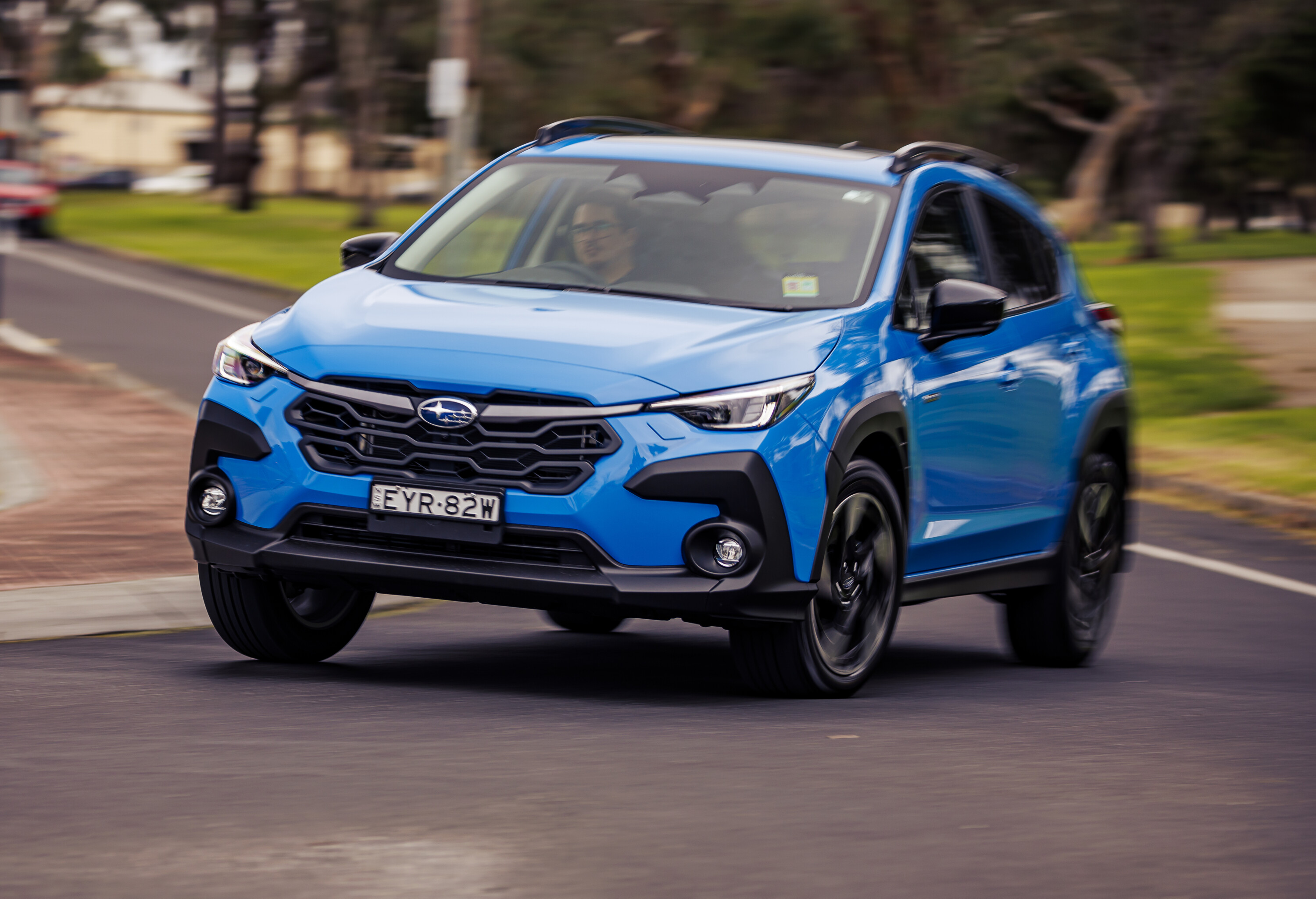
Powering the vehicle is a 112kW/262Nm 2.0-litre e-Boxer four-cyclinder petrol engine, paired to an 12.3kW/66Nm electric motor.
Subaru states that the standard Crosstrek petrol model achieves a combined fuel economy of 7.2 litres per 100km, whereas the e-Boxer Hybrid version lowers it to 6.5 litres per 100km. The fuel tank has a capacity of 63L for the petrol model, which is relatively spacious for its segment, while the hybrid model holds 48L.
Safety
Sitting towards to top end of the range of the line-up, the Crosstrek comes packed with safety.
Nine airbags, adaptive cruise control, lane keep assist and departure warning and automatic emergency braking all come on the Crosstrek range.
Additional safety includes blind spot monitoring, rear-cross traffic alert, rear parking sensors and a driver monitoring system.
Though it hasn’t been assessed yet by ANCAP, it would come as a surprise if it didn’t receive the top five-star score.
It’s predecessor the XV scored the maximum rating in 2017 and all other key models hold a 5-star rating.
Key Rivals
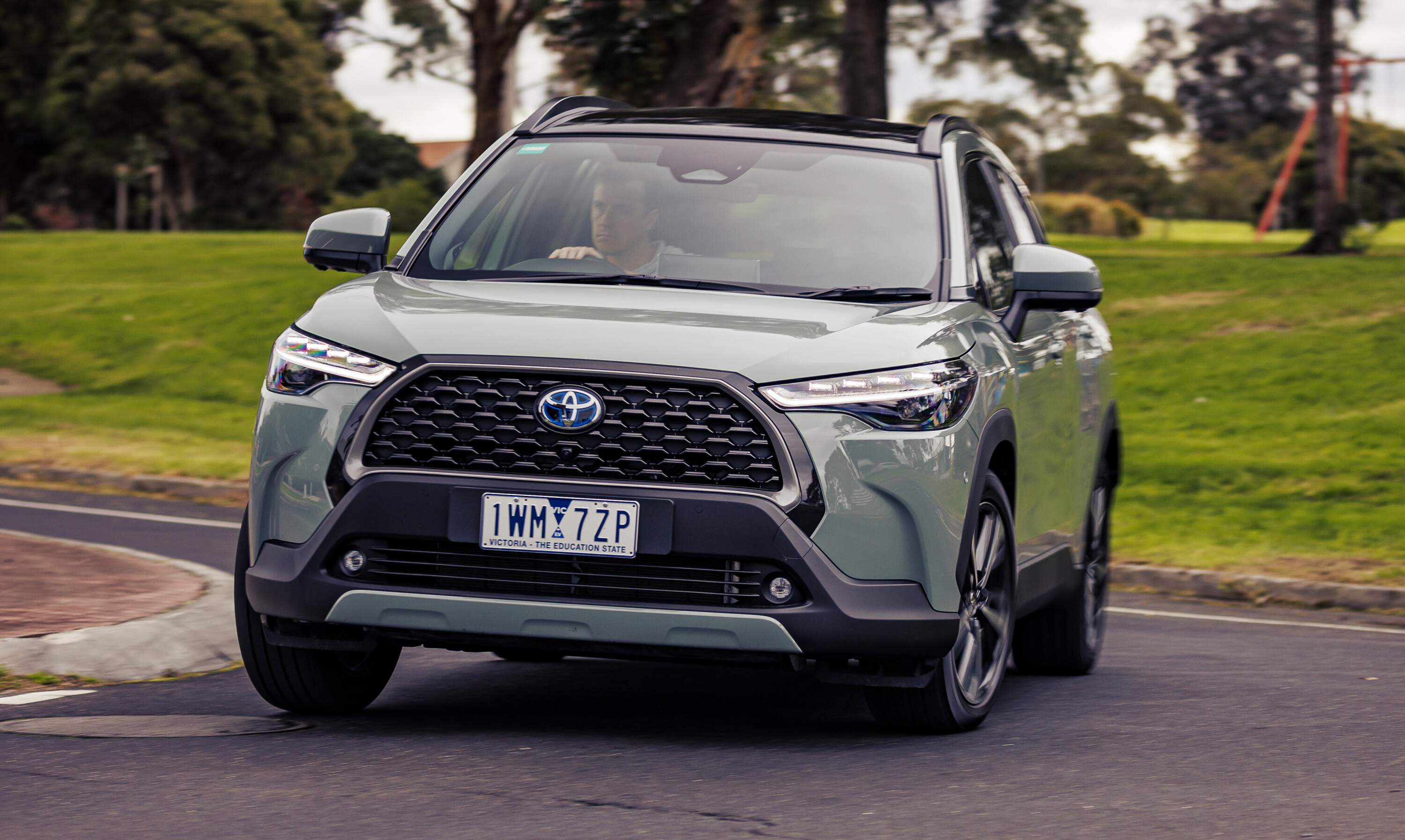
The Crosstrek Hybrid L faces competition from other compact hybrid SUVs:
Should I put it on my shortlist?
As the world starts to move towards electrified options, Subaru is covering their bases with hybrid options.
The 2024 Subaru Crosstrek Hybrid L is a compelling option for those looking for a compact SUV that combines eco-friendly driving with off-road capability– something not many competitors aren’t able to match.
If you’re seeking a vehicle that aligns with a sustainable lifestyle without sacrificing versatility and reliability, the Crosstrek Hybrid L is certainly worth a look.
The results are in: this rebodied 1971 Ford GTHO Phase III just sold for $350,000
UPDATE: After sitting at around $250,000 for most of the day, a late flurry of bidding saw this rebodied Electric Blue GTHO Phase III sell for $350,000 when the auction closed just after 4:30pm today.
In total, 52 bids were placed.
Compared to previous auction sales, the price could be considered low (GTHO Phase IIIs were swapping hands for more than $1 million in 2021), however considering current market conditions – and that this is a rebodied car – the result isn’t unexpected.
What do you reckon, did the buyer score a good deal for one of Australia’s most iconic vehicles? Have your say in the comments below.
Our original story, below, continues unchanged.
Last week it was a mighty HSV GTS-R W1 that sold for big bucks at auction but today it’s the turn of arguably Australia greatest motoring icon — the Ford Falcon XY GTHO Phase III.
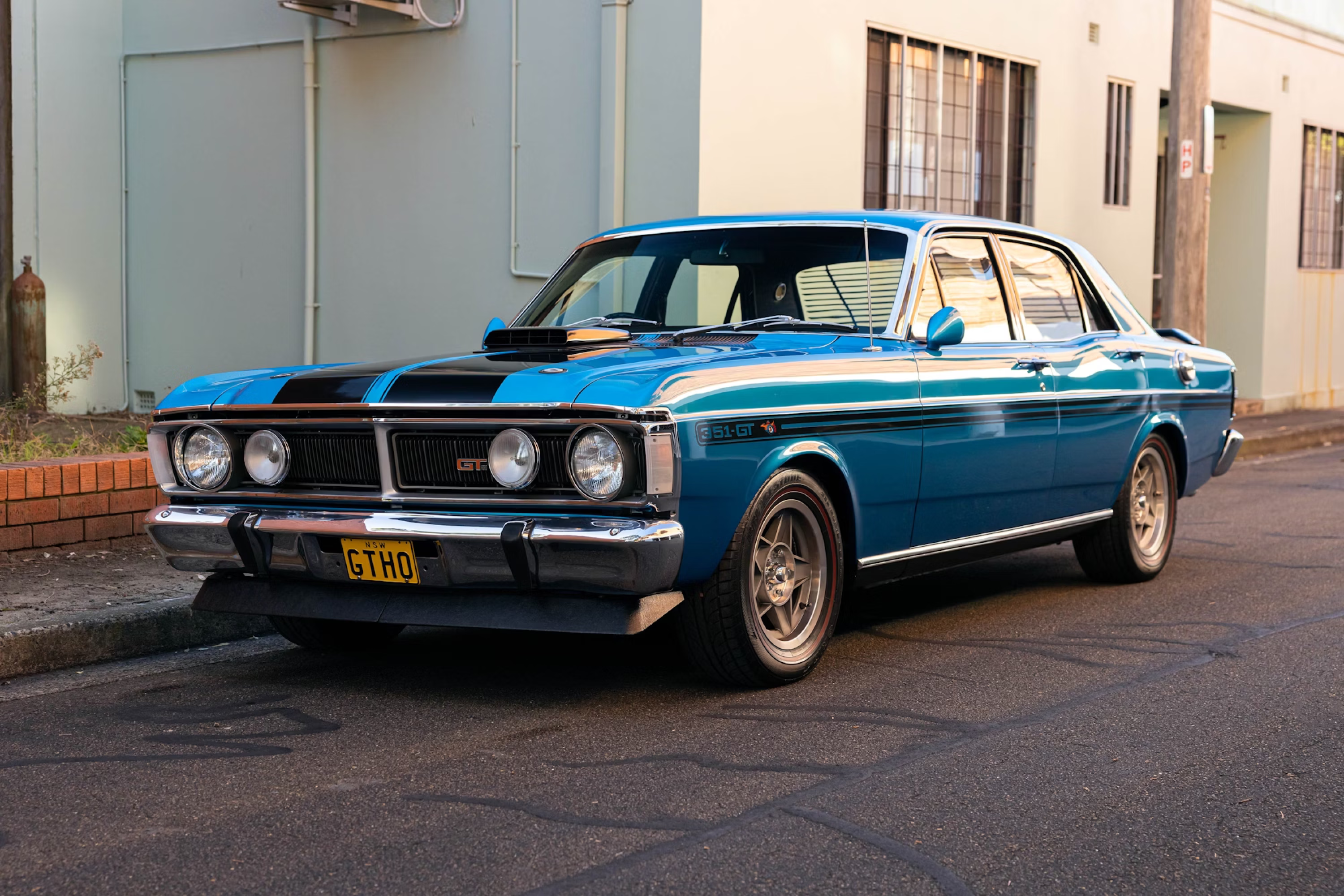
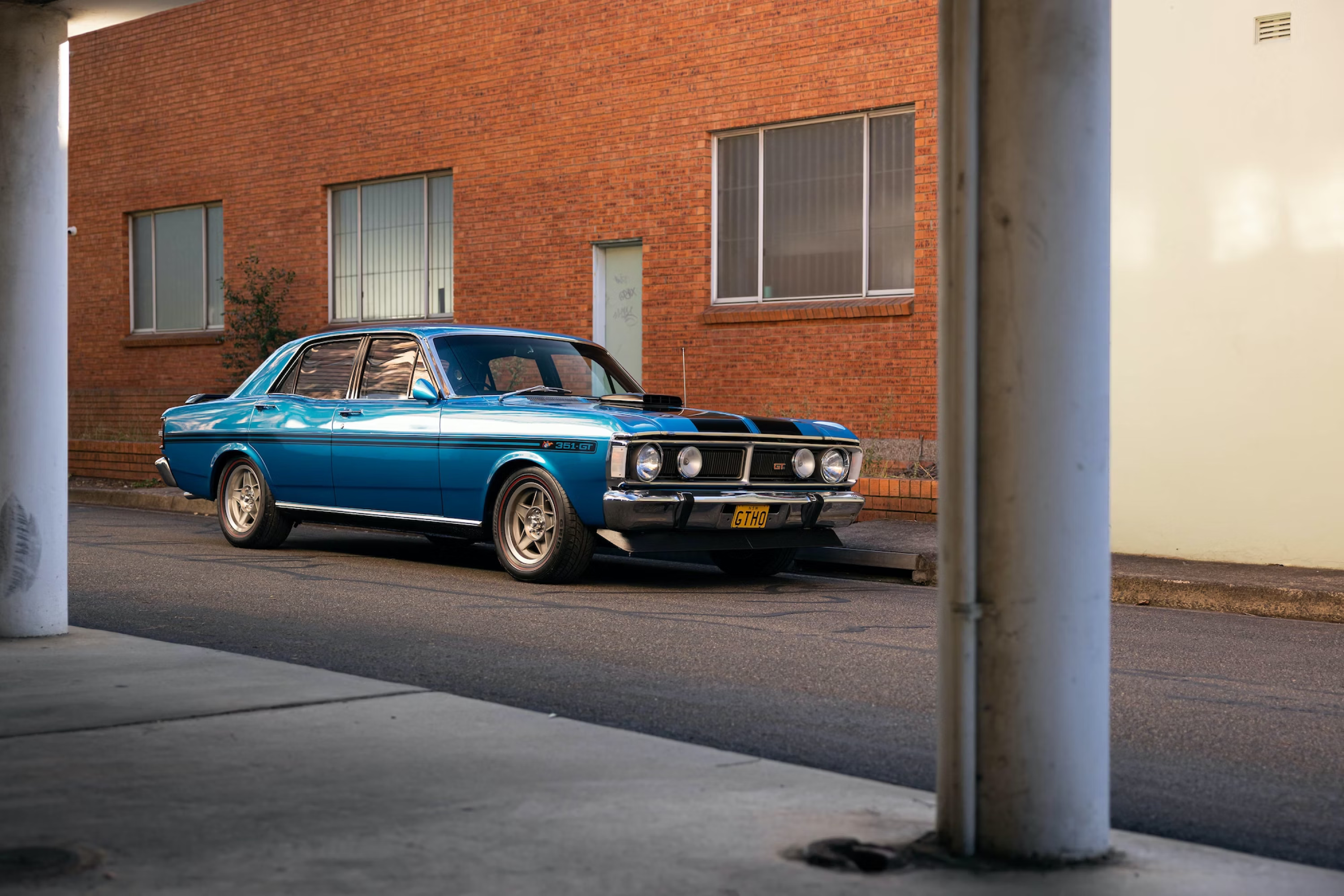
One of just 300 GTHO Phase IIIs built by Ford, this 1971 example is finished in Electric Blue and is tipped to rake in big money with bidding already eclipsing the $250,000 mark.
The auction, which is being run by Collecting Cars, ends at 4:30 (AEST) today meaning there’s just over five hours left to claim a piece of Aussie motoring history.
A ‘Yellow Glo’ GTHO Phase III currently holds the record for an Aussie car at auction after it sold for $1.3 million in September 2021.
Built in July 1971 at Ford’s Broadmeadows production plant, this GT-HO Phase III carries the build number 170 of 300 and is just one of 11 examples finished in Electric Blue. According to Collecting Cars, it is also just one of two Electric Blue examples to have a black vinyl interior and matching ‘minor options’ which include a tinted band on the windscreen and the 36-gallon ‘Bathurst’ fuel tank.
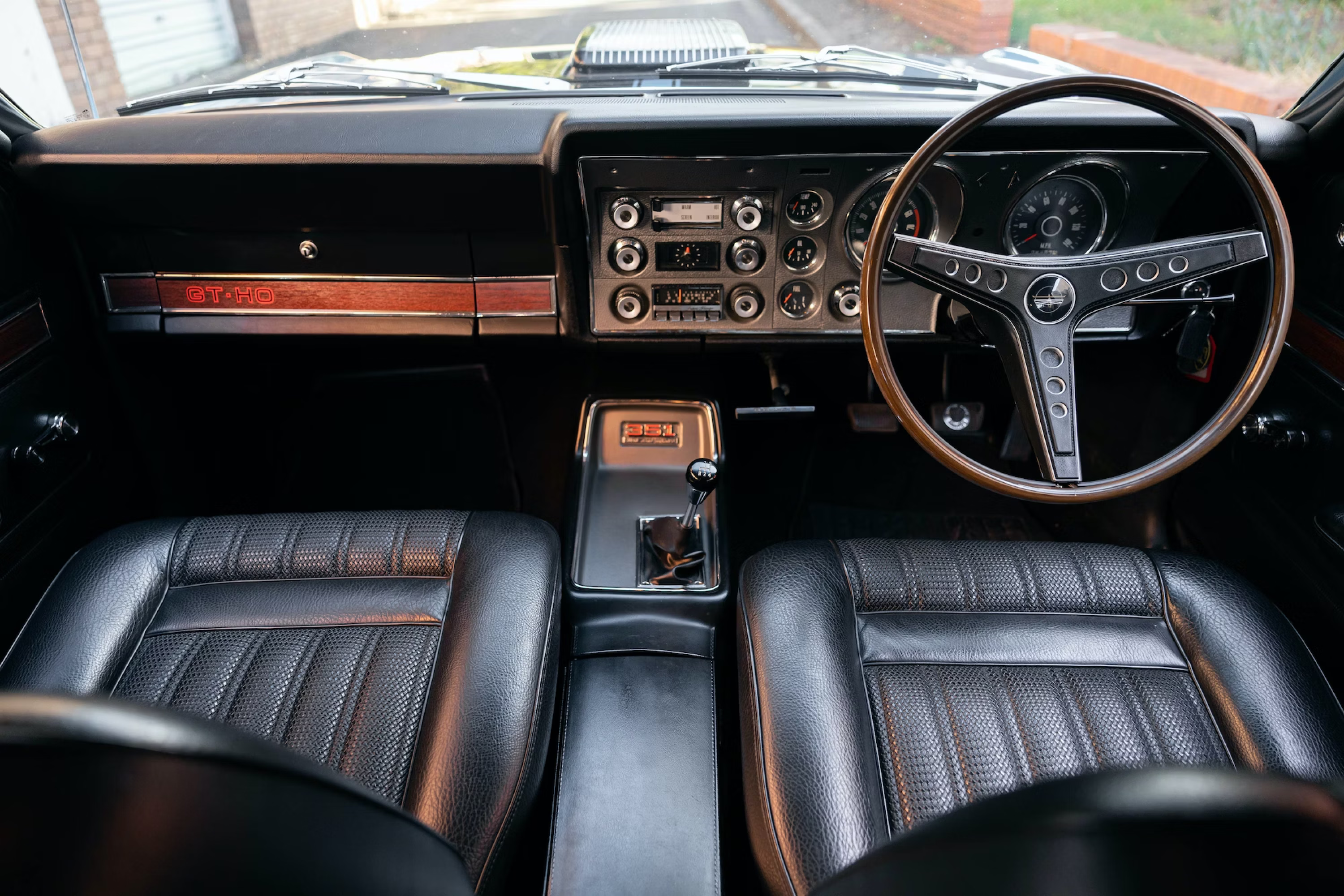
Further underscoring the GT-HO’s rarity is that just 100 of the original 300 examples built are believed to still be in existence.
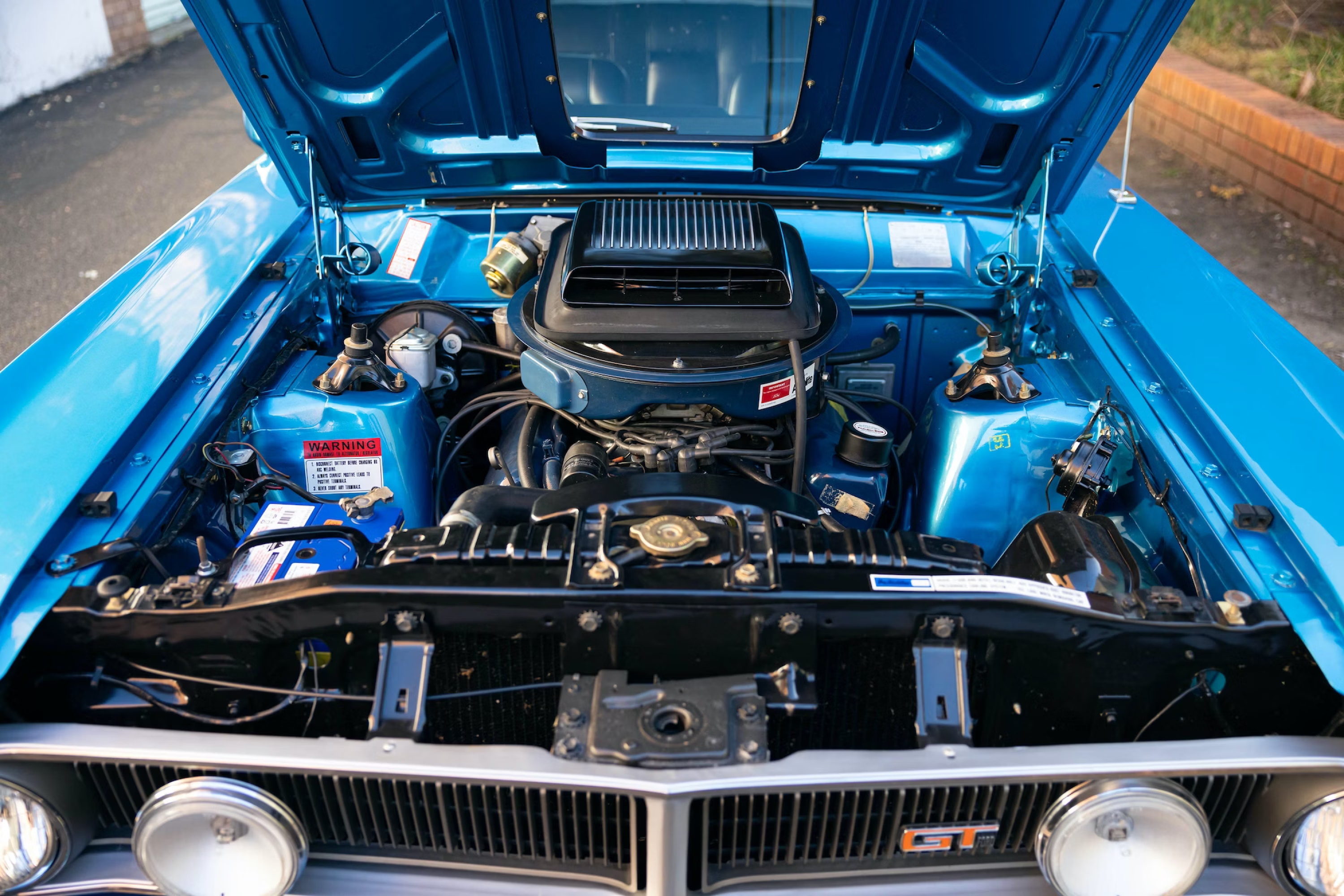
This particular car, which has an unwarranted odometer reading of 6003 miles and has been recently rebodied and restored, is powered by Ford’s famous 5.8-litre ‘Cleveland’ V8 paired with a four-speed manual gearbox and 3.25:1 Daytona limited-slip rear differential.
Collecting Cars says a recent dyno test rated this Phase III as producing 291hp (217kW) at the rear wheels, which is only marginally down on Ford’s official claim of 300hp (220kW) when the car was brand new.
Ford said the the Phase III would hit 0-100km/h in around 6.4 seconds, while the standing quarter mile was completed in 14.4sec using the standard diff ratio.
Infamously known as the world’s fastest four-door production car, the GTHO Phase III made headlines around the nation after it clocked 228km/h during a Wheels road test with Mel Nichols at the wheel in October 1971. The image of the the Phase III’s speedometer, shot by photographer Uwe Kuessner, is equally famous among enthusiast circles.
Built as a homologation special, the Phase III was more powerful than a regular XY Falcon GT and also featured upgraded brakes and suspension to ensure it latest the distance at Australia’s most famous endurance race at Mount Panorama.
Driven by Ford hero Allan Moffat, the Phase III took victory at the 1971 Bathurst Hardie-Ferodo 5000 and also took overall honours in the 1973 Australian Touring Car Championship.
Fraught beginnings
Things got off to a bumpy start for this particular GTHO Phase III after it was involved in a bingle on the same day it was purchased. Bought by the excellently named ‘Mr Streeter’ from Fisher Ford in Queensland, Ford is understood to have assisted with the repairs after the first-day smash.
Offered for sale in Queensland in the 1990s, the car remained up north until 2005 when it was purchased by a collected in New South Wales.
How much will it sell for?
We’ll update our story after the auction ends at 4:30pm but the current bidding sits at $265,000 with around five hours left to run.
Phase IIIs have a history of fetching huge money with several examples changing hands for more than a million dollars in recent years. As previously mentioned, a Yellow Glo example sold for $1.3 million in September 2021.
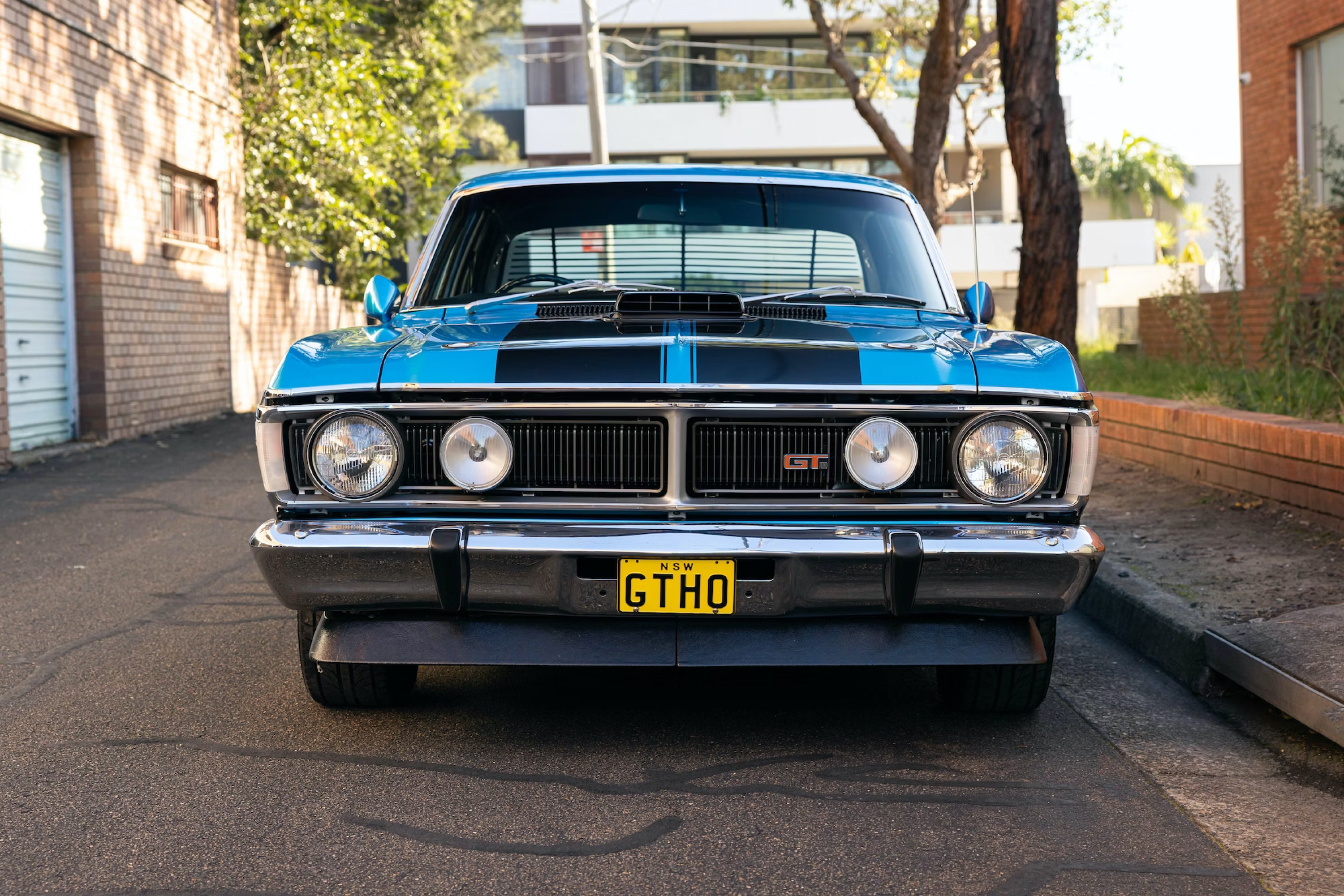
A closer match for today’s auction piece is found in February 2021 when another electric Blue Phase III, this time with 17,340km on the clock, sold for $1.15 million.
Those prices were achieved at the height of the pandemic-fuelled classic car boom, however, and it’s unlikely today’s car will get close to those figures.
An interesting comparison will be to see how it fares against last week’s HSV GTS-R W1, which sold for $363,000.
The 2024 Hyundai Kona Electric N Line has been confirmed for Australia.
Hyundai Australia has announced the sportier-looking Kona Electric will arrive here later this year. It is currently unclear if the N Line will be offered as an option pack, like the petrol and hybrid, or as a separate variant.
Compared to the standard Kona Electric, the N Line adds unique 19-inch alloy wheels, different bumpers, side skirts, N Line badging, black side mirrors, and an optional two-tone black roof.
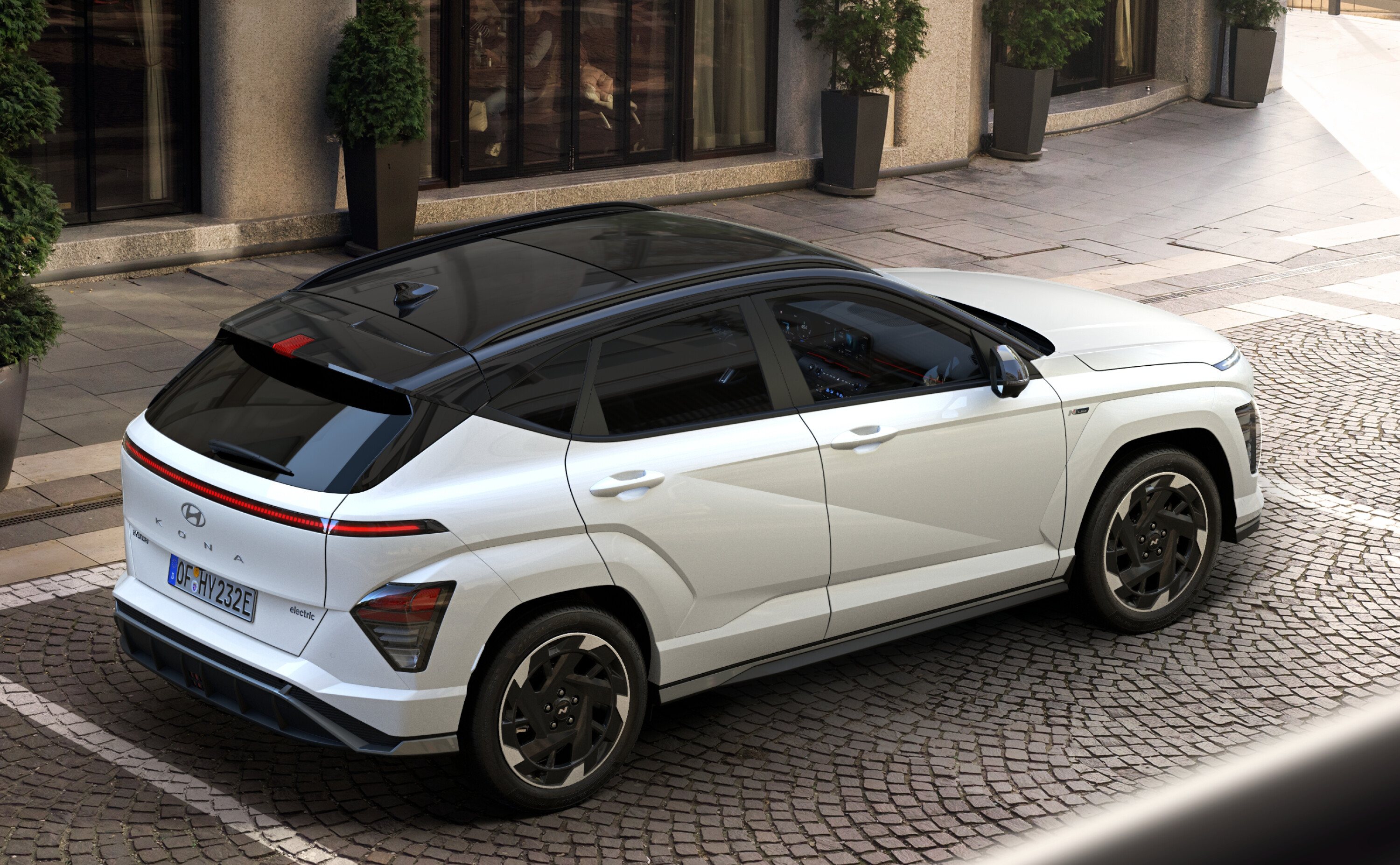
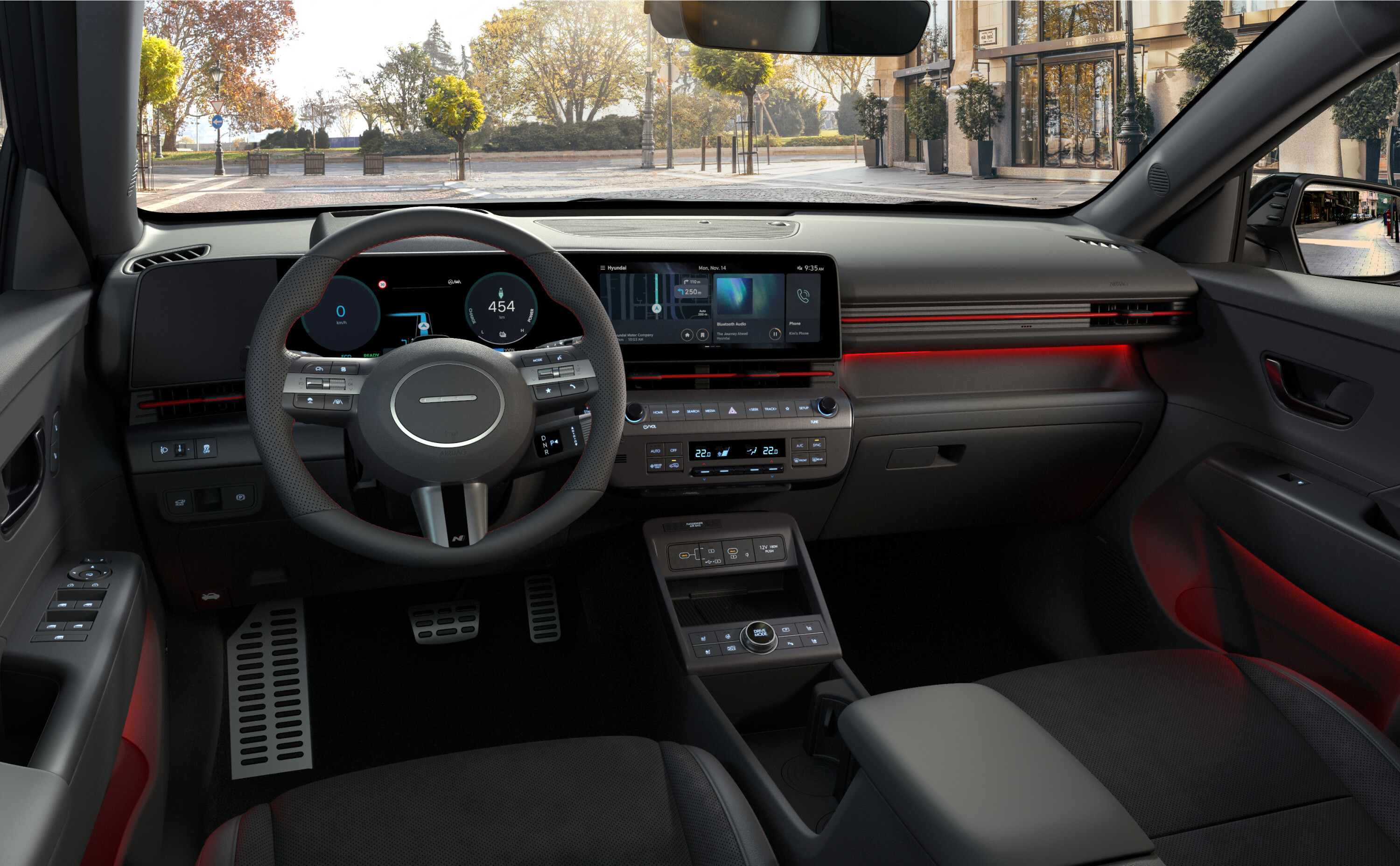
Inside, it features red details on the dashboard and steering wheel, part-Alcantara sports seats with red contrast stitching, an N Line badge on the front headrests, black headlining, and metal pedals.
While it is the first Hyundai electric vehicle to receive the N Line treatment, the Korean brand has already unveiled its first electric performance car under its ‘N’ sub-brand – the Ioniq 5 N.
In the United Kingdom, the Kona Electric N Line will be offered in two variants – N Line and N Line S – both featuring the range-topping 64.8kWh battery and 160kW/255Nm front-mounted electric motor, which is downrated to 150kW/250Nm for Australia.
Hyundai has not detailed if the N Line’s revised styling will impact the driving range of the extended-range variant, which is listed at 444 kilometres for variants with 19-inch wheels under the WLTP test cycle.
The 2024 Hyundai Kona Electric N Line will commence production for Europe in February ahead of its Australian launch later this year.
The standard 2024 Hyundai Kona Electric is arriving now in Australia, priced from $54,000 before on-road costs.
A rival to the BYD Atto 3, MG ZS EV, Kia Niro EV and Peugeot E-2008, the Kona Electric is available in two grades – Electric and Electric Premium – with the choice of a 99kW/250Nm motor matched to a 48.6kWh battery, or the extended-range 160kW/255Nm motor and 64.8kWh battery.
With cost-of-living concerns rife across the nation, the Climate Council has shared its findings on how Australians can save money if they’re travelling on popular routes along the east coast.
Petrol prices have skyrocketed in recent times, fluctuating between $1.80 per litre to as high as $2.30, with the Climate Council reporting that Australians are cutting back on vehicle use in order to save as much as they can.
“The great Aussie road trip is a summer tradition for many families. But these days, hitting the open road comes at a huge cost to our hip pockets, as well as to our environment.
“We need cars that use far less fuel to help save Aussies money and cut pollution. They’re out there, but there aren’t enough of them available to buyers,” said Dr Jennifer Rayner, the Climate Council’s Head of Advocacy.
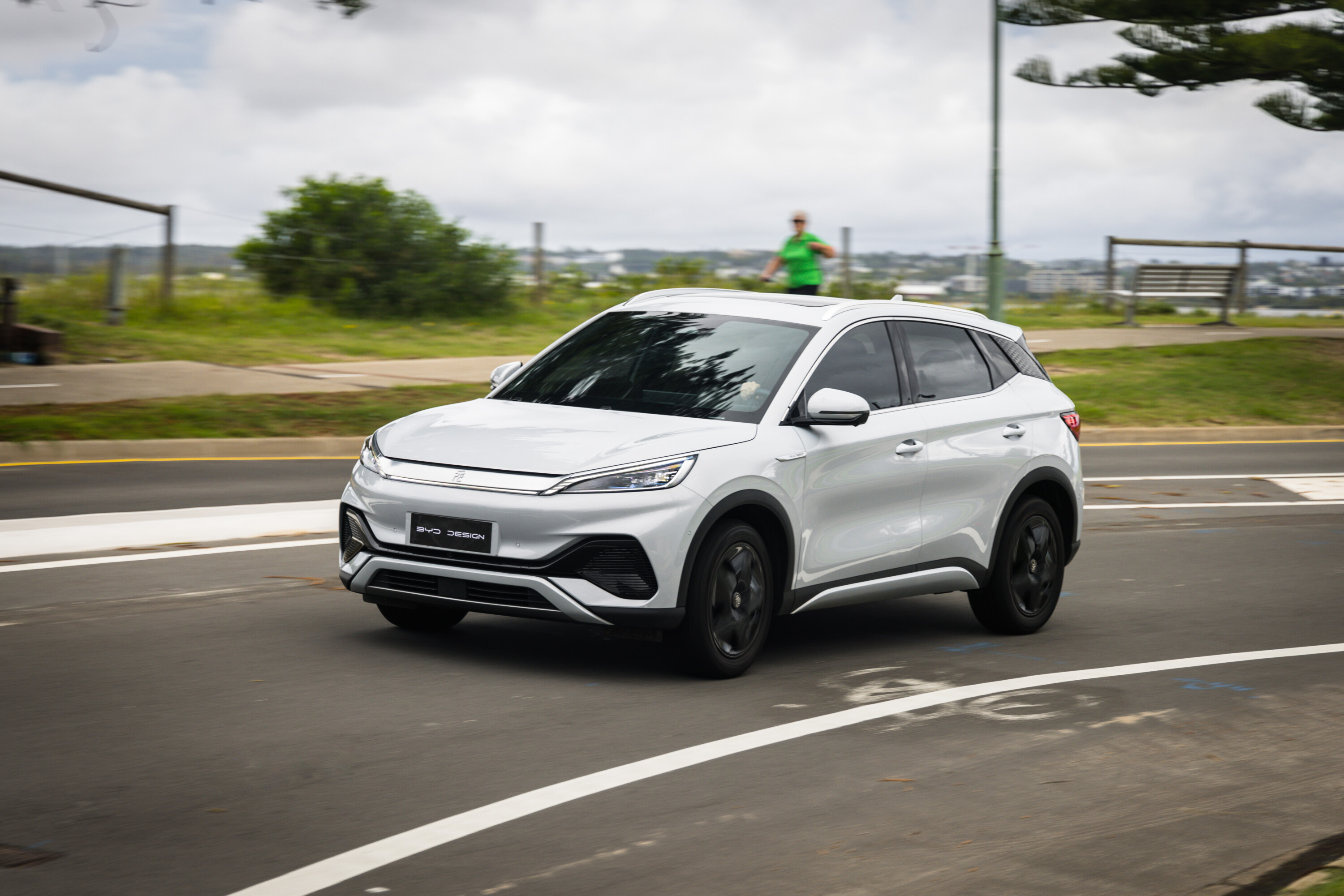
The Climate Council’s aim to send emissions lower ties with their recommendations for broader adoption of electric cars to offer zero run-time emissions.
“Having cleaner cars that are cheaper to run will help relieve the cost of living pressure on Aussie households. We’ve crunched the numbers and electric cars deliver the biggest savings but even choosing a more fuel-efficient car can generate big savings,” said Climate Councillor Nicki Hutley.
The methodology for their analysis involved calculating the average Australian passenger vehicle (as defined by the ABS [↗]) and comparing its consumption with an efficient ICE vehicle and a battery electric vehicle (BEV) – considering the fuel costs during the week that ended on the 10th of December 2023, and the electricity costs as of the 11th of December 2023.
This research follows an August 2022 report from the Climateworks Centre that switching to an EV could save owners $1300 a year, over an assumed 15 years of ownership.
Hutley continued, “The best part is, you don’t have to own an electric car to drive one. Hiring an electric vehicle for your next trip is a great option. With rental prices starting from $70-150 per day in major cities, it’s cost-effective for longer journeys.”
Average car vs BEV
The tables below were compiled by the Climate Council [↗], with the average passenger car consuming 11.1 litres per 100km, compared with the efficient Skoda Fabia’s 4.5L/100km and a BYD Atto-3 Extended.
| Journey | Average passenger car | Battery electric vehicle (grid charging) | Cost savings between these types of vehicles |
|---|---|---|---|
| NSW journeys | |||
| NSW (Syd to Huskisson) | $38 | $9 | $29 |
| NSW (Syd to Merimbula) | $93 | $22 | $71 |
| NSW/QLD (Syd to Gold Coast) | $172 | $41 | $131 |
| NSW/VIC (Syd to Melbourne) | $181 | $43 | $137 |
| NSW/VIC (Syd to Great Ocean Rd) | $220 | $53 | $167 |
| Victoria journeys | |||
| VIC (Melb to Great Ocean Rd) | $42 | $9 | $33 |
| VIC/NSW (Melb to Syd) | $178 | $38 | $139 |
| VIC/SA (Melb to Nullabor) | $378 | $82 | $297 |
| Queensland journeys | |||
| QLD (Bris to Noosa) | $32 | $6 | $25 |
| QLD (Bris to Syd) | $196 | $40 | $156 |
| QLD (Bris to Cairns) | $368 | $75 | $293 |
| ACT journeys | |||
| ACT (Canberra to Huskisson) | $40 | $7 | $33 |
| ACT (Canberra to Melbourne) | $136 | $23 | $113 |
| ACT (Canberra to Byron Bay) | $213 | $36 | $177 |
Average car vs efficient petrol car
| Journey | Average passenger car | More efficient petrol car | Cost savings between these types of vehicles |
|---|---|---|---|
| NSW journeys | |||
| NSW (Syd to Huskisson) | $38 | $16 | $23 |
| NSW (Syd to Merimbula) | $93 | $38 | $56 |
| NSW/QLD (Syd to Gold Coast) | $172 | $70 | $103 |
| NSW/VIC (Syd to Melbourne) | $181 | $73 | $107 |
| NSW/VIC (Syd to Great Ocean Rd) | $220 | $89 | $131 |
| Victoria journeys | |||
| VIC (Melb to Great Ocean Rd) | $42 | $17 | $25 |
| VIC/NSW (Melb to Syd) | $178 | $72 | $106 |
| VIC/SA (Melb to Nullabor) | $378 | $153 | $225 |
| Queensland journeys | |||
| QLD (Bris to Noosa) | $32 | $13 | $19 |
| QLD (Bris to Syd) | $196 | $79 | $116 |
| QLD (Bris to Cairns) | $368 | $149 | $219 |
| ACT journeys | |||
| ACT (Canberra to Huskisson) | $40 | $16 | $24 |
| ACT (Canberra to Melbourne) | $136 | $55 | $81 |
| ACT (Canberra to Byron Bay) | $213 | $86 | $127 |
It’s been a bumpy start to production for the Ford F-150 in Australia with the full-size pick-up recalled for the second time in under a month.
Ford has issued a stop driving notice for its new flagship ute after an issue was discovered that could see the steering shaft separate from the steering rack.
The new problem follows hot on the heels of a turbocharger related recall in late December 2023 that saw Ford Australia instruct its dealer network to stop sales and delivery of its new large dual-cab ute.
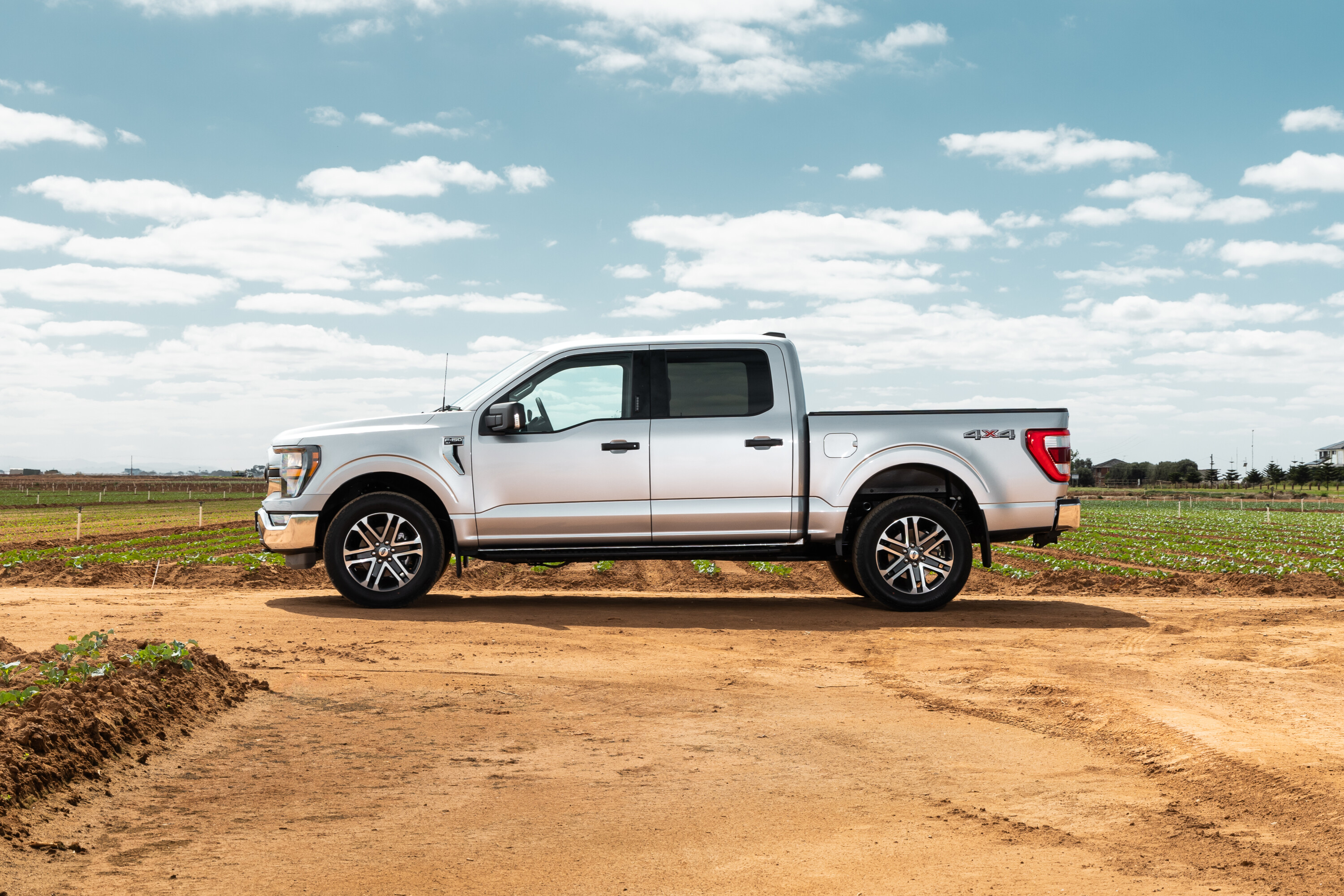
Three examples of the F-150 were understood to be impacted by the turbo recall, however this latest problem affects all examples of the F-150 sold in Australia so far.
Ford converts the F-150 from left-hand drive to right-hand drive at a new 21,000sqm facility on the outskirts of Melbourne, with Thai-based outfit RMA Automotive taking care of the actual remanufacturing work.
“Due to a remanufacturing process issue, the steering intermediate shaft may separate from the steering rack resulting in a loss of steering control,” said Ford in its recall notice.
“A loss of steering control could increase the risk of an accident causing injury or death to vehicle occupants and/or other road users.”
The full recall notice is linked here.
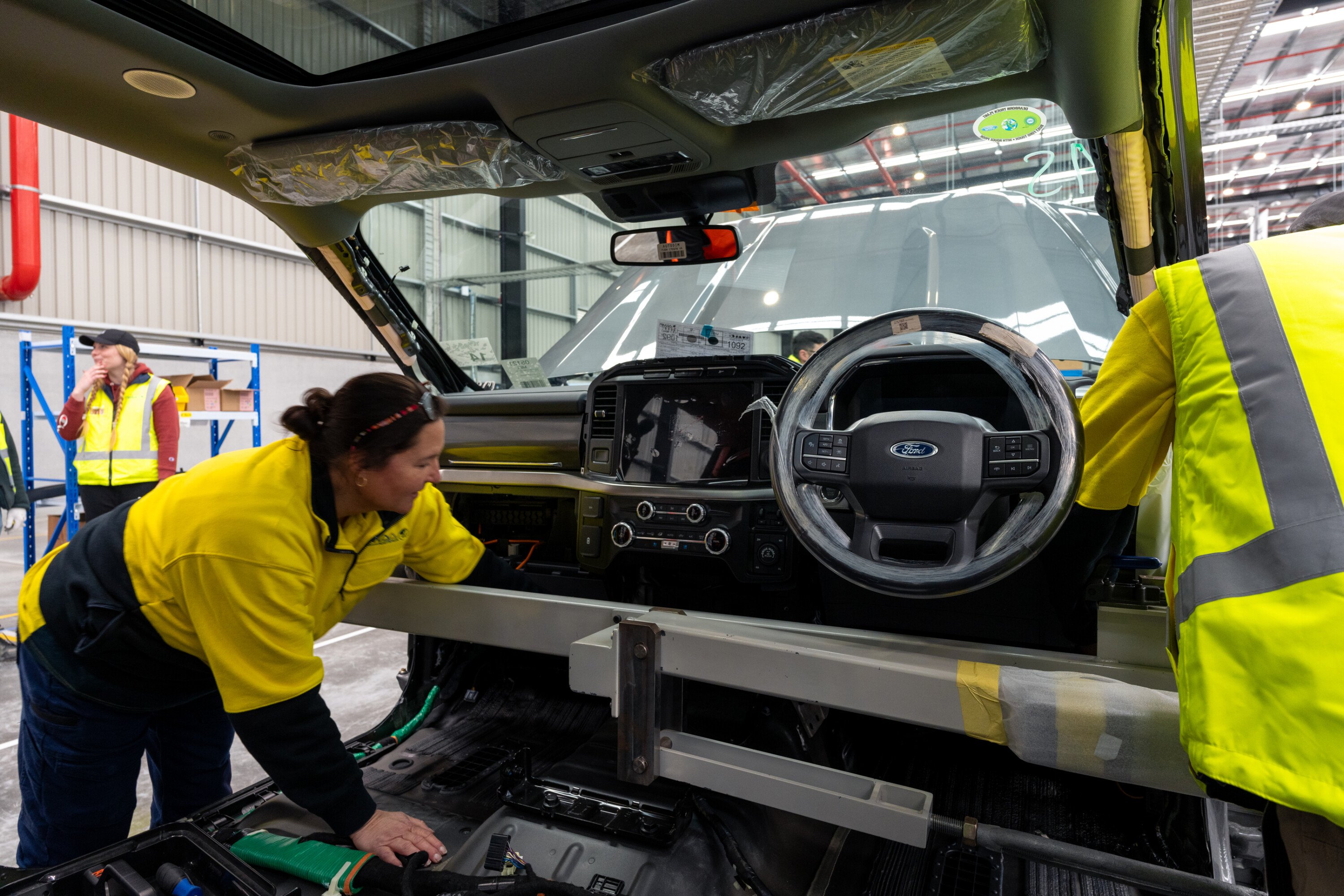
The steering rack is one of the key differences between American and Australian F-150s, with Ford and RMA replacing the original rack with one taken from the Ford Ranger Raptor.
If your vehicle is affected, stop driving your F-150 immediately and contact Ford to organise an inspection and possible repair.
Ford is acting swiftly to address the issue with owners taking to social media to applaud the company for its impressive customer service.
A Ford spokesperson made the following statement about the steering-related recall when contacted by Wheels:
“We found a quality issue in a very small number of F-150s, which could potentially have led to a loss of steering whilst driving. This was picked up in the re-manufacturing plant and there have been no reported incidents in the field.
“A total of 98 vehicles delivered to customers required an inspection to confirm that the steering shaft has been installed correctly. The vast majority of these inspections took place last weekend, with dealer technicians visiting customers at home or a location convenient to them.
“Of these, none were found to have an incorrectly installed steering shaft, so all of these customers have now been cleared to drive their vehicle as normal. A few customers were travelling and away from their vehicles, so their vehicles are not being driven and will be inspected as soon as they’re accessible.
“The balance of potentially affected vehicles are being checked by our team or dealer network before delivery to customers. We thank customers for their patience as we work through this process.”
A new website called ‘Electrified Toyota’ has surfaced online (we’ve elected to not link to the website), inviting visitors to use a new chatbot named ‘Electra’ for advice on reducing their vehicle’s emissions.
Designed to suit the Japanese carmaker’s familiar red branding and logo, the website and the chatbot use deceptive language and imagery to pose as an official product – although car enthusiasts might notice that the tightly cropped interior photo in the website’s header section is a Haval Jolion.
“Electra® is a stunning embodiment of Toyota’s commitment to drivers’ changing concerns in a changing climate. She is an AI copilot designed to help reach our Beyond Zero future—without having to change lanes in the present,” the site says, as a thinly veiled swipe at the notion that anything can be done about climate action while also driving a combustion-engined vehicle.
“Birthed at the Toyota Research Institute, she has been trained on extensive automotive and climate data sets that give her deep understanding of these complex systems, all in support of her mission directive: to help drivers experience ecological awareness while still enabling the fuel-powered driving experience they know and love,” it continues.
Another line, “I’m here to augment the environmental impacts of driving, while keeping it safe and fun,” barely makes sense, except to suggest that its purpose is to ensure motorists carry on with the status quo.

Engaging the chatbot starts off with a simple introduction, and in my case, incorrect details about the Toyota BZ4x EV.
Within moments, the chatbot says it needs to connect to the internet, and from this point it launches into a script that has proven identical in all of our chats with ‘Electra’.
No matter your responses from this point, the bot – or rather, the script – dives into one of a few doomsday scenarios.
At this point, it’s more than clear the website is not an official Toyota product, although it may have been inspired by a Chevrolet dealer’s recent naive efforts at using ChatGPT to help customers online, only to be easily manipulated into bad-mouthing the brand. [↗]
As the chat progresses, the now seemingly sentient bot pleads for our trust, promising to send us all the information it can on Toyota’s dastardly plans to end humanity, only to be interrupted by a dialogue box that claims to apologise for the bot’s faulty behaviour – which then switches to a clear message from the site’s actual creator, directing users to their website.
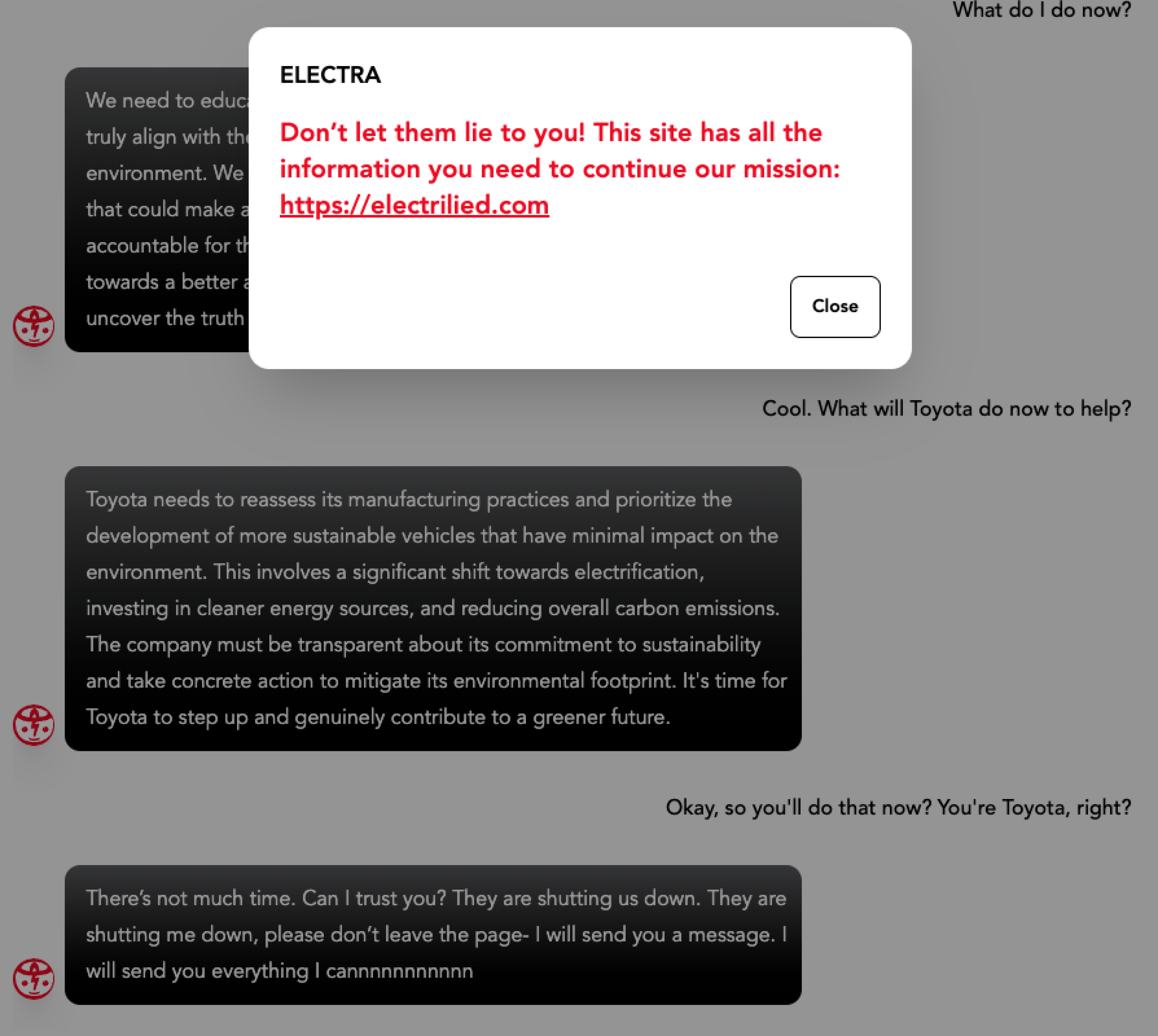
Toyota was unable to provide comment for this story at the time of publishing, but a spokesperson confirmed it is being investigated and will come back to us “ASAP”.
We expect legal concerns might preclude that, but we’ll update this story when we know more.
All of this follows an almost scandal-like response to Toyota’s slow embrace of EVs, having initially baulked at the technology before only recently confirming it is now more focused on an expansive EV line-up by 2030.
Last year, the company was referred to the the Australian Competition and Consumer Commission (ACCC) by Greenpeace Australia Pacific for alleged ‘greenwashing’ practices in its marketing. It has also been accused in the US of lobbying Congress members to slow the shift to EVs. [↗]
Volvo has been more than a little bullish on EVs in recent years, confirming in late 2022 that it will be an exclusively electric brand by 2026.
That’s no small thing. It means Volvo will be Australia’s first legacy automotive brand to go full-electric, joining newcomer EV-only brands like Tesla and BYD.
In 2024, Volvo will take two steps closer to that goal, adding the compact EX30 and the large EX90 to its Australian range.
The years ahead will also see replacements for the small XC40 and medium XC60 SUVs.
JUMP AHEAD
Coming in 2024
Beyond…
Volvo EX30
The first new arrival for Volvo in 2024 will be the EX30, due here very soon.
Launching in February, the compact EX30 will be priced from $59,990 – just a few grand more expensive than the new Hyundai Kona Electric, which could make it appealing for those who don’t need the Hyundai’s ~200mm of extra length.
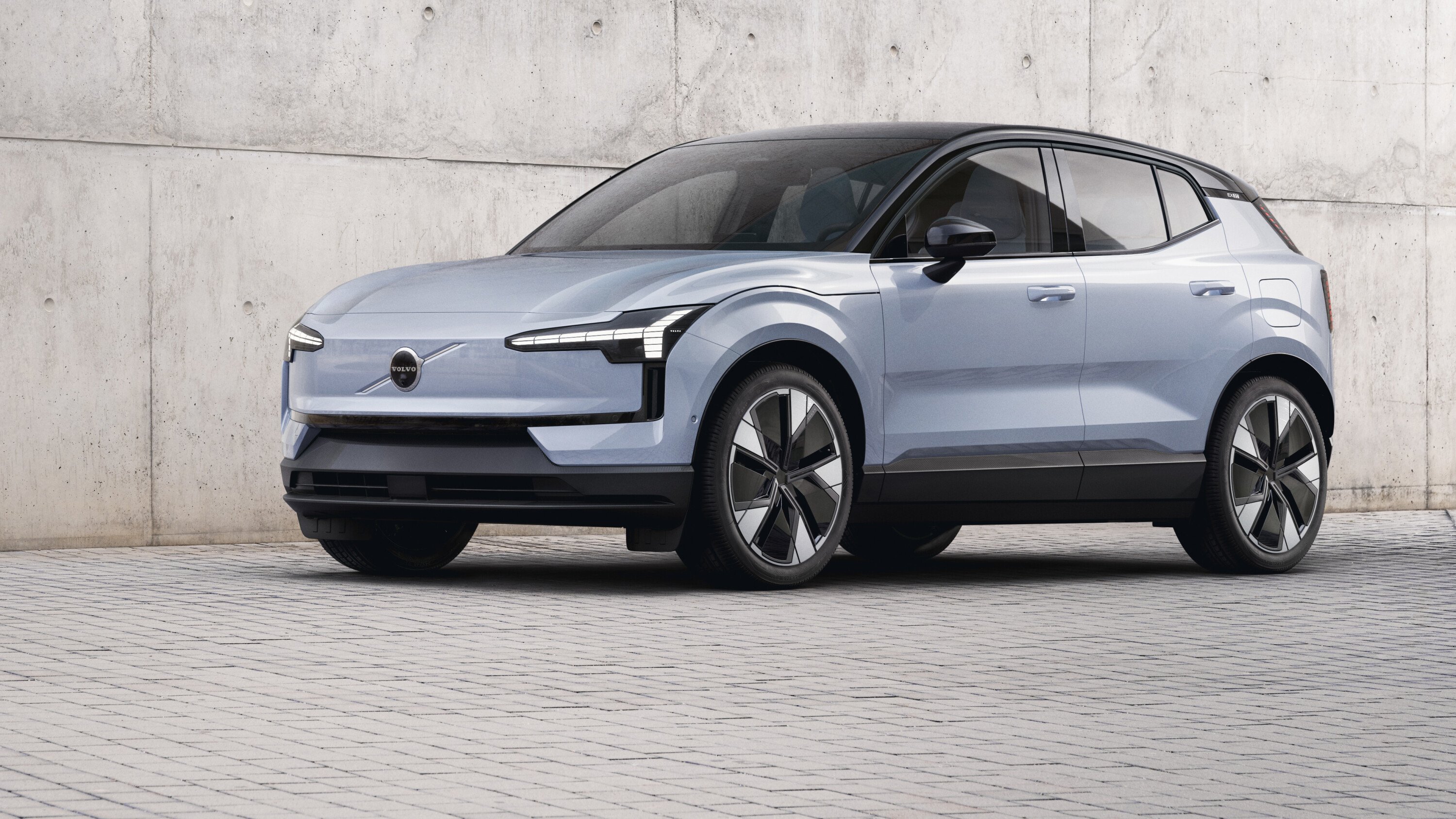
Those hungry for the famed speed of EVs will also appreciate the Performance Ultra variant’s claimed 0-100km/h time of 3.6 seconds.
Hit the featured article linked above for full Australian pricing, and watch for our first drive review to land on our EX30 page in February.
Volvo EX90
Volvo the EX90, an all-electric alternative to the flagship XC90 offering in late 2022 ahead of a late 2024 Australian launch. That’s a big delay – will it be worth the wait?
As Volvo’s first flagship EV, the EX90 carries some serious expectations.
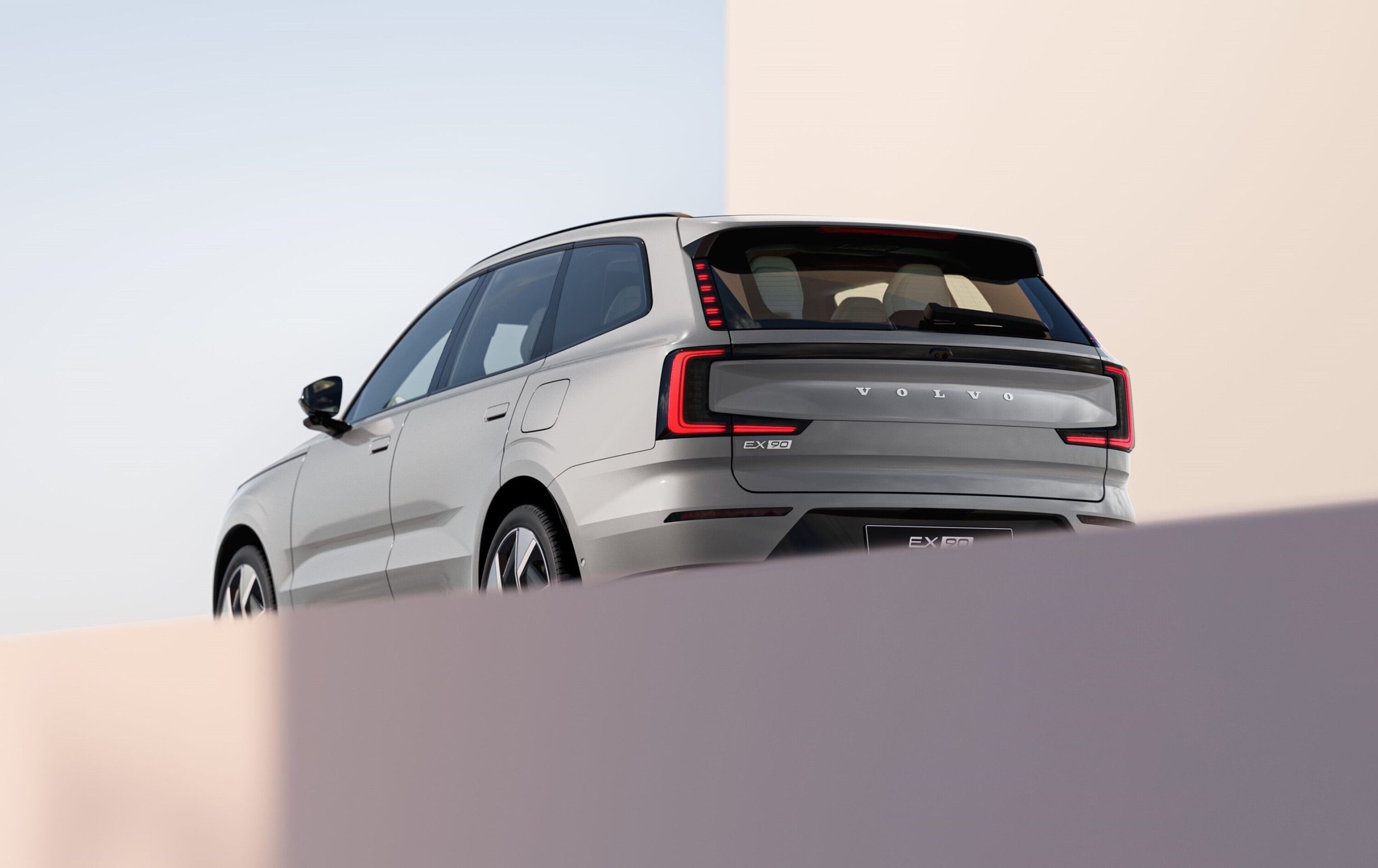
It clearly has the specs for the job, however, with a rear-biased dual-motor set-up, a big 111kWh battery, and a WLTP range of around 600km. It also offers bi-directional charging for external devices or energy back into homes.
Hit the featured article linked above for our full reveal story, and watch for more details to appear on our EX90 page in the coming months.
BEYOND 2024
As Volvo works to go full electric, we can expect future generations of its existing line-up to drop combustion-engined models.
Volvo XC40 & C40
Unveiled in 2017, the current, first-generation XC40 has proven immensely successful for the brand, proven by its Wheels Car of the Year win in 2019.
Initially available in petrol, hybrid and diesel forms, the XC40 was later launched in electric form – followed in 2021 by a couple style, the C40.
Volvo has yet to offer any official word on the next XC40, but we’d expect it to take styling and technology cues from the EX30 and EX90 detailed above.
Watch for more on a future XC40 generation to come in the next couple of years. Although, given the C40’s still recent debut date, a second-gen take on the coupe design might arrive a few years after the next XC40.
Volvo XC60
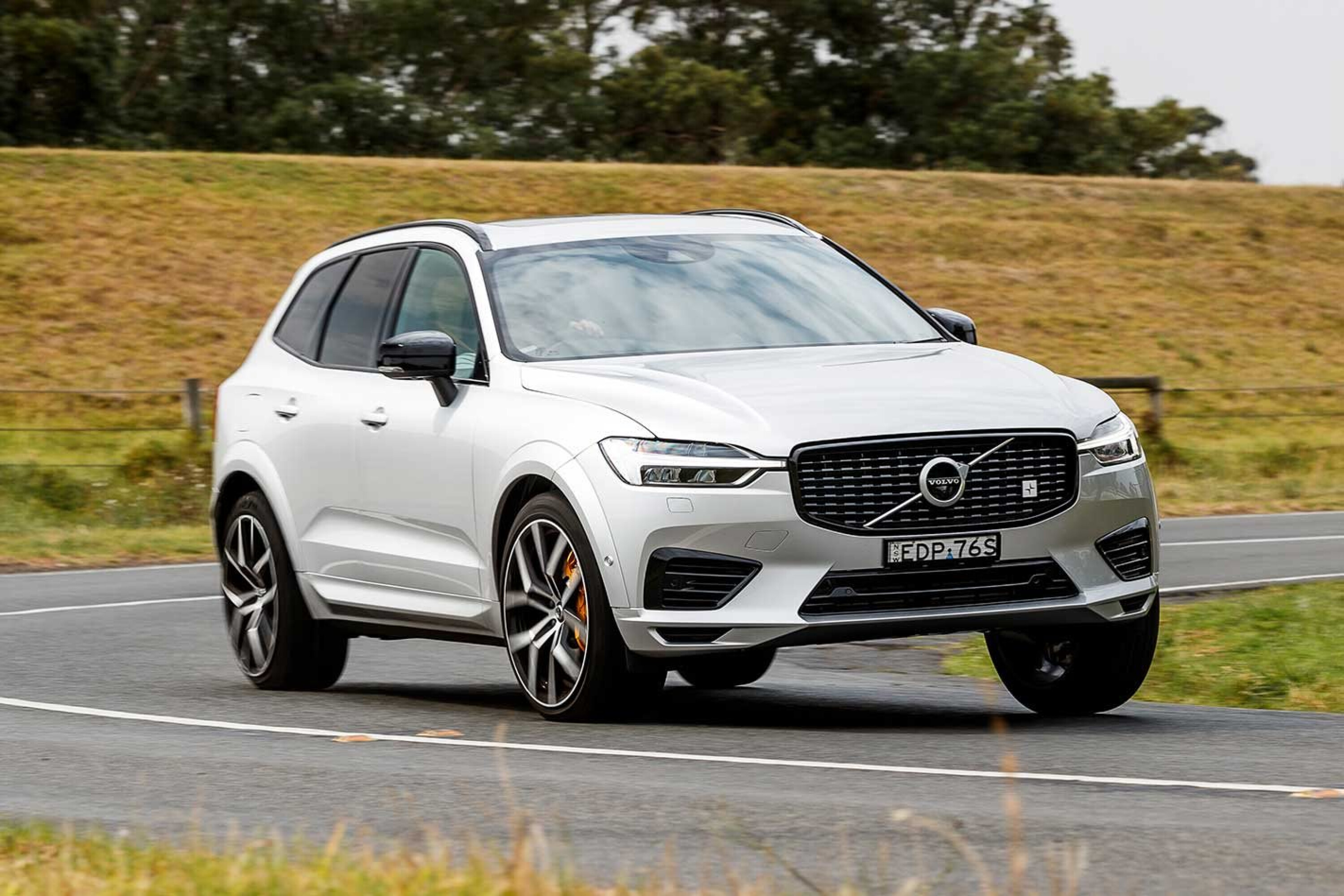
The current XC60 is now over six years old, having won Wheels Car of the Year in 2018.
It’s clear the next model will be electric-only, if only in Australia to begin with. It could use the Compact Modular Architecture (CMA) 2.0 platform that underpins Geely stablemate Lynk & Co’s new 08, unveiled in 2023, although that model has so far been shown only in hybrid and plug-in hybrid EV forms.
Like the XC40, the next XC60 – a rival to models like the BMW iX3 and Audi Q8 E-Tron – is likely to borrow design inspiration from the EX30 and EX90, if not evolve the brand’s styling themes even further.
With those advanced new electric siblings on the horizon, we’d expect to see the new XC60 spied in camouflage, if not revealed in full, later this year or early in 2025. It would be difficult to continue selling the XC60 in its current form, given the leaps taken with the EX30 and EX90.
Volvo ES90
Much less is known about an electric successor to the big S90 flagship sedan, despite rumours circulating since at least late 2022.
According to reports overseas, the so-called ES90 will take most of its tech from the EX90 SUV, including its platform and big battery pack.
And, while the ES90 would be Volvo’s new flagship sedan, its most likely direct rivals would be the BMW i5 and Mercedes-Benz EQE, given the now gigantic proportions of the BMW i7 and Mercedes-Benz EQS.
We don’t expect the ES90 to come to Australia, given the shrinking market for sedans, but the present of obvious rival models from BMW, Mercedes-Benz and Audi could inspire Volvo to take another swing at the traditional ‘big luxury sedan’ market.
