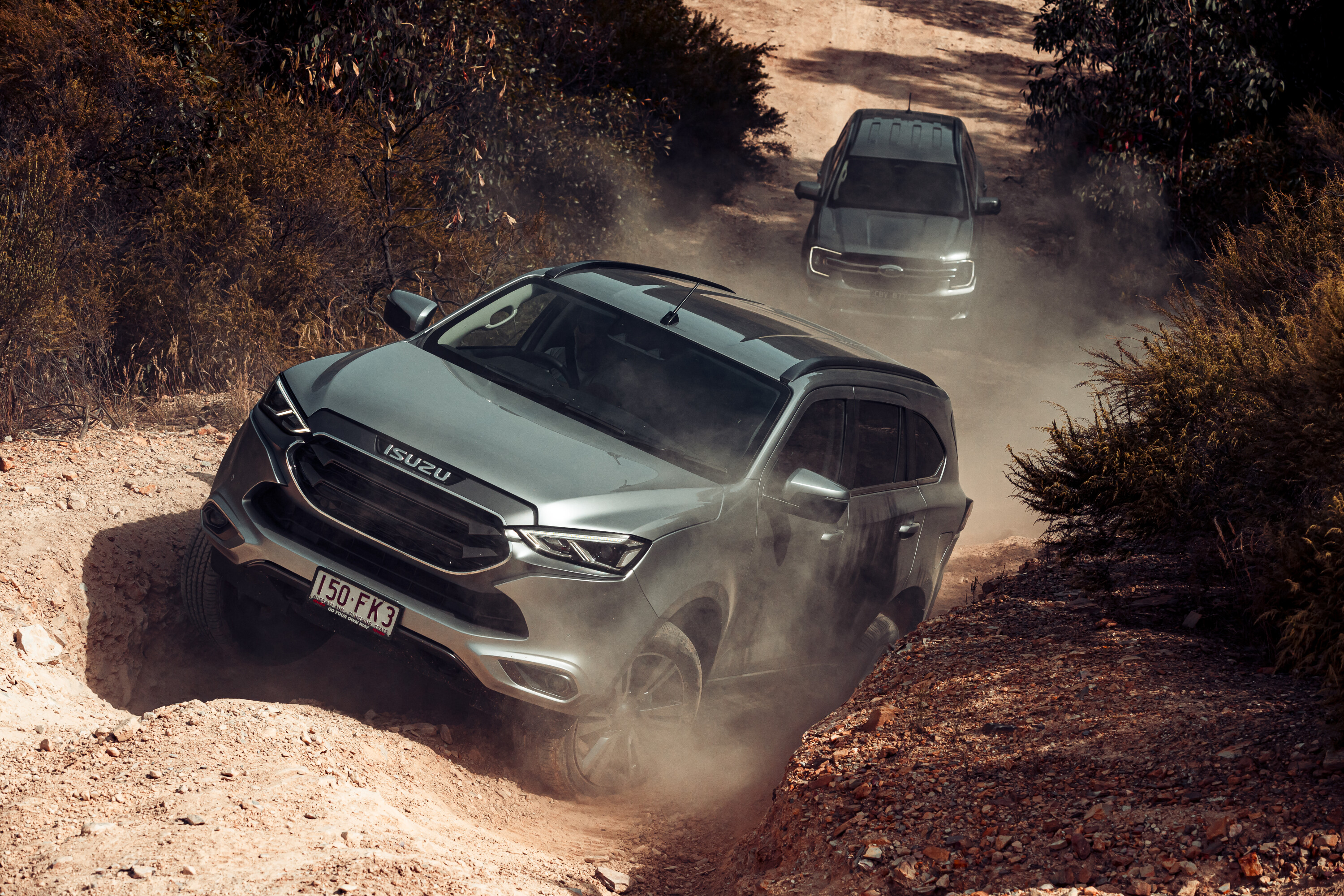
Isuzu Ute is a subsidiary of the Japanese company, Isuzu Motors Limited, specialising in utility vehicles and pick-up trucks.
Established in 2008, Isuzu Ute has quickly made a name for itself in markets around the world, particularly in Australia, where its D-MAX pick-up and MU-X SUV have gained significant popularity.
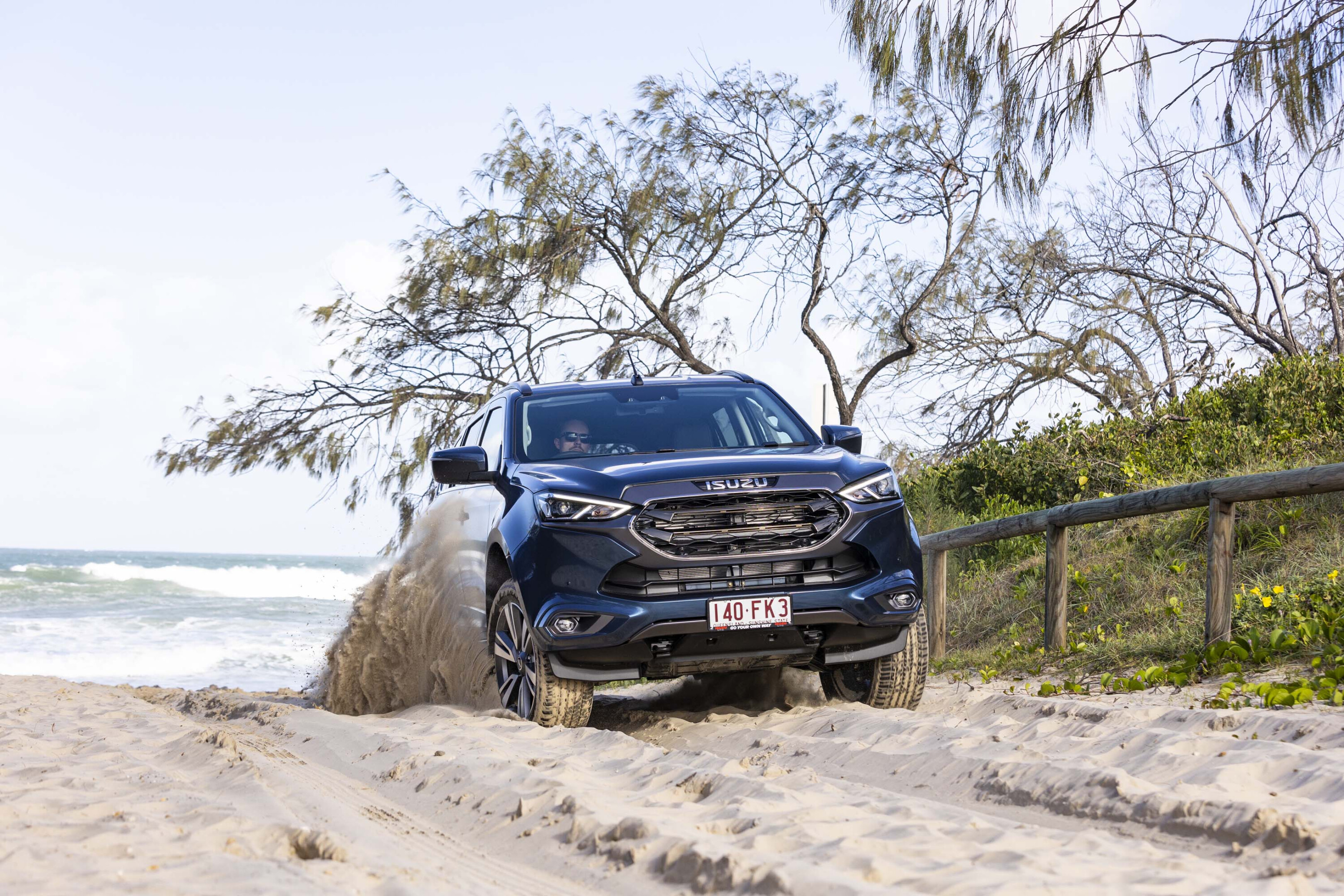
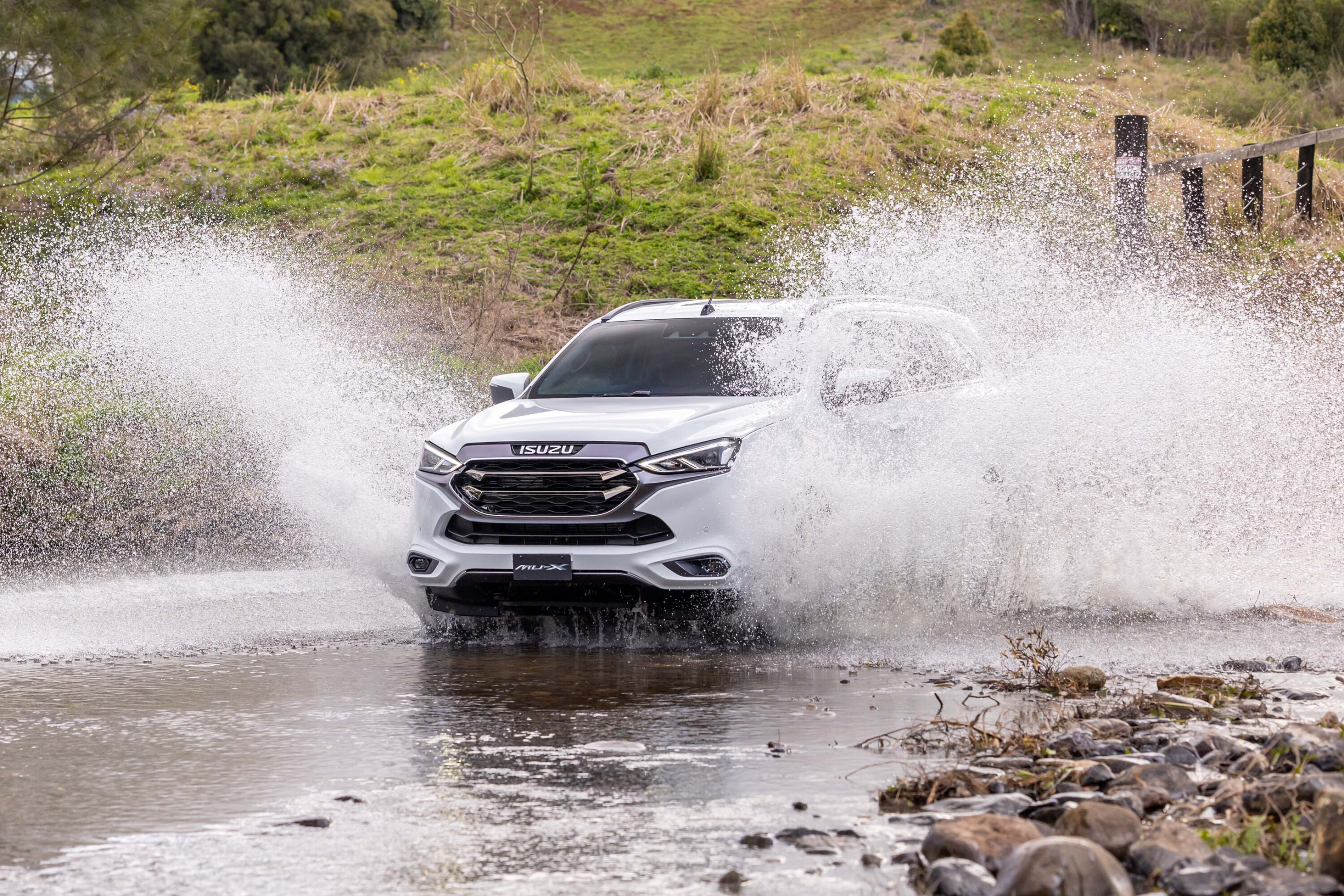
Renowned for their durability, reliability, and robust engineering, Isuzu Ute vehicles are are popular choice for those who require rugged vehicles for work, off-road adventures or towing.
The brand’s commitment to producing vehicles that can withstand tough conditions while offering modern comforts has solidified its reputation in the automotive industry.
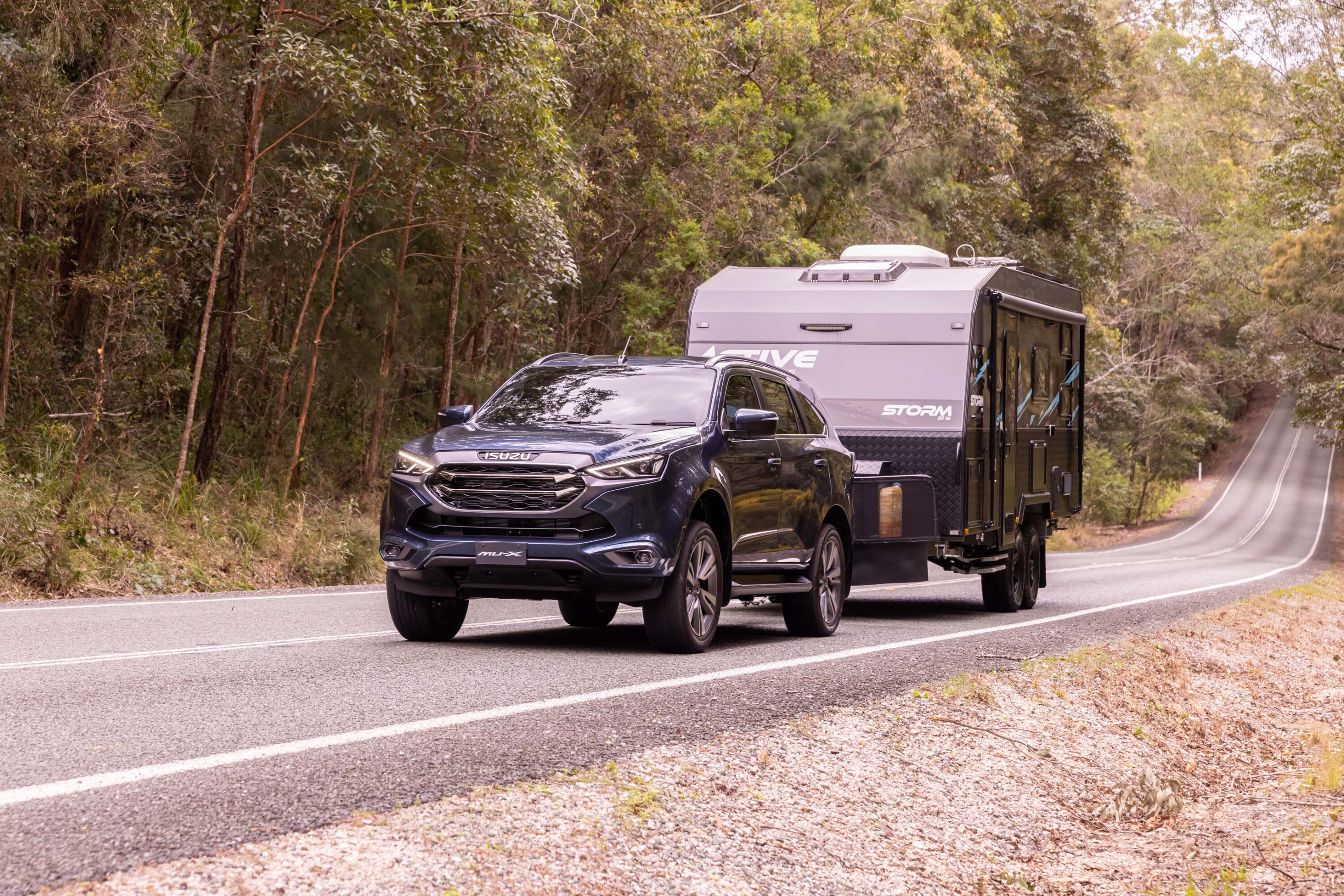
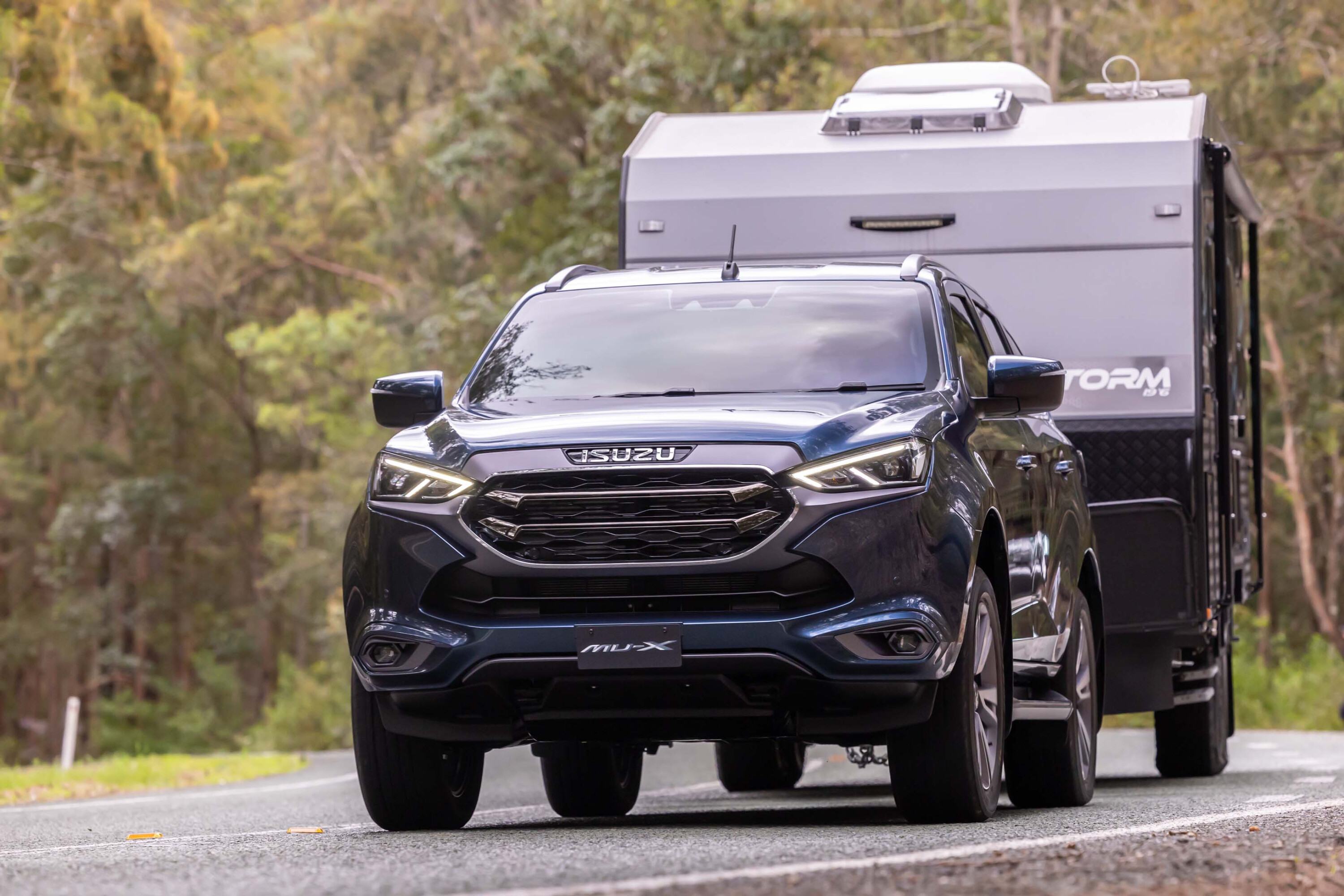
So when it comes to towing, the Isuzu MU-X is a naturally a consideration among adventurers and families alike.
1
2023 Isuzu MU-X features
The Isuzu MU-X is a 7-seater large SUV available in three trim grades: LS-M, LS-U and the range-topping LS-T.
Isuzu’s well-respected 3.0-litre diesel engine is under the bonnet across the model, producing 140kW and 450Nm. All are paired with a six-speed automatic transmission and are available in a 4×2 or 4×4 configuration.
Standard specs on the entry-level LS-M include 17-inch alloy wheels, wireless Apple CarPlay/wired Android Auto, a 7.0-inch infotainment display, reversing camera, rear parking sensors and an electric park brake.
1
Moving up to the LS-U you’ll get 18-inch alloy wheels, a larger 9.0-inch screen, leather-accented steering wheel and gear selector, dual-zone climate control, front and rear parking sensors, keyless entry and start, auto wipers and a power tailgate.
The top of the range LS-T adds extra features including LED daytime running lights, 20-inch alloys, leather-accented seats, in-built satellite navigation and a premium eight-speaker sound system.
What is the Isuzu MU-X’s towing capacity?
The 2023 Isuzu MU-X has a maximum braked towing capacity of 3500kg. This means that when the trailer being towed has its own braking system, the MU-X can tow up to this weight.
For trailers without their own brakes, the MU-X has a maximum unbraked towing capacity of 750kg.
1
How does it compare to competitors?
In the large SUV segment, the Isuzu MU-X stands out for its leading towing capabilities. The recent addition of a V6 powertrain to the Everest line-up brought with it an increased capacity to match the MU-X.
Here’s how it stacks up against some of its main competitors:
This includes a comprehensive suite of safety features under IDAS (Isuzu Driver Assistance System) offering eight airbags, forward collision warning, lane-keep assist, lane departure warning, blind spot monitoring and rear cross-traffic alert.
To further enhance its off-roading capabilities it has electronic stability control, hill start assist, hill descent control and roll over mitigation which reduces the risk of a vehicle overturning.
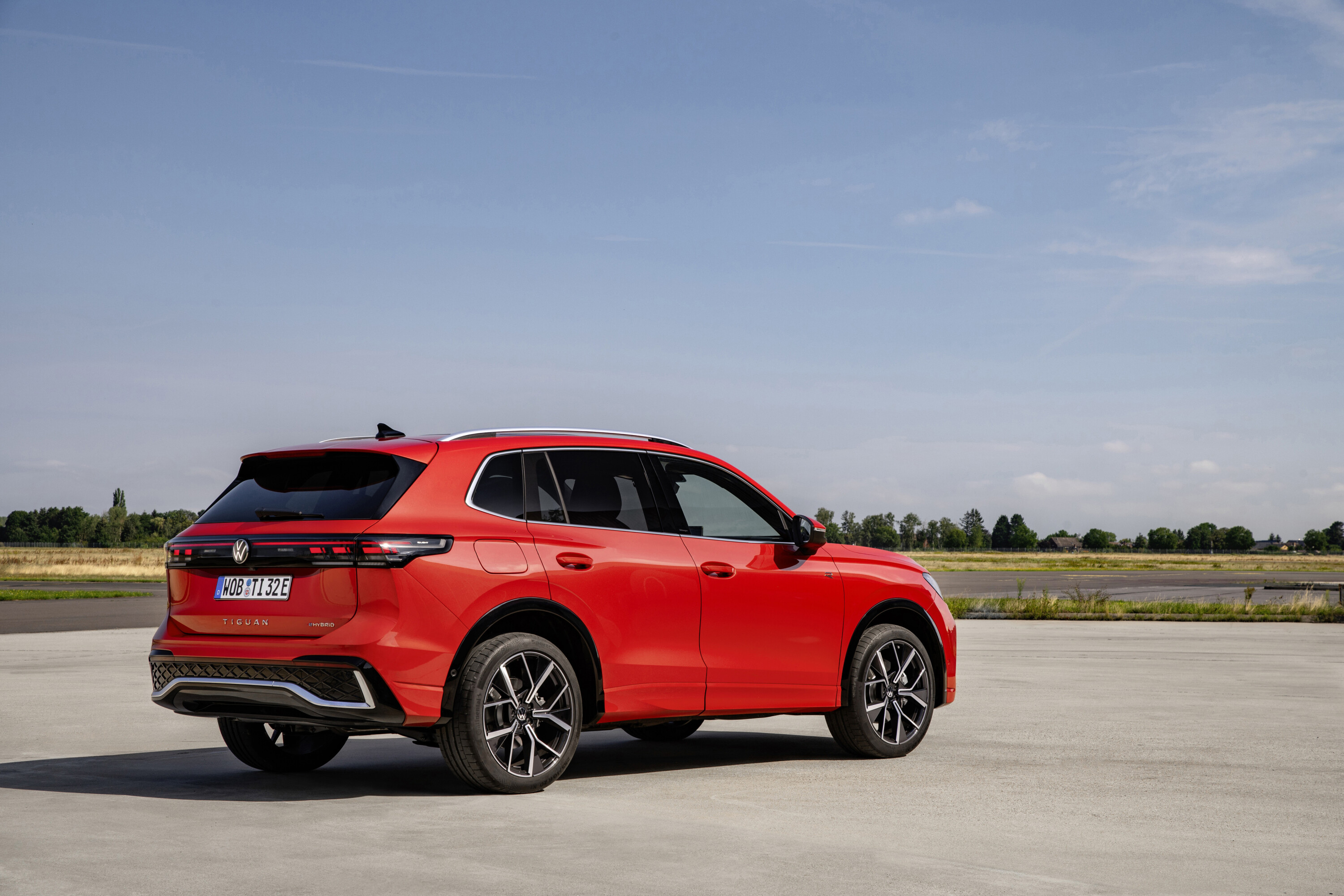
The third-generation Volkswagen Tiguan midsized SUV has been unveiled at last – revealing an evolutionary exterior but revolutionary interior.
Snapshot
Australian ETA is late 2024
High-tech interior includes 13-/15-inch touchscreen, rotary controller, anti-glare cluster
New plug-in hybrid drivetrains ruled out for Australia
The official images come after months of leaks and VW’s own ‘spy’ camouflage shots. The latest Tiguan will enter European markets and the UK in early 2024 but isn’t due in Australia until late 2024.
High-tech ‘Matrix’ multi-LED headlights are available for the first time and the rear end follows the trend for LED light strips, though the Tiguan otherwise retains a relatively conservative design.
1
The SUV’s dimensions are also little changed. According to VW’s official dimensions image, the Tiguan’s length remains at 4509mm as does its 2680mm wheelbase. Width stays at 1842mm but height increase fractionally by 4mm.
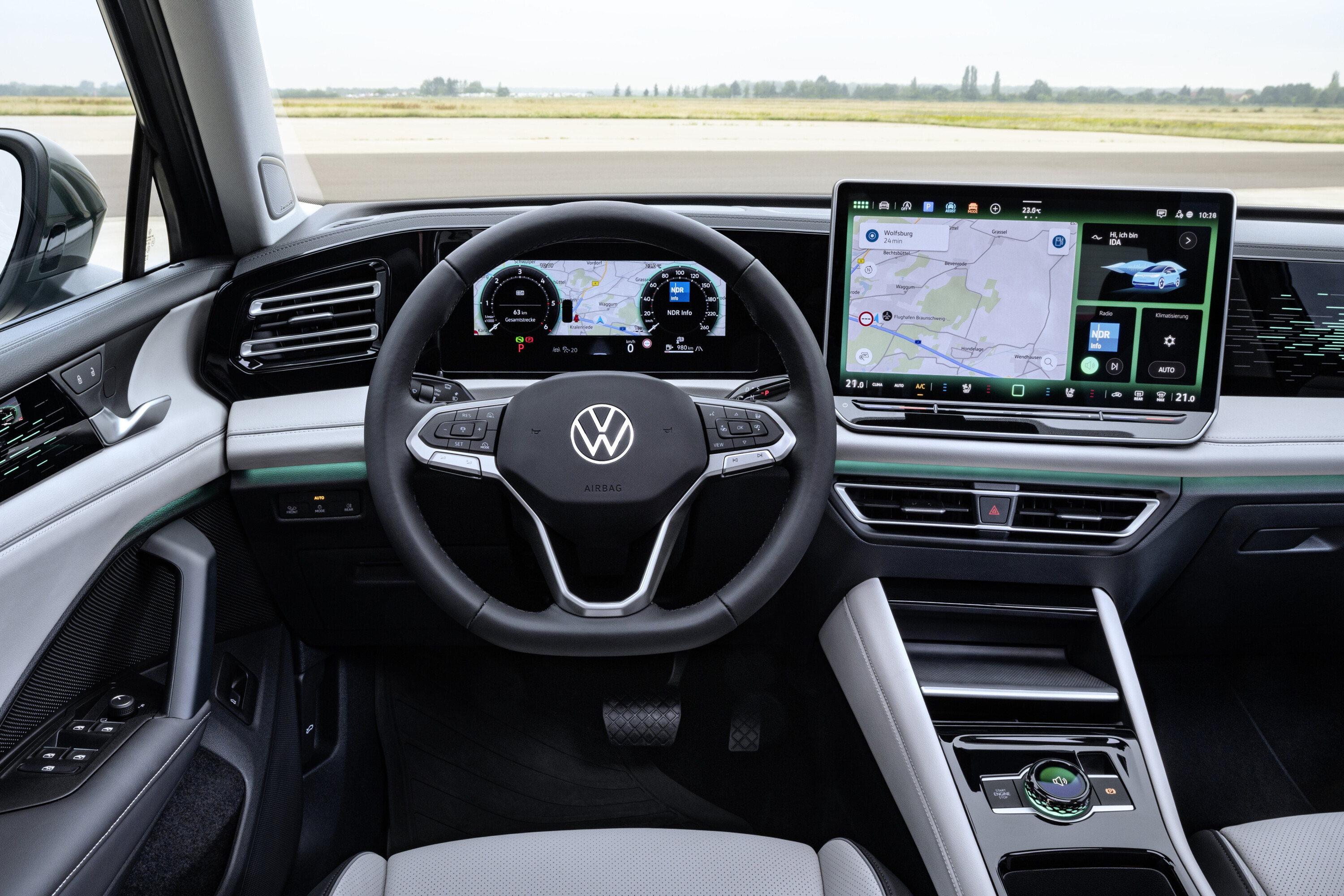
Inside is where all the big changes are found with a thoroughly revamped cabin.
A large infotainment touchscreen dominates the dash and is either 12.9 inches for lower-spec models or a 15-inch display (as shown in images).
1
This provides the platform for a new infotainment menu and revised graphics, new IDA voice assistant, while VW says a new digital driver display features anti-reflective coating.
A new windscreen-projection head-up display is another addition, while the centre console hosts a new rotary controller with OLED display for adjusting driving modes, radio volume, or ambient lighting.
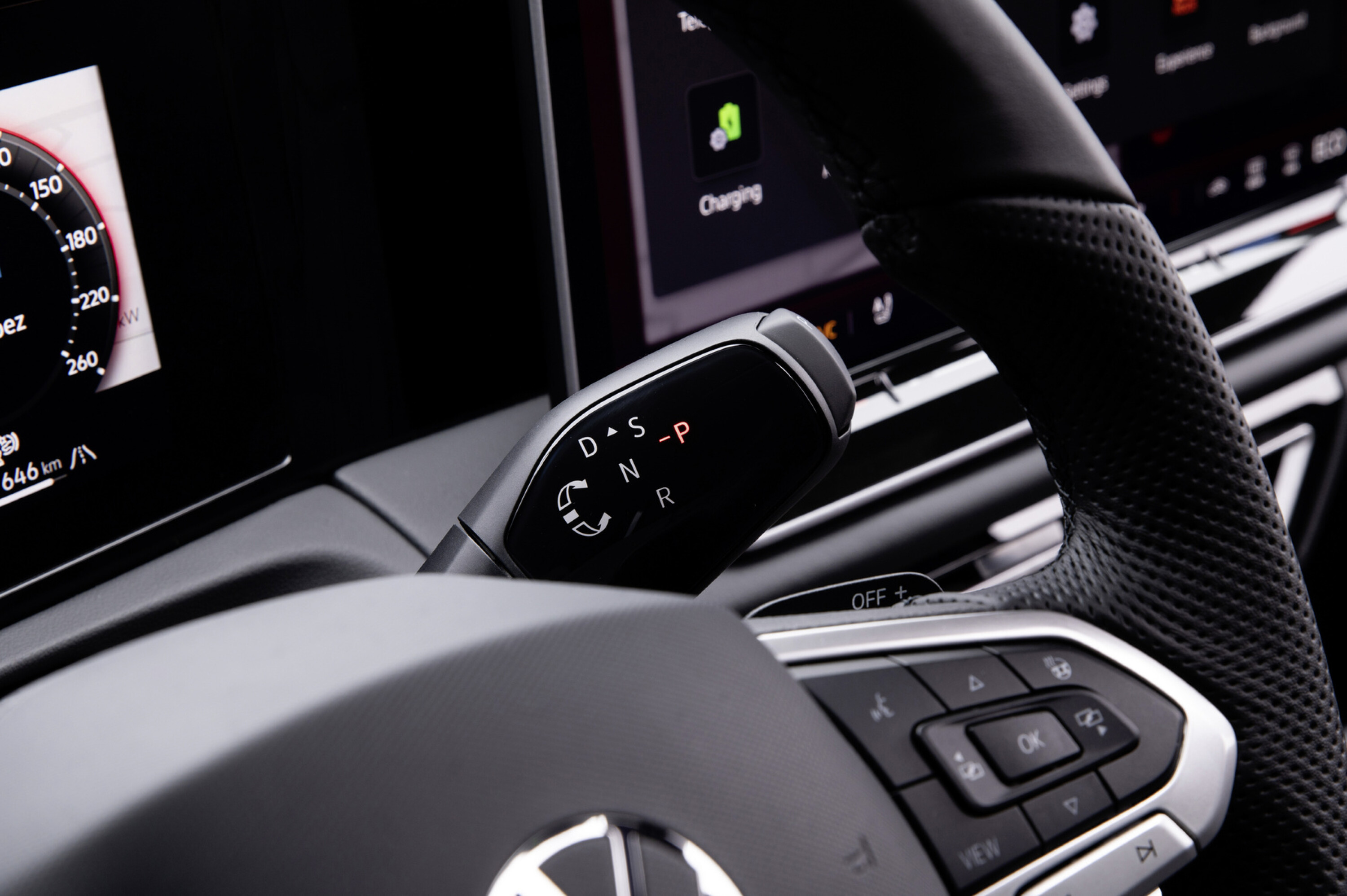
The steering wheel also ditches the company’s controversial touch-sensitive controls for physical buttons, and it’s joined by a Mercedes-style transmission stalk.
Borrowed from VW’s ID cars, the stalk-switch is twisted forward to engage Drive, and a second time for Sport mode. Twisting backwards finds reverse, and pressing the side of the switch activates the parking brake.
1
Boot space increases by only 37 litres, though the current Tiguan’s luggage compartment is already one of the largest in its class.
VW’s third-generation Tiguan will offer a range of powertrains in Europe that include turbo diesel, turbo petrol, mild hybrid and new plug-in hybrid (PHEV) options.
Volkswagen Australia, however, has already ruled out the new PHEV models, focusing on petrol power only. The company says the Tiguan’s similar arrival timing to the VW ID.4 electric SUV means the petrol-electric offering makes less sense, as it believes there’s greater demand here for fully electric vehicles.
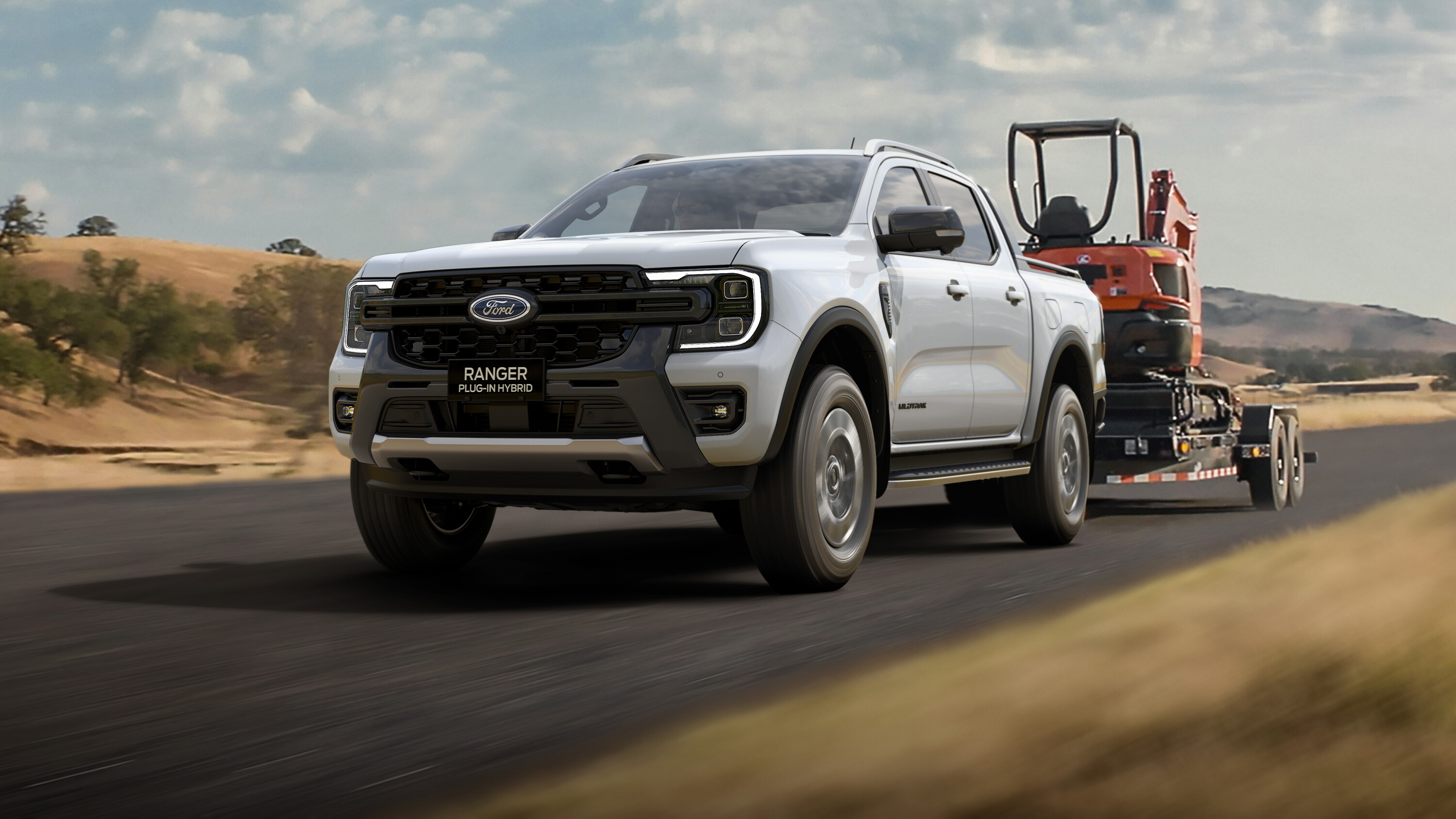
Ford’s newly announced Ranger plug-in hybrid ute for 2025 raises the natural prospect of a petrol-electric version of its SUV twin.
Fitting the Ranger PHEV’s petrol-electric powertrain to the Everest makes sense given the pair share the same T6 platform, though Ford at this stage wouldn’t be drawn on the possibility.
“We’re really happy with the progress of Everest,” said Ford Australia boss Andrew Birkic. “We have nothing to share today about any change to our powertrain.”
That answer leaves the door well ajar. If Ford did offer an Everest PHEV, it would be the first brand to introduce hybrid tech into the large off-road SUV market.
Toyota recently confirmed it has no plans to offer a petrol-hybrid version of the new 2023 Prado in Australia, but it hasn’t ruled it out.
Ford is likely to offer its new plug-in powertrain globally. It’s understood the Ranger PHEV will be sold in Europe and America and that the Ford Bronco, which also shares the Ranger’s platform, will use a version of the new hybrid powertrain.
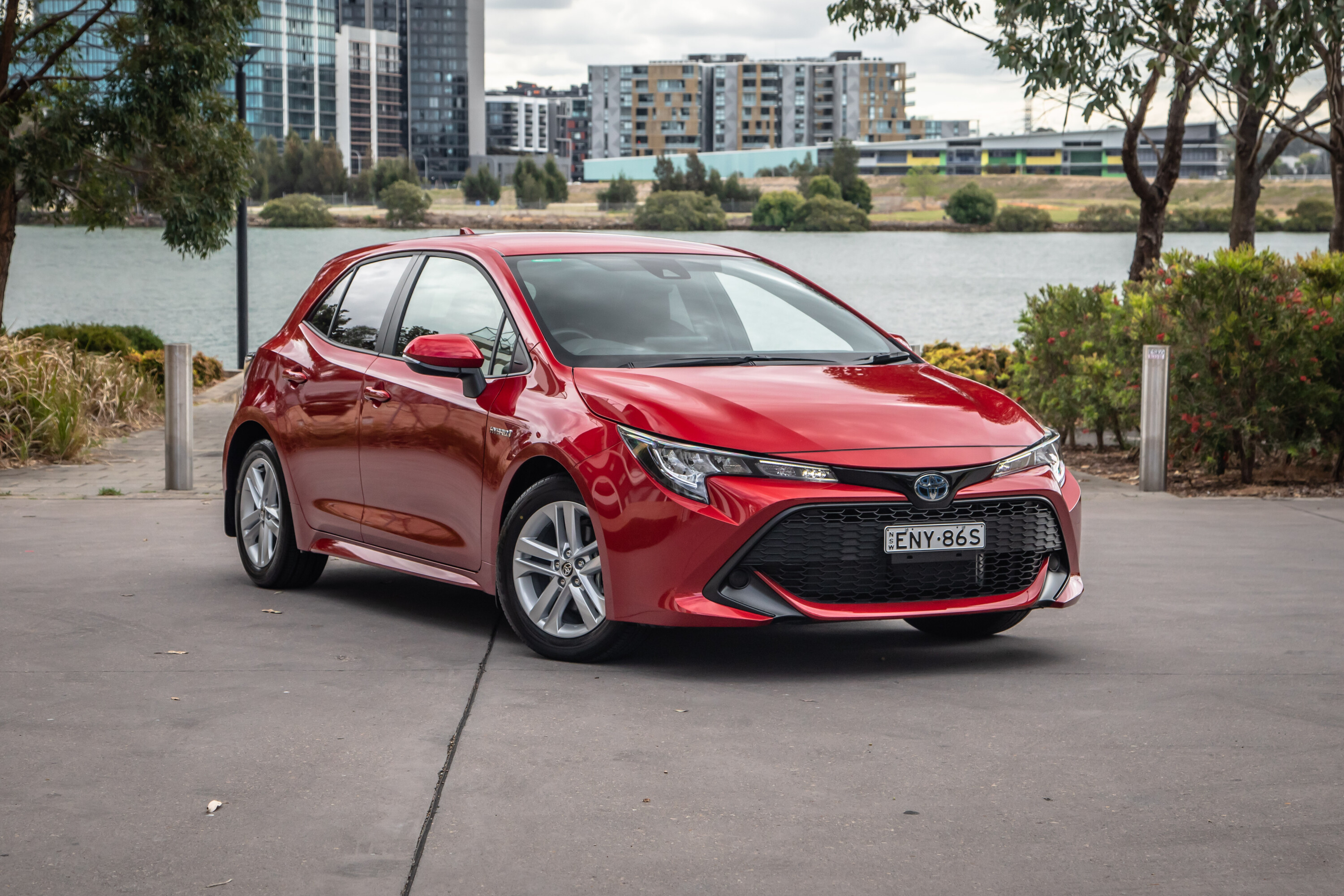
In 2021 Toyota reached the incredible milestone of 50 million Corollas sold globally.
Since arriving in Australia in the 60s the Toyota Corolla has been a household name in the Australian automotive market for decades and is one of the world’s best-selling vehicles!
With the 2024 Corolla Ascent Sport, Toyota continues the Corolla’s storied lineage with sporty aesthetics and modern tech.
Let’s dive into the entry level Ascent Sport and what it offers.
1
Pricing and features
The Toyota Corolla comes in two body styles: the more budget-friendly five-door hatchback and the sedan.
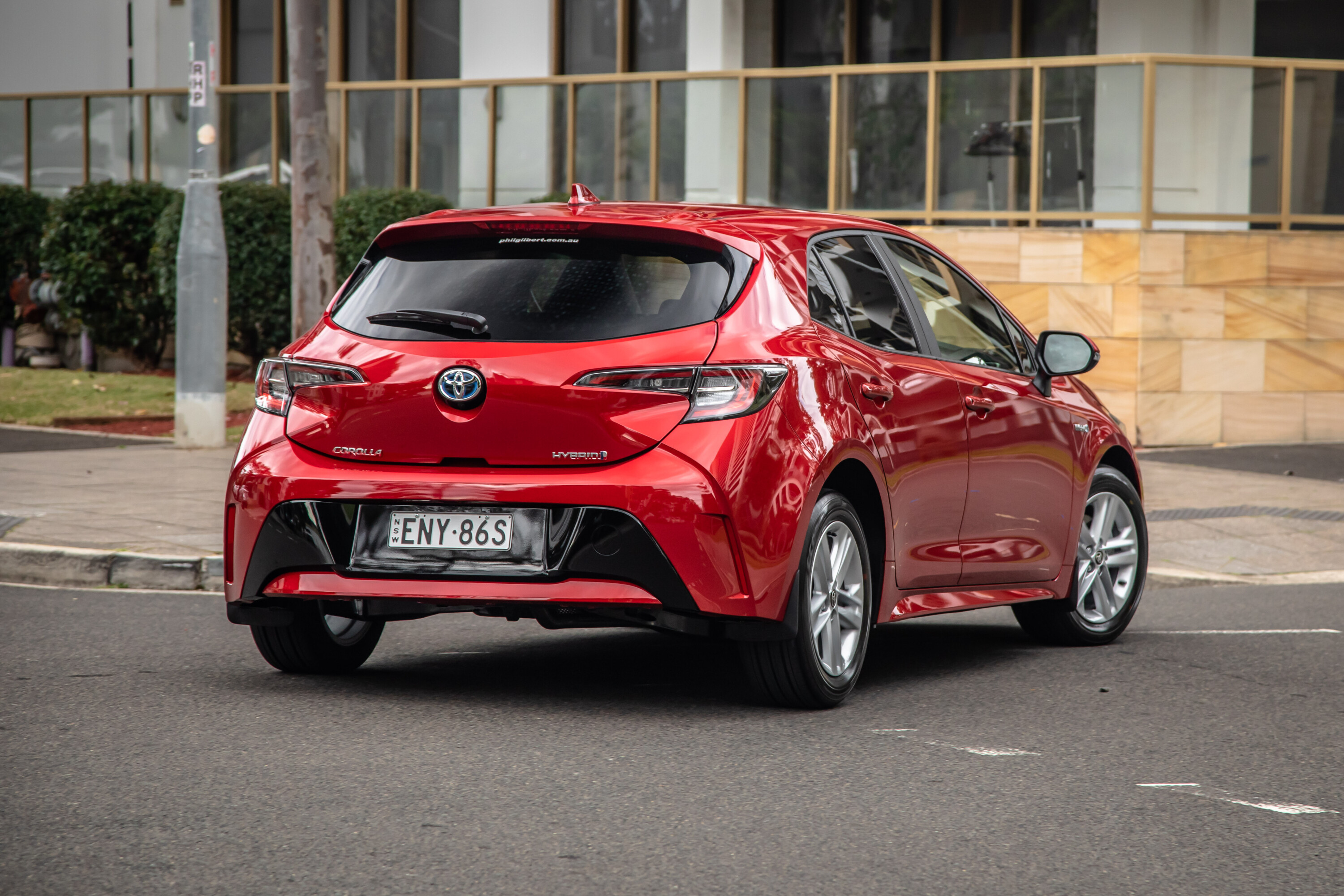
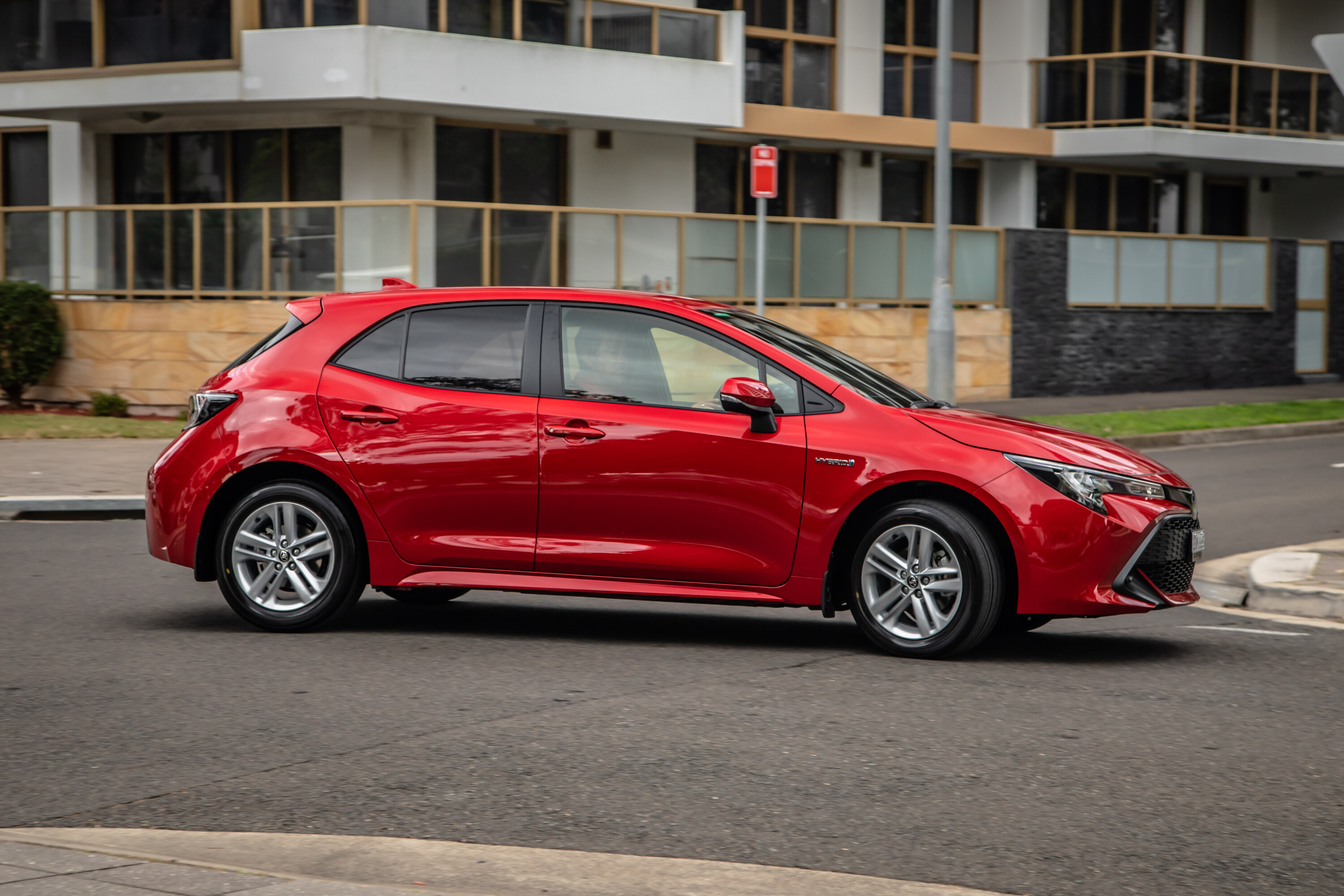
Since announcing they were cutting petrol models, the entry-level to the lineup is a hybrid only offering at $32,210 before on-road costs, the Ascent Sport hatch is a humble and easy to jump into car. Its athletic stance, accentuated by sharp lines and alloy wheels, promises a dynamic drive.
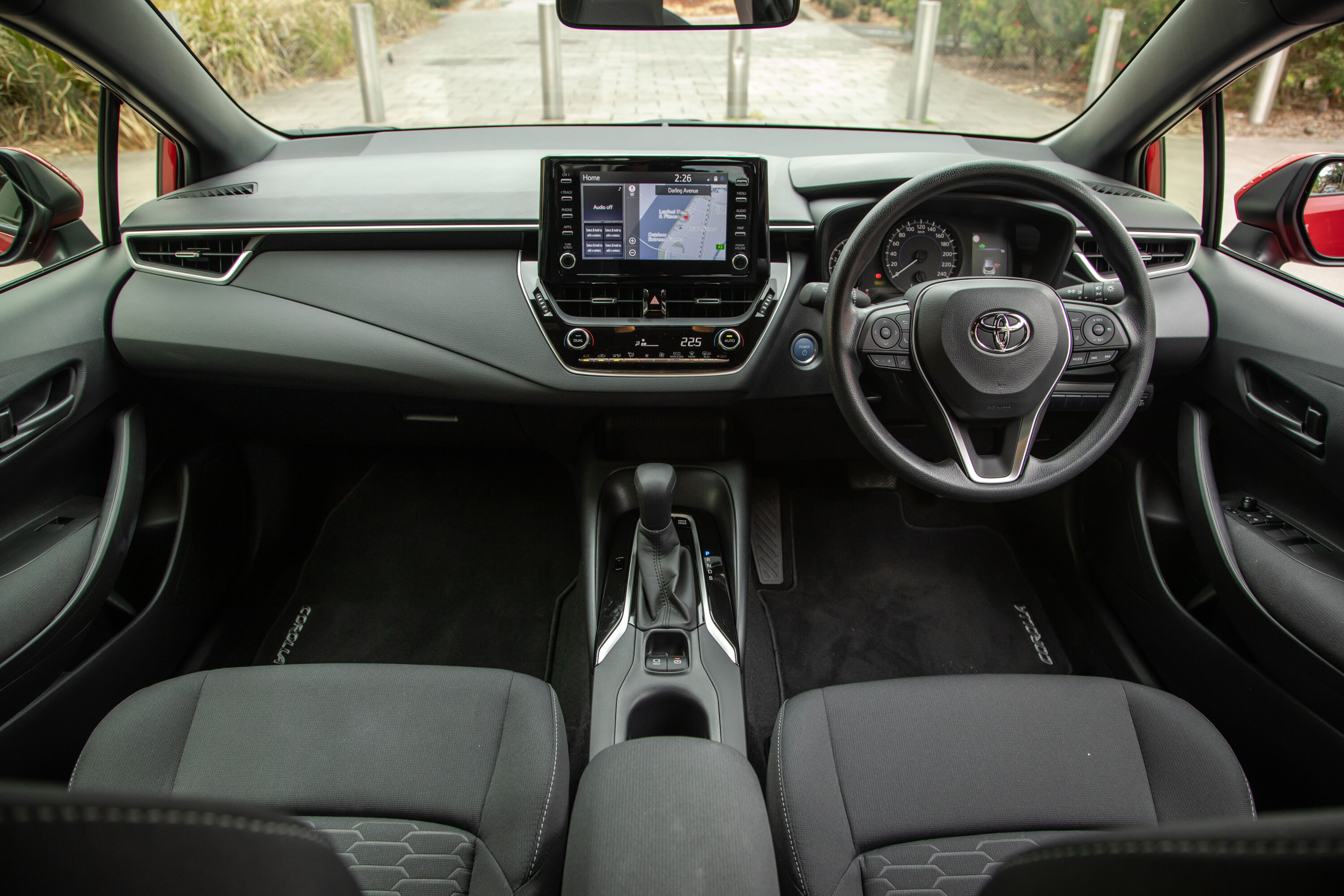
The interior echoes the sporty theme with a driver-centric cockpit, quality materials, and a touch of elegance. The infotainment system, while straightforward, offers essential connectivity options like wireless Apple CarPlay and wired Android Auto.
1
The entire Corolla range is available in only a 1.8L hybrid version.
The 1.8-litre engine with the ever-popular hybrid technology produces 103kW and 142Nm, and the 2.0-litre petrol churns out 126kW and 203Nm.
Fuel economy is something to boast about using only 4.0L/100km (3.9L for Sedan) on a combined cycle.
The sedan is offered in the same three grades as the hatch – Ascent Sport, SX and ZR– and starts from $32,320 before on-roads.
The entry-level Corolla comes standard with plenty of spec, including:
1
Safety
The entire Corolla range is covered by a 5-star ANCAP rating from 2018.
The 2024 Toyota Corolla Ascent Sport is a refreshing take on a trusted classic. It offers a harmonious blend of sportiness, reliability, and modern features.
For those seeking a car that’s both fun and dependable, the Ascent Sport is a compelling contender that deserves a spot on your list.
With the more affordable petrol options being cut from the range, the Corolla is now no longer an affordable option for many. But if you’re sold on what the car is offering and if you’re able to spend the extra dollars, we recommend considering the better specced SX variant.
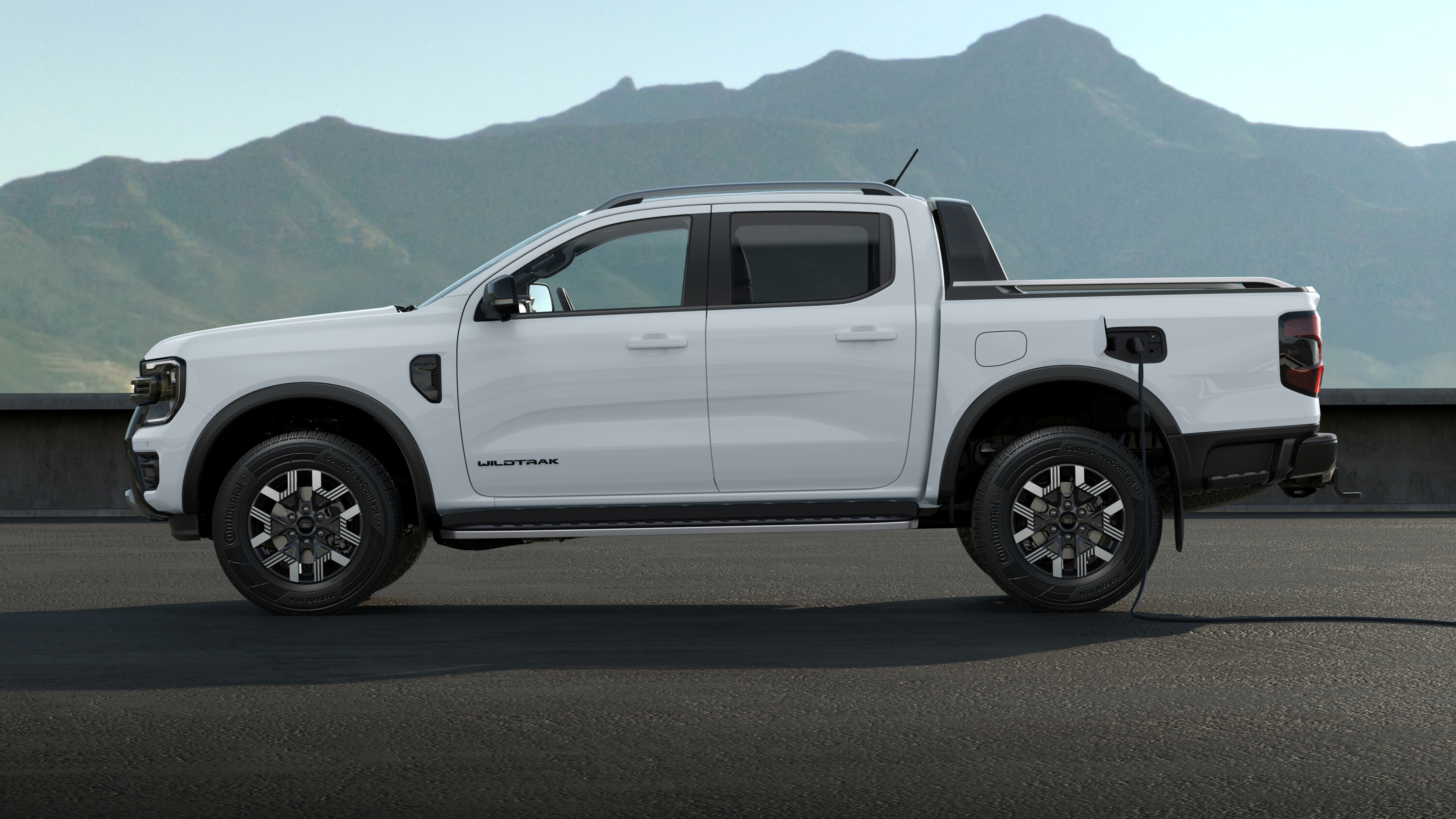
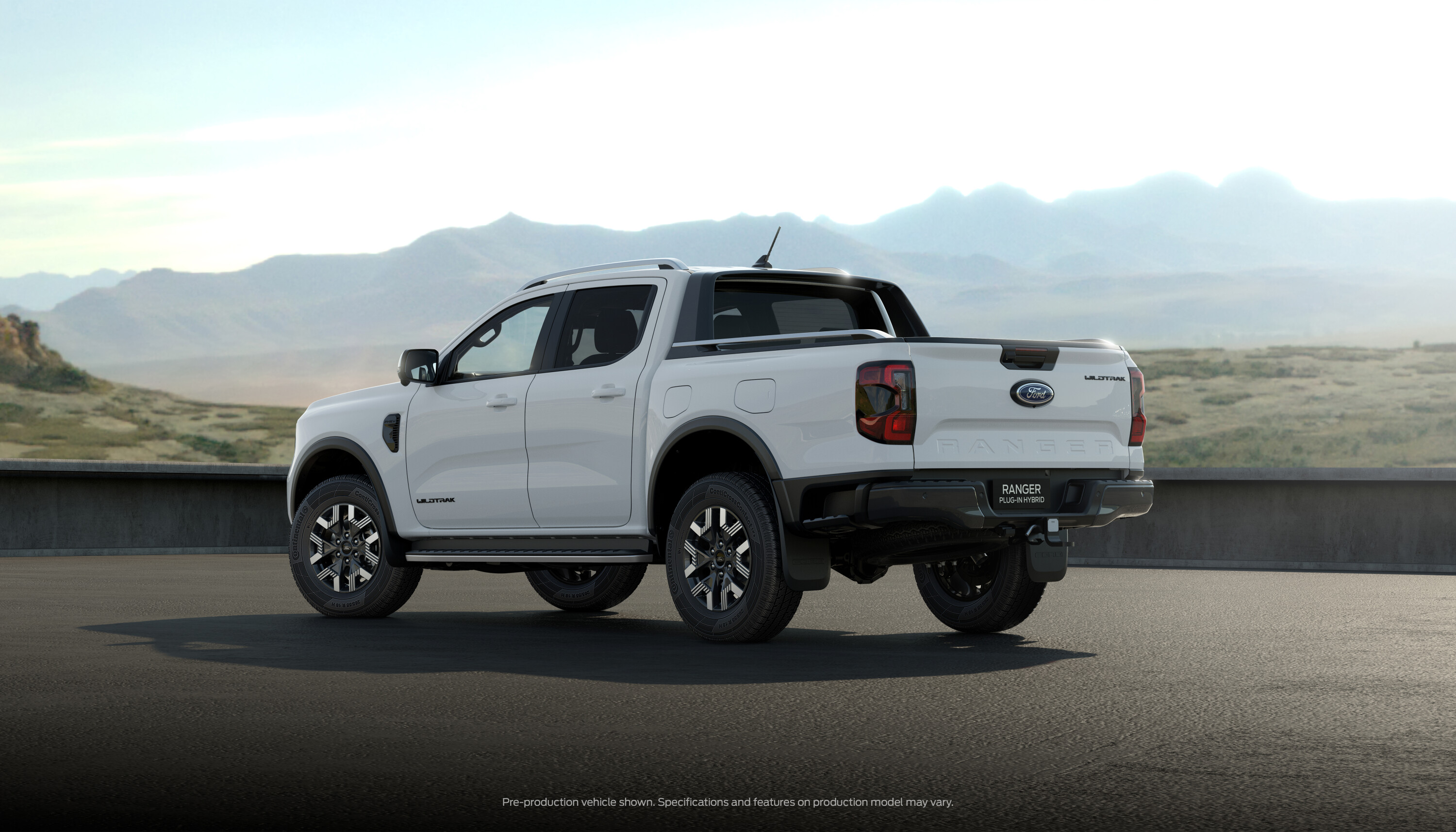
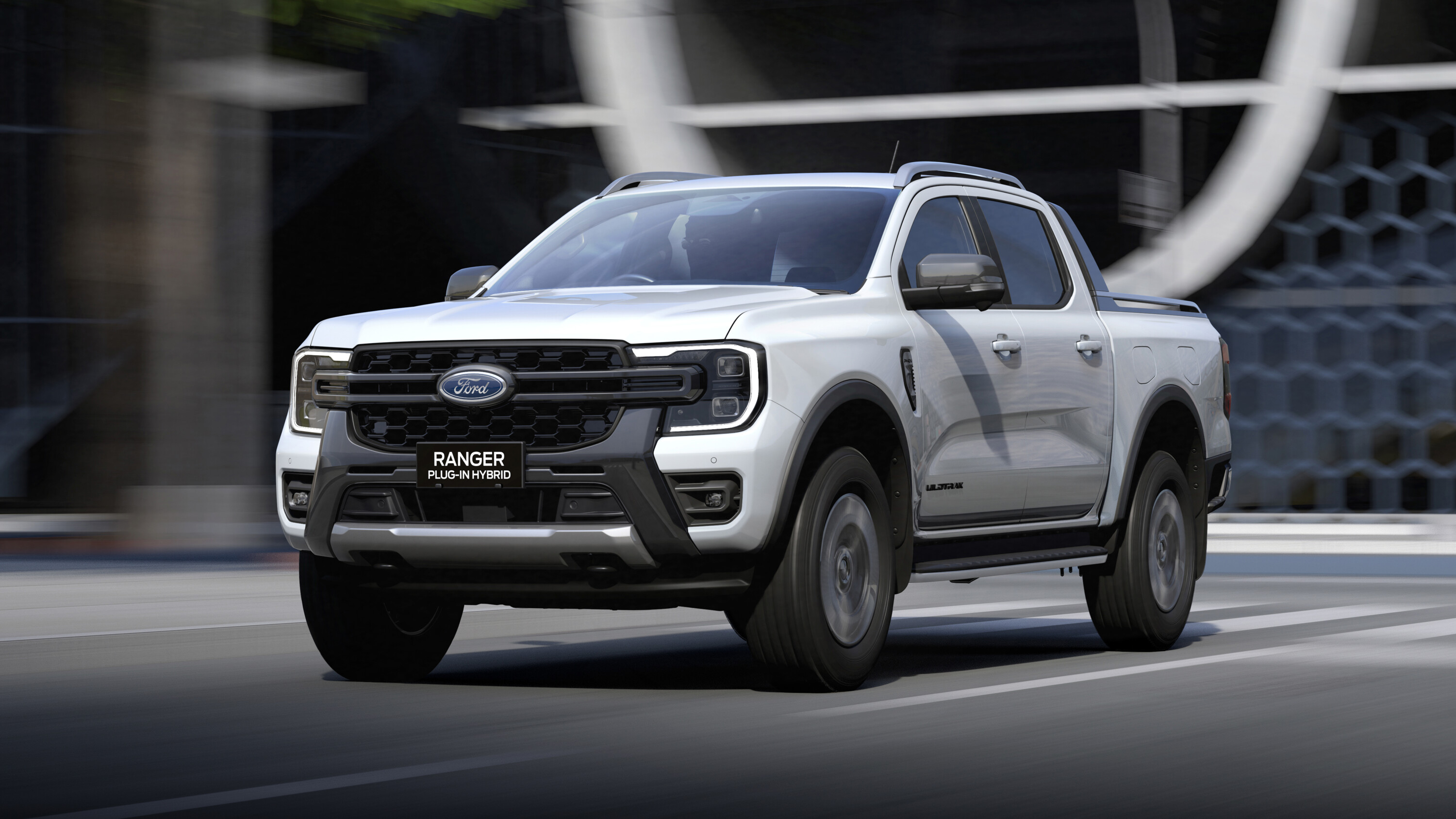
It’s been one of the industry’s worst-kept secrets but Ford has finally confirmed a plug-in hybrid version of the Ranger will join the local line-up in 2025.
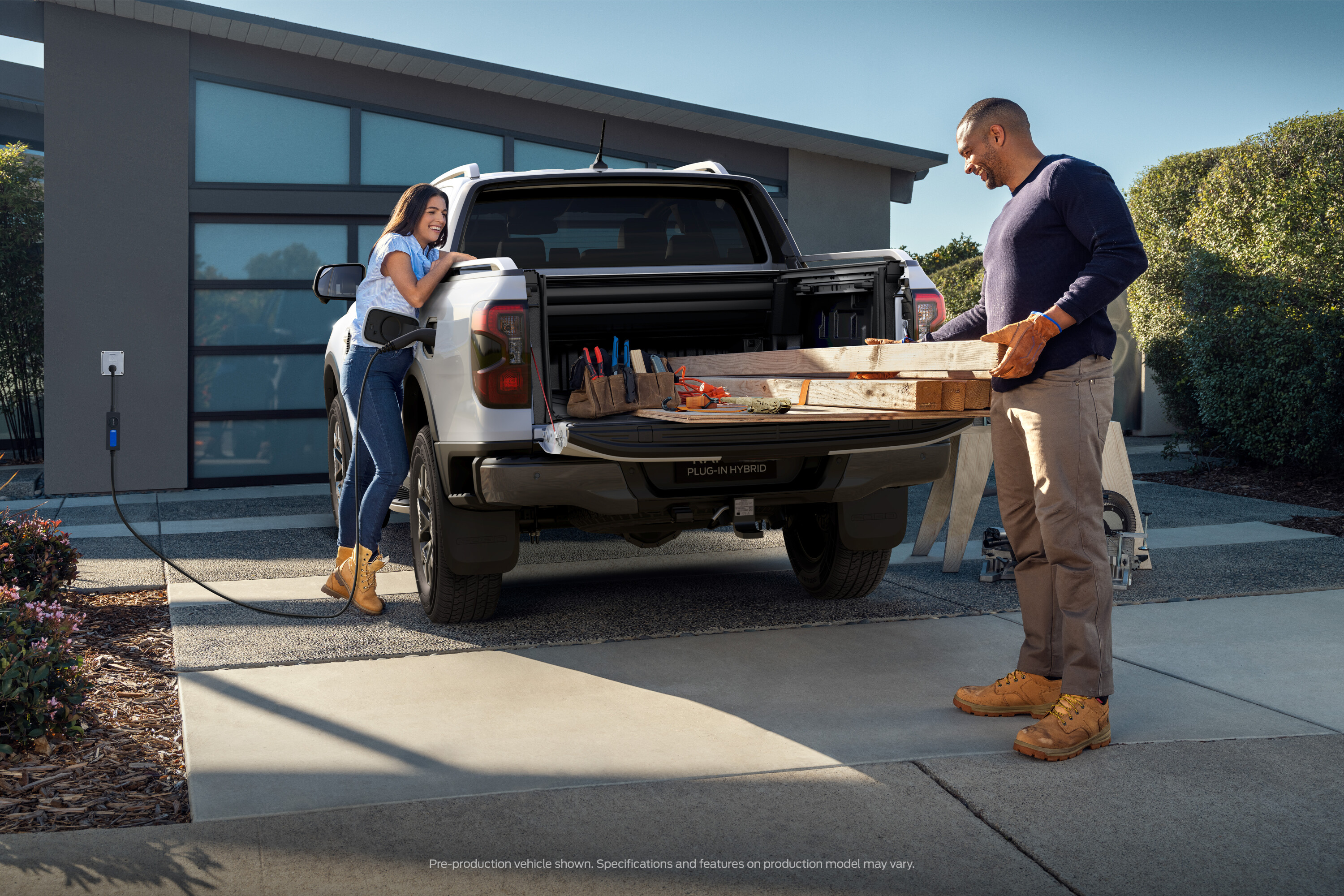
Offering the promise of cheaper fuel bills, gutsier performance and the ability to power tools and your campsite without the need for a portable generator, the Ranger PHEV is an intriguing proposition.
But how does it stack up against a diesel-powered Ranger, which is Australia’s most popular 4×4 dual-cab? And should you consider ordering the Ranger PHEV when production draws closer towards the end of next year?
1
To help you decide if a plug-in hybrid should power your next ute, we’ve compared the two.
A caveat is that Ford has yet to confirm many of the Ranger PHEV’s key details (price, fuel use and battery capacity are still unknown) but we know enough to make some ballpark judgement calls.
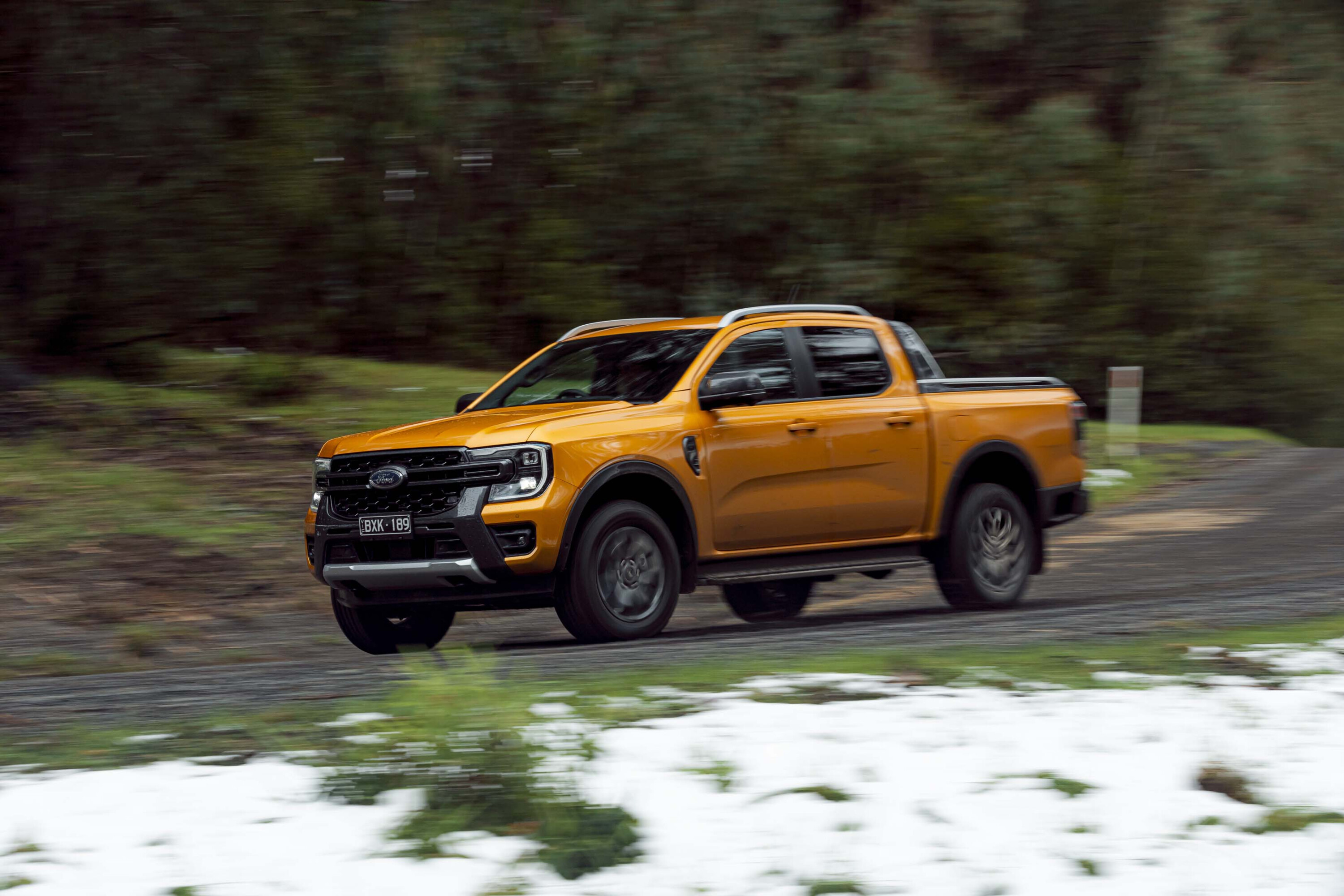
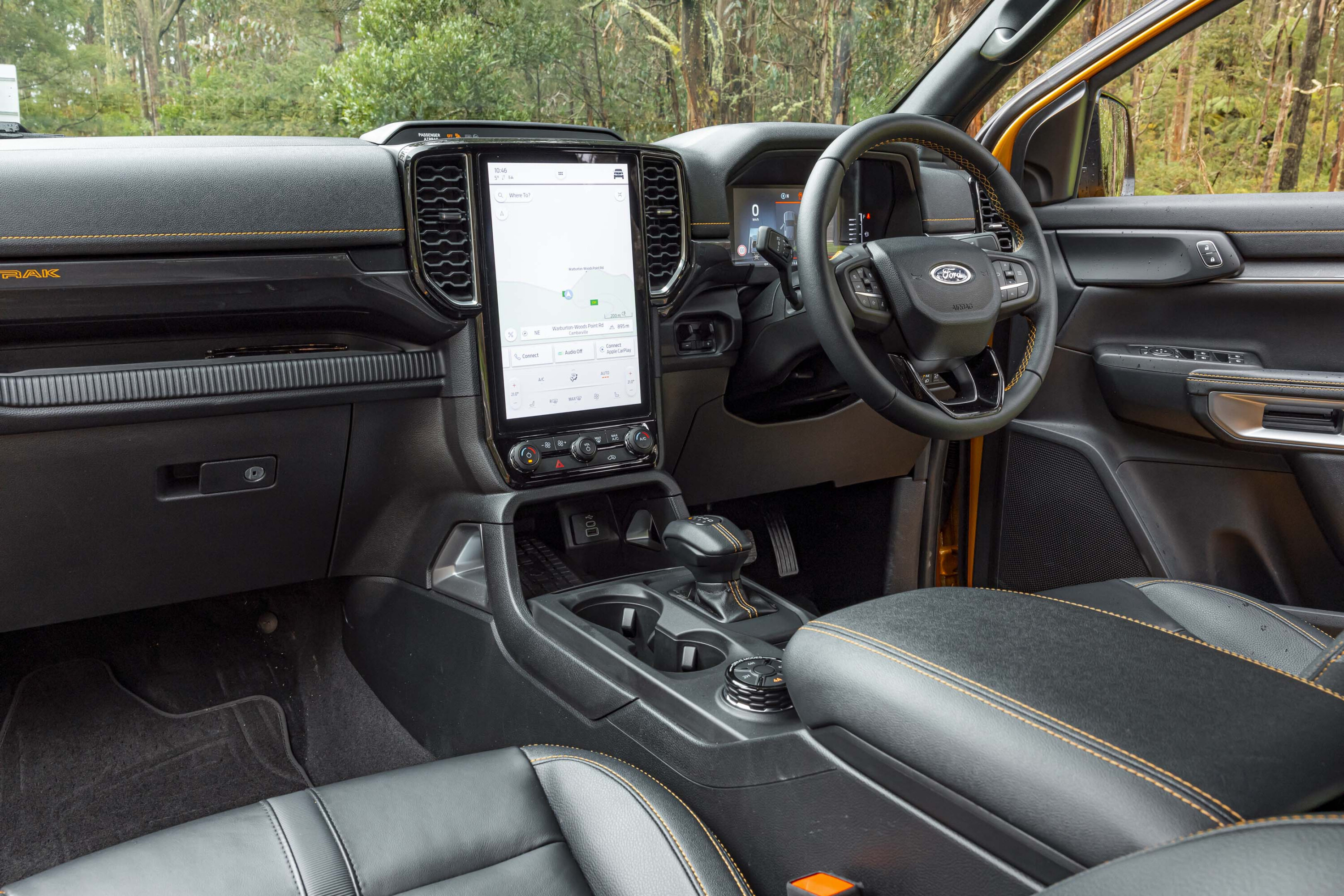
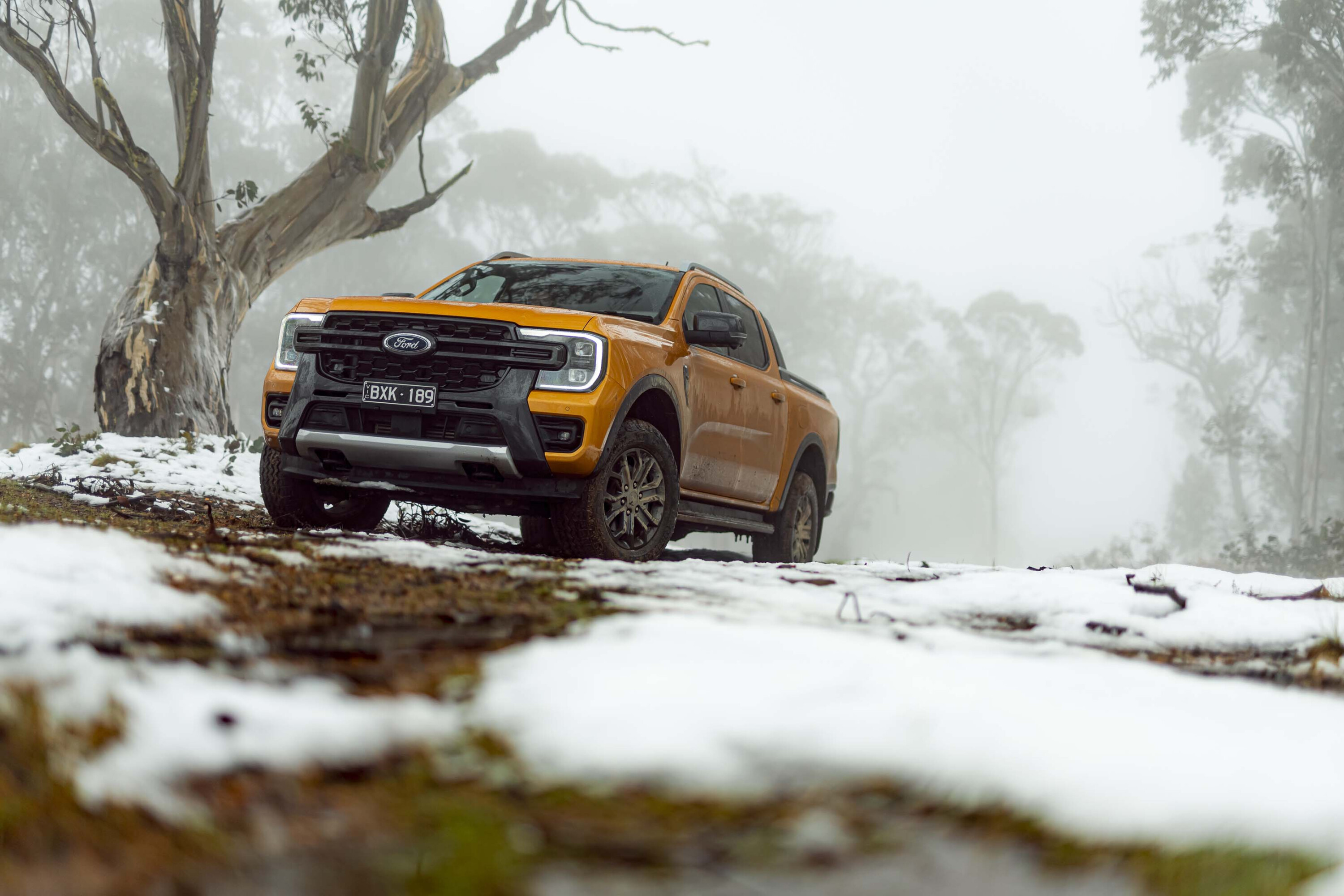
Read on for everything you need to know about how the 2025 Ranger PHEV stacks up with a current Ranger Wildtrak.
While we don’t know exactly how much the Ranger PHEV will cost, we do know it will be more than a Ranger Wildtrak powered solely by diesel.
Just how much more depends on a host of factors like battery size, the complexity of the Ranger’s hybrid system and where the Ranger PHEV is manufactured but it’s not uncommon for a plug-in hybrid model to cost between $10,000-$20,000 more than a petrol-powered equivalent.
A Mitsubishi Outlander PHEV, for example, is $16,500 pricier than the equivalent Outlander fitted with a petrol-only powertrain. You’ll also pay $10,500 more for a Mazda CX-60 PHEV compared with a CX-60 that uses a 3.3-litre turbo-diesel and $12,500 more than one with a petrol engine.
1
Using those figures as a ballpark, it’s fair to assume the Ranger Wildtrak PHEV will be priced between $82,000 and $90,000 before on-road costs when it arrives early in 2025.
A current Wildtrak V6 diesel will set you back $72,800 before on-road costs.
One factor that could have a big impact on the price of the Ranger PHEV, and its premium over a regular Wildtrak, is where it’s manufactured.
Ford currently sources its Aussie Rangers from Thailand, which has a free trade agreement with Australia.
But that factory doesn’t produce versions of the Ranger with petrol engines, meaning PHEV variants might need to be built at Ford’s factory in South Africa.
That would add a five per cent import tax to the price of the Ranger PHEV. Wheels understands Ford is currently in negotiations to reduce or remove that tax.
The Ranger PHEV might be more expensive than a diesel model but it’ll also be considerably more powerful. Ford is yet to release homologated power and torque figures but it has confirmed the Ranger PHEV will “produce the highest levels of torque of any Ranger model”.
That means you can expect the PHEV to surpass the 600Nm offered by the 3.0-litre Wildtrak diesel which is the current torque benchmark in the Ranger line-up.
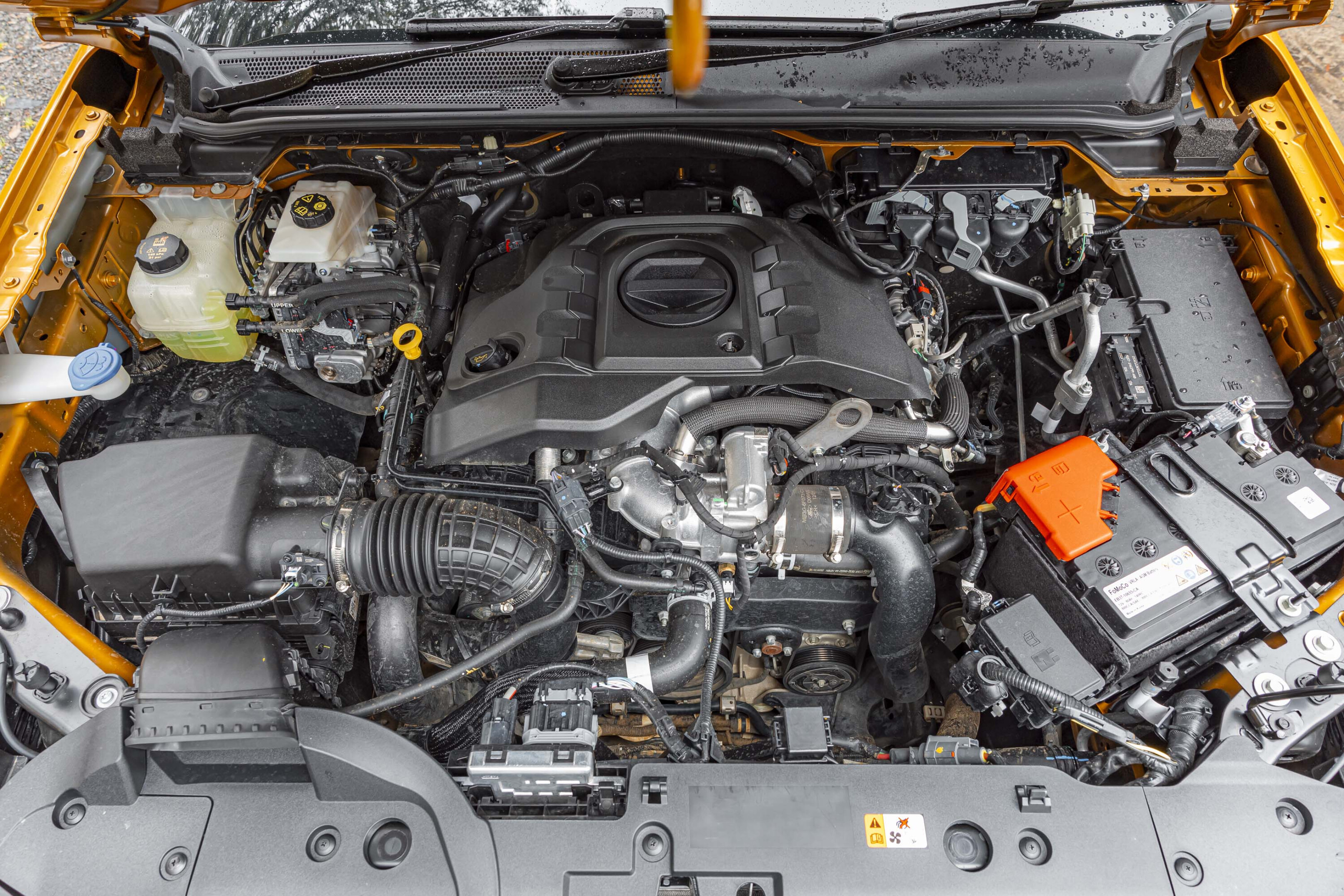
Ford says the Ranger PHEV combines a 2.3L Ecoboost four-cylinder turbo-petrol engine with a “relatively large battery pack” and a single electric motor. The battery pack is mounted beneath the tray, while the e-motor is likely to be located ahead of or behind the transmission.
That power figure is already a fair chunk more than the 3.0-litre turbo diesel fitted to a ‘regular’ Ranger Wilkdtrak which produces 184kW/600Nm.
Adding the EV side of the PHEV’s powertrain into the mix, then, suggests the Ranger PHEV should feel a fair bit quicker and more muscular, especially low in the rev range due to the e-motor’s instant response.
1
It should be more efficient, too. Officially the Wildtrak diesel drinks 8.4L/100km on the combined cycle but you can expect the PHEV’s rating to be around half that. Possibly even less.
And providing you plug it in regularly, there’s also the ability to cut out fuel bills altogether.
Ford says the Ranger PHEV will offer “in excess of 45km of electric range” and that its data shows more than half of current Ranger owners drive less than 40km per day.
1
Ford’s figures also show that 83 per cent drive three or more short trips in a day, suggesting they could top up the battery in between.
“For these use cases, they could spend a considerable amount of their time using the vehicle as an EV,” said Ford’s global truck chief strategist, Matt Reilly.
The flipside to not plugging the Ranger PHEV in regularly, however, is that it’s likely to be thirstier than a diesel Wildtrak. The official combined rating of the 2.3-litre turbo in the Amarok is 9.9L/100km and that’s without the additional weight of a battery pack and e-motor.
There’s nothing to split a regular Wildtrak and the PHEV when it comes to their maximum tow ratings, with both carrying an official braked towing capacity of 3500kg.
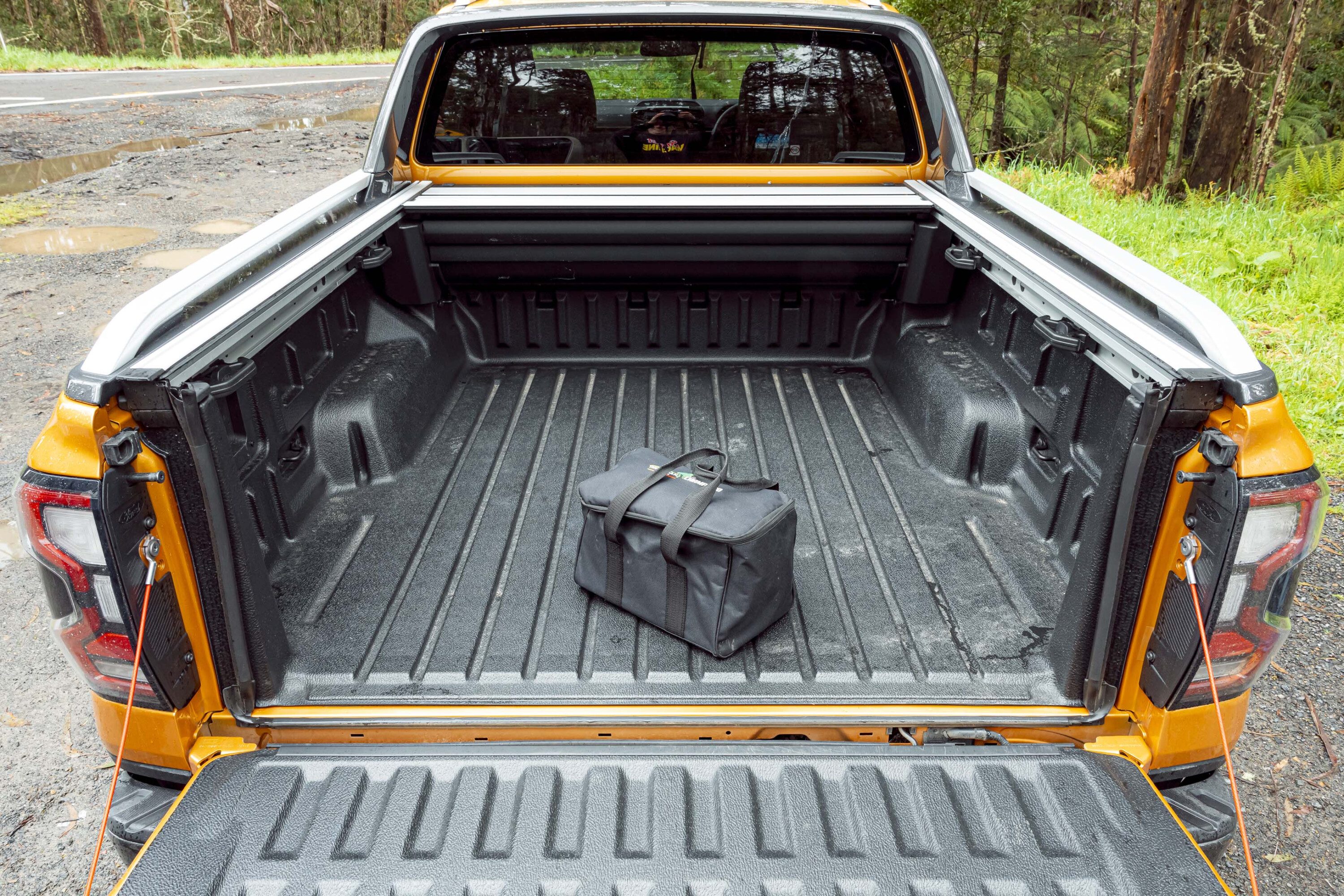
It is the same story when it comes to payload, with Ford going to great lengths to ensure the Ranger PHEV is just as capable of carrying loads as the regular ute.
“There’s no lessening in the payload or the towing capability versus what we have on today’s line-up,” confirmed Rob Sharples, chief engineer for the Ranger PHEV.
1
Ford’s Aussie-led engineering team have made tweaks to the steering, engine mapping and suspension
The Ranger PHEV is a much heavier vehicle than a regular Wildtrak (the battery pack and e-motor could add as much as 250-400kg to the kerb weight), so to ensure there’s no compromise in payload capacity, Ford has fitted the PHEV with heavier-duty suspension.
Additional strengthening has been applied to the PHEV’s ladder frame and Ford’s Aussie-led engineering team have made tweaks to the steering, engine mapping and suspension to ensure it retains the Ranger’s class-leading driving dynamics and ride comfort.
One minor caveat to the PHEV’s towing ability is that it won’t be able to tow 3500kg in every drive mode. In EV mode, for example, which relies solely on the e-motor, the towing capacity is reduced.
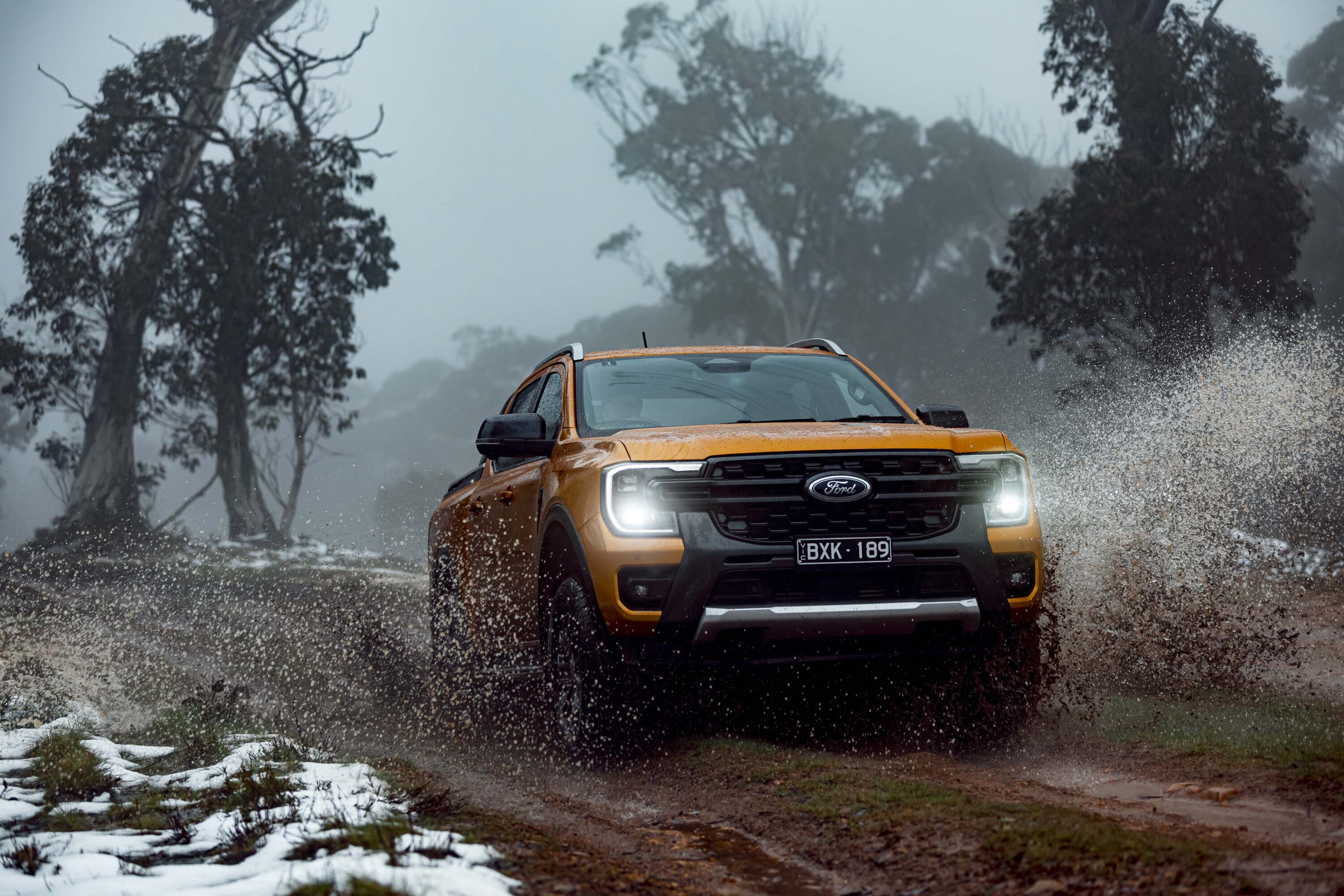
A big part of a dual-cab’s appeal is its ability to take you and your family away from the beaten track and Ford is confident the Ranger PHEV is just as capable as a regular Wildtrak when the terrain gets tricky.
“It has Ranger’s renowned capability off-road with its selectable drive modes, four-wheel drive and water wading capability,” said chief engineer Rob Sharples. The instant response of the PHEV’s e-motor and immediate low-down torque could also be a benefit in some off-road situations.
Where a regular diesel Wildtrak has a clear advantage, though, is when it comes to weight. Just like a racing car, the less weight you have in your vehicle when you’re off-roading, the better.
1
Lack of weight is a key reason why the Suzuki Jimny is so capable, for example. More weight means you have to work harder to overcome obstacles and fight gravity as you climb steep hills.
Ford hasn’t confirmed how much the Ranger PHEV weighs but a typical rule of thumb is that a battery pack and e-motor can add between 250-400kg.
2
There is one feather in the PHEV’s cap that the regular diesel Wildtrak can’t match, however, and that’s its ability to act as a portable generator.
Once you’re at your camping spot, you can plug your fridge, TV, stereo, stove or lights into one of the PHEV’s three 240-volt, 10-amp sockets. At the work site, it can power your tools.
Ford calls this feature ‘Pro Power onboard’ and it removes the need to lug about a regular generator, which in turn frees up space in the tray.
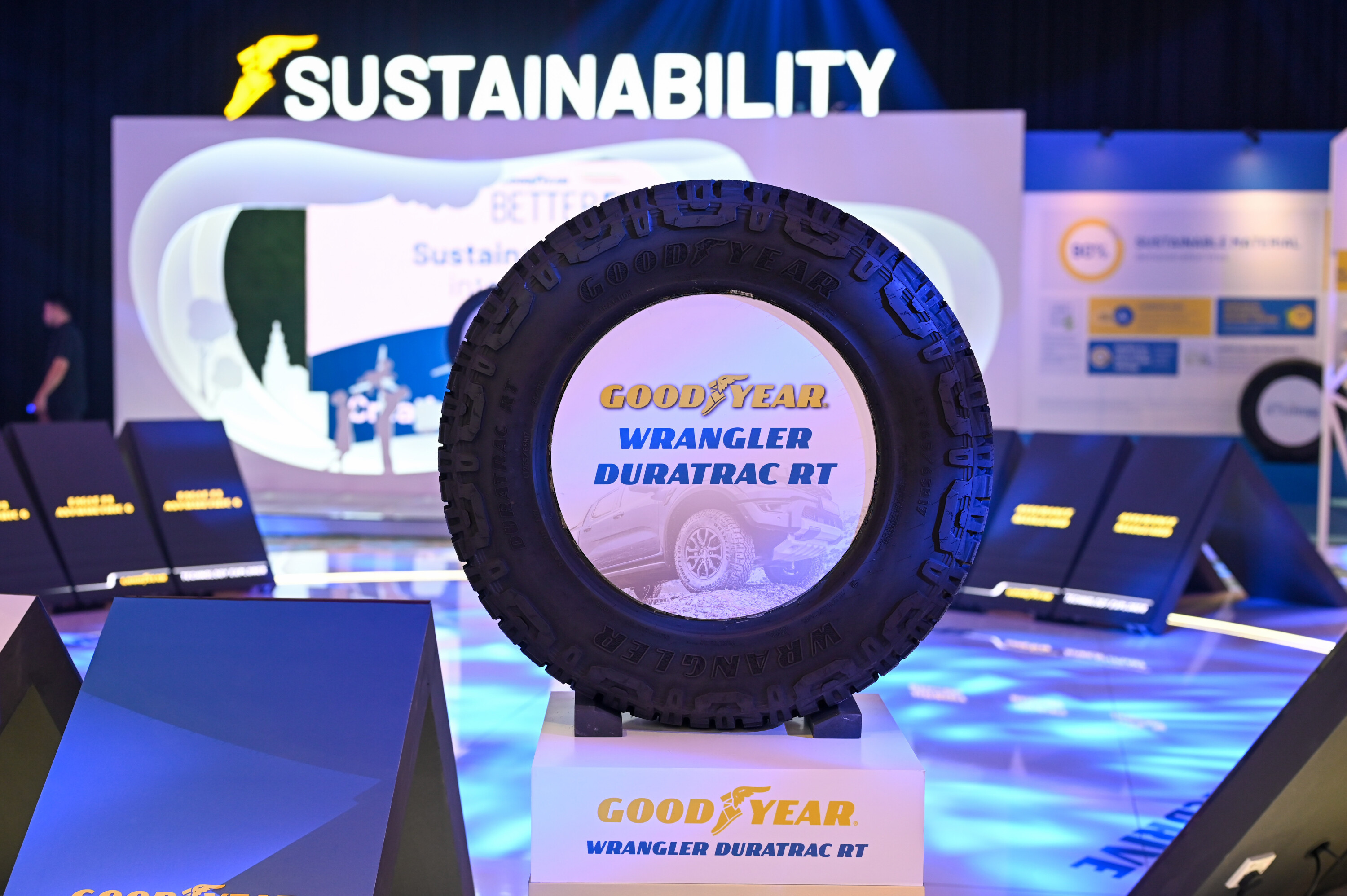
Goodyear is marking 125 years in the automotive tyre business in 2023, and to celebrate, the company has just launched a new tyre for 4x4s and off-roaders, the Wrangler DuraTrac RT.
Benchmarked against the previous Wrangler DuraTrac through internal testing, the new Wrangler DuraTrac RT boasts a 10 per cent improvement in both wet and dry handling, along with even better off-road performance in mud and sand.
It features light-truck construction across every available size, so the tyre carcass is more robust than before. Wraparound gum strips help improve the bond between the steel belts and the tyre compound, creating a greater connection to the tread blocks.
“The Wrangler DuraTrac RT is a product tailored to fulfil the demands of true off-road enthusiasts, a growing consumer interest across the Asia-Pacific market,” said Greg Hanna, Vice President, Product Development & Quality, Goodyear Asia-Pacific.
1
“The tyre’s exceptional performance in durability, traction, and its ability to handle challenging terrain, perfectly represents Goodyear’s illustration of the spirit of exploration.”
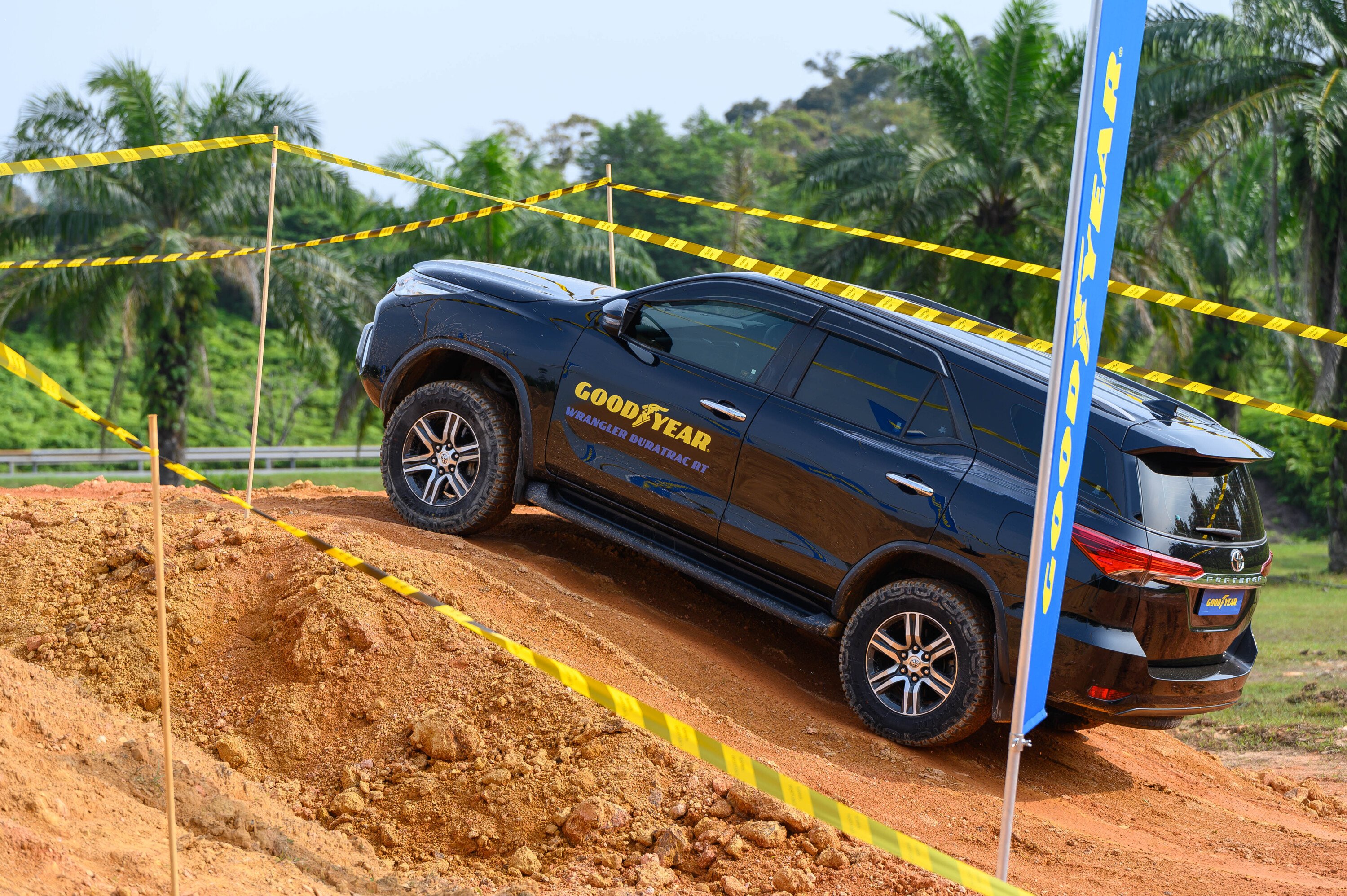
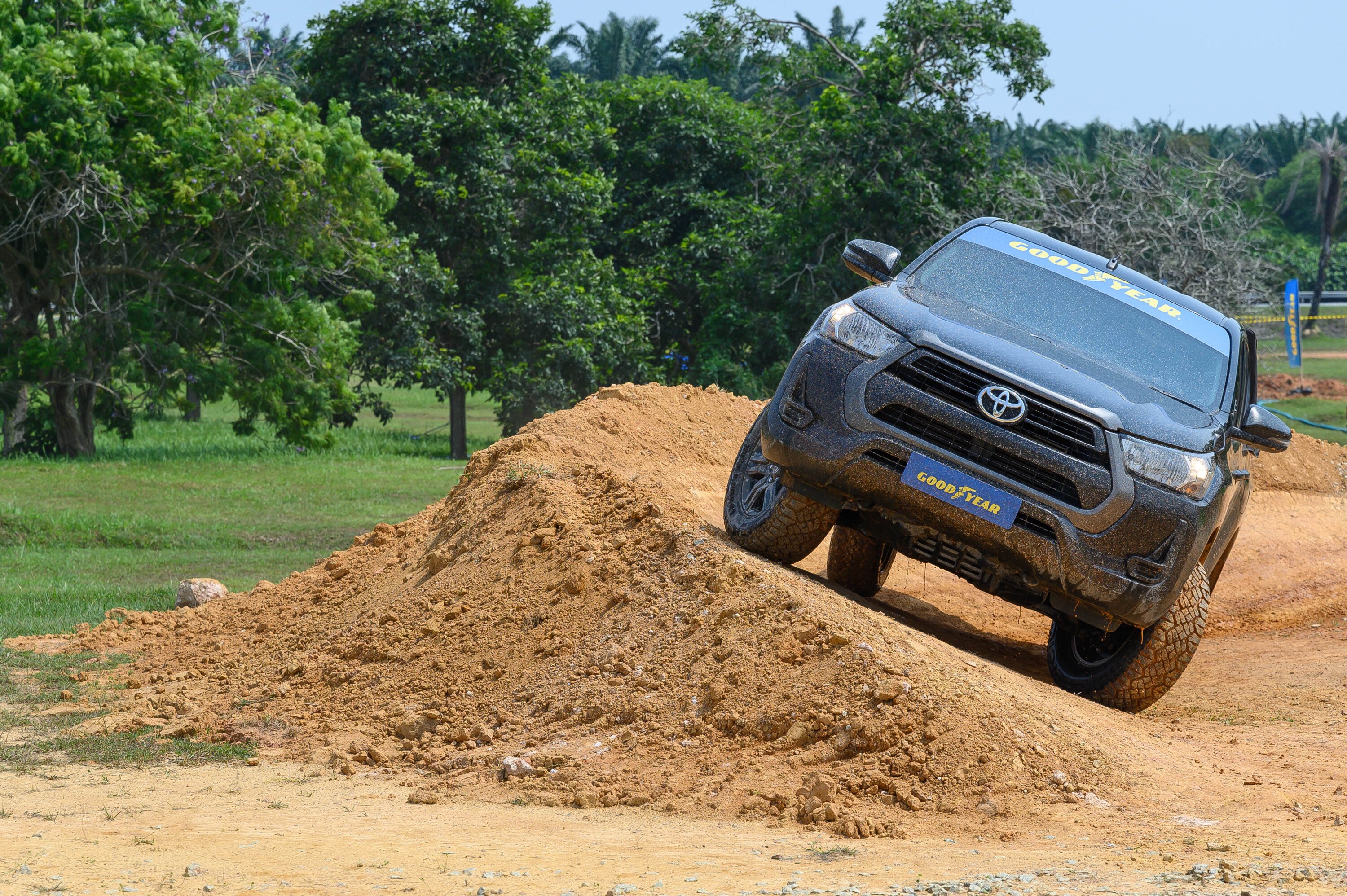
We sampled the new Wrangler DuraTrac RT at its recent Singapore launch and were suitably impressed, even though we only had a short time driving on the tyre.
1
Goodyear’s slogan for the Wrangler DuraTrac RT is “Go Explore”, and with that in mind, the tyre has a design suitable for being taken off-road and on adventures in rugged terrain. You can bet that is exactly what we will be doing once the tyre lands on our shores.
To see the full range of Goodyear 4×4 tyres and find your closest retailer, visit www.goodyear.com.au
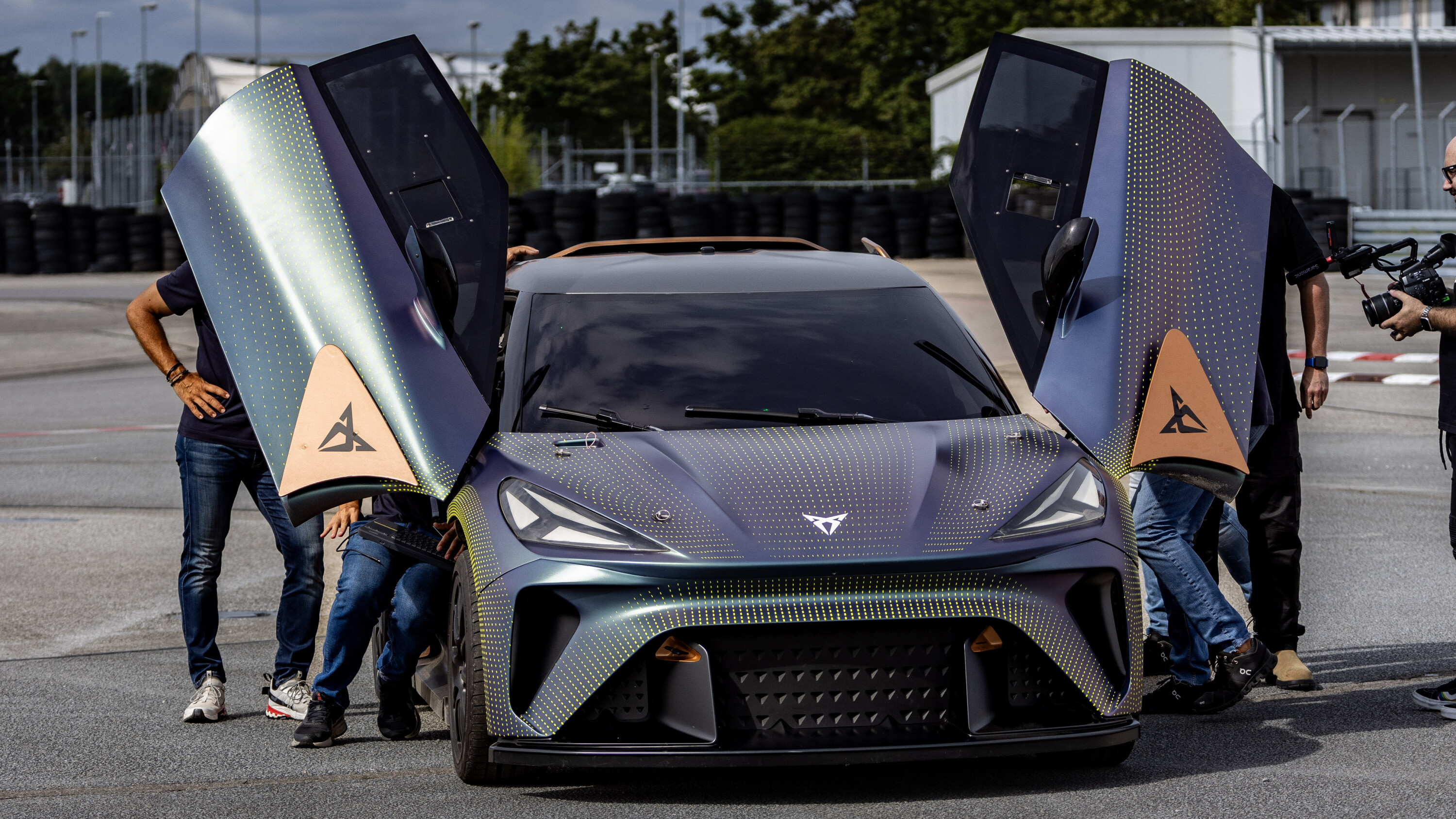
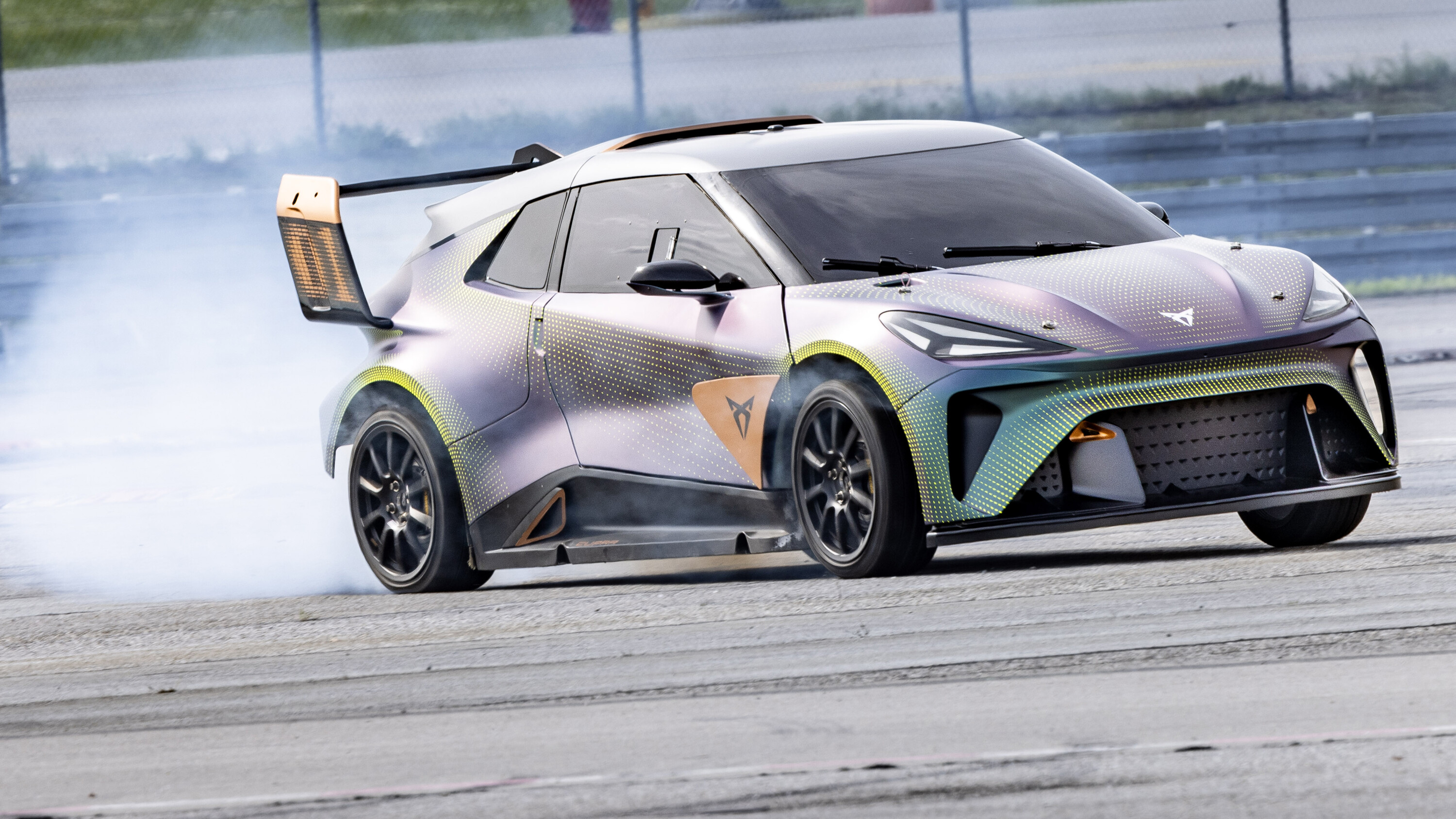
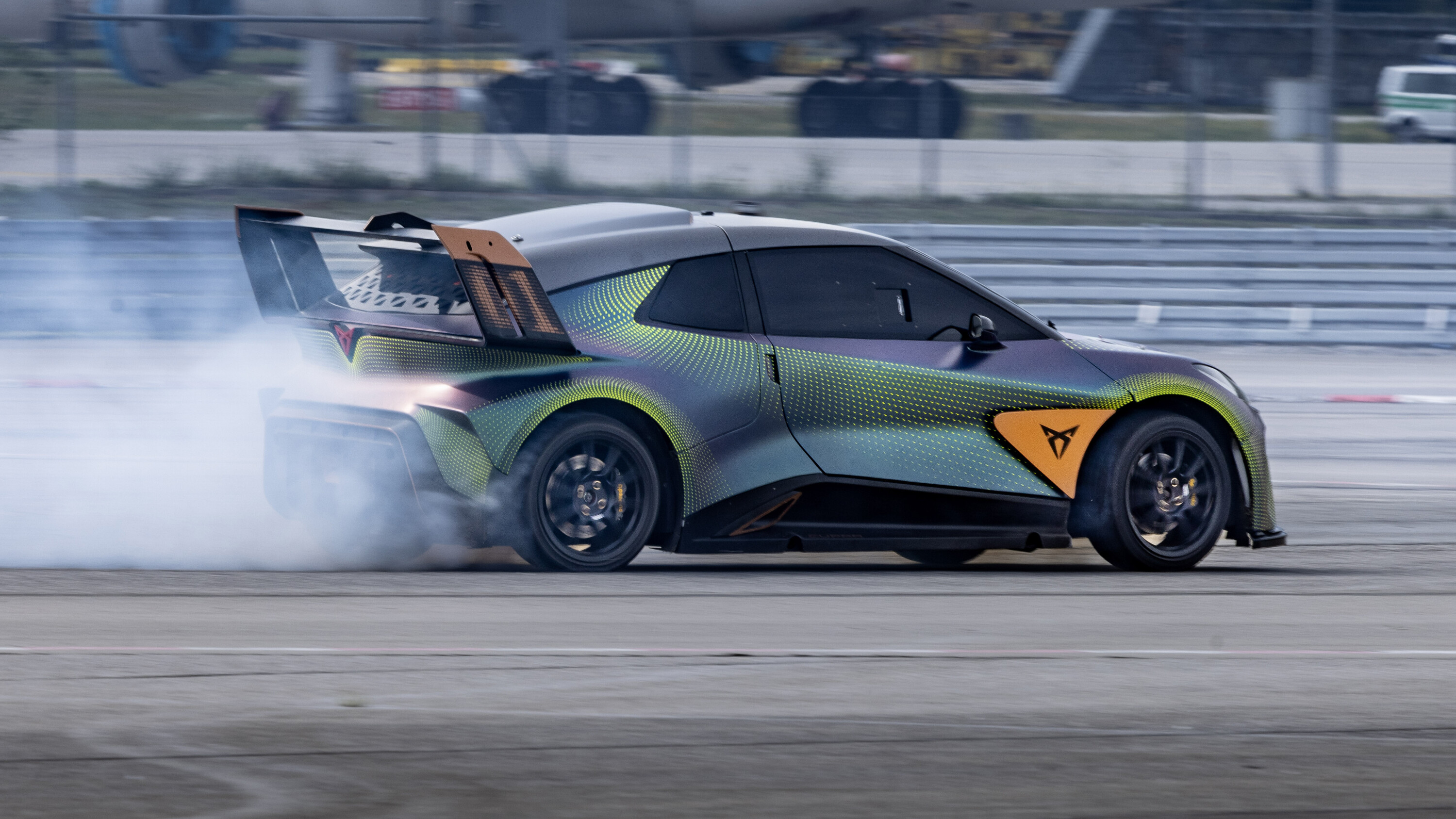
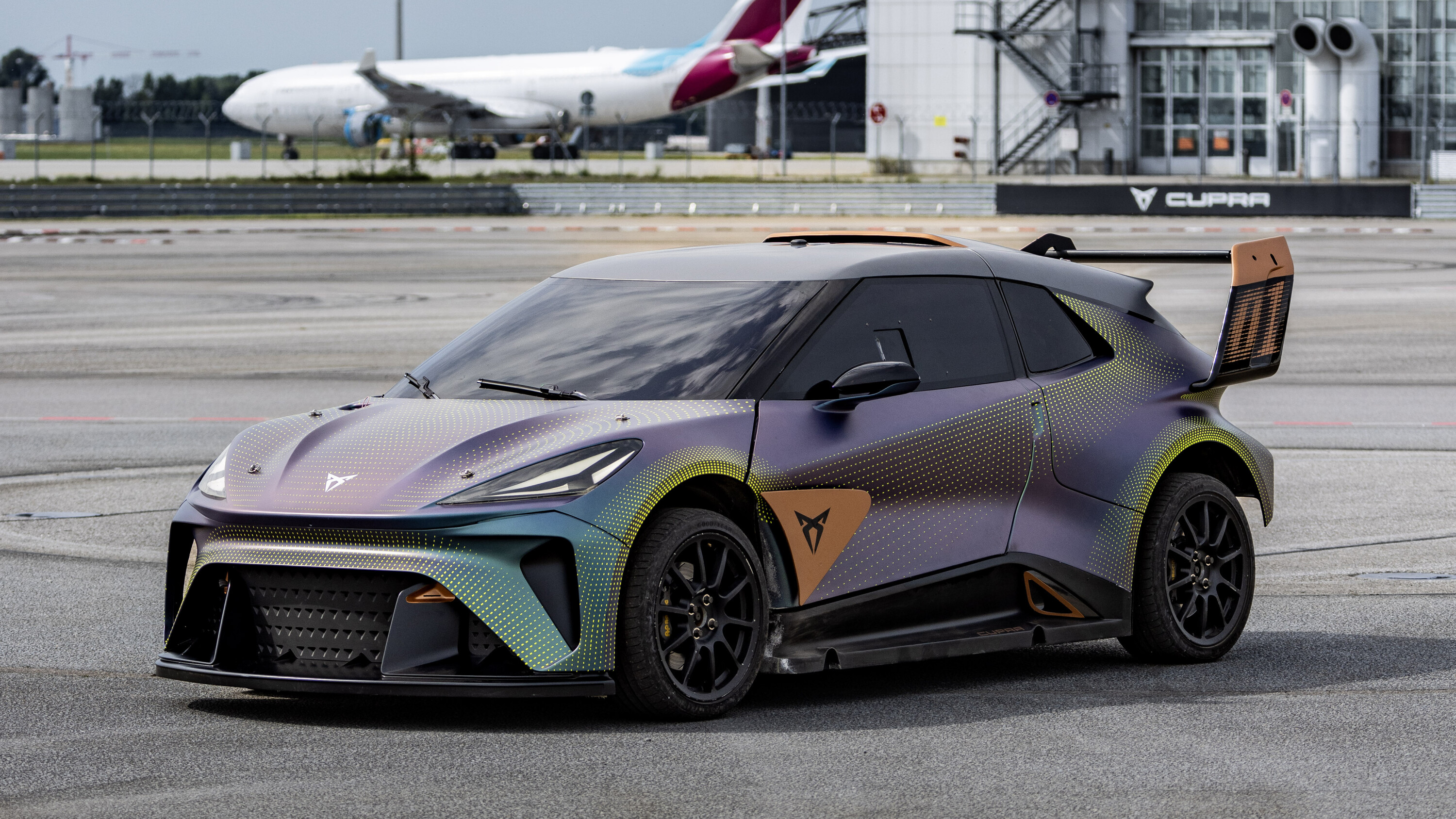
In front of me is the Cupra UrbanRebel racing concept, a tiny electric car with a massive rear wing and an even more intimidating maximum power output of 320kW. It’s parked on a wide open skidpan with kerbing and track markings that make it look like a go kart track.
This is Cupra’s Exponential Experience – a way of filling the gap between the worlds of motorsport and gaming. And also a way of making those who are nervous about driving priceless prototypes, and those who don’t like VR headsets, dread what will happen next.
Now, normally at an event like this, attendees might get a chance to have a go at a prototype car in controlled conditions, with a professional co-driver who knows when they should or shouldn’t panic. You sign indemnity paperwork, put on a helmet, get in the car, and drive.
1
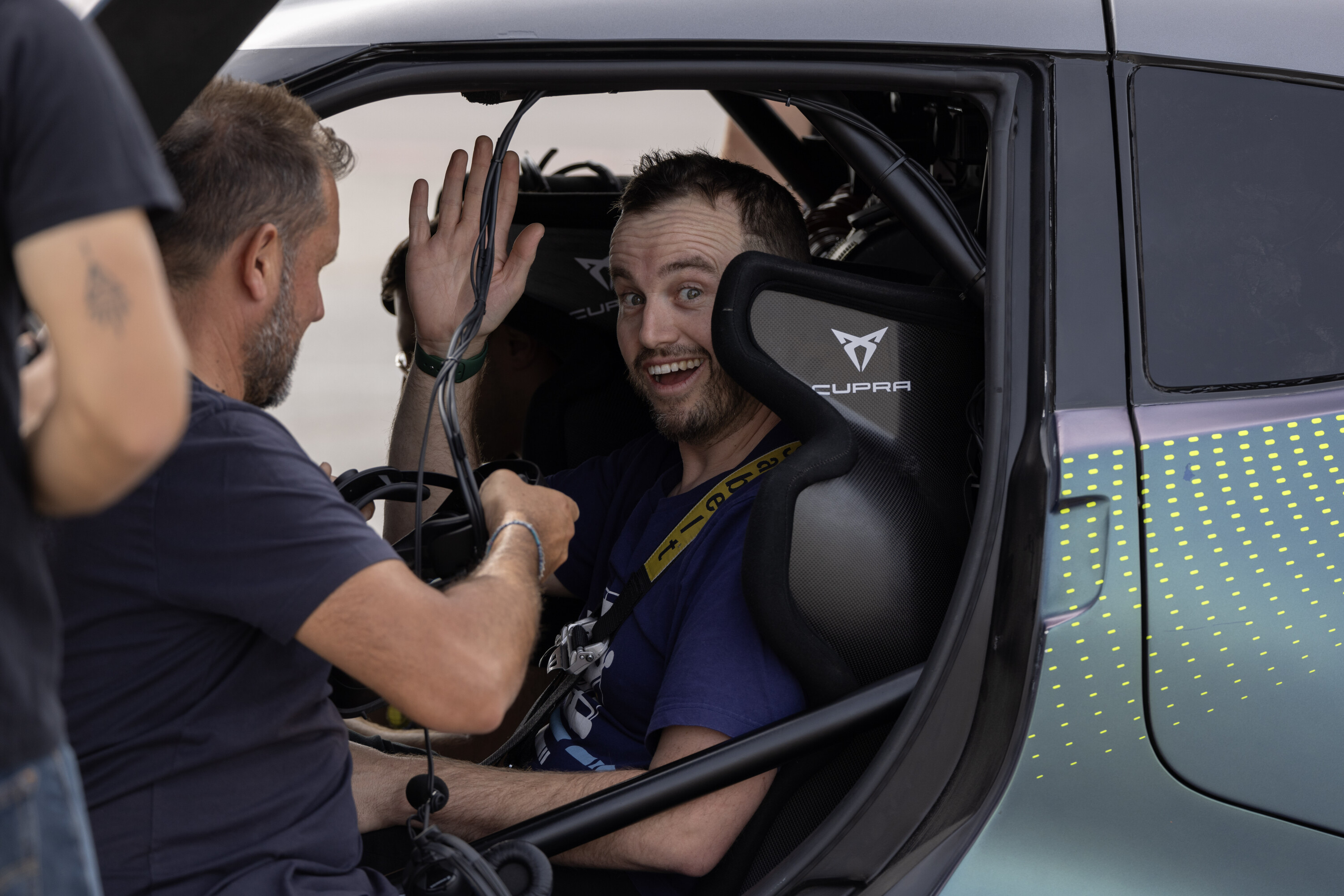
I comb through the fine print and remove my hat – expecting a hair net and helmet will come next – and walk to the UrbanRebel, where I’m told to jump in.
I oblige, gracefully foisting my ‘not-quite-racing-driver-slim’ frame over the roll cage and into the racing seat, and a man reaches between my legs to harness me in.
“Hmmm,” I think. “No helmet. Okay.”
1
However, I’m about to have some different headwear.
The strapper-innerer then reaches above my head to a Virtual Reality headset, pulls the high-tech form-fitting visualisation device down over my noggin, and as soon as it’s on, I feel a bit queasy. This is what always happens to me when I wear VR headsets – my brain doesn’t like trying to calculate the un-reality of the situation.
But with the strange contraption engulfing my sight with a form of pixelated double-vision, and with a headset now also in play, I’m instructed that I will be exiting reality and joining the virtual realm.
1
I gently ease the UrbanRebel away from a standstill, my instructor talking to me about what I am going to experience.
I can’t concentrate on his words – all I can hear is the immense whine from the electric motor, an intense buzz like a mosquito on a megaphone, and the voice in my head telling me to concentrate on where I was steering. I can still see the actual landscape ahead of me, but there is an augmented reality pointer telling me where I need to head.
Over the top of a strategically placed kerb, a purple ‘garage’ appears in front of me.
1
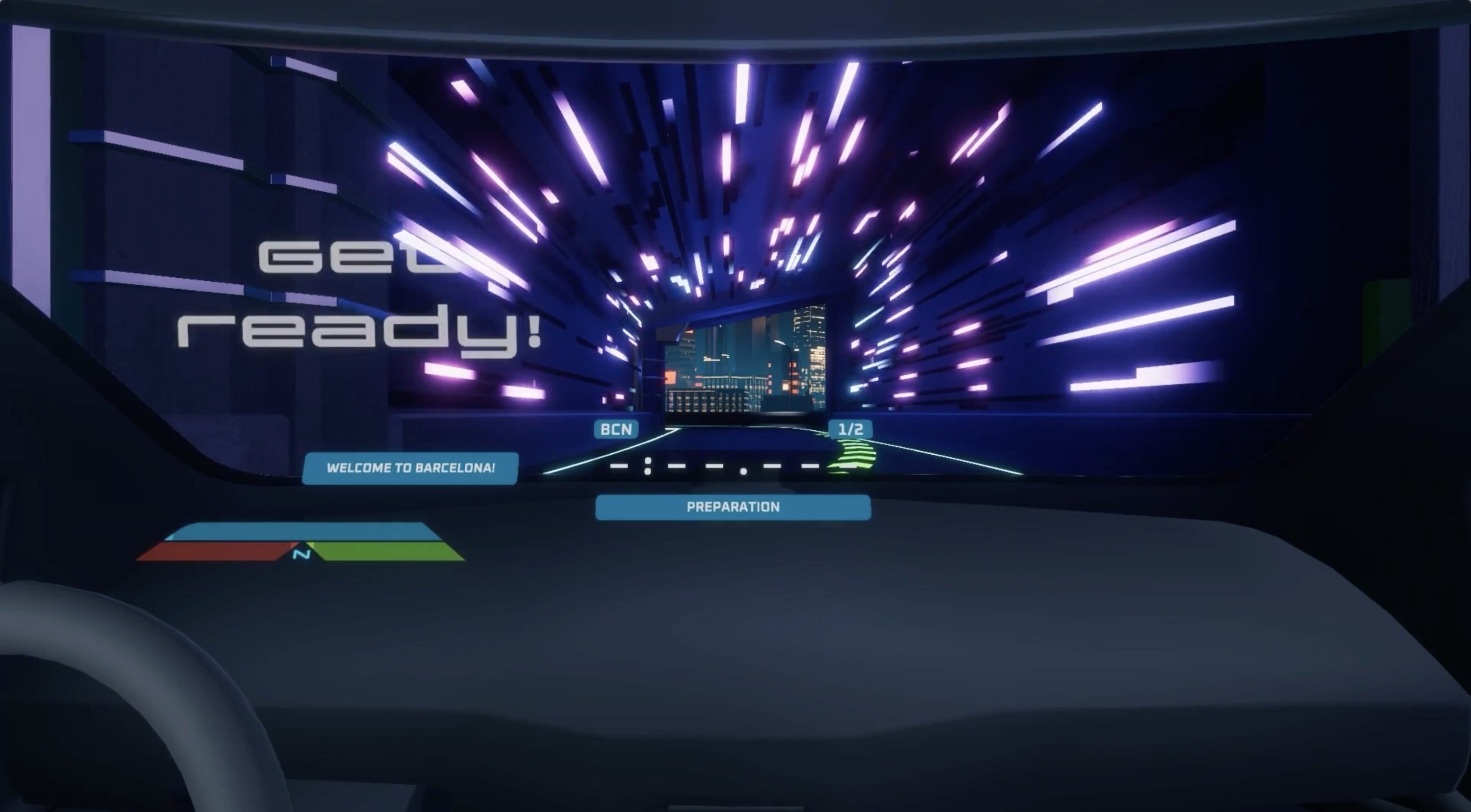
I drive into it, stop, and then it happens. My actual reality disappears, and I’m inside a video game.
Unlike other VR experiences I’ve had, in this scenario I am fully ensconced – I see nothing but a scene that would look at home in Super Mario Kart, but in this instance, I’m on a ‘race track’ in the middle of Barcelona. Apparently.
“3. 2. 1. Go!”
I timidly accelerate from the start-finish line – like, actually accelerating and steering a physical, real car on a properly marked course, while with my eyes see a very different scene play out in front of me.
1
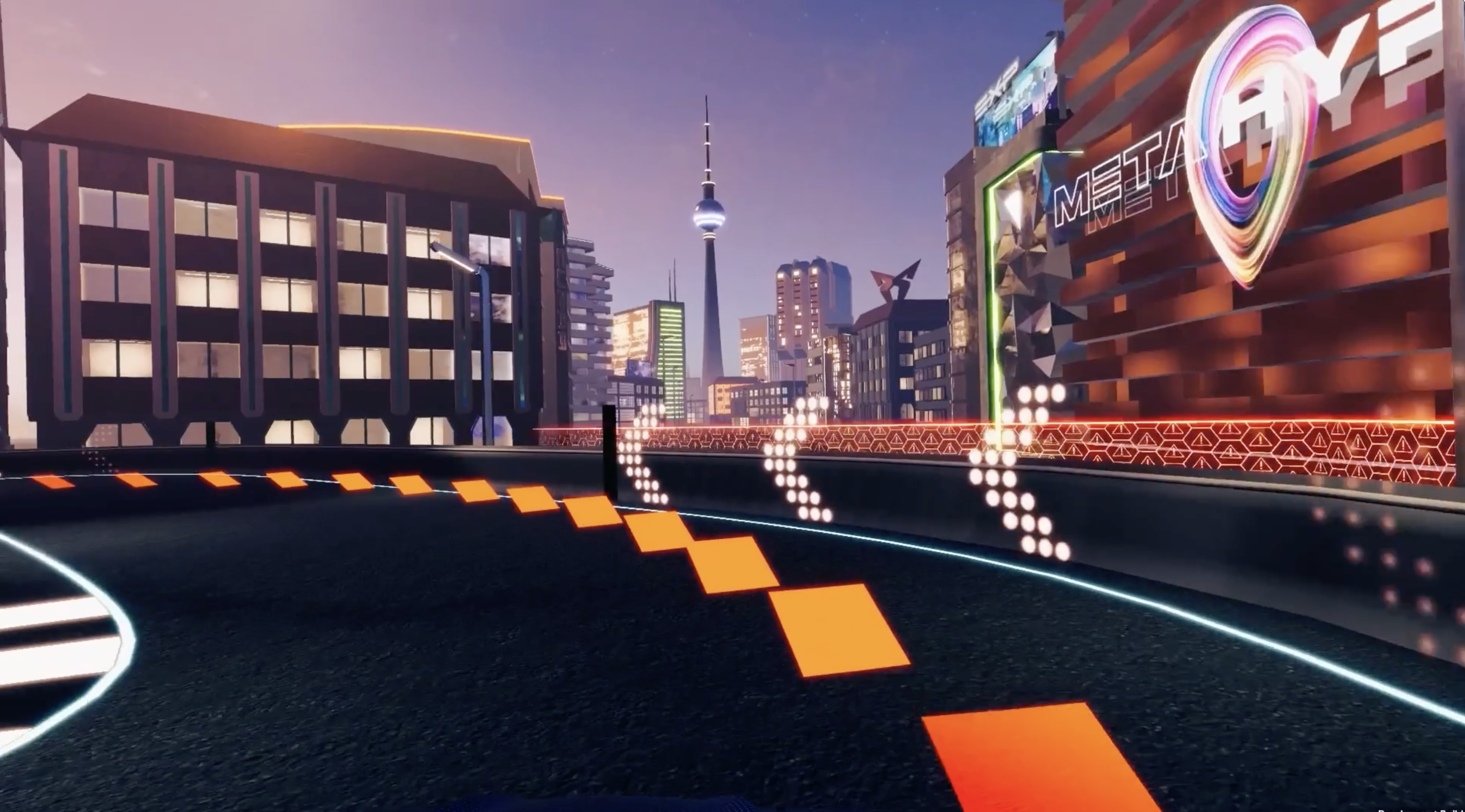
I round two bends, and a yellow bar appears in front of me, an indicator that my power is limited, but when the yellow goes away a sudden shunt urges me on, with markings on the ‘road’ ahead pointing the way.
A shining yellow beacon – kind of like a reward you’d see on a racing game – offers a power boost, so I steer at it before continuing on, green markings advising I should speed up, while more closely arranged orange and upright red plot marks indicate braking points.
I should say here that I had seen three other journos go ahead of me, and thought that from where I stood, it looked as though they were going very slowly. Indeed, the car’s maximum speed was limited to 40km/h for the practice laps.
2
But as I drive, I feel like I am properly fanging it.
Lap one ends, lap two of practice flies past. I start to learn where to turn, where to gather a bit more pace. Adrenalin has dismissed my initial nerves, and the urge to yak is now nonexistent.
Then I pull back into the ‘garage’, and the course turns from an action-hero-movie-style night theme with lots of black and purple to a daylight design that’s more akin to Grand Theft Auto or the classic PlayStation game, Driver.
2
Just as I had done in the past in those video games, I steer, brake, accelerate and feel adrenaline coursing through my veins. But unlike those games, I’m in a real car in an unreal reality.
And for the record, I didn’t puke.
Let’s get phygital
Cupra’s Exponential Experience is a peculiar crossover point between virtual and actual reality – it’s not quite like Real Racing or Gran Turismo, but nor is it the same as paying for a track day and putting your precious metal at risk.
The brand’s motorsport director, Xavi Serra, says the experimental formula is one that could offer a racing experience for customers and enthusiasts – and it doesn’t need to be confined to this specific car on this specific track.
“If you take a normal driver like one of us, or even a gamer who has no driver’s licence, then it’s really mindblowing because they can experience almost motorsport feelings in an electric car. So, something in between can be possible,” he said, stating that the hardware used is basically the same as you find in high-performance home PC setups.
“For now, it’s for show. But we could configure this to millions of circuits, even here in the same place – every time you cross the ‘virtual tunnel’ you could be in a different place, with a different layout, so the car would need to drive different lines. It’s endless, you could be lapping forever in different places,” said Mr Serra.
“We could bring in gaming – our drivers here [could compete] against people in their home setup, static. They could challenge each other, we could have one car here, one car in Barcelona,” he said. “It would be something cool if there was this merge of physical and virtual – this ‘phygital’ thing – it really could be something.”
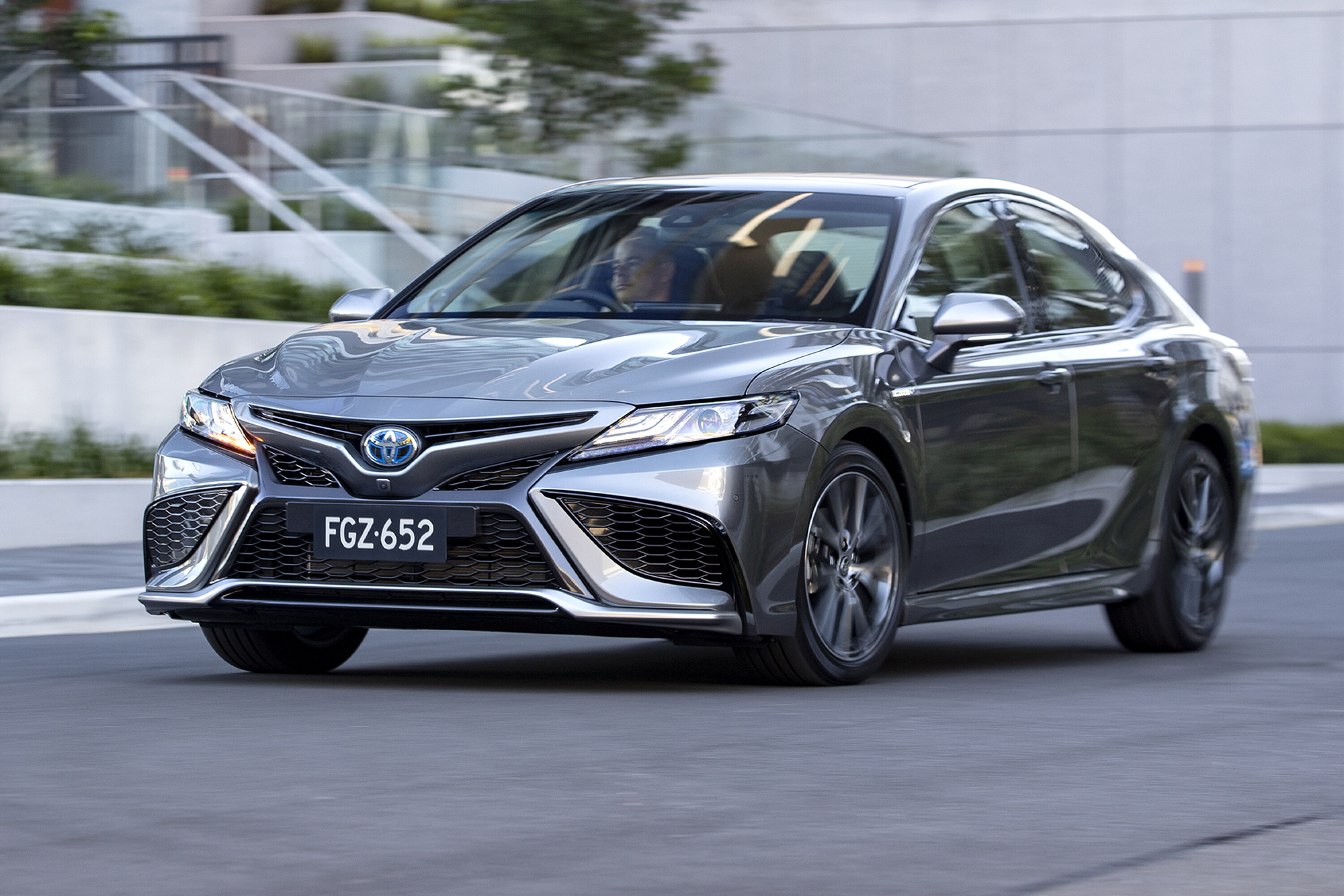
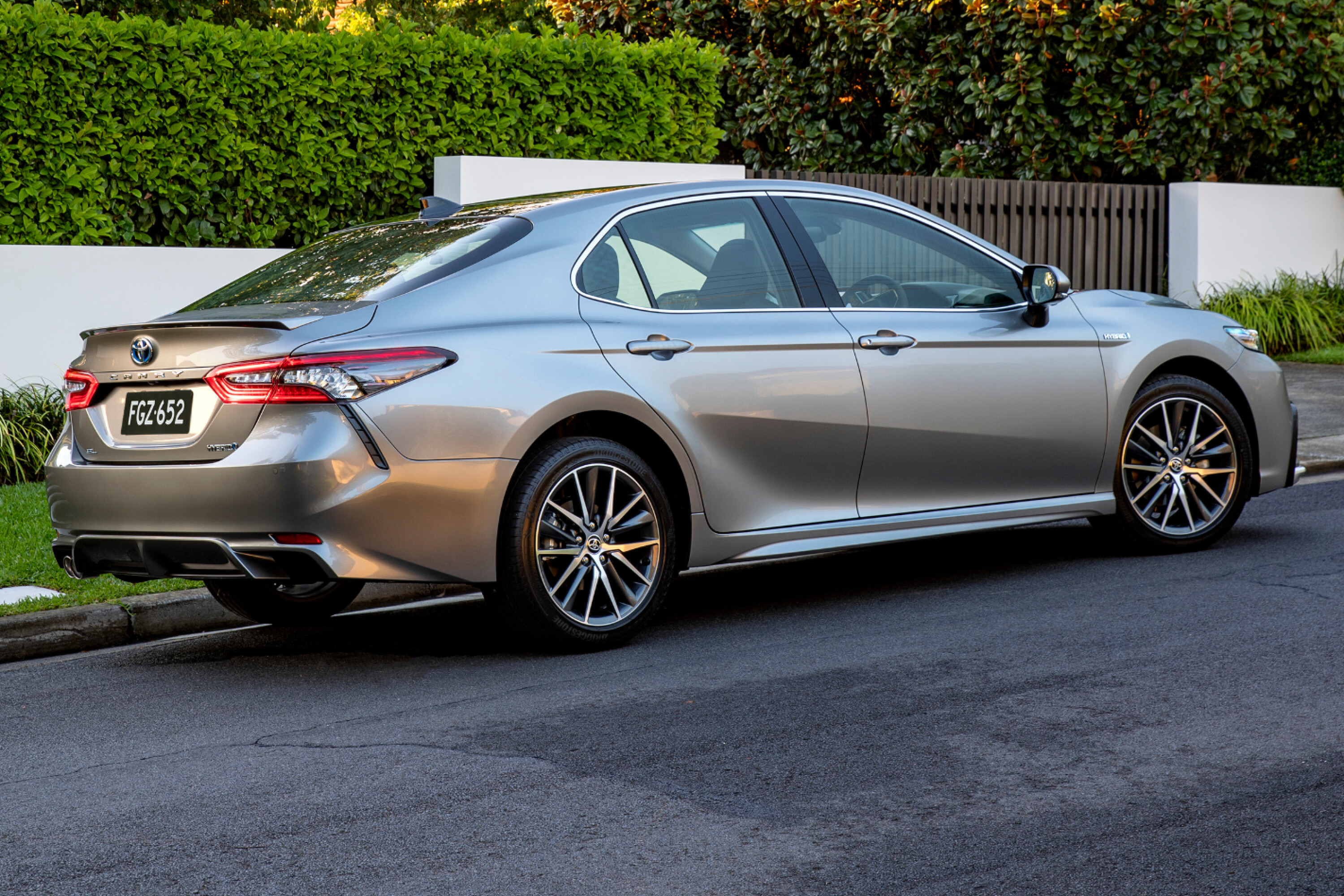
Since its introduction to the Australian market in 1983 to replace the Corona mid-size sedan, the Toyota Camry has become synonymous with reliability, efficiency and value for money.
Over the years, the Camry has become one of the best-selling cars in Australia, with our models being built locally until 2017, when Toyota ceased its manufacturing operations in the country.
1
Since then, Camrys sold in Australia have been imported from Japan.`
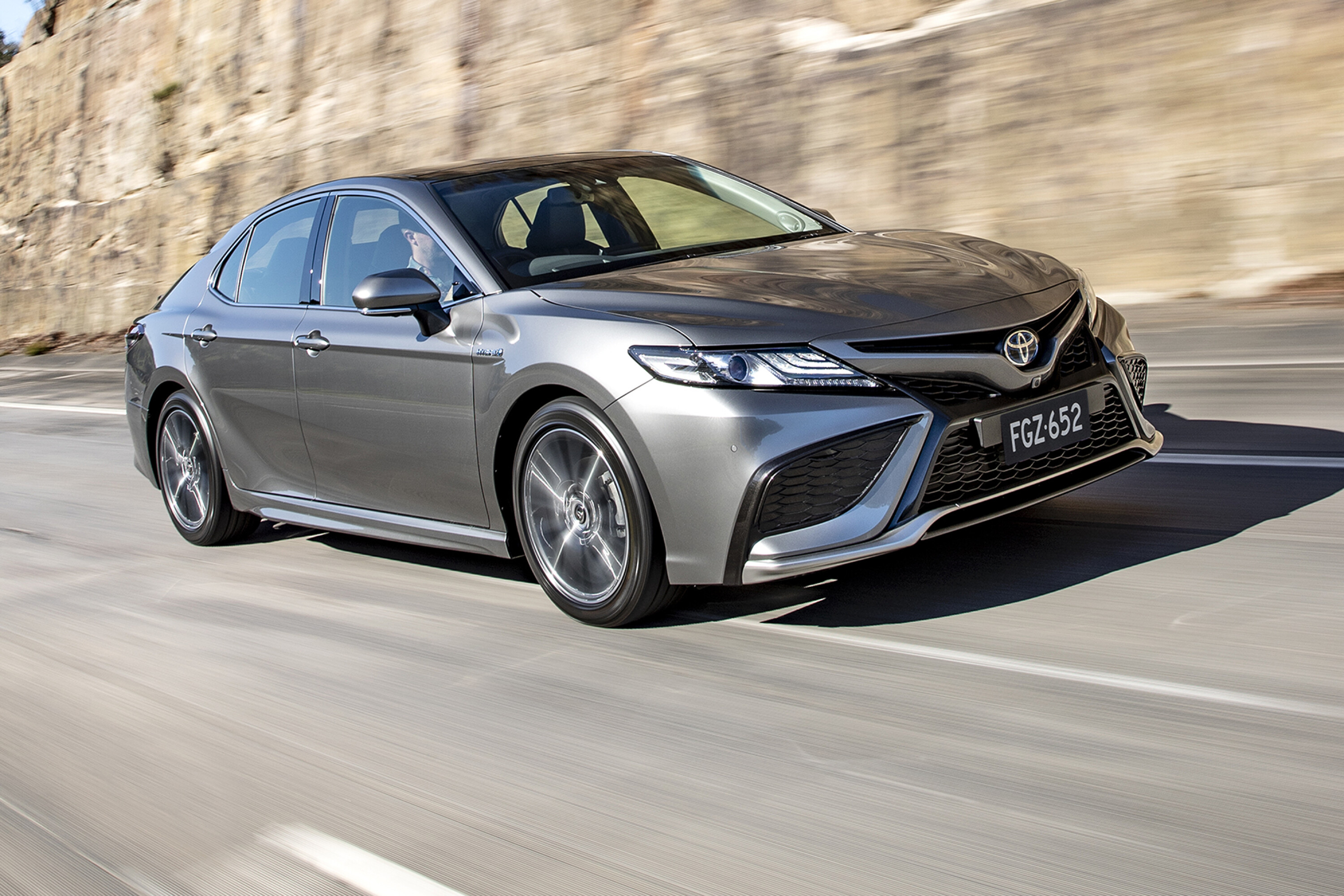
With the 2023 Camry SL, Toyota has thrown all its best specs into one of the nations most popular family cars.
But in a world leaning towards SUVs, can the Camry SL still make a mark?
Pricing and features
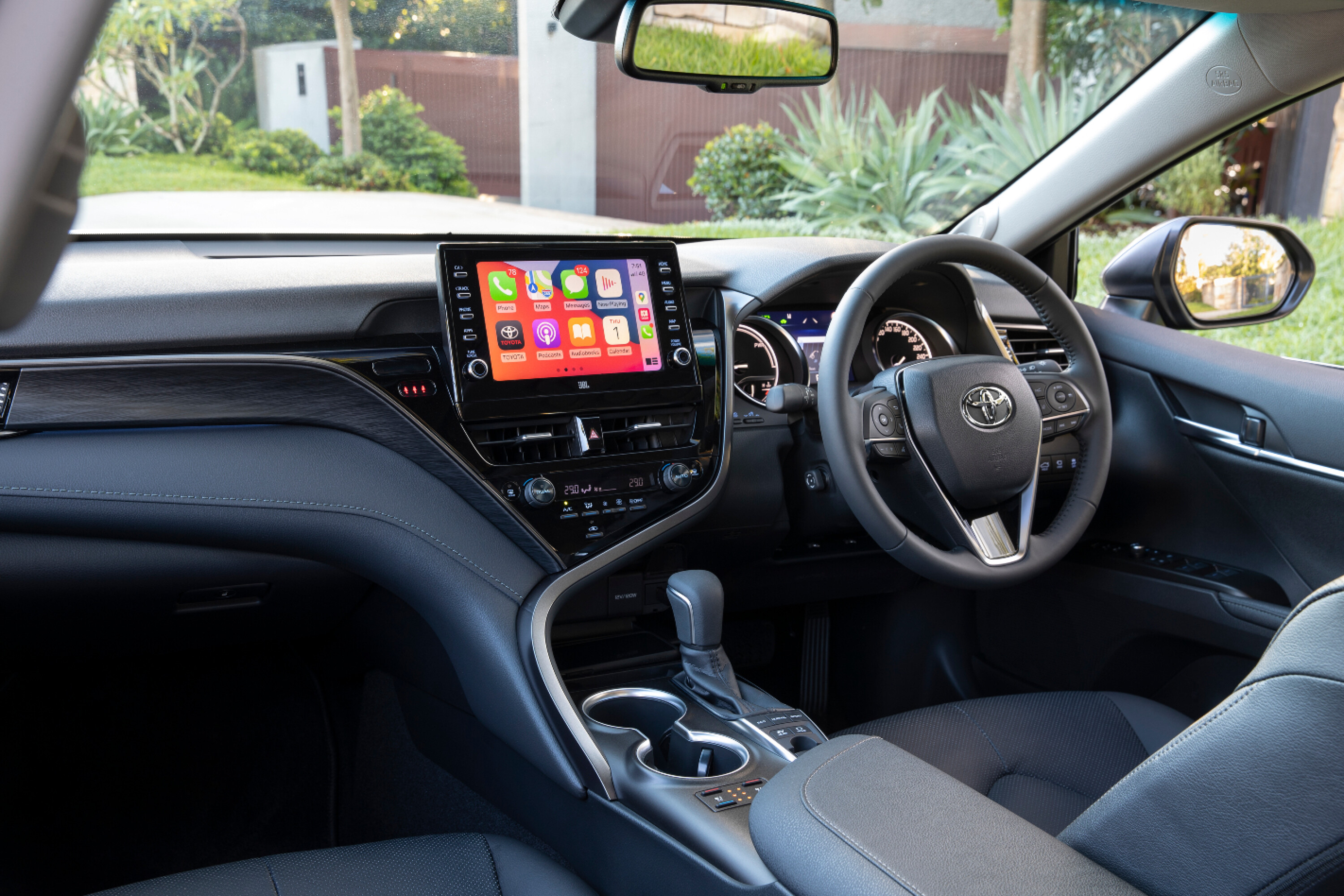
As the flagship variant in the Camry lineup at $50,420 before on-road costs, the SL spares no expense. Its exterior boasts a more pronounced grille, LED lighting, and exclusive styling that hint at its premium nature.
Leather seats, a panoramic sunroof, and a state-of-the-art JBL sound system ensure every journey feels premium. The infotainment system, with its larger 9-inch touchscreen and in-built navigation, offers seamless connectivity.
1
The Camry SL is available as a hybrid only, with an impressive combined fuel economy of 4.7L/100km.
The 2.5-litre engine with the popular hybrid technology produces a combined 160kW and 221Nm.
The range-topping SL is packed with specs, including:
1
Safety
The entire Camry range is covered by a 5-star ANCAP rating from 2017 where is received an impressive 36.16 (out of 37) score.
Standard safety across the Camry range includes:
7 SRS airbags
Intersection Turn Assistance
Adaptive radar cruise control
Lane departure alert
Anti-lock Braking System
Lane trace assist
Automatic high beam
Pre-collision safety system with pedestrian detection
Brake assist
Reversing camera
Electronically controlled brake system
Road sign asisst
Hill-start Assist Control and Brake Hold
Choosing the top of the range SL adds Blind spot monitor, Rear Cross Traffic Alert (RCTA) and Front and rear parking sensors.
1
Key rivals
The midsize sedan segment has its share of worthy contenders:
The 2023 Toyota Camry SL is a testament to Toyota’s commitment to offering luxury without compromising on reliability.
For those seeking a sedan that seamlessly blends comfort, tech, and elegance, the Camry SL stands out as a top choice. It’s not just a car; it’s an experience, promising to elevate every journey.
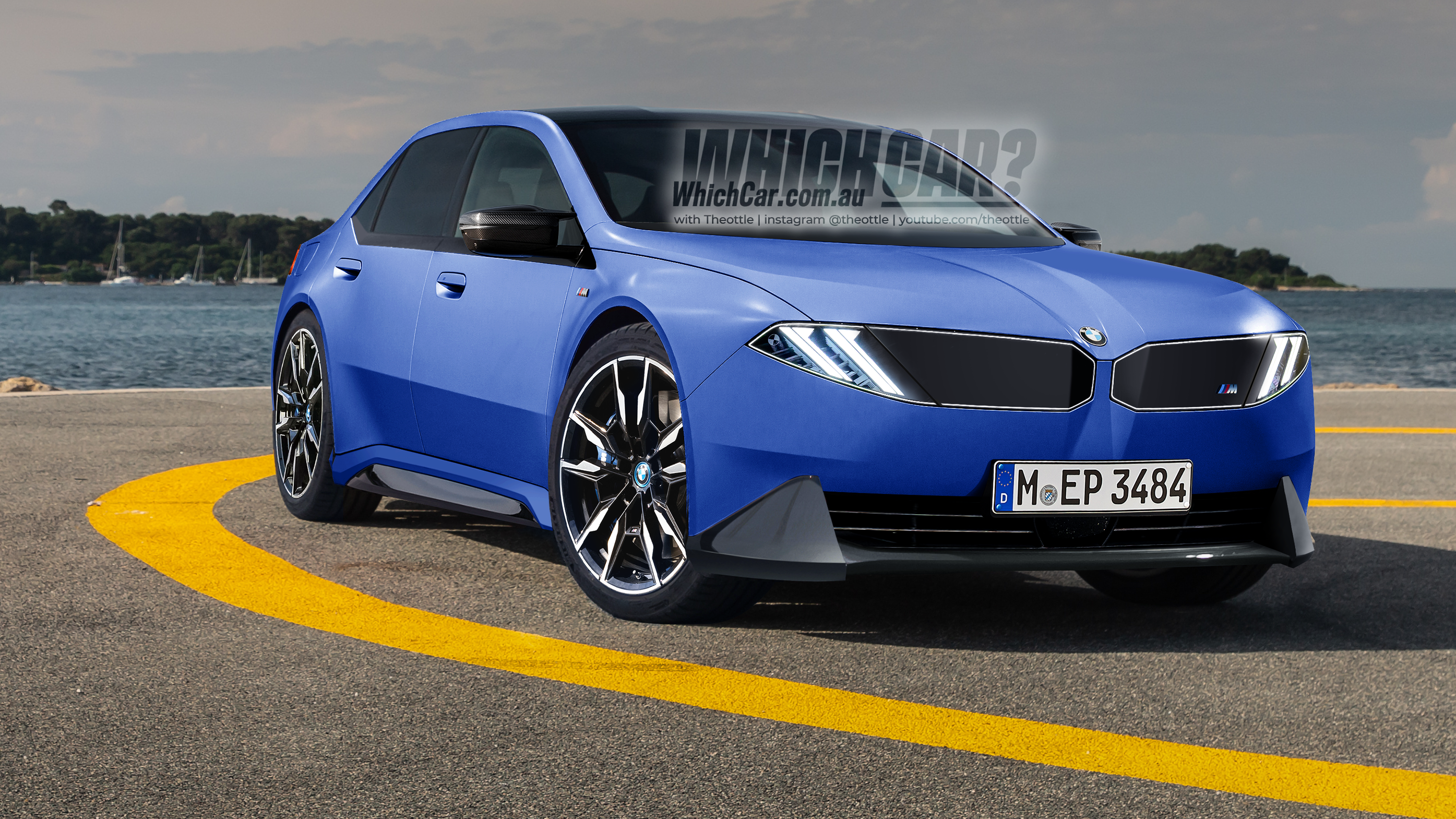
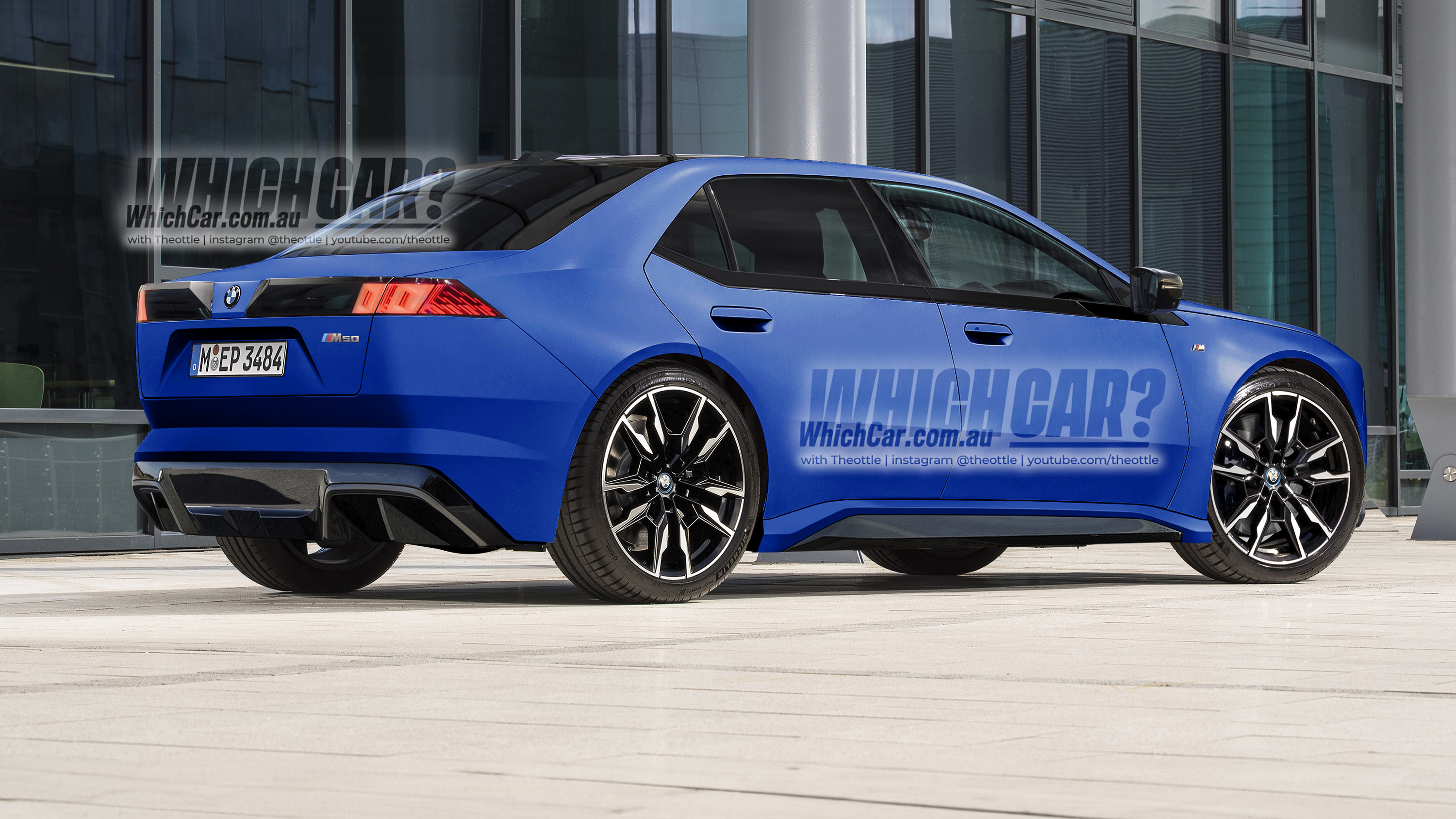
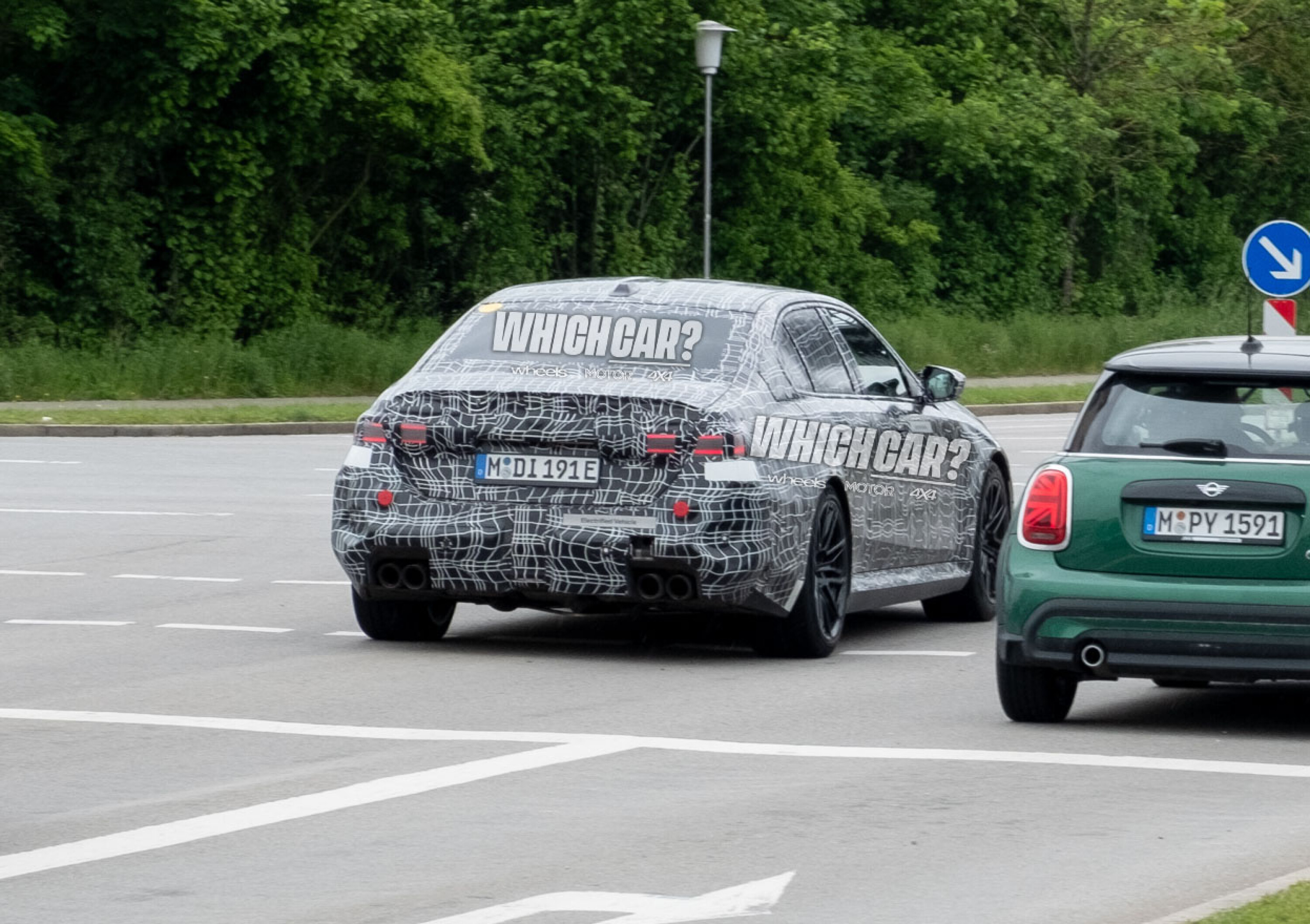
Expected to arrive shortly after the all-new BMW 3 Series in 2026, the next-gen M3 will offer a whole new level of driving dynamics, according to BMW bosses.
Snapshot
Next-gen u2018M3u2019 could produce over 1000kW from four motors
u2018Heart of Joyu2019 onboard computer at the centre of operations
BMW bosses promising it will be u201cfar above what people are used to todayu201d
S58-powered M3 to live on in tandem for some time
Based on the same Neue Klasse underpinnings as the 3 Series, BMW board member and development boss Frank Weber has high hopes for the all-electric M3 due in 2027.
“The next M3 will be battery-electric – full battery-electric”, Weber told Autocar [↗], before describing how the Neue Klasse platform’s ‘Heart of Joy’ on-board computer – the ‘Hand of God’ i8 chassis controller’s successor – will make this the fastest and most capable M3 ever.
“This is a controller that has taken the last 20 or 30 years of our experience into a control unit. Everything that is driving-performance related, chassis-control related, propulsion- [and] powertrain-related is now in one integrated control unit.
“It’s almost the history of how you control a vehicle that is in that thing. We do it ourselves – we don’t buy it. The software is proprietary. This is why we talk about it. We say, see, this will enable driving-dynamics functions that you will love”, Weber said.
He went on to describe that the Heart of Joy, able to control four electric motors individually and deliver up to 1000kW, will allow new-gen M cars to perform “far above what people are used to today”.
There won’t be a long wait between the start of 3 Series production and an M car this time either – unlike the E36 generation 3 Series which had a four-year gestation period for its straight-six M3 – with Weber wanting to exemplify the capability of EVs as soon as possible.
Those who love the raspy sound for which M cars are famous shouldn’t be too worried, though. Weber confirmed that there will be “a coexistence” with the next electric M3 and the current car, with its ‘S58’ inline six staying in production until at least 2030.
Additionally, a plug-in hybrid powertrain built around a petrol V8 will arrive in the new M5, likely in 2025, and production of the XM PHEV will continue as BMW returns to the LMDH category of endurance racing.
Conjecture also surrounds the naming conventions of BMW’s most powerful series, with BMW member of the board for sales Pieter Nota telling Autocar that the promised quad-motor 3 Series may not be called the M3, rather a derivative of that name, leaving the combustion lineage to exist separately to the EV.
Any further details will be confirmed much closer to the Neue Klasse platform’s launch under the next-gen X3 expected in 2024, with the eight-gen NK-based 3 Series sedan and wagon due in 2026.
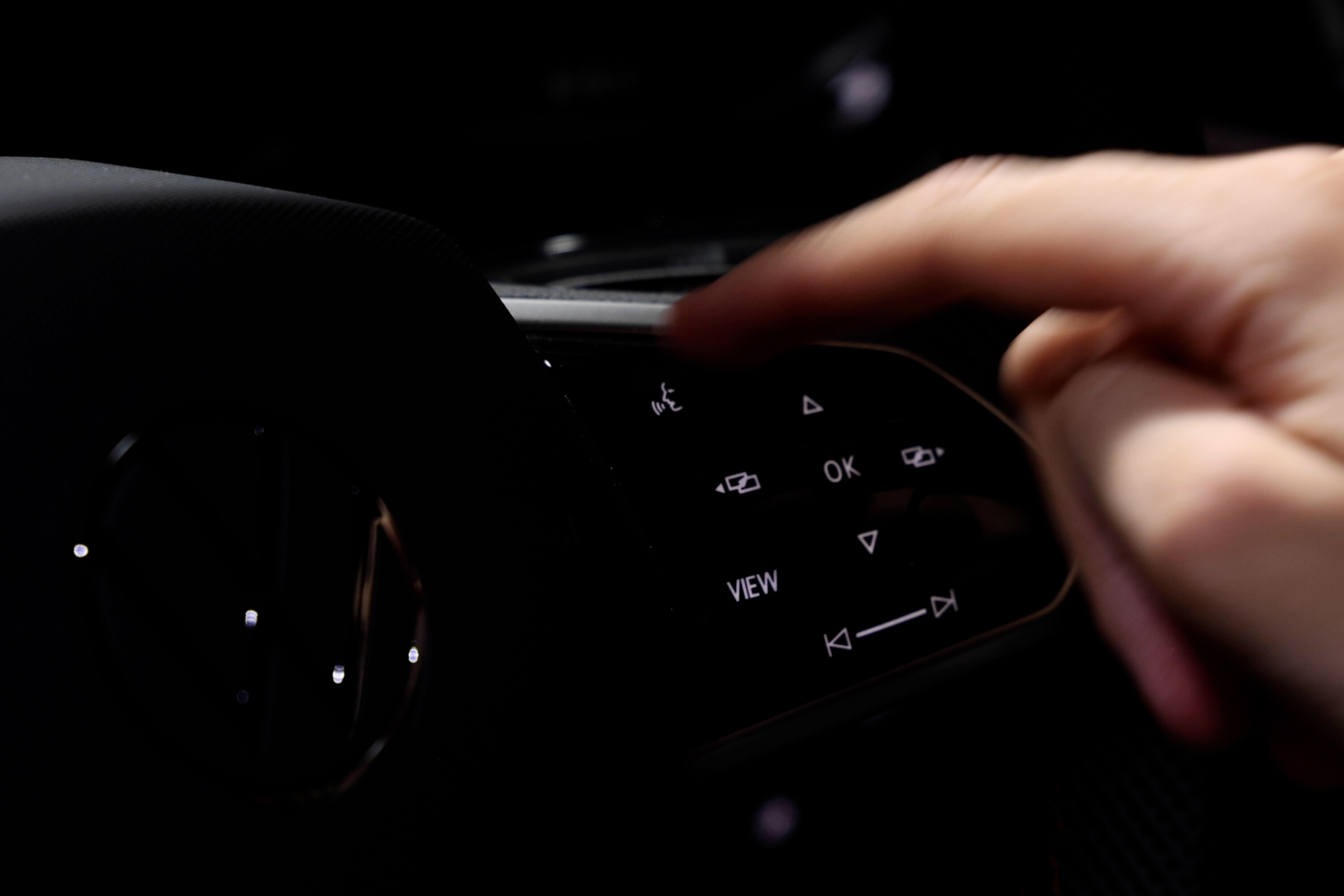
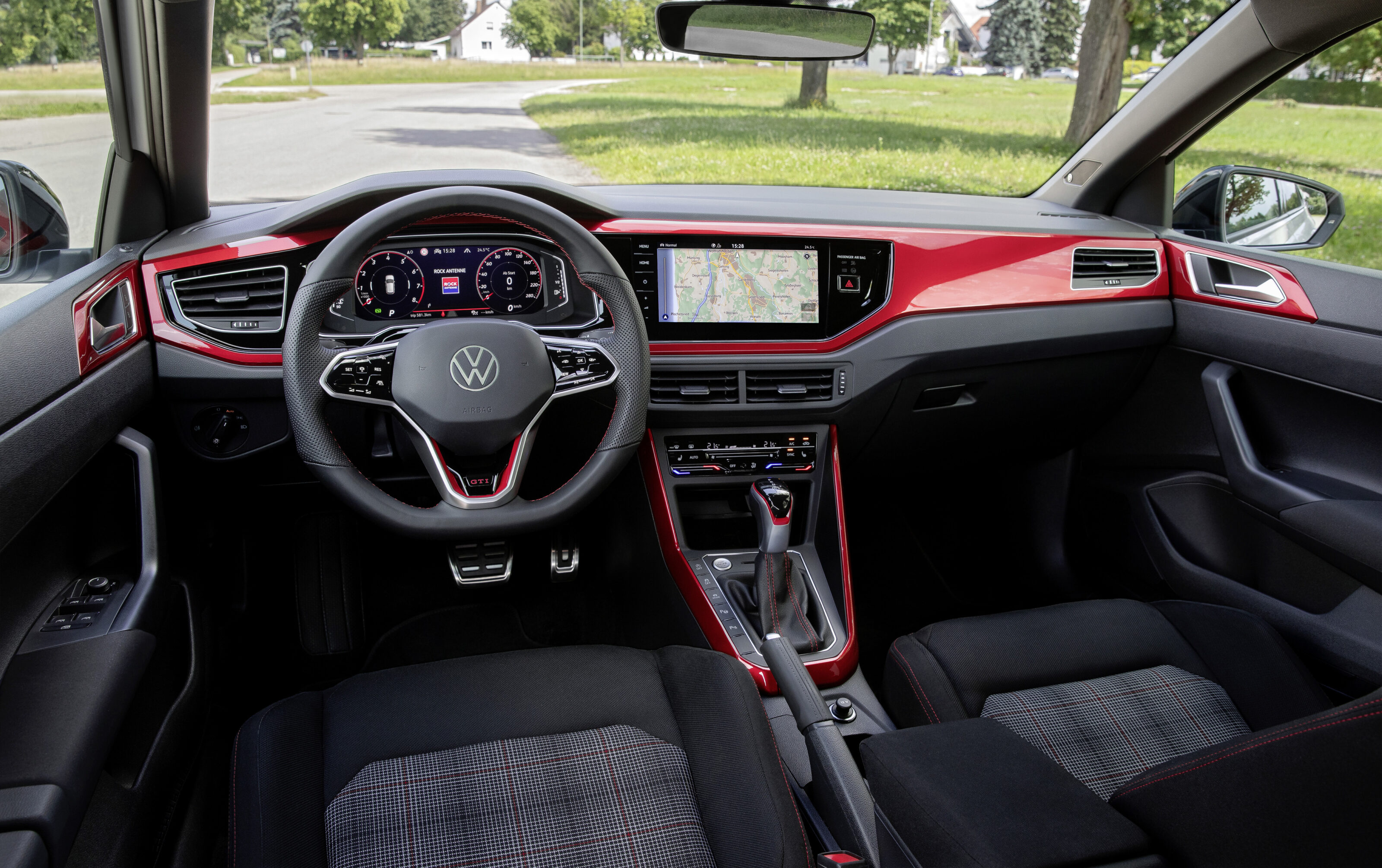
Following feedback from customers about capacitive touch buttons on the steering wheel, the MY24 Volkswagen Polo goes back to buttons.
This only affects the range-topping GTI grade, though Volkswagen has also applied this change to T-Roc R-Lines as well as the facelifted ID.3 electric car following global boss Thomas Shafer’s admittance that the tech had “frustrated” owners and “caused a lot of damage”.
Additionally, the entry-level Polo Style gains safety equipment: blind-spot monitoring, rear cross-traffic alert, and proactive occupant protection are now standard. The new models will become available later this year though there are still MY23 vehicles in stock.
“There remains strong MY23 stock in Volkswagen dealerships, and this will continue through 2023. The Polo GTI, Golf Life, Golf R-Line and Golf GTI remain with special drive-away pricing” (detailed below), a Volkswagen Australia spokesperson told Wheels.
Our original story, below, continues unchanged.
July 13: Drive-away deals for 2023 VW Polo range
With good stock on the ground, Volkswagen is offering drive-away deals on the Polo GTI.
Instead of paying $39,690 before on-road costs, VW will currently sell you an un-optioned 147kW/320Nm Polo GTI for $39,990 drive-away.
Our original story, below, has been updated with new information.
May 10: 2023 Volkswagen Polo pricing and features for Australia
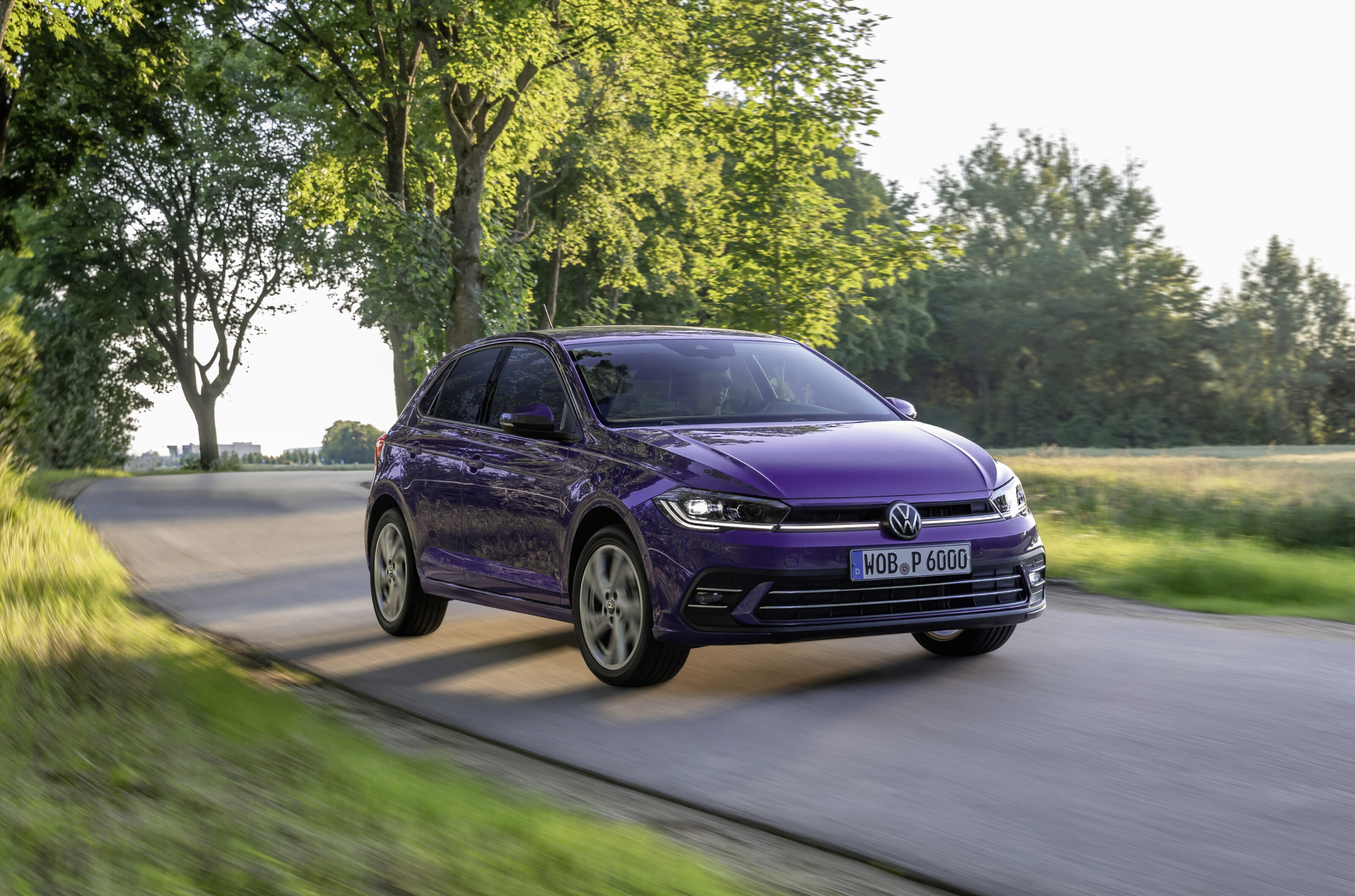
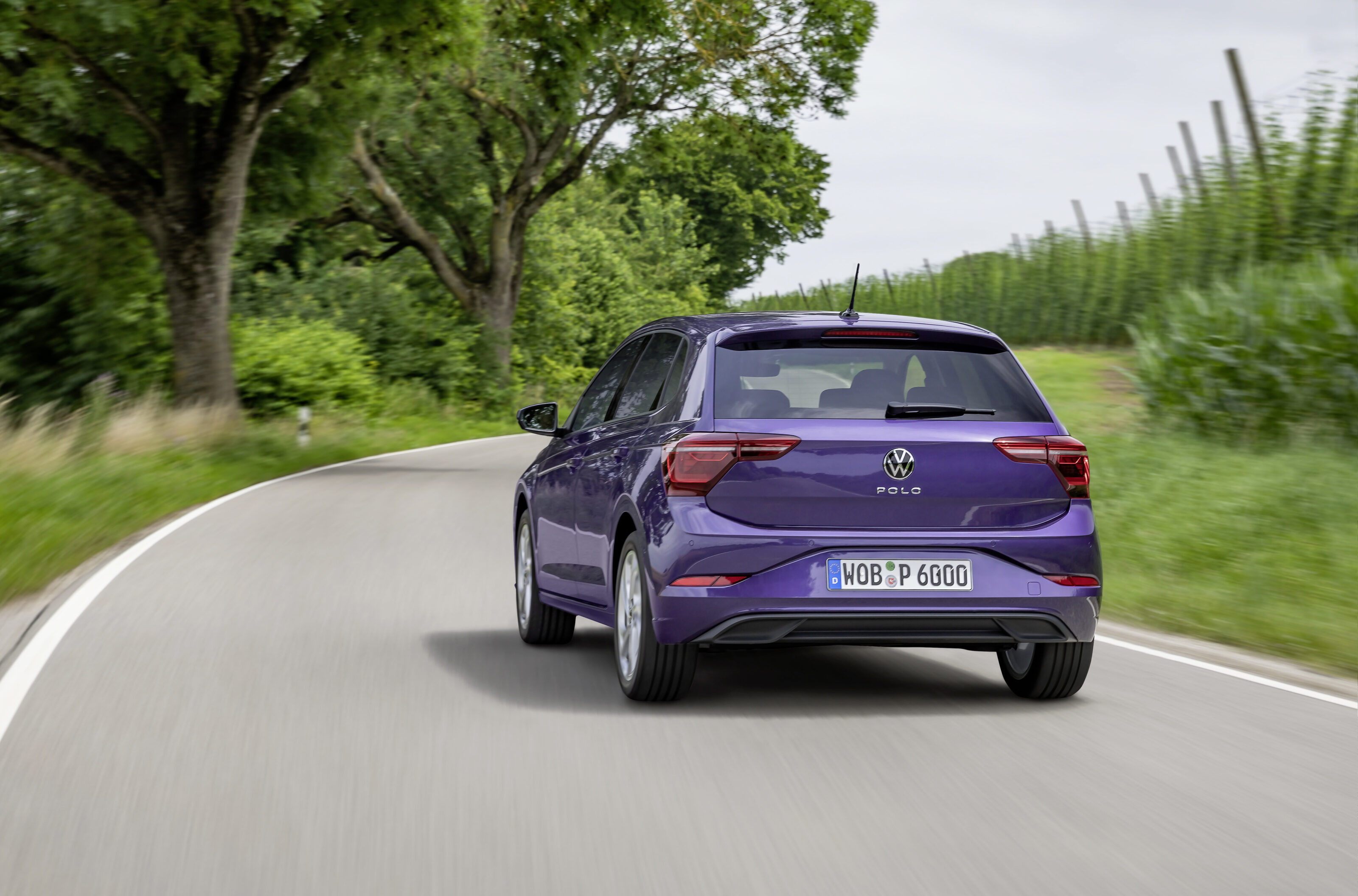
The Volkswagen Poloarrived on local shores in May 2022, bringing with it increased spec over the outgoing model – but at a premium price.
Snapshot
Volkswagen drops manual Polo Life
Price increases effective July 1 2023
Drive-away deal available on Polo GTI
While still a part of the same generation as the current MY21 Polo, the MY22 update features a large amount of equipment upgrades across the range, such as the inclusion of Digital Cockpit, wireless charging and numerous safety additions.
As well as the new equipment, Volkswagen is adopting a new sales philosophy, moving away from chasing sales volume in the pursuit of bringing a higher quality product to market, with brand director Michal Szaniecki saying: “We’ve moved the Polo still further from the sticker-driven rat race into its most premium form to date.”
2
Pricing
The Trendline and Comfortline variants have been dropped for 2023, with the Life nameplate, borrowed from the Golf, Caddy, T-Cross and Tiguan, now opening the Polo line-up.
The 2023 Volkswagen Polo can be had in three grades: Life, Style and performance GTI.
Since its May 2022 launch, the Polo has been subjected to several small price increases and the Life manual has been axed. Below is correct from 1 July 2023.
Pricing is all before on-road costs.
Model
Price at launch
Current pricing
Life auto
$28,250
$28,990
Style auto
$31,250
$31,490
GTI auto
$38,250
$39,690
2
Features
As standard, the entry-grade Polo Life includes equipment such as:
Life
Parking distance sensors, front and rear
Apple CarPlay/Android Auto
Rear view camera
Leather-appointed multi-function steering wheel
Cruise control
Comfort cloth upholstery
LED head and tail-lights
Front seat lumbar adjustment
15-inch alloy wheels
Automatic headlight function
Digital Cockpit (8-inch driver display)
Rain sensing wipers
Composition Media 8-inch infotainment screen
Auto dimming rear-view mirror
Wireless charging
Illuminated front vanity mirrors
DAB+ digital radio
Front centre armrest
Optional extras
Options
Price
Metallic paint
$600
Vision & Tech Package (DSG only) includes:
$1700
Discover 8-inch navigation
Digital Cockpit Pro
Voice control
Wireless app-connect
Travel assist
Adaptive cruise control
On top of the base-level Polo Life, the Style variant adds:
Style
Digital Cockpit Pro (10.25-inch driver display)
Rear traffic alert
Dual zone climate control air conditioning
Park assist (automatic reverse parking assistance)
Interior ambient lighting
IQ Light Matrix
Comfort sports front seats
LED headlights with dynamic light assist (adaptive high-beam)
16-inch alloys
Illuminated LED grille strip
Travel assist, including:
Premium LED tail-lights with dynamic indicators
Adaptive cruise control
Front fog lights
Side assist
Optional extras
Options
Price
Metallic paint
$600
Sound & Tech Package includes:
$1900
Discover 8-inch navigation
Voice control
Wireless app-connect
Keyless access and ignition
Beats Premium Audio with six speakers
Digital eight-channel amplifier, 300 watts
Beyond this, the range-topping Polo GTI gains:
GTI
GTI body styling
Three-stage adaptive dampers
Metallic paint
Driving profile selection
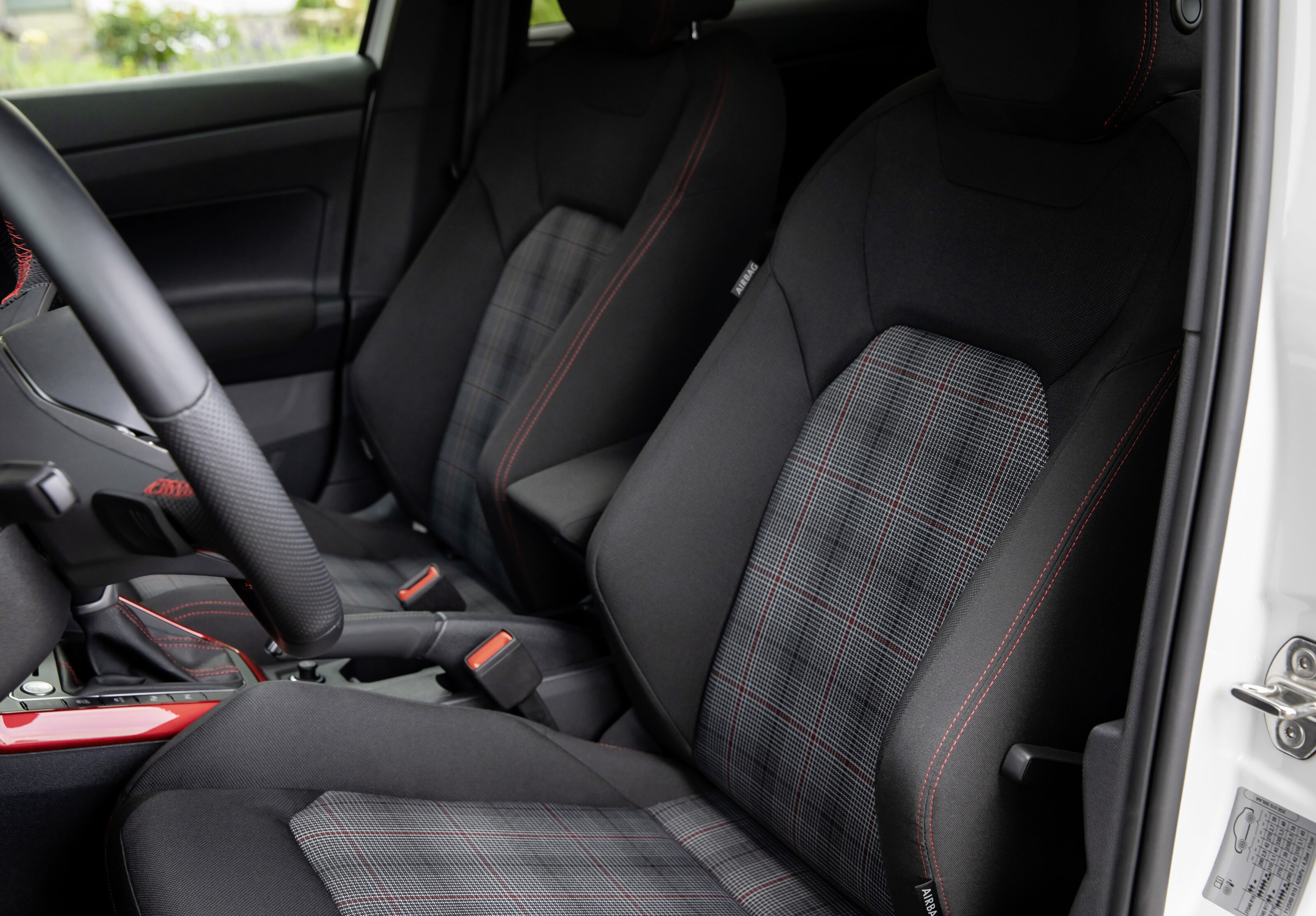
Sport seats with Tartan upholstery
Discover Media 8-inch navigation system
Anti-theft alarm system
Voice control
Keyless access
Wireless app-connect
18-inch alloy wheels
Sports steering wheel with paddles
Optional extras
Options
Price
Premium metallic paint
$300
Sound & Tech Package includes:
$1500
Discover Pro 9.2-inch navigation
Beats Premium Audio with six speakers
Panoramic glass sunroof
$1500
2
Engine, transmission and fuel economy
Both the Polo Life and Style share the same 1.0-litre, three-cylinder turbocharged petrol engines, with power and torque unchanged from the outgoing model.
The Polo Life is available with a six-speed manual or a seven-speed dual-clutch automatic transmission – producing peak power and torque figures of either 70kW/175Nm or 85kW and 200Nm respectively.
The Style meanwhile is available only with the seven-speed DSG, producing identical power and torque, with a claimed fuel consumption rating of 5.4L/100km.
Moving up to the range-topping GTI means buyers are treated to a 2.0-litre, four-cylinder turbocharged petrol engine, again with no changes to the current model Polo.
The 147TSI pushes out 147kW and 320Nm for a power-to-weight ratio of 112.8kW/tonne, boasting a 0-100km/h sprint time of 6.7 seconds.
A six-speed dual-clutch auto remains as the only transmission available for the GTI, which achieves a claimed 6.5L/100km – 0.4L/100km more than its predecessor.
In all grades drive is sent to the front wheels.
1
Safety
Carrying over from the outgoing Polo, the MY22 edition comes with a five-star ANCAP safety rating, with even more features such as a centre airbag and front assist with cyclist monitoring.
Seven airbags (dual frontal, side chest-protecting, side curtain and centre)
Front assist with pedestrian and cyclist monitoring
Lane assist (adaptive lane-keep assistance)
Autonomous emergency braking
Manual-set speed limiter
1
Warranty and servicing
As with the rest of Volkswagen’s passenger vehicle range, the Polo is covered by a five-year/unlimited-kilometre warranty, which also includes a one-year membership to its roadside assist program.
Each variant also falls under Volkswagen’s assured service pricing, with the first five years/75,000km intervals and costs listed below.
Life (manual)
Interval
Price
15,000km/12 months
$425
30,000km/24 months
$621
45,000km/36 months
$413
60,000km/48 months
$969
75,000km/60 months
$413
Life/Style (dual-clutch auto)
Interval
Price
15,000km/12 months
$425
30,000km/24 months
$703
45,000km/36 months
$413
60,000km/48 months
$949
75,000km/60 months
$413
GTI
Interval
Price
15,000km/12 months
$455
30,000km/24 months
$644
45,000km/36 months
$455
60,000km/48 months
$1498
75,000km/60 months
$455
6
Availability
The 2022 Volkswagen Polo range will be available from May this year across Australia.