
NOTE: The giveaway includes 1 of 5 games on PS5, and 1 of 3 games on XBOX!
Porsche’s third-gen Panamera is gearing up for a November 24 release at the Porsche Festival in Dubai.
Snapshot
- Final testing for third-gen Panamera happening in Spain
- Official reveal happening in November
- A new plug-in hybrid to join the range following strong demand
There were some who expected the all-electric Taycan, which launched in 2019, to effectively replace the Panamera for good but Stuttgart says there’s enough demand to support what it’s calling a whole new generation – even if the new five-door lightback doesn’t look all that different.
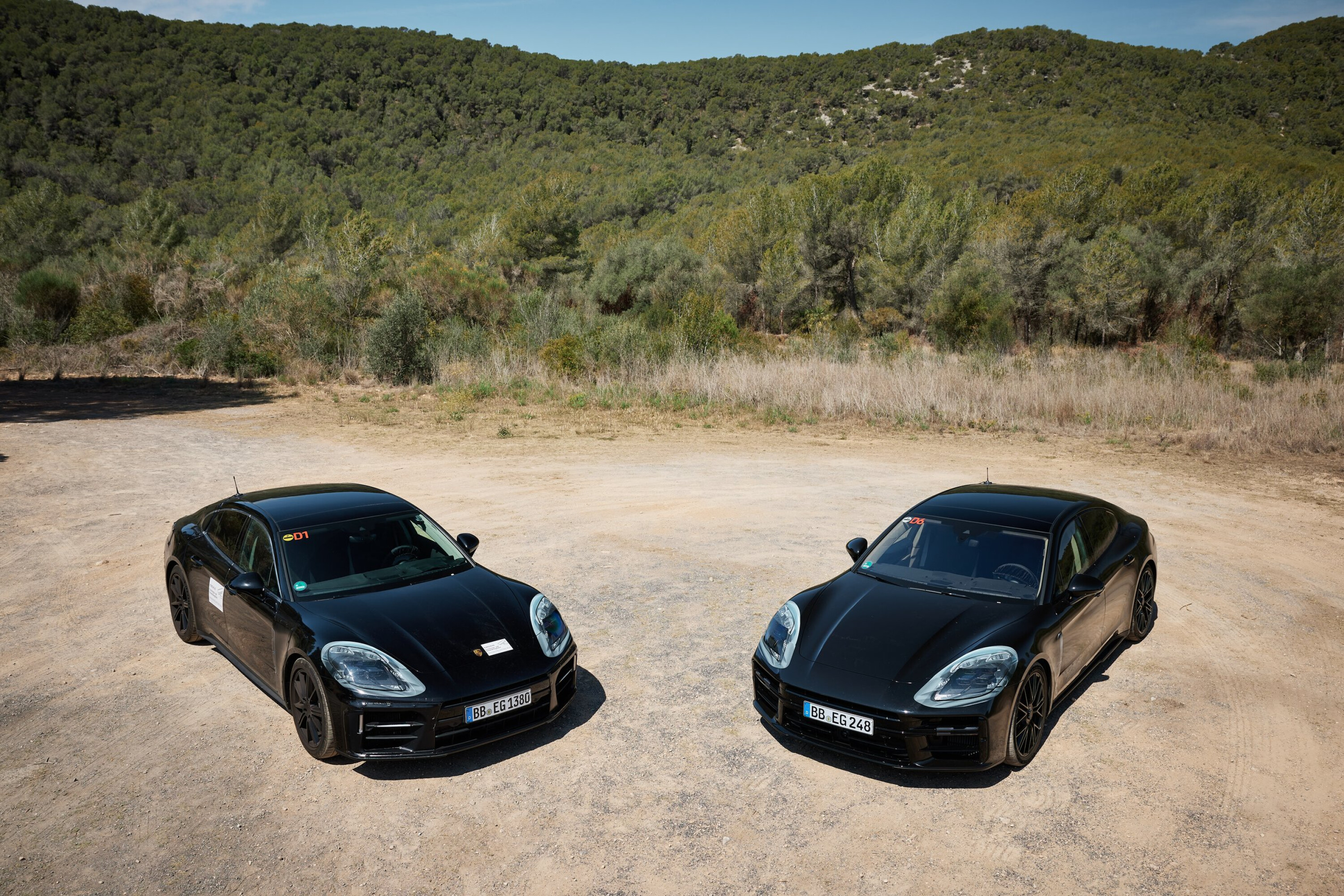
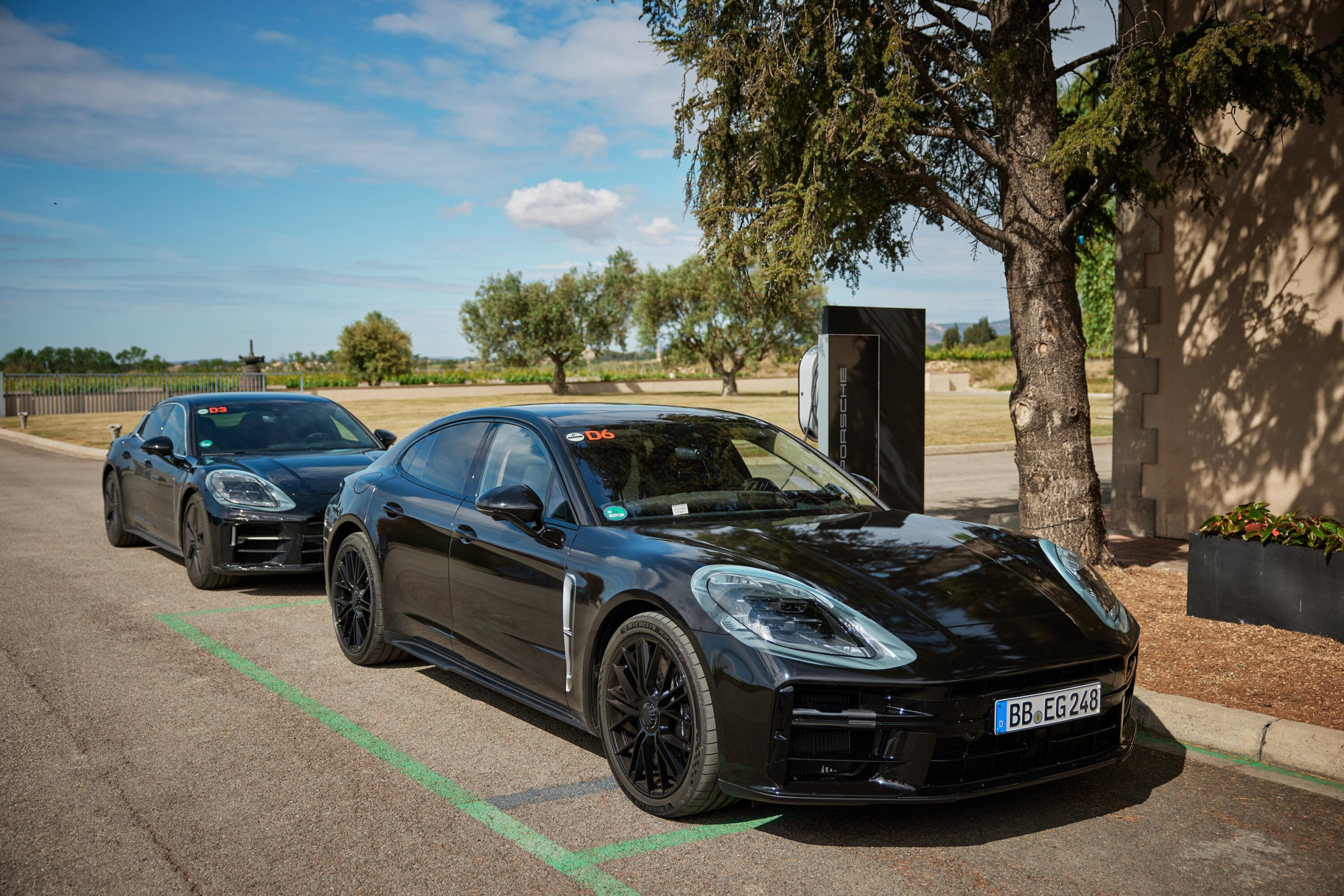
In fact, pictured here in black with little-to-no camouflage it’s almost impossible to differentiate this Panamera from the current car aside from some tweaks to the front lower valance. Even the headlights are near-identical.
1
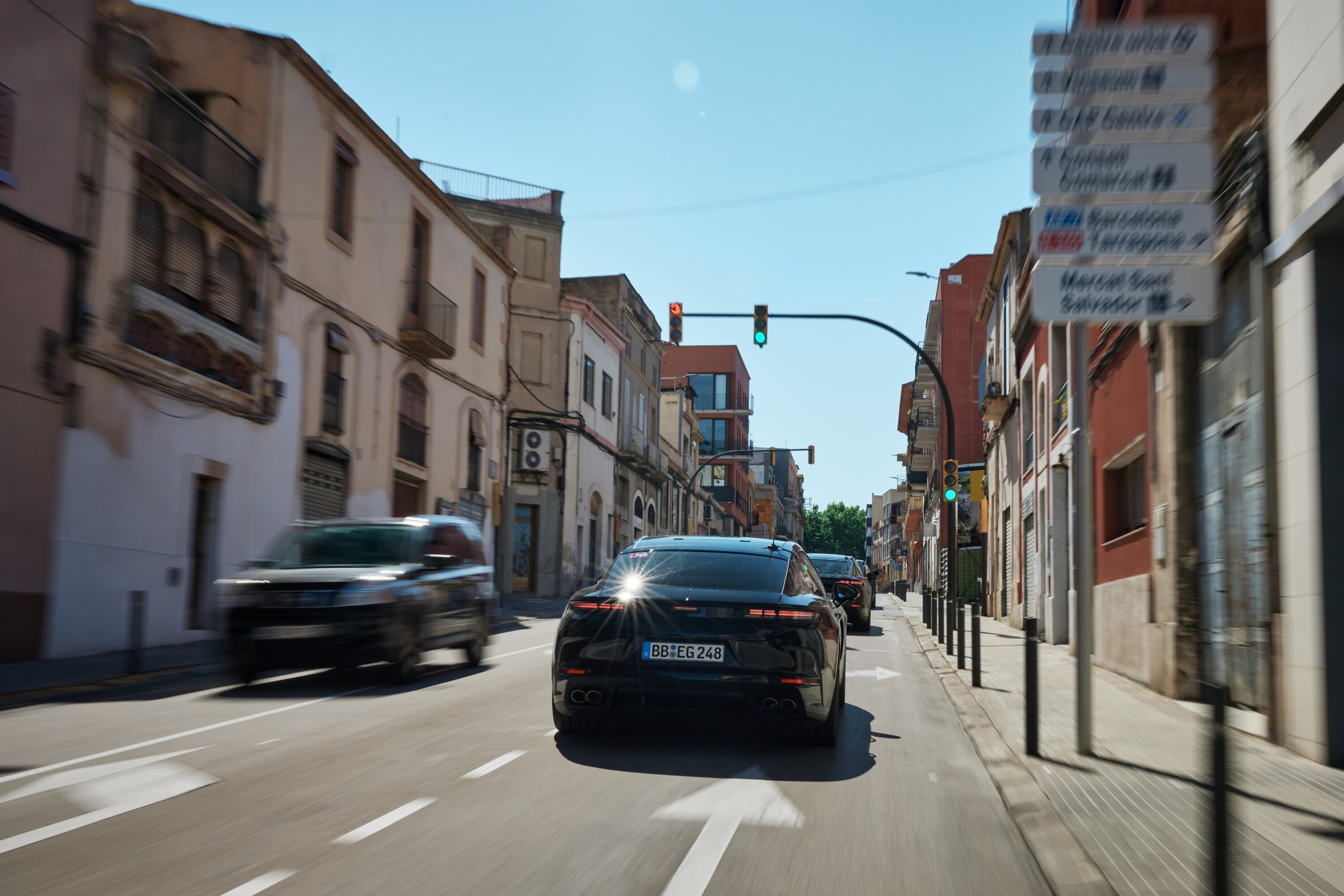
The rear of the new Panamera shows a few more changes. For example the LED lighting signature, a slightly different window profile and more aggressive rear bumper details.
Underneath, though, Porsche says the model teased here has undergone some big changes. Its MSB architecture has been reworked with new dual-chamber air springs paired with twin-valve adaptive dampers from the Cayenne large SUV.
1
Final details will be confirmed in November, though we expect the new car will ride on a longer wheelbase and feature larger doors to ease ingress.
Porsche has also developed a new plug-in hybrid powertrain for the Panamera bringing the count to four PHEVS, with petrol-only V6 and V8 turbocharged models also living on. The electric motor is paired with a new PDK gearbox and is integrated into the rear of the transmission housing for a more compact and powerful setup.
1
Giving power to the e-motor is a larger 25.9kWh lithium-ion battery. It’s the same size as the new Cayenne, which is said to be capable of around 60km electric driving range. We’d wager the more aerodynamic Panamera would push that number closer to 70km. It can be replenished at 11kW (AC), improving charge times for the new car.
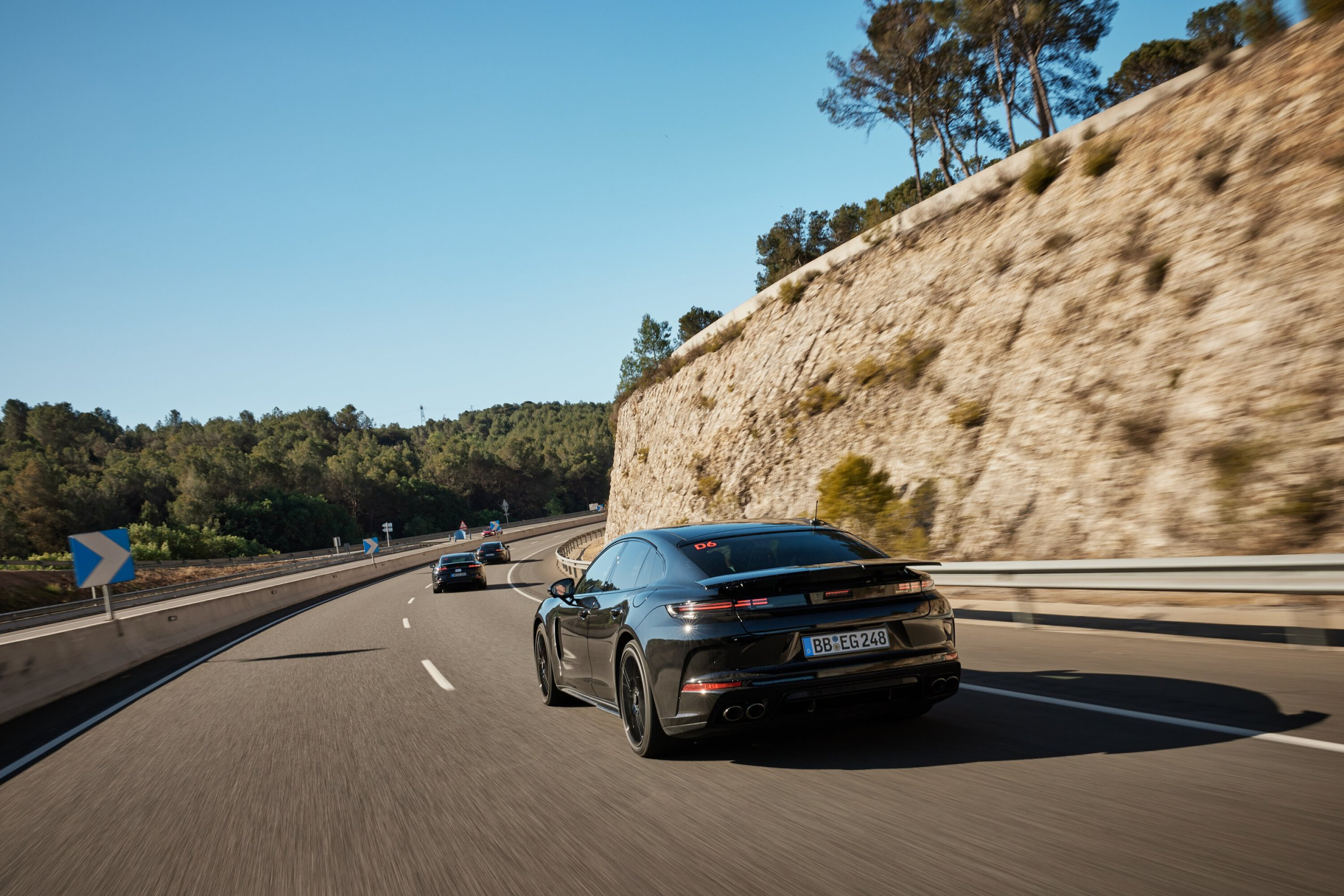
Displaying the lengths Porsche goes to when testing, the new Panameras have been all across the world. Of course they’ve been spied durability testing at the Nordschleife, but also in America for heat, Scandinavia for cold, South Africa for broken tarmac (and dirt), at elevation in Asia, and now in Spain for final calibration (and presumably a bit of pleasant sunshine for the engineers).
1
“We test every new car intensively in order to meet our demands, and of course those of our customers all over the world… the standard we set is always the development targets defined in the specifications. The new Panamera must excel here and now, in particular in terms of performance, comfort and acoustics”, said development manager Marcel Hönemann.
Further details including weight, dimensions, outputs and cabin features will be disclosed on November 24 at the Panamera’s global launch. Expect Australian deliveries to follow in mid-late 2024.
The new Panamera will be followed by an all-electric Macan, various updates for 911 and Taycan ranges, and a battery-powered 718 sports car model.
MORE
Everything Porsche
FINE, JUMP AHEAD: How to win!
Snapshot
- More than 60 brands, 600+ vehicles
- Seasons, leaderboards, incredible backdrops
- 8 copies up for grabs: 5 on PS5, 3 on XBOX
The Crew Motorfest is a new motorsports and mayhem game from Ubisoft, the team behind top-rated titles like Prince of Persia: The Sands of Time, Assassin’s Creed 2 and Rayman Origins and Far Cry 3.
As the studio’s latest offering, and one with obvious appeal to the Wheels Media team, The Crew Motorfest launches today (September 14) on Ubisoft Connect, the PlayStation 4 and PlayStation 5, the XBOX Series X & S, the XBOX One, and the Epic Game Store.
Season 1 of Motorfest sees more than 60 brands featured and more than 600 cars, bikes and boats available, with the game box cover art alone showing the new Aventador-succeeding Lamborghini Revuelto, the fan-fave A80 Toyota Supra, the ‘ute-eating’ Ram TRX and the incoming new Ford Mustang. Not a bad spread, and you can see the full list of vehicles on Ubisoft’s page here [↗].
The Crew Motorfest is framed as a motoring nut’s dream, taking over the Hawaiian island of O’ahu to host one giant “always renewed haven for car lovers”.
“Do everything on your own or with other players: join high-speed street races through the bustling city of Honolulu, test your off-road skills on the ashy slopes of a volcano, master the perfect curve on the tracks,” Ubisoft says.
“When you’re ready to relax, kick back on the sunny beaches behind the wheel of your favorite supercar, or bring a buggy to explore the hidden paths of the luxurious rainforest.”

1
At launch, there are 15 ‘playlists’ available, effectively representing different themed championships and vibes for players to compete in.
These include:
- Hawaii Scenic
- Made in Japan
- Rule the Streets (a Donut Media collab!)
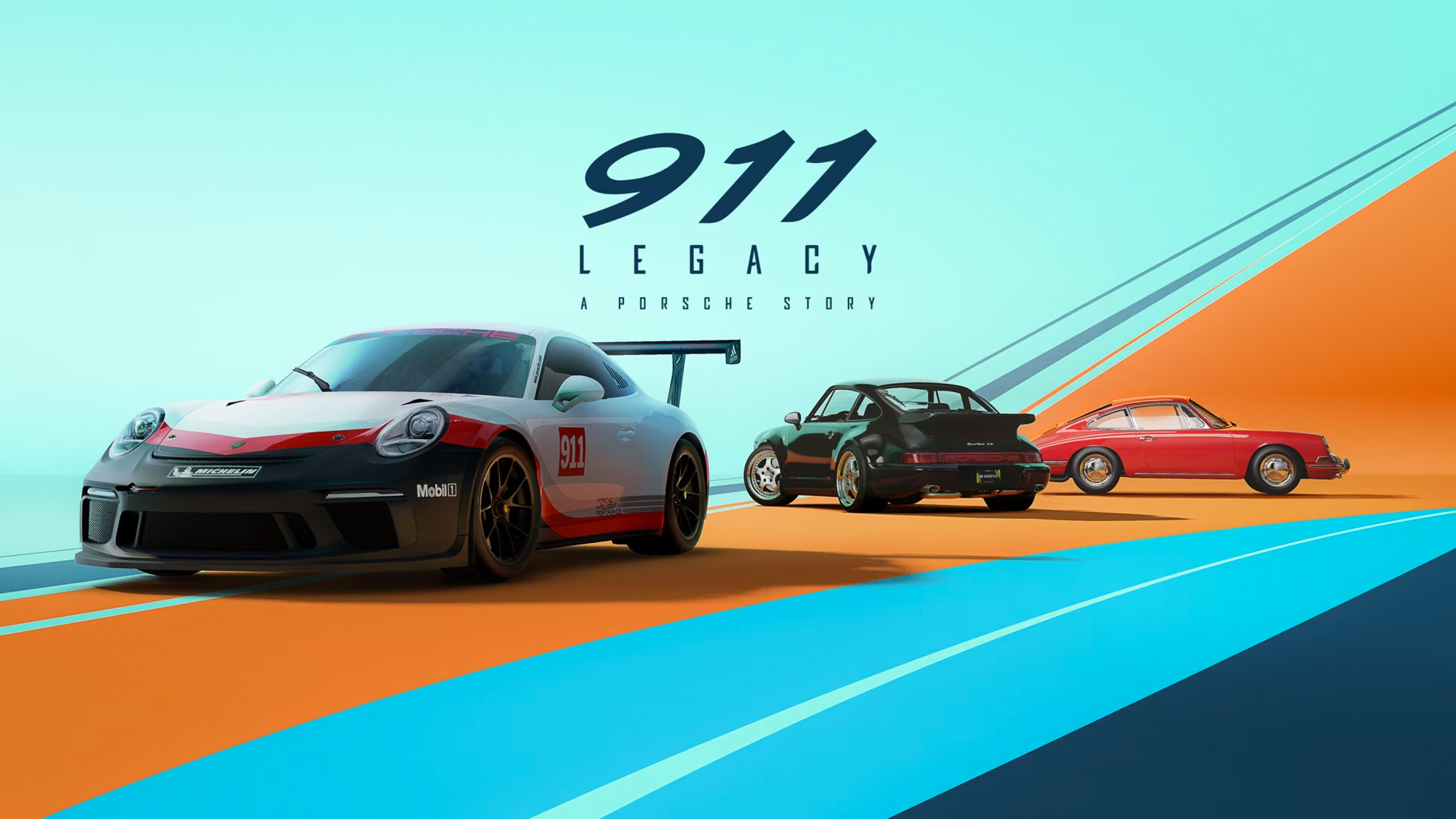
- 911 Legacy
- American Muscle
- Vintage Garage
- Automobili Lamborghini (’nuff said)
- Dream Cars
- Electric Odyssey
- Liberty Walk (yep, the tuning and styling outfit)
- Drift Experience
- Bike Lovers
- Ocean ‘N Sky
- Off-roading Addict
- Motorsports

1
Live Game Modes are a key feature, too, including:
- GRAND RACE
- 28-player races dubbed the “free-for-all apex competition” of Motorfest.
- DEMOLITION ROYALE
- 32 players in eight crews battle it out for a team win.
- SUMMIT CONTEST
- Weekly-ranked events, ranked by a huge leaderboard.
- CUSTOM SHOW
- Show off your own flair with custom-styled cars to win rewards.
1
OKAY, HOW DO I WIN?!
Right, yes, okay, the whole point. Here’s how to win yourself a copy of The Crew Motorfest!
- Make sure you’re following Wheels on Facebook and/or Instagram.
- Visit our Facebook or Instagram posts at the below links.
- Facebook post [↗]
- Instagram post [↗]
- TELL US in the replies – which part of The Crew Motorfest you’re most pumped for, from Live Game Modes and the Playlists,and why. What’s so appealing about that part of the game? (You only need to reply to one of our posts, not both.)
- Which platform you use (PS5 or XBOX).
- Share our Facebook post to your Facebook wall, or our Instagram post to your Instagram story!
Our favourite 10 answers win!
See further conditions below.
Conditions Apply
Conditions apply, see www.whichcar.com.au/terms-and-conditions
Commences 2:00PM 14 September 2023, Ends 11:59pm AEST on 21 September 2023. Australian residents only, 18+. Only one entry per person.
Drawn at Wheels Media, Unit 9, 3-5 Gilda Court, Mulgrave, Vic 3170 on 22 September 2023 at 11:00am AEST.
Prize: 1 x video game: The Crew Motorfest on winner’s chosen platform as described in article.
The Promoter is Are Media Pty Limited (ABN 18 053 273 546) of 54 Park Street, Sydney, NSW 2000. Authorised under permit number: TP 23/01075
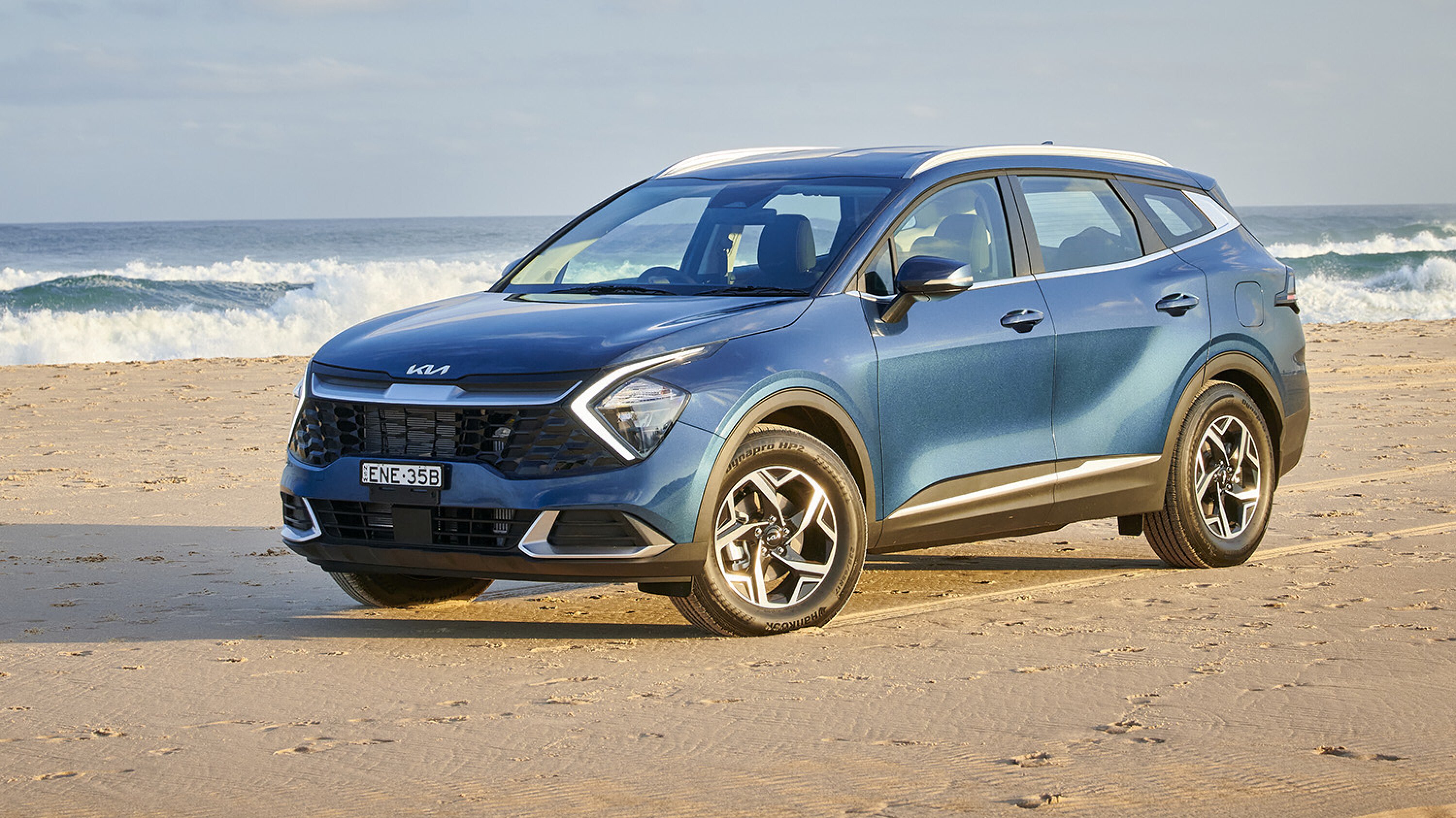
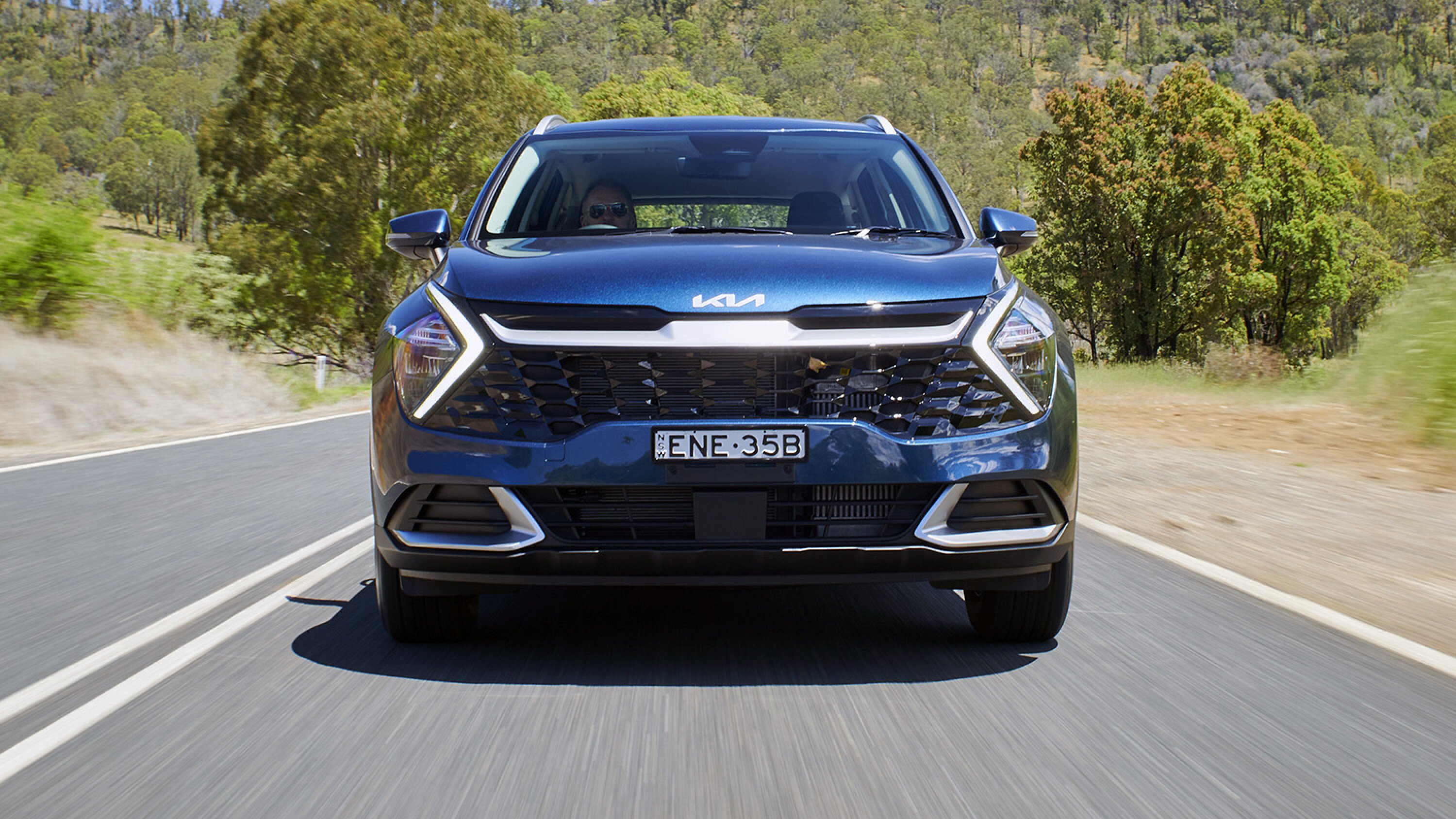
The first time I spotted a ‘Jungle Wood Green’ Sportage on the road, I was compelled to circle back for a second glance.
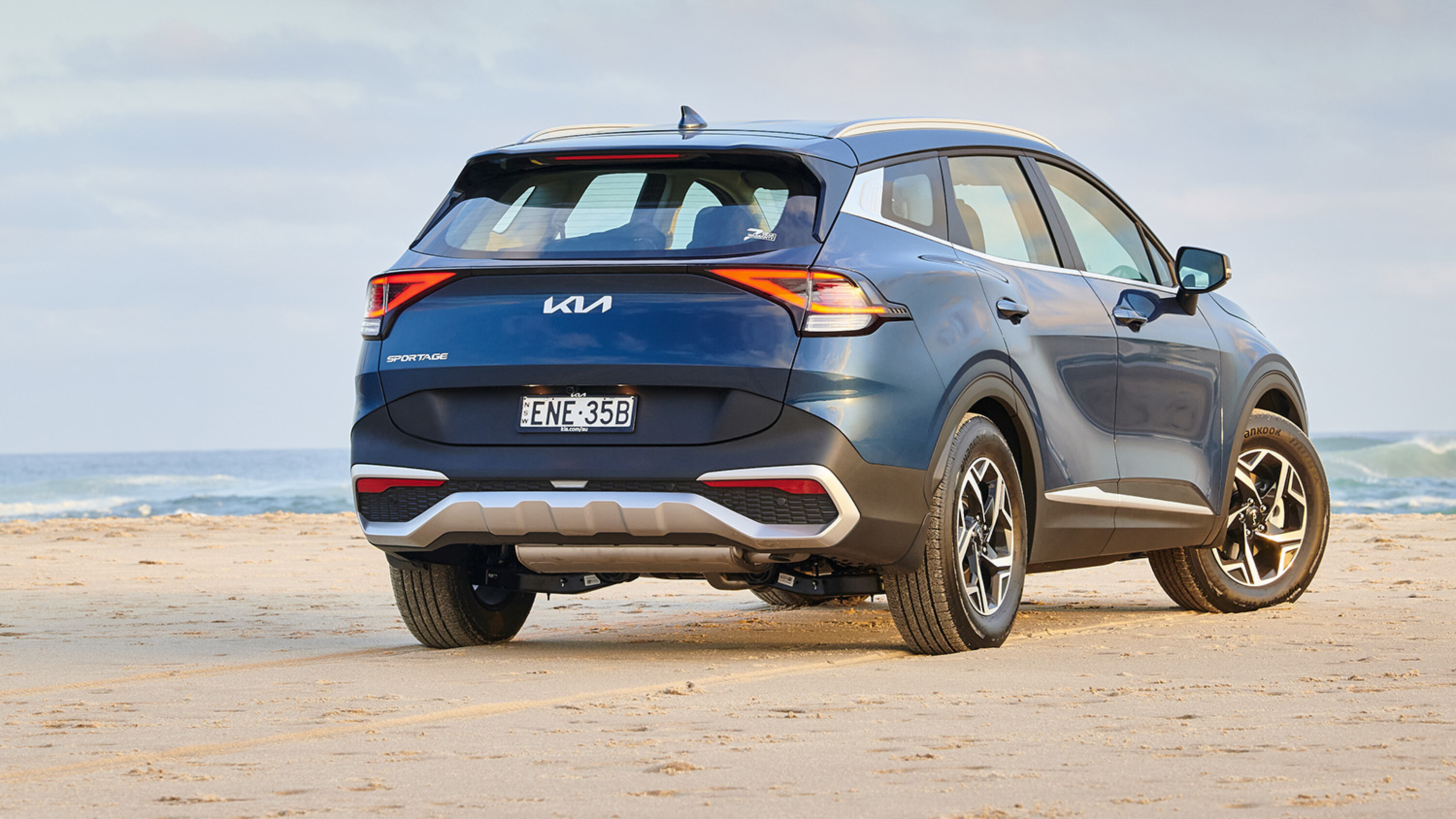
The fifth-generation Kia Sportage isn’t just eye-catching; it stands as a formidable player in the medium SUV segment.
The 2023 Sportage S continues to pave the popular models legacy, offering modern design, practicality and value, appealing to a broad audience.
1
Pricing and features
The S variant, an entry point to the Sportage lineup, is priced at $32,795 before on-road costs for the manual transmission. Opting for the automatic adds $2000. Both versions harness a 2.0-litre petrol engine, delivering 115kW and 192Nm. Essentially, you’re looking at mid-30’s pricing for either choice.
A 2.0-litre diesel AWD variant is also available as automatic only for $40,195 before on-roads and creates 137kW and 416Nm. It’s much punchier and uses less fuel than its petrol counterparts.
The S offers a compelling mix of essentials and niceties. Standard inclusions are impressive for a base-model and include:
| 17-inch alloy wheels | LED tail-lights (with indicator bulb) |
| 4.2-inch digital instrument cluster | Power-adjustable, heated and auto-folding exterior mirrors |
| 8-inch infotainment system | Rear air vents |
| Adaptive cruise control (automatic only) | Rear view camera |
| Apple CarPlay and Android Auto (wireless) | Single-zone climate control |
| Automatic headlights | Six-speaker audio system |
| Cloth upholstery | Six-way manually-adjustable driveru2019s seat |
| Leather-wrapped steering wheel | Two USB charging ports (1x USB-A, 1x USB-C) |
| LED daytime running lights | Tyre pressure monitoring. |
| LED headlights (reflector) |
1
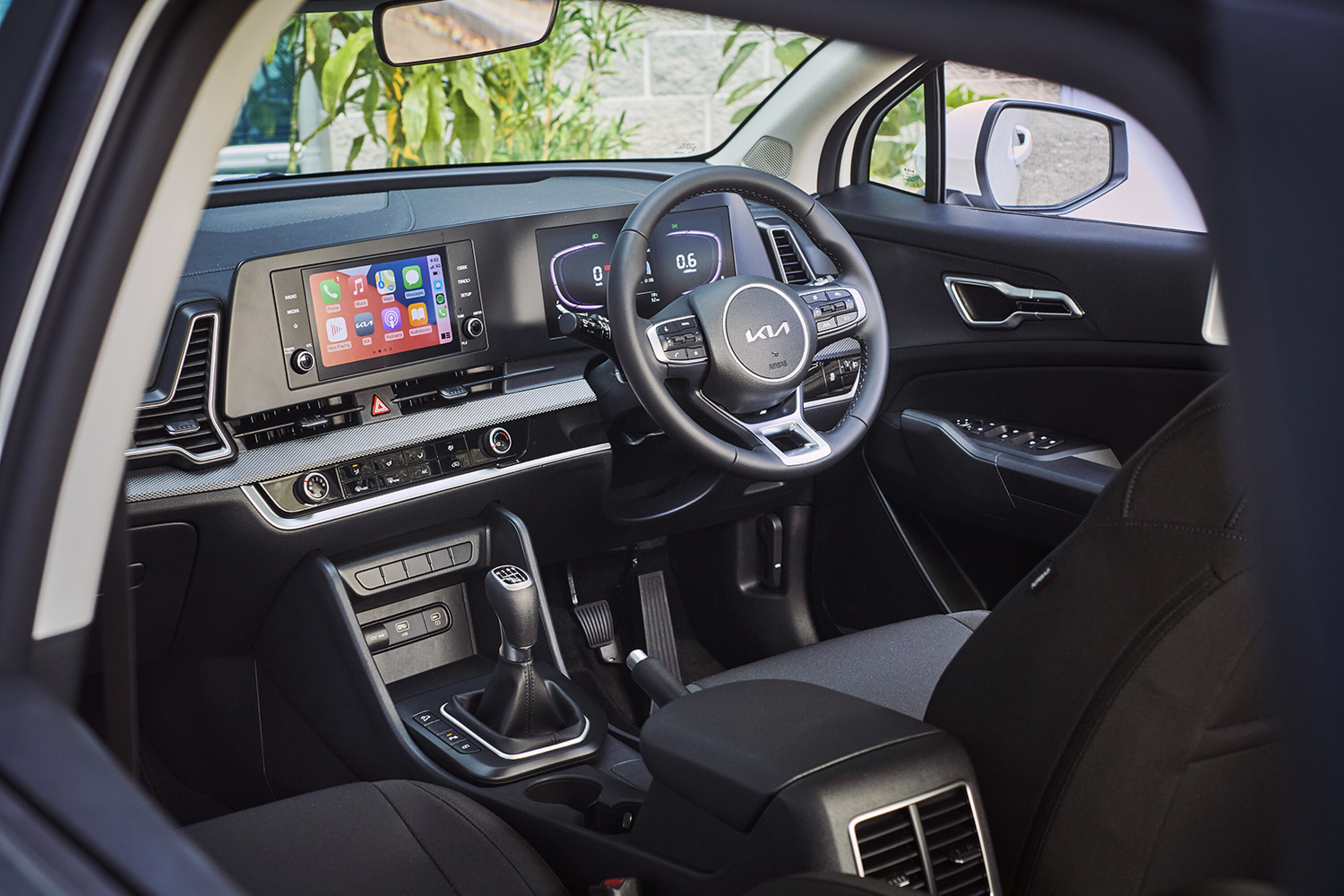
Inside, the Sportage S focuses on comfort and functionality. The infotainment system, while not the largest in the lineup offers essential connectivity features like wireless Apple CarPlay and Android Auto.
Practicality is further enhanced with features like rear parking sensors, automatic headlights and adaptive cruise control.
1
Safety
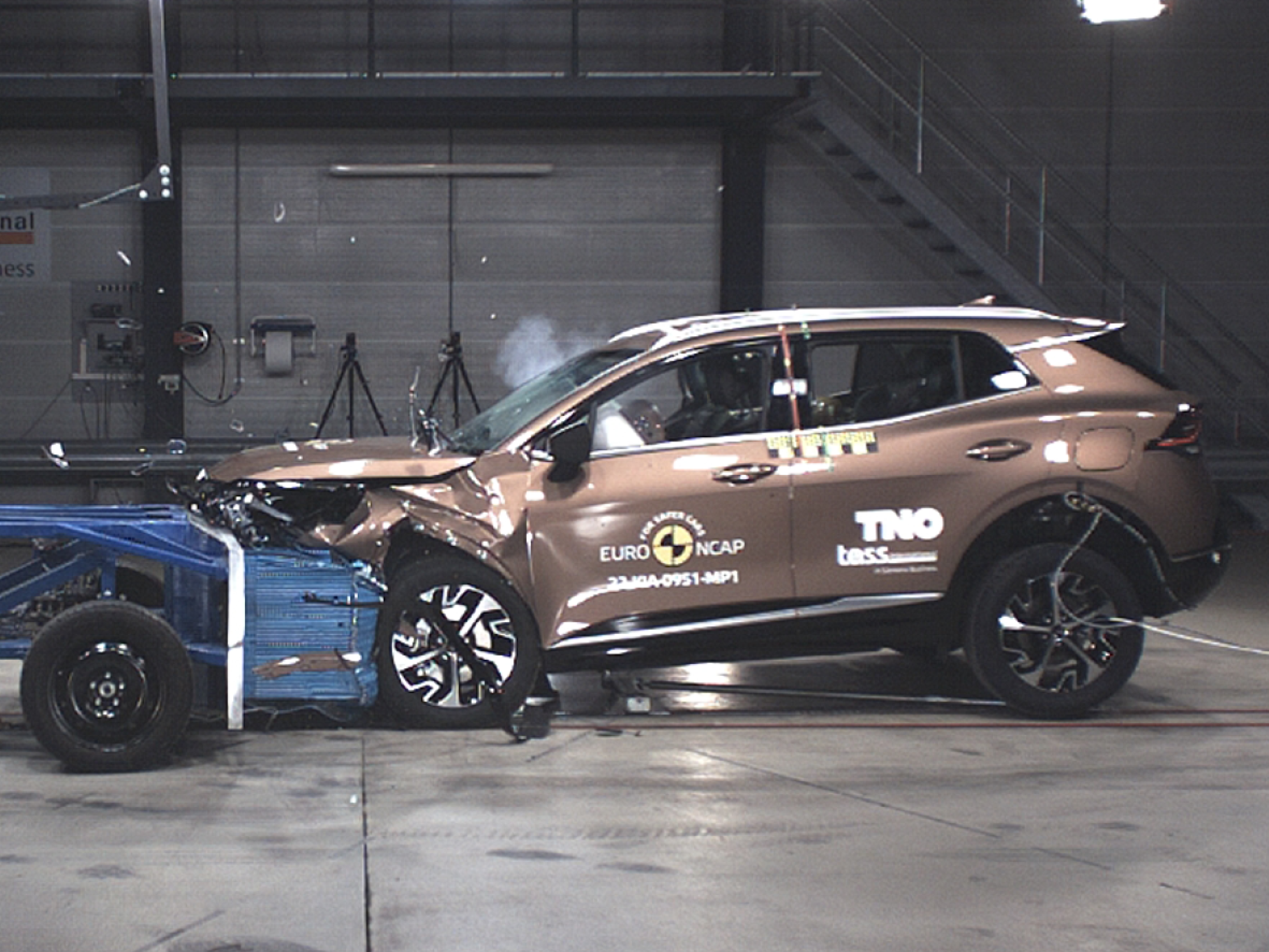
The entire Sportage range is covered by a 5-star ANCAP rating, based on its recent 2022 testing.
It achieved an 87% score for adult occupant protection, 87% for child occupant protection and 74% for its safety assist features such as lane keep assist and autonomous emergency braking.
1
The Sportage S comes equipped with a comprehensive list of safety features such as rear cross traffic alert, safe exit assist, speed limit assist and lead vehicle departure alert.
In terms of servicing, both the 2.0-litre petrol and diesel variants require a visit to the dealership every 12 months or 15,000 kilometres, whichever occurs first.
1
Key rivals
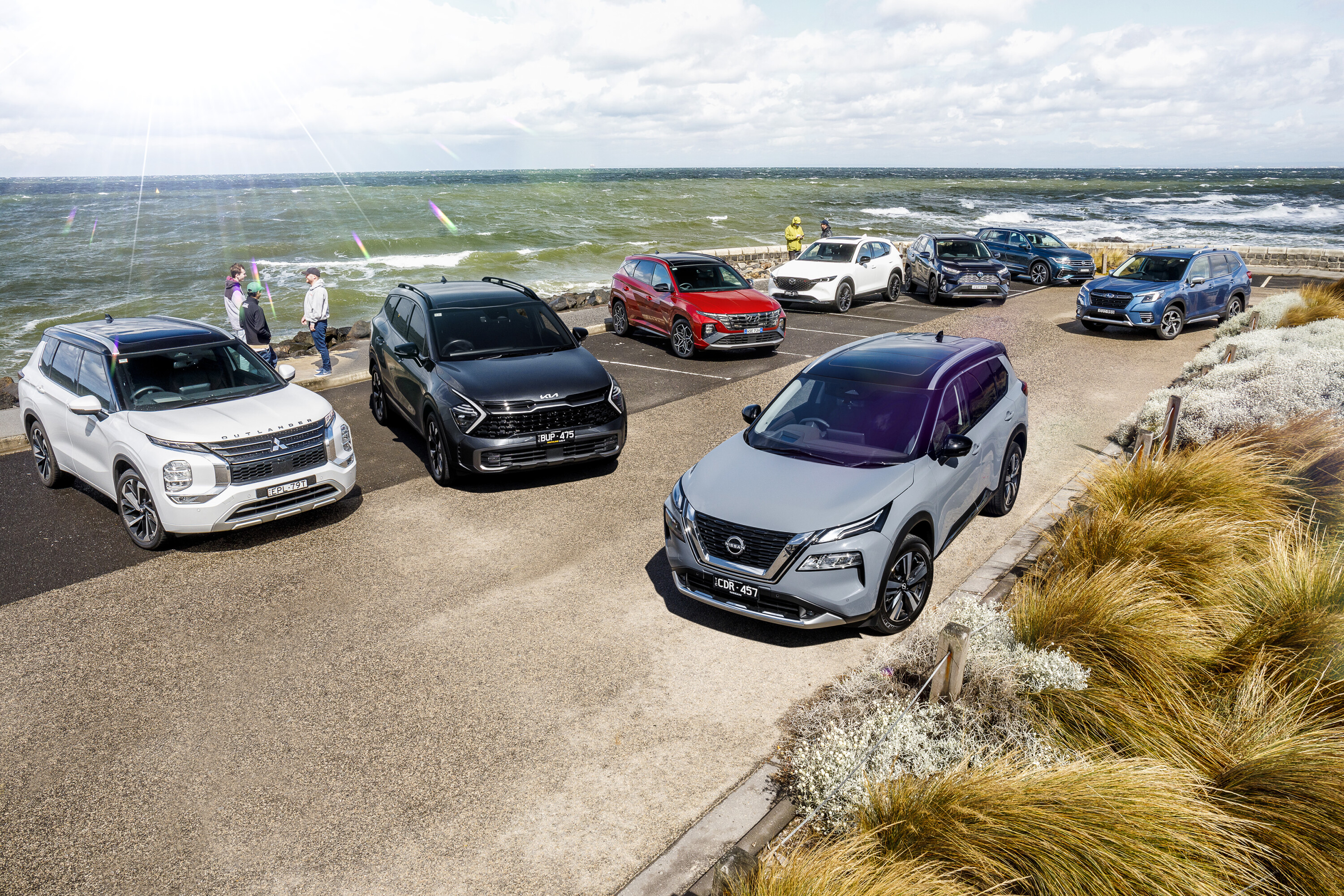
With 21 individual models in the mainstream medium SUV segment there are plenty of competitors to the Sportage. The most notable include:
- Toyota RAV4
- Hyundai Tucson
- Mazda CX-5
- Mitsubishi Outlander
- Nissan X-Trail
- Subaru Forester
- Volkswagen Tiguan
1
Should I put it on my shortlist?
The 2023 Kia Sportage S is a well-rounded option for those venturing into the medium SUV market while on a budget.
While it might not boast the bells and whistles of its higher-end siblings, it offers a balanced mix of design, features and value.
If you’re seeking a dependable SUV that doesn’t compromise on modern essentials, the Sportage S is definitely worth a closer look.
And, at roughly $35k, it’s not often a vehicle commands a double-take from me.
MORE
Everything KIA
MORE
Midsize SUVs
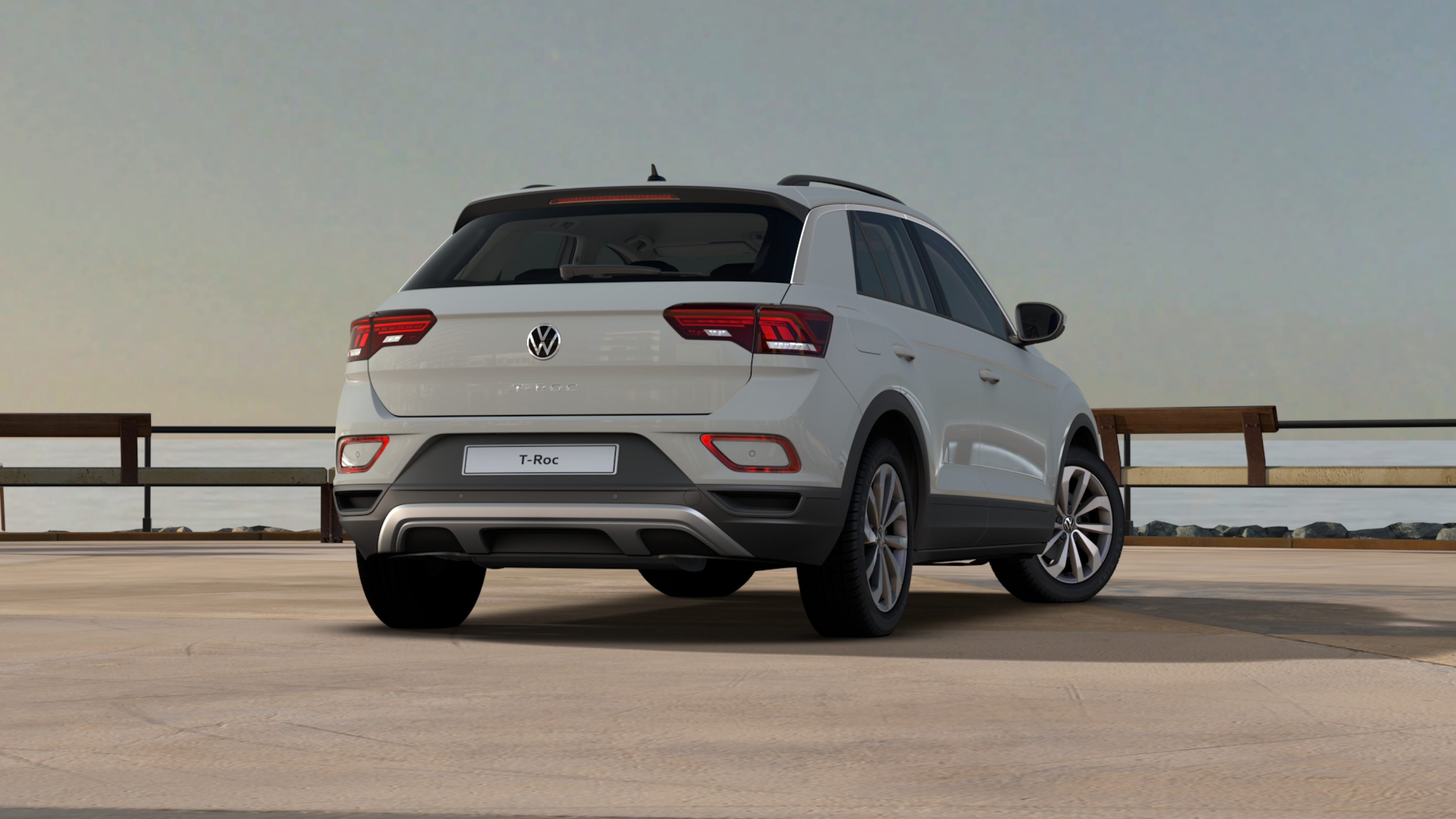
The Volkswagen T-Roc has a new entry model – the CityLife that’s priced from a sharp $36,990 drive-away.
The inclusive price for the city-focused small SUV is just $1000 above its $35,990 RRP, and saves $5000 over the next model up – the $41,990 drive-away Style that has more features but is powered by the same 110kW engine.
The CityLife expands a range that also includes the R-Line and performance R flagship.
The variant will be relatively short-lived, however – planned to be phased out sometime in the first half of 2024. It will serve as an inbetweener model to the Polo-based T-Cross baby SUV that costs up to $33,490 RRP and is due around mid 2024 in facelifted form.
Volkswagen Australia says it now has excellent supply for the Golf-based T-Roc range, which to the end of August is the German brand’s most popular vehicle locally.
1
2023 Volkswagen T-Roc CityLife features
Powering the T-Roc CityLife is Volkswagen’s competent 110kW/250Nm 1.4-litre turbocharged four-cylinder petrol engine, driving the front wheels via an eight-speed automatic transmission.
A 17-inch alloy wheelset, matched with chubby tyres, contribute to ride comfort in potted urban streets, and help protect the wheels when parallel parking against kerbs.
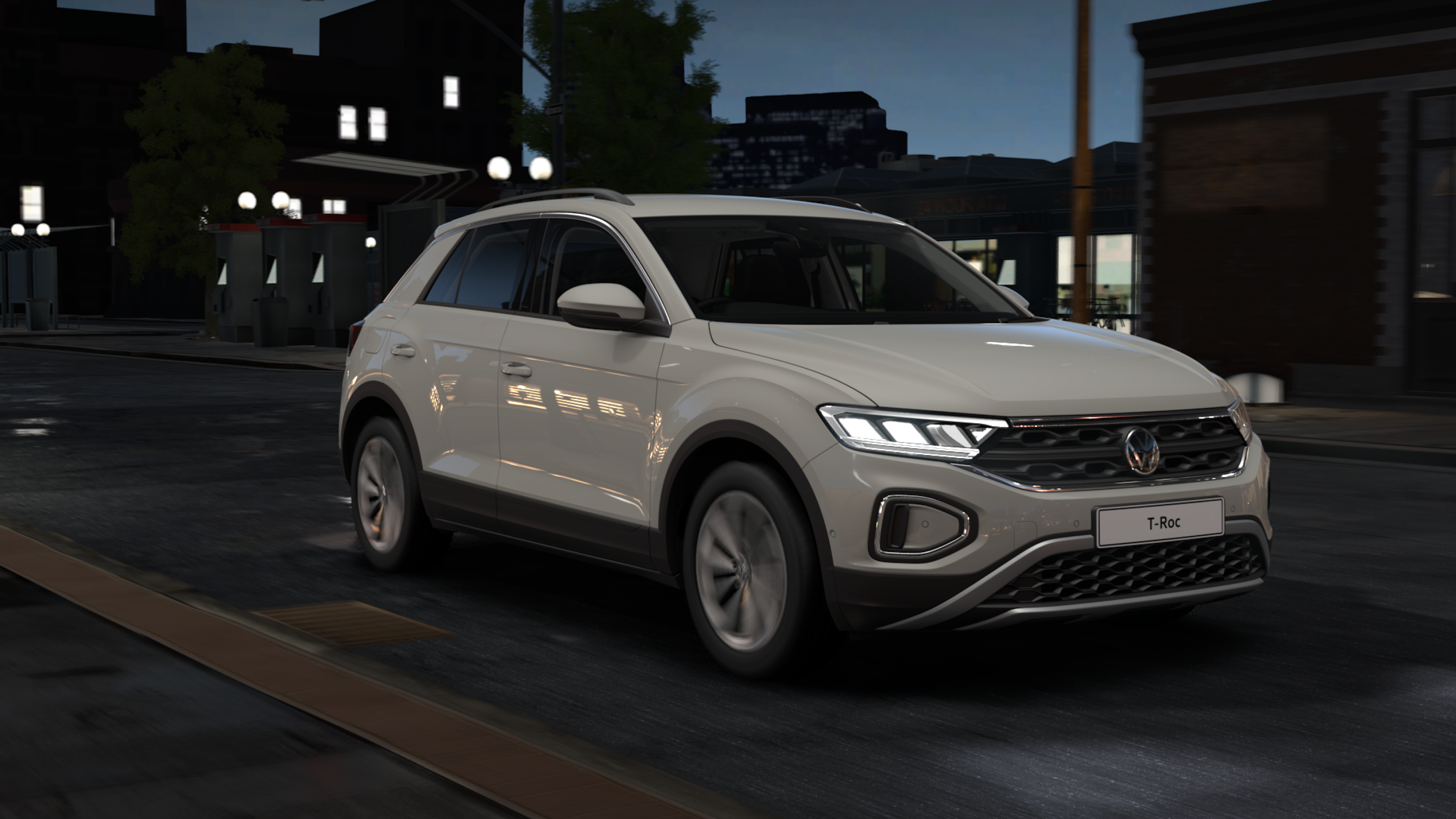
Visually, CityLife T-Roc variants wear CityLife-specific LED headlights with Light Assist and a blacked out front grille.
1
Volkswagen’s Travel Assist suite is fitted as standard, adding Lane Assist with Adaptive Cruise Control, Front Assist, front and rear parking sensors with front and rear AEB, Park Assist and a rear camera.
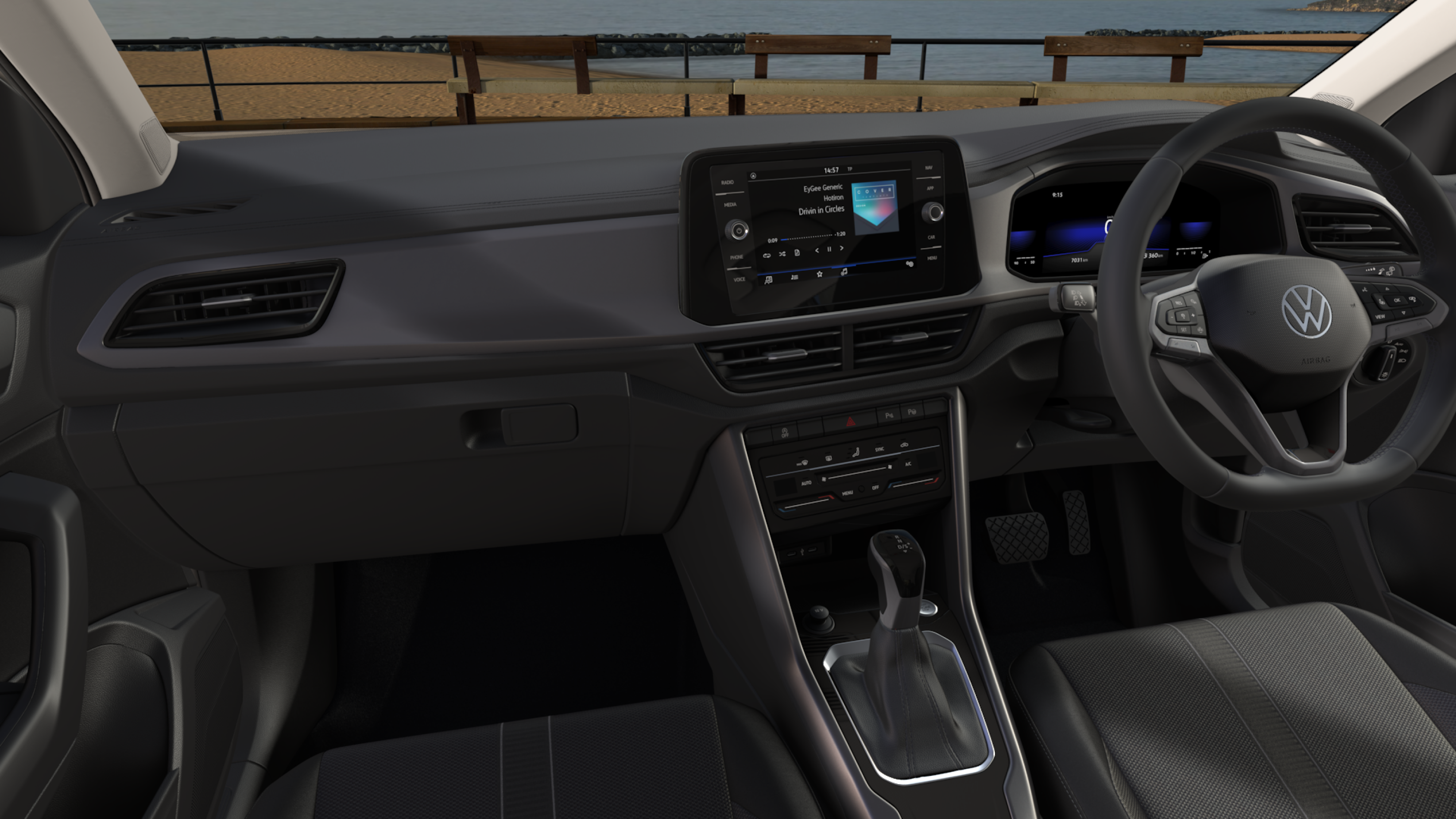
Inside the T-Roc CityLife, motorists are treated to keyless access and push-button start, Digital Cockpit (instrument cluster), 8.0-inch central infotainment screen with DAB+ radio, wireless phone charging, dual-zone climate control and a leather-wrapped steering wheel with paddle shifters.
1
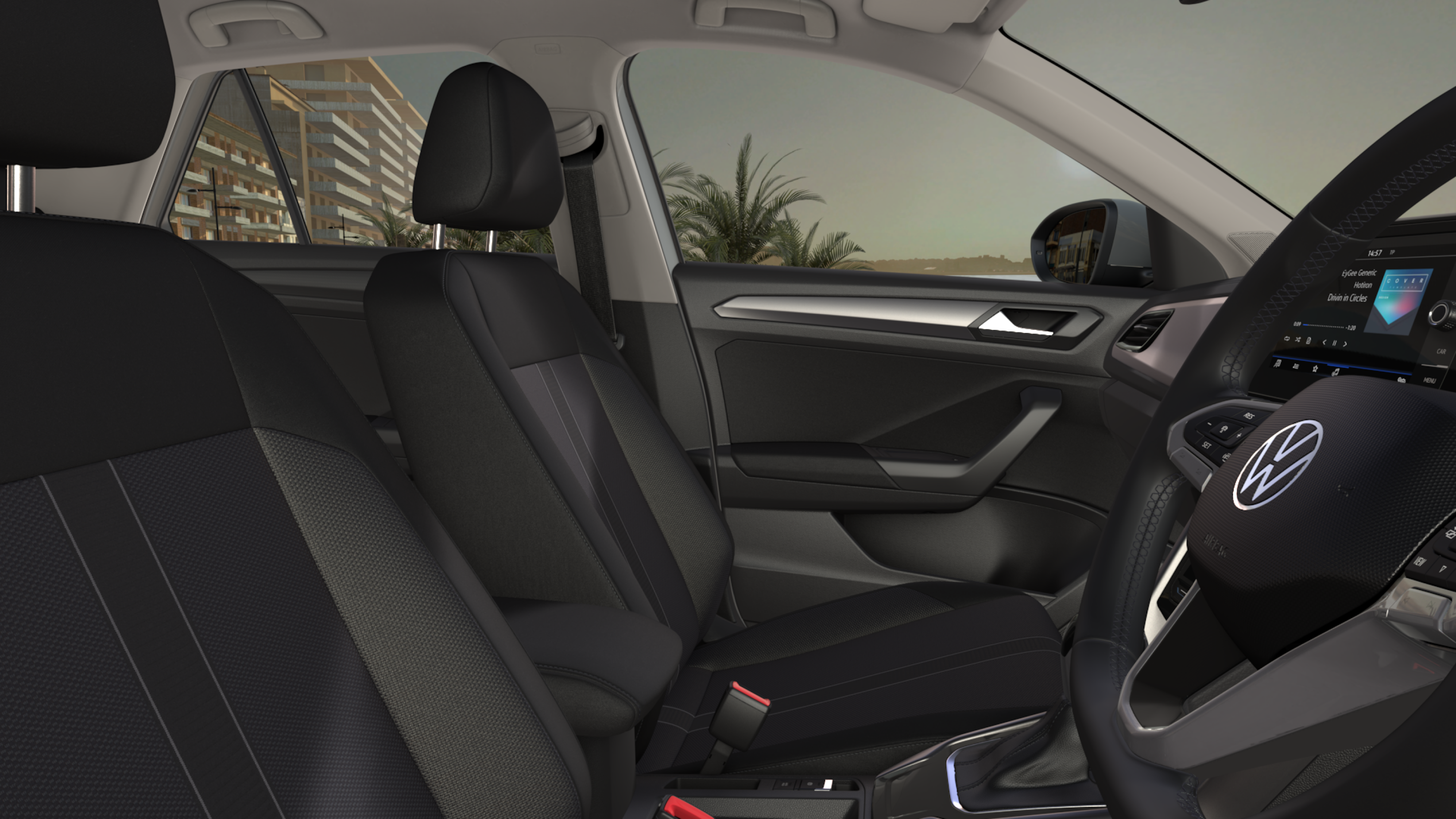
The CityLife is swathed in Comfort cloth seats with lumbar adjustment, ceramique headlining and ‘pewter matte’ dashboard inlays.
The only option is $700 metallic/pearl paint.
| Volkswagen T-Roc CityLife features | |
|---|---|
| 17-inch alloy wheels | CityLife LED headlights |
| Black grille | 8.0-inch infotainment |
| Digital Cockpit | DAB+ radio |
| Wireless phone charger | Dual-zone climate control |
| Leather-wrapped steering wheel | Paddle shifters |
| Comfort cloth seats | Ceramique headlining |
| Pewter matter inlays | Light Assist |
| Adaptive cruise control | Front Assist |
| Parking sensors (front/rear w/ AEB) | Park Assist |
| Rear camera | |
1
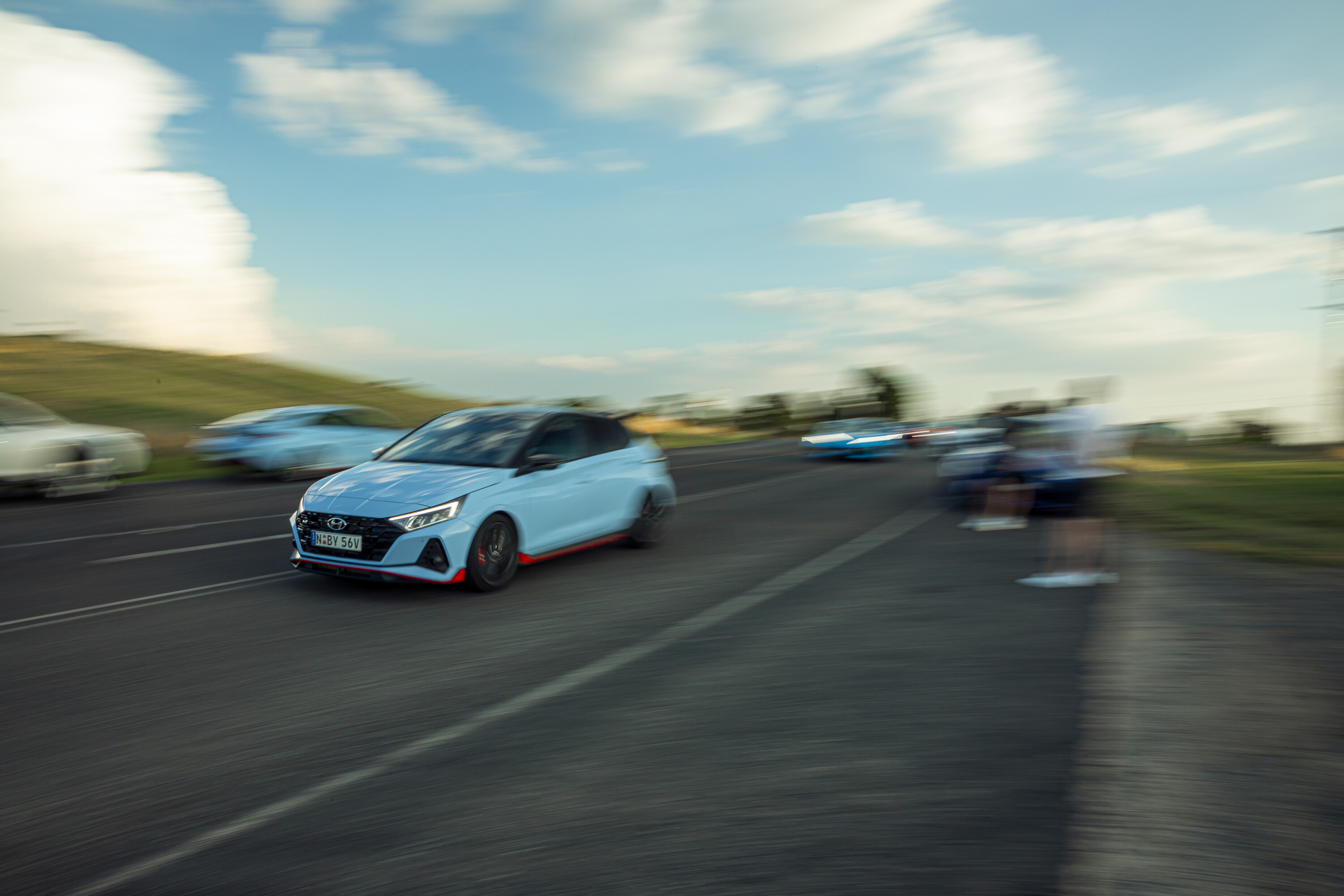
Hyundai has re-opened orders for its popular i20 N and i30 N hatchbacks, with six-month delivery times for new orders predicted.
Snapshot
- Popular N hatchbacks available again in Oz
- Approximate six-month wait time if you order now
- Following large order banks being gradually cleared since 2022
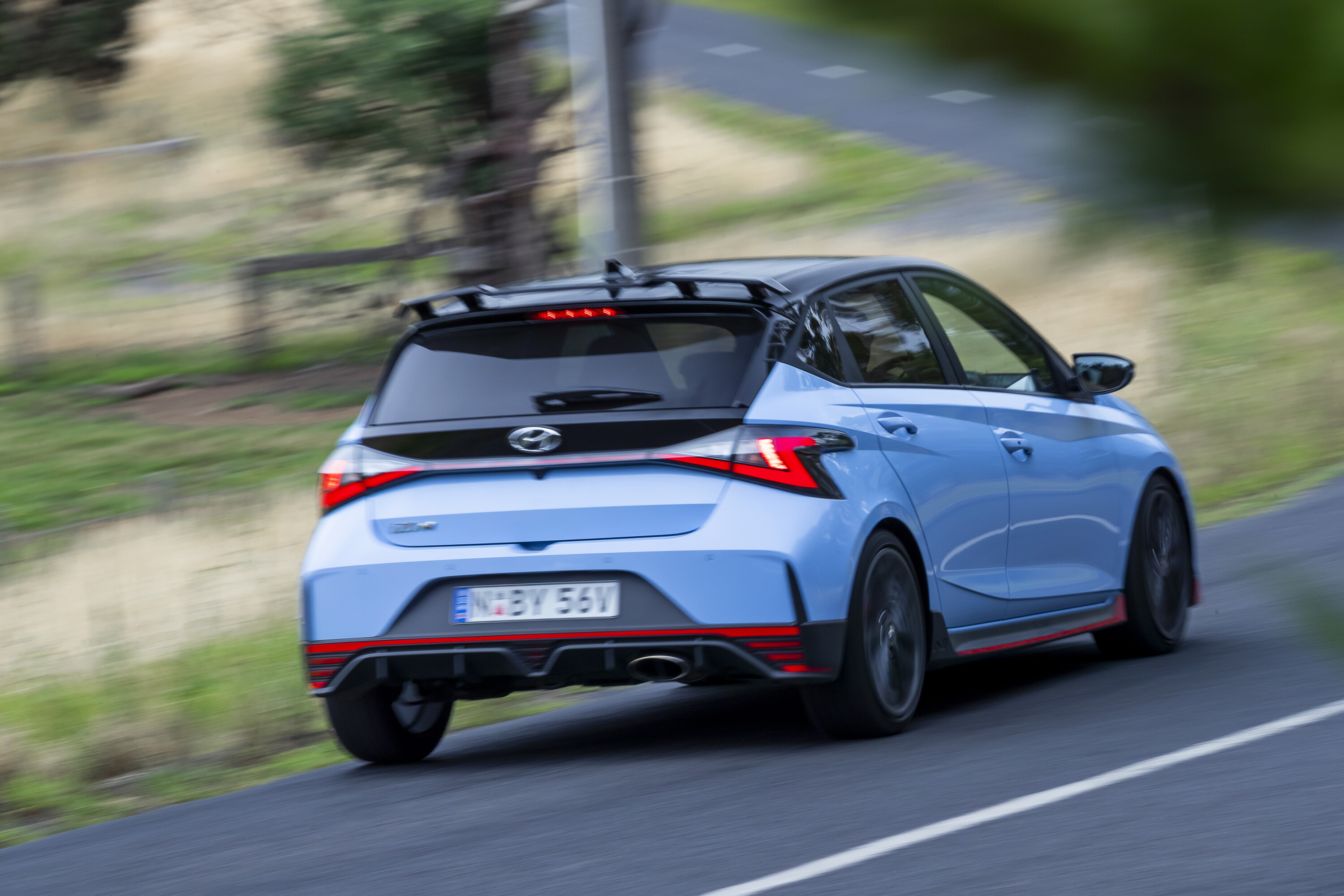
Those who’ve been patiently waiting for Hyundai dealers to take their cash will be happy to hear that both of the brand’s performance hatchbacks are now back on sale.
“We are pleased to announce that i20 N and i30 N (hatch) will reopen for customer orders effective immediately”, a Hyundai Australia spokesperson told Wheels.
1
“Our existing order bank has been gradually reduced over the past year, to where we now have sufficient production supply to fulfil existing backorders”, the spokesperson added.
Orders for the i30 N hatch were paused in February this year, though sedans were still available. A facelifted i30 Sedan N is expected for local release next year. The i20 N, meanwhile, was off-limits from July 2022 until now, driving prices of lightly-used examples above RRP.
The Hyundai i20 N and i30 N are two of the few remaining attainable performance cars with manual transmissions and cost from $34,990 and $46,200 respectively.
Hyundai Australia is predicting a six-month turnaround for both vehicles for those ordering now, factoring in three to four months of transport from their respective factories.
1
Our original story, below, continues unchanged
February 2023: Hyundai i30 N hatch orders paused
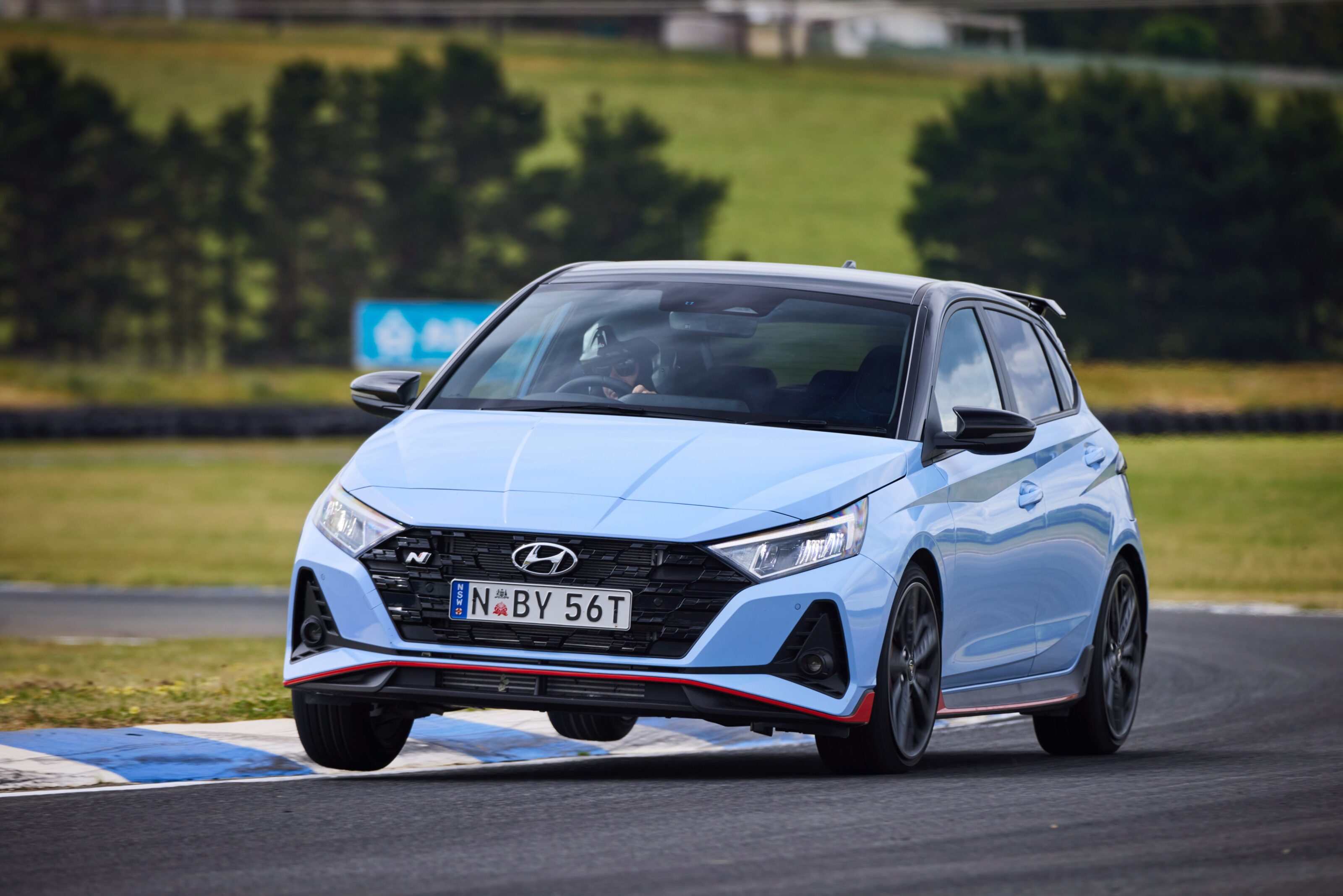
The 2023 Hyundai i30 N hot hatch is temporarily off-sale in Australia.
Snapshot
- Hyundai i30 N hatch orders temporarily paused
- i20 N still off-sale in Australia
- Kona N and i30 Sedan N remain available
Following strong demand, Hyundai’s local arm said it would pause new orders until the current order bank is less overwhelming.
“To avoid customer disappointment, HMCA will no longer be accepting orders for i30 N (hatch),” said a spokesperson for Hyundai Australia.
“As soon as our i30 N (hatch) production allocation catches up with the order bank, HMCA will start taking orders once again.”
1
It follows the smaller i20 N hatch, with new orders paused since mid-2022 to prevent orders from exceeding the production allocation for the Australian market.
As with the i30 N hatch, Hyundai Australia expects new orders for the i20 N to resume once the production allocation catches up with the order bank.
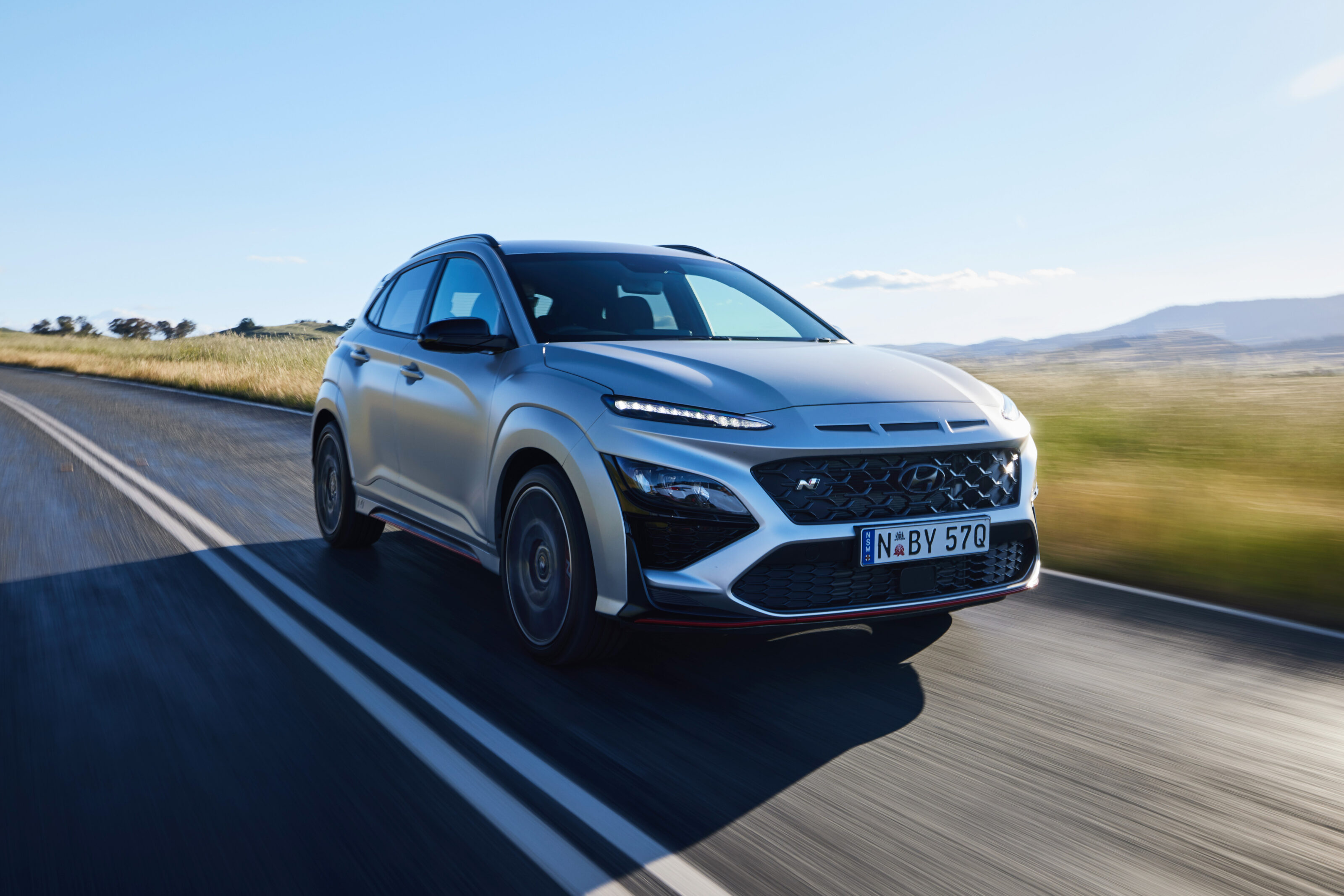
Both vehicles are produced in Europe – the Czech Republic for the i30 N and Turkey for the i20 N – with greater supply for the Korean-built i30 Sedan N and Kona N.
1
“We currently have strong supply, and stock locally, for both i30 Sedan N and Kona N,” said the Hyundai Australia spokesperson.
According to the brand, the wait time for a new i30 Sedan N or Kona N order is approximately less than three months, with stock available in the dealer network.
By comparison, current orders for the i30 N and i20 N are facing a 12-month wait, with i20 N order holders potentially receiving the facelifted version due in 2024.
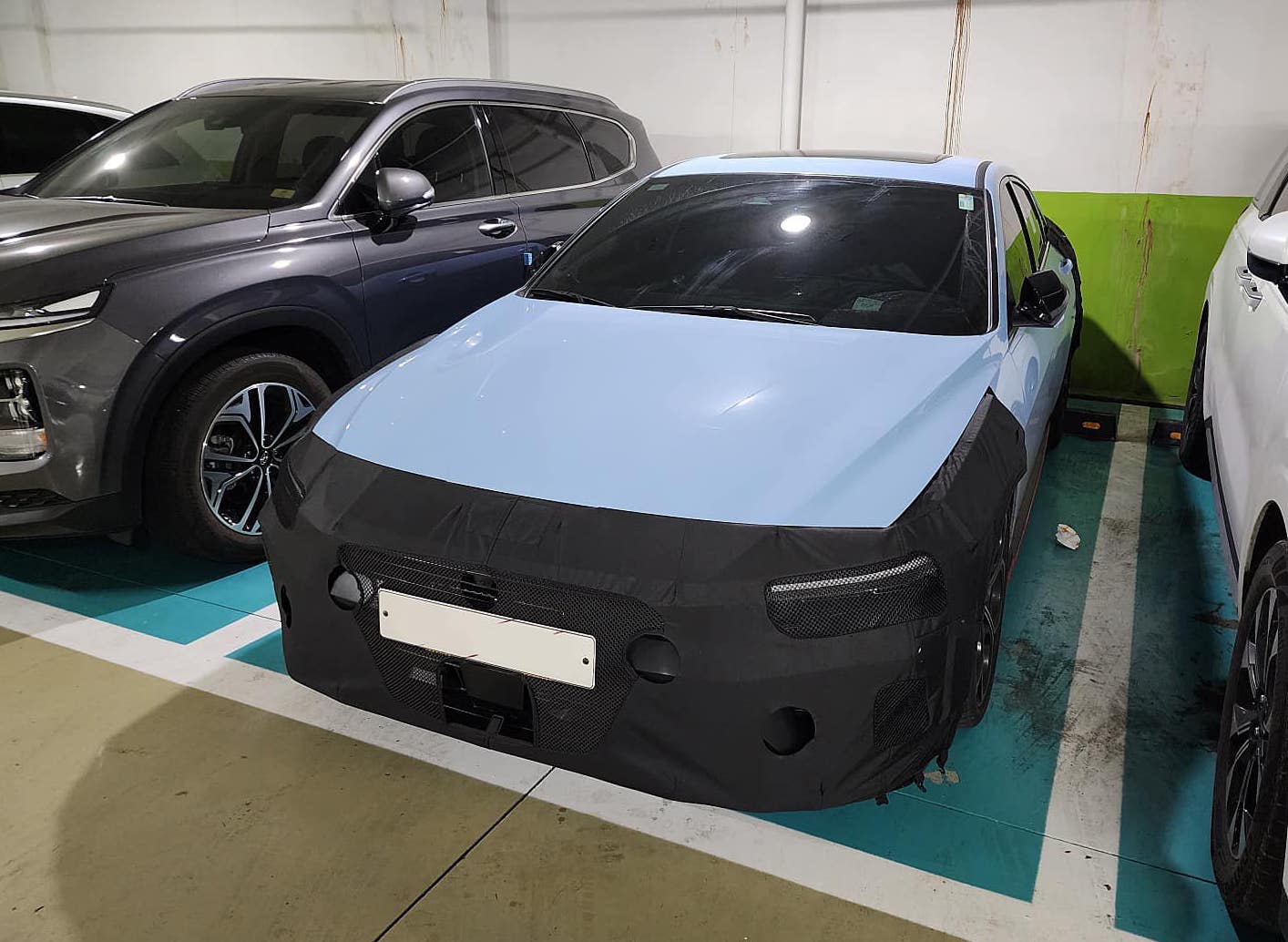
That’s according to Hyundai’s executive technical advisor, Albert Biermann, who mentioned the facelifted i20 N during the 2022 Hyundai N Festival at The Bend in South Australia.
1
“Yes, there will be a facelift. It’s coming next summer (Southern Hemisphere winter)… but on the technical side, you don’t need to be afraid; it’s still the [same] crazy corner rascal,” he said, in a promotional interview.
A facelifted version of the i30 Sedan N is also expected later this year or early 2024, with a revised look, more technology, and likely adaptive cruise control for the dual-clutch automatic variant.
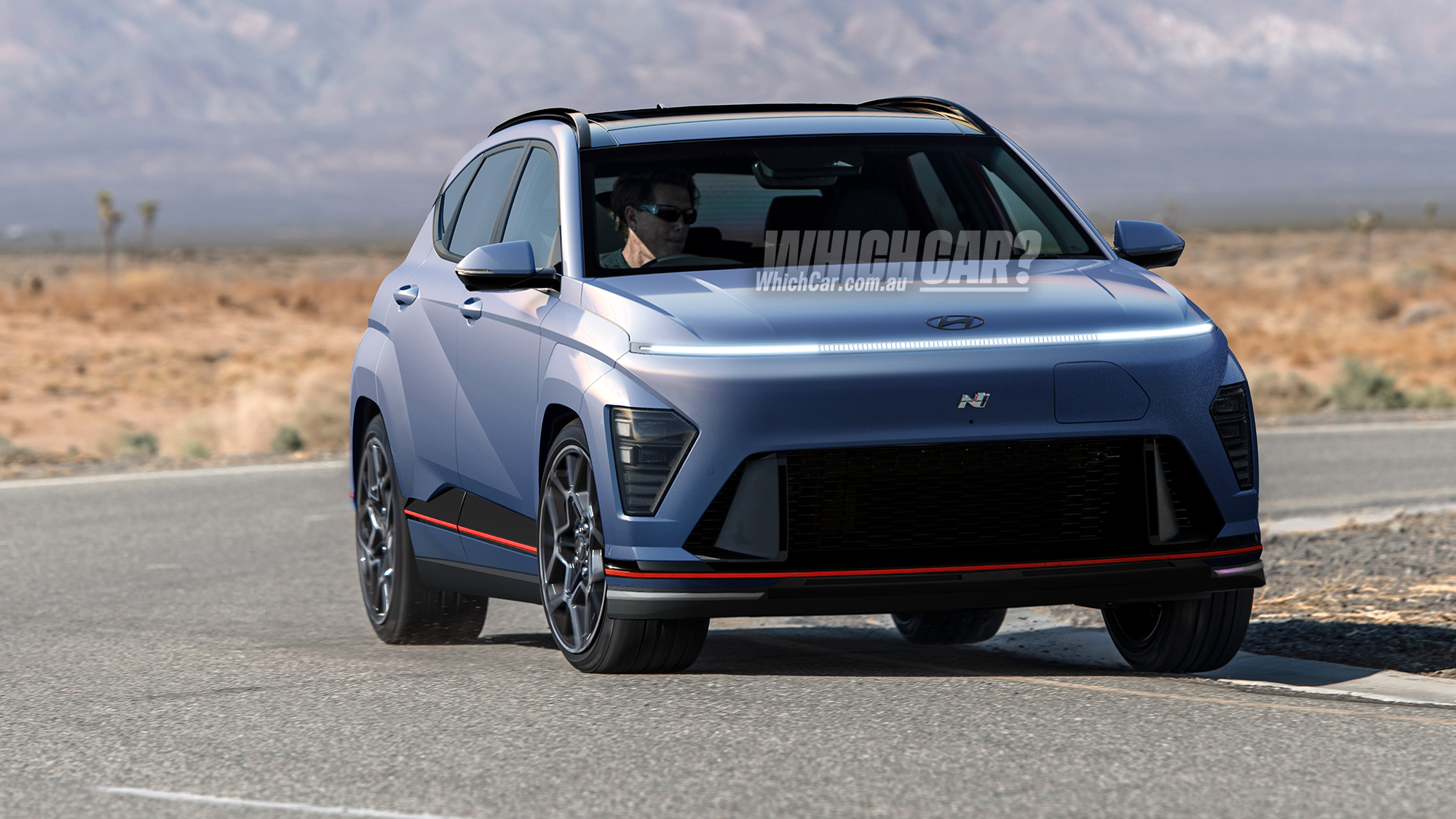
As for the i30 N hatch, Albert Biermann confirmed there won’t be another petrol-powered model, as European regulations push brands further towards an electrified line-up.
1
Hyundai’s all-electric Ioniq 5 will soon introduce a powerful N flagship, while an Ioniq 6 N, based on the RN22e prototype, is expected to follow.
The future for the Kona N is less clear. A petrol-powered second-generation all but ruled out; however, it could adopt hybrid or all-electric power.
But this is looking unlikely, with attention for a full-fat N version likely to turn towards the Ioniq 5 N, and N Line versions of the Kona Hybrid and Electric.
MORE
Everything Hyundai
A three-minute battery change was a pipedream just a decade ago. LDV says it’s now a reality.
Snapshot
- Battery-swapping isnu2019t the preserve of concept cars, says LDV
- Mifa 9 people mover trial beginning in China, with potential for Oz
- Only takes three minutes to exchange a battery at dedicated stations
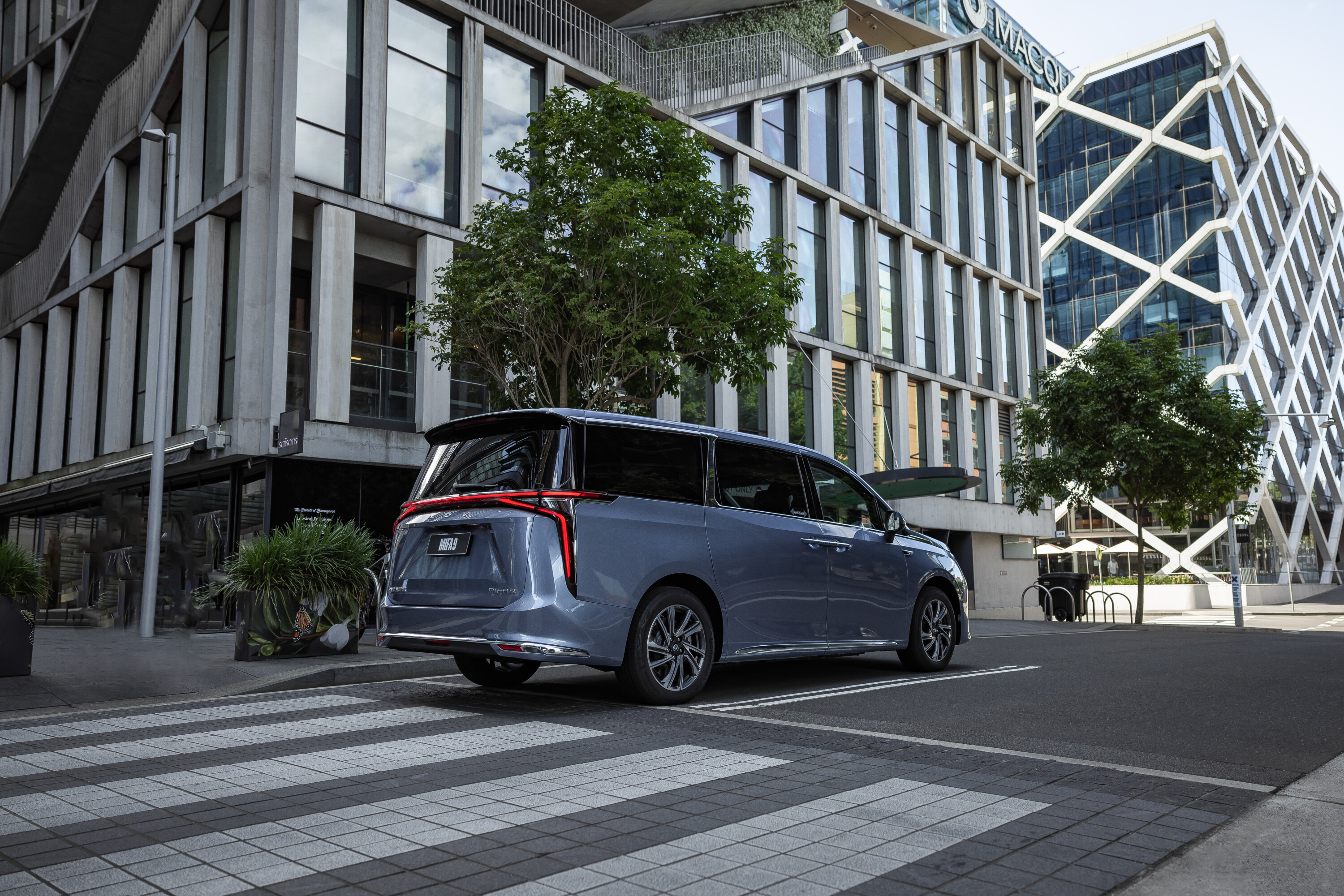
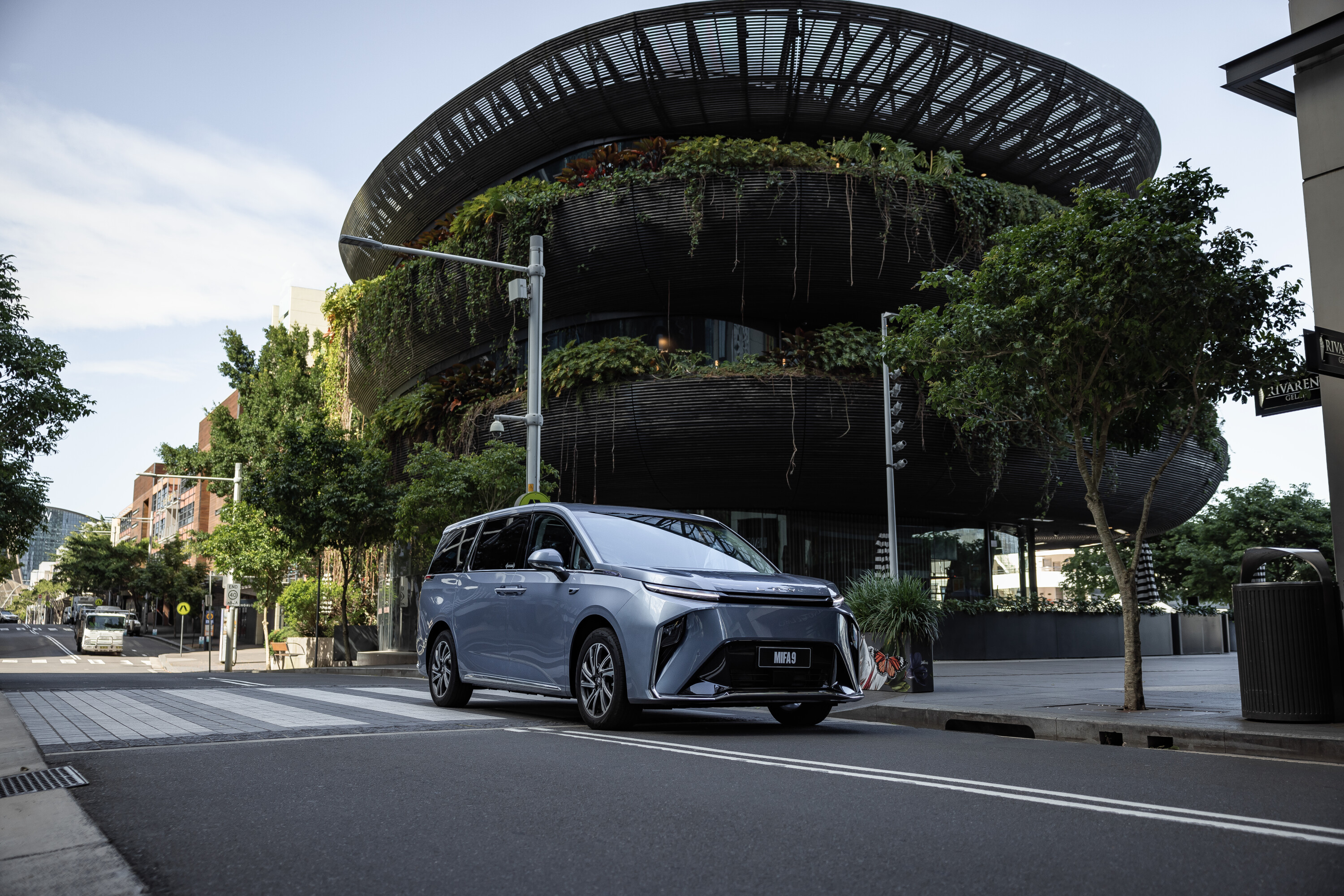
The trial has already begun in the Mifa 9 people mover’s China home market. Apparently, there are stations that’ll swiftly remove your Mifa’s depleted battery and replace it with a fully charged freshie in under three minutes.
That’s similar to or even less time than it takes to fill a regular people mover with 70L of viscous diesel. The best bit? Maxus, LDV’s namesake in China, says it’s possible in Australia.
1
“To relieve driving range anxiety, Maxus has developed battery-swapping technology for the Mifa 9 which can complete a battery change in just three minutes”, said general manager Maxus product panning division Jiayue Xie.
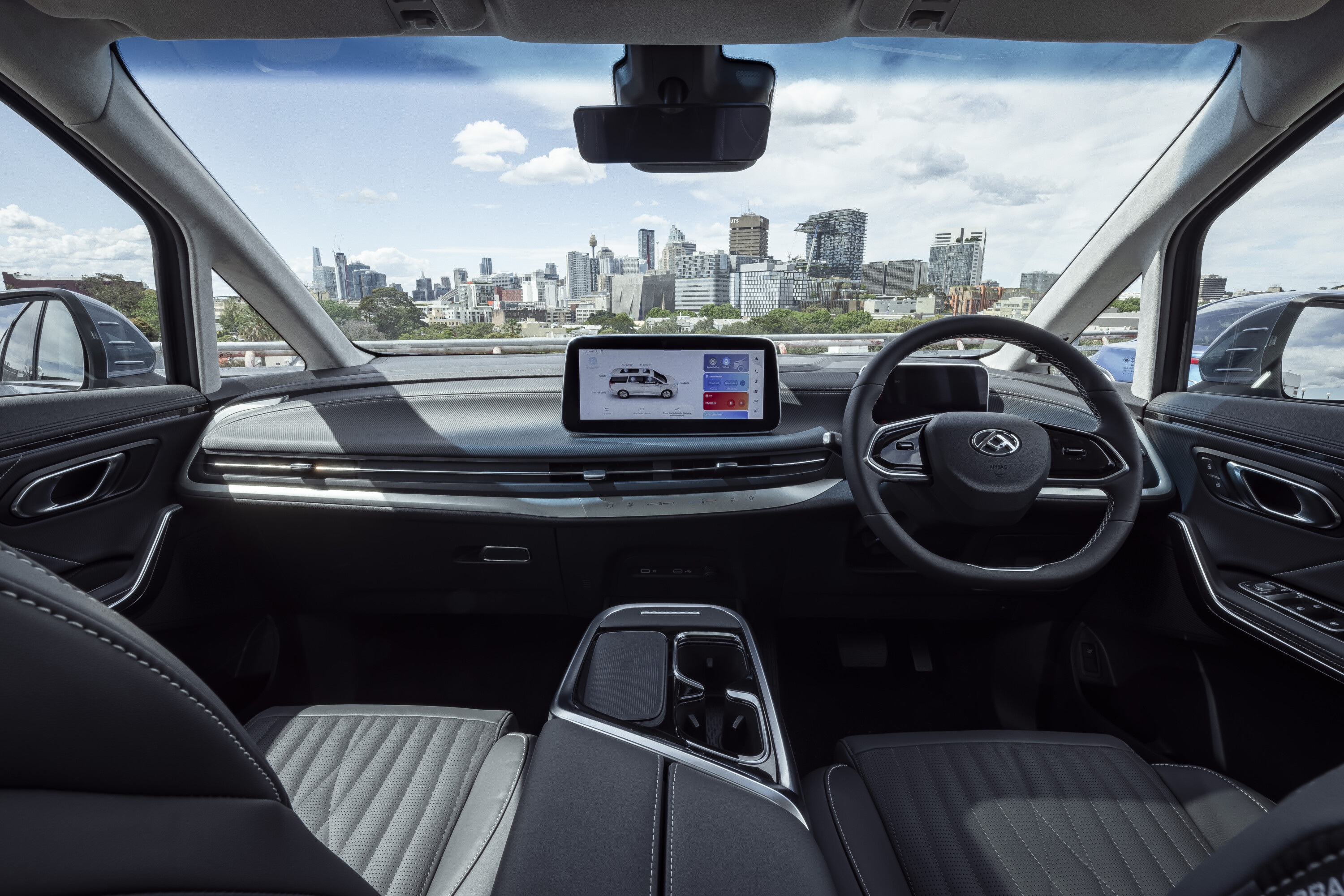
“In China, Saic Motor Group is building battery swapping stations, we are also planning to apply this technology to Mifa vehicles here in Australia”, added Xie. The $106,000 LDV Mifa 9 people mover has 430km WLTP driving range and with 120kW DC fast-charging can go from 30-80 per cent charge in 36 minutes.
Speaking to local executives LDV Australian distributor from Ateco, we get a clearer idea of timeframes. Australian general manager Dinesh Chinnappa said that battery swapping tech like that being rolled out in China isn’t going publically at scale any time soon.
1
There are other implementations beyond a Formula-1 speed pit stop mid-road trip for this technology, though.
For example, an easy-swap battery could revolutionise delivery fleets that rely on electric vans such as the forthcoming LDV eDeliver 7, cutting downtime and allowing off-peak charging.
Instead of using expensive DC charging infrastructure, or wasting precious time sitting on a slow AC power point, businesses could have a stash of batteries at base. Drive in at lunch after the 300km-or-so that LDV claims its forthcoming eDeliver 7 will be capable of and swap the depleted LFP pack for one with 100 per cent – it’s not a bad idea for big fleets such as Ikea, a company that’s already using eDeliver 9 vans in metro areas.
1
Although in its infancy, the idea of battery swapping isn’t new. An Israeli company, Better Place, made plenty of noise in Australia before going into liquidation in 2013.
Since 2021, Janus Electric has been trialling the technology with heavy goods vehicles, running trucks and semis from Sydney to Brisbane that are capable of 400-600km of driving range with a battery-changing station in between.
MORE
Everything LDV
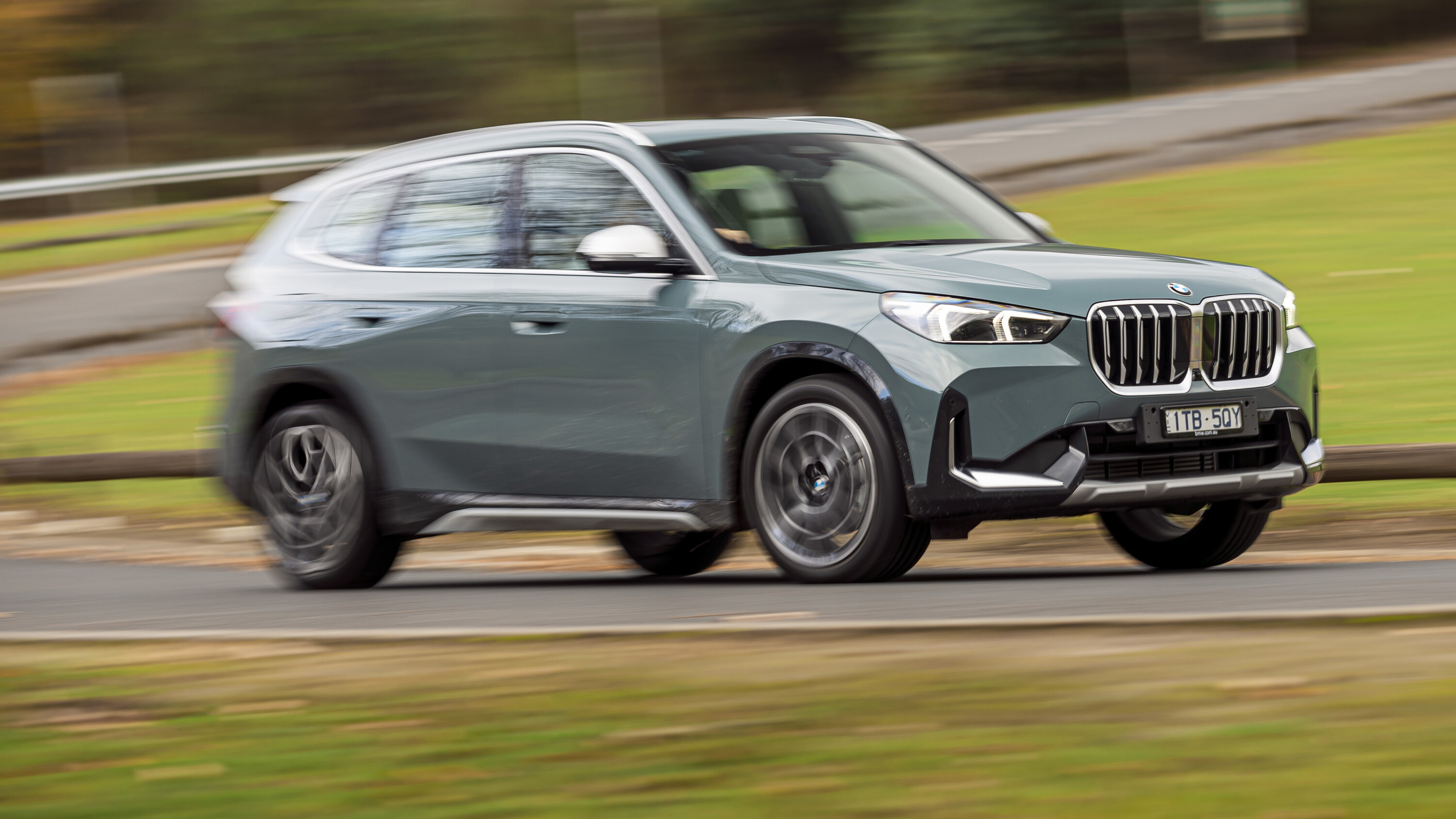
It’s lasted a little over a year, but BMW has finally seen the light – or the lack of take-up, more like – and has dropped the contentious option to subscribe to use the installed heated seat function in its most affordable X1.
Snapshot
- Unpopular service scrapped after 16 months
- Software-based downloads to continue
- Subscription services a big money-maker for car companies
According to top BMW brass, the brand will forge ahead with subscription upgrades for software-based content including, for example, self-parking features that use existing hardware.
However, BMW board member for sales and marketing, Pieter Nota, told UK publication Autocar [↗] that the German brand would no longer charge its customers to switch on a function that was already installed on a car, and specifically mentioned seat heating as an example.
1
“We thought that we would provide an extra service to the customer by offering the chance to activate that later, but the user acceptance isn’t that high,” Nota said.
“People feel that they paid double – which was actually not true, but perception is reality, I always say. So that was the reason we stopped that.”
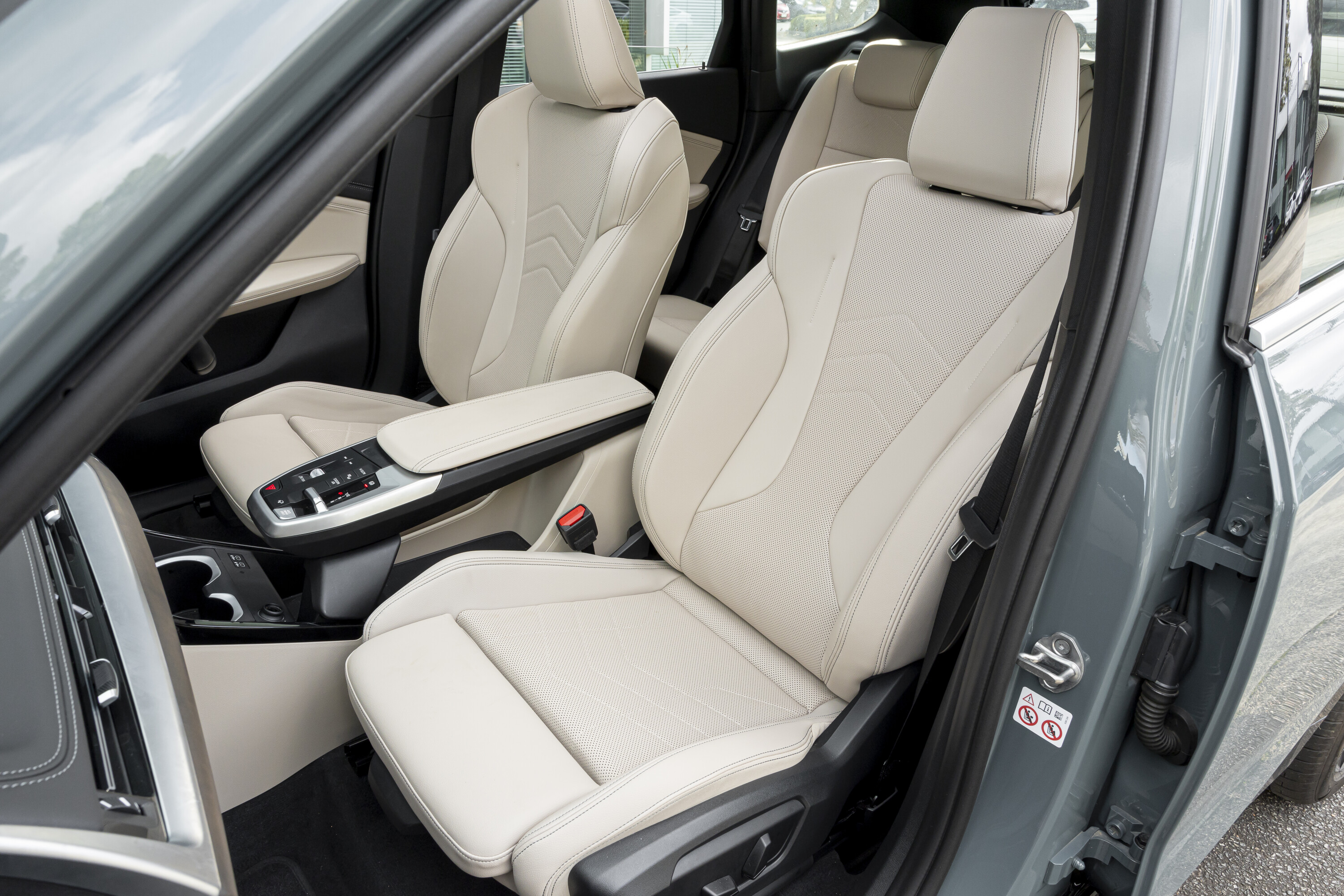
The X1 sDrive18i is the only BMW in Australia that was encumbered with the heated seat sub, which could add up to $589 to the cost of the car with the uptake of a lifetime subscription.
3
The brand’s local ConnectedDrive web page doesn’t display an option for heated seats, though other functions including wireless Apple CarPlay ($450) and High Beam Assistant ($259) are present.
The Equipment Package for the sDrive18i includes “preparation” for front seat heating, according to the Australian specs, while the sDrive20i offers heating functionality out of the box.
BMW Australia has been contacted for comment.
While this instance of charging customers to activate existing hardware may have gone down poorly with consumers, it’s a rapidly growing sector of the automotive industry.
And there are potentially billions of dollars of revenue on the table for those companies that get the mix right.
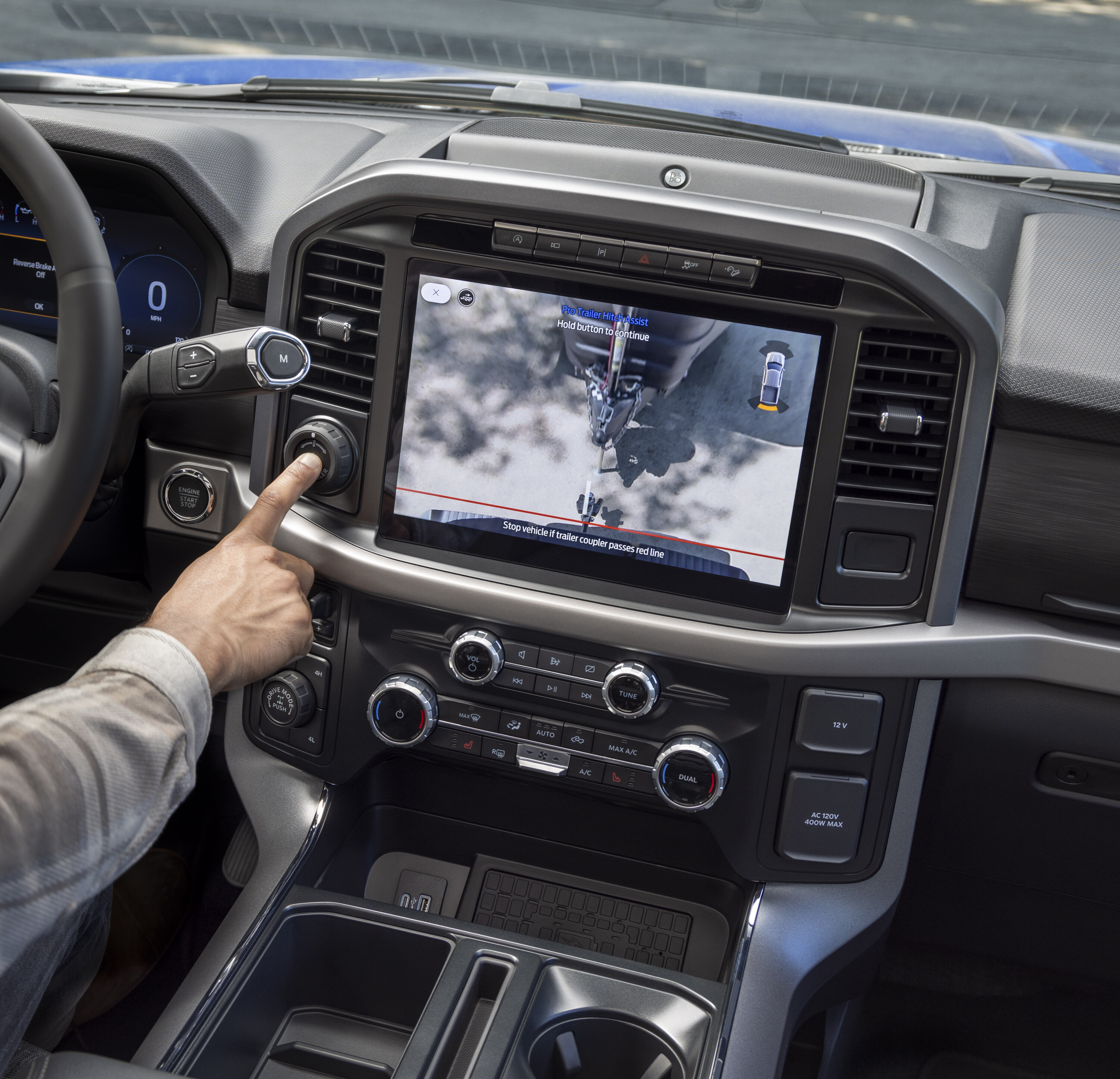
Ford, for example, says it already has half a million subscribers for its Ford Integrated Services business, which will be run by Apple’s former vice president of services, Peter Stern.
1
However, there will be headwinds. A 2022 study by Cox Automotive in the US revealed that 75 per cent of consumers are unwilling to subscribe to most vehicle features.
More than 90 per cent of survey respondents said heated and cooled seats should be included in a car’s ticket price, while 89 per cent said that remote-start functions should also be standard fare.
The end game? A potential windfall of US$20 billion a year for the major car companies, as well as the opportunity to shore up dwindling brand loyalty statistics by keeping customers updated with the latest and greatest.
MORE
Everything BMW
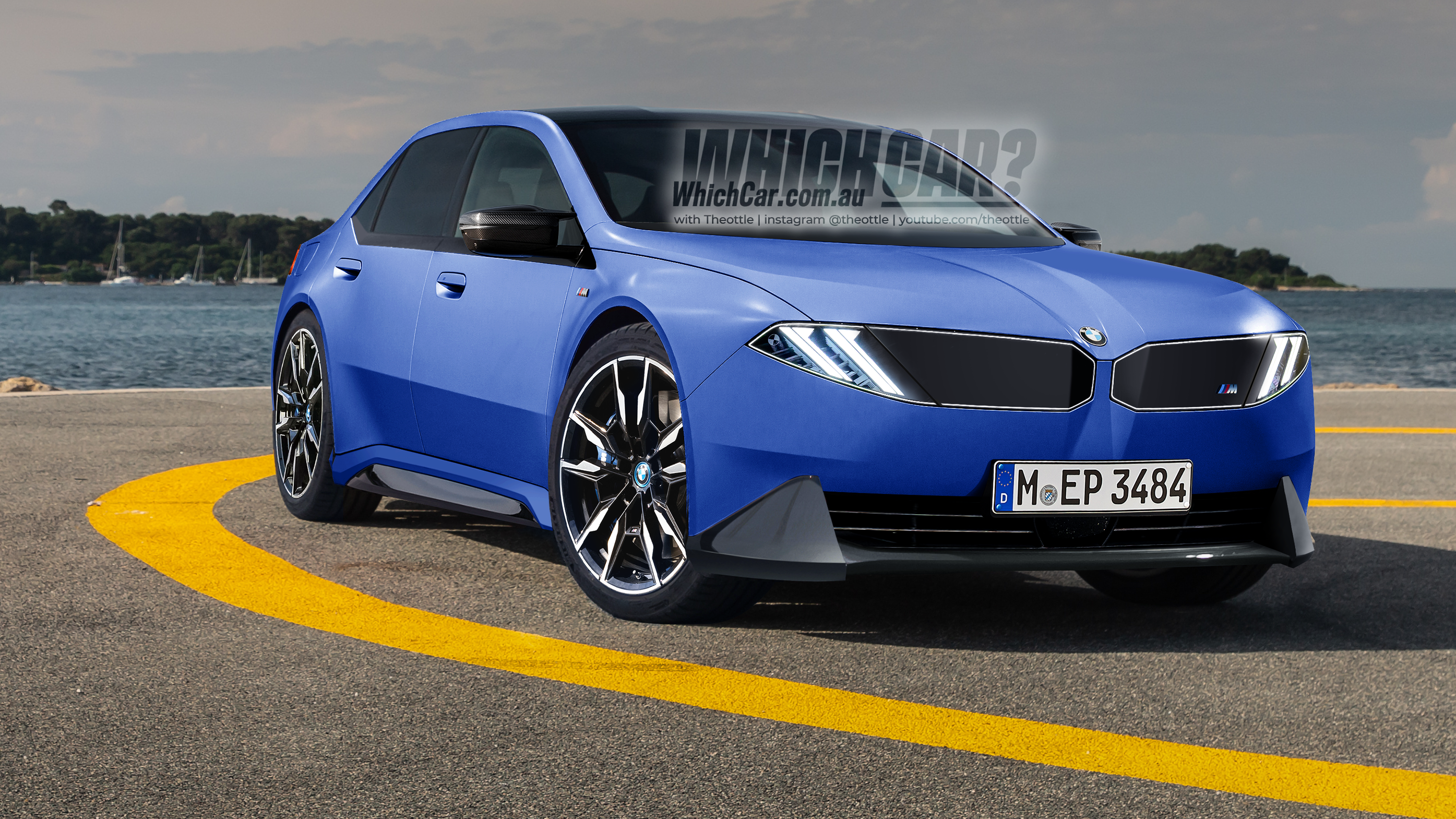
We’ve had a crack at imagining the next-generation BMW 3 Series in both sedan and wagon form.
Snapshot
- New-gen 3 Series imagined!
- Expected production version of Neue Klasse concept
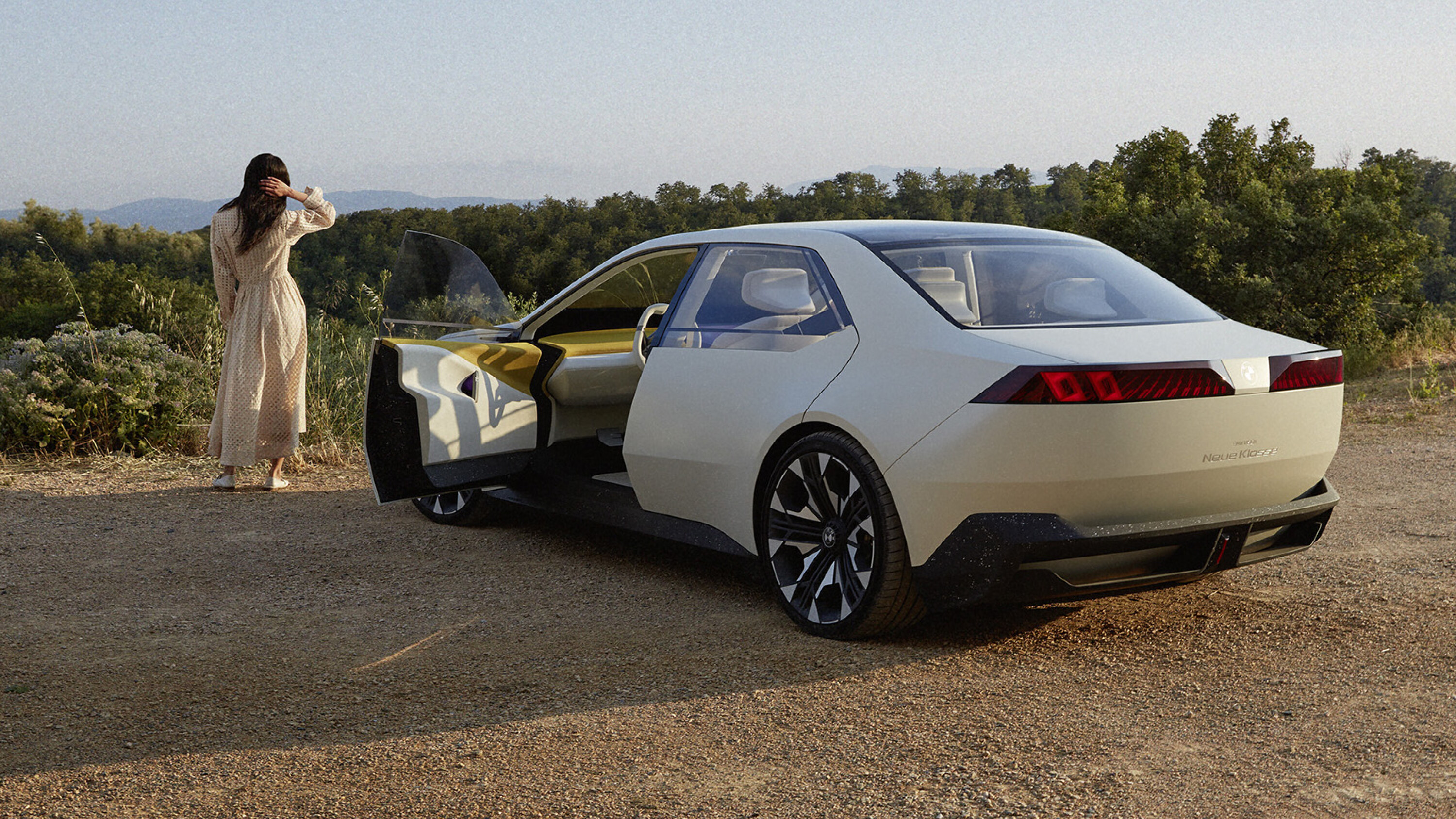
Formally shown off at this year’s IAA Motor Show in Munich, BMW’s Neue Klasse concept foreshadows the Bavarian brand’s future. And it does so with the form factor that’s defined BMW since 1975: the 3 Series.
The current ‘G20’ 3 Series is expected to live on until 2026 and the X3 is pipped to be the first model to utilise the brand’s Neue Klasse architecture – you can see our imagination of that vehicle at the link below.
1
This time, rendering guru Theottle’s combined the salient feature of Neue Klasse exterior design with some hallmark 3 Series traits to envisage an all-new i3 sedan and wagon.
With the same horizontal grilles (thank goodness BMW is moving away from the buck-teeth 4 Series items) as the concept and confident swage line the run low on the door, there’s plenty of Neue Klasse in our imagination.
‘Our’ i3’s lower valance has been tweaked to make it more production-ready than the concept’s splitter.
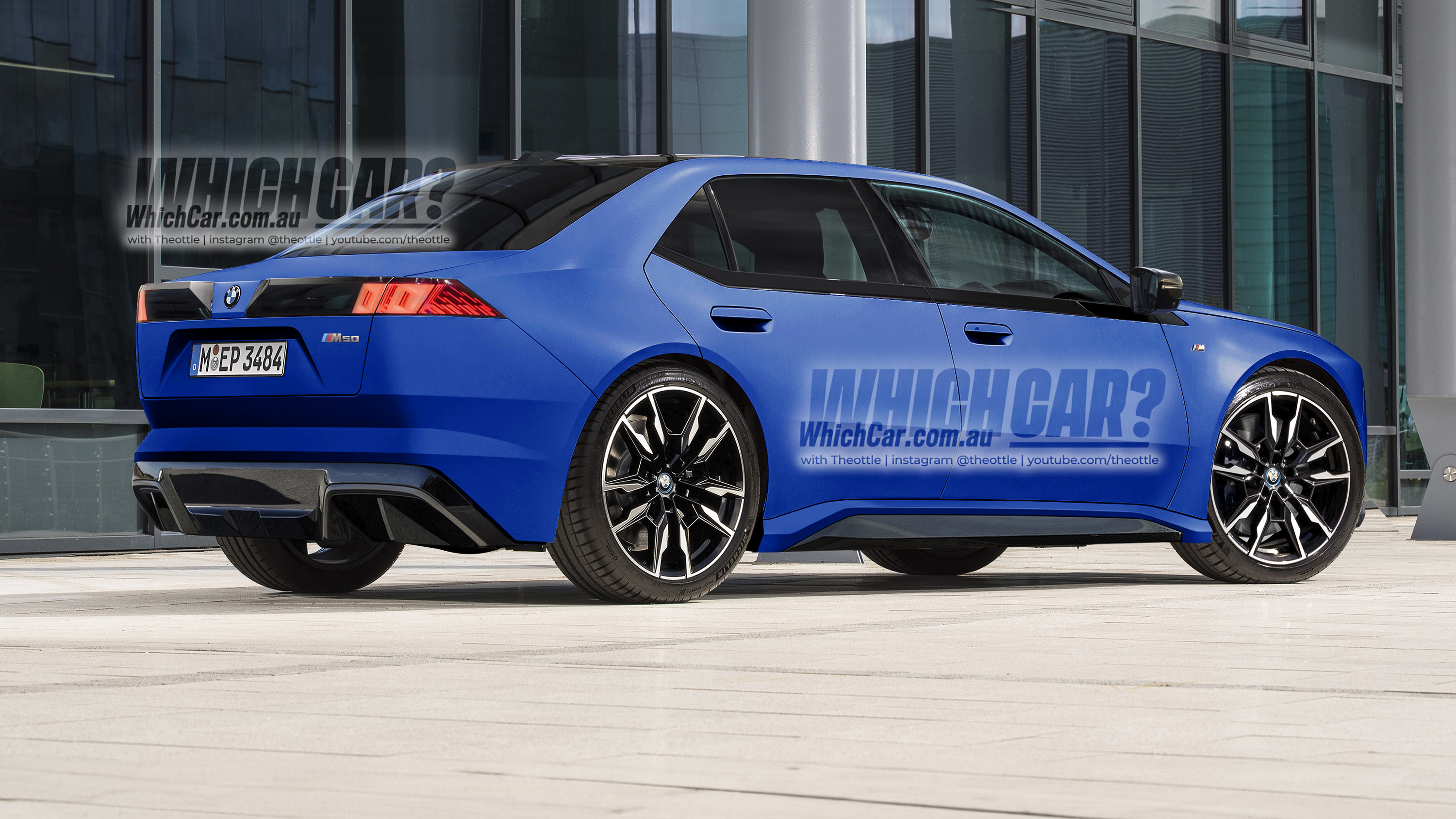
1
At the rear, key 3 Series lineage is clear in this imagination. The modern interpretation of the Hofmeister Kink at the C-Pillar gives way to a short boot lid that slopes gently into the 3 Series’ signature Kamm tail rear end.
For a more production-ready look, the render has a simpler rear taillight design than the concept. The LED lights stand proud, and slope in at the BMW roundel.
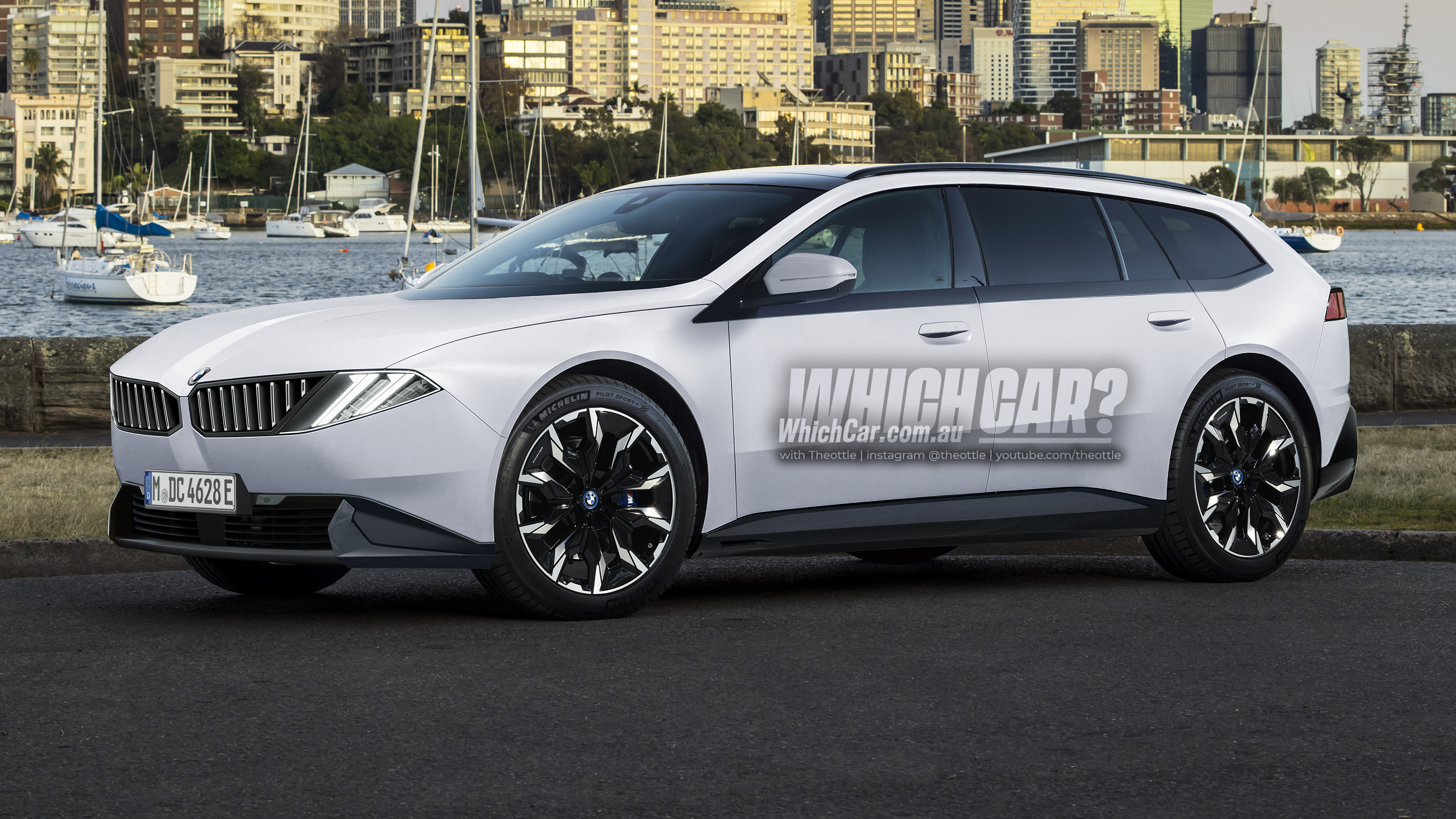
1
Then we’ve got the wagon to talk about. BMW has confirmed a long-roofed ‘Touring’ body will follow the i3 sedan to market.
About six months behind the three-box design, like the current 3 Series expect the wagon to share everything forward of the B-Pillar with the sedan.
From there back, it’s a different – more conventional – interpretation of the Hofmeister Kink, with the rear guards appearing more blistered. A narrow rear window should be able to open freely from the bulky tailgate for easy loading of smaller objects – another 3er Touring hallmark.
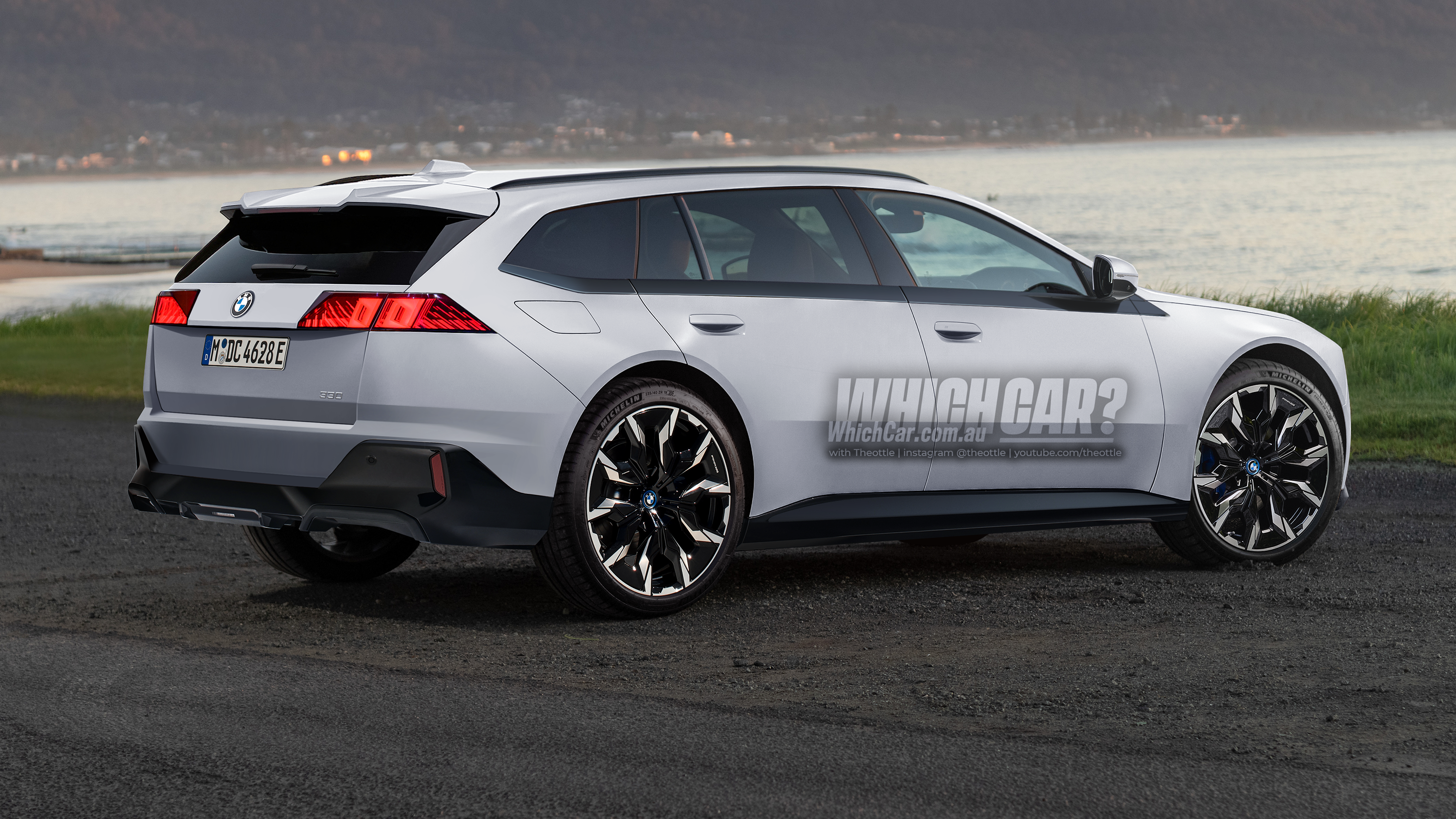
1
Of course, the Neue Klasse is about more than exterior design as BMW – like plenty of other manufacturers – transitions to a ‘mobility’ company, rather than car-maker.
That means occupants will get to interact with the cabin in a whole new way, there’s a panoramic head-up display we saw on the i-Vision Dee, and a focus on recycled materials inside.
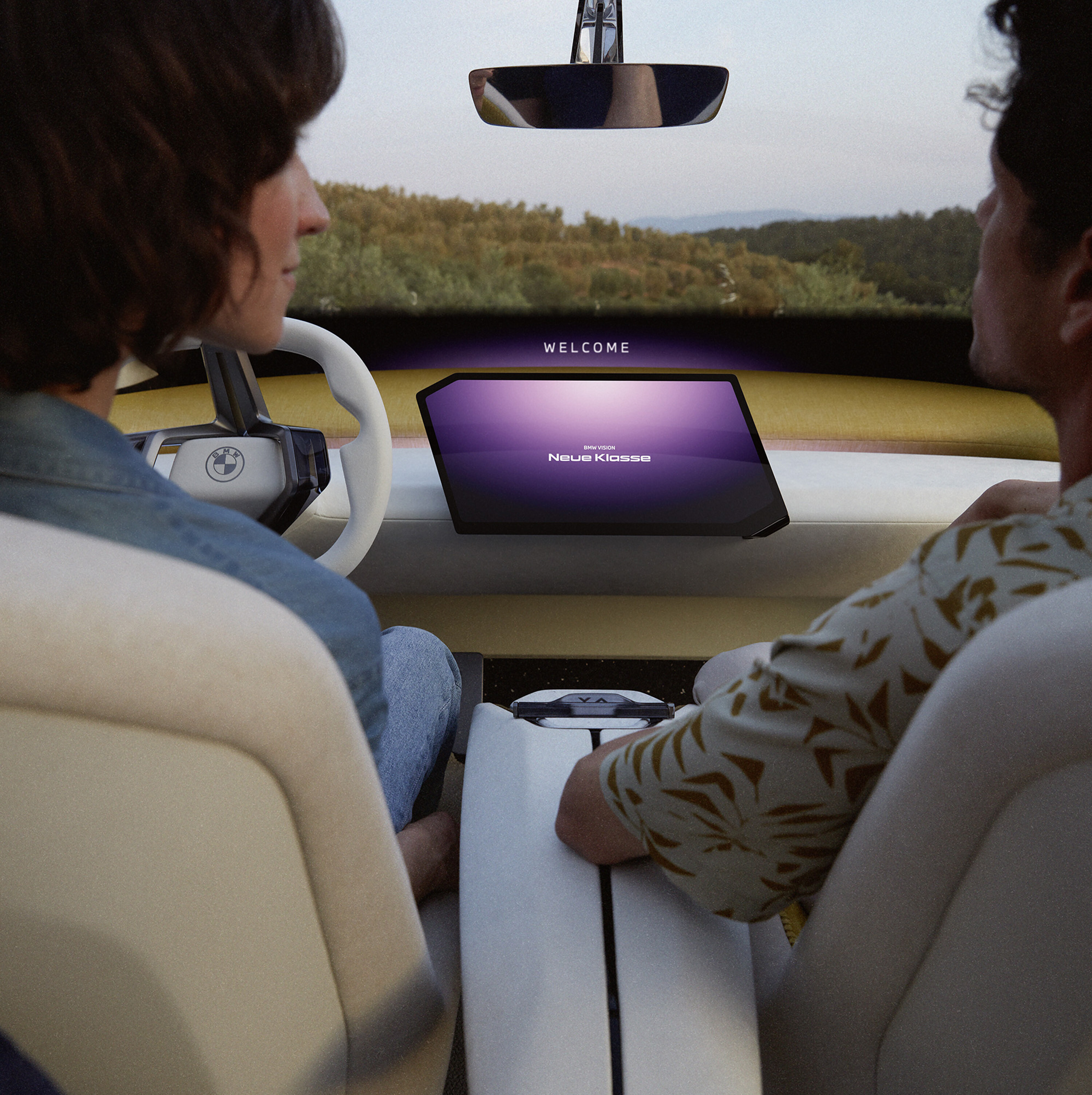
1
What do you think of our 2026 i3/3 Series imagination, are we on the money? And is this a fitting continuation of the 3 Series legacy? Have your say in the comments.
Below: BMW Neue Klasse concept
2
January 2024: eDeliver 7 pricing announced
The electric LDV eDeliver 7 is now available in Australia with short-wheelbase low-roof, medium-wheelbase low-roof, and medium-wheelbase high-roof forms.
September 2023: eDeliver 7 confirmed for Australia
The 2024 LDV eDeliver 7 mid-size van is locked in for Australia.
Snapshot
- LDV eDeliver 7 locked in for Australian release
- 310-380km driving ranges, depending on battery size
- Diesel-engine models will follow EV to market
LDV Australia has confirmed the Chinese-built eDeliver 7 will be initially offered as an electric-only model when it arrives in the fourth quarter of 2023, or the first portion of 2024.
“Worst case Q1 2024, but it could be Q4 this year,” said LDV Australia’s general manager, Dinesh Chinnappa.

1
The electric eDeliver 7 – known as the Maxus V70 in its home market – will be offered in short-wheelbase low-roof, medium-wheelbase low-roof, and medium-wheelbase high-roof form. Local pricing and features will be detailed closer to the eDeliver 7’s launch.
It will offer a 77kWh standard-range battery, aiming for over 300km in driving range. Overseas, it has a WLTP-rated 310km driving range, and there’s an 88kWh longer-range battery good for a claimed 382km.
Both are powered by a front-mounted 150kW/330Nm electric motor, with a 120km/h top speed – or 90km/h in eco mode – and a circa-12-second 0-100km/h time.
With the full-size eDeliver 9 electric van priced from $99,990 before on-road costs, the eDeliver 7 will likely be priced between $85,000 and $95,000 plus on-roads – undercutting the $92,990 eT60 ute to become LDV’s cheapest electric vehicle.

1
LDV’s Australian arm expressed interest in combustion-engined versions of the Deliver 7 mid-size van down the track but is yet to confirm a date.
The Chinese-market version of the Deliver 7 is offered as a panel van or people carrier, with a 2.0-litre four-cylinder turbo-diesel engine and an automatic transmission.
It has a reported fuel consumption of 7.4L/100km, and is said to ride on a ‘new’ architecture shared with the electric van.
LDV said in January that the new mid-size van would be offered in internal combustion and all-electric form with three roof height variations.
With recent success in the large van category, where the LDV Deliver 9 outsold the Mercedes-Benz Sprinter for the first time in two decades, the Chinese brand hopes to “have the same impact” in the smaller segment.
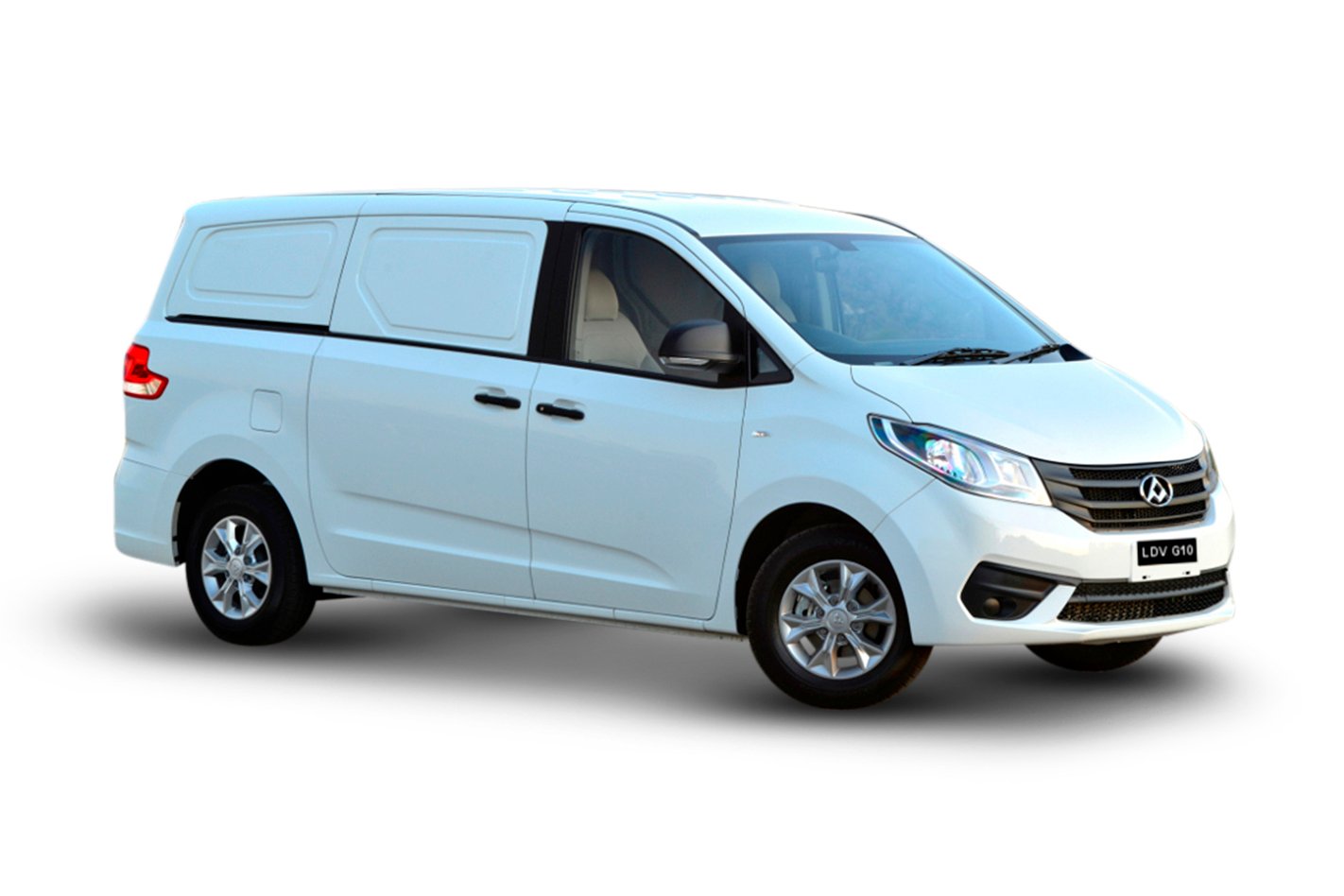
VFACTS new-car sales data reveals the long-running Toyota HiAce (4409) dominates the mid-size van segment year-to-date, followed by the LDV G10 (2485), the soon-to-be-replaced Ford Transit Custom (2164), and the Hyundai Staria Load (1742).
“We expect our new mid-size van will replicate the success of the Deliver 9 and shake up its respective segment,” Chinnappa said in January.

1
Enhanced safety and driver assistance
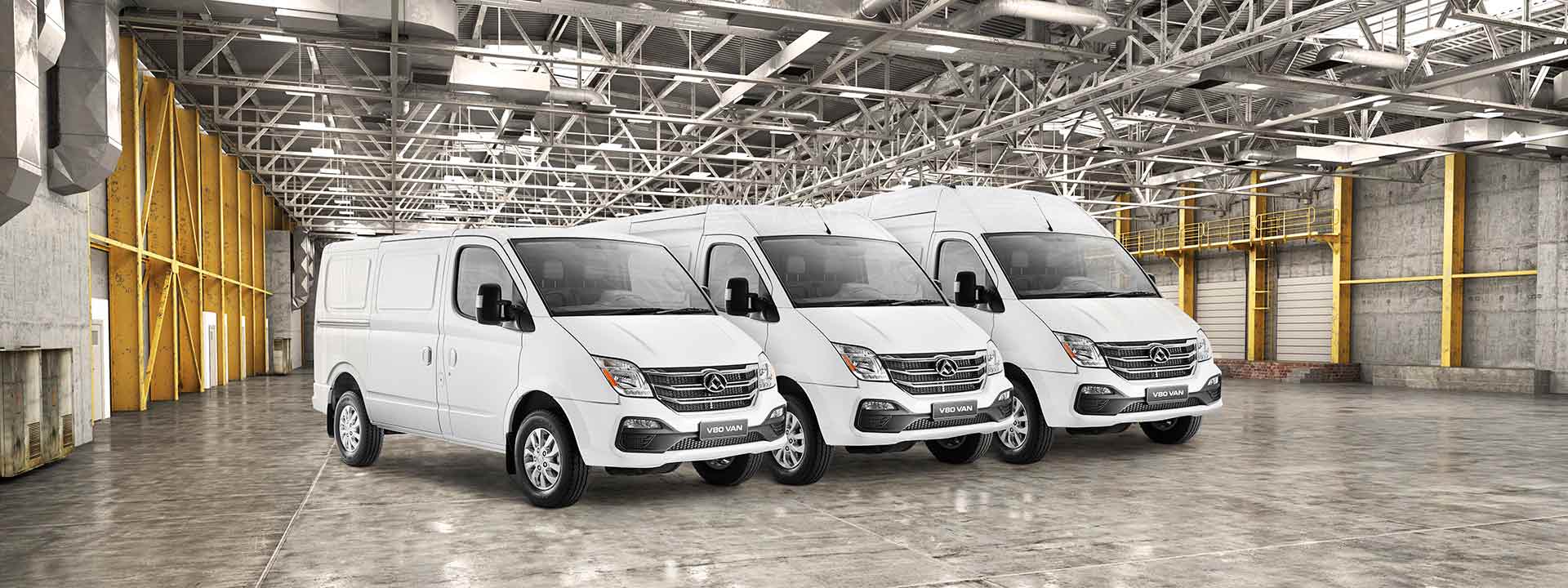
Autonomous emergency braking (AEB) will be required for the eDeliver 7 to be sold in Australia, potentially life-saving technology that the G10 and V80 both currently lack. All new vehicles sold here after March 2025 will require AEB.
Just like in the United Kingdom, Australian eDeliver 7’s will be equipped with ‘level two’ driver-assist tech. This includes lane-keep assist, lane departure warning, adaptive cruise control, traffic sign recognition, driver fatigue monitoring, door opening warning, and six airbags, as well as AEB.
Blind-spot and rear cross-traffic alerts, high-beam assist, a 360-degree camera, and emergency calling are also standard in the UK.

1
The 2024 LDV eDeliver 7 electric mid-size van is due in Australia in the fourth quarter of this year, or in early 2024. The diesel variant is expected to follow at a later date.
It will face competition from the all-electric Ford E-Transit Custom, due to arrive in Australia sometime in 2024, joined by the next-generation diesel model.
Below: The current 2023 LDV G10 and LDV V80 mid-size vans
1
1
MORE
Everything LDV
Fire and Rescue NSW are investigating the cause of a battery fire at a Sydney Airport car park on Monday night that destroyed five vehicles.
Key Points
- Multiple cars damaged in car park fire
- Battery out of vehicle at time of blaze
- Investigations ongoing
Firefighters were called to a parking lot on Airport Drive, Mascot, where flames had engulfed an electric car – identified as an MG ZS EV – before spreading to another four other motor vehicles.
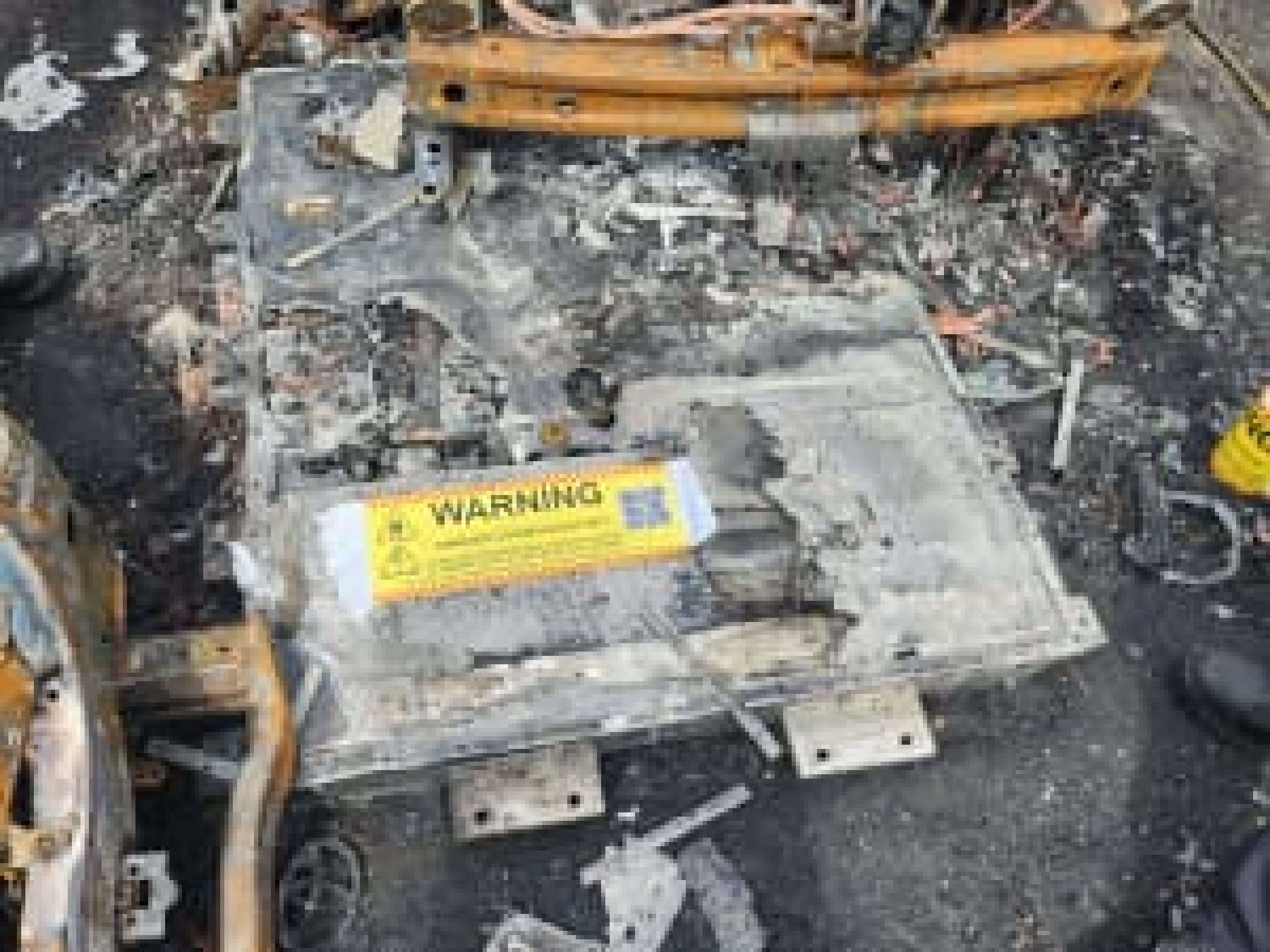
Fire authorities have pinpointed a high-voltage battery pack located on the ground in front of the MG as the source of the fire.
2
“A battery, which had recently been detached from the luxury car and stored in the lot, was quickly identified as having sparked the blaze,” read a statement from Fire and Rescue NSW (FRNSW).
The circumstances around the blaze are unusual, to say the least.
Vision from FRNSW clearly shows the battery pack lying on the ground in front of the vehicle, which is located in a vehicle holding yard at the base of Sydney Airport’s control tower.
It is understood that the battery had been damaged before it was removed from the vehicle and had been exposed to the elements for some time.
Given the close proximity of the vehicles in the parking compound, several have been badly damaged by the fire.
However, the fire damage is not as comprehensive as it could potentially have been, with the structures of the cars still visible and the battery pack of the MG still recognisable.

1
It’s not known if the MG’s battery was a later-model lithium iron phosphate type, which is less prone to what is known as thermal runaway than lithium-ion batteries.
However, the circumstances around the battery being removed from the car and stored in such a haphazard and unsupervised way will require considerable investigation.
The Fire Investigation and Research Unit (FIRU) are piecing together the circumstances surrounding the incident, according to the FRNSW.
Research officers from FRNSW’s Safety of Alternative and Renewable Energy Technologies (SARET) team have also inspected the scene.
MG Australia has been working with the fire department since the incident yesterday.
“MG understands the customer’s vehicle and battery were already damaged and the battery was not in the vehicle. We understand the vehicle was being stored at an airport holding yard and also not in a driveable condition,” the company said in a latest statement released Thursday.
Electric vehicle fires are very rare in Australia, though the damage they can potentially inflict can be catastrophic.
A recent fire – also on Monday night – aboard a Tesla Model 3 sedan, captured by fire crews in Penrose, NSW [↗], resulted from debris hitting the car’s underside while travelling on a freeway. No one was injured in the incident.
