
The Fiat 500 range now has a $1250 higher starting price, with the budget-spec Pop variants dropped from the range.
The 2020 model range update sees the formerly mid-spec 500 Lounge taking on entry-level duties at $19,250, with a new 500 Club variant now topping the local line-up at $27,250.
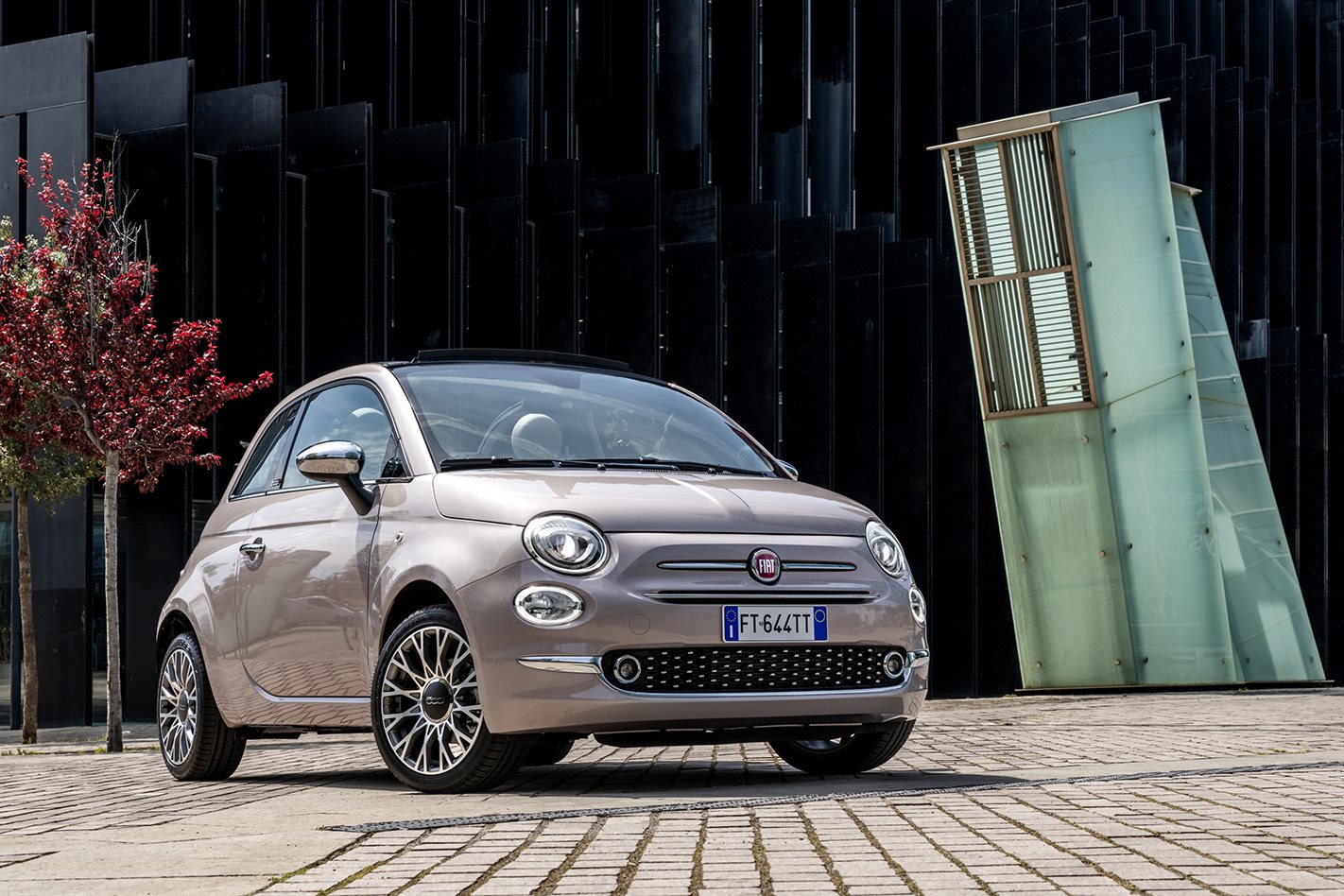
On the plus side the well-equipped Lounge variants, which include five-speed manual and five-speed automatic hatches and an auto-only 500C cabriolet version, have had their retail pricing cut by more than $500.
The Lounge feature list remains unchanged, and includes a 7.0-inch touchscreen, Android Auto/Apple CarPlay, LED daytime running lights, leather-wrapped steering wheel, power adjusted and heated door mirrors, cruise control, speed limiter, and reverse parking sensors.
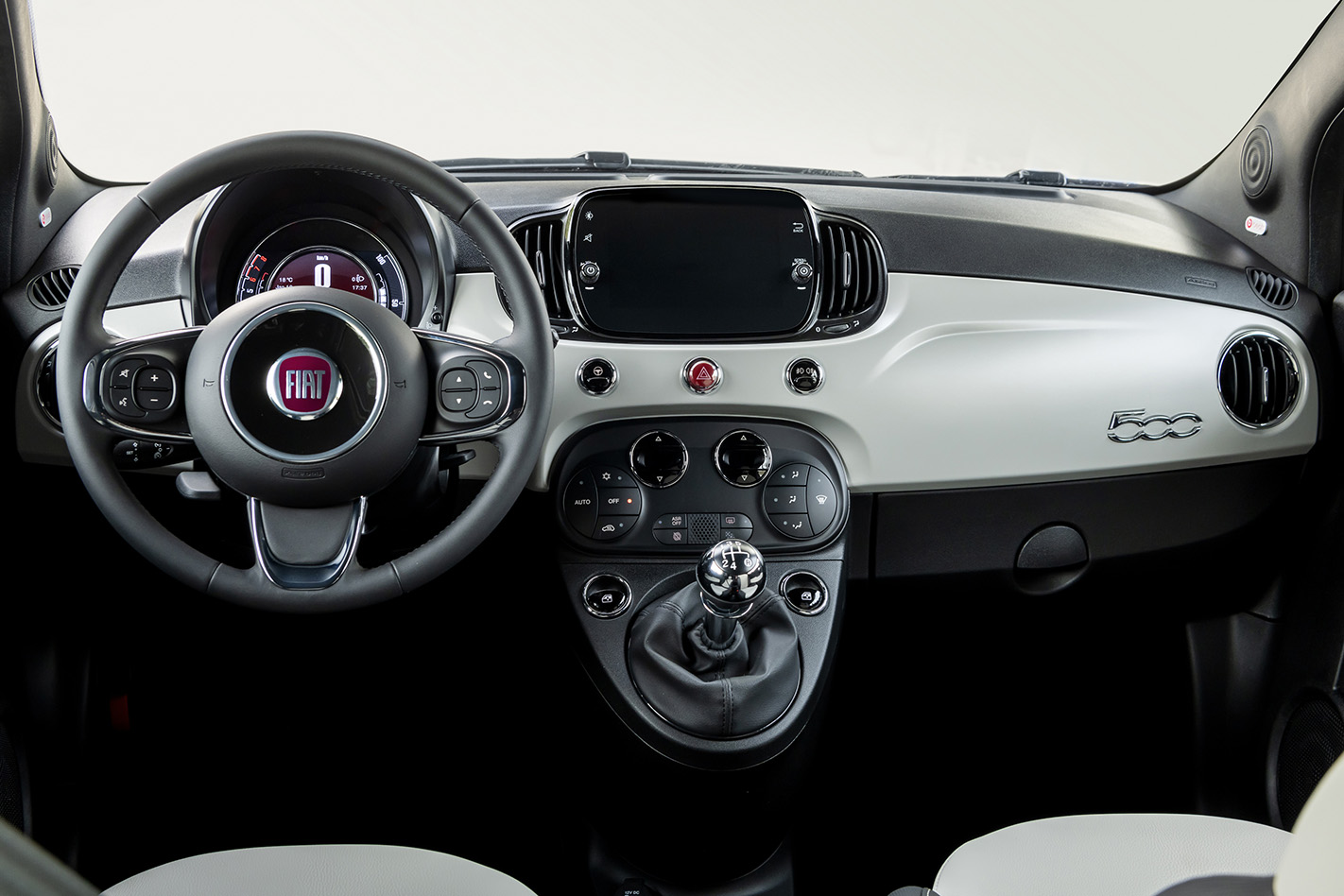
The new auto-only Fiat 500 and 500C Club versions are powered by the same 1.2-litre four-cylinder petrol engine as the Lounge, and are priced at $25,250 and $27,250 respectively.
Each brings a bunch of additional features to the Fiat 500 range including a sunroof for the hatch, digital radio, climate control air-conditioning, premium chequer-pattern seat upholstery, chrome exterior trim, automatic headlights, rain-sensing wipers and bigger 16-inch rims.
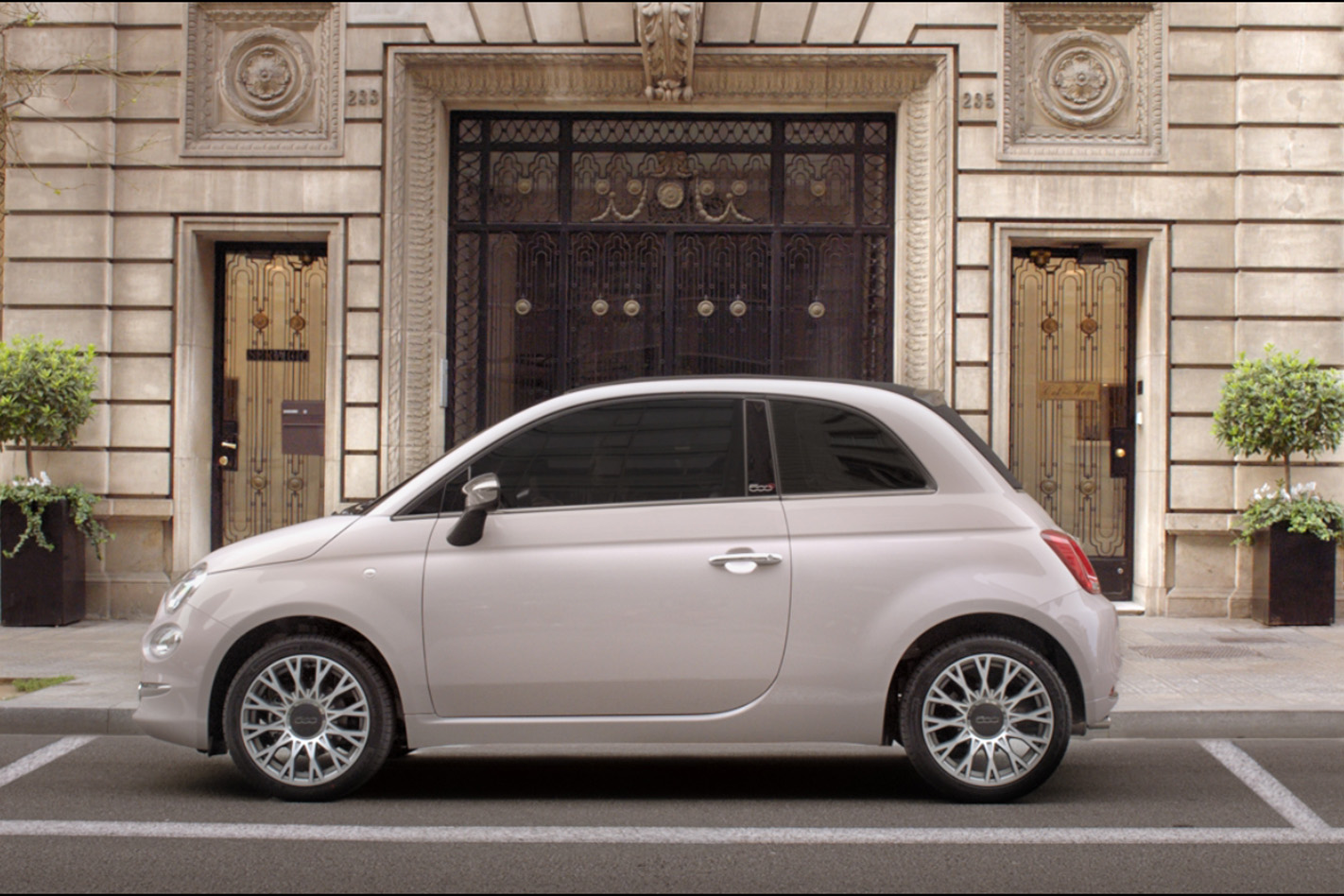
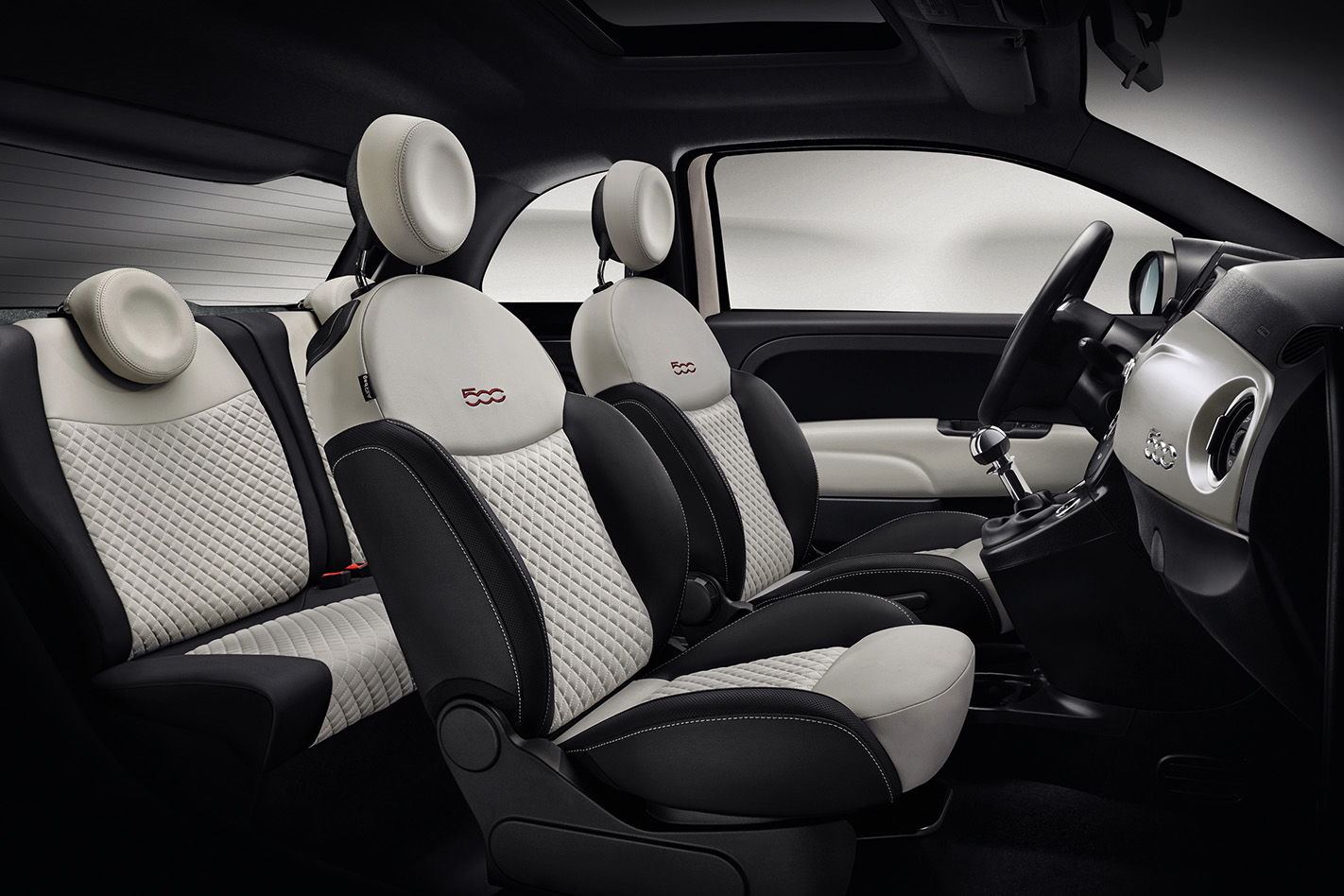
The seats are available with black fabric seats white inserts and Bordeaux stitching, or white fabric seats with black inserts and white stitching. Leather upholstery can also be optioned. The Club is also available in with all-new Powder Pink exterior paint (pictured).
Active safety features such as autonomous emergency breaking continue to be a notable omission from the Fiat 500 range.
The 2020 Fiat 500 range is now available at Fiat dealerships across Australia.
2020 Fiat 500 retail pricing
- Fiat 500 Lounge manual: $19,250
- Fiat 500 Lounge auto: $21,200
- Fiat 500 Club auto: $23,250
- Fiat 500C Lounge: $25,250
- Fiat 500C Club: $27,250
It was always expected that our scoop on Ford’s plans to unleash a V8-powered Ranger Raptor would generate a veritable ute-load of website traffic, but what wasn’t anticipated was the sheer volume of people smashing WhichCar’s equivalent of a ‘buy now’ button.
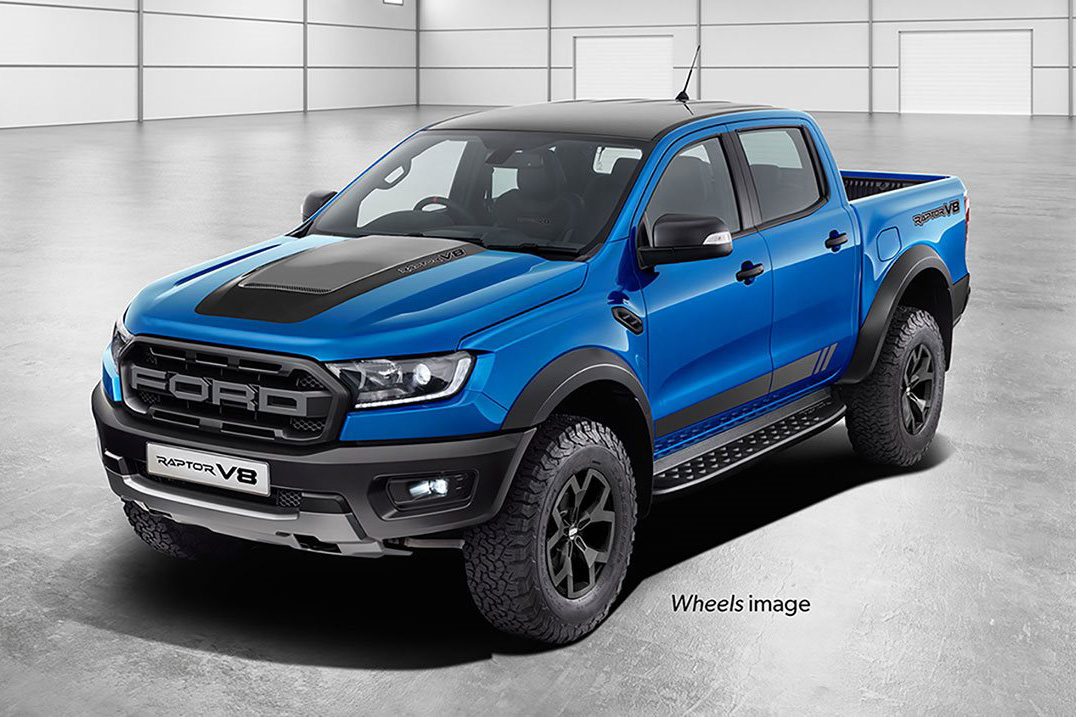
You may have noticed the little chat window that pops up when you load WhichCar.com.au on a desktop, or the form at the bottom of the page that asks if you’d like to “Get a Quote”. Even if you haven’t, a substantial number of people reading our V8 Raptor exclusive sure did – and they used those features to register their intent to buy a car that, according to Ford Australia, doesn’t exist yet.
How much? Lots. We can’t give away the specific number, but it’s deep into triple-digit territory. Over the space of two days that one story generated a greater volume of inquiries than we normally see in the lead up to the end of financial year, when new car sales tend to peak.
And a number of people even took the additional step of offering to pay a deposit to secure their slot in the queue. Note that we don’t even ask for deposits at all, and that a pricetag for the Ranger Raptor V8 is still a long way from being announced. Aussie ute fans are clearly keen.
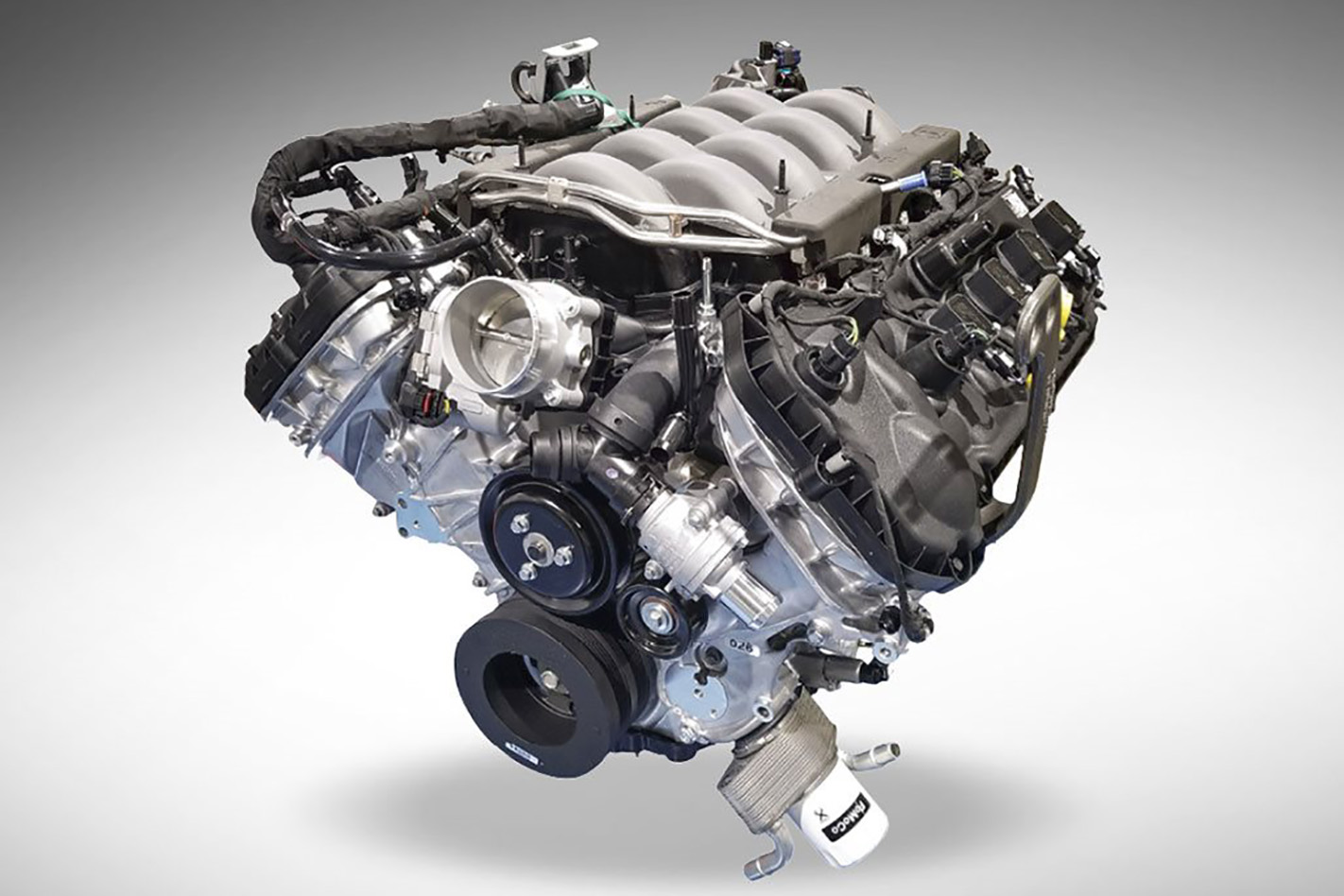
Being locally converted to V8 status there’s a fair bit of work – and thus cost – involved in bringing V8 power to the Ford Ranger Raptor, and with the regular 2.0-litre turbo diesel four-pot Raptor retailing at $75,990, odds are high that the V8 Ranger Raptor could add $15-20K on top of that. It could conceivably break six digits too, depending on whether the number-crunchers at Ford feel it’s warranted.
Those details will be revealed in due course, but right now there are two things we know for sure: that a V8-engined Ford Ranger Raptor is coming, and that a lengthy queue is already forming for it.
- Tesla comes out swinging in strongly-worded statement
- 127 US consumer complaints have been combined into one petition
- US highway safety agency investigating the matter
Tesla has issued a rare and strongly-worded statement refuting the petition currently in front of America’s largest automotive safety body, the National Highway Traffic Safety Administration (NHTSA), which has the potential to trigger a recall of upwards of 500,000 Teslas for “sudden unintended acceleration” issues.
“There is no “unintended acceleration” in Tesla vehicles,” reads the statement.
“This petition is completely false and was brought by a Tesla short-seller. We investigate every single incident where the driver alleges to us that their vehicle accelerated contrary to their input, and in every case where we had the vehicle’s data, we confirmed that the car operated as designed.
“In other words, the car accelerates if, and only if, the driver told it to do so, and it slows or stops when the driver applies the brake.”
Unintended-acceleration suits against car companies in the US are relatively common, with Audi almost driven out of the country in the 1980s after claims of 700 incidents and six deaths.
More recently, Toyota was forced to recall more than 10 million vehicles from 2009 to 2011 and pay fines and compensation in excess of US$4 billion ($6.5billion), after claims of unintended acceleration by consumers were proven by the NHTSA.
A combination of poor-fitting carpet mats and antiquated engine computer software were blamed.
Tesla, however, dismisses the notion that its cars are capable of suffering from unintended acceleration.
“While accidents caused by a mistaken press of the accelerator pedal have been alleged for nearly every make/model of vehicle on the road, the accelerator pedals in Model S, X and 3 vehicles have two independent position sensors, and if there is any error, the system defaults to cut off motor torque,” reads the statement.
“Likewise, applying the brake pedal simultaneously with the accelerator pedal will override the accelerator pedal input and cut off motor torque, and regardless of the torque, sustained braking will stop the car.”
The company also claims that its Autopilot system is fitted with sensors to detect “potential pedal misapplications”, and that it is able to review recorded data for any alleged incident.
The petition against Tesla was filed in December 2019 by Brian Sparks, who claims to be an independent investor.
It quotes numerous owner reports of the alleged incidents and makes reference to 127 consumer complaints to the NHTSA that cover 123 unique vehicles.
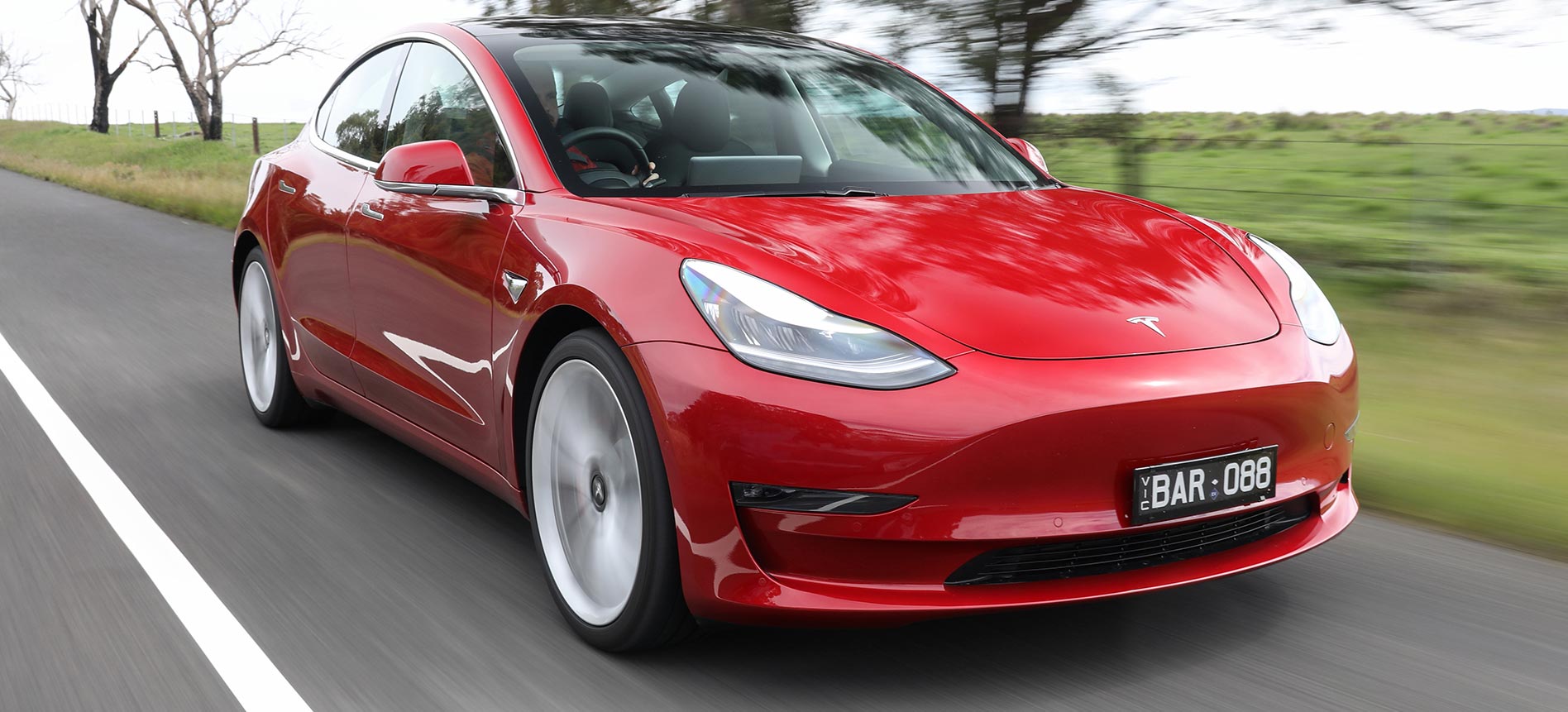
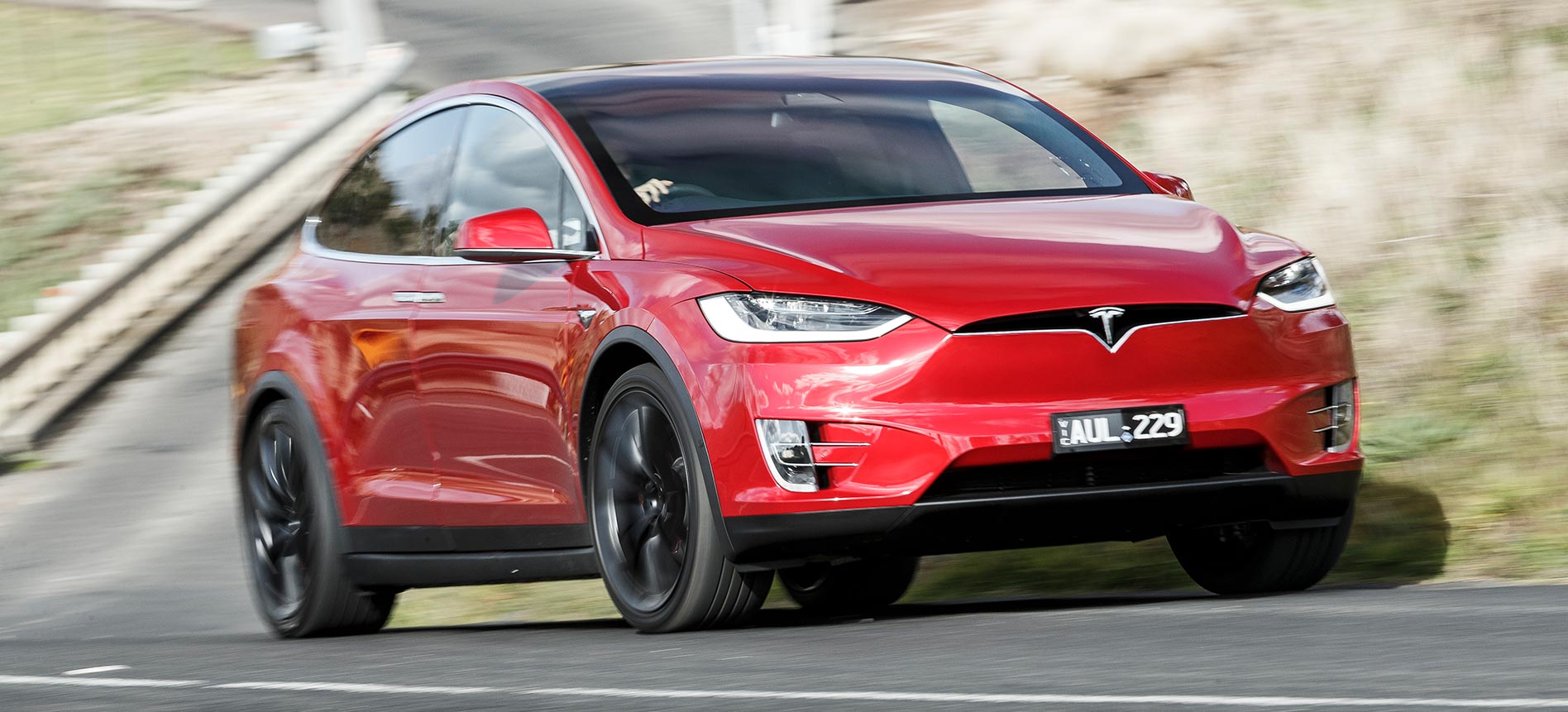
The list of cars includes the 2012-2019 Tesla Model S sedan, the 2016-2019 Tesla Model X SUV, and 2018-2019 Tesla Model 3.
It’s alleged that 110 crashes and 52 injuries have resulted from the unintended acceleration events. No deaths have as yet been alleged.
Tesla points to its record with the safety agency, pointing out that the majority of claims raised in the petition have already been discussed.
“In every case we reviewed with them, the data proved the vehicle functioned properly,” reads the statement.
“As is the agency’s standard practice in such matters, NHTSA will carefully review the petition and relevant data,” the NHTSA said in a statement.
The petition quotes numerous owner reports of the alleged incidents.
“While I was parking sudden acceleration occurred vehicle jumped the curb and the vehicle smashed the building went thru[sic] the wall,” read one complaint from the owner of a 2019 Model X in California.
“There were twice prior incidents with no accident but freaking out within last 4 weeks. The vehicle was in motion in city street all three instances. All three incidents I was turning the corner or parking with less than 5 miles per hour [8km/h].”
The agency will now conduct its own technical analysis of the incidents reported in the petition. It can then either deny the petition in its entirety or open a defect investigation, which is the trigger for a potential recall.
It sounds like a home shopping network product; a car seat that fools your body into thinking you’re exercising while you sit on your tush driving.
But Jaguar Land Rover is quite serious about its ‘shape-shifting’ seating system that’s designed to tackle the health risks associated with sitting down too long.
The ‘morphable’ seat, being trialled by JLR’s Body Interiors Research division, uses a series of actuators in the seat foam to create constant micro-adjustments that make your brain think you’re walking.
Unlike normal massage seats in cars which that can be a godsend if you have back problems but are otherwise gratuitous, JLR’s shape-shifting seat provides clinical manipulation to your hips that simulates the rhythm of walking, known as pelvic oscillation.
While the technology won’t magically improve your fitness, the researchers believe it will it will help mitigate the health risks associated with sitting down for too long on extended journeys, including the shortening of muscles in the legs, gluteals and hips that can ultimately lead to back pain and an increased risk of injury from falls or strains.
JLR insists the seats, which can be tailored to suit different users, won’t hinder comfort and can easily be incorporated into seats that currently incorporate power adjustments and massage functions.
This research is the latest by JLR to improve driver well-being, which has previously looked at reducing the effects of motion sickness and the implementation of ultraviolet light technology to stop the spread of colds and flu.
Hold up, hold up. It’s not all about how fast a car can go in a straight line that matters. How it stops is vitally important for both performance, and more importantly, safety.
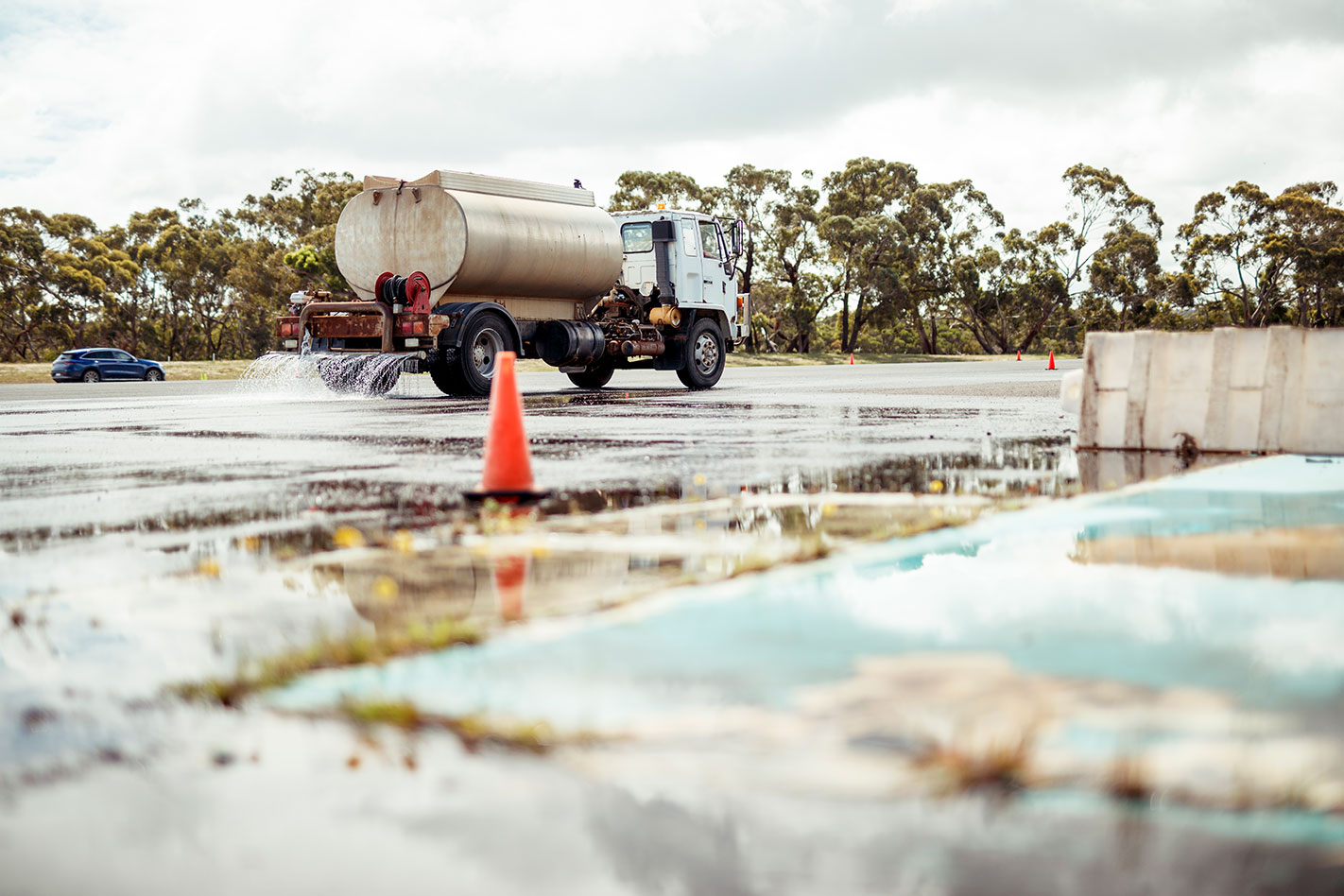
This is why at Wheels Car of the Year we not only test cars from 0-100km/h, but also from 100km/h back down to zero – and it’s carried out on both dry and wet surfaces. So let’s see what’s what.
Somewhat surprisingly, the Peugeot 508 wagon had the best stoppers on a dry surface, needing only 35.3 metres to come to rest from the 100km/h limit. What’s more, the booted Pug claimed second place in the wet discipline coming to a halt in 38.1 metres, finishing 0.4m behind the Tesla Model 3 Performance.
However, the data threw a curve ball when the mechanically identical 508 Fastback returned mid-pack results, needing 38.4m to stop on the dry track, before ballooning to 42.0m with some moisture. In regards to the latter figure, that’s a noticeable 3.9m difference between wagon and sedan.
Upon closer inspection, the state of the 508 Fastback’s Michelin Pilot Sport 4 tyres were to blame, with the five-door’s rubber looking noticeably worse for wear compared to the wagon. This proves that the condition of your tyres and the tread depth is vital to their overall effectiveness.
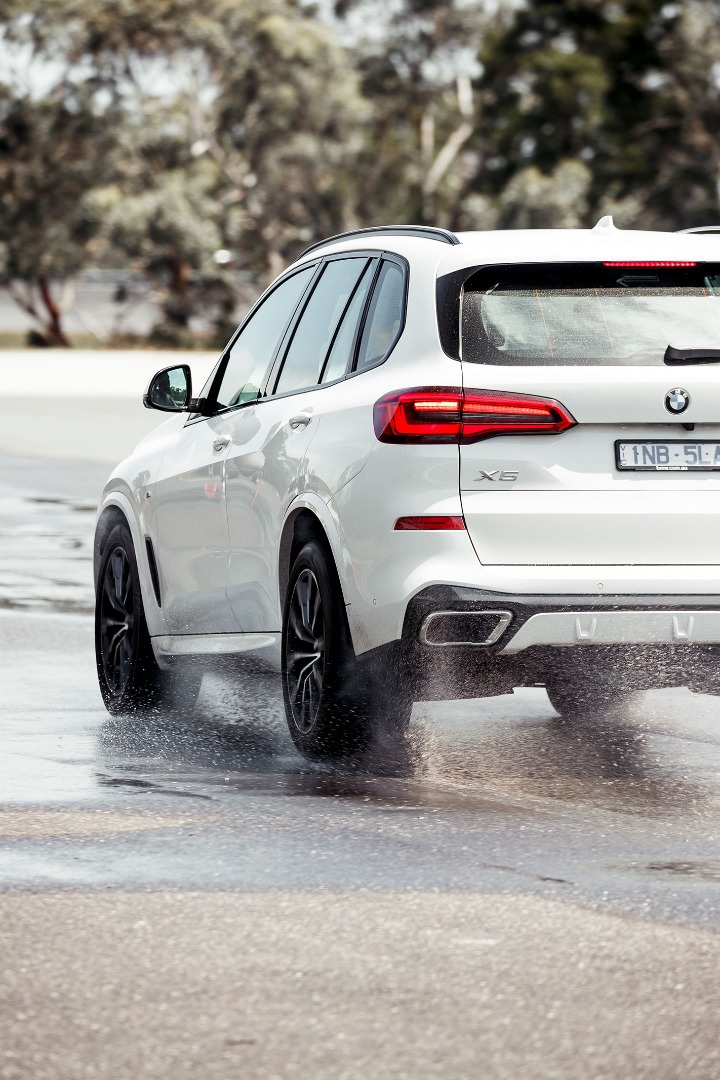
The Porsche 911 Carrera S verified its credentials by finishing second with an averaged wet/dry figure of 35.5m, while the S60 T8 R-Design (35.8m) claimed the last spot on the podium. Interestingly, the more-than-two-tonne BMW X5 30d finished fifth with 36.3m, a really impressive feat given its hefty weight.
As alluded to, the Tesla Model 3 Performance stopped in the least distance with wet conditions, before the impressive Peugeot wagon and a pair of Volvos, the V60 and S60 respectively. However, what is staggering in regards to the Tesla’s effort is that its wet distance was only 50cm further than its dry braking marker. The RAV4 also did well with two of its variants filing fifth and sixth, while surprising, given its Wet mode, the Porsche 911 only just nabbed a place in the top 10.
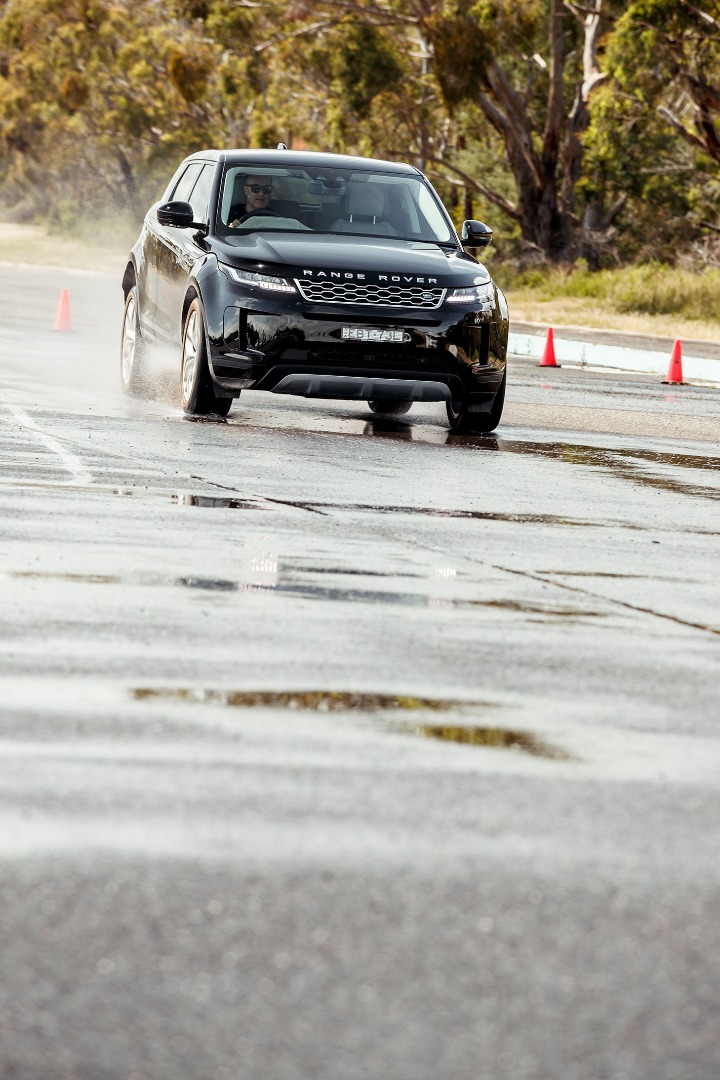
The wooden spoon has to go to someone, and this time it’s the Range Rover Evoque P250 R-Dynamic rounding up the rear in dry testing. The classy Rangie took 40.8m to come to a halt, which is a full 5.5m lengthier than the winning Pug and even 3.1m more than the Model 3 Performance when the EV is braking on a wet surface.
In terms of wet braking, the tail-end honours were clearly claimed by the Genesis G70 3.3T Ultimate Sport with a figure of 48.1m – or a full 1.4m behind the second furthest reading of 46.7m achieved by the Mazda 3 G25 Astina sedan.
For a full rundown of the figures, pick up a copy of the COTY edition of Wheels magazine from February 3.
Genesis has revealed that its very first electric vehicle, due to make its debut mid-2021, will continue the company’s ventures into high-rider territory as a more multi-terrain focused crossover, not a sports or sedan model.
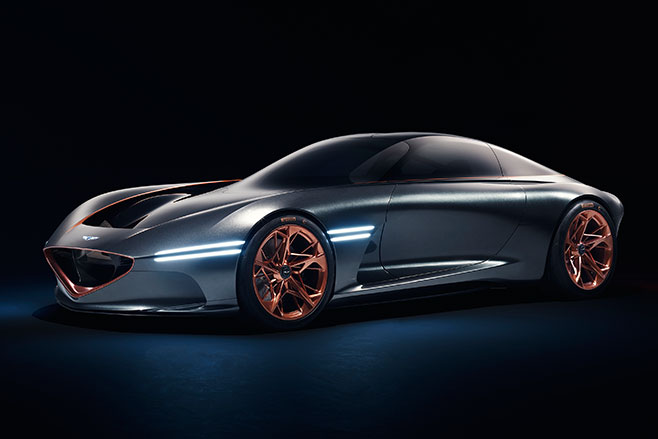
Previous concepts such as the Essentia high-performance coupe and charming Mint city coupe hinted that a more performance-bent model may be the electric pioneer for the luxury brand. However, speaking at the global reveal of the new GV80 large SUV, global head of Genesis brand William Lee revealed its first EV would be a small crossover.
“The electric vehicle is coming in the middle of next year,” he said, “It’s too early to say but it’s for sure that it’s not a sedan. It will be a crossover and it will be not big.”
While production versions of the electric coupes are still a possibility, Genesis is clearly adjusting is focus on the global shift toward SUVs and putting the priority on potential volume sellers rather than performance halos.
On home turf, more Genesis SUV choice will be welcome news where the existing G70 and G80 sedans are struggling to attract deserved attention and Genesis Australia spokesman Guido Schenken said the company would be putting forward a business case for the electric foray in local showrooms.
“We are actively pushing to bring all future Genesis models to Australia,” he said. “We are extremely excited about the brand’s potential locally and an all-electric car would be a great addition to our expanding product portfolio.”
While an electric model of any segment has its work cut out in Australia’s generally EV-frosty market, there’s more good news from the Genesis boss regarding another more conventional SUV due to join the Genesis ranks.
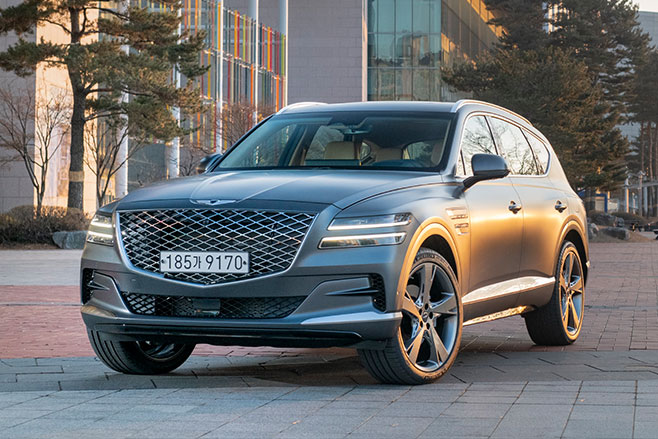
“The second SUV is called GV70,” said Lee. “It will become available within one year.”
Some speculation has surrounded the next SUV instalment for the South Korean brand but the line-up is now shaping up.
“In a year and a half we will have three sedans, plus two SUVs, plus one EV. In the future we will have more electric vehicles.”
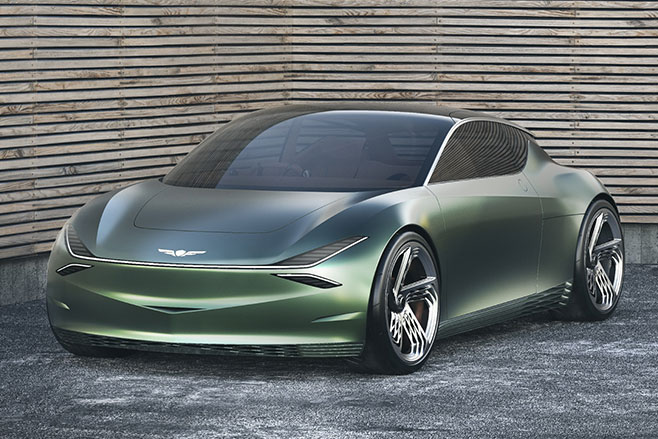
No additional detail was revealed regarding the new EV, although Lee did offer one tantalizing insight, describing the model as “comparative” to the Hyundai Kona, although it is not clear if the Genesis boss was referring to the size, performance or price.
Nor has any teaser image or concept offered a glimpse at what the new arrival may look like, although a picture snapped during global reveal of the GV80 (above) may include a shady outline of the model.
With the recent announcement that Infiniti – Nissan’s ambitious luxury spin-off – was shuttering operations in Australia, the progress of any similar premium brand off-shoot will be closely scrutinized Down Under.
But Lee made assurances that the company is aware of the challenges involved with establishing a premium offering, even in Australia’s unforgiving landscape.
“It’s the same market but we have a different project from Infiniti. We already knew that Infiniti was retreating in Australia and many other markets. We are confident we will have the right product portfolio for the Australian market.
“Globally their product had a different challenge. We are in a different situation.”
With the recently revealed GV80 large luxury SUV heading to Australian showrooms in the middle of the year, the company’s sales are expected to shift up a gear, although the true reception will depend largely on as yet unconfirmed pricing.
While there has been a move away from sedans to SUVs, there is still a market for the traditional booted four-door offerings.
Proof of this is the fact the 2020 Car of the Year field is flush with four new sedan models – all from premium brands such as BMW, Genesis, Peugeot and Volvo. It’s an eclectic bunch, with all having quite a different take on the same genre – which makes for very interesting testing.
Despite strong pedigree and a history of accomplished cars, BMW has only claimed the COTY gong once with the forward-thinking i3. However, the G20-generation 3 Series stands as one of the Bavarian marque’s best chances to date, even with the new X5 and Z4 also making the 2020 show.
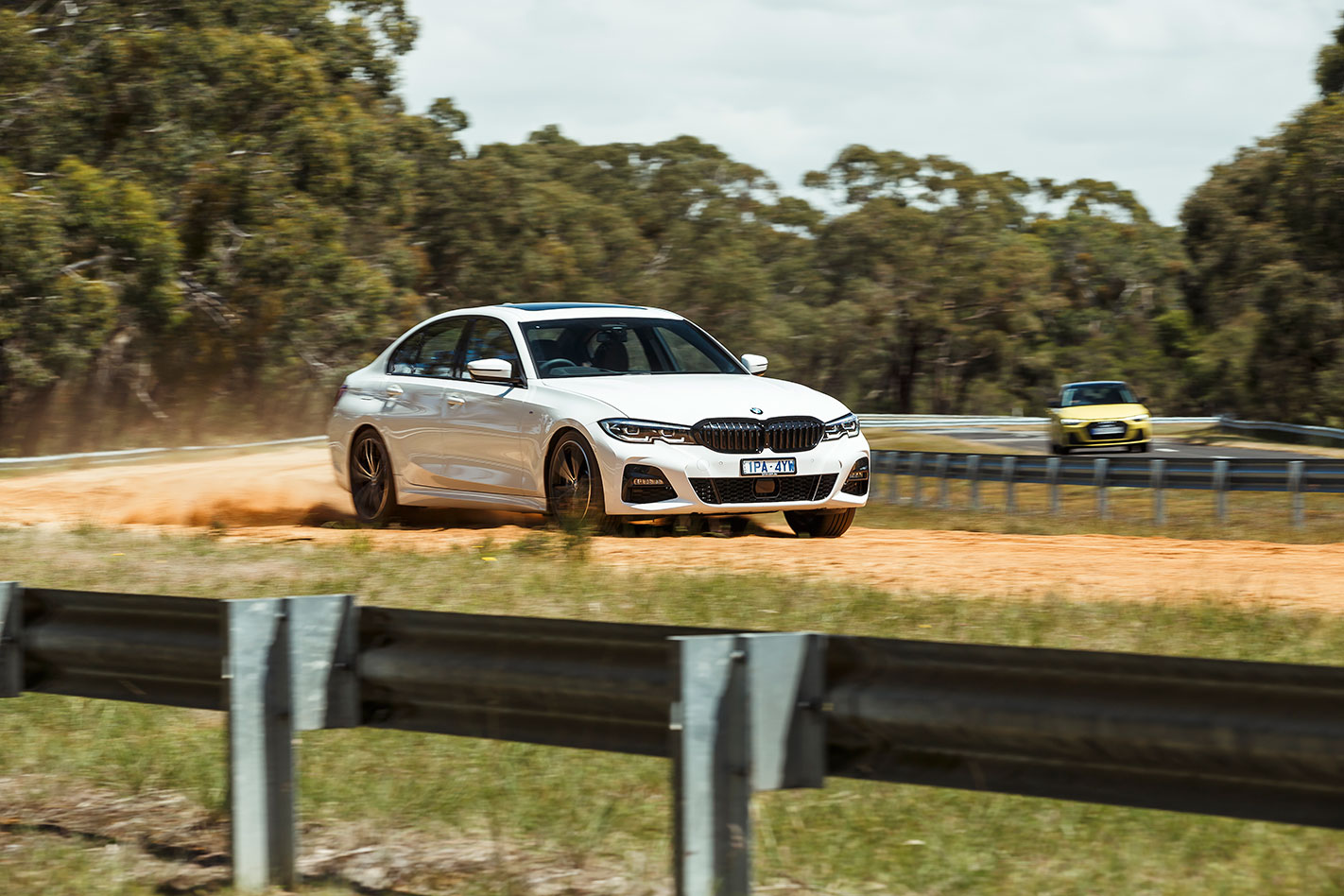
Representing the five-variant range we have the $70,990 330i and $99,900 M340i. The former, powered by a 190kW/400Nm 2.0-litre four-cylinder turbo, is the sweet spot in the range for price and performance (it’ll reach 100km/h in less than 6.0sec). The latter, flush with xDrive all-wheel drive and 285kW/500Nm, is every bit the M-light car you expect – especially with a 0-100km/h time of 4.5sec. A new interior/exterior design also helps keep the premium-sedan fighter fresh.
The Genesis G70 is an interesting mix. Its two flavours, either four- or six-cylinder turbo, deliver distinctly different driving experiences wrapped in the same up-market clothes. As Hyundai’s off-shoot premium brand, the G70 ups the interior quality while utilising mechanical gubbins already within the Hyundai/Kia family.
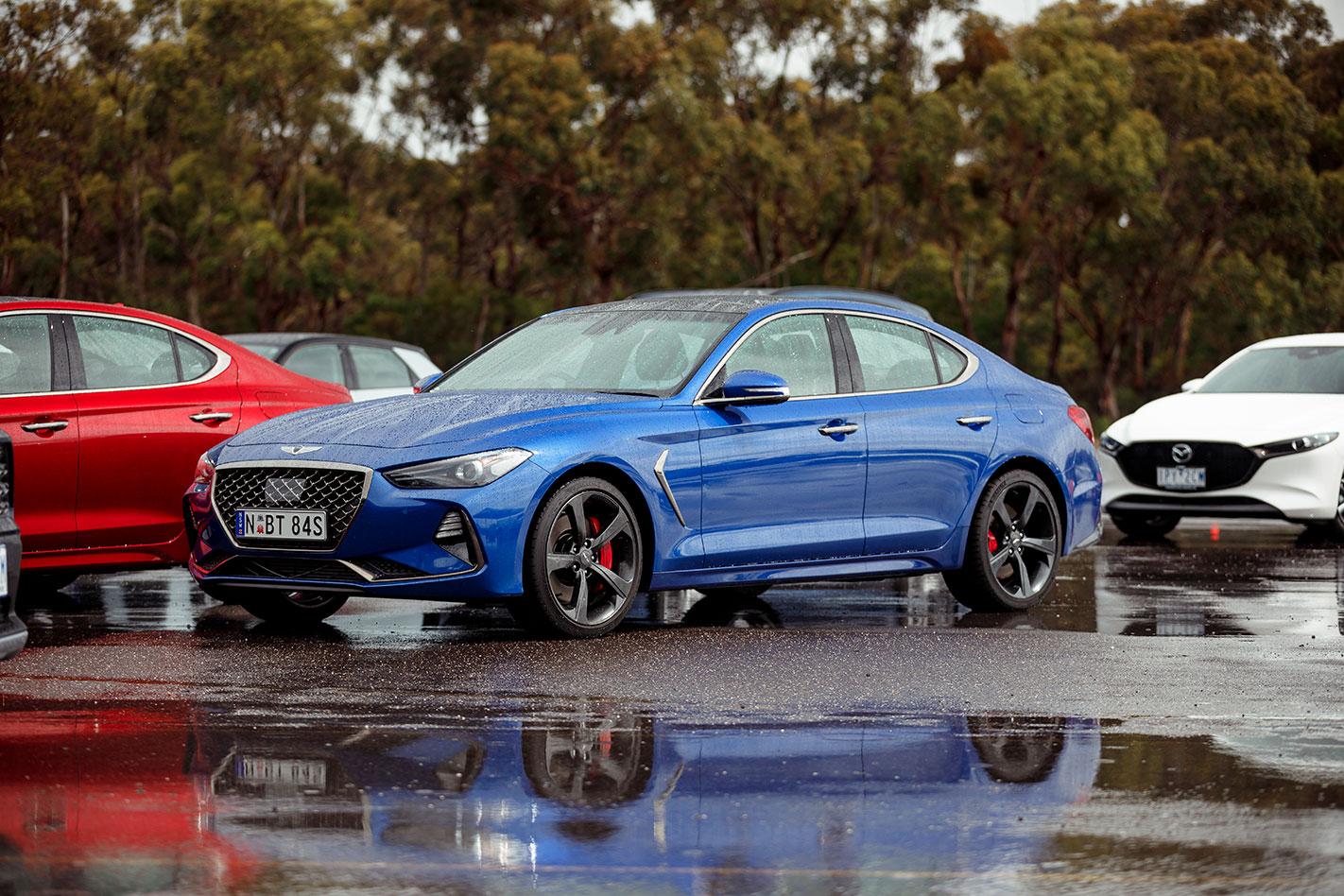
Both the engine types are present, with the $63,300 G70 2.0T Sport and $79,950 G70 3.3T Ultimate Sport representing the six-variant range. Visually both look identical, but as the name suggests, the 2.0T uses a 2.0-litre four-cylinder turbo with 179kW/353Nm, while the 3.3T is endowed with a 3.3-litre twin turbo V6 with 272kW/510Nm. You’ll also find those engines in Kia Stingers.
Peugeot’s new 508 already has runs on the board at Wheels – it’s a comparison winner. It claimed that win on strong merit thanks to its light body providing eager dynamics and its opulent cabin providing real appeal. While it’s more of a five-door liftback, the 508 provides the four-door-sedan experience with extra style.
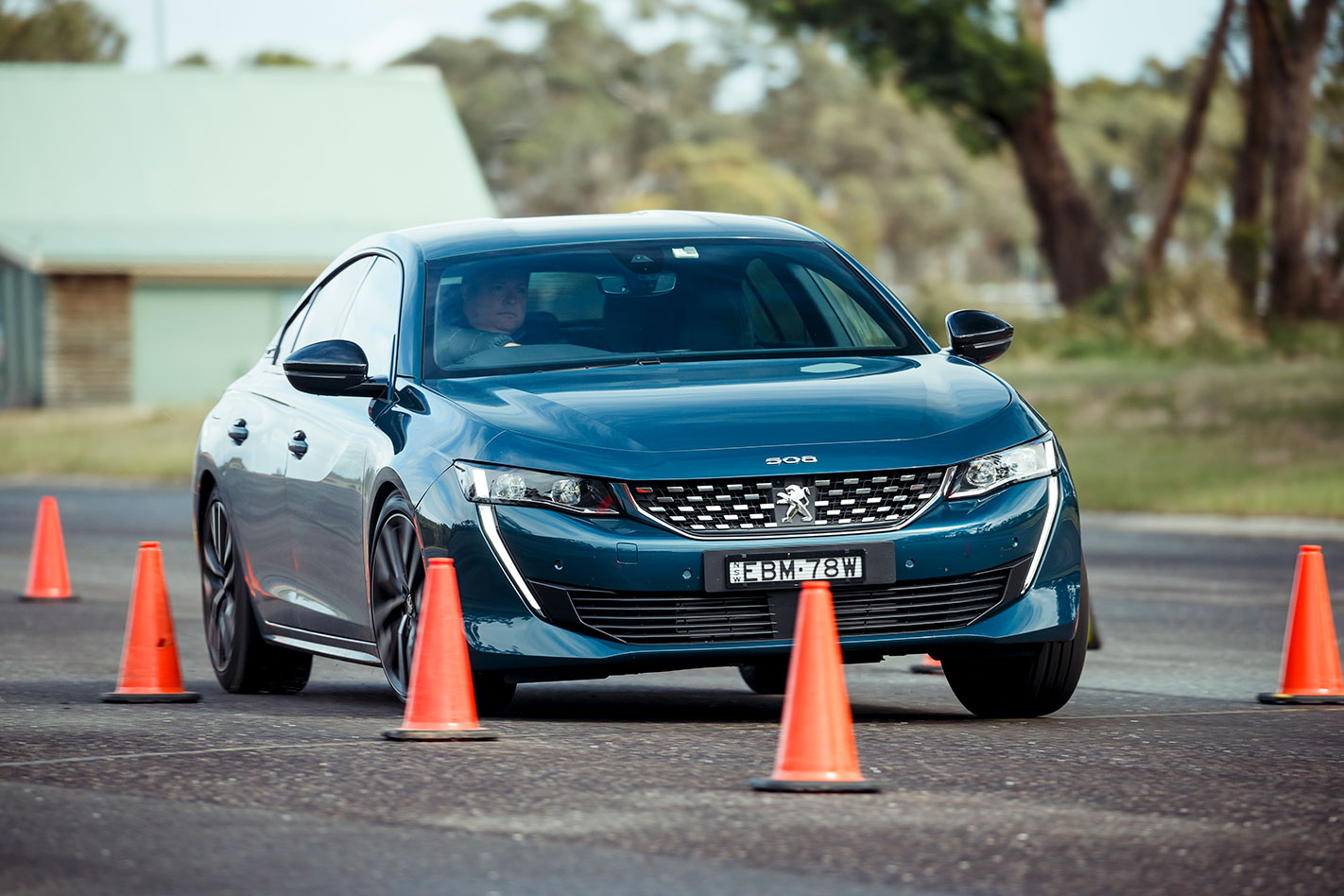
At $53,990 it also represents good value. The GT-spec 508 has all the bells and whistles you could want with a 1.6-litre four-cylinder that truly punches above its weight. The turbo Prince unit delivers 165kW/300Nm, which is channelled to the front wheels alone via an eight-speed auto, and balances both performance and consumption nicely.
That leaves the venerable Swede, the reigning COTY champion with its XC40 SUV. But this time it’s down to the revamped S60 (and V60) to uphold the Scandinavian brand’s honour. The mid-size premium sedan is undeniably upmarket inside, with high-quality materials and infotainment (like its rivals here).
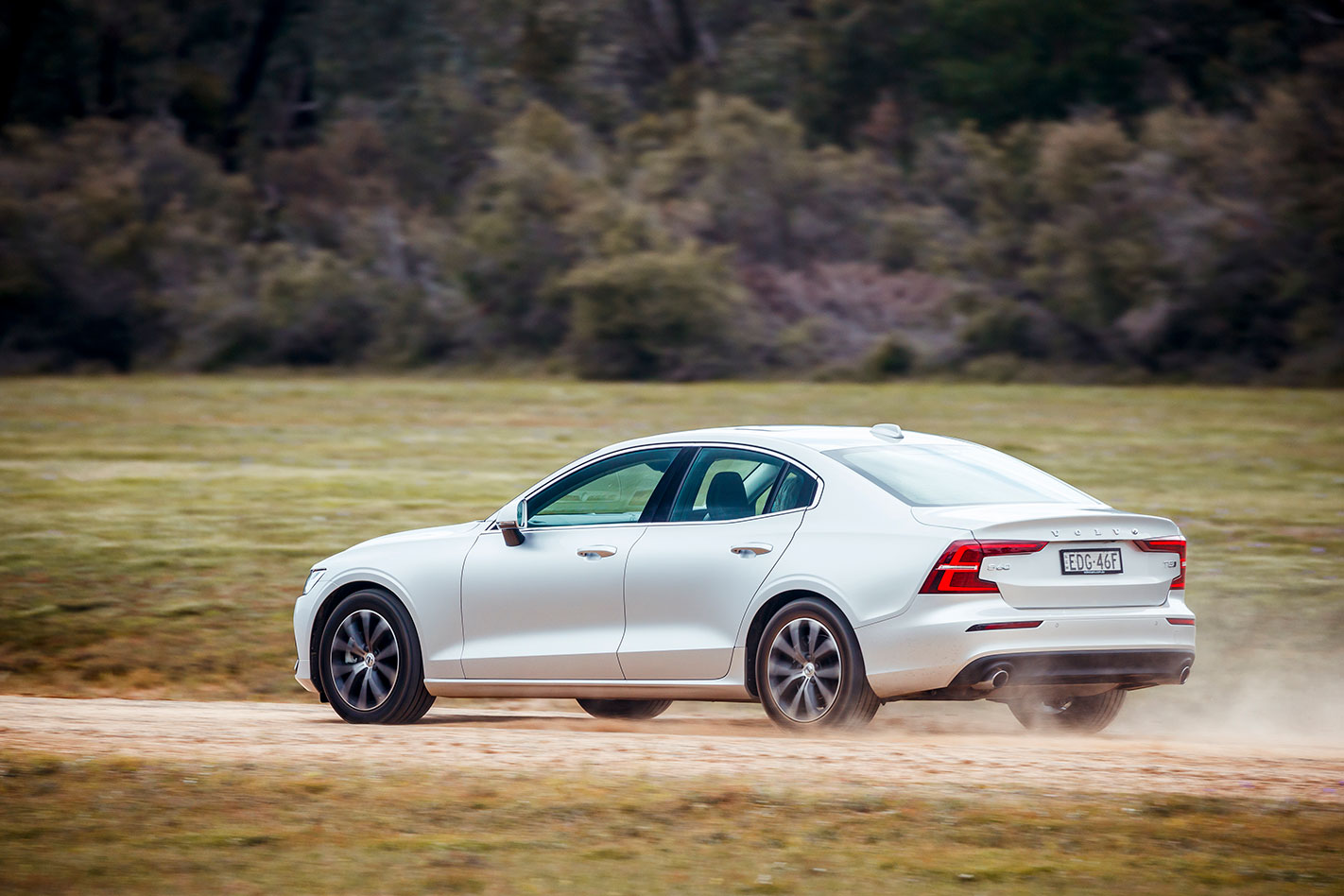
Available for evaluation is the base model $54,990 T5 Momentum and the top-grade $85,990 T8 R-Design. The cheaper option uses a conventional 187kW/350Nm 2.0-litre turbo four-cylinder, with the range-topper is fitted with a turbo-supercharged-hybrid version of that engine, which is good for 311kW/670Nm. Both are all-wheel drive and use an eight-speed automatic.
There are outliers, too, with both Mazda and Tesla offering differing variations on the customary four-door sedan with the 3 and Model 3 respectively.
If you want more information on the Tesla Model 3 it will be detailed in our upcoming COTY EV contenders story. Stay tuned.
Barrett-Jackson’s Scottsdale auction produced a few interesting highlights, including the sale of the Ferris Bueller’s Day Off Ferrari California and a collection of Paul Walker’s personal vehicles, but the biggest sale comes thanks to the first production Chevrolet C8 Corvette Stingray.
At USD$3,000,000 (or AUD$4.36 million), VIN 001 sold with the entire hammer price going to charity. Its buyer? Rick Hendrick, NASCAR team owner and former racer himself.
But the car that rolled across the block was a pre-production car, present as a representation of the car Hendrick will receive.
“The car shown and crossing the auction block is representative of the actual vehicle the winning bidder will receive, which will be a black-on-black Corvette 3LT loaded with every available option, scheduled to be built during the first quarter of 2020,” Barrett-Jackson said of the car before its sale.
“The entire hammer price of this sale will benefit Detroit Children’s Fund – a non-profit organization that makes targeted investments to grow the number of quality schools in Detroit.”
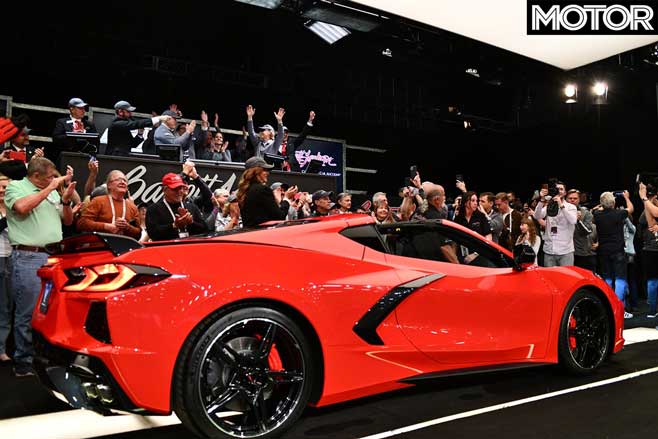
General Motors CEO Mary Barra was also on stage to oversee the sale of the first production mid-engine ‘Vette, saying the men and women of GM have, with this car, taken the Corvette “to the next level.”
Within 10 seconds of bidding beginning, the price had shot up from USD$200K to $1 million, becoming double that another 10 seconds later. One minute in, and the sale price had been reached before auctioneers gave other bidders an extra minute to jump in.
Although General Motors has made no official pronouncements on the pricing of the Corvette C8 here in Australia, the nods and winks we’ve been given so far seemed to suggest it would retail at around $170,000. We’ve since been tipped off by a senior source in the know that it could be considerably less.
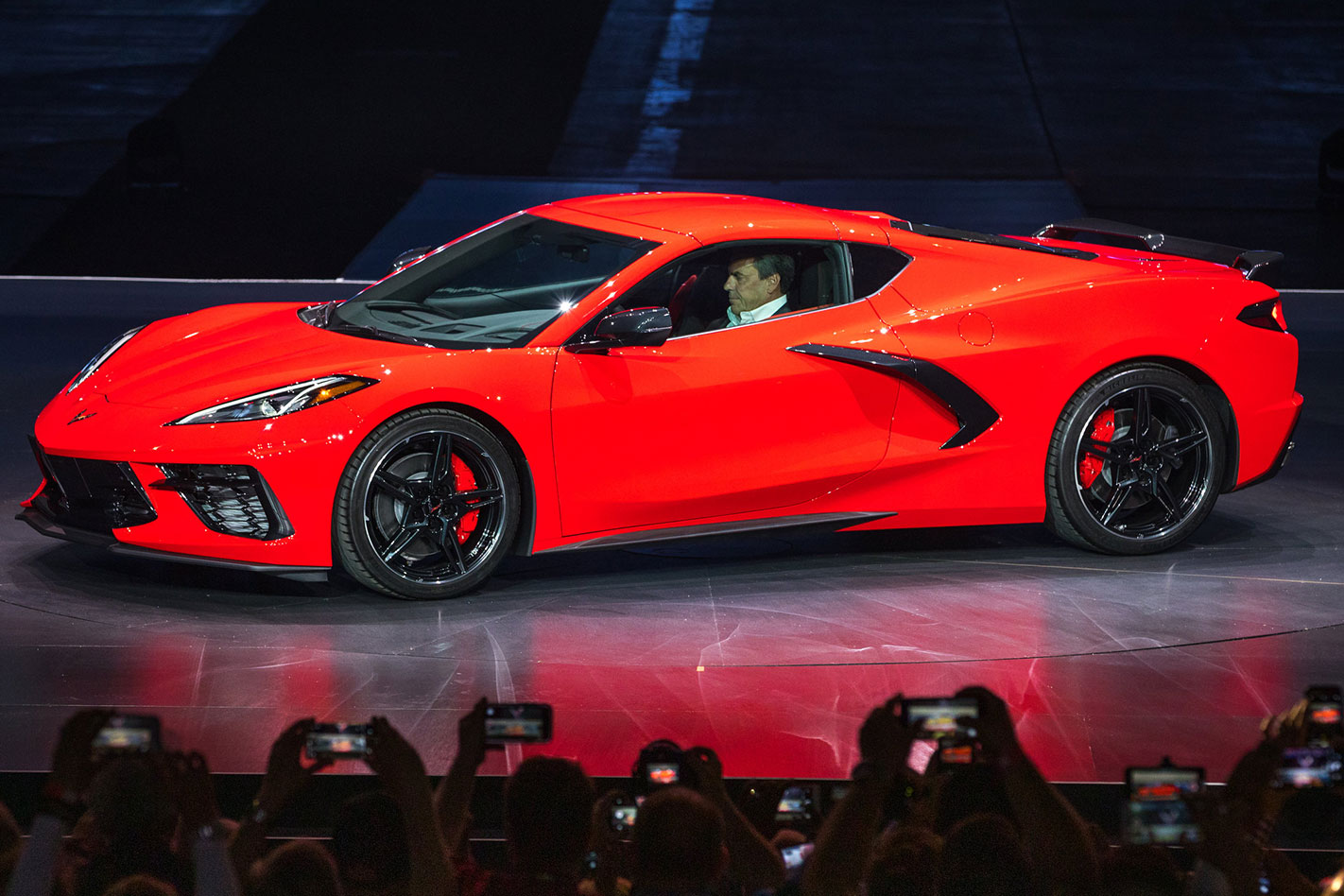
If our source, who cannot be named, is correct, the asking price for the C8 could well see enthusiasts getting a decent slice of change from $150,000, which would make the Corvette extremely strong value. Porsche’s recently announced 4.0-litre flat-six Cayman GTS is about the closest mid-engined rival, and that’ll carry a $178,680 price tag (with PDK transmission). But while Porsche delivers 294kW/420Nm for that sum, the C8 ‘Vette dishes up a supersized 369kW/637Nm serving.
The pricing strategy behind the C8 appears to have been to suggest the higher price and then deliver a pleasant surprise, much as Toyota did at the launch of the 86 when the company floated a $40K price tag only to then launch the car at a base price of $29,990.

Our source also tells us that the very first right-hand-drive C8 has been earmarked for General Motors’ VP of Global Design, Mike Simcoe, who’ll be able to drive the right-hooker in the US before then shipping it back to Australia. It could well be a future collector’s item.
Simcoe may be a fan of the C8, but he arrived in the big chair a little too late to effect changes to the styling of the mid-engined supercar.
A collection of 21 vehicles owned by the estate of late actor and car enthusiast Paul Walker has been auctioned the 49th annual Barrett-Jackson Scottdale auction.
Update: Details for each lot have been added to this story as Barrett-Jackson has included more information in its listings.
Best known for his role as Brian O’Conner in the Fast and the Furious franchise, Walker was an avid car enthusiast who was sadly killed during a drive in a Porsche Carrera GT in 2013.

Included in the sale were five rare BMW E36 M3 Lightweights, which were built as homologation specials by BMW for the US, all in Alpine White with the BMW M colours in the form of a flag on the hood.
Barrett-Jackson says this was the most E36 lightweights ever sold at a single auction, of the 125 estimated to have been produced.
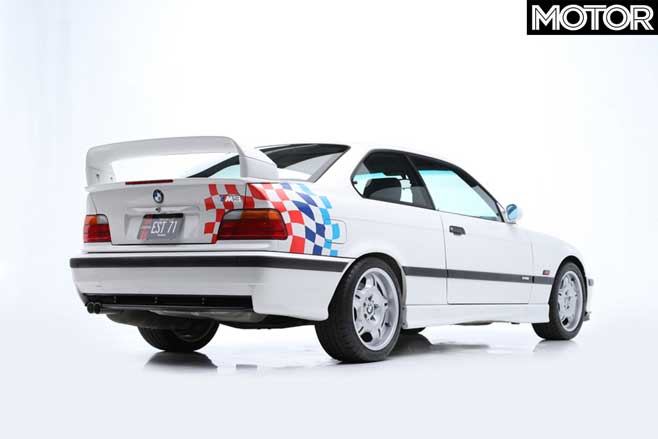
As well as the five E36 M3 Lightweights included in the sale, a Fast and the Furious film car (from Fast Five) sold, specifically a Nissan 370Z which became part of the ‘collection’ of cars the team amassed in the film.
There are pickups and motorbikes in the mix of 21 vehicles, but below are the highlights from the sale according to us, with sale prices in USD and AUD.
1967 Chevrolet II Nova
USD$60,500 / AUD$87,880
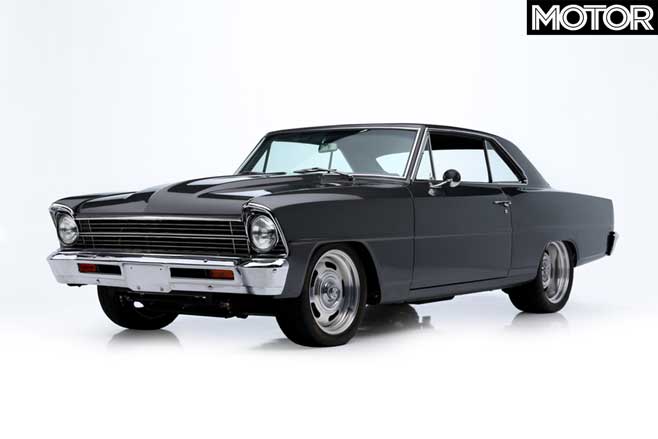
Built with the help of the founder of Year One, a company involved with supplying parts for the cars used in the production of 2Fast 2Furious. Walker and Year One president Kevin King became mates and built this car as a daily cruiser.
1988 & 1991 BMW M3 E30
1988: USD$165,000 / AUD$239,670
1991: USD$220,000 / AUD$319,560
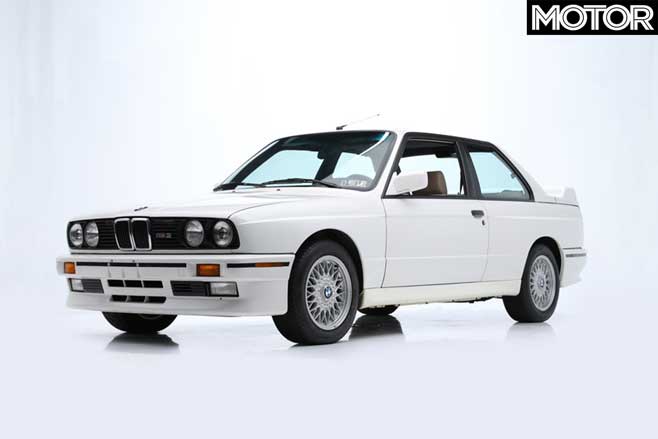
Walker owned two E30 M3s, one (the 1988) now with 51,920km and the other (1991) with 10565km on the odometer, but both in Alpine White with 2.3-litre inline fours good for 145kW in the US.
1989 Nissan R32 Skyline Race Car
USD$100,100 / AUD$145,400
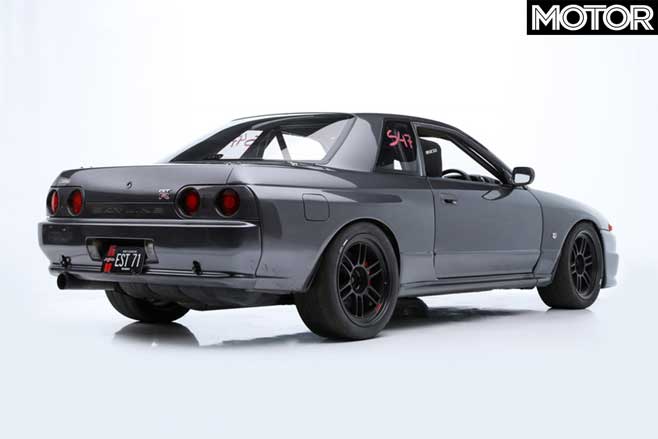
Built for the track, this R32 has pretty much no interior save a cage and race seat, as well as the dash. Engine upgrades from HKS and A’PEXi have been carried out, but Barrett-Jackson doesn’t quote a power figure.
Five 1995 BMW M3 E36 Lightweights, one with an iconic LTW wing and ‘livery delete’
1. USD$385,000 / AUD$559,220
2. USD$258,500 / AUD$375,478
3. USD$242,000 / AUD$351,510
4. USD$220,000 / AUD$319,560
5. USD$220,000 / AUD$319,560
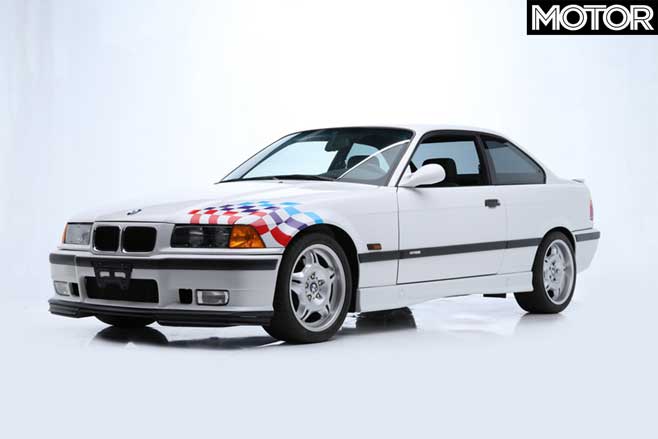
These are some of the rarest M3s in the world (only 126 were built, though that’s plenty next to the 15 E36 M3Rs built by Frank Gardner Racing in Australia) were owned by Paul Walker. He had five of the things, across a couple of different specifications in terms of wings and liveries, though mostly they’re mechanically the same.
One of the M3s is “unique in that it does not feature the diagonal M motif tri-color checkered graphics, nor does it feature the traditional Lightweight rear spoiler.” I.e, sleeper-spec. That one sold for only $220K, while the most expensive was the one which had driven only 4700 miles.
2000 Audi S4
USD$29,700 / AUD$43,140
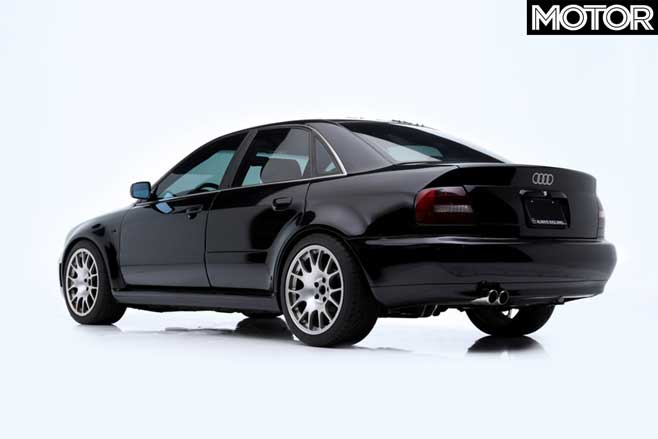
Something slightly more daily-friendly, Paul Walker’s 2000 S4 is up for grabs in stunning condition, though Barrett-Jackson doesn’t reveal any specifics about mileage or its prior use. It does still have its original 2.7-litre twin-turbo V6.
2009 Nissan 370Z (used in the Fast Five film)
USD$105,600 / AUD$153,390
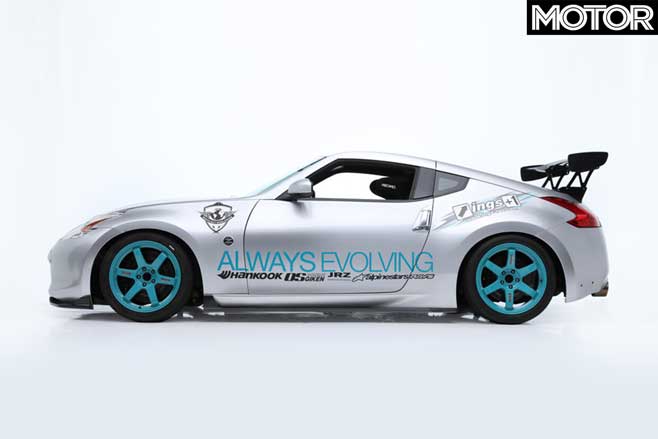
Used in the Fast Five film, this 370Z is relatively stock bar a few minor visual modifications and the decals referencing Reach Out Worldwide, Paul Walker’s charity.
2013 Ford Mustang Boss 302S Race Car
USD$95,700 / AUD$139,010
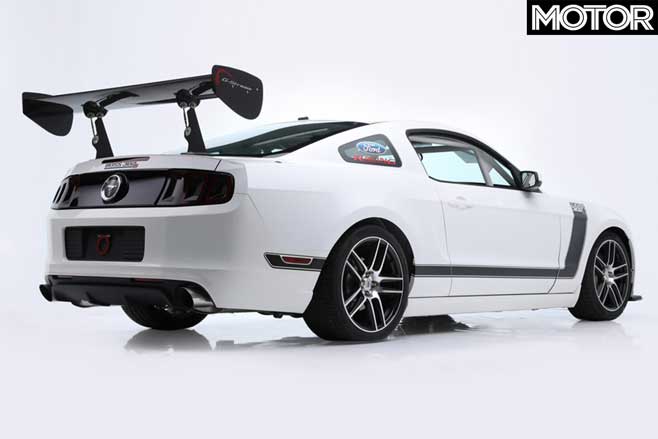
With plenty of Ford Racing kit in the engine bay and in its engine calibration, the Boss 302S owned by Walker isn’t exactly street legal. It is, however, awesome.
It was reportedly a gift from a fellow racer, and had barely been driven by Walker. Barrett-Jackson says the car, as it sits, is essentially new.
The auction is set to take place on January 11-19, 2020.
