
Victoria’s state government has supported a move by councils to reduce speed limits by up to 20km/h in an effort to curb a drastically rising road toll.
The first council to slash speed limits is the Mornington Peninsula Shire Council, with 38 roads that are marked as 100km/h or 90km/h zones being reduced to 80km/h as part of a two-year trial.
The shire leads the Victorian road toll, according to The Age, with 14 deaths so far this year. The trial will only apply to what the council has deemed “high-risk sealed rural road”, not main arterial roads.
Victoria’s road toll is skyrocketing, with 250 deaths so far this year, compared with 198 for the same period last year – an increase of 26.3 percent.
Of the 265 deaths on Victorian roads that have occurred in the past 12 months, 144 have been in rural areas and 121 in Melbourne.
The most common crash type is described as ‘run off a straight road’, accounting for 60 deaths in the past 12 months. The TAC does not provide statistics for whether speed is a factor.
Victoria’s state road minister, Jaala Pulford, told The Age that the Government would consider similar proposals to reduce speed limits from other councils.
“Our view is that these things need to be looked at on a case-by-case basis and the Mornington Peninsula case that they put to us was very powerful,” she said.
“If other councils similarly want to put a case about what they think is best for their community, then we will take them seriously. We will look at them carefully.”
The policy has been labelled by some as lazy, with the opposition rural roads spokeswoman Roma Britnell telling The Age that the focus should be on investing in road maintenance rather than lowering speed limits.
“They’ve made the wrong decision with the Mornington Peninsula,” Ms Britnell said. “This lowering of speed limits is lazy policy.”
The RACV has strongly supported the trial but qualified any ongoing changes, with a spokesperson saying: “Any speed reduction needs to be on a case-by-case basis and show the value of making this change in terms of road safety.”
The City of Greater Geelong has reportedly submitted a list of more than 20 roads for VicRoads to consider for speed limits reductions. Eleven people have died on Greater Geelong roads this year.
The City of Greater Bendigo has applied to have the speed limit on one road reduced.
Purists will struggle with the Lotus Evora Sport 410 IPS. To the Hethel diehards the idea of an automatic Lotus is anathema, completely contrary to the brand’s traditional aims of driving purity. What would Colin Chapman think?
Well, Chapman may have been a pioneering engineer first and foremost but he was also a businessman. The former may have bristled at the idea of a heavier, power-sapping torque converter auto, but catering to customers who are unwilling or unable to use a third pedal is definitely a smart business decision.
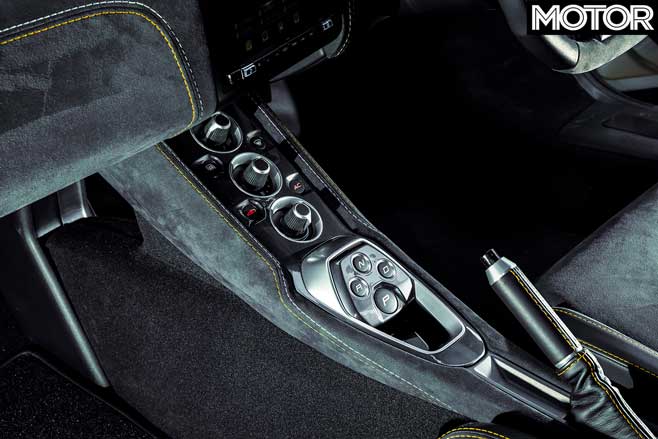
We’ve sampled the Evora Sport 410 previously and came away very impressed, but the six-speed manual can be a bit recalcitrant when rushed – when, say, changing down for a corner under heavy braking – which left us wondering whether the optional ($2000 extra) six-speed automatic might be the better choice?
There’s no power penalty for choosing the self-shifter, the 3.5-litre supercharged V6 continuing to produce 306kW/420Nm. The auto – Toyota’s U660E, if you’re curious – adds 11kg, but the claimed 0-100km/h time actually drops by a tenth to 4.1sec, though the top speed also shrinks from 305km/h to 275km/h – no big deal.
Choosing the auto also deletes the manual’s limited-slip diff, but to be honest it’s not necessary; the engine simply doesn’t generate enough torque to trouble the 285mm-wide Michelin Pilot Sport Cup 2s at the rear. In fact, it doesn’t generate enough torque to trouble anything. Exiting the tight corners of our test road, the Evora IPS felt to take an age to build revs, only really getting going in the upper reaches of the tacho.
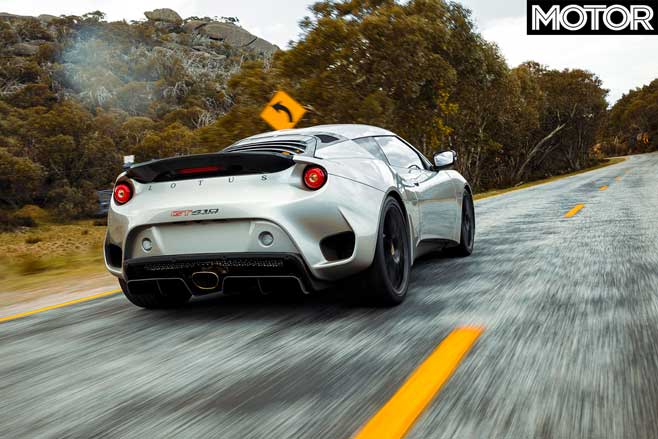
It’s odd. There’s little weight penalty, the auto’s gearing is actually shorter and I don’t remember the manual feeling particularly lethargic. One possible explanation is that our test car was extremely new and needed a few more kilometres to loosen up, but it certainly didn’t feel 4.1sec-to-100km/h quick.
Thankfully, the Evora 410 emits one of the world’s best exhaust notes to keep you entertained and if that’s not enough, there’s always the incredible chassis poise and outstanding steering to enjoy. The brakes are a little soft at the top of their travel but you can drive very hard with complete confidence as there’s an immense amount of grip to lean on.
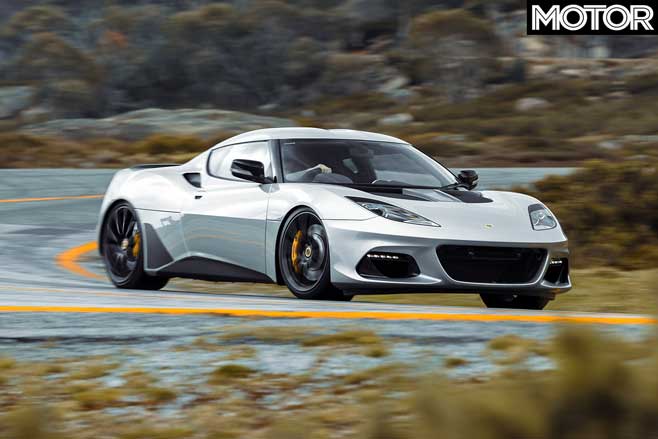
Crucially, the auto doesn’t kill the fun. The shifts aren’t dual-clutch rapid and you have to be slightly patient with downshifts, but there’s a nice little mechanical kick on upshifts and, as you’d hope, in urban commuting it’s zero fuss.
But also slightly confused. Lotus understandably positions the auto Evora 410 as more of a ‘Touring’ variant, yet it’s still equipped with Cup 2 tyres – great for grip, not for ride or refinement – and the carbon engine cover, which looks great but results in essentially zero rear visibility. In the end, choosing the auto probably only robs you of 10 per cent or less of he Evora 410 experience. However, it’s that 10 per cent that makes all the difference.
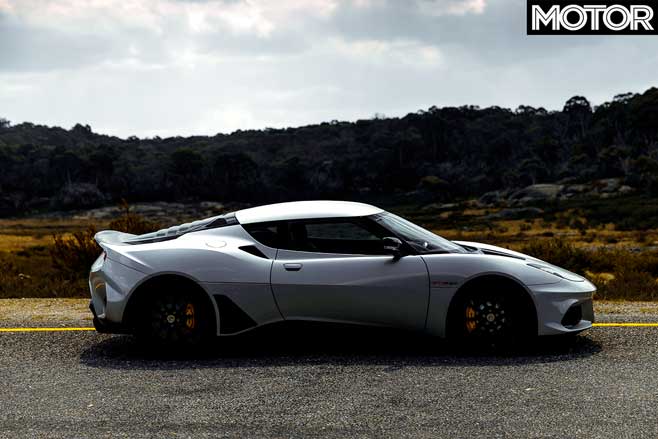
LOTUS EVORA SPORT 410 IPS SPECS Engine: 3456cc V6, DOHC, 24v, supercharger Power: 306kW @ 7000rpm Torque: 420Nm @3500rpm Weight: 1372kg 0-100km/h: 4.1sec (claimed) Price: $181,990
I’ve just done something that I hadn’t done for way too long: I went for a drive. Not like a well-worn schlep to a workplace, a stolen Sunday morning up to an inexplicably 60-signed ‘tourist drive’, or even the favoured, five-hour trek inland to my in-laws’ farm. Nope, I allowed myself two weeks and, with little more than a loose list of places I hadn’t been in a while, I kissed the missus and hit the road.
I called it a ‘head-enema’. If you haven’t had a long solo trip in a while, I thoroughly recommend it.
I’ve done some epic road trips, many thanks to this fine publication. Some from the past decade include zig-zagging the Great Dividing Range in a Mercedes-Benz SLS AMG; driving the 5000km, four-day Cairns to Melbourne leg for Wheels’ lap of Australia in a Porsche 911; and Darwin to Broome via the Gibb River Road in a Land Rover Discovery.
A constant on these, and many other ‘work’ trips, was the presence of photographer Thomas Wielecki. We’ve become (too) accustomed to each other’s quirks on the road, like Wielecki’s immediate befriending of every small town’s resident victim-pickling psycho, my habit of talking too much and only ever about myself, and our mutual inability to pee in public urinals.
This trip was the first chance I’ve had in at least three years to spend long, consecutive hours solo at the wheel, getting my car all hot and dry and dirty, stretching its legs somewhere out beyond so-called civilisation.
Driving solo, I also get to listen to my obscure 1980s music as loudly as it deserves, push as hard through corners as I dare, and sleep contented in the sorts of motels where my wife would cover the entire room with paper towels before sitting down. I decided to limit the driving to about four hours each day, allowing time for walks on beaches, casting pebbles into still ponds, et cetera.

Last year, my 1989 Porsche 911 Carrera 3.2 ticked over 200,000km, a quarter of those in my seven years of owning it. I figured on adding two to three thousand more on this trip.
My mental mud-map was to head from my home in Sydney, up the coast to Coffs Harbour and then either press on to Byron Bay, or head inland on a big, south-western arc.
Just over two hours after leaving Sydney, I had lunch at a pie shop in Raymond Terrace. Wielecki and I once stopped there, in a Wicked camper van. I texted to say I was missing him.
I didn’t go to Byron Bay, instead lounging around with my cousin in Coffs. Thence inland over Waterfall Way, where it had snowed the previous night; a zig-zaggy detour down Thunderbolts Way, with a lunch stop by a quiet creek, sitting on the 911’s front bumper. In Tamworth, I burned a couple of hours in the motorcycle museum over a cuppa with Noel, the caretaker.
There were fantastic, fast roads, patches of pelting rain and leaden skies, strips of snow on the roadside. This gave way to reddish sand and dry, grey fauna, pit-stop towns with weatherboard general stores, schoolyards where kids would wave at the grey 911 chortling by.
I could feel the 911 filling its lungs, stretching its legs and fingers as it galloped over narrow, ripply roads, the wheel jogging loosely in my hands. In the city, with the 3.2’s fairly breathless bottom end (peak torque’s way up at 4800rpm) and single-mass flywheel, it always feels like a greyhound kept in a courtyard.
Somewhere near Parkes, NSW, the westernmost point of my trip, I realised that I had given absolutely no thought to taking a 30-year-old European performance car out to the back of buggery. My only pre-trip car preparation had been to leave a roll of toilet paper in the boot while unloading the shopping.
I’m not sure if that was for me or the car. We look after each other.
This is quite something. It’s the first time that cars from all three eras of Bentley’s racing history have been driven on the same bit of track, at the same time, and they’ve come together at Silverstone to celebrate Bentley’s centenary.
Each has their claim to fame. The Continental GT3 is Bentley’s latest competition car, a state-of-the-art racer in the most competitive category of sports car racing. The old Blower is not merely Sir Henry Birkin’s own car, and the one in which he led Le Mans in 1930, but the one that remains the most original of all racing vintage Bentleys. And the one that sits in the middle chronologically is the actual 2003 Speed 8 Le Mans winner.
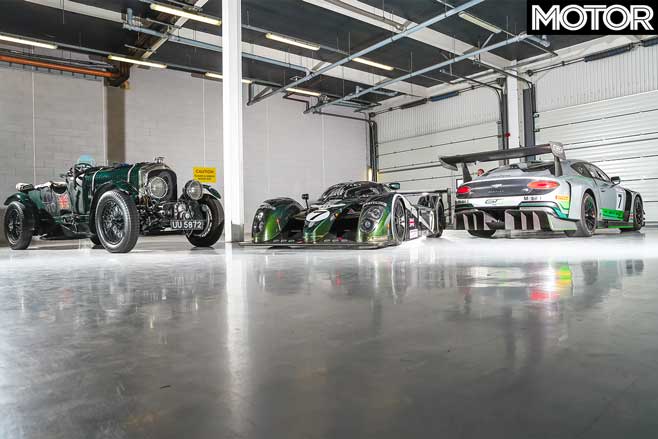
Bentley hasn’t always been a racing brand – for 71 of those 100 years Bentley didn’t race at all – but racing was there from the start. In fact, Bentley raced long before it got around to delivering a car to a paying customer in September 1921, and over the following decade it put Britain on the racing map.
True, Bugatti and Alfa Romeo dominated grand prix racing, but Bentley’s five wins at Le Mans between 1924 and 1930 announced Britain’s presence on the global racing stage, a position from where the country has rarely looked back.
Rolls-Royce denied Bentley the opportunity to race after it hoovered up the bankrupt company in 1931. Had it been bought by Napier, as originally intended, Bentley might not have had to wait a lifetime before returning to the track. But when it did under Volkswagen ownership in 2001, the results were swift, culminating in that 2003 Le Mans win, breaking the records for both the greatest distance covered in the 24 hours and the shortest time spent in the pits. Fast and reliable: WO would have been buzzing with pride.
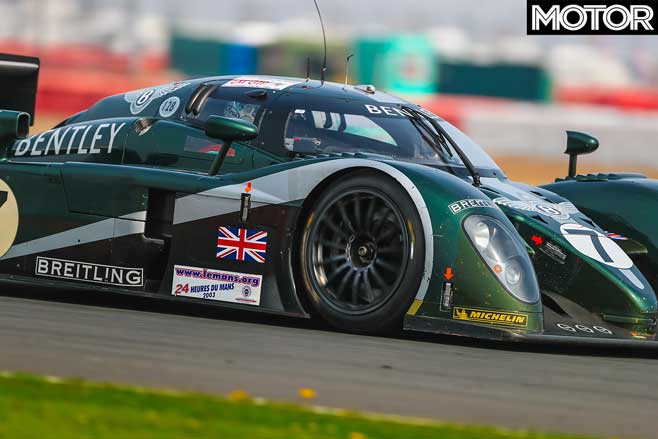
Many still regard the decision not to defend the title in 2004 as a mistake, as the car would certainly have still been favourite to win, but by then VW had spent hundreds of millions designing a new Bentley road car, transforming the factory and putting the marque back on the top step at Le Mans. It was time for the flow of money to be reversed.
How then to regard the GT3? In some respects it is Bentley’s most successful racecar yet. It’s the first to be sold as a racing car to private customers – although in the 1920s plenty raced their cars, including Canadian John Duff, who in 1924 took Bentley’s first victory at Le Mans in his – and across five seasons the first-generation GT3 car won 45 races. And this new second-generation car is quicker still.
Bentley claims that as a factory team it never entered a race it did not have a chance of winning outright. So, glossing over its first international race – the 1922 Indy 500 in which it finished stone last – we’ll move swiftly forward eight years to the other end of the original Bentley company’s racing endeavours.
4½-litre Blower review
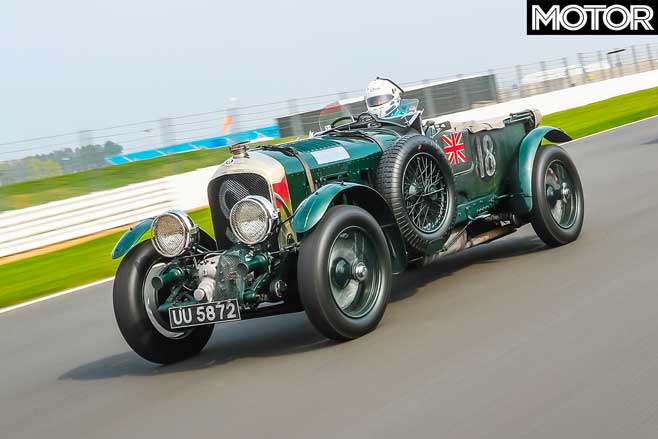
It is Le Mans 1930 and you are Sir Henry ‘Tim’ Birkin. With the money of wealthy aristocrat Dorothy Paget, you have taken the 4½-litre Bentley and fitted an Amherst Villiers supercharger.
WO Bentley is livid and can be heard muttering, ‘To supercharge a Bentley is to pervert its design and corrupt its performance.’ It doesn’t matter. WO had lost control of his company years ago and new owner Woolf Barnato, the defending Le Mans champion, is delighted.
So you are happy for your two-car private entry to unite with the three works Speed Six Bentleys against a common foe the like of which has never been seen at Le Mans – a Mercedes-Benz SSK whose 7.0-litre engine is not only larger than that in the 6.5-litre Speed Sixes, it’s supercharged. Worse, driving it is Rudi Caracciola, Germany’s finest driver. Your job is to break it.
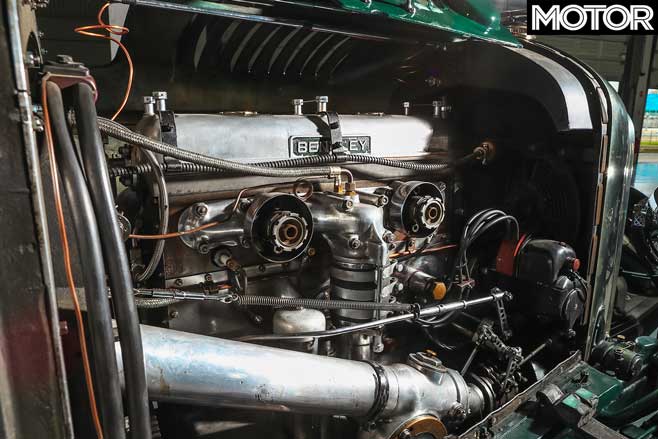
So you go haring after it. Unlike your supercharger, the Mercedes is summoned by clutch according to need; its engine is designed to tolerate the stress only briefly. So the game is to make Caracciola use his blower all the time.
Within three laps you’ve caught the huge Benz on the Mulsanne Straight. The road is narrow and the SSK is in the middle, but you’re doing 200km/h and gaining. Then a rear tyre throws its tread, mangling your bodywork as it exits the scene. What should you do? Limp back to the pits, obviously – unless you’re Birkin.
What you actually do is sail past the Mercedes, half on the grass. You don’t stop at the pits; instead you break the lap record. Birkin didn’t win the race, but Bentley did.
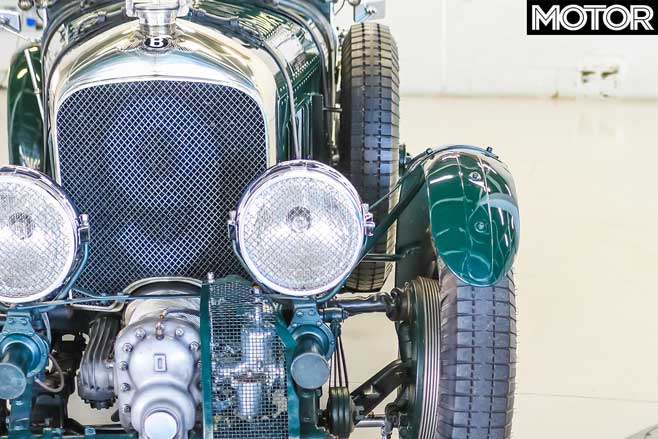
Unlike the car that did win that race, Old Number One, whose identity required a court case to settle, there’s never been any doubt concerning this car, UU5872. It’s only had one significant accident, and that was before Le Mans, for which it was rebuilt in the form seen here.
Owned for most of its life by one family, it was bought back by Bentley with VW’s money and has since been maintained, but not restored. In its imperfect and oily state, it is perfect. There are the pedals pressed by Birkin, and there is the splat of instruments that in all probability he would have ignored.
Magnetos on, ignition retarded, thumb the button and it starts instantly with the noise referred to in Bentley circles as ‘that bloody thump’. Like most vintage Bentleys, its accelerator is the middle pedal.
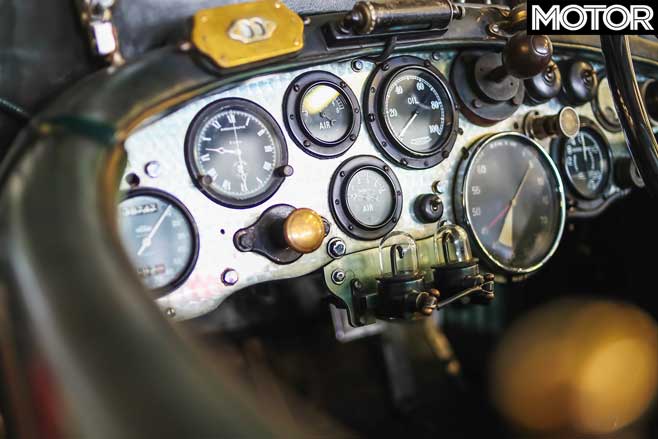
The gearbox contains massive cogs that require precision timing if they are to mesh without protest. You just have to learn the ratios – a big pause between first and second, as fast as your hands can move between second and third and something between the two for selecting top, remembering to always double-declutch and apply the appropriate rev-match throttle blip on the way down.
You can see why it was quick at Le Mans; the Silverstone international circuit has a good blend of fast and slow corners, and the quicker you’re going the happier the Blower is. In the slowest turns it feels cumbersome, not just because of its age and tyres but because that huge supercharger slung out ahead of the front wheels adds considerable mass to an already extremely nose-heavy car. Relative to its performance, the drum brakes aren’t great either, and would need management if they were to last.
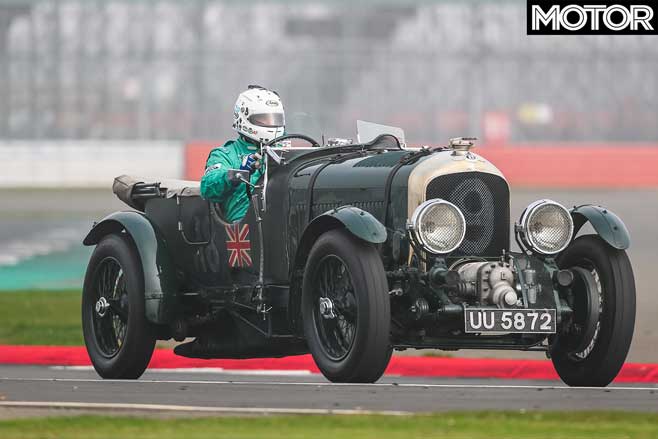
But get it percolating in the upper gears and the old Bentley is magnificent. It has around 130kW, about 60 per cent more than the unsupercharged version, and will get to around 145km/h down the Hangar Straight.
What you really want is a kilometre or five of Mulsanne so you can watch that gorgeous chronometric Jaeger speedometer flick upwards, engine bellowing, steering shaking, hunched down below the aero screens, hoping the tyres can take the punishment, reeling in that damn Mercedes ahead…
It’s hard to drive this car and not get an attack of the Birkins.
Bentley Continental GT3 review
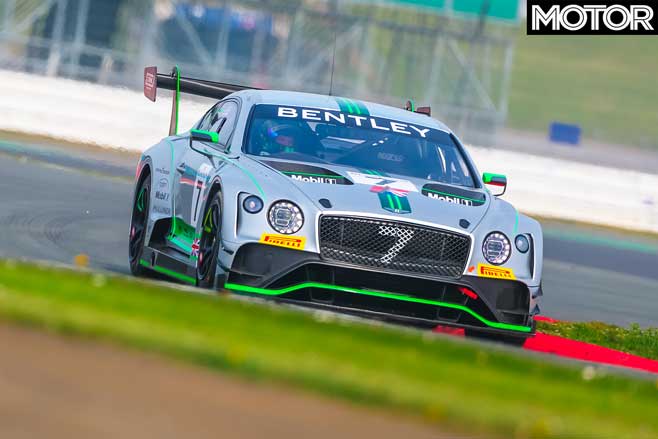
Not so the GT3. If you drive the Blower with your heart, the GT3 requires a diametrically opposed approach. Challenged to drive the old Blower as fast as I could, I reckon it would need three or four laps to do a time I could not significantly improve. I doubt I’d be able to say the same of the GT3 after an entire day.
This second-generation Bentley Continental was a far easier car to turn into a competitive GT3 machine than the first, because it’s based on the same aluminium-intensive platform as the Porsche Panamera. It’s a fundamentally lighter car whose primary components are more easily sited for racing.
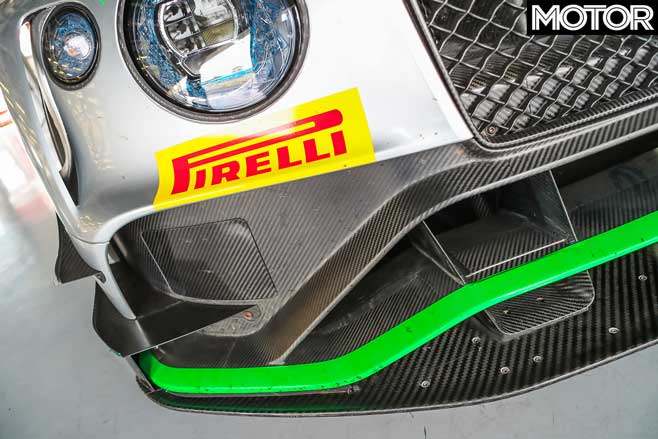
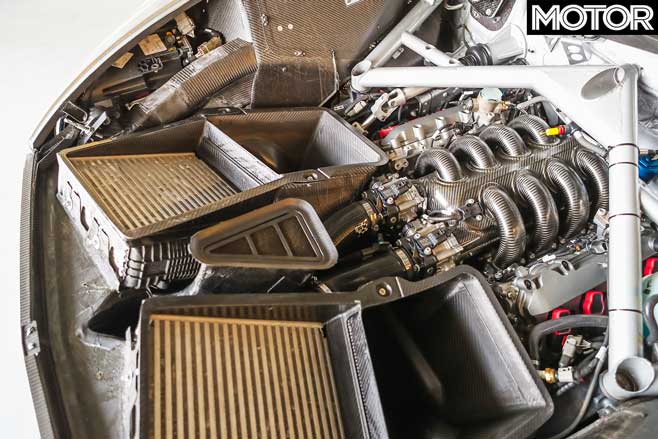
A greater rear weight bias has been achieved, it’s more efficient through the air, and easier for gentlemen drivers to manage in tough conditions. It’s so light it carries ballast everywhere it races, a strange thing to say about a Bentley. But some nice touches from Crewe remain, such as leather door pulls and paddleshifters from the Mulsanne limousine.
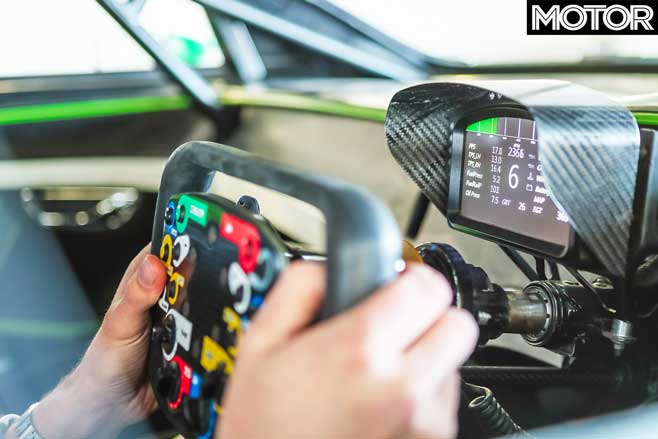
The cockpit is sparse and less space-age in appearance than some rivals, but there’s still a vast array of knobs and switches, few of which I will need today. The seating position is fixed to centralise one of the car’s heavier components – the driver. Instead, the wheel and pedals come to you.
I’m told the engine has been made quieter than before, but when it starts the twin-turbo 4.0-litre V8 still sounds like the charges going off under a high-rise building rigged for demolition. But you can’t just pull away.
The clutch is on the steering wheel and is, in effect, a large switch. There’s no skill in what happens next: you engage launch mode with your hand gripping the clutch against the circumference of the wheel, put your foot hard on the accelerator and let go.
But there is just a little courage needed because the car stalls if you lift for an instant. So you keep your foot down and slither up the pit lane with smoke pouring out of your wheelarches. There appears to be no other way.
It’s strange, then, that it doesn’t feel all that quick in a straight line. A supercar like a McLaren 720S would stay with it once the wheels stopped spinning and come past as the drag of the Bentley’s wings started to tell. You thunder down the straight, feeding it gear after gear, but there’s nothing otherworldly here, not yet at least.
That all comes in the braking, where it doesn’t matter how hard you hit the pedal because you’re not going to trigger the ABS at high speed. This is where a modern GT3 car feels most alien. For a quick corner you brake barely before the turning point, staying on the pedal all the way to the apex, but bleeding off the pressure as the downforce washes away.
Then it’s just a question of how hard you dare get back on the throttle, and how soon. As long as you’ve not dialled up too much traction control (which cleverly lets you control not only the level of intervention but the point of activation too), the car will slide amiably enough, but you’d want a stack of tuition to get the most from it.
Bentley Speed 8 review
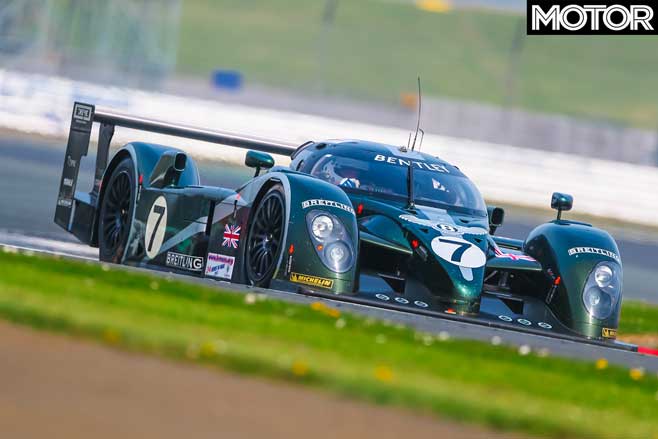
And then there is the Speed 8. I’ve loved the other two, but this actual Le Mans-winning Speed 8 is the car in whose pit I camped for the entire race, whose drivers I interviewed and whose mechanics I annoyed. This is something else.
The car was designed from scratch for the 2003 season, its rather more conservative EXP Speed 8 predecessor having been raced in 2001-’02. And yet there are still those who will blithely tell you any Speed 8 is ‘just an Audi R8 with a roof’. It’s not and never was, not even in 2001.
“It’s just sheer bloody ignorance,” designer Peter Elleray told me. He had designed the Audi R8C that raced without success in 1999, and people made far too great a mental leap. So I got him to put it in words anyone can understand: “Yes, we had that knowledge, but engine aside there was not a single thing on the Bentley that had anything to do with the R8C or any other Audi.”
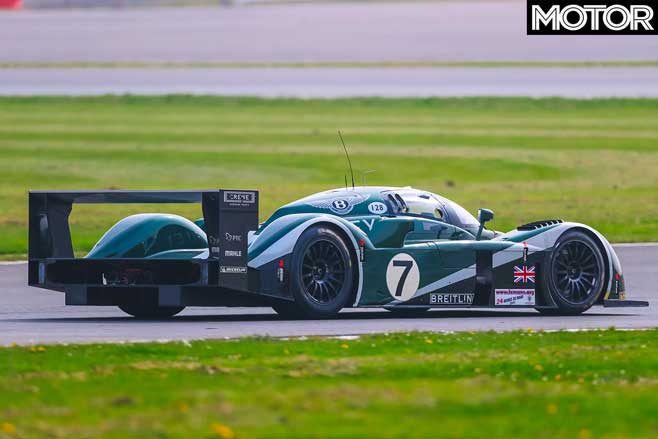
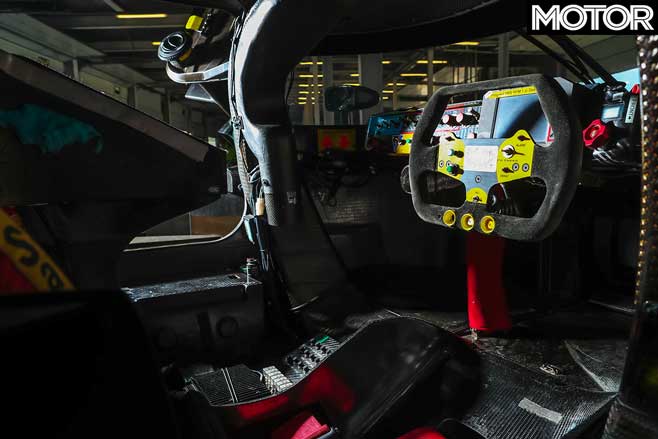
It’s a ridiculously hard car to get into, and once inside there’s a whole new level of intimidation. In 2003 its LCD screens and steering wheel buttons looked space-age, but at least it has three pedals in its footwell.
A modern Le Mans prototype requires dozens of people to run it, but this one fires up easily yet angrily at the push of the button. Its voice is metal-on-metal ugly, the harsh bark of its flat-plane crank in stark contrast to the fabulous growl and howl of the cross-plane GT3 engine. The clutch strategy could barely be more different either; a tiny bit of throttle until you feel it bite, then just roll gently off the pedal before touching the gas.
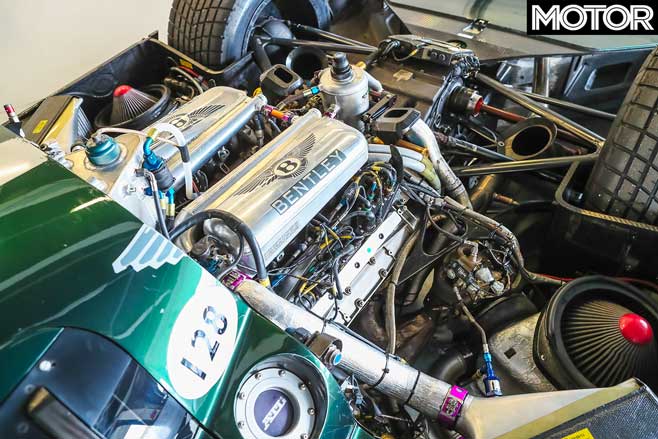
Guy Smith, the only man to have raced both a Speed 8 and a GT3 Bentley, has been full of reassurance: “It’s a lovely car; the harder you go, the better it gets. You have nothing to worry about – just trust it and you’ll be fine.” But it’s scary in here. It’s incredibly claustrophobic, the extremities of the car are hard to judge, and every time I touch the accelerator it goes nuts – 450kW tends to do that to 900kg of car.
The steering feels kart-like in its directness. It’s lighter to handle than I expected and, despite Smith’s calming words, I don’t feel at home in here. But nor should it be reassuring for those who drive it slowly; a GT3 might tolerate being handled like it’s a bomb waiting to explode, because ultimately it’s based on a street car, but the Speed 8 is not. It’s a great way to scare yourself. But I forget its value and history, and instead just go as hard and fast as I dare. In a car like this, it’s the only way.
This now quite old racing car is on another level to anything else I’ve driven, including Group C cars. The straight-line speed normalises quite rapidly and I’ve driven plenty that accelerate more quickly, but the brakes and grip are barely believable. I’m told it will corner faster on wets than the GT3 does on slicks, and I believe it.
It’s probably doing 270km/h at the end of the Hangar Straight, yet even ignoring what seems to be a sensible braking point, counting a bit, counting a bit more and only then braking and turning in, it still hits its marks every time.
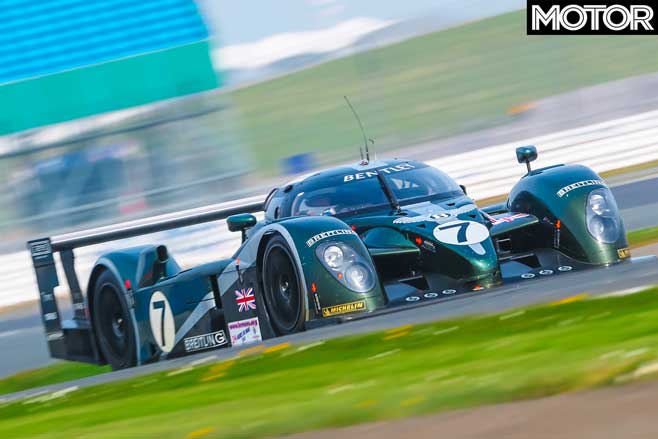
I start to see what Smith means; above all the car is surreally stable. While the GT3 likes a big, physical fight, the Speed 8 is best at doing what it’s told. Because it’s so fast and intimidating and develops such enormous downforce, you just presume it’s going to be impossibly hard to drive. But it’s not. Smith says that, even when you’re extracting a time from it, it’s always on your side.
Racing cars that were never designed to be anything else are just different; wonderful though they are, the road-based origins of both the Blower and the GT3 are clear. The Speed 8 is a car of simply exquisite purity and focus. It’s also a card-carrying Le Mans winner. That alone makes it one of the most special cars anyone could hope to drive.
Fast Facts
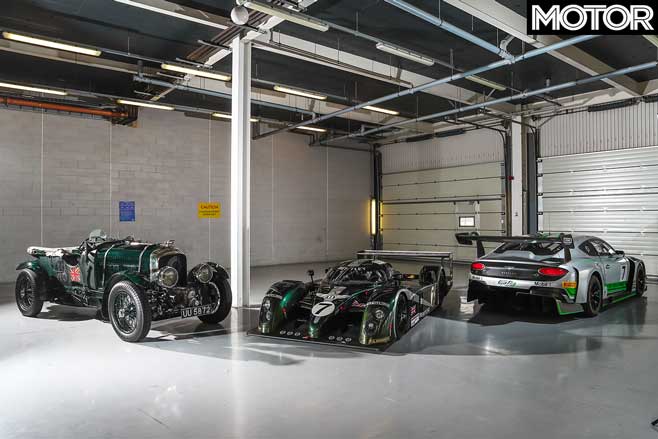
| u00a0 | 1930 Bentley Bloweru00a0 | 2003 Bentley Speed 8 | 2018 Bentley Continental GT3 |
| Chassis | steel ladder frame | aluminium/carbonfibre | |
| Layout | front-engine, rear-drive | mid-engine, rear-drive | front-engine, rear-drive |
| Engine | 4398cc inline-4, supercharger | 4000cc V8, twin-turbo | 3996cc V8, twin-turbo |
| Power | 130kW | 450kW | 420kW |
| Transmission | 4-speed manual | 6-speed sequential | |
| Brakes | drums (f/r) | carbonfibre discs (f/r) | steel discs (f/r) |
| Length | 4380mm | 4645mm | 4860mm |
| Wheelbase | 3302mm | 2735mm | 2746mm |
| Weight | 1625kg | 900kg | 1280kg |
100 years of Bentley: in brief
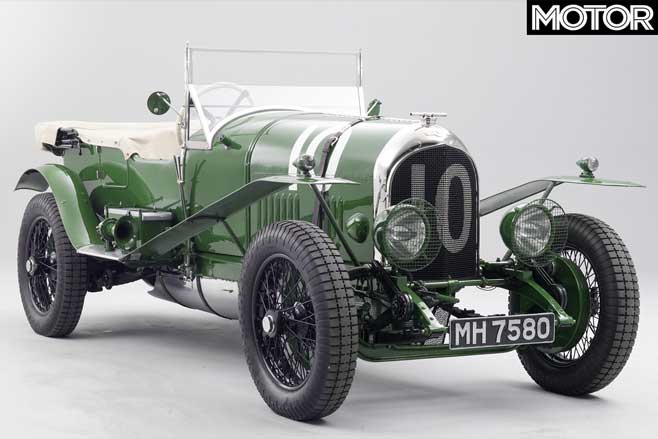
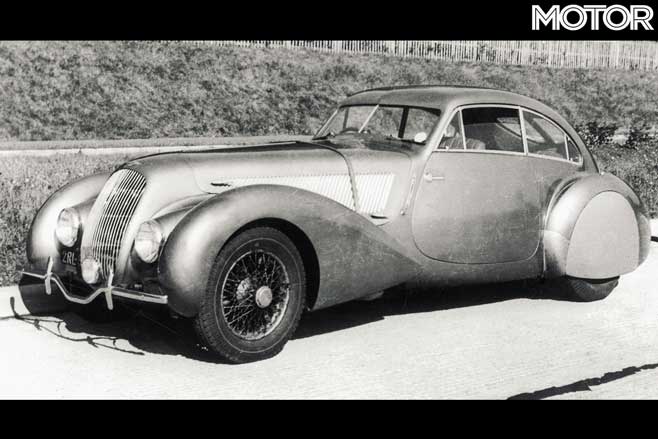
1919 – Bentley Motors founded by Walter Owen (W.O.) Bentley and his brother Horace; first car delivered in 1921 1924 – A customer 3-litre Bentley wins the Le Mans 24 Hour race 1926 With the company in financial ruins, diamond millionaire Woolf Barnato takes over 1930 – Bentley wins Le Mans for the fifth time in seven years with the Speed Six, and with Barnato himself driving 1933 – Having been taken over by Rolls-Royce, Bentley starts building cars with shared chassis and engines 1935 – One-off model (below) built as a test-bed for the first Continental
1980 – Vickers buys Rolls-Royce/Bentley, and new Turbo models see Bentley equal RR sales in the 1990s 1998 – VW buys Bentley, while BMW buys RR 2003 – In the third year back at Le Mans, Bentley finishes 1-2 2013 – Enters GT racing with the Continental GT3 and scores team champs in 2017
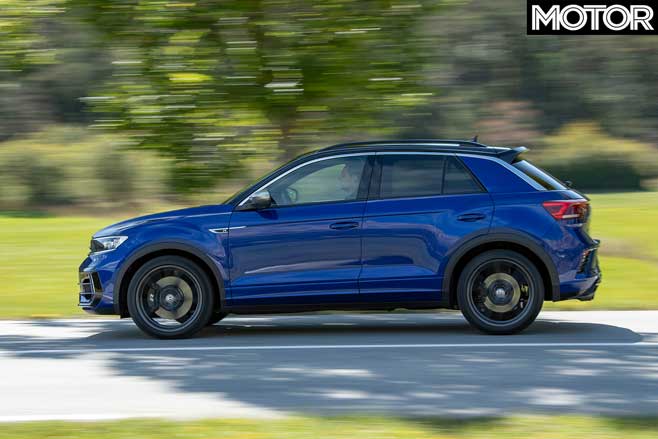
It’s not often the Golf R has company, but it’s a fairly apt sign of the times that the newest member of the loftiest order of Volkswagen’s high-performance family is SUV-shaped. The T-Roc R will join the likes of the BMW X2 M35i and coming Audi SQ2 in the ever-expanding performance crossover sphere.
Like its SQ2 and Golf R relatives, the T-Roc R is based on Volkswagen’s MQB architecture and makes use of the now ubiquitous EA888 turbocharged 2.0-litre four-cylinder engine. It develops the same 221kW and 400Nm as in its cousins, and it’s all deployed via a seven-speed dual-clutch transmission and Haldex clutch-based four-wheel drive system. Thanks to launch control, the T-Roc R sprints from rest to 100km/h in 4.9 seconds on to a limited 250km/h top speed.
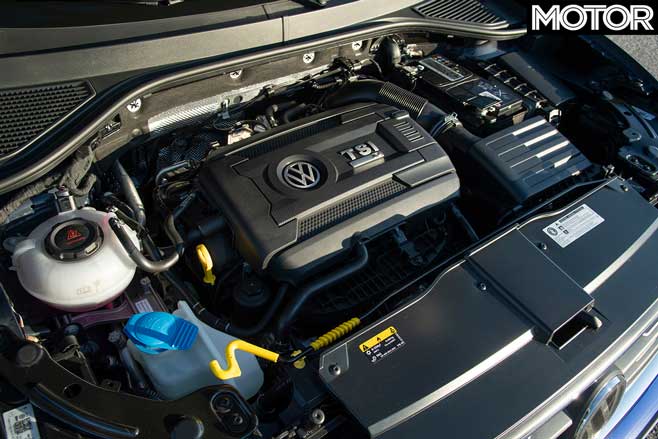
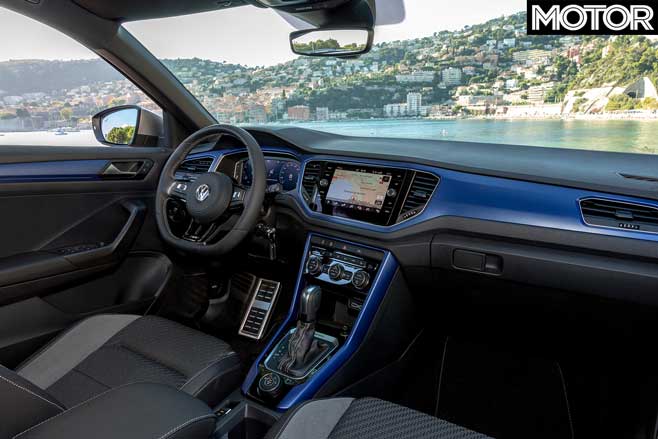
A new aluminium subframe helps facilitate a far sportier suspension calibration and the uprated 430mm performance brakes from the Golf R are thrown in as standard. Unlike the SQ2, adaptive dampers are available, while an Akrapovic exhaust can also be specified for an additional, overseas at least. Our test car had both, as well as the 19-inch ’Pretoria’ alloy wheels and 8.0-inch Discover Media infotainment system that will be standard fit if Volkswagen Australia gets its way and brings it here.
On the congested inner-city roads around Nice in the south of France, the T-Roc’s sporting pretensions are reasonably well masked, but still a long way from inconspicuous.
With the dampers in their middle setting, vertical body movements are kept tightly in check over lumps and bumps, but not to such an extreme extent that compressions force the wind from your lungs. The T-Roc is a little more compliant in Comfort mode, although it seems there’s no escaping the often violently loud thumps from the suspension as the wheels pass over smaller ruts and expansion joints. It’s certainly more liveable than an SQ2 or a BMW X2 M35i, though.
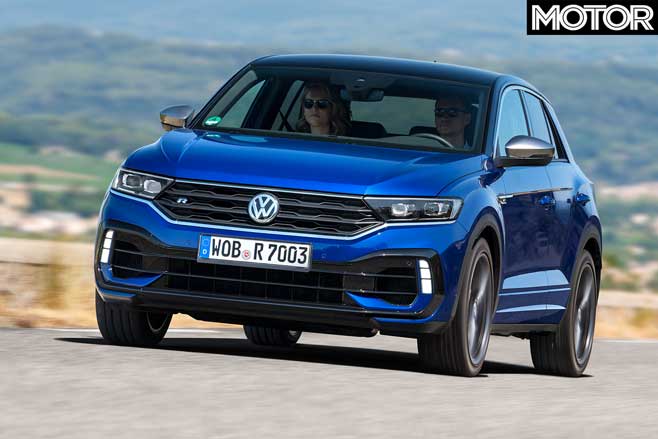
Breaking out of town, we begin a hard charge up the technical mountain roads that lead to Col de Vence. With everything set to Race mode, the T-Roc R proves brutally effective. The DSG gearbox’s tendency to be caught out is minimised and the EA888 engine is as heavy-hitting as ever. More than anything, though, it’s the levels of lateral grip the T-Roc R is capable of generating that impress most.
It corners incredibly neutrally, with its 4Motion four-wheel drive capable of effectively eliminating understeer entirely. Turn the wonderfully weighted, precise steering wheel and the front end bites in towards the apex hard before the rear end digs in to slingshot you out the other end.
Any meaningful hip wriggling is clinically choreographed out of its cornering routine, but the tenacity with which it clings to tarmac has an appeal all of its own. And although you’re aware of a heightened level of body roll through fast sweeping bends, it’s not so prevalent as to detract from the otherwise highly enjoyable process of driving this car fast on a fantastic road.
That said, the driving environment itself is a bit of a let-down. The hard interior plastics that were acceptable in lower-grade versions of the T-Roc feel drab and out of place in a performance model. An X2 M35i feels far classier in this regard, as does an SQ2 – albeit to a lesser extent.
Practicality is good, though. There’s enough room for taller passengers to sit in reasonable comfort in the second row, while its 392-litre boot betters the Audi’s (355 litres), if not the BMW’s (470 litres).
Based on our brief test drive in France, it seems fair to conclude that, as an overall package, the T-Roc R trumps both the SQ2 and X2 M35i.
A local drive will provide the acid test, but this VW seems to ride considerably better on its adaptive dampers than its Audi and BMW rivals and it gives nothing away for sheer cross-country pace or engagement.
Dare I say it, this might even be the first time where the adage of ‘just buy a Golf R instead’ doesn’t apply.
VOLKSWAGEN T-ROC R SPECS Engine: 1984cc inline-4, DOHC, 16v, turbo Power: 221kW @ 5300-6500rpm Torque: 400Nm @ 2000-5200rpm Weight: 1575kg 0-100km/h: 4.8sec (claimed) Price: $65,000 (est)
Likes: Brilliant EA888 turbo engine; grip and security of all-wheel drive; body control Dislikes: Loud suspension thumps over small bumps; interior presentation
Rating: 4 out of 5 stars
Holden has confirmed that its number one performer, the Colorado ute, is in line for a late-life upgrade in 2020.
Last tweaked in 2017, the ageing Colorado – which was developed in conjunction with Isuzu before being taken in-house in 2012 – is likely to score a handful of safety updates to bring it more into line with its key competitors, like the Mitsubishi Triton, Ford Ranger and Toyota HiLux.
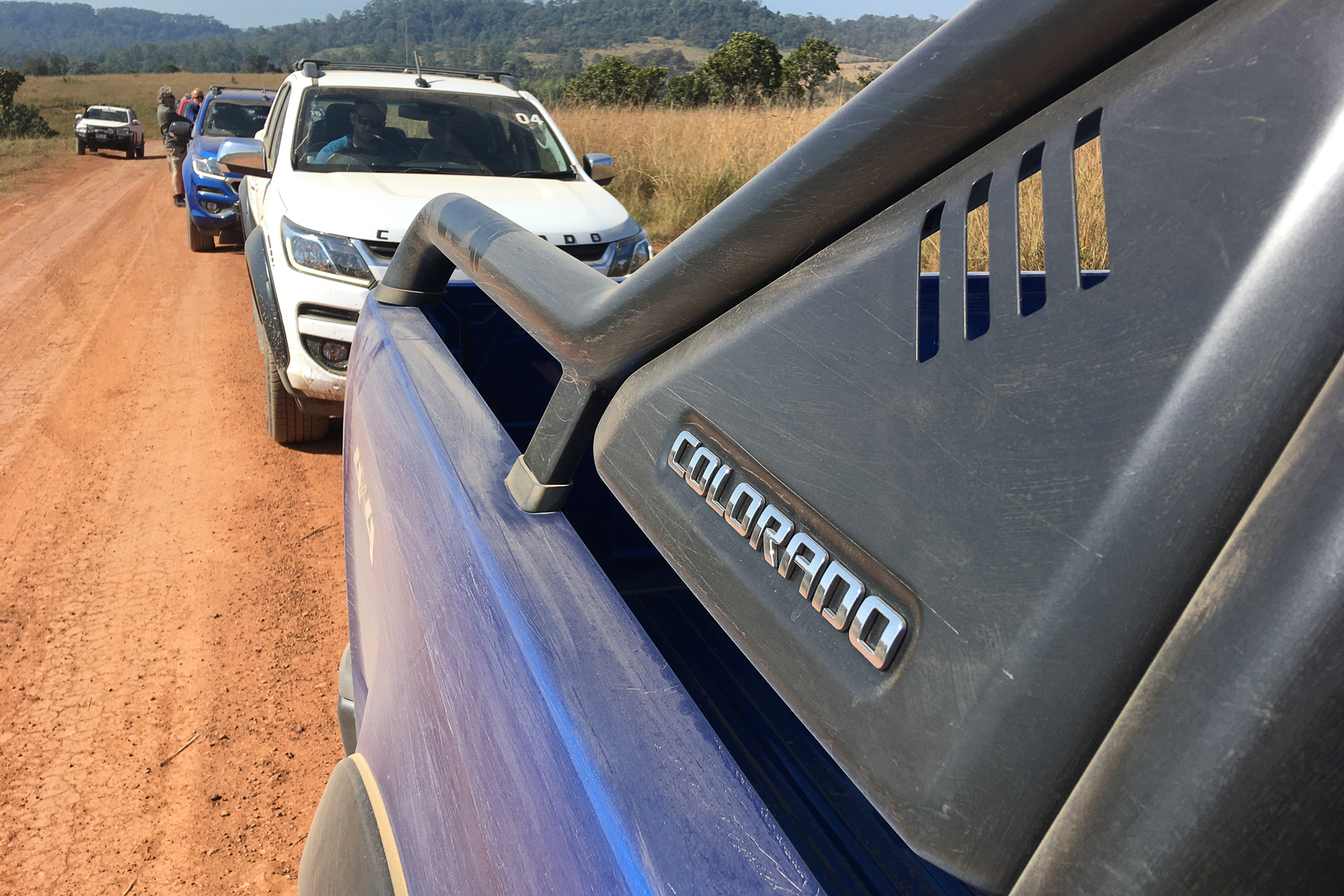
Holden said in a statement that marked the cancellation of the Commodore sedan that a “significant MY21 upgrade” would be made “to the highly regarded Colorado” in spring next year.
“It would be fair speculation,” said Holden’s public relations manager, Daniel Cotterill, when quizzed about the likelihood of the Colorado receiving driver aids like autonomous emergency braking.
Top-spec Colorados offer front collision warning and lane departure warning as part of their standard safety package.
The Colorado sits fourth in the sales race behind the Mitsubishi Triton range, which largely comes down to dealer pricing. Mitsubishi’s aggressive pricing strategy won’t sway Holden’s thinking around the next round of upgrades.
For example, WhichCar drove a Thai-spec Colorado (below) that uses a slightly less powerful, smaller capacity 2.5-litre turbocharged four-cylinder diesel engine than the 2.8-litre unit used locally.
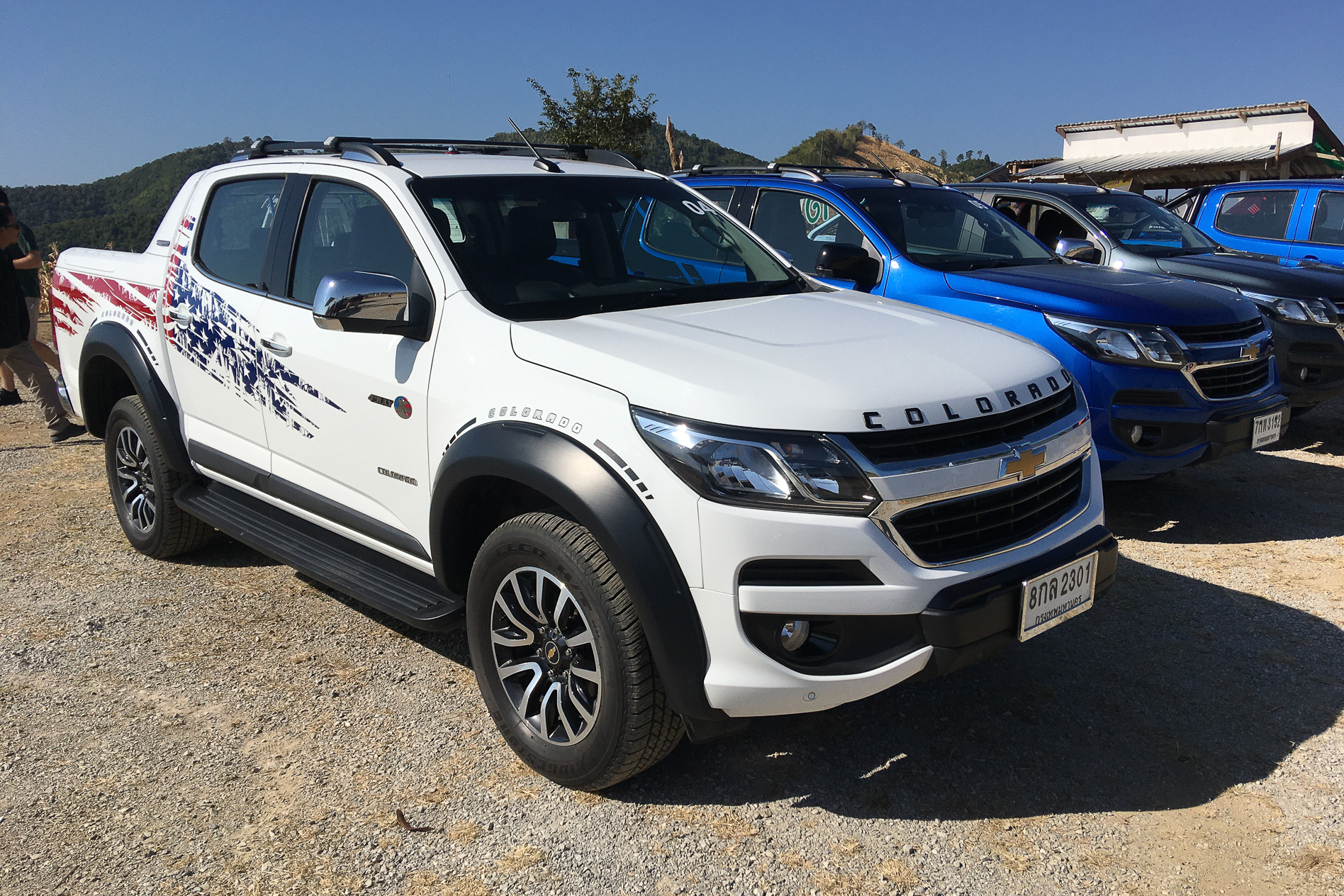
Cotterill dismissed the notion, suggesting that no development work around the smaller engine is taking place. “We’re not sitting there saying ‘let’s make Colorado cheaper than the Triton’. It’s not the same sort of truck,” he explained.
When asked whether Holden is considering adding a version of the Colorado that offers more performance than standard – in the ilk of something like the impending Nissan Navara N-Trek – Cotterill said that the company isn’t ruling out the addition of such a vehicle, but stopped short of confirming that one was under development.
“If you look at things like the Colorado Z71 and HSV SportCat, there’s an appetite for that sort of tough truck,” acknowledged Cotterill. “But I’m not suggesting that it’s happening.”
Cotterill was unable to speculate on the next generation of Colorado, which is expected to morph away from the Holden/Isuzu hybrid currently used and into a US-designed, South American-developed version that will be used across the entire GM network.
He did confirm, though, that Australian-based engineering teams are unlikely to have a lot of input into the next-gen car.
“The home of Colorado is really in South America (Brazil) so development is driven from there,” Cotterill said.
There is a small, reasonably discrete patch of empty space towards the front of the Aston Martin Vantage’s transmission tunnel that at its media reveal in 2017 prompted a somewhat inevitable line of questioning from attending scribes. “Is that where the manual gear shifter is going to go, then?” we asked.
As is so often the way with these things, the answer was far more nuanced than a simple ‘yes’ or ‘no’, but company boss Andy Palmer was explicit enough to indicate that Gaydon planned on rigging the Vantage up with a manual at some point. Aston’s PR team was understandably less than thrilled with his revelation. Two years later, that car has finally arrived.
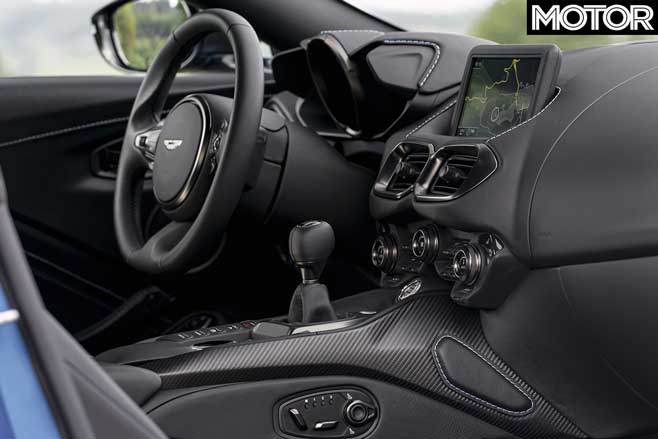
Replacing the eight-speed ZF automatic is the seven-speed Graziano manual that appeared in the old Vantage V12 S, dogleg first gear and all. It’s the first time a manual of any description has been fitted to Mercedes-AMG’s twin-turbo 4.0-litre V8, which in itself is no mean feat.
Certain sacrifices had to be made in order to facilitate the pairing. Overall torque has been capped in order to protect the gearbox, so instead of 685Nm you have to make do with just 625Nm. That torque is capped in first and second gears, though if you select Track mode you can have more. Power, meanwhile, remains at 375kW.
Aston has swapped the standard car’s clutch-based active torque-vectoring e-diff for a mechanical limited-slip differential. Overall, the manual Vantage is some 70kg lighter than its self-shifting sibling, with that weight being distributed slightly differently, though still a favourable 51:49 front-to-rear.
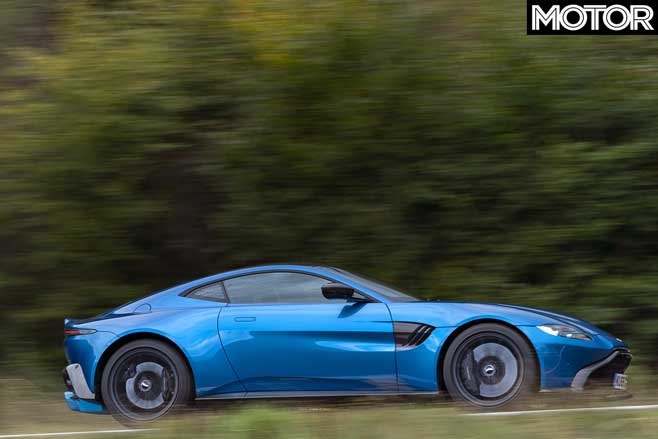
The suspension geometry has also been tweaked. At the rear, the spring rate has been slackened off slightly, while the anti-roll bar has been stiffened and the dampers have been revised front and rear.
The EPAS software has also been fettled, and the brake booster recalibrated to allow for easier heel-and-toe shifts, though if you’re not too hot on these, AMSHIFT provides a rev-matching function that will do all the hard work for you.
Aston chief engineer Matt Becker says the retuned suspension makes for a Vantage that feels even more playful than before. On the sodden roads that made up our test route, the baby Aston certainly feels lively – even with the traction left on. A nudge of the throttle is all it takes to provoke the rear into momentarily stepping out of line.
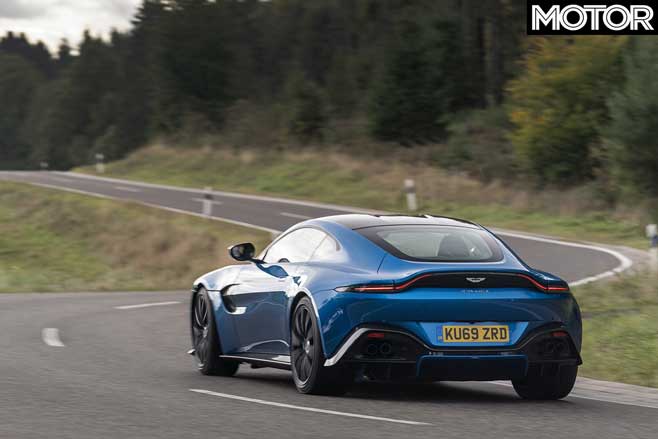
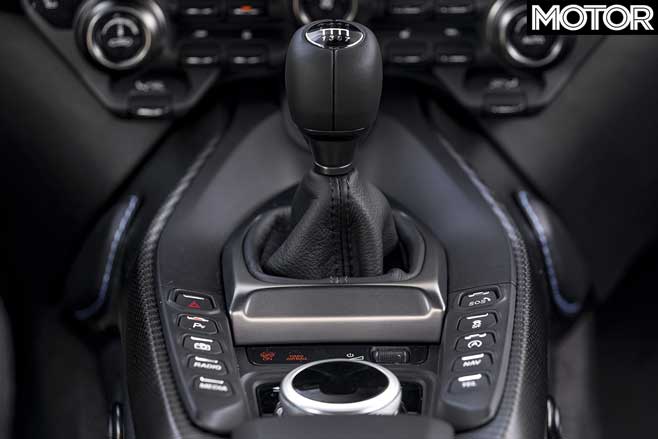
The gearbox itself is fantastic, though an acquired taste. The dogleg configuration might take a bit of time to wrap your head around, but it’s worth the effort. The shifter fills the palm of your hand, its action deliberately assertive and powerful without being overly notchy, but the movement from first to second isn’t quite natural, making second easy to miss. Still, the engine develops so much low-down torque that you can comfortably take off in second.
The manual feels incredibly special for the more intimate and organic nature of the control it allows you to exercise over the magnificent AMG V8, and suits the engine’s thunderous temperament down to the ground.
With less torque, it’s a few tenths slower than the auto but still plenty quick enough. In fact, you now feel as though you can use everything available in the lower gears without jeopardising your licence, and the timbre of its angry, menacing baritone snarl is thrilling.
At the moment, the only manual-equipped model actually available is the limited-run Vantage AMR – just 200 will be made, and they carry a premium of $70,000 – but from around April next year the Vantage manual will become a regular model, hopefully priced in the vicinity of the same $300K as the auto in Australia.
Cost aside, this is absolutely the Vantage to have. The Porsche 911 still feels superior in terms of its overall handling precision and balance, but the Vantage is a long way from being unpleasant, and the heightened level of interaction the manual introduces adds to the car’s character.
ASTON MARTIN VANTAGE MANUAL SPECS Engine: 3982cc V8, DOHC, 32v, twin-turbo Power: 375kW @ 6000rpm Torque: 625Nm @ 2000-5000rpm Weight: 1620kg 0-100km/h: 4.0sec (claimed) Price: $300,000 (est)
Likes: Extra involvement of a manual; more usable performance; weight reduction Dislikes: Dogleg shift from first to second; poor-surface ride and composure
Rating: 4.5 out of 5 stars
The founder members regroup in the WhichCar Weekly studio to discuss which far-flung corners of the globe they have been. In the case of Dan and Scott, it’s Oakleigh, but Andy is regaling tales of places that are abbreviated to SA.
After narrowly avoiding any encounters with sharks in South Australia, Wheels deputy editor Enright has been razzing BMWs in South Africa including the current M3 and M4, but it’s the classics he encountered that are really worth chatting about.
He also explains why it’s not a great idea to hit the race track after dark and why the local organisers don’t seem to agree.
Next, the WCW team attempt to unravel the mystery of the Cybertruck. Massive failure waiting to happen or genius that we are all waiting to realise? It’s hard to believe the car that was revealed by leader Musk will actually eventuate as a production model, but if any car maker can pull off the elaborate marketing stunt, it’s probably Tesla.
In other news, some Americans set a new record driving from New York to Los Angeles breaking more road laws than we can count in the process.
It got the boys thinking about their most memorable motoring epics whether it be sheer distance covered in a day or a puerile speed challenge that was contested for a whole year at university. Click download to get the details.
If you’re on the go, you can find WhichCar Weekly on all manner of podcast apps including iTunes and Podbean. Please rate, subscribe and leave a review! You can also follow the day-to-day happenings of the WhichCar team on Facebook, Twitter and Instagram @whichcarau.
Listened to the show? Help us out:
- Leave a note in the comment section below.
- Leave a review on Apple Podcasts/iTunes
- Subscribe to our podcast
As Australia braces for a long, hot, dry summer, bushfires have already wreaked carnage across the country, with lives and properties lost to the raging infernos.
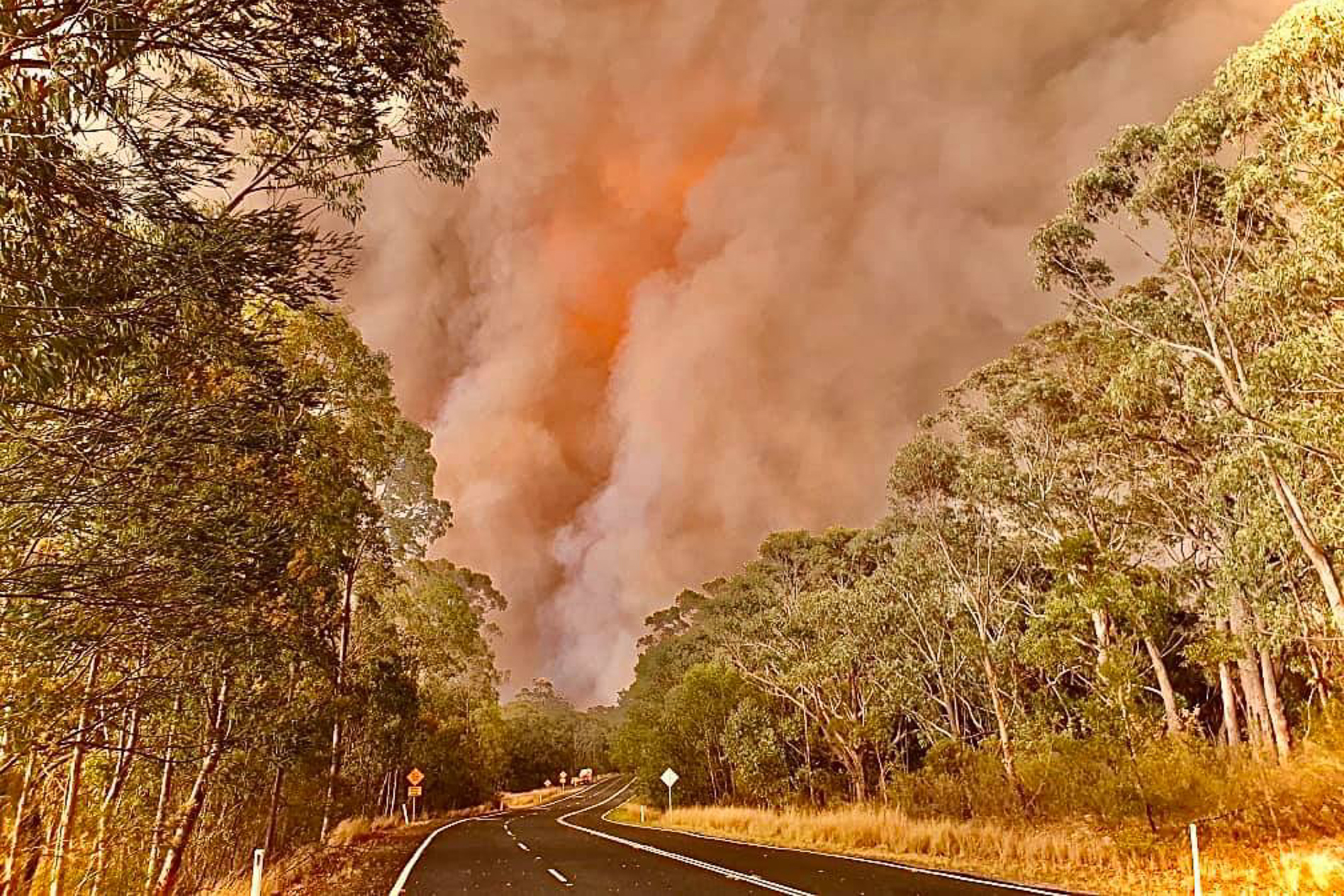
An example of a bushfire’s frightening potential came to light when the Colo Heights off-road racing facility where we’d shot a feature only a couple of months ago had been razed.
The wooded area lies about an hour and a half west of Sydney, and fell victim to a fire that tore through the area in mid-November (below).
The off-road circuit has long been a fixture of the racing landscape, with several clubs using the facility for dirt-based sprints – and to store their cars.
While some of the facility survived, about 20 cars stored on site by the club were completely incinerated, along with equipment like graders, fire extinguishers and other club gear.
Such was the ferocity of the blaze, logs still smouldered two weeks after the fires did their best, and club members from Sydney-based ToyoSports Car Club of NSW – our hosts for the Subaru story – made the pilgrimage to examine the damage.
The absolute destruction is easy to see. Alloy rims are reduced to puddles; something that’s only possible at temperatures in excess of 600 degrees C.
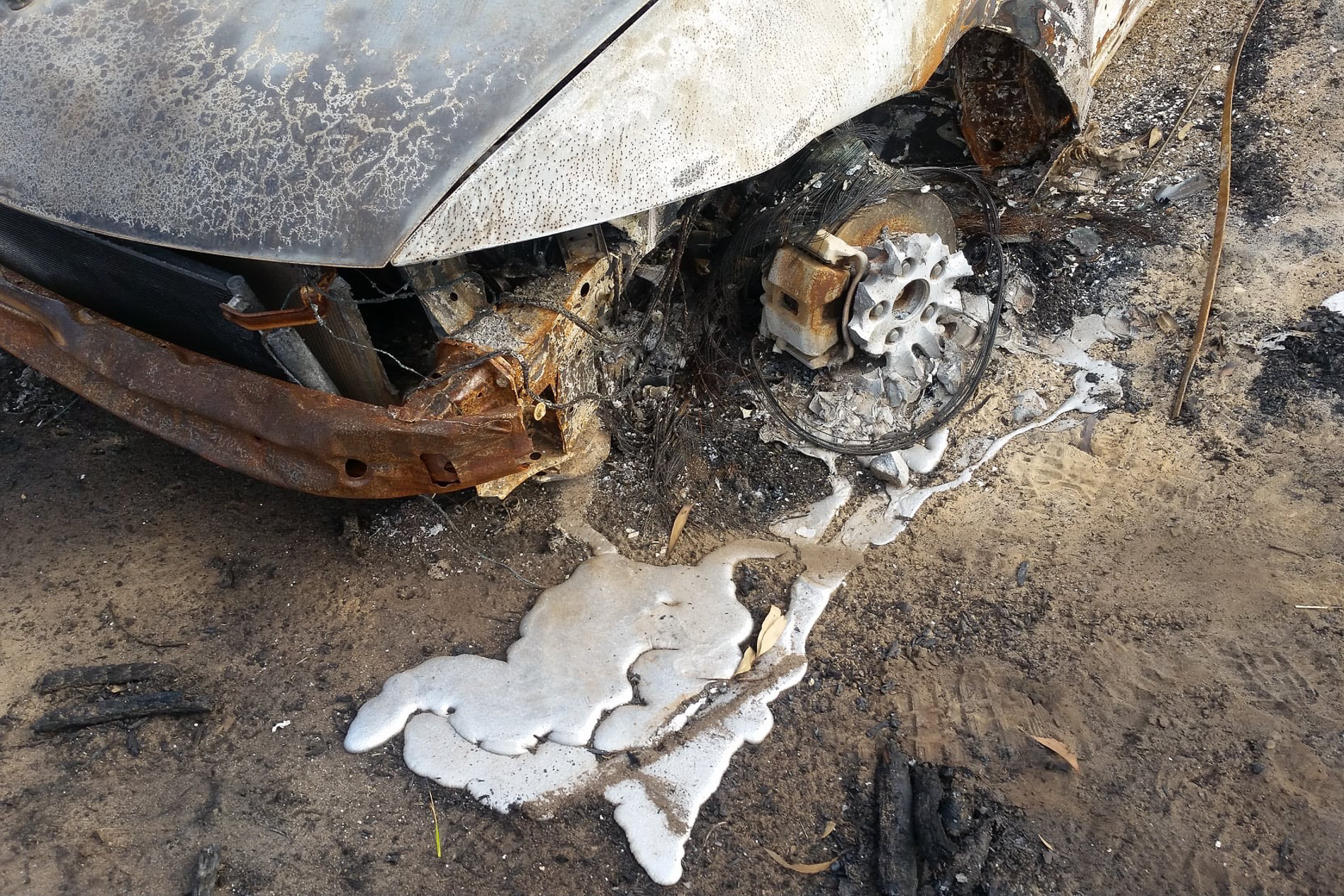
The cars on-site formed the basis of the club’s ‘khanacross’ fleet, and while their physical value wasn’t high, the loss is still pretty significant.
Happily, the club tells us that a major vehicle auction house may come to the party and help with a source of suitable cars to allow members to rebuild the fleet.
The club is also working alongside the Sydney Off-road Racing Association, which operates the circuit under a lease, to rebuild in time for meetings in early 2020, and we wish them all the very best.
Check the gallery at the top of the page for the pics, with thanks to the crew at ToyoSports Car Club of NSW.
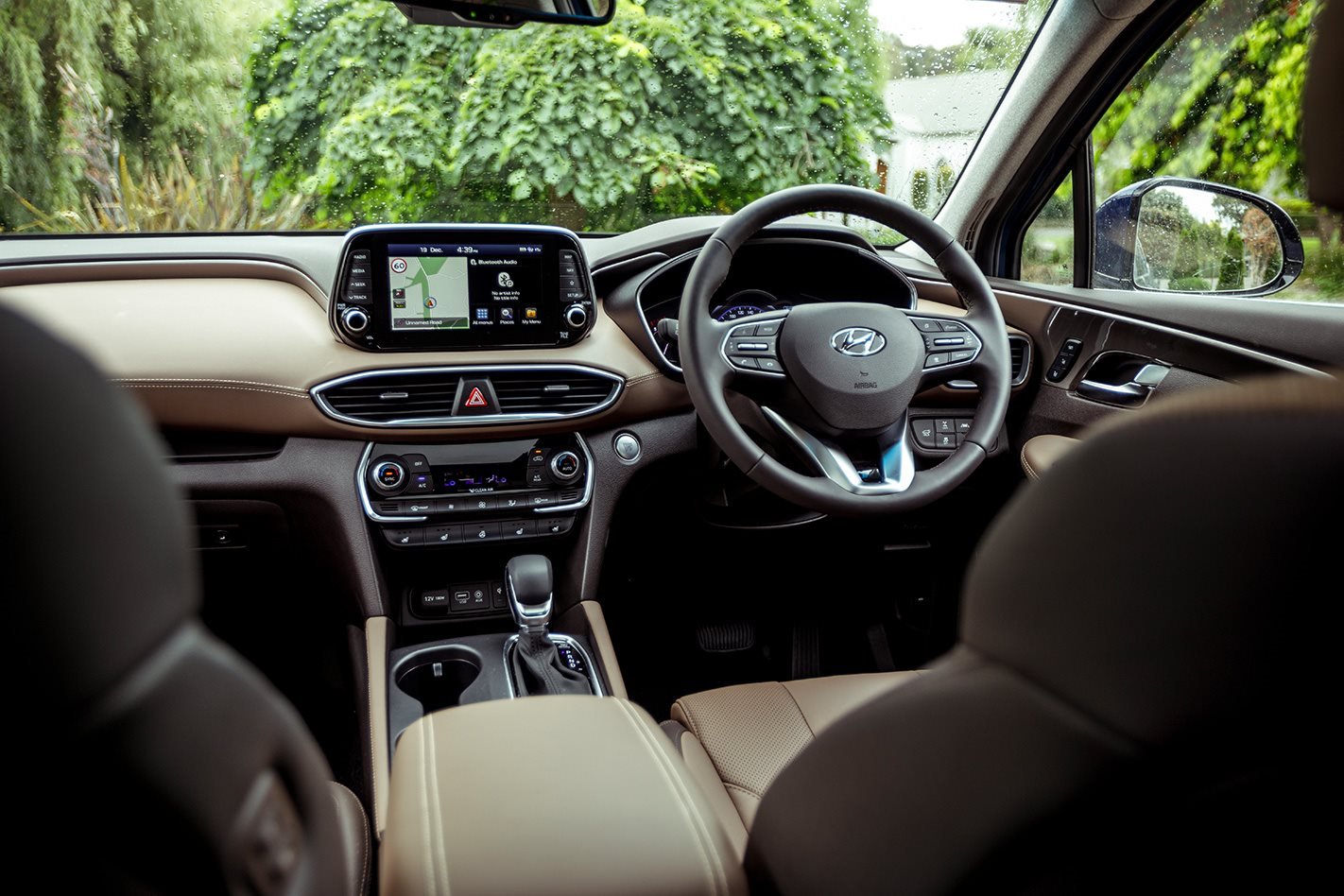
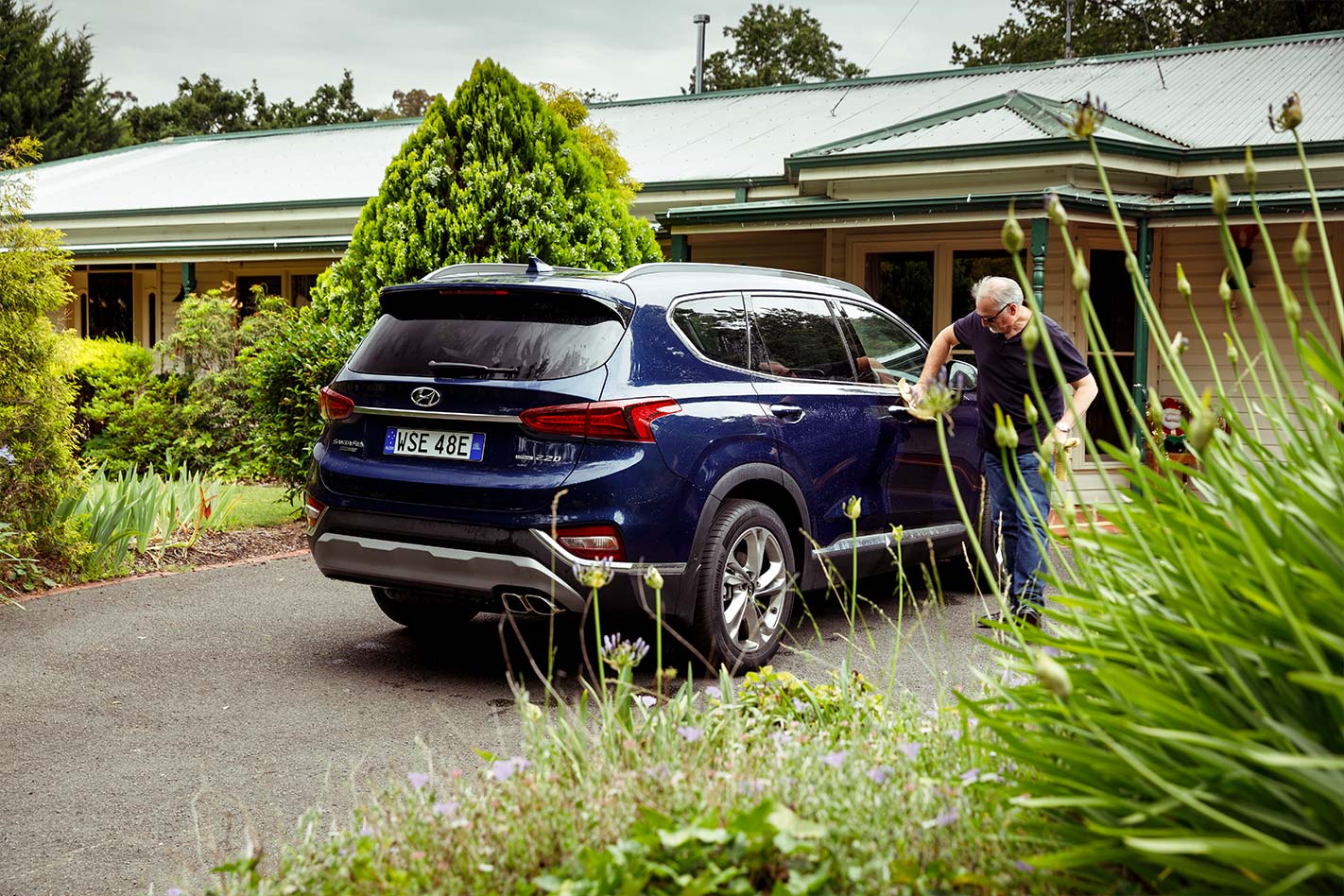
Editor Inwoodu2019s desire to revamp the look, feel and editorial direction of your favourite motoring magazine extended to every nook and cranny of this august organ. And so the edict to writers in this long-termers section was to step it up a level and ensure that every update has both a bespoke focus and an accompanying photographic record.No problem: I had a brand new Hyundai Santa Fe Highlander gleaming in the driveway, and all the requisite familial accoutrements to bring to life a moment of suburban bliss. But to properly sketch this picture of clichéd domesticity, we really needed a pooch.
It occurred to me that somewhere in a long-since discarded toy box, buried beneath headless Barbies and broken fairy wings, slept Biscuit, the battery-powered pup. With a king’s ransom of D-cells wedged up his clacker, Biscuit would sit up and beg, lie down and sleep, shake hands, wag his tail, bark, whimper – basically do everything short of fetch … or crap on your floor.
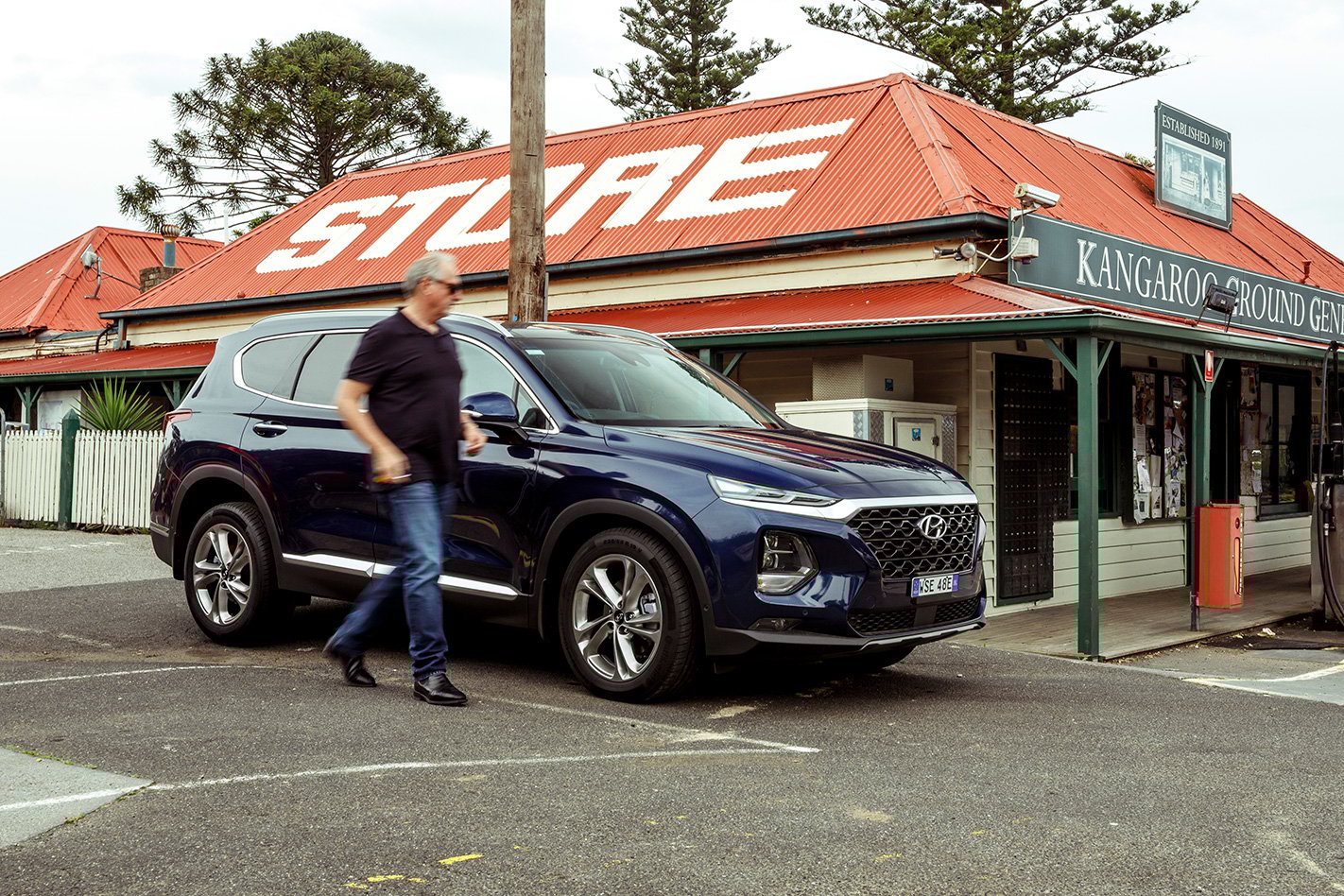
Which explains the photo, but you’re probably also wondering about the car. It’s lovely, thanks, even if we did have to wait six weeks for this top-spec version (in Stormy Sea blue) to arrive on a slow boat from North East Asia.
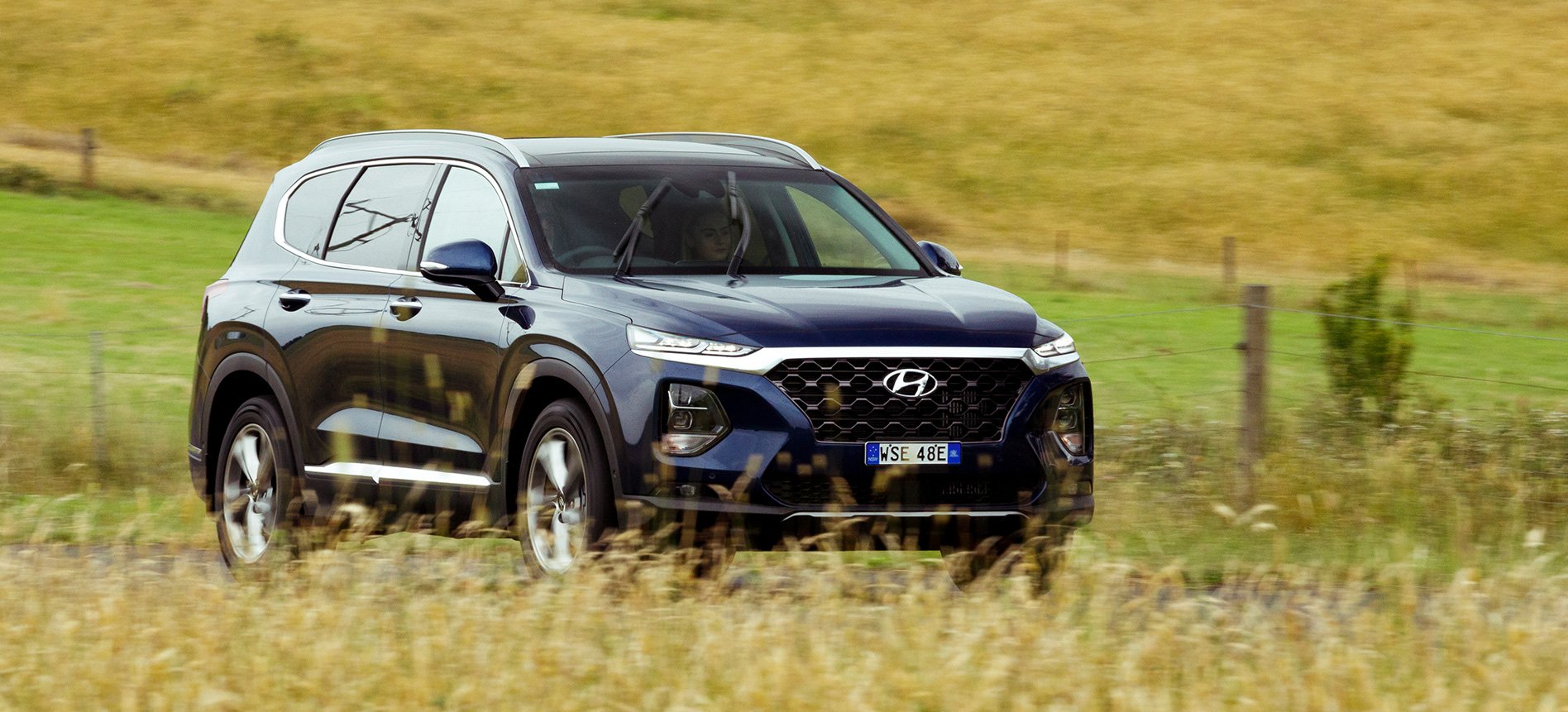
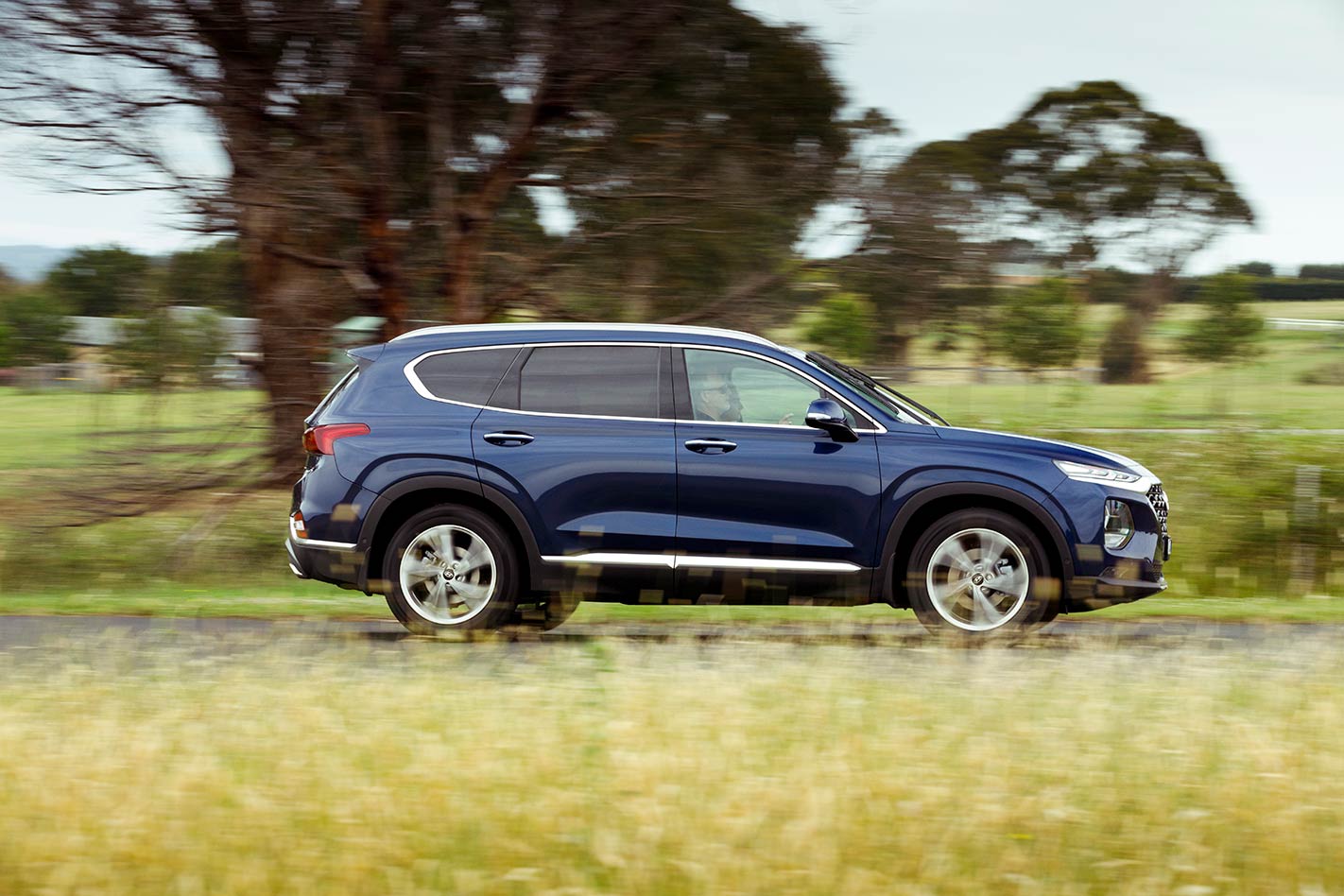
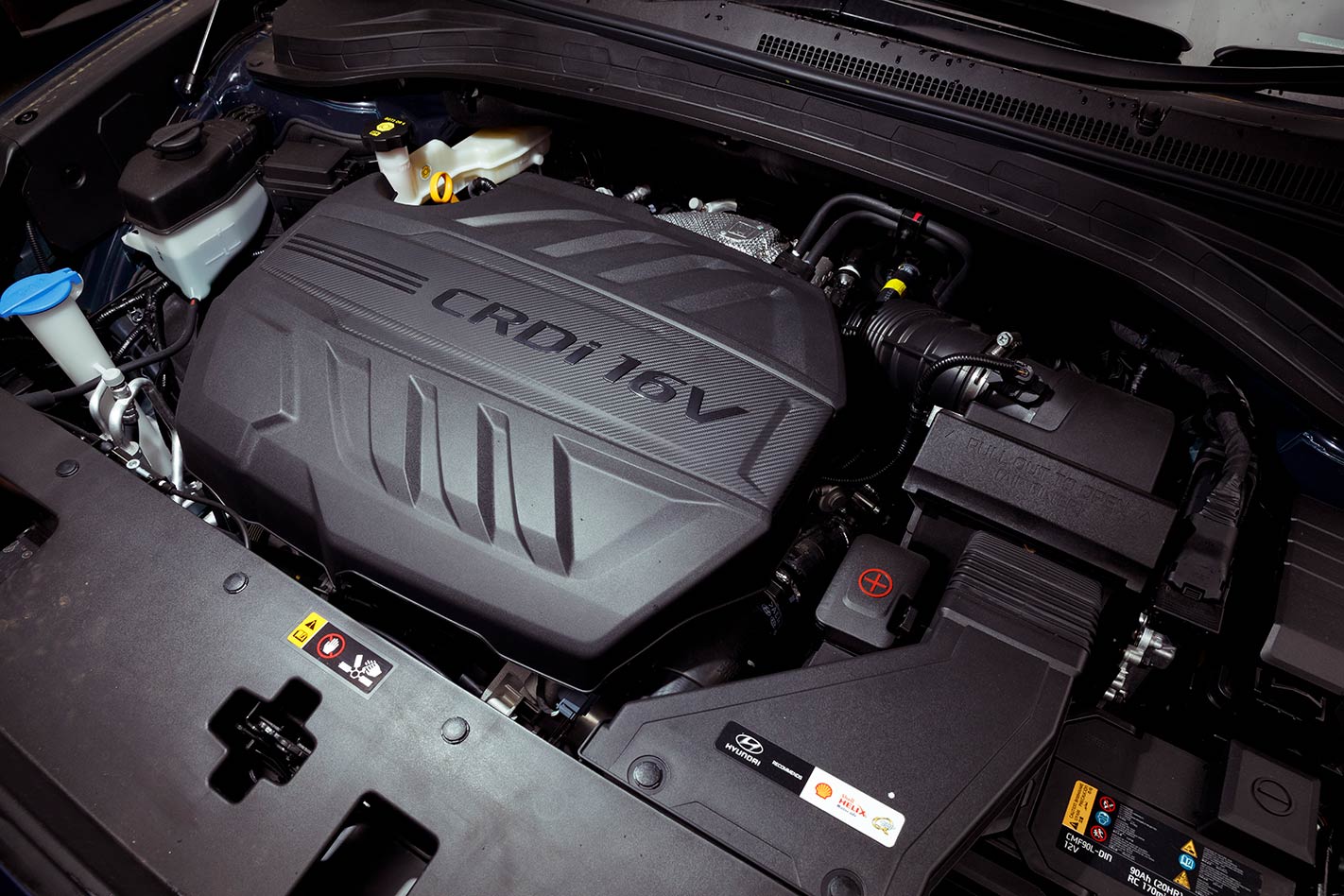
It seems the Korean giant’s impressive new seven-seater is proving popular. And why wouldn’t it, loaded to the gills as it is with all manner of safety, comfort and convenience features, which in this trim includes a sprightly 147kW/440Nm 2.2-litre turbo-diesel four cylinder, mated to a responsive eight-speed auto. Add to that styling that looks like it’s just stepped out of the pages of European Central Casting, and both a five-star ANCAP safety rating and a five-year unlimited kilometre warranty.
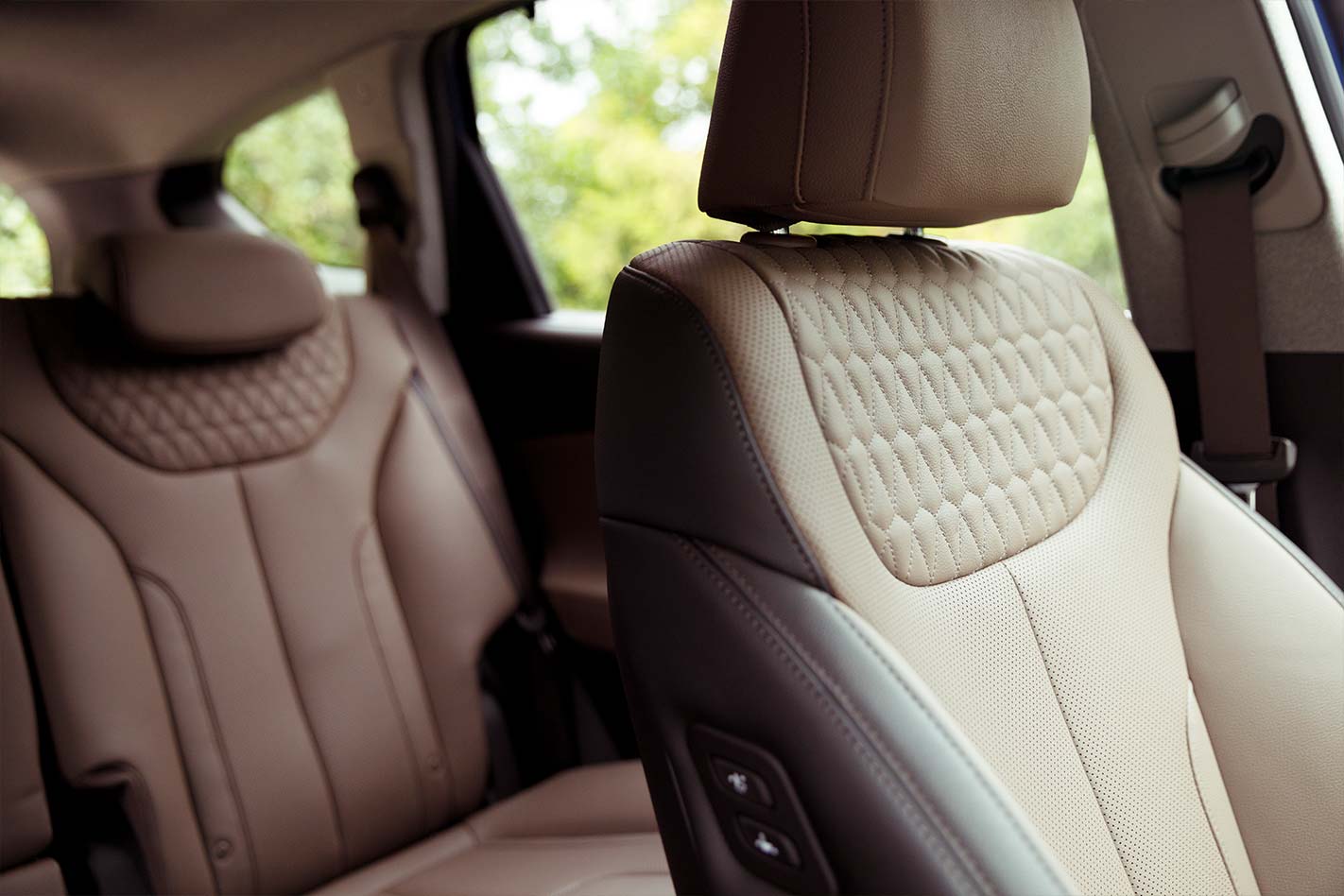
If you really want to spoil yourself, this top-of-the-range diesel-only Highlander AWD costs $60,500 and boasts a list of standard kit as long as a Sydney train trip on New Year’s Eve. Options are few, but we’ve ticked the coloured leather trim and premium paint box ($695), plus the $295 Burgundy interior option which brings carbonfibre-effect inserts, and suede on the pillars, sun visors and headlining. And before you ask, no, the suede is not blue.
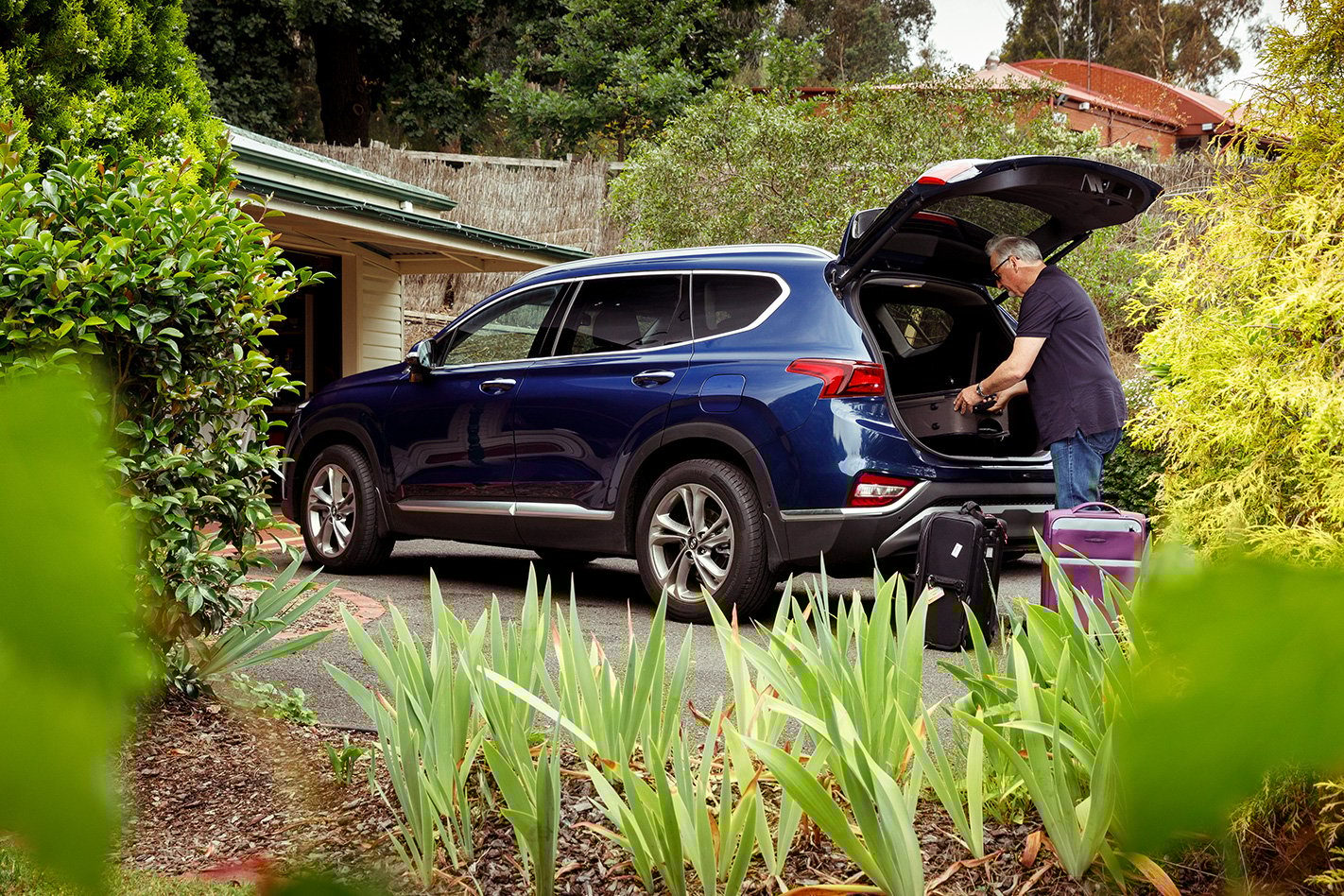
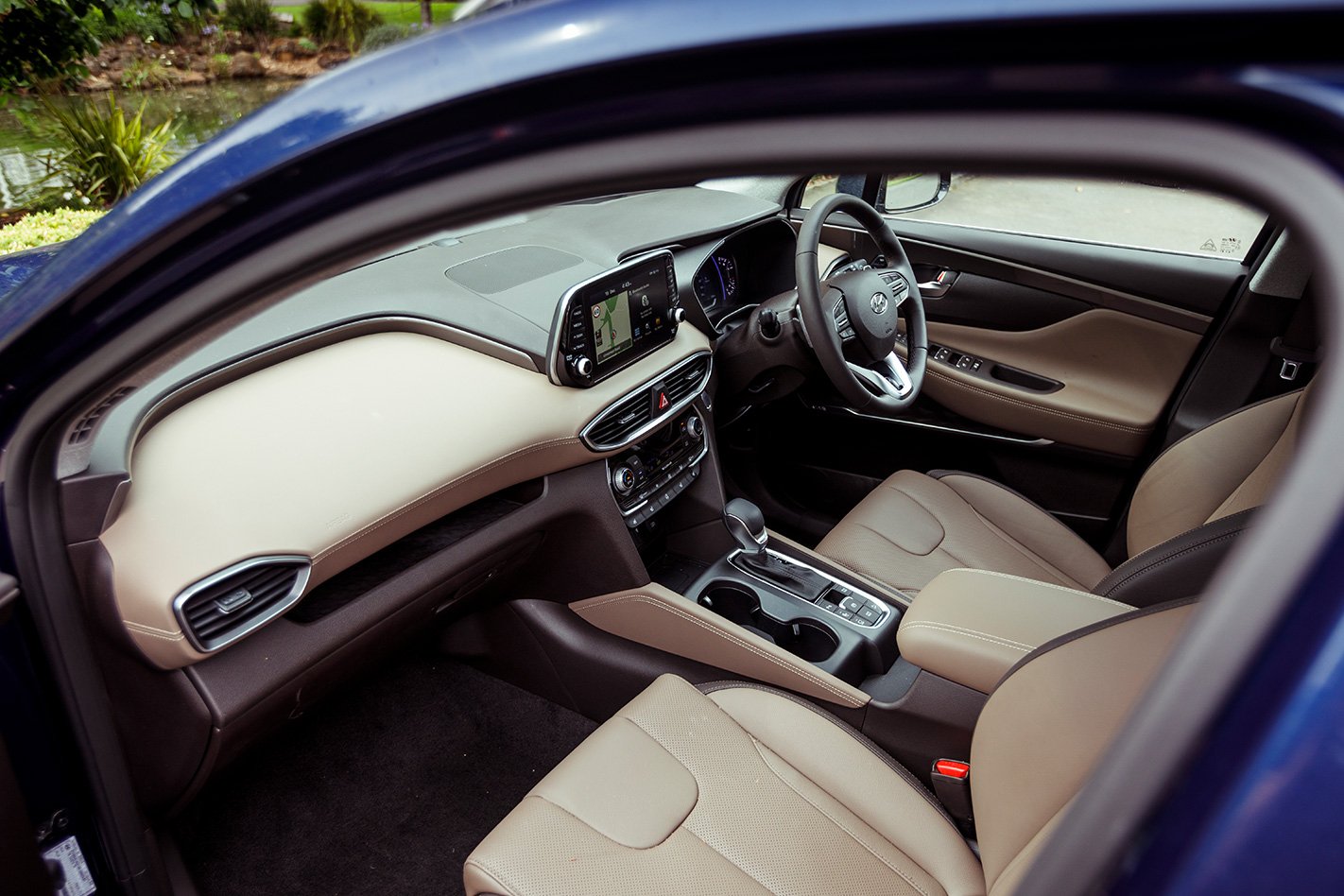
Styling wise, it’s a handsome beast, with a simpler, cleaner profile than its fussily folded and creased predecessors, utilising tasteful fillets of carbon-effect detailing on the grille and elsewhere. The prestige overtones carry on inside, where improvements in design and material quality are evident.
However, as you’ll see elsewhere in the COTY coverage of this issue, there were some valid questions raised about the price gulf between this Highlander and lesser variants in the Santa Fe range and as to whether a Hyundai SUV can even carry a $60K price tag.
On the exposure we’ve had to the Santa Fe thus far, I have to say my view is ‘yes’, and that on spec and visuals alone, it aces the family friendly brief.
Update 2
The Hume Highway may not be regarded as much of a driver’s road these days, but when it comes to charting a direct route from Melbourne to Sydney, there’s no better option.
There are probably also few better ways to get to know our new long-termer than to pack it to the rafters and point its nose north for some R&R.
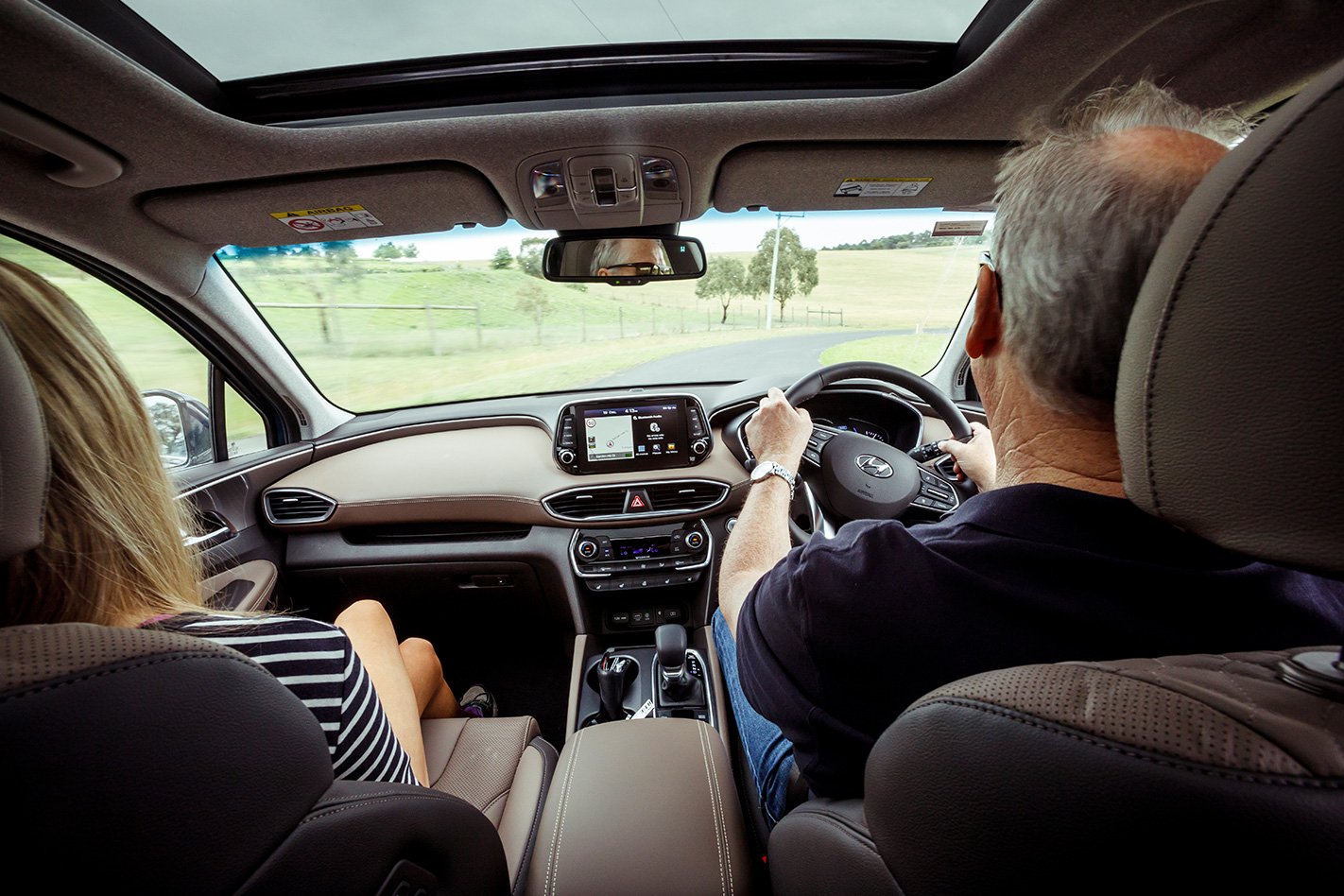
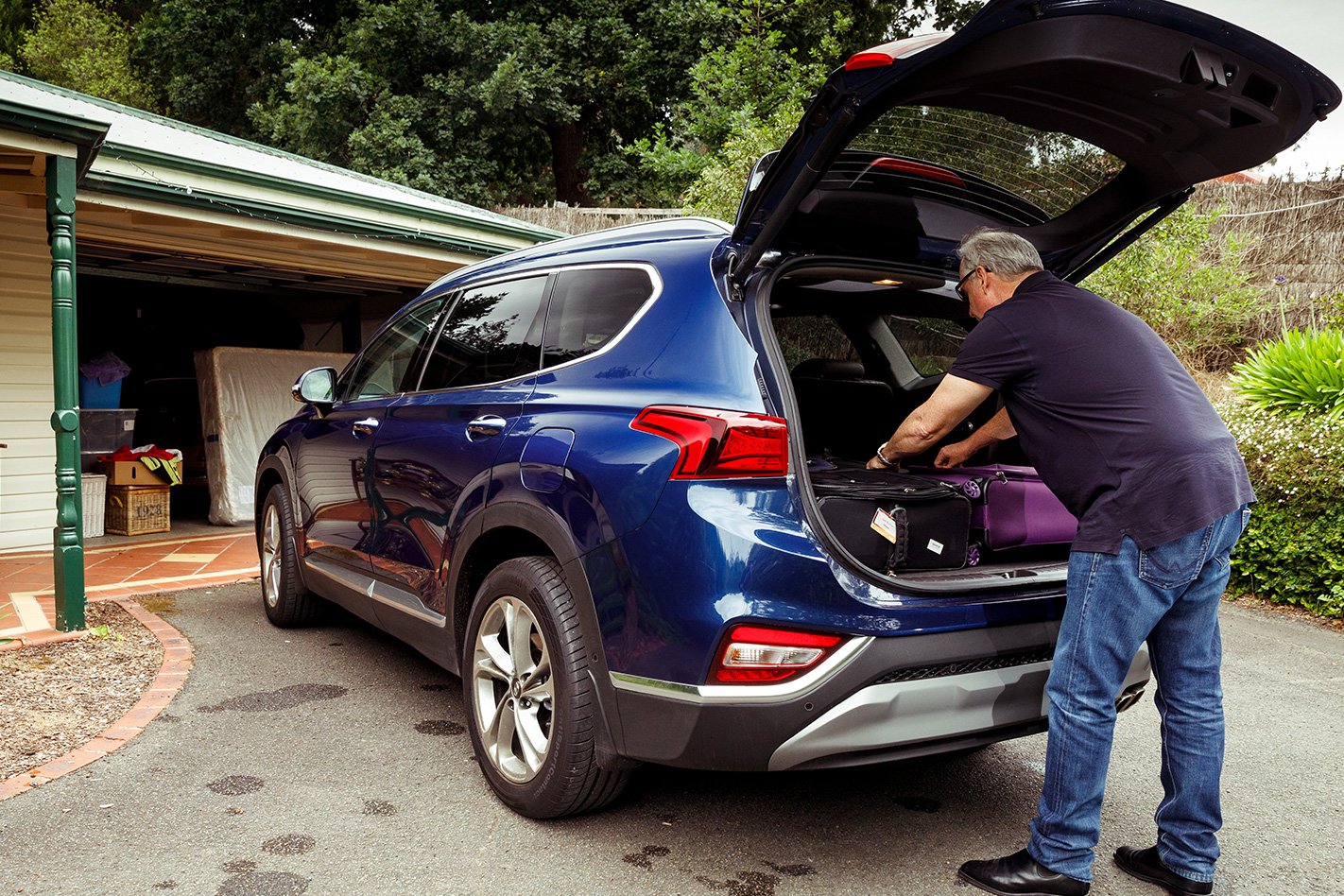
Questions are asked by the Good Wife as to why we aren’t taking the LandCruiser 200 Series that’s also parked in the driveway, which she believes will offer more luggage space and superior comfort. She’s right about the first bit, but at 547 litres, I’m confident the Hyundai SUV can swallow our four large suitcases, plus assorted summer holiday necessities.
I also back the comfort of the Hyundai’s shapely, leather-clad and ventilated buckets over the Cruiser’s more rudimentary fabric items.
As for the two rear-seat passengers, they’ll have the advantage of leather and individual adjustment and, most importantly, somewhere to plug their various iPads, pods and phones.
Given that we’ve chosen summer’s first 40-plus scorcher to travel on, the kids should also appreciate the air-con vents integrated into the centre console, the bottle holders in the doors and centre armrest, and the inbuilt sun shades on the side windows.
What I do need, however, is a cargo net, to ensure our luggage doesn’t Liverpool kiss the kids under braking. I find a net in the spare-wheel well, but it’s designed to secure a small load to the floor, not to act as a barrier between the boot and the second row. That’d be a handy addition, Hyundai.
Car stacked and tank brimmed, we get our motor running and head out on the highway, looking for adventure.
As the kays click by, the soaring heat – which reaches 44 degrees – tests the air-con’s capacity, but it aces that task, and the interior and ride comfort tests.
The 2.2-litre turbo-diesel is effortless; the gearing in the eight-speed auto making for an easy 1600rpm at 100km/h.
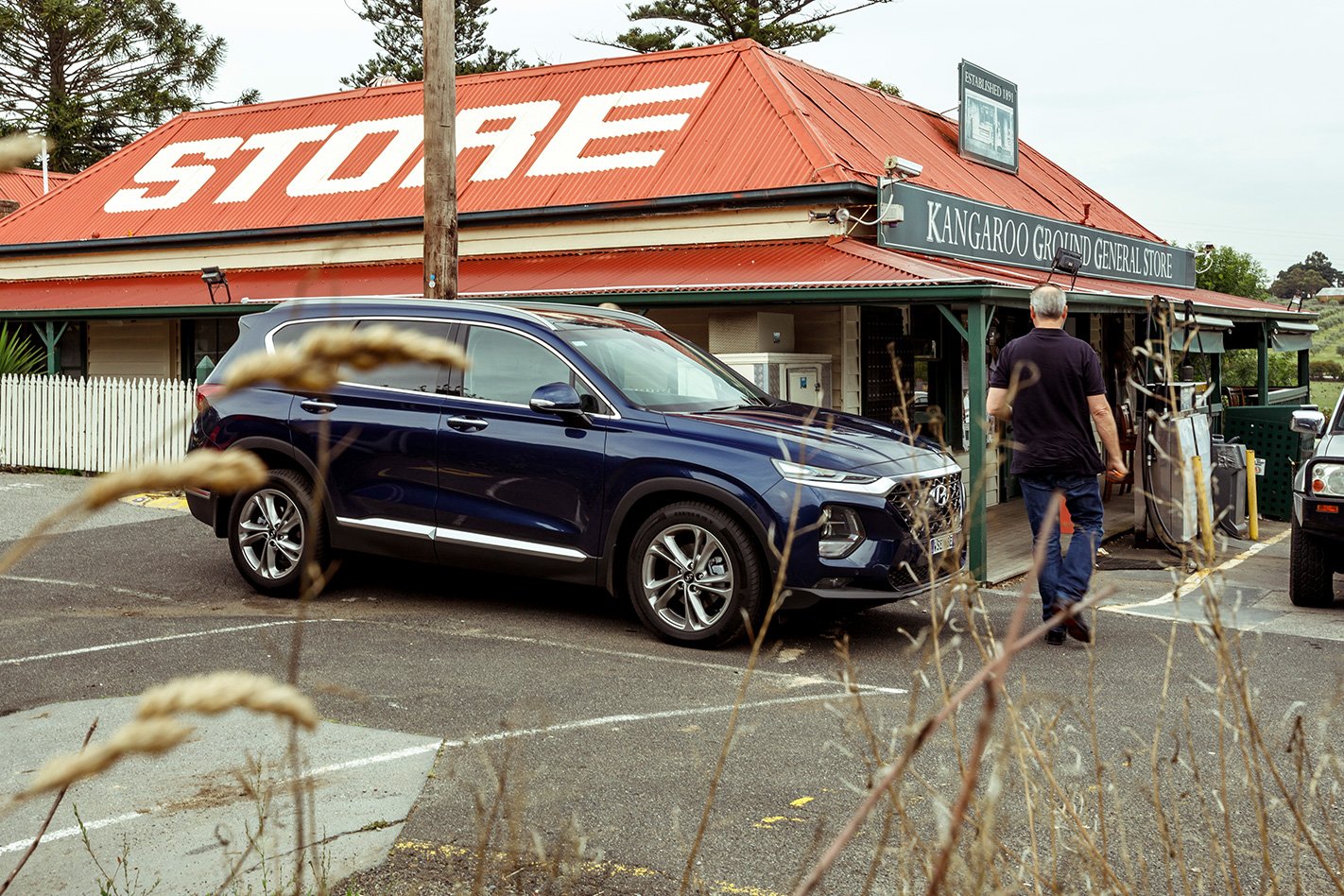
Perhaps the biggest complaint is the way the adaptive cruise loses speed up hills. There’s an unnecessary moment’s hesitation before the auto realises it needs to drop a cog or two, and in that space, 115 becomes 109km/h, or less.
That’s a problem Hamilton Hume and William Hovell would have loved back in 1824 when, with teams of horses, bullocks and servants, they took 16 weeks to chart the return overland route from Appin to Port Phillip. We managed the reverse half of that in 9.5 hours, in a good deal more comfort, and with only slightly fewer supplies.
Update 3
Brassy ’60s jazz-rock outfit Blood, Sweat & Tears sang “what goes up, must come down,” in their 1969 hit ‘Spinning Wheel’. They were right, of course, as affirmed some three centuries earlier by Sir Isaac Newton and that apple.
So it was that after several weeks of sun, surf and sand in Sydney, we succumbed to gravity and pointed the Santa Fe’s nose back towards Melbourne.
Having made our way north via the Hume’s easy-driving dual carriageway, it made sense to test the Highlander on the longer but undeniably more scenic and entertaining Princes Highway.
Steaming south, with the kids strapped in and a full load, we noticed the Santa Fe occasionally finding its bump stops on some of the road’s more prominent humps and bumps. Whether this was due to the fact we’d all put on a few extra holiday kilos, or that the coastal route is not nearly as well kept as its inland counterpart, the Santa Fe occasionally blotted its ride/handling copybook, with a roller-coaster-like moment of discomfort, before settling.
The ride is well judged for the most part, with good initial compliance. However, certain humps and depressions can catch it out, the compression feeling overly soft and the rebound a little underdone.
That aside, the nicely appointed cabin is a comfortable and pleasant place to spend a few hours, with a good driving position and handy features like a head-up display that incorporates blind-spot monitoring.
There were few complaints from the cheap seats, both daughters remaining personally cooled by their individual air-con vents and plugged into their respective USB ports. They also enjoyed ample leg room, individual back-rest rake adjustment, and enough shoulder room to render hair pulling an unnecessary exertion.
Meanwhile, as our load grew thanks to crucial souvenir purchases at every beachside town, I thanked the Santa Fe’s designers for their foresight in predicting that holidaying families would need every bit of available boot space, and designing their electric tailgate to allow packing right up to the boot lip, without the thing popping open in protest. Trust me when I say that those extra few millimetres saved your humble correspondent a good deal of blood, sweat and tears.
Update 4
In Stephen KING’S classic 1983 novel Christine, Arnie Cunningham’s malevolent 1958 Plymouth Fury puts the “fear into four wheels” as it goes about autonomously dispatching Arnie’s rivals in grisly ways, while driving a Cadillac-sized wedge between him and his new girlfriend.
Lately I’ve been wondering if our Santa Fe might have a touch of the Christines about it, too, in so far as there’s something suspicious about the way the heated seats and steering wheel activate with a mind of their own.
Admittedly, having your buns and palms gently roasted pales when compared to being monstered by a ton-and-a-half of angry Detroit iron, but on a hot summer day with the excellent air-con cranked to cryogenic, it’s at the very least mildly inconvenient.
The wife, too, thinks there’s something mischievous with the way the speed zones in the head-up display and sat-nav unit aren’t always in kilter with the posted limits on the road. That could be a poltergeist or other supernatural being, right?
Curbing the temptation to dial 1800-EXORCIST, we instead dial 1800-SCEPTICS, who point out that the hellfire and brimstone coming through seats and steering is likely due to the location of the switches just above the dash slot where we stow wallets and phones. Throwing stuff in there sometimes causes stray hands to bump the switch, making us feel the burn.
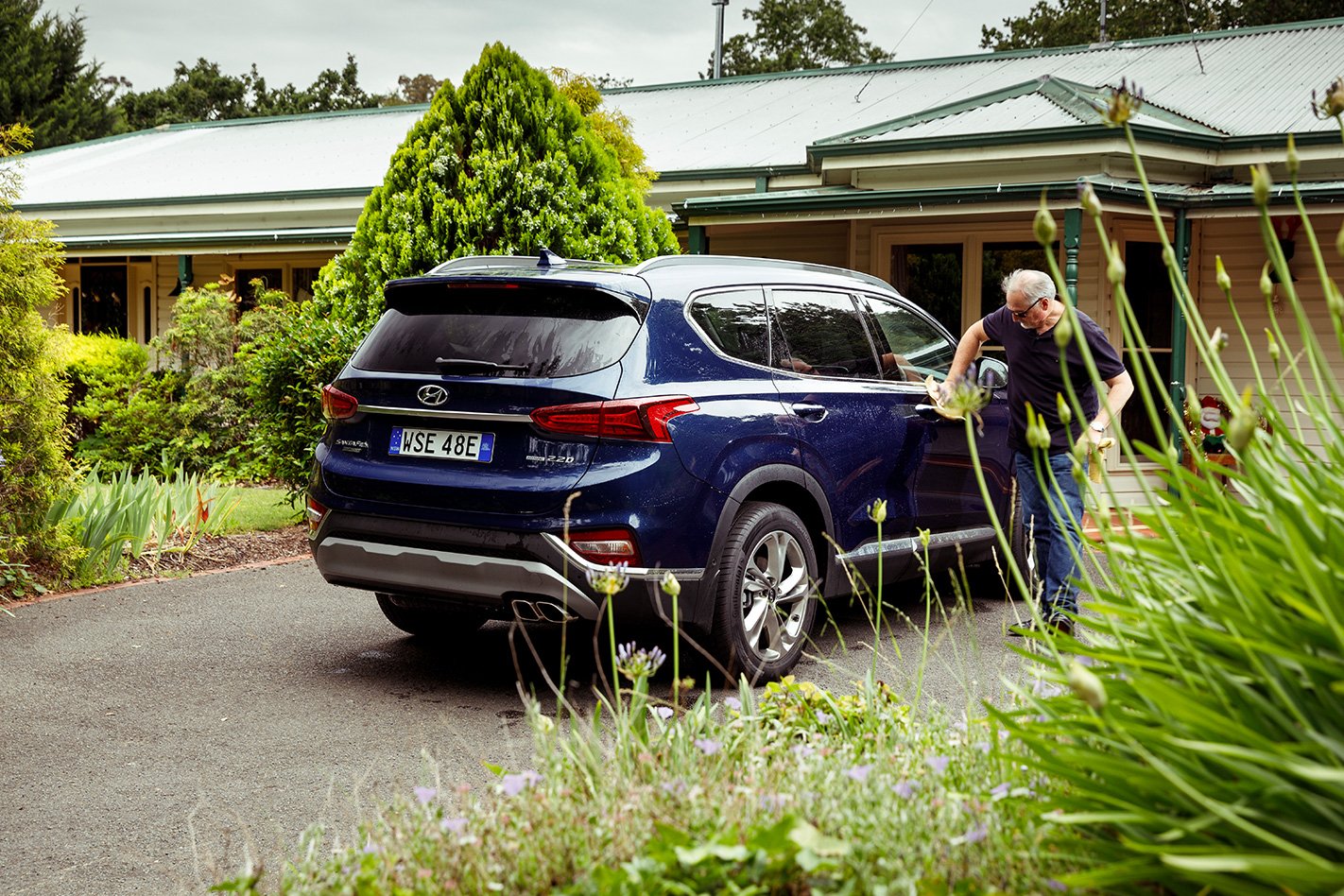
The speed limit discrepancy is also easily explained as a case of the Santa Fe’s navigation software only being updated at scheduled services, whereas VicRoads can change a posted limit anytime they fancy.
Only downwards, it seems. The wife opines that the difference between what the car says is the limit, and that of the occasional revised roadside speed sign, might be the difference between getting pinged and losing your licence. Fair call, but good luck explaining that to the judge.
When not driving the absolute wheels off the Santa Fe at a certifiably insane 80km/h, She Who Must Be Obeyed is often found in the heated and cooled navigator’s chair offering advice on anything from the standard of my driving, to the standard of my driving.
It’s then that I thank someone in Seoul for providing the handy button on the inside edge of her seat that enables the driver or rear passengers to adjust the seat fore and aft. There’s that poltergeist again, I say, as the wife’s seat glides eerily forward, until contact with the dash quells conversation.
Speaking of things autonomous, I asked someone who should know about such matters, how long Hyundai’s Lane Keeping Assist function would allow hands-free driving before alerting the driver to put a hand back on the wheel. Their response: “Oh, about 10 seconds?”
An admittedly unscientific one-Mississippi-two-Mississippi count showed a mysterious power steering the Santa Fe within its lane for a full 87 seconds before the alert chimed. Eerie, huh? It’s enough to send shivers down your spine… or did I just bump the bloody seat cooling switch again?
Update 5
For many families, the decision to upgrade to a seven-seat vehicle is taken soon after news of the impending arrival of a new addition. That third child never eventuated for us – unless you count a pampered and slightly deranged Cavoodle named Bailey – but the extra pew has always held some allure, if only for when extra kids or rellos need to be accommodated.
On the occasions when the Santa Fe’s third row has needed to be deployed we’ve found it pleasingly easy to use.
I’ve been doing this motoring caper long enough to remember the hernias and slipped discs that came with the territory (no pun intended) of some of the early third-row arrangements, including the contortionist manoeuvres required just to get back there. But when I do send our kids scurrying like spiders to the third row to make way for a friend or a grown-up, there’s only a modest amount of whingeing, easily drowned out by the Santa Fe’s 10-speaker Infinity audio system.
Access to the 50:50-split third row is enabled via the 60:40 split-fold second row, which collapses and slides forward effortlessly at the touch of a button. You wouldn’t direct Nana to “g’won, git back there”, but anyone short of an NBA point guard and with a modicum of spinal flexibility should be able to manage it, with a grip handle to help.
Hyundai has avoided that epic fail inflicted on us by some vehicle importers, and sited the shorter side of the split-fold second row seat on the passenger side, where you’re most likely to want to embark or disembark passengers. The presence of ISOFIX anchor points in the outboard seats of the second row is another win.
Individual air-vents for the second and third rows, and twin USB ports in the rear-centre console reduce the risk of back-seat internecine warfare.
The fact the third row folds neat and flat into the floor when not in use can’t be overstated, since we do far more driving four-up with a boot-load of luggage than six- or seven-up. Being able to use all 547 litres of luggage space without packing around humps or bumps has been medically proven to reduce dad’s blood pressure.
Update 6
I know I should be more understanding but when the call came from the Trouble and Strife that she’d run out of fuel several suburbs distant, I politely suggested she had best sort it out.
To the gal’s credit that’s precisely what she did – after providing me a character reference that might be just a tad fruity for publication – trudging a few hundred metres to collect the obligatory ‘Can of Shame’, then drizzling just enough of the life-giving liquid into the Santa Fe’s fuel neck to get it back to the servo forecourt for a thorough replenishment.
Unfortunately, some of the decanted diesel must have spilt down the inside of the fuel flap, and despite having given it a good wipe out when it eventually arrived home I’m still greeted by the waft of what Wheels veteran John Carey likes to call “dis-iesel” each time I approach the car.
When she had come off the boil a little, I calmly and condescendingly explained to the mother of my children how fortunate she was that modern diesels usually don’t require priming to restart. This is due to the fact the Hyundai and others like it run two fuel pumps; a low-pressure unit in the fuel tank, and another high-pressure unit in the engine bay, connected via a closed-loop system that always retains fuel in the lines, even if technically run dry.
I had the pleasure of operating a bit of heavy equipment during my fickle youth, and carry some not-so fond memories of being bathed in the delightfully oily fluid while trying to pump airlocks out of the injectors of stalled graders and lighting plants.
It’s been a bit of a month for minor mishaps, actually, with the Santa Fe’s dash lights blinking a low tyre-pressure alert the other day for no apparent reason. It’s probably a result of pressure dropping due to colder weather, and the light was quickly extinguished via a visit to the servo and a few extra pounds at each corner.
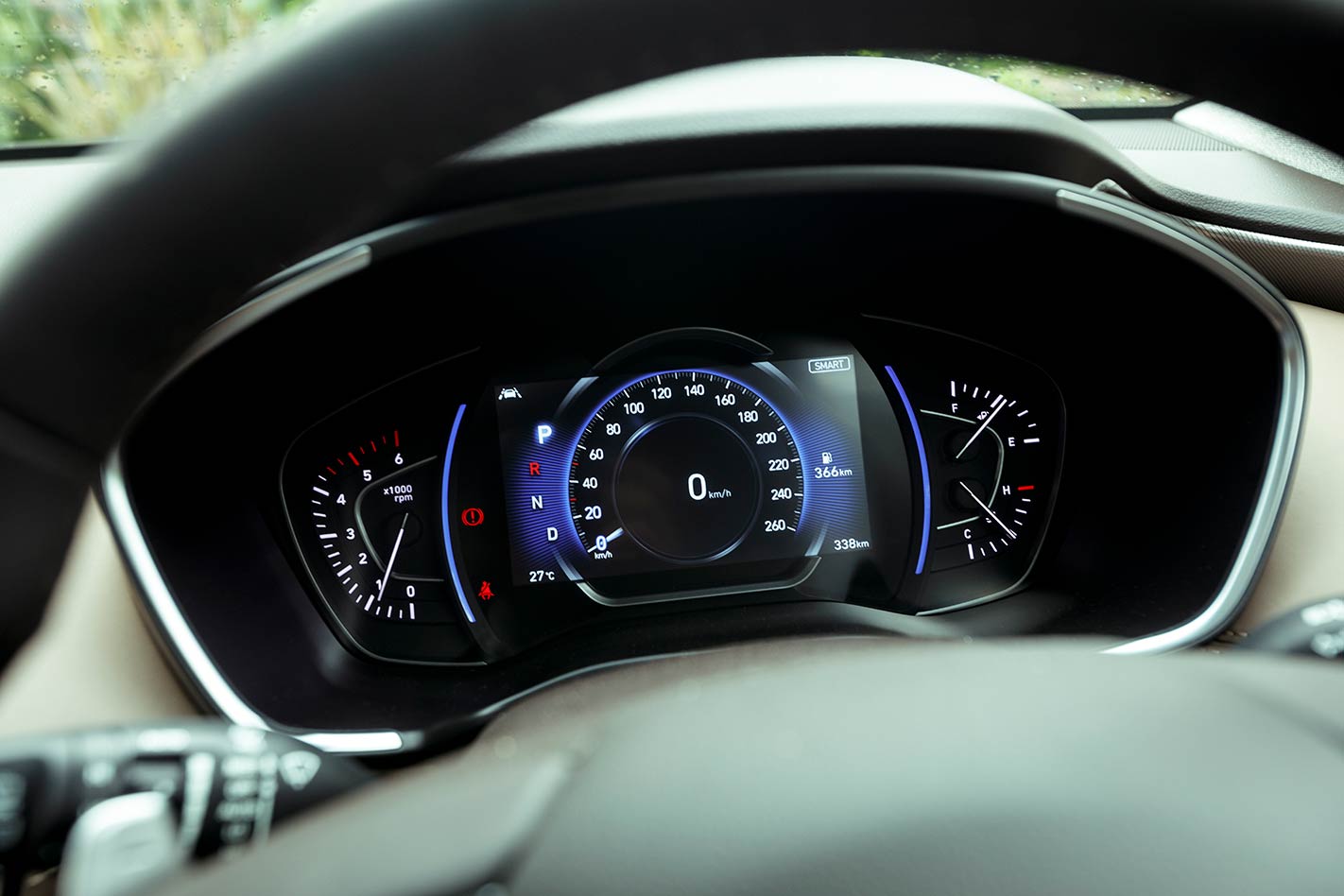
The experience led me to discover that the Hyundai provides a handy graphic within the digital speedo surround that tells you precisely what pressure each tyre is at.
Recommended pressure for the 235/55R19 Continentals is 35psi all-round, whether laden or unladen, but they’d dropped to 31 and 32, which instigated the alert.
Now, with the tank brimmed and the hoops at their correct pressures, here’s hoping for a trouble-free final month’s motoring ahead of our wrap-up review of the Santa Fe Highlander next month.
Update 7
Did you know there are three different ways to say goodbye in Korean, depending on who leaves and who is staying?
No? Me neither, at least not until I sat down to write this farewell piece, at which point I also learned that Korean is one of the world’s oldest living languages, most likely a distant relative of the Ural-Altaic family of languages, which includes Mongolian, Finnish and Hungarian.
Why do we need to know this? Well, in order to bid our Santa Fe long-termer a culturally appropriate farewell, of course. It turns out that the correct Korean phrase for when someone (or presumably something) is leaving is ‘annyeonghi gaseyo’, the translation of which is ‘go in peace’. However, if you’re leaving and the person you’re addressing is staying, you say ‘annyeonghi gyeseyo’, or ‘stay in peace’.
Then again, you could opt for the more informal ‘annyeong’, which PSY and other cool young South Korean cats are likely to utter while lashing out on a bootload of Louis Vuitton in Seoul’s upmarket Gangnam district.
Sadly, after six months and some 8120km, there was nary a discarded $55K LV croc-skin City Steamer satchel to be found beneath the detritus of our habitation; just some muddy boots, discarded coats and something that might have once been the dog’s lunch. Either that or it was the remains of Rocko, the guinea pig, who hasn’t been seen for some time. Same thing, I guess.
As I pulled up alongside a skip to begin shovelling out the worst of it, the kids suddenly twigged that something was afoot and the family car was about to be repossessed. Again.
It’s a curiously First World problem these kids have, in that throughout their lives they’ve never had a family car beyond the six-month mark. Not for them the gentle reflection on the dent in the side of the old Holden from where their first wheelie went amiss. No, we Bulmers enjoy a far more transient relationship with our family cars, but this doesn’t stop us making great short long-term memories in them.
Case in point, our road trip to Sydney in January, which allowed us to test the Santa Fe’s long-haul comfort and efficiency, as well as its luggage capacity and load carrying; not to mention the efficacy of its air-con in 40-plus degree heat. It passed with flying colours.
So, too, at the other end of the spectrum, where the Santa Fe toiled dutifully in the daily cut and thrust of roughly 100 school runs. Here, the sat-nav’s speed-zone alerts helped avoid many a demerit point, while its reversing camera and high-quality screen made for safer manoeuvring.
On winter mornings, Mother Duck never lost her appreciation of the fact she could open and close the electric tailgate from her heated leather seat, avoiding the shame of letting the other mothers see she was still in her ’jamas.
Wait, was I meant to say that?
Visits to the servo to replenish the 2.2-litre turbo-diesel’s fuel supplies were pleasingly infrequent, with consumption varying from a best of 7.6L/100km to a worst of 11.5L/100km.The trip computer indicated an accumulated average of 10L/100km, while our own math said 9.7L/100km, so let’s call it 9.9L/100km, which we think is pretty respectable for a two-tonne family SUV.
Criticisms? There aren’t many, to be honest. Some reckon it’s too expensive, but I’d point them to the level of standard features, especially the safety and driver-assistance kit, as well as the well-appointed and nicely finished interior. There were small annoyances, of course, like the sudden tugs at the wheel from the standard lane-keep assist, or the fact that the cruise control allows a bit too much speed to wash off on hills, or that you can inadvertently turn the seat heaters on by bumping them. Which is not great in summer.
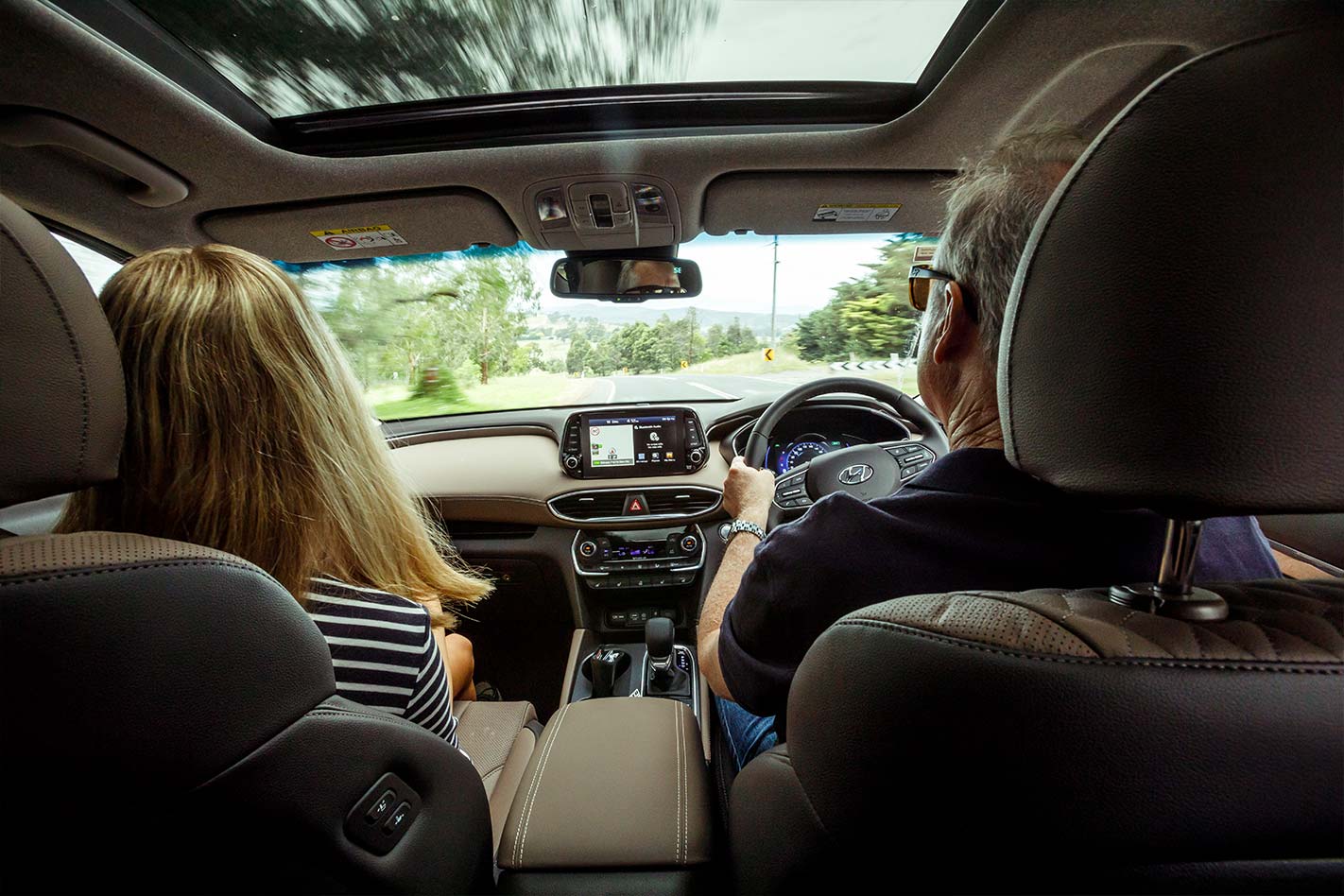
But these are minor criticisms of what is really a terrific family SUV, one that easily accommodated our family of four in safety, comfort and style for half a year of haulage.
We’ll miss having the Santa Fe in our driveway and our lives, but we’ll always have the fond memory of it, as well as a new-found mastery of ways to say goodbye in Korean, when next we dine out on bibimbap or bulgogi.
