Porsche has pulled the sheet off its hyped 718 Cayman GT4 and Boxster Spyder relation. While it looks similar to the car we knew before, it delivers a masterpiece we wanted underneath – an all-new 4.0-litre naturally-aspirated flat-six.

Though both the 911 GT3 and the new GT4 features a 4.0-litre flat-six, the new engine is not simply a detuned version of the GT3 unit, it is based on the 992 Carerra S’s 3.0-litre mill.
Due to emissions regulations it features cylinder deactivation for efficiency, and has a different bore and stroke. It ends up at 4.0-litres capacity and produces 309kW at 7600rpm and 420Nm from 5000-6800rpm. Redline is a cracking 8000rpm – 1000rpm short of the blood curdling GT3.
Porsche made the decision to carry the GT4’s manual-only legacy, with the PDK automatic considered only shortly before being tossed aside. New for the drivetrain in the Cayman is ‘Auto Blip’ – the rev-matching feature used in the 911 Speedster and that can be switched off.
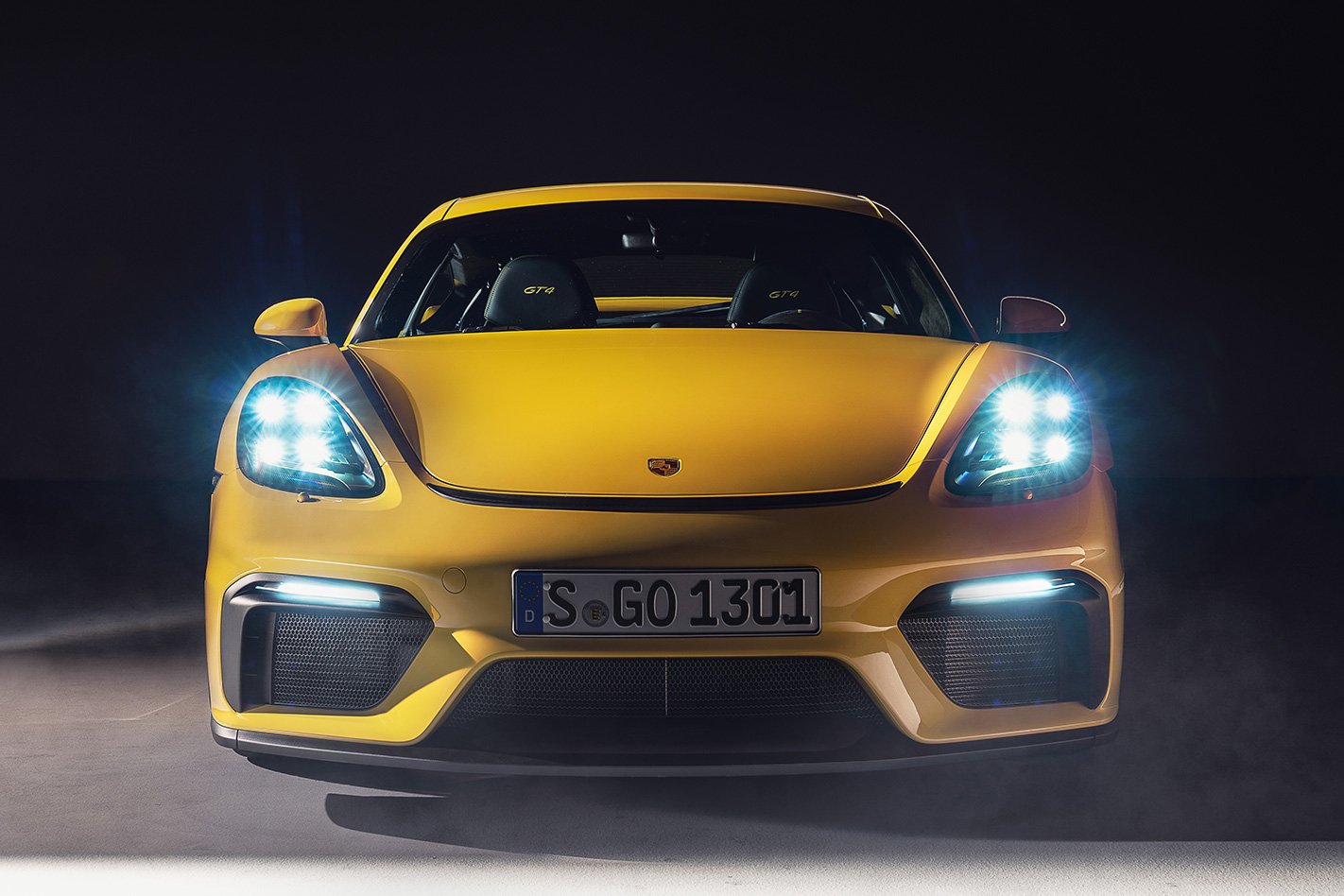
The result is that accelerating from a standstill to 100km/h takes just 4.4 seconds, and smashing on to 200km/h is 1s faster than in the previous GT4. Its top speed is a whopping 304km/h.
Though the car is designed to offer a pure, fun driving experience, ultimate track performance has taken a step forward, with Porsche claiming the GT4 is 10 seconds faster around the Nurburgring:
“If you’re looking for pure track capability, it’s at least 10 seconds quicker [around the ‘Ring] than its predecessor,” says the boss of Porsche’s GT road-car program, Andreas Preuninger, during a preview walk around of the new GT4.
Its substantially quicker time is a result of the combination of revisions made to every area of the car including the latest damper technology, ABS calibration, dynamic transmission mounts and next-generation steering. Preuninger says there is “lots of feel and a lot of connection.”
The rim sizes are unchanged from the previous-gen car, so 245/35 ZR20 front and 295/30 ZR20 rear tyres, wearing Michelin Pilot Sport Cup2 tyres.
Preuninger tells us the tyres are, “new spec, but not ultra-rated super track day tyre, they’re more an ultra high performance all-rounder.”
The Michelins are fitted to a new wheel design, which retains a five-stud fixing, rather than the centre-locks of the GT3 – another concession to price and market position. PCCB (Porsche Ceramic Composite Brakes) shown in these images on the GT4 by yellow callipers behind its wheels are a cost option on both models.

Both GT4 and Spyder features the latest version of Porsche Torque Vectoring allied to a mechanical locking diff, Porsche Stability Management which allows ESC off and Traction Control off, as well as sports PASM (Porsche Active Suspension Management) sitting some 30mm lower than a typical 718. PASM offers the usual button-push choice between two suspension mode but as the setup borrows heavily from the GT3 the chassis offers additional adjustability for owners to set up the toe, camber and anti-roll bars manually.
Ball joints feature on the top mounts at the front and rear and while further solid connections were considered, Preuninger admits that the rest of the suspension bushes are conventional so as not to compromise its on-road performance.
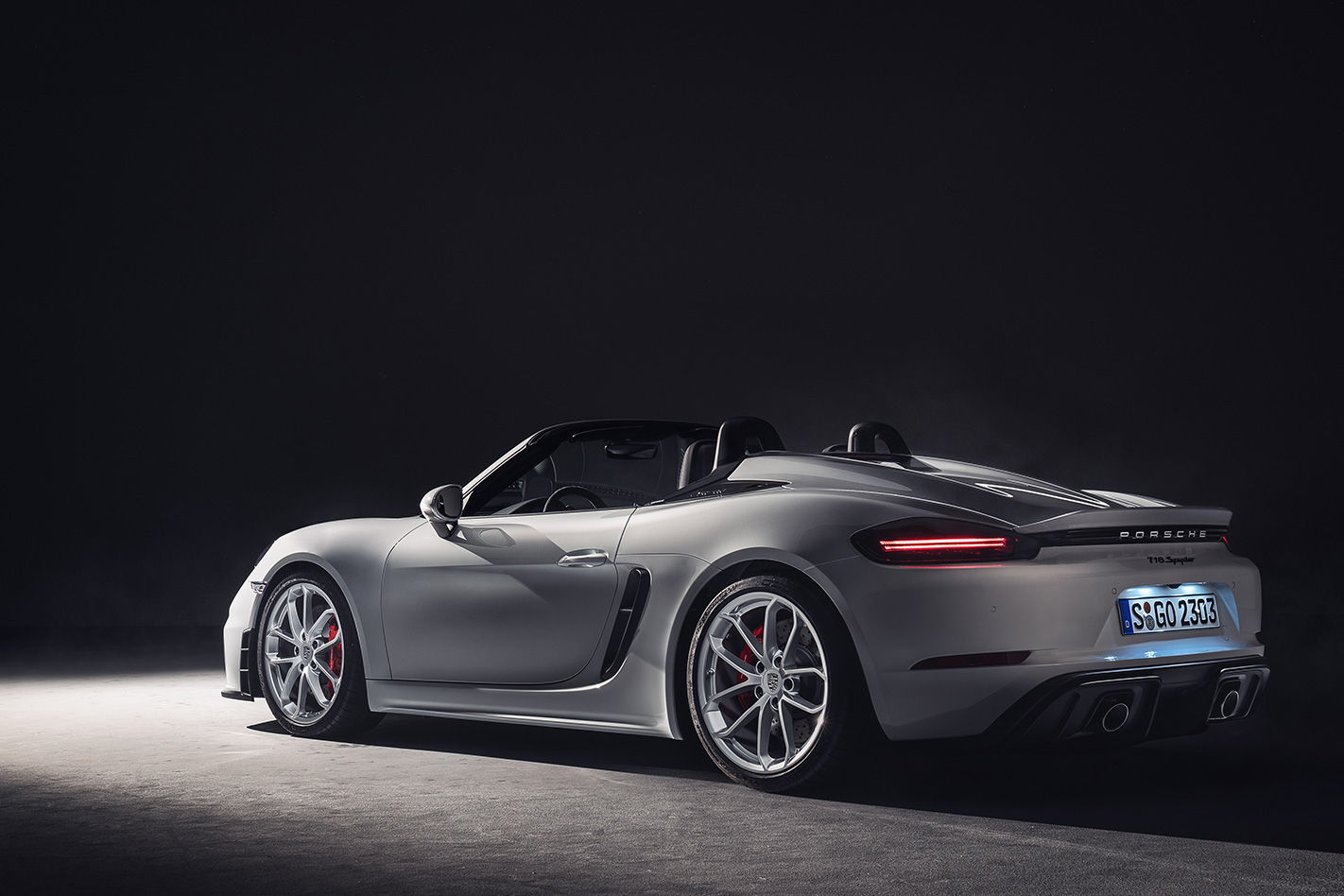
Visually, the new GT4 doesn’t look substantially different to the car it replaces. However, as with every new model from the GT department, aerodynamic advances have taken a sizeable step. The front splitter protrudes a little bit further forward, while the rear wing features new end plates and a slight gurney to create a low-pressure area to bring the rear into balance. The rear wing, which is situated on aluminium struts, remains adjustable, as do elements in the front aero package.
The key gains aerodynamically, admits Preuninger, are along the sides and underneath the car. Fore of the front wheel is an additional aero element, helping remove turbulence from the car’s flanks and venting the airflow around the front wheel well. At the rear there’s a prominent diffuser, this being where the biggest gains were made.
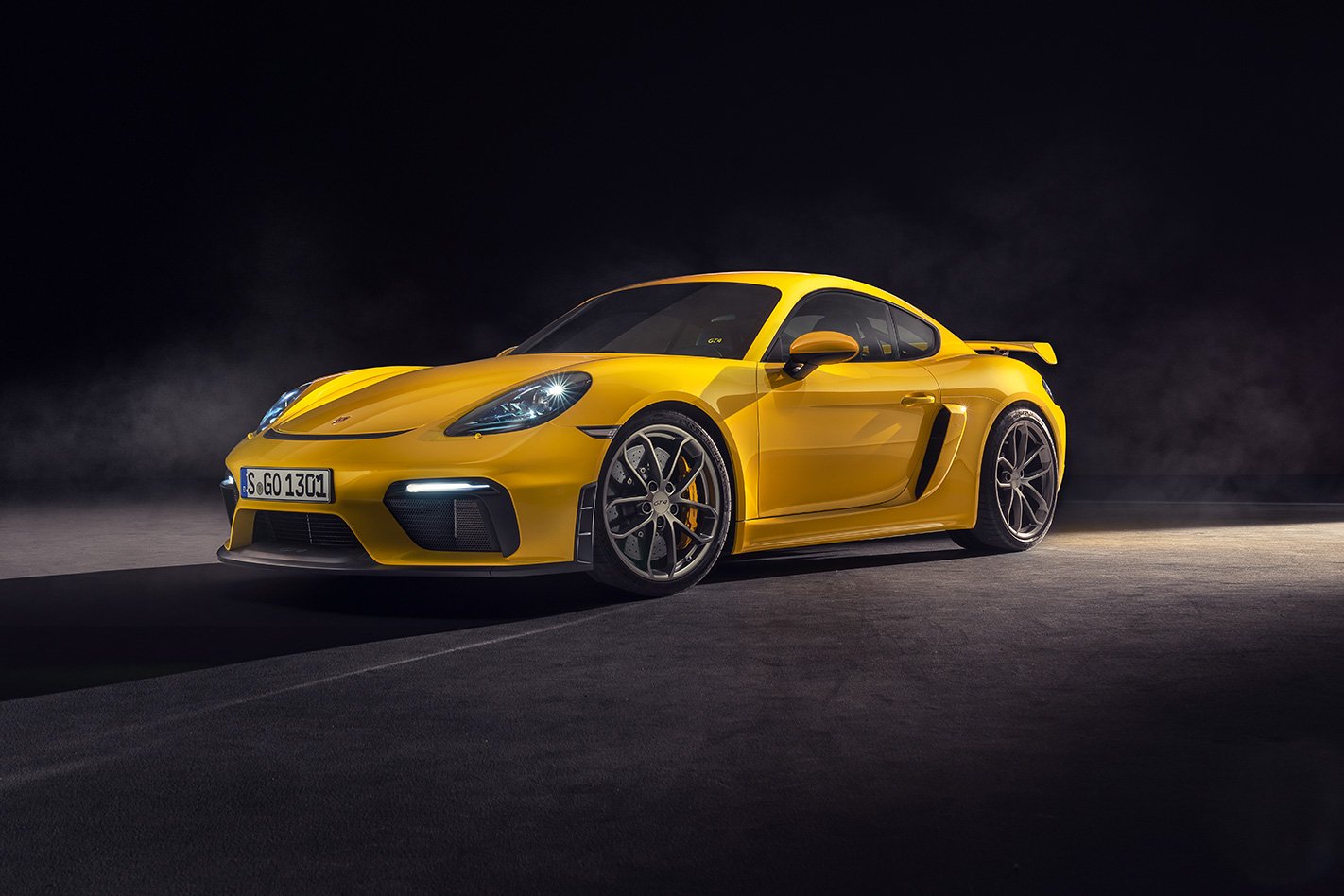
The net result is a car that is, “faster round the ring than the GT3 a couple of years ago.”
Being a GT department model means weight was always approached with a scalpel, but it still hits the scales heavier than before – the quoted kerbweight for the new GT4 is 1,420kg, compared to 1,340kg for the old model.
Preuninger is quick to point out that the way the cars are homologated is now different. The homologated weight now must be with no options, and before it was previously legal to quote a kerbweight with the optimum specification.

“There are so many boxes to tick that make the car lighter so this car nominally is about 60 or 80 kilos heavier on paper but it’s only about 30 kilos heavier in real world if you compare apples to apples.”
Cost-option weight removal comes in the form of doing without climate control and the PCM communication and stereo equipment, while PCCB, lightweight carbon-backed bucket seats all help shift weight via the options list. The familiar Clubsport package is also offered if you want a half cage, ignition cut off, fixed harnesses and a fire extinguisher.
Ticking all of those boxes brings the weight down to around 1340kg – inline with the previous generation model. So as heavy as before but with more power and grunt.
While sculpted for the track, Australian specification Cayman GT4’s will come loaded with extra kit as standard including bi-xenon headlights, reversing camera, automatically dimming mirrors with rain sensor, ambient interior lighting, infotainment system with Apple CarPlay and sat nav, two-zone climate control and heated seats
Porsche will launch the Cayman GT4 in Europe later this year, and Porsche Australia has confirmed it expects local deliveries to commence from Q1 2020.
Pricing for the Cayman GT4 is $218,800 and for the Boxster Spyder $209,000.
Drop-top thrills no longer come at the expense of grunt, with the new Boxster Spyder endowed with the same 309kW/420Nm of naturally aspirated muscle found in the new Cayman GT4.
Once the poor relation to the GT4, the Spyder is now no longer the supporting act. And that’s thanks to the boss of Porsche’s GT road-car program, Andreas Preuninger.
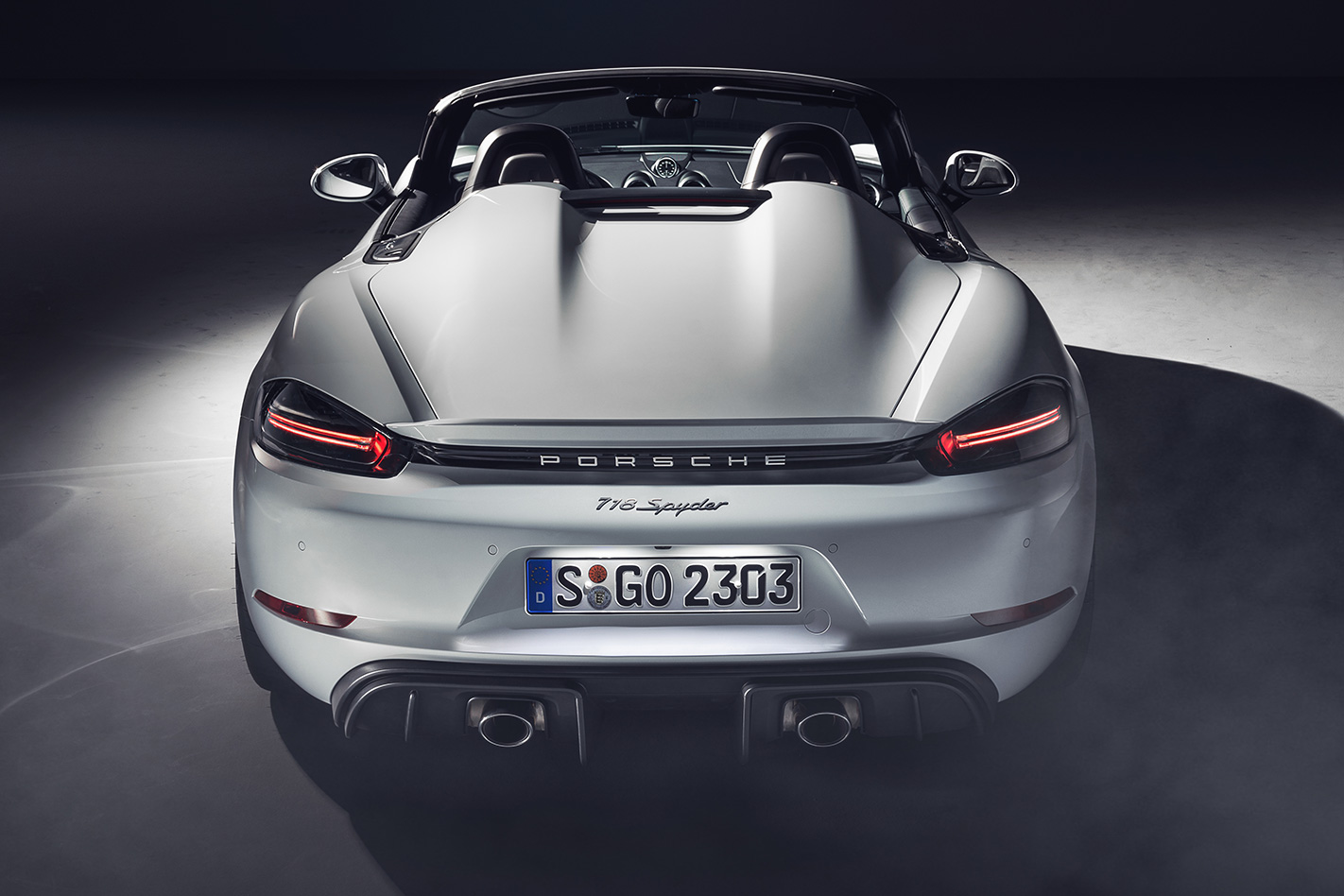
The Boxster Spyder will use the same 4.0-litre flat six found in the Cayman, a unit that’s around 80 percent unique to the Cayman/Boxster and with the ability to rev to a glorious 8000rpm. Both Cayman GT4 and Boxster Spyder are now legitimate entry-level GT-spec cars.
2016 Porsche Boxster Spyder review
Pushing the Spyder program is Preuninger, a man who likes open-top cars. His personal 993 911 is a cabriolet and it’s Preuninger who pushed so hard for the recent 911 Speedster.
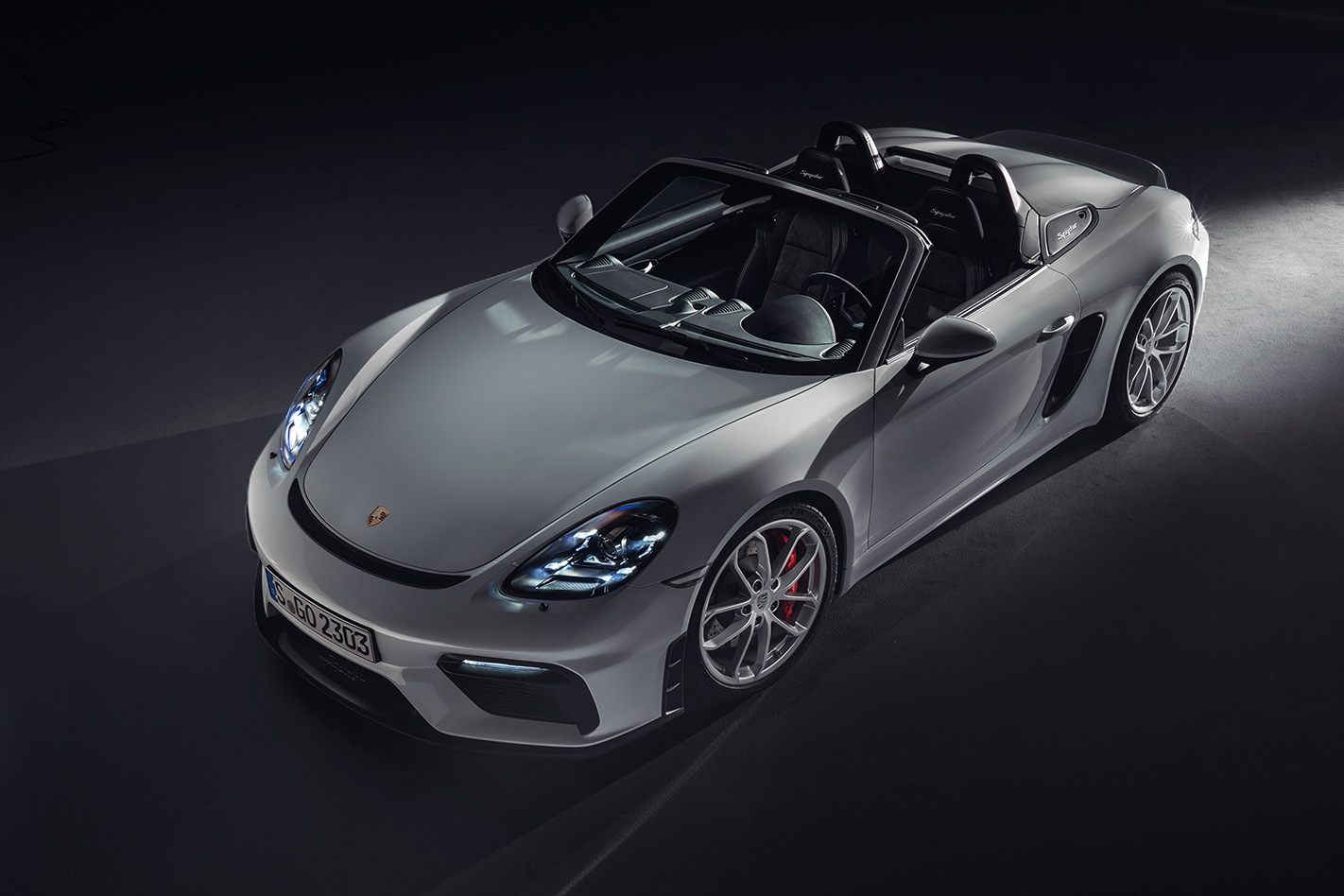
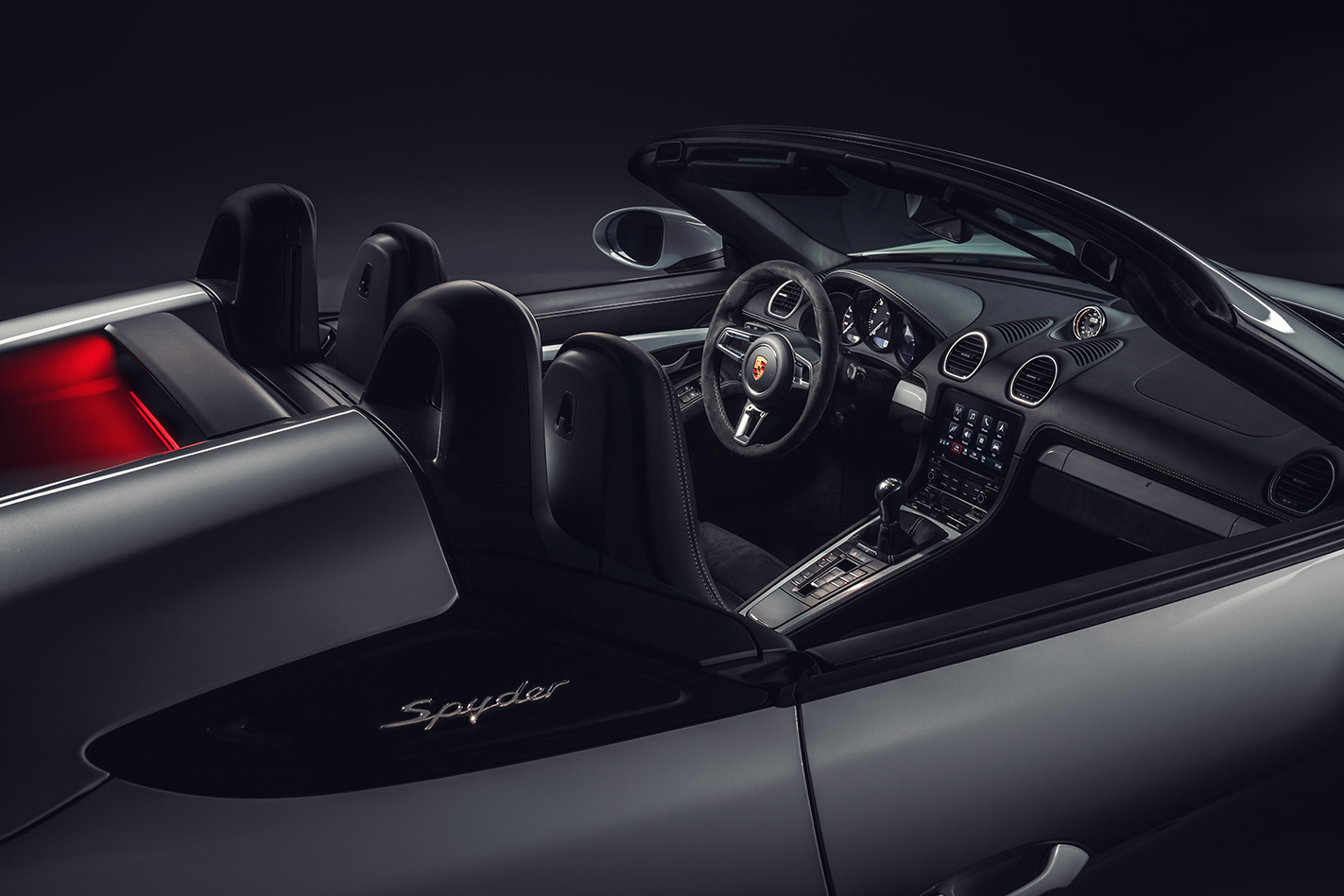
He describes the Spyder as: “an open GT4”. Therefore it gets the same engine, the same suspension and the same underbody aerodynamics as its coupe relation.
“It’s a little bit like the Speedster idea, the Spyder a full-blown GT car, but without a roof. It’s purist and it’s gained a lot of performance,” Preuninger said.
The roofless Spyder generates downforce largely thanks to the underbody aero, but also via the pop-up rear spoiler.
Porsche 718 Cayman GT4 Clubsport confirmed for Australia
Like the Cayman GT4, the Boxster Spyder will be offered exclusively with a six-speed manual and power the rears wheels – there’s no PDK option here. The transmission comes with a rev-matching feature for the perfect downshift, but you can switch the system off it it’s not to your liking.
The Spyder also gains the latest version of Porsche Torque Vectoring (PTV) with a mechanical locking diff. Both Porsche Stability Management and Porsche Active Suspension Management feature, while it sits 30mm lower than the standard Boxster.
If you have missed out on 911 Speedster allocations, then the Spyder could be the right fit for your garage, according to Preuninger.
“It’s about a third of the price, but it’s not a third of the car”.
Australian specification Spyders will come loaded with extra kit as standard including bi-xenon headlights, reversing camera, automatically dimming mirrors with rain sensor, ambient interior lighting, infotainment system with Apple CarPlay and sat nav, two-zone climate control, heated seats and a heated multi-function steering wheel.
Porsche will launch the Cayman GT4 and Boxster Spyder in Europe later this year, and Porsche Australia has confirmed it expects local deliveries to commence from Q1 2020.
Pricing for the Cayman GT4 is $218,800 and for the Boxster Spyder $209,000.
More than one million, that’s how many 3D-printed components BMW has produced in the last 10 years, not that you’d know it. While most people know 3D printing by its common name, BMW, Mercedes, and Porsche refer to it by its technical name, additive manufacturing.
It’s a rapidly growing area of automotive manufacturing but companies have been taking the technology seriously longer than most realise. In fact, BMW estimates that last year its output of additive-manufactured parts, around 200,000, was 42 per cent more than in 2017. 3D printing isn’t just for building model figurines anymore.
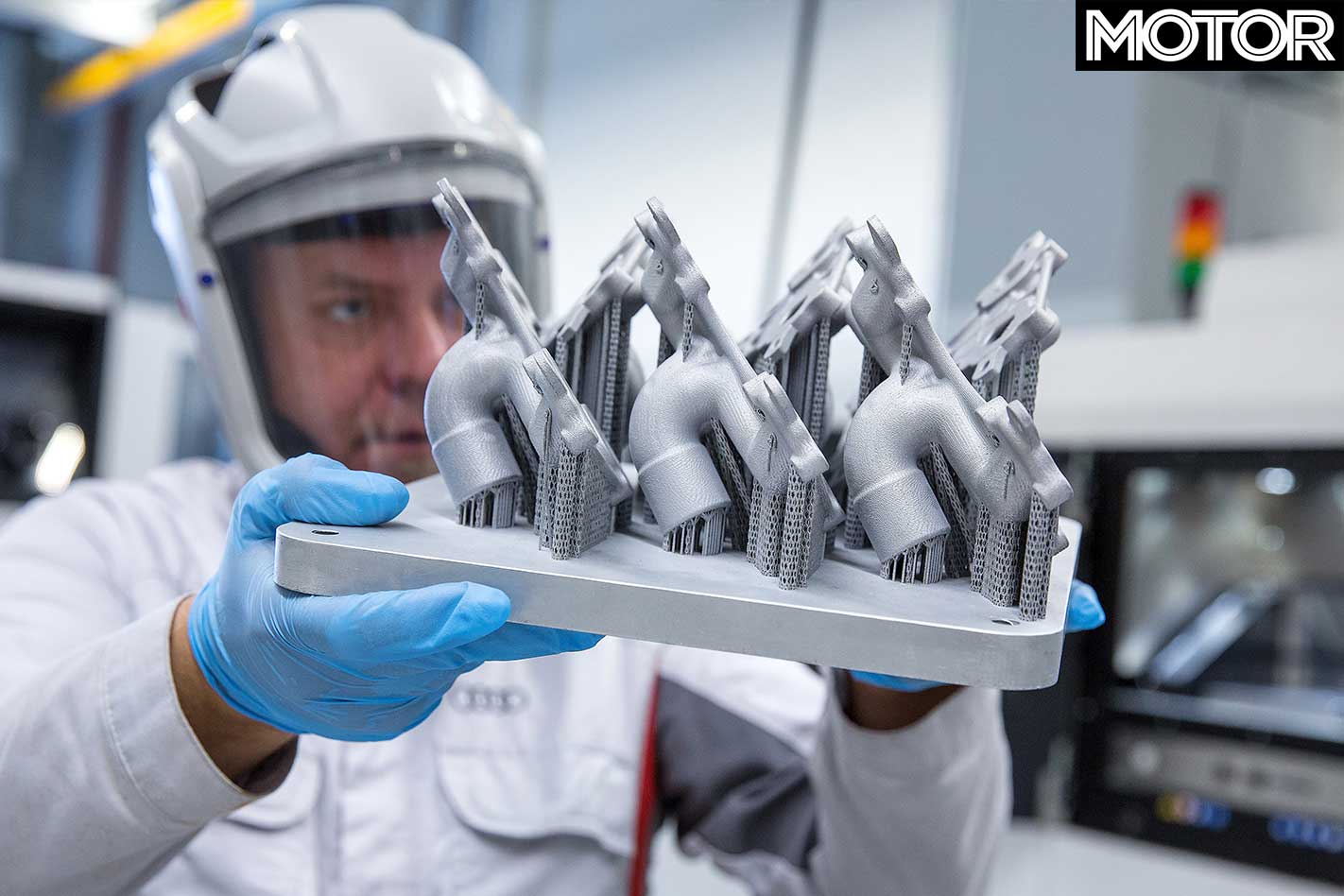
There are several different additive manufacturing processes but the two most commonly used in the automotive world involve a powdered version of the intended material, usually a metal alloy, and a laser to fuse it into form. Porsche describes one such process as ‘the powder and nozzle procedure’.
In this method, powdered metal is directed through a nozzle (like water from a hose) to a point where it meets a laser beam and there it is fused as the nozzle and laser move to create the part.
The second, and apparently more manageable of the two, is the powder bed system. In this process layer by layer of powdered material is laid across an existing bed of the same material, while a laser above fuses the sections it needs from each layer to continue the shape underneath.
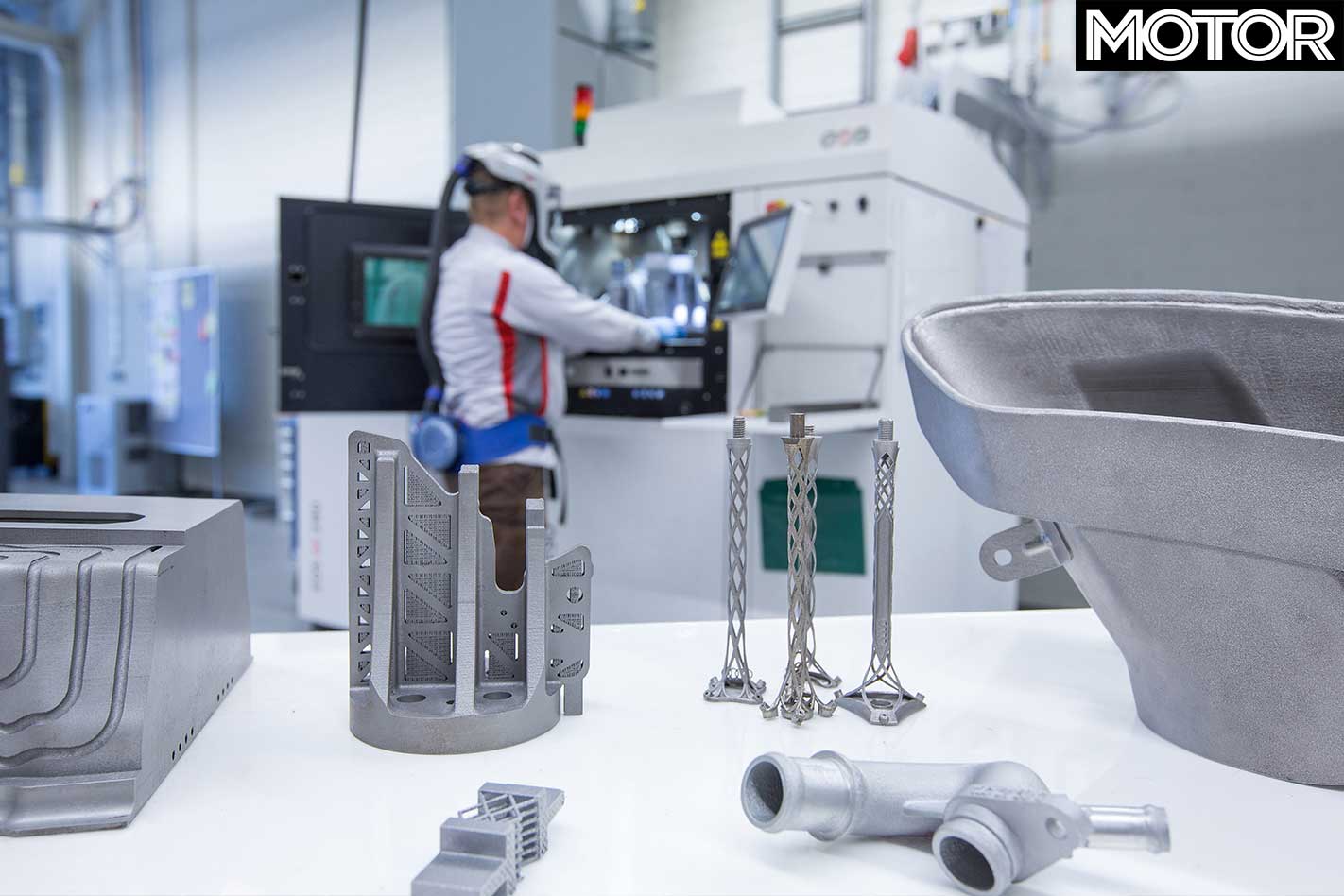
This leaves plenty of excess powder surrounding the final product but allows almost any design or shape to be constructed. Explained another way, if a cylinder were to be created using this method, the laser would only need to fuse a circle in each new layer of powder, on top of the existing fused metal. The un-fused powder would remain around this circle, on each layer, to support the next layer.
Put simply, in the words of Dr Masahiko Mori, chairman of machining and tooling company DMG MORI, “additive manufacturing materialises engineers’ ideas, and makes it possible to produce well-thought-through designs from the digital world in the real one.”
Where traditional manufacturing is limited by the tools and raw materials used, the possibilities for additive manufacturing are essentially limitless. For example, constructing a chain without needing to weld the links closed is practically impossible using traditional manufacturing, but it’s far easier when using powder and lasers.
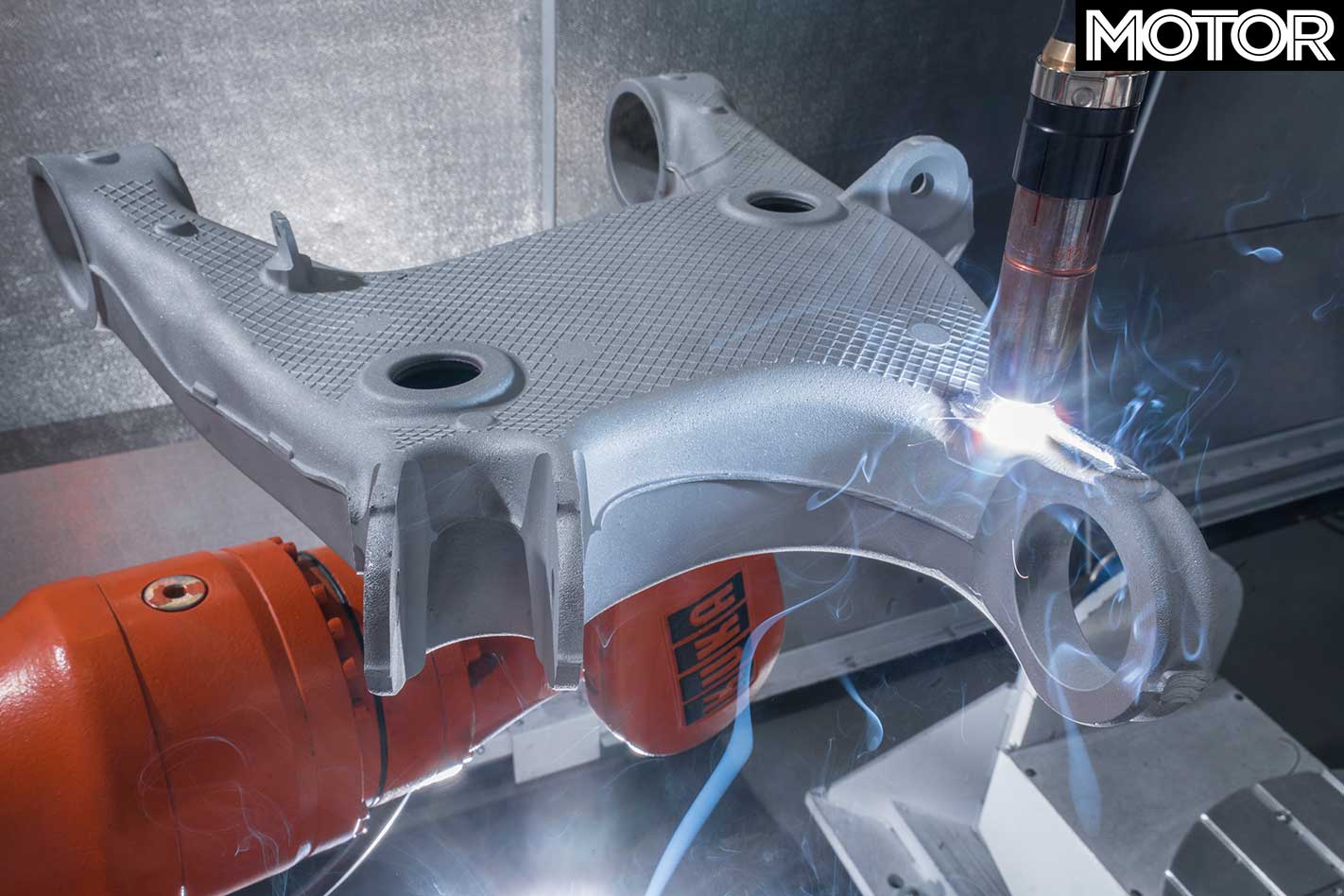
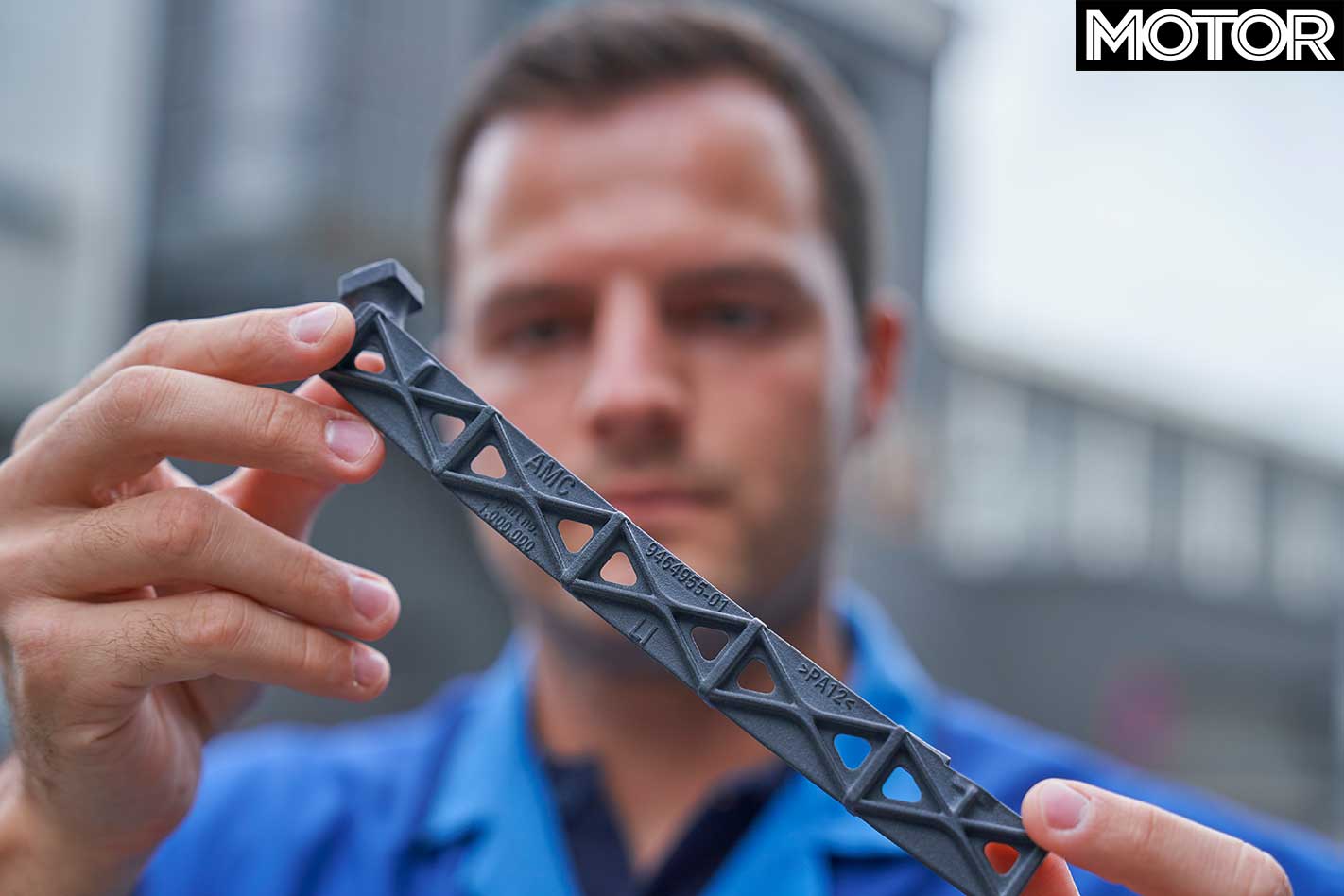
But why do manufacturers want to put precious resources into something that’s still being refined? It comes down to the advantages which brings us back to BMW’s millionth part. That component was a guide rail for an i8 Roadster window, the second aspect of the car that is now ‘3D-printed’.
The first was the roof fixture. BMW says these aluminium alloy parts are both lighter and stronger than an injection-moulded plastic part. The Bavarian brand goes as far as saying additive manufacturing is to become a “key part” in its car-making process. Rolls-Royce even has a total of 10 parts it manufactures using this process.
Of course, in the world of technology, there are those who wish to take a new concept as far as it can be stretched. In 2014, US-based Local Motors took its ‘Strati’ car for a test drive, claiming it was the first entirely 3D-printed car, mechanicals aside. Though Local Motors has yet to release it as a tangible commercial product, Porsche is looking to get bolder with its own use of additive manufacturing.
The Porsche powertrain department has tested a rotor shaft for an electric motor, printed over thirteen hours to a quality it says wouldn’t be able to be replicated on a lathe, due to a complex strengthening structure inside the shaft.
Porsche says it has no plans to completely 3D print a car, even in the distant future, but says additive manufacturing is a big step forward in saving resources, creating stronger parts, and allowing more design freedom. The important part? That all adds up to better sports cars in the future.
Real World 3d Printing examples
High-end stoppers Even Bugatti is no stranger to the world of additive manufacturing, last year creating a titanium brake caliper. At the time Bugatti claimed it was the largest functional 3D-printed component ever created from titanium.
Intricate rims US wheel company HRE has begun using a process it calls Electron Beam Melting to create incredibly complicated wheel designs that could not have been achieved using traditional methods.
Plant growth Porsche says it’s experimenting with using plant-based materials in its additive-manufactured parts, and has already built door panels made from plant fibres. It says the result isn’t quite right just yet, but stay tuned.
ARE YOU the type to look at the Adrian Newey-designed Aston Martin Valkyrie and think, “Meh, needs more power and downforce”?
Yeah, us neither, but should such thoughts occur, Wheels can exclusively reveal that an all-new hypercar is currently under development, in New Zealand of all places, that aims to make the Valkyrie seem a little limp-wristed.
It’s called the Rodin FZero and it looks, I’m sure you’ll agree, quite unlike anything else. Swoopy, bewinged and with a hydraulically controlled canopy that encases a single-seat cockpit, it’s as though a fighter jet has collided heavily with the rear of the Batmobile.
The brainchild of an Aussie, Rodin Cars founder David Dicker, the FZero’s spec sheet reads like a Formula One car’s on steroids: 1193kW from a bespoke, twin-turbo 4.0-litre V10, a target weight of 605kg (including the driver), and a downforce figure of 4000kg at 300km/h. By comparison, the Valkyrie is expected to generate 1800kg of downforce, will weigh over a tonne and will produce less power.
“The concept with the FZero is to create a car that’s quicker than a current Formula One,” Dicker tells Wheels. “We can go up to Sepang to test without any problem and we know what the target time is there, so it’s achievable.”
The FZero is far from a pie-in-the-sky concept that exists solely on someone’s laptop. Manufacturing work has already begun at Rodin HQ outside of Christchurch and a rolling prototype will be ready by the time you read this. The first examples of the 4.0-litre V10 will arrive from Europe shortly thereafter, as will the eight-speed mechanical sequential gearbox, which is being made by Ricardo – the same mob that build units for F1 teams, the Bugatti Chiron and the Valkyrie.
Like the gearbox, the V10 is being built to Rodin’s own design and is being project managed by former Cosworth and Ford motorsport veteran Graham Dale-Jones. All of the machining and dyno work is being carried out at Neil Brown Engineering in the UK.
“I wanted to build the lightest, most compact 4.0-litre 10-cylinder engine possible,” says Dicker.
With a vee angle of 72 degrees, the V10 will utilise variable inlet valve timing, finger followers on the cams to allow for a more aggressive cam profile, and radiators and intercoolers manufactured by Aussie company PWR. A naturally aspirated version with 515kW will be offered alongside a more powerful twin-turbo unit that will “start at 1000hp (745kW), although up to 1600hp (1193kW) is quite feasible.”
The carbonfibre bodywork has been designed and manufactured entirely in-house – “the front wing alone generates nearly 2000kg of downforce,” says Dicker – and includes a cut-out in the side of the floor to improve access to the central driving position.
There’s no active aero or clever suspension, though helping drivers to keep the FZero on the track will be a full suite of electronic aids (“all able to be individually activated or disengaged”). Even so, it’s obvious this won’t be a car that suffers fools, no matter how large their wallet.
Pricing is yet to be set, though Rodin is aiming for a figure of “1 million euro” (A$1.6 million), which, while stratospheric, is only a third of what Aston will ask for the Valkyrie.
Just like Aston, Rodin plans to build a road-going version of the FZero, and work is under way with legislators to ensure owners can drive it to their local shops, should they wish. A little far-fetched?
The Wheels Verdict: Mercedes-Benz didn’t have to do too much to update its runaway bestseller, so while they are minor, the changes made address some past GLC shortfalls. Whether they’re enough for the ageing, midsized SUV to topple fierce rivals like our COTY-winning Volvo XC60 remains to be seen, but with the optional adaptive dampers on smooth German roads, the old version’s hard ride has been banished. That’s progress.
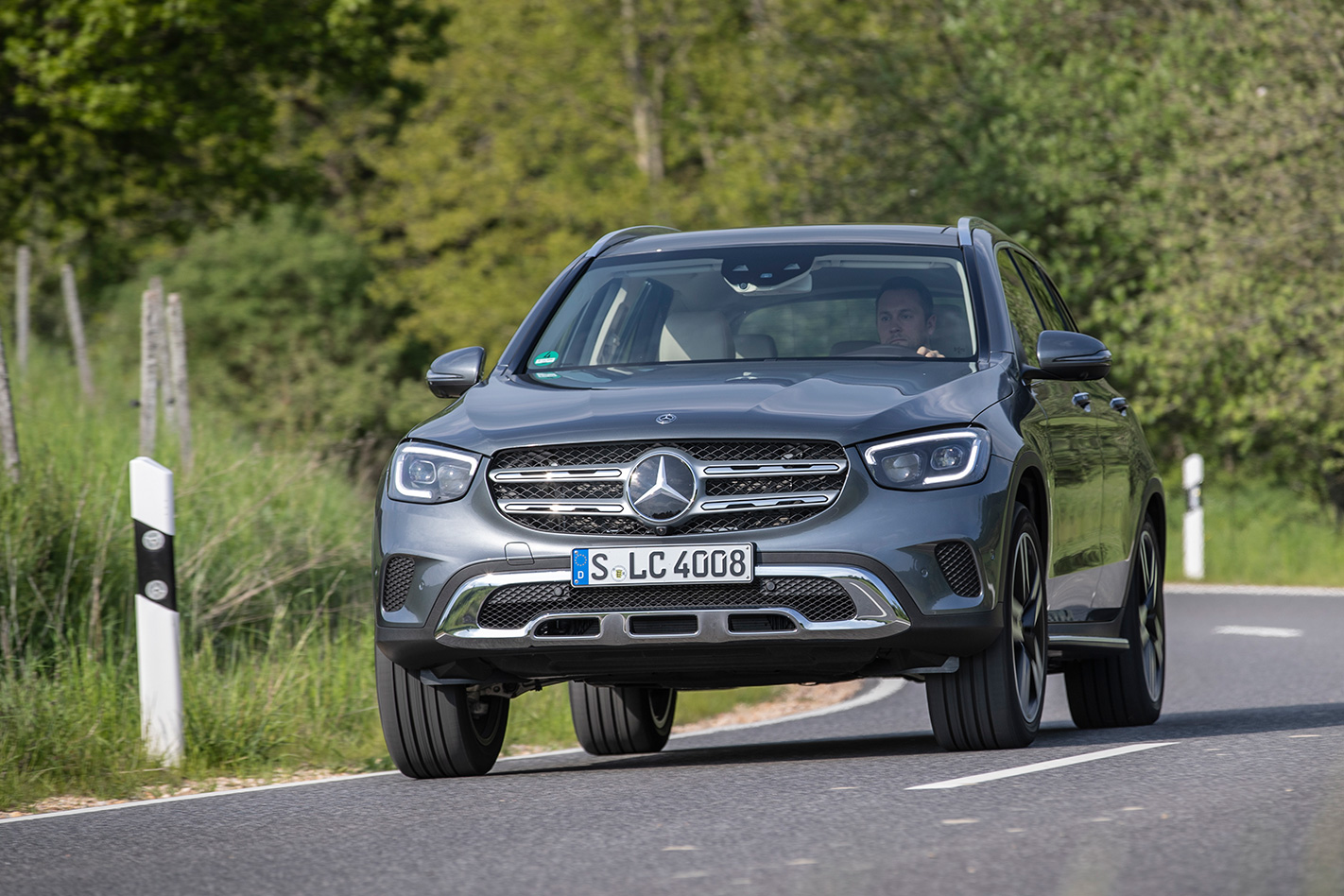
WHAT IS THE MERCEDES-BENZ GLC (AND GLC COUPE)?
Launched in late 2015, the spacious GLC hit the market running, relegating not only rivals like the previous BMW X3 and Audi Q5 to also-ran status in terms of popularity, but also usurping the C-Class range as the brand’s bestseller in Australia. But with the competition stepping up, issues like ride comfort had to be addressed, pronto; hence the Series II facelift. Ditto the GLC Coupe – the more expensive and less-practical (but dynamically superior) sibling.
WHY WE’RE TESTING IT
While it is now Mercedes’ most popular model, the GLC (and its closely-related GLC Coupe sibling) has been more of a hit with buyers than critics, due to an abrupt ride, lacklustre interior and ho-hum engines (rollicking AMG 63 flagship excepted). When the competition is as fierce as the Volvo XC60 and Range Rover Velar, you have to put your best foot forward. Do the medium-sized Benz SUVs lift their game in Series II facelift guise?
MERCEDES-BENZ GLC REVIEW
CAR MAKERS often do incredibly perplexing things that make no sense. Witness Pontiac’s bizarrely-styled Aztec, the W8-powered Volkswagen Passat or the Holden Viva.
We should add the Mercedes-Benz GLK to that list. Based on the previous-generation C-Class, it was Daimler’s answer to the BMW X3, all the way back in 2008 when the breed was still but a mere fledgling. And yet somebody in Germany decided there was no need to engineer a right-hand-drive, all-wheel drive version for the rest of the world. No doubt heads rolled over that, as rivals such as the Audi Q5 and Volvo XC60 lapped up buyers – unbothered by any pesky Benz competition – for seven long years.
Its successor – renamed the GLC – made no such misstep. Launched in late 2015, it stormed up the sales charts, even usurping the C-Class as the company’s Australian bestseller (and globally it second best). Today, Daimler truly owns this segment locally.
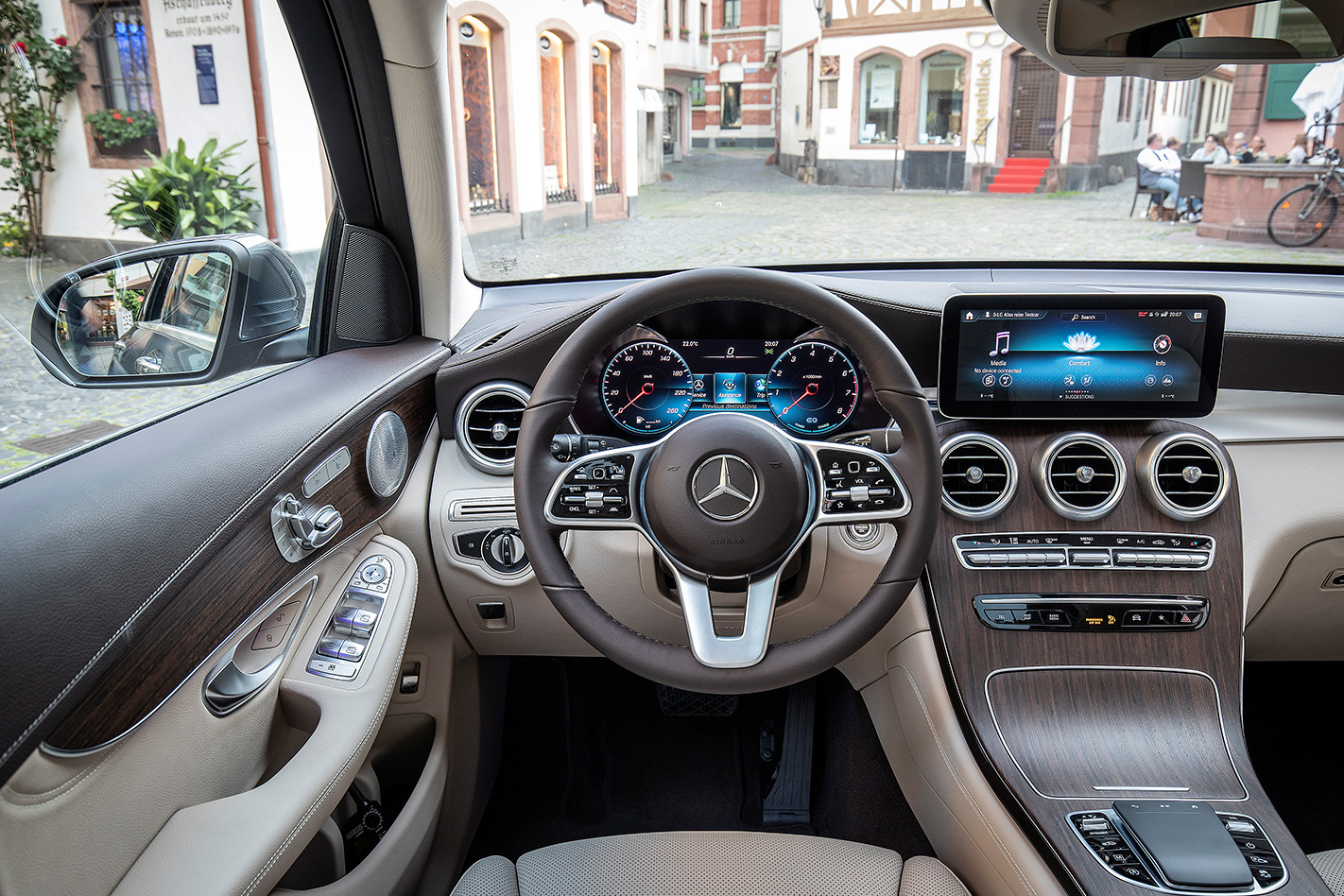
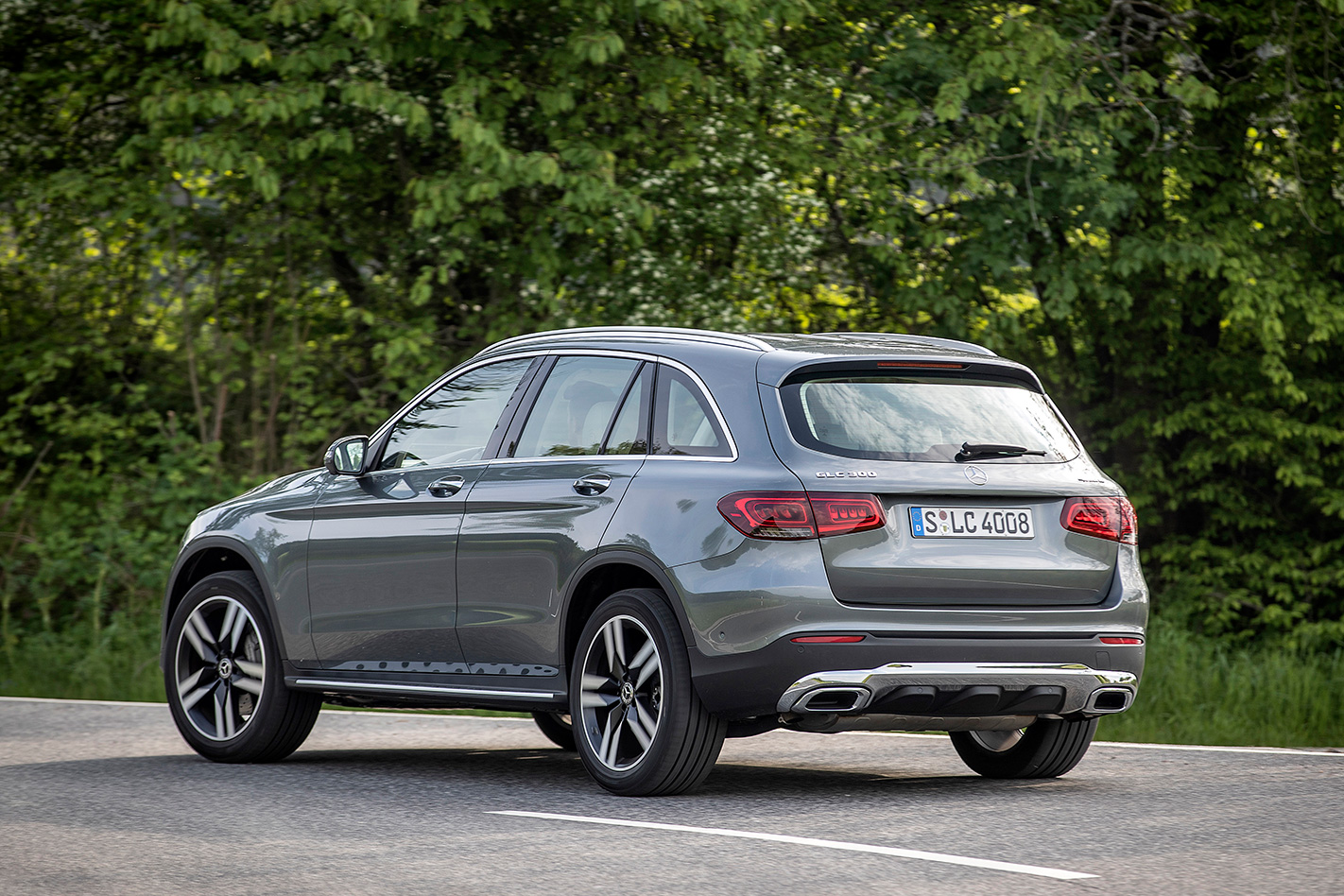
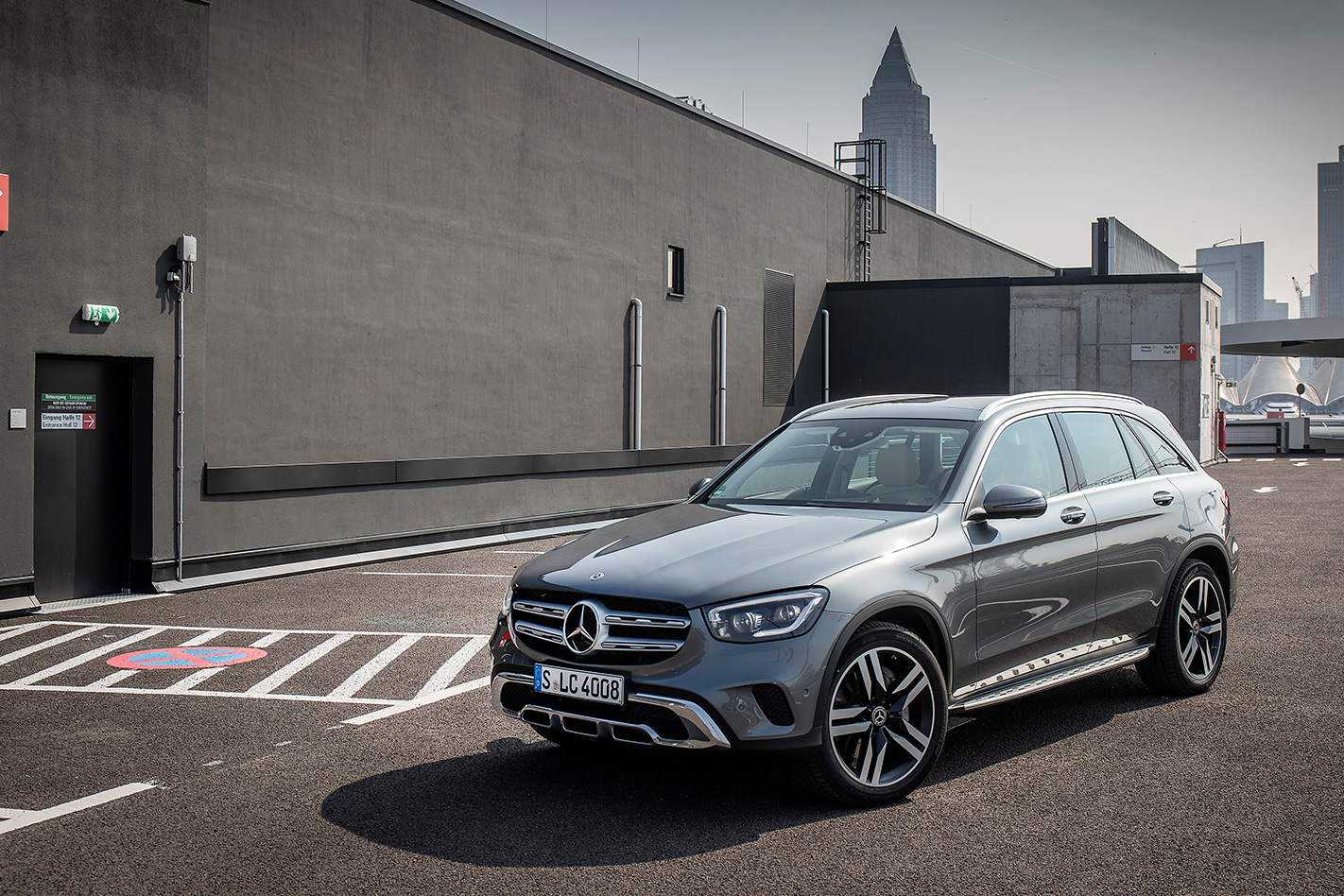
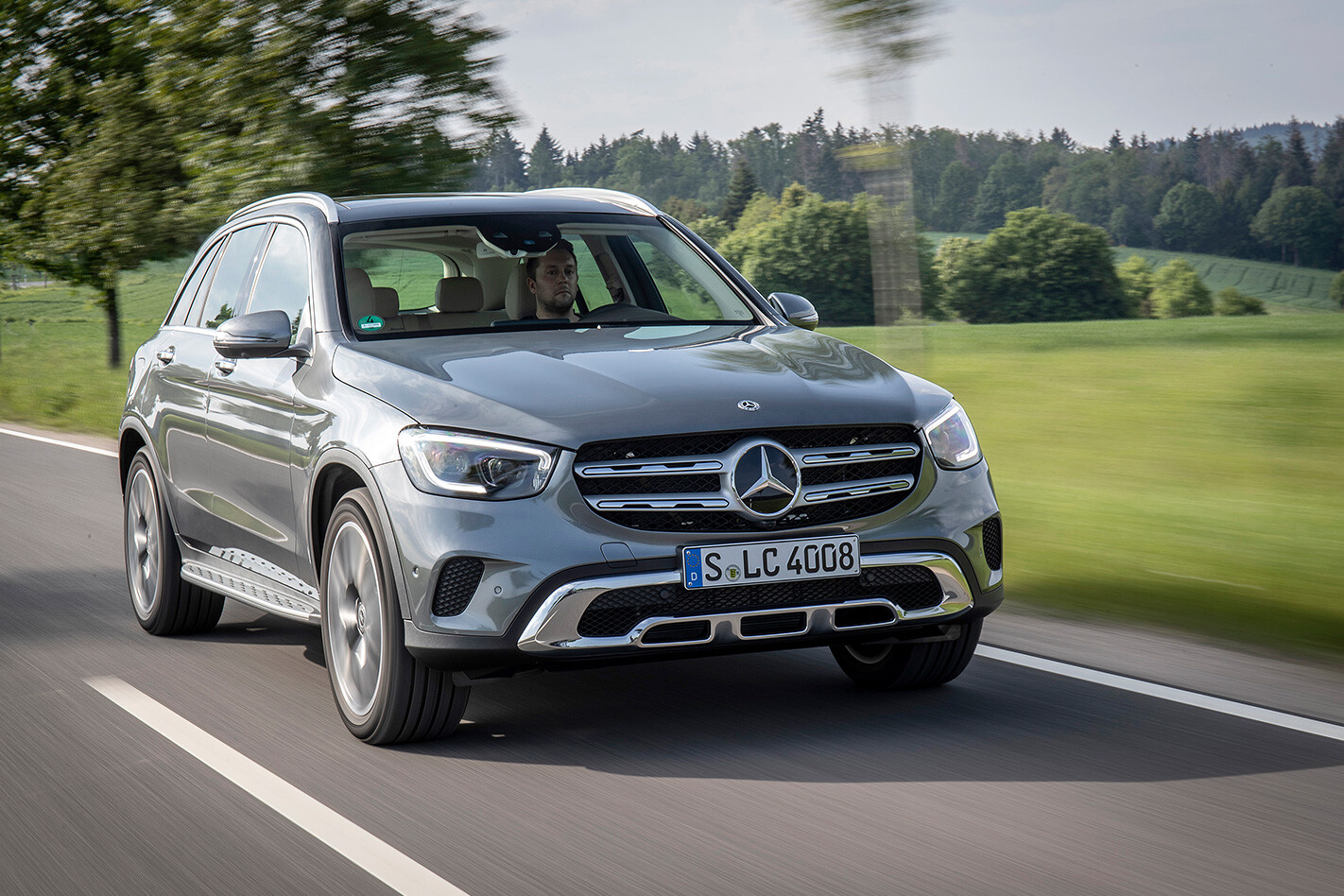
Now it’s GLC facelift time, and Mercedes has subtly massaged the styling, with a bolder front end (a big thumb’s up), cooler LED lighting and – oddly – lashings of extra chrome. It’s also junked the clunky old COMAND multimedia system for the latest, voice-activated MBUX system (which is a little too eager to answer when not called, in our experience, and occasionally glitchy) and noticeably stepped up the material finishes (at last). Don’t get too excited, however, because the dash remains a generation behind the latest A-Class in terms of appearance, and functionality.
The real big-ticket changes came under the skin, thanks to an all-new 2.0-litre four-cylinder turbo petrol engine family, offered in entry-level 145kW/320Nm GLC 200 rear-drive and what should be a blockbuster 190kW/370Nm GLC 300 4Matic guise, ushering in slightly stronger performance and – we’re assured – significantly improved fuel consumption. That’s chiefly because of a 10kW/150Nm 48-volt electric motor (called EQ Boost), providing a gentle nudge while recuperating otherwise spent braking energy. As a result, all diesels have been dropped – a risky move that may prove unpopular, especially among rural folk.
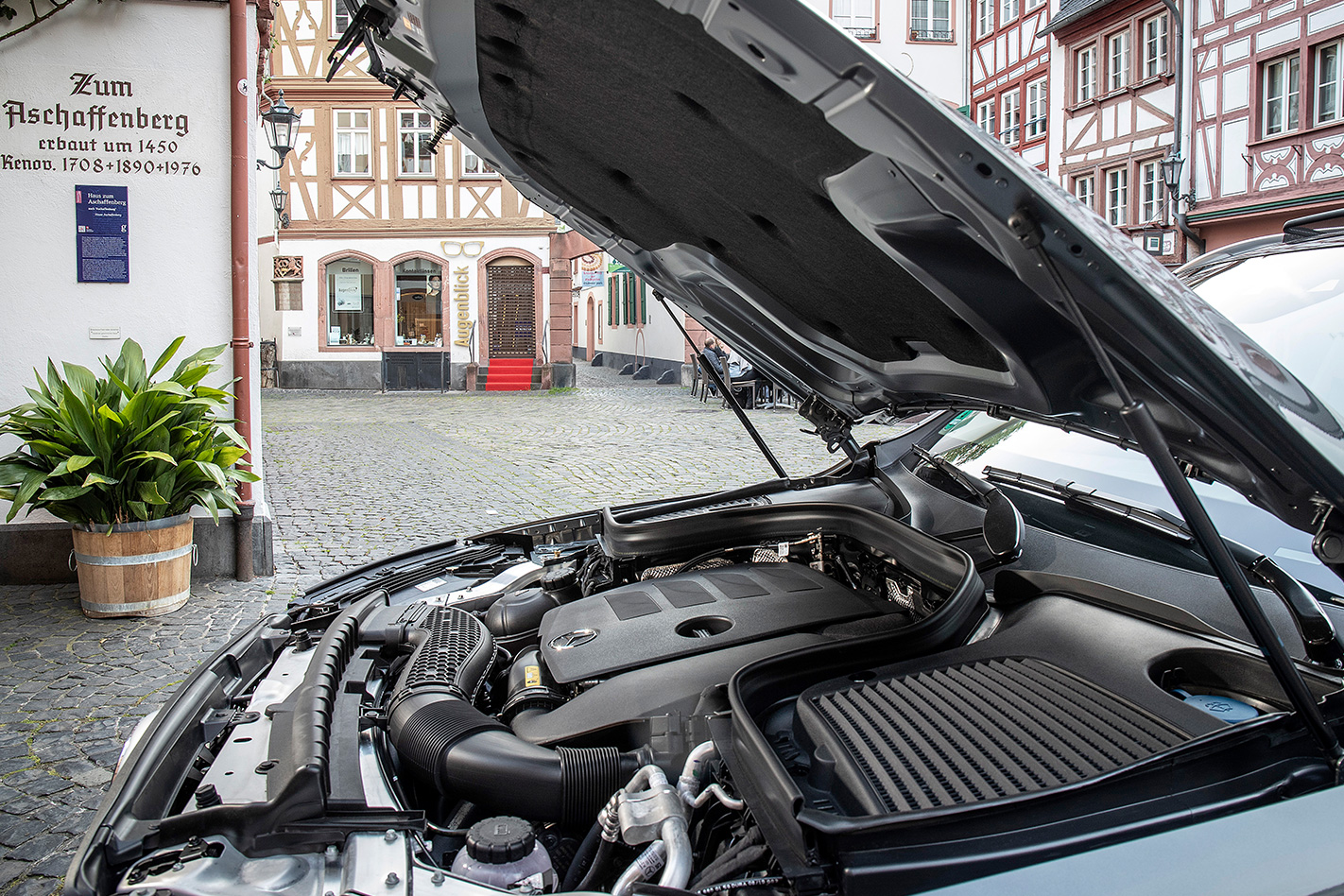
We can’t yet report on real-world efficiency, but we can say that the GLC 300 4Matic we drove around the Frankfurt countryside delivers adequate rather than adrenaline-pumping oomph (that’s the unfathomably fast and sonically endowed AMG 63’s job). It was ably aided by a seamless nine-speed auto that’s super keen to supply the perfect ratio for brisk throttle responses. While it’s not the most melodic powertrain around, it’s speedy enough.
Furthermore, the GLC’s finely tuned steering and adept handling are still a highlight. For a hefty SUV, the 300’s fondness for changing direction with maximum confidence and minimum fuss remains impressive.
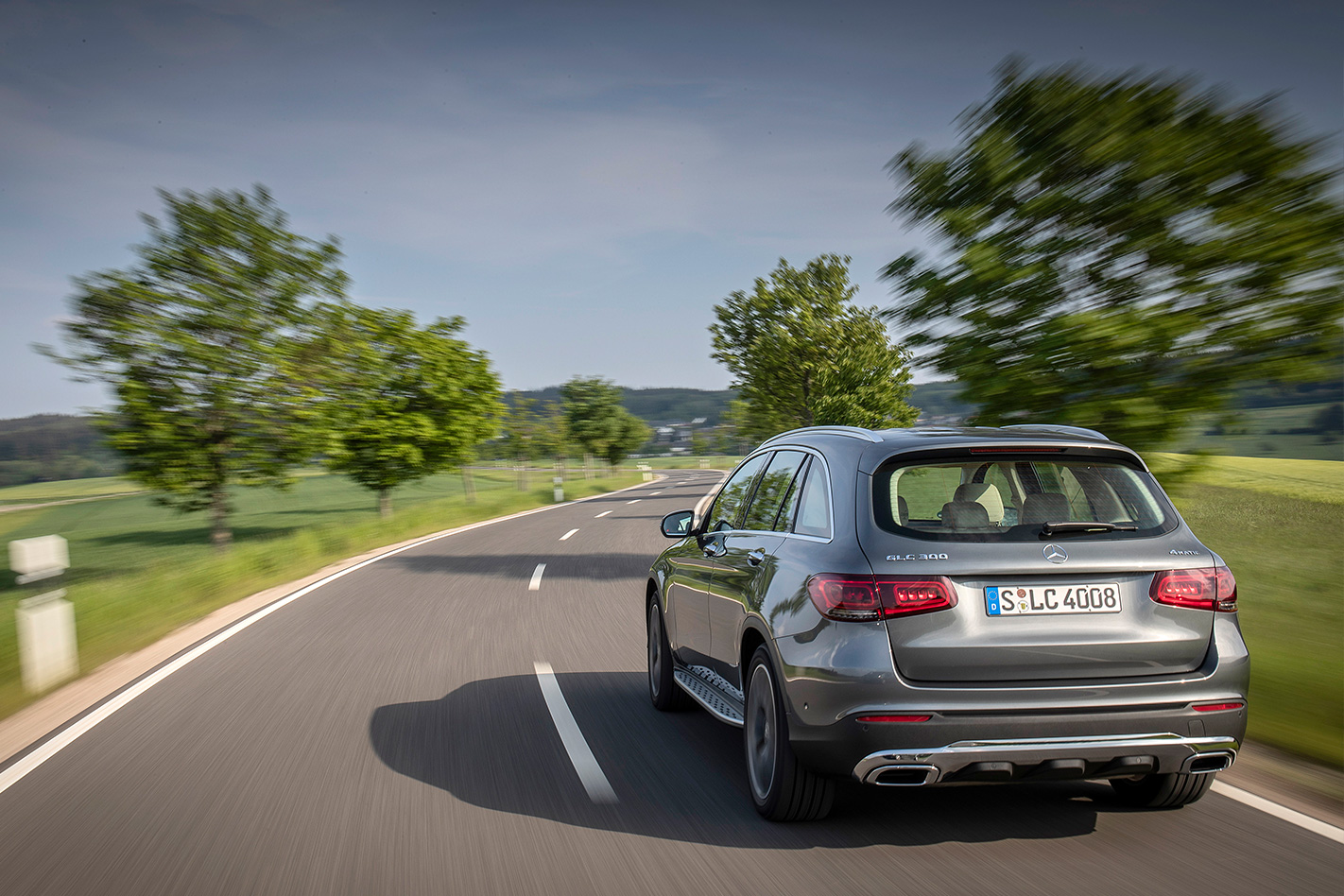
Frustratingly, however, arriving at a more definitive conclusion regarding ride quality – the preceding version’s bête noire on the standard suspension set-up – just wasn’t possible over Germany’s slick road surfaces, while all test vehicles were fitted with the optional adaptive dampers that helped provide a quiet, settled experience. Our advice is to tick the ‘Dynamic Body Control’ box anyway, if a pummelled posterior isn’t your goal. For extra pampering, there’s also air suspension now available.
Overall, then, the GLC facelift is all about keeping things fresh in the face of younger rivals. And, by and large, Mercedes has achieved exactly that, even if the cabin is beginning to seem dated. It won’t excite the senses, but the changes do make sense.
MERCEDES-BENZ GLC VS RIVALS
Alfa Romeo Stelvio, Audi Q5, BMW X3, Jaguar F-Pace, Land Rover Discovery Sport, Range Rover Evoque, Range Rover Velar, Porsche Macan, Volvo XC60
MERCEDES-BENZ GLC PRICE AND SPECS AUSTRALIA
- Model: GLC 300 4Matic
- Engine: 2.0-litre four-cylinder turbo
- Max power: 190kW @ 5800-6100rpm
- Max torque: 370Nm @ 1800-4000rpm
- Transmission: Nine-speed automatic
- Weight: 1805kg
- 0-100km/h: 6.2sec
- Economy: 7.4L/100km
- Price: $75,000 (approximately)
- On sale: August 2019
Available overseas for five years now, Lexus Australia’s finally landed the 2011 Lexus IS 350 to plug the gaping chasm between the vanilla-plain and slow IS 250 and the bent-eight samurai IS F. And plugged between the entry Prestige and up-town Sport Luxury variants is Lexus’s first F Sport.
This review was originally published in MOTOR’s January 2011 issue
Think a sporty M-rated package, ala BMW’s M-Sport or Audi’s S-line, to sit beneath the R-rated IS F and X-rated LF-A exotica – a triple-deck performance hierarchy not doubt inspired by the Germans.
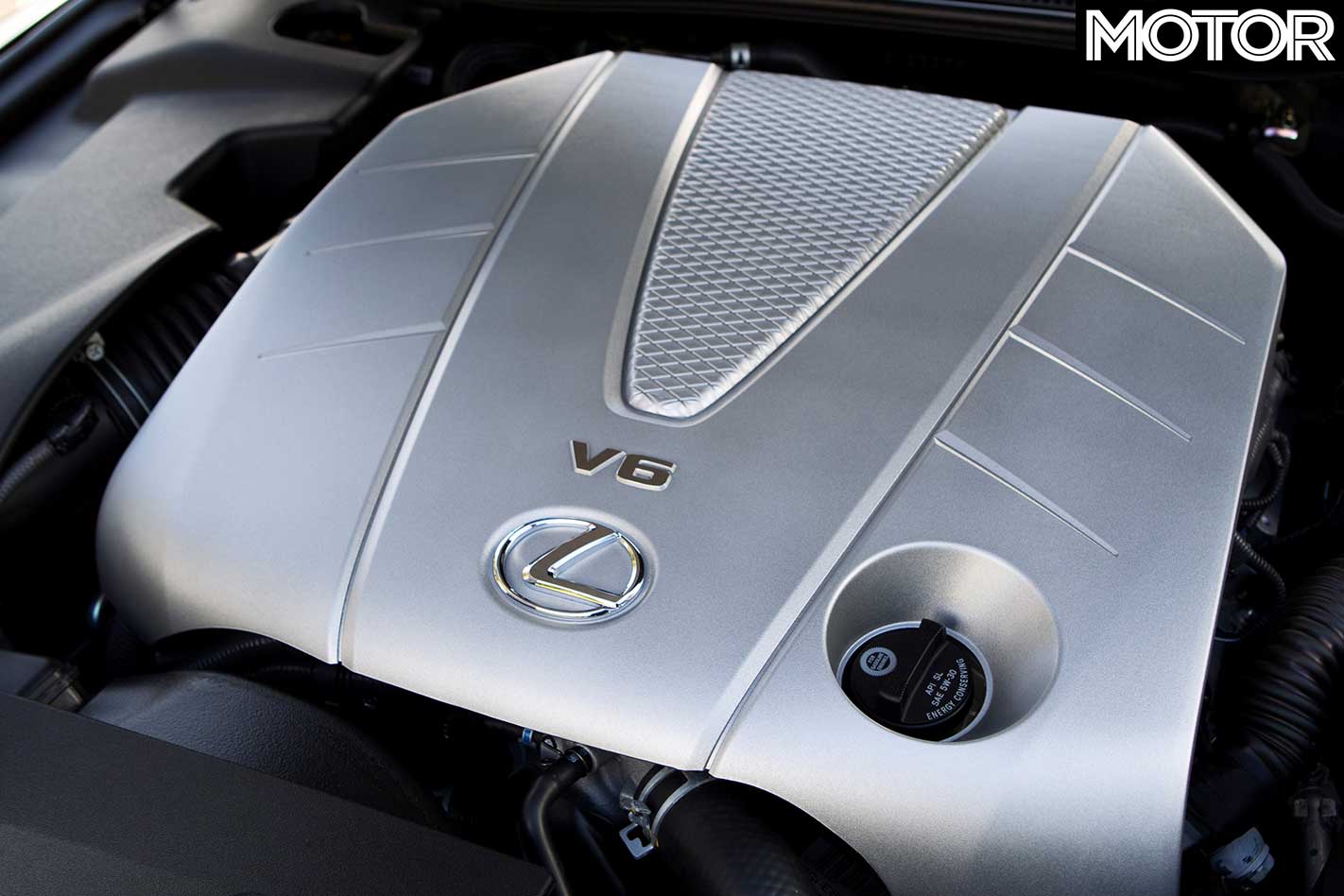
The 2GR-FSE 3.5-litre V6, boasting dual injection – both port and direct systems in one – pumps out a BMW 335i-rivalling 233kW in a silky smooth if workmanlike manner, while the six-speed auto, with its revised AI Shift mapping, makes for an intimate partner, particular in Sport Shift mode.
The V6’s moderate 378Nm shove, though, lands in a 4800rpm stratosphere. Add the ’box’s slightly casual ratio spread and stubborn refusal to downshift (via paddles) on a hot punt and the F Sport’s driveline is often caught outside its sweet zone.
Lexus reckons there’s a 5.6sec in it for 0-100km/h. Hmm. A top speed limited to 270km/h is a nice bit of bragging rights over the (250km/h v-max) Germans, too.
Standard equipment’s pretty generous. Brakes are prodigious, if slightly over-assisted, 334mm four-piston monobloc fronts and 310mm twin-pot rears. Sat-nav, heated seats, reversing camera, HID headlights and, of course, the now obligatory daytime running light disease are all par for the course.
And all of the above bodes for all IS 350 variants.
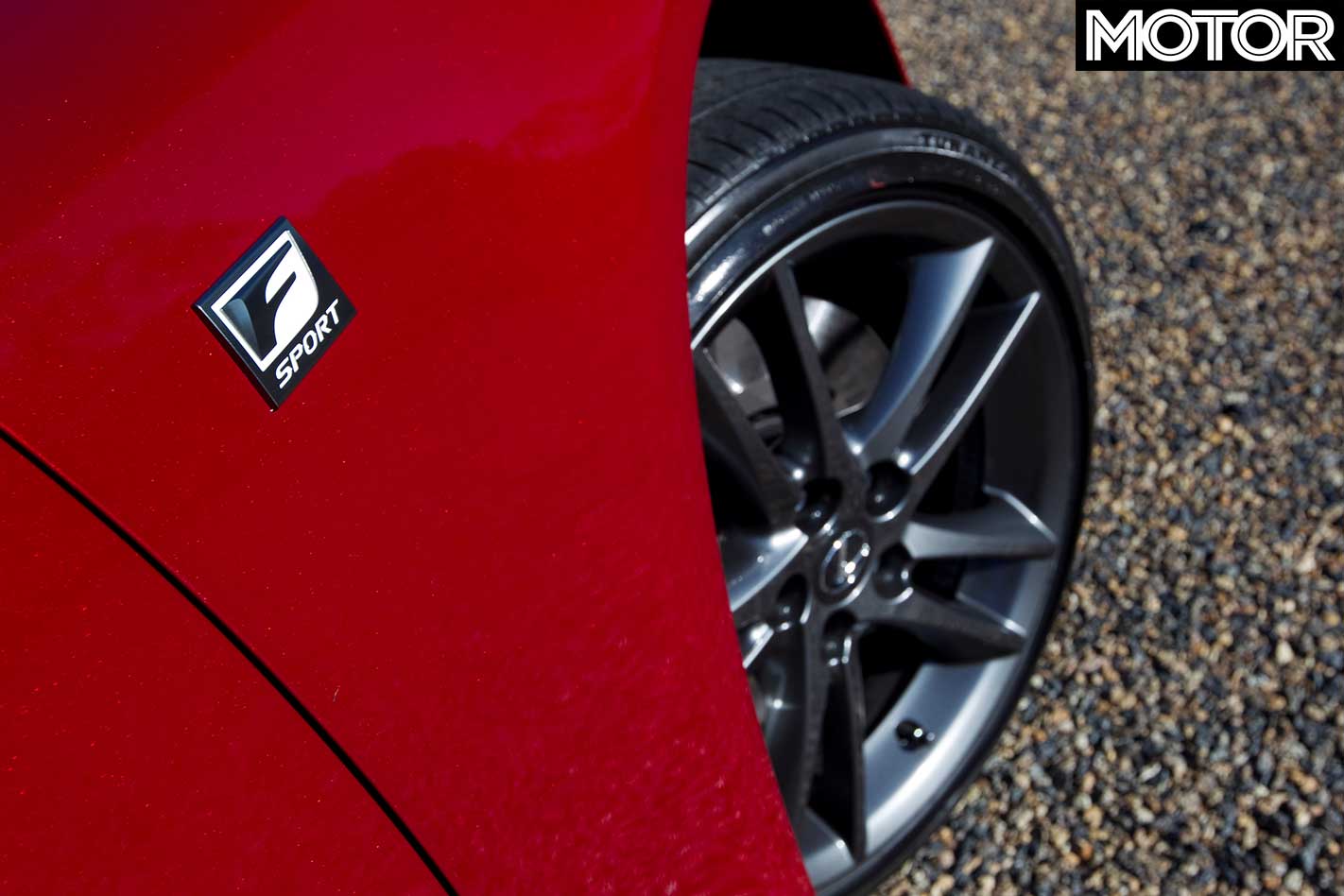
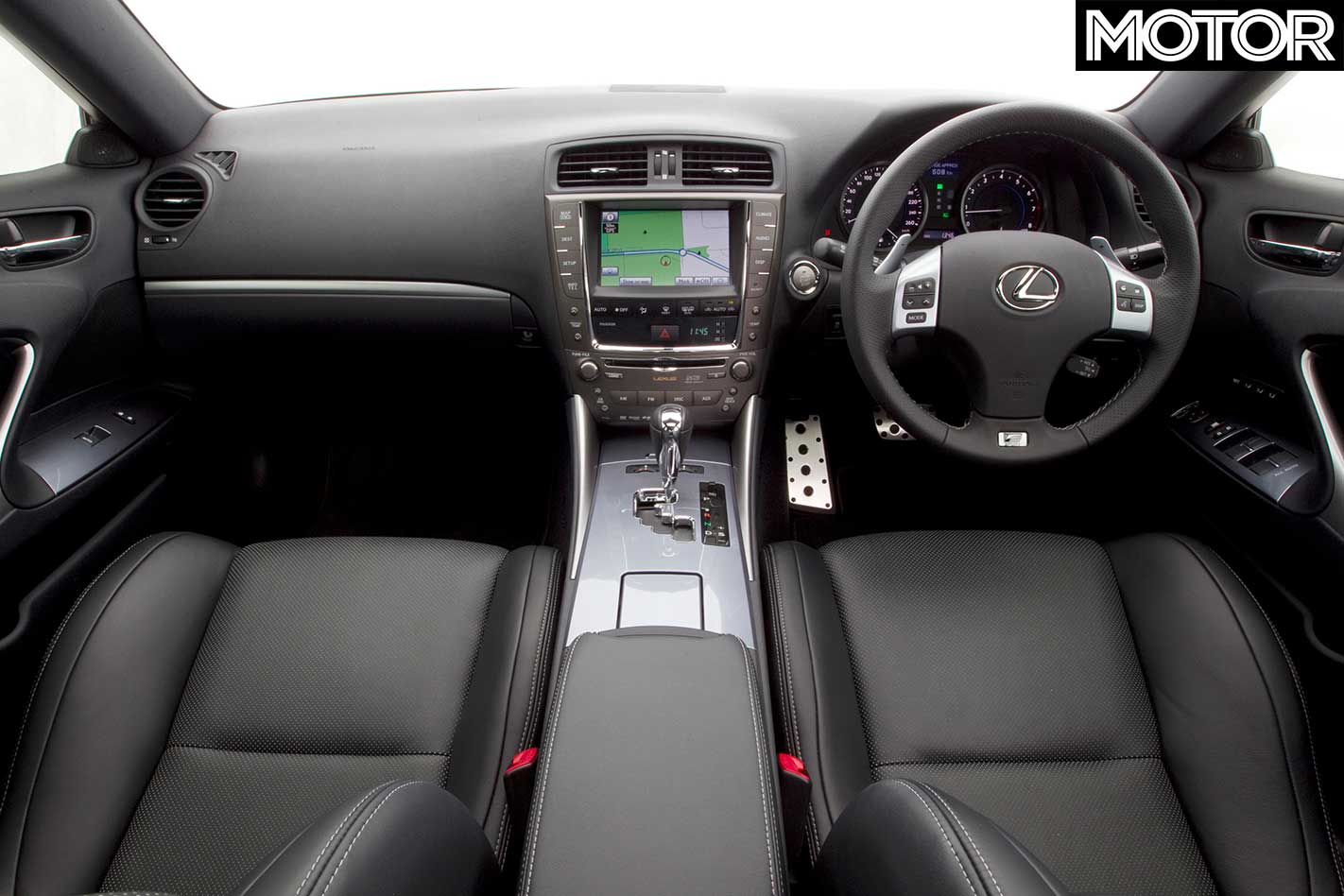
What F Sport brings to the party, then, is IS F-esque body styling and wheels, complete with F Sport front guard badges. Inside are IS F-style big-bolster 10-way-electric sport buckets and tiller, bespoke black’n’grey leather trim, unique black headlining and sporty touchy-feely trinkets.
And, handling wise, the F Sport gets firmer suspension, 18s with meaty 255mm rear rubber (fronts are 225), and slightly quicker steering rack than the Prestige or Luxury Sport.
In fizz and character terms, the F Sport doesn’t fall as far from the Lexus tree as its big brother IS F, but it’s clearly well-honed in many of the details. The steering is clear, direct and nicely weighted, particularly given its electric assistance, and it strikes the balance between ride comfort and body control that many of its German rivals struggle to match. In an all-round sense, it’s a sweeter steer than the IS F, and definitely better damped for the open road.
It’s also surprisingly agile through fast sweepers. Dig in and it grips up nicely, there’s ample composure and, over a smooth environment at least, it’s a brisk and untasked grand tourer.
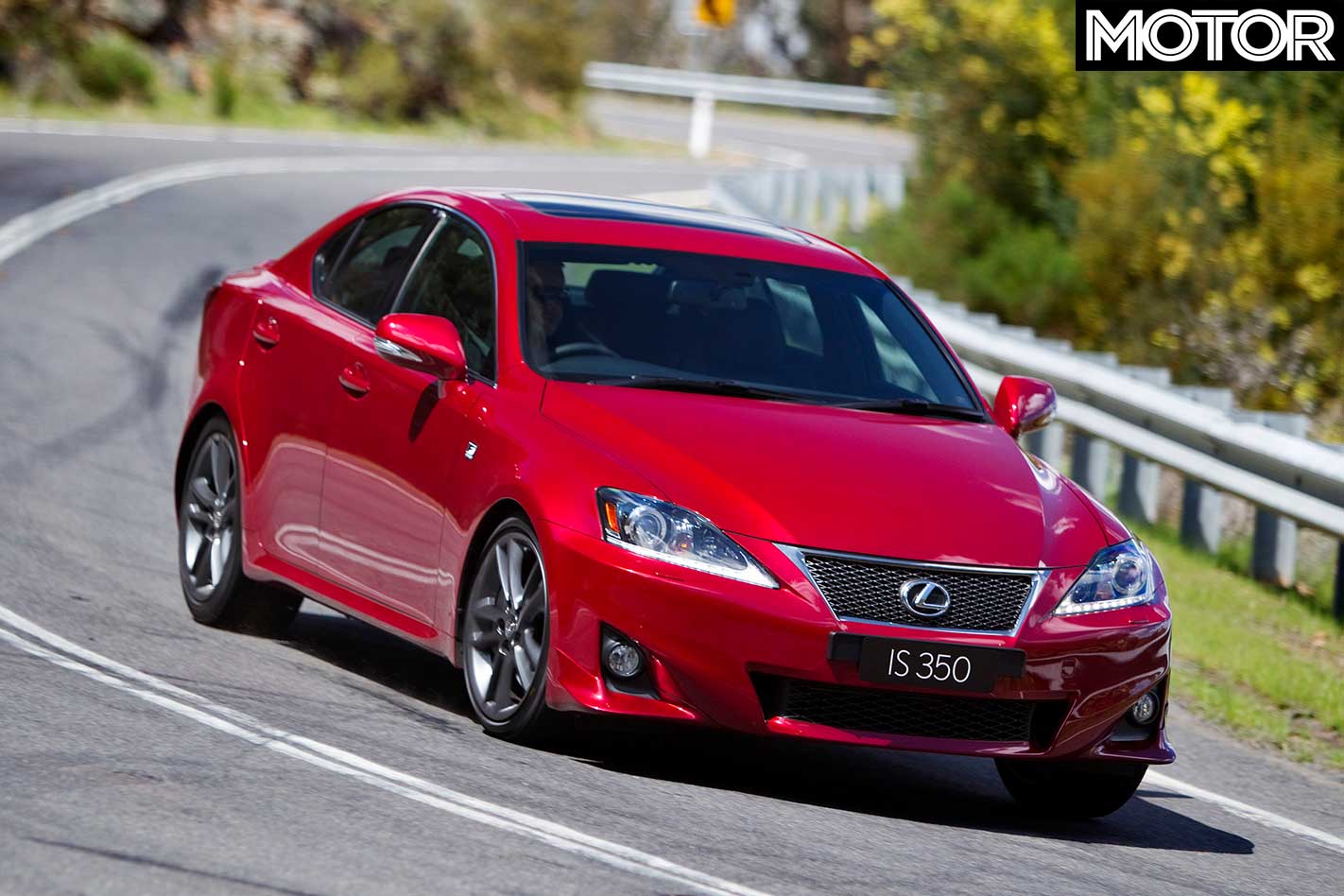
Over rough surfaces, or in the tighter stuff, the slightest sniff of a rear-end shimmy sends the electronic Fun Police into party shutdown, hard and fast. A homicidal getaway driver couldn’t get this tail unglued. We tried, and failed, to turn the system off, though Lexus assures us some secret button prodding will defeat the ‘smarts’ that otherwise stamps PG all over an otherwise M-rated experience.
The F Sport’s no monster, more IS Plus than IS F Lite. It’s a capable, polite, right-thinkers’ sport sedan. And Lexus will no doubt sell a motza. That’s because, at $71,800, the Germans can’t come close to the F Sport’s blend of mid-sized luxury car power and specification.
Thing is, the equally powerful Prestige base model is 98 percent as fast and friendly as the F Sport, and clocks in at under $65k…
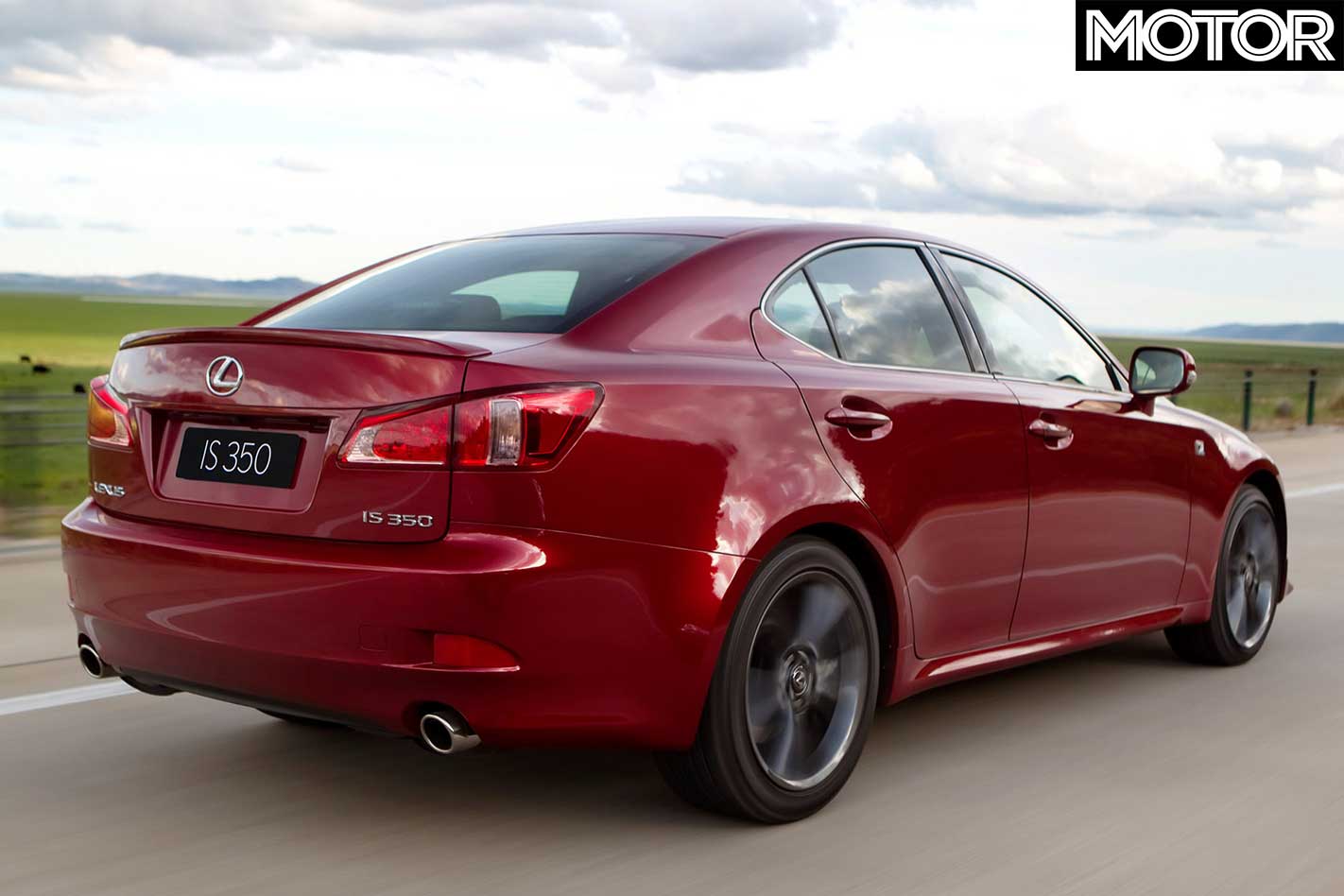
2011 LEXUS IS 350 F SPORT SPECS Engine: 3456cc V6, DOHC, 24v Power: 233kW @ 6400rpm Torque: 378Nm @ 4800rpm Weight: 1645kg 0-100km/h: 5.6sec (claimed) Top speed: 270km/h (limited) Price: $71,800 (F Sport)
Like: A power and spec combo the Germans can’t touch for the money Dislike: Needs character, lacks low-end shove, conservative ESP tune
G’day, WhichCar, please help me. I can’t decide on a dual-cab ute. I’ve been on the various Facebook pages and have watched heaps of comparisons and tests on YouTube, but I’m still not sure. Price is important, or at least a good deal. I’m into camping, but have outgrown the hard core off-roading. I like the current technology in some of the utes and on-road comfort and handling is important too.
Mark (via Facebook)
Hi Mark,
There is certainly no shortage of choice when it comes it comes to dual-cab utes, but four-wheel-drive capability is probably the main thing that sets them apart. The fact that isn’t a priority is good news as it allows you to go for models that offer good value while being great Jacks of all trades.
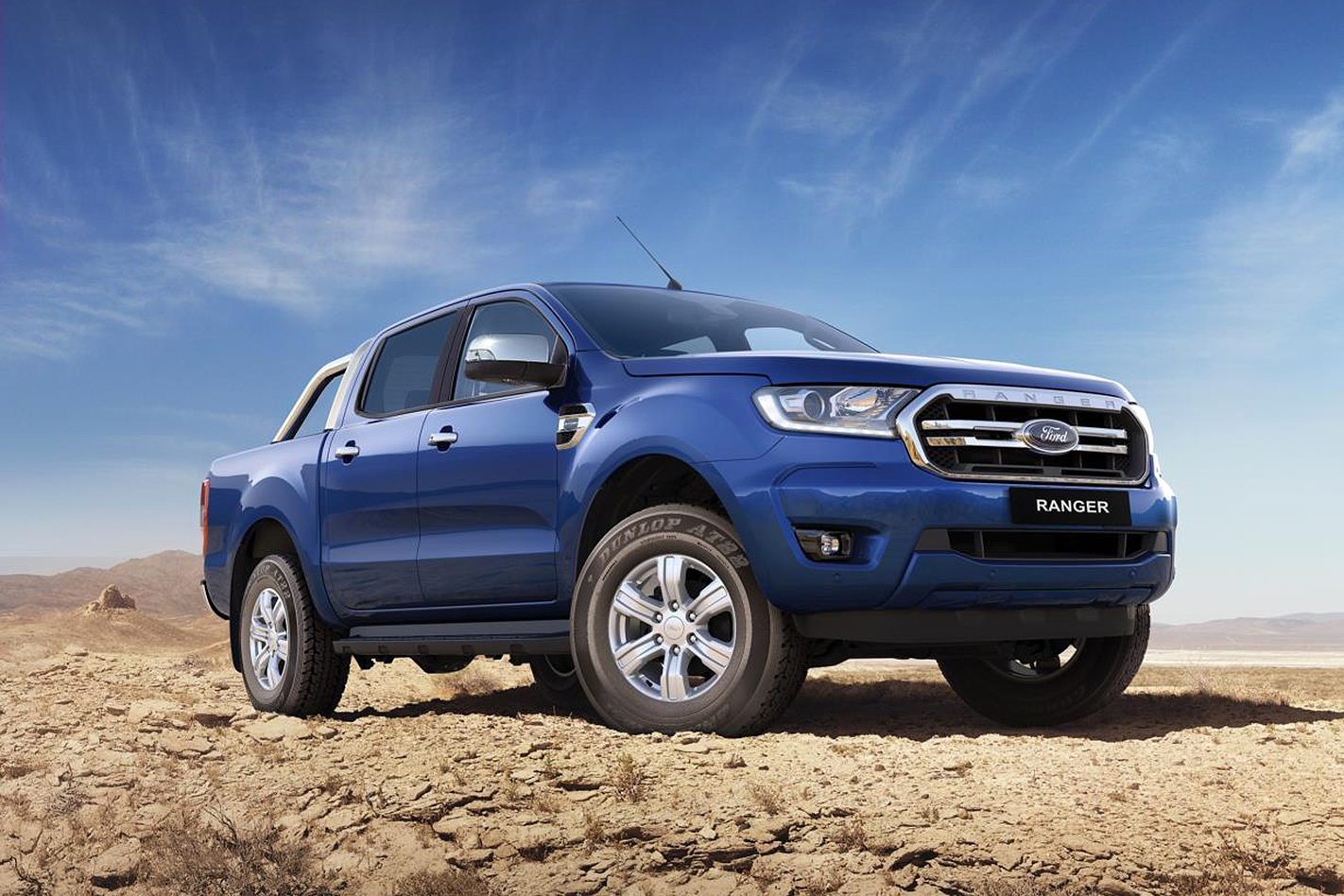
The Ford Ranger is a great all-round package, with the XLT 4×4 being our pick of the bunch. It comes standard with a tow kit, dual-zone air-con, and the excellent SYNC3 connectivity suite with sat-nav and Apple CarPlay/Android Auto. You also get the option of adding the Technology Pack that includes driver aids such as autonomous emergency braking and adaptive cruise control.
The Ranger XLT comes standard with the 3.2-litre five-cylinder diesel engine, but there is also an option to go with the zippier 2.0-litre bi-turbo powertrain that’s standard for the Ranger Raptor.
STAY UP TO DATE: Sign up here to get the free WhichCar eNewsletter
That said the starting $55,590 retail price is pretty steep and can grow to about $60,000 if you tick the Technology pack and 2.0-litre bi-turbo engine options.
If your budget doesn’t stretch that far, the Holden Colorado is also worth a look.
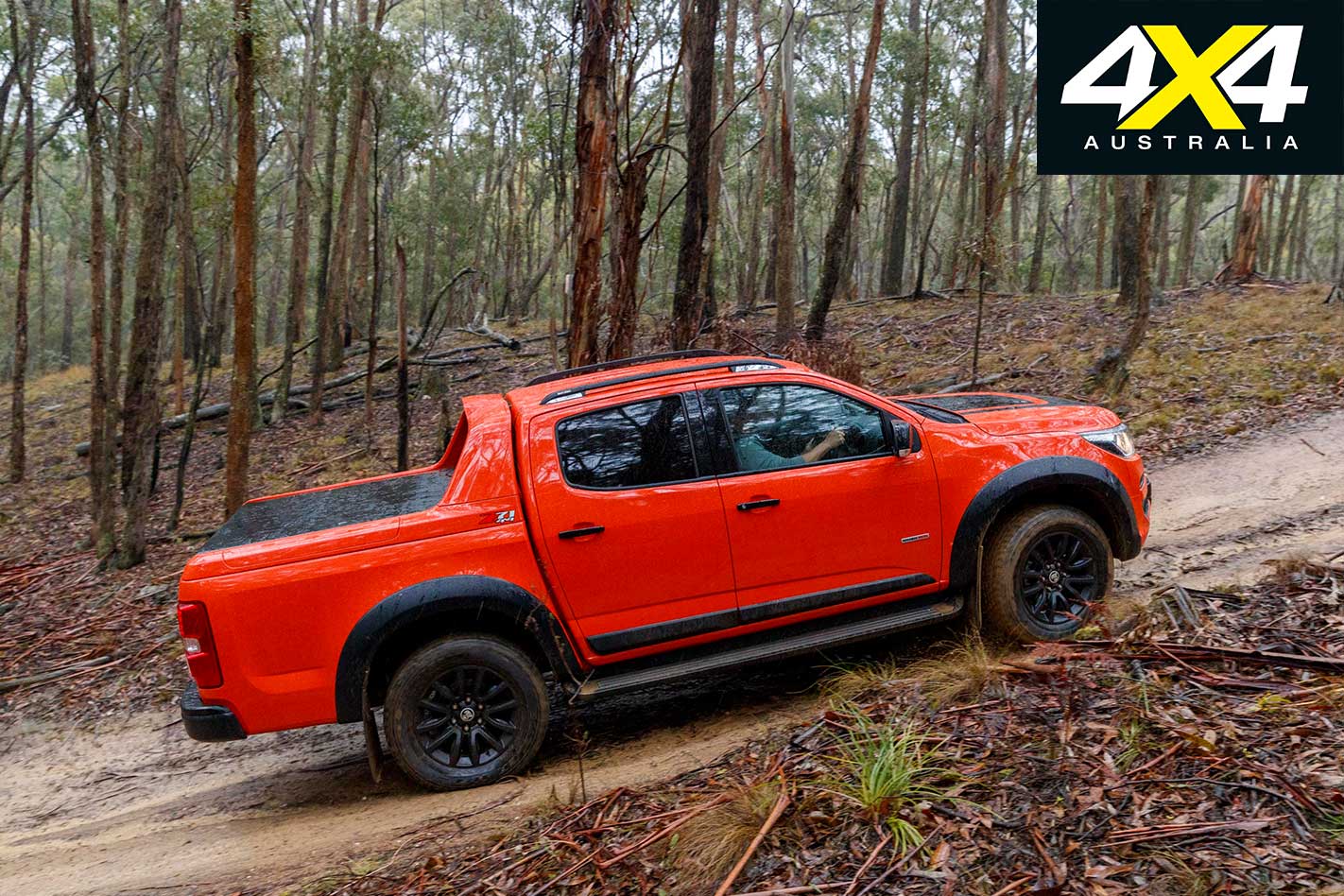
As it so happens Holden has just updated it and added a features-packed LSX version to the range. It’s priced at $49,190 with auto transmission and could well be the new sweet spot. You can read 4X4 Australia Magazine editor Matt Raudonikis’ review here.
But for all-round value, technology and on-road comfort it’s difficult to go past the recently updated Mitsubishi Triton with upper-spec variants feeling more like an SUV than one-tonne workhorse. Autonomous emergency braking is standard in all dual-cab variants, and the 2.4-litre turbodiesel engine is relatively light on fuel use.
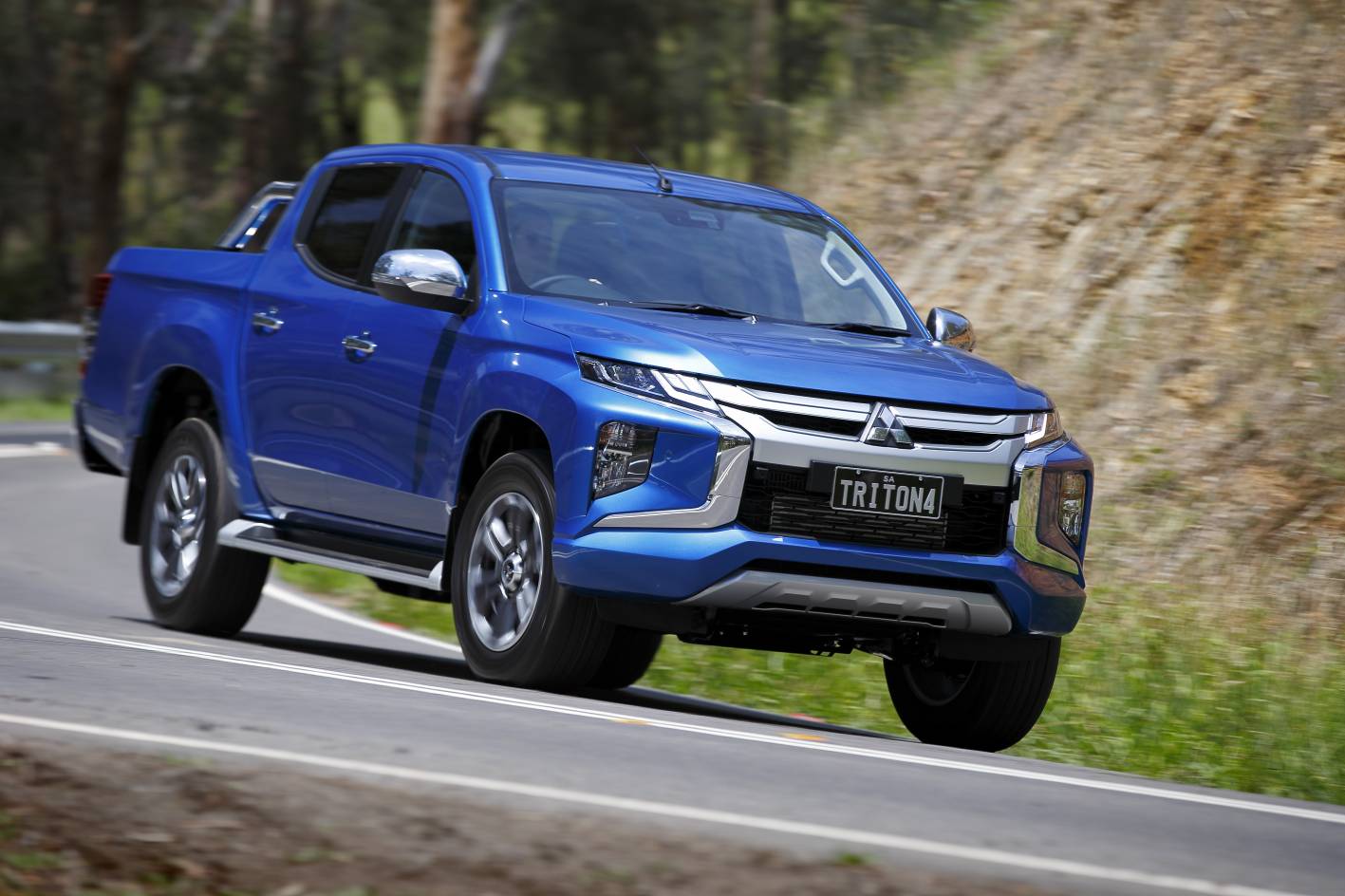
We like the GLS with the six-speed auto. It’s priced at $46,990 and is very well equipped with a 7.0-inch touchscreen and Apple CarPlay/Android Auto, leather-trimmed steering wheel, carpet, dual-zone air-conditioning, 18-inch alloy wheels, full-time 4WD capability, hill descent control, and additional active safety features including blind-spot warning, rear-cross traffic alert, and automatic high beam.
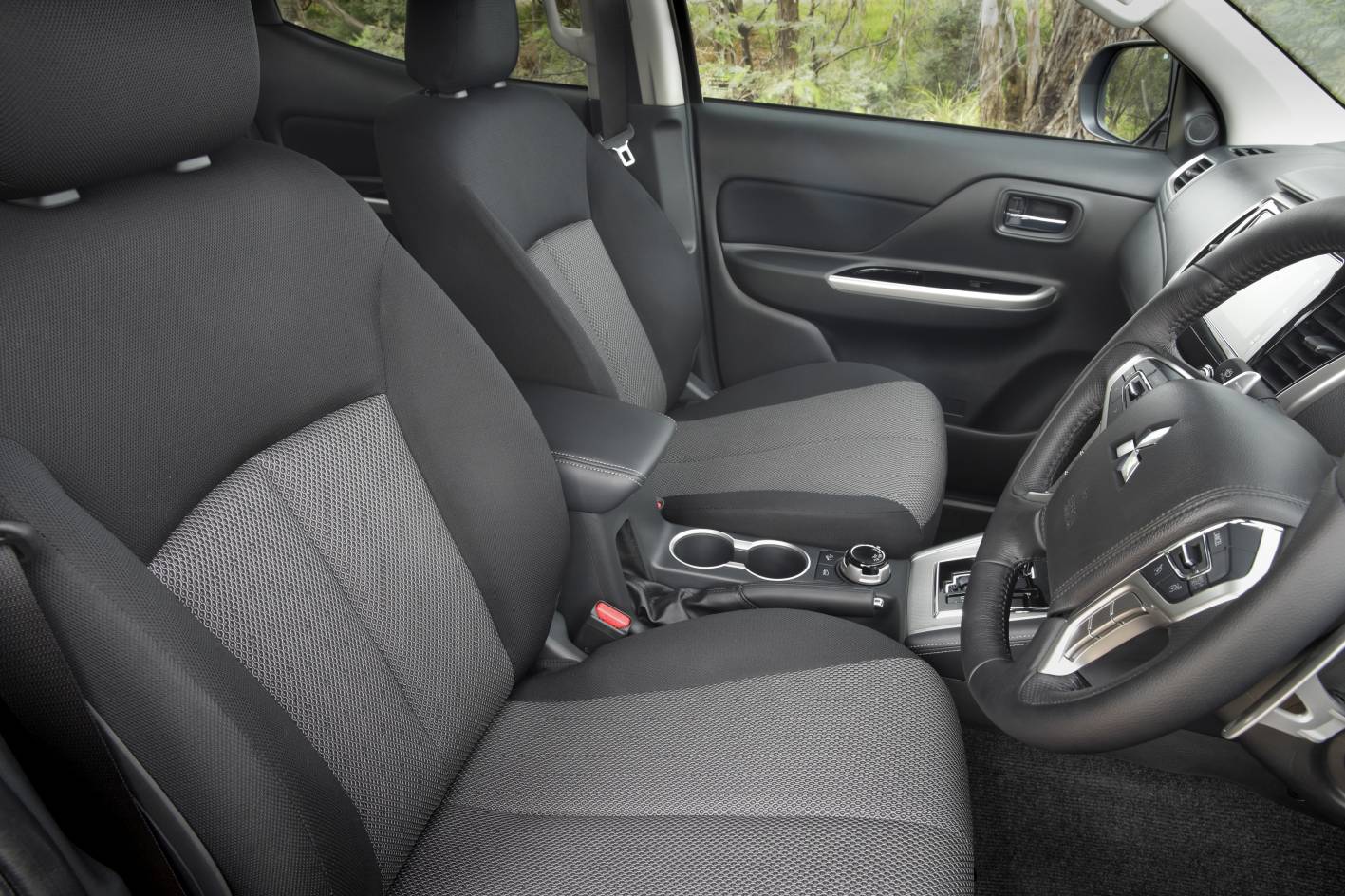
It’s also worth mentioning that the Triton, Ranger and Colorado were finalists in Wheels Magazine Gold Star awards for best-value dual-cab ute. The Triton took the prize.
And for further reading, you should definitely check out the nine-ute megatest that Wheels conducted last year. Compared with all the main contenders in the segment, the Mitsubishi, Ford and Holden performed very strongly.
We hope this helps.
IN DETAIL:
MOTORSPORT royalty doesn’t brook too much by way of argument. MotoGP has Valentino Rossi, Formula 1 has Michael Schumacher, WRC has Sebastian Loeb.
For the most prestigious single event in circuit racing, the 24 Hours of Le Mans, there’s Tom Kristensen.

With a total of nine outright victories to his name, the Danish driver has three more wins than his nearest rival, Jacky Ickx, making him comfortably the most dominant driver in the event’s 95 year history.
Le Mans is a race which is renowned as one of the toughest on a driver’s mental ability, but the man who has won more than any other is dismissive when asked about the mental task of preparing for the assault on La Sarthe. Kristensen was called up to race just four days before his debut in 1997 – which he won alongside Michele Alboreto and Stefan Johansson.
“I didn’t really have a chance to prepare,” he says. “When you’re young, and the youngest in the team, it helps. You have different expectations.”
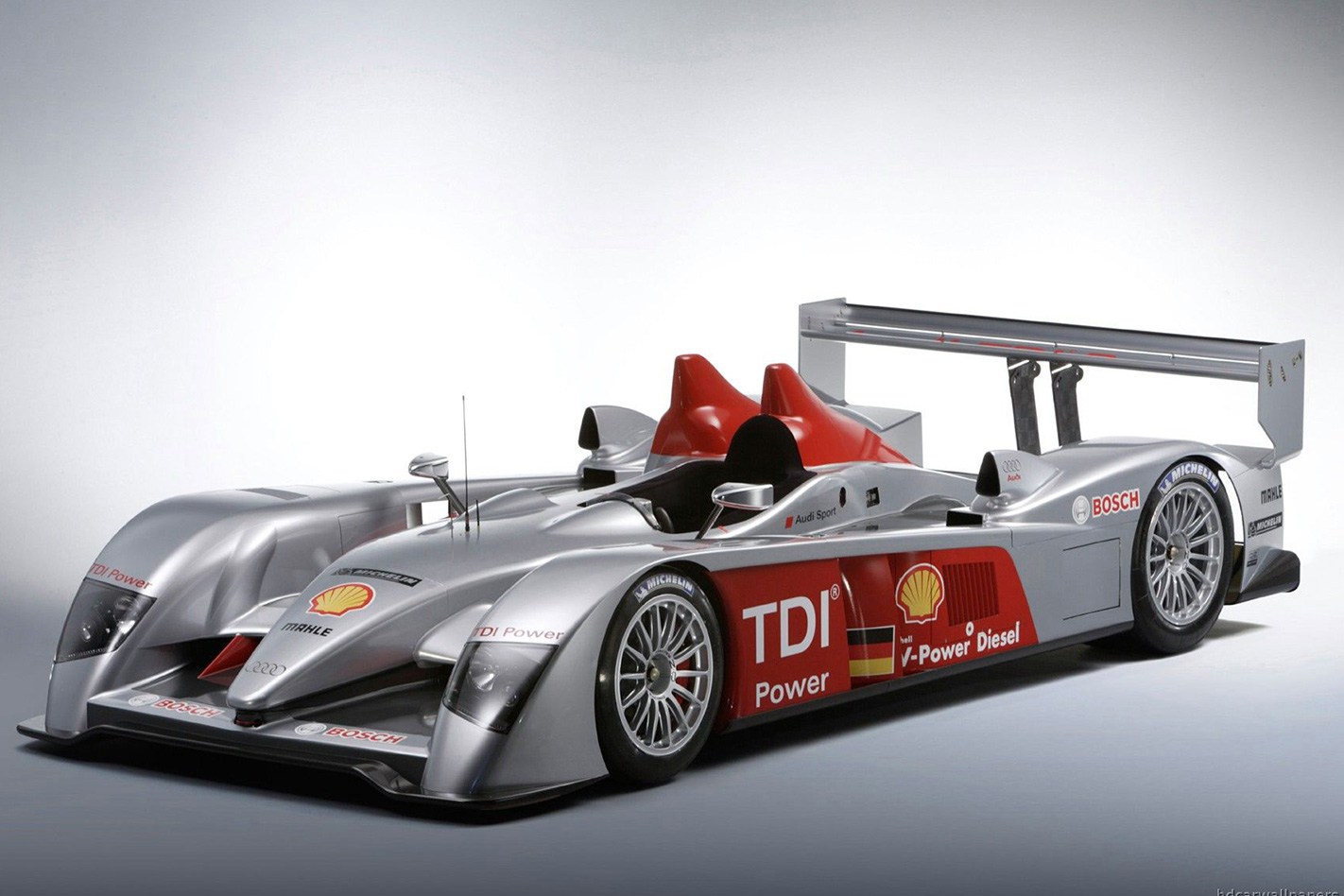
When Kristensen retired from racing at the end of 2014, he did it cold turkey. There were no wildcard entries, or a slow step away. One year he was winning races and competing full-time with the nickname ‘Le Man’, the next, he was done. While Audi had become a defacto family for Kristensen during his years as a factory driver, it was his own family, and an unexpected reminder of his mortality following the death of his countryman Allan Simonsen, that prompted the shock decision to retire. “It was a very difficult decision to make to hang up my helmet,” he explains. “I lost my parents in 2011 and 2013, while 2013 was my last [Le Mans] victory with Audi, and it was also a year that we lost a great talent in Allan.”
It was then that the seed was planted in Kristensen’s mind, but one last attempt at winning a 10th trophy laid ahead.

“We were leading until lunchtime on Sunday when we had to change the turbo, and we dropped to third, but recovered to second,” Kristensen recalls. “I had my very dirty hands on the trophy for a little bit, for some time I had the feeling of winning my 10th Le Mans. But it didn’t materialise, and in the moment I knew I was coming back in ’15 – I was determined.
“But over the break I realised I had tried. It’s not about winning alone, necessarily. That made me realise that perhaps it was my time to hang up the helmet. Also, I’m the oldest member of my family, I have my kids, and I realised in my mature age that it was time.”
Kristensen admits that his racing itch could be scratched by a return to motorsport, not as a racer but as a team principal, much like his Le Mans teammate Allan McNish, who heads Audi’s Formula E team. However, for now, he’s enjoying driving Audi’s hottest road cars at customer and media events.
“I have the privilege of doing a little bit of many things, and that, in a way, fits me better,” he says with a smile.
Drifting Audi R8s around some of the best racetracks in the world would be ample recompense for most of us. For Le Mans royalty, it’s merely life’s cool-down lap.
Best value car award
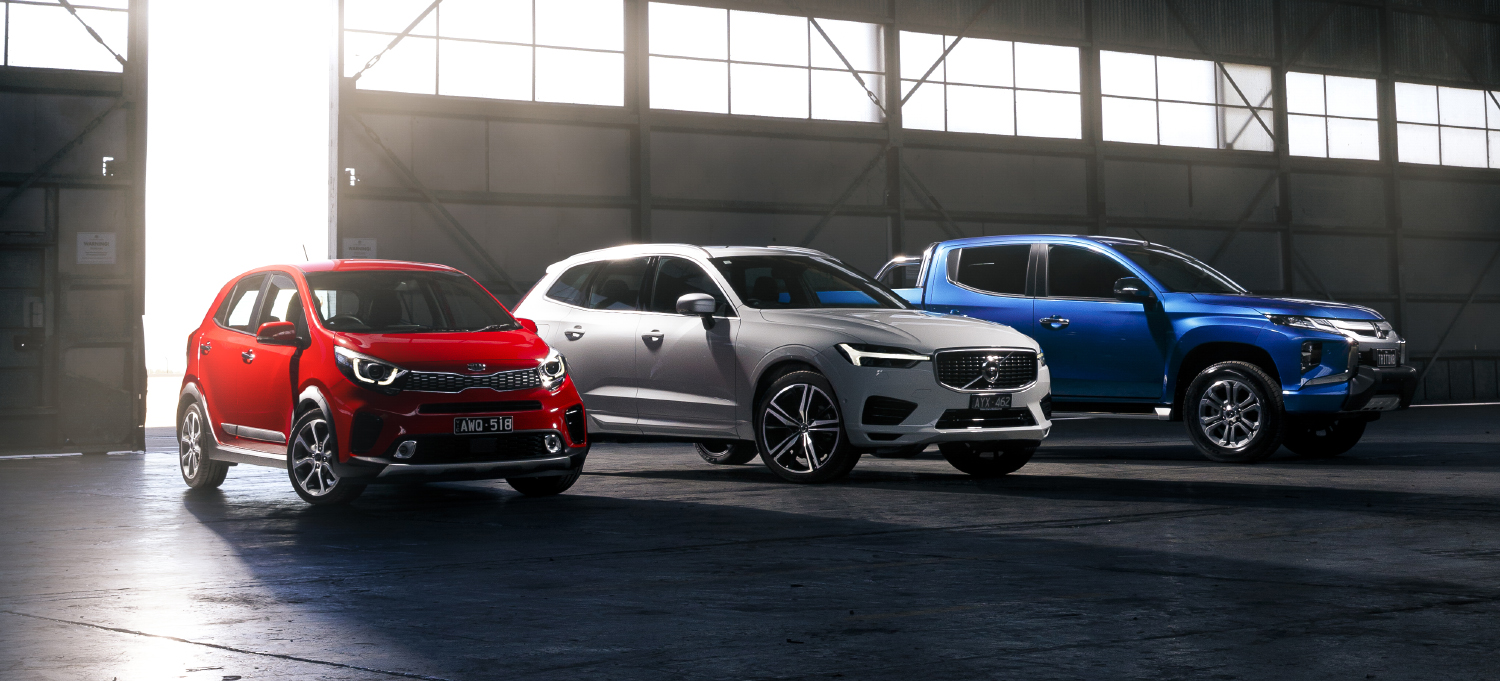
Wheels’ Gold Star car award uses data such as depreciation and running costs to calculate what the best value new cars in eight different segments are. To understand how we calculate the numbers and what considerations were put into the algorithm, read the 2019 Gold Star Car Award 101 here.
The top 3 mainstream sedan contenders
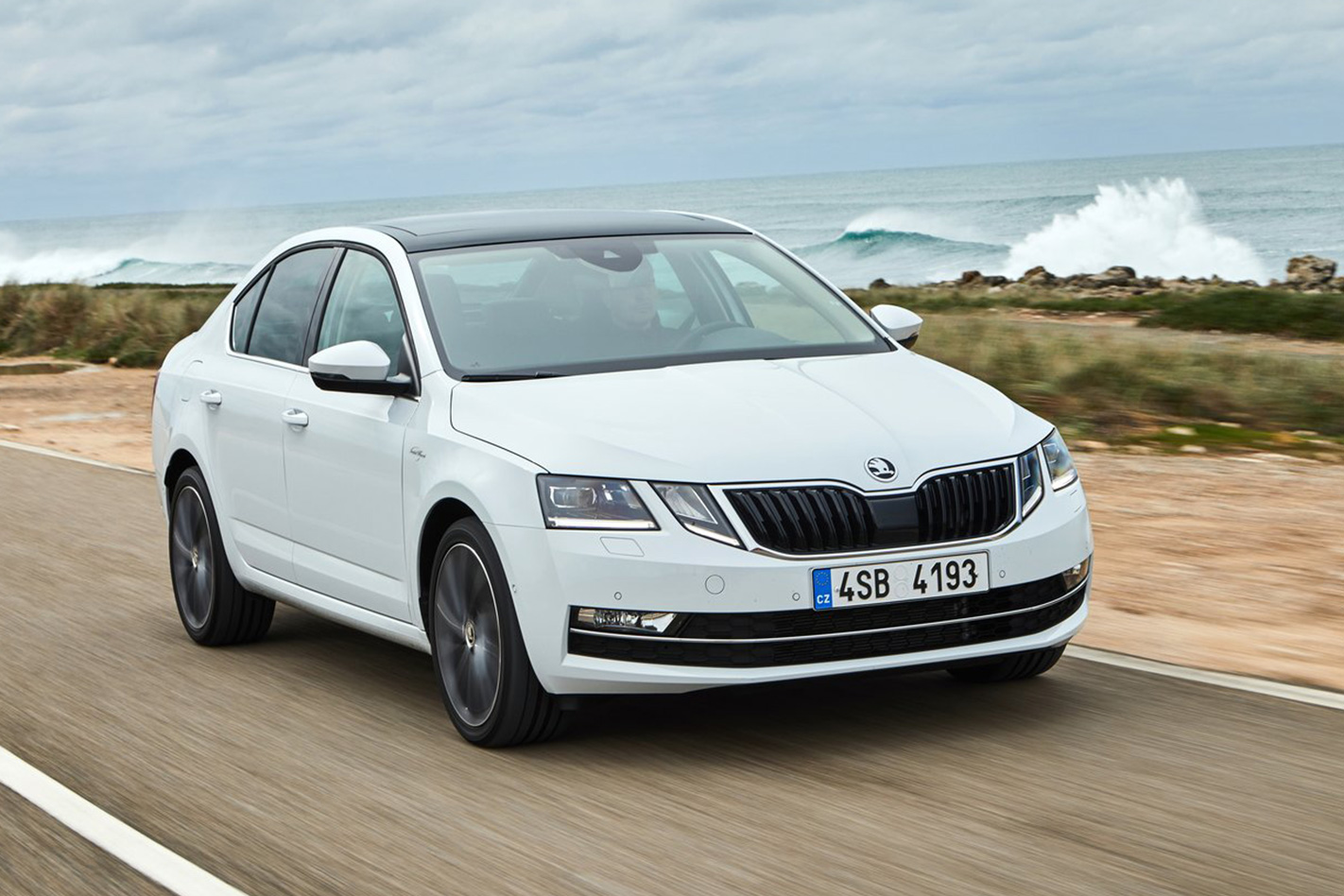
- Skoda Octavia
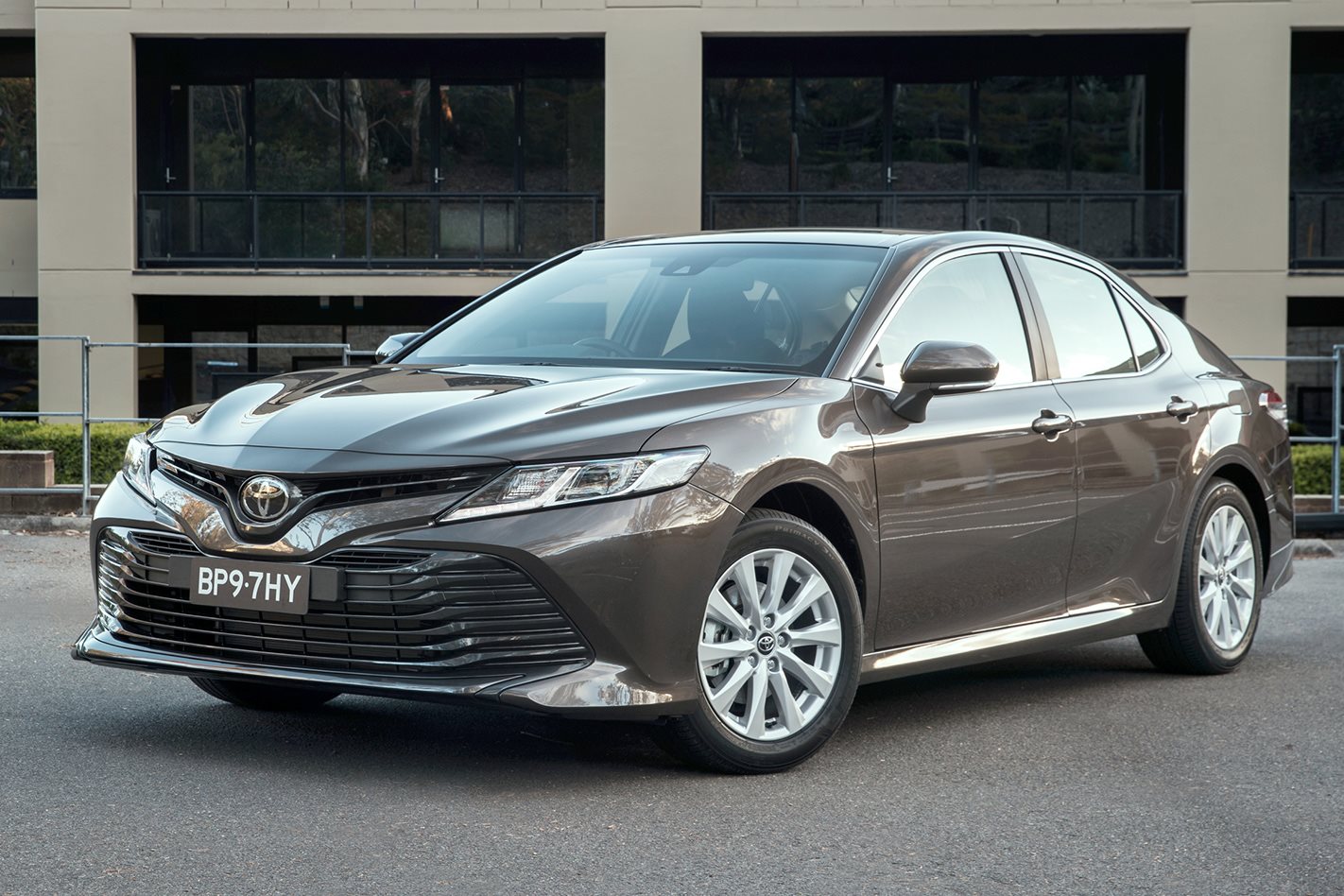
- Toyota Camry
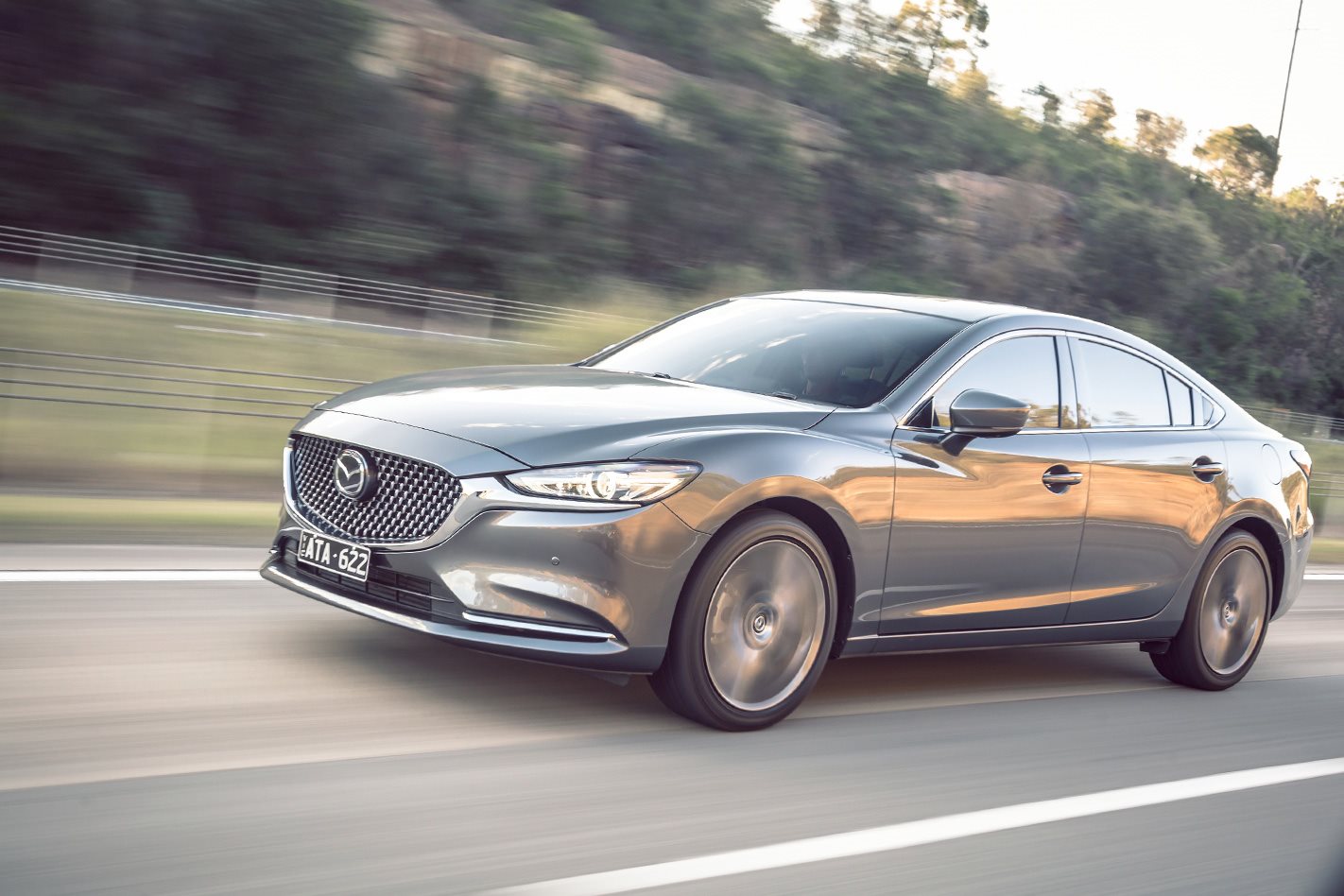
- Mazda 6
What the numbers said
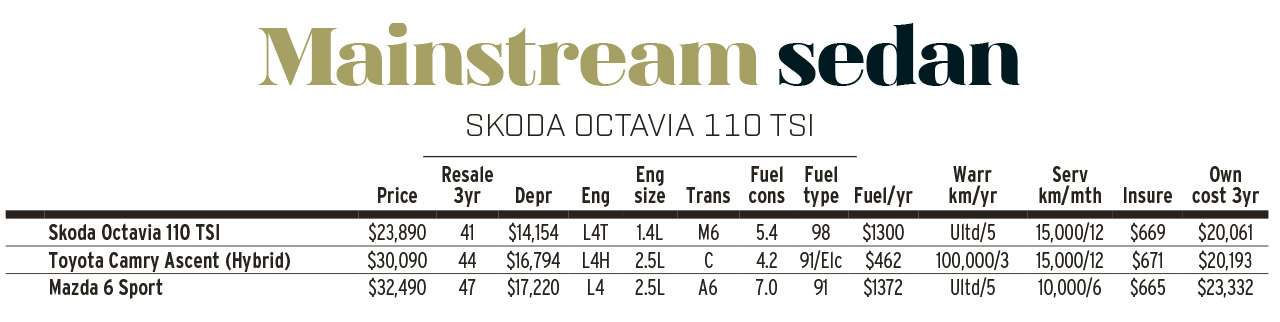
Sniffing around the medium-car options suggests a low-$30K entry is the norm, so the Skoda’s $24K price tag is its key to success. Containing the entry cost to mid-spec small-car money not only makes it appealingly affordable up front, it does wonders for minimising the cost of depreciation, despite a 41 percent three-year resale (compared with rivals’ 44 and 47 percent figures.)
Owning the likeable Czech for the first three years costs you about $14K in depreciation – the least here, and quite good in overall terms. It’s also highly economical, at 5.4L/100km officially, thanks to a flexible 1.4-litre turbo four and six-speed manual combo, albeit on premium fuel while its rivals use regular.
A 12-month service interval and inexpensive annual comprehensive insurance, at $669, are further pluses.
Wheels’ pick
Toyota Camry Ascent Hybrid $30,090
Wheels is on record as stating, “The Ascent Hybrid is all the Camry you’ll ever need”, and Gold Star Cars 2019 delivers the same message. The imported Toyota sedan’s slick hybrid drivetrain provides standout quality – an enviable 4.2L/100km official economy – and it’s a charm to drive on a long road trip.
I always thought Gazoo was a little green spaceman who turned Fred Flintstone and Barney Rubble’s lives upside down in the final season of the 1960s cartoon The Flintstones. As a standalone word, Gazoo certainly sounds like cartoonish, childish gibberish rather than a name to strike fear into the likes of AMG, Porsche, Aston Martin, Audi quattro, BMW M and others.

And yet, that’s exactly what Gazoo is doing.
Gazoo is Toyota’s global performance brand. In Japanese, the word ‘gazo’ means picture or image. In the early 1990s, Toyota had the vision to use images in advertising to sell its used cars. This was a time prior to the internet when newspaper ads were all words. Images were rare. And yet, in automotive retail today, image is everything.
Think about it that way, as an image that helps sell cars, and the Gazoo name fits like a metaphorical race suit. Gazoo is about transforming Toyota’s image from the safe, reliable maker of boring cars into a brand with passion, performance and excitement.
Gazoo’s mission is to use the furnace of motorsport to fine-tune Toyota’s cars, people and processes to be the best they can. It’s working, too.
WhichCar.com.au embedded with Toyota Gazoo Racing (TGR) at the 2019 24 Hours of Le Mans as it chased back to back victories. We wanted to gain a greater understanding of the Gazoo brand, and to see what it takes to win one of the world’s toughest one-day endurance motorsport races.
We also wanted to see how Toyota’s motorsport success translates into cars that you or I can own and drive on real-world roads. We didn’t have to wait long. Outside the Toyota hospitality suite sits a Toyota Supra, a two-door production sports coupe co-developed with Gazoo Racing.
If we needed a more direct link to how motorsport is improving Toyota’s road cars, we got it when Toyota announced that, from 2020, its Le Mans race car would be based on a forthcoming GR Super Sport production hypercar.
The GR Super Sport concept was previewed in 2018 packing Euro-chic supercar curves and a 1,000hp (745kW) petrol-electric hybrid powertrain derived from the successful TS050 Le Mans racer. This monstrous road-going machine will rival the best from Ferrari, Aston Martin, AMG and others in terms of performance and street presence, and is sure to command a seven-figure price if it comes to Australia.
It is possible… our Toyota Australia source tells us they’ve put their hand up for at least one.
But before the new Le Mans regs arrive, there are at two more 24 Hours of Le Mans race to run and win, starting with the 2019 assault. Toyota’s two TS050 entries were fastest in practice, and fastest in qualifying. Everything was on track to the point where many were calling it Toyota’s race to lose. Partly because of Toyota’s performance to date in the 2019 WEC season, but also because there were no real rivals from major manufacturers.
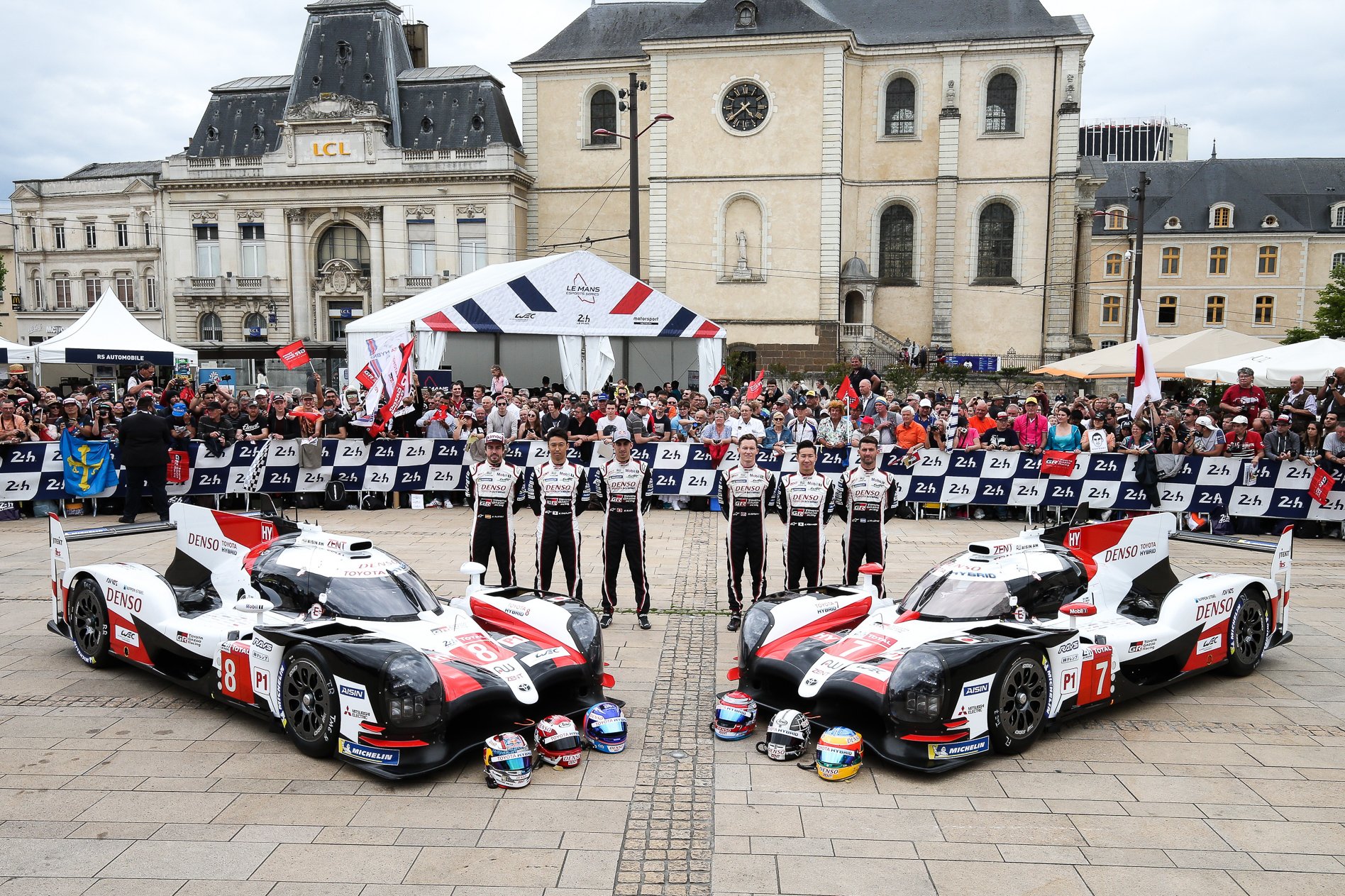
Unlike some years in the 1990s and 2000s when five or more full factory teams competed, Toyota was the only mass-market car brand in this year’s Le Mans Prototype 1 (LMP1) category. Its rivals were a gangsta-themed Swiss watchmaker (Rebellion), a Russian banker (SMP), a German-Romanian family dental dynasty (ByKolles), and a former racer turned team manager (DragonSpeed).
Not exactly the AMG, Aston Martin, Ferrari and Porsche that Toyota wants to vanquish to enhance its motorsport legacy. But winning at Le Mans is no fluke, and certainly not when you do it twice in a row.
Toyota could easily have been gunning for its third win from four attempts in 2019 if Toyota’s 2016 race hadn’t been cruelled on the second to last lap by a faulty connector.
Toyota’s lead was a comfortable 70 seconds with six minutes to run when the turbocharger and intercooler linkage failed. The engine went into limp-home mode with significantly reduced power, but two minutes later would give out entirely, forcing the car to stop on the start-finish straight – in front of thousands in the grandstand and hundreds of millions of TV viewers around the world.
What had looked like a maiden triumph became a very public and embarrassing failure. It’s hard to underestimate the damage this would do in a risk-averse corporate culture like Japan, and the courage required to double down the commitment and come back the following year. Based on the 2019 pre-race composure and performance Toyota has obviously learned from that 2016 failure.
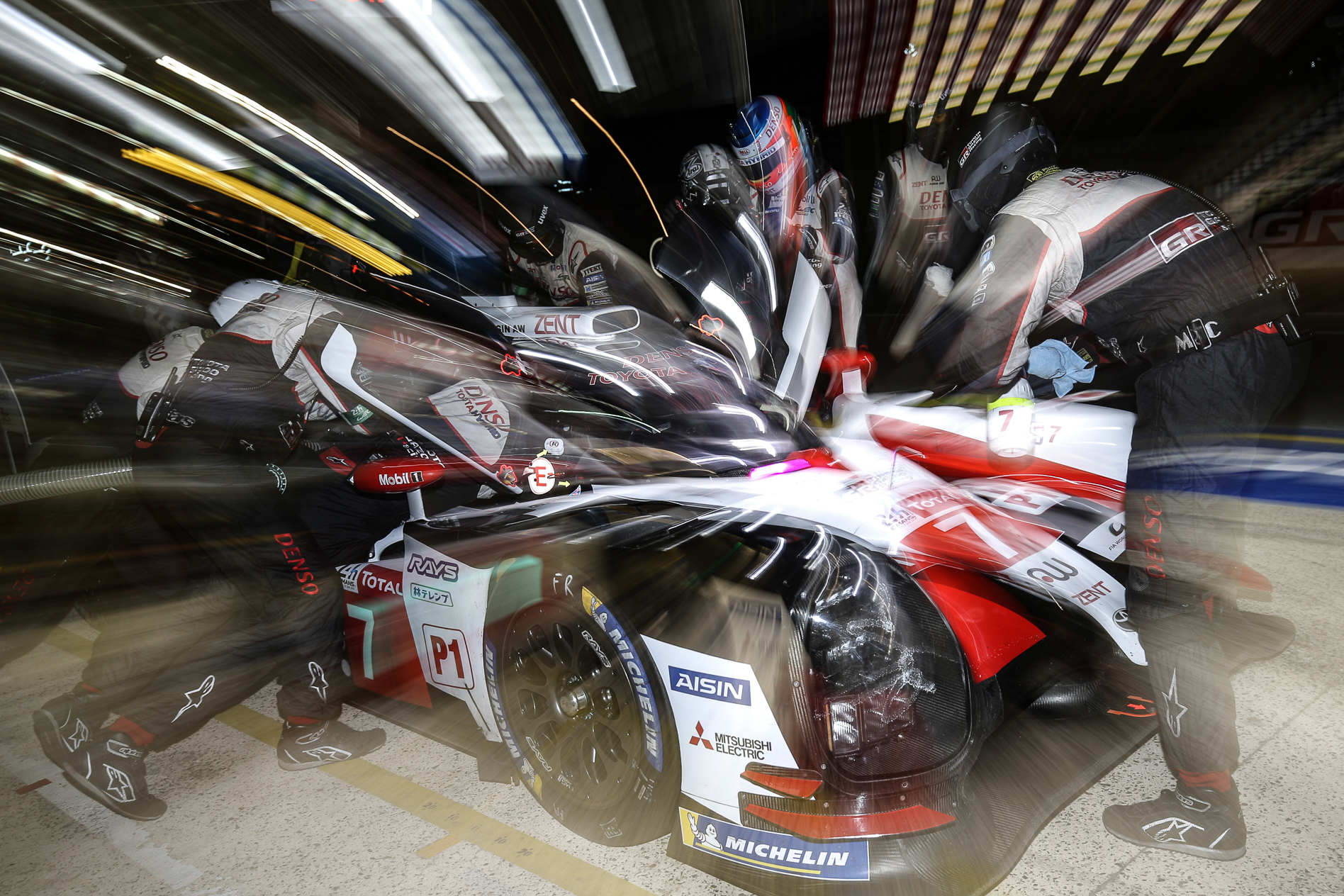
As the 2019 race progressed, the only problems Toyota faced was a faulty door latch halfway through the night, and a tyre puncture to the Mike Conway’s lead Toyota with one hour to run, which resulted in the two Toyotas swapping positions.
When we asked Conway before the race what challenges Toyota would face given it was the highly fancied favourite, his response – with the post-race benefit of hindsight – appears prescient.
“It’s all about executing all the time,” he said. “Getting through the 24 hours without any reliability issues is always a challenge. Nothing’s a given in this.”
In short, only a failure by Toyota would stop Toyota winning.
As it turned out, the puncture that cost Conway’s number 7 car the win was a double punishment. A faulty tyre sensor meant the pit crew changed the wrong tyre and he had to come in a second time to replace the correct tyre. It was during that second stop that the number 8 car took the lead.
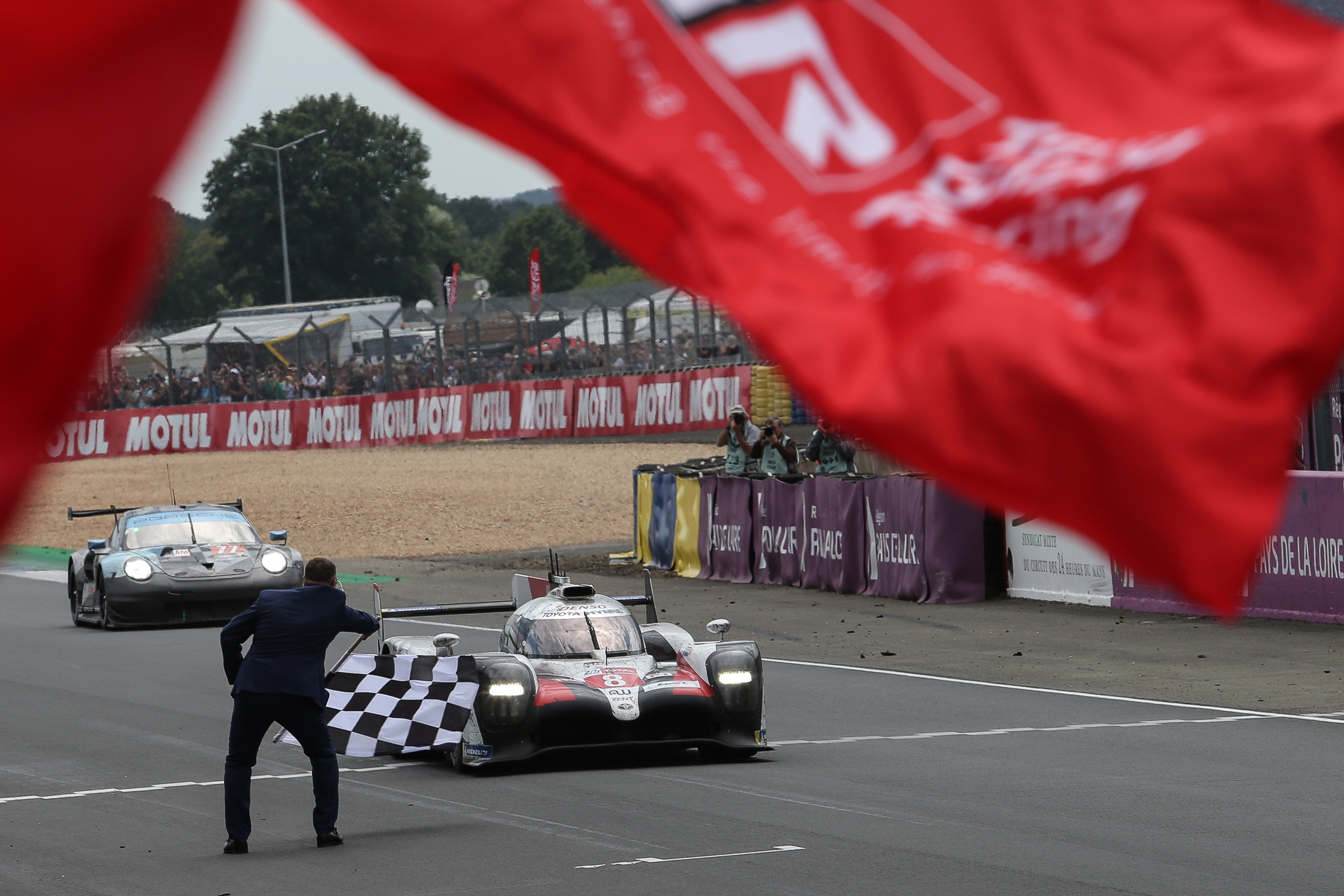
But the overall result was never in doubt. Toyota entered race week as the unbackable favourite, qualified 1 and 2, held positions 1 and 2 for every lap of the race, and finished 1-2 in dominant style.
Of the six other cars that competed for LMP1 honours, only three finished, and the nearest rival was six laps down. This proved the little guys stand little chance against the might of a major factory with the resources financial and otherwise of Toyota.
Toyota won’t say how much it spent on the 2019 World Endurance Championship, its fourth season in the WEC. The New York Times estimated its 2016 debut season at USD $100 million, which seems conservative. Others in the know estimated Audi and Porsche’s successful LMP1 programs in the 2010s at more than USD $200 million per year, although it’s worth noting they did run more cars than Toyota’s two.
Even so, it’s a fair bet Toyota’s WEC budget is somewhere between the two, and closer to the top end.
Motorsport is not cheap, but the brand equity that success builds is significant. Many manufacturers have competed and won Le Mans, and that success has contributed to the esteem in which these brands are held by enthusiasts and consumers alike. Porsche has the most victories (19), followed by Audi (13), Ferrari (9), Jaguar (7), Bentley (6), Alfa Romeo (4), Ford (4), Peugeot (3) and Bugatti (2).
Those with one victory to their name include Mazda, Mercedes-Benz, BMW, Renault, McLaren and Mercedes-Benz.
Until 2018, Mazda’s 1991 victory made it only Japanese brand to have won the 24 Hours of Le Mans. Now, Toyota has too, and it has two. And it’s likely to add further to that tally in the coming years.
On the day before the 2019 race, Toyota reaffirmed its commitment to the sport, saying it was looking forward to the new Hypercar rules which come into effect for the 2020/21 season. These new rules make it highly unlikely that any other brands will enter the 2019/20 season because it makes no sense to invest $100 million in building and developing a brand new car which will have a competition life of just one season.
So Toyota is now likely to make it three Le Mans victories in a row next year.
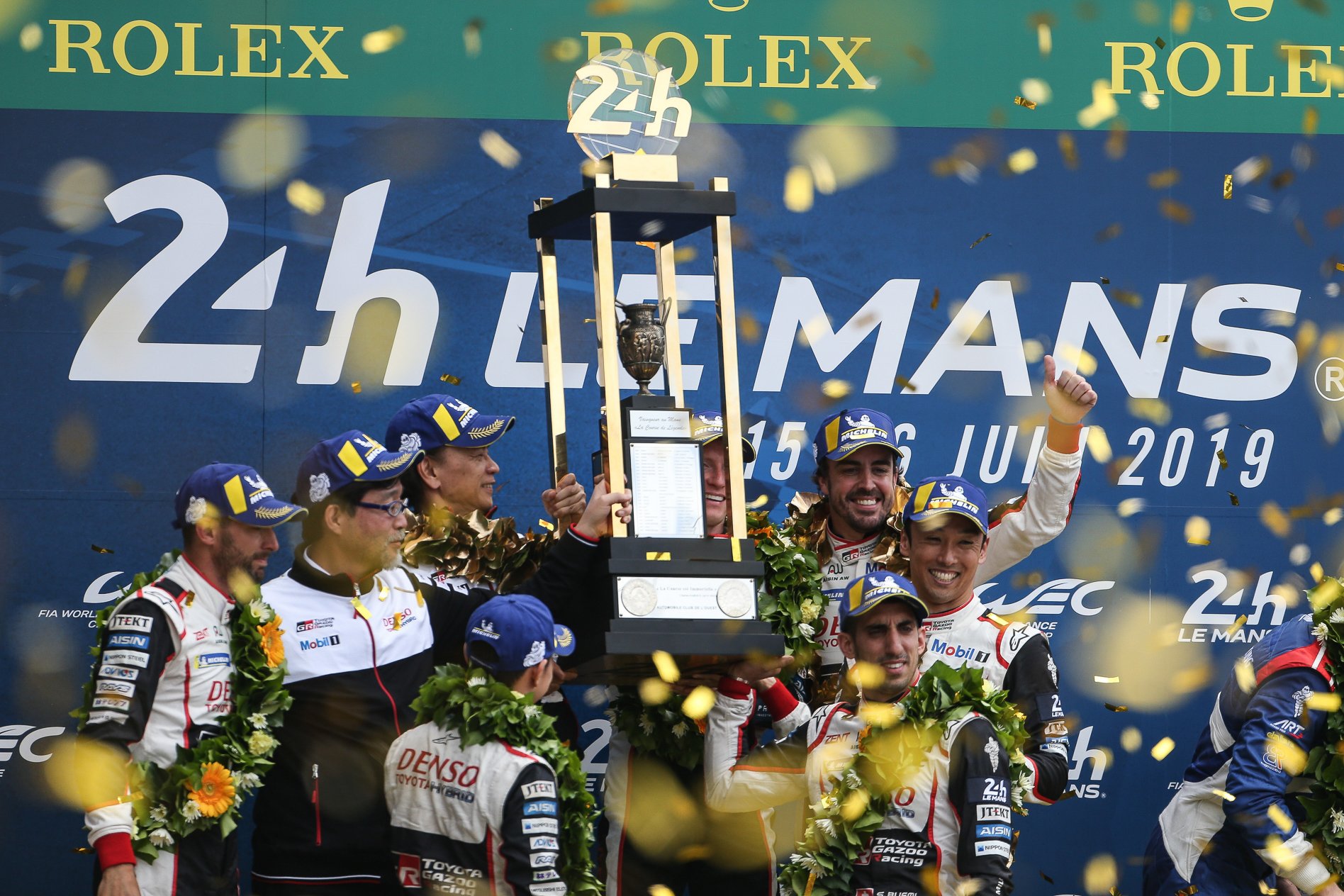
Winning at Le Mans is good for the brand. Winning full stop is good for the brand. That’s why Toyota Gazoo Racing entered and won the gruelling Dakar Rally off-road race in 2019. That’s why it re-entered World Rally Championship in 2017, winning the manufacturer’s title in 2018.
No team wins the 24 Hours of Le Mans twice in a row solely on luck. Neither do you win the Dakar Rally – a 10-day, 5700km desert and mountain rally raid in which barely half the 100 cars entered make the finish – thanks to luck. And you certainly don’t win a 13-race World Rally Championship season held on four continents because of luck.
Luck helps, certainly. But what these accomplishments tell us is that Gazoo Racing is a polished performer capable of delivering on the toughest stages. It also tells us Toyota is investing a lot of money in motorsport, and that the investment is paying off.
It’s a sizeable annual investment: up to $200 million a year going into WEC, another $100 million into the WRC, and tens of millions bankrolling a three-car Dakar assault.
So why does Toyota spend hundreds of millions each year on motorsport? The reason is simple, says Toyota’s president Akio Toyoda, the great-grandson of company founder Sakichi Toyoda.
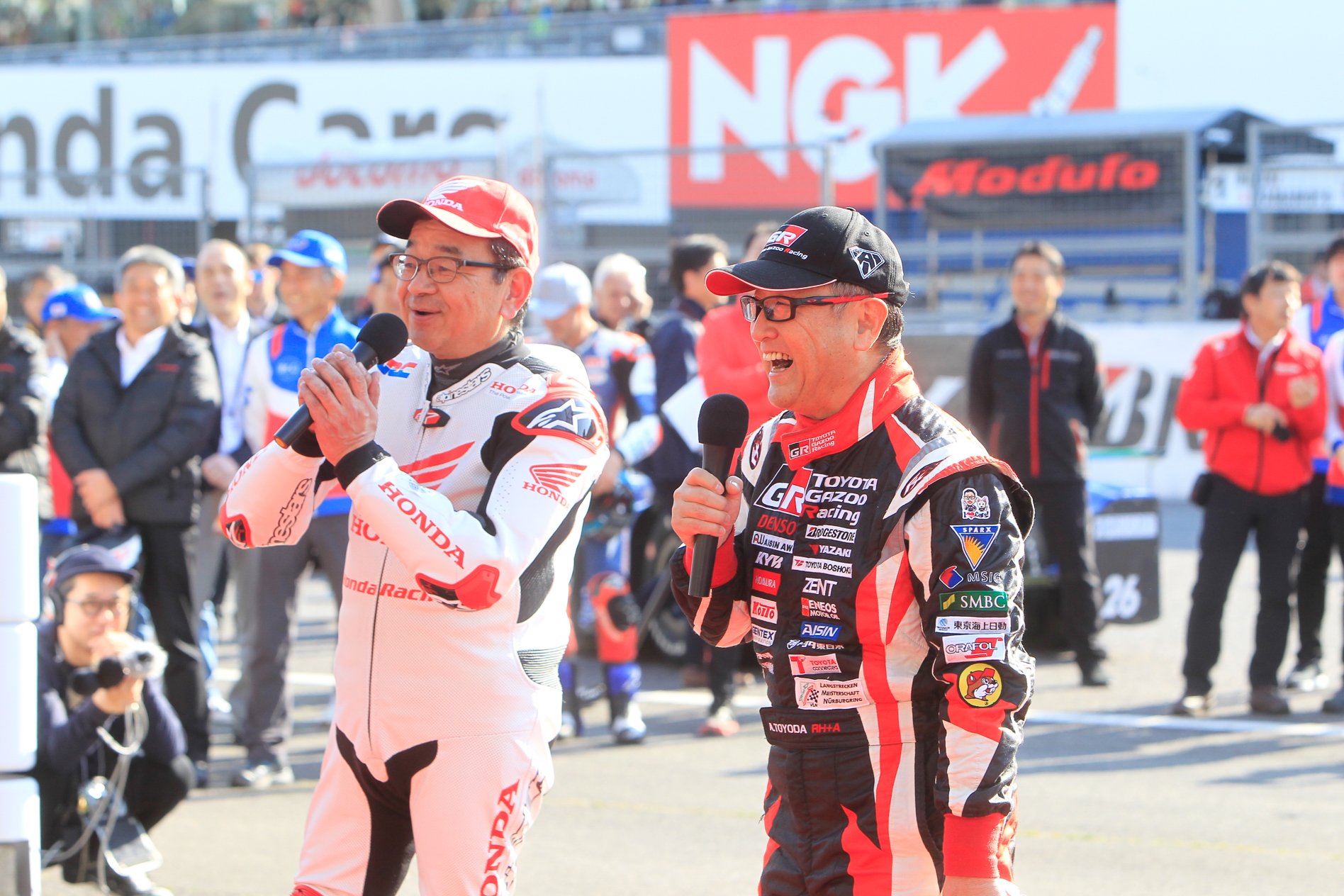
Takahiro Ichigo of Honda (left) and Akio Toyoda at a recent motorsport fan day in Japan
“Development is best achieved in extreme conditions,” he says. “That’s why we compete in motorsports around the world. Our philosophy is ‘the road shapes the driver as well as the vehicle’.
“With this in mind, [we carry] out activities aiming to nurture our people, develop our cars, and inspire new car enthusiasts, under the belief that the roads build the people, and the people build the cars.”
Akio Toyoda is a race driver of some note, often competing under the pseudonym Morizo Kinoshita. He was instrumental in Lexus exploring its performance potential and bringing models like the Lexus LF-A supercar and IS-F sports sedan to market.
Under Toyoda, Toyota united its numerous and often independently-functioning motorsport activities under one in-house brand in April 2015 – Toyota Gazoo Racing. This move was designed to clarify the role of motorsport as a means of Toyota developing better cars and fostering new generations of car enthusiasts.
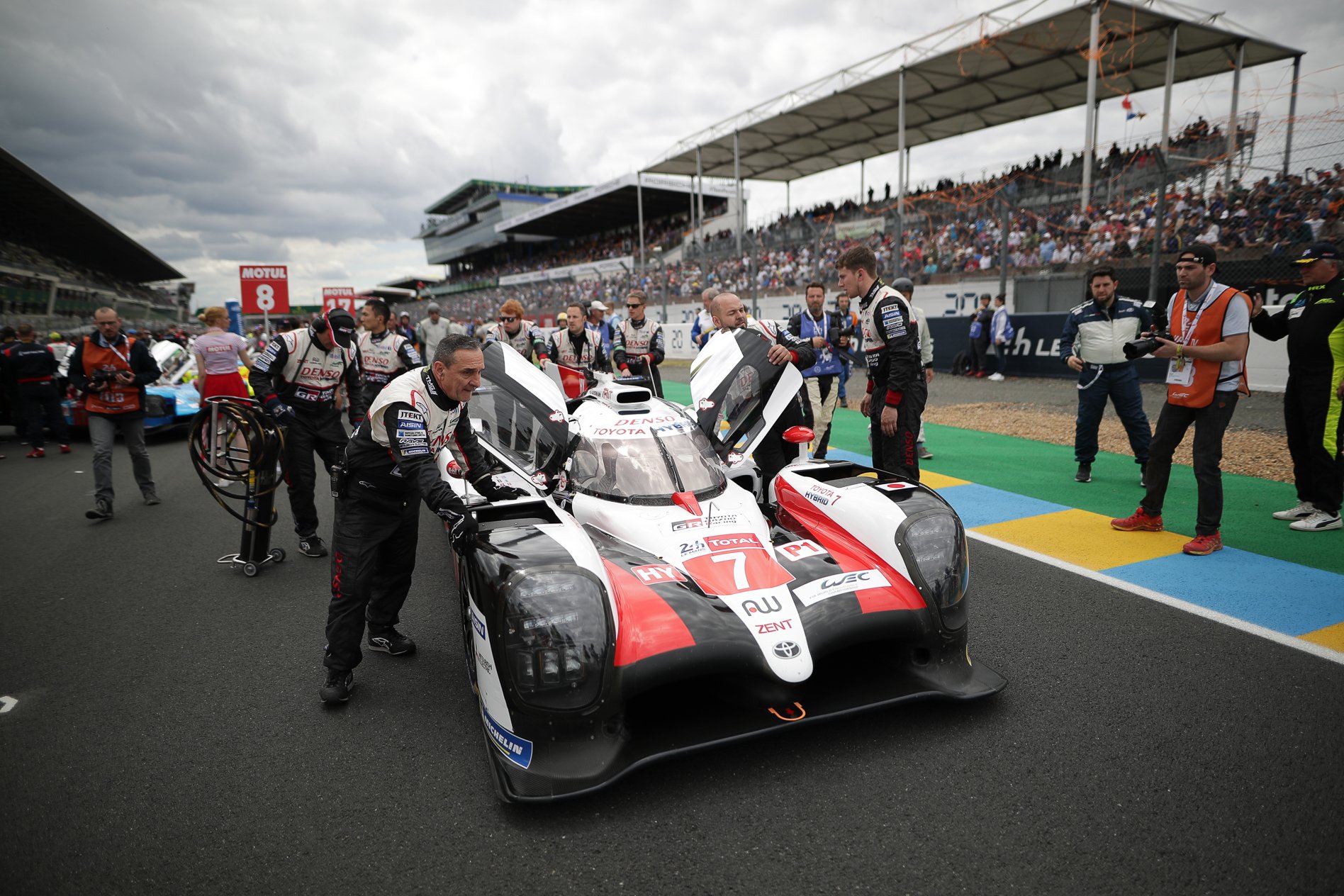
Toyota has come a long way from its motorsport debut in the Round Australia Rally in 1957. In recent times it has taken on the toughest races in the world and won. This new era of motorsport success is contributing to better, more exciting Toyotas for the world and for Australians.
Without Toyota’s passion for performance, the new Toyota 86 would never have been, the Toyota GR Supra may never have been reborn for the 21st century, and the insane GR Super Sport hypercar would have remained a wistful drawing on a Toyota designer’s dream pad instead of becoming a potential rival for the Aston Martin Valkyrie, AMG Project One and others.
It’s a rivalry Toyota wants, and a rivalry Toyota will seek to dominate, because that’s what Toyota does. If we were AMG or Aston Martin or BMW M, we’d be worried, because Toyota now has an even richer history of beating what – or who – it sets out to beat.