
A single HSV GTS-R Maloo, the fastest stock Aussie car we’ve ever tested and the last production Commodore-based HSV, has surfaced in America.
A photo of a white US-delivered GTS-R Maloo awaiting conversion to left-hand drive has appeared on social media, with the caption claiming it to be the first of its kind there.
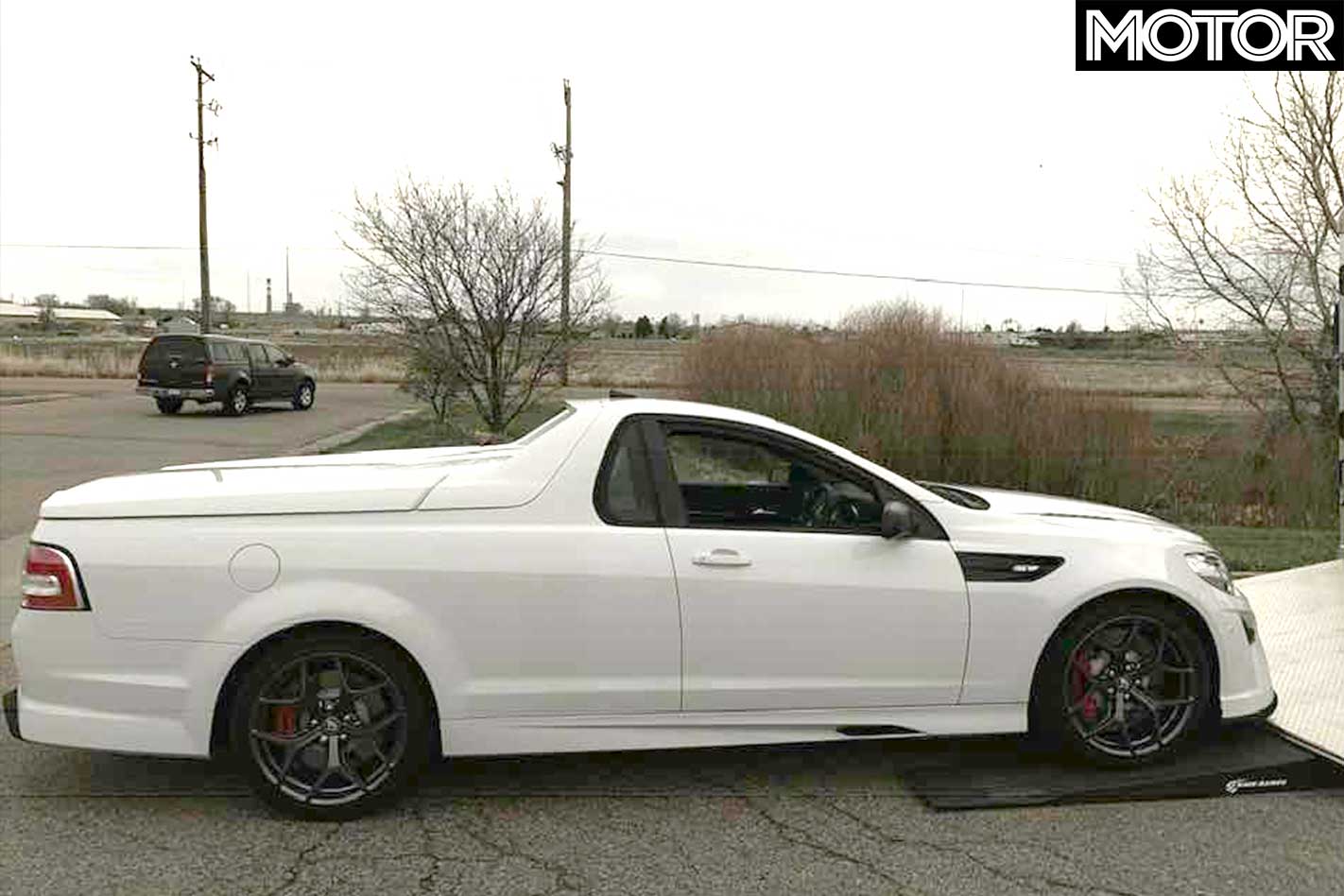
This has led us to Randy Reese of Left Hand Utes in Colorado. He’s imported and converted dozens of Holden Commodore and HSV utes, this latest one being done for someone who already owns a swapped 2016 HSV Maloo.
“What we’ve been doing is have customers buy them in Australia with their own money,” he tells MOTOR exclusively, “then they take what they want, and then we set up shipping. All I’m doing is the conversions.”
This particular example has only travelled 30km and when it’s finally ready, after a process that takes a couple months, it will ask US$145K (AU$207K) for the pleasure to drive Oz’s fastest standard local production car overseas.
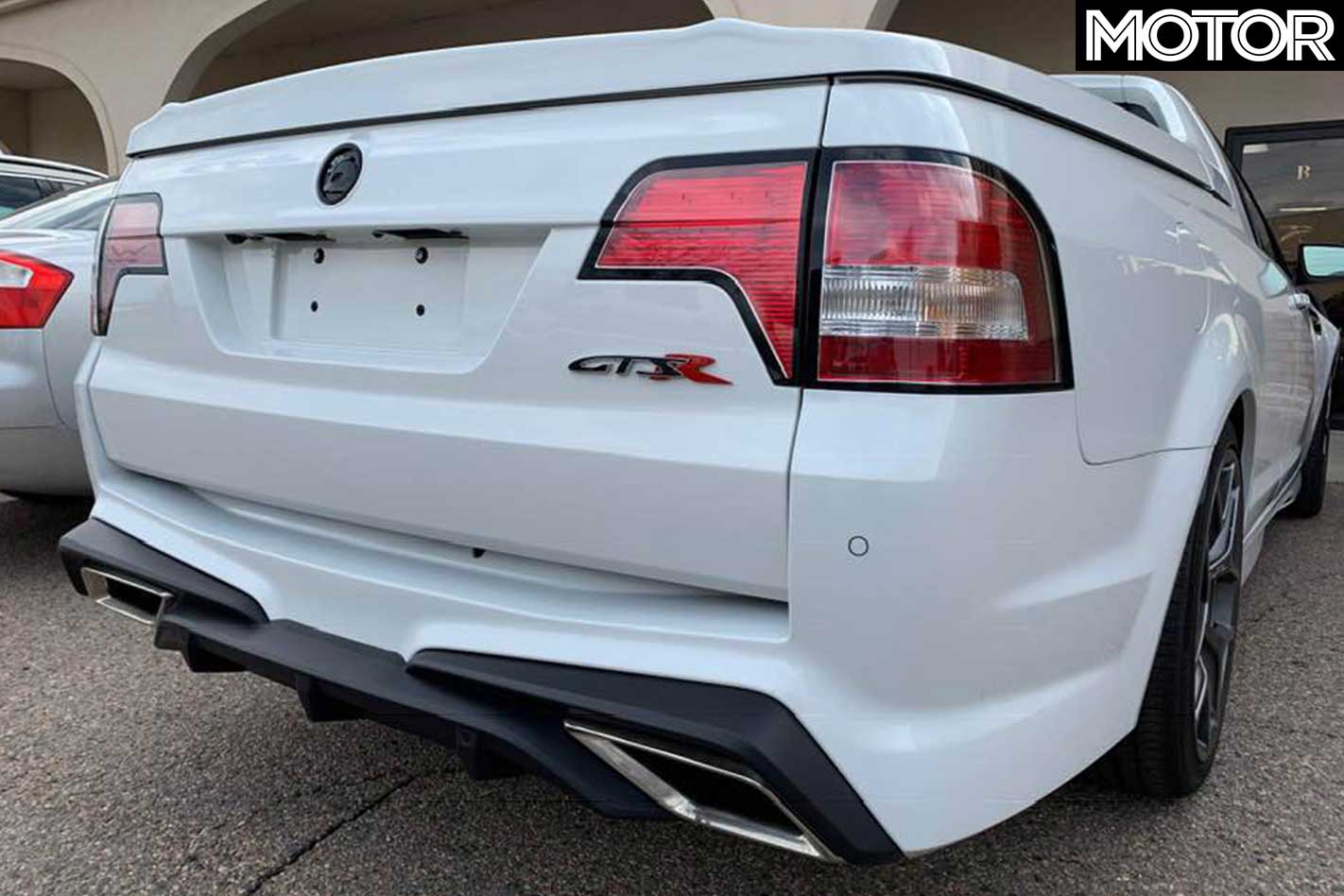
With a 6.2-litre supercharged V8 LSA producing 435kW/740Nm, in our hands an automatic GTS-R Maloo Ute recorded a 4.14 0-100km/h run and crossed 400m in 12.19 seconds.
“Basically it’s a Corvette with a bed, it can haul an ass,” he jokes.
Reese, an engineer, converts a couple every year and capitalises on the fact our utes have an amazing amount of overlap with the Chevrolet Caprice used for cop duties, itself based on the VE Commodore‘s Zeta platform. Likewise the Chevrolet SS and our VF.
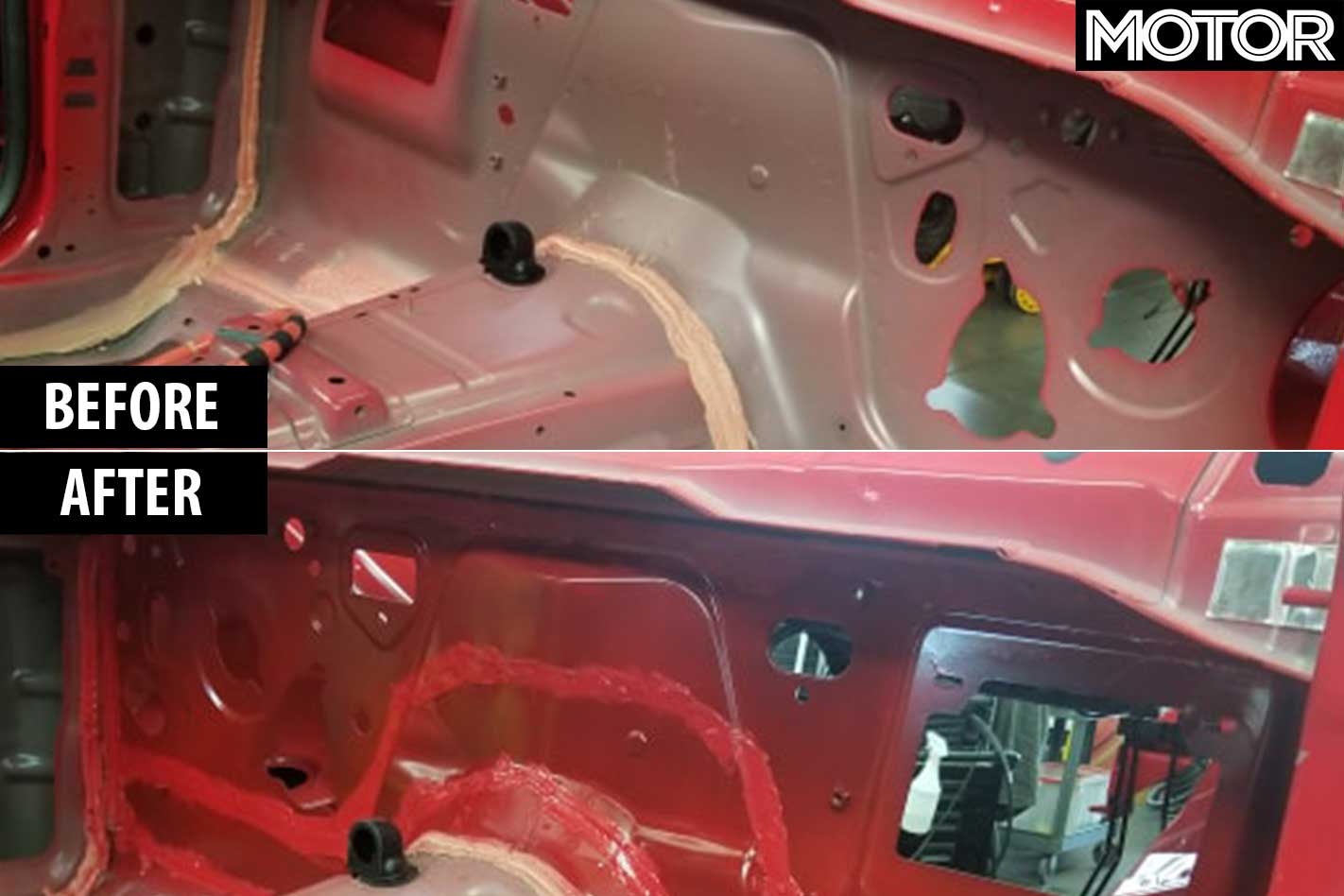
“It’s the same frame rails that go underneath, same driveshaft, same fuel line, same brake line,” he says. On top of a lot of paperwork, it’s basically a process of adapting the Australian built shell with American compliant parts.
“I don’t paint, I don’t cut frames, I don’t change VIN numbers, the only thing I do change is where the bits coming through the fire-wall.
“And it’s just a 16-gauge piece of stamped steel that I get from the US donor car, and I weld it in there.
“I do not add VINs to them, I use a 17-digit GM VIN.”
But there’s extra work involved on something like this GTS-R Maloo. “The HSVs and Maloos are higher end, and I try and keep as much of the original components as I can.”
“What’s nice about the GTS-R is it has red stitching and so does the USA [Chevrolet] SSs. So it pops right in without any issues.”
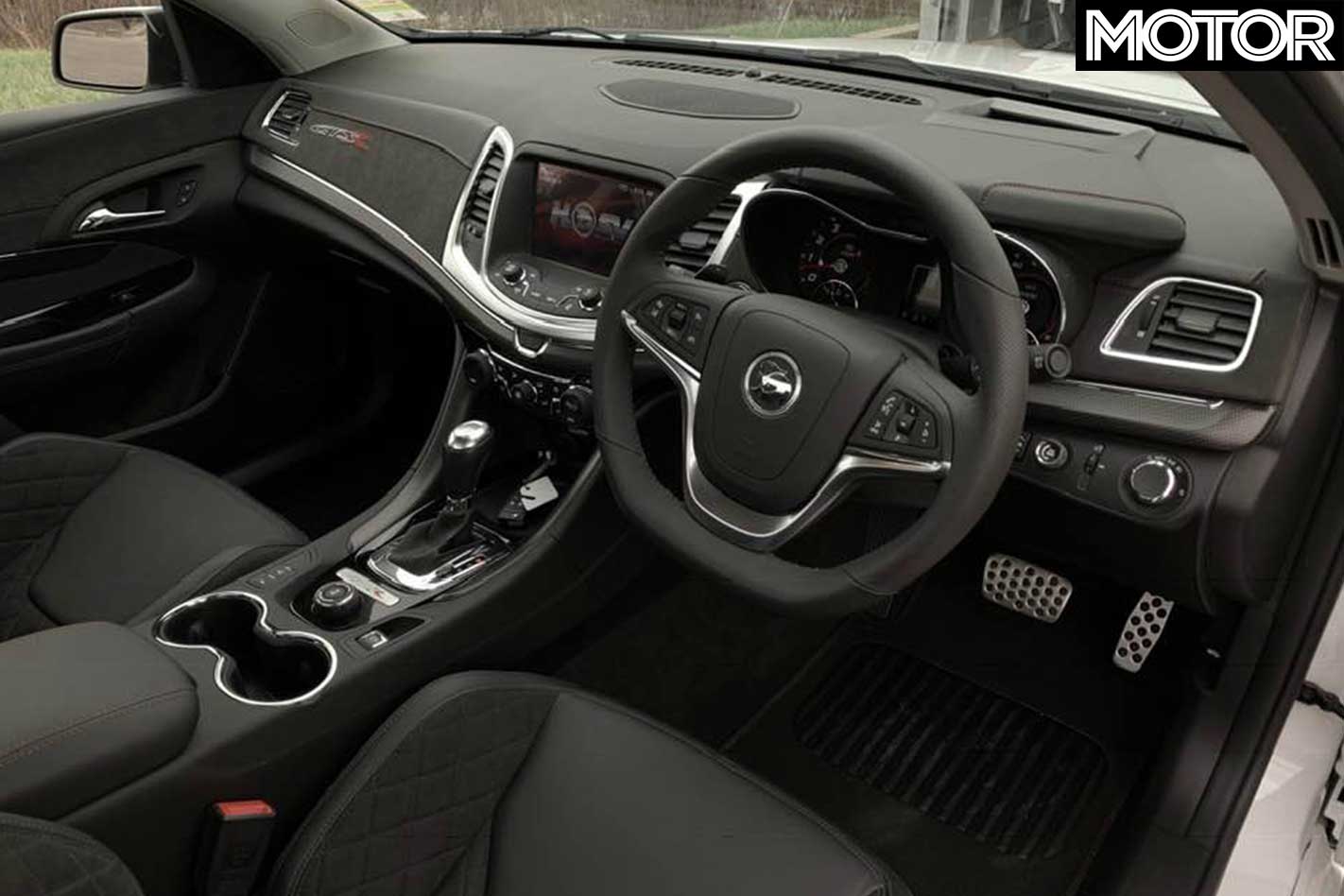
Randy lets HSV know what cars make their way over there and in turn gets help with things like “tags” and specific information.
Our beloved creations are slowly gaining popularity in the US based on their similarity to Chevrolet’s El Camino, its take on the ute built from 1964 to 1987. He’s upbeat when asked about the demise of our car industry, though.
“I have a real smart arse answer for that: they haven’t made a ’57 Chevrolet since ’57, but they don’t seem to be disappearing.”
Honda Australia has put their factory-backed support in the upcoming TCR Australia Series behind Wall Racing who will campaign two Honda Civic Type R TCR cars.
Headlining Wall Racing’s driving line-up will be reigning CAMS Australia Endurance Championship driver, Tony D’Alberto, with the second Civic Type R TCR to be driven by fellow Aussie race John Martin.
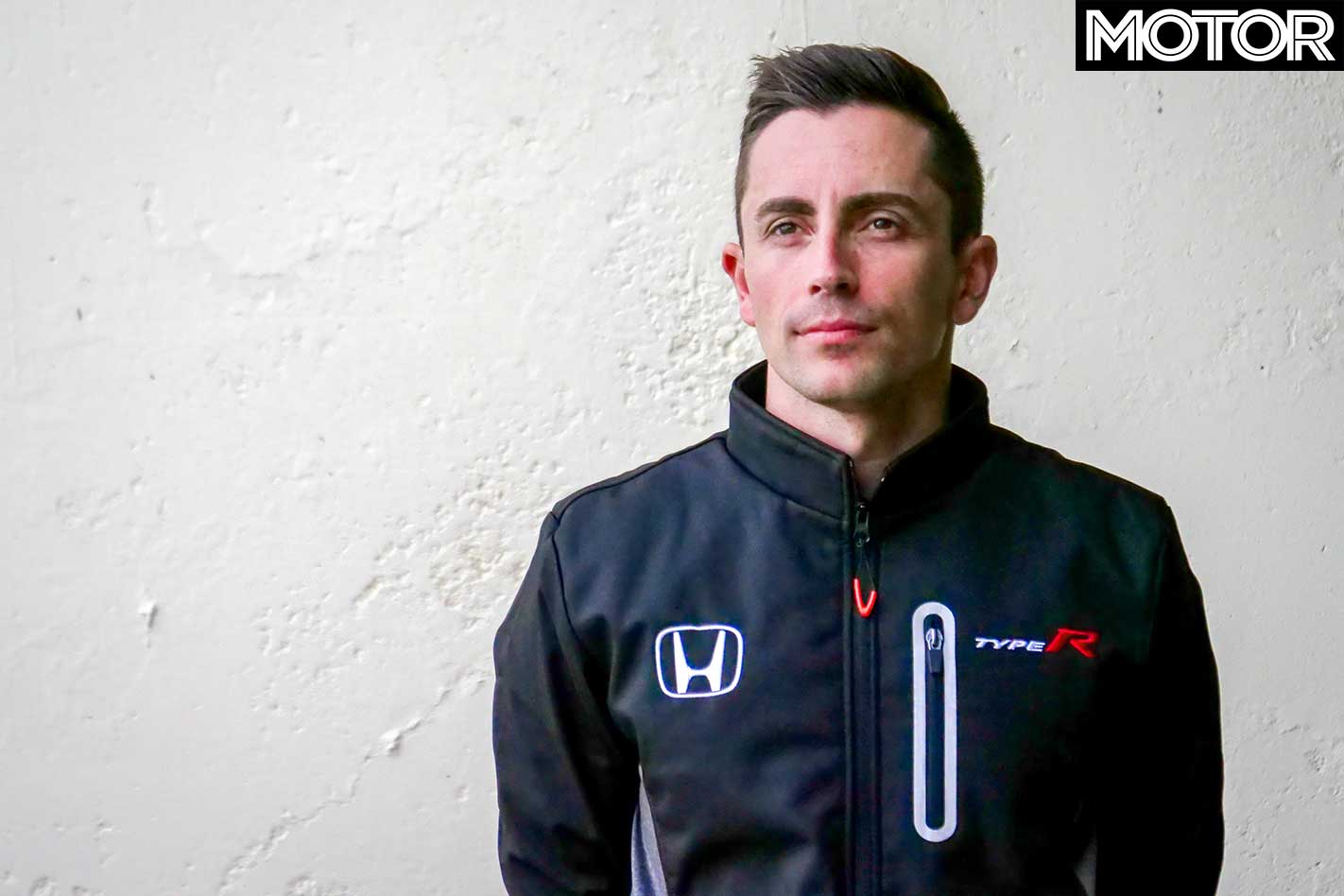
With the first race schedule to take place next weekend (17th – 19th May) at the Sydney Motorsports Park, Wall Racing and D’Alberto has already begun preparations with the team hitting the tracks for the first time today at Winton Motor Raceway.
Competing with the #50 racing number – in commemoration of Honda’s 50th year in Australia – D’Alberto with Martin taking the wheel of Wall Racing’s #24 Civic Type R.
With the support of Honda Australia, D’Alberto and Martin’s Civic Type R TCRs will be replete in a livery that is reminiscent of Honda’s other motorsports entries around the world.
“I’ve known the team at Honda for a while now, so when the opportunity came up to drive a Honda in TCR, I jumped at the chance,” says D’Alberto.
“The category’s cost effective nature and market relevance gives them a platform to showcase one of their hero cars – the Civic Type R – in front of a big audience and in a competitive field.”
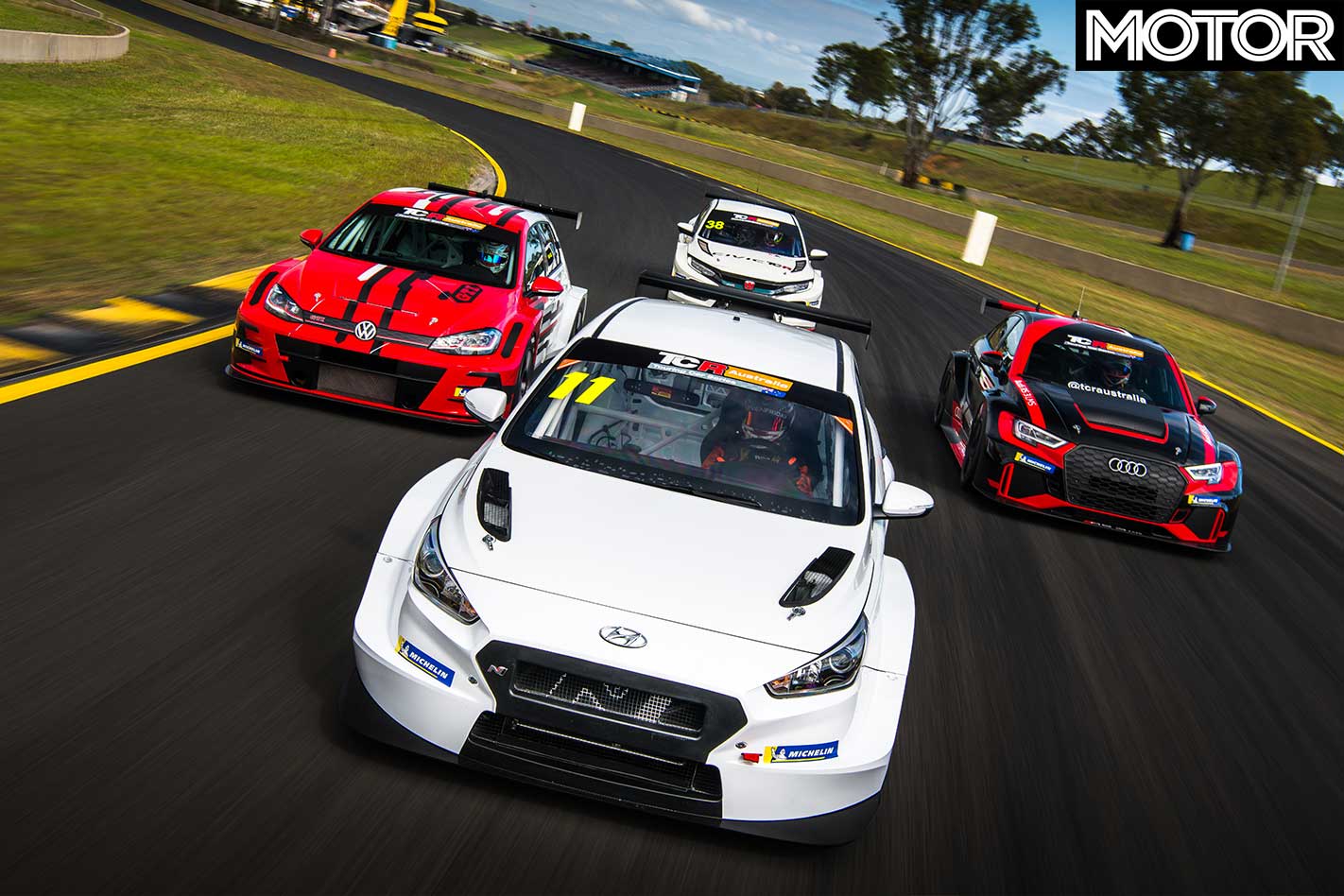
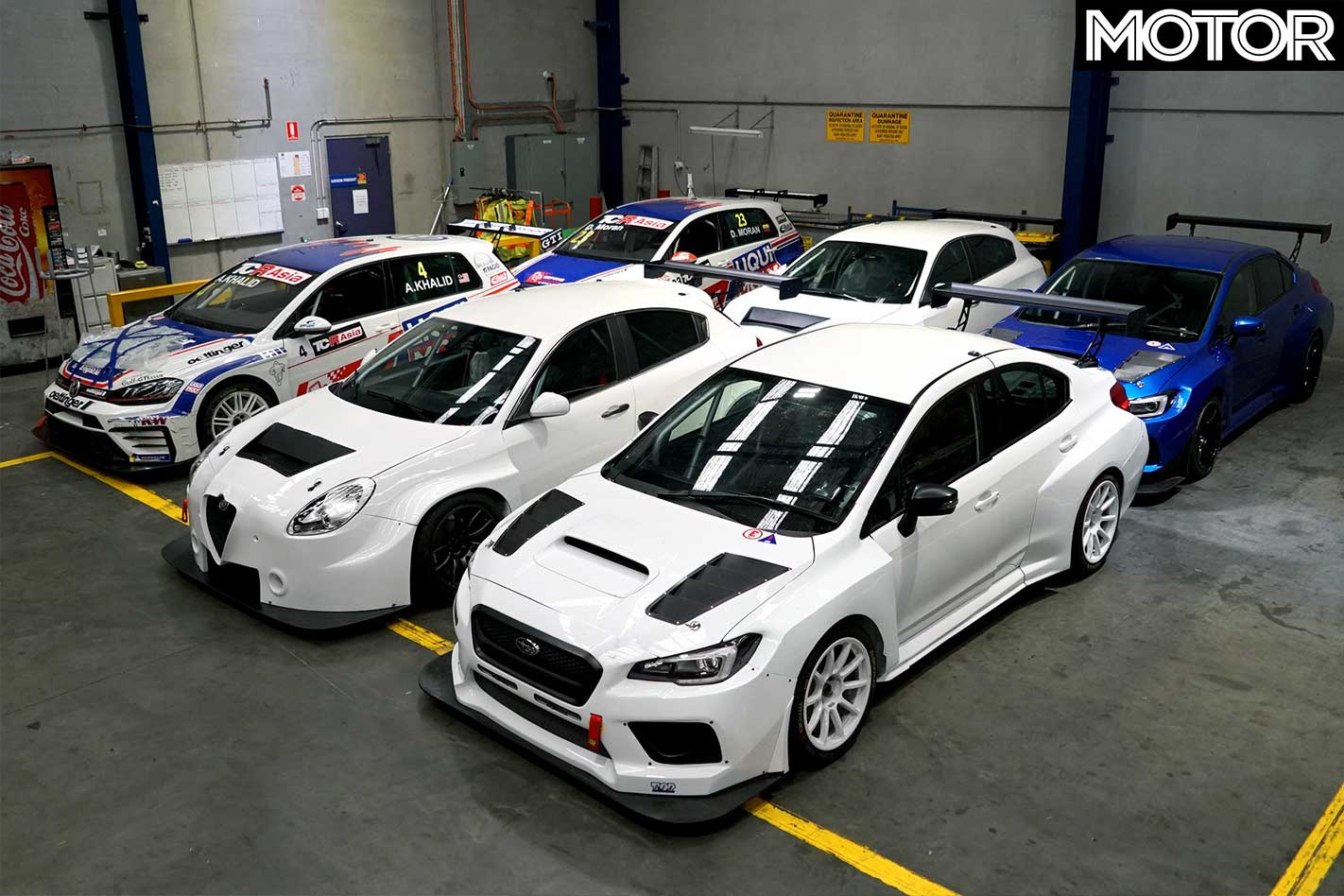
D’Alberto will be amongst a field of 18 cars – which includes TCR versions of the Alfa Romeo Giulietta, Audi RS3, Hyundai i30 N, Opel Astra, Renault Megane RS, Subaru WRX, and Volkswagen Golf GTI – that will be competing for top honours in the new-to-Australia under-2.0-litre touring car class.
All TCR cars are regulated to running 2.0-litre turbo-four engines with their power output capped at 257kW/ 420Nm, and front-driven. Even so, drivers have previously expressed their excitement over the new TCR cars, likening it to a “front-wheel drive GT3 car”.
“I’ve driven a lot of GT cars and Supercars, and these front-wheel drive cars are so rewarding when you get it right,” D’Alberto concurs.
The TCR Australia Series is set to take place over seven rounds from May till November, with every race in the season to be broadcast live, for free, and in HD on SBS, as well as live streamed on the TCR Australia website here.
2019 TCR Australia Series race calendar:
– Sydney Motorsports Park (17th – 19th May, 2019) – Phillip Island (6th – 9th June, 2019) – The Bend Motorsports Park (12th – 14th July, 2019) – Queensland Raceway (2nd – 4th August, 2019) – Winton Motor Raceway (31st August – 1st September 2019) – Sandown (20th – 22nd September 2019) – The Bend Motorsports Park (15th – 17th November 2019)
WE ALL know that electrification of cars is the coming revolution. Whether you see that as a good thing is a different question altogether, but we decided to dig into sales data to try to plot the date when electric vehicles outsell their petrol and diesel equivalents here in Australia.
There are some impediments to just using historical numbers to plot that line. Australia has long been a laggard in the adoption of electric vehicles, largely due to the distances Aussie buyers drive, the lack of charging infrastructure and our curious combination of extremely low petrol pricing and sky-high electricity costs. In other words, we don’t hold it against you for not buying an EV.
But things are certainly changing and the prime impetus for EV sales in this country will be legislation. Or more to the point, that moment when we’re taxed out of internal combustion engines (ICEs) and into electric vehicles, whether those volts come from the juice of a plug or a hydrogen fuel cell.
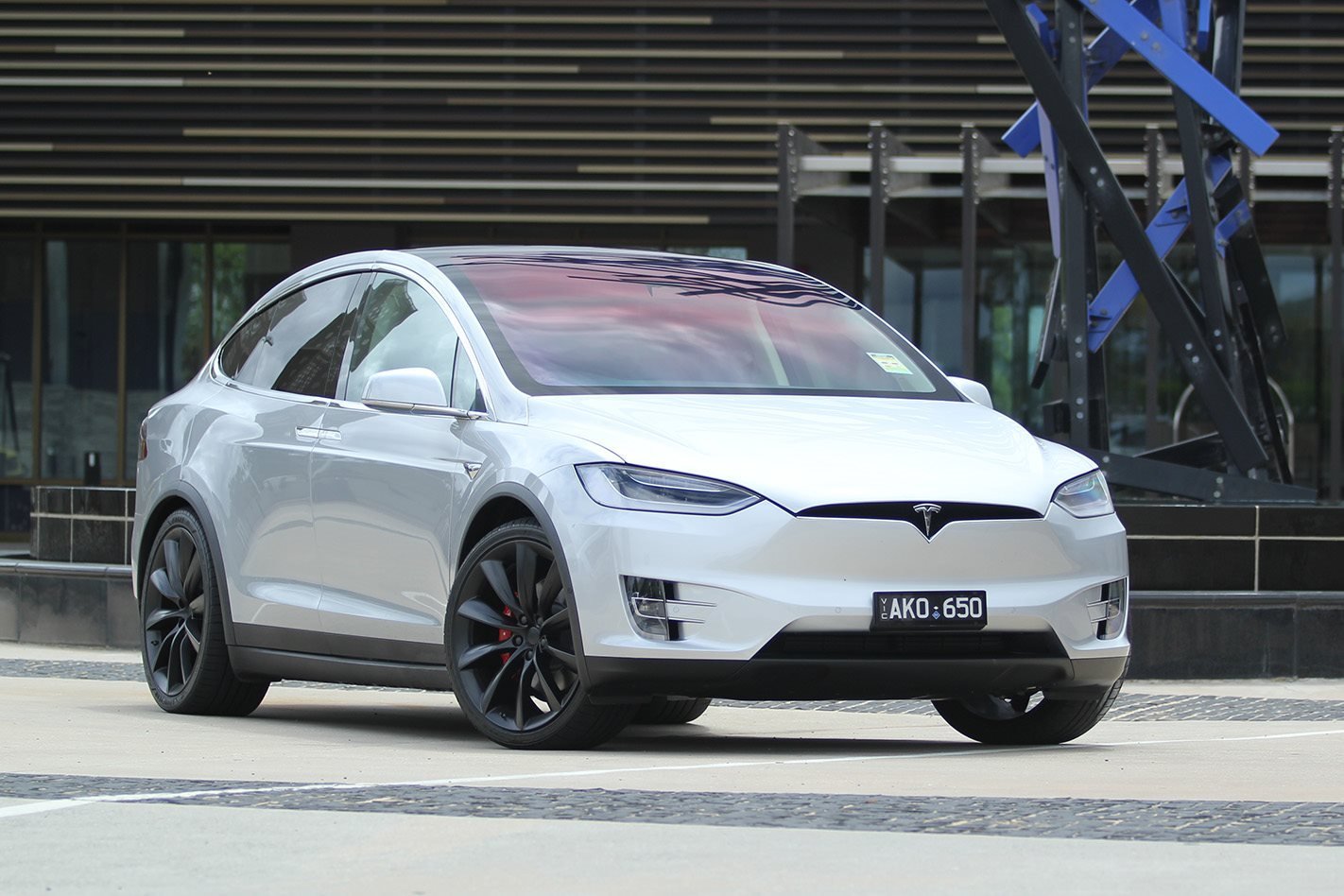
The raw data of EV sales in this country at first looks laughable. Using the latest VFACTS sales report, this year to date to April 2019, 324 electric and plug-in hybrid cars and SUVs were registered by private buyers. That’s set against 101,810 petrol and diesel vehicles. In other words, cars that you can plug into the mains made up around a fifth of one percent of private sales. At this point last year those totals stood at 119 and 126,299 respectively. EVs have better than doubled (a growth of 172.3 percent) and ICEs have contracted by 19.4 percent.
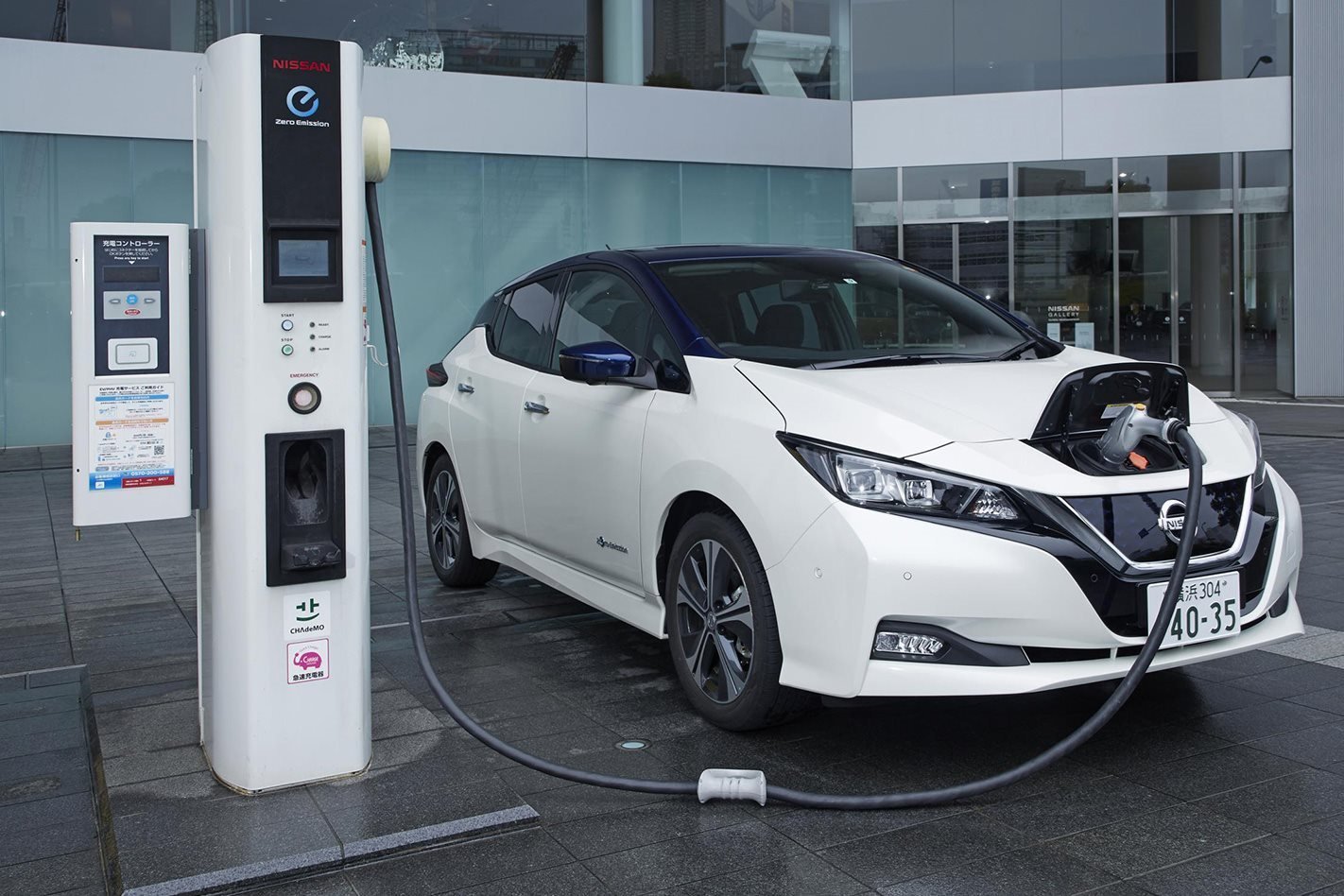
Extend those two lines at those rates and EVs come close to deposing ICE vehicles in 2027 (just eight years’ time) and overtake them comfortably by 2028. By 2030, when many governments are predicting a phase-out of ICE vehicles, EVs would outsell their fossil-fuelled equivalents by almost nine to one in Australia. Do low initial take-up rates of EVs skew that data by artificially inflating growth? Possibly. After all, the same VFACTS report showed growth in sales of RAM trucks of 885 percent year on year. Cherrypick that data in isolation and you could paint a future Australia with an awful lot of chrome and a corresponding rise in jerky, Stetsons and bowling ball sales.
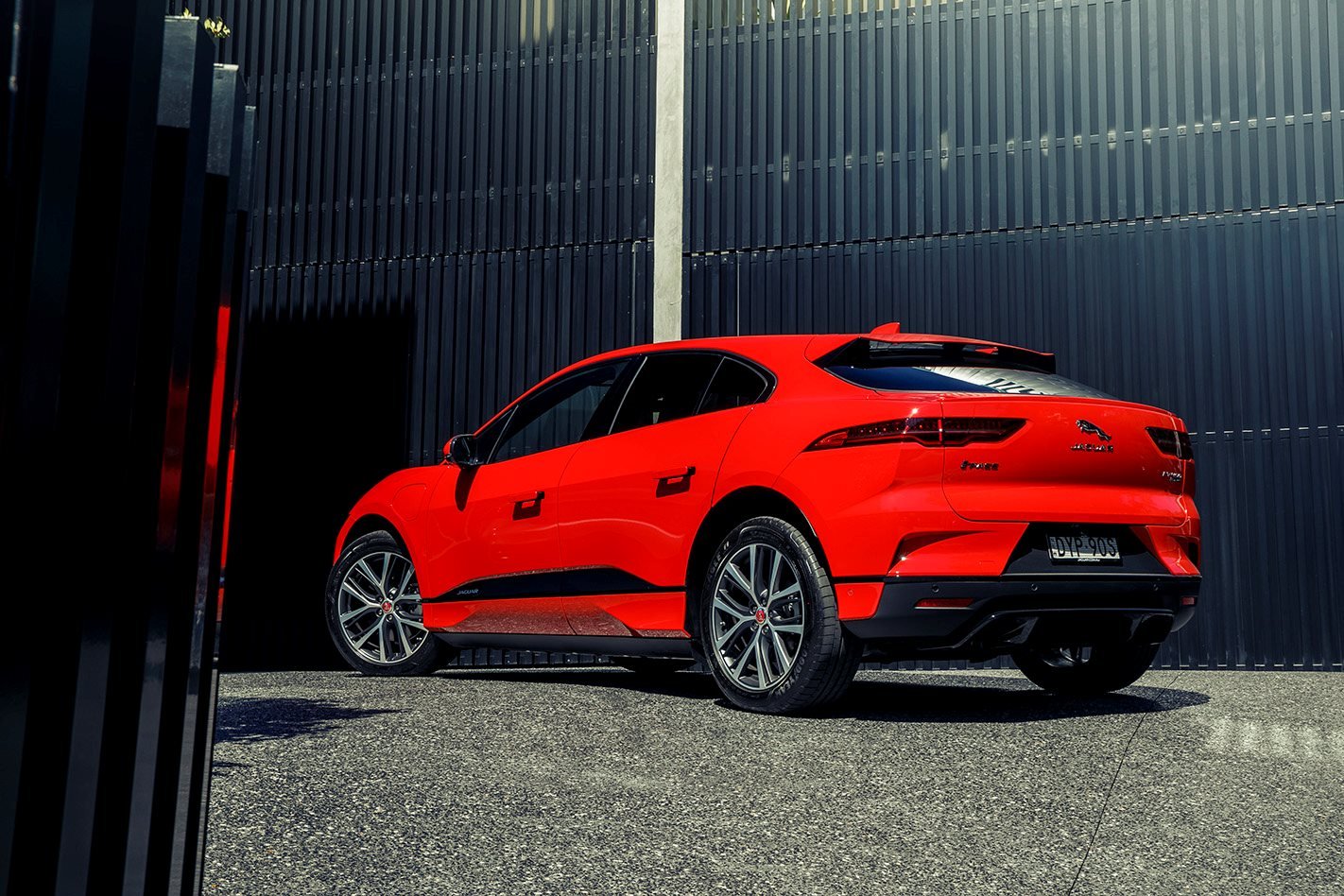
But here’s the thing. The EV charging network in Australia isn’t ready yet and that has steered buyers away from plug-ins. But look at the figure for hybrid cars and that has risen by 88 percent for cars and 66.8 percent for SUVs in an overall market that has contracted by 8.1 percent year to date compared to 2018. In other words, there appears a strong appetite for something other than an ICE powerplant but buyers are rejecting pure EVs on the basis of one or a combination of cost, convenience or a perceived lack of choice. All of those objections can and will be countered in time. So what’s your best estimate? Do you go with that data? Let us know.
What possible thread connects the Suzuki Swift, Ford Mustang and Porsche Cayenne in this week’s episode opener? Dave and Dan explore the ‘little brother’ market to find out if there is an alternative to high-performance halos and fun-focused models that won’t leave you feeling like you are missing out.
As if that wasn’t enough driver-focused hardware for one week, Tim hits the road in Ferrari’s fastest and most powerful front-engined model to date… at a sensible speed. Caged beast or sublime GT? Robbo is going on an adventure to 110km/h and back again to find out.
And after hanging up the keys to one of Australia’s most powerful production cars, Robbo grabs a pair of the most powerful utes money can buy. What’s all the fuss about diesel V6 dual cabs and should you pay upwards of $70,000 to put one on your driveway? Robbo uses his connections in the mountain biking world to bring you the answer.
On-air: Channel Ten, May 13 (AU) / May 20 (NZ)
Catch-up: Watch at tenplay.com.au (AU) or primetv.co.nz (NZ)
This week’s finale sees MOTOR set a time to beat at the Bend Motorsport Park. It’s the newest race track in Australia and the Porsche 911 GT2 RS is one of the most exciting new performance cars of the year – a perfect partnership.
See the full episode: Watch at tenplay.com.au (AU) or primetv.co.nz (NZ)
It’s back to the US where Matt is joined by Telf at the SEMA show – arguably the most prominent aftermarket and modified car showcase on the planet.
See the full episode: Watch at tenplay.com.au (AU) or primetv.co.nz (NZ)
Continuing the torturous testing, Dave sets out to see if the new Ford Endura can fill the boots of the much-loved Territory with the ultimate function test – can it serve a punk rock band and survive?
See the full episode: Watch at tenplay.com.au (AU) or primetv.co.nz (NZ)
If you had to pick your next automotive adventure location based on the name alone, Death Valley might not be your number-one option, but that didn’t stop Matt. At the wheel of the new Holden Colorado ZR2, he takes on one of the most punishing and unforgiving environments to push the toughened one-tonne ute to its absolute limits – and his.
See the full episode: Watch at tenplay.com.au (AU) or primetv.co.nz (NZ)
We all love a good road trip but not all of us are doing our due diligence when it comes to the grunt work beforehand. Checking tyre pressures, tread depth and spare tyres are quick ways you can be sure that you’ll be safe and taken care of should you fall into trouble when out on the open road. Watch the video above for an explanation of what you should be doing before you hit the open road.
Fiat Chrysler Automobiles has no plan to sell the Dodge Durango SRT on Aussie shores, but if it ever changes mind we hope it brings this one.
It’s called the Durango Pursuit Speed Trap, in a nod to the model it sells to police fleets, and is a one-off three-row SUV stuffed with the supercharged V8 from the Challenger Hellcat Redeye.
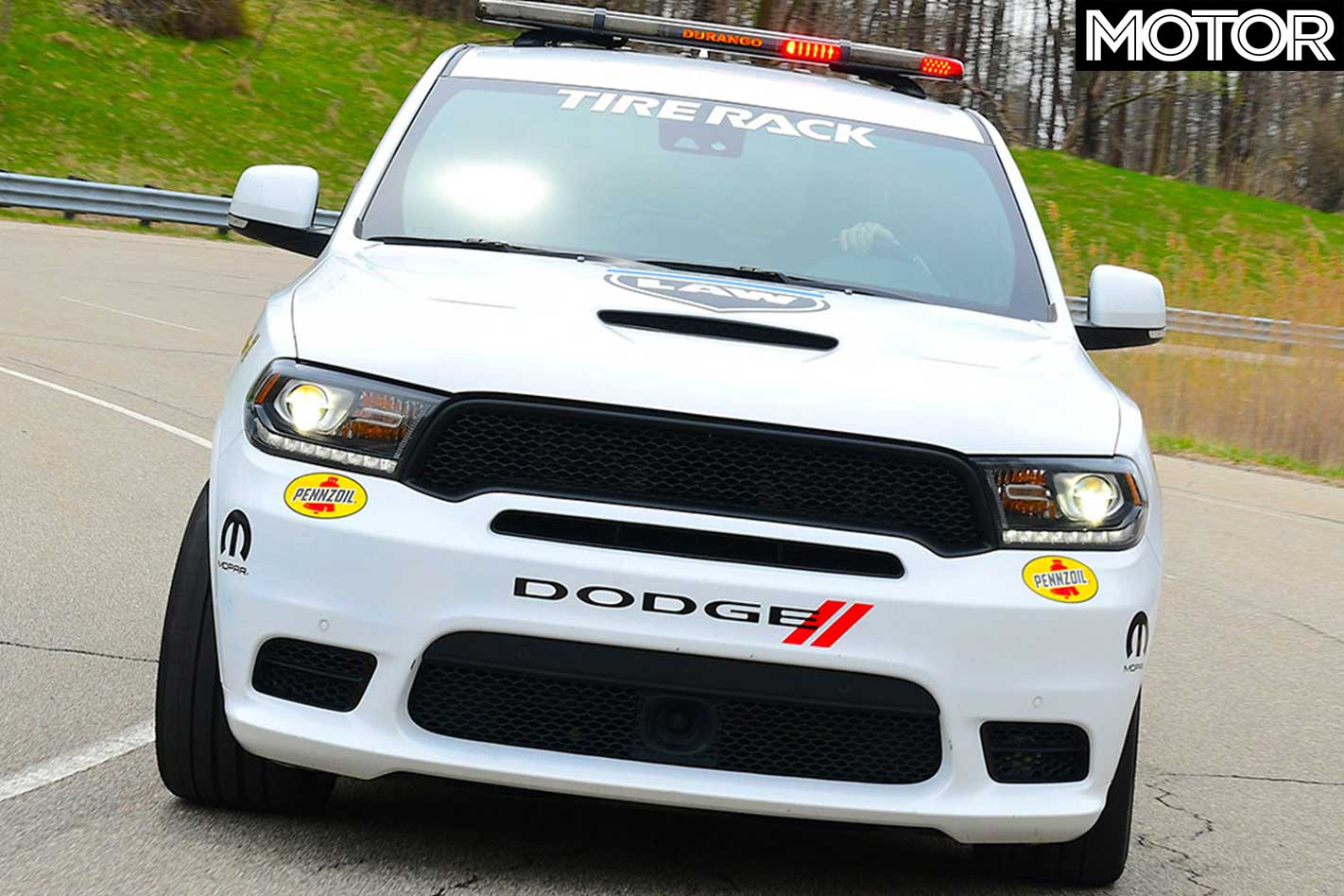
That means it packs 797 horsepower, or 594kW in local currency, to shift along. And should help, since SRT Engineering built it for the One Lap of America.
The annual race sees punters tour over 6400km and unleash their cars on different racetracks along the way, similar to our very own Street Machine Drag Challenge in Australia.
Except, you don’t get any backup trailers or trucks. It’s your car’s engineering you have to rely on, with only one set of tyres allowed for the event.

Keeping that in mind, the Pursuit Speed Trap features upgraded brakes, with six-piston calipers biting 400mm discs at the front and four-pistons on 350mm rear discs. Suspension drops 15mm on lowering springs.
The 594kW/958Nm engine probably makes a little more than that since it bellows through a set of aftermarket headers. Meanwhile, the eight-speed torque converter uses an upgraded transfer case to keep solid when transferring the grunt to all four wheels.
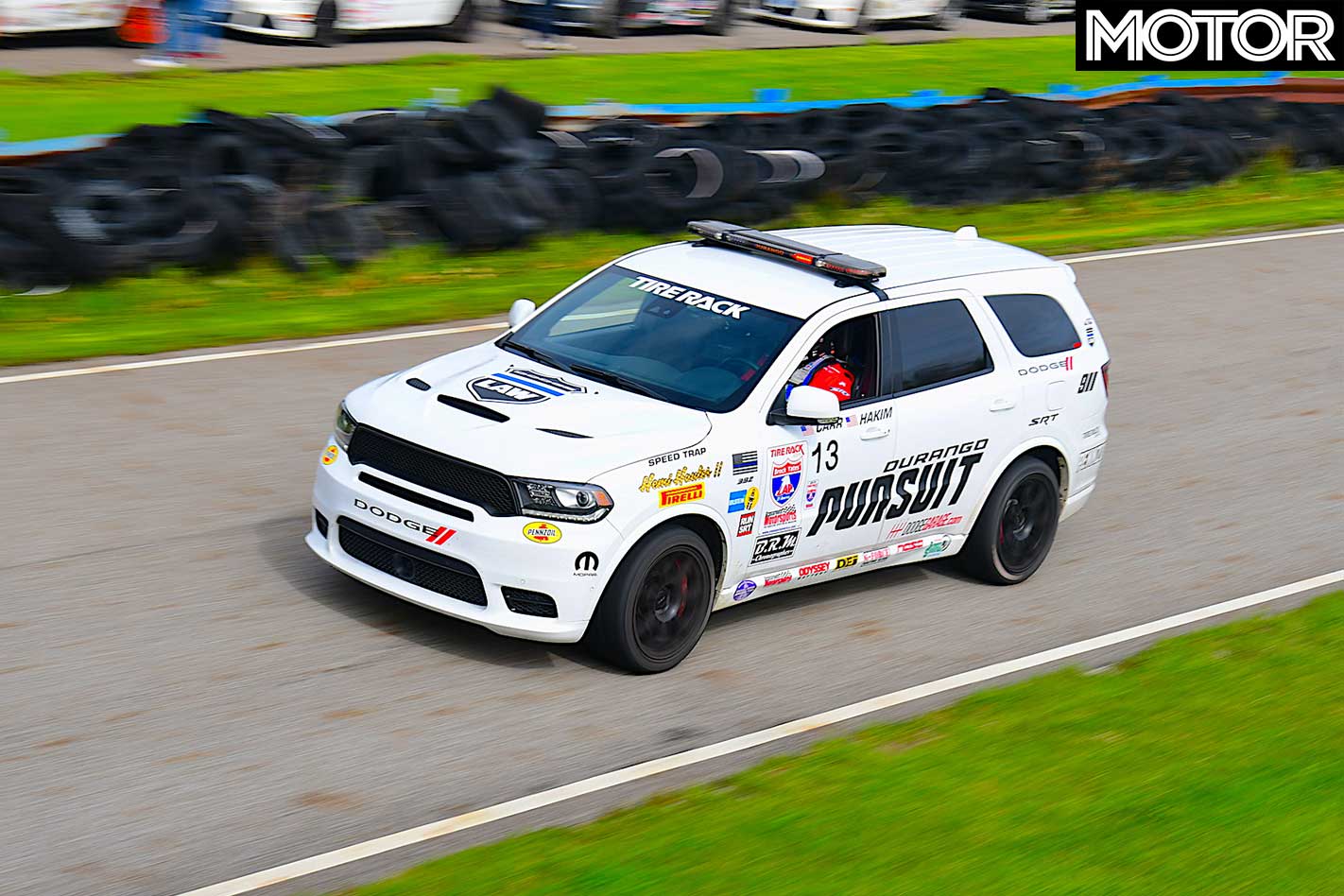
One Lap of America 2019 is already underway and will finish on May 11. SRT vehicle dynamics engineer David Carr and journalist David Hakim will pilot the Speed Trap in seven days during the event, with a goal on defending the truck/SUV title.
You can keep an eye on their progress here. But, really, we’d prefer FCA put this AMG GLS63 competitor on the production line.
