
Driving pleasure in its purest form – or Touring – is what the T moniker is supposed to be all about when attached to a Porsche. So it makes sense that the Cayman (and Boxster), the annoyingly competent younger sibling to the all-conquering 911, gains a pared back, yet more focused variant in the form of the 2019 Porsche Cayman T.
Although, it seems more a marketing ploy than anything when emblazoned on the rump of an iconic 911 – you might as well just spec a Carrera how you want it. So PR jargon aside, is the Cayman better with a T?
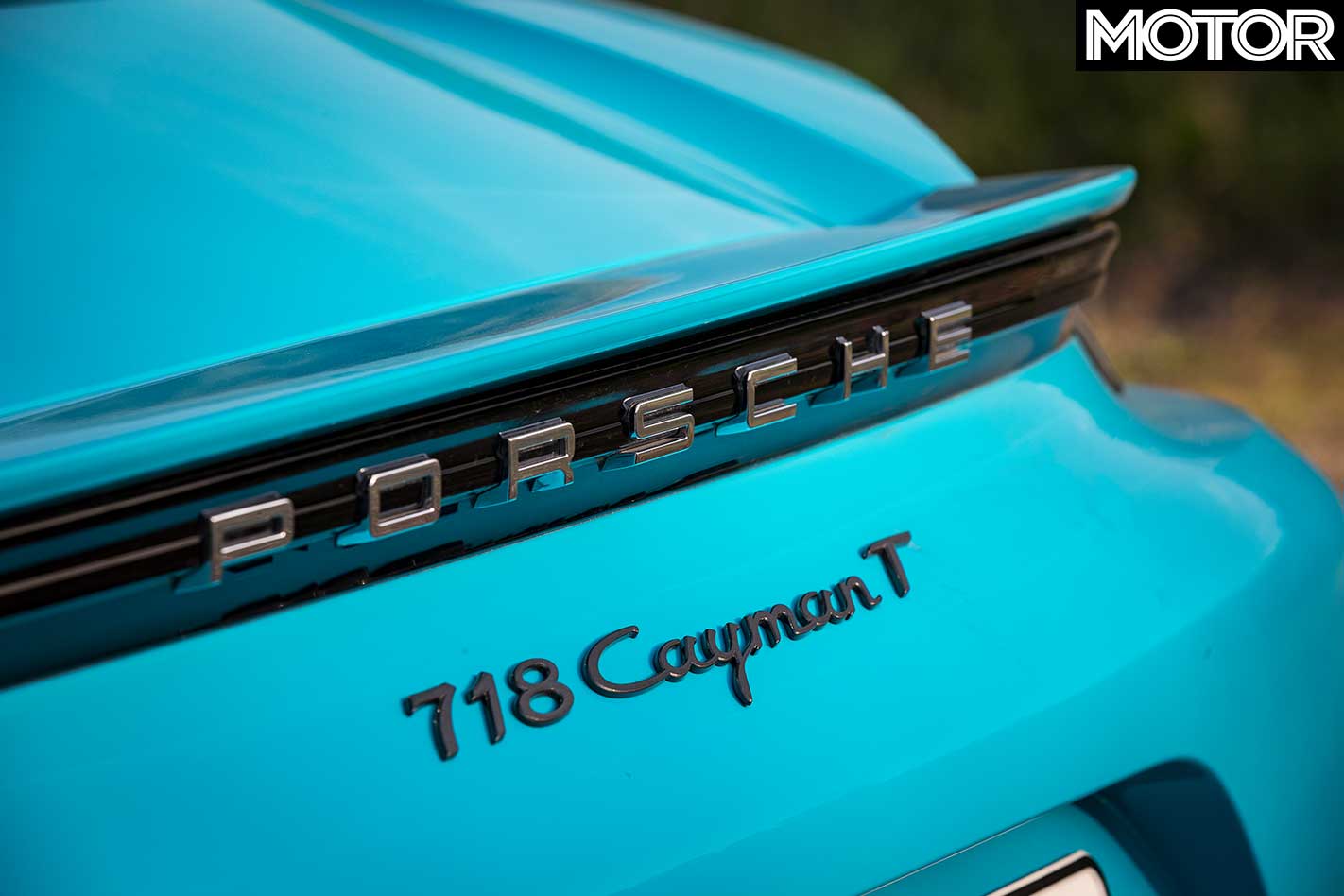
For a start you get the ‘lesser’ 2.0-litre flat four turbo, and not the bigger 2.5-litre. Still, although it sits on the bottom rung of the image ladder, the water-cooled 1988cc flat four is actually a decent unit. It’s happier to rev and with 220kW and 380Nm pushing around 1350kg, the boosted four is not slow.
A 0-100km/h time of 5.1sec (with the preferred six-speed manual) and a 275km/h top speed is the proof in the pudding. Select the rapid-fire seven-speed PDK and the 0-100km/h claim drops to 4.7sec with Sport Plus. Thanks to the impressive real-life performance of the downsized engine, the 718 Cayman T doesn’t, unlike the 911 T, feel like an otherwise complete athlete with a weak heart.
The T pack combines Sport Chrono and PSM with an in-between semi-hooligan-like Sport Plus mode, boasting PTV torque vectoring and a mechanical diff lock. The steering rack, borrowed from the 911 Turbo, is 10 per cent faster and the sports exhaust is bimodal. Launch control and the Sport Response turbo boost button is fitted with the PDK ’box. Handfuls of extra money buy carbon-ceramic brakes, which this Cayman requires about as urgently as Clive Palmer needs another ‘Make Australia Great’ billboard.
Visually the sexy stance is emphasised by dark 20-inch alloys that almost require flared wheel arches and by the adjustable PASM sports suspension, which lowers the ride height by 20mm. With the exception of the tacky full-length stickers that run along the bottom of the doors, the blacked-out body detailing and the available smoked tail-light lenses, the 718 Cayman T looks every bit as desirable as a GTS.
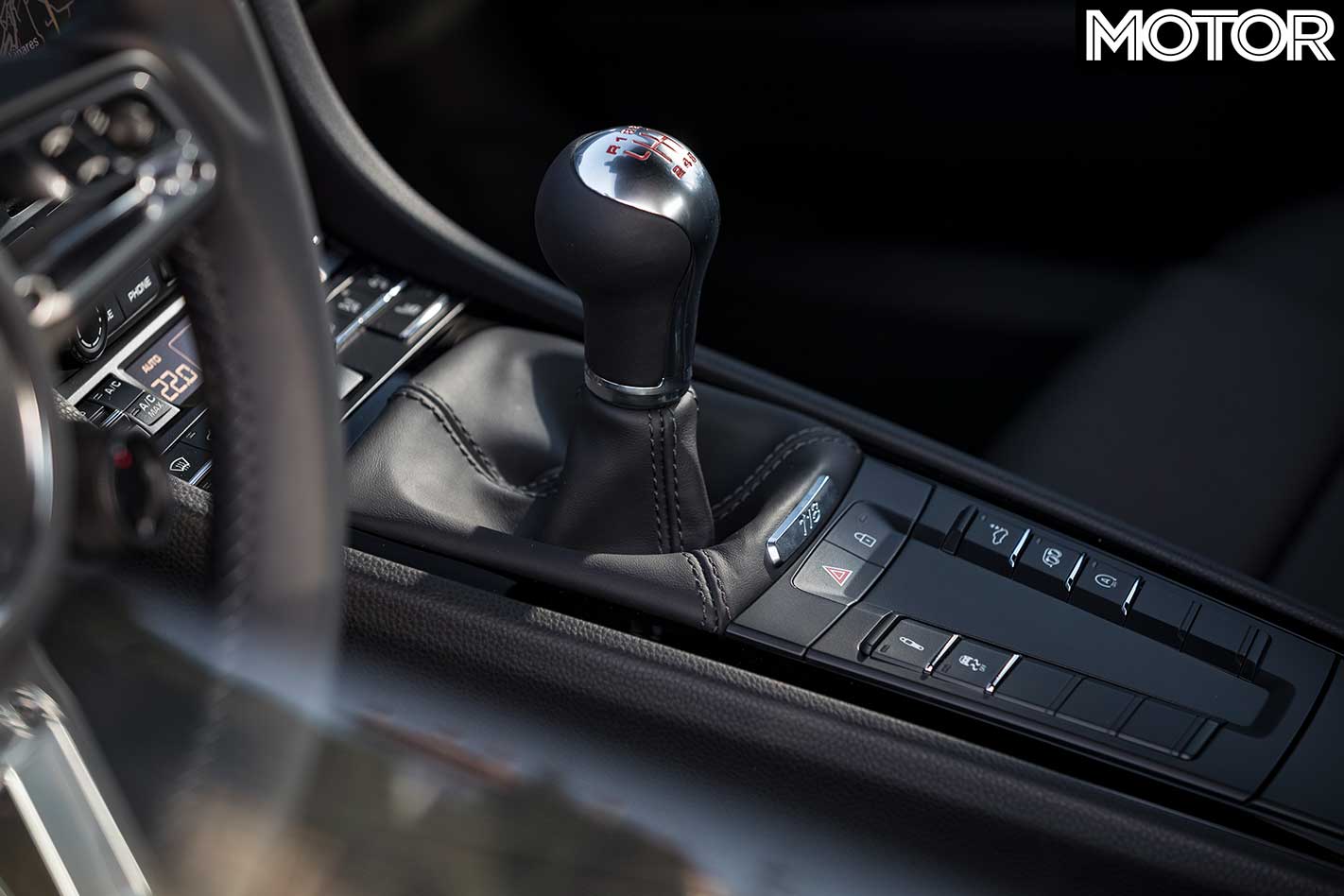
Inside there’s sport seats (anything from the standard pews to the expensive 918-style lightweight carbon-fibre buckets), Sport-Tex upholstery and fabric loops for door handles. PCM is a no-cost option.However, you pay extra for air-conditioning, sat-nav, Power Steering Plus, dynamic LED headlights, an Alcantara-trimmed steering wheel and a shortened shifter.
There’s something about Porsche sports cars that no other manufacturer can match. It doesn’t really matter whether you are driving a 718 Cayman T, a 911 GT3 RS, a Cayman GT4 or a 911 Turbo S – they all handle, respond and communicate in a totally involving fashion. Yes, the steering might be a little quicker in the GT cars, the suspension softer in others and the handling more neutral in the mid-engined models.
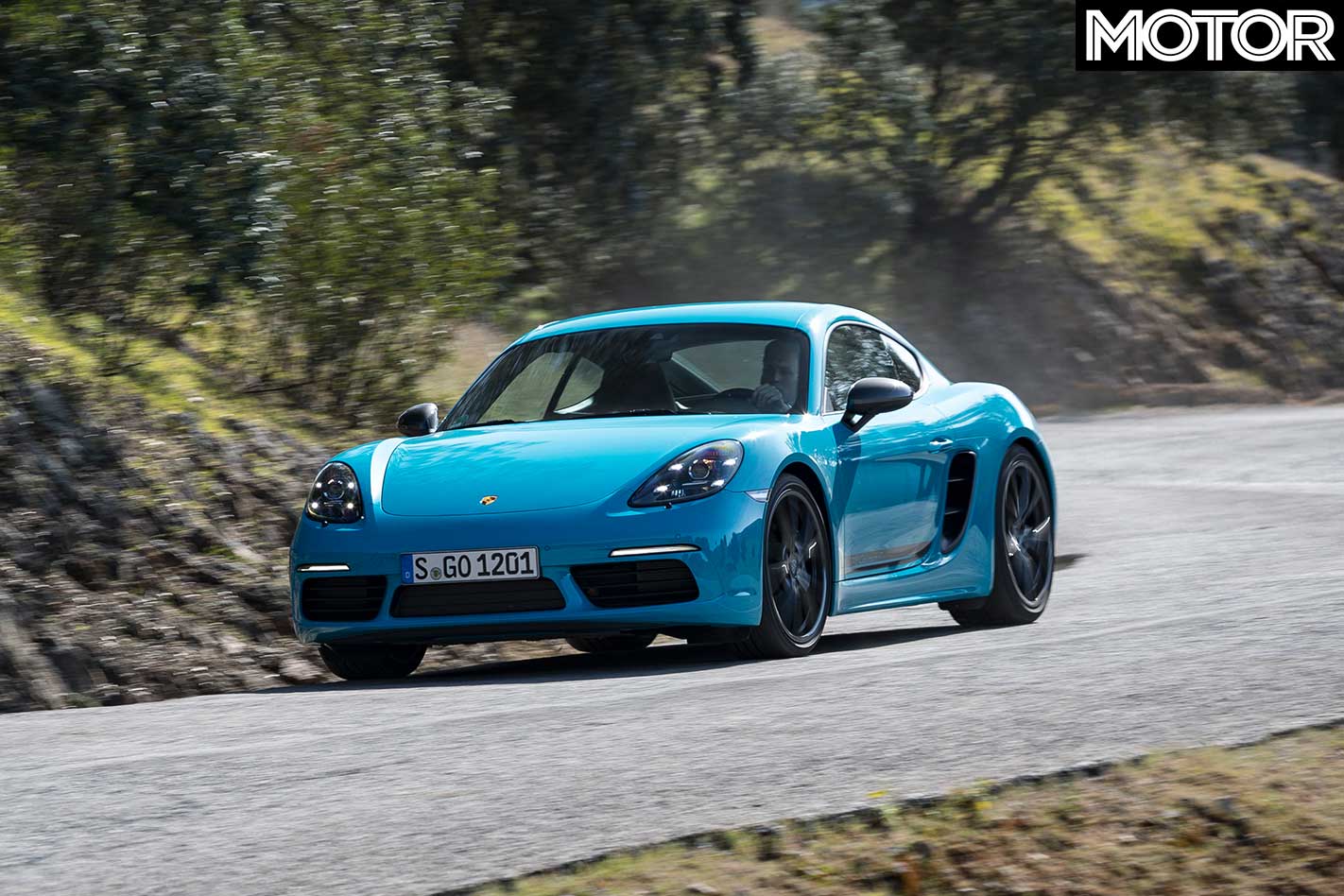
However, there isn’t much variation in your inputs; the ratio between cornering grip and entry speed, or the lift-off attitude, remain largely the same. Irrespective of engine size and position, power and torque, weight and performance, all two-door Porsches are spun from the same dynamic ilk.
When warm, the bigger tyres (235/35 ZR20 front and 265/35 ZR20 rear) instil more lateral grip as well as fierce traction, but the price you pay is a well-below par ride on country roads. In crosswind conditions and when following ruts, the directional stability can be unsettling at times, and those carbon-ceramic brakes don’t like rain or sub-zero temperatures. Active transmission mounts cushion abrupt tip-in and tip-out manoeuvres.
The four-cylinder engine’s soundtrack isn’t quite as throaty and strong-voiced as the old six, but the reality is that the acoustics aren’t really an issue, nor is the somewhat underwhelming on-paper performance.
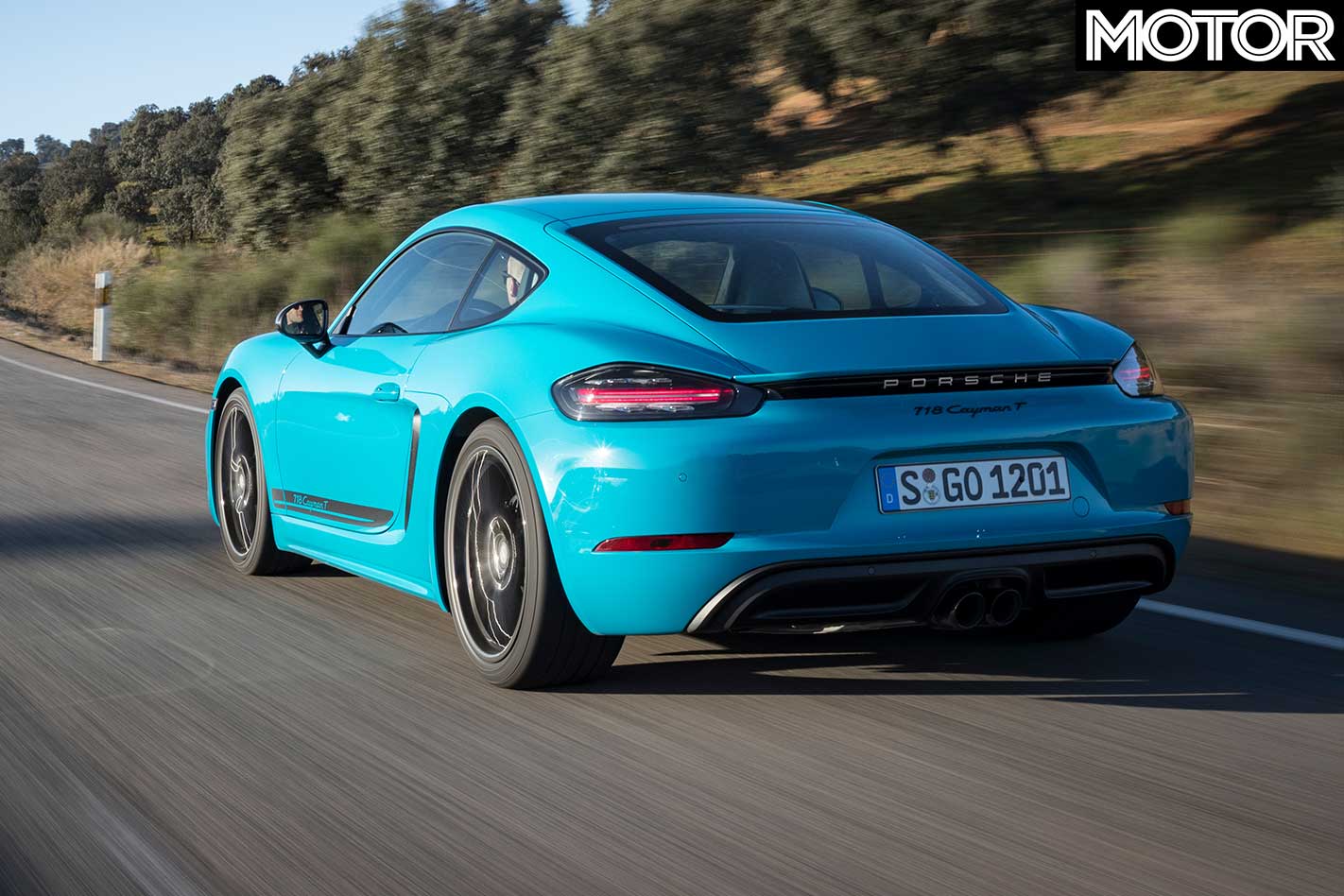
Ultimately the Cayman T sounds meaner and answers more promptly to throttle inputs, but it is also harder sprung and more firmly damped – even before you dial in Sport. Still, the T feels like a somewhat brawnier and, subjectively, faster car. The do-it-yourself manual ties in with the back-to-basics nature over the ruthlessly efficient PDK, because at the end of the day, the Cayman T is all about a pure, raw and involving experience.
2019 PORSCHE 718 CAYMAN T SPECS Engine: 1988cc flat-4, DOHC, 16v, turbo Power: 220kW @ 6500rpm Torque: 380Nm @ 2150rpm Weight: 1350kg 0-100km/h: 5.1sec (claimed) Price: $120,000 (est)
Like: Flawless dynamic ability; punchy 2.0-litre flat four; involving driving experience Dislike: Might not make it Down Under; down on power compared to 2.5; engine sound
Rating: 4.5 out of 5 stars
Teaching a teenager to drive is a revelation. Teaching a nervous first-time teen driver the basics of driving acts as a reminder of how twenty-something years behind the wheel seamlessly pops you into autopilot.
It’s the little things that you notice, though, such as the blank stare from the Millennial as they search for the car’s current speed in a vehicle with an analogue speedometer.
In a digital world, it’s rare these kids see analogue anything so trying to read a needle on a speedo while driving is like using an old rotary dial phone… did someone say fish-eyed?
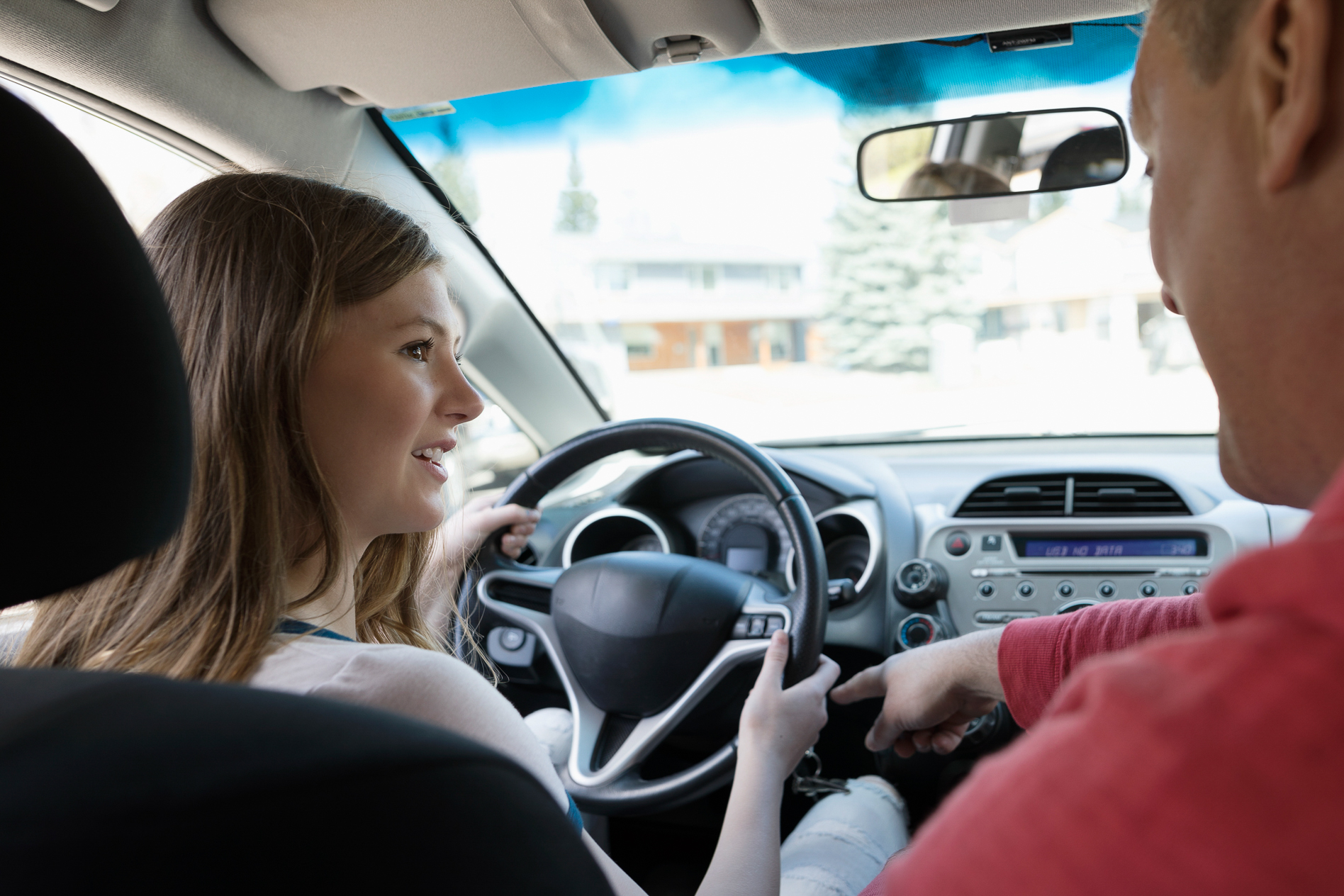
We all know how menial tasks can quickly become second nature. As our brain’s cognitive circuit (dorsomedial striatum, to use the technical term), gets used to a repeating task like driving, our movement circuit (dorsolateral striatum) takes over the grunt work.
Helplessly, playing passenger while a first-time driver pulls out into traffic is enough to get that dorsomedial back on high alert! Here’s the catch – this part of the frontal lobe that is pivotal in judgments and decision-making, does not reach full maturity until a person is about 20 years-old. 20! That’s four-years of driving around without full development.
Scared yet? So, it’s even more important to ensure that your teen driver has everything they need to help them through one of the most statistically dangerous periods of their life.
THE SHOES
Before you hand the keys over to your overexcited teen, get them to check their feet. Over 30 per cent of drivers wear thongs, but these Aussie-favourites can impede braking, as can any kind of high-heeled shoe.
Close-toed shoes with a flexible sole will take foot distraction out of the equation. You may have lost control over their wardrobe years ago, but this is one occasion you’ve got to put your foot down, so to speak.
PEDALS AND CONTROLS
Common causes of accidents are foot slips or mistaking the brake for the accelerator. The difficulty here is that the driver can’t see the pedals and must rely on kinesthetic senses – that is, the feel of where their foot is and what pedal it’s on.
The catch-22 is you have to have felt it to feel it, so the first few times are a bit hit and miss (hopefully more ‘miss’ than ‘hit’ though). Poor executive function or a condition like Attention Deficit Disorder (ADD) can make pedal differentiation more difficult.

Cars with decent resistance on the brake pedal signal immediately that it’s not an accelerator, but every model is different so it’s worth reacquainting yourself with the feel of your brakes and checking how much ‘feel’ they really have before handing the car over.
In fact, the first session behind the wheel should be stationary. Have your teen hop in, adjust the seat and steering wheel, then pretend to drive, using the pedals, wheel and indicators. Tell them it’s like driving a simulator, and they’ll get it.
START YOUR ENGINES
Once the seat and mirrors have been adjusted, it’s time to fire her up. Cars have come a long way since the times of learning to drive in an old Toyota Cressida. Visibility in cars used to be much better than it is today, so it’s harder for new drivers to gets a sense car’s size.
Sure, new luxuries have been introduced in reverse cameras and sensors, but getting a feel for the car is very different to what it was like when you were being taught to drive. Letting them practice bump parking in a padded room would be ideal, right? Bumper cars anyone?
ON THE ROAD
For new generations, the biggest challenge is ignoring distractions. Kids these days are masters in multitasking – they can Snapchat, text, watch TV and do homework all at the same time.
No wonder studies have shown that the average attention span is now one second less than a goldfish, which then also explains why a new traffic study suggests that over 50 per cent of teenage car crashes are caused by distractions.
But before you reach for the volume controls and mute the music, studies have also shown that tunes can positively impact mood while driving, but it’s probably best to hold off on the ‘car-aoke’ in the beginning.
It may surprise you that leading mobile phone use, passengers rank as the top distraction to drivers (yep, that’s you). Laws in various Australian states restrict the number of teenage passengers a probationary driver can have in the car so it’s worth checking your state’s details.
When you consider that injury is the single biggest killer of Australian youth, and 45 per cent of those deaths are road traffic crashes, it alleviates the buzz-kill of telling your kids they can’t drive all their friends at once.
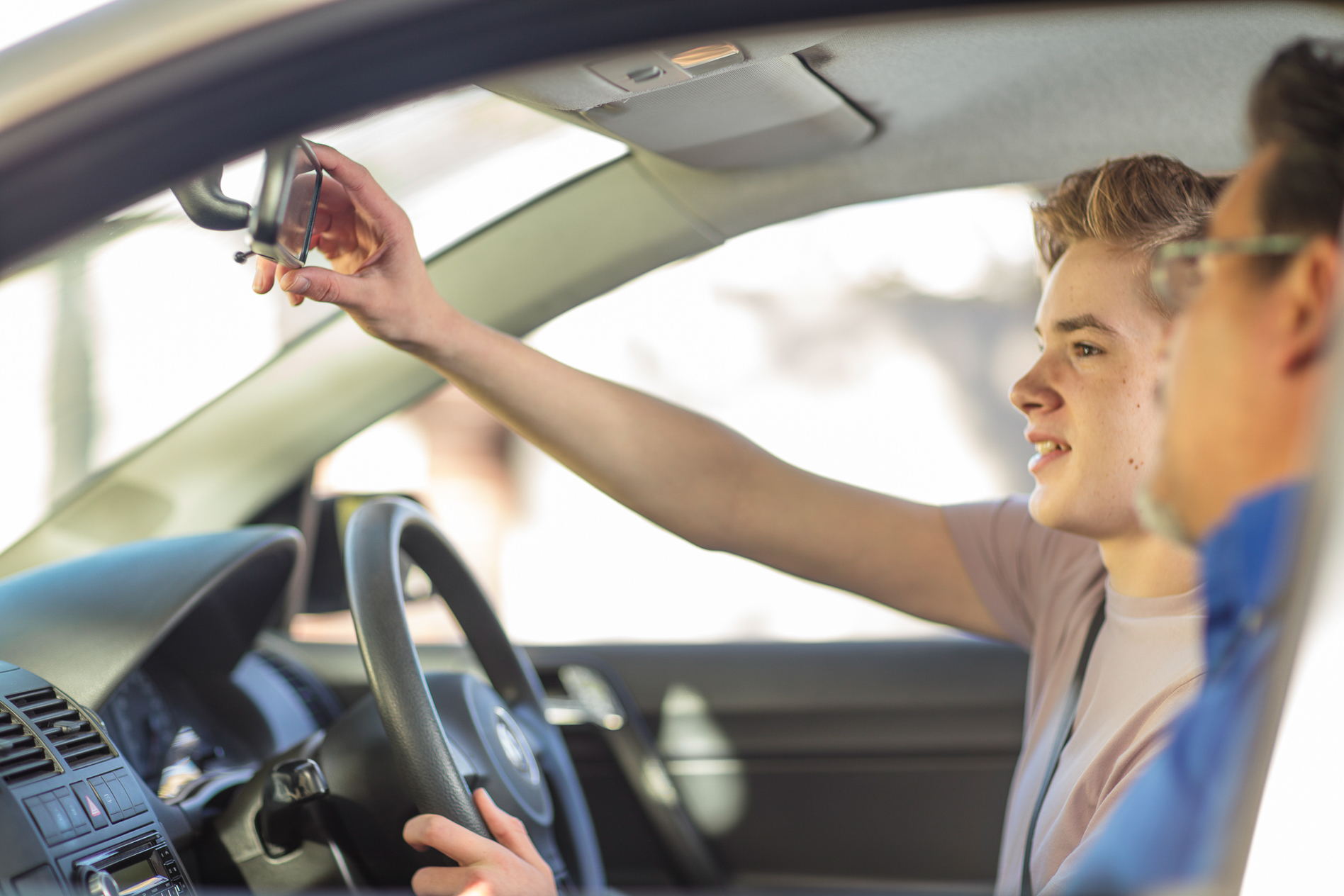
If you can think back to when you were a teen (we know, it can be a bit of a stretch sometimes) try and remember how excited you were to bung on your magnetic L-plates and get behind the wheel.
It’s an exciting time for a teen and, while no doubt a terrifying time for parents, it’s also an opportunity to reacquaint yourself with frontal-lobe driving. So get that brain tick, tick, ticking.
TEEN DRIVER CHECKLIST – SIX STEPS TO SAFETY AND HARMONY
- Consider an aftermarket heads-up speedometer display that projects the car’s speed onto the windscreen if your car has no digital speedo.
- Encourage enclosed footwear with some grip on the sole. Vans or Converse are absolutely perfect.
- Practice using the accelerator and brake pedals, as well as other controls, while the car is stationary.
- Practice backing the car in a safe area to get a sense of its boundaries, and a feel for the reversing driver’s aids.
- If the teen wants music have them make a playlist ahead of time of familiar music, and agree to a moderate volume setting while stationary. This may actually help the mood in the cabin. It’s not a dungeon, after all.
- No backseat drivers during the learning experience. One expert in the car is more than enough!
Renault Australia has announced a new addition to the local lineup for hot hatches in the form of the 2019 Renault Mégane RS280 Cup EDC.
Priced at $51,990, the RS Cup EDC becomes the most expensive Mégane available in Australia for now, and sits exactly on par with its Honda Civic Type R rival for price.
Its six-speed ‘Efficient Dual-Clutch’ hookup up to the same 1.8-litre turbocharged four-cylinder engine as in other Mégane variants, producing 205kW and 390Nm.
In addition to the new gearbox option, Renault has increased the Mégane RS’s warranty across the range back up to five years with unlimited kilometres.
Last year, only three years were covered under warranty, a move made by Renault after previously offering the full five years on RS models.
While a manual option will still be offered for the Cup chassis-equipped Mégane RS, the EDC may well become the more popular option as the three-pedal RS has been criticised for lacking character seen in the dual-clutch variant.
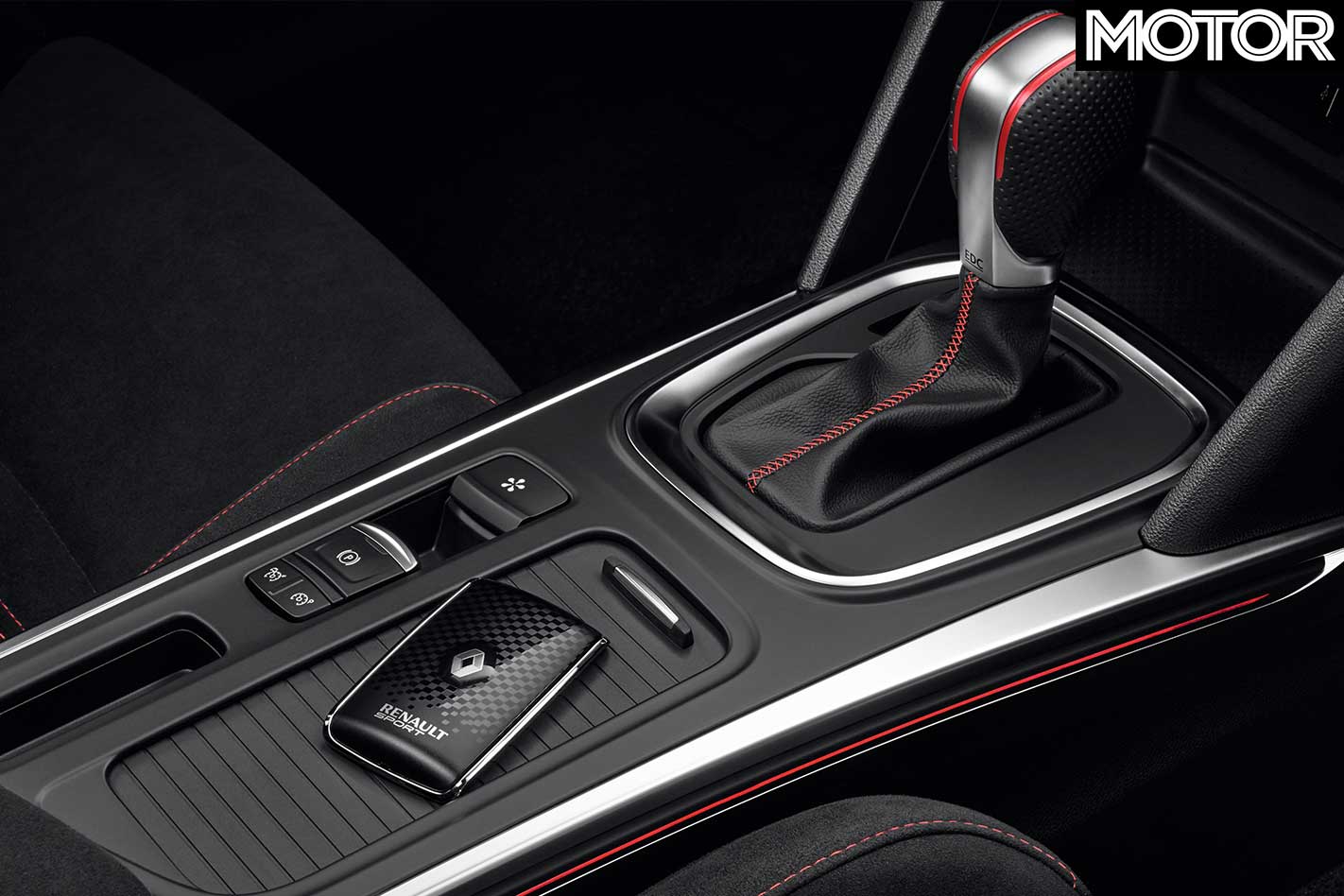
The EDC gearbox has been offered in the lower-spec Sport chassis Mégane RS280 for some time, but Renault says this is the first time it’s been offered on Cup models.
“The Renault Mégane RS Sport chassis is suggested for those drivers who like a sporty, but still refined, drive.
“As an alternative, the Renault Mégane RS Cup chassis receives revised springs, dampers and bump stops – it is 10 per cent stiffer than the Sport chassis.”
On top of the EDC being added as an option, a Bose audio system, plus Alcantara and Leather interiors are also now standard on every RS280 model except the ‘base’ Sport manual.
Melbourne-based tuning house Herrod Performance has revealed to MOTOR it is currently developing, with help from Hellion Power Systems, a twin-turbo upgrade kit for the 2019 Ford Mustang GT, set to debut at MotorEx.
Rob Herrod, director of Herrod Motorsport, says the kit will hit the turbocharger underneath the engine, keeping a ‘stock’ look from the top of the engine bay.
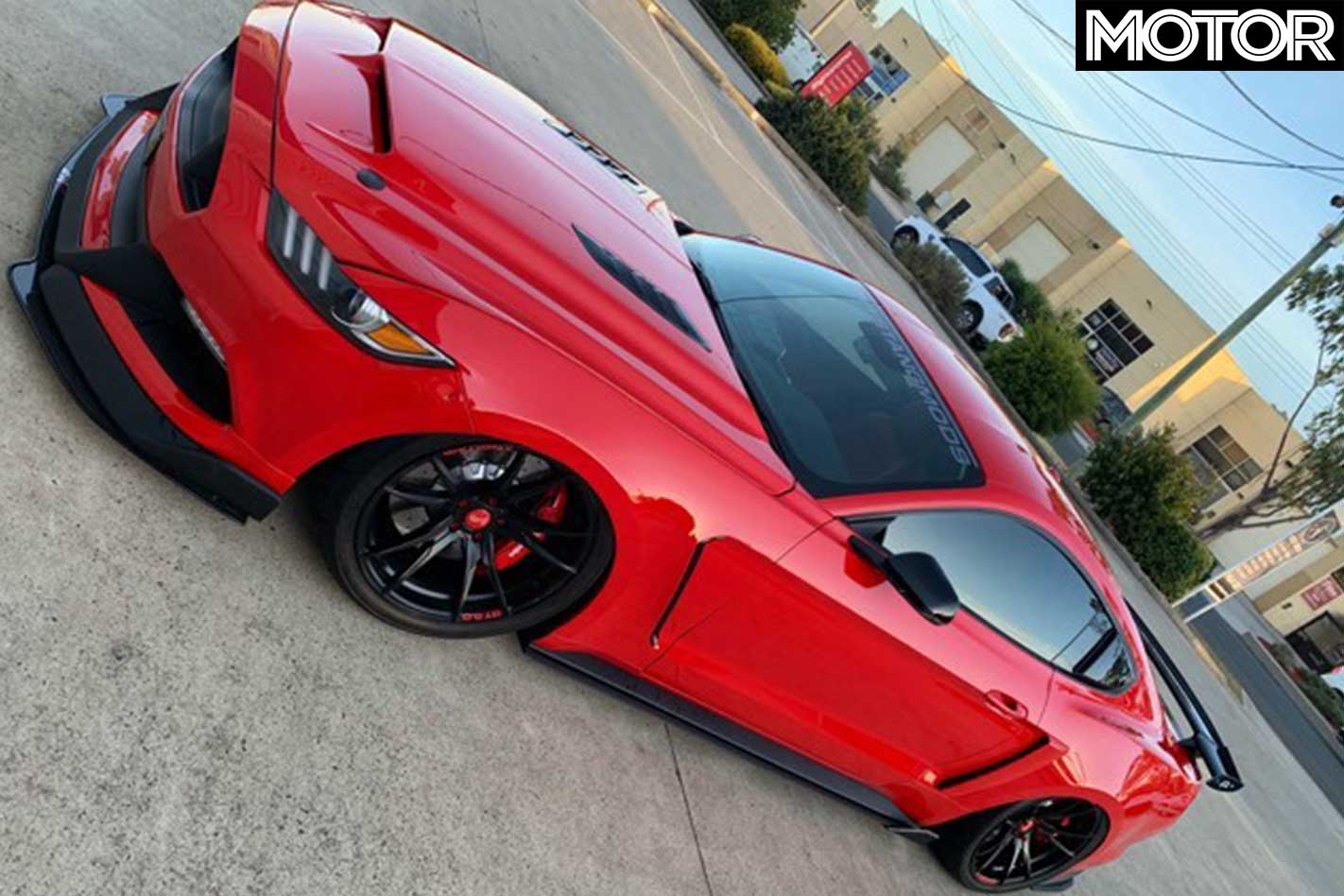
With US-based Hellion, Herrod is installing the kit into a display car to be shown at MotorEx (which kicks off on May 11) within the Herrod Garage section of the show, an area which Herrod has the naming rights for.
Though Rob Herrod says the car is still being tweaked and hasn’t yet run been put through a dynamometer run, he tells us he’s expecting “around 800 horsepower, easily”, or roughly 600kW.
Herrod’s extensive experience tuning Fords, and more recently Mustangs, means this estimate is likely to be rather accurate.
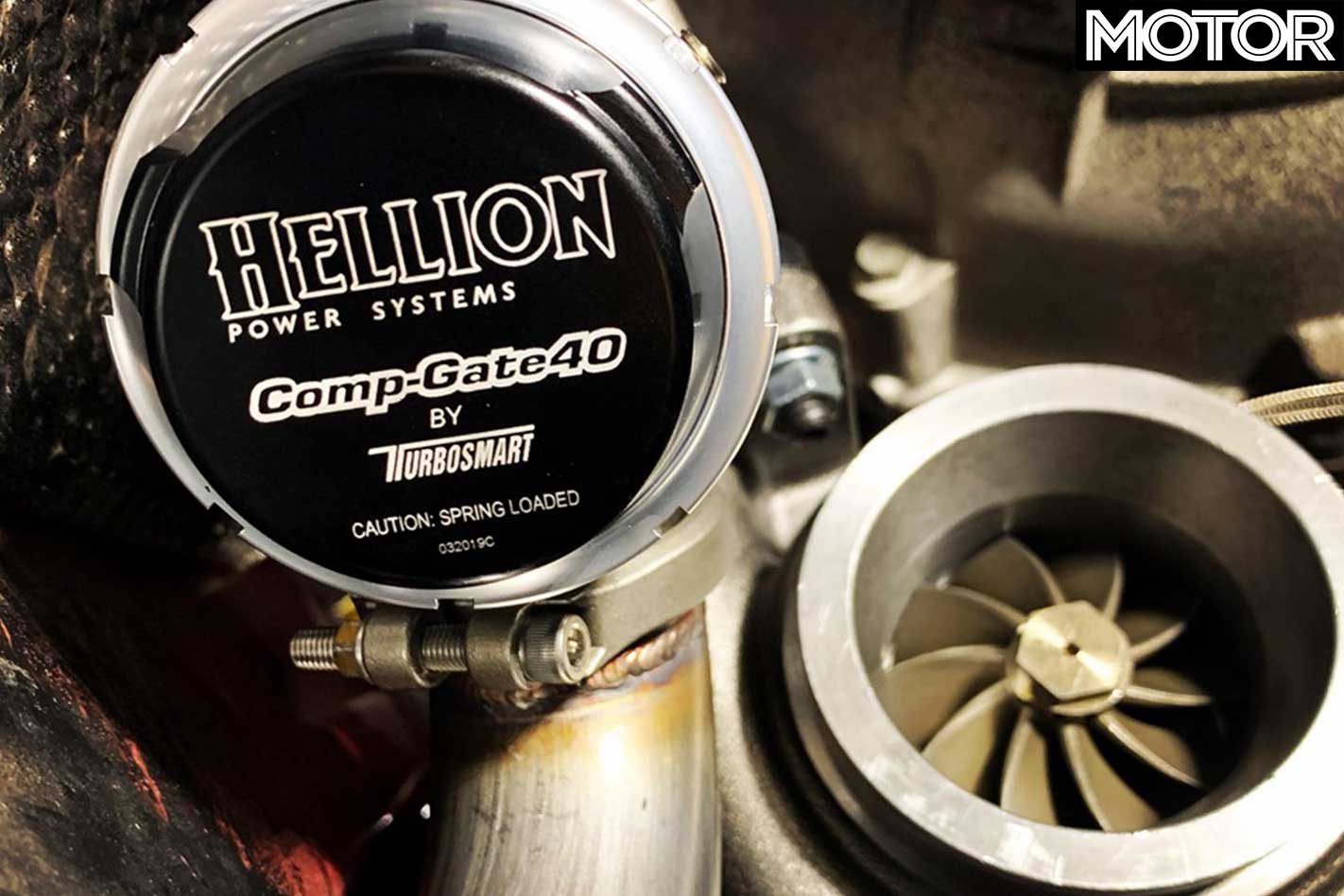
The car which will be shown at MotorEx is a customer car, which Herrod says has been worked on endlessly. The image of the car supplied to MOTOR speaks for itself.
The car itself is actually of the previous generation of Mustang, built between 2016 and 2018.
Hellion offers it’s ‘Street Sleeper’ hidden twin turbo system in the US for the newer generation of Mustang, however, which means there’s nothing stopping Herrod from doing the same.
More information about the ‘Stealth’ twin-turbo kit built by Herrod is yet to come, but MOTOR will bring updates as they come, likely before MotorEx on May 11. Stay tuned.
Isuzu has pushed the warranty period on its D-Max utes and MU-X 4×4 wagons out to six years. This an improvement of 12 months over what the brand previously offered and puts the tiny Japanese brand behind only Korean brand SsangYong when it comes to light-commercial utilities.
The six-year offer also puts Isuzu third in the warranty stakes overall behind Tesla, which offers an eight year/unlimited kilometre term, the aforementioned SsangYong, and Kia, whose seven-year warranty period has been the longest in the mainstream market for about three years.
The warranty period will also be matched by a six-year roadside assistance plan, as well as a new seven-year capped price service schedule.
The roadside assistance plan covers the owner for six years providing that the car has been regularly serviced, whether it’s been done by an Isuzu dealer or not. It can also be transferred to a new owner should the car be sold within the period.

However, Isuzu has restricted its kilometre limit under warranty to 150,000km, in contrast to every other mainstream carmaker’s unlimited-kilometre offering.
Its service plan, too, is restricted to 150,000km, though that’s nevertheless more generous compared to the previous five-year/75,000km plan.
Isuzu claims that internal research shows that the bulk of its customer base travels no more than 20,000km in an average year.
Meanwhile the cost of a 12 month or 15,000km service on either a D-Max or an MU-X is $350, with the price rising to $450 for the 24-month/30,000km interval.
A three-year service costs $500, before falling back to $450 in year four and $340 for year five. The service in year six or 60,000km is sizable, though, at $1110, before dropping to $400 in year seven/105,000km.
Isuzu’s main competitors include the Toyota Hilux/Fortuner and Ford Ranger/Everest, which both offer five-year, unlimited kilometre warranties. However, Toyota – which announced the switch to a five-year warranty in January 2019 – does restrict its mileage limit on vehicles used for commercial purposes to 160,000km.
The Mitsubishi Triton gets a five-year, 100,000km warranty, while the Nissan Navara has also recently adopted a five-year, unlimited-kilometre warranty.
HSV has added a new SportsCat variant to its range of modified dual-cab utes for a limited time.
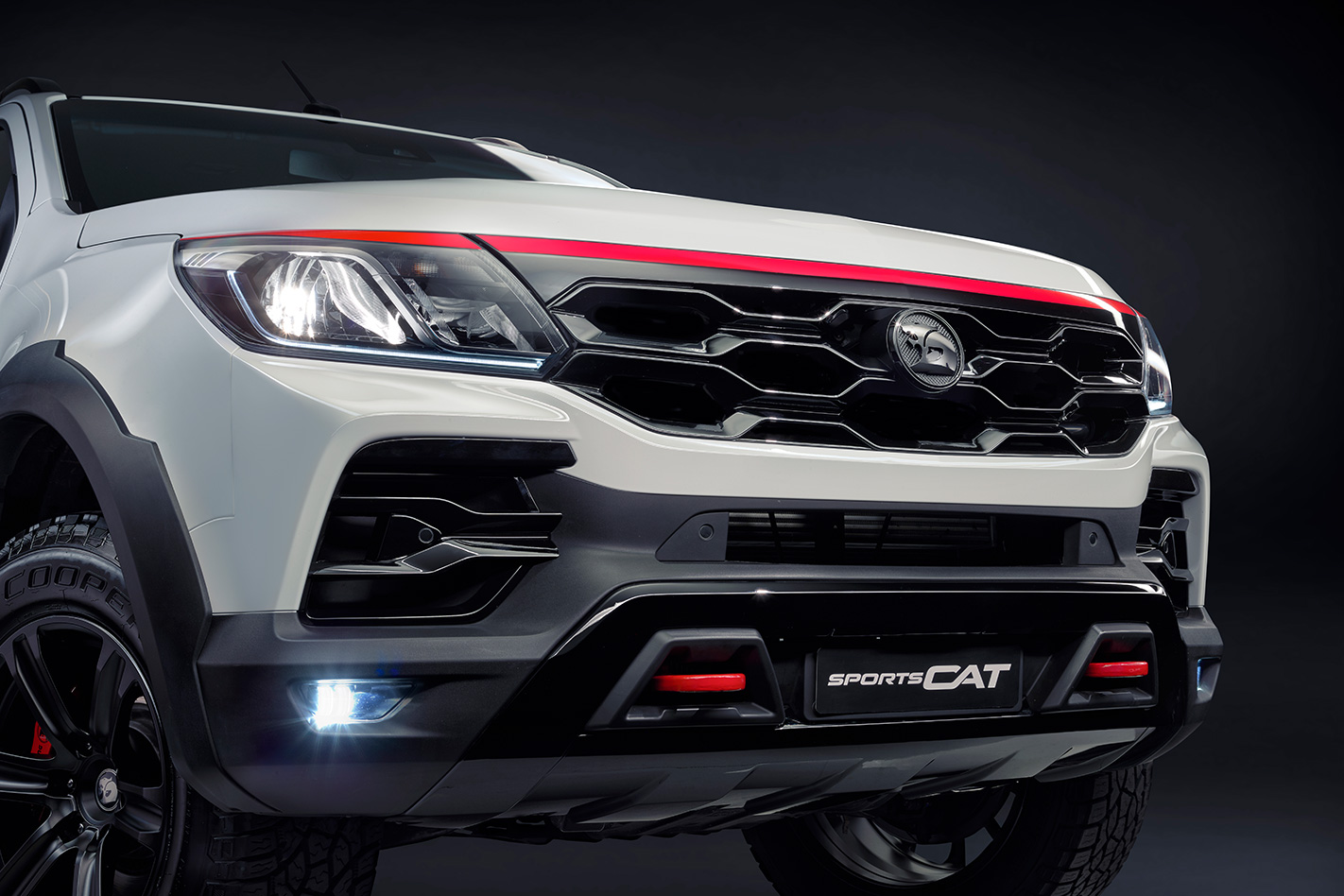
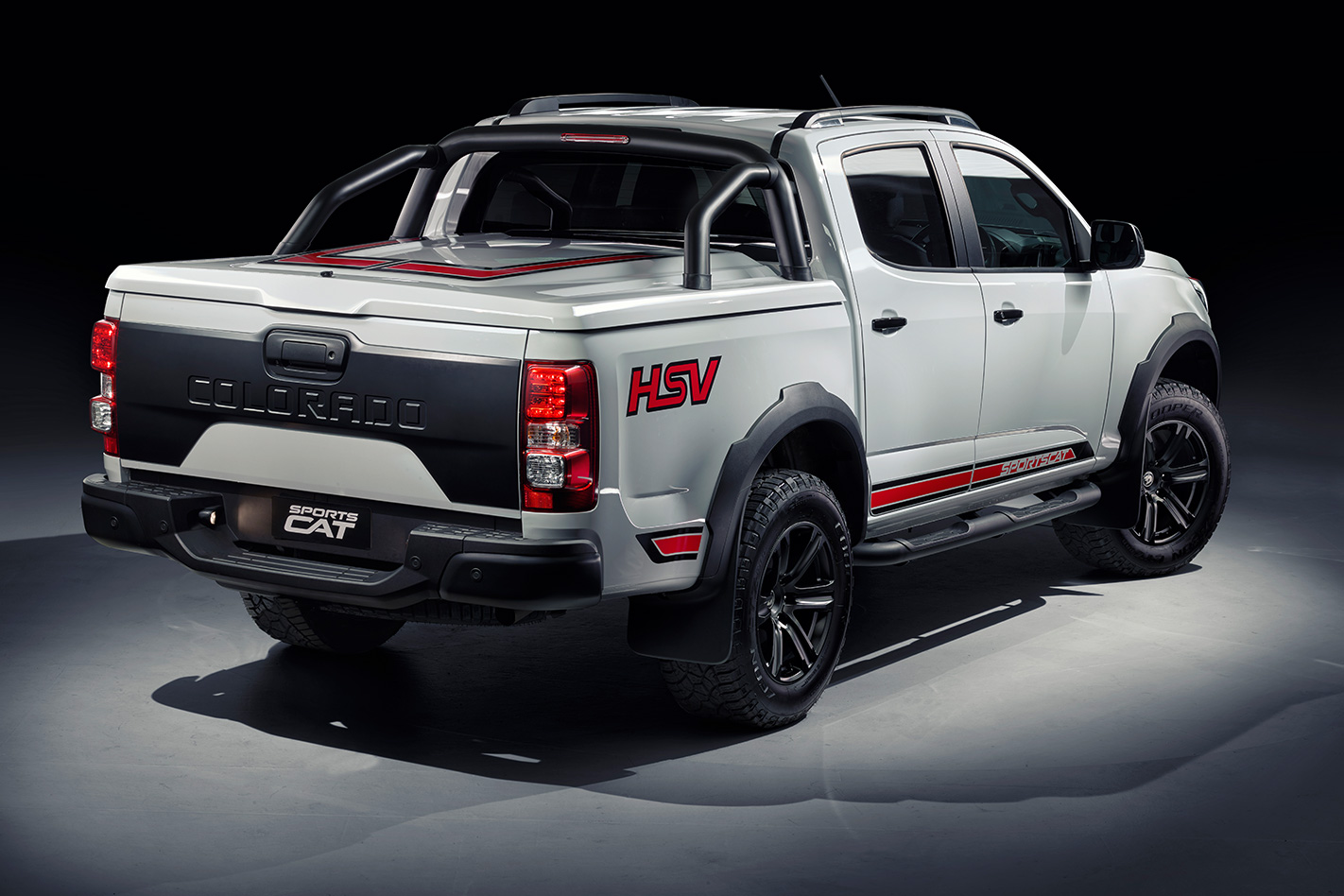
Dubbed the SportsCat RS, just 100 units will be made – 94 for Australia and six for New Zealand – with a price tag of $63,990. This undercuts the flagship SportsCat+ by $2800.
To butcher a phrase from Henry Ford, you can have the SportsCat RS in any colour you want, as long as it is white, because HSV will only sell the limited-run model in ‘Summit White’.
Other design tweaks include the addition of gloss-black lower inserts, splash tray and lower fascia. The bonnet has been framed with black and red decals, which also feature prominently on the hard tonneau and door sills.
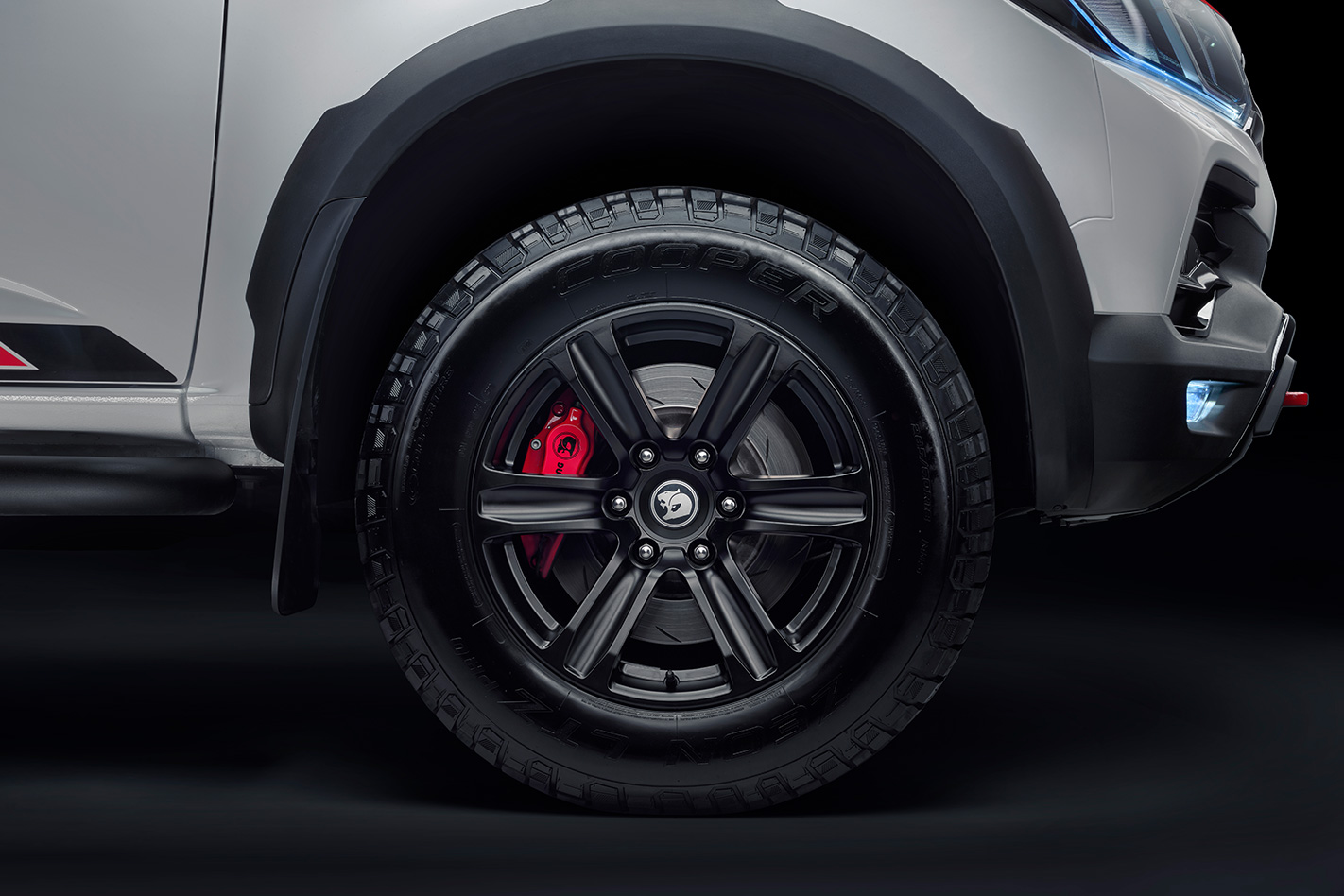
Owners wanting more stopping power from their SportsCat RS can pay an extra $1995 for the optional AP Racing premium brake package, which gets you four-piston forged brake calipers grasping 362mm rotors for what HSV claims is “class-leading” braking performance.
HSV has fitted the SportsCat RS with its unique ESC and damper tune, which is designed to provide more “performance-based” handling.

Like all SportsCats, the RS has a widened wheel track, increased front ride height and reduced overall rake compared to the standard Holden Colorado it is based on.
The SportsCat RS rides on 18-inch forged-alloy wheels, wrapped in all-terrain rubber, which are placed under flared fenders.
Inside the cabin, premium SV Sports bucket seats and instrument panel are trimmed in leather and suede, while the steering wheel is wrapped in leather.
HSV has not modified the engine or six-speed automatic transmission, which carry over from the Colorado, with the 2.8-litre turbo-diesel four-cylinder producing 147kW and 500Nm.
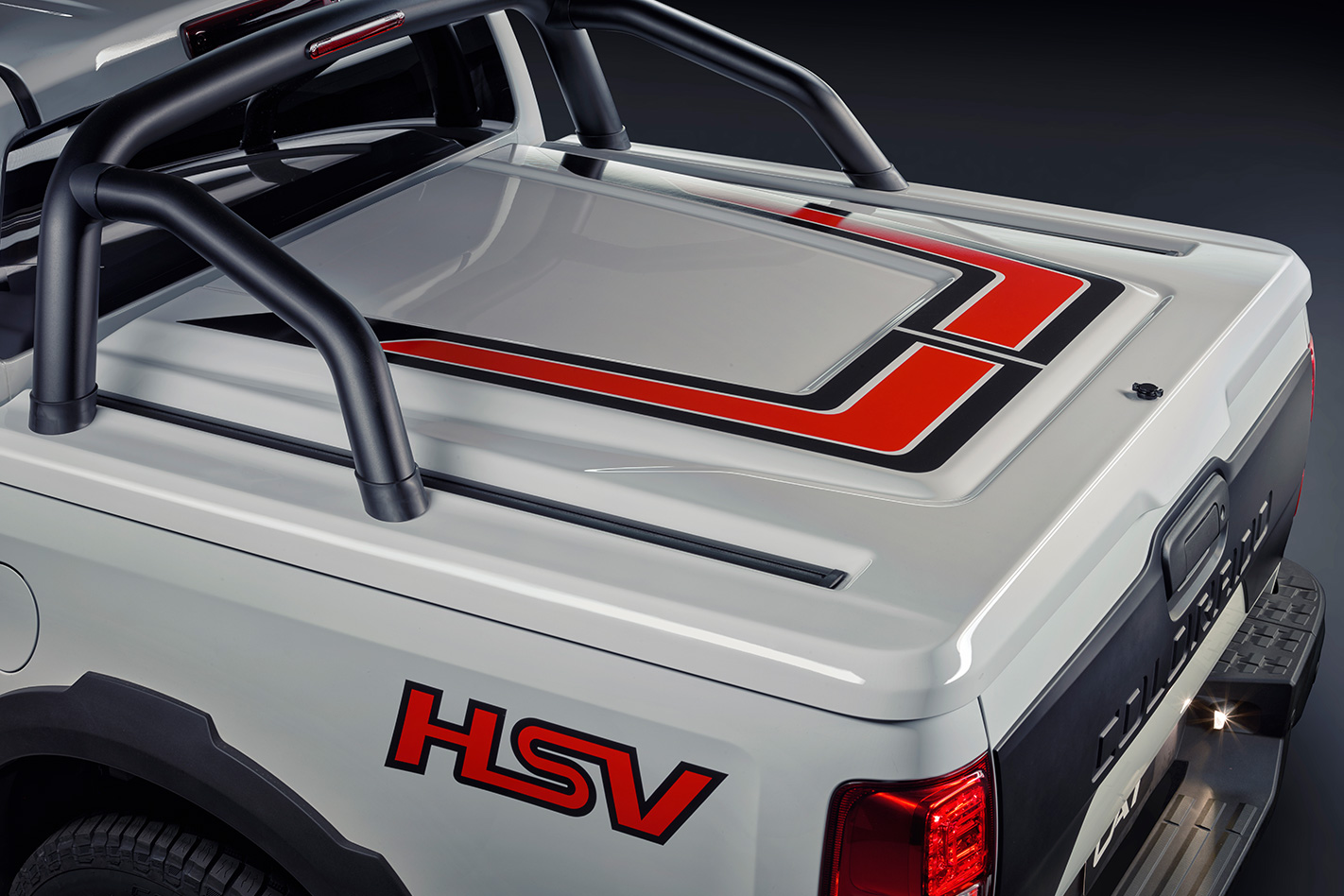
Production is scheduled to start this month at HSV’s production facility in Clayton, in Melbourne’s south-east.
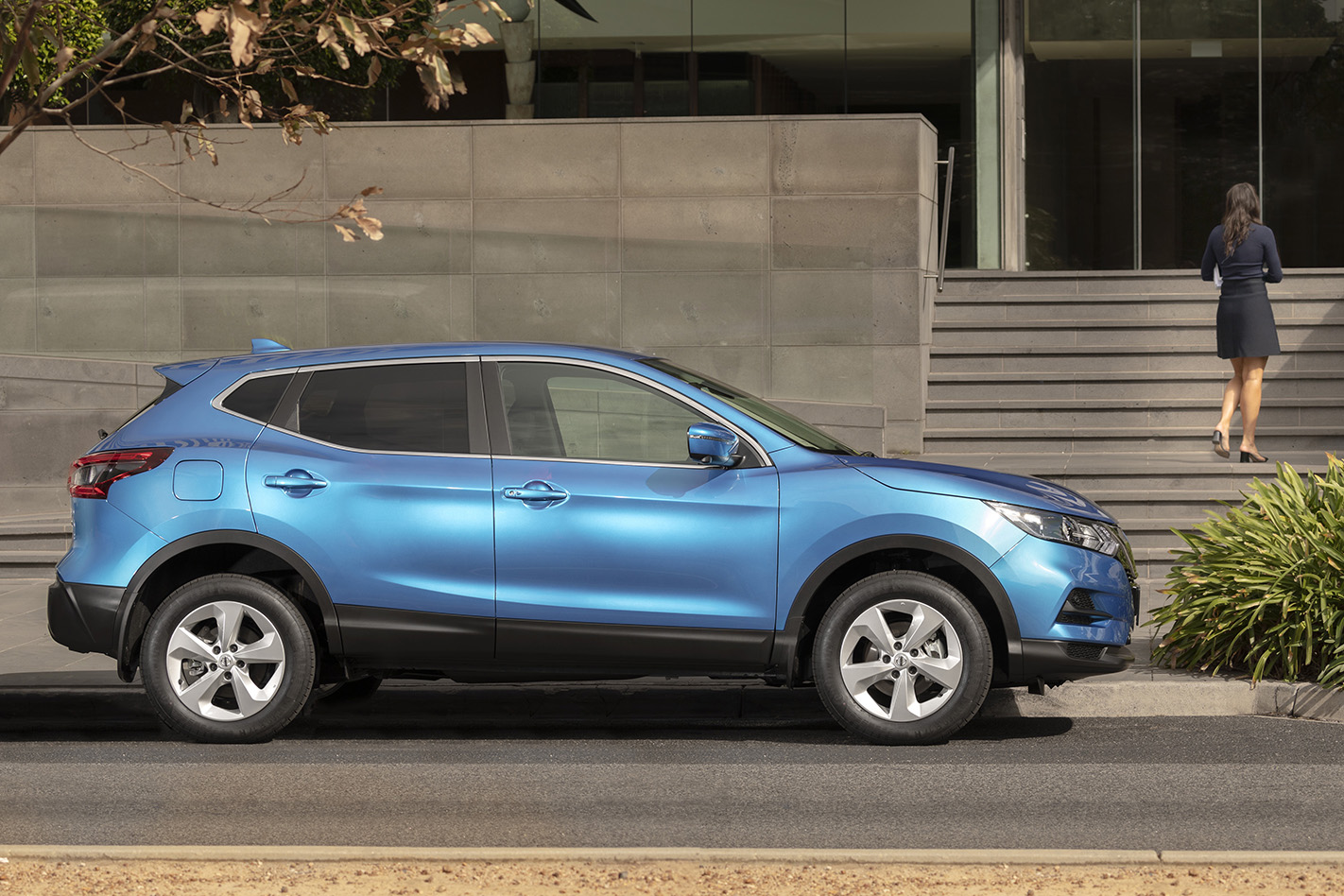
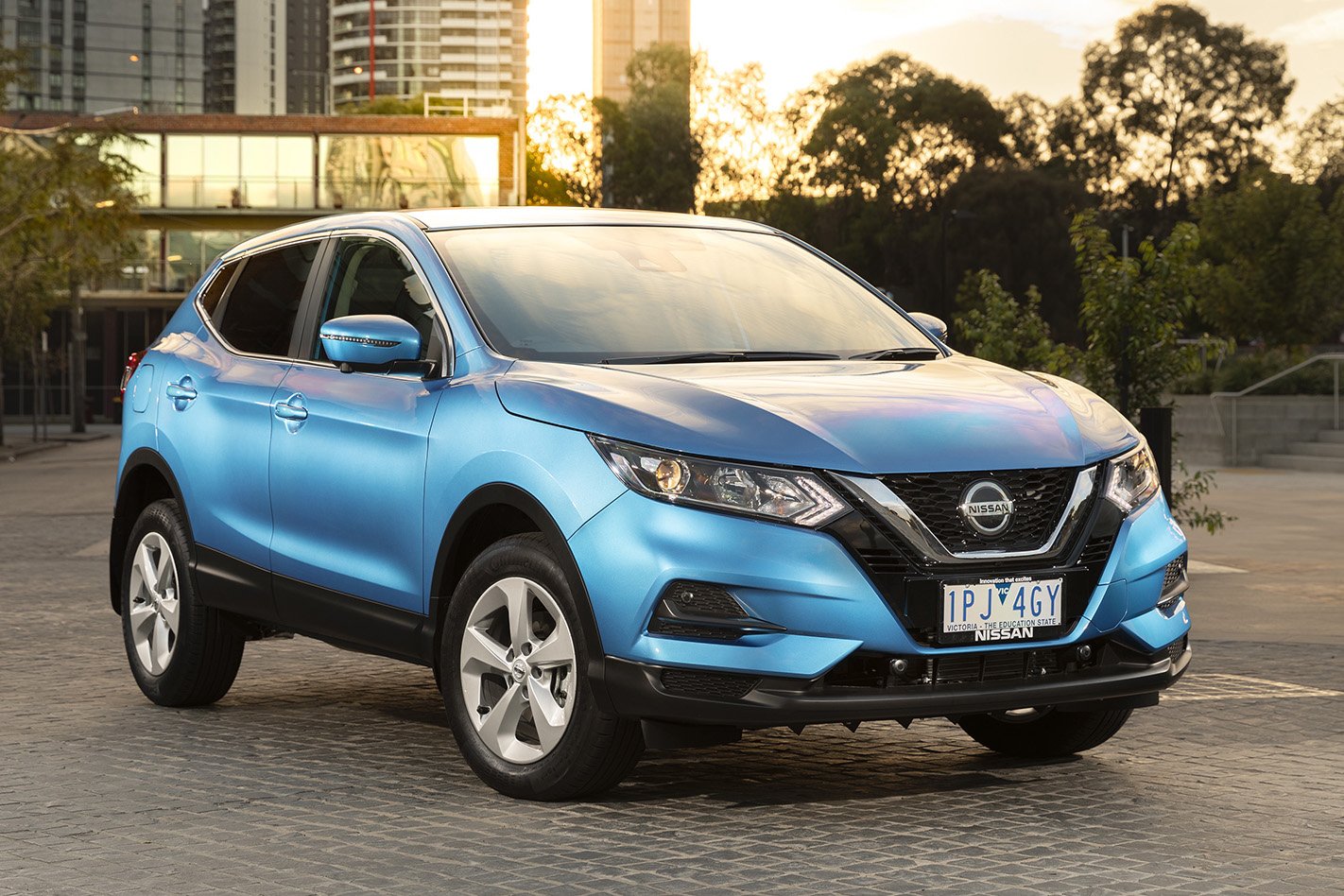
Nissan has introduced a new member to its Qashqai family of small SUVs, with the arrival this month of the Qashqai ST+.
Slotting in between the base ST and the mid-ranking ST-L , the addition of the ST+ boosts the number of variants in the Nissan Qashqai lineup to four, while also bridging $3800 gap between the auto-equipped ST and ST-L.
Priced at $30,790 and offering a more well-rounded equipment fit-out than the entry-model, Nissan expects the Qashqai ST+ to sit in the sweet spot for prospective buyers.
“Reducing the gap between the Qashqai ST and ST-L will please many of our buyers who wanted more than what we offered on the entry grade, but weren’t in the market for a higher spec vehicle,” said Nissan Australia’s managing director, Stephen Lester.
“It’s a competitive market, so it is important that we react to this to ensure buyers remain with the Nissan brand.”
Small SUVs are certainly big business. The segment continues to swell in terms of sales figures at a time where most other categories are shrinking, and the Qashqai has been a consistently strong performer.
In March this year, it outsold the Mazda CX-3, Hyundai Kona and Honda HR-V, taking second place in segment sales behind the Mitsubishi ASX.
In fact, it’s one of Nissan’s core models, alongside the top-selling Nissan X-Trail and Navara ute.
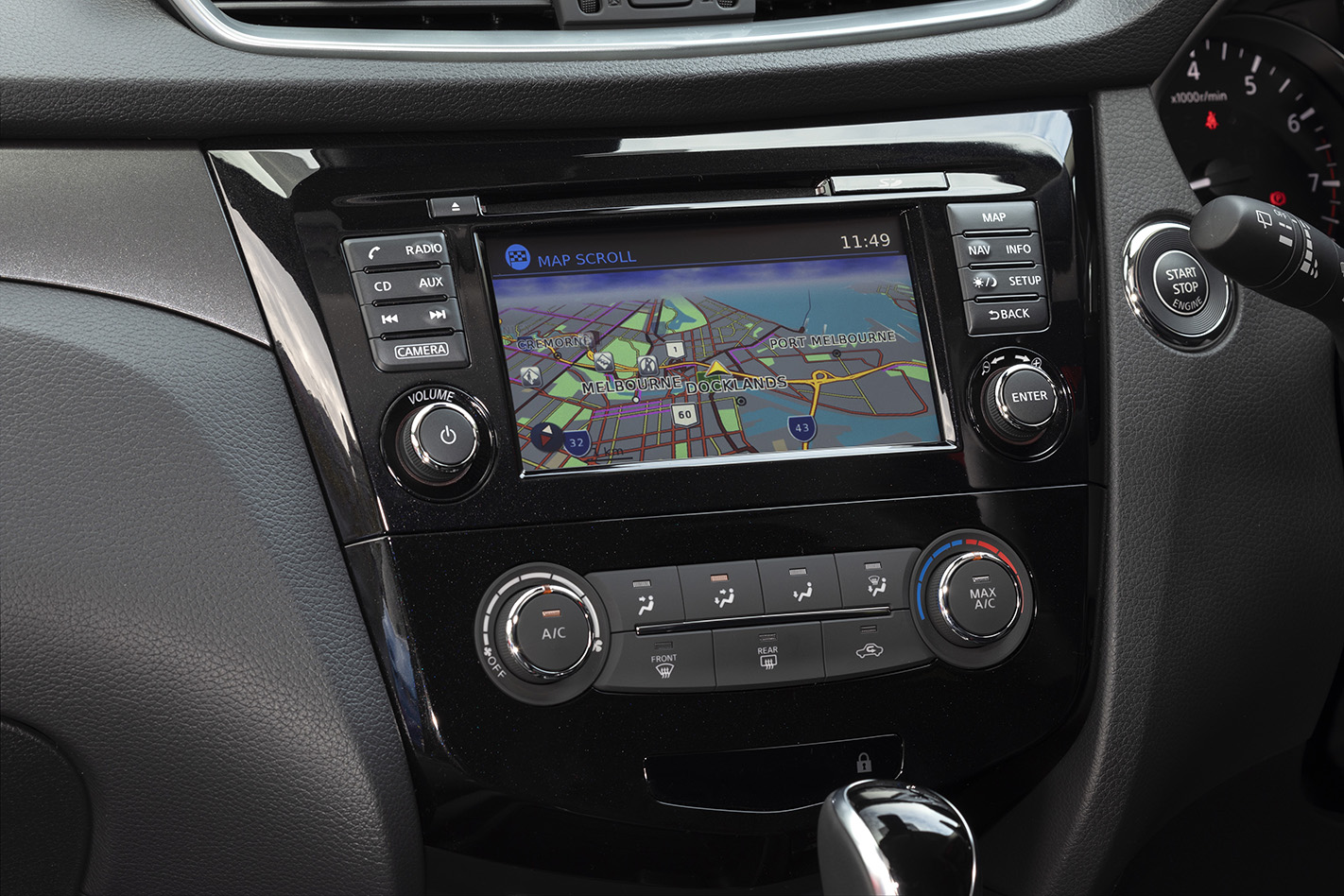
For the ST+, Nissan has added a seven-inch colour touchscreen, 360-degree camera view, satellite navigation, power-folding and heated wing mirrors, privacy glass and a digital radio tuner on top of the regular ST’s equipment list.
A CVT automatic is also standard-issue for the ST+, making it a reasonable gain for the extra $1300 over the Qashqai ST automatic’s retail.
Equipment highlights shared with the ST include push-button ignition, cruise control, leather-wrapped steering wheel, 17-inch alloys and an electronic park brake, along with AEB and lane departure warning.
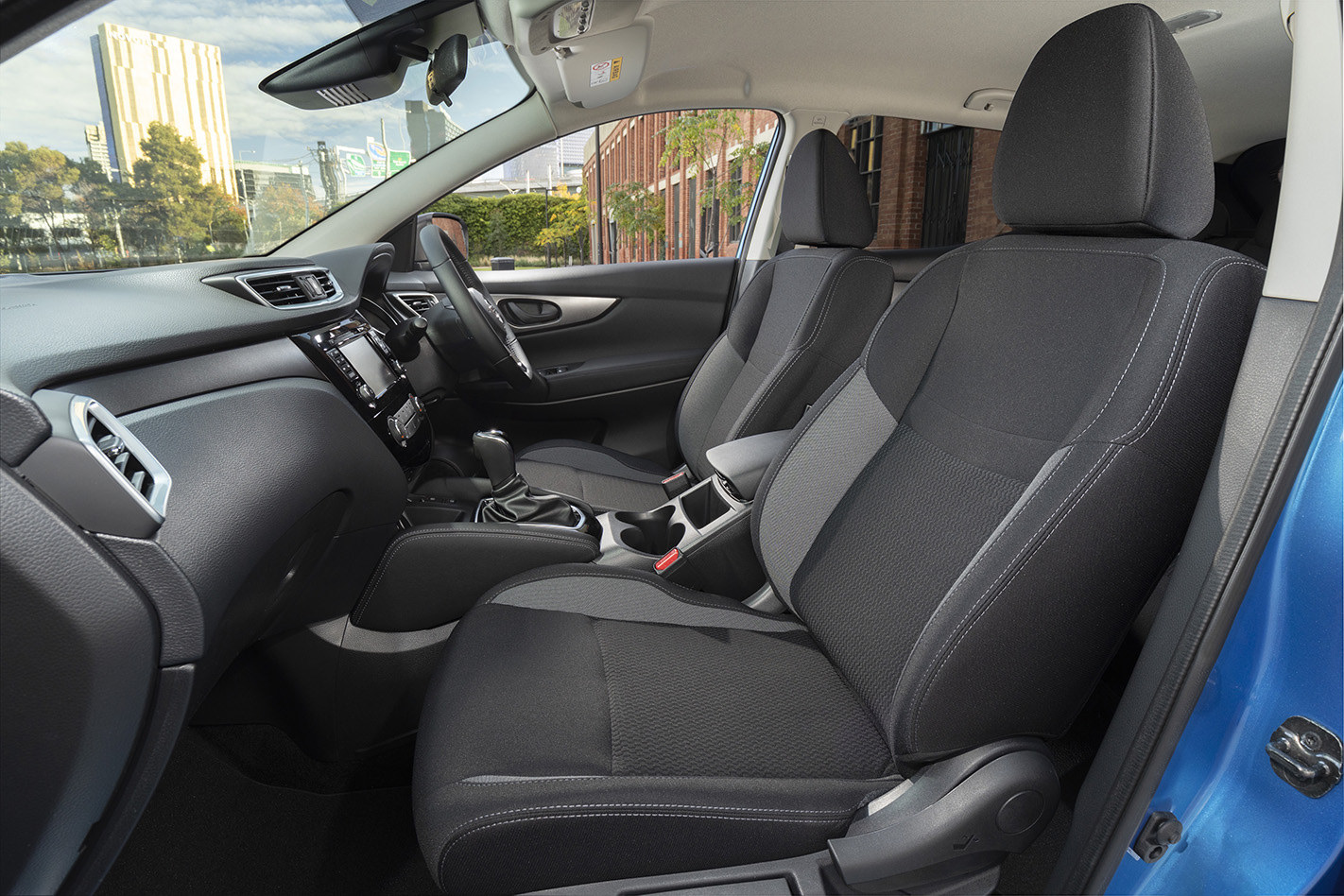
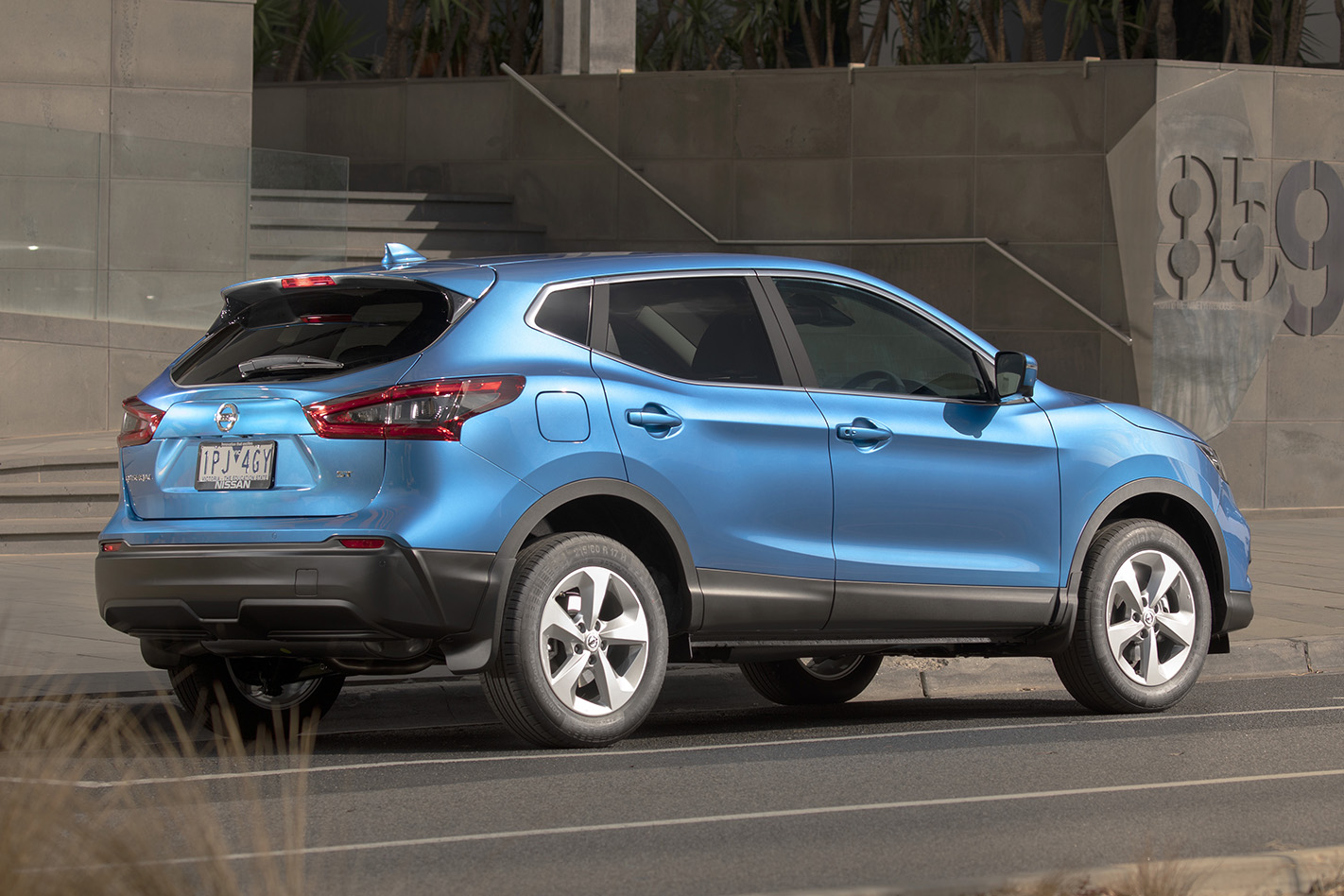
What do you miss out on from the ST-L? Namely a power-adjustable driver’s seat, 18-inch alloys, fog lamps, roof rails, partial ‘pleather’ upholstery and heated front seats.
All Qashqai variants remain powered by a 2.0-litre naturally-aspirated petrol four-cylinder, producing 106kW and 200Nm. Power goes to the front wheels exclusively – AWD isn’t offered on the Qashqai – and a CVT automatic is the default transmission for all models bar the base Qashqai ST, which has a six-speed manual as standard but can be optioned with the CVT.
PRICING
While specifications don’t change for the rest of the Qashqai range, pricing has been bumped up slightly for all existing variants bar the flagship Qashqai Ti, which remains at $37,990.
The biggest mover is the base ST manual, which jumps by $1000. Its auto-equipped partner increases by $500, while the ST-L rises by $300. Full retail pricing for the 2019 Qashqai range is as follows:
- Nissan Qashqai ST manual – $27,990
- Nissan Qashqai ST auto – $29,490
- Nissan Qashqai ST+ auto – $30,790
- Nissan Qashqai ST-L auto – $33,290
- Nissan Qashqai Ti auto – $37,990
Does anyone need an SUV as big as the 2019 Audi Q8? Of course not, but it exists, and Audi has positioned it in a rather tempting position for an SUV-hungry market.
At a starting price of $128,900, and just a smidge under $140,000 as tested, the premium SUV is almost $100,000 cheaper than its equivalent in the Audi A8 range.
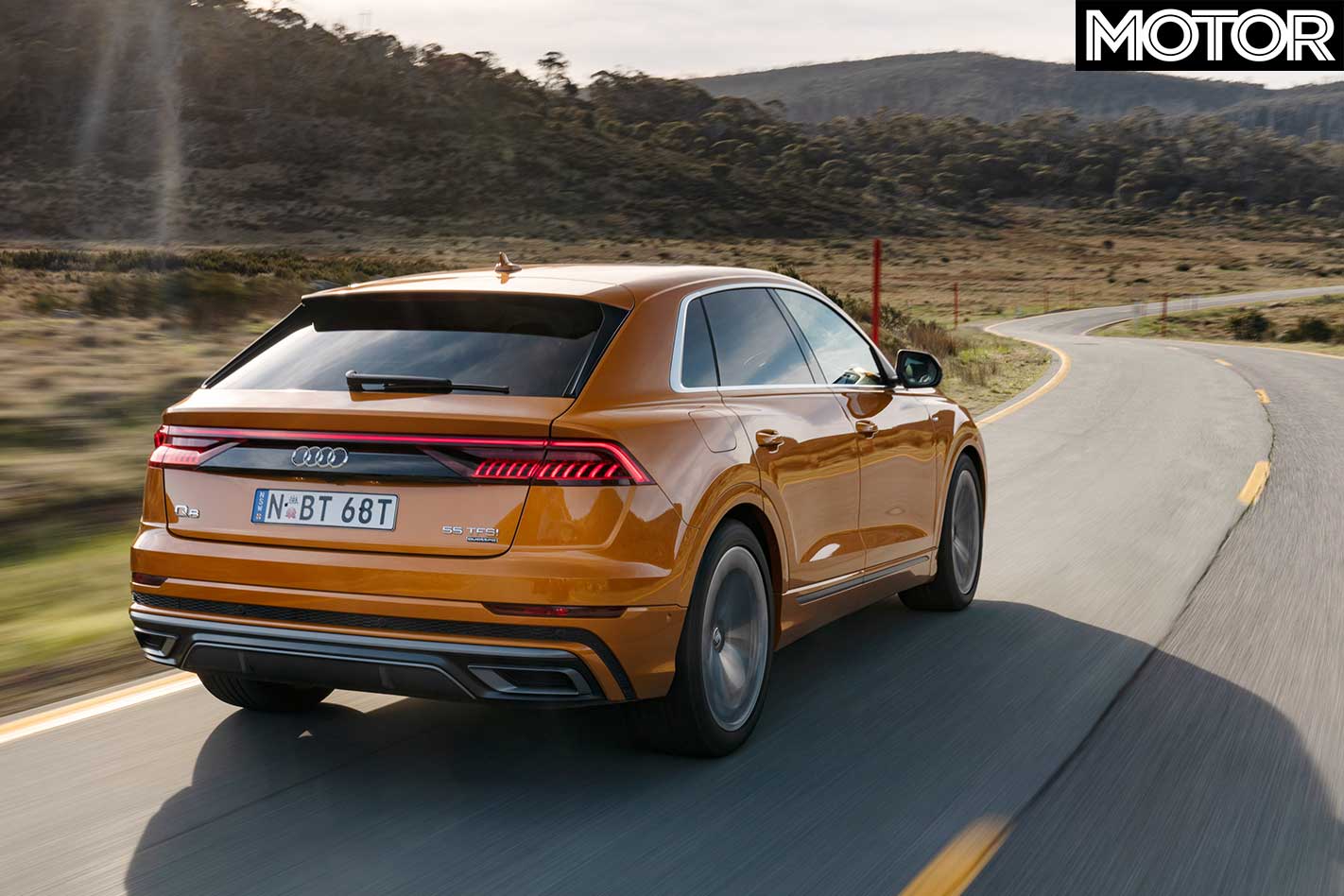
The car we tested was fitted with optional adaptive air suspension and rear wheel steering as the primary elements that changed its characteristics, but even the black exterior accents are a cost option.
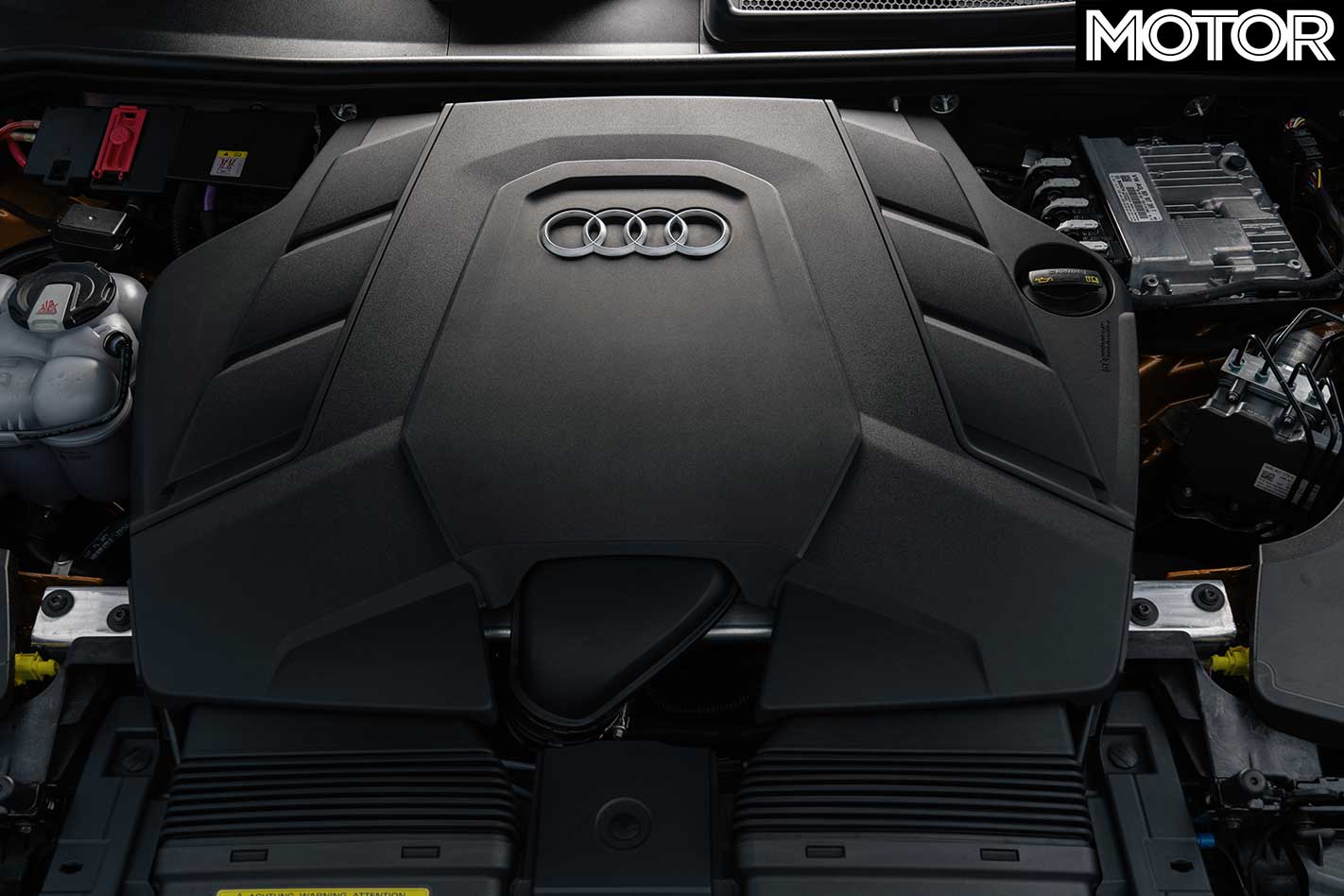
Down to the technical details, the Q8 55 TFSI comes bearing Audi’s 3.0-litre turbo V6, which boasts 250kW and 500Nm allowing a 0-100km/h dash in a relatively spritely 5.9 seconds. Spritely for 2145kg, at least.
Unfortunately, the Q8 feels slower than it is, and getting to 100km/h quickly seems like going against the big SUV’s wishes. Weight shifts noticeably, even in its Dynamic drive mode, and the turbocharged V6 could, dare we say it, do with some diesel torque.
Once up to speed, the 55 TFSI feels more than powerful enough, and becomes a comfortable cruiser capable of soaking up even rather rough bumps. The adaptive air suspension option is a must, and the four-wheel steering makes the rather large Q8 feel almost nimble in traffic and when parking.
A twisty road will undo that sense of ‘nimbleness’, where weight becomes apparent and the limits of the Q8’s grip becomes apparent. More than two tonnes can only stop so quickly.
With that in mind, it’s hard to imagine anyone buying the Q8 as a car to go driving in for the sake of it. Its cabin is spacious and packed with features, making it a perfect get-around for a few people.
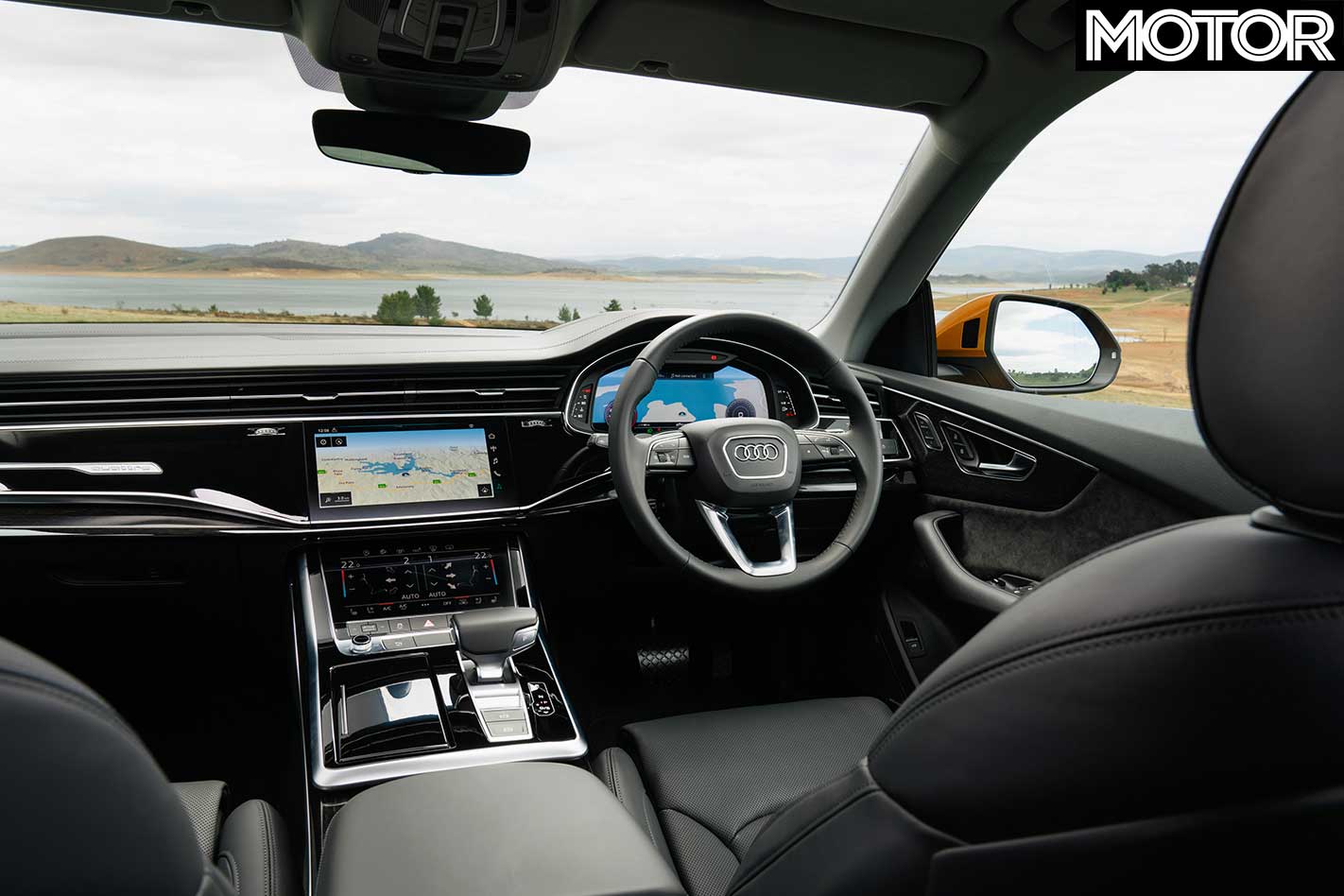
There’s also a new haptic touch screen which requires a little pressure to interact with – so no more bumping things accidentally.
The dash design itself is also rather sleek, until you turn off the screens and all you can see are your fingerprints smeared across the black panels.
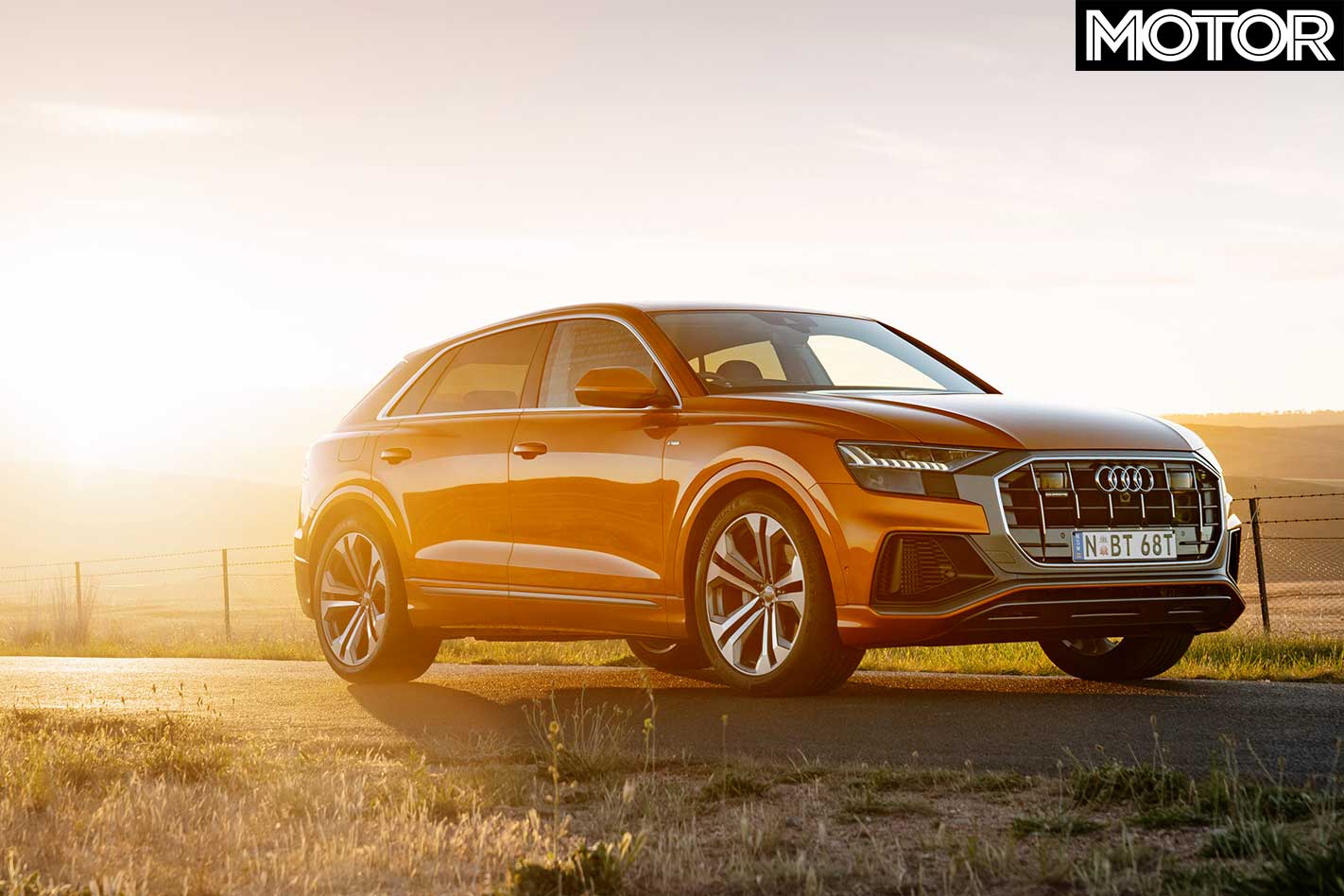
2019 AUDI Q8 55TFSI SPECS Engine: 2995cc, V6 DOHC, turbo Power: 250kW @ 5500rpm Torque: 500Nm @ 2900-5300rpm Drive: all-wheel drive, 8-speed automatic 0-100km/h: 5.9sec (claimed) Weight: 2145kg Price: $128,900
New to Wheels Car of the Year?
Read the COTY 101.
CAST your mind back to August last year and you may well recall a seven-seat SUV test that included some illustrious nameplates. It was won by a Hyundai Santa Fe. Given that it got the nod over the Skoda Kodiaq – which was a podium finisher in last year’s COTY – hopes were high that the Hyundai would progress to the pointy end of this year’s proceedings. Sadly it wasn’t to be.
The car that aced that group test was the range-topping Highlander diesel version, and it offered a convincing blend of all the good stuff that family buyers look for, albeit at a price. Start lowering your gaze in the Santa Fe range to a price tag that, in all likelihood, will be more attuned to those coping with school fees, food bills, and family holidays for six and the sheen rubs off a little.
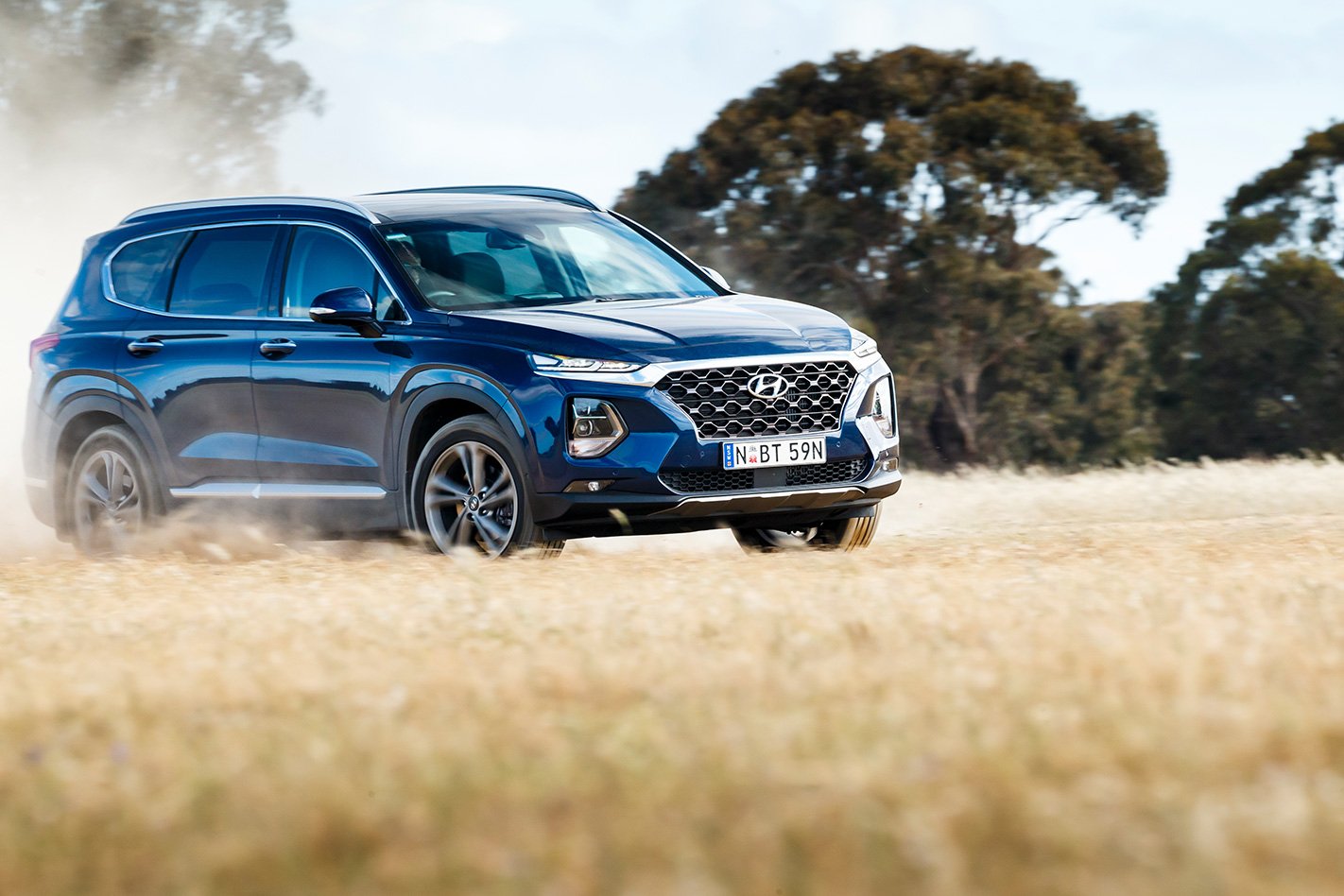
Hyundai had supplied the all-conquering Highlander diesel for review but alongside it came the base Active petrol. The $17K gulf between the two makes a real difference. It’s 440Nm of torque at your elbow in the diesel versus 241Nm in the petrol version. It’s an eight-speed auto versus a six-speed unit. It’s 25 percent poorer fuel economy from a weak-sauce 2.4-litre petrol engine, which rows along raucously where the diesel just purrs.
Of course the sweet spot in the range might well be the entry-level Active diesel, which tacks just $3000 onto the price of the petrol at $46K, but it wasn’t here for review. As such, the budget end of the Santa Fe range left most judges distinctly underwhelmed and some clearly felt that $60K+ for the Highlander was edging beyond the limits of Hyundai’s badge equity, in this class at least.
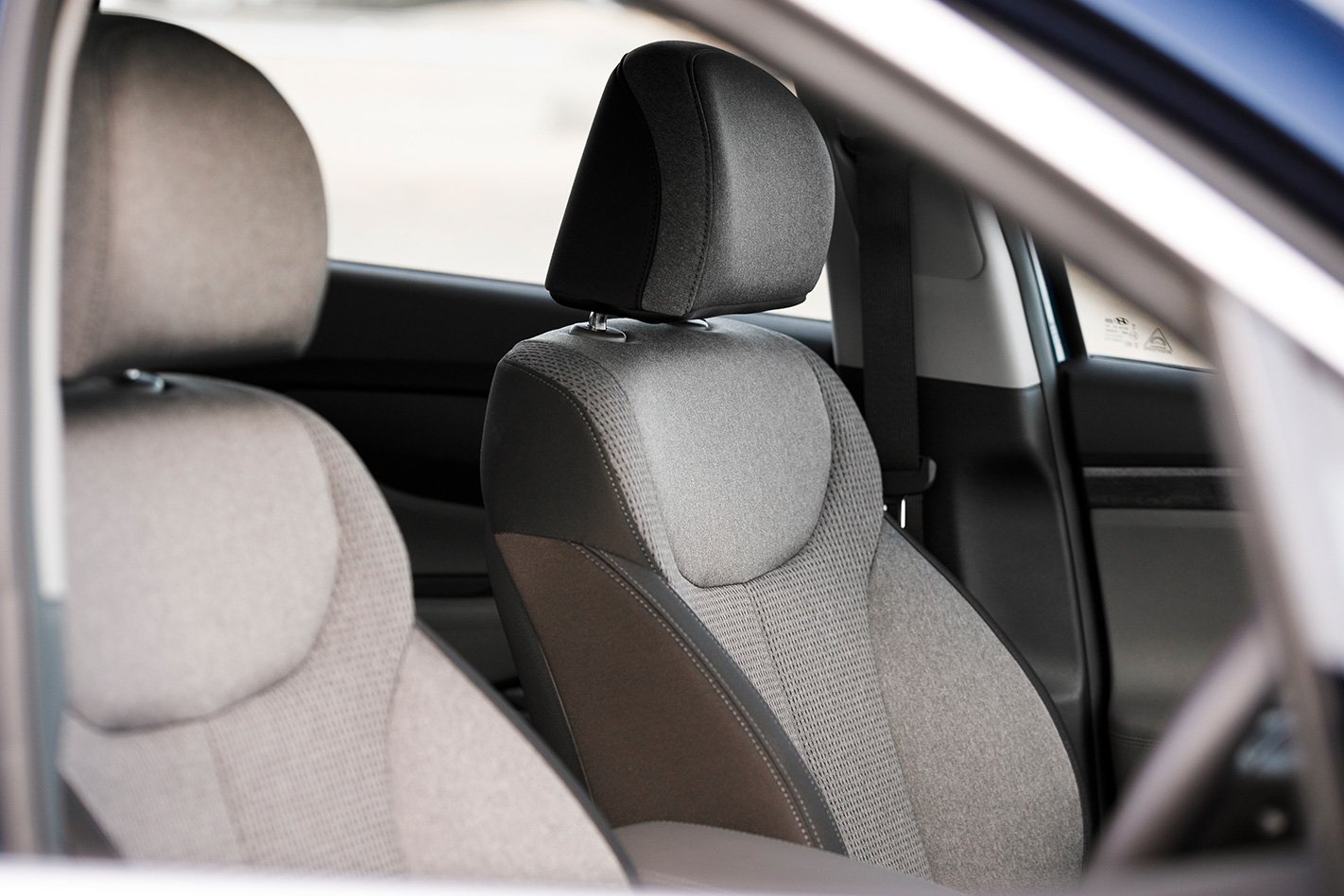
Here’s the thing, though. If you have a big brood of kids, being able to seat them easily, comfortably and safely represents a higher priority than impressing your mates with a premium badge. You’ve probably grown out of that. There’s nothing more cringeworthy than the guy trying to be the cool dad, and the Santa Fe plugs into that kicked-back vibe.
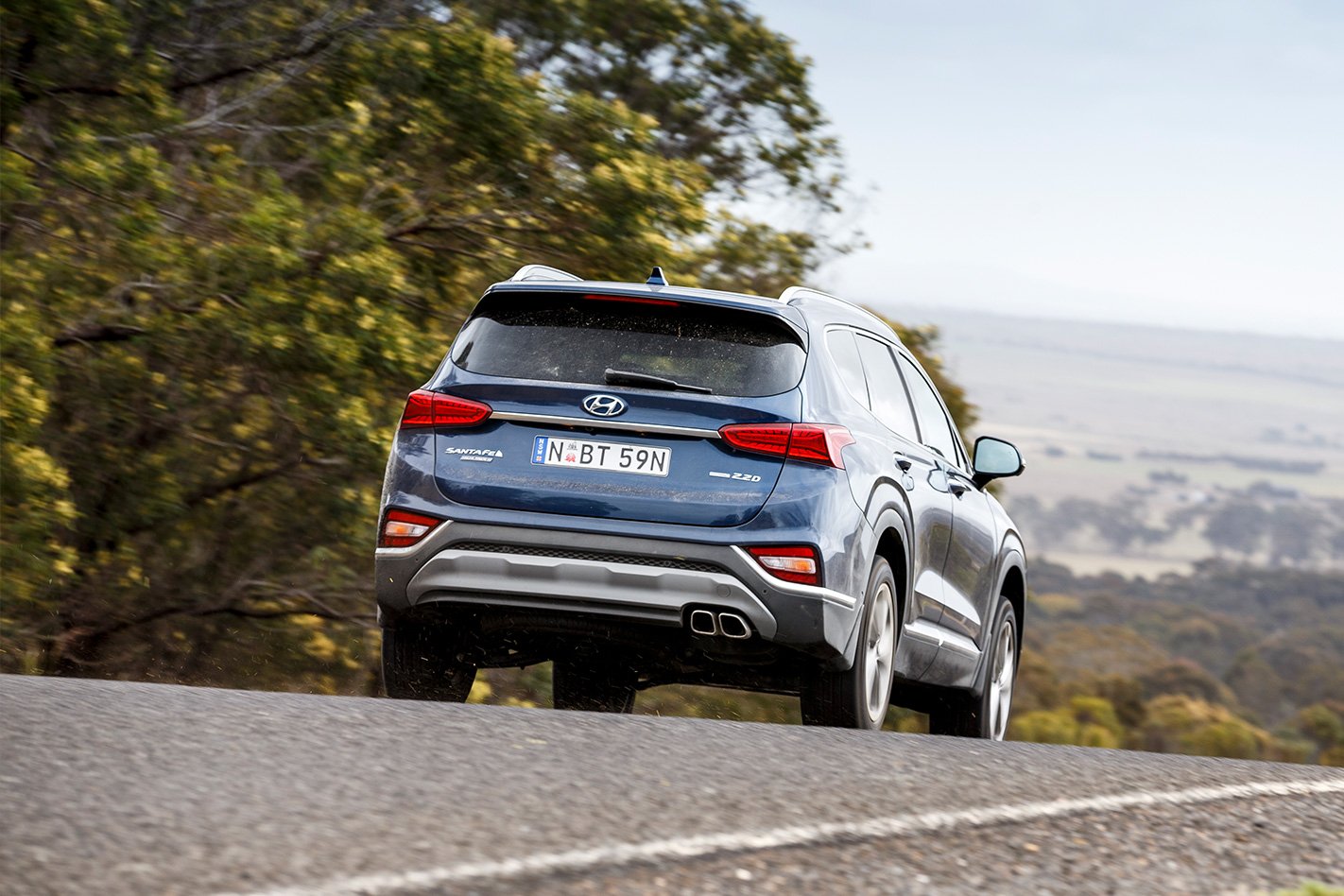
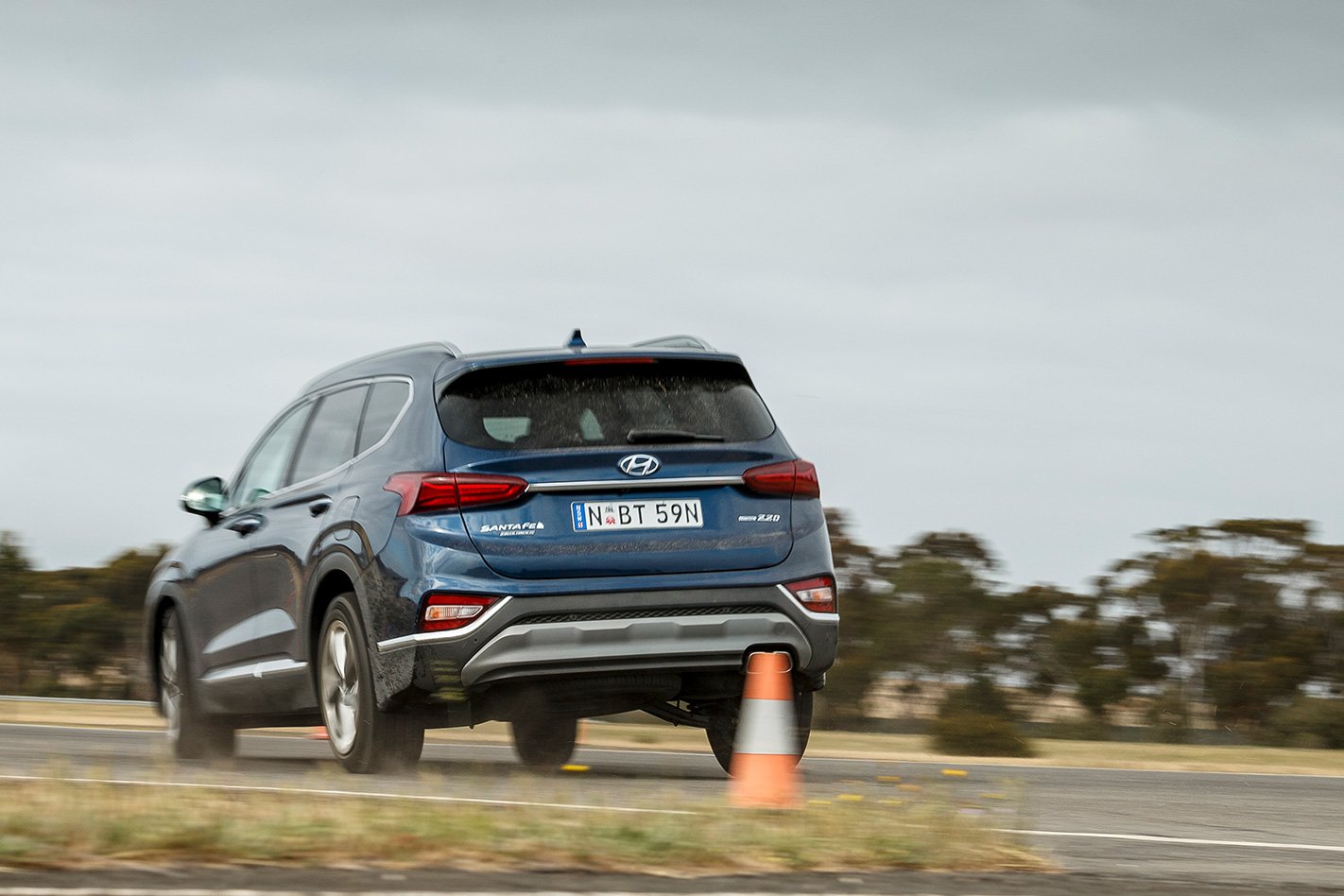
It doesn’t try too hard, instead preferring to major on what’s important. Things like being able to adjust the front passenger seat from the driver’s side, supplying a humungous centre storage bin, a low window line for excellent all-seat visibility, elegant body control, and a modest 185mm ride height so that small kids can get in without looking as if they’re scaling the Eiger. “Hyundai is nailing design and presentation” said an impressed John Carey, but Byron Mathioudakis was withering in his assessment of the 2.4 Active model. “Doesn’t feel as if it deserves to be at COTY. Merely plays catch up with the Mazda CX-9,” he sniffed.
The Santa Fe gets so much right but the petrol version is a nail. We don’t say that about too many cars, especially ones that made the invite list to COTY. Without that anvil around its neck, the Santa Fe might well have progressed further. Nevertheless, this quality SUV fell by the wayside in the first round. Harsh? Maybe. Perhaps Hyundai can rest easy in the knowledge that no seven-seat SUV fared any better.
Nothing is a more succinct sign of the times than a manual transmission becoming a luxury-performance car’s USP, as is the case with the 2020 Aston Martin Vantage AMR.
The latest addition to Aston Martin’s performance-heightened AMR variants, the Vantage AMR’s headlining inclusion is a new seven-speed manual, which takes the place of the standard Vantage’s rear-mounted eight-speed ZF automatic.
The manual transmission features a ‘dog-leg’ pattern, with first gear being left out of the traditional H-pattern. This leaves the frequently used gears – second to seventh – lined-up within the H-pattern, allowing drivers to row through them easily while on the move.
Adding to that, the manual transmission also comes loaded with an engine management system that mimics heel-and-toe downshifts and enables full-throttle upshifts, which Aston christens as the AMSHIFT.
Aston says that the Vantage AMR’s transmission is now mated to a limited slip differential, rather than vanilla Vantage’s ‘E-Diff’, with its calibration and setup done by Matt Becker, Lotus’ former guru of handling.
Despite being an AMR variant, the Vantage AMR isn’t any more powerful than the base Vantage, with the 4-litre twin-turbo V8 keeping its 375kW output, while torque outputs were quietly knocked down from 685Nm to 625Nm.
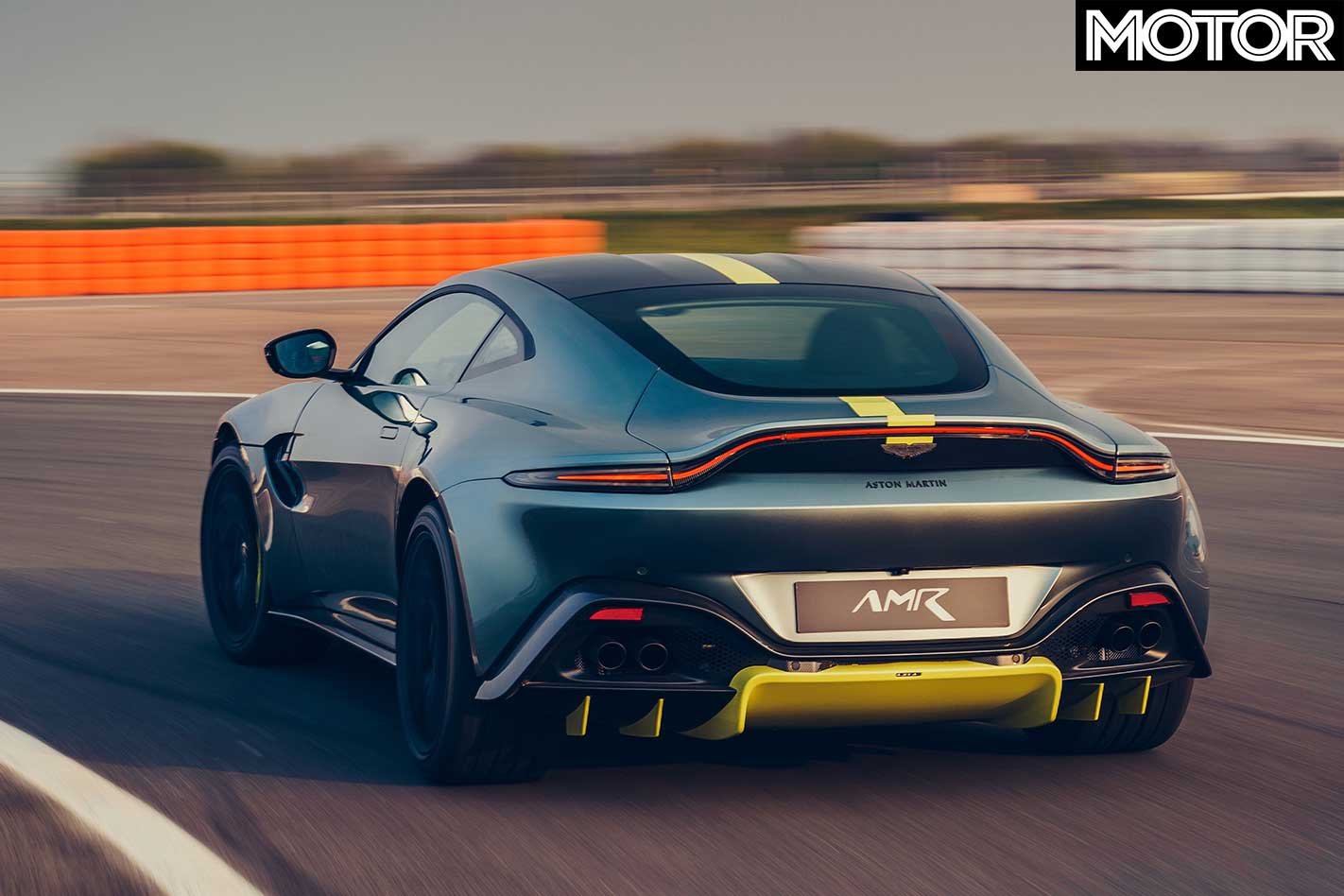
Even though the Vantage AMR’s manual transmission and standard carbon-ceramic disc brakes shaving 95kg of weight, trimming it to a figure of 1499kg (dry), the engine’s torque deficit and self-shifter handicap means that the Vantage AMR would do the 0-100km/h sprint in 4sec, 0.4sec slower than the run-of-the-mill Vantage – whereas top speed remains at an identical 314km/h.
Aston Martin is planning to produce just 200 units of the Vantage AMR , 59 of which will be built to ‘Vantage 59’ specification in commemoration of the 60th anniversary of Aston Martin’s win at the 1959 24 hours of Le Mans with a DBR1.
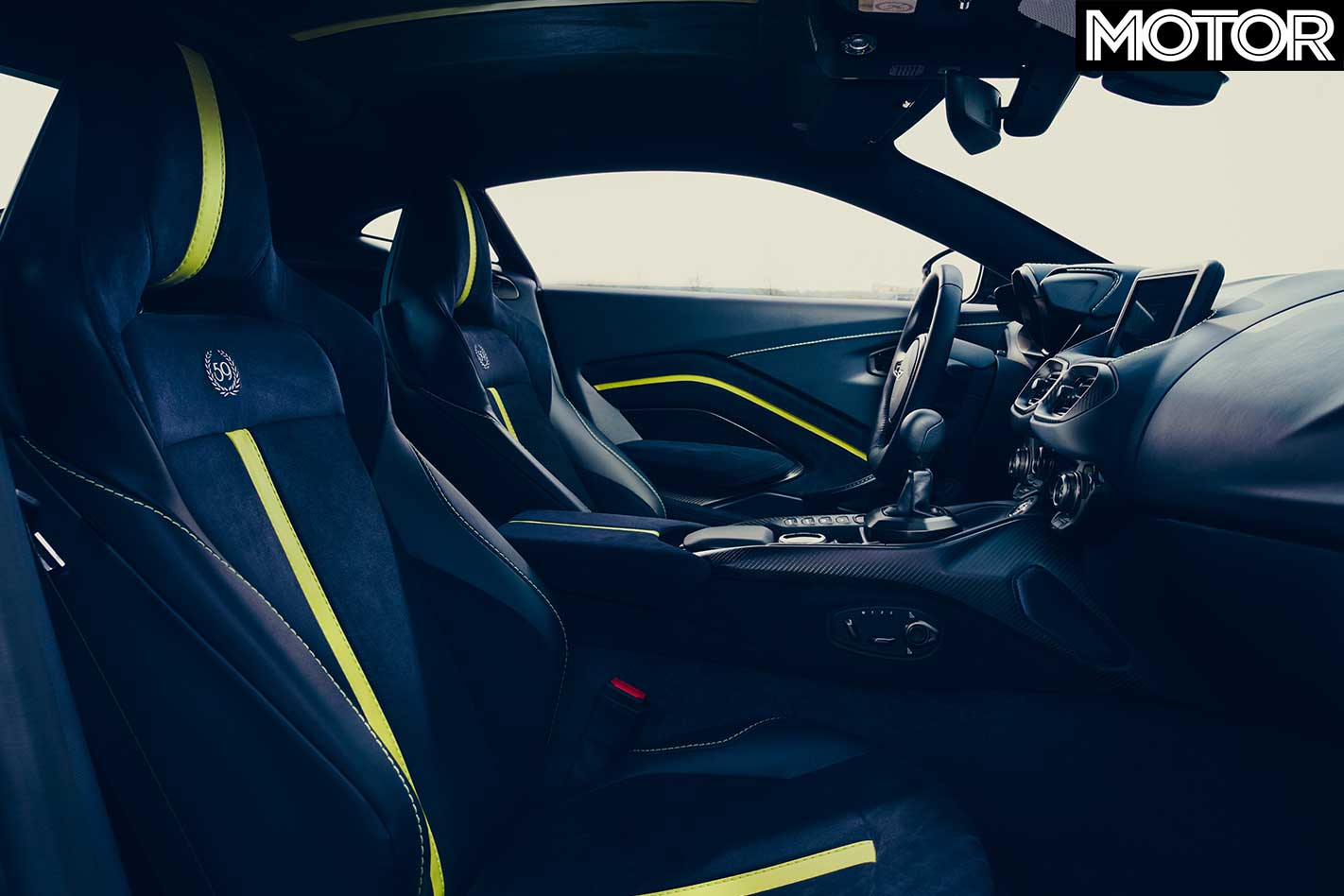
While a wide range of customisation options are available for the Vantage AMR, the ‘Vantage 59’ specification will only come in Stirling Green and Lime exterior livery with a black leather and alcantara interior, and festooned with the ‘59’ logo.
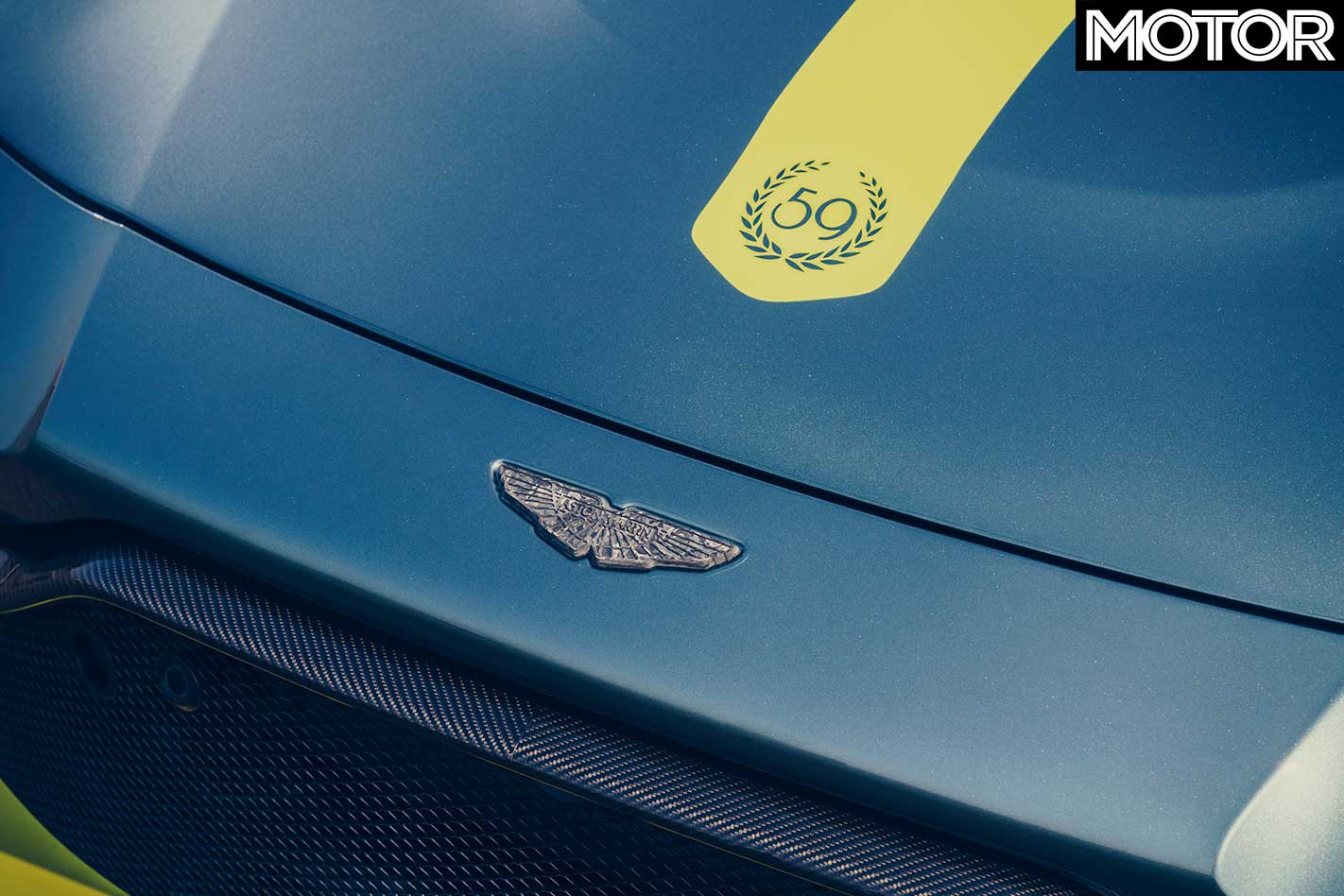
Prices of the Vantage AMR for Australia will start at $369,950, with the ‘Vantage 59’ specification priced at $409,950. That being said, the manual transmission won’t just be a passing special edition fitment in the Vantage line-up as Aston Martin will be offering it as an option for the standard Vantage from next year onwards.
However, as of publication, the company is keeping mum on details of whether manual-specced Vantages will come with the Vantage AMR’s LSD or reduced torque outputs.
