
Porsche CEO Oliver Blume has told UK outlet Autocar he’s considering a subscription-based model for the brand’s rarest new model, in an effort to avoid investors using hard-to-acquire cars as investments.
With the likes of the Porsche 911 R having produced a perfect storm for cheeky mark-ups, Blume suggests a Porsche Passport-style subscription model which would delay chances of the car being sold on.
In short, would-be car flippers can’t sell a car if they don’t actually own it.
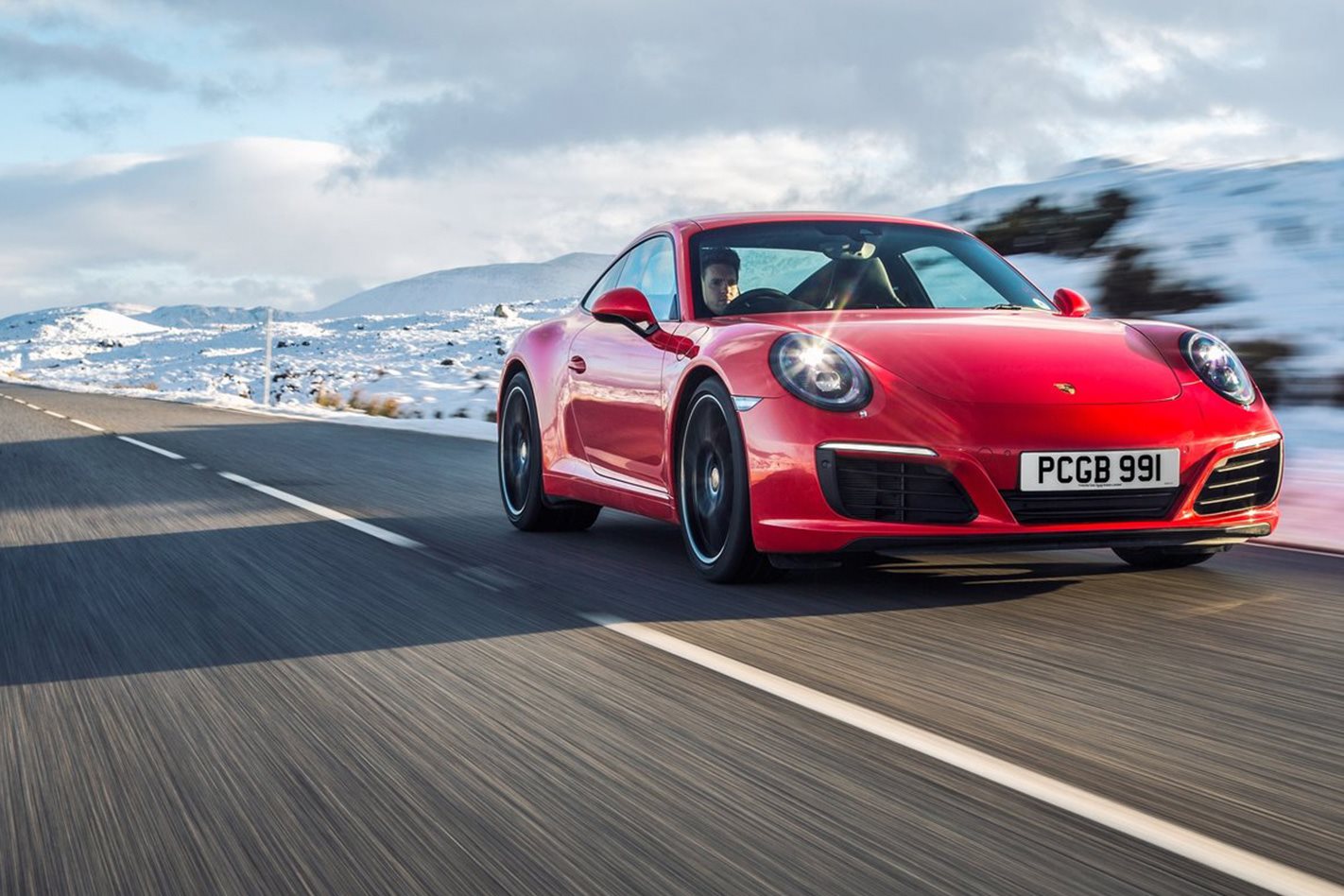
“Our interest is to sell cars for drivers, not dealers,” Blume has told Autocar.
“We put so much love into them, with the goal of people driving them not to put them in a garage.
“One thing we could do is look at leasing models to try to avoid this kind of dealing, so the car doesn’t get sold on for a period of time. It is one solution.”
It’s uncertain if the car would then be able to be sold as per normal by a subscriber who might buy the car at the end of the lease, or whether there would be any prerequisites to the use of the car under the subscription model.
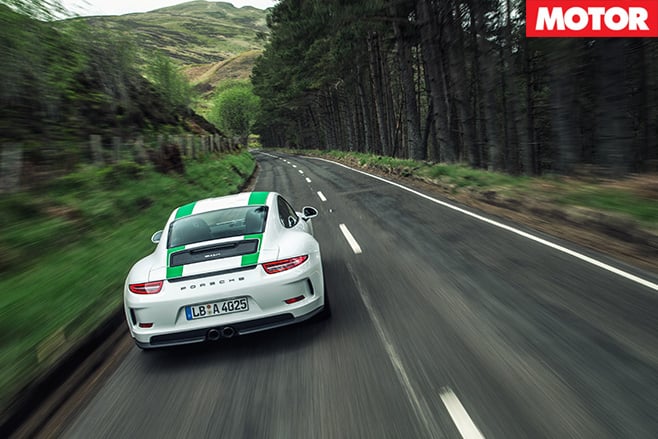
With Porsche Passport having launched in the US in October 2017, it’s not the first time Porsche has dabbled in leasing cars rather than selling them.
For around $2000 a month (which includes running costs and charges such as vehicle tax and registration), Porsche subscribers can access models such as the 718 Boxster and Cayman S, as well as the Macan S and Cayenne.
Another level of Porsche Passport, for an extra $1000-per-month, allows access to 22 vehicles including variants of the 911 and Panamera.
It’s the first question a lot of punters ask when they see the Ford Ranger Raptor roll up at the lights: has it got enough grunt?
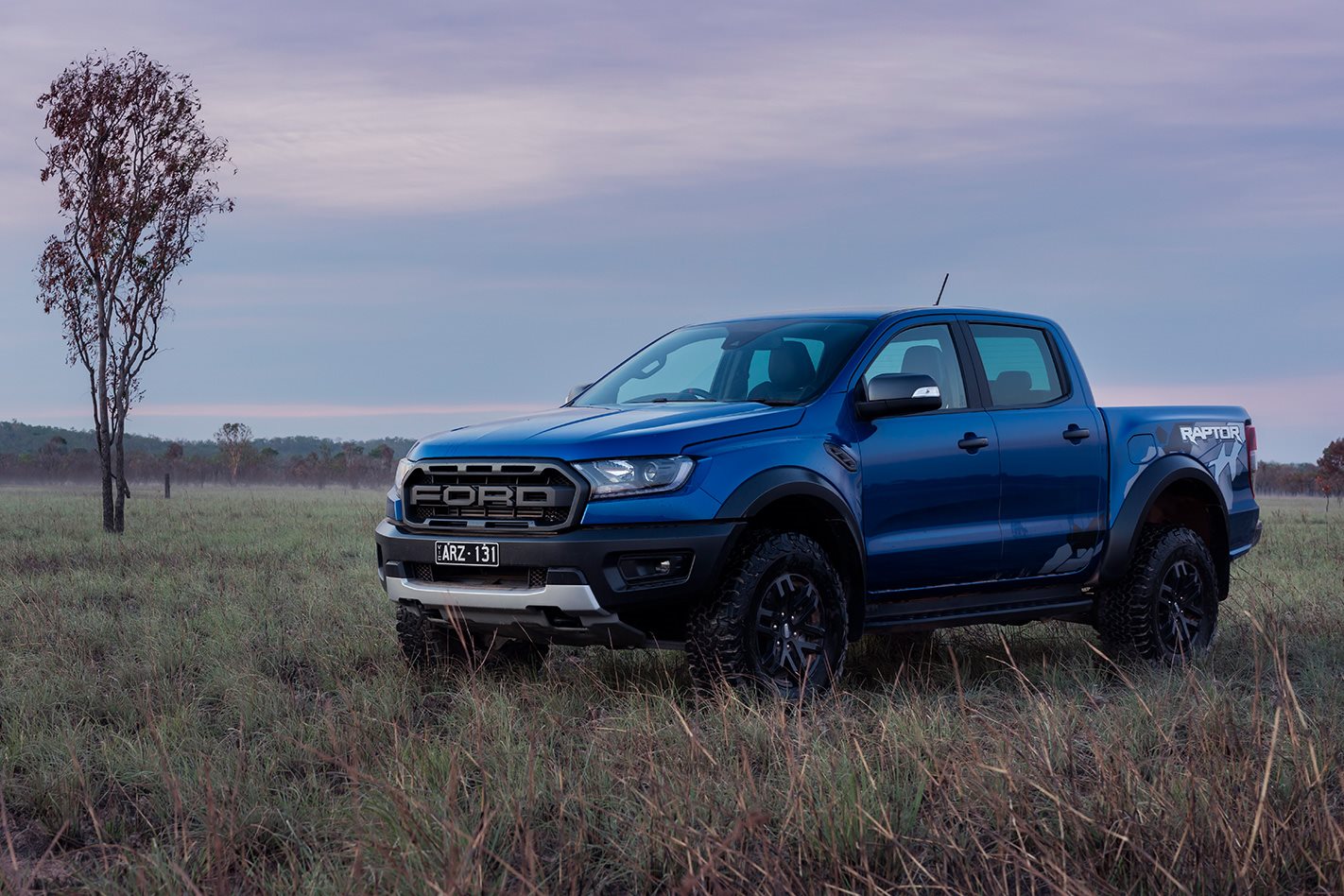
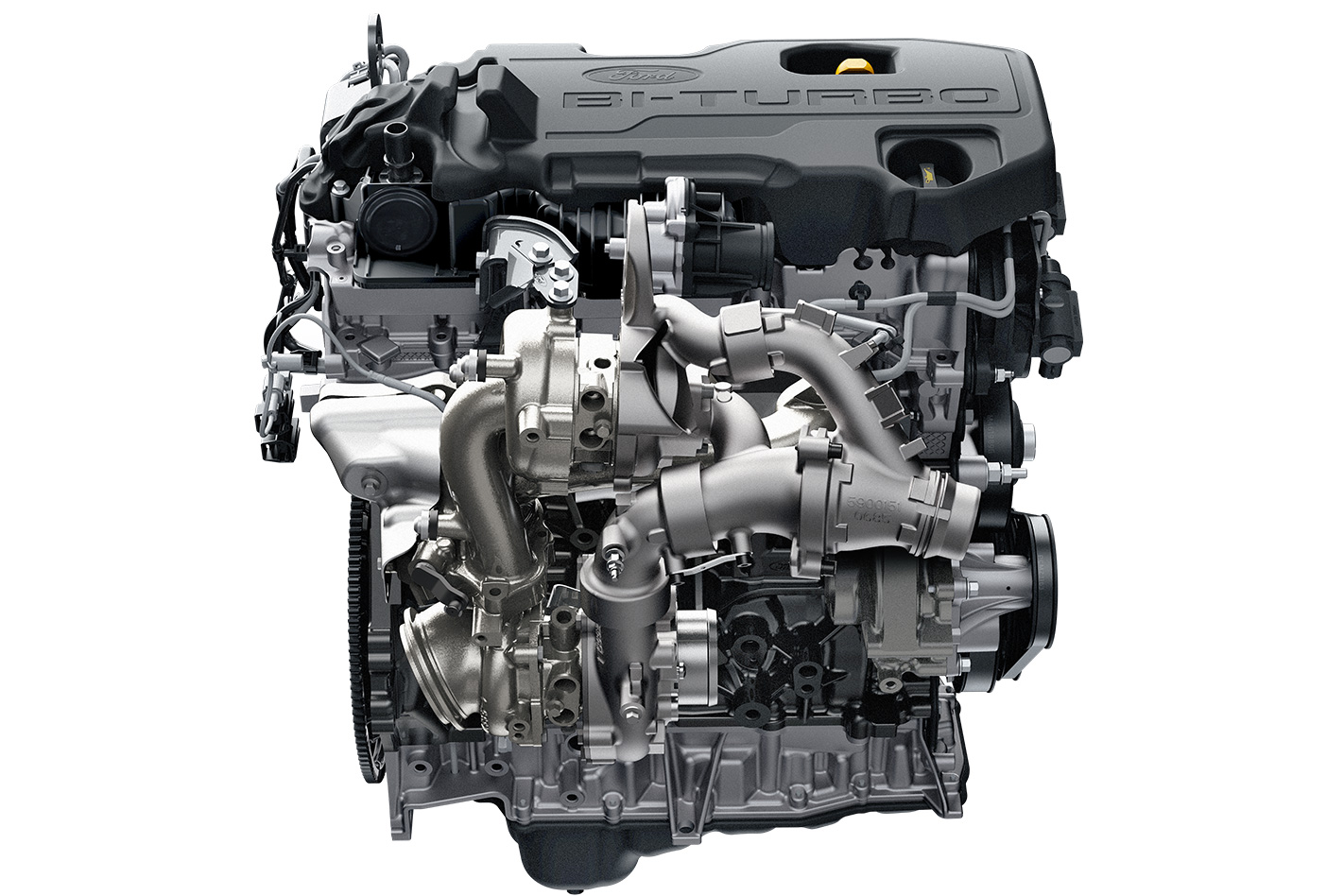
The simple answer is, yes. The 2.0-litre diesel bi-turbo has enough herbs for lumbering along country and suburban roads and towing a tonne, but it’s nothing special. At least not special enough to match the desert-busting chassis and tough truck looks of a ute that sits in the Ford Performance stable and has a ‘Baja’ race mode. Though that might all change soon.
Ford has been spotted testing the Ranger Raptor in the US with a petrol motor. It’s a bit unusual, considering the Raptor is not available in the US Ranger line-up and is currently only available with the same 2.0-litre oiler on sale down under. So what of it?
Spy photographers for Automedia caught the black test mule running around the streets of Detroit. Reports are that it sounded like there was a petrol V6 engine lurking underneath, pumping its tune out of two rear exhausts. The video confirms it’s no diesel.
Blacked-out in typical test mule fashion and without badging or a closer inspection, it’s impossible to know what exactly was sitting under the bonnet, but it’s possible it could have been either Ford’s 2.7-litre turbo V6 or the smaller 2.3-litre EcoBoost currently powering the North American Ranger.
It points towards the blue oval introducing the Aussie-developed Ranger Raptor in the US, or the possibility it is testing for an update we might receive. The smaller 2.3-litre would bode well for Australia, with the engine already implemented here in the Ford Mustang and previous-generation Focus RS producing up to 257kW and 440Nm. The 2.7-litre unit that’s being speculated overseas wouldn’t work out well for Australian tastes, as that engine has so far been canned for any right-hand drive market vehicles.
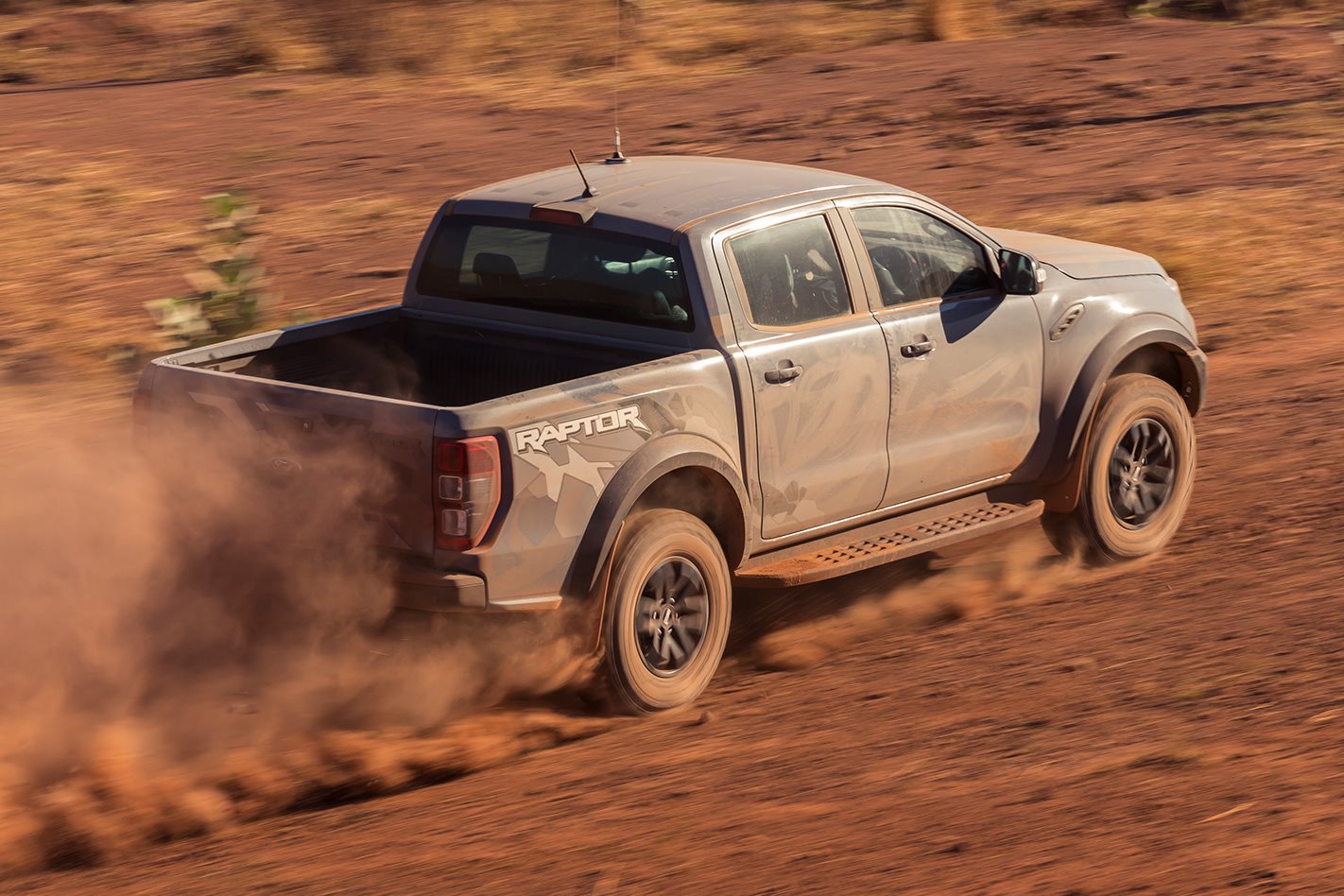
It seems less likely that the engine was in testing for the next-generation ute due in 2022, that Wheels got the first look on. In the US at least, a petrol-powered Raptor would give Ford a sharp rival to the likes of the 3.6-litre V6 Jeep Gladiator (that’s due here next year), or the Chevrolet Colorado ZR2 with the same size engine. Though Australians will no doubt be pining for a V8…
Ford Ranger Range Review MORE: Ford Ranger Specs, Range & Price
Volvo Australia has issued a recall for 99 examples of its S90 and XC60 models, due to the possibility of a missing nut on the front seat rail.
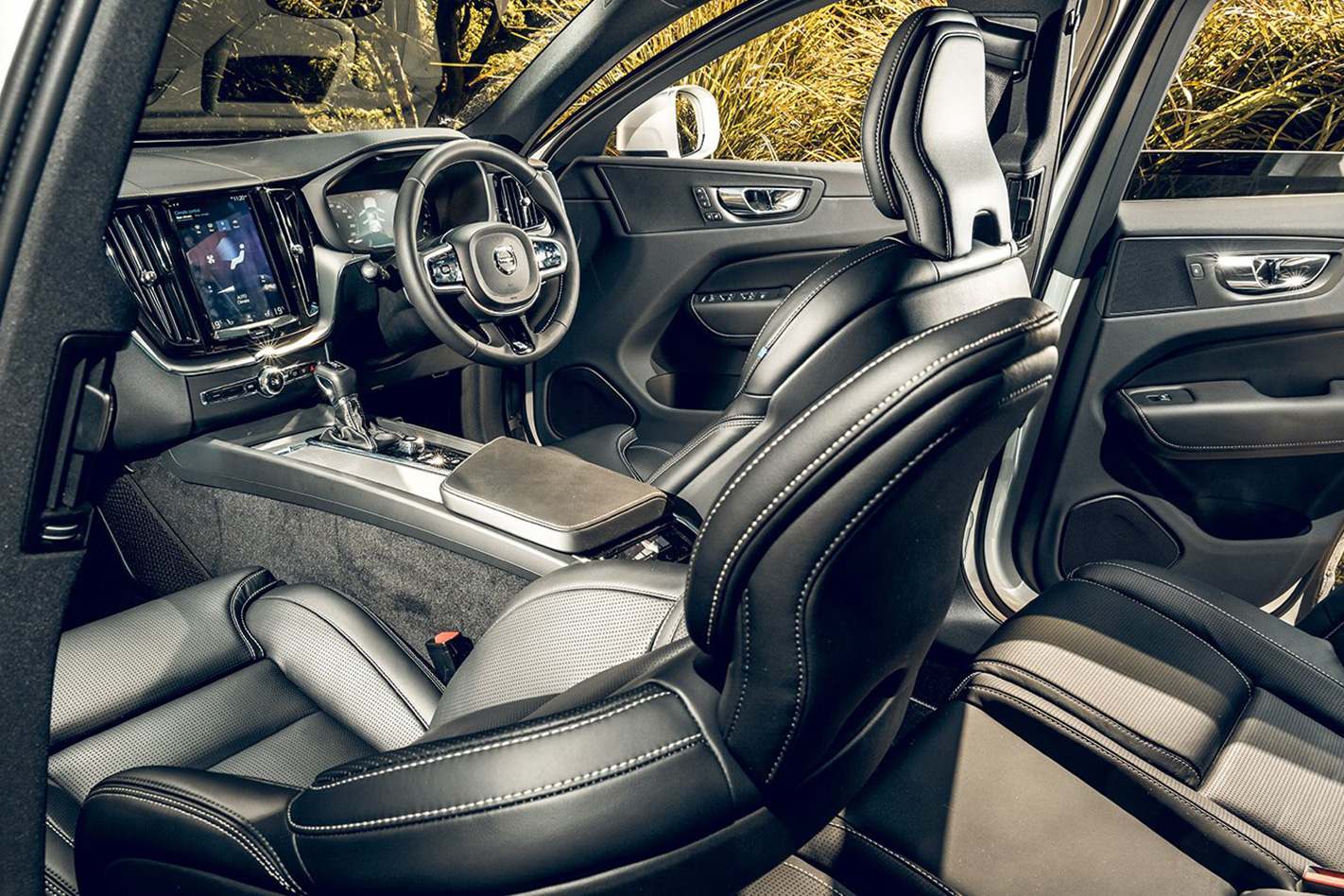
Possibly affecting the car’s safety in the event of an accident, the missing nut is important in the seat structure and may cause the seat to be unstable and deform during a crash.
Concerned owners of the S90 and XC60 are advised to contact their Volvo dealership and organise an inspection to see if their model is plagued by the anomaly, with affected cars to be rectified if necessary.
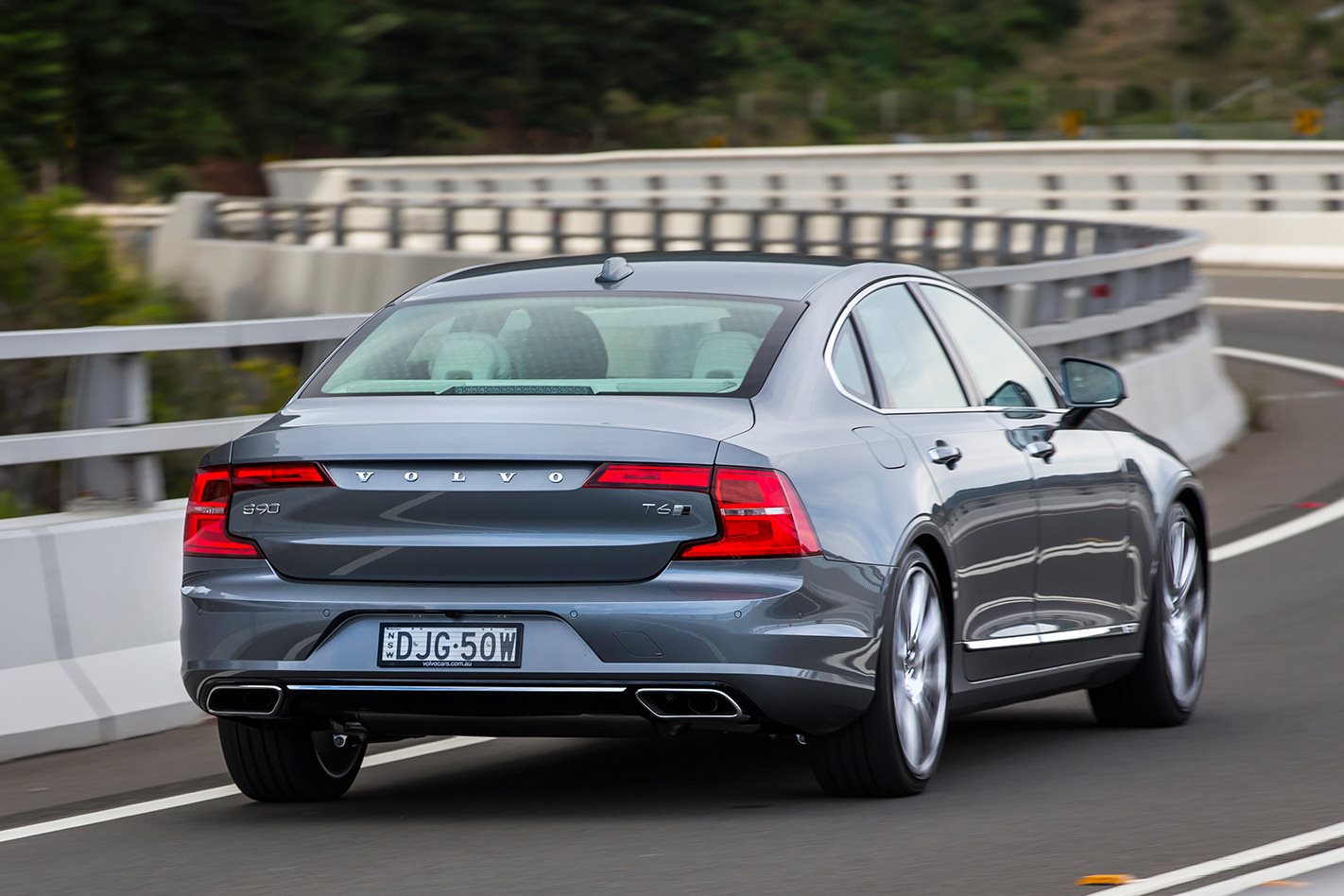
A full list of affected VIN signatures can be found here, with 99 cars through model years 2018-2019 recalled.
The Bolwell Nagari is coming back, and it’s making a return to V8 power. Mid-engined V8 power.
This new generation, to be known as the Bolwell Nagari 500, will be officially unveiled later this year by Campbell Bolwell, who spoke exclusively with MOTOR about the upcoming car.
“The latest version is called the ‘500’, which would be roughly equated to the [horsepower] output,” Bolwell tells MOTOR.
“It’ll have a six-speed manual ‘box and a 6.2-litre V8, an LS3.”
With approximately 370kW, Bolwell is looking to build a car with power levels rivalling that of an AMG C63 S, but with a naturally aspirated engine.
But it might not even need those outputs to perform rather heroically if its other major aspects are to have their impact.
“There are two big technical benefits we’re ‘trumpeting’ about with this car,” Campbell Bolwell says, “the first being that it uses our composites technology, which we’ve developed over the last 50 to 60 years.
“The method uses our vacuum-assisted system, which means we were able to get the whole car’s weight under one tonne.”

Bolwell Nagari 300, the second and most recent generation of Nagari. Toyota V6-powered, $150k-plus price tag
He says that, rather than create a heavier car that requires more stopping power and needs more effort to turn, the technology developed by the Bolwell Corporation has allowed the new Nagari to be composed of lighter material produced through closed moulding.
“Braking times and handling will be right up there because you’re not slinging so much weight around.
“We haven’t completed the testing on it but we will do our own testing and, in the brochures for the release, we’ll have our claimed times.
“I’m hoping to get around three seconds, but we’ll see how we go. It’ll be a quick machine, that’s for sure.”
History of Australian sports cars
Bolwell says the second major point he’s spruiking is the lack of a traditional chassis.
“We’ve got some sub-frames front and rear that hold the suspension and a few of the mechanicals, but basically it’s built on a very rigid tub, or occupant capsule.”
Think of it as Bolwell’s own version of the concept some racecars are built with, or the MonoCell system used by McLaren Automotive.
“That capsule uses a lot of carbon fibre and Kevlar, in the method of creating this rigid capsule in which the occupants sit.

Campbell Bolwell hasn’t let the design of the new Nagari 500 slip yet, but says its proportions are similar to the 300
“The idea being that if you have a major accident, it doesn’t matter if the motor flies off in one direction and the wheels in another. As long as that capsule is protecting the people inside, they’ve got a better chance of walking away.
“We’ll also have traction control and a lot of other electronic safety systems.”
Bolwell also tells us the Nagari is to score adaptive dampers, which he’s aiming to be electronically adjustable from within the cabin, as well as Recaro sports seats. In place of a traditional dash will sit a “module fitted behind the steering wheel which is programmable with all the dash visuals.”
While Campbell Bolwell’s company has expanded and even opened plants overseas, he says that the Nagari needs to keep to its Aussie roots.
“A lot of Bolwell Corporation is based around composite materials and components that we build for industry in Australia and overseas.
“But the car has to be built in Australia.”
The Original Nagari touch
Nagari fans will be pleased to know that the men who built the original Bolwell Nagari (or the Bolwell Mk.VIII as it is also known) are still hard at work, putting in hours of development into the Nagari 500.
Next year, 2020, will mark half a century since the original was released, so Campbell Bolwell says it’s a prefect coincidence for the new car to come along.
“We’re celebrating the 50th anniversary of the first Nagari, the first ones were built after my brother Graeme came back from working at Lotus with Colin Chapman on the Europa. I think he worked on one of the IndyCars, too.
“We took the Bolwell MkVII, built around Holden parts, and we did a deal with Ford to supply the V8 motors and transmissions.
“It was redesigned as the Nagari using principles Graeme had learned with Lotus.
“That was the first one, and of course the main two people working on that were Graeme Bolwell and Ross McConnell. Working on the latest Nagari, I’ve still got Graeme and Ross!
“They’re a bit older and greyer, but they’re still working on the new Nagari.”
It makes sense then that Bolwell says the heritage of the original car will shine through visually.

The first Nagari was, and still is, beloved by owners and fans alike; Plenty still exist today
“In terms of styling, there’s some similarity between the early Nagari and the latest Nagari. A scooped-out back, the crinkle along the edge, the grille’s not that far different, but of course now it’s been quite modernised.
Mr Bolwell hasn’t allowed outsiders to see the car yet, but says its design will go some way to bringing fans of the original Nagari around to the idea of a new one. The V8 will do the rest of the work.
“It’s all got our own glass, of course, so we’re able to style it the way we want it,” Bolwell says.
“Personally I think it’s a very pretty car, a classic design, but of course I can’t show you the car yet.
“We’re looking at officially releasing it to the press towards the end of September, and we hope to have it displayed at Motorclassica.
“The first things we’re going to be asked are: ‘How fast does it go?’, ‘How much does it cost?’, and ‘When can I have one?’
“I can’t answer those three questions yet.”
But Campbell Bolwell knows he’s onto a winner with the Nagari 500, noting that club members have made it clear what they liked about the first version.
“There’s a lot of love for the early Nagari, and they love it because it has the V8.
“It was obviously the right move to go back to a V8.”
Stay tuned.
Shoppers considering a new Nissan now have a fresh deal-sweetener on the table, with the company’s local office announcing that all new cars sold to private buyers will be covered by a five-year, unlimited kilometre factory warranty.
It’s a sizable boost from Nissan’s previous three year, 100,000km warranty term, and it also comes with roadside assistance as standard for the duration of the warranty period.
It also means all of the top-ten highest selling car brands in Australia now offer at least five years of warranty coverage. Kia goes a step further, offering a seven-year factory warranty on all of its vehicles.
Other manufacturers outside of the top ten also offer competitive after-sales terms, with MG providing up to seven years of coverage and EV specialist Tesla providing the longest warranty of all at eight years, unlimited kilometres.
Even so, there are still a number of hold-outs against increased warranties – principally those automakers in the luxury segment. Among them, Lexus, Infiniti and Rolls-Royce are the most generous, offering four-year terms against the three-years offered by the likes of Audi, BMW, Jaguar, Volvo and Mercedes-Benz.
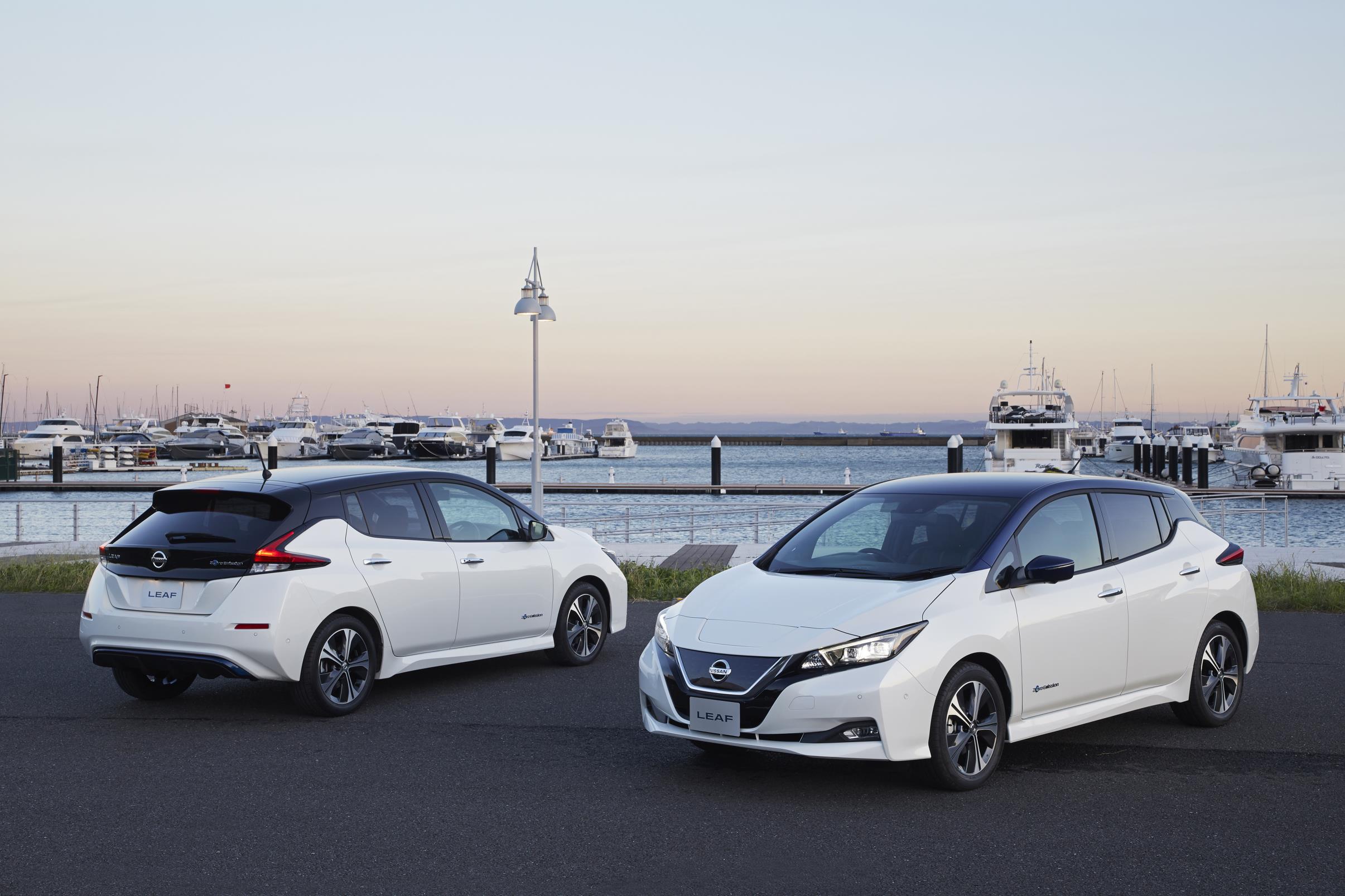
Nissan’s all-electric Leaf (above) will be covered by the new warranty, while its battery also comes with an additional “Health Guarantee” that covers the expensive lithium-ion pack against excessive capacity loss (more than three bars out of twelve) for 8 years or 200,000km.
Nissan Australia will still warrant cars sold to commercial fleets for a five year period however, the kilometre stipulation is limited to 200,000km. The new warranty applies to all new cars sold from April 1, 2019.
“Five year warranty provides our customers with both confidence in the Nissan Brand and our vehicles,” said Nissan Australia managing director Stephen Lester.
“Nissan is committed to delivering the best total ownership experience, and whether it’s sales, service or finance, warranty plays an important role in delivering complete customer satisfaction.”
Holden Commodore Hatch Hutch
Holden went back to the future with the following announcement for a Hatch Hutch for the 2019 Commodore on its Facebook page:
The gag has some credibility as it harks back to the old Torona Hatch Hutch from the 1970s, which turned your ‘Rana hatchback into a panel van.
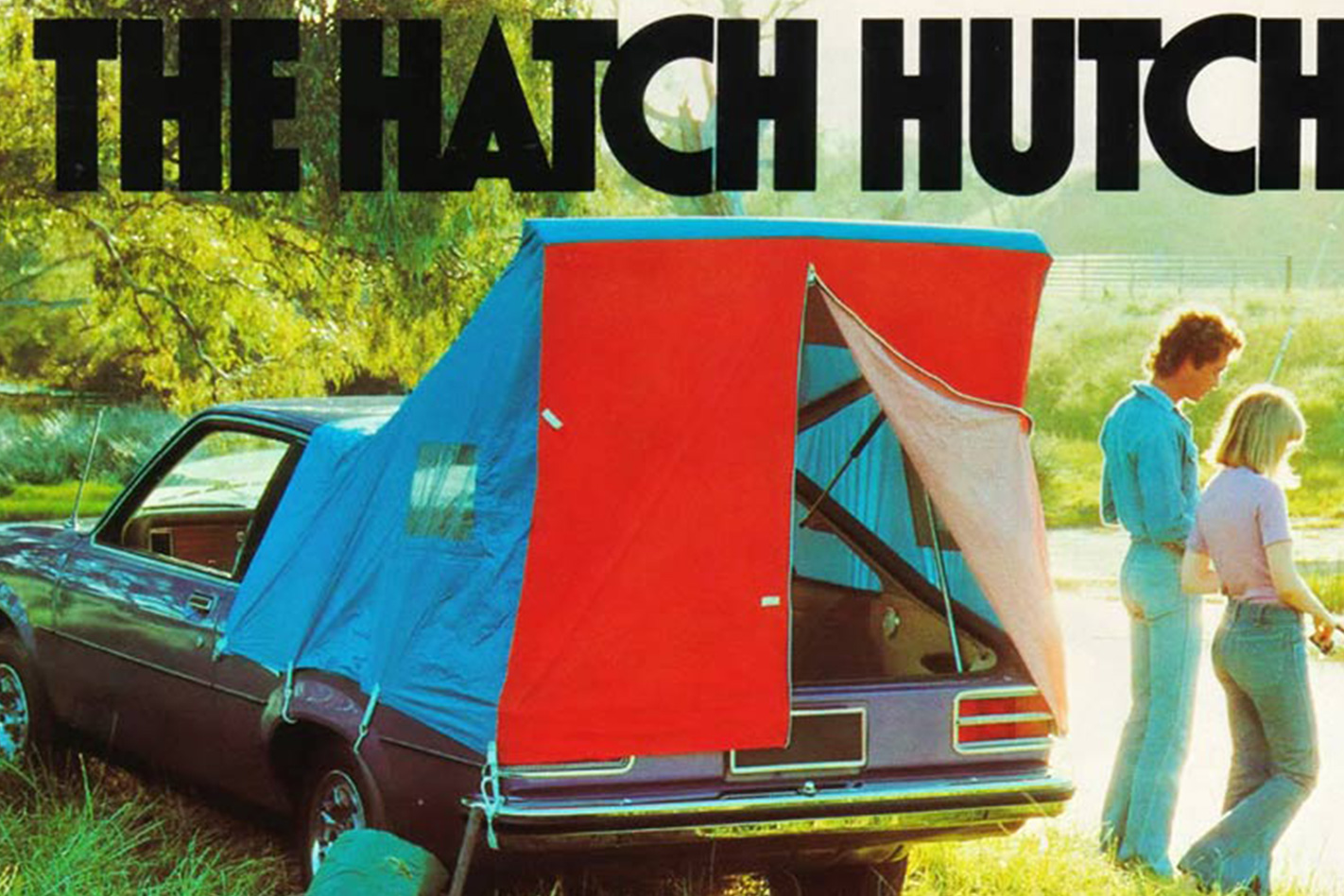
Should Holden bring the happy camper concept back?
Honda “Pastport” interior redesign
Honda also went back in time for April Fools Day, presenting a ’90s-themed interior trim package for its 2019 Passport large SUV, dubbed “Pastport”. Coupling the “authentic look of the new Passport on the outside, yet simplified with everything you love about the ’90s on the inside.”
The Pastport looks like a riot for millenials, but sadly Honda note that the slap bracelets aren’t included. Take a look at the video yourself.
Toyota HiAce Convertible
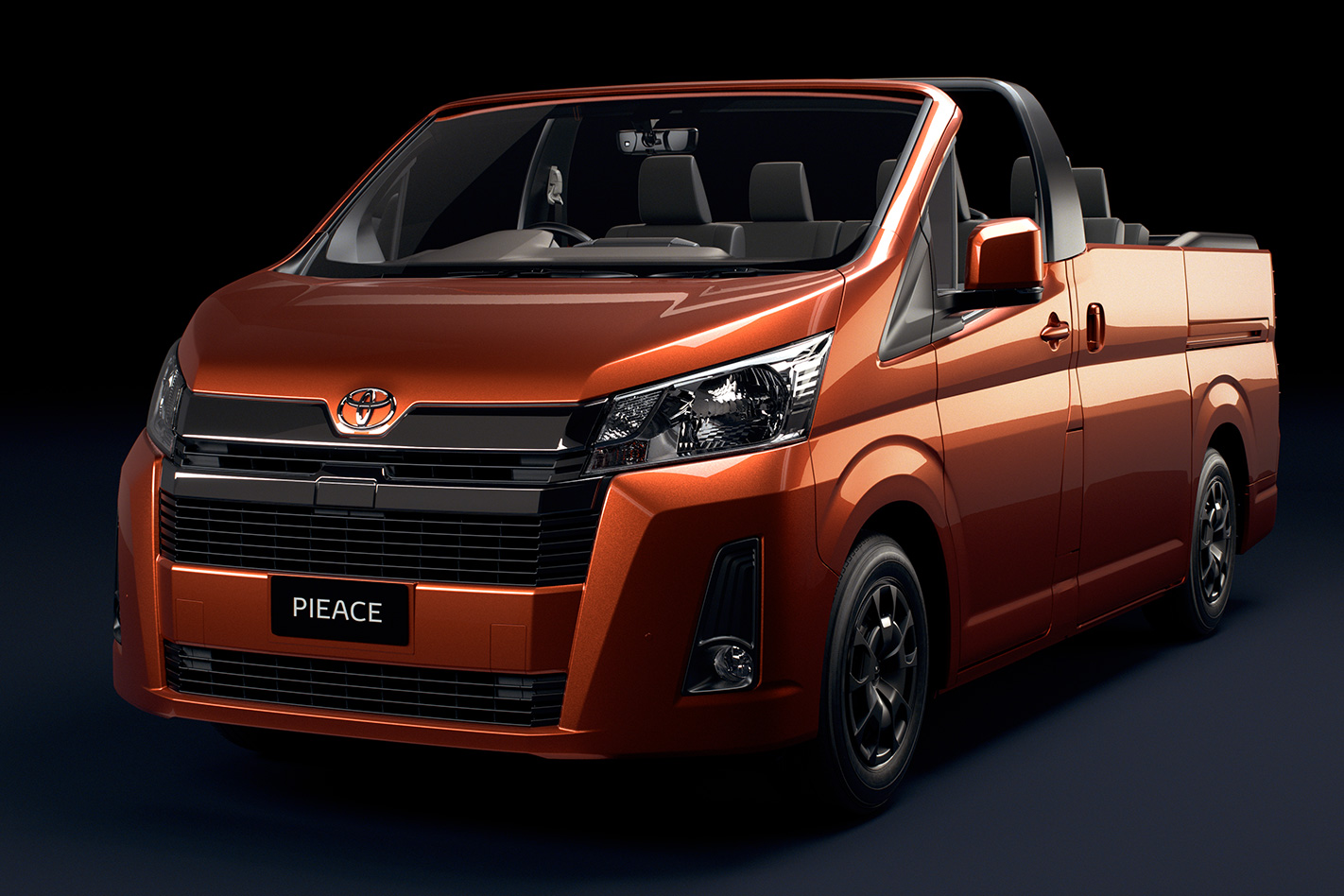
This year’s tilt at April Fools mirth by Toyota Australia was the HiAce Convertible, a chop-topped commercial with what must be the world’s largest z-fold fabric roof. You’d presume such a machine would be targeted with laser-like focus on the sizable market for safari park vehicles (that’s sarcasm), but Toyota Australia says its topless van isn’t just intended to be offered as a 12-seat microbus, but can also be enjoyed as a delivery-spec two seater or worksite-friendly five seat crew van as well.
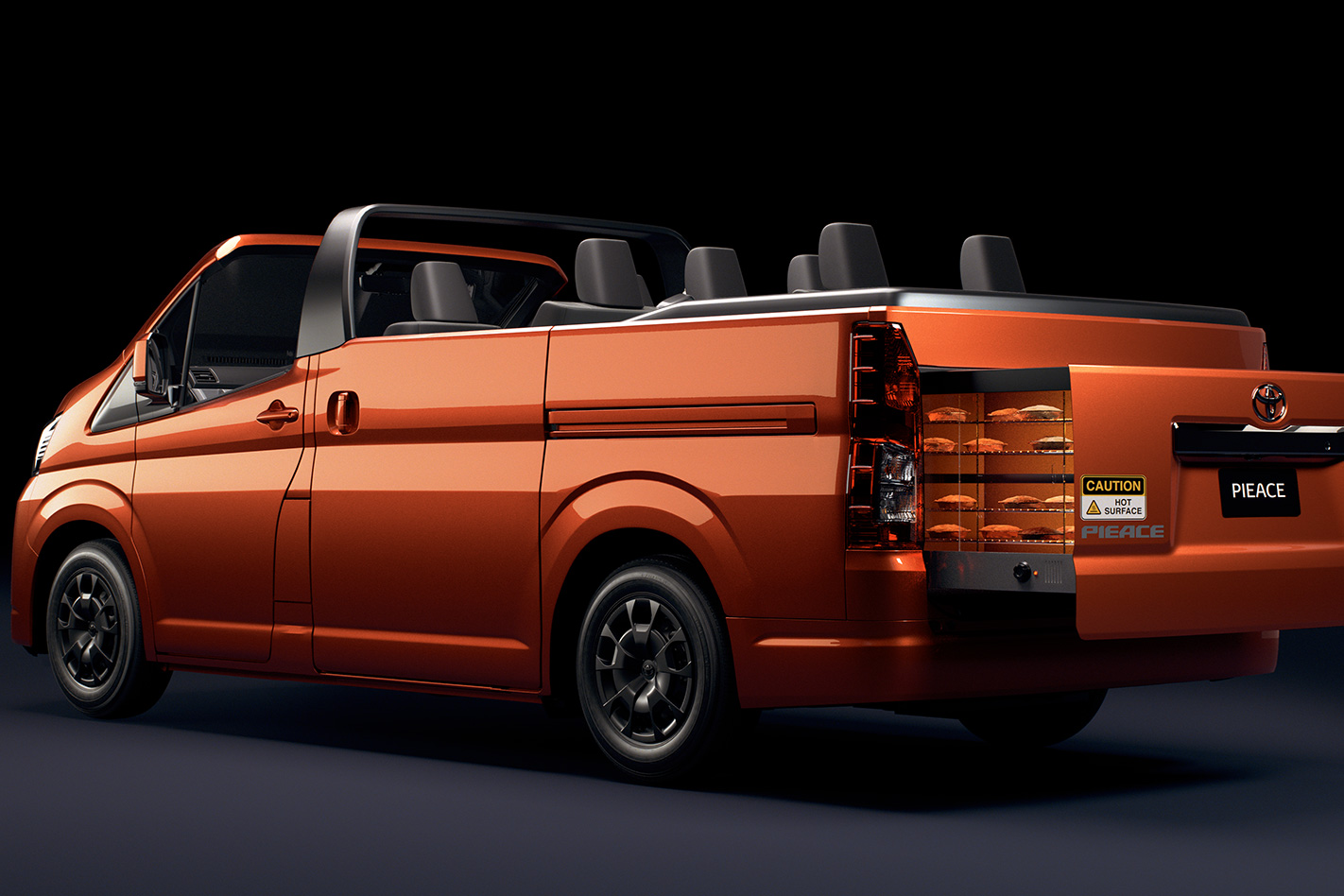
However, its piece de resistance is the innovative (and optional) PieAce feature – a roll-out canteen-grade pie warmer that slides out of the HiAce Convertible’s bum. Smoko will never be the same.
BMW i-Setta
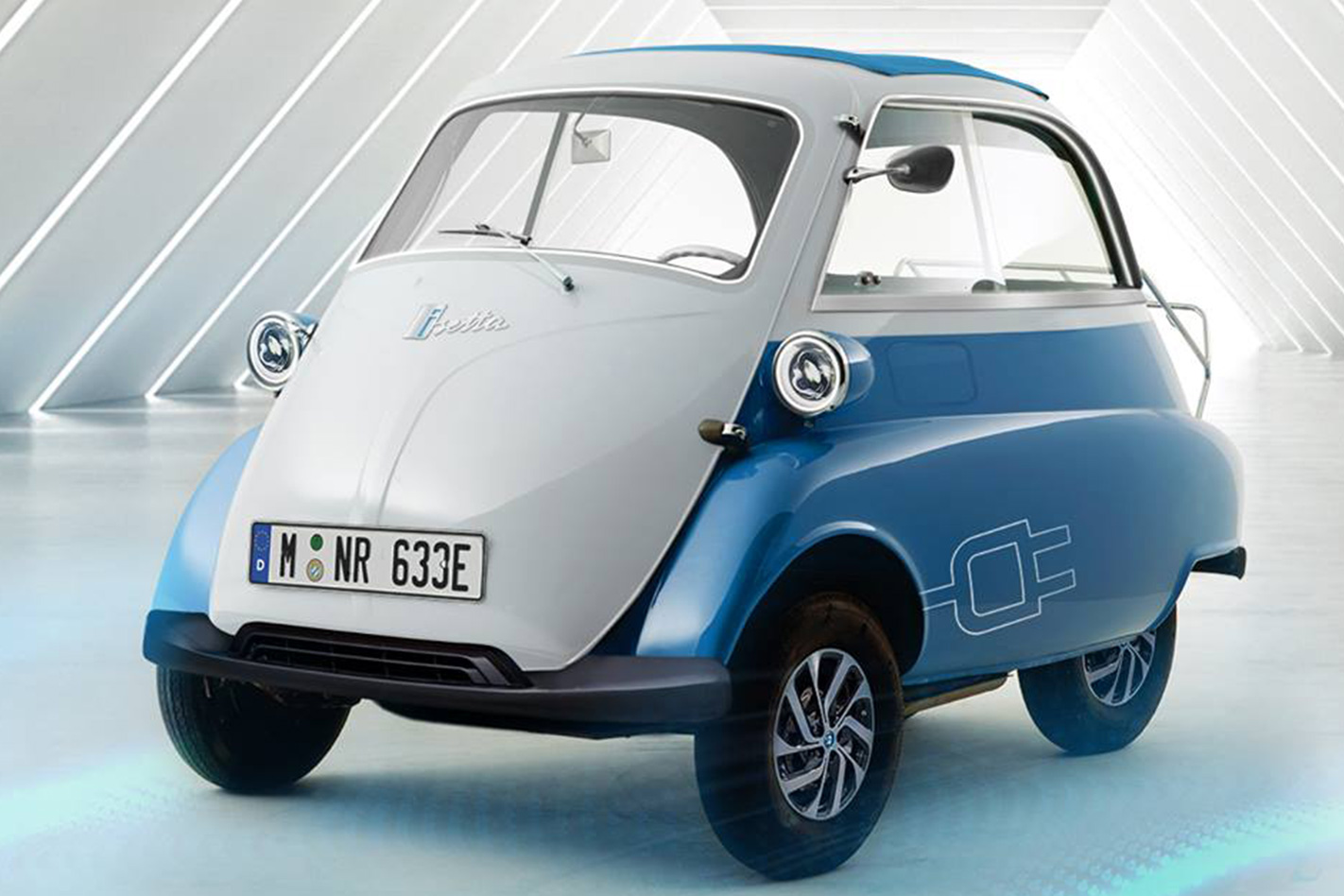
Adding to a burgeoning range of electric vehicles, BMW Japan took the liberty of revealing the BMW i-Setta.
Not much information was released along with the images, but BMW Japan said the electric-powered mini melded equal parts “tradition and innovation”.
Audi b-tron
Audi Australia used April 1 to announce the German carmaker is extending its efforts to develop alternative powertrains beyond the electric e-tron range, and g-tron and h-tron gas and hydrogen concepts. Introducing the b-tron concept that’s “creating buzz with a natural, ancient fuel: honey”.
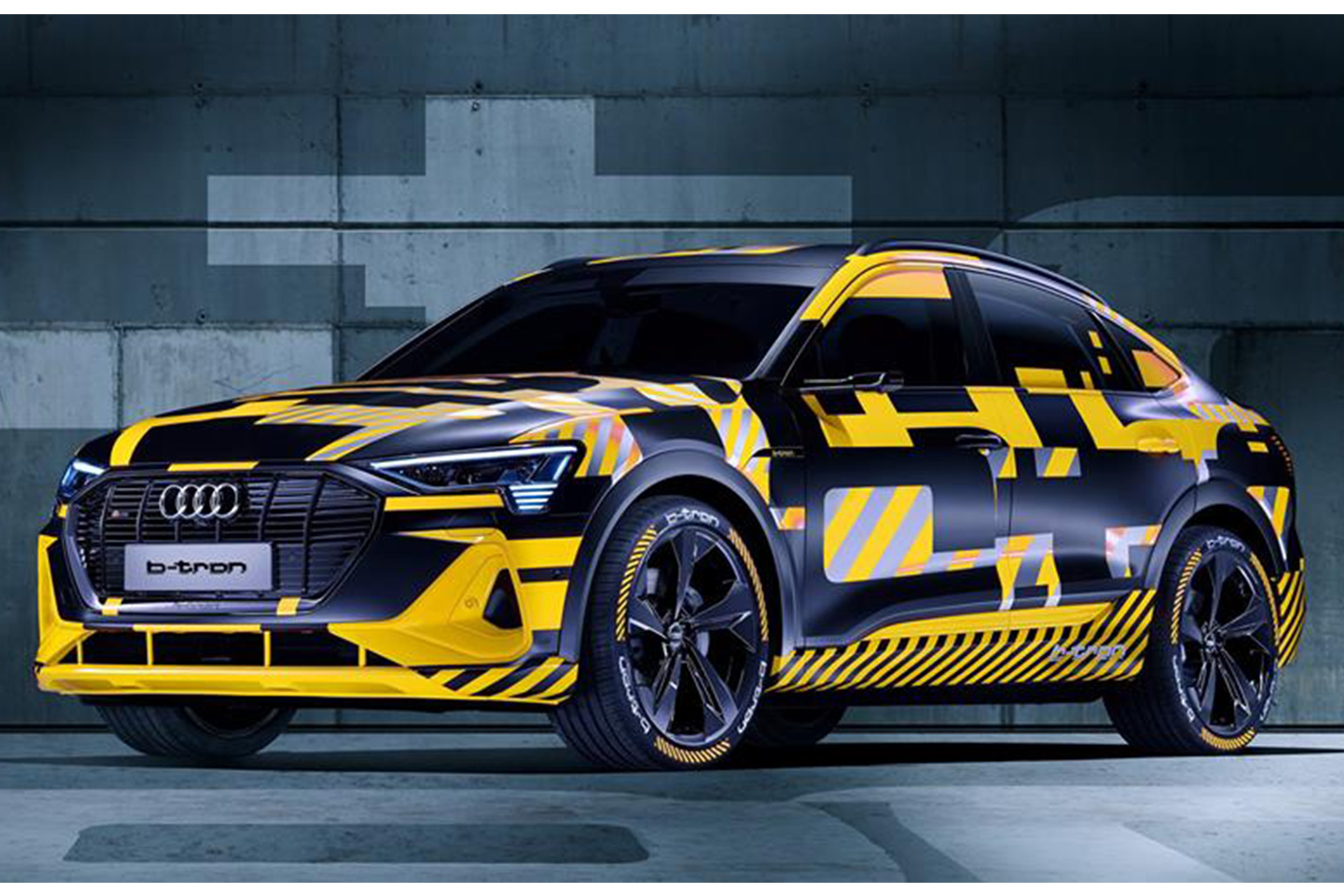
Audi’s announcement quotes Imker Honig, of Ingolstadt’s legendary Komplett Geschminkt skunkworks, who said “The idea, which came to me over breakfast, is just one of several new technologies that Audi will debut over the next 12 months.
“Early prototypes tended to attract scores of bees, typically around the hexagonal fuel cap. One tester was swarmed by a hive that had settled in the glove compartment. I don’t think he’ll be doing that again, ha!”
“That said, everyone loves the on-board toaster.”
The gag seems is obviously aimed at non-German speakers, with Komplett Geschminkt translating to ‘completely made up” while Imker Honig’s name just happens to mean ‘beekeeper honey’.
Even so, it’s a sweet idea that deserves bonus points for the great colour scheme.
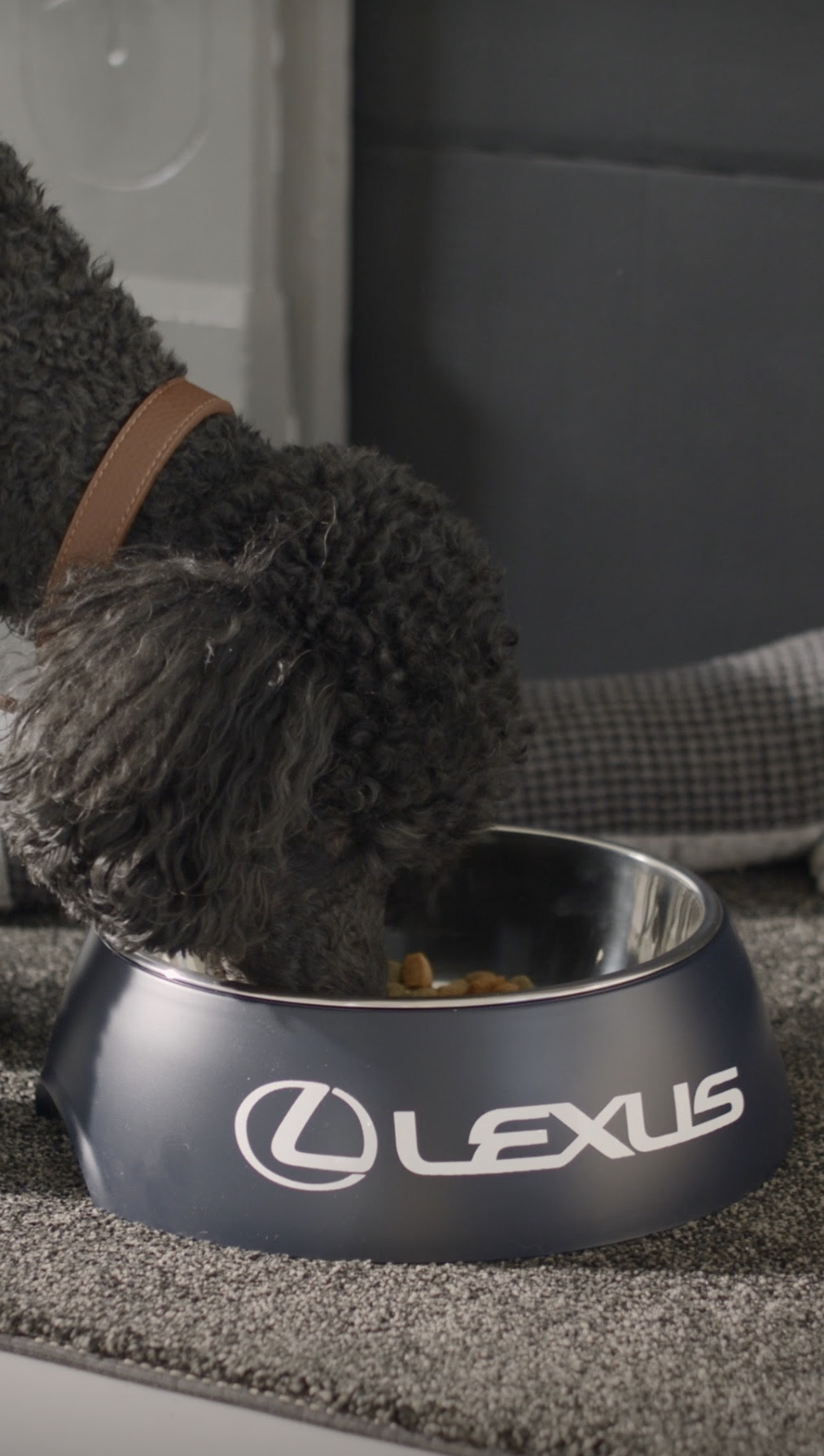
Lexus Enpaw
It’s a dog of a story…
“Lexus has extended its class-leading Encore ownership programme to accommodate a special cohort of passengers doggedly ignored by rival brands,” reads its release.“Enpaw, a new chauffeur and accommodation service available on all Lexus models, allows four-legged canine friends to indulge in the finest four-wheel luxury by transferring them to a luxury boarding kennel when their owners take a holiday.
See the video above for an explanation on swapping out old tyres for fresh new ones on your car
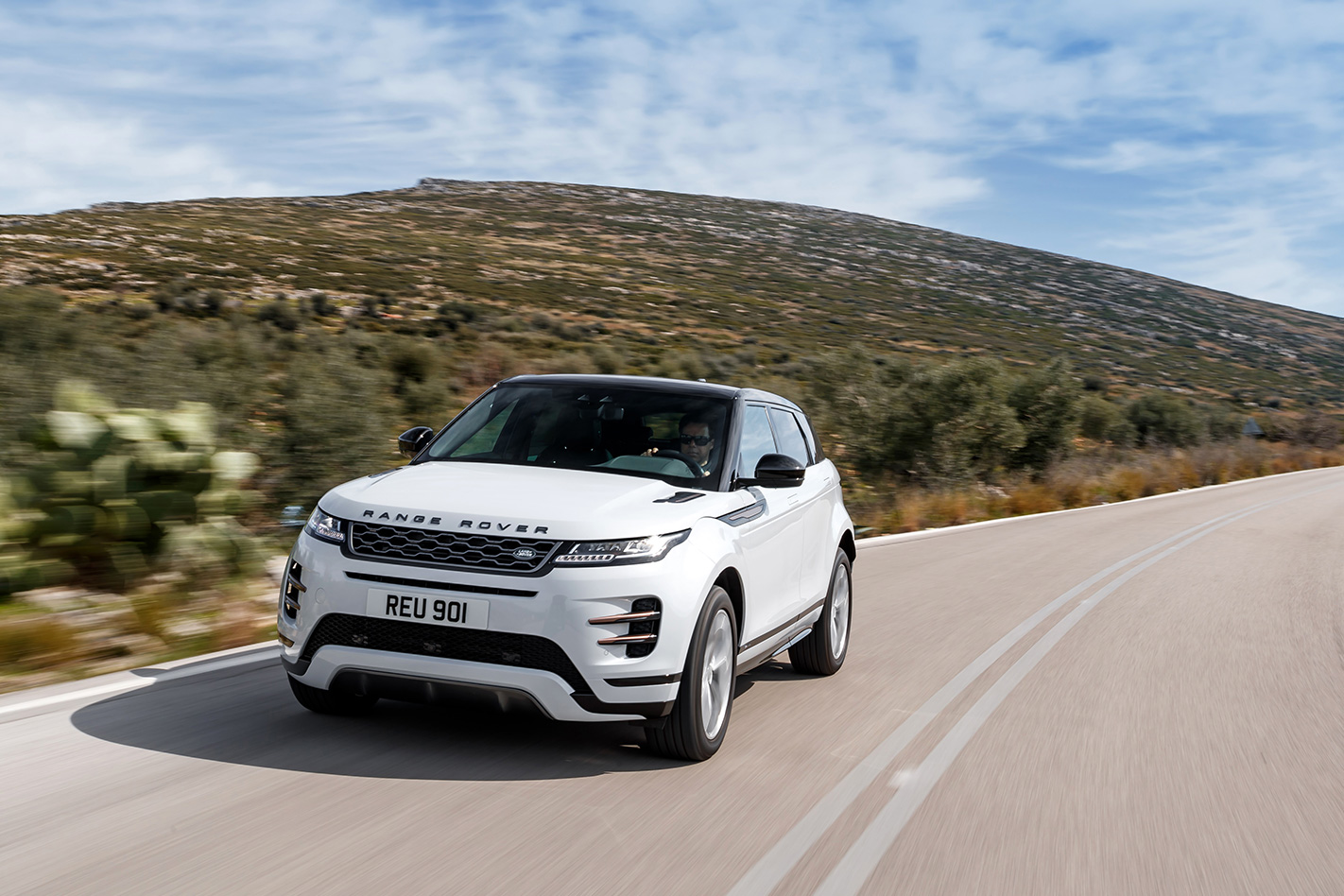
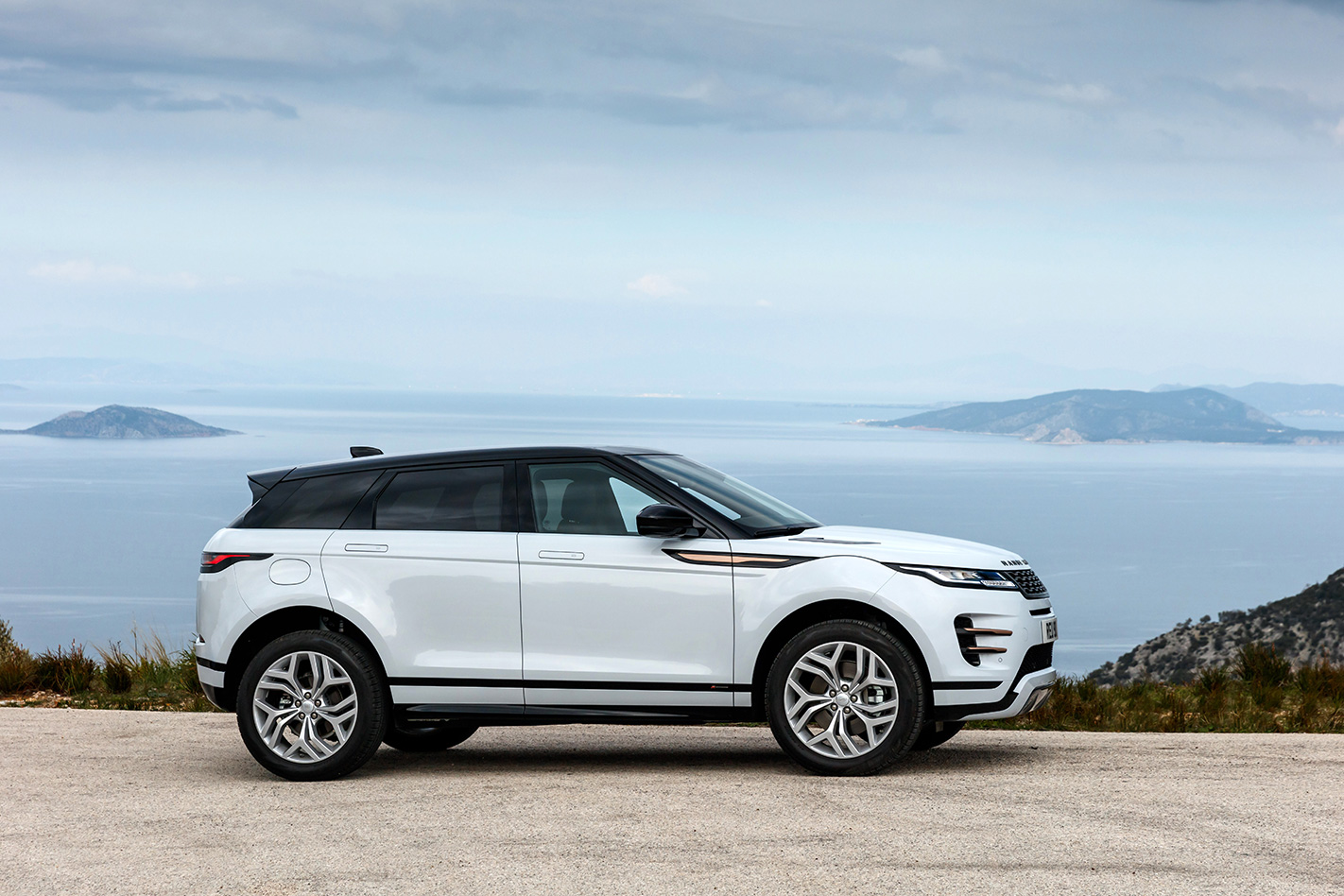
The 2019 Range Rover Evoque due in Australian showrooms from May 2019 not only features advanced technology designed to enhance the user experience, it’s now more eco-friendly and efficient.
Range Rover focused its development efforts on delivering real-world benefits like greater space and practicality, and improved dynamics, economy and driveability. Range Rover also has introduced a number of new technologies and updated existing systems to improve the Evoque’s capabilities on-road and off-road.
STANDARD FEATURES
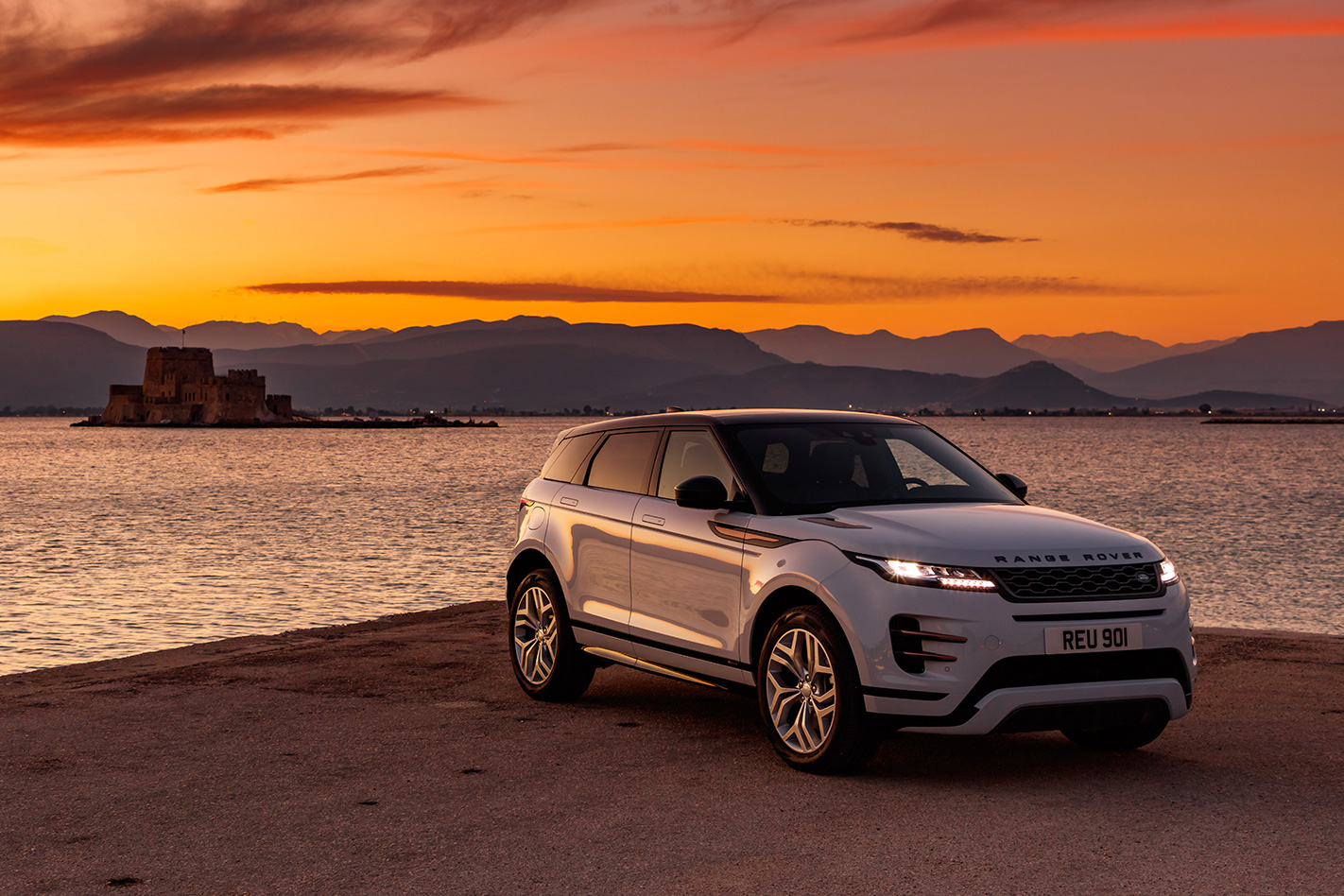
The new Range Rover Evoque goes on sale in Australia from May 2019, with prices starting from $62,670 for petrol models, and $64,640 for diesel models. That’s a price increase of just over $6,000 from the previous starting point, but Range Rover is quick to point out that the new-generation Evoque comes with a lot more for the money.
All Range Rover Evoque models come standard with 10-way electric front seats, cruise control with speed limiter, dual zone climate control, satellite navigation, and a 6 speaker sound system with Bluetooth, Apple Carplay and Android Auto.
Of course, being a Range Rover, the customisations and options are endless. And this, on top of the 26 different specification levels Range Rover offers customers.
All Range Rover Evoque models have one of two basic drivetrains: 2.0-litre turbo-petrol and 2.0-litre turbodiesel, drawn from Land Rover’s Ingenium engine family. Both are offered in a variety of power levels and sometimes in combination with an electric motor and battery pack, which Range Rover says improves real-world driveability and stop-star smoothness, and reduces fuel consumption by up to six percent.
All Range Rover Evoque models this time around are five-door wagons with a 9-speed automatic transmission and all-wheel drive. The three-door bodystyle and front-drive options have been dropped. So, too, the controversial convertible version.
Range Rover says there was very little demand – “less than three percent of sales” – for the three-door, and any advantage to fuel economy that the front-drive models offered can now be matched by a clever drivetrain system which effectively disconnects the rear axle when it’s not needed.
This 2019 Range Rover Evoque is a complete overhaul; nothing but the door hinges are carried over from the original Evoque which launched back in 2010.
The exterior design is similar, no question. But put the 2019 model next to the 2011 original and the differences are obvious. While both share the Evoque’s trademark falling roofline, rising beltline and long wheelbase – three styling elements that define the Evoque, says Land Rover design boss Gerry McGovern – the 2019 model is cleaner and more mature. It also inherits Range Rover’s trademark front-end styling first seen on the larger Range Rover Velar, and those cool retracting door handles.
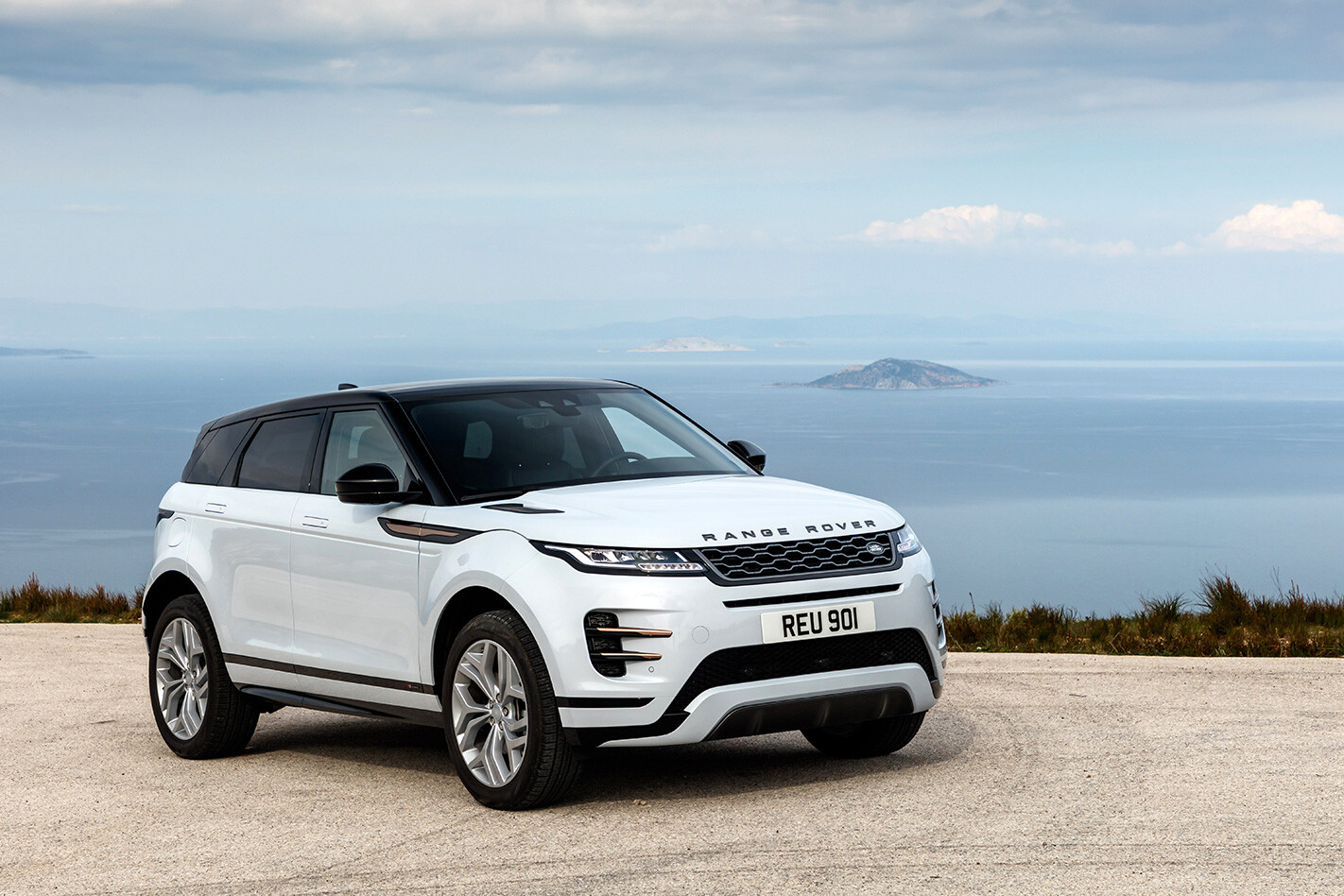
The Range Rover Evoque comes with either a 2.0-litre petrol engine or a 2.0-litre turbodiesel, each offered in various states of tune. The Evoque D150, for example, has 110kW and 380Nm, whereas the D180 sports 132kW and 430Nm. Step up to the Evoque D240 and the performance steps up again to 177kW and 500Nm.
Then there’s the petrol range, which kicks off at 147kW and 320Nm in the P200, before stepping up to the P250 (183kW and 365Nm) and the P300 (221kW and 400Nm).
You may also hear talk of a Range Rover’s MHEV system (stands for mild hybrid electric vehicle). All diesel powertrains are paired with a small electric motor that harvests energy normally lost under braking to enhance low-speed acceleration – a traditional weakness of diesel engines – and reduce fuel consumption by up to six percent.
All diesel models are MHEV, but sadly for Australia, only one of the petrol variants – the P300 – gets this technology. And that, says Range Rover, is because our fuel quality is too low and the parts to make this technology work on with our fuel are too costly for the less expensive petrol models to bear.
VALUE
Range Rover models don’t often come out on top in an on-paper comparison with rivals, and that’s because part of what you’re paying for is excellent off-road ability – something its rivals rarely have.
You may wonder at the value of off-road ability to end users: Will these Toorak tractors venture beyond the blacktop, and how much of their vaunted all-terrain skills will owners take advantage of? Doesn’t matter, says Range Rover’s owner, Land Rover. What matters is that their cars have the ability to go anywhere, any time. It’s part of the brand’s DNA.
That said, the Evoque still shapes up well on paper compared to its major rivals, the Audi Q5, BMW X3 and Mercedes-Benz GLC. It would be better again if Range Rover offered more than a 3-year/100,000km warranty. Like some of its rivals, Range Rover offers 24/7 roadside assist for the duration of the warranty.
The new Evoque’s suite of smart technologies can add to the car’s potential value, although many of these features are part of option packs, which means they don’t enhance the core value proposition as such.
SIZE & COMFORT
Range Rover was very deliberate about retaining the original Evoque’s external size despite investing in an all-new platform (which could easily have been designed to be bigger), because customers told them the Evoque’s 4.37m length made it easier to manoeuvre and park.
Unusually for ‘all-new’ cars, the 2019 Evoque is actually heavier than the model it replaces, up to 66kg heavier on some models. Range Rover says some of that weight is accounted for by the MHEV system, and that it has combatted any flow-on effect of the extra weight on fuel consumption with drivetrain efficiencies and aerodynamic tweaks (such as more rounded rear corners).
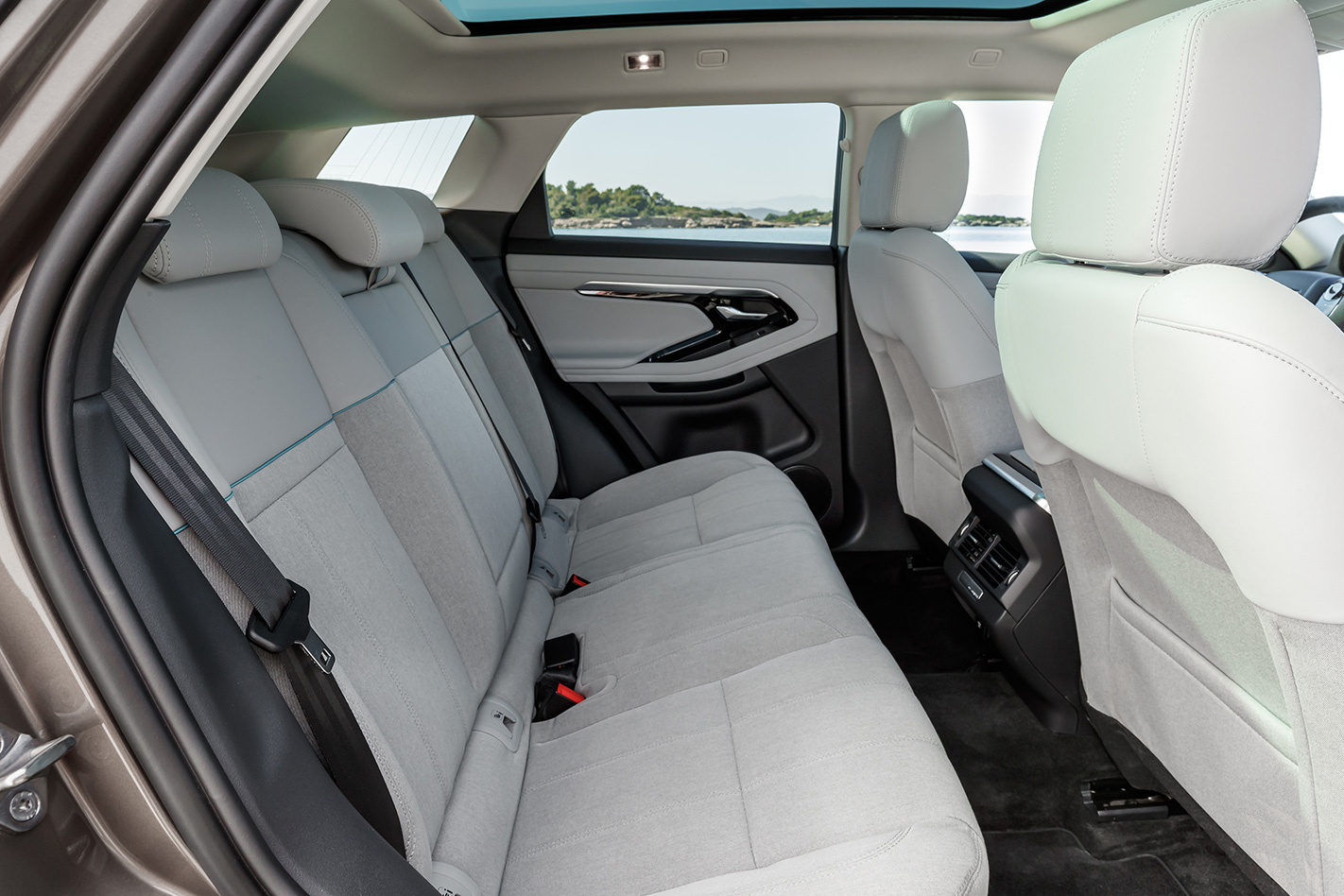
One criticism of the original Evoque was its interior space, or lack of. The fact that the new Evoque is almost exactly the same size as the original – 1mm longer, 4mm wider and 11mm lower, if you must know — doesn’t bode well for improvement, but that’s not the case. There’s more legroom in the rear and door openings have been reprofiled to allow easier access for passengers. Headspace, too, is more than adequate.
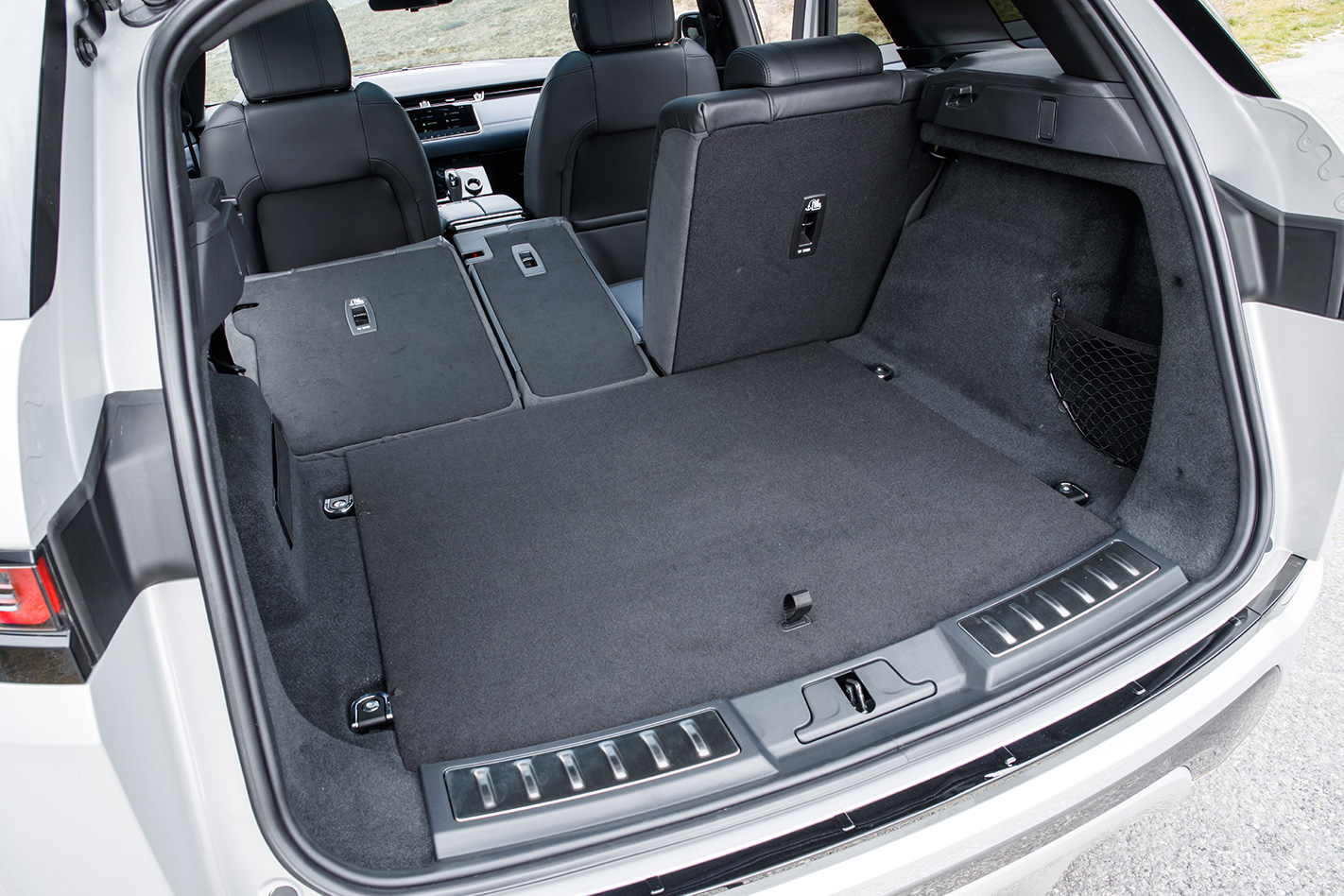
Land Rover also spent considerable effort improving the Range Rover Evoque’s practicality. There are more interior storage options for day to day items. The boot, too, is bigger (591 litres), and can now take a full-size golf bag thanks to new rear suspension which reduces wheelarch intrusion.
SAFETY
The 2019 MY Range Rover Evoque has not been independently crash tested at the time of writing. The previous generation earned five stars back in 2011, but the 2018 model only earned four stars when tested to tougher standards, due to chest protection concerns with frontal offset testing.
The 2019MY Evoque is an all-new model built on an entirely new structure, so Range Rover is confident it will achieve five stars when tested.
Standard safety features include a full complement of airbags, auto emergency braking, stability control and lane keep assist.
COMFORT
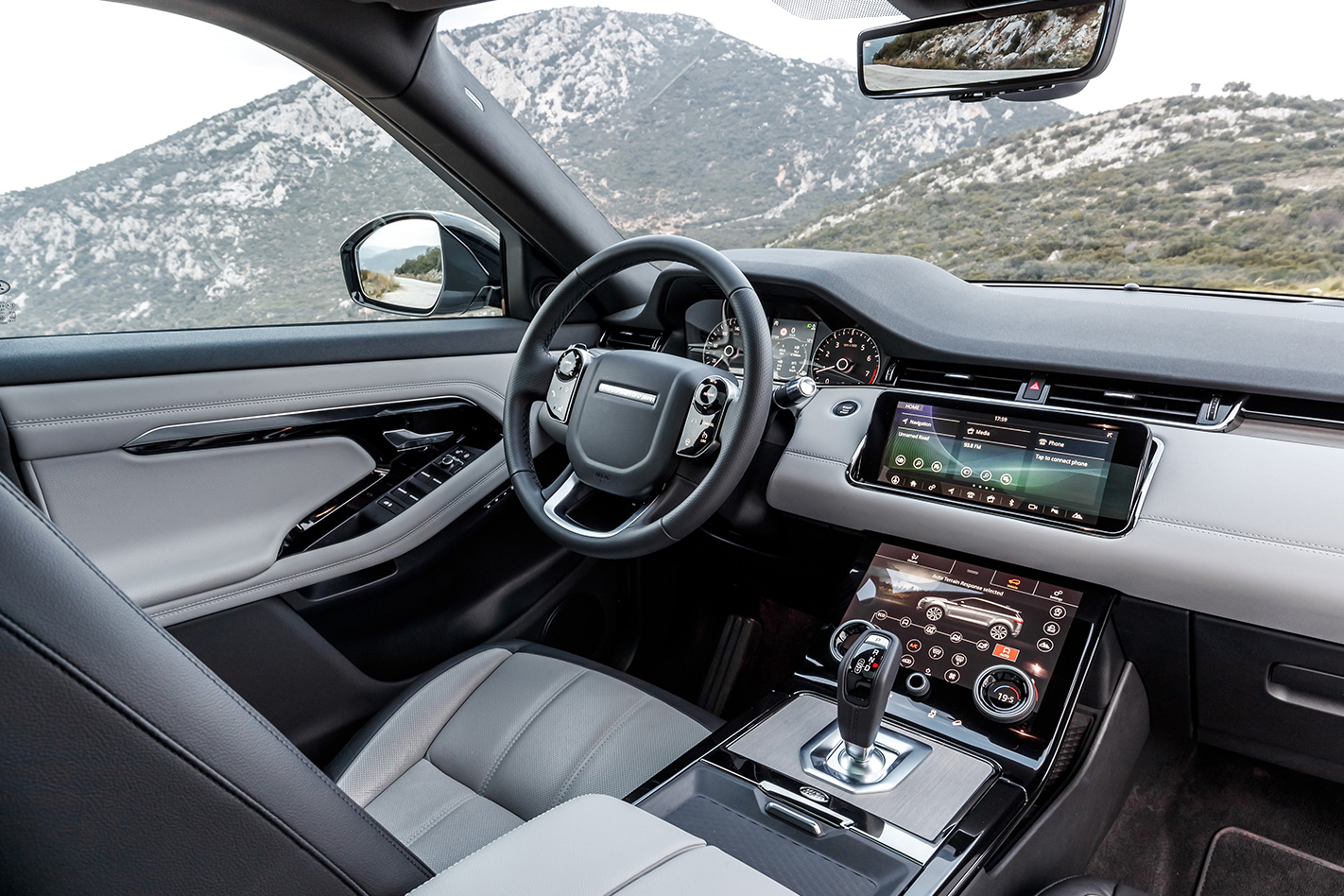
There’s no denying the new Evoque’s cabin is a very comfortable place to be. The interior and almost all materials exude quality and comfort. There are a couple of areas where plastics have been used instead of more premium materials (seat-base sides for example), but they don’t take much away from the cabin’s ambience overall.
Range Rover has made full use of Evoque’s two big touchscreens to minimise button clutter, which in turn adds to the cabin’s sense of calm. The screens’ adaptive controls did take a bit of getting used to during our first meeting. Owners will quickly adapt.
The front seats are supple yet supportive, and remain very comfortable even after many hours. The back seats are not as spacious as some rivals but there is noticeably more legroom than the previous model. Putting six footers in the back will mean compromising front seat legroom, but bear in mind this is a compact SUV after all.
ON THE ROAD
WhichCar spent a lot of time in the Evoque D240 at the international launch in Greece in March 2019, and we were really impressed with how Range Rover’s baby has grown up. Where the 2011 original ‘mostly’ felt like a Range Rover, there were elements of the car that didn’t quite live up to premium expectations. In short, it felt at times like style over substance.
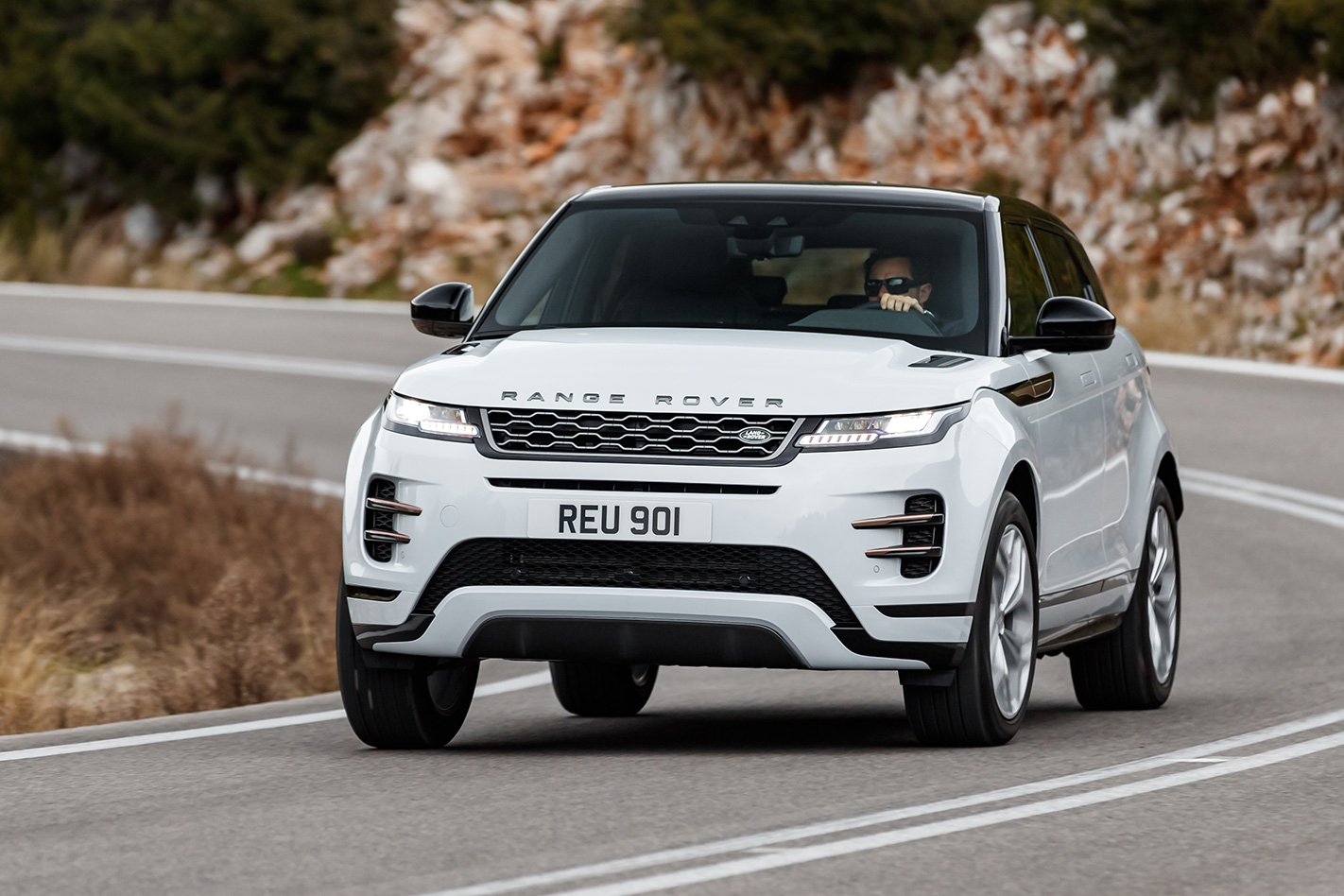
The new-generation Range Rover Evoque is equal parts Style and Substance. The new design is more mature, more restrained and more convincing. So, too, the Evoque’s real-world capabilities.
The interior is more comfortable and practical. The driving position has massive bandwidth (10-way adjustable seat, tilt and telescoping steering column) to accommodate all kinds of humans. The back seats are more spacious – though you should never forget that this is a ‘compact’ SUV and therefore has limits – and the boot is bigger and squarer.
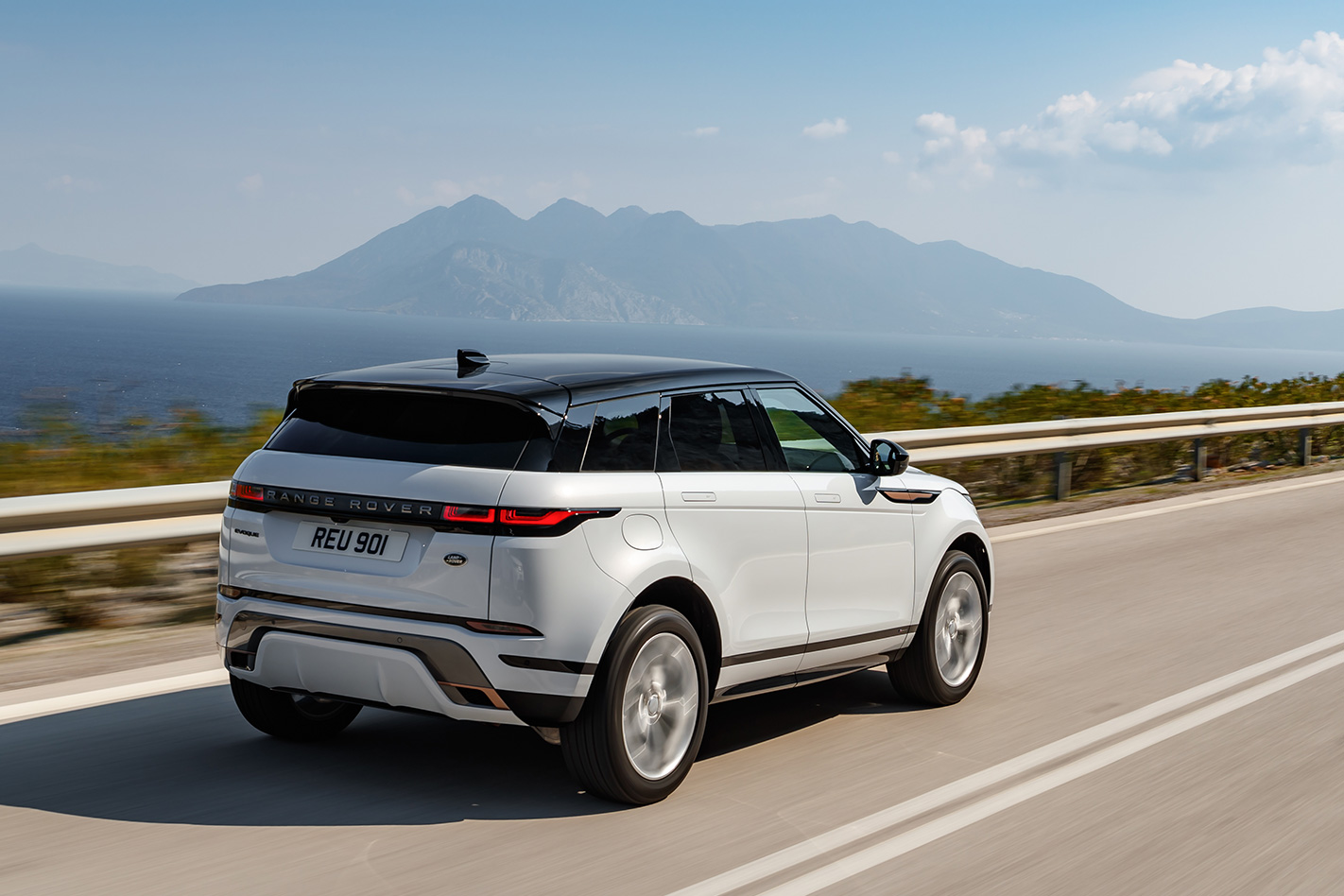
Range Rover’s 2.0-litre turbodiesel engine works harmoniously with the mild-hybrid motor to deliver a more rounded and more responsive drive experience. It is noticeably stronger off the mark, has plenty of urge in the mid-range, and was never lacking for punch even on some of the hillier sections of our test route.
We also found little to dislike about the Evoque’s ride, even on variants fitted with large 20inch wheels and tyres. It copes equally well with sharp ruts and road joins, so too with bumps and undulations, doing a decent job isolation occupants and remaining stable. When pushed towards the sportier end of driving, the Evoque’s quicker steering rack gives this compact SUV real agility and enthusiasm. Not to mention taking some of the work out of parking and manoeuvring.
The brake pedal lacks bite initially, although it’s there if you push harder. We suspect this may be something to do with the hybrid system harvesting energy under brakes.
One area the new Evoque excels is in refinement: this is one seriously quiet cabin, even at highway speeds. In fact it was only when we pushed beyond 140km/h that wind noise was apparent, and that speed won’t be a problem in Australia.
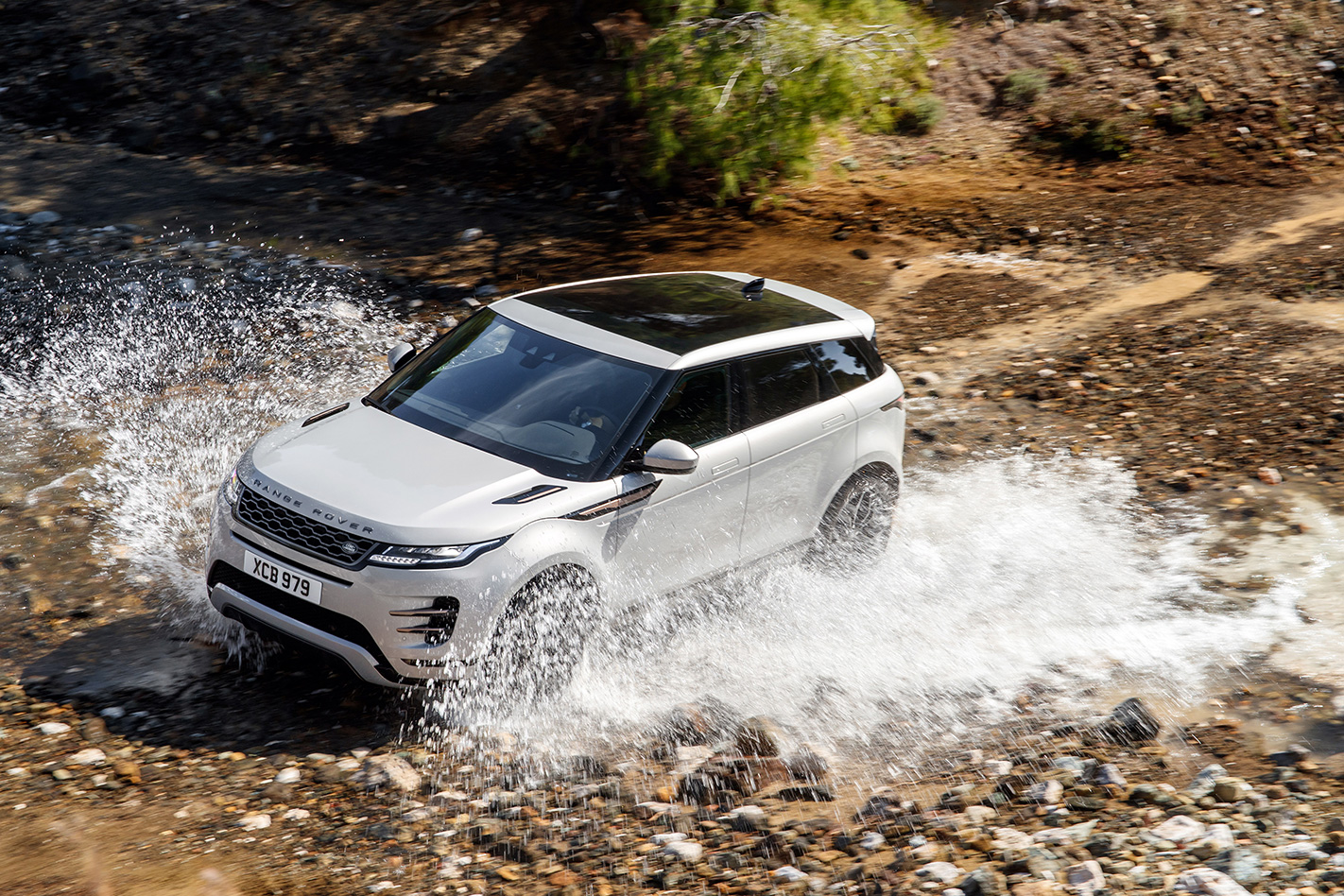
As for the Range Rover Evoque’s offroad capabilities; well, we tested them far more than any owner is ever likely to, and the Evoque just kept on keeping on. We drove in and along rivers, up goat tracks, through mud, down mountainsides and over rocks. The Evoque’s all-wheel drive and Terrain Response system was simply unbeatable.
We even drove over a disused railway bridge with a 100m drop into the canal below – not sure what that proved but it was fun.
TECHNOLOGY
The Evoque’s interior party tricks are many. Two that really stood out to me are the rear-view mirror, which looks utterly conventional, and works exactly like a mirror…until you flick the dimmer switch. Then it transforms from a mirror into a high-definition TV screen, hooked up to a camera mounted inside the shark-fin on the roof. This may initially sound gimmicky, but it means back seat passengers or large luggage loads no longer block the driver’s rearward view. Effectively, you see right through them to whatever is behind the car, just like X-ray vision.
This is a competitive edge for Range Rover that no other Evoque rival can match.
The second party trick is also a significant real-world safety feature, and was originally devised to make offroading easier.
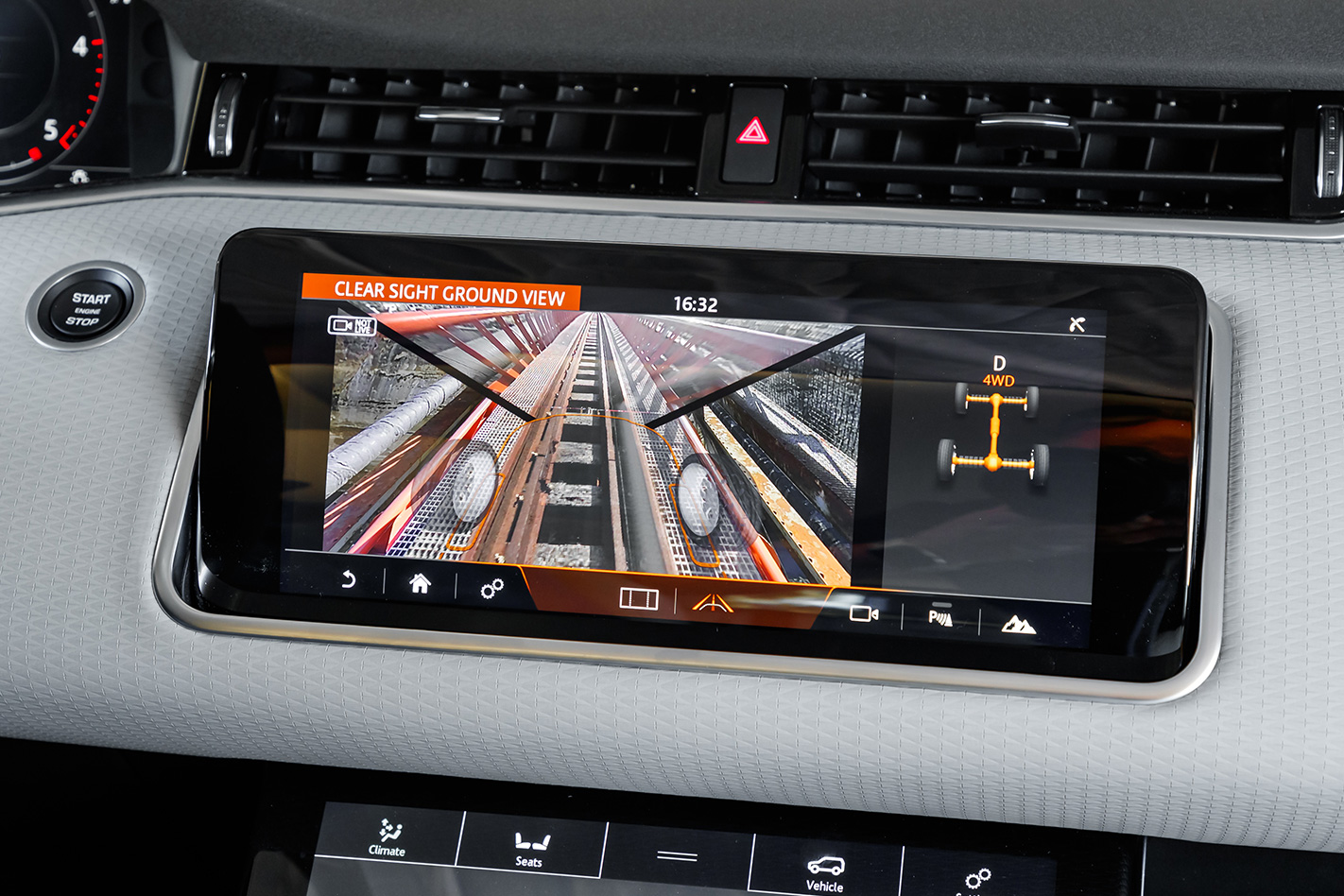
Cameras mounted under the front of the car project the scene immediately in front of the vehicle onto one of the dashboard screens, effectively rendering the bonnet invisible. This will come in handy when parking in tight spaces, manoeuvring around gutters or obstacles, or in any situation where up to now the bonnet has blocked vision.
Cameras down the side and one at the rear provide similar views of objects to the car, effectively giving the driver full 360-degree awareness.
The new Evoque also pushes further into sustainable, eco-friendly technologies, in obvious ways and not so obvious. One of the latter is the Kvadrat seat upholstery which is made from recycled water bottles – 53 per cabin – combined with wool fibres to deliver a convincingly premium interior trim. There’s also a Eucalyptus upholstery option produced from natural fibres, for those who don’t want to sit on water bottles or animal by-products.
In all, Range Rover claims up to 33kg of natural and recycled materials are used in each Evoque, taken from post-consumer and post-industrial sources.
VERDICT
The Range Rover Evoque has finally grown up. This all-new model is a generational improvement that comprehensively addresses the dynamic and practical shortcomings of the first generation without sacrificing the style that made the original a worldwide success.
Dan takes you behind the scenes of the 2019 WhichCar Style Award. Meet the panel of judges from a wide range of backgrounds and discover how they decide on a winner. There’s good engineering and then there’s good design.
Click through the gallery above to view all three parts of the WhichCar Style Awards
See the full episode: Watch at tenplay.com.au (AU) or primetv.co.nz (NZ)
Opening the show this week, Dan takes the iconic Range Rover on an alpine escape above the snowline. There aren’t many vehicles that can tackle deep drifts of snow like the Range Rover and Dan discovers that one particular alternative is fast, a little bit scary and smelly.
See the full episode: Watch at tenplay.com.au (AU) or primetv.co.nz (NZ)
