
Diesel particulate filters have been around for a while now, but with ever tightening emissions, the technology is moving from oil-burners to engines which run on unleaded.
A petrol particulate filter (PPF) works in much the same way as its diesel counterpart, and helps to reduce the harmful pollutants emitted by a vehicle.
A particulate filter works by trapping soot and minute pollutants in the exhaust system, and is able to self-clean or ‘regenerate’ automatically when exhaust gases reach a high enough temperature to burn off the particles caught in the filter.
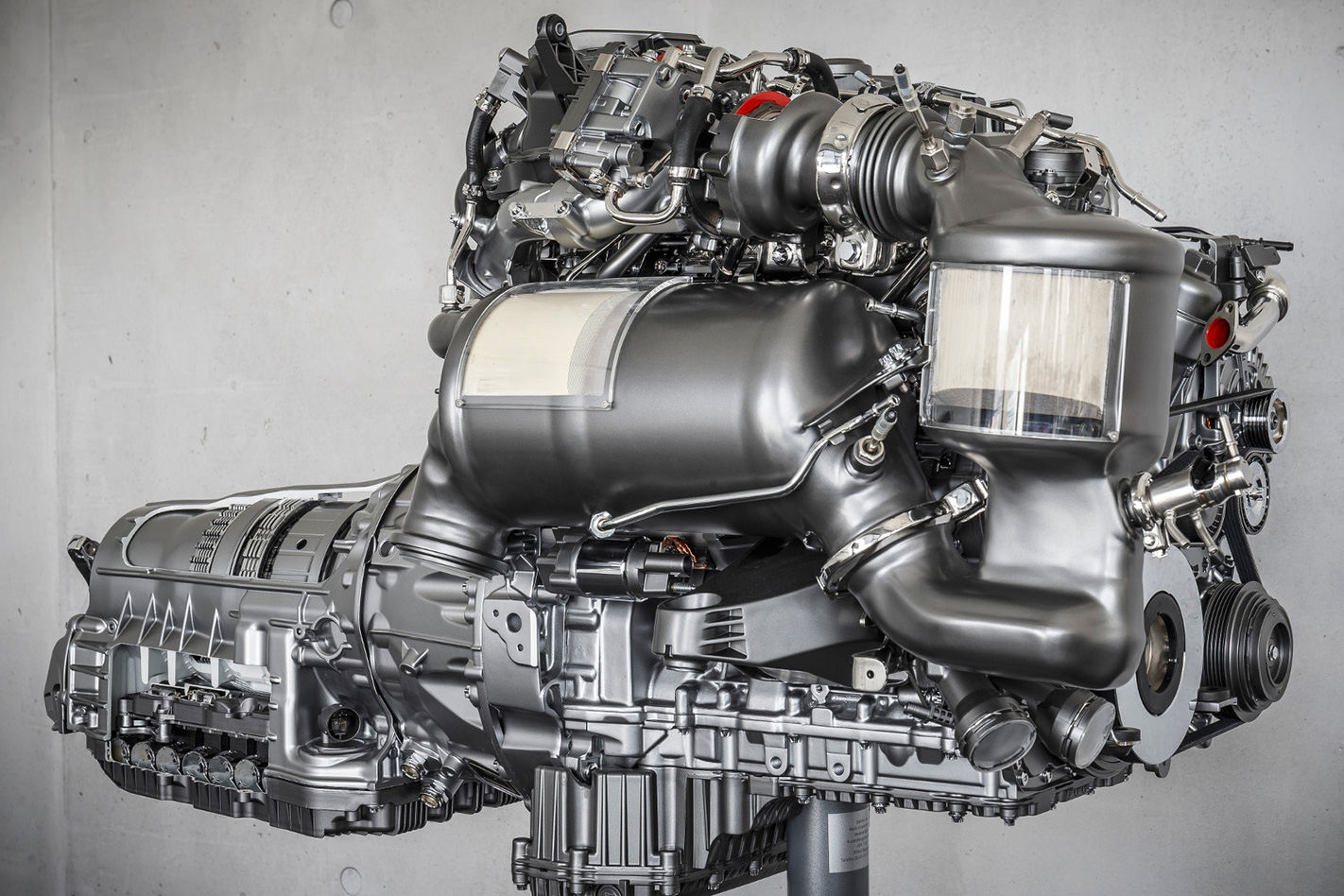
Several European manufacturers have added PPFs to their products in Europe and America, however, there is no car to go on sale in Australia that has one fitted yet.
This is because of the poor quality of Australian fuel. Local regulations allow up to 50 parts per million (PPM) of sulphur in our unleaded petrol, while other parts of the world, including Mexico, China, Europe, the United States and even New Zealand, only allow a maximum sulphur content of 10ppm.
Fuel providers believe that it would be impossible to sell unleaded fuel with a sulphur content of 10ppm until at least 2027 in Australia.
Porsche stumbled into a public relations faux pas when it was forced to correct statements made during a product Q&A for the updated Macan SUV which stated it would be sold with a PPF in Australia.
While Australian Macans, like their 992 911 siblings, will miss out on a PPF, Porsche says it stands by comments made during a technical presentation, which stated that the filters are being calibrated for local conditions, and will not suffer the same difficulties that are plaguing diesel particulate filters.
“Our guys are more than confident that the regeneration programs that they have put into it will handle our sulphur contents, and we can be around somewhere like 50 parts per million if it is running right,” Paul Watson, Porsche Australia’s technical representative, told the media.
Watson said that the engine software “can also artificially inflate the exhaust gas temperature on a petrol engine much easier than we can on a diesel engine, so we can manipulate engine management and get exhaust gas temperature up.”
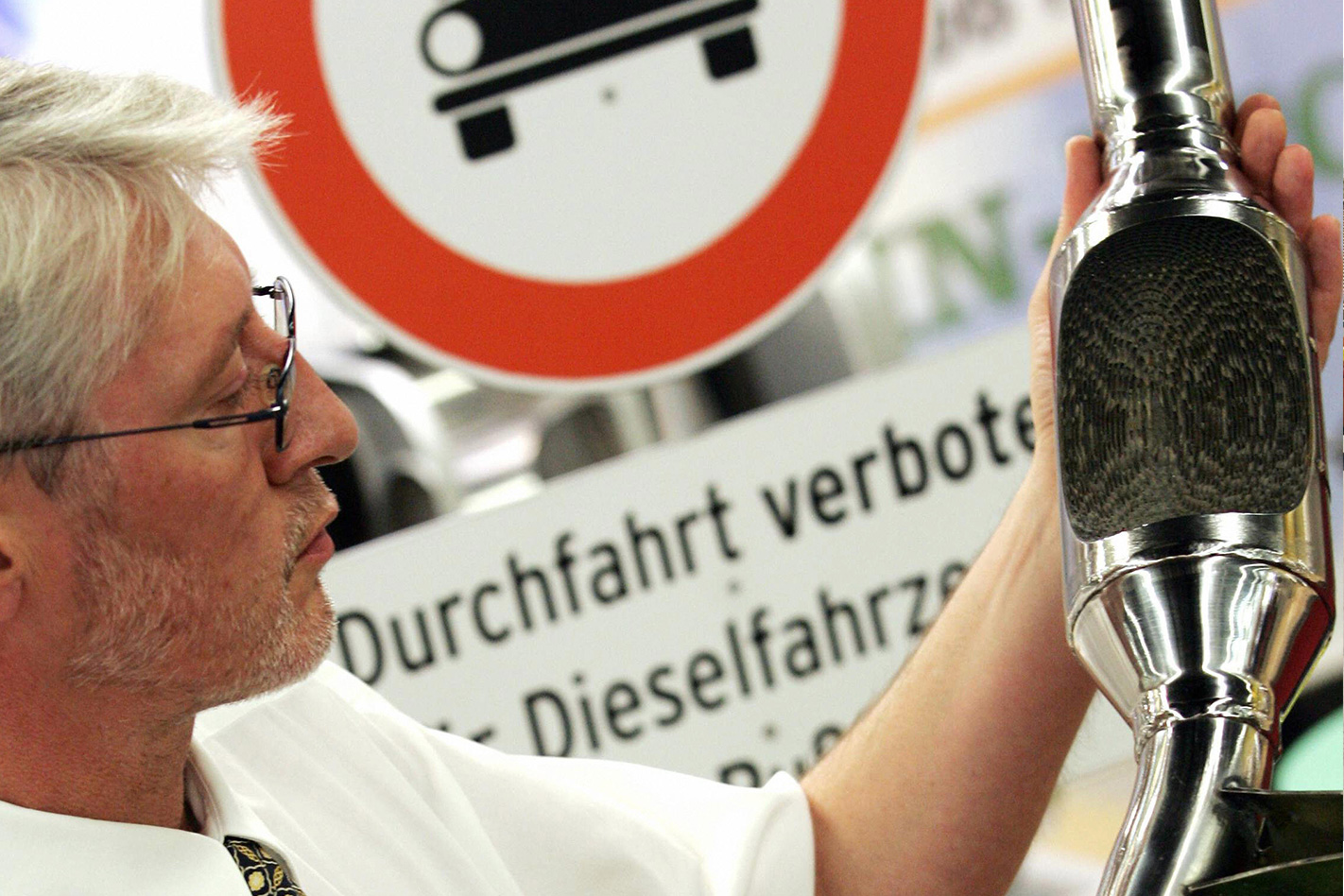
Diesel particulate filters require an extended period of highway driving to allow the exhaust gases to heat up and clean the system. However, with many Australian owners only using their diesel-powered vehicle for short trips, the DPF can become clogged, and is costly to replace.
“Part of the [reason] we don’t expect to have any problems with [the PPF] is petrol exhaust gas temperature, as a round number, is about 200 degrees hotter than the diesel,” Watson added.
“So burning away the soot particles, which is what the particulate filter is supposed to do, is much less of a problem on a petrol than it is on a diesel.”
However, as it stands, Australia’s low quality of fuel is not ready to work with the current generation of PPF technology.
To some, Summernats is a motoring mecca for petrolheads and extraordinary street machines. To others, it’s a terrifying gathering of monstrous metal that should be avoided. Join Noelle as she makes her Summernats debut and lives to tell the tale.
Among the burnouts and beards that you might expect from the 32nd Summernats, Noelle seeks out the more surprising moments that make the event such a crowd puller.
Later, Noelle is joined by Tony as they put three of Australia’s favourite hatchbacks under the microscope, and find out why Australians can’t seem to get enough.
On-air: Channel Ten, Mar 31 (AU) / Apr 7 (NZ), 3.30pm
Catch-up: Watch at tenplay.com.au (AU) or primetv.co.nz (NZ)
Mid-engined, high-performance supercars are perhaps most frequently criticised for their lack of practicality and unfeasibility as a long-range tourer. The counter-argument is, of course, a vehicle that has been precision engineered for carving corners at physics-defying speeds and accelerating with the same baffling pace is not intended for the daily commute or freeway cruising. But what if you could have it all?
McLaren says it has an offering that comes close. Nestled in its Sports Series (the Super Series is even more performance-focused with the prices to match, and let’s not even talk about the Ultimate Series) the 570GT takes the underpinnings of the 570S but adds a number of modifications for ‘superior levels of comfort and refinement on longer journeys’.
Kicking off from $415,000 before you get stuck into the very tempting options list, the 570GT is $20,000 more than its 570S sibling and a full $65,000 on top of the most affordable McLaren – the 540C. Here’s what that extra cash gets you.
Check-in and carry-on luggage
What’s the point of a hugely enjoyable sportscar if you can’t take it for a weekend away and you’re limited to those roads only within reach of a daytrip? Using the Jaguar F-Type convertible and Alpine A110 as examples, some sports models are so focused on performance that they forget to provide enough luggage space for even a pair of overnight bags.
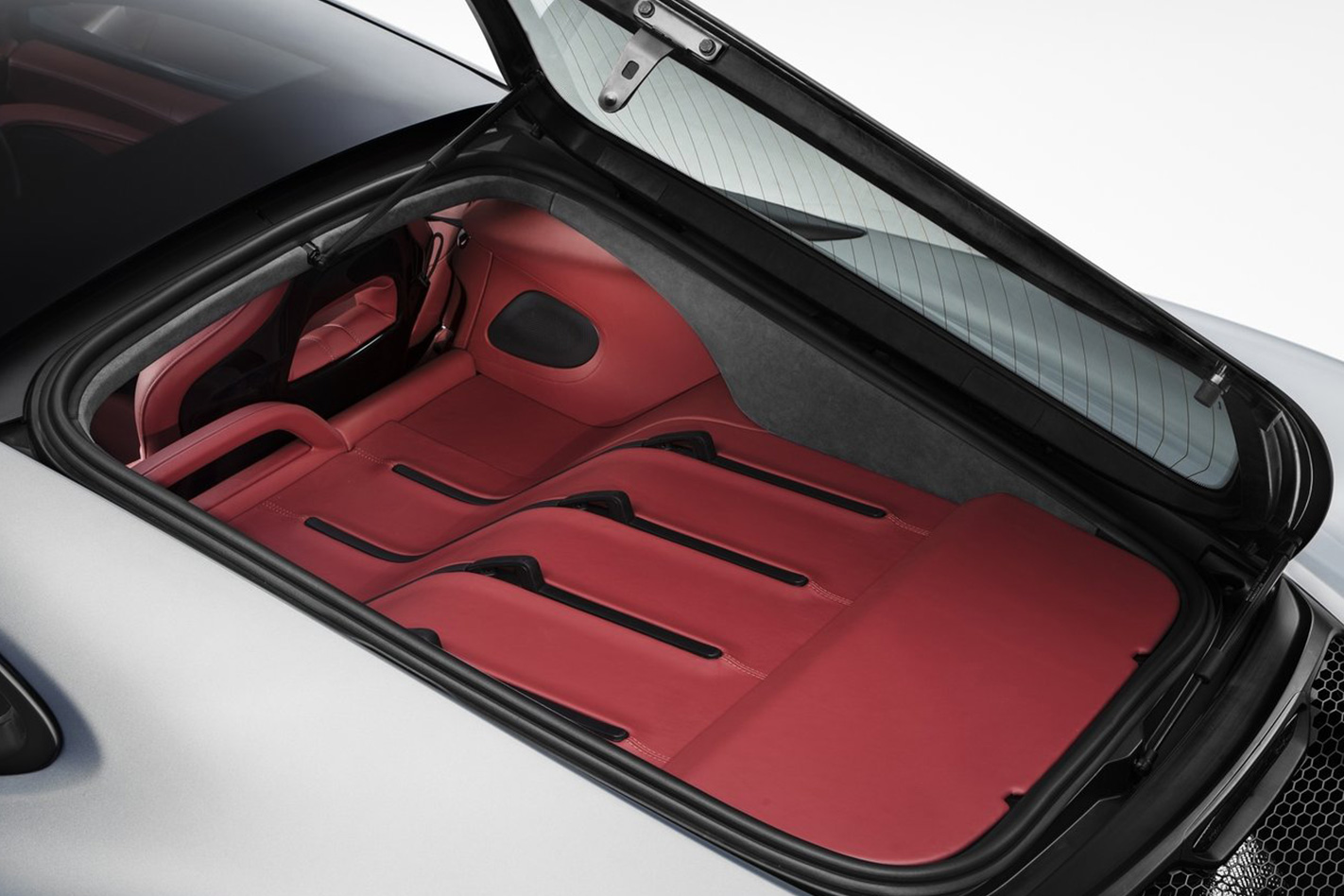
Not the 570GT, though. By fully covering the engine and opening up the bulkhead behind the passenger space, McLaren has found another 220 litres of luggage volume. Accessing the load area is easy through a new side-opening glass hatch which is simpler and more elegant than the vents and panels over the 570S’ engine.
2017 McLaren 570S Spider review
That’s in addition to the deep storage bin in the McLaren’s nose, too, so there’s plenty of room for a weekend trip away.
Favourite sun
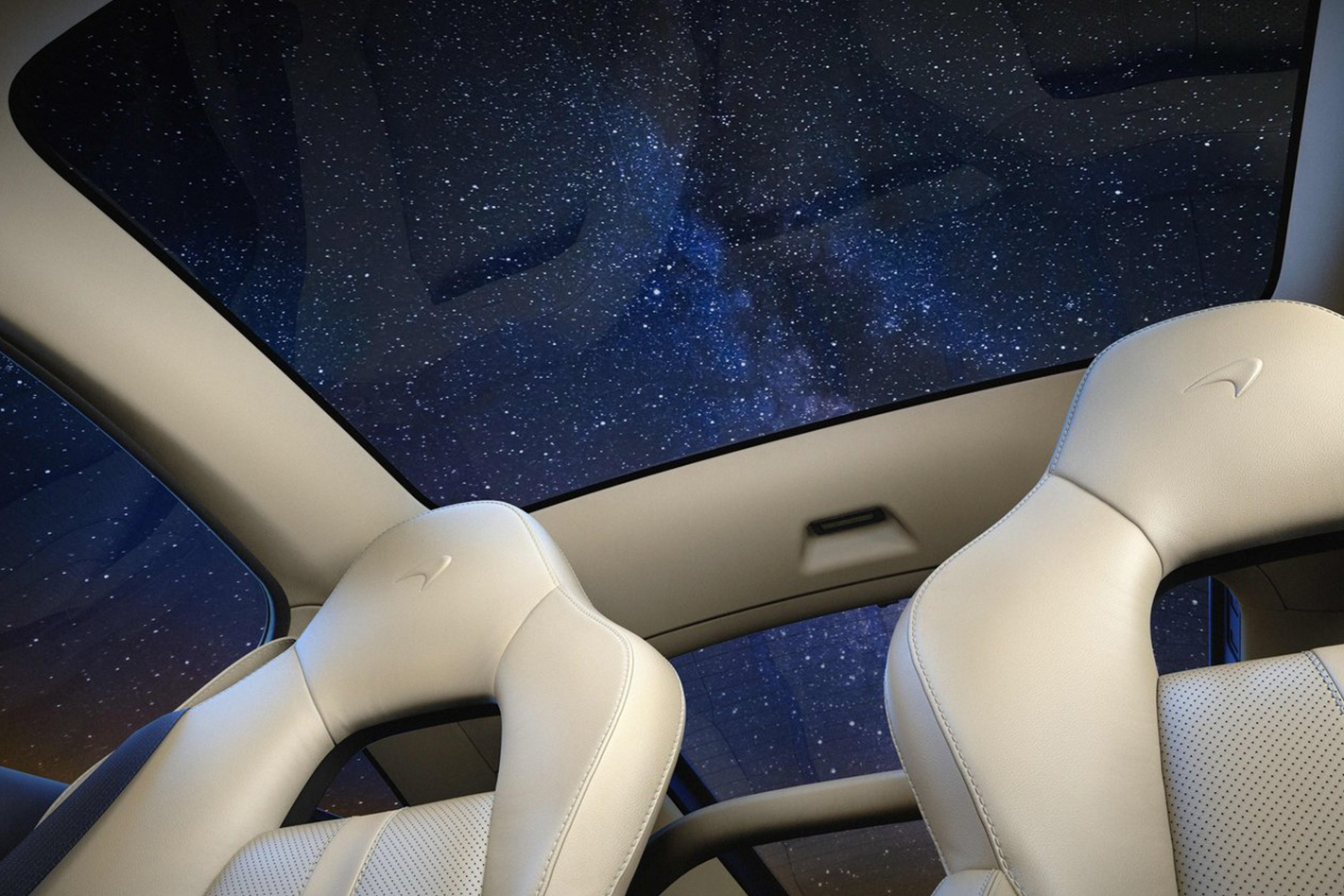
When McLaren introduced the GT, it used the opportunity to launch a new electrochromic roof. Unlike conventional sunroofs that use a blind to mask out the sun when it’s at its most fierce, McLaren’s solution is typically technological and cool.
At the touch of a solid-state switch, the glass roof goes from perfectly clear to a deep tinted blue that cuts out almost all light on bright days. There are three other settings in between so you can get your cabin ambience just right, night or day.
The different roof also slightly increases the overall height adding more head-room for taller drivers and creating a profile that’s unique in the Sports Series range.
Comfortable silence
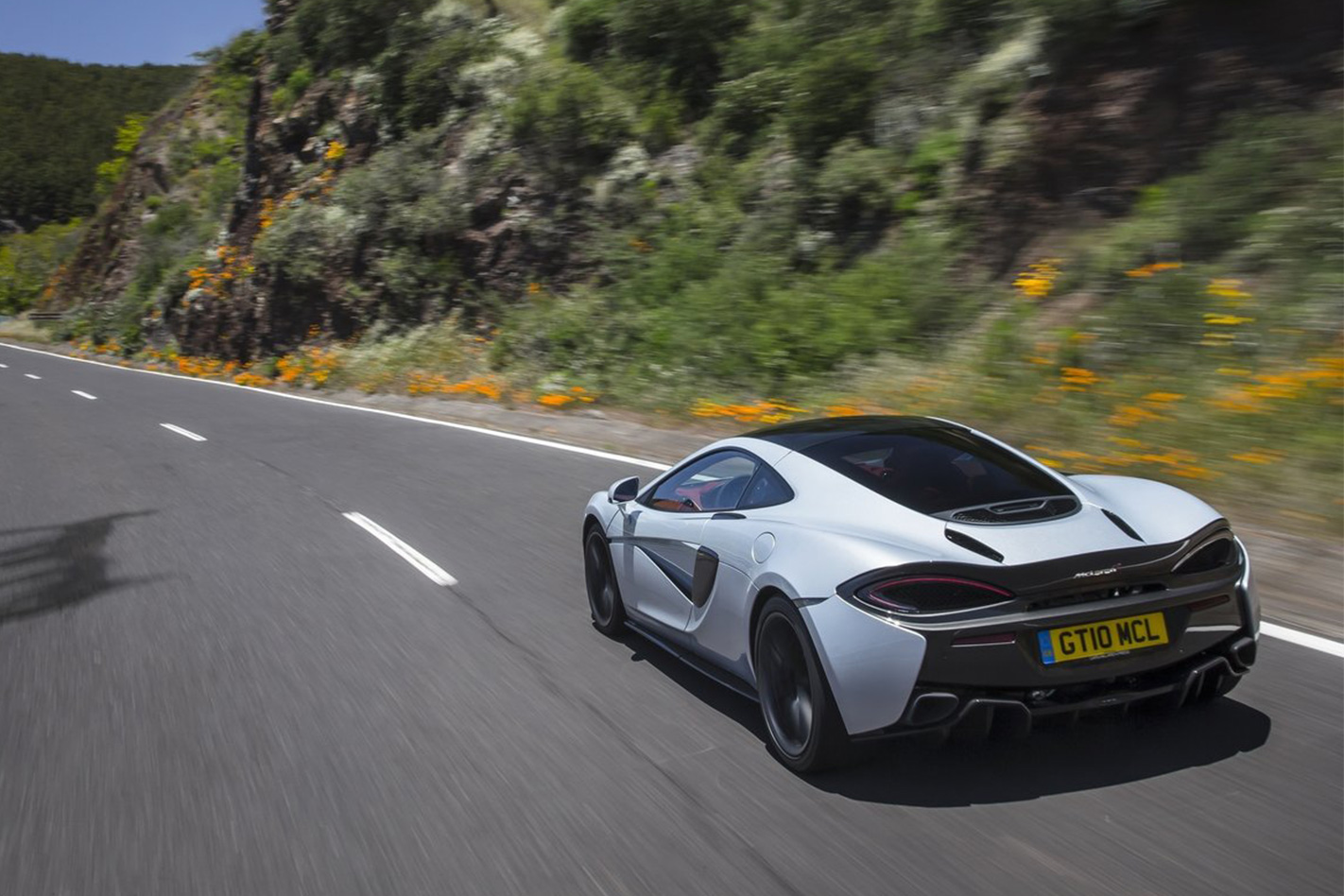
As part of the long-range repurposing, McLaren re-tuned the 570GT’s suspension to preserve as much driving enjoyment but with a more cosseting ride. While no McLaren will ever brag the magic carpet waft of a Citroen, the GT is certainly a softer offering over its S stablemate, especially at low speed on poorly maintained surfaces.
Along with the extra load space, the extra insulation over the engine has cut interior noise, too. You still get a wonderful report from the twin-turbocharged V8’s exhausts but less mechanical noise makes its way into the cabin from the engine bay.
It even rolls on Pirelli tyres that were specially developed to be more comfortable and produce less road noise.
Rare breed
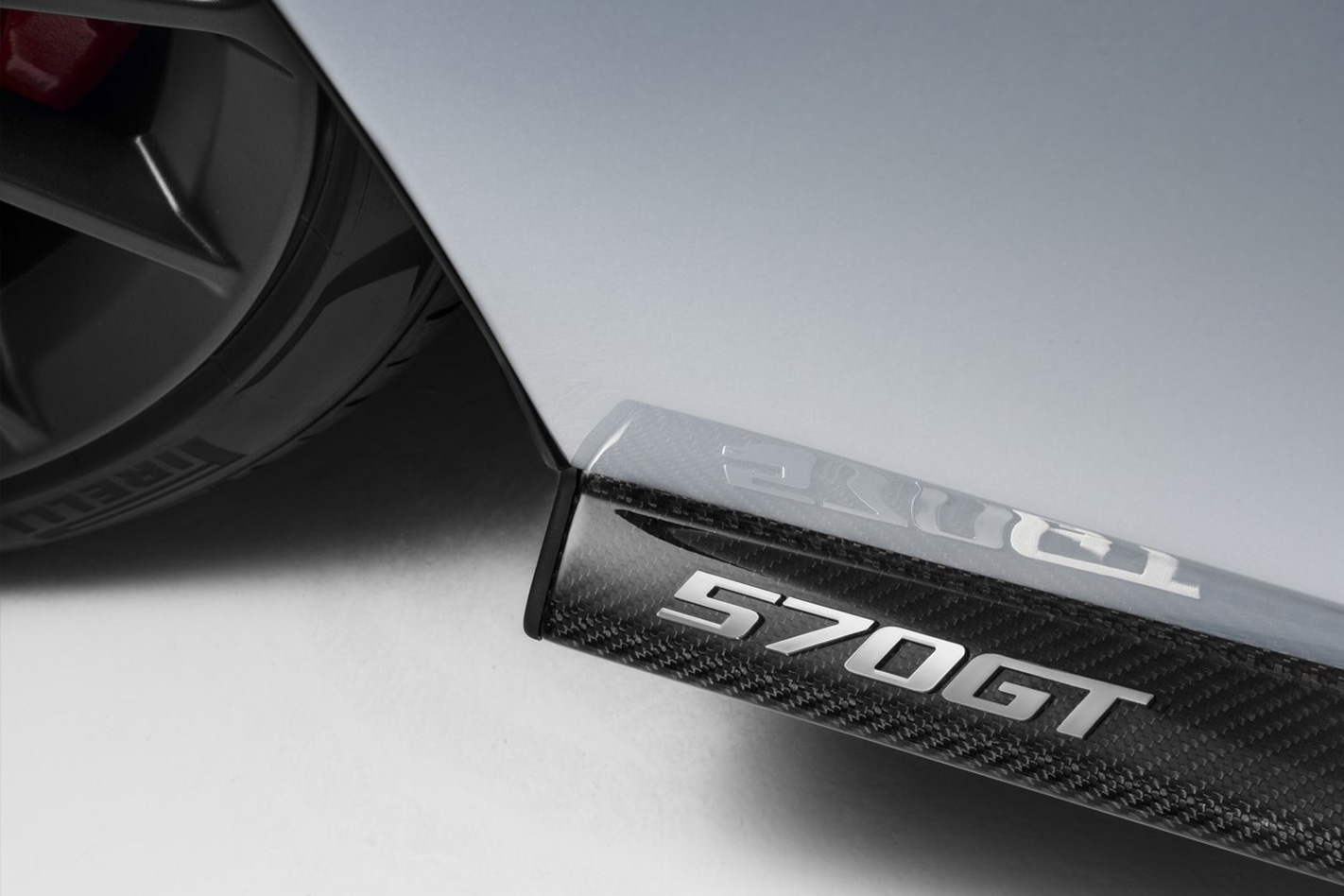
A McLaren of any series is an uncommon sight on our roads and that’s an element of the brand that attracts many customers. If you’re after exclusive, then the 570GT offers an even more niche variant within an already niche model line-up from a niche manufacturer.
Worth the weight
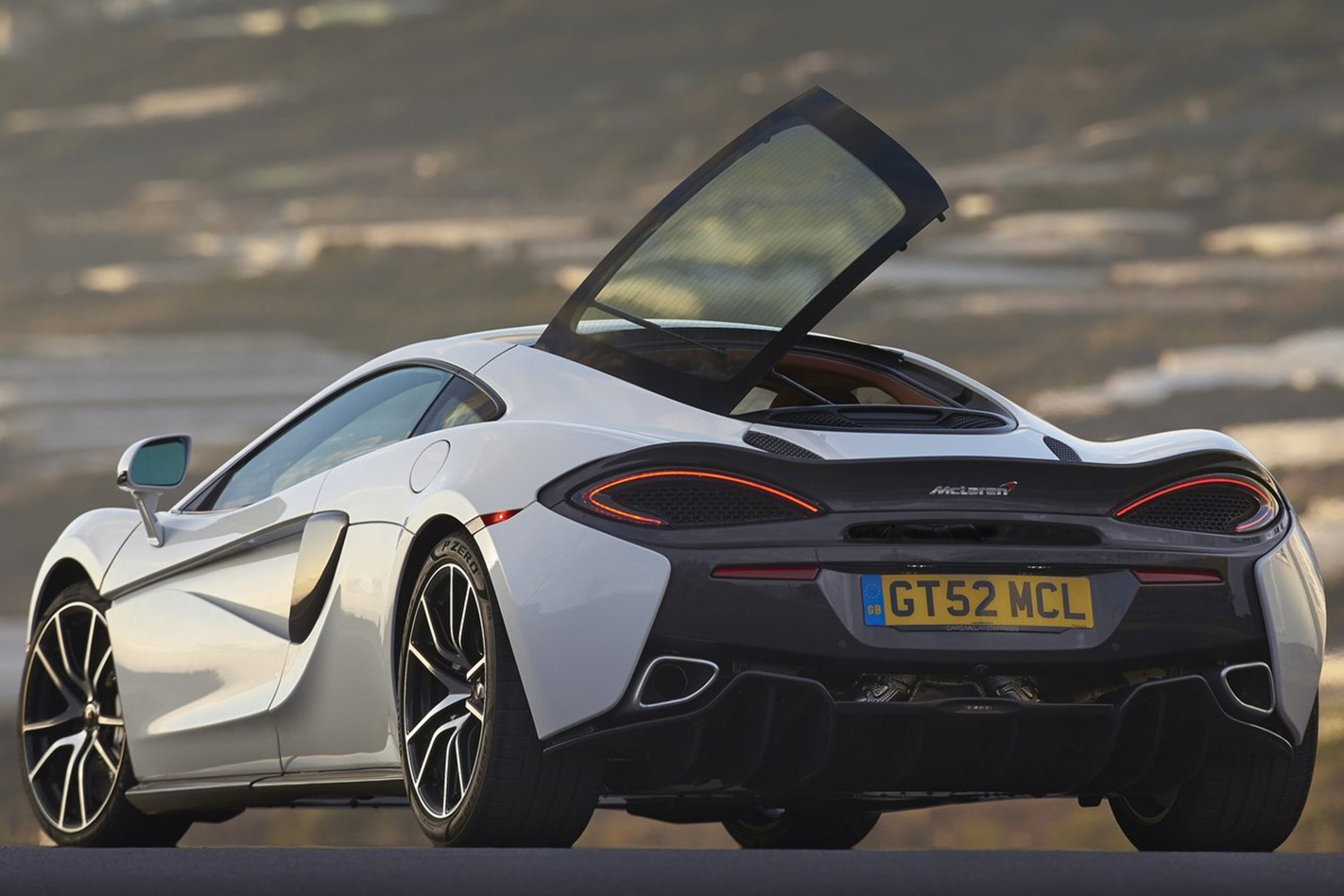
With the extra glass and insulation, the 570GT weighs 55kg more than the 570S. That cuts the 0-100km/h acceleration time by a mere 0.2 seconds, and being able to hit 100k/h in just 3.4 seconds still feels very quick – because it is.
Opt for the GT and you’ll be getting a McLaren that looks, steers, sounds and goes like a McLaren but that is, indeed a little easier to take away for the weekend. Unless you put the 570GT next to its marginally more athletic S sibling on the track, you would never know there’s a performance compromise.
Is there anything more Aussie than a Kombi at the beach? An amazing amount of people have a tale of a lazy Saturday arvo down at the local break, enjoying life in the way only a Kombi could provide.
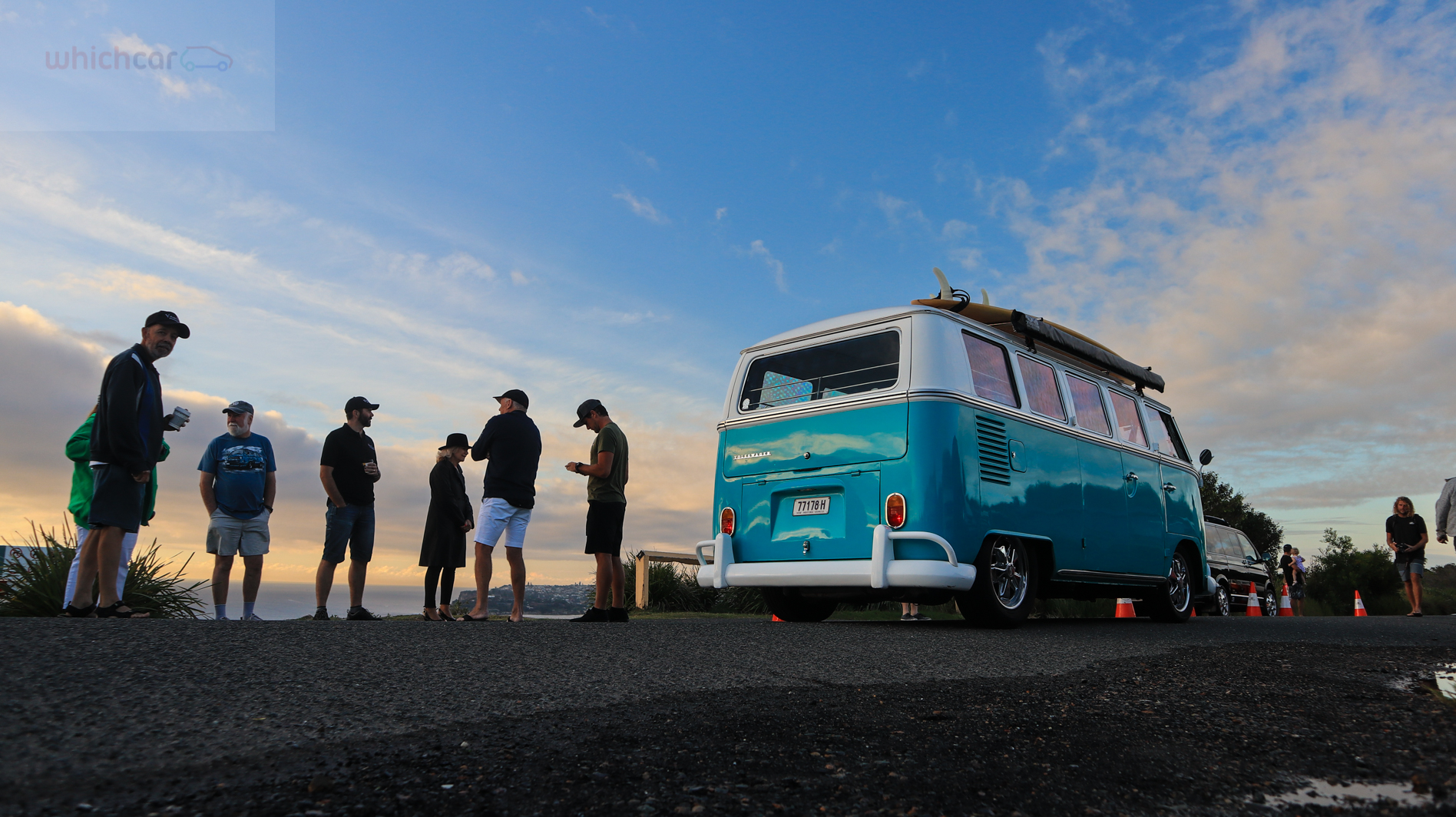
We popped along to the annual Manly Kombi Rally on Sydney’s northern beaches, and the sight of 60-odd Kombis lined up on the foreshore of one of Australia’s premier surfing spots was a sight to behold.
People from all walks of life were enamoured with the vans, which ranged in age from the early 1960s, all the way through to the modern day Volkswagen Multivan.
Many of the owners on the rally were regulars on the scene, an only too happy to show off their pride and joy to a large – and largely appreciative – audience on the Manly foreshore.
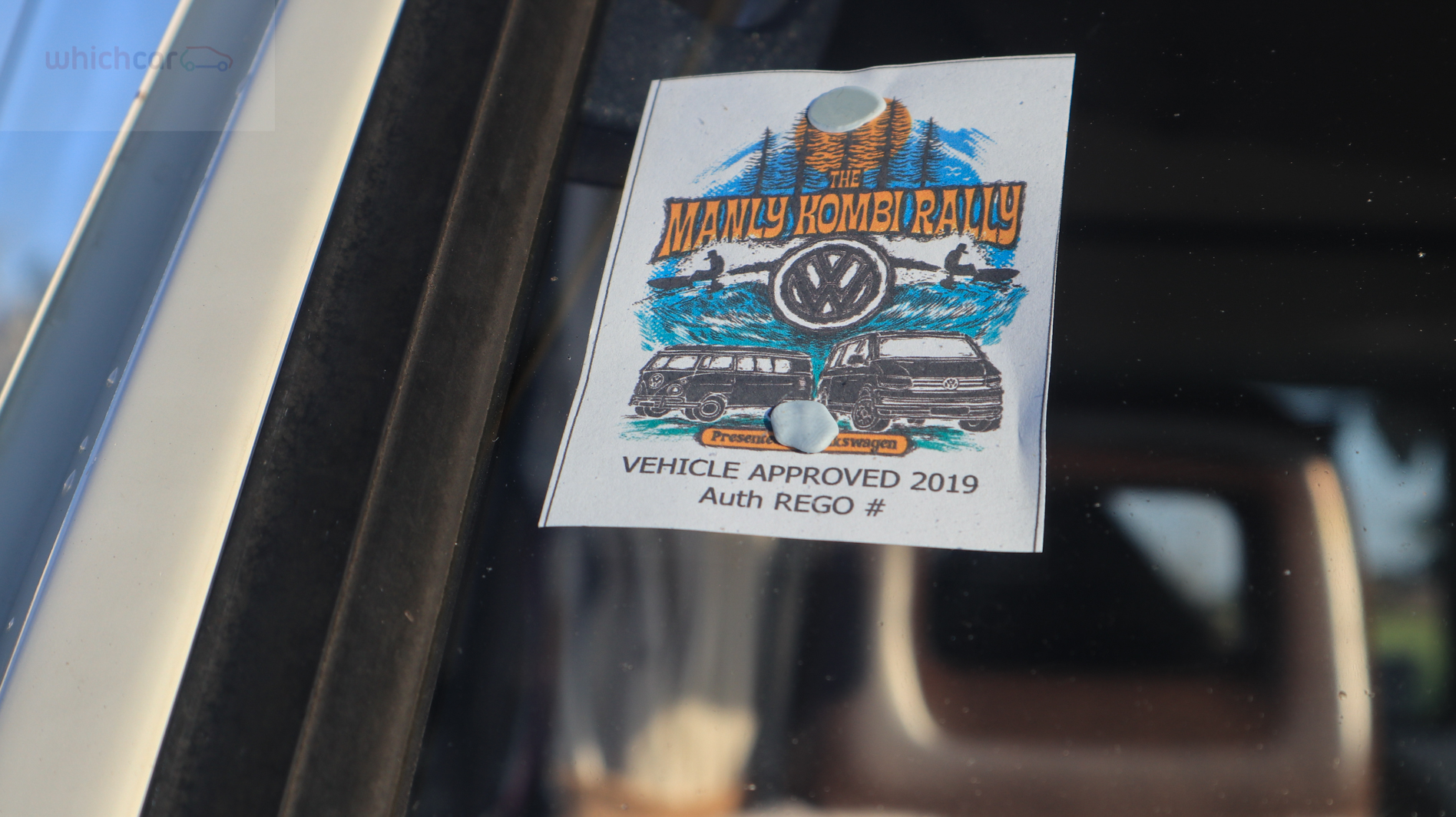
From beautifully restored T3 campers to rat rod utes, South African versions and even Trakka campers, the rally had something for everyone.
Here are some of our most popular Kombi pieces from the last couple of years.
Sitting behind the once-secure wall of Chinese Government support, knock-off car companies copying designs of popular (and more expensive) models made no attempt to hide blatant copyright theft.
But in a landmark decision this week, Beijing Chaoyang District Court has ruled in favour of Jaguar Land Rover, which won a three-year court case accusing Chinese car maker Jiangling of copying the design of the Range Rover Evoque.

It’s not hard to see that the Landwind X7 looks close to a carbon copy of the British marque’s hugely popular medium SUV. And the judge thought so, too.
It is the first instance of the Chinese Government ruling in favour of a foreign car company; previous makers crying foul of being ripped off include Rolls-Royce, Ferrari, Porsche, Lamborghini, Honda, Tesla and more. All fell on deaf ears.
But in a sign of changing times for the Chinese automotive industry, the judge ruled that Jiangling copied five distinct design elements from the Evoque, and further said that damages, of an unset amount, are to be paid to JLR. Production of the Landwind X7 has ceased.

On sale in China for five years and immensely popular as a local budget option to the real deal which is also on sale in that market, JLR global legal director Keith Benjamin said the victory was a win for innovation.
“This ruling is a clear sign of the law being implemented appropriately to protect consumers and uphold their rights so that they are not confused or misled, while protecting business investment in design and innovation,” he added.
But it’s certainly not the first cheap Chinese knockoff. The list of hopefuls is long, filled with cars both spectacularly copied and horribly fettled. Here are seven of the best, and worst:
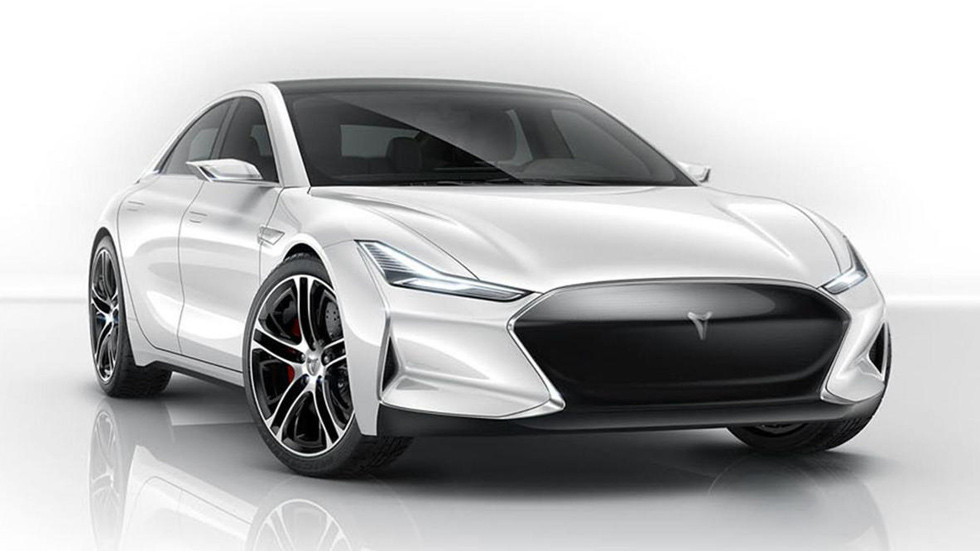
Youxia Ranger X
A hopeful Chinese start-up from a young entrepreneur, this Tesla S-inspired electric vehicle ran out of spark.
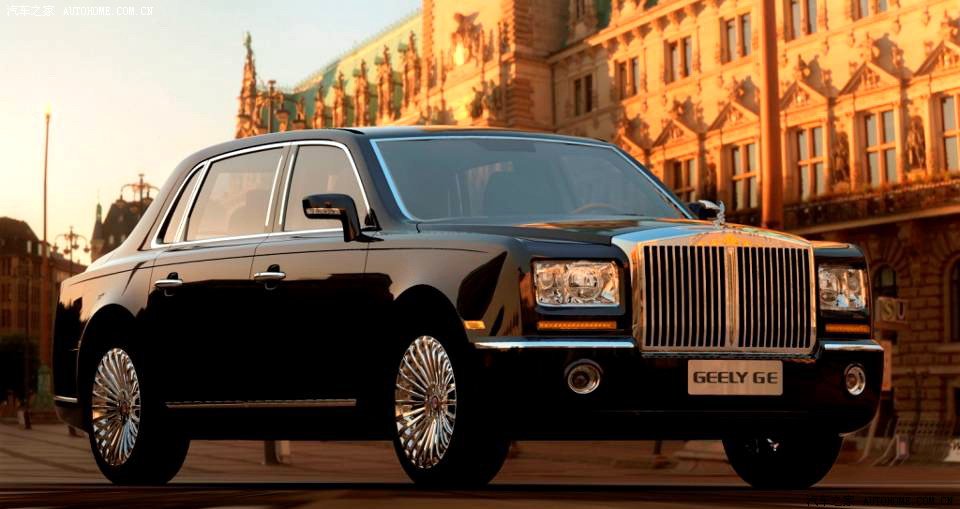
Geely GE
This limo takes more than a few cues from the grand Rolls-Royce Phantom.
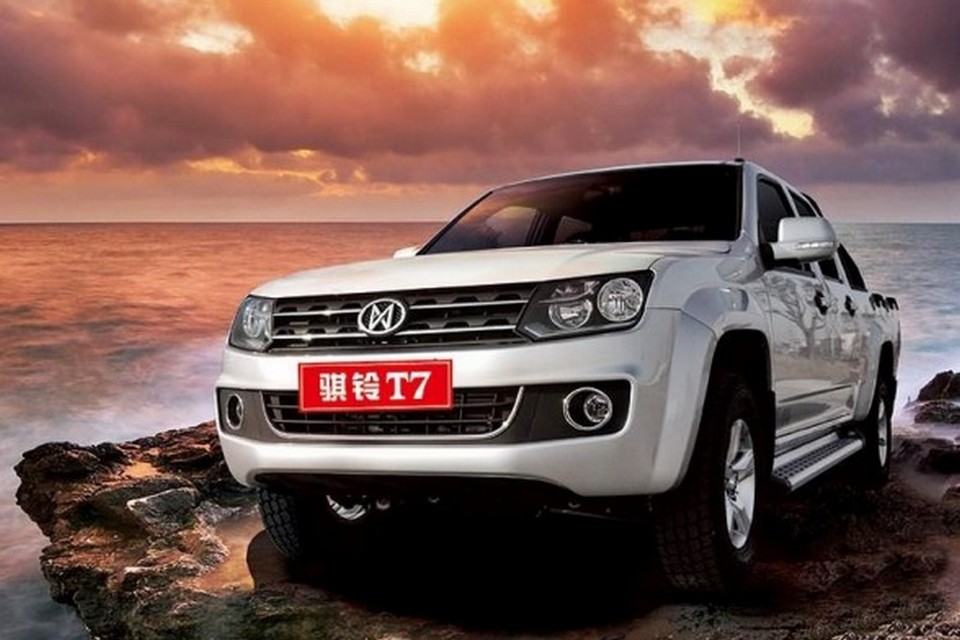
Jiangling T7
Jiangling was again looking to Europe for ideas, this time from the Volkswagen Amarok ute.
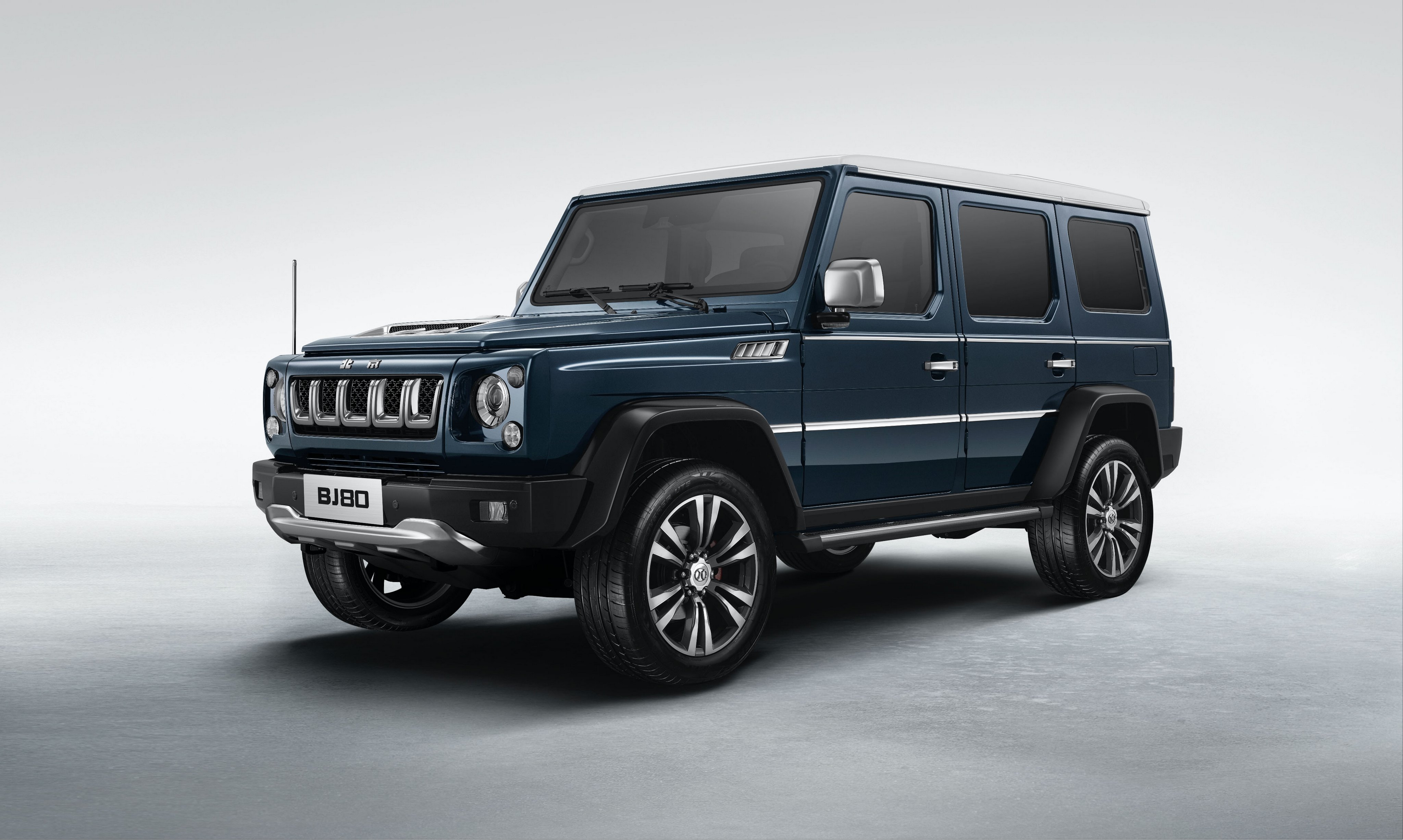
BAIC BJ80
We doubt the BJ80 would last a quarter the distance of the real Mercedes-Benz G Class.
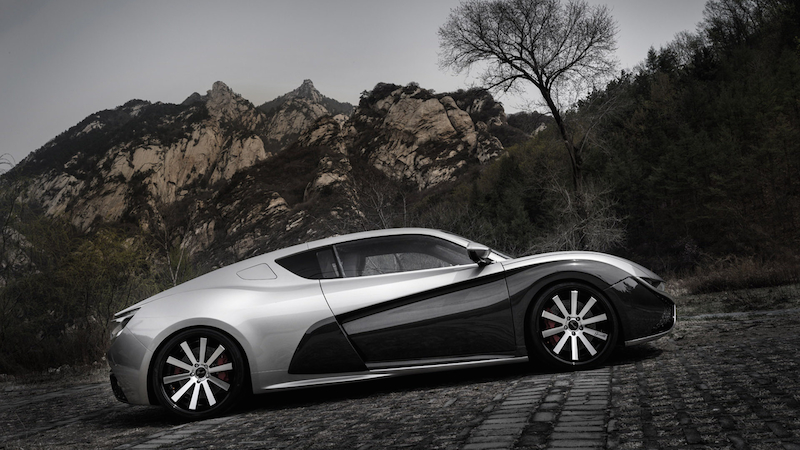
Event K50
There’s a lot of Bugatti Veyron on the Event’s skin.
Nats GT-K
To its credit, this is an amusing twist rather than a straight copy of the Nissan GT-R.
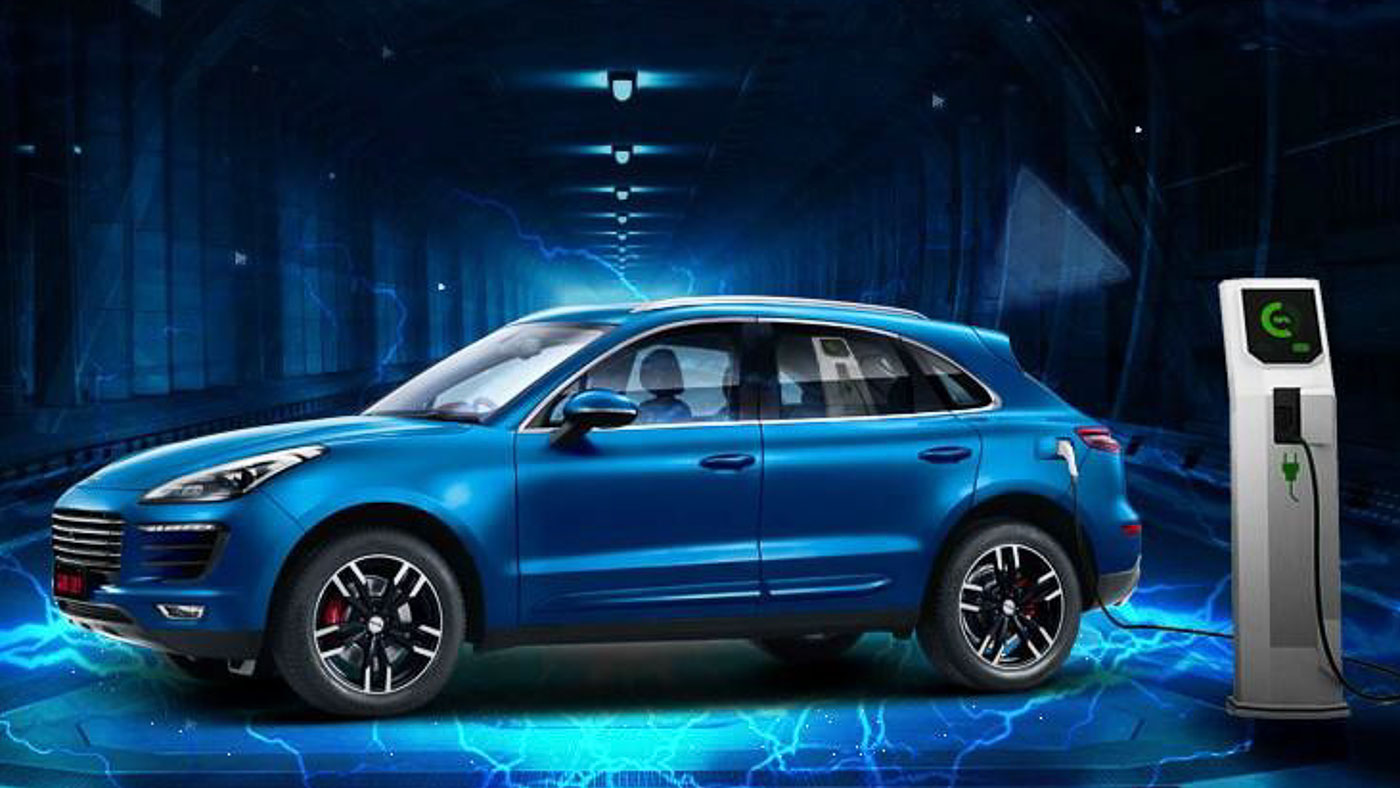
Zotye ZR8
It’s an electric Porsche Macan – even before the Germans did it.
IF YOU’VE always fancied an Aston Martin V8 Zagato but have never quite been able to scrape together the $1m you’d need to land one, help is at hand in the shape of the next best thing. Or next worst thing, depending on your viewpoint. This Autech Zagato Stelvio AZ1 is up on eBay for USD$49k.
The what? Yep, the Stelvio is a rare bird. Only 104 were ever made, which makes it only a tad more common than the 89 V8 Zagatos that were built. The backstory is fascinating. Autech was founded in 1986 and its first task was to add a bit of pizzazz to the largely dull second-gen Nissan Leopard. Its chairman had exactly the right credentials. Shinichiro Sakurai had headed up the original Prince Skyline project team and had also worked on the astonishing Nissan MID4 supercar design study. This introduced a forerunner to the ATTESA all-wheel drive systems that later made the Skyline R32 GT-R an unbeatable track weapon.
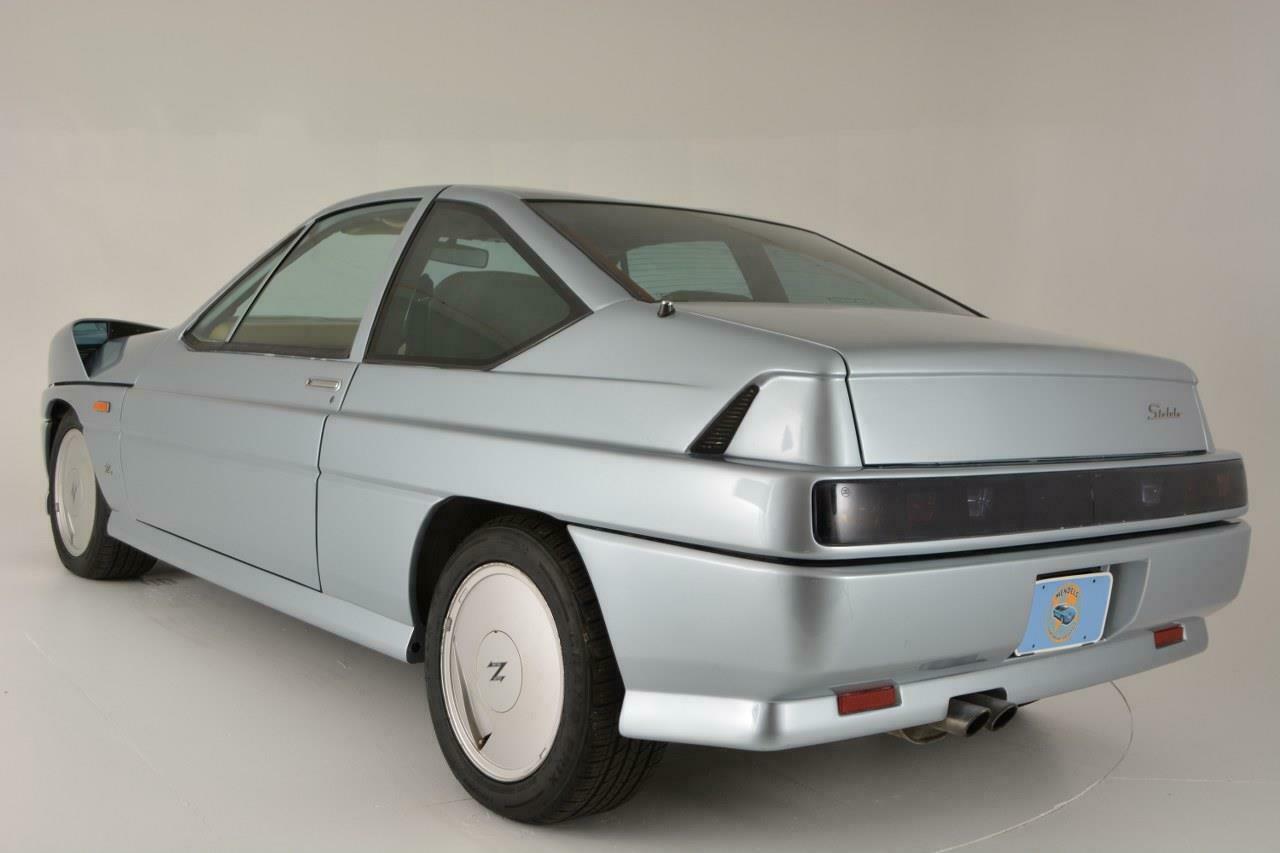
The powerplant is a version of the VG30DET 3.0-litre V6 turbo that’s amped up to the ‘gentleman’s agreement’ figure of 280hp (209kW), although it’s likely it made a few more ponies. Power went to the rear wheels via a fairly conventional ZF four-speed, but we’re not really here for the oily bits. What’s remarkable about the Stelvio is its styling.
And indeed its price. At 18m yen, the Japanese bubble-era Stelvio was hugely expensive. It made an NSX-R look a bargain. Nissan sold 88 examples to the general public with a few more squirrelled away by company executives.
The production workflow saw Autech strip the Leopard back to a bare chassis, which was then shipped to Zagato’s Terrazzano di Rho plant in Italy. Zagato would then hand-craft each of the Stelvio bodies from aluminium, the cost of which barely needs reiterating. And yes, those bumps on the bonnet are actually the mirrors. In addition to the outlandish, voluptuous exterior which, bizarrely, featured NACA ducts on the wheels, the interior was also given the once-over.
In came cream leather and contrasting wood veneers before the car was returned to Japan whereupon Autech would start plugging in the uprated mechanicals. It was an utterly crazy plan, even for what was a projected run of just 200 cars. Still, we love a bit of craziness here at Wheels and the Zagato Stelvio AZ1 is our kind of crazy.
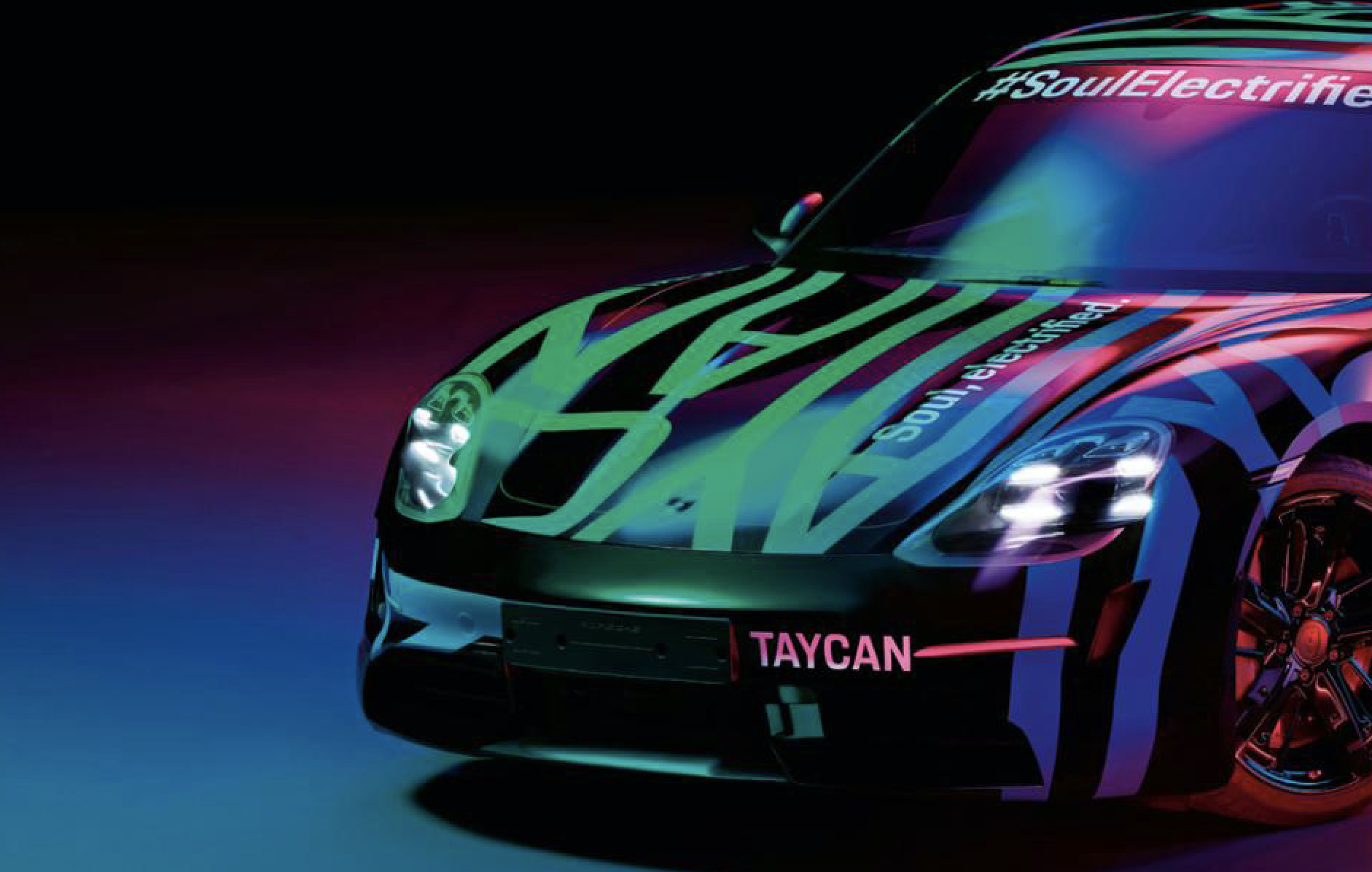
Porsche’s most revolutionary model since it introduced the Cayenne SUV in 2002, the 2020 Taycan marks the beginning of the iconic sports car maker’s battery-electric future.
Slowly percolating details and images to the public until it launches in September, Porsche is ramping up for what will be a hugely popular model, already beginning to steal sales from its definitive 911. So unless you enjoy living under a rock, it’s a car to know everything about. Wheels has the low down.
It’s coming to Australia
The Porsche Taycan is confirmed to arrive in Australia in 2020, not long after its European debut this year. But pricing and specification are yet to be confirmed, though it is expected the Taycan will be offered in three trim levels of varying power output and be joined by the crossover-style Taycan Cross Turismo a year later. Though you might want to get your orders in now, as Porsche Australia says local allocation could sell out before it officially lands in the country.
It’ll hit like a hammer
Underneath the metal are two permanent magnet synchronous motors producing a total output of up to 440kW at all four wheels, with a slight rear-wheel bias. Performance in a straight line is 0-100km/h in under 3.5sec and 0-200km/h in around 12sec, but bragging rights is that the Taycan is capable of constantly maintaining performance, unlike most electric vehicles that need to power down to preserve the battery.
Super juice
The estimated driving range of the Taycan is around 500km, but it’ll also land with the fastest charging time of any electric vehicle on sale. Sitting on Porsche’s J1 platform that uses a unique 800-volt battery-electric architecture, it can recharge from zip to 80 percent capacity (around 400km range) in just 15 minutes when connected to a 350kW fast charger. For comparison, Teslas’ supercharger network uses a 120kW charging system.
They can’t build enough of them
Electric vehicle hype isn’t limited to Tesla, with Porsche confirming that it has doubled production from 20,000 to 40,000 units in the first year in response to a long list of pre-orders. Taycan is built on its own production line in Zuffenhausen, where Porsche also produces the 911 and 718.
Looks are everything
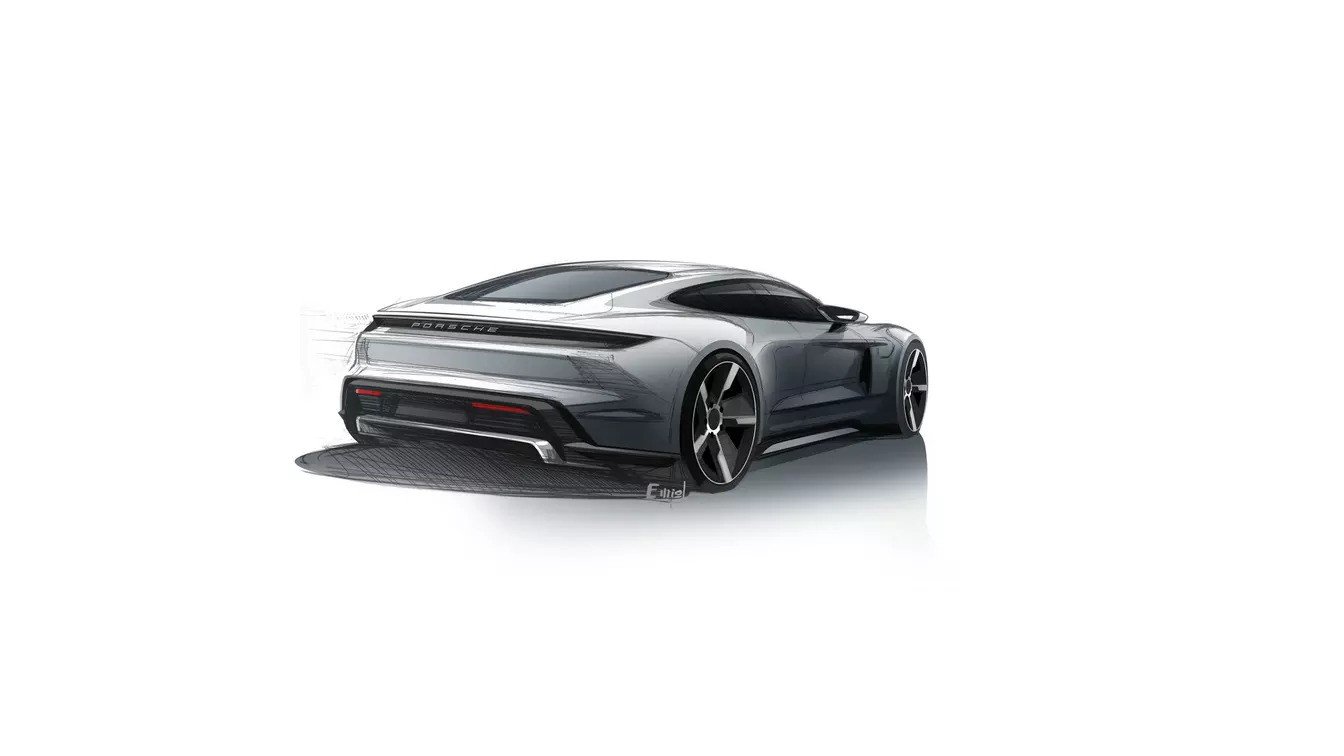
Porsche has revealed official sketches of the four-door in an email to customers, and released lightly camouflaged prototype images. It remains to be seen in final guise, but some things are certain, such as having a traditional style boot rather than hatchback tailgate, and the charging port is mounted on the front driver’s side fender.
If you’ve ever wanted to drive a V10-powered 2019 Audi R8 around one of Australia’s most iconic racetracks, then Audi has just made the process a whole lot quicker and easier.
Instead of having to complete an entry-level driver training day with the likes of A, Q and S models, you can jump straight into the naturally aspirated, 449kW/560Nm Audi R8 V10 Plus at either Phillip Island or Sydney Motorsport Park.
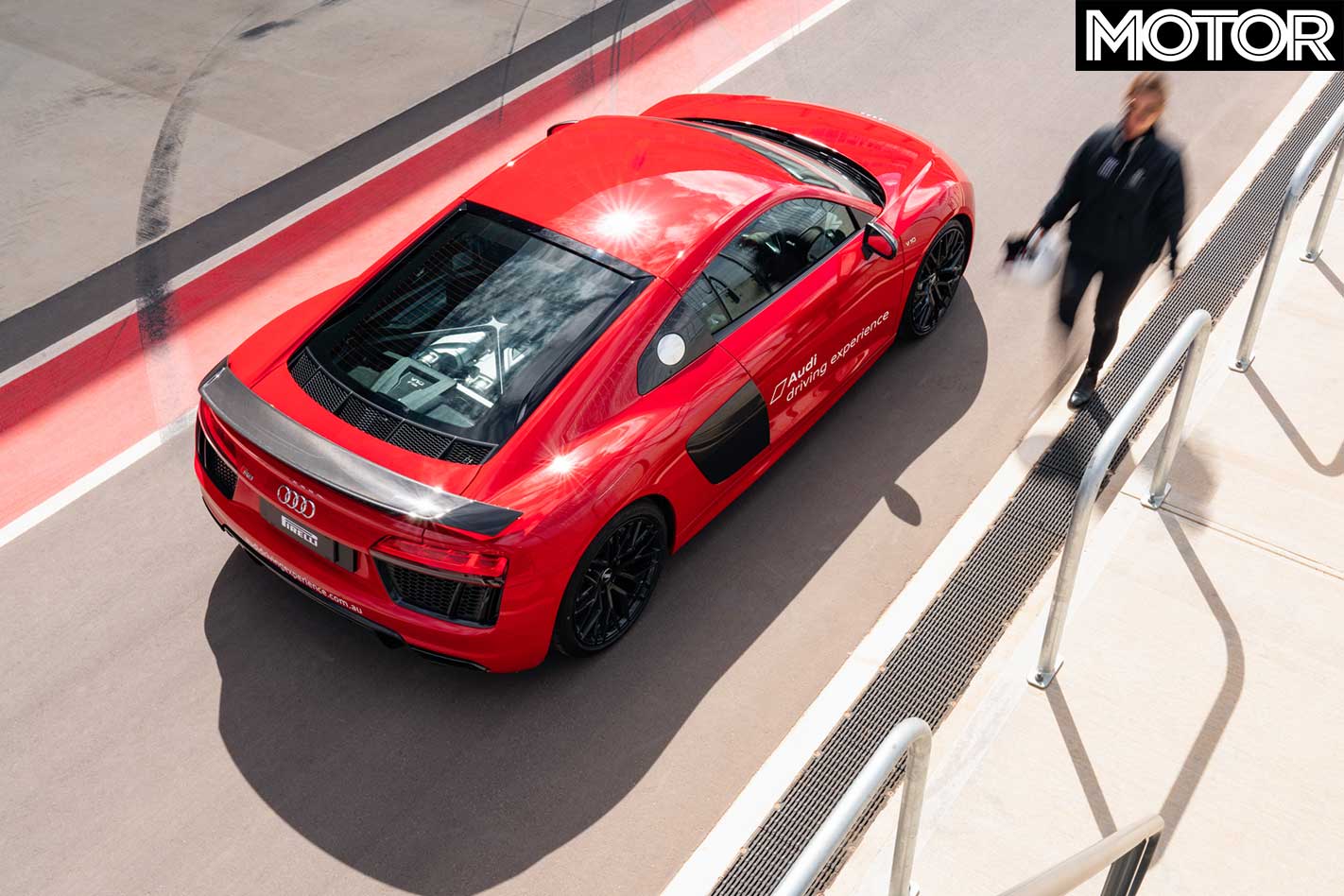
According to Audi Australia’s Corporate Communications Manager, Shaun Cleary, the new entry point is the $1250 Dynamic Driving Experience, which includes driver-training events and hot laps in Audi’s RS models.
“We’ve pulled out the prerequisite section so that people get easier access to the higher levels of the program that they’d like to do. Obviously Audi Sport is a strong foundation of our brand on the performance side so we’re just making it easier for people to enable themselves to access these cars.”
However, the ticket you really want costs $3500. For that outlay you can spend an entire day at Phillip Island or Sydney Motorsport Park as part of the R8-only Audi Sport driving experience doing as many laps as time, or your body, permits.
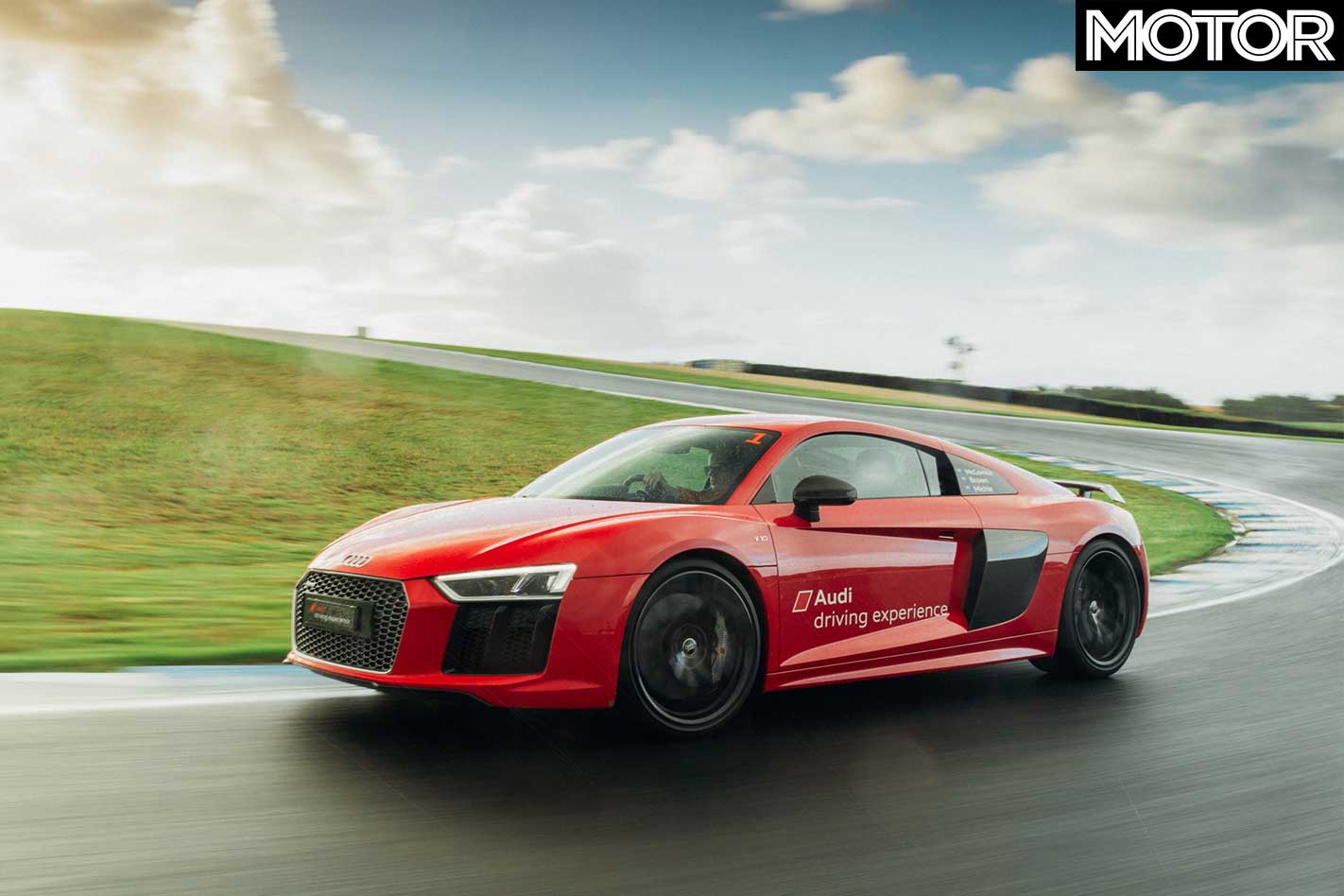
While the dollar figure might sound exorbitant, consider the fact you’ll be driving a supercar that can reach 100km/h in 3.2 seconds with tuition from an experienced instructor at an amazing circuit. The instructors include the likes of Bathurst 1000 winner Luke Youlden as well as Steven Johnson, Nathan Pretty, Chris Pither and Tony D’Alberto.
Audi’s chief driving instructor, Steve Pizzati, explains that Sport Pro cancels the morning’s driver-training events included in Dynamic for a track walk, with participants taking notes to create a race-day vibe with an emphasis on coaching.
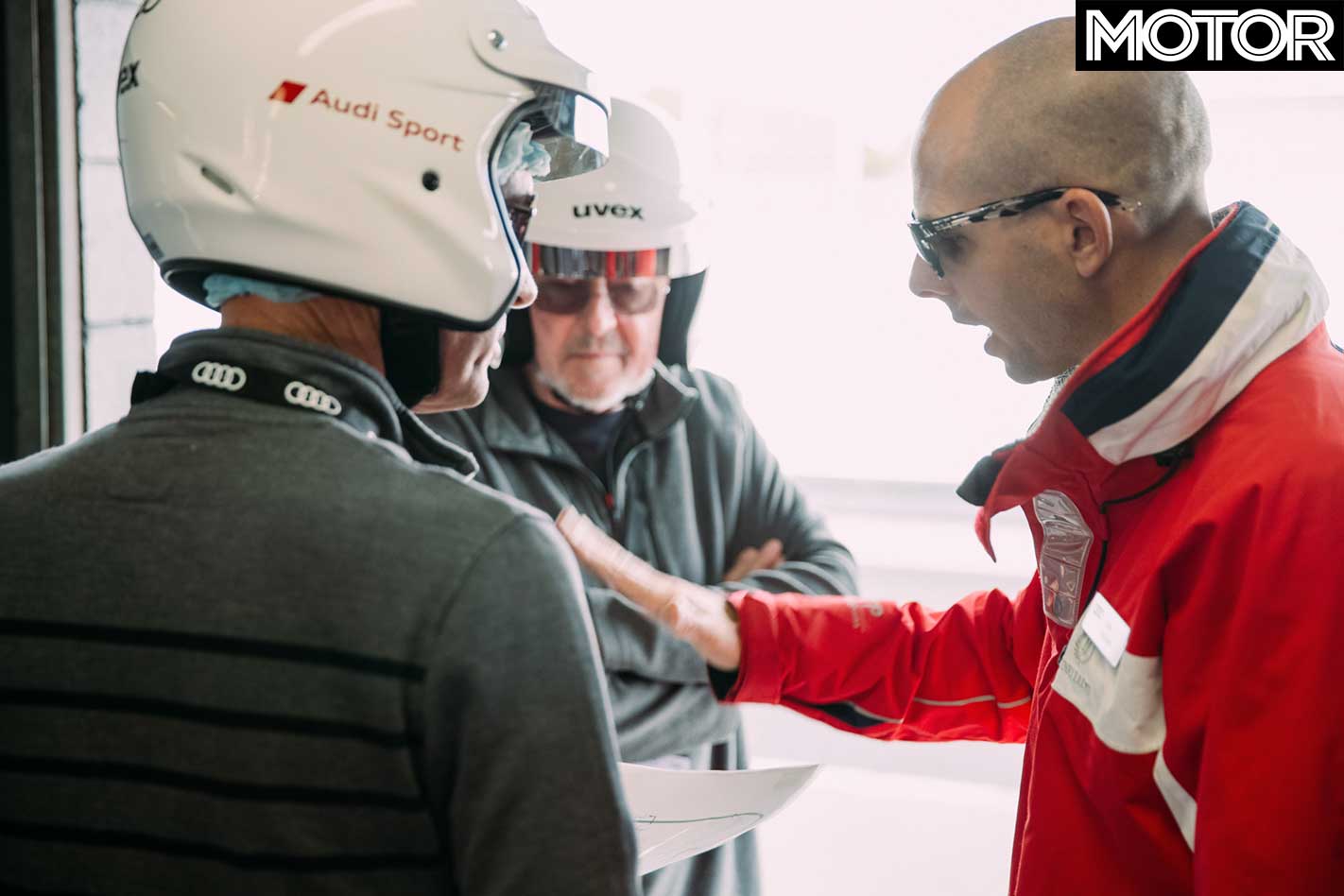
“The big thing is the one-on-one training – we sit with you”, Pizzati said.
With only 12 participants and four cars, you’re bound to get plenty of laps for your money, all the while being afforded the opportunity to hone your skills with an expert.
“The car basically doesn’t stop. It stops for fuel, a very quick lunch and then it just keeps going all day until you puke. It’s funny how people give up before the cars do.”
While the Sport Pro events are held at just Phillip Island and Sydney Motorsport Park, the lower-rung Dynamic program is also offered at the Mount Cotton Driving Centre in Queensland, Barbagallo Raceway in Western Australia and The Bend Motorsport Park in South Australia.
As a collectible car, the HSV Commodore Group A SS of 1988 has been a tad slow off the mark.
This feature was originally published in MOTOR’s September 2008 issue
This has not been by accident. Then again, neither has the model’s sudden elevation to mega-collectible been a fluke either. It’s all just a question of timing, really. Right place, wrong time, and all that.
See, HSV only came into being as a result of GM’s very public, very ugly punch-up with Brock over the infamous Energy Polariser and questions over the legality and acceptability of the mods Brocks was carrying out to some of his road cars (which, remember, were being sold through Holden dealerships).
So, as the factory-sanctioned hot-rod shop, HSV was viewed in some circles as part of the evil empire that hung Brocky out to dry (forget that HSV absorbed some of Brock’s former staffers).
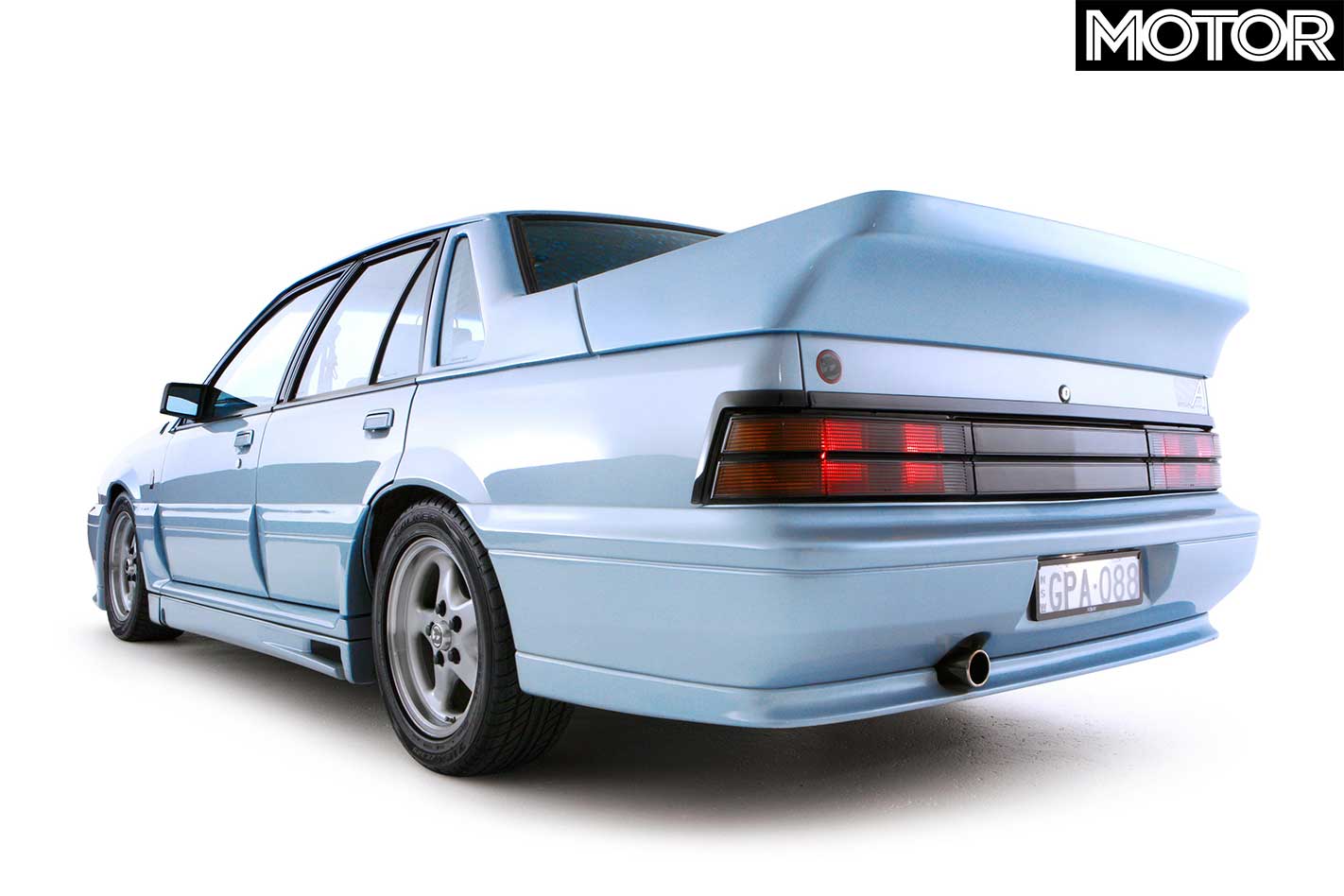
The Walkinshaw – as it soon became known – was also seen at the time as a pretty outrageous looking piece of gear. Okay, so the wild bodykit (including the bird-bath rear spoiler that covered the whole bootlid) was radical, but as far as many were concerned, the Group A was just plain homely.
You need to remember what 1988 was like, too. And when we tell you that Whispering Jack was riding high in the charts with Johnny Farnham’s Age of Reason, and the first George Bush had just announced Dan Quayle as his running mate for the US elections (and it’s true: Mickey Mouse did get a Dan Quayle watch for Christmas) you can see what we mean.
Group A SS nick-names like ‘Batmobile’ and ‘Plastic Pig’ (there was 65kg of fibreglass in a Group A bodykit) didn’t help. Nor did the decision by some dealers to repaint brand-new cars or strip off the bodykits prior to sale didn’t help the car’s cause one little bit.
The there was HSV’s decision to get a bit greedy.
While the initial batch of 500 cars sold reasonably quickly, allowing Holden to homologate the car for Group A racing, HSV figured it’d have double dip and build an extra 250. And it’s these later cars that were the toughest to shift, leading to the repainting and de-kitting we were talking about (bet they regret it now).
There was also the value-for-money question. At $45,000 (a Calais Turbo was $32,000) the Walkinshaw was seen as a bit elitist.
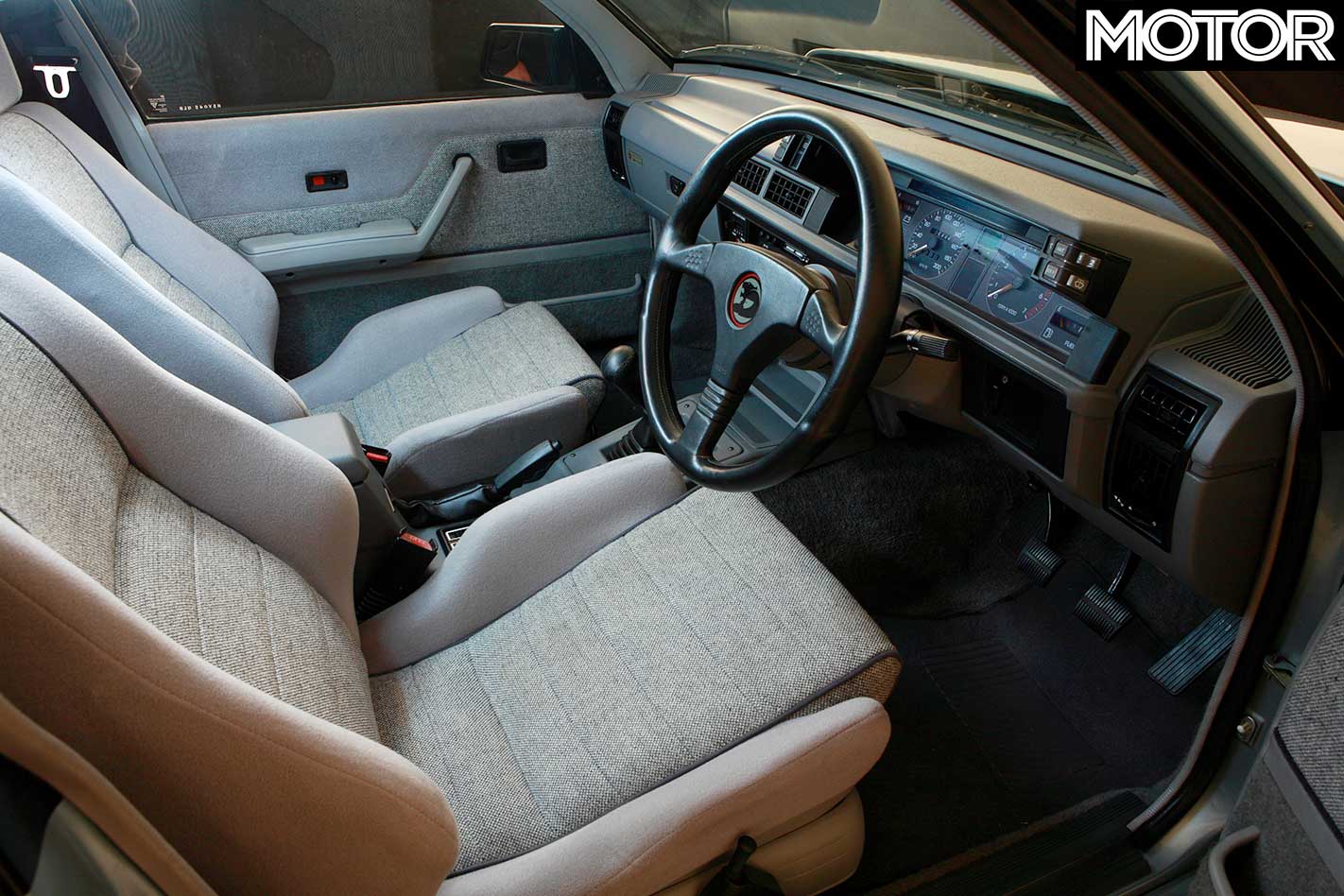
The truth was, of course, that it was also probably the most sophisticated car ever to bear a Holden badge, but that little fact was glossed over at the time by the market.
And finally, the Group A never won Bathurst. Well, not in the time it was on sale brand-new, anyway. It took until 1990 for Gricey and Win Percy to break the SS’ Bathurst drought, long after the Walkinshaw had disappeared from showrooms, but then again, the VN Group A never won Bathurst, finishing a Charger-like second the next year.
So that was what was wrong with it at the time and why it was so long maturing as a local hero? But what was right with it? Plenty, actually.
For starters, building a homologation car for the new international Group A rules meant a big rethink in the way Aussie metal had been turned into race-cars. New rules meant new restrictions, but they also meant new possibilities.
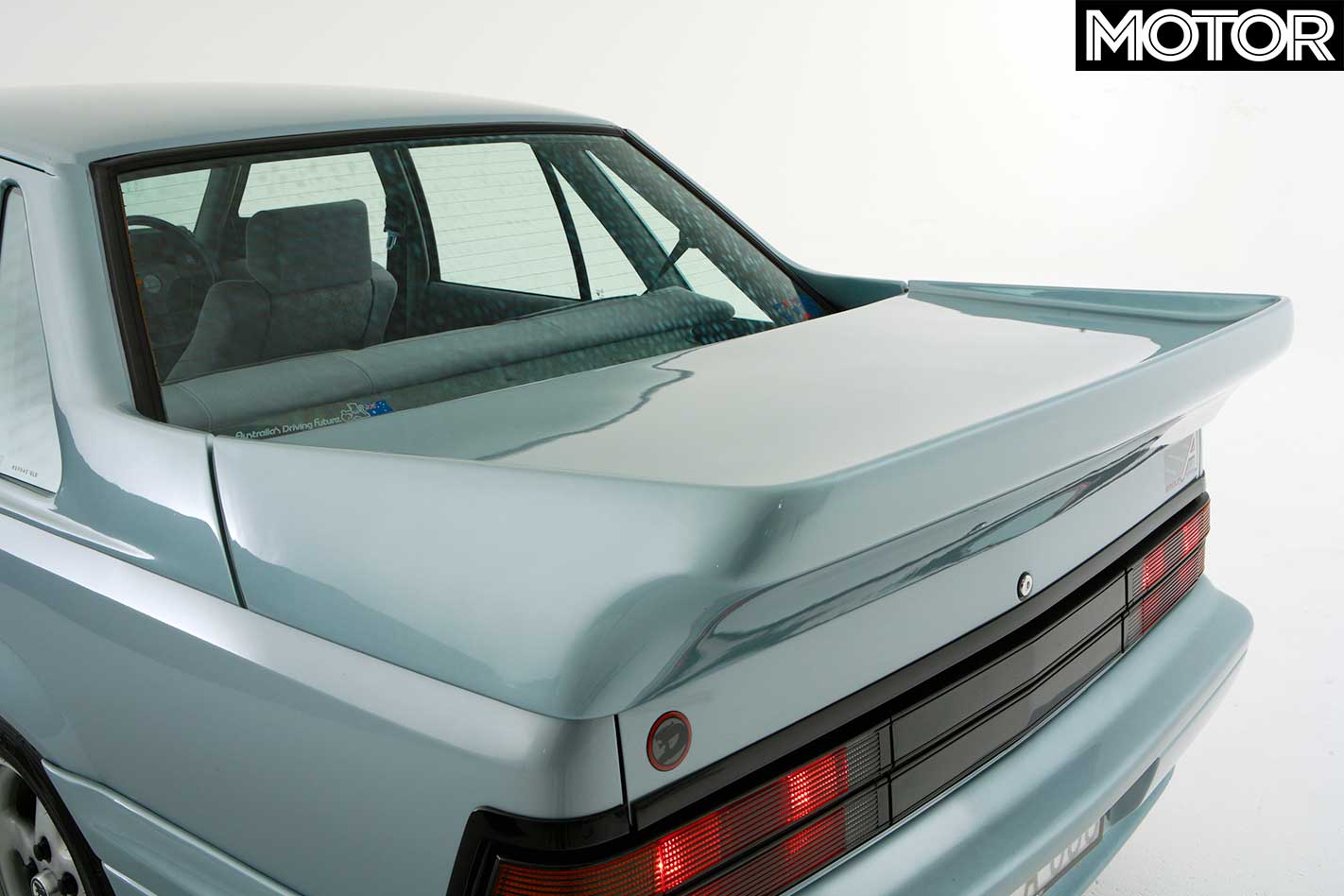
For instance, the Group A regs stipulated that the exhaust was free after the first join. For most people, that meant that south of the headers, you could do more or less as you liked. HSV and the factory race shop didn’t see it that way. By adding a join to the headers themselves, just a few millimetres after the flange, the fledgling HRT was able to run near enough to anything it wanted. And there wasn’t a damn thing CAMS or anybody inside Group A could do about it. It wasn’t illegal. It was just clever.
And while that bodykit might’ve looked a bit cheesy, it was actually a wind-tunnel job and it worked beautifully. At 190km/h, for instance, the kitted Walky needed about 30kW less to push it along than a standard VL Under the lid, the engine retained the road car’s 4.9-litre capacity (Group A had a cut-off at five litres) but the block was stronger than a ‘normal’ Holden V8 with four-bolt main bearings and extra webbing.
But the biggest changes were on the intake side where fuel injection replaced carburettors, with a twin throttle-body intake allowing deep breathing when tuned to race spec.
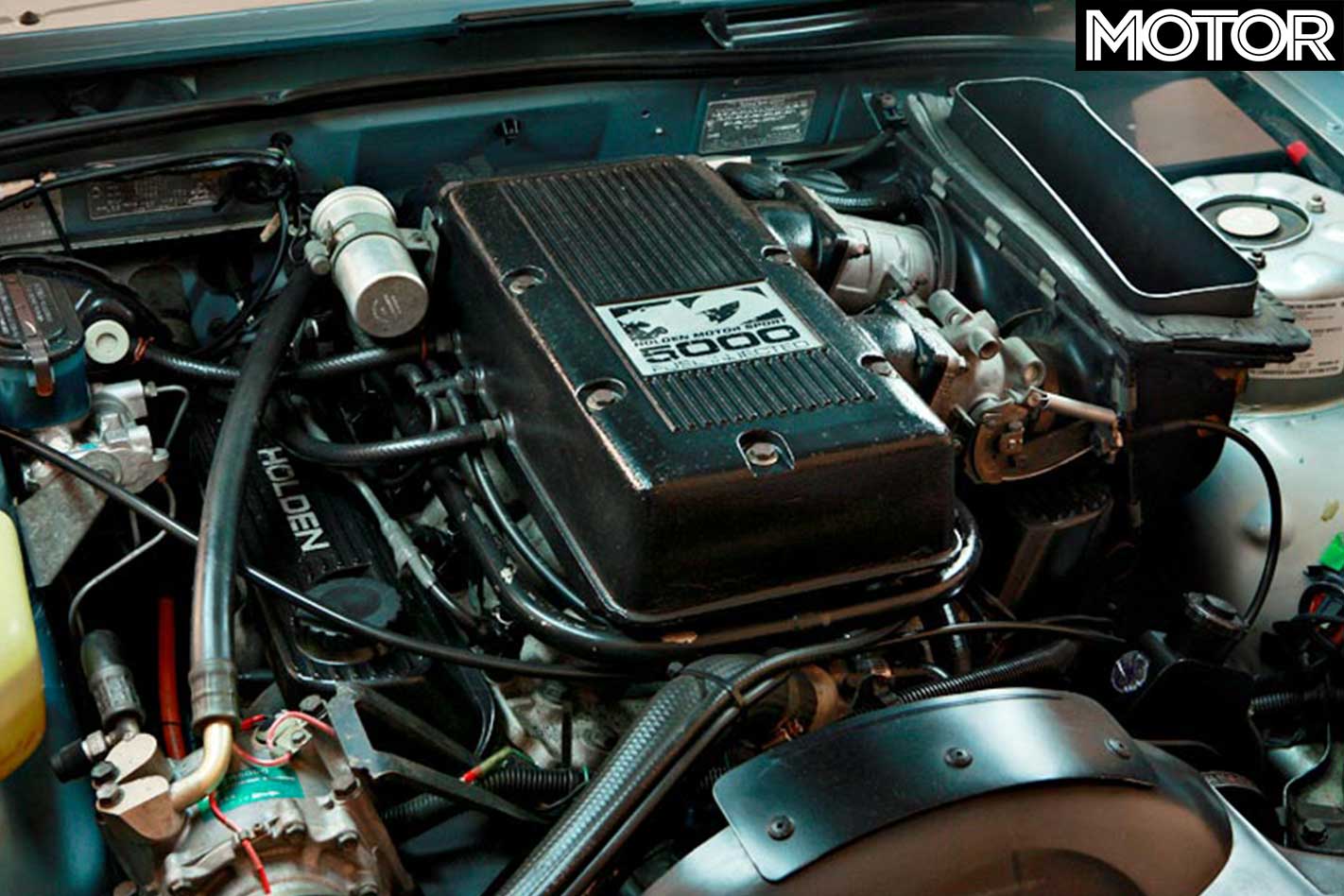
These days, 180kW might sound a bit limp, but with good torque from down low (380Nm from just 1,000rpm) and an all-up weight of just 1470kg, the Group A road car could certainly get out of its own way. If you look at modern values of the Walkinshaw (check out the sidebar story) you’ll soon see that the thing has come into its own in the last couple of years.
Okay, part of that is down to the general rise in fortunes of any locally-made performance car, but it’s also recognition of the fact that enthusiasts are increasingly seeing the Group As good points for what they are. And if you’re lucky enough to take a Walkinshaw for a squirt, you’ll also understand that it’s the car’s old-school feel that makes it so endearing now.
The light weight combined with a tractable engine and chatty steering are things that are lost in many modern fast cars, but not the Walky. It feels light on its feet and keen to change direction, and there’s none of the muted feedback that we now associate with big, heavy cars with loads of sound deadening and over-assisted controls.
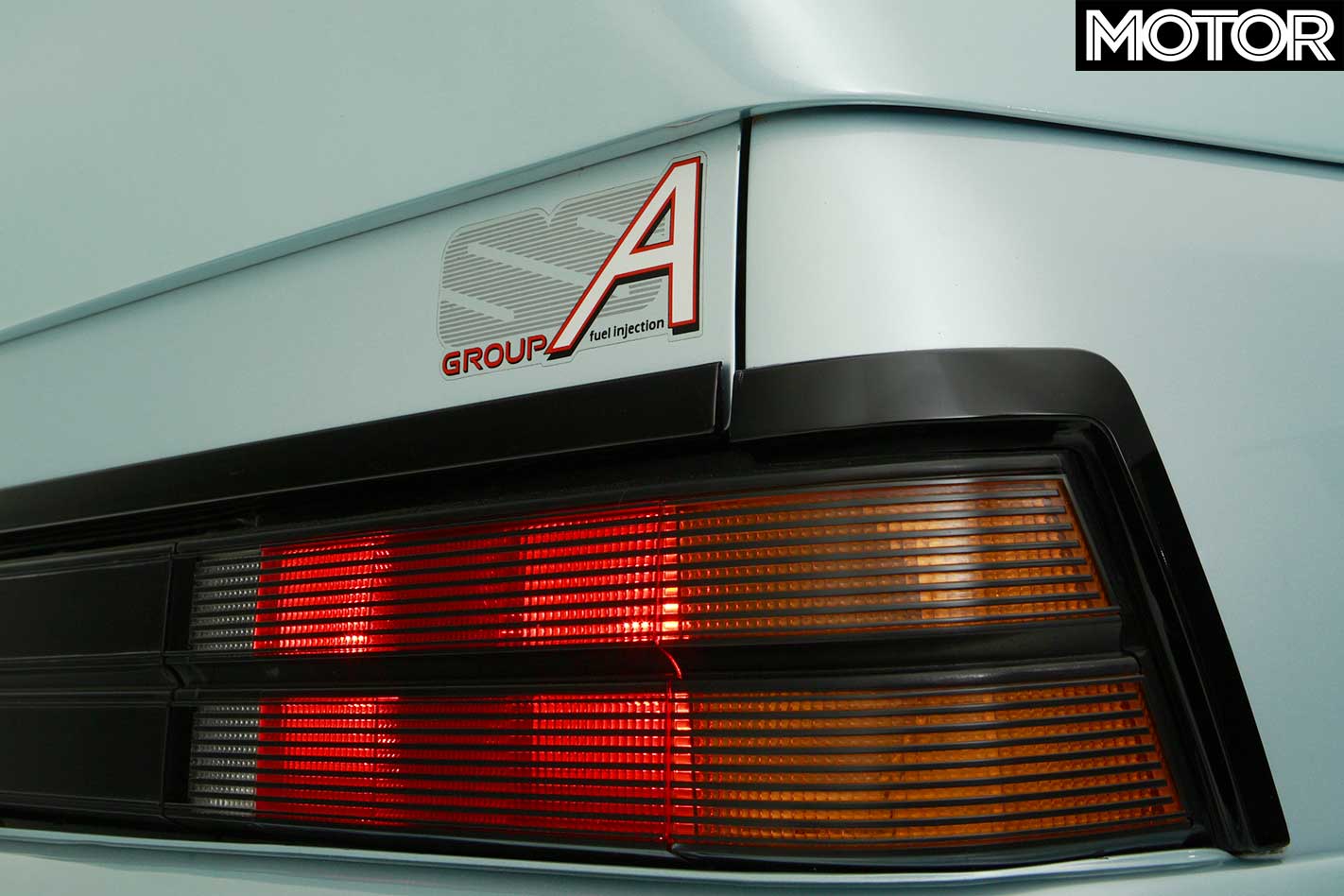
The things that dogged it back then are largely forgotten now, even if you do still have to be super-cautious on driveways and when parking against kerbs and gutters.
But the original asking price? Forget about it … if only you could find one for that now.
And the fact that it took a few years to crack Bathurst? Not an issue, either, now that time has passed and the whole Group A thing has since disappeared up somebody’s backside anyway.
Where to get one
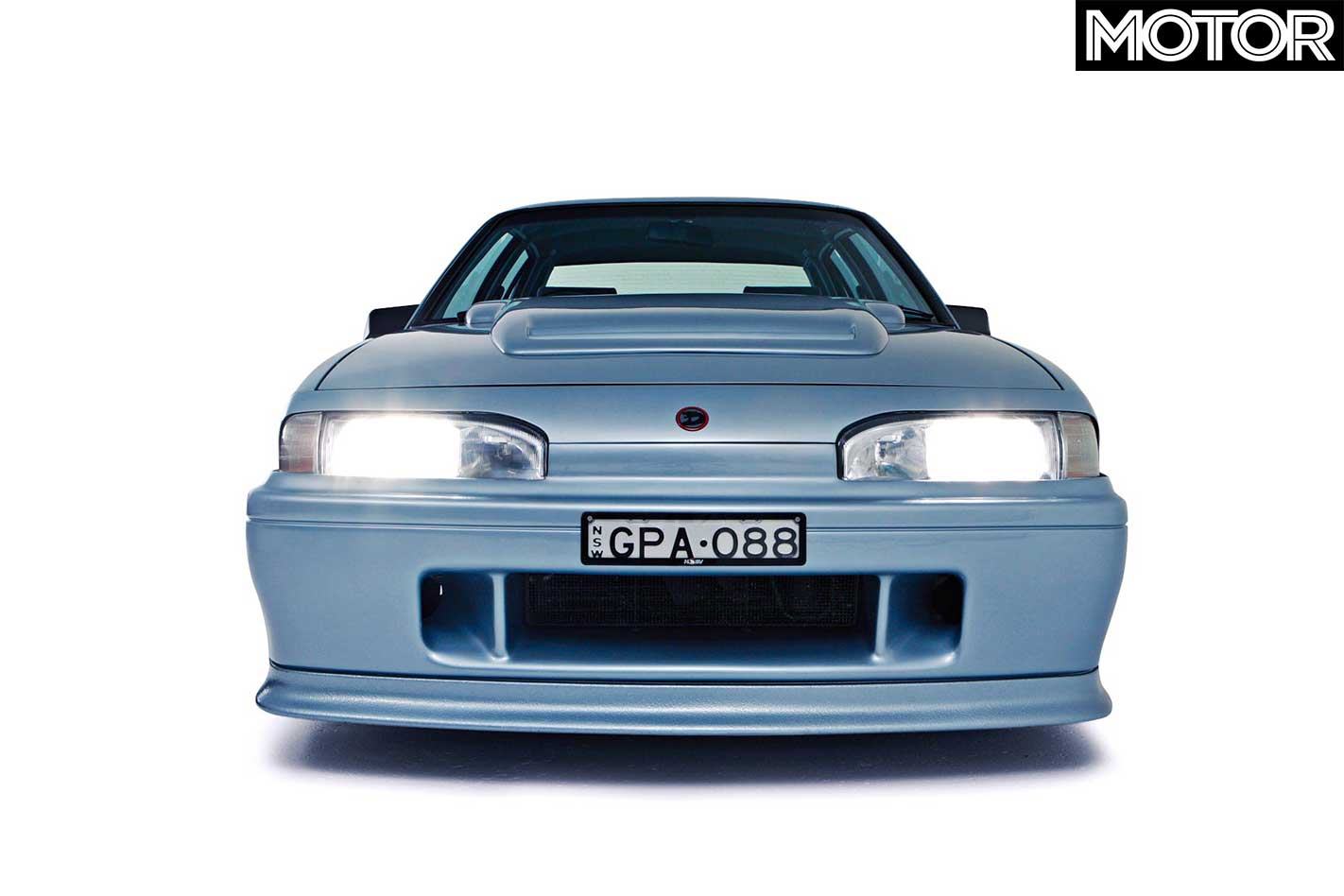
You can check the classifieds and the general online car-yard sites, but there’s no guarantee you’ll find much in the way of original Walkinshaws. There’re much better odds of finding the right car via the specialist performance and muscle car dealers and their websites.
This particular Walkinshaw was sourced via specialist dealer The Classic Throttle Shop, based in North Sydney (www.classicthrottlehsop.com). Walkinshaws often come up at auction, too, underlining the fact that they’re still on the rise.
I Bought One
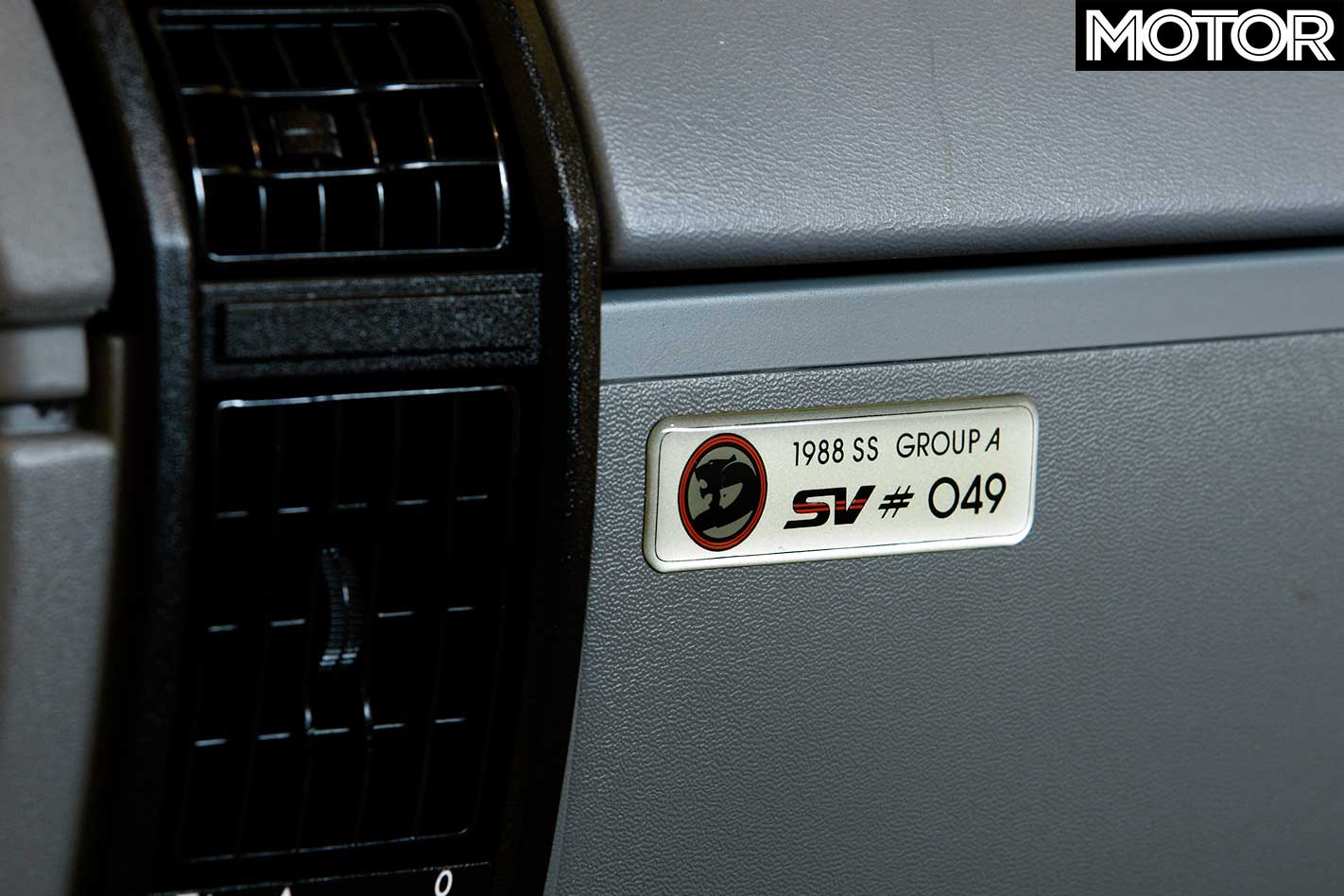
The Walky you see here – build number 49 – belongs to Michael Grech (err, no relation to former HRT boss Geoff). In its original acrylic Panorama Silver (many have been ‘restored’ in two-pack), Michael’s owned the car for about six months – but had the plates for over six years.
“I’ve wanted one for about a decade”, he confesses, “but it was only 12 months ago that I really went on the hunt.” It’s unrestored, after the first owner kept the car for 18 years. “It’s just the toughness”, Michael explains. “They’re so unique. They’re probably more accepted now than in the ’80s. Ultimately, my wife and I will enjoy it knowing that in the end, we’ll still get something back.”
What’s it going to cost?
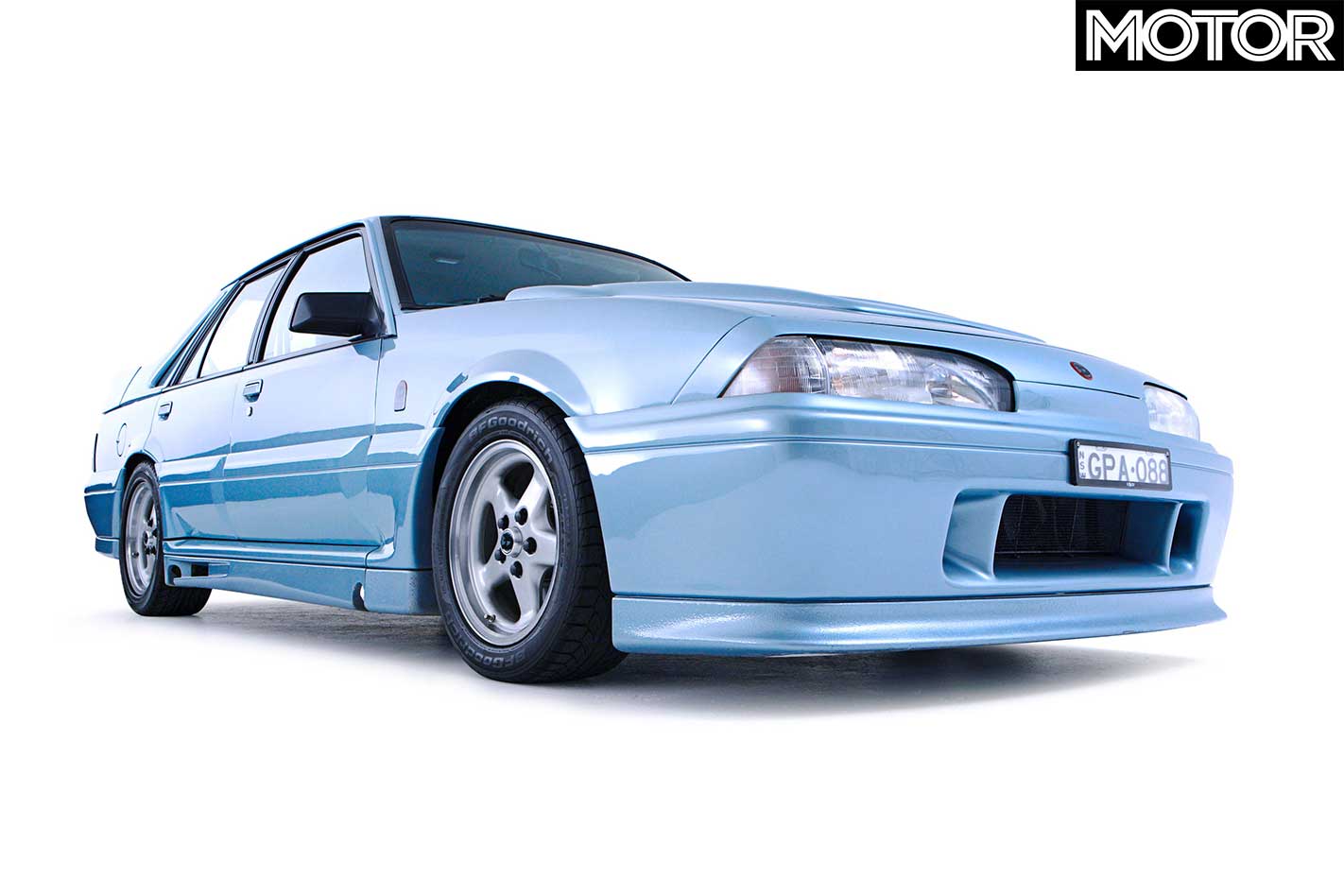
Unmessed-with, genuine cars now start at around $70,000 and below that you might find you’re buying trouble. Watch out for fakes, too, because for all the mud slung at the body kit when the car was launched, it was soon being ripped off in chop shops all over the country.
The highest price we’ve seen for a Group A SS was a stonking $170,000 but that was a car with little more than delivery miles on board and in stunning nick.
Closer to $100,000 gets you into the realm of really good examples and while that sounds a fair bit, compared with a GT HO of any sort, it’s good buying.
1988 HSV Commodore SS Group A Pros & Cons
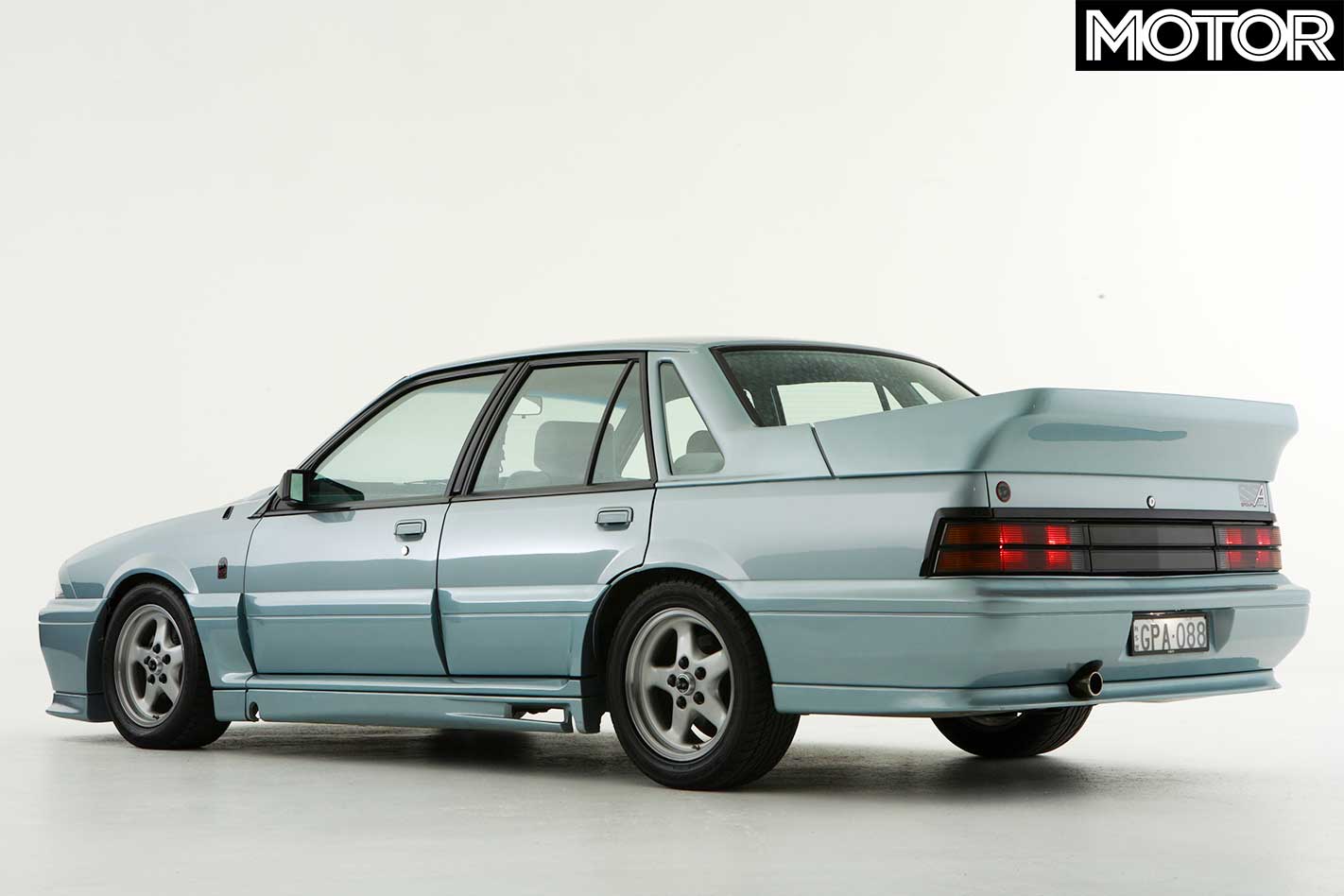
Pros: – Ultimately as collectible as any other Bathurst winning model. – Still feels good to drive. Lively and agile … believe it or not. – A collectible car you could use every day in terms of reliability and driveability.
Cons: – Will never have the mystique of a Brock car (with or without an Energy Polariser). – Body kit is the real driving limitation. At least the very lower pieces can be removed and stored safely. – Finding a dead original one will be the real trick. Lack of respect when new led to a lot of them being modified with varying degrees of sensitivity.
Ford could have built its own W1, it has emerged. A 483kW 5.0-litre supercharged V8, four-door sedan with a revised chassis and wider rear tyres, potentially Michelin Pilot Sport Cup 2 to rival the HSV GTSR W1’s Pirelli P-Zero Trofeo R. They say the quickest way to know the true intent of a car is by looking at its tyres, and the sticky Michelins are found on things like a Porsche 918 Spyder and Ferrari 488 Pista.
This is not to say the humble Falcon had the potential to be mentioned in the same sentence as these cars (unless you were, of course, talking about tyres), but if the car on our cover is any indication, there was scope within the XR8 Sprint to take another step in performance. Or another leap.
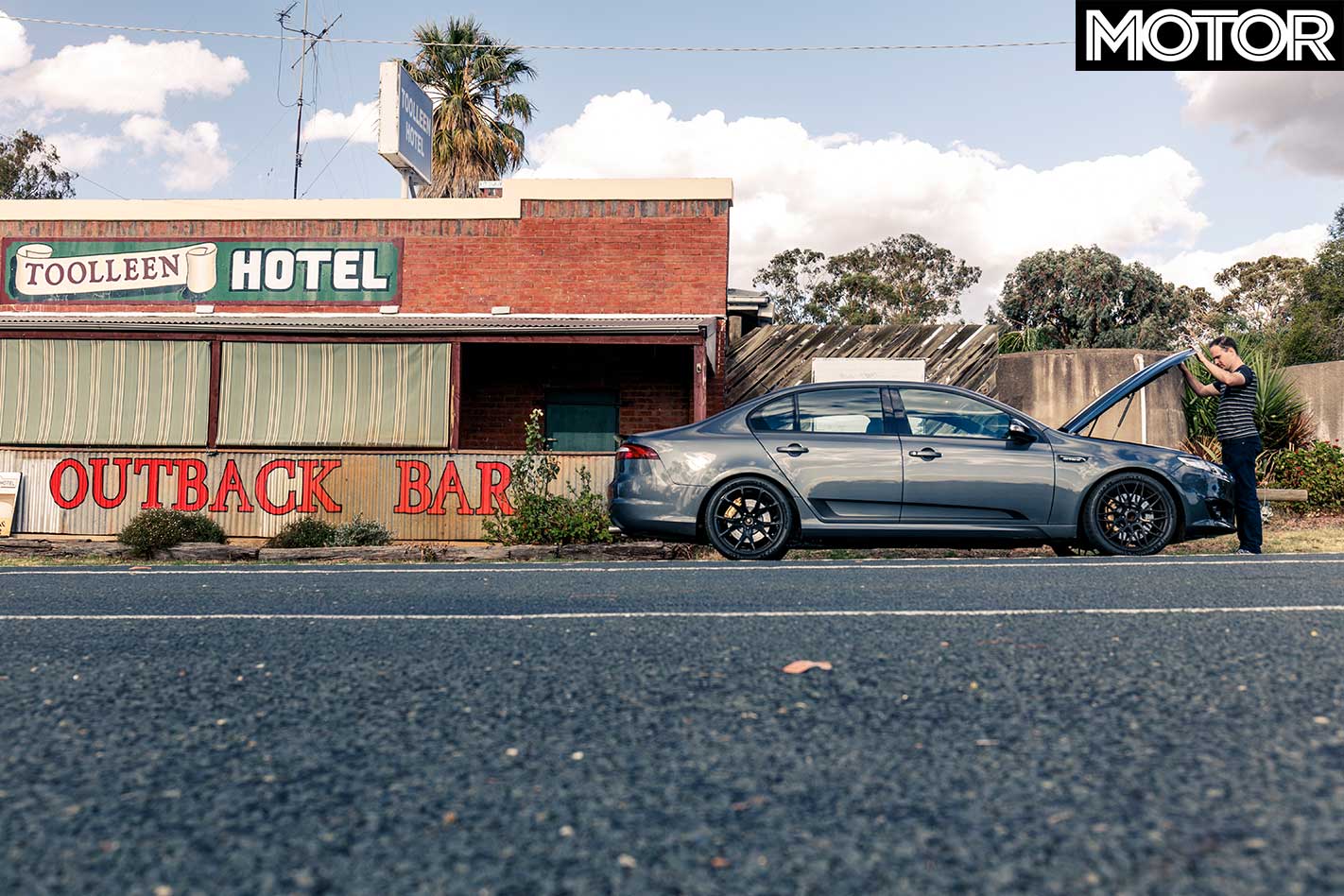
In the March issue of MOTOR magazine (on sale now), we’ve tested the car Ford Australia could have built. It’s called the Premcar Holy Grail, and while the name doesn’t quite have the same menace to it as HSV GTSR W1, it’s an important car. Built by effectively the same people who developed the 5.0-litre Miami V8 for Ford Australia, this team has, independent of its former paymaster, gone full skunkworks on the engine to show its ultimate OE-trim ability.
And that is the aforementioned figures – 483kW and 753Nm, an Australian designed and built powerhouse with a 7000rpm cut-out, that could have rivalled The General’s 474kW/815Nm 6.2-litre supercharged LS9 as seen in the mightiest HSV.
As basically the former engineering brains behind Ford Performance Vehicles, Premcar didn’t stop there, revising the rear trailing arms to accommodate 20mm wider rear tyres to help put all that extra grunt to the ground. Melbourne-based suspension experts Shockworks sorted the springs and dampers to unlock even more ability from the ol’ Falcon chassis.
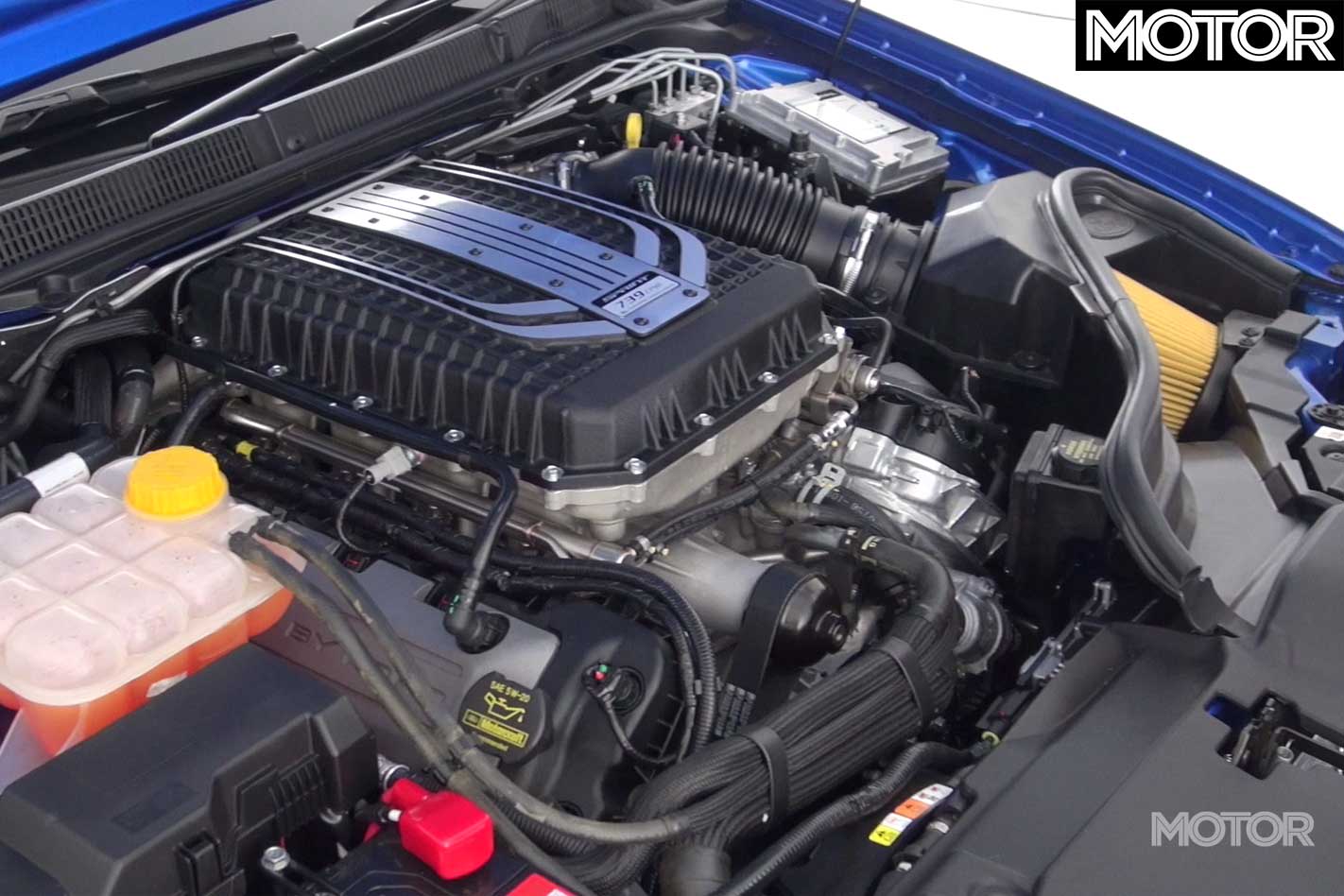
The March issue also details the full engineering tale and how the set-up transforms an FGX XR8, but finishing the story, one’s imagination can’t help wonder what this package could have looked like if Ford Australia had taken it and gone all out.
Revised front and rear styling, different seats, aggressive new wheels, bigger brakes, a couple of new hero colours and, if we were feeling particularly dreamy, new steering. Ford Australia could have charged $150,000 and sold every single one. Particularly if they had resurrected four of the most sacred letters in the annals of Australian performance motoring.
The nameplate GT-HO gets people fired up quite unlike any other. I’ve witnessed entire debates just around how it’s properly spelt – GT HO with a space in the middle, GTHO hard-up or GT-HO with a hyphen? We’re talking borderline pub brawl stuff. (Hyphenated seems to be the way to go.)
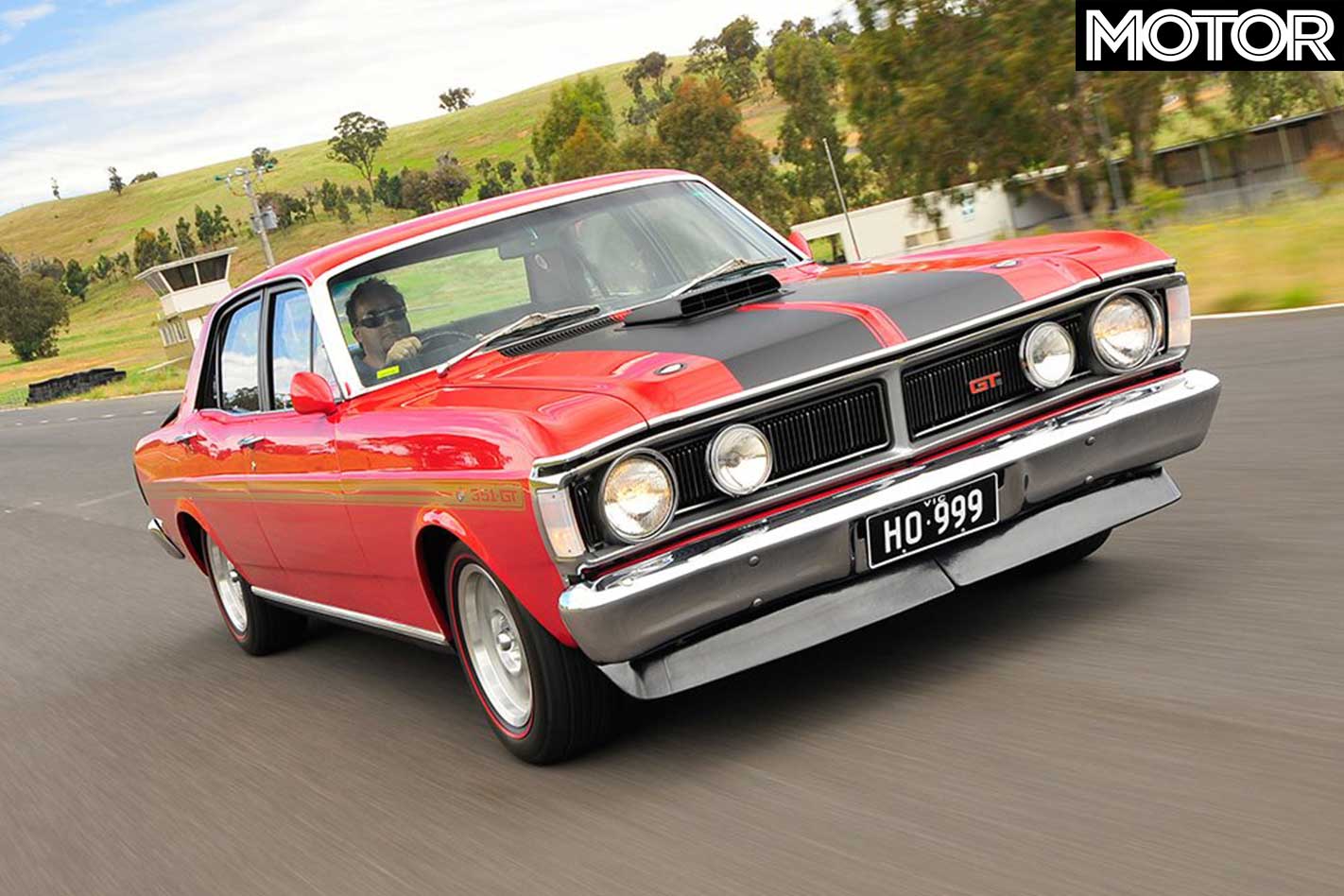
Could Ford have brought back this legendary badge for a 483kW factory-special Falcon? Or should they have?
As much as I believe one should let sleeping dogs lie, from the outside it seems Ford Australia missed a genuine business opportunity in not tapping into the huge equity of the GT-HO brand for one last, expensive hurrah.
Sure, no matter what you threw at it, the last Falcon platform could never dynamically match the newer Zeta that underpinned the VF Commodore (and W1), but the people who may have stumped up for a GT-HO would not have been shopping these two cars together.
It is what it is, and we should count our blessings we got the XR6 and XR8 Sprint. But in a parallel universe somewhere out there, as they drive around on Aussie roads, HSV tragics are quietly scanning for W1s, and Ford fans, the reborn GT-HO.
