
Audi has a new most powerful engine, and it’s all thanks to the world of motorsport.
DTM, Germany’s top flight motorsport series, has changed to ‘Class 1’ regulations for 2019, bringing it in line with Super GT’s GT500 class in Japan.
The new regulations brought with them a bevy of changes, with larger, yet simpler, aerodynamics, and most importantly, a change from 4.0-litre V8 engines to turbocharged four-cylinders.
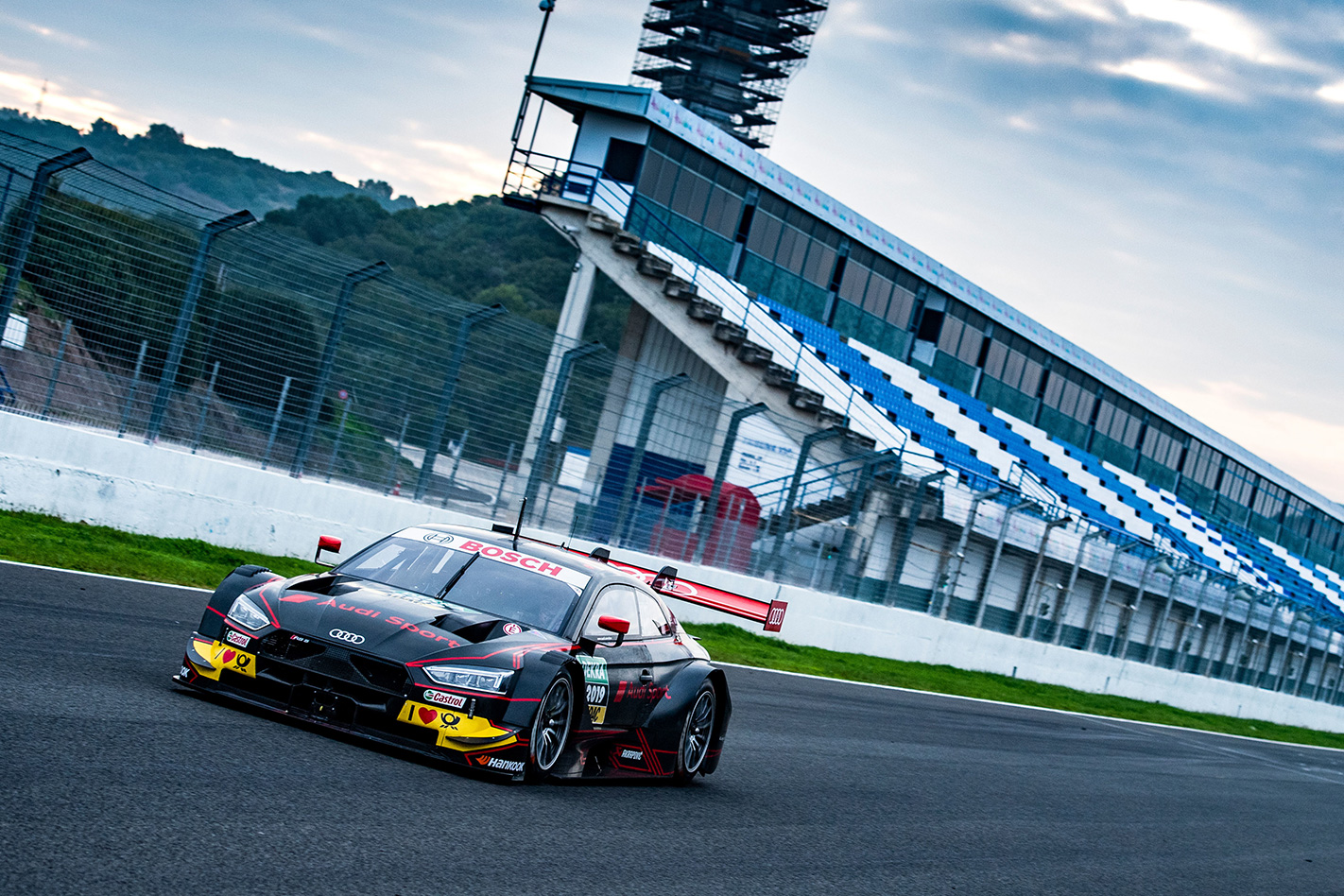
While the aural delight of the atmo bent-eight has disappeared, its replacement has made up for the loss with fire-breathing power outputs.
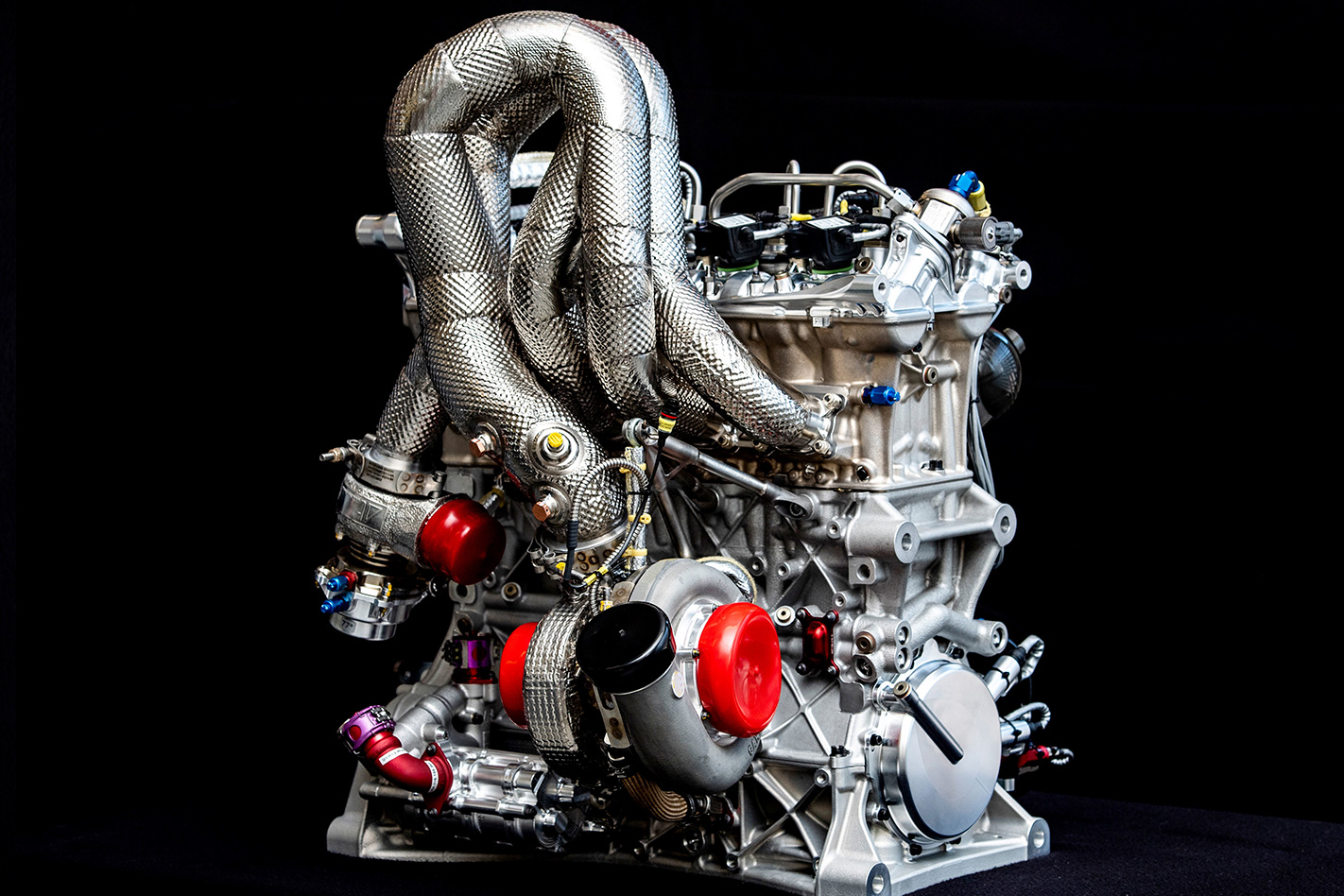
Audi claims its newly developed 2.0-litre four-cylinder turbo is capable of 454kW, an increase of 74kW compared to the 2018 DTM car – from half the cylinders.
However, that’s not the new engine’s outright peak power figure, with the rules allowing for a ‘push-to-pass’ function which gives drivers access to an additional 23kW for a limited amount of time, briefly boosting outputs to 477kW.
Currently, the most powerful engine fitted to an Audi is nestled under the R8 V10 plus coupe’s rear cowl, with the naturally-aspirated 5.0-litre V10 producing 449kW and 560Nm.
Audi’s other racing engines can’t even compare, with the R8 GT3 LMS producing between 365kW and 412kW depending on BoP restrictions, and the S1 EKS RX quattro rallycross car reportedly producing 426kW and 700Nm last year before it was stripped of factory support.
Head of Engine Development at Audi Motorsport Ulrich Baretzky suggested even more power could have been created if fuel-flow restrictions were lifted.
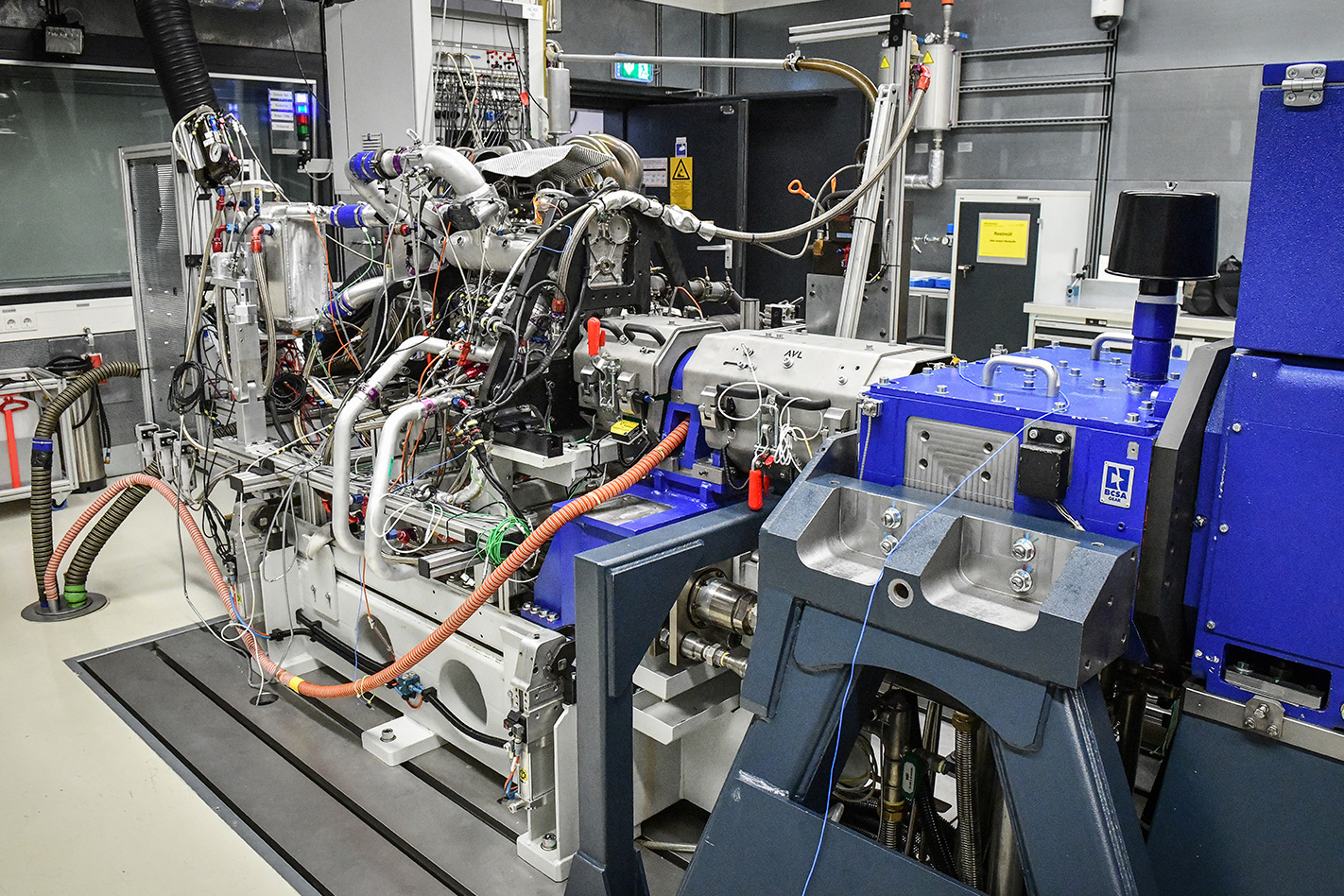
Current rules dictate a fuel-flow of 95 kilograms per hour, and the tech that Audi has implemented to meet this restriction could flow into road cars in the near future.
“That may sound like a lot but, in view of more than 610 horsepower, it really isn’t,” Baretzky said.
“The specific consumption of the DTM engine is extremely low and now within ranges that used to be typical for diesel engines.
“In terms of weight and lightweight design – especially in the context of avoiding CO2 emissions – we’re pointing out a few approaches that will hopefully find their way into future road-going vehicles – like in the case of the first TFSI for Le Mans and the TDI.”
Not only is it more powerful than the outgoing V8, it is also 50 percent lighter at just 85 kilograms, dropping the RS5 DTM car’s dry weight to under 1000kg, with a power-to-weight ratio of 2.1kW per tonne.
The engine must also last the full season, so is designed to survive 6000 punishing kilometres of racing.
Putting Audi’s creation into perspective, ponder this: Cosworth’s latest creation is a 6.5-litre naturally-aspirated V12 that has a sound so visceral, journalists had to be warned before they heard it come to life. Destined to be fitted to Aston Martin’s Valkyrie hypercar, it’s essentially a racing engine that someone saw fit to sell to the public, and it produces – wait for it – 735kW.
However, in terms of power density, it’s nothing on the Audi four-pot, with just 113kW per litre.
The most powerful 2.0-litre engine the general public can buy is Mercedes-AMG’s M113, which is fitted to its 45-badged products, producing 280kW (140kW per litre). Rumours suggest this will jump to 309kW thanks to extensive re-engineering for the 2020 A45 AMG.
Back in the world of motorsport, Porsche’s 2.0-litre turbocharged V4 which was fitted to the 919 produced “just under” 368kW during LMP1’s fuel-flow restricted era. When unleashed from regulations, this grew to 530kW.
But, in terms of power density, there is one engine that stands above the rest – the BMW M12/13 1.5-litre four-cylinder from Formula 1’s ‘80s era.
With a single KKK turbo and Bosch digital electronic management system, the M12/13 was allegedly capable of 1044kW, or a staggering 696kW per litre, in 1986 qualifying trim.
There’s almost an entire book to be written on the M12/13, which was built using a production-based block, and its fabled power outputs will forever remain surrounded in mirth and mystery because the dyno BMW used to measure power couldn’t record figures above 954kW.
While Audi’s new unit is unlikely to threaten the M12/13’s crown, even when unleashed from regulations, it does hint at the brand’s ability to produce low-capacity, high-power monsters to add to its road fleet in the near future.
Ford is trying to keep Tesla stuck in the starting gate by teasing its upcoming electric pony car crossover.
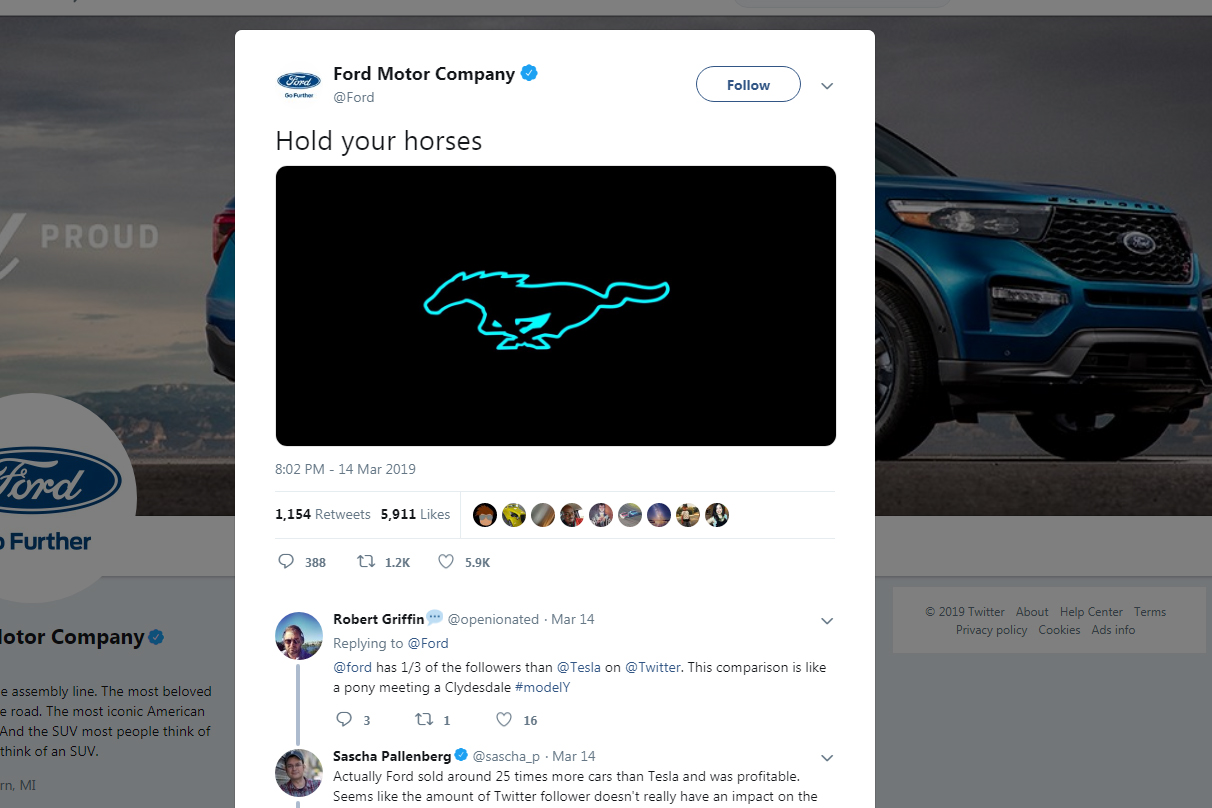
With a cheeky tweet which was released during Tesla’s official Model Y reveal last week, the blue oval reminded excited electric car buyers that Ford has its own SUV rival coming in 2020, telling everyone to “Hold your horses,” along with an image of the iconic pony logo glowing in blue.
Ford first announced its electric SUV earlier this year at the Detroit motor show in January, under the codename Mach 1. It has since remained tight-lipped on details, but the usual hype Tesla develops – and consequent pre-orders it gets – from reveals has forced Ford to kicks its hoofs out. The Tesla Model Y looks set to tap into its largest customer base yet, and it’s a market battle that Ford won’t want to lose.
Speaking with CNBC in the US, Ford president of global operations, Joe Hinrich, said that we could expect “a Mustang-inspired SUV” from the maker soon. An event scheduled for April in Europe is tipped to be a likely venue for Ford to preview its next-generation of long-range electric passenger cars and SUVs.
The upcoming crossover is an unusual turn for the Mustang ethos, a car that is famous for spilling hydrocarbons from a grumbly V8 petrol motor in a two-door coupe body. But Ford further hints that the battery-electric crossover will have a performance bent, leveraging the model’s 55-year sporting heritage to give it some reverence that Tesla doesn’t have.
Ford has also tipped a further $1.2 billion into a second US production site that will produce its upcoming electric vehicles – the investment is almost as much as Tesla’s entire earnings before interest, taxes, depreciations and amortisation last year.
Despite Ford’s comfortable financial position and ability to easily ramp up production of electric vehicles soon, Tesla’s stock market value remains higher, an indication of both the unwavering consumer and investor support. At least as long as it can maintain production expectations.
Ford currently produces an all-electric Focus but it’s hampered by short-range. The upcoming long-range crossover will address range anxiety and should appeal to the growing SUV market. Ford has confirmed it will arrive in showrooms by the end of 2020, the same year that Tesla plans to roll out its Model Y competitor.
Aston Martin has said its new mid-engine 2022 Aston Martin Vanquish will produce less power than its competitors and feature a more ‘mild’ hybrid system.
Marek Reichman, Aston Martin’s Chief Creative Officer, spoke to MOTOR during the Australia Grand Prix on key details about its incoming mid-engine fleet, comprising the Valkyrie, AM-RB 003 and Vanquish launching in 2022.
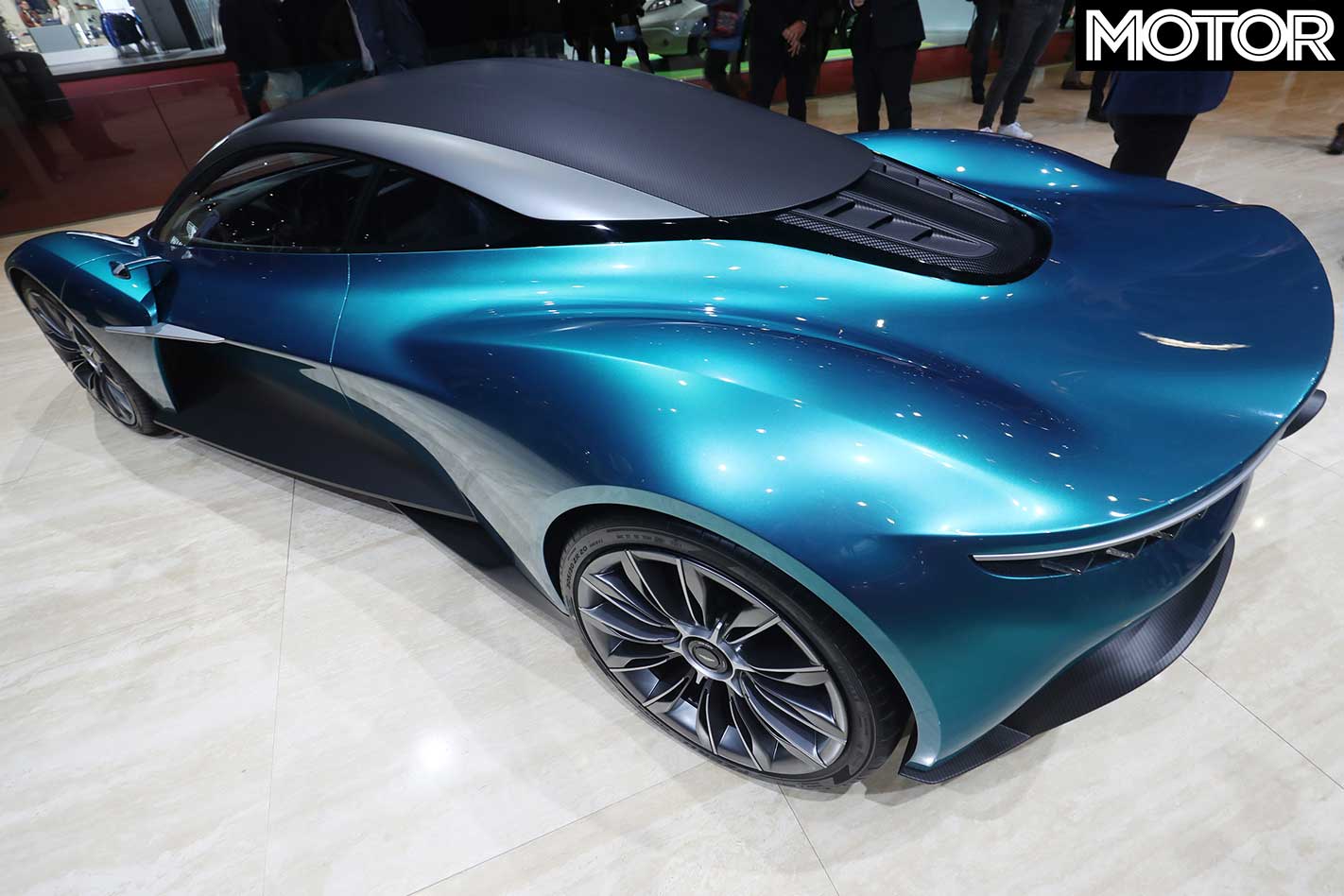
“By the time we get to Vanquish as a true competitor to the 488 we’ll of had six years of learning, from that early point, to learn all about cooling, hybrid systems, and Valkyrie’s KERS system.
“003 will have more of that. Because we’re using more of the hybrid to power the cars. And mild again as we get into Vanquish.”
This means the Vanquish’s hybrid component will add less to its overall outputs. Why? Various reasons. “All of that [Valkyrie] knowledge goes into 003, its carbon tub, aerodynamic technologies, so all of that learning, so we develop our own V6 for that 003.”
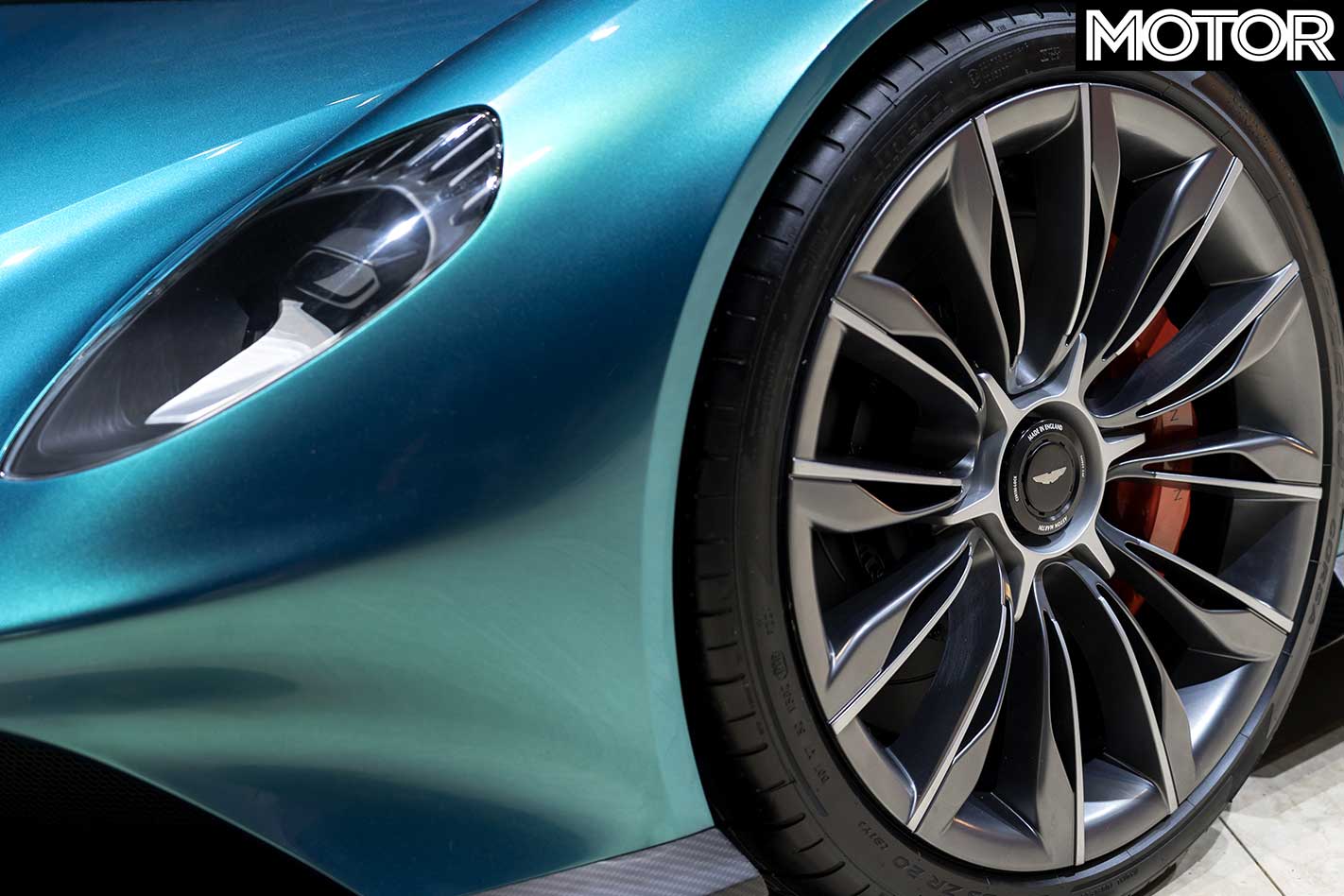
“That V6 then comes into Vanquish,” he continues, “and it already has the capabilities, the power capabilities from the core unit. So it’s mild because we don’t need to give that engine as much power as some of our competitors.”
Since none of its current competitors actually have hybrid systems, only twin-turbo V8s and V10s, it highlights a lightweight focus.
“We believe that power to weight, package efficiency, and obviously, the tax breaks you get in certain countries where your litres are beneficial, again, not saying what the literage is, but that’s the reason why.”
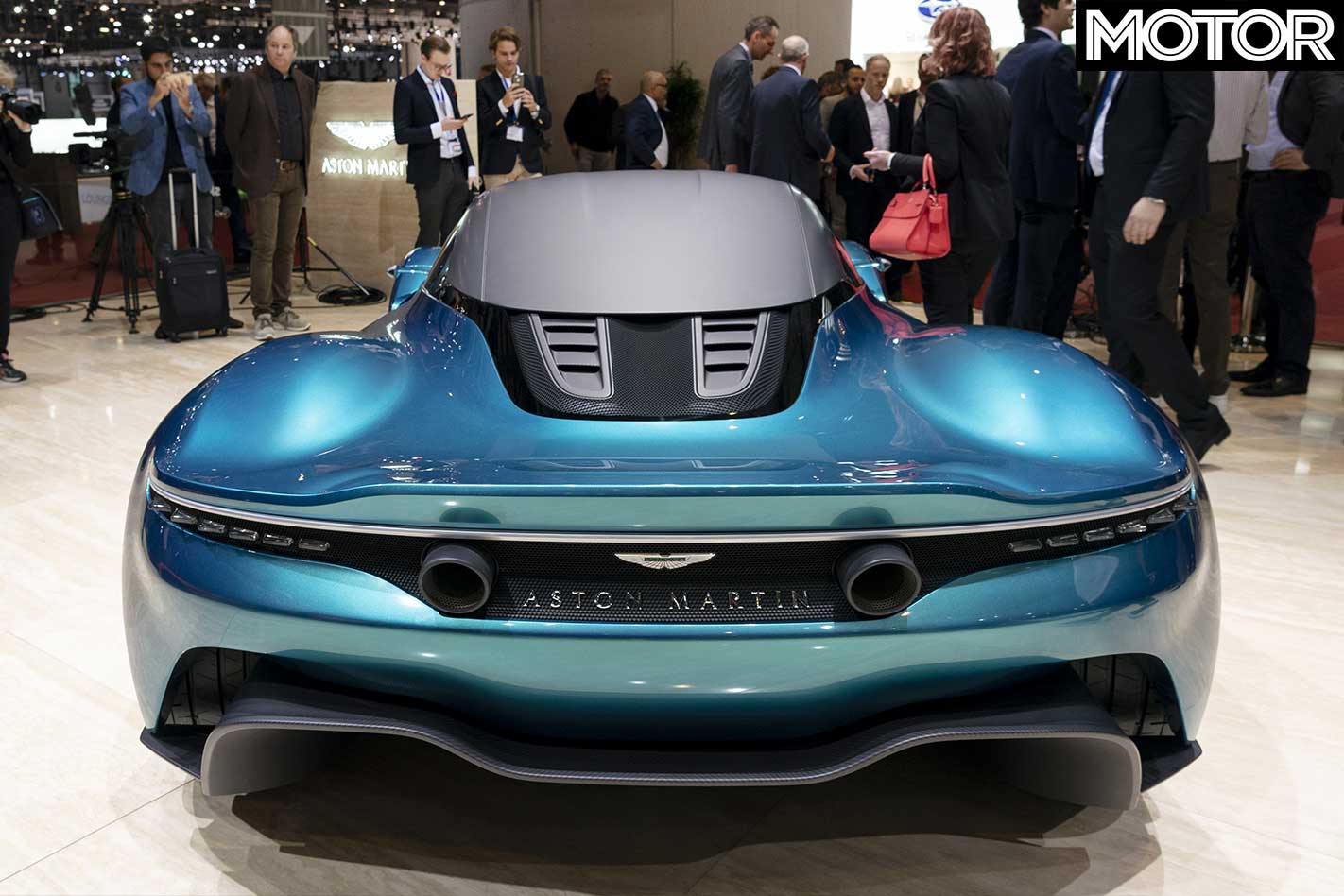
So, it’ll be powerful, light, softer on emissions laws and aid aerodynamics and practicality. And, better yet, it’ll be all Aston Martin. The V6 will be designed and built in-house, even though it is leaning on its technical Red Bull Racing F1 partnership.
“The great thing about a partnership is it’s not always a direct one to one. Is this engineer working on this engine? It might be that the two engineers never sit together at their desks but meet at the canteen. And one says, ‘ah, I have this amazing cooling system, have you heard about this?”
The Aston Martin Vanquish Vision Concept is exactly that for now, a concept. But stay tuned for more details as it nears production.
If you’re still spinning from trying to understand BMW’s rapidly expanding SUV line-up, you can add one more big crossover to the mix: the 2019 BMW X7. It’s bigger than Texas (and Wheels’ Ash Westerman drove it there too) and is the largest SUV the Bavarian maker has ever built. And, of course, it’s completely luxurious. But as Westerman finds out, this is no high-riding 7 Series. Read the full BMW X7 2019 review here on our drive across that States’ deep south in the newest German tank.
Check out our photo gallery above and let us know what you think.
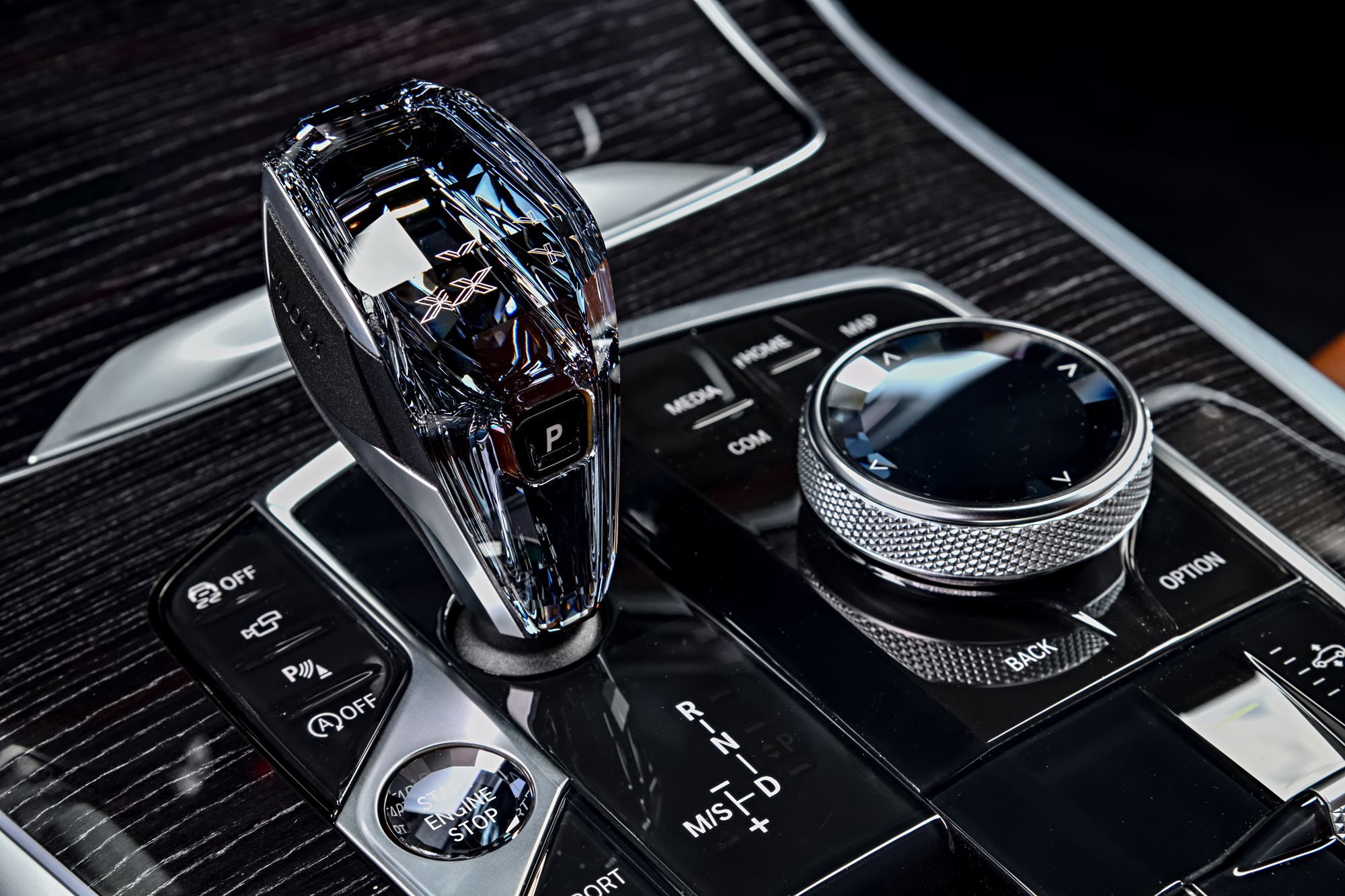
BMW X7 PRICING AND SPECS AUSTRALIA
Model: BMW X7 xDrive 30d Engine: 2993cc 6cyl, dohc, 24v, TTD Max Power: 195kW @ 4500rpm Max Torque: 620Nm @ 2200rpm Transmission: 8-speed automatic Weight: 2460kg 0-100km/h: 7.0sec (claimed) Fuel economy: 6.5L/100km Price: $119,900 On sale: May
Wheels, and its subscribers, are set for a massive 2019.
Our subscribers are highly valued by Wheels, and we are going to reward their loyalty. Not only will you save money, but have access to subscriber-only content and exclusive events throughout the year.
Subscribers are as passionate about Wheels as the team that works on it, with a 400 percent higher response to our reader survey last year than expected – you spoke, and we listened.
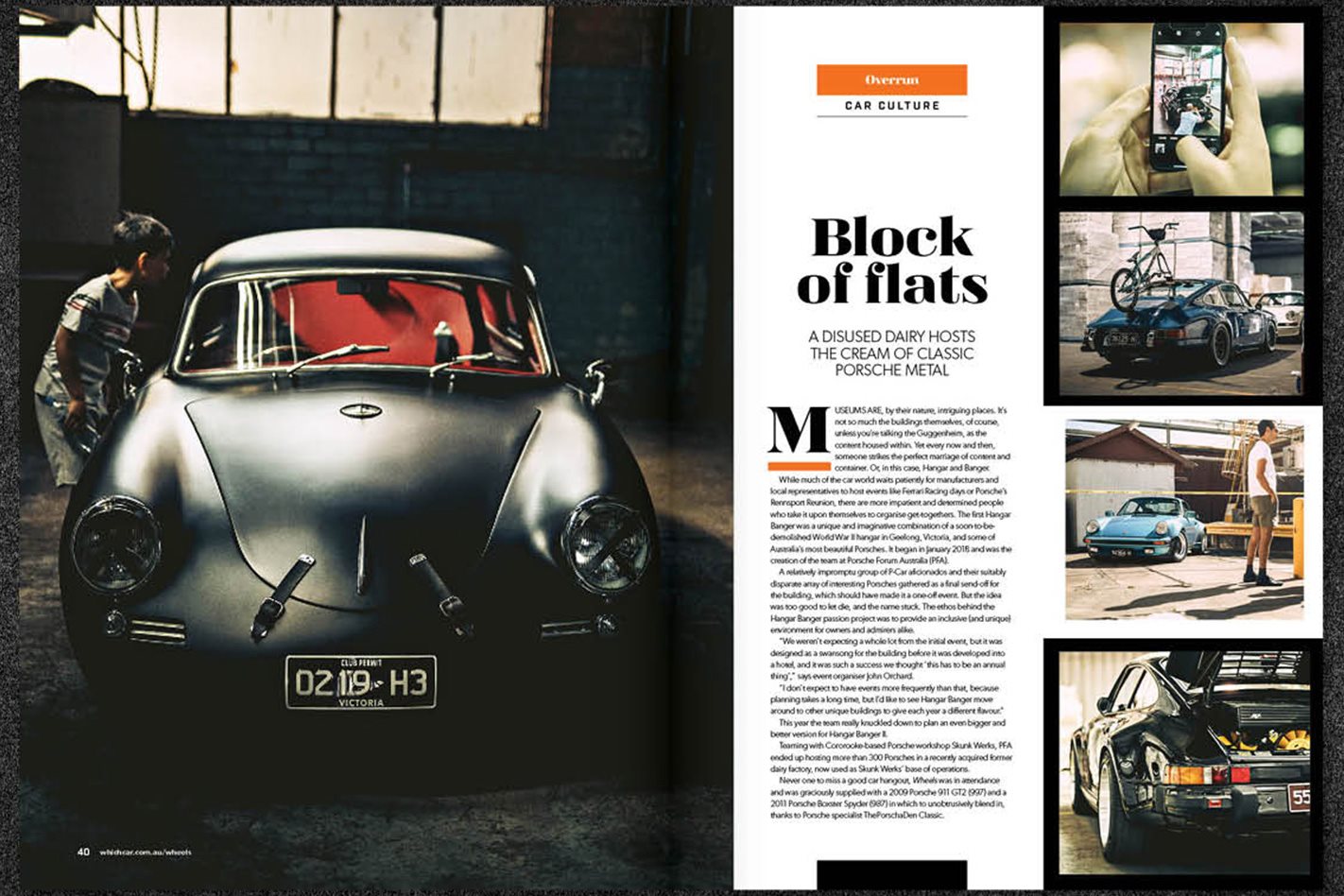
A Wheels subscriber is deeply engaged, spending on average over two hours reading our magazine each month, and they are a hugely important and valued part of our brand.
Subscribers account for half of Wheels’ monthly circulation – the highest of any motoring brand in Australia – and we are going to be rewarding that loyalty with a number of new benefits for readers in 2019.
This year we will be doing more than ever to not only retain our existing base of subscribers, but entice new ones.
If you like the smell of money (and who doesn’t?), subscribing to Wheels costs only $99.95 per year, saving you almost $40 over buying all 13 issues individually. We also want to bring our subscribers closer to the Wheels world, and will be offering exclusive subscriber-only content and putting on subscriber-only events.
We know your passion for motoring is unrivalled, and the events will grant you access that is traditionally reserved for a select few.
With our 13 issues delivered straight to your door, we also provide subscribers special, pared-back covers, allowing them to stand out on your coffee table with striking photography and art. Yep, the new-look mag is already a stunner, but the subscriber issues are something special.
So, if you subscribe to Wheels already, thank you. You can also look forward to one of our most exciting years yet. But if you don’t subscribe, we’re going to convince you that receiving the best motoring title in the country each month is worth your hard-earned.
If you want to get in on the Wheels subscriber action, head to magshop.com/Wheels
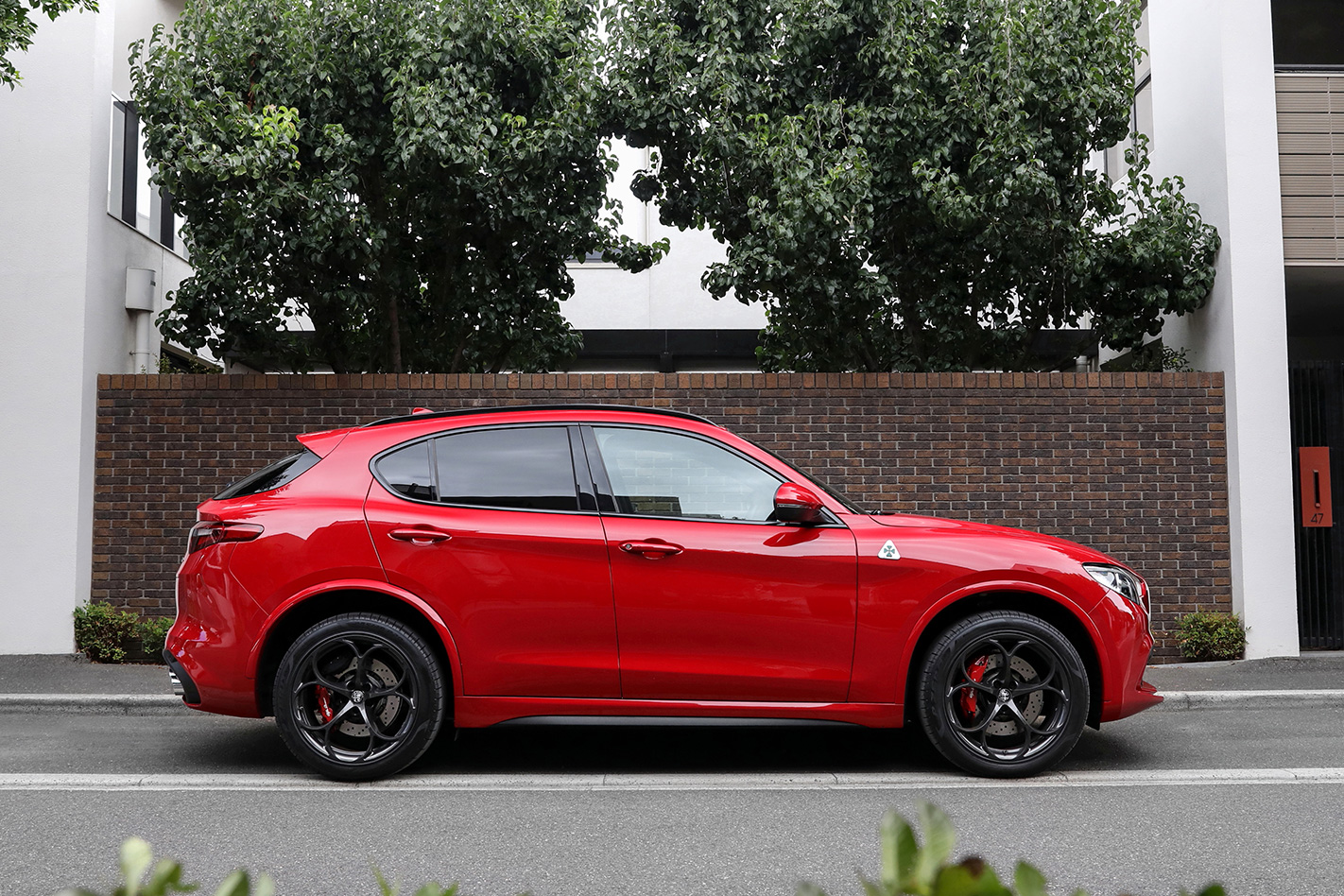
WHAT IS THE ALFA ROMEO STELVIO Q?
It’s Alfa Romeo’s first SUV, and this particular variant – dubbed Stelvio Q – is the one we’ve been waiting for. It’s the fast one (0-100km/h takes 3.8sec), the good-looking one, the one with the iconic four-leaf clover stuck to the side and ‘Quadrifoglio’ added to the name. Think of it as a Giulia Quadrifoglio with a jacked-up ride height, the same drivetrain, and a rear-biased four-wheel-drive system and you’re most of the way there.

WHY WE’RE TESTING IT
Fascinatingly, Alfa says that if you break down the sales split of the Giulia sedan, a full 30 percent are for the high-performance Quadrifoglio variant. Even accounting for Australia’s love of all things performance, that’s a high number. It also bodes well for the Stelvio Q. Australia has gone SUV mad, so if the Stelvio can match or surpass the Giulia’s numbers, it promises to be a significant model for the brand.
ALFA ROMEO STELVIO Q REVIEW
A FORMULA 1 circuit is ideal for many things, except, you might think, for launching a new SUV. And of all the tracks on the F1 calendar, Melbourne’s Albert Park seems a particularly foolhardy choice. Wide, fast and flowing, its cocktail of high-speed turns and big, hard stops followed by fiddly chicanes is the kind of place to destroy an SUV; a cauldron of speed seemingly designed to expose the inherent dynamic flaws that come with a higher ride height and more weight.
But then again, the Alfa Romeo Stelvio Q (short for Quadrifoglio), is no ordinary SUV. It was a Nurburgring lap record holder (until its pesky rival from Mercedes-AMG stole it), and is actually quicker around the infamous German circuit than a Lamborghini Gallardo.
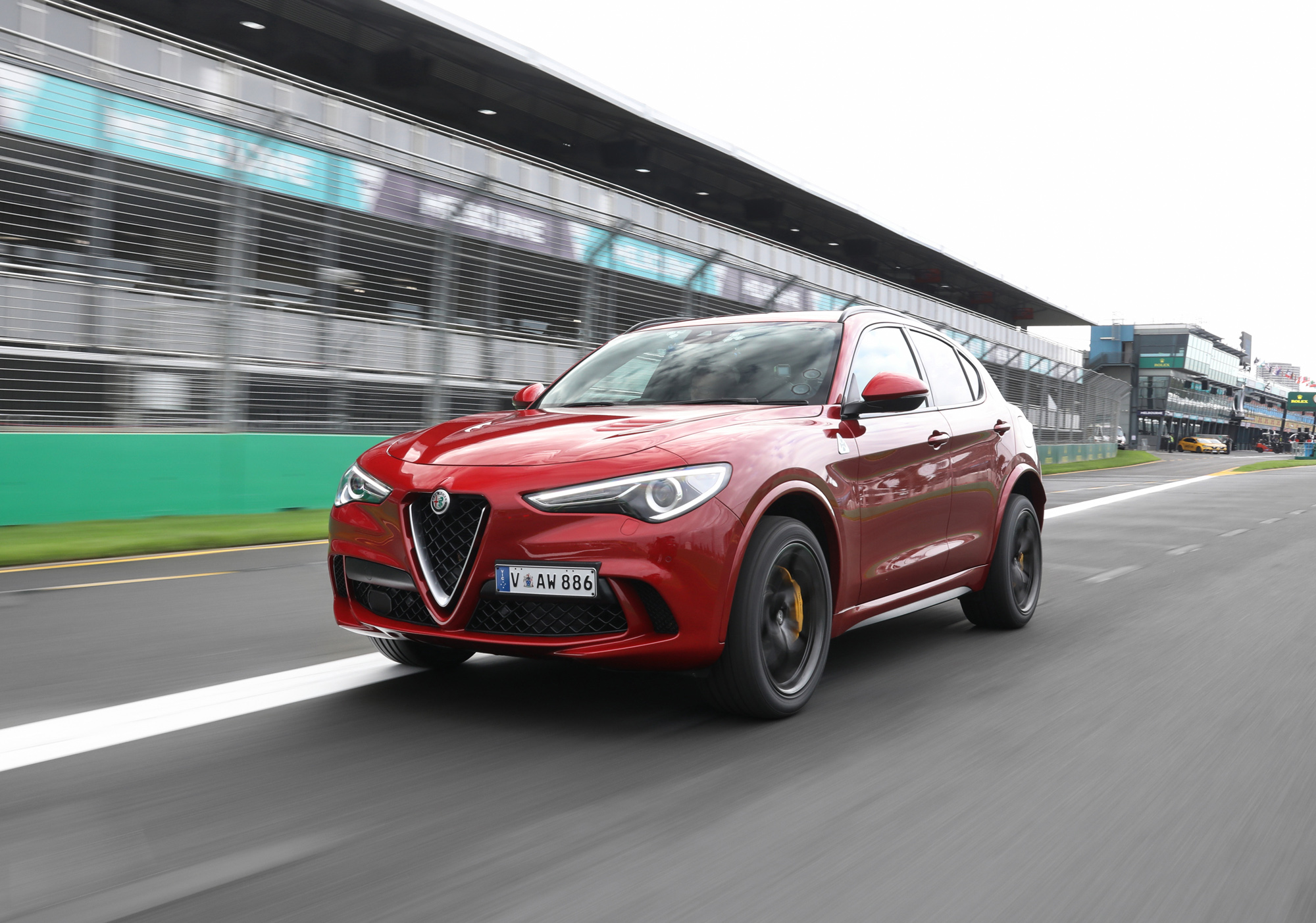
This shouldn’t be a surprise, really, given what’s lurking beneath the Stelvio Q’s taut bodywork. The engine, gearbox and suspension are all lifted directly from the Giulia QV super sedan, and even the most significant addition – the four-wheel-drive system – has been tuned with performance in mind.
It’s a rear-biased set-up, and unless the car starts to slide or grapple for grip, 100 percent of the Stelvio Q’s 375kW/600Nm is set solely to the rear Pirellis. Nice.
Deploy all of this on a slightly damp Albert Park and the Stelvio Q is disarmingly fast. So potent is Alfa’s 2.9-litre V6 that it feels every bit as quick as the Giulia QV in a straight line, despite the fact that the Q is carrying an additional 245kg. Alfa claims it’ll rocket from 0-100km/h in 3.8sec, putting it on par with the Mercedes-AMG GLC 63 S as the quickest SUV in this class.

Sounds good too, with a flamboyant, operatic howl that’s the polar opposite of the wet V8 rumble you get in the Benz. The same applies to the way they corner. Where the AMG bludgeons the laws of physics into submission, the Alfa is lighter on its feet with razor sharp steering, crisp throttle response and an inherent sense of balance.
It feels, it has to be said, like a Giulia, with the only real dynamic sacrifice found in the braking zones where there’s noticeable pitch when you deploy the impressively resilient steel stoppers (carbon ceramics are a $12K option).
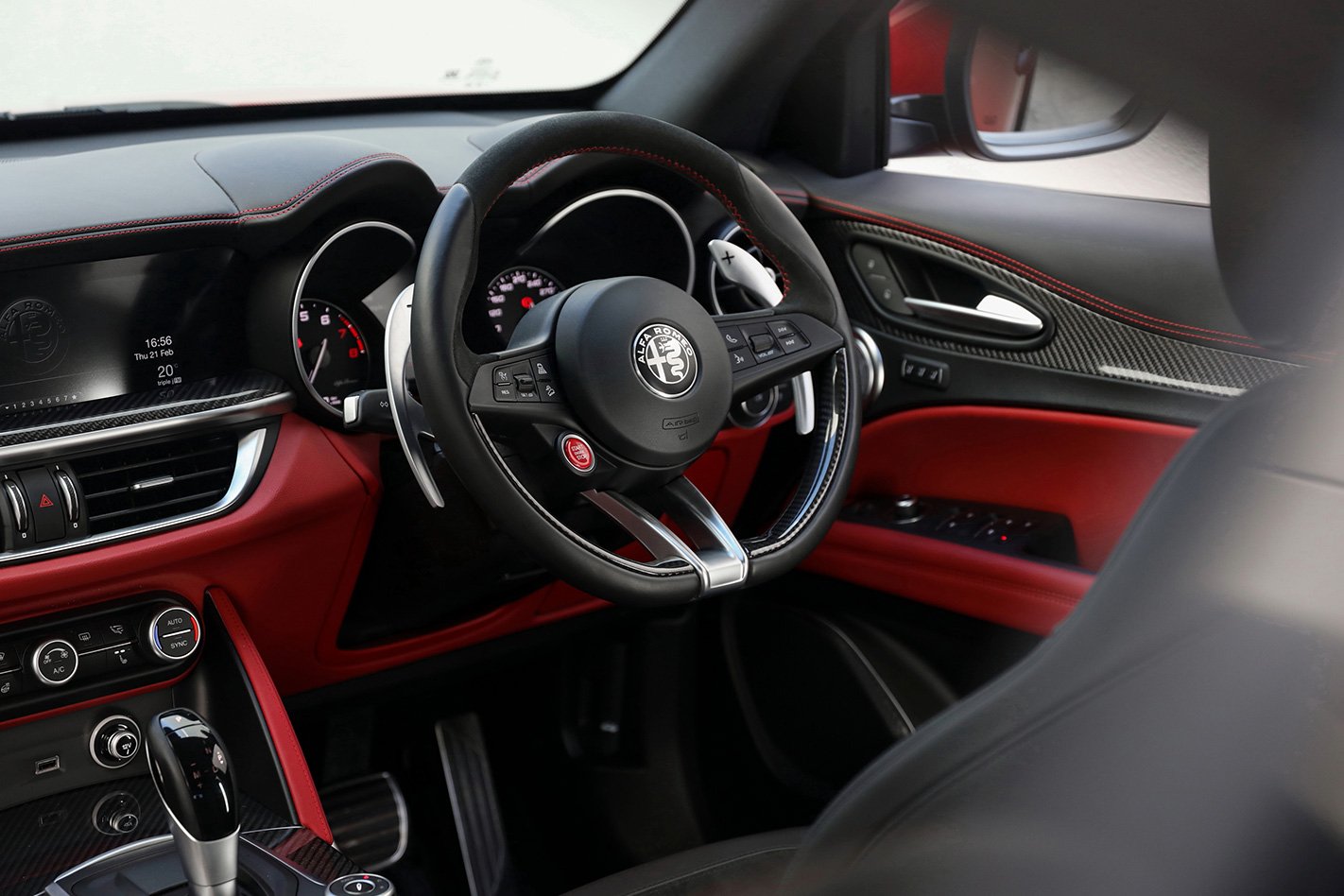
As with the Giulia QV, you have four driving modes to play with, running from Advanced Efficiency, through Natural, Dynamic and Race. Get greedy with the throttle in Race mode and the Q’s rear-drive bias and lax electronic safety net mean you’ll need to be quick with your hands, yet this only contributes to the Stelvio’s sense of excitement and flair. It feels expertly engineered; created by people who understand a performance SUV shouldn’t only be fast, but fun too.
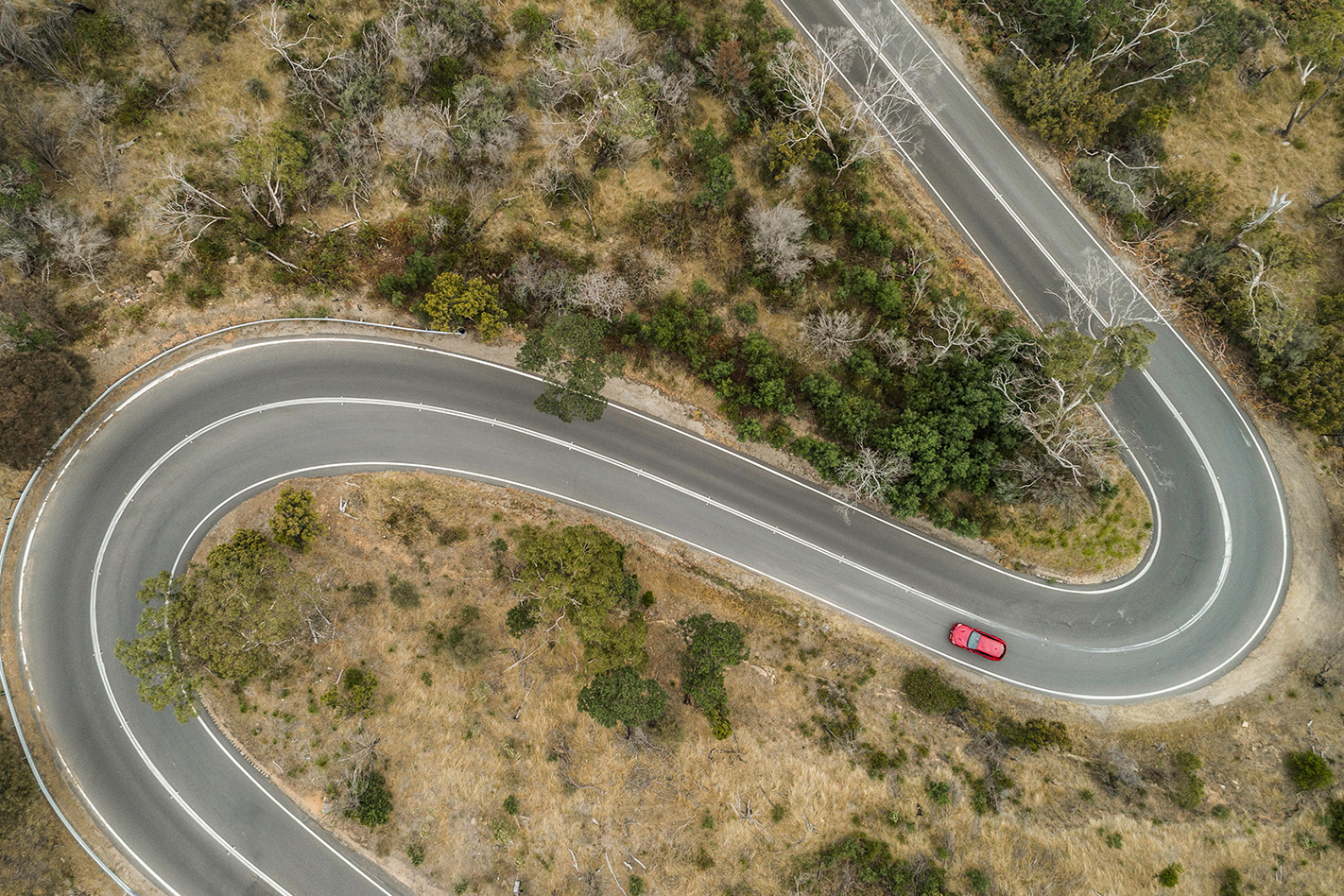
What Albert Park’s smooth surface doesn’t offer is any sense of how the Stelvio Q rides on large 20-inch wheels. And if you spend some time poking around the interior, it doesn’t take long to realise the material quality and fit and finish aren’t as convincing as rivals from Porsche, BMW and Mercedes-AMG. The seating position is also a little high and rear vision is compromised by the shallow rear glass.
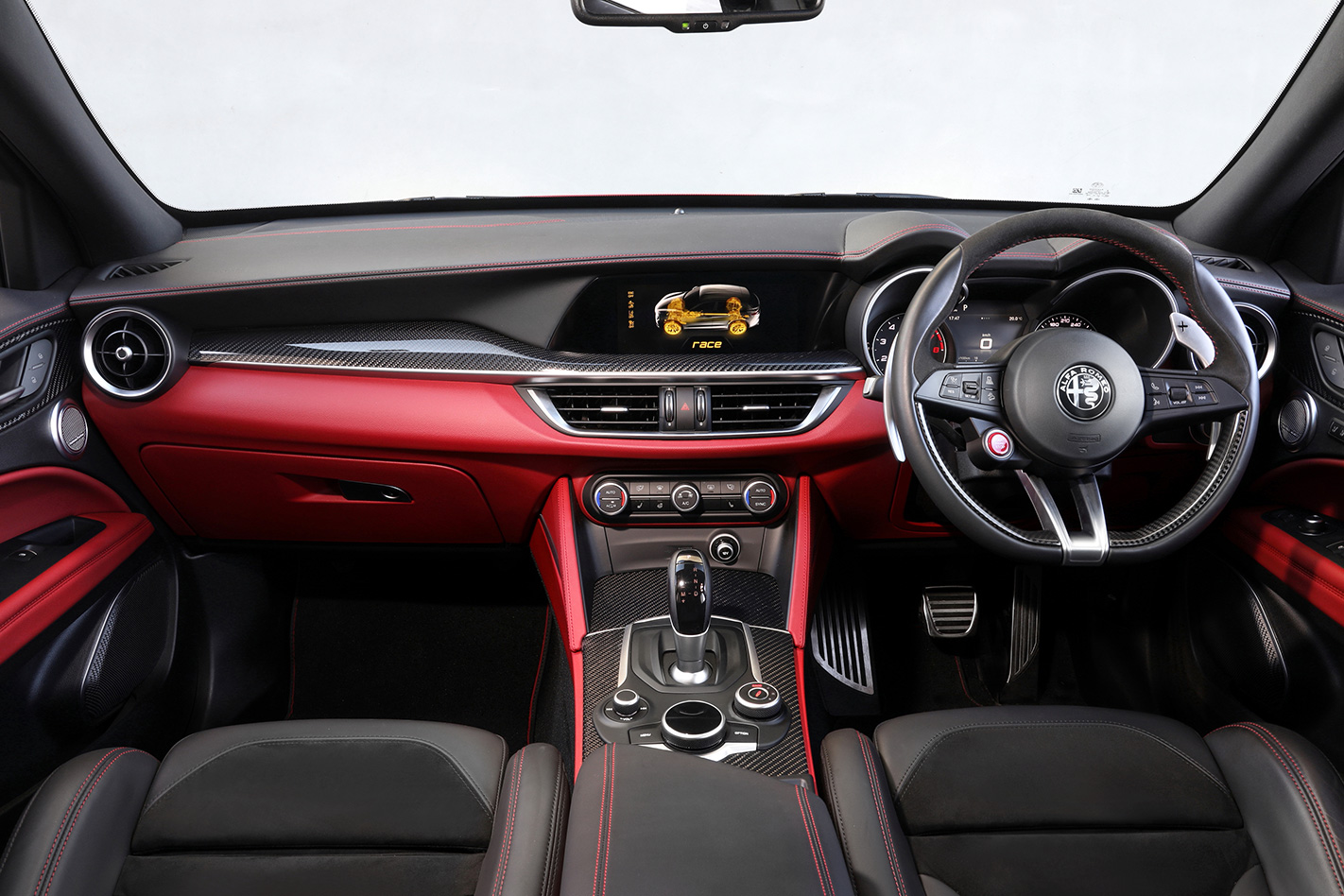
Yet if you’re someone who cares about the sensation of driving, not only in regards to lap times but in the enjoyment that it brings, and you’re absolutely committed to buying an SUV over a sedan or wagon (we’d buy a fast wagon over a fast SUV any day of the week), the Stelvio Q delivers on both counts.
ALFA ROMEO STELVIO Q VS RIVALS
Mercedes-AMG GLC 63 S; Porsche Macan Turbo; BMW X3M
WHEELS’ VERDICT
Does anyone really need a 375kW/600Nm SUV capable of lapping the Nurburgring faster than a Lamborghini? The answer, of course, is no, but we’re glad the Alfa Romeo Stelvio Q exists. It looks fantastic, sounds even better and delivers a degree of dynamic ability and personality that put it right at the pointy end of this class.
PLUS: Visual aggression and presence; one of the best V6s in the business; retains much of the Giulia’s handling prowess; unmistakably Italian MINUS: Additional kegs compared to Giulia; good luck getting 10.2L/100km; seating position a smidge too high
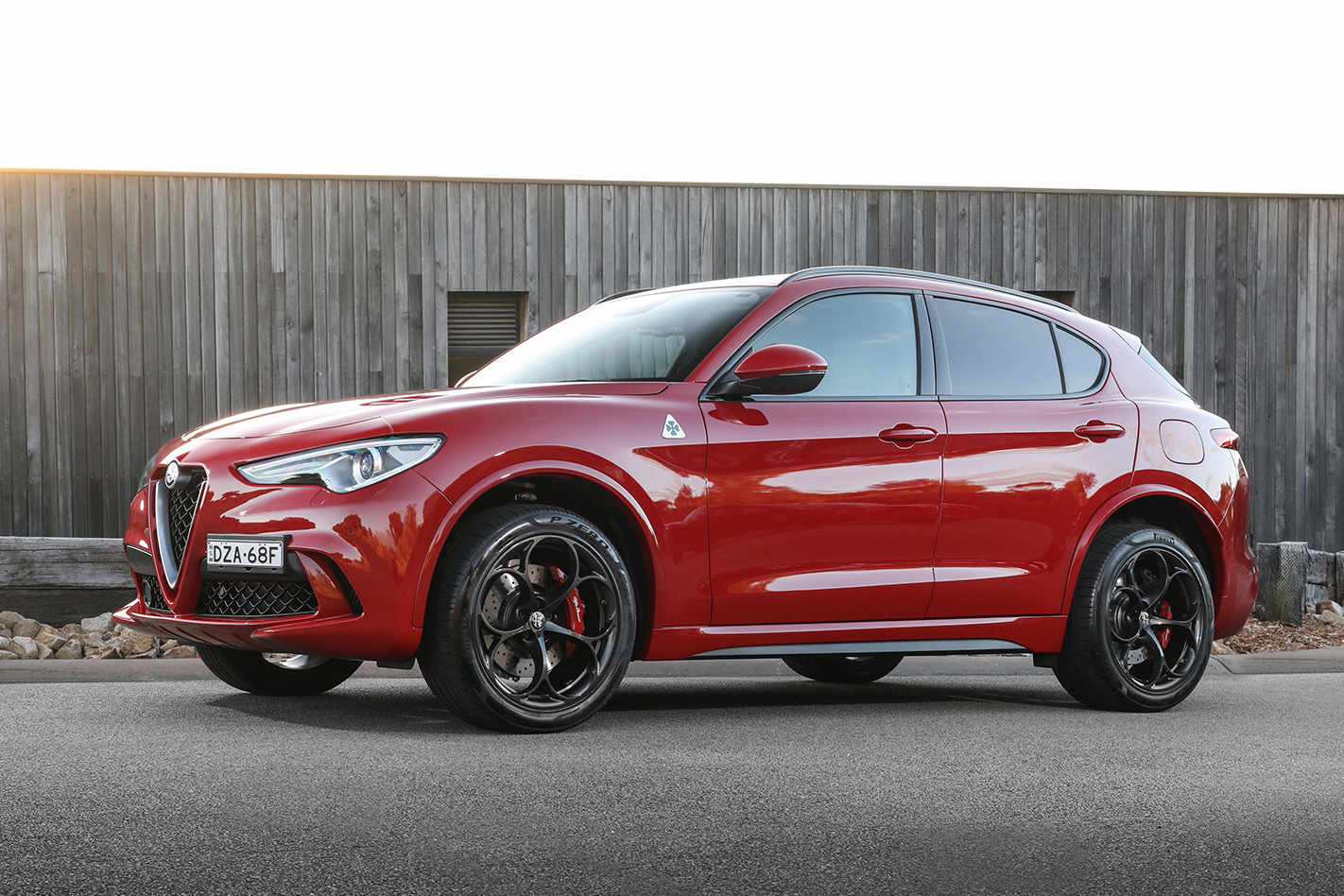
ALFA ROMEO STELVIO Q PRICE AND SPECS AUSTRALIA
Model: Alfa Romeo Stelvio Q Engine: 2.9-litre V60 (90), dohc, 24v, twin-turbo Max power: 375kW @ 6500rpm Max torque: 600Nm @ 2500-5000rpm Transmission: 8-speed automatic Weight: 1830kg 0-100km/h: 3.8sec (claimed) Economy: 10.2L/100km Price: $149,900 On sale: Now
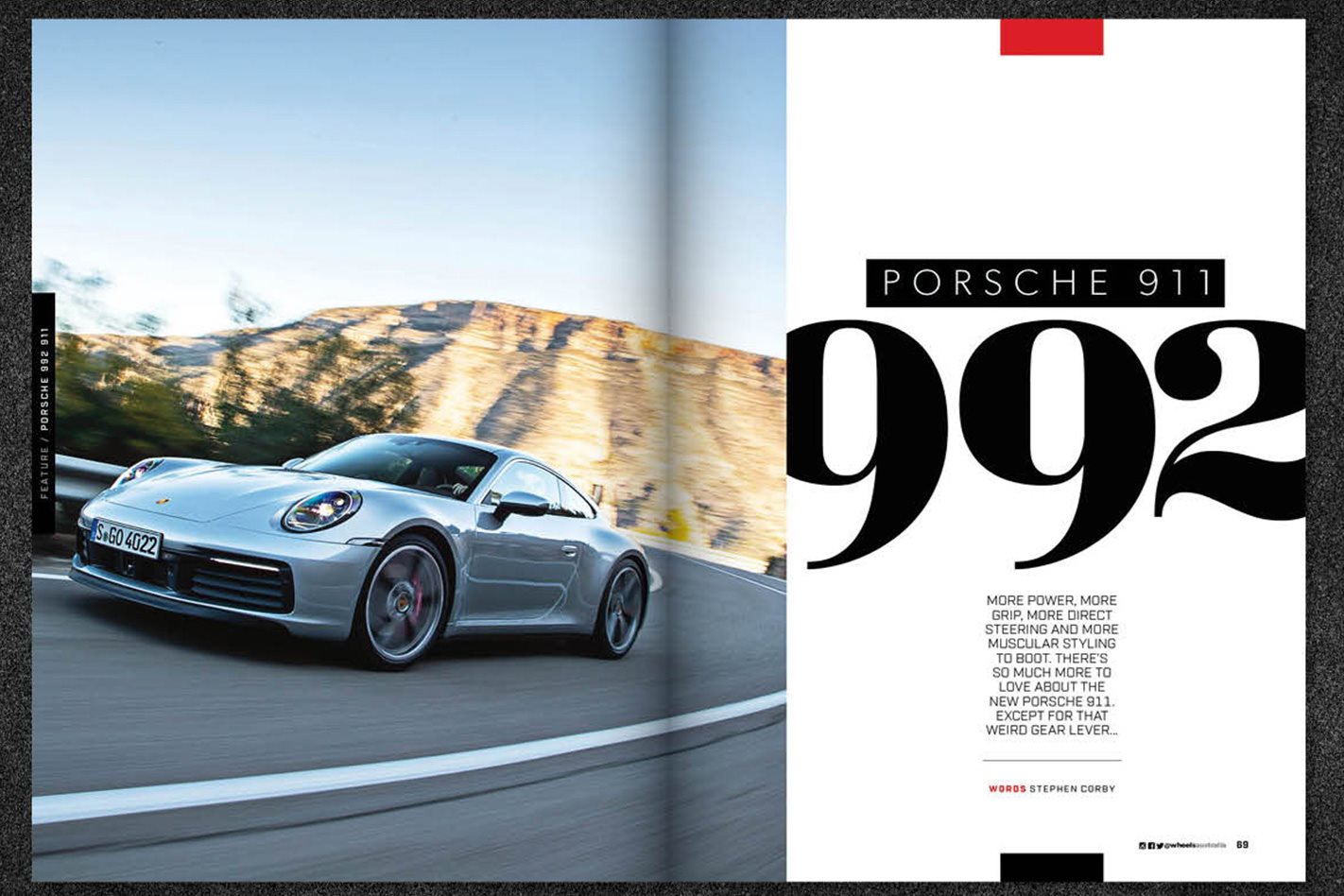
If you have ever wanted a Cayenne that looks less like an SUV and more like a 911, then good news, Porsche has delivered just what you are looking for in the 2020 Cayenne Coupe.
The latest variant to the Cayenne range sports a silhouette that mirrors its fellow German SUV-coupes like the BMW X6 and Mercedes-Benz GLE Coupe, though with that being said, the Coupe is more than a Cayenne with its rear caved-in.
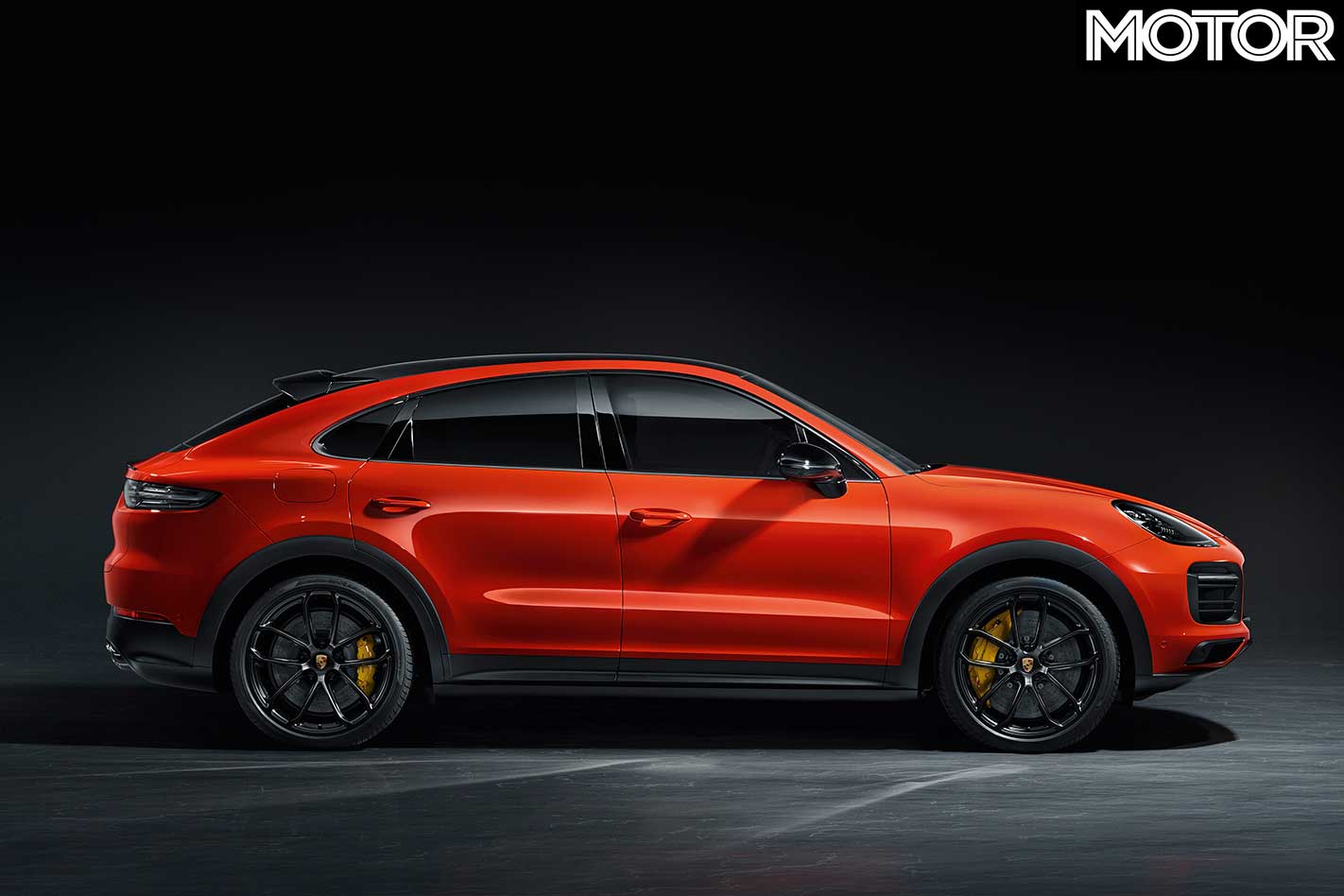
According to Porsche the Coupe’s windscreen has a steeper rake, its A-pillars are thinner, roofline lowered by 20mm, and the rear doors, fenders, and track has been widened by 18mm.
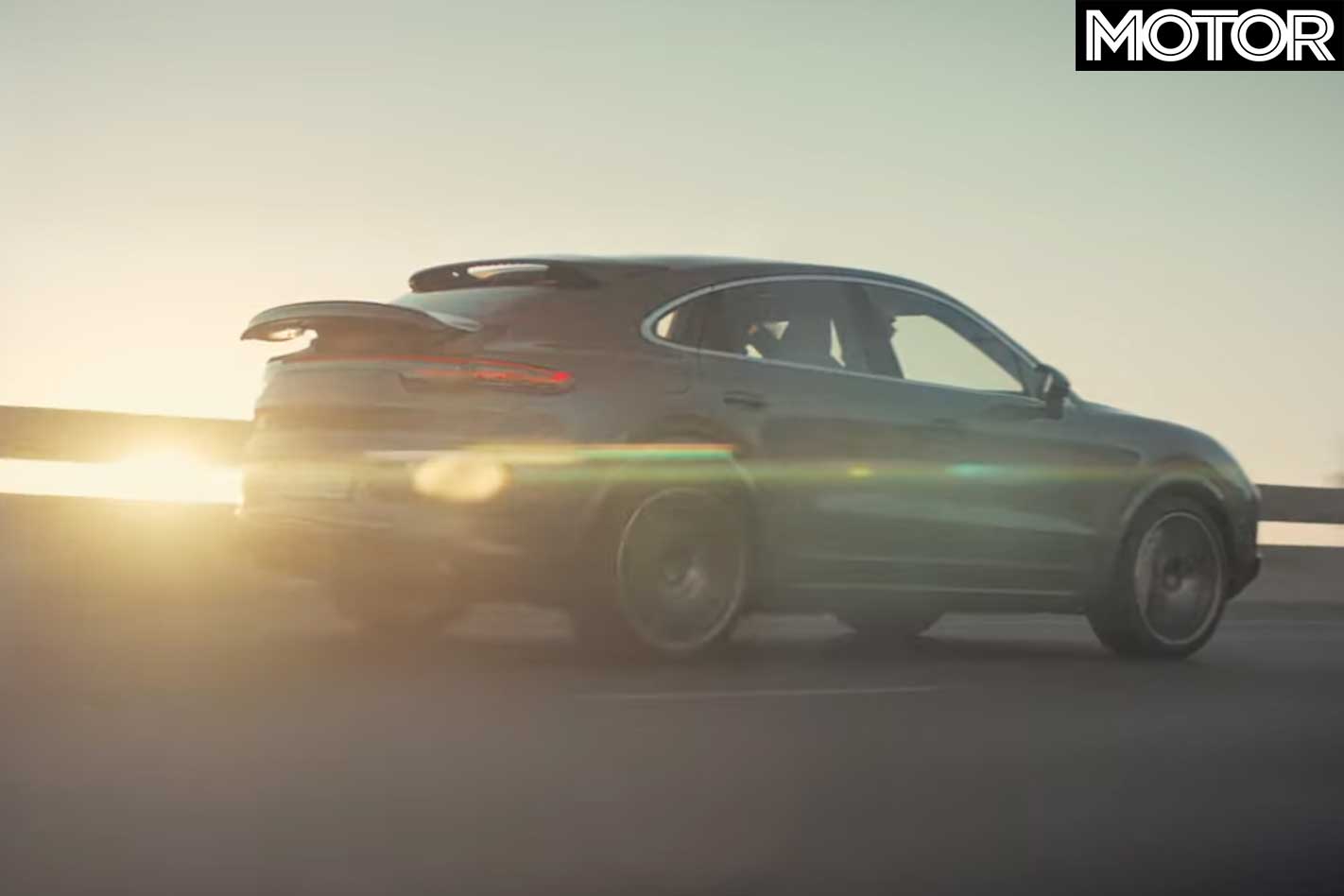
The most notable exterior addition to the Coupe only appears at speeds above 90km/h where the integrated adaptive rear spoiler rises and extends out from the rear boot lid – mimicking the active rear aero seen on the back of 911 Carreras.
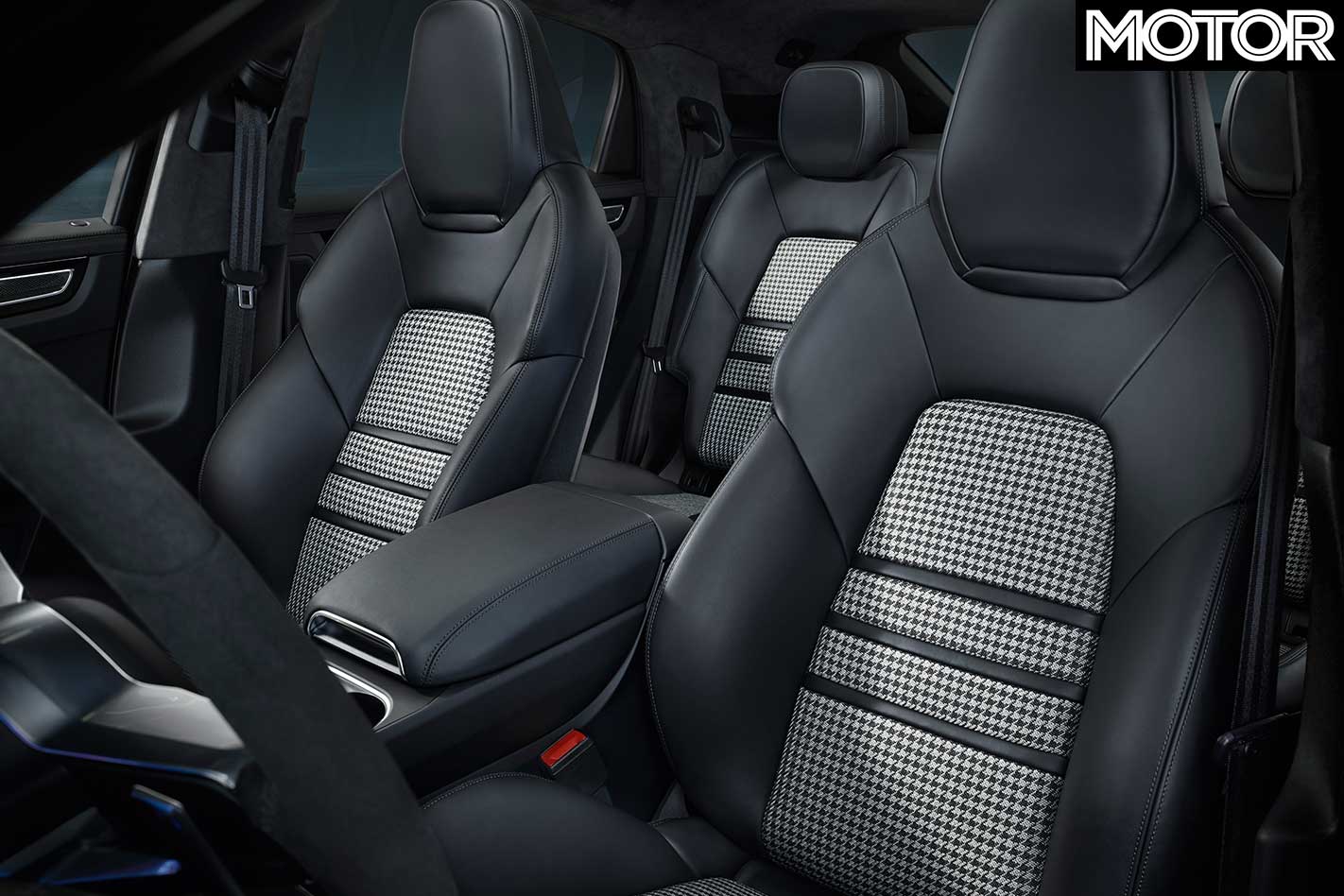
Inside, the Coupe comes with two individual rear seats that are mounted 30mm lower than the Cayenne’s three abreast rear bench seating to compensate for the lowered rear roofline. Overhead, all Coupe models will come fitted with a panoramic glass roof as standard.
For SUV-coupe buyers of a sportier disposition, Porsche offers the Coupe with three ‘lightweight sports packages’ that feature combinations of weight-saving options such as a contoured carbon fibre roof and lighter 22-inch wheels, and paired with a selection of Sport Design options such as checked pattern fabric seat centres and carbon and Alcantara trim accents.
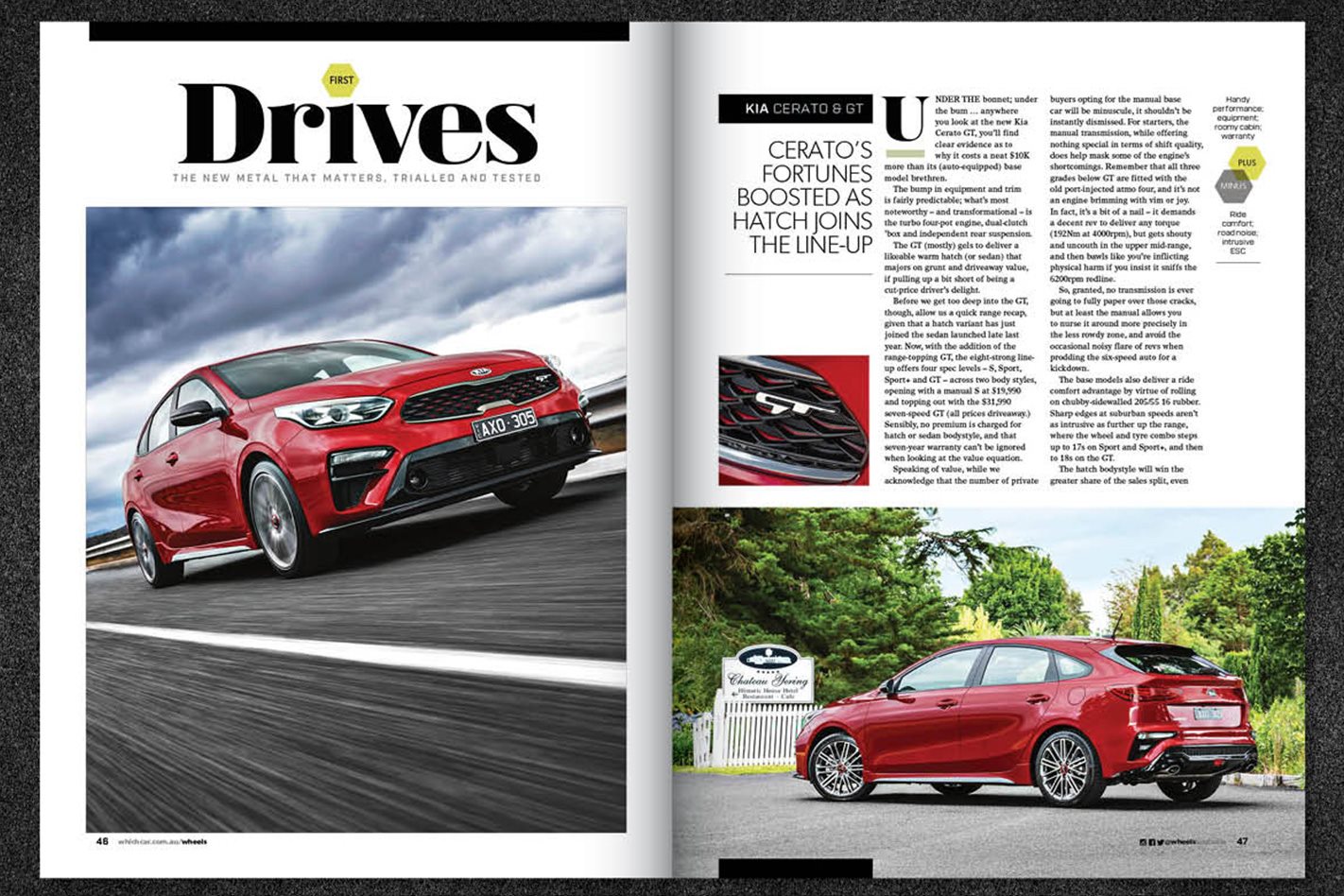
At launch Porsche is only offering the Cayenne Coupe in two flavours, the standard Cayenne Coupe and Cayenne Coupe Turbo. The Cayenne Coupe comes with the same 250kW/450Nm 3.0-litre turbocharged V6 as the standard Cayenne, as does the Cayenne Coupe Turbo packs the 404kW/770Nm 4.0-litre twin-turbo V8 from the Cayenne Turbo.
Porsche quotes a 0-100km/h time of six seconds flat for the Cayenne Coupe, 5.9sec when specified with the optional ‘lightweight sports package’, with the Cayenne Coupe Turbo able to do the sprint in 3.9sec.
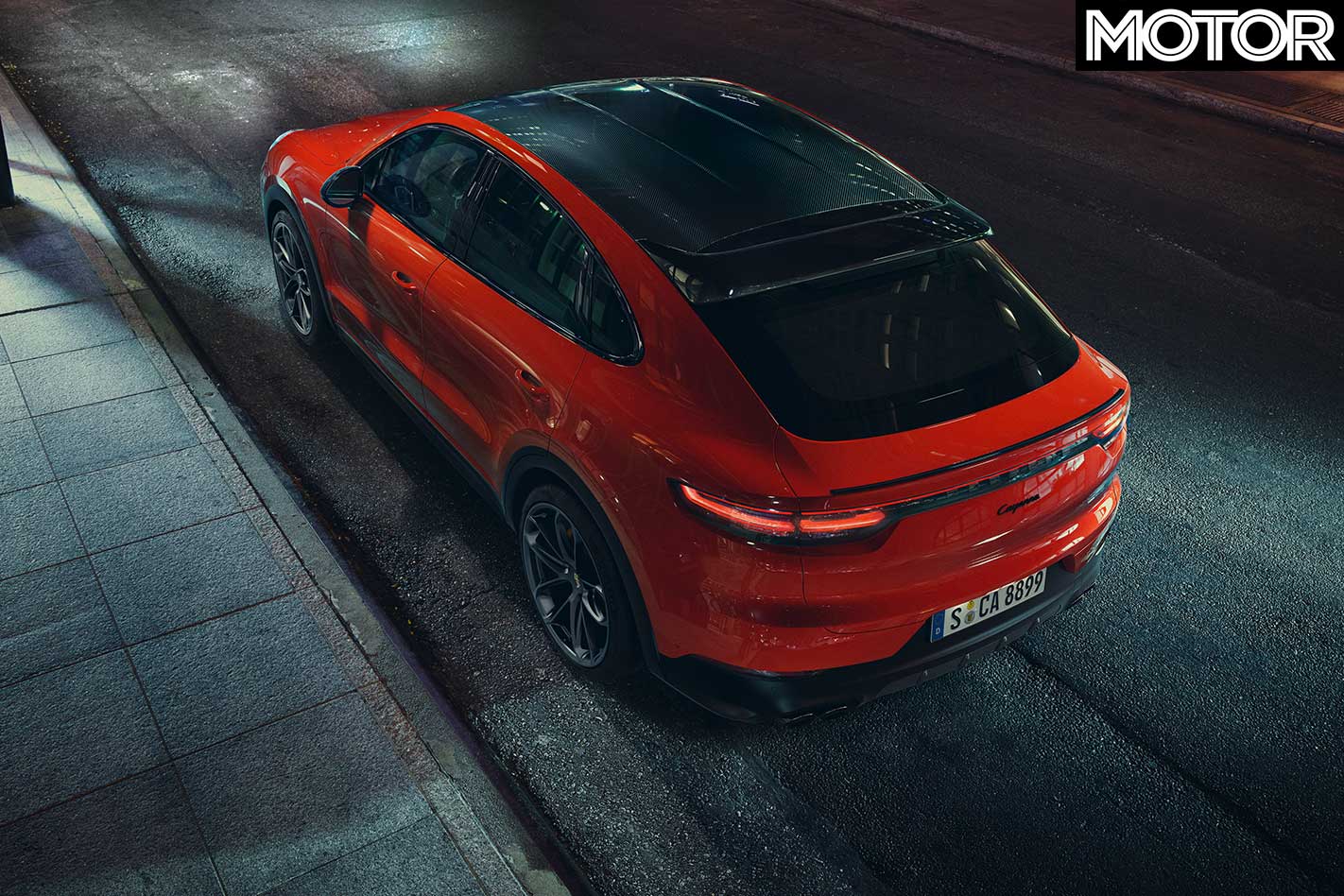
According to Porsche Australia the Cayenne Coupe range is expected to arrive in Australian dealership from early 2020 with prices starting at $128,400 for the Cayenne Coupe and $254,000 for the Cayenne Coupe Turbo – a $12,500 and $15,000 premium over its standard Cayenne SUV relation respectively.
Carbon ceramic brake discs are very expensive. We all know that. Optioning them onto a new 911 Carrera S will set you back $18,770 but a technical representative for Porsche says (though in contrast to response from a Porsche spokesperson) that if you’re keen on trackdays or are just really aggressive on the brakes, it may be better to give them a swerve.
“Yes, ceramic discs can degrade if you’re hard on the brakes,” said Watson.
“Heat build-up will degrade the carbon fibres in the disc, so if you’re doing club days we’d always recommend iron discs,” he added.
This runs contrary to what most feel is the USP of carbon discs, namely that they can lap up some serious punishment, being heat-cycled repeatedly without inducing brake fade. And that they’re extremely long lasting.
When asked what the life cycle of the PCCB (Porsche Ceramic Composite Brake) discs was, Watson chuckled and refused to be drawn on speculating on the durability of a consumable.
“We learned that lesson a long time back,” he said at the 992 launch event at Tailem Bend. “When we first launched the discs we told people they’d last virtually for the life of the car and people were doing a number of trackdays and coming back to us saying ‘I’ve worn them out’,” he admitted.
So while there are obviously dynamic benefits in reducing unsprung weight at each corner and so on, we asked who was the target audience for carbon ceramic brakes.
“People who don’t like cleaning their wheels,” came the somewhat arch reply. “They don’t leave a build-up of brake dust, so that’s an advantage,” claimed Watson.
However, a spokesperson for Porsche told Wheels that there are benefits to both types of discs depending on how they are used.
“Porsche Ceramic Composite Brakes (PCCB) offer improved benefits in terms of braking performance and handling (due to reduction in unsprung weight) and therefore are the preferred braking option for many Porsche drivers,” they said.
“For those drivers that take their Porsche to a circuit regularly (for example, amateur racers), they may opt for our steel brakes, as they still offer extremely strong braking performance and are more affordable to replace.”
Looking for something a bit cooler than average in which to take the kids to basketball? Volkswagen has taken its T6 Multivan and added a bit of pep in the form of a Black Edition. Which in these shots is actually white.
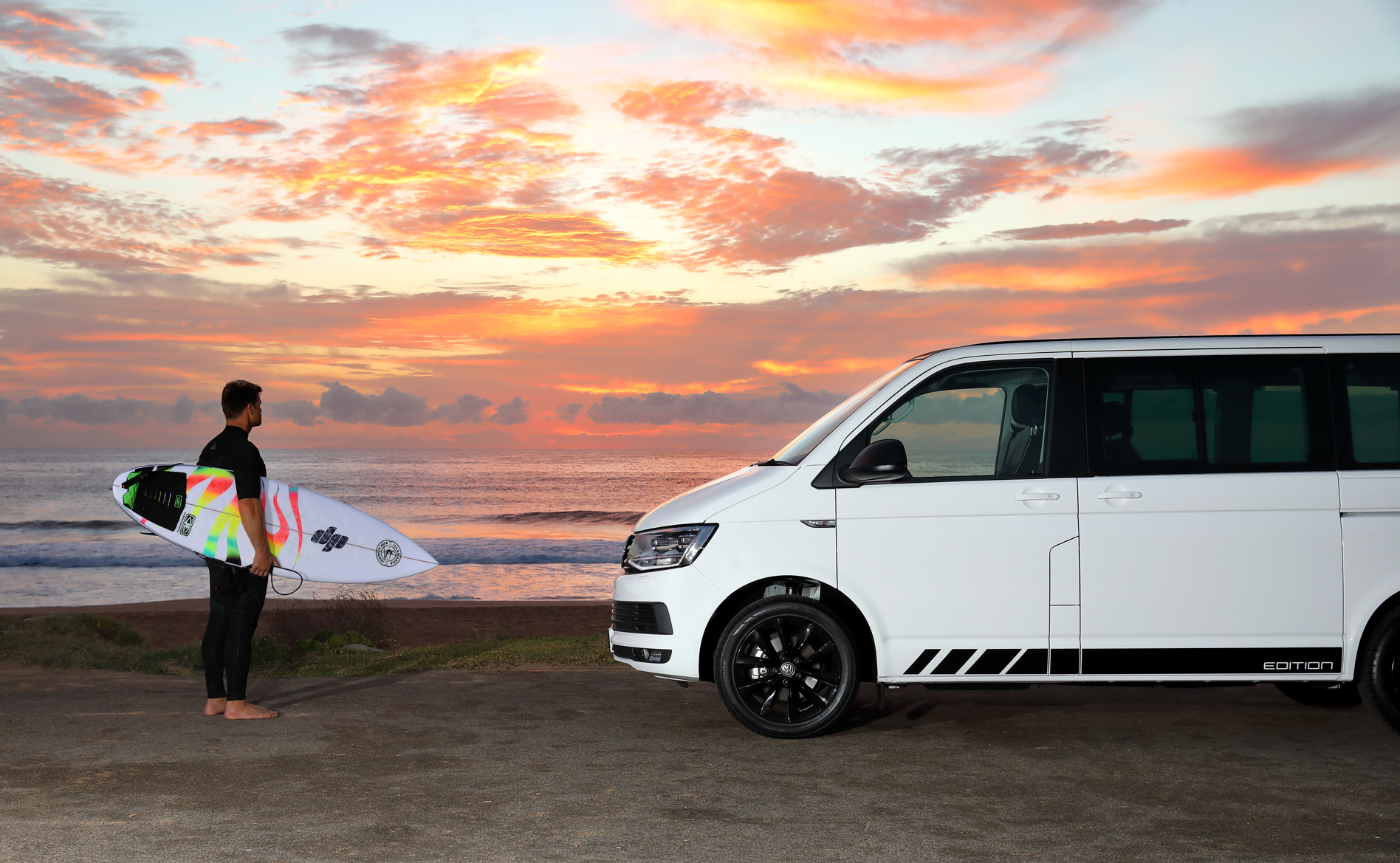
Using the seven-seat Comfortline TDI340 as a base, the Black Edition – which will cost $63,900 driveaway – scores lowered suspension and revised shocks, along with a new anti-roll bar and gloss black 18-inch rims.
The Multivan, which rides 20mm lower than stock, also uses speed-sensitive power steering.
Its 103kW/340Nm 2.0-litre, four-cylinder turbo diesel engine remains unchanged, driving the front wheels via a seven-speed dual-clutch gearbox and drinking 7.7 litres/100km on the combined fuel economy cycle.
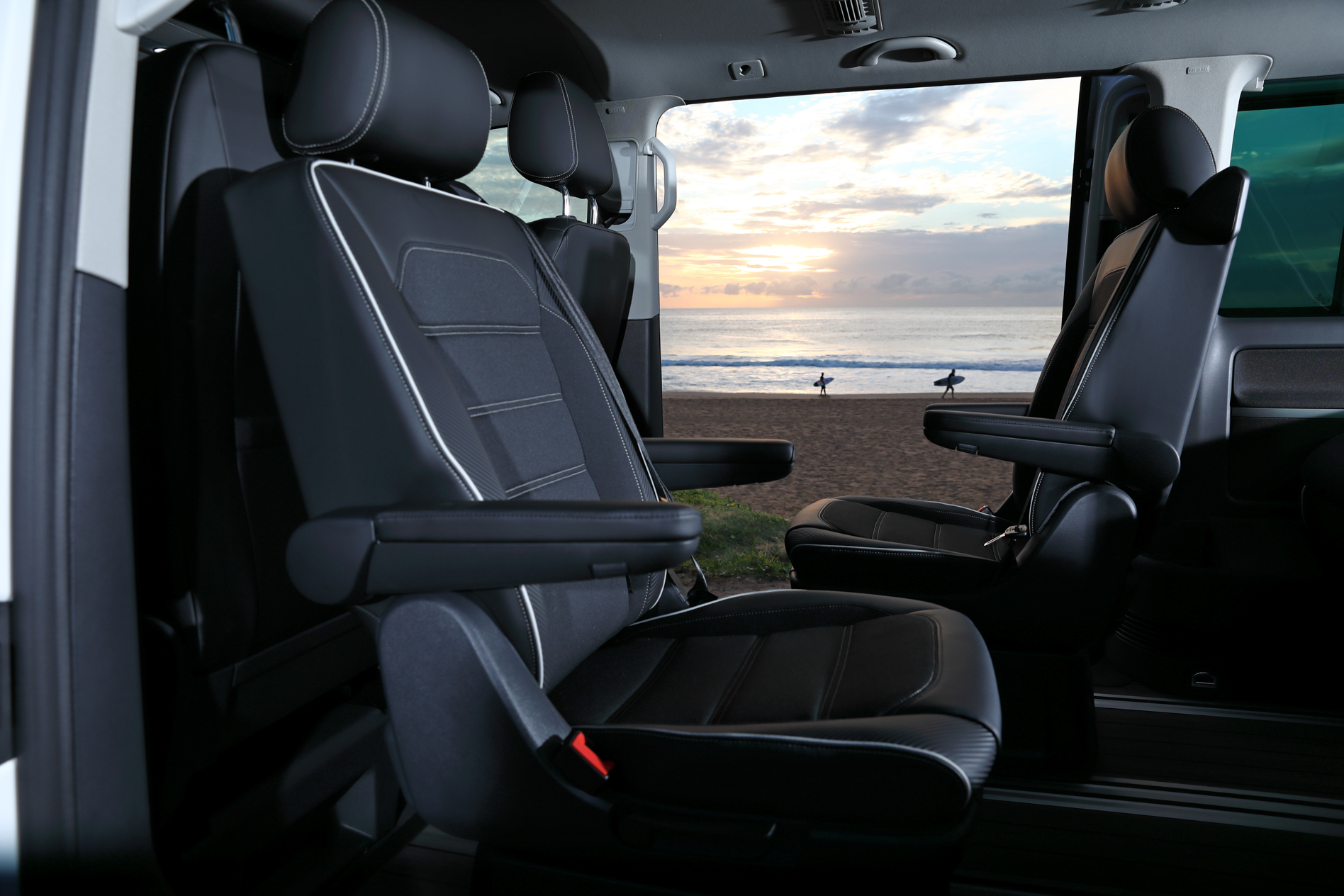
It can be had in a choice of six colours (Cherry Red and Candy White are free, and metallics including Acapulco Blue, Tumeric Yellow, Reflex Silver and Indium Grey cost $1720), and it scores a gloss black roof and B-pillars, unique cloth seat upholstery in Titanium Black with contrast-coloured seams.
There are also black-trimmed turn signals and ‘Edition’ decals on the side sills and at the rear.
The Multivan Black Edition also heralds the return of the distinctive Halifax Maple wood-look washable floor first seen on the dual-tone Kombi 70 limited edition from 2018, while the seats can be rearranged with the aid of an in-floor rail system. The three-seater bench can even be folded forward and reclined into a flat-bed.
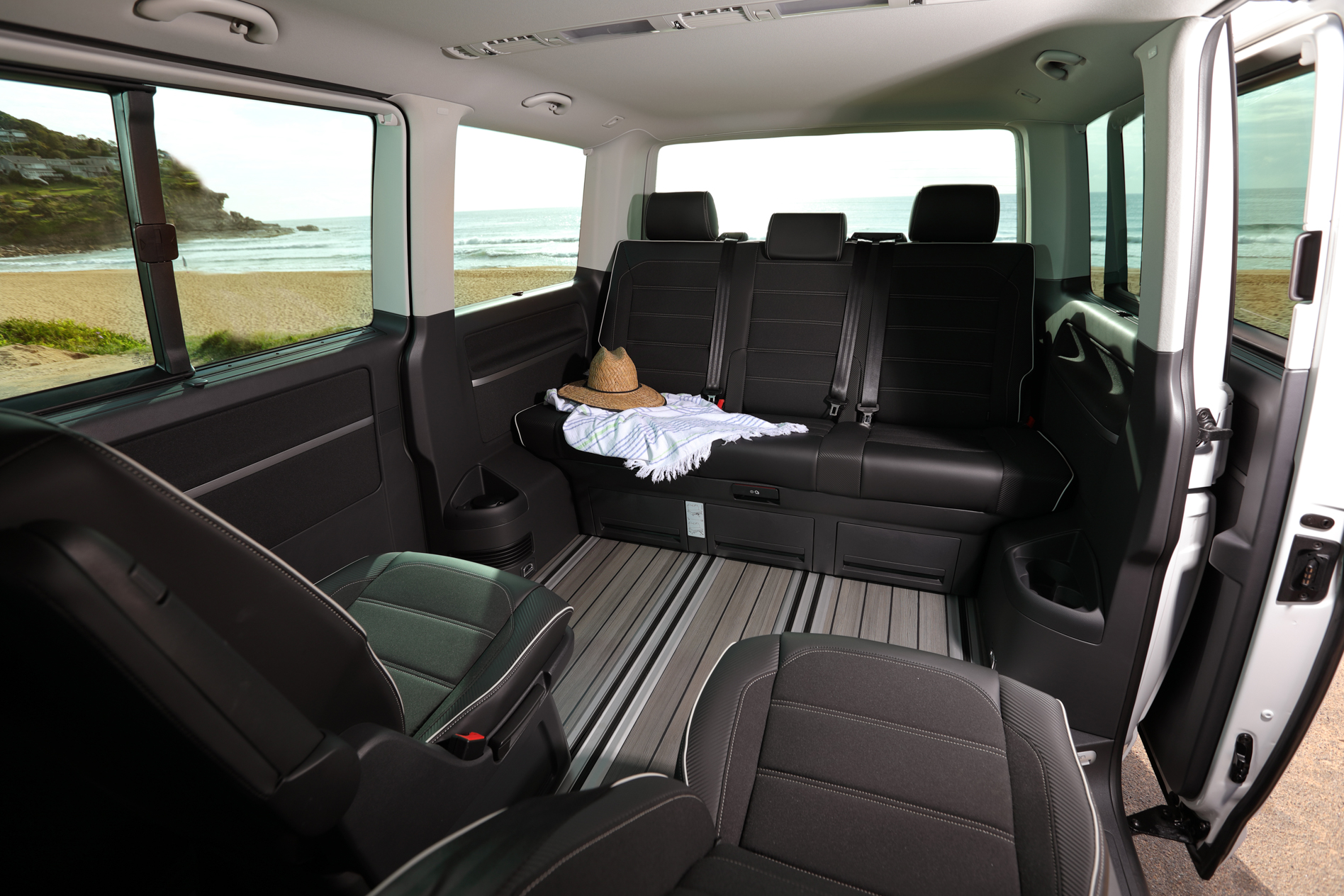
In the cabin, there’s a high-spec colour multifunction display with Apple CarPlay and Android Auto, while the electric tailgate’s opening height can be set and memorised.
The Multivan’s parking sensors can also detect if there is enough space to open the tailgate without hitting anything.
The passenger van space is completely dominated by the Kia Carnival, but the T6 holds its own against rivals like the Hyundai iMax.
The Multivan Black Edition is limited to 230 units, according to Volkswagen, and will star at the annual Manly Kombi Rally in Sydney in March.
Dutton calls this Holden VX Commodore V8 Supercar “the car in which Peter Brock drove his last Bathurst 1000,” which is only partially true.
While the Autoart VX Commodore was the last car in which Brock finished a Bathurst 1000 effort, it wasn’t the last which he entered.
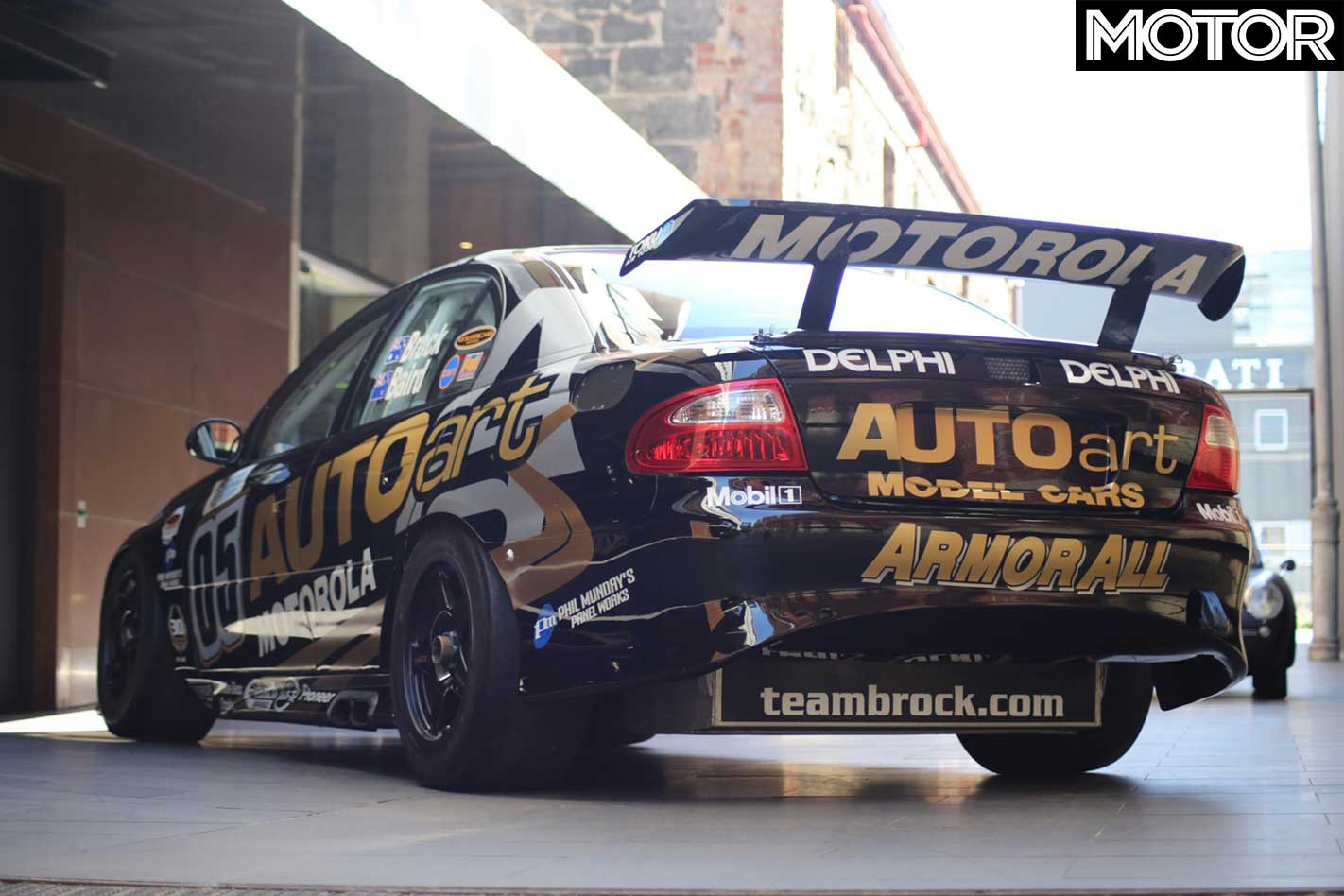
In 2002, Brock ran the full ‘1000’ finishing 23rd with Craig Baird as co-driver. That’s not a bad effort for a bloke in his 50s – keep in mind Brock also hadn’t raced consistently at Bathurst for some time by 2002.
Skipping 2003, Brock returned to The Mountain in 2004 in a HRT VY Commodore Supercar, with British touring car driver and Fifth Gear presenter Jason Plato as co-driver.
Brock drove the car in practice and qualifying, but Plato (himself a two-time British Touring Car Champion) took the first stint at the wheel and crashed 31 laps in, effectively preventing Brock from having a crack on his last outing to the Bathurst 1000.
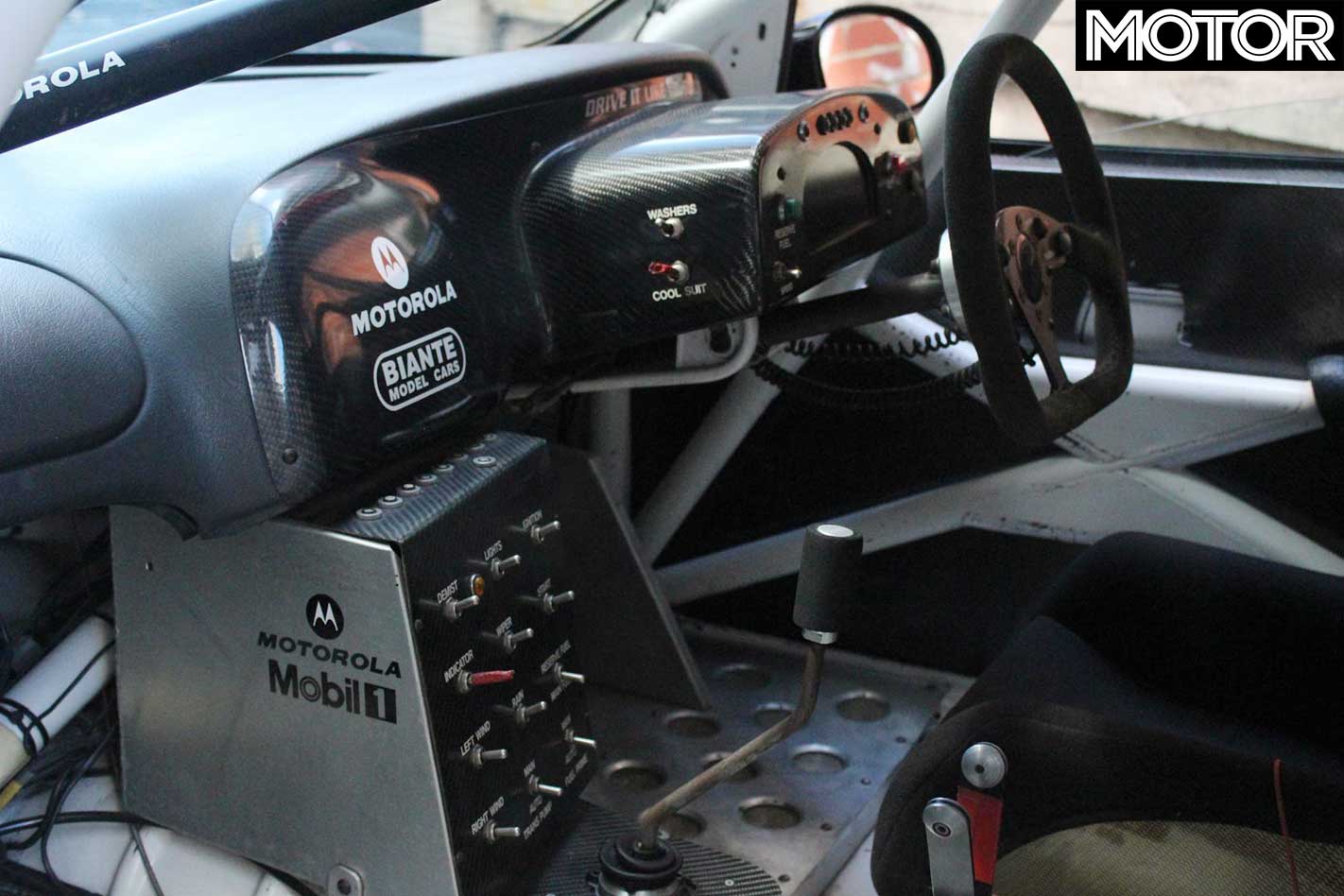
So, while it is the last car Brock completed a Bathurst 1000 in, this VX Commodore Supercar is not the last car Peter Brock took to The Mountain for the Great Race.
Dutton says Chassis RNR002 has been used only four times since it crossed the line in 2002, and that it’s been part of a display since.
It comes with a CAMS logbook, which itself could be quite a valuable piece of memorabilia, but Dutton has listed the V8 Supercar with a ‘price on application’, so we can’t say where the car’s asking price sits.
It seems a good chance to pick up some ‘Brock history’ which has been relatively overlooked, likely due to not wearing the famous red and white HRT/HDT colours. It’s still wearing Brock’s ‘05’ though…
