
OH, it’s easy to look back and laugh. But put yourself in the position of Adelaide washing machine baron (or fridge magnate?), Harold Lightburn who, in the early 1960s, had turned his industrial efforts towards manufacturing economy cars. Eyeing the apparent acceptance of Bill Buckle’s local Goggomobil experiments, Lightburn developed the motorcycle-engined Zeta Runabout (sedan) and, to augment it, a two-seater Zeta Sports roadster.
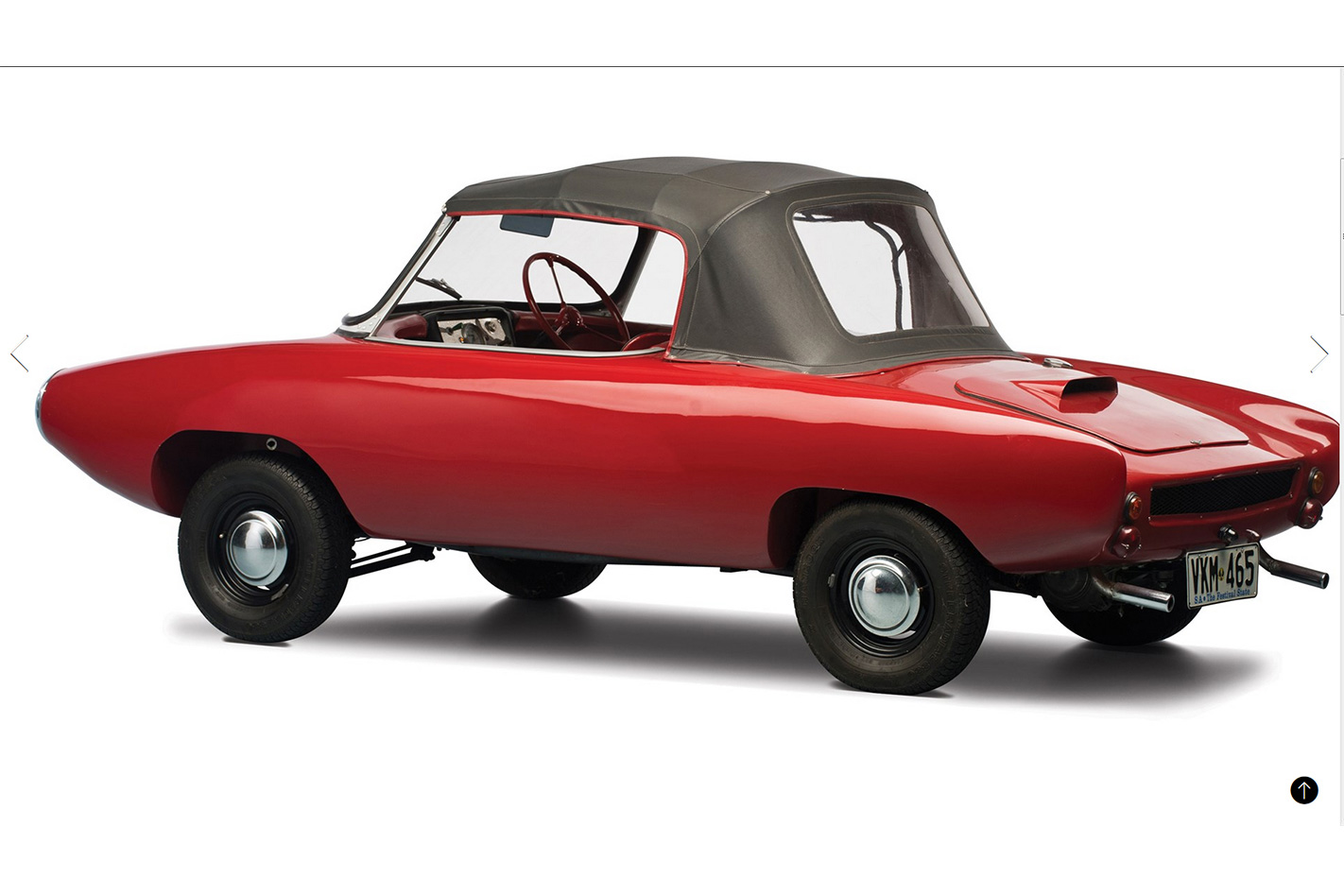
A key point was that Lightburn had landed the first Australian distributorship for exotic Alfa Romeo, with the medium-term goal of CKD assembly in Adelaide. From Alfa to Zeta, Lightburn would have the market covered.
The 1959 launch (and 1961 Australian manufacturing) of the Morris Mini-Minor/Austin Seven changed everything. Undaunted, Lightburn pressed on with his fibreglass-bodied and conspicuously compromised Zeta Runabout which, although the cheapest new car in Australia (at £595) in 1963, was only 25 percent less than a Mini.
The Zeta Sports roadster was added in July, 1964 – though they’d been built in 1961.
The Zeta Sports’ lineage began with a UK microcar, the Frisky, conceived for British engine and gearbox maker Henry Meadows Ltd. Unveiled at the 1957 Geneva show, the cute coupe was designed by Kieft F1 engineers Gordon Bedson and Keith Peckmore, with a gullwing-doored fibreglass body styled by Michelotti. It used a 250cc Villiers two-stroke twin.
However, the first production Frisky would be the Sport, a roadster (and hardtop) with rear-hinged doors and a 13.5kW, 325cc Villiers engine. In 1958, a restyled, more futuristic ‘Frisky Sprint’ with aero-hump, Perspex racing screen and a 22kW three-cylinder engine was shown, but not produced.
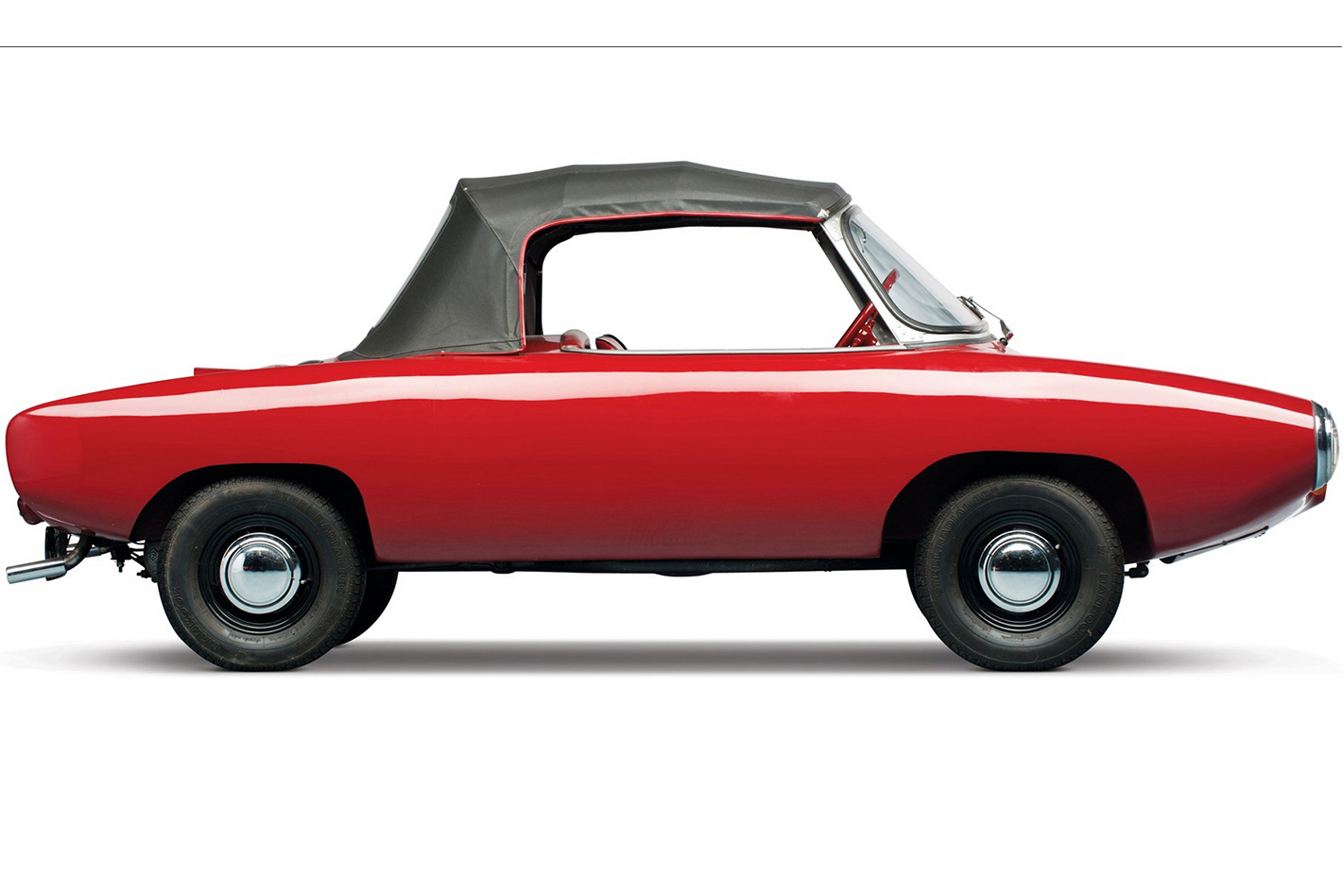
It was because of this latter car that, in February 1959, Harold Lightburn enticed Bedson and Peckmore to relocate themselves and their roadster to Australia.
They redesigned the Sprint body, deleting the doors for rigidity, and introduced the 498cc two-cylinder powerplant from the FMR Tg500 Tiger microcar. It’s said that Bedson had arrived in Adelaide with a stock of 50 FMR drivetrains.
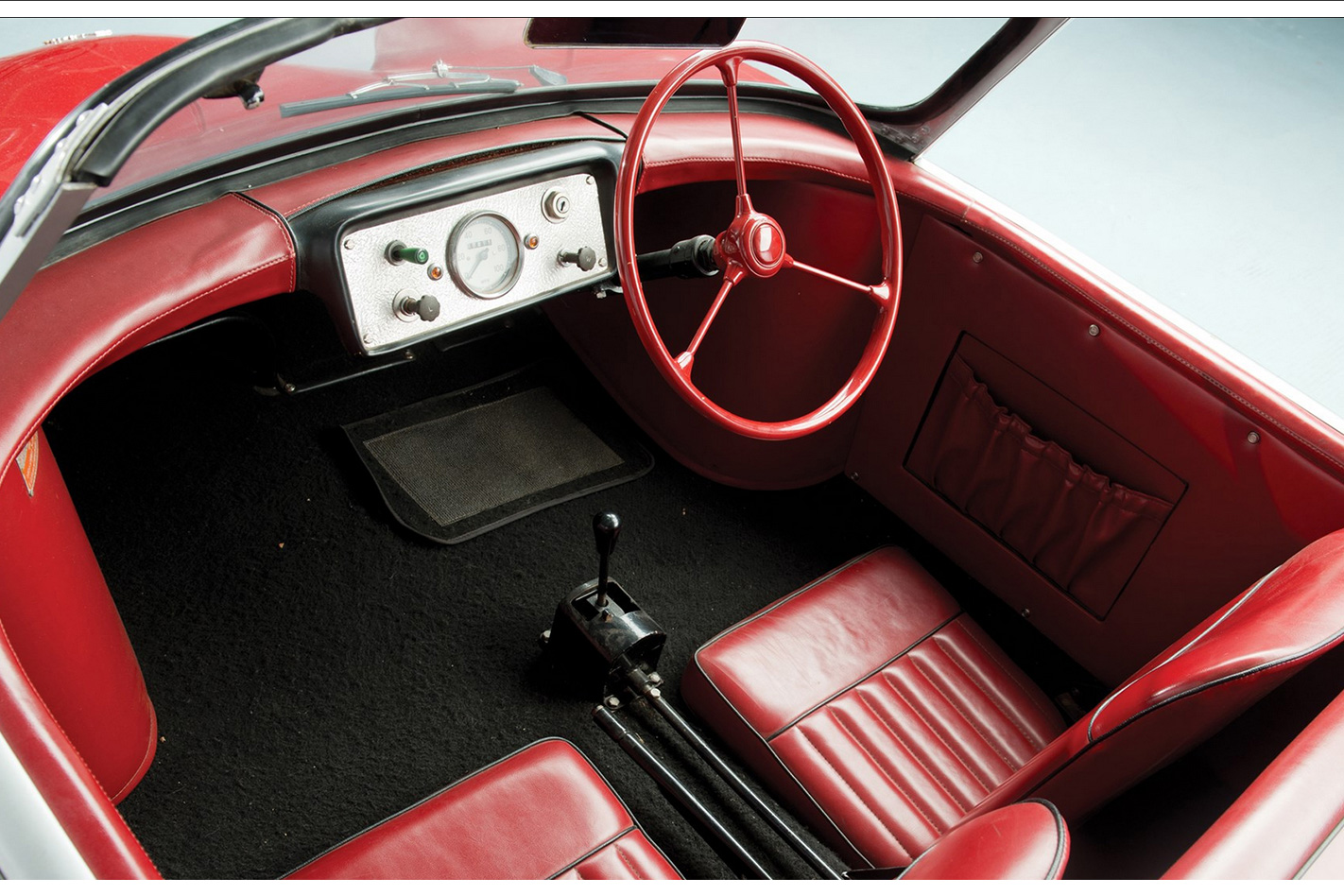
One major design oversight was that the Sports’ headlights were too low for NSW regulations – so some copped extra headlights on stalks. It’s believed that 28 cars were built in 1961. By the time they hit the market in 1964, the Zeta Runabout sedan was an established industry joke and Harold Lightburn’s car-making ambitions were well on their way to being washed up.
A touch of glass
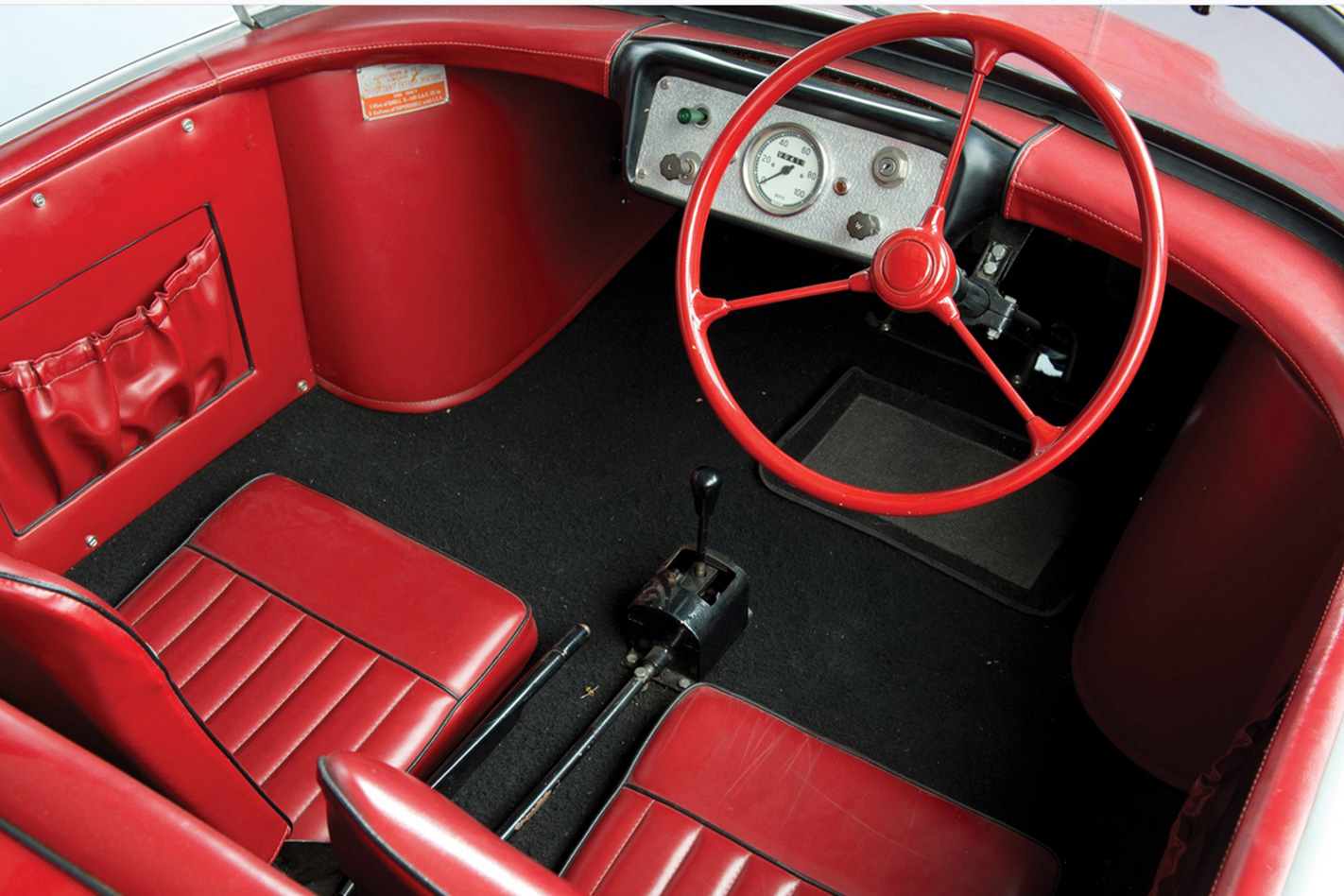
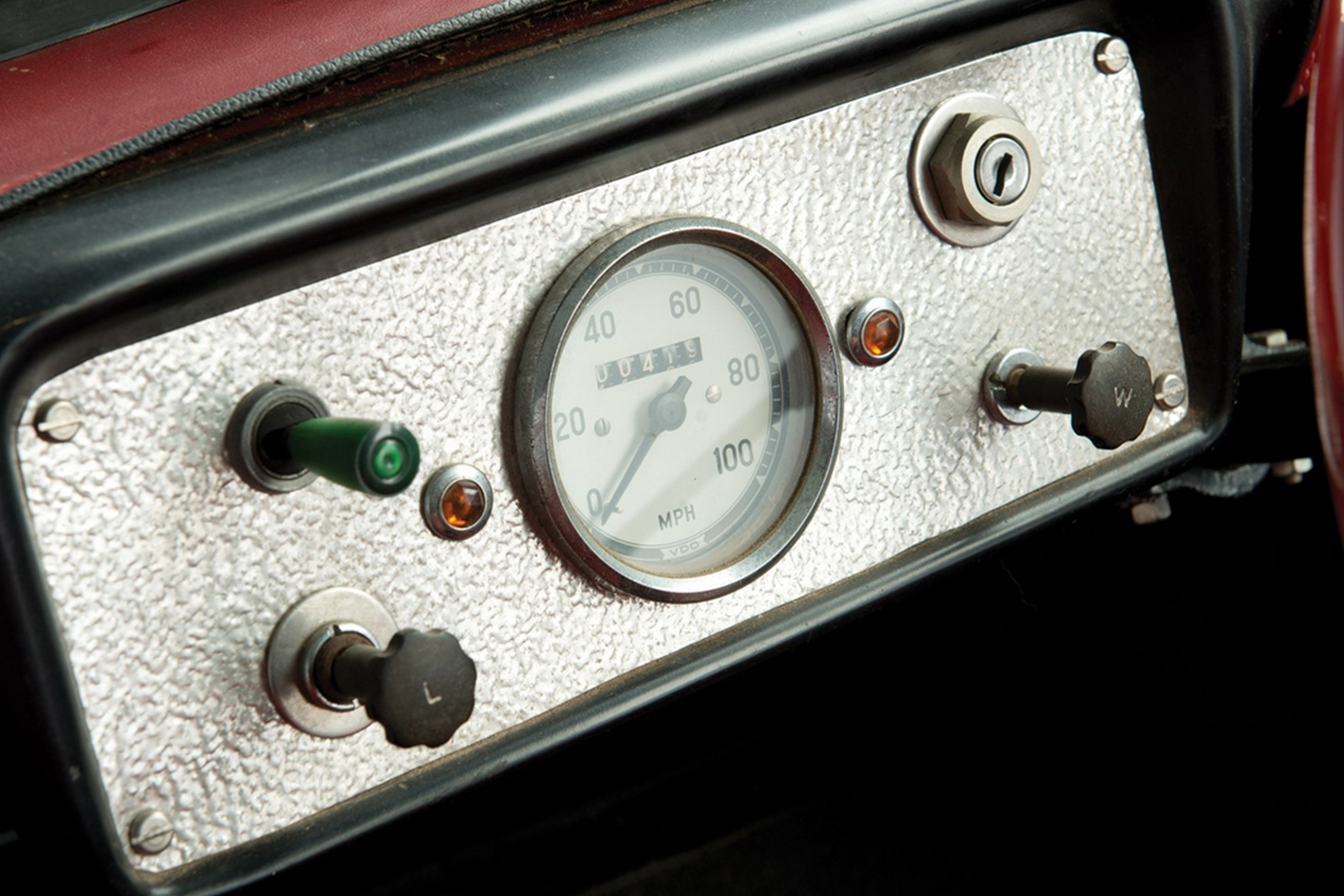
The Sports had its two bucket seats mounted flat on the floor, the absence of a transmission helping legs of any length to make their own arrangements. The central instrument and control panel provided a speedo, indicators, ignition, lights and wipers. The engine was accessed via a Dzus-fastened panel. Lack of bumpers left the headlights as the very first point of contact in touch-parking.
Thank you for smoking
The rear-mounted 498cc, two-stroke twin unit with four-speed gearbox was sourced from FMR’s Messerschmitt-based Tg500 Tiger. Well shy of the prototype Frisky Sprint’s 22kW triple, the air-cooled FMR made 14.5kW and 33.4Nm, giving a claimed 0-50mph (80km/h) in 12 seconds, a standing quarter-mile (400m) in 20 seconds, and a 120km/h V-max.
Retro: 1957 Volkswagen Beetle – Volk Hero
The 1967 Ford Mustang GT is soon to be available in Lego form, as the Danish brickmaker announces the classic pony car’s miniature set.
Ford’s licencing agreement with Lego has seen the company create a couple of models recently, with the 1968 model Mustang (in a conspicuously familiar ‘Highland Green’) and M-Sport’s Ford Fiesta WRC car both copping the plastic brick treatment.
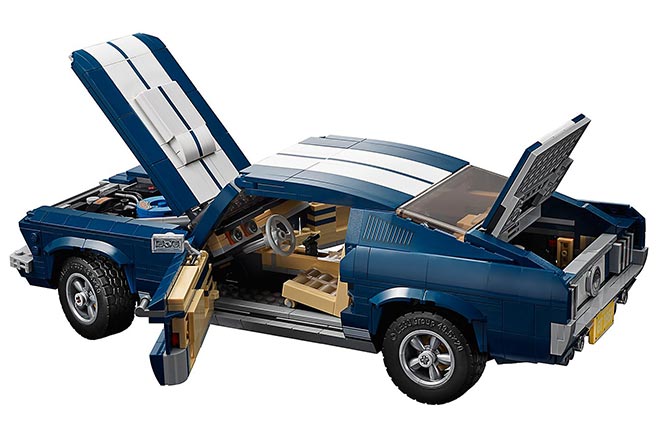
While those two models are from the rather small Speed Champions series with 183 and 204 pieces respectively, the new Lego Mustang GT will be a much larger kit with 1471 pieces.
It’ll also cost more at $200, though orders for the set don’t open until March 1.
Its larger model size (34 centimetres long, 14cm wide, and 10cm high) allows for more detail and more customisation, with a blown supercharger, lip spoiler, side exit pipes, and front apron included to give the Lego Mustang a more ‘hot rod’ look. If you wish, that is.
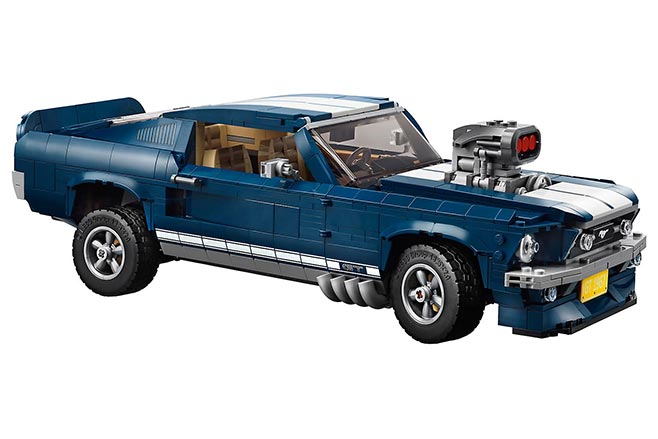
It even comes with four different sets of licence plates, one of which looks to be a NSW state number plate in the promotional images.
Lego has also created several new brick types specifically for the Mustang, which is something it generally avoids doing to utilise its existing brick types’ diversity and likely also keep production costs low.
Help make this Lego Toyota AE86 a reality!
Some of the new pieces are similar to previous bricks with added Mustang elements, but the five-spoke wheels are said to be completely new for Lego.
The Mustang will join the likes of the Lego Aston Martin DB5 (in Bond-spec), the VW Camper and Beetle, and the Mini Cooper as part of the Creator Expert series.
Six of Lego’s best automotive creations
How do you make a thing of beauty even more amazing? Ben Briskin found the answer with his one-off WRX STi. From what started life as a stock 1999 Impreza WRX STi V5 Limited coupe, his ride is now what he describes as the dream combination – taking the iconic coupe and marrying it to the 2006 Spec C Type RA drivetrain. The result? His favourite shape with the wizardry and reliability of the modern WRXs.
Ben is a self-confessed serial Subaru owner, noting he once “dabbled with the enemy,” but saw the error in his ways and returned to the brand he loves, buying his pride and joy in 2004.
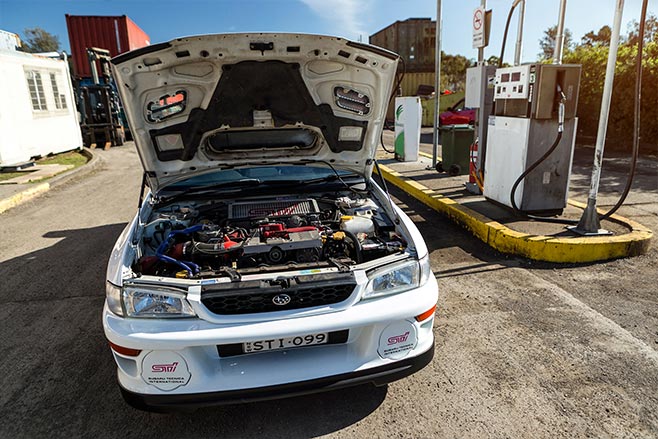
“After a few years of hard driving, the car began showing its age. As performance items tend to wear out sooner rather than later, I began to look at what I could do to get the STi to stand the test of time,” he said.
His solution was genius. By fitting the running gear from a 2006 WRX, he was able to take his ride to the 21st century and benefit from technology like Driver’s Control Centre Differential, where an electronically controlled differential can send up to 70% more power to the rear wheels, improving handling dynamics.
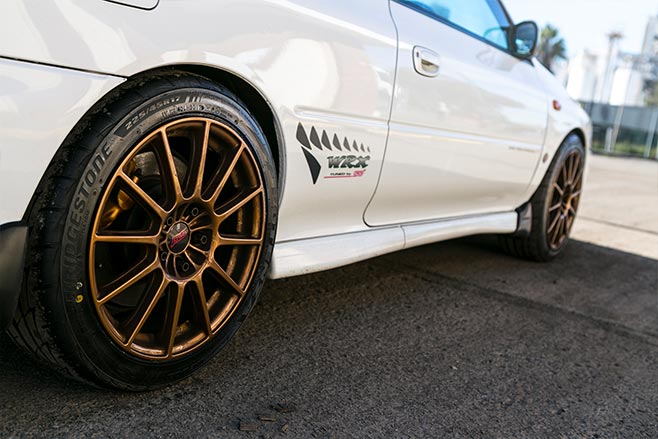
With power sorted, suspension was then given an upgrade with new braces, swaybars and bushes, and the most important upgrade – the key to getting all that extra power to the ground – choosing Bridgestone Potenza RE003 tyres.
“The WRX STi with its new modern DCCD system drives like a powerful, hunkered down go-kart. The Bridgestone RE003s ticked all the boxes for a daily tyre, and a sporty tyre as well,” he added.
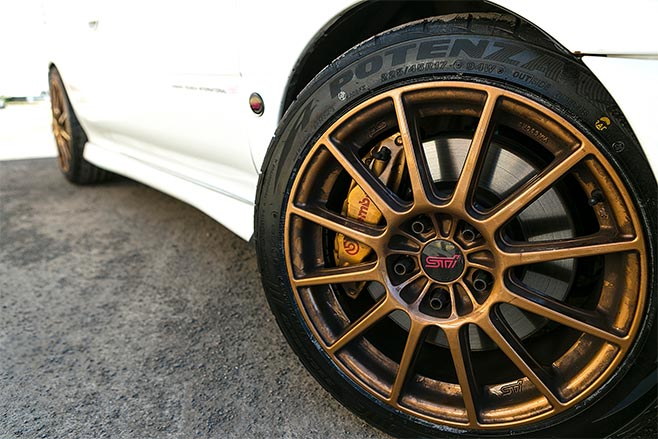
Ben’s WRX STi is featured on Bridgestone’s ‘This is my Build’ series. Visit Bridgestone’s website to check out the series.
WHAT IS IT?
The 600LT Spider is the latest chapter in McLaren’s commitment to reviving a very special name – long tail. It’s a badge that stretches back to the iconic, Le Mans winning McLaren F1 Longtail and it promises one thing: mental performance.
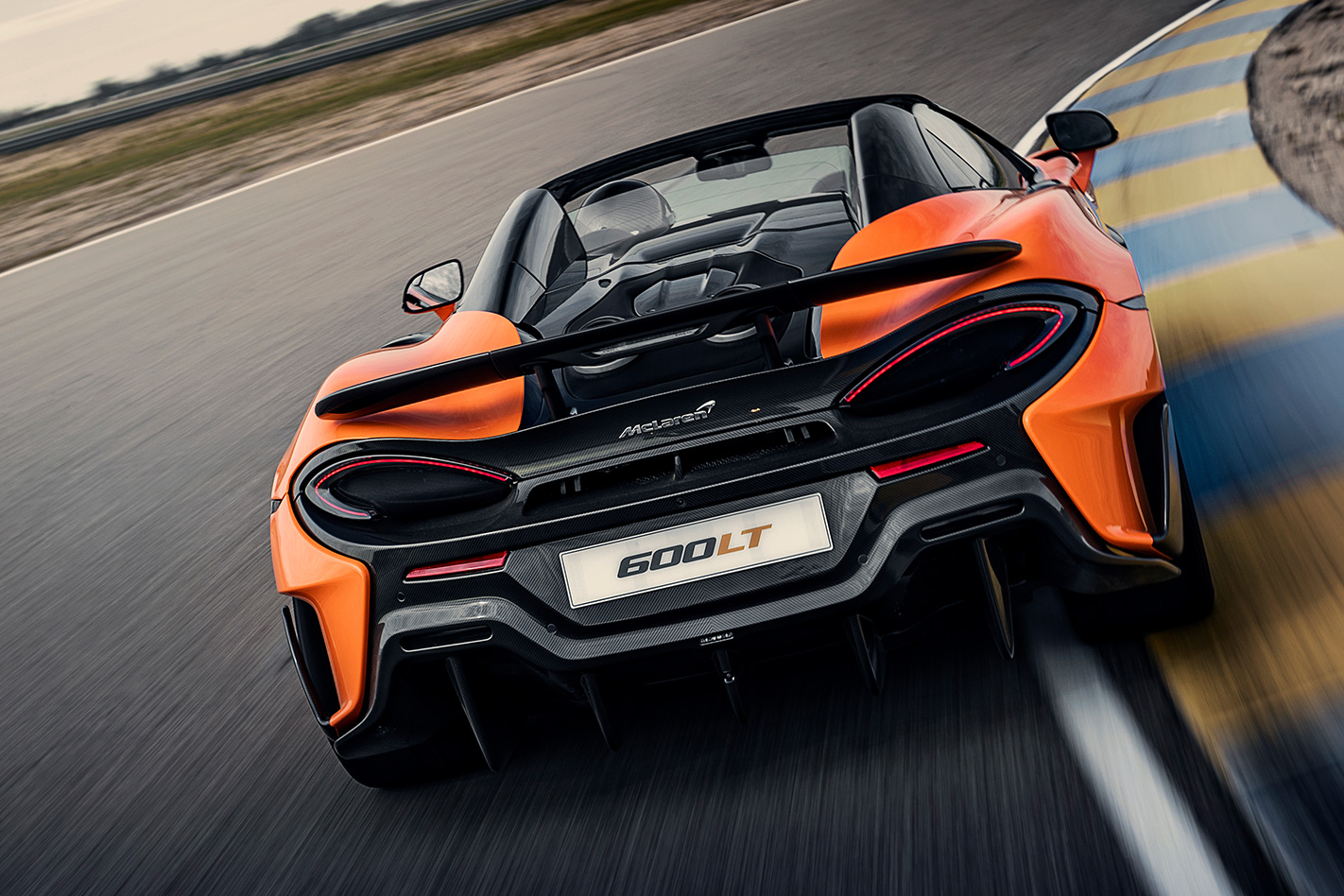
Pitched as a hardcore, track-focused rival to the Ferrari 488 Pista Aperta and Lamborghini Huracan Performante Spider, the 600LT Spider doesn’t only undercut both on price but delivers a level of performance and sense of occasion that earmarks it as McLaren’s definitive modern work.
WHY ARE WE DRIVING IT?
Wheels deputy editor Andy Enright was deeply impressed when he drove the 600LT Coupe in Europe last year and unlike many of its rivals, the 600LT’s carbon tub constructions means this Spider version should neatly sidestep most of the traditional shortfalls that plague convertible track cars – namely significant gains in weight and significant loses in torsional rigidity.
MAIN RIVALS
Ferrari 488 Pista Aperta, Lamborghini Huracan Performance, Porsche 911 Turbo S Cabriolet
THE WHEELS REVIEW
IT’S THE steering that stays with you most. And the genius lurking on the other side of that small, vertical piece of glass behind your shoulder. Don’t hesitate, just lower it, even if it’s raining. For this tiny little window is the key to transforming the 600LT experience, and a primary reason for buying the Spider over the coupe.
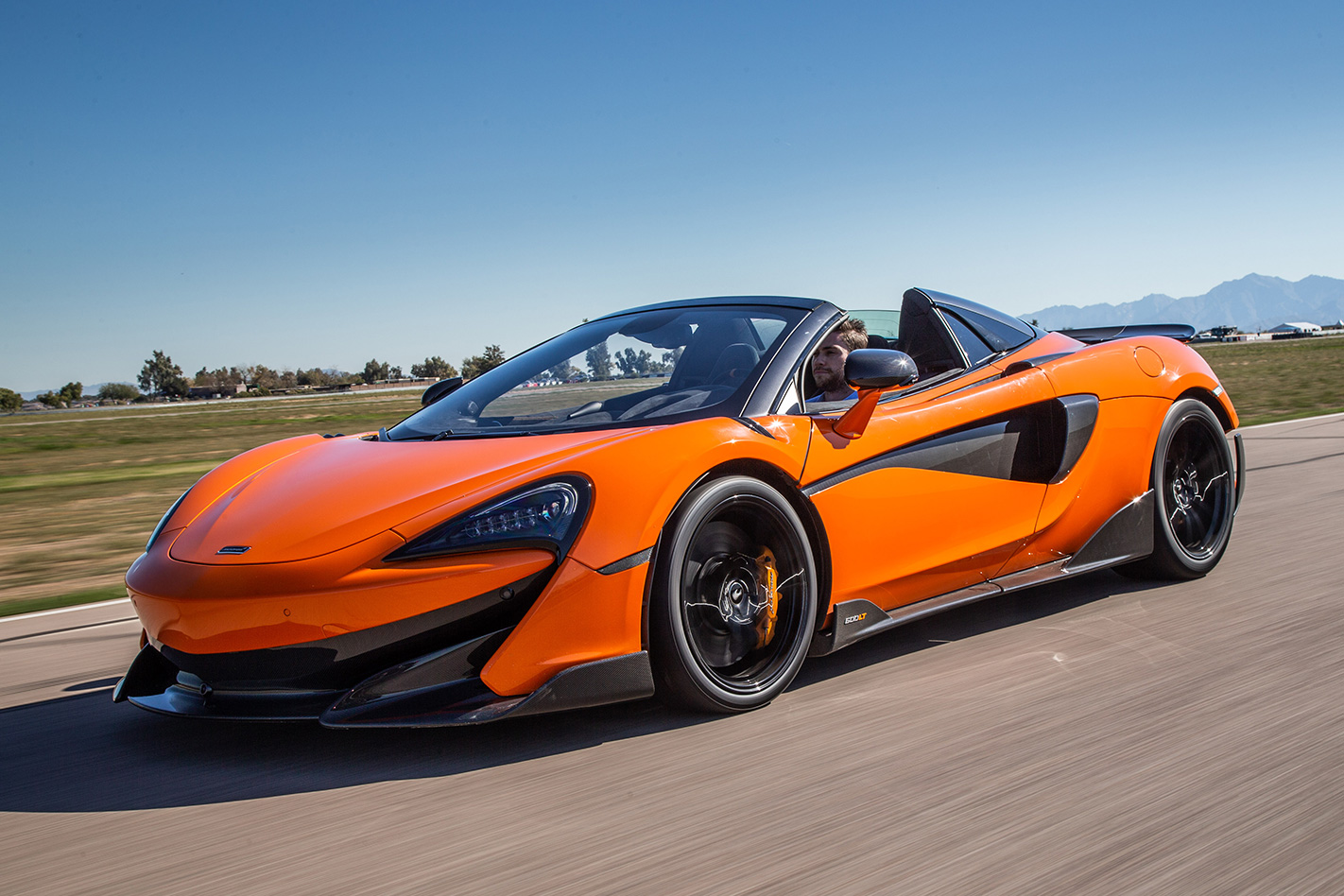
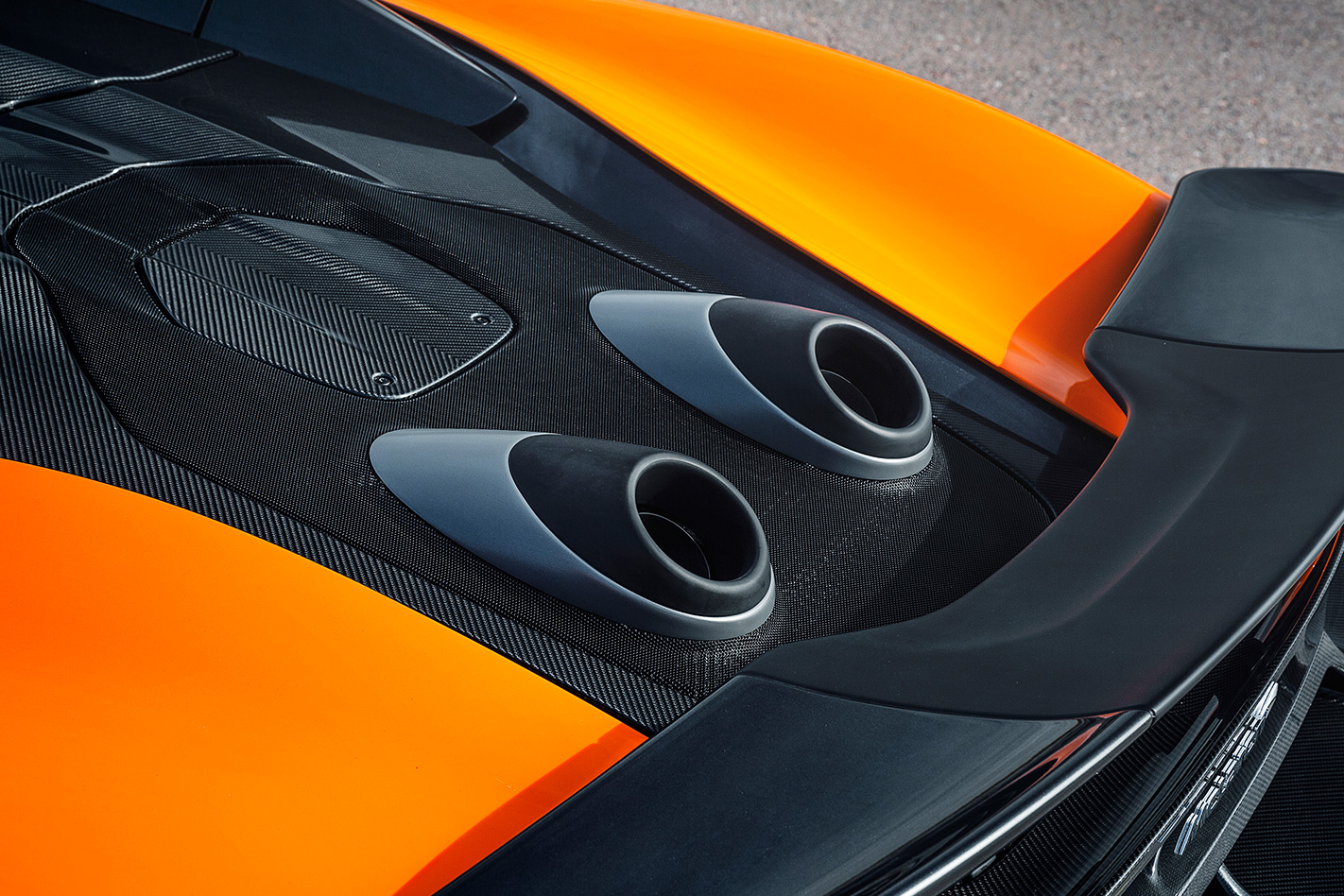
You won’t notice it so much in traffic. Modern McLarens have never sounded soulful and there’s still no beauty or whimsy to the 600LT Spider at low speed, but clock an empty horizon, flatten the throttle, and it takes a nanosecond to realise that this is a ferocious and engaging soundtrack. It begins as a growl, then after a small pause as the turbos spool and the 3.8-litre twin-turbo V8 clears its throat, the top-exit exhausts bellow (they’re a metre shorter and 12.6kg lighter than conventional pipes) and the revs lunge towards the redline with a deranged savagery.
The Spider deploys the same, uprated 441kW/620Nm V8 as the 600LT coupe (in fact, the only mechanical difference between the two is a small damper recalibration to account for the Spider’s additional 48kg, all of which is found in the three-piece roof), and it’s intoxicatingly accelerative. Performance figures are identical to the coupe, catapulting the car from 0-100km/h in 2.9sec. 200km/h arrives two tenths slower than the coupe at 8.4sec, and the top speed is down 4km/h to 324km/h.
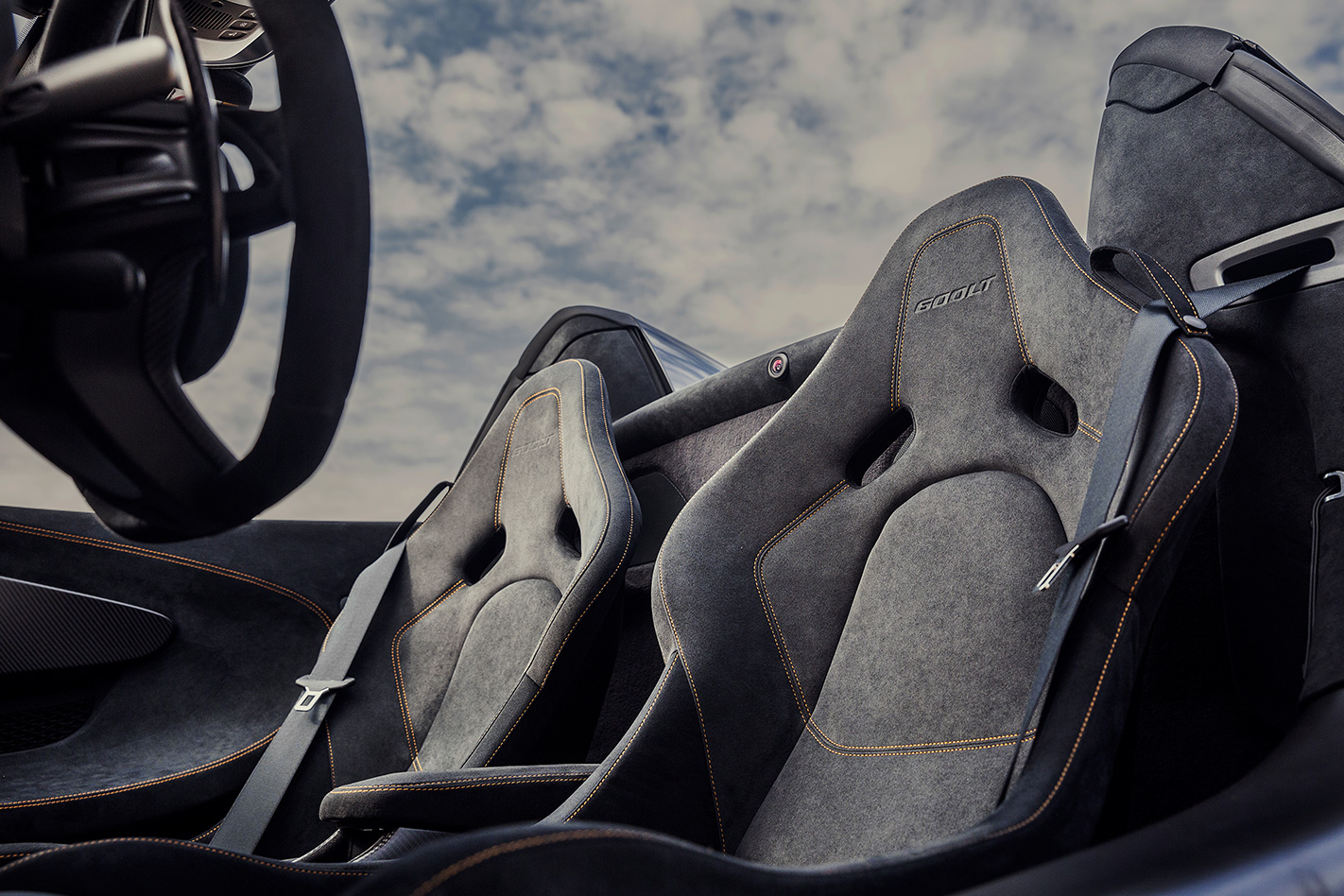
And then there’s the noise itself. There’s plenty of volume, as you’d expect, but it’s the way the note hardens as the revs rise, and the ignition cut cracks and bangs on upshifts (when Sport mode is engaged) that elevate it beyond other McLarens. And because the V8 isn’t quite as manic as the one in the bigger 720S, the 600LT doesn’t rush into its 8200rpm limiter quite as quickly, giving you a modicum more time to savour the experience.
For the full-noise 600LT experience you can lower the roof in 25 seconds, and this naturally enhances the drama, but if the soundtrack is a central aspect to the Spider’s character, it’s the steering that defines it.
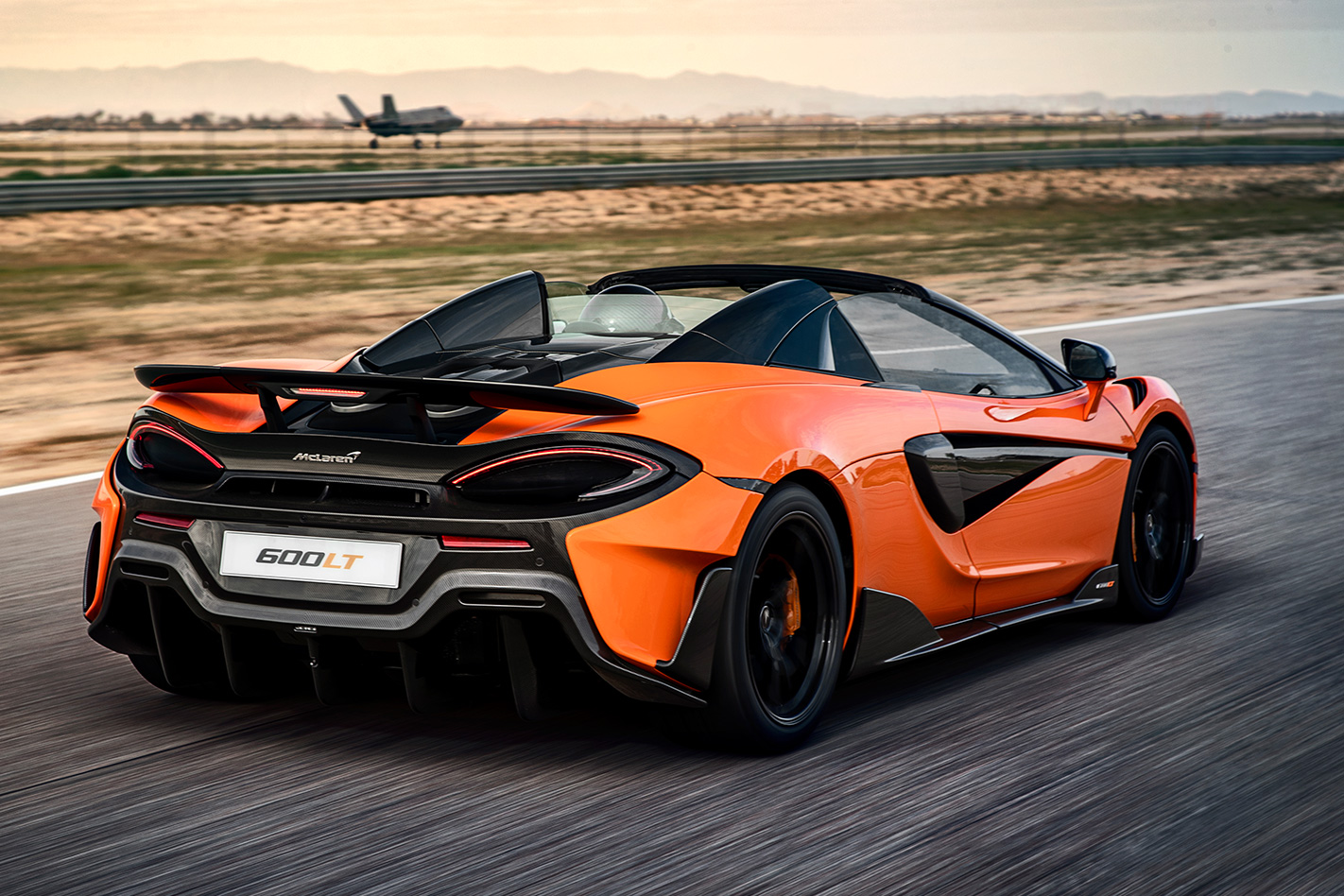
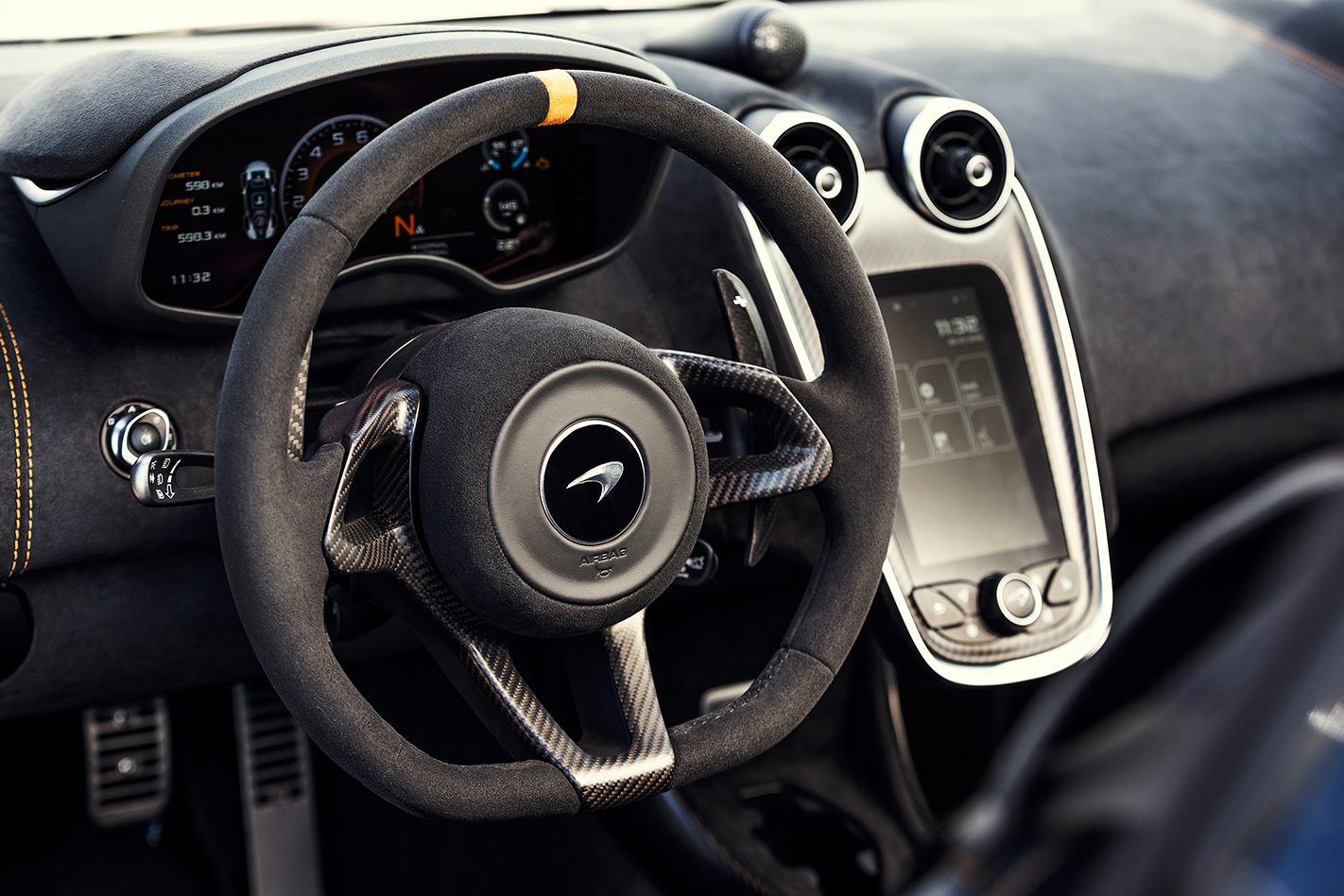
McLaren is one of the few remaining manufacturers to use an old-fashioned hydraulic system and the degree of feedback transmitted through the wheel is a sad reminder in what we’ve lost in the move to EPAS. McLaren has the edge over every rival in this respect. The wheel wriggles and fizzes in your hands, and on a circuit, it delivers a sense of connection that instantly gives the driver an extra degree of confidence.
The chassis helps here. Turning a ‘regular’ 570S into a 600LT is relatively simple – you just add more of everything. There’s more power and torque (up 22kW/20Nm), more aero (100kg at 155mph), wider tracks, stickier Pirelli Trofeo R tyres, bigger carbon brakes, and suspension components taken from the 720S.
The only thing there’s less of, is weight. While the 600LT is 48kg heftier than the coupe, if you tick the right options and are happy to live without a few creature comforts, its kerb weight of 1404kg is some 100kg lighter than the equivalent 570S Spider.
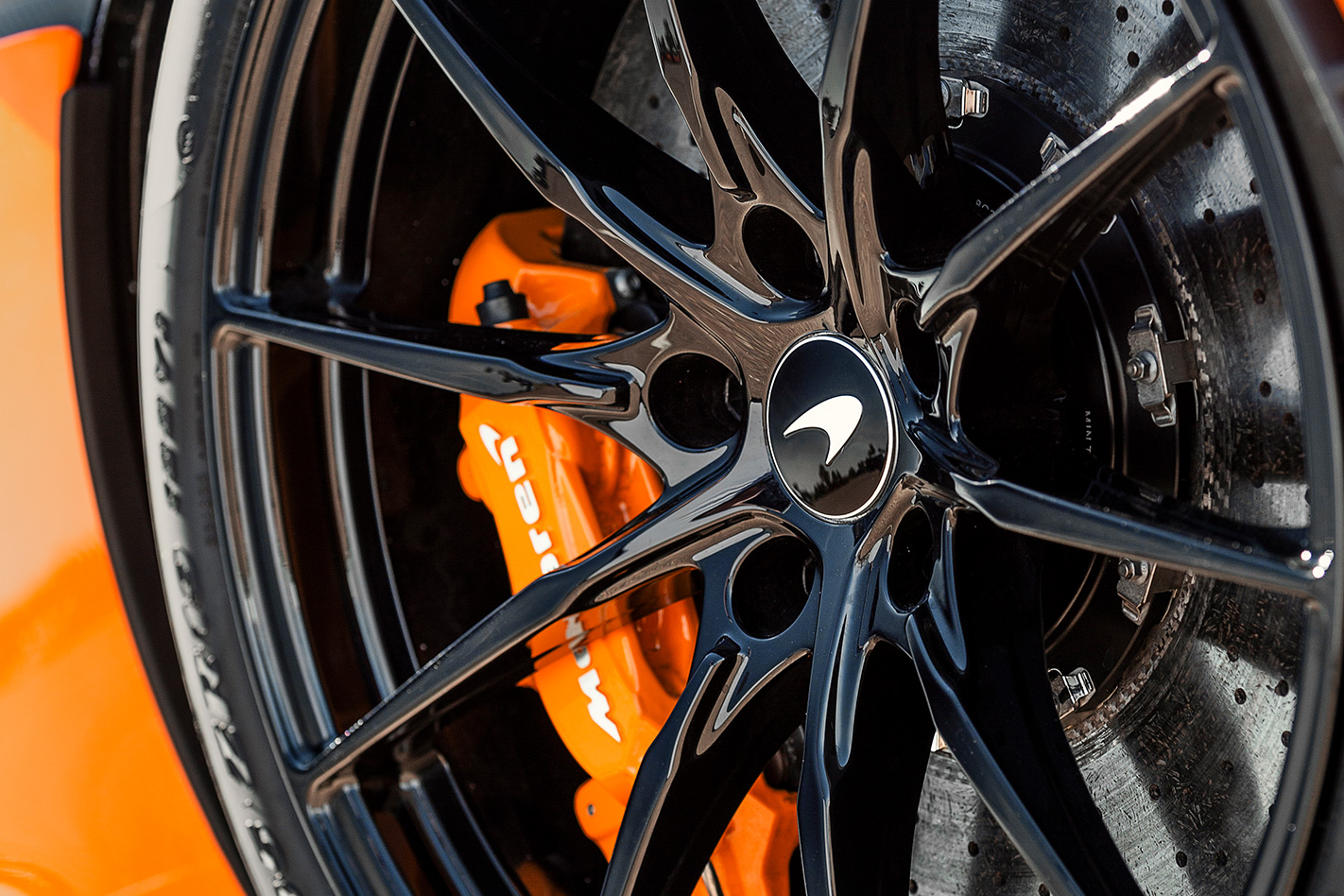
McLaren reckons that 100kg is equivalent to an additional 44kW, or a five percent improvement in grip, and the way the 600LT bites, turns and goes is transformational. It makes lesser McLarens feel almost gentle by comparison, yet despite the degree of performance on offer there’s a lovely cohesion to the dynamics.
In the bigger 720S, the experience is dominated by the power delivery, but the 600LT feels more of a piece. It verges on Lotus-like in the way it manages to change direction, and where many exceptionally powerful track cars direct your focus on the corner exit, the 600LT’s masterstroke is how many options it gives you on corner entry. Carry the brake deep into the apex and the balance shifts towards the rear before edging into controllable oversteer. The way the 600LT rotates is addictive, and it’s disarmingly easy to back it into sharper turns, the rear sliding slightly as you push past the apex and get on the power. It shouldn’t be this easy to hustle a car with this level of performance.
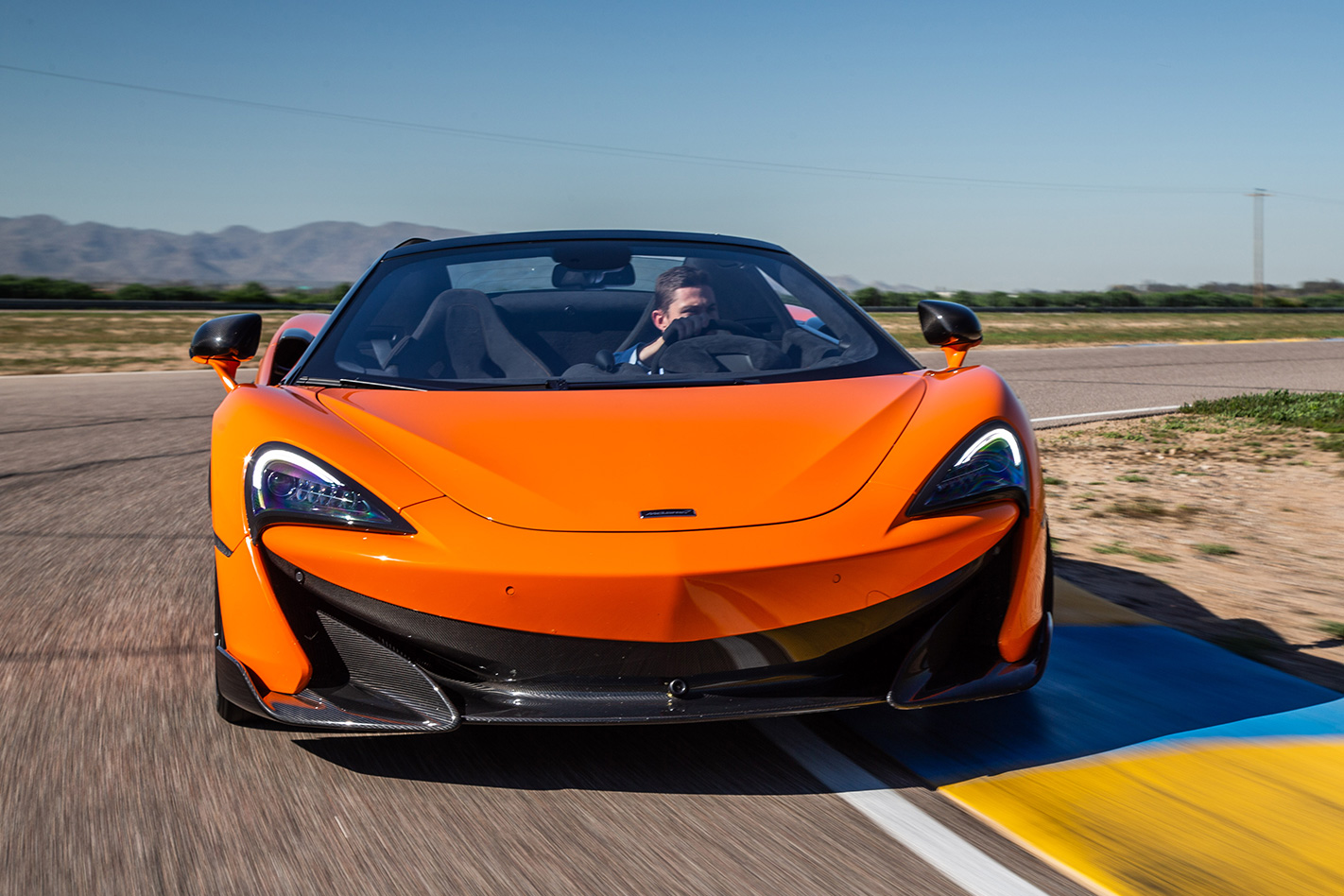
The standard issue carbon brakes are a highlight. In typical McLaren fashion, the pedal is overly firm but their effectiveness, and resistance to fade, is impressive. Hit the left pedal hard at 200km/h and you’ll be at a standstill in 121 metres, which is just 5 metres longer than the P1.
Is the 600LT Spider as sharp, or as accurate, as the coupe? Without a direct comparison it’s difficult to say, though if there are any loses in torsional rigidity or ultimate performance, they’re so small that they’re practically negligible.
This isn’t to say the 600LT Spider is foible-free. Redesigning the rear deck to accommodate the folding roof has reduced rear visibility, and because McLaren’s Sports Series forgoes the trick cross-linked suspension of the Super and Ultimate cars for a more traditional set-up, there are moments when the ride can feel decidedly firm. But these are minor quibbles, and the suspension control and quality of the damping is first class.
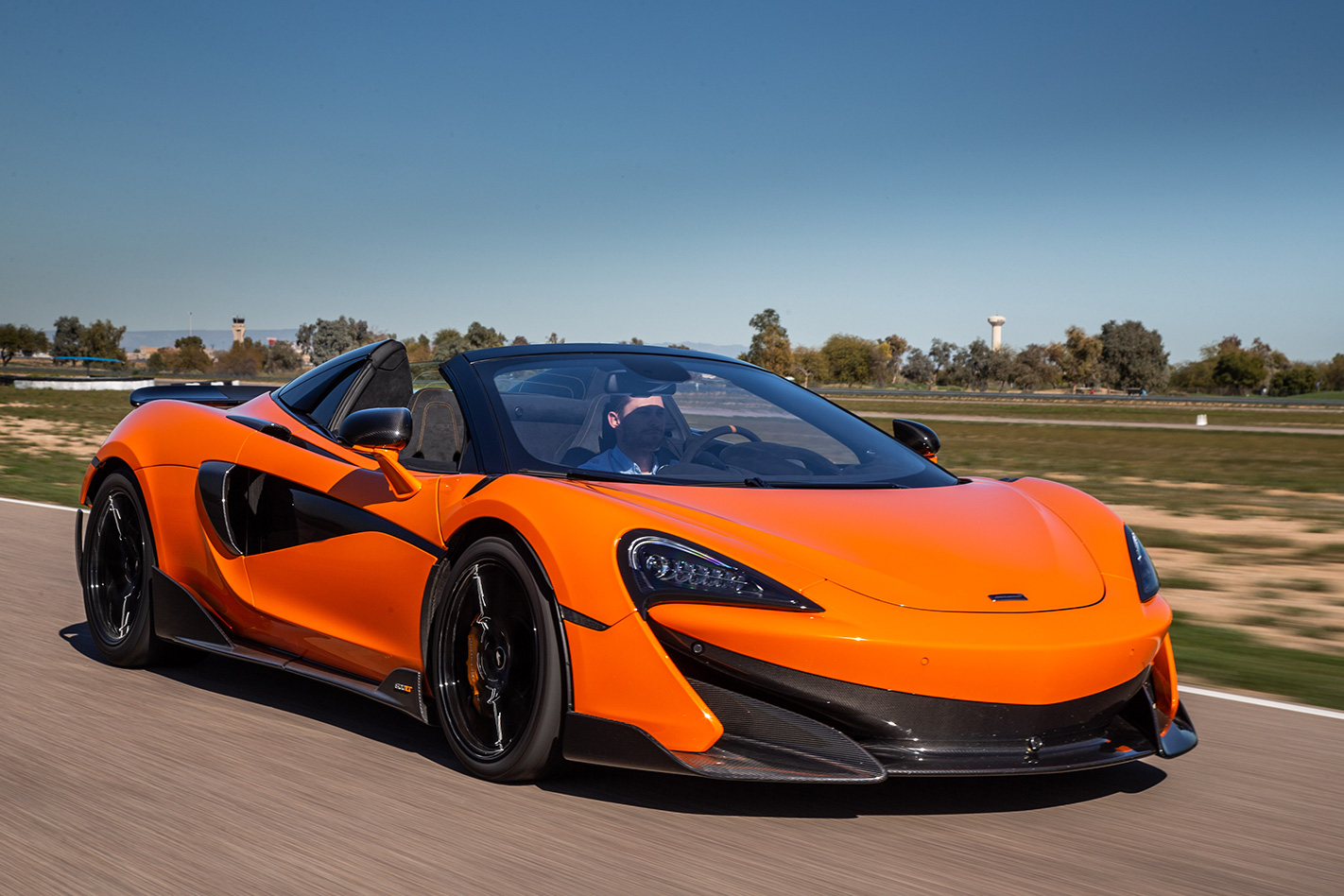
The 600LT Spider is, quite feasibly, a car you could drive every day, despite its clear track focus. And therein lies its true brilliance. Seemingly uncompromised in delivering intoxicating track-day thrills, it’s also a car with bandwidth, and one possessing a degree of personality and character that has long been missing from modern McLarens.
THE WHEELS VERDICT
This smacks of overegging it, but the 600LT Spider is quite possibly the best road-going McLaren to date. Dramatic to behold and surprisingly approachable to drive for a mid-engined carbon-tubbed track monster, there’s real depth to its dynamic ability. The real genius, however, is found in its greater sense of personality and fun, which are character trains that modern McLaren’s haven’t always had, and ones only enhanced by removing the roof.
PLUS: Sublime steering; searing speed; vastly improved soundtrack; tactile and approachable handling; brake performance and resistance to fade; price advantage compared to rivals MINUS: Tricky rear ¾ vision; wind noise at freeway cruising speeds; sun glare on central screen with the roof down
SPECS
Model: McLaren 600LT Spider Engine: 3799cc V8 (90), dohc, 32v, twin-turbo Max power: 441kW @ 7500rpm Max torque: 620Nm @ 5500-6500rpm Transmission: 7-speed dual-clutch Weight: 1404kg (kerb) 0-100km/h: 2.9sec Economy: 12.2L/100km Price: $496,000 On sale: Q3 2019
UPDATE
- An emergency call centre has been set up to handle customer enquiries.
- There are servicing delays at at some dealerships.
- Toyota Australia does not believe customer or employee data has been compromised.
Toyota Australia says its network of 279 dealers is still operational and able to help customers with their enquiries. However, there have been some impacts to parts supply resulting to servicing delays at some dealerships.
An emergency call centre was set up on Saturday to handle customer enquiries, including the Takata airbag recall, until normal customer operations through the Guest Experience Centre are restored.
The call centre is operating between 9am to 6pm AEDT on 1800 462 000.
Customers calling the emergency number will be requested to provide their best contact details, the name of their closest/preferred dealership and their vehicle information, including vehicle identification number (VIN) and registration.
Hackers attacked the company’s servers last Tuesday, with head-office and dealership staff locked out of the IT system and emails.
An investigation is under way into who instigated the potentially malicious cyber attack, with the company stating it has no further details about who was involved or where it originated.
“The threat is being managed by our IT department who is working closely with international cyber security experts to get systems up and running again,” a Toyota spokesman said in a statement.
“We apologise for any inconvenience caused and thank customers for their patience.”
Toyota Australia is the latest victim of recent cyber-attacks to prominent Australian organisations including the Parliament of Australia and Melbourne’s Cabrini private hospital.
With all of the day’s tourists and sightseers out of the way, Andy unleashes the big Mac and discovers a monster of the dark.
See the full episode: Watch at tenplay.com.au (AU) or primetv.co.nz (NZ)
While Andy tries to tame some serious horsepower, Dan is exploring the emerging segment of premium compact SUVs to find out if a little extra cash can really get you something stylish and fun to drive.
See the full episode: Watch at tenplay.com.au (AU) or primetv.co.nz (NZ)
Andy is behind the wheel of the Ford Mustang Bullitt for a nostalgic look back at the drive-in cinema at the wheel of a reborn classic.
See the full episode: Watch at tenplay.com.au (AU) or primetv.co.nz (NZ)
Andy gets behind the wheel of the more exclusive Ford Mustang Bullitt for a nostalgic look back at the iconic car and its legendary namesake.
See the full episode: Watch at tenplay.com.au (AU) or primetv.co.nz (NZ)
Ever wondered how car dealerships manage to get the actual cars inside their respective showrooms?
Well, for the most part, they are driven it, via carefully hidden doors, occasionally via lifts, or through large sliding partitions of glass.
It’s those panes of glass, unfortunately, that have come off second best here.
A young woman was shopping for a new Hyundai with her parents in northern India last week when the dealership owner’s worst fears came true.
The circumstances around the incident are equally unclear and pretty damn obvious – salesperson invites the lady to step inside the car – an Indian variant of the i20, by the looks – and by invitation or accident, the lady starts it.
For reasons only known to the lady, she decides to then pin the throttle instead of the brake, and the small hatchback surges forward, smashing through the tall panes of glass, leaping down the 1m high ledge and careening into two parked cars on the forecourt.
Amazingly, she’s missed everyone outside the dealership and emerges from the now distinctly second hand Hyundai shaken but unhurt.
The insurance bill for this one will be a doozy… and I’m not sure she’ll get free mats thrown in, either.
