
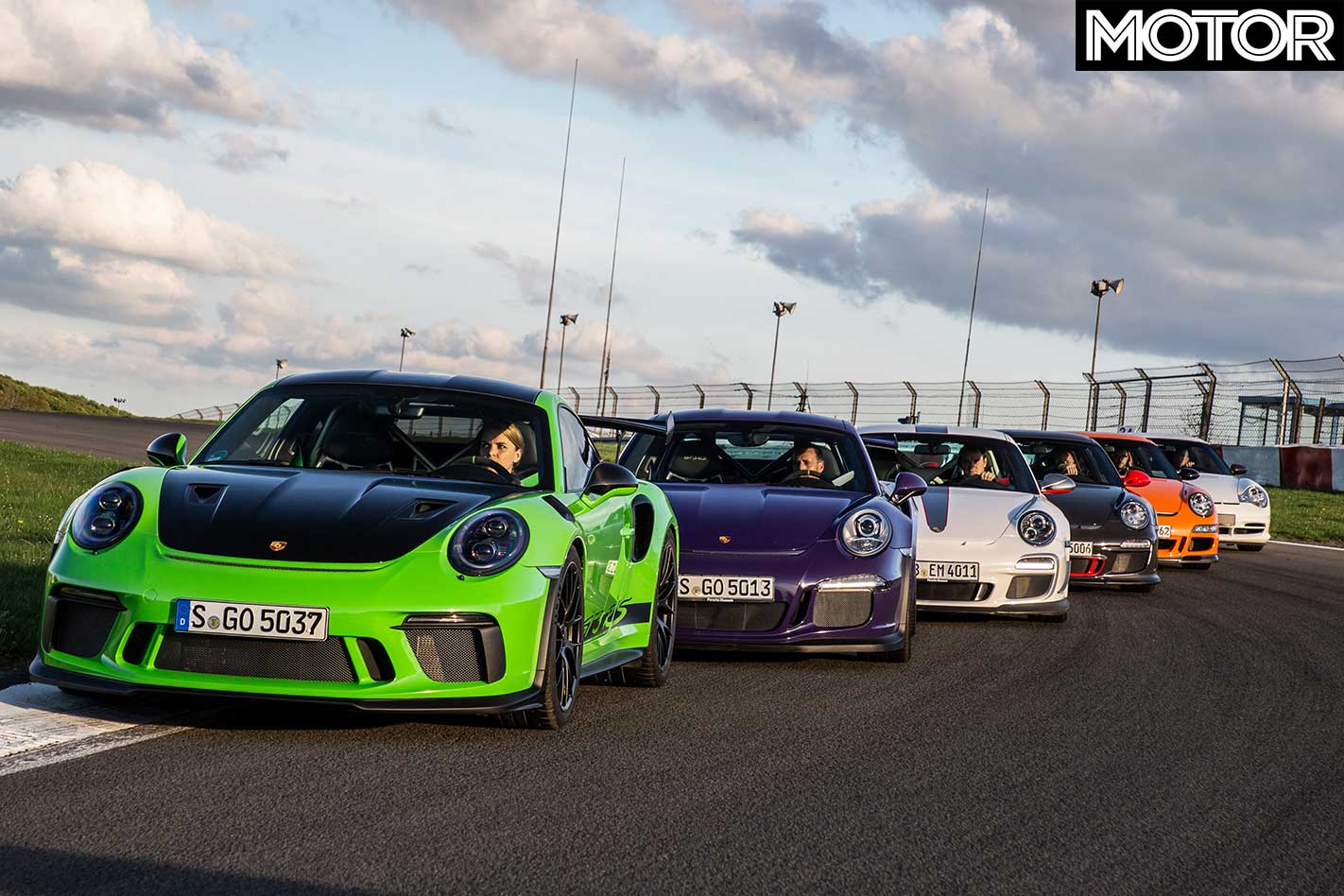
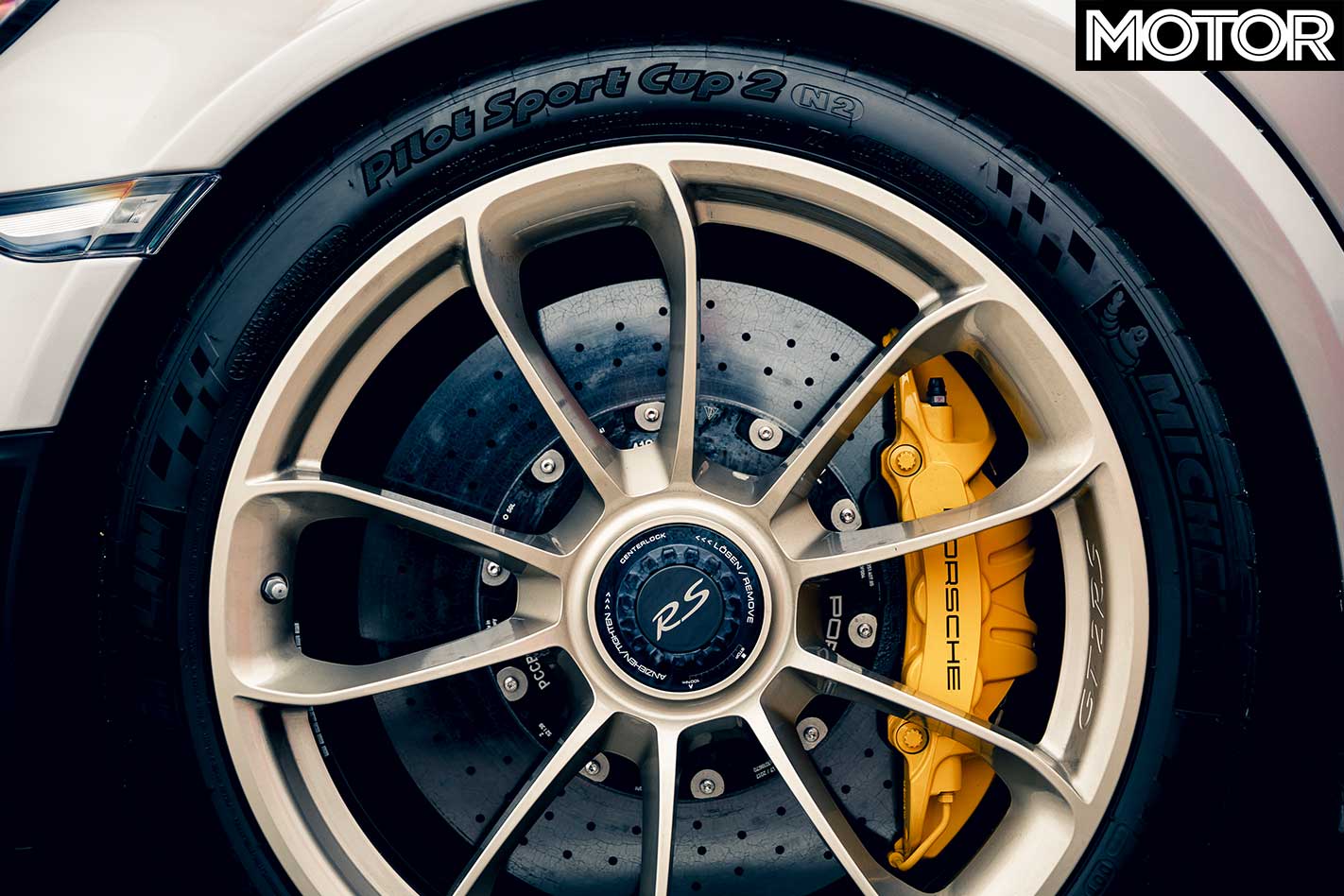
Michelin’s Pilot Sport Cup 2 R, the tyre used for the sub-7-minute lap of the Nürburgring by a Porsche 911 GT3 RS, is soon to be available in Australia.
Compared to the ‘standard’ Cup 2 tyre, Michelin looked to its motorsport-spec tyres and developed semi-slick road versions, primarily for use with Porsche RS cars for now.
“The tyre’s outer shoulder now has fewer dimples and a lower void ratio, and therefore more rubber in contact with the ground.
“In addition, the central grooves in the tread have been narrowed to further increase the amount of rubber in contact with the road, and this increases the tyre’s rigidity to improve steering precision and to cope with the higher grip levels generated.
“Overall, this gives the new tyre an almost 10 percent larger contact patch and allows it to exploit the very high performance levels available with today’s ultra-high performance cars.”
Testing the Cup 2 Rs at the Nardò racetrack in Italy, Michelin used a Porsche 911 GT2 RS to run laps with a set of R and non-R Cup 2s. It recorded a 2.9-second lap time difference in favour of the Pilot Sport Cup 2 R, something Michelin estimates is the equivalent of a 30 per cent power increase.
Initially, Michelin says the Pilot Sport Cup 2 R will be an optional extra for the Porsche 911 GT2 RS and 911 GT3 RS, but will be available for purchase in Australia from mid-2019 with further ‘OE homologations’ for different models on the way.
Australian reservation holders for the Tesla Model 3 have been given an opportunity to preview the new electric car in Sydney and Melbourne today.
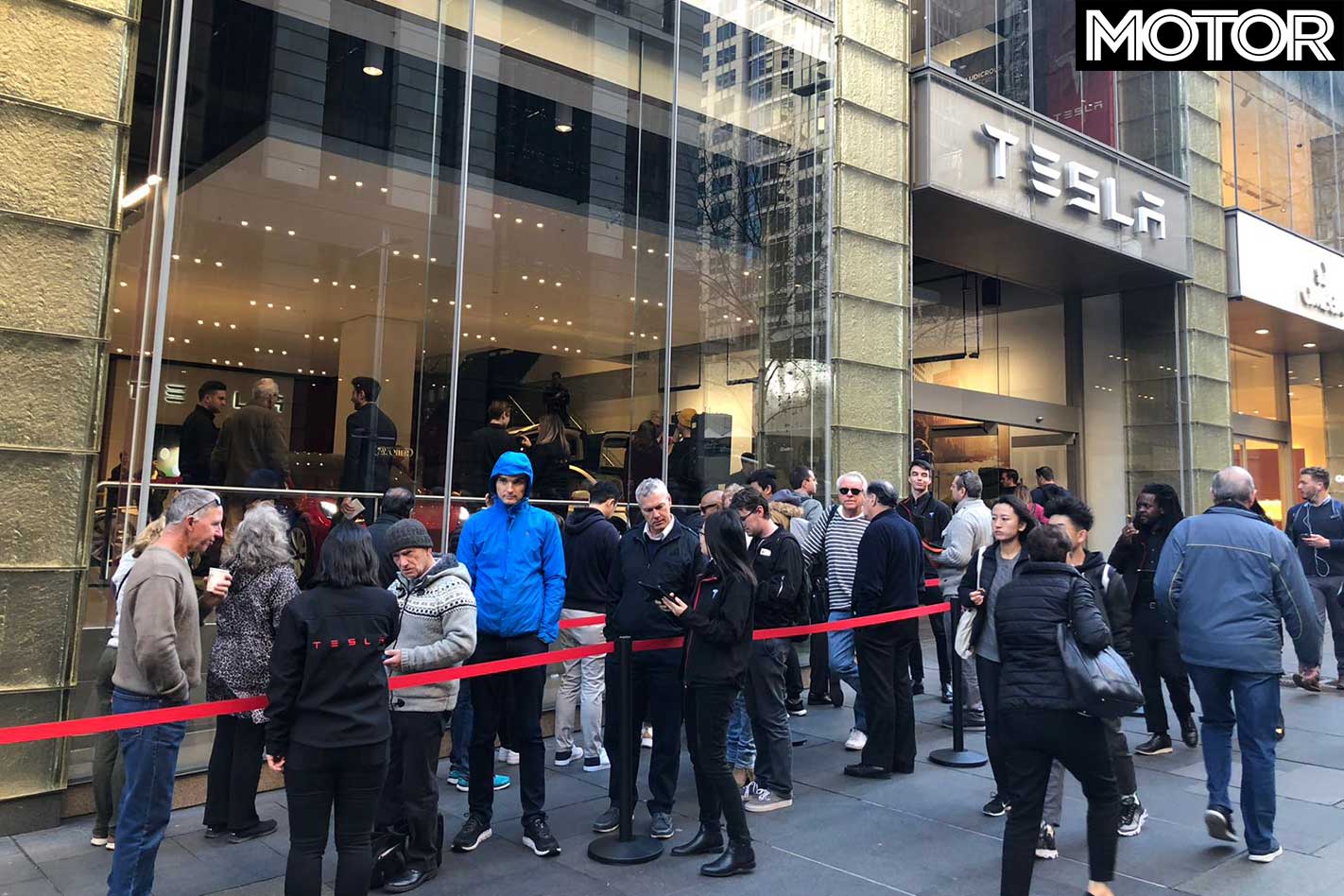
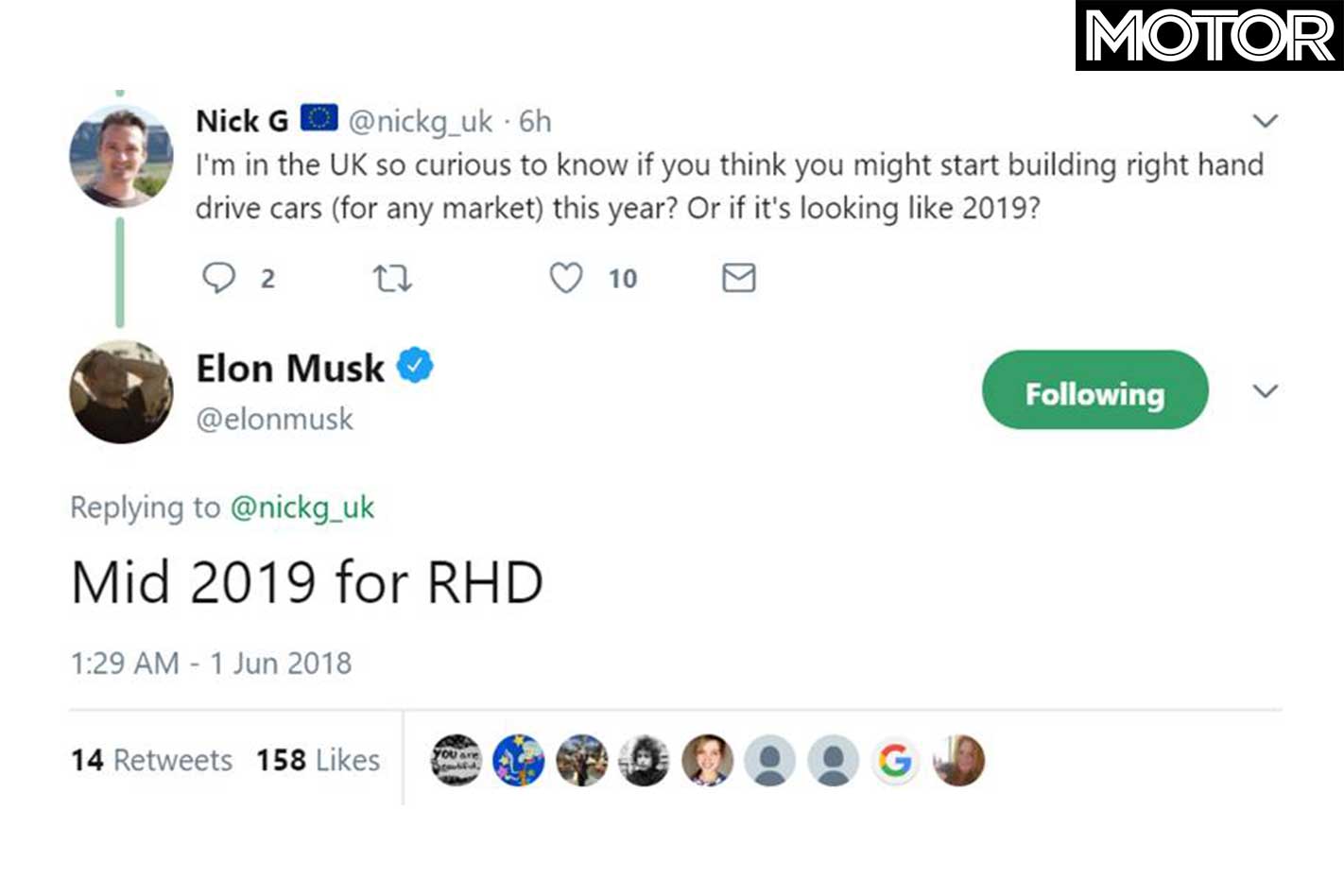
Tesla’s local PR wouldn’t confirm the number of Australian reservation holders, but as of Q1 2018 Tesla reported there were more than 450,000 globally. Model 3 production began in July 2017, however, according to an Elon Musk tweet right-hand drive production won’t begin until mid-2019.
Pricing is yet to be released, however, another Musk tweet supplied by Tesla stated that Australian pricing would be equivalent to that of the US plus local taxes, which allows us to provide a rough estimate as to Australian pricing. Be aware these figures are purely MOTOR estimates only.
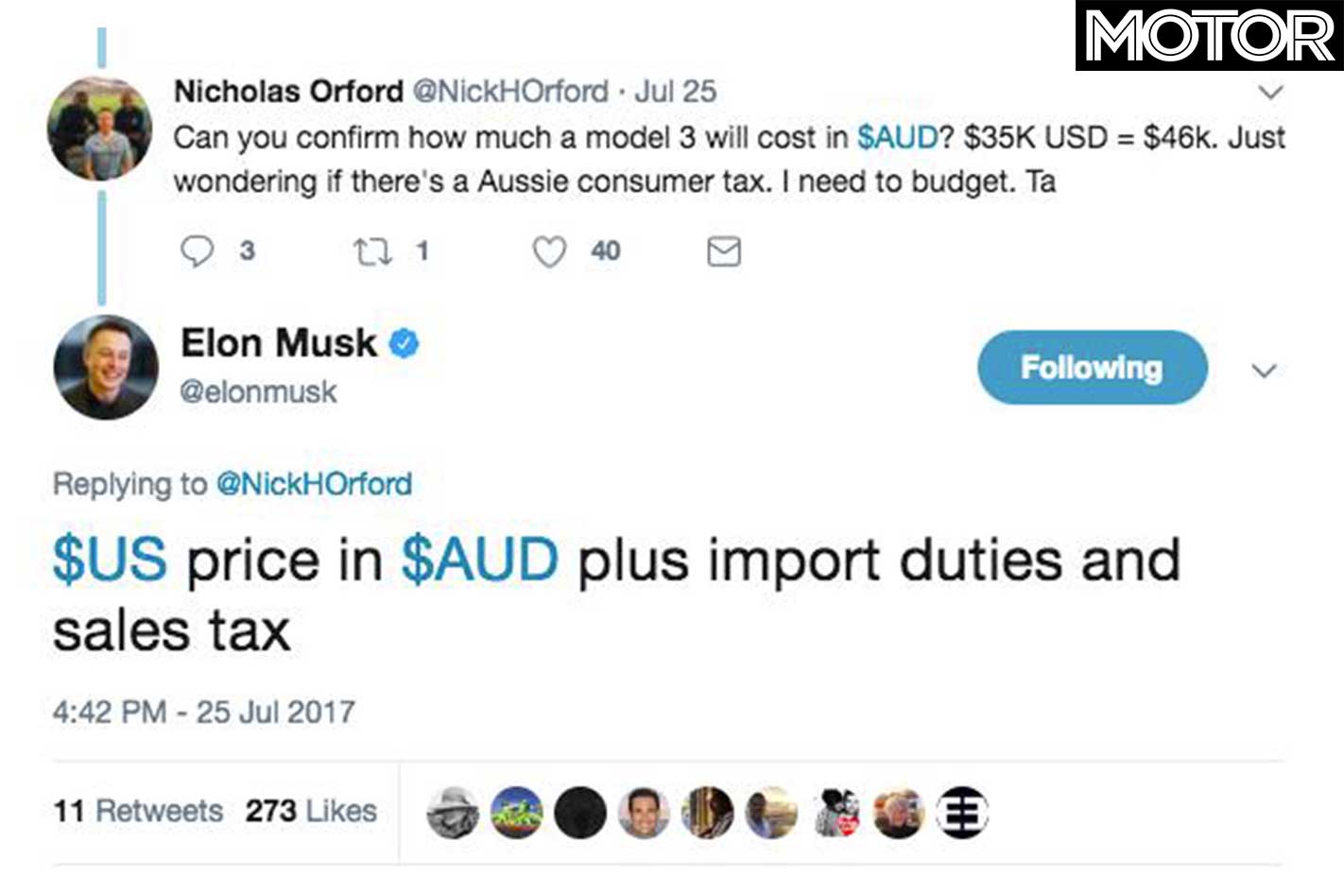
At current exchange rates, converting the base Model 3’s US$35,000 equates to $52,360 after the application of GST but before state taxes. Exact specs have not yet been confirmed for the variant, but Tesla claims a 350km range and a 0-97km/h time of 5.6sec. No base Model 3s have yet been built as Tesla concentrates on manufacturing higher-spec variants.
The car on display in Tesla’s Melbourne showroom was optioned with the longer-range 500km battery, which feeds 198kW/416Nm to the rear wheels for a claimed 0-97km/h of 5.1sec. It also included the Premium interior, including 12-way power adjustable heated seats, new seat material, a tinted full-length glass roof, premium audio and open-pore wood décor.
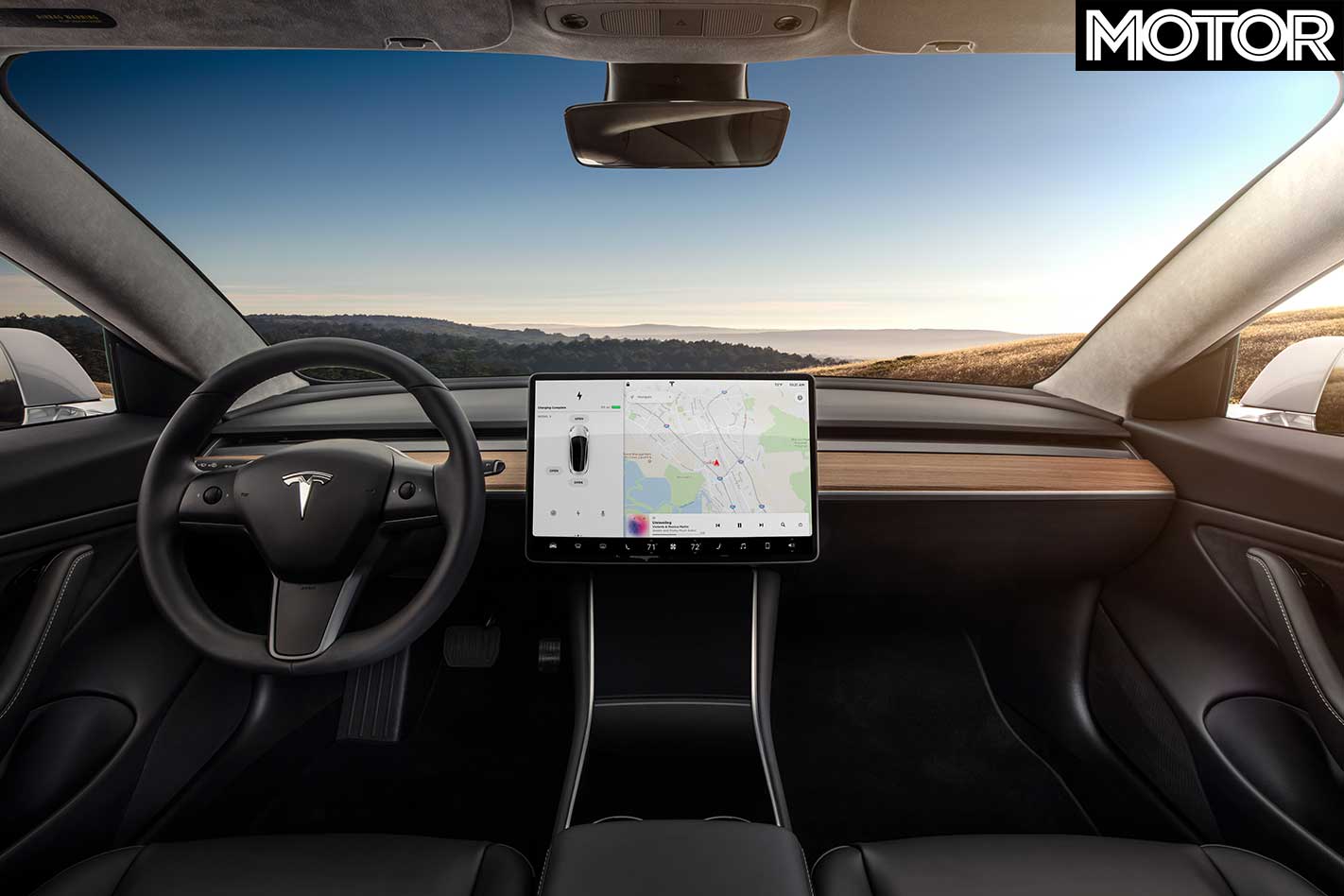
Tesla offers this model for US$49,000, which equates to A$73,304 after conversion and the application of GST but before local taxes.
Adding all-wheel drive lifts outputs to 258kW/527Nm and slashes the 0-97km/h time to just 4.5sec but complicates the pricing equation. The current US$53,000 price tips the Model S AWD over the Luxury Car Tax threshold, meaning the extra performance will require A$105,453.
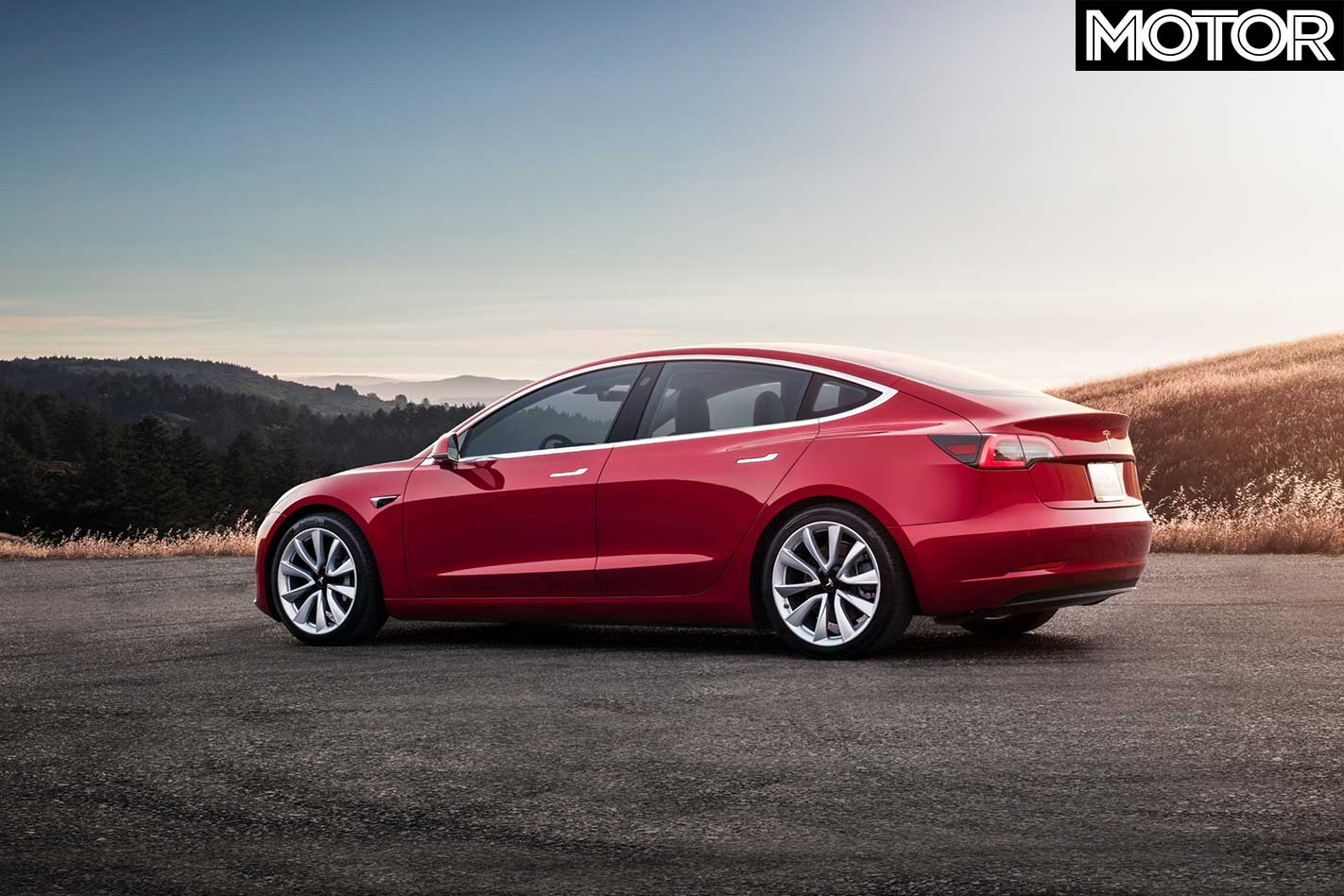
Finally, the 340kW/639Nm Model S AWD ‘Performance’ and its 3.5sec 0-97km/h acceleration potential retails for US$64,000, which converts to $127,340 after currency conversion, GST and LCT. Fully-optioned, a Model 3 AWD Performance should land just under $150,000.
If these prices are accurate, the Model 3 will land as an intriguing electrified alternative to the likes of the BMW 3 Series, Audi A4 and Mercedes-Benz C-Class. On paper, its performance is certainly competitive and our brief static encounter suggests its technology and practicality are too.
But just where it sits against the established German premium benchmarks can’t be answered until Tesla’s new sedan-hatch lands in Australia in the second half of 2019.
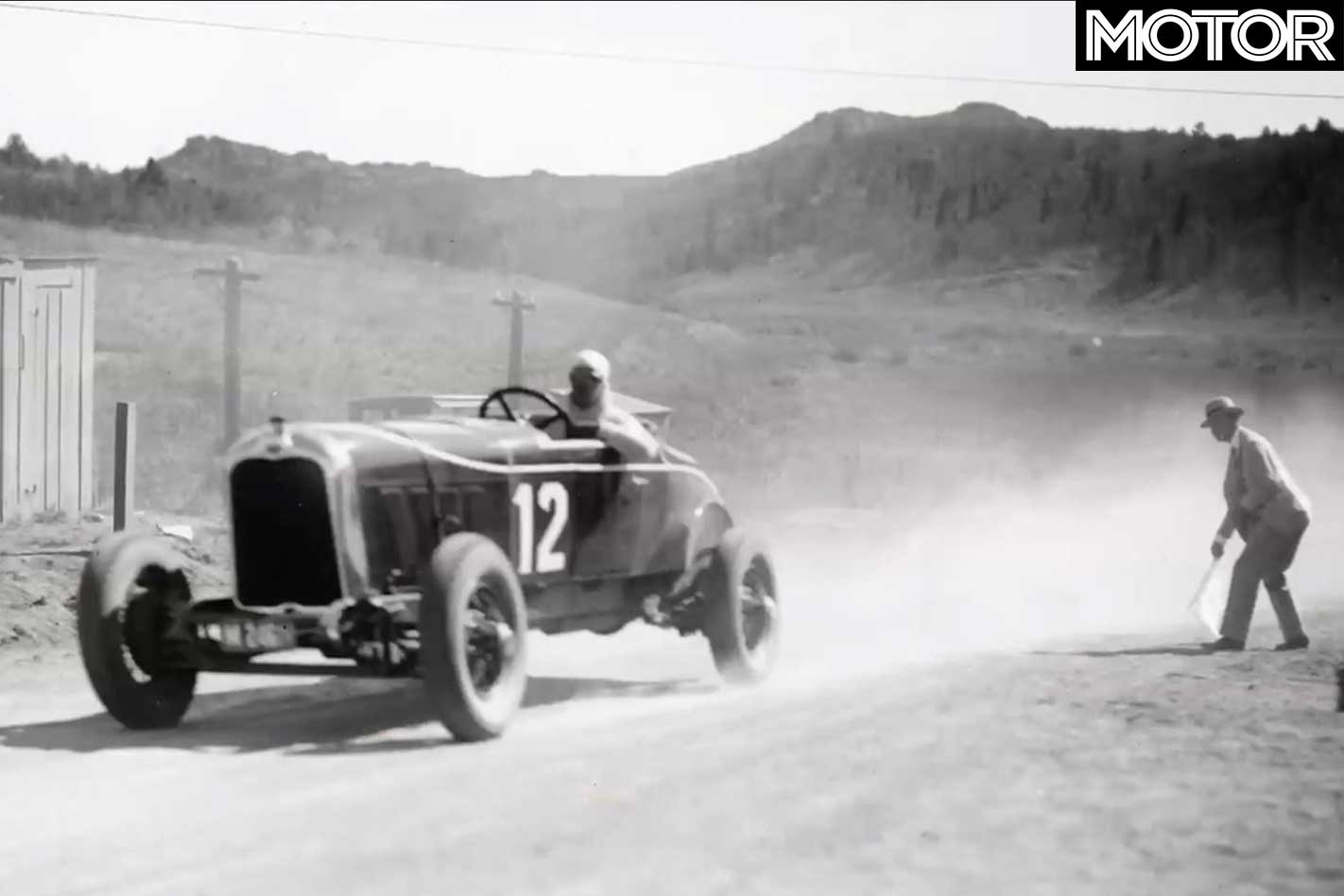
A new documentary has gone behind the scenes at Pikes Peak 2018 to deliver a close look at what The Race to the Clouds is all about.
Produced by Timbuktu Content, the short film covers off a brief history of Pikes Peak while also closely following the manufacturer everyone was watching at this year’s event, Volkswagen.
Some beautiful footage combines with a well-constructed story which allows us to not only see what happened at Pikes Peak, but also to understand where the hype surrounding the event comes from, and who are some of the most notable participants.
The production UK-based production firm seemed to have good connections, which means we get to hear from the likes of Romain Dumas, the man who set the sub-8 record this year, as well as racer and stunt driver Travis Pastrana, drifter Rhys Millen, and driver of VW’s previous Pikes attempt Klaus-Joachim ‘Jochi’ Kleint.
With all of these voices, as well as other peripheral additions, it’s almost like having Pikes Peak speak for itself in a way. These people are all strongly connected with the place so it’s as close as you’ll get.
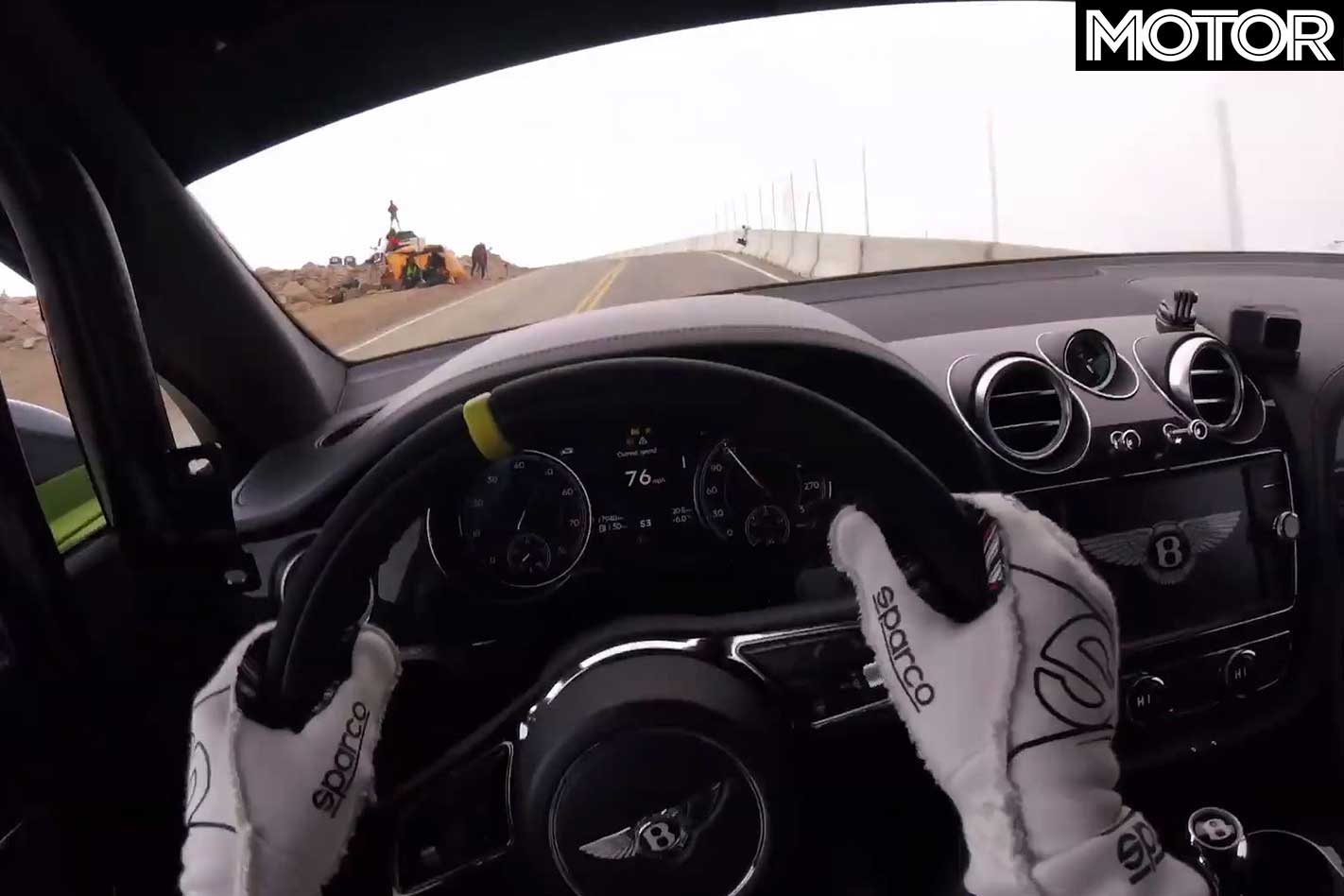
It’s admittedly quite heavily based around Volkswagen, meaning despite the well-meaning build to a story of triumph and redemption for VW, we already know the ending, and we suspect most who watch this will, too.
Still, if you’ve got any interest in Pikes Peak (and why wouldn’t you, it’s awesome), this short doco will almost certainly have something for you.
Even if you don’t like electric racers.
Shelby American has revived the Shelby Mustang GT nameplate to be based on the 2018 Ford Mustang, and there’s good news for Australians, too.
Melbourne-based tuner and importer Mustang Motorsport will be offering the 2019 Shelby GT in Australia with pre-orders already open.
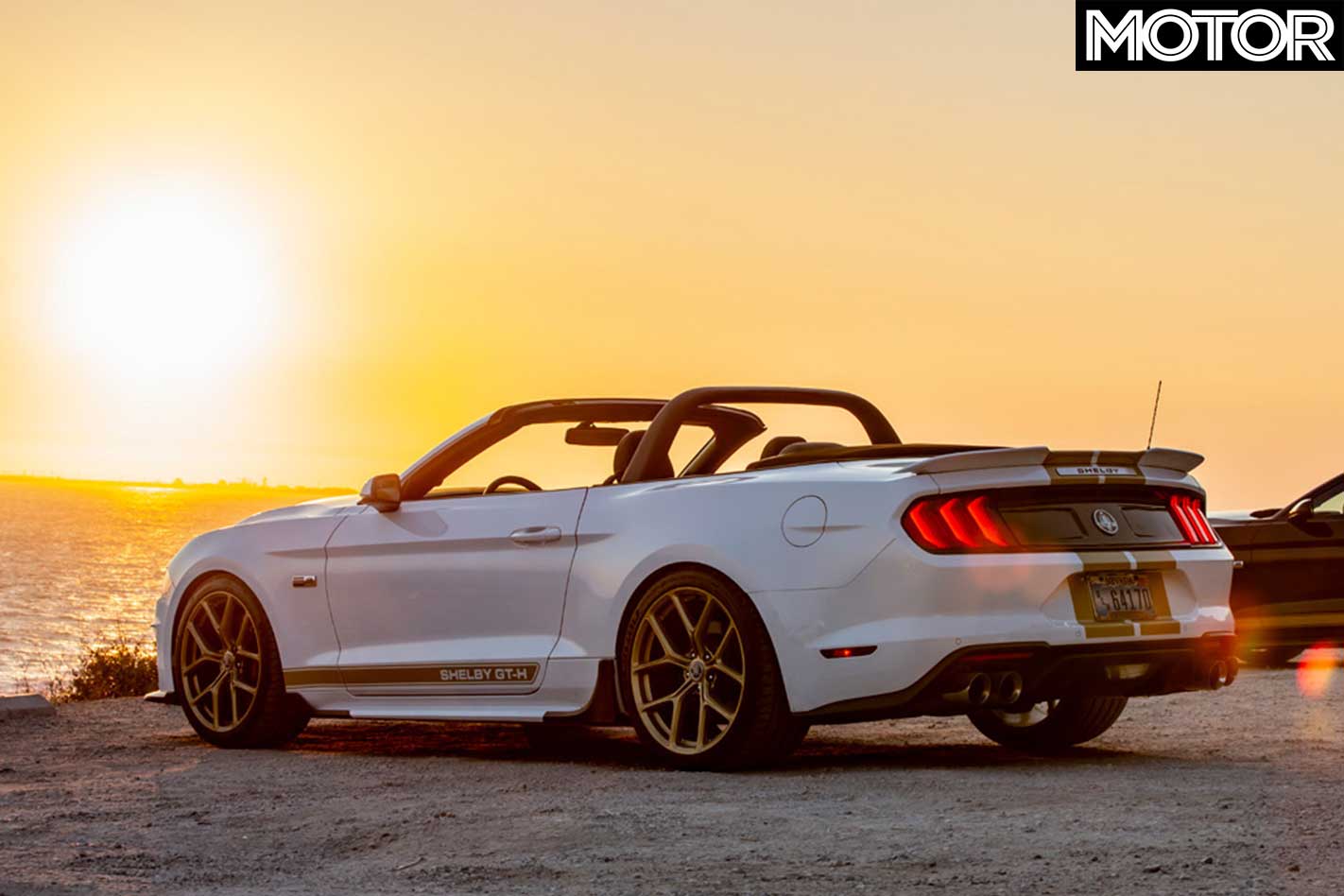
The 2019 Shelby GT will score about 360kW in naturally-aspirated form, though Mustang Motorsport will also offer a 520kW+ supercharged version which uses a ‘charger from Ford Performance.
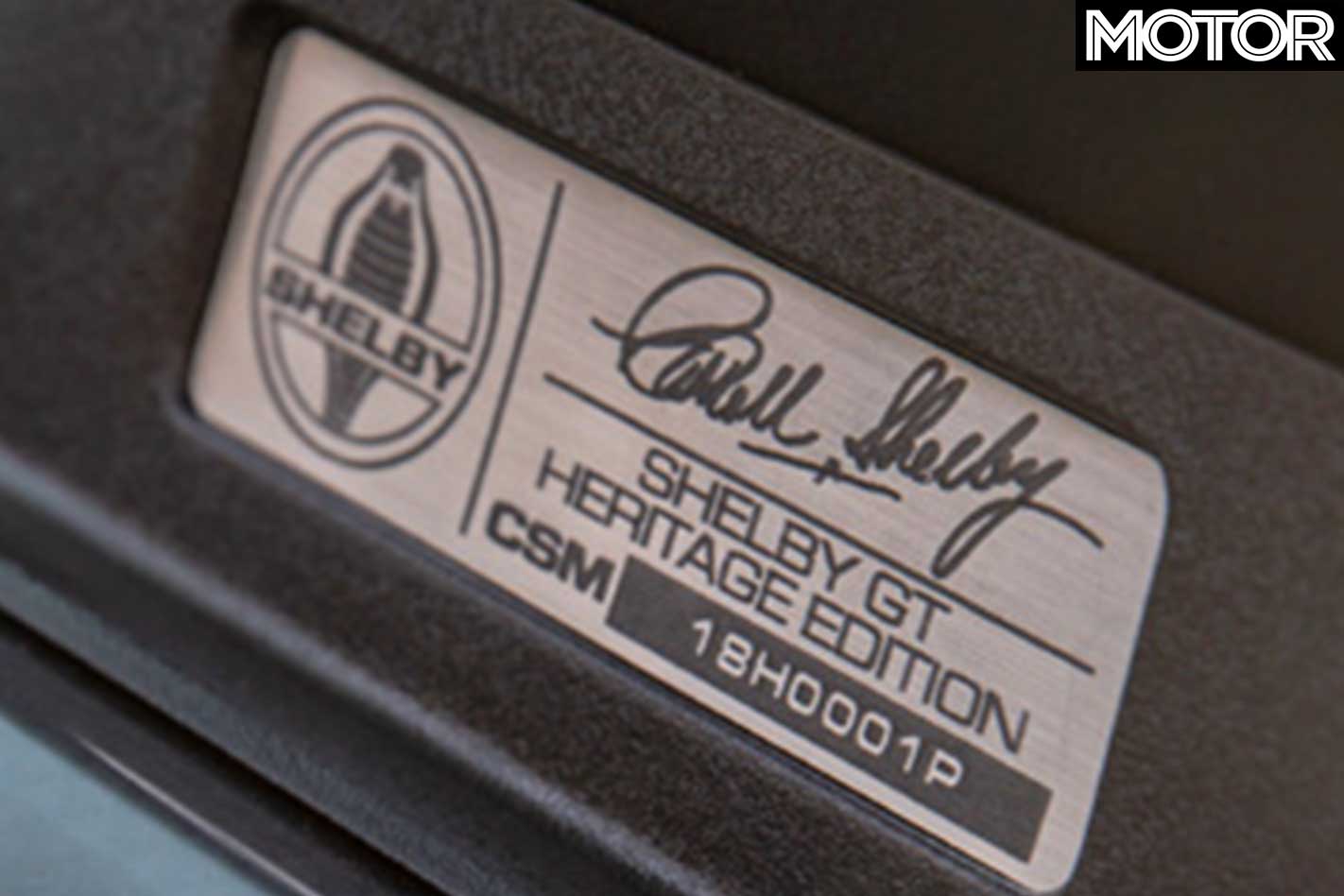
Also available as a major option is the Heritage Edition pack, which turns the GT into a Shelby GT-H, and adds ‘Heritage’ badging as well as gold stripes and gold wheels. This is only available on black or white cars.
Underneath, the Shelby GT also scores revised Ford Performance springs and sway bars, as well as a ‘Shelby by Borla’ cat-back exhaust.
The Mustang’s body is re-worked to feature hood vents, a new tail light panel, a re-sculpted grille, and other more aggressive styling. Mustang Motorsport lists the Shelby front fascia assembly as an optional extra, or as part of the Premium Package which also adds Ford Performance front struts and rear shocks, plus illuminated door sills.
Shelby American president Gary Patterson says the new GT ‘exudes serious sex appeal’ but is still within the realms of a daily-driver.
“We designed a gorgeous car to make any drive an adventure with thrilling performance and dynamic handling.
“The Shelby GT can gobble up miles on a road trip or rip up the corners on the track. It is equally fun cruising to the beach or to the office.
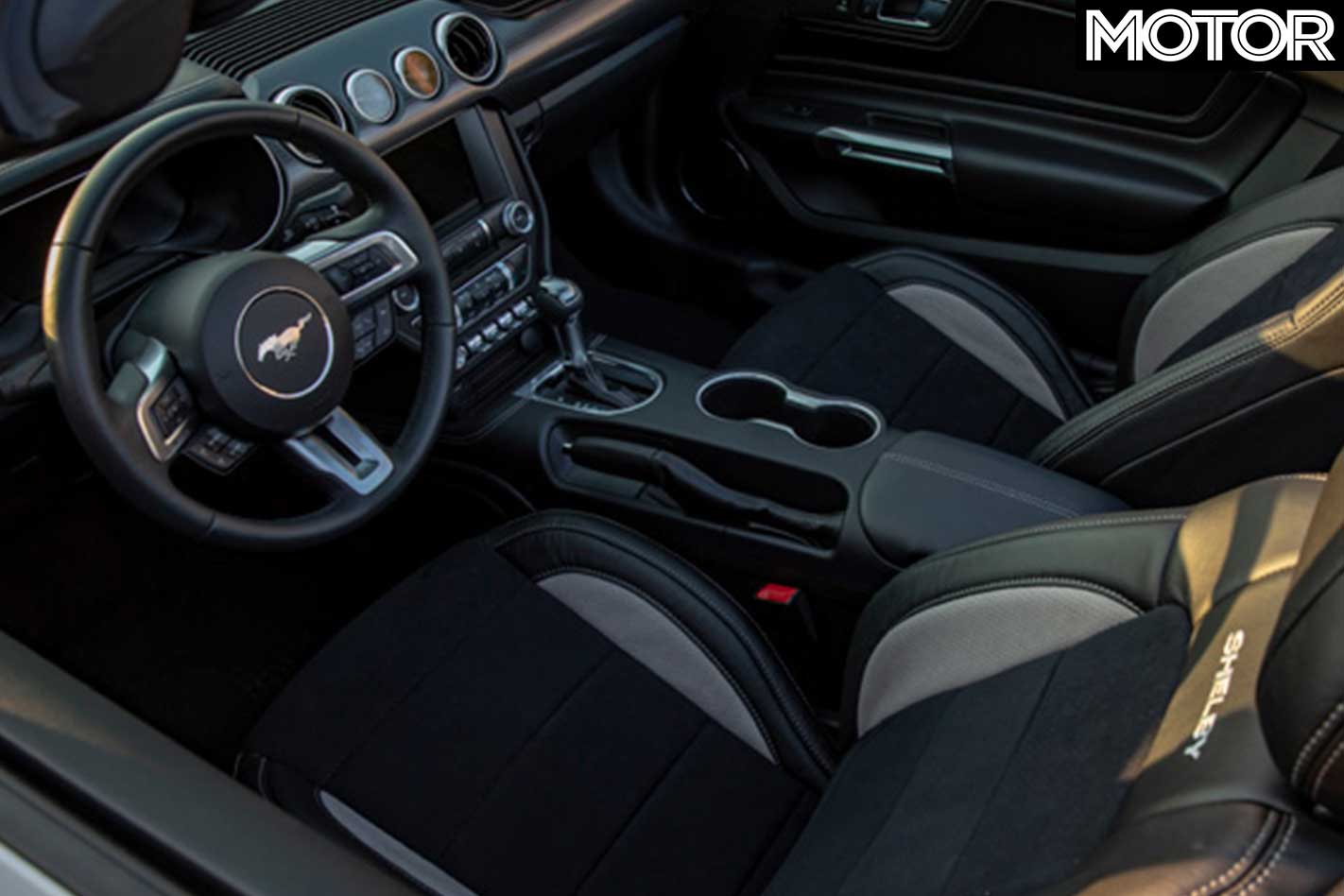
“Plus, this is the only naturally aspirated V8 Shelby car that can be optioned in convertible and with an automatic transmission. Enthusiasts will love to drive it all day, every day.”
Mustang Motorsport is yet to finalise Australian pricing for the 2019 Shelby GT, but those interested can pre-order now.
HOLDEN’S Lang Lang Proving Ground has solidified its integral place in General Motor’s global development plans following the completion of a multi-million dollar round of upgrades.
GM and Holden have jointly poured $15.9 million into the facility, focusing on refurbishing road surfaces and improving testing facilities.
The 4.7-kilometre high-speed bowl has been resurfaced with 7500 tonnes of asphalt to reduce unevenness and prevent water seepage, at a cost of $7.2 million.
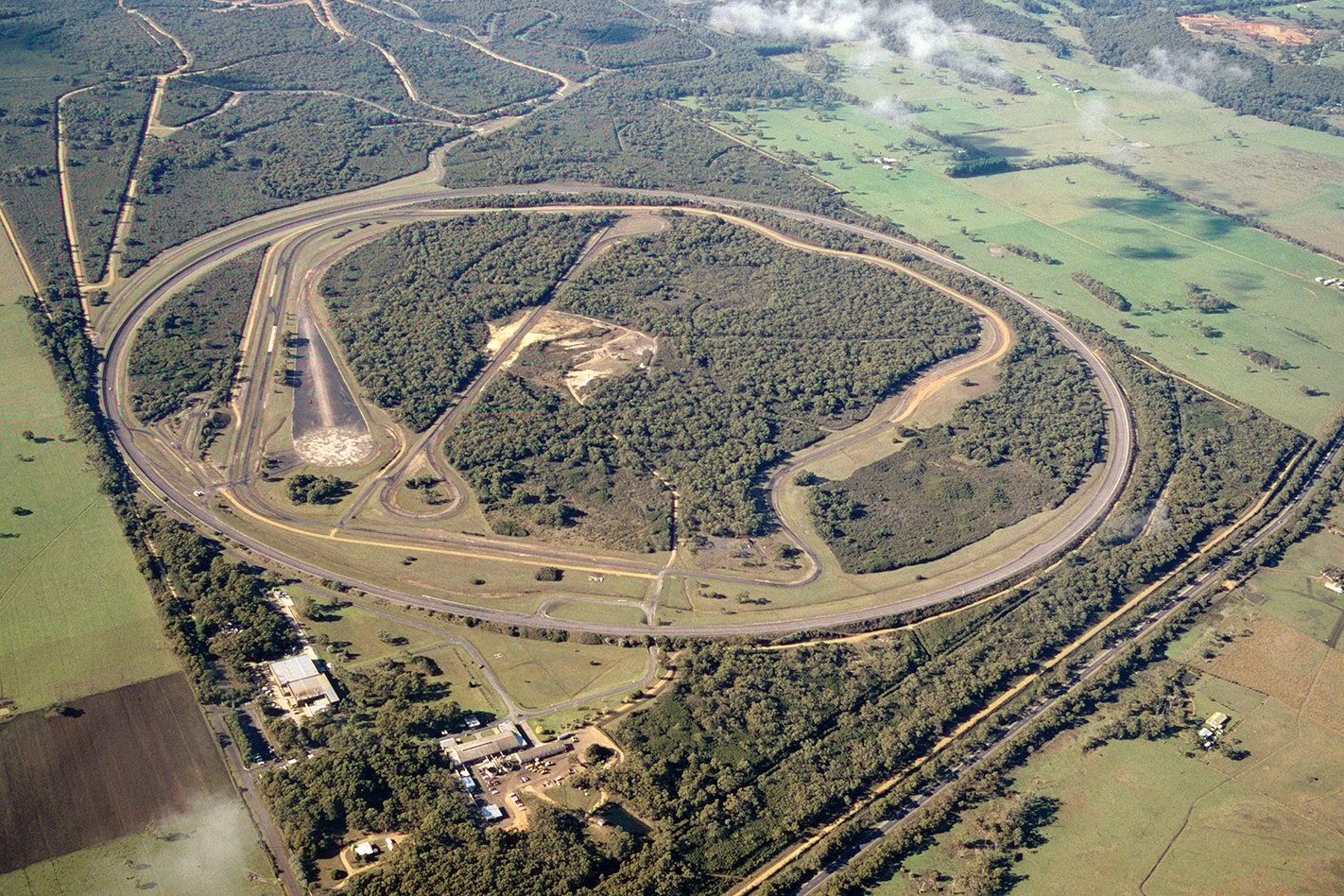
First opened in 1957, the 877-hectare Lang Lang Proving Ground has been where every new Holden has been developed since the FC.
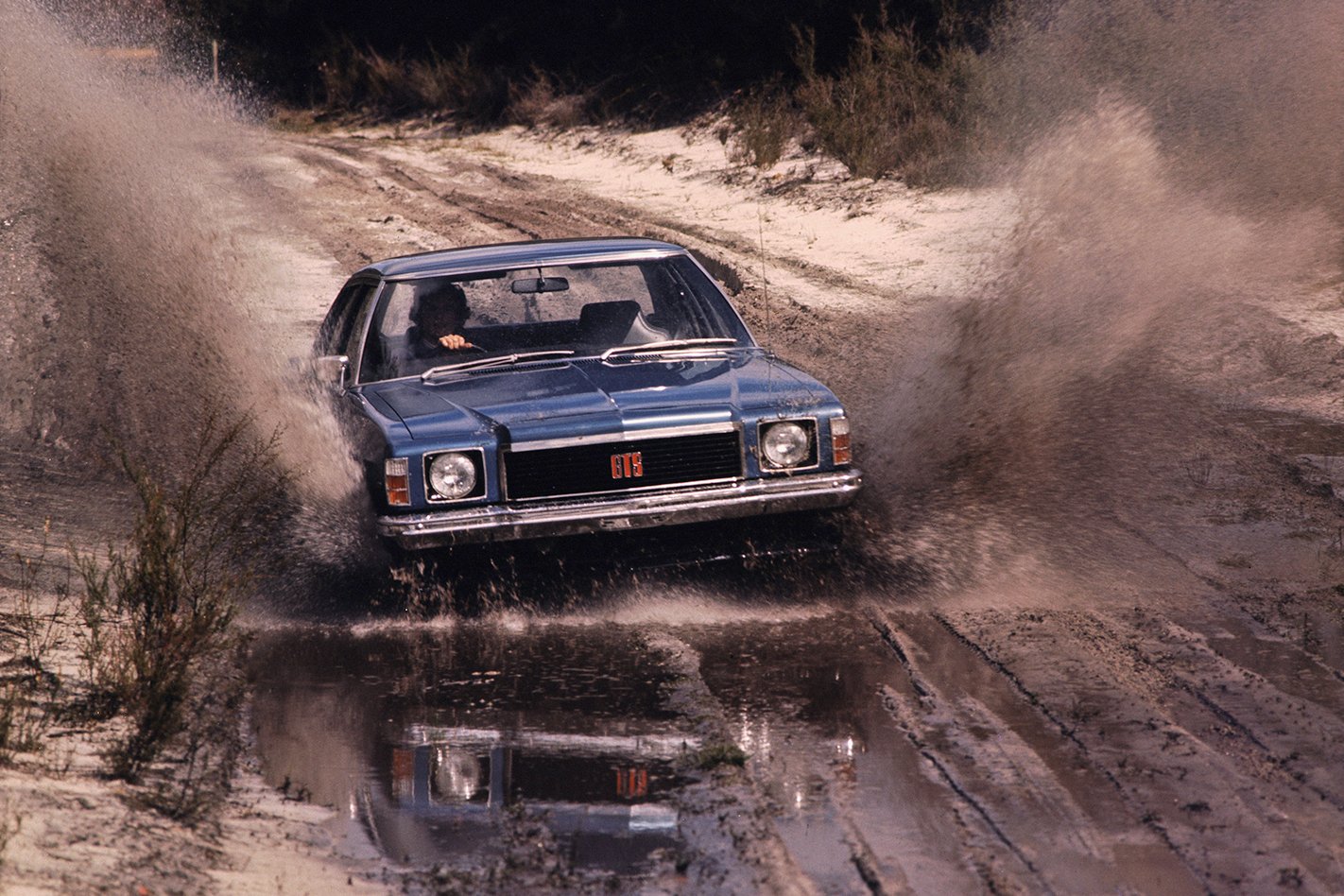
The facility, 90-kilometres south east of Melbourne, features 44-kilometres of road systems, including the upgraded 4.7km four-lane circular high-speed bowl, a 5.5km ride and handling course, a 1.8km noise and road testing stretch, and a 98m diameter skid pan. Also at the proving ground are rough tracks, a ‘hill route’, a twist course, a ‘rattle and squeak’ track, and mud and water baths
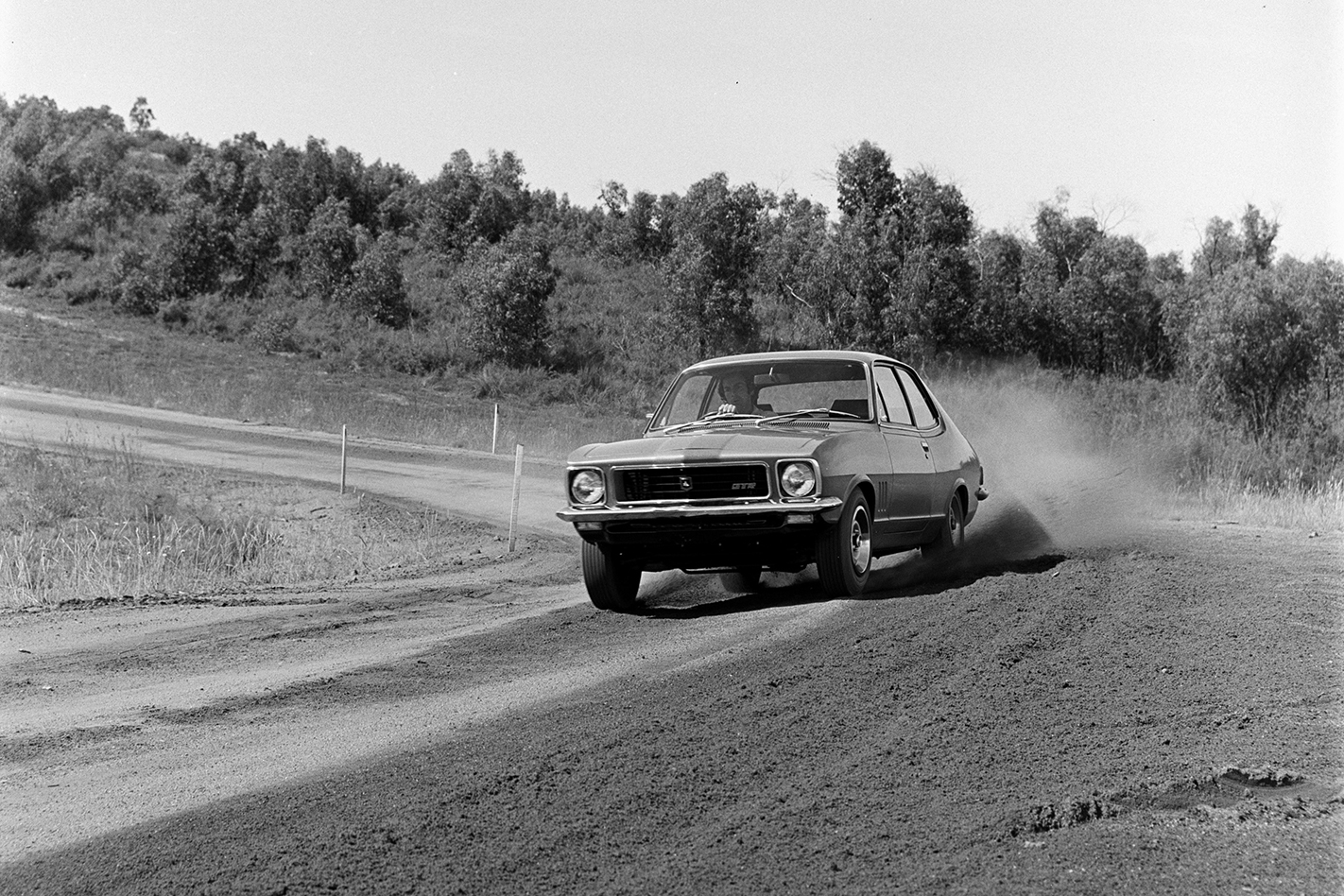
“The [proving ground] and, in particular, the circular track are critical to Holden enabling development of vehicles for our local market, to tune suspension, steering and drivetrain characteristics for Australia’s unique conditions and customers,” Holden vehicle development manager, Jeremy Tassone said.
The vehicle emissions lab at the site has also received an $8.7 million investment, upgrading it to a state-of-the-art facility capable of meeting stringent new US and European emissions standards.
Holden and GM are now capable of testing vehicles to Euro6 regulations, which includes the measurement of exhaust gas particulates.
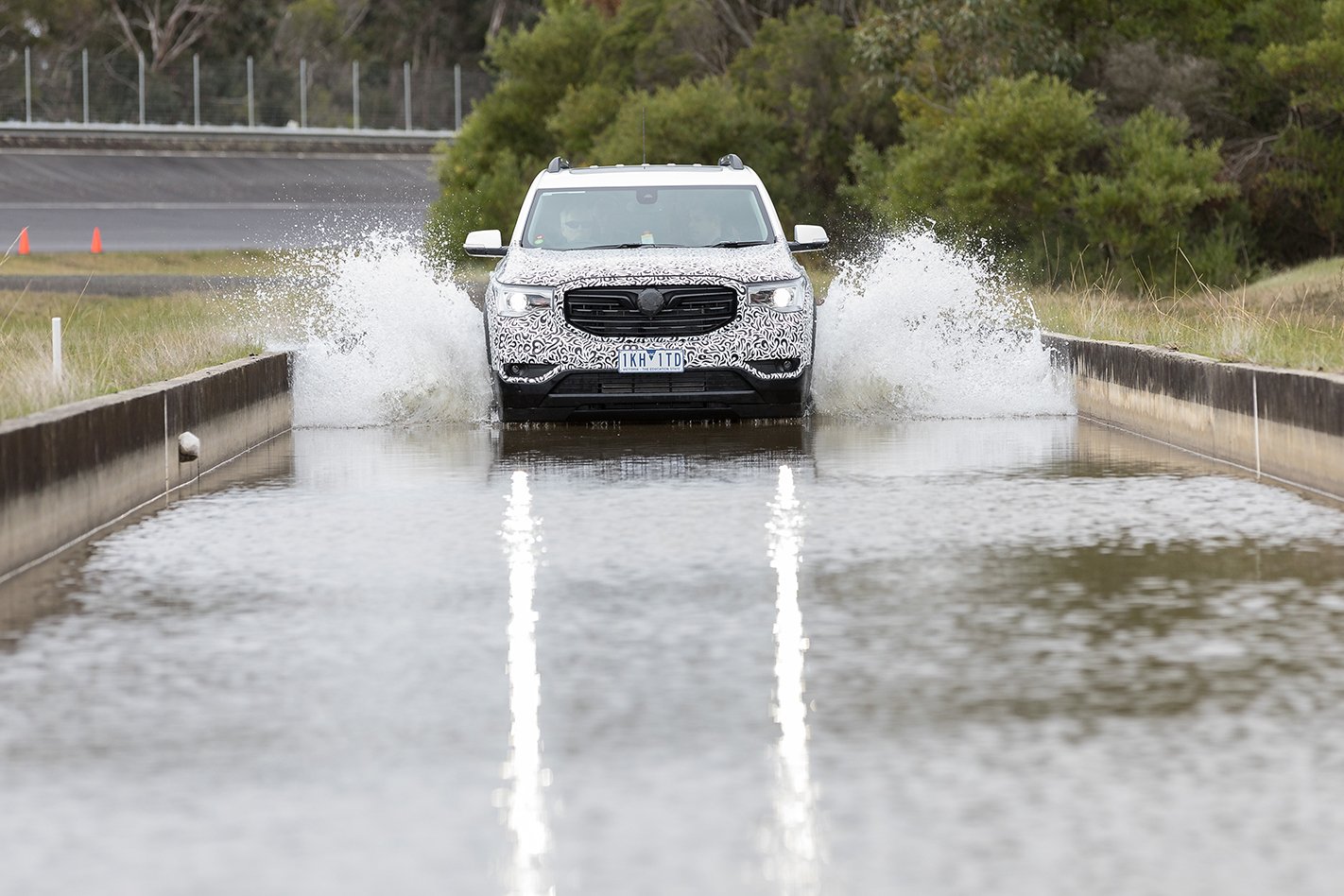
Climate controlled test cells at the lab allow Holden’s engineers to test emissions for all of GM’s vehicles (petrol, diesel, LPG and hybrid) at temperatures ranging from minus 40, to 50 degrees celsius.
Since the closure of Holden’s local vehicle manufacturing, the Lang Lang proving ground has become central to the development of several international products from within the GM family.
“The [proving ground] team remain plugged into GM’s global engineering programs,” Tassone added.
“Providing engine and transmission calibration and input into product programs that reach beyond Holden and influence GM vehicles such as Chevrolet, GMC and Cadillac that are destined for international markets.”
David Ellliott, director of Holden global propulsion systems says diagnostic emissions verification has become an increasing focus at the facility, with “around 7000” tests completed annually.
HOLDEN’S future has today been given a shot in the arm, with General Motors investing in the Aussie outpost to become a research and development hub for autonomous and electric vehicles.
The announcement will see the creation of 150 new jobs – set to be a mix of experienced and graduate engineers – taking Holden’s total design and engineering workforce to more than 500.
It will also increase Holden’s R&D budget by $30 million, boosting the Lion Brand’s total spend to “more than” $120m.
The move positions Holden to play a key role in GM’s plan to build 20 all-new electric models by 2023, and helps to sure up the brand’s future amid speculation surrounding its relevance to GM globally.
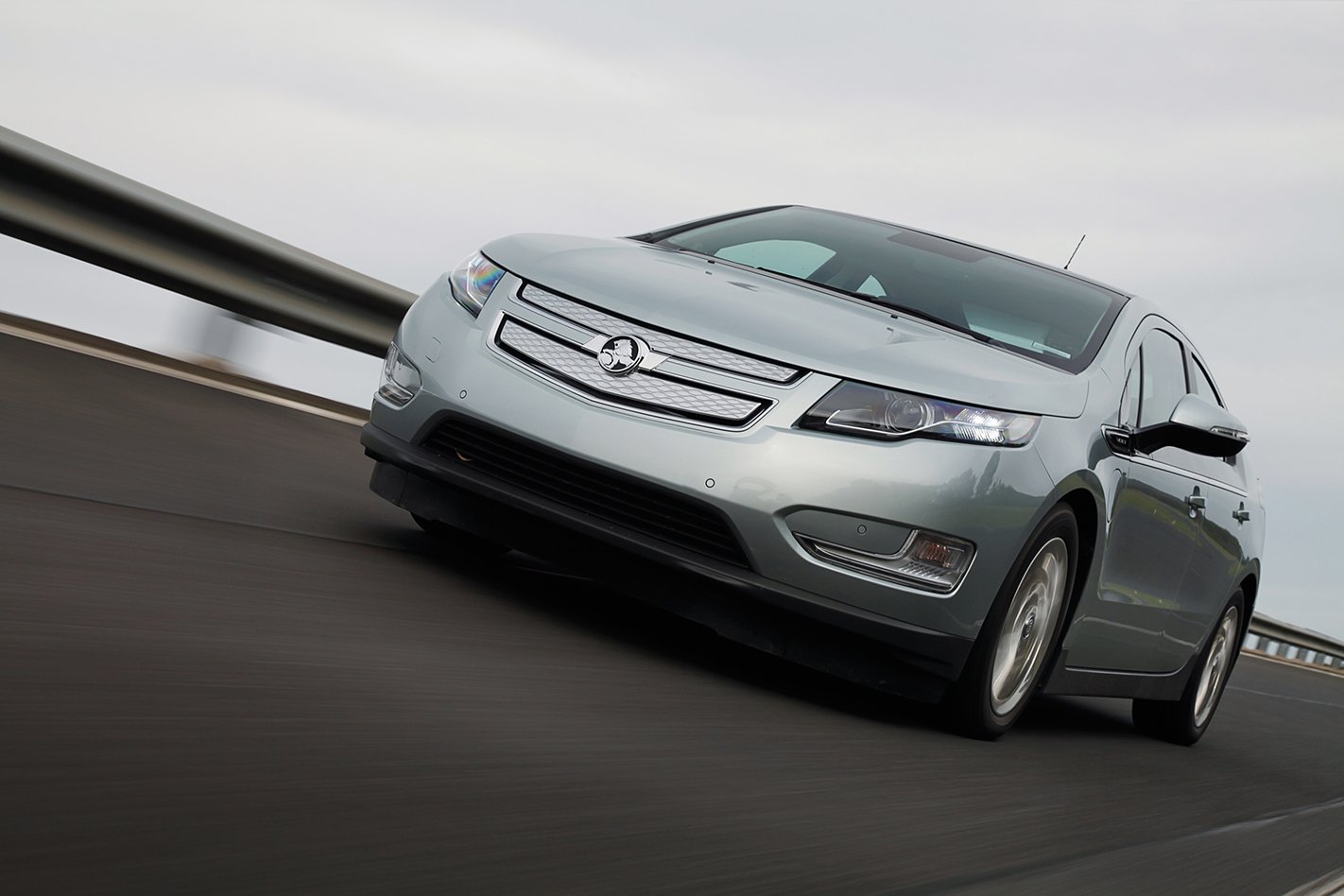
Holden has endured a spectacular sales slump since it ceased local manufacturing at the end of 2016, seeing some question how much patience General Motors has for a foreign outpost with just 5.3 percent market share – a number that’s half of what it was just five years ago.
“Holden’s engineering unit has a bright future undertaking important local and global work, from ensuring imported Holden vehicles can master Australia’s unique driving conditions, to developing the technologies that will power the future of mobility globally,” said Holden’s executive director of engineering, Brett Vivian.
“With today’s announcement, we will now be spending up to $120 million annually on automotive research and development at our operations here in Australia.”
Much of the work will take place at Holden’s expansive Lang Lang proving ground – itself recently upgraded courtesy of a $15.9m investment that includes the creation of a new emissions lab – with the Aussie workers set be fully integrated into GM’s global engineering team. That should ensure the transfer of crucial technological know-how into the local workforce as GM strives to be a world leader for electric and autonomous cars.
In a show of support for Holden, GM’s executive vice president of global product development, Mark Reuss, and GM’s global design boss, Aussie Mike Simcoe, both flew to the company’s Melbourne HQ to make the announcement.
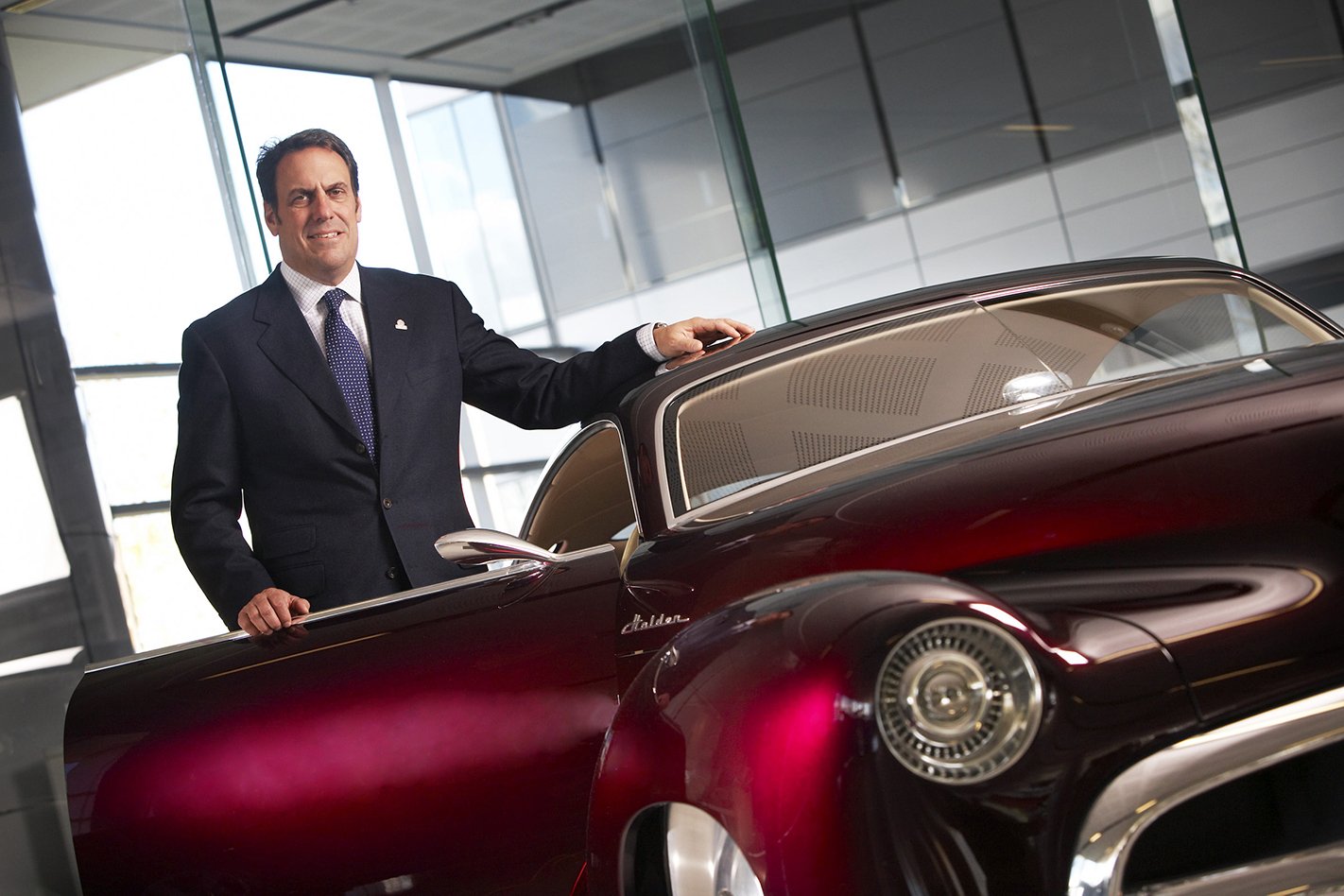
“GM is determined to be the first company to bring safe, autonomous vehicles to market – not within years, but in quarters,” said Reuss. “The world-class vehicle engineering capability we have at Holden in Australia will play a significant role in GM delivering its commitment to create a world with zero crashes, zero emissions and zero congestion.”
Like Holden, Ford retains a significant design and engineering presence in Australia having invested nearly $3 billion in R&D in Australia the past seven years, and more than $475 million confirmed for 2018. A Ford spokesperson told Wheels the company’s Australian workforce sits at more than 2000, making it the country’s largest auto employer.
There was only ever meant to be 400. Not 80,000 and counting. What began in the 1970s as a limited production project to satisfy motorsport homologation rules, ended up creating a monster that has roared mightily for 43 years.
Back in 1973, a new Porsche 911 appeared at the Frankfurt auto show. It had a 3.0-litre flat-six like the Carrera RS on which it was based, but bolted to that was a turbocharger borrowed from the 917/30 which dominated the 1973 CanAm series. At Le Mans that year and a 911 RSR version hit 315km/h on the Mulsanne Straight before it blew up.
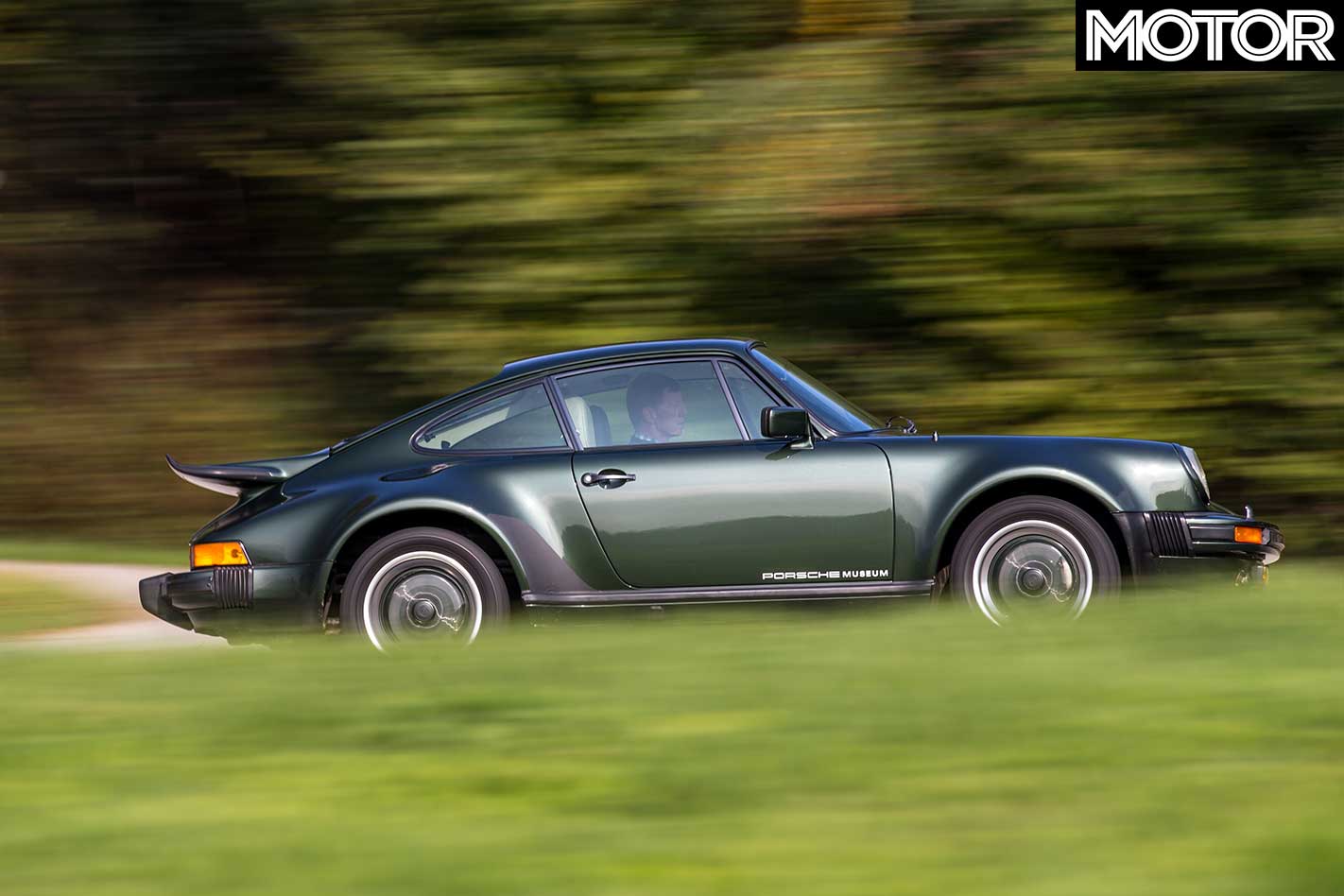
When the production Type 930 debuted at the ’74 Paris Auto Salon it was the fastest car in the world, but it was in the middle of the oil crisis. Crude prices were going through the roof and legislators were regulating performance cars and gas guzzlers out of existence. Porsche only needed to sell 400 in 24 months, and every one after that was a bonus. From 1975-77, it sold seven times that number and the legend was born.
That 1974 show car surprised pundits who were expecting a stripped-down homologation special. Instead, the 911 Turbo was relatively luxurious, with air-con, a stereo, electric windows and leather seats. Most of the ready-to-race mods were underneath and behind the occupants. The front guards were flared, but not as much as the hugely pumped rears which were so wide they needed stone shields to protect the paint.
The 911 Turbo sported a massive rear spoiler, which quickly earned the ‘whale tail’ epithet. This aerodynamic aid had two intake channels, one for the engine fan, the other for air-con. Below the whale tail was the 911 Turbo’s crown jewel: an alloy 3.0-litre flat-six with Bosch injection and KKK turbocharger, boosting outputs to 193kW and 350Nm.
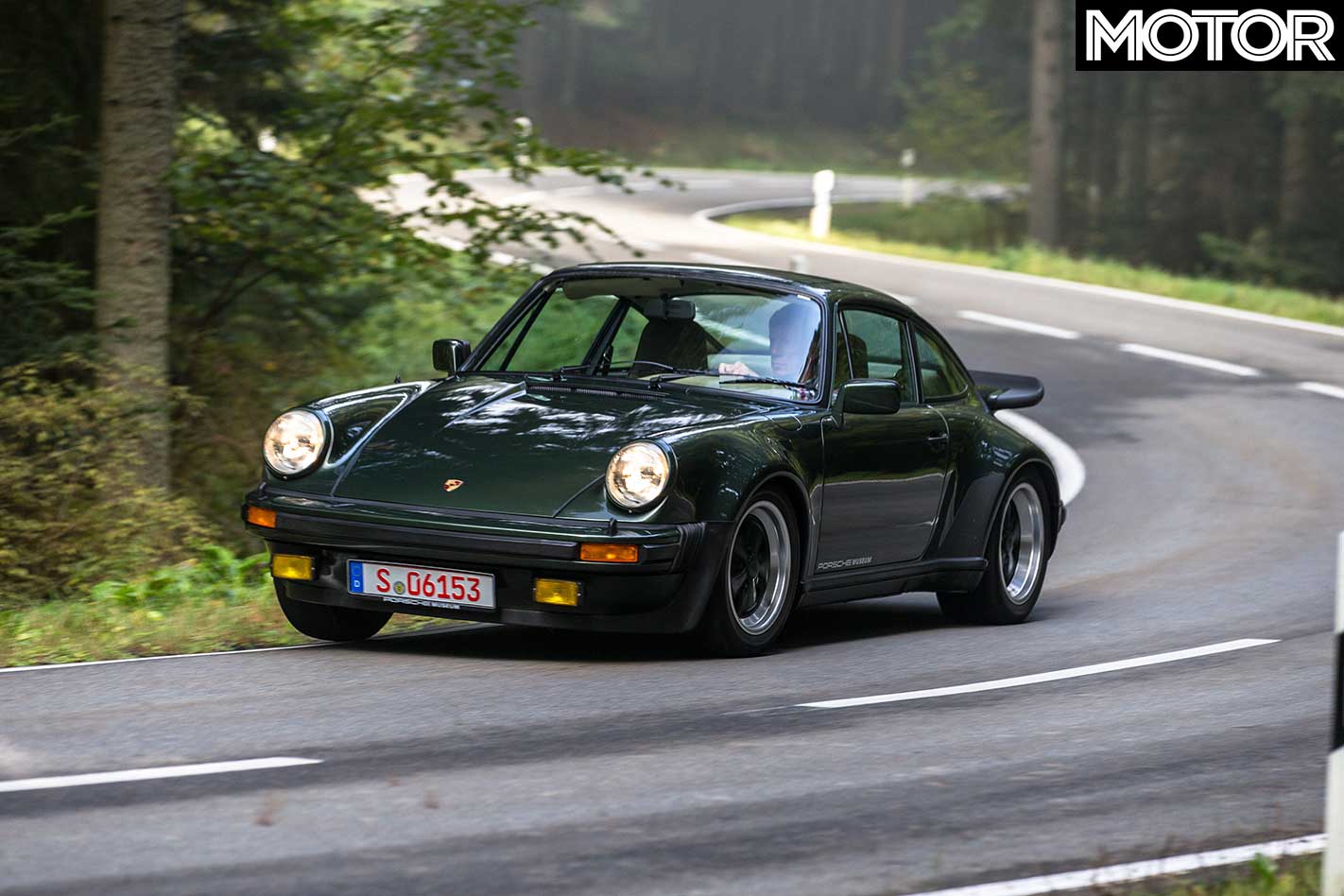
Porsche went with a beefed-up four-speed manual for the 911 Turbo because the five-speed used in other 911s of the era couldn’t handle the Turbo’s prodigious outputs. Suspension was uprated and bigger brakes added to slow the beast down.
It took a special driver to get the most from this difficult car and its bipolar power delivery. Lethargic below 2500rpm, when the turbocharger finally awoke, all hell broke loose – quickly followed by the rear end. Should one happen to be mid-corner and pushing on at this time… it took a very skilled driver to catch a sliding 911 Turbo.
Despite that reputation for recalcitrance, the Type 930 Porsche 911 Turbo was a huge success. More than 2800 were sold in the first three years, prompting Porsche to commit to the 911 Turbo for the longer term.
In 1978, the Type 930 was upgraded with a bigger 221kW 3.3-litre six, now with an intercooler which required a redesigned rear wing. This took the 930’s brutal performance to new highs.
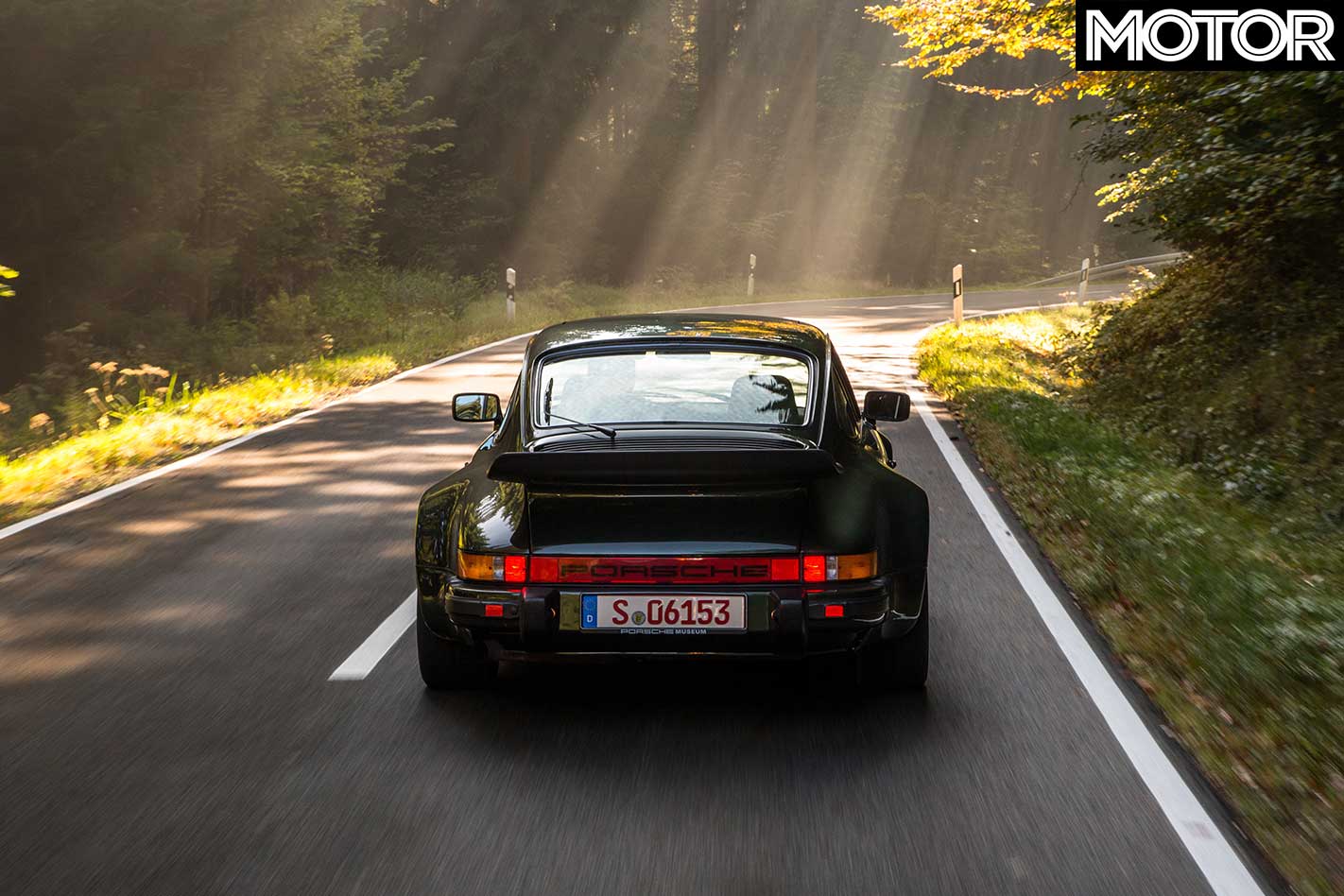
Porsche would continue to update the 930 throughout its long life, before eventually succeeding it with the 964 Turbo in 1990. By then Porsche had sold more than 21,000 Turbos.
But for many, the first 930 Turbo is the one to have despite its demanding nature. It is one of the greatest Porsches of all time because if it had not succeeded, the legendary Porsche 911 Turbo would not be with us today.
The bloodline the 930 Turbo sired is still the highly desirable, incredibly potent driver’s car of its day.
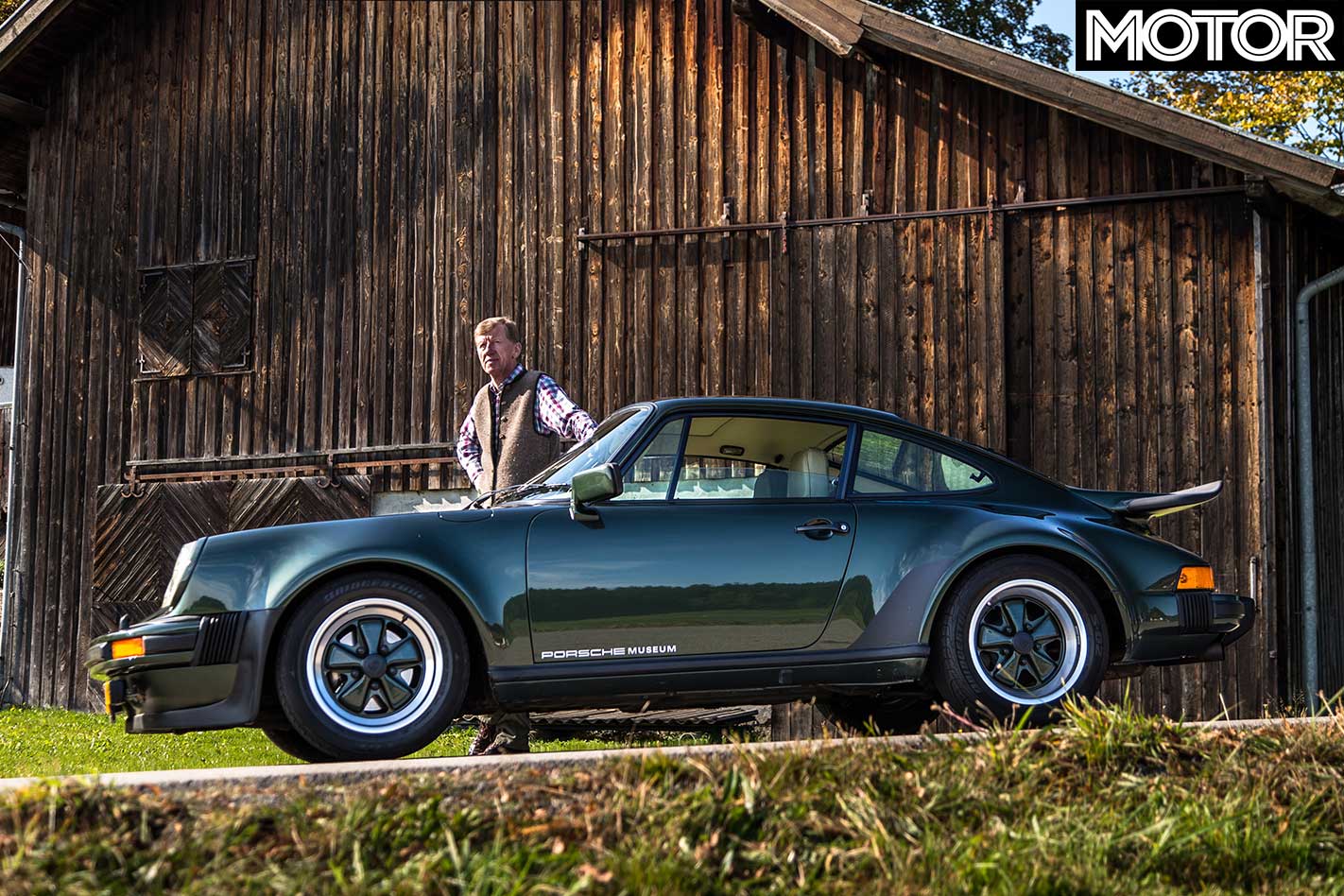
PORSCHE 911 930 TURBO SPECS Year: 1975-’77 (3.0), 1978-’89 (3.3) Production: 2873 (3.0), 18,716 (3.3) Engine: 2993cc/3299cc flat-six, rear-mounted Power/Torque: 191kW/329Nm (3.0), 221kW/412Nm (3.3) Transmission: 4-speed manual Drive: rear 0-100km/h: 5.5sec/5.3sec Price: AUD$40,000 (3.0, new, approx)
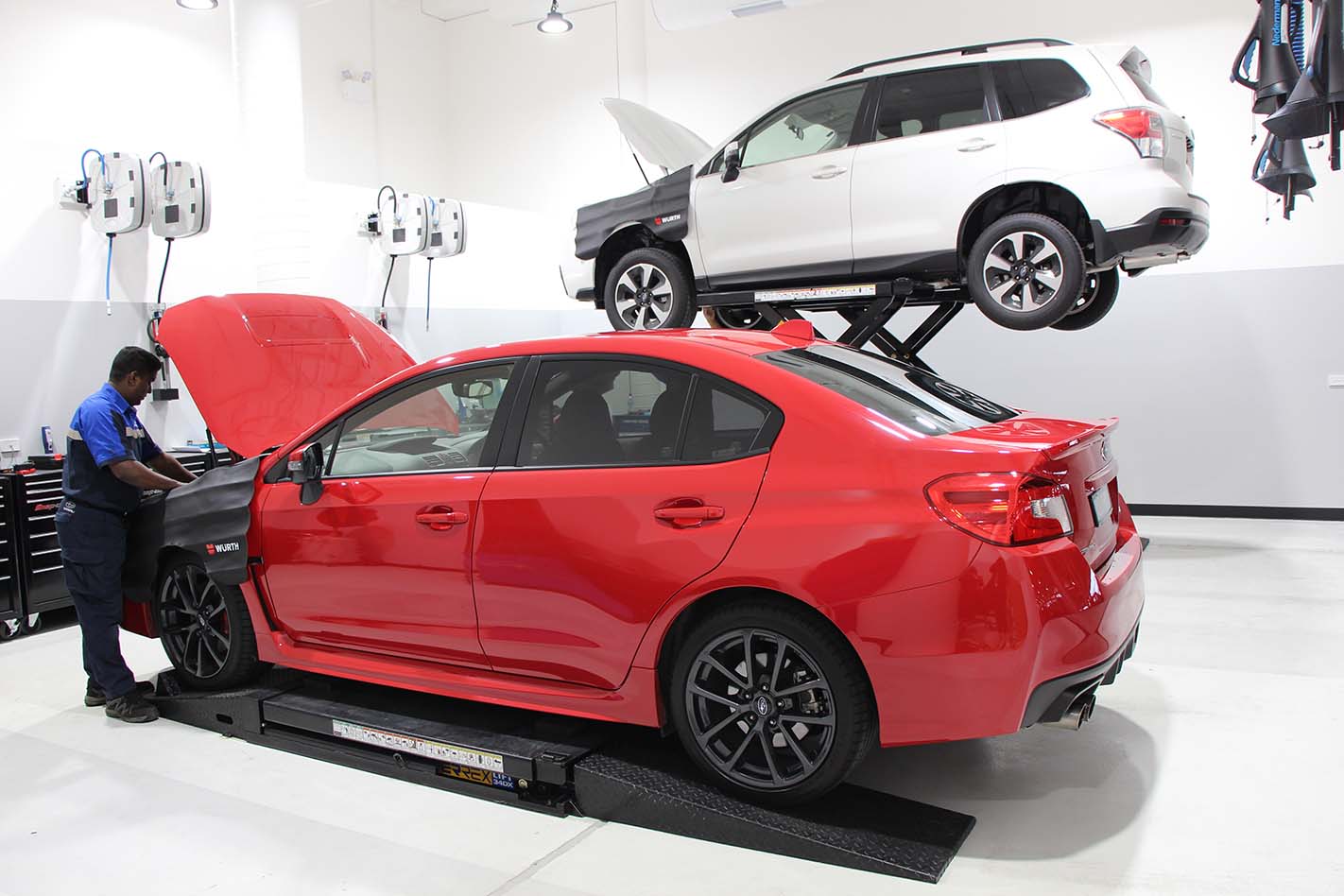
Subaru has launched what is likely to be the first of a network of Do Service centres based in major shopping complexes, allowing customers to pick up some groceries, get a haircut or watch a movie, while their car is serviced.
The initiative is an evolution of the Japanese car maker’s first Do Store at Werribee Plaza, which marked the start of Subaru’s shopping centre-based retail premises, but now offers maintenance bays broadening the range of services available to owners.
Customers simply park in the centre car park and a Subaru service technician will complete scheduled maintenance or minor repair work while the owner browses the extensive retail complex.
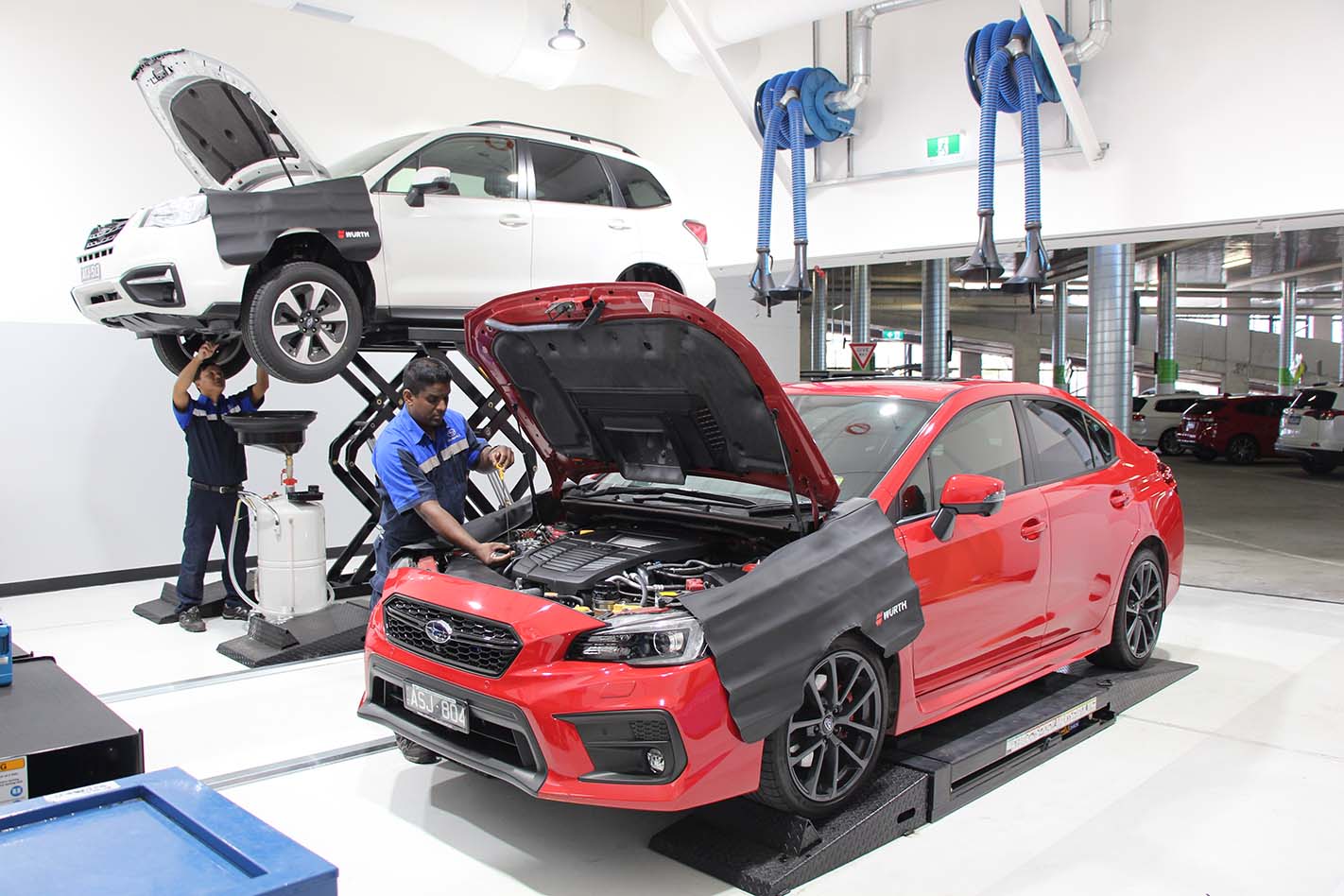
Like many other outlets at the Plaza, the Subaru Do Service centre is open six days a week and shares the extended late-night opening hours on Thursday and Friday evenings.
Subaru Australia public relations coordinator Chloe Fraser explained that more service centres are likely to be launching in shopping centres if the pilot is well received.
“As with each of our other “Do” initiatives, if the response is as positive as we expect it to be and other opportunities arise, we would look at expanding,” she said.
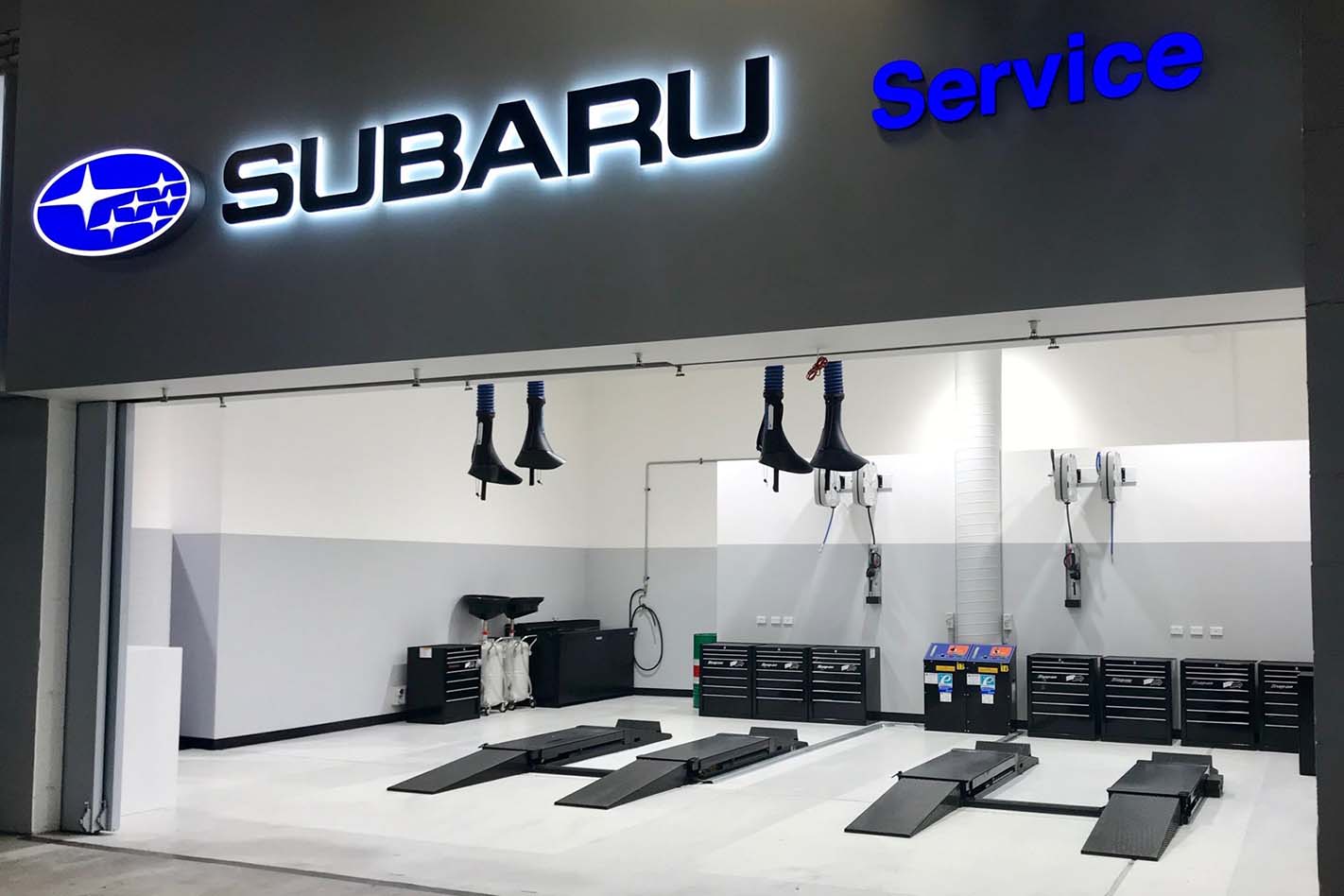
Service times depend on the model of Subaru and the required attention, but Fraser said an average duration is about one to two hours, allowing customers to use their time productively at the centre.
Servicing costs do not attract a premium for the convenience of Do Service Centre work, with the company’s capped-price deal ensuring pricing is unchanged regardless of where the work is completed.
Subaru started disrupting the conventional dealership bricks and mortar ownership model with its pop-up stores, which later evolved into permanent outlets. The latest extension brings a further facet to the unorthodox platform that the company says ‘removes obstacles’ for customers.
“As part of Subaru Do, we continue to look for new ways to innovate and bring the Subaru brand to our customers, when and where it suits their lifestyle most,” it said.
“The Subaru Werribee Service Centre is yet another example of how Subaru continues to deliver on its promise to make buying and owning a Subaru easier and more convenient.”
It’s not the only brand to attempt to break the traditional dealership model. Tesla has also dabbled with pop-up stores and retail experiences away from glass-box dealerships, while Genesis recently told WhichCar it would relaunch in Australia exclusively in high-end retail spaces without any conventional dealership presence.
MG is steadily building its profile in the unforgiving Australian automotive landscape with three new dealerships planned in 2018, a new central presence in Sydney and the possibility of locally-tuned suspension to compliment an expanding product line-up.
The new bricks-and-mortar roll out will bring South Australia’s first MG dealer in Adelaide, with two more added to the Victorian network, while a fourth, as-yet un-finalised establishment will increase the brand profile in the Sydney area.
MG Motor Australia senior manager Danny Lenartic confirmed the three new franchises would take the national total to 21, telling WhichCar that exact details of the New South Wales development were still being decided.
“It could mean a new head office with showroom underneath or it could be a standalone flagship,” he said.
The expansion is being driven by pleasing sales performance, said Lenartic and although year-to-date registrations of 1252 to the end of July may seem modest compared with some mainstream brands, the figure represents a massive 237 percent increase for now Chinese-owned brand.
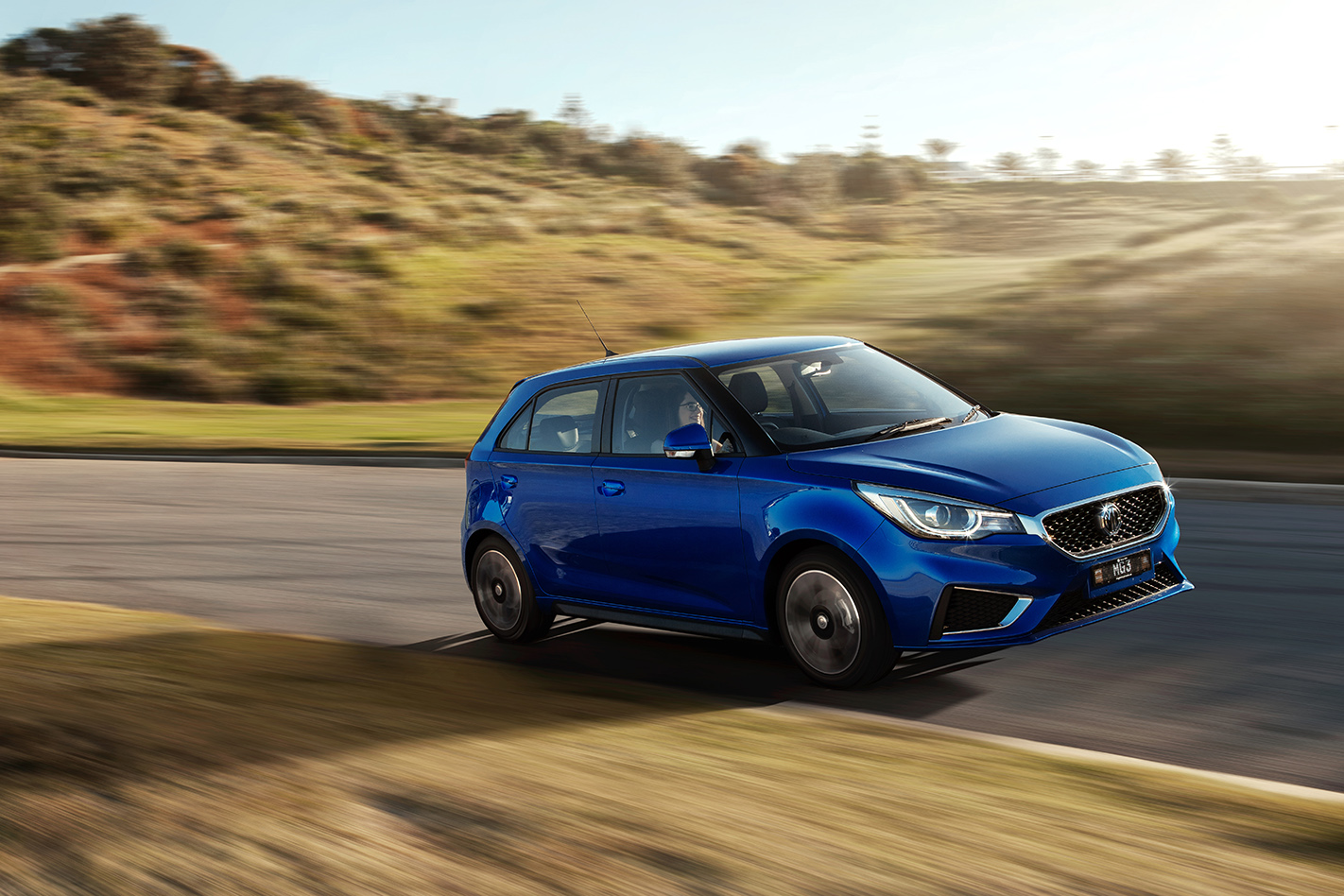
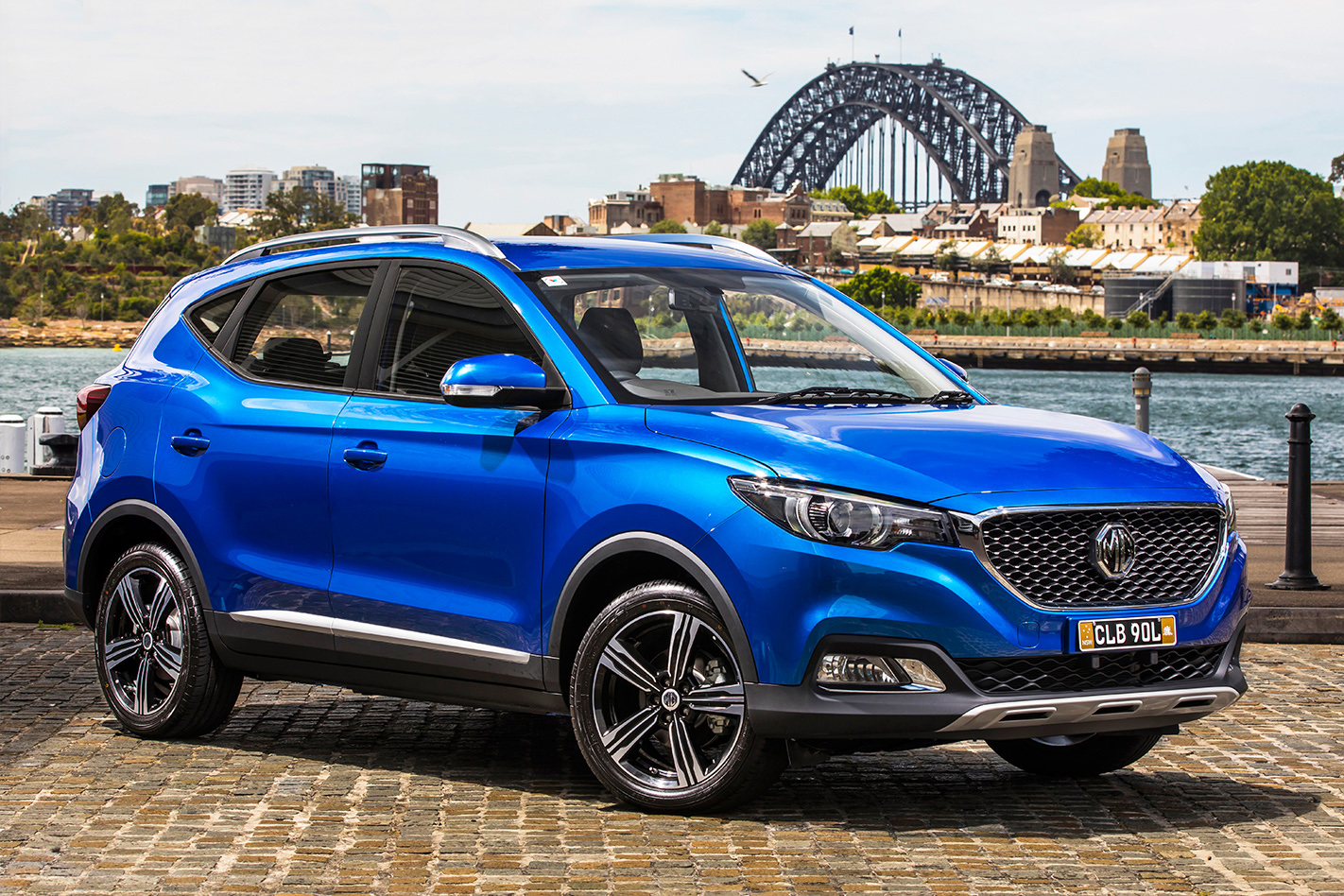
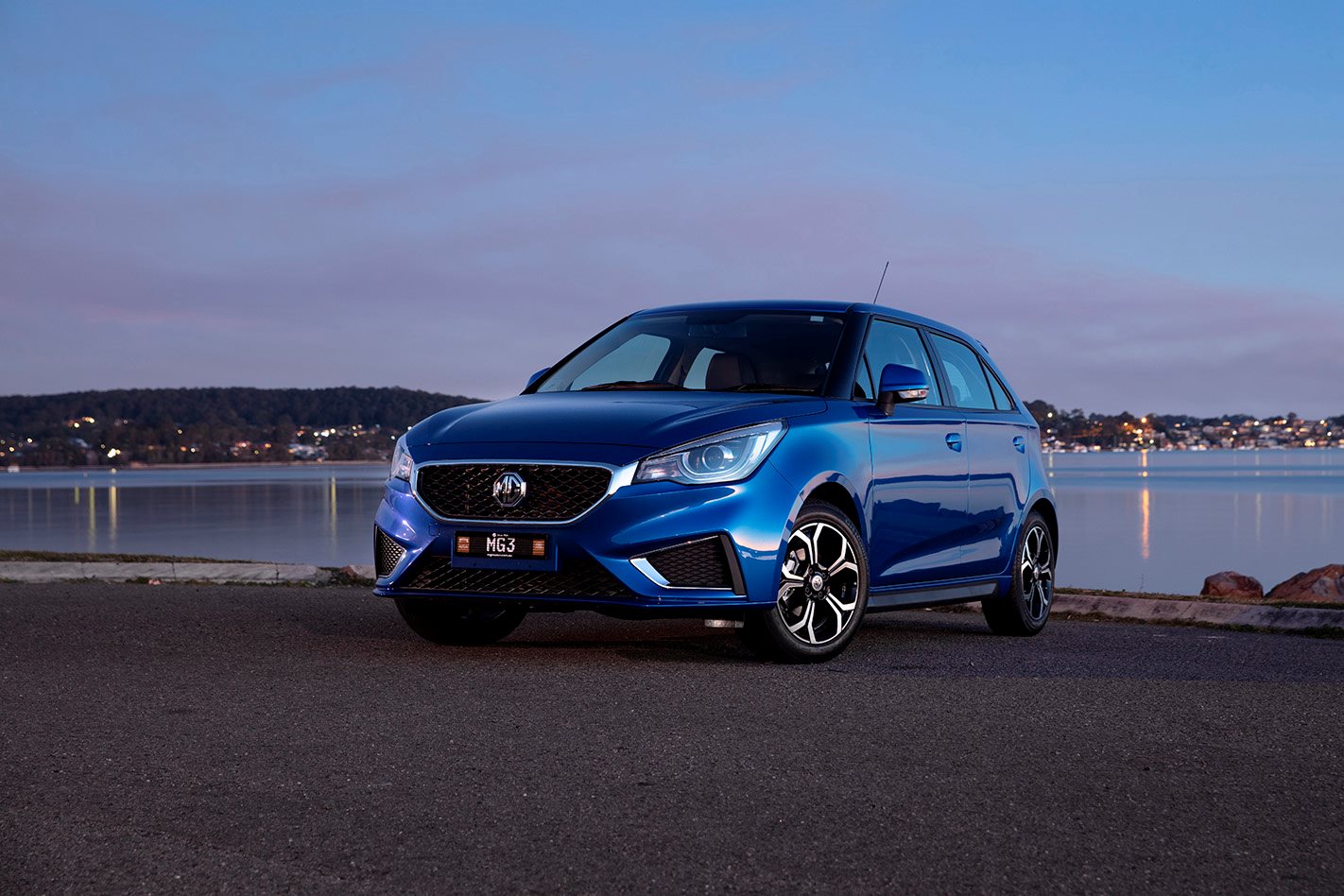
A majority of that growth is thanks to the new ZS small SUV, which launched late last year and has found 789 driveways in 2018, but the momentum is expected to continue with a refreshed version of the MG3 driven with an automatic transmission for the first time.
The company is not being forthcoming with targets, but Lenartic revealed “Our goals and benchmarks are set high.
“If you look at our growth year to date, I think that’s consistent with that ambition.
“We’re going to be as aggressive as we can in this market to become a household name.”
Beyond a strategy that will introduce more vehicles tailored to suit local customers including an updated GS mid-sized SUV, MG could adopt a local suspension tuning operation similar to Kia and Hyundai.
MG Motor Australia product planning manager Pavel Meck said a move to Australian chassis tuning would be a while away, but was one of a number of strategies MG had on the table to continue attracting more customers.
“It’s something that, for the future, we definitely will be considering. It’s, of course, important that when we launch vehicles in this market we launch them for the market”.
Meck pointed out that, although MG models hadn’t yet undergone any specific local modifications, the company has already conducted extreme weather testing on red dirt, including MG3 trials in the Northern Territory.
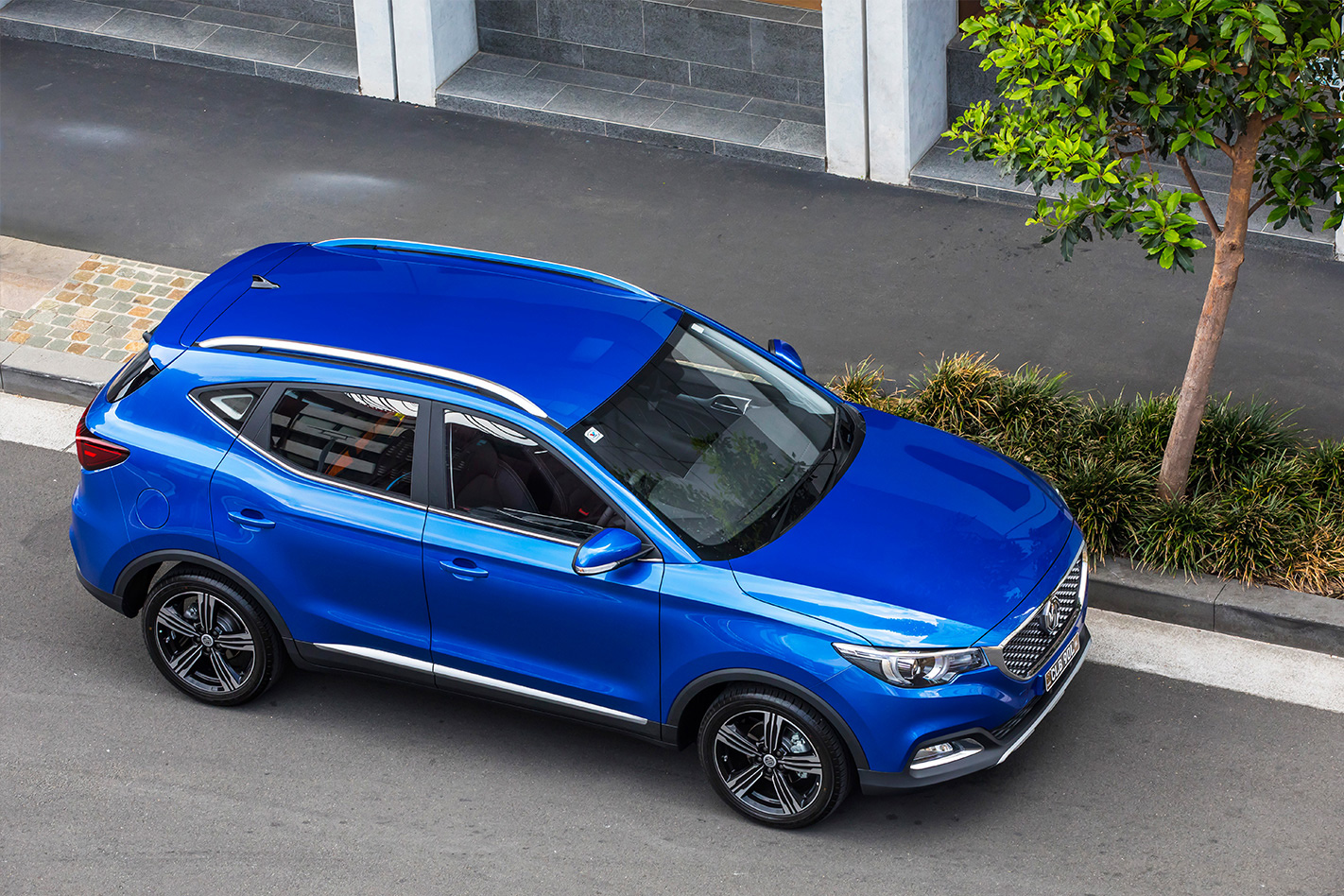
There have been a number of fizzers however, including the MG6 mid-sized sedan, which still fails to garner a significant audience, and the previous MG3 which was always an optimistic proposition given its manual-only offering.
However, Lenartic said MG’s Australian re-entry course, which has been bubbling since 2013, had been the right strategy and keeping its powder dry until more compelling models, such as the updated MG3 Auto and ZS arrived, would have been wrong.
“Testing, learning and evolving has been critical to taking us on this journey, and without it I couldn’t stand up and say we are one of the fastest growing passenger car companies in the country.
“From a sales perspective and human capital, it’s growing. As the business is growing, we’re growing with it”.
Subaru Forester buyers will have fewer choices when the company’s all-new SUV arrives next month, with just four variants to be offered across three specification grades – compared to the nine currently on offer.
Turbocharged petrol and diesels won’t form a part of the new Forester range for the foreseeable future, which is the key reason why the 2019 range will shrink so dramatically. In the current generation, diesel and turbo petrol Foresters account for six of the nine variants available.
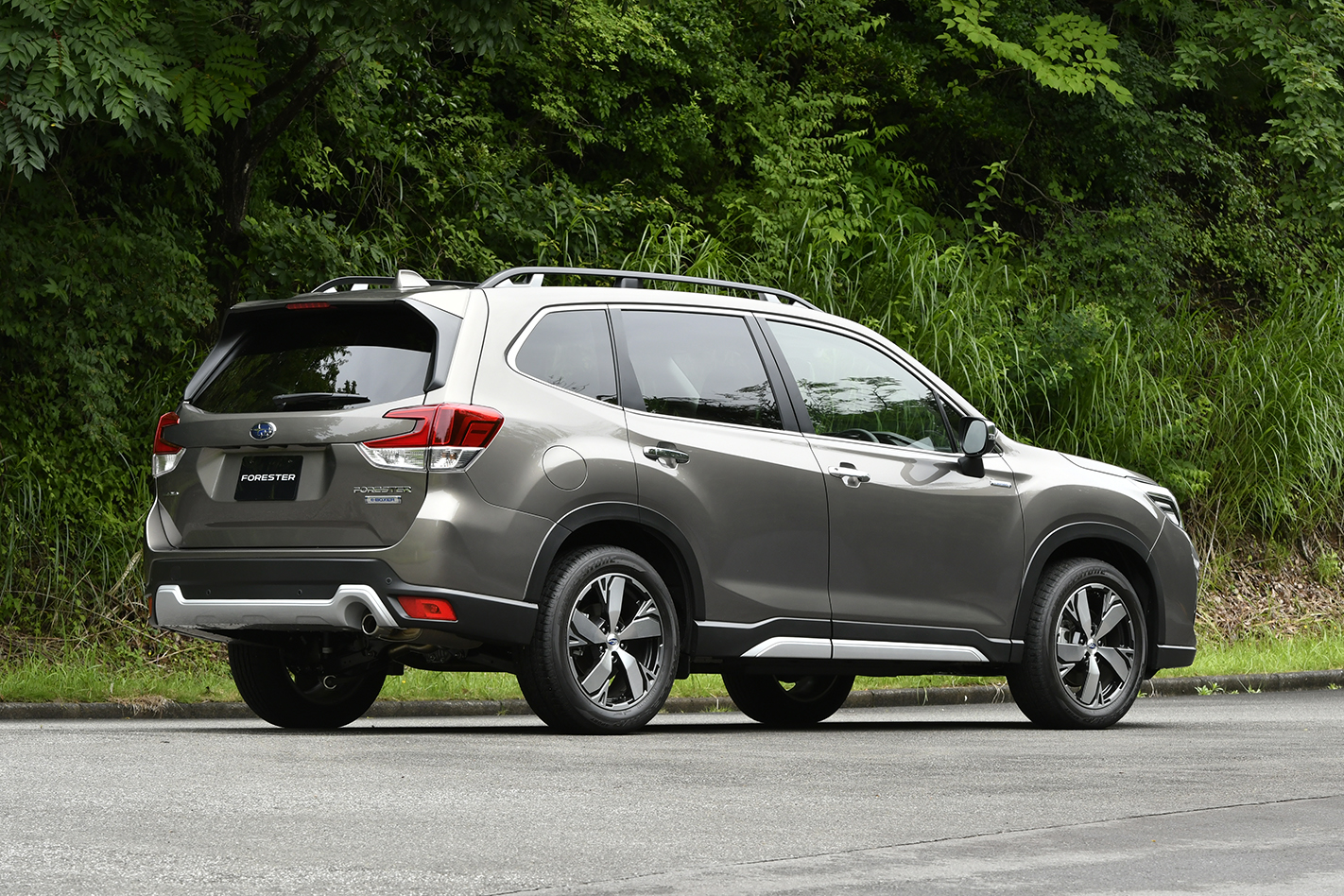
WhichCar can reveal the launch line-up will be comprised of 2.5i, 2.5i-L and 2.5i-S grades, with the entry level 2.5i to be optionally available with an additional safety package that bundles reverse-autonomous braking and a driver-monitoring system that detects fatigue.
That’s on top of an already-generous standard spec that sees all Foresters coming equipped with adaptive cruise control and the latest version of the Japanese carmaker’s EyeSight driver assist system (which brings autonomous emergency braking as standard) making it the most advanced base variant of any Subaru model.
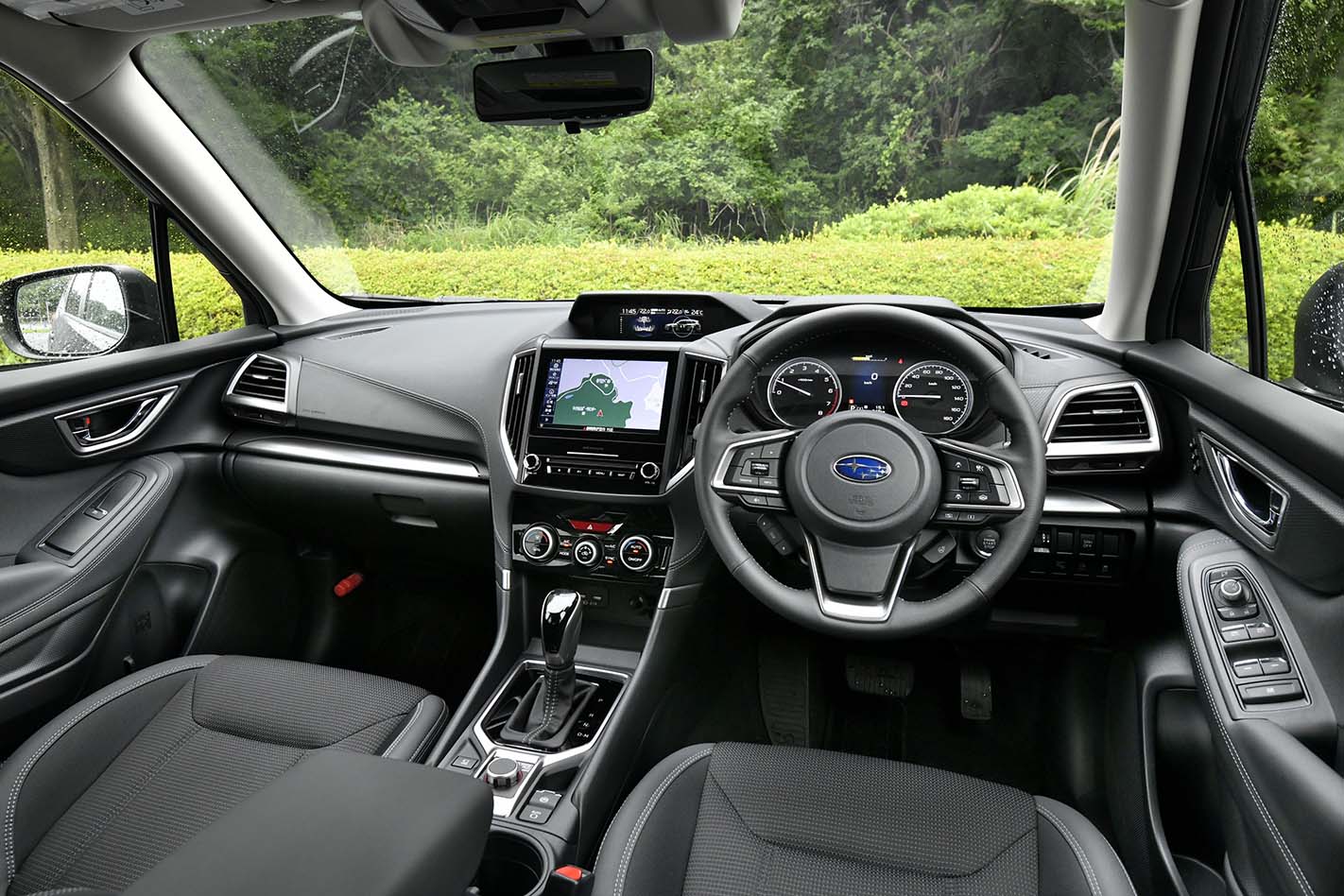
Other features new to the 2019 Forester include Subaru’s latest-generation infotainment system incorporating digital radio (DAB+) and multi-mode AWD settings.
Visually, the 2.5i will come with new-design 17-inch alloys, while the 2.5i-L and 2.5i-S will roll on flashier 18s.
Despite the extra kit, WhichCar believes price rises across the 2019 Forester range will be marginal, though the entry-level gap will appear wider because of the absence of a cheaper manual option.
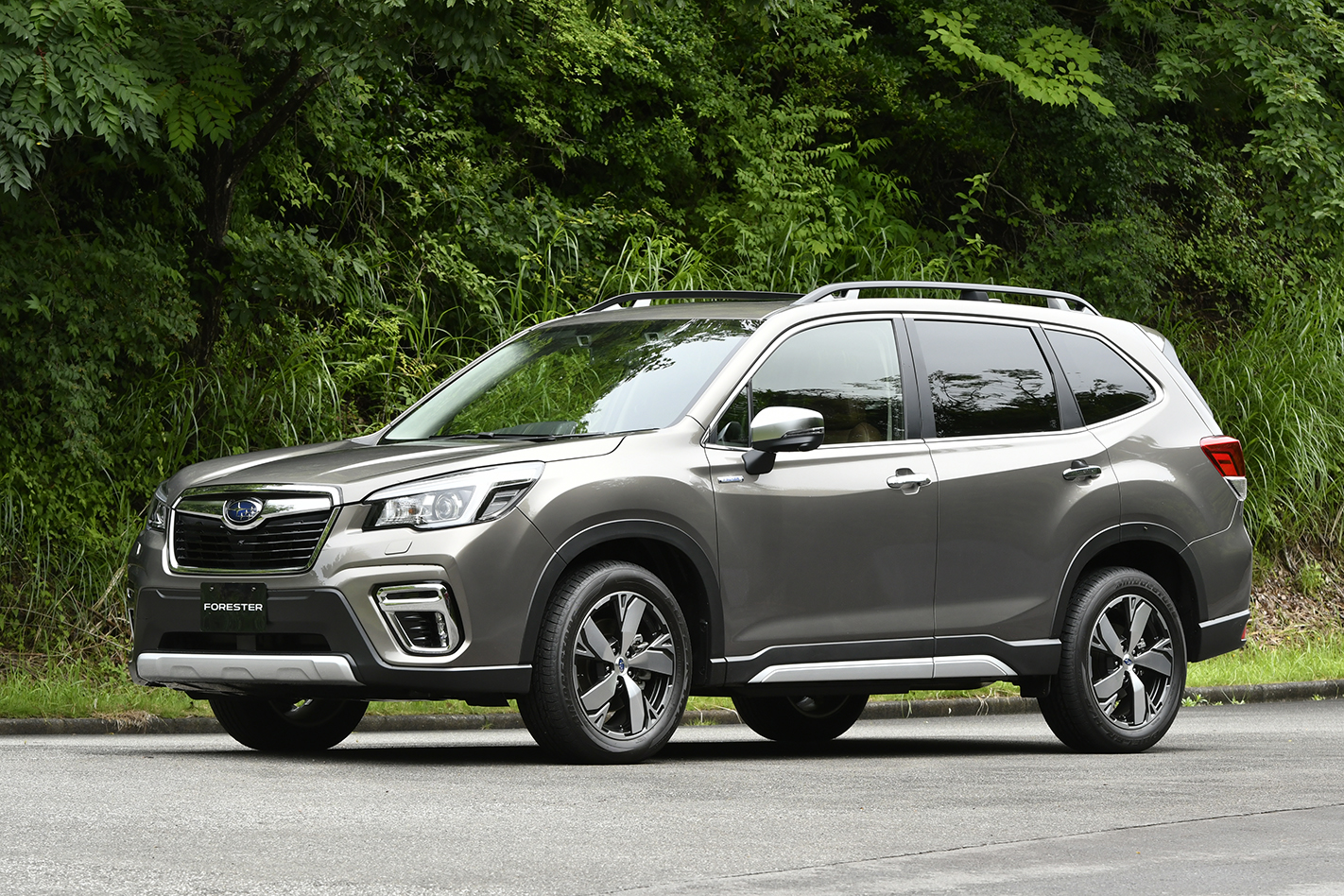
As previously revealed, the 2019 Forester will be available with just one powertrain at launch, a 136kW/239Nm 2.5-litre flat-four petrol engine coupled with a CVT auto.
That said, a 2.0-litre mild-hybrid version is slated to join the range by the end of next year, potentially bringing entry-level pricing down further.
MORE: Subaru Forester Range Review MORE: Subaru Forester Specs, Range & Price
