
A 1000kW rally car sounds excessive, doesn’t it? Well Xing Mobility doesn’t care.
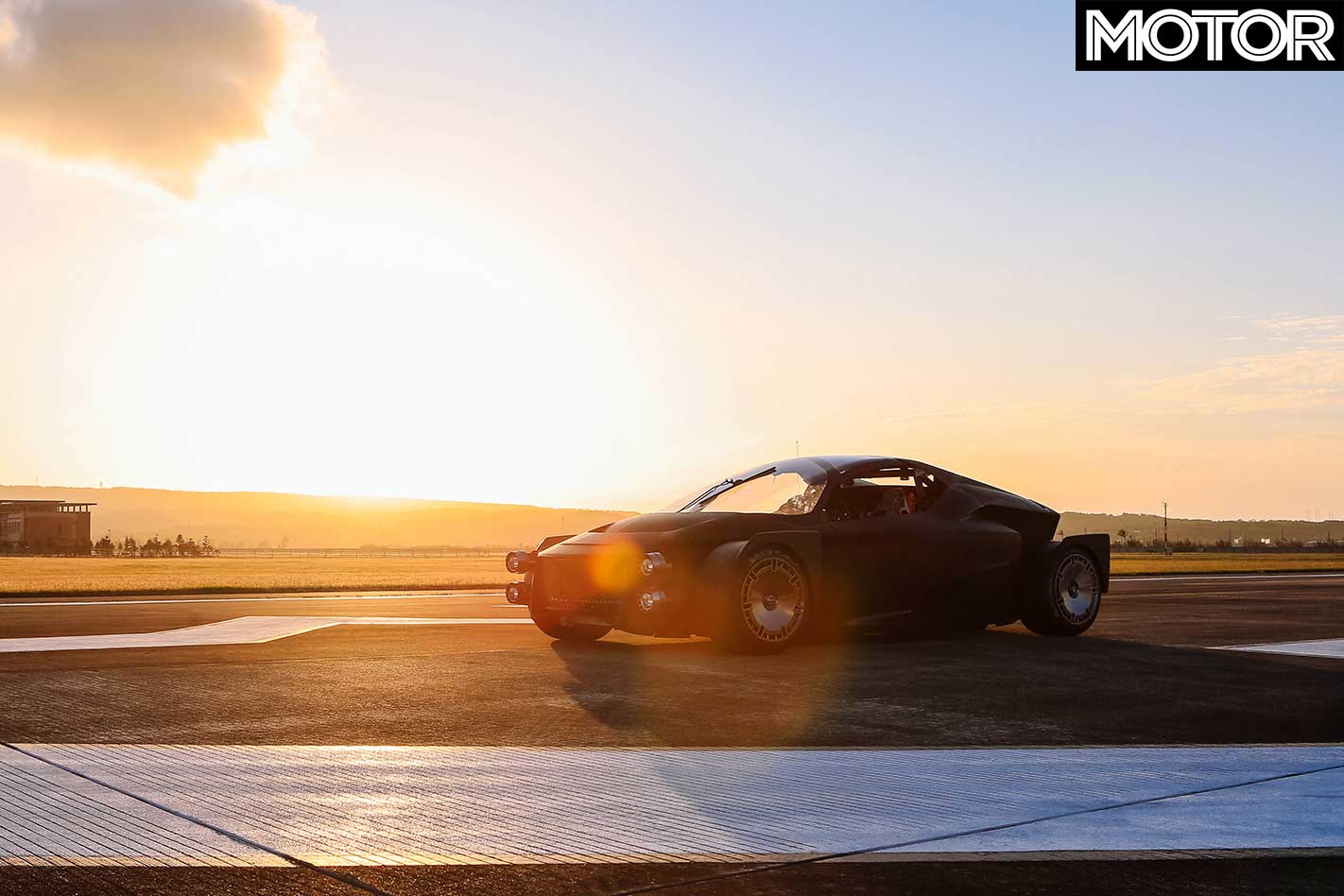
The Taiwanese ‘electric powertrain’ startup has revealed its latest project, the curiously named ‘Miss R’ electric supercar.
It’s inspired by the world of rallying, packs a massive megawatt of power, and can apparently hit 100km/h in just 1.8 seconds at full power. From a standstill, 200km/h comes along in just 5.1 seconds according to Xing.
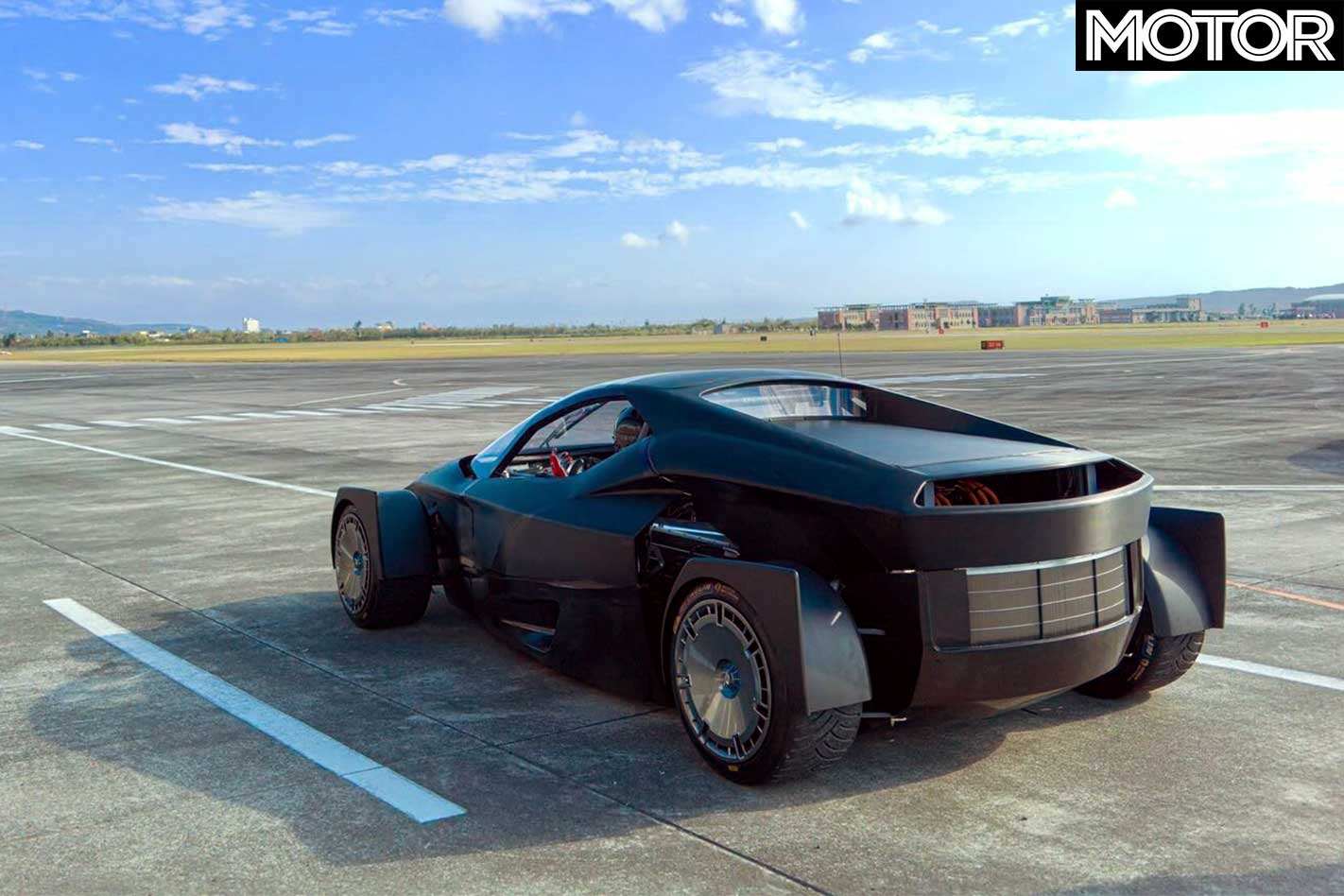
Four 350v motors propel the Miss R, with torque vectoring and the ability to handle a rough surface being key to its performance.
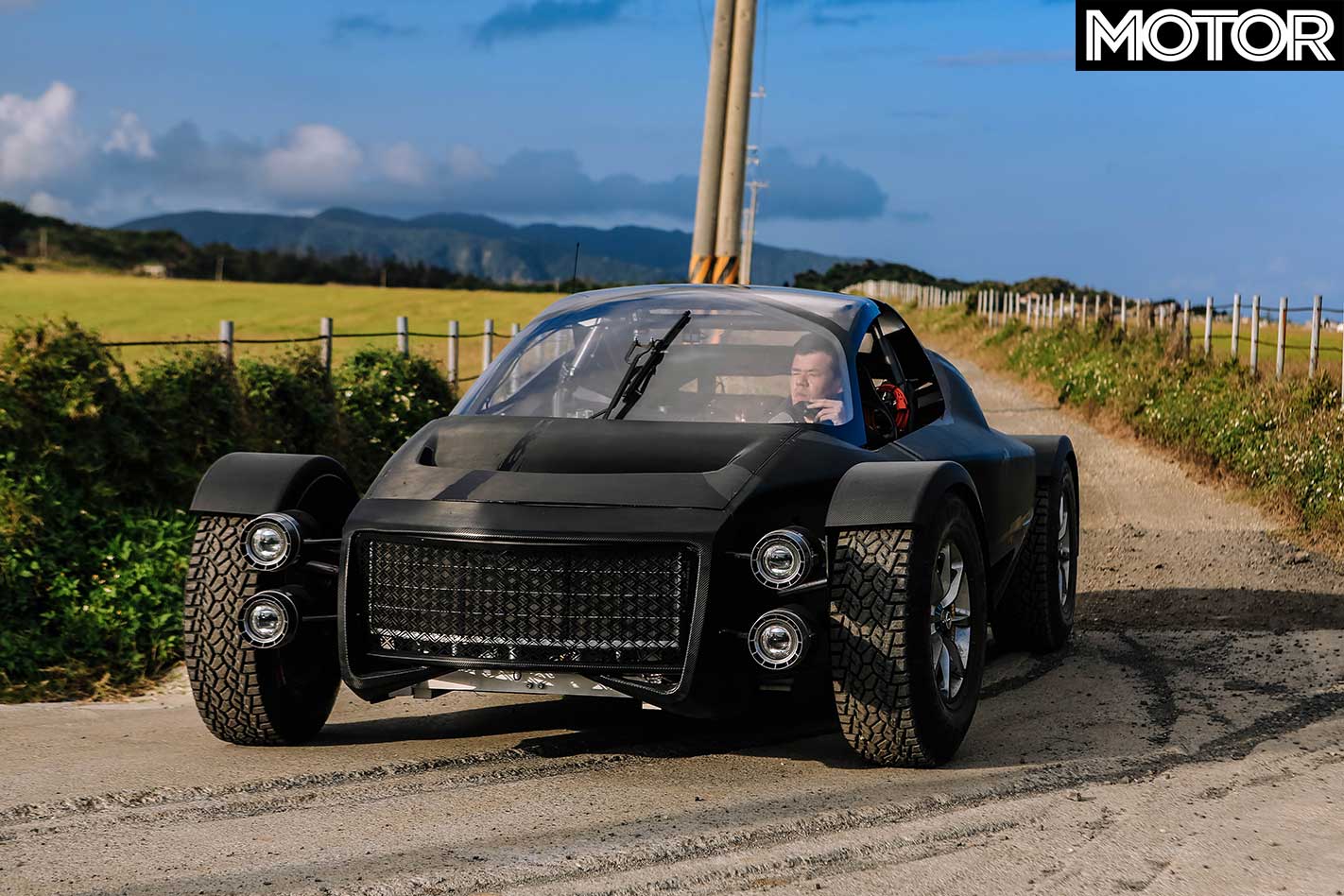
Xing has also developed a fast-changing (yes, changing, not charging) battery system in which a fully-charged power source can be installed in place of the used one in under five minutes.
But the Miss R prototype has another purpose, says Xing Mobility CEO and co-founder Royce YC Hong.
“Miss R is not just a toy to have fun in, but it is also a R&D platform from which Xing Mobility is able to innovate advanced electric vehicle technologies”.
A light truck, with “6300 lithium-ion cells in 150 reconfigurable and immersive-cooled battery modules,” has been developed to show off what the company can do.
FORD Australia has been quick to confirm a local arrival for the all-new German-built Ford Focus, with the first shipment expected to arrive before the end of the year.
The announcement coincided with the unveiling of the fourth-generation Focus in Europe, where it was billed as one of the brand’s most advanced mainstream cars to date.
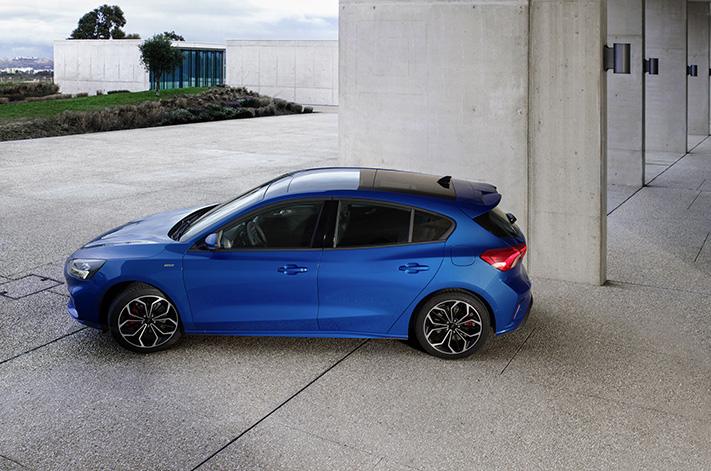
While full details of the Australian line-up are yet to be revealed, Ford has confirmed all variants sold here will be built in Germany, where the local arm currently sources ST and RS variants from. The rest of the existing range is sourced from Thailand.
From the few details release about the Aussie range, the fourth-gen Focus line-up will include two 1.5-litre three-cylinder engines; an atmo version, and an all-new EcoBoost turbo version that’s mated with an ‘intelligent’ eight-speed torque converter auto. The new transmission features Adaptive Shift Scheduling (ASS – their acronym, not ours) which senses hard cornering manoeuvres and steep gradients and adjusts gearshifts accordingly.
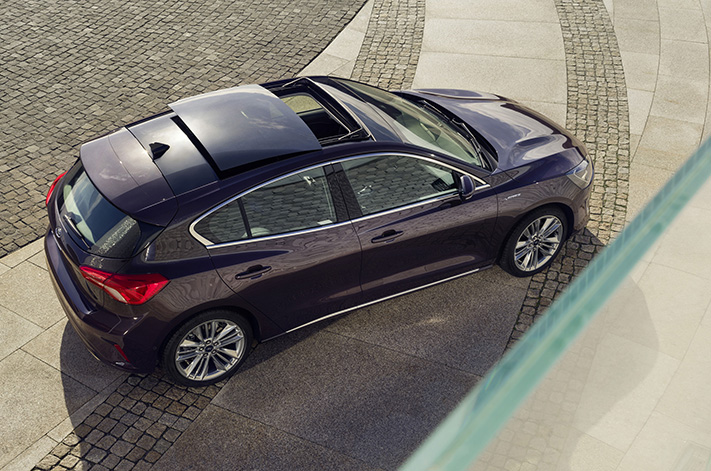
The 2019 Focus will be the first vehicle built on Ford’s clean-sheet C2 global platform that’s 33kg lighter than the current architecture. Ford says body rigidity is up by 20 percent, which increases by as much as 50 percent around the suspension elements to allow for broader suspension tuning. Higher-spec models are equipped with double wishbone rear suspension and optional adaptive dampers.
All variants will have up to three driving modes (Normal, Sport and Eco) which alter steering weight and, where applicable, automatic throttle mapping and suspension damping.
Active safety also figures prominently, with automatic emergency braking with pedestrian detection and lane keeping assist coming standard. Optional driver assistance features take the Focus to Level 2 autonomy, with adaptive cruise control with automatic stop and go capability in slow-moving traffic and evasive steering assist that, where possible, will manoeuvre the Focus around a potential collision at lower speeds.
Inside, the new Focus will also be roomier with more rear legroom thanks to a 53mm longer wheelbase and a more upright windscreen that has allowed Ford’s designers to do away with the existing model’s hulking dashboard. The now clutter-free dash features an 8.0-inch floating touchscreen that will display Ford’s Sync 3 infotainment system featuring Apple CarPlay and Android Auto smartphone mirroring.
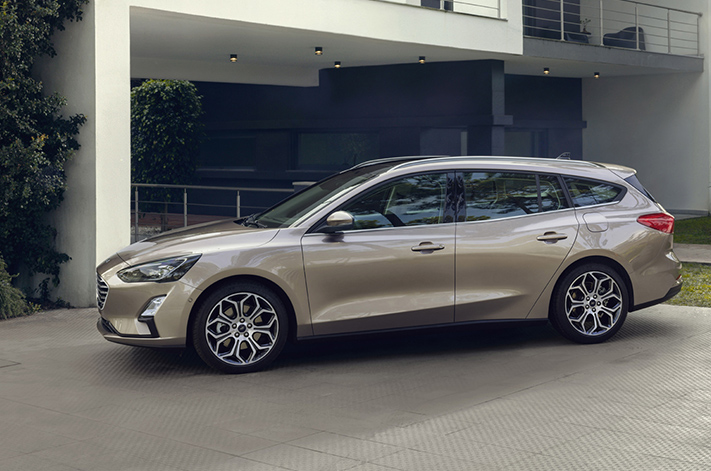
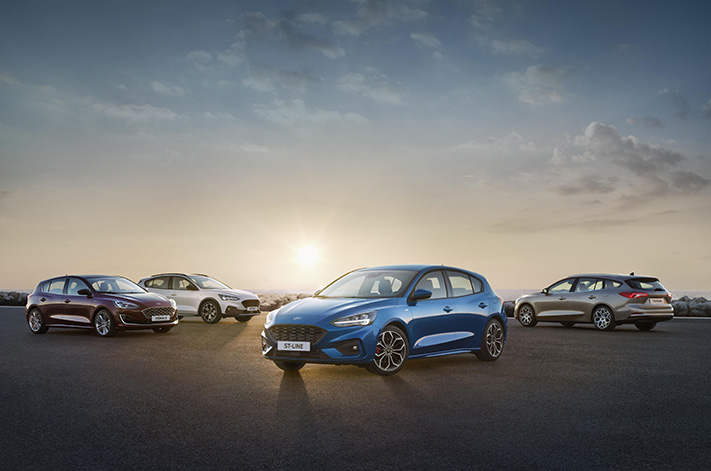
What isn’t known yet is precisely what variants will arrive in Australia. The European range includes a standard hatch, sedan, wagon, and a new semi-crossover ‘Active’ hatch variant that sits 30mm higher than the standard Focus.
It’s not yet clear if the Active or wagon will join the local range, which will eventually spawn ST- and RS-badged hot hatches, though the latter is yet to be confirmed.
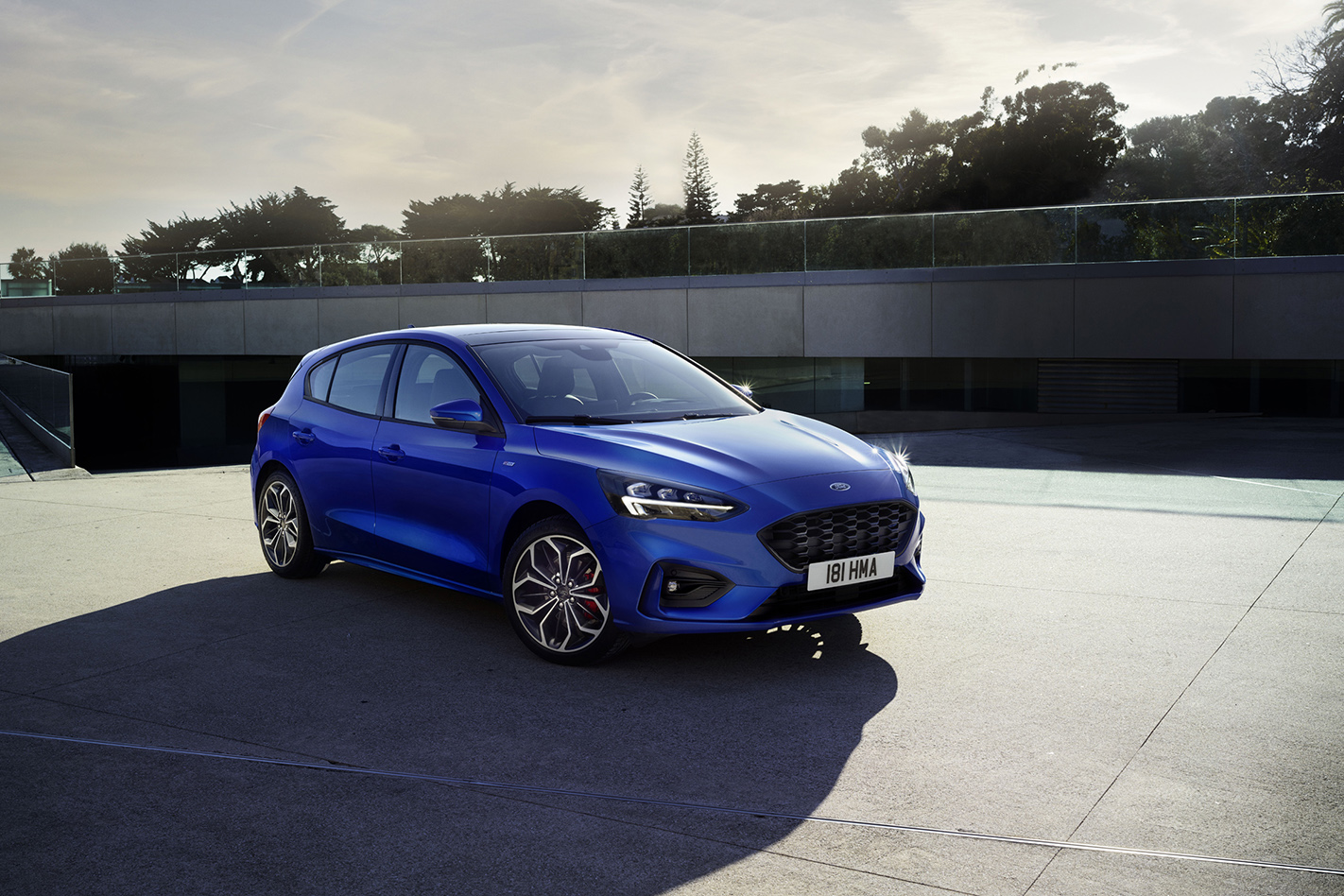
Ford has revealed its all-new, fourth-generation Focus hatchback and it is one of the company’s most advanced models yet. With a mature new look, progressive safety tech and new engines, Ford bosses reckon it raises the standard for small cars, a benchmark that’s currently claimed by the Volkswagen Golf.
Ford Australia has been quick to confirm the arrival of the new Focus later in 2018, with the option of a zippy 1.5-litre three-cylinder turbo, and automatic emergency braking as standard.
More details will be revealed closer to the Australian launch, but here’s what we know so far about the next-generation Focus.
- All new Ford Focus variants sold in Australia will be built in Germany. While the current Focus ST and RS variants sold in Oz are built there, all other Australian-delivered models have been produced Thailand.
- The 2018 Focus will be built on Ford’s all-new C2 global platform, with a lighter but tauter chassis that promises “energetic, engaging and rewarding fun-to-drive experience with increased powertrain and cabin refinement”.
- The new Ford Focus will arrive with a pair of new-generation powertrains including a 1.5-litre naturally aspirated three-cylinder engine, and a brand-new 1.5-litre EcoBoost turbo three-cylinder coupled to a new eight-speed automatic transmission.
- The eight-speed torque converter automatic gearbox features Adaptive Shift Scheduling (ASS), which identifies tight corners and steep gradients and adjusts the gearshifts accordingly for a more stable ride.
- Standard advanced safety features will include automatic emergency braking with pedestrian detection, lane keeping assist, and adaptive cruise control with automatic stop and go capability in slow-moving traffic.
- All variants will have three driving modes that alter steering weight, throttle mapping for automatic gearboxes and adaptive suspension fitted to higher spec variants with double-wishbone suspension.
- The new Focus will have 56mm more rear legroom and reshaped rear doors that significantly increase shoulder room. Rear passengers will also get a better view as their heads will align with the window instead of the C-pillar, as with the current model.
- As well as looking much less cluttered, the new dashboard will be less bulky than the current model’s, thanks to a more upright windscreen which also results in more interior space.
- The new Focus will be about 88kg lighter thanks mostly to the leaner chassis, which sheds 33kg. Body panels are 25kg lighter than those of the previous Focus, and 17kg has been trimmed from interior fittings including the streamlined dashboard.
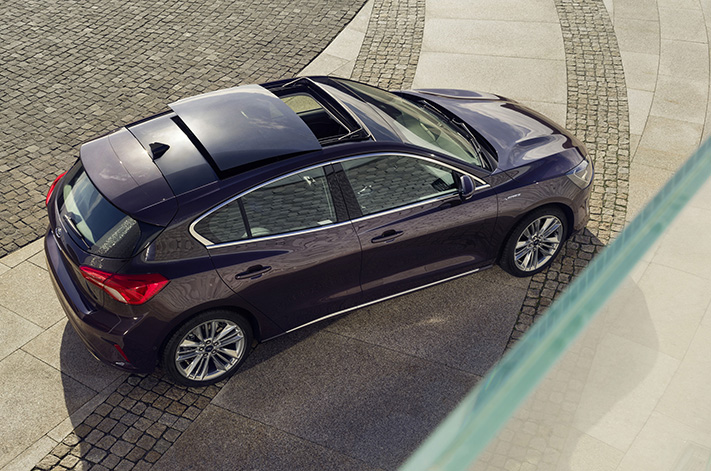
The new Focus range features an all-terrain styled Active variant which sits 30mm higher than the standard hatch, and a wagon version. It’s not yet clear if either of these will join the hatch range, which will eventually spawn faster ST- and RS-badged hot hatches.
IF IT COMES down to personal opinion, the greatest hot hatch of them all was my 1990 Fiat Uno Turbo i.e. which had doors that rang like church bells the first few times you slammed them, and then eventually just disintegrated into brown dust if you persevered.
It wasn’t particularly fast and had an insatiable appetite for not-particularly-cheap IHI turbos, but on the days it wasn’t masticating turbines and spraying them out the tailpipe, it was one of the most theatrically brilliant cars I’ve ever driven.
And the same goes for the car that inaugurated the hot hatch segment – the 1975 Volkswagen Golf GTI. By today’s standards, the 1.6-litre fuel injected Dub is not fast, taking a glacial 9.0 seconds to get from zero to 100km/h, but if you can find an original Mk 1 GTI and an owner willing to let you have a thrash, you’ll find it to be enormously good fun regardless of the era you are driving it in.
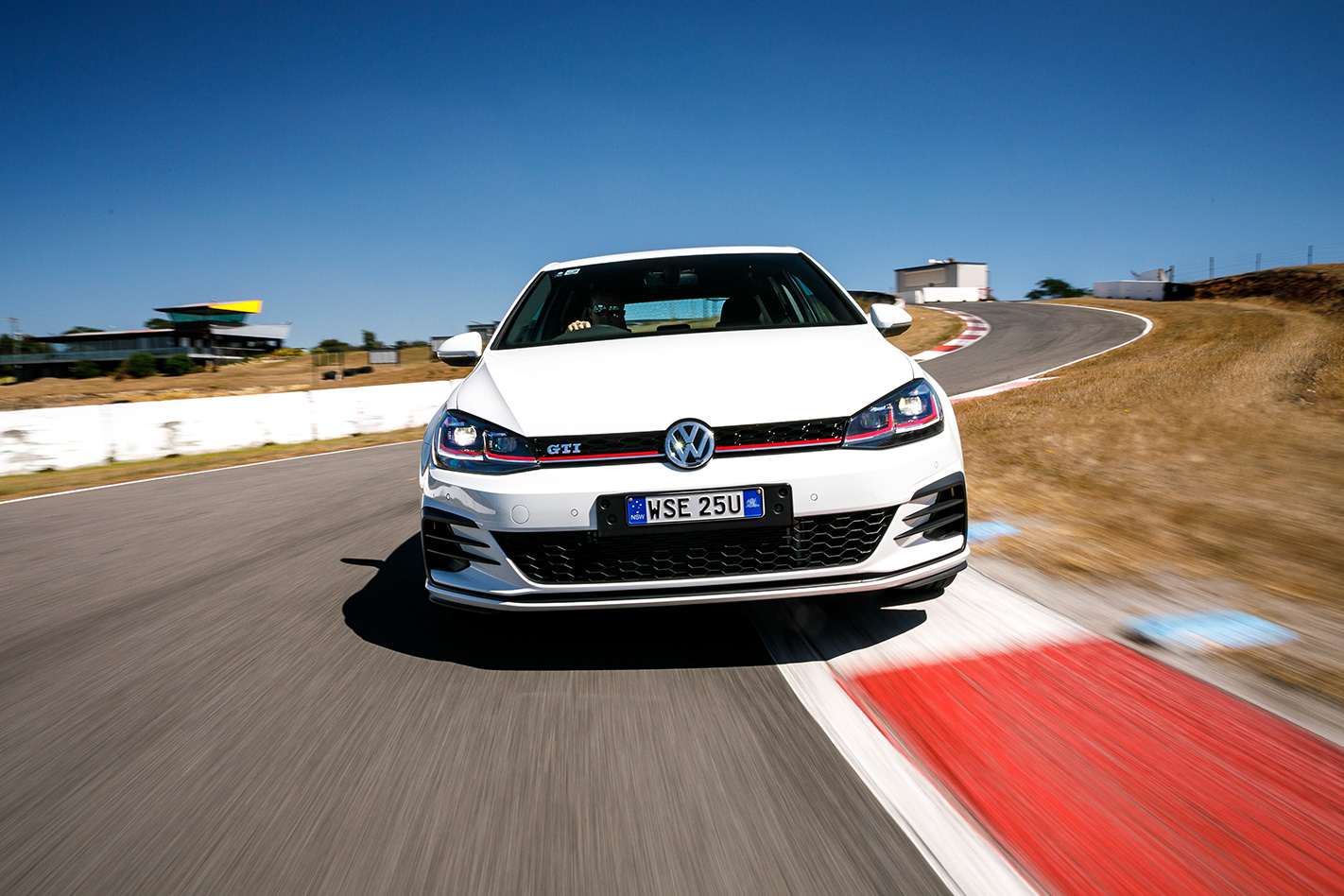
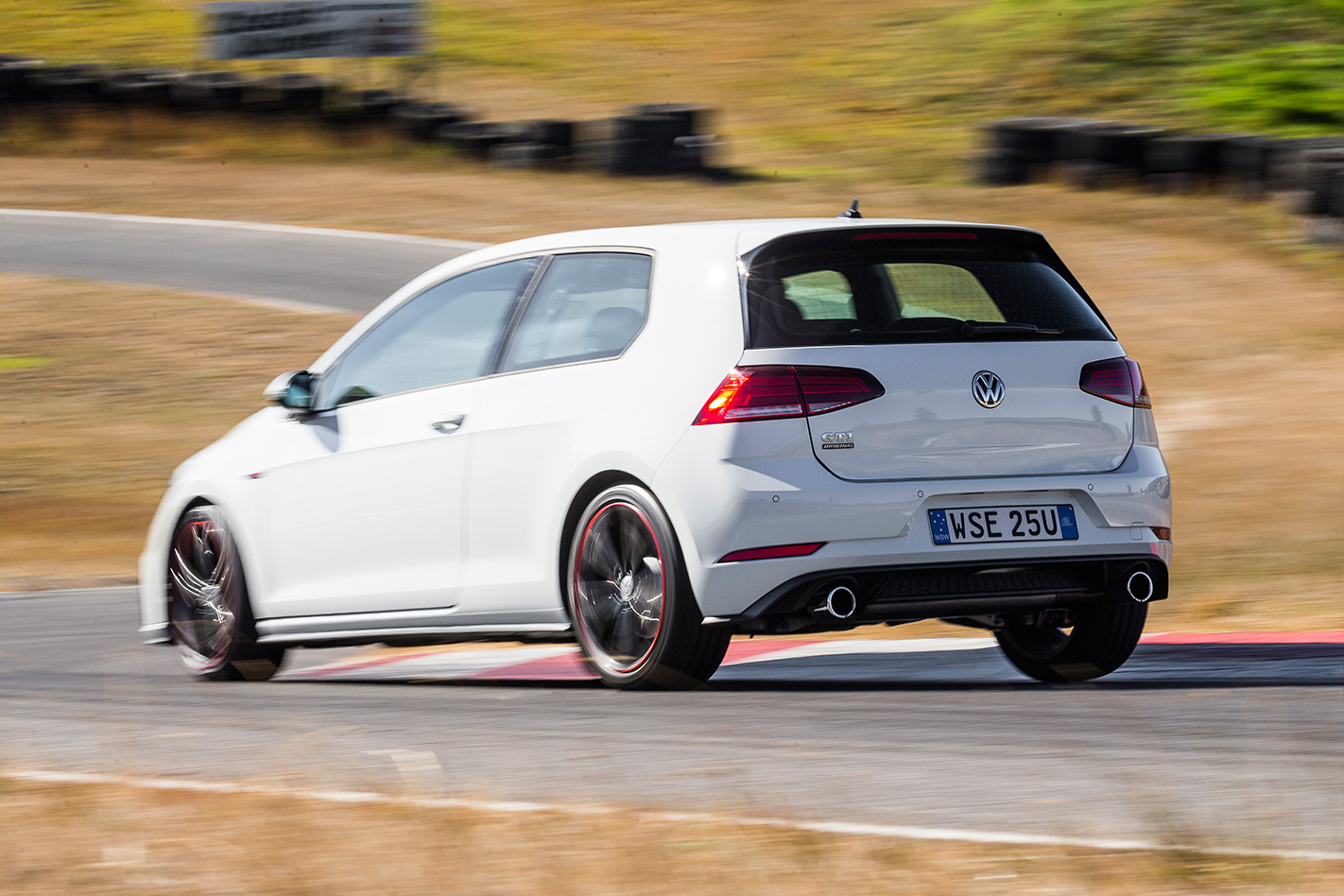
Conveniently, Volkswagen has recently introduced the GTI Original – a special limited edition version of the Golf 7.5 that doffs its cap to the Mk 1 with three doors, pared-back specification and a compelling price of $37,490.
So what is it this time that throws its gauntlet at the Golf’s feet, prompting us to stage the obligatory GTI face-off? Unless you have spent the last three years with your head submerged in oatmeal, you will have been anticipating the arrival of Hyundai’s high-performance foray as excitedly as us.
Not only does it arrive packing a 202kW/353Nm 2.0-litre turbo four, six-speed manual with LSD and looks only previously seen on WRC Hyundais, the South Korean brand is asking just $39,990 to put one on your driveway.
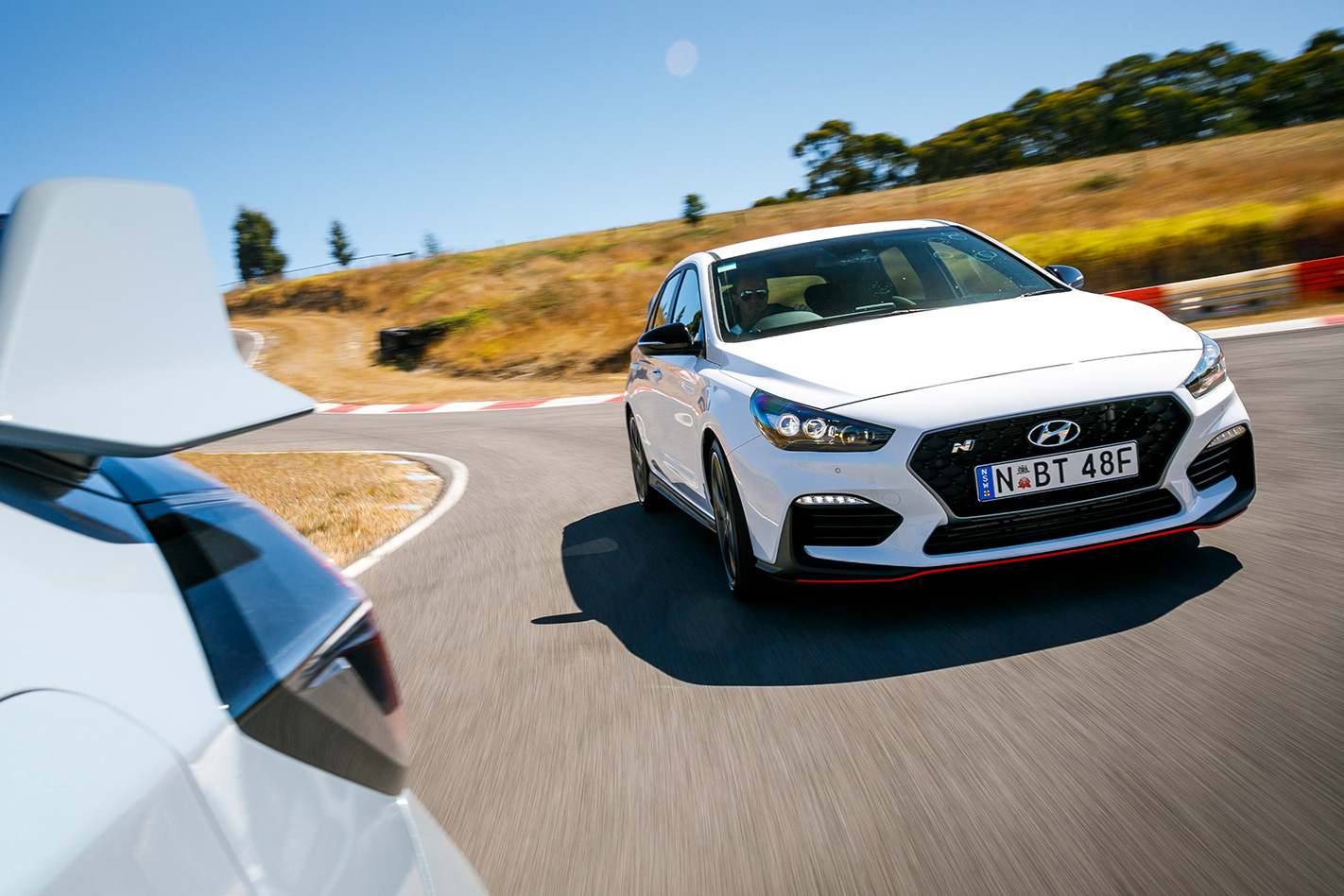
Unlike the N, you won’t find leather in the Golf as some pricier equipment has been left out to sharpen the Original’s asking price – that said, the chequered cloth is almost compulsory in a GTI. Hyundai gives more kit for the cash in the i30 N, but the Golf still has one of the best information and entertainment systems in the segment. Same goes for its interior quality and design.
Despite the Volkswagen’s strengths and superior experience, the Hyundai is already looking good on paper. Find a 1.4km stretch of unbridled blacktop with 15 corners and the afternoon to yourself and those early positive indications turn into a blatant reality.
Bryant Park Hillclimb in the Haunted Hills east of Melbourne is no place for prohibitively expensive supercars that trade on downforce and wind-tunnel tuned aero, with punishingly tight turns the circuit is the domain of nimble contortionists like the front-drive pair we have here.
And from the first bend, Hyundai’s foray into high-performance cars reveals it is going to be a thorn in the side of some established players.
On cold tyres, the tail is unbelievably light enabling the nose to be tucked into the difficult corners, not that it needs much help with the excellent LSD gluing the front end to your chosen line as you wind the power on.
As the rubber generates some heat, the i30 N digs its hooves in and finds mammoth amounts of grip especially rewarding trail-braking into the wider turns, which lightens the back end regardless of the tyre temp.
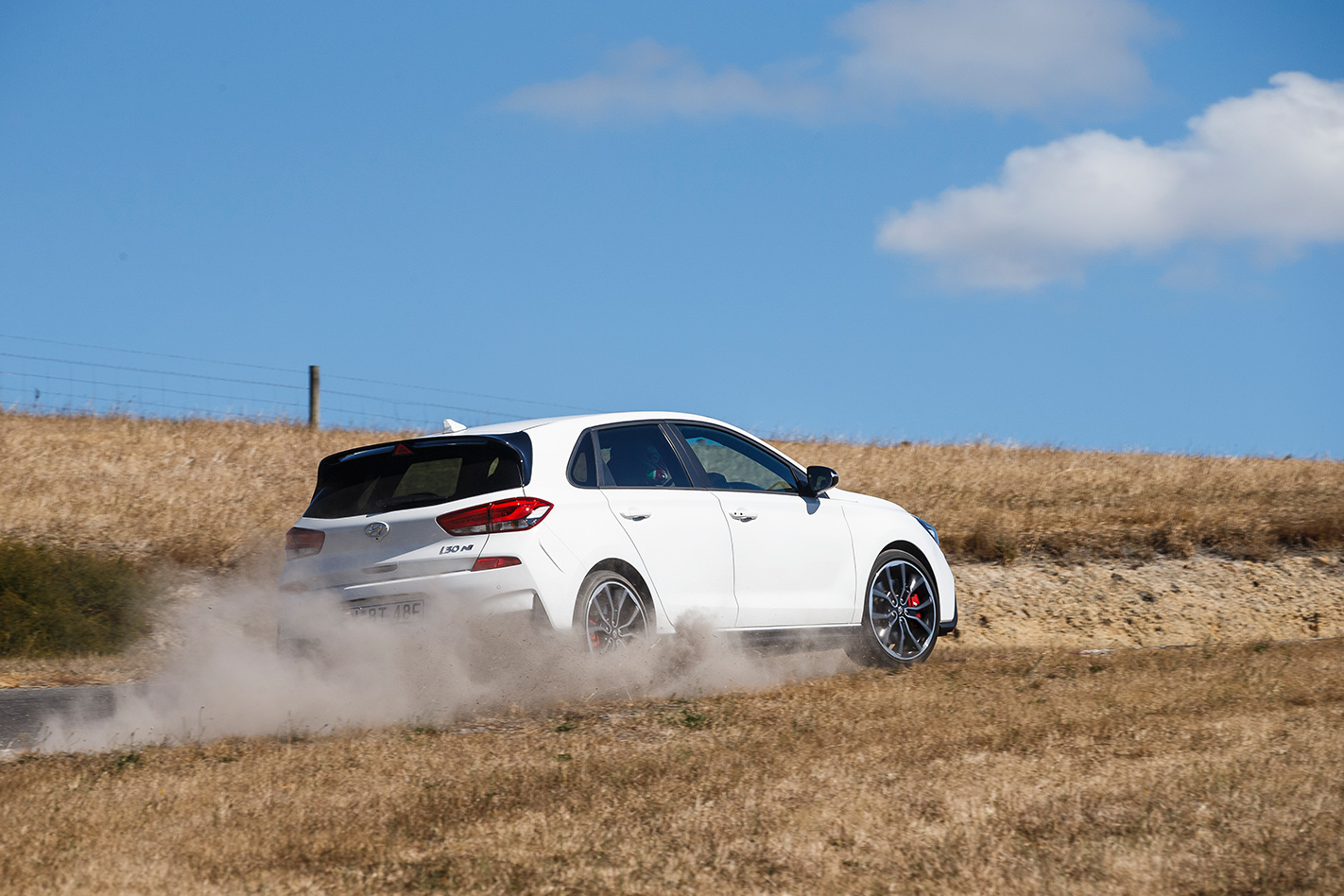
At times, the Hyundai could almost convince you it has a driven rear axle as well with astounding grip in corners and a straight-line drag alike, while the German is unashamedly front-drive. The latter feels lighter when trying to get power to the road and when cornering – mainly because it is.
Where the Golf outdoes the Hyundai however, is its delightful gear shift, offering light but mechanical cog-swaps that suck themselves into place as if the gearbox knew what you were thinking. By comparison the i30 shift is heavy and cumbersome.
The Golf also shows its experience in pedal spacing and driving position. It’s a little tricky to heel-toe the Hyundai (but it can automatically rev-match if you can’t be bothered) and its deeply bucketed seats take longer to wriggle into the optimum position compared with the Golf’s excellent ergonomics.
Both cars have impressive engines under the bonnet displacing the same 2.0-litres across four cylinders that are filled by a single turbo, but both offer dramatically different deliveries.
The Golf is velvet smooth from idle and loves to rev all the way to its limiter just under 7000rpm accompanied by a satisfying note that comes across as partially piped through the stereo. The Hyundai, on the other hand, is immense at all engine speeds and, with the N-button pressed, produces a noise that is more akin to a rally car with loud cracks on overrun and a laughably loud report inside and outside the cabin.
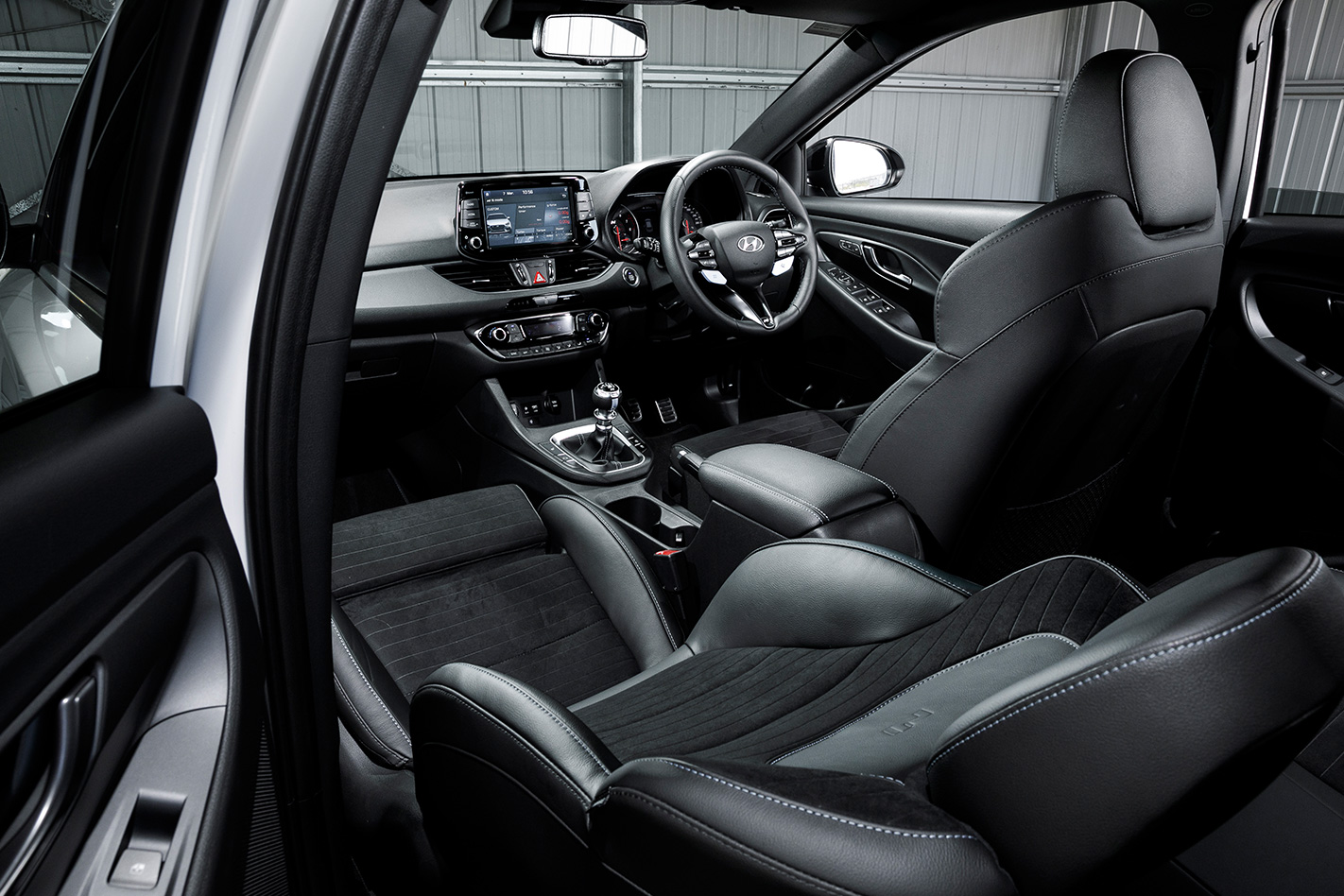
And it’s the same story on the road. To save cost on the Golf’s bottom line, adaptive dampers were not included for the Original spec and that has translated to a more jarring ride on public roads. It’s liveable and gets better when loaded up with people or things but the Hyundai’s locally tuned adaptive set up was always going to be hard to beat.
Both cars demolish good driving roads with impressive vigour but the Hyundai has a versatility that doesn’t require a period of adjustment when turning from the perfect circuit to the open road.
If this was a downhill bike race, the Golf would be a BMX darting from burm to burm executing tricks and flair the whole way to the finish, but the i30 N would be the full-suspension downhill bike, smashing its way to the bottom of the hill with unstoppable momentum.
Like my dear old Fiat, which has no-doubt returned to the earth as iron oxide, both the Volkswagen and Hyundai come to the party offering levels of value and driving enjoyment that could make you forgive a multitude of sins.
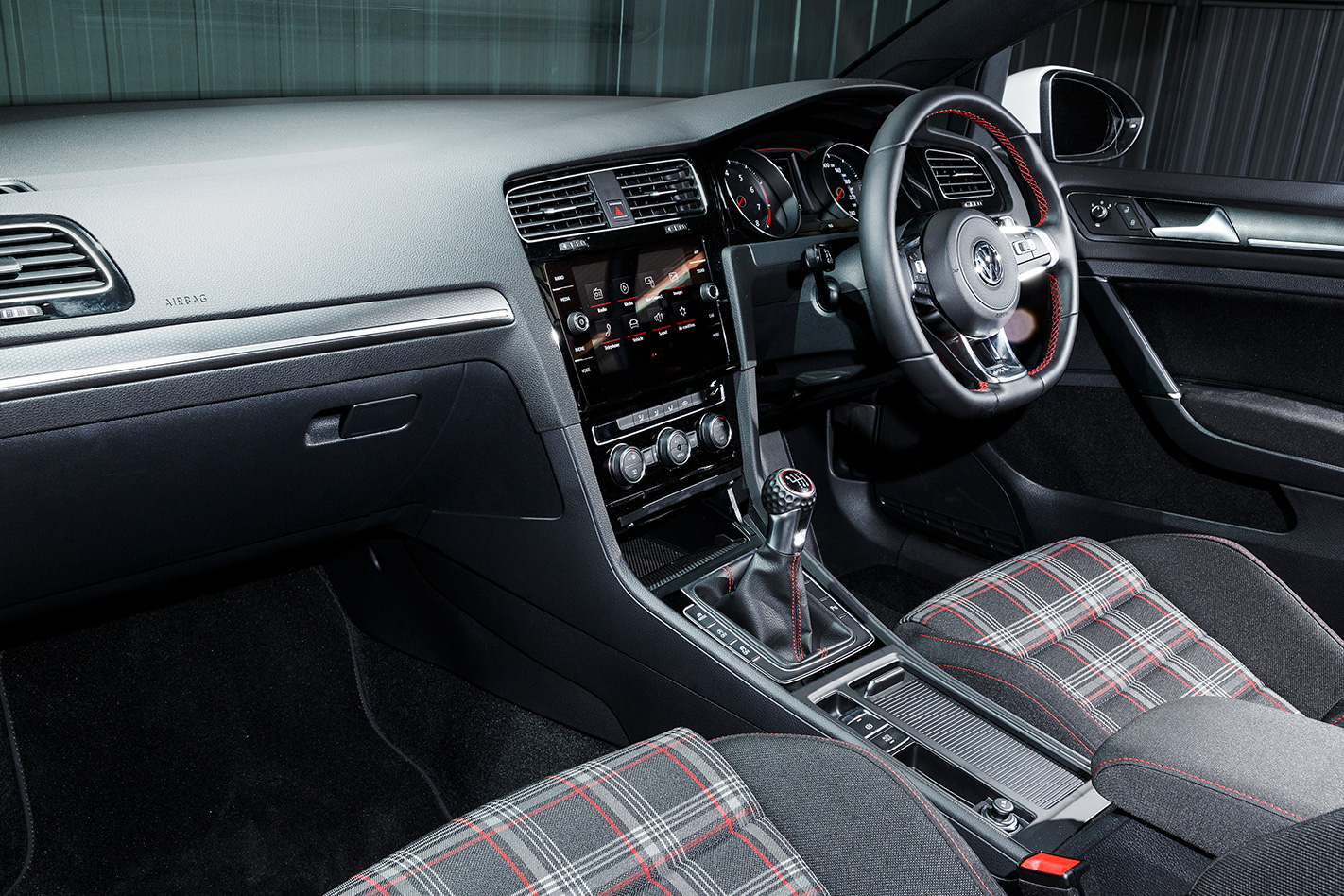
The Golf, as always, is an undeniable adversary in the hot hatch arena offering a level of precision, familiarity and accessibility that would take a catastrophic change of direction to knock it out of the running for best in show. It’s incredibly composed and complete. But the Hyundai is spectacular in its deft tackling of an entirely new segment for the brand.
Not only is it devastatingly quick on the road and circuit, with an accomplished engine, handsome looks and the ergonomics and practicality to match, it offers an all-round brilliant driver’s car at a price that the equivalent Golf simply can’t match.
IT MIGHT look like psychedelic artwork to humans, but LiDAR is an autonomous vehicle’s view of the world. The high-tech surveying system is already being used by the first autonomous vehicles, but its use is set to increase with the advent of true self-driving cars.
Wheels delves into the What? How? and Why? in this edition of Explained.
What is it?
LiDAR is an acronym for ‘light detection and ranging’. Essentially it’s a form of surveying technology that uses a laser to detect objects and, using the information gathered while in motion, rapidly builds a precise virtual image of the surrounding environment. It’s broadly agreed by vehicle manufacturers that LiDAR is fundamental to the success of autononmous vehicles. Orlando-based company Luminar is one of the industry leaders currently advancing the technology for automotive applications.
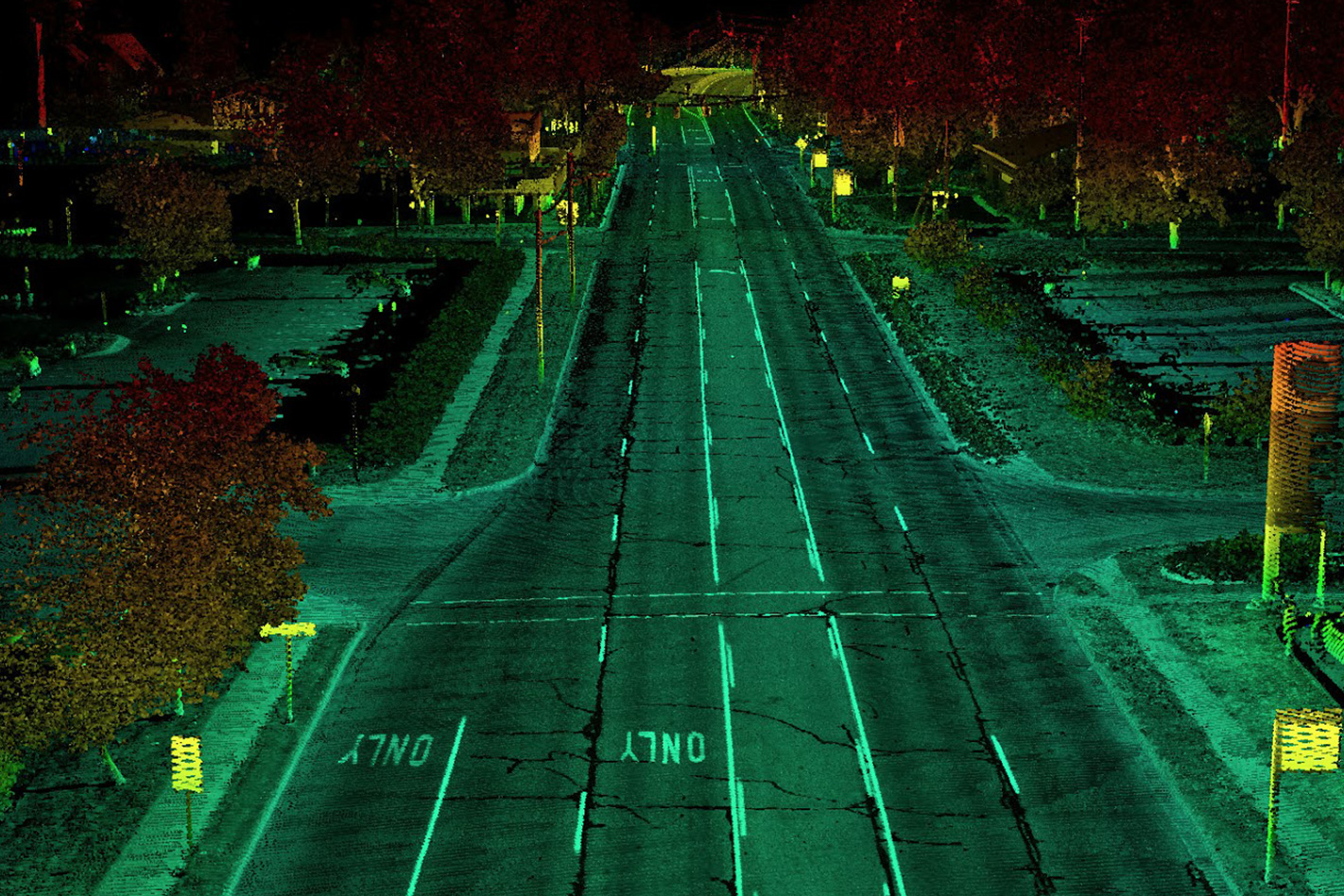
An infrared laser beam is scattered from the LiDAR unit. These light pulses hit surrounding objects and are reflected back to a sensor located near the laser. The sensor feeds the information to a powerful processor that calculates the time the laser pulse took to return and therefore the distance of the object that reflected it.
It can also detect the reflected brightness of the beam: bright light indicates a shiny surface, while a dimmer returning pulse will bounce back from a dark or dull object. The data is then processed to create a precise digital 3D image of the surrounding area.
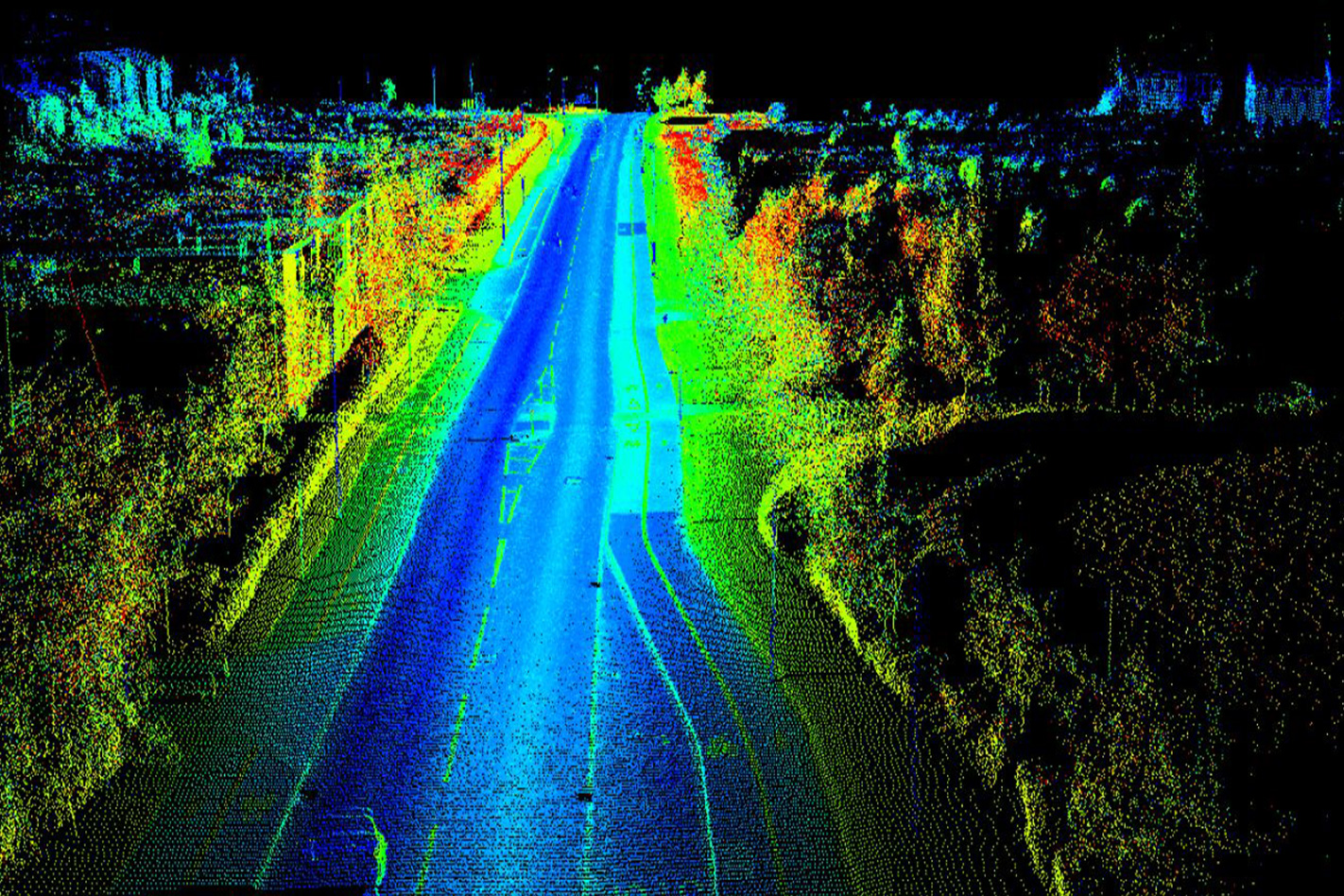
The image of a constantly changing environment is critical for a self-driving car as it allows it to see potential hazards, pedestrians and other road users, while enabling the vehicle to follow a course between static objects.
Not only can the technology establish where an object is, it can also tell what it is, which enables the car to more accurately determine if something is hazardous. Current systems allow accurate real-time detection of objects up to 250 metres away, which offers more time for a vehicle to react, while the detail of the digital image is unrivalled by any other technology with a similar range. Radar technology has a very long range but is only adept at sensing large objects. Camera technology has high detail sensitivity but a supporting system must use complex technology to interpret a 3D world from a 2D image, which gets harder at longer ranges.
LiDAR is a relative newcomer to the surveying tech world and requires significant research and development for autonomous applications. The cost per vehicle is still in the region of thousands of dollars and the systems have to be made more reliable, durable and scalable, but as the technology advances, LiDAR will be the cornerstone of true level four and five self-driving cars.
The fifth-generation of Lexus’ LS flagship sedan has launched in Australia with prices starting at $190,500 for both the V6 LS 500 and hybrid LS 500h in F Sport spec.
For the LS 500h, this represents a $23,000 price drop from the outgoing LS 600h F Sport, despite being equipped with the more advanced 220kW/350Nm V6-petrol electric Multi-Stage Hybrid powertrain taken from the LC coupe.
While it’s not as powerful as the outgoing V8-based LS 600h, its 5.4-second 0-100km acceleration is 0.3 seconds quicker. It’s also considerably more efficient, with combined fuel consumption figure of 6.6L/100km, compared with the LS 650h’s 8.6L/100km thirst.
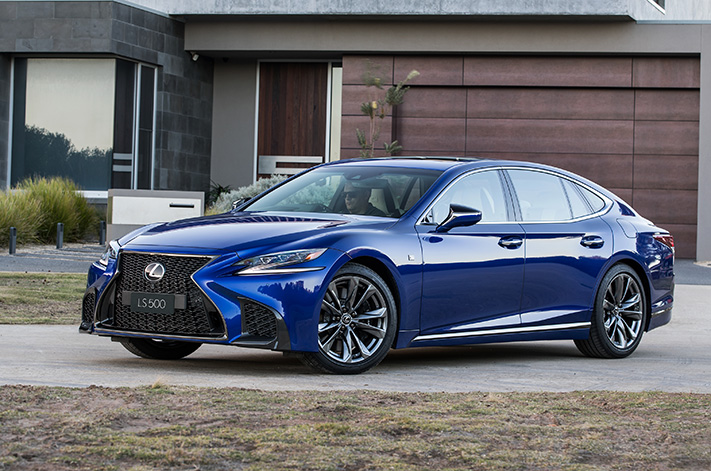
The standard petrol powertrain is also more advanced, with a powerful 310kW/600Nm 3.5-litre twin-turbo V6 that sends power to the rear wheels via a smooth-shifting 10-speed automatic transmission.
This is the first turbocharged LS model to date and, despite losing two cylinders, it provides significantly more grunt that the 286kW naturally aspirated V8 it replaces and will hit 100km/h from a standing start in just 5.0 seconds.
The enhanced powertrains are just one of the significant advancements to Lexus’ BMW 7-Series rival. Built on the Japanese carmaker’s new GA-L (Global Architecture – Luxury) platform, it’s more luxurious than before too, with a longer 3125mm wheelbase giving it the most legroom of any LS generation, including long-wheelbase variants.
As well as being able to accommodate more opulent furniture than ever before, the additional length also achieves improved 52:48 front-rear weight distribution and lower centre of gravity for greater agility and comfort.
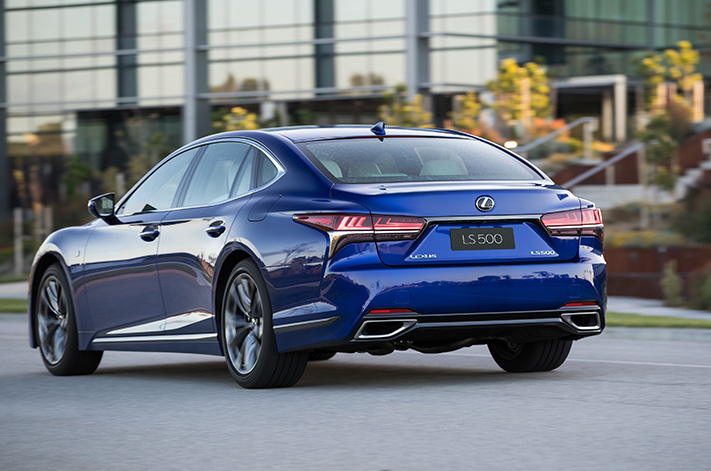
The coupe-like cabin houses advanced new front and rear seat designs with new massage functions and in-cabin technology including a 12.3-inch multi-media screen, large head-up display and a 23-speaker Mark Levinson sound system and auto-closing doors.
The latest Lexus Safety System+ brings a pre-collision system, all-speed radar active cruise control, lane keep assist and adaptive high-beam system to control the LED headlamps automatically, along with blind-spot monitor, rear cross-traffic alert and tyre pressure monitoring system.
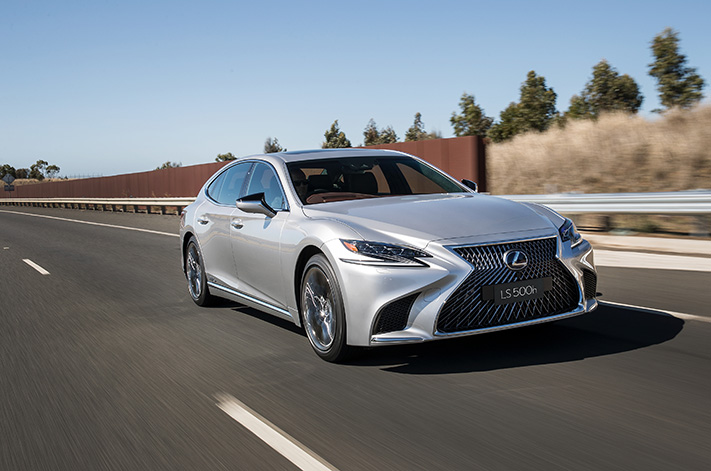
Performance benefits include standard Vehicle Dynamics Integrated Management (VDIM), adaptive air suspension with access mode control, dynamic rear steering, variable gear-ratio steering, and active stabiliser bars that provide increased stability control while maintaining ride comfort.
All that kit is included in the performance-focused F Sport variant along with sporty exterior and interior treatments, 20-inch alloys with staggered front-rear tyre widths, and high-performance brakes.
For an extra $5000, the range-topping Sports Luxury loses some of the performance kit including VDIM and active stabiliser bar, but adds four-zone climate control with rear cooler box, 22-way power rear seats with passenger-side ottoman and seven massage programs, rear-seat entertainment, and noise-dissipating 20-inch alloy wheels.
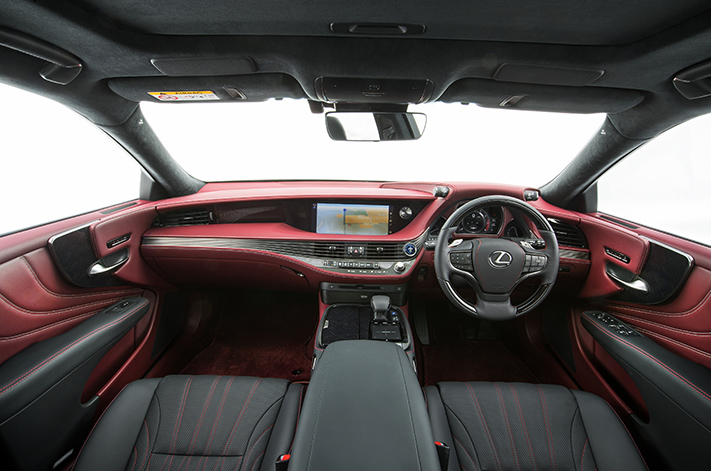
A range of trim options based on traditional Japanese craftsmanship are available to each variant, some of which are no-cost while others add to the bottom line.
The 2018 Lexus LS also benefits from an expanded customer care program which includes 10-year complimentary roadside assistance.
2018 Lexus LS pricing
- LS 500 F Sport – $190,500
- LS 500h F Sport – $190,500
- LS 500 Sport Luxury – $195,500
- LS 500h Sport Luxury – $195,500
VOLKSWAGEN Group chief executive Matthias Müller is expected to leave his post on Friday, following a push from the company’s supervisory board.
A brief statement from Volkswagen released yesterday implied the imminent change, citing “a further development of the management structure of the Group, which would also be associated with personnel changes.
“This could also include a change in the position of the chairman of the board of management.”
According to the statement, decision makers are currently “in discussions with certain members of the board of management”, and “Mr Matthias Müller showed his general willingness to contribute to the changes.”
Confirmation that Müller, 64, would be a casualty came subsequently from sources close to him, according to German news. A vote by the supervisory board to seal his fate is expected at the end of this week.
What has motivated the change is yet to be made clear by its instigators, as Müller’s contract runs until 2020. Volkswagen Group under Müller’s leadership recorded an after-tax profit of 11.6 billion Euros (A$18.5b) last year on sales of €230.6 billion (A$367.4b), a return to form following the Dieselgate scandal.
The company as a whole sold 10.74 million vehicles in 2017 and claimed the title of world’s largest car maker. The Volkswagen brand is on track for another record year with 1,525,300 vehicles delivered in the first three months of 2018.
Müller received a huge pay rise under a remodelled remuneration program in 2017. A 40 percent salary increase put him on 10.1 million Euros (A$16.2m) per year.
He was elevated to the chief executive role from his position as head of Porsche in 2015 during the weeks of crisis immediately following widespread Dieselgate news coverage. It is believed Volkswagen’s senior stakeholders are seeking to cut ties completely with that torrid period of company history, and place a holistic focus on electrification.
German news outlets expect Müller’s successor to be announced as current VW brand manager Herbert Diess, who moved to Volkswagen from BMW two months before Müller’s appointment in 2015. His ‘clean skin’ is significant for the Group’s public perception going forward. Müller had no Volkswagen involvement during the time of diesel-emissions cheating that took place within the company prior to it becoming news.
Diess has an engineering background and is recognised as having been pivotal to increased profit margins at BMW and as the driving force behind BMW’s electrified ‘i’ sub-brand. He was regarded as a potential replacement for Martin Winterkorn as Volkswagen AG boss in 2015, though he had only been with the company for less than three months.
Taking over from Müller will put Diess in charge of more than 600,000 employees across 12 brands including Volkswagen, Skoda, SEAT, Audi, Porsche, Bentley, Lamborghini, Bugatti as well as commercial vehicle businesses Volkswagen Commercial, MAN and Scania, and the Ducati motorcycle operation.
The new Audi A6 Avant has been revealed, just over a month after the sedan version broke cover.
But the new Avant’s design is less wagon, and more ‘liftback’, with a sleek sloping roofline that is arguably more attractive than the sedan.
The A6 Avant will likely come with the same V6 engines as the sedan – a 250kW/500Nm3.0-litre turbo petrol V6, or a 3.0-litre twin-turbo diesel V6 which has 210kW/620Nm.
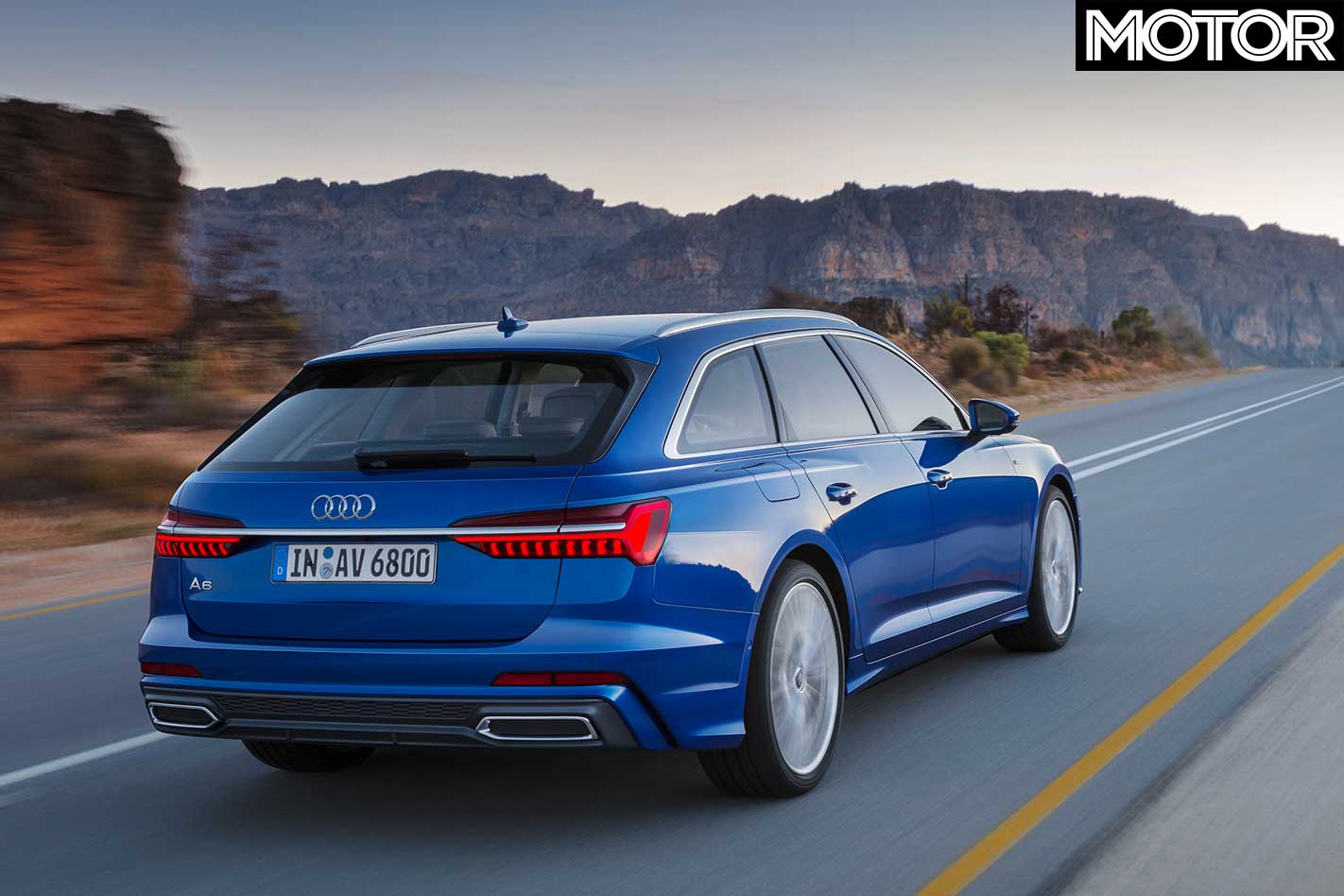
The design of the new A6 Avant is a slight departure from the previous models as its roofline drops towards the rear of the car, making it look more sporting.
But Audi says event though its roof is lower at the rear, “the new A6 Avant retains the spacious luggage compartment capacity of its predecessor.”
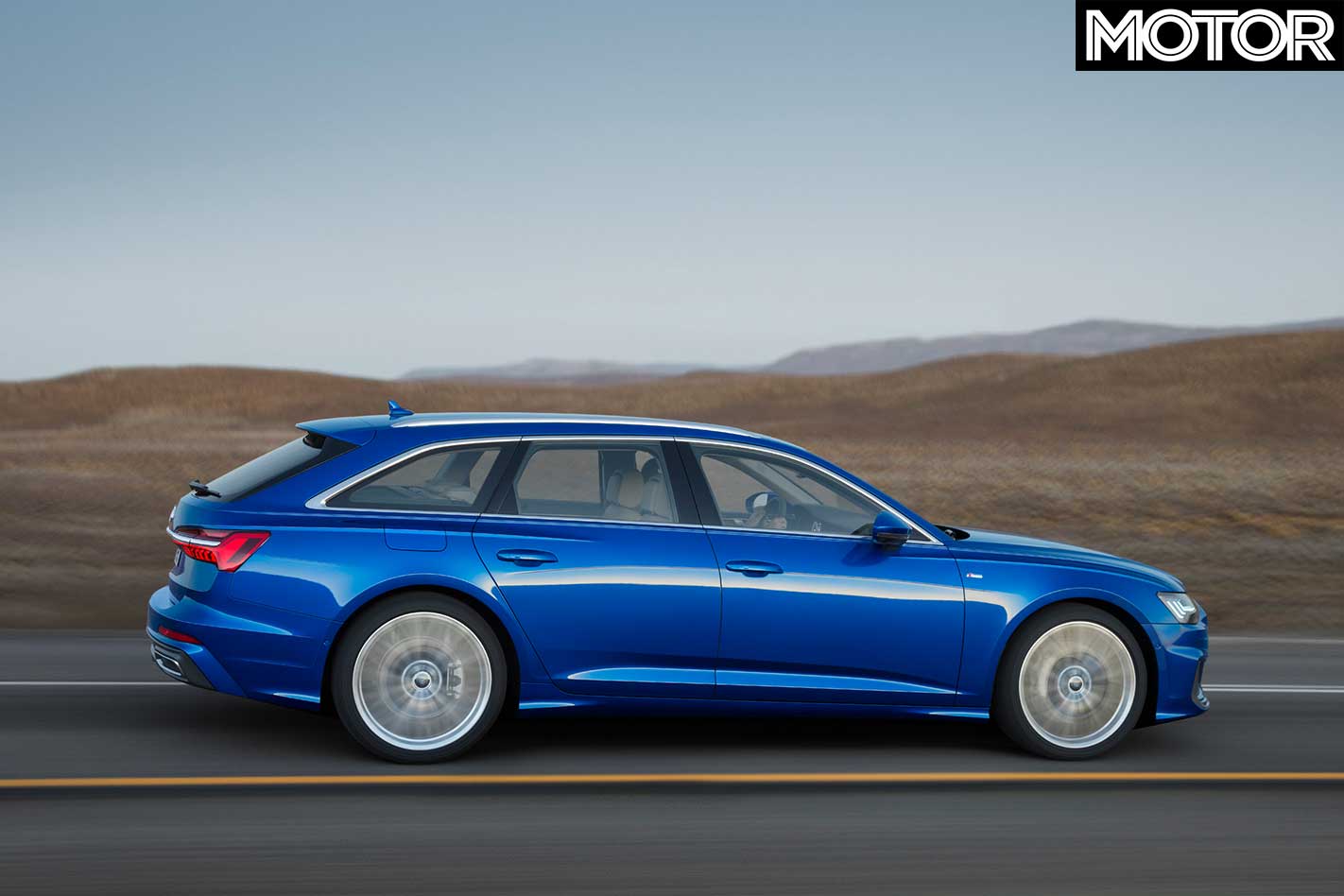
Audi designer and man responsible for the A6 Avant’s exterior Helmut Jung said in an interview with Autocar: “We had two choices: to try to hide them, which would not have been entirely possible, or to make a feature of them.
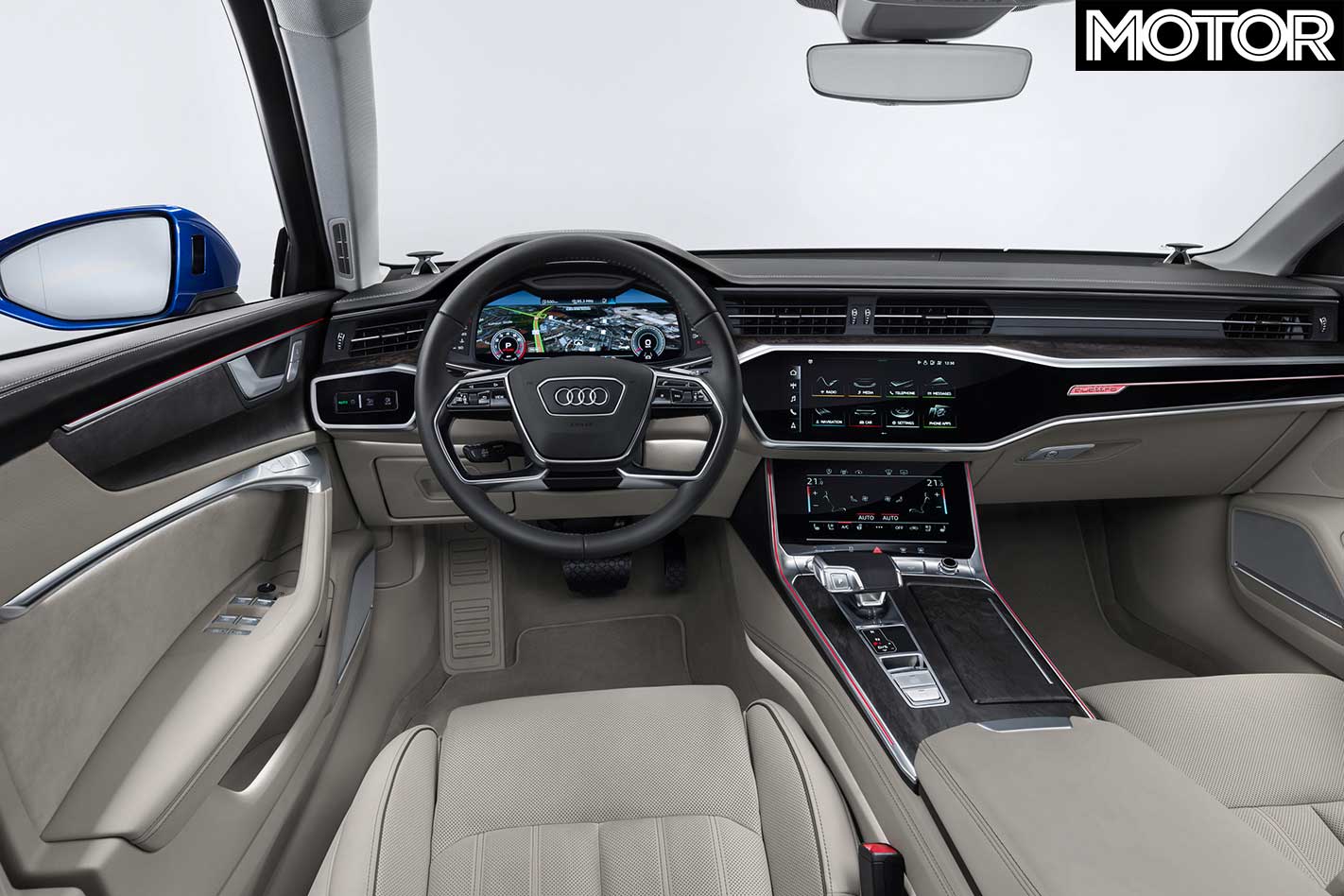
While the new A6 sedan is due to be available in Germany in June, arrival for the Avant is yet unannounced.
In Australia, Audi’s local arm says: “The new Audi A6 Avant is being evaluated for its opportunity in the Australian market.”
IF ARNOLD Schwarzenegger challenged Sylvester Stallone to a mid-1990s Venice Beach flex-off, there still wouldn’t have been as much rippling muscle as when we pitched the 2018 Ford Mustang GT against the Chevrolet Camaro SS in Los Angeles last January.
The mission was to get an early glimpse at how the battle might play out when the iconic pair bump gloves in Australia for the first time later this year and, boy, was it a close fight.
In the Blue corner, the Ford’s incredibly strong and sophisticated 5.0-litre V8 and relative everyday practicality stacked up a convincing case for the pony car, while the Camaro fought back from the Red corner with a razor-sharp chassis and looks that can make babies cry.
We crawled through LA traffic as it set like concrete, snaked through Hollywood’s gilded laneways and blasted out into the surrounding canyons before winding up the two day 16-cylinder muscle festival at a quintessential American diner.
For a taste of the stunning scenery, balmy Californian climate and, of course, a pair of thoroughbred tyre-destroying machines, here’s a handful of the pictures that we couldn’t quite slot into the cover story. For the full experience, presented in print, pick up the March edition of Wheels that’s on shelves for another week.
And if these shots of a Camaro and Mustang fighting it out on American blacktop gets you excited, then you’re in for a treat when the brace of bruisers get into the ring for a round-two rematch Down Under in July this year.
The BMW M3 CS has been confirmed for Australia, with pricing set at $179,900 before on-road costs.
The announcement from BMW Australia means the CS will be the highest-spec M3 available in Australia upon its launch, priced at $33K more than the M3 Competition, and $50,000 more than the M3 Pure.
So what does the extra cash get you? A little more power and torque for a start.
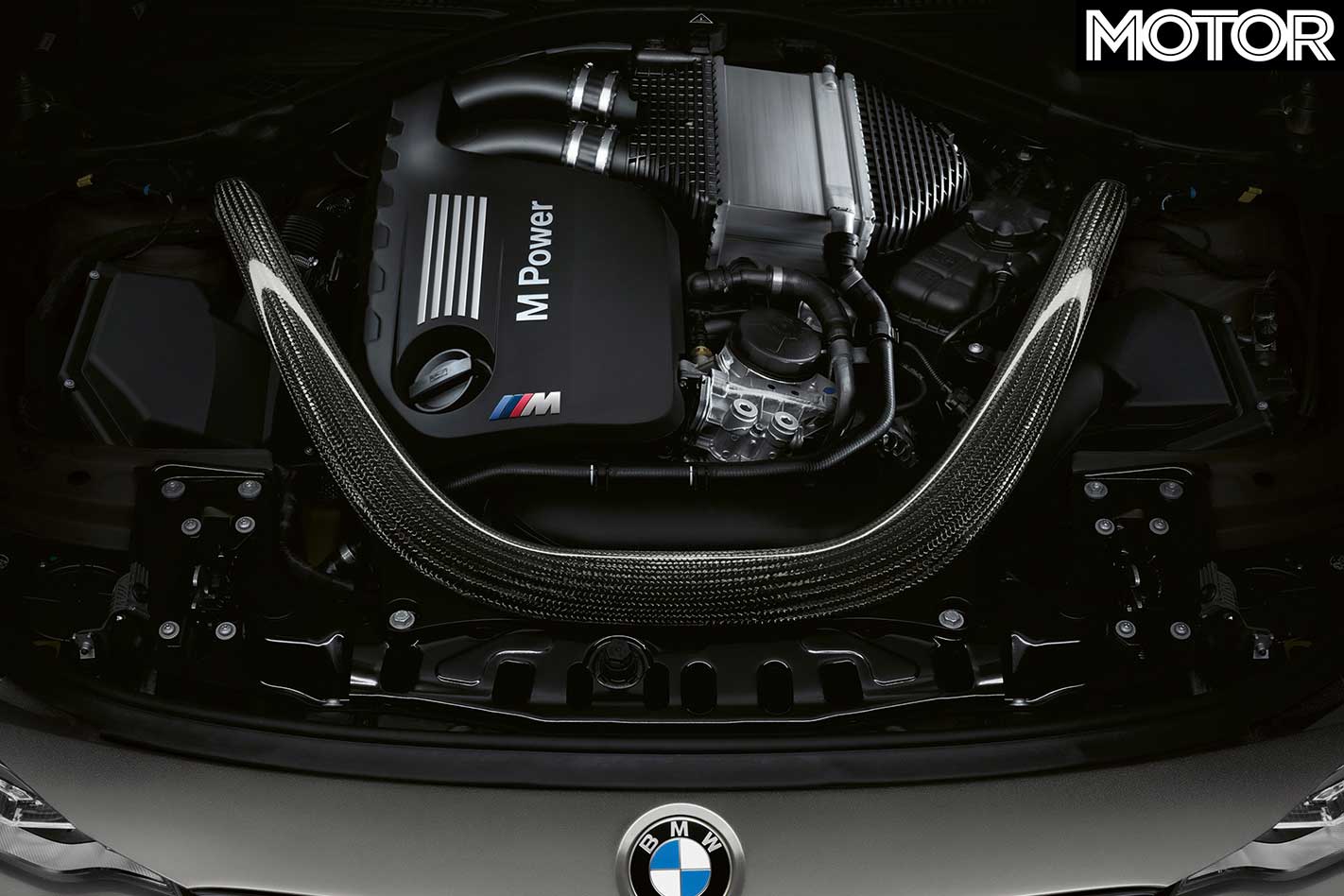
It’s a little heavier at 1585kg, up from 1520 in the Pure and Competition, but the bodywork (roof, bonnet, front splitter, rear diffuser and rear gurney flap) is full of carbon fibre and carbon fibre reinforced plastic (CFRP).
Even the prop shaft is made from CFRP.
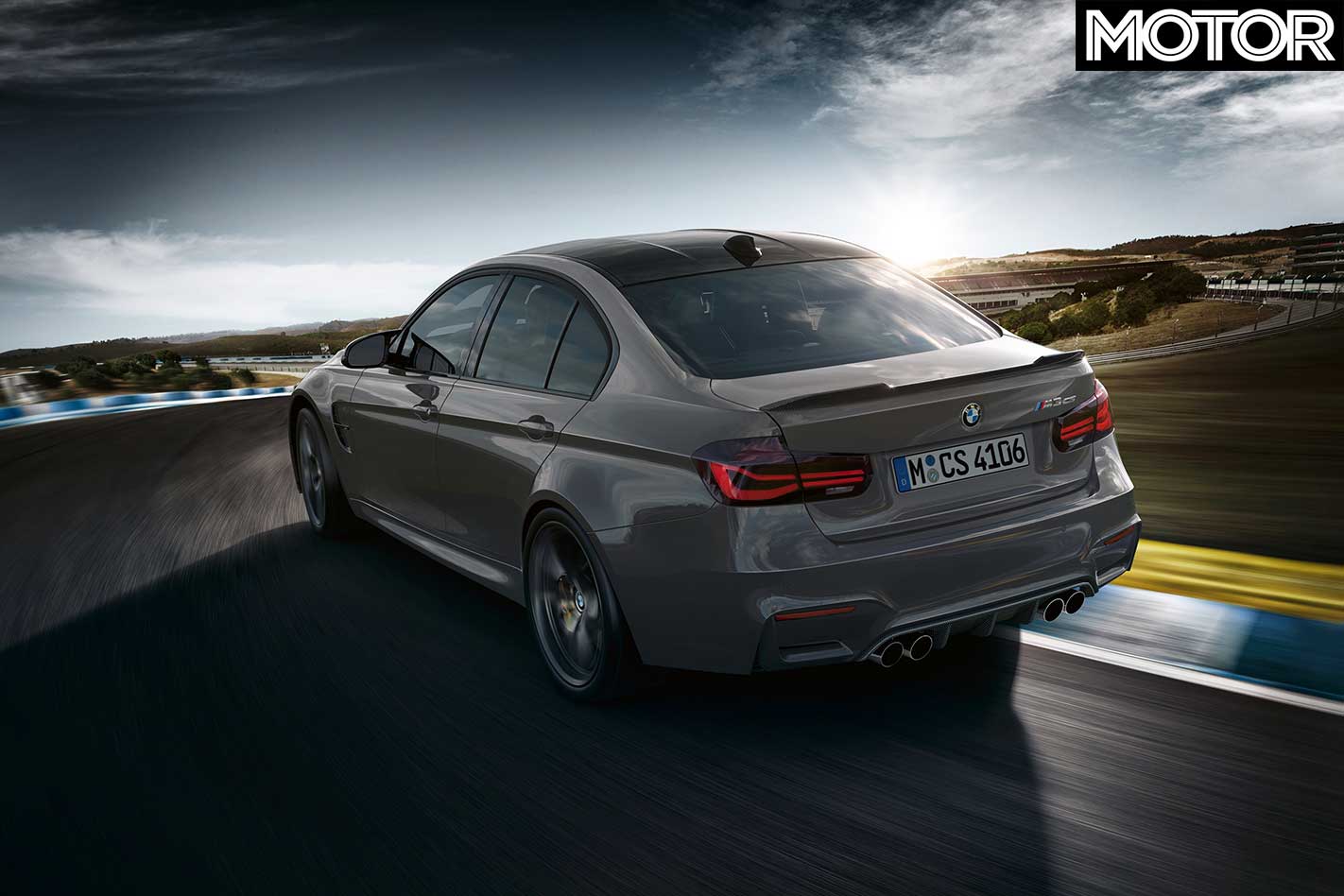
Top speed is limited to an increased 280km/h. Three tenths are shaved off the 0-100km/h time, bringing it down to 3.9s according to BMW.
BMW Australia CEO Marc Werner says the CS should prove a popular product given its ability and exclusivity.
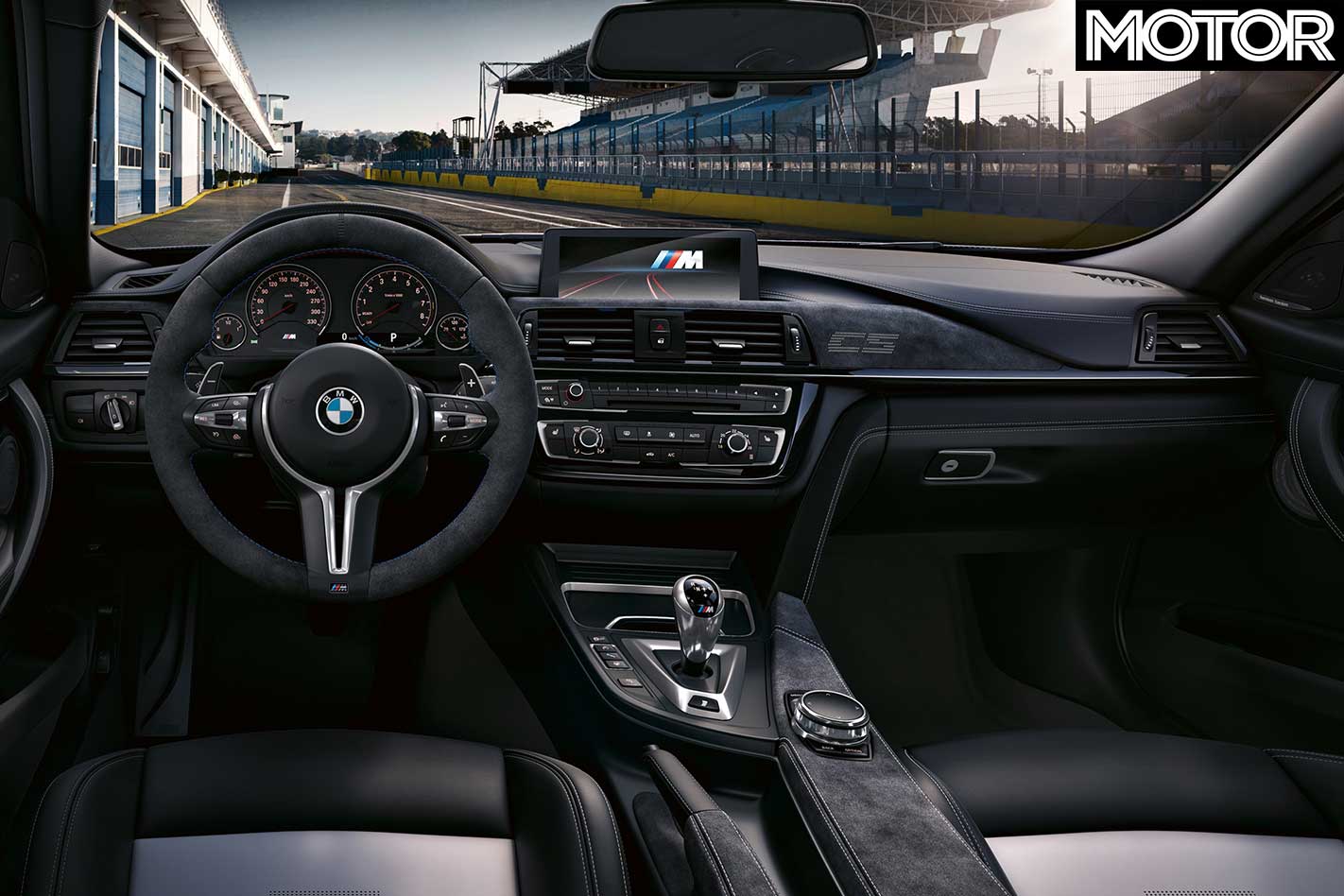
“Even better, we’ve been able to follow up from the M4 CS’s strong price position.
“The 338kW M3 CS will be available from June.”
Keep an eye on MOTOR when it drops to find out if the BMW M3 CS is worth your extra hard-earned.
